

⚕️ Written by Dr. Sarah Mitchell, MD, MPH  •  📋 Evidence-Based Articles  •  🔍 Medically Reviewed

⚠️ Not a substitute for professional medical advice

Author: HealthAuthorityLife Editorial Team

  • Adrenal Fatigue: Symptoms, Causes, and Natural Recovery Tips

    Adrenal Fatigue: Symptoms, Causes, and Natural Recovery Tips

    Key Takeaways

    • Adrenal fatigue is a term often used to describe HPA axis dysfunction, where the body struggles to maintain equilibrium under chronic stress.
    • Common signs of adrenal exhaustion include persistent fatigue, brain fog, and difficulty waking up in the morning despite adequate sleep.
    • The physiological root of the issue lies in a dysregulated stress response system involving cortisol and DHEA imbalance.
    • Effective chronic stress management is the cornerstone of healing, requiring a shift in lifestyle and nervous system regulation.
    • Learning how to recover from adrenal fatigue involves a multi-pronged approach of nutritional support, restorative sleep, and gentle movement.

    In an era defined by relentless schedules, digital connectivity, and perpetual demands, many individuals report feeling “tired but wired.” This pervasive state of exhaustion, often accompanied by an inability to cope with daily pressures, is frequently discussed under the umbrella of adrenal fatigue. While the term is sometimes met with skepticism in conventional medical circles, the underlying physiological reality—often categorized as HPA axis dysfunction—is a well-documented phenomenon characterized by the body’s compromised ability to manage prolonged stress. For those caught in this cycle, the quest for vitality often feels like an uphill battle, but understanding the intricate dance between your hormones and your environment is the first step toward reclaiming your health. By addressing the root causes of systemic stress and implementing targeted natural adrenal support, it is possible to reset your internal rhythms and restore your energy levels.

    What Is Adrenal Fatigue and HPA Axis Dysfunction?

    The concept of adrenal fatigue has gained significant traction in the health and wellness community, acting as a shorthand for the systemic exhaustion people feel when they have been pushing themselves too hard for too long. From a clinical perspective, many practitioners prefer the term HPA axis dysfunction. The HPA axis stands for the Hypothalamic-Pituitary-Adrenal axis, a complex network of feedback loops that connects the brain to the adrenal glands. This system is the body’s primary command center for responding to stressors, both acute and chronic. When you encounter a challenge—whether it is a physical threat, a tight work deadline, or emotional turmoil—the hypothalamus sends a signal to the pituitary gland, which in turn commands the adrenal glands to secrete hormones like cortisol and adrenaline.

    In a healthy, functioning system, the body reaches a state of stress, mounts a response to handle it, and then returns to baseline—a state of homeostasis. However, when a person faces chronic stress, the “off” switch for this system becomes increasingly difficult to trigger. The HPA axis remains in a state of high alert, constantly pumping out stress hormones. Over time, this constant demand can lead to what is colloquially known as signs of adrenal exhaustion. The glands are not necessarily “failing” in the sense of Addison’s disease, but the communication pathway between the brain and the glands becomes desensitized or dysregulated. The body loses its ability to modulate the production of cortisol effectively, leading to either persistently high levels, persistently low levels, or an erratic rhythm that doesn’t align with the natural day-night cycle.

    HPA axis dysfunction reflects a breakdown in the body’s adaptive capacity. It is not merely a “tiredness” that a weekend of sleep can fix; it is a physiological imbalance that impacts everything from metabolic rate and immune function to mood regulation and cognitive clarity. By viewing this state as a failure of the body to adapt to the environment rather than a failure of the organs themselves, we can better appreciate how to recover from adrenal fatigue. The healing process is not about “boosting” the adrenals—which can be counterproductive—but rather about downregulating the stress response and providing the biological environment necessary for the HPA axis to recalibrate its sensitivity. This involves a comprehensive look at how we eat, sleep, and think, treating the body as an interconnected web of systems that requires careful tending and consistent, gentle support.

    Common Symptoms of Adrenal Exhaustion

    Recognizing the signs of adrenal exhaustion can be challenging because the symptoms often mimic other conditions, such as thyroid dysfunction, anemia, or sleep disorders. Because the adrenal glands play a role in virtually every system in the body, the symptoms are rarely confined to just one area. Most individuals dealing with this imbalance report a constellation of issues that evolve as the dysfunction progresses. The most classic marker is a profound, unexplained fatigue. This is not the type of tiredness that disappears after a nap; rather, it is a heavy, pervasive sense of depletion that is most intense in the morning. Many people find it nearly impossible to get out of bed, requiring significant caffeine or stimulation just to feel “human” enough to start the day. Paradoxically, these same individuals often experience a “second wind” late at night, feeling alert and anxious just when they should be winding down for sleep.

    Brain fog is another hallmark symptom. You might find it difficult to concentrate, struggle to recall words, or experience a general feeling of detachment or “spaced-out” behavior. This mental fatigue is closely linked to the brain’s struggle to maintain stable energy levels when cortisol is dysregulated. Because cortisol influences blood sugar balance, many people with signs of adrenal exhaustion also experience intense cravings for salt or sugar. The body, struggling to manage its own internal resources, cries out for quick-fix energy sources to keep the engines running. Salt cravings, in particular, are often attributed to the adrenal gland’s role in regulating mineral balance and blood pressure.

    Other common indicators include:

    • Increased susceptibility to illness or slow recovery from colds and infections.
    • Dizziness or lightheadedness when standing up quickly, suggesting potential issues with blood pressure regulation.
    • Lowered libido and diminished interest in intimate relationships.
    • Difficulty managing emotions, manifesting as irritability, anxiety, or a shortened fuse.
    • Changes in weight, particularly the accumulation of fat around the midsection, which is often a physical response to elevated, chronic cortisol levels.
    • Skin issues or skin sensitivity, as the body deprioritizes the health of the skin and hair when it is in a “survival” mode.

    When assessing these symptoms, it is vital to note that they are signals from your body, not defects. They are the physiological manifestation of an internal environment that is being asked to do too much with too few resources. Acknowledging these signs is the first step toward chronic stress management. When you stop pushing through the fatigue and start listening to the body’s request for rest and nourishment, the path to healing begins. It is also important to consult with a qualified healthcare practitioner to rule out underlying medical conditions that could be contributing to these symptoms, ensuring that any strategy for natural adrenal support is safe and appropriate for your individual history.

    Approach Primary Focus Best For
    Nutritional Priming Blood sugar stabilization and electrolytes Combating mid-day energy crashes
    Circadian Reset Light exposure and sleep hygiene Fixing the “tired but wired” sleep cycle
    Gentle Movement Low-impact activity (yoga/walking) Reducing systemic inflammation
    Adaptogenic Support Herbal modulation of HPA axis Supporting long-term stress resilience

    Primary Causes and Triggers of Adrenal Stress

    Understanding what leads to adrenal fatigue requires looking beyond just “busy schedules.” While work stress is a frequent culprit, the causes of HPA axis dysfunction are diverse and often additive. The body does not differentiate effectively between the stress of a looming presentation and the stress of a nutrient-deficient diet; all stressors contribute to the same “allostatic load”—the cumulative wear and tear on the body. One of the most significant triggers is chronic inflammation, which can stem from gut health issues, food sensitivities, or hidden infections. When the immune system is constantly activated to deal with systemic inflammation, the adrenal glands are kept in a state of high-alert production to provide the cortisol necessary to suppress that inflammation. This keeps the HPA axis stuck in the “on” position.

    Dietary habits also play a pivotal role. The standard modern diet, often high in refined sugars, processed oils, and chemical additives, creates frequent blood sugar swings. Every time blood sugar drops too low, the body views this as a stress event and triggers the release of cortisol to mobilize glucose stores. If this happens multiple times a day due to an imbalanced diet, the adrenal glands are effectively working overtime on a glucose-regulation treadmill. Furthermore, chronic exposure to environmental toxins, poor sleep quality, and a lack of recovery time can severely hinder the body’s ability to repair itself. Sleep is when the endocrine system does its “maintenance work.” If you are regularly cutting sleep short, you are robbing your body of the essential downtime needed for the HPA axis to downregulate.

    Psychological factors are perhaps the most insidious triggers. Many people live in a state of anticipatory anxiety, constantly thinking about the next task or ruminating on past errors. This psychological loop keeps the brain in a sympathetic dominant state (the fight-or-flight response). Over years, this habituated stress response changes the structural and functional setpoints of the brain. You may find that even when you are physically resting, your nervous system remains braced for impact. Chronic stress management is, therefore, not just about “taking breaks,” but about fundamentally changing how your nervous system processes external stimuli. This might involve learning to identify the early warning signs of stress—like shallow breathing or clenched jaws—and using simple techniques to signal to your brain that it is safe to shift into a parasympathetic, or “rest and digest,” state.

    It is also worth noting that major life transitions—such as the loss of a loved one, a difficult divorce, or a major career change—can act as the straw that breaks the camel’s back. Even if you have been managing stress reasonably well for years, a major trauma can deplete your adrenal reserves, tipping the balance from “managing” to “dysfunctional.” Recognizing these triggers is not about blaming your lifestyle, but about gaining the clarity needed to make adjustments. By systematically identifying the most prominent stressors in your life, you can begin to curate an environment that supports your recovery rather than working against it.

    How Chronic Stress Impacts Your Hormone Balance

    The relationship between stress and hormone balance is a domino effect of internal signaling. When the HPA axis is activated, it influences almost every other endocrine gland in the body, creating a ripple effect that can lead to widespread hormonal chaos. One of the most common impacts is on the thyroid. Thyroid hormone conversion—the process of turning the inactive T4 hormone into the active T3 hormone—is inhibited by high levels of cortisol. This explains why so many people with adrenal issues also report symptoms of low thyroid function, such as cold hands, hair loss, and weight gain, even if their blood work for the thyroid gland itself appears “within normal limits.” The body is effectively downregulating the metabolism to conserve energy during what it perceives to be a high-stress period.

    Sex hormones are also significantly affected. The body follows a hierarchy of hormonal production. When there is a high demand for cortisol, the body will prioritize the synthesis of this survival-critical hormone over the production of reproductive hormones like progesterone, estrogen, and testosterone. This process, often referred to as the “pregnenolone steal,” occurs because these hormones share a common precursor: pregnenolone. In times of chronic stress, the body shunts this precursor toward cortisol production, leaving the reproductive system with fewer resources. This can result in irregular menstrual cycles, PMS symptoms, low libido, and fertility challenges. Addressing this imbalance is a key part of how to recover from adrenal fatigue; as you stabilize your cortisol production and lower your systemic stress load, the body often naturally begins to re-prioritize the production of sex hormones.

    Furthermore, chronic stress impacts insulin sensitivity. Cortisol is designed to make energy available for immediate physical action. It does this by increasing blood sugar levels. When this occurs continuously due to chronic stress, it can lead to insulin resistance, as the cells become desensitized to the constant influx of glucose. This, in turn, creates further stress on the body, continuing the cycle of hormonal dysregulation. This intricate interplay is why natural adrenal support often requires a holistic strategy. You cannot simply supplement your way out of a hormonal imbalance; you must address the signaling pathways that are directing your body to behave in this way. By calming the stress response, you create the space for the body’s delicate hormonal feedback loops to return to their natural, homeostatic balance. This is a gradual process, but it is one that fundamentally reshapes your health from the inside out, fostering greater resilience and long-term vitality.

    The Role of Cortisol and DHEA in Energy Levels

    Cortisol and DHEA (dehydroepiandrosterone) serve as the primary balance beam for human energy and resilience. Cortisol is widely known as the “stress hormone,” but it is also essential for maintaining blood sugar levels, reducing inflammation, and regulating the sleep-wake cycle. In an ideal scenario, cortisol levels are highest in the morning to provide the energy needed to start the day, and they gradually taper off as evening approaches to allow for rest and melatonin production. DHEA, on the other hand, acts as a functional counterweight to cortisol. It is an androgenic hormone that helps to mitigate the catabolic, or “breakdown,” effects of cortisol. It promotes tissue repair, immune function, and feelings of well-being. Think of cortisol as the gas pedal and DHEA as the restorative, rebuilding agent that keeps the engine from overheating.

    In the early stages of HPA axis dysfunction, many people experience a state of “cortisol dominance,” where the stress response is hypersensitive and levels remain high throughout the day and often into the night. This leads to the classic feeling of being tired yet unable to fall asleep. As the dysfunction persists and the glands become increasingly taxed, the ability to produce adequate cortisol can diminish. This is when the rhythm flips; cortisol levels may be low in the morning, making it nearly impossible to wake up, and perhaps erratic or even spiking later in the day. Simultaneously, DHEA levels often drop because the body is stealing its precursors to manufacture whatever cortisol it can muster, or simply because the system is too depleted to produce adequate amounts of these “building” hormones.

    The resulting imbalance—a low DHEA-to-cortisol ratio—is a hallmark of deep-seated exhaustion. When this ratio is skewed, the body loses its ability to recover efficiently. Inflammation remains unchecked, muscle tissue repair slows down, and the ability to handle even minor stress factors vanishes. This is the stage where “signs of adrenal exhaustion” become undeniable. Understanding this relationship is crucial for anyone wondering how to recover from adrenal fatigue. The goal of recovery is to restore the normal diurnal rhythm of cortisol and to bolster DHEA levels through rest, nutrient-dense nutrition, and stress reduction. You are essentially trying to teach your brain that the “emergency” is over and that it is safe to move from a survival-based hormone profile to a thriving-based profile. This requires patience, as the endocrine system does not reset overnight, but by providing the consistent inputs of peace and nourishment, the body is naturally capable of finding its way back to equilibrium.

    Natural Lifestyle Changes to Support Your Adrenals

    Recovery from chronic adrenal fatigue requires a fundamental shift in how you navigate your daily environment. The HPA axis—the communication highway between your hypothalamus, pituitary gland, and adrenal glands—is hyper-sensitive to external stimuli. When you are in a state of exhaustion, your body’s internal “thermostat” for stress is broken, meaning you must consciously regulate your input to allow your system to recalibrate.

    The cornerstone of lifestyle change is sleep hygiene. When dealing with adrenal exhaustion, the traditional “eight hours” rule is insufficient if the quality of that sleep is fragmented. You must aim to align your circadian rhythm with natural light cycles. Exposure to bright blue light from smartphones and laptops after sunset suppresses melatonin production, forcing your adrenals to remain in a state of alertness long after you should be winding down. Implement a strict “digital sunset” at least 60 minutes before bed, replacing screen time with low-stimulation activities such as reading physical books, light stretching, or listening to calming acoustic music.

    Movement must also be recalibrated. Many individuals suffering from signs of adrenal exhaustion mistakenly turn to high-intensity interval training (HIIT) or grueling cardio routines, believing that “pushing through” will build stamina. In reality, intense exercise creates a temporary surge in cortisol. If your adrenals are already struggling to regulate, this surge depletes your hormonal reserves further. Shift your focus to “restorative movement.” Activities such as restorative yoga, slow-paced walking in nature, or mindful swimming provide the benefits of physical activity without the heavy physiological demand on your HPA axis.

    Furthermore, managing sensory overload is vital. Chronic stress is not just psychological; it is also environmental. Excessive noise, flickering fluorescent lighting, and crowded spaces can trigger a mild sympathetic nervous system response that drains your batteries. Whenever possible, create a “low-stimulus sanctuary” at home—a space where you can retreat to disconnect. Even 15 minutes of silence in a dimly lit room can act as a circuit breaker for your stress response.

    Best Adaptogenic Herbs for Adrenal Recovery

    Adaptogens are a unique class of botanicals known for their ability to help the body “adapt” to stress and restore homeostasis. Unlike stimulants that force the body to produce energy, adaptogens work by supporting the HPA axis to modulate its response to stressors. By helping the body resist the negative effects of chronic stress, these herbs are essential tools for anyone learning how to recover from adrenal fatigue.

    Adaptogen Primary Function Best for
    Ashwagandha Calming the nervous system Reducing evening cortisol and improving sleep quality.
    Rhodiola Rosea Enhancing mental resilience Combating brain fog and fatigue during the workday.
    Holy Basil (Tulsi) Regulating stress response Reducing systemic inflammation and emotional irritability.
    Eleuthero Root Supporting stamina Building endurance without the “caffeine crash” effect.

    When selecting adaptogens, consistency is more important than dosage intensity. Ashwagandha is perhaps the most widely recognized for its ability to lower cortisol levels, making it particularly useful for those who experience “tired but wired” feelings at night. However, it is essential to source high-quality, organic supplements to avoid heavy metal contamination or inferior extraction methods.

    Rhodiola Rosea is an excellent counterpart to Ashwagandha; while the former is often used to soothe, Rhodiola is highly regarded for its ability to sharpen cognitive function. It is often described as a “gentle energizer” that improves focus without causing the jitteriness associated with stimulants like coffee. Because of its stimulating properties, experts typically suggest consuming Rhodiola in the morning rather than in the afternoon to avoid interfering with your natural sleep cycle.

    Holy Basil, or Tulsi, acts as a gentle balancer. It is frequently recommended in the form of tea or tinctures for those who suffer from the emotional toll of chronic stress management. It can help stabilize blood sugar fluctuations and reduce the physical symptoms of anxiety. As with all herbal interventions, it is critical to introduce these one at a time to monitor your individual physiological response.

    Nutritional Strategies for Sustained Energy

    The “adrenal diet” is not about restriction; it is about providing the body with the stable, long-burning fuel it requires to repair HPA axis dysfunction. Many people with adrenal fatigue experience unstable blood sugar levels, which forces the body to release adrenaline and cortisol every time glucose levels dip. To stop this cycle, you must focus on blood sugar stabilization.

    Start with the “Protein-Fat-Fiber” rule for every meal. Relying solely on carbohydrates—even healthy ones—can lead to insulin spikes followed by crashes that place undue pressure on the adrenal glands. A breakfast centered on healthy fats (like avocado or walnuts), high-quality protein (like eggs or a collagen-based smoothie), and fiber (like berries or flax seeds) will set the tone for a stable day.

    Hydration is equally critical, but not just with plain water. Adrenal exhaustion often affects the body’s ability to retain sodium and minerals. Many experts suggest a “morning adrenal cocktail” containing filtered water, a squeeze of fresh lemon or lime, and a pinch of high-quality sea salt. This mixture provides the electrolytes needed to support adrenal function and counteract the fatigue that often hits in the mid-morning.

    Avoid “hidden” stressors in your diet. Caffeine is the most obvious offender. While a morning cup of coffee might seem necessary, it acts as a tax on your future energy, forcing the adrenals to release stored glucose prematurely. Similarly, refined sugars and processed oils act as inflammatory triggers. Inflammation creates its own stress signal, demanding that the body release more cortisol to manage the tissue damage. By choosing anti-inflammatory foods—such as wild-caught fatty fish, leafy greens, colorful vegetables, and berries—you remove the dietary “noise” that prevents your body from focusing on the deeper work of recovery.

    Daily Habits to Reduce Physiological Stress

    Beyond nutrition and herbs, physical habits play a major role in lowering your total “allostatic load”—the cumulative wear and tear on the body due to chronic stress. You cannot recover if you are constantly putting your body into a “fight or flight” state through your daily behaviors.

    Deep breathing is the most efficient way to hack your own nervous system. When we are stressed, we tend to breathe shallowly into the chest, which keeps us in a state of sympathetic activation. Practicing “diaphragmatic breathing” or “box breathing” (inhaling for 4 counts, holding for 4, exhaling for 4, and holding for 4) forces the body into the parasympathetic nervous system (the rest-and-digest state). Incorporating just five minutes of this practice before each meal can significantly improve your body’s ability to digest food and conserve energy.

    Another crucial daily habit is the implementation of “Micro-Rest” periods. Instead of pushing through four hours of work at a time, implement the Pomodoro technique—50 minutes of focused work followed by 10 minutes of complete, screen-free rest. During these 10 minutes, do not check your messages. Simply stare out a window, stretch, or close your eyes. This prevents the cumulative “stress build-up” that defines the typical workday.

    Finally, examine your evening routine for sources of blue light and mental stimulation. Developing a “buffer zone” between work and leisure is essential for those with HPA axis dysfunction. Engage in activities that trigger the “relaxation response”—such as journaling, light stretching, or listening to calm music. These activities tell your brain that the “threat” has passed, allowing your adrenals to stand down and initiate the nocturnal repair processes necessary for physical rejuvenation.

    Frequently Asked Questions

    How long does it take to recover from adrenal fatigue?

    Recovery is highly individual and depends on the severity of the HPA axis dysfunction and the consistency of lifestyle changes. While some individuals may notice a shift in energy levels within a few weeks of implementing better sleep and nutrition, full recovery for chronic cases often takes several months to a year. Patience is vital, as the body requires time to rebuild its endocrine reserves.

    Is adrenal fatigue the same as Addison’s disease?

    No, they are distinct. Addison’s disease is a verified medical condition where the adrenal glands do not produce enough cortisol, requiring lifelong medication. Adrenal fatigue, or HPA axis dysfunction, describes a state where the glands are still functioning but are struggling to maintain the appropriate balance of hormones due to chronic stress. Always consult a physician to rule out clinical conditions like Addison’s before assuming you have adrenal fatigue.

    Can caffeine actually make adrenal exhaustion worse?

    Yes, caffeine is a significant factor in adrenal exhaustion. It functions by triggering the release of adrenaline and cortisol. In a healthy system, this is a temporary spike, but in a fatigued system, it places an unnecessary burden on the HPA axis. Many practitioners suggest tapering off caffeine slowly rather than quitting “cold turkey” to avoid further taxing your system with withdrawal-related stress.

    Why do I feel most tired in the afternoon?

    The “afternoon slump” is a common sign of adrenal exhaustion, often caused by the body’s inability to maintain stable blood sugar levels without excessive cortisol assistance. When your cortisol levels naturally dip in the afternoon, your body may struggle to bridge the gap until evening, leading to a profound sensation of exhaustion or a desire for sugar or caffeine to boost alertness.

    Should I exercise if I have signs of adrenal exhaustion?

    You should absolutely continue moving, but the intensity must change. Avoid high-intensity interval training or heavy weight lifting, which trigger cortisol spikes that your body cannot recover from easily. Focus instead on low-impact, restorative movement like walking, restorative yoga, or gentle stretching, which help circulate lymph and blood without triggering a “fight or flight” response.

    Can salt intake actually help with fatigue?

    For some, yes. When cortisol is low, the body may struggle to retain sodium and balance its electrolyte levels, leading to feelings of lightheadedness and fatigue. Many experts suggest adding a pinch of high-quality, mineral-rich sea salt to your water or meals to help support adrenal function. However, if you have high blood pressure or other heart conditions, you should always consult your doctor before increasing your sodium intake.

    Conclusion

    Chronic adrenal fatigue is a signal from your body that your current way of life has exceeded your capacity to adapt. While the symptoms—the brain fog, the persistent exhaustion, the irritability—can feel overwhelming, they are not permanent. By shifting your focus from “pushing through” to “restoring balance,” you can gently guide your HPA axis back toward a state of homeostasis. This journey requires radical honesty about your lifestyle, a commitment to consistent nutritional strategies, and the patience to allow your body the time it needs to repair.

    Start small. Perhaps today you commit to a digital sunset, or tomorrow you add a pinch of sea salt to your morning glass of water. Small, consistent changes have a compounding effect on your health. You are capable of regaining your vitality, but it begins by listening to your body’s needs rather than ignoring them. Take the first step toward reclaiming your energy today by choosing rest, prioritizing stable nourishment, and allowing your body the space to heal.

    By healthauthoritylife Editorial Team

    This article is for informational purposes only and is not a substitute for professional medical advice. Always consult your doctor before making changes to your diet, exercise routine, or treatment plan.

  • Histamine Intolerance During Pregnancy: What to Know & Avoid

    Histamine Intolerance During Pregnancy: What to Know & Avoid

    Key Takeaways

    • Pregnancy triggers significant hormonal shifts that can either suppress or exacerbate symptoms of histamine intolerance.
    • Many common pregnancy symptoms, such as congestion and skin flushing, overlap significantly with histamine reaction indicators.
    • Focusing on fresh, whole foods and minimizing aged or fermented products is the cornerstone of managing histamine levels while pregnant.
    • The DAO enzyme, which breaks down histamine, undergoes natural fluctuations during gestation, affecting how your body processes high-histamine intake.
    • Consulting with a healthcare provider is essential before making major changes to your pregnancy diet to ensure nutritional adequacy for both mother and baby.

    Navigating the nutritional landscape of pregnancy is challenging enough without the added complexity of managing food sensitivities. For many individuals, the nine months of gestation bring about an unexpected awareness of histamine—a chemical messenger involved in immune responses, digestion, and the sleep-wake cycle. While histamine is a naturally occurring compound in both the body and many delicious foods, the physiological demands of pregnancy can disrupt your ability to process it effectively. Understanding the intersection of histamine intolerance pregnancy symptoms and dietary management is a crucial step toward ensuring a more comfortable journey from the first trimester to delivery. Whether you are dealing with new onset sensitivities or managing a pre-existing condition, optimizing your intake and recognizing your body’s signals can significantly improve your daily well-being.

    Understanding How Pregnancy Affects Histamine Levels

    The relationship between pregnancy and histamine is multifaceted and largely driven by the hormonal tidal wave that occurs shortly after conception. Histamine is not inherently harmful; it is a vital neurotransmitter and a key player in the inflammatory response. However, during pregnancy, the body experiences a dramatic surge in estrogen levels. Estrogen is known to stimulate the production of histamine while simultaneously downregulating the enzymes responsible for its degradation. This creates a physiological environment where histamine levels can naturally trend upward, regardless of your dietary habits.

    For those predisposed to sensitivity, this internal increase can lead to a condition known as histamine intolerance. When the body struggles to balance the histamine it produces endogenously with the histamine ingested through food, the result is an overflow of the compound in the bloodstream. In a non-pregnant state, your body might easily manage a cup of aged cheese or a glass of fermented tea, but when the metabolic pathways are preoccupied with the structural and hormonal changes of fetal development, that same threshold for tolerance often shrinks.

    It is important to recognize that histamine also plays a surprising role in the pregnancy process itself. Specifically, the development and maintenance of the placenta involve histamine as a signaling molecule. Because of this, the body is essentially walking a tightrope: it requires a certain baseline of histamine for successful implantation and placental growth, yet an excess can lead to the classic symptoms of intolerance. The body typically manages this through a complex feedback loop. However, when you add external triggers—like high-histamine foods—the “histamine bucket” can quickly overflow. Learning to manage your histamine levels while pregnant requires a delicate balance of identifying personal triggers and prioritizing fresh, nutrient-dense foods that do not burden your system further.

    As pregnancy progresses, your immune system shifts from a pro-inflammatory state to an anti-inflammatory state to prevent rejection of the fetus. This shift can sometimes mask or, conversely, flare up histamine issues. Many people find that their symptoms fluctuate wildly between the first, second, and third trimesters. Keeping a detailed food and symptom journal can be an invaluable tool during this time. By tracking when you feel fatigued, bloated, or congested, you can begin to pinpoint the specific dietary habits that exacerbate your personal histamine load. Understanding these shifts is the first step toward reclaiming comfort, allowing you to focus on your health and your growing baby rather than the persistent discomfort of an overactive inflammatory response.

    Why Pregnancy Symptoms Often Mimic Histamine Intolerance

    One of the most frustrating aspects of managing histamine sensitivity during gestation is that the clinical signs of an intolerance look almost identical to the standard, expected symptoms of pregnancy. This diagnostic overlap can make it difficult to determine whether you are simply experiencing the “joys” of the first trimester or if you are reacting to a high-histamine diet. Because histamine is a vasodilator, it widens blood vessels, which leads to many of the symptoms frequently reported by pregnant individuals.

    Consider the common experience of “pregnancy rhinitis” or chronic nasal congestion. While frequently attributed to increased blood flow to the mucous membranes caused by estrogen, this is also a classic sign of systemic histamine excess. Similarly, skin changes—such as redness, flushing, or unexplained itchy rashes—are often dismissed as common skin sensitivities related to hormonal flux. However, in the context of a low-histamine pregnancy diet, these skin issues can sometimes be traced back to the consumption of high-histamine foods like processed meats, leftovers, or citrus fruits.

    Gastrointestinal distress, including bloating, cramping, and indigestion, provides another layer of confusion. Pregnancy naturally slows down digestion to allow for maximum nutrient absorption, which often leads to constipation and gas. Simultaneously, a high histamine load is notorious for causing gastrointestinal inflammation and rapid transit issues. When these two conditions intersect, it can be nearly impossible to distinguish between standard pregnancy-induced slow digestion and a reaction to a specific meal. This is why experts generally recommend that if your gastrointestinal symptoms feel disproportionate or if they are accompanied by headaches, palpitations, or brain fog, it is worth looking at your food intake through a low-histamine lens.

    The “brain fog” associated with pregnancy is another area of significant overlap. The hormonal changes, coupled with the systemic inflammation that can be exacerbated by histamine, contribute to a sense of mental sluggishness. Furthermore, sleep disturbances—often caused by physical discomfort or hormonal shifts—are exacerbated by high histamine levels, as histamine acts as an arousal neurotransmitter. If you find yourself unable to “shut off” your brain at night, it might be worth evaluating whether your evening meals are rich in fermented or aged ingredients. By differentiating between standard pregnancy symptoms and signs of sensitivity, you can better tailor your lifestyle to minimize unnecessary distress.

    Symptom Typical Pregnancy Cause Histamine Link Best For
    Nasal Congestion Increased Blood Volume Vasodilation Identifying Triggers
    Skin Flushing Hormonal Shifts Histamine Release Monitoring Intake
    Bloating Progesterone Effect Inflammatory Response Dietary Adjustments

    Essential Low-Histamine Foods for a Healthy Pregnancy

    Adopting a low-histamine pregnancy diet does not mean sacrificing the nutrient density required for fetal development. On the contrary, it often encourages a move toward whole, unprocessed foods that are naturally safer for your system. The golden rule for managing histamine levels is freshness. Histamine accumulates in foods as they age or break down; therefore, the most effective strategy is to minimize the time between harvesting or preparation and consumption.

    Protein is the building block of pregnancy, but it is also one of the most common sources of histamine if not handled correctly. Freshly cooked meats—such as chicken, turkey, or grass-fed beef—are generally considered low in histamine, provided they are cooked and eaten immediately. A key mistake many people make is preparing large batches of meat on a Sunday and eating them throughout the week. During pregnancy, it is highly recommended to cook in smaller portions and freeze leftovers immediately rather than refrigerating them, as even refrigeration allows for the growth of bacteria that produce histamine.

    Vegetables, with a few exceptions, are your best allies. Most leafy greens, root vegetables, and squashes are naturally low in histamine and packed with the fiber, folate, and antioxidants needed for a healthy gestation. Focusing on a variety of colorful, non-fermented vegetables ensures you get a wide spectrum of micronutrients. Fruits such as apples, pears, and fresh berries are typically well-tolerated, though it is wise to avoid high-histamine citrus fruits if you are feeling symptoms. For carbohydrates, gluten-free grains like rice, quinoa, and millet are excellent, safe staples that provide sustained energy without the risk of histamine spikes associated with some fermented bread products or sourdough starters.

    Fats, specifically healthy omega-3 fatty acids, are essential for fetal brain development. High-quality olive oil, coconut oil, and fresh butter are generally safe additions to your meals. When it comes to snacks, think raw and simple: fresh nuts (that have been stored properly to avoid mold) and seeds like flax or chia are great sources of energy. The goal of these pregnancy diet tips is not to create a restrictive, fearful relationship with food, but to curate an environment where your body can focus its energy on growing your baby instead of fighting off an unnecessary influx of histamine. By choosing fresh ingredients and prioritizing simple preparation methods, you can ensure that your meals are supportive rather than stressful.

    High-Histamine Foods to Avoid During the First Trimester

    The first trimester is a period of rapid cellular development and significant hormonal instability, making it an especially sensitive time for dietary impacts. While you may have specific food aversions due to morning sickness, it is equally important to be mindful of the “silent” triggers that contribute to histamine load. Histamine-rich foods to avoid are typically those that have undergone aging, fermentation, curing, or prolonged storage, as these processes facilitate the breakdown of amino acids into histamine.

    Fermented foods, while often touted for their probiotic benefits, are among the highest in histamine. This includes items like sauerkraut, kimchi, kefir, kombucha, and aged cheeses. While these are usually healthy, they can be problematic for someone already struggling with elevated systemic histamine. It is often recommended to hit the “pause button” on these fermented products during the early stages of pregnancy if you suspect an intolerance. Similarly, aged meats and deli products, such as salami, pepperoni, and smoked fish, should be avoided. Not only do these contain high levels of histamine, but they also often carry a higher risk of listeria, making them double-trouble for a healthy pregnancy.

    Certain produce items also fall into the high-histamine category. Tomatoes, eggplant, and spinach are well-known to release or contain significant amounts of histamine. While these are healthy for the general population, they can act as “liberators” or triggers for those with a low tolerance. Additionally, leftover meals are a major, often overlooked source of histamine. Even if you cook a perfectly “safe” meal, leaving it in the refrigerator for more than 24 hours causes histamine levels to climb. If you must have leftovers, freeze them immediately after they cool down to effectively stop the process of bacterial histamine production.

    Alcohol, even in small amounts, is typically discouraged during pregnancy, but it is worth noting that it is one of the most potent triggers for histamine release. Beyond the alcohol itself, many beverages contain additives or flavorings that can exacerbate symptoms. Likewise, processed foods containing artificial colors, preservatives like benzoates, and flavor enhancers like MSG can interfere with your body’s natural histamine-processing mechanisms. Navigating this in the first trimester requires vigilance, but by eliminating these high-histamine offenders, many find that symptoms like nausea, headaches, and general malaise begin to subside, making the first trimester feel significantly more manageable.

    How DAO Enzyme Fluctuations Impact Pregnancy Comfort

    The primary mechanism your body uses to clear dietary histamine is an enzyme called Diamine Oxidase, commonly referred to as DAO. Think of DAO as your internal “histamine garbage disposal.” It is produced primarily in the lining of the small intestine, and it is responsible for breaking down the histamine you ingest so that it does not enter your bloodstream and cause an inflammatory reaction. During pregnancy, the activity of this enzyme is heavily influenced by systemic changes, and understanding these fluctuations is key to managing your histamine levels effectively.

    Excitingly, in a healthy pregnancy, the placenta produces a massive amount of DAO—sometimes significantly more than the levels found in a non-pregnant individual. This appears to be a protective, evolutionary mechanism intended to protect the fetus from the potential negative effects of systemic histamine. However, the production of DAO by the placenta is not always perfectly balanced with your own baseline production. For some individuals, the transition period—particularly during the first trimester before the placenta is fully functional—can result in a temporary dip in available DAO activity. This “DAO gap” is often when symptoms of intolerance are at their peak.

    Furthermore, factors such as nutritional deficiencies can hinder your body’s ability to synthesize DAO. Certain vitamins and minerals, including vitamin B6, vitamin C, and copper, act as cofactors for DAO production. If your diet is lacking in these essential nutrients, or if your body is using them up at an accelerated rate for fetal development, your DAO levels may become depleted. This is why a focus on nutrient-dense, whole foods is so critical. You are not just eating for two; you are eating to provide the raw materials for your body to produce the enzymes it needs to keep you comfortable.

    Some people may also have a genetic predisposition toward lower DAO activity, which can be exacerbated by the hormonal and metabolic demands of pregnancy. When your internal DAO levels are low, even a moderate intake of histamine-rich foods can lead to a symptomatic reaction. Recognizing this means you don’t necessarily have to be perfect with your diet, but you must be strategic. Prioritizing foods that support DAO production and avoiding substances that act as DAO inhibitors (such as certain medications or high-alcohol-content vinegars) can help bridge the gap. By supporting your body’s internal enzymatic cleanup crew, you can greatly improve your comfort levels and ensure a smoother, more enjoyable pregnancy experience.

    Safe Natural Strategies for Managing Allergic-Like Reactions

    When navigating histamine intolerance during pregnancy, the primary goal is to reduce the overall histamine burden on your body while supporting your natural degradation pathways. Because pharmacological interventions are often restricted during gestation, many expectant mothers turn to lifestyle adjustments that soothe the nervous system and lower systemic inflammation, which can otherwise trigger mast cell degranulation.

    One of the most effective non-dietary strategies involves stress management. High levels of cortisol and adrenaline, which are released during times of chronic stress, can signal mast cells to release more histamine. Practices such as prenatal yoga, guided meditation, or simply deep diaphragmatic breathing can help calm the autonomic nervous system. By keeping stress levels low, you may find that your body’s threshold for histamine reactivity increases, allowing for a slightly broader variety of foods without experiencing the typical “allergic-like” flare-ups.

    Another crucial strategy is environmental control. Many women find that their histamine sensitivity overlaps with seasonal allergies or chemical sensitivities. During pregnancy, your immune system is in a delicate state of modulation. Reducing exposure to common household triggers—such as synthetic fragrances, harsh cleaning chemicals, and mold—can significantly lower your “total histamine bucket.” Ensure your living space is well-ventilated, and consider using an air purifier with a HEPA filter to minimize inhaled allergens that might otherwise contribute to your total systemic histamine load.

    Hydration remains an underrated pillar of histamine management. Proper fluid intake supports the kidneys, which play a role in filtering metabolic waste. When you are adequately hydrated, the body is better equipped to flush out excess histamine through urine. However, it is important to choose your fluids wisely. Plain, filtered water is the gold standard. Some herbal teas may be soothing, but always research the individual herb for pregnancy safety, as some botanicals can stimulate uterine activity or interact with the DAO enzyme.

    Sleep hygiene also plays a vital role. During deep, restorative sleep, the body performs “housekeeping” tasks, including the downregulation of inflammatory markers. For those struggling with histamine-related sleep disturbances—such as sudden wakefulness or hot flashes—maintaining a cool room temperature can be beneficial. Histamine is known to play a role in wakefulness and temperature regulation; keeping your sleep environment cool can help prevent the nighttime spikes in histamine that lead to broken sleep.

    The Role of Prenatal Vitamins in Histamine Management

    Choosing the right prenatal vitamin is essential, as the very supplements intended to support fetal development can sometimes be a hidden source of histamine triggers for sensitive individuals. Many commercial prenatal vitamins contain synthetic dyes, flavorings, and specific binders that can act as mast cell triggers. Furthermore, certain forms of B-vitamins, particularly those that are not methylated, may not be utilized efficiently by the body, potentially leading to metabolic imbalances that hinder the degradation of histamine.

    When reviewing your prenatal supplement, look closely at the ingredient list for fillers. “Hidden” histamine triggers often hide in the form of artificial colors (like FD&C dyes) and preservatives. If you suspect your vitamins are contributing to your symptoms, consult with your healthcare provider about switching to a “clean” or “hypoallergenic” brand that avoids common additives. It is also important to consider the form of folate; many experts recommend methylated folate (5-MTHF) as it is more bioavailable, especially for individuals with genetic variations that affect methylation, which in turn can influence DAO production.

    Supplement Type Potential Benefit for Histamine Intolerance Best For
    Methylated Prenatals Supports optimal metabolic pathways and DAO function. Mothers with MTHFR mutations or methylation issues.
    Magnesium Glycinate Helps calm the nervous system and reduces mast cell activity. Improving sleep and managing stress-induced histamine.
    Vitamin C (Buffered) Natural antihistamine properties; supports DAO activity. Reducing overall inflammatory markers.
    Vitamin B6 Crucial cofactor for the DAO enzyme to function properly. Supporting natural histamine degradation.

    Always exercise caution when adding supplements, especially during the first trimester. While Vitamin B6, for example, is often recommended for morning sickness and is a known cofactor for the DAO enzyme, the dosage should always be managed by a healthcare professional to ensure it is safe for your specific pregnancy stage.

    When to Consult Your Healthcare Provider About Diet Changes

    While many dietary adjustments for histamine intolerance involve simply removing high-histamine items, any significant restriction during pregnancy must be monitored by a professional. Pregnancy is a period of high nutrient demand; cutting out entire food groups without a replacement strategy can lead to deficiencies in essential minerals like iron, calcium, and B12.

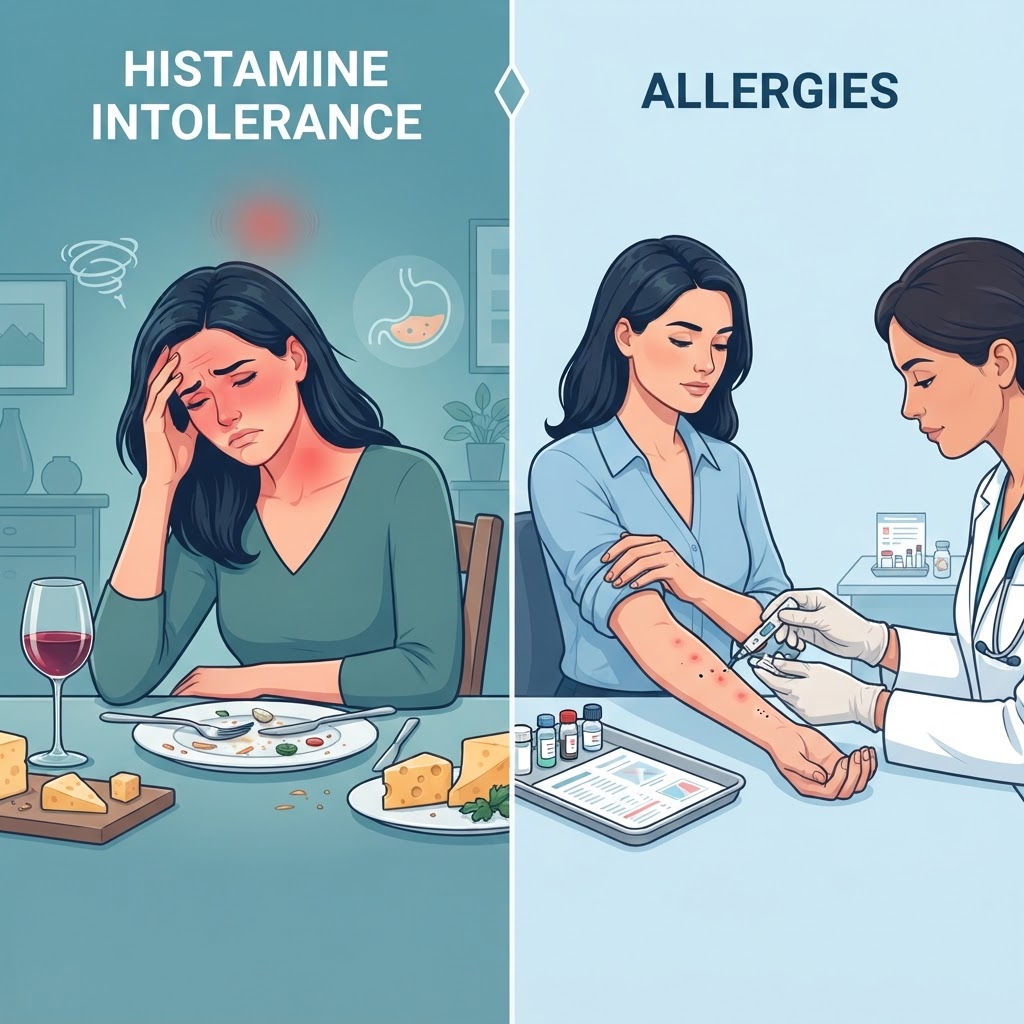
    You should consult your healthcare provider or a registered dietitian specializing in prenatal nutrition if you find yourself unable to maintain a balanced diet due to your symptoms. Specifically, if you are experiencing unintended weight loss, severe fatigue, or symptoms that resemble a true allergic reaction (such as hives, difficulty breathing, or throat swelling), seek medical attention immediately. These may be signs of a true IgE-mediated food allergy, which is fundamentally different from histamine intolerance and requires specialized medical management.

    Additionally, if you are planning to utilize specialized low-histamine diets long-term, it is vital to discuss this with your obstetrician. They may order blood tests to monitor your nutrient levels. Never assume that “natural” means “safe” in the context of extreme dietary restriction; the safety of both you and your developing baby depends on a diverse intake of nutrients that support placental function and fetal growth.

    Balancing Nutritional Needs Without Triggering Histamine

    The challenge of a low-histamine pregnancy diet is ensuring that you meet the caloric and nutrient requirements of pregnancy while avoiding the very foods that are often the best sources of those nutrients. For instance, fermented foods like yogurt and kefir are excellent for gut health, but they are notoriously high in histamine. How do you get your probiotics without the histamine spike?

    The answer often lies in fresh, whole foods. Instead of aged cheeses or long-simmered bone broths, focus on freshly cooked, high-quality proteins. Beef, poultry, and fish should be cooked and eaten immediately after preparation—never stored in the refrigerator for multiple days, as histamine levels increase significantly during cold storage. By practicing “fresh-only” meal prep, you can maintain your protein intake without the cumulative histamine load that leftovers create.

    Vegetables are similarly important. While spinach, tomatoes, and eggplant are off-limits due to their histamine content, you can easily substitute them with high-nutrient, low-histamine alternatives like zucchini, asparagus, bok choy, and sweet potatoes. These vegetables provide the fiber and phytonutrients necessary for a healthy gut microbiome, which is essential for managing your overall histamine response.

    When it comes to fats, prioritize fresh olive oil or coconut oil, and avoid highly processed seed oils that can promote inflammation. Nuts can be tricky; while walnuts and cashews are often high in histamine, macadamia nuts or peeled almonds are frequently better tolerated. By rotating your food choices and focusing on freshness, you can create a diverse, satisfying, and nutritionally dense diet that keeps your histamine levels stable without leaving you feeling deprived or malnourished.

    Frequently Asked Questions

    Can histamine intolerance cause pregnancy complications?

    While histamine intolerance itself is not typically classified as a direct cause of major pregnancy complications like preeclampsia, the chronic inflammation associated with systemic histamine overload can cause significant maternal distress. It is essential to manage symptoms to ensure maternal well-being and comfort throughout the pregnancy.

    Are antihistamines safe to take while pregnant?

    Certain antihistamines are sometimes prescribed by doctors during pregnancy for allergies or severe morning sickness. However, you should never self-medicate with over-the-counter antihistamines without explicit approval from your obstetrician, as the safety profile for each medication varies depending on the trimester.

    Does a low-histamine diet provide enough nutrients for the baby?

    A low-histamine diet can be perfectly healthy for a developing baby, provided it is well-planned. By focusing on fresh proteins, low-histamine vegetables, and healthy fats, you can meet your nutritional needs. It is best to work with a dietitian to ensure you aren’t missing out on critical vitamins or minerals.

    Do symptoms of histamine intolerance improve after birth?

    Many women report that their histamine sensitivity changes after pregnancy. Since pregnancy involves significant shifts in hormones—which influence DAO enzyme levels—it is common for symptoms to subside or shift once hormone levels return to their pre-pregnancy state post-delivery.

    Is it possible to “outgrow” histamine intolerance during pregnancy?

    It is not necessarily a case of outgrowing it, but rather that the fluctuations in estrogen and progesterone during pregnancy impact your internal DAO production. Because every pregnancy is unique, some women may experience a temporary improvement in symptoms, while others find their sensitivity heightened during these months.

    What is the most dangerous high-histamine food to avoid while pregnant?

    While “dangerous” is a strong word, the most problematic foods for those with histamine intolerance are aged, fermented, or spoiled items, such as aged cheeses, cured meats, and canned fish. These foods contain very high concentrations of histamine, which can trigger immediate physical reactions in sensitive individuals.

    Conclusion

    Navigating histamine intolerance during pregnancy requires a delicate balance of vigilance and self-compassion. While the list of “what to avoid” can feel restrictive, focusing on fresh, unprocessed, and nutrient-dense foods is not just a management tool for histamine—it is a foundation for optimal fetal development. By prioritizing freshness in your kitchen, managing your stress levels, and working closely with your healthcare provider to select safe, bioavailable supplements, you can mitigate the discomfort of histamine intolerance.

    Remember that your body is undergoing an incredible transformation. If you find the diet or symptoms overwhelming, reach out to a professional who understands the intersection of prenatal health and biochemical sensitivities. Taking control of your histamine levels is a proactive step toward a more comfortable and vibrant pregnancy. Start by cleaning out your pantry today and opting for fresh, whole-food alternatives to begin your journey toward better balance.

    By healthauthoritylife Editorial Team

    This article is for informational purposes only and is not a substitute for professional medical advice. Always consult your doctor before making changes to your diet, exercise routine, or treatment plan.
  • Histamine Intolerance and Skin: Causes, Rashes, and Relief Tips

    Histamine Intolerance and Skin: Causes, Rashes, and Relief Tips

    Key Takeaways

    • Histamine intolerance occurs when the body struggles to break down histamine from foods, leading to systemic inflammation.
    • Common skin symptoms often include hives, persistent redness, and intense itching that worsens after consuming high-histamine meals.
    • DAO deficiency is a primary driver of skin-related histamine issues, hindering the body’s ability to neutralize histamine in the gut.
    • The gut-skin axis plays a critical role in dermal health, as dysbiosis often exacerbates the immune response to histamine.
    • Effective management usually requires a combination of dietary adjustments, identifying personal triggers, and professional guidance.

    For many, the persistent mystery of unexplained skin irritation—the flushing, the sudden hives, or the relentless, crawling itch—is not a dermatological anomaly but a systemic signal from within. When the body becomes overwhelmed by histamine, a chemical messenger responsible for both essential bodily functions and intense inflammatory responses, the skin often bears the brunt of the imbalance. Understanding the intricate link between histamine intolerance and skin health is the first step toward reclaiming comfort. By examining the biological pathways that transform our dietary intake into visible dermal distress, we can begin to untangle the complex relationship between what we eat, how our gut processes it, and how our skin reacts.

    What Is Histamine Intolerance and How Does It Affect Skin?

    Histamine is a naturally occurring compound in the human body, serving vital roles in digestion, immune defense, and neurotransmission. Under normal circumstances, an enzyme called diamine oxidase (DAO) acts as a guardian, breaking down histamine derived from food within the intestinal tract. Histamine intolerance occurs when this regulatory system fails, typically due to a deficiency in DAO or an overabundance of histamine-rich foods. When the body cannot clear histamine efficiently, it accumulates in the bloodstream, triggering widespread reactions that often manifest as systemic discomfort.

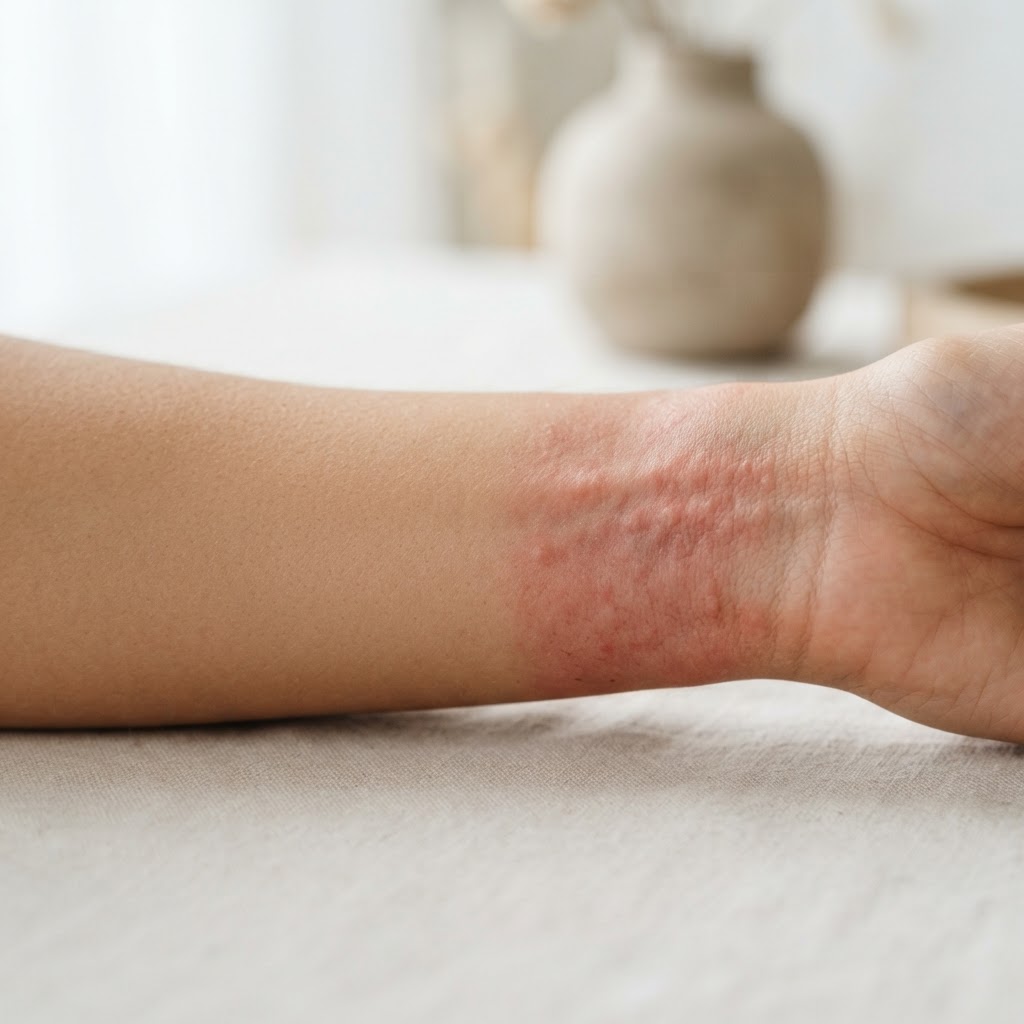
    The skin is a primary organ that reacts to these elevated systemic levels. Because the skin is highly vascular and densely populated with mast cells—specialized immune cells that store and release histamine—it acts as an early warning system for internal imbalances. When systemic histamine levels rise, these mast cells can become hyper-reactive, degranulating and releasing their contents into the surrounding skin tissue. This leads to the classic presentation of histamine intolerance skin symptoms, which often mimic allergic reactions despite the absence of a traditional IgE-mediated allergy.

    Many individuals find that their skin flares are not isolated events but rather predictable outcomes of cumulative histamine exposure. For instance, consuming high-histamine foods such as aged cheeses, fermented vegetables, cured meats, or even leftovers that have been sitting in the refrigerator can cause a rapid increase in circulating histamine. Once this threshold is crossed, the skin may respond with localized warmth, redness, or generalized sensitivity. This phenomenon is often misdiagnosed as contact dermatitis or eczema, leaving many to search for topical solutions when the root cause is actually metabolic.

    Furthermore, DAO deficiency skin manifestations are distinct in their timing and triggers. Unlike seasonal allergies that fluctuate with environmental pollen, histamine-related skin issues are often linked to dietary patterns. Over time, chronic exposure can lead to persistent inflammation, making the skin barrier more permeable and susceptible to environmental irritants. This creates a vicious cycle where the skin’s integrity is compromised, leading to further sensitivity. Understanding that the skin is a reflection of this internal metabolic pathway allows for a shift in perspective; rather than treating only the surface symptoms, individuals can begin to address the physiological burden on the digestive system.

    Common Skin Symptoms of High Histamine Levels

    When the body struggles to process histamine, the resulting symptoms can be both varied and frustratingly persistent. The most frequently reported manifestation is a histamine rash, which can range from faint, flat patches of redness to raised, itchy wheals similar to hives. These rashes often appear suddenly following a meal and may shift locations on the body, complicating the process of identifying a specific external irritant. Unlike chronic hives caused by autoimmune conditions, those linked to histamine intolerance often correlate directly with the consumption of fermented or processed foods.

    Itchy skin—or pruritus—is another hallmark symptom that brings significant distress. This itching is rarely confined to a single area and can feel deep-seated, as if it originates from beneath the dermis. Many people describe a “creeping” or “burning” sensation that exacerbates in the evening or following physical exertion. Because histamine increases capillary permeability, the skin may also display persistent flushing, particularly across the cheeks, neck, and chest. This vasomotor response is often misinterpreted as rosacea, leading to treatments that provide only superficial relief while the underlying chemical imbalance persists.

    The texture of the skin may also undergo changes when histamine levels are chronically high. Some individuals report a sensation of “tightness” or a fine, sandpaper-like texture that develops in areas of recurrent inflammation. Because histamine acts as a mediator for inflammation, it can also disrupt the skin’s natural moisture barrier, leading to dry, flaky patches that do not respond to traditional humectants or emollients. This dryness often exacerbates the itching, creating a cycle of scratching that further damages the skin barrier and potentially invites secondary infections.

    Another overlooked symptom is the phenomenon of dermographism, where even light pressure on the skin—such as a scratch or the rub of a clothing tag—results in a raised, red welt. This indicates that mast cells in the skin are in a state of high readiness, releasing histamine in response to even the most minor mechanical stimulation. Recognizing these patterns is essential. When you start to view these skin changes not as independent dermatological disorders but as indicators of internal load, you gain the clarity needed to advocate for your health and refine your approach to symptom management.

    Approach Mechanism Best For
    Low-Histamine Diet Reduces dietary intake load Identifying specific trigger foods
    DAO Supplementation Supports gut breakdown of histamine Those with known DAO deficiency
    Topical Barrier Creams Soothes surface inflammation Temporary itch relief/dryness
    Stress Management Lowers systemic mast cell activation Reducing flare frequency

    Why Histamine Triggers Itching and Inflammation

    To understand why histamine induces such intense skin reactions, one must look at the way it interacts with cellular receptors in the body. Histamine binds to four known types of receptors, designated H1 through H4. The H1 receptor is primarily responsible for the classic symptoms of itching and vasodilation in the skin. When histamine binds to these receptors on nerve endings, it triggers a cascade of signals that the brain interprets as a profound, localized itch. This itch-scratch cycle is one of the most difficult symptoms to manage, as scratching further irritates the skin and may cause surrounding mast cells to release even more histamine, amplifying the discomfort.

    Beyond itching, histamine’s role in inflammation is multifaceted. It causes the small blood vessels in the dermis to dilate and become more permeable. This allows fluid, proteins, and immune cells to escape from the bloodstream into the surrounding tissues, leading to the swelling, warmth, and redness commonly seen during a flare. This inflammatory cascade is a protective mechanism meant to isolate and eliminate pathogens or toxins; however, in the case of histamine intolerance, the body is essentially “turning the alarm on” even when there is no actual intruder present. The skin becomes a battlefield for a false immune response.

    Furthermore, histamine stimulates the production of pro-inflammatory cytokines, which serve as chemical messengers that recruit other immune cells to the site of irritation. This sustains the inflammatory process, making it difficult for the skin to heal even after the initial histamine exposure has passed. Chronic inflammation can also lead to the degradation of collagen and elastin fibers in the skin. Over the long term, this may affect skin elasticity and resilience, explaining why some individuals with long-standing histamine issues find that their skin feels thinner or more delicate than usual.

    The intensity of these symptoms is often compounded by the body’s internal state. During times of stress, the body releases cortisol and other hormones that can further trigger mast cell degranulation. Consequently, a stressful day combined with a high-histamine lunch can result in a disproportionately severe skin reaction compared to either factor in isolation. Understanding the biological pathway—from the activation of H1 receptors to the sustained cytokine release—helps shift the focus from merely suppressing the itch to managing the systemic factors that keep the body in an over-reactive state.

    The Connection Between Gut Health and Skin Rashes

    The gut-skin axis is a well-documented phenomenon in modern wellness, but its relationship with histamine is particularly critical. The majority of histamine in our body is handled in the digestive tract. When gut health is compromised—whether through dysbiosis, “leaky gut” (increased intestinal permeability), or chronic inflammation—the body’s ability to manage histamine levels is severely inhibited. When the gut lining is inflamed, the production and activity of DAO enzymes can be negatively impacted, preventing the proper breakdown of histamine before it enters the systemic circulation.

    Dysbiosis, or an imbalance of gut bacteria, can further complicate this picture. Certain strains of gut bacteria are capable of producing their own histamine, effectively increasing the “histamine load” within the intestines before food is even fully digested. If the intestinal barrier is permeable, these substances pass into the bloodstream more readily, quickly circulating to peripheral tissues like the skin. This explains why addressing digestive health is often the most effective strategy for lasting skin inflammation relief. A calm, healthy gut reduces the systemic burden, giving the skin the opportunity to recover from the constant cycle of irritation.

    Inflammatory conditions of the gut, such as Small Intestinal Bacterial Overgrowth (SIBO) or general food sensitivities, can act as persistent drivers of histamine production. When the digestive system is under stress, the body may prioritize other immune functions, leaving fewer resources to handle the clearance of histamine. This systemic strain frequently shows up on the skin as rashes that fluctuate in intensity based on digestive health. Many individuals find that when they improve their gut microbiome through targeted nutrition and lifestyle changes, their skin becomes noticeably less reactive to food triggers.

    Practical steps to support this connection often begin with identifying and removing inflammatory triggers that compromise the gut lining. For many, this involves adopting a gut-healing protocol that focuses on easily digestible, low-histamine foods. By reducing the work the digestive system must perform, you lower the metabolic demand on the body, which can decrease the overall amount of histamine produced and released. It is a holistic approach: by soothing the interior environment of the digestive tract, you provide the necessary foundation for the exterior surface—the skin—to repair its barrier and achieve a state of calm.

    Identifying Your Unique Skin Histamine Triggers

    Because histamine intolerance is highly individual, there is no single list of triggers that applies to everyone. One person might react strongly to fermented cabbage, while another may find that aged steak is their primary culprit. To identify your personal triggers, a systematic approach is necessary. Keeping a detailed symptom journal is perhaps the most powerful tool available. For at least two to four weeks, record everything you consume, the time of day, and any skin reactions that occur within a few hours to a full day after consumption. It is important to remember that reactions can sometimes be delayed, as the accumulation of histamine is cumulative rather than instantaneous.

    Pay close attention to “high-histamine” categories during this tracking period. Common culprits include fermented products (sauerkraut, yogurt, kombucha), cured meats (salami, sausages), leftovers, certain fruits (citrus, strawberries), and tomatoes. However, it is equally important to notice triggers that are specific to your lifestyle. Do you notice flare-ups after a specific type of exercise? Does environmental heat trigger your symptoms? These factors can increase body temperature, which in turn can lead to mast cell degranulation, potentially lowering the threshold at which you react to dietary histamine.

    Another layer of identification involves recognizing “histamine liberators” and DAO blockers. Histamine liberators are foods that don’t necessarily contain high amounts of histamine themselves but trigger the body’s own mast cells to release histamine. Common examples include egg whites and shellfish. Meanwhile, DAO blockers—like alcohol or certain medications—inhibit the enzyme that breaks down histamine, effectively making you more sensitive to the foods you eat. By observing how your skin responds to these categories, you can begin to see if your flares are due to direct intake or an impaired ability to process histamine.

    Finally, consider working with a healthcare professional to rule out other conditions that might overlap with histamine intolerance. Because the symptoms—redness, itching, and inflammation—are generic, it is important to ensure you are not dealing with underlying nutritional deficiencies, autoimmune disorders, or genuine IgE-mediated allergies. Diagnostic testing, such as blood serum DAO levels or a physician-supervised elimination diet, can provide a scientific baseline for your investigation. With this data, you can build a personalized plan that honors your body’s specific needs, moving away from reactive management and toward a proactive, evidence-based approach to skin health.

    Foods to Avoid for Histamine-Related Skin Flare-Ups

    Managing histamine intolerance skin symptoms starts in the kitchen. When the body struggles with DAO deficiency, consuming high-histamine foods acts like pouring gasoline on an existing fire. The skin, being an eliminatory organ, often reflects internal systemic overload through hives, flushing, or persistent itching. Identifying and eliminating these triggers is the most effective way to lower your “histamine bucket” and allow your skin barrier to recover.

    The primary offenders are foods that have undergone aging, fermentation, or bacterial spoilage, as these processes naturally increase histamine levels. Even seemingly healthy foods can become problematic if they are not stored correctly or if they are consumed after sitting in the refrigerator for several days.

    Common High-Histamine Food Triggers:

    • Fermented Products: Sauerkraut, kimchi, pickles, kombucha, and kefir are notorious for their high histamine content. While great for general gut health, they are often contraindicated for those with histamine intolerance.
    • Aged and Processed Meats: Salami, pepperoni, bacon, sausages, and deli meats undergo curing processes that boost histamine levels significantly.
    • Aged Cheeses: The longer a cheese is aged, the higher the histamine content. Parmesan, Roquefort, blue cheese, and sharp cheddar are among the most reactive.
    • Leftovers: Histamine accumulates in food over time. Meat and fish that have been cooked and stored in the refrigerator for more than 24 hours can trigger skin inflammation.
    • Canned and Smoked Fish: Mackerel, tuna, sardines, and anchovies are high in histamine, particularly if they are canned.
    • Certain Fruits and Vegetables: While fresh produce is generally encouraged, some, like tomatoes, spinach, eggplant, and citrus fruits, either contain high levels of histamine or act as “histamine liberators,” triggering your own mast cells to dump more histamine into your bloodstream.

    It is important to note that everyone has a different threshold. You may find that you can tolerate small amounts of aged cheddar, but a glass of red wine—another high-histamine offender—triggers an immediate histamine rash. Keeping a detailed food and skin symptom journal can help you identify your specific “tipping point.”

    Natural Anti-Inflammatory Supplements for Skin Support

    Beyond dietary restriction, supporting your body’s internal chemistry can help manage skin inflammation relief. While diet is the foundation, supplements can provide the additional support needed to stabilize mast cells and facilitate the breakdown of excess histamine.

    Supplement Proposed Mechanism Best For
    Quercetin Mast cell stabilizer Reducing immediate histamine release and flushing
    Vitamin C Natural antihistamine Lowering serum histamine levels and boosting collagen
    DAO Enzymes Exogenous degradation Individuals with genetic DAO deficiency
    Omega-3 Fatty Acids Systemic anti-inflammatory Calming chronic red, dry, or itchy skin
    Magnesium Nervous system regulation Reducing stress-induced histamine flares

    Quercetin is perhaps the most widely cited natural intervention for histamine intolerance skin symptoms. As a flavonoid found in onions and apples, it acts as a mast cell stabilizer, potentially preventing the release of histamine in response to environmental triggers. When combined with Vitamin C, its bioavailability and effectiveness are often enhanced.

    Vitamin C is essential because it aids in the breakdown of histamine via the diamine oxidase pathway and other metabolic routes. Low levels of Vitamin C have been observed in individuals who struggle with high systemic histamine. Furthermore, Omega-3 fatty acids, typically found in high-quality fish oil or algae-based supplements, provide the structural building blocks for healthy skin cell membranes, helping to lock in moisture and protect against external allergens that exacerbate itching.

    Lifestyle Changes to Soothe Histamine-Reactive Skin

    Skin health is not merely a product of what you eat or ingest; it is heavily influenced by your environment and daily habits. Stress, in particular, is a major, often overlooked trigger for histamine release. When the body enters a “fight or flight” state, the nervous system signals mast cells to release histamine, which can cause sudden, unexplained skin inflammation even in the absence of dietary triggers.

    Practical Lifestyle Adjustments:

    1. Reduce Environmental Allergens: Dust mites, mold, and chemical fragrances in laundry detergents can worsen an existing histamine rash. Switch to fragrance-free, hypoallergenic detergents and use air purifiers to minimize inhalation triggers.
    2. Manage Stress Levels: Incorporating mindfulness practices such as yoga, deep-breathing exercises, or daily meditation can dampen the sympathetic nervous system’s response, thereby stabilizing mast cell activity.
    3. Optimize Sleep Hygiene: Sleep is when the body performs its deepest tissue repair. Aim for consistent sleep cycles, as circadian rhythm disruption can interfere with the body’s natural anti-inflammatory processes.
    4. Temperature Regulation: Hot showers and baths can cause vasodilation, which increases blood flow to the skin and often intensifies histamine-related itching. Opt for lukewarm water and follow up with a fragrance-free, ceramide-rich moisturizer to support the skin barrier.
    5. Gentle Skincare Routine: Over-exfoliating or using products with harsh preservatives can compromise the skin’s acid mantle, making it easier for histamines and external irritants to penetrate the deeper layers of the dermis.

    When to See a Professional for Persistent Skin Issues

    While dietary and lifestyle adjustments are powerful tools for managing histamine intolerance, they are not a replacement for medical diagnosis. Sometimes, what appears to be a histamine-related rash is actually a symptom of an underlying condition that requires professional oversight.

    You should consult a healthcare professional if your skin symptoms are accompanied by systemic signs such as difficulty breathing, swelling of the tongue or throat, dizziness, or heart palpitations—these can be indicators of anaphylaxis or other severe allergic reactions and require immediate medical attention.

    Additionally, seek professional advice if your skin issues persist despite strictly following a low-histamine diet for several weeks. Persistent rashes may point to other conditions such as mast cell activation syndrome (MCAS), autoimmune disorders, thyroid dysfunction, or chronic contact dermatitis. A doctor may perform blood tests to check for DAO deficiency, perform a skin biopsy, or refer you to an immunologist or dermatologist for patch testing to rule out other allergies. Managing these symptoms effectively often requires a multi-disciplinary approach, combining nutrition, dermatology, and immunology.

    Frequently Asked Questions

    Can stress really cause a histamine rash?

    Yes. Stress activates the sympathetic nervous system, which triggers mast cells to degranulate. When these mast cells release their contents, including histamine, into the surrounding tissue, it can lead to localized inflammation, hives, or intense itching, even without the presence of food triggers.

    How long does it take for skin to clear up after starting a low-histamine diet?

    There is no universal timeline, as it depends on your individual toxic load and metabolic rate. Some people notice improvements in skin redness or itching within a few days, while others may require several weeks of strict dietary adherence to see a significant reduction in chronic skin inflammation.

    Is DAO deficiency the same as a food allergy?

    No. A food allergy involves an IgE-mediated immune response to specific proteins in food. A DAO deficiency is a metabolic inability to break down histamine efficiently. While the symptoms—such as hives or flushing—may overlap, the underlying biological mechanism is entirely different.

    Can I ever eat high-histamine foods again?

    Once you have stabilized your histamine levels and allowed your skin to heal, you may be able to slowly reintroduce certain foods in small amounts. Many people find they have a “tolerance bucket” that, when kept low, allows for occasional consumption of trigger foods without resulting in a severe skin reaction.

    What is the best moisturizer for skin prone to histamine rashes?

    The best moisturizers for reactive skin are generally fragrance-free, hypoallergenic, and contain ingredients like ceramides, hyaluronic acid, or colloidal oatmeal. These ingredients help repair the physical skin barrier, preventing external allergens from entering and reducing the urge to scratch.

    Are antihistamines a permanent solution for skin inflammation?

    Antihistamines act as a temporary “blocker” by preventing histamine from binding to receptors on the skin, but they do not address the root cause of the excess histamine production or the deficiency in degradation enzymes. Relying solely on them may mask symptoms while the underlying trigger remains unmanaged.

    Conclusion

    Navigating the relationship between histamine intolerance and skin health can be a daunting process, but it is entirely manageable with the right tools and information. By identifying your specific dietary triggers, supporting your body with the right nutrients, and making small but consistent lifestyle changes, you can effectively lower your systemic histamine load and restore the health and vitality of your skin. Remember that healing is a journey, not a race; be patient with your body as it recalibrates. If you find your symptoms are unmanageable or affecting your daily quality of life, reach out to a healthcare professional to explore a comprehensive, personalized treatment plan. Start your path to clearer, calmer skin today by auditing your pantry and prioritizing your internal wellness.

    By healthauthoritylife Editorial Team

    This article is for informational purposes only and is not a substitute for professional medical advice. Always consult your doctor before making changes to your diet, exercise routine, or treatment plan.

  • Histamine Intolerance vs. Allergies: Key Differences Explained

    Histamine Intolerance vs. Allergies: Key Differences Explained

    Key Takeaways

    • Histamine intolerance is a metabolic issue involving the buildup of histamine, whereas allergies are immune system malfunctions.
    • Symptoms of histamine intolerance often appear delayed, whereas allergic reaction symptoms usually manifest rapidly after exposure.
    • DAO enzyme deficiency is the primary physiological driver behind the inability to break down ingested histamine.
    • Food histamine triggers include fermented, aged, and cured items that do not necessarily provoke an IgE immune response.
    • Proper diagnosis requires ruling out standard allergies and tracking symptoms alongside a low-histamine diet protocol.

    For millions of individuals, sitting down to a meal—even one considered “healthy”—can trigger a confusing array of physical complaints. From unexplained hives and digestive distress to chronic headaches and heart palpitations, these recurring issues often send patients on a long, winding journey through the medical system. Frequently, these symptoms are labeled as an allergy, yet standard allergy testing repeatedly comes back negative. This frustrating disconnect is where the conversation regarding histamine intolerance vs. allergies becomes vital. Unlike a true immune-mediated allergy, histamine intolerance acts more like a “bucket” that overflows; when your body consumes more histamine than it can effectively degrade, the resulting chemical accumulation triggers symptoms that mimic allergic reactions. Understanding the nuances of this metabolic process is the first step toward reclaiming your quality of life.

    Understanding the Biological Mechanism of Histamine Intolerance

    Histamine is a naturally occurring biogenic amine that performs essential functions within the human body. It acts as a neurotransmitter, signaling the brain to stay awake and alert, and it plays a critical role in gastric acid secretion, which is necessary for the proper digestion of proteins. Under normal physiological conditions, histamine is kept in balance. When the body produces it or takes it in through food, specialized enzymes break it down to ensure it does not reach toxic concentrations. However, when this degradation system falters, histamine levels rise, leading to a state often referred to as chronic histamine intolerance.

    The mechanism behind this intolerance is rooted in an imbalance between intake and degradation. In a healthy system, histamine is processed primarily by two enzymes: diamine oxidase (DAO) in the gut and histamine N-methyltransferase (HNMT) in the tissues. DAO is the primary enzyme responsible for breaking down histamine consumed through the diet, acting as a gatekeeper at the intestinal wall. If DAO activity is insufficient, histamine from food—found in high concentrations in aged cheeses, cured meats, fermented vegetables, and red wine—enters the bloodstream largely intact. Once in the systemic circulation, this excess histamine binds to histamine receptors (H1, H2, H3, and H4) scattered throughout the body.

    Because these receptors are found in virtually every major organ system, the manifestations of histamine intolerance are remarkably systemic. In the gut, high histamine may stimulate increased gastric acid and alter motility, leading to bloating, diarrhea, or cramping. In the vascular system, it can cause vasodilation, resulting in flushing, headaches, or even a drop in blood pressure. Because this process is not an immune system failure, it does not fit the traditional “all-or-nothing” criteria of an allergy. Instead, it is a cumulative issue; your body may be able to handle a small amount of histamine, but once the “bucket” of histamine is full, any additional input causes the overflow of symptoms. This explains why some people experience symptoms only after a meal that contains several high-histamine items, or why symptoms might seem inconsistent from day to day.

    Furthermore, lifestyle factors and internal stressors can exacerbate this biological mechanism. When the body is under chronic stress, the adrenal glands release substances that may further tax the digestive system’s efficiency. Similarly, the use of certain medications, such as non-steroidal anti-inflammatory drugs (NSAIDs) or certain antidepressants, can inhibit DAO production or compete for enzyme activity, further reducing the body’s capacity to clear histamine. Recognizing that this is a biochemical overload rather than an immune-mediated attack is essential for patients to understand why antihistamines might provide temporary relief, but addressing the underlying metabolic imbalance is required for long-term management.

    What Are True Food Allergies and How Do They Work?

    To understand histamine intolerance vs. allergies, one must first look at the immune system’s role in a true food allergy. A true food allergy is a specific, IgE-mediated immune response. When a person with a food allergy consumes a trigger—such as peanuts, shellfish, or eggs—their immune system misidentifies these typically harmless proteins as dangerous invaders. In response, the body produces specific antibodies known as Immunoglobulin E (IgE). These antibodies are designed to recognize that specific protein every time it enters the body.

    Upon subsequent exposure, the IgE antibodies signal the immune system to release a surge of chemical mediators, including histamine, from mast cells and basophils. This massive, sudden release is what causes the classic allergic reaction symptoms. Because this involves a direct and specific immune system attack, the reaction is often very rapid, occurring within minutes or up to two hours after consumption. The symptoms are generally consistent for the individual; if you are allergic to peanuts, you will have a reaction every time you consume even a small trace of them.

    The clinical presentation of an IgE-mediated allergy is often more severe and immediate than histamine intolerance. It can manifest as anaphylaxis—a life-threatening systemic reaction involving airway constriction, swelling of the tongue and throat, and a rapid drop in blood pressure. Even in non-anaphylactic reactions, the systemic nature is intense, often involving widespread hives (urticaria), intense itching, swelling (angioedema), and vomiting. Because the mechanism is immune-driven, these conditions are diagnosed through standardized skin-prick testing or blood tests that measure the presence of specific IgE antibodies.

    It is important to note that while food allergies involve histamine, the histamine is the *result* of the immune response, not the *source* of the problem. In an allergic reaction, the mast cells are forced to dump their histamine stores. In contrast, in histamine intolerance, the histamine is ingested or produced internally without the immune system ever being “tricked.” This distinction is the bedrock of clinical differentiation. A person with a true allergy is reacting to a protein; a person with histamine intolerance is reacting to the chemical makeup of the food itself and their body’s failure to clear it. Managing an allergy requires strict avoidance of the allergen to prevent immediate danger, whereas managing histamine intolerance requires balancing the total load of histamine in the diet and supporting the body’s natural degradation pathways.

    Comparing Histamine Intolerance Symptoms vs. Allergic Reactions

    When patients present with clinical complaints, the overlap between histamine intolerance symptoms and allergic reaction symptoms often creates a diagnostic gray area. Because both conditions involve histamine acting on the same receptors, the physical signs are often indistinguishable at first glance. However, by examining the onset, consistency, and duration of these symptoms, health practitioners can better discern the underlying cause.

    Feature Histamine Intolerance True Food Allergy Best For
    Onset of Symptoms Delayed (can be hours later) Rapid (minutes to 2 hours) Distinguishing timelines
    Trigger Consistency Cumulative/Threshold-based Always triggers reaction Identifying triggers
    Primary Mechanism Enzyme (DAO) deficiency IgE immune response Targeting treatments
    Common Symptoms Headache, fatigue, bloating Hives, swelling, anaphylaxis Symptom analysis

    Histamine intolerance is characterized by a “threshold” effect. Imagine a container that holds a certain amount of liquid. If you eat a small amount of low-histamine food, you are well below the rim. If you eat a high-histamine meal, you may reach the threshold and experience symptoms. Alternatively, you might eat several “medium-histamine” foods throughout the day, and by dinner, the container overflows. This variability is why patients often report that a food they ate on Tuesday didn’t bother them, but that same food caused a severe migraine on Thursday. This inconsistency is almost never seen in true IgE-mediated food allergies, where the response is consistently tied to the presence of the specific allergen, regardless of what else was eaten that day.

    Symptoms of histamine intolerance are also more frequently systemic and neurological in nature. While itching and flushing occur, it is very common for these patients to report chronic “brain fog,” anxiety, palpitations, and sleep disturbances, particularly insomnia. Gastrointestinal symptoms, such as chronic bloating or alternating bowel habits, are also hallmarks of histamine intolerance. These are often labeled as Irritable Bowel Syndrome (IBS) because they are digestive in nature, but they frequently respond to a low-histamine diet in ways that traditional IBS treatments do not.

    Allergic reactions, conversely, are more “localized” to the immune system’s standard battlegrounds: skin (hives, rash), respiratory tract (wheezing, tightness), and the gastrointestinal tract (rapid vomiting or diarrhea). While there is crossover, the sheer intensity and speed of an allergic reaction are the primary differentiators. If a patient experiences a reaction within 15 minutes of eating, they should always be evaluated for an IgE allergy first. If the testing is negative and the reactions are sporadic, delayed, and tied to total food volume rather than a specific food item, the suspicion shifts toward the enzymatic pathways of histamine clearance.

    The Role of DAO Enzymes in Managing Histamine Levels

    At the heart of the histamine intolerance narrative lies the diamine oxidase (DAO) enzyme. As previously mentioned, DAO is the primary enzyme responsible for the degradation of exogenous histamine—that is, the histamine we ingest via food. The enzyme is synthesized in the intestinal epithelial cells and then secreted into the gut lumen to neutralize histamine before it reaches the bloodstream. When an individual has a DAO enzyme deficiency, this protective barrier is compromised, allowing histamine to enter systemic circulation with much higher bioavailability.

    Experts generally agree that DAO activity levels can be influenced by a variety of genetic and environmental factors. Some individuals are born with lower-than-average genetic expression of the AOC1 gene, which encodes for the production of DAO. These individuals may have had a lifelong struggle with “sensitive stomachs” or reactions to common foods. Others may acquire a DAO deficiency due to gut inflammation or damage. Conditions such as Crohn’s disease, celiac disease, or chronic small intestinal bacterial overgrowth (SIBO) can impair the lining of the gut where DAO is produced, leading to secondary histamine intolerance.

    Managing histamine levels through the lens of DAO involves two distinct approaches: minimizing input and supplementing output. Minimizing input requires a strict adherence to a low-histamine diet. This is not about avoiding “healthy” foods, but rather about avoiding foods that undergo bacterial fermentation during their processing or ripening. For example, fresh meat is typically low in histamine, but aged, processed, or smoked meats are high because the bacterial growth involved in aging the meat produces significant amounts of histamine. Similarly, fermented vegetables like sauerkraut, while generally considered healthy for the gut microbiome, are high-histamine triggers for those with compromised DAO function.

    Supplementing output involves the use of exogenous DAO enzymes. These are oral supplements taken just before a meal to provide the body with the enzymes it is lacking. When taken correctly, these supplements can help break down the histamine in the food before it is absorbed, potentially preventing the “overflow” effect. While this is a highly effective tool, it is not a cure-all; it is a management strategy that must be paired with dietary awareness. Many people find that by using DAO supplements strategically—perhaps when dining out or eating foods they know are higher in histamine—they can enjoy a more varied diet without triggering their symptoms. However, it is crucial to address the underlying reasons for the deficiency, such as healing the gut lining or managing inflammatory conditions, to reduce the total reliance on external supplementation.

    Diagnostic Challenges: Why Histamine Issues Are Often Misdiagnosed

    The diagnostic pathway for histamine intolerance is notoriously difficult, largely because there is no “gold standard” medical test that is universally accepted for routine clinical use. Unlike the clear blood tests and skin-prick protocols used to identify IgE-mediated allergies, histamine intolerance is often a diagnosis of exclusion. This means that a clinician must first systematically rule out everything else—true food allergies, celiac disease, inflammatory bowel disease, mast cell activation syndrome (MCAS), and even certain endocrine disorders—before settling on a diagnosis of histamine intolerance.

    One of the primary challenges is that blood tests for DAO levels are not always representative of the total functional activity in the gut. A laboratory might show “normal” DAO levels in the serum, yet the patient may still suffer from a localized gut-based deficiency that leads to symptoms. Furthermore, the symptoms of histamine intolerance are so broad that they mimic a dozen other common ailments. A patient with histamine-induced palpitations may be sent to a cardiologist; a patient with brain fog and headaches may be sent to a neurologist; a patient with abdominal pain may be sent to a gastroenterologist. Rarely are these symptoms synthesized into a single metabolic picture.

    Another major complication is the presence of Mast Cell Activation Syndrome (MCAS). MCAS is a condition where the patient’s own mast cells are hyper-responsive and release too much histamine *internally*, regardless of what is eaten. While histamine intolerance is about the inability to *process* incoming histamine, MCAS is about the *excessive production* of internal histamine. Distinguishing between the two requires a specialized approach, as the management strategies overlap but have distinct differences. Misdiagnosis is common because many practitioners are trained to look for an “external” cause (an allergy) but are less equipped to look for a “metabolic” cause (an enzymatic or cellular regulation issue).

    To improve diagnostic accuracy, the current trend among specialists is to advocate for a formal food and symptom diary combined with a monitored elimination and reintroduction diet. By tracking specific foods alongside the timing and severity of symptoms, patients can often identify their personal threshold. The “histamine load” of a meal is a useful concept here; rather than looking for a single culprit food, one looks for the cumulative total. If a patient feels fine after a low-histamine breakfast and lunch but suffers after a high-histamine dinner, it is a strong clinical indicator of a threshold-based metabolic issue. In the absence of a simple blood test, this patient-led data collection remains one of the most reliable tools for identifying histamine intolerance, serving as a roadmap for both the patient and the healthcare team to confirm that they are indeed dealing with an issue of histamine clearance rather than an immune-system allergy.

    When to See an Allergist: Differentiating Triggers

    Deciphering whether your body is reacting to an external allergen or an internal inability to process histamine requires a nuanced approach. While the clinical symptoms of histamine intolerance vs. allergies often overlap, the mechanism of action is vastly different. An allergist is specifically trained to identify Immunoglobulin E (IgE)-mediated responses—the hallmark of true food allergies. When you consume a food you are truly allergic to, such as peanuts, shellfish, or eggs, your immune system perceives these proteins as a direct threat, launching a rapid and sometimes life-threatening response.

    You should prioritize an appointment with an allergist if your symptoms include immediate, severe reactions such as throat tightening, significant difficulty breathing, hives appearing within minutes, or sudden fainting. These are classic allergic reaction symptoms that indicate an IgE response rather than a slow-building intolerance. Allergists utilize skin-prick testing or specific blood panels to confirm these immune-mediated responses. If these tests come back negative, yet you continue to experience chronic, miserable symptoms after eating, it shifts the focus toward metabolic issues, such as DAO enzyme deficiency or gastrointestinal inflammation.

    The “trigger” distinction is critical here. In true allergies, the trigger is a specific protein structure. In histamine intolerance, the trigger is the chemical load of the food itself. If you find that your symptoms are dose-dependent—meaning you can eat a small amount of aged cheese without issue, but a large portion triggers a migraine or digestive distress—this points toward a metabolic bottleneck rather than an allergy. Allergists can provide the crucial “rule-out” step, allowing you and your primary care physician to investigate other potential causes, such as Small Intestinal Bacterial Overgrowth (SIBO), dysbiosis, or chronic mast cell hyperactivity.

    How Mast Cell Activation Syndrome Complicates the Picture

    For those navigating the complexities of chronic histamine intolerance, Mast Cell Activation Syndrome (MCAS) is frequently the “hidden” player. Mast cells are the sentinels of your immune system, responsible for releasing histamine and other chemical mediators in response to injury or infection. In patients with MCAS, these cells become hyper-vigilant, discharging their contents far too easily or inappropriately in response to triggers that should be benign, such as heat, stress, odors, or dietary histamine.

    MCAS can make a diagnosis feel like a moving target. Unlike histamine intolerance, which is primarily a problem of “clearing” the histamine (often due to DAO deficiency), MCAS is a problem of “excessive production and release.” If you are managing your diet strictly but still experiencing systemic, unpredictable flares—such as flushing, tachycardia, or sudden bouts of anxiety—you may be dealing with a mast cell issue rather than a simple food intolerance. Because mast cells exist in every organ system, MCAS symptoms can involve the neurological, gastrointestinal, cardiovascular, and integumentary systems all at once.

    Managing this requires a broader lens. While low-histamine diets remain a cornerstone, individuals with MCAS often require more specialized medical intervention, including mast cell stabilizers or H1/H2 receptor blockers as prescribed by a specialist. Understanding this distinction is vital; if you treat MCAS solely as a food intolerance, you may find yourself becoming increasingly restrictive with your diet without achieving the relief you seek, because your mast cells are reacting to factors far beyond your dinner plate.

    Condition Primary Cause Reaction Speed Best For
    True Food Allergy IgE-mediated immune attack Rapid (seconds to minutes) Identifying life-threatening threats
    Histamine Intolerance DAO Enzyme Deficiency Delayed (hours or next day) Managing food-related migraines/bloating
    MCAS Hyperactive Mast Cell degranulation Variable/Episodic Systemic, unpredictable inflammatory flares

    Dietary Management Strategies for Histamine Sensitivity

    Dietary management is rarely about “giving up everything you love” and more about finding a sustainable, nutrient-dense equilibrium. The most effective approach for those struggling with food histamine triggers is the “elimination-reintroduction” method. Start by removing high-histamine items for a strictly defined period—typically two to four weeks—to allow your bucket of total body histamine to lower. During this time, focus on eating only the freshest ingredients possible, as histamine levels increase significantly in many foods as they age, ferment, or are stored in the refrigerator.

    Key categories to minimize during the initial phase include fermented products (sauerkraut, kombucha, aged cheeses), processed meats (salami, deli slices), and specific produce known for high histamine content, such as spinach, eggplant, and tomatoes. Alcohol, especially red wine and champagne, is a common trigger because it inhibits the DAO enzyme in the gut, effectively closing the “drain” in your sink while the “faucet” of histamine-rich food remains open.

    When you begin reintroducing foods, do so in isolation. Introduce one single food at a time, in a small quantity, and monitor your symptoms over the following 24 to 48 hours. Many people find they do not need to be on a perfectly “histamine-free” diet for life; instead, they learn their individual “tolerance threshold.” This strategy empowers you to consume more variety while staying within a safety zone that prevents the overflow of histamine-related symptoms.

    Safe Testing Methods to Identify Your Underlying Triggers

    Obtaining a histamine intolerance diagnosis can be challenging because there is no single, standardized test accepted by every medical board. However, several safe, diagnostic steps can help build a clinical picture. The first is a DAO (diamine oxidase) activity test, which measures the level of the enzyme responsible for breaking down histamine in your digestive tract. Low DAO levels provide a concrete, measurable explanation for why your body struggles to handle high-histamine meals.

    Another common and effective diagnostic strategy is the use of a comprehensive symptom-food journal. Because histamine sensitivity is cumulative, symptoms often appear hours after ingestion, making it difficult to link a migraine or skin flare to lunch. Using a journal to track not just foods, but stress levels, weather, and menstrual cycles (if applicable), can provide your doctor with the data needed to distinguish between periodic intolerances and chronic conditions. Additionally, testing for SIBO (Small Intestinal Bacterial Overgrowth) is often recommended, as an overgrowth of bacteria in the small intestine can produce excessive histamine locally, overwhelming your internal resources.

    Finally, blood work can be useful to rule out other metabolic or inflammatory conditions. While your doctor may not be able to “test” for histamine intolerance via a standard allergy panel, they can check for baseline inflammation markers and nutritional deficiencies that impact DAO production, such as Vitamin B6, Copper, and Magnesium levels. By combining targeted enzyme testing with a broad clinical review, you can move from guesswork toward a structured, evidence-based management plan.

    Frequently Asked Questions

    Can histamine intolerance go away on its own?

    Histamine intolerance is often secondary to another issue, such as gut inflammation, SIBO, or nutritional deficiencies. If you address the underlying cause—such as healing the gut lining or restoring proper microbiome balance—many people find that their tolerance for histamine-containing foods increases significantly over time.

    Is it possible to have an allergy and histamine intolerance simultaneously?

    Yes, it is entirely possible to have a specific IgE-mediated allergy to a food (like tree nuts) while also suffering from histamine intolerance. Having one does not protect you from the other; in fact, having a hyper-reactive immune system can sometimes make it more difficult to distinguish between the two, necessitating careful testing for both.

    What are the most common physical signs of histamine overload?

    The symptoms of histamine intolerance are systemic, meaning they affect the whole body. Common signs include chronic headaches or migraines, skin flushing or hives, digestive upset (bloating, diarrhea, abdominal pain), nasal congestion, rapid heart rate, and brain fog. Because these symptoms mirror other conditions, they are often misdiagnosed.

    How long should I follow a low-histamine diet?

    The elimination phase is typically used as a short-term diagnostic tool, lasting between two to four weeks. The goal is not to stay on a restrictive diet indefinitely, but to reach a “baseline” where symptoms subside. Once you identify your triggers, you can gradually reintroduce foods to find your individual daily tolerance level.

    Do antihistamines cure histamine intolerance?

    Over-the-counter antihistamines can provide temporary relief from symptoms by blocking H1 or H2 receptors, but they do not treat the underlying cause of the intolerance. Relying solely on medication without adjusting your diet or addressing the root cause, such as DAO deficiency, is generally considered an incomplete long-term strategy.

    Are supplements effective for managing this condition?

    Many individuals find success with DAO enzyme supplements taken just before meals. These supplements mimic the naturally occurring enzyme in your gut, helping to break down histamine in food before it enters your bloodstream. However, these should be used in conjunction with a medical plan rather than as a primary treatment for uncontrolled symptoms.

    Conclusion

    Navigating the terrain between histamine intolerance and allergies is a process of refinement, patience, and investigative health management. While the symptoms of histamine intolerance—ranging from debilitating brain fog and migraines to persistent digestive distress—can significantly diminish your quality of life, understanding the mechanics of your own body is the first step toward reclaiming your health. By differentiating between a true immunological allergy and a metabolic inability to process histamine, you gain the clarity needed to choose the right interventions, whether that involves dietary shifts, professional medical testing for DAO levels, or exploring the role of mast cell activation.

    Remember that you do not have to navigate these symptoms in silence. If you are experiencing persistent reactions to your meals, document your patterns, consult with your healthcare provider, and advocate for investigations into potential root causes like SIBO or gut dysbiosis. You have the power to lower your systemic histamine load and foster a more balanced internal environment. Start by focusing on the freshness of your food, tracking your responses, and seeking expert guidance to refine your path forward. Your journey toward symptom relief is personal, but with the right information, it is entirely possible to regain control of your wellness.

    By healthauthoritylife Editorial Team

    This article is for informational purposes only and is not a substitute for professional medical advice. Always consult your doctor before making changes to your diet, exercise routine, or treatment plan.
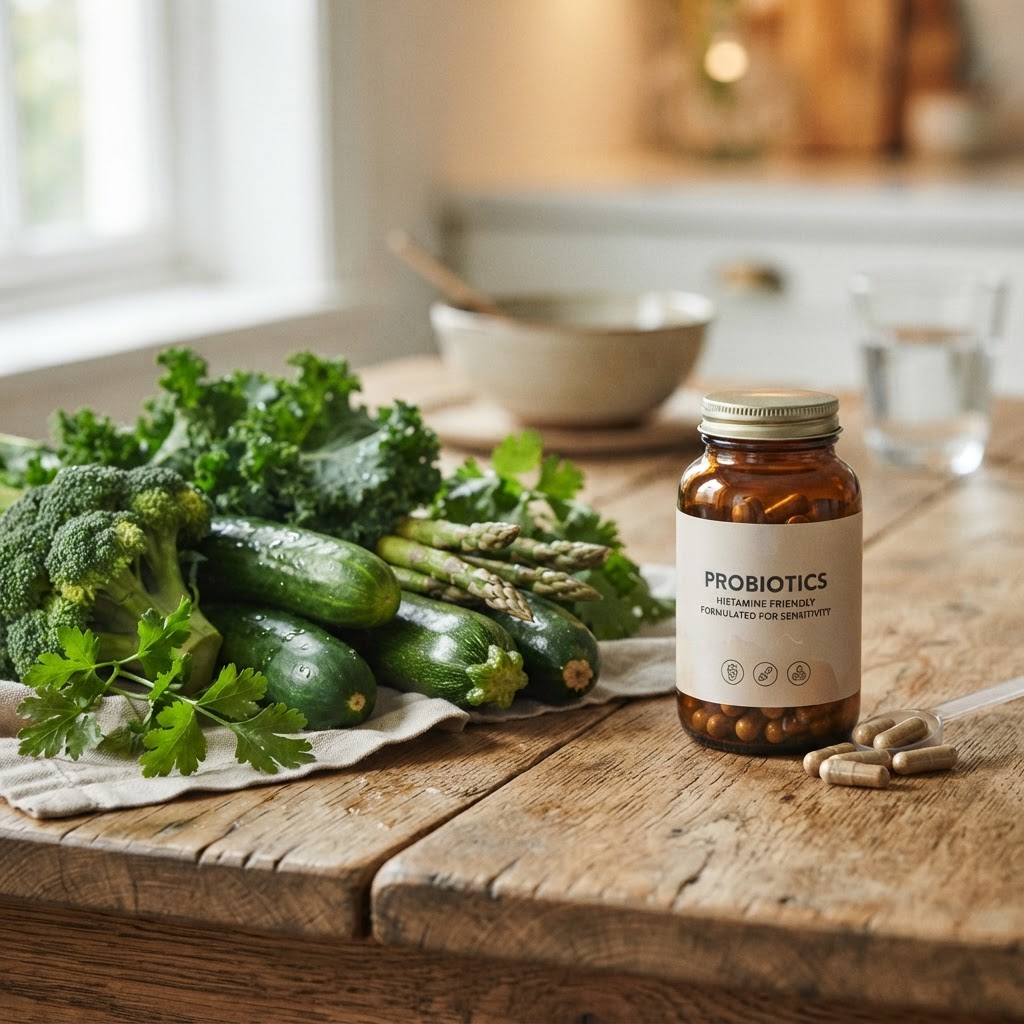
  • Is Collagen Good for Histamine Intolerance? Benefits & Risks

    Is Collagen Good for Histamine Intolerance? Benefits & Risks

    Key Takeaways

    • Collagen is a foundational protein for tissue health, but its manufacturing process can impact histamine levels.
    • Some individuals find collagen peptides and histamine release are linked due to fermentation or processing methods.
    • High-quality, bovine-sourced collagen is often preferred by those seeking a histamine-safe collagen option.
    • Testing for sensitivity by starting with a very small dosage is a recommended approach for those with mast cell activation or histamine issues.
    • Purity and transparency in third-party testing are essential when selecting low-histamine protein supplements.

    For those navigating the complexities of histamine intolerance, every addition to a diet or supplement routine requires careful scrutiny. Collagen has exploded in popularity as a staple for skin elasticity, joint integrity, and gut lining support, yet it remains a point of contention in the low-histamine community. Because collagen is derived from animal tissues, concerns often arise regarding the preservation of biological amines during processing. This article, prepared by the healthauthoritylife Editorial Team, explores the nuanced relationship between collagen peptides and histamine, helping you determine whether this popular supplement can fit into your health strategy without triggering unwanted side effects.

    What is Collagen and Why Is It Popular?

    Collagen is the most abundant structural protein in the human body, acting as the “glue” that holds our tissues together. It is a complex protein composed of amino acids—primarily glycine, proline, and hydroxyproline—which form a triple-helix structure. This unique molecular architecture provides tensile strength to our skin, tendons, ligaments, cartilage, and bone matrix. As we age, our natural production of collagen begins to decline, which is often clinically correlated with visible signs of aging, such as skin laxity, joint stiffness, and a thinning gut lining. This biological reality has fueled a massive industry dedicated to collagen supplementation.

    The popularity of collagen is rooted in its versatility and systemic benefits. When ingested, collagen peptides—which are hydrolyzed or broken-down versions of the protein—are easily absorbed by the digestive tract. Many individuals seek out collagen for its potential to improve skin hydration and elasticity, bolster joint comfort after exercise, and support the integrity of the intestinal wall. In the context of gut health, collagen is frequently recommended to support the mucosal lining, which is particularly relevant for those dealing with digestive sensitivity. Because it is a protein supplement that is generally neutral in flavor and easy to dissolve in warm or cold liquids, it has become a convenient, high-protein addition to many daily routines.

    However, the shift from whole-food sources like bone broth to processed collagen powders introduces variables that did not exist in traditional ancestral diets. While a long-simmered bone broth contains minerals, gelatin, and collagen, it is notoriously high in histamine if allowed to simmer for extended periods. This has led many to wonder if concentrated, shelf-stable collagen peptides offer a safer alternative. The widespread marketing of these products as “superfoods” often overlooks the intricacies of how they are processed, which is exactly where the issue of histamine compatibility enters the picture. For the general population, collagen is a benign and beneficial supplement, but for those whose bodies struggle to degrade amines, understanding the source and the processing method is not merely a preference—it is a physiological necessity.

    The Connection Between Collagen and Histamine Levels

    The relationship between collagen for histamine intolerance and the body’s overall amine load is primarily dictated by how the protein is sourced and extracted. Histamine is a biogenic amine produced through the breakdown of histidine, an amino acid naturally present in proteins. When animal products are stored, aged, or processed using fermentation, the bacteria present can convert histidine into histamine. Consequently, the length of time between the slaughter of the animal and the extraction of the collagen, as well as the cleanliness and efficiency of the processing facility, are the primary determinants of the final histamine content.

    In the world of low-histamine protein supplements, collagen sits in a unique position. Unlike fermented proteins or aged meats, which are high-histamine offenders, pure collagen peptides are theoretically low in amine content. However, the manufacturing process matters significantly. If the hides or bones are not processed immediately after the animal is harvested, or if the drying process involves high-heat environments that encourage microbial growth, the resulting peptide powder may contain higher levels of histamine than the manufacturer realizes. For someone with severe histamine intolerance or Mast Cell Activation Syndrome (MCAS), even trace amounts of these compounds can act as a trigger for symptoms such as flushing, headaches, or gastrointestinal distress.

    Another factor is the potential for collagen to act as a histamine liberator in sensitive individuals. Some research suggests that certain protein-rich foods can stimulate mast cells to release their stored histamine. While pure collagen is not typically classified as a direct liberator, the additives often found in commercial supplements—such as artificial sweeteners, Vitamin C sourced from corn, or natural flavors—can be problematic. The interaction between collagen peptides and histamine levels is therefore not just about the protein itself, but about the entire chemical profile of the supplement. It is common for individuals to assume that a flare-up caused by a “collagen” product is the fault of the collagen, when in reality, it may be the undisclosed ingredients or the lack of cold-chain processing that caused the reaction.

    Is Collagen Safe for People with Histamine Intolerance?

    The short answer is that collagen can be histamine safe, but it is not inherently guaranteed. The safety of a supplement depends on its purity and the manufacturing standard. Because there is no standardized “low-histamine” label currently regulated by health authorities, consumers must act as their own advocates. Many people with histamine intolerance successfully incorporate collagen into their diet, provided they prioritize high-quality, cold-processed sources. The key is to find a product that minimizes the time between animal harvest and the extraction of the collagen.

    For those who have previously reacted to bone broth, it is important to distinguish between broth and peptides. Bone broth is the classic high-histamine food because it requires hours of boiling, which allows for maximum histamine accumulation. Collagen peptides, by contrast, are extracted through a more rapid, controlled, and often enzymatically processed method. This speed of processing is the primary reason why many with histamine intolerance can tolerate collagen peptides when they cannot tolerate bone broth. However, individual tolerance levels vary wildly. What one person tolerates perfectly, another might find reactive. This is often due to variations in their DAO (diamine oxidase) enzyme activity—the primary enzyme responsible for breaking down ingested histamine.

    To safely test whether collagen is right for you, we recommend a gradual approach. Start with a very small amount—perhaps one-quarter or one-half of the suggested serving size—and observe for any reaction over the next 24 to 48 hours. Monitoring symptoms like skin irritation, heart rate changes, or digestive bloating is crucial during this phase. If you notice no adverse reactions, you may slowly increase the dosage. Below is a comparison of different collagen types to help you decide which might be the safest starting point.

    Supplement Type Source Histamine Profile Best For
    Bovine Collagen Peptides Grass-fed hides Generally low, if cold-processed General tissue/joint support
    Marine Collagen Fish scales/skin Variable; depends on freshness Skin and hair focus
    Chicken Collagen Cartilage Higher risk of contamination Joint health
    Bone Broth Powder Simmered bones Typically high histamine Those with no histamine issues

    When selecting your supplement, prioritize brands that explicitly state their extraction methods. Look for companies that avoid the use of harsh chemicals or excessive heat, as these can denature the protein in ways that may increase its potential to trigger a histamine response. Ultimately, the safety of collagen for your body is a personal journey of trial and error, guided by the principle of starting slow and prioritizing product purity above all other marketing claims.

    Potential Risks of Supplementing with Collagen

    While the benefits of collagen are well-documented, it is important to address potential collagen side effects histamine users might face. Aside from the histamine content itself, there are several other risks or considerations that individuals with sensitive systems should keep in mind. One of the most common issues is the presence of heavy metals. Collagen, especially marine-derived collagen, can sometimes concentrate minerals from the environment. Because collagen is often consumed in large, daily doses, even low-level contaminants can accumulate over time if the supplement is not rigorously third-party tested.

    Digestive upset is another concern. Even for those without histamine issues, large servings of supplemental protein can sometimes lead to bloating, changes in bowel habits, or a feeling of heaviness in the stomach. When you combine this with the systemic inflammation associated with histamine intolerance, the gut may become even more reactive. If your digestive tract is already struggling, adding a concentrated source of protein can sometimes irritate the lining further if your body is not accustomed to it. This is why the “start low” advice is so frequently echoed by those who have walked this path before.

    Furthermore, we must address the “hidden ingredient” risk. Collagen is rarely sold as a single-ingredient powder. To make the taste more palatable, manufacturers often add natural flavors, citric acid (which can be derived from corn or fermented sources, both potential histamine triggers), and synthetic vitamins. Ascorbic acid, or Vitamin C, is often added to collagen supplements to aid in absorption. While Vitamin C is generally considered a mast cell stabilizer, many commercial forms are derived from corn—a common allergen—or are produced via fermentation processes that may result in residues. If you are extremely sensitive, look for “single-ingredient” labels that list nothing but hydrolyzed collagen peptides. By eliminating these common additives, you significantly lower the risk of an allergic or histamine-based reaction, allowing you to isolate whether the collagen protein itself is the source of your symptoms.

    How to Choose a Low-Histamine Collagen Supplement

    Choosing a low-histamine collagen supplement requires moving past flashy branding and investigating the technical details of the product. The most important step you can take is to verify the purity of the source. Look for a “COA” or Certificate of Analysis on the company’s website. A legitimate, trustworthy brand should be able to provide evidence that their product has been tested for heavy metals and that their manufacturing processes adhere to high food safety standards. If a company cannot provide this information, it is safer to look elsewhere. You want a product that is transparent about its supply chain, specifically identifying where the animal hides or bones are sourced and how quickly they are processed.

    When reading labels, prioritize “hydrolyzed” bovine collagen from grass-fed, pasture-raised animals. Grass-fed sources are generally preferred because the animals are less likely to have been subjected to the industrial conditions that can lead to poor storage practices. Look for products that contain absolutely no “natural flavors” or “flavor enhancers.” Even if the manufacturer claims these are “clean,” they are often processed in ways that can be triggers for those with amine sensitivity. If you need to mask the taste, you are better off mixing the collagen into a freshly prepared, low-histamine smoothie or a cool herbal tea that you have verified as safe for your own unique constitution.

    Another effective strategy is to purchase collagen in smaller quantities initially. Because histamine levels can potentially increase if a large tub of collagen is exposed to air, moisture, and heat over several months, keeping your supply fresh is vital. Store your collagen in a cool, dark, and dry place—or even in the refrigerator—to ensure it remains stable. By purchasing a smaller supply, you ensure that you are consuming the product within a reasonable timeframe, minimizing the risk of oxidation and degradation that can occur in the final weeks of a large container’s life. Remember, the goal is to provide your body with the building blocks for repair without adding unnecessary complexity to your dietary routine. Patience and precision are your best tools for finding a supplement that supports your wellness goals while respecting your biological limits.

    The Role of Bone Broth in a Histamine-Restricted Diet

    For those navigating the complexities of histamine intolerance, bone broth is often a polarizing subject. In the general wellness community, bone broth is lauded as the “gold standard” for gut healing and collagen intake. However, for the histamine-sensitive individual, it represents a significant metabolic minefield. To understand why, we must look at how bone broth is traditionally prepared.

    The primary issue lies in the cooking time. Traditional bone broth is simmered for anywhere from 12 to 48 hours to extract minerals, marrow, and collagen from animal bones. During this prolonged heating process, the protein structures within the bones and connective tissues begin to break down. While this does effectively release amino acids, it also facilitates the degradation of histidine, a naturally occurring amino acid, into histamine. Because the broth is kept at a warm, nutrient-rich temperature for a long duration, the bacterial load can increase, and the chemical composition of the liquid changes, often resulting in a high-histamine concentration by the time it is served.

    For someone with a low-histamine requirement, consuming a standard, slow-cooked bone broth can trigger immediate symptoms, including flushing, hives, digestive distress, or headaches. This creates a paradox: the individual may desperately need the gut-healing benefits of collagen and glycine found in bone broth, yet the process of creating it exacerbates their primary sensitivity.

    If you are committed to finding a middle ground, some practitioners suggest a “quick-simmer” approach. By using a pressure cooker or Instant Pot, the extraction time is drastically reduced. While not all collagen may be fully rendered in the same way as an overnight simmer, the significantly shorter cooking time reduces the enzymatic and bacterial conversion of histidine to histamine. Additionally, once the broth is prepared, it should be cooled rapidly and frozen in small, individual portions. Never allow broth to sit in the refrigerator for multiple days, as histamine levels will continue to climb even at cold temperatures. For many with histamine intolerance, however, even a quick-simmered bone broth is too risky, leading them to look toward purified, medical-grade collagen peptides as a cleaner, more predictable alternative.

    Signs That Your Collagen Supplement Is Triggering Symptoms

    Identifying whether a specific collagen peptide supplement is the culprit behind your symptoms can be challenging, especially when managing multiple dietary triggers. Histamine intolerance is notorious for its “bucket effect,” where symptoms only manifest once your total histamine load exceeds your body’s ability to break it down. Because collagen is often consumed in the morning, it may be the first item in your bucket, or it could be the “final drop” that causes your symptoms to overflow.

    The most immediate signs of a reaction typically occur within 30 minutes to two hours of ingestion. Watch for sudden “facial flushing” or a feeling of heat in the upper body. Unlike an allergic reaction, which might involve throat swelling or difficulty breathing, a histamine reaction to a supplement often feels like a systemic flare. Common indicators include:

    • Dermal changes: Itchy skin, hives, or the worsening of pre-existing eczema or rosacea shortly after consumption.
    • Gastrointestinal distress: Bloating, abdominal cramping, or urgent bowel movements. Many people mistake these for simple indigestion, but in the context of histamine sensitivity, they are often linked to the rapid transit time caused by histamine acting on the gut lining.
    • Neurological symptoms: A “brain fog” or a sudden, dull headache, often centered behind the eyes or in the temples. Some individuals also report a rapid heart rate (tachycardia) or heart palpitations following the consumption of low-quality collagen.
    • Respiratory symptoms: While less common than skin or gut issues, some people report a runny or congested nose (rhinitis) or excessive sneezing immediately after their daily collagen shake.

    To determine if your supplement is the cause, experts suggest a strict “washout period.” Stop the supplement for at least five to seven days while maintaining your standard low-histamine diet. If your baseline symptoms decrease, reintroduce the collagen at a very low dose—perhaps one-quarter of the recommended serving—on an empty stomach. Monitor your reaction for 24 hours. If symptoms return, it is highly likely that either the source of the collagen or the processing method is not compatible with your histamine-sensitive system.

    Alternative Protein Sources for Histamine Sensitivity

    When collagen peptides are off the table, maintaining an adequate protein intake becomes a priority. High-quality protein is essential for maintaining muscle mass and supporting the liver’s detoxification pathways, both of which are critical for managing histamine levels. The goal is to choose proteins that are extremely fresh and minimally processed, as histamine accumulates in proteins as they age.

    Protein Source Histamine Profile Best For
    Fresh-Frozen White Fish Very Low Post-workout recovery
    Grass-Fed Beef (Fresh) Low Daily protein needs
    Egg Yolks Low Cooking/Baking
    Lentils (Pressure Cooked) Moderate/Low Plant-based fiber/protein
    Pumpkin Seeds Low Snacking/Topping

    It is important to remember that the “freshness” of the protein is just as important as the source itself. For those with severe sensitivity, buying fish and immediately freezing it is standard practice. Avoid any cured, smoked, or fermented meats, as these are naturally high in histamine and will almost certainly trigger a reaction. When choosing plant-based proteins, legumes and seeds are generally safe, provided they are not canned or fermented. Always aim for whole, single-ingredient foods to ensure you are not accidentally consuming additives like MSG, artificial flavors, or food dyes, which can act as histamine liberators.

    How to Safely Introduce Collagen into Your Wellness Routine

    Safely introducing collagen requires a methodical, conservative approach. Do not treat collagen as a “staple” food that you jump into at full dosage. Instead, view it as a supplement that needs to earn its place in your routine.

    1. Source Verification: Start by purchasing a high-purity, bovine-derived collagen peptide that is free of additives, flavorings, and sweeteners. Avoid marine collagen initially, as some individuals with histamine issues find it more reactive.
    2. The Trial Phase: Begin with a “micro-dose.” If the recommended serving is 10 grams, start with 1 to 2 grams for the first three days. Use a digital scale if possible for accuracy.
    3. Combine with Antihistamine Support: Some individuals find that consuming a small amount of Vitamin C (often a natural antihistamine) alongside their collagen helps mitigate the potential for a minor reaction.
    4. Timing Matters: Try consuming your test dose away from other high-histamine meals. By isolating the supplement, you can clearly identify its effects without interference from other dietary variables.
    5. Documentation: Keep a simple food diary. Note the time of consumption, the dosage, and any physical sensations experienced over the following four hours. If you remain symptom-free for a week at your starting dose, you can slowly increase the amount by small increments.

    The journey to finding a histamine-friendly collagen routine is highly personal. What works for one person may cause symptoms in another. By prioritizing purity, freshness, and a slow introduction, you maximize your chances of successfully incorporating this beneficial protein into your life.

    Frequently Asked Questions

    Is marine collagen better or worse for histamine intolerance?

    Many individuals find bovine collagen to be more stable, but personal tolerance varies. Marine collagen is often produced in ways that involve more processing, which can increase the risk of histamine development. It is usually recommended to start with high-quality, grass-fed bovine collagen instead.

    Can collagen cause a histamine reaction even if it is pure?

    Yes. While purity is important, the very nature of collagen as a protein means it contains amino acids that can be precursors to histamine. Even in a pure supplement, the chemical structure might be recognized by your body as a trigger if your current “histamine bucket” is already full.

    Does Vitamin C help with histamine-friendly collagen intake?

    Vitamin C is a natural cofactor for collagen synthesis and also acts as a mild antihistamine. Many people find that taking Vitamin C alongside their supplement supports better tolerance and improves the body’s ability to utilize the collagen effectively.

    Are there “histamine-free” collagen brands?

    No brand can truly claim to be “histamine-free,” as histamine is a byproduct of amino acid degradation. However, brands that emphasize rapid processing, cold-chain logistics, and third-party testing for purity are significantly safer choices for those with sensitivities.

    Why do I get headaches after taking collagen?

    Headaches are a classic symptom of histamine intolerance. When you consume a supplement that exceeds your body’s ability to break down histamine, the resulting systemic spike can cause vasodilation, which is often perceived as a throbbing headache or pressure in the head.

    Should I stop my collagen supplement during a histamine flare?

    If you are experiencing a significant flare, it is generally recommended to pause all non-essential supplements, including collagen. Once your symptoms have subsided and you have returned to your baseline, you can cautiously reintroduce the supplement to see if it was indeed a contributing factor.

    Conclusion

    Navigating the relationship between collagen and histamine intolerance requires both patience and a discerning eye. While collagen offers undeniable benefits for skin, joint, and gut health, its potential to impact your histamine levels cannot be ignored. The key to success lies in choosing high-purity supplements, understanding your body’s unique “histamine bucket,” and never rushing the introduction of new products. By focusing on quality and monitoring your body’s feedback, you can often find a way to enjoy the systemic benefits of collagen without triggering unwanted reactions. Always prioritize fresh, whole-food protein sources and consult with your healthcare provider to tailor these strategies to your specific medical history. If you are struggling to manage your symptoms despite dietary adjustments, seek the guidance of a functional medicine practitioner or a dietitian specializing in mast cell or histamine disorders to create a personalized recovery plan.

    By healthauthoritylife Editorial Team

    This article is for informational purposes only and is not a substitute for professional medical advice. Always consult your doctor before making changes to your diet, exercise routine, or treatment plan.

  • Best Probiotics for Histamine Intolerance: What to Look For

    Best Probiotics for Histamine Intolerance: What to Look For

    Key Takeaways

    • Not all probiotics are equal; some strains actively produce histamine, potentially triggering reactions in sensitive individuals.
    • Histamine-degrading strains, such as Bifidobacterium infantis, can help break down dietary histamine in the gut.
    • The balance of your gut microbiome is critical; overgrowth of histamine-producing bacteria often exacerbates intolerance symptoms.
    • When choosing low-histamine diet supplements, avoid strains like Lactobacillus casei and Lactobacillus bulgaricus if you have known sensitivities.
    • Effective management of gut health for histamine requires a personalized approach, often starting with low-dose supplementation.

    For individuals navigating the complex landscape of histamine intolerance, the gut is often the epicenter of the issue. While probiotics are widely touted as a gold standard for supporting digestive wellness, they are not a universal solution for those struggling with histamine sensitivity. In fact, for a segment of the population, certain bacterial strains can inadvertently become a source of trouble rather than a remedy. Understanding the delicate interplay between your microbiome and histamine metabolism is the first step toward reclaiming your health. As the healthauthoritylife Editorial Team, we aim to demystify why choosing the right histamine-friendly probiotics is essential, and how you can navigate the supplement aisle without compromising your comfort.

    How Probiotics Influence Histamine Levels

    To understand why some probiotics for histamine intolerance cause reactions while others provide relief, we must first look at the mechanism of histamine production within the gut. Histamine is a biogenic amine—a compound naturally produced by both human cells and certain types of bacteria. In a healthy digestive tract, enzymes such as diamine oxidase (DAO) work diligently to break down histamine from our food. However, when the gut microbiome is imbalanced, or when an individual’s DAO production is insufficient, histamine levels can rise, leading to symptoms like hives, headaches, digestive distress, and congestion.

    Probiotics influence this process in two primary ways: through production and through degradation. Some bacteria possess the enzymatic machinery to convert dietary histidine (an amino acid) into histamine. If your gut contains a high population of these histamine-producing bacteria, your baseline histamine levels may be chronically elevated, even before you eat a high-histamine meal. Conversely, other probiotic strains possess the capacity to degrade histamine, effectively acting as an ally to your body’s natural DAO enzymes.

    When you introduce a probiotic supplement, you are essentially “seeding” your gut with specific microorganisms. If that supplement contains strains that are heavy histamine producers, you may experience a rapid onset of symptoms shortly after beginning the regimen. For someone with histamine intolerance, the goal is to shift the microbial terrain toward species that are either neutral or actively helpful in lowering histamine levels. It is also important to consider the concept of gut permeability. Many experts generally agree that a compromised intestinal barrier—often referred to as leaky gut—allows histamine and other metabolites to enter the bloodstream more readily, amplifying the systemic effects of histamine-producing bacteria. Therefore, probiotics that support the structural integrity of the gut lining can be beneficial, provided they do not produce histamine themselves.

    Furthermore, the fermentation process itself is a factor. Many traditional probiotic foods, like long-fermented sauerkraut or kimchi, are high in histamine because the fermentation process allows bacteria to convert amino acids into histamine over time. Even if you choose a supplement, the manufacturing process matters. Some suppliers use fermentation media that are rich in histamine-precursor amino acids, which can result in a product that triggers a response. Navigating this requires a nuanced approach, looking for brands that prioritize purity and specifically avoid the inclusion of histamine-producing strains. By viewing your probiotic regimen as a tool to modulate your internal chemical environment, you can begin to make choices that align with your body’s specific needs rather than relying on generalized marketing claims.

    Histamine-Producing Bacteria vs. Histamine-Degrading Bacteria

    The distinction between histamine-producing and histamine-degrading bacteria is the cornerstone of managing gut health for histamine. In the world of microbiology, bacteria are often classified by their metabolic byproducts. Histamine-producing bacteria are those that express histidine decarboxylase, an enzyme that facilitates the conversion of histidine into histamine. While these bacteria are a normal part of a diverse microbiome, an overgrowth caused by environmental factors, dietary habits, or antibiotic use can create an environment where the gut is constantly “leaking” histamine into the system.

    Common culprits that produce histamine include various species of Lactobacillus and Enterococcus. When these thrive, the total histamine load in the gut increases, placing a heavy burden on your DAO enzymes. If your DAO levels are already low, this internal production can be the proverbial straw that breaks the camel’s back. This is why many people who suffer from histamine intolerance report that “healthy” fermented foods or high-dose, broad-spectrum probiotics make their symptoms significantly worse instead of better.

    In contrast, histamine-degrading bacteria work to break down histamine into imidazole acetaldehyde, a compound that is eventually cleared from the body. These bacteria serve as an important buffer, especially when dietary histamine intake is high. Research suggests that certain strains of Bifidobacterium and Lactobacillus have the genetic capability to lower luminal histamine. By incorporating these into your daily routine, you are essentially outsourcing some of the heavy lifting your DAO enzymes would otherwise have to do alone.

    This dynamic creates a competitive environment within the gut. You are essentially fostering a microbial community that acts as a gatekeeper. By crowding out the histamine-producers with histamine-degraders, you can create a more hospitable internal environment. However, this is not an overnight process. Microbiome modulation takes time, and those with severe sensitivities should be cautious. Introducing new strains too quickly or at too high a dose can sometimes lead to a “die-off” reaction, where the sudden shift in bacterial populations causes a temporary spike in inflammation or histamine release as the older, unwanted bacteria are displaced.

    The key takeaway is that the gut is a dynamic ecosystem. You aren’t just adding “good” bacteria; you are choosing which metabolic processes you want to encourage in your body. For a histamine-sensitive individual, the strategy must be deliberate. It is not just about the total number of colony-forming units (CFUs) in a supplement; it is about the metabolic profile of those specific strains. Understanding this balance is the difference between a supplement that acts as a therapeutic tool and one that acts as a trigger.

    Approach How It Works Best For
    Histamine-Degrading Strains Uses specific bacterial enzymes to break down histamine in the gut. Those with low DAO levels or systemic intolerance.
    Neutral/Soil-Based Organisms Focuses on overall gut diversity without the histamine-producing bias. Individuals prone to SIBO or those who react to common Lactobacillus strains.
    Low-Dose Targeted Strains Introduces beneficial bacteria slowly to avoid potential die-off reactions. People with extreme sensitivities or history of supplement intolerance.

    Probiotic Strains That May Increase Histamine

    For those living with histamine intolerance, knowing which strains to avoid is just as important as knowing which to supplement. Many standard, off-the-shelf probiotics contain a heavy reliance on Lactobacillus and Lactobacillus bulgaricus, which are popular in the industry for their ability to aid in digestion and boost general immunity. While these are safe and even beneficial for the average person, they are frequently identified by researchers as potent histamine producers. Other common strains, including Lactobacillus casei and Lactobacillus delbrueckii, have been observed to contribute to elevated histamine levels in the gut lumen.

    The problem arises because these strains are extremely efficient at converting histidine, a common amino acid found in everything from meat to plant proteins, into histamine. When these bacteria inhabit the colon in large numbers, the cumulative effect can overwhelm the body’s natural histamine-degrading mechanisms. Even if you aren’t eating high-histamine foods, the internal production generated by these bacterial colonies can be enough to trigger a wide array of symptoms. For many individuals, this creates a confusing situation where they feel worse while taking a supplement that is marketed as a health aid.

    It is important to note that the impact of these strains can be highly individual. Factors such as the specific genetic makeup of your gut microbiome, your current DAO status, and your overall inflammatory load all play a role in how your body responds to a particular strain. However, in the context of histamine intolerance, it is generally recommended to exercise extreme caution with products that heavily feature the Lactobacillus genus, especially if you have not been tested or have not completed an elimination trial. Many health professionals advise looking for labels that specifically state “histamine-free” or “low-histamine” and checking the ingredient list for the presence of these known offenders.

    Another area of concern is the use of prebiotics in conjunction with these strains. Many supplements combine probiotics with prebiotics like inulin or FOS (fructooligosaccharides). While these are excellent for feeding beneficial bacteria, they can also feed histamine-producing bacteria if those strains are already present in your gut. For someone with significant dysbiosis, “feeding the gut” blindly can sometimes mean feeding the wrong populations. If you suspect that your supplement might be increasing your histamine load, consider pausing it entirely for two weeks to establish a new baseline. This “washout period” allows your system to clear out the excess histamine and gives you a clean slate to observe how your body reacts when you reintroduce specific, safe strains. Remember, the goal of a low-histamine diet and lifestyle is to minimize the total inflammatory burden, and avoiding these known histamine-producing strains is a vital part of that strategy.

    Safe Probiotic Strains for Histamine-Sensitive Individuals

    When searching for safe options, the focus shifts toward strains that either demonstrate a neutral effect on histamine or, ideally, assist in its degradation. Among the most researched and recommended strains for histamine-sensitive individuals are those within the Bifidobacterium genus. Specifically, Bifidobacterium infantis, Bifidobacterium longum, and Bifidobacterium breve are frequently cited by experts as excellent choices. These strains have shown in various studies to contribute to a balanced microbiome without the metabolic pathway that produces histamine. In many cases, they help stabilize the gut environment and improve the integrity of the mucosal barrier, which is essential for managing systemic inflammation.

    Another highly regarded strain is Lactobacillus rhamnosus. While some Lactobacillus species are known for histamine production, L. rhamnosus is a notable exception. It is often lauded for its ability to support immune regulation and improve the gut’s barrier function, helping to reduce the systemic absorption of histamine. By reinforcing the lining of the intestine, L. rhamnosus acts as a secondary line of defense, ensuring that whatever histamine is present stays within the digestive tract to be processed or excreted, rather than entering the bloodstream.

    For those who find that traditional probiotics are still too much for their system, soil-based organisms (SBOs) are sometimes considered. SBOs like Bacillus coagulans are hardy and transient, meaning they do not necessarily take up long-term residence in the gut, but they can provide significant temporary benefits. They are often less likely to trigger the intense shifts in the microbiome that can lead to histamine flares. Because they are not typically histamine producers, they offer a way to get the digestive benefits of a probiotic without the inherent risks associated with fermented-food-based strains. However, as with anything, start with a low dose.

    It is also worth noting that some probiotic-related supplements include enzymes like DAO itself, derived from porcine kidney extract. While these are not bacteria, they serve the same fundamental goal of managing histamine levels. For some, a combination of a low-histamine-safe probiotic and a supplemental DAO enzyme can provide the most comprehensive relief. The probiotic works to modulate the microbiome over the long term, while the enzyme provides immediate support during meals. When selecting these products, look for high-quality, reputable brands that perform third-party testing to ensure they are free from the histamine-producing strains mentioned earlier. Ultimately, the best probiotic for you is one that causes no adverse reaction and helps move your digestive health toward a more stable, comfortable state.

    What to Look for in a Histamine-Friendly Supplement

    Navigating the supplement market with histamine intolerance can feel like a minefield. To make the process easier, it is helpful to follow a set of strict criteria when evaluating potential histamine-friendly probiotics. The first thing you should look for is a “strain-specific” label. Many companies use proprietary blends that simply list the genus (e.g., Lactobacillus) without specifying the exact species or strain. Because histamine production is a strain-specific trait, this lack of transparency is a red flag. You want to see exact scientific names, such as Bifidobacterium longum, on the bottle so you can verify that the bacteria are, in fact, safe for your needs.

    Secondly, consider the inclusion of “clean” fillers. Many probiotic capsules contain prebiotics, binders, or stabilizers that can be highly problematic for sensitive individuals. Ingredients like prebiotics (inulin, chicory root), artificial dyes, or even certain dairy-based carriers can trigger reactions that have nothing to do with the probiotics themselves. A truly histamine-friendly supplement should be as “clean” as possible—ideally, a simple capsule with a minimal ingredient list. If a product contains dairy, soy, or gluten, it is often best to avoid it, as these are common allergens that can independently trigger mast cell activation and histamine release.

    The delivery method of the probiotic also matters. Probiotics are delicate; they must survive the highly acidic environment of the stomach to reach the intestines. Look for “delayed-release” or “enteric-coated” capsules. This technology ensures that the bacteria are released in the small or large intestine rather than being destroyed by stomach acid, which increases the efficacy of the dose. When more bacteria survive the transit, you can often take a smaller total amount of CFUs while still achieving the desired therapeutic effect. This is particularly important for histamine-sensitive individuals, as high doses of probiotics can sometimes be overwhelming to a dysregulated gut.

    Lastly, trust your body’s feedback over the label’s marketing. Even a perfectly formulated, “histamine-safe” probiotic may not agree with your unique physiology. Start by introducing a new supplement at a fraction of the recommended dose. Perhaps take half a capsule or even a quarter every few days, and slowly increase it over a period of weeks. Keep a journal of your symptoms—paying attention to skin rashes, energy levels, brain fog, and digestive comfort. If you notice an increase in symptoms, stop immediately. It is also wise to consult with a functional medicine practitioner or a nutritionist who specializes in gut health, as they can help you interpret your reactions and guide you toward a protocol that is tailored specifically to your history and health goals.

    Hidden Triggers: Ingredients to Avoid in Probiotic Capsules

    When selecting histamine-friendly probiotics, the focus is often exclusively on the bacterial strains themselves. However, for individuals navigating histamine intolerance, the auxiliary ingredients contained within a capsule can be just as problematic as the bacteria. Manufacturers often use proprietary blends, fillers, and binders that can act as “hidden triggers,” potentially setting off a histamine reaction despite the supplement being labeled as “probiotic.”

    The most common offender in the supplement world is prebiotic fiber. While prebiotics like Fructooligosaccharides (FOS) and Inulin are beneficial for the average person, they can be highly fermentable. For those with SIBO (Small Intestinal Bacterial Overgrowth) or a sensitive gut, rapid fermentation can lead to bloating, inflammation, and the subsequent release of histamine. If you are prone to histamine reactions, it is generally advised to avoid supplements containing these fibers until your gut has reached a more stable baseline.

    Furthermore, avoid capsules that utilize fillers derived from fermented sources. Certain magnesium stearates or vegetable capsules can sometimes be processed in environments that utilize corn or soy fermentation, which may introduce trace histamine levels. Additionally, many supplement companies add “natural flavors” or dairy-derived ingredients like whey or lactose to improve stability or taste. For the histamine-sensitive, even trace amounts of dairy proteins can trigger an immune response, leading to a degranulation of mast cells and an increase in systemic histamine levels.

    Always inspect the label for artificial colors and dyes. Titanium dioxide and various Red/Yellow dyes have been linked to potential mast cell activation in highly sensitive populations. Opting for “clean label” products—those that use only cellulose for the capsule and minimal excipients—is a safer strategy. When in doubt, call the manufacturer to ask about the specific source of their fillers to ensure they are not using fermented ingredients that could complicate your low-histamine diet supplements regimen.

    How to Introduce Probiotics Safely With Histamine Intolerance

    The cardinal rule for anyone introducing probiotics for histamine intolerance is “start low and go slow.” Because your system is already hyper-reactive, introducing a new bacterial colony—even one that is considered histamine-degrading—can cause a “die-off” effect or a temporary shift in the gut environment that produces histamine during the transition period.

    Begin by taking a fraction of the recommended dose. If your capsule contains 10 billion CFUs, consider opening the capsule and pouring out approximately one-quarter of the contents into a glass of water or a non-acidic, histamine-safe beverage. Observe your body’s reaction for three to four days. Monitor for symptoms such as flushing, headaches, digestive distress, or racing heart rate. If no symptoms arise, you can gradually increase the dose over several weeks until you reach the full serving size.

    Timing matters as well. Some people find that taking their probiotic in the evening is preferable, as it allows the bacteria to settle while the body is in a restful, parasympathetic state. Others prefer morning consumption to better monitor daytime reactions. Regardless of the time, ensure you are taking the supplement with a small, histamine-safe meal. Taking probiotics on an empty stomach can sometimes lead to rapid transit through the digestive tract, preventing the bacteria from effectively colonizing the colon where they are most needed.

    Maintain a strict food and symptom journal during this introductory phase. When you are managing gut health for histamine, it is difficult to distinguish between a reaction caused by a new food and one caused by a new supplement. By isolating the probiotic introduction, you gain the clarity needed to determine if a specific strain is compatible with your unique microbiome architecture.

    The Connection Between Gut Dysbiosis and Histamine Sensitivity

    The relationship between gut health and histamine is bidirectional. When the gut is in a state of dysbiosis—an imbalance of microbial populations—the integrity of the intestinal lining often suffers. This condition, frequently referred to as “leaky gut” or increased intestinal permeability, allows for the translocation of bacterial endotoxins into the bloodstream. These toxins signal mast cells to release histamine as an inflammatory response.

    Furthermore, certain opportunistic bacteria are inherently histamine-producing. In a healthy gut, beneficial bacteria keep these histamine-producing species in check. However, in a dysbiotic state, these histamine-producers can flourish, creating a perpetual cycle of excess histamine production. This is why addressing dysbiosis is critical; simply taking antihistamines or avoiding high-histamine foods is only managing the symptoms, not the root cause.

    Many individuals with histamine intolerance also suffer from SIBO. In this environment, bacteria reside in the small intestine where they do not belong. When these bacteria ferment carbohydrates, they produce gas and histamine, leading to the characteristic post-prandial bloating and brain fog associated with histamine sensitivity. By utilizing specific, science-backed histamine-friendly probiotics, you can work to crowd out these pathogenic strains, shift the pH of the gut, and restore the protective barrier of the intestinal lining. This helps to lower the total histamine load the body has to manage on a daily basis.

    Probiotic Strategy Mechanism of Action Best For
    L. rhamnosus Suppresses histamine-producing bacteria Reducing overall gut inflammation
    Bifidobacterium infantis Strengthens gut barrier integrity Leaky gut and food sensitivities
    L. plantarum Competes with histamine producers Preventing dysbiosis-related surges
    Bifidobacterium longum Reduces intestinal mast cell activation Anxiety and histamine-related headaches

    Signs Your Current Probiotic Is Triggering Your Histamine

    It is a common misconception that all probiotics are inherently “healthy” for everyone. For someone with histamine intolerance, the wrong probiotic can feel like an immediate allergen. If you have recently started a new supplement and notice a worsening of your baseline symptoms, you must learn to recognize the red flags that indicate the strain or the formula is not working for you.

    The most immediate sign is a “histamine dump” shortly after ingestion. This may manifest as sudden facial flushing, hives, or an intense, throbbing headache. Because histamine is a neurotransmitter, you might also experience neurological symptoms, such as irritability, sudden bouts of sadness, or a feeling of “brain fog” that makes it difficult to focus on tasks. These reactions are often caused by strains that produce histamine as a metabolic byproduct (such as certain Lactobacillus casei or Lactobacillus bulgaricus strains).

    Digestive symptoms are also common indicators. If you notice an increase in gas, cramping, or sudden changes in bowel habits, your body may be struggling with the fermentation process of the prebiotic fibers included in the probiotic. Furthermore, if you feel an increase in heart palpitations or an unexplained rise in body temperature shortly after taking your supplement, your mast cells may be reacting to the bacteria or the filler ingredients. If these symptoms persist beyond the first few days of initiation, it is advisable to discontinue the product immediately and reassess your strain selection.

    Dietary Sources of Probiotics That Are Low in Histamine

    While capsules are convenient, dietary sources of probiotics are the gold standard for gut health. However, the catch is that most traditional fermented foods—like sauerkraut, kimchi, aged cheeses, and kombucha—are extremely high in histamine because the fermentation process naturally creates large amounts of the chemical.

    So, how can someone on a low-histamine diet get fermented benefits? The answer lies in short-term fermentation and specific low-histamine options. Homemade, short-fermented vegetables are often tolerated much better than store-bought varieties that have been sitting on shelves for months. A 24-hour fermented carrot or cucumber stick, for instance, provides a dose of probiotics without the excessive histamine buildup associated with long-term aging.

    Another excellent option is freshly cultured coconut yogurt. By using a starter culture that is known to be histamine-neutral (avoiding strains like L. casei), you can create a probiotic-rich snack at home. Always consume these items fresh and avoid reheating or storing them for long periods. The longer food sits in the refrigerator, the more histamine will accumulate, even in cultured foods. Focus on “fresh” fermentation where you consume the product within 48 hours of completion to maximize the probiotic count while keeping histamine levels within a manageable range.

    Frequently Asked Questions

    Can I ever eat fermented foods if I have histamine intolerance?

    Many individuals find that they can tolerate specific, short-fermented foods if they are prepared at home and consumed immediately. However, aged or store-bought fermented products typically contain high levels of histamine and should be avoided until your histamine tolerance improves through gut healing protocols.

    Do all probiotics produce histamine?

    No, not all probiotics produce histamine. In fact, some strains are specifically studied for their ability to degrade histamine. The key is to avoid “histamine-producing” strains such as Lactobacillus casei and Lactobacillus bulgaricus, and instead look for strains like Bifidobacterium infantis and Lactobacillus rhamnosus.

    How long does it take for probiotics to help with histamine issues?

    Gut healing is a marathon, not a sprint. While some individuals notice an improvement in digestion within a few weeks, true changes to the microbiome and a reduction in mast cell sensitivity often take three to six months of consistent use, alongside a supportive, low-histamine diet.

    Can I get a reaction from the capsule material?

    Yes, the capsule material itself can be a hidden trigger. Some capsules are made from sources that may be fermented or processed in facilities that handle common allergens. If you are highly sensitive, look for products that specifically state they are free from common fillers, binders, and synthetic dyes.

    Are soil-based organisms (SBOs) safe for histamine intolerance?

    SBOs are a subject of debate in the histamine community. While they are great for some, others find them too aggressive. They are not traditionally associated with high histamine production, but because they are potent at shifting the microbiome, they can cause temporary die-off symptoms that mimic a histamine reaction. Use caution and start with a very low dose.

    Should I stop taking my antihistamines when starting probiotics?

    Never stop taking prescribed medications without consulting your doctor. Probiotics are intended to support gut health and potentially lower the root cause of your histamine sensitivity, but they are not a substitute for medical intervention. Work with a healthcare provider to determine a safe, gradual reduction plan if your symptoms improve.

    Conclusion

    Navigating the complex landscape of histamine-friendly probiotics is a journey toward reclaiming your digestive health. By understanding the distinct difference between histamine-producing and histamine-degrading strains, carefully scrutinizing your supplement labels for hidden triggers, and approaching your gut health with patience and precision, you can significantly reduce the burden on your system. Remember that the goal is not to find a “magic pill,” but to cultivate a balanced, resilient microbiome that no longer views every meal as a threat. We encourage you to start small, keep a detailed record of your progress, and prioritize fresh, whole-food nutrition to supplement your probiotic routine. Your path to relief is unique, and with the right evidence-based approach, you can successfully quiet the internal noise of histamine sensitivity.

    By healthauthoritylife Editorial Team

    This article is for informational purposes only and is not a substitute for professional medical advice. Always consult your doctor before making changes to your diet, exercise routine, or treatment plan.

  • Can You Drink Coffee With Histamine Intolerance? Risks & Tips

    Can You Drink Coffee With Histamine Intolerance? Risks & Tips

    Key Takeaways

    • Caffeine can stimulate the release of stored histamine in mast cells, potentially exacerbating symptoms for those with histamine intolerance.
    • Coffee acts as a systemic trigger because it interferes with the production or efficacy of the DAO enzyme, which is essential for breaking down dietary histamine.
    • Not all coffees are created equal; processing methods, bean quality, and mold content play a significant role in how your body reacts.
    • Decaf coffee is not necessarily “safer” because the chemical processing of decaffeination can sometimes introduce or concentrate problematic compounds.
    • Switching to low-acid, mold-tested, or low-histamine coffee alternatives may allow individuals to enjoy a morning ritual without triggering a flare-up.

    For millions of people, the morning cup of coffee is more than just a caffeine kick; it is a ritual. However, for those navigating the complexities of histamine intolerance, this simple pleasure can quickly turn into a source of mystery symptoms, from unexplained headaches to sudden bouts of skin flushing. If you have been following a strict histamine intolerance diet but still find yourself feeling “off” after your morning brew, you are not alone. The relationship between coffee and the body’s internal histamine balance is intricate, involving neurochemistry, enzyme function, and the way your mast cells react to external stimulants. In this comprehensive guide, the healthauthoritylife Editorial Team explores why coffee is often a major trigger for histamine-sensitive individuals and how you might be able to adjust your habits to regain your morning energy without compromising your health.

    How Caffeine Affects Histamine Levels in the Body

    To understand why caffeine and histamine often clash, we must first look at how the body manages histamine internally. Histamine is a vital chemical messenger involved in immune responses, digestion, and neurological function. Under normal circumstances, the body carefully regulates histamine levels, breaking down excess amounts using specialized enzymes. However, when you ingest caffeine—a potent central nervous system stimulant—you are doing more than just waking up your brain; you are interacting with your body’s inflammatory pathways.

    Caffeine is known to stimulate the release of catecholamines, such as adrenaline and noradrenaline. While this is the mechanism that provides the desired “alert” feeling, these stimulants can also cause mast cells to become more reactive. Mast cells are the immune system’s first responders, and they store histamine like a loaded weapon. When these cells become unstable due to the sudden influx of caffeine-driven stimulants, they may undergo degranulation, a process where they dump their stored histamine directly into the bloodstream.

    Furthermore, caffeine is a methylxanthine. Research into methylxanthines suggests they may inhibit the activity of cyclic adenosine monophosphate (cAMP) phosphodiesterase. cAMP is a crucial signaling molecule inside cells that, among other things, helps stabilize mast cells and prevents them from releasing histamine prematurely. By inhibiting the enzyme that breaks down cAMP, caffeine can lead to an accumulation of cAMP, which sounds positive, but the downstream effects of prolonged caffeine consumption can actually exhaust the cell’s ability to maintain its stability. Over time, the constant signaling caused by high caffeine intake may leave mast cells in a hypersensitive state, making the body more prone to histamine release from even minor external triggers.

    Additionally, caffeine has a diuretic effect. While this is commonly discussed in the context of hydration, it also impacts the renal system’s ability to balance electrolytes and trace minerals. When the body is under stress from caffeine-induced adrenal activation, it may struggle to maintain the enzymatic integrity required for proper metabolic function. Because the breakdown of histamine requires specific cofactors—like Vitamin B6, Copper, and Magnesium—any systemic stress that depletes these resources can indirectly compromise your body’s ability to process histamine. When you consume caffeine, you aren’t just ingesting a stimulant; you are shifting your metabolic priorities toward an “emergency” state, which often deprioritizes the maintenance of a calm, balanced immune system.

    Why Coffee Is Often a Major Trigger for Histamine Intolerance

    If you are researching whether coffee causes histamine release, you have likely encountered conflicting information. Some sources suggest coffee is “low histamine,” while others insist it is a top-tier trigger. The truth lies in the distinction between coffee *containing* histamine and coffee *acting* as a histamine trigger. Coffee does not contain high levels of histamine itself, but it acts as a systemic irritant that exacerbates histamine intolerance in three distinct ways: neurological stimulation, gastrointestinal stress, and enzymatic inhibition.

    First, coffee is a significant stressor on the gastrointestinal tract. Histamine intolerance is frequently comorbid with gut-related issues like SIBO (Small Intestinal Bacterial Overgrowth) or leaky gut. Coffee, being naturally acidic, can alter the pH balance of the stomach and small intestine. This acidic environment can irritate the mucosal lining of the gut. When the gut lining is compromised, it becomes significantly less efficient at producing Diamine Oxidase (DAO), the primary enzyme responsible for neutralizing dietary histamine in the digestive tract. By simply drinking your morning brew, you may be hindering your body’s primary defense mechanism against histamine found in other foods.

    Second, the presence of mold and mycotoxins in many commercial coffee beans is a frequently overlooked issue. Coffee beans are an agricultural product prone to mold growth during storage and transport. Mycotoxins, which are metabolic byproducts of these molds, are potent inflammatory agents. Many people who suffer from histamine intolerance are actually experiencing a combined reaction to both the caffeine and the mycotoxins present in lower-quality coffee. When these toxins enter the system, they trigger a heavy immune response, demanding a massive release of histamine to neutralize the perceived threat. This is why many individuals report that they can tolerate certain brands of coffee but feel terrible after drinking others.

    Finally, we must consider the impact of coffee on sleep quality. Histamine is also a neurotransmitter that regulates wakefulness. When you consume caffeine, you are effectively extending the duration of your “alert” phase. If your circadian rhythm is disrupted, your body’s ability to conduct nightly repairs—including the clearing of excess histamine from the brain and tissues—is inhibited. If you are struggling with histamine intolerance, a lack of deep, restorative sleep often leads to higher circulating histamine levels the following day. This creates a cycle: you drink coffee to combat the fatigue caused by yesterday’s histamine-induced poor sleep, which in turn causes further histamine release, ensuring you start the next day even more sensitive than the last.

    The Role of DAO Enzymes in Caffeine Metabolism

    To fully grasp why caffeine can derail your histamine management, it is essential to look at the “cleanup crew” of the body: Diamine Oxidase, or DAO. DAO is the enzyme produced in the intestinal lining that patrols your digestive tract, waiting to break down histamine from the foods you eat before it enters your bloodstream. When you drink coffee, you are interacting with this delicate enzymatic balance in ways that are often counterproductive.

    While caffeine is primarily metabolized by the liver’s cytochrome P450 enzyme system, the systemic impact of this metabolism consumes metabolic energy and nutrients. The production and functionality of DAO are highly dependent on your nutritional status. If your body is occupied with processing the stimulant load of caffeine, and if that caffeine consumption is contributing to gut inflammation, the synthesis of DAO is one of the first functions to be down-regulated. Essentially, when your gut is inflamed, the cells responsible for secreting DAO are stressed and unable to produce enough enzyme to keep up with even moderate amounts of histamine.

    Furthermore, there is evidence that certain compounds found in coffee, including chlorogenic acids, have complex interactions with the gut microbiome. While chlorogenic acids are often touted for their antioxidant properties, they also alter the gut environment. For those with a microbiome already struggling to manage histamine-producing bacteria, these changes can lead to a shift in the bacterial population. When harmful bacteria—those that produce histamine as a byproduct of their own metabolism—begin to flourish, the amount of histamine in your gut increases significantly. Your limited supply of DAO is then forced to deal with a much higher load, leading to the dreaded “overflow” that triggers symptoms.

    Coffee Type/Alternative Histamine Risk Factor Best For
    Standard Commercial Coffee High (Mold/Mycotoxin potential) Not recommended for sensitive individuals
    Low-Acid, Lab-Tested Beans Low (Tested for purity) Those who cannot quit the caffeine habit
    Decaffeinated (Swiss Water Process) Moderate (Lower chemical risk) Reducing caffeine-induced mast cell activation
    Roasted Dandelion Root Very Low Complete elimination of histamine triggers
    Chicory Root Coffee Low Mimicking coffee flavor without caffeine

    It is also worth noting that because DAO is a copper-dependent enzyme, its functionality can be impaired if caffeine causes a depletion of necessary minerals. Caffeine acts as a mild diuretic that can increase the excretion of minerals like magnesium, potassium, and calcium, and it may also impact the body’s absorption of copper. Without adequate copper, your body cannot effectively produce the DAO enzyme it needs. Thus, a long-term habit of heavy coffee consumption can leave your “histamine cleanup” system understaffed and overworked, even if you are doing everything else correctly in your diet.

    Identifying Common Symptoms of a Coffee-Induced Histamine Flare

    Because histamine is a systemic messenger, a coffee-induced flare-up rarely presents in just one way. It is often a “constellation” of symptoms that can appear anywhere from fifteen minutes to several hours after your last sip. Learning to identify these symptoms is the first step in determining whether coffee is the culprit behind your discomfort. Unlike an allergic reaction, which is often immediate and intense, a histamine flare is usually cumulative and can feel like a general malaise.

    Common signs include skin-related issues such as flushing, hives, or pruritus (itching). These often occur on the face, neck, and chest. If you find your skin turning pink shortly after your morning cup, your mast cells are likely responding to the stimulant by releasing histamine. This is a classic “early warning” sign. Another common symptom is the “histamine headache”—a throbbing sensation, often localized behind the eyes or in the temples, which can feel distinct from a standard caffeine-withdrawal headache. While withdrawal headaches are relieved by coffee, a histamine headache is often triggered or worsened by it.

    Gastrointestinal distress is another hallmark of a histamine issue. If you experience bloating, abdominal cramping, or diarrhea shortly after coffee, it is a strong indicator that your gut is struggling to process the histamine load. Because caffeine increases gut motility, it can move food through the digestive tract too quickly, leaving less time for DAO to work and forcing the gut to expel the irritants. Additionally, some people report cognitive changes, often described as “brain fog,” anxiety, or a jittery, nervous feeling that far exceeds what one would expect from a normal caffeine buzz. This “histamine high” is the result of excess histamine circulating to the brain, where it acts as an excitatory neurotransmitter.

    Respiratory symptoms can also occur, such as a runny nose, sneezing, or a feeling of congestion that feels like a perpetual, mild head cold. This is particularly common in individuals with seasonal allergies who also have histamine intolerance, as their total “histamine bucket” is already near capacity. By adding coffee to the mix, you are effectively spilling that bucket over. Recognizing these patterns requires a bit of detective work. Keep a journal of not just what you eat, but how you feel within two hours of your coffee. If you notice a consistent pattern of flushing, heart racing, or digestive discomfort, it is highly probable that your body is signaling a histamine overload.

    Is Decaf Coffee Safer for Histamine Intolerance?

    A common strategy for those who suspect their morning brew is problematic is to switch to decaf. The logic seems sound: if caffeine is the trigger, removing the caffeine should remove the risk. However, the answer is not quite so simple. While removing caffeine eliminates the direct stimulation of the adrenal system, decaf coffee brings its own set of considerations that those with histamine intolerance should not ignore.

    The primary issue with decaf is the processing method. Many standard decaffeination processes involve chemical solvents, such as methylene chloride or ethyl acetate, to strip the caffeine from the green coffee beans. These chemical residues can remain on the beans and, once ingested, can act as chemical triggers for the immune system, potentially causing mast cell degranulation even in the absence of caffeine. If you are extremely sensitive to chemicals, the “standard” decaf at your local coffee shop might be just as problematic—if not more so—than regular coffee.

    The better alternative for those determined to keep drinking coffee is the “Swiss Water Process” decaf. This method uses only water, temperature, and time to remove the caffeine, eliminating the risk of chemical solvents. However, even with this cleaner processing, you are still dealing with the underlying issues of coffee: acidity and potential mold content. If your histamine intolerance is rooted in gut dysbiosis or mold sensitivity, switching to a high-quality, Swiss Water processed, low-acid, and mold-tested coffee bean is the most “cautious” path forward.

    Yet, even if you choose the highest quality decaf, it is important to acknowledge that coffee—regardless of caffeine content—is still a vasodilator. It increases blood flow to the skin and tissues, which can inherently make a histamine-sensitive person more aware of their circulating histamine levels. If you find that even high-quality decaf leaves you feeling congested, flushed, or bloated, it is a clear signal that your body is reacting to the compounds inherent in the coffee plant itself, not just the caffeine. In these instances, the only way to find out if coffee is truly your trigger is to engage in a structured elimination protocol, removing it entirely for 14 to 21 days and observing whether your baseline level of histamine-related symptoms subsides.

    How Coffee Processing Methods Impact Histamine Content

    The journey from coffee cherry to your morning mug is complex, and each step in the processing chain can significantly influence the final chemical profile of your brew. While the coffee bean itself does not inherently contain high levels of histamine, it is often subject to factors that promote the development of biogenic amines. For those navigating a strict histamine intolerance diet, understanding these variables is crucial for risk management.

    Fermentation and Microbial Growth: The most significant risk factor in coffee processing is fermentation. After harvesting, coffee cherries are often fermented to remove the mucilage. If this process is not carefully controlled, microbial activity can lead to the production of various amines. While modern, high-quality production facilities utilize strict environmental controls to minimize bacterial contamination, small-batch or artisanal methods can sometimes lead to inconsistent results. Extended fermentation periods are particularly prone to creating an environment where biogenic amines can flourish.

    Drying and Storage Conditions: Once processed, the beans must be dried. If the beans are exposed to high humidity or remain moist for too long before roasting, mold growth becomes a concern. Mold can produce mycotoxins and potentially interfere with the histamine-degrading pathways in the body. Proper storage in cool, dry environments is essential to maintain the integrity of the bean. Beans that have been sitting in a damp warehouse or those that are improperly aged are significantly more likely to cause adverse reactions in sensitive individuals.

    The Roasting Profile: Interestingly, the roasting process serves as a double-edged sword. On one hand, high-temperature roasting destroys many of the bacteria and fungi that might have developed during processing. However, the roasting process also alters the polyphenols and antioxidants in the coffee, which are the very compounds that help the body process dietary triggers. Darker roasts are sometimes perceived as less acidic, which can be easier on the digestive tract for those with gastrointestinal sensitivity, but the chemical complexity of the roast profile remains a wildcard for someone with histamine intolerance.

    Freshness Matters: Oxidation is a major factor in the histamine content of many foods. Coffee is no exception. As soon as a bean is roasted and ground, it begins to oxidize. Using freshly roasted, whole-bean coffee that you grind immediately before brewing is widely considered the best practice to minimize the formation of potentially problematic compounds that occur during prolonged exposure to air.

    Best Low-Histamine Alternatives to Your Morning Coffee

    Finding a replacement for your morning ritual can feel daunting, especially when you are accustomed to the psychological and physiological boost that coffee provides. Fortunately, there are several caffeine-free or low-histamine alternatives that provide comfort without the risk of triggering an amine-related flare-up.

    Alternative Caffeine Status Primary Benefit Best For
    Dandelion Root Tea Caffeine-Free Liver Support Those missing the bitter, roasted flavor of coffee
    Chicory Root Caffeine-Free Prebiotic Fiber Achieving a bold, full-bodied mouthfeel
    Rooibos Tea Caffeine-Free High Antioxidants Replacing iced coffee or sweet lattes
    Tulsi (Holy Basil) Caffeine-Free Adaptogenic Lowering stress and cortisol levels
    Carob Powder Caffeine-Free Rich, earthy taste Creating creamy, warm morning beverages

    Dandelion Root Tea: Often heralded as the gold standard for coffee alternatives, roasted dandelion root offers a deep, earthy flavor profile that mimics the bitterness of coffee. Because it is naturally caffeine-free and supports liver function, it is an excellent choice for individuals who are trying to ease the burden on their detoxification pathways.

    Chicory Root: Frequently used in the southern United States as a coffee additive or substitute, chicory root provides a robust, nutty flavor. It is naturally high in inulin, a type of fiber that serves as a prebiotic. For those who enjoy the dark, heavy mouthfeel of a French press, a strong brew of roasted chicory can provide a very similar sensory experience.

    Rooibos: This South African herbal tea is naturally caffeine-free and low in tannins. While it does not taste like coffee, it is incredibly versatile. It can be brewed with a splash of almond milk (ensure it is additive-free) and a dash of cinnamon to create a comforting, warming beverage that feels like a treat without the histamine risk.

    Tips for Gradually Reducing Caffeine Without Withdrawal

    If you have decided that coffee is a trigger and wish to transition away, doing so “cold turkey” can often lead to severe headaches, irritability, and extreme fatigue. These withdrawal symptoms are not just frustrating; they can put additional stress on your nervous system, which is already working overtime to manage histamine levels. A gradual taper is the most sustainable approach.

    1. The 75/25 Rule: Begin by replacing 25% of your regular coffee with a decaffeinated version or one of the alternatives mentioned above. Maintain this ratio for three to four days. If you feel fine, increase the ratio to 50/50 for the next four days, and so on. This allows your brain chemistry to adjust slowly to the lower caffeine intake.
    2. Shift Your Timing: If you typically drink three cups a day, eliminate the third cup first. Once you are comfortable with two, move to one. This helps regulate your body’s natural cortisol rhythm, which coffee often forces artificially.
    3. Hydration is Non-Negotiable: Caffeine acts as a mild diuretic. As you reduce your intake, your body may experience shifts in electrolyte balance. Ensure you are drinking plenty of filtered water throughout the day. Adding a tiny pinch of high-quality sea salt to your water can help maintain hydration levels and ward off withdrawal headaches.
    4. Address the Habit, Not Just the Drug: Sometimes we crave the ritual of a hot mug in our hands. If you are struggling, try swapping your afternoon coffee for a warm cup of herbal tea or even hot water with a slice of lemon. Often, the sensory comfort of the mug is as satisfying as the caffeine itself.

    Testing Your Tolerance: How to Reintroduce Coffee Safely

    Once you have successfully followed a low-histamine diet and stabilized your symptoms, you may want to test if coffee remains a trigger for you. It is essential to perform this reintroduction carefully to avoid undoing your progress.

    Wait for Symptom-Free Stability: Do not attempt to reintroduce coffee until you have been symptom-free for at least three to four weeks. Your bucket of “histamine tolerance” must be mostly empty for you to accurately gauge how your body reacts to a potential trigger.

    The “Single-Sip” Method: Start with a very small amount—perhaps just a quarter of a cup—on a day when your stress levels are low and your diet has been strictly low-histamine. Do not consume anything else that might be a known trigger during that same day.

    Monitor Your Reactions: Keep a journal. Watch for “classic” histamine symptoms that occur within minutes to 24 hours of consumption, such as skin flushing, headaches, racing heart, or gastrointestinal discomfort. Some people find that they can tolerate a small amount of coffee once or twice a week, but that daily consumption inevitably triggers symptoms. By treating coffee as an occasional treat rather than a daily necessity, you may find a way to enjoy it without overwhelming your DAO (diamine oxidase) enzyme capacity.

    Frequently Asked Questions

    Does decaf coffee contain histamine?

    Decaf coffee generally contains lower levels of caffeine, but it is not inherently “histamine-free.” During the decaffeination process, chemicals or water-processing methods are used that can sometimes alter the bean. Additionally, decaf beans are often susceptible to the same mold and degradation issues as regular beans. If you are sensitive, choose organic, mold-tested, water-processed decaf to minimize risks.

    Can coffee affect my DAO enzyme production?

    While coffee does not necessarily stop your body from producing the DAO enzyme, many experts suggest that the compounds in coffee can interfere with the activity of DAO or compete for the same metabolic pathways. If your body is already struggling with low DAO levels, adding coffee to the mix can effectively “clog” your system, making it harder to break down histamine from other foods.

    Is espresso safer than drip coffee for histamine intolerance?

    There is no clear evidence that one brewing method is universally safer. However, some individuals find that espresso is easier on the stomach because it is less acidic and the brewing time is much shorter. Shorter exposure to hot water might extract fewer potentially problematic compounds compared to a long-steeping French press, but personal tolerance varies significantly.

    What are the common symptoms of a coffee-induced histamine flare?

    Symptoms are highly individual and can include flushing of the face or chest, a rapid or irregular heartbeat (tachycardia), sudden onset of a headache or migraine, itchy skin, nasal congestion, or gastrointestinal distress such as cramping or bloating. These symptoms typically appear anywhere from 30 minutes to a few hours after consumption.

    Does adding milk or cream help neutralize the histamine in coffee?

    Adding milk or cream does not neutralize histamine. In fact, for many people with histamine intolerance, dairy (especially cow’s milk) is a known trigger in its own right. If you are going to add a splash of something to your coffee, consider using a high-quality, additive-free coconut or almond milk, provided those are not triggers for your specific condition.

    Can drinking coffee on an empty stomach make histamine reactions worse?

    Yes. Drinking coffee on an empty stomach increases gastric acid secretion and speeds up transit time, which can lead to faster absorption of compounds in the coffee. For those prone to histamine issues, consuming coffee alongside a meal that contains DAO-boosting nutrients or simply waiting until you have eaten can help buffer the impact on your system.

    Conclusion

    Navigating life with histamine intolerance requires a keen awareness of how every choice, including your morning beverage, impacts your overall inflammatory load. While coffee is a beloved ritual for millions, its complex chemistry—ranging from the fermentation of the bean to its interaction with our DAO enzymes—can make it a significant trigger for those with a compromised histamine-degrading system. By understanding the risks, exploring safer alternatives, and perhaps testing your personal limits through a careful, scientific approach, you can take control of your wellness journey. You do not have to settle for feeling subpar; making small, informed changes to your daily habits can lead to significant improvements in your energy, clarity, and overall quality of life. Start by experimenting with the alternatives listed above and listen closely to what your body is telling you. Your health is the most important asset you possess—prioritize it today by making choices that support your internal balance.

    By healthauthoritylife Editorial Team

    This article is for informational purposes only and is not a substitute for professional medical advice. Always consult your doctor before making changes to your diet, exercise routine, or treatment plan.

  • Histamine Headaches: Symptoms, Triggers, and Natural Relief

    Histamine Headaches: Symptoms, Triggers, and Natural Relief

    Key Takeaways

    • Histamine headaches are often linked to a deficiency in the DAO enzyme, which prevents the proper breakdown of dietary histamine.
    • Common histamine triggers include fermented foods, aged cheeses, alcohol, and cured meats.
    • These headaches are distinct from typical tension headaches, often presenting with systemic signs like flushing or congestion.
    • Optimizing gut health is a foundational step in managing histamine levels and reducing chronic head pain.
    • Natural relief strategies involve identifying individual thresholds and adopting a low-histamine dietary approach.

    For many individuals, a simple evening meal consisting of aged cheddar, a glass of red wine, and cured charcuterie can be the precursor to a debilitating neurological event. While these foods are considered gourmet staples, for those living with histamine intolerance, they act as potent chemical triggers that can ignite a storm in the vascular system. If you have ever felt your head begin to throb shortly after eating, you may be experiencing a histamine-induced headache. Unlike common tension headaches or migraines, these episodes are often systemic, deeply rooted in biochemical processes, and inextricably linked to what is on your dinner plate. Understanding the underlying mechanisms of these headaches is the first step toward reclaiming your comfort and long-term wellness. In this guide, the healthauthoritylife Editorial Team explores the nuanced science behind these headaches, the common food triggers, and actionable natural remedies to help you find lasting relief.

    What Are Histamine-Induced Headaches?

    A histamine-induced headache is essentially a physiological reaction to an overload of histamine within the body. Histamine is a vital neurotransmitter and chemical messenger that plays several roles in human biology, including regulating gastric acid secretion, supporting sleep-wake cycles, and serving as a key player in the immune system’s inflammatory response. However, when the body accumulates more histamine than it can effectively process, it begins to exert unwanted effects on the vascular system. In the brain, histamine acts as a vasodilator, meaning it causes blood vessels to expand. When the vessels surrounding the brain and scalp dilate excessively, they create the characteristic throbbing sensation associated with a histamine intolerance headache. This is not simply a reaction to an allergen; rather, it is often an issue of metabolic imbalance.

    For most people, the enzyme diamine oxidase (DAO) acts as the body’s primary cleanup crew, breaking down dietary histamine in the gut before it enters the bloodstream. When an individual has a deficiency in DAO, or when they consume an excessive amount of histamine-rich foods, this “cleanup” process fails. The excess histamine then spills over into the circulation, traveling to various organs, including the brain. This is why histamine headaches are often categorized as a form of “food sensitivity headache.” It is important to distinguish these from true allergic reactions; while a food allergy involves an IgE-mediated immune response, a histamine headache is typically a result of metabolic overwhelm. This distinction is crucial because it means that the triggers are cumulative—you might be fine with a small amount of a high-histamine food, but once your total load exceeds your internal processing capacity, a headache is triggered.

    Because the body’s tolerance threshold can fluctuate based on stress, gut inflammation, and even hormonal changes, these headaches can feel unpredictable. They may appear shortly after eating or even several hours later as the histamine levels peak in the blood. Understanding this is key to recognizing that a histamine headache is not a random occurrence but a specific response to biochemical input. By viewing these headaches as a symptom of an overloaded system rather than a permanent condition, many individuals find that they can significantly reduce their frequency through lifestyle modifications, dietary awareness, and targeted nutritional support designed to bolster the body’s natural detoxification pathways.

    How High Histamine Levels Affect the Brain

    The impact of histamine on the brain is profound, primarily because histamine is one of the most important neurotransmitters for maintaining alertness. In a healthy state, histamine helps keep us awake and focused. However, when levels rise too high—either due to the ingestion of high histamine foods or an inability to break down internal histamine—this utility becomes a liability. When systemic histamine levels rise, the blood-brain barrier can become more permeable, allowing more histamine and other inflammatory markers to enter the central nervous system. Once inside, histamine stimulates H1 receptors, which are linked to vasodilation and the sensation of pain in the meninges, the protective layers surrounding the brain.

    Furthermore, high histamine levels often trigger a chain reaction of inflammation. This chemical surge can activate the trigeminal nerve, the largest cranial nerve, which is responsible for sensation in the face and motor functions such as biting and chewing. Activation of the trigeminal system is a hallmark of many chronic headache disorders. When histamine sensitizes this nerve, it lowers the threshold for pain, making the body hypersensitive to light, sound, and movement. This explains why a histamine-induced headache is frequently accompanied by a feeling of brain fog, irritability, or an overwhelming need to retreat to a dark, quiet room.

    Beyond simple pain, the neuro-inflammatory environment created by high histamine can interfere with other neurotransmitter pathways. Serotonin, dopamine, and norepinephrine levels can be influenced by fluctuating histamine concentrations. This chemical instability is why many people report that their headaches are accompanied by mood swings or a general feeling of “feeling off.” It is a systemic issue, not just a localized one. Below is a comparison of different approaches to managing these neuro-inflammatory triggers:

    Approach Mechanism Best For
    Low-Histamine Diet Reducing external histamine intake Identifying specific food sensitivities
    DAO Enzyme Supplementation Boosting histamine breakdown Occasional high-histamine meals
    Gut Microbiome Balancing Reducing endogenous histamine production Long-term symptom management
    Stress Reduction Lowering systemic cortisol and inflammation Preventing tension-related triggers

    Because the brain is so sensitive to changes in blood flow, keeping histamine levels stable is essential. When you address the brain’s inflammatory response, you aren’t just treating the headache; you are stabilizing the entire central nervous system. This requires a multifaceted approach that considers both the external sources of histamine and the internal biological environment that dictates how those molecules are processed.

    Common Symptoms of Histamine Headaches

    Identifying a histamine headache requires recognizing that it rarely arrives in isolation. While the primary complaint is usually a throbbing pain—often unilateral or centered behind the eyes—there is almost always a constellation of other symptoms that hint at the underlying cause. Because histamine is systemic, these symptoms often span multiple organ systems, making the connection between the diet and the head pain somewhat elusive for those who aren’t looking for it. The most common histamine headache symptoms often include facial flushing or a feeling of heat in the cheeks, which occurs as blood vessels dilate in response to the chemical surge.

    Nasal congestion and a runny nose are also frequent companions to the pain. Many individuals mistake these for a common cold or environmental allergies, but if they coincide with a headache after a meal, the histamine-related nature becomes clear. This congestion is a direct result of histamine increasing mucosal secretion and swelling in the nasal passages. Additionally, digestive issues such as bloating, abdominal cramping, or diarrhea are classic markers of histamine intolerance, as the gut is the primary site of histamine metabolism. If you experience these digestive symptoms alongside your headaches, it is a strong indicator that your DAO enzyme levels may be insufficient.

    Cardiovascular symptoms can also occur. Some individuals note an increased heart rate or heart palpitations during a histamine headache. This is the body’s way of attempting to maintain blood pressure while histamine works to dilate the peripheral blood vessels. This can lead to a feeling of anxiety or panic, which often exacerbates the pain through the release of stress hormones. Other, less common symptoms include skin itching, hives (urticaria), or a sudden drop in blood pressure. When you look at the entire symptom profile, it becomes evident that the headache is merely the most painful tip of the iceberg.

    To help you track your symptoms, it is useful to maintain a log. Documenting not just the intensity of your headache, but also any associated flushing, congestion, or digestive discomfort, will help you identify patterns over time. Often, these symptoms manifest in a specific order. You might first notice the digestive rumblings, followed by a slight nasal stuffiness, and finally the headache itself. Recognizing this early progression gives you a window of opportunity to intervene. By acknowledging that these physical cues are interconnected, you move away from treating the pain in a vacuum and toward addressing the systemic overload that is causing the distress.

    Identifying Your Dietary Histamine Triggers

    The journey to managing histamine-induced headaches begins with the detective work of identifying your specific dietary histamine triggers. Not all high-histamine foods affect everyone equally, but there are certain categories of food that contain high concentrations of histamine or act as “liberators” that cause your body to release its own stored histamine. The primary culprits are foods that have undergone aging, fermentation, or bacterial degradation. This means that leftovers are often more problematic than freshly prepared meals. As food sits in the refrigerator, bacteria begin to break down the proteins into histamine, causing the concentration to climb significantly over the course of 24 to 48 hours.

    Aged cheeses, such as parmesan, cheddar, and gouda, are classic high-histamine foods. Similarly, fermented products like sauerkraut, kimchi, soy sauce, and miso are very high in histamine, despite their reputation for being “gut-healthy.” While these fermented items are beneficial for the microbiome of many people, those with a histamine sensitivity may find them to be direct headache triggers. Alcohol is another major source of trouble. Red wine, in particular, is high in histamine and also contains other compounds that inhibit the DAO enzyme, essentially causing a double-hit to your body’s ability to clear histamine. Champagne and certain beers can also trigger significant reactions in sensitive individuals.

    Cured meats—such as salami, prosciutto, pepperoni, and bacon—are heavily processed and aged, making them some of the most potent triggers. Canned fish, like sardines or tuna, and shellfish should also be approached with caution, as they can develop high histamine levels very quickly once removed from their natural environment. Beyond these, there are certain “histamine liberators” that might not contain high levels of histamine themselves but can cause your immune cells to dump their internal stores of histamine into your bloodstream. These include citrus fruits, tomatoes, strawberries, and certain food additives like artificial colors or preservatives. Understanding these distinctions is essential for tailoring your diet.

    The best way to identify your triggers is through a strict, temporary elimination diet. By removing all high-histamine foods for a period of two to four weeks, you allow your systemic histamine levels to drop and your body to recover from the chronic exposure. Once you are symptom-free, you can systematically reintroduce one food group at a time. This method allows you to distinguish between foods that are universally problematic and those that you can tolerate in moderation. Keep in mind that your “bucket” for histamine has a limited capacity. You may be able to handle a small amount of an aged cheese, but if you combine it with a glass of wine and a bowl of leftover fermented soup, you are almost certain to trigger a headache. The goal is not necessarily total elimination of every trigger, but rather learning your personal threshold and finding a balance that keeps you pain-free.

    The Link Between Gut Health and Headaches

    It is nearly impossible to discuss histamine intolerance without focusing on the gut. Because the DAO enzyme is produced in the mucosal lining of the small intestine, any inflammation or damage to the gut wall significantly impairs your ability to break down dietary histamine. If you have conditions such as SIBO (Small Intestinal Bacterial Overgrowth), leaky gut, or general dysbiosis, your internal “histamine processing plant” is essentially compromised. In a healthy gut, a diverse and balanced microbiome keeps the production of histamine-generating bacteria in check. However, when certain bacterial strains become overabundant, they can actually produce histamine directly in your gut, contributing to your overall load before you even consume a single bite of food.

    Inflammatory conditions in the gut also increase the permeability of the intestinal barrier. This “leaky gut” allows undigested food particles and higher levels of histamine to pass directly into the bloodstream, putting extra pressure on your liver and DAO enzymes. This creates a vicious cycle: the histamine causes inflammation, which damages the gut, which in turn leads to more histamine absorption. Breaking this cycle is arguably the most important aspect of finding long-term headache relief. Improving your gut health isn’t just about taking probiotics; it’s about creating an environment where the gut lining can heal and the microbial population can stabilize.

    Focusing on gut health involves several strategic moves. First, reducing intake of inflammatory foods like gluten, refined sugars, and processed vegetable oils can help calm the intestinal environment. Second, working with a professional to identify and treat overgrowths is vital if you suspect your gut is the root cause. Many people find that after they address their digestive health, their tolerance for histamine-containing foods increases significantly. This is because they have repaired the production site of the DAO enzyme, allowing the body to regain its natural resilience.

    Natural remedies such as bone broth—if prepared fresh and not aged—can be soothing for the gut lining. Collagen and amino acids like glutamine are often cited as foundational tools for repairing the integrity of the intestinal wall. Additionally, consuming plenty of soluble fiber from fresh, non-fermented vegetables helps promote a healthy microbiome balance. By prioritizing the health of your digestive tract, you are addressing the upstream cause of your histamine-induced headaches. When your gut is calm and functioning correctly, your entire body—including your brain—is much better equipped to handle the metabolic demands of processing histamine, often leading to a marked decrease in the severity and frequency of your head pain.

    How DAO Deficiency Increases Headache Risk

    At the core of many histamine-induced headaches lies a physiological bottleneck: Diamine Oxidase (DAO) deficiency. DAO is the primary enzyme responsible for breaking down ingested histamine in the digestive tract. When your body functions optimally, DAO acts as a gatekeeper, neutralizing histamine from high-histamine foods before it enters the bloodstream. However, when DAO levels are insufficient or the enzyme is inhibited, ingested histamine accumulates, leading to a systemic spike. This overload is a primary culprit behind the classic histamine intolerance headache.

    Several factors can compromise DAO production. Chronic gastrointestinal conditions, such as inflammatory bowel disease (IBD) or small intestinal bacterial overgrowth (SIBO), often impair the lining of the gut where DAO is produced. Furthermore, certain medications—including common pain relievers, antibiotics, and antidepressants—can inadvertently block DAO activity, effectively lowering your threshold for histamine-related symptoms. When the body cannot process histamine at the rate it is being ingested, it enters the systemic circulation, where it can cause the blood vessels in the brain to dilate. This vasodilation is precisely what causes the throbbing, pulsatile pain characteristic of a histamine headache.

    Understanding this deficiency is critical because it shifts the focus from merely “avoiding foods” to “restoring balance.” If you frequently experience headaches after eating, it is worth considering whether your DAO enzyme activity is being overwhelmed by your current diet or compromised by underlying gut health issues. Managing a histamine headache effectively often requires a multi-pronged approach that addresses both the reduction of exogenous histamine and the optimization of the body’s internal enzymatic breakdown processes.

    Natural Lifestyle Strategies for Headache Relief

    Beyond dietary adjustments, lifestyle habits play a pivotal role in managing histamine triggers. Stress, for instance, is one of the most overlooked causes of histamine release. During periods of acute or chronic stress, the body releases substances that can trigger mast cells—the cells responsible for storing and releasing histamine—to degranulate. This “mast cell activation” can cause a sudden surge of histamine that has nothing to do with what you ate, yet it results in the same painful food sensitivity headache symptoms.

    Physical activity, while generally beneficial, must be approached with caution by those with extreme histamine sensitivity. Overexertion or high-intensity exercise that raises body temperature significantly can trigger histamine release. To maintain health without inducing a headache, consider low-impact movement such as yoga, swimming in temperature-controlled water, or brisk walking in cooler environments. These activities help regulate the nervous system and promote lymphatic drainage without overloading the body’s mast cells.

    Another essential lifestyle strategy is improving sleep hygiene. Sleep is the time when the body performs its most critical “housekeeping” tasks, including the clearance of metabolic waste products from the brain. Poor sleep quality often leads to a lower pain threshold and increased inflammation, both of which exacerbate the intensity of histamine headaches. Prioritizing consistent sleep cycles, reducing blue light exposure in the evening, and maintaining a cool, dark sleeping environment can significantly stabilize your histamine response over time.

    Anti-Inflammatory Supplements to Support Histamine Breakdown

    When dietary changes and lifestyle modifications are not enough, certain natural supplements may assist in managing histamine levels. It is important to note that these should always be integrated into a broader strategy rather than used as a quick fix for a poor diet.

    Supplement Mechanism of Action Best For
    DAO Enzymes Directly breaks down exogenous histamine in the gut. Those who experience symptoms shortly after eating.
    Quercetin Natural mast cell stabilizer; reduces histamine release. Seasonal sensitivity and general mast cell calming.
    Vitamin C Supports histamine-degrading enzymes; antioxidant. Daily support for histamine metabolism.
    Magnesium Muscle relaxant and nervous system stabilizer. Reducing tension-style histamine headaches.
    Omega-3 Fatty Acids Reduces systemic inflammation. Chronic pain management and vascular health.

    Quercetin is particularly highly regarded for its ability to stabilize mast cells, potentially preventing them from releasing histamine in response to triggers. Vitamin C is another cornerstone for those managing histamine issues; it not only acts as a potent antioxidant but also assists the body in breaking down histamine molecules. Magnesium plays a vital role as well, particularly for those whose headaches involve significant muscle tension in the neck and shoulders, as it helps regulate nerve transmission and promotes muscle relaxation. By reducing overall systemic inflammation, these supplements help create a more stable internal environment, making you less susceptible to the sudden spikes that lead to intense headache relief tips seekers often crave.

    When to Consult a Professional About Chronic Headaches

    While many individuals successfully manage histamine-induced headaches through trial and error with diet and lifestyle, there are red flags that warrant a visit to a healthcare professional. Chronic, daily, or rapidly worsening headaches should never be ignored. If you notice accompanying symptoms such as confusion, difficulty speaking, vision changes, weakness, or a “thunderclap” headache (an sudden, extremely intense pain), seek emergency care immediately.

    Furthermore, if your headaches have become resistant to your usual management strategies, or if you suspect your histamine issues are secondary to a deeper medical condition—such as Mast Cell Activation Syndrome (MCAS), SIBO, or hormonal imbalances—professional guidance is essential. A specialist can perform targeted diagnostic testing to rule out other neurological issues, assess your gut health through breath tests or microbiome analysis, and provide a structured protocol for histamine management that is personalized to your unique physiology.

    Integrating professional care with your own research allows you to move beyond basic symptom management and toward addressing the root cause of your sensitivity. Never hesitate to advocate for yourself; a partnership with an informed professional is often the missing piece in the journey toward long-term relief from chronic histamine headaches.

    Frequently Asked Questions

    How can I distinguish a histamine headache from a migraine?

    While histamine headaches and migraines can overlap in symptoms, histamine headaches are typically linked to specific food intake or environmental triggers. Migraines often present with aura or sensory sensitivities that are less common in pure histamine intolerance, though the two conditions can coexist and trigger each other.

    Are fermented foods always a problem for histamine-sensitive people?

    Yes, fermented foods are high in histamine because the fermentation process involves bacteria that produce histamine as a byproduct. Foods like sauerkraut, kimchi, aged cheeses, and kombucha are common triggers and are usually recommended to be avoided during an elimination phase.

    Can alcohol contribute to histamine-induced headaches?

    Alcohol is a major trigger. It contains histamine itself, but it also inhibits the DAO enzyme. This creates a “double-hit” effect, where the body receives more histamine while simultaneously losing its ability to break it down, making it a very common cause of immediate headache onset.

    Is it possible to “cure” a histamine intolerance?

    Many experts believe histamine intolerance is a sign of an underlying issue, such as gut dysbiosis or nutritional deficiencies. By addressing the root cause—such as healing the gut lining or correcting a DAO deficiency—many people find that their tolerance for histamine-containing foods increases significantly over time.

    How long should I follow a low-histamine diet to see results?

    A typical diagnostic elimination diet lasts between 2 to 4 weeks. This timeframe allows the body to clear out excess histamine and provides a baseline to see if symptoms improve. If improvements occur, foods are then reintroduced one by one to identify specific triggers.

    Are there medications that make histamine headaches worse?

    Certain common medications, including some non-steroidal anti-inflammatory drugs (NSAIDs), antidepressants, and older antihistamines, can block or reduce the activity of the DAO enzyme. Always review your current medication list with your doctor if you suspect they are contributing to your histamine load.

    Conclusion

    Navigating the complexity of histamine-induced headaches requires patience, attention to detail, and a commitment to understanding your body’s unique thresholds. By identifying your personal food sensitivity triggers, supporting your DAO enzyme activity, and managing stress levels, you can reclaim your quality of life and significantly reduce the frequency of painful episodes. Remember that your health journey is personal; use the strategies provided here as a foundation, but remain flexible and observant of how your body responds to every change.

    Take the first step today by keeping a detailed food and symptom diary. Tracking your meals, stress levels, and headache occurrences is the most effective way to identify patterns and begin your path toward long-term relief. You do not have to live with the cycle of constant pain—take control of your histamine levels and start your journey toward a clearer, pain-free life.

    By healthauthoritylife Editorial Team

    This article is for informational purposes only and is not a substitute for professional medical advice. Always consult your doctor before making changes to your diet, exercise routine, or treatment plan.
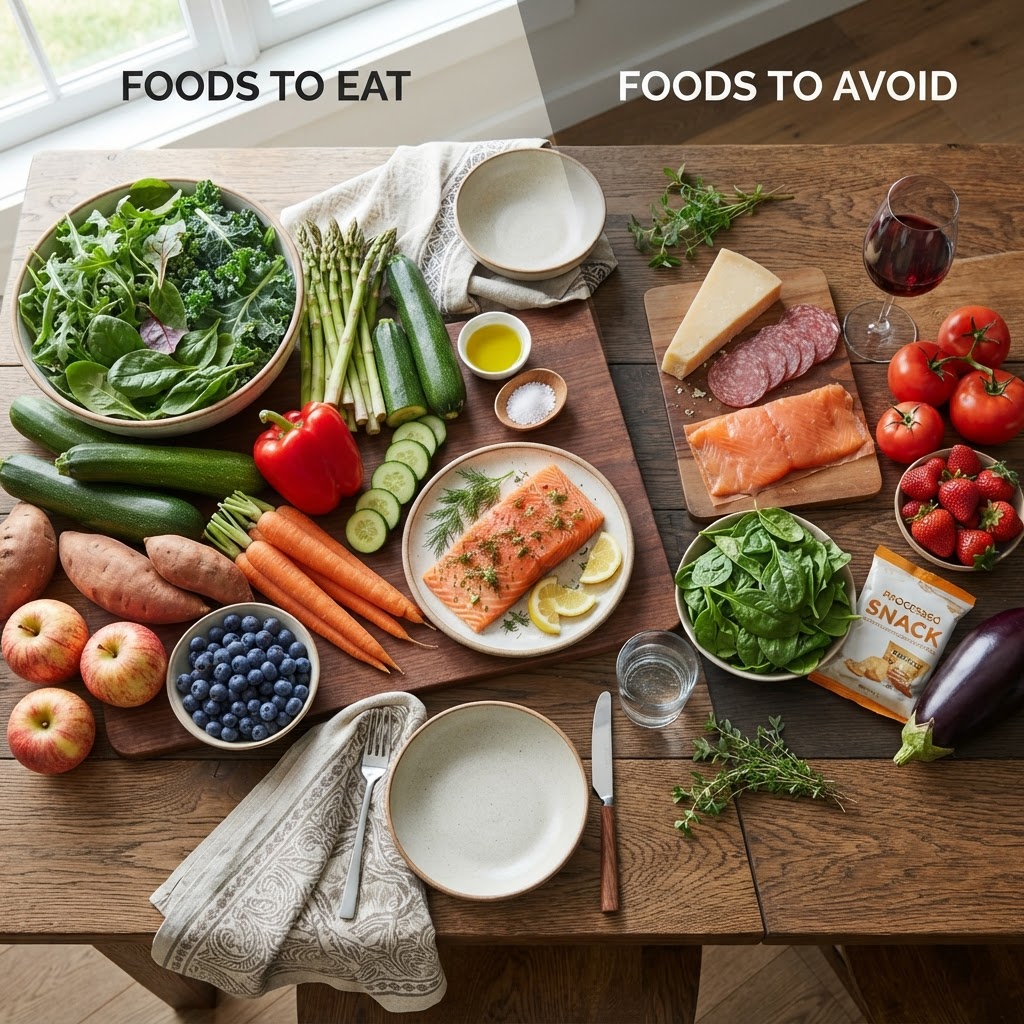
  • Somatic Symptom Disorder: Causes and Nervous System Healing

    Somatic Symptom Disorder: Causes and Nervous System Healing

    Key Takeaways

    • Somatic symptom disorder involves extreme distress over physical symptoms, which often stem from a dysregulated nervous system rather than identifiable structural disease.
    • The mind-body connection acts as a bi-directional highway where unresolved emotional stress frequently manifests as genuine, measurable physical pain.
    • Nervous system regulation is a primary strategy for healing, moving the body from a state of fight-or-flight into a parasympathetic state conducive to recovery.
    • Chronic stress creates a cycle of sensory amplification, where the brain becomes hyper-vigilant and overly sensitive to normal bodily sensations.
    • Healing requires a multi-faceted approach, moving beyond symptom management to address the underlying nervous system patterns through somatic healing techniques.

    For those living with persistent physical discomfort that seems to defy traditional medical explanation, the journey can feel incredibly isolating. You may have visited countless specialists, undergone exhaustive diagnostic testing, and received results that show nothing structurally “wrong,” yet the pain remains vivid, intrusive, and exhausting. This experience is the hallmark of somatic symptom disorder. It is not “all in your head” in the dismissive sense; rather, it is a profound testament to the reality of the mind-body connection. When our nervous system remains locked in a state of high alert, the body begins to communicate that distress through physical signals. By exploring how nervous system regulation can help break this cycle, we can begin to understand that healing is not just possible—it is a physiological process rooted in re-patterning how your body experiences and processes sensation.

    What Is Somatic Symptom Disorder?

    Somatic symptom disorder is a complex psychological and physiological condition characterized by an intense, disproportionate preoccupation with physical symptoms. While the term is often misunderstood, it is important to clarify that the symptoms experienced by individuals—such as chronic pain, digestive distress, fatigue, or neurological-like sensations—are entirely real. The individual is not “faking” the pain, nor is the discomfort imaginary. Instead, the disorder describes a state where the brain becomes hyper-focused on internal bodily sensations, amplifying them to a degree that causes significant emotional distress and disrupts daily life.

    In a healthy state, the brain filters out the constant stream of background “noise” from the body, such as the subtle thrum of a heartbeat or the minute shifts in muscle tension. For someone experiencing somatic symptom disorder, this filtering mechanism becomes impaired. The brain, perhaps due to past stressors or nervous system sensitization, stops filtering these signals and begins to interpret them as potential threats. This hyper-vigilance creates a feedback loop: the individual notices a sensation, feels anxiety about its origin or severity, and this anxiety triggers a physiological stress response. This response, in turn, intensifies the original physical symptom, creating a cycle that can persist for months or years.

    The diagnosis is typically considered when a person has one or more somatic symptoms that result in significant distress or functional impairment, coupled with excessive thoughts, feelings, or behaviors related to these symptoms. This might manifest as spending an excessive amount of time researching symptoms, frequent doctor visits, or a constant state of worry about the potential for underlying illness. It is not that these individuals lack a medical issue; rather, the way their nervous system processes and responds to sensory input has become stuck in a loop of amplification.

    Understanding this condition requires moving away from the outdated notion of a “mind-body split.” Modern science suggests that our mental state and our physiological state are inseparable. When we view somatic symptom disorder through the lens of nervous system regulation, the symptoms begin to make sense as a protective mechanism that has become overactive. The body is essentially shouting because the nervous system perceives that it is unsafe. Moving toward healing involves acknowledging the validity of the pain while simultaneously training the nervous system to feel safe again, thereby decreasing the brain’s need to “sound the alarm” through chronic physical symptoms.

    The Role of the Autonomic Nervous System

    To understand why physical symptoms persist despite clear lab results, we must look at the autonomic nervous system (ANS). The ANS acts as the body’s internal command center, managing automatic processes like heart rate, digestion, respiration, and temperature control without our conscious input. It is divided into two primary branches: the sympathetic nervous system and the parasympathetic nervous system. Under ideal conditions, these two systems exist in a state of dynamic balance, shifting back and forth depending on environmental demands.

    The sympathetic nervous system is our “fight-or-flight” response. It is designed to prepare us for immediate physical threats, pumping cortisol and adrenaline into the bloodstream, increasing heart rate, and shunting blood away from non-essential functions like digestion. While highly effective for escaping a predator, it is not designed to be a permanent state of being. The parasympathetic nervous system, often called “rest-and-digest,” is responsible for conservation, repair, and calm. This is where the body heals, tissues regenerate, and immune function is optimized.

    In the context of somatic symptom disorder, the nervous system often becomes stuck in a sympathetic-dominant state. When the body perceives chronic stress as a persistent threat, the “fight-or-flight” circuit stays engaged, even if there is no immediate danger. This leads to a state of chronic nervous system dysregulation. When the sympathetic nervous system is perpetually overactive, the body exists in a state of high inflammatory tone. Muscles remain tense, digestion is perpetually suppressed, and the sensory nerves become hypersensitive. This is essentially the biological hardware for somatic symptoms.

    Nervous system regulation is the art and science of teaching the body how to access its parasympathetic state again. When we are dysregulated, we lose the ability to shift gears. Think of it like a thermostat that is stuck on “high heat.” No matter how cool it is outside, the room remains hot because the sensor is broken. Somatic healing techniques—such as breathwork, grounding, and sensory awareness—act as a manual override for this thermostat. By consciously sending signals of safety to the brain, we can begin to downregulate the sympathetic nervous system, allowing the body to exit that state of hyper-vigilance. As the system regulates, the “volume” of pain and discomfort often begins to turn down, as the brain no longer needs to signal danger to a system that is finally resting in safety.

    Approach Mechanism Best For
    Somatic Experiencing Pendulation and titration of physical sensations Processing stored trauma safely
    Vagus Nerve Stimulation Activating the parasympathetic nervous system Reducing systemic inflammation and anxiety
    Mindfulness-Based Stress Reduction Cultivating non-judgmental observation Reducing cognitive preoccupation with symptoms
    Sensory Grounding Re-orienting the nervous system to the present Immediate nervous system reset during flares

    How Chronic Stress Impacts Your Physical Health

    The impact of chronic stress on the physical body is rarely limited to a single organ system; rather, it creates a systemic ripple effect. When stress becomes chronic, it is no longer a fleeting response to a sudden event but a foundational state of the body. This phenomenon is often referred to as “allostatic load”—the wear and tear that accumulates on the body as it repeatedly attempts to adapt to stressors that never seem to go away. This is a critical factor in understanding the development of chronic physical symptoms and the progression of somatic symptom disorder.

    Consider the cardiovascular and respiratory systems. Under chronic stress, blood vessels constrict and blood pressure rises, forcing the heart to work harder. Simultaneously, breathing patterns shift to become shallow and rapid—a typical hallmark of the fight-or-flight response. This type of breathing fails to facilitate optimal gas exchange and keeps the neck and chest muscles in a constant state of tension, which can easily manifest as chronic chest pain or shortness of breath—symptoms that often lead people to seek emergency medical care, only to be told their heart and lungs are structurally healthy.

    The digestive system is perhaps the most sensitive indicator of nervous system dysregulation. Because the body prioritizes survival (fighting or fleeing) over maintenance (digestion), the gut receives less blood flow and reduced neurological signaling during periods of chronic stress. This can lead to a host of symptoms ranging from irritable bowel syndrome (IBS) to food sensitivities and chronic nausea. Over time, the gut microbiome may shift as a result of this altered environment, further complicating the issue and creating a feedback loop where gut distress signals stress to the brain, which in turn increases sympathetic nervous system activity.

    Musculoskeletal health is equally compromised. Chronic sympathetic arousal creates a state of baseline hypertonicity. Muscles meant to provide posture and movement are held in a state of permanent “ready-to-go” contraction. This constant guarding leads to trigger points, chronic tightness, and myofascial pain that does not respond well to traditional massage or physical therapy, simply because the brain is the one commanding the muscles to stay tight. This is not a structural defect in the muscle tissue, but a neurological instruction that the body needs to be defended.

    Finally, we must consider the immune system. Prolonged exposure to stress hormones like cortisol eventually leads to a blunting of the immune response. This makes the body more susceptible to infections and increases systemic inflammation. Many chronic pain conditions are driven by a low-level, pervasive inflammatory state that is linked to nervous system dysregulation. Addressing the root cause—the nervous system’s inability to switch off the stress response—is therefore essential for reducing the physical impact of chronic stress. By shifting the body back into a parasympathetic state, we reduce the wear and tear of allostatic load, lower systemic inflammation, and allow the body to begin its natural healing processes.

    Common Symptoms Associated With Somatic Dysfunction

    Somatic dysfunction manifests in a diverse array of symptoms that can appear across almost any system in the body. Because the nervous system is the master regulator, there is virtually no part of the body that cannot be affected when the mind-body connection becomes strained. While the symptoms are highly individualized, there are common clusters that experts frequently observe in clinical settings. Understanding these patterns can help individuals recognize that their diverse range of complaints may actually stem from a single, unified source: a dysregulated nervous system.

    Pain is the most common presentation. Unlike pain from an injury, which is usually sharp, localized, and follows an anatomical pathway (like a nerve root or a bone), somatic pain is often migratory or diffuse. It may feel like “burning” skin, deep aching in the joints, or generalized muscle soreness that shifts from one side of the body to the other. Many patients describe this as “the pain that moves.” This migratory nature is a classic indicator that the pain is being processed centrally by the brain and nervous system, rather than being caused by a localized issue in the tissues themselves.

    Gastrointestinal distress is another primary indicator. In addition to standard indigestion, many individuals experience “nervous stomach,” characterized by bloating, cramping, or erratic bowel habits that occur specifically during times of high anxiety or social stress. Some may develop difficulty swallowing or a sensation of a “lump in the throat,” a condition often called globus pharyngeus, which is essentially the physical manifestation of a nervous system trying to protect the throat or deal with suppressed emotional expression.

    Fatigue is a pervasive symptom, but it is distinct from normal tiredness. This is a profound, soul-deep exhaustion that does not resolve with a good night’s sleep. Because the body has been expending an enormous amount of energy to stay in a state of high-alert, the fuel reserves are effectively drained. This is often accompanied by brain fog, light sensitivity, sound sensitivity, and dizziness—all of which are signs that the sensory processing system is overloaded. The brain is quite literally exhausted from filtering all the excessive input it is receiving from the body.

    Neurological-like sensations are also frequent. These include paresthesias, which are feelings of tingling, numbness, or “pins and needles” in the extremities. While people often fear that these indicate nerve damage or a serious neurological condition, in the context of somatic symptom disorder, they are often related to hyperventilation or the shifting of blood flow away from the limbs due to an active sympathetic stress response. When the nervous system is regulated, these symptoms often subside as quickly as they appear. Recognizing these as sensory manifestations of a nervous system “misinterpretation” is a significant step toward reducing the fear—and consequently, the frequency—of these episodes.

    The Link Between Trauma and Persistent Physical Pain

    The connection between trauma and persistent physical pain is one of the most significant frontiers in modern wellness. When we discuss “trauma” in the context of somatic symptom disorder, we are not necessarily talking about a single, catastrophic event. We are often referring to “small-t” traumas—chronic, cumulative stressors like relational instability, early-life neglect, high-pressure work environments, or persistent emotional suppression. These experiences leave a neurological imprint, changing how the body perceives safety and threat, long after the events have passed.

    When the body experiences trauma, the nervous system creates a “survival map.” It learns exactly what signals in the environment indicate danger. If that danger is chronic or if the individual was unable to process the emotion associated with the danger, the nervous system essentially remains “on duty.” It keeps the body in a state of protective guarding. This guarding—physical tension, shallow breathing, and internal hyper-vigilance—becomes the body’s baseline state. Over time, the brain begins to associate these protective physical states with “normal” functioning, even though they are causing significant wear and tear.

    This is where the concept of “body memory” comes into play. The body stores emotional experiences in muscle tension, postural habits, and sensory patterns. For example, someone who experienced a childhood environment where they had to “tread lightly” may develop a lifetime habit of chronic tension in the diaphragm and psoas muscles, resulting in chronic lower back pain or pelvic floor dysfunction. The pain is not a structural issue; it is a stored, physical residue of a survival strategy that is no longer needed. The body is still protecting itself from an old threat that is no longer present.

    Chronic pain management, therefore, must move beyond merely treating the site of the pain. If you have back pain, but that pain is rooted in a nervous system that is constantly bracing for an imagined blow from the past, no amount of physical therapy or medication will provide a permanent solution. The nervous system must be re-trained to recognize that the present is safe. This involves the use of somatic healing techniques that allow the body to discharge the energy of the past trauma. When the nervous system is finally able to release that protective guard, the chronic pain often dissipates as the tissues are finally permitted to relax and recover.

    By shifting our focus toward nervous system regulation, we move away from seeing the body as a machine that breaks and needs fixing, and toward seeing it as a living, intelligent system that is attempting to adapt to past experiences. Healing is the process of updating that system’s survival map. It is about proving to the body, through sustained, repetitive experiences of safety and grounding, that the threats of the past are over. This is the foundation of the mind-body connection, and it is the key to resolving the persistent physical symptoms that define somatic symptom disorder.

    How to Recognize Early Warning Signs of Nervous System Overload

    Understanding when your nervous system is shifting from a state of regulation into a state of “overload” is perhaps the most critical skill for anyone navigating somatic symptom disorder. Because the mind-body connection is so fluid, our physiology often sends out subtle distress signals long before we experience a full-blown flare-up of chronic physical symptoms. Recognizing these early warning signs allows you to intervene with somatic healing techniques before the nervous system becomes entrenched in a fight-or-flight or freeze response.

    The first tier of warning signs is often sensory and perceptual. You might notice an increased sensitivity to external stimuli—a phenomenon often referred to as “sensory gating” failure. Sounds that are typically ignorable become intrusive; lights feel brighter, or the texture of your clothing suddenly feels abrasive against your skin. This hyper-reactivity indicates that the amygdala—the brain’s alarm center—is beginning to scan the environment for threats more aggressively, which often precedes the intensification of somatic symptoms like tension headaches, digestive upset, or joint aches.

    Another early indicator is the subtle shift in breathing patterns and muscular bracing. Many individuals report “holding” their breath or taking shallow, thoracic breaths when the nervous system begins to overload. You may find that your jaw is perpetually clenched, or your shoulders have gradually crept up toward your ears while you were working or scrolling on your phone. This unconscious bracing is a physical manifestation of the nervous system preparing for a perceived threat. When you catch yourself in this state, it is a signal that your body is already attempting to mobilize energy to manage a stressor, even if you do not feel “mentally” stressed in that moment.

    Cognitive changes also serve as precursors to nervous system dysregulation. You may notice a reduced capacity for “executive functioning.” Tasks that are usually straightforward, such as responding to a simple email or deciding what to have for dinner, suddenly feel overwhelming. This is often described as “brain fog,” but from a somatic perspective, it is a sign that your nervous system is diverting energy away from the prefrontal cortex—the area responsible for complex decision-making—to prioritize survival-based processing. If you find yourself experiencing increased irritability, a shorter temper, or a feeling of detachment from your surroundings, your nervous system is likely struggling to maintain its equilibrium.

    Finally, track changes in your internal physiology, specifically digestive and cardiac rhythms. An early sign of impending nervous system dysregulation is a rapid change in heart rate variability or a sudden “knot” in the stomach. These are visceral responses mediated by the vagus nerve. By maintaining a journal of these small, seemingly unrelated changes, you can begin to identify your unique “pre-flare” patterns. Awareness is the first step toward a nervous system reset, transforming you from a passive victim of your symptoms into an active participant in your healing process.

    Somatic Tracking: A Tool for Nervous System Regulation

    Somatic tracking is a powerful, evidence-informed approach within the realm of chronic pain management and symptom reduction. At its core, somatic tracking involves observing physical sensations with a sense of safety, curiosity, and detachment. The goal is to retrain the brain to stop perceiving bodily sensations as threats, thereby downregulating the nervous system and reducing the intensity of chronic physical symptoms.

    When someone experiences somatic symptom disorder, the brain often falls into a cycle of “fear-avoidance.” Because the body is uncomfortable, the brain labels the sensation as dangerous. This fear triggers further stress hormones, which in turn increase the tension and pain, creating a self-reinforcing loop. Somatic tracking intervenes in this loop by introducing a neutral or compassionate observer into the experience.

    To practice somatic tracking, follow these steps:

    1. Locate the sensation: Focus your attention on a specific area where you feel discomfort or tension.
    2. Describe without judgment: Use neutral language to describe the sensation. Instead of saying “My back is killing me,” use phrases like “I feel a tightness in my lower back,” or “There is a pulsing sensation in my shoulder.”
    3. Monitor for safety: Remind yourself that, while uncomfortable, the sensation itself is not dangerous. A common mantra used in this practice is: “I am feeling this, but I am safe.”
    4. Notice the nuances: Pay attention to the edges of the sensation. Does it move? Does the temperature change? By treating the sensation like an object of study rather than a personal enemy, you effectively detach your emotional reaction from the physiological event.

    The effectiveness of this technique lies in the concept of neuroplasticity. The more you can sit with a sensation while maintaining a calm, regulated nervous system, the more you signal to your brain that the sensation does not require an alarm response. Over time, this process can lead to a significant “nervous system reset,” where the baseline intensity of your symptoms begins to diminish. It is not about “ignoring” the pain; rather, it is about changing your relationship with it. By removing the fear component, you deactivate the nervous system’s urge to amplify the signal, allowing the body to return to a more parasympathetic, healing state.

    Technique Primary Mechanism Best For
    Somatic Tracking Cognitive reframing of sensory input Reducing intensity of chronic pain flares
    Diaphragmatic Breathing Vagus nerve stimulation Immediate anxiety and physiological tension
    Progressive Muscle Relaxation Conscious release of muscular armor Sleep onset and chronic muscle bracing
    Grounding/5-4-3-2-1 Sensory redirection to the present Acute nervous system overwhelm/panic

    Lifestyle Changes to Soothe Your Nervous System

    Healing the mind-body connection requires more than just isolated exercises; it requires a systemic lifestyle overhaul that prioritizes nervous system regulation above the typical “hustle culture” metrics of productivity. When you suffer from somatic symptom disorder, your nervous system is already operating on a limited budget of energetic resources. Every choice you make throughout the day either contributes to that budget or drains it further.

    One of the most impactful changes is the implementation of “micro-rest” periods throughout the day. Rather than waiting until the end of the day to recharge, aim to weave short, restorative breaks into your schedule every 90 minutes. These micro-rests do not need to be elaborate; they can be as simple as two minutes of intentional, slow exhalation, or a short walk to look at something green or distant, which helps reset the eyes and nervous system from the hyper-focus of screen work.

    Dietary choices also play a significant role in chronic pain management and nervous system stability. A nervous system in distress often craves quick energy—sugar and processed carbohydrates—which leads to blood sugar spikes and crashes. These fluctuations act as a chemical stressor on the body, triggering the release of cortisol. Prioritizing blood sugar stability through a balanced intake of healthy fats, fiber, and protein can provide a more consistent energy profile, preventing the “jittery” states that often precede symptom flare-ups.

    Sleep hygiene is equally critical. For those with somatic symptom disorder, the “nighttime scan”—where the brain begins to hyper-focus on bodily sensations as soon as the lights go out—is a common barrier to quality rest. To soothe the nervous system before bed, focus on lowering your core body temperature and limiting blue light exposure. Incorporating a grounding ritual, such as a warm bath with Epsom salts or listening to a guided body scan, helps signal to the autonomic nervous system that the day is over and the body is safe to enter a restorative mode.

    Finally, consider your “information diet.” Constant exposure to distressing news, high-conflict social media interactions, or competitive environments can keep the nervous system in a state of low-grade, chronic alertness. Be intentional about your environment. Surrounding yourself with calming auditory environments, reducing clutter in your physical space, and setting firm boundaries around your digital interactions can create a “safety container” that allows your nervous system the space it needs to regulate and heal.

    When to Seek Professional Support for Somatic Symptoms

    Knowing when to transition from self-managed somatic healing to professional intervention is essential. While the techniques mentioned here are powerful, they are not a substitute for clinical care, especially when symptoms are severe or persistent. Many people struggle with somatic symptom disorder for years, often bouncing between medical specialists without finding relief because their symptoms are dismissed as “all in their head.” This is an unfortunate and inaccurate characterization; your pain is real, your symptoms are physical, and your nervous system deserves proper support.

    You should prioritize seeking professional help if you notice that your somatic symptoms are significantly impairing your ability to function in your daily life. If your capacity to work, maintain relationships, or engage in basic self-care has deteriorated, it is time to build a support team. Look for healthcare providers who are trauma-informed and understand the mind-body connection—such as therapists who specialize in somatic experiencing, internal family systems, or those trained in pain reprocessing therapy.

    Another indicator for professional support is the emergence of new, unexplained symptoms or a sudden change in the nature of your existing symptoms. It is vital to rule out any underlying medical conditions that may require standard pharmacological or surgical interventions. A collaborative approach—where you work with a primary care physician to rule out pathology and a mental health professional to address the nervous system’s role in your symptom maintenance—is often the gold standard for long-term recovery.

    Furthermore, if you find that your symptoms are accompanied by persistent feelings of hopelessness, severe anxiety, or depression, seek help immediately. The exhaustion of living with chronic physical symptoms can lead to significant psychological strain. A professional can help you navigate these complex emotional layers, providing a safe space to process the trauma or life stressors that may be contributing to your nervous system’s dysregulation. Remember that asking for help is not a sign of failure; it is a strategic step toward reclaiming your quality of life.

    Frequently Asked Questions

    Can somatic symptom disorder be cured or just managed?

    While the term “cure” is debated in medicine, many individuals experience a significant reduction or complete resolution of symptoms. The goal is to move from a state where your life is dictated by pain to a state where your nervous system is resilient and regulated. By addressing the root cause—the nervous system’s alarm response—many people find that their symptoms stop occurring entirely as their brain stops triggering the fight-or-flight cycle.

    Is somatic pain “real” or is it just in my head?

    Somatic pain is absolutely real. The sensations you feel are processed by the same neural pathways as physical injury. The difference lies in the source of the signal: in somatic symptom disorder, the brain is often creating or amplifying these pain signals due to nervous system dysregulation or hyper-vigilance, rather than an active tissue injury. It is a genuine physiological experience, not an act of imagination.

    How long does it take to see results from nervous system regulation?

    Healing is a non-linear process. Some people notice a reduction in symptoms after a few weeks of consistent somatic tracking and nervous system resets, while for others, it may take several months. Because you are essentially “retraining” the brain’s alarm system, consistency is more important than speed. Patience is a key component of the healing process.

    Can childhood trauma affect the development of this disorder?

    Yes. Emerging research suggests that early life experiences can shape the development of the autonomic nervous system. Individuals who have experienced chronic stress or trauma early in life may have a nervous system that is biologically “set” to a higher level of threat detection. This predisposes the body to overreact to stress later in life, making it more likely to manifest as physical symptoms.

    What is the role of medication in treating somatic symptoms?

    Medication is often used to manage the side effects of the disorder, such as anxiety, depression, or severe nerve-related pain. While medication can help lower the “baseline” of distress, it does not typically resolve the underlying nervous system dysregulation on its own. It is most effective when combined with therapeutic approaches that address the mind-body connection, such as somatic therapy or cognitive behavioral techniques.

    Are there specific physical exercises I should avoid?

    There is no universal list of exercises to avoid, but it is important to pay attention to your nervous system’s response. If high-intensity interval training or heavy lifting causes your nervous system to “spike” into a state of alarm—leading to a symptom flare-up—it may be best to pivot to restorative movement, like yoga, swimming, or walking, until your nervous system becomes more resilient and capable of handling higher levels of physiological stress.

    Conclusion

    Navigating somatic symptom disorder is a deeply personal journey, but you are not alone. By acknowledging the link between your nervous system and your physical reality, you move from a place of confusion to a place of agency. The journey toward a regulated nervous system is not about “fixing” a broken body, but about helping a brilliant, protective system learn that it no longer needs to signal danger to keep you safe. By incorporating somatic tracking, prioritizing micro-rests, and seeking the right professional guidance, you are actively rewiring your brain and body for a life characterized by comfort, resilience, and ease. Your body has an incredible capacity for healing; give it the safety it needs to show you what it can do.

    If you found this guide helpful, start today by identifying just one “early warning sign” in your daily routine and practicing one minute of intentional, grounding breathwork when you feel that tension arise. You have the power to change your physiological state, one moment at a time.

    By healthauthoritylife Editorial Team

    This article is for informational purposes only and is not a substitute for professional medical advice. Always consult your doctor before making changes to your diet, exercise routine, or treatment plan.

  • Low-Histamine Diet for MCAS: Foods to Eat and Avoid

    Low-Histamine Diet for MCAS: Foods to Eat and Avoid

    Key Takeaways

    • Mast Cell Activation Syndrome (MCAS) involves mast cells that inappropriately release chemical mediators like histamine, often triggered by specific dietary inputs.
    • Adopting a low-histamine diet can significantly reduce the total inflammatory load on the body, helping to stabilize mast cell reactivity.
    • Histamine-rich foods, fermented products, and aged items are common culprits that can exacerbate symptoms for those with MCAS.
    • Transitioning to an anti-inflammatory diet for MCAS focuses on the consumption of ultra-fresh, whole foods to minimize histamine accumulation.
    • Personalization is critical; what acts as a trigger for one person may be well-tolerated by another, making an elimination diet essential for identifying individual sensitivities.

    Navigating the complexities of Mast Cell Activation Syndrome (MCAS) often feels like solving a biological puzzle where the pieces are constantly shifting. For individuals living with this condition, the immune system’s mast cells—the body’s first responders—become hyper-vigilant, releasing an array of inflammatory mediators, including histamine, in response to seemingly benign stimuli. Diet, arguably the most significant daily environmental factor, plays a profound role in either exacerbating or calming these reactive cells. By understanding the intricate relationship between nutrition and mast cell behavior, those affected can often find a path toward greater stability and a significantly improved quality of life. This guide, prepared by the healthauthoritylife Editorial Team, explores the foundational principles of a mast cell diet and how strategic food choices can serve as a powerful tool in your wellness journey.

    Understanding Mast Cell Activation Syndrome and Diet

    Mast Cell Activation Syndrome is a multisystem condition characterized by the recurrent and excessive release of mast cell mediators. Mast cells are a type of white blood cell that resides in almost every tissue of the body, acting as a critical component of the immune system. In a healthy individual, these cells release specific chemicals—such as histamine, tryptase, and prostaglandins—only when necessary to defend against infection or heal injury. However, in those with MCAS, these cells can become inappropriately activated by a wide range of triggers, including stress, environmental allergens, medications, and, most frequently, dietary inputs.

    The relationship between the MCAS diet and symptom management is rooted in the “bucket theory.” Imagine your body has a bucket that fills with inflammatory mediators like histamine throughout the day. When the bucket overflows, the spillover causes symptoms—ranging from skin rashes and digestive distress to brain fog and cardiovascular irregularities. Because dietary choices contribute significantly to how quickly this bucket fills, controlling your intake is one of the most effective ways to prevent overflow. An anti-inflammatory diet for MCAS is not merely about avoiding “bad” foods; it is about reducing the total inflammatory burden to keep the mast cells quiet and stable.

    Experts generally agree that for those with MCAS, the goal of dietary intervention is to lower the histamine load and avoid known mast cell degranulators. Many patients find that their reactions are cumulative. A small amount of a histamine-releasing food might be manageable on its own, but when combined with environmental triggers or poor sleep, it may push the body over the edge. By focusing on nutrient-dense, freshly prepared foods, patients can often lower their baseline level of inflammation, effectively increasing their “threshold” before symptoms appear. This process requires a systematic approach, often involving an elimination and reintroduction phase, to identify which specific foods act as individual triggers. Understanding that this is a long-term strategy rather than a quick fix is the first step toward reclaiming control over your health.

    How Histamine Affects Mast Cell Stability

    Histamine is a biogenic amine that plays a vital role in regulating stomach acid, sleep-wake cycles, and immune responses. However, for those with MCAS, histamine is a double-edged sword. Not only do mast cells release histamine when they are activated, but the diet can also contribute a significant amount of exogenous histamine—histamine that comes from food rather than the body’s own stores. When the body’s capacity to break down histamine is overwhelmed, symptoms of histamine intolerance or MCAS flares become more pronounced.

    The breakdown of histamine primarily relies on two enzymes: Diamine Oxidase (DAO) and Histamine N-methyltransferase (HNMT). DAO is mainly responsible for breaking down histamine found in the digestive tract, while HNMT works within the cells. If a person has a deficiency in these enzymes, or if they are consuming excessive amounts of histamine-rich foods, the levels in the bloodstream rise rapidly. This high concentration of histamine acts as a signaling molecule that can further encourage mast cells to degranulate, creating a vicious cycle of inflammation. Essentially, high levels of dietary histamine can “prime” the mast cells to be more reactive to other, less significant stressors.

    Furthermore, some foods are classified as “histamine liberators,” meaning they don’t necessarily contain high levels of histamine themselves but stimulate the mast cells to release the histamine they are already storing. For a mast cell diet to be effective, it must address both the exogenous histamine intake and the consumption of foods that trigger the internal release mechanism. By reducing the intake of these substances, the body can better maintain homeostatic balance. Many practitioners emphasize that this isn’t just about limiting “histamine” as a single chemical; it is about creating an environment in the gut and the bloodstream where the mast cells are not constantly being signaled to release their inflammatory cargo. Over time, reducing this constant stimulation may lead to a decrease in the overall baseline reactivity of the mast cells, providing much-needed relief to the patient.

    Approach Core Strategy Best For
    Low-Histamine Elimination Strict removal of high-histamine and liberator foods for 2-4 weeks. Identifying primary triggers and calming acute flares.
    Freshness-First Strategy Consuming only freshly cooked/picked food; avoiding leftovers. Those with chronic sensitivity to bacterial aging in food.
    Low-Inflammation Diet Avoiding processed additives, dyes, and common inflammatory allergens. Long-term maintenance and reducing overall immune burden.

    Common Dietary Triggers for MCAS Patients

    Identifying triggers for MCAS is rarely straightforward, as individual responses vary wildly. However, certain categories of food are consistently identified by experts as common culprits that provoke mast cells. The most prominent of these are fermented and aged products. Fermentation is a process driven by bacteria and yeast, which naturally produce histamine as a byproduct. Consequently, items like aged cheeses, sauerkraut, kimchi, soy sauce, and kombucha are often high on the “avoid” list for those with histamine-related issues. Even seemingly healthy items like kefir or sourdough bread can be potent triggers for sensitive individuals.

    Another major category of triggers includes leftovers. As soon as a food is cooked and sits in the refrigerator, bacterial growth begins. These bacteria produce histamine, and even if the food is reheated, the histamine remains, as it is heat-stable. For many with MCAS, consuming leftovers—even those from a “safe” meal—is a common source of unexpected symptoms. Freshness is the cornerstone of an effective mast cell diet. Buying food that has been freshly harvested and cooking it immediately is often necessary to minimize histamine buildup.

    Beyond histamine content, there are specific foods known to act as histamine liberators or inflammatory agents. Citrus fruits, while nutrient-dense, are frequently cited by patients as causing an immediate release of mast cell mediators. Similarly, tomatoes—whether fresh, canned, or as part of a sauce—can be problematic due to their high histamine content and acidity. Processed foods, which are often laden with artificial colors, preservatives (such as benzoates and sulfites), and flavor enhancers like MSG, are also notorious for destabilizing mast cells. These additives can act as direct stimulants to the immune system. Finally, certain foods that contain dyes or preservatives can increase the overall chemical load, making it difficult for the body to manage its own internally produced histamine. Recognizing these patterns is the first step toward building a personalized list of safe foods and identifying the specific inputs that consistently undermine your stability.

    The Benefits of a Low-Histamine Elimination Diet

    The primary benefit of adopting a low-histamine elimination diet is the potential for rapid symptomatic relief. By removing the primary sources of exogenous histamine and common triggers, the body is given a chance to lower its total inflammatory baseline. Many patients report improvements in digestive issues, such as bloating and abdominal pain, within a few days to weeks of starting this restrictive phase. Furthermore, systemic symptoms like brain fog, fatigue, and skin flushing may also diminish as the total load on the immune system decreases. This “reset” is invaluable for establishing a new baseline from which to assess individual tolerance levels.

    Beyond the immediate reduction in symptoms, the elimination diet serves as a diagnostic tool. MCAS is highly individualistic; some patients may react strongly to avocado but tolerate spinach perfectly well, while others experience the opposite. A structured elimination and slow reintroduction protocol allow for the mapping of an individual’s unique reactive profile. This prevents the unnecessary restriction of foods that are actually safe, ensuring that the patient maintains as much nutritional diversity as possible. Long-term nutritional health is crucial, and an unnecessarily restrictive diet can eventually lead to deficiencies, which can, in turn, compromise immune function.

    The psychological benefits of an elimination diet should also not be underestimated. Living with an unpredictable condition like MCAS often causes significant anxiety, as patients fear that any given meal might trigger a severe reaction. By following a structured plan, individuals often regain a sense of agency and empowerment. They learn that they have control over their environment and their internal biochemistry. This shift from a state of passive suffering to active management is perhaps the most significant benefit of the process. It transforms food from a source of fear into a source of support, allowing the body the stability it needs to heal. Working with a clinical nutritionist or dietitian familiar with MCAS can provide the necessary guidance to ensure that this elimination process is performed safely, effectively, and with minimal disruption to overall quality of life.

    Foods to Include for a Mast Cell-Friendly Diet

    A mast cell-friendly diet is fundamentally a “whole foods” diet that prioritizes freshness above all else. When planning your meals, the focus should be on ingredients that are naturally low in histamine and free from the preservatives and additives that typically trigger mast cell degranulation. The core of this diet revolves around fresh proteins, select vegetables, and simple fats. Freshly caught fish and pasture-raised chicken or turkey (prepared immediately after cooking) are excellent staples. Since histamine levels in meat increase with age, buying high-quality, fresh cuts and freezing any portion that won’t be eaten within the next meal or two is a standard practice for many in the community.

    When it comes to vegetables, those that are generally well-tolerated include zucchini, cucumbers, squash, carrots, and sweet potatoes. These vegetables tend to have low histamine levels and are less likely to trigger a mast cell response compared to fermented or nightshade-heavy options. Leafy greens like kale and bok choy are also often well-received, provided they are washed and used while fresh. For fruits, sticking to those lower on the acidity scale is a wise move. Apples, pears, blueberries, and mangoes are often safer alternatives to citrus and tropical fruits, which are more likely to cause issues.

    For fats, extra virgin olive oil, coconut oil, and ghee (if dairy is tolerated) are excellent choices that provide stable energy without the inflammatory profiles of processed seed oils. Choosing organic options whenever possible helps minimize exposure to pesticides and herbicides, which can act as secondary triggers for sensitized individuals. Carbohydrates should come from simple, single-ingredient sources like white or brown rice, quinoa, and sweet potatoes. By keeping the ingredients list short, you reduce the risk of accidentally consuming a hidden trigger. Remember, the goal of the mast cell diet is not to eat a bland or limited set of foods forever, but to build a foundation of safety that allows you to assess the impact of different food groups as you move toward a more sustainable and varied long-term nutrition plan.

    Hidden Food Additives That Provoke Mast Cells

    For individuals navigating Mast Cell Activation Syndrome (MCAS), the battle is often won or lost in the ingredient label. Even when consuming naturally low-histamine, whole foods, commercially prepared items often contain chemical additives that act as potent mast cell degranulators. These “hidden” triggers can cause systemic inflammation and reactive symptoms even if the primary protein or vegetable is technically considered “safe” on a low-histamine list.

    One of the most insidious culprits is the category of synthetic food dyes and preservatives. Ingredients such as Tartrazine (Yellow 5), Sunset Yellow (Yellow 6), and Sodium Benzoate have been implicated in anecdotal reports of mast cell instability. Because these additives are synthetic, the body may treat them as foreign invaders, prompting mast cells to release histamine, cytokines, and other chemical mediators in a defense response.

    Furthermore, flavor enhancers like Monosodium Glutamate (MSG) and various artificial flavorings are notorious for causing “flare-ups” in sensitive populations. While not strictly histamine-rich, MSG acts as an excitotoxin, which can increase overall neurological stress and potentially lower the threshold for mast cell reactivity. Similarly, shelf-stable additives like sulfites—commonly found in dried fruits, wines, and processed sauces—are known histamine liberators. They disrupt the DAO (diamine oxidase) enzyme, which is responsible for breaking down histamine in the digestive tract, effectively creating a “histamine bottleneck” where even small amounts of dietary histamine become unmanageable.

    It is also critical to be wary of “natural flavors” listed on packaging. Under current food labeling regulations, a wide variety of chemical extracts, solvents, and concentrated substances can be bundled under this vague umbrella term. For someone with MCAS, these concentrated extracts may contain hidden fermented ingredients or synthetic derivatives that are highly reactive. When possible, sticking to single-ingredient whole foods is the safest approach to avoiding these complex chemical triggers.

    Tips for Meal Planning and Safe Food Preparation

    Adopting an MCAS diet is a logistical challenge that requires a shift in mindset. Because leftover food rapidly accumulates histamine as bacteria break down amino acids, the traditional practice of “batch cooking” on Sunday for the rest of the week is often dangerous for those with histamine intolerance.

    The golden rule for safe MCAS meal preparation is the “fresh-is-best” protocol. If you cannot eat a meal immediately after preparation, the next best option is flash-freezing. By cooling portions rapidly and storing them in an airtight freezer bag, you effectively “pause” the histamine accumulation process that occurs at room temperature or in the refrigerator. When you are ready to eat, move the portion directly from the freezer to the stove or steamer; avoid letting it sit in the refrigerator to thaw, as this transition window is prime time for bacterial growth.

    Meal planning should prioritize low-histamine proteins such as freshly caught white fish or freshly prepared grass-fed chicken. To keep your kitchen efficient without risking health, consider these strategies:

    • Portion Control: Divide your protein into single-serving containers before freezing. This prevents the need to thaw a large block of meat multiple times.
    • Steam vs. Slow Cook: Steaming is generally better than slow-cooking. Slow cookers keep food in the “danger zone” (warm temperatures) for hours, which promotes the growth of histamine-producing bacteria.
    • Stock Alternatives: Instead of long-simmered bone broths (which are very high in histamine), use quick-steeped vegetable broths or simple pan-drippings from fresh meat.
    • Kitchen Cleanliness: Ensure your cutting boards and utensils are sanitized. Cross-contamination from high-histamine ingredients can trigger a reaction in highly sensitive individuals.

    The following table provides a quick guide to selecting cooking methods and ingredients that prioritize stability for a mast cell-friendly diet.

    Food Category Preparation Method Risk Level Best For
    Proteins Flash-frozen, quickly pan-seared Low Main course stability
    Vegetables Fresh or frozen, lightly steamed Low Nutrient density
    Broths Fresh vegetable infusion (short boil) Low Hydration without histamine
    Leftovers Refrigerated for 24+ hours High Avoid entirely

    Nutrient Deficiencies to Monitor on a Restrictive Diet

    Because the MCAS diet often necessitates the exclusion of entire food groups—such as fermented foods, aged cheeses, many legumes, and certain citrus fruits—there is an inherent risk of nutritional gaps. Over a long duration, a highly restrictive diet can lead to deficiencies that paradoxically make mast cell symptoms worse by weakening the immune system and impairing the body’s detoxification pathways.

    One common concern is a deficiency in B vitamins, particularly B6 and B12. Vitamin B6 is a crucial cofactor for the DAO enzyme. If you are deficient in B6, your body may struggle to process dietary histamine even if you are eating “safe” foods. Similarly, Vitamin C plays a role in stabilizing mast cells and acting as a natural antihistamine. However, many common sources of Vitamin C, such as citrus fruits or tomatoes, are high in histamine or are known mast cell triggers. Individuals on a restricted diet should look toward safer sources of these nutrients, such as bell peppers for Vitamin C or lean, fresh animal proteins for B vitamins.

    Minerals such as magnesium and zinc are also frequently lacking. These minerals are vital for neurological health and inflammation regulation. Since many high-magnesium foods (like certain nuts and seeds) are common MCAS triggers, it is essential to work with a dietitian to identify tolerated magnesium-rich options, such as certain varieties of squash or pumpkin seeds, if approved by your medical professional. Always monitor for signs of fatigue, muscle weakness, or skin changes, which can be early indicators that your restrictive diet is beginning to impact your baseline nutrient status.

    When to Consult a Professional About Your Diet

    While self-guided dietary trials are common, managing MCAS through food is complex and often requires a multidisciplinary approach. You should seek the guidance of a registered dietitian (RD) who specializes in histamine intolerance or mast cell disorders, as well as a primary physician or an immunologist, under several circumstances.

    First, if you are experiencing unintended weight loss or difficulty maintaining a healthy caloric intake, professional intervention is mandatory. A restrictive diet can inadvertently become an under-eating trap, leading to muscle wasting and increased systemic stress. Second, if you notice that your list of “safe” foods is constantly shrinking—a phenomenon sometimes called “fear-based eating”—a professional can help you objectively reintroduce foods to prevent psychological distress and nutritional instability.

    Third, consult a professional if you suspect you have underlying comorbidities, such as SIBO (Small Intestinal Bacterial Overgrowth) or leaky gut. These conditions often overlap with MCAS and require specific medical treatments that go beyond dietary changes. Finally, if you are planning to add supplements to your regimen to cover nutrient gaps, a professional can screen for interactions with your existing medications. Mast cell stabilizers, antihistamines, and binders can interact with dietary changes in ways that are difficult to predict without clinical oversight.

    Frequently Asked Questions

    Is it possible to have an MCAS flare-up after eating only “low-histamine” foods?

    Yes, it is possible. MCAS is not solely triggered by dietary histamine. Other factors such as stress, environmental toxins, temperature changes, perfumes, and even the physical act of digestion can trigger mast cells. Additionally, “low-histamine” is a relative term, and individual sensitivities vary significantly; a food that is safe for one person may still be a trigger for another.

    Can I ever eat fermented foods again if I have MCAS?

    Many individuals with MCAS find that fermented foods remain a permanent trigger due to their high histamine content and the presence of tyramine. While some may tolerate small amounts after achieving better systemic control through medical treatment, most experts advise caution and suggest focusing on other sources of gut health that do not involve fermentation.

    Do I need to take DAO supplements with every meal?

    DAO (diamine oxidase) supplements can be a helpful tool to aid in the breakdown of histamine in the digestive tract. However, they are not a “cure” for MCAS and should not be used to justify eating high-histamine foods regularly. They are intended as a bridge for social situations or accidental exposure, and you should discuss their use with your doctor.

    Why does my skin itch after I eat even when I am on a strict diet?

    If you are experiencing skin symptoms while strictly adhering to a low-histamine diet, it may indicate that your mast cells are reacting to non-dietary triggers, or that you are still consuming “hidden” triggers like food dyes, preservatives, or salicylate-rich foods. Keeping a detailed symptom and food diary is often the best way to identify these secondary patterns.

    Are all gluten-free and dairy-free foods safe for MCAS?

    Not necessarily. While many people with MCAS benefit from removing gluten and dairy, processed gluten-free or dairy-free alternatives often contain high levels of stabilizers, gums (like carrageenan or guar gum), and synthetic additives that can act as mast cell triggers. Whole-food options are always superior to processed “free-from” alternatives.

    How long does it take to see improvements after starting an MCAS diet?

    The timeline for feeling better varies from person to person. Some individuals report a reduction in symptoms within a few days of eliminating high-histamine foods, while others may require several weeks for their mast cells to “calm down” and for inflammation to subside. Consistency is the most important factor in seeing long-term results.

    Conclusion

    Managing Mast Cell Activation Syndrome is a journey that requires patience, observation, and a willingness to adapt. While the transition to a low-histamine diet can feel overwhelming, it is a powerful tool for regaining control over your health and reducing the frequency of systemic flares. By focusing on fresh, unprocessed foods, identifying your unique triggers, and working closely with healthcare professionals to monitor your nutritional status, you can create a sustainable lifestyle that supports your body’s complex needs.

    Remember that food is only one piece of the puzzle. Healing often involves a combination of dietary adjustments, environmental modifications, and medical support. If you are ready to take the next step, start by tracking your symptoms alongside your meals to uncover the patterns unique to your system. Take control of your well-being today by prioritizing fresh ingredients and seeking the expert guidance you need to thrive.

    By healthauthoritylife Editorial Team

    This article is for informational purposes only and is not a substitute for professional medical advice. Always consult your doctor before making changes to your diet, exercise routine, or treatment plan.