
⚕️ Written by Dr. Sarah Mitchell, MD, MPH  •  📋 Evidence-Based Articles  •  🔍 Medically Reviewed

⚠️ Not a substitute for professional medical advice

Category: Diabetes

Evidence-based articles on type 1 and type 2 diabetes management, prevention, and reversal.

  • Type 2 Diabetes Diet Guide: What to Eat and Avoid to Manage Blood Sugar

    Type 2 Diabetes Diet Guide: What to Eat and Avoid to Manage Blood Sugar

    HealthAuthorityLife Editorial Team | July 31, 2026

    Type 2 diabetes diet guide

    Disclaimer: This article is for informational purposes only and does not constitute medical advice. Always consult your healthcare provider before making dietary changes, especially if you have diabetes or other medical conditions.

    Key Takeaways

    1. Type 2 diabetes affects over 38 million Americans, and diet is one of the most powerful tools for managing blood sugar levels and preventing complications.
    2. Research shows that a low-glycemic-index diet can reduce HbA1c levels by 0.5% to 1%, which is comparable to the effect of some diabetes medications.
    3. Fiber is critical for blood sugar management, slowing glucose absorption and improving insulin sensitivity. Adults with diabetes should aim for 25-35 grams per day.
    4. The Mediterranean diet and DASH diet have the strongest evidence base for managing Type 2 diabetes through nutrition.
    5. Carbohydrate counting and portion control are practical skills that help diabetics manage blood sugar without eliminating entire food groups.
    6. Regular meal timing, staying hydrated, and pairing carbohydrates with protein and healthy fats all help stabilize blood sugar throughout the day.
    7. No single diet works for everyone with diabetes. Individualized nutrition plans developed with a registered dietitian produce the best outcomes.

    Why Diet Matters So Much for Type 2 Diabetes

    Type 2 diabetes is a condition where the body either does not produce enough insulin or does not use insulin effectively (insulin resistance). The result is elevated blood sugar levels that, over time, can damage blood vessels, nerves, organs, and tissues throughout the body. While medications play an important role in diabetes management, what you eat has a direct and immediate effect on your blood sugar levels, making diet one of the most powerful tools you have.

    According to the CDC, more than 38 million Americans have diabetes, and approximately 90 to 95 percent of cases are Type 2. An additional 98 million Americans have prediabetes, meaning their blood sugar is elevated but not yet in the diabetic range. For many of these people, dietary changes can prevent or delay the progression to Type 2 diabetes. The Diabetes Prevention Program study found that lifestyle changes, including diet and exercise, reduced the risk of developing Type 2 diabetes by 58 percent over three years.

    The goal of a Type 2 diabetes diet is not to eliminate all carbohydrates or follow an extreme eating plan. Rather, it is to choose foods that keep blood sugar stable, provide adequate nutrition, and support overall health. This guide provides evidence-based dietary recommendations that are practical, sustainable, and effective for managing Type 2 diabetes.

    Understanding How Food Affects Blood Sugar

    Every food you eat affects your blood sugar differently. Understanding these effects helps you make informed choices:

    Carbohydrates: The Primary Driver of Blood Sugar

    Carbohydrates have the most direct and significant impact on blood sugar because they are broken down into glucose during digestion. This does not mean carbohydrates are bad or should be eliminated. It means choosing the right types of carbohydrates and managing portions is essential.

    Carbohydrates are categorized as:

    • Simple carbohydrates: Sugars that are quickly absorbed, causing rapid blood sugar spikes. Examples: table sugar, honey, fruit juice, white bread, white rice, soda.
    • Complex carbohydrates: Starches that take longer to digest, causing more gradual blood sugar increases. Examples: whole grains, beans, lentils, vegetables, oats.
    • Fiber: A type of carbohydrate the body cannot digest. Fiber slows glucose absorption, improves satiety, and supports gut health. Found in vegetables, fruits, whole grains, beans, and nuts.

    The Glycemic Index and Glycemic Load

    The glycemic index (GI) ranks foods from 0 to 100 based on how quickly they raise blood sugar. Low GI foods (55 or below) cause gradual increases, while high GI foods (70 or above) cause rapid spikes. The glycemic load (GL) takes portion size into account, providing a more practical measure of a food real-world impact on blood sugar.

    Low GI foods include: most vegetables, beans, lentils, whole oats, barley, sweet potatoes, most fruits, nuts, and seeds. High GI foods include: white bread, white rice, potatoes, sugary drinks, most breakfast cereals, and processed snack foods.

    Research published in the American Journal of Clinical Nutrition found that low-GI diets reduced HbA1c levels by 0.5 percent on average, which is clinically meaningful for diabetes management.

    Protein and Fat: Blood Sugar Stabilizers

    Protein and fat have minimal direct impact on blood sugar. When eaten alongside carbohydrates, they slow digestion and reduce the glycemic response of the meal. This is why pairing an apple (carbohydrate) with peanut butter (protein and fat) produces a more stable blood sugar response than eating the apple alone.

    What to Eat: Foods That Support Blood Sugar Management

    Non-Starchy Vegetables

    Non-starchy vegetables are the foundation of a diabetes-friendly diet. They are low in calories, low in carbohydrates, high in fiber, and rich in vitamins, minerals, and antioxidants. Aim for at least 3 to 5 servings per day.

    Best choices: leafy greens (spinach, kale, collard greens, Swiss chard), broccoli, cauliflower, Brussels sprouts, green beans, asparagus, bell peppers, cucumbers, tomatoes, zucchini, mushrooms, onions, and cabbage.

    Whole Grains

    Whole grains retain the bran and germ, which contain fiber, vitamins, and minerals. They digest more slowly than refined grains, producing more gradual blood sugar increases. Replace refined grains with whole grains whenever possible.

    Best choices: steel-cut or rolled oats, quinoa, brown rice, wild rice, barley, buckwheat, bulgur, farro, and whole-grain bread (check the label for at least 3 grams of fiber per slice).

    Lean Protein

    Protein helps stabilize blood sugar, promotes satiety, and supports muscle maintenance. Include a source of protein at every meal.

    Best choices: skinless chicken and turkey, fish (especially fatty fish like salmon, mackerel, and sardines for omega-3 fatty acids), eggs, tofu, tempeh, beans, lentils, and low-fat dairy. Limit red meat to occasional servings and avoid processed meats (bacon, sausage, hot dogs) which are linked to increased diabetes risk.

    Healthy Fats

    Healthy fats improve insulin sensitivity and reduce inflammation. They also slow digestion when paired with carbohydrates, reducing blood sugar spikes.

    Best choices: extra virgin olive oil, avocados, nuts (almonds, walnuts, pistachios), seeds (chia, flax, hemp, pumpkin), and fatty fish. Limit saturated fats (butter, cheese, fatty meats) and avoid trans fats entirely.

    Beans and Legumes

    Beans and legumes are among the best foods for diabetes management. They are rich in fiber, protein, and complex carbohydrates, with a very low glycemic index. Studies show that regular consumption of beans and lentils can improve HbA1c levels and reduce cardiovascular risk factors.

    Best choices: black beans, kidney beans, pinto beans, chickpeas, lentils (all varieties), and split peas.

    Berries and Low-Sugar Fruits

    Fruits contain natural sugars but also fiber, vitamins, and antioxidants. Berries are particularly good choices because they are low in sugar and high in fiber and antioxidants. Other good options include apples, pears, peaches, plums, and citrus fruits. Limit tropical fruits (bananas, mangoes, pineapple) and avoid fruit juice entirely.

    Nuts and Seeds

    Nuts and seeds are rich in healthy fats, protein, fiber, and minerals. They have minimal impact on blood sugar and improve satiety. Studies show that regular nut consumption is associated with improved insulin sensitivity and reduced diabetes risk.

    Best choices: almonds, walnuts, pistachios, pecans, chia seeds, flaxseeds, hemp seeds, and pumpkin seeds. Avoid sweetened or salted varieties.

    What to Avoid or Limit: Foods That Spike Blood Sugar

    Sugary Drinks

    Sugary drinks are the single worst category of food for blood sugar management. They cause rapid blood sugar spikes, provide no nutritional value, and are linked to increased diabetes risk. This includes soda, fruit juice, sweetened tea, sports drinks, and energy drinks. Even 100 percent fruit juice causes blood sugar spikes because it lacks the fiber that slows sugar absorption in whole fruit.

    Instead: Drink water, unsweetened tea, black coffee, or sparkling water. If you need flavor, add lemon, lime, or cucumber slices.

    Refined Carbohydrates

    White bread, white rice, white pasta, and most breakfast cereals are made from refined grains that have been stripped of fiber and nutrients. They digest quickly, causing rapid blood sugar spikes. Replace with whole grain alternatives.

    Processed and Packaged Foods

    Processed foods often contain hidden sugars, refined carbohydrates, unhealthy fats, and excessive sodium. Read nutrition labels carefully and look for products with minimal added ingredients. Choose whole, unprocessed foods whenever possible.

    Fried Foods

    Fried foods are high in unhealthy fats and calories, contributing to weight gain and insulin resistance. They also often contain refined carbohydrates (breading). Choose baking, grilling, steaming, or sauteing instead of frying.

    Sweets and Desserts

    Cookies, cakes, candy, ice cream, and pastries are high in sugar and refined carbohydrates. They cause blood sugar spikes and contribute to weight gain. If you want something sweet, choose fresh berries with a small amount of dark chocolate (70% or higher cocoa).

    Alcohol

    Alcohol can cause unpredictable blood sugar changes. It can cause hypoglycemia (low blood sugar) when consumed on an empty stomach, particularly for people taking insulin or certain diabetes medications. If you drink, do so in moderation (one drink per day for women, two for men), never on an empty stomach, and monitor your blood sugar.

    The Best Diet Patterns for Type 2 Diabetes

    The Mediterranean Diet

    The Mediterranean diet has the strongest evidence base for Type 2 diabetes management. It emphasizes vegetables, fruits, whole grains, beans, nuts, seeds, olive oil, and fish, with limited poultry and dairy and minimal red meat and sweets.

    A major study published in the New England Journal of Medicine found that a Mediterranean diet reduced the incidence of Type 2 diabetes by 52 percent over four years compared to a low-fat diet. For people who already have diabetes, the Mediterranean diet improves HbA1c, reduces cardiovascular risk factors, and is sustainable long-term.

    The DASH Diet

    The DASH (Dietary Approaches to Stop Hypertension) diet was originally designed to lower blood pressure but has also been shown to improve insulin sensitivity and blood sugar control. It emphasizes vegetables, fruits, whole grains, lean protein, and low-fat dairy while limiting sodium, saturated fat, and added sugars.

    Low-Carbohydrate Diets

    Low-carbohydrate diets (typically 20 to 100 grams of carbs per day) can be effective for blood sugar management because they directly reduce the primary driver of blood sugar. Some studies show greater HbA1c reduction with low-carb diets compared to higher-carb approaches. However, very low-carb diets (keto) can be difficult to sustain and may not be appropriate for everyone. Work with your healthcare team to determine the right carbohydrate level for you.

    Plant-Based Diets

    Vegetarian and vegan diets, when well-planned, can improve insulin sensitivity and blood sugar control. A meta-analysis found that vegetarian diets improved HbA1c levels by 0.4 percent on average. The key is ensuring adequate protein, B12, iron, and other nutrients that can be lower in plant-based diets.

    Practical Meal Planning for Diabetes

    The Diabetes Plate Method

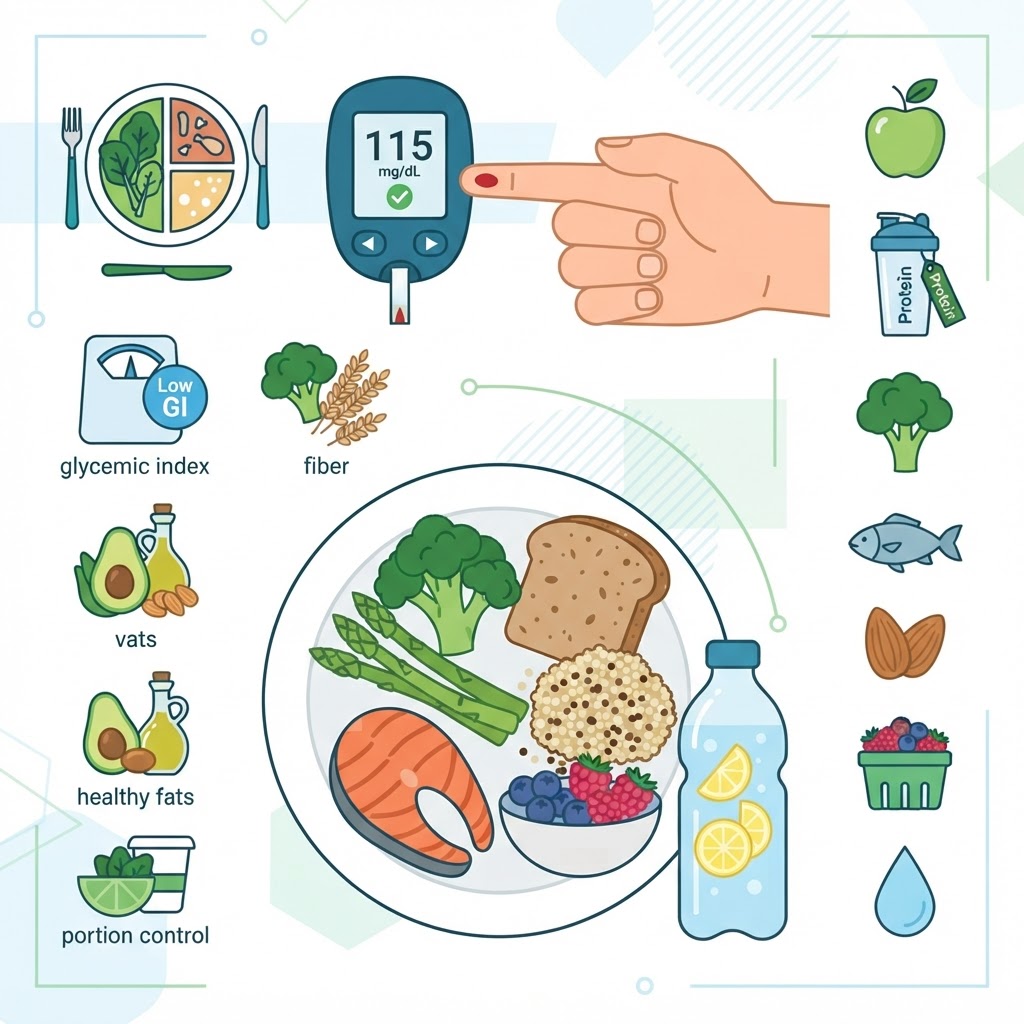
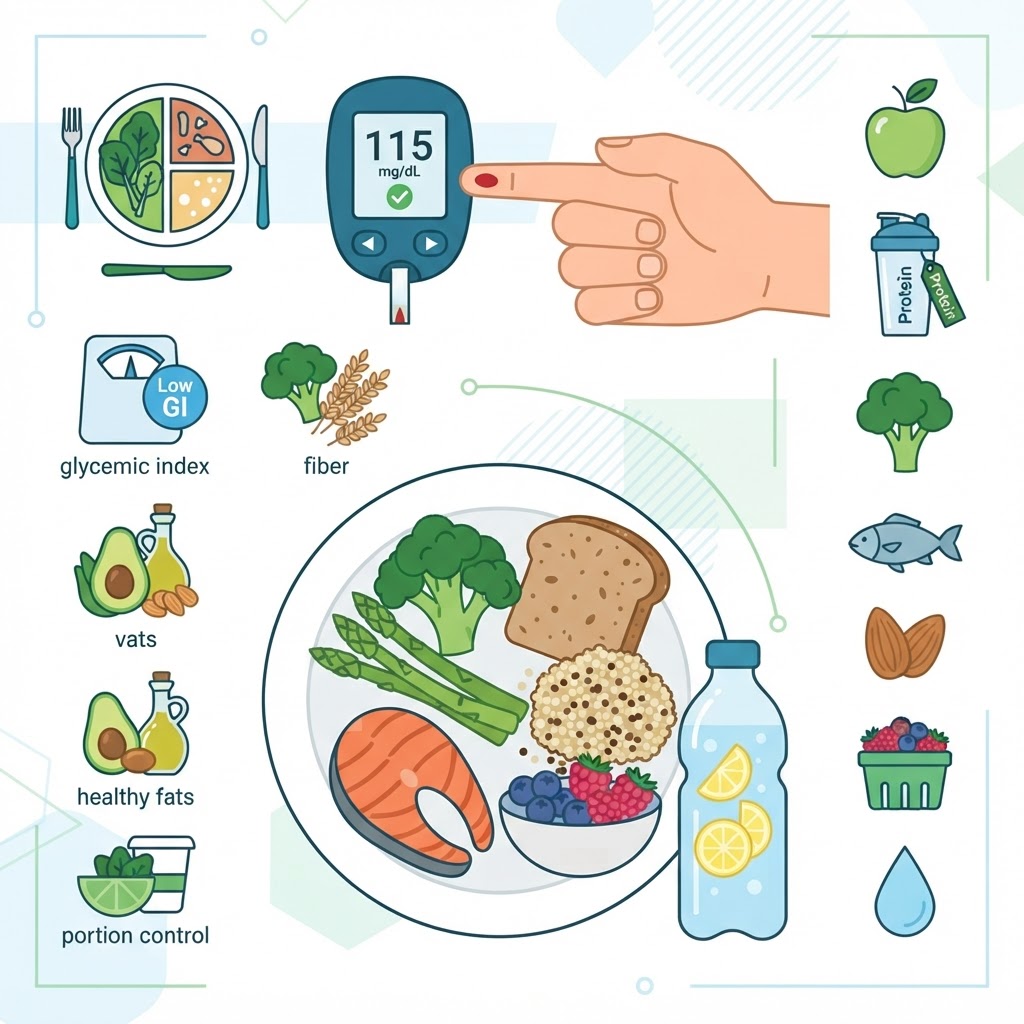
    The plate method is the simplest way to plan diabetes-friendly meals without counting or measuring:

    • Fill half your plate with non-starchy vegetables
    • Fill one quarter with lean protein
    • Fill one quarter with complex carbohydrates (whole grains, beans, or starchy vegetables)
    • Add a small serving of healthy fat (olive oil, avocado, nuts)
    • Include a glass of water or unsweetened beverage

    Sample Daily Meal Plan

    Breakfast: Steel-cut oats with chia seeds, walnuts, and berries. One hard-boiled egg on the side.

    Lunch: Large mixed green salad with grilled chicken, chickpeas, cucumber, tomatoes, olive oil dressing, and a slice of whole-grain bread.

    Snack: Apple slices with almond butter, or a handful of mixed nuts.

    Dinner: Baked salmon with roasted broccoli and quinoa. Side salad with olive oil dressing.

    Evening snack (if needed): Greek yogurt with a sprinkle of cinnamon.

    Carbohydrate Counting

    For more precise blood sugar management, carbohydrate counting involves tracking the grams of carbohydrates in each meal and snack. A registered dietitian can help you determine your individualized carbohydrate targets. Many people with diabetes aim for 45 to 60 grams of carbohydrate per meal and 15 to 20 grams per snack, though your needs may differ.

    Blood Sugar-Friendly Cooking Tips

    1. Cook with olive oil instead of butter: Olive oil improves insulin sensitivity and reduces inflammation.
    2. Add cinnamon: Some studies suggest cinnamon may improve insulin sensitivity. Add it to oatmeal, yogurt, or coffee.
    3. Use vinegar: Apple cider vinegar or other vinegars in salad dressings may reduce post-meal blood sugar spikes.
    4. Choose whole fruits over juice: The fiber in whole fruit slows sugar absorption dramatically.
    5. Pair carbs with protein or fat: Never eat carbohydrates alone. Always pair with protein or healthy fat to slow digestion.
    6. Cook and cool grains: Cooking and cooling rice, potatoes, and pasta creates resistant starch, which has a lower glycemic effect.
    7. Add ground flaxseed: Rich in fiber and omega-3s, flaxseed can be added to smoothies, oatmeal, or yogurt.

    How to Read Nutrition Labels for Diabetes

    Understanding nutrition labels is essential for managing diabetes through diet. Focus on these key elements:

    • Serving size: All nutrition information is based on the serving size. If you eat twice the serving size, you get twice the carbohydrates.
    • Total carbohydrates: This is the most important number for blood sugar management. It includes sugars, starches, and fiber.
    • Dietary fiber: Subtract half the fiber grams from total carbohydrates for a more accurate estimate of blood sugar impact (some dietitians suggest subtracting all fiber if it is 5g or more).
    • Added sugars: Aim for foods with minimal added sugars. The American Heart Association recommends no more than 25g (women) or 36g (men) of added sugar per day.
    • Ingredients list: Ingredients are listed in order of quantity. If sugar or a refined grain is the first ingredient, choose a different product.

    Dining Out with Diabetes: Strategies for Success

    Eating out does not have to derail your diabetes management. Use these strategies:

    • Research the menu in advance: Most restaurants post their menus online. Plan your order before arriving.
    • Ask for modifications: Request sauces and dressings on the side, substitute vegetables for fries, and ask for whole grain options.
    • Watch portion sizes: Restaurant portions are typically 2 to 3 times larger than standard servings. Consider sharing a meal or taking half home.
    • Choose grilled, baked, or steamed: Avoid fried, breaded, or creamy preparations.
    • Skip the bread basket: Ask the server not to bring it, or limit yourself to one piece with olive oil.
    • Order water: Avoid sugary drinks. Choose water, unsweetened tea, or black coffee.
    • Be mindful of dessert: If you want dessert, skip the appetizer or bread to balance your carbohydrate intake.

    The Connection Between Diabetes and Weight Management

    For many people with Type 2 diabetes, weight loss is one of the most effective interventions. The DiRECT trial published in The Lancet found that 46 percent of participants who achieved significant weight loss (10 to 15 kg) were able to put their diabetes into remission. Even modest weight loss of 5 to 10 percent of body weight can significantly improve blood sugar control and reduce the need for medication.

    The key to sustainable weight loss with diabetes is creating a moderate calorie deficit while maintaining stable blood sugar. This means choosing nutrient-dense, high-fiber, low-glycemic foods that provide satiety without causing blood sugar spikes. Combining dietary changes with regular physical activity produces the best results.

    Common Diabetes Diet Myths Debunked

    Myth: People with diabetes cannot eat fruit

    Fact: Whole fruits are healthy for people with diabetes. They contain fiber, vitamins, and antioxidants. The key is choosing low-glycemic fruits (berries, apples, pears) and watching portions. Avoid fruit juice, which causes rapid blood sugar spikes.

    Myth: You need to eat special diabetic foods

    Fact: There is no need for special diabetic foods or products. A healthy diabetes diet is simply a healthy, balanced diet that emphasizes whole foods. Many products marketed as diabetic or sugar-free are highly processed and may still affect blood sugar.

    Myth: Carbohydrates are the enemy

    Fact: Carbohydrates are an essential part of a healthy diet. The key is choosing the right types (complex, high-fiber) and managing portions. Eliminating all carbohydrates is unnecessary and may lead to nutrient deficiencies.

    Myth: Eating too much sugar causes diabetes

    Fact: Type 2 diabetes is caused by a combination of genetic, lifestyle, and environmental factors. While excessive sugar consumption contributes to weight gain and insulin resistance, sugar alone does not cause diabetes.

    Frequently Asked Questions

    What is the best breakfast for someone with Type 2 diabetes?

    A good diabetes breakfast includes protein, fiber, and complex carbohydrates. Examples: oatmeal with nuts and berries, eggs with whole-grain toast and avocado, or Greek yogurt with chia seeds and almonds. Avoid sugary cereals, pastries, and fruit juice.

    Can I reverse Type 2 diabetes with diet?

    Some people can achieve diabetes remission through significant weight loss and dietary changes. The DiRECT trial showed that 46 percent of participants achieved remission with weight loss of 10 to 15 kg. However, remission is not the same as a cure, and diabetes can return if weight is regained. Always work with your healthcare team.

    How many carbohydrates should I eat per day?

    There is no single answer. Individual needs vary based on activity level, medications, age, and other factors. Many people with diabetes aim for 130 to 180 grams of carbohydrate per day, distributed across meals. Work with a registered dietitian to determine your personalized target.

    Is intermittent fasting safe for people with diabetes?

    Some studies suggest intermittent fasting may improve insulin sensitivity and blood sugar control. However, it can increase the risk of hypoglycemia, especially for people taking insulin or certain medications. Never start fasting without consulting your healthcare provider.

    What drinks are safe for someone with diabetes?

    Water is the best choice. Other safe options include unsweetened tea, black coffee, sparkling water, and vegetable juice in moderation. Avoid soda, fruit juice, sweetened tea, and energy drinks. If you drink alcohol, do so in moderation and never on an empty stomach.

    Should I take supplements for diabetes?

    No supplement has been conclusively proven to improve blood sugar control. Some evidence suggests chromium, magnesium, and alpha-lipoic acid may have modest benefits, but more research is needed. Always discuss supplements with your healthcare provider, as some can interact with diabetes medications.

    How often should I check my blood sugar?

    The frequency of blood sugar monitoring depends on your treatment plan. People using insulin typically check more frequently. Your healthcare provider will recommend a monitoring schedule based on your individual needs. Continuous glucose monitors (CGMs) provide real-time data and are increasingly recommended.

    Conclusion

    Managing Type 2 diabetes through diet is one of the most powerful things you can do for your health. The evidence is clear: a diet rich in vegetables, whole grains, beans, lean protein, and healthy fats, with minimal processed foods and added sugars, improves blood sugar control, reduces cardiovascular risk, and supports overall health.

    The most effective approach is one you can sustain long-term. Rather than following a restrictive diet, focus on building healthy eating patterns that become a natural part of your lifestyle. Work with your healthcare team and a registered dietitian to develop an individualized plan that fits your needs, preferences, and lifestyle.

    Remember that diet is just one part of diabetes management. Regular physical activity, medication adherence, blood sugar monitoring, stress management, and adequate sleep all play essential roles. By addressing all of these areas, you can effectively manage Type 2 diabetes and reduce your risk of complications.

    This article was written by the HealthAuthorityLife Editorial Team and reflects current medical consensus. Last updated July 2026.

    The Role of Physical Activity in Diabetes Management

    While this guide focuses on diet, physical activity is inseparable from nutrition in diabetes management. Exercise improves insulin sensitivity, meaning your body uses insulin more effectively. Even a single session of moderate exercise can improve blood sugar control for up to 24 hours. The American Diabetes Association recommends at least 150 minutes of moderate-intensity aerobic exercise per week, plus 2-3 sessions of strength training.

    Exercise and diet work together. When you eat a carbohydrate-containing meal and then walk for 15 minutes, your blood sugar response is significantly lower than if you eat and remain sedentary. This is because your muscles use glucose for energy during exercise, directly reducing blood sugar levels. Even light post-meal walks can make a meaningful difference.

    Supplements and Herbs: What the Evidence Shows

    Many supplements are marketed for diabetes management. Here is what the research supports and what it does not:

    Cinnamon

    Some studies suggest cinnamon may modestly improve fasting blood sugar and HbA1c, but results are inconsistent. If you try it, use Ceylon cinnamon (not cassia, which contains coumarin that can harm the liver in large doses). Treat cinnamon as a potential supplement, not a replacement for medication or dietary management.

    Chromium

    Some evidence suggests chromium picolinate may improve insulin sensitivity, particularly in people with chromium deficiency. However, deficiency is rare, and the evidence for benefit in people with adequate intake is weak.

    Magnesium

    Low magnesium levels are associated with poorer blood sugar control. If you have a documented deficiency, supplementation may help. Magnesium-rich foods include spinach, almonds, pumpkin seeds, and dark chocolate.

    Berberine

    Berberine, a compound found in several plants, has shown blood sugar-lowering effects in some studies comparable to metformin. However, quality varies, and it can interact with other medications. Consult your doctor before use.

    Avoid

    Avoid supplements that make dramatic claims about reversing or curing diabetes. No supplement has been proven to cure diabetes, and some may interact dangerously with diabetes medications. Always discuss any supplement with your healthcare provider.

    Managing Diabetes During Special Occasions

    Holidays, celebrations, and social gatherings present challenges for diabetes management, but they do not require isolation or deprivation. Strategies for success include:

    • Eat a small, protein-rich snack before arriving so you are not starving
    • Survey all options before filling your plate
    • Fill half your plate with vegetables first
    • Choose one favorite treat rather than sampling everything
    • Eat slowly and mindfully, savoring each bite
    • Drink water between alcoholic drinks, if you drink
    • Check your blood sugar more frequently during special occasions
    • Do not skip meals to save up for a big dinner

    Building a Support System for Diabetes Management

    Managing diabetes is easier with support. Consider building a team that includes:

    • Your primary care physician or endocrinologist for medical management
    • A registered dietitian or certified diabetes educator for nutrition guidance
    • A pharmacist for medication management and interactions
    • A mental health professional if diabetes is affecting your emotional wellbeing
    • A support group, either in person or online, for peer experience and encouragement
    • Family and friends who understand and support your dietary choices

    Diabetes can feel isolating, but millions of people manage it successfully. Connecting with others who understand the challenges can provide motivation, practical tips, and emotional support.

    Long-Term Complications of Poor Blood Sugar Management

    Understanding the consequences of uncontrolled diabetes reinforces the importance of dietary management. Chronic high blood sugar damages blood vessels and nerves throughout the body, leading to:

    • Heart disease and stroke: Diabetes doubles the risk of heart disease. Managing blood sugar, blood pressure, and cholesterol reduces this risk significantly.
    • Kidney damage (nephropathy):strong> Diabetes is the leading cause of kidney failure. Good blood sugar control reduces risk by approximately 35 percent.
    • Eye damage (retinopathy): Diabetes is the leading cause of new blindness in adults. Regular eye exams and blood sugar control are essential.
    • Nerve damage (neuropathy): Causes pain, tingling, and loss of sensation, particularly in the feet. Can lead to infections and amputations.
    • Foot complications: Nerve damage and poor circulation increase the risk of foot ulcers and infections. Daily foot inspection is essential.
    • Skin conditions: Diabetes increases susceptibility to skin infections and slow-healing wounds.
    • Hearing impairment: Diabetes is associated with increased risk of hearing loss.
    • Alzheimer disease risk: Some researchers call Alzheimer disease “Type 3 diabetes” due to the connection between insulin resistance and cognitive decline.

    The good news is that all of these complications can be prevented or delayed through good blood sugar management, which starts with diet.

    Diabetes Management Technology in 2026

    Technology has transformed diabetes management, making it easier to monitor and control blood sugar:

    Continuous Glucose Monitors (CGMs)

    CGMs measure blood sugar continuously through a sensor placed on the skin, sending readings to a smartphone or receiver. They provide real-time data, trend arrows, and alerts for high or low blood sugar. CGMs have revolutionized diabetes management by replacing intermittent fingerstick testing with continuous monitoring.

    Insulin Pumps

    Insulin pumps deliver continuous insulin through a small device, replacing multiple daily injections. Modern pumps can integrate with CGMs to form closed-loop systems that automatically adjust insulin delivery based on blood sugar readings.

    Diabetes Apps

    Numerous apps help with carbohydrate counting, meal planning, blood sugar tracking, and medication reminders. Popular options include MyFitnessPal, Glucose Buddy, and the manufacturer apps that pair with CGMs and pumps.

    Frequently Asked Questions (Additional)

    Can I eat rice if I have diabetes?

    Yes, in moderation. Choose brown rice, wild rice, or parboiled rice, which have a lower glycemic index than white rice. Control portion size (1/2 to 3/4 cup cooked) and pair with protein and vegetables. Cooking and cooling rice creates resistant starch that further lowers its glycemic impact.

    Is coffee safe for people with diabetes?

    Yes, black coffee or coffee with a small amount of milk appears safe and may even have protective effects. Avoid sugary coffee drinks (lattes, Frappuccinos) which contain large amounts of sugar and carbohydrates.

    How does stress affect blood sugar?

    Stress hormones (cortisol, adrenaline) raise blood sugar levels by stimulating glucose production in the liver. Chronic stress can make blood sugar management more difficult. Stress management techniques like meditation, deep breathing, and regular exercise can help.

    Should I see a registered dietitian?

    Yes, if possible. A registered dietitian who specializes in diabetes can help you create a personalized meal plan, teach carbohydrate counting, and provide ongoing support. Many insurance plans cover diabetes nutrition counseling.

  • Type 2 Diabetes Symptoms: Early Warning Signs Most People Miss

    Type 2 Diabetes Symptoms: Early Warning Signs Most People Miss

    ๐Ÿท๏ธ Category: Diabetes

    ๐Ÿ”‘ Key Takeaways
    1. Type 2 diabetes develops gradually and silently โ€” many people have it for years before diagnosis
    2. The classic triad of symptoms is increased thirst, frequent urination, and unexplained fatigue โ€” but symptoms are often mild enough to dismiss
    3. Skin changes, vision changes, slow wound healing, and recurrent infections are important early warning signs that are frequently overlooked
    4. Up to 98 million American adults have prediabetes โ€” a reversible state โ€” but 80% don’t know it
    5. Early detection is critical: every year of uncontrolled blood sugar produces cumulative organ damage that is difficult to reverse

    Type 2 diabetes is one of the most pervasive and preventable chronic diseases in the modern world, affecting approximately 38 million Americans and over 537 million people globally. Yet it is also one of the most frequently undiagnosed: the Centers for Disease Control and Prevention estimates that approximately 8.5 million American adults with diabetes do not know they have it. This happens because type 2 diabetes typically develops slowly over years, with symptoms that are mild, easy to rationalise, or mistaken for normal tiredness and aging. Understanding the full spectrum of early warning signs โ€” including those that rarely make the list โ€” is the first step toward catching this disease before it causes serious organ damage.

    This article is for general educational purposes only and does not constitute medical advice. If you are experiencing symptoms described here, or have risk factors for diabetes, consult your healthcare provider for evaluation and testing.

    How Type 2 Diabetes Develops

    Type 2 diabetes develops when the body becomes progressively less responsive to insulin โ€” a condition called insulin resistance โ€” and the pancreas can no longer compensate by producing enough extra insulin to maintain normal blood sugar. This process typically takes years, passing through a stage called prediabetes (blood sugar higher than normal but not yet in the diabetic range) before reaching the clinical threshold for type 2 diabetes. During the prediabetes and early diabetes stages, blood sugar is elevated but not dramatically so, which is why symptoms are often subtle or absent.

    The underlying driver is usually a combination of excess body fat (particularly visceral abdominal fat), physical inactivity, and genetic predisposition. Visceral fat actively secretes inflammatory compounds and fatty acids that impair insulin signalling in muscle and liver cells. As insulin resistance worsens, the pancreatic beta cells that produce insulin work harder and eventually begin to fail โ€” at which point blood sugar rises more dramatically and symptoms become more pronounced.

    The Classic Warning Signs

    Increased thirst (polydipsia): When blood sugar rises above the kidney’s reabsorption threshold (approximately 180 mg/dL), glucose spills into the urine, taking water with it through osmosis. This produces increased urine output, which in turn triggers thirst. The thirst can be mild at first โ€” easily dismissed as not drinking enough water โ€” but becomes more pronounced as blood sugar climbs. If you find yourself consistently thirstier than usual with no obvious explanation (hot weather, exercise, high sodium intake), it warrants investigation.

    Frequent urination (polyuria): The flip side of increased thirst, frequent urination results from the same mechanism โ€” excess glucose in the urine drawing water along with it. This is particularly noticeable at night (nocturia), when waking once or more to urinate becomes a pattern. For many people, this symptom is dismissed as a bladder issue or attributed to drinking too much fluid before bed, delaying the recognition that it may be diabetes-related.

    Unexplained fatigue: Fatigue in diabetes is mechanistically straightforward: cells cannot efficiently use glucose for energy when insulin signalling is impaired, leaving them effectively energy-starved despite high blood sugar levels. The result is persistent tiredness that is not explained by poor sleep or exertion. This fatigue is often described as “bone-deep” and is not relieved by rest in the way that normal tiredness is. It may be worse after meals โ€” when blood sugar spikes โ€” a pattern that is particularly telling.

    Blurred vision: High blood sugar causes osmotic swelling of the lens in the eye, temporarily changing its shape and focussing ability. This produces fluctuating blurry vision that can come and go with blood sugar levels. Many people attribute this to needing new glasses โ€” and while that may also be true, changing vision prescriptions every few months, or vision that varies throughout the day, can be an indicator of blood sugar instability. Over the longer term, uncontrolled diabetes causes diabetic retinopathy, a leading cause of adult blindness.

    Less Recognised Warning Signs

    Slow-healing cuts and wounds: Elevated blood sugar impairs wound healing through multiple mechanisms: it damages small blood vessels (reducing blood and oxygen delivery to the wound), impairs white blood cell function (reducing immune response to infection), and damages peripheral nerves (reducing sensation so wounds are not noticed promptly). A cut that takes weeks rather than days to heal, or any wound that shows signs of infection, warrants prompt medical attention and blood sugar evaluation.

    Recurrent infections: High blood sugar creates a nutrient-rich environment for bacteria and fungi to thrive, while simultaneously impairing the immune response that would normally control them. Common patterns include recurrent urinary tract infections, recurrent skin infections (boils, folliculitis), oral thrush, and in women, recurrent vaginal yeast infections. If you are experiencing repeated infections โ€” particularly in the same location โ€” diabetes screening is warranted.

    Darkening skin in folds (acanthosis nigricans): One of the most specific visible signs of insulin resistance is a condition called acanthosis nigricans โ€” a darkening and thickening of the skin in body folds and creases, most commonly the back of the neck, armpits, and groin. The skin looks darker, almost dirty, and has a velvety texture. It does not wash off. This change is caused by insulin stimulating skin cell growth and is a reliable indicator of significant insulin resistance, often predating the development of frank diabetes by years.

    Tingling or numbness in hands and feet: Peripheral neuropathy โ€” nerve damage from high blood sugar โ€” typically begins in the feet and progresses upward in a “stocking-glove” distribution. Early symptoms include tingling, burning, or a “pins and needles” sensation, particularly at night. Some people describe it as numbness or a feeling that their feet are always slightly asleep. This symptom indicates that elevated blood sugar has been present long enough to cause nerve damage โ€” making it a sign of more advanced disease rather than early detection, but still important to recognise.

    Increased hunger even after eating (polyphagia): When cells cannot effectively use glucose for energy due to insulin resistance, hunger signals continue even after eating. The body interprets the intracellular energy deficit as starvation and drives hunger accordingly. This paradox โ€” feeling hungry despite eating and having high blood sugar โ€” is a characteristic feature of poorly controlled diabetes. It often leads to weight gain, which further worsens insulin resistance, creating a vicious cycle.

    Unexplained weight loss: Paradoxically, while weight gain is a risk factor for type 2 diabetes, significant unexplained weight loss can be a symptom โ€” particularly when blood sugar is very high. When the body cannot use glucose, it begins breaking down muscle and fat for energy, leading to weight loss despite adequate or increased food intake. This is more common in type 1 diabetes and in uncontrolled type 2 diabetes but can occur in either.

    Dry, itchy skin: Diabetes impairs circulation and causes dehydration at the cellular level, both of which contribute to dry, itchy skin. Poor circulation is particularly notable in the legs and feet, where the skin may become extremely dry and prone to cracking. Skin that is unusually itchy without an obvious cause (not related to a rash or allergen exposure) can be a subtle indicator of metabolic disturbance.

    Symptoms That Are Different in Women vs Men

    While the core symptoms of type 2 diabetes are similar across genders, some manifestations present differently. Women are more likely to notice recurrent yeast infections and UTIs as early warning signs. They may also experience polycystic ovary syndrome (PCOS) โ€” which is strongly linked to insulin resistance โ€” as an early indicator of metabolic dysfunction years before diabetes develops. Women with PCOS have a 4โ€“7 times higher lifetime risk of developing type 2 diabetes than women without it.

    Men may be more likely to experience erectile dysfunction as an early cardiovascular and neurological complication of diabetes, often before other symptoms are recognised. Sexual dysfunction that is not explained by other causes is worth discussing with a doctor as part of a broader metabolic evaluation. Men also tend to develop complications at lower BMI levels than women, meaning that a man who is only modestly overweight can still be at significant diabetes risk.

    Symptom Underlying Mechanism When It Typically Appears
    Increased thirst Glucose in urine draws water out Blood sugar consistently above 180 mg/dL
    Frequent urination Same as thirst โ€” osmotic diuresis Blood sugar consistently above 180 mg/dL
    Fatigue Cells starved of energy despite high glucose Early โ€” even at prediabetes stage
    Blurred vision Lens swelling from osmotic effect Fluctuates with blood sugar changes
    Slow wound healing Impaired circulation and immune response After months-years of elevated blood sugar
    Acanthosis nigricans Insulin stimulating skin cell growth Often years before diabetes โ€” at prediabetes stage
    Foot tingling/numbness Nerve damage from sustained high glucose After months-years of elevated blood sugar
    Recurrent infections Impaired immunity + glucose-rich environment Can appear at prediabetes or early diabetes stage

    Risk Factors: Who Should Be Screened

    Because symptoms are often absent or subtle, the American Diabetes Association recommends that adults with risk factors be screened for diabetes and prediabetes even without symptoms. Key risk factors include being overweight or obese (BMI 25+; 23+ for Asian Americans), age 45 or older, first-degree relative with type 2 diabetes, history of gestational diabetes or delivering a baby over 9 pounds, PCOS, high blood pressure, high triglycerides or low HDL, and physical inactivity. Screening every 3 years is recommended for adults aged 35โ€“70 who are overweight or obese, or more frequently if risk factors are present.

    How Is Diabetes Diagnosed?

    Diabetes is diagnosed through blood tests, not symptoms. The main tests are fasting plasma glucose (FPG), the 2-hour oral glucose tolerance test (OGTT), haemoglobin A1c (HbA1c), and random plasma glucose in symptomatic individuals. A fasting glucose of 126 mg/dL or higher, A1c of 6.5% or higher, or 2-hour OGTT glucose of 200 mg/dL or higher โ€” confirmed on a second test โ€” establishes the diagnosis of diabetes. Prediabetes is defined as fasting glucose 100โ€“125 mg/dL, A1c 5.7โ€“6.4%, or 2-hour OGTT glucose 140โ€“199 mg/dL.

    The A1c test is the most practical for routine screening as it requires no fasting and reflects average blood sugar over approximately 3 months. However, it is less accurate in certain populations โ€” those with haemoglobin variants (sickle cell trait), certain anemias, or kidney disease โ€” where fasting glucose testing may be more reliable.

    What Happens If Diabetes Goes Undetected

    The long-term complications of undetected and untreated type 2 diabetes are severe and affect virtually every organ system. Cardiovascular disease โ€” heart attack and stroke โ€” accounts for approximately 50% of deaths in people with diabetes. Diabetic retinopathy damages the blood vessels of the retina and is the leading cause of new blindness in working-age adults. Diabetic nephropathy (kidney disease) is the leading cause of kidney failure requiring dialysis. Peripheral neuropathy causes pain, numbness, and eventually increases the risk of foot ulcers and amputation โ€” diabetes is responsible for over 100,000 amputations in the US annually.

    The critical insight is that most of this damage is cumulative and largely preventable with early detection and management. Studies like the UK Prospective Diabetes Study demonstrated that maintaining near-normal blood sugar significantly reduces the risk of microvascular complications (eye, kidney, nerve disease), and that the cardiovascular benefits of early control persist for decades. Every year of uncontrolled blood sugar adds to the cumulative damage burden โ€” which is why early detection, even of prediabetes, is so medically valuable.

    Prediabetes: The Reversible Window

    Prediabetes represents the most important intervention opportunity in the entire diabetes trajectory. At the prediabetes stage, blood sugar is elevated but organ damage is minimal and blood sugar normalisation is achievable through lifestyle changes alone. The landmark Diabetes Prevention Program (DPP) trial demonstrated that intensive lifestyle intervention โ€” 150 minutes of moderate exercise per week and 5โ€“7% weight loss โ€” reduced progression from prediabetes to diabetes by 58% over 3 years. This is more effective than metformin (a diabetes medication that reduced progression by 31% in the same trial).

    Yet 80% of Americans with prediabetes do not know they have it, because prediabetes causes no obvious symptoms. The only way to find it is testing. If you have risk factors โ€” particularly overweight/obesity, family history, or sedentary lifestyle โ€” asking your doctor to check your fasting glucose or A1c is a genuinely impactful action. Catching prediabetes and acting on it is one of the highest-value preventive health interventions available.

    Frequently Asked Questions

    Can you have type 2 diabetes with no symptoms?
    Yes โ€” many people do. Studies consistently show that a significant proportion of people diagnosed with type 2 diabetes had no recognised symptoms before diagnosis. This is why screening based on risk factors is important, not just symptom-driven testing.

    What does high blood sugar feel like?
    Mild to moderate blood sugar elevation (140โ€“250 mg/dL) may produce fatigue, thirst, and mild blurring of vision that is easy to dismiss. Significantly elevated blood sugar (300+ mg/dL) typically produces more pronounced thirst, frequent urination, extreme fatigue, and possibly nausea. Very high blood sugar (500+ mg/dL) is a medical emergency requiring urgent care.

    Is it possible to reverse type 2 diabetes?
    Significant weight loss โ€” typically 10โ€“15% of body weight โ€” can achieve remission of type 2 diabetes in people who have not had it for many years and have not yet experienced significant beta cell failure. Remission means blood sugar returns to normal without medication. This is most achievable in the earlier stages of the disease and with aggressive, sustained lifestyle change.

    What is the difference between type 1 and type 2 diabetes?
    Type 1 diabetes is an autoimmune condition where the immune system destroys insulin-producing beta cells, requiring lifelong insulin therapy. It typically develops in childhood or young adulthood and is not related to lifestyle. Type 2 diabetes involves insulin resistance and relative insulin deficiency and is strongly associated with obesity and sedentary lifestyle, though genetics also plays a significant role. Type 2 can often be managed with lifestyle change and oral medications, at least initially.

    Always consult a qualified healthcare provider for evaluation, diagnosis, and personalised treatment planning. This article provides general health information only and is not a substitute for professional medical advice.

    Living With Type 2 Diabetes: What Early Management Looks Like

    A newly diagnosed person with type 2 diabetes will typically work with their doctor on a management plan covering blood sugar monitoring, dietary changes, physical activity, and potentially medication. Initial management often starts with metformin โ€” a safe, well-tolerated, inexpensive oral medication that reduces the liver’s glucose output and improves insulin sensitivity. Depending on blood sugar level at diagnosis, some people are started on medication immediately while others are given 3 months to attempt lifestyle changes first.

    Home blood glucose monitoring or continuous glucose monitoring (CGM) is increasingly used to provide real-time feedback on how food, exercise, stress, and sleep affect blood sugar. This data is extraordinarily useful for behaviour change: seeing that a particular meal causes a blood sugar spike of 80 mg/dL motivates dietary adjustment far more effectively than abstract dietary advice. Many people with newly diagnosed type 2 diabetes find CGM data transformative for understanding their body’s specific responses.

    Dietary management focuses on reducing overall carbohydrate load โ€” particularly refined carbohydrates and sugars โ€” while maintaining nutritional adequacy. Both low-carbohydrate and Mediterranean dietary patterns have strong evidence for blood sugar management. Physical activity is among the most powerful blood sugar-lowering tools available: a 20โ€“30 minute walk after meals can significantly blunt post-meal blood sugar spikes through non-insulin-mediated glucose uptake by muscles.

    Monitoring for Complications

    Once diagnosed, regular monitoring for diabetes-related complications is a standard part of care. Annual dilated eye exams check for retinopathy. Annual urine albumin testing and kidney function tests monitor for nephropathy. Regular foot exams check for neuropathy and circulatory problems. Blood pressure and cholesterol monitoring are routine. A1c testing every 3 months (or every 6 months when stable) tracks overall glucose control. These monitoring activities exist because complications caught early are far more treatable than those discovered late โ€” and because many complications develop insidiously without symptoms until they are advanced.

    Dental health is an often-overlooked diabetes complication area. Elevated blood sugar impairs the immune response in the gums, making periodontitis (gum disease) both more common and more severe in people with diabetes. Conversely, periodontitis itself raises blood sugar and can worsen glycaemic control โ€” a bidirectional relationship. Regular dental care is a genuinely important component of diabetes management that is frequently omitted from patient education.

    The Mental Health Dimension

    A diabetes diagnosis carries a significant psychological weight that is often underappreciated in clinical settings. Depression is two to three times more common in people with diabetes than in the general population โ€” a relationship that is bidirectional: depression worsens glycaemic control through behavioural pathways (reduced self-care, poor diet, inactivity, medication non-adherence), while poor glycaemic control and the burden of managing a chronic disease contribute to depression. Diabetes distress โ€” a state of emotional burnout from the constant demands of diabetes management โ€” is distinct from clinical depression but equally impactful on outcomes.

    Recognising and addressing the mental health dimension of diabetes is not peripheral โ€” it is central to effective management. People who have adequate psychological support, diabetes education, and peer connection manage their condition more effectively and have better long-term outcomes. If you or a loved one has been diagnosed with diabetes and is struggling with the emotional weight of that diagnosis, discussing this with a healthcare provider and seeking referral to a diabetes educator or mental health professional is an important and valid part of care.

    When to See a Doctor Urgently

    While most diabetes symptoms develop gradually, some situations require urgent medical attention. Seek emergency care immediately for: blood sugar above 600 mg/dL (hyperglycaemic hyperosmolar state), blood sugar below 70 mg/dL with confusion or inability to treat yourself (severe hypoglycaemia), symptoms of diabetic ketoacidosis (nausea, vomiting, fruity-smelling breath, rapid breathing, confusion) โ€” though this is more common in type 1 diabetes, it can occur in type 2. Any foot wound that is not healing, showing signs of infection (redness, warmth, swelling, discharge, odour), or involves bone or tendon exposure requires same-day medical evaluation, not a wait-and-see approach.

    For non-emergency concerns โ€” new or worsening symptoms, questions about medication, blood sugar readings that are consistently outside your target range โ€” contact your healthcare provider promptly rather than waiting for a scheduled appointment. Proactive communication with your care team is one of the most impactful behaviours for good diabetes management outcomes.

    Taking Action: Your Next Steps After Reading This Guide

    If you have recognised symptoms or risk factors in yourself or a family member while reading this guide, the most important next step is straightforward: schedule an appointment with your primary care provider and ask for a diabetes screening test. Request a fasting plasma glucose test or HbA1c โ€” either is acceptable for screening purposes. If you are not yet due for a check-up, most providers will see you for a focused visit to discuss diabetes risk and order screening bloodwork without requiring a full annual exam. Knowing your numbers removes uncertainty and, in the case of prediabetes, creates an opportunity for intervention that can genuinely change your health trajectory.

    While waiting for your appointment, two things you can do immediately that have evidence behind them: increase your daily walking and reduce your consumption of sugary beverages and refined carbohydrates. These two changes alone, sustained over weeks, improve insulin sensitivity measurably. If you are already active and eating reasonably well, revisit portion sizes โ€” portion-controlled eating without complete dietary overhaul is a practical entry point for many people.

    For family members who are caring for a parent or older relative, consider proactively asking about their last blood sugar check at their next medical appointment. Older adults are particularly likely to have undiagnosed prediabetes or diabetes, to dismiss symptoms as “just getting older,” and to benefit significantly from early detection and appropriate management adjustments. Advocating for a routine A1c check is a simple, impactful act of preventive care.

    Finally, if you have been previously diagnosed with prediabetes and have not made the lifestyle changes your doctor recommended, it is not too late. The reversal window for prediabetes is real and remains open for years in many people. The Diabetes Prevention Program demonstrated that people in their 60s benefited just as much from intensive lifestyle intervention as younger participants โ€” age is not a barrier to meaningful risk reduction from diet and exercise. The most impactful time to act is always now, regardless of what opportunities have passed.

    The Difference Between Type 2 Diabetes and Other Forms

    Type 2 diabetes is the most common form, accounting for approximately 90โ€“95% of all diabetes cases. But it is not the only form. Type 1 diabetes, as discussed, is autoimmune and unrelated to lifestyle. Gestational diabetes occurs during pregnancy and resolves after delivery in most cases, though women who have had gestational diabetes carry a 50% lifetime risk of developing type 2 diabetes. MODY (Maturity-Onset Diabetes of the Young) is a rare genetic form that mimics type 2 diabetes but occurs in young, lean individuals without typical risk factors. LADA (Latent Autoimmune Diabetes in Adults) is a slowly progressing form of type 1 diabetes that is frequently misdiagnosed as type 2 diabetes in adults over 30.

    The relevance of distinguishing these forms is primarily in treatment: LADA, for example, will eventually require insulin regardless of lifestyle measures, and oral diabetes medications have limited effectiveness. If you have been diagnosed with type 2 diabetes but are lean, young, and not responding well to standard management, asking your doctor about antibody testing (to rule out LADA) and genetic testing (to rule out MODY) may be worthwhile.

    Secondary diabetes โ€” diabetes caused by another medical condition or medication โ€” is also a recognised category. Pancreatitis, pancreatic cancer, Cushing’s syndrome (excess cortisol), and certain medications (particularly corticosteroids and some antipsychotics) can all cause secondary diabetes. In these cases, treating the underlying condition or adjusting the causative medication may improve or resolve blood sugar abnormalities.

    Understanding which type of diabetes you have โ€” or whether your elevated blood sugar is truly diabetes or another condition โ€” is clinically important and worth a thorough diagnostic evaluation with your healthcare provider rather than assuming type 2 diabetes based on demographics alone.

    The bottom line on early warning signs: trust your instincts. If something feels off โ€” persistent unusual thirst, fatigue that doesn’t lift with rest, vision that fluctuates, a wound that won’t heal โ€” it is worth investigating rather than dismissing. Diabetes is common enough that it should be on the differential for these symptoms, and the screening test is simple, inexpensive, and widely available. The cost of catching it early is a blood test and a conversation with your doctor. The cost of catching it late is measured in organ function, quality of life, and years. Act on the signs.

    Community and peer support also play an underappreciated role in diabetes management outcomes. People who participate in diabetes education programmes, peer support groups, or structured community health initiatives demonstrate better medication adherence, more consistent lifestyle behaviours, and better glycaemic control than those managing in isolation. The American Diabetes Association offers numerous resources including a peer mentorship programme (Peer Support) and the diabetes food hub, which connects people with diabetes education and community resources based on location. Your healthcare provider can also refer you to a certified diabetes care and education specialist (CDCES) โ€” a trained professional who focuses specifically on the practical, day-to-day management of living with diabetes in a way that general practitioners may not have time to cover in a standard appointment. Using the full ecosystem of available support โ€” medical, nutritional, educational, and social โ€” produces meaningfully better outcomes than relying on your quarterly appointment alone.