
🏷️ Category: Diabetes
Prediabetes Symptoms, A1C Ranges, Testing, and What to Do Next
By HealthAuthorityLife Editorial Team
Prediabetes can be confusing because it often has no obvious symptoms. This evidence-informed guide explains how clinicians evaluate it, what common test results mean, and how to build a practical next-step plan without miracle claims or unnecessary restriction.
What prediabetes means
Prediabetes means blood glucose is higher than the usual healthy range but not high enough to meet the diagnostic criteria for type 2 diabetes. It is a risk signal, not a character judgment and not a guarantee that diabetes will develop. It gives a person and a healthcare professional time to review testing, family history, medicines, sleep, food patterns, movement, and other factors. Because the condition often has no obvious symptoms, laboratory screening is more useful than trying to diagnose it from a symptom list found online.
Key Takeaways
Prediabetes is usually identified with an A1C test, fasting plasma glucose test, or oral glucose tolerance test. Results must be interpreted in context and may require confirmation. Sustainable changes in meals, activity, sleep, and weight when appropriate can improve risk factors. Some people may also discuss medication with a clinician. Do not start a supplement, stop a prescription, or make a dramatic diet change solely because of an online article.
Why it is easy to miss
Glucose regulation can change gradually. The body may compensate for insulin resistance for years, so a person can feel normal while laboratory values move upward. Fatigue, thirst, blurred vision, or frequent urination are not specific enough to prove prediabetes, and many people with prediabetes notice none of them. This is why screening is guided by risk factors and age rather than symptoms alone. A normal-feeling day does not guarantee a normal glucose result.
Symptoms people sometimes notice
Some people report tiredness, increased thirst, hunger soon after eating, more frequent urination, or changes in vision. These symptoms can also come from dehydration, poor sleep, anemia, medication effects, eye conditions, stress, or established diabetes. Darkened skin in body folds can be associated with insulin resistance in some people, but it is not diagnostic. Use symptoms as a reason to arrange an evaluation, not as a way to label yourself.
Urgent warning signs
Marked thirst with repeated urination, unexplained weight loss, vomiting, abdominal pain, confusion, fainting, severe weakness, or deep and rapid breathing deserve prompt medical attention. These signs can occur with serious glucose problems, although other emergencies can look similar. Pregnancy, childhood, and glucose-lowering medicines require individualized instructions. If symptoms are severe or rapidly worsening, use urgent care or emergency services rather than waiting for a routine screening appointment.
A1C testing explained
A1C measures the proportion of hemoglobin with glucose attached to it. Since red blood cells circulate for weeks, the result estimates average glucose over roughly the previous two to three months rather than showing one moment. It is convenient because fasting is usually unnecessary. A1C is not perfect: conditions that change red-blood-cell lifespan, recent blood loss or transfusion, some blood disorders, kidney disease, and certain treatments can affect interpretation.
A1C ranges
For many nonpregnant adults, commonly used categories place A1C below 5.7% in the usual range, 5.7% through 6.4% in the prediabetes range, and 6.5% or higher in the diabetes range. These are clinical thresholds, not a complete description of health. Laboratories can have small analytical differences, and a diagnosis generally requires appropriate confirmation. Pregnancy uses different pathways. Ask the clinician what your exact result means for your circumstances.
Fasting glucose
Fasting plasma glucose is collected after the testing period specified by the laboratory, commonly at least eight hours without calories. A result from 100 to 125 mg/dL, or 5.6 to 6.9 mmol/L, is commonly classified as prediabetes, while 126 mg/dL or 7.0 mmol/L and above may indicate diabetes when confirmed. Illness, stress, sleep loss, medicines, and the details of fasting can influence a result, so one number should not be read alone.
Oral glucose tolerance testing
An oral glucose tolerance test starts with a fasting sample, followed by a measured glucose drink and another sample after a specified interval. It shows how the body handles a glucose load and can reveal an abnormal response that a fasting test misses. The test takes longer and requires preparation, but a clinician may recommend it when results are borderline, symptoms and other tests do not match, or a particular risk situation calls for additional information.
Why tests may disagree
A1C, fasting glucose, and oral glucose tolerance testing examine different aspects of glucose regulation. One can be in a prediabetes range while another is not. Results can also be influenced by recent illness, laboratory variation, food and drink, sleep, stress hormones, and red-blood-cell conditions. Do not simply choose the result you prefer. Ask whether repeating a test or using a different method would clarify the pattern.
Who should ask about screening
Screening decisions can consider age, body size, family history, ancestry, blood pressure, cholesterol, activity, pregnancy history, sleep health, medicines, and prior results. Recommendations may differ for younger adults, children, and pregnancy. If a parent or sibling has type 2 diabetes, mention it even if you feel well. A primary-care clinician can choose a test and repeat interval that match your risk profile instead of relying on a generic internet schedule.
Family history
Genes influence insulin production, fat distribution, appetite regulation, and the response to food and activity. A family history raises risk but does not determine an outcome. Families also share routines, stressors, food access, and healthcare patterns. Avoid blame. A useful household plan focuses on affordable meals, enjoyable movement, sleep, and appointments rather than treating one person as responsible for a complex condition.
Food quality over food fear
There is no single prediabetes diet that fits every person. A sustainable pattern can emphasize vegetables, beans, lentils, fruit in appropriate portions, whole grains, nuts or seeds, and protein foods that suit culture and medical needs. Pairing carbohydrate-containing foods with protein, fiber, or unsaturated fat may improve fullness. The goal is better overall quality, portions, and consistency, not the elimination of every carbohydrate.
The plate method
A visual plate method can make meal planning practical: use about half the plate for non-starchy vegetables, choose a quarter for a protein food, and use the remaining quarter for a high-fiber carbohydrate when appropriate. Add water or an unsweetened drink. Adjust portions for hunger, activity, culture, and medical advice. People with kidney disease, eating disorders, pregnancy, or other conditions may need individualized nutrition guidance.
Fiber and carbohydrate quality
Fiber supports bowel regularity and can make meals more filling. Beans, vegetables, fruit, oats, barley, and whole-grain foods are common sources. Increase fiber gradually and drink enough fluid unless a clinician has restricted fluids. Refined grains and highly processed snacks can be easy to overconsume, but labeling foods as forbidden can backfire. A pattern that includes preferences and occasional foods is usually easier to maintain than an all-or-nothing plan.
Sweetened drinks
Sodas, energy drinks, sweet teas, flavored coffees, and some juices can provide substantial carbohydrate without the same fullness as a meal. Replacing one drink a day with water, sparkling water, or an unsweetened option can be a manageable experiment. Read labels because serving sizes vary. If you take glucose-lowering medicine, discuss major dietary changes with your healthcare team and learn what to do if food intake changes unexpectedly.
Weight without shame
For people living with overweight or obesity, modest weight reduction can improve insulin sensitivity, blood pressure, and other risk factors. The appropriate goal varies, and health improvements can occur without reaching a particular appearance or target weight. Weight is influenced by biology, sleep, stress, medicines, mobility, income, and food access. Avoid crash diets and promises of rapid reversal. A registered dietitian or clinician can help set a safe, measurable goal.
Movement after meals
Muscles use glucose during activity, so a short walk after a meal may be a practical addition to a busy day. Other options include cycling, dancing, swimming, resistance exercise, or chair-based movement. Start below the level that causes pain or unusual breathlessness and build gradually. People with heart disease, neuropathy, joint problems, or significant symptoms should ask how to exercise safely and whether an assessment is needed first.
Aerobic and strength activity
Adults commonly benefit from a combination of moderate aerobic movement and muscle-strengthening work spread across the week, but the right starting point is individual. Strength training supports muscle and function, which can help the body use glucose. Two short sessions are better than an ambitious routine that ends after a week. Track minutes or sessions rather than treating exercise as punishment for eating.
Sleep
Short or disrupted sleep can affect appetite, stress hormones, energy, and food choices. Aim for a regular schedule, a dark and comfortable room, and a wind-down period. Loud snoring, gasping, witnessed breathing pauses, morning headaches, and persistent daytime sleepiness warrant discussion about sleep apnea. Treating a sleep disorder is part of healthcare, not merely a lifestyle tip, and can make other prevention habits easier to practice.
Stress
Stress does not mean someone has failed at self-care. Stress hormones can affect glucose, appetite, sleep, and motivation, while caregiving or financial pressure may limit choices. Brief practices such as paced breathing, a walk, social support, counseling, or realistic task planning help some people. If anxiety, depression, trauma symptoms, or hopelessness interfere with daily life, ask for professional support. Mental health treatment and diabetes prevention can be addressed together.
Medicines and supplements
Some medicines can influence glucose or weight, including certain steroids and other treatments. Never stop a prescribed medicine to change a glucose result. Bring prescriptions, over-the-counter medicines, and supplements to a review, especially products marketed for blood sugar or detoxification. Supplements can interact with medicines and may have inconsistent quality. A clinician can explain whether preventive medication is appropriate for you.
Metformin discussions
For selected higher-risk adults, a clinician may discuss metformin as one component of diabetes prevention. Suitability depends on kidney function, pregnancy status, age, medical history, other medicines, and preferences. It can cause side effects and requires follow-up. It is not appropriate for everyone. Ask what benefit is expected, how monitoring works, what symptoms to report, and how medication fits with food and movement changes.
Home glucose monitoring
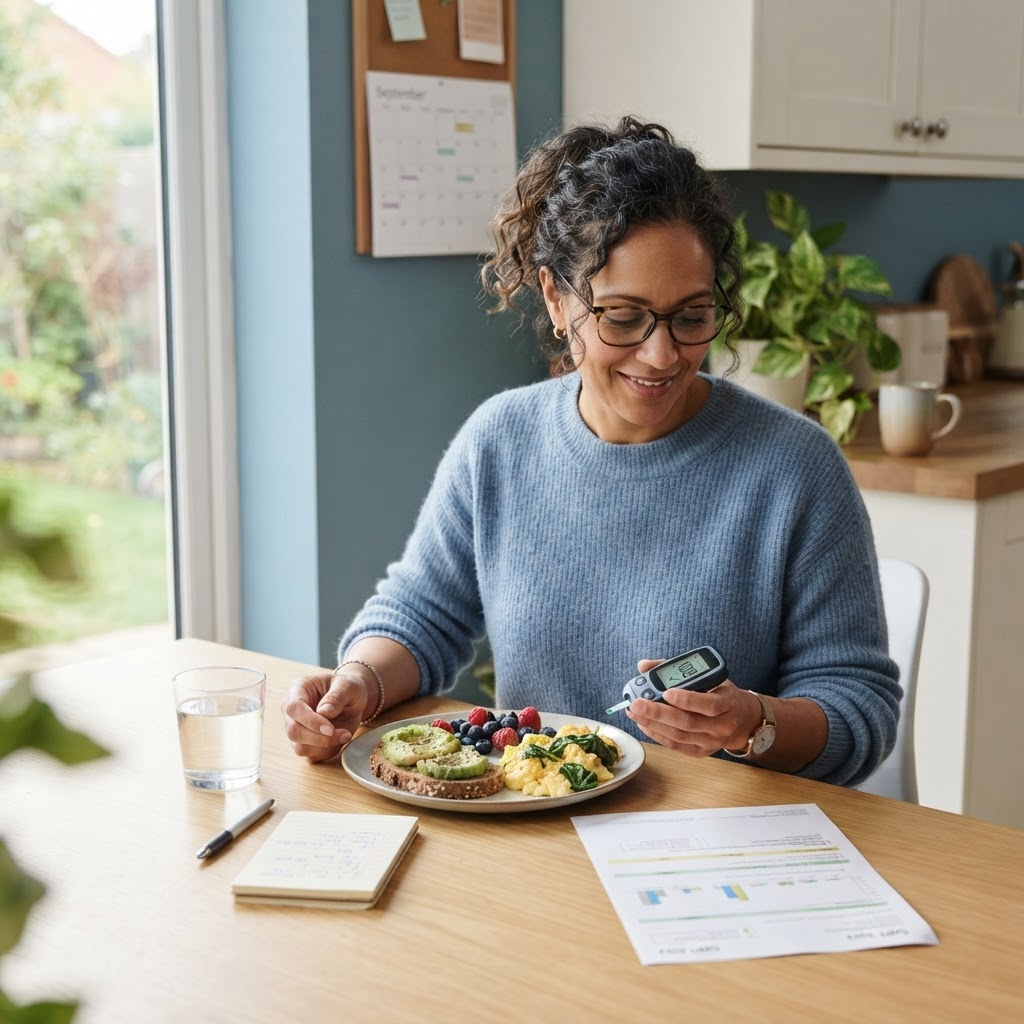
A home meter can show how a meal, activity period, illness, or medicine affects a reading. It cannot diagnose prediabetes by itself. Readings vary with hand cleanliness, strips, storage, technique, and device performance. If you monitor, record time, food context, activity, symptoms, and medicines rather than collecting isolated numbers. Ask whether monitoring is useful for your situation and what finding should prompt a call.
Appointment checklist
Before an appointment, write down symptoms, family history, pregnancy history if relevant, medicines, supplements, typical meals, activity, sleep concerns, and recent illness. Ask: Which test do you recommend? Do I need confirmation? When should I repeat testing? What is one realistic change? Do I need a dietitian, prevention program, or sleep evaluation? A written list helps cover important questions even during a short visit.
Common misconceptions
Prediabetes is not the same as diabetes, and it is not diagnosed from a single symptom. Fruit is not automatically harmful, carbohydrates are not universally forbidden, and a supplement cannot be assumed to reverse insulin resistance. Someone can be active and still have risk factors, while someone with risk factors can make meaningful improvements. Validated testing, clinical interpretation, realistic habits, and follow-up are safer than fear-based marketing.
Comparison of tests
| Test | What it reflects | Practical feature | Limitation |
|---|---|---|---|
| A1C | Average glucose over weeks | Usually no fasting | Red-blood-cell conditions can affect it |
| Fasting glucose | Glucose after fasting | Simple blood draw | Illness and fasting conditions matter |
| Oral glucose tolerance | Response to a glucose drink | Can reveal post-load abnormality | Longer preparation and appointment |
Comparison of habit experiments
| Experiment | What to try | What to observe |
|---|---|---|
| Drink swap | Replace one sweet drink daily | Energy, thirst, consistency |
| Meal balance | Add vegetables and protein | Fullness and cravings |
| Movement break | Move after one meal | Comfort and routine fit |
| Sleep routine | Keep a consistent wake time | Alertness and appetite |
Building a plan
Choose one or two observable actions: water with lunch on weekdays, ten minutes of walking after dinner three times, or a vegetable added to one meal. Make the first version easy enough to repeat during a difficult week. Review what got in the way without self-criticism, then adjust. A healthcare team can help set goals based on blood pressure, glucose, cholesterol, mobility, medicines, and the realities of your life.
Follow-up
Prediabetes is a risk state that deserves follow-up, not a label to file away. Repeat testing depends on the result and risk profile. Keep appointments even when you feel well because symptoms are not a reliable measure of glucose. Ask for a written plan: the test used, the result, the next review date, symptoms that need earlier attention, and who to contact with questions.
Frequently asked questions
Can prediabetes be reversed?
Some people return to a lower-risk range, while others remain at elevated risk or progress to diabetes. The goal is risk reduction and ongoing care, not a promise of a permanent cure.
Can I tell from symptoms?
No. Symptoms are often absent or nonspecific. Testing is the dependable way to evaluate glucose status.
Should I avoid all sugar?
Look at the overall pattern, portions, beverages, fiber, and preferences with a professional. Total restriction is not required for every person.
Is a home meter enough?
No. It can provide context but does not replace laboratory testing.
More questions
How often should I test?
There is no universal interval; your clinician can recommend timing based on your result and risk factors.
Can exercise lower glucose immediately?
Activity changes glucose use, but responses vary. Start safely and ask for guidance if you have limitations or take glucose-lowering medicine.
What if I am pregnant?
Pregnancy has specific screening pathways. Contact your prenatal care team instead of applying general thresholds.
Do supplements prevent diabetes?
No supplement should be treated as proven prevention without discussing evidence, safety, and interactions.
Conclusion
Prediabetes is often discovered through screening before obvious symptoms appear. Careful interpretation of A1C, fasting glucose, or oral glucose tolerance testing can clarify what follow-up is sensible. The most useful response is not panic or a restrictive miracle plan; it is a personal approach to meals, movement, sleep, stress, medicines, and routine care. If you may be at risk, schedule an appointment and bring your questions. Early, informed support gives you more options.
Medical disclaimer
This article is for general education and is not a diagnosis, treatment plan, or substitute for care from a qualified healthcare professional. Thresholds and screening recommendations can vary by laboratory, pregnancy status, age, and medical history. Seek urgent medical help for severe weakness, confusion, fainting, persistent vomiting, trouble breathing, or other alarming symptoms. Discuss symptoms, results, medicines, supplements, nutrition changes, and exercise plans with your clinician.
Practical planning notes
A useful way to begin is to separate what you know from what you are guessing. Write down the actual laboratory result, the date, the reference range, and the clinician’s explanation. Then list questions about family history, medicines, sleep, food access, activity, and follow-up. This prevents an alarming search result from becoming a diagnosis and gives the appointment a clear starting point.
Meal timing is less important than the overall pattern for many people, but routines can still matter. Notice whether long gaps lead to overeating, whether breakfast is practical, and whether evening eating is linked to fatigue or stress. There is no universal requirement to eat at a particular hour. Choose a rhythm that supports adequate nutrition, medication instructions, sleep, and daily life.
Shopping can support a glucose-friendly pattern without requiring expensive specialty products. Start with foods already familiar to the household: frozen vegetables, beans, lentils, eggs, plain yogurt, oats, canned fish, fruit, and whole grains when suitable. Compare unit prices, use leftovers, and plan one easy meal for a busy day. Food advice must respect allergies, culture, budget, cooking facilities, and medical restrictions.
Restaurant meals often contain larger portions and more sodium or added sugar than expected. You do not need to avoid restaurants completely. Consider sharing a portion, adding vegetables, choosing water, and noticing how hungry you are before ordering. If you use insulin or another medicine that can cause low glucose, follow your own treatment instructions rather than changing doses to compensate for a restaurant meal.
Labels can be confusing. Look at serving size, total carbohydrate, fiber, added sugars, and protein, but do not let a single line decide whether an entire food is good or bad. Claims such as natural, keto, immune-supporting, or sugar-free do not guarantee that a product fits your needs. A dietitian can teach label reading using foods you actually buy.
Illness can temporarily change glucose and appetite. Make a sick-day plan with your clinician before you need it, including fluids, medicines, monitoring if recommended, and symptoms that require urgent care. Do not fast or exercise intensely while unwell without guidance. People who take diabetes medicines need specific instructions because skipping food can change medication safety.
Foot care and dental care are easy to overlook when discussing glucose. Check feet if you have reduced sensation, wear well-fitting shoes, and report wounds that do not heal. Keep regular dental care because gum inflammation and glucose health can interact. These steps do not replace glucose testing; they are part of protecting long-term function and quality of life.
Blood pressure and cholesterol belong in the same conversation because cardiometabolic risks often cluster. Ask which measurements should be checked and what target is appropriate for you. A heart-healthy eating pattern, regular movement, smoking cessation support, and prescribed treatment can help more than focusing on one glucose number. Never substitute a supplement for proven treatment of blood pressure or cholesterol.
Smoking and nicotine can affect cardiovascular risk and may make prevention harder. If you smoke or use nicotine, ask for nonjudgmental cessation support, medication options, and a plan for cravings. A lapse is not failure. Reducing exposure and continuing to seek help can improve health even before a perfect quit attempt. Your clinician can adapt support to your history and preferences.
A prevention program can provide coaching, group support, activity ideas, and accountability. Ask whether a recognized program is available through primary care, community health services, an employer, or a local organization. Program quality varies, so check who leads it, what evidence supports it, what it costs, and whether the schedule is realistic. Support should empower you, not shame you.
Digital glucose apps and wearable devices can be useful for organizing information, but their scores are not diagnoses. Review privacy settings, check whether the device is validated for your purpose, and avoid paying for a promise that an algorithm can predict diabetes with certainty. Share meaningful trends with a healthcare professional rather than reacting to every isolated notification.
Children and teenagers need age-appropriate assessment. Adult thresholds, dieting advice, and exercise goals should not simply be copied onto a young person. Growth, puberty, family routines, mental health, and school schedules matter. Parents and caregivers should avoid weight stigma and focus on health-supporting household habits. A pediatric clinician can guide testing and referral.
Older adults may have different nutrition, mobility, and medication needs. A prevention plan should protect muscle, balance, hydration, independence, and enjoyment of food. Rapid weight loss can be harmful in some circumstances. Review medicines and kidney function before making major changes. A geriatric clinician, dietitian, or physical therapist can help balance glucose goals with safety and function.
Cultural foods are not a problem to solve. Traditional meals can often be adjusted through portions, preparation methods, vegetables, beans, and the balance of protein and carbohydrate. Ask a dietitian to work with the foods your family actually eats instead of replacing them with unfamiliar products. Respectful, specific advice is more likely to last than generic instructions.
If a test result is unexpected, ask whether the sample was fasting, whether you were ill, which laboratory range was used, and whether a repeat is needed. Bring the report rather than relying on memory. A number without units, date, and test name can be misleading. You are entitled to an explanation in plain language and to know what happens next.
Online before-and-after stories are not proof of a treatment. People differ in baseline risk, follow-up time, other conditions, access to care, and what they leave out of the story. Be especially cautious with guaranteed reversals, detoxes, hormone resets, and products that tell you to stop medicine. Evidence-based care is allowed to be less dramatic and more dependable.
A realistic review can happen every few weeks: What action did I try? What made it easier? What got in the way? What symptom or measurement changed? What should be discussed with my clinician? This turns prevention into a learning process rather than a test of willpower. Adjusting a plan is not giving up; it is how a plan becomes useful.
Emergency advice should be easy to find. Keep your clinician’s number, medication list, allergies, and relevant test results accessible. Tell a trusted person what symptoms concern you if you live alone. If someone is confused, fainting, having trouble breathing, or cannot keep fluids down, do not delay urgent evaluation while attempting a home remedy.
The word natural does not automatically mean safe. Sun exposure, herbs, fasting, restrictive diets, and concentrated extracts all have potential risks in the wrong situation. Mainstream guidance generally favors measured testing, food-based nutrition, gradual activity, and appropriate treatment. Ask what evidence supports a claim, who may be harmed, what monitoring is needed, and what happens if the approach does not work.
The most helpful goal is often specific and modest: complete the requested test, walk on two days this week, replace one sweetened drink, make an appointment, or improve bedtime consistency. Small steps can reveal what support you need. If a plan repeatedly fails, look for a barrier in the plan rather than a flaw in yourself. Healthcare should help remove barriers.
Prediabetes does not define a person’s future or identity. Many risk factors can be changed, some cannot, and everyone deserves care without blame. Use reliable information, keep follow-up appointments, and ask for help early. A calm plan based on your actual results is more valuable than a perfect-looking routine copied from someone else.
Questions to bring to follow-up
Ask how your result compares with the laboratory range, whether another test is needed, and what time frame makes sense for repeating it. Clarify whether any medicine, supplement, illness, or blood condition could affect interpretation. Ask which symptoms should lead to an earlier call and whether a referral to nutrition, sleep, or diabetes education would be useful. A clear plan is more helpful than leaving with a vague instruction to watch it.
It can also help to ask how success will be measured. One person may focus on a repeat A1C, another on blood pressure, walking tolerance, sleep quality, or a sustainable meal routine. Several measures can improve before a laboratory number changes. Agree on what to track, how often to review it, and what support is available if the first plan does not fit your life.
Keeping advice evidence-based
Health information is strongest when it distinguishes an association from a proven cause, explains uncertainty, and avoids guarantees. Be cautious when a headline promises that one food, tea, exercise, or supplement will cure insulin resistance. Ask whether the claim comes from a clinical guideline, a controlled study, or a testimonial. Reliable care may involve ordinary habits and follow-up rather than a dramatic reset.
Use reputable sources for general information, including national public-health agencies, established diabetes organizations, and peer-reviewed clinical guidance. Check the date because recommendations can evolve. Even a reputable article cannot see your examination, laboratory history, medicines, pregnancy status, or other conditions. Use reading as preparation for a conversation with your clinician, not as a replacement for that conversation.
A compassionate long-term view
Risk reduction works best when it is compatible with real life. Travel, illness, celebrations, caregiving, shift work, disability, and financial changes will interrupt routines. Build a plan with a minimum version for hard weeks and a fuller version for easier weeks. Returning to the plan after an interruption is more important than maintaining a perfect streak. Support, flexibility, and regular review make prevention more durable.
Leave a Reply