
🏷️ Category: Conditions & Diseases
Iron Deficiency Anemia Symptoms: Signs, Causes, Testing, and Treatment
By HealthAuthorityLife Editorial Team · September 9, 2026
Iron deficiency anemia is one of the most common nutritional deficiencies worldwide, but its symptoms can be subtle at first. Tiredness may be blamed on stress, a busy schedule, poor sleep, or getting older. A person may not realize that shortness of breath on stairs, headaches, brittle nails, or unusual cravings can be connected to low iron and a reduced ability to make healthy red blood cells.
This guide explains common iron deficiency anemia symptoms, why they happen, the conditions that can cause iron loss, how clinicians test for it, and what treatment usually involves. It also explains why taking iron without finding the reason for the deficiency is not always safe or sufficient. The goal is practical education, not a diagnosis.
Key Takeaways
- Iron deficiency anemia develops when the body does not have enough iron to produce adequate hemoglobin, the oxygen-carrying protein in red blood cells.
- Common symptoms include fatigue, weakness, dizziness, headaches, pale skin, fast heartbeat, shortness of breath with activity, and reduced exercise tolerance.
- Some signs are more distinctive: craving ice or non-food substances, a sore or smooth tongue, cracks at the corners of the mouth, hair shedding, restless legs, and spoon-shaped nails.
- Possible causes include heavy menstrual bleeding, pregnancy, limited dietary iron, reduced absorption, gastrointestinal blood loss, and certain chronic digestive conditions.
- A complete blood count and iron studies are commonly used together. Ferritin is useful, but inflammation can affect how it is interpreted.
- Treatment depends on the cause. Oral iron is common, while intravenous iron may be considered when oral treatment is ineffective, poorly tolerated, or unsuitable.
- Seek urgent care for severe breathing difficulty, chest pain, fainting, black or bloody stools, vomiting blood, or rapidly worsening symptoms.
What Is Iron Deficiency Anemia?
Anemia means the blood has too few healthy red blood cells or not enough hemoglobin to carry oxygen effectively. Iron deficiency is the most common nutritional cause of anemia. Iron is a mineral used to make hemoglobin, so a sustained shortage can leave red blood cells smaller and less able to transport oxygen. The body may compensate for a while, which is why symptoms can develop gradually rather than appearing on one particular day.
Iron deficiency and iron deficiency anemia are related but not identical. Iron stores can become low before the hemoglobin level falls into the anemia range. During this earlier stage, someone may still feel unusually tired, have reduced concentration, or notice restless legs even though a routine blood count has not yet shown anemia. A clinician may consider both the blood count and storage markers when symptoms and risk factors point toward low iron.
The body tightly regulates iron because both too little and too much can cause problems. Most people recycle iron from old red blood cells, while smaller amounts come from food. The intestine adjusts absorption according to the body’s needs. Blood loss, increased requirements, poor absorption, or an inadequate dietary supply can upset that balance.
Common Iron Deficiency Anemia Symptoms
Fatigue is the symptom people report most often. It may feel different from ordinary sleepiness: routine tasks take more effort, concentration fades sooner, and recovery after activity takes longer. Because fatigue has many possible causes, it should not automatically be attributed to iron deficiency. Persistent or worsening fatigue deserves a clinical assessment, especially when it occurs with other signs on this list.
Muscles need a reliable oxygen supply during activity. When oxygen delivery is reduced, walking uphill, climbing stairs, exercising, or carrying groceries may become harder than usual. Some people notice that their heart beats faster during activities they previously handled comfortably. A gradual decline in stamina can be easy to overlook until work, school, or household responsibilities are affected.
The heart and lungs may work harder to compensate for reduced oxygen-carrying capacity. This can lead to breathlessness with exertion, lightheadedness when standing, or recurring headaches. Severe breathlessness at rest, fainting, chest pressure, or a new irregular heartbeat should not be assumed to be anemia; those symptoms require prompt medical attention.
Some people look paler when hemoglobin is low, particularly in the face, inside the lower eyelids, gums, or nail beds. Hands and feet may feel cold. These signs are not specific: skin tone, lighting, circulation, thyroid conditions, and other illnesses can influence how they appear. They are clues to discuss with a clinician rather than a stand-alone test.
A faster pulse can be the body’s attempt to move more blood and oxygen around the body. Palpitations may feel like pounding, fluttering, or skipped beats. A clinician should evaluate persistent palpitations, especially if they occur with chest pain, fainting, severe dizziness, or breathlessness.
How symptoms can be missed
Symptoms often build slowly, so people may adapt by reducing activity or assuming that a demanding season is responsible. Comparing current stamina with your own usual baseline is more useful than comparing yourself with someone else. A symptom diary noting energy, breathlessness, sleep, menstrual bleeding, diet, and supplement use can make a medical appointment more productive.
Less Obvious Signs of Low Iron
A strong urge to chew ice, known as pagophagia, is a well-described association with iron deficiency. Some people develop pica, which means craving or eating non-food substances such as paper, clay, starch, or soil. These behaviors can have other explanations and can cause harm, so they should be mentioned openly to a healthcare professional. Do not eat non-food substances while waiting for testing.
Iron deficiency may be associated with restless legs syndrome, a difficult-to-describe urge to move the legs that is worse at rest and often more noticeable at night. Not everyone with restless legs is iron deficient, but iron status can be relevant when symptoms are new, severe, or interfering with sleep. Treatment should be guided by testing rather than by taking high-dose supplements on guesswork.
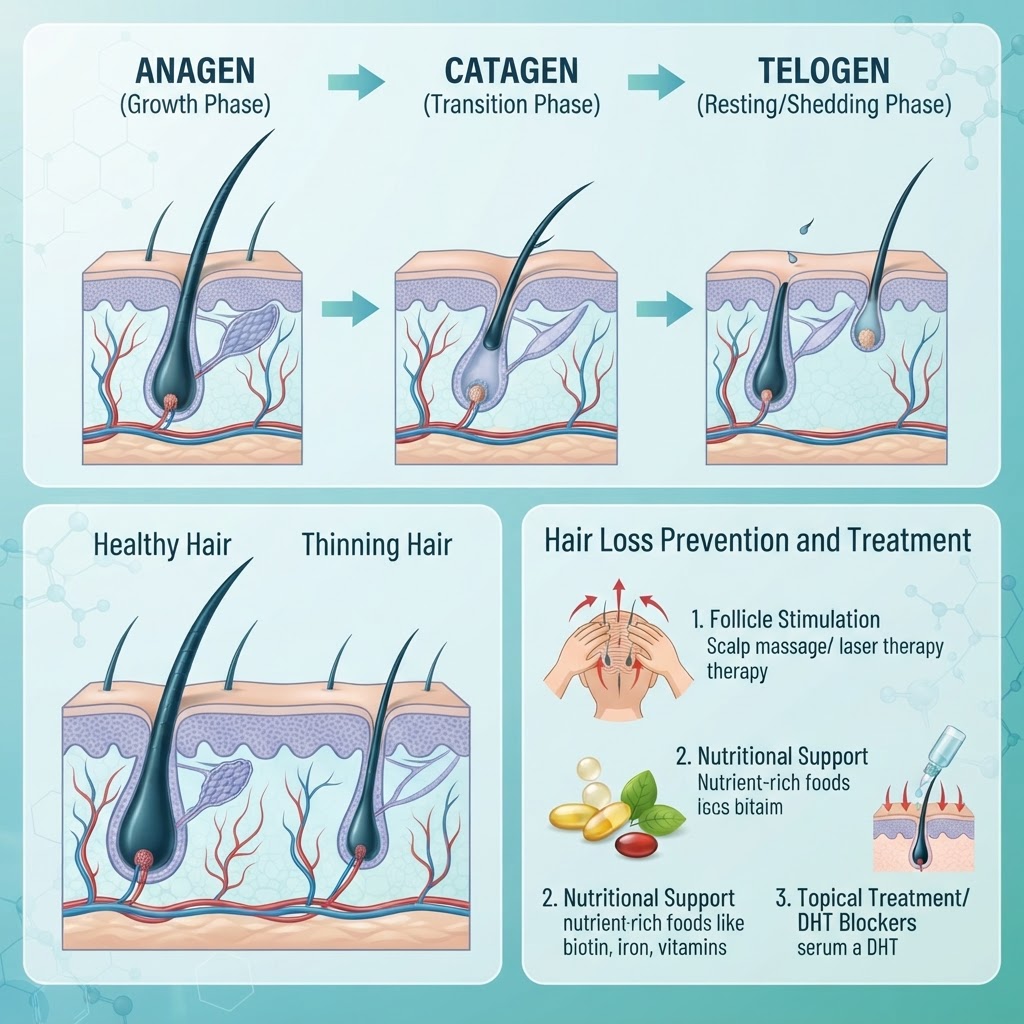
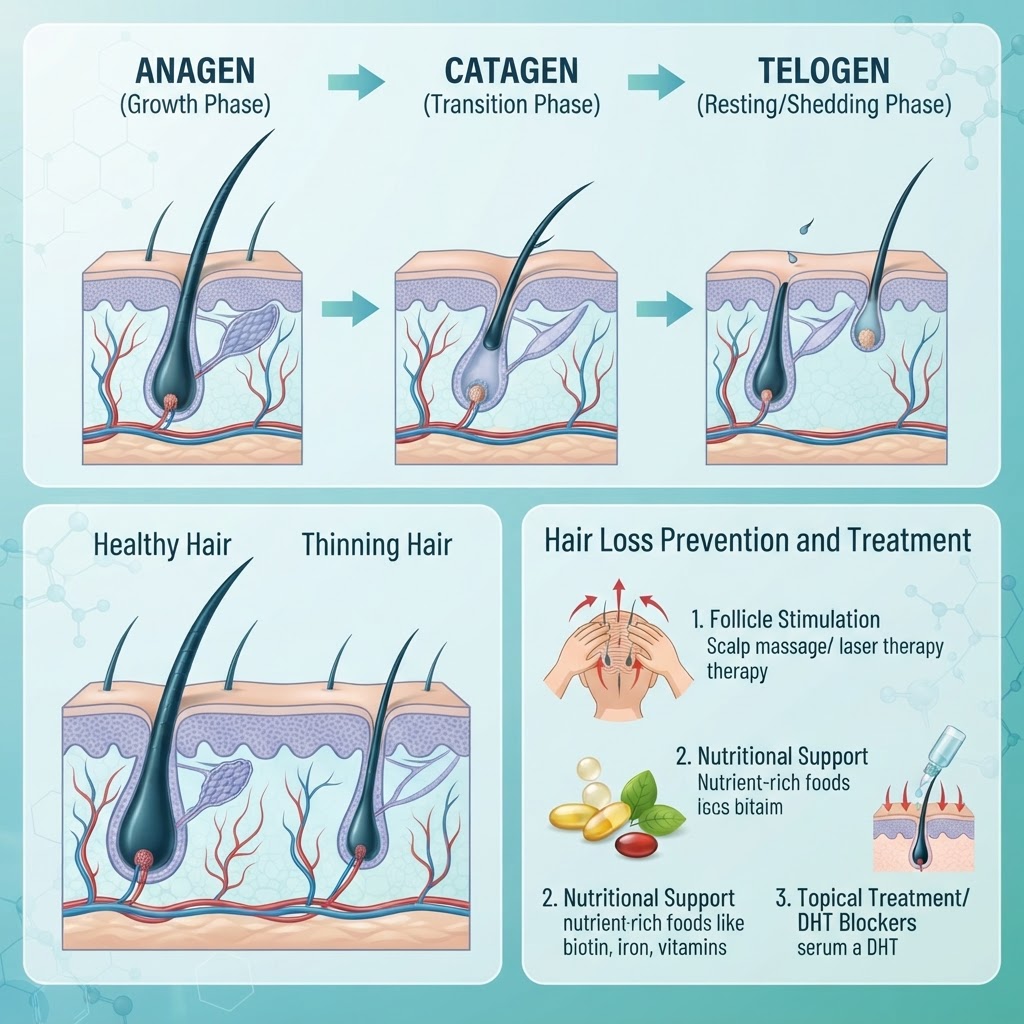
Low iron may contribute to increased hair shedding or thinning, although hair loss has many causes. Nails can become fragile or develop a concave, spoon-like appearance called koilonychia. The tongue may feel sore or appear smooth, and cracks may form at the corners of the mouth. These findings can also occur with other nutrient deficiencies, infections, skin conditions, or irritation.
Some people with iron deficiency describe trouble focusing, forgetfulness, irritability, or mental fog. These complaints are nonspecific and can be caused by sleep disorders, anxiety, depression, medication effects, thyroid disease, or other problems. Their presence alongside fatigue or bleeding history makes a medical evaluation especially worthwhile.
What Causes Iron Deficiency Anemia?
Finding the cause matters as much as correcting the laboratory result. Iron deficiency usually reflects one or more of four broad pathways: blood loss, increased need, reduced intake, or reduced absorption. The same symptom pattern can therefore lead to very different investigations and treatments.
Heavy or prolonged menstrual bleeding is a common cause among people who menstruate. Clues include needing to change a pad or tampon very frequently, bleeding for more than a week, passing large clots, bleeding through clothing or bedding, or avoiding activities because of the flow. Fibroids, adenomyosis, hormonal changes, bleeding disorders, thyroid conditions, and some medicines can contribute. Treatment should address the bleeding as well as replenish iron.
Pregnancy increases the need for iron because blood volume expands and the fetus and placenta require iron. People who are pregnant or planning pregnancy should discuss prenatal vitamins and iron needs with their clinician. Higher doses should not be started without guidance because supplements can cause side effects and are not appropriate for every situation.
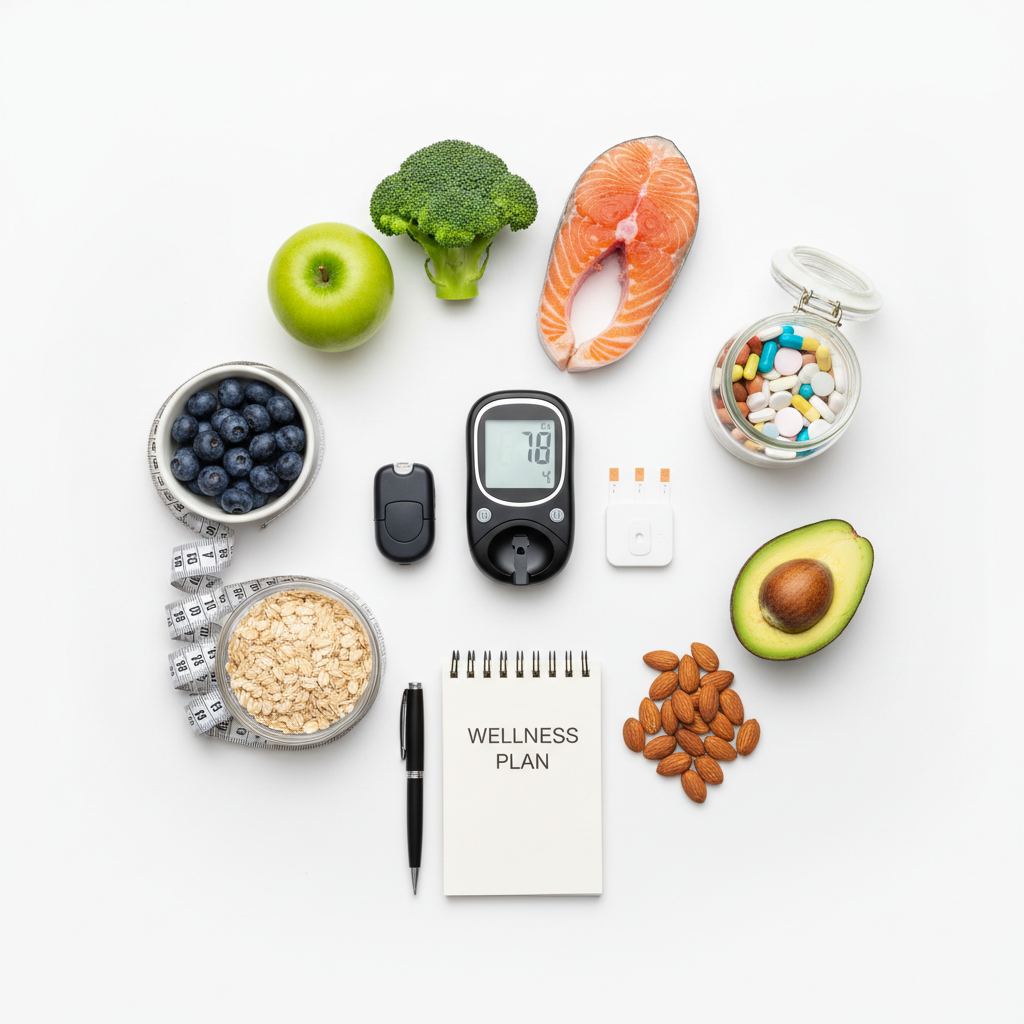
A diet that supplies little iron can contribute, especially when combined with growth, menstruation, pregnancy, endurance training, or another source of loss. Heme iron comes primarily from meat, poultry, and seafood. Non-heme iron comes from beans, lentils, tofu, fortified grains, nuts, seeds, and many green vegetables. A varied diet can help, but an established deficiency often needs a treatment plan beyond food alone.
The body may absorb less iron after some stomach or intestinal surgeries, with celiac disease, inflammatory bowel disease, chronic diarrhea, infection, or other digestive disorders. Long-term use of certain acid-reducing medicines can also be relevant in some people. Tea, coffee, calcium, and some medications can reduce absorption when taken at the same time as an iron dose; a pharmacist or clinician can provide individualized timing advice.
Blood loss from the digestive tract can occur with ulcers, gastritis, inflammatory conditions, polyps, hemorrhoids, diverticular disease, or cancers. Aspirin, nonsteroidal anti-inflammatory drugs, anticoagulants, and other medicines may increase bleeding risk in some people. Iron deficiency anemia in adult men and in people after menopause often prompts careful evaluation for gastrointestinal blood loss, even when there are no obvious stool changes.
Regular blood donation can gradually reduce iron stores in some donors. Repeated nosebleeds, surgery, injury, urinary blood loss, or less visible chronic bleeding can also contribute. A clinician will consider the timeline, amount of loss, medications, and other symptoms rather than assuming diet is the explanation.
Comparison Table: Possible Symptoms and What They May Suggest
| Symptom or sign | How it may appear | Why it can occur | What to do |
|---|---|---|---|
| Fatigue | Low energy and slower recovery | Reduced oxygen delivery | Arrange an evaluation if persistent |
| Breathlessness | Short of breath with exertion | Heart and lungs compensate | Seek urgent help if severe or at rest |
| Ice craving | Frequent urge to chew ice | Often associated with low iron | Tell a clinician and request testing |
| Restless legs | Urge to move legs at night | May relate to low iron stores | Discuss ferritin and other causes |
| Brittle or spoon nails | Splitting, thin, or concave nails | Longer-standing deficiency can affect tissues | Have the cause assessed |
Iron-Rich Foods: A Practical Comparison
| Food group | Examples | Helpful pairing | Practical note |
|---|---|---|---|
| Heme-iron sources | Lean meat, poultry, seafood | Vegetables, beans, or fruit | Absorption is generally higher than non-heme iron |
| Legumes and soy | Lentils, chickpeas, kidney beans, tofu | Vitamin-C foods such as peppers or citrus | Useful plant-based sources |
| Fortified grains | Some cereals, breads, and grain products | Fruit or berries | Check the nutrition label; amounts vary |
| Nuts and seeds | Pumpkin seeds, sesame, cashews | Vegetables or fruit | Also provide protein and healthy fats |
| Dark leafy greens | Spinach, kale, collards | Tomatoes, broccoli, or lemon | Contain non-heme iron and other nutrients |
Vitamin C can improve absorption of non-heme iron, so adding fruit, tomatoes, bell peppers, or broccoli to a meal may be useful. Tea and coffee contain compounds that can reduce non-heme iron absorption when consumed with meals. This does not mean everyone must avoid them; spacing them away from iron-rich meals or a prescribed supplement may be enough. Calcium can also interfere with some iron doses, so follow the product instructions or ask a pharmacist.
How Iron Deficiency Anemia Is Diagnosed
Diagnosis usually begins with a history and physical examination. A clinician may ask about periods, pregnancy, diet, digestive symptoms, stool changes, medicines, blood donation, family history, pica, sleep symptoms, and the timeline of fatigue. They may examine skin, nails, mouth, heart rate, and signs of another condition.
A complete blood count measures hemoglobin, hematocrit, red blood cell count, mean corpuscular volume, and other features. Iron deficiency anemia often produces smaller red blood cells, but early deficiency may not follow the classic pattern. The result is interpreted in context and compared with previous tests when available.
Ferritin reflects stored iron and is often central to evaluation. Serum iron, transferrin or total iron-binding capacity, and transferrin saturation may add information. Ferritin can rise during infection or inflammation, so a result that appears normal does not always rule out deficiency when other evidence points toward it.
Testing is not complete when a low number is simply labeled iron deficiency. The next step depends on age, sex, menstrual and pregnancy history, symptoms, family history, and risk factors. Evaluation may include menstrual assessment, celiac testing, stool or gastrointestinal evaluation, gynecologic review, medication review, or other targeted tests.
Iron Supplements: Benefits, Side Effects, and Safe Use
Oral iron is a common treatment because it is effective, accessible, and available in several formulations. Products differ in the amount of elemental iron, which is the amount the body can use. A label’s total compound weight is not the same as elemental iron. For this reason, follow the product and clinician instructions instead of comparing tablets by pill size alone.
Nausea, abdominal discomfort, constipation, diarrhea, and dark stools are common side effects. Taking iron with food may reduce stomach upset, although food can lower absorption. Some people tolerate a lower dose or alternate-day schedule better; the best schedule depends on the diagnosis and should be discussed with a clinician. Keep iron away from children because accidental overdose can be life-threatening.
If oral iron is not tolerated, is not absorbed, or does not improve levels despite an appropriate trial, intravenous iron may be considered. Infusions can replenish iron more quickly, but they require a medical setting and have their own risks and costs. Blood transfusion is reserved for selected situations involving severe anemia, active bleeding, instability, or significant symptoms; it is not the routine treatment for uncomplicated iron deficiency.
Energy may improve before blood counts fully normalize, but the time course varies. Clinicians often repeat blood tests to confirm a response and may continue treatment for a period after hemoglobin recovers to rebuild iron stores. Stopping as soon as fatigue improves can allow deficiency to return. If results do not improve, the diagnosis, adherence, absorption, ongoing bleeding, and another cause of anemia may need review.
Iron Deficiency Anemia Versus Other Types of Anemia
These patterns overlap, and more than one deficiency can occur at the same time. For example, a person may have iron deficiency plus vitamin B12 deficiency, kidney disease, thyroid disease, or inflammation. This is why self-diagnosing from a symptom list or taking a single supplement indefinitely can delay the correct treatment.
Iron deficiency often produces small red blood cells, while vitamin B12 or folate deficiency often produces larger cells. Anemia of inflammation may have normal or mildly small cells. These are tendencies, not rules, and laboratory interpretation is more reliable than trying to classify anemia from symptoms alone.
A useful appointment includes a medication list, dietary pattern, bleeding history, pregnancy possibility, digestive symptoms, prior laboratory results, and a list of supplements. This information helps the clinician choose focused tests and avoid overlooking an ongoing source of loss.
When to Seek Medical Care Quickly
Make a routine appointment for persistent fatigue, unexplained reduced stamina, recurrent dizziness, new pica, restless legs that disrupt sleep, heavy periods, or symptoms that continue despite better sleep and nutrition. Mention any pregnancy, recent surgery, digestive symptoms, blood donation, bleeding, or medicines that affect bleeding risk.
Seek urgent medical care for chest pain, fainting, severe or rapidly worsening shortness of breath, confusion, blue lips, a very fast or irregular heartbeat with weakness, vomiting blood, black tarry stools, bright-red rectal bleeding, or heavy uncontrolled bleeding. These symptoms can signal severe anemia or another emergency and should not be managed with over-the-counter iron alone.
Frequently Asked Questions
Can iron deficiency cause fatigue even without anemia?
It can. Iron stores may be low before hemoglobin falls into the anemia range, and some people report fatigue, reduced concentration, or restless legs during this stage. Whether treatment is appropriate depends on laboratory results, symptoms, medical history, and possible cause. A clinician should interpret ferritin and other tests rather than relying on symptoms alone.
Can I diagnose iron deficiency from pale skin or tiredness?
No. Fatigue and paleness have many possible causes, including sleep disorders, thyroid conditions, infections, depression, medication effects, kidney disease, and other forms of anemia. A blood test is needed, and the right testing depends on the situation. Symptoms are a reason to seek evaluation, not proof of low iron.
Does eating spinach cure iron deficiency anemia?
Spinach and other iron-containing foods can support a balanced diet, but food alone may not correct established anemia, particularly when blood loss or poor absorption is involved. A treatment plan may include prescribed iron and investigation of the cause. Avoid replacing a recommended evaluation with a food-based remedy.
Is dark stool after iron dangerous?
Iron commonly makes stool darker, and this can be an expected side effect. However, black tarry stool with a sticky appearance, a strong unusual odor, weakness, abdominal pain, or visible blood can indicate digestive bleeding. If you are unsure whether a change is from a supplement or bleeding, contact a healthcare professional promptly.
Can men have iron deficiency anemia?
Yes. Iron deficiency can affect anyone. In adult men, unexplained deficiency deserves careful evaluation for blood loss or impaired absorption rather than being attributed to diet without investigation. The same principle applies to people after menopause and to anyone with recurrent or unexplained anemia.
How long does treatment take?
The timeline varies with severity, treatment, absorption, and whether bleeding continues. Blood counts may begin to respond over weeks, while rebuilding iron stores can take longer. Follow-up testing helps confirm that treatment is working and that the cause has been addressed.
Should I stop tea or coffee completely?
Usually not. Tea and coffee can reduce absorption of non-heme iron when taken with an iron-rich meal or supplement, but many people can simply separate them from iron by timing. Ask a clinician or pharmacist for advice if you have significant deficiency or take other medicines.
Conclusion
Iron deficiency anemia can show up as fatigue, weakness, breathlessness, headaches, dizziness, paleness, palpitations, restless legs, ice craving, nail changes, or difficulty concentrating. None of these symptoms proves the diagnosis, but a pattern of symptoms or a risk factor such as heavy bleeding, pregnancy, restricted intake, digestive disease, or possible blood loss is worth discussing with a healthcare professional.
The most useful approach is to confirm the deficiency with appropriate testing, identify why it developed, and choose a safe treatment plan. Food can support recovery, but supplements should be used thoughtfully and kept away from children. Follow-up matters because restoring the blood count is only part of recovery; the underlying source of iron loss or poor absorption also needs attention.
Medical disclaimer: This article is for general education and is not a substitute for diagnosis, treatment, or individualized medical advice. Health information can change, and symptoms may have serious causes unrelated to iron deficiency. Consult your doctor or another qualified healthcare professional about your symptoms, tests, medicines, pregnancy, and treatment decisions. Seek urgent care for severe breathing difficulty, chest pain, fainting, confusion, vomiting blood, black or bloody stools, or uncontrolled bleeding.
Everyday Questions to Bring to an Appointment
A short, organized history can help a clinician distinguish iron deficiency from other explanations for low energy. Write down when the symptoms began, whether they are constant or come and go, and whether they limit walking, exercise, work, school, or household tasks. Note whether breathlessness occurs only with exertion or also at rest, and whether dizziness happens after standing, during bleeding, or at random.
Record any bleeding that seems unusual. For menstrual bleeding, note the number of days, the frequency of changing products, clots, leakage, pain, and whether the pattern has changed. For digestive symptoms, mention abdominal pain, reflux, diarrhea, constipation, dark stools, visible blood, appetite changes, or unintentional weight loss. Do not feel embarrassed about these details; they can change which tests are appropriate.
Bring a complete list of medicines and supplements, including aspirin, anti-inflammatory pain relievers, blood thinners, acid-reducing medicines, multivitamins, and herbal products. Some products affect bleeding or absorption, and some can make stools look darker. Include the dose and how often you take each item if possible. Never stop a prescribed blood thinner without medical advice.
Dietary information is also useful. Explain whether you eat meat, fish, eggs, dairy, legumes, fortified cereals, or other iron-containing foods, and whether you follow a vegetarian or vegan pattern. A plant-based diet can be nutritionally adequate, but iron planning is important because non-heme iron is absorbed differently. A registered dietitian can help when food access, allergies, digestive symptoms, or cultural preferences make planning difficult.
If pregnancy is possible, say so before testing or treatment decisions. Pregnancy changes iron needs and affects which medicines and investigations are appropriate. People who have recently given birth can also lose substantial blood and may need follow-up. Parents and caregivers should mention growth, picky eating, pica, fatigue, school concentration, or frequent nosebleeds when discussing a child or teenager.
Prevention and Long-Term Follow-Up
Preventing recurrence starts with understanding why iron became low. If heavy periods are responsible, treating the bleeding may be more important than repeatedly taking short courses of iron. If a digestive disorder is involved, treating or monitoring that condition can improve absorption. If blood donation contributed, donation frequency and iron monitoring may need to be reviewed.
A varied eating pattern can support iron status over time. Include a source of iron at regular meals, pair plant sources with foods rich in vitamin C, and vary the protein sources you use. Cooking methods, food combinations, and individual absorption differ, so there is no single perfect menu. Nutrition is supportive; it does not replace investigation of unexplained anemia.
Follow-up blood tests are not just a formality. They show whether the chosen treatment is producing the expected response and whether iron stores are recovering. If the hemoglobin does not rise as expected, possible explanations include missed doses because of side effects, incorrect timing with interacting foods or medicines, continued bleeding, poor absorption, an incorrect diagnosis, or more than one condition at the same time.
Keep supplements stored safely. Iron tablets can look like candy to children, and overdose can cause severe poisoning. Store them in a secure place, follow the prescribed amount, and ask what to do if a dose is missed. Do not double doses unless a clinician or pharmacist specifically tells you to do so.
A Balanced Way to Think About Online Symptom Searches
Search engines can help people recognize that a symptom deserves attention, but they cannot determine the cause. Fatigue, headaches, hair shedding, cold hands, and concentration changes appear in many conditions. A list of symptoms may also emphasize rare explanations because they attract attention. Use online information to prepare questions, not to confirm a diagnosis or choose a high-dose supplement.
Reliable health information describes uncertainty, explains when to seek care, and distinguishes general education from personal treatment. Be cautious with pages that promise a cure, recommend the same supplement dose to everyone, discourage medical testing, or claim that one food can remove all symptoms. Mainstream clinical care combines symptoms, examination, laboratory results, risk factors, and follow-up rather than relying on a single sign.
If a supplement seems to help, that still does not prove iron deficiency. Symptoms may improve naturally, fluctuate, or respond to changes in sleep and diet. Conversely, side effects can be mistaken for a worsening illness. Testing before and during treatment gives a clearer picture and helps prevent unnecessary long-term iron exposure.
Summary Checklist
- List fatigue, breathlessness, dizziness, headaches, palpitations, restless legs, ice craving, hair or nail changes, and when each began.
- Describe menstrual, pregnancy, digestive, urinary, nose, donation, surgical, or other bleeding history.
- Bring all medicines, supplements, and relevant previous blood-test results.
- Ask which tests are needed, what the likely cause is, when to repeat testing, and how to manage side effects.
- Store iron safely and seek urgent help for chest pain, fainting, severe breathlessness, vomiting blood, black or bloody stools, or uncontrolled bleeding.
The practical message is simple: iron deficiency anemia is treatable, but the safest treatment begins with confirmation and a search for the reason it happened. A thoughtful evaluation can improve symptoms while preventing a recurring problem from being hidden by supplements alone.
Questions About Supplements and Testing
Ask whether the proposed test is affected by recent illness, inflammation, pregnancy, or supplements. Ask whether the result measures circulating iron, stored iron, or the blood cells themselves, because each test answers a different question. Also ask how the result will change the plan. Understanding the purpose of a test can make follow-up easier and reduce the temptation to chase one number.
If you have tried iron before, explain the product, dose, duration, missed doses, side effects, and whether any follow-up blood work was completed. A treatment that did not work may have been stopped too early, poorly absorbed, taken with an interacting medicine, or directed at the wrong cause. Sharing the full history helps the next plan become more precise.
Recovery is not always linear. Energy may improve gradually, bowel side effects may require adjustment, and laboratory values may change at different speeds. Keep scheduled follow-up even when you feel better, and contact the care team if symptoms worsen or new bleeding appears. A calm, step-by-step plan is safer than repeatedly changing products on your own.