- Spleen congestion occurs when the organ struggles to filter blood and manage immune cell production efficiently.
- Common signs include upper-left abdominal discomfort, recurring infections, and unexplained fatigue.
- Systemic issues like chronic inflammation and poor lymphatic drainage are leading drivers of spleen stress.
- Supporting spleen health requires a holistic approach, focusing on hydration, lymphatic movement, and anti-inflammatory habits.
- Understanding the spleen’s role as an immune hub is critical for proactive lymphatic system health.
Often overlooked in favor of more prominent organs like the liver or kidneys, the spleen is a vital component of your body’s internal filtration and defense architecture. Located tucked away under your rib cage on the upper left side of your abdomen, this fist-sized organ works tirelessly to recycle old red blood cells, store platelets, and act as a first-line responder for blood-borne pathogens. However, modern lifestyles—often characterized by high stress, processed diets, and sedentary habits—can place an outsized burden on this delicate organ. When the spleen becomes overburdened, it enters a state of sluggishness often referred to as spleen congestion. Recognizing the early signs and understanding how to nourish this unsung hero is essential for anyone looking to optimize their long-term vitality. In this comprehensive guide, the healthauthoritylife Editorial Team explores the intricacies of spleen health, the triggers for congestion, and the evidence-based strategies you can use to restore balance.
What Is Spleen Congestion and Why Does It Happen?
At its core, spleen congestion is a functional bottleneck. While medical literature typically refers to severe cases as splenomegaly, or an enlarged spleen, congestion is often the sub-clinical, preliminary state that precedes structural change. The spleen is a highly vascular organ, meaning it is densely packed with blood vessels and sinusoids designed to filter blood continuously. When the system is working optimally, the spleen filters out damaged or aging red blood cells and clears away cellular debris. It acts as a massive reservoir for immune cells, specifically lymphocytes, which are deployed when the body detects a threat.
Congestion happens when the “inflow” of debris, toxins, or immune threats exceeds the spleen’s “outflow” capacity. Think of it like a clogged filter in a complex plumbing system. When the spleen is constantly bombarded with systemic inflammation—whether from a poor diet, environmental toxins, or chronic infections—the tissues become engorged and stressed. This state is frequently linked to broader lymphatic system health, as the spleen is technically the largest lymphoid organ in the body. If your lymph nodes are sluggish or your blood viscosity is high, the spleen has to work significantly harder to perform its duties. Over time, this chronic overexertion can lead to a loss of efficiency, where the organ struggles to filter properly, potentially leading to symptoms of an enlarged spleen that may be picked up during routine physical exams.
Another major reason for this congestion is the sheer volume of metabolic waste generated by modern living. A diet high in inflammatory fats, refined sugars, and additives creates a steady stream of inflammatory cytokines that the spleen must process. When these pathways are clogged, the spleen can begin to feel “heavy” or tender. Furthermore, hormonal imbalances, particularly those involving cortisol and stress, can constrict micro-vessels, further hindering the spleen’s ability to move fluid and cells through its complex internal structure. Understanding that the spleen is a dynamic organ—not a static filter—is the first step in learning how to detox your spleen through lifestyle interventions.
Common Symptoms of a Congested Spleen
Identifying symptoms of a congested spleen requires an attentive approach to your body’s subtle cues. Because the spleen is tucked behind the ribs, it does not always present with localized pain immediately. Instead, many people report a vague, dull ache or a sensation of fullness in the upper left quadrant of the abdomen, especially after eating or during physical exertion. This feeling of “heaviness” is a classic hallmark, often described as if there is a weight pressing against the lower rib cage. While not always painful, this discomfort serves as a primary signal that the organ may be struggling with blood flow or filtration volume.
Beyond localized sensation, signs of spleen issues often manifest as systemic immune fatigue. Because the spleen is a major immune hub, congestion can lead to a weakened defense against seasonal bugs. If you find yourself catching every cold that circulates or taking longer than usual to recover from minor illnesses, your spleen might be operating at reduced capacity. Unexplained fatigue is another major symptom; when the spleen is congested, it may fail to effectively recycle red blood cells, potentially leading to a feeling of sluggishness or low-grade anemia. Some individuals may also notice skin changes, such as easy bruising, as the spleen’s role in managing blood platelets becomes compromised.
It is important to differentiate between transient discomfort and persistent symptoms. Occasionally, after a strenuous workout or a bout of illness, the spleen may naturally feel enlarged as it works to clear the system. However, if these symptoms are consistent, they warrant attention. Some individuals also note digestive sensitivities, such as bloating or a feeling of satiety after only a few bites of food, as the congested spleen can press against the stomach. By maintaining a health journal, you can better track these signs of spleen issues, observing if they correlate with dietary choices or stress spikes. Always remember that while natural support is effective for functional congestion, any persistent, sharp pain or rapidly progressing swelling requires professional medical evaluation to rule out acute structural conditions.
| Approach | Primary Focus | Best For |
|---|---|---|
| Anti-Inflammatory Nutrition | Reducing systemic cytokines and inflammatory load | Daily maintenance and long-term vitality |
| Lymphatic Drainage Massage | Mechanical movement of stagnant interstitial fluids | Reducing physical feelings of heaviness/congestion |
| Hydration & Electrolyte Balance | Thinning blood viscosity for easier filtration | Immediate support during mild stress or fatigue |
Primary Causes of Spleen Stress and Enlargement
To implement effective spleen health tips, one must first address the root causes of dysfunction. The spleen is remarkably resilient, yet it is highly sensitive to the internal environment of the blood it filters. One of the most common, yet often overlooked, causes of spleen stress is chronic viral or bacterial load. Even low-level, persistent infections—such as those associated with Epstein-Barr or lingering respiratory issues—can force the spleen to stay in a state of high alert. This constant activation leads to the proliferation of immune cells, causing the organ to expand and effectively become congested with its own immune byproduct.
Dietary habits play a foundational role in this equation. The modern diet, laden with ultra-processed foods, unstable vegetable oils, and excessive sugar, creates a constant state of low-grade metabolic inflammation. When your body consumes these substances, the resulting inflammatory response requires filtration by the liver and the spleen. Furthermore, blood viscosity is heavily influenced by hydration levels and blood sugar control. When blood is “thick”—a state often caused by chronic dehydration and high glucose levels—the spleen must work harder to push that fluid through its delicate microscopic filters. This mechanical strain is a direct contributor to congestion.
Stress is another silent driver. The sympathetic nervous system—our “fight or flight” mechanism—directly impacts blood flow distribution. Under chronic stress, blood is shunted away from the digestive and lymphatic systems and toward the extremities and heart. This shunting can lead to poor perfusion of the spleen, slowing down the filtration process and allowing waste products to linger in the splenic tissues. Environmental toxins, including heavy metals or persistent organic pollutants, also collect in the lymph and blood, requiring the spleen to work overtime to sequester and neutralize these compounds. By acknowledging these primary stressors—infection, diet, viscosity, and stress—we can begin to see why spleen congestion is so prevalent in our modern era, and why simple, consistent interventions are often the most successful.
The Connection Between the Spleen and Lymphatic System
To understand the spleen, one must view it not as an isolated organ, but as the crowning jewel of the lymphatic system. The lymphatic system acts as the body’s secondary circulatory network, tasked with removing cellular waste, excess fluids, and toxins from the tissues. If the lymphatic system is the body’s “sewer system,” the spleen is the primary treatment plant. It is densely populated with lymphocytes, and it serves as the ultimate clearinghouse where lymph fluid, having been filtered by regional lymph nodes, is essentially vetted before it re-enters the general bloodstream. Therefore, you cannot have optimal lymphatic system health without a functional, non-congested spleen.
When lymphatic flow becomes sluggish—a condition often referred to as lymphatic stagnation—the burden on the spleen increases exponentially. Lymphatic stagnation often occurs due to lack of movement, as the lymphatic system relies on muscle contractions rather than a heart-like pump to move fluid. If you are sedentary, lymph fluid pools, and the quality of the “input” reaching the spleen degrades. The spleen then becomes congested not necessarily because it is sick, but because the upstream flow is sluggish and full of unprocessed debris. This is why those interested in how to detox your spleen are often encouraged to prioritize lymphatic movement above all else.
The synergy between these two systems is vital for immune surveillance. The spleen effectively “samples” the blood for pathogens and triggers the production of antibodies. If the lymphatic system is backed up, the spleen may experience “information overload,” struggling to distinguish between benign cellular debris and actual pathogenic threats. This results in unnecessary immune activation, which further taxes the spleen. By focusing on lymphatic health—through movement, dry brushing, and hydration—you take the pressure off the spleen, allowing it to perform its duties with greater efficiency. Maintaining this connection is key; when the spleen and the lymphatic system are in sync, the body’s internal environment remains clean, fluid, and highly resilient.
How Chronic Inflammation Impacts Spleen Function
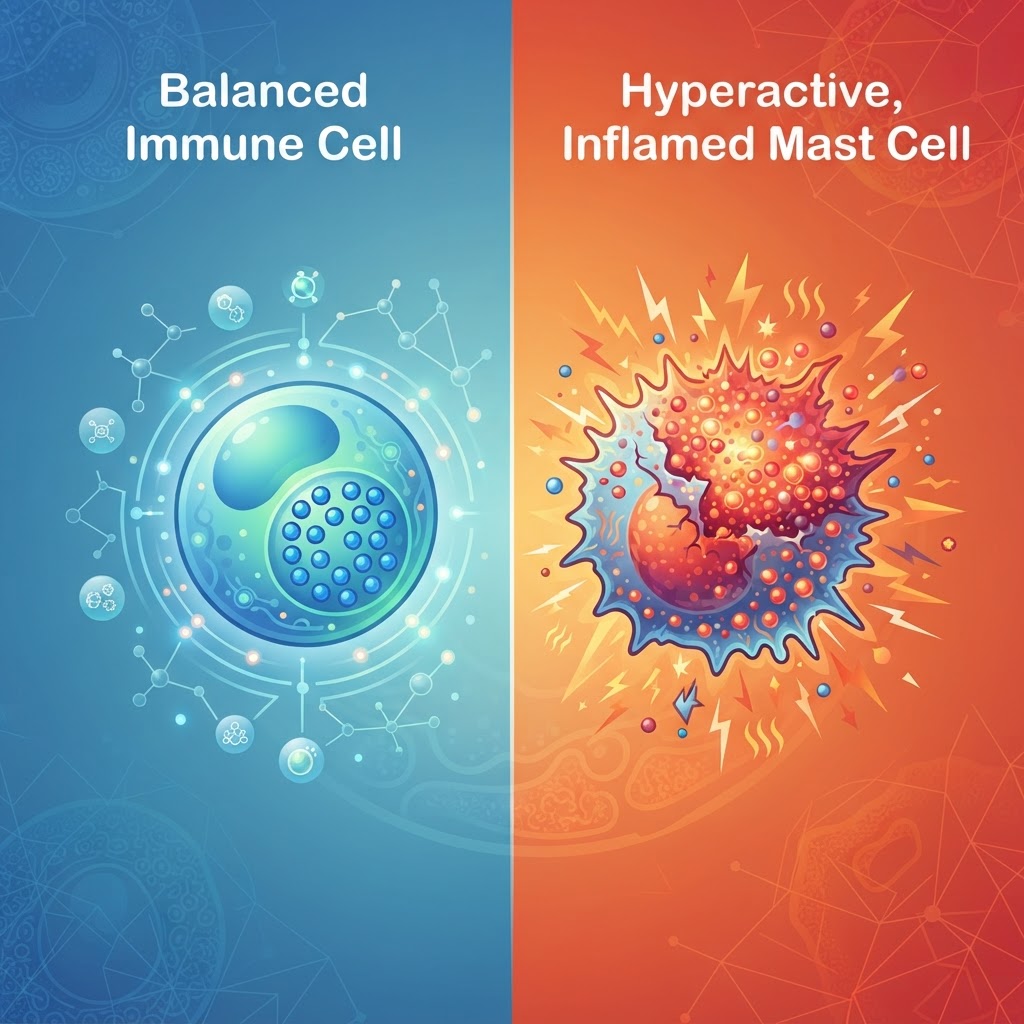
Chronic inflammation is perhaps the greatest thief of spleen function. In an acute emergency, inflammation is a heroic response; it brings immune cells to a site of injury or infection. However, in our modern world, many individuals exist in a state of systemic, low-grade inflammation (often called “inflammaging”). Because the spleen’s primary job is to filter the blood and manage immune cells, it is constantly exposed to these inflammatory markers, such as C-reactive protein and various cytokines. When these markers are elevated for weeks, months, or years, the spleen remains in a state of constant, unproductive activation.
This prolonged state of high activity has a physical impact on the organ. The tissue of the spleen is highly adaptive, but constant recruitment of immune cells causes a measurable increase in mass. Over time, the spleen loses its pliability and becomes rigid or “congested.” This rigidness impairs the filtration capacity, meaning the spleen is no longer able to effectively clear out damaged red blood cells or store platelets as it should. The result is a cycle where the inflammation causes congestion, and the congested spleen—which is now struggling to regulate the immune response—fails to dampen the inflammation, leading to more immune activation. It is a feedback loop that requires targeted intervention to break.
Beyond the direct impact on cellular mass, chronic inflammation damages the vascular integrity of the spleen. The tiny vessels within the organ, known as the splenic cords, are sensitive to oxidative stress. Inflammation produces free radicals that can damage the endothelial lining of these vessels, leading to restricted blood flow and further stagnation. Addressing this requires a commitment to anti-inflammatory living, which goes far beyond just dietary changes. It involves mitigating stress, ensuring adequate restorative sleep, and supporting the body’s innate antioxidant systems. When you lower the systemic inflammatory threshold, you provide the spleen with the “breathing room” it needs to repair, decongest, and return to its vital role as a defender of your health. By managing inflammation, you aren’t just protecting one organ; you are preserving the integrity of your entire systemic immune and circulatory infrastructure.
Dietary Changes to Support Spleen Health
The spleen is deeply connected to your digestive fire and the overall health of your blood. In many holistic traditions, the spleen is considered the “transformer” of nutrients, responsible for extracting essence from the food you eat and distributing it throughout the body. When the spleen becomes congested, it often struggles to process heavy, cold, or damp foods, leading to a sluggish lymphatic system and persistent fatigue. Shifting your dietary focus toward spleen-supportive foods is one of the most effective ways to reduce congestion and restore vitality.
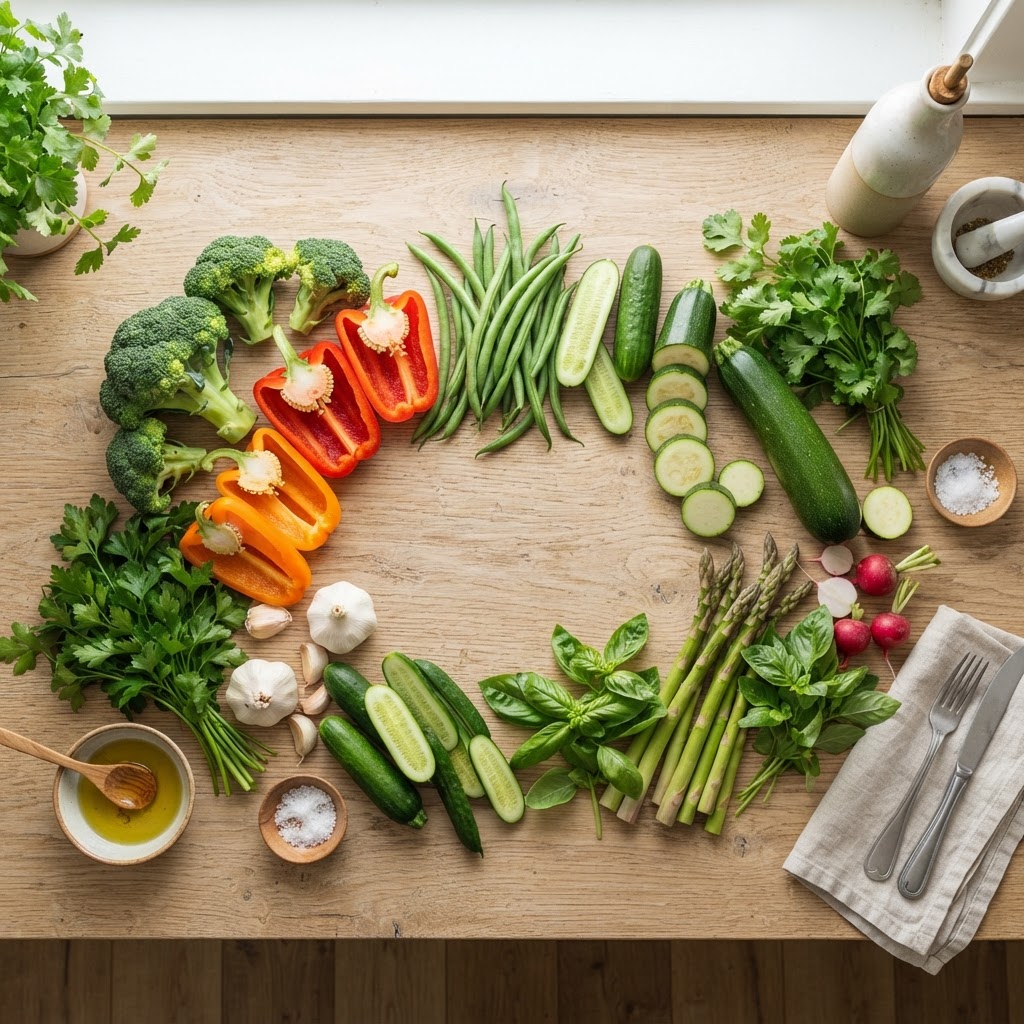
The primary goal of a spleen-friendly diet is to reduce the intake of “damp-producing” foods. In holistic nutrition, dampness is viewed as a form of internal congestion that slows down the lymphatic flow. Foods like dairy, refined sugars, excessive cold or raw foods, and highly processed flour can contribute to this state. Instead, focus on warming, easily digestible, and nutrient-dense options that help the spleen perform its filtration duties without undue stress.
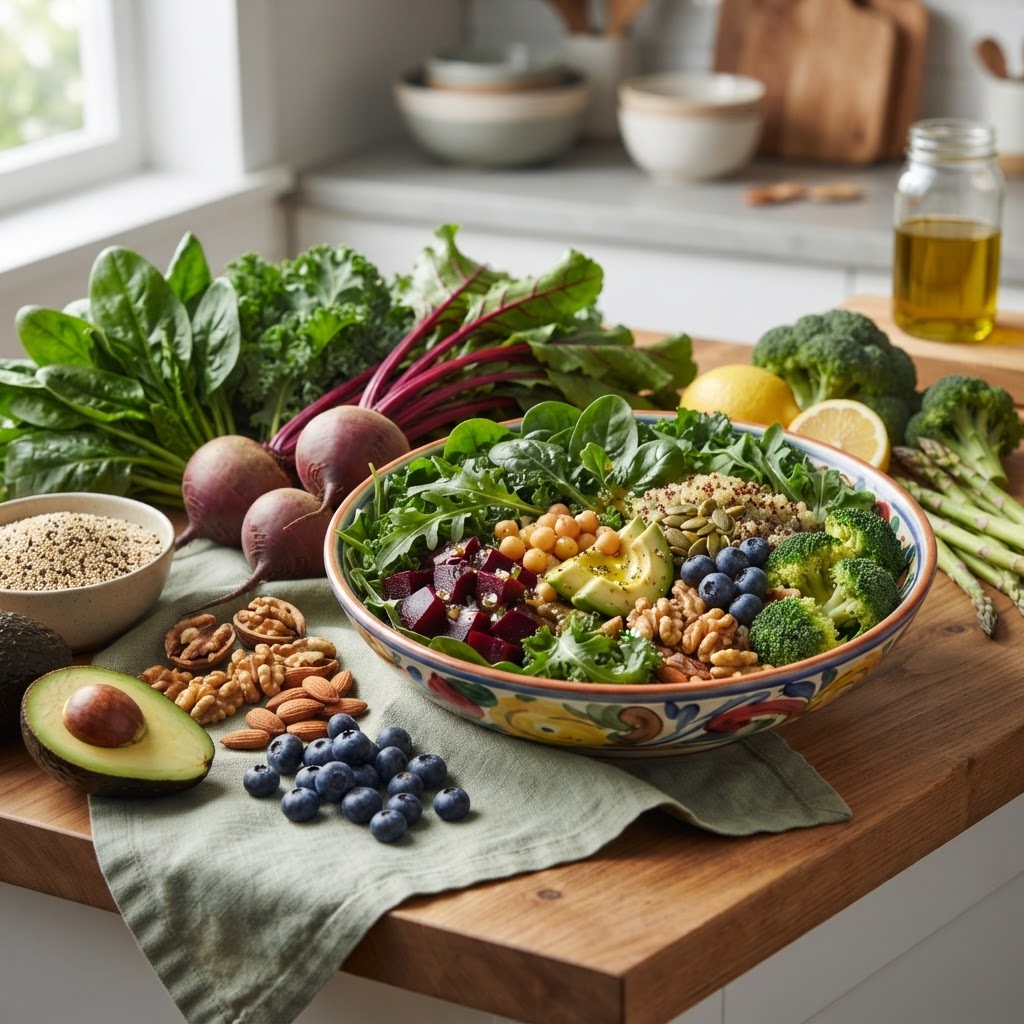
Focus on Root Vegetables: Root vegetables are naturally grounding and strengthening for the spleen. Foods like carrots, sweet potatoes, parsnips, and beets are excellent choices. These should ideally be cooked until tender—steaming, roasting, or slow-cooking in stews makes them much easier for the spleen to metabolize compared to raw preparations. Cooked vegetables provide the warmth necessary to keep digestive enzymes functioning at their peak.
Incorporate Mildly Bitter Greens: The liver and spleen often work in tandem; therefore, supporting the liver through bitter greens like arugula, dandelion greens, and kale can indirectly relieve the workload on the spleen. These greens help promote bile flow and improve detoxification, which prevents the buildup of toxins that the spleen would otherwise have to filter out.
Healthy Fats and Proteins: While the spleen thrives on simplicity, it requires essential fatty acids to function correctly. Incorporate moderate amounts of healthy fats such as those found in avocados, olive oil, and flaxseeds. For proteins, emphasize lean, clean sources like wild-caught fish or lentils. Legumes, specifically adzuki beans, are traditionally associated with spleen support and are an excellent addition to soups.
Limit Cold and Iced Beverages: Consuming iced drinks with meals is a common habit that can suppress digestive function. Because the spleen prefers warmth, ice-cold water or soda can “shock” the digestive system, leading to temporary stagnation. Transitioning to room-temperature water, herbal teas, or warm broths helps maintain the internal environment the spleen needs to function optimally.
Natural Herbs and Supplements for Spleen Detox
While food is your primary fuel, certain herbs and supplements can provide the targeted support needed to help your spleen move congestion and improve lymphatic drainage. These should be viewed as supplemental aids to a clean lifestyle rather than “magic bullets.” Many experts recommend a gentle, consistent approach rather than harsh detoxes, as the spleen is a delicate organ that responds best to steady, supportive nourishment.
Astragalus Root: Often referred to as one of the most powerful tonics for spleen-related energy, Astragalus is prized for its ability to strengthen the body’s innate defense systems. It is often used to help “lift” the energy of the digestive system, which can be beneficial if you are experiencing the sluggishness associated with spleen congestion.
Red Root: Known in herbalism as a primary lymphatic stimulant, Red Root is specifically recommended for those dealing with enlarged or congested lymph nodes and spleen issues. It helps move interstitial fluids, making it easier for the spleen to clear its backlog of waste products. It is typically consumed as a tincture or tea.
Ginger and Turmeric: These two rhizomes are superstars for inflammatory reduction. Ginger helps warm the digestive tract and promote blood flow, while turmeric (especially when combined with black pepper) helps reduce systemic inflammation. By calming the inflammatory response, these herbs allow the spleen to focus on its primary immunological tasks rather than reacting to chronic low-level inflammation.
Dandelion Root: While known primarily for its liver-cleansing properties, dandelion root is also a mild diuretic and stimulant for the entire digestive tract. By improving the efficiency of the liver-spleen axis, it reduces the overall toxic load the body must process.
| Supplement/Herb | Primary Benefit | Best For |
|---|---|---|
| Astragalus Root | Immune system regulation | Weakened immunity and fatigue |
| Red Root | Lymphatic flow promotion | Feeling “stagnant” or puffy |
| Ginger | Digestive warmth/blood flow | Cold limbs and slow digestion |
| Dandelion Root | Detoxification support | General liver/spleen filtration |
Lifestyle Habits to Improve Blood and Lymph Flow
The spleen does not have its own pump, unlike the heart. Its efficiency is heavily dependent on the movement of the rest of your body. If you lead a sedentary lifestyle, the fluid surrounding your spleen and lymph nodes can become thick and sluggish, contributing to the symptoms of an enlarged spleen and overall poor immunity. Incorporating movement is not just about fitness—it is a critical mechanical necessity for internal health.
Rebounding and Gentle Bouncing: Rebounding on a small exercise trampoline is one of the most effective ways to stimulate the lymphatic system. The vertical motion forces the lymph to move through the valves, which helps drain fluid from the spleen and surrounding tissues. Even five to ten minutes a day can make a significant difference in how “heavy” you feel in your torso.
Diaphragmatic Breathing: Most people are shallow chest breathers. Deep, diaphragmatic breathing creates a pressure gradient in the abdomen that acts as a natural pump for the lymphatic system. When the diaphragm descends, it compresses the organs, including the spleen, pushing stale fluid out and allowing fresh, oxygenated blood to take its place. Practice “belly breathing” by placing your hand on your stomach and ensuring it rises with every inhale.
Dry Brushing: Skin is the largest organ of elimination. Using a dry brush before your shower helps stimulate the superficial lymph vessels just beneath the skin. Always brush toward the heart to encourage fluid return. While this doesn’t directly touch the spleen, it clears the “drainage pathways” of the body, allowing the spleen to clear its congestion more effectively.
Avoiding Prolonged Sitting: Sitting for eight to ten hours a day puts physical pressure on your abdomen and restricts flow. If your job requires you to sit, set a timer for every hour to stand up, stretch, and walk for two minutes. This simple habit keeps your abdominal muscles active and prevents the stagnant pooling of blood in your midsection.
When to See a Doctor About Spleen Issues
While many cases of spleen congestion can be managed through dietary and lifestyle changes, there are instances where professional medical intervention is non-negotiable. The spleen is a vital organ, and because it is protected by the rib cage, symptoms of significant enlargement (splenomegaly) can be difficult to detect until they become severe.
You should seek a medical evaluation if you experience persistent pain in the upper left quadrant of your abdomen. This pain may feel like a dull ache or a sharp, sudden sensation, particularly after eating. If the pain is severe or accompanied by a feeling of fullness in the stomach after eating only a small amount, it could indicate that an enlarged spleen is pressing against your stomach.
Be highly vigilant for symptoms of systemic infection or blood issues. Frequent infections, unexplained bruising, pale skin, or easy bleeding are red flags that the spleen may be over-filtering the blood, leading to a shortage of platelets or red blood cells. If you feel extreme fatigue that does not improve with rest, or if you notice unexplained weight loss, do not attempt to “self-treat” with natural remedies alone. Blood tests, ultrasound imaging, and physical exams by a physician are necessary to rule out serious conditions such as lymphoma, leukemia, or advanced liver disease.
Always keep in mind that “natural support” is designed to optimize healthy systems or assist in recovery—it is not a replacement for diagnostics when your body is signaling a significant problem. If you feel a lump or swelling beneath your left rib cage during a self-exam, schedule an appointment with your primary care provider immediately.
Frequently Asked Questions
What are the first signs of spleen congestion?
Early signs often include a feeling of fullness or bloating in the upper left abdomen, especially after meals. Many people also report persistent fatigue, a feeling of “heaviness” in the limbs, poor appetite, and sometimes a pale complexion or a tendency to bruise easily due to the spleen’s role in blood cell regulation.
Can spleen congestion cause weight gain?
Yes, indirectly. Because the spleen is central to metabolic function and digestion, a congested or sluggish spleen can lead to a state of “dampness” or fluid retention in the body. This often manifests as stubborn water weight, bloating, and difficulty losing fat despite efforts to diet and exercise, as the body struggles to process nutrients effectively.
How does the spleen affect the immune system?
The spleen acts as the primary blood filter for the immune system. It detects pathogens, produces white blood cells, and recycles old or damaged red blood cells. When the spleen is congested, it becomes less efficient at these tasks, which can lead to a lowered resistance to common infections and a sluggish immune response.
Is it possible to “cleanse” the spleen?
While the word “cleanse” is often used in marketing, the spleen does not need a “shock” detox. Instead, it thrives on a consistent, supportive lifestyle. You can effectively “cleanse” the spleen by removing heavy, processed, and cold foods from your diet, staying hydrated, and engaging in movement that stimulates lymphatic circulation, allowing the organ to clear its own accumulation of waste naturally.
Are there specific exercises that help spleen health?
Exercises that promote lymphatic flow are best. Rebounding (mini-trampoline), swimming, and brisk walking are excellent because they create the physical movement necessary to move fluid through the lymphatic system. Additionally, yoga poses that involve twisting the torso or inversion poses can help stimulate the abdominal organs and encourage healthy blood flow to the spleen area.
How long does it take to notice an improvement in spleen health?
Consistency is key, and most people notice a shift in their energy levels and digestion within two to four weeks of implementing dietary and lifestyle changes. However, chronic congestion can take longer to resolve. If you do not see significant improvements in your energy or abdominal comfort within a month, it is recommended to seek professional medical advice to ensure there are no underlying health issues at play.
Conclusion
Your spleen is a silent, hardworking guardian of your vitality, constantly balancing your immune health, blood quality, and digestive efficiency. When you ignore the signs of spleen congestion—the fatigue, the bloating, and the sluggish lymph flow—you essentially handicap your body’s primary filtration system. By adopting a diet rich in warming, nutrient-dense foods, incorporating lymphatic-supporting herbs, and moving your body with intention, you can clear the stagnation that keeps you feeling heavy and unwell.
The journey to better spleen health is not about finding a quick fix; it is about restoring the natural rhythm of your internal organs. Start by making one or two changes this week, such as cutting out cold drinks with meals or adding a five-minute rebounding session to your morning routine. Listen to your body, nourish your digestive fire, and allow your spleen the support it needs to keep you thriving. If you suspect your symptoms are more than just minor congestion, never hesitate to reach out to a healthcare professional for a thorough check-up.
By healthauthoritylife Editorial Team
This article is for informational purposes only and is not a substitute for professional medical advice. Always consult your doctor before making changes to your diet, exercise routine, or treatment plan.