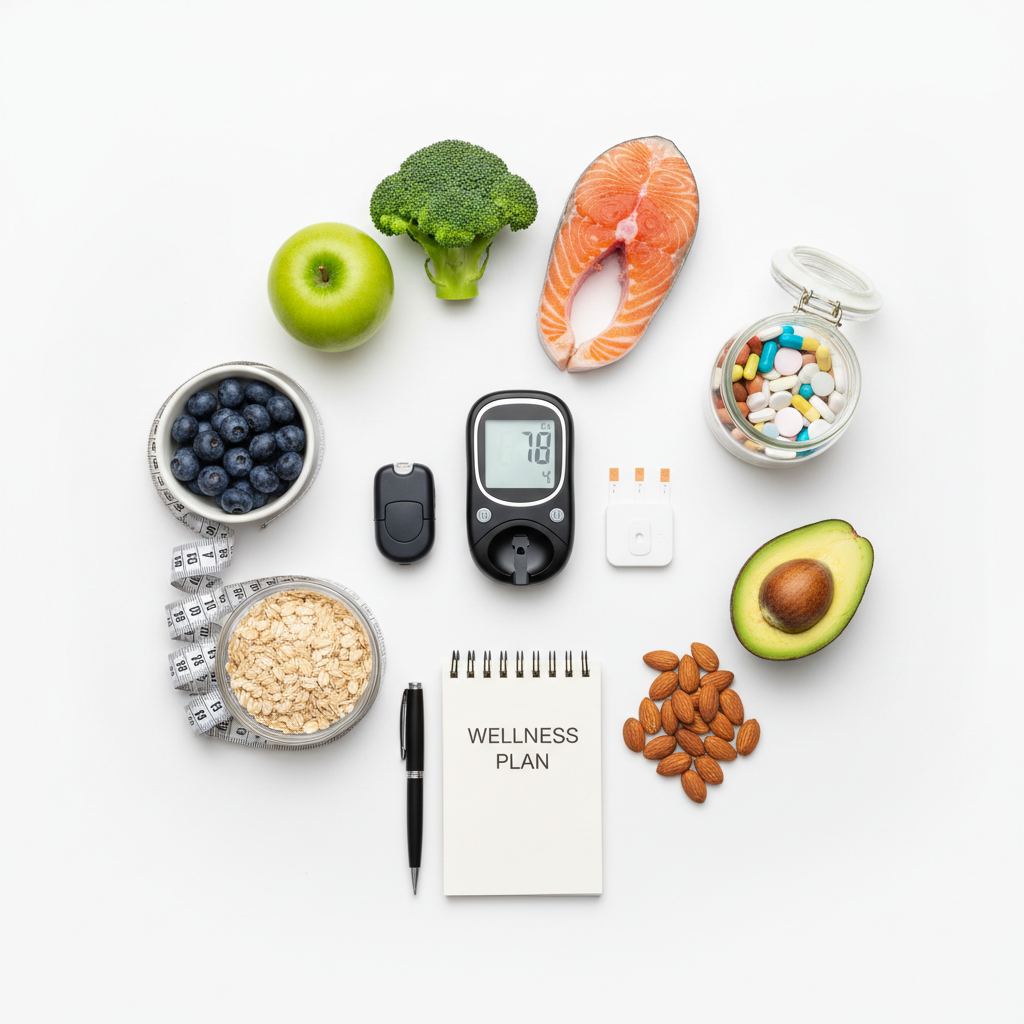
Leaky gut is reversible. A combination of eliminating triggers, supplying healing nutrients, and restoring beneficial bacteria works for most people within 3-6 months.
Please consult your doctor before starting supplements, especially if you have autoimmune disease or take medications. A functional medicine or integrative medicine practitioner can personalize the protocol for your situation.
🏷️ Category: Gut Health
Bottom Line
Leaky gut is reversible. A combination of eliminating triggers, supplying healing nutrients, and restoring beneficial bacteria works for most people within 3-6 months.
Please consult your doctor before starting supplements, especially if you have autoimmune disease or take medications. A functional medicine or integrative medicine practitioner can personalize the protocol for your situation.
🏷️ Category: Gut Health
- Week 1: Bloating decreases; energy begins to improve
- Weeks 2-3: Brain fog clears; mood stabilizes
- Weeks 4-6: Food sensitivities begin to resolve; skin improves
- Weeks 6-12: Most symptoms resolve; immune function normalizes
- 3-6 months: Full barrier restoration
Bottom Line
Leaky gut is reversible. A combination of eliminating triggers, supplying healing nutrients, and restoring beneficial bacteria works for most people within 3-6 months.
Please consult your doctor before starting supplements, especially if you have autoimmune disease or take medications. A functional medicine or integrative medicine practitioner can personalize the protocol for your situation.
🏷️ Category: Gut Health
Timeline to Healing
- Week 1: Bloating decreases; energy begins to improve
- Weeks 2-3: Brain fog clears; mood stabilizes
- Weeks 4-6: Food sensitivities begin to resolve; skin improves
- Weeks 6-12: Most symptoms resolve; immune function normalizes
- 3-6 months: Full barrier restoration
Bottom Line
Leaky gut is reversible. A combination of eliminating triggers, supplying healing nutrients, and restoring beneficial bacteria works for most people within 3-6 months.
Please consult your doctor before starting supplements, especially if you have autoimmune disease or take medications. A functional medicine or integrative medicine practitioner can personalize the protocol for your situation.
🏷️ Category: Gut Health
- Bone broth, salmon, sardines, grass-fed beef: Amino acids, omega-3s, minerals
- Sweet potato, pumpkin, plantain: Resistant starch
- Cruciferous vegetables (broccoli, Brussels sprouts): Anti-inflammatory compounds
- Leafy greens, asparagus, garlic: Prebiotics and polyphenols
- Avocado, coconut oil, grass-fed butter: Healthy fats for barrier repair
- Berries, apple (skin on), polyphenol-rich foods: Antioxidant protection
Timeline to Healing
- Week 1: Bloating decreases; energy begins to improve
- Weeks 2-3: Brain fog clears; mood stabilizes
- Weeks 4-6: Food sensitivities begin to resolve; skin improves
- Weeks 6-12: Most symptoms resolve; immune function normalizes
- 3-6 months: Full barrier restoration
Bottom Line
Leaky gut is reversible. A combination of eliminating triggers, supplying healing nutrients, and restoring beneficial bacteria works for most people within 3-6 months.
Please consult your doctor before starting supplements, especially if you have autoimmune disease or take medications. A functional medicine or integrative medicine practitioner can personalize the protocol for your situation.
🏷️ Category: Gut Health
Foods That Heal the Gut
- Bone broth, salmon, sardines, grass-fed beef: Amino acids, omega-3s, minerals
- Sweet potato, pumpkin, plantain: Resistant starch
- Cruciferous vegetables (broccoli, Brussels sprouts): Anti-inflammatory compounds
- Leafy greens, asparagus, garlic: Prebiotics and polyphenols
- Avocado, coconut oil, grass-fed butter: Healthy fats for barrier repair
- Berries, apple (skin on), polyphenol-rich foods: Antioxidant protection
Timeline to Healing
- Week 1: Bloating decreases; energy begins to improve
- Weeks 2-3: Brain fog clears; mood stabilizes
- Weeks 4-6: Food sensitivities begin to resolve; skin improves
- Weeks 6-12: Most symptoms resolve; immune function normalizes
- 3-6 months: Full barrier restoration
Bottom Line
Leaky gut is reversible. A combination of eliminating triggers, supplying healing nutrients, and restoring beneficial bacteria works for most people within 3-6 months.
Please consult your doctor before starting supplements, especially if you have autoimmune disease or take medications. A functional medicine or integrative medicine practitioner can personalize the protocol for your situation.
🏷️ Category: Gut Health
- Fermented foods: Sauerkraut, kimchi, miso, tempeh (introduce after inflammation settles, week 3-4)
- Prebiotic fiber: Chicory root, partially hydrolyzed guar gum, psyllium husk feed beneficial bacteria
- Probiotic supplement: 50-100 billion CFU daily
- Saccharomyces boulardii: 5 billion CFU daily (especially helpful if antibiotics were recent)
Foods That Heal the Gut
- Bone broth, salmon, sardines, grass-fed beef: Amino acids, omega-3s, minerals
- Sweet potato, pumpkin, plantain: Resistant starch
- Cruciferous vegetables (broccoli, Brussels sprouts): Anti-inflammatory compounds
- Leafy greens, asparagus, garlic: Prebiotics and polyphenols
- Avocado, coconut oil, grass-fed butter: Healthy fats for barrier repair
- Berries, apple (skin on), polyphenol-rich foods: Antioxidant protection
Timeline to Healing
- Week 1: Bloating decreases; energy begins to improve
- Weeks 2-3: Brain fog clears; mood stabilizes
- Weeks 4-6: Food sensitivities begin to resolve; skin improves
- Weeks 6-12: Most symptoms resolve; immune function normalizes
- 3-6 months: Full barrier restoration
Bottom Line
Leaky gut is reversible. A combination of eliminating triggers, supplying healing nutrients, and restoring beneficial bacteria works for most people within 3-6 months.
Please consult your doctor before starting supplements, especially if you have autoimmune disease or take medications. A functional medicine or integrative medicine practitioner can personalize the protocol for your situation.
🏷️ Category: Gut Health
Phase 4: INOCULATE (Weeks 4-16+)
- Fermented foods: Sauerkraut, kimchi, miso, tempeh (introduce after inflammation settles, week 3-4)
- Prebiotic fiber: Chicory root, partially hydrolyzed guar gum, psyllium husk feed beneficial bacteria
- Probiotic supplement: 50-100 billion CFU daily
- Saccharomyces boulardii: 5 billion CFU daily (especially helpful if antibiotics were recent)
Foods That Heal the Gut
- Bone broth, salmon, sardines, grass-fed beef: Amino acids, omega-3s, minerals
- Sweet potato, pumpkin, plantain: Resistant starch
- Cruciferous vegetables (broccoli, Brussels sprouts): Anti-inflammatory compounds
- Leafy greens, asparagus, garlic: Prebiotics and polyphenols
- Avocado, coconut oil, grass-fed butter: Healthy fats for barrier repair
- Berries, apple (skin on), polyphenol-rich foods: Antioxidant protection
Timeline to Healing
- Week 1: Bloating decreases; energy begins to improve
- Weeks 2-3: Brain fog clears; mood stabilizes
- Weeks 4-6: Food sensitivities begin to resolve; skin improves
- Weeks 6-12: Most symptoms resolve; immune function normalizes
- 3-6 months: Full barrier restoration
Bottom Line
Leaky gut is reversible. A combination of eliminating triggers, supplying healing nutrients, and restoring beneficial bacteria works for most people within 3-6 months.
Please consult your doctor before starting supplements, especially if you have autoimmune disease or take medications. A functional medicine or integrative medicine practitioner can personalize the protocol for your situation.
🏷️ Category: Gut Health
Phase 4: INOCULATE (Weeks 4-16+)
- Fermented foods: Sauerkraut, kimchi, miso, tempeh (introduce after inflammation settles, week 3-4)
- Prebiotic fiber: Chicory root, partially hydrolyzed guar gum, psyllium husk feed beneficial bacteria
- Probiotic supplement: 50-100 billion CFU daily
- Saccharomyces boulardii: 5 billion CFU daily (especially helpful if antibiotics were recent)
Foods That Heal the Gut
- Bone broth, salmon, sardines, grass-fed beef: Amino acids, omega-3s, minerals
- Sweet potato, pumpkin, plantain: Resistant starch
- Cruciferous vegetables (broccoli, Brussels sprouts): Anti-inflammatory compounds
- Leafy greens, asparagus, garlic: Prebiotics and polyphenols
- Avocado, coconut oil, grass-fed butter: Healthy fats for barrier repair
- Berries, apple (skin on), polyphenol-rich foods: Antioxidant protection
Timeline to Healing
- Week 1: Bloating decreases; energy begins to improve
- Weeks 2-3: Brain fog clears; mood stabilizes
- Weeks 4-6: Food sensitivities begin to resolve; skin improves
- Weeks 6-12: Most symptoms resolve; immune function normalizes
- 3-6 months: Full barrier restoration
Bottom Line
Leaky gut is reversible. A combination of eliminating triggers, supplying healing nutrients, and restoring beneficial bacteria works for most people within 3-6 months.
Please consult your doctor before starting supplements, especially if you have autoimmune disease or take medications. A functional medicine or integrative medicine practitioner can personalize the protocol for your situation.
🏷️ Category: Gut Health
- Digestive enzymes: Support protein, fat, and carb breakdown with meals
- Bone broth or collagen peptides: Provide amino acids for tight junction repair
- Hydrochloric acid (HCl) supplement: If low stomach acid is present
Phase 3: REPAIR (Weeks 2-12)
| Nutrient |
Dose |
Purpose |
| L-Glutamine |
5-15g daily |
Primary fuel for enterocytes; rebuilds tight junctions |
| Zinc Carnosine |
75mg 2-3x daily |
Gold standard for gut barrier repair |
| Omega-3 Fatty Acids |
2-3g EPA/DHA daily |
Anti-inflammatory; supports barrier integrity |
| Quercetin |
500-1000mg daily |
Reduces permeability; antihistamine |
| Slippery Elm or DGL |
1000-2000mg daily |
Soothe and protect mucosa |
Phase 4: INOCULATE (Weeks 4-16+)
- Fermented foods: Sauerkraut, kimchi, miso, tempeh (introduce after inflammation settles, week 3-4)
- Prebiotic fiber: Chicory root, partially hydrolyzed guar gum, psyllium husk feed beneficial bacteria
- Probiotic supplement: 50-100 billion CFU daily
- Saccharomyces boulardii: 5 billion CFU daily (especially helpful if antibiotics were recent)
Foods That Heal the Gut
- Bone broth, salmon, sardines, grass-fed beef: Amino acids, omega-3s, minerals
- Sweet potato, pumpkin, plantain: Resistant starch
- Cruciferous vegetables (broccoli, Brussels sprouts): Anti-inflammatory compounds
- Leafy greens, asparagus, garlic: Prebiotics and polyphenols
- Avocado, coconut oil, grass-fed butter: Healthy fats for barrier repair
- Berries, apple (skin on), polyphenol-rich foods: Antioxidant protection
Timeline to Healing
- Week 1: Bloating decreases; energy begins to improve
- Weeks 2-3: Brain fog clears; mood stabilizes
- Weeks 4-6: Food sensitivities begin to resolve; skin improves
- Weeks 6-12: Most symptoms resolve; immune function normalizes
- 3-6 months: Full barrier restoration
Bottom Line
Leaky gut is reversible. A combination of eliminating triggers, supplying healing nutrients, and restoring beneficial bacteria works for most people within 3-6 months.
Please consult your doctor before starting supplements, especially if you have autoimmune disease or take medications. A functional medicine or integrative medicine practitioner can personalize the protocol for your situation.
🏷️ Category: Gut Health
Phase 2: REPLACE (Weeks 1-8)
- Digestive enzymes: Support protein, fat, and carb breakdown with meals
- Bone broth or collagen peptides: Provide amino acids for tight junction repair
- Hydrochloric acid (HCl) supplement: If low stomach acid is present
Phase 3: REPAIR (Weeks 2-12)
| Nutrient |
Dose |
Purpose |
| L-Glutamine |
5-15g daily |
Primary fuel for enterocytes; rebuilds tight junctions |
| Zinc Carnosine |
75mg 2-3x daily |
Gold standard for gut barrier repair |
| Omega-3 Fatty Acids |
2-3g EPA/DHA daily |
Anti-inflammatory; supports barrier integrity |
| Quercetin |
500-1000mg daily |
Reduces permeability; antihistamine |
| Slippery Elm or DGL |
1000-2000mg daily |
Soothe and protect mucosa |
Phase 4: INOCULATE (Weeks 4-16+)
- Fermented foods: Sauerkraut, kimchi, miso, tempeh (introduce after inflammation settles, week 3-4)
- Prebiotic fiber: Chicory root, partially hydrolyzed guar gum, psyllium husk feed beneficial bacteria
- Probiotic supplement: 50-100 billion CFU daily
- Saccharomyces boulardii: 5 billion CFU daily (especially helpful if antibiotics were recent)
Foods That Heal the Gut
- Bone broth, salmon, sardines, grass-fed beef: Amino acids, omega-3s, minerals
- Sweet potato, pumpkin, plantain: Resistant starch
- Cruciferous vegetables (broccoli, Brussels sprouts): Anti-inflammatory compounds
- Leafy greens, asparagus, garlic: Prebiotics and polyphenols
- Avocado, coconut oil, grass-fed butter: Healthy fats for barrier repair
- Berries, apple (skin on), polyphenol-rich foods: Antioxidant protection
Timeline to Healing
- Week 1: Bloating decreases; energy begins to improve
- Weeks 2-3: Brain fog clears; mood stabilizes
- Weeks 4-6: Food sensitivities begin to resolve; skin improves
- Weeks 6-12: Most symptoms resolve; immune function normalizes
- 3-6 months: Full barrier restoration
Bottom Line
Leaky gut is reversible. A combination of eliminating triggers, supplying healing nutrients, and restoring beneficial bacteria works for most people within 3-6 months.
Please consult your doctor before starting supplements, especially if you have autoimmune disease or take medications. A functional medicine or integrative medicine practitioner can personalize the protocol for your situation.
🏷️ Category: Gut Health
- Gluten (bread, pasta, conventional oats)
- Dairy (especially if casein-sensitive)
- Seed oils (soybean, canola, sunflower) — replace with olive, coconut, ghee, avocado oil
- Sugar, refined carbs, and alcohol
- Processed foods and additives (emulsifiers, thickeners)
- If severe: eggs, nuts, legumes (reintroduce after 4 weeks if tolerated)
Phase 2: REPLACE (Weeks 1-8)
- Digestive enzymes: Support protein, fat, and carb breakdown with meals
- Bone broth or collagen peptides: Provide amino acids for tight junction repair
- Hydrochloric acid (HCl) supplement: If low stomach acid is present
Phase 3: REPAIR (Weeks 2-12)
| Nutrient |
Dose |
Purpose |
| L-Glutamine |
5-15g daily |
Primary fuel for enterocytes; rebuilds tight junctions |
| Zinc Carnosine |
75mg 2-3x daily |
Gold standard for gut barrier repair |
| Omega-3 Fatty Acids |
2-3g EPA/DHA daily |
Anti-inflammatory; supports barrier integrity |
| Quercetin |
500-1000mg daily |
Reduces permeability; antihistamine |
| Slippery Elm or DGL |
1000-2000mg daily |
Soothe and protect mucosa |
Phase 4: INOCULATE (Weeks 4-16+)
- Fermented foods: Sauerkraut, kimchi, miso, tempeh (introduce after inflammation settles, week 3-4)
- Prebiotic fiber: Chicory root, partially hydrolyzed guar gum, psyllium husk feed beneficial bacteria
- Probiotic supplement: 50-100 billion CFU daily
- Saccharomyces boulardii: 5 billion CFU daily (especially helpful if antibiotics were recent)
Foods That Heal the Gut
- Bone broth, salmon, sardines, grass-fed beef: Amino acids, omega-3s, minerals
- Sweet potato, pumpkin, plantain: Resistant starch
- Cruciferous vegetables (broccoli, Brussels sprouts): Anti-inflammatory compounds
- Leafy greens, asparagus, garlic: Prebiotics and polyphenols
- Avocado, coconut oil, grass-fed butter: Healthy fats for barrier repair
- Berries, apple (skin on), polyphenol-rich foods: Antioxidant protection
Timeline to Healing
- Week 1: Bloating decreases; energy begins to improve
- Weeks 2-3: Brain fog clears; mood stabilizes
- Weeks 4-6: Food sensitivities begin to resolve; skin improves
- Weeks 6-12: Most symptoms resolve; immune function normalizes
- 3-6 months: Full barrier restoration
Bottom Line
Leaky gut is reversible. A combination of eliminating triggers, supplying healing nutrients, and restoring beneficial bacteria works for most people within 3-6 months.
Please consult your doctor before starting supplements, especially if you have autoimmune disease or take medications. A functional medicine or integrative medicine practitioner can personalize the protocol for your situation.
🏷️ Category: Gut Health
Eliminate inflammatory foods:
- Gluten (bread, pasta, conventional oats)
- Dairy (especially if casein-sensitive)
- Seed oils (soybean, canola, sunflower) — replace with olive, coconut, ghee, avocado oil
- Sugar, refined carbs, and alcohol
- Processed foods and additives (emulsifiers, thickeners)
- If severe: eggs, nuts, legumes (reintroduce after 4 weeks if tolerated)
Phase 2: REPLACE (Weeks 1-8)
- Digestive enzymes: Support protein, fat, and carb breakdown with meals
- Bone broth or collagen peptides: Provide amino acids for tight junction repair
- Hydrochloric acid (HCl) supplement: If low stomach acid is present
Phase 3: REPAIR (Weeks 2-12)
| Nutrient |
Dose |
Purpose |
| L-Glutamine |
5-15g daily |
Primary fuel for enterocytes; rebuilds tight junctions |
| Zinc Carnosine |
75mg 2-3x daily |
Gold standard for gut barrier repair |
| Omega-3 Fatty Acids |
2-3g EPA/DHA daily |
Anti-inflammatory; supports barrier integrity |
| Quercetin |
500-1000mg daily |
Reduces permeability; antihistamine |
| Slippery Elm or DGL |
1000-2000mg daily |
Soothe and protect mucosa |
Phase 4: INOCULATE (Weeks 4-16+)
- Fermented foods: Sauerkraut, kimchi, miso, tempeh (introduce after inflammation settles, week 3-4)
- Prebiotic fiber: Chicory root, partially hydrolyzed guar gum, psyllium husk feed beneficial bacteria
- Probiotic supplement: 50-100 billion CFU daily
- Saccharomyces boulardii: 5 billion CFU daily (especially helpful if antibiotics were recent)
Foods That Heal the Gut
- Bone broth, salmon, sardines, grass-fed beef: Amino acids, omega-3s, minerals
- Sweet potato, pumpkin, plantain: Resistant starch
- Cruciferous vegetables (broccoli, Brussels sprouts): Anti-inflammatory compounds
- Leafy greens, asparagus, garlic: Prebiotics and polyphenols
- Avocado, coconut oil, grass-fed butter: Healthy fats for barrier repair
- Berries, apple (skin on), polyphenol-rich foods: Antioxidant protection
Timeline to Healing
- Week 1: Bloating decreases; energy begins to improve
- Weeks 2-3: Brain fog clears; mood stabilizes
- Weeks 4-6: Food sensitivities begin to resolve; skin improves
- Weeks 6-12: Most symptoms resolve; immune function normalizes
- 3-6 months: Full barrier restoration
Bottom Line
Leaky gut is reversible. A combination of eliminating triggers, supplying healing nutrients, and restoring beneficial bacteria works for most people within 3-6 months.
Please consult your doctor before starting supplements, especially if you have autoimmune disease or take medications. A functional medicine or integrative medicine practitioner can personalize the protocol for your situation.
🏷️ Category: Gut Health
Phase 1: REMOVE (Weeks 1-4)
Eliminate inflammatory foods:
- Gluten (bread, pasta, conventional oats)
- Dairy (especially if casein-sensitive)
- Seed oils (soybean, canola, sunflower) — replace with olive, coconut, ghee, avocado oil
- Sugar, refined carbs, and alcohol
- Processed foods and additives (emulsifiers, thickeners)
- If severe: eggs, nuts, legumes (reintroduce after 4 weeks if tolerated)
Phase 2: REPLACE (Weeks 1-8)
- Digestive enzymes: Support protein, fat, and carb breakdown with meals
- Bone broth or collagen peptides: Provide amino acids for tight junction repair
- Hydrochloric acid (HCl) supplement: If low stomach acid is present
Phase 3: REPAIR (Weeks 2-12)
| Nutrient |
Dose |
Purpose |
| L-Glutamine |
5-15g daily |
Primary fuel for enterocytes; rebuilds tight junctions |
| Zinc Carnosine |
75mg 2-3x daily |
Gold standard for gut barrier repair |
| Omega-3 Fatty Acids |
2-3g EPA/DHA daily |
Anti-inflammatory; supports barrier integrity |
| Quercetin |
500-1000mg daily |
Reduces permeability; antihistamine |
| Slippery Elm or DGL |
1000-2000mg daily |
Soothe and protect mucosa |
Phase 4: INOCULATE (Weeks 4-16+)
- Fermented foods: Sauerkraut, kimchi, miso, tempeh (introduce after inflammation settles, week 3-4)
- Prebiotic fiber: Chicory root, partially hydrolyzed guar gum, psyllium husk feed beneficial bacteria
- Probiotic supplement: 50-100 billion CFU daily
- Saccharomyces boulardii: 5 billion CFU daily (especially helpful if antibiotics were recent)
Foods That Heal the Gut
- Bone broth, salmon, sardines, grass-fed beef: Amino acids, omega-3s, minerals
- Sweet potato, pumpkin, plantain: Resistant starch
- Cruciferous vegetables (broccoli, Brussels sprouts): Anti-inflammatory compounds
- Leafy greens, asparagus, garlic: Prebiotics and polyphenols
- Avocado, coconut oil, grass-fed butter: Healthy fats for barrier repair
- Berries, apple (skin on), polyphenol-rich foods: Antioxidant protection
Timeline to Healing
- Week 1: Bloating decreases; energy begins to improve
- Weeks 2-3: Brain fog clears; mood stabilizes
- Weeks 4-6: Food sensitivities begin to resolve; skin improves
- Weeks 6-12: Most symptoms resolve; immune function normalizes
- 3-6 months: Full barrier restoration
Bottom Line
Leaky gut is reversible. A combination of eliminating triggers, supplying healing nutrients, and restoring beneficial bacteria works for most people within 3-6 months.
Please consult your doctor before starting supplements, especially if you have autoimmune disease or take medications. A functional medicine or integrative medicine practitioner can personalize the protocol for your situation.
🏷️ Category: Gut Health
The evidence-based framework for gut healing:
Phase 1: REMOVE (Weeks 1-4)
Eliminate inflammatory foods:
- Gluten (bread, pasta, conventional oats)
- Dairy (especially if casein-sensitive)
- Seed oils (soybean, canola, sunflower) — replace with olive, coconut, ghee, avocado oil
- Sugar, refined carbs, and alcohol
- Processed foods and additives (emulsifiers, thickeners)
- If severe: eggs, nuts, legumes (reintroduce after 4 weeks if tolerated)
Phase 2: REPLACE (Weeks 1-8)
- Digestive enzymes: Support protein, fat, and carb breakdown with meals
- Bone broth or collagen peptides: Provide amino acids for tight junction repair
- Hydrochloric acid (HCl) supplement: If low stomach acid is present
Phase 3: REPAIR (Weeks 2-12)
| Nutrient |
Dose |
Purpose |
| L-Glutamine |
5-15g daily |
Primary fuel for enterocytes; rebuilds tight junctions |
| Zinc Carnosine |
75mg 2-3x daily |
Gold standard for gut barrier repair |
| Omega-3 Fatty Acids |
2-3g EPA/DHA daily |
Anti-inflammatory; supports barrier integrity |
| Quercetin |
500-1000mg daily |
Reduces permeability; antihistamine |
| Slippery Elm or DGL |
1000-2000mg daily |
Soothe and protect mucosa |
Phase 4: INOCULATE (Weeks 4-16+)
- Fermented foods: Sauerkraut, kimchi, miso, tempeh (introduce after inflammation settles, week 3-4)
- Prebiotic fiber: Chicory root, partially hydrolyzed guar gum, psyllium husk feed beneficial bacteria
- Probiotic supplement: 50-100 billion CFU daily
- Saccharomyces boulardii: 5 billion CFU daily (especially helpful if antibiotics were recent)
Foods That Heal the Gut
- Bone broth, salmon, sardines, grass-fed beef: Amino acids, omega-3s, minerals
- Sweet potato, pumpkin, plantain: Resistant starch
- Cruciferous vegetables (broccoli, Brussels sprouts): Anti-inflammatory compounds
- Leafy greens, asparagus, garlic: Prebiotics and polyphenols
- Avocado, coconut oil, grass-fed butter: Healthy fats for barrier repair
- Berries, apple (skin on), polyphenol-rich foods: Antioxidant protection
Timeline to Healing
- Week 1: Bloating decreases; energy begins to improve
- Weeks 2-3: Brain fog clears; mood stabilizes
- Weeks 4-6: Food sensitivities begin to resolve; skin improves
- Weeks 6-12: Most symptoms resolve; immune function normalizes
- 3-6 months: Full barrier restoration
Bottom Line
Leaky gut is reversible. A combination of eliminating triggers, supplying healing nutrients, and restoring beneficial bacteria works for most people within 3-6 months.
Please consult your doctor before starting supplements, especially if you have autoimmune disease or take medications. A functional medicine or integrative medicine practitioner can personalize the protocol for your situation.
🏷️ Category: Gut Health
The 4Rs Healing Protocol
The evidence-based framework for gut healing:
Phase 1: REMOVE (Weeks 1-4)
Eliminate inflammatory foods:
- Gluten (bread, pasta, conventional oats)
- Dairy (especially if casein-sensitive)
- Seed oils (soybean, canola, sunflower) — replace with olive, coconut, ghee, avocado oil
- Sugar, refined carbs, and alcohol
- Processed foods and additives (emulsifiers, thickeners)
- If severe: eggs, nuts, legumes (reintroduce after 4 weeks if tolerated)
Phase 2: REPLACE (Weeks 1-8)
- Digestive enzymes: Support protein, fat, and carb breakdown with meals
- Bone broth or collagen peptides: Provide amino acids for tight junction repair
- Hydrochloric acid (HCl) supplement: If low stomach acid is present
Phase 3: REPAIR (Weeks 2-12)
| Nutrient |
Dose |
Purpose |
| L-Glutamine |
5-15g daily |
Primary fuel for enterocytes; rebuilds tight junctions |
| Zinc Carnosine |
75mg 2-3x daily |
Gold standard for gut barrier repair |
| Omega-3 Fatty Acids |
2-3g EPA/DHA daily |
Anti-inflammatory; supports barrier integrity |
| Quercetin |
500-1000mg daily |
Reduces permeability; antihistamine |
| Slippery Elm or DGL |
1000-2000mg daily |
Soothe and protect mucosa |
Phase 4: INOCULATE (Weeks 4-16+)
- Fermented foods: Sauerkraut, kimchi, miso, tempeh (introduce after inflammation settles, week 3-4)
- Prebiotic fiber: Chicory root, partially hydrolyzed guar gum, psyllium husk feed beneficial bacteria
- Probiotic supplement: 50-100 billion CFU daily
- Saccharomyces boulardii: 5 billion CFU daily (especially helpful if antibiotics were recent)
Foods That Heal the Gut
- Bone broth, salmon, sardines, grass-fed beef: Amino acids, omega-3s, minerals
- Sweet potato, pumpkin, plantain: Resistant starch
- Cruciferous vegetables (broccoli, Brussels sprouts): Anti-inflammatory compounds
- Leafy greens, asparagus, garlic: Prebiotics and polyphenols
- Avocado, coconut oil, grass-fed butter: Healthy fats for barrier repair
- Berries, apple (skin on), polyphenol-rich foods: Antioxidant protection
Timeline to Healing
- Week 1: Bloating decreases; energy begins to improve
- Weeks 2-3: Brain fog clears; mood stabilizes
- Weeks 4-6: Food sensitivities begin to resolve; skin improves
- Weeks 6-12: Most symptoms resolve; immune function normalizes
- 3-6 months: Full barrier restoration
Bottom Line
Leaky gut is reversible. A combination of eliminating triggers, supplying healing nutrients, and restoring beneficial bacteria works for most people within 3-6 months.
Please consult your doctor before starting supplements, especially if you have autoimmune disease or take medications. A functional medicine or integrative medicine practitioner can personalize the protocol for your situation.
🏷️ Category: Gut Health
The 4Rs Healing Protocol
The evidence-based framework for gut healing:
Phase 1: REMOVE (Weeks 1-4)
Eliminate inflammatory foods:
- Gluten (bread, pasta, conventional oats)
- Dairy (especially if casein-sensitive)
- Seed oils (soybean, canola, sunflower) — replace with olive, coconut, ghee, avocado oil
- Sugar, refined carbs, and alcohol
- Processed foods and additives (emulsifiers, thickeners)
- If severe: eggs, nuts, legumes (reintroduce after 4 weeks if tolerated)
Phase 2: REPLACE (Weeks 1-8)
- Digestive enzymes: Support protein, fat, and carb breakdown with meals
- Bone broth or collagen peptides: Provide amino acids for tight junction repair
- Hydrochloric acid (HCl) supplement: If low stomach acid is present
Phase 3: REPAIR (Weeks 2-12)
| Nutrient |
Dose |
Purpose |
| L-Glutamine |
5-15g daily |
Primary fuel for enterocytes; rebuilds tight junctions |
| Zinc Carnosine |
75mg 2-3x daily |
Gold standard for gut barrier repair |
| Omega-3 Fatty Acids |
2-3g EPA/DHA daily |
Anti-inflammatory; supports barrier integrity |
| Quercetin |
500-1000mg daily |
Reduces permeability; antihistamine |
| Slippery Elm or DGL |
1000-2000mg daily |
Soothe and protect mucosa |
Phase 4: INOCULATE (Weeks 4-16+)
- Fermented foods: Sauerkraut, kimchi, miso, tempeh (introduce after inflammation settles, week 3-4)
- Prebiotic fiber: Chicory root, partially hydrolyzed guar gum, psyllium husk feed beneficial bacteria
- Probiotic supplement: 50-100 billion CFU daily
- Saccharomyces boulardii: 5 billion CFU daily (especially helpful if antibiotics were recent)
Foods That Heal the Gut
- Bone broth, salmon, sardines, grass-fed beef: Amino acids, omega-3s, minerals
- Sweet potato, pumpkin, plantain: Resistant starch
- Cruciferous vegetables (broccoli, Brussels sprouts): Anti-inflammatory compounds
- Leafy greens, asparagus, garlic: Prebiotics and polyphenols
- Avocado, coconut oil, grass-fed butter: Healthy fats for barrier repair
- Berries, apple (skin on), polyphenol-rich foods: Antioxidant protection
Timeline to Healing
- Week 1: Bloating decreases; energy begins to improve
- Weeks 2-3: Brain fog clears; mood stabilizes
- Weeks 4-6: Food sensitivities begin to resolve; skin improves
- Weeks 6-12: Most symptoms resolve; immune function normalizes
- 3-6 months: Full barrier restoration
Bottom Line
Leaky gut is reversible. A combination of eliminating triggers, supplying healing nutrients, and restoring beneficial bacteria works for most people within 3-6 months.
Please consult your doctor before starting supplements, especially if you have autoimmune disease or take medications. A functional medicine or integrative medicine practitioner can personalize the protocol for your situation.
🏷️ Category: Gut Health
- Week 1: Bloating decreases; energy begins to improve
- Weeks 2-3: Brain fog clears; mood stabilizes
- Weeks 4-6: Food sensitivities begin to resolve; skin improves
- Weeks 6-12: Most symptoms resolve; immune function normalizes
- 3-6 months: Full barrier restoration
Bottom Line
Leaky gut is reversible. A combination of eliminating triggers, supplying healing nutrients, and restoring beneficial bacteria works for most people within 3-6 months.
Please consult your doctor before starting supplements, especially if you have autoimmune disease or take medications. A functional medicine or integrative medicine practitioner can personalize the protocol for your situation.
🏷️ Category: Gut Health
Key Takeaways:
- Leaky gut (increased intestinal permeability) allows undigested food and bacteria to enter the bloodstream
- Symptoms include bloating, fatigue, food sensitivities, joint pain, brain fog, and skin issues
- Root causes: dysbiosis, food sensitivities, chronic inflammation, stress, and medications
- Healing requires eliminating triggers, sealing the gut lining with specific nutrients, and restoring beneficial bacteria
- Most people see improvement in 4-8 weeks with a structured protocol
What Is Leaky Gut?
Your intestinal lining is supposed to be a selective barrier—allowing nutrients in, keeping pathogens and toxins out. When the tight junctions weaken, gaps develop. This is “leaky gut” or increased intestinal permeability.
Once gaps form, large undigested food molecules, bacterial lipopolysaccharides (LPS), and toxins slip through into the bloodstream. Your immune system treats them as invaders, triggering inflammation throughout your body. This systemic inflammation manifests as seemingly unrelated symptoms—fatigue, joint pain, skin rashes, brain fog, and autoimmune flares.
Signs and Symptoms
Digestive:
- Bloating, gas, and cramping after meals
- Chronic diarrhea or constipation
- Food sensitivities (reactions develop over time)
- Frequent nausea
Systemic (whole-body):
- Fatigue — your immune system is constantly activated
- Brain fog and poor memory — bacterial lipopolysaccharides cross the blood-brain barrier
- Joint and muscle pain — molecular mimicry (gut bacteria antigens look like your joint proteins)
- Skin issues — eczema, acne, psoriasis flares (often improve when gut heals)
- Mood changes — anxiety, depression (gut-brain axis inflammation)
- Autoimmune flares — leaky gut is a major trigger for Hashimoto’s, celiac, Crohn’s, and other conditions
- Recurring infections — 70% of your immune system lives in the gut; a damaged barrier weakens immunity
Root Causes
1. Dysbiosis (Imbalanced Gut Bacteria)
Antibiotics, processed food, and chlorinated water kill beneficial bacteria. Pathogenic bacteria (E. coli, Clostridium) proliferate unchecked. These pathogens produce zonulin and lipopolysaccharides, both of which open tight junctions and trigger inflammation.
2. Food Sensitivities
Gluten, dairy, seed oils, and sugar are common culprits that increase intestinal permeability.
3. Chronic Stress
Stress hormone cortisol increases zonulin and impairs mucus layer production. The gut barrier weakens when you’re chronically stressed.
4. Medications
- Antibiotics: Destroy beneficial bacteria
- NSAIDs: Damage the mucus layer and tight junctions
- Acid-reducing drugs (PPIs, H2 blockers): Reduce stomach acid, increasing bacterial overgrowth
- Oral corticosteroids: Suppress immunity and damage the barrier
The 4Rs Healing Protocol
The evidence-based framework for gut healing:
Phase 1: REMOVE (Weeks 1-4)
Eliminate inflammatory foods:
- Gluten (bread, pasta, conventional oats)
- Dairy (especially if casein-sensitive)
- Seed oils (soybean, canola, sunflower) — replace with olive, coconut, ghee, avocado oil
- Sugar, refined carbs, and alcohol
- Processed foods and additives (emulsifiers, thickeners)
- If severe: eggs, nuts, legumes (reintroduce after 4 weeks if tolerated)
Phase 2: REPLACE (Weeks 1-8)
- Digestive enzymes: Support protein, fat, and carb breakdown with meals
- Bone broth or collagen peptides: Provide amino acids for tight junction repair
- Hydrochloric acid (HCl) supplement: If low stomach acid is present
Phase 3: REPAIR (Weeks 2-12)
| Nutrient |
Dose |
Purpose |
| L-Glutamine |
5-15g daily |
Primary fuel for enterocytes; rebuilds tight junctions |
| Zinc Carnosine |
75mg 2-3x daily |
Gold standard for gut barrier repair |
| Omega-3 Fatty Acids |
2-3g EPA/DHA daily |
Anti-inflammatory; supports barrier integrity |
| Quercetin |
500-1000mg daily |
Reduces permeability; antihistamine |
| Slippery Elm or DGL |
1000-2000mg daily |
Soothe and protect mucosa |
Phase 4: INOCULATE (Weeks 4-16+)
- Fermented foods: Sauerkraut, kimchi, miso, tempeh (introduce after inflammation settles, week 3-4)
- Prebiotic fiber: Chicory root, partially hydrolyzed guar gum, psyllium husk feed beneficial bacteria
- Probiotic supplement: 50-100 billion CFU daily
- Saccharomyces boulardii: 5 billion CFU daily (especially helpful if antibiotics were recent)
Foods That Heal the Gut
- Bone broth, salmon, sardines, grass-fed beef: Amino acids, omega-3s, minerals
- Sweet potato, pumpkin, plantain: Resistant starch
- Cruciferous vegetables (broccoli, Brussels sprouts): Anti-inflammatory compounds
- Leafy greens, asparagus, garlic: Prebiotics and polyphenols
- Avocado, coconut oil, grass-fed butter: Healthy fats for barrier repair
- Berries, apple (skin on), polyphenol-rich foods: Antioxidant protection
Timeline to Healing
- Week 1: Bloating decreases; energy begins to improve
- Weeks 2-3: Brain fog clears; mood stabilizes
- Weeks 4-6: Food sensitivities begin to resolve; skin improves
- Weeks 6-12: Most symptoms resolve; immune function normalizes
- 3-6 months: Full barrier restoration
Bottom Line
Leaky gut is reversible. A combination of eliminating triggers, supplying healing nutrients, and restoring beneficial bacteria works for most people within 3-6 months.
Please consult your doctor before starting supplements, especially if you have autoimmune disease or take medications. A functional medicine or integrative medicine practitioner can personalize the protocol for your situation.
🏷️ Category: Gut Health
Timeline to Healing
- Week 1: Bloating decreases; energy begins to improve
- Weeks 2-3: Brain fog clears; mood stabilizes
- Weeks 4-6: Food sensitivities begin to resolve; skin improves
- Weeks 6-12: Most symptoms resolve; immune function normalizes
- 3-6 months: Full barrier restoration
Bottom Line
Leaky gut is reversible. A combination of eliminating triggers, supplying healing nutrients, and restoring beneficial bacteria works for most people within 3-6 months.
Please consult your doctor before starting supplements, especially if you have autoimmune disease or take medications. A functional medicine or integrative medicine practitioner can personalize the protocol for your situation.
🏷️ Category: Gut Health
Key Takeaways:
- Leaky gut (increased intestinal permeability) allows undigested food and bacteria to enter the bloodstream
- Symptoms include bloating, fatigue, food sensitivities, joint pain, brain fog, and skin issues
- Root causes: dysbiosis, food sensitivities, chronic inflammation, stress, and medications
- Healing requires eliminating triggers, sealing the gut lining with specific nutrients, and restoring beneficial bacteria
- Most people see improvement in 4-8 weeks with a structured protocol
What Is Leaky Gut?
Your intestinal lining is supposed to be a selective barrier—allowing nutrients in, keeping pathogens and toxins out. When the tight junctions weaken, gaps develop. This is “leaky gut” or increased intestinal permeability.
Once gaps form, large undigested food molecules, bacterial lipopolysaccharides (LPS), and toxins slip through into the bloodstream. Your immune system treats them as invaders, triggering inflammation throughout your body. This systemic inflammation manifests as seemingly unrelated symptoms—fatigue, joint pain, skin rashes, brain fog, and autoimmune flares.
Signs and Symptoms
Digestive:
- Bloating, gas, and cramping after meals
- Chronic diarrhea or constipation
- Food sensitivities (reactions develop over time)
- Frequent nausea
Systemic (whole-body):
- Fatigue — your immune system is constantly activated
- Brain fog and poor memory — bacterial lipopolysaccharides cross the blood-brain barrier
- Joint and muscle pain — molecular mimicry (gut bacteria antigens look like your joint proteins)
- Skin issues — eczema, acne, psoriasis flares (often improve when gut heals)
- Mood changes — anxiety, depression (gut-brain axis inflammation)
- Autoimmune flares — leaky gut is a major trigger for Hashimoto’s, celiac, Crohn’s, and other conditions
- Recurring infections — 70% of your immune system lives in the gut; a damaged barrier weakens immunity
Root Causes
1. Dysbiosis (Imbalanced Gut Bacteria)
Antibiotics, processed food, and chlorinated water kill beneficial bacteria. Pathogenic bacteria (E. coli, Clostridium) proliferate unchecked. These pathogens produce zonulin and lipopolysaccharides, both of which open tight junctions and trigger inflammation.
2. Food Sensitivities
Gluten, dairy, seed oils, and sugar are common culprits that increase intestinal permeability.
3. Chronic Stress
Stress hormone cortisol increases zonulin and impairs mucus layer production. The gut barrier weakens when you’re chronically stressed.
4. Medications
- Antibiotics: Destroy beneficial bacteria
- NSAIDs: Damage the mucus layer and tight junctions
- Acid-reducing drugs (PPIs, H2 blockers): Reduce stomach acid, increasing bacterial overgrowth
- Oral corticosteroids: Suppress immunity and damage the barrier
The 4Rs Healing Protocol
The evidence-based framework for gut healing:
Phase 1: REMOVE (Weeks 1-4)
Eliminate inflammatory foods:
- Gluten (bread, pasta, conventional oats)
- Dairy (especially if casein-sensitive)
- Seed oils (soybean, canola, sunflower) — replace with olive, coconut, ghee, avocado oil
- Sugar, refined carbs, and alcohol
- Processed foods and additives (emulsifiers, thickeners)
- If severe: eggs, nuts, legumes (reintroduce after 4 weeks if tolerated)
Phase 2: REPLACE (Weeks 1-8)
- Digestive enzymes: Support protein, fat, and carb breakdown with meals
- Bone broth or collagen peptides: Provide amino acids for tight junction repair
- Hydrochloric acid (HCl) supplement: If low stomach acid is present
Phase 3: REPAIR (Weeks 2-12)
| Nutrient |
Dose |
Purpose |
| L-Glutamine |
5-15g daily |
Primary fuel for enterocytes; rebuilds tight junctions |
| Zinc Carnosine |
75mg 2-3x daily |
Gold standard for gut barrier repair |
| Omega-3 Fatty Acids |
2-3g EPA/DHA daily |
Anti-inflammatory; supports barrier integrity |
| Quercetin |
500-1000mg daily |
Reduces permeability; antihistamine |
| Slippery Elm or DGL |
1000-2000mg daily |
Soothe and protect mucosa |
Phase 4: INOCULATE (Weeks 4-16+)
- Fermented foods: Sauerkraut, kimchi, miso, tempeh (introduce after inflammation settles, week 3-4)
- Prebiotic fiber: Chicory root, partially hydrolyzed guar gum, psyllium husk feed beneficial bacteria
- Probiotic supplement: 50-100 billion CFU daily
- Saccharomyces boulardii: 5 billion CFU daily (especially helpful if antibiotics were recent)
Foods That Heal the Gut
- Bone broth, salmon, sardines, grass-fed beef: Amino acids, omega-3s, minerals
- Sweet potato, pumpkin, plantain: Resistant starch
- Cruciferous vegetables (broccoli, Brussels sprouts): Anti-inflammatory compounds
- Leafy greens, asparagus, garlic: Prebiotics and polyphenols
- Avocado, coconut oil, grass-fed butter: Healthy fats for barrier repair
- Berries, apple (skin on), polyphenol-rich foods: Antioxidant protection
Timeline to Healing
- Week 1: Bloating decreases; energy begins to improve
- Weeks 2-3: Brain fog clears; mood stabilizes
- Weeks 4-6: Food sensitivities begin to resolve; skin improves
- Weeks 6-12: Most symptoms resolve; immune function normalizes
- 3-6 months: Full barrier restoration
Bottom Line
Leaky gut is reversible. A combination of eliminating triggers, supplying healing nutrients, and restoring beneficial bacteria works for most people within 3-6 months.
Please consult your doctor before starting supplements, especially if you have autoimmune disease or take medications. A functional medicine or integrative medicine practitioner can personalize the protocol for your situation.
🏷️ Category: Gut Health
- Bone broth, salmon, sardines, grass-fed beef: Amino acids, omega-3s, minerals
- Sweet potato, pumpkin, plantain: Resistant starch
- Cruciferous vegetables (broccoli, Brussels sprouts): Anti-inflammatory compounds
- Leafy greens, asparagus, garlic: Prebiotics and polyphenols
- Avocado, coconut oil, grass-fed butter: Healthy fats for barrier repair
- Berries, apple (skin on), polyphenol-rich foods: Antioxidant protection
Timeline to Healing
- Week 1: Bloating decreases; energy begins to improve
- Weeks 2-3: Brain fog clears; mood stabilizes
- Weeks 4-6: Food sensitivities begin to resolve; skin improves
- Weeks 6-12: Most symptoms resolve; immune function normalizes
- 3-6 months: Full barrier restoration
Bottom Line
Leaky gut is reversible. A combination of eliminating triggers, supplying healing nutrients, and restoring beneficial bacteria works for most people within 3-6 months.
Please consult your doctor before starting supplements, especially if you have autoimmune disease or take medications. A functional medicine or integrative medicine practitioner can personalize the protocol for your situation.
🏷️ Category: Gut Health
Key Takeaways:
- Leaky gut (increased intestinal permeability) allows undigested food and bacteria to enter the bloodstream
- Symptoms include bloating, fatigue, food sensitivities, joint pain, brain fog, and skin issues
- Root causes: dysbiosis, food sensitivities, chronic inflammation, stress, and medications
- Healing requires eliminating triggers, sealing the gut lining with specific nutrients, and restoring beneficial bacteria
- Most people see improvement in 4-8 weeks with a structured protocol
What Is Leaky Gut?
Your intestinal lining is supposed to be a selective barrier—allowing nutrients in, keeping pathogens and toxins out. When the tight junctions weaken, gaps develop. This is “leaky gut” or increased intestinal permeability.
Once gaps form, large undigested food molecules, bacterial lipopolysaccharides (LPS), and toxins slip through into the bloodstream. Your immune system treats them as invaders, triggering inflammation throughout your body. This systemic inflammation manifests as seemingly unrelated symptoms—fatigue, joint pain, skin rashes, brain fog, and autoimmune flares.
Signs and Symptoms
Digestive:
- Bloating, gas, and cramping after meals
- Chronic diarrhea or constipation
- Food sensitivities (reactions develop over time)
- Frequent nausea
Systemic (whole-body):
- Fatigue — your immune system is constantly activated
- Brain fog and poor memory — bacterial lipopolysaccharides cross the blood-brain barrier
- Joint and muscle pain — molecular mimicry (gut bacteria antigens look like your joint proteins)
- Skin issues — eczema, acne, psoriasis flares (often improve when gut heals)
- Mood changes — anxiety, depression (gut-brain axis inflammation)
- Autoimmune flares — leaky gut is a major trigger for Hashimoto’s, celiac, Crohn’s, and other conditions
- Recurring infections — 70% of your immune system lives in the gut; a damaged barrier weakens immunity
Root Causes
1. Dysbiosis (Imbalanced Gut Bacteria)
Antibiotics, processed food, and chlorinated water kill beneficial bacteria. Pathogenic bacteria (E. coli, Clostridium) proliferate unchecked. These pathogens produce zonulin and lipopolysaccharides, both of which open tight junctions and trigger inflammation.
2. Food Sensitivities
Gluten, dairy, seed oils, and sugar are common culprits that increase intestinal permeability.
3. Chronic Stress
Stress hormone cortisol increases zonulin and impairs mucus layer production. The gut barrier weakens when you’re chronically stressed.
4. Medications
- Antibiotics: Destroy beneficial bacteria
- NSAIDs: Damage the mucus layer and tight junctions
- Acid-reducing drugs (PPIs, H2 blockers): Reduce stomach acid, increasing bacterial overgrowth
- Oral corticosteroids: Suppress immunity and damage the barrier
The 4Rs Healing Protocol
The evidence-based framework for gut healing:
Phase 1: REMOVE (Weeks 1-4)
Eliminate inflammatory foods:
- Gluten (bread, pasta, conventional oats)
- Dairy (especially if casein-sensitive)
- Seed oils (soybean, canola, sunflower) — replace with olive, coconut, ghee, avocado oil
- Sugar, refined carbs, and alcohol
- Processed foods and additives (emulsifiers, thickeners)
- If severe: eggs, nuts, legumes (reintroduce after 4 weeks if tolerated)
Phase 2: REPLACE (Weeks 1-8)
- Digestive enzymes: Support protein, fat, and carb breakdown with meals
- Bone broth or collagen peptides: Provide amino acids for tight junction repair
- Hydrochloric acid (HCl) supplement: If low stomach acid is present
Phase 3: REPAIR (Weeks 2-12)
| Nutrient |
Dose |
Purpose |
| L-Glutamine |
5-15g daily |
Primary fuel for enterocytes; rebuilds tight junctions |
| Zinc Carnosine |
75mg 2-3x daily |
Gold standard for gut barrier repair |
| Omega-3 Fatty Acids |
2-3g EPA/DHA daily |
Anti-inflammatory; supports barrier integrity |
| Quercetin |
500-1000mg daily |
Reduces permeability; antihistamine |
| Slippery Elm or DGL |
1000-2000mg daily |
Soothe and protect mucosa |
Phase 4: INOCULATE (Weeks 4-16+)
- Fermented foods: Sauerkraut, kimchi, miso, tempeh (introduce after inflammation settles, week 3-4)
- Prebiotic fiber: Chicory root, partially hydrolyzed guar gum, psyllium husk feed beneficial bacteria
- Probiotic supplement: 50-100 billion CFU daily
- Saccharomyces boulardii: 5 billion CFU daily (especially helpful if antibiotics were recent)
Foods That Heal the Gut
- Bone broth, salmon, sardines, grass-fed beef: Amino acids, omega-3s, minerals
- Sweet potato, pumpkin, plantain: Resistant starch
- Cruciferous vegetables (broccoli, Brussels sprouts): Anti-inflammatory compounds
- Leafy greens, asparagus, garlic: Prebiotics and polyphenols
- Avocado, coconut oil, grass-fed butter: Healthy fats for barrier repair
- Berries, apple (skin on), polyphenol-rich foods: Antioxidant protection
Timeline to Healing
- Week 1: Bloating decreases; energy begins to improve
- Weeks 2-3: Brain fog clears; mood stabilizes
- Weeks 4-6: Food sensitivities begin to resolve; skin improves
- Weeks 6-12: Most symptoms resolve; immune function normalizes
- 3-6 months: Full barrier restoration
Bottom Line
Leaky gut is reversible. A combination of eliminating triggers, supplying healing nutrients, and restoring beneficial bacteria works for most people within 3-6 months.
Please consult your doctor before starting supplements, especially if you have autoimmune disease or take medications. A functional medicine or integrative medicine practitioner can personalize the protocol for your situation.
🏷️ Category: Gut Health
Foods That Heal the Gut
- Bone broth, salmon, sardines, grass-fed beef: Amino acids, omega-3s, minerals
- Sweet potato, pumpkin, plantain: Resistant starch
- Cruciferous vegetables (broccoli, Brussels sprouts): Anti-inflammatory compounds
- Leafy greens, asparagus, garlic: Prebiotics and polyphenols
- Avocado, coconut oil, grass-fed butter: Healthy fats for barrier repair
- Berries, apple (skin on), polyphenol-rich foods: Antioxidant protection
Timeline to Healing
- Week 1: Bloating decreases; energy begins to improve
- Weeks 2-3: Brain fog clears; mood stabilizes
- Weeks 4-6: Food sensitivities begin to resolve; skin improves
- Weeks 6-12: Most symptoms resolve; immune function normalizes
- 3-6 months: Full barrier restoration
Bottom Line
Leaky gut is reversible. A combination of eliminating triggers, supplying healing nutrients, and restoring beneficial bacteria works for most people within 3-6 months.
Please consult your doctor before starting supplements, especially if you have autoimmune disease or take medications. A functional medicine or integrative medicine practitioner can personalize the protocol for your situation.
🏷️ Category: Gut Health
Key Takeaways:
- Leaky gut (increased intestinal permeability) allows undigested food and bacteria to enter the bloodstream
- Symptoms include bloating, fatigue, food sensitivities, joint pain, brain fog, and skin issues
- Root causes: dysbiosis, food sensitivities, chronic inflammation, stress, and medications
- Healing requires eliminating triggers, sealing the gut lining with specific nutrients, and restoring beneficial bacteria
- Most people see improvement in 4-8 weeks with a structured protocol
What Is Leaky Gut?
Your intestinal lining is supposed to be a selective barrier—allowing nutrients in, keeping pathogens and toxins out. When the tight junctions weaken, gaps develop. This is “leaky gut” or increased intestinal permeability.
Once gaps form, large undigested food molecules, bacterial lipopolysaccharides (LPS), and toxins slip through into the bloodstream. Your immune system treats them as invaders, triggering inflammation throughout your body. This systemic inflammation manifests as seemingly unrelated symptoms—fatigue, joint pain, skin rashes, brain fog, and autoimmune flares.
Signs and Symptoms
Digestive:
- Bloating, gas, and cramping after meals
- Chronic diarrhea or constipation
- Food sensitivities (reactions develop over time)
- Frequent nausea
Systemic (whole-body):
- Fatigue — your immune system is constantly activated
- Brain fog and poor memory — bacterial lipopolysaccharides cross the blood-brain barrier
- Joint and muscle pain — molecular mimicry (gut bacteria antigens look like your joint proteins)
- Skin issues — eczema, acne, psoriasis flares (often improve when gut heals)
- Mood changes — anxiety, depression (gut-brain axis inflammation)
- Autoimmune flares — leaky gut is a major trigger for Hashimoto’s, celiac, Crohn’s, and other conditions
- Recurring infections — 70% of your immune system lives in the gut; a damaged barrier weakens immunity
Root Causes
1. Dysbiosis (Imbalanced Gut Bacteria)
Antibiotics, processed food, and chlorinated water kill beneficial bacteria. Pathogenic bacteria (E. coli, Clostridium) proliferate unchecked. These pathogens produce zonulin and lipopolysaccharides, both of which open tight junctions and trigger inflammation.
2. Food Sensitivities
Gluten, dairy, seed oils, and sugar are common culprits that increase intestinal permeability.
3. Chronic Stress
Stress hormone cortisol increases zonulin and impairs mucus layer production. The gut barrier weakens when you’re chronically stressed.
4. Medications
- Antibiotics: Destroy beneficial bacteria
- NSAIDs: Damage the mucus layer and tight junctions
- Acid-reducing drugs (PPIs, H2 blockers): Reduce stomach acid, increasing bacterial overgrowth
- Oral corticosteroids: Suppress immunity and damage the barrier
The 4Rs Healing Protocol
The evidence-based framework for gut healing:
Phase 1: REMOVE (Weeks 1-4)
Eliminate inflammatory foods:
- Gluten (bread, pasta, conventional oats)
- Dairy (especially if casein-sensitive)
- Seed oils (soybean, canola, sunflower) — replace with olive, coconut, ghee, avocado oil
- Sugar, refined carbs, and alcohol
- Processed foods and additives (emulsifiers, thickeners)
- If severe: eggs, nuts, legumes (reintroduce after 4 weeks if tolerated)
Phase 2: REPLACE (Weeks 1-8)
- Digestive enzymes: Support protein, fat, and carb breakdown with meals
- Bone broth or collagen peptides: Provide amino acids for tight junction repair
- Hydrochloric acid (HCl) supplement: If low stomach acid is present
Phase 3: REPAIR (Weeks 2-12)
| Nutrient |
Dose |
Purpose |
| L-Glutamine |
5-15g daily |
Primary fuel for enterocytes; rebuilds tight junctions |
| Zinc Carnosine |
75mg 2-3x daily |
Gold standard for gut barrier repair |
| Omega-3 Fatty Acids |
2-3g EPA/DHA daily |
Anti-inflammatory; supports barrier integrity |
| Quercetin |
500-1000mg daily |
Reduces permeability; antihistamine |
| Slippery Elm or DGL |
1000-2000mg daily |
Soothe and protect mucosa |
Phase 4: INOCULATE (Weeks 4-16+)
- Fermented foods: Sauerkraut, kimchi, miso, tempeh (introduce after inflammation settles, week 3-4)
- Prebiotic fiber: Chicory root, partially hydrolyzed guar gum, psyllium husk feed beneficial bacteria
- Probiotic supplement: 50-100 billion CFU daily
- Saccharomyces boulardii: 5 billion CFU daily (especially helpful if antibiotics were recent)
Foods That Heal the Gut
- Bone broth, salmon, sardines, grass-fed beef: Amino acids, omega-3s, minerals
- Sweet potato, pumpkin, plantain: Resistant starch
- Cruciferous vegetables (broccoli, Brussels sprouts): Anti-inflammatory compounds
- Leafy greens, asparagus, garlic: Prebiotics and polyphenols
- Avocado, coconut oil, grass-fed butter: Healthy fats for barrier repair
- Berries, apple (skin on), polyphenol-rich foods: Antioxidant protection
Timeline to Healing
- Week 1: Bloating decreases; energy begins to improve
- Weeks 2-3: Brain fog clears; mood stabilizes
- Weeks 4-6: Food sensitivities begin to resolve; skin improves
- Weeks 6-12: Most symptoms resolve; immune function normalizes
- 3-6 months: Full barrier restoration
Bottom Line
Leaky gut is reversible. A combination of eliminating triggers, supplying healing nutrients, and restoring beneficial bacteria works for most people within 3-6 months.
Please consult your doctor before starting supplements, especially if you have autoimmune disease or take medications. A functional medicine or integrative medicine practitioner can personalize the protocol for your situation.
🏷️ Category: Gut Health
- Fermented foods: Sauerkraut, kimchi, miso, tempeh (introduce after inflammation settles, week 3-4)
- Prebiotic fiber: Chicory root, partially hydrolyzed guar gum, psyllium husk feed beneficial bacteria
- Probiotic supplement: 50-100 billion CFU daily
- Saccharomyces boulardii: 5 billion CFU daily (especially helpful if antibiotics were recent)
Foods That Heal the Gut
- Bone broth, salmon, sardines, grass-fed beef: Amino acids, omega-3s, minerals
- Sweet potato, pumpkin, plantain: Resistant starch
- Cruciferous vegetables (broccoli, Brussels sprouts): Anti-inflammatory compounds
- Leafy greens, asparagus, garlic: Prebiotics and polyphenols
- Avocado, coconut oil, grass-fed butter: Healthy fats for barrier repair
- Berries, apple (skin on), polyphenol-rich foods: Antioxidant protection
Timeline to Healing
- Week 1: Bloating decreases; energy begins to improve
- Weeks 2-3: Brain fog clears; mood stabilizes
- Weeks 4-6: Food sensitivities begin to resolve; skin improves
- Weeks 6-12: Most symptoms resolve; immune function normalizes
- 3-6 months: Full barrier restoration
Bottom Line
Leaky gut is reversible. A combination of eliminating triggers, supplying healing nutrients, and restoring beneficial bacteria works for most people within 3-6 months.
Please consult your doctor before starting supplements, especially if you have autoimmune disease or take medications. A functional medicine or integrative medicine practitioner can personalize the protocol for your situation.
🏷️ Category: Gut Health
Key Takeaways:
- Leaky gut (increased intestinal permeability) allows undigested food and bacteria to enter the bloodstream
- Symptoms include bloating, fatigue, food sensitivities, joint pain, brain fog, and skin issues
- Root causes: dysbiosis, food sensitivities, chronic inflammation, stress, and medications
- Healing requires eliminating triggers, sealing the gut lining with specific nutrients, and restoring beneficial bacteria
- Most people see improvement in 4-8 weeks with a structured protocol
What Is Leaky Gut?
Your intestinal lining is supposed to be a selective barrier—allowing nutrients in, keeping pathogens and toxins out. When the tight junctions weaken, gaps develop. This is “leaky gut” or increased intestinal permeability.
Once gaps form, large undigested food molecules, bacterial lipopolysaccharides (LPS), and toxins slip through into the bloodstream. Your immune system treats them as invaders, triggering inflammation throughout your body. This systemic inflammation manifests as seemingly unrelated symptoms—fatigue, joint pain, skin rashes, brain fog, and autoimmune flares.
Signs and Symptoms
Digestive:
- Bloating, gas, and cramping after meals
- Chronic diarrhea or constipation
- Food sensitivities (reactions develop over time)
- Frequent nausea
Systemic (whole-body):
- Fatigue — your immune system is constantly activated
- Brain fog and poor memory — bacterial lipopolysaccharides cross the blood-brain barrier
- Joint and muscle pain — molecular mimicry (gut bacteria antigens look like your joint proteins)
- Skin issues — eczema, acne, psoriasis flares (often improve when gut heals)
- Mood changes — anxiety, depression (gut-brain axis inflammation)
- Autoimmune flares — leaky gut is a major trigger for Hashimoto’s, celiac, Crohn’s, and other conditions
- Recurring infections — 70% of your immune system lives in the gut; a damaged barrier weakens immunity
Root Causes
1. Dysbiosis (Imbalanced Gut Bacteria)
Antibiotics, processed food, and chlorinated water kill beneficial bacteria. Pathogenic bacteria (E. coli, Clostridium) proliferate unchecked. These pathogens produce zonulin and lipopolysaccharides, both of which open tight junctions and trigger inflammation.
2. Food Sensitivities
Gluten, dairy, seed oils, and sugar are common culprits that increase intestinal permeability.
3. Chronic Stress
Stress hormone cortisol increases zonulin and impairs mucus layer production. The gut barrier weakens when you’re chronically stressed.
4. Medications
- Antibiotics: Destroy beneficial bacteria
- NSAIDs: Damage the mucus layer and tight junctions
- Acid-reducing drugs (PPIs, H2 blockers): Reduce stomach acid, increasing bacterial overgrowth
- Oral corticosteroids: Suppress immunity and damage the barrier
The 4Rs Healing Protocol
The evidence-based framework for gut healing:
Phase 1: REMOVE (Weeks 1-4)
Eliminate inflammatory foods:
- Gluten (bread, pasta, conventional oats)
- Dairy (especially if casein-sensitive)
- Seed oils (soybean, canola, sunflower) — replace with olive, coconut, ghee, avocado oil
- Sugar, refined carbs, and alcohol
- Processed foods and additives (emulsifiers, thickeners)
- If severe: eggs, nuts, legumes (reintroduce after 4 weeks if tolerated)
Phase 2: REPLACE (Weeks 1-8)
- Digestive enzymes: Support protein, fat, and carb breakdown with meals
- Bone broth or collagen peptides: Provide amino acids for tight junction repair
- Hydrochloric acid (HCl) supplement: If low stomach acid is present
Phase 3: REPAIR (Weeks 2-12)
| Nutrient |
Dose |
Purpose |
| L-Glutamine |
5-15g daily |
Primary fuel for enterocytes; rebuilds tight junctions |
| Zinc Carnosine |
75mg 2-3x daily |
Gold standard for gut barrier repair |
| Omega-3 Fatty Acids |
2-3g EPA/DHA daily |
Anti-inflammatory; supports barrier integrity |
| Quercetin |
500-1000mg daily |
Reduces permeability; antihistamine |
| Slippery Elm or DGL |
1000-2000mg daily |
Soothe and protect mucosa |
Phase 4: INOCULATE (Weeks 4-16+)
- Fermented foods: Sauerkraut, kimchi, miso, tempeh (introduce after inflammation settles, week 3-4)
- Prebiotic fiber: Chicory root, partially hydrolyzed guar gum, psyllium husk feed beneficial bacteria
- Probiotic supplement: 50-100 billion CFU daily
- Saccharomyces boulardii: 5 billion CFU daily (especially helpful if antibiotics were recent)
Foods That Heal the Gut
- Bone broth, salmon, sardines, grass-fed beef: Amino acids, omega-3s, minerals
- Sweet potato, pumpkin, plantain: Resistant starch
- Cruciferous vegetables (broccoli, Brussels sprouts): Anti-inflammatory compounds
- Leafy greens, asparagus, garlic: Prebiotics and polyphenols
- Avocado, coconut oil, grass-fed butter: Healthy fats for barrier repair
- Berries, apple (skin on), polyphenol-rich foods: Antioxidant protection
Timeline to Healing
- Week 1: Bloating decreases; energy begins to improve
- Weeks 2-3: Brain fog clears; mood stabilizes
- Weeks 4-6: Food sensitivities begin to resolve; skin improves
- Weeks 6-12: Most symptoms resolve; immune function normalizes
- 3-6 months: Full barrier restoration
Bottom Line
Leaky gut is reversible. A combination of eliminating triggers, supplying healing nutrients, and restoring beneficial bacteria works for most people within 3-6 months.
Please consult your doctor before starting supplements, especially if you have autoimmune disease or take medications. A functional medicine or integrative medicine practitioner can personalize the protocol for your situation.
🏷️ Category: Gut Health
Phase 4: INOCULATE (Weeks 4-16+)
- Fermented foods: Sauerkraut, kimchi, miso, tempeh (introduce after inflammation settles, week 3-4)
- Prebiotic fiber: Chicory root, partially hydrolyzed guar gum, psyllium husk feed beneficial bacteria
- Probiotic supplement: 50-100 billion CFU daily
- Saccharomyces boulardii: 5 billion CFU daily (especially helpful if antibiotics were recent)
Foods That Heal the Gut
- Bone broth, salmon, sardines, grass-fed beef: Amino acids, omega-3s, minerals
- Sweet potato, pumpkin, plantain: Resistant starch
- Cruciferous vegetables (broccoli, Brussels sprouts): Anti-inflammatory compounds
- Leafy greens, asparagus, garlic: Prebiotics and polyphenols
- Avocado, coconut oil, grass-fed butter: Healthy fats for barrier repair
- Berries, apple (skin on), polyphenol-rich foods: Antioxidant protection
Timeline to Healing
- Week 1: Bloating decreases; energy begins to improve
- Weeks 2-3: Brain fog clears; mood stabilizes
- Weeks 4-6: Food sensitivities begin to resolve; skin improves
- Weeks 6-12: Most symptoms resolve; immune function normalizes
- 3-6 months: Full barrier restoration
Bottom Line
Leaky gut is reversible. A combination of eliminating triggers, supplying healing nutrients, and restoring beneficial bacteria works for most people within 3-6 months.
Please consult your doctor before starting supplements, especially if you have autoimmune disease or take medications. A functional medicine or integrative medicine practitioner can personalize the protocol for your situation.
🏷️ Category: Gut Health
Key Takeaways:
- Leaky gut (increased intestinal permeability) allows undigested food and bacteria to enter the bloodstream
- Symptoms include bloating, fatigue, food sensitivities, joint pain, brain fog, and skin issues
- Root causes: dysbiosis, food sensitivities, chronic inflammation, stress, and medications
- Healing requires eliminating triggers, sealing the gut lining with specific nutrients, and restoring beneficial bacteria
- Most people see improvement in 4-8 weeks with a structured protocol
What Is Leaky Gut?
Your intestinal lining is supposed to be a selective barrier—allowing nutrients in, keeping pathogens and toxins out. When the tight junctions weaken, gaps develop. This is “leaky gut” or increased intestinal permeability.
Once gaps form, large undigested food molecules, bacterial lipopolysaccharides (LPS), and toxins slip through into the bloodstream. Your immune system treats them as invaders, triggering inflammation throughout your body. This systemic inflammation manifests as seemingly unrelated symptoms—fatigue, joint pain, skin rashes, brain fog, and autoimmune flares.
Signs and Symptoms
Digestive:
- Bloating, gas, and cramping after meals
- Chronic diarrhea or constipation
- Food sensitivities (reactions develop over time)
- Frequent nausea
Systemic (whole-body):
- Fatigue — your immune system is constantly activated
- Brain fog and poor memory — bacterial lipopolysaccharides cross the blood-brain barrier
- Joint and muscle pain — molecular mimicry (gut bacteria antigens look like your joint proteins)
- Skin issues — eczema, acne, psoriasis flares (often improve when gut heals)
- Mood changes — anxiety, depression (gut-brain axis inflammation)
- Autoimmune flares — leaky gut is a major trigger for Hashimoto’s, celiac, Crohn’s, and other conditions
- Recurring infections — 70% of your immune system lives in the gut; a damaged barrier weakens immunity
Root Causes
1. Dysbiosis (Imbalanced Gut Bacteria)
Antibiotics, processed food, and chlorinated water kill beneficial bacteria. Pathogenic bacteria (E. coli, Clostridium) proliferate unchecked. These pathogens produce zonulin and lipopolysaccharides, both of which open tight junctions and trigger inflammation.
2. Food Sensitivities
Gluten, dairy, seed oils, and sugar are common culprits that increase intestinal permeability.
3. Chronic Stress
Stress hormone cortisol increases zonulin and impairs mucus layer production. The gut barrier weakens when you’re chronically stressed.
4. Medications
- Antibiotics: Destroy beneficial bacteria
- NSAIDs: Damage the mucus layer and tight junctions
- Acid-reducing drugs (PPIs, H2 blockers): Reduce stomach acid, increasing bacterial overgrowth
- Oral corticosteroids: Suppress immunity and damage the barrier
The 4Rs Healing Protocol
The evidence-based framework for gut healing:
Phase 1: REMOVE (Weeks 1-4)
Eliminate inflammatory foods:
- Gluten (bread, pasta, conventional oats)
- Dairy (especially if casein-sensitive)
- Seed oils (soybean, canola, sunflower) — replace with olive, coconut, ghee, avocado oil
- Sugar, refined carbs, and alcohol
- Processed foods and additives (emulsifiers, thickeners)
- If severe: eggs, nuts, legumes (reintroduce after 4 weeks if tolerated)
Phase 2: REPLACE (Weeks 1-8)
- Digestive enzymes: Support protein, fat, and carb breakdown with meals
- Bone broth or collagen peptides: Provide amino acids for tight junction repair
- Hydrochloric acid (HCl) supplement: If low stomach acid is present
Phase 3: REPAIR (Weeks 2-12)
| Nutrient |
Dose |
Purpose |
| L-Glutamine |
5-15g daily |
Primary fuel for enterocytes; rebuilds tight junctions |
| Zinc Carnosine |
75mg 2-3x daily |
Gold standard for gut barrier repair |
| Omega-3 Fatty Acids |
2-3g EPA/DHA daily |
Anti-inflammatory; supports barrier integrity |
| Quercetin |
500-1000mg daily |
Reduces permeability; antihistamine |
| Slippery Elm or DGL |
1000-2000mg daily |
Soothe and protect mucosa |
Phase 4: INOCULATE (Weeks 4-16+)
- Fermented foods: Sauerkraut, kimchi, miso, tempeh (introduce after inflammation settles, week 3-4)
- Prebiotic fiber: Chicory root, partially hydrolyzed guar gum, psyllium husk feed beneficial bacteria
- Probiotic supplement: 50-100 billion CFU daily
- Saccharomyces boulardii: 5 billion CFU daily (especially helpful if antibiotics were recent)
Foods That Heal the Gut
- Bone broth, salmon, sardines, grass-fed beef: Amino acids, omega-3s, minerals
- Sweet potato, pumpkin, plantain: Resistant starch
- Cruciferous vegetables (broccoli, Brussels sprouts): Anti-inflammatory compounds
- Leafy greens, asparagus, garlic: Prebiotics and polyphenols
- Avocado, coconut oil, grass-fed butter: Healthy fats for barrier repair
- Berries, apple (skin on), polyphenol-rich foods: Antioxidant protection
Timeline to Healing
- Week 1: Bloating decreases; energy begins to improve
- Weeks 2-3: Brain fog clears; mood stabilizes
- Weeks 4-6: Food sensitivities begin to resolve; skin improves
- Weeks 6-12: Most symptoms resolve; immune function normalizes
- 3-6 months: Full barrier restoration
Bottom Line
Leaky gut is reversible. A combination of eliminating triggers, supplying healing nutrients, and restoring beneficial bacteria works for most people within 3-6 months.
Please consult your doctor before starting supplements, especially if you have autoimmune disease or take medications. A functional medicine or integrative medicine practitioner can personalize the protocol for your situation.
🏷️ Category: Gut Health
Phase 4: INOCULATE (Weeks 4-16+)
- Fermented foods: Sauerkraut, kimchi, miso, tempeh (introduce after inflammation settles, week 3-4)
- Prebiotic fiber: Chicory root, partially hydrolyzed guar gum, psyllium husk feed beneficial bacteria
- Probiotic supplement: 50-100 billion CFU daily
- Saccharomyces boulardii: 5 billion CFU daily (especially helpful if antibiotics were recent)
Foods That Heal the Gut
- Bone broth, salmon, sardines, grass-fed beef: Amino acids, omega-3s, minerals
- Sweet potato, pumpkin, plantain: Resistant starch
- Cruciferous vegetables (broccoli, Brussels sprouts): Anti-inflammatory compounds
- Leafy greens, asparagus, garlic: Prebiotics and polyphenols
- Avocado, coconut oil, grass-fed butter: Healthy fats for barrier repair
- Berries, apple (skin on), polyphenol-rich foods: Antioxidant protection
Timeline to Healing
- Week 1: Bloating decreases; energy begins to improve
- Weeks 2-3: Brain fog clears; mood stabilizes
- Weeks 4-6: Food sensitivities begin to resolve; skin improves
- Weeks 6-12: Most symptoms resolve; immune function normalizes
- 3-6 months: Full barrier restoration
Bottom Line
Leaky gut is reversible. A combination of eliminating triggers, supplying healing nutrients, and restoring beneficial bacteria works for most people within 3-6 months.
Please consult your doctor before starting supplements, especially if you have autoimmune disease or take medications. A functional medicine or integrative medicine practitioner can personalize the protocol for your situation.
🏷️ Category: Gut Health
Key Takeaways:
- Leaky gut (increased intestinal permeability) allows undigested food and bacteria to enter the bloodstream
- Symptoms include bloating, fatigue, food sensitivities, joint pain, brain fog, and skin issues
- Root causes: dysbiosis, food sensitivities, chronic inflammation, stress, and medications
- Healing requires eliminating triggers, sealing the gut lining with specific nutrients, and restoring beneficial bacteria
- Most people see improvement in 4-8 weeks with a structured protocol
What Is Leaky Gut?
Your intestinal lining is supposed to be a selective barrier—allowing nutrients in, keeping pathogens and toxins out. When the tight junctions weaken, gaps develop. This is “leaky gut” or increased intestinal permeability.
Once gaps form, large undigested food molecules, bacterial lipopolysaccharides (LPS), and toxins slip through into the bloodstream. Your immune system treats them as invaders, triggering inflammation throughout your body. This systemic inflammation manifests as seemingly unrelated symptoms—fatigue, joint pain, skin rashes, brain fog, and autoimmune flares.
Signs and Symptoms
Digestive:
- Bloating, gas, and cramping after meals
- Chronic diarrhea or constipation
- Food sensitivities (reactions develop over time)
- Frequent nausea
Systemic (whole-body):
- Fatigue — your immune system is constantly activated
- Brain fog and poor memory — bacterial lipopolysaccharides cross the blood-brain barrier
- Joint and muscle pain — molecular mimicry (gut bacteria antigens look like your joint proteins)
- Skin issues — eczema, acne, psoriasis flares (often improve when gut heals)
- Mood changes — anxiety, depression (gut-brain axis inflammation)
- Autoimmune flares — leaky gut is a major trigger for Hashimoto’s, celiac, Crohn’s, and other conditions
- Recurring infections — 70% of your immune system lives in the gut; a damaged barrier weakens immunity
Root Causes
1. Dysbiosis (Imbalanced Gut Bacteria)
Antibiotics, processed food, and chlorinated water kill beneficial bacteria. Pathogenic bacteria (E. coli, Clostridium) proliferate unchecked. These pathogens produce zonulin and lipopolysaccharides, both of which open tight junctions and trigger inflammation.
2. Food Sensitivities
Gluten, dairy, seed oils, and sugar are common culprits that increase intestinal permeability.
3. Chronic Stress
Stress hormone cortisol increases zonulin and impairs mucus layer production. The gut barrier weakens when you’re chronically stressed.
4. Medications
- Antibiotics: Destroy beneficial bacteria
- NSAIDs: Damage the mucus layer and tight junctions
- Acid-reducing drugs (PPIs, H2 blockers): Reduce stomach acid, increasing bacterial overgrowth
- Oral corticosteroids: Suppress immunity and damage the barrier
The 4Rs Healing Protocol
The evidence-based framework for gut healing:
Phase 1: REMOVE (Weeks 1-4)
Eliminate inflammatory foods:
- Gluten (bread, pasta, conventional oats)
- Dairy (especially if casein-sensitive)
- Seed oils (soybean, canola, sunflower) — replace with olive, coconut, ghee, avocado oil
- Sugar, refined carbs, and alcohol
- Processed foods and additives (emulsifiers, thickeners)
- If severe: eggs, nuts, legumes (reintroduce after 4 weeks if tolerated)
Phase 2: REPLACE (Weeks 1-8)
- Digestive enzymes: Support protein, fat, and carb breakdown with meals
- Bone broth or collagen peptides: Provide amino acids for tight junction repair
- Hydrochloric acid (HCl) supplement: If low stomach acid is present
Phase 3: REPAIR (Weeks 2-12)
| Nutrient |
Dose |
Purpose |
| L-Glutamine |
5-15g daily |
Primary fuel for enterocytes; rebuilds tight junctions |
| Zinc Carnosine |
75mg 2-3x daily |
Gold standard for gut barrier repair |
| Omega-3 Fatty Acids |
2-3g EPA/DHA daily |
Anti-inflammatory; supports barrier integrity |
| Quercetin |
500-1000mg daily |
Reduces permeability; antihistamine |
| Slippery Elm or DGL |
1000-2000mg daily |
Soothe and protect mucosa |
Phase 4: INOCULATE (Weeks 4-16+)
- Fermented foods: Sauerkraut, kimchi, miso, tempeh (introduce after inflammation settles, week 3-4)
- Prebiotic fiber: Chicory root, partially hydrolyzed guar gum, psyllium husk feed beneficial bacteria
- Probiotic supplement: 50-100 billion CFU daily
- Saccharomyces boulardii: 5 billion CFU daily (especially helpful if antibiotics were recent)
Foods That Heal the Gut
- Bone broth, salmon, sardines, grass-fed beef: Amino acids, omega-3s, minerals
- Sweet potato, pumpkin, plantain: Resistant starch
- Cruciferous vegetables (broccoli, Brussels sprouts): Anti-inflammatory compounds
- Leafy greens, asparagus, garlic: Prebiotics and polyphenols
- Avocado, coconut oil, grass-fed butter: Healthy fats for barrier repair
- Berries, apple (skin on), polyphenol-rich foods: Antioxidant protection
Timeline to Healing
- Week 1: Bloating decreases; energy begins to improve
- Weeks 2-3: Brain fog clears; mood stabilizes
- Weeks 4-6: Food sensitivities begin to resolve; skin improves
- Weeks 6-12: Most symptoms resolve; immune function normalizes
- 3-6 months: Full barrier restoration
Bottom Line
Leaky gut is reversible. A combination of eliminating triggers, supplying healing nutrients, and restoring beneficial bacteria works for most people within 3-6 months.
Please consult your doctor before starting supplements, especially if you have autoimmune disease or take medications. A functional medicine or integrative medicine practitioner can personalize the protocol for your situation.
🏷️ Category: Gut Health
- Digestive enzymes: Support protein, fat, and carb breakdown with meals
- Bone broth or collagen peptides: Provide amino acids for tight junction repair
- Hydrochloric acid (HCl) supplement: If low stomach acid is present
Phase 3: REPAIR (Weeks 2-12)
| Nutrient |
Dose |
Purpose |
| L-Glutamine |
5-15g daily |
Primary fuel for enterocytes; rebuilds tight junctions |
| Zinc Carnosine |
75mg 2-3x daily |
Gold standard for gut barrier repair |
| Omega-3 Fatty Acids |
2-3g EPA/DHA daily |
Anti-inflammatory; supports barrier integrity |
| Quercetin |
500-1000mg daily |
Reduces permeability; antihistamine |
| Slippery Elm or DGL |
1000-2000mg daily |
Soothe and protect mucosa |
Phase 4: INOCULATE (Weeks 4-16+)
- Fermented foods: Sauerkraut, kimchi, miso, tempeh (introduce after inflammation settles, week 3-4)
- Prebiotic fiber: Chicory root, partially hydrolyzed guar gum, psyllium husk feed beneficial bacteria
- Probiotic supplement: 50-100 billion CFU daily
- Saccharomyces boulardii: 5 billion CFU daily (especially helpful if antibiotics were recent)
Foods That Heal the Gut
- Bone broth, salmon, sardines, grass-fed beef: Amino acids, omega-3s, minerals
- Sweet potato, pumpkin, plantain: Resistant starch
- Cruciferous vegetables (broccoli, Brussels sprouts): Anti-inflammatory compounds
- Leafy greens, asparagus, garlic: Prebiotics and polyphenols
- Avocado, coconut oil, grass-fed butter: Healthy fats for barrier repair
- Berries, apple (skin on), polyphenol-rich foods: Antioxidant protection
Timeline to Healing
- Week 1: Bloating decreases; energy begins to improve
- Weeks 2-3: Brain fog clears; mood stabilizes
- Weeks 4-6: Food sensitivities begin to resolve; skin improves
- Weeks 6-12: Most symptoms resolve; immune function normalizes
- 3-6 months: Full barrier restoration
Bottom Line
Leaky gut is reversible. A combination of eliminating triggers, supplying healing nutrients, and restoring beneficial bacteria works for most people within 3-6 months.
Please consult your doctor before starting supplements, especially if you have autoimmune disease or take medications. A functional medicine or integrative medicine practitioner can personalize the protocol for your situation.
🏷️ Category: Gut Health
Key Takeaways:
- Leaky gut (increased intestinal permeability) allows undigested food and bacteria to enter the bloodstream
- Symptoms include bloating, fatigue, food sensitivities, joint pain, brain fog, and skin issues
- Root causes: dysbiosis, food sensitivities, chronic inflammation, stress, and medications
- Healing requires eliminating triggers, sealing the gut lining with specific nutrients, and restoring beneficial bacteria
- Most people see improvement in 4-8 weeks with a structured protocol
What Is Leaky Gut?
Your intestinal lining is supposed to be a selective barrier—allowing nutrients in, keeping pathogens and toxins out. When the tight junctions weaken, gaps develop. This is “leaky gut” or increased intestinal permeability.
Once gaps form, large undigested food molecules, bacterial lipopolysaccharides (LPS), and toxins slip through into the bloodstream. Your immune system treats them as invaders, triggering inflammation throughout your body. This systemic inflammation manifests as seemingly unrelated symptoms—fatigue, joint pain, skin rashes, brain fog, and autoimmune flares.
Signs and Symptoms
Digestive:
- Bloating, gas, and cramping after meals
- Chronic diarrhea or constipation
- Food sensitivities (reactions develop over time)
- Frequent nausea
Systemic (whole-body):
- Fatigue — your immune system is constantly activated
- Brain fog and poor memory — bacterial lipopolysaccharides cross the blood-brain barrier
- Joint and muscle pain — molecular mimicry (gut bacteria antigens look like your joint proteins)
- Skin issues — eczema, acne, psoriasis flares (often improve when gut heals)
- Mood changes — anxiety, depression (gut-brain axis inflammation)
- Autoimmune flares — leaky gut is a major trigger for Hashimoto’s, celiac, Crohn’s, and other conditions
- Recurring infections — 70% of your immune system lives in the gut; a damaged barrier weakens immunity
Root Causes
1. Dysbiosis (Imbalanced Gut Bacteria)
Antibiotics, processed food, and chlorinated water kill beneficial bacteria. Pathogenic bacteria (E. coli, Clostridium) proliferate unchecked. These pathogens produce zonulin and lipopolysaccharides, both of which open tight junctions and trigger inflammation.
2. Food Sensitivities
Gluten, dairy, seed oils, and sugar are common culprits that increase intestinal permeability.
3. Chronic Stress
Stress hormone cortisol increases zonulin and impairs mucus layer production. The gut barrier weakens when you’re chronically stressed.
4. Medications
- Antibiotics: Destroy beneficial bacteria
- NSAIDs: Damage the mucus layer and tight junctions
- Acid-reducing drugs (PPIs, H2 blockers): Reduce stomach acid, increasing bacterial overgrowth
- Oral corticosteroids: Suppress immunity and damage the barrier
The 4Rs Healing Protocol
The evidence-based framework for gut healing:
Phase 1: REMOVE (Weeks 1-4)
Eliminate inflammatory foods:
- Gluten (bread, pasta, conventional oats)
- Dairy (especially if casein-sensitive)
- Seed oils (soybean, canola, sunflower) — replace with olive, coconut, ghee, avocado oil
- Sugar, refined carbs, and alcohol
- Processed foods and additives (emulsifiers, thickeners)
- If severe: eggs, nuts, legumes (reintroduce after 4 weeks if tolerated)
Phase 2: REPLACE (Weeks 1-8)
- Digestive enzymes: Support protein, fat, and carb breakdown with meals
- Bone broth or collagen peptides: Provide amino acids for tight junction repair
- Hydrochloric acid (HCl) supplement: If low stomach acid is present
Phase 3: REPAIR (Weeks 2-12)
| Nutrient |
Dose |
Purpose |
| L-Glutamine |
5-15g daily |
Primary fuel for enterocytes; rebuilds tight junctions |
| Zinc Carnosine |
75mg 2-3x daily |
Gold standard for gut barrier repair |
| Omega-3 Fatty Acids |
2-3g EPA/DHA daily |
Anti-inflammatory; supports barrier integrity |
| Quercetin |
500-1000mg daily |
Reduces permeability; antihistamine |
| Slippery Elm or DGL |
1000-2000mg daily |
Soothe and protect mucosa |
Phase 4: INOCULATE (Weeks 4-16+)
- Fermented foods: Sauerkraut, kimchi, miso, tempeh (introduce after inflammation settles, week 3-4)
- Prebiotic fiber: Chicory root, partially hydrolyzed guar gum, psyllium husk feed beneficial bacteria
- Probiotic supplement: 50-100 billion CFU daily
- Saccharomyces boulardii: 5 billion CFU daily (especially helpful if antibiotics were recent)
Foods That Heal the Gut
- Bone broth, salmon, sardines, grass-fed beef: Amino acids, omega-3s, minerals
- Sweet potato, pumpkin, plantain: Resistant starch
- Cruciferous vegetables (broccoli, Brussels sprouts): Anti-inflammatory compounds
- Leafy greens, asparagus, garlic: Prebiotics and polyphenols
- Avocado, coconut oil, grass-fed butter: Healthy fats for barrier repair
- Berries, apple (skin on), polyphenol-rich foods: Antioxidant protection
Timeline to Healing
- Week 1: Bloating decreases; energy begins to improve
- Weeks 2-3: Brain fog clears; mood stabilizes
- Weeks 4-6: Food sensitivities begin to resolve; skin improves
- Weeks 6-12: Most symptoms resolve; immune function normalizes
- 3-6 months: Full barrier restoration
Bottom Line
Leaky gut is reversible. A combination of eliminating triggers, supplying healing nutrients, and restoring beneficial bacteria works for most people within 3-6 months.
Please consult your doctor before starting supplements, especially if you have autoimmune disease or take medications. A functional medicine or integrative medicine practitioner can personalize the protocol for your situation.
🏷️ Category: Gut Health
Phase 2: REPLACE (Weeks 1-8)
- Digestive enzymes: Support protein, fat, and carb breakdown with meals
- Bone broth or collagen peptides: Provide amino acids for tight junction repair
- Hydrochloric acid (HCl) supplement: If low stomach acid is present
Phase 3: REPAIR (Weeks 2-12)
| Nutrient |
Dose |
Purpose |
| L-Glutamine |
5-15g daily |
Primary fuel for enterocytes; rebuilds tight junctions |
| Zinc Carnosine |
75mg 2-3x daily |
Gold standard for gut barrier repair |
| Omega-3 Fatty Acids |
2-3g EPA/DHA daily |
Anti-inflammatory; supports barrier integrity |
| Quercetin |
500-1000mg daily |
Reduces permeability; antihistamine |
| Slippery Elm or DGL |
1000-2000mg daily |
Soothe and protect mucosa |
Phase 4: INOCULATE (Weeks 4-16+)
- Fermented foods: Sauerkraut, kimchi, miso, tempeh (introduce after inflammation settles, week 3-4)
- Prebiotic fiber: Chicory root, partially hydrolyzed guar gum, psyllium husk feed beneficial bacteria
- Probiotic supplement: 50-100 billion CFU daily
- Saccharomyces boulardii: 5 billion CFU daily (especially helpful if antibiotics were recent)
Foods That Heal the Gut
- Bone broth, salmon, sardines, grass-fed beef: Amino acids, omega-3s, minerals
- Sweet potato, pumpkin, plantain: Resistant starch
- Cruciferous vegetables (broccoli, Brussels sprouts): Anti-inflammatory compounds
- Leafy greens, asparagus, garlic: Prebiotics and polyphenols
- Avocado, coconut oil, grass-fed butter: Healthy fats for barrier repair
- Berries, apple (skin on), polyphenol-rich foods: Antioxidant protection
Timeline to Healing
- Week 1: Bloating decreases; energy begins to improve
- Weeks 2-3: Brain fog clears; mood stabilizes
- Weeks 4-6: Food sensitivities begin to resolve; skin improves
- Weeks 6-12: Most symptoms resolve; immune function normalizes
- 3-6 months: Full barrier restoration
Bottom Line
Leaky gut is reversible. A combination of eliminating triggers, supplying healing nutrients, and restoring beneficial bacteria works for most people within 3-6 months.
Please consult your doctor before starting supplements, especially if you have autoimmune disease or take medications. A functional medicine or integrative medicine practitioner can personalize the protocol for your situation.
🏷️ Category: Gut Health
Key Takeaways:
- Leaky gut (increased intestinal permeability) allows undigested food and bacteria to enter the bloodstream
- Symptoms include bloating, fatigue, food sensitivities, joint pain, brain fog, and skin issues
- Root causes: dysbiosis, food sensitivities, chronic inflammation, stress, and medications
- Healing requires eliminating triggers, sealing the gut lining with specific nutrients, and restoring beneficial bacteria
- Most people see improvement in 4-8 weeks with a structured protocol
What Is Leaky Gut?
Your intestinal lining is supposed to be a selective barrier—allowing nutrients in, keeping pathogens and toxins out. When the tight junctions weaken, gaps develop. This is “leaky gut” or increased intestinal permeability.
Once gaps form, large undigested food molecules, bacterial lipopolysaccharides (LPS), and toxins slip through into the bloodstream. Your immune system treats them as invaders, triggering inflammation throughout your body. This systemic inflammation manifests as seemingly unrelated symptoms—fatigue, joint pain, skin rashes, brain fog, and autoimmune flares.
Signs and Symptoms
Digestive:
- Bloating, gas, and cramping after meals
- Chronic diarrhea or constipation
- Food sensitivities (reactions develop over time)
- Frequent nausea
Systemic (whole-body):
- Fatigue — your immune system is constantly activated
- Brain fog and poor memory — bacterial lipopolysaccharides cross the blood-brain barrier
- Joint and muscle pain — molecular mimicry (gut bacteria antigens look like your joint proteins)
- Skin issues — eczema, acne, psoriasis flares (often improve when gut heals)
- Mood changes — anxiety, depression (gut-brain axis inflammation)
- Autoimmune flares — leaky gut is a major trigger for Hashimoto’s, celiac, Crohn’s, and other conditions
- Recurring infections — 70% of your immune system lives in the gut; a damaged barrier weakens immunity
Root Causes
1. Dysbiosis (Imbalanced Gut Bacteria)
Antibiotics, processed food, and chlorinated water kill beneficial bacteria. Pathogenic bacteria (E. coli, Clostridium) proliferate unchecked. These pathogens produce zonulin and lipopolysaccharides, both of which open tight junctions and trigger inflammation.
2. Food Sensitivities
Gluten, dairy, seed oils, and sugar are common culprits that increase intestinal permeability.
3. Chronic Stress
Stress hormone cortisol increases zonulin and impairs mucus layer production. The gut barrier weakens when you’re chronically stressed.
4. Medications
- Antibiotics: Destroy beneficial bacteria
- NSAIDs: Damage the mucus layer and tight junctions
- Acid-reducing drugs (PPIs, H2 blockers): Reduce stomach acid, increasing bacterial overgrowth
- Oral corticosteroids: Suppress immunity and damage the barrier
The 4Rs Healing Protocol
The evidence-based framework for gut healing:
Phase 1: REMOVE (Weeks 1-4)
Eliminate inflammatory foods:
- Gluten (bread, pasta, conventional oats)
- Dairy (especially if casein-sensitive)
- Seed oils (soybean, canola, sunflower) — replace with olive, coconut, ghee, avocado oil
- Sugar, refined carbs, and alcohol
- Processed foods and additives (emulsifiers, thickeners)
- If severe: eggs, nuts, legumes (reintroduce after 4 weeks if tolerated)
Phase 2: REPLACE (Weeks 1-8)
- Digestive enzymes: Support protein, fat, and carb breakdown with meals
- Bone broth or collagen peptides: Provide amino acids for tight junction repair
- Hydrochloric acid (HCl) supplement: If low stomach acid is present
Phase 3: REPAIR (Weeks 2-12)
| Nutrient |
Dose |
Purpose |
| L-Glutamine |
5-15g daily |
Primary fuel for enterocytes; rebuilds tight junctions |
| Zinc Carnosine |
75mg 2-3x daily |
Gold standard for gut barrier repair |
| Omega-3 Fatty Acids |
2-3g EPA/DHA daily |
Anti-inflammatory; supports barrier integrity |
| Quercetin |
500-1000mg daily |
Reduces permeability; antihistamine |
| Slippery Elm or DGL |
1000-2000mg daily |
Soothe and protect mucosa |
Phase 4: INOCULATE (Weeks 4-16+)
- Fermented foods: Sauerkraut, kimchi, miso, tempeh (introduce after inflammation settles, week 3-4)
- Prebiotic fiber: Chicory root, partially hydrolyzed guar gum, psyllium husk feed beneficial bacteria
- Probiotic supplement: 50-100 billion CFU daily
- Saccharomyces boulardii: 5 billion CFU daily (especially helpful if antibiotics were recent)
Foods That Heal the Gut
- Bone broth, salmon, sardines, grass-fed beef: Amino acids, omega-3s, minerals
- Sweet potato, pumpkin, plantain: Resistant starch
- Cruciferous vegetables (broccoli, Brussels sprouts): Anti-inflammatory compounds
- Leafy greens, asparagus, garlic: Prebiotics and polyphenols
- Avocado, coconut oil, grass-fed butter: Healthy fats for barrier repair
- Berries, apple (skin on), polyphenol-rich foods: Antioxidant protection
Timeline to Healing
- Week 1: Bloating decreases; energy begins to improve
- Weeks 2-3: Brain fog clears; mood stabilizes
- Weeks 4-6: Food sensitivities begin to resolve; skin improves
- Weeks 6-12: Most symptoms resolve; immune function normalizes
- 3-6 months: Full barrier restoration
Bottom Line
Leaky gut is reversible. A combination of eliminating triggers, supplying healing nutrients, and restoring beneficial bacteria works for most people within 3-6 months.
Please consult your doctor before starting supplements, especially if you have autoimmune disease or take medications. A functional medicine or integrative medicine practitioner can personalize the protocol for your situation.
🏷️ Category: Gut Health
- Gluten (bread, pasta, conventional oats)
- Dairy (especially if casein-sensitive)
- Seed oils (soybean, canola, sunflower) — replace with olive, coconut, ghee, avocado oil
- Sugar, refined carbs, and alcohol
- Processed foods and additives (emulsifiers, thickeners)
- If severe: eggs, nuts, legumes (reintroduce after 4 weeks if tolerated)
Phase 2: REPLACE (Weeks 1-8)
- Digestive enzymes: Support protein, fat, and carb breakdown with meals
- Bone broth or collagen peptides: Provide amino acids for tight junction repair
- Hydrochloric acid (HCl) supplement: If low stomach acid is present
Phase 3: REPAIR (Weeks 2-12)
| Nutrient |
Dose |
Purpose |
| L-Glutamine |
5-15g daily |
Primary fuel for enterocytes; rebuilds tight junctions |
| Zinc Carnosine |
75mg 2-3x daily |
Gold standard for gut barrier repair |
| Omega-3 Fatty Acids |
2-3g EPA/DHA daily |
Anti-inflammatory; supports barrier integrity |
| Quercetin |
500-1000mg daily |
Reduces permeability; antihistamine |
| Slippery Elm or DGL |
1000-2000mg daily |
Soothe and protect mucosa |
Phase 4: INOCULATE (Weeks 4-16+)
- Fermented foods: Sauerkraut, kimchi, miso, tempeh (introduce after inflammation settles, week 3-4)
- Prebiotic fiber: Chicory root, partially hydrolyzed guar gum, psyllium husk feed beneficial bacteria
- Probiotic supplement: 50-100 billion CFU daily
- Saccharomyces boulardii: 5 billion CFU daily (especially helpful if antibiotics were recent)
Foods That Heal the Gut
- Bone broth, salmon, sardines, grass-fed beef: Amino acids, omega-3s, minerals
- Sweet potato, pumpkin, plantain: Resistant starch
- Cruciferous vegetables (broccoli, Brussels sprouts): Anti-inflammatory compounds
- Leafy greens, asparagus, garlic: Prebiotics and polyphenols
- Avocado, coconut oil, grass-fed butter: Healthy fats for barrier repair
- Berries, apple (skin on), polyphenol-rich foods: Antioxidant protection
Timeline to Healing
- Week 1: Bloating decreases; energy begins to improve
- Weeks 2-3: Brain fog clears; mood stabilizes
- Weeks 4-6: Food sensitivities begin to resolve; skin improves
- Weeks 6-12: Most symptoms resolve; immune function normalizes
- 3-6 months: Full barrier restoration
Bottom Line
Leaky gut is reversible. A combination of eliminating triggers, supplying healing nutrients, and restoring beneficial bacteria works for most people within 3-6 months.
Please consult your doctor before starting supplements, especially if you have autoimmune disease or take medications. A functional medicine or integrative medicine practitioner can personalize the protocol for your situation.
🏷️ Category: Gut Health
Key Takeaways:
- Leaky gut (increased intestinal permeability) allows undigested food and bacteria to enter the bloodstream
- Symptoms include bloating, fatigue, food sensitivities, joint pain, brain fog, and skin issues
- Root causes: dysbiosis, food sensitivities, chronic inflammation, stress, and medications
- Healing requires eliminating triggers, sealing the gut lining with specific nutrients, and restoring beneficial bacteria
- Most people see improvement in 4-8 weeks with a structured protocol
What Is Leaky Gut?
Your intestinal lining is supposed to be a selective barrier—allowing nutrients in, keeping pathogens and toxins out. When the tight junctions weaken, gaps develop. This is “leaky gut” or increased intestinal permeability.
Once gaps form, large undigested food molecules, bacterial lipopolysaccharides (LPS), and toxins slip through into the bloodstream. Your immune system treats them as invaders, triggering inflammation throughout your body. This systemic inflammation manifests as seemingly unrelated symptoms—fatigue, joint pain, skin rashes, brain fog, and autoimmune flares.
Signs and Symptoms
Digestive:
- Bloating, gas, and cramping after meals
- Chronic diarrhea or constipation
- Food sensitivities (reactions develop over time)
- Frequent nausea
Systemic (whole-body):
- Fatigue — your immune system is constantly activated
- Brain fog and poor memory — bacterial lipopolysaccharides cross the blood-brain barrier
- Joint and muscle pain — molecular mimicry (gut bacteria antigens look like your joint proteins)
- Skin issues — eczema, acne, psoriasis flares (often improve when gut heals)
- Mood changes — anxiety, depression (gut-brain axis inflammation)
- Autoimmune flares — leaky gut is a major trigger for Hashimoto’s, celiac, Crohn’s, and other conditions
- Recurring infections — 70% of your immune system lives in the gut; a damaged barrier weakens immunity
Root Causes
1. Dysbiosis (Imbalanced Gut Bacteria)
Antibiotics, processed food, and chlorinated water kill beneficial bacteria. Pathogenic bacteria (E. coli, Clostridium) proliferate unchecked. These pathogens produce zonulin and lipopolysaccharides, both of which open tight junctions and trigger inflammation.
2. Food Sensitivities
Gluten, dairy, seed oils, and sugar are common culprits that increase intestinal permeability.
3. Chronic Stress
Stress hormone cortisol increases zonulin and impairs mucus layer production. The gut barrier weakens when you’re chronically stressed.
4. Medications
- Antibiotics: Destroy beneficial bacteria
- NSAIDs: Damage the mucus layer and tight junctions
- Acid-reducing drugs (PPIs, H2 blockers): Reduce stomach acid, increasing bacterial overgrowth
- Oral corticosteroids: Suppress immunity and damage the barrier
The 4Rs Healing Protocol
The evidence-based framework for gut healing:
Phase 1: REMOVE (Weeks 1-4)
Eliminate inflammatory foods:
- Gluten (bread, pasta, conventional oats)
- Dairy (especially if casein-sensitive)
- Seed oils (soybean, canola, sunflower) — replace with olive, coconut, ghee, avocado oil
- Sugar, refined carbs, and alcohol
- Processed foods and additives (emulsifiers, thickeners)
- If severe: eggs, nuts, legumes (reintroduce after 4 weeks if tolerated)
Phase 2: REPLACE (Weeks 1-8)
- Digestive enzymes: Support protein, fat, and carb breakdown with meals
- Bone broth or collagen peptides: Provide amino acids for tight junction repair
- Hydrochloric acid (HCl) supplement: If low stomach acid is present
Phase 3: REPAIR (Weeks 2-12)
| Nutrient |
Dose |
Purpose |
| L-Glutamine |
5-15g daily |
Primary fuel for enterocytes; rebuilds tight junctions |
| Zinc Carnosine |
75mg 2-3x daily |
Gold standard for gut barrier repair |
| Omega-3 Fatty Acids |
2-3g EPA/DHA daily |
Anti-inflammatory; supports barrier integrity |
| Quercetin |
500-1000mg daily |
Reduces permeability; antihistamine |
| Slippery Elm or DGL |
1000-2000mg daily |
Soothe and protect mucosa |
Phase 4: INOCULATE (Weeks 4-16+)
- Fermented foods: Sauerkraut, kimchi, miso, tempeh (introduce after inflammation settles, week 3-4)
- Prebiotic fiber: Chicory root, partially hydrolyzed guar gum, psyllium husk feed beneficial bacteria
- Probiotic supplement: 50-100 billion CFU daily
- Saccharomyces boulardii: 5 billion CFU daily (especially helpful if antibiotics were recent)
Foods That Heal the Gut
- Bone broth, salmon, sardines, grass-fed beef: Amino acids, omega-3s, minerals
- Sweet potato, pumpkin, plantain: Resistant starch
- Cruciferous vegetables (broccoli, Brussels sprouts): Anti-inflammatory compounds
- Leafy greens, asparagus, garlic: Prebiotics and polyphenols
- Avocado, coconut oil, grass-fed butter: Healthy fats for barrier repair
- Berries, apple (skin on), polyphenol-rich foods: Antioxidant protection
Timeline to Healing
- Week 1: Bloating decreases; energy begins to improve
- Weeks 2-3: Brain fog clears; mood stabilizes
- Weeks 4-6: Food sensitivities begin to resolve; skin improves
- Weeks 6-12: Most symptoms resolve; immune function normalizes
- 3-6 months: Full barrier restoration
Bottom Line
Leaky gut is reversible. A combination of eliminating triggers, supplying healing nutrients, and restoring beneficial bacteria works for most people within 3-6 months.
Please consult your doctor before starting supplements, especially if you have autoimmune disease or take medications. A functional medicine or integrative medicine practitioner can personalize the protocol for your situation.
🏷️ Category: Gut Health
Eliminate inflammatory foods:
- Gluten (bread, pasta, conventional oats)
- Dairy (especially if casein-sensitive)
- Seed oils (soybean, canola, sunflower) — replace with olive, coconut, ghee, avocado oil
- Sugar, refined carbs, and alcohol
- Processed foods and additives (emulsifiers, thickeners)
- If severe: eggs, nuts, legumes (reintroduce after 4 weeks if tolerated)
Phase 2: REPLACE (Weeks 1-8)
- Digestive enzymes: Support protein, fat, and carb breakdown with meals
- Bone broth or collagen peptides: Provide amino acids for tight junction repair
- Hydrochloric acid (HCl) supplement: If low stomach acid is present
Phase 3: REPAIR (Weeks 2-12)
| Nutrient |
Dose |
Purpose |
| L-Glutamine |
5-15g daily |
Primary fuel for enterocytes; rebuilds tight junctions |
| Zinc Carnosine |
75mg 2-3x daily |
Gold standard for gut barrier repair |
| Omega-3 Fatty Acids |
2-3g EPA/DHA daily |
Anti-inflammatory; supports barrier integrity |
| Quercetin |
500-1000mg daily |
Reduces permeability; antihistamine |
| Slippery Elm or DGL |
1000-2000mg daily |
Soothe and protect mucosa |
Phase 4: INOCULATE (Weeks 4-16+)
- Fermented foods: Sauerkraut, kimchi, miso, tempeh (introduce after inflammation settles, week 3-4)
- Prebiotic fiber: Chicory root, partially hydrolyzed guar gum, psyllium husk feed beneficial bacteria
- Probiotic supplement: 50-100 billion CFU daily
- Saccharomyces boulardii: 5 billion CFU daily (especially helpful if antibiotics were recent)
Foods That Heal the Gut
- Bone broth, salmon, sardines, grass-fed beef: Amino acids, omega-3s, minerals
- Sweet potato, pumpkin, plantain: Resistant starch
- Cruciferous vegetables (broccoli, Brussels sprouts): Anti-inflammatory compounds
- Leafy greens, asparagus, garlic: Prebiotics and polyphenols
- Avocado, coconut oil, grass-fed butter: Healthy fats for barrier repair
- Berries, apple (skin on), polyphenol-rich foods: Antioxidant protection
Timeline to Healing
- Week 1: Bloating decreases; energy begins to improve
- Weeks 2-3: Brain fog clears; mood stabilizes
- Weeks 4-6: Food sensitivities begin to resolve; skin improves
- Weeks 6-12: Most symptoms resolve; immune function normalizes
- 3-6 months: Full barrier restoration
Bottom Line
Leaky gut is reversible. A combination of eliminating triggers, supplying healing nutrients, and restoring beneficial bacteria works for most people within 3-6 months.
Please consult your doctor before starting supplements, especially if you have autoimmune disease or take medications. A functional medicine or integrative medicine practitioner can personalize the protocol for your situation.
🏷️ Category: Gut Health
Key Takeaways:
- Leaky gut (increased intestinal permeability) allows undigested food and bacteria to enter the bloodstream
- Symptoms include bloating, fatigue, food sensitivities, joint pain, brain fog, and skin issues
- Root causes: dysbiosis, food sensitivities, chronic inflammation, stress, and medications
- Healing requires eliminating triggers, sealing the gut lining with specific nutrients, and restoring beneficial bacteria
- Most people see improvement in 4-8 weeks with a structured protocol
What Is Leaky Gut?
Your intestinal lining is supposed to be a selective barrier—allowing nutrients in, keeping pathogens and toxins out. When the tight junctions weaken, gaps develop. This is “leaky gut” or increased intestinal permeability.
Once gaps form, large undigested food molecules, bacterial lipopolysaccharides (LPS), and toxins slip through into the bloodstream. Your immune system treats them as invaders, triggering inflammation throughout your body. This systemic inflammation manifests as seemingly unrelated symptoms—fatigue, joint pain, skin rashes, brain fog, and autoimmune flares.
Signs and Symptoms
Digestive:
- Bloating, gas, and cramping after meals
- Chronic diarrhea or constipation
- Food sensitivities (reactions develop over time)
- Frequent nausea
Systemic (whole-body):
- Fatigue — your immune system is constantly activated
- Brain fog and poor memory — bacterial lipopolysaccharides cross the blood-brain barrier
- Joint and muscle pain — molecular mimicry (gut bacteria antigens look like your joint proteins)
- Skin issues — eczema, acne, psoriasis flares (often improve when gut heals)
- Mood changes — anxiety, depression (gut-brain axis inflammation)
- Autoimmune flares — leaky gut is a major trigger for Hashimoto’s, celiac, Crohn’s, and other conditions
- Recurring infections — 70% of your immune system lives in the gut; a damaged barrier weakens immunity
Root Causes
1. Dysbiosis (Imbalanced Gut Bacteria)
Antibiotics, processed food, and chlorinated water kill beneficial bacteria. Pathogenic bacteria (E. coli, Clostridium) proliferate unchecked. These pathogens produce zonulin and lipopolysaccharides, both of which open tight junctions and trigger inflammation.
2. Food Sensitivities
Gluten, dairy, seed oils, and sugar are common culprits that increase intestinal permeability.
3. Chronic Stress
Stress hormone cortisol increases zonulin and impairs mucus layer production. The gut barrier weakens when you’re chronically stressed.
4. Medications
- Antibiotics: Destroy beneficial bacteria
- NSAIDs: Damage the mucus layer and tight junctions
- Acid-reducing drugs (PPIs, H2 blockers): Reduce stomach acid, increasing bacterial overgrowth
- Oral corticosteroids: Suppress immunity and damage the barrier
The 4Rs Healing Protocol
The evidence-based framework for gut healing:
Phase 1: REMOVE (Weeks 1-4)
Eliminate inflammatory foods:
- Gluten (bread, pasta, conventional oats)
- Dairy (especially if casein-sensitive)
- Seed oils (soybean, canola, sunflower) — replace with olive, coconut, ghee, avocado oil
- Sugar, refined carbs, and alcohol
- Processed foods and additives (emulsifiers, thickeners)
- If severe: eggs, nuts, legumes (reintroduce after 4 weeks if tolerated)
Phase 2: REPLACE (Weeks 1-8)
- Digestive enzymes: Support protein, fat, and carb breakdown with meals
- Bone broth or collagen peptides: Provide amino acids for tight junction repair
- Hydrochloric acid (HCl) supplement: If low stomach acid is present
Phase 3: REPAIR (Weeks 2-12)
| Nutrient |
Dose |
Purpose |
| L-Glutamine |
5-15g daily |
Primary fuel for enterocytes; rebuilds tight junctions |
| Zinc Carnosine |
75mg 2-3x daily |
Gold standard for gut barrier repair |
| Omega-3 Fatty Acids |
2-3g EPA/DHA daily |
Anti-inflammatory; supports barrier integrity |
| Quercetin |
500-1000mg daily |
Reduces permeability; antihistamine |
| Slippery Elm or DGL |
1000-2000mg daily |
Soothe and protect mucosa |
Phase 4: INOCULATE (Weeks 4-16+)
- Fermented foods: Sauerkraut, kimchi, miso, tempeh (introduce after inflammation settles, week 3-4)
- Prebiotic fiber: Chicory root, partially hydrolyzed guar gum, psyllium husk feed beneficial bacteria
- Probiotic supplement: 50-100 billion CFU daily
- Saccharomyces boulardii: 5 billion CFU daily (especially helpful if antibiotics were recent)
Foods That Heal the Gut
- Bone broth, salmon, sardines, grass-fed beef: Amino acids, omega-3s, minerals
- Sweet potato, pumpkin, plantain: Resistant starch
- Cruciferous vegetables (broccoli, Brussels sprouts): Anti-inflammatory compounds
- Leafy greens, asparagus, garlic: Prebiotics and polyphenols
- Avocado, coconut oil, grass-fed butter: Healthy fats for barrier repair
- Berries, apple (skin on), polyphenol-rich foods: Antioxidant protection
Timeline to Healing
- Week 1: Bloating decreases; energy begins to improve
- Weeks 2-3: Brain fog clears; mood stabilizes
- Weeks 4-6: Food sensitivities begin to resolve; skin improves
- Weeks 6-12: Most symptoms resolve; immune function normalizes
- 3-6 months: Full barrier restoration
Bottom Line
Leaky gut is reversible. A combination of eliminating triggers, supplying healing nutrients, and restoring beneficial bacteria works for most people within 3-6 months.
Please consult your doctor before starting supplements, especially if you have autoimmune disease or take medications. A functional medicine or integrative medicine practitioner can personalize the protocol for your situation.
🏷️ Category: Gut Health
Phase 1: REMOVE (Weeks 1-4)
Eliminate inflammatory foods:
- Gluten (bread, pasta, conventional oats)
- Dairy (especially if casein-sensitive)
- Seed oils (soybean, canola, sunflower) — replace with olive, coconut, ghee, avocado oil
- Sugar, refined carbs, and alcohol
- Processed foods and additives (emulsifiers, thickeners)
- If severe: eggs, nuts, legumes (reintroduce after 4 weeks if tolerated)
Phase 2: REPLACE (Weeks 1-8)
- Digestive enzymes: Support protein, fat, and carb breakdown with meals
- Bone broth or collagen peptides: Provide amino acids for tight junction repair
- Hydrochloric acid (HCl) supplement: If low stomach acid is present
Phase 3: REPAIR (Weeks 2-12)
| Nutrient |
Dose |
Purpose |
| L-Glutamine |
5-15g daily |
Primary fuel for enterocytes; rebuilds tight junctions |
| Zinc Carnosine |
75mg 2-3x daily |
Gold standard for gut barrier repair |
| Omega-3 Fatty Acids |
2-3g EPA/DHA daily |
Anti-inflammatory; supports barrier integrity |
| Quercetin |
500-1000mg daily |
Reduces permeability; antihistamine |
| Slippery Elm or DGL |
1000-2000mg daily |
Soothe and protect mucosa |
Phase 4: INOCULATE (Weeks 4-16+)
- Fermented foods: Sauerkraut, kimchi, miso, tempeh (introduce after inflammation settles, week 3-4)
- Prebiotic fiber: Chicory root, partially hydrolyzed guar gum, psyllium husk feed beneficial bacteria
- Probiotic supplement: 50-100 billion CFU daily
- Saccharomyces boulardii: 5 billion CFU daily (especially helpful if antibiotics were recent)
Foods That Heal the Gut
- Bone broth, salmon, sardines, grass-fed beef: Amino acids, omega-3s, minerals
- Sweet potato, pumpkin, plantain: Resistant starch
- Cruciferous vegetables (broccoli, Brussels sprouts): Anti-inflammatory compounds
- Leafy greens, asparagus, garlic: Prebiotics and polyphenols
- Avocado, coconut oil, grass-fed butter: Healthy fats for barrier repair
- Berries, apple (skin on), polyphenol-rich foods: Antioxidant protection
Timeline to Healing
- Week 1: Bloating decreases; energy begins to improve
- Weeks 2-3: Brain fog clears; mood stabilizes
- Weeks 4-6: Food sensitivities begin to resolve; skin improves
- Weeks 6-12: Most symptoms resolve; immune function normalizes
- 3-6 months: Full barrier restoration
Bottom Line
Leaky gut is reversible. A combination of eliminating triggers, supplying healing nutrients, and restoring beneficial bacteria works for most people within 3-6 months.
Please consult your doctor before starting supplements, especially if you have autoimmune disease or take medications. A functional medicine or integrative medicine practitioner can personalize the protocol for your situation.
🏷️ Category: Gut Health
Key Takeaways:
- Leaky gut (increased intestinal permeability) allows undigested food and bacteria to enter the bloodstream
- Symptoms include bloating, fatigue, food sensitivities, joint pain, brain fog, and skin issues
- Root causes: dysbiosis, food sensitivities, chronic inflammation, stress, and medications
- Healing requires eliminating triggers, sealing the gut lining with specific nutrients, and restoring beneficial bacteria
- Most people see improvement in 4-8 weeks with a structured protocol
What Is Leaky Gut?
Your intestinal lining is supposed to be a selective barrier—allowing nutrients in, keeping pathogens and toxins out. When the tight junctions weaken, gaps develop. This is “leaky gut” or increased intestinal permeability.
Once gaps form, large undigested food molecules, bacterial lipopolysaccharides (LPS), and toxins slip through into the bloodstream. Your immune system treats them as invaders, triggering inflammation throughout your body. This systemic inflammation manifests as seemingly unrelated symptoms—fatigue, joint pain, skin rashes, brain fog, and autoimmune flares.
Signs and Symptoms
Digestive:
- Bloating, gas, and cramping after meals
- Chronic diarrhea or constipation
- Food sensitivities (reactions develop over time)
- Frequent nausea
Systemic (whole-body):
- Fatigue — your immune system is constantly activated
- Brain fog and poor memory — bacterial lipopolysaccharides cross the blood-brain barrier
- Joint and muscle pain — molecular mimicry (gut bacteria antigens look like your joint proteins)
- Skin issues — eczema, acne, psoriasis flares (often improve when gut heals)
- Mood changes — anxiety, depression (gut-brain axis inflammation)
- Autoimmune flares — leaky gut is a major trigger for Hashimoto’s, celiac, Crohn’s, and other conditions
- Recurring infections — 70% of your immune system lives in the gut; a damaged barrier weakens immunity
Root Causes
1. Dysbiosis (Imbalanced Gut Bacteria)
Antibiotics, processed food, and chlorinated water kill beneficial bacteria. Pathogenic bacteria (E. coli, Clostridium) proliferate unchecked. These pathogens produce zonulin and lipopolysaccharides, both of which open tight junctions and trigger inflammation.
2. Food Sensitivities
Gluten, dairy, seed oils, and sugar are common culprits that increase intestinal permeability.
3. Chronic Stress
Stress hormone cortisol increases zonulin and impairs mucus layer production. The gut barrier weakens when you’re chronically stressed.
4. Medications
- Antibiotics: Destroy beneficial bacteria
- NSAIDs: Damage the mucus layer and tight junctions
- Acid-reducing drugs (PPIs, H2 blockers): Reduce stomach acid, increasing bacterial overgrowth
- Oral corticosteroids: Suppress immunity and damage the barrier
The 4Rs Healing Protocol
The evidence-based framework for gut healing:
Phase 1: REMOVE (Weeks 1-4)
Eliminate inflammatory foods:
- Gluten (bread, pasta, conventional oats)
- Dairy (especially if casein-sensitive)
- Seed oils (soybean, canola, sunflower) — replace with olive, coconut, ghee, avocado oil
- Sugar, refined carbs, and alcohol
- Processed foods and additives (emulsifiers, thickeners)
- If severe: eggs, nuts, legumes (reintroduce after 4 weeks if tolerated)
Phase 2: REPLACE (Weeks 1-8)
- Digestive enzymes: Support protein, fat, and carb breakdown with meals
- Bone broth or collagen peptides: Provide amino acids for tight junction repair
- Hydrochloric acid (HCl) supplement: If low stomach acid is present
Phase 3: REPAIR (Weeks 2-12)
| Nutrient |
Dose |
Purpose |
| L-Glutamine |
5-15g daily |
Primary fuel for enterocytes; rebuilds tight junctions |
| Zinc Carnosine |
75mg 2-3x daily |
Gold standard for gut barrier repair |
| Omega-3 Fatty Acids |
2-3g EPA/DHA daily |
Anti-inflammatory; supports barrier integrity |
| Quercetin |
500-1000mg daily |
Reduces permeability; antihistamine |
| Slippery Elm or DGL |
1000-2000mg daily |
Soothe and protect mucosa |
Phase 4: INOCULATE (Weeks 4-16+)
- Fermented foods: Sauerkraut, kimchi, miso, tempeh (introduce after inflammation settles, week 3-4)
- Prebiotic fiber: Chicory root, partially hydrolyzed guar gum, psyllium husk feed beneficial bacteria
- Probiotic supplement: 50-100 billion CFU daily
- Saccharomyces boulardii: 5 billion CFU daily (especially helpful if antibiotics were recent)
Foods That Heal the Gut
- Bone broth, salmon, sardines, grass-fed beef: Amino acids, omega-3s, minerals
- Sweet potato, pumpkin, plantain: Resistant starch
- Cruciferous vegetables (broccoli, Brussels sprouts): Anti-inflammatory compounds
- Leafy greens, asparagus, garlic: Prebiotics and polyphenols
- Avocado, coconut oil, grass-fed butter: Healthy fats for barrier repair
- Berries, apple (skin on), polyphenol-rich foods: Antioxidant protection
Timeline to Healing
- Week 1: Bloating decreases; energy begins to improve
- Weeks 2-3: Brain fog clears; mood stabilizes
- Weeks 4-6: Food sensitivities begin to resolve; skin improves
- Weeks 6-12: Most symptoms resolve; immune function normalizes
- 3-6 months: Full barrier restoration
Bottom Line
Leaky gut is reversible. A combination of eliminating triggers, supplying healing nutrients, and restoring beneficial bacteria works for most people within 3-6 months.
Please consult your doctor before starting supplements, especially if you have autoimmune disease or take medications. A functional medicine or integrative medicine practitioner can personalize the protocol for your situation.
🏷️ Category: Gut Health
The evidence-based framework for gut healing:
Phase 1: REMOVE (Weeks 1-4)
Eliminate inflammatory foods:
- Gluten (bread, pasta, conventional oats)
- Dairy (especially if casein-sensitive)
- Seed oils (soybean, canola, sunflower) — replace with olive, coconut, ghee, avocado oil
- Sugar, refined carbs, and alcohol
- Processed foods and additives (emulsifiers, thickeners)
- If severe: eggs, nuts, legumes (reintroduce after 4 weeks if tolerated)
Phase 2: REPLACE (Weeks 1-8)
- Digestive enzymes: Support protein, fat, and carb breakdown with meals
- Bone broth or collagen peptides: Provide amino acids for tight junction repair
- Hydrochloric acid (HCl) supplement: If low stomach acid is present
Phase 3: REPAIR (Weeks 2-12)
| Nutrient |
Dose |
Purpose |
| L-Glutamine |
5-15g daily |
Primary fuel for enterocytes; rebuilds tight junctions |
| Zinc Carnosine |
75mg 2-3x daily |
Gold standard for gut barrier repair |
| Omega-3 Fatty Acids |
2-3g EPA/DHA daily |
Anti-inflammatory; supports barrier integrity |
| Quercetin |
500-1000mg daily |
Reduces permeability; antihistamine |
| Slippery Elm or DGL |
1000-2000mg daily |
Soothe and protect mucosa |
Phase 4: INOCULATE (Weeks 4-16+)
- Fermented foods: Sauerkraut, kimchi, miso, tempeh (introduce after inflammation settles, week 3-4)
- Prebiotic fiber: Chicory root, partially hydrolyzed guar gum, psyllium husk feed beneficial bacteria
- Probiotic supplement: 50-100 billion CFU daily
- Saccharomyces boulardii: 5 billion CFU daily (especially helpful if antibiotics were recent)
Foods That Heal the Gut
- Bone broth, salmon, sardines, grass-fed beef: Amino acids, omega-3s, minerals
- Sweet potato, pumpkin, plantain: Resistant starch
- Cruciferous vegetables (broccoli, Brussels sprouts): Anti-inflammatory compounds
- Leafy greens, asparagus, garlic: Prebiotics and polyphenols
- Avocado, coconut oil, grass-fed butter: Healthy fats for barrier repair
- Berries, apple (skin on), polyphenol-rich foods: Antioxidant protection
Timeline to Healing
- Week 1: Bloating decreases; energy begins to improve
- Weeks 2-3: Brain fog clears; mood stabilizes
- Weeks 4-6: Food sensitivities begin to resolve; skin improves
- Weeks 6-12: Most symptoms resolve; immune function normalizes
- 3-6 months: Full barrier restoration
Bottom Line
Leaky gut is reversible. A combination of eliminating triggers, supplying healing nutrients, and restoring beneficial bacteria works for most people within 3-6 months.
Please consult your doctor before starting supplements, especially if you have autoimmune disease or take medications. A functional medicine or integrative medicine practitioner can personalize the protocol for your situation.
🏷️ Category: Gut Health
Key Takeaways:
- Leaky gut (increased intestinal permeability) allows undigested food and bacteria to enter the bloodstream
- Symptoms include bloating, fatigue, food sensitivities, joint pain, brain fog, and skin issues
- Root causes: dysbiosis, food sensitivities, chronic inflammation, stress, and medications
- Healing requires eliminating triggers, sealing the gut lining with specific nutrients, and restoring beneficial bacteria
- Most people see improvement in 4-8 weeks with a structured protocol
What Is Leaky Gut?
Your intestinal lining is supposed to be a selective barrier—allowing nutrients in, keeping pathogens and toxins out. When the tight junctions weaken, gaps develop. This is “leaky gut” or increased intestinal permeability.
Once gaps form, large undigested food molecules, bacterial lipopolysaccharides (LPS), and toxins slip through into the bloodstream. Your immune system treats them as invaders, triggering inflammation throughout your body. This systemic inflammation manifests as seemingly unrelated symptoms—fatigue, joint pain, skin rashes, brain fog, and autoimmune flares.
Signs and Symptoms
Digestive:
- Bloating, gas, and cramping after meals
- Chronic diarrhea or constipation
- Food sensitivities (reactions develop over time)
- Frequent nausea
Systemic (whole-body):
- Fatigue — your immune system is constantly activated
- Brain fog and poor memory — bacterial lipopolysaccharides cross the blood-brain barrier
- Joint and muscle pain — molecular mimicry (gut bacteria antigens look like your joint proteins)
- Skin issues — eczema, acne, psoriasis flares (often improve when gut heals)
- Mood changes — anxiety, depression (gut-brain axis inflammation)
- Autoimmune flares — leaky gut is a major trigger for Hashimoto’s, celiac, Crohn’s, and other conditions
- Recurring infections — 70% of your immune system lives in the gut; a damaged barrier weakens immunity
Root Causes
1. Dysbiosis (Imbalanced Gut Bacteria)
Antibiotics, processed food, and chlorinated water kill beneficial bacteria. Pathogenic bacteria (E. coli, Clostridium) proliferate unchecked. These pathogens produce zonulin and lipopolysaccharides, both of which open tight junctions and trigger inflammation.
2. Food Sensitivities
Gluten, dairy, seed oils, and sugar are common culprits that increase intestinal permeability.
3. Chronic Stress
Stress hormone cortisol increases zonulin and impairs mucus layer production. The gut barrier weakens when you’re chronically stressed.
4. Medications
- Antibiotics: Destroy beneficial bacteria
- NSAIDs: Damage the mucus layer and tight junctions
- Acid-reducing drugs (PPIs, H2 blockers): Reduce stomach acid, increasing bacterial overgrowth
- Oral corticosteroids: Suppress immunity and damage the barrier
The 4Rs Healing Protocol
The evidence-based framework for gut healing:
Phase 1: REMOVE (Weeks 1-4)
Eliminate inflammatory foods:
- Gluten (bread, pasta, conventional oats)
- Dairy (especially if casein-sensitive)
- Seed oils (soybean, canola, sunflower) — replace with olive, coconut, ghee, avocado oil
- Sugar, refined carbs, and alcohol
- Processed foods and additives (emulsifiers, thickeners)
- If severe: eggs, nuts, legumes (reintroduce after 4 weeks if tolerated)
Phase 2: REPLACE (Weeks 1-8)
- Digestive enzymes: Support protein, fat, and carb breakdown with meals
- Bone broth or collagen peptides: Provide amino acids for tight junction repair
- Hydrochloric acid (HCl) supplement: If low stomach acid is present
Phase 3: REPAIR (Weeks 2-12)
| Nutrient |
Dose |
Purpose |
| L-Glutamine |
5-15g daily |
Primary fuel for enterocytes; rebuilds tight junctions |
| Zinc Carnosine |
75mg 2-3x daily |
Gold standard for gut barrier repair |
| Omega-3 Fatty Acids |
2-3g EPA/DHA daily |
Anti-inflammatory; supports barrier integrity |
| Quercetin |
500-1000mg daily |
Reduces permeability; antihistamine |
| Slippery Elm or DGL |
1000-2000mg daily |
Soothe and protect mucosa |
Phase 4: INOCULATE (Weeks 4-16+)
- Fermented foods: Sauerkraut, kimchi, miso, tempeh (introduce after inflammation settles, week 3-4)
- Prebiotic fiber: Chicory root, partially hydrolyzed guar gum, psyllium husk feed beneficial bacteria
- Probiotic supplement: 50-100 billion CFU daily
- Saccharomyces boulardii: 5 billion CFU daily (especially helpful if antibiotics were recent)
Foods That Heal the Gut
- Bone broth, salmon, sardines, grass-fed beef: Amino acids, omega-3s, minerals
- Sweet potato, pumpkin, plantain: Resistant starch
- Cruciferous vegetables (broccoli, Brussels sprouts): Anti-inflammatory compounds
- Leafy greens, asparagus, garlic: Prebiotics and polyphenols
- Avocado, coconut oil, grass-fed butter: Healthy fats for barrier repair
- Berries, apple (skin on), polyphenol-rich foods: Antioxidant protection
Timeline to Healing
- Week 1: Bloating decreases; energy begins to improve
- Weeks 2-3: Brain fog clears; mood stabilizes
- Weeks 4-6: Food sensitivities begin to resolve; skin improves
- Weeks 6-12: Most symptoms resolve; immune function normalizes
- 3-6 months: Full barrier restoration
Bottom Line
Leaky gut is reversible. A combination of eliminating triggers, supplying healing nutrients, and restoring beneficial bacteria works for most people within 3-6 months.
Please consult your doctor before starting supplements, especially if you have autoimmune disease or take medications. A functional medicine or integrative medicine practitioner can personalize the protocol for your situation.
🏷️ Category: Gut Health
The 4Rs Healing Protocol
The evidence-based framework for gut healing:
Phase 1: REMOVE (Weeks 1-4)
Eliminate inflammatory foods:
- Gluten (bread, pasta, conventional oats)
- Dairy (especially if casein-sensitive)
- Seed oils (soybean, canola, sunflower) — replace with olive, coconut, ghee, avocado oil
- Sugar, refined carbs, and alcohol
- Processed foods and additives (emulsifiers, thickeners)
- If severe: eggs, nuts, legumes (reintroduce after 4 weeks if tolerated)
Phase 2: REPLACE (Weeks 1-8)
- Digestive enzymes: Support protein, fat, and carb breakdown with meals
- Bone broth or collagen peptides: Provide amino acids for tight junction repair
- Hydrochloric acid (HCl) supplement: If low stomach acid is present
Phase 3: REPAIR (Weeks 2-12)
| Nutrient |
Dose |
Purpose |
| L-Glutamine |
5-15g daily |
Primary fuel for enterocytes; rebuilds tight junctions |
| Zinc Carnosine |
75mg 2-3x daily |
Gold standard for gut barrier repair |
| Omega-3 Fatty Acids |
2-3g EPA/DHA daily |
Anti-inflammatory; supports barrier integrity |
| Quercetin |
500-1000mg daily |
Reduces permeability; antihistamine |
| Slippery Elm or DGL |
1000-2000mg daily |
Soothe and protect mucosa |
Phase 4: INOCULATE (Weeks 4-16+)
- Fermented foods: Sauerkraut, kimchi, miso, tempeh (introduce after inflammation settles, week 3-4)
- Prebiotic fiber: Chicory root, partially hydrolyzed guar gum, psyllium husk feed beneficial bacteria
- Probiotic supplement: 50-100 billion CFU daily
- Saccharomyces boulardii: 5 billion CFU daily (especially helpful if antibiotics were recent)
Foods That Heal the Gut
- Bone broth, salmon, sardines, grass-fed beef: Amino acids, omega-3s, minerals
- Sweet potato, pumpkin, plantain: Resistant starch
- Cruciferous vegetables (broccoli, Brussels sprouts): Anti-inflammatory compounds
- Leafy greens, asparagus, garlic: Prebiotics and polyphenols
- Avocado, coconut oil, grass-fed butter: Healthy fats for barrier repair
- Berries, apple (skin on), polyphenol-rich foods: Antioxidant protection
Timeline to Healing
- Week 1: Bloating decreases; energy begins to improve
- Weeks 2-3: Brain fog clears; mood stabilizes
- Weeks 4-6: Food sensitivities begin to resolve; skin improves
- Weeks 6-12: Most symptoms resolve; immune function normalizes
- 3-6 months: Full barrier restoration
Bottom Line
Leaky gut is reversible. A combination of eliminating triggers, supplying healing nutrients, and restoring beneficial bacteria works for most people within 3-6 months.
Please consult your doctor before starting supplements, especially if you have autoimmune disease or take medications. A functional medicine or integrative medicine practitioner can personalize the protocol for your situation.
🏷️ Category: Gut Health
Key Takeaways:
- Leaky gut (increased intestinal permeability) allows undigested food and bacteria to enter the bloodstream
- Symptoms include bloating, fatigue, food sensitivities, joint pain, brain fog, and skin issues
- Root causes: dysbiosis, food sensitivities, chronic inflammation, stress, and medications
- Healing requires eliminating triggers, sealing the gut lining with specific nutrients, and restoring beneficial bacteria
- Most people see improvement in 4-8 weeks with a structured protocol
What Is Leaky Gut?
Your intestinal lining is supposed to be a selective barrier—allowing nutrients in, keeping pathogens and toxins out. When the tight junctions weaken, gaps develop. This is “leaky gut” or increased intestinal permeability.
Once gaps form, large undigested food molecules, bacterial lipopolysaccharides (LPS), and toxins slip through into the bloodstream. Your immune system treats them as invaders, triggering inflammation throughout your body. This systemic inflammation manifests as seemingly unrelated symptoms—fatigue, joint pain, skin rashes, brain fog, and autoimmune flares.
Signs and Symptoms
Digestive:
- Bloating, gas, and cramping after meals
- Chronic diarrhea or constipation
- Food sensitivities (reactions develop over time)
- Frequent nausea
Systemic (whole-body):
- Fatigue — your immune system is constantly activated
- Brain fog and poor memory — bacterial lipopolysaccharides cross the blood-brain barrier
- Joint and muscle pain — molecular mimicry (gut bacteria antigens look like your joint proteins)
- Skin issues — eczema, acne, psoriasis flares (often improve when gut heals)
- Mood changes — anxiety, depression (gut-brain axis inflammation)
- Autoimmune flares — leaky gut is a major trigger for Hashimoto’s, celiac, Crohn’s, and other conditions
- Recurring infections — 70% of your immune system lives in the gut; a damaged barrier weakens immunity
Root Causes
1. Dysbiosis (Imbalanced Gut Bacteria)
Antibiotics, processed food, and chlorinated water kill beneficial bacteria. Pathogenic bacteria (E. coli, Clostridium) proliferate unchecked. These pathogens produce zonulin and lipopolysaccharides, both of which open tight junctions and trigger inflammation.
2. Food Sensitivities
Gluten, dairy, seed oils, and sugar are common culprits that increase intestinal permeability.
3. Chronic Stress
Stress hormone cortisol increases zonulin and impairs mucus layer production. The gut barrier weakens when you’re chronically stressed.
4. Medications
- Antibiotics: Destroy beneficial bacteria
- NSAIDs: Damage the mucus layer and tight junctions
- Acid-reducing drugs (PPIs, H2 blockers): Reduce stomach acid, increasing bacterial overgrowth
- Oral corticosteroids: Suppress immunity and damage the barrier
The 4Rs Healing Protocol
The evidence-based framework for gut healing:
Phase 1: REMOVE (Weeks 1-4)
Eliminate inflammatory foods:
- Gluten (bread, pasta, conventional oats)
- Dairy (especially if casein-sensitive)
- Seed oils (soybean, canola, sunflower) — replace with olive, coconut, ghee, avocado oil
- Sugar, refined carbs, and alcohol
- Processed foods and additives (emulsifiers, thickeners)
- If severe: eggs, nuts, legumes (reintroduce after 4 weeks if tolerated)
Phase 2: REPLACE (Weeks 1-8)
- Digestive enzymes: Support protein, fat, and carb breakdown with meals
- Bone broth or collagen peptides: Provide amino acids for tight junction repair
- Hydrochloric acid (HCl) supplement: If low stomach acid is present
Phase 3: REPAIR (Weeks 2-12)
| Nutrient |
Dose |
Purpose |
| L-Glutamine |
5-15g daily |
Primary fuel for enterocytes; rebuilds tight junctions |
| Zinc Carnosine |
75mg 2-3x daily |
Gold standard for gut barrier repair |
| Omega-3 Fatty Acids |
2-3g EPA/DHA daily |
Anti-inflammatory; supports barrier integrity |
| Quercetin |
500-1000mg daily |
Reduces permeability; antihistamine |
| Slippery Elm or DGL |
1000-2000mg daily |
Soothe and protect mucosa |
Phase 4: INOCULATE (Weeks 4-16+)
- Fermented foods: Sauerkraut, kimchi, miso, tempeh (introduce after inflammation settles, week 3-4)
- Prebiotic fiber: Chicory root, partially hydrolyzed guar gum, psyllium husk feed beneficial bacteria
- Probiotic supplement: 50-100 billion CFU daily
- Saccharomyces boulardii: 5 billion CFU daily (especially helpful if antibiotics were recent)
Foods That Heal the Gut
- Bone broth, salmon, sardines, grass-fed beef: Amino acids, omega-3s, minerals
- Sweet potato, pumpkin, plantain: Resistant starch
- Cruciferous vegetables (broccoli, Brussels sprouts): Anti-inflammatory compounds
- Leafy greens, asparagus, garlic: Prebiotics and polyphenols
- Avocado, coconut oil, grass-fed butter: Healthy fats for barrier repair
- Berries, apple (skin on), polyphenol-rich foods: Antioxidant protection
Timeline to Healing
- Week 1: Bloating decreases; energy begins to improve
- Weeks 2-3: Brain fog clears; mood stabilizes
- Weeks 4-6: Food sensitivities begin to resolve; skin improves
- Weeks 6-12: Most symptoms resolve; immune function normalizes
- 3-6 months: Full barrier restoration
Bottom Line
Leaky gut is reversible. A combination of eliminating triggers, supplying healing nutrients, and restoring beneficial bacteria works for most people within 3-6 months.
Please consult your doctor before starting supplements, especially if you have autoimmune disease or take medications. A functional medicine or integrative medicine practitioner can personalize the protocol for your situation.
🏷️ Category: Gut Health
The 4Rs Healing Protocol
The evidence-based framework for gut healing:
Phase 1: REMOVE (Weeks 1-4)
Eliminate inflammatory foods:
- Gluten (bread, pasta, conventional oats)
- Dairy (especially if casein-sensitive)
- Seed oils (soybean, canola, sunflower) — replace with olive, coconut, ghee, avocado oil
- Sugar, refined carbs, and alcohol
- Processed foods and additives (emulsifiers, thickeners)
- If severe: eggs, nuts, legumes (reintroduce after 4 weeks if tolerated)
Phase 2: REPLACE (Weeks 1-8)
- Digestive enzymes: Support protein, fat, and carb breakdown with meals
- Bone broth or collagen peptides: Provide amino acids for tight junction repair
- Hydrochloric acid (HCl) supplement: If low stomach acid is present
Phase 3: REPAIR (Weeks 2-12)
| Nutrient |
Dose |
Purpose |
| L-Glutamine |
5-15g daily |
Primary fuel for enterocytes; rebuilds tight junctions |
| Zinc Carnosine |
75mg 2-3x daily |
Gold standard for gut barrier repair |
| Omega-3 Fatty Acids |
2-3g EPA/DHA daily |
Anti-inflammatory; supports barrier integrity |
| Quercetin |
500-1000mg daily |
Reduces permeability; antihistamine |
| Slippery Elm or DGL |
1000-2000mg daily |
Soothe and protect mucosa |
Phase 4: INOCULATE (Weeks 4-16+)
- Fermented foods: Sauerkraut, kimchi, miso, tempeh (introduce after inflammation settles, week 3-4)
- Prebiotic fiber: Chicory root, partially hydrolyzed guar gum, psyllium husk feed beneficial bacteria
- Probiotic supplement: 50-100 billion CFU daily
- Saccharomyces boulardii: 5 billion CFU daily (especially helpful if antibiotics were recent)
Foods That Heal the Gut
- Bone broth, salmon, sardines, grass-fed beef: Amino acids, omega-3s, minerals
- Sweet potato, pumpkin, plantain: Resistant starch
- Cruciferous vegetables (broccoli, Brussels sprouts): Anti-inflammatory compounds
- Leafy greens, asparagus, garlic: Prebiotics and polyphenols
- Avocado, coconut oil, grass-fed butter: Healthy fats for barrier repair
- Berries, apple (skin on), polyphenol-rich foods: Antioxidant protection
Timeline to Healing
- Week 1: Bloating decreases; energy begins to improve
- Weeks 2-3: Brain fog clears; mood stabilizes
- Weeks 4-6: Food sensitivities begin to resolve; skin improves
- Weeks 6-12: Most symptoms resolve; immune function normalizes
- 3-6 months: Full barrier restoration
Bottom Line
Leaky gut is reversible. A combination of eliminating triggers, supplying healing nutrients, and restoring beneficial bacteria works for most people within 3-6 months.
Please consult your doctor before starting supplements, especially if you have autoimmune disease or take medications. A functional medicine or integrative medicine practitioner can personalize the protocol for your situation.
🏷️ Category: Gut Health
Key Takeaways:
- Leaky gut (increased intestinal permeability) allows undigested food and bacteria to enter the bloodstream
- Symptoms include bloating, fatigue, food sensitivities, joint pain, brain fog, and skin issues
- Root causes: dysbiosis, food sensitivities, chronic inflammation, stress, and medications
- Healing requires eliminating triggers, sealing the gut lining with specific nutrients, and restoring beneficial bacteria
- Most people see improvement in 4-8 weeks with a structured protocol
What Is Leaky Gut?
Your intestinal lining is supposed to be a selective barrier—allowing nutrients in, keeping pathogens and toxins out. When the tight junctions weaken, gaps develop. This is “leaky gut” or increased intestinal permeability.
Once gaps form, large undigested food molecules, bacterial lipopolysaccharides (LPS), and toxins slip through into the bloodstream. Your immune system treats them as invaders, triggering inflammation throughout your body. This systemic inflammation manifests as seemingly unrelated symptoms—fatigue, joint pain, skin rashes, brain fog, and autoimmune flares.
Signs and Symptoms
Digestive:
- Bloating, gas, and cramping after meals
- Chronic diarrhea or constipation
- Food sensitivities (reactions develop over time)
- Frequent nausea
Systemic (whole-body):
- Fatigue — your immune system is constantly activated
- Brain fog and poor memory — bacterial lipopolysaccharides cross the blood-brain barrier
- Joint and muscle pain — molecular mimicry (gut bacteria antigens look like your joint proteins)
- Skin issues — eczema, acne, psoriasis flares (often improve when gut heals)
- Mood changes — anxiety, depression (gut-brain axis inflammation)
- Autoimmune flares — leaky gut is a major trigger for Hashimoto’s, celiac, Crohn’s, and other conditions
- Recurring infections — 70% of your immune system lives in the gut; a damaged barrier weakens immunity
Root Causes
1. Dysbiosis (Imbalanced Gut Bacteria)
Antibiotics, processed food, and chlorinated water kill beneficial bacteria. Pathogenic bacteria (E. coli, Clostridium) proliferate unchecked. These pathogens produce zonulin and lipopolysaccharides, both of which open tight junctions and trigger inflammation.
2. Food Sensitivities
Gluten, dairy, seed oils, and sugar are common culprits that increase intestinal permeability.
3. Chronic Stress
Stress hormone cortisol increases zonulin and impairs mucus layer production. The gut barrier weakens when you’re chronically stressed.
4. Medications
- Antibiotics: Destroy beneficial bacteria
- NSAIDs: Damage the mucus layer and tight junctions
- Acid-reducing drugs (PPIs, H2 blockers): Reduce stomach acid, increasing bacterial overgrowth
- Oral corticosteroids: Suppress immunity and damage the barrier
The 4Rs Healing Protocol
The evidence-based framework for gut healing:
Phase 1: REMOVE (Weeks 1-4)
Eliminate inflammatory foods:
- Gluten (bread, pasta, conventional oats)
- Dairy (especially if casein-sensitive)
- Seed oils (soybean, canola, sunflower) — replace with olive, coconut, ghee, avocado oil
- Sugar, refined carbs, and alcohol
- Processed foods and additives (emulsifiers, thickeners)
- If severe: eggs, nuts, legumes (reintroduce after 4 weeks if tolerated)
Phase 2: REPLACE (Weeks 1-8)
- Digestive enzymes: Support protein, fat, and carb breakdown with meals
- Bone broth or collagen peptides: Provide amino acids for tight junction repair
- Hydrochloric acid (HCl) supplement: If low stomach acid is present
Phase 3: REPAIR (Weeks 2-12)
| Nutrient |
Dose |
Purpose |
| L-Glutamine |
5-15g daily |
Primary fuel for enterocytes; rebuilds tight junctions |
| Zinc Carnosine |
75mg 2-3x daily |
Gold standard for gut barrier repair |
| Omega-3 Fatty Acids |
2-3g EPA/DHA daily |
Anti-inflammatory; supports barrier integrity |
| Quercetin |
500-1000mg daily |
Reduces permeability; antihistamine |
| Slippery Elm or DGL |
1000-2000mg daily |
Soothe and protect mucosa |
Phase 4: INOCULATE (Weeks 4-16+)
- Fermented foods: Sauerkraut, kimchi, miso, tempeh (introduce after inflammation settles, week 3-4)
- Prebiotic fiber: Chicory root, partially hydrolyzed guar gum, psyllium husk feed beneficial bacteria
- Probiotic supplement: 50-100 billion CFU daily
- Saccharomyces boulardii: 5 billion CFU daily (especially helpful if antibiotics were recent)
Foods That Heal the Gut
- Bone broth, salmon, sardines, grass-fed beef: Amino acids, omega-3s, minerals
- Sweet potato, pumpkin, plantain: Resistant starch
- Cruciferous vegetables (broccoli, Brussels sprouts): Anti-inflammatory compounds
- Leafy greens, asparagus, garlic: Prebiotics and polyphenols
- Avocado, coconut oil, grass-fed butter: Healthy fats for barrier repair
- Berries, apple (skin on), polyphenol-rich foods: Antioxidant protection
Timeline to Healing
- Week 1: Bloating decreases; energy begins to improve
- Weeks 2-3: Brain fog clears; mood stabilizes
- Weeks 4-6: Food sensitivities begin to resolve; skin improves
- Weeks 6-12: Most symptoms resolve; immune function normalizes
- 3-6 months: Full barrier restoration
Bottom Line
Leaky gut is reversible. A combination of eliminating triggers, supplying healing nutrients, and restoring beneficial bacteria works for most people within 3-6 months.
Please consult your doctor before starting supplements, especially if you have autoimmune disease or take medications. A functional medicine or integrative medicine practitioner can personalize the protocol for your situation.
🏷️ Category: Gut Health
- Week 1: Bloating decreases; energy begins to improve
- Weeks 2-3: Brain fog clears; mood stabilizes
- Weeks 4-6: Food sensitivities begin to resolve; skin improves
- Weeks 6-12: Most symptoms resolve; immune function normalizes
- 3-6 months: Full barrier restoration
Bottom Line
Leaky gut is reversible. A combination of eliminating triggers, supplying healing nutrients, and restoring beneficial bacteria works for most people within 3-6 months.
Please consult your doctor before starting supplements, especially if you have autoimmune disease or take medications. A functional medicine or integrative medicine practitioner can personalize the protocol for your situation.
🏷️ Category: Gut Health
The 4Rs Healing Protocol
The evidence-based framework for gut healing:
Phase 1: REMOVE (Weeks 1-4)
Eliminate inflammatory foods:
- Gluten (bread, pasta, conventional oats)
- Dairy (especially if casein-sensitive)
- Seed oils (soybean, canola, sunflower) — replace with olive, coconut, ghee, avocado oil
- Sugar, refined carbs, and alcohol
- Processed foods and additives (emulsifiers, thickeners)
- If severe: eggs, nuts, legumes (reintroduce after 4 weeks if tolerated)
Phase 2: REPLACE (Weeks 1-8)
- Digestive enzymes: Support protein, fat, and carb breakdown with meals
- Bone broth or collagen peptides: Provide amino acids for tight junction repair
- Hydrochloric acid (HCl) supplement: If low stomach acid is present
Phase 3: REPAIR (Weeks 2-12)
| Nutrient |
Dose |
Purpose |
| L-Glutamine |
5-15g daily |
Primary fuel for enterocytes; rebuilds tight junctions |
| Zinc Carnosine |
75mg 2-3x daily |
Gold standard for gut barrier repair |
| Omega-3 Fatty Acids |
2-3g EPA/DHA daily |
Anti-inflammatory; supports barrier integrity |
| Quercetin |
500-1000mg daily |
Reduces permeability; antihistamine |
| Slippery Elm or DGL |
1000-2000mg daily |
Soothe and protect mucosa |
Phase 4: INOCULATE (Weeks 4-16+)
- Fermented foods: Sauerkraut, kimchi, miso, tempeh (introduce after inflammation settles, week 3-4)
- Prebiotic fiber: Chicory root, partially hydrolyzed guar gum, psyllium husk feed beneficial bacteria
- Probiotic supplement: 50-100 billion CFU daily
- Saccharomyces boulardii: 5 billion CFU daily (especially helpful if antibiotics were recent)
Foods That Heal the Gut
- Bone broth, salmon, sardines, grass-fed beef: Amino acids, omega-3s, minerals
- Sweet potato, pumpkin, plantain: Resistant starch
- Cruciferous vegetables (broccoli, Brussels sprouts): Anti-inflammatory compounds
- Leafy greens, asparagus, garlic: Prebiotics and polyphenols
- Avocado, coconut oil, grass-fed butter: Healthy fats for barrier repair
- Berries, apple (skin on), polyphenol-rich foods: Antioxidant protection
Timeline to Healing
- Week 1: Bloating decreases; energy begins to improve
- Weeks 2-3: Brain fog clears; mood stabilizes
- Weeks 4-6: Food sensitivities begin to resolve; skin improves
- Weeks 6-12: Most symptoms resolve; immune function normalizes
- 3-6 months: Full barrier restoration
Bottom Line
Leaky gut is reversible. A combination of eliminating triggers, supplying healing nutrients, and restoring beneficial bacteria works for most people within 3-6 months.
Please consult your doctor before starting supplements, especially if you have autoimmune disease or take medications. A functional medicine or integrative medicine practitioner can personalize the protocol for your situation.
🏷️ Category: Gut Health
Key Takeaways:
- Leaky gut (increased intestinal permeability) allows undigested food and bacteria to enter the bloodstream
- Symptoms include bloating, fatigue, food sensitivities, joint pain, brain fog, and skin issues
- Root causes: dysbiosis, food sensitivities, chronic inflammation, stress, and medications
- Healing requires eliminating triggers, sealing the gut lining with specific nutrients, and restoring beneficial bacteria
- Most people see improvement in 4-8 weeks with a structured protocol
What Is Leaky Gut?
Your intestinal lining is supposed to be a selective barrier—allowing nutrients in, keeping pathogens and toxins out. When the tight junctions weaken, gaps develop. This is “leaky gut” or increased intestinal permeability.
Once gaps form, large undigested food molecules, bacterial lipopolysaccharides (LPS), and toxins slip through into the bloodstream. Your immune system treats them as invaders, triggering inflammation throughout your body. This systemic inflammation manifests as seemingly unrelated symptoms—fatigue, joint pain, skin rashes, brain fog, and autoimmune flares.
Signs and Symptoms
Digestive:
- Bloating, gas, and cramping after meals
- Chronic diarrhea or constipation
- Food sensitivities (reactions develop over time)
- Frequent nausea
Systemic (whole-body):
- Fatigue — your immune system is constantly activated
- Brain fog and poor memory — bacterial lipopolysaccharides cross the blood-brain barrier
- Joint and muscle pain — molecular mimicry (gut bacteria antigens look like your joint proteins)
- Skin issues — eczema, acne, psoriasis flares (often improve when gut heals)
- Mood changes — anxiety, depression (gut-brain axis inflammation)
- Autoimmune flares — leaky gut is a major trigger for Hashimoto’s, celiac, Crohn’s, and other conditions
- Recurring infections — 70% of your immune system lives in the gut; a damaged barrier weakens immunity
Root Causes
1. Dysbiosis (Imbalanced Gut Bacteria)
Antibiotics, processed food, and chlorinated water kill beneficial bacteria. Pathogenic bacteria (E. coli, Clostridium) proliferate unchecked. These pathogens produce zonulin and lipopolysaccharides, both of which open tight junctions and trigger inflammation.
2. Food Sensitivities
Gluten, dairy, seed oils, and sugar are common culprits that increase intestinal permeability.
3. Chronic Stress
Stress hormone cortisol increases zonulin and impairs mucus layer production. The gut barrier weakens when you’re chronically stressed.
4. Medications
- Antibiotics: Destroy beneficial bacteria
- NSAIDs: Damage the mucus layer and tight junctions
- Acid-reducing drugs (PPIs, H2 blockers): Reduce stomach acid, increasing bacterial overgrowth
- Oral corticosteroids: Suppress immunity and damage the barrier
The 4Rs Healing Protocol
The evidence-based framework for gut healing:
Phase 1: REMOVE (Weeks 1-4)
Eliminate inflammatory foods:
- Gluten (bread, pasta, conventional oats)
- Dairy (especially if casein-sensitive)
- Seed oils (soybean, canola, sunflower) — replace with olive, coconut, ghee, avocado oil
- Sugar, refined carbs, and alcohol
- Processed foods and additives (emulsifiers, thickeners)
- If severe: eggs, nuts, legumes (reintroduce after 4 weeks if tolerated)
Phase 2: REPLACE (Weeks 1-8)
- Digestive enzymes: Support protein, fat, and carb breakdown with meals
- Bone broth or collagen peptides: Provide amino acids for tight junction repair
- Hydrochloric acid (HCl) supplement: If low stomach acid is present
Phase 3: REPAIR (Weeks 2-12)
| Nutrient |
Dose |
Purpose |
| L-Glutamine |
5-15g daily |
Primary fuel for enterocytes; rebuilds tight junctions |
| Zinc Carnosine |
75mg 2-3x daily |
Gold standard for gut barrier repair |
| Omega-3 Fatty Acids |
2-3g EPA/DHA daily |
Anti-inflammatory; supports barrier integrity |
| Quercetin |
500-1000mg daily |
Reduces permeability; antihistamine |
| Slippery Elm or DGL |
1000-2000mg daily |
Soothe and protect mucosa |
Phase 4: INOCULATE (Weeks 4-16+)
- Fermented foods: Sauerkraut, kimchi, miso, tempeh (introduce after inflammation settles, week 3-4)
- Prebiotic fiber: Chicory root, partially hydrolyzed guar gum, psyllium husk feed beneficial bacteria
- Probiotic supplement: 50-100 billion CFU daily
- Saccharomyces boulardii: 5 billion CFU daily (especially helpful if antibiotics were recent)
Foods That Heal the Gut
- Bone broth, salmon, sardines, grass-fed beef: Amino acids, omega-3s, minerals
- Sweet potato, pumpkin, plantain: Resistant starch
- Cruciferous vegetables (broccoli, Brussels sprouts): Anti-inflammatory compounds
- Leafy greens, asparagus, garlic: Prebiotics and polyphenols
- Avocado, coconut oil, grass-fed butter: Healthy fats for barrier repair
- Berries, apple (skin on), polyphenol-rich foods: Antioxidant protection
Timeline to Healing
- Week 1: Bloating decreases; energy begins to improve
- Weeks 2-3: Brain fog clears; mood stabilizes
- Weeks 4-6: Food sensitivities begin to resolve; skin improves
- Weeks 6-12: Most symptoms resolve; immune function normalizes
- 3-6 months: Full barrier restoration
Bottom Line
Leaky gut is reversible. A combination of eliminating triggers, supplying healing nutrients, and restoring beneficial bacteria works for most people within 3-6 months.
Please consult your doctor before starting supplements, especially if you have autoimmune disease or take medications. A functional medicine or integrative medicine practitioner can personalize the protocol for your situation.
🏷️ Category: Gut Health
Timeline to Healing
- Week 1: Bloating decreases; energy begins to improve
- Weeks 2-3: Brain fog clears; mood stabilizes
- Weeks 4-6: Food sensitivities begin to resolve; skin improves
- Weeks 6-12: Most symptoms resolve; immune function normalizes
- 3-6 months: Full barrier restoration
Bottom Line
Leaky gut is reversible. A combination of eliminating triggers, supplying healing nutrients, and restoring beneficial bacteria works for most people within 3-6 months.
Please consult your doctor before starting supplements, especially if you have autoimmune disease or take medications. A functional medicine or integrative medicine practitioner can personalize the protocol for your situation.
🏷️ Category: Gut Health
The 4Rs Healing Protocol
The evidence-based framework for gut healing:
Phase 1: REMOVE (Weeks 1-4)
Eliminate inflammatory foods:
- Gluten (bread, pasta, conventional oats)
- Dairy (especially if casein-sensitive)
- Seed oils (soybean, canola, sunflower) — replace with olive, coconut, ghee, avocado oil
- Sugar, refined carbs, and alcohol
- Processed foods and additives (emulsifiers, thickeners)
- If severe: eggs, nuts, legumes (reintroduce after 4 weeks if tolerated)
Phase 2: REPLACE (Weeks 1-8)
- Digestive enzymes: Support protein, fat, and carb breakdown with meals
- Bone broth or collagen peptides: Provide amino acids for tight junction repair
- Hydrochloric acid (HCl) supplement: If low stomach acid is present
Phase 3: REPAIR (Weeks 2-12)
| Nutrient |
Dose |
Purpose |
| L-Glutamine |
5-15g daily |
Primary fuel for enterocytes; rebuilds tight junctions |
| Zinc Carnosine |
75mg 2-3x daily |
Gold standard for gut barrier repair |
| Omega-3 Fatty Acids |
2-3g EPA/DHA daily |
Anti-inflammatory; supports barrier integrity |
| Quercetin |
500-1000mg daily |
Reduces permeability; antihistamine |
| Slippery Elm or DGL |
1000-2000mg daily |
Soothe and protect mucosa |
Phase 4: INOCULATE (Weeks 4-16+)
- Fermented foods: Sauerkraut, kimchi, miso, tempeh (introduce after inflammation settles, week 3-4)
- Prebiotic fiber: Chicory root, partially hydrolyzed guar gum, psyllium husk feed beneficial bacteria
- Probiotic supplement: 50-100 billion CFU daily
- Saccharomyces boulardii: 5 billion CFU daily (especially helpful if antibiotics were recent)
Foods That Heal the Gut
- Bone broth, salmon, sardines, grass-fed beef: Amino acids, omega-3s, minerals
- Sweet potato, pumpkin, plantain: Resistant starch
- Cruciferous vegetables (broccoli, Brussels sprouts): Anti-inflammatory compounds
- Leafy greens, asparagus, garlic: Prebiotics and polyphenols
- Avocado, coconut oil, grass-fed butter: Healthy fats for barrier repair
- Berries, apple (skin on), polyphenol-rich foods: Antioxidant protection
Timeline to Healing
- Week 1: Bloating decreases; energy begins to improve
- Weeks 2-3: Brain fog clears; mood stabilizes
- Weeks 4-6: Food sensitivities begin to resolve; skin improves
- Weeks 6-12: Most symptoms resolve; immune function normalizes
- 3-6 months: Full barrier restoration
Bottom Line
Leaky gut is reversible. A combination of eliminating triggers, supplying healing nutrients, and restoring beneficial bacteria works for most people within 3-6 months.
Please consult your doctor before starting supplements, especially if you have autoimmune disease or take medications. A functional medicine or integrative medicine practitioner can personalize the protocol for your situation.
🏷️ Category: Gut Health
Key Takeaways:
- Leaky gut (increased intestinal permeability) allows undigested food and bacteria to enter the bloodstream
- Symptoms include bloating, fatigue, food sensitivities, joint pain, brain fog, and skin issues
- Root causes: dysbiosis, food sensitivities, chronic inflammation, stress, and medications
- Healing requires eliminating triggers, sealing the gut lining with specific nutrients, and restoring beneficial bacteria
- Most people see improvement in 4-8 weeks with a structured protocol
What Is Leaky Gut?
Your intestinal lining is supposed to be a selective barrier—allowing nutrients in, keeping pathogens and toxins out. When the tight junctions weaken, gaps develop. This is “leaky gut” or increased intestinal permeability.
Once gaps form, large undigested food molecules, bacterial lipopolysaccharides (LPS), and toxins slip through into the bloodstream. Your immune system treats them as invaders, triggering inflammation throughout your body. This systemic inflammation manifests as seemingly unrelated symptoms—fatigue, joint pain, skin rashes, brain fog, and autoimmune flares.
Signs and Symptoms
Digestive:
- Bloating, gas, and cramping after meals
- Chronic diarrhea or constipation
- Food sensitivities (reactions develop over time)
- Frequent nausea
Systemic (whole-body):
- Fatigue — your immune system is constantly activated
- Brain fog and poor memory — bacterial lipopolysaccharides cross the blood-brain barrier
- Joint and muscle pain — molecular mimicry (gut bacteria antigens look like your joint proteins)
- Skin issues — eczema, acne, psoriasis flares (often improve when gut heals)
- Mood changes — anxiety, depression (gut-brain axis inflammation)
- Autoimmune flares — leaky gut is a major trigger for Hashimoto’s, celiac, Crohn’s, and other conditions
- Recurring infections — 70% of your immune system lives in the gut; a damaged barrier weakens immunity
Root Causes
1. Dysbiosis (Imbalanced Gut Bacteria)
Antibiotics, processed food, and chlorinated water kill beneficial bacteria. Pathogenic bacteria (E. coli, Clostridium) proliferate unchecked. These pathogens produce zonulin and lipopolysaccharides, both of which open tight junctions and trigger inflammation.
2. Food Sensitivities
Gluten, dairy, seed oils, and sugar are common culprits that increase intestinal permeability.
3. Chronic Stress
Stress hormone cortisol increases zonulin and impairs mucus layer production. The gut barrier weakens when you’re chronically stressed.
4. Medications
- Antibiotics: Destroy beneficial bacteria
- NSAIDs: Damage the mucus layer and tight junctions
- Acid-reducing drugs (PPIs, H2 blockers): Reduce stomach acid, increasing bacterial overgrowth
- Oral corticosteroids: Suppress immunity and damage the barrier
The 4Rs Healing Protocol
The evidence-based framework for gut healing:
Phase 1: REMOVE (Weeks 1-4)
Eliminate inflammatory foods:
- Gluten (bread, pasta, conventional oats)
- Dairy (especially if casein-sensitive)
- Seed oils (soybean, canola, sunflower) — replace with olive, coconut, ghee, avocado oil
- Sugar, refined carbs, and alcohol
- Processed foods and additives (emulsifiers, thickeners)
- If severe: eggs, nuts, legumes (reintroduce after 4 weeks if tolerated)
Phase 2: REPLACE (Weeks 1-8)
- Digestive enzymes: Support protein, fat, and carb breakdown with meals
- Bone broth or collagen peptides: Provide amino acids for tight junction repair
- Hydrochloric acid (HCl) supplement: If low stomach acid is present
Phase 3: REPAIR (Weeks 2-12)
| Nutrient |
Dose |
Purpose |
| L-Glutamine |
5-15g daily |
Primary fuel for enterocytes; rebuilds tight junctions |
| Zinc Carnosine |
75mg 2-3x daily |
Gold standard for gut barrier repair |
| Omega-3 Fatty Acids |
2-3g EPA/DHA daily |
Anti-inflammatory; supports barrier integrity |
| Quercetin |
500-1000mg daily |
Reduces permeability; antihistamine |
| Slippery Elm or DGL |
1000-2000mg daily |
Soothe and protect mucosa |
Phase 4: INOCULATE (Weeks 4-16+)
- Fermented foods: Sauerkraut, kimchi, miso, tempeh (introduce after inflammation settles, week 3-4)
- Prebiotic fiber: Chicory root, partially hydrolyzed guar gum, psyllium husk feed beneficial bacteria
- Probiotic supplement: 50-100 billion CFU daily
- Saccharomyces boulardii: 5 billion CFU daily (especially helpful if antibiotics were recent)
Foods That Heal the Gut
- Bone broth, salmon, sardines, grass-fed beef: Amino acids, omega-3s, minerals
- Sweet potato, pumpkin, plantain: Resistant starch
- Cruciferous vegetables (broccoli, Brussels sprouts): Anti-inflammatory compounds
- Leafy greens, asparagus, garlic: Prebiotics and polyphenols
- Avocado, coconut oil, grass-fed butter: Healthy fats for barrier repair
- Berries, apple (skin on), polyphenol-rich foods: Antioxidant protection
Timeline to Healing
- Week 1: Bloating decreases; energy begins to improve
- Weeks 2-3: Brain fog clears; mood stabilizes
- Weeks 4-6: Food sensitivities begin to resolve; skin improves
- Weeks 6-12: Most symptoms resolve; immune function normalizes
- 3-6 months: Full barrier restoration
Bottom Line
Leaky gut is reversible. A combination of eliminating triggers, supplying healing nutrients, and restoring beneficial bacteria works for most people within 3-6 months.
Please consult your doctor before starting supplements, especially if you have autoimmune disease or take medications. A functional medicine or integrative medicine practitioner can personalize the protocol for your situation.
🏷️ Category: Gut Health
- Bone broth, salmon, sardines, grass-fed beef: Amino acids, omega-3s, minerals
- Sweet potato, pumpkin, plantain: Resistant starch
- Cruciferous vegetables (broccoli, Brussels sprouts): Anti-inflammatory compounds
- Leafy greens, asparagus, garlic: Prebiotics and polyphenols
- Avocado, coconut oil, grass-fed butter: Healthy fats for barrier repair
- Berries, apple (skin on), polyphenol-rich foods: Antioxidant protection
Timeline to Healing
- Week 1: Bloating decreases; energy begins to improve
- Weeks 2-3: Brain fog clears; mood stabilizes
- Weeks 4-6: Food sensitivities begin to resolve; skin improves
- Weeks 6-12: Most symptoms resolve; immune function normalizes
- 3-6 months: Full barrier restoration
Bottom Line
Leaky gut is reversible. A combination of eliminating triggers, supplying healing nutrients, and restoring beneficial bacteria works for most people within 3-6 months.
Please consult your doctor before starting supplements, especially if you have autoimmune disease or take medications. A functional medicine or integrative medicine practitioner can personalize the protocol for your situation.
🏷️ Category: Gut Health
The 4Rs Healing Protocol
The evidence-based framework for gut healing:
Phase 1: REMOVE (Weeks 1-4)
Eliminate inflammatory foods:
- Gluten (bread, pasta, conventional oats)
- Dairy (especially if casein-sensitive)
- Seed oils (soybean, canola, sunflower) — replace with olive, coconut, ghee, avocado oil
- Sugar, refined carbs, and alcohol
- Processed foods and additives (emulsifiers, thickeners)
- If severe: eggs, nuts, legumes (reintroduce after 4 weeks if tolerated)
Phase 2: REPLACE (Weeks 1-8)
- Digestive enzymes: Support protein, fat, and carb breakdown with meals
- Bone broth or collagen peptides: Provide amino acids for tight junction repair
- Hydrochloric acid (HCl) supplement: If low stomach acid is present
Phase 3: REPAIR (Weeks 2-12)
| Nutrient |
Dose |
Purpose |
| L-Glutamine |
5-15g daily |
Primary fuel for enterocytes; rebuilds tight junctions |
| Zinc Carnosine |
75mg 2-3x daily |
Gold standard for gut barrier repair |
| Omega-3 Fatty Acids |
2-3g EPA/DHA daily |
Anti-inflammatory; supports barrier integrity |
| Quercetin |
500-1000mg daily |
Reduces permeability; antihistamine |
| Slippery Elm or DGL |
1000-2000mg daily |
Soothe and protect mucosa |
Phase 4: INOCULATE (Weeks 4-16+)
- Fermented foods: Sauerkraut, kimchi, miso, tempeh (introduce after inflammation settles, week 3-4)
- Prebiotic fiber: Chicory root, partially hydrolyzed guar gum, psyllium husk feed beneficial bacteria
- Probiotic supplement: 50-100 billion CFU daily
- Saccharomyces boulardii: 5 billion CFU daily (especially helpful if antibiotics were recent)
Foods That Heal the Gut
- Bone broth, salmon, sardines, grass-fed beef: Amino acids, omega-3s, minerals
- Sweet potato, pumpkin, plantain: Resistant starch
- Cruciferous vegetables (broccoli, Brussels sprouts): Anti-inflammatory compounds
- Leafy greens, asparagus, garlic: Prebiotics and polyphenols
- Avocado, coconut oil, grass-fed butter: Healthy fats for barrier repair
- Berries, apple (skin on), polyphenol-rich foods: Antioxidant protection
Timeline to Healing
- Week 1: Bloating decreases; energy begins to improve
- Weeks 2-3: Brain fog clears; mood stabilizes
- Weeks 4-6: Food sensitivities begin to resolve; skin improves
- Weeks 6-12: Most symptoms resolve; immune function normalizes
- 3-6 months: Full barrier restoration
Bottom Line
Leaky gut is reversible. A combination of eliminating triggers, supplying healing nutrients, and restoring beneficial bacteria works for most people within 3-6 months.
Please consult your doctor before starting supplements, especially if you have autoimmune disease or take medications. A functional medicine or integrative medicine practitioner can personalize the protocol for your situation.
🏷️ Category: Gut Health
Key Takeaways:
- Leaky gut (increased intestinal permeability) allows undigested food and bacteria to enter the bloodstream
- Symptoms include bloating, fatigue, food sensitivities, joint pain, brain fog, and skin issues
- Root causes: dysbiosis, food sensitivities, chronic inflammation, stress, and medications
- Healing requires eliminating triggers, sealing the gut lining with specific nutrients, and restoring beneficial bacteria
- Most people see improvement in 4-8 weeks with a structured protocol
What Is Leaky Gut?
Your intestinal lining is supposed to be a selective barrier—allowing nutrients in, keeping pathogens and toxins out. When the tight junctions weaken, gaps develop. This is “leaky gut” or increased intestinal permeability.
Once gaps form, large undigested food molecules, bacterial lipopolysaccharides (LPS), and toxins slip through into the bloodstream. Your immune system treats them as invaders, triggering inflammation throughout your body. This systemic inflammation manifests as seemingly unrelated symptoms—fatigue, joint pain, skin rashes, brain fog, and autoimmune flares.
Signs and Symptoms
Digestive:
- Bloating, gas, and cramping after meals
- Chronic diarrhea or constipation
- Food sensitivities (reactions develop over time)
- Frequent nausea
Systemic (whole-body):
- Fatigue — your immune system is constantly activated
- Brain fog and poor memory — bacterial lipopolysaccharides cross the blood-brain barrier
- Joint and muscle pain — molecular mimicry (gut bacteria antigens look like your joint proteins)
- Skin issues — eczema, acne, psoriasis flares (often improve when gut heals)
- Mood changes — anxiety, depression (gut-brain axis inflammation)
- Autoimmune flares — leaky gut is a major trigger for Hashimoto’s, celiac, Crohn’s, and other conditions
- Recurring infections — 70% of your immune system lives in the gut; a damaged barrier weakens immunity
Root Causes
1. Dysbiosis (Imbalanced Gut Bacteria)
Antibiotics, processed food, and chlorinated water kill beneficial bacteria. Pathogenic bacteria (E. coli, Clostridium) proliferate unchecked. These pathogens produce zonulin and lipopolysaccharides, both of which open tight junctions and trigger inflammation.
2. Food Sensitivities
Gluten, dairy, seed oils, and sugar are common culprits that increase intestinal permeability.
3. Chronic Stress
Stress hormone cortisol increases zonulin and impairs mucus layer production. The gut barrier weakens when you’re chronically stressed.
4. Medications
- Antibiotics: Destroy beneficial bacteria
- NSAIDs: Damage the mucus layer and tight junctions
- Acid-reducing drugs (PPIs, H2 blockers): Reduce stomach acid, increasing bacterial overgrowth
- Oral corticosteroids: Suppress immunity and damage the barrier
The 4Rs Healing Protocol
The evidence-based framework for gut healing:
Phase 1: REMOVE (Weeks 1-4)
Eliminate inflammatory foods:
- Gluten (bread, pasta, conventional oats)
- Dairy (especially if casein-sensitive)
- Seed oils (soybean, canola, sunflower) — replace with olive, coconut, ghee, avocado oil
- Sugar, refined carbs, and alcohol
- Processed foods and additives (emulsifiers, thickeners)
- If severe: eggs, nuts, legumes (reintroduce after 4 weeks if tolerated)
Phase 2: REPLACE (Weeks 1-8)
- Digestive enzymes: Support protein, fat, and carb breakdown with meals
- Bone broth or collagen peptides: Provide amino acids for tight junction repair
- Hydrochloric acid (HCl) supplement: If low stomach acid is present
Phase 3: REPAIR (Weeks 2-12)
| Nutrient |
Dose |
Purpose |
| L-Glutamine |
5-15g daily |
Primary fuel for enterocytes; rebuilds tight junctions |
| Zinc Carnosine |
75mg 2-3x daily |
Gold standard for gut barrier repair |
| Omega-3 Fatty Acids |
2-3g EPA/DHA daily |
Anti-inflammatory; supports barrier integrity |
| Quercetin |
500-1000mg daily |
Reduces permeability; antihistamine |
| Slippery Elm or DGL |
1000-2000mg daily |
Soothe and protect mucosa |
Phase 4: INOCULATE (Weeks 4-16+)
- Fermented foods: Sauerkraut, kimchi, miso, tempeh (introduce after inflammation settles, week 3-4)
- Prebiotic fiber: Chicory root, partially hydrolyzed guar gum, psyllium husk feed beneficial bacteria
- Probiotic supplement: 50-100 billion CFU daily
- Saccharomyces boulardii: 5 billion CFU daily (especially helpful if antibiotics were recent)
Foods That Heal the Gut
- Bone broth, salmon, sardines, grass-fed beef: Amino acids, omega-3s, minerals
- Sweet potato, pumpkin, plantain: Resistant starch
- Cruciferous vegetables (broccoli, Brussels sprouts): Anti-inflammatory compounds
- Leafy greens, asparagus, garlic: Prebiotics and polyphenols
- Avocado, coconut oil, grass-fed butter: Healthy fats for barrier repair
- Berries, apple (skin on), polyphenol-rich foods: Antioxidant protection
Timeline to Healing
- Week 1: Bloating decreases; energy begins to improve
- Weeks 2-3: Brain fog clears; mood stabilizes
- Weeks 4-6: Food sensitivities begin to resolve; skin improves
- Weeks 6-12: Most symptoms resolve; immune function normalizes
- 3-6 months: Full barrier restoration
Bottom Line
Leaky gut is reversible. A combination of eliminating triggers, supplying healing nutrients, and restoring beneficial bacteria works for most people within 3-6 months.
Please consult your doctor before starting supplements, especially if you have autoimmune disease or take medications. A functional medicine or integrative medicine practitioner can personalize the protocol for your situation.
🏷️ Category: Gut Health
Foods That Heal the Gut
- Bone broth, salmon, sardines, grass-fed beef: Amino acids, omega-3s, minerals
- Sweet potato, pumpkin, plantain: Resistant starch
- Cruciferous vegetables (broccoli, Brussels sprouts): Anti-inflammatory compounds
- Leafy greens, asparagus, garlic: Prebiotics and polyphenols
- Avocado, coconut oil, grass-fed butter: Healthy fats for barrier repair
- Berries, apple (skin on), polyphenol-rich foods: Antioxidant protection
Timeline to Healing
- Week 1: Bloating decreases; energy begins to improve
- Weeks 2-3: Brain fog clears; mood stabilizes
- Weeks 4-6: Food sensitivities begin to resolve; skin improves
- Weeks 6-12: Most symptoms resolve; immune function normalizes
- 3-6 months: Full barrier restoration
Bottom Line
Leaky gut is reversible. A combination of eliminating triggers, supplying healing nutrients, and restoring beneficial bacteria works for most people within 3-6 months.
Please consult your doctor before starting supplements, especially if you have autoimmune disease or take medications. A functional medicine or integrative medicine practitioner can personalize the protocol for your situation.
🏷️ Category: Gut Health
The 4Rs Healing Protocol
The evidence-based framework for gut healing:
Phase 1: REMOVE (Weeks 1-4)
Eliminate inflammatory foods:
- Gluten (bread, pasta, conventional oats)
- Dairy (especially if casein-sensitive)
- Seed oils (soybean, canola, sunflower) — replace with olive, coconut, ghee, avocado oil
- Sugar, refined carbs, and alcohol
- Processed foods and additives (emulsifiers, thickeners)
- If severe: eggs, nuts, legumes (reintroduce after 4 weeks if tolerated)
Phase 2: REPLACE (Weeks 1-8)
- Digestive enzymes: Support protein, fat, and carb breakdown with meals
- Bone broth or collagen peptides: Provide amino acids for tight junction repair
- Hydrochloric acid (HCl) supplement: If low stomach acid is present
Phase 3: REPAIR (Weeks 2-12)
| Nutrient |
Dose |
Purpose |
| L-Glutamine |
5-15g daily |
Primary fuel for enterocytes; rebuilds tight junctions |
| Zinc Carnosine |
75mg 2-3x daily |
Gold standard for gut barrier repair |
| Omega-3 Fatty Acids |
2-3g EPA/DHA daily |
Anti-inflammatory; supports barrier integrity |
| Quercetin |
500-1000mg daily |
Reduces permeability; antihistamine |
| Slippery Elm or DGL |
1000-2000mg daily |
Soothe and protect mucosa |
Phase 4: INOCULATE (Weeks 4-16+)
- Fermented foods: Sauerkraut, kimchi, miso, tempeh (introduce after inflammation settles, week 3-4)
- Prebiotic fiber: Chicory root, partially hydrolyzed guar gum, psyllium husk feed beneficial bacteria
- Probiotic supplement: 50-100 billion CFU daily
- Saccharomyces boulardii: 5 billion CFU daily (especially helpful if antibiotics were recent)
Foods That Heal the Gut
- Bone broth, salmon, sardines, grass-fed beef: Amino acids, omega-3s, minerals
- Sweet potato, pumpkin, plantain: Resistant starch
- Cruciferous vegetables (broccoli, Brussels sprouts): Anti-inflammatory compounds
- Leafy greens, asparagus, garlic: Prebiotics and polyphenols
- Avocado, coconut oil, grass-fed butter: Healthy fats for barrier repair
- Berries, apple (skin on), polyphenol-rich foods: Antioxidant protection
Timeline to Healing
- Week 1: Bloating decreases; energy begins to improve
- Weeks 2-3: Brain fog clears; mood stabilizes
- Weeks 4-6: Food sensitivities begin to resolve; skin improves
- Weeks 6-12: Most symptoms resolve; immune function normalizes
- 3-6 months: Full barrier restoration
Bottom Line
Leaky gut is reversible. A combination of eliminating triggers, supplying healing nutrients, and restoring beneficial bacteria works for most people within 3-6 months.
Please consult your doctor before starting supplements, especially if you have autoimmune disease or take medications. A functional medicine or integrative medicine practitioner can personalize the protocol for your situation.
🏷️ Category: Gut Health
Key Takeaways:
- Leaky gut (increased intestinal permeability) allows undigested food and bacteria to enter the bloodstream
- Symptoms include bloating, fatigue, food sensitivities, joint pain, brain fog, and skin issues
- Root causes: dysbiosis, food sensitivities, chronic inflammation, stress, and medications
- Healing requires eliminating triggers, sealing the gut lining with specific nutrients, and restoring beneficial bacteria
- Most people see improvement in 4-8 weeks with a structured protocol
What Is Leaky Gut?
Your intestinal lining is supposed to be a selective barrier—allowing nutrients in, keeping pathogens and toxins out. When the tight junctions weaken, gaps develop. This is “leaky gut” or increased intestinal permeability.
Once gaps form, large undigested food molecules, bacterial lipopolysaccharides (LPS), and toxins slip through into the bloodstream. Your immune system treats them as invaders, triggering inflammation throughout your body. This systemic inflammation manifests as seemingly unrelated symptoms—fatigue, joint pain, skin rashes, brain fog, and autoimmune flares.
Signs and Symptoms
Digestive:
- Bloating, gas, and cramping after meals
- Chronic diarrhea or constipation
- Food sensitivities (reactions develop over time)
- Frequent nausea
Systemic (whole-body):
- Fatigue — your immune system is constantly activated
- Brain fog and poor memory — bacterial lipopolysaccharides cross the blood-brain barrier
- Joint and muscle pain — molecular mimicry (gut bacteria antigens look like your joint proteins)
- Skin issues — eczema, acne, psoriasis flares (often improve when gut heals)
- Mood changes — anxiety, depression (gut-brain axis inflammation)
- Autoimmune flares — leaky gut is a major trigger for Hashimoto’s, celiac, Crohn’s, and other conditions
- Recurring infections — 70% of your immune system lives in the gut; a damaged barrier weakens immunity
Root Causes
1. Dysbiosis (Imbalanced Gut Bacteria)
Antibiotics, processed food, and chlorinated water kill beneficial bacteria. Pathogenic bacteria (E. coli, Clostridium) proliferate unchecked. These pathogens produce zonulin and lipopolysaccharides, both of which open tight junctions and trigger inflammation.
2. Food Sensitivities
Gluten, dairy, seed oils, and sugar are common culprits that increase intestinal permeability.
3. Chronic Stress
Stress hormone cortisol increases zonulin and impairs mucus layer production. The gut barrier weakens when you’re chronically stressed.
4. Medications
- Antibiotics: Destroy beneficial bacteria
- NSAIDs: Damage the mucus layer and tight junctions
- Acid-reducing drugs (PPIs, H2 blockers): Reduce stomach acid, increasing bacterial overgrowth
- Oral corticosteroids: Suppress immunity and damage the barrier
The 4Rs Healing Protocol
The evidence-based framework for gut healing:
Phase 1: REMOVE (Weeks 1-4)
Eliminate inflammatory foods:
- Gluten (bread, pasta, conventional oats)
- Dairy (especially if casein-sensitive)
- Seed oils (soybean, canola, sunflower) — replace with olive, coconut, ghee, avocado oil
- Sugar, refined carbs, and alcohol
- Processed foods and additives (emulsifiers, thickeners)
- If severe: eggs, nuts, legumes (reintroduce after 4 weeks if tolerated)
Phase 2: REPLACE (Weeks 1-8)
- Digestive enzymes: Support protein, fat, and carb breakdown with meals
- Bone broth or collagen peptides: Provide amino acids for tight junction repair
- Hydrochloric acid (HCl) supplement: If low stomach acid is present
Phase 3: REPAIR (Weeks 2-12)
| Nutrient |
Dose |
Purpose |
| L-Glutamine |
5-15g daily |
Primary fuel for enterocytes; rebuilds tight junctions |
| Zinc Carnosine |
75mg 2-3x daily |
Gold standard for gut barrier repair |
| Omega-3 Fatty Acids |
2-3g EPA/DHA daily |
Anti-inflammatory; supports barrier integrity |
| Quercetin |
500-1000mg daily |
Reduces permeability; antihistamine |
| Slippery Elm or DGL |
1000-2000mg daily |
Soothe and protect mucosa |
Phase 4: INOCULATE (Weeks 4-16+)
- Fermented foods: Sauerkraut, kimchi, miso, tempeh (introduce after inflammation settles, week 3-4)
- Prebiotic fiber: Chicory root, partially hydrolyzed guar gum, psyllium husk feed beneficial bacteria
- Probiotic supplement: 50-100 billion CFU daily
- Saccharomyces boulardii: 5 billion CFU daily (especially helpful if antibiotics were recent)
Foods That Heal the Gut
- Bone broth, salmon, sardines, grass-fed beef: Amino acids, omega-3s, minerals
- Sweet potato, pumpkin, plantain: Resistant starch
- Cruciferous vegetables (broccoli, Brussels sprouts): Anti-inflammatory compounds
- Leafy greens, asparagus, garlic: Prebiotics and polyphenols
- Avocado, coconut oil, grass-fed butter: Healthy fats for barrier repair
- Berries, apple (skin on), polyphenol-rich foods: Antioxidant protection
Timeline to Healing
- Week 1: Bloating decreases; energy begins to improve
- Weeks 2-3: Brain fog clears; mood stabilizes
- Weeks 4-6: Food sensitivities begin to resolve; skin improves
- Weeks 6-12: Most symptoms resolve; immune function normalizes
- 3-6 months: Full barrier restoration
Bottom Line
Leaky gut is reversible. A combination of eliminating triggers, supplying healing nutrients, and restoring beneficial bacteria works for most people within 3-6 months.
Please consult your doctor before starting supplements, especially if you have autoimmune disease or take medications. A functional medicine or integrative medicine practitioner can personalize the protocol for your situation.
🏷️ Category: Gut Health
- Fermented foods: Sauerkraut, kimchi, miso, tempeh (introduce after inflammation settles, week 3-4)
- Prebiotic fiber: Chicory root, partially hydrolyzed guar gum, psyllium husk feed beneficial bacteria
- Probiotic supplement: 50-100 billion CFU daily
- Saccharomyces boulardii: 5 billion CFU daily (especially helpful if antibiotics were recent)
Foods That Heal the Gut
- Bone broth, salmon, sardines, grass-fed beef: Amino acids, omega-3s, minerals
- Sweet potato, pumpkin, plantain: Resistant starch
- Cruciferous vegetables (broccoli, Brussels sprouts): Anti-inflammatory compounds
- Leafy greens, asparagus, garlic: Prebiotics and polyphenols
- Avocado, coconut oil, grass-fed butter: Healthy fats for barrier repair
- Berries, apple (skin on), polyphenol-rich foods: Antioxidant protection
Timeline to Healing
- Week 1: Bloating decreases; energy begins to improve
- Weeks 2-3: Brain fog clears; mood stabilizes
- Weeks 4-6: Food sensitivities begin to resolve; skin improves
- Weeks 6-12: Most symptoms resolve; immune function normalizes
- 3-6 months: Full barrier restoration
Bottom Line
Leaky gut is reversible. A combination of eliminating triggers, supplying healing nutrients, and restoring beneficial bacteria works for most people within 3-6 months.
Please consult your doctor before starting supplements, especially if you have autoimmune disease or take medications. A functional medicine or integrative medicine practitioner can personalize the protocol for your situation.
🏷️ Category: Gut Health
The 4Rs Healing Protocol
The evidence-based framework for gut healing:
Phase 1: REMOVE (Weeks 1-4)
Eliminate inflammatory foods:
- Gluten (bread, pasta, conventional oats)
- Dairy (especially if casein-sensitive)
- Seed oils (soybean, canola, sunflower) — replace with olive, coconut, ghee, avocado oil
- Sugar, refined carbs, and alcohol
- Processed foods and additives (emulsifiers, thickeners)
- If severe: eggs, nuts, legumes (reintroduce after 4 weeks if tolerated)
Phase 2: REPLACE (Weeks 1-8)
- Digestive enzymes: Support protein, fat, and carb breakdown with meals
- Bone broth or collagen peptides: Provide amino acids for tight junction repair
- Hydrochloric acid (HCl) supplement: If low stomach acid is present
Phase 3: REPAIR (Weeks 2-12)
| Nutrient |
Dose |
Purpose |
| L-Glutamine |
5-15g daily |
Primary fuel for enterocytes; rebuilds tight junctions |
| Zinc Carnosine |
75mg 2-3x daily |
Gold standard for gut barrier repair |
| Omega-3 Fatty Acids |
2-3g EPA/DHA daily |
Anti-inflammatory; supports barrier integrity |
| Quercetin |
500-1000mg daily |
Reduces permeability; antihistamine |
| Slippery Elm or DGL |
1000-2000mg daily |
Soothe and protect mucosa |
Phase 4: INOCULATE (Weeks 4-16+)
- Fermented foods: Sauerkraut, kimchi, miso, tempeh (introduce after inflammation settles, week 3-4)
- Prebiotic fiber: Chicory root, partially hydrolyzed guar gum, psyllium husk feed beneficial bacteria
- Probiotic supplement: 50-100 billion CFU daily
- Saccharomyces boulardii: 5 billion CFU daily (especially helpful if antibiotics were recent)
Foods That Heal the Gut
- Bone broth, salmon, sardines, grass-fed beef: Amino acids, omega-3s, minerals
- Sweet potato, pumpkin, plantain: Resistant starch
- Cruciferous vegetables (broccoli, Brussels sprouts): Anti-inflammatory compounds
- Leafy greens, asparagus, garlic: Prebiotics and polyphenols
- Avocado, coconut oil, grass-fed butter: Healthy fats for barrier repair
- Berries, apple (skin on), polyphenol-rich foods: Antioxidant protection
Timeline to Healing
- Week 1: Bloating decreases; energy begins to improve
- Weeks 2-3: Brain fog clears; mood stabilizes
- Weeks 4-6: Food sensitivities begin to resolve; skin improves
- Weeks 6-12: Most symptoms resolve; immune function normalizes
- 3-6 months: Full barrier restoration
Bottom Line
Leaky gut is reversible. A combination of eliminating triggers, supplying healing nutrients, and restoring beneficial bacteria works for most people within 3-6 months.
Please consult your doctor before starting supplements, especially if you have autoimmune disease or take medications. A functional medicine or integrative medicine practitioner can personalize the protocol for your situation.
🏷️ Category: Gut Health
Key Takeaways:
- Leaky gut (increased intestinal permeability) allows undigested food and bacteria to enter the bloodstream
- Symptoms include bloating, fatigue, food sensitivities, joint pain, brain fog, and skin issues
- Root causes: dysbiosis, food sensitivities, chronic inflammation, stress, and medications
- Healing requires eliminating triggers, sealing the gut lining with specific nutrients, and restoring beneficial bacteria
- Most people see improvement in 4-8 weeks with a structured protocol
What Is Leaky Gut?
Your intestinal lining is supposed to be a selective barrier—allowing nutrients in, keeping pathogens and toxins out. When the tight junctions weaken, gaps develop. This is “leaky gut” or increased intestinal permeability.
Once gaps form, large undigested food molecules, bacterial lipopolysaccharides (LPS), and toxins slip through into the bloodstream. Your immune system treats them as invaders, triggering inflammation throughout your body. This systemic inflammation manifests as seemingly unrelated symptoms—fatigue, joint pain, skin rashes, brain fog, and autoimmune flares.
Signs and Symptoms
Digestive:
- Bloating, gas, and cramping after meals
- Chronic diarrhea or constipation
- Food sensitivities (reactions develop over time)
- Frequent nausea
Systemic (whole-body):
- Fatigue — your immune system is constantly activated
- Brain fog and poor memory — bacterial lipopolysaccharides cross the blood-brain barrier
- Joint and muscle pain — molecular mimicry (gut bacteria antigens look like your joint proteins)
- Skin issues — eczema, acne, psoriasis flares (often improve when gut heals)
- Mood changes — anxiety, depression (gut-brain axis inflammation)
- Autoimmune flares — leaky gut is a major trigger for Hashimoto’s, celiac, Crohn’s, and other conditions
- Recurring infections — 70% of your immune system lives in the gut; a damaged barrier weakens immunity
Root Causes
1. Dysbiosis (Imbalanced Gut Bacteria)
Antibiotics, processed food, and chlorinated water kill beneficial bacteria. Pathogenic bacteria (E. coli, Clostridium) proliferate unchecked. These pathogens produce zonulin and lipopolysaccharides, both of which open tight junctions and trigger inflammation.
2. Food Sensitivities
Gluten, dairy, seed oils, and sugar are common culprits that increase intestinal permeability.
3. Chronic Stress
Stress hormone cortisol increases zonulin and impairs mucus layer production. The gut barrier weakens when you’re chronically stressed.
4. Medications
- Antibiotics: Destroy beneficial bacteria
- NSAIDs: Damage the mucus layer and tight junctions
- Acid-reducing drugs (PPIs, H2 blockers): Reduce stomach acid, increasing bacterial overgrowth
- Oral corticosteroids: Suppress immunity and damage the barrier
The 4Rs Healing Protocol
The evidence-based framework for gut healing:
Phase 1: REMOVE (Weeks 1-4)
Eliminate inflammatory foods:
- Gluten (bread, pasta, conventional oats)
- Dairy (especially if casein-sensitive)
- Seed oils (soybean, canola, sunflower) — replace with olive, coconut, ghee, avocado oil
- Sugar, refined carbs, and alcohol
- Processed foods and additives (emulsifiers, thickeners)
- If severe: eggs, nuts, legumes (reintroduce after 4 weeks if tolerated)
Phase 2: REPLACE (Weeks 1-8)
- Digestive enzymes: Support protein, fat, and carb breakdown with meals
- Bone broth or collagen peptides: Provide amino acids for tight junction repair
- Hydrochloric acid (HCl) supplement: If low stomach acid is present
Phase 3: REPAIR (Weeks 2-12)
| Nutrient |
Dose |
Purpose |
| L-Glutamine |
5-15g daily |
Primary fuel for enterocytes; rebuilds tight junctions |
| Zinc Carnosine |
75mg 2-3x daily |
Gold standard for gut barrier repair |
| Omega-3 Fatty Acids |
2-3g EPA/DHA daily |
Anti-inflammatory; supports barrier integrity |
| Quercetin |
500-1000mg daily |
Reduces permeability; antihistamine |
| Slippery Elm or DGL |
1000-2000mg daily |
Soothe and protect mucosa |
Phase 4: INOCULATE (Weeks 4-16+)
- Fermented foods: Sauerkraut, kimchi, miso, tempeh (introduce after inflammation settles, week 3-4)
- Prebiotic fiber: Chicory root, partially hydrolyzed guar gum, psyllium husk feed beneficial bacteria
- Probiotic supplement: 50-100 billion CFU daily
- Saccharomyces boulardii: 5 billion CFU daily (especially helpful if antibiotics were recent)
Foods That Heal the Gut
- Bone broth, salmon, sardines, grass-fed beef: Amino acids, omega-3s, minerals
- Sweet potato, pumpkin, plantain: Resistant starch
- Cruciferous vegetables (broccoli, Brussels sprouts): Anti-inflammatory compounds
- Leafy greens, asparagus, garlic: Prebiotics and polyphenols
- Avocado, coconut oil, grass-fed butter: Healthy fats for barrier repair
- Berries, apple (skin on), polyphenol-rich foods: Antioxidant protection
Timeline to Healing
- Week 1: Bloating decreases; energy begins to improve
- Weeks 2-3: Brain fog clears; mood stabilizes
- Weeks 4-6: Food sensitivities begin to resolve; skin improves
- Weeks 6-12: Most symptoms resolve; immune function normalizes
- 3-6 months: Full barrier restoration
Bottom Line
Leaky gut is reversible. A combination of eliminating triggers, supplying healing nutrients, and restoring beneficial bacteria works for most people within 3-6 months.
Please consult your doctor before starting supplements, especially if you have autoimmune disease or take medications. A functional medicine or integrative medicine practitioner can personalize the protocol for your situation.
🏷️ Category: Gut Health
Phase 4: INOCULATE (Weeks 4-16+)
- Fermented foods: Sauerkraut, kimchi, miso, tempeh (introduce after inflammation settles, week 3-4)
- Prebiotic fiber: Chicory root, partially hydrolyzed guar gum, psyllium husk feed beneficial bacteria
- Probiotic supplement: 50-100 billion CFU daily
- Saccharomyces boulardii: 5 billion CFU daily (especially helpful if antibiotics were recent)
Foods That Heal the Gut
- Bone broth, salmon, sardines, grass-fed beef: Amino acids, omega-3s, minerals
- Sweet potato, pumpkin, plantain: Resistant starch
- Cruciferous vegetables (broccoli, Brussels sprouts): Anti-inflammatory compounds
- Leafy greens, asparagus, garlic: Prebiotics and polyphenols
- Avocado, coconut oil, grass-fed butter: Healthy fats for barrier repair
- Berries, apple (skin on), polyphenol-rich foods: Antioxidant protection
Timeline to Healing
- Week 1: Bloating decreases; energy begins to improve
- Weeks 2-3: Brain fog clears; mood stabilizes
- Weeks 4-6: Food sensitivities begin to resolve; skin improves
- Weeks 6-12: Most symptoms resolve; immune function normalizes
- 3-6 months: Full barrier restoration
Bottom Line
Leaky gut is reversible. A combination of eliminating triggers, supplying healing nutrients, and restoring beneficial bacteria works for most people within 3-6 months.
Please consult your doctor before starting supplements, especially if you have autoimmune disease or take medications. A functional medicine or integrative medicine practitioner can personalize the protocol for your situation.
🏷️ Category: Gut Health
The 4Rs Healing Protocol
The evidence-based framework for gut healing:
Phase 1: REMOVE (Weeks 1-4)
Eliminate inflammatory foods:
- Gluten (bread, pasta, conventional oats)
- Dairy (especially if casein-sensitive)
- Seed oils (soybean, canola, sunflower) — replace with olive, coconut, ghee, avocado oil
- Sugar, refined carbs, and alcohol
- Processed foods and additives (emulsifiers, thickeners)
- If severe: eggs, nuts, legumes (reintroduce after 4 weeks if tolerated)
Phase 2: REPLACE (Weeks 1-8)
- Digestive enzymes: Support protein, fat, and carb breakdown with meals
- Bone broth or collagen peptides: Provide amino acids for tight junction repair
- Hydrochloric acid (HCl) supplement: If low stomach acid is present
Phase 3: REPAIR (Weeks 2-12)
| Nutrient |
Dose |
Purpose |
| L-Glutamine |
5-15g daily |
Primary fuel for enterocytes; rebuilds tight junctions |
| Zinc Carnosine |
75mg 2-3x daily |
Gold standard for gut barrier repair |
| Omega-3 Fatty Acids |
2-3g EPA/DHA daily |
Anti-inflammatory; supports barrier integrity |
| Quercetin |
500-1000mg daily |
Reduces permeability; antihistamine |
| Slippery Elm or DGL |
1000-2000mg daily |
Soothe and protect mucosa |
Phase 4: INOCULATE (Weeks 4-16+)
- Fermented foods: Sauerkraut, kimchi, miso, tempeh (introduce after inflammation settles, week 3-4)
- Prebiotic fiber: Chicory root, partially hydrolyzed guar gum, psyllium husk feed beneficial bacteria
- Probiotic supplement: 50-100 billion CFU daily
- Saccharomyces boulardii: 5 billion CFU daily (especially helpful if antibiotics were recent)
Foods That Heal the Gut
- Bone broth, salmon, sardines, grass-fed beef: Amino acids, omega-3s, minerals
- Sweet potato, pumpkin, plantain: Resistant starch
- Cruciferous vegetables (broccoli, Brussels sprouts): Anti-inflammatory compounds
- Leafy greens, asparagus, garlic: Prebiotics and polyphenols
- Avocado, coconut oil, grass-fed butter: Healthy fats for barrier repair
- Berries, apple (skin on), polyphenol-rich foods: Antioxidant protection
Timeline to Healing
- Week 1: Bloating decreases; energy begins to improve
- Weeks 2-3: Brain fog clears; mood stabilizes
- Weeks 4-6: Food sensitivities begin to resolve; skin improves
- Weeks 6-12: Most symptoms resolve; immune function normalizes
- 3-6 months: Full barrier restoration
Bottom Line
Leaky gut is reversible. A combination of eliminating triggers, supplying healing nutrients, and restoring beneficial bacteria works for most people within 3-6 months.
Please consult your doctor before starting supplements, especially if you have autoimmune disease or take medications. A functional medicine or integrative medicine practitioner can personalize the protocol for your situation.
🏷️ Category: Gut Health
Key Takeaways:
- Leaky gut (increased intestinal permeability) allows undigested food and bacteria to enter the bloodstream
- Symptoms include bloating, fatigue, food sensitivities, joint pain, brain fog, and skin issues
- Root causes: dysbiosis, food sensitivities, chronic inflammation, stress, and medications
- Healing requires eliminating triggers, sealing the gut lining with specific nutrients, and restoring beneficial bacteria
- Most people see improvement in 4-8 weeks with a structured protocol
What Is Leaky Gut?
Your intestinal lining is supposed to be a selective barrier—allowing nutrients in, keeping pathogens and toxins out. When the tight junctions weaken, gaps develop. This is “leaky gut” or increased intestinal permeability.
Once gaps form, large undigested food molecules, bacterial lipopolysaccharides (LPS), and toxins slip through into the bloodstream. Your immune system treats them as invaders, triggering inflammation throughout your body. This systemic inflammation manifests as seemingly unrelated symptoms—fatigue, joint pain, skin rashes, brain fog, and autoimmune flares.
Signs and Symptoms
Digestive:
- Bloating, gas, and cramping after meals
- Chronic diarrhea or constipation
- Food sensitivities (reactions develop over time)
- Frequent nausea
Systemic (whole-body):
- Fatigue — your immune system is constantly activated
- Brain fog and poor memory — bacterial lipopolysaccharides cross the blood-brain barrier
- Joint and muscle pain — molecular mimicry (gut bacteria antigens look like your joint proteins)
- Skin issues — eczema, acne, psoriasis flares (often improve when gut heals)
- Mood changes — anxiety, depression (gut-brain axis inflammation)
- Autoimmune flares — leaky gut is a major trigger for Hashimoto’s, celiac, Crohn’s, and other conditions
- Recurring infections — 70% of your immune system lives in the gut; a damaged barrier weakens immunity
Root Causes
1. Dysbiosis (Imbalanced Gut Bacteria)
Antibiotics, processed food, and chlorinated water kill beneficial bacteria. Pathogenic bacteria (E. coli, Clostridium) proliferate unchecked. These pathogens produce zonulin and lipopolysaccharides, both of which open tight junctions and trigger inflammation.
2. Food Sensitivities
Gluten, dairy, seed oils, and sugar are common culprits that increase intestinal permeability.
3. Chronic Stress
Stress hormone cortisol increases zonulin and impairs mucus layer production. The gut barrier weakens when you’re chronically stressed.
4. Medications
- Antibiotics: Destroy beneficial bacteria
- NSAIDs: Damage the mucus layer and tight junctions
- Acid-reducing drugs (PPIs, H2 blockers): Reduce stomach acid, increasing bacterial overgrowth
- Oral corticosteroids: Suppress immunity and damage the barrier
The 4Rs Healing Protocol
The evidence-based framework for gut healing:
Phase 1: REMOVE (Weeks 1-4)
Eliminate inflammatory foods:
- Gluten (bread, pasta, conventional oats)
- Dairy (especially if casein-sensitive)
- Seed oils (soybean, canola, sunflower) — replace with olive, coconut, ghee, avocado oil
- Sugar, refined carbs, and alcohol
- Processed foods and additives (emulsifiers, thickeners)
- If severe: eggs, nuts, legumes (reintroduce after 4 weeks if tolerated)
Phase 2: REPLACE (Weeks 1-8)
- Digestive enzymes: Support protein, fat, and carb breakdown with meals
- Bone broth or collagen peptides: Provide amino acids for tight junction repair
- Hydrochloric acid (HCl) supplement: If low stomach acid is present
Phase 3: REPAIR (Weeks 2-12)
| Nutrient |
Dose |
Purpose |
| L-Glutamine |
5-15g daily |
Primary fuel for enterocytes; rebuilds tight junctions |
| Zinc Carnosine |
75mg 2-3x daily |
Gold standard for gut barrier repair |
| Omega-3 Fatty Acids |
2-3g EPA/DHA daily |
Anti-inflammatory; supports barrier integrity |
| Quercetin |
500-1000mg daily |
Reduces permeability; antihistamine |
| Slippery Elm or DGL |
1000-2000mg daily |
Soothe and protect mucosa |
Phase 4: INOCULATE (Weeks 4-16+)
- Fermented foods: Sauerkraut, kimchi, miso, tempeh (introduce after inflammation settles, week 3-4)
- Prebiotic fiber: Chicory root, partially hydrolyzed guar gum, psyllium husk feed beneficial bacteria
- Probiotic supplement: 50-100 billion CFU daily
- Saccharomyces boulardii: 5 billion CFU daily (especially helpful if antibiotics were recent)
Foods That Heal the Gut
- Bone broth, salmon, sardines, grass-fed beef: Amino acids, omega-3s, minerals
- Sweet potato, pumpkin, plantain: Resistant starch
- Cruciferous vegetables (broccoli, Brussels sprouts): Anti-inflammatory compounds
- Leafy greens, asparagus, garlic: Prebiotics and polyphenols
- Avocado, coconut oil, grass-fed butter: Healthy fats for barrier repair
- Berries, apple (skin on), polyphenol-rich foods: Antioxidant protection
Timeline to Healing
- Week 1: Bloating decreases; energy begins to improve
- Weeks 2-3: Brain fog clears; mood stabilizes
- Weeks 4-6: Food sensitivities begin to resolve; skin improves
- Weeks 6-12: Most symptoms resolve; immune function normalizes
- 3-6 months: Full barrier restoration
Bottom Line
Leaky gut is reversible. A combination of eliminating triggers, supplying healing nutrients, and restoring beneficial bacteria works for most people within 3-6 months.
Please consult your doctor before starting supplements, especially if you have autoimmune disease or take medications. A functional medicine or integrative medicine practitioner can personalize the protocol for your situation.
🏷️ Category: Gut Health
Phase 4: INOCULATE (Weeks 4-16+)
- Fermented foods: Sauerkraut, kimchi, miso, tempeh (introduce after inflammation settles, week 3-4)
- Prebiotic fiber: Chicory root, partially hydrolyzed guar gum, psyllium husk feed beneficial bacteria
- Probiotic supplement: 50-100 billion CFU daily
- Saccharomyces boulardii: 5 billion CFU daily (especially helpful if antibiotics were recent)
Foods That Heal the Gut
- Bone broth, salmon, sardines, grass-fed beef: Amino acids, omega-3s, minerals
- Sweet potato, pumpkin, plantain: Resistant starch
- Cruciferous vegetables (broccoli, Brussels sprouts): Anti-inflammatory compounds
- Leafy greens, asparagus, garlic: Prebiotics and polyphenols
- Avocado, coconut oil, grass-fed butter: Healthy fats for barrier repair
- Berries, apple (skin on), polyphenol-rich foods: Antioxidant protection
Timeline to Healing
- Week 1: Bloating decreases; energy begins to improve
- Weeks 2-3: Brain fog clears; mood stabilizes
- Weeks 4-6: Food sensitivities begin to resolve; skin improves
- Weeks 6-12: Most symptoms resolve; immune function normalizes
- 3-6 months: Full barrier restoration
Bottom Line
Leaky gut is reversible. A combination of eliminating triggers, supplying healing nutrients, and restoring beneficial bacteria works for most people within 3-6 months.
Please consult your doctor before starting supplements, especially if you have autoimmune disease or take medications. A functional medicine or integrative medicine practitioner can personalize the protocol for your situation.
🏷️ Category: Gut Health
The 4Rs Healing Protocol
The evidence-based framework for gut healing:
Phase 1: REMOVE (Weeks 1-4)
Eliminate inflammatory foods:
- Gluten (bread, pasta, conventional oats)
- Dairy (especially if casein-sensitive)
- Seed oils (soybean, canola, sunflower) — replace with olive, coconut, ghee, avocado oil
- Sugar, refined carbs, and alcohol
- Processed foods and additives (emulsifiers, thickeners)
- If severe: eggs, nuts, legumes (reintroduce after 4 weeks if tolerated)
Phase 2: REPLACE (Weeks 1-8)
- Digestive enzymes: Support protein, fat, and carb breakdown with meals
- Bone broth or collagen peptides: Provide amino acids for tight junction repair
- Hydrochloric acid (HCl) supplement: If low stomach acid is present
Phase 3: REPAIR (Weeks 2-12)
| Nutrient |
Dose |
Purpose |
| L-Glutamine |
5-15g daily |
Primary fuel for enterocytes; rebuilds tight junctions |
| Zinc Carnosine |
75mg 2-3x daily |
Gold standard for gut barrier repair |
| Omega-3 Fatty Acids |
2-3g EPA/DHA daily |
Anti-inflammatory; supports barrier integrity |
| Quercetin |
500-1000mg daily |
Reduces permeability; antihistamine |
| Slippery Elm or DGL |
1000-2000mg daily |
Soothe and protect mucosa |
Phase 4: INOCULATE (Weeks 4-16+)
- Fermented foods: Sauerkraut, kimchi, miso, tempeh (introduce after inflammation settles, week 3-4)
- Prebiotic fiber: Chicory root, partially hydrolyzed guar gum, psyllium husk feed beneficial bacteria
- Probiotic supplement: 50-100 billion CFU daily
- Saccharomyces boulardii: 5 billion CFU daily (especially helpful if antibiotics were recent)
Foods That Heal the Gut
- Bone broth, salmon, sardines, grass-fed beef: Amino acids, omega-3s, minerals
- Sweet potato, pumpkin, plantain: Resistant starch
- Cruciferous vegetables (broccoli, Brussels sprouts): Anti-inflammatory compounds
- Leafy greens, asparagus, garlic: Prebiotics and polyphenols
- Avocado, coconut oil, grass-fed butter: Healthy fats for barrier repair
- Berries, apple (skin on), polyphenol-rich foods: Antioxidant protection
Timeline to Healing
- Week 1: Bloating decreases; energy begins to improve
- Weeks 2-3: Brain fog clears; mood stabilizes
- Weeks 4-6: Food sensitivities begin to resolve; skin improves
- Weeks 6-12: Most symptoms resolve; immune function normalizes
- 3-6 months: Full barrier restoration
Bottom Line
Leaky gut is reversible. A combination of eliminating triggers, supplying healing nutrients, and restoring beneficial bacteria works for most people within 3-6 months.
Please consult your doctor before starting supplements, especially if you have autoimmune disease or take medications. A functional medicine or integrative medicine practitioner can personalize the protocol for your situation.
🏷️ Category: Gut Health
Key Takeaways:
- Leaky gut (increased intestinal permeability) allows undigested food and bacteria to enter the bloodstream
- Symptoms include bloating, fatigue, food sensitivities, joint pain, brain fog, and skin issues
- Root causes: dysbiosis, food sensitivities, chronic inflammation, stress, and medications
- Healing requires eliminating triggers, sealing the gut lining with specific nutrients, and restoring beneficial bacteria
- Most people see improvement in 4-8 weeks with a structured protocol
What Is Leaky Gut?
Your intestinal lining is supposed to be a selective barrier—allowing nutrients in, keeping pathogens and toxins out. When the tight junctions weaken, gaps develop. This is “leaky gut” or increased intestinal permeability.
Once gaps form, large undigested food molecules, bacterial lipopolysaccharides (LPS), and toxins slip through into the bloodstream. Your immune system treats them as invaders, triggering inflammation throughout your body. This systemic inflammation manifests as seemingly unrelated symptoms—fatigue, joint pain, skin rashes, brain fog, and autoimmune flares.
Signs and Symptoms
Digestive:
- Bloating, gas, and cramping after meals
- Chronic diarrhea or constipation
- Food sensitivities (reactions develop over time)
- Frequent nausea
Systemic (whole-body):
- Fatigue — your immune system is constantly activated
- Brain fog and poor memory — bacterial lipopolysaccharides cross the blood-brain barrier
- Joint and muscle pain — molecular mimicry (gut bacteria antigens look like your joint proteins)
- Skin issues — eczema, acne, psoriasis flares (often improve when gut heals)
- Mood changes — anxiety, depression (gut-brain axis inflammation)
- Autoimmune flares — leaky gut is a major trigger for Hashimoto’s, celiac, Crohn’s, and other conditions
- Recurring infections — 70% of your immune system lives in the gut; a damaged barrier weakens immunity
Root Causes
1. Dysbiosis (Imbalanced Gut Bacteria)
Antibiotics, processed food, and chlorinated water kill beneficial bacteria. Pathogenic bacteria (E. coli, Clostridium) proliferate unchecked. These pathogens produce zonulin and lipopolysaccharides, both of which open tight junctions and trigger inflammation.
2. Food Sensitivities
Gluten, dairy, seed oils, and sugar are common culprits that increase intestinal permeability.
3. Chronic Stress
Stress hormone cortisol increases zonulin and impairs mucus layer production. The gut barrier weakens when you’re chronically stressed.
4. Medications
- Antibiotics: Destroy beneficial bacteria
- NSAIDs: Damage the mucus layer and tight junctions
- Acid-reducing drugs (PPIs, H2 blockers): Reduce stomach acid, increasing bacterial overgrowth
- Oral corticosteroids: Suppress immunity and damage the barrier
The 4Rs Healing Protocol
The evidence-based framework for gut healing:
Phase 1: REMOVE (Weeks 1-4)
Eliminate inflammatory foods:
- Gluten (bread, pasta, conventional oats)
- Dairy (especially if casein-sensitive)
- Seed oils (soybean, canola, sunflower) — replace with olive, coconut, ghee, avocado oil
- Sugar, refined carbs, and alcohol
- Processed foods and additives (emulsifiers, thickeners)
- If severe: eggs, nuts, legumes (reintroduce after 4 weeks if tolerated)
Phase 2: REPLACE (Weeks 1-8)
- Digestive enzymes: Support protein, fat, and carb breakdown with meals
- Bone broth or collagen peptides: Provide amino acids for tight junction repair
- Hydrochloric acid (HCl) supplement: If low stomach acid is present
Phase 3: REPAIR (Weeks 2-12)
| Nutrient |
Dose |
Purpose |
| L-Glutamine |
5-15g daily |
Primary fuel for enterocytes; rebuilds tight junctions |
| Zinc Carnosine |
75mg 2-3x daily |
Gold standard for gut barrier repair |
| Omega-3 Fatty Acids |
2-3g EPA/DHA daily |
Anti-inflammatory; supports barrier integrity |
| Quercetin |
500-1000mg daily |
Reduces permeability; antihistamine |
| Slippery Elm or DGL |
1000-2000mg daily |
Soothe and protect mucosa |
Phase 4: INOCULATE (Weeks 4-16+)
- Fermented foods: Sauerkraut, kimchi, miso, tempeh (introduce after inflammation settles, week 3-4)
- Prebiotic fiber: Chicory root, partially hydrolyzed guar gum, psyllium husk feed beneficial bacteria
- Probiotic supplement: 50-100 billion CFU daily
- Saccharomyces boulardii: 5 billion CFU daily (especially helpful if antibiotics were recent)
Foods That Heal the Gut
- Bone broth, salmon, sardines, grass-fed beef: Amino acids, omega-3s, minerals
- Sweet potato, pumpkin, plantain: Resistant starch
- Cruciferous vegetables (broccoli, Brussels sprouts): Anti-inflammatory compounds
- Leafy greens, asparagus, garlic: Prebiotics and polyphenols
- Avocado, coconut oil, grass-fed butter: Healthy fats for barrier repair
- Berries, apple (skin on), polyphenol-rich foods: Antioxidant protection
Timeline to Healing
- Week 1: Bloating decreases; energy begins to improve
- Weeks 2-3: Brain fog clears; mood stabilizes
- Weeks 4-6: Food sensitivities begin to resolve; skin improves
- Weeks 6-12: Most symptoms resolve; immune function normalizes
- 3-6 months: Full barrier restoration
Bottom Line
Leaky gut is reversible. A combination of eliminating triggers, supplying healing nutrients, and restoring beneficial bacteria works for most people within 3-6 months.
Please consult your doctor before starting supplements, especially if you have autoimmune disease or take medications. A functional medicine or integrative medicine practitioner can personalize the protocol for your situation.
🏷️ Category: Gut Health
- Digestive enzymes: Support protein, fat, and carb breakdown with meals
- Bone broth or collagen peptides: Provide amino acids for tight junction repair
- Hydrochloric acid (HCl) supplement: If low stomach acid is present
Phase 3: REPAIR (Weeks 2-12)
| Nutrient |
Dose |
Purpose |
| L-Glutamine |
5-15g daily |
Primary fuel for enterocytes; rebuilds tight junctions |
| Zinc Carnosine |
75mg 2-3x daily |
Gold standard for gut barrier repair |
| Omega-3 Fatty Acids |
2-3g EPA/DHA daily |
Anti-inflammatory; supports barrier integrity |
| Quercetin |
500-1000mg daily |
Reduces permeability; antihistamine |
| Slippery Elm or DGL |
1000-2000mg daily |
Soothe and protect mucosa |
Phase 4: INOCULATE (Weeks 4-16+)
- Fermented foods: Sauerkraut, kimchi, miso, tempeh (introduce after inflammation settles, week 3-4)
- Prebiotic fiber: Chicory root, partially hydrolyzed guar gum, psyllium husk feed beneficial bacteria
- Probiotic supplement: 50-100 billion CFU daily
- Saccharomyces boulardii: 5 billion CFU daily (especially helpful if antibiotics were recent)
Foods That Heal the Gut
- Bone broth, salmon, sardines, grass-fed beef: Amino acids, omega-3s, minerals
- Sweet potato, pumpkin, plantain: Resistant starch
- Cruciferous vegetables (broccoli, Brussels sprouts): Anti-inflammatory compounds
- Leafy greens, asparagus, garlic: Prebiotics and polyphenols
- Avocado, coconut oil, grass-fed butter: Healthy fats for barrier repair
- Berries, apple (skin on), polyphenol-rich foods: Antioxidant protection
Timeline to Healing
- Week 1: Bloating decreases; energy begins to improve
- Weeks 2-3: Brain fog clears; mood stabilizes
- Weeks 4-6: Food sensitivities begin to resolve; skin improves
- Weeks 6-12: Most symptoms resolve; immune function normalizes
- 3-6 months: Full barrier restoration
Bottom Line
Leaky gut is reversible. A combination of eliminating triggers, supplying healing nutrients, and restoring beneficial bacteria works for most people within 3-6 months.
Please consult your doctor before starting supplements, especially if you have autoimmune disease or take medications. A functional medicine or integrative medicine practitioner can personalize the protocol for your situation.
🏷️ Category: Gut Health
The 4Rs Healing Protocol
The evidence-based framework for gut healing:
Phase 1: REMOVE (Weeks 1-4)
Eliminate inflammatory foods:
- Gluten (bread, pasta, conventional oats)
- Dairy (especially if casein-sensitive)
- Seed oils (soybean, canola, sunflower) — replace with olive, coconut, ghee, avocado oil
- Sugar, refined carbs, and alcohol
- Processed foods and additives (emulsifiers, thickeners)
- If severe: eggs, nuts, legumes (reintroduce after 4 weeks if tolerated)
Phase 2: REPLACE (Weeks 1-8)
- Digestive enzymes: Support protein, fat, and carb breakdown with meals
- Bone broth or collagen peptides: Provide amino acids for tight junction repair
- Hydrochloric acid (HCl) supplement: If low stomach acid is present
Phase 3: REPAIR (Weeks 2-12)
| Nutrient |
Dose |
Purpose |
| L-Glutamine |
5-15g daily |
Primary fuel for enterocytes; rebuilds tight junctions |
| Zinc Carnosine |
75mg 2-3x daily |
Gold standard for gut barrier repair |
| Omega-3 Fatty Acids |
2-3g EPA/DHA daily |
Anti-inflammatory; supports barrier integrity |
| Quercetin |
500-1000mg daily |
Reduces permeability; antihistamine |
| Slippery Elm or DGL |
1000-2000mg daily |
Soothe and protect mucosa |
Phase 4: INOCULATE (Weeks 4-16+)
- Fermented foods: Sauerkraut, kimchi, miso, tempeh (introduce after inflammation settles, week 3-4)
- Prebiotic fiber: Chicory root, partially hydrolyzed guar gum, psyllium husk feed beneficial bacteria
- Probiotic supplement: 50-100 billion CFU daily
- Saccharomyces boulardii: 5 billion CFU daily (especially helpful if antibiotics were recent)
Foods That Heal the Gut
- Bone broth, salmon, sardines, grass-fed beef: Amino acids, omega-3s, minerals
- Sweet potato, pumpkin, plantain: Resistant starch
- Cruciferous vegetables (broccoli, Brussels sprouts): Anti-inflammatory compounds
- Leafy greens, asparagus, garlic: Prebiotics and polyphenols
- Avocado, coconut oil, grass-fed butter: Healthy fats for barrier repair
- Berries, apple (skin on), polyphenol-rich foods: Antioxidant protection
Timeline to Healing
- Week 1: Bloating decreases; energy begins to improve
- Weeks 2-3: Brain fog clears; mood stabilizes
- Weeks 4-6: Food sensitivities begin to resolve; skin improves
- Weeks 6-12: Most symptoms resolve; immune function normalizes
- 3-6 months: Full barrier restoration
Bottom Line
Leaky gut is reversible. A combination of eliminating triggers, supplying healing nutrients, and restoring beneficial bacteria works for most people within 3-6 months.
Please consult your doctor before starting supplements, especially if you have autoimmune disease or take medications. A functional medicine or integrative medicine practitioner can personalize the protocol for your situation.
🏷️ Category: Gut Health
Key Takeaways:
- Leaky gut (increased intestinal permeability) allows undigested food and bacteria to enter the bloodstream
- Symptoms include bloating, fatigue, food sensitivities, joint pain, brain fog, and skin issues
- Root causes: dysbiosis, food sensitivities, chronic inflammation, stress, and medications
- Healing requires eliminating triggers, sealing the gut lining with specific nutrients, and restoring beneficial bacteria
- Most people see improvement in 4-8 weeks with a structured protocol
What Is Leaky Gut?
Your intestinal lining is supposed to be a selective barrier—allowing nutrients in, keeping pathogens and toxins out. When the tight junctions weaken, gaps develop. This is “leaky gut” or increased intestinal permeability.
Once gaps form, large undigested food molecules, bacterial lipopolysaccharides (LPS), and toxins slip through into the bloodstream. Your immune system treats them as invaders, triggering inflammation throughout your body. This systemic inflammation manifests as seemingly unrelated symptoms—fatigue, joint pain, skin rashes, brain fog, and autoimmune flares.
Signs and Symptoms
Digestive:
- Bloating, gas, and cramping after meals
- Chronic diarrhea or constipation
- Food sensitivities (reactions develop over time)
- Frequent nausea
Systemic (whole-body):
- Fatigue — your immune system is constantly activated
- Brain fog and poor memory — bacterial lipopolysaccharides cross the blood-brain barrier
- Joint and muscle pain — molecular mimicry (gut bacteria antigens look like your joint proteins)
- Skin issues — eczema, acne, psoriasis flares (often improve when gut heals)
- Mood changes — anxiety, depression (gut-brain axis inflammation)
- Autoimmune flares — leaky gut is a major trigger for Hashimoto’s, celiac, Crohn’s, and other conditions
- Recurring infections — 70% of your immune system lives in the gut; a damaged barrier weakens immunity
Root Causes
1. Dysbiosis (Imbalanced Gut Bacteria)
Antibiotics, processed food, and chlorinated water kill beneficial bacteria. Pathogenic bacteria (E. coli, Clostridium) proliferate unchecked. These pathogens produce zonulin and lipopolysaccharides, both of which open tight junctions and trigger inflammation.
2. Food Sensitivities
Gluten, dairy, seed oils, and sugar are common culprits that increase intestinal permeability.
3. Chronic Stress
Stress hormone cortisol increases zonulin and impairs mucus layer production. The gut barrier weakens when you’re chronically stressed.
4. Medications
- Antibiotics: Destroy beneficial bacteria
- NSAIDs: Damage the mucus layer and tight junctions
- Acid-reducing drugs (PPIs, H2 blockers): Reduce stomach acid, increasing bacterial overgrowth
- Oral corticosteroids: Suppress immunity and damage the barrier
The 4Rs Healing Protocol
The evidence-based framework for gut healing:
Phase 1: REMOVE (Weeks 1-4)
Eliminate inflammatory foods:
- Gluten (bread, pasta, conventional oats)
- Dairy (especially if casein-sensitive)
- Seed oils (soybean, canola, sunflower) — replace with olive, coconut, ghee, avocado oil
- Sugar, refined carbs, and alcohol
- Processed foods and additives (emulsifiers, thickeners)
- If severe: eggs, nuts, legumes (reintroduce after 4 weeks if tolerated)
Phase 2: REPLACE (Weeks 1-8)
- Digestive enzymes: Support protein, fat, and carb breakdown with meals
- Bone broth or collagen peptides: Provide amino acids for tight junction repair
- Hydrochloric acid (HCl) supplement: If low stomach acid is present
Phase 3: REPAIR (Weeks 2-12)
| Nutrient |
Dose |
Purpose |
| L-Glutamine |
5-15g daily |
Primary fuel for enterocytes; rebuilds tight junctions |
| Zinc Carnosine |
75mg 2-3x daily |
Gold standard for gut barrier repair |
| Omega-3 Fatty Acids |
2-3g EPA/DHA daily |
Anti-inflammatory; supports barrier integrity |
| Quercetin |
500-1000mg daily |
Reduces permeability; antihistamine |
| Slippery Elm or DGL |
1000-2000mg daily |
Soothe and protect mucosa |
Phase 4: INOCULATE (Weeks 4-16+)
- Fermented foods: Sauerkraut, kimchi, miso, tempeh (introduce after inflammation settles, week 3-4)
- Prebiotic fiber: Chicory root, partially hydrolyzed guar gum, psyllium husk feed beneficial bacteria
- Probiotic supplement: 50-100 billion CFU daily
- Saccharomyces boulardii: 5 billion CFU daily (especially helpful if antibiotics were recent)
Foods That Heal the Gut
- Bone broth, salmon, sardines, grass-fed beef: Amino acids, omega-3s, minerals
- Sweet potato, pumpkin, plantain: Resistant starch
- Cruciferous vegetables (broccoli, Brussels sprouts): Anti-inflammatory compounds
- Leafy greens, asparagus, garlic: Prebiotics and polyphenols
- Avocado, coconut oil, grass-fed butter: Healthy fats for barrier repair
- Berries, apple (skin on), polyphenol-rich foods: Antioxidant protection
Timeline to Healing
- Week 1: Bloating decreases; energy begins to improve
- Weeks 2-3: Brain fog clears; mood stabilizes
- Weeks 4-6: Food sensitivities begin to resolve; skin improves
- Weeks 6-12: Most symptoms resolve; immune function normalizes
- 3-6 months: Full barrier restoration
Bottom Line
Leaky gut is reversible. A combination of eliminating triggers, supplying healing nutrients, and restoring beneficial bacteria works for most people within 3-6 months.
Please consult your doctor before starting supplements, especially if you have autoimmune disease or take medications. A functional medicine or integrative medicine practitioner can personalize the protocol for your situation.
🏷️ Category: Gut Health
Phase 2: REPLACE (Weeks 1-8)
- Digestive enzymes: Support protein, fat, and carb breakdown with meals
- Bone broth or collagen peptides: Provide amino acids for tight junction repair
- Hydrochloric acid (HCl) supplement: If low stomach acid is present
Phase 3: REPAIR (Weeks 2-12)
| Nutrient |
Dose |
Purpose |
| L-Glutamine |
5-15g daily |
Primary fuel for enterocytes; rebuilds tight junctions |
| Zinc Carnosine |
75mg 2-3x daily |
Gold standard for gut barrier repair |
| Omega-3 Fatty Acids |
2-3g EPA/DHA daily |
Anti-inflammatory; supports barrier integrity |
| Quercetin |
500-1000mg daily |
Reduces permeability; antihistamine |
| Slippery Elm or DGL |
1000-2000mg daily |
Soothe and protect mucosa |
Phase 4: INOCULATE (Weeks 4-16+)
- Fermented foods: Sauerkraut, kimchi, miso, tempeh (introduce after inflammation settles, week 3-4)
- Prebiotic fiber: Chicory root, partially hydrolyzed guar gum, psyllium husk feed beneficial bacteria
- Probiotic supplement: 50-100 billion CFU daily
- Saccharomyces boulardii: 5 billion CFU daily (especially helpful if antibiotics were recent)
Foods That Heal the Gut
- Bone broth, salmon, sardines, grass-fed beef: Amino acids, omega-3s, minerals
- Sweet potato, pumpkin, plantain: Resistant starch
- Cruciferous vegetables (broccoli, Brussels sprouts): Anti-inflammatory compounds
- Leafy greens, asparagus, garlic: Prebiotics and polyphenols
- Avocado, coconut oil, grass-fed butter: Healthy fats for barrier repair
- Berries, apple (skin on), polyphenol-rich foods: Antioxidant protection
Timeline to Healing
- Week 1: Bloating decreases; energy begins to improve
- Weeks 2-3: Brain fog clears; mood stabilizes
- Weeks 4-6: Food sensitivities begin to resolve; skin improves
- Weeks 6-12: Most symptoms resolve; immune function normalizes
- 3-6 months: Full barrier restoration
Bottom Line
Leaky gut is reversible. A combination of eliminating triggers, supplying healing nutrients, and restoring beneficial bacteria works for most people within 3-6 months.
Please consult your doctor before starting supplements, especially if you have autoimmune disease or take medications. A functional medicine or integrative medicine practitioner can personalize the protocol for your situation.
🏷️ Category: Gut Health
The 4Rs Healing Protocol
The evidence-based framework for gut healing:
Phase 1: REMOVE (Weeks 1-4)
Eliminate inflammatory foods:
- Gluten (bread, pasta, conventional oats)
- Dairy (especially if casein-sensitive)
- Seed oils (soybean, canola, sunflower) — replace with olive, coconut, ghee, avocado oil
- Sugar, refined carbs, and alcohol
- Processed foods and additives (emulsifiers, thickeners)
- If severe: eggs, nuts, legumes (reintroduce after 4 weeks if tolerated)
Phase 2: REPLACE (Weeks 1-8)
- Digestive enzymes: Support protein, fat, and carb breakdown with meals
- Bone broth or collagen peptides: Provide amino acids for tight junction repair
- Hydrochloric acid (HCl) supplement: If low stomach acid is present
Phase 3: REPAIR (Weeks 2-12)
| Nutrient |
Dose |
Purpose |
| L-Glutamine |
5-15g daily |
Primary fuel for enterocytes; rebuilds tight junctions |
| Zinc Carnosine |
75mg 2-3x daily |
Gold standard for gut barrier repair |
| Omega-3 Fatty Acids |
2-3g EPA/DHA daily |
Anti-inflammatory; supports barrier integrity |
| Quercetin |
500-1000mg daily |
Reduces permeability; antihistamine |
| Slippery Elm or DGL |
1000-2000mg daily |
Soothe and protect mucosa |
Phase 4: INOCULATE (Weeks 4-16+)
- Fermented foods: Sauerkraut, kimchi, miso, tempeh (introduce after inflammation settles, week 3-4)
- Prebiotic fiber: Chicory root, partially hydrolyzed guar gum, psyllium husk feed beneficial bacteria
- Probiotic supplement: 50-100 billion CFU daily
- Saccharomyces boulardii: 5 billion CFU daily (especially helpful if antibiotics were recent)
Foods That Heal the Gut
- Bone broth, salmon, sardines, grass-fed beef: Amino acids, omega-3s, minerals
- Sweet potato, pumpkin, plantain: Resistant starch
- Cruciferous vegetables (broccoli, Brussels sprouts): Anti-inflammatory compounds
- Leafy greens, asparagus, garlic: Prebiotics and polyphenols
- Avocado, coconut oil, grass-fed butter: Healthy fats for barrier repair
- Berries, apple (skin on), polyphenol-rich foods: Antioxidant protection
Timeline to Healing
- Week 1: Bloating decreases; energy begins to improve
- Weeks 2-3: Brain fog clears; mood stabilizes
- Weeks 4-6: Food sensitivities begin to resolve; skin improves
- Weeks 6-12: Most symptoms resolve; immune function normalizes
- 3-6 months: Full barrier restoration
Bottom Line
Leaky gut is reversible. A combination of eliminating triggers, supplying healing nutrients, and restoring beneficial bacteria works for most people within 3-6 months.
Please consult your doctor before starting supplements, especially if you have autoimmune disease or take medications. A functional medicine or integrative medicine practitioner can personalize the protocol for your situation.
🏷️ Category: Gut Health
Key Takeaways:
- Leaky gut (increased intestinal permeability) allows undigested food and bacteria to enter the bloodstream
- Symptoms include bloating, fatigue, food sensitivities, joint pain, brain fog, and skin issues
- Root causes: dysbiosis, food sensitivities, chronic inflammation, stress, and medications
- Healing requires eliminating triggers, sealing the gut lining with specific nutrients, and restoring beneficial bacteria
- Most people see improvement in 4-8 weeks with a structured protocol
What Is Leaky Gut?
Your intestinal lining is supposed to be a selective barrier—allowing nutrients in, keeping pathogens and toxins out. When the tight junctions weaken, gaps develop. This is “leaky gut” or increased intestinal permeability.
Once gaps form, large undigested food molecules, bacterial lipopolysaccharides (LPS), and toxins slip through into the bloodstream. Your immune system treats them as invaders, triggering inflammation throughout your body. This systemic inflammation manifests as seemingly unrelated symptoms—fatigue, joint pain, skin rashes, brain fog, and autoimmune flares.
Signs and Symptoms
Digestive:
- Bloating, gas, and cramping after meals
- Chronic diarrhea or constipation
- Food sensitivities (reactions develop over time)
- Frequent nausea
Systemic (whole-body):
- Fatigue — your immune system is constantly activated
- Brain fog and poor memory — bacterial lipopolysaccharides cross the blood-brain barrier
- Joint and muscle pain — molecular mimicry (gut bacteria antigens look like your joint proteins)
- Skin issues — eczema, acne, psoriasis flares (often improve when gut heals)
- Mood changes — anxiety, depression (gut-brain axis inflammation)
- Autoimmune flares — leaky gut is a major trigger for Hashimoto’s, celiac, Crohn’s, and other conditions
- Recurring infections — 70% of your immune system lives in the gut; a damaged barrier weakens immunity
Root Causes
1. Dysbiosis (Imbalanced Gut Bacteria)
Antibiotics, processed food, and chlorinated water kill beneficial bacteria. Pathogenic bacteria (E. coli, Clostridium) proliferate unchecked. These pathogens produce zonulin and lipopolysaccharides, both of which open tight junctions and trigger inflammation.
2. Food Sensitivities
Gluten, dairy, seed oils, and sugar are common culprits that increase intestinal permeability.
3. Chronic Stress
Stress hormone cortisol increases zonulin and impairs mucus layer production. The gut barrier weakens when you’re chronically stressed.
4. Medications
- Antibiotics: Destroy beneficial bacteria
- NSAIDs: Damage the mucus layer and tight junctions
- Acid-reducing drugs (PPIs, H2 blockers): Reduce stomach acid, increasing bacterial overgrowth
- Oral corticosteroids: Suppress immunity and damage the barrier
The 4Rs Healing Protocol
The evidence-based framework for gut healing:
Phase 1: REMOVE (Weeks 1-4)
Eliminate inflammatory foods:
- Gluten (bread, pasta, conventional oats)
- Dairy (especially if casein-sensitive)
- Seed oils (soybean, canola, sunflower) — replace with olive, coconut, ghee, avocado oil
- Sugar, refined carbs, and alcohol
- Processed foods and additives (emulsifiers, thickeners)
- If severe: eggs, nuts, legumes (reintroduce after 4 weeks if tolerated)
Phase 2: REPLACE (Weeks 1-8)
- Digestive enzymes: Support protein, fat, and carb breakdown with meals
- Bone broth or collagen peptides: Provide amino acids for tight junction repair
- Hydrochloric acid (HCl) supplement: If low stomach acid is present
Phase 3: REPAIR (Weeks 2-12)
| Nutrient |
Dose |
Purpose |
| L-Glutamine |
5-15g daily |
Primary fuel for enterocytes; rebuilds tight junctions |
| Zinc Carnosine |
75mg 2-3x daily |
Gold standard for gut barrier repair |
| Omega-3 Fatty Acids |
2-3g EPA/DHA daily |
Anti-inflammatory; supports barrier integrity |
| Quercetin |
500-1000mg daily |
Reduces permeability; antihistamine |
| Slippery Elm or DGL |
1000-2000mg daily |
Soothe and protect mucosa |
Phase 4: INOCULATE (Weeks 4-16+)
- Fermented foods: Sauerkraut, kimchi, miso, tempeh (introduce after inflammation settles, week 3-4)
- Prebiotic fiber: Chicory root, partially hydrolyzed guar gum, psyllium husk feed beneficial bacteria
- Probiotic supplement: 50-100 billion CFU daily
- Saccharomyces boulardii: 5 billion CFU daily (especially helpful if antibiotics were recent)
Foods That Heal the Gut
- Bone broth, salmon, sardines, grass-fed beef: Amino acids, omega-3s, minerals
- Sweet potato, pumpkin, plantain: Resistant starch
- Cruciferous vegetables (broccoli, Brussels sprouts): Anti-inflammatory compounds
- Leafy greens, asparagus, garlic: Prebiotics and polyphenols
- Avocado, coconut oil, grass-fed butter: Healthy fats for barrier repair
- Berries, apple (skin on), polyphenol-rich foods: Antioxidant protection
Timeline to Healing
- Week 1: Bloating decreases; energy begins to improve
- Weeks 2-3: Brain fog clears; mood stabilizes
- Weeks 4-6: Food sensitivities begin to resolve; skin improves
- Weeks 6-12: Most symptoms resolve; immune function normalizes
- 3-6 months: Full barrier restoration
Bottom Line
Leaky gut is reversible. A combination of eliminating triggers, supplying healing nutrients, and restoring beneficial bacteria works for most people within 3-6 months.
Please consult your doctor before starting supplements, especially if you have autoimmune disease or take medications. A functional medicine or integrative medicine practitioner can personalize the protocol for your situation.
🏷️ Category: Gut Health
- Gluten (bread, pasta, conventional oats)
- Dairy (especially if casein-sensitive)
- Seed oils (soybean, canola, sunflower) — replace with olive, coconut, ghee, avocado oil
- Sugar, refined carbs, and alcohol
- Processed foods and additives (emulsifiers, thickeners)
- If severe: eggs, nuts, legumes (reintroduce after 4 weeks if tolerated)
Phase 2: REPLACE (Weeks 1-8)
- Digestive enzymes: Support protein, fat, and carb breakdown with meals
- Bone broth or collagen peptides: Provide amino acids for tight junction repair
- Hydrochloric acid (HCl) supplement: If low stomach acid is present
Phase 3: REPAIR (Weeks 2-12)
| Nutrient |
Dose |
Purpose |
| L-Glutamine |
5-15g daily |
Primary fuel for enterocytes; rebuilds tight junctions |
| Zinc Carnosine |
75mg 2-3x daily |
Gold standard for gut barrier repair |
| Omega-3 Fatty Acids |
2-3g EPA/DHA daily |
Anti-inflammatory; supports barrier integrity |
| Quercetin |
500-1000mg daily |
Reduces permeability; antihistamine |
| Slippery Elm or DGL |
1000-2000mg daily |
Soothe and protect mucosa |
Phase 4: INOCULATE (Weeks 4-16+)
- Fermented foods: Sauerkraut, kimchi, miso, tempeh (introduce after inflammation settles, week 3-4)
- Prebiotic fiber: Chicory root, partially hydrolyzed guar gum, psyllium husk feed beneficial bacteria
- Probiotic supplement: 50-100 billion CFU daily
- Saccharomyces boulardii: 5 billion CFU daily (especially helpful if antibiotics were recent)
Foods That Heal the Gut
- Bone broth, salmon, sardines, grass-fed beef: Amino acids, omega-3s, minerals
- Sweet potato, pumpkin, plantain: Resistant starch
- Cruciferous vegetables (broccoli, Brussels sprouts): Anti-inflammatory compounds
- Leafy greens, asparagus, garlic: Prebiotics and polyphenols
- Avocado, coconut oil, grass-fed butter: Healthy fats for barrier repair
- Berries, apple (skin on), polyphenol-rich foods: Antioxidant protection
Timeline to Healing
- Week 1: Bloating decreases; energy begins to improve
- Weeks 2-3: Brain fog clears; mood stabilizes
- Weeks 4-6: Food sensitivities begin to resolve; skin improves
- Weeks 6-12: Most symptoms resolve; immune function normalizes
- 3-6 months: Full barrier restoration
Bottom Line
Leaky gut is reversible. A combination of eliminating triggers, supplying healing nutrients, and restoring beneficial bacteria works for most people within 3-6 months.
Please consult your doctor before starting supplements, especially if you have autoimmune disease or take medications. A functional medicine or integrative medicine practitioner can personalize the protocol for your situation.
🏷️ Category: Gut Health
The 4Rs Healing Protocol
The evidence-based framework for gut healing:
Phase 1: REMOVE (Weeks 1-4)
Eliminate inflammatory foods:
- Gluten (bread, pasta, conventional oats)
- Dairy (especially if casein-sensitive)
- Seed oils (soybean, canola, sunflower) — replace with olive, coconut, ghee, avocado oil
- Sugar, refined carbs, and alcohol
- Processed foods and additives (emulsifiers, thickeners)
- If severe: eggs, nuts, legumes (reintroduce after 4 weeks if tolerated)
Phase 2: REPLACE (Weeks 1-8)
- Digestive enzymes: Support protein, fat, and carb breakdown with meals
- Bone broth or collagen peptides: Provide amino acids for tight junction repair
- Hydrochloric acid (HCl) supplement: If low stomach acid is present
Phase 3: REPAIR (Weeks 2-12)
| Nutrient |
Dose |
Purpose |
| L-Glutamine |
5-15g daily |
Primary fuel for enterocytes; rebuilds tight junctions |
| Zinc Carnosine |
75mg 2-3x daily |
Gold standard for gut barrier repair |
| Omega-3 Fatty Acids |
2-3g EPA/DHA daily |
Anti-inflammatory; supports barrier integrity |
| Quercetin |
500-1000mg daily |
Reduces permeability; antihistamine |
| Slippery Elm or DGL |
1000-2000mg daily |
Soothe and protect mucosa |
Phase 4: INOCULATE (Weeks 4-16+)
- Fermented foods: Sauerkraut, kimchi, miso, tempeh (introduce after inflammation settles, week 3-4)
- Prebiotic fiber: Chicory root, partially hydrolyzed guar gum, psyllium husk feed beneficial bacteria
- Probiotic supplement: 50-100 billion CFU daily
- Saccharomyces boulardii: 5 billion CFU daily (especially helpful if antibiotics were recent)
Foods That Heal the Gut
- Bone broth, salmon, sardines, grass-fed beef: Amino acids, omega-3s, minerals
- Sweet potato, pumpkin, plantain: Resistant starch
- Cruciferous vegetables (broccoli, Brussels sprouts): Anti-inflammatory compounds
- Leafy greens, asparagus, garlic: Prebiotics and polyphenols
- Avocado, coconut oil, grass-fed butter: Healthy fats for barrier repair
- Berries, apple (skin on), polyphenol-rich foods: Antioxidant protection
Timeline to Healing
- Week 1: Bloating decreases; energy begins to improve
- Weeks 2-3: Brain fog clears; mood stabilizes
- Weeks 4-6: Food sensitivities begin to resolve; skin improves
- Weeks 6-12: Most symptoms resolve; immune function normalizes
- 3-6 months: Full barrier restoration
Bottom Line
Leaky gut is reversible. A combination of eliminating triggers, supplying healing nutrients, and restoring beneficial bacteria works for most people within 3-6 months.
Please consult your doctor before starting supplements, especially if you have autoimmune disease or take medications. A functional medicine or integrative medicine practitioner can personalize the protocol for your situation.
🏷️ Category: Gut Health
Key Takeaways:
- Leaky gut (increased intestinal permeability) allows undigested food and bacteria to enter the bloodstream
- Symptoms include bloating, fatigue, food sensitivities, joint pain, brain fog, and skin issues
- Root causes: dysbiosis, food sensitivities, chronic inflammation, stress, and medications
- Healing requires eliminating triggers, sealing the gut lining with specific nutrients, and restoring beneficial bacteria
- Most people see improvement in 4-8 weeks with a structured protocol
What Is Leaky Gut?
Your intestinal lining is supposed to be a selective barrier—allowing nutrients in, keeping pathogens and toxins out. When the tight junctions weaken, gaps develop. This is “leaky gut” or increased intestinal permeability.
Once gaps form, large undigested food molecules, bacterial lipopolysaccharides (LPS), and toxins slip through into the bloodstream. Your immune system treats them as invaders, triggering inflammation throughout your body. This systemic inflammation manifests as seemingly unrelated symptoms—fatigue, joint pain, skin rashes, brain fog, and autoimmune flares.
Signs and Symptoms
Digestive:
- Bloating, gas, and cramping after meals
- Chronic diarrhea or constipation
- Food sensitivities (reactions develop over time)
- Frequent nausea
Systemic (whole-body):
- Fatigue — your immune system is constantly activated
- Brain fog and poor memory — bacterial lipopolysaccharides cross the blood-brain barrier
- Joint and muscle pain — molecular mimicry (gut bacteria antigens look like your joint proteins)
- Skin issues — eczema, acne, psoriasis flares (often improve when gut heals)
- Mood changes — anxiety, depression (gut-brain axis inflammation)
- Autoimmune flares — leaky gut is a major trigger for Hashimoto’s, celiac, Crohn’s, and other conditions
- Recurring infections — 70% of your immune system lives in the gut; a damaged barrier weakens immunity
Root Causes
1. Dysbiosis (Imbalanced Gut Bacteria)
Antibiotics, processed food, and chlorinated water kill beneficial bacteria. Pathogenic bacteria (E. coli, Clostridium) proliferate unchecked. These pathogens produce zonulin and lipopolysaccharides, both of which open tight junctions and trigger inflammation.
2. Food Sensitivities
Gluten, dairy, seed oils, and sugar are common culprits that increase intestinal permeability.
3. Chronic Stress
Stress hormone cortisol increases zonulin and impairs mucus layer production. The gut barrier weakens when you’re chronically stressed.
4. Medications
- Antibiotics: Destroy beneficial bacteria
- NSAIDs: Damage the mucus layer and tight junctions
- Acid-reducing drugs (PPIs, H2 blockers): Reduce stomach acid, increasing bacterial overgrowth
- Oral corticosteroids: Suppress immunity and damage the barrier
The 4Rs Healing Protocol
The evidence-based framework for gut healing:
Phase 1: REMOVE (Weeks 1-4)
Eliminate inflammatory foods:
- Gluten (bread, pasta, conventional oats)
- Dairy (especially if casein-sensitive)
- Seed oils (soybean, canola, sunflower) — replace with olive, coconut, ghee, avocado oil
- Sugar, refined carbs, and alcohol
- Processed foods and additives (emulsifiers, thickeners)
- If severe: eggs, nuts, legumes (reintroduce after 4 weeks if tolerated)
Phase 2: REPLACE (Weeks 1-8)
- Digestive enzymes: Support protein, fat, and carb breakdown with meals
- Bone broth or collagen peptides: Provide amino acids for tight junction repair
- Hydrochloric acid (HCl) supplement: If low stomach acid is present
Phase 3: REPAIR (Weeks 2-12)
| Nutrient |
Dose |
Purpose |
| L-Glutamine |
5-15g daily |
Primary fuel for enterocytes; rebuilds tight junctions |
| Zinc Carnosine |
75mg 2-3x daily |
Gold standard for gut barrier repair |
| Omega-3 Fatty Acids |
2-3g EPA/DHA daily |
Anti-inflammatory; supports barrier integrity |
| Quercetin |
500-1000mg daily |
Reduces permeability; antihistamine |
| Slippery Elm or DGL |
1000-2000mg daily |
Soothe and protect mucosa |
Phase 4: INOCULATE (Weeks 4-16+)
- Fermented foods: Sauerkraut, kimchi, miso, tempeh (introduce after inflammation settles, week 3-4)
- Prebiotic fiber: Chicory root, partially hydrolyzed guar gum, psyllium husk feed beneficial bacteria
- Probiotic supplement: 50-100 billion CFU daily
- Saccharomyces boulardii: 5 billion CFU daily (especially helpful if antibiotics were recent)
Foods That Heal the Gut
- Bone broth, salmon, sardines, grass-fed beef: Amino acids, omega-3s, minerals
- Sweet potato, pumpkin, plantain: Resistant starch
- Cruciferous vegetables (broccoli, Brussels sprouts): Anti-inflammatory compounds
- Leafy greens, asparagus, garlic: Prebiotics and polyphenols
- Avocado, coconut oil, grass-fed butter: Healthy fats for barrier repair
- Berries, apple (skin on), polyphenol-rich foods: Antioxidant protection
Timeline to Healing
- Week 1: Bloating decreases; energy begins to improve
- Weeks 2-3: Brain fog clears; mood stabilizes
- Weeks 4-6: Food sensitivities begin to resolve; skin improves
- Weeks 6-12: Most symptoms resolve; immune function normalizes
- 3-6 months: Full barrier restoration
Bottom Line
Leaky gut is reversible. A combination of eliminating triggers, supplying healing nutrients, and restoring beneficial bacteria works for most people within 3-6 months.
Please consult your doctor before starting supplements, especially if you have autoimmune disease or take medications. A functional medicine or integrative medicine practitioner can personalize the protocol for your situation.
🏷️ Category: Gut Health
Eliminate inflammatory foods:
- Gluten (bread, pasta, conventional oats)
- Dairy (especially if casein-sensitive)
- Seed oils (soybean, canola, sunflower) — replace with olive, coconut, ghee, avocado oil
- Sugar, refined carbs, and alcohol
- Processed foods and additives (emulsifiers, thickeners)
- If severe: eggs, nuts, legumes (reintroduce after 4 weeks if tolerated)
Phase 2: REPLACE (Weeks 1-8)
- Digestive enzymes: Support protein, fat, and carb breakdown with meals
- Bone broth or collagen peptides: Provide amino acids for tight junction repair
- Hydrochloric acid (HCl) supplement: If low stomach acid is present
Phase 3: REPAIR (Weeks 2-12)
| Nutrient |
Dose |
Purpose |
| L-Glutamine |
5-15g daily |
Primary fuel for enterocytes; rebuilds tight junctions |
| Zinc Carnosine |
75mg 2-3x daily |
Gold standard for gut barrier repair |
| Omega-3 Fatty Acids |
2-3g EPA/DHA daily |
Anti-inflammatory; supports barrier integrity |
| Quercetin |
500-1000mg daily |
Reduces permeability; antihistamine |
| Slippery Elm or DGL |
1000-2000mg daily |
Soothe and protect mucosa |
Phase 4: INOCULATE (Weeks 4-16+)
- Fermented foods: Sauerkraut, kimchi, miso, tempeh (introduce after inflammation settles, week 3-4)
- Prebiotic fiber: Chicory root, partially hydrolyzed guar gum, psyllium husk feed beneficial bacteria
- Probiotic supplement: 50-100 billion CFU daily
- Saccharomyces boulardii: 5 billion CFU daily (especially helpful if antibiotics were recent)
Foods That Heal the Gut
- Bone broth, salmon, sardines, grass-fed beef: Amino acids, omega-3s, minerals
- Sweet potato, pumpkin, plantain: Resistant starch
- Cruciferous vegetables (broccoli, Brussels sprouts): Anti-inflammatory compounds
- Leafy greens, asparagus, garlic: Prebiotics and polyphenols
- Avocado, coconut oil, grass-fed butter: Healthy fats for barrier repair
- Berries, apple (skin on), polyphenol-rich foods: Antioxidant protection
Timeline to Healing
- Week 1: Bloating decreases; energy begins to improve
- Weeks 2-3: Brain fog clears; mood stabilizes
- Weeks 4-6: Food sensitivities begin to resolve; skin improves
- Weeks 6-12: Most symptoms resolve; immune function normalizes
- 3-6 months: Full barrier restoration
Bottom Line
Leaky gut is reversible. A combination of eliminating triggers, supplying healing nutrients, and restoring beneficial bacteria works for most people within 3-6 months.
Please consult your doctor before starting supplements, especially if you have autoimmune disease or take medications. A functional medicine or integrative medicine practitioner can personalize the protocol for your situation.
🏷️ Category: Gut Health
The 4Rs Healing Protocol
The evidence-based framework for gut healing:
Phase 1: REMOVE (Weeks 1-4)
Eliminate inflammatory foods:
- Gluten (bread, pasta, conventional oats)
- Dairy (especially if casein-sensitive)
- Seed oils (soybean, canola, sunflower) — replace with olive, coconut, ghee, avocado oil
- Sugar, refined carbs, and alcohol
- Processed foods and additives (emulsifiers, thickeners)
- If severe: eggs, nuts, legumes (reintroduce after 4 weeks if tolerated)
Phase 2: REPLACE (Weeks 1-8)
- Digestive enzymes: Support protein, fat, and carb breakdown with meals
- Bone broth or collagen peptides: Provide amino acids for tight junction repair
- Hydrochloric acid (HCl) supplement: If low stomach acid is present
Phase 3: REPAIR (Weeks 2-12)
| Nutrient |
Dose |
Purpose |
| L-Glutamine |
5-15g daily |
Primary fuel for enterocytes; rebuilds tight junctions |
| Zinc Carnosine |
75mg 2-3x daily |
Gold standard for gut barrier repair |
| Omega-3 Fatty Acids |
2-3g EPA/DHA daily |
Anti-inflammatory; supports barrier integrity |
| Quercetin |
500-1000mg daily |
Reduces permeability; antihistamine |
| Slippery Elm or DGL |
1000-2000mg daily |
Soothe and protect mucosa |
Phase 4: INOCULATE (Weeks 4-16+)
- Fermented foods: Sauerkraut, kimchi, miso, tempeh (introduce after inflammation settles, week 3-4)
- Prebiotic fiber: Chicory root, partially hydrolyzed guar gum, psyllium husk feed beneficial bacteria
- Probiotic supplement: 50-100 billion CFU daily
- Saccharomyces boulardii: 5 billion CFU daily (especially helpful if antibiotics were recent)
Foods That Heal the Gut
- Bone broth, salmon, sardines, grass-fed beef: Amino acids, omega-3s, minerals
- Sweet potato, pumpkin, plantain: Resistant starch
- Cruciferous vegetables (broccoli, Brussels sprouts): Anti-inflammatory compounds
- Leafy greens, asparagus, garlic: Prebiotics and polyphenols
- Avocado, coconut oil, grass-fed butter: Healthy fats for barrier repair
- Berries, apple (skin on), polyphenol-rich foods: Antioxidant protection
Timeline to Healing
- Week 1: Bloating decreases; energy begins to improve
- Weeks 2-3: Brain fog clears; mood stabilizes
- Weeks 4-6: Food sensitivities begin to resolve; skin improves
- Weeks 6-12: Most symptoms resolve; immune function normalizes
- 3-6 months: Full barrier restoration
Bottom Line
Leaky gut is reversible. A combination of eliminating triggers, supplying healing nutrients, and restoring beneficial bacteria works for most people within 3-6 months.
Please consult your doctor before starting supplements, especially if you have autoimmune disease or take medications. A functional medicine or integrative medicine practitioner can personalize the protocol for your situation.
🏷️ Category: Gut Health
Key Takeaways:
- Leaky gut (increased intestinal permeability) allows undigested food and bacteria to enter the bloodstream
- Symptoms include bloating, fatigue, food sensitivities, joint pain, brain fog, and skin issues
- Root causes: dysbiosis, food sensitivities, chronic inflammation, stress, and medications
- Healing requires eliminating triggers, sealing the gut lining with specific nutrients, and restoring beneficial bacteria
- Most people see improvement in 4-8 weeks with a structured protocol
What Is Leaky Gut?
Your intestinal lining is supposed to be a selective barrier—allowing nutrients in, keeping pathogens and toxins out. When the tight junctions weaken, gaps develop. This is “leaky gut” or increased intestinal permeability.
Once gaps form, large undigested food molecules, bacterial lipopolysaccharides (LPS), and toxins slip through into the bloodstream. Your immune system treats them as invaders, triggering inflammation throughout your body. This systemic inflammation manifests as seemingly unrelated symptoms—fatigue, joint pain, skin rashes, brain fog, and autoimmune flares.
Signs and Symptoms
Digestive:
- Bloating, gas, and cramping after meals
- Chronic diarrhea or constipation
- Food sensitivities (reactions develop over time)
- Frequent nausea
Systemic (whole-body):
- Fatigue — your immune system is constantly activated
- Brain fog and poor memory — bacterial lipopolysaccharides cross the blood-brain barrier
- Joint and muscle pain — molecular mimicry (gut bacteria antigens look like your joint proteins)
- Skin issues — eczema, acne, psoriasis flares (often improve when gut heals)
- Mood changes — anxiety, depression (gut-brain axis inflammation)
- Autoimmune flares — leaky gut is a major trigger for Hashimoto’s, celiac, Crohn’s, and other conditions
- Recurring infections — 70% of your immune system lives in the gut; a damaged barrier weakens immunity
Root Causes
1. Dysbiosis (Imbalanced Gut Bacteria)
Antibiotics, processed food, and chlorinated water kill beneficial bacteria. Pathogenic bacteria (E. coli, Clostridium) proliferate unchecked. These pathogens produce zonulin and lipopolysaccharides, both of which open tight junctions and trigger inflammation.
2. Food Sensitivities
Gluten, dairy, seed oils, and sugar are common culprits that increase intestinal permeability.
3. Chronic Stress
Stress hormone cortisol increases zonulin and impairs mucus layer production. The gut barrier weakens when you’re chronically stressed.
4. Medications
- Antibiotics: Destroy beneficial bacteria
- NSAIDs: Damage the mucus layer and tight junctions
- Acid-reducing drugs (PPIs, H2 blockers): Reduce stomach acid, increasing bacterial overgrowth
- Oral corticosteroids: Suppress immunity and damage the barrier
The 4Rs Healing Protocol
The evidence-based framework for gut healing:
Phase 1: REMOVE (Weeks 1-4)
Eliminate inflammatory foods:
- Gluten (bread, pasta, conventional oats)
- Dairy (especially if casein-sensitive)
- Seed oils (soybean, canola, sunflower) — replace with olive, coconut, ghee, avocado oil
- Sugar, refined carbs, and alcohol
- Processed foods and additives (emulsifiers, thickeners)
- If severe: eggs, nuts, legumes (reintroduce after 4 weeks if tolerated)
Phase 2: REPLACE (Weeks 1-8)
- Digestive enzymes: Support protein, fat, and carb breakdown with meals
- Bone broth or collagen peptides: Provide amino acids for tight junction repair
- Hydrochloric acid (HCl) supplement: If low stomach acid is present
Phase 3: REPAIR (Weeks 2-12)
| Nutrient |
Dose |
Purpose |
| L-Glutamine |
5-15g daily |
Primary fuel for enterocytes; rebuilds tight junctions |
| Zinc Carnosine |
75mg 2-3x daily |
Gold standard for gut barrier repair |
| Omega-3 Fatty Acids |
2-3g EPA/DHA daily |
Anti-inflammatory; supports barrier integrity |
| Quercetin |
500-1000mg daily |
Reduces permeability; antihistamine |
| Slippery Elm or DGL |
1000-2000mg daily |
Soothe and protect mucosa |
Phase 4: INOCULATE (Weeks 4-16+)
- Fermented foods: Sauerkraut, kimchi, miso, tempeh (introduce after inflammation settles, week 3-4)
- Prebiotic fiber: Chicory root, partially hydrolyzed guar gum, psyllium husk feed beneficial bacteria
- Probiotic supplement: 50-100 billion CFU daily
- Saccharomyces boulardii: 5 billion CFU daily (especially helpful if antibiotics were recent)
Foods That Heal the Gut
- Bone broth, salmon, sardines, grass-fed beef: Amino acids, omega-3s, minerals
- Sweet potato, pumpkin, plantain: Resistant starch
- Cruciferous vegetables (broccoli, Brussels sprouts): Anti-inflammatory compounds
- Leafy greens, asparagus, garlic: Prebiotics and polyphenols
- Avocado, coconut oil, grass-fed butter: Healthy fats for barrier repair
- Berries, apple (skin on), polyphenol-rich foods: Antioxidant protection
Timeline to Healing
- Week 1: Bloating decreases; energy begins to improve
- Weeks 2-3: Brain fog clears; mood stabilizes
- Weeks 4-6: Food sensitivities begin to resolve; skin improves
- Weeks 6-12: Most symptoms resolve; immune function normalizes
- 3-6 months: Full barrier restoration
Bottom Line
Leaky gut is reversible. A combination of eliminating triggers, supplying healing nutrients, and restoring beneficial bacteria works for most people within 3-6 months.
Please consult your doctor before starting supplements, especially if you have autoimmune disease or take medications. A functional medicine or integrative medicine practitioner can personalize the protocol for your situation.
🏷️ Category: Gut Health
Phase 1: REMOVE (Weeks 1-4)
Eliminate inflammatory foods:
- Gluten (bread, pasta, conventional oats)
- Dairy (especially if casein-sensitive)
- Seed oils (soybean, canola, sunflower) — replace with olive, coconut, ghee, avocado oil
- Sugar, refined carbs, and alcohol
- Processed foods and additives (emulsifiers, thickeners)
- If severe: eggs, nuts, legumes (reintroduce after 4 weeks if tolerated)
Phase 2: REPLACE (Weeks 1-8)
- Digestive enzymes: Support protein, fat, and carb breakdown with meals
- Bone broth or collagen peptides: Provide amino acids for tight junction repair
- Hydrochloric acid (HCl) supplement: If low stomach acid is present
Phase 3: REPAIR (Weeks 2-12)
| Nutrient |
Dose |
Purpose |
| L-Glutamine |
5-15g daily |
Primary fuel for enterocytes; rebuilds tight junctions |
| Zinc Carnosine |
75mg 2-3x daily |
Gold standard for gut barrier repair |
| Omega-3 Fatty Acids |
2-3g EPA/DHA daily |
Anti-inflammatory; supports barrier integrity |
| Quercetin |
500-1000mg daily |
Reduces permeability; antihistamine |
| Slippery Elm or DGL |
1000-2000mg daily |
Soothe and protect mucosa |
Phase 4: INOCULATE (Weeks 4-16+)
- Fermented foods: Sauerkraut, kimchi, miso, tempeh (introduce after inflammation settles, week 3-4)
- Prebiotic fiber: Chicory root, partially hydrolyzed guar gum, psyllium husk feed beneficial bacteria
- Probiotic supplement: 50-100 billion CFU daily
- Saccharomyces boulardii: 5 billion CFU daily (especially helpful if antibiotics were recent)
Foods That Heal the Gut
- Bone broth, salmon, sardines, grass-fed beef: Amino acids, omega-3s, minerals
- Sweet potato, pumpkin, plantain: Resistant starch
- Cruciferous vegetables (broccoli, Brussels sprouts): Anti-inflammatory compounds
- Leafy greens, asparagus, garlic: Prebiotics and polyphenols
- Avocado, coconut oil, grass-fed butter: Healthy fats for barrier repair
- Berries, apple (skin on), polyphenol-rich foods: Antioxidant protection
Timeline to Healing
- Week 1: Bloating decreases; energy begins to improve
- Weeks 2-3: Brain fog clears; mood stabilizes
- Weeks 4-6: Food sensitivities begin to resolve; skin improves
- Weeks 6-12: Most symptoms resolve; immune function normalizes
- 3-6 months: Full barrier restoration
Bottom Line
Leaky gut is reversible. A combination of eliminating triggers, supplying healing nutrients, and restoring beneficial bacteria works for most people within 3-6 months.
Please consult your doctor before starting supplements, especially if you have autoimmune disease or take medications. A functional medicine or integrative medicine practitioner can personalize the protocol for your situation.
🏷️ Category: Gut Health
The 4Rs Healing Protocol
The evidence-based framework for gut healing:
Phase 1: REMOVE (Weeks 1-4)
Eliminate inflammatory foods:
- Gluten (bread, pasta, conventional oats)
- Dairy (especially if casein-sensitive)
- Seed oils (soybean, canola, sunflower) — replace with olive, coconut, ghee, avocado oil
- Sugar, refined carbs, and alcohol
- Processed foods and additives (emulsifiers, thickeners)
- If severe: eggs, nuts, legumes (reintroduce after 4 weeks if tolerated)
Phase 2: REPLACE (Weeks 1-8)
- Digestive enzymes: Support protein, fat, and carb breakdown with meals
- Bone broth or collagen peptides: Provide amino acids for tight junction repair
- Hydrochloric acid (HCl) supplement: If low stomach acid is present
Phase 3: REPAIR (Weeks 2-12)
| Nutrient |
Dose |
Purpose |
| L-Glutamine |
5-15g daily |
Primary fuel for enterocytes; rebuilds tight junctions |
| Zinc Carnosine |
75mg 2-3x daily |
Gold standard for gut barrier repair |
| Omega-3 Fatty Acids |
2-3g EPA/DHA daily |
Anti-inflammatory; supports barrier integrity |
| Quercetin |
500-1000mg daily |
Reduces permeability; antihistamine |
| Slippery Elm or DGL |
1000-2000mg daily |
Soothe and protect mucosa |
Phase 4: INOCULATE (Weeks 4-16+)
- Fermented foods: Sauerkraut, kimchi, miso, tempeh (introduce after inflammation settles, week 3-4)
- Prebiotic fiber: Chicory root, partially hydrolyzed guar gum, psyllium husk feed beneficial bacteria
- Probiotic supplement: 50-100 billion CFU daily
- Saccharomyces boulardii: 5 billion CFU daily (especially helpful if antibiotics were recent)
Foods That Heal the Gut
- Bone broth, salmon, sardines, grass-fed beef: Amino acids, omega-3s, minerals
- Sweet potato, pumpkin, plantain: Resistant starch
- Cruciferous vegetables (broccoli, Brussels sprouts): Anti-inflammatory compounds
- Leafy greens, asparagus, garlic: Prebiotics and polyphenols
- Avocado, coconut oil, grass-fed butter: Healthy fats for barrier repair
- Berries, apple (skin on), polyphenol-rich foods: Antioxidant protection
Timeline to Healing
- Week 1: Bloating decreases; energy begins to improve
- Weeks 2-3: Brain fog clears; mood stabilizes
- Weeks 4-6: Food sensitivities begin to resolve; skin improves
- Weeks 6-12: Most symptoms resolve; immune function normalizes
- 3-6 months: Full barrier restoration
Bottom Line
Leaky gut is reversible. A combination of eliminating triggers, supplying healing nutrients, and restoring beneficial bacteria works for most people within 3-6 months.
Please consult your doctor before starting supplements, especially if you have autoimmune disease or take medications. A functional medicine or integrative medicine practitioner can personalize the protocol for your situation.
🏷️ Category: Gut Health
Key Takeaways:
- Leaky gut (increased intestinal permeability) allows undigested food and bacteria to enter the bloodstream
- Symptoms include bloating, fatigue, food sensitivities, joint pain, brain fog, and skin issues
- Root causes: dysbiosis, food sensitivities, chronic inflammation, stress, and medications
- Healing requires eliminating triggers, sealing the gut lining with specific nutrients, and restoring beneficial bacteria
- Most people see improvement in 4-8 weeks with a structured protocol
What Is Leaky Gut?
Your intestinal lining is supposed to be a selective barrier—allowing nutrients in, keeping pathogens and toxins out. When the tight junctions weaken, gaps develop. This is “leaky gut” or increased intestinal permeability.
Once gaps form, large undigested food molecules, bacterial lipopolysaccharides (LPS), and toxins slip through into the bloodstream. Your immune system treats them as invaders, triggering inflammation throughout your body. This systemic inflammation manifests as seemingly unrelated symptoms—fatigue, joint pain, skin rashes, brain fog, and autoimmune flares.
Signs and Symptoms
Digestive:
- Bloating, gas, and cramping after meals
- Chronic diarrhea or constipation
- Food sensitivities (reactions develop over time)
- Frequent nausea
Systemic (whole-body):
- Fatigue — your immune system is constantly activated
- Brain fog and poor memory — bacterial lipopolysaccharides cross the blood-brain barrier
- Joint and muscle pain — molecular mimicry (gut bacteria antigens look like your joint proteins)
- Skin issues — eczema, acne, psoriasis flares (often improve when gut heals)
- Mood changes — anxiety, depression (gut-brain axis inflammation)
- Autoimmune flares — leaky gut is a major trigger for Hashimoto’s, celiac, Crohn’s, and other conditions
- Recurring infections — 70% of your immune system lives in the gut; a damaged barrier weakens immunity
Root Causes
1. Dysbiosis (Imbalanced Gut Bacteria)
Antibiotics, processed food, and chlorinated water kill beneficial bacteria. Pathogenic bacteria (E. coli, Clostridium) proliferate unchecked. These pathogens produce zonulin and lipopolysaccharides, both of which open tight junctions and trigger inflammation.
2. Food Sensitivities
Gluten, dairy, seed oils, and sugar are common culprits that increase intestinal permeability.
3. Chronic Stress
Stress hormone cortisol increases zonulin and impairs mucus layer production. The gut barrier weakens when you’re chronically stressed.
4. Medications
- Antibiotics: Destroy beneficial bacteria
- NSAIDs: Damage the mucus layer and tight junctions
- Acid-reducing drugs (PPIs, H2 blockers): Reduce stomach acid, increasing bacterial overgrowth
- Oral corticosteroids: Suppress immunity and damage the barrier
The 4Rs Healing Protocol
The evidence-based framework for gut healing:
Phase 1: REMOVE (Weeks 1-4)
Eliminate inflammatory foods:
- Gluten (bread, pasta, conventional oats)
- Dairy (especially if casein-sensitive)
- Seed oils (soybean, canola, sunflower) — replace with olive, coconut, ghee, avocado oil
- Sugar, refined carbs, and alcohol
- Processed foods and additives (emulsifiers, thickeners)
- If severe: eggs, nuts, legumes (reintroduce after 4 weeks if tolerated)
Phase 2: REPLACE (Weeks 1-8)
- Digestive enzymes: Support protein, fat, and carb breakdown with meals
- Bone broth or collagen peptides: Provide amino acids for tight junction repair
- Hydrochloric acid (HCl) supplement: If low stomach acid is present
Phase 3: REPAIR (Weeks 2-12)
| Nutrient |
Dose |
Purpose |
| L-Glutamine |
5-15g daily |
Primary fuel for enterocytes; rebuilds tight junctions |
| Zinc Carnosine |
75mg 2-3x daily |
Gold standard for gut barrier repair |
| Omega-3 Fatty Acids |
2-3g EPA/DHA daily |
Anti-inflammatory; supports barrier integrity |
| Quercetin |
500-1000mg daily |
Reduces permeability; antihistamine |
| Slippery Elm or DGL |
1000-2000mg daily |
Soothe and protect mucosa |
Phase 4: INOCULATE (Weeks 4-16+)
- Fermented foods: Sauerkraut, kimchi, miso, tempeh (introduce after inflammation settles, week 3-4)
- Prebiotic fiber: Chicory root, partially hydrolyzed guar gum, psyllium husk feed beneficial bacteria
- Probiotic supplement: 50-100 billion CFU daily
- Saccharomyces boulardii: 5 billion CFU daily (especially helpful if antibiotics were recent)
Foods That Heal the Gut
- Bone broth, salmon, sardines, grass-fed beef: Amino acids, omega-3s, minerals
- Sweet potato, pumpkin, plantain: Resistant starch
- Cruciferous vegetables (broccoli, Brussels sprouts): Anti-inflammatory compounds
- Leafy greens, asparagus, garlic: Prebiotics and polyphenols
- Avocado, coconut oil, grass-fed butter: Healthy fats for barrier repair
- Berries, apple (skin on), polyphenol-rich foods: Antioxidant protection
Timeline to Healing
- Week 1: Bloating decreases; energy begins to improve
- Weeks 2-3: Brain fog clears; mood stabilizes
- Weeks 4-6: Food sensitivities begin to resolve; skin improves
- Weeks 6-12: Most symptoms resolve; immune function normalizes
- 3-6 months: Full barrier restoration
Bottom Line
Leaky gut is reversible. A combination of eliminating triggers, supplying healing nutrients, and restoring beneficial bacteria works for most people within 3-6 months.
Please consult your doctor before starting supplements, especially if you have autoimmune disease or take medications. A functional medicine or integrative medicine practitioner can personalize the protocol for your situation.
🏷️ Category: Gut Health
The evidence-based framework for gut healing:
Phase 1: REMOVE (Weeks 1-4)
Eliminate inflammatory foods:
- Gluten (bread, pasta, conventional oats)
- Dairy (especially if casein-sensitive)
- Seed oils (soybean, canola, sunflower) — replace with olive, coconut, ghee, avocado oil
- Sugar, refined carbs, and alcohol
- Processed foods and additives (emulsifiers, thickeners)
- If severe: eggs, nuts, legumes (reintroduce after 4 weeks if tolerated)
Phase 2: REPLACE (Weeks 1-8)
- Digestive enzymes: Support protein, fat, and carb breakdown with meals
- Bone broth or collagen peptides: Provide amino acids for tight junction repair
- Hydrochloric acid (HCl) supplement: If low stomach acid is present
Phase 3: REPAIR (Weeks 2-12)
| Nutrient |
Dose |
Purpose |
| L-Glutamine |
5-15g daily |
Primary fuel for enterocytes; rebuilds tight junctions |
| Zinc Carnosine |
75mg 2-3x daily |
Gold standard for gut barrier repair |
| Omega-3 Fatty Acids |
2-3g EPA/DHA daily |
Anti-inflammatory; supports barrier integrity |
| Quercetin |
500-1000mg daily |
Reduces permeability; antihistamine |
| Slippery Elm or DGL |
1000-2000mg daily |
Soothe and protect mucosa |
Phase 4: INOCULATE (Weeks 4-16+)
- Fermented foods: Sauerkraut, kimchi, miso, tempeh (introduce after inflammation settles, week 3-4)
- Prebiotic fiber: Chicory root, partially hydrolyzed guar gum, psyllium husk feed beneficial bacteria
- Probiotic supplement: 50-100 billion CFU daily
- Saccharomyces boulardii: 5 billion CFU daily (especially helpful if antibiotics were recent)
Foods That Heal the Gut
- Bone broth, salmon, sardines, grass-fed beef: Amino acids, omega-3s, minerals
- Sweet potato, pumpkin, plantain: Resistant starch
- Cruciferous vegetables (broccoli, Brussels sprouts): Anti-inflammatory compounds
- Leafy greens, asparagus, garlic: Prebiotics and polyphenols
- Avocado, coconut oil, grass-fed butter: Healthy fats for barrier repair
- Berries, apple (skin on), polyphenol-rich foods: Antioxidant protection
Timeline to Healing
- Week 1: Bloating decreases; energy begins to improve
- Weeks 2-3: Brain fog clears; mood stabilizes
- Weeks 4-6: Food sensitivities begin to resolve; skin improves
- Weeks 6-12: Most symptoms resolve; immune function normalizes
- 3-6 months: Full barrier restoration
Bottom Line
Leaky gut is reversible. A combination of eliminating triggers, supplying healing nutrients, and restoring beneficial bacteria works for most people within 3-6 months.
Please consult your doctor before starting supplements, especially if you have autoimmune disease or take medications. A functional medicine or integrative medicine practitioner can personalize the protocol for your situation.
🏷️ Category: Gut Health
The 4Rs Healing Protocol
The evidence-based framework for gut healing:
Phase 1: REMOVE (Weeks 1-4)
Eliminate inflammatory foods:
- Gluten (bread, pasta, conventional oats)
- Dairy (especially if casein-sensitive)
- Seed oils (soybean, canola, sunflower) — replace with olive, coconut, ghee, avocado oil
- Sugar, refined carbs, and alcohol
- Processed foods and additives (emulsifiers, thickeners)
- If severe: eggs, nuts, legumes (reintroduce after 4 weeks if tolerated)
Phase 2: REPLACE (Weeks 1-8)
- Digestive enzymes: Support protein, fat, and carb breakdown with meals
- Bone broth or collagen peptides: Provide amino acids for tight junction repair
- Hydrochloric acid (HCl) supplement: If low stomach acid is present
Phase 3: REPAIR (Weeks 2-12)
| Nutrient |
Dose |
Purpose |
| L-Glutamine |
5-15g daily |
Primary fuel for enterocytes; rebuilds tight junctions |
| Zinc Carnosine |
75mg 2-3x daily |
Gold standard for gut barrier repair |
| Omega-3 Fatty Acids |
2-3g EPA/DHA daily |
Anti-inflammatory; supports barrier integrity |
| Quercetin |
500-1000mg daily |
Reduces permeability; antihistamine |
| Slippery Elm or DGL |
1000-2000mg daily |
Soothe and protect mucosa |
Phase 4: INOCULATE (Weeks 4-16+)
- Fermented foods: Sauerkraut, kimchi, miso, tempeh (introduce after inflammation settles, week 3-4)
- Prebiotic fiber: Chicory root, partially hydrolyzed guar gum, psyllium husk feed beneficial bacteria
- Probiotic supplement: 50-100 billion CFU daily
- Saccharomyces boulardii: 5 billion CFU daily (especially helpful if antibiotics were recent)
Foods That Heal the Gut
- Bone broth, salmon, sardines, grass-fed beef: Amino acids, omega-3s, minerals
- Sweet potato, pumpkin, plantain: Resistant starch
- Cruciferous vegetables (broccoli, Brussels sprouts): Anti-inflammatory compounds
- Leafy greens, asparagus, garlic: Prebiotics and polyphenols
- Avocado, coconut oil, grass-fed butter: Healthy fats for barrier repair
- Berries, apple (skin on), polyphenol-rich foods: Antioxidant protection
Timeline to Healing
- Week 1: Bloating decreases; energy begins to improve
- Weeks 2-3: Brain fog clears; mood stabilizes
- Weeks 4-6: Food sensitivities begin to resolve; skin improves
- Weeks 6-12: Most symptoms resolve; immune function normalizes
- 3-6 months: Full barrier restoration
Bottom Line
Leaky gut is reversible. A combination of eliminating triggers, supplying healing nutrients, and restoring beneficial bacteria works for most people within 3-6 months.
Please consult your doctor before starting supplements, especially if you have autoimmune disease or take medications. A functional medicine or integrative medicine practitioner can personalize the protocol for your situation.
🏷️ Category: Gut Health
Key Takeaways:
- Leaky gut (increased intestinal permeability) allows undigested food and bacteria to enter the bloodstream
- Symptoms include bloating, fatigue, food sensitivities, joint pain, brain fog, and skin issues
- Root causes: dysbiosis, food sensitivities, chronic inflammation, stress, and medications
- Healing requires eliminating triggers, sealing the gut lining with specific nutrients, and restoring beneficial bacteria
- Most people see improvement in 4-8 weeks with a structured protocol
What Is Leaky Gut?
Your intestinal lining is supposed to be a selective barrier—allowing nutrients in, keeping pathogens and toxins out. When the tight junctions weaken, gaps develop. This is “leaky gut” or increased intestinal permeability.
Once gaps form, large undigested food molecules, bacterial lipopolysaccharides (LPS), and toxins slip through into the bloodstream. Your immune system treats them as invaders, triggering inflammation throughout your body. This systemic inflammation manifests as seemingly unrelated symptoms—fatigue, joint pain, skin rashes, brain fog, and autoimmune flares.
Signs and Symptoms
Digestive:
- Bloating, gas, and cramping after meals
- Chronic diarrhea or constipation
- Food sensitivities (reactions develop over time)
- Frequent nausea
Systemic (whole-body):
- Fatigue — your immune system is constantly activated
- Brain fog and poor memory — bacterial lipopolysaccharides cross the blood-brain barrier
- Joint and muscle pain — molecular mimicry (gut bacteria antigens look like your joint proteins)
- Skin issues — eczema, acne, psoriasis flares (often improve when gut heals)
- Mood changes — anxiety, depression (gut-brain axis inflammation)
- Autoimmune flares — leaky gut is a major trigger for Hashimoto’s, celiac, Crohn’s, and other conditions
- Recurring infections — 70% of your immune system lives in the gut; a damaged barrier weakens immunity
Root Causes
1. Dysbiosis (Imbalanced Gut Bacteria)
Antibiotics, processed food, and chlorinated water kill beneficial bacteria. Pathogenic bacteria (E. coli, Clostridium) proliferate unchecked. These pathogens produce zonulin and lipopolysaccharides, both of which open tight junctions and trigger inflammation.
2. Food Sensitivities
Gluten, dairy, seed oils, and sugar are common culprits that increase intestinal permeability.
3. Chronic Stress
Stress hormone cortisol increases zonulin and impairs mucus layer production. The gut barrier weakens when you’re chronically stressed.
4. Medications
- Antibiotics: Destroy beneficial bacteria
- NSAIDs: Damage the mucus layer and tight junctions
- Acid-reducing drugs (PPIs, H2 blockers): Reduce stomach acid, increasing bacterial overgrowth
- Oral corticosteroids: Suppress immunity and damage the barrier
The 4Rs Healing Protocol
The evidence-based framework for gut healing:
Phase 1: REMOVE (Weeks 1-4)
Eliminate inflammatory foods:
- Gluten (bread, pasta, conventional oats)
- Dairy (especially if casein-sensitive)
- Seed oils (soybean, canola, sunflower) — replace with olive, coconut, ghee, avocado oil
- Sugar, refined carbs, and alcohol
- Processed foods and additives (emulsifiers, thickeners)
- If severe: eggs, nuts, legumes (reintroduce after 4 weeks if tolerated)
Phase 2: REPLACE (Weeks 1-8)
- Digestive enzymes: Support protein, fat, and carb breakdown with meals
- Bone broth or collagen peptides: Provide amino acids for tight junction repair
- Hydrochloric acid (HCl) supplement: If low stomach acid is present
Phase 3: REPAIR (Weeks 2-12)
| Nutrient |
Dose |
Purpose |
| L-Glutamine |
5-15g daily |
Primary fuel for enterocytes; rebuilds tight junctions |
| Zinc Carnosine |
75mg 2-3x daily |
Gold standard for gut barrier repair |
| Omega-3 Fatty Acids |
2-3g EPA/DHA daily |
Anti-inflammatory; supports barrier integrity |
| Quercetin |
500-1000mg daily |
Reduces permeability; antihistamine |
| Slippery Elm or DGL |
1000-2000mg daily |
Soothe and protect mucosa |
Phase 4: INOCULATE (Weeks 4-16+)
- Fermented foods: Sauerkraut, kimchi, miso, tempeh (introduce after inflammation settles, week 3-4)
- Prebiotic fiber: Chicory root, partially hydrolyzed guar gum, psyllium husk feed beneficial bacteria
- Probiotic supplement: 50-100 billion CFU daily
- Saccharomyces boulardii: 5 billion CFU daily (especially helpful if antibiotics were recent)
Foods That Heal the Gut
- Bone broth, salmon, sardines, grass-fed beef: Amino acids, omega-3s, minerals
- Sweet potato, pumpkin, plantain: Resistant starch
- Cruciferous vegetables (broccoli, Brussels sprouts): Anti-inflammatory compounds
- Leafy greens, asparagus, garlic: Prebiotics and polyphenols
- Avocado, coconut oil, grass-fed butter: Healthy fats for barrier repair
- Berries, apple (skin on), polyphenol-rich foods: Antioxidant protection
Timeline to Healing
- Week 1: Bloating decreases; energy begins to improve
- Weeks 2-3: Brain fog clears; mood stabilizes
- Weeks 4-6: Food sensitivities begin to resolve; skin improves
- Weeks 6-12: Most symptoms resolve; immune function normalizes
- 3-6 months: Full barrier restoration
Bottom Line
Leaky gut is reversible. A combination of eliminating triggers, supplying healing nutrients, and restoring beneficial bacteria works for most people within 3-6 months.
Please consult your doctor before starting supplements, especially if you have autoimmune disease or take medications. A functional medicine or integrative medicine practitioner can personalize the protocol for your situation.
🏷️ Category: Gut Health
The 4Rs Healing Protocol
The evidence-based framework for gut healing:
Phase 1: REMOVE (Weeks 1-4)
Eliminate inflammatory foods:
- Gluten (bread, pasta, conventional oats)
- Dairy (especially if casein-sensitive)
- Seed oils (soybean, canola, sunflower) — replace with olive, coconut, ghee, avocado oil
- Sugar, refined carbs, and alcohol
- Processed foods and additives (emulsifiers, thickeners)
- If severe: eggs, nuts, legumes (reintroduce after 4 weeks if tolerated)
Phase 2: REPLACE (Weeks 1-8)
- Digestive enzymes: Support protein, fat, and carb breakdown with meals
- Bone broth or collagen peptides: Provide amino acids for tight junction repair
- Hydrochloric acid (HCl) supplement: If low stomach acid is present
Phase 3: REPAIR (Weeks 2-12)
| Nutrient |
Dose |
Purpose |
| L-Glutamine |
5-15g daily |
Primary fuel for enterocytes; rebuilds tight junctions |
| Zinc Carnosine |
75mg 2-3x daily |
Gold standard for gut barrier repair |
| Omega-3 Fatty Acids |
2-3g EPA/DHA daily |
Anti-inflammatory; supports barrier integrity |
| Quercetin |
500-1000mg daily |
Reduces permeability; antihistamine |
| Slippery Elm or DGL |
1000-2000mg daily |
Soothe and protect mucosa |
Phase 4: INOCULATE (Weeks 4-16+)
- Fermented foods: Sauerkraut, kimchi, miso, tempeh (introduce after inflammation settles, week 3-4)
- Prebiotic fiber: Chicory root, partially hydrolyzed guar gum, psyllium husk feed beneficial bacteria
- Probiotic supplement: 50-100 billion CFU daily
- Saccharomyces boulardii: 5 billion CFU daily (especially helpful if antibiotics were recent)
Foods That Heal the Gut
- Bone broth, salmon, sardines, grass-fed beef: Amino acids, omega-3s, minerals
- Sweet potato, pumpkin, plantain: Resistant starch
- Cruciferous vegetables (broccoli, Brussels sprouts): Anti-inflammatory compounds
- Leafy greens, asparagus, garlic: Prebiotics and polyphenols
- Avocado, coconut oil, grass-fed butter: Healthy fats for barrier repair
- Berries, apple (skin on), polyphenol-rich foods: Antioxidant protection
Timeline to Healing
- Week 1: Bloating decreases; energy begins to improve
- Weeks 2-3: Brain fog clears; mood stabilizes
- Weeks 4-6: Food sensitivities begin to resolve; skin improves
- Weeks 6-12: Most symptoms resolve; immune function normalizes
- 3-6 months: Full barrier restoration
Bottom Line
Leaky gut is reversible. A combination of eliminating triggers, supplying healing nutrients, and restoring beneficial bacteria works for most people within 3-6 months.
Please consult your doctor before starting supplements, especially if you have autoimmune disease or take medications. A functional medicine or integrative medicine practitioner can personalize the protocol for your situation.
🏷️ Category: Gut Health
The 4Rs Healing Protocol
The evidence-based framework for gut healing:
Phase 1: REMOVE (Weeks 1-4)
Eliminate inflammatory foods:
- Gluten (bread, pasta, conventional oats)
- Dairy (especially if casein-sensitive)
- Seed oils (soybean, canola, sunflower) — replace with olive, coconut, ghee, avocado oil
- Sugar, refined carbs, and alcohol
- Processed foods and additives (emulsifiers, thickeners)
- If severe: eggs, nuts, legumes (reintroduce after 4 weeks if tolerated)
Phase 2: REPLACE (Weeks 1-8)
- Digestive enzymes: Support protein, fat, and carb breakdown with meals
- Bone broth or collagen peptides: Provide amino acids for tight junction repair
- Hydrochloric acid (HCl) supplement: If low stomach acid is present
Phase 3: REPAIR (Weeks 2-12)
| Nutrient |
Dose |
Purpose |
| L-Glutamine |
5-15g daily |
Primary fuel for enterocytes; rebuilds tight junctions |
| Zinc Carnosine |
75mg 2-3x daily |
Gold standard for gut barrier repair |
| Omega-3 Fatty Acids |
2-3g EPA/DHA daily |
Anti-inflammatory; supports barrier integrity |
| Quercetin |
500-1000mg daily |
Reduces permeability; antihistamine |
| Slippery Elm or DGL |
1000-2000mg daily |
Soothe and protect mucosa |
Phase 4: INOCULATE (Weeks 4-16+)
- Fermented foods: Sauerkraut, kimchi, miso, tempeh (introduce after inflammation settles, week 3-4)
- Prebiotic fiber: Chicory root, partially hydrolyzed guar gum, psyllium husk feed beneficial bacteria
- Probiotic supplement: 50-100 billion CFU daily
- Saccharomyces boulardii: 5 billion CFU daily (especially helpful if antibiotics were recent)
Foods That Heal the Gut
- Bone broth, salmon, sardines, grass-fed beef: Amino acids, omega-3s, minerals
- Sweet potato, pumpkin, plantain: Resistant starch
- Cruciferous vegetables (broccoli, Brussels sprouts): Anti-inflammatory compounds
- Leafy greens, asparagus, garlic: Prebiotics and polyphenols
- Avocado, coconut oil, grass-fed butter: Healthy fats for barrier repair
- Berries, apple (skin on), polyphenol-rich foods: Antioxidant protection
Timeline to Healing
- Week 1: Bloating decreases; energy begins to improve
- Weeks 2-3: Brain fog clears; mood stabilizes
- Weeks 4-6: Food sensitivities begin to resolve; skin improves
- Weeks 6-12: Most symptoms resolve; immune function normalizes
- 3-6 months: Full barrier restoration
Bottom Line
Leaky gut is reversible. A combination of eliminating triggers, supplying healing nutrients, and restoring beneficial bacteria works for most people within 3-6 months.
Please consult your doctor before starting supplements, especially if you have autoimmune disease or take medications. A functional medicine or integrative medicine practitioner can personalize the protocol for your situation.
🏷️ Category: Gut Health
Key Takeaways:
- Leaky gut (increased intestinal permeability) allows undigested food and bacteria to enter the bloodstream
- Symptoms include bloating, fatigue, food sensitivities, joint pain, brain fog, and skin issues
- Root causes: dysbiosis, food sensitivities, chronic inflammation, stress, and medications
- Healing requires eliminating triggers, sealing the gut lining with specific nutrients, and restoring beneficial bacteria
- Most people see improvement in 4-8 weeks with a structured protocol
What Is Leaky Gut?
Your intestinal lining is supposed to be a selective barrier—allowing nutrients in, keeping pathogens and toxins out. When the tight junctions weaken, gaps develop. This is “leaky gut” or increased intestinal permeability.
Once gaps form, large undigested food molecules, bacterial lipopolysaccharides (LPS), and toxins slip through into the bloodstream. Your immune system treats them as invaders, triggering inflammation throughout your body. This systemic inflammation manifests as seemingly unrelated symptoms—fatigue, joint pain, skin rashes, brain fog, and autoimmune flares.
Signs and Symptoms
Digestive:
- Bloating, gas, and cramping after meals
- Chronic diarrhea or constipation
- Food sensitivities (reactions develop over time)
- Frequent nausea
Systemic (whole-body):
- Fatigue — your immune system is constantly activated
- Brain fog and poor memory — bacterial lipopolysaccharides cross the blood-brain barrier
- Joint and muscle pain — molecular mimicry (gut bacteria antigens look like your joint proteins)
- Skin issues — eczema, acne, psoriasis flares (often improve when gut heals)
- Mood changes — anxiety, depression (gut-brain axis inflammation)
- Autoimmune flares — leaky gut is a major trigger for Hashimoto’s, celiac, Crohn’s, and other conditions
- Recurring infections — 70% of your immune system lives in the gut; a damaged barrier weakens immunity
Root Causes
1. Dysbiosis (Imbalanced Gut Bacteria)
Antibiotics, processed food, and chlorinated water kill beneficial bacteria. Pathogenic bacteria (E. coli, Clostridium) proliferate unchecked. These pathogens produce zonulin and lipopolysaccharides, both of which open tight junctions and trigger inflammation.
2. Food Sensitivities
Gluten, dairy, seed oils, and sugar are common culprits that increase intestinal permeability.
3. Chronic Stress
Stress hormone cortisol increases zonulin and impairs mucus layer production. The gut barrier weakens when you’re chronically stressed.
4. Medications
- Antibiotics: Destroy beneficial bacteria
- NSAIDs: Damage the mucus layer and tight junctions
- Acid-reducing drugs (PPIs, H2 blockers): Reduce stomach acid, increasing bacterial overgrowth
- Oral corticosteroids: Suppress immunity and damage the barrier
The 4Rs Healing Protocol
The evidence-based framework for gut healing:
Phase 1: REMOVE (Weeks 1-4)
Eliminate inflammatory foods:
- Gluten (bread, pasta, conventional oats)
- Dairy (especially if casein-sensitive)
- Seed oils (soybean, canola, sunflower) — replace with olive, coconut, ghee, avocado oil
- Sugar, refined carbs, and alcohol
- Processed foods and additives (emulsifiers, thickeners)
- If severe: eggs, nuts, legumes (reintroduce after 4 weeks if tolerated)
Phase 2: REPLACE (Weeks 1-8)
- Digestive enzymes: Support protein, fat, and carb breakdown with meals
- Bone broth or collagen peptides: Provide amino acids for tight junction repair
- Hydrochloric acid (HCl) supplement: If low stomach acid is present
Phase 3: REPAIR (Weeks 2-12)
| Nutrient |
Dose |
Purpose |
| L-Glutamine |
5-15g daily |
Primary fuel for enterocytes; rebuilds tight junctions |
| Zinc Carnosine |
75mg 2-3x daily |
Gold standard for gut barrier repair |
| Omega-3 Fatty Acids |
2-3g EPA/DHA daily |
Anti-inflammatory; supports barrier integrity |
| Quercetin |
500-1000mg daily |
Reduces permeability; antihistamine |
| Slippery Elm or DGL |
1000-2000mg daily |
Soothe and protect mucosa |
Phase 4: INOCULATE (Weeks 4-16+)
- Fermented foods: Sauerkraut, kimchi, miso, tempeh (introduce after inflammation settles, week 3-4)
- Prebiotic fiber: Chicory root, partially hydrolyzed guar gum, psyllium husk feed beneficial bacteria
- Probiotic supplement: 50-100 billion CFU daily
- Saccharomyces boulardii: 5 billion CFU daily (especially helpful if antibiotics were recent)
Foods That Heal the Gut
- Bone broth, salmon, sardines, grass-fed beef: Amino acids, omega-3s, minerals
- Sweet potato, pumpkin, plantain: Resistant starch
- Cruciferous vegetables (broccoli, Brussels sprouts): Anti-inflammatory compounds
- Leafy greens, asparagus, garlic: Prebiotics and polyphenols
- Avocado, coconut oil, grass-fed butter: Healthy fats for barrier repair
- Berries, apple (skin on), polyphenol-rich foods: Antioxidant protection
Timeline to Healing
- Week 1: Bloating decreases; energy begins to improve
- Weeks 2-3: Brain fog clears; mood stabilizes
- Weeks 4-6: Food sensitivities begin to resolve; skin improves
- Weeks 6-12: Most symptoms resolve; immune function normalizes
- 3-6 months: Full barrier restoration
Bottom Line
Leaky gut is reversible. A combination of eliminating triggers, supplying healing nutrients, and restoring beneficial bacteria works for most people within 3-6 months.
Please consult your doctor before starting supplements, especially if you have autoimmune disease or take medications. A functional medicine or integrative medicine practitioner can personalize the protocol for your situation.
🏷️ Category: Gut Health
- Week 1: Bloating decreases; energy begins to improve
- Weeks 2-3: Brain fog clears; mood stabilizes
- Weeks 4-6: Food sensitivities begin to resolve; skin improves
- Weeks 6-12: Most symptoms resolve; immune function normalizes
- 3-6 months: Full barrier restoration
Bottom Line
Leaky gut is reversible. A combination of eliminating triggers, supplying healing nutrients, and restoring beneficial bacteria works for most people within 3-6 months.
Please consult your doctor before starting supplements, especially if you have autoimmune disease or take medications. A functional medicine or integrative medicine practitioner can personalize the protocol for your situation.
🏷️ Category: Gut Health
The 4Rs Healing Protocol
The evidence-based framework for gut healing:
Phase 1: REMOVE (Weeks 1-4)
Eliminate inflammatory foods:
- Gluten (bread, pasta, conventional oats)
- Dairy (especially if casein-sensitive)
- Seed oils (soybean, canola, sunflower) — replace with olive, coconut, ghee, avocado oil
- Sugar, refined carbs, and alcohol
- Processed foods and additives (emulsifiers, thickeners)
- If severe: eggs, nuts, legumes (reintroduce after 4 weeks if tolerated)
Phase 2: REPLACE (Weeks 1-8)
- Digestive enzymes: Support protein, fat, and carb breakdown with meals
- Bone broth or collagen peptides: Provide amino acids for tight junction repair
- Hydrochloric acid (HCl) supplement: If low stomach acid is present
Phase 3: REPAIR (Weeks 2-12)
| Nutrient |
Dose |
Purpose |
| L-Glutamine |
5-15g daily |
Primary fuel for enterocytes; rebuilds tight junctions |
| Zinc Carnosine |
75mg 2-3x daily |
Gold standard for gut barrier repair |
| Omega-3 Fatty Acids |
2-3g EPA/DHA daily |
Anti-inflammatory; supports barrier integrity |
| Quercetin |
500-1000mg daily |
Reduces permeability; antihistamine |
| Slippery Elm or DGL |
1000-2000mg daily |
Soothe and protect mucosa |
Phase 4: INOCULATE (Weeks 4-16+)
- Fermented foods: Sauerkraut, kimchi, miso, tempeh (introduce after inflammation settles, week 3-4)
- Prebiotic fiber: Chicory root, partially hydrolyzed guar gum, psyllium husk feed beneficial bacteria
- Probiotic supplement: 50-100 billion CFU daily
- Saccharomyces boulardii: 5 billion CFU daily (especially helpful if antibiotics were recent)
Foods That Heal the Gut
- Bone broth, salmon, sardines, grass-fed beef: Amino acids, omega-3s, minerals
- Sweet potato, pumpkin, plantain: Resistant starch
- Cruciferous vegetables (broccoli, Brussels sprouts): Anti-inflammatory compounds
- Leafy greens, asparagus, garlic: Prebiotics and polyphenols
- Avocado, coconut oil, grass-fed butter: Healthy fats for barrier repair
- Berries, apple (skin on), polyphenol-rich foods: Antioxidant protection
Timeline to Healing
- Week 1: Bloating decreases; energy begins to improve
- Weeks 2-3: Brain fog clears; mood stabilizes
- Weeks 4-6: Food sensitivities begin to resolve; skin improves
- Weeks 6-12: Most symptoms resolve; immune function normalizes
- 3-6 months: Full barrier restoration
Bottom Line
Leaky gut is reversible. A combination of eliminating triggers, supplying healing nutrients, and restoring beneficial bacteria works for most people within 3-6 months.
Please consult your doctor before starting supplements, especially if you have autoimmune disease or take medications. A functional medicine or integrative medicine practitioner can personalize the protocol for your situation.
🏷️ Category: Gut Health
The 4Rs Healing Protocol
The evidence-based framework for gut healing:
Phase 1: REMOVE (Weeks 1-4)
Eliminate inflammatory foods:
- Gluten (bread, pasta, conventional oats)
- Dairy (especially if casein-sensitive)
- Seed oils (soybean, canola, sunflower) — replace with olive, coconut, ghee, avocado oil
- Sugar, refined carbs, and alcohol
- Processed foods and additives (emulsifiers, thickeners)
- If severe: eggs, nuts, legumes (reintroduce after 4 weeks if tolerated)
Phase 2: REPLACE (Weeks 1-8)
- Digestive enzymes: Support protein, fat, and carb breakdown with meals
- Bone broth or collagen peptides: Provide amino acids for tight junction repair
- Hydrochloric acid (HCl) supplement: If low stomach acid is present
Phase 3: REPAIR (Weeks 2-12)
| Nutrient |
Dose |
Purpose |
| L-Glutamine |
5-15g daily |
Primary fuel for enterocytes; rebuilds tight junctions |
| Zinc Carnosine |
75mg 2-3x daily |
Gold standard for gut barrier repair |
| Omega-3 Fatty Acids |
2-3g EPA/DHA daily |
Anti-inflammatory; supports barrier integrity |
| Quercetin |
500-1000mg daily |
Reduces permeability; antihistamine |
| Slippery Elm or DGL |
1000-2000mg daily |
Soothe and protect mucosa |
Phase 4: INOCULATE (Weeks 4-16+)
- Fermented foods: Sauerkraut, kimchi, miso, tempeh (introduce after inflammation settles, week 3-4)
- Prebiotic fiber: Chicory root, partially hydrolyzed guar gum, psyllium husk feed beneficial bacteria
- Probiotic supplement: 50-100 billion CFU daily
- Saccharomyces boulardii: 5 billion CFU daily (especially helpful if antibiotics were recent)
Foods That Heal the Gut
- Bone broth, salmon, sardines, grass-fed beef: Amino acids, omega-3s, minerals
- Sweet potato, pumpkin, plantain: Resistant starch
- Cruciferous vegetables (broccoli, Brussels sprouts): Anti-inflammatory compounds
- Leafy greens, asparagus, garlic: Prebiotics and polyphenols
- Avocado, coconut oil, grass-fed butter: Healthy fats for barrier repair
- Berries, apple (skin on), polyphenol-rich foods: Antioxidant protection
Timeline to Healing
- Week 1: Bloating decreases; energy begins to improve
- Weeks 2-3: Brain fog clears; mood stabilizes
- Weeks 4-6: Food sensitivities begin to resolve; skin improves
- Weeks 6-12: Most symptoms resolve; immune function normalizes
- 3-6 months: Full barrier restoration
Bottom Line
Leaky gut is reversible. A combination of eliminating triggers, supplying healing nutrients, and restoring beneficial bacteria works for most people within 3-6 months.
Please consult your doctor before starting supplements, especially if you have autoimmune disease or take medications. A functional medicine or integrative medicine practitioner can personalize the protocol for your situation.
🏷️ Category: Gut Health
Key Takeaways:
- Leaky gut (increased intestinal permeability) allows undigested food and bacteria to enter the bloodstream
- Symptoms include bloating, fatigue, food sensitivities, joint pain, brain fog, and skin issues
- Root causes: dysbiosis, food sensitivities, chronic inflammation, stress, and medications
- Healing requires eliminating triggers, sealing the gut lining with specific nutrients, and restoring beneficial bacteria
- Most people see improvement in 4-8 weeks with a structured protocol
What Is Leaky Gut?
Your intestinal lining is supposed to be a selective barrier—allowing nutrients in, keeping pathogens and toxins out. When the tight junctions weaken, gaps develop. This is “leaky gut” or increased intestinal permeability.
Once gaps form, large undigested food molecules, bacterial lipopolysaccharides (LPS), and toxins slip through into the bloodstream. Your immune system treats them as invaders, triggering inflammation throughout your body. This systemic inflammation manifests as seemingly unrelated symptoms—fatigue, joint pain, skin rashes, brain fog, and autoimmune flares.
Signs and Symptoms
Digestive:
- Bloating, gas, and cramping after meals
- Chronic diarrhea or constipation
- Food sensitivities (reactions develop over time)
- Frequent nausea
Systemic (whole-body):
- Fatigue — your immune system is constantly activated
- Brain fog and poor memory — bacterial lipopolysaccharides cross the blood-brain barrier
- Joint and muscle pain — molecular mimicry (gut bacteria antigens look like your joint proteins)
- Skin issues — eczema, acne, psoriasis flares (often improve when gut heals)
- Mood changes — anxiety, depression (gut-brain axis inflammation)
- Autoimmune flares — leaky gut is a major trigger for Hashimoto’s, celiac, Crohn’s, and other conditions
- Recurring infections — 70% of your immune system lives in the gut; a damaged barrier weakens immunity
Root Causes
1. Dysbiosis (Imbalanced Gut Bacteria)
Antibiotics, processed food, and chlorinated water kill beneficial bacteria. Pathogenic bacteria (E. coli, Clostridium) proliferate unchecked. These pathogens produce zonulin and lipopolysaccharides, both of which open tight junctions and trigger inflammation.
2. Food Sensitivities
Gluten, dairy, seed oils, and sugar are common culprits that increase intestinal permeability.
3. Chronic Stress
Stress hormone cortisol increases zonulin and impairs mucus layer production. The gut barrier weakens when you’re chronically stressed.
4. Medications
- Antibiotics: Destroy beneficial bacteria
- NSAIDs: Damage the mucus layer and tight junctions
- Acid-reducing drugs (PPIs, H2 blockers): Reduce stomach acid, increasing bacterial overgrowth
- Oral corticosteroids: Suppress immunity and damage the barrier
The 4Rs Healing Protocol
The evidence-based framework for gut healing:
Phase 1: REMOVE (Weeks 1-4)
Eliminate inflammatory foods:
- Gluten (bread, pasta, conventional oats)
- Dairy (especially if casein-sensitive)
- Seed oils (soybean, canola, sunflower) — replace with olive, coconut, ghee, avocado oil
- Sugar, refined carbs, and alcohol
- Processed foods and additives (emulsifiers, thickeners)
- If severe: eggs, nuts, legumes (reintroduce after 4 weeks if tolerated)
Phase 2: REPLACE (Weeks 1-8)
- Digestive enzymes: Support protein, fat, and carb breakdown with meals
- Bone broth or collagen peptides: Provide amino acids for tight junction repair
- Hydrochloric acid (HCl) supplement: If low stomach acid is present
Phase 3: REPAIR (Weeks 2-12)
| Nutrient |
Dose |
Purpose |
| L-Glutamine |
5-15g daily |
Primary fuel for enterocytes; rebuilds tight junctions |
| Zinc Carnosine |
75mg 2-3x daily |
Gold standard for gut barrier repair |
| Omega-3 Fatty Acids |
2-3g EPA/DHA daily |
Anti-inflammatory; supports barrier integrity |
| Quercetin |
500-1000mg daily |
Reduces permeability; antihistamine |
| Slippery Elm or DGL |
1000-2000mg daily |
Soothe and protect mucosa |
Phase 4: INOCULATE (Weeks 4-16+)
- Fermented foods: Sauerkraut, kimchi, miso, tempeh (introduce after inflammation settles, week 3-4)
- Prebiotic fiber: Chicory root, partially hydrolyzed guar gum, psyllium husk feed beneficial bacteria
- Probiotic supplement: 50-100 billion CFU daily
- Saccharomyces boulardii: 5 billion CFU daily (especially helpful if antibiotics were recent)
Foods That Heal the Gut
- Bone broth, salmon, sardines, grass-fed beef: Amino acids, omega-3s, minerals
- Sweet potato, pumpkin, plantain: Resistant starch
- Cruciferous vegetables (broccoli, Brussels sprouts): Anti-inflammatory compounds
- Leafy greens, asparagus, garlic: Prebiotics and polyphenols
- Avocado, coconut oil, grass-fed butter: Healthy fats for barrier repair
- Berries, apple (skin on), polyphenol-rich foods: Antioxidant protection
Timeline to Healing
- Week 1: Bloating decreases; energy begins to improve
- Weeks 2-3: Brain fog clears; mood stabilizes
- Weeks 4-6: Food sensitivities begin to resolve; skin improves
- Weeks 6-12: Most symptoms resolve; immune function normalizes
- 3-6 months: Full barrier restoration
Bottom Line
Leaky gut is reversible. A combination of eliminating triggers, supplying healing nutrients, and restoring beneficial bacteria works for most people within 3-6 months.
Please consult your doctor before starting supplements, especially if you have autoimmune disease or take medications. A functional medicine or integrative medicine practitioner can personalize the protocol for your situation.
🏷️ Category: Gut Health
Timeline to Healing
- Week 1: Bloating decreases; energy begins to improve
- Weeks 2-3: Brain fog clears; mood stabilizes
- Weeks 4-6: Food sensitivities begin to resolve; skin improves
- Weeks 6-12: Most symptoms resolve; immune function normalizes
- 3-6 months: Full barrier restoration
Bottom Line
Leaky gut is reversible. A combination of eliminating triggers, supplying healing nutrients, and restoring beneficial bacteria works for most people within 3-6 months.
Please consult your doctor before starting supplements, especially if you have autoimmune disease or take medications. A functional medicine or integrative medicine practitioner can personalize the protocol for your situation.
🏷️ Category: Gut Health
The 4Rs Healing Protocol
The evidence-based framework for gut healing:
Phase 1: REMOVE (Weeks 1-4)
Eliminate inflammatory foods:
- Gluten (bread, pasta, conventional oats)
- Dairy (especially if casein-sensitive)
- Seed oils (soybean, canola, sunflower) — replace with olive, coconut, ghee, avocado oil
- Sugar, refined carbs, and alcohol
- Processed foods and additives (emulsifiers, thickeners)
- If severe: eggs, nuts, legumes (reintroduce after 4 weeks if tolerated)
Phase 2: REPLACE (Weeks 1-8)
- Digestive enzymes: Support protein, fat, and carb breakdown with meals
- Bone broth or collagen peptides: Provide amino acids for tight junction repair
- Hydrochloric acid (HCl) supplement: If low stomach acid is present
Phase 3: REPAIR (Weeks 2-12)
| Nutrient |
Dose |
Purpose |
| L-Glutamine |
5-15g daily |
Primary fuel for enterocytes; rebuilds tight junctions |
| Zinc Carnosine |
75mg 2-3x daily |
Gold standard for gut barrier repair |
| Omega-3 Fatty Acids |
2-3g EPA/DHA daily |
Anti-inflammatory; supports barrier integrity |
| Quercetin |
500-1000mg daily |
Reduces permeability; antihistamine |
| Slippery Elm or DGL |
1000-2000mg daily |
Soothe and protect mucosa |
Phase 4: INOCULATE (Weeks 4-16+)
- Fermented foods: Sauerkraut, kimchi, miso, tempeh (introduce after inflammation settles, week 3-4)
- Prebiotic fiber: Chicory root, partially hydrolyzed guar gum, psyllium husk feed beneficial bacteria
- Probiotic supplement: 50-100 billion CFU daily
- Saccharomyces boulardii: 5 billion CFU daily (especially helpful if antibiotics were recent)
Foods That Heal the Gut
- Bone broth, salmon, sardines, grass-fed beef: Amino acids, omega-3s, minerals
- Sweet potato, pumpkin, plantain: Resistant starch
- Cruciferous vegetables (broccoli, Brussels sprouts): Anti-inflammatory compounds
- Leafy greens, asparagus, garlic: Prebiotics and polyphenols
- Avocado, coconut oil, grass-fed butter: Healthy fats for barrier repair
- Berries, apple (skin on), polyphenol-rich foods: Antioxidant protection
Timeline to Healing
- Week 1: Bloating decreases; energy begins to improve
- Weeks 2-3: Brain fog clears; mood stabilizes
- Weeks 4-6: Food sensitivities begin to resolve; skin improves
- Weeks 6-12: Most symptoms resolve; immune function normalizes
- 3-6 months: Full barrier restoration
Bottom Line
Leaky gut is reversible. A combination of eliminating triggers, supplying healing nutrients, and restoring beneficial bacteria works for most people within 3-6 months.
Please consult your doctor before starting supplements, especially if you have autoimmune disease or take medications. A functional medicine or integrative medicine practitioner can personalize the protocol for your situation.
🏷️ Category: Gut Health
The 4Rs Healing Protocol
The evidence-based framework for gut healing:
Phase 1: REMOVE (Weeks 1-4)
Eliminate inflammatory foods:
- Gluten (bread, pasta, conventional oats)
- Dairy (especially if casein-sensitive)
- Seed oils (soybean, canola, sunflower) — replace with olive, coconut, ghee, avocado oil
- Sugar, refined carbs, and alcohol
- Processed foods and additives (emulsifiers, thickeners)
- If severe: eggs, nuts, legumes (reintroduce after 4 weeks if tolerated)
Phase 2: REPLACE (Weeks 1-8)
- Digestive enzymes: Support protein, fat, and carb breakdown with meals
- Bone broth or collagen peptides: Provide amino acids for tight junction repair
- Hydrochloric acid (HCl) supplement: If low stomach acid is present
Phase 3: REPAIR (Weeks 2-12)
| Nutrient |
Dose |
Purpose |
| L-Glutamine |
5-15g daily |
Primary fuel for enterocytes; rebuilds tight junctions |
| Zinc Carnosine |
75mg 2-3x daily |
Gold standard for gut barrier repair |
| Omega-3 Fatty Acids |
2-3g EPA/DHA daily |
Anti-inflammatory; supports barrier integrity |
| Quercetin |
500-1000mg daily |
Reduces permeability; antihistamine |
| Slippery Elm or DGL |
1000-2000mg daily |
Soothe and protect mucosa |
Phase 4: INOCULATE (Weeks 4-16+)
- Fermented foods: Sauerkraut, kimchi, miso, tempeh (introduce after inflammation settles, week 3-4)
- Prebiotic fiber: Chicory root, partially hydrolyzed guar gum, psyllium husk feed beneficial bacteria
- Probiotic supplement: 50-100 billion CFU daily
- Saccharomyces boulardii: 5 billion CFU daily (especially helpful if antibiotics were recent)
Foods That Heal the Gut
- Bone broth, salmon, sardines, grass-fed beef: Amino acids, omega-3s, minerals
- Sweet potato, pumpkin, plantain: Resistant starch
- Cruciferous vegetables (broccoli, Brussels sprouts): Anti-inflammatory compounds
- Leafy greens, asparagus, garlic: Prebiotics and polyphenols
- Avocado, coconut oil, grass-fed butter: Healthy fats for barrier repair
- Berries, apple (skin on), polyphenol-rich foods: Antioxidant protection
Timeline to Healing
- Week 1: Bloating decreases; energy begins to improve
- Weeks 2-3: Brain fog clears; mood stabilizes
- Weeks 4-6: Food sensitivities begin to resolve; skin improves
- Weeks 6-12: Most symptoms resolve; immune function normalizes
- 3-6 months: Full barrier restoration
Bottom Line
Leaky gut is reversible. A combination of eliminating triggers, supplying healing nutrients, and restoring beneficial bacteria works for most people within 3-6 months.
Please consult your doctor before starting supplements, especially if you have autoimmune disease or take medications. A functional medicine or integrative medicine practitioner can personalize the protocol for your situation.
🏷️ Category: Gut Health
Key Takeaways:
- Leaky gut (increased intestinal permeability) allows undigested food and bacteria to enter the bloodstream
- Symptoms include bloating, fatigue, food sensitivities, joint pain, brain fog, and skin issues
- Root causes: dysbiosis, food sensitivities, chronic inflammation, stress, and medications
- Healing requires eliminating triggers, sealing the gut lining with specific nutrients, and restoring beneficial bacteria
- Most people see improvement in 4-8 weeks with a structured protocol
What Is Leaky Gut?
Your intestinal lining is supposed to be a selective barrier—allowing nutrients in, keeping pathogens and toxins out. When the tight junctions weaken, gaps develop. This is “leaky gut” or increased intestinal permeability.
Once gaps form, large undigested food molecules, bacterial lipopolysaccharides (LPS), and toxins slip through into the bloodstream. Your immune system treats them as invaders, triggering inflammation throughout your body. This systemic inflammation manifests as seemingly unrelated symptoms—fatigue, joint pain, skin rashes, brain fog, and autoimmune flares.
Signs and Symptoms
Digestive:
- Bloating, gas, and cramping after meals
- Chronic diarrhea or constipation
- Food sensitivities (reactions develop over time)
- Frequent nausea
Systemic (whole-body):
- Fatigue — your immune system is constantly activated
- Brain fog and poor memory — bacterial lipopolysaccharides cross the blood-brain barrier
- Joint and muscle pain — molecular mimicry (gut bacteria antigens look like your joint proteins)
- Skin issues — eczema, acne, psoriasis flares (often improve when gut heals)
- Mood changes — anxiety, depression (gut-brain axis inflammation)
- Autoimmune flares — leaky gut is a major trigger for Hashimoto’s, celiac, Crohn’s, and other conditions
- Recurring infections — 70% of your immune system lives in the gut; a damaged barrier weakens immunity
Root Causes
1. Dysbiosis (Imbalanced Gut Bacteria)
Antibiotics, processed food, and chlorinated water kill beneficial bacteria. Pathogenic bacteria (E. coli, Clostridium) proliferate unchecked. These pathogens produce zonulin and lipopolysaccharides, both of which open tight junctions and trigger inflammation.
2. Food Sensitivities
Gluten, dairy, seed oils, and sugar are common culprits that increase intestinal permeability.
3. Chronic Stress
Stress hormone cortisol increases zonulin and impairs mucus layer production. The gut barrier weakens when you’re chronically stressed.
4. Medications
- Antibiotics: Destroy beneficial bacteria
- NSAIDs: Damage the mucus layer and tight junctions
- Acid-reducing drugs (PPIs, H2 blockers): Reduce stomach acid, increasing bacterial overgrowth
- Oral corticosteroids: Suppress immunity and damage the barrier
The 4Rs Healing Protocol
The evidence-based framework for gut healing:
Phase 1: REMOVE (Weeks 1-4)
Eliminate inflammatory foods:
- Gluten (bread, pasta, conventional oats)
- Dairy (especially if casein-sensitive)
- Seed oils (soybean, canola, sunflower) — replace with olive, coconut, ghee, avocado oil
- Sugar, refined carbs, and alcohol
- Processed foods and additives (emulsifiers, thickeners)
- If severe: eggs, nuts, legumes (reintroduce after 4 weeks if tolerated)
Phase 2: REPLACE (Weeks 1-8)
- Digestive enzymes: Support protein, fat, and carb breakdown with meals
- Bone broth or collagen peptides: Provide amino acids for tight junction repair
- Hydrochloric acid (HCl) supplement: If low stomach acid is present
Phase 3: REPAIR (Weeks 2-12)
| Nutrient |
Dose |
Purpose |
| L-Glutamine |
5-15g daily |
Primary fuel for enterocytes; rebuilds tight junctions |
| Zinc Carnosine |
75mg 2-3x daily |
Gold standard for gut barrier repair |
| Omega-3 Fatty Acids |
2-3g EPA/DHA daily |
Anti-inflammatory; supports barrier integrity |
| Quercetin |
500-1000mg daily |
Reduces permeability; antihistamine |
| Slippery Elm or DGL |
1000-2000mg daily |
Soothe and protect mucosa |
Phase 4: INOCULATE (Weeks 4-16+)
- Fermented foods: Sauerkraut, kimchi, miso, tempeh (introduce after inflammation settles, week 3-4)
- Prebiotic fiber: Chicory root, partially hydrolyzed guar gum, psyllium husk feed beneficial bacteria
- Probiotic supplement: 50-100 billion CFU daily
- Saccharomyces boulardii: 5 billion CFU daily (especially helpful if antibiotics were recent)
Foods That Heal the Gut
- Bone broth, salmon, sardines, grass-fed beef: Amino acids, omega-3s, minerals
- Sweet potato, pumpkin, plantain: Resistant starch
- Cruciferous vegetables (broccoli, Brussels sprouts): Anti-inflammatory compounds
- Leafy greens, asparagus, garlic: Prebiotics and polyphenols
- Avocado, coconut oil, grass-fed butter: Healthy fats for barrier repair
- Berries, apple (skin on), polyphenol-rich foods: Antioxidant protection
Timeline to Healing
- Week 1: Bloating decreases; energy begins to improve
- Weeks 2-3: Brain fog clears; mood stabilizes
- Weeks 4-6: Food sensitivities begin to resolve; skin improves
- Weeks 6-12: Most symptoms resolve; immune function normalizes
- 3-6 months: Full barrier restoration
Bottom Line
Leaky gut is reversible. A combination of eliminating triggers, supplying healing nutrients, and restoring beneficial bacteria works for most people within 3-6 months.
Please consult your doctor before starting supplements, especially if you have autoimmune disease or take medications. A functional medicine or integrative medicine practitioner can personalize the protocol for your situation.
🏷️ Category: Gut Health
- Bone broth, salmon, sardines, grass-fed beef: Amino acids, omega-3s, minerals
- Sweet potato, pumpkin, plantain: Resistant starch
- Cruciferous vegetables (broccoli, Brussels sprouts): Anti-inflammatory compounds
- Leafy greens, asparagus, garlic: Prebiotics and polyphenols
- Avocado, coconut oil, grass-fed butter: Healthy fats for barrier repair
- Berries, apple (skin on), polyphenol-rich foods: Antioxidant protection
Timeline to Healing
- Week 1: Bloating decreases; energy begins to improve
- Weeks 2-3: Brain fog clears; mood stabilizes
- Weeks 4-6: Food sensitivities begin to resolve; skin improves
- Weeks 6-12: Most symptoms resolve; immune function normalizes
- 3-6 months: Full barrier restoration
Bottom Line
Leaky gut is reversible. A combination of eliminating triggers, supplying healing nutrients, and restoring beneficial bacteria works for most people within 3-6 months.
Please consult your doctor before starting supplements, especially if you have autoimmune disease or take medications. A functional medicine or integrative medicine practitioner can personalize the protocol for your situation.
🏷️ Category: Gut Health
The 4Rs Healing Protocol
The evidence-based framework for gut healing:
Phase 1: REMOVE (Weeks 1-4)
Eliminate inflammatory foods:
- Gluten (bread, pasta, conventional oats)
- Dairy (especially if casein-sensitive)
- Seed oils (soybean, canola, sunflower) — replace with olive, coconut, ghee, avocado oil
- Sugar, refined carbs, and alcohol
- Processed foods and additives (emulsifiers, thickeners)
- If severe: eggs, nuts, legumes (reintroduce after 4 weeks if tolerated)
Phase 2: REPLACE (Weeks 1-8)
- Digestive enzymes: Support protein, fat, and carb breakdown with meals
- Bone broth or collagen peptides: Provide amino acids for tight junction repair
- Hydrochloric acid (HCl) supplement: If low stomach acid is present
Phase 3: REPAIR (Weeks 2-12)
| Nutrient |
Dose |
Purpose |
| L-Glutamine |
5-15g daily |
Primary fuel for enterocytes; rebuilds tight junctions |
| Zinc Carnosine |
75mg 2-3x daily |
Gold standard for gut barrier repair |
| Omega-3 Fatty Acids |
2-3g EPA/DHA daily |
Anti-inflammatory; supports barrier integrity |
| Quercetin |
500-1000mg daily |
Reduces permeability; antihistamine |
| Slippery Elm or DGL |
1000-2000mg daily |
Soothe and protect mucosa |
Phase 4: INOCULATE (Weeks 4-16+)
- Fermented foods: Sauerkraut, kimchi, miso, tempeh (introduce after inflammation settles, week 3-4)
- Prebiotic fiber: Chicory root, partially hydrolyzed guar gum, psyllium husk feed beneficial bacteria
- Probiotic supplement: 50-100 billion CFU daily
- Saccharomyces boulardii: 5 billion CFU daily (especially helpful if antibiotics were recent)
Foods That Heal the Gut
- Bone broth, salmon, sardines, grass-fed beef: Amino acids, omega-3s, minerals
- Sweet potato, pumpkin, plantain: Resistant starch
- Cruciferous vegetables (broccoli, Brussels sprouts): Anti-inflammatory compounds
- Leafy greens, asparagus, garlic: Prebiotics and polyphenols
- Avocado, coconut oil, grass-fed butter: Healthy fats for barrier repair
- Berries, apple (skin on), polyphenol-rich foods: Antioxidant protection
Timeline to Healing
- Week 1: Bloating decreases; energy begins to improve
- Weeks 2-3: Brain fog clears; mood stabilizes
- Weeks 4-6: Food sensitivities begin to resolve; skin improves
- Weeks 6-12: Most symptoms resolve; immune function normalizes
- 3-6 months: Full barrier restoration
Bottom Line
Leaky gut is reversible. A combination of eliminating triggers, supplying healing nutrients, and restoring beneficial bacteria works for most people within 3-6 months.
Please consult your doctor before starting supplements, especially if you have autoimmune disease or take medications. A functional medicine or integrative medicine practitioner can personalize the protocol for your situation.
🏷️ Category: Gut Health
The 4Rs Healing Protocol
The evidence-based framework for gut healing:
Phase 1: REMOVE (Weeks 1-4)
Eliminate inflammatory foods:
- Gluten (bread, pasta, conventional oats)
- Dairy (especially if casein-sensitive)
- Seed oils (soybean, canola, sunflower) — replace with olive, coconut, ghee, avocado oil
- Sugar, refined carbs, and alcohol
- Processed foods and additives (emulsifiers, thickeners)
- If severe: eggs, nuts, legumes (reintroduce after 4 weeks if tolerated)
Phase 2: REPLACE (Weeks 1-8)
- Digestive enzymes: Support protein, fat, and carb breakdown with meals
- Bone broth or collagen peptides: Provide amino acids for tight junction repair
- Hydrochloric acid (HCl) supplement: If low stomach acid is present
Phase 3: REPAIR (Weeks 2-12)
| Nutrient |
Dose |
Purpose |
| L-Glutamine |
5-15g daily |
Primary fuel for enterocytes; rebuilds tight junctions |
| Zinc Carnosine |
75mg 2-3x daily |
Gold standard for gut barrier repair |
| Omega-3 Fatty Acids |
2-3g EPA/DHA daily |
Anti-inflammatory; supports barrier integrity |
| Quercetin |
500-1000mg daily |
Reduces permeability; antihistamine |
| Slippery Elm or DGL |
1000-2000mg daily |
Soothe and protect mucosa |
Phase 4: INOCULATE (Weeks 4-16+)
- Fermented foods: Sauerkraut, kimchi, miso, tempeh (introduce after inflammation settles, week 3-4)
- Prebiotic fiber: Chicory root, partially hydrolyzed guar gum, psyllium husk feed beneficial bacteria
- Probiotic supplement: 50-100 billion CFU daily
- Saccharomyces boulardii: 5 billion CFU daily (especially helpful if antibiotics were recent)
Foods That Heal the Gut
- Bone broth, salmon, sardines, grass-fed beef: Amino acids, omega-3s, minerals
- Sweet potato, pumpkin, plantain: Resistant starch
- Cruciferous vegetables (broccoli, Brussels sprouts): Anti-inflammatory compounds
- Leafy greens, asparagus, garlic: Prebiotics and polyphenols
- Avocado, coconut oil, grass-fed butter: Healthy fats for barrier repair
- Berries, apple (skin on), polyphenol-rich foods: Antioxidant protection
Timeline to Healing
- Week 1: Bloating decreases; energy begins to improve
- Weeks 2-3: Brain fog clears; mood stabilizes
- Weeks 4-6: Food sensitivities begin to resolve; skin improves
- Weeks 6-12: Most symptoms resolve; immune function normalizes
- 3-6 months: Full barrier restoration
Bottom Line
Leaky gut is reversible. A combination of eliminating triggers, supplying healing nutrients, and restoring beneficial bacteria works for most people within 3-6 months.
Please consult your doctor before starting supplements, especially if you have autoimmune disease or take medications. A functional medicine or integrative medicine practitioner can personalize the protocol for your situation.
🏷️ Category: Gut Health
Key Takeaways:
- Leaky gut (increased intestinal permeability) allows undigested food and bacteria to enter the bloodstream
- Symptoms include bloating, fatigue, food sensitivities, joint pain, brain fog, and skin issues
- Root causes: dysbiosis, food sensitivities, chronic inflammation, stress, and medications
- Healing requires eliminating triggers, sealing the gut lining with specific nutrients, and restoring beneficial bacteria
- Most people see improvement in 4-8 weeks with a structured protocol
What Is Leaky Gut?
Your intestinal lining is supposed to be a selective barrier—allowing nutrients in, keeping pathogens and toxins out. When the tight junctions weaken, gaps develop. This is “leaky gut” or increased intestinal permeability.
Once gaps form, large undigested food molecules, bacterial lipopolysaccharides (LPS), and toxins slip through into the bloodstream. Your immune system treats them as invaders, triggering inflammation throughout your body. This systemic inflammation manifests as seemingly unrelated symptoms—fatigue, joint pain, skin rashes, brain fog, and autoimmune flares.
Signs and Symptoms
Digestive:
- Bloating, gas, and cramping after meals
- Chronic diarrhea or constipation
- Food sensitivities (reactions develop over time)
- Frequent nausea
Systemic (whole-body):
- Fatigue — your immune system is constantly activated
- Brain fog and poor memory — bacterial lipopolysaccharides cross the blood-brain barrier
- Joint and muscle pain — molecular mimicry (gut bacteria antigens look like your joint proteins)
- Skin issues — eczema, acne, psoriasis flares (often improve when gut heals)
- Mood changes — anxiety, depression (gut-brain axis inflammation)
- Autoimmune flares — leaky gut is a major trigger for Hashimoto’s, celiac, Crohn’s, and other conditions
- Recurring infections — 70% of your immune system lives in the gut; a damaged barrier weakens immunity
Root Causes
1. Dysbiosis (Imbalanced Gut Bacteria)
Antibiotics, processed food, and chlorinated water kill beneficial bacteria. Pathogenic bacteria (E. coli, Clostridium) proliferate unchecked. These pathogens produce zonulin and lipopolysaccharides, both of which open tight junctions and trigger inflammation.
2. Food Sensitivities
Gluten, dairy, seed oils, and sugar are common culprits that increase intestinal permeability.
3. Chronic Stress
Stress hormone cortisol increases zonulin and impairs mucus layer production. The gut barrier weakens when you’re chronically stressed.
4. Medications
- Antibiotics: Destroy beneficial bacteria
- NSAIDs: Damage the mucus layer and tight junctions
- Acid-reducing drugs (PPIs, H2 blockers): Reduce stomach acid, increasing bacterial overgrowth
- Oral corticosteroids: Suppress immunity and damage the barrier
The 4Rs Healing Protocol
The evidence-based framework for gut healing:
Phase 1: REMOVE (Weeks 1-4)
Eliminate inflammatory foods:
- Gluten (bread, pasta, conventional oats)
- Dairy (especially if casein-sensitive)
- Seed oils (soybean, canola, sunflower) — replace with olive, coconut, ghee, avocado oil
- Sugar, refined carbs, and alcohol
- Processed foods and additives (emulsifiers, thickeners)
- If severe: eggs, nuts, legumes (reintroduce after 4 weeks if tolerated)
Phase 2: REPLACE (Weeks 1-8)
- Digestive enzymes: Support protein, fat, and carb breakdown with meals
- Bone broth or collagen peptides: Provide amino acids for tight junction repair
- Hydrochloric acid (HCl) supplement: If low stomach acid is present
Phase 3: REPAIR (Weeks 2-12)
| Nutrient |
Dose |
Purpose |
| L-Glutamine |
5-15g daily |
Primary fuel for enterocytes; rebuilds tight junctions |
| Zinc Carnosine |
75mg 2-3x daily |
Gold standard for gut barrier repair |
| Omega-3 Fatty Acids |
2-3g EPA/DHA daily |
Anti-inflammatory; supports barrier integrity |
| Quercetin |
500-1000mg daily |
Reduces permeability; antihistamine |
| Slippery Elm or DGL |
1000-2000mg daily |
Soothe and protect mucosa |
Phase 4: INOCULATE (Weeks 4-16+)
- Fermented foods: Sauerkraut, kimchi, miso, tempeh (introduce after inflammation settles, week 3-4)
- Prebiotic fiber: Chicory root, partially hydrolyzed guar gum, psyllium husk feed beneficial bacteria
- Probiotic supplement: 50-100 billion CFU daily
- Saccharomyces boulardii: 5 billion CFU daily (especially helpful if antibiotics were recent)
Foods That Heal the Gut
- Bone broth, salmon, sardines, grass-fed beef: Amino acids, omega-3s, minerals
- Sweet potato, pumpkin, plantain: Resistant starch
- Cruciferous vegetables (broccoli, Brussels sprouts): Anti-inflammatory compounds
- Leafy greens, asparagus, garlic: Prebiotics and polyphenols
- Avocado, coconut oil, grass-fed butter: Healthy fats for barrier repair
- Berries, apple (skin on), polyphenol-rich foods: Antioxidant protection
Timeline to Healing
- Week 1: Bloating decreases; energy begins to improve
- Weeks 2-3: Brain fog clears; mood stabilizes
- Weeks 4-6: Food sensitivities begin to resolve; skin improves
- Weeks 6-12: Most symptoms resolve; immune function normalizes
- 3-6 months: Full barrier restoration
Bottom Line
Leaky gut is reversible. A combination of eliminating triggers, supplying healing nutrients, and restoring beneficial bacteria works for most people within 3-6 months.
Please consult your doctor before starting supplements, especially if you have autoimmune disease or take medications. A functional medicine or integrative medicine practitioner can personalize the protocol for your situation.
🏷️ Category: Gut Health
Foods That Heal the Gut
- Bone broth, salmon, sardines, grass-fed beef: Amino acids, omega-3s, minerals
- Sweet potato, pumpkin, plantain: Resistant starch
- Cruciferous vegetables (broccoli, Brussels sprouts): Anti-inflammatory compounds
- Leafy greens, asparagus, garlic: Prebiotics and polyphenols
- Avocado, coconut oil, grass-fed butter: Healthy fats for barrier repair
- Berries, apple (skin on), polyphenol-rich foods: Antioxidant protection
Timeline to Healing
- Week 1: Bloating decreases; energy begins to improve
- Weeks 2-3: Brain fog clears; mood stabilizes
- Weeks 4-6: Food sensitivities begin to resolve; skin improves
- Weeks 6-12: Most symptoms resolve; immune function normalizes
- 3-6 months: Full barrier restoration
Bottom Line
Leaky gut is reversible. A combination of eliminating triggers, supplying healing nutrients, and restoring beneficial bacteria works for most people within 3-6 months.
Please consult your doctor before starting supplements, especially if you have autoimmune disease or take medications. A functional medicine or integrative medicine practitioner can personalize the protocol for your situation.
🏷️ Category: Gut Health
The 4Rs Healing Protocol
The evidence-based framework for gut healing:
Phase 1: REMOVE (Weeks 1-4)
Eliminate inflammatory foods:
- Gluten (bread, pasta, conventional oats)
- Dairy (especially if casein-sensitive)
- Seed oils (soybean, canola, sunflower) — replace with olive, coconut, ghee, avocado oil
- Sugar, refined carbs, and alcohol
- Processed foods and additives (emulsifiers, thickeners)
- If severe: eggs, nuts, legumes (reintroduce after 4 weeks if tolerated)
Phase 2: REPLACE (Weeks 1-8)
- Digestive enzymes: Support protein, fat, and carb breakdown with meals
- Bone broth or collagen peptides: Provide amino acids for tight junction repair
- Hydrochloric acid (HCl) supplement: If low stomach acid is present
Phase 3: REPAIR (Weeks 2-12)
| Nutrient |
Dose |
Purpose |
| L-Glutamine |
5-15g daily |
Primary fuel for enterocytes; rebuilds tight junctions |
| Zinc Carnosine |
75mg 2-3x daily |
Gold standard for gut barrier repair |
| Omega-3 Fatty Acids |
2-3g EPA/DHA daily |
Anti-inflammatory; supports barrier integrity |
| Quercetin |
500-1000mg daily |
Reduces permeability; antihistamine |
| Slippery Elm or DGL |
1000-2000mg daily |
Soothe and protect mucosa |
Phase 4: INOCULATE (Weeks 4-16+)
- Fermented foods: Sauerkraut, kimchi, miso, tempeh (introduce after inflammation settles, week 3-4)
- Prebiotic fiber: Chicory root, partially hydrolyzed guar gum, psyllium husk feed beneficial bacteria
- Probiotic supplement: 50-100 billion CFU daily
- Saccharomyces boulardii: 5 billion CFU daily (especially helpful if antibiotics were recent)
Foods That Heal the Gut
- Bone broth, salmon, sardines, grass-fed beef: Amino acids, omega-3s, minerals
- Sweet potato, pumpkin, plantain: Resistant starch
- Cruciferous vegetables (broccoli, Brussels sprouts): Anti-inflammatory compounds
- Leafy greens, asparagus, garlic: Prebiotics and polyphenols
- Avocado, coconut oil, grass-fed butter: Healthy fats for barrier repair
- Berries, apple (skin on), polyphenol-rich foods: Antioxidant protection
Timeline to Healing
- Week 1: Bloating decreases; energy begins to improve
- Weeks 2-3: Brain fog clears; mood stabilizes
- Weeks 4-6: Food sensitivities begin to resolve; skin improves
- Weeks 6-12: Most symptoms resolve; immune function normalizes
- 3-6 months: Full barrier restoration
Bottom Line
Leaky gut is reversible. A combination of eliminating triggers, supplying healing nutrients, and restoring beneficial bacteria works for most people within 3-6 months.
Please consult your doctor before starting supplements, especially if you have autoimmune disease or take medications. A functional medicine or integrative medicine practitioner can personalize the protocol for your situation.
🏷️ Category: Gut Health
The 4Rs Healing Protocol
The evidence-based framework for gut healing:
Phase 1: REMOVE (Weeks 1-4)
Eliminate inflammatory foods:
- Gluten (bread, pasta, conventional oats)
- Dairy (especially if casein-sensitive)
- Seed oils (soybean, canola, sunflower) — replace with olive, coconut, ghee, avocado oil
- Sugar, refined carbs, and alcohol
- Processed foods and additives (emulsifiers, thickeners)
- If severe: eggs, nuts, legumes (reintroduce after 4 weeks if tolerated)
Phase 2: REPLACE (Weeks 1-8)
- Digestive enzymes: Support protein, fat, and carb breakdown with meals
- Bone broth or collagen peptides: Provide amino acids for tight junction repair
- Hydrochloric acid (HCl) supplement: If low stomach acid is present
Phase 3: REPAIR (Weeks 2-12)
| Nutrient |
Dose |
Purpose |
| L-Glutamine |
5-15g daily |
Primary fuel for enterocytes; rebuilds tight junctions |
| Zinc Carnosine |
75mg 2-3x daily |
Gold standard for gut barrier repair |
| Omega-3 Fatty Acids |
2-3g EPA/DHA daily |
Anti-inflammatory; supports barrier integrity |
| Quercetin |
500-1000mg daily |
Reduces permeability; antihistamine |
| Slippery Elm or DGL |
1000-2000mg daily |
Soothe and protect mucosa |
Phase 4: INOCULATE (Weeks 4-16+)
- Fermented foods: Sauerkraut, kimchi, miso, tempeh (introduce after inflammation settles, week 3-4)
- Prebiotic fiber: Chicory root, partially hydrolyzed guar gum, psyllium husk feed beneficial bacteria
- Probiotic supplement: 50-100 billion CFU daily
- Saccharomyces boulardii: 5 billion CFU daily (especially helpful if antibiotics were recent)
Foods That Heal the Gut
- Bone broth, salmon, sardines, grass-fed beef: Amino acids, omega-3s, minerals
- Sweet potato, pumpkin, plantain: Resistant starch
- Cruciferous vegetables (broccoli, Brussels sprouts): Anti-inflammatory compounds
- Leafy greens, asparagus, garlic: Prebiotics and polyphenols
- Avocado, coconut oil, grass-fed butter: Healthy fats for barrier repair
- Berries, apple (skin on), polyphenol-rich foods: Antioxidant protection
Timeline to Healing
- Week 1: Bloating decreases; energy begins to improve
- Weeks 2-3: Brain fog clears; mood stabilizes
- Weeks 4-6: Food sensitivities begin to resolve; skin improves
- Weeks 6-12: Most symptoms resolve; immune function normalizes
- 3-6 months: Full barrier restoration
Bottom Line
Leaky gut is reversible. A combination of eliminating triggers, supplying healing nutrients, and restoring beneficial bacteria works for most people within 3-6 months.
Please consult your doctor before starting supplements, especially if you have autoimmune disease or take medications. A functional medicine or integrative medicine practitioner can personalize the protocol for your situation.
🏷️ Category: Gut Health
Key Takeaways:
- Leaky gut (increased intestinal permeability) allows undigested food and bacteria to enter the bloodstream
- Symptoms include bloating, fatigue, food sensitivities, joint pain, brain fog, and skin issues
- Root causes: dysbiosis, food sensitivities, chronic inflammation, stress, and medications
- Healing requires eliminating triggers, sealing the gut lining with specific nutrients, and restoring beneficial bacteria
- Most people see improvement in 4-8 weeks with a structured protocol
What Is Leaky Gut?
Your intestinal lining is supposed to be a selective barrier—allowing nutrients in, keeping pathogens and toxins out. When the tight junctions weaken, gaps develop. This is “leaky gut” or increased intestinal permeability.
Once gaps form, large undigested food molecules, bacterial lipopolysaccharides (LPS), and toxins slip through into the bloodstream. Your immune system treats them as invaders, triggering inflammation throughout your body. This systemic inflammation manifests as seemingly unrelated symptoms—fatigue, joint pain, skin rashes, brain fog, and autoimmune flares.
Signs and Symptoms
Digestive:
- Bloating, gas, and cramping after meals
- Chronic diarrhea or constipation
- Food sensitivities (reactions develop over time)
- Frequent nausea
Systemic (whole-body):
- Fatigue — your immune system is constantly activated
- Brain fog and poor memory — bacterial lipopolysaccharides cross the blood-brain barrier
- Joint and muscle pain — molecular mimicry (gut bacteria antigens look like your joint proteins)
- Skin issues — eczema, acne, psoriasis flares (often improve when gut heals)
- Mood changes — anxiety, depression (gut-brain axis inflammation)
- Autoimmune flares — leaky gut is a major trigger for Hashimoto’s, celiac, Crohn’s, and other conditions
- Recurring infections — 70% of your immune system lives in the gut; a damaged barrier weakens immunity
Root Causes
1. Dysbiosis (Imbalanced Gut Bacteria)
Antibiotics, processed food, and chlorinated water kill beneficial bacteria. Pathogenic bacteria (E. coli, Clostridium) proliferate unchecked. These pathogens produce zonulin and lipopolysaccharides, both of which open tight junctions and trigger inflammation.
2. Food Sensitivities
Gluten, dairy, seed oils, and sugar are common culprits that increase intestinal permeability.
3. Chronic Stress
Stress hormone cortisol increases zonulin and impairs mucus layer production. The gut barrier weakens when you’re chronically stressed.
4. Medications
- Antibiotics: Destroy beneficial bacteria
- NSAIDs: Damage the mucus layer and tight junctions
- Acid-reducing drugs (PPIs, H2 blockers): Reduce stomach acid, increasing bacterial overgrowth
- Oral corticosteroids: Suppress immunity and damage the barrier
The 4Rs Healing Protocol
The evidence-based framework for gut healing:
Phase 1: REMOVE (Weeks 1-4)
Eliminate inflammatory foods:
- Gluten (bread, pasta, conventional oats)
- Dairy (especially if casein-sensitive)
- Seed oils (soybean, canola, sunflower) — replace with olive, coconut, ghee, avocado oil
- Sugar, refined carbs, and alcohol
- Processed foods and additives (emulsifiers, thickeners)
- If severe: eggs, nuts, legumes (reintroduce after 4 weeks if tolerated)
Phase 2: REPLACE (Weeks 1-8)
- Digestive enzymes: Support protein, fat, and carb breakdown with meals
- Bone broth or collagen peptides: Provide amino acids for tight junction repair
- Hydrochloric acid (HCl) supplement: If low stomach acid is present
Phase 3: REPAIR (Weeks 2-12)
| Nutrient |
Dose |
Purpose |
| L-Glutamine |
5-15g daily |
Primary fuel for enterocytes; rebuilds tight junctions |
| Zinc Carnosine |
75mg 2-3x daily |
Gold standard for gut barrier repair |
| Omega-3 Fatty Acids |
2-3g EPA/DHA daily |
Anti-inflammatory; supports barrier integrity |
| Quercetin |
500-1000mg daily |
Reduces permeability; antihistamine |
| Slippery Elm or DGL |
1000-2000mg daily |
Soothe and protect mucosa |
Phase 4: INOCULATE (Weeks 4-16+)
- Fermented foods: Sauerkraut, kimchi, miso, tempeh (introduce after inflammation settles, week 3-4)
- Prebiotic fiber: Chicory root, partially hydrolyzed guar gum, psyllium husk feed beneficial bacteria
- Probiotic supplement: 50-100 billion CFU daily
- Saccharomyces boulardii: 5 billion CFU daily (especially helpful if antibiotics were recent)
Foods That Heal the Gut
- Bone broth, salmon, sardines, grass-fed beef: Amino acids, omega-3s, minerals
- Sweet potato, pumpkin, plantain: Resistant starch
- Cruciferous vegetables (broccoli, Brussels sprouts): Anti-inflammatory compounds
- Leafy greens, asparagus, garlic: Prebiotics and polyphenols
- Avocado, coconut oil, grass-fed butter: Healthy fats for barrier repair
- Berries, apple (skin on), polyphenol-rich foods: Antioxidant protection
Timeline to Healing
- Week 1: Bloating decreases; energy begins to improve
- Weeks 2-3: Brain fog clears; mood stabilizes
- Weeks 4-6: Food sensitivities begin to resolve; skin improves
- Weeks 6-12: Most symptoms resolve; immune function normalizes
- 3-6 months: Full barrier restoration
Bottom Line
Leaky gut is reversible. A combination of eliminating triggers, supplying healing nutrients, and restoring beneficial bacteria works for most people within 3-6 months.
Please consult your doctor before starting supplements, especially if you have autoimmune disease or take medications. A functional medicine or integrative medicine practitioner can personalize the protocol for your situation.
🏷️ Category: Gut Health
- Fermented foods: Sauerkraut, kimchi, miso, tempeh (introduce after inflammation settles, week 3-4)
- Prebiotic fiber: Chicory root, partially hydrolyzed guar gum, psyllium husk feed beneficial bacteria
- Probiotic supplement: 50-100 billion CFU daily
- Saccharomyces boulardii: 5 billion CFU daily (especially helpful if antibiotics were recent)
Foods That Heal the Gut
- Bone broth, salmon, sardines, grass-fed beef: Amino acids, omega-3s, minerals
- Sweet potato, pumpkin, plantain: Resistant starch
- Cruciferous vegetables (broccoli, Brussels sprouts): Anti-inflammatory compounds
- Leafy greens, asparagus, garlic: Prebiotics and polyphenols
- Avocado, coconut oil, grass-fed butter: Healthy fats for barrier repair
- Berries, apple (skin on), polyphenol-rich foods: Antioxidant protection
Timeline to Healing
- Week 1: Bloating decreases; energy begins to improve
- Weeks 2-3: Brain fog clears; mood stabilizes
- Weeks 4-6: Food sensitivities begin to resolve; skin improves
- Weeks 6-12: Most symptoms resolve; immune function normalizes
- 3-6 months: Full barrier restoration
Bottom Line
Leaky gut is reversible. A combination of eliminating triggers, supplying healing nutrients, and restoring beneficial bacteria works for most people within 3-6 months.
Please consult your doctor before starting supplements, especially if you have autoimmune disease or take medications. A functional medicine or integrative medicine practitioner can personalize the protocol for your situation.
🏷️ Category: Gut Health
The 4Rs Healing Protocol
The evidence-based framework for gut healing:
Phase 1: REMOVE (Weeks 1-4)
Eliminate inflammatory foods:
- Gluten (bread, pasta, conventional oats)
- Dairy (especially if casein-sensitive)
- Seed oils (soybean, canola, sunflower) — replace with olive, coconut, ghee, avocado oil
- Sugar, refined carbs, and alcohol
- Processed foods and additives (emulsifiers, thickeners)
- If severe: eggs, nuts, legumes (reintroduce after 4 weeks if tolerated)
Phase 2: REPLACE (Weeks 1-8)
- Digestive enzymes: Support protein, fat, and carb breakdown with meals
- Bone broth or collagen peptides: Provide amino acids for tight junction repair
- Hydrochloric acid (HCl) supplement: If low stomach acid is present
Phase 3: REPAIR (Weeks 2-12)
| Nutrient |
Dose |
Purpose |
| L-Glutamine |
5-15g daily |
Primary fuel for enterocytes; rebuilds tight junctions |
| Zinc Carnosine |
75mg 2-3x daily |
Gold standard for gut barrier repair |
| Omega-3 Fatty Acids |
2-3g EPA/DHA daily |
Anti-inflammatory; supports barrier integrity |
| Quercetin |
500-1000mg daily |
Reduces permeability; antihistamine |
| Slippery Elm or DGL |
1000-2000mg daily |
Soothe and protect mucosa |
Phase 4: INOCULATE (Weeks 4-16+)
- Fermented foods: Sauerkraut, kimchi, miso, tempeh (introduce after inflammation settles, week 3-4)
- Prebiotic fiber: Chicory root, partially hydrolyzed guar gum, psyllium husk feed beneficial bacteria
- Probiotic supplement: 50-100 billion CFU daily
- Saccharomyces boulardii: 5 billion CFU daily (especially helpful if antibiotics were recent)
Foods That Heal the Gut
- Bone broth, salmon, sardines, grass-fed beef: Amino acids, omega-3s, minerals
- Sweet potato, pumpkin, plantain: Resistant starch
- Cruciferous vegetables (broccoli, Brussels sprouts): Anti-inflammatory compounds
- Leafy greens, asparagus, garlic: Prebiotics and polyphenols
- Avocado, coconut oil, grass-fed butter: Healthy fats for barrier repair
- Berries, apple (skin on), polyphenol-rich foods: Antioxidant protection
Timeline to Healing
- Week 1: Bloating decreases; energy begins to improve
- Weeks 2-3: Brain fog clears; mood stabilizes
- Weeks 4-6: Food sensitivities begin to resolve; skin improves
- Weeks 6-12: Most symptoms resolve; immune function normalizes
- 3-6 months: Full barrier restoration
Bottom Line
Leaky gut is reversible. A combination of eliminating triggers, supplying healing nutrients, and restoring beneficial bacteria works for most people within 3-6 months.
Please consult your doctor before starting supplements, especially if you have autoimmune disease or take medications. A functional medicine or integrative medicine practitioner can personalize the protocol for your situation.
🏷️ Category: Gut Health
The 4Rs Healing Protocol
The evidence-based framework for gut healing:
Phase 1: REMOVE (Weeks 1-4)
Eliminate inflammatory foods:
- Gluten (bread, pasta, conventional oats)
- Dairy (especially if casein-sensitive)
- Seed oils (soybean, canola, sunflower) — replace with olive, coconut, ghee, avocado oil
- Sugar, refined carbs, and alcohol
- Processed foods and additives (emulsifiers, thickeners)
- If severe: eggs, nuts, legumes (reintroduce after 4 weeks if tolerated)
Phase 2: REPLACE (Weeks 1-8)
- Digestive enzymes: Support protein, fat, and carb breakdown with meals
- Bone broth or collagen peptides: Provide amino acids for tight junction repair
- Hydrochloric acid (HCl) supplement: If low stomach acid is present
Phase 3: REPAIR (Weeks 2-12)
| Nutrient |
Dose |
Purpose |
| L-Glutamine |
5-15g daily |
Primary fuel for enterocytes; rebuilds tight junctions |
| Zinc Carnosine |
75mg 2-3x daily |
Gold standard for gut barrier repair |
| Omega-3 Fatty Acids |
2-3g EPA/DHA daily |
Anti-inflammatory; supports barrier integrity |
| Quercetin |
500-1000mg daily |
Reduces permeability; antihistamine |
| Slippery Elm or DGL |
1000-2000mg daily |
Soothe and protect mucosa |
Phase 4: INOCULATE (Weeks 4-16+)
- Fermented foods: Sauerkraut, kimchi, miso, tempeh (introduce after inflammation settles, week 3-4)
- Prebiotic fiber: Chicory root, partially hydrolyzed guar gum, psyllium husk feed beneficial bacteria
- Probiotic supplement: 50-100 billion CFU daily
- Saccharomyces boulardii: 5 billion CFU daily (especially helpful if antibiotics were recent)
Foods That Heal the Gut
- Bone broth, salmon, sardines, grass-fed beef: Amino acids, omega-3s, minerals
- Sweet potato, pumpkin, plantain: Resistant starch
- Cruciferous vegetables (broccoli, Brussels sprouts): Anti-inflammatory compounds
- Leafy greens, asparagus, garlic: Prebiotics and polyphenols
- Avocado, coconut oil, grass-fed butter: Healthy fats for barrier repair
- Berries, apple (skin on), polyphenol-rich foods: Antioxidant protection
Timeline to Healing
- Week 1: Bloating decreases; energy begins to improve
- Weeks 2-3: Brain fog clears; mood stabilizes
- Weeks 4-6: Food sensitivities begin to resolve; skin improves
- Weeks 6-12: Most symptoms resolve; immune function normalizes
- 3-6 months: Full barrier restoration
Bottom Line
Leaky gut is reversible. A combination of eliminating triggers, supplying healing nutrients, and restoring beneficial bacteria works for most people within 3-6 months.
Please consult your doctor before starting supplements, especially if you have autoimmune disease or take medications. A functional medicine or integrative medicine practitioner can personalize the protocol for your situation.
🏷️ Category: Gut Health
Key Takeaways:
- Leaky gut (increased intestinal permeability) allows undigested food and bacteria to enter the bloodstream
- Symptoms include bloating, fatigue, food sensitivities, joint pain, brain fog, and skin issues
- Root causes: dysbiosis, food sensitivities, chronic inflammation, stress, and medications
- Healing requires eliminating triggers, sealing the gut lining with specific nutrients, and restoring beneficial bacteria
- Most people see improvement in 4-8 weeks with a structured protocol
What Is Leaky Gut?
Your intestinal lining is supposed to be a selective barrier—allowing nutrients in, keeping pathogens and toxins out. When the tight junctions weaken, gaps develop. This is “leaky gut” or increased intestinal permeability.
Once gaps form, large undigested food molecules, bacterial lipopolysaccharides (LPS), and toxins slip through into the bloodstream. Your immune system treats them as invaders, triggering inflammation throughout your body. This systemic inflammation manifests as seemingly unrelated symptoms—fatigue, joint pain, skin rashes, brain fog, and autoimmune flares.
Signs and Symptoms
Digestive:
- Bloating, gas, and cramping after meals
- Chronic diarrhea or constipation
- Food sensitivities (reactions develop over time)
- Frequent nausea
Systemic (whole-body):
- Fatigue — your immune system is constantly activated
- Brain fog and poor memory — bacterial lipopolysaccharides cross the blood-brain barrier
- Joint and muscle pain — molecular mimicry (gut bacteria antigens look like your joint proteins)
- Skin issues — eczema, acne, psoriasis flares (often improve when gut heals)
- Mood changes — anxiety, depression (gut-brain axis inflammation)
- Autoimmune flares — leaky gut is a major trigger for Hashimoto’s, celiac, Crohn’s, and other conditions
- Recurring infections — 70% of your immune system lives in the gut; a damaged barrier weakens immunity
Root Causes
1. Dysbiosis (Imbalanced Gut Bacteria)
Antibiotics, processed food, and chlorinated water kill beneficial bacteria. Pathogenic bacteria (E. coli, Clostridium) proliferate unchecked. These pathogens produce zonulin and lipopolysaccharides, both of which open tight junctions and trigger inflammation.
2. Food Sensitivities
Gluten, dairy, seed oils, and sugar are common culprits that increase intestinal permeability.
3. Chronic Stress
Stress hormone cortisol increases zonulin and impairs mucus layer production. The gut barrier weakens when you’re chronically stressed.
4. Medications
- Antibiotics: Destroy beneficial bacteria
- NSAIDs: Damage the mucus layer and tight junctions
- Acid-reducing drugs (PPIs, H2 blockers): Reduce stomach acid, increasing bacterial overgrowth
- Oral corticosteroids: Suppress immunity and damage the barrier
The 4Rs Healing Protocol
The evidence-based framework for gut healing:
Phase 1: REMOVE (Weeks 1-4)
Eliminate inflammatory foods:
- Gluten (bread, pasta, conventional oats)
- Dairy (especially if casein-sensitive)
- Seed oils (soybean, canola, sunflower) — replace with olive, coconut, ghee, avocado oil
- Sugar, refined carbs, and alcohol
- Processed foods and additives (emulsifiers, thickeners)
- If severe: eggs, nuts, legumes (reintroduce after 4 weeks if tolerated)
Phase 2: REPLACE (Weeks 1-8)
- Digestive enzymes: Support protein, fat, and carb breakdown with meals
- Bone broth or collagen peptides: Provide amino acids for tight junction repair
- Hydrochloric acid (HCl) supplement: If low stomach acid is present
Phase 3: REPAIR (Weeks 2-12)
| Nutrient |
Dose |
Purpose |
| L-Glutamine |
5-15g daily |
Primary fuel for enterocytes; rebuilds tight junctions |
| Zinc Carnosine |
75mg 2-3x daily |
Gold standard for gut barrier repair |
| Omega-3 Fatty Acids |
2-3g EPA/DHA daily |
Anti-inflammatory; supports barrier integrity |
| Quercetin |
500-1000mg daily |
Reduces permeability; antihistamine |
| Slippery Elm or DGL |
1000-2000mg daily |
Soothe and protect mucosa |
Phase 4: INOCULATE (Weeks 4-16+)
- Fermented foods: Sauerkraut, kimchi, miso, tempeh (introduce after inflammation settles, week 3-4)
- Prebiotic fiber: Chicory root, partially hydrolyzed guar gum, psyllium husk feed beneficial bacteria
- Probiotic supplement: 50-100 billion CFU daily
- Saccharomyces boulardii: 5 billion CFU daily (especially helpful if antibiotics were recent)
Foods That Heal the Gut
- Bone broth, salmon, sardines, grass-fed beef: Amino acids, omega-3s, minerals
- Sweet potato, pumpkin, plantain: Resistant starch
- Cruciferous vegetables (broccoli, Brussels sprouts): Anti-inflammatory compounds
- Leafy greens, asparagus, garlic: Prebiotics and polyphenols
- Avocado, coconut oil, grass-fed butter: Healthy fats for barrier repair
- Berries, apple (skin on), polyphenol-rich foods: Antioxidant protection
Timeline to Healing
- Week 1: Bloating decreases; energy begins to improve
- Weeks 2-3: Brain fog clears; mood stabilizes
- Weeks 4-6: Food sensitivities begin to resolve; skin improves
- Weeks 6-12: Most symptoms resolve; immune function normalizes
- 3-6 months: Full barrier restoration
Bottom Line
Leaky gut is reversible. A combination of eliminating triggers, supplying healing nutrients, and restoring beneficial bacteria works for most people within 3-6 months.
Please consult your doctor before starting supplements, especially if you have autoimmune disease or take medications. A functional medicine or integrative medicine practitioner can personalize the protocol for your situation.
🏷️ Category: Gut Health
Phase 4: INOCULATE (Weeks 4-16+)
- Fermented foods: Sauerkraut, kimchi, miso, tempeh (introduce after inflammation settles, week 3-4)
- Prebiotic fiber: Chicory root, partially hydrolyzed guar gum, psyllium husk feed beneficial bacteria
- Probiotic supplement: 50-100 billion CFU daily
- Saccharomyces boulardii: 5 billion CFU daily (especially helpful if antibiotics were recent)
Foods That Heal the Gut
- Bone broth, salmon, sardines, grass-fed beef: Amino acids, omega-3s, minerals
- Sweet potato, pumpkin, plantain: Resistant starch
- Cruciferous vegetables (broccoli, Brussels sprouts): Anti-inflammatory compounds
- Leafy greens, asparagus, garlic: Prebiotics and polyphenols
- Avocado, coconut oil, grass-fed butter: Healthy fats for barrier repair
- Berries, apple (skin on), polyphenol-rich foods: Antioxidant protection
Timeline to Healing
- Week 1: Bloating decreases; energy begins to improve
- Weeks 2-3: Brain fog clears; mood stabilizes
- Weeks 4-6: Food sensitivities begin to resolve; skin improves
- Weeks 6-12: Most symptoms resolve; immune function normalizes
- 3-6 months: Full barrier restoration
Bottom Line
Leaky gut is reversible. A combination of eliminating triggers, supplying healing nutrients, and restoring beneficial bacteria works for most people within 3-6 months.
Please consult your doctor before starting supplements, especially if you have autoimmune disease or take medications. A functional medicine or integrative medicine practitioner can personalize the protocol for your situation.
🏷️ Category: Gut Health
The 4Rs Healing Protocol
The evidence-based framework for gut healing:
Phase 1: REMOVE (Weeks 1-4)
Eliminate inflammatory foods:
- Gluten (bread, pasta, conventional oats)
- Dairy (especially if casein-sensitive)
- Seed oils (soybean, canola, sunflower) — replace with olive, coconut, ghee, avocado oil
- Sugar, refined carbs, and alcohol
- Processed foods and additives (emulsifiers, thickeners)
- If severe: eggs, nuts, legumes (reintroduce after 4 weeks if tolerated)
Phase 2: REPLACE (Weeks 1-8)
- Digestive enzymes: Support protein, fat, and carb breakdown with meals
- Bone broth or collagen peptides: Provide amino acids for tight junction repair
- Hydrochloric acid (HCl) supplement: If low stomach acid is present
Phase 3: REPAIR (Weeks 2-12)
| Nutrient |
Dose |
Purpose |
| L-Glutamine |
5-15g daily |
Primary fuel for enterocytes; rebuilds tight junctions |
| Zinc Carnosine |
75mg 2-3x daily |
Gold standard for gut barrier repair |
| Omega-3 Fatty Acids |
2-3g EPA/DHA daily |
Anti-inflammatory; supports barrier integrity |
| Quercetin |
500-1000mg daily |
Reduces permeability; antihistamine |
| Slippery Elm or DGL |
1000-2000mg daily |
Soothe and protect mucosa |
Phase 4: INOCULATE (Weeks 4-16+)
- Fermented foods: Sauerkraut, kimchi, miso, tempeh (introduce after inflammation settles, week 3-4)
- Prebiotic fiber: Chicory root, partially hydrolyzed guar gum, psyllium husk feed beneficial bacteria
- Probiotic supplement: 50-100 billion CFU daily
- Saccharomyces boulardii: 5 billion CFU daily (especially helpful if antibiotics were recent)
Foods That Heal the Gut
- Bone broth, salmon, sardines, grass-fed beef: Amino acids, omega-3s, minerals
- Sweet potato, pumpkin, plantain: Resistant starch
- Cruciferous vegetables (broccoli, Brussels sprouts): Anti-inflammatory compounds
- Leafy greens, asparagus, garlic: Prebiotics and polyphenols
- Avocado, coconut oil, grass-fed butter: Healthy fats for barrier repair
- Berries, apple (skin on), polyphenol-rich foods: Antioxidant protection
Timeline to Healing
- Week 1: Bloating decreases; energy begins to improve
- Weeks 2-3: Brain fog clears; mood stabilizes
- Weeks 4-6: Food sensitivities begin to resolve; skin improves
- Weeks 6-12: Most symptoms resolve; immune function normalizes
- 3-6 months: Full barrier restoration
Bottom Line
Leaky gut is reversible. A combination of eliminating triggers, supplying healing nutrients, and restoring beneficial bacteria works for most people within 3-6 months.
Please consult your doctor before starting supplements, especially if you have autoimmune disease or take medications. A functional medicine or integrative medicine practitioner can personalize the protocol for your situation.
🏷️ Category: Gut Health
The 4Rs Healing Protocol
The evidence-based framework for gut healing:
Phase 1: REMOVE (Weeks 1-4)
Eliminate inflammatory foods:
- Gluten (bread, pasta, conventional oats)
- Dairy (especially if casein-sensitive)
- Seed oils (soybean, canola, sunflower) — replace with olive, coconut, ghee, avocado oil
- Sugar, refined carbs, and alcohol
- Processed foods and additives (emulsifiers, thickeners)
- If severe: eggs, nuts, legumes (reintroduce after 4 weeks if tolerated)
Phase 2: REPLACE (Weeks 1-8)
- Digestive enzymes: Support protein, fat, and carb breakdown with meals
- Bone broth or collagen peptides: Provide amino acids for tight junction repair
- Hydrochloric acid (HCl) supplement: If low stomach acid is present
Phase 3: REPAIR (Weeks 2-12)
| Nutrient |
Dose |
Purpose |
| L-Glutamine |
5-15g daily |
Primary fuel for enterocytes; rebuilds tight junctions |
| Zinc Carnosine |
75mg 2-3x daily |
Gold standard for gut barrier repair |
| Omega-3 Fatty Acids |
2-3g EPA/DHA daily |
Anti-inflammatory; supports barrier integrity |
| Quercetin |
500-1000mg daily |
Reduces permeability; antihistamine |
| Slippery Elm or DGL |
1000-2000mg daily |
Soothe and protect mucosa |
Phase 4: INOCULATE (Weeks 4-16+)
- Fermented foods: Sauerkraut, kimchi, miso, tempeh (introduce after inflammation settles, week 3-4)
- Prebiotic fiber: Chicory root, partially hydrolyzed guar gum, psyllium husk feed beneficial bacteria
- Probiotic supplement: 50-100 billion CFU daily
- Saccharomyces boulardii: 5 billion CFU daily (especially helpful if antibiotics were recent)
Foods That Heal the Gut
- Bone broth, salmon, sardines, grass-fed beef: Amino acids, omega-3s, minerals
- Sweet potato, pumpkin, plantain: Resistant starch
- Cruciferous vegetables (broccoli, Brussels sprouts): Anti-inflammatory compounds
- Leafy greens, asparagus, garlic: Prebiotics and polyphenols
- Avocado, coconut oil, grass-fed butter: Healthy fats for barrier repair
- Berries, apple (skin on), polyphenol-rich foods: Antioxidant protection
Timeline to Healing
- Week 1: Bloating decreases; energy begins to improve
- Weeks 2-3: Brain fog clears; mood stabilizes
- Weeks 4-6: Food sensitivities begin to resolve; skin improves
- Weeks 6-12: Most symptoms resolve; immune function normalizes
- 3-6 months: Full barrier restoration
Bottom Line
Leaky gut is reversible. A combination of eliminating triggers, supplying healing nutrients, and restoring beneficial bacteria works for most people within 3-6 months.
Please consult your doctor before starting supplements, especially if you have autoimmune disease or take medications. A functional medicine or integrative medicine practitioner can personalize the protocol for your situation.
🏷️ Category: Gut Health
Key Takeaways:
- Leaky gut (increased intestinal permeability) allows undigested food and bacteria to enter the bloodstream
- Symptoms include bloating, fatigue, food sensitivities, joint pain, brain fog, and skin issues
- Root causes: dysbiosis, food sensitivities, chronic inflammation, stress, and medications
- Healing requires eliminating triggers, sealing the gut lining with specific nutrients, and restoring beneficial bacteria
- Most people see improvement in 4-8 weeks with a structured protocol
What Is Leaky Gut?
Your intestinal lining is supposed to be a selective barrier—allowing nutrients in, keeping pathogens and toxins out. When the tight junctions weaken, gaps develop. This is “leaky gut” or increased intestinal permeability.
Once gaps form, large undigested food molecules, bacterial lipopolysaccharides (LPS), and toxins slip through into the bloodstream. Your immune system treats them as invaders, triggering inflammation throughout your body. This systemic inflammation manifests as seemingly unrelated symptoms—fatigue, joint pain, skin rashes, brain fog, and autoimmune flares.
Signs and Symptoms
Digestive:
- Bloating, gas, and cramping after meals
- Chronic diarrhea or constipation
- Food sensitivities (reactions develop over time)
- Frequent nausea
Systemic (whole-body):
- Fatigue — your immune system is constantly activated
- Brain fog and poor memory — bacterial lipopolysaccharides cross the blood-brain barrier
- Joint and muscle pain — molecular mimicry (gut bacteria antigens look like your joint proteins)
- Skin issues — eczema, acne, psoriasis flares (often improve when gut heals)
- Mood changes — anxiety, depression (gut-brain axis inflammation)
- Autoimmune flares — leaky gut is a major trigger for Hashimoto’s, celiac, Crohn’s, and other conditions
- Recurring infections — 70% of your immune system lives in the gut; a damaged barrier weakens immunity
Root Causes
1. Dysbiosis (Imbalanced Gut Bacteria)
Antibiotics, processed food, and chlorinated water kill beneficial bacteria. Pathogenic bacteria (E. coli, Clostridium) proliferate unchecked. These pathogens produce zonulin and lipopolysaccharides, both of which open tight junctions and trigger inflammation.
2. Food Sensitivities
Gluten, dairy, seed oils, and sugar are common culprits that increase intestinal permeability.
3. Chronic Stress
Stress hormone cortisol increases zonulin and impairs mucus layer production. The gut barrier weakens when you’re chronically stressed.
4. Medications
- Antibiotics: Destroy beneficial bacteria
- NSAIDs: Damage the mucus layer and tight junctions
- Acid-reducing drugs (PPIs, H2 blockers): Reduce stomach acid, increasing bacterial overgrowth
- Oral corticosteroids: Suppress immunity and damage the barrier
The 4Rs Healing Protocol
The evidence-based framework for gut healing:
Phase 1: REMOVE (Weeks 1-4)
Eliminate inflammatory foods:
- Gluten (bread, pasta, conventional oats)
- Dairy (especially if casein-sensitive)
- Seed oils (soybean, canola, sunflower) — replace with olive, coconut, ghee, avocado oil
- Sugar, refined carbs, and alcohol
- Processed foods and additives (emulsifiers, thickeners)
- If severe: eggs, nuts, legumes (reintroduce after 4 weeks if tolerated)
Phase 2: REPLACE (Weeks 1-8)
- Digestive enzymes: Support protein, fat, and carb breakdown with meals
- Bone broth or collagen peptides: Provide amino acids for tight junction repair
- Hydrochloric acid (HCl) supplement: If low stomach acid is present
Phase 3: REPAIR (Weeks 2-12)
| Nutrient |
Dose |
Purpose |
| L-Glutamine |
5-15g daily |
Primary fuel for enterocytes; rebuilds tight junctions |
| Zinc Carnosine |
75mg 2-3x daily |
Gold standard for gut barrier repair |
| Omega-3 Fatty Acids |
2-3g EPA/DHA daily |
Anti-inflammatory; supports barrier integrity |
| Quercetin |
500-1000mg daily |
Reduces permeability; antihistamine |
| Slippery Elm or DGL |
1000-2000mg daily |
Soothe and protect mucosa |
Phase 4: INOCULATE (Weeks 4-16+)
- Fermented foods: Sauerkraut, kimchi, miso, tempeh (introduce after inflammation settles, week 3-4)
- Prebiotic fiber: Chicory root, partially hydrolyzed guar gum, psyllium husk feed beneficial bacteria
- Probiotic supplement: 50-100 billion CFU daily
- Saccharomyces boulardii: 5 billion CFU daily (especially helpful if antibiotics were recent)
Foods That Heal the Gut
- Bone broth, salmon, sardines, grass-fed beef: Amino acids, omega-3s, minerals
- Sweet potato, pumpkin, plantain: Resistant starch
- Cruciferous vegetables (broccoli, Brussels sprouts): Anti-inflammatory compounds
- Leafy greens, asparagus, garlic: Prebiotics and polyphenols
- Avocado, coconut oil, grass-fed butter: Healthy fats for barrier repair
- Berries, apple (skin on), polyphenol-rich foods: Antioxidant protection
Timeline to Healing
- Week 1: Bloating decreases; energy begins to improve
- Weeks 2-3: Brain fog clears; mood stabilizes
- Weeks 4-6: Food sensitivities begin to resolve; skin improves
- Weeks 6-12: Most symptoms resolve; immune function normalizes
- 3-6 months: Full barrier restoration
Bottom Line
Leaky gut is reversible. A combination of eliminating triggers, supplying healing nutrients, and restoring beneficial bacteria works for most people within 3-6 months.
Please consult your doctor before starting supplements, especially if you have autoimmune disease or take medications. A functional medicine or integrative medicine practitioner can personalize the protocol for your situation.
🏷️ Category: Gut Health
Phase 4: INOCULATE (Weeks 4-16+)
- Fermented foods: Sauerkraut, kimchi, miso, tempeh (introduce after inflammation settles, week 3-4)
- Prebiotic fiber: Chicory root, partially hydrolyzed guar gum, psyllium husk feed beneficial bacteria
- Probiotic supplement: 50-100 billion CFU daily
- Saccharomyces boulardii: 5 billion CFU daily (especially helpful if antibiotics were recent)
Foods That Heal the Gut
- Bone broth, salmon, sardines, grass-fed beef: Amino acids, omega-3s, minerals
- Sweet potato, pumpkin, plantain: Resistant starch
- Cruciferous vegetables (broccoli, Brussels sprouts): Anti-inflammatory compounds
- Leafy greens, asparagus, garlic: Prebiotics and polyphenols
- Avocado, coconut oil, grass-fed butter: Healthy fats for barrier repair
- Berries, apple (skin on), polyphenol-rich foods: Antioxidant protection
Timeline to Healing
- Week 1: Bloating decreases; energy begins to improve
- Weeks 2-3: Brain fog clears; mood stabilizes
- Weeks 4-6: Food sensitivities begin to resolve; skin improves
- Weeks 6-12: Most symptoms resolve; immune function normalizes
- 3-6 months: Full barrier restoration
Bottom Line
Leaky gut is reversible. A combination of eliminating triggers, supplying healing nutrients, and restoring beneficial bacteria works for most people within 3-6 months.
Please consult your doctor before starting supplements, especially if you have autoimmune disease or take medications. A functional medicine or integrative medicine practitioner can personalize the protocol for your situation.
🏷️ Category: Gut Health
The 4Rs Healing Protocol
The evidence-based framework for gut healing:
Phase 1: REMOVE (Weeks 1-4)
Eliminate inflammatory foods:
- Gluten (bread, pasta, conventional oats)
- Dairy (especially if casein-sensitive)
- Seed oils (soybean, canola, sunflower) — replace with olive, coconut, ghee, avocado oil
- Sugar, refined carbs, and alcohol
- Processed foods and additives (emulsifiers, thickeners)
- If severe: eggs, nuts, legumes (reintroduce after 4 weeks if tolerated)
Phase 2: REPLACE (Weeks 1-8)
- Digestive enzymes: Support protein, fat, and carb breakdown with meals
- Bone broth or collagen peptides: Provide amino acids for tight junction repair
- Hydrochloric acid (HCl) supplement: If low stomach acid is present
Phase 3: REPAIR (Weeks 2-12)
| Nutrient |
Dose |
Purpose |
| L-Glutamine |
5-15g daily |
Primary fuel for enterocytes; rebuilds tight junctions |
| Zinc Carnosine |
75mg 2-3x daily |
Gold standard for gut barrier repair |
| Omega-3 Fatty Acids |
2-3g EPA/DHA daily |
Anti-inflammatory; supports barrier integrity |
| Quercetin |
500-1000mg daily |
Reduces permeability; antihistamine |
| Slippery Elm or DGL |
1000-2000mg daily |
Soothe and protect mucosa |
Phase 4: INOCULATE (Weeks 4-16+)
- Fermented foods: Sauerkraut, kimchi, miso, tempeh (introduce after inflammation settles, week 3-4)
- Prebiotic fiber: Chicory root, partially hydrolyzed guar gum, psyllium husk feed beneficial bacteria
- Probiotic supplement: 50-100 billion CFU daily
- Saccharomyces boulardii: 5 billion CFU daily (especially helpful if antibiotics were recent)
Foods That Heal the Gut
- Bone broth, salmon, sardines, grass-fed beef: Amino acids, omega-3s, minerals
- Sweet potato, pumpkin, plantain: Resistant starch
- Cruciferous vegetables (broccoli, Brussels sprouts): Anti-inflammatory compounds
- Leafy greens, asparagus, garlic: Prebiotics and polyphenols
- Avocado, coconut oil, grass-fed butter: Healthy fats for barrier repair
- Berries, apple (skin on), polyphenol-rich foods: Antioxidant protection
Timeline to Healing
- Week 1: Bloating decreases; energy begins to improve
- Weeks 2-3: Brain fog clears; mood stabilizes
- Weeks 4-6: Food sensitivities begin to resolve; skin improves
- Weeks 6-12: Most symptoms resolve; immune function normalizes
- 3-6 months: Full barrier restoration
Bottom Line
Leaky gut is reversible. A combination of eliminating triggers, supplying healing nutrients, and restoring beneficial bacteria works for most people within 3-6 months.
Please consult your doctor before starting supplements, especially if you have autoimmune disease or take medications. A functional medicine or integrative medicine practitioner can personalize the protocol for your situation.
🏷️ Category: Gut Health
The 4Rs Healing Protocol
The evidence-based framework for gut healing:
Phase 1: REMOVE (Weeks 1-4)
Eliminate inflammatory foods:
- Gluten (bread, pasta, conventional oats)
- Dairy (especially if casein-sensitive)
- Seed oils (soybean, canola, sunflower) — replace with olive, coconut, ghee, avocado oil
- Sugar, refined carbs, and alcohol
- Processed foods and additives (emulsifiers, thickeners)
- If severe: eggs, nuts, legumes (reintroduce after 4 weeks if tolerated)
Phase 2: REPLACE (Weeks 1-8)
- Digestive enzymes: Support protein, fat, and carb breakdown with meals
- Bone broth or collagen peptides: Provide amino acids for tight junction repair
- Hydrochloric acid (HCl) supplement: If low stomach acid is present
Phase 3: REPAIR (Weeks 2-12)
| Nutrient |
Dose |
Purpose |
| L-Glutamine |
5-15g daily |
Primary fuel for enterocytes; rebuilds tight junctions |
| Zinc Carnosine |
75mg 2-3x daily |
Gold standard for gut barrier repair |
| Omega-3 Fatty Acids |
2-3g EPA/DHA daily |
Anti-inflammatory; supports barrier integrity |
| Quercetin |
500-1000mg daily |
Reduces permeability; antihistamine |
| Slippery Elm or DGL |
1000-2000mg daily |
Soothe and protect mucosa |
Phase 4: INOCULATE (Weeks 4-16+)
- Fermented foods: Sauerkraut, kimchi, miso, tempeh (introduce after inflammation settles, week 3-4)
- Prebiotic fiber: Chicory root, partially hydrolyzed guar gum, psyllium husk feed beneficial bacteria
- Probiotic supplement: 50-100 billion CFU daily
- Saccharomyces boulardii: 5 billion CFU daily (especially helpful if antibiotics were recent)
Foods That Heal the Gut
- Bone broth, salmon, sardines, grass-fed beef: Amino acids, omega-3s, minerals
- Sweet potato, pumpkin, plantain: Resistant starch
- Cruciferous vegetables (broccoli, Brussels sprouts): Anti-inflammatory compounds
- Leafy greens, asparagus, garlic: Prebiotics and polyphenols
- Avocado, coconut oil, grass-fed butter: Healthy fats for barrier repair
- Berries, apple (skin on), polyphenol-rich foods: Antioxidant protection
Timeline to Healing
- Week 1: Bloating decreases; energy begins to improve
- Weeks 2-3: Brain fog clears; mood stabilizes
- Weeks 4-6: Food sensitivities begin to resolve; skin improves
- Weeks 6-12: Most symptoms resolve; immune function normalizes
- 3-6 months: Full barrier restoration
Bottom Line
Leaky gut is reversible. A combination of eliminating triggers, supplying healing nutrients, and restoring beneficial bacteria works for most people within 3-6 months.
Please consult your doctor before starting supplements, especially if you have autoimmune disease or take medications. A functional medicine or integrative medicine practitioner can personalize the protocol for your situation.
🏷️ Category: Gut Health
Key Takeaways:
- Leaky gut (increased intestinal permeability) allows undigested food and bacteria to enter the bloodstream
- Symptoms include bloating, fatigue, food sensitivities, joint pain, brain fog, and skin issues
- Root causes: dysbiosis, food sensitivities, chronic inflammation, stress, and medications
- Healing requires eliminating triggers, sealing the gut lining with specific nutrients, and restoring beneficial bacteria
- Most people see improvement in 4-8 weeks with a structured protocol
What Is Leaky Gut?
Your intestinal lining is supposed to be a selective barrier—allowing nutrients in, keeping pathogens and toxins out. When the tight junctions weaken, gaps develop. This is “leaky gut” or increased intestinal permeability.
Once gaps form, large undigested food molecules, bacterial lipopolysaccharides (LPS), and toxins slip through into the bloodstream. Your immune system treats them as invaders, triggering inflammation throughout your body. This systemic inflammation manifests as seemingly unrelated symptoms—fatigue, joint pain, skin rashes, brain fog, and autoimmune flares.
Signs and Symptoms
Digestive:
- Bloating, gas, and cramping after meals
- Chronic diarrhea or constipation
- Food sensitivities (reactions develop over time)
- Frequent nausea
Systemic (whole-body):
- Fatigue — your immune system is constantly activated
- Brain fog and poor memory — bacterial lipopolysaccharides cross the blood-brain barrier
- Joint and muscle pain — molecular mimicry (gut bacteria antigens look like your joint proteins)
- Skin issues — eczema, acne, psoriasis flares (often improve when gut heals)
- Mood changes — anxiety, depression (gut-brain axis inflammation)
- Autoimmune flares — leaky gut is a major trigger for Hashimoto’s, celiac, Crohn’s, and other conditions
- Recurring infections — 70% of your immune system lives in the gut; a damaged barrier weakens immunity
Root Causes
1. Dysbiosis (Imbalanced Gut Bacteria)
Antibiotics, processed food, and chlorinated water kill beneficial bacteria. Pathogenic bacteria (E. coli, Clostridium) proliferate unchecked. These pathogens produce zonulin and lipopolysaccharides, both of which open tight junctions and trigger inflammation.
2. Food Sensitivities
Gluten, dairy, seed oils, and sugar are common culprits that increase intestinal permeability.
3. Chronic Stress
Stress hormone cortisol increases zonulin and impairs mucus layer production. The gut barrier weakens when you’re chronically stressed.
4. Medications
- Antibiotics: Destroy beneficial bacteria
- NSAIDs: Damage the mucus layer and tight junctions
- Acid-reducing drugs (PPIs, H2 blockers): Reduce stomach acid, increasing bacterial overgrowth
- Oral corticosteroids: Suppress immunity and damage the barrier
The 4Rs Healing Protocol
The evidence-based framework for gut healing:
Phase 1: REMOVE (Weeks 1-4)
Eliminate inflammatory foods:
- Gluten (bread, pasta, conventional oats)
- Dairy (especially if casein-sensitive)
- Seed oils (soybean, canola, sunflower) — replace with olive, coconut, ghee, avocado oil
- Sugar, refined carbs, and alcohol
- Processed foods and additives (emulsifiers, thickeners)
- If severe: eggs, nuts, legumes (reintroduce after 4 weeks if tolerated)
Phase 2: REPLACE (Weeks 1-8)
- Digestive enzymes: Support protein, fat, and carb breakdown with meals
- Bone broth or collagen peptides: Provide amino acids for tight junction repair
- Hydrochloric acid (HCl) supplement: If low stomach acid is present
Phase 3: REPAIR (Weeks 2-12)
| Nutrient |
Dose |
Purpose |
| L-Glutamine |
5-15g daily |
Primary fuel for enterocytes; rebuilds tight junctions |
| Zinc Carnosine |
75mg 2-3x daily |
Gold standard for gut barrier repair |
| Omega-3 Fatty Acids |
2-3g EPA/DHA daily |
Anti-inflammatory; supports barrier integrity |
| Quercetin |
500-1000mg daily |
Reduces permeability; antihistamine |
| Slippery Elm or DGL |
1000-2000mg daily |
Soothe and protect mucosa |
Phase 4: INOCULATE (Weeks 4-16+)
- Fermented foods: Sauerkraut, kimchi, miso, tempeh (introduce after inflammation settles, week 3-4)
- Prebiotic fiber: Chicory root, partially hydrolyzed guar gum, psyllium husk feed beneficial bacteria
- Probiotic supplement: 50-100 billion CFU daily
- Saccharomyces boulardii: 5 billion CFU daily (especially helpful if antibiotics were recent)
Foods That Heal the Gut
- Bone broth, salmon, sardines, grass-fed beef: Amino acids, omega-3s, minerals
- Sweet potato, pumpkin, plantain: Resistant starch
- Cruciferous vegetables (broccoli, Brussels sprouts): Anti-inflammatory compounds
- Leafy greens, asparagus, garlic: Prebiotics and polyphenols
- Avocado, coconut oil, grass-fed butter: Healthy fats for barrier repair
- Berries, apple (skin on), polyphenol-rich foods: Antioxidant protection
Timeline to Healing
- Week 1: Bloating decreases; energy begins to improve
- Weeks 2-3: Brain fog clears; mood stabilizes
- Weeks 4-6: Food sensitivities begin to resolve; skin improves
- Weeks 6-12: Most symptoms resolve; immune function normalizes
- 3-6 months: Full barrier restoration
Bottom Line
Leaky gut is reversible. A combination of eliminating triggers, supplying healing nutrients, and restoring beneficial bacteria works for most people within 3-6 months.
Please consult your doctor before starting supplements, especially if you have autoimmune disease or take medications. A functional medicine or integrative medicine practitioner can personalize the protocol for your situation.
🏷️ Category: Gut Health
- Digestive enzymes: Support protein, fat, and carb breakdown with meals
- Bone broth or collagen peptides: Provide amino acids for tight junction repair
- Hydrochloric acid (HCl) supplement: If low stomach acid is present
Phase 3: REPAIR (Weeks 2-12)
| Nutrient |
Dose |
Purpose |
| L-Glutamine |
5-15g daily |
Primary fuel for enterocytes; rebuilds tight junctions |
| Zinc Carnosine |
75mg 2-3x daily |
Gold standard for gut barrier repair |
| Omega-3 Fatty Acids |
2-3g EPA/DHA daily |
Anti-inflammatory; supports barrier integrity |
| Quercetin |
500-1000mg daily |
Reduces permeability; antihistamine |
| Slippery Elm or DGL |
1000-2000mg daily |
Soothe and protect mucosa |
Phase 4: INOCULATE (Weeks 4-16+)
- Fermented foods: Sauerkraut, kimchi, miso, tempeh (introduce after inflammation settles, week 3-4)
- Prebiotic fiber: Chicory root, partially hydrolyzed guar gum, psyllium husk feed beneficial bacteria
- Probiotic supplement: 50-100 billion CFU daily
- Saccharomyces boulardii: 5 billion CFU daily (especially helpful if antibiotics were recent)
Foods That Heal the Gut
- Bone broth, salmon, sardines, grass-fed beef: Amino acids, omega-3s, minerals
- Sweet potato, pumpkin, plantain: Resistant starch
- Cruciferous vegetables (broccoli, Brussels sprouts): Anti-inflammatory compounds
- Leafy greens, asparagus, garlic: Prebiotics and polyphenols
- Avocado, coconut oil, grass-fed butter: Healthy fats for barrier repair
- Berries, apple (skin on), polyphenol-rich foods: Antioxidant protection
Timeline to Healing
- Week 1: Bloating decreases; energy begins to improve
- Weeks 2-3: Brain fog clears; mood stabilizes
- Weeks 4-6: Food sensitivities begin to resolve; skin improves
- Weeks 6-12: Most symptoms resolve; immune function normalizes
- 3-6 months: Full barrier restoration
Bottom Line
Leaky gut is reversible. A combination of eliminating triggers, supplying healing nutrients, and restoring beneficial bacteria works for most people within 3-6 months.
Please consult your doctor before starting supplements, especially if you have autoimmune disease or take medications. A functional medicine or integrative medicine practitioner can personalize the protocol for your situation.
🏷️ Category: Gut Health
The 4Rs Healing Protocol
The evidence-based framework for gut healing:
Phase 1: REMOVE (Weeks 1-4)
Eliminate inflammatory foods:
- Gluten (bread, pasta, conventional oats)
- Dairy (especially if casein-sensitive)
- Seed oils (soybean, canola, sunflower) — replace with olive, coconut, ghee, avocado oil
- Sugar, refined carbs, and alcohol
- Processed foods and additives (emulsifiers, thickeners)
- If severe: eggs, nuts, legumes (reintroduce after 4 weeks if tolerated)
Phase 2: REPLACE (Weeks 1-8)
- Digestive enzymes: Support protein, fat, and carb breakdown with meals
- Bone broth or collagen peptides: Provide amino acids for tight junction repair
- Hydrochloric acid (HCl) supplement: If low stomach acid is present
Phase 3: REPAIR (Weeks 2-12)
| Nutrient |
Dose |
Purpose |
| L-Glutamine |
5-15g daily |
Primary fuel for enterocytes; rebuilds tight junctions |
| Zinc Carnosine |
75mg 2-3x daily |
Gold standard for gut barrier repair |
| Omega-3 Fatty Acids |
2-3g EPA/DHA daily |
Anti-inflammatory; supports barrier integrity |
| Quercetin |
500-1000mg daily |
Reduces permeability; antihistamine |
| Slippery Elm or DGL |
1000-2000mg daily |
Soothe and protect mucosa |
Phase 4: INOCULATE (Weeks 4-16+)
- Fermented foods: Sauerkraut, kimchi, miso, tempeh (introduce after inflammation settles, week 3-4)
- Prebiotic fiber: Chicory root, partially hydrolyzed guar gum, psyllium husk feed beneficial bacteria
- Probiotic supplement: 50-100 billion CFU daily
- Saccharomyces boulardii: 5 billion CFU daily (especially helpful if antibiotics were recent)
Foods That Heal the Gut
- Bone broth, salmon, sardines, grass-fed beef: Amino acids, omega-3s, minerals
- Sweet potato, pumpkin, plantain: Resistant starch
- Cruciferous vegetables (broccoli, Brussels sprouts): Anti-inflammatory compounds
- Leafy greens, asparagus, garlic: Prebiotics and polyphenols
- Avocado, coconut oil, grass-fed butter: Healthy fats for barrier repair
- Berries, apple (skin on), polyphenol-rich foods: Antioxidant protection
Timeline to Healing
- Week 1: Bloating decreases; energy begins to improve
- Weeks 2-3: Brain fog clears; mood stabilizes
- Weeks 4-6: Food sensitivities begin to resolve; skin improves
- Weeks 6-12: Most symptoms resolve; immune function normalizes
- 3-6 months: Full barrier restoration
Bottom Line
Leaky gut is reversible. A combination of eliminating triggers, supplying healing nutrients, and restoring beneficial bacteria works for most people within 3-6 months.
Please consult your doctor before starting supplements, especially if you have autoimmune disease or take medications. A functional medicine or integrative medicine practitioner can personalize the protocol for your situation.
🏷️ Category: Gut Health
The 4Rs Healing Protocol
The evidence-based framework for gut healing:
Phase 1: REMOVE (Weeks 1-4)
Eliminate inflammatory foods:
- Gluten (bread, pasta, conventional oats)
- Dairy (especially if casein-sensitive)
- Seed oils (soybean, canola, sunflower) — replace with olive, coconut, ghee, avocado oil
- Sugar, refined carbs, and alcohol
- Processed foods and additives (emulsifiers, thickeners)
- If severe: eggs, nuts, legumes (reintroduce after 4 weeks if tolerated)
Phase 2: REPLACE (Weeks 1-8)
- Digestive enzymes: Support protein, fat, and carb breakdown with meals
- Bone broth or collagen peptides: Provide amino acids for tight junction repair
- Hydrochloric acid (HCl) supplement: If low stomach acid is present
Phase 3: REPAIR (Weeks 2-12)
| Nutrient |
Dose |
Purpose |
| L-Glutamine |
5-15g daily |
Primary fuel for enterocytes; rebuilds tight junctions |
| Zinc Carnosine |
75mg 2-3x daily |
Gold standard for gut barrier repair |
| Omega-3 Fatty Acids |
2-3g EPA/DHA daily |
Anti-inflammatory; supports barrier integrity |
| Quercetin |
500-1000mg daily |
Reduces permeability; antihistamine |
| Slippery Elm or DGL |
1000-2000mg daily |
Soothe and protect mucosa |
Phase 4: INOCULATE (Weeks 4-16+)
- Fermented foods: Sauerkraut, kimchi, miso, tempeh (introduce after inflammation settles, week 3-4)
- Prebiotic fiber: Chicory root, partially hydrolyzed guar gum, psyllium husk feed beneficial bacteria
- Probiotic supplement: 50-100 billion CFU daily
- Saccharomyces boulardii: 5 billion CFU daily (especially helpful if antibiotics were recent)
Foods That Heal the Gut
- Bone broth, salmon, sardines, grass-fed beef: Amino acids, omega-3s, minerals
- Sweet potato, pumpkin, plantain: Resistant starch
- Cruciferous vegetables (broccoli, Brussels sprouts): Anti-inflammatory compounds
- Leafy greens, asparagus, garlic: Prebiotics and polyphenols
- Avocado, coconut oil, grass-fed butter: Healthy fats for barrier repair
- Berries, apple (skin on), polyphenol-rich foods: Antioxidant protection
Timeline to Healing
- Week 1: Bloating decreases; energy begins to improve
- Weeks 2-3: Brain fog clears; mood stabilizes
- Weeks 4-6: Food sensitivities begin to resolve; skin improves
- Weeks 6-12: Most symptoms resolve; immune function normalizes
- 3-6 months: Full barrier restoration
Bottom Line
Leaky gut is reversible. A combination of eliminating triggers, supplying healing nutrients, and restoring beneficial bacteria works for most people within 3-6 months.
Please consult your doctor before starting supplements, especially if you have autoimmune disease or take medications. A functional medicine or integrative medicine practitioner can personalize the protocol for your situation.
🏷️ Category: Gut Health
Key Takeaways:
- Leaky gut (increased intestinal permeability) allows undigested food and bacteria to enter the bloodstream
- Symptoms include bloating, fatigue, food sensitivities, joint pain, brain fog, and skin issues
- Root causes: dysbiosis, food sensitivities, chronic inflammation, stress, and medications
- Healing requires eliminating triggers, sealing the gut lining with specific nutrients, and restoring beneficial bacteria
- Most people see improvement in 4-8 weeks with a structured protocol
What Is Leaky Gut?
Your intestinal lining is supposed to be a selective barrier—allowing nutrients in, keeping pathogens and toxins out. When the tight junctions weaken, gaps develop. This is “leaky gut” or increased intestinal permeability.
Once gaps form, large undigested food molecules, bacterial lipopolysaccharides (LPS), and toxins slip through into the bloodstream. Your immune system treats them as invaders, triggering inflammation throughout your body. This systemic inflammation manifests as seemingly unrelated symptoms—fatigue, joint pain, skin rashes, brain fog, and autoimmune flares.
Signs and Symptoms
Digestive:
- Bloating, gas, and cramping after meals
- Chronic diarrhea or constipation
- Food sensitivities (reactions develop over time)
- Frequent nausea
Systemic (whole-body):
- Fatigue — your immune system is constantly activated
- Brain fog and poor memory — bacterial lipopolysaccharides cross the blood-brain barrier
- Joint and muscle pain — molecular mimicry (gut bacteria antigens look like your joint proteins)
- Skin issues — eczema, acne, psoriasis flares (often improve when gut heals)
- Mood changes — anxiety, depression (gut-brain axis inflammation)
- Autoimmune flares — leaky gut is a major trigger for Hashimoto’s, celiac, Crohn’s, and other conditions
- Recurring infections — 70% of your immune system lives in the gut; a damaged barrier weakens immunity
Root Causes
1. Dysbiosis (Imbalanced Gut Bacteria)
Antibiotics, processed food, and chlorinated water kill beneficial bacteria. Pathogenic bacteria (E. coli, Clostridium) proliferate unchecked. These pathogens produce zonulin and lipopolysaccharides, both of which open tight junctions and trigger inflammation.
2. Food Sensitivities
Gluten, dairy, seed oils, and sugar are common culprits that increase intestinal permeability.
3. Chronic Stress
Stress hormone cortisol increases zonulin and impairs mucus layer production. The gut barrier weakens when you’re chronically stressed.
4. Medications
- Antibiotics: Destroy beneficial bacteria
- NSAIDs: Damage the mucus layer and tight junctions
- Acid-reducing drugs (PPIs, H2 blockers): Reduce stomach acid, increasing bacterial overgrowth
- Oral corticosteroids: Suppress immunity and damage the barrier
The 4Rs Healing Protocol
The evidence-based framework for gut healing:
Phase 1: REMOVE (Weeks 1-4)
Eliminate inflammatory foods:
- Gluten (bread, pasta, conventional oats)
- Dairy (especially if casein-sensitive)
- Seed oils (soybean, canola, sunflower) — replace with olive, coconut, ghee, avocado oil
- Sugar, refined carbs, and alcohol
- Processed foods and additives (emulsifiers, thickeners)
- If severe: eggs, nuts, legumes (reintroduce after 4 weeks if tolerated)
Phase 2: REPLACE (Weeks 1-8)
- Digestive enzymes: Support protein, fat, and carb breakdown with meals
- Bone broth or collagen peptides: Provide amino acids for tight junction repair
- Hydrochloric acid (HCl) supplement: If low stomach acid is present
Phase 3: REPAIR (Weeks 2-12)
| Nutrient |
Dose |
Purpose |
| L-Glutamine |
5-15g daily |
Primary fuel for enterocytes; rebuilds tight junctions |
| Zinc Carnosine |
75mg 2-3x daily |
Gold standard for gut barrier repair |
| Omega-3 Fatty Acids |
2-3g EPA/DHA daily |
Anti-inflammatory; supports barrier integrity |
| Quercetin |
500-1000mg daily |
Reduces permeability; antihistamine |
| Slippery Elm or DGL |
1000-2000mg daily |
Soothe and protect mucosa |
Phase 4: INOCULATE (Weeks 4-16+)
- Fermented foods: Sauerkraut, kimchi, miso, tempeh (introduce after inflammation settles, week 3-4)
- Prebiotic fiber: Chicory root, partially hydrolyzed guar gum, psyllium husk feed beneficial bacteria
- Probiotic supplement: 50-100 billion CFU daily
- Saccharomyces boulardii: 5 billion CFU daily (especially helpful if antibiotics were recent)
Foods That Heal the Gut
- Bone broth, salmon, sardines, grass-fed beef: Amino acids, omega-3s, minerals
- Sweet potato, pumpkin, plantain: Resistant starch
- Cruciferous vegetables (broccoli, Brussels sprouts): Anti-inflammatory compounds
- Leafy greens, asparagus, garlic: Prebiotics and polyphenols
- Avocado, coconut oil, grass-fed butter: Healthy fats for barrier repair
- Berries, apple (skin on), polyphenol-rich foods: Antioxidant protection
Timeline to Healing
- Week 1: Bloating decreases; energy begins to improve
- Weeks 2-3: Brain fog clears; mood stabilizes
- Weeks 4-6: Food sensitivities begin to resolve; skin improves
- Weeks 6-12: Most symptoms resolve; immune function normalizes
- 3-6 months: Full barrier restoration
Bottom Line
Leaky gut is reversible. A combination of eliminating triggers, supplying healing nutrients, and restoring beneficial bacteria works for most people within 3-6 months.
Please consult your doctor before starting supplements, especially if you have autoimmune disease or take medications. A functional medicine or integrative medicine practitioner can personalize the protocol for your situation.
🏷️ Category: Gut Health
Phase 2: REPLACE (Weeks 1-8)
- Digestive enzymes: Support protein, fat, and carb breakdown with meals
- Bone broth or collagen peptides: Provide amino acids for tight junction repair
- Hydrochloric acid (HCl) supplement: If low stomach acid is present
Phase 3: REPAIR (Weeks 2-12)
| Nutrient |
Dose |
Purpose |
| L-Glutamine |
5-15g daily |
Primary fuel for enterocytes; rebuilds tight junctions |
| Zinc Carnosine |
75mg 2-3x daily |
Gold standard for gut barrier repair |
| Omega-3 Fatty Acids |
2-3g EPA/DHA daily |
Anti-inflammatory; supports barrier integrity |
| Quercetin |
500-1000mg daily |
Reduces permeability; antihistamine |
| Slippery Elm or DGL |
1000-2000mg daily |
Soothe and protect mucosa |
Phase 4: INOCULATE (Weeks 4-16+)
- Fermented foods: Sauerkraut, kimchi, miso, tempeh (introduce after inflammation settles, week 3-4)
- Prebiotic fiber: Chicory root, partially hydrolyzed guar gum, psyllium husk feed beneficial bacteria
- Probiotic supplement: 50-100 billion CFU daily
- Saccharomyces boulardii: 5 billion CFU daily (especially helpful if antibiotics were recent)
Foods That Heal the Gut
- Bone broth, salmon, sardines, grass-fed beef: Amino acids, omega-3s, minerals
- Sweet potato, pumpkin, plantain: Resistant starch
- Cruciferous vegetables (broccoli, Brussels sprouts): Anti-inflammatory compounds
- Leafy greens, asparagus, garlic: Prebiotics and polyphenols
- Avocado, coconut oil, grass-fed butter: Healthy fats for barrier repair
- Berries, apple (skin on), polyphenol-rich foods: Antioxidant protection
Timeline to Healing
- Week 1: Bloating decreases; energy begins to improve
- Weeks 2-3: Brain fog clears; mood stabilizes
- Weeks 4-6: Food sensitivities begin to resolve; skin improves
- Weeks 6-12: Most symptoms resolve; immune function normalizes
- 3-6 months: Full barrier restoration
Bottom Line
Leaky gut is reversible. A combination of eliminating triggers, supplying healing nutrients, and restoring beneficial bacteria works for most people within 3-6 months.
Please consult your doctor before starting supplements, especially if you have autoimmune disease or take medications. A functional medicine or integrative medicine practitioner can personalize the protocol for your situation.
🏷️ Category: Gut Health
The 4Rs Healing Protocol
The evidence-based framework for gut healing:
Phase 1: REMOVE (Weeks 1-4)
Eliminate inflammatory foods:
- Gluten (bread, pasta, conventional oats)
- Dairy (especially if casein-sensitive)
- Seed oils (soybean, canola, sunflower) — replace with olive, coconut, ghee, avocado oil
- Sugar, refined carbs, and alcohol
- Processed foods and additives (emulsifiers, thickeners)
- If severe: eggs, nuts, legumes (reintroduce after 4 weeks if tolerated)
Phase 2: REPLACE (Weeks 1-8)
- Digestive enzymes: Support protein, fat, and carb breakdown with meals
- Bone broth or collagen peptides: Provide amino acids for tight junction repair
- Hydrochloric acid (HCl) supplement: If low stomach acid is present
Phase 3: REPAIR (Weeks 2-12)
| Nutrient |
Dose |
Purpose |
| L-Glutamine |
5-15g daily |
Primary fuel for enterocytes; rebuilds tight junctions |
| Zinc Carnosine |
75mg 2-3x daily |
Gold standard for gut barrier repair |
| Omega-3 Fatty Acids |
2-3g EPA/DHA daily |
Anti-inflammatory; supports barrier integrity |
| Quercetin |
500-1000mg daily |
Reduces permeability; antihistamine |
| Slippery Elm or DGL |
1000-2000mg daily |
Soothe and protect mucosa |
Phase 4: INOCULATE (Weeks 4-16+)
- Fermented foods: Sauerkraut, kimchi, miso, tempeh (introduce after inflammation settles, week 3-4)
- Prebiotic fiber: Chicory root, partially hydrolyzed guar gum, psyllium husk feed beneficial bacteria
- Probiotic supplement: 50-100 billion CFU daily
- Saccharomyces boulardii: 5 billion CFU daily (especially helpful if antibiotics were recent)
Foods That Heal the Gut
- Bone broth, salmon, sardines, grass-fed beef: Amino acids, omega-3s, minerals
- Sweet potato, pumpkin, plantain: Resistant starch
- Cruciferous vegetables (broccoli, Brussels sprouts): Anti-inflammatory compounds
- Leafy greens, asparagus, garlic: Prebiotics and polyphenols
- Avocado, coconut oil, grass-fed butter: Healthy fats for barrier repair
- Berries, apple (skin on), polyphenol-rich foods: Antioxidant protection
Timeline to Healing
- Week 1: Bloating decreases; energy begins to improve
- Weeks 2-3: Brain fog clears; mood stabilizes
- Weeks 4-6: Food sensitivities begin to resolve; skin improves
- Weeks 6-12: Most symptoms resolve; immune function normalizes
- 3-6 months: Full barrier restoration
Bottom Line
Leaky gut is reversible. A combination of eliminating triggers, supplying healing nutrients, and restoring beneficial bacteria works for most people within 3-6 months.
Please consult your doctor before starting supplements, especially if you have autoimmune disease or take medications. A functional medicine or integrative medicine practitioner can personalize the protocol for your situation.
🏷️ Category: Gut Health
The 4Rs Healing Protocol
The evidence-based framework for gut healing:
Phase 1: REMOVE (Weeks 1-4)
Eliminate inflammatory foods:
- Gluten (bread, pasta, conventional oats)
- Dairy (especially if casein-sensitive)
- Seed oils (soybean, canola, sunflower) — replace with olive, coconut, ghee, avocado oil
- Sugar, refined carbs, and alcohol
- Processed foods and additives (emulsifiers, thickeners)
- If severe: eggs, nuts, legumes (reintroduce after 4 weeks if tolerated)
Phase 2: REPLACE (Weeks 1-8)
- Digestive enzymes: Support protein, fat, and carb breakdown with meals
- Bone broth or collagen peptides: Provide amino acids for tight junction repair
- Hydrochloric acid (HCl) supplement: If low stomach acid is present
Phase 3: REPAIR (Weeks 2-12)
| Nutrient |
Dose |
Purpose |
| L-Glutamine |
5-15g daily |
Primary fuel for enterocytes; rebuilds tight junctions |
| Zinc Carnosine |
75mg 2-3x daily |
Gold standard for gut barrier repair |
| Omega-3 Fatty Acids |
2-3g EPA/DHA daily |
Anti-inflammatory; supports barrier integrity |
| Quercetin |
500-1000mg daily |
Reduces permeability; antihistamine |
| Slippery Elm or DGL |
1000-2000mg daily |
Soothe and protect mucosa |
Phase 4: INOCULATE (Weeks 4-16+)
- Fermented foods: Sauerkraut, kimchi, miso, tempeh (introduce after inflammation settles, week 3-4)
- Prebiotic fiber: Chicory root, partially hydrolyzed guar gum, psyllium husk feed beneficial bacteria
- Probiotic supplement: 50-100 billion CFU daily
- Saccharomyces boulardii: 5 billion CFU daily (especially helpful if antibiotics were recent)
Foods That Heal the Gut
- Bone broth, salmon, sardines, grass-fed beef: Amino acids, omega-3s, minerals
- Sweet potato, pumpkin, plantain: Resistant starch
- Cruciferous vegetables (broccoli, Brussels sprouts): Anti-inflammatory compounds
- Leafy greens, asparagus, garlic: Prebiotics and polyphenols
- Avocado, coconut oil, grass-fed butter: Healthy fats for barrier repair
- Berries, apple (skin on), polyphenol-rich foods: Antioxidant protection
Timeline to Healing
- Week 1: Bloating decreases; energy begins to improve
- Weeks 2-3: Brain fog clears; mood stabilizes
- Weeks 4-6: Food sensitivities begin to resolve; skin improves
- Weeks 6-12: Most symptoms resolve; immune function normalizes
- 3-6 months: Full barrier restoration
Bottom Line
Leaky gut is reversible. A combination of eliminating triggers, supplying healing nutrients, and restoring beneficial bacteria works for most people within 3-6 months.
Please consult your doctor before starting supplements, especially if you have autoimmune disease or take medications. A functional medicine or integrative medicine practitioner can personalize the protocol for your situation.
🏷️ Category: Gut Health
Key Takeaways:
- Leaky gut (increased intestinal permeability) allows undigested food and bacteria to enter the bloodstream
- Symptoms include bloating, fatigue, food sensitivities, joint pain, brain fog, and skin issues
- Root causes: dysbiosis, food sensitivities, chronic inflammation, stress, and medications
- Healing requires eliminating triggers, sealing the gut lining with specific nutrients, and restoring beneficial bacteria
- Most people see improvement in 4-8 weeks with a structured protocol
What Is Leaky Gut?
Your intestinal lining is supposed to be a selective barrier—allowing nutrients in, keeping pathogens and toxins out. When the tight junctions weaken, gaps develop. This is “leaky gut” or increased intestinal permeability.
Once gaps form, large undigested food molecules, bacterial lipopolysaccharides (LPS), and toxins slip through into the bloodstream. Your immune system treats them as invaders, triggering inflammation throughout your body. This systemic inflammation manifests as seemingly unrelated symptoms—fatigue, joint pain, skin rashes, brain fog, and autoimmune flares.
Signs and Symptoms
Digestive:
- Bloating, gas, and cramping after meals
- Chronic diarrhea or constipation
- Food sensitivities (reactions develop over time)
- Frequent nausea
Systemic (whole-body):
- Fatigue — your immune system is constantly activated
- Brain fog and poor memory — bacterial lipopolysaccharides cross the blood-brain barrier
- Joint and muscle pain — molecular mimicry (gut bacteria antigens look like your joint proteins)
- Skin issues — eczema, acne, psoriasis flares (often improve when gut heals)
- Mood changes — anxiety, depression (gut-brain axis inflammation)
- Autoimmune flares — leaky gut is a major trigger for Hashimoto’s, celiac, Crohn’s, and other conditions
- Recurring infections — 70% of your immune system lives in the gut; a damaged barrier weakens immunity
Root Causes
1. Dysbiosis (Imbalanced Gut Bacteria)
Antibiotics, processed food, and chlorinated water kill beneficial bacteria. Pathogenic bacteria (E. coli, Clostridium) proliferate unchecked. These pathogens produce zonulin and lipopolysaccharides, both of which open tight junctions and trigger inflammation.
2. Food Sensitivities
Gluten, dairy, seed oils, and sugar are common culprits that increase intestinal permeability.
3. Chronic Stress
Stress hormone cortisol increases zonulin and impairs mucus layer production. The gut barrier weakens when you’re chronically stressed.
4. Medications
- Antibiotics: Destroy beneficial bacteria
- NSAIDs: Damage the mucus layer and tight junctions
- Acid-reducing drugs (PPIs, H2 blockers): Reduce stomach acid, increasing bacterial overgrowth
- Oral corticosteroids: Suppress immunity and damage the barrier
The 4Rs Healing Protocol
The evidence-based framework for gut healing:
Phase 1: REMOVE (Weeks 1-4)
Eliminate inflammatory foods:
- Gluten (bread, pasta, conventional oats)
- Dairy (especially if casein-sensitive)
- Seed oils (soybean, canola, sunflower) — replace with olive, coconut, ghee, avocado oil
- Sugar, refined carbs, and alcohol
- Processed foods and additives (emulsifiers, thickeners)
- If severe: eggs, nuts, legumes (reintroduce after 4 weeks if tolerated)
Phase 2: REPLACE (Weeks 1-8)
- Digestive enzymes: Support protein, fat, and carb breakdown with meals
- Bone broth or collagen peptides: Provide amino acids for tight junction repair
- Hydrochloric acid (HCl) supplement: If low stomach acid is present
Phase 3: REPAIR (Weeks 2-12)
| Nutrient |
Dose |
Purpose |
| L-Glutamine |
5-15g daily |
Primary fuel for enterocytes; rebuilds tight junctions |
| Zinc Carnosine |
75mg 2-3x daily |
Gold standard for gut barrier repair |
| Omega-3 Fatty Acids |
2-3g EPA/DHA daily |
Anti-inflammatory; supports barrier integrity |
| Quercetin |
500-1000mg daily |
Reduces permeability; antihistamine |
| Slippery Elm or DGL |
1000-2000mg daily |
Soothe and protect mucosa |
Phase 4: INOCULATE (Weeks 4-16+)
- Fermented foods: Sauerkraut, kimchi, miso, tempeh (introduce after inflammation settles, week 3-4)
- Prebiotic fiber: Chicory root, partially hydrolyzed guar gum, psyllium husk feed beneficial bacteria
- Probiotic supplement: 50-100 billion CFU daily
- Saccharomyces boulardii: 5 billion CFU daily (especially helpful if antibiotics were recent)
Foods That Heal the Gut
- Bone broth, salmon, sardines, grass-fed beef: Amino acids, omega-3s, minerals
- Sweet potato, pumpkin, plantain: Resistant starch
- Cruciferous vegetables (broccoli, Brussels sprouts): Anti-inflammatory compounds
- Leafy greens, asparagus, garlic: Prebiotics and polyphenols
- Avocado, coconut oil, grass-fed butter: Healthy fats for barrier repair
- Berries, apple (skin on), polyphenol-rich foods: Antioxidant protection
Timeline to Healing
- Week 1: Bloating decreases; energy begins to improve
- Weeks 2-3: Brain fog clears; mood stabilizes
- Weeks 4-6: Food sensitivities begin to resolve; skin improves
- Weeks 6-12: Most symptoms resolve; immune function normalizes
- 3-6 months: Full barrier restoration
Bottom Line
Leaky gut is reversible. A combination of eliminating triggers, supplying healing nutrients, and restoring beneficial bacteria works for most people within 3-6 months.
Please consult your doctor before starting supplements, especially if you have autoimmune disease or take medications. A functional medicine or integrative medicine practitioner can personalize the protocol for your situation.
🏷️ Category: Gut Health
- Gluten (bread, pasta, conventional oats)
- Dairy (especially if casein-sensitive)
- Seed oils (soybean, canola, sunflower) — replace with olive, coconut, ghee, avocado oil
- Sugar, refined carbs, and alcohol
- Processed foods and additives (emulsifiers, thickeners)
- If severe: eggs, nuts, legumes (reintroduce after 4 weeks if tolerated)
Phase 2: REPLACE (Weeks 1-8)
- Digestive enzymes: Support protein, fat, and carb breakdown with meals
- Bone broth or collagen peptides: Provide amino acids for tight junction repair
- Hydrochloric acid (HCl) supplement: If low stomach acid is present
Phase 3: REPAIR (Weeks 2-12)
| Nutrient |
Dose |
Purpose |
| L-Glutamine |
5-15g daily |
Primary fuel for enterocytes; rebuilds tight junctions |
| Zinc Carnosine |
75mg 2-3x daily |
Gold standard for gut barrier repair |
| Omega-3 Fatty Acids |
2-3g EPA/DHA daily |
Anti-inflammatory; supports barrier integrity |
| Quercetin |
500-1000mg daily |
Reduces permeability; antihistamine |
| Slippery Elm or DGL |
1000-2000mg daily |
Soothe and protect mucosa |
Phase 4: INOCULATE (Weeks 4-16+)
- Fermented foods: Sauerkraut, kimchi, miso, tempeh (introduce after inflammation settles, week 3-4)
- Prebiotic fiber: Chicory root, partially hydrolyzed guar gum, psyllium husk feed beneficial bacteria
- Probiotic supplement: 50-100 billion CFU daily
- Saccharomyces boulardii: 5 billion CFU daily (especially helpful if antibiotics were recent)
Foods That Heal the Gut
- Bone broth, salmon, sardines, grass-fed beef: Amino acids, omega-3s, minerals
- Sweet potato, pumpkin, plantain: Resistant starch
- Cruciferous vegetables (broccoli, Brussels sprouts): Anti-inflammatory compounds
- Leafy greens, asparagus, garlic: Prebiotics and polyphenols
- Avocado, coconut oil, grass-fed butter: Healthy fats for barrier repair
- Berries, apple (skin on), polyphenol-rich foods: Antioxidant protection
Timeline to Healing
- Week 1: Bloating decreases; energy begins to improve
- Weeks 2-3: Brain fog clears; mood stabilizes
- Weeks 4-6: Food sensitivities begin to resolve; skin improves
- Weeks 6-12: Most symptoms resolve; immune function normalizes
- 3-6 months: Full barrier restoration
Bottom Line
Leaky gut is reversible. A combination of eliminating triggers, supplying healing nutrients, and restoring beneficial bacteria works for most people within 3-6 months.
Please consult your doctor before starting supplements, especially if you have autoimmune disease or take medications. A functional medicine or integrative medicine practitioner can personalize the protocol for your situation.
🏷️ Category: Gut Health
The 4Rs Healing Protocol
The evidence-based framework for gut healing:
Phase 1: REMOVE (Weeks 1-4)
Eliminate inflammatory foods:
- Gluten (bread, pasta, conventional oats)
- Dairy (especially if casein-sensitive)
- Seed oils (soybean, canola, sunflower) — replace with olive, coconut, ghee, avocado oil
- Sugar, refined carbs, and alcohol
- Processed foods and additives (emulsifiers, thickeners)
- If severe: eggs, nuts, legumes (reintroduce after 4 weeks if tolerated)
Phase 2: REPLACE (Weeks 1-8)
- Digestive enzymes: Support protein, fat, and carb breakdown with meals
- Bone broth or collagen peptides: Provide amino acids for tight junction repair
- Hydrochloric acid (HCl) supplement: If low stomach acid is present
Phase 3: REPAIR (Weeks 2-12)
| Nutrient |
Dose |
Purpose |
| L-Glutamine |
5-15g daily |
Primary fuel for enterocytes; rebuilds tight junctions |
| Zinc Carnosine |
75mg 2-3x daily |
Gold standard for gut barrier repair |
| Omega-3 Fatty Acids |
2-3g EPA/DHA daily |
Anti-inflammatory; supports barrier integrity |
| Quercetin |
500-1000mg daily |
Reduces permeability; antihistamine |
| Slippery Elm or DGL |
1000-2000mg daily |
Soothe and protect mucosa |
Phase 4: INOCULATE (Weeks 4-16+)
- Fermented foods: Sauerkraut, kimchi, miso, tempeh (introduce after inflammation settles, week 3-4)
- Prebiotic fiber: Chicory root, partially hydrolyzed guar gum, psyllium husk feed beneficial bacteria
- Probiotic supplement: 50-100 billion CFU daily
- Saccharomyces boulardii: 5 billion CFU daily (especially helpful if antibiotics were recent)
Foods That Heal the Gut
- Bone broth, salmon, sardines, grass-fed beef: Amino acids, omega-3s, minerals
- Sweet potato, pumpkin, plantain: Resistant starch
- Cruciferous vegetables (broccoli, Brussels sprouts): Anti-inflammatory compounds
- Leafy greens, asparagus, garlic: Prebiotics and polyphenols
- Avocado, coconut oil, grass-fed butter: Healthy fats for barrier repair
- Berries, apple (skin on), polyphenol-rich foods: Antioxidant protection
Timeline to Healing
- Week 1: Bloating decreases; energy begins to improve
- Weeks 2-3: Brain fog clears; mood stabilizes
- Weeks 4-6: Food sensitivities begin to resolve; skin improves
- Weeks 6-12: Most symptoms resolve; immune function normalizes
- 3-6 months: Full barrier restoration
Bottom Line
Leaky gut is reversible. A combination of eliminating triggers, supplying healing nutrients, and restoring beneficial bacteria works for most people within 3-6 months.
Please consult your doctor before starting supplements, especially if you have autoimmune disease or take medications. A functional medicine or integrative medicine practitioner can personalize the protocol for your situation.
🏷️ Category: Gut Health
The 4Rs Healing Protocol
The evidence-based framework for gut healing:
Phase 1: REMOVE (Weeks 1-4)
Eliminate inflammatory foods:
- Gluten (bread, pasta, conventional oats)
- Dairy (especially if casein-sensitive)
- Seed oils (soybean, canola, sunflower) — replace with olive, coconut, ghee, avocado oil
- Sugar, refined carbs, and alcohol
- Processed foods and additives (emulsifiers, thickeners)
- If severe: eggs, nuts, legumes (reintroduce after 4 weeks if tolerated)
Phase 2: REPLACE (Weeks 1-8)
- Digestive enzymes: Support protein, fat, and carb breakdown with meals
- Bone broth or collagen peptides: Provide amino acids for tight junction repair
- Hydrochloric acid (HCl) supplement: If low stomach acid is present
Phase 3: REPAIR (Weeks 2-12)
| Nutrient |
Dose |
Purpose |
| L-Glutamine |
5-15g daily |
Primary fuel for enterocytes; rebuilds tight junctions |
| Zinc Carnosine |
75mg 2-3x daily |
Gold standard for gut barrier repair |
| Omega-3 Fatty Acids |
2-3g EPA/DHA daily |
Anti-inflammatory; supports barrier integrity |
| Quercetin |
500-1000mg daily |
Reduces permeability; antihistamine |
| Slippery Elm or DGL |
1000-2000mg daily |
Soothe and protect mucosa |
Phase 4: INOCULATE (Weeks 4-16+)
- Fermented foods: Sauerkraut, kimchi, miso, tempeh (introduce after inflammation settles, week 3-4)
- Prebiotic fiber: Chicory root, partially hydrolyzed guar gum, psyllium husk feed beneficial bacteria
- Probiotic supplement: 50-100 billion CFU daily
- Saccharomyces boulardii: 5 billion CFU daily (especially helpful if antibiotics were recent)
Foods That Heal the Gut
- Bone broth, salmon, sardines, grass-fed beef: Amino acids, omega-3s, minerals
- Sweet potato, pumpkin, plantain: Resistant starch
- Cruciferous vegetables (broccoli, Brussels sprouts): Anti-inflammatory compounds
- Leafy greens, asparagus, garlic: Prebiotics and polyphenols
- Avocado, coconut oil, grass-fed butter: Healthy fats for barrier repair
- Berries, apple (skin on), polyphenol-rich foods: Antioxidant protection
Timeline to Healing
- Week 1: Bloating decreases; energy begins to improve
- Weeks 2-3: Brain fog clears; mood stabilizes
- Weeks 4-6: Food sensitivities begin to resolve; skin improves
- Weeks 6-12: Most symptoms resolve; immune function normalizes
- 3-6 months: Full barrier restoration
Bottom Line
Leaky gut is reversible. A combination of eliminating triggers, supplying healing nutrients, and restoring beneficial bacteria works for most people within 3-6 months.
Please consult your doctor before starting supplements, especially if you have autoimmune disease or take medications. A functional medicine or integrative medicine practitioner can personalize the protocol for your situation.
🏷️ Category: Gut Health
Key Takeaways:
- Leaky gut (increased intestinal permeability) allows undigested food and bacteria to enter the bloodstream
- Symptoms include bloating, fatigue, food sensitivities, joint pain, brain fog, and skin issues
- Root causes: dysbiosis, food sensitivities, chronic inflammation, stress, and medications
- Healing requires eliminating triggers, sealing the gut lining with specific nutrients, and restoring beneficial bacteria
- Most people see improvement in 4-8 weeks with a structured protocol
What Is Leaky Gut?
Your intestinal lining is supposed to be a selective barrier—allowing nutrients in, keeping pathogens and toxins out. When the tight junctions weaken, gaps develop. This is “leaky gut” or increased intestinal permeability.
Once gaps form, large undigested food molecules, bacterial lipopolysaccharides (LPS), and toxins slip through into the bloodstream. Your immune system treats them as invaders, triggering inflammation throughout your body. This systemic inflammation manifests as seemingly unrelated symptoms—fatigue, joint pain, skin rashes, brain fog, and autoimmune flares.
Signs and Symptoms
Digestive:
- Bloating, gas, and cramping after meals
- Chronic diarrhea or constipation
- Food sensitivities (reactions develop over time)
- Frequent nausea
Systemic (whole-body):
- Fatigue — your immune system is constantly activated
- Brain fog and poor memory — bacterial lipopolysaccharides cross the blood-brain barrier
- Joint and muscle pain — molecular mimicry (gut bacteria antigens look like your joint proteins)
- Skin issues — eczema, acne, psoriasis flares (often improve when gut heals)
- Mood changes — anxiety, depression (gut-brain axis inflammation)
- Autoimmune flares — leaky gut is a major trigger for Hashimoto’s, celiac, Crohn’s, and other conditions
- Recurring infections — 70% of your immune system lives in the gut; a damaged barrier weakens immunity
Root Causes
1. Dysbiosis (Imbalanced Gut Bacteria)
Antibiotics, processed food, and chlorinated water kill beneficial bacteria. Pathogenic bacteria (E. coli, Clostridium) proliferate unchecked. These pathogens produce zonulin and lipopolysaccharides, both of which open tight junctions and trigger inflammation.
2. Food Sensitivities
Gluten, dairy, seed oils, and sugar are common culprits that increase intestinal permeability.
3. Chronic Stress
Stress hormone cortisol increases zonulin and impairs mucus layer production. The gut barrier weakens when you’re chronically stressed.
4. Medications
- Antibiotics: Destroy beneficial bacteria
- NSAIDs: Damage the mucus layer and tight junctions
- Acid-reducing drugs (PPIs, H2 blockers): Reduce stomach acid, increasing bacterial overgrowth
- Oral corticosteroids: Suppress immunity and damage the barrier
The 4Rs Healing Protocol
The evidence-based framework for gut healing:
Phase 1: REMOVE (Weeks 1-4)
Eliminate inflammatory foods:
- Gluten (bread, pasta, conventional oats)
- Dairy (especially if casein-sensitive)
- Seed oils (soybean, canola, sunflower) — replace with olive, coconut, ghee, avocado oil
- Sugar, refined carbs, and alcohol
- Processed foods and additives (emulsifiers, thickeners)
- If severe: eggs, nuts, legumes (reintroduce after 4 weeks if tolerated)
Phase 2: REPLACE (Weeks 1-8)
- Digestive enzymes: Support protein, fat, and carb breakdown with meals
- Bone broth or collagen peptides: Provide amino acids for tight junction repair
- Hydrochloric acid (HCl) supplement: If low stomach acid is present
Phase 3: REPAIR (Weeks 2-12)
| Nutrient |
Dose |
Purpose |
| L-Glutamine |
5-15g daily |
Primary fuel for enterocytes; rebuilds tight junctions |
| Zinc Carnosine |
75mg 2-3x daily |
Gold standard for gut barrier repair |
| Omega-3 Fatty Acids |
2-3g EPA/DHA daily |
Anti-inflammatory; supports barrier integrity |
| Quercetin |
500-1000mg daily |
Reduces permeability; antihistamine |
| Slippery Elm or DGL |
1000-2000mg daily |
Soothe and protect mucosa |
Phase 4: INOCULATE (Weeks 4-16+)
- Fermented foods: Sauerkraut, kimchi, miso, tempeh (introduce after inflammation settles, week 3-4)
- Prebiotic fiber: Chicory root, partially hydrolyzed guar gum, psyllium husk feed beneficial bacteria
- Probiotic supplement: 50-100 billion CFU daily
- Saccharomyces boulardii: 5 billion CFU daily (especially helpful if antibiotics were recent)
Foods That Heal the Gut
- Bone broth, salmon, sardines, grass-fed beef: Amino acids, omega-3s, minerals
- Sweet potato, pumpkin, plantain: Resistant starch
- Cruciferous vegetables (broccoli, Brussels sprouts): Anti-inflammatory compounds
- Leafy greens, asparagus, garlic: Prebiotics and polyphenols
- Avocado, coconut oil, grass-fed butter: Healthy fats for barrier repair
- Berries, apple (skin on), polyphenol-rich foods: Antioxidant protection
Timeline to Healing
- Week 1: Bloating decreases; energy begins to improve
- Weeks 2-3: Brain fog clears; mood stabilizes
- Weeks 4-6: Food sensitivities begin to resolve; skin improves
- Weeks 6-12: Most symptoms resolve; immune function normalizes
- 3-6 months: Full barrier restoration
Bottom Line
Leaky gut is reversible. A combination of eliminating triggers, supplying healing nutrients, and restoring beneficial bacteria works for most people within 3-6 months.
Please consult your doctor before starting supplements, especially if you have autoimmune disease or take medications. A functional medicine or integrative medicine practitioner can personalize the protocol for your situation.
🏷️ Category: Gut Health
Eliminate inflammatory foods:
- Gluten (bread, pasta, conventional oats)
- Dairy (especially if casein-sensitive)
- Seed oils (soybean, canola, sunflower) — replace with olive, coconut, ghee, avocado oil
- Sugar, refined carbs, and alcohol
- Processed foods and additives (emulsifiers, thickeners)
- If severe: eggs, nuts, legumes (reintroduce after 4 weeks if tolerated)
Phase 2: REPLACE (Weeks 1-8)
- Digestive enzymes: Support protein, fat, and carb breakdown with meals
- Bone broth or collagen peptides: Provide amino acids for tight junction repair
- Hydrochloric acid (HCl) supplement: If low stomach acid is present
Phase 3: REPAIR (Weeks 2-12)
| Nutrient |
Dose |
Purpose |
| L-Glutamine |
5-15g daily |
Primary fuel for enterocytes; rebuilds tight junctions |
| Zinc Carnosine |
75mg 2-3x daily |
Gold standard for gut barrier repair |
| Omega-3 Fatty Acids |
2-3g EPA/DHA daily |
Anti-inflammatory; supports barrier integrity |
| Quercetin |
500-1000mg daily |
Reduces permeability; antihistamine |
| Slippery Elm or DGL |
1000-2000mg daily |
Soothe and protect mucosa |
Phase 4: INOCULATE (Weeks 4-16+)
- Fermented foods: Sauerkraut, kimchi, miso, tempeh (introduce after inflammation settles, week 3-4)
- Prebiotic fiber: Chicory root, partially hydrolyzed guar gum, psyllium husk feed beneficial bacteria
- Probiotic supplement: 50-100 billion CFU daily
- Saccharomyces boulardii: 5 billion CFU daily (especially helpful if antibiotics were recent)
Foods That Heal the Gut
- Bone broth, salmon, sardines, grass-fed beef: Amino acids, omega-3s, minerals
- Sweet potato, pumpkin, plantain: Resistant starch
- Cruciferous vegetables (broccoli, Brussels sprouts): Anti-inflammatory compounds
- Leafy greens, asparagus, garlic: Prebiotics and polyphenols
- Avocado, coconut oil, grass-fed butter: Healthy fats for barrier repair
- Berries, apple (skin on), polyphenol-rich foods: Antioxidant protection
Timeline to Healing
- Week 1: Bloating decreases; energy begins to improve
- Weeks 2-3: Brain fog clears; mood stabilizes
- Weeks 4-6: Food sensitivities begin to resolve; skin improves
- Weeks 6-12: Most symptoms resolve; immune function normalizes
- 3-6 months: Full barrier restoration
Bottom Line
Leaky gut is reversible. A combination of eliminating triggers, supplying healing nutrients, and restoring beneficial bacteria works for most people within 3-6 months.
Please consult your doctor before starting supplements, especially if you have autoimmune disease or take medications. A functional medicine or integrative medicine practitioner can personalize the protocol for your situation.
🏷️ Category: Gut Health
The 4Rs Healing Protocol
The evidence-based framework for gut healing:
Phase 1: REMOVE (Weeks 1-4)
Eliminate inflammatory foods:
- Gluten (bread, pasta, conventional oats)
- Dairy (especially if casein-sensitive)
- Seed oils (soybean, canola, sunflower) — replace with olive, coconut, ghee, avocado oil
- Sugar, refined carbs, and alcohol
- Processed foods and additives (emulsifiers, thickeners)
- If severe: eggs, nuts, legumes (reintroduce after 4 weeks if tolerated)
Phase 2: REPLACE (Weeks 1-8)
- Digestive enzymes: Support protein, fat, and carb breakdown with meals
- Bone broth or collagen peptides: Provide amino acids for tight junction repair
- Hydrochloric acid (HCl) supplement: If low stomach acid is present
Phase 3: REPAIR (Weeks 2-12)
| Nutrient |
Dose |
Purpose |
| L-Glutamine |
5-15g daily |
Primary fuel for enterocytes; rebuilds tight junctions |
| Zinc Carnosine |
75mg 2-3x daily |
Gold standard for gut barrier repair |
| Omega-3 Fatty Acids |
2-3g EPA/DHA daily |
Anti-inflammatory; supports barrier integrity |
| Quercetin |
500-1000mg daily |
Reduces permeability; antihistamine |
| Slippery Elm or DGL |
1000-2000mg daily |
Soothe and protect mucosa |
Phase 4: INOCULATE (Weeks 4-16+)
- Fermented foods: Sauerkraut, kimchi, miso, tempeh (introduce after inflammation settles, week 3-4)
- Prebiotic fiber: Chicory root, partially hydrolyzed guar gum, psyllium husk feed beneficial bacteria
- Probiotic supplement: 50-100 billion CFU daily
- Saccharomyces boulardii: 5 billion CFU daily (especially helpful if antibiotics were recent)
Foods That Heal the Gut
- Bone broth, salmon, sardines, grass-fed beef: Amino acids, omega-3s, minerals
- Sweet potato, pumpkin, plantain: Resistant starch
- Cruciferous vegetables (broccoli, Brussels sprouts): Anti-inflammatory compounds
- Leafy greens, asparagus, garlic: Prebiotics and polyphenols
- Avocado, coconut oil, grass-fed butter: Healthy fats for barrier repair
- Berries, apple (skin on), polyphenol-rich foods: Antioxidant protection
Timeline to Healing
- Week 1: Bloating decreases; energy begins to improve
- Weeks 2-3: Brain fog clears; mood stabilizes
- Weeks 4-6: Food sensitivities begin to resolve; skin improves
- Weeks 6-12: Most symptoms resolve; immune function normalizes
- 3-6 months: Full barrier restoration
Bottom Line
Leaky gut is reversible. A combination of eliminating triggers, supplying healing nutrients, and restoring beneficial bacteria works for most people within 3-6 months.
Please consult your doctor before starting supplements, especially if you have autoimmune disease or take medications. A functional medicine or integrative medicine practitioner can personalize the protocol for your situation.
🏷️ Category: Gut Health
The 4Rs Healing Protocol
The evidence-based framework for gut healing:
Phase 1: REMOVE (Weeks 1-4)
Eliminate inflammatory foods:
- Gluten (bread, pasta, conventional oats)
- Dairy (especially if casein-sensitive)
- Seed oils (soybean, canola, sunflower) — replace with olive, coconut, ghee, avocado oil
- Sugar, refined carbs, and alcohol
- Processed foods and additives (emulsifiers, thickeners)
- If severe: eggs, nuts, legumes (reintroduce after 4 weeks if tolerated)
Phase 2: REPLACE (Weeks 1-8)
- Digestive enzymes: Support protein, fat, and carb breakdown with meals
- Bone broth or collagen peptides: Provide amino acids for tight junction repair
- Hydrochloric acid (HCl) supplement: If low stomach acid is present
Phase 3: REPAIR (Weeks 2-12)
| Nutrient |
Dose |
Purpose |
| L-Glutamine |
5-15g daily |
Primary fuel for enterocytes; rebuilds tight junctions |
| Zinc Carnosine |
75mg 2-3x daily |
Gold standard for gut barrier repair |
| Omega-3 Fatty Acids |
2-3g EPA/DHA daily |
Anti-inflammatory; supports barrier integrity |
| Quercetin |
500-1000mg daily |
Reduces permeability; antihistamine |
| Slippery Elm or DGL |
1000-2000mg daily |
Soothe and protect mucosa |
Phase 4: INOCULATE (Weeks 4-16+)
- Fermented foods: Sauerkraut, kimchi, miso, tempeh (introduce after inflammation settles, week 3-4)
- Prebiotic fiber: Chicory root, partially hydrolyzed guar gum, psyllium husk feed beneficial bacteria
- Probiotic supplement: 50-100 billion CFU daily
- Saccharomyces boulardii: 5 billion CFU daily (especially helpful if antibiotics were recent)
Foods That Heal the Gut
- Bone broth, salmon, sardines, grass-fed beef: Amino acids, omega-3s, minerals
- Sweet potato, pumpkin, plantain: Resistant starch
- Cruciferous vegetables (broccoli, Brussels sprouts): Anti-inflammatory compounds
- Leafy greens, asparagus, garlic: Prebiotics and polyphenols
- Avocado, coconut oil, grass-fed butter: Healthy fats for barrier repair
- Berries, apple (skin on), polyphenol-rich foods: Antioxidant protection
Timeline to Healing
- Week 1: Bloating decreases; energy begins to improve
- Weeks 2-3: Brain fog clears; mood stabilizes
- Weeks 4-6: Food sensitivities begin to resolve; skin improves
- Weeks 6-12: Most symptoms resolve; immune function normalizes
- 3-6 months: Full barrier restoration
Bottom Line
Leaky gut is reversible. A combination of eliminating triggers, supplying healing nutrients, and restoring beneficial bacteria works for most people within 3-6 months.
Please consult your doctor before starting supplements, especially if you have autoimmune disease or take medications. A functional medicine or integrative medicine practitioner can personalize the protocol for your situation.
🏷️ Category: Gut Health
Key Takeaways:
- Leaky gut (increased intestinal permeability) allows undigested food and bacteria to enter the bloodstream
- Symptoms include bloating, fatigue, food sensitivities, joint pain, brain fog, and skin issues
- Root causes: dysbiosis, food sensitivities, chronic inflammation, stress, and medications
- Healing requires eliminating triggers, sealing the gut lining with specific nutrients, and restoring beneficial bacteria
- Most people see improvement in 4-8 weeks with a structured protocol
What Is Leaky Gut?
Your intestinal lining is supposed to be a selective barrier—allowing nutrients in, keeping pathogens and toxins out. When the tight junctions weaken, gaps develop. This is “leaky gut” or increased intestinal permeability.
Once gaps form, large undigested food molecules, bacterial lipopolysaccharides (LPS), and toxins slip through into the bloodstream. Your immune system treats them as invaders, triggering inflammation throughout your body. This systemic inflammation manifests as seemingly unrelated symptoms—fatigue, joint pain, skin rashes, brain fog, and autoimmune flares.
Signs and Symptoms
Digestive:
- Bloating, gas, and cramping after meals
- Chronic diarrhea or constipation
- Food sensitivities (reactions develop over time)
- Frequent nausea
Systemic (whole-body):
- Fatigue — your immune system is constantly activated
- Brain fog and poor memory — bacterial lipopolysaccharides cross the blood-brain barrier
- Joint and muscle pain — molecular mimicry (gut bacteria antigens look like your joint proteins)
- Skin issues — eczema, acne, psoriasis flares (often improve when gut heals)
- Mood changes — anxiety, depression (gut-brain axis inflammation)
- Autoimmune flares — leaky gut is a major trigger for Hashimoto’s, celiac, Crohn’s, and other conditions
- Recurring infections — 70% of your immune system lives in the gut; a damaged barrier weakens immunity
Root Causes
1. Dysbiosis (Imbalanced Gut Bacteria)
Antibiotics, processed food, and chlorinated water kill beneficial bacteria. Pathogenic bacteria (E. coli, Clostridium) proliferate unchecked. These pathogens produce zonulin and lipopolysaccharides, both of which open tight junctions and trigger inflammation.
2. Food Sensitivities
Gluten, dairy, seed oils, and sugar are common culprits that increase intestinal permeability.
3. Chronic Stress
Stress hormone cortisol increases zonulin and impairs mucus layer production. The gut barrier weakens when you’re chronically stressed.
4. Medications
- Antibiotics: Destroy beneficial bacteria
- NSAIDs: Damage the mucus layer and tight junctions
- Acid-reducing drugs (PPIs, H2 blockers): Reduce stomach acid, increasing bacterial overgrowth
- Oral corticosteroids: Suppress immunity and damage the barrier
The 4Rs Healing Protocol
The evidence-based framework for gut healing:
Phase 1: REMOVE (Weeks 1-4)
Eliminate inflammatory foods:
- Gluten (bread, pasta, conventional oats)
- Dairy (especially if casein-sensitive)
- Seed oils (soybean, canola, sunflower) — replace with olive, coconut, ghee, avocado oil
- Sugar, refined carbs, and alcohol
- Processed foods and additives (emulsifiers, thickeners)
- If severe: eggs, nuts, legumes (reintroduce after 4 weeks if tolerated)
Phase 2: REPLACE (Weeks 1-8)
- Digestive enzymes: Support protein, fat, and carb breakdown with meals
- Bone broth or collagen peptides: Provide amino acids for tight junction repair
- Hydrochloric acid (HCl) supplement: If low stomach acid is present
Phase 3: REPAIR (Weeks 2-12)
| Nutrient |
Dose |
Purpose |
| L-Glutamine |
5-15g daily |
Primary fuel for enterocytes; rebuilds tight junctions |
| Zinc Carnosine |
75mg 2-3x daily |
Gold standard for gut barrier repair |
| Omega-3 Fatty Acids |
2-3g EPA/DHA daily |
Anti-inflammatory; supports barrier integrity |
| Quercetin |
500-1000mg daily |
Reduces permeability; antihistamine |
| Slippery Elm or DGL |
1000-2000mg daily |
Soothe and protect mucosa |
Phase 4: INOCULATE (Weeks 4-16+)
- Fermented foods: Sauerkraut, kimchi, miso, tempeh (introduce after inflammation settles, week 3-4)
- Prebiotic fiber: Chicory root, partially hydrolyzed guar gum, psyllium husk feed beneficial bacteria
- Probiotic supplement: 50-100 billion CFU daily
- Saccharomyces boulardii: 5 billion CFU daily (especially helpful if antibiotics were recent)
Foods That Heal the Gut
- Bone broth, salmon, sardines, grass-fed beef: Amino acids, omega-3s, minerals
- Sweet potato, pumpkin, plantain: Resistant starch
- Cruciferous vegetables (broccoli, Brussels sprouts): Anti-inflammatory compounds
- Leafy greens, asparagus, garlic: Prebiotics and polyphenols
- Avocado, coconut oil, grass-fed butter: Healthy fats for barrier repair
- Berries, apple (skin on), polyphenol-rich foods: Antioxidant protection
Timeline to Healing
- Week 1: Bloating decreases; energy begins to improve
- Weeks 2-3: Brain fog clears; mood stabilizes
- Weeks 4-6: Food sensitivities begin to resolve; skin improves
- Weeks 6-12: Most symptoms resolve; immune function normalizes
- 3-6 months: Full barrier restoration
Bottom Line
Leaky gut is reversible. A combination of eliminating triggers, supplying healing nutrients, and restoring beneficial bacteria works for most people within 3-6 months.
Please consult your doctor before starting supplements, especially if you have autoimmune disease or take medications. A functional medicine or integrative medicine practitioner can personalize the protocol for your situation.
🏷️ Category: Gut Health
Phase 1: REMOVE (Weeks 1-4)
Eliminate inflammatory foods:
- Gluten (bread, pasta, conventional oats)
- Dairy (especially if casein-sensitive)
- Seed oils (soybean, canola, sunflower) — replace with olive, coconut, ghee, avocado oil
- Sugar, refined carbs, and alcohol
- Processed foods and additives (emulsifiers, thickeners)
- If severe: eggs, nuts, legumes (reintroduce after 4 weeks if tolerated)
Phase 2: REPLACE (Weeks 1-8)
- Digestive enzymes: Support protein, fat, and carb breakdown with meals
- Bone broth or collagen peptides: Provide amino acids for tight junction repair
- Hydrochloric acid (HCl) supplement: If low stomach acid is present
Phase 3: REPAIR (Weeks 2-12)
| Nutrient |
Dose |
Purpose |
| L-Glutamine |
5-15g daily |
Primary fuel for enterocytes; rebuilds tight junctions |
| Zinc Carnosine |
75mg 2-3x daily |
Gold standard for gut barrier repair |
| Omega-3 Fatty Acids |
2-3g EPA/DHA daily |
Anti-inflammatory; supports barrier integrity |
| Quercetin |
500-1000mg daily |
Reduces permeability; antihistamine |
| Slippery Elm or DGL |
1000-2000mg daily |
Soothe and protect mucosa |
Phase 4: INOCULATE (Weeks 4-16+)
- Fermented foods: Sauerkraut, kimchi, miso, tempeh (introduce after inflammation settles, week 3-4)
- Prebiotic fiber: Chicory root, partially hydrolyzed guar gum, psyllium husk feed beneficial bacteria
- Probiotic supplement: 50-100 billion CFU daily
- Saccharomyces boulardii: 5 billion CFU daily (especially helpful if antibiotics were recent)
Foods That Heal the Gut
- Bone broth, salmon, sardines, grass-fed beef: Amino acids, omega-3s, minerals
- Sweet potato, pumpkin, plantain: Resistant starch
- Cruciferous vegetables (broccoli, Brussels sprouts): Anti-inflammatory compounds
- Leafy greens, asparagus, garlic: Prebiotics and polyphenols
- Avocado, coconut oil, grass-fed butter: Healthy fats for barrier repair
- Berries, apple (skin on), polyphenol-rich foods: Antioxidant protection
Timeline to Healing
- Week 1: Bloating decreases; energy begins to improve
- Weeks 2-3: Brain fog clears; mood stabilizes
- Weeks 4-6: Food sensitivities begin to resolve; skin improves
- Weeks 6-12: Most symptoms resolve; immune function normalizes
- 3-6 months: Full barrier restoration
Bottom Line
Leaky gut is reversible. A combination of eliminating triggers, supplying healing nutrients, and restoring beneficial bacteria works for most people within 3-6 months.
Please consult your doctor before starting supplements, especially if you have autoimmune disease or take medications. A functional medicine or integrative medicine practitioner can personalize the protocol for your situation.
🏷️ Category: Gut Health
The 4Rs Healing Protocol
The evidence-based framework for gut healing:
Phase 1: REMOVE (Weeks 1-4)
Eliminate inflammatory foods:
- Gluten (bread, pasta, conventional oats)
- Dairy (especially if casein-sensitive)
- Seed oils (soybean, canola, sunflower) — replace with olive, coconut, ghee, avocado oil
- Sugar, refined carbs, and alcohol
- Processed foods and additives (emulsifiers, thickeners)
- If severe: eggs, nuts, legumes (reintroduce after 4 weeks if tolerated)
Phase 2: REPLACE (Weeks 1-8)
- Digestive enzymes: Support protein, fat, and carb breakdown with meals
- Bone broth or collagen peptides: Provide amino acids for tight junction repair
- Hydrochloric acid (HCl) supplement: If low stomach acid is present
Phase 3: REPAIR (Weeks 2-12)
| Nutrient |
Dose |
Purpose |
| L-Glutamine |
5-15g daily |
Primary fuel for enterocytes; rebuilds tight junctions |
| Zinc Carnosine |
75mg 2-3x daily |
Gold standard for gut barrier repair |
| Omega-3 Fatty Acids |
2-3g EPA/DHA daily |
Anti-inflammatory; supports barrier integrity |
| Quercetin |
500-1000mg daily |
Reduces permeability; antihistamine |
| Slippery Elm or DGL |
1000-2000mg daily |
Soothe and protect mucosa |
Phase 4: INOCULATE (Weeks 4-16+)
- Fermented foods: Sauerkraut, kimchi, miso, tempeh (introduce after inflammation settles, week 3-4)
- Prebiotic fiber: Chicory root, partially hydrolyzed guar gum, psyllium husk feed beneficial bacteria
- Probiotic supplement: 50-100 billion CFU daily
- Saccharomyces boulardii: 5 billion CFU daily (especially helpful if antibiotics were recent)
Foods That Heal the Gut
- Bone broth, salmon, sardines, grass-fed beef: Amino acids, omega-3s, minerals
- Sweet potato, pumpkin, plantain: Resistant starch
- Cruciferous vegetables (broccoli, Brussels sprouts): Anti-inflammatory compounds
- Leafy greens, asparagus, garlic: Prebiotics and polyphenols
- Avocado, coconut oil, grass-fed butter: Healthy fats for barrier repair
- Berries, apple (skin on), polyphenol-rich foods: Antioxidant protection
Timeline to Healing
- Week 1: Bloating decreases; energy begins to improve
- Weeks 2-3: Brain fog clears; mood stabilizes
- Weeks 4-6: Food sensitivities begin to resolve; skin improves
- Weeks 6-12: Most symptoms resolve; immune function normalizes
- 3-6 months: Full barrier restoration
Bottom Line
Leaky gut is reversible. A combination of eliminating triggers, supplying healing nutrients, and restoring beneficial bacteria works for most people within 3-6 months.
Please consult your doctor before starting supplements, especially if you have autoimmune disease or take medications. A functional medicine or integrative medicine practitioner can personalize the protocol for your situation.
🏷️ Category: Gut Health
The 4Rs Healing Protocol
The evidence-based framework for gut healing:
Phase 1: REMOVE (Weeks 1-4)
Eliminate inflammatory foods:
- Gluten (bread, pasta, conventional oats)
- Dairy (especially if casein-sensitive)
- Seed oils (soybean, canola, sunflower) — replace with olive, coconut, ghee, avocado oil
- Sugar, refined carbs, and alcohol
- Processed foods and additives (emulsifiers, thickeners)
- If severe: eggs, nuts, legumes (reintroduce after 4 weeks if tolerated)
Phase 2: REPLACE (Weeks 1-8)
- Digestive enzymes: Support protein, fat, and carb breakdown with meals
- Bone broth or collagen peptides: Provide amino acids for tight junction repair
- Hydrochloric acid (HCl) supplement: If low stomach acid is present
Phase 3: REPAIR (Weeks 2-12)
| Nutrient |
Dose |
Purpose |
| L-Glutamine |
5-15g daily |
Primary fuel for enterocytes; rebuilds tight junctions |
| Zinc Carnosine |
75mg 2-3x daily |
Gold standard for gut barrier repair |
| Omega-3 Fatty Acids |
2-3g EPA/DHA daily |
Anti-inflammatory; supports barrier integrity |
| Quercetin |
500-1000mg daily |
Reduces permeability; antihistamine |
| Slippery Elm or DGL |
1000-2000mg daily |
Soothe and protect mucosa |
Phase 4: INOCULATE (Weeks 4-16+)
- Fermented foods: Sauerkraut, kimchi, miso, tempeh (introduce after inflammation settles, week 3-4)
- Prebiotic fiber: Chicory root, partially hydrolyzed guar gum, psyllium husk feed beneficial bacteria
- Probiotic supplement: 50-100 billion CFU daily
- Saccharomyces boulardii: 5 billion CFU daily (especially helpful if antibiotics were recent)
Foods That Heal the Gut
- Bone broth, salmon, sardines, grass-fed beef: Amino acids, omega-3s, minerals
- Sweet potato, pumpkin, plantain: Resistant starch
- Cruciferous vegetables (broccoli, Brussels sprouts): Anti-inflammatory compounds
- Leafy greens, asparagus, garlic: Prebiotics and polyphenols
- Avocado, coconut oil, grass-fed butter: Healthy fats for barrier repair
- Berries, apple (skin on), polyphenol-rich foods: Antioxidant protection
Timeline to Healing
- Week 1: Bloating decreases; energy begins to improve
- Weeks 2-3: Brain fog clears; mood stabilizes
- Weeks 4-6: Food sensitivities begin to resolve; skin improves
- Weeks 6-12: Most symptoms resolve; immune function normalizes
- 3-6 months: Full barrier restoration
Bottom Line
Leaky gut is reversible. A combination of eliminating triggers, supplying healing nutrients, and restoring beneficial bacteria works for most people within 3-6 months.
Please consult your doctor before starting supplements, especially if you have autoimmune disease or take medications. A functional medicine or integrative medicine practitioner can personalize the protocol for your situation.
🏷️ Category: Gut Health
Key Takeaways:
- Leaky gut (increased intestinal permeability) allows undigested food and bacteria to enter the bloodstream
- Symptoms include bloating, fatigue, food sensitivities, joint pain, brain fog, and skin issues
- Root causes: dysbiosis, food sensitivities, chronic inflammation, stress, and medications
- Healing requires eliminating triggers, sealing the gut lining with specific nutrients, and restoring beneficial bacteria
- Most people see improvement in 4-8 weeks with a structured protocol
What Is Leaky Gut?
Your intestinal lining is supposed to be a selective barrier—allowing nutrients in, keeping pathogens and toxins out. When the tight junctions weaken, gaps develop. This is “leaky gut” or increased intestinal permeability.
Once gaps form, large undigested food molecules, bacterial lipopolysaccharides (LPS), and toxins slip through into the bloodstream. Your immune system treats them as invaders, triggering inflammation throughout your body. This systemic inflammation manifests as seemingly unrelated symptoms—fatigue, joint pain, skin rashes, brain fog, and autoimmune flares.
Signs and Symptoms
Digestive:
- Bloating, gas, and cramping after meals
- Chronic diarrhea or constipation
- Food sensitivities (reactions develop over time)
- Frequent nausea
Systemic (whole-body):
- Fatigue — your immune system is constantly activated
- Brain fog and poor memory — bacterial lipopolysaccharides cross the blood-brain barrier
- Joint and muscle pain — molecular mimicry (gut bacteria antigens look like your joint proteins)
- Skin issues — eczema, acne, psoriasis flares (often improve when gut heals)
- Mood changes — anxiety, depression (gut-brain axis inflammation)
- Autoimmune flares — leaky gut is a major trigger for Hashimoto’s, celiac, Crohn’s, and other conditions
- Recurring infections — 70% of your immune system lives in the gut; a damaged barrier weakens immunity
Root Causes
1. Dysbiosis (Imbalanced Gut Bacteria)
Antibiotics, processed food, and chlorinated water kill beneficial bacteria. Pathogenic bacteria (E. coli, Clostridium) proliferate unchecked. These pathogens produce zonulin and lipopolysaccharides, both of which open tight junctions and trigger inflammation.
2. Food Sensitivities
Gluten, dairy, seed oils, and sugar are common culprits that increase intestinal permeability.
3. Chronic Stress
Stress hormone cortisol increases zonulin and impairs mucus layer production. The gut barrier weakens when you’re chronically stressed.
4. Medications
- Antibiotics: Destroy beneficial bacteria
- NSAIDs: Damage the mucus layer and tight junctions
- Acid-reducing drugs (PPIs, H2 blockers): Reduce stomach acid, increasing bacterial overgrowth
- Oral corticosteroids: Suppress immunity and damage the barrier
The 4Rs Healing Protocol
The evidence-based framework for gut healing:
Phase 1: REMOVE (Weeks 1-4)
Eliminate inflammatory foods:
- Gluten (bread, pasta, conventional oats)
- Dairy (especially if casein-sensitive)
- Seed oils (soybean, canola, sunflower) — replace with olive, coconut, ghee, avocado oil
- Sugar, refined carbs, and alcohol
- Processed foods and additives (emulsifiers, thickeners)
- If severe: eggs, nuts, legumes (reintroduce after 4 weeks if tolerated)
Phase 2: REPLACE (Weeks 1-8)
- Digestive enzymes: Support protein, fat, and carb breakdown with meals
- Bone broth or collagen peptides: Provide amino acids for tight junction repair
- Hydrochloric acid (HCl) supplement: If low stomach acid is present
Phase 3: REPAIR (Weeks 2-12)
| Nutrient |
Dose |
Purpose |
| L-Glutamine |
5-15g daily |
Primary fuel for enterocytes; rebuilds tight junctions |
| Zinc Carnosine |
75mg 2-3x daily |
Gold standard for gut barrier repair |
| Omega-3 Fatty Acids |
2-3g EPA/DHA daily |
Anti-inflammatory; supports barrier integrity |
| Quercetin |
500-1000mg daily |
Reduces permeability; antihistamine |
| Slippery Elm or DGL |
1000-2000mg daily |
Soothe and protect mucosa |
Phase 4: INOCULATE (Weeks 4-16+)
- Fermented foods: Sauerkraut, kimchi, miso, tempeh (introduce after inflammation settles, week 3-4)
- Prebiotic fiber: Chicory root, partially hydrolyzed guar gum, psyllium husk feed beneficial bacteria
- Probiotic supplement: 50-100 billion CFU daily
- Saccharomyces boulardii: 5 billion CFU daily (especially helpful if antibiotics were recent)
Foods That Heal the Gut
- Bone broth, salmon, sardines, grass-fed beef: Amino acids, omega-3s, minerals
- Sweet potato, pumpkin, plantain: Resistant starch
- Cruciferous vegetables (broccoli, Brussels sprouts): Anti-inflammatory compounds
- Leafy greens, asparagus, garlic: Prebiotics and polyphenols
- Avocado, coconut oil, grass-fed butter: Healthy fats for barrier repair
- Berries, apple (skin on), polyphenol-rich foods: Antioxidant protection
Timeline to Healing
- Week 1: Bloating decreases; energy begins to improve
- Weeks 2-3: Brain fog clears; mood stabilizes
- Weeks 4-6: Food sensitivities begin to resolve; skin improves
- Weeks 6-12: Most symptoms resolve; immune function normalizes
- 3-6 months: Full barrier restoration
Bottom Line
Leaky gut is reversible. A combination of eliminating triggers, supplying healing nutrients, and restoring beneficial bacteria works for most people within 3-6 months.
Please consult your doctor before starting supplements, especially if you have autoimmune disease or take medications. A functional medicine or integrative medicine practitioner can personalize the protocol for your situation.
🏷️ Category: Gut Health
The evidence-based framework for gut healing:
Phase 1: REMOVE (Weeks 1-4)
Eliminate inflammatory foods:
- Gluten (bread, pasta, conventional oats)
- Dairy (especially if casein-sensitive)
- Seed oils (soybean, canola, sunflower) — replace with olive, coconut, ghee, avocado oil
- Sugar, refined carbs, and alcohol
- Processed foods and additives (emulsifiers, thickeners)
- If severe: eggs, nuts, legumes (reintroduce after 4 weeks if tolerated)
Phase 2: REPLACE (Weeks 1-8)
- Digestive enzymes: Support protein, fat, and carb breakdown with meals
- Bone broth or collagen peptides: Provide amino acids for tight junction repair
- Hydrochloric acid (HCl) supplement: If low stomach acid is present
Phase 3: REPAIR (Weeks 2-12)
| Nutrient |
Dose |
Purpose |
| L-Glutamine |
5-15g daily |
Primary fuel for enterocytes; rebuilds tight junctions |
| Zinc Carnosine |
75mg 2-3x daily |
Gold standard for gut barrier repair |
| Omega-3 Fatty Acids |
2-3g EPA/DHA daily |
Anti-inflammatory; supports barrier integrity |
| Quercetin |
500-1000mg daily |
Reduces permeability; antihistamine |
| Slippery Elm or DGL |
1000-2000mg daily |
Soothe and protect mucosa |
Phase 4: INOCULATE (Weeks 4-16+)
- Fermented foods: Sauerkraut, kimchi, miso, tempeh (introduce after inflammation settles, week 3-4)
- Prebiotic fiber: Chicory root, partially hydrolyzed guar gum, psyllium husk feed beneficial bacteria
- Probiotic supplement: 50-100 billion CFU daily
- Saccharomyces boulardii: 5 billion CFU daily (especially helpful if antibiotics were recent)
Foods That Heal the Gut
- Bone broth, salmon, sardines, grass-fed beef: Amino acids, omega-3s, minerals
- Sweet potato, pumpkin, plantain: Resistant starch
- Cruciferous vegetables (broccoli, Brussels sprouts): Anti-inflammatory compounds
- Leafy greens, asparagus, garlic: Prebiotics and polyphenols
- Avocado, coconut oil, grass-fed butter: Healthy fats for barrier repair
- Berries, apple (skin on), polyphenol-rich foods: Antioxidant protection
Timeline to Healing
- Week 1: Bloating decreases; energy begins to improve
- Weeks 2-3: Brain fog clears; mood stabilizes
- Weeks 4-6: Food sensitivities begin to resolve; skin improves
- Weeks 6-12: Most symptoms resolve; immune function normalizes
- 3-6 months: Full barrier restoration
Bottom Line
Leaky gut is reversible. A combination of eliminating triggers, supplying healing nutrients, and restoring beneficial bacteria works for most people within 3-6 months.
Please consult your doctor before starting supplements, especially if you have autoimmune disease or take medications. A functional medicine or integrative medicine practitioner can personalize the protocol for your situation.
🏷️ Category: Gut Health
The 4Rs Healing Protocol
The evidence-based framework for gut healing:
Phase 1: REMOVE (Weeks 1-4)
Eliminate inflammatory foods:
- Gluten (bread, pasta, conventional oats)
- Dairy (especially if casein-sensitive)
- Seed oils (soybean, canola, sunflower) — replace with olive, coconut, ghee, avocado oil
- Sugar, refined carbs, and alcohol
- Processed foods and additives (emulsifiers, thickeners)
- If severe: eggs, nuts, legumes (reintroduce after 4 weeks if tolerated)
Phase 2: REPLACE (Weeks 1-8)
- Digestive enzymes: Support protein, fat, and carb breakdown with meals
- Bone broth or collagen peptides: Provide amino acids for tight junction repair
- Hydrochloric acid (HCl) supplement: If low stomach acid is present
Phase 3: REPAIR (Weeks 2-12)
| Nutrient |
Dose |
Purpose |
| L-Glutamine |
5-15g daily |
Primary fuel for enterocytes; rebuilds tight junctions |
| Zinc Carnosine |
75mg 2-3x daily |
Gold standard for gut barrier repair |
| Omega-3 Fatty Acids |
2-3g EPA/DHA daily |
Anti-inflammatory; supports barrier integrity |
| Quercetin |
500-1000mg daily |
Reduces permeability; antihistamine |
| Slippery Elm or DGL |
1000-2000mg daily |
Soothe and protect mucosa |
Phase 4: INOCULATE (Weeks 4-16+)
- Fermented foods: Sauerkraut, kimchi, miso, tempeh (introduce after inflammation settles, week 3-4)
- Prebiotic fiber: Chicory root, partially hydrolyzed guar gum, psyllium husk feed beneficial bacteria
- Probiotic supplement: 50-100 billion CFU daily
- Saccharomyces boulardii: 5 billion CFU daily (especially helpful if antibiotics were recent)
Foods That Heal the Gut
- Bone broth, salmon, sardines, grass-fed beef: Amino acids, omega-3s, minerals
- Sweet potato, pumpkin, plantain: Resistant starch
- Cruciferous vegetables (broccoli, Brussels sprouts): Anti-inflammatory compounds
- Leafy greens, asparagus, garlic: Prebiotics and polyphenols
- Avocado, coconut oil, grass-fed butter: Healthy fats for barrier repair
- Berries, apple (skin on), polyphenol-rich foods: Antioxidant protection
Timeline to Healing
- Week 1: Bloating decreases; energy begins to improve
- Weeks 2-3: Brain fog clears; mood stabilizes
- Weeks 4-6: Food sensitivities begin to resolve; skin improves
- Weeks 6-12: Most symptoms resolve; immune function normalizes
- 3-6 months: Full barrier restoration
Bottom Line
Leaky gut is reversible. A combination of eliminating triggers, supplying healing nutrients, and restoring beneficial bacteria works for most people within 3-6 months.
Please consult your doctor before starting supplements, especially if you have autoimmune disease or take medications. A functional medicine or integrative medicine practitioner can personalize the protocol for your situation.
🏷️ Category: Gut Health
The 4Rs Healing Protocol
The evidence-based framework for gut healing:
Phase 1: REMOVE (Weeks 1-4)
Eliminate inflammatory foods:
- Gluten (bread, pasta, conventional oats)
- Dairy (especially if casein-sensitive)
- Seed oils (soybean, canola, sunflower) — replace with olive, coconut, ghee, avocado oil
- Sugar, refined carbs, and alcohol
- Processed foods and additives (emulsifiers, thickeners)
- If severe: eggs, nuts, legumes (reintroduce after 4 weeks if tolerated)
Phase 2: REPLACE (Weeks 1-8)
- Digestive enzymes: Support protein, fat, and carb breakdown with meals
- Bone broth or collagen peptides: Provide amino acids for tight junction repair
- Hydrochloric acid (HCl) supplement: If low stomach acid is present
Phase 3: REPAIR (Weeks 2-12)
| Nutrient |
Dose |
Purpose |
| L-Glutamine |
5-15g daily |
Primary fuel for enterocytes; rebuilds tight junctions |
| Zinc Carnosine |
75mg 2-3x daily |
Gold standard for gut barrier repair |
| Omega-3 Fatty Acids |
2-3g EPA/DHA daily |
Anti-inflammatory; supports barrier integrity |
| Quercetin |
500-1000mg daily |
Reduces permeability; antihistamine |
| Slippery Elm or DGL |
1000-2000mg daily |
Soothe and protect mucosa |
Phase 4: INOCULATE (Weeks 4-16+)
- Fermented foods: Sauerkraut, kimchi, miso, tempeh (introduce after inflammation settles, week 3-4)
- Prebiotic fiber: Chicory root, partially hydrolyzed guar gum, psyllium husk feed beneficial bacteria
- Probiotic supplement: 50-100 billion CFU daily
- Saccharomyces boulardii: 5 billion CFU daily (especially helpful if antibiotics were recent)
Foods That Heal the Gut
- Bone broth, salmon, sardines, grass-fed beef: Amino acids, omega-3s, minerals
- Sweet potato, pumpkin, plantain: Resistant starch
- Cruciferous vegetables (broccoli, Brussels sprouts): Anti-inflammatory compounds
- Leafy greens, asparagus, garlic: Prebiotics and polyphenols
- Avocado, coconut oil, grass-fed butter: Healthy fats for barrier repair
- Berries, apple (skin on), polyphenol-rich foods: Antioxidant protection
Timeline to Healing
- Week 1: Bloating decreases; energy begins to improve
- Weeks 2-3: Brain fog clears; mood stabilizes
- Weeks 4-6: Food sensitivities begin to resolve; skin improves
- Weeks 6-12: Most symptoms resolve; immune function normalizes
- 3-6 months: Full barrier restoration
Bottom Line
Leaky gut is reversible. A combination of eliminating triggers, supplying healing nutrients, and restoring beneficial bacteria works for most people within 3-6 months.
Please consult your doctor before starting supplements, especially if you have autoimmune disease or take medications. A functional medicine or integrative medicine practitioner can personalize the protocol for your situation.
🏷️ Category: Gut Health
Key Takeaways:
- Leaky gut (increased intestinal permeability) allows undigested food and bacteria to enter the bloodstream
- Symptoms include bloating, fatigue, food sensitivities, joint pain, brain fog, and skin issues
- Root causes: dysbiosis, food sensitivities, chronic inflammation, stress, and medications
- Healing requires eliminating triggers, sealing the gut lining with specific nutrients, and restoring beneficial bacteria
- Most people see improvement in 4-8 weeks with a structured protocol
What Is Leaky Gut?
Your intestinal lining is supposed to be a selective barrier—allowing nutrients in, keeping pathogens and toxins out. When the tight junctions weaken, gaps develop. This is “leaky gut” or increased intestinal permeability.
Once gaps form, large undigested food molecules, bacterial lipopolysaccharides (LPS), and toxins slip through into the bloodstream. Your immune system treats them as invaders, triggering inflammation throughout your body. This systemic inflammation manifests as seemingly unrelated symptoms—fatigue, joint pain, skin rashes, brain fog, and autoimmune flares.
Signs and Symptoms
Digestive:
- Bloating, gas, and cramping after meals
- Chronic diarrhea or constipation
- Food sensitivities (reactions develop over time)
- Frequent nausea
Systemic (whole-body):
- Fatigue — your immune system is constantly activated
- Brain fog and poor memory — bacterial lipopolysaccharides cross the blood-brain barrier
- Joint and muscle pain — molecular mimicry (gut bacteria antigens look like your joint proteins)
- Skin issues — eczema, acne, psoriasis flares (often improve when gut heals)
- Mood changes — anxiety, depression (gut-brain axis inflammation)
- Autoimmune flares — leaky gut is a major trigger for Hashimoto’s, celiac, Crohn’s, and other conditions
- Recurring infections — 70% of your immune system lives in the gut; a damaged barrier weakens immunity
Root Causes
1. Dysbiosis (Imbalanced Gut Bacteria)
Antibiotics, processed food, and chlorinated water kill beneficial bacteria. Pathogenic bacteria (E. coli, Clostridium) proliferate unchecked. These pathogens produce zonulin and lipopolysaccharides, both of which open tight junctions and trigger inflammation.
2. Food Sensitivities
Gluten, dairy, seed oils, and sugar are common culprits that increase intestinal permeability.
3. Chronic Stress
Stress hormone cortisol increases zonulin and impairs mucus layer production. The gut barrier weakens when you’re chronically stressed.
4. Medications
- Antibiotics: Destroy beneficial bacteria
- NSAIDs: Damage the mucus layer and tight junctions
- Acid-reducing drugs (PPIs, H2 blockers): Reduce stomach acid, increasing bacterial overgrowth
- Oral corticosteroids: Suppress immunity and damage the barrier
The 4Rs Healing Protocol
The evidence-based framework for gut healing:
Phase 1: REMOVE (Weeks 1-4)
Eliminate inflammatory foods:
- Gluten (bread, pasta, conventional oats)
- Dairy (especially if casein-sensitive)
- Seed oils (soybean, canola, sunflower) — replace with olive, coconut, ghee, avocado oil
- Sugar, refined carbs, and alcohol
- Processed foods and additives (emulsifiers, thickeners)
- If severe: eggs, nuts, legumes (reintroduce after 4 weeks if tolerated)
Phase 2: REPLACE (Weeks 1-8)
- Digestive enzymes: Support protein, fat, and carb breakdown with meals
- Bone broth or collagen peptides: Provide amino acids for tight junction repair
- Hydrochloric acid (HCl) supplement: If low stomach acid is present
Phase 3: REPAIR (Weeks 2-12)
| Nutrient |
Dose |
Purpose |
| L-Glutamine |
5-15g daily |
Primary fuel for enterocytes; rebuilds tight junctions |
| Zinc Carnosine |
75mg 2-3x daily |
Gold standard for gut barrier repair |
| Omega-3 Fatty Acids |
2-3g EPA/DHA daily |
Anti-inflammatory; supports barrier integrity |
| Quercetin |
500-1000mg daily |
Reduces permeability; antihistamine |
| Slippery Elm or DGL |
1000-2000mg daily |
Soothe and protect mucosa |
Phase 4: INOCULATE (Weeks 4-16+)
- Fermented foods: Sauerkraut, kimchi, miso, tempeh (introduce after inflammation settles, week 3-4)
- Prebiotic fiber: Chicory root, partially hydrolyzed guar gum, psyllium husk feed beneficial bacteria
- Probiotic supplement: 50-100 billion CFU daily
- Saccharomyces boulardii: 5 billion CFU daily (especially helpful if antibiotics were recent)
Foods That Heal the Gut
- Bone broth, salmon, sardines, grass-fed beef: Amino acids, omega-3s, minerals
- Sweet potato, pumpkin, plantain: Resistant starch
- Cruciferous vegetables (broccoli, Brussels sprouts): Anti-inflammatory compounds
- Leafy greens, asparagus, garlic: Prebiotics and polyphenols
- Avocado, coconut oil, grass-fed butter: Healthy fats for barrier repair
- Berries, apple (skin on), polyphenol-rich foods: Antioxidant protection
Timeline to Healing
- Week 1: Bloating decreases; energy begins to improve
- Weeks 2-3: Brain fog clears; mood stabilizes
- Weeks 4-6: Food sensitivities begin to resolve; skin improves
- Weeks 6-12: Most symptoms resolve; immune function normalizes
- 3-6 months: Full barrier restoration
Bottom Line
Leaky gut is reversible. A combination of eliminating triggers, supplying healing nutrients, and restoring beneficial bacteria works for most people within 3-6 months.
Please consult your doctor before starting supplements, especially if you have autoimmune disease or take medications. A functional medicine or integrative medicine practitioner can personalize the protocol for your situation.
🏷️ Category: Gut Health
- Week 1: Bloating decreases; energy begins to improve
- Weeks 2-3: Brain fog clears; mood stabilizes
- Weeks 4-6: Food sensitivities begin to resolve; skin improves
- Weeks 6-12: Most symptoms resolve; immune function normalizes
- 3-6 months: Full barrier restoration
Bottom Line
Leaky gut is reversible. A combination of eliminating triggers, supplying healing nutrients, and restoring beneficial bacteria works for most people within 3-6 months.
Please consult your doctor before starting supplements, especially if you have autoimmune disease or take medications. A functional medicine or integrative medicine practitioner can personalize the protocol for your situation.
🏷️ Category: Gut Health
The evidence-based framework for gut healing:
Phase 1: REMOVE (Weeks 1-4)
Eliminate inflammatory foods:
- Gluten (bread, pasta, conventional oats)
- Dairy (especially if casein-sensitive)
- Seed oils (soybean, canola, sunflower) — replace with olive, coconut, ghee, avocado oil
- Sugar, refined carbs, and alcohol
- Processed foods and additives (emulsifiers, thickeners)
- If severe: eggs, nuts, legumes (reintroduce after 4 weeks if tolerated)
Phase 2: REPLACE (Weeks 1-8)
- Digestive enzymes: Support protein, fat, and carb breakdown with meals
- Bone broth or collagen peptides: Provide amino acids for tight junction repair
- Hydrochloric acid (HCl) supplement: If low stomach acid is present
Phase 3: REPAIR (Weeks 2-12)
| Nutrient |
Dose |
Purpose |
| L-Glutamine |
5-15g daily |
Primary fuel for enterocytes; rebuilds tight junctions |
| Zinc Carnosine |
75mg 2-3x daily |
Gold standard for gut barrier repair |
| Omega-3 Fatty Acids |
2-3g EPA/DHA daily |
Anti-inflammatory; supports barrier integrity |
| Quercetin |
500-1000mg daily |
Reduces permeability; antihistamine |
| Slippery Elm or DGL |
1000-2000mg daily |
Soothe and protect mucosa |
Phase 4: INOCULATE (Weeks 4-16+)
- Fermented foods: Sauerkraut, kimchi, miso, tempeh (introduce after inflammation settles, week 3-4)
- Prebiotic fiber: Chicory root, partially hydrolyzed guar gum, psyllium husk feed beneficial bacteria
- Probiotic supplement: 50-100 billion CFU daily
- Saccharomyces boulardii: 5 billion CFU daily (especially helpful if antibiotics were recent)
Foods That Heal the Gut
- Bone broth, salmon, sardines, grass-fed beef: Amino acids, omega-3s, minerals
- Sweet potato, pumpkin, plantain: Resistant starch
- Cruciferous vegetables (broccoli, Brussels sprouts): Anti-inflammatory compounds
- Leafy greens, asparagus, garlic: Prebiotics and polyphenols
- Avocado, coconut oil, grass-fed butter: Healthy fats for barrier repair
- Berries, apple (skin on), polyphenol-rich foods: Antioxidant protection
Timeline to Healing
- Week 1: Bloating decreases; energy begins to improve
- Weeks 2-3: Brain fog clears; mood stabilizes
- Weeks 4-6: Food sensitivities begin to resolve; skin improves
- Weeks 6-12: Most symptoms resolve; immune function normalizes
- 3-6 months: Full barrier restoration
Bottom Line
Leaky gut is reversible. A combination of eliminating triggers, supplying healing nutrients, and restoring beneficial bacteria works for most people within 3-6 months.
Please consult your doctor before starting supplements, especially if you have autoimmune disease or take medications. A functional medicine or integrative medicine practitioner can personalize the protocol for your situation.
🏷️ Category: Gut Health
The 4Rs Healing Protocol
The evidence-based framework for gut healing:
Phase 1: REMOVE (Weeks 1-4)
Eliminate inflammatory foods:
- Gluten (bread, pasta, conventional oats)
- Dairy (especially if casein-sensitive)
- Seed oils (soybean, canola, sunflower) — replace with olive, coconut, ghee, avocado oil
- Sugar, refined carbs, and alcohol
- Processed foods and additives (emulsifiers, thickeners)
- If severe: eggs, nuts, legumes (reintroduce after 4 weeks if tolerated)
Phase 2: REPLACE (Weeks 1-8)
- Digestive enzymes: Support protein, fat, and carb breakdown with meals
- Bone broth or collagen peptides: Provide amino acids for tight junction repair
- Hydrochloric acid (HCl) supplement: If low stomach acid is present
Phase 3: REPAIR (Weeks 2-12)
| Nutrient |
Dose |
Purpose |
| L-Glutamine |
5-15g daily |
Primary fuel for enterocytes; rebuilds tight junctions |
| Zinc Carnosine |
75mg 2-3x daily |
Gold standard for gut barrier repair |
| Omega-3 Fatty Acids |
2-3g EPA/DHA daily |
Anti-inflammatory; supports barrier integrity |
| Quercetin |
500-1000mg daily |
Reduces permeability; antihistamine |
| Slippery Elm or DGL |
1000-2000mg daily |
Soothe and protect mucosa |
Phase 4: INOCULATE (Weeks 4-16+)
- Fermented foods: Sauerkraut, kimchi, miso, tempeh (introduce after inflammation settles, week 3-4)
- Prebiotic fiber: Chicory root, partially hydrolyzed guar gum, psyllium husk feed beneficial bacteria
- Probiotic supplement: 50-100 billion CFU daily
- Saccharomyces boulardii: 5 billion CFU daily (especially helpful if antibiotics were recent)
Foods That Heal the Gut
- Bone broth, salmon, sardines, grass-fed beef: Amino acids, omega-3s, minerals
- Sweet potato, pumpkin, plantain: Resistant starch
- Cruciferous vegetables (broccoli, Brussels sprouts): Anti-inflammatory compounds
- Leafy greens, asparagus, garlic: Prebiotics and polyphenols
- Avocado, coconut oil, grass-fed butter: Healthy fats for barrier repair
- Berries, apple (skin on), polyphenol-rich foods: Antioxidant protection
Timeline to Healing
- Week 1: Bloating decreases; energy begins to improve
- Weeks 2-3: Brain fog clears; mood stabilizes
- Weeks 4-6: Food sensitivities begin to resolve; skin improves
- Weeks 6-12: Most symptoms resolve; immune function normalizes
- 3-6 months: Full barrier restoration
Bottom Line
Leaky gut is reversible. A combination of eliminating triggers, supplying healing nutrients, and restoring beneficial bacteria works for most people within 3-6 months.
Please consult your doctor before starting supplements, especially if you have autoimmune disease or take medications. A functional medicine or integrative medicine practitioner can personalize the protocol for your situation.
🏷️ Category: Gut Health
The 4Rs Healing Protocol
The evidence-based framework for gut healing:
Phase 1: REMOVE (Weeks 1-4)
Eliminate inflammatory foods:
- Gluten (bread, pasta, conventional oats)
- Dairy (especially if casein-sensitive)
- Seed oils (soybean, canola, sunflower) — replace with olive, coconut, ghee, avocado oil
- Sugar, refined carbs, and alcohol
- Processed foods and additives (emulsifiers, thickeners)
- If severe: eggs, nuts, legumes (reintroduce after 4 weeks if tolerated)
Phase 2: REPLACE (Weeks 1-8)
- Digestive enzymes: Support protein, fat, and carb breakdown with meals
- Bone broth or collagen peptides: Provide amino acids for tight junction repair
- Hydrochloric acid (HCl) supplement: If low stomach acid is present
Phase 3: REPAIR (Weeks 2-12)
| Nutrient |
Dose |
Purpose |
| L-Glutamine |
5-15g daily |
Primary fuel for enterocytes; rebuilds tight junctions |
| Zinc Carnosine |
75mg 2-3x daily |
Gold standard for gut barrier repair |
| Omega-3 Fatty Acids |
2-3g EPA/DHA daily |
Anti-inflammatory; supports barrier integrity |
| Quercetin |
500-1000mg daily |
Reduces permeability; antihistamine |
| Slippery Elm or DGL |
1000-2000mg daily |
Soothe and protect mucosa |
Phase 4: INOCULATE (Weeks 4-16+)
- Fermented foods: Sauerkraut, kimchi, miso, tempeh (introduce after inflammation settles, week 3-4)
- Prebiotic fiber: Chicory root, partially hydrolyzed guar gum, psyllium husk feed beneficial bacteria
- Probiotic supplement: 50-100 billion CFU daily
- Saccharomyces boulardii: 5 billion CFU daily (especially helpful if antibiotics were recent)
Foods That Heal the Gut
- Bone broth, salmon, sardines, grass-fed beef: Amino acids, omega-3s, minerals
- Sweet potato, pumpkin, plantain: Resistant starch
- Cruciferous vegetables (broccoli, Brussels sprouts): Anti-inflammatory compounds
- Leafy greens, asparagus, garlic: Prebiotics and polyphenols
- Avocado, coconut oil, grass-fed butter: Healthy fats for barrier repair
- Berries, apple (skin on), polyphenol-rich foods: Antioxidant protection
Timeline to Healing
- Week 1: Bloating decreases; energy begins to improve
- Weeks 2-3: Brain fog clears; mood stabilizes
- Weeks 4-6: Food sensitivities begin to resolve; skin improves
- Weeks 6-12: Most symptoms resolve; immune function normalizes
- 3-6 months: Full barrier restoration
Bottom Line
Leaky gut is reversible. A combination of eliminating triggers, supplying healing nutrients, and restoring beneficial bacteria works for most people within 3-6 months.
Please consult your doctor before starting supplements, especially if you have autoimmune disease or take medications. A functional medicine or integrative medicine practitioner can personalize the protocol for your situation.
🏷️ Category: Gut Health
Key Takeaways:
- Leaky gut (increased intestinal permeability) allows undigested food and bacteria to enter the bloodstream
- Symptoms include bloating, fatigue, food sensitivities, joint pain, brain fog, and skin issues
- Root causes: dysbiosis, food sensitivities, chronic inflammation, stress, and medications
- Healing requires eliminating triggers, sealing the gut lining with specific nutrients, and restoring beneficial bacteria
- Most people see improvement in 4-8 weeks with a structured protocol
What Is Leaky Gut?
Your intestinal lining is supposed to be a selective barrier—allowing nutrients in, keeping pathogens and toxins out. When the tight junctions weaken, gaps develop. This is “leaky gut” or increased intestinal permeability.
Once gaps form, large undigested food molecules, bacterial lipopolysaccharides (LPS), and toxins slip through into the bloodstream. Your immune system treats them as invaders, triggering inflammation throughout your body. This systemic inflammation manifests as seemingly unrelated symptoms—fatigue, joint pain, skin rashes, brain fog, and autoimmune flares.
Signs and Symptoms
Digestive:
- Bloating, gas, and cramping after meals
- Chronic diarrhea or constipation
- Food sensitivities (reactions develop over time)
- Frequent nausea
Systemic (whole-body):
- Fatigue — your immune system is constantly activated
- Brain fog and poor memory — bacterial lipopolysaccharides cross the blood-brain barrier
- Joint and muscle pain — molecular mimicry (gut bacteria antigens look like your joint proteins)
- Skin issues — eczema, acne, psoriasis flares (often improve when gut heals)
- Mood changes — anxiety, depression (gut-brain axis inflammation)
- Autoimmune flares — leaky gut is a major trigger for Hashimoto’s, celiac, Crohn’s, and other conditions
- Recurring infections — 70% of your immune system lives in the gut; a damaged barrier weakens immunity
Root Causes
1. Dysbiosis (Imbalanced Gut Bacteria)
Antibiotics, processed food, and chlorinated water kill beneficial bacteria. Pathogenic bacteria (E. coli, Clostridium) proliferate unchecked. These pathogens produce zonulin and lipopolysaccharides, both of which open tight junctions and trigger inflammation.
2. Food Sensitivities
Gluten, dairy, seed oils, and sugar are common culprits that increase intestinal permeability.
3. Chronic Stress
Stress hormone cortisol increases zonulin and impairs mucus layer production. The gut barrier weakens when you’re chronically stressed.
4. Medications
- Antibiotics: Destroy beneficial bacteria
- NSAIDs: Damage the mucus layer and tight junctions
- Acid-reducing drugs (PPIs, H2 blockers): Reduce stomach acid, increasing bacterial overgrowth
- Oral corticosteroids: Suppress immunity and damage the barrier
The 4Rs Healing Protocol
The evidence-based framework for gut healing:
Phase 1: REMOVE (Weeks 1-4)
Eliminate inflammatory foods:
- Gluten (bread, pasta, conventional oats)
- Dairy (especially if casein-sensitive)
- Seed oils (soybean, canola, sunflower) — replace with olive, coconut, ghee, avocado oil
- Sugar, refined carbs, and alcohol
- Processed foods and additives (emulsifiers, thickeners)
- If severe: eggs, nuts, legumes (reintroduce after 4 weeks if tolerated)
Phase 2: REPLACE (Weeks 1-8)
- Digestive enzymes: Support protein, fat, and carb breakdown with meals
- Bone broth or collagen peptides: Provide amino acids for tight junction repair
- Hydrochloric acid (HCl) supplement: If low stomach acid is present
Phase 3: REPAIR (Weeks 2-12)
| Nutrient |
Dose |
Purpose |
| L-Glutamine |
5-15g daily |
Primary fuel for enterocytes; rebuilds tight junctions |
| Zinc Carnosine |
75mg 2-3x daily |
Gold standard for gut barrier repair |
| Omega-3 Fatty Acids |
2-3g EPA/DHA daily |
Anti-inflammatory; supports barrier integrity |
| Quercetin |
500-1000mg daily |
Reduces permeability; antihistamine |
| Slippery Elm or DGL |
1000-2000mg daily |
Soothe and protect mucosa |
Phase 4: INOCULATE (Weeks 4-16+)
- Fermented foods: Sauerkraut, kimchi, miso, tempeh (introduce after inflammation settles, week 3-4)
- Prebiotic fiber: Chicory root, partially hydrolyzed guar gum, psyllium husk feed beneficial bacteria
- Probiotic supplement: 50-100 billion CFU daily
- Saccharomyces boulardii: 5 billion CFU daily (especially helpful if antibiotics were recent)
Foods That Heal the Gut
- Bone broth, salmon, sardines, grass-fed beef: Amino acids, omega-3s, minerals
- Sweet potato, pumpkin, plantain: Resistant starch
- Cruciferous vegetables (broccoli, Brussels sprouts): Anti-inflammatory compounds
- Leafy greens, asparagus, garlic: Prebiotics and polyphenols
- Avocado, coconut oil, grass-fed butter: Healthy fats for barrier repair
- Berries, apple (skin on), polyphenol-rich foods: Antioxidant protection
Timeline to Healing
- Week 1: Bloating decreases; energy begins to improve
- Weeks 2-3: Brain fog clears; mood stabilizes
- Weeks 4-6: Food sensitivities begin to resolve; skin improves
- Weeks 6-12: Most symptoms resolve; immune function normalizes
- 3-6 months: Full barrier restoration
Bottom Line
Leaky gut is reversible. A combination of eliminating triggers, supplying healing nutrients, and restoring beneficial bacteria works for most people within 3-6 months.
Please consult your doctor before starting supplements, especially if you have autoimmune disease or take medications. A functional medicine or integrative medicine practitioner can personalize the protocol for your situation.
🏷️ Category: Gut Health
Timeline to Healing
- Week 1: Bloating decreases; energy begins to improve
- Weeks 2-3: Brain fog clears; mood stabilizes
- Weeks 4-6: Food sensitivities begin to resolve; skin improves
- Weeks 6-12: Most symptoms resolve; immune function normalizes
- 3-6 months: Full barrier restoration
Bottom Line
Leaky gut is reversible. A combination of eliminating triggers, supplying healing nutrients, and restoring beneficial bacteria works for most people within 3-6 months.
Please consult your doctor before starting supplements, especially if you have autoimmune disease or take medications. A functional medicine or integrative medicine practitioner can personalize the protocol for your situation.
🏷️ Category: Gut Health
The evidence-based framework for gut healing:
Phase 1: REMOVE (Weeks 1-4)
Eliminate inflammatory foods:
- Gluten (bread, pasta, conventional oats)
- Dairy (especially if casein-sensitive)
- Seed oils (soybean, canola, sunflower) — replace with olive, coconut, ghee, avocado oil
- Sugar, refined carbs, and alcohol
- Processed foods and additives (emulsifiers, thickeners)
- If severe: eggs, nuts, legumes (reintroduce after 4 weeks if tolerated)
Phase 2: REPLACE (Weeks 1-8)
- Digestive enzymes: Support protein, fat, and carb breakdown with meals
- Bone broth or collagen peptides: Provide amino acids for tight junction repair
- Hydrochloric acid (HCl) supplement: If low stomach acid is present
Phase 3: REPAIR (Weeks 2-12)
| Nutrient |
Dose |
Purpose |
| L-Glutamine |
5-15g daily |
Primary fuel for enterocytes; rebuilds tight junctions |
| Zinc Carnosine |
75mg 2-3x daily |
Gold standard for gut barrier repair |
| Omega-3 Fatty Acids |
2-3g EPA/DHA daily |
Anti-inflammatory; supports barrier integrity |
| Quercetin |
500-1000mg daily |
Reduces permeability; antihistamine |
| Slippery Elm or DGL |
1000-2000mg daily |
Soothe and protect mucosa |
Phase 4: INOCULATE (Weeks 4-16+)
- Fermented foods: Sauerkraut, kimchi, miso, tempeh (introduce after inflammation settles, week 3-4)
- Prebiotic fiber: Chicory root, partially hydrolyzed guar gum, psyllium husk feed beneficial bacteria
- Probiotic supplement: 50-100 billion CFU daily
- Saccharomyces boulardii: 5 billion CFU daily (especially helpful if antibiotics were recent)
Foods That Heal the Gut
- Bone broth, salmon, sardines, grass-fed beef: Amino acids, omega-3s, minerals
- Sweet potato, pumpkin, plantain: Resistant starch
- Cruciferous vegetables (broccoli, Brussels sprouts): Anti-inflammatory compounds
- Leafy greens, asparagus, garlic: Prebiotics and polyphenols
- Avocado, coconut oil, grass-fed butter: Healthy fats for barrier repair
- Berries, apple (skin on), polyphenol-rich foods: Antioxidant protection
Timeline to Healing
- Week 1: Bloating decreases; energy begins to improve
- Weeks 2-3: Brain fog clears; mood stabilizes
- Weeks 4-6: Food sensitivities begin to resolve; skin improves
- Weeks 6-12: Most symptoms resolve; immune function normalizes
- 3-6 months: Full barrier restoration
Bottom Line
Leaky gut is reversible. A combination of eliminating triggers, supplying healing nutrients, and restoring beneficial bacteria works for most people within 3-6 months.
Please consult your doctor before starting supplements, especially if you have autoimmune disease or take medications. A functional medicine or integrative medicine practitioner can personalize the protocol for your situation.
🏷️ Category: Gut Health
The 4Rs Healing Protocol
The evidence-based framework for gut healing:
Phase 1: REMOVE (Weeks 1-4)
Eliminate inflammatory foods:
- Gluten (bread, pasta, conventional oats)
- Dairy (especially if casein-sensitive)
- Seed oils (soybean, canola, sunflower) — replace with olive, coconut, ghee, avocado oil
- Sugar, refined carbs, and alcohol
- Processed foods and additives (emulsifiers, thickeners)
- If severe: eggs, nuts, legumes (reintroduce after 4 weeks if tolerated)
Phase 2: REPLACE (Weeks 1-8)
- Digestive enzymes: Support protein, fat, and carb breakdown with meals
- Bone broth or collagen peptides: Provide amino acids for tight junction repair
- Hydrochloric acid (HCl) supplement: If low stomach acid is present
Phase 3: REPAIR (Weeks 2-12)
| Nutrient |
Dose |
Purpose |
| L-Glutamine |
5-15g daily |
Primary fuel for enterocytes; rebuilds tight junctions |
| Zinc Carnosine |
75mg 2-3x daily |
Gold standard for gut barrier repair |
| Omega-3 Fatty Acids |
2-3g EPA/DHA daily |
Anti-inflammatory; supports barrier integrity |
| Quercetin |
500-1000mg daily |
Reduces permeability; antihistamine |
| Slippery Elm or DGL |
1000-2000mg daily |
Soothe and protect mucosa |
Phase 4: INOCULATE (Weeks 4-16+)
- Fermented foods: Sauerkraut, kimchi, miso, tempeh (introduce after inflammation settles, week 3-4)
- Prebiotic fiber: Chicory root, partially hydrolyzed guar gum, psyllium husk feed beneficial bacteria
- Probiotic supplement: 50-100 billion CFU daily
- Saccharomyces boulardii: 5 billion CFU daily (especially helpful if antibiotics were recent)
Foods That Heal the Gut
- Bone broth, salmon, sardines, grass-fed beef: Amino acids, omega-3s, minerals
- Sweet potato, pumpkin, plantain: Resistant starch
- Cruciferous vegetables (broccoli, Brussels sprouts): Anti-inflammatory compounds
- Leafy greens, asparagus, garlic: Prebiotics and polyphenols
- Avocado, coconut oil, grass-fed butter: Healthy fats for barrier repair
- Berries, apple (skin on), polyphenol-rich foods: Antioxidant protection
Timeline to Healing
- Week 1: Bloating decreases; energy begins to improve
- Weeks 2-3: Brain fog clears; mood stabilizes
- Weeks 4-6: Food sensitivities begin to resolve; skin improves
- Weeks 6-12: Most symptoms resolve; immune function normalizes
- 3-6 months: Full barrier restoration
Bottom Line
Leaky gut is reversible. A combination of eliminating triggers, supplying healing nutrients, and restoring beneficial bacteria works for most people within 3-6 months.
Please consult your doctor before starting supplements, especially if you have autoimmune disease or take medications. A functional medicine or integrative medicine practitioner can personalize the protocol for your situation.
🏷️ Category: Gut Health
The 4Rs Healing Protocol
The evidence-based framework for gut healing:
Phase 1: REMOVE (Weeks 1-4)
Eliminate inflammatory foods:
- Gluten (bread, pasta, conventional oats)
- Dairy (especially if casein-sensitive)
- Seed oils (soybean, canola, sunflower) — replace with olive, coconut, ghee, avocado oil
- Sugar, refined carbs, and alcohol
- Processed foods and additives (emulsifiers, thickeners)
- If severe: eggs, nuts, legumes (reintroduce after 4 weeks if tolerated)
Phase 2: REPLACE (Weeks 1-8)
- Digestive enzymes: Support protein, fat, and carb breakdown with meals
- Bone broth or collagen peptides: Provide amino acids for tight junction repair
- Hydrochloric acid (HCl) supplement: If low stomach acid is present
Phase 3: REPAIR (Weeks 2-12)
| Nutrient |
Dose |
Purpose |
| L-Glutamine |
5-15g daily |
Primary fuel for enterocytes; rebuilds tight junctions |
| Zinc Carnosine |
75mg 2-3x daily |
Gold standard for gut barrier repair |
| Omega-3 Fatty Acids |
2-3g EPA/DHA daily |
Anti-inflammatory; supports barrier integrity |
| Quercetin |
500-1000mg daily |
Reduces permeability; antihistamine |
| Slippery Elm or DGL |
1000-2000mg daily |
Soothe and protect mucosa |
Phase 4: INOCULATE (Weeks 4-16+)
- Fermented foods: Sauerkraut, kimchi, miso, tempeh (introduce after inflammation settles, week 3-4)
- Prebiotic fiber: Chicory root, partially hydrolyzed guar gum, psyllium husk feed beneficial bacteria
- Probiotic supplement: 50-100 billion CFU daily
- Saccharomyces boulardii: 5 billion CFU daily (especially helpful if antibiotics were recent)
Foods That Heal the Gut
- Bone broth, salmon, sardines, grass-fed beef: Amino acids, omega-3s, minerals
- Sweet potato, pumpkin, plantain: Resistant starch
- Cruciferous vegetables (broccoli, Brussels sprouts): Anti-inflammatory compounds
- Leafy greens, asparagus, garlic: Prebiotics and polyphenols
- Avocado, coconut oil, grass-fed butter: Healthy fats for barrier repair
- Berries, apple (skin on), polyphenol-rich foods: Antioxidant protection
Timeline to Healing
- Week 1: Bloating decreases; energy begins to improve
- Weeks 2-3: Brain fog clears; mood stabilizes
- Weeks 4-6: Food sensitivities begin to resolve; skin improves
- Weeks 6-12: Most symptoms resolve; immune function normalizes
- 3-6 months: Full barrier restoration
Bottom Line
Leaky gut is reversible. A combination of eliminating triggers, supplying healing nutrients, and restoring beneficial bacteria works for most people within 3-6 months.
Please consult your doctor before starting supplements, especially if you have autoimmune disease or take medications. A functional medicine or integrative medicine practitioner can personalize the protocol for your situation.
🏷️ Category: Gut Health
Key Takeaways:
- Leaky gut (increased intestinal permeability) allows undigested food and bacteria to enter the bloodstream
- Symptoms include bloating, fatigue, food sensitivities, joint pain, brain fog, and skin issues
- Root causes: dysbiosis, food sensitivities, chronic inflammation, stress, and medications
- Healing requires eliminating triggers, sealing the gut lining with specific nutrients, and restoring beneficial bacteria
- Most people see improvement in 4-8 weeks with a structured protocol
What Is Leaky Gut?
Your intestinal lining is supposed to be a selective barrier—allowing nutrients in, keeping pathogens and toxins out. When the tight junctions weaken, gaps develop. This is “leaky gut” or increased intestinal permeability.
Once gaps form, large undigested food molecules, bacterial lipopolysaccharides (LPS), and toxins slip through into the bloodstream. Your immune system treats them as invaders, triggering inflammation throughout your body. This systemic inflammation manifests as seemingly unrelated symptoms—fatigue, joint pain, skin rashes, brain fog, and autoimmune flares.
Signs and Symptoms
Digestive:
- Bloating, gas, and cramping after meals
- Chronic diarrhea or constipation
- Food sensitivities (reactions develop over time)
- Frequent nausea
Systemic (whole-body):
- Fatigue — your immune system is constantly activated
- Brain fog and poor memory — bacterial lipopolysaccharides cross the blood-brain barrier
- Joint and muscle pain — molecular mimicry (gut bacteria antigens look like your joint proteins)
- Skin issues — eczema, acne, psoriasis flares (often improve when gut heals)
- Mood changes — anxiety, depression (gut-brain axis inflammation)
- Autoimmune flares — leaky gut is a major trigger for Hashimoto’s, celiac, Crohn’s, and other conditions
- Recurring infections — 70% of your immune system lives in the gut; a damaged barrier weakens immunity
Root Causes
1. Dysbiosis (Imbalanced Gut Bacteria)
Antibiotics, processed food, and chlorinated water kill beneficial bacteria. Pathogenic bacteria (E. coli, Clostridium) proliferate unchecked. These pathogens produce zonulin and lipopolysaccharides, both of which open tight junctions and trigger inflammation.
2. Food Sensitivities
Gluten, dairy, seed oils, and sugar are common culprits that increase intestinal permeability.
3. Chronic Stress
Stress hormone cortisol increases zonulin and impairs mucus layer production. The gut barrier weakens when you’re chronically stressed.
4. Medications
- Antibiotics: Destroy beneficial bacteria
- NSAIDs: Damage the mucus layer and tight junctions
- Acid-reducing drugs (PPIs, H2 blockers): Reduce stomach acid, increasing bacterial overgrowth
- Oral corticosteroids: Suppress immunity and damage the barrier
The 4Rs Healing Protocol
The evidence-based framework for gut healing:
Phase 1: REMOVE (Weeks 1-4)
Eliminate inflammatory foods:
- Gluten (bread, pasta, conventional oats)
- Dairy (especially if casein-sensitive)
- Seed oils (soybean, canola, sunflower) — replace with olive, coconut, ghee, avocado oil
- Sugar, refined carbs, and alcohol
- Processed foods and additives (emulsifiers, thickeners)
- If severe: eggs, nuts, legumes (reintroduce after 4 weeks if tolerated)
Phase 2: REPLACE (Weeks 1-8)
- Digestive enzymes: Support protein, fat, and carb breakdown with meals
- Bone broth or collagen peptides: Provide amino acids for tight junction repair
- Hydrochloric acid (HCl) supplement: If low stomach acid is present
Phase 3: REPAIR (Weeks 2-12)
| Nutrient |
Dose |
Purpose |
| L-Glutamine |
5-15g daily |
Primary fuel for enterocytes; rebuilds tight junctions |
| Zinc Carnosine |
75mg 2-3x daily |
Gold standard for gut barrier repair |
| Omega-3 Fatty Acids |
2-3g EPA/DHA daily |
Anti-inflammatory; supports barrier integrity |
| Quercetin |
500-1000mg daily |
Reduces permeability; antihistamine |
| Slippery Elm or DGL |
1000-2000mg daily |
Soothe and protect mucosa |
Phase 4: INOCULATE (Weeks 4-16+)
- Fermented foods: Sauerkraut, kimchi, miso, tempeh (introduce after inflammation settles, week 3-4)
- Prebiotic fiber: Chicory root, partially hydrolyzed guar gum, psyllium husk feed beneficial bacteria
- Probiotic supplement: 50-100 billion CFU daily
- Saccharomyces boulardii: 5 billion CFU daily (especially helpful if antibiotics were recent)
Foods That Heal the Gut
- Bone broth, salmon, sardines, grass-fed beef: Amino acids, omega-3s, minerals
- Sweet potato, pumpkin, plantain: Resistant starch
- Cruciferous vegetables (broccoli, Brussels sprouts): Anti-inflammatory compounds
- Leafy greens, asparagus, garlic: Prebiotics and polyphenols
- Avocado, coconut oil, grass-fed butter: Healthy fats for barrier repair
- Berries, apple (skin on), polyphenol-rich foods: Antioxidant protection
Timeline to Healing
- Week 1: Bloating decreases; energy begins to improve
- Weeks 2-3: Brain fog clears; mood stabilizes
- Weeks 4-6: Food sensitivities begin to resolve; skin improves
- Weeks 6-12: Most symptoms resolve; immune function normalizes
- 3-6 months: Full barrier restoration
Bottom Line
Leaky gut is reversible. A combination of eliminating triggers, supplying healing nutrients, and restoring beneficial bacteria works for most people within 3-6 months.
Please consult your doctor before starting supplements, especially if you have autoimmune disease or take medications. A functional medicine or integrative medicine practitioner can personalize the protocol for your situation.
🏷️ Category: Gut Health
- Bone broth, salmon, sardines, grass-fed beef: Amino acids, omega-3s, minerals
- Sweet potato, pumpkin, plantain: Resistant starch
- Cruciferous vegetables (broccoli, Brussels sprouts): Anti-inflammatory compounds
- Leafy greens, asparagus, garlic: Prebiotics and polyphenols
- Avocado, coconut oil, grass-fed butter: Healthy fats for barrier repair
- Berries, apple (skin on), polyphenol-rich foods: Antioxidant protection
Timeline to Healing
- Week 1: Bloating decreases; energy begins to improve
- Weeks 2-3: Brain fog clears; mood stabilizes
- Weeks 4-6: Food sensitivities begin to resolve; skin improves
- Weeks 6-12: Most symptoms resolve; immune function normalizes
- 3-6 months: Full barrier restoration
Bottom Line
Leaky gut is reversible. A combination of eliminating triggers, supplying healing nutrients, and restoring beneficial bacteria works for most people within 3-6 months.
Please consult your doctor before starting supplements, especially if you have autoimmune disease or take medications. A functional medicine or integrative medicine practitioner can personalize the protocol for your situation.
🏷️ Category: Gut Health
The evidence-based framework for gut healing:
Phase 1: REMOVE (Weeks 1-4)
Eliminate inflammatory foods:
- Gluten (bread, pasta, conventional oats)
- Dairy (especially if casein-sensitive)
- Seed oils (soybean, canola, sunflower) — replace with olive, coconut, ghee, avocado oil
- Sugar, refined carbs, and alcohol
- Processed foods and additives (emulsifiers, thickeners)
- If severe: eggs, nuts, legumes (reintroduce after 4 weeks if tolerated)
Phase 2: REPLACE (Weeks 1-8)
- Digestive enzymes: Support protein, fat, and carb breakdown with meals
- Bone broth or collagen peptides: Provide amino acids for tight junction repair
- Hydrochloric acid (HCl) supplement: If low stomach acid is present
Phase 3: REPAIR (Weeks 2-12)
| Nutrient |
Dose |
Purpose |
| L-Glutamine |
5-15g daily |
Primary fuel for enterocytes; rebuilds tight junctions |
| Zinc Carnosine |
75mg 2-3x daily |
Gold standard for gut barrier repair |
| Omega-3 Fatty Acids |
2-3g EPA/DHA daily |
Anti-inflammatory; supports barrier integrity |
| Quercetin |
500-1000mg daily |
Reduces permeability; antihistamine |
| Slippery Elm or DGL |
1000-2000mg daily |
Soothe and protect mucosa |
Phase 4: INOCULATE (Weeks 4-16+)
- Fermented foods: Sauerkraut, kimchi, miso, tempeh (introduce after inflammation settles, week 3-4)
- Prebiotic fiber: Chicory root, partially hydrolyzed guar gum, psyllium husk feed beneficial bacteria
- Probiotic supplement: 50-100 billion CFU daily
- Saccharomyces boulardii: 5 billion CFU daily (especially helpful if antibiotics were recent)
Foods That Heal the Gut
- Bone broth, salmon, sardines, grass-fed beef: Amino acids, omega-3s, minerals
- Sweet potato, pumpkin, plantain: Resistant starch
- Cruciferous vegetables (broccoli, Brussels sprouts): Anti-inflammatory compounds
- Leafy greens, asparagus, garlic: Prebiotics and polyphenols
- Avocado, coconut oil, grass-fed butter: Healthy fats for barrier repair
- Berries, apple (skin on), polyphenol-rich foods: Antioxidant protection
Timeline to Healing
- Week 1: Bloating decreases; energy begins to improve
- Weeks 2-3: Brain fog clears; mood stabilizes
- Weeks 4-6: Food sensitivities begin to resolve; skin improves
- Weeks 6-12: Most symptoms resolve; immune function normalizes
- 3-6 months: Full barrier restoration
Bottom Line
Leaky gut is reversible. A combination of eliminating triggers, supplying healing nutrients, and restoring beneficial bacteria works for most people within 3-6 months.
Please consult your doctor before starting supplements, especially if you have autoimmune disease or take medications. A functional medicine or integrative medicine practitioner can personalize the protocol for your situation.
🏷️ Category: Gut Health
The 4Rs Healing Protocol
The evidence-based framework for gut healing:
Phase 1: REMOVE (Weeks 1-4)
Eliminate inflammatory foods:
- Gluten (bread, pasta, conventional oats)
- Dairy (especially if casein-sensitive)
- Seed oils (soybean, canola, sunflower) — replace with olive, coconut, ghee, avocado oil
- Sugar, refined carbs, and alcohol
- Processed foods and additives (emulsifiers, thickeners)
- If severe: eggs, nuts, legumes (reintroduce after 4 weeks if tolerated)
Phase 2: REPLACE (Weeks 1-8)
- Digestive enzymes: Support protein, fat, and carb breakdown with meals
- Bone broth or collagen peptides: Provide amino acids for tight junction repair
- Hydrochloric acid (HCl) supplement: If low stomach acid is present
Phase 3: REPAIR (Weeks 2-12)
| Nutrient |
Dose |
Purpose |
| L-Glutamine |
5-15g daily |
Primary fuel for enterocytes; rebuilds tight junctions |
| Zinc Carnosine |
75mg 2-3x daily |
Gold standard for gut barrier repair |
| Omega-3 Fatty Acids |
2-3g EPA/DHA daily |
Anti-inflammatory; supports barrier integrity |
| Quercetin |
500-1000mg daily |
Reduces permeability; antihistamine |
| Slippery Elm or DGL |
1000-2000mg daily |
Soothe and protect mucosa |
Phase 4: INOCULATE (Weeks 4-16+)
- Fermented foods: Sauerkraut, kimchi, miso, tempeh (introduce after inflammation settles, week 3-4)
- Prebiotic fiber: Chicory root, partially hydrolyzed guar gum, psyllium husk feed beneficial bacteria
- Probiotic supplement: 50-100 billion CFU daily
- Saccharomyces boulardii: 5 billion CFU daily (especially helpful if antibiotics were recent)
Foods That Heal the Gut
- Bone broth, salmon, sardines, grass-fed beef: Amino acids, omega-3s, minerals
- Sweet potato, pumpkin, plantain: Resistant starch
- Cruciferous vegetables (broccoli, Brussels sprouts): Anti-inflammatory compounds
- Leafy greens, asparagus, garlic: Prebiotics and polyphenols
- Avocado, coconut oil, grass-fed butter: Healthy fats for barrier repair
- Berries, apple (skin on), polyphenol-rich foods: Antioxidant protection
Timeline to Healing
- Week 1: Bloating decreases; energy begins to improve
- Weeks 2-3: Brain fog clears; mood stabilizes
- Weeks 4-6: Food sensitivities begin to resolve; skin improves
- Weeks 6-12: Most symptoms resolve; immune function normalizes
- 3-6 months: Full barrier restoration
Bottom Line
Leaky gut is reversible. A combination of eliminating triggers, supplying healing nutrients, and restoring beneficial bacteria works for most people within 3-6 months.
Please consult your doctor before starting supplements, especially if you have autoimmune disease or take medications. A functional medicine or integrative medicine practitioner can personalize the protocol for your situation.
🏷️ Category: Gut Health
The 4Rs Healing Protocol
The evidence-based framework for gut healing:
Phase 1: REMOVE (Weeks 1-4)
Eliminate inflammatory foods:
- Gluten (bread, pasta, conventional oats)
- Dairy (especially if casein-sensitive)
- Seed oils (soybean, canola, sunflower) — replace with olive, coconut, ghee, avocado oil
- Sugar, refined carbs, and alcohol
- Processed foods and additives (emulsifiers, thickeners)
- If severe: eggs, nuts, legumes (reintroduce after 4 weeks if tolerated)
Phase 2: REPLACE (Weeks 1-8)
- Digestive enzymes: Support protein, fat, and carb breakdown with meals
- Bone broth or collagen peptides: Provide amino acids for tight junction repair
- Hydrochloric acid (HCl) supplement: If low stomach acid is present
Phase 3: REPAIR (Weeks 2-12)
| Nutrient |
Dose |
Purpose |
| L-Glutamine |
5-15g daily |
Primary fuel for enterocytes; rebuilds tight junctions |
| Zinc Carnosine |
75mg 2-3x daily |
Gold standard for gut barrier repair |
| Omega-3 Fatty Acids |
2-3g EPA/DHA daily |
Anti-inflammatory; supports barrier integrity |
| Quercetin |
500-1000mg daily |
Reduces permeability; antihistamine |
| Slippery Elm or DGL |
1000-2000mg daily |
Soothe and protect mucosa |
Phase 4: INOCULATE (Weeks 4-16+)
- Fermented foods: Sauerkraut, kimchi, miso, tempeh (introduce after inflammation settles, week 3-4)
- Prebiotic fiber: Chicory root, partially hydrolyzed guar gum, psyllium husk feed beneficial bacteria
- Probiotic supplement: 50-100 billion CFU daily
- Saccharomyces boulardii: 5 billion CFU daily (especially helpful if antibiotics were recent)
Foods That Heal the Gut
- Bone broth, salmon, sardines, grass-fed beef: Amino acids, omega-3s, minerals
- Sweet potato, pumpkin, plantain: Resistant starch
- Cruciferous vegetables (broccoli, Brussels sprouts): Anti-inflammatory compounds
- Leafy greens, asparagus, garlic: Prebiotics and polyphenols
- Avocado, coconut oil, grass-fed butter: Healthy fats for barrier repair
- Berries, apple (skin on), polyphenol-rich foods: Antioxidant protection
Timeline to Healing
- Week 1: Bloating decreases; energy begins to improve
- Weeks 2-3: Brain fog clears; mood stabilizes
- Weeks 4-6: Food sensitivities begin to resolve; skin improves
- Weeks 6-12: Most symptoms resolve; immune function normalizes
- 3-6 months: Full barrier restoration
Bottom Line
Leaky gut is reversible. A combination of eliminating triggers, supplying healing nutrients, and restoring beneficial bacteria works for most people within 3-6 months.
Please consult your doctor before starting supplements, especially if you have autoimmune disease or take medications. A functional medicine or integrative medicine practitioner can personalize the protocol for your situation.
🏷️ Category: Gut Health
Key Takeaways:
- Leaky gut (increased intestinal permeability) allows undigested food and bacteria to enter the bloodstream
- Symptoms include bloating, fatigue, food sensitivities, joint pain, brain fog, and skin issues
- Root causes: dysbiosis, food sensitivities, chronic inflammation, stress, and medications
- Healing requires eliminating triggers, sealing the gut lining with specific nutrients, and restoring beneficial bacteria
- Most people see improvement in 4-8 weeks with a structured protocol
What Is Leaky Gut?
Your intestinal lining is supposed to be a selective barrier—allowing nutrients in, keeping pathogens and toxins out. When the tight junctions weaken, gaps develop. This is “leaky gut” or increased intestinal permeability.
Once gaps form, large undigested food molecules, bacterial lipopolysaccharides (LPS), and toxins slip through into the bloodstream. Your immune system treats them as invaders, triggering inflammation throughout your body. This systemic inflammation manifests as seemingly unrelated symptoms—fatigue, joint pain, skin rashes, brain fog, and autoimmune flares.
Signs and Symptoms
Digestive:
- Bloating, gas, and cramping after meals
- Chronic diarrhea or constipation
- Food sensitivities (reactions develop over time)
- Frequent nausea
Systemic (whole-body):
- Fatigue — your immune system is constantly activated
- Brain fog and poor memory — bacterial lipopolysaccharides cross the blood-brain barrier
- Joint and muscle pain — molecular mimicry (gut bacteria antigens look like your joint proteins)
- Skin issues — eczema, acne, psoriasis flares (often improve when gut heals)
- Mood changes — anxiety, depression (gut-brain axis inflammation)
- Autoimmune flares — leaky gut is a major trigger for Hashimoto’s, celiac, Crohn’s, and other conditions
- Recurring infections — 70% of your immune system lives in the gut; a damaged barrier weakens immunity
Root Causes
1. Dysbiosis (Imbalanced Gut Bacteria)
Antibiotics, processed food, and chlorinated water kill beneficial bacteria. Pathogenic bacteria (E. coli, Clostridium) proliferate unchecked. These pathogens produce zonulin and lipopolysaccharides, both of which open tight junctions and trigger inflammation.
2. Food Sensitivities
Gluten, dairy, seed oils, and sugar are common culprits that increase intestinal permeability.
3. Chronic Stress
Stress hormone cortisol increases zonulin and impairs mucus layer production. The gut barrier weakens when you’re chronically stressed.
4. Medications
- Antibiotics: Destroy beneficial bacteria
- NSAIDs: Damage the mucus layer and tight junctions
- Acid-reducing drugs (PPIs, H2 blockers): Reduce stomach acid, increasing bacterial overgrowth
- Oral corticosteroids: Suppress immunity and damage the barrier
The 4Rs Healing Protocol
The evidence-based framework for gut healing:
Phase 1: REMOVE (Weeks 1-4)
Eliminate inflammatory foods:
- Gluten (bread, pasta, conventional oats)
- Dairy (especially if casein-sensitive)
- Seed oils (soybean, canola, sunflower) — replace with olive, coconut, ghee, avocado oil
- Sugar, refined carbs, and alcohol
- Processed foods and additives (emulsifiers, thickeners)
- If severe: eggs, nuts, legumes (reintroduce after 4 weeks if tolerated)
Phase 2: REPLACE (Weeks 1-8)
- Digestive enzymes: Support protein, fat, and carb breakdown with meals
- Bone broth or collagen peptides: Provide amino acids for tight junction repair
- Hydrochloric acid (HCl) supplement: If low stomach acid is present
Phase 3: REPAIR (Weeks 2-12)
| Nutrient |
Dose |
Purpose |
| L-Glutamine |
5-15g daily |
Primary fuel for enterocytes; rebuilds tight junctions |
| Zinc Carnosine |
75mg 2-3x daily |
Gold standard for gut barrier repair |
| Omega-3 Fatty Acids |
2-3g EPA/DHA daily |
Anti-inflammatory; supports barrier integrity |
| Quercetin |
500-1000mg daily |
Reduces permeability; antihistamine |
| Slippery Elm or DGL |
1000-2000mg daily |
Soothe and protect mucosa |
Phase 4: INOCULATE (Weeks 4-16+)
- Fermented foods: Sauerkraut, kimchi, miso, tempeh (introduce after inflammation settles, week 3-4)
- Prebiotic fiber: Chicory root, partially hydrolyzed guar gum, psyllium husk feed beneficial bacteria
- Probiotic supplement: 50-100 billion CFU daily
- Saccharomyces boulardii: 5 billion CFU daily (especially helpful if antibiotics were recent)
Foods That Heal the Gut
- Bone broth, salmon, sardines, grass-fed beef: Amino acids, omega-3s, minerals
- Sweet potato, pumpkin, plantain: Resistant starch
- Cruciferous vegetables (broccoli, Brussels sprouts): Anti-inflammatory compounds
- Leafy greens, asparagus, garlic: Prebiotics and polyphenols
- Avocado, coconut oil, grass-fed butter: Healthy fats for barrier repair
- Berries, apple (skin on), polyphenol-rich foods: Antioxidant protection
Timeline to Healing
- Week 1: Bloating decreases; energy begins to improve
- Weeks 2-3: Brain fog clears; mood stabilizes
- Weeks 4-6: Food sensitivities begin to resolve; skin improves
- Weeks 6-12: Most symptoms resolve; immune function normalizes
- 3-6 months: Full barrier restoration
Bottom Line
Leaky gut is reversible. A combination of eliminating triggers, supplying healing nutrients, and restoring beneficial bacteria works for most people within 3-6 months.
Please consult your doctor before starting supplements, especially if you have autoimmune disease or take medications. A functional medicine or integrative medicine practitioner can personalize the protocol for your situation.
🏷️ Category: Gut Health
Foods That Heal the Gut
- Bone broth, salmon, sardines, grass-fed beef: Amino acids, omega-3s, minerals
- Sweet potato, pumpkin, plantain: Resistant starch
- Cruciferous vegetables (broccoli, Brussels sprouts): Anti-inflammatory compounds
- Leafy greens, asparagus, garlic: Prebiotics and polyphenols
- Avocado, coconut oil, grass-fed butter: Healthy fats for barrier repair
- Berries, apple (skin on), polyphenol-rich foods: Antioxidant protection
Timeline to Healing
- Week 1: Bloating decreases; energy begins to improve
- Weeks 2-3: Brain fog clears; mood stabilizes
- Weeks 4-6: Food sensitivities begin to resolve; skin improves
- Weeks 6-12: Most symptoms resolve; immune function normalizes
- 3-6 months: Full barrier restoration
Bottom Line
Leaky gut is reversible. A combination of eliminating triggers, supplying healing nutrients, and restoring beneficial bacteria works for most people within 3-6 months.
Please consult your doctor before starting supplements, especially if you have autoimmune disease or take medications. A functional medicine or integrative medicine practitioner can personalize the protocol for your situation.
🏷️ Category: Gut Health
The evidence-based framework for gut healing:
Phase 1: REMOVE (Weeks 1-4)
Eliminate inflammatory foods:
- Gluten (bread, pasta, conventional oats)
- Dairy (especially if casein-sensitive)
- Seed oils (soybean, canola, sunflower) — replace with olive, coconut, ghee, avocado oil
- Sugar, refined carbs, and alcohol
- Processed foods and additives (emulsifiers, thickeners)
- If severe: eggs, nuts, legumes (reintroduce after 4 weeks if tolerated)
Phase 2: REPLACE (Weeks 1-8)
- Digestive enzymes: Support protein, fat, and carb breakdown with meals
- Bone broth or collagen peptides: Provide amino acids for tight junction repair
- Hydrochloric acid (HCl) supplement: If low stomach acid is present
Phase 3: REPAIR (Weeks 2-12)
| Nutrient |
Dose |
Purpose |
| L-Glutamine |
5-15g daily |
Primary fuel for enterocytes; rebuilds tight junctions |
| Zinc Carnosine |
75mg 2-3x daily |
Gold standard for gut barrier repair |
| Omega-3 Fatty Acids |
2-3g EPA/DHA daily |
Anti-inflammatory; supports barrier integrity |
| Quercetin |
500-1000mg daily |
Reduces permeability; antihistamine |
| Slippery Elm or DGL |
1000-2000mg daily |
Soothe and protect mucosa |
Phase 4: INOCULATE (Weeks 4-16+)
- Fermented foods: Sauerkraut, kimchi, miso, tempeh (introduce after inflammation settles, week 3-4)
- Prebiotic fiber: Chicory root, partially hydrolyzed guar gum, psyllium husk feed beneficial bacteria
- Probiotic supplement: 50-100 billion CFU daily
- Saccharomyces boulardii: 5 billion CFU daily (especially helpful if antibiotics were recent)
Foods That Heal the Gut
- Bone broth, salmon, sardines, grass-fed beef: Amino acids, omega-3s, minerals
- Sweet potato, pumpkin, plantain: Resistant starch
- Cruciferous vegetables (broccoli, Brussels sprouts): Anti-inflammatory compounds
- Leafy greens, asparagus, garlic: Prebiotics and polyphenols
- Avocado, coconut oil, grass-fed butter: Healthy fats for barrier repair
- Berries, apple (skin on), polyphenol-rich foods: Antioxidant protection
Timeline to Healing
- Week 1: Bloating decreases; energy begins to improve
- Weeks 2-3: Brain fog clears; mood stabilizes
- Weeks 4-6: Food sensitivities begin to resolve; skin improves
- Weeks 6-12: Most symptoms resolve; immune function normalizes
- 3-6 months: Full barrier restoration
Bottom Line
Leaky gut is reversible. A combination of eliminating triggers, supplying healing nutrients, and restoring beneficial bacteria works for most people within 3-6 months.
Please consult your doctor before starting supplements, especially if you have autoimmune disease or take medications. A functional medicine or integrative medicine practitioner can personalize the protocol for your situation.
🏷️ Category: Gut Health
The 4Rs Healing Protocol
The evidence-based framework for gut healing:
Phase 1: REMOVE (Weeks 1-4)
Eliminate inflammatory foods:
- Gluten (bread, pasta, conventional oats)
- Dairy (especially if casein-sensitive)
- Seed oils (soybean, canola, sunflower) — replace with olive, coconut, ghee, avocado oil
- Sugar, refined carbs, and alcohol
- Processed foods and additives (emulsifiers, thickeners)
- If severe: eggs, nuts, legumes (reintroduce after 4 weeks if tolerated)
Phase 2: REPLACE (Weeks 1-8)
- Digestive enzymes: Support protein, fat, and carb breakdown with meals
- Bone broth or collagen peptides: Provide amino acids for tight junction repair
- Hydrochloric acid (HCl) supplement: If low stomach acid is present
Phase 3: REPAIR (Weeks 2-12)
| Nutrient |
Dose |
Purpose |
| L-Glutamine |
5-15g daily |
Primary fuel for enterocytes; rebuilds tight junctions |
| Zinc Carnosine |
75mg 2-3x daily |
Gold standard for gut barrier repair |
| Omega-3 Fatty Acids |
2-3g EPA/DHA daily |
Anti-inflammatory; supports barrier integrity |
| Quercetin |
500-1000mg daily |
Reduces permeability; antihistamine |
| Slippery Elm or DGL |
1000-2000mg daily |
Soothe and protect mucosa |
Phase 4: INOCULATE (Weeks 4-16+)
- Fermented foods: Sauerkraut, kimchi, miso, tempeh (introduce after inflammation settles, week 3-4)
- Prebiotic fiber: Chicory root, partially hydrolyzed guar gum, psyllium husk feed beneficial bacteria
- Probiotic supplement: 50-100 billion CFU daily
- Saccharomyces boulardii: 5 billion CFU daily (especially helpful if antibiotics were recent)
Foods That Heal the Gut
- Bone broth, salmon, sardines, grass-fed beef: Amino acids, omega-3s, minerals
- Sweet potato, pumpkin, plantain: Resistant starch
- Cruciferous vegetables (broccoli, Brussels sprouts): Anti-inflammatory compounds
- Leafy greens, asparagus, garlic: Prebiotics and polyphenols
- Avocado, coconut oil, grass-fed butter: Healthy fats for barrier repair
- Berries, apple (skin on), polyphenol-rich foods: Antioxidant protection
Timeline to Healing
- Week 1: Bloating decreases; energy begins to improve
- Weeks 2-3: Brain fog clears; mood stabilizes
- Weeks 4-6: Food sensitivities begin to resolve; skin improves
- Weeks 6-12: Most symptoms resolve; immune function normalizes
- 3-6 months: Full barrier restoration
Bottom Line
Leaky gut is reversible. A combination of eliminating triggers, supplying healing nutrients, and restoring beneficial bacteria works for most people within 3-6 months.
Please consult your doctor before starting supplements, especially if you have autoimmune disease or take medications. A functional medicine or integrative medicine practitioner can personalize the protocol for your situation.
🏷️ Category: Gut Health
The 4Rs Healing Protocol
The evidence-based framework for gut healing:
Phase 1: REMOVE (Weeks 1-4)
Eliminate inflammatory foods:
- Gluten (bread, pasta, conventional oats)
- Dairy (especially if casein-sensitive)
- Seed oils (soybean, canola, sunflower) — replace with olive, coconut, ghee, avocado oil
- Sugar, refined carbs, and alcohol
- Processed foods and additives (emulsifiers, thickeners)
- If severe: eggs, nuts, legumes (reintroduce after 4 weeks if tolerated)
Phase 2: REPLACE (Weeks 1-8)
- Digestive enzymes: Support protein, fat, and carb breakdown with meals
- Bone broth or collagen peptides: Provide amino acids for tight junction repair
- Hydrochloric acid (HCl) supplement: If low stomach acid is present
Phase 3: REPAIR (Weeks 2-12)
| Nutrient |
Dose |
Purpose |
| L-Glutamine |
5-15g daily |
Primary fuel for enterocytes; rebuilds tight junctions |
| Zinc Carnosine |
75mg 2-3x daily |
Gold standard for gut barrier repair |
| Omega-3 Fatty Acids |
2-3g EPA/DHA daily |
Anti-inflammatory; supports barrier integrity |
| Quercetin |
500-1000mg daily |
Reduces permeability; antihistamine |
| Slippery Elm or DGL |
1000-2000mg daily |
Soothe and protect mucosa |
Phase 4: INOCULATE (Weeks 4-16+)
- Fermented foods: Sauerkraut, kimchi, miso, tempeh (introduce after inflammation settles, week 3-4)
- Prebiotic fiber: Chicory root, partially hydrolyzed guar gum, psyllium husk feed beneficial bacteria
- Probiotic supplement: 50-100 billion CFU daily
- Saccharomyces boulardii: 5 billion CFU daily (especially helpful if antibiotics were recent)
Foods That Heal the Gut
- Bone broth, salmon, sardines, grass-fed beef: Amino acids, omega-3s, minerals
- Sweet potato, pumpkin, plantain: Resistant starch
- Cruciferous vegetables (broccoli, Brussels sprouts): Anti-inflammatory compounds
- Leafy greens, asparagus, garlic: Prebiotics and polyphenols
- Avocado, coconut oil, grass-fed butter: Healthy fats for barrier repair
- Berries, apple (skin on), polyphenol-rich foods: Antioxidant protection
Timeline to Healing
- Week 1: Bloating decreases; energy begins to improve
- Weeks 2-3: Brain fog clears; mood stabilizes
- Weeks 4-6: Food sensitivities begin to resolve; skin improves
- Weeks 6-12: Most symptoms resolve; immune function normalizes
- 3-6 months: Full barrier restoration
Bottom Line
Leaky gut is reversible. A combination of eliminating triggers, supplying healing nutrients, and restoring beneficial bacteria works for most people within 3-6 months.
Please consult your doctor before starting supplements, especially if you have autoimmune disease or take medications. A functional medicine or integrative medicine practitioner can personalize the protocol for your situation.
🏷️ Category: Gut Health
Key Takeaways:
- Leaky gut (increased intestinal permeability) allows undigested food and bacteria to enter the bloodstream
- Symptoms include bloating, fatigue, food sensitivities, joint pain, brain fog, and skin issues
- Root causes: dysbiosis, food sensitivities, chronic inflammation, stress, and medications
- Healing requires eliminating triggers, sealing the gut lining with specific nutrients, and restoring beneficial bacteria
- Most people see improvement in 4-8 weeks with a structured protocol
What Is Leaky Gut?
Your intestinal lining is supposed to be a selective barrier—allowing nutrients in, keeping pathogens and toxins out. When the tight junctions weaken, gaps develop. This is “leaky gut” or increased intestinal permeability.
Once gaps form, large undigested food molecules, bacterial lipopolysaccharides (LPS), and toxins slip through into the bloodstream. Your immune system treats them as invaders, triggering inflammation throughout your body. This systemic inflammation manifests as seemingly unrelated symptoms—fatigue, joint pain, skin rashes, brain fog, and autoimmune flares.
Signs and Symptoms
Digestive:
- Bloating, gas, and cramping after meals
- Chronic diarrhea or constipation
- Food sensitivities (reactions develop over time)
- Frequent nausea
Systemic (whole-body):
- Fatigue — your immune system is constantly activated
- Brain fog and poor memory — bacterial lipopolysaccharides cross the blood-brain barrier
- Joint and muscle pain — molecular mimicry (gut bacteria antigens look like your joint proteins)
- Skin issues — eczema, acne, psoriasis flares (often improve when gut heals)
- Mood changes — anxiety, depression (gut-brain axis inflammation)
- Autoimmune flares — leaky gut is a major trigger for Hashimoto’s, celiac, Crohn’s, and other conditions
- Recurring infections — 70% of your immune system lives in the gut; a damaged barrier weakens immunity
Root Causes
1. Dysbiosis (Imbalanced Gut Bacteria)
Antibiotics, processed food, and chlorinated water kill beneficial bacteria. Pathogenic bacteria (E. coli, Clostridium) proliferate unchecked. These pathogens produce zonulin and lipopolysaccharides, both of which open tight junctions and trigger inflammation.
2. Food Sensitivities
Gluten, dairy, seed oils, and sugar are common culprits that increase intestinal permeability.
3. Chronic Stress
Stress hormone cortisol increases zonulin and impairs mucus layer production. The gut barrier weakens when you’re chronically stressed.
4. Medications
- Antibiotics: Destroy beneficial bacteria
- NSAIDs: Damage the mucus layer and tight junctions
- Acid-reducing drugs (PPIs, H2 blockers): Reduce stomach acid, increasing bacterial overgrowth
- Oral corticosteroids: Suppress immunity and damage the barrier
The 4Rs Healing Protocol
The evidence-based framework for gut healing:
Phase 1: REMOVE (Weeks 1-4)
Eliminate inflammatory foods:
- Gluten (bread, pasta, conventional oats)
- Dairy (especially if casein-sensitive)
- Seed oils (soybean, canola, sunflower) — replace with olive, coconut, ghee, avocado oil
- Sugar, refined carbs, and alcohol
- Processed foods and additives (emulsifiers, thickeners)
- If severe: eggs, nuts, legumes (reintroduce after 4 weeks if tolerated)
Phase 2: REPLACE (Weeks 1-8)
- Digestive enzymes: Support protein, fat, and carb breakdown with meals
- Bone broth or collagen peptides: Provide amino acids for tight junction repair
- Hydrochloric acid (HCl) supplement: If low stomach acid is present
Phase 3: REPAIR (Weeks 2-12)
| Nutrient |
Dose |
Purpose |
| L-Glutamine |
5-15g daily |
Primary fuel for enterocytes; rebuilds tight junctions |
| Zinc Carnosine |
75mg 2-3x daily |
Gold standard for gut barrier repair |
| Omega-3 Fatty Acids |
2-3g EPA/DHA daily |
Anti-inflammatory; supports barrier integrity |
| Quercetin |
500-1000mg daily |
Reduces permeability; antihistamine |
| Slippery Elm or DGL |
1000-2000mg daily |
Soothe and protect mucosa |
Phase 4: INOCULATE (Weeks 4-16+)
- Fermented foods: Sauerkraut, kimchi, miso, tempeh (introduce after inflammation settles, week 3-4)
- Prebiotic fiber: Chicory root, partially hydrolyzed guar gum, psyllium husk feed beneficial bacteria
- Probiotic supplement: 50-100 billion CFU daily
- Saccharomyces boulardii: 5 billion CFU daily (especially helpful if antibiotics were recent)
Foods That Heal the Gut
- Bone broth, salmon, sardines, grass-fed beef: Amino acids, omega-3s, minerals
- Sweet potato, pumpkin, plantain: Resistant starch
- Cruciferous vegetables (broccoli, Brussels sprouts): Anti-inflammatory compounds
- Leafy greens, asparagus, garlic: Prebiotics and polyphenols
- Avocado, coconut oil, grass-fed butter: Healthy fats for barrier repair
- Berries, apple (skin on), polyphenol-rich foods: Antioxidant protection
Timeline to Healing
- Week 1: Bloating decreases; energy begins to improve
- Weeks 2-3: Brain fog clears; mood stabilizes
- Weeks 4-6: Food sensitivities begin to resolve; skin improves
- Weeks 6-12: Most symptoms resolve; immune function normalizes
- 3-6 months: Full barrier restoration
Bottom Line
Leaky gut is reversible. A combination of eliminating triggers, supplying healing nutrients, and restoring beneficial bacteria works for most people within 3-6 months.
Please consult your doctor before starting supplements, especially if you have autoimmune disease or take medications. A functional medicine or integrative medicine practitioner can personalize the protocol for your situation.
🏷️ Category: Gut Health
- Fermented foods: Sauerkraut, kimchi, miso, tempeh (introduce after inflammation settles, week 3-4)
- Prebiotic fiber: Chicory root, partially hydrolyzed guar gum, psyllium husk feed beneficial bacteria
- Probiotic supplement: 50-100 billion CFU daily
- Saccharomyces boulardii: 5 billion CFU daily (especially helpful if antibiotics were recent)
Foods That Heal the Gut
- Bone broth, salmon, sardines, grass-fed beef: Amino acids, omega-3s, minerals
- Sweet potato, pumpkin, plantain: Resistant starch
- Cruciferous vegetables (broccoli, Brussels sprouts): Anti-inflammatory compounds
- Leafy greens, asparagus, garlic: Prebiotics and polyphenols
- Avocado, coconut oil, grass-fed butter: Healthy fats for barrier repair
- Berries, apple (skin on), polyphenol-rich foods: Antioxidant protection
Timeline to Healing
- Week 1: Bloating decreases; energy begins to improve
- Weeks 2-3: Brain fog clears; mood stabilizes
- Weeks 4-6: Food sensitivities begin to resolve; skin improves
- Weeks 6-12: Most symptoms resolve; immune function normalizes
- 3-6 months: Full barrier restoration
Bottom Line
Leaky gut is reversible. A combination of eliminating triggers, supplying healing nutrients, and restoring beneficial bacteria works for most people within 3-6 months.
Please consult your doctor before starting supplements, especially if you have autoimmune disease or take medications. A functional medicine or integrative medicine practitioner can personalize the protocol for your situation.
🏷️ Category: Gut Health
The evidence-based framework for gut healing:
Phase 1: REMOVE (Weeks 1-4)
Eliminate inflammatory foods:
- Gluten (bread, pasta, conventional oats)
- Dairy (especially if casein-sensitive)
- Seed oils (soybean, canola, sunflower) — replace with olive, coconut, ghee, avocado oil
- Sugar, refined carbs, and alcohol
- Processed foods and additives (emulsifiers, thickeners)
- If severe: eggs, nuts, legumes (reintroduce after 4 weeks if tolerated)
Phase 2: REPLACE (Weeks 1-8)
- Digestive enzymes: Support protein, fat, and carb breakdown with meals
- Bone broth or collagen peptides: Provide amino acids for tight junction repair
- Hydrochloric acid (HCl) supplement: If low stomach acid is present
Phase 3: REPAIR (Weeks 2-12)
| Nutrient |
Dose |
Purpose |
| L-Glutamine |
5-15g daily |
Primary fuel for enterocytes; rebuilds tight junctions |
| Zinc Carnosine |
75mg 2-3x daily |
Gold standard for gut barrier repair |
| Omega-3 Fatty Acids |
2-3g EPA/DHA daily |
Anti-inflammatory; supports barrier integrity |
| Quercetin |
500-1000mg daily |
Reduces permeability; antihistamine |
| Slippery Elm or DGL |
1000-2000mg daily |
Soothe and protect mucosa |
Phase 4: INOCULATE (Weeks 4-16+)
- Fermented foods: Sauerkraut, kimchi, miso, tempeh (introduce after inflammation settles, week 3-4)
- Prebiotic fiber: Chicory root, partially hydrolyzed guar gum, psyllium husk feed beneficial bacteria
- Probiotic supplement: 50-100 billion CFU daily
- Saccharomyces boulardii: 5 billion CFU daily (especially helpful if antibiotics were recent)
Foods That Heal the Gut
- Bone broth, salmon, sardines, grass-fed beef: Amino acids, omega-3s, minerals
- Sweet potato, pumpkin, plantain: Resistant starch
- Cruciferous vegetables (broccoli, Brussels sprouts): Anti-inflammatory compounds
- Leafy greens, asparagus, garlic: Prebiotics and polyphenols
- Avocado, coconut oil, grass-fed butter: Healthy fats for barrier repair
- Berries, apple (skin on), polyphenol-rich foods: Antioxidant protection
Timeline to Healing
- Week 1: Bloating decreases; energy begins to improve
- Weeks 2-3: Brain fog clears; mood stabilizes
- Weeks 4-6: Food sensitivities begin to resolve; skin improves
- Weeks 6-12: Most symptoms resolve; immune function normalizes
- 3-6 months: Full barrier restoration
Bottom Line
Leaky gut is reversible. A combination of eliminating triggers, supplying healing nutrients, and restoring beneficial bacteria works for most people within 3-6 months.
Please consult your doctor before starting supplements, especially if you have autoimmune disease or take medications. A functional medicine or integrative medicine practitioner can personalize the protocol for your situation.
🏷️ Category: Gut Health
The 4Rs Healing Protocol
The evidence-based framework for gut healing:
Phase 1: REMOVE (Weeks 1-4)
Eliminate inflammatory foods:
- Gluten (bread, pasta, conventional oats)
- Dairy (especially if casein-sensitive)
- Seed oils (soybean, canola, sunflower) — replace with olive, coconut, ghee, avocado oil
- Sugar, refined carbs, and alcohol
- Processed foods and additives (emulsifiers, thickeners)
- If severe: eggs, nuts, legumes (reintroduce after 4 weeks if tolerated)
Phase 2: REPLACE (Weeks 1-8)
- Digestive enzymes: Support protein, fat, and carb breakdown with meals
- Bone broth or collagen peptides: Provide amino acids for tight junction repair
- Hydrochloric acid (HCl) supplement: If low stomach acid is present
Phase 3: REPAIR (Weeks 2-12)
| Nutrient |
Dose |
Purpose |
| L-Glutamine |
5-15g daily |
Primary fuel for enterocytes; rebuilds tight junctions |
| Zinc Carnosine |
75mg 2-3x daily |
Gold standard for gut barrier repair |
| Omega-3 Fatty Acids |
2-3g EPA/DHA daily |
Anti-inflammatory; supports barrier integrity |
| Quercetin |
500-1000mg daily |
Reduces permeability; antihistamine |
| Slippery Elm or DGL |
1000-2000mg daily |
Soothe and protect mucosa |
Phase 4: INOCULATE (Weeks 4-16+)
- Fermented foods: Sauerkraut, kimchi, miso, tempeh (introduce after inflammation settles, week 3-4)
- Prebiotic fiber: Chicory root, partially hydrolyzed guar gum, psyllium husk feed beneficial bacteria
- Probiotic supplement: 50-100 billion CFU daily
- Saccharomyces boulardii: 5 billion CFU daily (especially helpful if antibiotics were recent)
Foods That Heal the Gut
- Bone broth, salmon, sardines, grass-fed beef: Amino acids, omega-3s, minerals
- Sweet potato, pumpkin, plantain: Resistant starch
- Cruciferous vegetables (broccoli, Brussels sprouts): Anti-inflammatory compounds
- Leafy greens, asparagus, garlic: Prebiotics and polyphenols
- Avocado, coconut oil, grass-fed butter: Healthy fats for barrier repair
- Berries, apple (skin on), polyphenol-rich foods: Antioxidant protection
Timeline to Healing
- Week 1: Bloating decreases; energy begins to improve
- Weeks 2-3: Brain fog clears; mood stabilizes
- Weeks 4-6: Food sensitivities begin to resolve; skin improves
- Weeks 6-12: Most symptoms resolve; immune function normalizes
- 3-6 months: Full barrier restoration
Bottom Line
Leaky gut is reversible. A combination of eliminating triggers, supplying healing nutrients, and restoring beneficial bacteria works for most people within 3-6 months.
Please consult your doctor before starting supplements, especially if you have autoimmune disease or take medications. A functional medicine or integrative medicine practitioner can personalize the protocol for your situation.
🏷️ Category: Gut Health
The 4Rs Healing Protocol
The evidence-based framework for gut healing:
Phase 1: REMOVE (Weeks 1-4)
Eliminate inflammatory foods:
- Gluten (bread, pasta, conventional oats)
- Dairy (especially if casein-sensitive)
- Seed oils (soybean, canola, sunflower) — replace with olive, coconut, ghee, avocado oil
- Sugar, refined carbs, and alcohol
- Processed foods and additives (emulsifiers, thickeners)
- If severe: eggs, nuts, legumes (reintroduce after 4 weeks if tolerated)
Phase 2: REPLACE (Weeks 1-8)
- Digestive enzymes: Support protein, fat, and carb breakdown with meals
- Bone broth or collagen peptides: Provide amino acids for tight junction repair
- Hydrochloric acid (HCl) supplement: If low stomach acid is present
Phase 3: REPAIR (Weeks 2-12)
| Nutrient |
Dose |
Purpose |
| L-Glutamine |
5-15g daily |
Primary fuel for enterocytes; rebuilds tight junctions |
| Zinc Carnosine |
75mg 2-3x daily |
Gold standard for gut barrier repair |
| Omega-3 Fatty Acids |
2-3g EPA/DHA daily |
Anti-inflammatory; supports barrier integrity |
| Quercetin |
500-1000mg daily |
Reduces permeability; antihistamine |
| Slippery Elm or DGL |
1000-2000mg daily |
Soothe and protect mucosa |
Phase 4: INOCULATE (Weeks 4-16+)
- Fermented foods: Sauerkraut, kimchi, miso, tempeh (introduce after inflammation settles, week 3-4)
- Prebiotic fiber: Chicory root, partially hydrolyzed guar gum, psyllium husk feed beneficial bacteria
- Probiotic supplement: 50-100 billion CFU daily
- Saccharomyces boulardii: 5 billion CFU daily (especially helpful if antibiotics were recent)
Foods That Heal the Gut
- Bone broth, salmon, sardines, grass-fed beef: Amino acids, omega-3s, minerals
- Sweet potato, pumpkin, plantain: Resistant starch
- Cruciferous vegetables (broccoli, Brussels sprouts): Anti-inflammatory compounds
- Leafy greens, asparagus, garlic: Prebiotics and polyphenols
- Avocado, coconut oil, grass-fed butter: Healthy fats for barrier repair
- Berries, apple (skin on), polyphenol-rich foods: Antioxidant protection
Timeline to Healing
- Week 1: Bloating decreases; energy begins to improve
- Weeks 2-3: Brain fog clears; mood stabilizes
- Weeks 4-6: Food sensitivities begin to resolve; skin improves
- Weeks 6-12: Most symptoms resolve; immune function normalizes
- 3-6 months: Full barrier restoration
Bottom Line
Leaky gut is reversible. A combination of eliminating triggers, supplying healing nutrients, and restoring beneficial bacteria works for most people within 3-6 months.
Please consult your doctor before starting supplements, especially if you have autoimmune disease or take medications. A functional medicine or integrative medicine practitioner can personalize the protocol for your situation.
🏷️ Category: Gut Health
Key Takeaways:
- Leaky gut (increased intestinal permeability) allows undigested food and bacteria to enter the bloodstream
- Symptoms include bloating, fatigue, food sensitivities, joint pain, brain fog, and skin issues
- Root causes: dysbiosis, food sensitivities, chronic inflammation, stress, and medications
- Healing requires eliminating triggers, sealing the gut lining with specific nutrients, and restoring beneficial bacteria
- Most people see improvement in 4-8 weeks with a structured protocol
What Is Leaky Gut?
Your intestinal lining is supposed to be a selective barrier—allowing nutrients in, keeping pathogens and toxins out. When the tight junctions weaken, gaps develop. This is “leaky gut” or increased intestinal permeability.
Once gaps form, large undigested food molecules, bacterial lipopolysaccharides (LPS), and toxins slip through into the bloodstream. Your immune system treats them as invaders, triggering inflammation throughout your body. This systemic inflammation manifests as seemingly unrelated symptoms—fatigue, joint pain, skin rashes, brain fog, and autoimmune flares.
Signs and Symptoms
Digestive:
- Bloating, gas, and cramping after meals
- Chronic diarrhea or constipation
- Food sensitivities (reactions develop over time)
- Frequent nausea
Systemic (whole-body):
- Fatigue — your immune system is constantly activated
- Brain fog and poor memory — bacterial lipopolysaccharides cross the blood-brain barrier
- Joint and muscle pain — molecular mimicry (gut bacteria antigens look like your joint proteins)
- Skin issues — eczema, acne, psoriasis flares (often improve when gut heals)
- Mood changes — anxiety, depression (gut-brain axis inflammation)
- Autoimmune flares — leaky gut is a major trigger for Hashimoto’s, celiac, Crohn’s, and other conditions
- Recurring infections — 70% of your immune system lives in the gut; a damaged barrier weakens immunity
Root Causes
1. Dysbiosis (Imbalanced Gut Bacteria)
Antibiotics, processed food, and chlorinated water kill beneficial bacteria. Pathogenic bacteria (E. coli, Clostridium) proliferate unchecked. These pathogens produce zonulin and lipopolysaccharides, both of which open tight junctions and trigger inflammation.
2. Food Sensitivities
Gluten, dairy, seed oils, and sugar are common culprits that increase intestinal permeability.
3. Chronic Stress
Stress hormone cortisol increases zonulin and impairs mucus layer production. The gut barrier weakens when you’re chronically stressed.
4. Medications
- Antibiotics: Destroy beneficial bacteria
- NSAIDs: Damage the mucus layer and tight junctions
- Acid-reducing drugs (PPIs, H2 blockers): Reduce stomach acid, increasing bacterial overgrowth
- Oral corticosteroids: Suppress immunity and damage the barrier
The 4Rs Healing Protocol
The evidence-based framework for gut healing:
Phase 1: REMOVE (Weeks 1-4)
Eliminate inflammatory foods:
- Gluten (bread, pasta, conventional oats)
- Dairy (especially if casein-sensitive)
- Seed oils (soybean, canola, sunflower) — replace with olive, coconut, ghee, avocado oil
- Sugar, refined carbs, and alcohol
- Processed foods and additives (emulsifiers, thickeners)
- If severe: eggs, nuts, legumes (reintroduce after 4 weeks if tolerated)
Phase 2: REPLACE (Weeks 1-8)
- Digestive enzymes: Support protein, fat, and carb breakdown with meals
- Bone broth or collagen peptides: Provide amino acids for tight junction repair
- Hydrochloric acid (HCl) supplement: If low stomach acid is present
Phase 3: REPAIR (Weeks 2-12)
| Nutrient |
Dose |
Purpose |
| L-Glutamine |
5-15g daily |
Primary fuel for enterocytes; rebuilds tight junctions |
| Zinc Carnosine |
75mg 2-3x daily |
Gold standard for gut barrier repair |
| Omega-3 Fatty Acids |
2-3g EPA/DHA daily |
Anti-inflammatory; supports barrier integrity |
| Quercetin |
500-1000mg daily |
Reduces permeability; antihistamine |
| Slippery Elm or DGL |
1000-2000mg daily |
Soothe and protect mucosa |
Phase 4: INOCULATE (Weeks 4-16+)
- Fermented foods: Sauerkraut, kimchi, miso, tempeh (introduce after inflammation settles, week 3-4)
- Prebiotic fiber: Chicory root, partially hydrolyzed guar gum, psyllium husk feed beneficial bacteria
- Probiotic supplement: 50-100 billion CFU daily
- Saccharomyces boulardii: 5 billion CFU daily (especially helpful if antibiotics were recent)
Foods That Heal the Gut
- Bone broth, salmon, sardines, grass-fed beef: Amino acids, omega-3s, minerals
- Sweet potato, pumpkin, plantain: Resistant starch
- Cruciferous vegetables (broccoli, Brussels sprouts): Anti-inflammatory compounds
- Leafy greens, asparagus, garlic: Prebiotics and polyphenols
- Avocado, coconut oil, grass-fed butter: Healthy fats for barrier repair
- Berries, apple (skin on), polyphenol-rich foods: Antioxidant protection
Timeline to Healing
- Week 1: Bloating decreases; energy begins to improve
- Weeks 2-3: Brain fog clears; mood stabilizes
- Weeks 4-6: Food sensitivities begin to resolve; skin improves
- Weeks 6-12: Most symptoms resolve; immune function normalizes
- 3-6 months: Full barrier restoration
Bottom Line
Leaky gut is reversible. A combination of eliminating triggers, supplying healing nutrients, and restoring beneficial bacteria works for most people within 3-6 months.
Please consult your doctor before starting supplements, especially if you have autoimmune disease or take medications. A functional medicine or integrative medicine practitioner can personalize the protocol for your situation.
🏷️ Category: Gut Health
Phase 4: INOCULATE (Weeks 4-16+)
- Fermented foods: Sauerkraut, kimchi, miso, tempeh (introduce after inflammation settles, week 3-4)
- Prebiotic fiber: Chicory root, partially hydrolyzed guar gum, psyllium husk feed beneficial bacteria
- Probiotic supplement: 50-100 billion CFU daily
- Saccharomyces boulardii: 5 billion CFU daily (especially helpful if antibiotics were recent)
Foods That Heal the Gut
- Bone broth, salmon, sardines, grass-fed beef: Amino acids, omega-3s, minerals
- Sweet potato, pumpkin, plantain: Resistant starch
- Cruciferous vegetables (broccoli, Brussels sprouts): Anti-inflammatory compounds
- Leafy greens, asparagus, garlic: Prebiotics and polyphenols
- Avocado, coconut oil, grass-fed butter: Healthy fats for barrier repair
- Berries, apple (skin on), polyphenol-rich foods: Antioxidant protection
Timeline to Healing
- Week 1: Bloating decreases; energy begins to improve
- Weeks 2-3: Brain fog clears; mood stabilizes
- Weeks 4-6: Food sensitivities begin to resolve; skin improves
- Weeks 6-12: Most symptoms resolve; immune function normalizes
- 3-6 months: Full barrier restoration
Bottom Line
Leaky gut is reversible. A combination of eliminating triggers, supplying healing nutrients, and restoring beneficial bacteria works for most people within 3-6 months.
Please consult your doctor before starting supplements, especially if you have autoimmune disease or take medications. A functional medicine or integrative medicine practitioner can personalize the protocol for your situation.
🏷️ Category: Gut Health
The evidence-based framework for gut healing:
Phase 1: REMOVE (Weeks 1-4)
Eliminate inflammatory foods:
- Gluten (bread, pasta, conventional oats)
- Dairy (especially if casein-sensitive)
- Seed oils (soybean, canola, sunflower) — replace with olive, coconut, ghee, avocado oil
- Sugar, refined carbs, and alcohol
- Processed foods and additives (emulsifiers, thickeners)
- If severe: eggs, nuts, legumes (reintroduce after 4 weeks if tolerated)
Phase 2: REPLACE (Weeks 1-8)
- Digestive enzymes: Support protein, fat, and carb breakdown with meals
- Bone broth or collagen peptides: Provide amino acids for tight junction repair
- Hydrochloric acid (HCl) supplement: If low stomach acid is present
Phase 3: REPAIR (Weeks 2-12)
| Nutrient |
Dose |
Purpose |
| L-Glutamine |
5-15g daily |
Primary fuel for enterocytes; rebuilds tight junctions |
| Zinc Carnosine |
75mg 2-3x daily |
Gold standard for gut barrier repair |
| Omega-3 Fatty Acids |
2-3g EPA/DHA daily |
Anti-inflammatory; supports barrier integrity |
| Quercetin |
500-1000mg daily |
Reduces permeability; antihistamine |
| Slippery Elm or DGL |
1000-2000mg daily |
Soothe and protect mucosa |
Phase 4: INOCULATE (Weeks 4-16+)
- Fermented foods: Sauerkraut, kimchi, miso, tempeh (introduce after inflammation settles, week 3-4)
- Prebiotic fiber: Chicory root, partially hydrolyzed guar gum, psyllium husk feed beneficial bacteria
- Probiotic supplement: 50-100 billion CFU daily
- Saccharomyces boulardii: 5 billion CFU daily (especially helpful if antibiotics were recent)
Foods That Heal the Gut
- Bone broth, salmon, sardines, grass-fed beef: Amino acids, omega-3s, minerals
- Sweet potato, pumpkin, plantain: Resistant starch
- Cruciferous vegetables (broccoli, Brussels sprouts): Anti-inflammatory compounds
- Leafy greens, asparagus, garlic: Prebiotics and polyphenols
- Avocado, coconut oil, grass-fed butter: Healthy fats for barrier repair
- Berries, apple (skin on), polyphenol-rich foods: Antioxidant protection
Timeline to Healing
- Week 1: Bloating decreases; energy begins to improve
- Weeks 2-3: Brain fog clears; mood stabilizes
- Weeks 4-6: Food sensitivities begin to resolve; skin improves
- Weeks 6-12: Most symptoms resolve; immune function normalizes
- 3-6 months: Full barrier restoration
Bottom Line
Leaky gut is reversible. A combination of eliminating triggers, supplying healing nutrients, and restoring beneficial bacteria works for most people within 3-6 months.
Please consult your doctor before starting supplements, especially if you have autoimmune disease or take medications. A functional medicine or integrative medicine practitioner can personalize the protocol for your situation.
🏷️ Category: Gut Health
The 4Rs Healing Protocol
The evidence-based framework for gut healing:
Phase 1: REMOVE (Weeks 1-4)
Eliminate inflammatory foods:
- Gluten (bread, pasta, conventional oats)
- Dairy (especially if casein-sensitive)
- Seed oils (soybean, canola, sunflower) — replace with olive, coconut, ghee, avocado oil
- Sugar, refined carbs, and alcohol
- Processed foods and additives (emulsifiers, thickeners)
- If severe: eggs, nuts, legumes (reintroduce after 4 weeks if tolerated)
Phase 2: REPLACE (Weeks 1-8)
- Digestive enzymes: Support protein, fat, and carb breakdown with meals
- Bone broth or collagen peptides: Provide amino acids for tight junction repair
- Hydrochloric acid (HCl) supplement: If low stomach acid is present
Phase 3: REPAIR (Weeks 2-12)
| Nutrient |
Dose |
Purpose |
| L-Glutamine |
5-15g daily |
Primary fuel for enterocytes; rebuilds tight junctions |
| Zinc Carnosine |
75mg 2-3x daily |
Gold standard for gut barrier repair |
| Omega-3 Fatty Acids |
2-3g EPA/DHA daily |
Anti-inflammatory; supports barrier integrity |
| Quercetin |
500-1000mg daily |
Reduces permeability; antihistamine |
| Slippery Elm or DGL |
1000-2000mg daily |
Soothe and protect mucosa |
Phase 4: INOCULATE (Weeks 4-16+)
- Fermented foods: Sauerkraut, kimchi, miso, tempeh (introduce after inflammation settles, week 3-4)
- Prebiotic fiber: Chicory root, partially hydrolyzed guar gum, psyllium husk feed beneficial bacteria
- Probiotic supplement: 50-100 billion CFU daily
- Saccharomyces boulardii: 5 billion CFU daily (especially helpful if antibiotics were recent)
Foods That Heal the Gut
- Bone broth, salmon, sardines, grass-fed beef: Amino acids, omega-3s, minerals
- Sweet potato, pumpkin, plantain: Resistant starch
- Cruciferous vegetables (broccoli, Brussels sprouts): Anti-inflammatory compounds
- Leafy greens, asparagus, garlic: Prebiotics and polyphenols
- Avocado, coconut oil, grass-fed butter: Healthy fats for barrier repair
- Berries, apple (skin on), polyphenol-rich foods: Antioxidant protection
Timeline to Healing
- Week 1: Bloating decreases; energy begins to improve
- Weeks 2-3: Brain fog clears; mood stabilizes
- Weeks 4-6: Food sensitivities begin to resolve; skin improves
- Weeks 6-12: Most symptoms resolve; immune function normalizes
- 3-6 months: Full barrier restoration
Bottom Line
Leaky gut is reversible. A combination of eliminating triggers, supplying healing nutrients, and restoring beneficial bacteria works for most people within 3-6 months.
Please consult your doctor before starting supplements, especially if you have autoimmune disease or take medications. A functional medicine or integrative medicine practitioner can personalize the protocol for your situation.
🏷️ Category: Gut Health
The 4Rs Healing Protocol
The evidence-based framework for gut healing:
Phase 1: REMOVE (Weeks 1-4)
Eliminate inflammatory foods:
- Gluten (bread, pasta, conventional oats)
- Dairy (especially if casein-sensitive)
- Seed oils (soybean, canola, sunflower) — replace with olive, coconut, ghee, avocado oil
- Sugar, refined carbs, and alcohol
- Processed foods and additives (emulsifiers, thickeners)
- If severe: eggs, nuts, legumes (reintroduce after 4 weeks if tolerated)
Phase 2: REPLACE (Weeks 1-8)
- Digestive enzymes: Support protein, fat, and carb breakdown with meals
- Bone broth or collagen peptides: Provide amino acids for tight junction repair
- Hydrochloric acid (HCl) supplement: If low stomach acid is present
Phase 3: REPAIR (Weeks 2-12)
| Nutrient |
Dose |
Purpose |
| L-Glutamine |
5-15g daily |
Primary fuel for enterocytes; rebuilds tight junctions |
| Zinc Carnosine |
75mg 2-3x daily |
Gold standard for gut barrier repair |
| Omega-3 Fatty Acids |
2-3g EPA/DHA daily |
Anti-inflammatory; supports barrier integrity |
| Quercetin |
500-1000mg daily |
Reduces permeability; antihistamine |
| Slippery Elm or DGL |
1000-2000mg daily |
Soothe and protect mucosa |
Phase 4: INOCULATE (Weeks 4-16+)
- Fermented foods: Sauerkraut, kimchi, miso, tempeh (introduce after inflammation settles, week 3-4)
- Prebiotic fiber: Chicory root, partially hydrolyzed guar gum, psyllium husk feed beneficial bacteria
- Probiotic supplement: 50-100 billion CFU daily
- Saccharomyces boulardii: 5 billion CFU daily (especially helpful if antibiotics were recent)
Foods That Heal the Gut
- Bone broth, salmon, sardines, grass-fed beef: Amino acids, omega-3s, minerals
- Sweet potato, pumpkin, plantain: Resistant starch
- Cruciferous vegetables (broccoli, Brussels sprouts): Anti-inflammatory compounds
- Leafy greens, asparagus, garlic: Prebiotics and polyphenols
- Avocado, coconut oil, grass-fed butter: Healthy fats for barrier repair
- Berries, apple (skin on), polyphenol-rich foods: Antioxidant protection
Timeline to Healing
- Week 1: Bloating decreases; energy begins to improve
- Weeks 2-3: Brain fog clears; mood stabilizes
- Weeks 4-6: Food sensitivities begin to resolve; skin improves
- Weeks 6-12: Most symptoms resolve; immune function normalizes
- 3-6 months: Full barrier restoration
Bottom Line
Leaky gut is reversible. A combination of eliminating triggers, supplying healing nutrients, and restoring beneficial bacteria works for most people within 3-6 months.
Please consult your doctor before starting supplements, especially if you have autoimmune disease or take medications. A functional medicine or integrative medicine practitioner can personalize the protocol for your situation.
🏷️ Category: Gut Health
Key Takeaways:
- Leaky gut (increased intestinal permeability) allows undigested food and bacteria to enter the bloodstream
- Symptoms include bloating, fatigue, food sensitivities, joint pain, brain fog, and skin issues
- Root causes: dysbiosis, food sensitivities, chronic inflammation, stress, and medications
- Healing requires eliminating triggers, sealing the gut lining with specific nutrients, and restoring beneficial bacteria
- Most people see improvement in 4-8 weeks with a structured protocol
What Is Leaky Gut?
Your intestinal lining is supposed to be a selective barrier—allowing nutrients in, keeping pathogens and toxins out. When the tight junctions weaken, gaps develop. This is “leaky gut” or increased intestinal permeability.
Once gaps form, large undigested food molecules, bacterial lipopolysaccharides (LPS), and toxins slip through into the bloodstream. Your immune system treats them as invaders, triggering inflammation throughout your body. This systemic inflammation manifests as seemingly unrelated symptoms—fatigue, joint pain, skin rashes, brain fog, and autoimmune flares.
Signs and Symptoms
Digestive:
- Bloating, gas, and cramping after meals
- Chronic diarrhea or constipation
- Food sensitivities (reactions develop over time)
- Frequent nausea
Systemic (whole-body):
- Fatigue — your immune system is constantly activated
- Brain fog and poor memory — bacterial lipopolysaccharides cross the blood-brain barrier
- Joint and muscle pain — molecular mimicry (gut bacteria antigens look like your joint proteins)
- Skin issues — eczema, acne, psoriasis flares (often improve when gut heals)
- Mood changes — anxiety, depression (gut-brain axis inflammation)
- Autoimmune flares — leaky gut is a major trigger for Hashimoto’s, celiac, Crohn’s, and other conditions
- Recurring infections — 70% of your immune system lives in the gut; a damaged barrier weakens immunity
Root Causes
1. Dysbiosis (Imbalanced Gut Bacteria)
Antibiotics, processed food, and chlorinated water kill beneficial bacteria. Pathogenic bacteria (E. coli, Clostridium) proliferate unchecked. These pathogens produce zonulin and lipopolysaccharides, both of which open tight junctions and trigger inflammation.
2. Food Sensitivities
Gluten, dairy, seed oils, and sugar are common culprits that increase intestinal permeability.
3. Chronic Stress
Stress hormone cortisol increases zonulin and impairs mucus layer production. The gut barrier weakens when you’re chronically stressed.
4. Medications
- Antibiotics: Destroy beneficial bacteria
- NSAIDs: Damage the mucus layer and tight junctions
- Acid-reducing drugs (PPIs, H2 blockers): Reduce stomach acid, increasing bacterial overgrowth
- Oral corticosteroids: Suppress immunity and damage the barrier
The 4Rs Healing Protocol
The evidence-based framework for gut healing:
Phase 1: REMOVE (Weeks 1-4)
Eliminate inflammatory foods:
- Gluten (bread, pasta, conventional oats)
- Dairy (especially if casein-sensitive)
- Seed oils (soybean, canola, sunflower) — replace with olive, coconut, ghee, avocado oil
- Sugar, refined carbs, and alcohol
- Processed foods and additives (emulsifiers, thickeners)
- If severe: eggs, nuts, legumes (reintroduce after 4 weeks if tolerated)
Phase 2: REPLACE (Weeks 1-8)
- Digestive enzymes: Support protein, fat, and carb breakdown with meals
- Bone broth or collagen peptides: Provide amino acids for tight junction repair
- Hydrochloric acid (HCl) supplement: If low stomach acid is present
Phase 3: REPAIR (Weeks 2-12)
| Nutrient |
Dose |
Purpose |
| L-Glutamine |
5-15g daily |
Primary fuel for enterocytes; rebuilds tight junctions |
| Zinc Carnosine |
75mg 2-3x daily |
Gold standard for gut barrier repair |
| Omega-3 Fatty Acids |
2-3g EPA/DHA daily |
Anti-inflammatory; supports barrier integrity |
| Quercetin |
500-1000mg daily |
Reduces permeability; antihistamine |
| Slippery Elm or DGL |
1000-2000mg daily |
Soothe and protect mucosa |
Phase 4: INOCULATE (Weeks 4-16+)
- Fermented foods: Sauerkraut, kimchi, miso, tempeh (introduce after inflammation settles, week 3-4)
- Prebiotic fiber: Chicory root, partially hydrolyzed guar gum, psyllium husk feed beneficial bacteria
- Probiotic supplement: 50-100 billion CFU daily
- Saccharomyces boulardii: 5 billion CFU daily (especially helpful if antibiotics were recent)
Foods That Heal the Gut
- Bone broth, salmon, sardines, grass-fed beef: Amino acids, omega-3s, minerals
- Sweet potato, pumpkin, plantain: Resistant starch
- Cruciferous vegetables (broccoli, Brussels sprouts): Anti-inflammatory compounds
- Leafy greens, asparagus, garlic: Prebiotics and polyphenols
- Avocado, coconut oil, grass-fed butter: Healthy fats for barrier repair
- Berries, apple (skin on), polyphenol-rich foods: Antioxidant protection
Timeline to Healing
- Week 1: Bloating decreases; energy begins to improve
- Weeks 2-3: Brain fog clears; mood stabilizes
- Weeks 4-6: Food sensitivities begin to resolve; skin improves
- Weeks 6-12: Most symptoms resolve; immune function normalizes
- 3-6 months: Full barrier restoration
Bottom Line
Leaky gut is reversible. A combination of eliminating triggers, supplying healing nutrients, and restoring beneficial bacteria works for most people within 3-6 months.
Please consult your doctor before starting supplements, especially if you have autoimmune disease or take medications. A functional medicine or integrative medicine practitioner can personalize the protocol for your situation.
🏷️ Category: Gut Health
Phase 4: INOCULATE (Weeks 4-16+)
- Fermented foods: Sauerkraut, kimchi, miso, tempeh (introduce after inflammation settles, week 3-4)
- Prebiotic fiber: Chicory root, partially hydrolyzed guar gum, psyllium husk feed beneficial bacteria
- Probiotic supplement: 50-100 billion CFU daily
- Saccharomyces boulardii: 5 billion CFU daily (especially helpful if antibiotics were recent)
Foods That Heal the Gut
- Bone broth, salmon, sardines, grass-fed beef: Amino acids, omega-3s, minerals
- Sweet potato, pumpkin, plantain: Resistant starch
- Cruciferous vegetables (broccoli, Brussels sprouts): Anti-inflammatory compounds
- Leafy greens, asparagus, garlic: Prebiotics and polyphenols
- Avocado, coconut oil, grass-fed butter: Healthy fats for barrier repair
- Berries, apple (skin on), polyphenol-rich foods: Antioxidant protection
Timeline to Healing
- Week 1: Bloating decreases; energy begins to improve
- Weeks 2-3: Brain fog clears; mood stabilizes
- Weeks 4-6: Food sensitivities begin to resolve; skin improves
- Weeks 6-12: Most symptoms resolve; immune function normalizes
- 3-6 months: Full barrier restoration
Bottom Line
Leaky gut is reversible. A combination of eliminating triggers, supplying healing nutrients, and restoring beneficial bacteria works for most people within 3-6 months.
Please consult your doctor before starting supplements, especially if you have autoimmune disease or take medications. A functional medicine or integrative medicine practitioner can personalize the protocol for your situation.
🏷️ Category: Gut Health
The evidence-based framework for gut healing:
Phase 1: REMOVE (Weeks 1-4)
Eliminate inflammatory foods:
- Gluten (bread, pasta, conventional oats)
- Dairy (especially if casein-sensitive)
- Seed oils (soybean, canola, sunflower) — replace with olive, coconut, ghee, avocado oil
- Sugar, refined carbs, and alcohol
- Processed foods and additives (emulsifiers, thickeners)
- If severe: eggs, nuts, legumes (reintroduce after 4 weeks if tolerated)
Phase 2: REPLACE (Weeks 1-8)
- Digestive enzymes: Support protein, fat, and carb breakdown with meals
- Bone broth or collagen peptides: Provide amino acids for tight junction repair
- Hydrochloric acid (HCl) supplement: If low stomach acid is present
Phase 3: REPAIR (Weeks 2-12)
| Nutrient |
Dose |
Purpose |
| L-Glutamine |
5-15g daily |
Primary fuel for enterocytes; rebuilds tight junctions |
| Zinc Carnosine |
75mg 2-3x daily |
Gold standard for gut barrier repair |
| Omega-3 Fatty Acids |
2-3g EPA/DHA daily |
Anti-inflammatory; supports barrier integrity |
| Quercetin |
500-1000mg daily |
Reduces permeability; antihistamine |
| Slippery Elm or DGL |
1000-2000mg daily |
Soothe and protect mucosa |
Phase 4: INOCULATE (Weeks 4-16+)
- Fermented foods: Sauerkraut, kimchi, miso, tempeh (introduce after inflammation settles, week 3-4)
- Prebiotic fiber: Chicory root, partially hydrolyzed guar gum, psyllium husk feed beneficial bacteria
- Probiotic supplement: 50-100 billion CFU daily
- Saccharomyces boulardii: 5 billion CFU daily (especially helpful if antibiotics were recent)
Foods That Heal the Gut
- Bone broth, salmon, sardines, grass-fed beef: Amino acids, omega-3s, minerals
- Sweet potato, pumpkin, plantain: Resistant starch
- Cruciferous vegetables (broccoli, Brussels sprouts): Anti-inflammatory compounds
- Leafy greens, asparagus, garlic: Prebiotics and polyphenols
- Avocado, coconut oil, grass-fed butter: Healthy fats for barrier repair
- Berries, apple (skin on), polyphenol-rich foods: Antioxidant protection
Timeline to Healing
- Week 1: Bloating decreases; energy begins to improve
- Weeks 2-3: Brain fog clears; mood stabilizes
- Weeks 4-6: Food sensitivities begin to resolve; skin improves
- Weeks 6-12: Most symptoms resolve; immune function normalizes
- 3-6 months: Full barrier restoration
Bottom Line
Leaky gut is reversible. A combination of eliminating triggers, supplying healing nutrients, and restoring beneficial bacteria works for most people within 3-6 months.
Please consult your doctor before starting supplements, especially if you have autoimmune disease or take medications. A functional medicine or integrative medicine practitioner can personalize the protocol for your situation.
🏷️ Category: Gut Health
The 4Rs Healing Protocol
The evidence-based framework for gut healing:
Phase 1: REMOVE (Weeks 1-4)
Eliminate inflammatory foods:
- Gluten (bread, pasta, conventional oats)
- Dairy (especially if casein-sensitive)
- Seed oils (soybean, canola, sunflower) — replace with olive, coconut, ghee, avocado oil
- Sugar, refined carbs, and alcohol
- Processed foods and additives (emulsifiers, thickeners)
- If severe: eggs, nuts, legumes (reintroduce after 4 weeks if tolerated)
Phase 2: REPLACE (Weeks 1-8)
- Digestive enzymes: Support protein, fat, and carb breakdown with meals
- Bone broth or collagen peptides: Provide amino acids for tight junction repair
- Hydrochloric acid (HCl) supplement: If low stomach acid is present
Phase 3: REPAIR (Weeks 2-12)
| Nutrient |
Dose |
Purpose |
| L-Glutamine |
5-15g daily |
Primary fuel for enterocytes; rebuilds tight junctions |
| Zinc Carnosine |
75mg 2-3x daily |
Gold standard for gut barrier repair |
| Omega-3 Fatty Acids |
2-3g EPA/DHA daily |
Anti-inflammatory; supports barrier integrity |
| Quercetin |
500-1000mg daily |
Reduces permeability; antihistamine |
| Slippery Elm or DGL |
1000-2000mg daily |
Soothe and protect mucosa |
Phase 4: INOCULATE (Weeks 4-16+)
- Fermented foods: Sauerkraut, kimchi, miso, tempeh (introduce after inflammation settles, week 3-4)
- Prebiotic fiber: Chicory root, partially hydrolyzed guar gum, psyllium husk feed beneficial bacteria
- Probiotic supplement: 50-100 billion CFU daily
- Saccharomyces boulardii: 5 billion CFU daily (especially helpful if antibiotics were recent)
Foods That Heal the Gut
- Bone broth, salmon, sardines, grass-fed beef: Amino acids, omega-3s, minerals
- Sweet potato, pumpkin, plantain: Resistant starch
- Cruciferous vegetables (broccoli, Brussels sprouts): Anti-inflammatory compounds
- Leafy greens, asparagus, garlic: Prebiotics and polyphenols
- Avocado, coconut oil, grass-fed butter: Healthy fats for barrier repair
- Berries, apple (skin on), polyphenol-rich foods: Antioxidant protection
Timeline to Healing
- Week 1: Bloating decreases; energy begins to improve
- Weeks 2-3: Brain fog clears; mood stabilizes
- Weeks 4-6: Food sensitivities begin to resolve; skin improves
- Weeks 6-12: Most symptoms resolve; immune function normalizes
- 3-6 months: Full barrier restoration
Bottom Line
Leaky gut is reversible. A combination of eliminating triggers, supplying healing nutrients, and restoring beneficial bacteria works for most people within 3-6 months.
Please consult your doctor before starting supplements, especially if you have autoimmune disease or take medications. A functional medicine or integrative medicine practitioner can personalize the protocol for your situation.
🏷️ Category: Gut Health
The 4Rs Healing Protocol
The evidence-based framework for gut healing:
Phase 1: REMOVE (Weeks 1-4)
Eliminate inflammatory foods:
- Gluten (bread, pasta, conventional oats)
- Dairy (especially if casein-sensitive)
- Seed oils (soybean, canola, sunflower) — replace with olive, coconut, ghee, avocado oil
- Sugar, refined carbs, and alcohol
- Processed foods and additives (emulsifiers, thickeners)
- If severe: eggs, nuts, legumes (reintroduce after 4 weeks if tolerated)
Phase 2: REPLACE (Weeks 1-8)
- Digestive enzymes: Support protein, fat, and carb breakdown with meals
- Bone broth or collagen peptides: Provide amino acids for tight junction repair
- Hydrochloric acid (HCl) supplement: If low stomach acid is present
Phase 3: REPAIR (Weeks 2-12)
| Nutrient |
Dose |
Purpose |
| L-Glutamine |
5-15g daily |
Primary fuel for enterocytes; rebuilds tight junctions |
| Zinc Carnosine |
75mg 2-3x daily |
Gold standard for gut barrier repair |
| Omega-3 Fatty Acids |
2-3g EPA/DHA daily |
Anti-inflammatory; supports barrier integrity |
| Quercetin |
500-1000mg daily |
Reduces permeability; antihistamine |
| Slippery Elm or DGL |
1000-2000mg daily |
Soothe and protect mucosa |
Phase 4: INOCULATE (Weeks 4-16+)
- Fermented foods: Sauerkraut, kimchi, miso, tempeh (introduce after inflammation settles, week 3-4)
- Prebiotic fiber: Chicory root, partially hydrolyzed guar gum, psyllium husk feed beneficial bacteria
- Probiotic supplement: 50-100 billion CFU daily
- Saccharomyces boulardii: 5 billion CFU daily (especially helpful if antibiotics were recent)
Foods That Heal the Gut
- Bone broth, salmon, sardines, grass-fed beef: Amino acids, omega-3s, minerals
- Sweet potato, pumpkin, plantain: Resistant starch
- Cruciferous vegetables (broccoli, Brussels sprouts): Anti-inflammatory compounds
- Leafy greens, asparagus, garlic: Prebiotics and polyphenols
- Avocado, coconut oil, grass-fed butter: Healthy fats for barrier repair
- Berries, apple (skin on), polyphenol-rich foods: Antioxidant protection
Timeline to Healing
- Week 1: Bloating decreases; energy begins to improve
- Weeks 2-3: Brain fog clears; mood stabilizes
- Weeks 4-6: Food sensitivities begin to resolve; skin improves
- Weeks 6-12: Most symptoms resolve; immune function normalizes
- 3-6 months: Full barrier restoration
Bottom Line
Leaky gut is reversible. A combination of eliminating triggers, supplying healing nutrients, and restoring beneficial bacteria works for most people within 3-6 months.
Please consult your doctor before starting supplements, especially if you have autoimmune disease or take medications. A functional medicine or integrative medicine practitioner can personalize the protocol for your situation.
🏷️ Category: Gut Health
Key Takeaways:
- Leaky gut (increased intestinal permeability) allows undigested food and bacteria to enter the bloodstream
- Symptoms include bloating, fatigue, food sensitivities, joint pain, brain fog, and skin issues
- Root causes: dysbiosis, food sensitivities, chronic inflammation, stress, and medications
- Healing requires eliminating triggers, sealing the gut lining with specific nutrients, and restoring beneficial bacteria
- Most people see improvement in 4-8 weeks with a structured protocol
What Is Leaky Gut?
Your intestinal lining is supposed to be a selective barrier—allowing nutrients in, keeping pathogens and toxins out. When the tight junctions weaken, gaps develop. This is “leaky gut” or increased intestinal permeability.
Once gaps form, large undigested food molecules, bacterial lipopolysaccharides (LPS), and toxins slip through into the bloodstream. Your immune system treats them as invaders, triggering inflammation throughout your body. This systemic inflammation manifests as seemingly unrelated symptoms—fatigue, joint pain, skin rashes, brain fog, and autoimmune flares.
Signs and Symptoms
Digestive:
- Bloating, gas, and cramping after meals
- Chronic diarrhea or constipation
- Food sensitivities (reactions develop over time)
- Frequent nausea
Systemic (whole-body):
- Fatigue — your immune system is constantly activated
- Brain fog and poor memory — bacterial lipopolysaccharides cross the blood-brain barrier
- Joint and muscle pain — molecular mimicry (gut bacteria antigens look like your joint proteins)
- Skin issues — eczema, acne, psoriasis flares (often improve when gut heals)
- Mood changes — anxiety, depression (gut-brain axis inflammation)
- Autoimmune flares — leaky gut is a major trigger for Hashimoto’s, celiac, Crohn’s, and other conditions
- Recurring infections — 70% of your immune system lives in the gut; a damaged barrier weakens immunity
Root Causes
1. Dysbiosis (Imbalanced Gut Bacteria)
Antibiotics, processed food, and chlorinated water kill beneficial bacteria. Pathogenic bacteria (E. coli, Clostridium) proliferate unchecked. These pathogens produce zonulin and lipopolysaccharides, both of which open tight junctions and trigger inflammation.
2. Food Sensitivities
Gluten, dairy, seed oils, and sugar are common culprits that increase intestinal permeability.
3. Chronic Stress
Stress hormone cortisol increases zonulin and impairs mucus layer production. The gut barrier weakens when you’re chronically stressed.
4. Medications
- Antibiotics: Destroy beneficial bacteria
- NSAIDs: Damage the mucus layer and tight junctions
- Acid-reducing drugs (PPIs, H2 blockers): Reduce stomach acid, increasing bacterial overgrowth
- Oral corticosteroids: Suppress immunity and damage the barrier
The 4Rs Healing Protocol
The evidence-based framework for gut healing:
Phase 1: REMOVE (Weeks 1-4)
Eliminate inflammatory foods:
- Gluten (bread, pasta, conventional oats)
- Dairy (especially if casein-sensitive)
- Seed oils (soybean, canola, sunflower) — replace with olive, coconut, ghee, avocado oil
- Sugar, refined carbs, and alcohol
- Processed foods and additives (emulsifiers, thickeners)
- If severe: eggs, nuts, legumes (reintroduce after 4 weeks if tolerated)
Phase 2: REPLACE (Weeks 1-8)
- Digestive enzymes: Support protein, fat, and carb breakdown with meals
- Bone broth or collagen peptides: Provide amino acids for tight junction repair
- Hydrochloric acid (HCl) supplement: If low stomach acid is present
Phase 3: REPAIR (Weeks 2-12)
| Nutrient |
Dose |
Purpose |
| L-Glutamine |
5-15g daily |
Primary fuel for enterocytes; rebuilds tight junctions |
| Zinc Carnosine |
75mg 2-3x daily |
Gold standard for gut barrier repair |
| Omega-3 Fatty Acids |
2-3g EPA/DHA daily |
Anti-inflammatory; supports barrier integrity |
| Quercetin |
500-1000mg daily |
Reduces permeability; antihistamine |
| Slippery Elm or DGL |
1000-2000mg daily |
Soothe and protect mucosa |
Phase 4: INOCULATE (Weeks 4-16+)
- Fermented foods: Sauerkraut, kimchi, miso, tempeh (introduce after inflammation settles, week 3-4)
- Prebiotic fiber: Chicory root, partially hydrolyzed guar gum, psyllium husk feed beneficial bacteria
- Probiotic supplement: 50-100 billion CFU daily
- Saccharomyces boulardii: 5 billion CFU daily (especially helpful if antibiotics were recent)
Foods That Heal the Gut
- Bone broth, salmon, sardines, grass-fed beef: Amino acids, omega-3s, minerals
- Sweet potato, pumpkin, plantain: Resistant starch
- Cruciferous vegetables (broccoli, Brussels sprouts): Anti-inflammatory compounds
- Leafy greens, asparagus, garlic: Prebiotics and polyphenols
- Avocado, coconut oil, grass-fed butter: Healthy fats for barrier repair
- Berries, apple (skin on), polyphenol-rich foods: Antioxidant protection
Timeline to Healing
- Week 1: Bloating decreases; energy begins to improve
- Weeks 2-3: Brain fog clears; mood stabilizes
- Weeks 4-6: Food sensitivities begin to resolve; skin improves
- Weeks 6-12: Most symptoms resolve; immune function normalizes
- 3-6 months: Full barrier restoration
Bottom Line
Leaky gut is reversible. A combination of eliminating triggers, supplying healing nutrients, and restoring beneficial bacteria works for most people within 3-6 months.
Please consult your doctor before starting supplements, especially if you have autoimmune disease or take medications. A functional medicine or integrative medicine practitioner can personalize the protocol for your situation.
🏷️ Category: Gut Health
- Digestive enzymes: Support protein, fat, and carb breakdown with meals
- Bone broth or collagen peptides: Provide amino acids for tight junction repair
- Hydrochloric acid (HCl) supplement: If low stomach acid is present
Phase 3: REPAIR (Weeks 2-12)
| Nutrient |
Dose |
Purpose |
| L-Glutamine |
5-15g daily |
Primary fuel for enterocytes; rebuilds tight junctions |
| Zinc Carnosine |
75mg 2-3x daily |
Gold standard for gut barrier repair |
| Omega-3 Fatty Acids |
2-3g EPA/DHA daily |
Anti-inflammatory; supports barrier integrity |
| Quercetin |
500-1000mg daily |
Reduces permeability; antihistamine |
| Slippery Elm or DGL |
1000-2000mg daily |
Soothe and protect mucosa |
Phase 4: INOCULATE (Weeks 4-16+)
- Fermented foods: Sauerkraut, kimchi, miso, tempeh (introduce after inflammation settles, week 3-4)
- Prebiotic fiber: Chicory root, partially hydrolyzed guar gum, psyllium husk feed beneficial bacteria
- Probiotic supplement: 50-100 billion CFU daily
- Saccharomyces boulardii: 5 billion CFU daily (especially helpful if antibiotics were recent)
Foods That Heal the Gut
- Bone broth, salmon, sardines, grass-fed beef: Amino acids, omega-3s, minerals
- Sweet potato, pumpkin, plantain: Resistant starch
- Cruciferous vegetables (broccoli, Brussels sprouts): Anti-inflammatory compounds
- Leafy greens, asparagus, garlic: Prebiotics and polyphenols
- Avocado, coconut oil, grass-fed butter: Healthy fats for barrier repair
- Berries, apple (skin on), polyphenol-rich foods: Antioxidant protection
Timeline to Healing
- Week 1: Bloating decreases; energy begins to improve
- Weeks 2-3: Brain fog clears; mood stabilizes
- Weeks 4-6: Food sensitivities begin to resolve; skin improves
- Weeks 6-12: Most symptoms resolve; immune function normalizes
- 3-6 months: Full barrier restoration
Bottom Line
Leaky gut is reversible. A combination of eliminating triggers, supplying healing nutrients, and restoring beneficial bacteria works for most people within 3-6 months.
Please consult your doctor before starting supplements, especially if you have autoimmune disease or take medications. A functional medicine or integrative medicine practitioner can personalize the protocol for your situation.
🏷️ Category: Gut Health
The evidence-based framework for gut healing:
Phase 1: REMOVE (Weeks 1-4)
Eliminate inflammatory foods:
- Gluten (bread, pasta, conventional oats)
- Dairy (especially if casein-sensitive)
- Seed oils (soybean, canola, sunflower) — replace with olive, coconut, ghee, avocado oil
- Sugar, refined carbs, and alcohol
- Processed foods and additives (emulsifiers, thickeners)
- If severe: eggs, nuts, legumes (reintroduce after 4 weeks if tolerated)
Phase 2: REPLACE (Weeks 1-8)
- Digestive enzymes: Support protein, fat, and carb breakdown with meals
- Bone broth or collagen peptides: Provide amino acids for tight junction repair
- Hydrochloric acid (HCl) supplement: If low stomach acid is present
Phase 3: REPAIR (Weeks 2-12)
| Nutrient |
Dose |
Purpose |
| L-Glutamine |
5-15g daily |
Primary fuel for enterocytes; rebuilds tight junctions |
| Zinc Carnosine |
75mg 2-3x daily |
Gold standard for gut barrier repair |
| Omega-3 Fatty Acids |
2-3g EPA/DHA daily |
Anti-inflammatory; supports barrier integrity |
| Quercetin |
500-1000mg daily |
Reduces permeability; antihistamine |
| Slippery Elm or DGL |
1000-2000mg daily |
Soothe and protect mucosa |
Phase 4: INOCULATE (Weeks 4-16+)
- Fermented foods: Sauerkraut, kimchi, miso, tempeh (introduce after inflammation settles, week 3-4)
- Prebiotic fiber: Chicory root, partially hydrolyzed guar gum, psyllium husk feed beneficial bacteria
- Probiotic supplement: 50-100 billion CFU daily
- Saccharomyces boulardii: 5 billion CFU daily (especially helpful if antibiotics were recent)
Foods That Heal the Gut
- Bone broth, salmon, sardines, grass-fed beef: Amino acids, omega-3s, minerals
- Sweet potato, pumpkin, plantain: Resistant starch
- Cruciferous vegetables (broccoli, Brussels sprouts): Anti-inflammatory compounds
- Leafy greens, asparagus, garlic: Prebiotics and polyphenols
- Avocado, coconut oil, grass-fed butter: Healthy fats for barrier repair
- Berries, apple (skin on), polyphenol-rich foods: Antioxidant protection
Timeline to Healing
- Week 1: Bloating decreases; energy begins to improve
- Weeks 2-3: Brain fog clears; mood stabilizes
- Weeks 4-6: Food sensitivities begin to resolve; skin improves
- Weeks 6-12: Most symptoms resolve; immune function normalizes
- 3-6 months: Full barrier restoration
Bottom Line
Leaky gut is reversible. A combination of eliminating triggers, supplying healing nutrients, and restoring beneficial bacteria works for most people within 3-6 months.
Please consult your doctor before starting supplements, especially if you have autoimmune disease or take medications. A functional medicine or integrative medicine practitioner can personalize the protocol for your situation.
🏷️ Category: Gut Health
The 4Rs Healing Protocol
The evidence-based framework for gut healing:
Phase 1: REMOVE (Weeks 1-4)
Eliminate inflammatory foods:
- Gluten (bread, pasta, conventional oats)
- Dairy (especially if casein-sensitive)
- Seed oils (soybean, canola, sunflower) — replace with olive, coconut, ghee, avocado oil
- Sugar, refined carbs, and alcohol
- Processed foods and additives (emulsifiers, thickeners)
- If severe: eggs, nuts, legumes (reintroduce after 4 weeks if tolerated)
Phase 2: REPLACE (Weeks 1-8)
- Digestive enzymes: Support protein, fat, and carb breakdown with meals
- Bone broth or collagen peptides: Provide amino acids for tight junction repair
- Hydrochloric acid (HCl) supplement: If low stomach acid is present
Phase 3: REPAIR (Weeks 2-12)
| Nutrient |
Dose |
Purpose |
| L-Glutamine |
5-15g daily |
Primary fuel for enterocytes; rebuilds tight junctions |
| Zinc Carnosine |
75mg 2-3x daily |
Gold standard for gut barrier repair |
| Omega-3 Fatty Acids |
2-3g EPA/DHA daily |
Anti-inflammatory; supports barrier integrity |
| Quercetin |
500-1000mg daily |
Reduces permeability; antihistamine |
| Slippery Elm or DGL |
1000-2000mg daily |
Soothe and protect mucosa |
Phase 4: INOCULATE (Weeks 4-16+)
- Fermented foods: Sauerkraut, kimchi, miso, tempeh (introduce after inflammation settles, week 3-4)
- Prebiotic fiber: Chicory root, partially hydrolyzed guar gum, psyllium husk feed beneficial bacteria
- Probiotic supplement: 50-100 billion CFU daily
- Saccharomyces boulardii: 5 billion CFU daily (especially helpful if antibiotics were recent)
Foods That Heal the Gut
- Bone broth, salmon, sardines, grass-fed beef: Amino acids, omega-3s, minerals
- Sweet potato, pumpkin, plantain: Resistant starch
- Cruciferous vegetables (broccoli, Brussels sprouts): Anti-inflammatory compounds
- Leafy greens, asparagus, garlic: Prebiotics and polyphenols
- Avocado, coconut oil, grass-fed butter: Healthy fats for barrier repair
- Berries, apple (skin on), polyphenol-rich foods: Antioxidant protection
Timeline to Healing
- Week 1: Bloating decreases; energy begins to improve
- Weeks 2-3: Brain fog clears; mood stabilizes
- Weeks 4-6: Food sensitivities begin to resolve; skin improves
- Weeks 6-12: Most symptoms resolve; immune function normalizes
- 3-6 months: Full barrier restoration
Bottom Line
Leaky gut is reversible. A combination of eliminating triggers, supplying healing nutrients, and restoring beneficial bacteria works for most people within 3-6 months.
Please consult your doctor before starting supplements, especially if you have autoimmune disease or take medications. A functional medicine or integrative medicine practitioner can personalize the protocol for your situation.
🏷️ Category: Gut Health
The 4Rs Healing Protocol
The evidence-based framework for gut healing:
Phase 1: REMOVE (Weeks 1-4)
Eliminate inflammatory foods:
- Gluten (bread, pasta, conventional oats)
- Dairy (especially if casein-sensitive)
- Seed oils (soybean, canola, sunflower) — replace with olive, coconut, ghee, avocado oil
- Sugar, refined carbs, and alcohol
- Processed foods and additives (emulsifiers, thickeners)
- If severe: eggs, nuts, legumes (reintroduce after 4 weeks if tolerated)
Phase 2: REPLACE (Weeks 1-8)
- Digestive enzymes: Support protein, fat, and carb breakdown with meals
- Bone broth or collagen peptides: Provide amino acids for tight junction repair
- Hydrochloric acid (HCl) supplement: If low stomach acid is present
Phase 3: REPAIR (Weeks 2-12)
| Nutrient |
Dose |
Purpose |
| L-Glutamine |
5-15g daily |
Primary fuel for enterocytes; rebuilds tight junctions |
| Zinc Carnosine |
75mg 2-3x daily |
Gold standard for gut barrier repair |
| Omega-3 Fatty Acids |
2-3g EPA/DHA daily |
Anti-inflammatory; supports barrier integrity |
| Quercetin |
500-1000mg daily |
Reduces permeability; antihistamine |
| Slippery Elm or DGL |
1000-2000mg daily |
Soothe and protect mucosa |
Phase 4: INOCULATE (Weeks 4-16+)
- Fermented foods: Sauerkraut, kimchi, miso, tempeh (introduce after inflammation settles, week 3-4)
- Prebiotic fiber: Chicory root, partially hydrolyzed guar gum, psyllium husk feed beneficial bacteria
- Probiotic supplement: 50-100 billion CFU daily
- Saccharomyces boulardii: 5 billion CFU daily (especially helpful if antibiotics were recent)
Foods That Heal the Gut
- Bone broth, salmon, sardines, grass-fed beef: Amino acids, omega-3s, minerals
- Sweet potato, pumpkin, plantain: Resistant starch
- Cruciferous vegetables (broccoli, Brussels sprouts): Anti-inflammatory compounds
- Leafy greens, asparagus, garlic: Prebiotics and polyphenols
- Avocado, coconut oil, grass-fed butter: Healthy fats for barrier repair
- Berries, apple (skin on), polyphenol-rich foods: Antioxidant protection
Timeline to Healing
- Week 1: Bloating decreases; energy begins to improve
- Weeks 2-3: Brain fog clears; mood stabilizes
- Weeks 4-6: Food sensitivities begin to resolve; skin improves
- Weeks 6-12: Most symptoms resolve; immune function normalizes
- 3-6 months: Full barrier restoration
Bottom Line
Leaky gut is reversible. A combination of eliminating triggers, supplying healing nutrients, and restoring beneficial bacteria works for most people within 3-6 months.
Please consult your doctor before starting supplements, especially if you have autoimmune disease or take medications. A functional medicine or integrative medicine practitioner can personalize the protocol for your situation.
🏷️ Category: Gut Health
Key Takeaways:
- Leaky gut (increased intestinal permeability) allows undigested food and bacteria to enter the bloodstream
- Symptoms include bloating, fatigue, food sensitivities, joint pain, brain fog, and skin issues
- Root causes: dysbiosis, food sensitivities, chronic inflammation, stress, and medications
- Healing requires eliminating triggers, sealing the gut lining with specific nutrients, and restoring beneficial bacteria
- Most people see improvement in 4-8 weeks with a structured protocol
What Is Leaky Gut?
Your intestinal lining is supposed to be a selective barrier—allowing nutrients in, keeping pathogens and toxins out. When the tight junctions weaken, gaps develop. This is “leaky gut” or increased intestinal permeability.
Once gaps form, large undigested food molecules, bacterial lipopolysaccharides (LPS), and toxins slip through into the bloodstream. Your immune system treats them as invaders, triggering inflammation throughout your body. This systemic inflammation manifests as seemingly unrelated symptoms—fatigue, joint pain, skin rashes, brain fog, and autoimmune flares.
Signs and Symptoms
Digestive:
- Bloating, gas, and cramping after meals
- Chronic diarrhea or constipation
- Food sensitivities (reactions develop over time)
- Frequent nausea
Systemic (whole-body):
- Fatigue — your immune system is constantly activated
- Brain fog and poor memory — bacterial lipopolysaccharides cross the blood-brain barrier
- Joint and muscle pain — molecular mimicry (gut bacteria antigens look like your joint proteins)
- Skin issues — eczema, acne, psoriasis flares (often improve when gut heals)
- Mood changes — anxiety, depression (gut-brain axis inflammation)
- Autoimmune flares — leaky gut is a major trigger for Hashimoto’s, celiac, Crohn’s, and other conditions
- Recurring infections — 70% of your immune system lives in the gut; a damaged barrier weakens immunity
Root Causes
1. Dysbiosis (Imbalanced Gut Bacteria)
Antibiotics, processed food, and chlorinated water kill beneficial bacteria. Pathogenic bacteria (E. coli, Clostridium) proliferate unchecked. These pathogens produce zonulin and lipopolysaccharides, both of which open tight junctions and trigger inflammation.
2. Food Sensitivities
Gluten, dairy, seed oils, and sugar are common culprits that increase intestinal permeability.
3. Chronic Stress
Stress hormone cortisol increases zonulin and impairs mucus layer production. The gut barrier weakens when you’re chronically stressed.
4. Medications
- Antibiotics: Destroy beneficial bacteria
- NSAIDs: Damage the mucus layer and tight junctions
- Acid-reducing drugs (PPIs, H2 blockers): Reduce stomach acid, increasing bacterial overgrowth
- Oral corticosteroids: Suppress immunity and damage the barrier
The 4Rs Healing Protocol
The evidence-based framework for gut healing:
Phase 1: REMOVE (Weeks 1-4)
Eliminate inflammatory foods:
- Gluten (bread, pasta, conventional oats)
- Dairy (especially if casein-sensitive)
- Seed oils (soybean, canola, sunflower) — replace with olive, coconut, ghee, avocado oil
- Sugar, refined carbs, and alcohol
- Processed foods and additives (emulsifiers, thickeners)
- If severe: eggs, nuts, legumes (reintroduce after 4 weeks if tolerated)
Phase 2: REPLACE (Weeks 1-8)
- Digestive enzymes: Support protein, fat, and carb breakdown with meals
- Bone broth or collagen peptides: Provide amino acids for tight junction repair
- Hydrochloric acid (HCl) supplement: If low stomach acid is present
Phase 3: REPAIR (Weeks 2-12)
| Nutrient |
Dose |
Purpose |
| L-Glutamine |
5-15g daily |
Primary fuel for enterocytes; rebuilds tight junctions |
| Zinc Carnosine |
75mg 2-3x daily |
Gold standard for gut barrier repair |
| Omega-3 Fatty Acids |
2-3g EPA/DHA daily |
Anti-inflammatory; supports barrier integrity |
| Quercetin |
500-1000mg daily |
Reduces permeability; antihistamine |
| Slippery Elm or DGL |
1000-2000mg daily |
Soothe and protect mucosa |
Phase 4: INOCULATE (Weeks 4-16+)
- Fermented foods: Sauerkraut, kimchi, miso, tempeh (introduce after inflammation settles, week 3-4)
- Prebiotic fiber: Chicory root, partially hydrolyzed guar gum, psyllium husk feed beneficial bacteria
- Probiotic supplement: 50-100 billion CFU daily
- Saccharomyces boulardii: 5 billion CFU daily (especially helpful if antibiotics were recent)
Foods That Heal the Gut
- Bone broth, salmon, sardines, grass-fed beef: Amino acids, omega-3s, minerals
- Sweet potato, pumpkin, plantain: Resistant starch
- Cruciferous vegetables (broccoli, Brussels sprouts): Anti-inflammatory compounds
- Leafy greens, asparagus, garlic: Prebiotics and polyphenols
- Avocado, coconut oil, grass-fed butter: Healthy fats for barrier repair
- Berries, apple (skin on), polyphenol-rich foods: Antioxidant protection
Timeline to Healing
- Week 1: Bloating decreases; energy begins to improve
- Weeks 2-3: Brain fog clears; mood stabilizes
- Weeks 4-6: Food sensitivities begin to resolve; skin improves
- Weeks 6-12: Most symptoms resolve; immune function normalizes
- 3-6 months: Full barrier restoration
Bottom Line
Leaky gut is reversible. A combination of eliminating triggers, supplying healing nutrients, and restoring beneficial bacteria works for most people within 3-6 months.
Please consult your doctor before starting supplements, especially if you have autoimmune disease or take medications. A functional medicine or integrative medicine practitioner can personalize the protocol for your situation.
🏷️ Category: Gut Health
Phase 2: REPLACE (Weeks 1-8)
- Digestive enzymes: Support protein, fat, and carb breakdown with meals
- Bone broth or collagen peptides: Provide amino acids for tight junction repair
- Hydrochloric acid (HCl) supplement: If low stomach acid is present
Phase 3: REPAIR (Weeks 2-12)
| Nutrient |
Dose |
Purpose |
| L-Glutamine |
5-15g daily |
Primary fuel for enterocytes; rebuilds tight junctions |
| Zinc Carnosine |
75mg 2-3x daily |
Gold standard for gut barrier repair |
| Omega-3 Fatty Acids |
2-3g EPA/DHA daily |
Anti-inflammatory; supports barrier integrity |
| Quercetin |
500-1000mg daily |
Reduces permeability; antihistamine |
| Slippery Elm or DGL |
1000-2000mg daily |
Soothe and protect mucosa |
Phase 4: INOCULATE (Weeks 4-16+)
- Fermented foods: Sauerkraut, kimchi, miso, tempeh (introduce after inflammation settles, week 3-4)
- Prebiotic fiber: Chicory root, partially hydrolyzed guar gum, psyllium husk feed beneficial bacteria
- Probiotic supplement: 50-100 billion CFU daily
- Saccharomyces boulardii: 5 billion CFU daily (especially helpful if antibiotics were recent)
Foods That Heal the Gut
- Bone broth, salmon, sardines, grass-fed beef: Amino acids, omega-3s, minerals
- Sweet potato, pumpkin, plantain: Resistant starch
- Cruciferous vegetables (broccoli, Brussels sprouts): Anti-inflammatory compounds
- Leafy greens, asparagus, garlic: Prebiotics and polyphenols
- Avocado, coconut oil, grass-fed butter: Healthy fats for barrier repair
- Berries, apple (skin on), polyphenol-rich foods: Antioxidant protection
Timeline to Healing
- Week 1: Bloating decreases; energy begins to improve
- Weeks 2-3: Brain fog clears; mood stabilizes
- Weeks 4-6: Food sensitivities begin to resolve; skin improves
- Weeks 6-12: Most symptoms resolve; immune function normalizes
- 3-6 months: Full barrier restoration
Bottom Line
Leaky gut is reversible. A combination of eliminating triggers, supplying healing nutrients, and restoring beneficial bacteria works for most people within 3-6 months.
Please consult your doctor before starting supplements, especially if you have autoimmune disease or take medications. A functional medicine or integrative medicine practitioner can personalize the protocol for your situation.
🏷️ Category: Gut Health
The evidence-based framework for gut healing:
Phase 1: REMOVE (Weeks 1-4)
Eliminate inflammatory foods:
- Gluten (bread, pasta, conventional oats)
- Dairy (especially if casein-sensitive)
- Seed oils (soybean, canola, sunflower) — replace with olive, coconut, ghee, avocado oil
- Sugar, refined carbs, and alcohol
- Processed foods and additives (emulsifiers, thickeners)
- If severe: eggs, nuts, legumes (reintroduce after 4 weeks if tolerated)
Phase 2: REPLACE (Weeks 1-8)
- Digestive enzymes: Support protein, fat, and carb breakdown with meals
- Bone broth or collagen peptides: Provide amino acids for tight junction repair
- Hydrochloric acid (HCl) supplement: If low stomach acid is present
Phase 3: REPAIR (Weeks 2-12)
| Nutrient |
Dose |
Purpose |
| L-Glutamine |
5-15g daily |
Primary fuel for enterocytes; rebuilds tight junctions |
| Zinc Carnosine |
75mg 2-3x daily |
Gold standard for gut barrier repair |
| Omega-3 Fatty Acids |
2-3g EPA/DHA daily |
Anti-inflammatory; supports barrier integrity |
| Quercetin |
500-1000mg daily |
Reduces permeability; antihistamine |
| Slippery Elm or DGL |
1000-2000mg daily |
Soothe and protect mucosa |
Phase 4: INOCULATE (Weeks 4-16+)
- Fermented foods: Sauerkraut, kimchi, miso, tempeh (introduce after inflammation settles, week 3-4)
- Prebiotic fiber: Chicory root, partially hydrolyzed guar gum, psyllium husk feed beneficial bacteria
- Probiotic supplement: 50-100 billion CFU daily
- Saccharomyces boulardii: 5 billion CFU daily (especially helpful if antibiotics were recent)
Foods That Heal the Gut
- Bone broth, salmon, sardines, grass-fed beef: Amino acids, omega-3s, minerals
- Sweet potato, pumpkin, plantain: Resistant starch
- Cruciferous vegetables (broccoli, Brussels sprouts): Anti-inflammatory compounds
- Leafy greens, asparagus, garlic: Prebiotics and polyphenols
- Avocado, coconut oil, grass-fed butter: Healthy fats for barrier repair
- Berries, apple (skin on), polyphenol-rich foods: Antioxidant protection
Timeline to Healing
- Week 1: Bloating decreases; energy begins to improve
- Weeks 2-3: Brain fog clears; mood stabilizes
- Weeks 4-6: Food sensitivities begin to resolve; skin improves
- Weeks 6-12: Most symptoms resolve; immune function normalizes
- 3-6 months: Full barrier restoration
Bottom Line
Leaky gut is reversible. A combination of eliminating triggers, supplying healing nutrients, and restoring beneficial bacteria works for most people within 3-6 months.
Please consult your doctor before starting supplements, especially if you have autoimmune disease or take medications. A functional medicine or integrative medicine practitioner can personalize the protocol for your situation.
🏷️ Category: Gut Health
The 4Rs Healing Protocol
The evidence-based framework for gut healing:
Phase 1: REMOVE (Weeks 1-4)
Eliminate inflammatory foods:
- Gluten (bread, pasta, conventional oats)
- Dairy (especially if casein-sensitive)
- Seed oils (soybean, canola, sunflower) — replace with olive, coconut, ghee, avocado oil
- Sugar, refined carbs, and alcohol
- Processed foods and additives (emulsifiers, thickeners)
- If severe: eggs, nuts, legumes (reintroduce after 4 weeks if tolerated)
Phase 2: REPLACE (Weeks 1-8)
- Digestive enzymes: Support protein, fat, and carb breakdown with meals
- Bone broth or collagen peptides: Provide amino acids for tight junction repair
- Hydrochloric acid (HCl) supplement: If low stomach acid is present
Phase 3: REPAIR (Weeks 2-12)
| Nutrient |
Dose |
Purpose |
| L-Glutamine |
5-15g daily |
Primary fuel for enterocytes; rebuilds tight junctions |
| Zinc Carnosine |
75mg 2-3x daily |
Gold standard for gut barrier repair |
| Omega-3 Fatty Acids |
2-3g EPA/DHA daily |
Anti-inflammatory; supports barrier integrity |
| Quercetin |
500-1000mg daily |
Reduces permeability; antihistamine |
| Slippery Elm or DGL |
1000-2000mg daily |
Soothe and protect mucosa |
Phase 4: INOCULATE (Weeks 4-16+)
- Fermented foods: Sauerkraut, kimchi, miso, tempeh (introduce after inflammation settles, week 3-4)
- Prebiotic fiber: Chicory root, partially hydrolyzed guar gum, psyllium husk feed beneficial bacteria
- Probiotic supplement: 50-100 billion CFU daily
- Saccharomyces boulardii: 5 billion CFU daily (especially helpful if antibiotics were recent)
Foods That Heal the Gut
- Bone broth, salmon, sardines, grass-fed beef: Amino acids, omega-3s, minerals
- Sweet potato, pumpkin, plantain: Resistant starch
- Cruciferous vegetables (broccoli, Brussels sprouts): Anti-inflammatory compounds
- Leafy greens, asparagus, garlic: Prebiotics and polyphenols
- Avocado, coconut oil, grass-fed butter: Healthy fats for barrier repair
- Berries, apple (skin on), polyphenol-rich foods: Antioxidant protection
Timeline to Healing
- Week 1: Bloating decreases; energy begins to improve
- Weeks 2-3: Brain fog clears; mood stabilizes
- Weeks 4-6: Food sensitivities begin to resolve; skin improves
- Weeks 6-12: Most symptoms resolve; immune function normalizes
- 3-6 months: Full barrier restoration
Bottom Line
Leaky gut is reversible. A combination of eliminating triggers, supplying healing nutrients, and restoring beneficial bacteria works for most people within 3-6 months.
Please consult your doctor before starting supplements, especially if you have autoimmune disease or take medications. A functional medicine or integrative medicine practitioner can personalize the protocol for your situation.
🏷️ Category: Gut Health
The 4Rs Healing Protocol
The evidence-based framework for gut healing:
Phase 1: REMOVE (Weeks 1-4)
Eliminate inflammatory foods:
- Gluten (bread, pasta, conventional oats)
- Dairy (especially if casein-sensitive)
- Seed oils (soybean, canola, sunflower) — replace with olive, coconut, ghee, avocado oil
- Sugar, refined carbs, and alcohol
- Processed foods and additives (emulsifiers, thickeners)
- If severe: eggs, nuts, legumes (reintroduce after 4 weeks if tolerated)
Phase 2: REPLACE (Weeks 1-8)
- Digestive enzymes: Support protein, fat, and carb breakdown with meals
- Bone broth or collagen peptides: Provide amino acids for tight junction repair
- Hydrochloric acid (HCl) supplement: If low stomach acid is present
Phase 3: REPAIR (Weeks 2-12)
| Nutrient |
Dose |
Purpose |
| L-Glutamine |
5-15g daily |
Primary fuel for enterocytes; rebuilds tight junctions |
| Zinc Carnosine |
75mg 2-3x daily |
Gold standard for gut barrier repair |
| Omega-3 Fatty Acids |
2-3g EPA/DHA daily |
Anti-inflammatory; supports barrier integrity |
| Quercetin |
500-1000mg daily |
Reduces permeability; antihistamine |
| Slippery Elm or DGL |
1000-2000mg daily |
Soothe and protect mucosa |
Phase 4: INOCULATE (Weeks 4-16+)
- Fermented foods: Sauerkraut, kimchi, miso, tempeh (introduce after inflammation settles, week 3-4)
- Prebiotic fiber: Chicory root, partially hydrolyzed guar gum, psyllium husk feed beneficial bacteria
- Probiotic supplement: 50-100 billion CFU daily
- Saccharomyces boulardii: 5 billion CFU daily (especially helpful if antibiotics were recent)
Foods That Heal the Gut
- Bone broth, salmon, sardines, grass-fed beef: Amino acids, omega-3s, minerals
- Sweet potato, pumpkin, plantain: Resistant starch
- Cruciferous vegetables (broccoli, Brussels sprouts): Anti-inflammatory compounds
- Leafy greens, asparagus, garlic: Prebiotics and polyphenols
- Avocado, coconut oil, grass-fed butter: Healthy fats for barrier repair
- Berries, apple (skin on), polyphenol-rich foods: Antioxidant protection
Timeline to Healing
- Week 1: Bloating decreases; energy begins to improve
- Weeks 2-3: Brain fog clears; mood stabilizes
- Weeks 4-6: Food sensitivities begin to resolve; skin improves
- Weeks 6-12: Most symptoms resolve; immune function normalizes
- 3-6 months: Full barrier restoration
Bottom Line
Leaky gut is reversible. A combination of eliminating triggers, supplying healing nutrients, and restoring beneficial bacteria works for most people within 3-6 months.
Please consult your doctor before starting supplements, especially if you have autoimmune disease or take medications. A functional medicine or integrative medicine practitioner can personalize the protocol for your situation.
🏷️ Category: Gut Health
Key Takeaways:
- Leaky gut (increased intestinal permeability) allows undigested food and bacteria to enter the bloodstream
- Symptoms include bloating, fatigue, food sensitivities, joint pain, brain fog, and skin issues
- Root causes: dysbiosis, food sensitivities, chronic inflammation, stress, and medications
- Healing requires eliminating triggers, sealing the gut lining with specific nutrients, and restoring beneficial bacteria
- Most people see improvement in 4-8 weeks with a structured protocol
What Is Leaky Gut?
Your intestinal lining is supposed to be a selective barrier—allowing nutrients in, keeping pathogens and toxins out. When the tight junctions weaken, gaps develop. This is “leaky gut” or increased intestinal permeability.
Once gaps form, large undigested food molecules, bacterial lipopolysaccharides (LPS), and toxins slip through into the bloodstream. Your immune system treats them as invaders, triggering inflammation throughout your body. This systemic inflammation manifests as seemingly unrelated symptoms—fatigue, joint pain, skin rashes, brain fog, and autoimmune flares.
Signs and Symptoms
Digestive:
- Bloating, gas, and cramping after meals
- Chronic diarrhea or constipation
- Food sensitivities (reactions develop over time)
- Frequent nausea
Systemic (whole-body):
- Fatigue — your immune system is constantly activated
- Brain fog and poor memory — bacterial lipopolysaccharides cross the blood-brain barrier
- Joint and muscle pain — molecular mimicry (gut bacteria antigens look like your joint proteins)
- Skin issues — eczema, acne, psoriasis flares (often improve when gut heals)
- Mood changes — anxiety, depression (gut-brain axis inflammation)
- Autoimmune flares — leaky gut is a major trigger for Hashimoto’s, celiac, Crohn’s, and other conditions
- Recurring infections — 70% of your immune system lives in the gut; a damaged barrier weakens immunity
Root Causes
1. Dysbiosis (Imbalanced Gut Bacteria)
Antibiotics, processed food, and chlorinated water kill beneficial bacteria. Pathogenic bacteria (E. coli, Clostridium) proliferate unchecked. These pathogens produce zonulin and lipopolysaccharides, both of which open tight junctions and trigger inflammation.
2. Food Sensitivities
Gluten, dairy, seed oils, and sugar are common culprits that increase intestinal permeability.
3. Chronic Stress
Stress hormone cortisol increases zonulin and impairs mucus layer production. The gut barrier weakens when you’re chronically stressed.
4. Medications
- Antibiotics: Destroy beneficial bacteria
- NSAIDs: Damage the mucus layer and tight junctions
- Acid-reducing drugs (PPIs, H2 blockers): Reduce stomach acid, increasing bacterial overgrowth
- Oral corticosteroids: Suppress immunity and damage the barrier
The 4Rs Healing Protocol
The evidence-based framework for gut healing:
Phase 1: REMOVE (Weeks 1-4)
Eliminate inflammatory foods:
- Gluten (bread, pasta, conventional oats)
- Dairy (especially if casein-sensitive)
- Seed oils (soybean, canola, sunflower) — replace with olive, coconut, ghee, avocado oil
- Sugar, refined carbs, and alcohol
- Processed foods and additives (emulsifiers, thickeners)
- If severe: eggs, nuts, legumes (reintroduce after 4 weeks if tolerated)
Phase 2: REPLACE (Weeks 1-8)
- Digestive enzymes: Support protein, fat, and carb breakdown with meals
- Bone broth or collagen peptides: Provide amino acids for tight junction repair
- Hydrochloric acid (HCl) supplement: If low stomach acid is present
Phase 3: REPAIR (Weeks 2-12)
| Nutrient |
Dose |
Purpose |
| L-Glutamine |
5-15g daily |
Primary fuel for enterocytes; rebuilds tight junctions |
| Zinc Carnosine |
75mg 2-3x daily |
Gold standard for gut barrier repair |
| Omega-3 Fatty Acids |
2-3g EPA/DHA daily |
Anti-inflammatory; supports barrier integrity |
| Quercetin |
500-1000mg daily |
Reduces permeability; antihistamine |
| Slippery Elm or DGL |
1000-2000mg daily |
Soothe and protect mucosa |
Phase 4: INOCULATE (Weeks 4-16+)
- Fermented foods: Sauerkraut, kimchi, miso, tempeh (introduce after inflammation settles, week 3-4)
- Prebiotic fiber: Chicory root, partially hydrolyzed guar gum, psyllium husk feed beneficial bacteria
- Probiotic supplement: 50-100 billion CFU daily
- Saccharomyces boulardii: 5 billion CFU daily (especially helpful if antibiotics were recent)
Foods That Heal the Gut
- Bone broth, salmon, sardines, grass-fed beef: Amino acids, omega-3s, minerals
- Sweet potato, pumpkin, plantain: Resistant starch
- Cruciferous vegetables (broccoli, Brussels sprouts): Anti-inflammatory compounds
- Leafy greens, asparagus, garlic: Prebiotics and polyphenols
- Avocado, coconut oil, grass-fed butter: Healthy fats for barrier repair
- Berries, apple (skin on), polyphenol-rich foods: Antioxidant protection
Timeline to Healing
- Week 1: Bloating decreases; energy begins to improve
- Weeks 2-3: Brain fog clears; mood stabilizes
- Weeks 4-6: Food sensitivities begin to resolve; skin improves
- Weeks 6-12: Most symptoms resolve; immune function normalizes
- 3-6 months: Full barrier restoration
Bottom Line
Leaky gut is reversible. A combination of eliminating triggers, supplying healing nutrients, and restoring beneficial bacteria works for most people within 3-6 months.
Please consult your doctor before starting supplements, especially if you have autoimmune disease or take medications. A functional medicine or integrative medicine practitioner can personalize the protocol for your situation.
🏷️ Category: Gut Health
- Gluten (bread, pasta, conventional oats)
- Dairy (especially if casein-sensitive)
- Seed oils (soybean, canola, sunflower) — replace with olive, coconut, ghee, avocado oil
- Sugar, refined carbs, and alcohol
- Processed foods and additives (emulsifiers, thickeners)
- If severe: eggs, nuts, legumes (reintroduce after 4 weeks if tolerated)
Phase 2: REPLACE (Weeks 1-8)
- Digestive enzymes: Support protein, fat, and carb breakdown with meals
- Bone broth or collagen peptides: Provide amino acids for tight junction repair
- Hydrochloric acid (HCl) supplement: If low stomach acid is present
Phase 3: REPAIR (Weeks 2-12)
| Nutrient |
Dose |
Purpose |
| L-Glutamine |
5-15g daily |
Primary fuel for enterocytes; rebuilds tight junctions |
| Zinc Carnosine |
75mg 2-3x daily |
Gold standard for gut barrier repair |
| Omega-3 Fatty Acids |
2-3g EPA/DHA daily |
Anti-inflammatory; supports barrier integrity |
| Quercetin |
500-1000mg daily |
Reduces permeability; antihistamine |
| Slippery Elm or DGL |
1000-2000mg daily |
Soothe and protect mucosa |
Phase 4: INOCULATE (Weeks 4-16+)
- Fermented foods: Sauerkraut, kimchi, miso, tempeh (introduce after inflammation settles, week 3-4)
- Prebiotic fiber: Chicory root, partially hydrolyzed guar gum, psyllium husk feed beneficial bacteria
- Probiotic supplement: 50-100 billion CFU daily
- Saccharomyces boulardii: 5 billion CFU daily (especially helpful if antibiotics were recent)
Foods That Heal the Gut
- Bone broth, salmon, sardines, grass-fed beef: Amino acids, omega-3s, minerals
- Sweet potato, pumpkin, plantain: Resistant starch
- Cruciferous vegetables (broccoli, Brussels sprouts): Anti-inflammatory compounds
- Leafy greens, asparagus, garlic: Prebiotics and polyphenols
- Avocado, coconut oil, grass-fed butter: Healthy fats for barrier repair
- Berries, apple (skin on), polyphenol-rich foods: Antioxidant protection
Timeline to Healing
- Week 1: Bloating decreases; energy begins to improve
- Weeks 2-3: Brain fog clears; mood stabilizes
- Weeks 4-6: Food sensitivities begin to resolve; skin improves
- Weeks 6-12: Most symptoms resolve; immune function normalizes
- 3-6 months: Full barrier restoration
Bottom Line
Leaky gut is reversible. A combination of eliminating triggers, supplying healing nutrients, and restoring beneficial bacteria works for most people within 3-6 months.
Please consult your doctor before starting supplements, especially if you have autoimmune disease or take medications. A functional medicine or integrative medicine practitioner can personalize the protocol for your situation.
🏷️ Category: Gut Health
The evidence-based framework for gut healing:
Phase 1: REMOVE (Weeks 1-4)
Eliminate inflammatory foods:
- Gluten (bread, pasta, conventional oats)
- Dairy (especially if casein-sensitive)
- Seed oils (soybean, canola, sunflower) — replace with olive, coconut, ghee, avocado oil
- Sugar, refined carbs, and alcohol
- Processed foods and additives (emulsifiers, thickeners)
- If severe: eggs, nuts, legumes (reintroduce after 4 weeks if tolerated)
Phase 2: REPLACE (Weeks 1-8)
- Digestive enzymes: Support protein, fat, and carb breakdown with meals
- Bone broth or collagen peptides: Provide amino acids for tight junction repair
- Hydrochloric acid (HCl) supplement: If low stomach acid is present
Phase 3: REPAIR (Weeks 2-12)
| Nutrient |
Dose |
Purpose |
| L-Glutamine |
5-15g daily |
Primary fuel for enterocytes; rebuilds tight junctions |
| Zinc Carnosine |
75mg 2-3x daily |
Gold standard for gut barrier repair |
| Omega-3 Fatty Acids |
2-3g EPA/DHA daily |
Anti-inflammatory; supports barrier integrity |
| Quercetin |
500-1000mg daily |
Reduces permeability; antihistamine |
| Slippery Elm or DGL |
1000-2000mg daily |
Soothe and protect mucosa |
Phase 4: INOCULATE (Weeks 4-16+)
- Fermented foods: Sauerkraut, kimchi, miso, tempeh (introduce after inflammation settles, week 3-4)
- Prebiotic fiber: Chicory root, partially hydrolyzed guar gum, psyllium husk feed beneficial bacteria
- Probiotic supplement: 50-100 billion CFU daily
- Saccharomyces boulardii: 5 billion CFU daily (especially helpful if antibiotics were recent)
Foods That Heal the Gut
- Bone broth, salmon, sardines, grass-fed beef: Amino acids, omega-3s, minerals
- Sweet potato, pumpkin, plantain: Resistant starch
- Cruciferous vegetables (broccoli, Brussels sprouts): Anti-inflammatory compounds
- Leafy greens, asparagus, garlic: Prebiotics and polyphenols
- Avocado, coconut oil, grass-fed butter: Healthy fats for barrier repair
- Berries, apple (skin on), polyphenol-rich foods: Antioxidant protection
Timeline to Healing
- Week 1: Bloating decreases; energy begins to improve
- Weeks 2-3: Brain fog clears; mood stabilizes
- Weeks 4-6: Food sensitivities begin to resolve; skin improves
- Weeks 6-12: Most symptoms resolve; immune function normalizes
- 3-6 months: Full barrier restoration
Bottom Line
Leaky gut is reversible. A combination of eliminating triggers, supplying healing nutrients, and restoring beneficial bacteria works for most people within 3-6 months.
Please consult your doctor before starting supplements, especially if you have autoimmune disease or take medications. A functional medicine or integrative medicine practitioner can personalize the protocol for your situation.
🏷️ Category: Gut Health
The 4Rs Healing Protocol
The evidence-based framework for gut healing:
Phase 1: REMOVE (Weeks 1-4)
Eliminate inflammatory foods:
- Gluten (bread, pasta, conventional oats)
- Dairy (especially if casein-sensitive)
- Seed oils (soybean, canola, sunflower) — replace with olive, coconut, ghee, avocado oil
- Sugar, refined carbs, and alcohol
- Processed foods and additives (emulsifiers, thickeners)
- If severe: eggs, nuts, legumes (reintroduce after 4 weeks if tolerated)
Phase 2: REPLACE (Weeks 1-8)
- Digestive enzymes: Support protein, fat, and carb breakdown with meals
- Bone broth or collagen peptides: Provide amino acids for tight junction repair
- Hydrochloric acid (HCl) supplement: If low stomach acid is present
Phase 3: REPAIR (Weeks 2-12)
| Nutrient |
Dose |
Purpose |
| L-Glutamine |
5-15g daily |
Primary fuel for enterocytes; rebuilds tight junctions |
| Zinc Carnosine |
75mg 2-3x daily |
Gold standard for gut barrier repair |
| Omega-3 Fatty Acids |
2-3g EPA/DHA daily |
Anti-inflammatory; supports barrier integrity |
| Quercetin |
500-1000mg daily |
Reduces permeability; antihistamine |
| Slippery Elm or DGL |
1000-2000mg daily |
Soothe and protect mucosa |
Phase 4: INOCULATE (Weeks 4-16+)
- Fermented foods: Sauerkraut, kimchi, miso, tempeh (introduce after inflammation settles, week 3-4)
- Prebiotic fiber: Chicory root, partially hydrolyzed guar gum, psyllium husk feed beneficial bacteria
- Probiotic supplement: 50-100 billion CFU daily
- Saccharomyces boulardii: 5 billion CFU daily (especially helpful if antibiotics were recent)
Foods That Heal the Gut
- Bone broth, salmon, sardines, grass-fed beef: Amino acids, omega-3s, minerals
- Sweet potato, pumpkin, plantain: Resistant starch
- Cruciferous vegetables (broccoli, Brussels sprouts): Anti-inflammatory compounds
- Leafy greens, asparagus, garlic: Prebiotics and polyphenols
- Avocado, coconut oil, grass-fed butter: Healthy fats for barrier repair
- Berries, apple (skin on), polyphenol-rich foods: Antioxidant protection
Timeline to Healing
- Week 1: Bloating decreases; energy begins to improve
- Weeks 2-3: Brain fog clears; mood stabilizes
- Weeks 4-6: Food sensitivities begin to resolve; skin improves
- Weeks 6-12: Most symptoms resolve; immune function normalizes
- 3-6 months: Full barrier restoration
Bottom Line
Leaky gut is reversible. A combination of eliminating triggers, supplying healing nutrients, and restoring beneficial bacteria works for most people within 3-6 months.
Please consult your doctor before starting supplements, especially if you have autoimmune disease or take medications. A functional medicine or integrative medicine practitioner can personalize the protocol for your situation.
🏷️ Category: Gut Health
The 4Rs Healing Protocol
The evidence-based framework for gut healing:
Phase 1: REMOVE (Weeks 1-4)
Eliminate inflammatory foods:
- Gluten (bread, pasta, conventional oats)
- Dairy (especially if casein-sensitive)
- Seed oils (soybean, canola, sunflower) — replace with olive, coconut, ghee, avocado oil
- Sugar, refined carbs, and alcohol
- Processed foods and additives (emulsifiers, thickeners)
- If severe: eggs, nuts, legumes (reintroduce after 4 weeks if tolerated)
Phase 2: REPLACE (Weeks 1-8)
- Digestive enzymes: Support protein, fat, and carb breakdown with meals
- Bone broth or collagen peptides: Provide amino acids for tight junction repair
- Hydrochloric acid (HCl) supplement: If low stomach acid is present
Phase 3: REPAIR (Weeks 2-12)
| Nutrient |
Dose |
Purpose |
| L-Glutamine |
5-15g daily |
Primary fuel for enterocytes; rebuilds tight junctions |
| Zinc Carnosine |
75mg 2-3x daily |
Gold standard for gut barrier repair |
| Omega-3 Fatty Acids |
2-3g EPA/DHA daily |
Anti-inflammatory; supports barrier integrity |
| Quercetin |
500-1000mg daily |
Reduces permeability; antihistamine |
| Slippery Elm or DGL |
1000-2000mg daily |
Soothe and protect mucosa |
Phase 4: INOCULATE (Weeks 4-16+)
- Fermented foods: Sauerkraut, kimchi, miso, tempeh (introduce after inflammation settles, week 3-4)
- Prebiotic fiber: Chicory root, partially hydrolyzed guar gum, psyllium husk feed beneficial bacteria
- Probiotic supplement: 50-100 billion CFU daily
- Saccharomyces boulardii: 5 billion CFU daily (especially helpful if antibiotics were recent)
Foods That Heal the Gut
- Bone broth, salmon, sardines, grass-fed beef: Amino acids, omega-3s, minerals
- Sweet potato, pumpkin, plantain: Resistant starch
- Cruciferous vegetables (broccoli, Brussels sprouts): Anti-inflammatory compounds
- Leafy greens, asparagus, garlic: Prebiotics and polyphenols
- Avocado, coconut oil, grass-fed butter: Healthy fats for barrier repair
- Berries, apple (skin on), polyphenol-rich foods: Antioxidant protection
Timeline to Healing
- Week 1: Bloating decreases; energy begins to improve
- Weeks 2-3: Brain fog clears; mood stabilizes
- Weeks 4-6: Food sensitivities begin to resolve; skin improves
- Weeks 6-12: Most symptoms resolve; immune function normalizes
- 3-6 months: Full barrier restoration
Bottom Line
Leaky gut is reversible. A combination of eliminating triggers, supplying healing nutrients, and restoring beneficial bacteria works for most people within 3-6 months.
Please consult your doctor before starting supplements, especially if you have autoimmune disease or take medications. A functional medicine or integrative medicine practitioner can personalize the protocol for your situation.
🏷️ Category: Gut Health
Key Takeaways:
- Leaky gut (increased intestinal permeability) allows undigested food and bacteria to enter the bloodstream
- Symptoms include bloating, fatigue, food sensitivities, joint pain, brain fog, and skin issues
- Root causes: dysbiosis, food sensitivities, chronic inflammation, stress, and medications
- Healing requires eliminating triggers, sealing the gut lining with specific nutrients, and restoring beneficial bacteria
- Most people see improvement in 4-8 weeks with a structured protocol
What Is Leaky Gut?
Your intestinal lining is supposed to be a selective barrier—allowing nutrients in, keeping pathogens and toxins out. When the tight junctions weaken, gaps develop. This is “leaky gut” or increased intestinal permeability.
Once gaps form, large undigested food molecules, bacterial lipopolysaccharides (LPS), and toxins slip through into the bloodstream. Your immune system treats them as invaders, triggering inflammation throughout your body. This systemic inflammation manifests as seemingly unrelated symptoms—fatigue, joint pain, skin rashes, brain fog, and autoimmune flares.
Signs and Symptoms
Digestive:
- Bloating, gas, and cramping after meals
- Chronic diarrhea or constipation
- Food sensitivities (reactions develop over time)
- Frequent nausea
Systemic (whole-body):
- Fatigue — your immune system is constantly activated
- Brain fog and poor memory — bacterial lipopolysaccharides cross the blood-brain barrier
- Joint and muscle pain — molecular mimicry (gut bacteria antigens look like your joint proteins)
- Skin issues — eczema, acne, psoriasis flares (often improve when gut heals)
- Mood changes — anxiety, depression (gut-brain axis inflammation)
- Autoimmune flares — leaky gut is a major trigger for Hashimoto’s, celiac, Crohn’s, and other conditions
- Recurring infections — 70% of your immune system lives in the gut; a damaged barrier weakens immunity
Root Causes
1. Dysbiosis (Imbalanced Gut Bacteria)
Antibiotics, processed food, and chlorinated water kill beneficial bacteria. Pathogenic bacteria (E. coli, Clostridium) proliferate unchecked. These pathogens produce zonulin and lipopolysaccharides, both of which open tight junctions and trigger inflammation.
2. Food Sensitivities
Gluten, dairy, seed oils, and sugar are common culprits that increase intestinal permeability.
3. Chronic Stress
Stress hormone cortisol increases zonulin and impairs mucus layer production. The gut barrier weakens when you’re chronically stressed.
4. Medications
- Antibiotics: Destroy beneficial bacteria
- NSAIDs: Damage the mucus layer and tight junctions
- Acid-reducing drugs (PPIs, H2 blockers): Reduce stomach acid, increasing bacterial overgrowth
- Oral corticosteroids: Suppress immunity and damage the barrier
The 4Rs Healing Protocol
The evidence-based framework for gut healing:
Phase 1: REMOVE (Weeks 1-4)
Eliminate inflammatory foods:
- Gluten (bread, pasta, conventional oats)
- Dairy (especially if casein-sensitive)
- Seed oils (soybean, canola, sunflower) — replace with olive, coconut, ghee, avocado oil
- Sugar, refined carbs, and alcohol
- Processed foods and additives (emulsifiers, thickeners)
- If severe: eggs, nuts, legumes (reintroduce after 4 weeks if tolerated)
Phase 2: REPLACE (Weeks 1-8)
- Digestive enzymes: Support protein, fat, and carb breakdown with meals
- Bone broth or collagen peptides: Provide amino acids for tight junction repair
- Hydrochloric acid (HCl) supplement: If low stomach acid is present
Phase 3: REPAIR (Weeks 2-12)
| Nutrient |
Dose |
Purpose |
| L-Glutamine |
5-15g daily |
Primary fuel for enterocytes; rebuilds tight junctions |
| Zinc Carnosine |
75mg 2-3x daily |
Gold standard for gut barrier repair |
| Omega-3 Fatty Acids |
2-3g EPA/DHA daily |
Anti-inflammatory; supports barrier integrity |
| Quercetin |
500-1000mg daily |
Reduces permeability; antihistamine |
| Slippery Elm or DGL |
1000-2000mg daily |
Soothe and protect mucosa |
Phase 4: INOCULATE (Weeks 4-16+)
- Fermented foods: Sauerkraut, kimchi, miso, tempeh (introduce after inflammation settles, week 3-4)
- Prebiotic fiber: Chicory root, partially hydrolyzed guar gum, psyllium husk feed beneficial bacteria
- Probiotic supplement: 50-100 billion CFU daily
- Saccharomyces boulardii: 5 billion CFU daily (especially helpful if antibiotics were recent)
Foods That Heal the Gut
- Bone broth, salmon, sardines, grass-fed beef: Amino acids, omega-3s, minerals
- Sweet potato, pumpkin, plantain: Resistant starch
- Cruciferous vegetables (broccoli, Brussels sprouts): Anti-inflammatory compounds
- Leafy greens, asparagus, garlic: Prebiotics and polyphenols
- Avocado, coconut oil, grass-fed butter: Healthy fats for barrier repair
- Berries, apple (skin on), polyphenol-rich foods: Antioxidant protection
Timeline to Healing
- Week 1: Bloating decreases; energy begins to improve
- Weeks 2-3: Brain fog clears; mood stabilizes
- Weeks 4-6: Food sensitivities begin to resolve; skin improves
- Weeks 6-12: Most symptoms resolve; immune function normalizes
- 3-6 months: Full barrier restoration
Bottom Line
Leaky gut is reversible. A combination of eliminating triggers, supplying healing nutrients, and restoring beneficial bacteria works for most people within 3-6 months.
Please consult your doctor before starting supplements, especially if you have autoimmune disease or take medications. A functional medicine or integrative medicine practitioner can personalize the protocol for your situation.
🏷️ Category: Gut Health
Eliminate inflammatory foods:
- Gluten (bread, pasta, conventional oats)
- Dairy (especially if casein-sensitive)
- Seed oils (soybean, canola, sunflower) — replace with olive, coconut, ghee, avocado oil
- Sugar, refined carbs, and alcohol
- Processed foods and additives (emulsifiers, thickeners)
- If severe: eggs, nuts, legumes (reintroduce after 4 weeks if tolerated)
Phase 2: REPLACE (Weeks 1-8)
- Digestive enzymes: Support protein, fat, and carb breakdown with meals
- Bone broth or collagen peptides: Provide amino acids for tight junction repair
- Hydrochloric acid (HCl) supplement: If low stomach acid is present
Phase 3: REPAIR (Weeks 2-12)
| Nutrient |
Dose |
Purpose |
| L-Glutamine |
5-15g daily |
Primary fuel for enterocytes; rebuilds tight junctions |
| Zinc Carnosine |
75mg 2-3x daily |
Gold standard for gut barrier repair |
| Omega-3 Fatty Acids |
2-3g EPA/DHA daily |
Anti-inflammatory; supports barrier integrity |
| Quercetin |
500-1000mg daily |
Reduces permeability; antihistamine |
| Slippery Elm or DGL |
1000-2000mg daily |
Soothe and protect mucosa |
Phase 4: INOCULATE (Weeks 4-16+)
- Fermented foods: Sauerkraut, kimchi, miso, tempeh (introduce after inflammation settles, week 3-4)
- Prebiotic fiber: Chicory root, partially hydrolyzed guar gum, psyllium husk feed beneficial bacteria
- Probiotic supplement: 50-100 billion CFU daily
- Saccharomyces boulardii: 5 billion CFU daily (especially helpful if antibiotics were recent)
Foods That Heal the Gut
- Bone broth, salmon, sardines, grass-fed beef: Amino acids, omega-3s, minerals
- Sweet potato, pumpkin, plantain: Resistant starch
- Cruciferous vegetables (broccoli, Brussels sprouts): Anti-inflammatory compounds
- Leafy greens, asparagus, garlic: Prebiotics and polyphenols
- Avocado, coconut oil, grass-fed butter: Healthy fats for barrier repair
- Berries, apple (skin on), polyphenol-rich foods: Antioxidant protection
Timeline to Healing
- Week 1: Bloating decreases; energy begins to improve
- Weeks 2-3: Brain fog clears; mood stabilizes
- Weeks 4-6: Food sensitivities begin to resolve; skin improves
- Weeks 6-12: Most symptoms resolve; immune function normalizes
- 3-6 months: Full barrier restoration
Bottom Line
Leaky gut is reversible. A combination of eliminating triggers, supplying healing nutrients, and restoring beneficial bacteria works for most people within 3-6 months.
Please consult your doctor before starting supplements, especially if you have autoimmune disease or take medications. A functional medicine or integrative medicine practitioner can personalize the protocol for your situation.
🏷️ Category: Gut Health
The evidence-based framework for gut healing:
Phase 1: REMOVE (Weeks 1-4)
Eliminate inflammatory foods:
- Gluten (bread, pasta, conventional oats)
- Dairy (especially if casein-sensitive)
- Seed oils (soybean, canola, sunflower) — replace with olive, coconut, ghee, avocado oil
- Sugar, refined carbs, and alcohol
- Processed foods and additives (emulsifiers, thickeners)
- If severe: eggs, nuts, legumes (reintroduce after 4 weeks if tolerated)
Phase 2: REPLACE (Weeks 1-8)
- Digestive enzymes: Support protein, fat, and carb breakdown with meals
- Bone broth or collagen peptides: Provide amino acids for tight junction repair
- Hydrochloric acid (HCl) supplement: If low stomach acid is present
Phase 3: REPAIR (Weeks 2-12)
| Nutrient |
Dose |
Purpose |
| L-Glutamine |
5-15g daily |
Primary fuel for enterocytes; rebuilds tight junctions |
| Zinc Carnosine |
75mg 2-3x daily |
Gold standard for gut barrier repair |
| Omega-3 Fatty Acids |
2-3g EPA/DHA daily |
Anti-inflammatory; supports barrier integrity |
| Quercetin |
500-1000mg daily |
Reduces permeability; antihistamine |
| Slippery Elm or DGL |
1000-2000mg daily |
Soothe and protect mucosa |
Phase 4: INOCULATE (Weeks 4-16+)
- Fermented foods: Sauerkraut, kimchi, miso, tempeh (introduce after inflammation settles, week 3-4)
- Prebiotic fiber: Chicory root, partially hydrolyzed guar gum, psyllium husk feed beneficial bacteria
- Probiotic supplement: 50-100 billion CFU daily
- Saccharomyces boulardii: 5 billion CFU daily (especially helpful if antibiotics were recent)
Foods That Heal the Gut
- Bone broth, salmon, sardines, grass-fed beef: Amino acids, omega-3s, minerals
- Sweet potato, pumpkin, plantain: Resistant starch
- Cruciferous vegetables (broccoli, Brussels sprouts): Anti-inflammatory compounds
- Leafy greens, asparagus, garlic: Prebiotics and polyphenols
- Avocado, coconut oil, grass-fed butter: Healthy fats for barrier repair
- Berries, apple (skin on), polyphenol-rich foods: Antioxidant protection
Timeline to Healing
- Week 1: Bloating decreases; energy begins to improve
- Weeks 2-3: Brain fog clears; mood stabilizes
- Weeks 4-6: Food sensitivities begin to resolve; skin improves
- Weeks 6-12: Most symptoms resolve; immune function normalizes
- 3-6 months: Full barrier restoration
Bottom Line
Leaky gut is reversible. A combination of eliminating triggers, supplying healing nutrients, and restoring beneficial bacteria works for most people within 3-6 months.
Please consult your doctor before starting supplements, especially if you have autoimmune disease or take medications. A functional medicine or integrative medicine practitioner can personalize the protocol for your situation.
🏷️ Category: Gut Health
The 4Rs Healing Protocol
The evidence-based framework for gut healing:
Phase 1: REMOVE (Weeks 1-4)
Eliminate inflammatory foods:
- Gluten (bread, pasta, conventional oats)
- Dairy (especially if casein-sensitive)
- Seed oils (soybean, canola, sunflower) — replace with olive, coconut, ghee, avocado oil
- Sugar, refined carbs, and alcohol
- Processed foods and additives (emulsifiers, thickeners)
- If severe: eggs, nuts, legumes (reintroduce after 4 weeks if tolerated)
Phase 2: REPLACE (Weeks 1-8)
- Digestive enzymes: Support protein, fat, and carb breakdown with meals
- Bone broth or collagen peptides: Provide amino acids for tight junction repair
- Hydrochloric acid (HCl) supplement: If low stomach acid is present
Phase 3: REPAIR (Weeks 2-12)
| Nutrient |
Dose |
Purpose |
| L-Glutamine |
5-15g daily |
Primary fuel for enterocytes; rebuilds tight junctions |
| Zinc Carnosine |
75mg 2-3x daily |
Gold standard for gut barrier repair |
| Omega-3 Fatty Acids |
2-3g EPA/DHA daily |
Anti-inflammatory; supports barrier integrity |
| Quercetin |
500-1000mg daily |
Reduces permeability; antihistamine |
| Slippery Elm or DGL |
1000-2000mg daily |
Soothe and protect mucosa |
Phase 4: INOCULATE (Weeks 4-16+)
- Fermented foods: Sauerkraut, kimchi, miso, tempeh (introduce after inflammation settles, week 3-4)
- Prebiotic fiber: Chicory root, partially hydrolyzed guar gum, psyllium husk feed beneficial bacteria
- Probiotic supplement: 50-100 billion CFU daily
- Saccharomyces boulardii: 5 billion CFU daily (especially helpful if antibiotics were recent)
Foods That Heal the Gut
- Bone broth, salmon, sardines, grass-fed beef: Amino acids, omega-3s, minerals
- Sweet potato, pumpkin, plantain: Resistant starch
- Cruciferous vegetables (broccoli, Brussels sprouts): Anti-inflammatory compounds
- Leafy greens, asparagus, garlic: Prebiotics and polyphenols
- Avocado, coconut oil, grass-fed butter: Healthy fats for barrier repair
- Berries, apple (skin on), polyphenol-rich foods: Antioxidant protection
Timeline to Healing
- Week 1: Bloating decreases; energy begins to improve
- Weeks 2-3: Brain fog clears; mood stabilizes
- Weeks 4-6: Food sensitivities begin to resolve; skin improves
- Weeks 6-12: Most symptoms resolve; immune function normalizes
- 3-6 months: Full barrier restoration
Bottom Line
Leaky gut is reversible. A combination of eliminating triggers, supplying healing nutrients, and restoring beneficial bacteria works for most people within 3-6 months.
Please consult your doctor before starting supplements, especially if you have autoimmune disease or take medications. A functional medicine or integrative medicine practitioner can personalize the protocol for your situation.
🏷️ Category: Gut Health
The 4Rs Healing Protocol
The evidence-based framework for gut healing:
Phase 1: REMOVE (Weeks 1-4)
Eliminate inflammatory foods:
- Gluten (bread, pasta, conventional oats)
- Dairy (especially if casein-sensitive)
- Seed oils (soybean, canola, sunflower) — replace with olive, coconut, ghee, avocado oil
- Sugar, refined carbs, and alcohol
- Processed foods and additives (emulsifiers, thickeners)
- If severe: eggs, nuts, legumes (reintroduce after 4 weeks if tolerated)
Phase 2: REPLACE (Weeks 1-8)
- Digestive enzymes: Support protein, fat, and carb breakdown with meals
- Bone broth or collagen peptides: Provide amino acids for tight junction repair
- Hydrochloric acid (HCl) supplement: If low stomach acid is present
Phase 3: REPAIR (Weeks 2-12)
| Nutrient |
Dose |
Purpose |
| L-Glutamine |
5-15g daily |
Primary fuel for enterocytes; rebuilds tight junctions |
| Zinc Carnosine |
75mg 2-3x daily |
Gold standard for gut barrier repair |
| Omega-3 Fatty Acids |
2-3g EPA/DHA daily |
Anti-inflammatory; supports barrier integrity |
| Quercetin |
500-1000mg daily |
Reduces permeability; antihistamine |
| Slippery Elm or DGL |
1000-2000mg daily |
Soothe and protect mucosa |
Phase 4: INOCULATE (Weeks 4-16+)
- Fermented foods: Sauerkraut, kimchi, miso, tempeh (introduce after inflammation settles, week 3-4)
- Prebiotic fiber: Chicory root, partially hydrolyzed guar gum, psyllium husk feed beneficial bacteria
- Probiotic supplement: 50-100 billion CFU daily
- Saccharomyces boulardii: 5 billion CFU daily (especially helpful if antibiotics were recent)
Foods That Heal the Gut
- Bone broth, salmon, sardines, grass-fed beef: Amino acids, omega-3s, minerals
- Sweet potato, pumpkin, plantain: Resistant starch
- Cruciferous vegetables (broccoli, Brussels sprouts): Anti-inflammatory compounds
- Leafy greens, asparagus, garlic: Prebiotics and polyphenols
- Avocado, coconut oil, grass-fed butter: Healthy fats for barrier repair
- Berries, apple (skin on), polyphenol-rich foods: Antioxidant protection
Timeline to Healing
- Week 1: Bloating decreases; energy begins to improve
- Weeks 2-3: Brain fog clears; mood stabilizes
- Weeks 4-6: Food sensitivities begin to resolve; skin improves
- Weeks 6-12: Most symptoms resolve; immune function normalizes
- 3-6 months: Full barrier restoration
Bottom Line
Leaky gut is reversible. A combination of eliminating triggers, supplying healing nutrients, and restoring beneficial bacteria works for most people within 3-6 months.
Please consult your doctor before starting supplements, especially if you have autoimmune disease or take medications. A functional medicine or integrative medicine practitioner can personalize the protocol for your situation.
🏷️ Category: Gut Health
Key Takeaways:
- Leaky gut (increased intestinal permeability) allows undigested food and bacteria to enter the bloodstream
- Symptoms include bloating, fatigue, food sensitivities, joint pain, brain fog, and skin issues
- Root causes: dysbiosis, food sensitivities, chronic inflammation, stress, and medications
- Healing requires eliminating triggers, sealing the gut lining with specific nutrients, and restoring beneficial bacteria
- Most people see improvement in 4-8 weeks with a structured protocol
What Is Leaky Gut?
Your intestinal lining is supposed to be a selective barrier—allowing nutrients in, keeping pathogens and toxins out. When the tight junctions weaken, gaps develop. This is “leaky gut” or increased intestinal permeability.
Once gaps form, large undigested food molecules, bacterial lipopolysaccharides (LPS), and toxins slip through into the bloodstream. Your immune system treats them as invaders, triggering inflammation throughout your body. This systemic inflammation manifests as seemingly unrelated symptoms—fatigue, joint pain, skin rashes, brain fog, and autoimmune flares.
Signs and Symptoms
Digestive:
- Bloating, gas, and cramping after meals
- Chronic diarrhea or constipation
- Food sensitivities (reactions develop over time)
- Frequent nausea
Systemic (whole-body):
- Fatigue — your immune system is constantly activated
- Brain fog and poor memory — bacterial lipopolysaccharides cross the blood-brain barrier
- Joint and muscle pain — molecular mimicry (gut bacteria antigens look like your joint proteins)
- Skin issues — eczema, acne, psoriasis flares (often improve when gut heals)
- Mood changes — anxiety, depression (gut-brain axis inflammation)
- Autoimmune flares — leaky gut is a major trigger for Hashimoto’s, celiac, Crohn’s, and other conditions
- Recurring infections — 70% of your immune system lives in the gut; a damaged barrier weakens immunity
Root Causes
1. Dysbiosis (Imbalanced Gut Bacteria)
Antibiotics, processed food, and chlorinated water kill beneficial bacteria. Pathogenic bacteria (E. coli, Clostridium) proliferate unchecked. These pathogens produce zonulin and lipopolysaccharides, both of which open tight junctions and trigger inflammation.
2. Food Sensitivities
Gluten, dairy, seed oils, and sugar are common culprits that increase intestinal permeability.
3. Chronic Stress
Stress hormone cortisol increases zonulin and impairs mucus layer production. The gut barrier weakens when you’re chronically stressed.
4. Medications
- Antibiotics: Destroy beneficial bacteria
- NSAIDs: Damage the mucus layer and tight junctions
- Acid-reducing drugs (PPIs, H2 blockers): Reduce stomach acid, increasing bacterial overgrowth
- Oral corticosteroids: Suppress immunity and damage the barrier
The 4Rs Healing Protocol
The evidence-based framework for gut healing:
Phase 1: REMOVE (Weeks 1-4)
Eliminate inflammatory foods:
- Gluten (bread, pasta, conventional oats)
- Dairy (especially if casein-sensitive)
- Seed oils (soybean, canola, sunflower) — replace with olive, coconut, ghee, avocado oil
- Sugar, refined carbs, and alcohol
- Processed foods and additives (emulsifiers, thickeners)
- If severe: eggs, nuts, legumes (reintroduce after 4 weeks if tolerated)
Phase 2: REPLACE (Weeks 1-8)
- Digestive enzymes: Support protein, fat, and carb breakdown with meals
- Bone broth or collagen peptides: Provide amino acids for tight junction repair
- Hydrochloric acid (HCl) supplement: If low stomach acid is present
Phase 3: REPAIR (Weeks 2-12)
| Nutrient |
Dose |
Purpose |
| L-Glutamine |
5-15g daily |
Primary fuel for enterocytes; rebuilds tight junctions |
| Zinc Carnosine |
75mg 2-3x daily |
Gold standard for gut barrier repair |
| Omega-3 Fatty Acids |
2-3g EPA/DHA daily |
Anti-inflammatory; supports barrier integrity |
| Quercetin |
500-1000mg daily |
Reduces permeability; antihistamine |
| Slippery Elm or DGL |
1000-2000mg daily |
Soothe and protect mucosa |
Phase 4: INOCULATE (Weeks 4-16+)
- Fermented foods: Sauerkraut, kimchi, miso, tempeh (introduce after inflammation settles, week 3-4)
- Prebiotic fiber: Chicory root, partially hydrolyzed guar gum, psyllium husk feed beneficial bacteria
- Probiotic supplement: 50-100 billion CFU daily
- Saccharomyces boulardii: 5 billion CFU daily (especially helpful if antibiotics were recent)
Foods That Heal the Gut
- Bone broth, salmon, sardines, grass-fed beef: Amino acids, omega-3s, minerals
- Sweet potato, pumpkin, plantain: Resistant starch
- Cruciferous vegetables (broccoli, Brussels sprouts): Anti-inflammatory compounds
- Leafy greens, asparagus, garlic: Prebiotics and polyphenols
- Avocado, coconut oil, grass-fed butter: Healthy fats for barrier repair
- Berries, apple (skin on), polyphenol-rich foods: Antioxidant protection
Timeline to Healing
- Week 1: Bloating decreases; energy begins to improve
- Weeks 2-3: Brain fog clears; mood stabilizes
- Weeks 4-6: Food sensitivities begin to resolve; skin improves
- Weeks 6-12: Most symptoms resolve; immune function normalizes
- 3-6 months: Full barrier restoration
Bottom Line
Leaky gut is reversible. A combination of eliminating triggers, supplying healing nutrients, and restoring beneficial bacteria works for most people within 3-6 months.
Please consult your doctor before starting supplements, especially if you have autoimmune disease or take medications. A functional medicine or integrative medicine practitioner can personalize the protocol for your situation.
🏷️ Category: Gut Health
Phase 1: REMOVE (Weeks 1-4)
Eliminate inflammatory foods:
- Gluten (bread, pasta, conventional oats)
- Dairy (especially if casein-sensitive)
- Seed oils (soybean, canola, sunflower) — replace with olive, coconut, ghee, avocado oil
- Sugar, refined carbs, and alcohol
- Processed foods and additives (emulsifiers, thickeners)
- If severe: eggs, nuts, legumes (reintroduce after 4 weeks if tolerated)
Phase 2: REPLACE (Weeks 1-8)
- Digestive enzymes: Support protein, fat, and carb breakdown with meals
- Bone broth or collagen peptides: Provide amino acids for tight junction repair
- Hydrochloric acid (HCl) supplement: If low stomach acid is present
Phase 3: REPAIR (Weeks 2-12)
| Nutrient |
Dose |
Purpose |
| L-Glutamine |
5-15g daily |
Primary fuel for enterocytes; rebuilds tight junctions |
| Zinc Carnosine |
75mg 2-3x daily |
Gold standard for gut barrier repair |
| Omega-3 Fatty Acids |
2-3g EPA/DHA daily |
Anti-inflammatory; supports barrier integrity |
| Quercetin |
500-1000mg daily |
Reduces permeability; antihistamine |
| Slippery Elm or DGL |
1000-2000mg daily |
Soothe and protect mucosa |
Phase 4: INOCULATE (Weeks 4-16+)
- Fermented foods: Sauerkraut, kimchi, miso, tempeh (introduce after inflammation settles, week 3-4)
- Prebiotic fiber: Chicory root, partially hydrolyzed guar gum, psyllium husk feed beneficial bacteria
- Probiotic supplement: 50-100 billion CFU daily
- Saccharomyces boulardii: 5 billion CFU daily (especially helpful if antibiotics were recent)
Foods That Heal the Gut
- Bone broth, salmon, sardines, grass-fed beef: Amino acids, omega-3s, minerals
- Sweet potato, pumpkin, plantain: Resistant starch
- Cruciferous vegetables (broccoli, Brussels sprouts): Anti-inflammatory compounds
- Leafy greens, asparagus, garlic: Prebiotics and polyphenols
- Avocado, coconut oil, grass-fed butter: Healthy fats for barrier repair
- Berries, apple (skin on), polyphenol-rich foods: Antioxidant protection
Timeline to Healing
- Week 1: Bloating decreases; energy begins to improve
- Weeks 2-3: Brain fog clears; mood stabilizes
- Weeks 4-6: Food sensitivities begin to resolve; skin improves
- Weeks 6-12: Most symptoms resolve; immune function normalizes
- 3-6 months: Full barrier restoration
Bottom Line
Leaky gut is reversible. A combination of eliminating triggers, supplying healing nutrients, and restoring beneficial bacteria works for most people within 3-6 months.
Please consult your doctor before starting supplements, especially if you have autoimmune disease or take medications. A functional medicine or integrative medicine practitioner can personalize the protocol for your situation.
🏷️ Category: Gut Health
The evidence-based framework for gut healing:
Phase 1: REMOVE (Weeks 1-4)
Eliminate inflammatory foods:
- Gluten (bread, pasta, conventional oats)
- Dairy (especially if casein-sensitive)
- Seed oils (soybean, canola, sunflower) — replace with olive, coconut, ghee, avocado oil
- Sugar, refined carbs, and alcohol
- Processed foods and additives (emulsifiers, thickeners)
- If severe: eggs, nuts, legumes (reintroduce after 4 weeks if tolerated)
Phase 2: REPLACE (Weeks 1-8)
- Digestive enzymes: Support protein, fat, and carb breakdown with meals
- Bone broth or collagen peptides: Provide amino acids for tight junction repair
- Hydrochloric acid (HCl) supplement: If low stomach acid is present
Phase 3: REPAIR (Weeks 2-12)
| Nutrient |
Dose |
Purpose |
| L-Glutamine |
5-15g daily |
Primary fuel for enterocytes; rebuilds tight junctions |
| Zinc Carnosine |
75mg 2-3x daily |
Gold standard for gut barrier repair |
| Omega-3 Fatty Acids |
2-3g EPA/DHA daily |
Anti-inflammatory; supports barrier integrity |
| Quercetin |
500-1000mg daily |
Reduces permeability; antihistamine |
| Slippery Elm or DGL |
1000-2000mg daily |
Soothe and protect mucosa |
Phase 4: INOCULATE (Weeks 4-16+)
- Fermented foods: Sauerkraut, kimchi, miso, tempeh (introduce after inflammation settles, week 3-4)
- Prebiotic fiber: Chicory root, partially hydrolyzed guar gum, psyllium husk feed beneficial bacteria
- Probiotic supplement: 50-100 billion CFU daily
- Saccharomyces boulardii: 5 billion CFU daily (especially helpful if antibiotics were recent)
Foods That Heal the Gut
- Bone broth, salmon, sardines, grass-fed beef: Amino acids, omega-3s, minerals
- Sweet potato, pumpkin, plantain: Resistant starch
- Cruciferous vegetables (broccoli, Brussels sprouts): Anti-inflammatory compounds
- Leafy greens, asparagus, garlic: Prebiotics and polyphenols
- Avocado, coconut oil, grass-fed butter: Healthy fats for barrier repair
- Berries, apple (skin on), polyphenol-rich foods: Antioxidant protection
Timeline to Healing
- Week 1: Bloating decreases; energy begins to improve
- Weeks 2-3: Brain fog clears; mood stabilizes
- Weeks 4-6: Food sensitivities begin to resolve; skin improves
- Weeks 6-12: Most symptoms resolve; immune function normalizes
- 3-6 months: Full barrier restoration
Bottom Line
Leaky gut is reversible. A combination of eliminating triggers, supplying healing nutrients, and restoring beneficial bacteria works for most people within 3-6 months.
Please consult your doctor before starting supplements, especially if you have autoimmune disease or take medications. A functional medicine or integrative medicine practitioner can personalize the protocol for your situation.
🏷️ Category: Gut Health
The 4Rs Healing Protocol
The evidence-based framework for gut healing:
Phase 1: REMOVE (Weeks 1-4)
Eliminate inflammatory foods:
- Gluten (bread, pasta, conventional oats)
- Dairy (especially if casein-sensitive)
- Seed oils (soybean, canola, sunflower) — replace with olive, coconut, ghee, avocado oil
- Sugar, refined carbs, and alcohol
- Processed foods and additives (emulsifiers, thickeners)
- If severe: eggs, nuts, legumes (reintroduce after 4 weeks if tolerated)
Phase 2: REPLACE (Weeks 1-8)
- Digestive enzymes: Support protein, fat, and carb breakdown with meals
- Bone broth or collagen peptides: Provide amino acids for tight junction repair
- Hydrochloric acid (HCl) supplement: If low stomach acid is present
Phase 3: REPAIR (Weeks 2-12)
| Nutrient |
Dose |
Purpose |
| L-Glutamine |
5-15g daily |
Primary fuel for enterocytes; rebuilds tight junctions |
| Zinc Carnosine |
75mg 2-3x daily |
Gold standard for gut barrier repair |
| Omega-3 Fatty Acids |
2-3g EPA/DHA daily |
Anti-inflammatory; supports barrier integrity |
| Quercetin |
500-1000mg daily |
Reduces permeability; antihistamine |
| Slippery Elm or DGL |
1000-2000mg daily |
Soothe and protect mucosa |
Phase 4: INOCULATE (Weeks 4-16+)
- Fermented foods: Sauerkraut, kimchi, miso, tempeh (introduce after inflammation settles, week 3-4)
- Prebiotic fiber: Chicory root, partially hydrolyzed guar gum, psyllium husk feed beneficial bacteria
- Probiotic supplement: 50-100 billion CFU daily
- Saccharomyces boulardii: 5 billion CFU daily (especially helpful if antibiotics were recent)
Foods That Heal the Gut
- Bone broth, salmon, sardines, grass-fed beef: Amino acids, omega-3s, minerals
- Sweet potato, pumpkin, plantain: Resistant starch
- Cruciferous vegetables (broccoli, Brussels sprouts): Anti-inflammatory compounds
- Leafy greens, asparagus, garlic: Prebiotics and polyphenols
- Avocado, coconut oil, grass-fed butter: Healthy fats for barrier repair
- Berries, apple (skin on), polyphenol-rich foods: Antioxidant protection
Timeline to Healing
- Week 1: Bloating decreases; energy begins to improve
- Weeks 2-3: Brain fog clears; mood stabilizes
- Weeks 4-6: Food sensitivities begin to resolve; skin improves
- Weeks 6-12: Most symptoms resolve; immune function normalizes
- 3-6 months: Full barrier restoration
Bottom Line
Leaky gut is reversible. A combination of eliminating triggers, supplying healing nutrients, and restoring beneficial bacteria works for most people within 3-6 months.
Please consult your doctor before starting supplements, especially if you have autoimmune disease or take medications. A functional medicine or integrative medicine practitioner can personalize the protocol for your situation.
🏷️ Category: Gut Health
The 4Rs Healing Protocol
The evidence-based framework for gut healing:
Phase 1: REMOVE (Weeks 1-4)
Eliminate inflammatory foods:
- Gluten (bread, pasta, conventional oats)
- Dairy (especially if casein-sensitive)
- Seed oils (soybean, canola, sunflower) — replace with olive, coconut, ghee, avocado oil
- Sugar, refined carbs, and alcohol
- Processed foods and additives (emulsifiers, thickeners)
- If severe: eggs, nuts, legumes (reintroduce after 4 weeks if tolerated)
Phase 2: REPLACE (Weeks 1-8)
- Digestive enzymes: Support protein, fat, and carb breakdown with meals
- Bone broth or collagen peptides: Provide amino acids for tight junction repair
- Hydrochloric acid (HCl) supplement: If low stomach acid is present
Phase 3: REPAIR (Weeks 2-12)
| Nutrient |
Dose |
Purpose |
| L-Glutamine |
5-15g daily |
Primary fuel for enterocytes; rebuilds tight junctions |
| Zinc Carnosine |
75mg 2-3x daily |
Gold standard for gut barrier repair |
| Omega-3 Fatty Acids |
2-3g EPA/DHA daily |
Anti-inflammatory; supports barrier integrity |
| Quercetin |
500-1000mg daily |
Reduces permeability; antihistamine |
| Slippery Elm or DGL |
1000-2000mg daily |
Soothe and protect mucosa |
Phase 4: INOCULATE (Weeks 4-16+)
- Fermented foods: Sauerkraut, kimchi, miso, tempeh (introduce after inflammation settles, week 3-4)
- Prebiotic fiber: Chicory root, partially hydrolyzed guar gum, psyllium husk feed beneficial bacteria
- Probiotic supplement: 50-100 billion CFU daily
- Saccharomyces boulardii: 5 billion CFU daily (especially helpful if antibiotics were recent)
Foods That Heal the Gut
- Bone broth, salmon, sardines, grass-fed beef: Amino acids, omega-3s, minerals
- Sweet potato, pumpkin, plantain: Resistant starch
- Cruciferous vegetables (broccoli, Brussels sprouts): Anti-inflammatory compounds
- Leafy greens, asparagus, garlic: Prebiotics and polyphenols
- Avocado, coconut oil, grass-fed butter: Healthy fats for barrier repair
- Berries, apple (skin on), polyphenol-rich foods: Antioxidant protection
Timeline to Healing
- Week 1: Bloating decreases; energy begins to improve
- Weeks 2-3: Brain fog clears; mood stabilizes
- Weeks 4-6: Food sensitivities begin to resolve; skin improves
- Weeks 6-12: Most symptoms resolve; immune function normalizes
- 3-6 months: Full barrier restoration
Bottom Line
Leaky gut is reversible. A combination of eliminating triggers, supplying healing nutrients, and restoring beneficial bacteria works for most people within 3-6 months.
Please consult your doctor before starting supplements, especially if you have autoimmune disease or take medications. A functional medicine or integrative medicine practitioner can personalize the protocol for your situation.
🏷️ Category: Gut Health
Key Takeaways:
- Leaky gut (increased intestinal permeability) allows undigested food and bacteria to enter the bloodstream
- Symptoms include bloating, fatigue, food sensitivities, joint pain, brain fog, and skin issues
- Root causes: dysbiosis, food sensitivities, chronic inflammation, stress, and medications
- Healing requires eliminating triggers, sealing the gut lining with specific nutrients, and restoring beneficial bacteria
- Most people see improvement in 4-8 weeks with a structured protocol
What Is Leaky Gut?
Your intestinal lining is supposed to be a selective barrier—allowing nutrients in, keeping pathogens and toxins out. When the tight junctions weaken, gaps develop. This is “leaky gut” or increased intestinal permeability.
Once gaps form, large undigested food molecules, bacterial lipopolysaccharides (LPS), and toxins slip through into the bloodstream. Your immune system treats them as invaders, triggering inflammation throughout your body. This systemic inflammation manifests as seemingly unrelated symptoms—fatigue, joint pain, skin rashes, brain fog, and autoimmune flares.
Signs and Symptoms
Digestive:
- Bloating, gas, and cramping after meals
- Chronic diarrhea or constipation
- Food sensitivities (reactions develop over time)
- Frequent nausea
Systemic (whole-body):
- Fatigue — your immune system is constantly activated
- Brain fog and poor memory — bacterial lipopolysaccharides cross the blood-brain barrier
- Joint and muscle pain — molecular mimicry (gut bacteria antigens look like your joint proteins)
- Skin issues — eczema, acne, psoriasis flares (often improve when gut heals)
- Mood changes — anxiety, depression (gut-brain axis inflammation)
- Autoimmune flares — leaky gut is a major trigger for Hashimoto’s, celiac, Crohn’s, and other conditions
- Recurring infections — 70% of your immune system lives in the gut; a damaged barrier weakens immunity
Root Causes
1. Dysbiosis (Imbalanced Gut Bacteria)
Antibiotics, processed food, and chlorinated water kill beneficial bacteria. Pathogenic bacteria (E. coli, Clostridium) proliferate unchecked. These pathogens produce zonulin and lipopolysaccharides, both of which open tight junctions and trigger inflammation.
2. Food Sensitivities
Gluten, dairy, seed oils, and sugar are common culprits that increase intestinal permeability.
3. Chronic Stress
Stress hormone cortisol increases zonulin and impairs mucus layer production. The gut barrier weakens when you’re chronically stressed.
4. Medications
- Antibiotics: Destroy beneficial bacteria
- NSAIDs: Damage the mucus layer and tight junctions
- Acid-reducing drugs (PPIs, H2 blockers): Reduce stomach acid, increasing bacterial overgrowth
- Oral corticosteroids: Suppress immunity and damage the barrier
The 4Rs Healing Protocol
The evidence-based framework for gut healing:
Phase 1: REMOVE (Weeks 1-4)
Eliminate inflammatory foods:
- Gluten (bread, pasta, conventional oats)
- Dairy (especially if casein-sensitive)
- Seed oils (soybean, canola, sunflower) — replace with olive, coconut, ghee, avocado oil
- Sugar, refined carbs, and alcohol
- Processed foods and additives (emulsifiers, thickeners)
- If severe: eggs, nuts, legumes (reintroduce after 4 weeks if tolerated)
Phase 2: REPLACE (Weeks 1-8)
- Digestive enzymes: Support protein, fat, and carb breakdown with meals
- Bone broth or collagen peptides: Provide amino acids for tight junction repair
- Hydrochloric acid (HCl) supplement: If low stomach acid is present
Phase 3: REPAIR (Weeks 2-12)
| Nutrient |
Dose |
Purpose |
| L-Glutamine |
5-15g daily |
Primary fuel for enterocytes; rebuilds tight junctions |
| Zinc Carnosine |
75mg 2-3x daily |
Gold standard for gut barrier repair |
| Omega-3 Fatty Acids |
2-3g EPA/DHA daily |
Anti-inflammatory; supports barrier integrity |
| Quercetin |
500-1000mg daily |
Reduces permeability; antihistamine |
| Slippery Elm or DGL |
1000-2000mg daily |
Soothe and protect mucosa |
Phase 4: INOCULATE (Weeks 4-16+)
- Fermented foods: Sauerkraut, kimchi, miso, tempeh (introduce after inflammation settles, week 3-4)
- Prebiotic fiber: Chicory root, partially hydrolyzed guar gum, psyllium husk feed beneficial bacteria
- Probiotic supplement: 50-100 billion CFU daily
- Saccharomyces boulardii: 5 billion CFU daily (especially helpful if antibiotics were recent)
Foods That Heal the Gut
- Bone broth, salmon, sardines, grass-fed beef: Amino acids, omega-3s, minerals
- Sweet potato, pumpkin, plantain: Resistant starch
- Cruciferous vegetables (broccoli, Brussels sprouts): Anti-inflammatory compounds
- Leafy greens, asparagus, garlic: Prebiotics and polyphenols
- Avocado, coconut oil, grass-fed butter: Healthy fats for barrier repair
- Berries, apple (skin on), polyphenol-rich foods: Antioxidant protection
Timeline to Healing
- Week 1: Bloating decreases; energy begins to improve
- Weeks 2-3: Brain fog clears; mood stabilizes
- Weeks 4-6: Food sensitivities begin to resolve; skin improves
- Weeks 6-12: Most symptoms resolve; immune function normalizes
- 3-6 months: Full barrier restoration
Bottom Line
Leaky gut is reversible. A combination of eliminating triggers, supplying healing nutrients, and restoring beneficial bacteria works for most people within 3-6 months.
Please consult your doctor before starting supplements, especially if you have autoimmune disease or take medications. A functional medicine or integrative medicine practitioner can personalize the protocol for your situation.
🏷️ Category: Gut Health
- Week 1: Bloating decreases; energy begins to improve
- Weeks 2-3: Brain fog clears; mood stabilizes
- Weeks 4-6: Food sensitivities begin to resolve; skin improves
- Weeks 6-12: Most symptoms resolve; immune function normalizes
- 3-6 months: Full barrier restoration
Bottom Line
Leaky gut is reversible. A combination of eliminating triggers, supplying healing nutrients, and restoring beneficial bacteria works for most people within 3-6 months.
Please consult your doctor before starting supplements, especially if you have autoimmune disease or take medications. A functional medicine or integrative medicine practitioner can personalize the protocol for your situation.
🏷️ Category: Gut Health
Phase 1: REMOVE (Weeks 1-4)
Eliminate inflammatory foods:
- Gluten (bread, pasta, conventional oats)
- Dairy (especially if casein-sensitive)
- Seed oils (soybean, canola, sunflower) — replace with olive, coconut, ghee, avocado oil
- Sugar, refined carbs, and alcohol
- Processed foods and additives (emulsifiers, thickeners)
- If severe: eggs, nuts, legumes (reintroduce after 4 weeks if tolerated)
Phase 2: REPLACE (Weeks 1-8)
- Digestive enzymes: Support protein, fat, and carb breakdown with meals
- Bone broth or collagen peptides: Provide amino acids for tight junction repair
- Hydrochloric acid (HCl) supplement: If low stomach acid is present
Phase 3: REPAIR (Weeks 2-12)
| Nutrient |
Dose |
Purpose |
| L-Glutamine |
5-15g daily |
Primary fuel for enterocytes; rebuilds tight junctions |
| Zinc Carnosine |
75mg 2-3x daily |
Gold standard for gut barrier repair |
| Omega-3 Fatty Acids |
2-3g EPA/DHA daily |
Anti-inflammatory; supports barrier integrity |
| Quercetin |
500-1000mg daily |
Reduces permeability; antihistamine |
| Slippery Elm or DGL |
1000-2000mg daily |
Soothe and protect mucosa |
Phase 4: INOCULATE (Weeks 4-16+)
- Fermented foods: Sauerkraut, kimchi, miso, tempeh (introduce after inflammation settles, week 3-4)
- Prebiotic fiber: Chicory root, partially hydrolyzed guar gum, psyllium husk feed beneficial bacteria
- Probiotic supplement: 50-100 billion CFU daily
- Saccharomyces boulardii: 5 billion CFU daily (especially helpful if antibiotics were recent)
Foods That Heal the Gut
- Bone broth, salmon, sardines, grass-fed beef: Amino acids, omega-3s, minerals
- Sweet potato, pumpkin, plantain: Resistant starch
- Cruciferous vegetables (broccoli, Brussels sprouts): Anti-inflammatory compounds
- Leafy greens, asparagus, garlic: Prebiotics and polyphenols
- Avocado, coconut oil, grass-fed butter: Healthy fats for barrier repair
- Berries, apple (skin on), polyphenol-rich foods: Antioxidant protection
Timeline to Healing
- Week 1: Bloating decreases; energy begins to improve
- Weeks 2-3: Brain fog clears; mood stabilizes
- Weeks 4-6: Food sensitivities begin to resolve; skin improves
- Weeks 6-12: Most symptoms resolve; immune function normalizes
- 3-6 months: Full barrier restoration
Bottom Line
Leaky gut is reversible. A combination of eliminating triggers, supplying healing nutrients, and restoring beneficial bacteria works for most people within 3-6 months.
Please consult your doctor before starting supplements, especially if you have autoimmune disease or take medications. A functional medicine or integrative medicine practitioner can personalize the protocol for your situation.
🏷️ Category: Gut Health
The evidence-based framework for gut healing:
Phase 1: REMOVE (Weeks 1-4)
Eliminate inflammatory foods:
- Gluten (bread, pasta, conventional oats)
- Dairy (especially if casein-sensitive)
- Seed oils (soybean, canola, sunflower) — replace with olive, coconut, ghee, avocado oil
- Sugar, refined carbs, and alcohol
- Processed foods and additives (emulsifiers, thickeners)
- If severe: eggs, nuts, legumes (reintroduce after 4 weeks if tolerated)
Phase 2: REPLACE (Weeks 1-8)
- Digestive enzymes: Support protein, fat, and carb breakdown with meals
- Bone broth or collagen peptides: Provide amino acids for tight junction repair
- Hydrochloric acid (HCl) supplement: If low stomach acid is present
Phase 3: REPAIR (Weeks 2-12)
| Nutrient |
Dose |
Purpose |
| L-Glutamine |
5-15g daily |
Primary fuel for enterocytes; rebuilds tight junctions |
| Zinc Carnosine |
75mg 2-3x daily |
Gold standard for gut barrier repair |
| Omega-3 Fatty Acids |
2-3g EPA/DHA daily |
Anti-inflammatory; supports barrier integrity |
| Quercetin |
500-1000mg daily |
Reduces permeability; antihistamine |
| Slippery Elm or DGL |
1000-2000mg daily |
Soothe and protect mucosa |
Phase 4: INOCULATE (Weeks 4-16+)
- Fermented foods: Sauerkraut, kimchi, miso, tempeh (introduce after inflammation settles, week 3-4)
- Prebiotic fiber: Chicory root, partially hydrolyzed guar gum, psyllium husk feed beneficial bacteria
- Probiotic supplement: 50-100 billion CFU daily
- Saccharomyces boulardii: 5 billion CFU daily (especially helpful if antibiotics were recent)
Foods That Heal the Gut
- Bone broth, salmon, sardines, grass-fed beef: Amino acids, omega-3s, minerals
- Sweet potato, pumpkin, plantain: Resistant starch
- Cruciferous vegetables (broccoli, Brussels sprouts): Anti-inflammatory compounds
- Leafy greens, asparagus, garlic: Prebiotics and polyphenols
- Avocado, coconut oil, grass-fed butter: Healthy fats for barrier repair
- Berries, apple (skin on), polyphenol-rich foods: Antioxidant protection
Timeline to Healing
- Week 1: Bloating decreases; energy begins to improve
- Weeks 2-3: Brain fog clears; mood stabilizes
- Weeks 4-6: Food sensitivities begin to resolve; skin improves
- Weeks 6-12: Most symptoms resolve; immune function normalizes
- 3-6 months: Full barrier restoration
Bottom Line
Leaky gut is reversible. A combination of eliminating triggers, supplying healing nutrients, and restoring beneficial bacteria works for most people within 3-6 months.
Please consult your doctor before starting supplements, especially if you have autoimmune disease or take medications. A functional medicine or integrative medicine practitioner can personalize the protocol for your situation.
🏷️ Category: Gut Health
The 4Rs Healing Protocol
The evidence-based framework for gut healing:
Phase 1: REMOVE (Weeks 1-4)
Eliminate inflammatory foods:
- Gluten (bread, pasta, conventional oats)
- Dairy (especially if casein-sensitive)
- Seed oils (soybean, canola, sunflower) — replace with olive, coconut, ghee, avocado oil
- Sugar, refined carbs, and alcohol
- Processed foods and additives (emulsifiers, thickeners)
- If severe: eggs, nuts, legumes (reintroduce after 4 weeks if tolerated)
Phase 2: REPLACE (Weeks 1-8)
- Digestive enzymes: Support protein, fat, and carb breakdown with meals
- Bone broth or collagen peptides: Provide amino acids for tight junction repair
- Hydrochloric acid (HCl) supplement: If low stomach acid is present
Phase 3: REPAIR (Weeks 2-12)
| Nutrient |
Dose |
Purpose |
| L-Glutamine |
5-15g daily |
Primary fuel for enterocytes; rebuilds tight junctions |
| Zinc Carnosine |
75mg 2-3x daily |
Gold standard for gut barrier repair |
| Omega-3 Fatty Acids |
2-3g EPA/DHA daily |
Anti-inflammatory; supports barrier integrity |
| Quercetin |
500-1000mg daily |
Reduces permeability; antihistamine |
| Slippery Elm or DGL |
1000-2000mg daily |
Soothe and protect mucosa |
Phase 4: INOCULATE (Weeks 4-16+)
- Fermented foods: Sauerkraut, kimchi, miso, tempeh (introduce after inflammation settles, week 3-4)
- Prebiotic fiber: Chicory root, partially hydrolyzed guar gum, psyllium husk feed beneficial bacteria
- Probiotic supplement: 50-100 billion CFU daily
- Saccharomyces boulardii: 5 billion CFU daily (especially helpful if antibiotics were recent)
Foods That Heal the Gut
- Bone broth, salmon, sardines, grass-fed beef: Amino acids, omega-3s, minerals
- Sweet potato, pumpkin, plantain: Resistant starch
- Cruciferous vegetables (broccoli, Brussels sprouts): Anti-inflammatory compounds
- Leafy greens, asparagus, garlic: Prebiotics and polyphenols
- Avocado, coconut oil, grass-fed butter: Healthy fats for barrier repair
- Berries, apple (skin on), polyphenol-rich foods: Antioxidant protection
Timeline to Healing
- Week 1: Bloating decreases; energy begins to improve
- Weeks 2-3: Brain fog clears; mood stabilizes
- Weeks 4-6: Food sensitivities begin to resolve; skin improves
- Weeks 6-12: Most symptoms resolve; immune function normalizes
- 3-6 months: Full barrier restoration
Bottom Line
Leaky gut is reversible. A combination of eliminating triggers, supplying healing nutrients, and restoring beneficial bacteria works for most people within 3-6 months.
Please consult your doctor before starting supplements, especially if you have autoimmune disease or take medications. A functional medicine or integrative medicine practitioner can personalize the protocol for your situation.
🏷️ Category: Gut Health
The 4Rs Healing Protocol
The evidence-based framework for gut healing:
Phase 1: REMOVE (Weeks 1-4)
Eliminate inflammatory foods:
- Gluten (bread, pasta, conventional oats)
- Dairy (especially if casein-sensitive)
- Seed oils (soybean, canola, sunflower) — replace with olive, coconut, ghee, avocado oil
- Sugar, refined carbs, and alcohol
- Processed foods and additives (emulsifiers, thickeners)
- If severe: eggs, nuts, legumes (reintroduce after 4 weeks if tolerated)
Phase 2: REPLACE (Weeks 1-8)
- Digestive enzymes: Support protein, fat, and carb breakdown with meals
- Bone broth or collagen peptides: Provide amino acids for tight junction repair
- Hydrochloric acid (HCl) supplement: If low stomach acid is present
Phase 3: REPAIR (Weeks 2-12)
| Nutrient |
Dose |
Purpose |
| L-Glutamine |
5-15g daily |
Primary fuel for enterocytes; rebuilds tight junctions |
| Zinc Carnosine |
75mg 2-3x daily |
Gold standard for gut barrier repair |
| Omega-3 Fatty Acids |
2-3g EPA/DHA daily |
Anti-inflammatory; supports barrier integrity |
| Quercetin |
500-1000mg daily |
Reduces permeability; antihistamine |
| Slippery Elm or DGL |
1000-2000mg daily |
Soothe and protect mucosa |
Phase 4: INOCULATE (Weeks 4-16+)
- Fermented foods: Sauerkraut, kimchi, miso, tempeh (introduce after inflammation settles, week 3-4)
- Prebiotic fiber: Chicory root, partially hydrolyzed guar gum, psyllium husk feed beneficial bacteria
- Probiotic supplement: 50-100 billion CFU daily
- Saccharomyces boulardii: 5 billion CFU daily (especially helpful if antibiotics were recent)
Foods That Heal the Gut
- Bone broth, salmon, sardines, grass-fed beef: Amino acids, omega-3s, minerals
- Sweet potato, pumpkin, plantain: Resistant starch
- Cruciferous vegetables (broccoli, Brussels sprouts): Anti-inflammatory compounds
- Leafy greens, asparagus, garlic: Prebiotics and polyphenols
- Avocado, coconut oil, grass-fed butter: Healthy fats for barrier repair
- Berries, apple (skin on), polyphenol-rich foods: Antioxidant protection
Timeline to Healing
- Week 1: Bloating decreases; energy begins to improve
- Weeks 2-3: Brain fog clears; mood stabilizes
- Weeks 4-6: Food sensitivities begin to resolve; skin improves
- Weeks 6-12: Most symptoms resolve; immune function normalizes
- 3-6 months: Full barrier restoration
Bottom Line
Leaky gut is reversible. A combination of eliminating triggers, supplying healing nutrients, and restoring beneficial bacteria works for most people within 3-6 months.
Please consult your doctor before starting supplements, especially if you have autoimmune disease or take medications. A functional medicine or integrative medicine practitioner can personalize the protocol for your situation.
🏷️ Category: Gut Health
Key Takeaways:
- Leaky gut (increased intestinal permeability) allows undigested food and bacteria to enter the bloodstream
- Symptoms include bloating, fatigue, food sensitivities, joint pain, brain fog, and skin issues
- Root causes: dysbiosis, food sensitivities, chronic inflammation, stress, and medications
- Healing requires eliminating triggers, sealing the gut lining with specific nutrients, and restoring beneficial bacteria
- Most people see improvement in 4-8 weeks with a structured protocol
What Is Leaky Gut?
Your intestinal lining is supposed to be a selective barrier—allowing nutrients in, keeping pathogens and toxins out. When the tight junctions weaken, gaps develop. This is “leaky gut” or increased intestinal permeability.
Once gaps form, large undigested food molecules, bacterial lipopolysaccharides (LPS), and toxins slip through into the bloodstream. Your immune system treats them as invaders, triggering inflammation throughout your body. This systemic inflammation manifests as seemingly unrelated symptoms—fatigue, joint pain, skin rashes, brain fog, and autoimmune flares.
Signs and Symptoms
Digestive:
- Bloating, gas, and cramping after meals
- Chronic diarrhea or constipation
- Food sensitivities (reactions develop over time)
- Frequent nausea
Systemic (whole-body):
- Fatigue — your immune system is constantly activated
- Brain fog and poor memory — bacterial lipopolysaccharides cross the blood-brain barrier
- Joint and muscle pain — molecular mimicry (gut bacteria antigens look like your joint proteins)
- Skin issues — eczema, acne, psoriasis flares (often improve when gut heals)
- Mood changes — anxiety, depression (gut-brain axis inflammation)
- Autoimmune flares — leaky gut is a major trigger for Hashimoto’s, celiac, Crohn’s, and other conditions
- Recurring infections — 70% of your immune system lives in the gut; a damaged barrier weakens immunity
Root Causes
1. Dysbiosis (Imbalanced Gut Bacteria)
Antibiotics, processed food, and chlorinated water kill beneficial bacteria. Pathogenic bacteria (E. coli, Clostridium) proliferate unchecked. These pathogens produce zonulin and lipopolysaccharides, both of which open tight junctions and trigger inflammation.
2. Food Sensitivities
Gluten, dairy, seed oils, and sugar are common culprits that increase intestinal permeability.
3. Chronic Stress
Stress hormone cortisol increases zonulin and impairs mucus layer production. The gut barrier weakens when you’re chronically stressed.
4. Medications
- Antibiotics: Destroy beneficial bacteria
- NSAIDs: Damage the mucus layer and tight junctions
- Acid-reducing drugs (PPIs, H2 blockers): Reduce stomach acid, increasing bacterial overgrowth
- Oral corticosteroids: Suppress immunity and damage the barrier
The 4Rs Healing Protocol
The evidence-based framework for gut healing:
Phase 1: REMOVE (Weeks 1-4)
Eliminate inflammatory foods:
- Gluten (bread, pasta, conventional oats)
- Dairy (especially if casein-sensitive)
- Seed oils (soybean, canola, sunflower) — replace with olive, coconut, ghee, avocado oil
- Sugar, refined carbs, and alcohol
- Processed foods and additives (emulsifiers, thickeners)
- If severe: eggs, nuts, legumes (reintroduce after 4 weeks if tolerated)
Phase 2: REPLACE (Weeks 1-8)
- Digestive enzymes: Support protein, fat, and carb breakdown with meals
- Bone broth or collagen peptides: Provide amino acids for tight junction repair
- Hydrochloric acid (HCl) supplement: If low stomach acid is present
Phase 3: REPAIR (Weeks 2-12)
| Nutrient |
Dose |
Purpose |
| L-Glutamine |
5-15g daily |
Primary fuel for enterocytes; rebuilds tight junctions |
| Zinc Carnosine |
75mg 2-3x daily |
Gold standard for gut barrier repair |
| Omega-3 Fatty Acids |
2-3g EPA/DHA daily |
Anti-inflammatory; supports barrier integrity |
| Quercetin |
500-1000mg daily |
Reduces permeability; antihistamine |
| Slippery Elm or DGL |
1000-2000mg daily |
Soothe and protect mucosa |
Phase 4: INOCULATE (Weeks 4-16+)
- Fermented foods: Sauerkraut, kimchi, miso, tempeh (introduce after inflammation settles, week 3-4)
- Prebiotic fiber: Chicory root, partially hydrolyzed guar gum, psyllium husk feed beneficial bacteria
- Probiotic supplement: 50-100 billion CFU daily
- Saccharomyces boulardii: 5 billion CFU daily (especially helpful if antibiotics were recent)
Foods That Heal the Gut
- Bone broth, salmon, sardines, grass-fed beef: Amino acids, omega-3s, minerals
- Sweet potato, pumpkin, plantain: Resistant starch
- Cruciferous vegetables (broccoli, Brussels sprouts): Anti-inflammatory compounds
- Leafy greens, asparagus, garlic: Prebiotics and polyphenols
- Avocado, coconut oil, grass-fed butter: Healthy fats for barrier repair
- Berries, apple (skin on), polyphenol-rich foods: Antioxidant protection
Timeline to Healing
- Week 1: Bloating decreases; energy begins to improve
- Weeks 2-3: Brain fog clears; mood stabilizes
- Weeks 4-6: Food sensitivities begin to resolve; skin improves
- Weeks 6-12: Most symptoms resolve; immune function normalizes
- 3-6 months: Full barrier restoration
Bottom Line
Leaky gut is reversible. A combination of eliminating triggers, supplying healing nutrients, and restoring beneficial bacteria works for most people within 3-6 months.
Please consult your doctor before starting supplements, especially if you have autoimmune disease or take medications. A functional medicine or integrative medicine practitioner can personalize the protocol for your situation.
🏷️ Category: Gut Health
Timeline to Healing
- Week 1: Bloating decreases; energy begins to improve
- Weeks 2-3: Brain fog clears; mood stabilizes
- Weeks 4-6: Food sensitivities begin to resolve; skin improves
- Weeks 6-12: Most symptoms resolve; immune function normalizes
- 3-6 months: Full barrier restoration
Bottom Line
Leaky gut is reversible. A combination of eliminating triggers, supplying healing nutrients, and restoring beneficial bacteria works for most people within 3-6 months.
Please consult your doctor before starting supplements, especially if you have autoimmune disease or take medications. A functional medicine or integrative medicine practitioner can personalize the protocol for your situation.
🏷️ Category: Gut Health
Phase 1: REMOVE (Weeks 1-4)
Eliminate inflammatory foods:
- Gluten (bread, pasta, conventional oats)
- Dairy (especially if casein-sensitive)
- Seed oils (soybean, canola, sunflower) — replace with olive, coconut, ghee, avocado oil
- Sugar, refined carbs, and alcohol
- Processed foods and additives (emulsifiers, thickeners)
- If severe: eggs, nuts, legumes (reintroduce after 4 weeks if tolerated)
Phase 2: REPLACE (Weeks 1-8)
- Digestive enzymes: Support protein, fat, and carb breakdown with meals
- Bone broth or collagen peptides: Provide amino acids for tight junction repair
- Hydrochloric acid (HCl) supplement: If low stomach acid is present
Phase 3: REPAIR (Weeks 2-12)
| Nutrient |
Dose |
Purpose |
| L-Glutamine |
5-15g daily |
Primary fuel for enterocytes; rebuilds tight junctions |
| Zinc Carnosine |
75mg 2-3x daily |
Gold standard for gut barrier repair |
| Omega-3 Fatty Acids |
2-3g EPA/DHA daily |
Anti-inflammatory; supports barrier integrity |
| Quercetin |
500-1000mg daily |
Reduces permeability; antihistamine |
| Slippery Elm or DGL |
1000-2000mg daily |
Soothe and protect mucosa |
Phase 4: INOCULATE (Weeks 4-16+)
- Fermented foods: Sauerkraut, kimchi, miso, tempeh (introduce after inflammation settles, week 3-4)
- Prebiotic fiber: Chicory root, partially hydrolyzed guar gum, psyllium husk feed beneficial bacteria
- Probiotic supplement: 50-100 billion CFU daily
- Saccharomyces boulardii: 5 billion CFU daily (especially helpful if antibiotics were recent)
Foods That Heal the Gut
- Bone broth, salmon, sardines, grass-fed beef: Amino acids, omega-3s, minerals
- Sweet potato, pumpkin, plantain: Resistant starch
- Cruciferous vegetables (broccoli, Brussels sprouts): Anti-inflammatory compounds
- Leafy greens, asparagus, garlic: Prebiotics and polyphenols
- Avocado, coconut oil, grass-fed butter: Healthy fats for barrier repair
- Berries, apple (skin on), polyphenol-rich foods: Antioxidant protection
Timeline to Healing
- Week 1: Bloating decreases; energy begins to improve
- Weeks 2-3: Brain fog clears; mood stabilizes
- Weeks 4-6: Food sensitivities begin to resolve; skin improves
- Weeks 6-12: Most symptoms resolve; immune function normalizes
- 3-6 months: Full barrier restoration
Bottom Line
Leaky gut is reversible. A combination of eliminating triggers, supplying healing nutrients, and restoring beneficial bacteria works for most people within 3-6 months.
Please consult your doctor before starting supplements, especially if you have autoimmune disease or take medications. A functional medicine or integrative medicine practitioner can personalize the protocol for your situation.
🏷️ Category: Gut Health
The evidence-based framework for gut healing:
Phase 1: REMOVE (Weeks 1-4)
Eliminate inflammatory foods:
- Gluten (bread, pasta, conventional oats)
- Dairy (especially if casein-sensitive)
- Seed oils (soybean, canola, sunflower) — replace with olive, coconut, ghee, avocado oil
- Sugar, refined carbs, and alcohol
- Processed foods and additives (emulsifiers, thickeners)
- If severe: eggs, nuts, legumes (reintroduce after 4 weeks if tolerated)
Phase 2: REPLACE (Weeks 1-8)
- Digestive enzymes: Support protein, fat, and carb breakdown with meals
- Bone broth or collagen peptides: Provide amino acids for tight junction repair
- Hydrochloric acid (HCl) supplement: If low stomach acid is present
Phase 3: REPAIR (Weeks 2-12)
| Nutrient |
Dose |
Purpose |
| L-Glutamine |
5-15g daily |
Primary fuel for enterocytes; rebuilds tight junctions |
| Zinc Carnosine |
75mg 2-3x daily |
Gold standard for gut barrier repair |
| Omega-3 Fatty Acids |
2-3g EPA/DHA daily |
Anti-inflammatory; supports barrier integrity |
| Quercetin |
500-1000mg daily |
Reduces permeability; antihistamine |
| Slippery Elm or DGL |
1000-2000mg daily |
Soothe and protect mucosa |
Phase 4: INOCULATE (Weeks 4-16+)
- Fermented foods: Sauerkraut, kimchi, miso, tempeh (introduce after inflammation settles, week 3-4)
- Prebiotic fiber: Chicory root, partially hydrolyzed guar gum, psyllium husk feed beneficial bacteria
- Probiotic supplement: 50-100 billion CFU daily
- Saccharomyces boulardii: 5 billion CFU daily (especially helpful if antibiotics were recent)
Foods That Heal the Gut
- Bone broth, salmon, sardines, grass-fed beef: Amino acids, omega-3s, minerals
- Sweet potato, pumpkin, plantain: Resistant starch
- Cruciferous vegetables (broccoli, Brussels sprouts): Anti-inflammatory compounds
- Leafy greens, asparagus, garlic: Prebiotics and polyphenols
- Avocado, coconut oil, grass-fed butter: Healthy fats for barrier repair
- Berries, apple (skin on), polyphenol-rich foods: Antioxidant protection
Timeline to Healing
- Week 1: Bloating decreases; energy begins to improve
- Weeks 2-3: Brain fog clears; mood stabilizes
- Weeks 4-6: Food sensitivities begin to resolve; skin improves
- Weeks 6-12: Most symptoms resolve; immune function normalizes
- 3-6 months: Full barrier restoration
Bottom Line
Leaky gut is reversible. A combination of eliminating triggers, supplying healing nutrients, and restoring beneficial bacteria works for most people within 3-6 months.
Please consult your doctor before starting supplements, especially if you have autoimmune disease or take medications. A functional medicine or integrative medicine practitioner can personalize the protocol for your situation.
🏷️ Category: Gut Health
The 4Rs Healing Protocol
The evidence-based framework for gut healing:
Phase 1: REMOVE (Weeks 1-4)
Eliminate inflammatory foods:
- Gluten (bread, pasta, conventional oats)
- Dairy (especially if casein-sensitive)
- Seed oils (soybean, canola, sunflower) — replace with olive, coconut, ghee, avocado oil
- Sugar, refined carbs, and alcohol
- Processed foods and additives (emulsifiers, thickeners)
- If severe: eggs, nuts, legumes (reintroduce after 4 weeks if tolerated)
Phase 2: REPLACE (Weeks 1-8)
- Digestive enzymes: Support protein, fat, and carb breakdown with meals
- Bone broth or collagen peptides: Provide amino acids for tight junction repair
- Hydrochloric acid (HCl) supplement: If low stomach acid is present
Phase 3: REPAIR (Weeks 2-12)
| Nutrient |
Dose |
Purpose |
| L-Glutamine |
5-15g daily |
Primary fuel for enterocytes; rebuilds tight junctions |
| Zinc Carnosine |
75mg 2-3x daily |
Gold standard for gut barrier repair |
| Omega-3 Fatty Acids |
2-3g EPA/DHA daily |
Anti-inflammatory; supports barrier integrity |
| Quercetin |
500-1000mg daily |
Reduces permeability; antihistamine |
| Slippery Elm or DGL |
1000-2000mg daily |
Soothe and protect mucosa |
Phase 4: INOCULATE (Weeks 4-16+)
- Fermented foods: Sauerkraut, kimchi, miso, tempeh (introduce after inflammation settles, week 3-4)
- Prebiotic fiber: Chicory root, partially hydrolyzed guar gum, psyllium husk feed beneficial bacteria
- Probiotic supplement: 50-100 billion CFU daily
- Saccharomyces boulardii: 5 billion CFU daily (especially helpful if antibiotics were recent)
Foods That Heal the Gut
- Bone broth, salmon, sardines, grass-fed beef: Amino acids, omega-3s, minerals
- Sweet potato, pumpkin, plantain: Resistant starch
- Cruciferous vegetables (broccoli, Brussels sprouts): Anti-inflammatory compounds
- Leafy greens, asparagus, garlic: Prebiotics and polyphenols
- Avocado, coconut oil, grass-fed butter: Healthy fats for barrier repair
- Berries, apple (skin on), polyphenol-rich foods: Antioxidant protection
Timeline to Healing
- Week 1: Bloating decreases; energy begins to improve
- Weeks 2-3: Brain fog clears; mood stabilizes
- Weeks 4-6: Food sensitivities begin to resolve; skin improves
- Weeks 6-12: Most symptoms resolve; immune function normalizes
- 3-6 months: Full barrier restoration
Bottom Line
Leaky gut is reversible. A combination of eliminating triggers, supplying healing nutrients, and restoring beneficial bacteria works for most people within 3-6 months.
Please consult your doctor before starting supplements, especially if you have autoimmune disease or take medications. A functional medicine or integrative medicine practitioner can personalize the protocol for your situation.
🏷️ Category: Gut Health
The 4Rs Healing Protocol
The evidence-based framework for gut healing:
Phase 1: REMOVE (Weeks 1-4)
Eliminate inflammatory foods:
- Gluten (bread, pasta, conventional oats)
- Dairy (especially if casein-sensitive)
- Seed oils (soybean, canola, sunflower) — replace with olive, coconut, ghee, avocado oil
- Sugar, refined carbs, and alcohol
- Processed foods and additives (emulsifiers, thickeners)
- If severe: eggs, nuts, legumes (reintroduce after 4 weeks if tolerated)
Phase 2: REPLACE (Weeks 1-8)
- Digestive enzymes: Support protein, fat, and carb breakdown with meals
- Bone broth or collagen peptides: Provide amino acids for tight junction repair
- Hydrochloric acid (HCl) supplement: If low stomach acid is present
Phase 3: REPAIR (Weeks 2-12)
| Nutrient |
Dose |
Purpose |
| L-Glutamine |
5-15g daily |
Primary fuel for enterocytes; rebuilds tight junctions |
| Zinc Carnosine |
75mg 2-3x daily |
Gold standard for gut barrier repair |
| Omega-3 Fatty Acids |
2-3g EPA/DHA daily |
Anti-inflammatory; supports barrier integrity |
| Quercetin |
500-1000mg daily |
Reduces permeability; antihistamine |
| Slippery Elm or DGL |
1000-2000mg daily |
Soothe and protect mucosa |
Phase 4: INOCULATE (Weeks 4-16+)
- Fermented foods: Sauerkraut, kimchi, miso, tempeh (introduce after inflammation settles, week 3-4)
- Prebiotic fiber: Chicory root, partially hydrolyzed guar gum, psyllium husk feed beneficial bacteria
- Probiotic supplement: 50-100 billion CFU daily
- Saccharomyces boulardii: 5 billion CFU daily (especially helpful if antibiotics were recent)
Foods That Heal the Gut
- Bone broth, salmon, sardines, grass-fed beef: Amino acids, omega-3s, minerals
- Sweet potato, pumpkin, plantain: Resistant starch
- Cruciferous vegetables (broccoli, Brussels sprouts): Anti-inflammatory compounds
- Leafy greens, asparagus, garlic: Prebiotics and polyphenols
- Avocado, coconut oil, grass-fed butter: Healthy fats for barrier repair
- Berries, apple (skin on), polyphenol-rich foods: Antioxidant protection
Timeline to Healing
- Week 1: Bloating decreases; energy begins to improve
- Weeks 2-3: Brain fog clears; mood stabilizes
- Weeks 4-6: Food sensitivities begin to resolve; skin improves
- Weeks 6-12: Most symptoms resolve; immune function normalizes
- 3-6 months: Full barrier restoration
Bottom Line
Leaky gut is reversible. A combination of eliminating triggers, supplying healing nutrients, and restoring beneficial bacteria works for most people within 3-6 months.
Please consult your doctor before starting supplements, especially if you have autoimmune disease or take medications. A functional medicine or integrative medicine practitioner can personalize the protocol for your situation.
🏷️ Category: Gut Health
Key Takeaways:
- Leaky gut (increased intestinal permeability) allows undigested food and bacteria to enter the bloodstream
- Symptoms include bloating, fatigue, food sensitivities, joint pain, brain fog, and skin issues
- Root causes: dysbiosis, food sensitivities, chronic inflammation, stress, and medications
- Healing requires eliminating triggers, sealing the gut lining with specific nutrients, and restoring beneficial bacteria
- Most people see improvement in 4-8 weeks with a structured protocol
What Is Leaky Gut?
Your intestinal lining is supposed to be a selective barrier—allowing nutrients in, keeping pathogens and toxins out. When the tight junctions weaken, gaps develop. This is “leaky gut” or increased intestinal permeability.
Once gaps form, large undigested food molecules, bacterial lipopolysaccharides (LPS), and toxins slip through into the bloodstream. Your immune system treats them as invaders, triggering inflammation throughout your body. This systemic inflammation manifests as seemingly unrelated symptoms—fatigue, joint pain, skin rashes, brain fog, and autoimmune flares.
Signs and Symptoms
Digestive:
- Bloating, gas, and cramping after meals
- Chronic diarrhea or constipation
- Food sensitivities (reactions develop over time)
- Frequent nausea
Systemic (whole-body):
- Fatigue — your immune system is constantly activated
- Brain fog and poor memory — bacterial lipopolysaccharides cross the blood-brain barrier
- Joint and muscle pain — molecular mimicry (gut bacteria antigens look like your joint proteins)
- Skin issues — eczema, acne, psoriasis flares (often improve when gut heals)
- Mood changes — anxiety, depression (gut-brain axis inflammation)
- Autoimmune flares — leaky gut is a major trigger for Hashimoto’s, celiac, Crohn’s, and other conditions
- Recurring infections — 70% of your immune system lives in the gut; a damaged barrier weakens immunity
Root Causes
1. Dysbiosis (Imbalanced Gut Bacteria)
Antibiotics, processed food, and chlorinated water kill beneficial bacteria. Pathogenic bacteria (E. coli, Clostridium) proliferate unchecked. These pathogens produce zonulin and lipopolysaccharides, both of which open tight junctions and trigger inflammation.
2. Food Sensitivities
Gluten, dairy, seed oils, and sugar are common culprits that increase intestinal permeability.
3. Chronic Stress
Stress hormone cortisol increases zonulin and impairs mucus layer production. The gut barrier weakens when you’re chronically stressed.
4. Medications
- Antibiotics: Destroy beneficial bacteria
- NSAIDs: Damage the mucus layer and tight junctions
- Acid-reducing drugs (PPIs, H2 blockers): Reduce stomach acid, increasing bacterial overgrowth
- Oral corticosteroids: Suppress immunity and damage the barrier
The 4Rs Healing Protocol
The evidence-based framework for gut healing:
Phase 1: REMOVE (Weeks 1-4)
Eliminate inflammatory foods:
- Gluten (bread, pasta, conventional oats)
- Dairy (especially if casein-sensitive)
- Seed oils (soybean, canola, sunflower) — replace with olive, coconut, ghee, avocado oil
- Sugar, refined carbs, and alcohol
- Processed foods and additives (emulsifiers, thickeners)
- If severe: eggs, nuts, legumes (reintroduce after 4 weeks if tolerated)
Phase 2: REPLACE (Weeks 1-8)
- Digestive enzymes: Support protein, fat, and carb breakdown with meals
- Bone broth or collagen peptides: Provide amino acids for tight junction repair
- Hydrochloric acid (HCl) supplement: If low stomach acid is present
Phase 3: REPAIR (Weeks 2-12)
| Nutrient |
Dose |
Purpose |
| L-Glutamine |
5-15g daily |
Primary fuel for enterocytes; rebuilds tight junctions |
| Zinc Carnosine |
75mg 2-3x daily |
Gold standard for gut barrier repair |
| Omega-3 Fatty Acids |
2-3g EPA/DHA daily |
Anti-inflammatory; supports barrier integrity |
| Quercetin |
500-1000mg daily |
Reduces permeability; antihistamine |
| Slippery Elm or DGL |
1000-2000mg daily |
Soothe and protect mucosa |
Phase 4: INOCULATE (Weeks 4-16+)
- Fermented foods: Sauerkraut, kimchi, miso, tempeh (introduce after inflammation settles, week 3-4)
- Prebiotic fiber: Chicory root, partially hydrolyzed guar gum, psyllium husk feed beneficial bacteria
- Probiotic supplement: 50-100 billion CFU daily
- Saccharomyces boulardii: 5 billion CFU daily (especially helpful if antibiotics were recent)
Foods That Heal the Gut
- Bone broth, salmon, sardines, grass-fed beef: Amino acids, omega-3s, minerals
- Sweet potato, pumpkin, plantain: Resistant starch
- Cruciferous vegetables (broccoli, Brussels sprouts): Anti-inflammatory compounds
- Leafy greens, asparagus, garlic: Prebiotics and polyphenols
- Avocado, coconut oil, grass-fed butter: Healthy fats for barrier repair
- Berries, apple (skin on), polyphenol-rich foods: Antioxidant protection
Timeline to Healing
- Week 1: Bloating decreases; energy begins to improve
- Weeks 2-3: Brain fog clears; mood stabilizes
- Weeks 4-6: Food sensitivities begin to resolve; skin improves
- Weeks 6-12: Most symptoms resolve; immune function normalizes
- 3-6 months: Full barrier restoration
Bottom Line
Leaky gut is reversible. A combination of eliminating triggers, supplying healing nutrients, and restoring beneficial bacteria works for most people within 3-6 months.
Please consult your doctor before starting supplements, especially if you have autoimmune disease or take medications. A functional medicine or integrative medicine practitioner can personalize the protocol for your situation.
🏷️ Category: Gut Health
- Bone broth, salmon, sardines, grass-fed beef: Amino acids, omega-3s, minerals
- Sweet potato, pumpkin, plantain: Resistant starch
- Cruciferous vegetables (broccoli, Brussels sprouts): Anti-inflammatory compounds
- Leafy greens, asparagus, garlic: Prebiotics and polyphenols
- Avocado, coconut oil, grass-fed butter: Healthy fats for barrier repair
- Berries, apple (skin on), polyphenol-rich foods: Antioxidant protection
Timeline to Healing
- Week 1: Bloating decreases; energy begins to improve
- Weeks 2-3: Brain fog clears; mood stabilizes
- Weeks 4-6: Food sensitivities begin to resolve; skin improves
- Weeks 6-12: Most symptoms resolve; immune function normalizes
- 3-6 months: Full barrier restoration
Bottom Line
Leaky gut is reversible. A combination of eliminating triggers, supplying healing nutrients, and restoring beneficial bacteria works for most people within 3-6 months.
Please consult your doctor before starting supplements, especially if you have autoimmune disease or take medications. A functional medicine or integrative medicine practitioner can personalize the protocol for your situation.
🏷️ Category: Gut Health
Phase 1: REMOVE (Weeks 1-4)
Eliminate inflammatory foods:
- Gluten (bread, pasta, conventional oats)
- Dairy (especially if casein-sensitive)
- Seed oils (soybean, canola, sunflower) — replace with olive, coconut, ghee, avocado oil
- Sugar, refined carbs, and alcohol
- Processed foods and additives (emulsifiers, thickeners)
- If severe: eggs, nuts, legumes (reintroduce after 4 weeks if tolerated)
Phase 2: REPLACE (Weeks 1-8)
- Digestive enzymes: Support protein, fat, and carb breakdown with meals
- Bone broth or collagen peptides: Provide amino acids for tight junction repair
- Hydrochloric acid (HCl) supplement: If low stomach acid is present
Phase 3: REPAIR (Weeks 2-12)
| Nutrient |
Dose |
Purpose |
| L-Glutamine |
5-15g daily |
Primary fuel for enterocytes; rebuilds tight junctions |
| Zinc Carnosine |
75mg 2-3x daily |
Gold standard for gut barrier repair |
| Omega-3 Fatty Acids |
2-3g EPA/DHA daily |
Anti-inflammatory; supports barrier integrity |
| Quercetin |
500-1000mg daily |
Reduces permeability; antihistamine |
| Slippery Elm or DGL |
1000-2000mg daily |
Soothe and protect mucosa |
Phase 4: INOCULATE (Weeks 4-16+)
- Fermented foods: Sauerkraut, kimchi, miso, tempeh (introduce after inflammation settles, week 3-4)
- Prebiotic fiber: Chicory root, partially hydrolyzed guar gum, psyllium husk feed beneficial bacteria
- Probiotic supplement: 50-100 billion CFU daily
- Saccharomyces boulardii: 5 billion CFU daily (especially helpful if antibiotics were recent)
Foods That Heal the Gut
- Bone broth, salmon, sardines, grass-fed beef: Amino acids, omega-3s, minerals
- Sweet potato, pumpkin, plantain: Resistant starch
- Cruciferous vegetables (broccoli, Brussels sprouts): Anti-inflammatory compounds
- Leafy greens, asparagus, garlic: Prebiotics and polyphenols
- Avocado, coconut oil, grass-fed butter: Healthy fats for barrier repair
- Berries, apple (skin on), polyphenol-rich foods: Antioxidant protection
Timeline to Healing
- Week 1: Bloating decreases; energy begins to improve
- Weeks 2-3: Brain fog clears; mood stabilizes
- Weeks 4-6: Food sensitivities begin to resolve; skin improves
- Weeks 6-12: Most symptoms resolve; immune function normalizes
- 3-6 months: Full barrier restoration
Bottom Line
Leaky gut is reversible. A combination of eliminating triggers, supplying healing nutrients, and restoring beneficial bacteria works for most people within 3-6 months.
Please consult your doctor before starting supplements, especially if you have autoimmune disease or take medications. A functional medicine or integrative medicine practitioner can personalize the protocol for your situation.
🏷️ Category: Gut Health
The evidence-based framework for gut healing:
Phase 1: REMOVE (Weeks 1-4)
Eliminate inflammatory foods:
- Gluten (bread, pasta, conventional oats)
- Dairy (especially if casein-sensitive)
- Seed oils (soybean, canola, sunflower) — replace with olive, coconut, ghee, avocado oil
- Sugar, refined carbs, and alcohol
- Processed foods and additives (emulsifiers, thickeners)
- If severe: eggs, nuts, legumes (reintroduce after 4 weeks if tolerated)
Phase 2: REPLACE (Weeks 1-8)
- Digestive enzymes: Support protein, fat, and carb breakdown with meals
- Bone broth or collagen peptides: Provide amino acids for tight junction repair
- Hydrochloric acid (HCl) supplement: If low stomach acid is present
Phase 3: REPAIR (Weeks 2-12)
| Nutrient |
Dose |
Purpose |
| L-Glutamine |
5-15g daily |
Primary fuel for enterocytes; rebuilds tight junctions |
| Zinc Carnosine |
75mg 2-3x daily |
Gold standard for gut barrier repair |
| Omega-3 Fatty Acids |
2-3g EPA/DHA daily |
Anti-inflammatory; supports barrier integrity |
| Quercetin |
500-1000mg daily |
Reduces permeability; antihistamine |
| Slippery Elm or DGL |
1000-2000mg daily |
Soothe and protect mucosa |
Phase 4: INOCULATE (Weeks 4-16+)
- Fermented foods: Sauerkraut, kimchi, miso, tempeh (introduce after inflammation settles, week 3-4)
- Prebiotic fiber: Chicory root, partially hydrolyzed guar gum, psyllium husk feed beneficial bacteria
- Probiotic supplement: 50-100 billion CFU daily
- Saccharomyces boulardii: 5 billion CFU daily (especially helpful if antibiotics were recent)
Foods That Heal the Gut
- Bone broth, salmon, sardines, grass-fed beef: Amino acids, omega-3s, minerals
- Sweet potato, pumpkin, plantain: Resistant starch
- Cruciferous vegetables (broccoli, Brussels sprouts): Anti-inflammatory compounds
- Leafy greens, asparagus, garlic: Prebiotics and polyphenols
- Avocado, coconut oil, grass-fed butter: Healthy fats for barrier repair
- Berries, apple (skin on), polyphenol-rich foods: Antioxidant protection
Timeline to Healing
- Week 1: Bloating decreases; energy begins to improve
- Weeks 2-3: Brain fog clears; mood stabilizes
- Weeks 4-6: Food sensitivities begin to resolve; skin improves
- Weeks 6-12: Most symptoms resolve; immune function normalizes
- 3-6 months: Full barrier restoration
Bottom Line
Leaky gut is reversible. A combination of eliminating triggers, supplying healing nutrients, and restoring beneficial bacteria works for most people within 3-6 months.
Please consult your doctor before starting supplements, especially if you have autoimmune disease or take medications. A functional medicine or integrative medicine practitioner can personalize the protocol for your situation.
🏷️ Category: Gut Health
The 4Rs Healing Protocol
The evidence-based framework for gut healing:
Phase 1: REMOVE (Weeks 1-4)
Eliminate inflammatory foods:
- Gluten (bread, pasta, conventional oats)
- Dairy (especially if casein-sensitive)
- Seed oils (soybean, canola, sunflower) — replace with olive, coconut, ghee, avocado oil
- Sugar, refined carbs, and alcohol
- Processed foods and additives (emulsifiers, thickeners)
- If severe: eggs, nuts, legumes (reintroduce after 4 weeks if tolerated)
Phase 2: REPLACE (Weeks 1-8)
- Digestive enzymes: Support protein, fat, and carb breakdown with meals
- Bone broth or collagen peptides: Provide amino acids for tight junction repair
- Hydrochloric acid (HCl) supplement: If low stomach acid is present
Phase 3: REPAIR (Weeks 2-12)
| Nutrient |
Dose |
Purpose |
| L-Glutamine |
5-15g daily |
Primary fuel for enterocytes; rebuilds tight junctions |
| Zinc Carnosine |
75mg 2-3x daily |
Gold standard for gut barrier repair |
| Omega-3 Fatty Acids |
2-3g EPA/DHA daily |
Anti-inflammatory; supports barrier integrity |
| Quercetin |
500-1000mg daily |
Reduces permeability; antihistamine |
| Slippery Elm or DGL |
1000-2000mg daily |
Soothe and protect mucosa |
Phase 4: INOCULATE (Weeks 4-16+)
- Fermented foods: Sauerkraut, kimchi, miso, tempeh (introduce after inflammation settles, week 3-4)
- Prebiotic fiber: Chicory root, partially hydrolyzed guar gum, psyllium husk feed beneficial bacteria
- Probiotic supplement: 50-100 billion CFU daily
- Saccharomyces boulardii: 5 billion CFU daily (especially helpful if antibiotics were recent)
Foods That Heal the Gut
- Bone broth, salmon, sardines, grass-fed beef: Amino acids, omega-3s, minerals
- Sweet potato, pumpkin, plantain: Resistant starch
- Cruciferous vegetables (broccoli, Brussels sprouts): Anti-inflammatory compounds
- Leafy greens, asparagus, garlic: Prebiotics and polyphenols
- Avocado, coconut oil, grass-fed butter: Healthy fats for barrier repair
- Berries, apple (skin on), polyphenol-rich foods: Antioxidant protection
Timeline to Healing
- Week 1: Bloating decreases; energy begins to improve
- Weeks 2-3: Brain fog clears; mood stabilizes
- Weeks 4-6: Food sensitivities begin to resolve; skin improves
- Weeks 6-12: Most symptoms resolve; immune function normalizes
- 3-6 months: Full barrier restoration
Bottom Line
Leaky gut is reversible. A combination of eliminating triggers, supplying healing nutrients, and restoring beneficial bacteria works for most people within 3-6 months.
Please consult your doctor before starting supplements, especially if you have autoimmune disease or take medications. A functional medicine or integrative medicine practitioner can personalize the protocol for your situation.
🏷️ Category: Gut Health
The 4Rs Healing Protocol
The evidence-based framework for gut healing:
Phase 1: REMOVE (Weeks 1-4)
Eliminate inflammatory foods:
- Gluten (bread, pasta, conventional oats)
- Dairy (especially if casein-sensitive)
- Seed oils (soybean, canola, sunflower) — replace with olive, coconut, ghee, avocado oil
- Sugar, refined carbs, and alcohol
- Processed foods and additives (emulsifiers, thickeners)
- If severe: eggs, nuts, legumes (reintroduce after 4 weeks if tolerated)
Phase 2: REPLACE (Weeks 1-8)
- Digestive enzymes: Support protein, fat, and carb breakdown with meals
- Bone broth or collagen peptides: Provide amino acids for tight junction repair
- Hydrochloric acid (HCl) supplement: If low stomach acid is present
Phase 3: REPAIR (Weeks 2-12)
| Nutrient |
Dose |
Purpose |
| L-Glutamine |
5-15g daily |
Primary fuel for enterocytes; rebuilds tight junctions |
| Zinc Carnosine |
75mg 2-3x daily |
Gold standard for gut barrier repair |
| Omega-3 Fatty Acids |
2-3g EPA/DHA daily |
Anti-inflammatory; supports barrier integrity |
| Quercetin |
500-1000mg daily |
Reduces permeability; antihistamine |
| Slippery Elm or DGL |
1000-2000mg daily |
Soothe and protect mucosa |
Phase 4: INOCULATE (Weeks 4-16+)
- Fermented foods: Sauerkraut, kimchi, miso, tempeh (introduce after inflammation settles, week 3-4)
- Prebiotic fiber: Chicory root, partially hydrolyzed guar gum, psyllium husk feed beneficial bacteria
- Probiotic supplement: 50-100 billion CFU daily
- Saccharomyces boulardii: 5 billion CFU daily (especially helpful if antibiotics were recent)
Foods That Heal the Gut
- Bone broth, salmon, sardines, grass-fed beef: Amino acids, omega-3s, minerals
- Sweet potato, pumpkin, plantain: Resistant starch
- Cruciferous vegetables (broccoli, Brussels sprouts): Anti-inflammatory compounds
- Leafy greens, asparagus, garlic: Prebiotics and polyphenols
- Avocado, coconut oil, grass-fed butter: Healthy fats for barrier repair
- Berries, apple (skin on), polyphenol-rich foods: Antioxidant protection
Timeline to Healing
- Week 1: Bloating decreases; energy begins to improve
- Weeks 2-3: Brain fog clears; mood stabilizes
- Weeks 4-6: Food sensitivities begin to resolve; skin improves
- Weeks 6-12: Most symptoms resolve; immune function normalizes
- 3-6 months: Full barrier restoration
Bottom Line
Leaky gut is reversible. A combination of eliminating triggers, supplying healing nutrients, and restoring beneficial bacteria works for most people within 3-6 months.
Please consult your doctor before starting supplements, especially if you have autoimmune disease or take medications. A functional medicine or integrative medicine practitioner can personalize the protocol for your situation.
🏷️ Category: Gut Health
Key Takeaways:
- Leaky gut (increased intestinal permeability) allows undigested food and bacteria to enter the bloodstream
- Symptoms include bloating, fatigue, food sensitivities, joint pain, brain fog, and skin issues
- Root causes: dysbiosis, food sensitivities, chronic inflammation, stress, and medications
- Healing requires eliminating triggers, sealing the gut lining with specific nutrients, and restoring beneficial bacteria
- Most people see improvement in 4-8 weeks with a structured protocol
What Is Leaky Gut?
Your intestinal lining is supposed to be a selective barrier—allowing nutrients in, keeping pathogens and toxins out. When the tight junctions weaken, gaps develop. This is “leaky gut” or increased intestinal permeability.
Once gaps form, large undigested food molecules, bacterial lipopolysaccharides (LPS), and toxins slip through into the bloodstream. Your immune system treats them as invaders, triggering inflammation throughout your body. This systemic inflammation manifests as seemingly unrelated symptoms—fatigue, joint pain, skin rashes, brain fog, and autoimmune flares.
Signs and Symptoms
Digestive:
- Bloating, gas, and cramping after meals
- Chronic diarrhea or constipation
- Food sensitivities (reactions develop over time)
- Frequent nausea
Systemic (whole-body):
- Fatigue — your immune system is constantly activated
- Brain fog and poor memory — bacterial lipopolysaccharides cross the blood-brain barrier
- Joint and muscle pain — molecular mimicry (gut bacteria antigens look like your joint proteins)
- Skin issues — eczema, acne, psoriasis flares (often improve when gut heals)
- Mood changes — anxiety, depression (gut-brain axis inflammation)
- Autoimmune flares — leaky gut is a major trigger for Hashimoto’s, celiac, Crohn’s, and other conditions
- Recurring infections — 70% of your immune system lives in the gut; a damaged barrier weakens immunity
Root Causes
1. Dysbiosis (Imbalanced Gut Bacteria)
Antibiotics, processed food, and chlorinated water kill beneficial bacteria. Pathogenic bacteria (E. coli, Clostridium) proliferate unchecked. These pathogens produce zonulin and lipopolysaccharides, both of which open tight junctions and trigger inflammation.
2. Food Sensitivities
Gluten, dairy, seed oils, and sugar are common culprits that increase intestinal permeability.
3. Chronic Stress
Stress hormone cortisol increases zonulin and impairs mucus layer production. The gut barrier weakens when you’re chronically stressed.
4. Medications
- Antibiotics: Destroy beneficial bacteria
- NSAIDs: Damage the mucus layer and tight junctions
- Acid-reducing drugs (PPIs, H2 blockers): Reduce stomach acid, increasing bacterial overgrowth
- Oral corticosteroids: Suppress immunity and damage the barrier
The 4Rs Healing Protocol
The evidence-based framework for gut healing:
Phase 1: REMOVE (Weeks 1-4)
Eliminate inflammatory foods:
- Gluten (bread, pasta, conventional oats)
- Dairy (especially if casein-sensitive)
- Seed oils (soybean, canola, sunflower) — replace with olive, coconut, ghee, avocado oil
- Sugar, refined carbs, and alcohol
- Processed foods and additives (emulsifiers, thickeners)
- If severe: eggs, nuts, legumes (reintroduce after 4 weeks if tolerated)
Phase 2: REPLACE (Weeks 1-8)
- Digestive enzymes: Support protein, fat, and carb breakdown with meals
- Bone broth or collagen peptides: Provide amino acids for tight junction repair
- Hydrochloric acid (HCl) supplement: If low stomach acid is present
Phase 3: REPAIR (Weeks 2-12)
| Nutrient |
Dose |
Purpose |
| L-Glutamine |
5-15g daily |
Primary fuel for enterocytes; rebuilds tight junctions |
| Zinc Carnosine |
75mg 2-3x daily |
Gold standard for gut barrier repair |
| Omega-3 Fatty Acids |
2-3g EPA/DHA daily |
Anti-inflammatory; supports barrier integrity |
| Quercetin |
500-1000mg daily |
Reduces permeability; antihistamine |
| Slippery Elm or DGL |
1000-2000mg daily |
Soothe and protect mucosa |
Phase 4: INOCULATE (Weeks 4-16+)
- Fermented foods: Sauerkraut, kimchi, miso, tempeh (introduce after inflammation settles, week 3-4)
- Prebiotic fiber: Chicory root, partially hydrolyzed guar gum, psyllium husk feed beneficial bacteria
- Probiotic supplement: 50-100 billion CFU daily
- Saccharomyces boulardii: 5 billion CFU daily (especially helpful if antibiotics were recent)
Foods That Heal the Gut
- Bone broth, salmon, sardines, grass-fed beef: Amino acids, omega-3s, minerals
- Sweet potato, pumpkin, plantain: Resistant starch
- Cruciferous vegetables (broccoli, Brussels sprouts): Anti-inflammatory compounds
- Leafy greens, asparagus, garlic: Prebiotics and polyphenols
- Avocado, coconut oil, grass-fed butter: Healthy fats for barrier repair
- Berries, apple (skin on), polyphenol-rich foods: Antioxidant protection
Timeline to Healing
- Week 1: Bloating decreases; energy begins to improve
- Weeks 2-3: Brain fog clears; mood stabilizes
- Weeks 4-6: Food sensitivities begin to resolve; skin improves
- Weeks 6-12: Most symptoms resolve; immune function normalizes
- 3-6 months: Full barrier restoration
Bottom Line
Leaky gut is reversible. A combination of eliminating triggers, supplying healing nutrients, and restoring beneficial bacteria works for most people within 3-6 months.
Please consult your doctor before starting supplements, especially if you have autoimmune disease or take medications. A functional medicine or integrative medicine practitioner can personalize the protocol for your situation.
🏷️ Category: Gut Health
Foods That Heal the Gut
- Bone broth, salmon, sardines, grass-fed beef: Amino acids, omega-3s, minerals
- Sweet potato, pumpkin, plantain: Resistant starch
- Cruciferous vegetables (broccoli, Brussels sprouts): Anti-inflammatory compounds
- Leafy greens, asparagus, garlic: Prebiotics and polyphenols
- Avocado, coconut oil, grass-fed butter: Healthy fats for barrier repair
- Berries, apple (skin on), polyphenol-rich foods: Antioxidant protection
Timeline to Healing
- Week 1: Bloating decreases; energy begins to improve
- Weeks 2-3: Brain fog clears; mood stabilizes
- Weeks 4-6: Food sensitivities begin to resolve; skin improves
- Weeks 6-12: Most symptoms resolve; immune function normalizes
- 3-6 months: Full barrier restoration
Bottom Line
Leaky gut is reversible. A combination of eliminating triggers, supplying healing nutrients, and restoring beneficial bacteria works for most people within 3-6 months.
Please consult your doctor before starting supplements, especially if you have autoimmune disease or take medications. A functional medicine or integrative medicine practitioner can personalize the protocol for your situation.
🏷️ Category: Gut Health
Phase 1: REMOVE (Weeks 1-4)
Eliminate inflammatory foods:
- Gluten (bread, pasta, conventional oats)
- Dairy (especially if casein-sensitive)
- Seed oils (soybean, canola, sunflower) — replace with olive, coconut, ghee, avocado oil
- Sugar, refined carbs, and alcohol
- Processed foods and additives (emulsifiers, thickeners)
- If severe: eggs, nuts, legumes (reintroduce after 4 weeks if tolerated)
Phase 2: REPLACE (Weeks 1-8)
- Digestive enzymes: Support protein, fat, and carb breakdown with meals
- Bone broth or collagen peptides: Provide amino acids for tight junction repair
- Hydrochloric acid (HCl) supplement: If low stomach acid is present
Phase 3: REPAIR (Weeks 2-12)
| Nutrient |
Dose |
Purpose |
| L-Glutamine |
5-15g daily |
Primary fuel for enterocytes; rebuilds tight junctions |
| Zinc Carnosine |
75mg 2-3x daily |
Gold standard for gut barrier repair |
| Omega-3 Fatty Acids |
2-3g EPA/DHA daily |
Anti-inflammatory; supports barrier integrity |
| Quercetin |
500-1000mg daily |
Reduces permeability; antihistamine |
| Slippery Elm or DGL |
1000-2000mg daily |
Soothe and protect mucosa |
Phase 4: INOCULATE (Weeks 4-16+)
- Fermented foods: Sauerkraut, kimchi, miso, tempeh (introduce after inflammation settles, week 3-4)
- Prebiotic fiber: Chicory root, partially hydrolyzed guar gum, psyllium husk feed beneficial bacteria
- Probiotic supplement: 50-100 billion CFU daily
- Saccharomyces boulardii: 5 billion CFU daily (especially helpful if antibiotics were recent)
Foods That Heal the Gut
- Bone broth, salmon, sardines, grass-fed beef: Amino acids, omega-3s, minerals
- Sweet potato, pumpkin, plantain: Resistant starch
- Cruciferous vegetables (broccoli, Brussels sprouts): Anti-inflammatory compounds
- Leafy greens, asparagus, garlic: Prebiotics and polyphenols
- Avocado, coconut oil, grass-fed butter: Healthy fats for barrier repair
- Berries, apple (skin on), polyphenol-rich foods: Antioxidant protection
Timeline to Healing
- Week 1: Bloating decreases; energy begins to improve
- Weeks 2-3: Brain fog clears; mood stabilizes
- Weeks 4-6: Food sensitivities begin to resolve; skin improves
- Weeks 6-12: Most symptoms resolve; immune function normalizes
- 3-6 months: Full barrier restoration
Bottom Line
Leaky gut is reversible. A combination of eliminating triggers, supplying healing nutrients, and restoring beneficial bacteria works for most people within 3-6 months.
Please consult your doctor before starting supplements, especially if you have autoimmune disease or take medications. A functional medicine or integrative medicine practitioner can personalize the protocol for your situation.
🏷️ Category: Gut Health
The evidence-based framework for gut healing:
Phase 1: REMOVE (Weeks 1-4)
Eliminate inflammatory foods:
- Gluten (bread, pasta, conventional oats)
- Dairy (especially if casein-sensitive)
- Seed oils (soybean, canola, sunflower) — replace with olive, coconut, ghee, avocado oil
- Sugar, refined carbs, and alcohol
- Processed foods and additives (emulsifiers, thickeners)
- If severe: eggs, nuts, legumes (reintroduce after 4 weeks if tolerated)
Phase 2: REPLACE (Weeks 1-8)
- Digestive enzymes: Support protein, fat, and carb breakdown with meals
- Bone broth or collagen peptides: Provide amino acids for tight junction repair
- Hydrochloric acid (HCl) supplement: If low stomach acid is present
Phase 3: REPAIR (Weeks 2-12)
| Nutrient |
Dose |
Purpose |
| L-Glutamine |
5-15g daily |
Primary fuel for enterocytes; rebuilds tight junctions |
| Zinc Carnosine |
75mg 2-3x daily |
Gold standard for gut barrier repair |
| Omega-3 Fatty Acids |
2-3g EPA/DHA daily |
Anti-inflammatory; supports barrier integrity |
| Quercetin |
500-1000mg daily |
Reduces permeability; antihistamine |
| Slippery Elm or DGL |
1000-2000mg daily |
Soothe and protect mucosa |
Phase 4: INOCULATE (Weeks 4-16+)
- Fermented foods: Sauerkraut, kimchi, miso, tempeh (introduce after inflammation settles, week 3-4)
- Prebiotic fiber: Chicory root, partially hydrolyzed guar gum, psyllium husk feed beneficial bacteria
- Probiotic supplement: 50-100 billion CFU daily
- Saccharomyces boulardii: 5 billion CFU daily (especially helpful if antibiotics were recent)
Foods That Heal the Gut
- Bone broth, salmon, sardines, grass-fed beef: Amino acids, omega-3s, minerals
- Sweet potato, pumpkin, plantain: Resistant starch
- Cruciferous vegetables (broccoli, Brussels sprouts): Anti-inflammatory compounds
- Leafy greens, asparagus, garlic: Prebiotics and polyphenols
- Avocado, coconut oil, grass-fed butter: Healthy fats for barrier repair
- Berries, apple (skin on), polyphenol-rich foods: Antioxidant protection
Timeline to Healing
- Week 1: Bloating decreases; energy begins to improve
- Weeks 2-3: Brain fog clears; mood stabilizes
- Weeks 4-6: Food sensitivities begin to resolve; skin improves
- Weeks 6-12: Most symptoms resolve; immune function normalizes
- 3-6 months: Full barrier restoration
Bottom Line
Leaky gut is reversible. A combination of eliminating triggers, supplying healing nutrients, and restoring beneficial bacteria works for most people within 3-6 months.
Please consult your doctor before starting supplements, especially if you have autoimmune disease or take medications. A functional medicine or integrative medicine practitioner can personalize the protocol for your situation.
🏷️ Category: Gut Health
The 4Rs Healing Protocol
The evidence-based framework for gut healing:
Phase 1: REMOVE (Weeks 1-4)
Eliminate inflammatory foods:
- Gluten (bread, pasta, conventional oats)
- Dairy (especially if casein-sensitive)
- Seed oils (soybean, canola, sunflower) — replace with olive, coconut, ghee, avocado oil
- Sugar, refined carbs, and alcohol
- Processed foods and additives (emulsifiers, thickeners)
- If severe: eggs, nuts, legumes (reintroduce after 4 weeks if tolerated)
Phase 2: REPLACE (Weeks 1-8)
- Digestive enzymes: Support protein, fat, and carb breakdown with meals
- Bone broth or collagen peptides: Provide amino acids for tight junction repair
- Hydrochloric acid (HCl) supplement: If low stomach acid is present
Phase 3: REPAIR (Weeks 2-12)
| Nutrient |
Dose |
Purpose |
| L-Glutamine |
5-15g daily |
Primary fuel for enterocytes; rebuilds tight junctions |
| Zinc Carnosine |
75mg 2-3x daily |
Gold standard for gut barrier repair |
| Omega-3 Fatty Acids |
2-3g EPA/DHA daily |
Anti-inflammatory; supports barrier integrity |
| Quercetin |
500-1000mg daily |
Reduces permeability; antihistamine |
| Slippery Elm or DGL |
1000-2000mg daily |
Soothe and protect mucosa |
Phase 4: INOCULATE (Weeks 4-16+)
- Fermented foods: Sauerkraut, kimchi, miso, tempeh (introduce after inflammation settles, week 3-4)
- Prebiotic fiber: Chicory root, partially hydrolyzed guar gum, psyllium husk feed beneficial bacteria
- Probiotic supplement: 50-100 billion CFU daily
- Saccharomyces boulardii: 5 billion CFU daily (especially helpful if antibiotics were recent)
Foods That Heal the Gut
- Bone broth, salmon, sardines, grass-fed beef: Amino acids, omega-3s, minerals
- Sweet potato, pumpkin, plantain: Resistant starch
- Cruciferous vegetables (broccoli, Brussels sprouts): Anti-inflammatory compounds
- Leafy greens, asparagus, garlic: Prebiotics and polyphenols
- Avocado, coconut oil, grass-fed butter: Healthy fats for barrier repair
- Berries, apple (skin on), polyphenol-rich foods: Antioxidant protection
Timeline to Healing
- Week 1: Bloating decreases; energy begins to improve
- Weeks 2-3: Brain fog clears; mood stabilizes
- Weeks 4-6: Food sensitivities begin to resolve; skin improves
- Weeks 6-12: Most symptoms resolve; immune function normalizes
- 3-6 months: Full barrier restoration
Bottom Line
Leaky gut is reversible. A combination of eliminating triggers, supplying healing nutrients, and restoring beneficial bacteria works for most people within 3-6 months.
Please consult your doctor before starting supplements, especially if you have autoimmune disease or take medications. A functional medicine or integrative medicine practitioner can personalize the protocol for your situation.
🏷️ Category: Gut Health
The 4Rs Healing Protocol
The evidence-based framework for gut healing:
Phase 1: REMOVE (Weeks 1-4)
Eliminate inflammatory foods:
- Gluten (bread, pasta, conventional oats)
- Dairy (especially if casein-sensitive)
- Seed oils (soybean, canola, sunflower) — replace with olive, coconut, ghee, avocado oil
- Sugar, refined carbs, and alcohol
- Processed foods and additives (emulsifiers, thickeners)
- If severe: eggs, nuts, legumes (reintroduce after 4 weeks if tolerated)
Phase 2: REPLACE (Weeks 1-8)
- Digestive enzymes: Support protein, fat, and carb breakdown with meals
- Bone broth or collagen peptides: Provide amino acids for tight junction repair
- Hydrochloric acid (HCl) supplement: If low stomach acid is present
Phase 3: REPAIR (Weeks 2-12)
| Nutrient |
Dose |
Purpose |
| L-Glutamine |
5-15g daily |
Primary fuel for enterocytes; rebuilds tight junctions |
| Zinc Carnosine |
75mg 2-3x daily |
Gold standard for gut barrier repair |
| Omega-3 Fatty Acids |
2-3g EPA/DHA daily |
Anti-inflammatory; supports barrier integrity |
| Quercetin |
500-1000mg daily |
Reduces permeability; antihistamine |
| Slippery Elm or DGL |
1000-2000mg daily |
Soothe and protect mucosa |
Phase 4: INOCULATE (Weeks 4-16+)
- Fermented foods: Sauerkraut, kimchi, miso, tempeh (introduce after inflammation settles, week 3-4)
- Prebiotic fiber: Chicory root, partially hydrolyzed guar gum, psyllium husk feed beneficial bacteria
- Probiotic supplement: 50-100 billion CFU daily
- Saccharomyces boulardii: 5 billion CFU daily (especially helpful if antibiotics were recent)
Foods That Heal the Gut
- Bone broth, salmon, sardines, grass-fed beef: Amino acids, omega-3s, minerals
- Sweet potato, pumpkin, plantain: Resistant starch
- Cruciferous vegetables (broccoli, Brussels sprouts): Anti-inflammatory compounds
- Leafy greens, asparagus, garlic: Prebiotics and polyphenols
- Avocado, coconut oil, grass-fed butter: Healthy fats for barrier repair
- Berries, apple (skin on), polyphenol-rich foods: Antioxidant protection
Timeline to Healing
- Week 1: Bloating decreases; energy begins to improve
- Weeks 2-3: Brain fog clears; mood stabilizes
- Weeks 4-6: Food sensitivities begin to resolve; skin improves
- Weeks 6-12: Most symptoms resolve; immune function normalizes
- 3-6 months: Full barrier restoration
Bottom Line
Leaky gut is reversible. A combination of eliminating triggers, supplying healing nutrients, and restoring beneficial bacteria works for most people within 3-6 months.
Please consult your doctor before starting supplements, especially if you have autoimmune disease or take medications. A functional medicine or integrative medicine practitioner can personalize the protocol for your situation.
🏷️ Category: Gut Health
Key Takeaways:
- Leaky gut (increased intestinal permeability) allows undigested food and bacteria to enter the bloodstream
- Symptoms include bloating, fatigue, food sensitivities, joint pain, brain fog, and skin issues
- Root causes: dysbiosis, food sensitivities, chronic inflammation, stress, and medications
- Healing requires eliminating triggers, sealing the gut lining with specific nutrients, and restoring beneficial bacteria
- Most people see improvement in 4-8 weeks with a structured protocol
What Is Leaky Gut?
Your intestinal lining is supposed to be a selective barrier—allowing nutrients in, keeping pathogens and toxins out. When the tight junctions weaken, gaps develop. This is “leaky gut” or increased intestinal permeability.
Once gaps form, large undigested food molecules, bacterial lipopolysaccharides (LPS), and toxins slip through into the bloodstream. Your immune system treats them as invaders, triggering inflammation throughout your body. This systemic inflammation manifests as seemingly unrelated symptoms—fatigue, joint pain, skin rashes, brain fog, and autoimmune flares.
Signs and Symptoms
Digestive:
- Bloating, gas, and cramping after meals
- Chronic diarrhea or constipation
- Food sensitivities (reactions develop over time)
- Frequent nausea
Systemic (whole-body):
- Fatigue — your immune system is constantly activated
- Brain fog and poor memory — bacterial lipopolysaccharides cross the blood-brain barrier
- Joint and muscle pain — molecular mimicry (gut bacteria antigens look like your joint proteins)
- Skin issues — eczema, acne, psoriasis flares (often improve when gut heals)
- Mood changes — anxiety, depression (gut-brain axis inflammation)
- Autoimmune flares — leaky gut is a major trigger for Hashimoto’s, celiac, Crohn’s, and other conditions
- Recurring infections — 70% of your immune system lives in the gut; a damaged barrier weakens immunity
Root Causes
1. Dysbiosis (Imbalanced Gut Bacteria)
Antibiotics, processed food, and chlorinated water kill beneficial bacteria. Pathogenic bacteria (E. coli, Clostridium) proliferate unchecked. These pathogens produce zonulin and lipopolysaccharides, both of which open tight junctions and trigger inflammation.
2. Food Sensitivities
Gluten, dairy, seed oils, and sugar are common culprits that increase intestinal permeability.
3. Chronic Stress
Stress hormone cortisol increases zonulin and impairs mucus layer production. The gut barrier weakens when you’re chronically stressed.
4. Medications
- Antibiotics: Destroy beneficial bacteria
- NSAIDs: Damage the mucus layer and tight junctions
- Acid-reducing drugs (PPIs, H2 blockers): Reduce stomach acid, increasing bacterial overgrowth
- Oral corticosteroids: Suppress immunity and damage the barrier
The 4Rs Healing Protocol
The evidence-based framework for gut healing:
Phase 1: REMOVE (Weeks 1-4)
Eliminate inflammatory foods:
- Gluten (bread, pasta, conventional oats)
- Dairy (especially if casein-sensitive)
- Seed oils (soybean, canola, sunflower) — replace with olive, coconut, ghee, avocado oil
- Sugar, refined carbs, and alcohol
- Processed foods and additives (emulsifiers, thickeners)
- If severe: eggs, nuts, legumes (reintroduce after 4 weeks if tolerated)
Phase 2: REPLACE (Weeks 1-8)
- Digestive enzymes: Support protein, fat, and carb breakdown with meals
- Bone broth or collagen peptides: Provide amino acids for tight junction repair
- Hydrochloric acid (HCl) supplement: If low stomach acid is present
Phase 3: REPAIR (Weeks 2-12)
| Nutrient |
Dose |
Purpose |
| L-Glutamine |
5-15g daily |
Primary fuel for enterocytes; rebuilds tight junctions |
| Zinc Carnosine |
75mg 2-3x daily |
Gold standard for gut barrier repair |
| Omega-3 Fatty Acids |
2-3g EPA/DHA daily |
Anti-inflammatory; supports barrier integrity |
| Quercetin |
500-1000mg daily |
Reduces permeability; antihistamine |
| Slippery Elm or DGL |
1000-2000mg daily |
Soothe and protect mucosa |
Phase 4: INOCULATE (Weeks 4-16+)
- Fermented foods: Sauerkraut, kimchi, miso, tempeh (introduce after inflammation settles, week 3-4)
- Prebiotic fiber: Chicory root, partially hydrolyzed guar gum, psyllium husk feed beneficial bacteria
- Probiotic supplement: 50-100 billion CFU daily
- Saccharomyces boulardii: 5 billion CFU daily (especially helpful if antibiotics were recent)
Foods That Heal the Gut
- Bone broth, salmon, sardines, grass-fed beef: Amino acids, omega-3s, minerals
- Sweet potato, pumpkin, plantain: Resistant starch
- Cruciferous vegetables (broccoli, Brussels sprouts): Anti-inflammatory compounds
- Leafy greens, asparagus, garlic: Prebiotics and polyphenols
- Avocado, coconut oil, grass-fed butter: Healthy fats for barrier repair
- Berries, apple (skin on), polyphenol-rich foods: Antioxidant protection
Timeline to Healing
- Week 1: Bloating decreases; energy begins to improve
- Weeks 2-3: Brain fog clears; mood stabilizes
- Weeks 4-6: Food sensitivities begin to resolve; skin improves
- Weeks 6-12: Most symptoms resolve; immune function normalizes
- 3-6 months: Full barrier restoration
Bottom Line
Leaky gut is reversible. A combination of eliminating triggers, supplying healing nutrients, and restoring beneficial bacteria works for most people within 3-6 months.
Please consult your doctor before starting supplements, especially if you have autoimmune disease or take medications. A functional medicine or integrative medicine practitioner can personalize the protocol for your situation.
🏷️ Category: Gut Health
- Fermented foods: Sauerkraut, kimchi, miso, tempeh (introduce after inflammation settles, week 3-4)
- Prebiotic fiber: Chicory root, partially hydrolyzed guar gum, psyllium husk feed beneficial bacteria
- Probiotic supplement: 50-100 billion CFU daily
- Saccharomyces boulardii: 5 billion CFU daily (especially helpful if antibiotics were recent)
Foods That Heal the Gut
- Bone broth, salmon, sardines, grass-fed beef: Amino acids, omega-3s, minerals
- Sweet potato, pumpkin, plantain: Resistant starch
- Cruciferous vegetables (broccoli, Brussels sprouts): Anti-inflammatory compounds
- Leafy greens, asparagus, garlic: Prebiotics and polyphenols
- Avocado, coconut oil, grass-fed butter: Healthy fats for barrier repair
- Berries, apple (skin on), polyphenol-rich foods: Antioxidant protection
Timeline to Healing
- Week 1: Bloating decreases; energy begins to improve
- Weeks 2-3: Brain fog clears; mood stabilizes
- Weeks 4-6: Food sensitivities begin to resolve; skin improves
- Weeks 6-12: Most symptoms resolve; immune function normalizes
- 3-6 months: Full barrier restoration
Bottom Line
Leaky gut is reversible. A combination of eliminating triggers, supplying healing nutrients, and restoring beneficial bacteria works for most people within 3-6 months.
Please consult your doctor before starting supplements, especially if you have autoimmune disease or take medications. A functional medicine or integrative medicine practitioner can personalize the protocol for your situation.
🏷️ Category: Gut Health
Phase 1: REMOVE (Weeks 1-4)
Eliminate inflammatory foods:
- Gluten (bread, pasta, conventional oats)
- Dairy (especially if casein-sensitive)
- Seed oils (soybean, canola, sunflower) — replace with olive, coconut, ghee, avocado oil
- Sugar, refined carbs, and alcohol
- Processed foods and additives (emulsifiers, thickeners)
- If severe: eggs, nuts, legumes (reintroduce after 4 weeks if tolerated)
Phase 2: REPLACE (Weeks 1-8)
- Digestive enzymes: Support protein, fat, and carb breakdown with meals
- Bone broth or collagen peptides: Provide amino acids for tight junction repair
- Hydrochloric acid (HCl) supplement: If low stomach acid is present
Phase 3: REPAIR (Weeks 2-12)
| Nutrient |
Dose |
Purpose |
| L-Glutamine |
5-15g daily |
Primary fuel for enterocytes; rebuilds tight junctions |
| Zinc Carnosine |
75mg 2-3x daily |
Gold standard for gut barrier repair |
| Omega-3 Fatty Acids |
2-3g EPA/DHA daily |
Anti-inflammatory; supports barrier integrity |
| Quercetin |
500-1000mg daily |
Reduces permeability; antihistamine |
| Slippery Elm or DGL |
1000-2000mg daily |
Soothe and protect mucosa |
Phase 4: INOCULATE (Weeks 4-16+)
- Fermented foods: Sauerkraut, kimchi, miso, tempeh (introduce after inflammation settles, week 3-4)
- Prebiotic fiber: Chicory root, partially hydrolyzed guar gum, psyllium husk feed beneficial bacteria
- Probiotic supplement: 50-100 billion CFU daily
- Saccharomyces boulardii: 5 billion CFU daily (especially helpful if antibiotics were recent)
Foods That Heal the Gut
- Bone broth, salmon, sardines, grass-fed beef: Amino acids, omega-3s, minerals
- Sweet potato, pumpkin, plantain: Resistant starch
- Cruciferous vegetables (broccoli, Brussels sprouts): Anti-inflammatory compounds
- Leafy greens, asparagus, garlic: Prebiotics and polyphenols
- Avocado, coconut oil, grass-fed butter: Healthy fats for barrier repair
- Berries, apple (skin on), polyphenol-rich foods: Antioxidant protection
Timeline to Healing
- Week 1: Bloating decreases; energy begins to improve
- Weeks 2-3: Brain fog clears; mood stabilizes
- Weeks 4-6: Food sensitivities begin to resolve; skin improves
- Weeks 6-12: Most symptoms resolve; immune function normalizes
- 3-6 months: Full barrier restoration
Bottom Line
Leaky gut is reversible. A combination of eliminating triggers, supplying healing nutrients, and restoring beneficial bacteria works for most people within 3-6 months.
Please consult your doctor before starting supplements, especially if you have autoimmune disease or take medications. A functional medicine or integrative medicine practitioner can personalize the protocol for your situation.
🏷️ Category: Gut Health
The evidence-based framework for gut healing:
Phase 1: REMOVE (Weeks 1-4)
Eliminate inflammatory foods:
- Gluten (bread, pasta, conventional oats)
- Dairy (especially if casein-sensitive)
- Seed oils (soybean, canola, sunflower) — replace with olive, coconut, ghee, avocado oil
- Sugar, refined carbs, and alcohol
- Processed foods and additives (emulsifiers, thickeners)
- If severe: eggs, nuts, legumes (reintroduce after 4 weeks if tolerated)
Phase 2: REPLACE (Weeks 1-8)
- Digestive enzymes: Support protein, fat, and carb breakdown with meals
- Bone broth or collagen peptides: Provide amino acids for tight junction repair
- Hydrochloric acid (HCl) supplement: If low stomach acid is present
Phase 3: REPAIR (Weeks 2-12)
| Nutrient |
Dose |
Purpose |
| L-Glutamine |
5-15g daily |
Primary fuel for enterocytes; rebuilds tight junctions |
| Zinc Carnosine |
75mg 2-3x daily |
Gold standard for gut barrier repair |
| Omega-3 Fatty Acids |
2-3g EPA/DHA daily |
Anti-inflammatory; supports barrier integrity |
| Quercetin |
500-1000mg daily |
Reduces permeability; antihistamine |
| Slippery Elm or DGL |
1000-2000mg daily |
Soothe and protect mucosa |
Phase 4: INOCULATE (Weeks 4-16+)
- Fermented foods: Sauerkraut, kimchi, miso, tempeh (introduce after inflammation settles, week 3-4)
- Prebiotic fiber: Chicory root, partially hydrolyzed guar gum, psyllium husk feed beneficial bacteria
- Probiotic supplement: 50-100 billion CFU daily
- Saccharomyces boulardii: 5 billion CFU daily (especially helpful if antibiotics were recent)
Foods That Heal the Gut
- Bone broth, salmon, sardines, grass-fed beef: Amino acids, omega-3s, minerals
- Sweet potato, pumpkin, plantain: Resistant starch
- Cruciferous vegetables (broccoli, Brussels sprouts): Anti-inflammatory compounds
- Leafy greens, asparagus, garlic: Prebiotics and polyphenols
- Avocado, coconut oil, grass-fed butter: Healthy fats for barrier repair
- Berries, apple (skin on), polyphenol-rich foods: Antioxidant protection
Timeline to Healing
- Week 1: Bloating decreases; energy begins to improve
- Weeks 2-3: Brain fog clears; mood stabilizes
- Weeks 4-6: Food sensitivities begin to resolve; skin improves
- Weeks 6-12: Most symptoms resolve; immune function normalizes
- 3-6 months: Full barrier restoration
Bottom Line
Leaky gut is reversible. A combination of eliminating triggers, supplying healing nutrients, and restoring beneficial bacteria works for most people within 3-6 months.
Please consult your doctor before starting supplements, especially if you have autoimmune disease or take medications. A functional medicine or integrative medicine practitioner can personalize the protocol for your situation.
🏷️ Category: Gut Health
The 4Rs Healing Protocol
The evidence-based framework for gut healing:
Phase 1: REMOVE (Weeks 1-4)
Eliminate inflammatory foods:
- Gluten (bread, pasta, conventional oats)
- Dairy (especially if casein-sensitive)
- Seed oils (soybean, canola, sunflower) — replace with olive, coconut, ghee, avocado oil
- Sugar, refined carbs, and alcohol
- Processed foods and additives (emulsifiers, thickeners)
- If severe: eggs, nuts, legumes (reintroduce after 4 weeks if tolerated)
Phase 2: REPLACE (Weeks 1-8)
- Digestive enzymes: Support protein, fat, and carb breakdown with meals
- Bone broth or collagen peptides: Provide amino acids for tight junction repair
- Hydrochloric acid (HCl) supplement: If low stomach acid is present
Phase 3: REPAIR (Weeks 2-12)
| Nutrient |
Dose |
Purpose |
| L-Glutamine |
5-15g daily |
Primary fuel for enterocytes; rebuilds tight junctions |
| Zinc Carnosine |
75mg 2-3x daily |
Gold standard for gut barrier repair |
| Omega-3 Fatty Acids |
2-3g EPA/DHA daily |
Anti-inflammatory; supports barrier integrity |
| Quercetin |
500-1000mg daily |
Reduces permeability; antihistamine |
| Slippery Elm or DGL |
1000-2000mg daily |
Soothe and protect mucosa |
Phase 4: INOCULATE (Weeks 4-16+)
- Fermented foods: Sauerkraut, kimchi, miso, tempeh (introduce after inflammation settles, week 3-4)
- Prebiotic fiber: Chicory root, partially hydrolyzed guar gum, psyllium husk feed beneficial bacteria
- Probiotic supplement: 50-100 billion CFU daily
- Saccharomyces boulardii: 5 billion CFU daily (especially helpful if antibiotics were recent)
Foods That Heal the Gut
- Bone broth, salmon, sardines, grass-fed beef: Amino acids, omega-3s, minerals
- Sweet potato, pumpkin, plantain: Resistant starch
- Cruciferous vegetables (broccoli, Brussels sprouts): Anti-inflammatory compounds
- Leafy greens, asparagus, garlic: Prebiotics and polyphenols
- Avocado, coconut oil, grass-fed butter: Healthy fats for barrier repair
- Berries, apple (skin on), polyphenol-rich foods: Antioxidant protection
Timeline to Healing
- Week 1: Bloating decreases; energy begins to improve
- Weeks 2-3: Brain fog clears; mood stabilizes
- Weeks 4-6: Food sensitivities begin to resolve; skin improves
- Weeks 6-12: Most symptoms resolve; immune function normalizes
- 3-6 months: Full barrier restoration
Bottom Line
Leaky gut is reversible. A combination of eliminating triggers, supplying healing nutrients, and restoring beneficial bacteria works for most people within 3-6 months.
Please consult your doctor before starting supplements, especially if you have autoimmune disease or take medications. A functional medicine or integrative medicine practitioner can personalize the protocol for your situation.
🏷️ Category: Gut Health
The 4Rs Healing Protocol
The evidence-based framework for gut healing:
Phase 1: REMOVE (Weeks 1-4)
Eliminate inflammatory foods:
- Gluten (bread, pasta, conventional oats)
- Dairy (especially if casein-sensitive)
- Seed oils (soybean, canola, sunflower) — replace with olive, coconut, ghee, avocado oil
- Sugar, refined carbs, and alcohol
- Processed foods and additives (emulsifiers, thickeners)
- If severe: eggs, nuts, legumes (reintroduce after 4 weeks if tolerated)
Phase 2: REPLACE (Weeks 1-8)
- Digestive enzymes: Support protein, fat, and carb breakdown with meals
- Bone broth or collagen peptides: Provide amino acids for tight junction repair
- Hydrochloric acid (HCl) supplement: If low stomach acid is present
Phase 3: REPAIR (Weeks 2-12)
| Nutrient |
Dose |
Purpose |
| L-Glutamine |
5-15g daily |
Primary fuel for enterocytes; rebuilds tight junctions |
| Zinc Carnosine |
75mg 2-3x daily |
Gold standard for gut barrier repair |
| Omega-3 Fatty Acids |
2-3g EPA/DHA daily |
Anti-inflammatory; supports barrier integrity |
| Quercetin |
500-1000mg daily |
Reduces permeability; antihistamine |
| Slippery Elm or DGL |
1000-2000mg daily |
Soothe and protect mucosa |
Phase 4: INOCULATE (Weeks 4-16+)
- Fermented foods: Sauerkraut, kimchi, miso, tempeh (introduce after inflammation settles, week 3-4)
- Prebiotic fiber: Chicory root, partially hydrolyzed guar gum, psyllium husk feed beneficial bacteria
- Probiotic supplement: 50-100 billion CFU daily
- Saccharomyces boulardii: 5 billion CFU daily (especially helpful if antibiotics were recent)
Foods That Heal the Gut
- Bone broth, salmon, sardines, grass-fed beef: Amino acids, omega-3s, minerals
- Sweet potato, pumpkin, plantain: Resistant starch
- Cruciferous vegetables (broccoli, Brussels sprouts): Anti-inflammatory compounds
- Leafy greens, asparagus, garlic: Prebiotics and polyphenols
- Avocado, coconut oil, grass-fed butter: Healthy fats for barrier repair
- Berries, apple (skin on), polyphenol-rich foods: Antioxidant protection
Timeline to Healing
- Week 1: Bloating decreases; energy begins to improve
- Weeks 2-3: Brain fog clears; mood stabilizes
- Weeks 4-6: Food sensitivities begin to resolve; skin improves
- Weeks 6-12: Most symptoms resolve; immune function normalizes
- 3-6 months: Full barrier restoration
Bottom Line
Leaky gut is reversible. A combination of eliminating triggers, supplying healing nutrients, and restoring beneficial bacteria works for most people within 3-6 months.
Please consult your doctor before starting supplements, especially if you have autoimmune disease or take medications. A functional medicine or integrative medicine practitioner can personalize the protocol for your situation.
🏷️ Category: Gut Health
Key Takeaways:
- Leaky gut (increased intestinal permeability) allows undigested food and bacteria to enter the bloodstream
- Symptoms include bloating, fatigue, food sensitivities, joint pain, brain fog, and skin issues
- Root causes: dysbiosis, food sensitivities, chronic inflammation, stress, and medications
- Healing requires eliminating triggers, sealing the gut lining with specific nutrients, and restoring beneficial bacteria
- Most people see improvement in 4-8 weeks with a structured protocol
What Is Leaky Gut?
Your intestinal lining is supposed to be a selective barrier—allowing nutrients in, keeping pathogens and toxins out. When the tight junctions weaken, gaps develop. This is “leaky gut” or increased intestinal permeability.
Once gaps form, large undigested food molecules, bacterial lipopolysaccharides (LPS), and toxins slip through into the bloodstream. Your immune system treats them as invaders, triggering inflammation throughout your body. This systemic inflammation manifests as seemingly unrelated symptoms—fatigue, joint pain, skin rashes, brain fog, and autoimmune flares.
Signs and Symptoms
Digestive:
- Bloating, gas, and cramping after meals
- Chronic diarrhea or constipation
- Food sensitivities (reactions develop over time)
- Frequent nausea
Systemic (whole-body):
- Fatigue — your immune system is constantly activated
- Brain fog and poor memory — bacterial lipopolysaccharides cross the blood-brain barrier
- Joint and muscle pain — molecular mimicry (gut bacteria antigens look like your joint proteins)
- Skin issues — eczema, acne, psoriasis flares (often improve when gut heals)
- Mood changes — anxiety, depression (gut-brain axis inflammation)
- Autoimmune flares — leaky gut is a major trigger for Hashimoto’s, celiac, Crohn’s, and other conditions
- Recurring infections — 70% of your immune system lives in the gut; a damaged barrier weakens immunity
Root Causes
1. Dysbiosis (Imbalanced Gut Bacteria)
Antibiotics, processed food, and chlorinated water kill beneficial bacteria. Pathogenic bacteria (E. coli, Clostridium) proliferate unchecked. These pathogens produce zonulin and lipopolysaccharides, both of which open tight junctions and trigger inflammation.
2. Food Sensitivities
Gluten, dairy, seed oils, and sugar are common culprits that increase intestinal permeability.
3. Chronic Stress
Stress hormone cortisol increases zonulin and impairs mucus layer production. The gut barrier weakens when you’re chronically stressed.
4. Medications
- Antibiotics: Destroy beneficial bacteria
- NSAIDs: Damage the mucus layer and tight junctions
- Acid-reducing drugs (PPIs, H2 blockers): Reduce stomach acid, increasing bacterial overgrowth
- Oral corticosteroids: Suppress immunity and damage the barrier
The 4Rs Healing Protocol
The evidence-based framework for gut healing:
Phase 1: REMOVE (Weeks 1-4)
Eliminate inflammatory foods:
- Gluten (bread, pasta, conventional oats)
- Dairy (especially if casein-sensitive)
- Seed oils (soybean, canola, sunflower) — replace with olive, coconut, ghee, avocado oil
- Sugar, refined carbs, and alcohol
- Processed foods and additives (emulsifiers, thickeners)
- If severe: eggs, nuts, legumes (reintroduce after 4 weeks if tolerated)
Phase 2: REPLACE (Weeks 1-8)
- Digestive enzymes: Support protein, fat, and carb breakdown with meals
- Bone broth or collagen peptides: Provide amino acids for tight junction repair
- Hydrochloric acid (HCl) supplement: If low stomach acid is present
Phase 3: REPAIR (Weeks 2-12)
| Nutrient |
Dose |
Purpose |
| L-Glutamine |
5-15g daily |
Primary fuel for enterocytes; rebuilds tight junctions |
| Zinc Carnosine |
75mg 2-3x daily |
Gold standard for gut barrier repair |
| Omega-3 Fatty Acids |
2-3g EPA/DHA daily |
Anti-inflammatory; supports barrier integrity |
| Quercetin |
500-1000mg daily |
Reduces permeability; antihistamine |
| Slippery Elm or DGL |
1000-2000mg daily |
Soothe and protect mucosa |
Phase 4: INOCULATE (Weeks 4-16+)
- Fermented foods: Sauerkraut, kimchi, miso, tempeh (introduce after inflammation settles, week 3-4)
- Prebiotic fiber: Chicory root, partially hydrolyzed guar gum, psyllium husk feed beneficial bacteria
- Probiotic supplement: 50-100 billion CFU daily
- Saccharomyces boulardii: 5 billion CFU daily (especially helpful if antibiotics were recent)
Foods That Heal the Gut
- Bone broth, salmon, sardines, grass-fed beef: Amino acids, omega-3s, minerals
- Sweet potato, pumpkin, plantain: Resistant starch
- Cruciferous vegetables (broccoli, Brussels sprouts): Anti-inflammatory compounds
- Leafy greens, asparagus, garlic: Prebiotics and polyphenols
- Avocado, coconut oil, grass-fed butter: Healthy fats for barrier repair
- Berries, apple (skin on), polyphenol-rich foods: Antioxidant protection
Timeline to Healing
- Week 1: Bloating decreases; energy begins to improve
- Weeks 2-3: Brain fog clears; mood stabilizes
- Weeks 4-6: Food sensitivities begin to resolve; skin improves
- Weeks 6-12: Most symptoms resolve; immune function normalizes
- 3-6 months: Full barrier restoration
Bottom Line
Leaky gut is reversible. A combination of eliminating triggers, supplying healing nutrients, and restoring beneficial bacteria works for most people within 3-6 months.
Please consult your doctor before starting supplements, especially if you have autoimmune disease or take medications. A functional medicine or integrative medicine practitioner can personalize the protocol for your situation.
🏷️ Category: Gut Health
Phase 4: INOCULATE (Weeks 4-16+)
- Fermented foods: Sauerkraut, kimchi, miso, tempeh (introduce after inflammation settles, week 3-4)
- Prebiotic fiber: Chicory root, partially hydrolyzed guar gum, psyllium husk feed beneficial bacteria
- Probiotic supplement: 50-100 billion CFU daily
- Saccharomyces boulardii: 5 billion CFU daily (especially helpful if antibiotics were recent)
Foods That Heal the Gut
- Bone broth, salmon, sardines, grass-fed beef: Amino acids, omega-3s, minerals
- Sweet potato, pumpkin, plantain: Resistant starch
- Cruciferous vegetables (broccoli, Brussels sprouts): Anti-inflammatory compounds
- Leafy greens, asparagus, garlic: Prebiotics and polyphenols
- Avocado, coconut oil, grass-fed butter: Healthy fats for barrier repair
- Berries, apple (skin on), polyphenol-rich foods: Antioxidant protection
Timeline to Healing
- Week 1: Bloating decreases; energy begins to improve
- Weeks 2-3: Brain fog clears; mood stabilizes
- Weeks 4-6: Food sensitivities begin to resolve; skin improves
- Weeks 6-12: Most symptoms resolve; immune function normalizes
- 3-6 months: Full barrier restoration
Bottom Line
Leaky gut is reversible. A combination of eliminating triggers, supplying healing nutrients, and restoring beneficial bacteria works for most people within 3-6 months.
Please consult your doctor before starting supplements, especially if you have autoimmune disease or take medications. A functional medicine or integrative medicine practitioner can personalize the protocol for your situation.
🏷️ Category: Gut Health
Phase 1: REMOVE (Weeks 1-4)
Eliminate inflammatory foods:
- Gluten (bread, pasta, conventional oats)
- Dairy (especially if casein-sensitive)
- Seed oils (soybean, canola, sunflower) — replace with olive, coconut, ghee, avocado oil
- Sugar, refined carbs, and alcohol
- Processed foods and additives (emulsifiers, thickeners)
- If severe: eggs, nuts, legumes (reintroduce after 4 weeks if tolerated)
Phase 2: REPLACE (Weeks 1-8)
- Digestive enzymes: Support protein, fat, and carb breakdown with meals
- Bone broth or collagen peptides: Provide amino acids for tight junction repair
- Hydrochloric acid (HCl) supplement: If low stomach acid is present
Phase 3: REPAIR (Weeks 2-12)
| Nutrient |
Dose |
Purpose |
| L-Glutamine |
5-15g daily |
Primary fuel for enterocytes; rebuilds tight junctions |
| Zinc Carnosine |
75mg 2-3x daily |
Gold standard for gut barrier repair |
| Omega-3 Fatty Acids |
2-3g EPA/DHA daily |
Anti-inflammatory; supports barrier integrity |
| Quercetin |
500-1000mg daily |
Reduces permeability; antihistamine |
| Slippery Elm or DGL |
1000-2000mg daily |
Soothe and protect mucosa |
Phase 4: INOCULATE (Weeks 4-16+)
- Fermented foods: Sauerkraut, kimchi, miso, tempeh (introduce after inflammation settles, week 3-4)
- Prebiotic fiber: Chicory root, partially hydrolyzed guar gum, psyllium husk feed beneficial bacteria
- Probiotic supplement: 50-100 billion CFU daily
- Saccharomyces boulardii: 5 billion CFU daily (especially helpful if antibiotics were recent)
Foods That Heal the Gut
- Bone broth, salmon, sardines, grass-fed beef: Amino acids, omega-3s, minerals
- Sweet potato, pumpkin, plantain: Resistant starch
- Cruciferous vegetables (broccoli, Brussels sprouts): Anti-inflammatory compounds
- Leafy greens, asparagus, garlic: Prebiotics and polyphenols
- Avocado, coconut oil, grass-fed butter: Healthy fats for barrier repair
- Berries, apple (skin on), polyphenol-rich foods: Antioxidant protection
Timeline to Healing
- Week 1: Bloating decreases; energy begins to improve
- Weeks 2-3: Brain fog clears; mood stabilizes
- Weeks 4-6: Food sensitivities begin to resolve; skin improves
- Weeks 6-12: Most symptoms resolve; immune function normalizes
- 3-6 months: Full barrier restoration
Bottom Line
Leaky gut is reversible. A combination of eliminating triggers, supplying healing nutrients, and restoring beneficial bacteria works for most people within 3-6 months.
Please consult your doctor before starting supplements, especially if you have autoimmune disease or take medications. A functional medicine or integrative medicine practitioner can personalize the protocol for your situation.
🏷️ Category: Gut Health
The evidence-based framework for gut healing:
Phase 1: REMOVE (Weeks 1-4)
Eliminate inflammatory foods:
- Gluten (bread, pasta, conventional oats)
- Dairy (especially if casein-sensitive)
- Seed oils (soybean, canola, sunflower) — replace with olive, coconut, ghee, avocado oil
- Sugar, refined carbs, and alcohol
- Processed foods and additives (emulsifiers, thickeners)
- If severe: eggs, nuts, legumes (reintroduce after 4 weeks if tolerated)
Phase 2: REPLACE (Weeks 1-8)
- Digestive enzymes: Support protein, fat, and carb breakdown with meals
- Bone broth or collagen peptides: Provide amino acids for tight junction repair
- Hydrochloric acid (HCl) supplement: If low stomach acid is present
Phase 3: REPAIR (Weeks 2-12)
| Nutrient |
Dose |
Purpose |
| L-Glutamine |
5-15g daily |
Primary fuel for enterocytes; rebuilds tight junctions |
| Zinc Carnosine |
75mg 2-3x daily |
Gold standard for gut barrier repair |
| Omega-3 Fatty Acids |
2-3g EPA/DHA daily |
Anti-inflammatory; supports barrier integrity |
| Quercetin |
500-1000mg daily |
Reduces permeability; antihistamine |
| Slippery Elm or DGL |
1000-2000mg daily |
Soothe and protect mucosa |
Phase 4: INOCULATE (Weeks 4-16+)
- Fermented foods: Sauerkraut, kimchi, miso, tempeh (introduce after inflammation settles, week 3-4)
- Prebiotic fiber: Chicory root, partially hydrolyzed guar gum, psyllium husk feed beneficial bacteria
- Probiotic supplement: 50-100 billion CFU daily
- Saccharomyces boulardii: 5 billion CFU daily (especially helpful if antibiotics were recent)
Foods That Heal the Gut
- Bone broth, salmon, sardines, grass-fed beef: Amino acids, omega-3s, minerals
- Sweet potato, pumpkin, plantain: Resistant starch
- Cruciferous vegetables (broccoli, Brussels sprouts): Anti-inflammatory compounds
- Leafy greens, asparagus, garlic: Prebiotics and polyphenols
- Avocado, coconut oil, grass-fed butter: Healthy fats for barrier repair
- Berries, apple (skin on), polyphenol-rich foods: Antioxidant protection
Timeline to Healing
- Week 1: Bloating decreases; energy begins to improve
- Weeks 2-3: Brain fog clears; mood stabilizes
- Weeks 4-6: Food sensitivities begin to resolve; skin improves
- Weeks 6-12: Most symptoms resolve; immune function normalizes
- 3-6 months: Full barrier restoration
Bottom Line
Leaky gut is reversible. A combination of eliminating triggers, supplying healing nutrients, and restoring beneficial bacteria works for most people within 3-6 months.
Please consult your doctor before starting supplements, especially if you have autoimmune disease or take medications. A functional medicine or integrative medicine practitioner can personalize the protocol for your situation.
🏷️ Category: Gut Health
The 4Rs Healing Protocol
The evidence-based framework for gut healing:
Phase 1: REMOVE (Weeks 1-4)
Eliminate inflammatory foods:
- Gluten (bread, pasta, conventional oats)
- Dairy (especially if casein-sensitive)
- Seed oils (soybean, canola, sunflower) — replace with olive, coconut, ghee, avocado oil
- Sugar, refined carbs, and alcohol
- Processed foods and additives (emulsifiers, thickeners)
- If severe: eggs, nuts, legumes (reintroduce after 4 weeks if tolerated)
Phase 2: REPLACE (Weeks 1-8)
- Digestive enzymes: Support protein, fat, and carb breakdown with meals
- Bone broth or collagen peptides: Provide amino acids for tight junction repair
- Hydrochloric acid (HCl) supplement: If low stomach acid is present
Phase 3: REPAIR (Weeks 2-12)
| Nutrient |
Dose |
Purpose |
| L-Glutamine |
5-15g daily |
Primary fuel for enterocytes; rebuilds tight junctions |
| Zinc Carnosine |
75mg 2-3x daily |
Gold standard for gut barrier repair |
| Omega-3 Fatty Acids |
2-3g EPA/DHA daily |
Anti-inflammatory; supports barrier integrity |
| Quercetin |
500-1000mg daily |
Reduces permeability; antihistamine |
| Slippery Elm or DGL |
1000-2000mg daily |
Soothe and protect mucosa |
Phase 4: INOCULATE (Weeks 4-16+)
- Fermented foods: Sauerkraut, kimchi, miso, tempeh (introduce after inflammation settles, week 3-4)
- Prebiotic fiber: Chicory root, partially hydrolyzed guar gum, psyllium husk feed beneficial bacteria
- Probiotic supplement: 50-100 billion CFU daily
- Saccharomyces boulardii: 5 billion CFU daily (especially helpful if antibiotics were recent)
Foods That Heal the Gut
- Bone broth, salmon, sardines, grass-fed beef: Amino acids, omega-3s, minerals
- Sweet potato, pumpkin, plantain: Resistant starch
- Cruciferous vegetables (broccoli, Brussels sprouts): Anti-inflammatory compounds
- Leafy greens, asparagus, garlic: Prebiotics and polyphenols
- Avocado, coconut oil, grass-fed butter: Healthy fats for barrier repair
- Berries, apple (skin on), polyphenol-rich foods: Antioxidant protection
Timeline to Healing
- Week 1: Bloating decreases; energy begins to improve
- Weeks 2-3: Brain fog clears; mood stabilizes
- Weeks 4-6: Food sensitivities begin to resolve; skin improves
- Weeks 6-12: Most symptoms resolve; immune function normalizes
- 3-6 months: Full barrier restoration
Bottom Line
Leaky gut is reversible. A combination of eliminating triggers, supplying healing nutrients, and restoring beneficial bacteria works for most people within 3-6 months.
Please consult your doctor before starting supplements, especially if you have autoimmune disease or take medications. A functional medicine or integrative medicine practitioner can personalize the protocol for your situation.
🏷️ Category: Gut Health
The 4Rs Healing Protocol
The evidence-based framework for gut healing:
Phase 1: REMOVE (Weeks 1-4)
Eliminate inflammatory foods:
- Gluten (bread, pasta, conventional oats)
- Dairy (especially if casein-sensitive)
- Seed oils (soybean, canola, sunflower) — replace with olive, coconut, ghee, avocado oil
- Sugar, refined carbs, and alcohol
- Processed foods and additives (emulsifiers, thickeners)
- If severe: eggs, nuts, legumes (reintroduce after 4 weeks if tolerated)
Phase 2: REPLACE (Weeks 1-8)
- Digestive enzymes: Support protein, fat, and carb breakdown with meals
- Bone broth or collagen peptides: Provide amino acids for tight junction repair
- Hydrochloric acid (HCl) supplement: If low stomach acid is present
Phase 3: REPAIR (Weeks 2-12)
| Nutrient |
Dose |
Purpose |
| L-Glutamine |
5-15g daily |
Primary fuel for enterocytes; rebuilds tight junctions |
| Zinc Carnosine |
75mg 2-3x daily |
Gold standard for gut barrier repair |
| Omega-3 Fatty Acids |
2-3g EPA/DHA daily |
Anti-inflammatory; supports barrier integrity |
| Quercetin |
500-1000mg daily |
Reduces permeability; antihistamine |
| Slippery Elm or DGL |
1000-2000mg daily |
Soothe and protect mucosa |
Phase 4: INOCULATE (Weeks 4-16+)
- Fermented foods: Sauerkraut, kimchi, miso, tempeh (introduce after inflammation settles, week 3-4)
- Prebiotic fiber: Chicory root, partially hydrolyzed guar gum, psyllium husk feed beneficial bacteria
- Probiotic supplement: 50-100 billion CFU daily
- Saccharomyces boulardii: 5 billion CFU daily (especially helpful if antibiotics were recent)
Foods That Heal the Gut
- Bone broth, salmon, sardines, grass-fed beef: Amino acids, omega-3s, minerals
- Sweet potato, pumpkin, plantain: Resistant starch
- Cruciferous vegetables (broccoli, Brussels sprouts): Anti-inflammatory compounds
- Leafy greens, asparagus, garlic: Prebiotics and polyphenols
- Avocado, coconut oil, grass-fed butter: Healthy fats for barrier repair
- Berries, apple (skin on), polyphenol-rich foods: Antioxidant protection
Timeline to Healing
- Week 1: Bloating decreases; energy begins to improve
- Weeks 2-3: Brain fog clears; mood stabilizes
- Weeks 4-6: Food sensitivities begin to resolve; skin improves
- Weeks 6-12: Most symptoms resolve; immune function normalizes
- 3-6 months: Full barrier restoration
Bottom Line
Leaky gut is reversible. A combination of eliminating triggers, supplying healing nutrients, and restoring beneficial bacteria works for most people within 3-6 months.
Please consult your doctor before starting supplements, especially if you have autoimmune disease or take medications. A functional medicine or integrative medicine practitioner can personalize the protocol for your situation.
🏷️ Category: Gut Health
Key Takeaways:
- Leaky gut (increased intestinal permeability) allows undigested food and bacteria to enter the bloodstream
- Symptoms include bloating, fatigue, food sensitivities, joint pain, brain fog, and skin issues
- Root causes: dysbiosis, food sensitivities, chronic inflammation, stress, and medications
- Healing requires eliminating triggers, sealing the gut lining with specific nutrients, and restoring beneficial bacteria
- Most people see improvement in 4-8 weeks with a structured protocol
What Is Leaky Gut?
Your intestinal lining is supposed to be a selective barrier—allowing nutrients in, keeping pathogens and toxins out. When the tight junctions weaken, gaps develop. This is “leaky gut” or increased intestinal permeability.
Once gaps form, large undigested food molecules, bacterial lipopolysaccharides (LPS), and toxins slip through into the bloodstream. Your immune system treats them as invaders, triggering inflammation throughout your body. This systemic inflammation manifests as seemingly unrelated symptoms—fatigue, joint pain, skin rashes, brain fog, and autoimmune flares.
Signs and Symptoms
Digestive:
- Bloating, gas, and cramping after meals
- Chronic diarrhea or constipation
- Food sensitivities (reactions develop over time)
- Frequent nausea
Systemic (whole-body):
- Fatigue — your immune system is constantly activated
- Brain fog and poor memory — bacterial lipopolysaccharides cross the blood-brain barrier
- Joint and muscle pain — molecular mimicry (gut bacteria antigens look like your joint proteins)
- Skin issues — eczema, acne, psoriasis flares (often improve when gut heals)
- Mood changes — anxiety, depression (gut-brain axis inflammation)
- Autoimmune flares — leaky gut is a major trigger for Hashimoto’s, celiac, Crohn’s, and other conditions
- Recurring infections — 70% of your immune system lives in the gut; a damaged barrier weakens immunity
Root Causes
1. Dysbiosis (Imbalanced Gut Bacteria)
Antibiotics, processed food, and chlorinated water kill beneficial bacteria. Pathogenic bacteria (E. coli, Clostridium) proliferate unchecked. These pathogens produce zonulin and lipopolysaccharides, both of which open tight junctions and trigger inflammation.
2. Food Sensitivities
Gluten, dairy, seed oils, and sugar are common culprits that increase intestinal permeability.
3. Chronic Stress
Stress hormone cortisol increases zonulin and impairs mucus layer production. The gut barrier weakens when you’re chronically stressed.
4. Medications
- Antibiotics: Destroy beneficial bacteria
- NSAIDs: Damage the mucus layer and tight junctions
- Acid-reducing drugs (PPIs, H2 blockers): Reduce stomach acid, increasing bacterial overgrowth
- Oral corticosteroids: Suppress immunity and damage the barrier
The 4Rs Healing Protocol
The evidence-based framework for gut healing:
Phase 1: REMOVE (Weeks 1-4)
Eliminate inflammatory foods:
- Gluten (bread, pasta, conventional oats)
- Dairy (especially if casein-sensitive)
- Seed oils (soybean, canola, sunflower) — replace with olive, coconut, ghee, avocado oil
- Sugar, refined carbs, and alcohol
- Processed foods and additives (emulsifiers, thickeners)
- If severe: eggs, nuts, legumes (reintroduce after 4 weeks if tolerated)
Phase 2: REPLACE (Weeks 1-8)
- Digestive enzymes: Support protein, fat, and carb breakdown with meals
- Bone broth or collagen peptides: Provide amino acids for tight junction repair
- Hydrochloric acid (HCl) supplement: If low stomach acid is present
Phase 3: REPAIR (Weeks 2-12)
| Nutrient |
Dose |
Purpose |
| L-Glutamine |
5-15g daily |
Primary fuel for enterocytes; rebuilds tight junctions |
| Zinc Carnosine |
75mg 2-3x daily |
Gold standard for gut barrier repair |
| Omega-3 Fatty Acids |
2-3g EPA/DHA daily |
Anti-inflammatory; supports barrier integrity |
| Quercetin |
500-1000mg daily |
Reduces permeability; antihistamine |
| Slippery Elm or DGL |
1000-2000mg daily |
Soothe and protect mucosa |
Phase 4: INOCULATE (Weeks 4-16+)
- Fermented foods: Sauerkraut, kimchi, miso, tempeh (introduce after inflammation settles, week 3-4)
- Prebiotic fiber: Chicory root, partially hydrolyzed guar gum, psyllium husk feed beneficial bacteria
- Probiotic supplement: 50-100 billion CFU daily
- Saccharomyces boulardii: 5 billion CFU daily (especially helpful if antibiotics were recent)
Foods That Heal the Gut
- Bone broth, salmon, sardines, grass-fed beef: Amino acids, omega-3s, minerals
- Sweet potato, pumpkin, plantain: Resistant starch
- Cruciferous vegetables (broccoli, Brussels sprouts): Anti-inflammatory compounds
- Leafy greens, asparagus, garlic: Prebiotics and polyphenols
- Avocado, coconut oil, grass-fed butter: Healthy fats for barrier repair
- Berries, apple (skin on), polyphenol-rich foods: Antioxidant protection
Timeline to Healing
- Week 1: Bloating decreases; energy begins to improve
- Weeks 2-3: Brain fog clears; mood stabilizes
- Weeks 4-6: Food sensitivities begin to resolve; skin improves
- Weeks 6-12: Most symptoms resolve; immune function normalizes
- 3-6 months: Full barrier restoration
Bottom Line
Leaky gut is reversible. A combination of eliminating triggers, supplying healing nutrients, and restoring beneficial bacteria works for most people within 3-6 months.
Please consult your doctor before starting supplements, especially if you have autoimmune disease or take medications. A functional medicine or integrative medicine practitioner can personalize the protocol for your situation.
🏷️ Category: Gut Health
Phase 4: INOCULATE (Weeks 4-16+)
- Fermented foods: Sauerkraut, kimchi, miso, tempeh (introduce after inflammation settles, week 3-4)
- Prebiotic fiber: Chicory root, partially hydrolyzed guar gum, psyllium husk feed beneficial bacteria
- Probiotic supplement: 50-100 billion CFU daily
- Saccharomyces boulardii: 5 billion CFU daily (especially helpful if antibiotics were recent)
Foods That Heal the Gut
- Bone broth, salmon, sardines, grass-fed beef: Amino acids, omega-3s, minerals
- Sweet potato, pumpkin, plantain: Resistant starch
- Cruciferous vegetables (broccoli, Brussels sprouts): Anti-inflammatory compounds
- Leafy greens, asparagus, garlic: Prebiotics and polyphenols
- Avocado, coconut oil, grass-fed butter: Healthy fats for barrier repair
- Berries, apple (skin on), polyphenol-rich foods: Antioxidant protection
Timeline to Healing
- Week 1: Bloating decreases; energy begins to improve
- Weeks 2-3: Brain fog clears; mood stabilizes
- Weeks 4-6: Food sensitivities begin to resolve; skin improves
- Weeks 6-12: Most symptoms resolve; immune function normalizes
- 3-6 months: Full barrier restoration
Bottom Line
Leaky gut is reversible. A combination of eliminating triggers, supplying healing nutrients, and restoring beneficial bacteria works for most people within 3-6 months.
Please consult your doctor before starting supplements, especially if you have autoimmune disease or take medications. A functional medicine or integrative medicine practitioner can personalize the protocol for your situation.
🏷️ Category: Gut Health
Phase 1: REMOVE (Weeks 1-4)
Eliminate inflammatory foods:
- Gluten (bread, pasta, conventional oats)
- Dairy (especially if casein-sensitive)
- Seed oils (soybean, canola, sunflower) — replace with olive, coconut, ghee, avocado oil
- Sugar, refined carbs, and alcohol
- Processed foods and additives (emulsifiers, thickeners)
- If severe: eggs, nuts, legumes (reintroduce after 4 weeks if tolerated)
Phase 2: REPLACE (Weeks 1-8)
- Digestive enzymes: Support protein, fat, and carb breakdown with meals
- Bone broth or collagen peptides: Provide amino acids for tight junction repair
- Hydrochloric acid (HCl) supplement: If low stomach acid is present
Phase 3: REPAIR (Weeks 2-12)
| Nutrient |
Dose |
Purpose |
| L-Glutamine |
5-15g daily |
Primary fuel for enterocytes; rebuilds tight junctions |
| Zinc Carnosine |
75mg 2-3x daily |
Gold standard for gut barrier repair |
| Omega-3 Fatty Acids |
2-3g EPA/DHA daily |
Anti-inflammatory; supports barrier integrity |
| Quercetin |
500-1000mg daily |
Reduces permeability; antihistamine |
| Slippery Elm or DGL |
1000-2000mg daily |
Soothe and protect mucosa |
Phase 4: INOCULATE (Weeks 4-16+)
- Fermented foods: Sauerkraut, kimchi, miso, tempeh (introduce after inflammation settles, week 3-4)
- Prebiotic fiber: Chicory root, partially hydrolyzed guar gum, psyllium husk feed beneficial bacteria
- Probiotic supplement: 50-100 billion CFU daily
- Saccharomyces boulardii: 5 billion CFU daily (especially helpful if antibiotics were recent)
Foods That Heal the Gut
- Bone broth, salmon, sardines, grass-fed beef: Amino acids, omega-3s, minerals
- Sweet potato, pumpkin, plantain: Resistant starch
- Cruciferous vegetables (broccoli, Brussels sprouts): Anti-inflammatory compounds
- Leafy greens, asparagus, garlic: Prebiotics and polyphenols
- Avocado, coconut oil, grass-fed butter: Healthy fats for barrier repair
- Berries, apple (skin on), polyphenol-rich foods: Antioxidant protection
Timeline to Healing
- Week 1: Bloating decreases; energy begins to improve
- Weeks 2-3: Brain fog clears; mood stabilizes
- Weeks 4-6: Food sensitivities begin to resolve; skin improves
- Weeks 6-12: Most symptoms resolve; immune function normalizes
- 3-6 months: Full barrier restoration
Bottom Line
Leaky gut is reversible. A combination of eliminating triggers, supplying healing nutrients, and restoring beneficial bacteria works for most people within 3-6 months.
Please consult your doctor before starting supplements, especially if you have autoimmune disease or take medications. A functional medicine or integrative medicine practitioner can personalize the protocol for your situation.
🏷️ Category: Gut Health
The evidence-based framework for gut healing:
Phase 1: REMOVE (Weeks 1-4)
Eliminate inflammatory foods:
- Gluten (bread, pasta, conventional oats)
- Dairy (especially if casein-sensitive)
- Seed oils (soybean, canola, sunflower) — replace with olive, coconut, ghee, avocado oil
- Sugar, refined carbs, and alcohol
- Processed foods and additives (emulsifiers, thickeners)
- If severe: eggs, nuts, legumes (reintroduce after 4 weeks if tolerated)
Phase 2: REPLACE (Weeks 1-8)
- Digestive enzymes: Support protein, fat, and carb breakdown with meals
- Bone broth or collagen peptides: Provide amino acids for tight junction repair
- Hydrochloric acid (HCl) supplement: If low stomach acid is present
Phase 3: REPAIR (Weeks 2-12)
| Nutrient |
Dose |
Purpose |
| L-Glutamine |
5-15g daily |
Primary fuel for enterocytes; rebuilds tight junctions |
| Zinc Carnosine |
75mg 2-3x daily |
Gold standard for gut barrier repair |
| Omega-3 Fatty Acids |
2-3g EPA/DHA daily |
Anti-inflammatory; supports barrier integrity |
| Quercetin |
500-1000mg daily |
Reduces permeability; antihistamine |
| Slippery Elm or DGL |
1000-2000mg daily |
Soothe and protect mucosa |
Phase 4: INOCULATE (Weeks 4-16+)
- Fermented foods: Sauerkraut, kimchi, miso, tempeh (introduce after inflammation settles, week 3-4)
- Prebiotic fiber: Chicory root, partially hydrolyzed guar gum, psyllium husk feed beneficial bacteria
- Probiotic supplement: 50-100 billion CFU daily
- Saccharomyces boulardii: 5 billion CFU daily (especially helpful if antibiotics were recent)
Foods That Heal the Gut
- Bone broth, salmon, sardines, grass-fed beef: Amino acids, omega-3s, minerals
- Sweet potato, pumpkin, plantain: Resistant starch
- Cruciferous vegetables (broccoli, Brussels sprouts): Anti-inflammatory compounds
- Leafy greens, asparagus, garlic: Prebiotics and polyphenols
- Avocado, coconut oil, grass-fed butter: Healthy fats for barrier repair
- Berries, apple (skin on), polyphenol-rich foods: Antioxidant protection
Timeline to Healing
- Week 1: Bloating decreases; energy begins to improve
- Weeks 2-3: Brain fog clears; mood stabilizes
- Weeks 4-6: Food sensitivities begin to resolve; skin improves
- Weeks 6-12: Most symptoms resolve; immune function normalizes
- 3-6 months: Full barrier restoration
Bottom Line
Leaky gut is reversible. A combination of eliminating triggers, supplying healing nutrients, and restoring beneficial bacteria works for most people within 3-6 months.
Please consult your doctor before starting supplements, especially if you have autoimmune disease or take medications. A functional medicine or integrative medicine practitioner can personalize the protocol for your situation.
🏷️ Category: Gut Health
The 4Rs Healing Protocol
The evidence-based framework for gut healing:
Phase 1: REMOVE (Weeks 1-4)
Eliminate inflammatory foods:
- Gluten (bread, pasta, conventional oats)
- Dairy (especially if casein-sensitive)
- Seed oils (soybean, canola, sunflower) — replace with olive, coconut, ghee, avocado oil
- Sugar, refined carbs, and alcohol
- Processed foods and additives (emulsifiers, thickeners)
- If severe: eggs, nuts, legumes (reintroduce after 4 weeks if tolerated)
Phase 2: REPLACE (Weeks 1-8)
- Digestive enzymes: Support protein, fat, and carb breakdown with meals
- Bone broth or collagen peptides: Provide amino acids for tight junction repair
- Hydrochloric acid (HCl) supplement: If low stomach acid is present
Phase 3: REPAIR (Weeks 2-12)
| Nutrient |
Dose |
Purpose |
| L-Glutamine |
5-15g daily |
Primary fuel for enterocytes; rebuilds tight junctions |
| Zinc Carnosine |
75mg 2-3x daily |
Gold standard for gut barrier repair |
| Omega-3 Fatty Acids |
2-3g EPA/DHA daily |
Anti-inflammatory; supports barrier integrity |
| Quercetin |
500-1000mg daily |
Reduces permeability; antihistamine |
| Slippery Elm or DGL |
1000-2000mg daily |
Soothe and protect mucosa |
Phase 4: INOCULATE (Weeks 4-16+)
- Fermented foods: Sauerkraut, kimchi, miso, tempeh (introduce after inflammation settles, week 3-4)
- Prebiotic fiber: Chicory root, partially hydrolyzed guar gum, psyllium husk feed beneficial bacteria
- Probiotic supplement: 50-100 billion CFU daily
- Saccharomyces boulardii: 5 billion CFU daily (especially helpful if antibiotics were recent)
Foods That Heal the Gut
- Bone broth, salmon, sardines, grass-fed beef: Amino acids, omega-3s, minerals
- Sweet potato, pumpkin, plantain: Resistant starch
- Cruciferous vegetables (broccoli, Brussels sprouts): Anti-inflammatory compounds
- Leafy greens, asparagus, garlic: Prebiotics and polyphenols
- Avocado, coconut oil, grass-fed butter: Healthy fats for barrier repair
- Berries, apple (skin on), polyphenol-rich foods: Antioxidant protection
Timeline to Healing
- Week 1: Bloating decreases; energy begins to improve
- Weeks 2-3: Brain fog clears; mood stabilizes
- Weeks 4-6: Food sensitivities begin to resolve; skin improves
- Weeks 6-12: Most symptoms resolve; immune function normalizes
- 3-6 months: Full barrier restoration
Bottom Line
Leaky gut is reversible. A combination of eliminating triggers, supplying healing nutrients, and restoring beneficial bacteria works for most people within 3-6 months.
Please consult your doctor before starting supplements, especially if you have autoimmune disease or take medications. A functional medicine or integrative medicine practitioner can personalize the protocol for your situation.
🏷️ Category: Gut Health
The 4Rs Healing Protocol
The evidence-based framework for gut healing:
Phase 1: REMOVE (Weeks 1-4)
Eliminate inflammatory foods:
- Gluten (bread, pasta, conventional oats)
- Dairy (especially if casein-sensitive)
- Seed oils (soybean, canola, sunflower) — replace with olive, coconut, ghee, avocado oil
- Sugar, refined carbs, and alcohol
- Processed foods and additives (emulsifiers, thickeners)
- If severe: eggs, nuts, legumes (reintroduce after 4 weeks if tolerated)
Phase 2: REPLACE (Weeks 1-8)
- Digestive enzymes: Support protein, fat, and carb breakdown with meals
- Bone broth or collagen peptides: Provide amino acids for tight junction repair
- Hydrochloric acid (HCl) supplement: If low stomach acid is present
Phase 3: REPAIR (Weeks 2-12)
| Nutrient |
Dose |
Purpose |
| L-Glutamine |
5-15g daily |
Primary fuel for enterocytes; rebuilds tight junctions |
| Zinc Carnosine |
75mg 2-3x daily |
Gold standard for gut barrier repair |
| Omega-3 Fatty Acids |
2-3g EPA/DHA daily |
Anti-inflammatory; supports barrier integrity |
| Quercetin |
500-1000mg daily |
Reduces permeability; antihistamine |
| Slippery Elm or DGL |
1000-2000mg daily |
Soothe and protect mucosa |
Phase 4: INOCULATE (Weeks 4-16+)
- Fermented foods: Sauerkraut, kimchi, miso, tempeh (introduce after inflammation settles, week 3-4)
- Prebiotic fiber: Chicory root, partially hydrolyzed guar gum, psyllium husk feed beneficial bacteria
- Probiotic supplement: 50-100 billion CFU daily
- Saccharomyces boulardii: 5 billion CFU daily (especially helpful if antibiotics were recent)
Foods That Heal the Gut
- Bone broth, salmon, sardines, grass-fed beef: Amino acids, omega-3s, minerals
- Sweet potato, pumpkin, plantain: Resistant starch
- Cruciferous vegetables (broccoli, Brussels sprouts): Anti-inflammatory compounds
- Leafy greens, asparagus, garlic: Prebiotics and polyphenols
- Avocado, coconut oil, grass-fed butter: Healthy fats for barrier repair
- Berries, apple (skin on), polyphenol-rich foods: Antioxidant protection
Timeline to Healing
- Week 1: Bloating decreases; energy begins to improve
- Weeks 2-3: Brain fog clears; mood stabilizes
- Weeks 4-6: Food sensitivities begin to resolve; skin improves
- Weeks 6-12: Most symptoms resolve; immune function normalizes
- 3-6 months: Full barrier restoration
Bottom Line
Leaky gut is reversible. A combination of eliminating triggers, supplying healing nutrients, and restoring beneficial bacteria works for most people within 3-6 months.
Please consult your doctor before starting supplements, especially if you have autoimmune disease or take medications. A functional medicine or integrative medicine practitioner can personalize the protocol for your situation.
🏷️ Category: Gut Health
Key Takeaways:
- Leaky gut (increased intestinal permeability) allows undigested food and bacteria to enter the bloodstream
- Symptoms include bloating, fatigue, food sensitivities, joint pain, brain fog, and skin issues
- Root causes: dysbiosis, food sensitivities, chronic inflammation, stress, and medications
- Healing requires eliminating triggers, sealing the gut lining with specific nutrients, and restoring beneficial bacteria
- Most people see improvement in 4-8 weeks with a structured protocol
What Is Leaky Gut?
Your intestinal lining is supposed to be a selective barrier—allowing nutrients in, keeping pathogens and toxins out. When the tight junctions weaken, gaps develop. This is “leaky gut” or increased intestinal permeability.
Once gaps form, large undigested food molecules, bacterial lipopolysaccharides (LPS), and toxins slip through into the bloodstream. Your immune system treats them as invaders, triggering inflammation throughout your body. This systemic inflammation manifests as seemingly unrelated symptoms—fatigue, joint pain, skin rashes, brain fog, and autoimmune flares.
Signs and Symptoms
Digestive:
- Bloating, gas, and cramping after meals
- Chronic diarrhea or constipation
- Food sensitivities (reactions develop over time)
- Frequent nausea
Systemic (whole-body):
- Fatigue — your immune system is constantly activated
- Brain fog and poor memory — bacterial lipopolysaccharides cross the blood-brain barrier
- Joint and muscle pain — molecular mimicry (gut bacteria antigens look like your joint proteins)
- Skin issues — eczema, acne, psoriasis flares (often improve when gut heals)
- Mood changes — anxiety, depression (gut-brain axis inflammation)
- Autoimmune flares — leaky gut is a major trigger for Hashimoto’s, celiac, Crohn’s, and other conditions
- Recurring infections — 70% of your immune system lives in the gut; a damaged barrier weakens immunity
Root Causes
1. Dysbiosis (Imbalanced Gut Bacteria)
Antibiotics, processed food, and chlorinated water kill beneficial bacteria. Pathogenic bacteria (E. coli, Clostridium) proliferate unchecked. These pathogens produce zonulin and lipopolysaccharides, both of which open tight junctions and trigger inflammation.
2. Food Sensitivities
Gluten, dairy, seed oils, and sugar are common culprits that increase intestinal permeability.
3. Chronic Stress
Stress hormone cortisol increases zonulin and impairs mucus layer production. The gut barrier weakens when you’re chronically stressed.
4. Medications
- Antibiotics: Destroy beneficial bacteria
- NSAIDs: Damage the mucus layer and tight junctions
- Acid-reducing drugs (PPIs, H2 blockers): Reduce stomach acid, increasing bacterial overgrowth
- Oral corticosteroids: Suppress immunity and damage the barrier
The 4Rs Healing Protocol
The evidence-based framework for gut healing:
Phase 1: REMOVE (Weeks 1-4)
Eliminate inflammatory foods:
- Gluten (bread, pasta, conventional oats)
- Dairy (especially if casein-sensitive)
- Seed oils (soybean, canola, sunflower) — replace with olive, coconut, ghee, avocado oil
- Sugar, refined carbs, and alcohol
- Processed foods and additives (emulsifiers, thickeners)
- If severe: eggs, nuts, legumes (reintroduce after 4 weeks if tolerated)
Phase 2: REPLACE (Weeks 1-8)
- Digestive enzymes: Support protein, fat, and carb breakdown with meals
- Bone broth or collagen peptides: Provide amino acids for tight junction repair
- Hydrochloric acid (HCl) supplement: If low stomach acid is present
Phase 3: REPAIR (Weeks 2-12)
| Nutrient |
Dose |
Purpose |
| L-Glutamine |
5-15g daily |
Primary fuel for enterocytes; rebuilds tight junctions |
| Zinc Carnosine |
75mg 2-3x daily |
Gold standard for gut barrier repair |
| Omega-3 Fatty Acids |
2-3g EPA/DHA daily |
Anti-inflammatory; supports barrier integrity |
| Quercetin |
500-1000mg daily |
Reduces permeability; antihistamine |
| Slippery Elm or DGL |
1000-2000mg daily |
Soothe and protect mucosa |
Phase 4: INOCULATE (Weeks 4-16+)
- Fermented foods: Sauerkraut, kimchi, miso, tempeh (introduce after inflammation settles, week 3-4)
- Prebiotic fiber: Chicory root, partially hydrolyzed guar gum, psyllium husk feed beneficial bacteria
- Probiotic supplement: 50-100 billion CFU daily
- Saccharomyces boulardii: 5 billion CFU daily (especially helpful if antibiotics were recent)
Foods That Heal the Gut
- Bone broth, salmon, sardines, grass-fed beef: Amino acids, omega-3s, minerals
- Sweet potato, pumpkin, plantain: Resistant starch
- Cruciferous vegetables (broccoli, Brussels sprouts): Anti-inflammatory compounds
- Leafy greens, asparagus, garlic: Prebiotics and polyphenols
- Avocado, coconut oil, grass-fed butter: Healthy fats for barrier repair
- Berries, apple (skin on), polyphenol-rich foods: Antioxidant protection
Timeline to Healing
- Week 1: Bloating decreases; energy begins to improve
- Weeks 2-3: Brain fog clears; mood stabilizes
- Weeks 4-6: Food sensitivities begin to resolve; skin improves
- Weeks 6-12: Most symptoms resolve; immune function normalizes
- 3-6 months: Full barrier restoration
Bottom Line
Leaky gut is reversible. A combination of eliminating triggers, supplying healing nutrients, and restoring beneficial bacteria works for most people within 3-6 months.
Please consult your doctor before starting supplements, especially if you have autoimmune disease or take medications. A functional medicine or integrative medicine practitioner can personalize the protocol for your situation.
🏷️ Category: Gut Health
- Digestive enzymes: Support protein, fat, and carb breakdown with meals
- Bone broth or collagen peptides: Provide amino acids for tight junction repair
- Hydrochloric acid (HCl) supplement: If low stomach acid is present
Phase 3: REPAIR (Weeks 2-12)
| Nutrient |
Dose |
Purpose |
| L-Glutamine |
5-15g daily |
Primary fuel for enterocytes; rebuilds tight junctions |
| Zinc Carnosine |
75mg 2-3x daily |
Gold standard for gut barrier repair |
| Omega-3 Fatty Acids |
2-3g EPA/DHA daily |
Anti-inflammatory; supports barrier integrity |
| Quercetin |
500-1000mg daily |
Reduces permeability; antihistamine |
| Slippery Elm or DGL |
1000-2000mg daily |
Soothe and protect mucosa |
Phase 4: INOCULATE (Weeks 4-16+)
- Fermented foods: Sauerkraut, kimchi, miso, tempeh (introduce after inflammation settles, week 3-4)
- Prebiotic fiber: Chicory root, partially hydrolyzed guar gum, psyllium husk feed beneficial bacteria
- Probiotic supplement: 50-100 billion CFU daily
- Saccharomyces boulardii: 5 billion CFU daily (especially helpful if antibiotics were recent)
Foods That Heal the Gut
- Bone broth, salmon, sardines, grass-fed beef: Amino acids, omega-3s, minerals
- Sweet potato, pumpkin, plantain: Resistant starch
- Cruciferous vegetables (broccoli, Brussels sprouts): Anti-inflammatory compounds
- Leafy greens, asparagus, garlic: Prebiotics and polyphenols
- Avocado, coconut oil, grass-fed butter: Healthy fats for barrier repair
- Berries, apple (skin on), polyphenol-rich foods: Antioxidant protection
Timeline to Healing
- Week 1: Bloating decreases; energy begins to improve
- Weeks 2-3: Brain fog clears; mood stabilizes
- Weeks 4-6: Food sensitivities begin to resolve; skin improves
- Weeks 6-12: Most symptoms resolve; immune function normalizes
- 3-6 months: Full barrier restoration
Bottom Line
Leaky gut is reversible. A combination of eliminating triggers, supplying healing nutrients, and restoring beneficial bacteria works for most people within 3-6 months.
Please consult your doctor before starting supplements, especially if you have autoimmune disease or take medications. A functional medicine or integrative medicine practitioner can personalize the protocol for your situation.
🏷️ Category: Gut Health
Phase 1: REMOVE (Weeks 1-4)
Eliminate inflammatory foods:
- Gluten (bread, pasta, conventional oats)
- Dairy (especially if casein-sensitive)
- Seed oils (soybean, canola, sunflower) — replace with olive, coconut, ghee, avocado oil
- Sugar, refined carbs, and alcohol
- Processed foods and additives (emulsifiers, thickeners)
- If severe: eggs, nuts, legumes (reintroduce after 4 weeks if tolerated)
Phase 2: REPLACE (Weeks 1-8)
- Digestive enzymes: Support protein, fat, and carb breakdown with meals
- Bone broth or collagen peptides: Provide amino acids for tight junction repair
- Hydrochloric acid (HCl) supplement: If low stomach acid is present
Phase 3: REPAIR (Weeks 2-12)
| Nutrient |
Dose |
Purpose |
| L-Glutamine |
5-15g daily |
Primary fuel for enterocytes; rebuilds tight junctions |
| Zinc Carnosine |
75mg 2-3x daily |
Gold standard for gut barrier repair |
| Omega-3 Fatty Acids |
2-3g EPA/DHA daily |
Anti-inflammatory; supports barrier integrity |
| Quercetin |
500-1000mg daily |
Reduces permeability; antihistamine |
| Slippery Elm or DGL |
1000-2000mg daily |
Soothe and protect mucosa |
Phase 4: INOCULATE (Weeks 4-16+)
- Fermented foods: Sauerkraut, kimchi, miso, tempeh (introduce after inflammation settles, week 3-4)
- Prebiotic fiber: Chicory root, partially hydrolyzed guar gum, psyllium husk feed beneficial bacteria
- Probiotic supplement: 50-100 billion CFU daily
- Saccharomyces boulardii: 5 billion CFU daily (especially helpful if antibiotics were recent)
Foods That Heal the Gut
- Bone broth, salmon, sardines, grass-fed beef: Amino acids, omega-3s, minerals
- Sweet potato, pumpkin, plantain: Resistant starch
- Cruciferous vegetables (broccoli, Brussels sprouts): Anti-inflammatory compounds
- Leafy greens, asparagus, garlic: Prebiotics and polyphenols
- Avocado, coconut oil, grass-fed butter: Healthy fats for barrier repair
- Berries, apple (skin on), polyphenol-rich foods: Antioxidant protection
Timeline to Healing
- Week 1: Bloating decreases; energy begins to improve
- Weeks 2-3: Brain fog clears; mood stabilizes
- Weeks 4-6: Food sensitivities begin to resolve; skin improves
- Weeks 6-12: Most symptoms resolve; immune function normalizes
- 3-6 months: Full barrier restoration
Bottom Line
Leaky gut is reversible. A combination of eliminating triggers, supplying healing nutrients, and restoring beneficial bacteria works for most people within 3-6 months.
Please consult your doctor before starting supplements, especially if you have autoimmune disease or take medications. A functional medicine or integrative medicine practitioner can personalize the protocol for your situation.
🏷️ Category: Gut Health
The evidence-based framework for gut healing:
Phase 1: REMOVE (Weeks 1-4)
Eliminate inflammatory foods:
- Gluten (bread, pasta, conventional oats)
- Dairy (especially if casein-sensitive)
- Seed oils (soybean, canola, sunflower) — replace with olive, coconut, ghee, avocado oil
- Sugar, refined carbs, and alcohol
- Processed foods and additives (emulsifiers, thickeners)
- If severe: eggs, nuts, legumes (reintroduce after 4 weeks if tolerated)
Phase 2: REPLACE (Weeks 1-8)
- Digestive enzymes: Support protein, fat, and carb breakdown with meals
- Bone broth or collagen peptides: Provide amino acids for tight junction repair
- Hydrochloric acid (HCl) supplement: If low stomach acid is present
Phase 3: REPAIR (Weeks 2-12)
| Nutrient |
Dose |
Purpose |
| L-Glutamine |
5-15g daily |
Primary fuel for enterocytes; rebuilds tight junctions |
| Zinc Carnosine |
75mg 2-3x daily |
Gold standard for gut barrier repair |
| Omega-3 Fatty Acids |
2-3g EPA/DHA daily |
Anti-inflammatory; supports barrier integrity |
| Quercetin |
500-1000mg daily |
Reduces permeability; antihistamine |
| Slippery Elm or DGL |
1000-2000mg daily |
Soothe and protect mucosa |
Phase 4: INOCULATE (Weeks 4-16+)
- Fermented foods: Sauerkraut, kimchi, miso, tempeh (introduce after inflammation settles, week 3-4)
- Prebiotic fiber: Chicory root, partially hydrolyzed guar gum, psyllium husk feed beneficial bacteria
- Probiotic supplement: 50-100 billion CFU daily
- Saccharomyces boulardii: 5 billion CFU daily (especially helpful if antibiotics were recent)
Foods That Heal the Gut
- Bone broth, salmon, sardines, grass-fed beef: Amino acids, omega-3s, minerals
- Sweet potato, pumpkin, plantain: Resistant starch
- Cruciferous vegetables (broccoli, Brussels sprouts): Anti-inflammatory compounds
- Leafy greens, asparagus, garlic: Prebiotics and polyphenols
- Avocado, coconut oil, grass-fed butter: Healthy fats for barrier repair
- Berries, apple (skin on), polyphenol-rich foods: Antioxidant protection
Timeline to Healing
- Week 1: Bloating decreases; energy begins to improve
- Weeks 2-3: Brain fog clears; mood stabilizes
- Weeks 4-6: Food sensitivities begin to resolve; skin improves
- Weeks 6-12: Most symptoms resolve; immune function normalizes
- 3-6 months: Full barrier restoration
Bottom Line
Leaky gut is reversible. A combination of eliminating triggers, supplying healing nutrients, and restoring beneficial bacteria works for most people within 3-6 months.
Please consult your doctor before starting supplements, especially if you have autoimmune disease or take medications. A functional medicine or integrative medicine practitioner can personalize the protocol for your situation.
🏷️ Category: Gut Health
The 4Rs Healing Protocol
The evidence-based framework for gut healing:
Phase 1: REMOVE (Weeks 1-4)
Eliminate inflammatory foods:
- Gluten (bread, pasta, conventional oats)
- Dairy (especially if casein-sensitive)
- Seed oils (soybean, canola, sunflower) — replace with olive, coconut, ghee, avocado oil
- Sugar, refined carbs, and alcohol
- Processed foods and additives (emulsifiers, thickeners)
- If severe: eggs, nuts, legumes (reintroduce after 4 weeks if tolerated)
Phase 2: REPLACE (Weeks 1-8)
- Digestive enzymes: Support protein, fat, and carb breakdown with meals
- Bone broth or collagen peptides: Provide amino acids for tight junction repair
- Hydrochloric acid (HCl) supplement: If low stomach acid is present
Phase 3: REPAIR (Weeks 2-12)
| Nutrient |
Dose |
Purpose |
| L-Glutamine |
5-15g daily |
Primary fuel for enterocytes; rebuilds tight junctions |
| Zinc Carnosine |
75mg 2-3x daily |
Gold standard for gut barrier repair |
| Omega-3 Fatty Acids |
2-3g EPA/DHA daily |
Anti-inflammatory; supports barrier integrity |
| Quercetin |
500-1000mg daily |
Reduces permeability; antihistamine |
| Slippery Elm or DGL |
1000-2000mg daily |
Soothe and protect mucosa |
Phase 4: INOCULATE (Weeks 4-16+)
- Fermented foods: Sauerkraut, kimchi, miso, tempeh (introduce after inflammation settles, week 3-4)
- Prebiotic fiber: Chicory root, partially hydrolyzed guar gum, psyllium husk feed beneficial bacteria
- Probiotic supplement: 50-100 billion CFU daily
- Saccharomyces boulardii: 5 billion CFU daily (especially helpful if antibiotics were recent)
Foods That Heal the Gut
- Bone broth, salmon, sardines, grass-fed beef: Amino acids, omega-3s, minerals
- Sweet potato, pumpkin, plantain: Resistant starch
- Cruciferous vegetables (broccoli, Brussels sprouts): Anti-inflammatory compounds
- Leafy greens, asparagus, garlic: Prebiotics and polyphenols
- Avocado, coconut oil, grass-fed butter: Healthy fats for barrier repair
- Berries, apple (skin on), polyphenol-rich foods: Antioxidant protection
Timeline to Healing
- Week 1: Bloating decreases; energy begins to improve
- Weeks 2-3: Brain fog clears; mood stabilizes
- Weeks 4-6: Food sensitivities begin to resolve; skin improves
- Weeks 6-12: Most symptoms resolve; immune function normalizes
- 3-6 months: Full barrier restoration
Bottom Line
Leaky gut is reversible. A combination of eliminating triggers, supplying healing nutrients, and restoring beneficial bacteria works for most people within 3-6 months.
Please consult your doctor before starting supplements, especially if you have autoimmune disease or take medications. A functional medicine or integrative medicine practitioner can personalize the protocol for your situation.
🏷️ Category: Gut Health
The 4Rs Healing Protocol
The evidence-based framework for gut healing:
Phase 1: REMOVE (Weeks 1-4)
Eliminate inflammatory foods:
- Gluten (bread, pasta, conventional oats)
- Dairy (especially if casein-sensitive)
- Seed oils (soybean, canola, sunflower) — replace with olive, coconut, ghee, avocado oil
- Sugar, refined carbs, and alcohol
- Processed foods and additives (emulsifiers, thickeners)
- If severe: eggs, nuts, legumes (reintroduce after 4 weeks if tolerated)
Phase 2: REPLACE (Weeks 1-8)
- Digestive enzymes: Support protein, fat, and carb breakdown with meals
- Bone broth or collagen peptides: Provide amino acids for tight junction repair
- Hydrochloric acid (HCl) supplement: If low stomach acid is present
Phase 3: REPAIR (Weeks 2-12)
| Nutrient |
Dose |
Purpose |
| L-Glutamine |
5-15g daily |
Primary fuel for enterocytes; rebuilds tight junctions |
| Zinc Carnosine |
75mg 2-3x daily |
Gold standard for gut barrier repair |
| Omega-3 Fatty Acids |
2-3g EPA/DHA daily |
Anti-inflammatory; supports barrier integrity |
| Quercetin |
500-1000mg daily |
Reduces permeability; antihistamine |
| Slippery Elm or DGL |
1000-2000mg daily |
Soothe and protect mucosa |
Phase 4: INOCULATE (Weeks 4-16+)
- Fermented foods: Sauerkraut, kimchi, miso, tempeh (introduce after inflammation settles, week 3-4)
- Prebiotic fiber: Chicory root, partially hydrolyzed guar gum, psyllium husk feed beneficial bacteria
- Probiotic supplement: 50-100 billion CFU daily
- Saccharomyces boulardii: 5 billion CFU daily (especially helpful if antibiotics were recent)
Foods That Heal the Gut
- Bone broth, salmon, sardines, grass-fed beef: Amino acids, omega-3s, minerals
- Sweet potato, pumpkin, plantain: Resistant starch
- Cruciferous vegetables (broccoli, Brussels sprouts): Anti-inflammatory compounds
- Leafy greens, asparagus, garlic: Prebiotics and polyphenols
- Avocado, coconut oil, grass-fed butter: Healthy fats for barrier repair
- Berries, apple (skin on), polyphenol-rich foods: Antioxidant protection
Timeline to Healing
- Week 1: Bloating decreases; energy begins to improve
- Weeks 2-3: Brain fog clears; mood stabilizes
- Weeks 4-6: Food sensitivities begin to resolve; skin improves
- Weeks 6-12: Most symptoms resolve; immune function normalizes
- 3-6 months: Full barrier restoration
Bottom Line
Leaky gut is reversible. A combination of eliminating triggers, supplying healing nutrients, and restoring beneficial bacteria works for most people within 3-6 months.
Please consult your doctor before starting supplements, especially if you have autoimmune disease or take medications. A functional medicine or integrative medicine practitioner can personalize the protocol for your situation.
🏷️ Category: Gut Health
Key Takeaways:
- Leaky gut (increased intestinal permeability) allows undigested food and bacteria to enter the bloodstream
- Symptoms include bloating, fatigue, food sensitivities, joint pain, brain fog, and skin issues
- Root causes: dysbiosis, food sensitivities, chronic inflammation, stress, and medications
- Healing requires eliminating triggers, sealing the gut lining with specific nutrients, and restoring beneficial bacteria
- Most people see improvement in 4-8 weeks with a structured protocol
What Is Leaky Gut?
Your intestinal lining is supposed to be a selective barrier—allowing nutrients in, keeping pathogens and toxins out. When the tight junctions weaken, gaps develop. This is “leaky gut” or increased intestinal permeability.
Once gaps form, large undigested food molecules, bacterial lipopolysaccharides (LPS), and toxins slip through into the bloodstream. Your immune system treats them as invaders, triggering inflammation throughout your body. This systemic inflammation manifests as seemingly unrelated symptoms—fatigue, joint pain, skin rashes, brain fog, and autoimmune flares.
Signs and Symptoms
Digestive:
- Bloating, gas, and cramping after meals
- Chronic diarrhea or constipation
- Food sensitivities (reactions develop over time)
- Frequent nausea
Systemic (whole-body):
- Fatigue — your immune system is constantly activated
- Brain fog and poor memory — bacterial lipopolysaccharides cross the blood-brain barrier
- Joint and muscle pain — molecular mimicry (gut bacteria antigens look like your joint proteins)
- Skin issues — eczema, acne, psoriasis flares (often improve when gut heals)
- Mood changes — anxiety, depression (gut-brain axis inflammation)
- Autoimmune flares — leaky gut is a major trigger for Hashimoto’s, celiac, Crohn’s, and other conditions
- Recurring infections — 70% of your immune system lives in the gut; a damaged barrier weakens immunity
Root Causes
1. Dysbiosis (Imbalanced Gut Bacteria)
Antibiotics, processed food, and chlorinated water kill beneficial bacteria. Pathogenic bacteria (E. coli, Clostridium) proliferate unchecked. These pathogens produce zonulin and lipopolysaccharides, both of which open tight junctions and trigger inflammation.
2. Food Sensitivities
Gluten, dairy, seed oils, and sugar are common culprits that increase intestinal permeability.
3. Chronic Stress
Stress hormone cortisol increases zonulin and impairs mucus layer production. The gut barrier weakens when you’re chronically stressed.
4. Medications
- Antibiotics: Destroy beneficial bacteria
- NSAIDs: Damage the mucus layer and tight junctions
- Acid-reducing drugs (PPIs, H2 blockers): Reduce stomach acid, increasing bacterial overgrowth
- Oral corticosteroids: Suppress immunity and damage the barrier
The 4Rs Healing Protocol
The evidence-based framework for gut healing:
Phase 1: REMOVE (Weeks 1-4)
Eliminate inflammatory foods:
- Gluten (bread, pasta, conventional oats)
- Dairy (especially if casein-sensitive)
- Seed oils (soybean, canola, sunflower) — replace with olive, coconut, ghee, avocado oil
- Sugar, refined carbs, and alcohol
- Processed foods and additives (emulsifiers, thickeners)
- If severe: eggs, nuts, legumes (reintroduce after 4 weeks if tolerated)
Phase 2: REPLACE (Weeks 1-8)
- Digestive enzymes: Support protein, fat, and carb breakdown with meals
- Bone broth or collagen peptides: Provide amino acids for tight junction repair
- Hydrochloric acid (HCl) supplement: If low stomach acid is present
Phase 3: REPAIR (Weeks 2-12)
| Nutrient |
Dose |
Purpose |
| L-Glutamine |
5-15g daily |
Primary fuel for enterocytes; rebuilds tight junctions |
| Zinc Carnosine |
75mg 2-3x daily |
Gold standard for gut barrier repair |
| Omega-3 Fatty Acids |
2-3g EPA/DHA daily |
Anti-inflammatory; supports barrier integrity |
| Quercetin |
500-1000mg daily |
Reduces permeability; antihistamine |
| Slippery Elm or DGL |
1000-2000mg daily |
Soothe and protect mucosa |
Phase 4: INOCULATE (Weeks 4-16+)
- Fermented foods: Sauerkraut, kimchi, miso, tempeh (introduce after inflammation settles, week 3-4)
- Prebiotic fiber: Chicory root, partially hydrolyzed guar gum, psyllium husk feed beneficial bacteria
- Probiotic supplement: 50-100 billion CFU daily
- Saccharomyces boulardii: 5 billion CFU daily (especially helpful if antibiotics were recent)
Foods That Heal the Gut
- Bone broth, salmon, sardines, grass-fed beef: Amino acids, omega-3s, minerals
- Sweet potato, pumpkin, plantain: Resistant starch
- Cruciferous vegetables (broccoli, Brussels sprouts): Anti-inflammatory compounds
- Leafy greens, asparagus, garlic: Prebiotics and polyphenols
- Avocado, coconut oil, grass-fed butter: Healthy fats for barrier repair
- Berries, apple (skin on), polyphenol-rich foods: Antioxidant protection
Timeline to Healing
- Week 1: Bloating decreases; energy begins to improve
- Weeks 2-3: Brain fog clears; mood stabilizes
- Weeks 4-6: Food sensitivities begin to resolve; skin improves
- Weeks 6-12: Most symptoms resolve; immune function normalizes
- 3-6 months: Full barrier restoration
Bottom Line
Leaky gut is reversible. A combination of eliminating triggers, supplying healing nutrients, and restoring beneficial bacteria works for most people within 3-6 months.
Please consult your doctor before starting supplements, especially if you have autoimmune disease or take medications. A functional medicine or integrative medicine practitioner can personalize the protocol for your situation.
🏷️ Category: Gut Health
Phase 2: REPLACE (Weeks 1-8)
- Digestive enzymes: Support protein, fat, and carb breakdown with meals
- Bone broth or collagen peptides: Provide amino acids for tight junction repair
- Hydrochloric acid (HCl) supplement: If low stomach acid is present
Phase 3: REPAIR (Weeks 2-12)
| Nutrient |
Dose |
Purpose |
| L-Glutamine |
5-15g daily |
Primary fuel for enterocytes; rebuilds tight junctions |
| Zinc Carnosine |
75mg 2-3x daily |
Gold standard for gut barrier repair |
| Omega-3 Fatty Acids |
2-3g EPA/DHA daily |
Anti-inflammatory; supports barrier integrity |
| Quercetin |
500-1000mg daily |
Reduces permeability; antihistamine |
| Slippery Elm or DGL |
1000-2000mg daily |
Soothe and protect mucosa |
Phase 4: INOCULATE (Weeks 4-16+)
- Fermented foods: Sauerkraut, kimchi, miso, tempeh (introduce after inflammation settles, week 3-4)
- Prebiotic fiber: Chicory root, partially hydrolyzed guar gum, psyllium husk feed beneficial bacteria
- Probiotic supplement: 50-100 billion CFU daily
- Saccharomyces boulardii: 5 billion CFU daily (especially helpful if antibiotics were recent)
Foods That Heal the Gut
- Bone broth, salmon, sardines, grass-fed beef: Amino acids, omega-3s, minerals
- Sweet potato, pumpkin, plantain: Resistant starch
- Cruciferous vegetables (broccoli, Brussels sprouts): Anti-inflammatory compounds
- Leafy greens, asparagus, garlic: Prebiotics and polyphenols
- Avocado, coconut oil, grass-fed butter: Healthy fats for barrier repair
- Berries, apple (skin on), polyphenol-rich foods: Antioxidant protection
Timeline to Healing
- Week 1: Bloating decreases; energy begins to improve
- Weeks 2-3: Brain fog clears; mood stabilizes
- Weeks 4-6: Food sensitivities begin to resolve; skin improves
- Weeks 6-12: Most symptoms resolve; immune function normalizes
- 3-6 months: Full barrier restoration
Bottom Line
Leaky gut is reversible. A combination of eliminating triggers, supplying healing nutrients, and restoring beneficial bacteria works for most people within 3-6 months.
Please consult your doctor before starting supplements, especially if you have autoimmune disease or take medications. A functional medicine or integrative medicine practitioner can personalize the protocol for your situation.
🏷️ Category: Gut Health
Phase 1: REMOVE (Weeks 1-4)
Eliminate inflammatory foods:
- Gluten (bread, pasta, conventional oats)
- Dairy (especially if casein-sensitive)
- Seed oils (soybean, canola, sunflower) — replace with olive, coconut, ghee, avocado oil
- Sugar, refined carbs, and alcohol
- Processed foods and additives (emulsifiers, thickeners)
- If severe: eggs, nuts, legumes (reintroduce after 4 weeks if tolerated)
Phase 2: REPLACE (Weeks 1-8)
- Digestive enzymes: Support protein, fat, and carb breakdown with meals
- Bone broth or collagen peptides: Provide amino acids for tight junction repair
- Hydrochloric acid (HCl) supplement: If low stomach acid is present
Phase 3: REPAIR (Weeks 2-12)
| Nutrient |
Dose |
Purpose |
| L-Glutamine |
5-15g daily |
Primary fuel for enterocytes; rebuilds tight junctions |
| Zinc Carnosine |
75mg 2-3x daily |
Gold standard for gut barrier repair |
| Omega-3 Fatty Acids |
2-3g EPA/DHA daily |
Anti-inflammatory; supports barrier integrity |
| Quercetin |
500-1000mg daily |
Reduces permeability; antihistamine |
| Slippery Elm or DGL |
1000-2000mg daily |
Soothe and protect mucosa |
Phase 4: INOCULATE (Weeks 4-16+)
- Fermented foods: Sauerkraut, kimchi, miso, tempeh (introduce after inflammation settles, week 3-4)
- Prebiotic fiber: Chicory root, partially hydrolyzed guar gum, psyllium husk feed beneficial bacteria
- Probiotic supplement: 50-100 billion CFU daily
- Saccharomyces boulardii: 5 billion CFU daily (especially helpful if antibiotics were recent)
Foods That Heal the Gut
- Bone broth, salmon, sardines, grass-fed beef: Amino acids, omega-3s, minerals
- Sweet potato, pumpkin, plantain: Resistant starch
- Cruciferous vegetables (broccoli, Brussels sprouts): Anti-inflammatory compounds
- Leafy greens, asparagus, garlic: Prebiotics and polyphenols
- Avocado, coconut oil, grass-fed butter: Healthy fats for barrier repair
- Berries, apple (skin on), polyphenol-rich foods: Antioxidant protection
Timeline to Healing
- Week 1: Bloating decreases; energy begins to improve
- Weeks 2-3: Brain fog clears; mood stabilizes
- Weeks 4-6: Food sensitivities begin to resolve; skin improves
- Weeks 6-12: Most symptoms resolve; immune function normalizes
- 3-6 months: Full barrier restoration
Bottom Line
Leaky gut is reversible. A combination of eliminating triggers, supplying healing nutrients, and restoring beneficial bacteria works for most people within 3-6 months.
Please consult your doctor before starting supplements, especially if you have autoimmune disease or take medications. A functional medicine or integrative medicine practitioner can personalize the protocol for your situation.
🏷️ Category: Gut Health
The evidence-based framework for gut healing:
Phase 1: REMOVE (Weeks 1-4)
Eliminate inflammatory foods:
- Gluten (bread, pasta, conventional oats)
- Dairy (especially if casein-sensitive)
- Seed oils (soybean, canola, sunflower) — replace with olive, coconut, ghee, avocado oil
- Sugar, refined carbs, and alcohol
- Processed foods and additives (emulsifiers, thickeners)
- If severe: eggs, nuts, legumes (reintroduce after 4 weeks if tolerated)
Phase 2: REPLACE (Weeks 1-8)
- Digestive enzymes: Support protein, fat, and carb breakdown with meals
- Bone broth or collagen peptides: Provide amino acids for tight junction repair
- Hydrochloric acid (HCl) supplement: If low stomach acid is present
Phase 3: REPAIR (Weeks 2-12)
| Nutrient |
Dose |
Purpose |
| L-Glutamine |
5-15g daily |
Primary fuel for enterocytes; rebuilds tight junctions |
| Zinc Carnosine |
75mg 2-3x daily |
Gold standard for gut barrier repair |
| Omega-3 Fatty Acids |
2-3g EPA/DHA daily |
Anti-inflammatory; supports barrier integrity |
| Quercetin |
500-1000mg daily |
Reduces permeability; antihistamine |
| Slippery Elm or DGL |
1000-2000mg daily |
Soothe and protect mucosa |
Phase 4: INOCULATE (Weeks 4-16+)
- Fermented foods: Sauerkraut, kimchi, miso, tempeh (introduce after inflammation settles, week 3-4)
- Prebiotic fiber: Chicory root, partially hydrolyzed guar gum, psyllium husk feed beneficial bacteria
- Probiotic supplement: 50-100 billion CFU daily
- Saccharomyces boulardii: 5 billion CFU daily (especially helpful if antibiotics were recent)
Foods That Heal the Gut
- Bone broth, salmon, sardines, grass-fed beef: Amino acids, omega-3s, minerals
- Sweet potato, pumpkin, plantain: Resistant starch
- Cruciferous vegetables (broccoli, Brussels sprouts): Anti-inflammatory compounds
- Leafy greens, asparagus, garlic: Prebiotics and polyphenols
- Avocado, coconut oil, grass-fed butter: Healthy fats for barrier repair
- Berries, apple (skin on), polyphenol-rich foods: Antioxidant protection
Timeline to Healing
- Week 1: Bloating decreases; energy begins to improve
- Weeks 2-3: Brain fog clears; mood stabilizes
- Weeks 4-6: Food sensitivities begin to resolve; skin improves
- Weeks 6-12: Most symptoms resolve; immune function normalizes
- 3-6 months: Full barrier restoration
Bottom Line
Leaky gut is reversible. A combination of eliminating triggers, supplying healing nutrients, and restoring beneficial bacteria works for most people within 3-6 months.
Please consult your doctor before starting supplements, especially if you have autoimmune disease or take medications. A functional medicine or integrative medicine practitioner can personalize the protocol for your situation.
🏷️ Category: Gut Health
The 4Rs Healing Protocol
The evidence-based framework for gut healing:
Phase 1: REMOVE (Weeks 1-4)
Eliminate inflammatory foods:
- Gluten (bread, pasta, conventional oats)
- Dairy (especially if casein-sensitive)
- Seed oils (soybean, canola, sunflower) — replace with olive, coconut, ghee, avocado oil
- Sugar, refined carbs, and alcohol
- Processed foods and additives (emulsifiers, thickeners)
- If severe: eggs, nuts, legumes (reintroduce after 4 weeks if tolerated)
Phase 2: REPLACE (Weeks 1-8)
- Digestive enzymes: Support protein, fat, and carb breakdown with meals
- Bone broth or collagen peptides: Provide amino acids for tight junction repair
- Hydrochloric acid (HCl) supplement: If low stomach acid is present
Phase 3: REPAIR (Weeks 2-12)
| Nutrient |
Dose |
Purpose |
| L-Glutamine |
5-15g daily |
Primary fuel for enterocytes; rebuilds tight junctions |
| Zinc Carnosine |
75mg 2-3x daily |
Gold standard for gut barrier repair |
| Omega-3 Fatty Acids |
2-3g EPA/DHA daily |
Anti-inflammatory; supports barrier integrity |
| Quercetin |
500-1000mg daily |
Reduces permeability; antihistamine |
| Slippery Elm or DGL |
1000-2000mg daily |
Soothe and protect mucosa |
Phase 4: INOCULATE (Weeks 4-16+)
- Fermented foods: Sauerkraut, kimchi, miso, tempeh (introduce after inflammation settles, week 3-4)
- Prebiotic fiber: Chicory root, partially hydrolyzed guar gum, psyllium husk feed beneficial bacteria
- Probiotic supplement: 50-100 billion CFU daily
- Saccharomyces boulardii: 5 billion CFU daily (especially helpful if antibiotics were recent)
Foods That Heal the Gut
- Bone broth, salmon, sardines, grass-fed beef: Amino acids, omega-3s, minerals
- Sweet potato, pumpkin, plantain: Resistant starch
- Cruciferous vegetables (broccoli, Brussels sprouts): Anti-inflammatory compounds
- Leafy greens, asparagus, garlic: Prebiotics and polyphenols
- Avocado, coconut oil, grass-fed butter: Healthy fats for barrier repair
- Berries, apple (skin on), polyphenol-rich foods: Antioxidant protection
Timeline to Healing
- Week 1: Bloating decreases; energy begins to improve
- Weeks 2-3: Brain fog clears; mood stabilizes
- Weeks 4-6: Food sensitivities begin to resolve; skin improves
- Weeks 6-12: Most symptoms resolve; immune function normalizes
- 3-6 months: Full barrier restoration
Bottom Line
Leaky gut is reversible. A combination of eliminating triggers, supplying healing nutrients, and restoring beneficial bacteria works for most people within 3-6 months.
Please consult your doctor before starting supplements, especially if you have autoimmune disease or take medications. A functional medicine or integrative medicine practitioner can personalize the protocol for your situation.
🏷️ Category: Gut Health
The 4Rs Healing Protocol
The evidence-based framework for gut healing:
Phase 1: REMOVE (Weeks 1-4)
Eliminate inflammatory foods:
- Gluten (bread, pasta, conventional oats)
- Dairy (especially if casein-sensitive)
- Seed oils (soybean, canola, sunflower) — replace with olive, coconut, ghee, avocado oil
- Sugar, refined carbs, and alcohol
- Processed foods and additives (emulsifiers, thickeners)
- If severe: eggs, nuts, legumes (reintroduce after 4 weeks if tolerated)
Phase 2: REPLACE (Weeks 1-8)
- Digestive enzymes: Support protein, fat, and carb breakdown with meals
- Bone broth or collagen peptides: Provide amino acids for tight junction repair
- Hydrochloric acid (HCl) supplement: If low stomach acid is present
Phase 3: REPAIR (Weeks 2-12)
| Nutrient |
Dose |
Purpose |
| L-Glutamine |
5-15g daily |
Primary fuel for enterocytes; rebuilds tight junctions |
| Zinc Carnosine |
75mg 2-3x daily |
Gold standard for gut barrier repair |
| Omega-3 Fatty Acids |
2-3g EPA/DHA daily |
Anti-inflammatory; supports barrier integrity |
| Quercetin |
500-1000mg daily |
Reduces permeability; antihistamine |
| Slippery Elm or DGL |
1000-2000mg daily |
Soothe and protect mucosa |
Phase 4: INOCULATE (Weeks 4-16+)
- Fermented foods: Sauerkraut, kimchi, miso, tempeh (introduce after inflammation settles, week 3-4)
- Prebiotic fiber: Chicory root, partially hydrolyzed guar gum, psyllium husk feed beneficial bacteria
- Probiotic supplement: 50-100 billion CFU daily
- Saccharomyces boulardii: 5 billion CFU daily (especially helpful if antibiotics were recent)
Foods That Heal the Gut
- Bone broth, salmon, sardines, grass-fed beef: Amino acids, omega-3s, minerals
- Sweet potato, pumpkin, plantain: Resistant starch
- Cruciferous vegetables (broccoli, Brussels sprouts): Anti-inflammatory compounds
- Leafy greens, asparagus, garlic: Prebiotics and polyphenols
- Avocado, coconut oil, grass-fed butter: Healthy fats for barrier repair
- Berries, apple (skin on), polyphenol-rich foods: Antioxidant protection
Timeline to Healing
- Week 1: Bloating decreases; energy begins to improve
- Weeks 2-3: Brain fog clears; mood stabilizes
- Weeks 4-6: Food sensitivities begin to resolve; skin improves
- Weeks 6-12: Most symptoms resolve; immune function normalizes
- 3-6 months: Full barrier restoration
Bottom Line
Leaky gut is reversible. A combination of eliminating triggers, supplying healing nutrients, and restoring beneficial bacteria works for most people within 3-6 months.
Please consult your doctor before starting supplements, especially if you have autoimmune disease or take medications. A functional medicine or integrative medicine practitioner can personalize the protocol for your situation.
🏷️ Category: Gut Health
Key Takeaways:
- Leaky gut (increased intestinal permeability) allows undigested food and bacteria to enter the bloodstream
- Symptoms include bloating, fatigue, food sensitivities, joint pain, brain fog, and skin issues
- Root causes: dysbiosis, food sensitivities, chronic inflammation, stress, and medications
- Healing requires eliminating triggers, sealing the gut lining with specific nutrients, and restoring beneficial bacteria
- Most people see improvement in 4-8 weeks with a structured protocol
What Is Leaky Gut?
Your intestinal lining is supposed to be a selective barrier—allowing nutrients in, keeping pathogens and toxins out. When the tight junctions weaken, gaps develop. This is “leaky gut” or increased intestinal permeability.
Once gaps form, large undigested food molecules, bacterial lipopolysaccharides (LPS), and toxins slip through into the bloodstream. Your immune system treats them as invaders, triggering inflammation throughout your body. This systemic inflammation manifests as seemingly unrelated symptoms—fatigue, joint pain, skin rashes, brain fog, and autoimmune flares.
Signs and Symptoms
Digestive:
- Bloating, gas, and cramping after meals
- Chronic diarrhea or constipation
- Food sensitivities (reactions develop over time)
- Frequent nausea
Systemic (whole-body):
- Fatigue — your immune system is constantly activated
- Brain fog and poor memory — bacterial lipopolysaccharides cross the blood-brain barrier
- Joint and muscle pain — molecular mimicry (gut bacteria antigens look like your joint proteins)
- Skin issues — eczema, acne, psoriasis flares (often improve when gut heals)
- Mood changes — anxiety, depression (gut-brain axis inflammation)
- Autoimmune flares — leaky gut is a major trigger for Hashimoto’s, celiac, Crohn’s, and other conditions
- Recurring infections — 70% of your immune system lives in the gut; a damaged barrier weakens immunity
Root Causes
1. Dysbiosis (Imbalanced Gut Bacteria)
Antibiotics, processed food, and chlorinated water kill beneficial bacteria. Pathogenic bacteria (E. coli, Clostridium) proliferate unchecked. These pathogens produce zonulin and lipopolysaccharides, both of which open tight junctions and trigger inflammation.
2. Food Sensitivities
Gluten, dairy, seed oils, and sugar are common culprits that increase intestinal permeability.
3. Chronic Stress
Stress hormone cortisol increases zonulin and impairs mucus layer production. The gut barrier weakens when you’re chronically stressed.
4. Medications
- Antibiotics: Destroy beneficial bacteria
- NSAIDs: Damage the mucus layer and tight junctions
- Acid-reducing drugs (PPIs, H2 blockers): Reduce stomach acid, increasing bacterial overgrowth
- Oral corticosteroids: Suppress immunity and damage the barrier
The 4Rs Healing Protocol
The evidence-based framework for gut healing:
Phase 1: REMOVE (Weeks 1-4)
Eliminate inflammatory foods:
- Gluten (bread, pasta, conventional oats)
- Dairy (especially if casein-sensitive)
- Seed oils (soybean, canola, sunflower) — replace with olive, coconut, ghee, avocado oil
- Sugar, refined carbs, and alcohol
- Processed foods and additives (emulsifiers, thickeners)
- If severe: eggs, nuts, legumes (reintroduce after 4 weeks if tolerated)
Phase 2: REPLACE (Weeks 1-8)
- Digestive enzymes: Support protein, fat, and carb breakdown with meals
- Bone broth or collagen peptides: Provide amino acids for tight junction repair
- Hydrochloric acid (HCl) supplement: If low stomach acid is present
Phase 3: REPAIR (Weeks 2-12)
| Nutrient |
Dose |
Purpose |
| L-Glutamine |
5-15g daily |
Primary fuel for enterocytes; rebuilds tight junctions |
| Zinc Carnosine |
75mg 2-3x daily |
Gold standard for gut barrier repair |
| Omega-3 Fatty Acids |
2-3g EPA/DHA daily |
Anti-inflammatory; supports barrier integrity |
| Quercetin |
500-1000mg daily |
Reduces permeability; antihistamine |
| Slippery Elm or DGL |
1000-2000mg daily |
Soothe and protect mucosa |
Phase 4: INOCULATE (Weeks 4-16+)
- Fermented foods: Sauerkraut, kimchi, miso, tempeh (introduce after inflammation settles, week 3-4)
- Prebiotic fiber: Chicory root, partially hydrolyzed guar gum, psyllium husk feed beneficial bacteria
- Probiotic supplement: 50-100 billion CFU daily
- Saccharomyces boulardii: 5 billion CFU daily (especially helpful if antibiotics were recent)
Foods That Heal the Gut
- Bone broth, salmon, sardines, grass-fed beef: Amino acids, omega-3s, minerals
- Sweet potato, pumpkin, plantain: Resistant starch
- Cruciferous vegetables (broccoli, Brussels sprouts): Anti-inflammatory compounds
- Leafy greens, asparagus, garlic: Prebiotics and polyphenols
- Avocado, coconut oil, grass-fed butter: Healthy fats for barrier repair
- Berries, apple (skin on), polyphenol-rich foods: Antioxidant protection
Timeline to Healing
- Week 1: Bloating decreases; energy begins to improve
- Weeks 2-3: Brain fog clears; mood stabilizes
- Weeks 4-6: Food sensitivities begin to resolve; skin improves
- Weeks 6-12: Most symptoms resolve; immune function normalizes
- 3-6 months: Full barrier restoration
Bottom Line
Leaky gut is reversible. A combination of eliminating triggers, supplying healing nutrients, and restoring beneficial bacteria works for most people within 3-6 months.
Please consult your doctor before starting supplements, especially if you have autoimmune disease or take medications. A functional medicine or integrative medicine practitioner can personalize the protocol for your situation.
🏷️ Category: Gut Health
- Gluten (bread, pasta, conventional oats)
- Dairy (especially if casein-sensitive)
- Seed oils (soybean, canola, sunflower) — replace with olive, coconut, ghee, avocado oil
- Sugar, refined carbs, and alcohol
- Processed foods and additives (emulsifiers, thickeners)
- If severe: eggs, nuts, legumes (reintroduce after 4 weeks if tolerated)
Phase 2: REPLACE (Weeks 1-8)
- Digestive enzymes: Support protein, fat, and carb breakdown with meals
- Bone broth or collagen peptides: Provide amino acids for tight junction repair
- Hydrochloric acid (HCl) supplement: If low stomach acid is present
Phase 3: REPAIR (Weeks 2-12)
| Nutrient |
Dose |
Purpose |
| L-Glutamine |
5-15g daily |
Primary fuel for enterocytes; rebuilds tight junctions |
| Zinc Carnosine |
75mg 2-3x daily |
Gold standard for gut barrier repair |
| Omega-3 Fatty Acids |
2-3g EPA/DHA daily |
Anti-inflammatory; supports barrier integrity |
| Quercetin |
500-1000mg daily |
Reduces permeability; antihistamine |
| Slippery Elm or DGL |
1000-2000mg daily |
Soothe and protect mucosa |
Phase 4: INOCULATE (Weeks 4-16+)
- Fermented foods: Sauerkraut, kimchi, miso, tempeh (introduce after inflammation settles, week 3-4)
- Prebiotic fiber: Chicory root, partially hydrolyzed guar gum, psyllium husk feed beneficial bacteria
- Probiotic supplement: 50-100 billion CFU daily
- Saccharomyces boulardii: 5 billion CFU daily (especially helpful if antibiotics were recent)
Foods That Heal the Gut
- Bone broth, salmon, sardines, grass-fed beef: Amino acids, omega-3s, minerals
- Sweet potato, pumpkin, plantain: Resistant starch
- Cruciferous vegetables (broccoli, Brussels sprouts): Anti-inflammatory compounds
- Leafy greens, asparagus, garlic: Prebiotics and polyphenols
- Avocado, coconut oil, grass-fed butter: Healthy fats for barrier repair
- Berries, apple (skin on), polyphenol-rich foods: Antioxidant protection
Timeline to Healing
- Week 1: Bloating decreases; energy begins to improve
- Weeks 2-3: Brain fog clears; mood stabilizes
- Weeks 4-6: Food sensitivities begin to resolve; skin improves
- Weeks 6-12: Most symptoms resolve; immune function normalizes
- 3-6 months: Full barrier restoration
Bottom Line
Leaky gut is reversible. A combination of eliminating triggers, supplying healing nutrients, and restoring beneficial bacteria works for most people within 3-6 months.
Please consult your doctor before starting supplements, especially if you have autoimmune disease or take medications. A functional medicine or integrative medicine practitioner can personalize the protocol for your situation.
🏷️ Category: Gut Health
Phase 1: REMOVE (Weeks 1-4)
Eliminate inflammatory foods:
- Gluten (bread, pasta, conventional oats)
- Dairy (especially if casein-sensitive)
- Seed oils (soybean, canola, sunflower) — replace with olive, coconut, ghee, avocado oil
- Sugar, refined carbs, and alcohol
- Processed foods and additives (emulsifiers, thickeners)
- If severe: eggs, nuts, legumes (reintroduce after 4 weeks if tolerated)
Phase 2: REPLACE (Weeks 1-8)
- Digestive enzymes: Support protein, fat, and carb breakdown with meals
- Bone broth or collagen peptides: Provide amino acids for tight junction repair
- Hydrochloric acid (HCl) supplement: If low stomach acid is present
Phase 3: REPAIR (Weeks 2-12)
| Nutrient |
Dose |
Purpose |
| L-Glutamine |
5-15g daily |
Primary fuel for enterocytes; rebuilds tight junctions |
| Zinc Carnosine |
75mg 2-3x daily |
Gold standard for gut barrier repair |
| Omega-3 Fatty Acids |
2-3g EPA/DHA daily |
Anti-inflammatory; supports barrier integrity |
| Quercetin |
500-1000mg daily |
Reduces permeability; antihistamine |
| Slippery Elm or DGL |
1000-2000mg daily |
Soothe and protect mucosa |
Phase 4: INOCULATE (Weeks 4-16+)
- Fermented foods: Sauerkraut, kimchi, miso, tempeh (introduce after inflammation settles, week 3-4)
- Prebiotic fiber: Chicory root, partially hydrolyzed guar gum, psyllium husk feed beneficial bacteria
- Probiotic supplement: 50-100 billion CFU daily
- Saccharomyces boulardii: 5 billion CFU daily (especially helpful if antibiotics were recent)
Foods That Heal the Gut
- Bone broth, salmon, sardines, grass-fed beef: Amino acids, omega-3s, minerals
- Sweet potato, pumpkin, plantain: Resistant starch
- Cruciferous vegetables (broccoli, Brussels sprouts): Anti-inflammatory compounds
- Leafy greens, asparagus, garlic: Prebiotics and polyphenols
- Avocado, coconut oil, grass-fed butter: Healthy fats for barrier repair
- Berries, apple (skin on), polyphenol-rich foods: Antioxidant protection
Timeline to Healing
- Week 1: Bloating decreases; energy begins to improve
- Weeks 2-3: Brain fog clears; mood stabilizes
- Weeks 4-6: Food sensitivities begin to resolve; skin improves
- Weeks 6-12: Most symptoms resolve; immune function normalizes
- 3-6 months: Full barrier restoration
Bottom Line
Leaky gut is reversible. A combination of eliminating triggers, supplying healing nutrients, and restoring beneficial bacteria works for most people within 3-6 months.
Please consult your doctor before starting supplements, especially if you have autoimmune disease or take medications. A functional medicine or integrative medicine practitioner can personalize the protocol for your situation.
🏷️ Category: Gut Health
The evidence-based framework for gut healing:
Phase 1: REMOVE (Weeks 1-4)
Eliminate inflammatory foods:
- Gluten (bread, pasta, conventional oats)
- Dairy (especially if casein-sensitive)
- Seed oils (soybean, canola, sunflower) — replace with olive, coconut, ghee, avocado oil
- Sugar, refined carbs, and alcohol
- Processed foods and additives (emulsifiers, thickeners)
- If severe: eggs, nuts, legumes (reintroduce after 4 weeks if tolerated)
Phase 2: REPLACE (Weeks 1-8)
- Digestive enzymes: Support protein, fat, and carb breakdown with meals
- Bone broth or collagen peptides: Provide amino acids for tight junction repair
- Hydrochloric acid (HCl) supplement: If low stomach acid is present
Phase 3: REPAIR (Weeks 2-12)
| Nutrient |
Dose |
Purpose |
| L-Glutamine |
5-15g daily |
Primary fuel for enterocytes; rebuilds tight junctions |
| Zinc Carnosine |
75mg 2-3x daily |
Gold standard for gut barrier repair |
| Omega-3 Fatty Acids |
2-3g EPA/DHA daily |
Anti-inflammatory; supports barrier integrity |
| Quercetin |
500-1000mg daily |
Reduces permeability; antihistamine |
| Slippery Elm or DGL |
1000-2000mg daily |
Soothe and protect mucosa |
Phase 4: INOCULATE (Weeks 4-16+)
- Fermented foods: Sauerkraut, kimchi, miso, tempeh (introduce after inflammation settles, week 3-4)
- Prebiotic fiber: Chicory root, partially hydrolyzed guar gum, psyllium husk feed beneficial bacteria
- Probiotic supplement: 50-100 billion CFU daily
- Saccharomyces boulardii: 5 billion CFU daily (especially helpful if antibiotics were recent)
Foods That Heal the Gut
- Bone broth, salmon, sardines, grass-fed beef: Amino acids, omega-3s, minerals
- Sweet potato, pumpkin, plantain: Resistant starch
- Cruciferous vegetables (broccoli, Brussels sprouts): Anti-inflammatory compounds
- Leafy greens, asparagus, garlic: Prebiotics and polyphenols
- Avocado, coconut oil, grass-fed butter: Healthy fats for barrier repair
- Berries, apple (skin on), polyphenol-rich foods: Antioxidant protection
Timeline to Healing
- Week 1: Bloating decreases; energy begins to improve
- Weeks 2-3: Brain fog clears; mood stabilizes
- Weeks 4-6: Food sensitivities begin to resolve; skin improves
- Weeks 6-12: Most symptoms resolve; immune function normalizes
- 3-6 months: Full barrier restoration
Bottom Line
Leaky gut is reversible. A combination of eliminating triggers, supplying healing nutrients, and restoring beneficial bacteria works for most people within 3-6 months.
Please consult your doctor before starting supplements, especially if you have autoimmune disease or take medications. A functional medicine or integrative medicine practitioner can personalize the protocol for your situation.
🏷️ Category: Gut Health
The 4Rs Healing Protocol
The evidence-based framework for gut healing:
Phase 1: REMOVE (Weeks 1-4)
Eliminate inflammatory foods:
- Gluten (bread, pasta, conventional oats)
- Dairy (especially if casein-sensitive)
- Seed oils (soybean, canola, sunflower) — replace with olive, coconut, ghee, avocado oil
- Sugar, refined carbs, and alcohol
- Processed foods and additives (emulsifiers, thickeners)
- If severe: eggs, nuts, legumes (reintroduce after 4 weeks if tolerated)
Phase 2: REPLACE (Weeks 1-8)
- Digestive enzymes: Support protein, fat, and carb breakdown with meals
- Bone broth or collagen peptides: Provide amino acids for tight junction repair
- Hydrochloric acid (HCl) supplement: If low stomach acid is present
Phase 3: REPAIR (Weeks 2-12)
| Nutrient |
Dose |
Purpose |
| L-Glutamine |
5-15g daily |
Primary fuel for enterocytes; rebuilds tight junctions |
| Zinc Carnosine |
75mg 2-3x daily |
Gold standard for gut barrier repair |
| Omega-3 Fatty Acids |
2-3g EPA/DHA daily |
Anti-inflammatory; supports barrier integrity |
| Quercetin |
500-1000mg daily |
Reduces permeability; antihistamine |
| Slippery Elm or DGL |
1000-2000mg daily |
Soothe and protect mucosa |
Phase 4: INOCULATE (Weeks 4-16+)
- Fermented foods: Sauerkraut, kimchi, miso, tempeh (introduce after inflammation settles, week 3-4)
- Prebiotic fiber: Chicory root, partially hydrolyzed guar gum, psyllium husk feed beneficial bacteria
- Probiotic supplement: 50-100 billion CFU daily
- Saccharomyces boulardii: 5 billion CFU daily (especially helpful if antibiotics were recent)
Foods That Heal the Gut
- Bone broth, salmon, sardines, grass-fed beef: Amino acids, omega-3s, minerals
- Sweet potato, pumpkin, plantain: Resistant starch
- Cruciferous vegetables (broccoli, Brussels sprouts): Anti-inflammatory compounds
- Leafy greens, asparagus, garlic: Prebiotics and polyphenols
- Avocado, coconut oil, grass-fed butter: Healthy fats for barrier repair
- Berries, apple (skin on), polyphenol-rich foods: Antioxidant protection
Timeline to Healing
- Week 1: Bloating decreases; energy begins to improve
- Weeks 2-3: Brain fog clears; mood stabilizes
- Weeks 4-6: Food sensitivities begin to resolve; skin improves
- Weeks 6-12: Most symptoms resolve; immune function normalizes
- 3-6 months: Full barrier restoration
Bottom Line
Leaky gut is reversible. A combination of eliminating triggers, supplying healing nutrients, and restoring beneficial bacteria works for most people within 3-6 months.
Please consult your doctor before starting supplements, especially if you have autoimmune disease or take medications. A functional medicine or integrative medicine practitioner can personalize the protocol for your situation.
🏷️ Category: Gut Health
The 4Rs Healing Protocol
The evidence-based framework for gut healing:
Phase 1: REMOVE (Weeks 1-4)
Eliminate inflammatory foods:
- Gluten (bread, pasta, conventional oats)
- Dairy (especially if casein-sensitive)
- Seed oils (soybean, canola, sunflower) — replace with olive, coconut, ghee, avocado oil
- Sugar, refined carbs, and alcohol
- Processed foods and additives (emulsifiers, thickeners)
- If severe: eggs, nuts, legumes (reintroduce after 4 weeks if tolerated)
Phase 2: REPLACE (Weeks 1-8)
- Digestive enzymes: Support protein, fat, and carb breakdown with meals
- Bone broth or collagen peptides: Provide amino acids for tight junction repair
- Hydrochloric acid (HCl) supplement: If low stomach acid is present
Phase 3: REPAIR (Weeks 2-12)
| Nutrient |
Dose |
Purpose |
| L-Glutamine |
5-15g daily |
Primary fuel for enterocytes; rebuilds tight junctions |
| Zinc Carnosine |
75mg 2-3x daily |
Gold standard for gut barrier repair |
| Omega-3 Fatty Acids |
2-3g EPA/DHA daily |
Anti-inflammatory; supports barrier integrity |
| Quercetin |
500-1000mg daily |
Reduces permeability; antihistamine |
| Slippery Elm or DGL |
1000-2000mg daily |
Soothe and protect mucosa |
Phase 4: INOCULATE (Weeks 4-16+)
- Fermented foods: Sauerkraut, kimchi, miso, tempeh (introduce after inflammation settles, week 3-4)
- Prebiotic fiber: Chicory root, partially hydrolyzed guar gum, psyllium husk feed beneficial bacteria
- Probiotic supplement: 50-100 billion CFU daily
- Saccharomyces boulardii: 5 billion CFU daily (especially helpful if antibiotics were recent)
Foods That Heal the Gut
- Bone broth, salmon, sardines, grass-fed beef: Amino acids, omega-3s, minerals
- Sweet potato, pumpkin, plantain: Resistant starch
- Cruciferous vegetables (broccoli, Brussels sprouts): Anti-inflammatory compounds
- Leafy greens, asparagus, garlic: Prebiotics and polyphenols
- Avocado, coconut oil, grass-fed butter: Healthy fats for barrier repair
- Berries, apple (skin on), polyphenol-rich foods: Antioxidant protection
Timeline to Healing
- Week 1: Bloating decreases; energy begins to improve
- Weeks 2-3: Brain fog clears; mood stabilizes
- Weeks 4-6: Food sensitivities begin to resolve; skin improves
- Weeks 6-12: Most symptoms resolve; immune function normalizes
- 3-6 months: Full barrier restoration
Bottom Line
Leaky gut is reversible. A combination of eliminating triggers, supplying healing nutrients, and restoring beneficial bacteria works for most people within 3-6 months.
Please consult your doctor before starting supplements, especially if you have autoimmune disease or take medications. A functional medicine or integrative medicine practitioner can personalize the protocol for your situation.
🏷️ Category: Gut Health
Key Takeaways:
- Leaky gut (increased intestinal permeability) allows undigested food and bacteria to enter the bloodstream
- Symptoms include bloating, fatigue, food sensitivities, joint pain, brain fog, and skin issues
- Root causes: dysbiosis, food sensitivities, chronic inflammation, stress, and medications
- Healing requires eliminating triggers, sealing the gut lining with specific nutrients, and restoring beneficial bacteria
- Most people see improvement in 4-8 weeks with a structured protocol
What Is Leaky Gut?
Your intestinal lining is supposed to be a selective barrier—allowing nutrients in, keeping pathogens and toxins out. When the tight junctions weaken, gaps develop. This is “leaky gut” or increased intestinal permeability.
Once gaps form, large undigested food molecules, bacterial lipopolysaccharides (LPS), and toxins slip through into the bloodstream. Your immune system treats them as invaders, triggering inflammation throughout your body. This systemic inflammation manifests as seemingly unrelated symptoms—fatigue, joint pain, skin rashes, brain fog, and autoimmune flares.
Signs and Symptoms
Digestive:
- Bloating, gas, and cramping after meals
- Chronic diarrhea or constipation
- Food sensitivities (reactions develop over time)
- Frequent nausea
Systemic (whole-body):
- Fatigue — your immune system is constantly activated
- Brain fog and poor memory — bacterial lipopolysaccharides cross the blood-brain barrier
- Joint and muscle pain — molecular mimicry (gut bacteria antigens look like your joint proteins)
- Skin issues — eczema, acne, psoriasis flares (often improve when gut heals)
- Mood changes — anxiety, depression (gut-brain axis inflammation)
- Autoimmune flares — leaky gut is a major trigger for Hashimoto’s, celiac, Crohn’s, and other conditions
- Recurring infections — 70% of your immune system lives in the gut; a damaged barrier weakens immunity
Root Causes
1. Dysbiosis (Imbalanced Gut Bacteria)
Antibiotics, processed food, and chlorinated water kill beneficial bacteria. Pathogenic bacteria (E. coli, Clostridium) proliferate unchecked. These pathogens produce zonulin and lipopolysaccharides, both of which open tight junctions and trigger inflammation.
2. Food Sensitivities
Gluten, dairy, seed oils, and sugar are common culprits that increase intestinal permeability.
3. Chronic Stress
Stress hormone cortisol increases zonulin and impairs mucus layer production. The gut barrier weakens when you’re chronically stressed.
4. Medications
- Antibiotics: Destroy beneficial bacteria
- NSAIDs: Damage the mucus layer and tight junctions
- Acid-reducing drugs (PPIs, H2 blockers): Reduce stomach acid, increasing bacterial overgrowth
- Oral corticosteroids: Suppress immunity and damage the barrier
The 4Rs Healing Protocol
The evidence-based framework for gut healing:
Phase 1: REMOVE (Weeks 1-4)
Eliminate inflammatory foods:
- Gluten (bread, pasta, conventional oats)
- Dairy (especially if casein-sensitive)
- Seed oils (soybean, canola, sunflower) — replace with olive, coconut, ghee, avocado oil
- Sugar, refined carbs, and alcohol
- Processed foods and additives (emulsifiers, thickeners)
- If severe: eggs, nuts, legumes (reintroduce after 4 weeks if tolerated)
Phase 2: REPLACE (Weeks 1-8)
- Digestive enzymes: Support protein, fat, and carb breakdown with meals
- Bone broth or collagen peptides: Provide amino acids for tight junction repair
- Hydrochloric acid (HCl) supplement: If low stomach acid is present
Phase 3: REPAIR (Weeks 2-12)
| Nutrient |
Dose |
Purpose |
| L-Glutamine |
5-15g daily |
Primary fuel for enterocytes; rebuilds tight junctions |
| Zinc Carnosine |
75mg 2-3x daily |
Gold standard for gut barrier repair |
| Omega-3 Fatty Acids |
2-3g EPA/DHA daily |
Anti-inflammatory; supports barrier integrity |
| Quercetin |
500-1000mg daily |
Reduces permeability; antihistamine |
| Slippery Elm or DGL |
1000-2000mg daily |
Soothe and protect mucosa |
Phase 4: INOCULATE (Weeks 4-16+)
- Fermented foods: Sauerkraut, kimchi, miso, tempeh (introduce after inflammation settles, week 3-4)
- Prebiotic fiber: Chicory root, partially hydrolyzed guar gum, psyllium husk feed beneficial bacteria
- Probiotic supplement: 50-100 billion CFU daily
- Saccharomyces boulardii: 5 billion CFU daily (especially helpful if antibiotics were recent)
Foods That Heal the Gut
- Bone broth, salmon, sardines, grass-fed beef: Amino acids, omega-3s, minerals
- Sweet potato, pumpkin, plantain: Resistant starch
- Cruciferous vegetables (broccoli, Brussels sprouts): Anti-inflammatory compounds
- Leafy greens, asparagus, garlic: Prebiotics and polyphenols
- Avocado, coconut oil, grass-fed butter: Healthy fats for barrier repair
- Berries, apple (skin on), polyphenol-rich foods: Antioxidant protection
Timeline to Healing
- Week 1: Bloating decreases; energy begins to improve
- Weeks 2-3: Brain fog clears; mood stabilizes
- Weeks 4-6: Food sensitivities begin to resolve; skin improves
- Weeks 6-12: Most symptoms resolve; immune function normalizes
- 3-6 months: Full barrier restoration
Bottom Line
Leaky gut is reversible. A combination of eliminating triggers, supplying healing nutrients, and restoring beneficial bacteria works for most people within 3-6 months.
Please consult your doctor before starting supplements, especially if you have autoimmune disease or take medications. A functional medicine or integrative medicine practitioner can personalize the protocol for your situation.
🏷️ Category: Gut Health
Eliminate inflammatory foods:
- Gluten (bread, pasta, conventional oats)
- Dairy (especially if casein-sensitive)
- Seed oils (soybean, canola, sunflower) — replace with olive, coconut, ghee, avocado oil
- Sugar, refined carbs, and alcohol
- Processed foods and additives (emulsifiers, thickeners)
- If severe: eggs, nuts, legumes (reintroduce after 4 weeks if tolerated)
Phase 2: REPLACE (Weeks 1-8)
- Digestive enzymes: Support protein, fat, and carb breakdown with meals
- Bone broth or collagen peptides: Provide amino acids for tight junction repair
- Hydrochloric acid (HCl) supplement: If low stomach acid is present
Phase 3: REPAIR (Weeks 2-12)
| Nutrient |
Dose |
Purpose |
| L-Glutamine |
5-15g daily |
Primary fuel for enterocytes; rebuilds tight junctions |
| Zinc Carnosine |
75mg 2-3x daily |
Gold standard for gut barrier repair |
| Omega-3 Fatty Acids |
2-3g EPA/DHA daily |
Anti-inflammatory; supports barrier integrity |
| Quercetin |
500-1000mg daily |
Reduces permeability; antihistamine |
| Slippery Elm or DGL |
1000-2000mg daily |
Soothe and protect mucosa |
Phase 4: INOCULATE (Weeks 4-16+)
- Fermented foods: Sauerkraut, kimchi, miso, tempeh (introduce after inflammation settles, week 3-4)
- Prebiotic fiber: Chicory root, partially hydrolyzed guar gum, psyllium husk feed beneficial bacteria
- Probiotic supplement: 50-100 billion CFU daily
- Saccharomyces boulardii: 5 billion CFU daily (especially helpful if antibiotics were recent)
Foods That Heal the Gut
- Bone broth, salmon, sardines, grass-fed beef: Amino acids, omega-3s, minerals
- Sweet potato, pumpkin, plantain: Resistant starch
- Cruciferous vegetables (broccoli, Brussels sprouts): Anti-inflammatory compounds
- Leafy greens, asparagus, garlic: Prebiotics and polyphenols
- Avocado, coconut oil, grass-fed butter: Healthy fats for barrier repair
- Berries, apple (skin on), polyphenol-rich foods: Antioxidant protection
Timeline to Healing
- Week 1: Bloating decreases; energy begins to improve
- Weeks 2-3: Brain fog clears; mood stabilizes
- Weeks 4-6: Food sensitivities begin to resolve; skin improves
- Weeks 6-12: Most symptoms resolve; immune function normalizes
- 3-6 months: Full barrier restoration
Bottom Line
Leaky gut is reversible. A combination of eliminating triggers, supplying healing nutrients, and restoring beneficial bacteria works for most people within 3-6 months.
Please consult your doctor before starting supplements, especially if you have autoimmune disease or take medications. A functional medicine or integrative medicine practitioner can personalize the protocol for your situation.
🏷️ Category: Gut Health
Phase 1: REMOVE (Weeks 1-4)
Eliminate inflammatory foods:
- Gluten (bread, pasta, conventional oats)
- Dairy (especially if casein-sensitive)
- Seed oils (soybean, canola, sunflower) — replace with olive, coconut, ghee, avocado oil
- Sugar, refined carbs, and alcohol
- Processed foods and additives (emulsifiers, thickeners)
- If severe: eggs, nuts, legumes (reintroduce after 4 weeks if tolerated)
Phase 2: REPLACE (Weeks 1-8)
- Digestive enzymes: Support protein, fat, and carb breakdown with meals
- Bone broth or collagen peptides: Provide amino acids for tight junction repair
- Hydrochloric acid (HCl) supplement: If low stomach acid is present
Phase 3: REPAIR (Weeks 2-12)
| Nutrient |
Dose |
Purpose |
| L-Glutamine |
5-15g daily |
Primary fuel for enterocytes; rebuilds tight junctions |
| Zinc Carnosine |
75mg 2-3x daily |
Gold standard for gut barrier repair |
| Omega-3 Fatty Acids |
2-3g EPA/DHA daily |
Anti-inflammatory; supports barrier integrity |
| Quercetin |
500-1000mg daily |
Reduces permeability; antihistamine |
| Slippery Elm or DGL |
1000-2000mg daily |
Soothe and protect mucosa |
Phase 4: INOCULATE (Weeks 4-16+)
- Fermented foods: Sauerkraut, kimchi, miso, tempeh (introduce after inflammation settles, week 3-4)
- Prebiotic fiber: Chicory root, partially hydrolyzed guar gum, psyllium husk feed beneficial bacteria
- Probiotic supplement: 50-100 billion CFU daily
- Saccharomyces boulardii: 5 billion CFU daily (especially helpful if antibiotics were recent)
Foods That Heal the Gut
- Bone broth, salmon, sardines, grass-fed beef: Amino acids, omega-3s, minerals
- Sweet potato, pumpkin, plantain: Resistant starch
- Cruciferous vegetables (broccoli, Brussels sprouts): Anti-inflammatory compounds
- Leafy greens, asparagus, garlic: Prebiotics and polyphenols
- Avocado, coconut oil, grass-fed butter: Healthy fats for barrier repair
- Berries, apple (skin on), polyphenol-rich foods: Antioxidant protection
Timeline to Healing
- Week 1: Bloating decreases; energy begins to improve
- Weeks 2-3: Brain fog clears; mood stabilizes
- Weeks 4-6: Food sensitivities begin to resolve; skin improves
- Weeks 6-12: Most symptoms resolve; immune function normalizes
- 3-6 months: Full barrier restoration
Bottom Line
Leaky gut is reversible. A combination of eliminating triggers, supplying healing nutrients, and restoring beneficial bacteria works for most people within 3-6 months.
Please consult your doctor before starting supplements, especially if you have autoimmune disease or take medications. A functional medicine or integrative medicine practitioner can personalize the protocol for your situation.
🏷️ Category: Gut Health
The evidence-based framework for gut healing:
Phase 1: REMOVE (Weeks 1-4)
Eliminate inflammatory foods:
- Gluten (bread, pasta, conventional oats)
- Dairy (especially if casein-sensitive)
- Seed oils (soybean, canola, sunflower) — replace with olive, coconut, ghee, avocado oil
- Sugar, refined carbs, and alcohol
- Processed foods and additives (emulsifiers, thickeners)
- If severe: eggs, nuts, legumes (reintroduce after 4 weeks if tolerated)
Phase 2: REPLACE (Weeks 1-8)
- Digestive enzymes: Support protein, fat, and carb breakdown with meals
- Bone broth or collagen peptides: Provide amino acids for tight junction repair
- Hydrochloric acid (HCl) supplement: If low stomach acid is present
Phase 3: REPAIR (Weeks 2-12)
| Nutrient |
Dose |
Purpose |
| L-Glutamine |
5-15g daily |
Primary fuel for enterocytes; rebuilds tight junctions |
| Zinc Carnosine |
75mg 2-3x daily |
Gold standard for gut barrier repair |
| Omega-3 Fatty Acids |
2-3g EPA/DHA daily |
Anti-inflammatory; supports barrier integrity |
| Quercetin |
500-1000mg daily |
Reduces permeability; antihistamine |
| Slippery Elm or DGL |
1000-2000mg daily |
Soothe and protect mucosa |
Phase 4: INOCULATE (Weeks 4-16+)
- Fermented foods: Sauerkraut, kimchi, miso, tempeh (introduce after inflammation settles, week 3-4)
- Prebiotic fiber: Chicory root, partially hydrolyzed guar gum, psyllium husk feed beneficial bacteria
- Probiotic supplement: 50-100 billion CFU daily
- Saccharomyces boulardii: 5 billion CFU daily (especially helpful if antibiotics were recent)
Foods That Heal the Gut
- Bone broth, salmon, sardines, grass-fed beef: Amino acids, omega-3s, minerals
- Sweet potato, pumpkin, plantain: Resistant starch
- Cruciferous vegetables (broccoli, Brussels sprouts): Anti-inflammatory compounds
- Leafy greens, asparagus, garlic: Prebiotics and polyphenols
- Avocado, coconut oil, grass-fed butter: Healthy fats for barrier repair
- Berries, apple (skin on), polyphenol-rich foods: Antioxidant protection
Timeline to Healing
- Week 1: Bloating decreases; energy begins to improve
- Weeks 2-3: Brain fog clears; mood stabilizes
- Weeks 4-6: Food sensitivities begin to resolve; skin improves
- Weeks 6-12: Most symptoms resolve; immune function normalizes
- 3-6 months: Full barrier restoration
Bottom Line
Leaky gut is reversible. A combination of eliminating triggers, supplying healing nutrients, and restoring beneficial bacteria works for most people within 3-6 months.
Please consult your doctor before starting supplements, especially if you have autoimmune disease or take medications. A functional medicine or integrative medicine practitioner can personalize the protocol for your situation.
🏷️ Category: Gut Health
The 4Rs Healing Protocol
The evidence-based framework for gut healing:
Phase 1: REMOVE (Weeks 1-4)
Eliminate inflammatory foods:
- Gluten (bread, pasta, conventional oats)
- Dairy (especially if casein-sensitive)
- Seed oils (soybean, canola, sunflower) — replace with olive, coconut, ghee, avocado oil
- Sugar, refined carbs, and alcohol
- Processed foods and additives (emulsifiers, thickeners)
- If severe: eggs, nuts, legumes (reintroduce after 4 weeks if tolerated)
Phase 2: REPLACE (Weeks 1-8)
- Digestive enzymes: Support protein, fat, and carb breakdown with meals
- Bone broth or collagen peptides: Provide amino acids for tight junction repair
- Hydrochloric acid (HCl) supplement: If low stomach acid is present
Phase 3: REPAIR (Weeks 2-12)
| Nutrient |
Dose |
Purpose |
| L-Glutamine |
5-15g daily |
Primary fuel for enterocytes; rebuilds tight junctions |
| Zinc Carnosine |
75mg 2-3x daily |
Gold standard for gut barrier repair |
| Omega-3 Fatty Acids |
2-3g EPA/DHA daily |
Anti-inflammatory; supports barrier integrity |
| Quercetin |
500-1000mg daily |
Reduces permeability; antihistamine |
| Slippery Elm or DGL |
1000-2000mg daily |
Soothe and protect mucosa |
Phase 4: INOCULATE (Weeks 4-16+)
- Fermented foods: Sauerkraut, kimchi, miso, tempeh (introduce after inflammation settles, week 3-4)
- Prebiotic fiber: Chicory root, partially hydrolyzed guar gum, psyllium husk feed beneficial bacteria
- Probiotic supplement: 50-100 billion CFU daily
- Saccharomyces boulardii: 5 billion CFU daily (especially helpful if antibiotics were recent)
Foods That Heal the Gut
- Bone broth, salmon, sardines, grass-fed beef: Amino acids, omega-3s, minerals
- Sweet potato, pumpkin, plantain: Resistant starch
- Cruciferous vegetables (broccoli, Brussels sprouts): Anti-inflammatory compounds
- Leafy greens, asparagus, garlic: Prebiotics and polyphenols
- Avocado, coconut oil, grass-fed butter: Healthy fats for barrier repair
- Berries, apple (skin on), polyphenol-rich foods: Antioxidant protection
Timeline to Healing
- Week 1: Bloating decreases; energy begins to improve
- Weeks 2-3: Brain fog clears; mood stabilizes
- Weeks 4-6: Food sensitivities begin to resolve; skin improves
- Weeks 6-12: Most symptoms resolve; immune function normalizes
- 3-6 months: Full barrier restoration
Bottom Line
Leaky gut is reversible. A combination of eliminating triggers, supplying healing nutrients, and restoring beneficial bacteria works for most people within 3-6 months.
Please consult your doctor before starting supplements, especially if you have autoimmune disease or take medications. A functional medicine or integrative medicine practitioner can personalize the protocol for your situation.
🏷️ Category: Gut Health
The 4Rs Healing Protocol
The evidence-based framework for gut healing:
Phase 1: REMOVE (Weeks 1-4)
Eliminate inflammatory foods:
- Gluten (bread, pasta, conventional oats)
- Dairy (especially if casein-sensitive)
- Seed oils (soybean, canola, sunflower) — replace with olive, coconut, ghee, avocado oil
- Sugar, refined carbs, and alcohol
- Processed foods and additives (emulsifiers, thickeners)
- If severe: eggs, nuts, legumes (reintroduce after 4 weeks if tolerated)
Phase 2: REPLACE (Weeks 1-8)
- Digestive enzymes: Support protein, fat, and carb breakdown with meals
- Bone broth or collagen peptides: Provide amino acids for tight junction repair
- Hydrochloric acid (HCl) supplement: If low stomach acid is present
Phase 3: REPAIR (Weeks 2-12)
| Nutrient |
Dose |
Purpose |
| L-Glutamine |
5-15g daily |
Primary fuel for enterocytes; rebuilds tight junctions |
| Zinc Carnosine |
75mg 2-3x daily |
Gold standard for gut barrier repair |
| Omega-3 Fatty Acids |
2-3g EPA/DHA daily |
Anti-inflammatory; supports barrier integrity |
| Quercetin |
500-1000mg daily |
Reduces permeability; antihistamine |
| Slippery Elm or DGL |
1000-2000mg daily |
Soothe and protect mucosa |
Phase 4: INOCULATE (Weeks 4-16+)
- Fermented foods: Sauerkraut, kimchi, miso, tempeh (introduce after inflammation settles, week 3-4)
- Prebiotic fiber: Chicory root, partially hydrolyzed guar gum, psyllium husk feed beneficial bacteria
- Probiotic supplement: 50-100 billion CFU daily
- Saccharomyces boulardii: 5 billion CFU daily (especially helpful if antibiotics were recent)
Foods That Heal the Gut
- Bone broth, salmon, sardines, grass-fed beef: Amino acids, omega-3s, minerals
- Sweet potato, pumpkin, plantain: Resistant starch
- Cruciferous vegetables (broccoli, Brussels sprouts): Anti-inflammatory compounds
- Leafy greens, asparagus, garlic: Prebiotics and polyphenols
- Avocado, coconut oil, grass-fed butter: Healthy fats for barrier repair
- Berries, apple (skin on), polyphenol-rich foods: Antioxidant protection
Timeline to Healing
- Week 1: Bloating decreases; energy begins to improve
- Weeks 2-3: Brain fog clears; mood stabilizes
- Weeks 4-6: Food sensitivities begin to resolve; skin improves
- Weeks 6-12: Most symptoms resolve; immune function normalizes
- 3-6 months: Full barrier restoration
Bottom Line
Leaky gut is reversible. A combination of eliminating triggers, supplying healing nutrients, and restoring beneficial bacteria works for most people within 3-6 months.
Please consult your doctor before starting supplements, especially if you have autoimmune disease or take medications. A functional medicine or integrative medicine practitioner can personalize the protocol for your situation.
🏷️ Category: Gut Health
Key Takeaways:
- Leaky gut (increased intestinal permeability) allows undigested food and bacteria to enter the bloodstream
- Symptoms include bloating, fatigue, food sensitivities, joint pain, brain fog, and skin issues
- Root causes: dysbiosis, food sensitivities, chronic inflammation, stress, and medications
- Healing requires eliminating triggers, sealing the gut lining with specific nutrients, and restoring beneficial bacteria
- Most people see improvement in 4-8 weeks with a structured protocol
What Is Leaky Gut?
Your intestinal lining is supposed to be a selective barrier—allowing nutrients in, keeping pathogens and toxins out. When the tight junctions weaken, gaps develop. This is “leaky gut” or increased intestinal permeability.
Once gaps form, large undigested food molecules, bacterial lipopolysaccharides (LPS), and toxins slip through into the bloodstream. Your immune system treats them as invaders, triggering inflammation throughout your body. This systemic inflammation manifests as seemingly unrelated symptoms—fatigue, joint pain, skin rashes, brain fog, and autoimmune flares.
Signs and Symptoms
Digestive:
- Bloating, gas, and cramping after meals
- Chronic diarrhea or constipation
- Food sensitivities (reactions develop over time)
- Frequent nausea
Systemic (whole-body):
- Fatigue — your immune system is constantly activated
- Brain fog and poor memory — bacterial lipopolysaccharides cross the blood-brain barrier
- Joint and muscle pain — molecular mimicry (gut bacteria antigens look like your joint proteins)
- Skin issues — eczema, acne, psoriasis flares (often improve when gut heals)
- Mood changes — anxiety, depression (gut-brain axis inflammation)
- Autoimmune flares — leaky gut is a major trigger for Hashimoto’s, celiac, Crohn’s, and other conditions
- Recurring infections — 70% of your immune system lives in the gut; a damaged barrier weakens immunity
Root Causes
1. Dysbiosis (Imbalanced Gut Bacteria)
Antibiotics, processed food, and chlorinated water kill beneficial bacteria. Pathogenic bacteria (E. coli, Clostridium) proliferate unchecked. These pathogens produce zonulin and lipopolysaccharides, both of which open tight junctions and trigger inflammation.
2. Food Sensitivities
Gluten, dairy, seed oils, and sugar are common culprits that increase intestinal permeability.
3. Chronic Stress
Stress hormone cortisol increases zonulin and impairs mucus layer production. The gut barrier weakens when you’re chronically stressed.
4. Medications
- Antibiotics: Destroy beneficial bacteria
- NSAIDs: Damage the mucus layer and tight junctions
- Acid-reducing drugs (PPIs, H2 blockers): Reduce stomach acid, increasing bacterial overgrowth
- Oral corticosteroids: Suppress immunity and damage the barrier
The 4Rs Healing Protocol
The evidence-based framework for gut healing:
Phase 1: REMOVE (Weeks 1-4)
Eliminate inflammatory foods:
- Gluten (bread, pasta, conventional oats)
- Dairy (especially if casein-sensitive)
- Seed oils (soybean, canola, sunflower) — replace with olive, coconut, ghee, avocado oil
- Sugar, refined carbs, and alcohol
- Processed foods and additives (emulsifiers, thickeners)
- If severe: eggs, nuts, legumes (reintroduce after 4 weeks if tolerated)
Phase 2: REPLACE (Weeks 1-8)
- Digestive enzymes: Support protein, fat, and carb breakdown with meals
- Bone broth or collagen peptides: Provide amino acids for tight junction repair
- Hydrochloric acid (HCl) supplement: If low stomach acid is present
Phase 3: REPAIR (Weeks 2-12)
| Nutrient |
Dose |
Purpose |
| L-Glutamine |
5-15g daily |
Primary fuel for enterocytes; rebuilds tight junctions |
| Zinc Carnosine |
75mg 2-3x daily |
Gold standard for gut barrier repair |
| Omega-3 Fatty Acids |
2-3g EPA/DHA daily |
Anti-inflammatory; supports barrier integrity |
| Quercetin |
500-1000mg daily |
Reduces permeability; antihistamine |
| Slippery Elm or DGL |
1000-2000mg daily |
Soothe and protect mucosa |
Phase 4: INOCULATE (Weeks 4-16+)
- Fermented foods: Sauerkraut, kimchi, miso, tempeh (introduce after inflammation settles, week 3-4)
- Prebiotic fiber: Chicory root, partially hydrolyzed guar gum, psyllium husk feed beneficial bacteria
- Probiotic supplement: 50-100 billion CFU daily
- Saccharomyces boulardii: 5 billion CFU daily (especially helpful if antibiotics were recent)
Foods That Heal the Gut
- Bone broth, salmon, sardines, grass-fed beef: Amino acids, omega-3s, minerals
- Sweet potato, pumpkin, plantain: Resistant starch
- Cruciferous vegetables (broccoli, Brussels sprouts): Anti-inflammatory compounds
- Leafy greens, asparagus, garlic: Prebiotics and polyphenols
- Avocado, coconut oil, grass-fed butter: Healthy fats for barrier repair
- Berries, apple (skin on), polyphenol-rich foods: Antioxidant protection
Timeline to Healing
- Week 1: Bloating decreases; energy begins to improve
- Weeks 2-3: Brain fog clears; mood stabilizes
- Weeks 4-6: Food sensitivities begin to resolve; skin improves
- Weeks 6-12: Most symptoms resolve; immune function normalizes
- 3-6 months: Full barrier restoration
Bottom Line
Leaky gut is reversible. A combination of eliminating triggers, supplying healing nutrients, and restoring beneficial bacteria works for most people within 3-6 months.
Please consult your doctor before starting supplements, especially if you have autoimmune disease or take medications. A functional medicine or integrative medicine practitioner can personalize the protocol for your situation.
🏷️ Category: Gut Health
- Week 1: Bloating decreases; energy begins to improve
- Weeks 2-3: Brain fog clears; mood stabilizes
- Weeks 4-6: Food sensitivities begin to resolve; skin improves
- Weeks 6-12: Most symptoms resolve; immune function normalizes
- 3-6 months: Full barrier restoration
Bottom Line
Leaky gut is reversible. A combination of eliminating triggers, supplying healing nutrients, and restoring beneficial bacteria works for most people within 3-6 months.
Please consult your doctor before starting supplements, especially if you have autoimmune disease or take medications. A functional medicine or integrative medicine practitioner can personalize the protocol for your situation.
🏷️ Category: Gut Health
Eliminate inflammatory foods:
- Gluten (bread, pasta, conventional oats)
- Dairy (especially if casein-sensitive)
- Seed oils (soybean, canola, sunflower) — replace with olive, coconut, ghee, avocado oil
- Sugar, refined carbs, and alcohol
- Processed foods and additives (emulsifiers, thickeners)
- If severe: eggs, nuts, legumes (reintroduce after 4 weeks if tolerated)
Phase 2: REPLACE (Weeks 1-8)
- Digestive enzymes: Support protein, fat, and carb breakdown with meals
- Bone broth or collagen peptides: Provide amino acids for tight junction repair
- Hydrochloric acid (HCl) supplement: If low stomach acid is present
Phase 3: REPAIR (Weeks 2-12)
| Nutrient |
Dose |
Purpose |
| L-Glutamine |
5-15g daily |
Primary fuel for enterocytes; rebuilds tight junctions |
| Zinc Carnosine |
75mg 2-3x daily |
Gold standard for gut barrier repair |
| Omega-3 Fatty Acids |
2-3g EPA/DHA daily |
Anti-inflammatory; supports barrier integrity |
| Quercetin |
500-1000mg daily |
Reduces permeability; antihistamine |
| Slippery Elm or DGL |
1000-2000mg daily |
Soothe and protect mucosa |
Phase 4: INOCULATE (Weeks 4-16+)
- Fermented foods: Sauerkraut, kimchi, miso, tempeh (introduce after inflammation settles, week 3-4)
- Prebiotic fiber: Chicory root, partially hydrolyzed guar gum, psyllium husk feed beneficial bacteria
- Probiotic supplement: 50-100 billion CFU daily
- Saccharomyces boulardii: 5 billion CFU daily (especially helpful if antibiotics were recent)
Foods That Heal the Gut
- Bone broth, salmon, sardines, grass-fed beef: Amino acids, omega-3s, minerals
- Sweet potato, pumpkin, plantain: Resistant starch
- Cruciferous vegetables (broccoli, Brussels sprouts): Anti-inflammatory compounds
- Leafy greens, asparagus, garlic: Prebiotics and polyphenols
- Avocado, coconut oil, grass-fed butter: Healthy fats for barrier repair
- Berries, apple (skin on), polyphenol-rich foods: Antioxidant protection
Timeline to Healing
- Week 1: Bloating decreases; energy begins to improve
- Weeks 2-3: Brain fog clears; mood stabilizes
- Weeks 4-6: Food sensitivities begin to resolve; skin improves
- Weeks 6-12: Most symptoms resolve; immune function normalizes
- 3-6 months: Full barrier restoration
Bottom Line
Leaky gut is reversible. A combination of eliminating triggers, supplying healing nutrients, and restoring beneficial bacteria works for most people within 3-6 months.
Please consult your doctor before starting supplements, especially if you have autoimmune disease or take medications. A functional medicine or integrative medicine practitioner can personalize the protocol for your situation.
🏷️ Category: Gut Health
Phase 1: REMOVE (Weeks 1-4)
Eliminate inflammatory foods:
- Gluten (bread, pasta, conventional oats)
- Dairy (especially if casein-sensitive)
- Seed oils (soybean, canola, sunflower) — replace with olive, coconut, ghee, avocado oil
- Sugar, refined carbs, and alcohol
- Processed foods and additives (emulsifiers, thickeners)
- If severe: eggs, nuts, legumes (reintroduce after 4 weeks if tolerated)
Phase 2: REPLACE (Weeks 1-8)
- Digestive enzymes: Support protein, fat, and carb breakdown with meals
- Bone broth or collagen peptides: Provide amino acids for tight junction repair
- Hydrochloric acid (HCl) supplement: If low stomach acid is present
Phase 3: REPAIR (Weeks 2-12)
| Nutrient |
Dose |
Purpose |
| L-Glutamine |
5-15g daily |
Primary fuel for enterocytes; rebuilds tight junctions |
| Zinc Carnosine |
75mg 2-3x daily |
Gold standard for gut barrier repair |
| Omega-3 Fatty Acids |
2-3g EPA/DHA daily |
Anti-inflammatory; supports barrier integrity |
| Quercetin |
500-1000mg daily |
Reduces permeability; antihistamine |
| Slippery Elm or DGL |
1000-2000mg daily |
Soothe and protect mucosa |
Phase 4: INOCULATE (Weeks 4-16+)
- Fermented foods: Sauerkraut, kimchi, miso, tempeh (introduce after inflammation settles, week 3-4)
- Prebiotic fiber: Chicory root, partially hydrolyzed guar gum, psyllium husk feed beneficial bacteria
- Probiotic supplement: 50-100 billion CFU daily
- Saccharomyces boulardii: 5 billion CFU daily (especially helpful if antibiotics were recent)
Foods That Heal the Gut
- Bone broth, salmon, sardines, grass-fed beef: Amino acids, omega-3s, minerals
- Sweet potato, pumpkin, plantain: Resistant starch
- Cruciferous vegetables (broccoli, Brussels sprouts): Anti-inflammatory compounds
- Leafy greens, asparagus, garlic: Prebiotics and polyphenols
- Avocado, coconut oil, grass-fed butter: Healthy fats for barrier repair
- Berries, apple (skin on), polyphenol-rich foods: Antioxidant protection
Timeline to Healing
- Week 1: Bloating decreases; energy begins to improve
- Weeks 2-3: Brain fog clears; mood stabilizes
- Weeks 4-6: Food sensitivities begin to resolve; skin improves
- Weeks 6-12: Most symptoms resolve; immune function normalizes
- 3-6 months: Full barrier restoration
Bottom Line
Leaky gut is reversible. A combination of eliminating triggers, supplying healing nutrients, and restoring beneficial bacteria works for most people within 3-6 months.
Please consult your doctor before starting supplements, especially if you have autoimmune disease or take medications. A functional medicine or integrative medicine practitioner can personalize the protocol for your situation.
🏷️ Category: Gut Health
The evidence-based framework for gut healing:
Phase 1: REMOVE (Weeks 1-4)
Eliminate inflammatory foods:
- Gluten (bread, pasta, conventional oats)
- Dairy (especially if casein-sensitive)
- Seed oils (soybean, canola, sunflower) — replace with olive, coconut, ghee, avocado oil
- Sugar, refined carbs, and alcohol
- Processed foods and additives (emulsifiers, thickeners)
- If severe: eggs, nuts, legumes (reintroduce after 4 weeks if tolerated)
Phase 2: REPLACE (Weeks 1-8)
- Digestive enzymes: Support protein, fat, and carb breakdown with meals
- Bone broth or collagen peptides: Provide amino acids for tight junction repair
- Hydrochloric acid (HCl) supplement: If low stomach acid is present
Phase 3: REPAIR (Weeks 2-12)
| Nutrient |
Dose |
Purpose |
| L-Glutamine |
5-15g daily |
Primary fuel for enterocytes; rebuilds tight junctions |
| Zinc Carnosine |
75mg 2-3x daily |
Gold standard for gut barrier repair |
| Omega-3 Fatty Acids |
2-3g EPA/DHA daily |
Anti-inflammatory; supports barrier integrity |
| Quercetin |
500-1000mg daily |
Reduces permeability; antihistamine |
| Slippery Elm or DGL |
1000-2000mg daily |
Soothe and protect mucosa |
Phase 4: INOCULATE (Weeks 4-16+)
- Fermented foods: Sauerkraut, kimchi, miso, tempeh (introduce after inflammation settles, week 3-4)
- Prebiotic fiber: Chicory root, partially hydrolyzed guar gum, psyllium husk feed beneficial bacteria
- Probiotic supplement: 50-100 billion CFU daily
- Saccharomyces boulardii: 5 billion CFU daily (especially helpful if antibiotics were recent)
Foods That Heal the Gut
- Bone broth, salmon, sardines, grass-fed beef: Amino acids, omega-3s, minerals
- Sweet potato, pumpkin, plantain: Resistant starch
- Cruciferous vegetables (broccoli, Brussels sprouts): Anti-inflammatory compounds
- Leafy greens, asparagus, garlic: Prebiotics and polyphenols
- Avocado, coconut oil, grass-fed butter: Healthy fats for barrier repair
- Berries, apple (skin on), polyphenol-rich foods: Antioxidant protection
Timeline to Healing
- Week 1: Bloating decreases; energy begins to improve
- Weeks 2-3: Brain fog clears; mood stabilizes
- Weeks 4-6: Food sensitivities begin to resolve; skin improves
- Weeks 6-12: Most symptoms resolve; immune function normalizes
- 3-6 months: Full barrier restoration
Bottom Line
Leaky gut is reversible. A combination of eliminating triggers, supplying healing nutrients, and restoring beneficial bacteria works for most people within 3-6 months.
Please consult your doctor before starting supplements, especially if you have autoimmune disease or take medications. A functional medicine or integrative medicine practitioner can personalize the protocol for your situation.
🏷️ Category: Gut Health
The 4Rs Healing Protocol
The evidence-based framework for gut healing:
Phase 1: REMOVE (Weeks 1-4)
Eliminate inflammatory foods:
- Gluten (bread, pasta, conventional oats)
- Dairy (especially if casein-sensitive)
- Seed oils (soybean, canola, sunflower) — replace with olive, coconut, ghee, avocado oil
- Sugar, refined carbs, and alcohol
- Processed foods and additives (emulsifiers, thickeners)
- If severe: eggs, nuts, legumes (reintroduce after 4 weeks if tolerated)
Phase 2: REPLACE (Weeks 1-8)
- Digestive enzymes: Support protein, fat, and carb breakdown with meals
- Bone broth or collagen peptides: Provide amino acids for tight junction repair
- Hydrochloric acid (HCl) supplement: If low stomach acid is present
Phase 3: REPAIR (Weeks 2-12)
| Nutrient |
Dose |
Purpose |
| L-Glutamine |
5-15g daily |
Primary fuel for enterocytes; rebuilds tight junctions |
| Zinc Carnosine |
75mg 2-3x daily |
Gold standard for gut barrier repair |
| Omega-3 Fatty Acids |
2-3g EPA/DHA daily |
Anti-inflammatory; supports barrier integrity |
| Quercetin |
500-1000mg daily |
Reduces permeability; antihistamine |
| Slippery Elm or DGL |
1000-2000mg daily |
Soothe and protect mucosa |
Phase 4: INOCULATE (Weeks 4-16+)
- Fermented foods: Sauerkraut, kimchi, miso, tempeh (introduce after inflammation settles, week 3-4)
- Prebiotic fiber: Chicory root, partially hydrolyzed guar gum, psyllium husk feed beneficial bacteria
- Probiotic supplement: 50-100 billion CFU daily
- Saccharomyces boulardii: 5 billion CFU daily (especially helpful if antibiotics were recent)
Foods That Heal the Gut
- Bone broth, salmon, sardines, grass-fed beef: Amino acids, omega-3s, minerals
- Sweet potato, pumpkin, plantain: Resistant starch
- Cruciferous vegetables (broccoli, Brussels sprouts): Anti-inflammatory compounds
- Leafy greens, asparagus, garlic: Prebiotics and polyphenols
- Avocado, coconut oil, grass-fed butter: Healthy fats for barrier repair
- Berries, apple (skin on), polyphenol-rich foods: Antioxidant protection
Timeline to Healing
- Week 1: Bloating decreases; energy begins to improve
- Weeks 2-3: Brain fog clears; mood stabilizes
- Weeks 4-6: Food sensitivities begin to resolve; skin improves
- Weeks 6-12: Most symptoms resolve; immune function normalizes
- 3-6 months: Full barrier restoration
Bottom Line
Leaky gut is reversible. A combination of eliminating triggers, supplying healing nutrients, and restoring beneficial bacteria works for most people within 3-6 months.
Please consult your doctor before starting supplements, especially if you have autoimmune disease or take medications. A functional medicine or integrative medicine practitioner can personalize the protocol for your situation.
🏷️ Category: Gut Health
The 4Rs Healing Protocol
The evidence-based framework for gut healing:
Phase 1: REMOVE (Weeks 1-4)
Eliminate inflammatory foods:
- Gluten (bread, pasta, conventional oats)
- Dairy (especially if casein-sensitive)
- Seed oils (soybean, canola, sunflower) — replace with olive, coconut, ghee, avocado oil
- Sugar, refined carbs, and alcohol
- Processed foods and additives (emulsifiers, thickeners)
- If severe: eggs, nuts, legumes (reintroduce after 4 weeks if tolerated)
Phase 2: REPLACE (Weeks 1-8)
- Digestive enzymes: Support protein, fat, and carb breakdown with meals
- Bone broth or collagen peptides: Provide amino acids for tight junction repair
- Hydrochloric acid (HCl) supplement: If low stomach acid is present
Phase 3: REPAIR (Weeks 2-12)
| Nutrient |
Dose |
Purpose |
| L-Glutamine |
5-15g daily |
Primary fuel for enterocytes; rebuilds tight junctions |
| Zinc Carnosine |
75mg 2-3x daily |
Gold standard for gut barrier repair |
| Omega-3 Fatty Acids |
2-3g EPA/DHA daily |
Anti-inflammatory; supports barrier integrity |
| Quercetin |
500-1000mg daily |
Reduces permeability; antihistamine |
| Slippery Elm or DGL |
1000-2000mg daily |
Soothe and protect mucosa |
Phase 4: INOCULATE (Weeks 4-16+)
- Fermented foods: Sauerkraut, kimchi, miso, tempeh (introduce after inflammation settles, week 3-4)
- Prebiotic fiber: Chicory root, partially hydrolyzed guar gum, psyllium husk feed beneficial bacteria
- Probiotic supplement: 50-100 billion CFU daily
- Saccharomyces boulardii: 5 billion CFU daily (especially helpful if antibiotics were recent)
Foods That Heal the Gut
- Bone broth, salmon, sardines, grass-fed beef: Amino acids, omega-3s, minerals
- Sweet potato, pumpkin, plantain: Resistant starch
- Cruciferous vegetables (broccoli, Brussels sprouts): Anti-inflammatory compounds
- Leafy greens, asparagus, garlic: Prebiotics and polyphenols
- Avocado, coconut oil, grass-fed butter: Healthy fats for barrier repair
- Berries, apple (skin on), polyphenol-rich foods: Antioxidant protection
Timeline to Healing
- Week 1: Bloating decreases; energy begins to improve
- Weeks 2-3: Brain fog clears; mood stabilizes
- Weeks 4-6: Food sensitivities begin to resolve; skin improves
- Weeks 6-12: Most symptoms resolve; immune function normalizes
- 3-6 months: Full barrier restoration
Bottom Line
Leaky gut is reversible. A combination of eliminating triggers, supplying healing nutrients, and restoring beneficial bacteria works for most people within 3-6 months.
Please consult your doctor before starting supplements, especially if you have autoimmune disease or take medications. A functional medicine or integrative medicine practitioner can personalize the protocol for your situation.
🏷️ Category: Gut Health
Key Takeaways:
- Leaky gut (increased intestinal permeability) allows undigested food and bacteria to enter the bloodstream
- Symptoms include bloating, fatigue, food sensitivities, joint pain, brain fog, and skin issues
- Root causes: dysbiosis, food sensitivities, chronic inflammation, stress, and medications
- Healing requires eliminating triggers, sealing the gut lining with specific nutrients, and restoring beneficial bacteria
- Most people see improvement in 4-8 weeks with a structured protocol
What Is Leaky Gut?
Your intestinal lining is supposed to be a selective barrier—allowing nutrients in, keeping pathogens and toxins out. When the tight junctions weaken, gaps develop. This is “leaky gut” or increased intestinal permeability.
Once gaps form, large undigested food molecules, bacterial lipopolysaccharides (LPS), and toxins slip through into the bloodstream. Your immune system treats them as invaders, triggering inflammation throughout your body. This systemic inflammation manifests as seemingly unrelated symptoms—fatigue, joint pain, skin rashes, brain fog, and autoimmune flares.
Signs and Symptoms
Digestive:
- Bloating, gas, and cramping after meals
- Chronic diarrhea or constipation
- Food sensitivities (reactions develop over time)
- Frequent nausea
Systemic (whole-body):
- Fatigue — your immune system is constantly activated
- Brain fog and poor memory — bacterial lipopolysaccharides cross the blood-brain barrier
- Joint and muscle pain — molecular mimicry (gut bacteria antigens look like your joint proteins)
- Skin issues — eczema, acne, psoriasis flares (often improve when gut heals)
- Mood changes — anxiety, depression (gut-brain axis inflammation)
- Autoimmune flares — leaky gut is a major trigger for Hashimoto’s, celiac, Crohn’s, and other conditions
- Recurring infections — 70% of your immune system lives in the gut; a damaged barrier weakens immunity
Root Causes
1. Dysbiosis (Imbalanced Gut Bacteria)
Antibiotics, processed food, and chlorinated water kill beneficial bacteria. Pathogenic bacteria (E. coli, Clostridium) proliferate unchecked. These pathogens produce zonulin and lipopolysaccharides, both of which open tight junctions and trigger inflammation.
2. Food Sensitivities
Gluten, dairy, seed oils, and sugar are common culprits that increase intestinal permeability.
3. Chronic Stress
Stress hormone cortisol increases zonulin and impairs mucus layer production. The gut barrier weakens when you’re chronically stressed.
4. Medications
- Antibiotics: Destroy beneficial bacteria
- NSAIDs: Damage the mucus layer and tight junctions
- Acid-reducing drugs (PPIs, H2 blockers): Reduce stomach acid, increasing bacterial overgrowth
- Oral corticosteroids: Suppress immunity and damage the barrier
The 4Rs Healing Protocol
The evidence-based framework for gut healing:
Phase 1: REMOVE (Weeks 1-4)
Eliminate inflammatory foods:
- Gluten (bread, pasta, conventional oats)
- Dairy (especially if casein-sensitive)
- Seed oils (soybean, canola, sunflower) — replace with olive, coconut, ghee, avocado oil
- Sugar, refined carbs, and alcohol
- Processed foods and additives (emulsifiers, thickeners)
- If severe: eggs, nuts, legumes (reintroduce after 4 weeks if tolerated)
Phase 2: REPLACE (Weeks 1-8)
- Digestive enzymes: Support protein, fat, and carb breakdown with meals
- Bone broth or collagen peptides: Provide amino acids for tight junction repair
- Hydrochloric acid (HCl) supplement: If low stomach acid is present
Phase 3: REPAIR (Weeks 2-12)
| Nutrient |
Dose |
Purpose |
| L-Glutamine |
5-15g daily |
Primary fuel for enterocytes; rebuilds tight junctions |
| Zinc Carnosine |
75mg 2-3x daily |
Gold standard for gut barrier repair |
| Omega-3 Fatty Acids |
2-3g EPA/DHA daily |
Anti-inflammatory; supports barrier integrity |
| Quercetin |
500-1000mg daily |
Reduces permeability; antihistamine |
| Slippery Elm or DGL |
1000-2000mg daily |
Soothe and protect mucosa |
Phase 4: INOCULATE (Weeks 4-16+)
- Fermented foods: Sauerkraut, kimchi, miso, tempeh (introduce after inflammation settles, week 3-4)
- Prebiotic fiber: Chicory root, partially hydrolyzed guar gum, psyllium husk feed beneficial bacteria
- Probiotic supplement: 50-100 billion CFU daily
- Saccharomyces boulardii: 5 billion CFU daily (especially helpful if antibiotics were recent)
Foods That Heal the Gut
- Bone broth, salmon, sardines, grass-fed beef: Amino acids, omega-3s, minerals
- Sweet potato, pumpkin, plantain: Resistant starch
- Cruciferous vegetables (broccoli, Brussels sprouts): Anti-inflammatory compounds
- Leafy greens, asparagus, garlic: Prebiotics and polyphenols
- Avocado, coconut oil, grass-fed butter: Healthy fats for barrier repair
- Berries, apple (skin on), polyphenol-rich foods: Antioxidant protection
Timeline to Healing
- Week 1: Bloating decreases; energy begins to improve
- Weeks 2-3: Brain fog clears; mood stabilizes
- Weeks 4-6: Food sensitivities begin to resolve; skin improves
- Weeks 6-12: Most symptoms resolve; immune function normalizes
- 3-6 months: Full barrier restoration
Bottom Line
Leaky gut is reversible. A combination of eliminating triggers, supplying healing nutrients, and restoring beneficial bacteria works for most people within 3-6 months.
Please consult your doctor before starting supplements, especially if you have autoimmune disease or take medications. A functional medicine or integrative medicine practitioner can personalize the protocol for your situation.
🏷️ Category: Gut Health
Timeline to Healing
- Week 1: Bloating decreases; energy begins to improve
- Weeks 2-3: Brain fog clears; mood stabilizes
- Weeks 4-6: Food sensitivities begin to resolve; skin improves
- Weeks 6-12: Most symptoms resolve; immune function normalizes
- 3-6 months: Full barrier restoration
Bottom Line
Leaky gut is reversible. A combination of eliminating triggers, supplying healing nutrients, and restoring beneficial bacteria works for most people within 3-6 months.
Please consult your doctor before starting supplements, especially if you have autoimmune disease or take medications. A functional medicine or integrative medicine practitioner can personalize the protocol for your situation.
🏷️ Category: Gut Health
Eliminate inflammatory foods:
- Gluten (bread, pasta, conventional oats)
- Dairy (especially if casein-sensitive)
- Seed oils (soybean, canola, sunflower) — replace with olive, coconut, ghee, avocado oil
- Sugar, refined carbs, and alcohol
- Processed foods and additives (emulsifiers, thickeners)
- If severe: eggs, nuts, legumes (reintroduce after 4 weeks if tolerated)
Phase 2: REPLACE (Weeks 1-8)
- Digestive enzymes: Support protein, fat, and carb breakdown with meals
- Bone broth or collagen peptides: Provide amino acids for tight junction repair
- Hydrochloric acid (HCl) supplement: If low stomach acid is present
Phase 3: REPAIR (Weeks 2-12)
| Nutrient |
Dose |
Purpose |
| L-Glutamine |
5-15g daily |
Primary fuel for enterocytes; rebuilds tight junctions |
| Zinc Carnosine |
75mg 2-3x daily |
Gold standard for gut barrier repair |
| Omega-3 Fatty Acids |
2-3g EPA/DHA daily |
Anti-inflammatory; supports barrier integrity |
| Quercetin |
500-1000mg daily |
Reduces permeability; antihistamine |
| Slippery Elm or DGL |
1000-2000mg daily |
Soothe and protect mucosa |
Phase 4: INOCULATE (Weeks 4-16+)
- Fermented foods: Sauerkraut, kimchi, miso, tempeh (introduce after inflammation settles, week 3-4)
- Prebiotic fiber: Chicory root, partially hydrolyzed guar gum, psyllium husk feed beneficial bacteria
- Probiotic supplement: 50-100 billion CFU daily
- Saccharomyces boulardii: 5 billion CFU daily (especially helpful if antibiotics were recent)
Foods That Heal the Gut
- Bone broth, salmon, sardines, grass-fed beef: Amino acids, omega-3s, minerals
- Sweet potato, pumpkin, plantain: Resistant starch
- Cruciferous vegetables (broccoli, Brussels sprouts): Anti-inflammatory compounds
- Leafy greens, asparagus, garlic: Prebiotics and polyphenols
- Avocado, coconut oil, grass-fed butter: Healthy fats for barrier repair
- Berries, apple (skin on), polyphenol-rich foods: Antioxidant protection
Timeline to Healing
- Week 1: Bloating decreases; energy begins to improve
- Weeks 2-3: Brain fog clears; mood stabilizes
- Weeks 4-6: Food sensitivities begin to resolve; skin improves
- Weeks 6-12: Most symptoms resolve; immune function normalizes
- 3-6 months: Full barrier restoration
Bottom Line
Leaky gut is reversible. A combination of eliminating triggers, supplying healing nutrients, and restoring beneficial bacteria works for most people within 3-6 months.
Please consult your doctor before starting supplements, especially if you have autoimmune disease or take medications. A functional medicine or integrative medicine practitioner can personalize the protocol for your situation.
🏷️ Category: Gut Health
Phase 1: REMOVE (Weeks 1-4)
Eliminate inflammatory foods:
- Gluten (bread, pasta, conventional oats)
- Dairy (especially if casein-sensitive)
- Seed oils (soybean, canola, sunflower) — replace with olive, coconut, ghee, avocado oil
- Sugar, refined carbs, and alcohol
- Processed foods and additives (emulsifiers, thickeners)
- If severe: eggs, nuts, legumes (reintroduce after 4 weeks if tolerated)
Phase 2: REPLACE (Weeks 1-8)
- Digestive enzymes: Support protein, fat, and carb breakdown with meals
- Bone broth or collagen peptides: Provide amino acids for tight junction repair
- Hydrochloric acid (HCl) supplement: If low stomach acid is present
Phase 3: REPAIR (Weeks 2-12)
| Nutrient |
Dose |
Purpose |
| L-Glutamine |
5-15g daily |
Primary fuel for enterocytes; rebuilds tight junctions |
| Zinc Carnosine |
75mg 2-3x daily |
Gold standard for gut barrier repair |
| Omega-3 Fatty Acids |
2-3g EPA/DHA daily |
Anti-inflammatory; supports barrier integrity |
| Quercetin |
500-1000mg daily |
Reduces permeability; antihistamine |
| Slippery Elm or DGL |
1000-2000mg daily |
Soothe and protect mucosa |
Phase 4: INOCULATE (Weeks 4-16+)
- Fermented foods: Sauerkraut, kimchi, miso, tempeh (introduce after inflammation settles, week 3-4)
- Prebiotic fiber: Chicory root, partially hydrolyzed guar gum, psyllium husk feed beneficial bacteria
- Probiotic supplement: 50-100 billion CFU daily
- Saccharomyces boulardii: 5 billion CFU daily (especially helpful if antibiotics were recent)
Foods That Heal the Gut
- Bone broth, salmon, sardines, grass-fed beef: Amino acids, omega-3s, minerals
- Sweet potato, pumpkin, plantain: Resistant starch
- Cruciferous vegetables (broccoli, Brussels sprouts): Anti-inflammatory compounds
- Leafy greens, asparagus, garlic: Prebiotics and polyphenols
- Avocado, coconut oil, grass-fed butter: Healthy fats for barrier repair
- Berries, apple (skin on), polyphenol-rich foods: Antioxidant protection
Timeline to Healing
- Week 1: Bloating decreases; energy begins to improve
- Weeks 2-3: Brain fog clears; mood stabilizes
- Weeks 4-6: Food sensitivities begin to resolve; skin improves
- Weeks 6-12: Most symptoms resolve; immune function normalizes
- 3-6 months: Full barrier restoration
Bottom Line
Leaky gut is reversible. A combination of eliminating triggers, supplying healing nutrients, and restoring beneficial bacteria works for most people within 3-6 months.
Please consult your doctor before starting supplements, especially if you have autoimmune disease or take medications. A functional medicine or integrative medicine practitioner can personalize the protocol for your situation.
🏷️ Category: Gut Health
The evidence-based framework for gut healing:
Phase 1: REMOVE (Weeks 1-4)
Eliminate inflammatory foods:
- Gluten (bread, pasta, conventional oats)
- Dairy (especially if casein-sensitive)
- Seed oils (soybean, canola, sunflower) — replace with olive, coconut, ghee, avocado oil
- Sugar, refined carbs, and alcohol
- Processed foods and additives (emulsifiers, thickeners)
- If severe: eggs, nuts, legumes (reintroduce after 4 weeks if tolerated)
Phase 2: REPLACE (Weeks 1-8)
- Digestive enzymes: Support protein, fat, and carb breakdown with meals
- Bone broth or collagen peptides: Provide amino acids for tight junction repair
- Hydrochloric acid (HCl) supplement: If low stomach acid is present
Phase 3: REPAIR (Weeks 2-12)
| Nutrient |
Dose |
Purpose |
| L-Glutamine |
5-15g daily |
Primary fuel for enterocytes; rebuilds tight junctions |
| Zinc Carnosine |
75mg 2-3x daily |
Gold standard for gut barrier repair |
| Omega-3 Fatty Acids |
2-3g EPA/DHA daily |
Anti-inflammatory; supports barrier integrity |
| Quercetin |
500-1000mg daily |
Reduces permeability; antihistamine |
| Slippery Elm or DGL |
1000-2000mg daily |
Soothe and protect mucosa |
Phase 4: INOCULATE (Weeks 4-16+)
- Fermented foods: Sauerkraut, kimchi, miso, tempeh (introduce after inflammation settles, week 3-4)
- Prebiotic fiber: Chicory root, partially hydrolyzed guar gum, psyllium husk feed beneficial bacteria
- Probiotic supplement: 50-100 billion CFU daily
- Saccharomyces boulardii: 5 billion CFU daily (especially helpful if antibiotics were recent)
Foods That Heal the Gut
- Bone broth, salmon, sardines, grass-fed beef: Amino acids, omega-3s, minerals
- Sweet potato, pumpkin, plantain: Resistant starch
- Cruciferous vegetables (broccoli, Brussels sprouts): Anti-inflammatory compounds
- Leafy greens, asparagus, garlic: Prebiotics and polyphenols
- Avocado, coconut oil, grass-fed butter: Healthy fats for barrier repair
- Berries, apple (skin on), polyphenol-rich foods: Antioxidant protection
Timeline to Healing
- Week 1: Bloating decreases; energy begins to improve
- Weeks 2-3: Brain fog clears; mood stabilizes
- Weeks 4-6: Food sensitivities begin to resolve; skin improves
- Weeks 6-12: Most symptoms resolve; immune function normalizes
- 3-6 months: Full barrier restoration
Bottom Line
Leaky gut is reversible. A combination of eliminating triggers, supplying healing nutrients, and restoring beneficial bacteria works for most people within 3-6 months.
Please consult your doctor before starting supplements, especially if you have autoimmune disease or take medications. A functional medicine or integrative medicine practitioner can personalize the protocol for your situation.
🏷️ Category: Gut Health
The 4Rs Healing Protocol
The evidence-based framework for gut healing:
Phase 1: REMOVE (Weeks 1-4)
Eliminate inflammatory foods:
- Gluten (bread, pasta, conventional oats)
- Dairy (especially if casein-sensitive)
- Seed oils (soybean, canola, sunflower) — replace with olive, coconut, ghee, avocado oil
- Sugar, refined carbs, and alcohol
- Processed foods and additives (emulsifiers, thickeners)
- If severe: eggs, nuts, legumes (reintroduce after 4 weeks if tolerated)
Phase 2: REPLACE (Weeks 1-8)
- Digestive enzymes: Support protein, fat, and carb breakdown with meals
- Bone broth or collagen peptides: Provide amino acids for tight junction repair
- Hydrochloric acid (HCl) supplement: If low stomach acid is present
Phase 3: REPAIR (Weeks 2-12)
| Nutrient |
Dose |
Purpose |
| L-Glutamine |
5-15g daily |
Primary fuel for enterocytes; rebuilds tight junctions |
| Zinc Carnosine |
75mg 2-3x daily |
Gold standard for gut barrier repair |
| Omega-3 Fatty Acids |
2-3g EPA/DHA daily |
Anti-inflammatory; supports barrier integrity |
| Quercetin |
500-1000mg daily |
Reduces permeability; antihistamine |
| Slippery Elm or DGL |
1000-2000mg daily |
Soothe and protect mucosa |
Phase 4: INOCULATE (Weeks 4-16+)
- Fermented foods: Sauerkraut, kimchi, miso, tempeh (introduce after inflammation settles, week 3-4)
- Prebiotic fiber: Chicory root, partially hydrolyzed guar gum, psyllium husk feed beneficial bacteria
- Probiotic supplement: 50-100 billion CFU daily
- Saccharomyces boulardii: 5 billion CFU daily (especially helpful if antibiotics were recent)
Foods That Heal the Gut
- Bone broth, salmon, sardines, grass-fed beef: Amino acids, omega-3s, minerals
- Sweet potato, pumpkin, plantain: Resistant starch
- Cruciferous vegetables (broccoli, Brussels sprouts): Anti-inflammatory compounds
- Leafy greens, asparagus, garlic: Prebiotics and polyphenols
- Avocado, coconut oil, grass-fed butter: Healthy fats for barrier repair
- Berries, apple (skin on), polyphenol-rich foods: Antioxidant protection
Timeline to Healing
- Week 1: Bloating decreases; energy begins to improve
- Weeks 2-3: Brain fog clears; mood stabilizes
- Weeks 4-6: Food sensitivities begin to resolve; skin improves
- Weeks 6-12: Most symptoms resolve; immune function normalizes
- 3-6 months: Full barrier restoration
Bottom Line
Leaky gut is reversible. A combination of eliminating triggers, supplying healing nutrients, and restoring beneficial bacteria works for most people within 3-6 months.
Please consult your doctor before starting supplements, especially if you have autoimmune disease or take medications. A functional medicine or integrative medicine practitioner can personalize the protocol for your situation.
🏷️ Category: Gut Health
The 4Rs Healing Protocol
The evidence-based framework for gut healing:
Phase 1: REMOVE (Weeks 1-4)
Eliminate inflammatory foods:
- Gluten (bread, pasta, conventional oats)
- Dairy (especially if casein-sensitive)
- Seed oils (soybean, canola, sunflower) — replace with olive, coconut, ghee, avocado oil
- Sugar, refined carbs, and alcohol
- Processed foods and additives (emulsifiers, thickeners)
- If severe: eggs, nuts, legumes (reintroduce after 4 weeks if tolerated)
Phase 2: REPLACE (Weeks 1-8)
- Digestive enzymes: Support protein, fat, and carb breakdown with meals
- Bone broth or collagen peptides: Provide amino acids for tight junction repair
- Hydrochloric acid (HCl) supplement: If low stomach acid is present
Phase 3: REPAIR (Weeks 2-12)
| Nutrient |
Dose |
Purpose |
| L-Glutamine |
5-15g daily |
Primary fuel for enterocytes; rebuilds tight junctions |
| Zinc Carnosine |
75mg 2-3x daily |
Gold standard for gut barrier repair |
| Omega-3 Fatty Acids |
2-3g EPA/DHA daily |
Anti-inflammatory; supports barrier integrity |
| Quercetin |
500-1000mg daily |
Reduces permeability; antihistamine |
| Slippery Elm or DGL |
1000-2000mg daily |
Soothe and protect mucosa |
Phase 4: INOCULATE (Weeks 4-16+)
- Fermented foods: Sauerkraut, kimchi, miso, tempeh (introduce after inflammation settles, week 3-4)
- Prebiotic fiber: Chicory root, partially hydrolyzed guar gum, psyllium husk feed beneficial bacteria
- Probiotic supplement: 50-100 billion CFU daily
- Saccharomyces boulardii: 5 billion CFU daily (especially helpful if antibiotics were recent)
Foods That Heal the Gut
- Bone broth, salmon, sardines, grass-fed beef: Amino acids, omega-3s, minerals
- Sweet potato, pumpkin, plantain: Resistant starch
- Cruciferous vegetables (broccoli, Brussels sprouts): Anti-inflammatory compounds
- Leafy greens, asparagus, garlic: Prebiotics and polyphenols
- Avocado, coconut oil, grass-fed butter: Healthy fats for barrier repair
- Berries, apple (skin on), polyphenol-rich foods: Antioxidant protection
Timeline to Healing
- Week 1: Bloating decreases; energy begins to improve
- Weeks 2-3: Brain fog clears; mood stabilizes
- Weeks 4-6: Food sensitivities begin to resolve; skin improves
- Weeks 6-12: Most symptoms resolve; immune function normalizes
- 3-6 months: Full barrier restoration
Bottom Line
Leaky gut is reversible. A combination of eliminating triggers, supplying healing nutrients, and restoring beneficial bacteria works for most people within 3-6 months.
Please consult your doctor before starting supplements, especially if you have autoimmune disease or take medications. A functional medicine or integrative medicine practitioner can personalize the protocol for your situation.
🏷️ Category: Gut Health
Key Takeaways:
- Leaky gut (increased intestinal permeability) allows undigested food and bacteria to enter the bloodstream
- Symptoms include bloating, fatigue, food sensitivities, joint pain, brain fog, and skin issues
- Root causes: dysbiosis, food sensitivities, chronic inflammation, stress, and medications
- Healing requires eliminating triggers, sealing the gut lining with specific nutrients, and restoring beneficial bacteria
- Most people see improvement in 4-8 weeks with a structured protocol
What Is Leaky Gut?
Your intestinal lining is supposed to be a selective barrier—allowing nutrients in, keeping pathogens and toxins out. When the tight junctions weaken, gaps develop. This is “leaky gut” or increased intestinal permeability.
Once gaps form, large undigested food molecules, bacterial lipopolysaccharides (LPS), and toxins slip through into the bloodstream. Your immune system treats them as invaders, triggering inflammation throughout your body. This systemic inflammation manifests as seemingly unrelated symptoms—fatigue, joint pain, skin rashes, brain fog, and autoimmune flares.
Signs and Symptoms
Digestive:
- Bloating, gas, and cramping after meals
- Chronic diarrhea or constipation
- Food sensitivities (reactions develop over time)
- Frequent nausea
Systemic (whole-body):
- Fatigue — your immune system is constantly activated
- Brain fog and poor memory — bacterial lipopolysaccharides cross the blood-brain barrier
- Joint and muscle pain — molecular mimicry (gut bacteria antigens look like your joint proteins)
- Skin issues — eczema, acne, psoriasis flares (often improve when gut heals)
- Mood changes — anxiety, depression (gut-brain axis inflammation)
- Autoimmune flares — leaky gut is a major trigger for Hashimoto’s, celiac, Crohn’s, and other conditions
- Recurring infections — 70% of your immune system lives in the gut; a damaged barrier weakens immunity
Root Causes
1. Dysbiosis (Imbalanced Gut Bacteria)
Antibiotics, processed food, and chlorinated water kill beneficial bacteria. Pathogenic bacteria (E. coli, Clostridium) proliferate unchecked. These pathogens produce zonulin and lipopolysaccharides, both of which open tight junctions and trigger inflammation.
2. Food Sensitivities
Gluten, dairy, seed oils, and sugar are common culprits that increase intestinal permeability.
3. Chronic Stress
Stress hormone cortisol increases zonulin and impairs mucus layer production. The gut barrier weakens when you’re chronically stressed.
4. Medications
- Antibiotics: Destroy beneficial bacteria
- NSAIDs: Damage the mucus layer and tight junctions
- Acid-reducing drugs (PPIs, H2 blockers): Reduce stomach acid, increasing bacterial overgrowth
- Oral corticosteroids: Suppress immunity and damage the barrier
The 4Rs Healing Protocol
The evidence-based framework for gut healing:
Phase 1: REMOVE (Weeks 1-4)
Eliminate inflammatory foods:
- Gluten (bread, pasta, conventional oats)
- Dairy (especially if casein-sensitive)
- Seed oils (soybean, canola, sunflower) — replace with olive, coconut, ghee, avocado oil
- Sugar, refined carbs, and alcohol
- Processed foods and additives (emulsifiers, thickeners)
- If severe: eggs, nuts, legumes (reintroduce after 4 weeks if tolerated)
Phase 2: REPLACE (Weeks 1-8)
- Digestive enzymes: Support protein, fat, and carb breakdown with meals
- Bone broth or collagen peptides: Provide amino acids for tight junction repair
- Hydrochloric acid (HCl) supplement: If low stomach acid is present
Phase 3: REPAIR (Weeks 2-12)
| Nutrient |
Dose |
Purpose |
| L-Glutamine |
5-15g daily |
Primary fuel for enterocytes; rebuilds tight junctions |
| Zinc Carnosine |
75mg 2-3x daily |
Gold standard for gut barrier repair |
| Omega-3 Fatty Acids |
2-3g EPA/DHA daily |
Anti-inflammatory; supports barrier integrity |
| Quercetin |
500-1000mg daily |
Reduces permeability; antihistamine |
| Slippery Elm or DGL |
1000-2000mg daily |
Soothe and protect mucosa |
Phase 4: INOCULATE (Weeks 4-16+)
- Fermented foods: Sauerkraut, kimchi, miso, tempeh (introduce after inflammation settles, week 3-4)
- Prebiotic fiber: Chicory root, partially hydrolyzed guar gum, psyllium husk feed beneficial bacteria
- Probiotic supplement: 50-100 billion CFU daily
- Saccharomyces boulardii: 5 billion CFU daily (especially helpful if antibiotics were recent)
Foods That Heal the Gut
- Bone broth, salmon, sardines, grass-fed beef: Amino acids, omega-3s, minerals
- Sweet potato, pumpkin, plantain: Resistant starch
- Cruciferous vegetables (broccoli, Brussels sprouts): Anti-inflammatory compounds
- Leafy greens, asparagus, garlic: Prebiotics and polyphenols
- Avocado, coconut oil, grass-fed butter: Healthy fats for barrier repair
- Berries, apple (skin on), polyphenol-rich foods: Antioxidant protection
Timeline to Healing
- Week 1: Bloating decreases; energy begins to improve
- Weeks 2-3: Brain fog clears; mood stabilizes
- Weeks 4-6: Food sensitivities begin to resolve; skin improves
- Weeks 6-12: Most symptoms resolve; immune function normalizes
- 3-6 months: Full barrier restoration
Bottom Line
Leaky gut is reversible. A combination of eliminating triggers, supplying healing nutrients, and restoring beneficial bacteria works for most people within 3-6 months.
Please consult your doctor before starting supplements, especially if you have autoimmune disease or take medications. A functional medicine or integrative medicine practitioner can personalize the protocol for your situation.
🏷️ Category: Gut Health
- Bone broth, salmon, sardines, grass-fed beef: Amino acids, omega-3s, minerals
- Sweet potato, pumpkin, plantain: Resistant starch
- Cruciferous vegetables (broccoli, Brussels sprouts): Anti-inflammatory compounds
- Leafy greens, asparagus, garlic: Prebiotics and polyphenols
- Avocado, coconut oil, grass-fed butter: Healthy fats for barrier repair
- Berries, apple (skin on), polyphenol-rich foods: Antioxidant protection
Timeline to Healing
- Week 1: Bloating decreases; energy begins to improve
- Weeks 2-3: Brain fog clears; mood stabilizes
- Weeks 4-6: Food sensitivities begin to resolve; skin improves
- Weeks 6-12: Most symptoms resolve; immune function normalizes
- 3-6 months: Full barrier restoration
Bottom Line
Leaky gut is reversible. A combination of eliminating triggers, supplying healing nutrients, and restoring beneficial bacteria works for most people within 3-6 months.
Please consult your doctor before starting supplements, especially if you have autoimmune disease or take medications. A functional medicine or integrative medicine practitioner can personalize the protocol for your situation.
🏷️ Category: Gut Health
Eliminate inflammatory foods:
- Gluten (bread, pasta, conventional oats)
- Dairy (especially if casein-sensitive)
- Seed oils (soybean, canola, sunflower) — replace with olive, coconut, ghee, avocado oil
- Sugar, refined carbs, and alcohol
- Processed foods and additives (emulsifiers, thickeners)
- If severe: eggs, nuts, legumes (reintroduce after 4 weeks if tolerated)
Phase 2: REPLACE (Weeks 1-8)
- Digestive enzymes: Support protein, fat, and carb breakdown with meals
- Bone broth or collagen peptides: Provide amino acids for tight junction repair
- Hydrochloric acid (HCl) supplement: If low stomach acid is present
Phase 3: REPAIR (Weeks 2-12)
| Nutrient |
Dose |
Purpose |
| L-Glutamine |
5-15g daily |
Primary fuel for enterocytes; rebuilds tight junctions |
| Zinc Carnosine |
75mg 2-3x daily |
Gold standard for gut barrier repair |
| Omega-3 Fatty Acids |
2-3g EPA/DHA daily |
Anti-inflammatory; supports barrier integrity |
| Quercetin |
500-1000mg daily |
Reduces permeability; antihistamine |
| Slippery Elm or DGL |
1000-2000mg daily |
Soothe and protect mucosa |
Phase 4: INOCULATE (Weeks 4-16+)
- Fermented foods: Sauerkraut, kimchi, miso, tempeh (introduce after inflammation settles, week 3-4)
- Prebiotic fiber: Chicory root, partially hydrolyzed guar gum, psyllium husk feed beneficial bacteria
- Probiotic supplement: 50-100 billion CFU daily
- Saccharomyces boulardii: 5 billion CFU daily (especially helpful if antibiotics were recent)
Foods That Heal the Gut
- Bone broth, salmon, sardines, grass-fed beef: Amino acids, omega-3s, minerals
- Sweet potato, pumpkin, plantain: Resistant starch
- Cruciferous vegetables (broccoli, Brussels sprouts): Anti-inflammatory compounds
- Leafy greens, asparagus, garlic: Prebiotics and polyphenols
- Avocado, coconut oil, grass-fed butter: Healthy fats for barrier repair
- Berries, apple (skin on), polyphenol-rich foods: Antioxidant protection
Timeline to Healing
- Week 1: Bloating decreases; energy begins to improve
- Weeks 2-3: Brain fog clears; mood stabilizes
- Weeks 4-6: Food sensitivities begin to resolve; skin improves
- Weeks 6-12: Most symptoms resolve; immune function normalizes
- 3-6 months: Full barrier restoration
Bottom Line
Leaky gut is reversible. A combination of eliminating triggers, supplying healing nutrients, and restoring beneficial bacteria works for most people within 3-6 months.
Please consult your doctor before starting supplements, especially if you have autoimmune disease or take medications. A functional medicine or integrative medicine practitioner can personalize the protocol for your situation.
🏷️ Category: Gut Health
Phase 1: REMOVE (Weeks 1-4)
Eliminate inflammatory foods:
- Gluten (bread, pasta, conventional oats)
- Dairy (especially if casein-sensitive)
- Seed oils (soybean, canola, sunflower) — replace with olive, coconut, ghee, avocado oil
- Sugar, refined carbs, and alcohol
- Processed foods and additives (emulsifiers, thickeners)
- If severe: eggs, nuts, legumes (reintroduce after 4 weeks if tolerated)
Phase 2: REPLACE (Weeks 1-8)
- Digestive enzymes: Support protein, fat, and carb breakdown with meals
- Bone broth or collagen peptides: Provide amino acids for tight junction repair
- Hydrochloric acid (HCl) supplement: If low stomach acid is present
Phase 3: REPAIR (Weeks 2-12)
| Nutrient |
Dose |
Purpose |
| L-Glutamine |
5-15g daily |
Primary fuel for enterocytes; rebuilds tight junctions |
| Zinc Carnosine |
75mg 2-3x daily |
Gold standard for gut barrier repair |
| Omega-3 Fatty Acids |
2-3g EPA/DHA daily |
Anti-inflammatory; supports barrier integrity |
| Quercetin |
500-1000mg daily |
Reduces permeability; antihistamine |
| Slippery Elm or DGL |
1000-2000mg daily |
Soothe and protect mucosa |
Phase 4: INOCULATE (Weeks 4-16+)
- Fermented foods: Sauerkraut, kimchi, miso, tempeh (introduce after inflammation settles, week 3-4)
- Prebiotic fiber: Chicory root, partially hydrolyzed guar gum, psyllium husk feed beneficial bacteria
- Probiotic supplement: 50-100 billion CFU daily
- Saccharomyces boulardii: 5 billion CFU daily (especially helpful if antibiotics were recent)
Foods That Heal the Gut
- Bone broth, salmon, sardines, grass-fed beef: Amino acids, omega-3s, minerals
- Sweet potato, pumpkin, plantain: Resistant starch
- Cruciferous vegetables (broccoli, Brussels sprouts): Anti-inflammatory compounds
- Leafy greens, asparagus, garlic: Prebiotics and polyphenols
- Avocado, coconut oil, grass-fed butter: Healthy fats for barrier repair
- Berries, apple (skin on), polyphenol-rich foods: Antioxidant protection
Timeline to Healing
- Week 1: Bloating decreases; energy begins to improve
- Weeks 2-3: Brain fog clears; mood stabilizes
- Weeks 4-6: Food sensitivities begin to resolve; skin improves
- Weeks 6-12: Most symptoms resolve; immune function normalizes
- 3-6 months: Full barrier restoration
Bottom Line
Leaky gut is reversible. A combination of eliminating triggers, supplying healing nutrients, and restoring beneficial bacteria works for most people within 3-6 months.
Please consult your doctor before starting supplements, especially if you have autoimmune disease or take medications. A functional medicine or integrative medicine practitioner can personalize the protocol for your situation.
🏷️ Category: Gut Health
The evidence-based framework for gut healing:
Phase 1: REMOVE (Weeks 1-4)
Eliminate inflammatory foods:
- Gluten (bread, pasta, conventional oats)
- Dairy (especially if casein-sensitive)
- Seed oils (soybean, canola, sunflower) — replace with olive, coconut, ghee, avocado oil
- Sugar, refined carbs, and alcohol
- Processed foods and additives (emulsifiers, thickeners)
- If severe: eggs, nuts, legumes (reintroduce after 4 weeks if tolerated)
Phase 2: REPLACE (Weeks 1-8)
- Digestive enzymes: Support protein, fat, and carb breakdown with meals
- Bone broth or collagen peptides: Provide amino acids for tight junction repair
- Hydrochloric acid (HCl) supplement: If low stomach acid is present
Phase 3: REPAIR (Weeks 2-12)
| Nutrient |
Dose |
Purpose |
| L-Glutamine |
5-15g daily |
Primary fuel for enterocytes; rebuilds tight junctions |
| Zinc Carnosine |
75mg 2-3x daily |
Gold standard for gut barrier repair |
| Omega-3 Fatty Acids |
2-3g EPA/DHA daily |
Anti-inflammatory; supports barrier integrity |
| Quercetin |
500-1000mg daily |
Reduces permeability; antihistamine |
| Slippery Elm or DGL |
1000-2000mg daily |
Soothe and protect mucosa |
Phase 4: INOCULATE (Weeks 4-16+)
- Fermented foods: Sauerkraut, kimchi, miso, tempeh (introduce after inflammation settles, week 3-4)
- Prebiotic fiber: Chicory root, partially hydrolyzed guar gum, psyllium husk feed beneficial bacteria
- Probiotic supplement: 50-100 billion CFU daily
- Saccharomyces boulardii: 5 billion CFU daily (especially helpful if antibiotics were recent)
Foods That Heal the Gut
- Bone broth, salmon, sardines, grass-fed beef: Amino acids, omega-3s, minerals
- Sweet potato, pumpkin, plantain: Resistant starch
- Cruciferous vegetables (broccoli, Brussels sprouts): Anti-inflammatory compounds
- Leafy greens, asparagus, garlic: Prebiotics and polyphenols
- Avocado, coconut oil, grass-fed butter: Healthy fats for barrier repair
- Berries, apple (skin on), polyphenol-rich foods: Antioxidant protection
Timeline to Healing
- Week 1: Bloating decreases; energy begins to improve
- Weeks 2-3: Brain fog clears; mood stabilizes
- Weeks 4-6: Food sensitivities begin to resolve; skin improves
- Weeks 6-12: Most symptoms resolve; immune function normalizes
- 3-6 months: Full barrier restoration
Bottom Line
Leaky gut is reversible. A combination of eliminating triggers, supplying healing nutrients, and restoring beneficial bacteria works for most people within 3-6 months.
Please consult your doctor before starting supplements, especially if you have autoimmune disease or take medications. A functional medicine or integrative medicine practitioner can personalize the protocol for your situation.
🏷️ Category: Gut Health
The 4Rs Healing Protocol
The evidence-based framework for gut healing:
Phase 1: REMOVE (Weeks 1-4)
Eliminate inflammatory foods:
- Gluten (bread, pasta, conventional oats)
- Dairy (especially if casein-sensitive)
- Seed oils (soybean, canola, sunflower) — replace with olive, coconut, ghee, avocado oil
- Sugar, refined carbs, and alcohol
- Processed foods and additives (emulsifiers, thickeners)
- If severe: eggs, nuts, legumes (reintroduce after 4 weeks if tolerated)
Phase 2: REPLACE (Weeks 1-8)
- Digestive enzymes: Support protein, fat, and carb breakdown with meals
- Bone broth or collagen peptides: Provide amino acids for tight junction repair
- Hydrochloric acid (HCl) supplement: If low stomach acid is present
Phase 3: REPAIR (Weeks 2-12)
| Nutrient |
Dose |
Purpose |
| L-Glutamine |
5-15g daily |
Primary fuel for enterocytes; rebuilds tight junctions |
| Zinc Carnosine |
75mg 2-3x daily |
Gold standard for gut barrier repair |
| Omega-3 Fatty Acids |
2-3g EPA/DHA daily |
Anti-inflammatory; supports barrier integrity |
| Quercetin |
500-1000mg daily |
Reduces permeability; antihistamine |
| Slippery Elm or DGL |
1000-2000mg daily |
Soothe and protect mucosa |
Phase 4: INOCULATE (Weeks 4-16+)
- Fermented foods: Sauerkraut, kimchi, miso, tempeh (introduce after inflammation settles, week 3-4)
- Prebiotic fiber: Chicory root, partially hydrolyzed guar gum, psyllium husk feed beneficial bacteria
- Probiotic supplement: 50-100 billion CFU daily
- Saccharomyces boulardii: 5 billion CFU daily (especially helpful if antibiotics were recent)
Foods That Heal the Gut
- Bone broth, salmon, sardines, grass-fed beef: Amino acids, omega-3s, minerals
- Sweet potato, pumpkin, plantain: Resistant starch
- Cruciferous vegetables (broccoli, Brussels sprouts): Anti-inflammatory compounds
- Leafy greens, asparagus, garlic: Prebiotics and polyphenols
- Avocado, coconut oil, grass-fed butter: Healthy fats for barrier repair
- Berries, apple (skin on), polyphenol-rich foods: Antioxidant protection
Timeline to Healing
- Week 1: Bloating decreases; energy begins to improve
- Weeks 2-3: Brain fog clears; mood stabilizes
- Weeks 4-6: Food sensitivities begin to resolve; skin improves
- Weeks 6-12: Most symptoms resolve; immune function normalizes
- 3-6 months: Full barrier restoration
Bottom Line
Leaky gut is reversible. A combination of eliminating triggers, supplying healing nutrients, and restoring beneficial bacteria works for most people within 3-6 months.
Please consult your doctor before starting supplements, especially if you have autoimmune disease or take medications. A functional medicine or integrative medicine practitioner can personalize the protocol for your situation.
🏷️ Category: Gut Health
The 4Rs Healing Protocol
The evidence-based framework for gut healing:
Phase 1: REMOVE (Weeks 1-4)
Eliminate inflammatory foods:
- Gluten (bread, pasta, conventional oats)
- Dairy (especially if casein-sensitive)
- Seed oils (soybean, canola, sunflower) — replace with olive, coconut, ghee, avocado oil
- Sugar, refined carbs, and alcohol
- Processed foods and additives (emulsifiers, thickeners)
- If severe: eggs, nuts, legumes (reintroduce after 4 weeks if tolerated)
Phase 2: REPLACE (Weeks 1-8)
- Digestive enzymes: Support protein, fat, and carb breakdown with meals
- Bone broth or collagen peptides: Provide amino acids for tight junction repair
- Hydrochloric acid (HCl) supplement: If low stomach acid is present
Phase 3: REPAIR (Weeks 2-12)
| Nutrient |
Dose |
Purpose |
| L-Glutamine |
5-15g daily |
Primary fuel for enterocytes; rebuilds tight junctions |
| Zinc Carnosine |
75mg 2-3x daily |
Gold standard for gut barrier repair |
| Omega-3 Fatty Acids |
2-3g EPA/DHA daily |
Anti-inflammatory; supports barrier integrity |
| Quercetin |
500-1000mg daily |
Reduces permeability; antihistamine |
| Slippery Elm or DGL |
1000-2000mg daily |
Soothe and protect mucosa |
Phase 4: INOCULATE (Weeks 4-16+)
- Fermented foods: Sauerkraut, kimchi, miso, tempeh (introduce after inflammation settles, week 3-4)
- Prebiotic fiber: Chicory root, partially hydrolyzed guar gum, psyllium husk feed beneficial bacteria
- Probiotic supplement: 50-100 billion CFU daily
- Saccharomyces boulardii: 5 billion CFU daily (especially helpful if antibiotics were recent)
Foods That Heal the Gut
- Bone broth, salmon, sardines, grass-fed beef: Amino acids, omega-3s, minerals
- Sweet potato, pumpkin, plantain: Resistant starch
- Cruciferous vegetables (broccoli, Brussels sprouts): Anti-inflammatory compounds
- Leafy greens, asparagus, garlic: Prebiotics and polyphenols
- Avocado, coconut oil, grass-fed butter: Healthy fats for barrier repair
- Berries, apple (skin on), polyphenol-rich foods: Antioxidant protection
Timeline to Healing
- Week 1: Bloating decreases; energy begins to improve
- Weeks 2-3: Brain fog clears; mood stabilizes
- Weeks 4-6: Food sensitivities begin to resolve; skin improves
- Weeks 6-12: Most symptoms resolve; immune function normalizes
- 3-6 months: Full barrier restoration
Bottom Line
Leaky gut is reversible. A combination of eliminating triggers, supplying healing nutrients, and restoring beneficial bacteria works for most people within 3-6 months.
Please consult your doctor before starting supplements, especially if you have autoimmune disease or take medications. A functional medicine or integrative medicine practitioner can personalize the protocol for your situation.
🏷️ Category: Gut Health
Key Takeaways:
- Leaky gut (increased intestinal permeability) allows undigested food and bacteria to enter the bloodstream
- Symptoms include bloating, fatigue, food sensitivities, joint pain, brain fog, and skin issues
- Root causes: dysbiosis, food sensitivities, chronic inflammation, stress, and medications
- Healing requires eliminating triggers, sealing the gut lining with specific nutrients, and restoring beneficial bacteria
- Most people see improvement in 4-8 weeks with a structured protocol
What Is Leaky Gut?
Your intestinal lining is supposed to be a selective barrier—allowing nutrients in, keeping pathogens and toxins out. When the tight junctions weaken, gaps develop. This is “leaky gut” or increased intestinal permeability.
Once gaps form, large undigested food molecules, bacterial lipopolysaccharides (LPS), and toxins slip through into the bloodstream. Your immune system treats them as invaders, triggering inflammation throughout your body. This systemic inflammation manifests as seemingly unrelated symptoms—fatigue, joint pain, skin rashes, brain fog, and autoimmune flares.
Signs and Symptoms
Digestive:
- Bloating, gas, and cramping after meals
- Chronic diarrhea or constipation
- Food sensitivities (reactions develop over time)
- Frequent nausea
Systemic (whole-body):
- Fatigue — your immune system is constantly activated
- Brain fog and poor memory — bacterial lipopolysaccharides cross the blood-brain barrier
- Joint and muscle pain — molecular mimicry (gut bacteria antigens look like your joint proteins)
- Skin issues — eczema, acne, psoriasis flares (often improve when gut heals)
- Mood changes — anxiety, depression (gut-brain axis inflammation)
- Autoimmune flares — leaky gut is a major trigger for Hashimoto’s, celiac, Crohn’s, and other conditions
- Recurring infections — 70% of your immune system lives in the gut; a damaged barrier weakens immunity
Root Causes
1. Dysbiosis (Imbalanced Gut Bacteria)
Antibiotics, processed food, and chlorinated water kill beneficial bacteria. Pathogenic bacteria (E. coli, Clostridium) proliferate unchecked. These pathogens produce zonulin and lipopolysaccharides, both of which open tight junctions and trigger inflammation.
2. Food Sensitivities
Gluten, dairy, seed oils, and sugar are common culprits that increase intestinal permeability.
3. Chronic Stress
Stress hormone cortisol increases zonulin and impairs mucus layer production. The gut barrier weakens when you’re chronically stressed.
4. Medications
- Antibiotics: Destroy beneficial bacteria
- NSAIDs: Damage the mucus layer and tight junctions
- Acid-reducing drugs (PPIs, H2 blockers): Reduce stomach acid, increasing bacterial overgrowth
- Oral corticosteroids: Suppress immunity and damage the barrier
The 4Rs Healing Protocol
The evidence-based framework for gut healing:
Phase 1: REMOVE (Weeks 1-4)
Eliminate inflammatory foods:
- Gluten (bread, pasta, conventional oats)
- Dairy (especially if casein-sensitive)
- Seed oils (soybean, canola, sunflower) — replace with olive, coconut, ghee, avocado oil
- Sugar, refined carbs, and alcohol
- Processed foods and additives (emulsifiers, thickeners)
- If severe: eggs, nuts, legumes (reintroduce after 4 weeks if tolerated)
Phase 2: REPLACE (Weeks 1-8)
- Digestive enzymes: Support protein, fat, and carb breakdown with meals
- Bone broth or collagen peptides: Provide amino acids for tight junction repair
- Hydrochloric acid (HCl) supplement: If low stomach acid is present
Phase 3: REPAIR (Weeks 2-12)
| Nutrient |
Dose |
Purpose |
| L-Glutamine |
5-15g daily |
Primary fuel for enterocytes; rebuilds tight junctions |
| Zinc Carnosine |
75mg 2-3x daily |
Gold standard for gut barrier repair |
| Omega-3 Fatty Acids |
2-3g EPA/DHA daily |
Anti-inflammatory; supports barrier integrity |
| Quercetin |
500-1000mg daily |
Reduces permeability; antihistamine |
| Slippery Elm or DGL |
1000-2000mg daily |
Soothe and protect mucosa |
Phase 4: INOCULATE (Weeks 4-16+)
- Fermented foods: Sauerkraut, kimchi, miso, tempeh (introduce after inflammation settles, week 3-4)
- Prebiotic fiber: Chicory root, partially hydrolyzed guar gum, psyllium husk feed beneficial bacteria
- Probiotic supplement: 50-100 billion CFU daily
- Saccharomyces boulardii: 5 billion CFU daily (especially helpful if antibiotics were recent)
Foods That Heal the Gut
- Bone broth, salmon, sardines, grass-fed beef: Amino acids, omega-3s, minerals
- Sweet potato, pumpkin, plantain: Resistant starch
- Cruciferous vegetables (broccoli, Brussels sprouts): Anti-inflammatory compounds
- Leafy greens, asparagus, garlic: Prebiotics and polyphenols
- Avocado, coconut oil, grass-fed butter: Healthy fats for barrier repair
- Berries, apple (skin on), polyphenol-rich foods: Antioxidant protection
Timeline to Healing
- Week 1: Bloating decreases; energy begins to improve
- Weeks 2-3: Brain fog clears; mood stabilizes
- Weeks 4-6: Food sensitivities begin to resolve; skin improves
- Weeks 6-12: Most symptoms resolve; immune function normalizes
- 3-6 months: Full barrier restoration
Bottom Line
Leaky gut is reversible. A combination of eliminating triggers, supplying healing nutrients, and restoring beneficial bacteria works for most people within 3-6 months.
Please consult your doctor before starting supplements, especially if you have autoimmune disease or take medications. A functional medicine or integrative medicine practitioner can personalize the protocol for your situation.
🏷️ Category: Gut Health
Foods That Heal the Gut
- Bone broth, salmon, sardines, grass-fed beef: Amino acids, omega-3s, minerals
- Sweet potato, pumpkin, plantain: Resistant starch
- Cruciferous vegetables (broccoli, Brussels sprouts): Anti-inflammatory compounds
- Leafy greens, asparagus, garlic: Prebiotics and polyphenols
- Avocado, coconut oil, grass-fed butter: Healthy fats for barrier repair
- Berries, apple (skin on), polyphenol-rich foods: Antioxidant protection
Timeline to Healing
- Week 1: Bloating decreases; energy begins to improve
- Weeks 2-3: Brain fog clears; mood stabilizes
- Weeks 4-6: Food sensitivities begin to resolve; skin improves
- Weeks 6-12: Most symptoms resolve; immune function normalizes
- 3-6 months: Full barrier restoration
Bottom Line
Leaky gut is reversible. A combination of eliminating triggers, supplying healing nutrients, and restoring beneficial bacteria works for most people within 3-6 months.
Please consult your doctor before starting supplements, especially if you have autoimmune disease or take medications. A functional medicine or integrative medicine practitioner can personalize the protocol for your situation.
🏷️ Category: Gut Health
Eliminate inflammatory foods:
- Gluten (bread, pasta, conventional oats)
- Dairy (especially if casein-sensitive)
- Seed oils (soybean, canola, sunflower) — replace with olive, coconut, ghee, avocado oil
- Sugar, refined carbs, and alcohol
- Processed foods and additives (emulsifiers, thickeners)
- If severe: eggs, nuts, legumes (reintroduce after 4 weeks if tolerated)
Phase 2: REPLACE (Weeks 1-8)
- Digestive enzymes: Support protein, fat, and carb breakdown with meals
- Bone broth or collagen peptides: Provide amino acids for tight junction repair
- Hydrochloric acid (HCl) supplement: If low stomach acid is present
Phase 3: REPAIR (Weeks 2-12)
| Nutrient |
Dose |
Purpose |
| L-Glutamine |
5-15g daily |
Primary fuel for enterocytes; rebuilds tight junctions |
| Zinc Carnosine |
75mg 2-3x daily |
Gold standard for gut barrier repair |
| Omega-3 Fatty Acids |
2-3g EPA/DHA daily |
Anti-inflammatory; supports barrier integrity |
| Quercetin |
500-1000mg daily |
Reduces permeability; antihistamine |
| Slippery Elm or DGL |
1000-2000mg daily |
Soothe and protect mucosa |
Phase 4: INOCULATE (Weeks 4-16+)
- Fermented foods: Sauerkraut, kimchi, miso, tempeh (introduce after inflammation settles, week 3-4)
- Prebiotic fiber: Chicory root, partially hydrolyzed guar gum, psyllium husk feed beneficial bacteria
- Probiotic supplement: 50-100 billion CFU daily
- Saccharomyces boulardii: 5 billion CFU daily (especially helpful if antibiotics were recent)
Foods That Heal the Gut
- Bone broth, salmon, sardines, grass-fed beef: Amino acids, omega-3s, minerals
- Sweet potato, pumpkin, plantain: Resistant starch
- Cruciferous vegetables (broccoli, Brussels sprouts): Anti-inflammatory compounds
- Leafy greens, asparagus, garlic: Prebiotics and polyphenols
- Avocado, coconut oil, grass-fed butter: Healthy fats for barrier repair
- Berries, apple (skin on), polyphenol-rich foods: Antioxidant protection
Timeline to Healing
- Week 1: Bloating decreases; energy begins to improve
- Weeks 2-3: Brain fog clears; mood stabilizes
- Weeks 4-6: Food sensitivities begin to resolve; skin improves
- Weeks 6-12: Most symptoms resolve; immune function normalizes
- 3-6 months: Full barrier restoration
Bottom Line
Leaky gut is reversible. A combination of eliminating triggers, supplying healing nutrients, and restoring beneficial bacteria works for most people within 3-6 months.
Please consult your doctor before starting supplements, especially if you have autoimmune disease or take medications. A functional medicine or integrative medicine practitioner can personalize the protocol for your situation.
🏷️ Category: Gut Health
Phase 1: REMOVE (Weeks 1-4)
Eliminate inflammatory foods:
- Gluten (bread, pasta, conventional oats)
- Dairy (especially if casein-sensitive)
- Seed oils (soybean, canola, sunflower) — replace with olive, coconut, ghee, avocado oil
- Sugar, refined carbs, and alcohol
- Processed foods and additives (emulsifiers, thickeners)
- If severe: eggs, nuts, legumes (reintroduce after 4 weeks if tolerated)
Phase 2: REPLACE (Weeks 1-8)
- Digestive enzymes: Support protein, fat, and carb breakdown with meals
- Bone broth or collagen peptides: Provide amino acids for tight junction repair
- Hydrochloric acid (HCl) supplement: If low stomach acid is present
Phase 3: REPAIR (Weeks 2-12)
| Nutrient |
Dose |
Purpose |
| L-Glutamine |
5-15g daily |
Primary fuel for enterocytes; rebuilds tight junctions |
| Zinc Carnosine |
75mg 2-3x daily |
Gold standard for gut barrier repair |
| Omega-3 Fatty Acids |
2-3g EPA/DHA daily |
Anti-inflammatory; supports barrier integrity |
| Quercetin |
500-1000mg daily |
Reduces permeability; antihistamine |
| Slippery Elm or DGL |
1000-2000mg daily |
Soothe and protect mucosa |
Phase 4: INOCULATE (Weeks 4-16+)
- Fermented foods: Sauerkraut, kimchi, miso, tempeh (introduce after inflammation settles, week 3-4)
- Prebiotic fiber: Chicory root, partially hydrolyzed guar gum, psyllium husk feed beneficial bacteria
- Probiotic supplement: 50-100 billion CFU daily
- Saccharomyces boulardii: 5 billion CFU daily (especially helpful if antibiotics were recent)
Foods That Heal the Gut
- Bone broth, salmon, sardines, grass-fed beef: Amino acids, omega-3s, minerals
- Sweet potato, pumpkin, plantain: Resistant starch
- Cruciferous vegetables (broccoli, Brussels sprouts): Anti-inflammatory compounds
- Leafy greens, asparagus, garlic: Prebiotics and polyphenols
- Avocado, coconut oil, grass-fed butter: Healthy fats for barrier repair
- Berries, apple (skin on), polyphenol-rich foods: Antioxidant protection
Timeline to Healing
- Week 1: Bloating decreases; energy begins to improve
- Weeks 2-3: Brain fog clears; mood stabilizes
- Weeks 4-6: Food sensitivities begin to resolve; skin improves
- Weeks 6-12: Most symptoms resolve; immune function normalizes
- 3-6 months: Full barrier restoration
Bottom Line
Leaky gut is reversible. A combination of eliminating triggers, supplying healing nutrients, and restoring beneficial bacteria works for most people within 3-6 months.
Please consult your doctor before starting supplements, especially if you have autoimmune disease or take medications. A functional medicine or integrative medicine practitioner can personalize the protocol for your situation.
🏷️ Category: Gut Health
The evidence-based framework for gut healing:
Phase 1: REMOVE (Weeks 1-4)
Eliminate inflammatory foods:
- Gluten (bread, pasta, conventional oats)
- Dairy (especially if casein-sensitive)
- Seed oils (soybean, canola, sunflower) — replace with olive, coconut, ghee, avocado oil
- Sugar, refined carbs, and alcohol
- Processed foods and additives (emulsifiers, thickeners)
- If severe: eggs, nuts, legumes (reintroduce after 4 weeks if tolerated)
Phase 2: REPLACE (Weeks 1-8)
- Digestive enzymes: Support protein, fat, and carb breakdown with meals
- Bone broth or collagen peptides: Provide amino acids for tight junction repair
- Hydrochloric acid (HCl) supplement: If low stomach acid is present
Phase 3: REPAIR (Weeks 2-12)
| Nutrient |
Dose |
Purpose |
| L-Glutamine |
5-15g daily |
Primary fuel for enterocytes; rebuilds tight junctions |
| Zinc Carnosine |
75mg 2-3x daily |
Gold standard for gut barrier repair |
| Omega-3 Fatty Acids |
2-3g EPA/DHA daily |
Anti-inflammatory; supports barrier integrity |
| Quercetin |
500-1000mg daily |
Reduces permeability; antihistamine |
| Slippery Elm or DGL |
1000-2000mg daily |
Soothe and protect mucosa |
Phase 4: INOCULATE (Weeks 4-16+)
- Fermented foods: Sauerkraut, kimchi, miso, tempeh (introduce after inflammation settles, week 3-4)
- Prebiotic fiber: Chicory root, partially hydrolyzed guar gum, psyllium husk feed beneficial bacteria
- Probiotic supplement: 50-100 billion CFU daily
- Saccharomyces boulardii: 5 billion CFU daily (especially helpful if antibiotics were recent)
Foods That Heal the Gut
- Bone broth, salmon, sardines, grass-fed beef: Amino acids, omega-3s, minerals
- Sweet potato, pumpkin, plantain: Resistant starch
- Cruciferous vegetables (broccoli, Brussels sprouts): Anti-inflammatory compounds
- Leafy greens, asparagus, garlic: Prebiotics and polyphenols
- Avocado, coconut oil, grass-fed butter: Healthy fats for barrier repair
- Berries, apple (skin on), polyphenol-rich foods: Antioxidant protection
Timeline to Healing
- Week 1: Bloating decreases; energy begins to improve
- Weeks 2-3: Brain fog clears; mood stabilizes
- Weeks 4-6: Food sensitivities begin to resolve; skin improves
- Weeks 6-12: Most symptoms resolve; immune function normalizes
- 3-6 months: Full barrier restoration
Bottom Line
Leaky gut is reversible. A combination of eliminating triggers, supplying healing nutrients, and restoring beneficial bacteria works for most people within 3-6 months.
Please consult your doctor before starting supplements, especially if you have autoimmune disease or take medications. A functional medicine or integrative medicine practitioner can personalize the protocol for your situation.
🏷️ Category: Gut Health
The 4Rs Healing Protocol
The evidence-based framework for gut healing:
Phase 1: REMOVE (Weeks 1-4)
Eliminate inflammatory foods:
- Gluten (bread, pasta, conventional oats)
- Dairy (especially if casein-sensitive)
- Seed oils (soybean, canola, sunflower) — replace with olive, coconut, ghee, avocado oil
- Sugar, refined carbs, and alcohol
- Processed foods and additives (emulsifiers, thickeners)
- If severe: eggs, nuts, legumes (reintroduce after 4 weeks if tolerated)
Phase 2: REPLACE (Weeks 1-8)
- Digestive enzymes: Support protein, fat, and carb breakdown with meals
- Bone broth or collagen peptides: Provide amino acids for tight junction repair
- Hydrochloric acid (HCl) supplement: If low stomach acid is present
Phase 3: REPAIR (Weeks 2-12)
| Nutrient |
Dose |
Purpose |
| L-Glutamine |
5-15g daily |
Primary fuel for enterocytes; rebuilds tight junctions |
| Zinc Carnosine |
75mg 2-3x daily |
Gold standard for gut barrier repair |
| Omega-3 Fatty Acids |
2-3g EPA/DHA daily |
Anti-inflammatory; supports barrier integrity |
| Quercetin |
500-1000mg daily |
Reduces permeability; antihistamine |
| Slippery Elm or DGL |
1000-2000mg daily |
Soothe and protect mucosa |
Phase 4: INOCULATE (Weeks 4-16+)
- Fermented foods: Sauerkraut, kimchi, miso, tempeh (introduce after inflammation settles, week 3-4)
- Prebiotic fiber: Chicory root, partially hydrolyzed guar gum, psyllium husk feed beneficial bacteria
- Probiotic supplement: 50-100 billion CFU daily
- Saccharomyces boulardii: 5 billion CFU daily (especially helpful if antibiotics were recent)
Foods That Heal the Gut
- Bone broth, salmon, sardines, grass-fed beef: Amino acids, omega-3s, minerals
- Sweet potato, pumpkin, plantain: Resistant starch
- Cruciferous vegetables (broccoli, Brussels sprouts): Anti-inflammatory compounds
- Leafy greens, asparagus, garlic: Prebiotics and polyphenols
- Avocado, coconut oil, grass-fed butter: Healthy fats for barrier repair
- Berries, apple (skin on), polyphenol-rich foods: Antioxidant protection
Timeline to Healing
- Week 1: Bloating decreases; energy begins to improve
- Weeks 2-3: Brain fog clears; mood stabilizes
- Weeks 4-6: Food sensitivities begin to resolve; skin improves
- Weeks 6-12: Most symptoms resolve; immune function normalizes
- 3-6 months: Full barrier restoration
Bottom Line
Leaky gut is reversible. A combination of eliminating triggers, supplying healing nutrients, and restoring beneficial bacteria works for most people within 3-6 months.
Please consult your doctor before starting supplements, especially if you have autoimmune disease or take medications. A functional medicine or integrative medicine practitioner can personalize the protocol for your situation.
🏷️ Category: Gut Health
The 4Rs Healing Protocol
The evidence-based framework for gut healing:
Phase 1: REMOVE (Weeks 1-4)
Eliminate inflammatory foods:
- Gluten (bread, pasta, conventional oats)
- Dairy (especially if casein-sensitive)
- Seed oils (soybean, canola, sunflower) — replace with olive, coconut, ghee, avocado oil
- Sugar, refined carbs, and alcohol
- Processed foods and additives (emulsifiers, thickeners)
- If severe: eggs, nuts, legumes (reintroduce after 4 weeks if tolerated)
Phase 2: REPLACE (Weeks 1-8)
- Digestive enzymes: Support protein, fat, and carb breakdown with meals
- Bone broth or collagen peptides: Provide amino acids for tight junction repair
- Hydrochloric acid (HCl) supplement: If low stomach acid is present
Phase 3: REPAIR (Weeks 2-12)
| Nutrient |
Dose |
Purpose |
| L-Glutamine |
5-15g daily |
Primary fuel for enterocytes; rebuilds tight junctions |
| Zinc Carnosine |
75mg 2-3x daily |
Gold standard for gut barrier repair |
| Omega-3 Fatty Acids |
2-3g EPA/DHA daily |
Anti-inflammatory; supports barrier integrity |
| Quercetin |
500-1000mg daily |
Reduces permeability; antihistamine |
| Slippery Elm or DGL |
1000-2000mg daily |
Soothe and protect mucosa |
Phase 4: INOCULATE (Weeks 4-16+)
- Fermented foods: Sauerkraut, kimchi, miso, tempeh (introduce after inflammation settles, week 3-4)
- Prebiotic fiber: Chicory root, partially hydrolyzed guar gum, psyllium husk feed beneficial bacteria
- Probiotic supplement: 50-100 billion CFU daily
- Saccharomyces boulardii: 5 billion CFU daily (especially helpful if antibiotics were recent)
Foods That Heal the Gut
- Bone broth, salmon, sardines, grass-fed beef: Amino acids, omega-3s, minerals
- Sweet potato, pumpkin, plantain: Resistant starch
- Cruciferous vegetables (broccoli, Brussels sprouts): Anti-inflammatory compounds
- Leafy greens, asparagus, garlic: Prebiotics and polyphenols
- Avocado, coconut oil, grass-fed butter: Healthy fats for barrier repair
- Berries, apple (skin on), polyphenol-rich foods: Antioxidant protection
Timeline to Healing
- Week 1: Bloating decreases; energy begins to improve
- Weeks 2-3: Brain fog clears; mood stabilizes
- Weeks 4-6: Food sensitivities begin to resolve; skin improves
- Weeks 6-12: Most symptoms resolve; immune function normalizes
- 3-6 months: Full barrier restoration
Bottom Line
Leaky gut is reversible. A combination of eliminating triggers, supplying healing nutrients, and restoring beneficial bacteria works for most people within 3-6 months.
Please consult your doctor before starting supplements, especially if you have autoimmune disease or take medications. A functional medicine or integrative medicine practitioner can personalize the protocol for your situation.
🏷️ Category: Gut Health
Key Takeaways:
- Leaky gut (increased intestinal permeability) allows undigested food and bacteria to enter the bloodstream
- Symptoms include bloating, fatigue, food sensitivities, joint pain, brain fog, and skin issues
- Root causes: dysbiosis, food sensitivities, chronic inflammation, stress, and medications
- Healing requires eliminating triggers, sealing the gut lining with specific nutrients, and restoring beneficial bacteria
- Most people see improvement in 4-8 weeks with a structured protocol
What Is Leaky Gut?
Your intestinal lining is supposed to be a selective barrier—allowing nutrients in, keeping pathogens and toxins out. When the tight junctions weaken, gaps develop. This is “leaky gut” or increased intestinal permeability.
Once gaps form, large undigested food molecules, bacterial lipopolysaccharides (LPS), and toxins slip through into the bloodstream. Your immune system treats them as invaders, triggering inflammation throughout your body. This systemic inflammation manifests as seemingly unrelated symptoms—fatigue, joint pain, skin rashes, brain fog, and autoimmune flares.
Signs and Symptoms
Digestive:
- Bloating, gas, and cramping after meals
- Chronic diarrhea or constipation
- Food sensitivities (reactions develop over time)
- Frequent nausea
Systemic (whole-body):
- Fatigue — your immune system is constantly activated
- Brain fog and poor memory — bacterial lipopolysaccharides cross the blood-brain barrier
- Joint and muscle pain — molecular mimicry (gut bacteria antigens look like your joint proteins)
- Skin issues — eczema, acne, psoriasis flares (often improve when gut heals)
- Mood changes — anxiety, depression (gut-brain axis inflammation)
- Autoimmune flares — leaky gut is a major trigger for Hashimoto’s, celiac, Crohn’s, and other conditions
- Recurring infections — 70% of your immune system lives in the gut; a damaged barrier weakens immunity
Root Causes
1. Dysbiosis (Imbalanced Gut Bacteria)
Antibiotics, processed food, and chlorinated water kill beneficial bacteria. Pathogenic bacteria (E. coli, Clostridium) proliferate unchecked. These pathogens produce zonulin and lipopolysaccharides, both of which open tight junctions and trigger inflammation.
2. Food Sensitivities
Gluten, dairy, seed oils, and sugar are common culprits that increase intestinal permeability.
3. Chronic Stress
Stress hormone cortisol increases zonulin and impairs mucus layer production. The gut barrier weakens when you’re chronically stressed.
4. Medications
- Antibiotics: Destroy beneficial bacteria
- NSAIDs: Damage the mucus layer and tight junctions
- Acid-reducing drugs (PPIs, H2 blockers): Reduce stomach acid, increasing bacterial overgrowth
- Oral corticosteroids: Suppress immunity and damage the barrier
The 4Rs Healing Protocol
The evidence-based framework for gut healing:
Phase 1: REMOVE (Weeks 1-4)
Eliminate inflammatory foods:
- Gluten (bread, pasta, conventional oats)
- Dairy (especially if casein-sensitive)
- Seed oils (soybean, canola, sunflower) — replace with olive, coconut, ghee, avocado oil
- Sugar, refined carbs, and alcohol
- Processed foods and additives (emulsifiers, thickeners)
- If severe: eggs, nuts, legumes (reintroduce after 4 weeks if tolerated)
Phase 2: REPLACE (Weeks 1-8)
- Digestive enzymes: Support protein, fat, and carb breakdown with meals
- Bone broth or collagen peptides: Provide amino acids for tight junction repair
- Hydrochloric acid (HCl) supplement: If low stomach acid is present
Phase 3: REPAIR (Weeks 2-12)
| Nutrient |
Dose |
Purpose |
| L-Glutamine |
5-15g daily |
Primary fuel for enterocytes; rebuilds tight junctions |
| Zinc Carnosine |
75mg 2-3x daily |
Gold standard for gut barrier repair |
| Omega-3 Fatty Acids |
2-3g EPA/DHA daily |
Anti-inflammatory; supports barrier integrity |
| Quercetin |
500-1000mg daily |
Reduces permeability; antihistamine |
| Slippery Elm or DGL |
1000-2000mg daily |
Soothe and protect mucosa |
Phase 4: INOCULATE (Weeks 4-16+)
- Fermented foods: Sauerkraut, kimchi, miso, tempeh (introduce after inflammation settles, week 3-4)
- Prebiotic fiber: Chicory root, partially hydrolyzed guar gum, psyllium husk feed beneficial bacteria
- Probiotic supplement: 50-100 billion CFU daily
- Saccharomyces boulardii: 5 billion CFU daily (especially helpful if antibiotics were recent)
Foods That Heal the Gut
- Bone broth, salmon, sardines, grass-fed beef: Amino acids, omega-3s, minerals
- Sweet potato, pumpkin, plantain: Resistant starch
- Cruciferous vegetables (broccoli, Brussels sprouts): Anti-inflammatory compounds
- Leafy greens, asparagus, garlic: Prebiotics and polyphenols
- Avocado, coconut oil, grass-fed butter: Healthy fats for barrier repair
- Berries, apple (skin on), polyphenol-rich foods: Antioxidant protection
Timeline to Healing
- Week 1: Bloating decreases; energy begins to improve
- Weeks 2-3: Brain fog clears; mood stabilizes
- Weeks 4-6: Food sensitivities begin to resolve; skin improves
- Weeks 6-12: Most symptoms resolve; immune function normalizes
- 3-6 months: Full barrier restoration
Bottom Line
Leaky gut is reversible. A combination of eliminating triggers, supplying healing nutrients, and restoring beneficial bacteria works for most people within 3-6 months.
Please consult your doctor before starting supplements, especially if you have autoimmune disease or take medications. A functional medicine or integrative medicine practitioner can personalize the protocol for your situation.
🏷️ Category: Gut Health
- Fermented foods: Sauerkraut, kimchi, miso, tempeh (introduce after inflammation settles, week 3-4)
- Prebiotic fiber: Chicory root, partially hydrolyzed guar gum, psyllium husk feed beneficial bacteria
- Probiotic supplement: 50-100 billion CFU daily
- Saccharomyces boulardii: 5 billion CFU daily (especially helpful if antibiotics were recent)
Foods That Heal the Gut
- Bone broth, salmon, sardines, grass-fed beef: Amino acids, omega-3s, minerals
- Sweet potato, pumpkin, plantain: Resistant starch
- Cruciferous vegetables (broccoli, Brussels sprouts): Anti-inflammatory compounds
- Leafy greens, asparagus, garlic: Prebiotics and polyphenols
- Avocado, coconut oil, grass-fed butter: Healthy fats for barrier repair
- Berries, apple (skin on), polyphenol-rich foods: Antioxidant protection
Timeline to Healing
- Week 1: Bloating decreases; energy begins to improve
- Weeks 2-3: Brain fog clears; mood stabilizes
- Weeks 4-6: Food sensitivities begin to resolve; skin improves
- Weeks 6-12: Most symptoms resolve; immune function normalizes
- 3-6 months: Full barrier restoration
Bottom Line
Leaky gut is reversible. A combination of eliminating triggers, supplying healing nutrients, and restoring beneficial bacteria works for most people within 3-6 months.
Please consult your doctor before starting supplements, especially if you have autoimmune disease or take medications. A functional medicine or integrative medicine practitioner can personalize the protocol for your situation.
🏷️ Category: Gut Health
Eliminate inflammatory foods:
- Gluten (bread, pasta, conventional oats)
- Dairy (especially if casein-sensitive)
- Seed oils (soybean, canola, sunflower) — replace with olive, coconut, ghee, avocado oil
- Sugar, refined carbs, and alcohol
- Processed foods and additives (emulsifiers, thickeners)
- If severe: eggs, nuts, legumes (reintroduce after 4 weeks if tolerated)
Phase 2: REPLACE (Weeks 1-8)
- Digestive enzymes: Support protein, fat, and carb breakdown with meals
- Bone broth or collagen peptides: Provide amino acids for tight junction repair
- Hydrochloric acid (HCl) supplement: If low stomach acid is present
Phase 3: REPAIR (Weeks 2-12)
| Nutrient |
Dose |
Purpose |
| L-Glutamine |
5-15g daily |
Primary fuel for enterocytes; rebuilds tight junctions |
| Zinc Carnosine |
75mg 2-3x daily |
Gold standard for gut barrier repair |
| Omega-3 Fatty Acids |
2-3g EPA/DHA daily |
Anti-inflammatory; supports barrier integrity |
| Quercetin |
500-1000mg daily |
Reduces permeability; antihistamine |
| Slippery Elm or DGL |
1000-2000mg daily |
Soothe and protect mucosa |
Phase 4: INOCULATE (Weeks 4-16+)
- Fermented foods: Sauerkraut, kimchi, miso, tempeh (introduce after inflammation settles, week 3-4)
- Prebiotic fiber: Chicory root, partially hydrolyzed guar gum, psyllium husk feed beneficial bacteria
- Probiotic supplement: 50-100 billion CFU daily
- Saccharomyces boulardii: 5 billion CFU daily (especially helpful if antibiotics were recent)
Foods That Heal the Gut
- Bone broth, salmon, sardines, grass-fed beef: Amino acids, omega-3s, minerals
- Sweet potato, pumpkin, plantain: Resistant starch
- Cruciferous vegetables (broccoli, Brussels sprouts): Anti-inflammatory compounds
- Leafy greens, asparagus, garlic: Prebiotics and polyphenols
- Avocado, coconut oil, grass-fed butter: Healthy fats for barrier repair
- Berries, apple (skin on), polyphenol-rich foods: Antioxidant protection
Timeline to Healing
- Week 1: Bloating decreases; energy begins to improve
- Weeks 2-3: Brain fog clears; mood stabilizes
- Weeks 4-6: Food sensitivities begin to resolve; skin improves
- Weeks 6-12: Most symptoms resolve; immune function normalizes
- 3-6 months: Full barrier restoration
Bottom Line
Leaky gut is reversible. A combination of eliminating triggers, supplying healing nutrients, and restoring beneficial bacteria works for most people within 3-6 months.
Please consult your doctor before starting supplements, especially if you have autoimmune disease or take medications. A functional medicine or integrative medicine practitioner can personalize the protocol for your situation.
🏷️ Category: Gut Health
Phase 1: REMOVE (Weeks 1-4)
Eliminate inflammatory foods:
- Gluten (bread, pasta, conventional oats)
- Dairy (especially if casein-sensitive)
- Seed oils (soybean, canola, sunflower) — replace with olive, coconut, ghee, avocado oil
- Sugar, refined carbs, and alcohol
- Processed foods and additives (emulsifiers, thickeners)
- If severe: eggs, nuts, legumes (reintroduce after 4 weeks if tolerated)
Phase 2: REPLACE (Weeks 1-8)
- Digestive enzymes: Support protein, fat, and carb breakdown with meals
- Bone broth or collagen peptides: Provide amino acids for tight junction repair
- Hydrochloric acid (HCl) supplement: If low stomach acid is present
Phase 3: REPAIR (Weeks 2-12)
| Nutrient |
Dose |
Purpose |
| L-Glutamine |
5-15g daily |
Primary fuel for enterocytes; rebuilds tight junctions |
| Zinc Carnosine |
75mg 2-3x daily |
Gold standard for gut barrier repair |
| Omega-3 Fatty Acids |
2-3g EPA/DHA daily |
Anti-inflammatory; supports barrier integrity |
| Quercetin |
500-1000mg daily |
Reduces permeability; antihistamine |
| Slippery Elm or DGL |
1000-2000mg daily |
Soothe and protect mucosa |
Phase 4: INOCULATE (Weeks 4-16+)
- Fermented foods: Sauerkraut, kimchi, miso, tempeh (introduce after inflammation settles, week 3-4)
- Prebiotic fiber: Chicory root, partially hydrolyzed guar gum, psyllium husk feed beneficial bacteria
- Probiotic supplement: 50-100 billion CFU daily
- Saccharomyces boulardii: 5 billion CFU daily (especially helpful if antibiotics were recent)
Foods That Heal the Gut
- Bone broth, salmon, sardines, grass-fed beef: Amino acids, omega-3s, minerals
- Sweet potato, pumpkin, plantain: Resistant starch
- Cruciferous vegetables (broccoli, Brussels sprouts): Anti-inflammatory compounds
- Leafy greens, asparagus, garlic: Prebiotics and polyphenols
- Avocado, coconut oil, grass-fed butter: Healthy fats for barrier repair
- Berries, apple (skin on), polyphenol-rich foods: Antioxidant protection
Timeline to Healing
- Week 1: Bloating decreases; energy begins to improve
- Weeks 2-3: Brain fog clears; mood stabilizes
- Weeks 4-6: Food sensitivities begin to resolve; skin improves
- Weeks 6-12: Most symptoms resolve; immune function normalizes
- 3-6 months: Full barrier restoration
Bottom Line
Leaky gut is reversible. A combination of eliminating triggers, supplying healing nutrients, and restoring beneficial bacteria works for most people within 3-6 months.
Please consult your doctor before starting supplements, especially if you have autoimmune disease or take medications. A functional medicine or integrative medicine practitioner can personalize the protocol for your situation.
🏷️ Category: Gut Health
The evidence-based framework for gut healing:
Phase 1: REMOVE (Weeks 1-4)
Eliminate inflammatory foods:
- Gluten (bread, pasta, conventional oats)
- Dairy (especially if casein-sensitive)
- Seed oils (soybean, canola, sunflower) — replace with olive, coconut, ghee, avocado oil
- Sugar, refined carbs, and alcohol
- Processed foods and additives (emulsifiers, thickeners)
- If severe: eggs, nuts, legumes (reintroduce after 4 weeks if tolerated)
Phase 2: REPLACE (Weeks 1-8)
- Digestive enzymes: Support protein, fat, and carb breakdown with meals
- Bone broth or collagen peptides: Provide amino acids for tight junction repair
- Hydrochloric acid (HCl) supplement: If low stomach acid is present
Phase 3: REPAIR (Weeks 2-12)
| Nutrient |
Dose |
Purpose |
| L-Glutamine |
5-15g daily |
Primary fuel for enterocytes; rebuilds tight junctions |
| Zinc Carnosine |
75mg 2-3x daily |
Gold standard for gut barrier repair |
| Omega-3 Fatty Acids |
2-3g EPA/DHA daily |
Anti-inflammatory; supports barrier integrity |
| Quercetin |
500-1000mg daily |
Reduces permeability; antihistamine |
| Slippery Elm or DGL |
1000-2000mg daily |
Soothe and protect mucosa |
Phase 4: INOCULATE (Weeks 4-16+)
- Fermented foods: Sauerkraut, kimchi, miso, tempeh (introduce after inflammation settles, week 3-4)
- Prebiotic fiber: Chicory root, partially hydrolyzed guar gum, psyllium husk feed beneficial bacteria
- Probiotic supplement: 50-100 billion CFU daily
- Saccharomyces boulardii: 5 billion CFU daily (especially helpful if antibiotics were recent)
Foods That Heal the Gut
- Bone broth, salmon, sardines, grass-fed beef: Amino acids, omega-3s, minerals
- Sweet potato, pumpkin, plantain: Resistant starch
- Cruciferous vegetables (broccoli, Brussels sprouts): Anti-inflammatory compounds
- Leafy greens, asparagus, garlic: Prebiotics and polyphenols
- Avocado, coconut oil, grass-fed butter: Healthy fats for barrier repair
- Berries, apple (skin on), polyphenol-rich foods: Antioxidant protection
Timeline to Healing
- Week 1: Bloating decreases; energy begins to improve
- Weeks 2-3: Brain fog clears; mood stabilizes
- Weeks 4-6: Food sensitivities begin to resolve; skin improves
- Weeks 6-12: Most symptoms resolve; immune function normalizes
- 3-6 months: Full barrier restoration
Bottom Line
Leaky gut is reversible. A combination of eliminating triggers, supplying healing nutrients, and restoring beneficial bacteria works for most people within 3-6 months.
Please consult your doctor before starting supplements, especially if you have autoimmune disease or take medications. A functional medicine or integrative medicine practitioner can personalize the protocol for your situation.
🏷️ Category: Gut Health
The 4Rs Healing Protocol
The evidence-based framework for gut healing:
Phase 1: REMOVE (Weeks 1-4)
Eliminate inflammatory foods:
- Gluten (bread, pasta, conventional oats)
- Dairy (especially if casein-sensitive)
- Seed oils (soybean, canola, sunflower) — replace with olive, coconut, ghee, avocado oil
- Sugar, refined carbs, and alcohol
- Processed foods and additives (emulsifiers, thickeners)
- If severe: eggs, nuts, legumes (reintroduce after 4 weeks if tolerated)
Phase 2: REPLACE (Weeks 1-8)
- Digestive enzymes: Support protein, fat, and carb breakdown with meals
- Bone broth or collagen peptides: Provide amino acids for tight junction repair
- Hydrochloric acid (HCl) supplement: If low stomach acid is present
Phase 3: REPAIR (Weeks 2-12)
| Nutrient |
Dose |
Purpose |
| L-Glutamine |
5-15g daily |
Primary fuel for enterocytes; rebuilds tight junctions |
| Zinc Carnosine |
75mg 2-3x daily |
Gold standard for gut barrier repair |
| Omega-3 Fatty Acids |
2-3g EPA/DHA daily |
Anti-inflammatory; supports barrier integrity |
| Quercetin |
500-1000mg daily |
Reduces permeability; antihistamine |
| Slippery Elm or DGL |
1000-2000mg daily |
Soothe and protect mucosa |
Phase 4: INOCULATE (Weeks 4-16+)
- Fermented foods: Sauerkraut, kimchi, miso, tempeh (introduce after inflammation settles, week 3-4)
- Prebiotic fiber: Chicory root, partially hydrolyzed guar gum, psyllium husk feed beneficial bacteria
- Probiotic supplement: 50-100 billion CFU daily
- Saccharomyces boulardii: 5 billion CFU daily (especially helpful if antibiotics were recent)
Foods That Heal the Gut
- Bone broth, salmon, sardines, grass-fed beef: Amino acids, omega-3s, minerals
- Sweet potato, pumpkin, plantain: Resistant starch
- Cruciferous vegetables (broccoli, Brussels sprouts): Anti-inflammatory compounds
- Leafy greens, asparagus, garlic: Prebiotics and polyphenols
- Avocado, coconut oil, grass-fed butter: Healthy fats for barrier repair
- Berries, apple (skin on), polyphenol-rich foods: Antioxidant protection
Timeline to Healing
- Week 1: Bloating decreases; energy begins to improve
- Weeks 2-3: Brain fog clears; mood stabilizes
- Weeks 4-6: Food sensitivities begin to resolve; skin improves
- Weeks 6-12: Most symptoms resolve; immune function normalizes
- 3-6 months: Full barrier restoration
Bottom Line
Leaky gut is reversible. A combination of eliminating triggers, supplying healing nutrients, and restoring beneficial bacteria works for most people within 3-6 months.
Please consult your doctor before starting supplements, especially if you have autoimmune disease or take medications. A functional medicine or integrative medicine practitioner can personalize the protocol for your situation.
🏷️ Category: Gut Health
The 4Rs Healing Protocol
The evidence-based framework for gut healing:
Phase 1: REMOVE (Weeks 1-4)
Eliminate inflammatory foods:
- Gluten (bread, pasta, conventional oats)
- Dairy (especially if casein-sensitive)
- Seed oils (soybean, canola, sunflower) — replace with olive, coconut, ghee, avocado oil
- Sugar, refined carbs, and alcohol
- Processed foods and additives (emulsifiers, thickeners)
- If severe: eggs, nuts, legumes (reintroduce after 4 weeks if tolerated)
Phase 2: REPLACE (Weeks 1-8)
- Digestive enzymes: Support protein, fat, and carb breakdown with meals
- Bone broth or collagen peptides: Provide amino acids for tight junction repair
- Hydrochloric acid (HCl) supplement: If low stomach acid is present
Phase 3: REPAIR (Weeks 2-12)
| Nutrient |
Dose |
Purpose |
| L-Glutamine |
5-15g daily |
Primary fuel for enterocytes; rebuilds tight junctions |
| Zinc Carnosine |
75mg 2-3x daily |
Gold standard for gut barrier repair |
| Omega-3 Fatty Acids |
2-3g EPA/DHA daily |
Anti-inflammatory; supports barrier integrity |
| Quercetin |
500-1000mg daily |
Reduces permeability; antihistamine |
| Slippery Elm or DGL |
1000-2000mg daily |
Soothe and protect mucosa |
Phase 4: INOCULATE (Weeks 4-16+)
- Fermented foods: Sauerkraut, kimchi, miso, tempeh (introduce after inflammation settles, week 3-4)
- Prebiotic fiber: Chicory root, partially hydrolyzed guar gum, psyllium husk feed beneficial bacteria
- Probiotic supplement: 50-100 billion CFU daily
- Saccharomyces boulardii: 5 billion CFU daily (especially helpful if antibiotics were recent)
Foods That Heal the Gut
- Bone broth, salmon, sardines, grass-fed beef: Amino acids, omega-3s, minerals
- Sweet potato, pumpkin, plantain: Resistant starch
- Cruciferous vegetables (broccoli, Brussels sprouts): Anti-inflammatory compounds
- Leafy greens, asparagus, garlic: Prebiotics and polyphenols
- Avocado, coconut oil, grass-fed butter: Healthy fats for barrier repair
- Berries, apple (skin on), polyphenol-rich foods: Antioxidant protection
Timeline to Healing
- Week 1: Bloating decreases; energy begins to improve
- Weeks 2-3: Brain fog clears; mood stabilizes
- Weeks 4-6: Food sensitivities begin to resolve; skin improves
- Weeks 6-12: Most symptoms resolve; immune function normalizes
- 3-6 months: Full barrier restoration
Bottom Line
Leaky gut is reversible. A combination of eliminating triggers, supplying healing nutrients, and restoring beneficial bacteria works for most people within 3-6 months.
Please consult your doctor before starting supplements, especially if you have autoimmune disease or take medications. A functional medicine or integrative medicine practitioner can personalize the protocol for your situation.
🏷️ Category: Gut Health
Key Takeaways:
- Leaky gut (increased intestinal permeability) allows undigested food and bacteria to enter the bloodstream
- Symptoms include bloating, fatigue, food sensitivities, joint pain, brain fog, and skin issues
- Root causes: dysbiosis, food sensitivities, chronic inflammation, stress, and medications
- Healing requires eliminating triggers, sealing the gut lining with specific nutrients, and restoring beneficial bacteria
- Most people see improvement in 4-8 weeks with a structured protocol
What Is Leaky Gut?
Your intestinal lining is supposed to be a selective barrier—allowing nutrients in, keeping pathogens and toxins out. When the tight junctions weaken, gaps develop. This is “leaky gut” or increased intestinal permeability.
Once gaps form, large undigested food molecules, bacterial lipopolysaccharides (LPS), and toxins slip through into the bloodstream. Your immune system treats them as invaders, triggering inflammation throughout your body. This systemic inflammation manifests as seemingly unrelated symptoms—fatigue, joint pain, skin rashes, brain fog, and autoimmune flares.
Signs and Symptoms
Digestive:
- Bloating, gas, and cramping after meals
- Chronic diarrhea or constipation
- Food sensitivities (reactions develop over time)
- Frequent nausea
Systemic (whole-body):
- Fatigue — your immune system is constantly activated
- Brain fog and poor memory — bacterial lipopolysaccharides cross the blood-brain barrier
- Joint and muscle pain — molecular mimicry (gut bacteria antigens look like your joint proteins)
- Skin issues — eczema, acne, psoriasis flares (often improve when gut heals)
- Mood changes — anxiety, depression (gut-brain axis inflammation)
- Autoimmune flares — leaky gut is a major trigger for Hashimoto’s, celiac, Crohn’s, and other conditions
- Recurring infections — 70% of your immune system lives in the gut; a damaged barrier weakens immunity
Root Causes
1. Dysbiosis (Imbalanced Gut Bacteria)
Antibiotics, processed food, and chlorinated water kill beneficial bacteria. Pathogenic bacteria (E. coli, Clostridium) proliferate unchecked. These pathogens produce zonulin and lipopolysaccharides, both of which open tight junctions and trigger inflammation.
2. Food Sensitivities
Gluten, dairy, seed oils, and sugar are common culprits that increase intestinal permeability.
3. Chronic Stress
Stress hormone cortisol increases zonulin and impairs mucus layer production. The gut barrier weakens when you’re chronically stressed.
4. Medications
- Antibiotics: Destroy beneficial bacteria
- NSAIDs: Damage the mucus layer and tight junctions
- Acid-reducing drugs (PPIs, H2 blockers): Reduce stomach acid, increasing bacterial overgrowth
- Oral corticosteroids: Suppress immunity and damage the barrier
The 4Rs Healing Protocol
The evidence-based framework for gut healing:
Phase 1: REMOVE (Weeks 1-4)
Eliminate inflammatory foods:
- Gluten (bread, pasta, conventional oats)
- Dairy (especially if casein-sensitive)
- Seed oils (soybean, canola, sunflower) — replace with olive, coconut, ghee, avocado oil
- Sugar, refined carbs, and alcohol
- Processed foods and additives (emulsifiers, thickeners)
- If severe: eggs, nuts, legumes (reintroduce after 4 weeks if tolerated)
Phase 2: REPLACE (Weeks 1-8)
- Digestive enzymes: Support protein, fat, and carb breakdown with meals
- Bone broth or collagen peptides: Provide amino acids for tight junction repair
- Hydrochloric acid (HCl) supplement: If low stomach acid is present
Phase 3: REPAIR (Weeks 2-12)
| Nutrient |
Dose |
Purpose |
| L-Glutamine |
5-15g daily |
Primary fuel for enterocytes; rebuilds tight junctions |
| Zinc Carnosine |
75mg 2-3x daily |
Gold standard for gut barrier repair |
| Omega-3 Fatty Acids |
2-3g EPA/DHA daily |
Anti-inflammatory; supports barrier integrity |
| Quercetin |
500-1000mg daily |
Reduces permeability; antihistamine |
| Slippery Elm or DGL |
1000-2000mg daily |
Soothe and protect mucosa |
Phase 4: INOCULATE (Weeks 4-16+)
- Fermented foods: Sauerkraut, kimchi, miso, tempeh (introduce after inflammation settles, week 3-4)
- Prebiotic fiber: Chicory root, partially hydrolyzed guar gum, psyllium husk feed beneficial bacteria
- Probiotic supplement: 50-100 billion CFU daily
- Saccharomyces boulardii: 5 billion CFU daily (especially helpful if antibiotics were recent)
Foods That Heal the Gut
- Bone broth, salmon, sardines, grass-fed beef: Amino acids, omega-3s, minerals
- Sweet potato, pumpkin, plantain: Resistant starch
- Cruciferous vegetables (broccoli, Brussels sprouts): Anti-inflammatory compounds
- Leafy greens, asparagus, garlic: Prebiotics and polyphenols
- Avocado, coconut oil, grass-fed butter: Healthy fats for barrier repair
- Berries, apple (skin on), polyphenol-rich foods: Antioxidant protection
Timeline to Healing
- Week 1: Bloating decreases; energy begins to improve
- Weeks 2-3: Brain fog clears; mood stabilizes
- Weeks 4-6: Food sensitivities begin to resolve; skin improves
- Weeks 6-12: Most symptoms resolve; immune function normalizes
- 3-6 months: Full barrier restoration
Bottom Line
Leaky gut is reversible. A combination of eliminating triggers, supplying healing nutrients, and restoring beneficial bacteria works for most people within 3-6 months.
Please consult your doctor before starting supplements, especially if you have autoimmune disease or take medications. A functional medicine or integrative medicine practitioner can personalize the protocol for your situation.
🏷️ Category: Gut Health
Phase 4: INOCULATE (Weeks 4-16+)
- Fermented foods: Sauerkraut, kimchi, miso, tempeh (introduce after inflammation settles, week 3-4)
- Prebiotic fiber: Chicory root, partially hydrolyzed guar gum, psyllium husk feed beneficial bacteria
- Probiotic supplement: 50-100 billion CFU daily
- Saccharomyces boulardii: 5 billion CFU daily (especially helpful if antibiotics were recent)
Foods That Heal the Gut
- Bone broth, salmon, sardines, grass-fed beef: Amino acids, omega-3s, minerals
- Sweet potato, pumpkin, plantain: Resistant starch
- Cruciferous vegetables (broccoli, Brussels sprouts): Anti-inflammatory compounds
- Leafy greens, asparagus, garlic: Prebiotics and polyphenols
- Avocado, coconut oil, grass-fed butter: Healthy fats for barrier repair
- Berries, apple (skin on), polyphenol-rich foods: Antioxidant protection
Timeline to Healing
- Week 1: Bloating decreases; energy begins to improve
- Weeks 2-3: Brain fog clears; mood stabilizes
- Weeks 4-6: Food sensitivities begin to resolve; skin improves
- Weeks 6-12: Most symptoms resolve; immune function normalizes
- 3-6 months: Full barrier restoration
Bottom Line
Leaky gut is reversible. A combination of eliminating triggers, supplying healing nutrients, and restoring beneficial bacteria works for most people within 3-6 months.
Please consult your doctor before starting supplements, especially if you have autoimmune disease or take medications. A functional medicine or integrative medicine practitioner can personalize the protocol for your situation.
🏷️ Category: Gut Health
Eliminate inflammatory foods:
- Gluten (bread, pasta, conventional oats)
- Dairy (especially if casein-sensitive)
- Seed oils (soybean, canola, sunflower) — replace with olive, coconut, ghee, avocado oil
- Sugar, refined carbs, and alcohol
- Processed foods and additives (emulsifiers, thickeners)
- If severe: eggs, nuts, legumes (reintroduce after 4 weeks if tolerated)
Phase 2: REPLACE (Weeks 1-8)
- Digestive enzymes: Support protein, fat, and carb breakdown with meals
- Bone broth or collagen peptides: Provide amino acids for tight junction repair
- Hydrochloric acid (HCl) supplement: If low stomach acid is present
Phase 3: REPAIR (Weeks 2-12)
| Nutrient |
Dose |
Purpose |
| L-Glutamine |
5-15g daily |
Primary fuel for enterocytes; rebuilds tight junctions |
| Zinc Carnosine |
75mg 2-3x daily |
Gold standard for gut barrier repair |
| Omega-3 Fatty Acids |
2-3g EPA/DHA daily |
Anti-inflammatory; supports barrier integrity |
| Quercetin |
500-1000mg daily |
Reduces permeability; antihistamine |
| Slippery Elm or DGL |
1000-2000mg daily |
Soothe and protect mucosa |
Phase 4: INOCULATE (Weeks 4-16+)
- Fermented foods: Sauerkraut, kimchi, miso, tempeh (introduce after inflammation settles, week 3-4)
- Prebiotic fiber: Chicory root, partially hydrolyzed guar gum, psyllium husk feed beneficial bacteria
- Probiotic supplement: 50-100 billion CFU daily
- Saccharomyces boulardii: 5 billion CFU daily (especially helpful if antibiotics were recent)
Foods That Heal the Gut
- Bone broth, salmon, sardines, grass-fed beef: Amino acids, omega-3s, minerals
- Sweet potato, pumpkin, plantain: Resistant starch
- Cruciferous vegetables (broccoli, Brussels sprouts): Anti-inflammatory compounds
- Leafy greens, asparagus, garlic: Prebiotics and polyphenols
- Avocado, coconut oil, grass-fed butter: Healthy fats for barrier repair
- Berries, apple (skin on), polyphenol-rich foods: Antioxidant protection
Timeline to Healing
- Week 1: Bloating decreases; energy begins to improve
- Weeks 2-3: Brain fog clears; mood stabilizes
- Weeks 4-6: Food sensitivities begin to resolve; skin improves
- Weeks 6-12: Most symptoms resolve; immune function normalizes
- 3-6 months: Full barrier restoration
Bottom Line
Leaky gut is reversible. A combination of eliminating triggers, supplying healing nutrients, and restoring beneficial bacteria works for most people within 3-6 months.
Please consult your doctor before starting supplements, especially if you have autoimmune disease or take medications. A functional medicine or integrative medicine practitioner can personalize the protocol for your situation.
🏷️ Category: Gut Health
Phase 1: REMOVE (Weeks 1-4)
Eliminate inflammatory foods:
- Gluten (bread, pasta, conventional oats)
- Dairy (especially if casein-sensitive)
- Seed oils (soybean, canola, sunflower) — replace with olive, coconut, ghee, avocado oil
- Sugar, refined carbs, and alcohol
- Processed foods and additives (emulsifiers, thickeners)
- If severe: eggs, nuts, legumes (reintroduce after 4 weeks if tolerated)
Phase 2: REPLACE (Weeks 1-8)
- Digestive enzymes: Support protein, fat, and carb breakdown with meals
- Bone broth or collagen peptides: Provide amino acids for tight junction repair
- Hydrochloric acid (HCl) supplement: If low stomach acid is present
Phase 3: REPAIR (Weeks 2-12)
| Nutrient |
Dose |
Purpose |
| L-Glutamine |
5-15g daily |
Primary fuel for enterocytes; rebuilds tight junctions |
| Zinc Carnosine |
75mg 2-3x daily |
Gold standard for gut barrier repair |
| Omega-3 Fatty Acids |
2-3g EPA/DHA daily |
Anti-inflammatory; supports barrier integrity |
| Quercetin |
500-1000mg daily |
Reduces permeability; antihistamine |
| Slippery Elm or DGL |
1000-2000mg daily |
Soothe and protect mucosa |
Phase 4: INOCULATE (Weeks 4-16+)
- Fermented foods: Sauerkraut, kimchi, miso, tempeh (introduce after inflammation settles, week 3-4)
- Prebiotic fiber: Chicory root, partially hydrolyzed guar gum, psyllium husk feed beneficial bacteria
- Probiotic supplement: 50-100 billion CFU daily
- Saccharomyces boulardii: 5 billion CFU daily (especially helpful if antibiotics were recent)
Foods That Heal the Gut
- Bone broth, salmon, sardines, grass-fed beef: Amino acids, omega-3s, minerals
- Sweet potato, pumpkin, plantain: Resistant starch
- Cruciferous vegetables (broccoli, Brussels sprouts): Anti-inflammatory compounds
- Leafy greens, asparagus, garlic: Prebiotics and polyphenols
- Avocado, coconut oil, grass-fed butter: Healthy fats for barrier repair
- Berries, apple (skin on), polyphenol-rich foods: Antioxidant protection
Timeline to Healing
- Week 1: Bloating decreases; energy begins to improve
- Weeks 2-3: Brain fog clears; mood stabilizes
- Weeks 4-6: Food sensitivities begin to resolve; skin improves
- Weeks 6-12: Most symptoms resolve; immune function normalizes
- 3-6 months: Full barrier restoration
Bottom Line
Leaky gut is reversible. A combination of eliminating triggers, supplying healing nutrients, and restoring beneficial bacteria works for most people within 3-6 months.
Please consult your doctor before starting supplements, especially if you have autoimmune disease or take medications. A functional medicine or integrative medicine practitioner can personalize the protocol for your situation.
🏷️ Category: Gut Health
The evidence-based framework for gut healing:
Phase 1: REMOVE (Weeks 1-4)
Eliminate inflammatory foods:
- Gluten (bread, pasta, conventional oats)
- Dairy (especially if casein-sensitive)
- Seed oils (soybean, canola, sunflower) — replace with olive, coconut, ghee, avocado oil
- Sugar, refined carbs, and alcohol
- Processed foods and additives (emulsifiers, thickeners)
- If severe: eggs, nuts, legumes (reintroduce after 4 weeks if tolerated)
Phase 2: REPLACE (Weeks 1-8)
- Digestive enzymes: Support protein, fat, and carb breakdown with meals
- Bone broth or collagen peptides: Provide amino acids for tight junction repair
- Hydrochloric acid (HCl) supplement: If low stomach acid is present
Phase 3: REPAIR (Weeks 2-12)
| Nutrient |
Dose |
Purpose |
| L-Glutamine |
5-15g daily |
Primary fuel for enterocytes; rebuilds tight junctions |
| Zinc Carnosine |
75mg 2-3x daily |
Gold standard for gut barrier repair |
| Omega-3 Fatty Acids |
2-3g EPA/DHA daily |
Anti-inflammatory; supports barrier integrity |
| Quercetin |
500-1000mg daily |
Reduces permeability; antihistamine |
| Slippery Elm or DGL |
1000-2000mg daily |
Soothe and protect mucosa |
Phase 4: INOCULATE (Weeks 4-16+)
- Fermented foods: Sauerkraut, kimchi, miso, tempeh (introduce after inflammation settles, week 3-4)
- Prebiotic fiber: Chicory root, partially hydrolyzed guar gum, psyllium husk feed beneficial bacteria
- Probiotic supplement: 50-100 billion CFU daily
- Saccharomyces boulardii: 5 billion CFU daily (especially helpful if antibiotics were recent)
Foods That Heal the Gut
- Bone broth, salmon, sardines, grass-fed beef: Amino acids, omega-3s, minerals
- Sweet potato, pumpkin, plantain: Resistant starch
- Cruciferous vegetables (broccoli, Brussels sprouts): Anti-inflammatory compounds
- Leafy greens, asparagus, garlic: Prebiotics and polyphenols
- Avocado, coconut oil, grass-fed butter: Healthy fats for barrier repair
- Berries, apple (skin on), polyphenol-rich foods: Antioxidant protection
Timeline to Healing
- Week 1: Bloating decreases; energy begins to improve
- Weeks 2-3: Brain fog clears; mood stabilizes
- Weeks 4-6: Food sensitivities begin to resolve; skin improves
- Weeks 6-12: Most symptoms resolve; immune function normalizes
- 3-6 months: Full barrier restoration
Bottom Line
Leaky gut is reversible. A combination of eliminating triggers, supplying healing nutrients, and restoring beneficial bacteria works for most people within 3-6 months.
Please consult your doctor before starting supplements, especially if you have autoimmune disease or take medications. A functional medicine or integrative medicine practitioner can personalize the protocol for your situation.
🏷️ Category: Gut Health
The 4Rs Healing Protocol
The evidence-based framework for gut healing:
Phase 1: REMOVE (Weeks 1-4)
Eliminate inflammatory foods:
- Gluten (bread, pasta, conventional oats)
- Dairy (especially if casein-sensitive)
- Seed oils (soybean, canola, sunflower) — replace with olive, coconut, ghee, avocado oil
- Sugar, refined carbs, and alcohol
- Processed foods and additives (emulsifiers, thickeners)
- If severe: eggs, nuts, legumes (reintroduce after 4 weeks if tolerated)
Phase 2: REPLACE (Weeks 1-8)
- Digestive enzymes: Support protein, fat, and carb breakdown with meals
- Bone broth or collagen peptides: Provide amino acids for tight junction repair
- Hydrochloric acid (HCl) supplement: If low stomach acid is present
Phase 3: REPAIR (Weeks 2-12)
| Nutrient |
Dose |
Purpose |
| L-Glutamine |
5-15g daily |
Primary fuel for enterocytes; rebuilds tight junctions |
| Zinc Carnosine |
75mg 2-3x daily |
Gold standard for gut barrier repair |
| Omega-3 Fatty Acids |
2-3g EPA/DHA daily |
Anti-inflammatory; supports barrier integrity |
| Quercetin |
500-1000mg daily |
Reduces permeability; antihistamine |
| Slippery Elm or DGL |
1000-2000mg daily |
Soothe and protect mucosa |
Phase 4: INOCULATE (Weeks 4-16+)
- Fermented foods: Sauerkraut, kimchi, miso, tempeh (introduce after inflammation settles, week 3-4)
- Prebiotic fiber: Chicory root, partially hydrolyzed guar gum, psyllium husk feed beneficial bacteria
- Probiotic supplement: 50-100 billion CFU daily
- Saccharomyces boulardii: 5 billion CFU daily (especially helpful if antibiotics were recent)
Foods That Heal the Gut
- Bone broth, salmon, sardines, grass-fed beef: Amino acids, omega-3s, minerals
- Sweet potato, pumpkin, plantain: Resistant starch
- Cruciferous vegetables (broccoli, Brussels sprouts): Anti-inflammatory compounds
- Leafy greens, asparagus, garlic: Prebiotics and polyphenols
- Avocado, coconut oil, grass-fed butter: Healthy fats for barrier repair
- Berries, apple (skin on), polyphenol-rich foods: Antioxidant protection
Timeline to Healing
- Week 1: Bloating decreases; energy begins to improve
- Weeks 2-3: Brain fog clears; mood stabilizes
- Weeks 4-6: Food sensitivities begin to resolve; skin improves
- Weeks 6-12: Most symptoms resolve; immune function normalizes
- 3-6 months: Full barrier restoration
Bottom Line
Leaky gut is reversible. A combination of eliminating triggers, supplying healing nutrients, and restoring beneficial bacteria works for most people within 3-6 months.
Please consult your doctor before starting supplements, especially if you have autoimmune disease or take medications. A functional medicine or integrative medicine practitioner can personalize the protocol for your situation.
🏷️ Category: Gut Health
The 4Rs Healing Protocol
The evidence-based framework for gut healing:
Phase 1: REMOVE (Weeks 1-4)
Eliminate inflammatory foods:
- Gluten (bread, pasta, conventional oats)
- Dairy (especially if casein-sensitive)
- Seed oils (soybean, canola, sunflower) — replace with olive, coconut, ghee, avocado oil
- Sugar, refined carbs, and alcohol
- Processed foods and additives (emulsifiers, thickeners)
- If severe: eggs, nuts, legumes (reintroduce after 4 weeks if tolerated)
Phase 2: REPLACE (Weeks 1-8)
- Digestive enzymes: Support protein, fat, and carb breakdown with meals
- Bone broth or collagen peptides: Provide amino acids for tight junction repair
- Hydrochloric acid (HCl) supplement: If low stomach acid is present
Phase 3: REPAIR (Weeks 2-12)
| Nutrient |
Dose |
Purpose |
| L-Glutamine |
5-15g daily |
Primary fuel for enterocytes; rebuilds tight junctions |
| Zinc Carnosine |
75mg 2-3x daily |
Gold standard for gut barrier repair |
| Omega-3 Fatty Acids |
2-3g EPA/DHA daily |
Anti-inflammatory; supports barrier integrity |
| Quercetin |
500-1000mg daily |
Reduces permeability; antihistamine |
| Slippery Elm or DGL |
1000-2000mg daily |
Soothe and protect mucosa |
Phase 4: INOCULATE (Weeks 4-16+)
- Fermented foods: Sauerkraut, kimchi, miso, tempeh (introduce after inflammation settles, week 3-4)
- Prebiotic fiber: Chicory root, partially hydrolyzed guar gum, psyllium husk feed beneficial bacteria
- Probiotic supplement: 50-100 billion CFU daily
- Saccharomyces boulardii: 5 billion CFU daily (especially helpful if antibiotics were recent)
Foods That Heal the Gut
- Bone broth, salmon, sardines, grass-fed beef: Amino acids, omega-3s, minerals
- Sweet potato, pumpkin, plantain: Resistant starch
- Cruciferous vegetables (broccoli, Brussels sprouts): Anti-inflammatory compounds
- Leafy greens, asparagus, garlic: Prebiotics and polyphenols
- Avocado, coconut oil, grass-fed butter: Healthy fats for barrier repair
- Berries, apple (skin on), polyphenol-rich foods: Antioxidant protection
Timeline to Healing
- Week 1: Bloating decreases; energy begins to improve
- Weeks 2-3: Brain fog clears; mood stabilizes
- Weeks 4-6: Food sensitivities begin to resolve; skin improves
- Weeks 6-12: Most symptoms resolve; immune function normalizes
- 3-6 months: Full barrier restoration
Bottom Line
Leaky gut is reversible. A combination of eliminating triggers, supplying healing nutrients, and restoring beneficial bacteria works for most people within 3-6 months.
Please consult your doctor before starting supplements, especially if you have autoimmune disease or take medications. A functional medicine or integrative medicine practitioner can personalize the protocol for your situation.
🏷️ Category: Gut Health
Key Takeaways:
- Leaky gut (increased intestinal permeability) allows undigested food and bacteria to enter the bloodstream
- Symptoms include bloating, fatigue, food sensitivities, joint pain, brain fog, and skin issues
- Root causes: dysbiosis, food sensitivities, chronic inflammation, stress, and medications
- Healing requires eliminating triggers, sealing the gut lining with specific nutrients, and restoring beneficial bacteria
- Most people see improvement in 4-8 weeks with a structured protocol
What Is Leaky Gut?
Your intestinal lining is supposed to be a selective barrier—allowing nutrients in, keeping pathogens and toxins out. When the tight junctions weaken, gaps develop. This is “leaky gut” or increased intestinal permeability.
Once gaps form, large undigested food molecules, bacterial lipopolysaccharides (LPS), and toxins slip through into the bloodstream. Your immune system treats them as invaders, triggering inflammation throughout your body. This systemic inflammation manifests as seemingly unrelated symptoms—fatigue, joint pain, skin rashes, brain fog, and autoimmune flares.
Signs and Symptoms
Digestive:
- Bloating, gas, and cramping after meals
- Chronic diarrhea or constipation
- Food sensitivities (reactions develop over time)
- Frequent nausea
Systemic (whole-body):
- Fatigue — your immune system is constantly activated
- Brain fog and poor memory — bacterial lipopolysaccharides cross the blood-brain barrier
- Joint and muscle pain — molecular mimicry (gut bacteria antigens look like your joint proteins)
- Skin issues — eczema, acne, psoriasis flares (often improve when gut heals)
- Mood changes — anxiety, depression (gut-brain axis inflammation)
- Autoimmune flares — leaky gut is a major trigger for Hashimoto’s, celiac, Crohn’s, and other conditions
- Recurring infections — 70% of your immune system lives in the gut; a damaged barrier weakens immunity
Root Causes
1. Dysbiosis (Imbalanced Gut Bacteria)
Antibiotics, processed food, and chlorinated water kill beneficial bacteria. Pathogenic bacteria (E. coli, Clostridium) proliferate unchecked. These pathogens produce zonulin and lipopolysaccharides, both of which open tight junctions and trigger inflammation.
2. Food Sensitivities
Gluten, dairy, seed oils, and sugar are common culprits that increase intestinal permeability.
3. Chronic Stress
Stress hormone cortisol increases zonulin and impairs mucus layer production. The gut barrier weakens when you’re chronically stressed.
4. Medications
- Antibiotics: Destroy beneficial bacteria
- NSAIDs: Damage the mucus layer and tight junctions
- Acid-reducing drugs (PPIs, H2 blockers): Reduce stomach acid, increasing bacterial overgrowth
- Oral corticosteroids: Suppress immunity and damage the barrier
The 4Rs Healing Protocol
The evidence-based framework for gut healing:
Phase 1: REMOVE (Weeks 1-4)
Eliminate inflammatory foods:
- Gluten (bread, pasta, conventional oats)
- Dairy (especially if casein-sensitive)
- Seed oils (soybean, canola, sunflower) — replace with olive, coconut, ghee, avocado oil
- Sugar, refined carbs, and alcohol
- Processed foods and additives (emulsifiers, thickeners)
- If severe: eggs, nuts, legumes (reintroduce after 4 weeks if tolerated)
Phase 2: REPLACE (Weeks 1-8)
- Digestive enzymes: Support protein, fat, and carb breakdown with meals
- Bone broth or collagen peptides: Provide amino acids for tight junction repair
- Hydrochloric acid (HCl) supplement: If low stomach acid is present
Phase 3: REPAIR (Weeks 2-12)
| Nutrient |
Dose |
Purpose |
| L-Glutamine |
5-15g daily |
Primary fuel for enterocytes; rebuilds tight junctions |
| Zinc Carnosine |
75mg 2-3x daily |
Gold standard for gut barrier repair |
| Omega-3 Fatty Acids |
2-3g EPA/DHA daily |
Anti-inflammatory; supports barrier integrity |
| Quercetin |
500-1000mg daily |
Reduces permeability; antihistamine |
| Slippery Elm or DGL |
1000-2000mg daily |
Soothe and protect mucosa |
Phase 4: INOCULATE (Weeks 4-16+)
- Fermented foods: Sauerkraut, kimchi, miso, tempeh (introduce after inflammation settles, week 3-4)
- Prebiotic fiber: Chicory root, partially hydrolyzed guar gum, psyllium husk feed beneficial bacteria
- Probiotic supplement: 50-100 billion CFU daily
- Saccharomyces boulardii: 5 billion CFU daily (especially helpful if antibiotics were recent)
Foods That Heal the Gut
- Bone broth, salmon, sardines, grass-fed beef: Amino acids, omega-3s, minerals
- Sweet potato, pumpkin, plantain: Resistant starch
- Cruciferous vegetables (broccoli, Brussels sprouts): Anti-inflammatory compounds
- Leafy greens, asparagus, garlic: Prebiotics and polyphenols
- Avocado, coconut oil, grass-fed butter: Healthy fats for barrier repair
- Berries, apple (skin on), polyphenol-rich foods: Antioxidant protection
Timeline to Healing
- Week 1: Bloating decreases; energy begins to improve
- Weeks 2-3: Brain fog clears; mood stabilizes
- Weeks 4-6: Food sensitivities begin to resolve; skin improves
- Weeks 6-12: Most symptoms resolve; immune function normalizes
- 3-6 months: Full barrier restoration
Bottom Line
Leaky gut is reversible. A combination of eliminating triggers, supplying healing nutrients, and restoring beneficial bacteria works for most people within 3-6 months.
Please consult your doctor before starting supplements, especially if you have autoimmune disease or take medications. A functional medicine or integrative medicine practitioner can personalize the protocol for your situation.
🏷️ Category: Gut Health
Phase 4: INOCULATE (Weeks 4-16+)
- Fermented foods: Sauerkraut, kimchi, miso, tempeh (introduce after inflammation settles, week 3-4)
- Prebiotic fiber: Chicory root, partially hydrolyzed guar gum, psyllium husk feed beneficial bacteria
- Probiotic supplement: 50-100 billion CFU daily
- Saccharomyces boulardii: 5 billion CFU daily (especially helpful if antibiotics were recent)
Foods That Heal the Gut
- Bone broth, salmon, sardines, grass-fed beef: Amino acids, omega-3s, minerals
- Sweet potato, pumpkin, plantain: Resistant starch
- Cruciferous vegetables (broccoli, Brussels sprouts): Anti-inflammatory compounds
- Leafy greens, asparagus, garlic: Prebiotics and polyphenols
- Avocado, coconut oil, grass-fed butter: Healthy fats for barrier repair
- Berries, apple (skin on), polyphenol-rich foods: Antioxidant protection
Timeline to Healing
- Week 1: Bloating decreases; energy begins to improve
- Weeks 2-3: Brain fog clears; mood stabilizes
- Weeks 4-6: Food sensitivities begin to resolve; skin improves
- Weeks 6-12: Most symptoms resolve; immune function normalizes
- 3-6 months: Full barrier restoration
Bottom Line
Leaky gut is reversible. A combination of eliminating triggers, supplying healing nutrients, and restoring beneficial bacteria works for most people within 3-6 months.
Please consult your doctor before starting supplements, especially if you have autoimmune disease or take medications. A functional medicine or integrative medicine practitioner can personalize the protocol for your situation.
🏷️ Category: Gut Health
Eliminate inflammatory foods:
- Gluten (bread, pasta, conventional oats)
- Dairy (especially if casein-sensitive)
- Seed oils (soybean, canola, sunflower) — replace with olive, coconut, ghee, avocado oil
- Sugar, refined carbs, and alcohol
- Processed foods and additives (emulsifiers, thickeners)
- If severe: eggs, nuts, legumes (reintroduce after 4 weeks if tolerated)
Phase 2: REPLACE (Weeks 1-8)
- Digestive enzymes: Support protein, fat, and carb breakdown with meals
- Bone broth or collagen peptides: Provide amino acids for tight junction repair
- Hydrochloric acid (HCl) supplement: If low stomach acid is present
Phase 3: REPAIR (Weeks 2-12)
| Nutrient |
Dose |
Purpose |
| L-Glutamine |
5-15g daily |
Primary fuel for enterocytes; rebuilds tight junctions |
| Zinc Carnosine |
75mg 2-3x daily |
Gold standard for gut barrier repair |
| Omega-3 Fatty Acids |
2-3g EPA/DHA daily |
Anti-inflammatory; supports barrier integrity |
| Quercetin |
500-1000mg daily |
Reduces permeability; antihistamine |
| Slippery Elm or DGL |
1000-2000mg daily |
Soothe and protect mucosa |
Phase 4: INOCULATE (Weeks 4-16+)
- Fermented foods: Sauerkraut, kimchi, miso, tempeh (introduce after inflammation settles, week 3-4)
- Prebiotic fiber: Chicory root, partially hydrolyzed guar gum, psyllium husk feed beneficial bacteria
- Probiotic supplement: 50-100 billion CFU daily
- Saccharomyces boulardii: 5 billion CFU daily (especially helpful if antibiotics were recent)
Foods That Heal the Gut
- Bone broth, salmon, sardines, grass-fed beef: Amino acids, omega-3s, minerals
- Sweet potato, pumpkin, plantain: Resistant starch
- Cruciferous vegetables (broccoli, Brussels sprouts): Anti-inflammatory compounds
- Leafy greens, asparagus, garlic: Prebiotics and polyphenols
- Avocado, coconut oil, grass-fed butter: Healthy fats for barrier repair
- Berries, apple (skin on), polyphenol-rich foods: Antioxidant protection
Timeline to Healing
- Week 1: Bloating decreases; energy begins to improve
- Weeks 2-3: Brain fog clears; mood stabilizes
- Weeks 4-6: Food sensitivities begin to resolve; skin improves
- Weeks 6-12: Most symptoms resolve; immune function normalizes
- 3-6 months: Full barrier restoration
Bottom Line
Leaky gut is reversible. A combination of eliminating triggers, supplying healing nutrients, and restoring beneficial bacteria works for most people within 3-6 months.
Please consult your doctor before starting supplements, especially if you have autoimmune disease or take medications. A functional medicine or integrative medicine practitioner can personalize the protocol for your situation.
🏷️ Category: Gut Health
Phase 1: REMOVE (Weeks 1-4)
Eliminate inflammatory foods:
- Gluten (bread, pasta, conventional oats)
- Dairy (especially if casein-sensitive)
- Seed oils (soybean, canola, sunflower) — replace with olive, coconut, ghee, avocado oil
- Sugar, refined carbs, and alcohol
- Processed foods and additives (emulsifiers, thickeners)
- If severe: eggs, nuts, legumes (reintroduce after 4 weeks if tolerated)
Phase 2: REPLACE (Weeks 1-8)
- Digestive enzymes: Support protein, fat, and carb breakdown with meals
- Bone broth or collagen peptides: Provide amino acids for tight junction repair
- Hydrochloric acid (HCl) supplement: If low stomach acid is present
Phase 3: REPAIR (Weeks 2-12)
| Nutrient |
Dose |
Purpose |
| L-Glutamine |
5-15g daily |
Primary fuel for enterocytes; rebuilds tight junctions |
| Zinc Carnosine |
75mg 2-3x daily |
Gold standard for gut barrier repair |
| Omega-3 Fatty Acids |
2-3g EPA/DHA daily |
Anti-inflammatory; supports barrier integrity |
| Quercetin |
500-1000mg daily |
Reduces permeability; antihistamine |
| Slippery Elm or DGL |
1000-2000mg daily |
Soothe and protect mucosa |
Phase 4: INOCULATE (Weeks 4-16+)
- Fermented foods: Sauerkraut, kimchi, miso, tempeh (introduce after inflammation settles, week 3-4)
- Prebiotic fiber: Chicory root, partially hydrolyzed guar gum, psyllium husk feed beneficial bacteria
- Probiotic supplement: 50-100 billion CFU daily
- Saccharomyces boulardii: 5 billion CFU daily (especially helpful if antibiotics were recent)
Foods That Heal the Gut
- Bone broth, salmon, sardines, grass-fed beef: Amino acids, omega-3s, minerals
- Sweet potato, pumpkin, plantain: Resistant starch
- Cruciferous vegetables (broccoli, Brussels sprouts): Anti-inflammatory compounds
- Leafy greens, asparagus, garlic: Prebiotics and polyphenols
- Avocado, coconut oil, grass-fed butter: Healthy fats for barrier repair
- Berries, apple (skin on), polyphenol-rich foods: Antioxidant protection
Timeline to Healing
- Week 1: Bloating decreases; energy begins to improve
- Weeks 2-3: Brain fog clears; mood stabilizes
- Weeks 4-6: Food sensitivities begin to resolve; skin improves
- Weeks 6-12: Most symptoms resolve; immune function normalizes
- 3-6 months: Full barrier restoration
Bottom Line
Leaky gut is reversible. A combination of eliminating triggers, supplying healing nutrients, and restoring beneficial bacteria works for most people within 3-6 months.
Please consult your doctor before starting supplements, especially if you have autoimmune disease or take medications. A functional medicine or integrative medicine practitioner can personalize the protocol for your situation.
🏷️ Category: Gut Health
The evidence-based framework for gut healing:
Phase 1: REMOVE (Weeks 1-4)
Eliminate inflammatory foods:
- Gluten (bread, pasta, conventional oats)
- Dairy (especially if casein-sensitive)
- Seed oils (soybean, canola, sunflower) — replace with olive, coconut, ghee, avocado oil
- Sugar, refined carbs, and alcohol
- Processed foods and additives (emulsifiers, thickeners)
- If severe: eggs, nuts, legumes (reintroduce after 4 weeks if tolerated)
Phase 2: REPLACE (Weeks 1-8)
- Digestive enzymes: Support protein, fat, and carb breakdown with meals
- Bone broth or collagen peptides: Provide amino acids for tight junction repair
- Hydrochloric acid (HCl) supplement: If low stomach acid is present
Phase 3: REPAIR (Weeks 2-12)
| Nutrient |
Dose |
Purpose |
| L-Glutamine |
5-15g daily |
Primary fuel for enterocytes; rebuilds tight junctions |
| Zinc Carnosine |
75mg 2-3x daily |
Gold standard for gut barrier repair |
| Omega-3 Fatty Acids |
2-3g EPA/DHA daily |
Anti-inflammatory; supports barrier integrity |
| Quercetin |
500-1000mg daily |
Reduces permeability; antihistamine |
| Slippery Elm or DGL |
1000-2000mg daily |
Soothe and protect mucosa |
Phase 4: INOCULATE (Weeks 4-16+)
- Fermented foods: Sauerkraut, kimchi, miso, tempeh (introduce after inflammation settles, week 3-4)
- Prebiotic fiber: Chicory root, partially hydrolyzed guar gum, psyllium husk feed beneficial bacteria
- Probiotic supplement: 50-100 billion CFU daily
- Saccharomyces boulardii: 5 billion CFU daily (especially helpful if antibiotics were recent)
Foods That Heal the Gut
- Bone broth, salmon, sardines, grass-fed beef: Amino acids, omega-3s, minerals
- Sweet potato, pumpkin, plantain: Resistant starch
- Cruciferous vegetables (broccoli, Brussels sprouts): Anti-inflammatory compounds
- Leafy greens, asparagus, garlic: Prebiotics and polyphenols
- Avocado, coconut oil, grass-fed butter: Healthy fats for barrier repair
- Berries, apple (skin on), polyphenol-rich foods: Antioxidant protection
Timeline to Healing
- Week 1: Bloating decreases; energy begins to improve
- Weeks 2-3: Brain fog clears; mood stabilizes
- Weeks 4-6: Food sensitivities begin to resolve; skin improves
- Weeks 6-12: Most symptoms resolve; immune function normalizes
- 3-6 months: Full barrier restoration
Bottom Line
Leaky gut is reversible. A combination of eliminating triggers, supplying healing nutrients, and restoring beneficial bacteria works for most people within 3-6 months.
Please consult your doctor before starting supplements, especially if you have autoimmune disease or take medications. A functional medicine or integrative medicine practitioner can personalize the protocol for your situation.
🏷️ Category: Gut Health
The 4Rs Healing Protocol
The evidence-based framework for gut healing:
Phase 1: REMOVE (Weeks 1-4)
Eliminate inflammatory foods:
- Gluten (bread, pasta, conventional oats)
- Dairy (especially if casein-sensitive)
- Seed oils (soybean, canola, sunflower) — replace with olive, coconut, ghee, avocado oil
- Sugar, refined carbs, and alcohol
- Processed foods and additives (emulsifiers, thickeners)
- If severe: eggs, nuts, legumes (reintroduce after 4 weeks if tolerated)
Phase 2: REPLACE (Weeks 1-8)
- Digestive enzymes: Support protein, fat, and carb breakdown with meals
- Bone broth or collagen peptides: Provide amino acids for tight junction repair
- Hydrochloric acid (HCl) supplement: If low stomach acid is present
Phase 3: REPAIR (Weeks 2-12)
| Nutrient |
Dose |
Purpose |
| L-Glutamine |
5-15g daily |
Primary fuel for enterocytes; rebuilds tight junctions |
| Zinc Carnosine |
75mg 2-3x daily |
Gold standard for gut barrier repair |
| Omega-3 Fatty Acids |
2-3g EPA/DHA daily |
Anti-inflammatory; supports barrier integrity |
| Quercetin |
500-1000mg daily |
Reduces permeability; antihistamine |
| Slippery Elm or DGL |
1000-2000mg daily |
Soothe and protect mucosa |
Phase 4: INOCULATE (Weeks 4-16+)
- Fermented foods: Sauerkraut, kimchi, miso, tempeh (introduce after inflammation settles, week 3-4)
- Prebiotic fiber: Chicory root, partially hydrolyzed guar gum, psyllium husk feed beneficial bacteria
- Probiotic supplement: 50-100 billion CFU daily
- Saccharomyces boulardii: 5 billion CFU daily (especially helpful if antibiotics were recent)
Foods That Heal the Gut
- Bone broth, salmon, sardines, grass-fed beef: Amino acids, omega-3s, minerals
- Sweet potato, pumpkin, plantain: Resistant starch
- Cruciferous vegetables (broccoli, Brussels sprouts): Anti-inflammatory compounds
- Leafy greens, asparagus, garlic: Prebiotics and polyphenols
- Avocado, coconut oil, grass-fed butter: Healthy fats for barrier repair
- Berries, apple (skin on), polyphenol-rich foods: Antioxidant protection
Timeline to Healing
- Week 1: Bloating decreases; energy begins to improve
- Weeks 2-3: Brain fog clears; mood stabilizes
- Weeks 4-6: Food sensitivities begin to resolve; skin improves
- Weeks 6-12: Most symptoms resolve; immune function normalizes
- 3-6 months: Full barrier restoration
Bottom Line
Leaky gut is reversible. A combination of eliminating triggers, supplying healing nutrients, and restoring beneficial bacteria works for most people within 3-6 months.
Please consult your doctor before starting supplements, especially if you have autoimmune disease or take medications. A functional medicine or integrative medicine practitioner can personalize the protocol for your situation.
🏷️ Category: Gut Health
The 4Rs Healing Protocol
The evidence-based framework for gut healing:
Phase 1: REMOVE (Weeks 1-4)
Eliminate inflammatory foods:
- Gluten (bread, pasta, conventional oats)
- Dairy (especially if casein-sensitive)
- Seed oils (soybean, canola, sunflower) — replace with olive, coconut, ghee, avocado oil
- Sugar, refined carbs, and alcohol
- Processed foods and additives (emulsifiers, thickeners)
- If severe: eggs, nuts, legumes (reintroduce after 4 weeks if tolerated)
Phase 2: REPLACE (Weeks 1-8)
- Digestive enzymes: Support protein, fat, and carb breakdown with meals
- Bone broth or collagen peptides: Provide amino acids for tight junction repair
- Hydrochloric acid (HCl) supplement: If low stomach acid is present
Phase 3: REPAIR (Weeks 2-12)
| Nutrient |
Dose |
Purpose |
| L-Glutamine |
5-15g daily |
Primary fuel for enterocytes; rebuilds tight junctions |
| Zinc Carnosine |
75mg 2-3x daily |
Gold standard for gut barrier repair |
| Omega-3 Fatty Acids |
2-3g EPA/DHA daily |
Anti-inflammatory; supports barrier integrity |
| Quercetin |
500-1000mg daily |
Reduces permeability; antihistamine |
| Slippery Elm or DGL |
1000-2000mg daily |
Soothe and protect mucosa |
Phase 4: INOCULATE (Weeks 4-16+)
- Fermented foods: Sauerkraut, kimchi, miso, tempeh (introduce after inflammation settles, week 3-4)
- Prebiotic fiber: Chicory root, partially hydrolyzed guar gum, psyllium husk feed beneficial bacteria
- Probiotic supplement: 50-100 billion CFU daily
- Saccharomyces boulardii: 5 billion CFU daily (especially helpful if antibiotics were recent)
Foods That Heal the Gut
- Bone broth, salmon, sardines, grass-fed beef: Amino acids, omega-3s, minerals
- Sweet potato, pumpkin, plantain: Resistant starch
- Cruciferous vegetables (broccoli, Brussels sprouts): Anti-inflammatory compounds
- Leafy greens, asparagus, garlic: Prebiotics and polyphenols
- Avocado, coconut oil, grass-fed butter: Healthy fats for barrier repair
- Berries, apple (skin on), polyphenol-rich foods: Antioxidant protection
Timeline to Healing
- Week 1: Bloating decreases; energy begins to improve
- Weeks 2-3: Brain fog clears; mood stabilizes
- Weeks 4-6: Food sensitivities begin to resolve; skin improves
- Weeks 6-12: Most symptoms resolve; immune function normalizes
- 3-6 months: Full barrier restoration
Bottom Line
Leaky gut is reversible. A combination of eliminating triggers, supplying healing nutrients, and restoring beneficial bacteria works for most people within 3-6 months.
Please consult your doctor before starting supplements, especially if you have autoimmune disease or take medications. A functional medicine or integrative medicine practitioner can personalize the protocol for your situation.
🏷️ Category: Gut Health
Key Takeaways:
- Leaky gut (increased intestinal permeability) allows undigested food and bacteria to enter the bloodstream
- Symptoms include bloating, fatigue, food sensitivities, joint pain, brain fog, and skin issues
- Root causes: dysbiosis, food sensitivities, chronic inflammation, stress, and medications
- Healing requires eliminating triggers, sealing the gut lining with specific nutrients, and restoring beneficial bacteria
- Most people see improvement in 4-8 weeks with a structured protocol
What Is Leaky Gut?
Your intestinal lining is supposed to be a selective barrier—allowing nutrients in, keeping pathogens and toxins out. When the tight junctions weaken, gaps develop. This is “leaky gut” or increased intestinal permeability.
Once gaps form, large undigested food molecules, bacterial lipopolysaccharides (LPS), and toxins slip through into the bloodstream. Your immune system treats them as invaders, triggering inflammation throughout your body. This systemic inflammation manifests as seemingly unrelated symptoms—fatigue, joint pain, skin rashes, brain fog, and autoimmune flares.
Signs and Symptoms
Digestive:
- Bloating, gas, and cramping after meals
- Chronic diarrhea or constipation
- Food sensitivities (reactions develop over time)
- Frequent nausea
Systemic (whole-body):
- Fatigue — your immune system is constantly activated
- Brain fog and poor memory — bacterial lipopolysaccharides cross the blood-brain barrier
- Joint and muscle pain — molecular mimicry (gut bacteria antigens look like your joint proteins)
- Skin issues — eczema, acne, psoriasis flares (often improve when gut heals)
- Mood changes — anxiety, depression (gut-brain axis inflammation)
- Autoimmune flares — leaky gut is a major trigger for Hashimoto’s, celiac, Crohn’s, and other conditions
- Recurring infections — 70% of your immune system lives in the gut; a damaged barrier weakens immunity
Root Causes
1. Dysbiosis (Imbalanced Gut Bacteria)
Antibiotics, processed food, and chlorinated water kill beneficial bacteria. Pathogenic bacteria (E. coli, Clostridium) proliferate unchecked. These pathogens produce zonulin and lipopolysaccharides, both of which open tight junctions and trigger inflammation.
2. Food Sensitivities
Gluten, dairy, seed oils, and sugar are common culprits that increase intestinal permeability.
3. Chronic Stress
Stress hormone cortisol increases zonulin and impairs mucus layer production. The gut barrier weakens when you’re chronically stressed.
4. Medications
- Antibiotics: Destroy beneficial bacteria
- NSAIDs: Damage the mucus layer and tight junctions
- Acid-reducing drugs (PPIs, H2 blockers): Reduce stomach acid, increasing bacterial overgrowth
- Oral corticosteroids: Suppress immunity and damage the barrier
The 4Rs Healing Protocol
The evidence-based framework for gut healing:
Phase 1: REMOVE (Weeks 1-4)
Eliminate inflammatory foods:
- Gluten (bread, pasta, conventional oats)
- Dairy (especially if casein-sensitive)
- Seed oils (soybean, canola, sunflower) — replace with olive, coconut, ghee, avocado oil
- Sugar, refined carbs, and alcohol
- Processed foods and additives (emulsifiers, thickeners)
- If severe: eggs, nuts, legumes (reintroduce after 4 weeks if tolerated)
Phase 2: REPLACE (Weeks 1-8)
- Digestive enzymes: Support protein, fat, and carb breakdown with meals
- Bone broth or collagen peptides: Provide amino acids for tight junction repair
- Hydrochloric acid (HCl) supplement: If low stomach acid is present
Phase 3: REPAIR (Weeks 2-12)
| Nutrient |
Dose |
Purpose |
| L-Glutamine |
5-15g daily |
Primary fuel for enterocytes; rebuilds tight junctions |
| Zinc Carnosine |
75mg 2-3x daily |
Gold standard for gut barrier repair |
| Omega-3 Fatty Acids |
2-3g EPA/DHA daily |
Anti-inflammatory; supports barrier integrity |
| Quercetin |
500-1000mg daily |
Reduces permeability; antihistamine |
| Slippery Elm or DGL |
1000-2000mg daily |
Soothe and protect mucosa |
Phase 4: INOCULATE (Weeks 4-16+)
- Fermented foods: Sauerkraut, kimchi, miso, tempeh (introduce after inflammation settles, week 3-4)
- Prebiotic fiber: Chicory root, partially hydrolyzed guar gum, psyllium husk feed beneficial bacteria
- Probiotic supplement: 50-100 billion CFU daily
- Saccharomyces boulardii: 5 billion CFU daily (especially helpful if antibiotics were recent)
Foods That Heal the Gut
- Bone broth, salmon, sardines, grass-fed beef: Amino acids, omega-3s, minerals
- Sweet potato, pumpkin, plantain: Resistant starch
- Cruciferous vegetables (broccoli, Brussels sprouts): Anti-inflammatory compounds
- Leafy greens, asparagus, garlic: Prebiotics and polyphenols
- Avocado, coconut oil, grass-fed butter: Healthy fats for barrier repair
- Berries, apple (skin on), polyphenol-rich foods: Antioxidant protection
Timeline to Healing
- Week 1: Bloating decreases; energy begins to improve
- Weeks 2-3: Brain fog clears; mood stabilizes
- Weeks 4-6: Food sensitivities begin to resolve; skin improves
- Weeks 6-12: Most symptoms resolve; immune function normalizes
- 3-6 months: Full barrier restoration
Bottom Line
Leaky gut is reversible. A combination of eliminating triggers, supplying healing nutrients, and restoring beneficial bacteria works for most people within 3-6 months.
Please consult your doctor before starting supplements, especially if you have autoimmune disease or take medications. A functional medicine or integrative medicine practitioner can personalize the protocol for your situation.
🏷️ Category: Gut Health
- Digestive enzymes: Support protein, fat, and carb breakdown with meals
- Bone broth or collagen peptides: Provide amino acids for tight junction repair
- Hydrochloric acid (HCl) supplement: If low stomach acid is present
Phase 3: REPAIR (Weeks 2-12)
| Nutrient |
Dose |
Purpose |
| L-Glutamine |
5-15g daily |
Primary fuel for enterocytes; rebuilds tight junctions |
| Zinc Carnosine |
75mg 2-3x daily |
Gold standard for gut barrier repair |
| Omega-3 Fatty Acids |
2-3g EPA/DHA daily |
Anti-inflammatory; supports barrier integrity |
| Quercetin |
500-1000mg daily |
Reduces permeability; antihistamine |
| Slippery Elm or DGL |
1000-2000mg daily |
Soothe and protect mucosa |
Phase 4: INOCULATE (Weeks 4-16+)
- Fermented foods: Sauerkraut, kimchi, miso, tempeh (introduce after inflammation settles, week 3-4)
- Prebiotic fiber: Chicory root, partially hydrolyzed guar gum, psyllium husk feed beneficial bacteria
- Probiotic supplement: 50-100 billion CFU daily
- Saccharomyces boulardii: 5 billion CFU daily (especially helpful if antibiotics were recent)
Foods That Heal the Gut
- Bone broth, salmon, sardines, grass-fed beef: Amino acids, omega-3s, minerals
- Sweet potato, pumpkin, plantain: Resistant starch
- Cruciferous vegetables (broccoli, Brussels sprouts): Anti-inflammatory compounds
- Leafy greens, asparagus, garlic: Prebiotics and polyphenols
- Avocado, coconut oil, grass-fed butter: Healthy fats for barrier repair
- Berries, apple (skin on), polyphenol-rich foods: Antioxidant protection
Timeline to Healing
- Week 1: Bloating decreases; energy begins to improve
- Weeks 2-3: Brain fog clears; mood stabilizes
- Weeks 4-6: Food sensitivities begin to resolve; skin improves
- Weeks 6-12: Most symptoms resolve; immune function normalizes
- 3-6 months: Full barrier restoration
Bottom Line
Leaky gut is reversible. A combination of eliminating triggers, supplying healing nutrients, and restoring beneficial bacteria works for most people within 3-6 months.
Please consult your doctor before starting supplements, especially if you have autoimmune disease or take medications. A functional medicine or integrative medicine practitioner can personalize the protocol for your situation.
🏷️ Category: Gut Health
Eliminate inflammatory foods:
- Gluten (bread, pasta, conventional oats)
- Dairy (especially if casein-sensitive)
- Seed oils (soybean, canola, sunflower) — replace with olive, coconut, ghee, avocado oil
- Sugar, refined carbs, and alcohol
- Processed foods and additives (emulsifiers, thickeners)
- If severe: eggs, nuts, legumes (reintroduce after 4 weeks if tolerated)
Phase 2: REPLACE (Weeks 1-8)
- Digestive enzymes: Support protein, fat, and carb breakdown with meals
- Bone broth or collagen peptides: Provide amino acids for tight junction repair
- Hydrochloric acid (HCl) supplement: If low stomach acid is present
Phase 3: REPAIR (Weeks 2-12)
| Nutrient |
Dose |
Purpose |
| L-Glutamine |
5-15g daily |
Primary fuel for enterocytes; rebuilds tight junctions |
| Zinc Carnosine |
75mg 2-3x daily |
Gold standard for gut barrier repair |
| Omega-3 Fatty Acids |
2-3g EPA/DHA daily |
Anti-inflammatory; supports barrier integrity |
| Quercetin |
500-1000mg daily |
Reduces permeability; antihistamine |
| Slippery Elm or DGL |
1000-2000mg daily |
Soothe and protect mucosa |
Phase 4: INOCULATE (Weeks 4-16+)
- Fermented foods: Sauerkraut, kimchi, miso, tempeh (introduce after inflammation settles, week 3-4)
- Prebiotic fiber: Chicory root, partially hydrolyzed guar gum, psyllium husk feed beneficial bacteria
- Probiotic supplement: 50-100 billion CFU daily
- Saccharomyces boulardii: 5 billion CFU daily (especially helpful if antibiotics were recent)
Foods That Heal the Gut
- Bone broth, salmon, sardines, grass-fed beef: Amino acids, omega-3s, minerals
- Sweet potato, pumpkin, plantain: Resistant starch
- Cruciferous vegetables (broccoli, Brussels sprouts): Anti-inflammatory compounds
- Leafy greens, asparagus, garlic: Prebiotics and polyphenols
- Avocado, coconut oil, grass-fed butter: Healthy fats for barrier repair
- Berries, apple (skin on), polyphenol-rich foods: Antioxidant protection
Timeline to Healing
- Week 1: Bloating decreases; energy begins to improve
- Weeks 2-3: Brain fog clears; mood stabilizes
- Weeks 4-6: Food sensitivities begin to resolve; skin improves
- Weeks 6-12: Most symptoms resolve; immune function normalizes
- 3-6 months: Full barrier restoration
Bottom Line
Leaky gut is reversible. A combination of eliminating triggers, supplying healing nutrients, and restoring beneficial bacteria works for most people within 3-6 months.
Please consult your doctor before starting supplements, especially if you have autoimmune disease or take medications. A functional medicine or integrative medicine practitioner can personalize the protocol for your situation.
🏷️ Category: Gut Health
Phase 1: REMOVE (Weeks 1-4)
Eliminate inflammatory foods:
- Gluten (bread, pasta, conventional oats)
- Dairy (especially if casein-sensitive)
- Seed oils (soybean, canola, sunflower) — replace with olive, coconut, ghee, avocado oil
- Sugar, refined carbs, and alcohol
- Processed foods and additives (emulsifiers, thickeners)
- If severe: eggs, nuts, legumes (reintroduce after 4 weeks if tolerated)
Phase 2: REPLACE (Weeks 1-8)
- Digestive enzymes: Support protein, fat, and carb breakdown with meals
- Bone broth or collagen peptides: Provide amino acids for tight junction repair
- Hydrochloric acid (HCl) supplement: If low stomach acid is present
Phase 3: REPAIR (Weeks 2-12)
| Nutrient |
Dose |
Purpose |
| L-Glutamine |
5-15g daily |
Primary fuel for enterocytes; rebuilds tight junctions |
| Zinc Carnosine |
75mg 2-3x daily |
Gold standard for gut barrier repair |
| Omega-3 Fatty Acids |
2-3g EPA/DHA daily |
Anti-inflammatory; supports barrier integrity |
| Quercetin |
500-1000mg daily |
Reduces permeability; antihistamine |
| Slippery Elm or DGL |
1000-2000mg daily |
Soothe and protect mucosa |
Phase 4: INOCULATE (Weeks 4-16+)
- Fermented foods: Sauerkraut, kimchi, miso, tempeh (introduce after inflammation settles, week 3-4)
- Prebiotic fiber: Chicory root, partially hydrolyzed guar gum, psyllium husk feed beneficial bacteria
- Probiotic supplement: 50-100 billion CFU daily
- Saccharomyces boulardii: 5 billion CFU daily (especially helpful if antibiotics were recent)
Foods That Heal the Gut
- Bone broth, salmon, sardines, grass-fed beef: Amino acids, omega-3s, minerals
- Sweet potato, pumpkin, plantain: Resistant starch
- Cruciferous vegetables (broccoli, Brussels sprouts): Anti-inflammatory compounds
- Leafy greens, asparagus, garlic: Prebiotics and polyphenols
- Avocado, coconut oil, grass-fed butter: Healthy fats for barrier repair
- Berries, apple (skin on), polyphenol-rich foods: Antioxidant protection
Timeline to Healing
- Week 1: Bloating decreases; energy begins to improve
- Weeks 2-3: Brain fog clears; mood stabilizes
- Weeks 4-6: Food sensitivities begin to resolve; skin improves
- Weeks 6-12: Most symptoms resolve; immune function normalizes
- 3-6 months: Full barrier restoration
Bottom Line
Leaky gut is reversible. A combination of eliminating triggers, supplying healing nutrients, and restoring beneficial bacteria works for most people within 3-6 months.
Please consult your doctor before starting supplements, especially if you have autoimmune disease or take medications. A functional medicine or integrative medicine practitioner can personalize the protocol for your situation.
🏷️ Category: Gut Health
The evidence-based framework for gut healing:
Phase 1: REMOVE (Weeks 1-4)
Eliminate inflammatory foods:
- Gluten (bread, pasta, conventional oats)
- Dairy (especially if casein-sensitive)
- Seed oils (soybean, canola, sunflower) — replace with olive, coconut, ghee, avocado oil
- Sugar, refined carbs, and alcohol
- Processed foods and additives (emulsifiers, thickeners)
- If severe: eggs, nuts, legumes (reintroduce after 4 weeks if tolerated)
Phase 2: REPLACE (Weeks 1-8)
- Digestive enzymes: Support protein, fat, and carb breakdown with meals
- Bone broth or collagen peptides: Provide amino acids for tight junction repair
- Hydrochloric acid (HCl) supplement: If low stomach acid is present
Phase 3: REPAIR (Weeks 2-12)
| Nutrient |
Dose |
Purpose |
| L-Glutamine |
5-15g daily |
Primary fuel for enterocytes; rebuilds tight junctions |
| Zinc Carnosine |
75mg 2-3x daily |
Gold standard for gut barrier repair |
| Omega-3 Fatty Acids |
2-3g EPA/DHA daily |
Anti-inflammatory; supports barrier integrity |
| Quercetin |
500-1000mg daily |
Reduces permeability; antihistamine |
| Slippery Elm or DGL |
1000-2000mg daily |
Soothe and protect mucosa |
Phase 4: INOCULATE (Weeks 4-16+)
- Fermented foods: Sauerkraut, kimchi, miso, tempeh (introduce after inflammation settles, week 3-4)
- Prebiotic fiber: Chicory root, partially hydrolyzed guar gum, psyllium husk feed beneficial bacteria
- Probiotic supplement: 50-100 billion CFU daily
- Saccharomyces boulardii: 5 billion CFU daily (especially helpful if antibiotics were recent)
Foods That Heal the Gut
- Bone broth, salmon, sardines, grass-fed beef: Amino acids, omega-3s, minerals
- Sweet potato, pumpkin, plantain: Resistant starch
- Cruciferous vegetables (broccoli, Brussels sprouts): Anti-inflammatory compounds
- Leafy greens, asparagus, garlic: Prebiotics and polyphenols
- Avocado, coconut oil, grass-fed butter: Healthy fats for barrier repair
- Berries, apple (skin on), polyphenol-rich foods: Antioxidant protection
Timeline to Healing
- Week 1: Bloating decreases; energy begins to improve
- Weeks 2-3: Brain fog clears; mood stabilizes
- Weeks 4-6: Food sensitivities begin to resolve; skin improves
- Weeks 6-12: Most symptoms resolve; immune function normalizes
- 3-6 months: Full barrier restoration
Bottom Line
Leaky gut is reversible. A combination of eliminating triggers, supplying healing nutrients, and restoring beneficial bacteria works for most people within 3-6 months.
Please consult your doctor before starting supplements, especially if you have autoimmune disease or take medications. A functional medicine or integrative medicine practitioner can personalize the protocol for your situation.
🏷️ Category: Gut Health
The 4Rs Healing Protocol
The evidence-based framework for gut healing:
Phase 1: REMOVE (Weeks 1-4)
Eliminate inflammatory foods:
- Gluten (bread, pasta, conventional oats)
- Dairy (especially if casein-sensitive)
- Seed oils (soybean, canola, sunflower) — replace with olive, coconut, ghee, avocado oil
- Sugar, refined carbs, and alcohol
- Processed foods and additives (emulsifiers, thickeners)
- If severe: eggs, nuts, legumes (reintroduce after 4 weeks if tolerated)
Phase 2: REPLACE (Weeks 1-8)
- Digestive enzymes: Support protein, fat, and carb breakdown with meals
- Bone broth or collagen peptides: Provide amino acids for tight junction repair
- Hydrochloric acid (HCl) supplement: If low stomach acid is present
Phase 3: REPAIR (Weeks 2-12)
| Nutrient |
Dose |
Purpose |
| L-Glutamine |
5-15g daily |
Primary fuel for enterocytes; rebuilds tight junctions |
| Zinc Carnosine |
75mg 2-3x daily |
Gold standard for gut barrier repair |
| Omega-3 Fatty Acids |
2-3g EPA/DHA daily |
Anti-inflammatory; supports barrier integrity |
| Quercetin |
500-1000mg daily |
Reduces permeability; antihistamine |
| Slippery Elm or DGL |
1000-2000mg daily |
Soothe and protect mucosa |
Phase 4: INOCULATE (Weeks 4-16+)
- Fermented foods: Sauerkraut, kimchi, miso, tempeh (introduce after inflammation settles, week 3-4)
- Prebiotic fiber: Chicory root, partially hydrolyzed guar gum, psyllium husk feed beneficial bacteria
- Probiotic supplement: 50-100 billion CFU daily
- Saccharomyces boulardii: 5 billion CFU daily (especially helpful if antibiotics were recent)
Foods That Heal the Gut
- Bone broth, salmon, sardines, grass-fed beef: Amino acids, omega-3s, minerals
- Sweet potato, pumpkin, plantain: Resistant starch
- Cruciferous vegetables (broccoli, Brussels sprouts): Anti-inflammatory compounds
- Leafy greens, asparagus, garlic: Prebiotics and polyphenols
- Avocado, coconut oil, grass-fed butter: Healthy fats for barrier repair
- Berries, apple (skin on), polyphenol-rich foods: Antioxidant protection
Timeline to Healing
- Week 1: Bloating decreases; energy begins to improve
- Weeks 2-3: Brain fog clears; mood stabilizes
- Weeks 4-6: Food sensitivities begin to resolve; skin improves
- Weeks 6-12: Most symptoms resolve; immune function normalizes
- 3-6 months: Full barrier restoration
Bottom Line
Leaky gut is reversible. A combination of eliminating triggers, supplying healing nutrients, and restoring beneficial bacteria works for most people within 3-6 months.
Please consult your doctor before starting supplements, especially if you have autoimmune disease or take medications. A functional medicine or integrative medicine practitioner can personalize the protocol for your situation.
🏷️ Category: Gut Health
The 4Rs Healing Protocol
The evidence-based framework for gut healing:
Phase 1: REMOVE (Weeks 1-4)
Eliminate inflammatory foods:
- Gluten (bread, pasta, conventional oats)
- Dairy (especially if casein-sensitive)
- Seed oils (soybean, canola, sunflower) — replace with olive, coconut, ghee, avocado oil
- Sugar, refined carbs, and alcohol
- Processed foods and additives (emulsifiers, thickeners)
- If severe: eggs, nuts, legumes (reintroduce after 4 weeks if tolerated)
Phase 2: REPLACE (Weeks 1-8)
- Digestive enzymes: Support protein, fat, and carb breakdown with meals
- Bone broth or collagen peptides: Provide amino acids for tight junction repair
- Hydrochloric acid (HCl) supplement: If low stomach acid is present
Phase 3: REPAIR (Weeks 2-12)
| Nutrient |
Dose |
Purpose |
| L-Glutamine |
5-15g daily |
Primary fuel for enterocytes; rebuilds tight junctions |
| Zinc Carnosine |
75mg 2-3x daily |
Gold standard for gut barrier repair |
| Omega-3 Fatty Acids |
2-3g EPA/DHA daily |
Anti-inflammatory; supports barrier integrity |
| Quercetin |
500-1000mg daily |
Reduces permeability; antihistamine |
| Slippery Elm or DGL |
1000-2000mg daily |
Soothe and protect mucosa |
Phase 4: INOCULATE (Weeks 4-16+)
- Fermented foods: Sauerkraut, kimchi, miso, tempeh (introduce after inflammation settles, week 3-4)
- Prebiotic fiber: Chicory root, partially hydrolyzed guar gum, psyllium husk feed beneficial bacteria
- Probiotic supplement: 50-100 billion CFU daily
- Saccharomyces boulardii: 5 billion CFU daily (especially helpful if antibiotics were recent)
Foods That Heal the Gut
- Bone broth, salmon, sardines, grass-fed beef: Amino acids, omega-3s, minerals
- Sweet potato, pumpkin, plantain: Resistant starch
- Cruciferous vegetables (broccoli, Brussels sprouts): Anti-inflammatory compounds
- Leafy greens, asparagus, garlic: Prebiotics and polyphenols
- Avocado, coconut oil, grass-fed butter: Healthy fats for barrier repair
- Berries, apple (skin on), polyphenol-rich foods: Antioxidant protection
Timeline to Healing
- Week 1: Bloating decreases; energy begins to improve
- Weeks 2-3: Brain fog clears; mood stabilizes
- Weeks 4-6: Food sensitivities begin to resolve; skin improves
- Weeks 6-12: Most symptoms resolve; immune function normalizes
- 3-6 months: Full barrier restoration
Bottom Line
Leaky gut is reversible. A combination of eliminating triggers, supplying healing nutrients, and restoring beneficial bacteria works for most people within 3-6 months.
Please consult your doctor before starting supplements, especially if you have autoimmune disease or take medications. A functional medicine or integrative medicine practitioner can personalize the protocol for your situation.
🏷️ Category: Gut Health
Key Takeaways:
- Leaky gut (increased intestinal permeability) allows undigested food and bacteria to enter the bloodstream
- Symptoms include bloating, fatigue, food sensitivities, joint pain, brain fog, and skin issues
- Root causes: dysbiosis, food sensitivities, chronic inflammation, stress, and medications
- Healing requires eliminating triggers, sealing the gut lining with specific nutrients, and restoring beneficial bacteria
- Most people see improvement in 4-8 weeks with a structured protocol
What Is Leaky Gut?
Your intestinal lining is supposed to be a selective barrier—allowing nutrients in, keeping pathogens and toxins out. When the tight junctions weaken, gaps develop. This is “leaky gut” or increased intestinal permeability.
Once gaps form, large undigested food molecules, bacterial lipopolysaccharides (LPS), and toxins slip through into the bloodstream. Your immune system treats them as invaders, triggering inflammation throughout your body. This systemic inflammation manifests as seemingly unrelated symptoms—fatigue, joint pain, skin rashes, brain fog, and autoimmune flares.
Signs and Symptoms
Digestive:
- Bloating, gas, and cramping after meals
- Chronic diarrhea or constipation
- Food sensitivities (reactions develop over time)
- Frequent nausea
Systemic (whole-body):
- Fatigue — your immune system is constantly activated
- Brain fog and poor memory — bacterial lipopolysaccharides cross the blood-brain barrier
- Joint and muscle pain — molecular mimicry (gut bacteria antigens look like your joint proteins)
- Skin issues — eczema, acne, psoriasis flares (often improve when gut heals)
- Mood changes — anxiety, depression (gut-brain axis inflammation)
- Autoimmune flares — leaky gut is a major trigger for Hashimoto’s, celiac, Crohn’s, and other conditions
- Recurring infections — 70% of your immune system lives in the gut; a damaged barrier weakens immunity
Root Causes
1. Dysbiosis (Imbalanced Gut Bacteria)
Antibiotics, processed food, and chlorinated water kill beneficial bacteria. Pathogenic bacteria (E. coli, Clostridium) proliferate unchecked. These pathogens produce zonulin and lipopolysaccharides, both of which open tight junctions and trigger inflammation.
2. Food Sensitivities
Gluten, dairy, seed oils, and sugar are common culprits that increase intestinal permeability.
3. Chronic Stress
Stress hormone cortisol increases zonulin and impairs mucus layer production. The gut barrier weakens when you’re chronically stressed.
4. Medications
- Antibiotics: Destroy beneficial bacteria
- NSAIDs: Damage the mucus layer and tight junctions
- Acid-reducing drugs (PPIs, H2 blockers): Reduce stomach acid, increasing bacterial overgrowth
- Oral corticosteroids: Suppress immunity and damage the barrier
The 4Rs Healing Protocol
The evidence-based framework for gut healing:
Phase 1: REMOVE (Weeks 1-4)
Eliminate inflammatory foods:
- Gluten (bread, pasta, conventional oats)
- Dairy (especially if casein-sensitive)
- Seed oils (soybean, canola, sunflower) — replace with olive, coconut, ghee, avocado oil
- Sugar, refined carbs, and alcohol
- Processed foods and additives (emulsifiers, thickeners)
- If severe: eggs, nuts, legumes (reintroduce after 4 weeks if tolerated)
Phase 2: REPLACE (Weeks 1-8)
- Digestive enzymes: Support protein, fat, and carb breakdown with meals
- Bone broth or collagen peptides: Provide amino acids for tight junction repair
- Hydrochloric acid (HCl) supplement: If low stomach acid is present
Phase 3: REPAIR (Weeks 2-12)
| Nutrient |
Dose |
Purpose |
| L-Glutamine |
5-15g daily |
Primary fuel for enterocytes; rebuilds tight junctions |
| Zinc Carnosine |
75mg 2-3x daily |
Gold standard for gut barrier repair |
| Omega-3 Fatty Acids |
2-3g EPA/DHA daily |
Anti-inflammatory; supports barrier integrity |
| Quercetin |
500-1000mg daily |
Reduces permeability; antihistamine |
| Slippery Elm or DGL |
1000-2000mg daily |
Soothe and protect mucosa |
Phase 4: INOCULATE (Weeks 4-16+)
- Fermented foods: Sauerkraut, kimchi, miso, tempeh (introduce after inflammation settles, week 3-4)
- Prebiotic fiber: Chicory root, partially hydrolyzed guar gum, psyllium husk feed beneficial bacteria
- Probiotic supplement: 50-100 billion CFU daily
- Saccharomyces boulardii: 5 billion CFU daily (especially helpful if antibiotics were recent)
Foods That Heal the Gut
- Bone broth, salmon, sardines, grass-fed beef: Amino acids, omega-3s, minerals
- Sweet potato, pumpkin, plantain: Resistant starch
- Cruciferous vegetables (broccoli, Brussels sprouts): Anti-inflammatory compounds
- Leafy greens, asparagus, garlic: Prebiotics and polyphenols
- Avocado, coconut oil, grass-fed butter: Healthy fats for barrier repair
- Berries, apple (skin on), polyphenol-rich foods: Antioxidant protection
Timeline to Healing
- Week 1: Bloating decreases; energy begins to improve
- Weeks 2-3: Brain fog clears; mood stabilizes
- Weeks 4-6: Food sensitivities begin to resolve; skin improves
- Weeks 6-12: Most symptoms resolve; immune function normalizes
- 3-6 months: Full barrier restoration
Bottom Line
Leaky gut is reversible. A combination of eliminating triggers, supplying healing nutrients, and restoring beneficial bacteria works for most people within 3-6 months.
Please consult your doctor before starting supplements, especially if you have autoimmune disease or take medications. A functional medicine or integrative medicine practitioner can personalize the protocol for your situation.
🏷️ Category: Gut Health
Phase 2: REPLACE (Weeks 1-8)
- Digestive enzymes: Support protein, fat, and carb breakdown with meals
- Bone broth or collagen peptides: Provide amino acids for tight junction repair
- Hydrochloric acid (HCl) supplement: If low stomach acid is present
Phase 3: REPAIR (Weeks 2-12)
| Nutrient |
Dose |
Purpose |
| L-Glutamine |
5-15g daily |
Primary fuel for enterocytes; rebuilds tight junctions |
| Zinc Carnosine |
75mg 2-3x daily |
Gold standard for gut barrier repair |
| Omega-3 Fatty Acids |
2-3g EPA/DHA daily |
Anti-inflammatory; supports barrier integrity |
| Quercetin |
500-1000mg daily |
Reduces permeability; antihistamine |
| Slippery Elm or DGL |
1000-2000mg daily |
Soothe and protect mucosa |
Phase 4: INOCULATE (Weeks 4-16+)
- Fermented foods: Sauerkraut, kimchi, miso, tempeh (introduce after inflammation settles, week 3-4)
- Prebiotic fiber: Chicory root, partially hydrolyzed guar gum, psyllium husk feed beneficial bacteria
- Probiotic supplement: 50-100 billion CFU daily
- Saccharomyces boulardii: 5 billion CFU daily (especially helpful if antibiotics were recent)
Foods That Heal the Gut
- Bone broth, salmon, sardines, grass-fed beef: Amino acids, omega-3s, minerals
- Sweet potato, pumpkin, plantain: Resistant starch
- Cruciferous vegetables (broccoli, Brussels sprouts): Anti-inflammatory compounds
- Leafy greens, asparagus, garlic: Prebiotics and polyphenols
- Avocado, coconut oil, grass-fed butter: Healthy fats for barrier repair
- Berries, apple (skin on), polyphenol-rich foods: Antioxidant protection
Timeline to Healing
- Week 1: Bloating decreases; energy begins to improve
- Weeks 2-3: Brain fog clears; mood stabilizes
- Weeks 4-6: Food sensitivities begin to resolve; skin improves
- Weeks 6-12: Most symptoms resolve; immune function normalizes
- 3-6 months: Full barrier restoration
Bottom Line
Leaky gut is reversible. A combination of eliminating triggers, supplying healing nutrients, and restoring beneficial bacteria works for most people within 3-6 months.
Please consult your doctor before starting supplements, especially if you have autoimmune disease or take medications. A functional medicine or integrative medicine practitioner can personalize the protocol for your situation.
🏷️ Category: Gut Health
Eliminate inflammatory foods:
- Gluten (bread, pasta, conventional oats)
- Dairy (especially if casein-sensitive)
- Seed oils (soybean, canola, sunflower) — replace with olive, coconut, ghee, avocado oil
- Sugar, refined carbs, and alcohol
- Processed foods and additives (emulsifiers, thickeners)
- If severe: eggs, nuts, legumes (reintroduce after 4 weeks if tolerated)
Phase 2: REPLACE (Weeks 1-8)
- Digestive enzymes: Support protein, fat, and carb breakdown with meals
- Bone broth or collagen peptides: Provide amino acids for tight junction repair
- Hydrochloric acid (HCl) supplement: If low stomach acid is present
Phase 3: REPAIR (Weeks 2-12)
| Nutrient |
Dose |
Purpose |
| L-Glutamine |
5-15g daily |
Primary fuel for enterocytes; rebuilds tight junctions |
| Zinc Carnosine |
75mg 2-3x daily |
Gold standard for gut barrier repair |
| Omega-3 Fatty Acids |
2-3g EPA/DHA daily |
Anti-inflammatory; supports barrier integrity |
| Quercetin |
500-1000mg daily |
Reduces permeability; antihistamine |
| Slippery Elm or DGL |
1000-2000mg daily |
Soothe and protect mucosa |
Phase 4: INOCULATE (Weeks 4-16+)
- Fermented foods: Sauerkraut, kimchi, miso, tempeh (introduce after inflammation settles, week 3-4)
- Prebiotic fiber: Chicory root, partially hydrolyzed guar gum, psyllium husk feed beneficial bacteria
- Probiotic supplement: 50-100 billion CFU daily
- Saccharomyces boulardii: 5 billion CFU daily (especially helpful if antibiotics were recent)
Foods That Heal the Gut
- Bone broth, salmon, sardines, grass-fed beef: Amino acids, omega-3s, minerals
- Sweet potato, pumpkin, plantain: Resistant starch
- Cruciferous vegetables (broccoli, Brussels sprouts): Anti-inflammatory compounds
- Leafy greens, asparagus, garlic: Prebiotics and polyphenols
- Avocado, coconut oil, grass-fed butter: Healthy fats for barrier repair
- Berries, apple (skin on), polyphenol-rich foods: Antioxidant protection
Timeline to Healing
- Week 1: Bloating decreases; energy begins to improve
- Weeks 2-3: Brain fog clears; mood stabilizes
- Weeks 4-6: Food sensitivities begin to resolve; skin improves
- Weeks 6-12: Most symptoms resolve; immune function normalizes
- 3-6 months: Full barrier restoration
Bottom Line
Leaky gut is reversible. A combination of eliminating triggers, supplying healing nutrients, and restoring beneficial bacteria works for most people within 3-6 months.
Please consult your doctor before starting supplements, especially if you have autoimmune disease or take medications. A functional medicine or integrative medicine practitioner can personalize the protocol for your situation.
🏷️ Category: Gut Health
Phase 1: REMOVE (Weeks 1-4)
Eliminate inflammatory foods:
- Gluten (bread, pasta, conventional oats)
- Dairy (especially if casein-sensitive)
- Seed oils (soybean, canola, sunflower) — replace with olive, coconut, ghee, avocado oil
- Sugar, refined carbs, and alcohol
- Processed foods and additives (emulsifiers, thickeners)
- If severe: eggs, nuts, legumes (reintroduce after 4 weeks if tolerated)
Phase 2: REPLACE (Weeks 1-8)
- Digestive enzymes: Support protein, fat, and carb breakdown with meals
- Bone broth or collagen peptides: Provide amino acids for tight junction repair
- Hydrochloric acid (HCl) supplement: If low stomach acid is present
Phase 3: REPAIR (Weeks 2-12)
| Nutrient |
Dose |
Purpose |
| L-Glutamine |
5-15g daily |
Primary fuel for enterocytes; rebuilds tight junctions |
| Zinc Carnosine |
75mg 2-3x daily |
Gold standard for gut barrier repair |
| Omega-3 Fatty Acids |
2-3g EPA/DHA daily |
Anti-inflammatory; supports barrier integrity |
| Quercetin |
500-1000mg daily |
Reduces permeability; antihistamine |
| Slippery Elm or DGL |
1000-2000mg daily |
Soothe and protect mucosa |
Phase 4: INOCULATE (Weeks 4-16+)
- Fermented foods: Sauerkraut, kimchi, miso, tempeh (introduce after inflammation settles, week 3-4)
- Prebiotic fiber: Chicory root, partially hydrolyzed guar gum, psyllium husk feed beneficial bacteria
- Probiotic supplement: 50-100 billion CFU daily
- Saccharomyces boulardii: 5 billion CFU daily (especially helpful if antibiotics were recent)
Foods That Heal the Gut
- Bone broth, salmon, sardines, grass-fed beef: Amino acids, omega-3s, minerals
- Sweet potato, pumpkin, plantain: Resistant starch
- Cruciferous vegetables (broccoli, Brussels sprouts): Anti-inflammatory compounds
- Leafy greens, asparagus, garlic: Prebiotics and polyphenols
- Avocado, coconut oil, grass-fed butter: Healthy fats for barrier repair
- Berries, apple (skin on), polyphenol-rich foods: Antioxidant protection
Timeline to Healing
- Week 1: Bloating decreases; energy begins to improve
- Weeks 2-3: Brain fog clears; mood stabilizes
- Weeks 4-6: Food sensitivities begin to resolve; skin improves
- Weeks 6-12: Most symptoms resolve; immune function normalizes
- 3-6 months: Full barrier restoration
Bottom Line
Leaky gut is reversible. A combination of eliminating triggers, supplying healing nutrients, and restoring beneficial bacteria works for most people within 3-6 months.
Please consult your doctor before starting supplements, especially if you have autoimmune disease or take medications. A functional medicine or integrative medicine practitioner can personalize the protocol for your situation.
🏷️ Category: Gut Health
The evidence-based framework for gut healing:
Phase 1: REMOVE (Weeks 1-4)
Eliminate inflammatory foods:
- Gluten (bread, pasta, conventional oats)
- Dairy (especially if casein-sensitive)
- Seed oils (soybean, canola, sunflower) — replace with olive, coconut, ghee, avocado oil
- Sugar, refined carbs, and alcohol
- Processed foods and additives (emulsifiers, thickeners)
- If severe: eggs, nuts, legumes (reintroduce after 4 weeks if tolerated)
Phase 2: REPLACE (Weeks 1-8)
- Digestive enzymes: Support protein, fat, and carb breakdown with meals
- Bone broth or collagen peptides: Provide amino acids for tight junction repair
- Hydrochloric acid (HCl) supplement: If low stomach acid is present
Phase 3: REPAIR (Weeks 2-12)
| Nutrient |
Dose |
Purpose |
| L-Glutamine |
5-15g daily |
Primary fuel for enterocytes; rebuilds tight junctions |
| Zinc Carnosine |
75mg 2-3x daily |
Gold standard for gut barrier repair |
| Omega-3 Fatty Acids |
2-3g EPA/DHA daily |
Anti-inflammatory; supports barrier integrity |
| Quercetin |
500-1000mg daily |
Reduces permeability; antihistamine |
| Slippery Elm or DGL |
1000-2000mg daily |
Soothe and protect mucosa |
Phase 4: INOCULATE (Weeks 4-16+)
- Fermented foods: Sauerkraut, kimchi, miso, tempeh (introduce after inflammation settles, week 3-4)
- Prebiotic fiber: Chicory root, partially hydrolyzed guar gum, psyllium husk feed beneficial bacteria
- Probiotic supplement: 50-100 billion CFU daily
- Saccharomyces boulardii: 5 billion CFU daily (especially helpful if antibiotics were recent)
Foods That Heal the Gut
- Bone broth, salmon, sardines, grass-fed beef: Amino acids, omega-3s, minerals
- Sweet potato, pumpkin, plantain: Resistant starch
- Cruciferous vegetables (broccoli, Brussels sprouts): Anti-inflammatory compounds
- Leafy greens, asparagus, garlic: Prebiotics and polyphenols
- Avocado, coconut oil, grass-fed butter: Healthy fats for barrier repair
- Berries, apple (skin on), polyphenol-rich foods: Antioxidant protection
Timeline to Healing
- Week 1: Bloating decreases; energy begins to improve
- Weeks 2-3: Brain fog clears; mood stabilizes
- Weeks 4-6: Food sensitivities begin to resolve; skin improves
- Weeks 6-12: Most symptoms resolve; immune function normalizes
- 3-6 months: Full barrier restoration
Bottom Line
Leaky gut is reversible. A combination of eliminating triggers, supplying healing nutrients, and restoring beneficial bacteria works for most people within 3-6 months.
Please consult your doctor before starting supplements, especially if you have autoimmune disease or take medications. A functional medicine or integrative medicine practitioner can personalize the protocol for your situation.
🏷️ Category: Gut Health
The 4Rs Healing Protocol
The evidence-based framework for gut healing:
Phase 1: REMOVE (Weeks 1-4)
Eliminate inflammatory foods:
- Gluten (bread, pasta, conventional oats)
- Dairy (especially if casein-sensitive)
- Seed oils (soybean, canola, sunflower) — replace with olive, coconut, ghee, avocado oil
- Sugar, refined carbs, and alcohol
- Processed foods and additives (emulsifiers, thickeners)
- If severe: eggs, nuts, legumes (reintroduce after 4 weeks if tolerated)
Phase 2: REPLACE (Weeks 1-8)
- Digestive enzymes: Support protein, fat, and carb breakdown with meals
- Bone broth or collagen peptides: Provide amino acids for tight junction repair
- Hydrochloric acid (HCl) supplement: If low stomach acid is present
Phase 3: REPAIR (Weeks 2-12)
| Nutrient |
Dose |
Purpose |
| L-Glutamine |
5-15g daily |
Primary fuel for enterocytes; rebuilds tight junctions |
| Zinc Carnosine |
75mg 2-3x daily |
Gold standard for gut barrier repair |
| Omega-3 Fatty Acids |
2-3g EPA/DHA daily |
Anti-inflammatory; supports barrier integrity |
| Quercetin |
500-1000mg daily |
Reduces permeability; antihistamine |
| Slippery Elm or DGL |
1000-2000mg daily |
Soothe and protect mucosa |
Phase 4: INOCULATE (Weeks 4-16+)
- Fermented foods: Sauerkraut, kimchi, miso, tempeh (introduce after inflammation settles, week 3-4)
- Prebiotic fiber: Chicory root, partially hydrolyzed guar gum, psyllium husk feed beneficial bacteria
- Probiotic supplement: 50-100 billion CFU daily
- Saccharomyces boulardii: 5 billion CFU daily (especially helpful if antibiotics were recent)
Foods That Heal the Gut
- Bone broth, salmon, sardines, grass-fed beef: Amino acids, omega-3s, minerals
- Sweet potato, pumpkin, plantain: Resistant starch
- Cruciferous vegetables (broccoli, Brussels sprouts): Anti-inflammatory compounds
- Leafy greens, asparagus, garlic: Prebiotics and polyphenols
- Avocado, coconut oil, grass-fed butter: Healthy fats for barrier repair
- Berries, apple (skin on), polyphenol-rich foods: Antioxidant protection
Timeline to Healing
- Week 1: Bloating decreases; energy begins to improve
- Weeks 2-3: Brain fog clears; mood stabilizes
- Weeks 4-6: Food sensitivities begin to resolve; skin improves
- Weeks 6-12: Most symptoms resolve; immune function normalizes
- 3-6 months: Full barrier restoration
Bottom Line
Leaky gut is reversible. A combination of eliminating triggers, supplying healing nutrients, and restoring beneficial bacteria works for most people within 3-6 months.
Please consult your doctor before starting supplements, especially if you have autoimmune disease or take medications. A functional medicine or integrative medicine practitioner can personalize the protocol for your situation.
🏷️ Category: Gut Health
The 4Rs Healing Protocol
The evidence-based framework for gut healing:
Phase 1: REMOVE (Weeks 1-4)
Eliminate inflammatory foods:
- Gluten (bread, pasta, conventional oats)
- Dairy (especially if casein-sensitive)
- Seed oils (soybean, canola, sunflower) — replace with olive, coconut, ghee, avocado oil
- Sugar, refined carbs, and alcohol
- Processed foods and additives (emulsifiers, thickeners)
- If severe: eggs, nuts, legumes (reintroduce after 4 weeks if tolerated)
Phase 2: REPLACE (Weeks 1-8)
- Digestive enzymes: Support protein, fat, and carb breakdown with meals
- Bone broth or collagen peptides: Provide amino acids for tight junction repair
- Hydrochloric acid (HCl) supplement: If low stomach acid is present
Phase 3: REPAIR (Weeks 2-12)
| Nutrient |
Dose |
Purpose |
| L-Glutamine |
5-15g daily |
Primary fuel for enterocytes; rebuilds tight junctions |
| Zinc Carnosine |
75mg 2-3x daily |
Gold standard for gut barrier repair |
| Omega-3 Fatty Acids |
2-3g EPA/DHA daily |
Anti-inflammatory; supports barrier integrity |
| Quercetin |
500-1000mg daily |
Reduces permeability; antihistamine |
| Slippery Elm or DGL |
1000-2000mg daily |
Soothe and protect mucosa |
Phase 4: INOCULATE (Weeks 4-16+)
- Fermented foods: Sauerkraut, kimchi, miso, tempeh (introduce after inflammation settles, week 3-4)
- Prebiotic fiber: Chicory root, partially hydrolyzed guar gum, psyllium husk feed beneficial bacteria
- Probiotic supplement: 50-100 billion CFU daily
- Saccharomyces boulardii: 5 billion CFU daily (especially helpful if antibiotics were recent)
Foods That Heal the Gut
- Bone broth, salmon, sardines, grass-fed beef: Amino acids, omega-3s, minerals
- Sweet potato, pumpkin, plantain: Resistant starch
- Cruciferous vegetables (broccoli, Brussels sprouts): Anti-inflammatory compounds
- Leafy greens, asparagus, garlic: Prebiotics and polyphenols
- Avocado, coconut oil, grass-fed butter: Healthy fats for barrier repair
- Berries, apple (skin on), polyphenol-rich foods: Antioxidant protection
Timeline to Healing
- Week 1: Bloating decreases; energy begins to improve
- Weeks 2-3: Brain fog clears; mood stabilizes
- Weeks 4-6: Food sensitivities begin to resolve; skin improves
- Weeks 6-12: Most symptoms resolve; immune function normalizes
- 3-6 months: Full barrier restoration
Bottom Line
Leaky gut is reversible. A combination of eliminating triggers, supplying healing nutrients, and restoring beneficial bacteria works for most people within 3-6 months.
Please consult your doctor before starting supplements, especially if you have autoimmune disease or take medications. A functional medicine or integrative medicine practitioner can personalize the protocol for your situation.
🏷️ Category: Gut Health
Key Takeaways:
- Leaky gut (increased intestinal permeability) allows undigested food and bacteria to enter the bloodstream
- Symptoms include bloating, fatigue, food sensitivities, joint pain, brain fog, and skin issues
- Root causes: dysbiosis, food sensitivities, chronic inflammation, stress, and medications
- Healing requires eliminating triggers, sealing the gut lining with specific nutrients, and restoring beneficial bacteria
- Most people see improvement in 4-8 weeks with a structured protocol
What Is Leaky Gut?
Your intestinal lining is supposed to be a selective barrier—allowing nutrients in, keeping pathogens and toxins out. When the tight junctions weaken, gaps develop. This is “leaky gut” or increased intestinal permeability.
Once gaps form, large undigested food molecules, bacterial lipopolysaccharides (LPS), and toxins slip through into the bloodstream. Your immune system treats them as invaders, triggering inflammation throughout your body. This systemic inflammation manifests as seemingly unrelated symptoms—fatigue, joint pain, skin rashes, brain fog, and autoimmune flares.
Signs and Symptoms
Digestive:
- Bloating, gas, and cramping after meals
- Chronic diarrhea or constipation
- Food sensitivities (reactions develop over time)
- Frequent nausea
Systemic (whole-body):
- Fatigue — your immune system is constantly activated
- Brain fog and poor memory — bacterial lipopolysaccharides cross the blood-brain barrier
- Joint and muscle pain — molecular mimicry (gut bacteria antigens look like your joint proteins)
- Skin issues — eczema, acne, psoriasis flares (often improve when gut heals)
- Mood changes — anxiety, depression (gut-brain axis inflammation)
- Autoimmune flares — leaky gut is a major trigger for Hashimoto’s, celiac, Crohn’s, and other conditions
- Recurring infections — 70% of your immune system lives in the gut; a damaged barrier weakens immunity
Root Causes
1. Dysbiosis (Imbalanced Gut Bacteria)
Antibiotics, processed food, and chlorinated water kill beneficial bacteria. Pathogenic bacteria (E. coli, Clostridium) proliferate unchecked. These pathogens produce zonulin and lipopolysaccharides, both of which open tight junctions and trigger inflammation.
2. Food Sensitivities
Gluten, dairy, seed oils, and sugar are common culprits that increase intestinal permeability.
3. Chronic Stress
Stress hormone cortisol increases zonulin and impairs mucus layer production. The gut barrier weakens when you’re chronically stressed.
4. Medications
- Antibiotics: Destroy beneficial bacteria
- NSAIDs: Damage the mucus layer and tight junctions
- Acid-reducing drugs (PPIs, H2 blockers): Reduce stomach acid, increasing bacterial overgrowth
- Oral corticosteroids: Suppress immunity and damage the barrier
The 4Rs Healing Protocol
The evidence-based framework for gut healing:
Phase 1: REMOVE (Weeks 1-4)
Eliminate inflammatory foods:
- Gluten (bread, pasta, conventional oats)
- Dairy (especially if casein-sensitive)
- Seed oils (soybean, canola, sunflower) — replace with olive, coconut, ghee, avocado oil
- Sugar, refined carbs, and alcohol
- Processed foods and additives (emulsifiers, thickeners)
- If severe: eggs, nuts, legumes (reintroduce after 4 weeks if tolerated)
Phase 2: REPLACE (Weeks 1-8)
- Digestive enzymes: Support protein, fat, and carb breakdown with meals
- Bone broth or collagen peptides: Provide amino acids for tight junction repair
- Hydrochloric acid (HCl) supplement: If low stomach acid is present
Phase 3: REPAIR (Weeks 2-12)
| Nutrient |
Dose |
Purpose |
| L-Glutamine |
5-15g daily |
Primary fuel for enterocytes; rebuilds tight junctions |
| Zinc Carnosine |
75mg 2-3x daily |
Gold standard for gut barrier repair |
| Omega-3 Fatty Acids |
2-3g EPA/DHA daily |
Anti-inflammatory; supports barrier integrity |
| Quercetin |
500-1000mg daily |
Reduces permeability; antihistamine |
| Slippery Elm or DGL |
1000-2000mg daily |
Soothe and protect mucosa |
Phase 4: INOCULATE (Weeks 4-16+)
- Fermented foods: Sauerkraut, kimchi, miso, tempeh (introduce after inflammation settles, week 3-4)
- Prebiotic fiber: Chicory root, partially hydrolyzed guar gum, psyllium husk feed beneficial bacteria
- Probiotic supplement: 50-100 billion CFU daily
- Saccharomyces boulardii: 5 billion CFU daily (especially helpful if antibiotics were recent)
Foods That Heal the Gut
- Bone broth, salmon, sardines, grass-fed beef: Amino acids, omega-3s, minerals
- Sweet potato, pumpkin, plantain: Resistant starch
- Cruciferous vegetables (broccoli, Brussels sprouts): Anti-inflammatory compounds
- Leafy greens, asparagus, garlic: Prebiotics and polyphenols
- Avocado, coconut oil, grass-fed butter: Healthy fats for barrier repair
- Berries, apple (skin on), polyphenol-rich foods: Antioxidant protection
Timeline to Healing
- Week 1: Bloating decreases; energy begins to improve
- Weeks 2-3: Brain fog clears; mood stabilizes
- Weeks 4-6: Food sensitivities begin to resolve; skin improves
- Weeks 6-12: Most symptoms resolve; immune function normalizes
- 3-6 months: Full barrier restoration
Bottom Line
Leaky gut is reversible. A combination of eliminating triggers, supplying healing nutrients, and restoring beneficial bacteria works for most people within 3-6 months.
Please consult your doctor before starting supplements, especially if you have autoimmune disease or take medications. A functional medicine or integrative medicine practitioner can personalize the protocol for your situation.
🏷️ Category: Gut Health
- Gluten (bread, pasta, conventional oats)
- Dairy (especially if casein-sensitive)
- Seed oils (soybean, canola, sunflower) — replace with olive, coconut, ghee, avocado oil
- Sugar, refined carbs, and alcohol
- Processed foods and additives (emulsifiers, thickeners)
- If severe: eggs, nuts, legumes (reintroduce after 4 weeks if tolerated)
Phase 2: REPLACE (Weeks 1-8)
- Digestive enzymes: Support protein, fat, and carb breakdown with meals
- Bone broth or collagen peptides: Provide amino acids for tight junction repair
- Hydrochloric acid (HCl) supplement: If low stomach acid is present
Phase 3: REPAIR (Weeks 2-12)
| Nutrient |
Dose |
Purpose |
| L-Glutamine |
5-15g daily |
Primary fuel for enterocytes; rebuilds tight junctions |
| Zinc Carnosine |
75mg 2-3x daily |
Gold standard for gut barrier repair |
| Omega-3 Fatty Acids |
2-3g EPA/DHA daily |
Anti-inflammatory; supports barrier integrity |
| Quercetin |
500-1000mg daily |
Reduces permeability; antihistamine |
| Slippery Elm or DGL |
1000-2000mg daily |
Soothe and protect mucosa |
Phase 4: INOCULATE (Weeks 4-16+)
- Fermented foods: Sauerkraut, kimchi, miso, tempeh (introduce after inflammation settles, week 3-4)
- Prebiotic fiber: Chicory root, partially hydrolyzed guar gum, psyllium husk feed beneficial bacteria
- Probiotic supplement: 50-100 billion CFU daily
- Saccharomyces boulardii: 5 billion CFU daily (especially helpful if antibiotics were recent)
Foods That Heal the Gut
- Bone broth, salmon, sardines, grass-fed beef: Amino acids, omega-3s, minerals
- Sweet potato, pumpkin, plantain: Resistant starch
- Cruciferous vegetables (broccoli, Brussels sprouts): Anti-inflammatory compounds
- Leafy greens, asparagus, garlic: Prebiotics and polyphenols
- Avocado, coconut oil, grass-fed butter: Healthy fats for barrier repair
- Berries, apple (skin on), polyphenol-rich foods: Antioxidant protection
Timeline to Healing
- Week 1: Bloating decreases; energy begins to improve
- Weeks 2-3: Brain fog clears; mood stabilizes
- Weeks 4-6: Food sensitivities begin to resolve; skin improves
- Weeks 6-12: Most symptoms resolve; immune function normalizes
- 3-6 months: Full barrier restoration
Bottom Line
Leaky gut is reversible. A combination of eliminating triggers, supplying healing nutrients, and restoring beneficial bacteria works for most people within 3-6 months.
Please consult your doctor before starting supplements, especially if you have autoimmune disease or take medications. A functional medicine or integrative medicine practitioner can personalize the protocol for your situation.
🏷️ Category: Gut Health
Eliminate inflammatory foods:
- Gluten (bread, pasta, conventional oats)
- Dairy (especially if casein-sensitive)
- Seed oils (soybean, canola, sunflower) — replace with olive, coconut, ghee, avocado oil
- Sugar, refined carbs, and alcohol
- Processed foods and additives (emulsifiers, thickeners)
- If severe: eggs, nuts, legumes (reintroduce after 4 weeks if tolerated)
Phase 2: REPLACE (Weeks 1-8)
- Digestive enzymes: Support protein, fat, and carb breakdown with meals
- Bone broth or collagen peptides: Provide amino acids for tight junction repair
- Hydrochloric acid (HCl) supplement: If low stomach acid is present
Phase 3: REPAIR (Weeks 2-12)
| Nutrient |
Dose |
Purpose |
| L-Glutamine |
5-15g daily |
Primary fuel for enterocytes; rebuilds tight junctions |
| Zinc Carnosine |
75mg 2-3x daily |
Gold standard for gut barrier repair |
| Omega-3 Fatty Acids |
2-3g EPA/DHA daily |
Anti-inflammatory; supports barrier integrity |
| Quercetin |
500-1000mg daily |
Reduces permeability; antihistamine |
| Slippery Elm or DGL |
1000-2000mg daily |
Soothe and protect mucosa |
Phase 4: INOCULATE (Weeks 4-16+)
- Fermented foods: Sauerkraut, kimchi, miso, tempeh (introduce after inflammation settles, week 3-4)
- Prebiotic fiber: Chicory root, partially hydrolyzed guar gum, psyllium husk feed beneficial bacteria
- Probiotic supplement: 50-100 billion CFU daily
- Saccharomyces boulardii: 5 billion CFU daily (especially helpful if antibiotics were recent)
Foods That Heal the Gut
- Bone broth, salmon, sardines, grass-fed beef: Amino acids, omega-3s, minerals
- Sweet potato, pumpkin, plantain: Resistant starch
- Cruciferous vegetables (broccoli, Brussels sprouts): Anti-inflammatory compounds
- Leafy greens, asparagus, garlic: Prebiotics and polyphenols
- Avocado, coconut oil, grass-fed butter: Healthy fats for barrier repair
- Berries, apple (skin on), polyphenol-rich foods: Antioxidant protection
Timeline to Healing
- Week 1: Bloating decreases; energy begins to improve
- Weeks 2-3: Brain fog clears; mood stabilizes
- Weeks 4-6: Food sensitivities begin to resolve; skin improves
- Weeks 6-12: Most symptoms resolve; immune function normalizes
- 3-6 months: Full barrier restoration
Bottom Line
Leaky gut is reversible. A combination of eliminating triggers, supplying healing nutrients, and restoring beneficial bacteria works for most people within 3-6 months.
Please consult your doctor before starting supplements, especially if you have autoimmune disease or take medications. A functional medicine or integrative medicine practitioner can personalize the protocol for your situation.
🏷️ Category: Gut Health
Phase 1: REMOVE (Weeks 1-4)
Eliminate inflammatory foods:
- Gluten (bread, pasta, conventional oats)
- Dairy (especially if casein-sensitive)
- Seed oils (soybean, canola, sunflower) — replace with olive, coconut, ghee, avocado oil
- Sugar, refined carbs, and alcohol
- Processed foods and additives (emulsifiers, thickeners)
- If severe: eggs, nuts, legumes (reintroduce after 4 weeks if tolerated)
Phase 2: REPLACE (Weeks 1-8)
- Digestive enzymes: Support protein, fat, and carb breakdown with meals
- Bone broth or collagen peptides: Provide amino acids for tight junction repair
- Hydrochloric acid (HCl) supplement: If low stomach acid is present
Phase 3: REPAIR (Weeks 2-12)
| Nutrient |
Dose |
Purpose |
| L-Glutamine |
5-15g daily |
Primary fuel for enterocytes; rebuilds tight junctions |
| Zinc Carnosine |
75mg 2-3x daily |
Gold standard for gut barrier repair |
| Omega-3 Fatty Acids |
2-3g EPA/DHA daily |
Anti-inflammatory; supports barrier integrity |
| Quercetin |
500-1000mg daily |
Reduces permeability; antihistamine |
| Slippery Elm or DGL |
1000-2000mg daily |
Soothe and protect mucosa |
Phase 4: INOCULATE (Weeks 4-16+)
- Fermented foods: Sauerkraut, kimchi, miso, tempeh (introduce after inflammation settles, week 3-4)
- Prebiotic fiber: Chicory root, partially hydrolyzed guar gum, psyllium husk feed beneficial bacteria
- Probiotic supplement: 50-100 billion CFU daily
- Saccharomyces boulardii: 5 billion CFU daily (especially helpful if antibiotics were recent)
Foods That Heal the Gut
- Bone broth, salmon, sardines, grass-fed beef: Amino acids, omega-3s, minerals
- Sweet potato, pumpkin, plantain: Resistant starch
- Cruciferous vegetables (broccoli, Brussels sprouts): Anti-inflammatory compounds
- Leafy greens, asparagus, garlic: Prebiotics and polyphenols
- Avocado, coconut oil, grass-fed butter: Healthy fats for barrier repair
- Berries, apple (skin on), polyphenol-rich foods: Antioxidant protection
Timeline to Healing
- Week 1: Bloating decreases; energy begins to improve
- Weeks 2-3: Brain fog clears; mood stabilizes
- Weeks 4-6: Food sensitivities begin to resolve; skin improves
- Weeks 6-12: Most symptoms resolve; immune function normalizes
- 3-6 months: Full barrier restoration
Bottom Line
Leaky gut is reversible. A combination of eliminating triggers, supplying healing nutrients, and restoring beneficial bacteria works for most people within 3-6 months.
Please consult your doctor before starting supplements, especially if you have autoimmune disease or take medications. A functional medicine or integrative medicine practitioner can personalize the protocol for your situation.
🏷️ Category: Gut Health
The evidence-based framework for gut healing:
Phase 1: REMOVE (Weeks 1-4)
Eliminate inflammatory foods:
- Gluten (bread, pasta, conventional oats)
- Dairy (especially if casein-sensitive)
- Seed oils (soybean, canola, sunflower) — replace with olive, coconut, ghee, avocado oil
- Sugar, refined carbs, and alcohol
- Processed foods and additives (emulsifiers, thickeners)
- If severe: eggs, nuts, legumes (reintroduce after 4 weeks if tolerated)
Phase 2: REPLACE (Weeks 1-8)
- Digestive enzymes: Support protein, fat, and carb breakdown with meals
- Bone broth or collagen peptides: Provide amino acids for tight junction repair
- Hydrochloric acid (HCl) supplement: If low stomach acid is present
Phase 3: REPAIR (Weeks 2-12)
| Nutrient |
Dose |
Purpose |
| L-Glutamine |
5-15g daily |
Primary fuel for enterocytes; rebuilds tight junctions |
| Zinc Carnosine |
75mg 2-3x daily |
Gold standard for gut barrier repair |
| Omega-3 Fatty Acids |
2-3g EPA/DHA daily |
Anti-inflammatory; supports barrier integrity |
| Quercetin |
500-1000mg daily |
Reduces permeability; antihistamine |
| Slippery Elm or DGL |
1000-2000mg daily |
Soothe and protect mucosa |
Phase 4: INOCULATE (Weeks 4-16+)
- Fermented foods: Sauerkraut, kimchi, miso, tempeh (introduce after inflammation settles, week 3-4)
- Prebiotic fiber: Chicory root, partially hydrolyzed guar gum, psyllium husk feed beneficial bacteria
- Probiotic supplement: 50-100 billion CFU daily
- Saccharomyces boulardii: 5 billion CFU daily (especially helpful if antibiotics were recent)
Foods That Heal the Gut
- Bone broth, salmon, sardines, grass-fed beef: Amino acids, omega-3s, minerals
- Sweet potato, pumpkin, plantain: Resistant starch
- Cruciferous vegetables (broccoli, Brussels sprouts): Anti-inflammatory compounds
- Leafy greens, asparagus, garlic: Prebiotics and polyphenols
- Avocado, coconut oil, grass-fed butter: Healthy fats for barrier repair
- Berries, apple (skin on), polyphenol-rich foods: Antioxidant protection
Timeline to Healing
- Week 1: Bloating decreases; energy begins to improve
- Weeks 2-3: Brain fog clears; mood stabilizes
- Weeks 4-6: Food sensitivities begin to resolve; skin improves
- Weeks 6-12: Most symptoms resolve; immune function normalizes
- 3-6 months: Full barrier restoration
Bottom Line
Leaky gut is reversible. A combination of eliminating triggers, supplying healing nutrients, and restoring beneficial bacteria works for most people within 3-6 months.
Please consult your doctor before starting supplements, especially if you have autoimmune disease or take medications. A functional medicine or integrative medicine practitioner can personalize the protocol for your situation.
🏷️ Category: Gut Health
The 4Rs Healing Protocol
The evidence-based framework for gut healing:
Phase 1: REMOVE (Weeks 1-4)
Eliminate inflammatory foods:
- Gluten (bread, pasta, conventional oats)
- Dairy (especially if casein-sensitive)
- Seed oils (soybean, canola, sunflower) — replace with olive, coconut, ghee, avocado oil
- Sugar, refined carbs, and alcohol
- Processed foods and additives (emulsifiers, thickeners)
- If severe: eggs, nuts, legumes (reintroduce after 4 weeks if tolerated)
Phase 2: REPLACE (Weeks 1-8)
- Digestive enzymes: Support protein, fat, and carb breakdown with meals
- Bone broth or collagen peptides: Provide amino acids for tight junction repair
- Hydrochloric acid (HCl) supplement: If low stomach acid is present
Phase 3: REPAIR (Weeks 2-12)
| Nutrient |
Dose |
Purpose |
| L-Glutamine |
5-15g daily |
Primary fuel for enterocytes; rebuilds tight junctions |
| Zinc Carnosine |
75mg 2-3x daily |
Gold standard for gut barrier repair |
| Omega-3 Fatty Acids |
2-3g EPA/DHA daily |
Anti-inflammatory; supports barrier integrity |
| Quercetin |
500-1000mg daily |
Reduces permeability; antihistamine |
| Slippery Elm or DGL |
1000-2000mg daily |
Soothe and protect mucosa |
Phase 4: INOCULATE (Weeks 4-16+)
- Fermented foods: Sauerkraut, kimchi, miso, tempeh (introduce after inflammation settles, week 3-4)
- Prebiotic fiber: Chicory root, partially hydrolyzed guar gum, psyllium husk feed beneficial bacteria
- Probiotic supplement: 50-100 billion CFU daily
- Saccharomyces boulardii: 5 billion CFU daily (especially helpful if antibiotics were recent)
Foods That Heal the Gut
- Bone broth, salmon, sardines, grass-fed beef: Amino acids, omega-3s, minerals
- Sweet potato, pumpkin, plantain: Resistant starch
- Cruciferous vegetables (broccoli, Brussels sprouts): Anti-inflammatory compounds
- Leafy greens, asparagus, garlic: Prebiotics and polyphenols
- Avocado, coconut oil, grass-fed butter: Healthy fats for barrier repair
- Berries, apple (skin on), polyphenol-rich foods: Antioxidant protection
Timeline to Healing
- Week 1: Bloating decreases; energy begins to improve
- Weeks 2-3: Brain fog clears; mood stabilizes
- Weeks 4-6: Food sensitivities begin to resolve; skin improves
- Weeks 6-12: Most symptoms resolve; immune function normalizes
- 3-6 months: Full barrier restoration
Bottom Line
Leaky gut is reversible. A combination of eliminating triggers, supplying healing nutrients, and restoring beneficial bacteria works for most people within 3-6 months.
Please consult your doctor before starting supplements, especially if you have autoimmune disease or take medications. A functional medicine or integrative medicine practitioner can personalize the protocol for your situation.
🏷️ Category: Gut Health
The 4Rs Healing Protocol
The evidence-based framework for gut healing:
Phase 1: REMOVE (Weeks 1-4)
Eliminate inflammatory foods:
- Gluten (bread, pasta, conventional oats)
- Dairy (especially if casein-sensitive)
- Seed oils (soybean, canola, sunflower) — replace with olive, coconut, ghee, avocado oil
- Sugar, refined carbs, and alcohol
- Processed foods and additives (emulsifiers, thickeners)
- If severe: eggs, nuts, legumes (reintroduce after 4 weeks if tolerated)
Phase 2: REPLACE (Weeks 1-8)
- Digestive enzymes: Support protein, fat, and carb breakdown with meals
- Bone broth or collagen peptides: Provide amino acids for tight junction repair
- Hydrochloric acid (HCl) supplement: If low stomach acid is present
Phase 3: REPAIR (Weeks 2-12)
| Nutrient |
Dose |
Purpose |
| L-Glutamine |
5-15g daily |
Primary fuel for enterocytes; rebuilds tight junctions |
| Zinc Carnosine |
75mg 2-3x daily |
Gold standard for gut barrier repair |
| Omega-3 Fatty Acids |
2-3g EPA/DHA daily |
Anti-inflammatory; supports barrier integrity |
| Quercetin |
500-1000mg daily |
Reduces permeability; antihistamine |
| Slippery Elm or DGL |
1000-2000mg daily |
Soothe and protect mucosa |
Phase 4: INOCULATE (Weeks 4-16+)
- Fermented foods: Sauerkraut, kimchi, miso, tempeh (introduce after inflammation settles, week 3-4)
- Prebiotic fiber: Chicory root, partially hydrolyzed guar gum, psyllium husk feed beneficial bacteria
- Probiotic supplement: 50-100 billion CFU daily
- Saccharomyces boulardii: 5 billion CFU daily (especially helpful if antibiotics were recent)
Foods That Heal the Gut
- Bone broth, salmon, sardines, grass-fed beef: Amino acids, omega-3s, minerals
- Sweet potato, pumpkin, plantain: Resistant starch
- Cruciferous vegetables (broccoli, Brussels sprouts): Anti-inflammatory compounds
- Leafy greens, asparagus, garlic: Prebiotics and polyphenols
- Avocado, coconut oil, grass-fed butter: Healthy fats for barrier repair
- Berries, apple (skin on), polyphenol-rich foods: Antioxidant protection
Timeline to Healing
- Week 1: Bloating decreases; energy begins to improve
- Weeks 2-3: Brain fog clears; mood stabilizes
- Weeks 4-6: Food sensitivities begin to resolve; skin improves
- Weeks 6-12: Most symptoms resolve; immune function normalizes
- 3-6 months: Full barrier restoration
Bottom Line
Leaky gut is reversible. A combination of eliminating triggers, supplying healing nutrients, and restoring beneficial bacteria works for most people within 3-6 months.
Please consult your doctor before starting supplements, especially if you have autoimmune disease or take medications. A functional medicine or integrative medicine practitioner can personalize the protocol for your situation.
🏷️ Category: Gut Health
Key Takeaways:
- Leaky gut (increased intestinal permeability) allows undigested food and bacteria to enter the bloodstream
- Symptoms include bloating, fatigue, food sensitivities, joint pain, brain fog, and skin issues
- Root causes: dysbiosis, food sensitivities, chronic inflammation, stress, and medications
- Healing requires eliminating triggers, sealing the gut lining with specific nutrients, and restoring beneficial bacteria
- Most people see improvement in 4-8 weeks with a structured protocol
What Is Leaky Gut?
Your intestinal lining is supposed to be a selective barrier—allowing nutrients in, keeping pathogens and toxins out. When the tight junctions weaken, gaps develop. This is “leaky gut” or increased intestinal permeability.
Once gaps form, large undigested food molecules, bacterial lipopolysaccharides (LPS), and toxins slip through into the bloodstream. Your immune system treats them as invaders, triggering inflammation throughout your body. This systemic inflammation manifests as seemingly unrelated symptoms—fatigue, joint pain, skin rashes, brain fog, and autoimmune flares.
Signs and Symptoms
Digestive:
- Bloating, gas, and cramping after meals
- Chronic diarrhea or constipation
- Food sensitivities (reactions develop over time)
- Frequent nausea
Systemic (whole-body):
- Fatigue — your immune system is constantly activated
- Brain fog and poor memory — bacterial lipopolysaccharides cross the blood-brain barrier
- Joint and muscle pain — molecular mimicry (gut bacteria antigens look like your joint proteins)
- Skin issues — eczema, acne, psoriasis flares (often improve when gut heals)
- Mood changes — anxiety, depression (gut-brain axis inflammation)
- Autoimmune flares — leaky gut is a major trigger for Hashimoto’s, celiac, Crohn’s, and other conditions
- Recurring infections — 70% of your immune system lives in the gut; a damaged barrier weakens immunity
Root Causes
1. Dysbiosis (Imbalanced Gut Bacteria)
Antibiotics, processed food, and chlorinated water kill beneficial bacteria. Pathogenic bacteria (E. coli, Clostridium) proliferate unchecked. These pathogens produce zonulin and lipopolysaccharides, both of which open tight junctions and trigger inflammation.
2. Food Sensitivities
Gluten, dairy, seed oils, and sugar are common culprits that increase intestinal permeability.
3. Chronic Stress
Stress hormone cortisol increases zonulin and impairs mucus layer production. The gut barrier weakens when you’re chronically stressed.
4. Medications
- Antibiotics: Destroy beneficial bacteria
- NSAIDs: Damage the mucus layer and tight junctions
- Acid-reducing drugs (PPIs, H2 blockers): Reduce stomach acid, increasing bacterial overgrowth
- Oral corticosteroids: Suppress immunity and damage the barrier
The 4Rs Healing Protocol
The evidence-based framework for gut healing:
Phase 1: REMOVE (Weeks 1-4)
Eliminate inflammatory foods:
- Gluten (bread, pasta, conventional oats)
- Dairy (especially if casein-sensitive)
- Seed oils (soybean, canola, sunflower) — replace with olive, coconut, ghee, avocado oil
- Sugar, refined carbs, and alcohol
- Processed foods and additives (emulsifiers, thickeners)
- If severe: eggs, nuts, legumes (reintroduce after 4 weeks if tolerated)
Phase 2: REPLACE (Weeks 1-8)
- Digestive enzymes: Support protein, fat, and carb breakdown with meals
- Bone broth or collagen peptides: Provide amino acids for tight junction repair
- Hydrochloric acid (HCl) supplement: If low stomach acid is present
Phase 3: REPAIR (Weeks 2-12)
| Nutrient |
Dose |
Purpose |
| L-Glutamine |
5-15g daily |
Primary fuel for enterocytes; rebuilds tight junctions |
| Zinc Carnosine |
75mg 2-3x daily |
Gold standard for gut barrier repair |
| Omega-3 Fatty Acids |
2-3g EPA/DHA daily |
Anti-inflammatory; supports barrier integrity |
| Quercetin |
500-1000mg daily |
Reduces permeability; antihistamine |
| Slippery Elm or DGL |
1000-2000mg daily |
Soothe and protect mucosa |
Phase 4: INOCULATE (Weeks 4-16+)
- Fermented foods: Sauerkraut, kimchi, miso, tempeh (introduce after inflammation settles, week 3-4)
- Prebiotic fiber: Chicory root, partially hydrolyzed guar gum, psyllium husk feed beneficial bacteria
- Probiotic supplement: 50-100 billion CFU daily
- Saccharomyces boulardii: 5 billion CFU daily (especially helpful if antibiotics were recent)
Foods That Heal the Gut
- Bone broth, salmon, sardines, grass-fed beef: Amino acids, omega-3s, minerals
- Sweet potato, pumpkin, plantain: Resistant starch
- Cruciferous vegetables (broccoli, Brussels sprouts): Anti-inflammatory compounds
- Leafy greens, asparagus, garlic: Prebiotics and polyphenols
- Avocado, coconut oil, grass-fed butter: Healthy fats for barrier repair
- Berries, apple (skin on), polyphenol-rich foods: Antioxidant protection
Timeline to Healing
- Week 1: Bloating decreases; energy begins to improve
- Weeks 2-3: Brain fog clears; mood stabilizes
- Weeks 4-6: Food sensitivities begin to resolve; skin improves
- Weeks 6-12: Most symptoms resolve; immune function normalizes
- 3-6 months: Full barrier restoration
Bottom Line
Leaky gut is reversible. A combination of eliminating triggers, supplying healing nutrients, and restoring beneficial bacteria works for most people within 3-6 months.
Please consult your doctor before starting supplements, especially if you have autoimmune disease or take medications. A functional medicine or integrative medicine practitioner can personalize the protocol for your situation.
🏷️ Category: Gut Health
- Week 1: Bloating decreases; energy begins to improve
- Weeks 2-3: Brain fog clears; mood stabilizes
- Weeks 4-6: Food sensitivities begin to resolve; skin improves
- Weeks 6-12: Most symptoms resolve; immune function normalizes
- 3-6 months: Full barrier restoration
Bottom Line
Leaky gut is reversible. A combination of eliminating triggers, supplying healing nutrients, and restoring beneficial bacteria works for most people within 3-6 months.
Please consult your doctor before starting supplements, especially if you have autoimmune disease or take medications. A functional medicine or integrative medicine practitioner can personalize the protocol for your situation.
🏷️ Category: Gut Health
- Gluten (bread, pasta, conventional oats)
- Dairy (especially if casein-sensitive)
- Seed oils (soybean, canola, sunflower) — replace with olive, coconut, ghee, avocado oil
- Sugar, refined carbs, and alcohol
- Processed foods and additives (emulsifiers, thickeners)
- If severe: eggs, nuts, legumes (reintroduce after 4 weeks if tolerated)
Phase 2: REPLACE (Weeks 1-8)
- Digestive enzymes: Support protein, fat, and carb breakdown with meals
- Bone broth or collagen peptides: Provide amino acids for tight junction repair
- Hydrochloric acid (HCl) supplement: If low stomach acid is present
Phase 3: REPAIR (Weeks 2-12)
| Nutrient |
Dose |
Purpose |
| L-Glutamine |
5-15g daily |
Primary fuel for enterocytes; rebuilds tight junctions |
| Zinc Carnosine |
75mg 2-3x daily |
Gold standard for gut barrier repair |
| Omega-3 Fatty Acids |
2-3g EPA/DHA daily |
Anti-inflammatory; supports barrier integrity |
| Quercetin |
500-1000mg daily |
Reduces permeability; antihistamine |
| Slippery Elm or DGL |
1000-2000mg daily |
Soothe and protect mucosa |
Phase 4: INOCULATE (Weeks 4-16+)
- Fermented foods: Sauerkraut, kimchi, miso, tempeh (introduce after inflammation settles, week 3-4)
- Prebiotic fiber: Chicory root, partially hydrolyzed guar gum, psyllium husk feed beneficial bacteria
- Probiotic supplement: 50-100 billion CFU daily
- Saccharomyces boulardii: 5 billion CFU daily (especially helpful if antibiotics were recent)
Foods That Heal the Gut
- Bone broth, salmon, sardines, grass-fed beef: Amino acids, omega-3s, minerals
- Sweet potato, pumpkin, plantain: Resistant starch
- Cruciferous vegetables (broccoli, Brussels sprouts): Anti-inflammatory compounds
- Leafy greens, asparagus, garlic: Prebiotics and polyphenols
- Avocado, coconut oil, grass-fed butter: Healthy fats for barrier repair
- Berries, apple (skin on), polyphenol-rich foods: Antioxidant protection
Timeline to Healing
- Week 1: Bloating decreases; energy begins to improve
- Weeks 2-3: Brain fog clears; mood stabilizes
- Weeks 4-6: Food sensitivities begin to resolve; skin improves
- Weeks 6-12: Most symptoms resolve; immune function normalizes
- 3-6 months: Full barrier restoration
Bottom Line
Leaky gut is reversible. A combination of eliminating triggers, supplying healing nutrients, and restoring beneficial bacteria works for most people within 3-6 months.
Please consult your doctor before starting supplements, especially if you have autoimmune disease or take medications. A functional medicine or integrative medicine practitioner can personalize the protocol for your situation.
🏷️ Category: Gut Health
Eliminate inflammatory foods:
- Gluten (bread, pasta, conventional oats)
- Dairy (especially if casein-sensitive)
- Seed oils (soybean, canola, sunflower) — replace with olive, coconut, ghee, avocado oil
- Sugar, refined carbs, and alcohol
- Processed foods and additives (emulsifiers, thickeners)
- If severe: eggs, nuts, legumes (reintroduce after 4 weeks if tolerated)
Phase 2: REPLACE (Weeks 1-8)
- Digestive enzymes: Support protein, fat, and carb breakdown with meals
- Bone broth or collagen peptides: Provide amino acids for tight junction repair
- Hydrochloric acid (HCl) supplement: If low stomach acid is present
Phase 3: REPAIR (Weeks 2-12)
| Nutrient |
Dose |
Purpose |
| L-Glutamine |
5-15g daily |
Primary fuel for enterocytes; rebuilds tight junctions |
| Zinc Carnosine |
75mg 2-3x daily |
Gold standard for gut barrier repair |
| Omega-3 Fatty Acids |
2-3g EPA/DHA daily |
Anti-inflammatory; supports barrier integrity |
| Quercetin |
500-1000mg daily |
Reduces permeability; antihistamine |
| Slippery Elm or DGL |
1000-2000mg daily |
Soothe and protect mucosa |
Phase 4: INOCULATE (Weeks 4-16+)
- Fermented foods: Sauerkraut, kimchi, miso, tempeh (introduce after inflammation settles, week 3-4)
- Prebiotic fiber: Chicory root, partially hydrolyzed guar gum, psyllium husk feed beneficial bacteria
- Probiotic supplement: 50-100 billion CFU daily
- Saccharomyces boulardii: 5 billion CFU daily (especially helpful if antibiotics were recent)
Foods That Heal the Gut
- Bone broth, salmon, sardines, grass-fed beef: Amino acids, omega-3s, minerals
- Sweet potato, pumpkin, plantain: Resistant starch
- Cruciferous vegetables (broccoli, Brussels sprouts): Anti-inflammatory compounds
- Leafy greens, asparagus, garlic: Prebiotics and polyphenols
- Avocado, coconut oil, grass-fed butter: Healthy fats for barrier repair
- Berries, apple (skin on), polyphenol-rich foods: Antioxidant protection
Timeline to Healing
- Week 1: Bloating decreases; energy begins to improve
- Weeks 2-3: Brain fog clears; mood stabilizes
- Weeks 4-6: Food sensitivities begin to resolve; skin improves
- Weeks 6-12: Most symptoms resolve; immune function normalizes
- 3-6 months: Full barrier restoration
Bottom Line
Leaky gut is reversible. A combination of eliminating triggers, supplying healing nutrients, and restoring beneficial bacteria works for most people within 3-6 months.
Please consult your doctor before starting supplements, especially if you have autoimmune disease or take medications. A functional medicine or integrative medicine practitioner can personalize the protocol for your situation.
🏷️ Category: Gut Health
Phase 1: REMOVE (Weeks 1-4)
Eliminate inflammatory foods:
- Gluten (bread, pasta, conventional oats)
- Dairy (especially if casein-sensitive)
- Seed oils (soybean, canola, sunflower) — replace with olive, coconut, ghee, avocado oil
- Sugar, refined carbs, and alcohol
- Processed foods and additives (emulsifiers, thickeners)
- If severe: eggs, nuts, legumes (reintroduce after 4 weeks if tolerated)
Phase 2: REPLACE (Weeks 1-8)
- Digestive enzymes: Support protein, fat, and carb breakdown with meals
- Bone broth or collagen peptides: Provide amino acids for tight junction repair
- Hydrochloric acid (HCl) supplement: If low stomach acid is present
Phase 3: REPAIR (Weeks 2-12)
| Nutrient |
Dose |
Purpose |
| L-Glutamine |
5-15g daily |
Primary fuel for enterocytes; rebuilds tight junctions |
| Zinc Carnosine |
75mg 2-3x daily |
Gold standard for gut barrier repair |
| Omega-3 Fatty Acids |
2-3g EPA/DHA daily |
Anti-inflammatory; supports barrier integrity |
| Quercetin |
500-1000mg daily |
Reduces permeability; antihistamine |
| Slippery Elm or DGL |
1000-2000mg daily |
Soothe and protect mucosa |
Phase 4: INOCULATE (Weeks 4-16+)
- Fermented foods: Sauerkraut, kimchi, miso, tempeh (introduce after inflammation settles, week 3-4)
- Prebiotic fiber: Chicory root, partially hydrolyzed guar gum, psyllium husk feed beneficial bacteria
- Probiotic supplement: 50-100 billion CFU daily
- Saccharomyces boulardii: 5 billion CFU daily (especially helpful if antibiotics were recent)
Foods That Heal the Gut
- Bone broth, salmon, sardines, grass-fed beef: Amino acids, omega-3s, minerals
- Sweet potato, pumpkin, plantain: Resistant starch
- Cruciferous vegetables (broccoli, Brussels sprouts): Anti-inflammatory compounds
- Leafy greens, asparagus, garlic: Prebiotics and polyphenols
- Avocado, coconut oil, grass-fed butter: Healthy fats for barrier repair
- Berries, apple (skin on), polyphenol-rich foods: Antioxidant protection
Timeline to Healing
- Week 1: Bloating decreases; energy begins to improve
- Weeks 2-3: Brain fog clears; mood stabilizes
- Weeks 4-6: Food sensitivities begin to resolve; skin improves
- Weeks 6-12: Most symptoms resolve; immune function normalizes
- 3-6 months: Full barrier restoration
Bottom Line
Leaky gut is reversible. A combination of eliminating triggers, supplying healing nutrients, and restoring beneficial bacteria works for most people within 3-6 months.
Please consult your doctor before starting supplements, especially if you have autoimmune disease or take medications. A functional medicine or integrative medicine practitioner can personalize the protocol for your situation.
🏷️ Category: Gut Health
The evidence-based framework for gut healing:
Phase 1: REMOVE (Weeks 1-4)
Eliminate inflammatory foods:
- Gluten (bread, pasta, conventional oats)
- Dairy (especially if casein-sensitive)
- Seed oils (soybean, canola, sunflower) — replace with olive, coconut, ghee, avocado oil
- Sugar, refined carbs, and alcohol
- Processed foods and additives (emulsifiers, thickeners)
- If severe: eggs, nuts, legumes (reintroduce after 4 weeks if tolerated)
Phase 2: REPLACE (Weeks 1-8)
- Digestive enzymes: Support protein, fat, and carb breakdown with meals
- Bone broth or collagen peptides: Provide amino acids for tight junction repair
- Hydrochloric acid (HCl) supplement: If low stomach acid is present
Phase 3: REPAIR (Weeks 2-12)
| Nutrient |
Dose |
Purpose |
| L-Glutamine |
5-15g daily |
Primary fuel for enterocytes; rebuilds tight junctions |
| Zinc Carnosine |
75mg 2-3x daily |
Gold standard for gut barrier repair |
| Omega-3 Fatty Acids |
2-3g EPA/DHA daily |
Anti-inflammatory; supports barrier integrity |
| Quercetin |
500-1000mg daily |
Reduces permeability; antihistamine |
| Slippery Elm or DGL |
1000-2000mg daily |
Soothe and protect mucosa |
Phase 4: INOCULATE (Weeks 4-16+)
- Fermented foods: Sauerkraut, kimchi, miso, tempeh (introduce after inflammation settles, week 3-4)
- Prebiotic fiber: Chicory root, partially hydrolyzed guar gum, psyllium husk feed beneficial bacteria
- Probiotic supplement: 50-100 billion CFU daily
- Saccharomyces boulardii: 5 billion CFU daily (especially helpful if antibiotics were recent)
Foods That Heal the Gut
- Bone broth, salmon, sardines, grass-fed beef: Amino acids, omega-3s, minerals
- Sweet potato, pumpkin, plantain: Resistant starch
- Cruciferous vegetables (broccoli, Brussels sprouts): Anti-inflammatory compounds
- Leafy greens, asparagus, garlic: Prebiotics and polyphenols
- Avocado, coconut oil, grass-fed butter: Healthy fats for barrier repair
- Berries, apple (skin on), polyphenol-rich foods: Antioxidant protection
Timeline to Healing
- Week 1: Bloating decreases; energy begins to improve
- Weeks 2-3: Brain fog clears; mood stabilizes
- Weeks 4-6: Food sensitivities begin to resolve; skin improves
- Weeks 6-12: Most symptoms resolve; immune function normalizes
- 3-6 months: Full barrier restoration
Bottom Line
Leaky gut is reversible. A combination of eliminating triggers, supplying healing nutrients, and restoring beneficial bacteria works for most people within 3-6 months.
Please consult your doctor before starting supplements, especially if you have autoimmune disease or take medications. A functional medicine or integrative medicine practitioner can personalize the protocol for your situation.
🏷️ Category: Gut Health
The 4Rs Healing Protocol
The evidence-based framework for gut healing:
Phase 1: REMOVE (Weeks 1-4)
Eliminate inflammatory foods:
- Gluten (bread, pasta, conventional oats)
- Dairy (especially if casein-sensitive)
- Seed oils (soybean, canola, sunflower) — replace with olive, coconut, ghee, avocado oil
- Sugar, refined carbs, and alcohol
- Processed foods and additives (emulsifiers, thickeners)
- If severe: eggs, nuts, legumes (reintroduce after 4 weeks if tolerated)
Phase 2: REPLACE (Weeks 1-8)
- Digestive enzymes: Support protein, fat, and carb breakdown with meals
- Bone broth or collagen peptides: Provide amino acids for tight junction repair
- Hydrochloric acid (HCl) supplement: If low stomach acid is present
Phase 3: REPAIR (Weeks 2-12)
| Nutrient |
Dose |
Purpose |
| L-Glutamine |
5-15g daily |
Primary fuel for enterocytes; rebuilds tight junctions |
| Zinc Carnosine |
75mg 2-3x daily |
Gold standard for gut barrier repair |
| Omega-3 Fatty Acids |
2-3g EPA/DHA daily |
Anti-inflammatory; supports barrier integrity |
| Quercetin |
500-1000mg daily |
Reduces permeability; antihistamine |
| Slippery Elm or DGL |
1000-2000mg daily |
Soothe and protect mucosa |
Phase 4: INOCULATE (Weeks 4-16+)
- Fermented foods: Sauerkraut, kimchi, miso, tempeh (introduce after inflammation settles, week 3-4)
- Prebiotic fiber: Chicory root, partially hydrolyzed guar gum, psyllium husk feed beneficial bacteria
- Probiotic supplement: 50-100 billion CFU daily
- Saccharomyces boulardii: 5 billion CFU daily (especially helpful if antibiotics were recent)
Foods That Heal the Gut
- Bone broth, salmon, sardines, grass-fed beef: Amino acids, omega-3s, minerals
- Sweet potato, pumpkin, plantain: Resistant starch
- Cruciferous vegetables (broccoli, Brussels sprouts): Anti-inflammatory compounds
- Leafy greens, asparagus, garlic: Prebiotics and polyphenols
- Avocado, coconut oil, grass-fed butter: Healthy fats for barrier repair
- Berries, apple (skin on), polyphenol-rich foods: Antioxidant protection
Timeline to Healing
- Week 1: Bloating decreases; energy begins to improve
- Weeks 2-3: Brain fog clears; mood stabilizes
- Weeks 4-6: Food sensitivities begin to resolve; skin improves
- Weeks 6-12: Most symptoms resolve; immune function normalizes
- 3-6 months: Full barrier restoration
Bottom Line
Leaky gut is reversible. A combination of eliminating triggers, supplying healing nutrients, and restoring beneficial bacteria works for most people within 3-6 months.
Please consult your doctor before starting supplements, especially if you have autoimmune disease or take medications. A functional medicine or integrative medicine practitioner can personalize the protocol for your situation.
🏷️ Category: Gut Health
The 4Rs Healing Protocol
The evidence-based framework for gut healing:
Phase 1: REMOVE (Weeks 1-4)
Eliminate inflammatory foods:
- Gluten (bread, pasta, conventional oats)
- Dairy (especially if casein-sensitive)
- Seed oils (soybean, canola, sunflower) — replace with olive, coconut, ghee, avocado oil
- Sugar, refined carbs, and alcohol
- Processed foods and additives (emulsifiers, thickeners)
- If severe: eggs, nuts, legumes (reintroduce after 4 weeks if tolerated)
Phase 2: REPLACE (Weeks 1-8)
- Digestive enzymes: Support protein, fat, and carb breakdown with meals
- Bone broth or collagen peptides: Provide amino acids for tight junction repair
- Hydrochloric acid (HCl) supplement: If low stomach acid is present
Phase 3: REPAIR (Weeks 2-12)
| Nutrient |
Dose |
Purpose |
| L-Glutamine |
5-15g daily |
Primary fuel for enterocytes; rebuilds tight junctions |
| Zinc Carnosine |
75mg 2-3x daily |
Gold standard for gut barrier repair |
| Omega-3 Fatty Acids |
2-3g EPA/DHA daily |
Anti-inflammatory; supports barrier integrity |
| Quercetin |
500-1000mg daily |
Reduces permeability; antihistamine |
| Slippery Elm or DGL |
1000-2000mg daily |
Soothe and protect mucosa |
Phase 4: INOCULATE (Weeks 4-16+)
- Fermented foods: Sauerkraut, kimchi, miso, tempeh (introduce after inflammation settles, week 3-4)
- Prebiotic fiber: Chicory root, partially hydrolyzed guar gum, psyllium husk feed beneficial bacteria
- Probiotic supplement: 50-100 billion CFU daily
- Saccharomyces boulardii: 5 billion CFU daily (especially helpful if antibiotics were recent)
Foods That Heal the Gut
- Bone broth, salmon, sardines, grass-fed beef: Amino acids, omega-3s, minerals
- Sweet potato, pumpkin, plantain: Resistant starch
- Cruciferous vegetables (broccoli, Brussels sprouts): Anti-inflammatory compounds
- Leafy greens, asparagus, garlic: Prebiotics and polyphenols
- Avocado, coconut oil, grass-fed butter: Healthy fats for barrier repair
- Berries, apple (skin on), polyphenol-rich foods: Antioxidant protection
Timeline to Healing
- Week 1: Bloating decreases; energy begins to improve
- Weeks 2-3: Brain fog clears; mood stabilizes
- Weeks 4-6: Food sensitivities begin to resolve; skin improves
- Weeks 6-12: Most symptoms resolve; immune function normalizes
- 3-6 months: Full barrier restoration
Bottom Line
Leaky gut is reversible. A combination of eliminating triggers, supplying healing nutrients, and restoring beneficial bacteria works for most people within 3-6 months.
Please consult your doctor before starting supplements, especially if you have autoimmune disease or take medications. A functional medicine or integrative medicine practitioner can personalize the protocol for your situation.
🏷️ Category: Gut Health
Key Takeaways:
- Leaky gut (increased intestinal permeability) allows undigested food and bacteria to enter the bloodstream
- Symptoms include bloating, fatigue, food sensitivities, joint pain, brain fog, and skin issues
- Root causes: dysbiosis, food sensitivities, chronic inflammation, stress, and medications
- Healing requires eliminating triggers, sealing the gut lining with specific nutrients, and restoring beneficial bacteria
- Most people see improvement in 4-8 weeks with a structured protocol
What Is Leaky Gut?
Your intestinal lining is supposed to be a selective barrier—allowing nutrients in, keeping pathogens and toxins out. When the tight junctions weaken, gaps develop. This is “leaky gut” or increased intestinal permeability.
Once gaps form, large undigested food molecules, bacterial lipopolysaccharides (LPS), and toxins slip through into the bloodstream. Your immune system treats them as invaders, triggering inflammation throughout your body. This systemic inflammation manifests as seemingly unrelated symptoms—fatigue, joint pain, skin rashes, brain fog, and autoimmune flares.
Signs and Symptoms
Digestive:
- Bloating, gas, and cramping after meals
- Chronic diarrhea or constipation
- Food sensitivities (reactions develop over time)
- Frequent nausea
Systemic (whole-body):
- Fatigue — your immune system is constantly activated
- Brain fog and poor memory — bacterial lipopolysaccharides cross the blood-brain barrier
- Joint and muscle pain — molecular mimicry (gut bacteria antigens look like your joint proteins)
- Skin issues — eczema, acne, psoriasis flares (often improve when gut heals)
- Mood changes — anxiety, depression (gut-brain axis inflammation)
- Autoimmune flares — leaky gut is a major trigger for Hashimoto’s, celiac, Crohn’s, and other conditions
- Recurring infections — 70% of your immune system lives in the gut; a damaged barrier weakens immunity
Root Causes
1. Dysbiosis (Imbalanced Gut Bacteria)
Antibiotics, processed food, and chlorinated water kill beneficial bacteria. Pathogenic bacteria (E. coli, Clostridium) proliferate unchecked. These pathogens produce zonulin and lipopolysaccharides, both of which open tight junctions and trigger inflammation.
2. Food Sensitivities
Gluten, dairy, seed oils, and sugar are common culprits that increase intestinal permeability.
3. Chronic Stress
Stress hormone cortisol increases zonulin and impairs mucus layer production. The gut barrier weakens when you’re chronically stressed.
4. Medications
- Antibiotics: Destroy beneficial bacteria
- NSAIDs: Damage the mucus layer and tight junctions
- Acid-reducing drugs (PPIs, H2 blockers): Reduce stomach acid, increasing bacterial overgrowth
- Oral corticosteroids: Suppress immunity and damage the barrier
The 4Rs Healing Protocol
The evidence-based framework for gut healing:
Phase 1: REMOVE (Weeks 1-4)
Eliminate inflammatory foods:
- Gluten (bread, pasta, conventional oats)
- Dairy (especially if casein-sensitive)
- Seed oils (soybean, canola, sunflower) — replace with olive, coconut, ghee, avocado oil
- Sugar, refined carbs, and alcohol
- Processed foods and additives (emulsifiers, thickeners)
- If severe: eggs, nuts, legumes (reintroduce after 4 weeks if tolerated)
Phase 2: REPLACE (Weeks 1-8)
- Digestive enzymes: Support protein, fat, and carb breakdown with meals
- Bone broth or collagen peptides: Provide amino acids for tight junction repair
- Hydrochloric acid (HCl) supplement: If low stomach acid is present
Phase 3: REPAIR (Weeks 2-12)
| Nutrient |
Dose |
Purpose |
| L-Glutamine |
5-15g daily |
Primary fuel for enterocytes; rebuilds tight junctions |
| Zinc Carnosine |
75mg 2-3x daily |
Gold standard for gut barrier repair |
| Omega-3 Fatty Acids |
2-3g EPA/DHA daily |
Anti-inflammatory; supports barrier integrity |
| Quercetin |
500-1000mg daily |
Reduces permeability; antihistamine |
| Slippery Elm or DGL |
1000-2000mg daily |
Soothe and protect mucosa |
Phase 4: INOCULATE (Weeks 4-16+)
- Fermented foods: Sauerkraut, kimchi, miso, tempeh (introduce after inflammation settles, week 3-4)
- Prebiotic fiber: Chicory root, partially hydrolyzed guar gum, psyllium husk feed beneficial bacteria
- Probiotic supplement: 50-100 billion CFU daily
- Saccharomyces boulardii: 5 billion CFU daily (especially helpful if antibiotics were recent)
Foods That Heal the Gut
- Bone broth, salmon, sardines, grass-fed beef: Amino acids, omega-3s, minerals
- Sweet potato, pumpkin, plantain: Resistant starch
- Cruciferous vegetables (broccoli, Brussels sprouts): Anti-inflammatory compounds
- Leafy greens, asparagus, garlic: Prebiotics and polyphenols
- Avocado, coconut oil, grass-fed butter: Healthy fats for barrier repair
- Berries, apple (skin on), polyphenol-rich foods: Antioxidant protection
Timeline to Healing
- Week 1: Bloating decreases; energy begins to improve
- Weeks 2-3: Brain fog clears; mood stabilizes
- Weeks 4-6: Food sensitivities begin to resolve; skin improves
- Weeks 6-12: Most symptoms resolve; immune function normalizes
- 3-6 months: Full barrier restoration
Bottom Line
Leaky gut is reversible. A combination of eliminating triggers, supplying healing nutrients, and restoring beneficial bacteria works for most people within 3-6 months.
Please consult your doctor before starting supplements, especially if you have autoimmune disease or take medications. A functional medicine or integrative medicine practitioner can personalize the protocol for your situation.
🏷️ Category: Gut Health
Timeline to Healing
- Week 1: Bloating decreases; energy begins to improve
- Weeks 2-3: Brain fog clears; mood stabilizes
- Weeks 4-6: Food sensitivities begin to resolve; skin improves
- Weeks 6-12: Most symptoms resolve; immune function normalizes
- 3-6 months: Full barrier restoration
Bottom Line
Leaky gut is reversible. A combination of eliminating triggers, supplying healing nutrients, and restoring beneficial bacteria works for most people within 3-6 months.
Please consult your doctor before starting supplements, especially if you have autoimmune disease or take medications. A functional medicine or integrative medicine practitioner can personalize the protocol for your situation.
🏷️ Category: Gut Health
- Gluten (bread, pasta, conventional oats)
- Dairy (especially if casein-sensitive)
- Seed oils (soybean, canola, sunflower) — replace with olive, coconut, ghee, avocado oil
- Sugar, refined carbs, and alcohol
- Processed foods and additives (emulsifiers, thickeners)
- If severe: eggs, nuts, legumes (reintroduce after 4 weeks if tolerated)
Phase 2: REPLACE (Weeks 1-8)
- Digestive enzymes: Support protein, fat, and carb breakdown with meals
- Bone broth or collagen peptides: Provide amino acids for tight junction repair
- Hydrochloric acid (HCl) supplement: If low stomach acid is present
Phase 3: REPAIR (Weeks 2-12)
| Nutrient |
Dose |
Purpose |
| L-Glutamine |
5-15g daily |
Primary fuel for enterocytes; rebuilds tight junctions |
| Zinc Carnosine |
75mg 2-3x daily |
Gold standard for gut barrier repair |
| Omega-3 Fatty Acids |
2-3g EPA/DHA daily |
Anti-inflammatory; supports barrier integrity |
| Quercetin |
500-1000mg daily |
Reduces permeability; antihistamine |
| Slippery Elm or DGL |
1000-2000mg daily |
Soothe and protect mucosa |
Phase 4: INOCULATE (Weeks 4-16+)
- Fermented foods: Sauerkraut, kimchi, miso, tempeh (introduce after inflammation settles, week 3-4)
- Prebiotic fiber: Chicory root, partially hydrolyzed guar gum, psyllium husk feed beneficial bacteria
- Probiotic supplement: 50-100 billion CFU daily
- Saccharomyces boulardii: 5 billion CFU daily (especially helpful if antibiotics were recent)
Foods That Heal the Gut
- Bone broth, salmon, sardines, grass-fed beef: Amino acids, omega-3s, minerals
- Sweet potato, pumpkin, plantain: Resistant starch
- Cruciferous vegetables (broccoli, Brussels sprouts): Anti-inflammatory compounds
- Leafy greens, asparagus, garlic: Prebiotics and polyphenols
- Avocado, coconut oil, grass-fed butter: Healthy fats for barrier repair
- Berries, apple (skin on), polyphenol-rich foods: Antioxidant protection
Timeline to Healing
- Week 1: Bloating decreases; energy begins to improve
- Weeks 2-3: Brain fog clears; mood stabilizes
- Weeks 4-6: Food sensitivities begin to resolve; skin improves
- Weeks 6-12: Most symptoms resolve; immune function normalizes
- 3-6 months: Full barrier restoration
Bottom Line
Leaky gut is reversible. A combination of eliminating triggers, supplying healing nutrients, and restoring beneficial bacteria works for most people within 3-6 months.
Please consult your doctor before starting supplements, especially if you have autoimmune disease or take medications. A functional medicine or integrative medicine practitioner can personalize the protocol for your situation.
🏷️ Category: Gut Health
Eliminate inflammatory foods:
- Gluten (bread, pasta, conventional oats)
- Dairy (especially if casein-sensitive)
- Seed oils (soybean, canola, sunflower) — replace with olive, coconut, ghee, avocado oil
- Sugar, refined carbs, and alcohol
- Processed foods and additives (emulsifiers, thickeners)
- If severe: eggs, nuts, legumes (reintroduce after 4 weeks if tolerated)
Phase 2: REPLACE (Weeks 1-8)
- Digestive enzymes: Support protein, fat, and carb breakdown with meals
- Bone broth or collagen peptides: Provide amino acids for tight junction repair
- Hydrochloric acid (HCl) supplement: If low stomach acid is present
Phase 3: REPAIR (Weeks 2-12)
| Nutrient |
Dose |
Purpose |
| L-Glutamine |
5-15g daily |
Primary fuel for enterocytes; rebuilds tight junctions |
| Zinc Carnosine |
75mg 2-3x daily |
Gold standard for gut barrier repair |
| Omega-3 Fatty Acids |
2-3g EPA/DHA daily |
Anti-inflammatory; supports barrier integrity |
| Quercetin |
500-1000mg daily |
Reduces permeability; antihistamine |
| Slippery Elm or DGL |
1000-2000mg daily |
Soothe and protect mucosa |
Phase 4: INOCULATE (Weeks 4-16+)
- Fermented foods: Sauerkraut, kimchi, miso, tempeh (introduce after inflammation settles, week 3-4)
- Prebiotic fiber: Chicory root, partially hydrolyzed guar gum, psyllium husk feed beneficial bacteria
- Probiotic supplement: 50-100 billion CFU daily
- Saccharomyces boulardii: 5 billion CFU daily (especially helpful if antibiotics were recent)
Foods That Heal the Gut
- Bone broth, salmon, sardines, grass-fed beef: Amino acids, omega-3s, minerals
- Sweet potato, pumpkin, plantain: Resistant starch
- Cruciferous vegetables (broccoli, Brussels sprouts): Anti-inflammatory compounds
- Leafy greens, asparagus, garlic: Prebiotics and polyphenols
- Avocado, coconut oil, grass-fed butter: Healthy fats for barrier repair
- Berries, apple (skin on), polyphenol-rich foods: Antioxidant protection
Timeline to Healing
- Week 1: Bloating decreases; energy begins to improve
- Weeks 2-3: Brain fog clears; mood stabilizes
- Weeks 4-6: Food sensitivities begin to resolve; skin improves
- Weeks 6-12: Most symptoms resolve; immune function normalizes
- 3-6 months: Full barrier restoration
Bottom Line
Leaky gut is reversible. A combination of eliminating triggers, supplying healing nutrients, and restoring beneficial bacteria works for most people within 3-6 months.
Please consult your doctor before starting supplements, especially if you have autoimmune disease or take medications. A functional medicine or integrative medicine practitioner can personalize the protocol for your situation.
🏷️ Category: Gut Health
Phase 1: REMOVE (Weeks 1-4)
Eliminate inflammatory foods:
- Gluten (bread, pasta, conventional oats)
- Dairy (especially if casein-sensitive)
- Seed oils (soybean, canola, sunflower) — replace with olive, coconut, ghee, avocado oil
- Sugar, refined carbs, and alcohol
- Processed foods and additives (emulsifiers, thickeners)
- If severe: eggs, nuts, legumes (reintroduce after 4 weeks if tolerated)
Phase 2: REPLACE (Weeks 1-8)
- Digestive enzymes: Support protein, fat, and carb breakdown with meals
- Bone broth or collagen peptides: Provide amino acids for tight junction repair
- Hydrochloric acid (HCl) supplement: If low stomach acid is present
Phase 3: REPAIR (Weeks 2-12)
| Nutrient |
Dose |
Purpose |
| L-Glutamine |
5-15g daily |
Primary fuel for enterocytes; rebuilds tight junctions |
| Zinc Carnosine |
75mg 2-3x daily |
Gold standard for gut barrier repair |
| Omega-3 Fatty Acids |
2-3g EPA/DHA daily |
Anti-inflammatory; supports barrier integrity |
| Quercetin |
500-1000mg daily |
Reduces permeability; antihistamine |
| Slippery Elm or DGL |
1000-2000mg daily |
Soothe and protect mucosa |
Phase 4: INOCULATE (Weeks 4-16+)
- Fermented foods: Sauerkraut, kimchi, miso, tempeh (introduce after inflammation settles, week 3-4)
- Prebiotic fiber: Chicory root, partially hydrolyzed guar gum, psyllium husk feed beneficial bacteria
- Probiotic supplement: 50-100 billion CFU daily
- Saccharomyces boulardii: 5 billion CFU daily (especially helpful if antibiotics were recent)
Foods That Heal the Gut
- Bone broth, salmon, sardines, grass-fed beef: Amino acids, omega-3s, minerals
- Sweet potato, pumpkin, plantain: Resistant starch
- Cruciferous vegetables (broccoli, Brussels sprouts): Anti-inflammatory compounds
- Leafy greens, asparagus, garlic: Prebiotics and polyphenols
- Avocado, coconut oil, grass-fed butter: Healthy fats for barrier repair
- Berries, apple (skin on), polyphenol-rich foods: Antioxidant protection
Timeline to Healing
- Week 1: Bloating decreases; energy begins to improve
- Weeks 2-3: Brain fog clears; mood stabilizes
- Weeks 4-6: Food sensitivities begin to resolve; skin improves
- Weeks 6-12: Most symptoms resolve; immune function normalizes
- 3-6 months: Full barrier restoration
Bottom Line
Leaky gut is reversible. A combination of eliminating triggers, supplying healing nutrients, and restoring beneficial bacteria works for most people within 3-6 months.
Please consult your doctor before starting supplements, especially if you have autoimmune disease or take medications. A functional medicine or integrative medicine practitioner can personalize the protocol for your situation.
🏷️ Category: Gut Health
The evidence-based framework for gut healing:
Phase 1: REMOVE (Weeks 1-4)
Eliminate inflammatory foods:
- Gluten (bread, pasta, conventional oats)
- Dairy (especially if casein-sensitive)
- Seed oils (soybean, canola, sunflower) — replace with olive, coconut, ghee, avocado oil
- Sugar, refined carbs, and alcohol
- Processed foods and additives (emulsifiers, thickeners)
- If severe: eggs, nuts, legumes (reintroduce after 4 weeks if tolerated)
Phase 2: REPLACE (Weeks 1-8)
- Digestive enzymes: Support protein, fat, and carb breakdown with meals
- Bone broth or collagen peptides: Provide amino acids for tight junction repair
- Hydrochloric acid (HCl) supplement: If low stomach acid is present
Phase 3: REPAIR (Weeks 2-12)
| Nutrient |
Dose |
Purpose |
| L-Glutamine |
5-15g daily |
Primary fuel for enterocytes; rebuilds tight junctions |
| Zinc Carnosine |
75mg 2-3x daily |
Gold standard for gut barrier repair |
| Omega-3 Fatty Acids |
2-3g EPA/DHA daily |
Anti-inflammatory; supports barrier integrity |
| Quercetin |
500-1000mg daily |
Reduces permeability; antihistamine |
| Slippery Elm or DGL |
1000-2000mg daily |
Soothe and protect mucosa |
Phase 4: INOCULATE (Weeks 4-16+)
- Fermented foods: Sauerkraut, kimchi, miso, tempeh (introduce after inflammation settles, week 3-4)
- Prebiotic fiber: Chicory root, partially hydrolyzed guar gum, psyllium husk feed beneficial bacteria
- Probiotic supplement: 50-100 billion CFU daily
- Saccharomyces boulardii: 5 billion CFU daily (especially helpful if antibiotics were recent)
Foods That Heal the Gut
- Bone broth, salmon, sardines, grass-fed beef: Amino acids, omega-3s, minerals
- Sweet potato, pumpkin, plantain: Resistant starch
- Cruciferous vegetables (broccoli, Brussels sprouts): Anti-inflammatory compounds
- Leafy greens, asparagus, garlic: Prebiotics and polyphenols
- Avocado, coconut oil, grass-fed butter: Healthy fats for barrier repair
- Berries, apple (skin on), polyphenol-rich foods: Antioxidant protection
Timeline to Healing
- Week 1: Bloating decreases; energy begins to improve
- Weeks 2-3: Brain fog clears; mood stabilizes
- Weeks 4-6: Food sensitivities begin to resolve; skin improves
- Weeks 6-12: Most symptoms resolve; immune function normalizes
- 3-6 months: Full barrier restoration
Bottom Line
Leaky gut is reversible. A combination of eliminating triggers, supplying healing nutrients, and restoring beneficial bacteria works for most people within 3-6 months.
Please consult your doctor before starting supplements, especially if you have autoimmune disease or take medications. A functional medicine or integrative medicine practitioner can personalize the protocol for your situation.
🏷️ Category: Gut Health
The 4Rs Healing Protocol
The evidence-based framework for gut healing:
Phase 1: REMOVE (Weeks 1-4)
Eliminate inflammatory foods:
- Gluten (bread, pasta, conventional oats)
- Dairy (especially if casein-sensitive)
- Seed oils (soybean, canola, sunflower) — replace with olive, coconut, ghee, avocado oil
- Sugar, refined carbs, and alcohol
- Processed foods and additives (emulsifiers, thickeners)
- If severe: eggs, nuts, legumes (reintroduce after 4 weeks if tolerated)
Phase 2: REPLACE (Weeks 1-8)
- Digestive enzymes: Support protein, fat, and carb breakdown with meals
- Bone broth or collagen peptides: Provide amino acids for tight junction repair
- Hydrochloric acid (HCl) supplement: If low stomach acid is present
Phase 3: REPAIR (Weeks 2-12)
| Nutrient |
Dose |
Purpose |
| L-Glutamine |
5-15g daily |
Primary fuel for enterocytes; rebuilds tight junctions |
| Zinc Carnosine |
75mg 2-3x daily |
Gold standard for gut barrier repair |
| Omega-3 Fatty Acids |
2-3g EPA/DHA daily |
Anti-inflammatory; supports barrier integrity |
| Quercetin |
500-1000mg daily |
Reduces permeability; antihistamine |
| Slippery Elm or DGL |
1000-2000mg daily |
Soothe and protect mucosa |
Phase 4: INOCULATE (Weeks 4-16+)
- Fermented foods: Sauerkraut, kimchi, miso, tempeh (introduce after inflammation settles, week 3-4)
- Prebiotic fiber: Chicory root, partially hydrolyzed guar gum, psyllium husk feed beneficial bacteria
- Probiotic supplement: 50-100 billion CFU daily
- Saccharomyces boulardii: 5 billion CFU daily (especially helpful if antibiotics were recent)
Foods That Heal the Gut
- Bone broth, salmon, sardines, grass-fed beef: Amino acids, omega-3s, minerals
- Sweet potato, pumpkin, plantain: Resistant starch
- Cruciferous vegetables (broccoli, Brussels sprouts): Anti-inflammatory compounds
- Leafy greens, asparagus, garlic: Prebiotics and polyphenols
- Avocado, coconut oil, grass-fed butter: Healthy fats for barrier repair
- Berries, apple (skin on), polyphenol-rich foods: Antioxidant protection
Timeline to Healing
- Week 1: Bloating decreases; energy begins to improve
- Weeks 2-3: Brain fog clears; mood stabilizes
- Weeks 4-6: Food sensitivities begin to resolve; skin improves
- Weeks 6-12: Most symptoms resolve; immune function normalizes
- 3-6 months: Full barrier restoration
Bottom Line
Leaky gut is reversible. A combination of eliminating triggers, supplying healing nutrients, and restoring beneficial bacteria works for most people within 3-6 months.
Please consult your doctor before starting supplements, especially if you have autoimmune disease or take medications. A functional medicine or integrative medicine practitioner can personalize the protocol for your situation.
🏷️ Category: Gut Health
The 4Rs Healing Protocol
The evidence-based framework for gut healing:
Phase 1: REMOVE (Weeks 1-4)
Eliminate inflammatory foods:
- Gluten (bread, pasta, conventional oats)
- Dairy (especially if casein-sensitive)
- Seed oils (soybean, canola, sunflower) — replace with olive, coconut, ghee, avocado oil
- Sugar, refined carbs, and alcohol
- Processed foods and additives (emulsifiers, thickeners)
- If severe: eggs, nuts, legumes (reintroduce after 4 weeks if tolerated)
Phase 2: REPLACE (Weeks 1-8)
- Digestive enzymes: Support protein, fat, and carb breakdown with meals
- Bone broth or collagen peptides: Provide amino acids for tight junction repair
- Hydrochloric acid (HCl) supplement: If low stomach acid is present
Phase 3: REPAIR (Weeks 2-12)
| Nutrient |
Dose |
Purpose |
| L-Glutamine |
5-15g daily |
Primary fuel for enterocytes; rebuilds tight junctions |
| Zinc Carnosine |
75mg 2-3x daily |
Gold standard for gut barrier repair |
| Omega-3 Fatty Acids |
2-3g EPA/DHA daily |
Anti-inflammatory; supports barrier integrity |
| Quercetin |
500-1000mg daily |
Reduces permeability; antihistamine |
| Slippery Elm or DGL |
1000-2000mg daily |
Soothe and protect mucosa |
Phase 4: INOCULATE (Weeks 4-16+)
- Fermented foods: Sauerkraut, kimchi, miso, tempeh (introduce after inflammation settles, week 3-4)
- Prebiotic fiber: Chicory root, partially hydrolyzed guar gum, psyllium husk feed beneficial bacteria
- Probiotic supplement: 50-100 billion CFU daily
- Saccharomyces boulardii: 5 billion CFU daily (especially helpful if antibiotics were recent)
Foods That Heal the Gut
- Bone broth, salmon, sardines, grass-fed beef: Amino acids, omega-3s, minerals
- Sweet potato, pumpkin, plantain: Resistant starch
- Cruciferous vegetables (broccoli, Brussels sprouts): Anti-inflammatory compounds
- Leafy greens, asparagus, garlic: Prebiotics and polyphenols
- Avocado, coconut oil, grass-fed butter: Healthy fats for barrier repair
- Berries, apple (skin on), polyphenol-rich foods: Antioxidant protection
Timeline to Healing
- Week 1: Bloating decreases; energy begins to improve
- Weeks 2-3: Brain fog clears; mood stabilizes
- Weeks 4-6: Food sensitivities begin to resolve; skin improves
- Weeks 6-12: Most symptoms resolve; immune function normalizes
- 3-6 months: Full barrier restoration
Bottom Line
Leaky gut is reversible. A combination of eliminating triggers, supplying healing nutrients, and restoring beneficial bacteria works for most people within 3-6 months.
Please consult your doctor before starting supplements, especially if you have autoimmune disease or take medications. A functional medicine or integrative medicine practitioner can personalize the protocol for your situation.
🏷️ Category: Gut Health
Key Takeaways:
- Leaky gut (increased intestinal permeability) allows undigested food and bacteria to enter the bloodstream
- Symptoms include bloating, fatigue, food sensitivities, joint pain, brain fog, and skin issues
- Root causes: dysbiosis, food sensitivities, chronic inflammation, stress, and medications
- Healing requires eliminating triggers, sealing the gut lining with specific nutrients, and restoring beneficial bacteria
- Most people see improvement in 4-8 weeks with a structured protocol
What Is Leaky Gut?
Your intestinal lining is supposed to be a selective barrier—allowing nutrients in, keeping pathogens and toxins out. When the tight junctions weaken, gaps develop. This is “leaky gut” or increased intestinal permeability.
Once gaps form, large undigested food molecules, bacterial lipopolysaccharides (LPS), and toxins slip through into the bloodstream. Your immune system treats them as invaders, triggering inflammation throughout your body. This systemic inflammation manifests as seemingly unrelated symptoms—fatigue, joint pain, skin rashes, brain fog, and autoimmune flares.
Signs and Symptoms
Digestive:
- Bloating, gas, and cramping after meals
- Chronic diarrhea or constipation
- Food sensitivities (reactions develop over time)
- Frequent nausea
Systemic (whole-body):
- Fatigue — your immune system is constantly activated
- Brain fog and poor memory — bacterial lipopolysaccharides cross the blood-brain barrier
- Joint and muscle pain — molecular mimicry (gut bacteria antigens look like your joint proteins)
- Skin issues — eczema, acne, psoriasis flares (often improve when gut heals)
- Mood changes — anxiety, depression (gut-brain axis inflammation)
- Autoimmune flares — leaky gut is a major trigger for Hashimoto’s, celiac, Crohn’s, and other conditions
- Recurring infections — 70% of your immune system lives in the gut; a damaged barrier weakens immunity
Root Causes
1. Dysbiosis (Imbalanced Gut Bacteria)
Antibiotics, processed food, and chlorinated water kill beneficial bacteria. Pathogenic bacteria (E. coli, Clostridium) proliferate unchecked. These pathogens produce zonulin and lipopolysaccharides, both of which open tight junctions and trigger inflammation.
2. Food Sensitivities
Gluten, dairy, seed oils, and sugar are common culprits that increase intestinal permeability.
3. Chronic Stress
Stress hormone cortisol increases zonulin and impairs mucus layer production. The gut barrier weakens when you’re chronically stressed.
4. Medications
- Antibiotics: Destroy beneficial bacteria
- NSAIDs: Damage the mucus layer and tight junctions
- Acid-reducing drugs (PPIs, H2 blockers): Reduce stomach acid, increasing bacterial overgrowth
- Oral corticosteroids: Suppress immunity and damage the barrier
The 4Rs Healing Protocol
The evidence-based framework for gut healing:
Phase 1: REMOVE (Weeks 1-4)
Eliminate inflammatory foods:
- Gluten (bread, pasta, conventional oats)
- Dairy (especially if casein-sensitive)
- Seed oils (soybean, canola, sunflower) — replace with olive, coconut, ghee, avocado oil
- Sugar, refined carbs, and alcohol
- Processed foods and additives (emulsifiers, thickeners)
- If severe: eggs, nuts, legumes (reintroduce after 4 weeks if tolerated)
Phase 2: REPLACE (Weeks 1-8)
- Digestive enzymes: Support protein, fat, and carb breakdown with meals
- Bone broth or collagen peptides: Provide amino acids for tight junction repair
- Hydrochloric acid (HCl) supplement: If low stomach acid is present
Phase 3: REPAIR (Weeks 2-12)
| Nutrient |
Dose |
Purpose |
| L-Glutamine |
5-15g daily |
Primary fuel for enterocytes; rebuilds tight junctions |
| Zinc Carnosine |
75mg 2-3x daily |
Gold standard for gut barrier repair |
| Omega-3 Fatty Acids |
2-3g EPA/DHA daily |
Anti-inflammatory; supports barrier integrity |
| Quercetin |
500-1000mg daily |
Reduces permeability; antihistamine |
| Slippery Elm or DGL |
1000-2000mg daily |
Soothe and protect mucosa |
Phase 4: INOCULATE (Weeks 4-16+)
- Fermented foods: Sauerkraut, kimchi, miso, tempeh (introduce after inflammation settles, week 3-4)
- Prebiotic fiber: Chicory root, partially hydrolyzed guar gum, psyllium husk feed beneficial bacteria
- Probiotic supplement: 50-100 billion CFU daily
- Saccharomyces boulardii: 5 billion CFU daily (especially helpful if antibiotics were recent)
Foods That Heal the Gut
- Bone broth, salmon, sardines, grass-fed beef: Amino acids, omega-3s, minerals
- Sweet potato, pumpkin, plantain: Resistant starch
- Cruciferous vegetables (broccoli, Brussels sprouts): Anti-inflammatory compounds
- Leafy greens, asparagus, garlic: Prebiotics and polyphenols
- Avocado, coconut oil, grass-fed butter: Healthy fats for barrier repair
- Berries, apple (skin on), polyphenol-rich foods: Antioxidant protection
Timeline to Healing
- Week 1: Bloating decreases; energy begins to improve
- Weeks 2-3: Brain fog clears; mood stabilizes
- Weeks 4-6: Food sensitivities begin to resolve; skin improves
- Weeks 6-12: Most symptoms resolve; immune function normalizes
- 3-6 months: Full barrier restoration
Bottom Line
Leaky gut is reversible. A combination of eliminating triggers, supplying healing nutrients, and restoring beneficial bacteria works for most people within 3-6 months.
Please consult your doctor before starting supplements, especially if you have autoimmune disease or take medications. A functional medicine or integrative medicine practitioner can personalize the protocol for your situation.
🏷️ Category: Gut Health
- Bone broth, salmon, sardines, grass-fed beef: Amino acids, omega-3s, minerals
- Sweet potato, pumpkin, plantain: Resistant starch
- Cruciferous vegetables (broccoli, Brussels sprouts): Anti-inflammatory compounds
- Leafy greens, asparagus, garlic: Prebiotics and polyphenols
- Avocado, coconut oil, grass-fed butter: Healthy fats for barrier repair
- Berries, apple (skin on), polyphenol-rich foods: Antioxidant protection
Timeline to Healing
- Week 1: Bloating decreases; energy begins to improve
- Weeks 2-3: Brain fog clears; mood stabilizes
- Weeks 4-6: Food sensitivities begin to resolve; skin improves
- Weeks 6-12: Most symptoms resolve; immune function normalizes
- 3-6 months: Full barrier restoration
Bottom Line
Leaky gut is reversible. A combination of eliminating triggers, supplying healing nutrients, and restoring beneficial bacteria works for most people within 3-6 months.
Please consult your doctor before starting supplements, especially if you have autoimmune disease or take medications. A functional medicine or integrative medicine practitioner can personalize the protocol for your situation.
🏷️ Category: Gut Health
- Gluten (bread, pasta, conventional oats)
- Dairy (especially if casein-sensitive)
- Seed oils (soybean, canola, sunflower) — replace with olive, coconut, ghee, avocado oil
- Sugar, refined carbs, and alcohol
- Processed foods and additives (emulsifiers, thickeners)
- If severe: eggs, nuts, legumes (reintroduce after 4 weeks if tolerated)
Phase 2: REPLACE (Weeks 1-8)
- Digestive enzymes: Support protein, fat, and carb breakdown with meals
- Bone broth or collagen peptides: Provide amino acids for tight junction repair
- Hydrochloric acid (HCl) supplement: If low stomach acid is present
Phase 3: REPAIR (Weeks 2-12)
| Nutrient |
Dose |
Purpose |
| L-Glutamine |
5-15g daily |
Primary fuel for enterocytes; rebuilds tight junctions |
| Zinc Carnosine |
75mg 2-3x daily |
Gold standard for gut barrier repair |
| Omega-3 Fatty Acids |
2-3g EPA/DHA daily |
Anti-inflammatory; supports barrier integrity |
| Quercetin |
500-1000mg daily |
Reduces permeability; antihistamine |
| Slippery Elm or DGL |
1000-2000mg daily |
Soothe and protect mucosa |
Phase 4: INOCULATE (Weeks 4-16+)
- Fermented foods: Sauerkraut, kimchi, miso, tempeh (introduce after inflammation settles, week 3-4)
- Prebiotic fiber: Chicory root, partially hydrolyzed guar gum, psyllium husk feed beneficial bacteria
- Probiotic supplement: 50-100 billion CFU daily
- Saccharomyces boulardii: 5 billion CFU daily (especially helpful if antibiotics were recent)
Foods That Heal the Gut
- Bone broth, salmon, sardines, grass-fed beef: Amino acids, omega-3s, minerals
- Sweet potato, pumpkin, plantain: Resistant starch
- Cruciferous vegetables (broccoli, Brussels sprouts): Anti-inflammatory compounds
- Leafy greens, asparagus, garlic: Prebiotics and polyphenols
- Avocado, coconut oil, grass-fed butter: Healthy fats for barrier repair
- Berries, apple (skin on), polyphenol-rich foods: Antioxidant protection
Timeline to Healing
- Week 1: Bloating decreases; energy begins to improve
- Weeks 2-3: Brain fog clears; mood stabilizes
- Weeks 4-6: Food sensitivities begin to resolve; skin improves
- Weeks 6-12: Most symptoms resolve; immune function normalizes
- 3-6 months: Full barrier restoration
Bottom Line
Leaky gut is reversible. A combination of eliminating triggers, supplying healing nutrients, and restoring beneficial bacteria works for most people within 3-6 months.
Please consult your doctor before starting supplements, especially if you have autoimmune disease or take medications. A functional medicine or integrative medicine practitioner can personalize the protocol for your situation.
🏷️ Category: Gut Health
Eliminate inflammatory foods:
- Gluten (bread, pasta, conventional oats)
- Dairy (especially if casein-sensitive)
- Seed oils (soybean, canola, sunflower) — replace with olive, coconut, ghee, avocado oil
- Sugar, refined carbs, and alcohol
- Processed foods and additives (emulsifiers, thickeners)
- If severe: eggs, nuts, legumes (reintroduce after 4 weeks if tolerated)
Phase 2: REPLACE (Weeks 1-8)
- Digestive enzymes: Support protein, fat, and carb breakdown with meals
- Bone broth or collagen peptides: Provide amino acids for tight junction repair
- Hydrochloric acid (HCl) supplement: If low stomach acid is present
Phase 3: REPAIR (Weeks 2-12)
| Nutrient |
Dose |
Purpose |
| L-Glutamine |
5-15g daily |
Primary fuel for enterocytes; rebuilds tight junctions |
| Zinc Carnosine |
75mg 2-3x daily |
Gold standard for gut barrier repair |
| Omega-3 Fatty Acids |
2-3g EPA/DHA daily |
Anti-inflammatory; supports barrier integrity |
| Quercetin |
500-1000mg daily |
Reduces permeability; antihistamine |
| Slippery Elm or DGL |
1000-2000mg daily |
Soothe and protect mucosa |
Phase 4: INOCULATE (Weeks 4-16+)
- Fermented foods: Sauerkraut, kimchi, miso, tempeh (introduce after inflammation settles, week 3-4)
- Prebiotic fiber: Chicory root, partially hydrolyzed guar gum, psyllium husk feed beneficial bacteria
- Probiotic supplement: 50-100 billion CFU daily
- Saccharomyces boulardii: 5 billion CFU daily (especially helpful if antibiotics were recent)
Foods That Heal the Gut
- Bone broth, salmon, sardines, grass-fed beef: Amino acids, omega-3s, minerals
- Sweet potato, pumpkin, plantain: Resistant starch
- Cruciferous vegetables (broccoli, Brussels sprouts): Anti-inflammatory compounds
- Leafy greens, asparagus, garlic: Prebiotics and polyphenols
- Avocado, coconut oil, grass-fed butter: Healthy fats for barrier repair
- Berries, apple (skin on), polyphenol-rich foods: Antioxidant protection
Timeline to Healing
- Week 1: Bloating decreases; energy begins to improve
- Weeks 2-3: Brain fog clears; mood stabilizes
- Weeks 4-6: Food sensitivities begin to resolve; skin improves
- Weeks 6-12: Most symptoms resolve; immune function normalizes
- 3-6 months: Full barrier restoration
Bottom Line
Leaky gut is reversible. A combination of eliminating triggers, supplying healing nutrients, and restoring beneficial bacteria works for most people within 3-6 months.
Please consult your doctor before starting supplements, especially if you have autoimmune disease or take medications. A functional medicine or integrative medicine practitioner can personalize the protocol for your situation.
🏷️ Category: Gut Health
Phase 1: REMOVE (Weeks 1-4)
Eliminate inflammatory foods:
- Gluten (bread, pasta, conventional oats)
- Dairy (especially if casein-sensitive)
- Seed oils (soybean, canola, sunflower) — replace with olive, coconut, ghee, avocado oil
- Sugar, refined carbs, and alcohol
- Processed foods and additives (emulsifiers, thickeners)
- If severe: eggs, nuts, legumes (reintroduce after 4 weeks if tolerated)
Phase 2: REPLACE (Weeks 1-8)
- Digestive enzymes: Support protein, fat, and carb breakdown with meals
- Bone broth or collagen peptides: Provide amino acids for tight junction repair
- Hydrochloric acid (HCl) supplement: If low stomach acid is present
Phase 3: REPAIR (Weeks 2-12)
| Nutrient |
Dose |
Purpose |
| L-Glutamine |
5-15g daily |
Primary fuel for enterocytes; rebuilds tight junctions |
| Zinc Carnosine |
75mg 2-3x daily |
Gold standard for gut barrier repair |
| Omega-3 Fatty Acids |
2-3g EPA/DHA daily |
Anti-inflammatory; supports barrier integrity |
| Quercetin |
500-1000mg daily |
Reduces permeability; antihistamine |
| Slippery Elm or DGL |
1000-2000mg daily |
Soothe and protect mucosa |
Phase 4: INOCULATE (Weeks 4-16+)
- Fermented foods: Sauerkraut, kimchi, miso, tempeh (introduce after inflammation settles, week 3-4)
- Prebiotic fiber: Chicory root, partially hydrolyzed guar gum, psyllium husk feed beneficial bacteria
- Probiotic supplement: 50-100 billion CFU daily
- Saccharomyces boulardii: 5 billion CFU daily (especially helpful if antibiotics were recent)
Foods That Heal the Gut
- Bone broth, salmon, sardines, grass-fed beef: Amino acids, omega-3s, minerals
- Sweet potato, pumpkin, plantain: Resistant starch
- Cruciferous vegetables (broccoli, Brussels sprouts): Anti-inflammatory compounds
- Leafy greens, asparagus, garlic: Prebiotics and polyphenols
- Avocado, coconut oil, grass-fed butter: Healthy fats for barrier repair
- Berries, apple (skin on), polyphenol-rich foods: Antioxidant protection
Timeline to Healing
- Week 1: Bloating decreases; energy begins to improve
- Weeks 2-3: Brain fog clears; mood stabilizes
- Weeks 4-6: Food sensitivities begin to resolve; skin improves
- Weeks 6-12: Most symptoms resolve; immune function normalizes
- 3-6 months: Full barrier restoration
Bottom Line
Leaky gut is reversible. A combination of eliminating triggers, supplying healing nutrients, and restoring beneficial bacteria works for most people within 3-6 months.
Please consult your doctor before starting supplements, especially if you have autoimmune disease or take medications. A functional medicine or integrative medicine practitioner can personalize the protocol for your situation.
🏷️ Category: Gut Health
The evidence-based framework for gut healing:
Phase 1: REMOVE (Weeks 1-4)
Eliminate inflammatory foods:
- Gluten (bread, pasta, conventional oats)
- Dairy (especially if casein-sensitive)
- Seed oils (soybean, canola, sunflower) — replace with olive, coconut, ghee, avocado oil
- Sugar, refined carbs, and alcohol
- Processed foods and additives (emulsifiers, thickeners)
- If severe: eggs, nuts, legumes (reintroduce after 4 weeks if tolerated)
Phase 2: REPLACE (Weeks 1-8)
- Digestive enzymes: Support protein, fat, and carb breakdown with meals
- Bone broth or collagen peptides: Provide amino acids for tight junction repair
- Hydrochloric acid (HCl) supplement: If low stomach acid is present
Phase 3: REPAIR (Weeks 2-12)
| Nutrient |
Dose |
Purpose |
| L-Glutamine |
5-15g daily |
Primary fuel for enterocytes; rebuilds tight junctions |
| Zinc Carnosine |
75mg 2-3x daily |
Gold standard for gut barrier repair |
| Omega-3 Fatty Acids |
2-3g EPA/DHA daily |
Anti-inflammatory; supports barrier integrity |
| Quercetin |
500-1000mg daily |
Reduces permeability; antihistamine |
| Slippery Elm or DGL |
1000-2000mg daily |
Soothe and protect mucosa |
Phase 4: INOCULATE (Weeks 4-16+)
- Fermented foods: Sauerkraut, kimchi, miso, tempeh (introduce after inflammation settles, week 3-4)
- Prebiotic fiber: Chicory root, partially hydrolyzed guar gum, psyllium husk feed beneficial bacteria
- Probiotic supplement: 50-100 billion CFU daily
- Saccharomyces boulardii: 5 billion CFU daily (especially helpful if antibiotics were recent)
Foods That Heal the Gut
- Bone broth, salmon, sardines, grass-fed beef: Amino acids, omega-3s, minerals
- Sweet potato, pumpkin, plantain: Resistant starch
- Cruciferous vegetables (broccoli, Brussels sprouts): Anti-inflammatory compounds
- Leafy greens, asparagus, garlic: Prebiotics and polyphenols
- Avocado, coconut oil, grass-fed butter: Healthy fats for barrier repair
- Berries, apple (skin on), polyphenol-rich foods: Antioxidant protection
Timeline to Healing
- Week 1: Bloating decreases; energy begins to improve
- Weeks 2-3: Brain fog clears; mood stabilizes
- Weeks 4-6: Food sensitivities begin to resolve; skin improves
- Weeks 6-12: Most symptoms resolve; immune function normalizes
- 3-6 months: Full barrier restoration
Bottom Line
Leaky gut is reversible. A combination of eliminating triggers, supplying healing nutrients, and restoring beneficial bacteria works for most people within 3-6 months.
Please consult your doctor before starting supplements, especially if you have autoimmune disease or take medications. A functional medicine or integrative medicine practitioner can personalize the protocol for your situation.
🏷️ Category: Gut Health
The 4Rs Healing Protocol
The evidence-based framework for gut healing:
Phase 1: REMOVE (Weeks 1-4)
Eliminate inflammatory foods:
- Gluten (bread, pasta, conventional oats)
- Dairy (especially if casein-sensitive)
- Seed oils (soybean, canola, sunflower) — replace with olive, coconut, ghee, avocado oil
- Sugar, refined carbs, and alcohol
- Processed foods and additives (emulsifiers, thickeners)
- If severe: eggs, nuts, legumes (reintroduce after 4 weeks if tolerated)
Phase 2: REPLACE (Weeks 1-8)
- Digestive enzymes: Support protein, fat, and carb breakdown with meals
- Bone broth or collagen peptides: Provide amino acids for tight junction repair
- Hydrochloric acid (HCl) supplement: If low stomach acid is present
Phase 3: REPAIR (Weeks 2-12)
| Nutrient |
Dose |
Purpose |
| L-Glutamine |
5-15g daily |
Primary fuel for enterocytes; rebuilds tight junctions |
| Zinc Carnosine |
75mg 2-3x daily |
Gold standard for gut barrier repair |
| Omega-3 Fatty Acids |
2-3g EPA/DHA daily |
Anti-inflammatory; supports barrier integrity |
| Quercetin |
500-1000mg daily |
Reduces permeability; antihistamine |
| Slippery Elm or DGL |
1000-2000mg daily |
Soothe and protect mucosa |
Phase 4: INOCULATE (Weeks 4-16+)
- Fermented foods: Sauerkraut, kimchi, miso, tempeh (introduce after inflammation settles, week 3-4)
- Prebiotic fiber: Chicory root, partially hydrolyzed guar gum, psyllium husk feed beneficial bacteria
- Probiotic supplement: 50-100 billion CFU daily
- Saccharomyces boulardii: 5 billion CFU daily (especially helpful if antibiotics were recent)
Foods That Heal the Gut
- Bone broth, salmon, sardines, grass-fed beef: Amino acids, omega-3s, minerals
- Sweet potato, pumpkin, plantain: Resistant starch
- Cruciferous vegetables (broccoli, Brussels sprouts): Anti-inflammatory compounds
- Leafy greens, asparagus, garlic: Prebiotics and polyphenols
- Avocado, coconut oil, grass-fed butter: Healthy fats for barrier repair
- Berries, apple (skin on), polyphenol-rich foods: Antioxidant protection
Timeline to Healing
- Week 1: Bloating decreases; energy begins to improve
- Weeks 2-3: Brain fog clears; mood stabilizes
- Weeks 4-6: Food sensitivities begin to resolve; skin improves
- Weeks 6-12: Most symptoms resolve; immune function normalizes
- 3-6 months: Full barrier restoration
Bottom Line
Leaky gut is reversible. A combination of eliminating triggers, supplying healing nutrients, and restoring beneficial bacteria works for most people within 3-6 months.
Please consult your doctor before starting supplements, especially if you have autoimmune disease or take medications. A functional medicine or integrative medicine practitioner can personalize the protocol for your situation.
🏷️ Category: Gut Health
The 4Rs Healing Protocol
The evidence-based framework for gut healing:
Phase 1: REMOVE (Weeks 1-4)
Eliminate inflammatory foods:
- Gluten (bread, pasta, conventional oats)
- Dairy (especially if casein-sensitive)
- Seed oils (soybean, canola, sunflower) — replace with olive, coconut, ghee, avocado oil
- Sugar, refined carbs, and alcohol
- Processed foods and additives (emulsifiers, thickeners)
- If severe: eggs, nuts, legumes (reintroduce after 4 weeks if tolerated)
Phase 2: REPLACE (Weeks 1-8)
- Digestive enzymes: Support protein, fat, and carb breakdown with meals
- Bone broth or collagen peptides: Provide amino acids for tight junction repair
- Hydrochloric acid (HCl) supplement: If low stomach acid is present
Phase 3: REPAIR (Weeks 2-12)
| Nutrient |
Dose |
Purpose |
| L-Glutamine |
5-15g daily |
Primary fuel for enterocytes; rebuilds tight junctions |
| Zinc Carnosine |
75mg 2-3x daily |
Gold standard for gut barrier repair |
| Omega-3 Fatty Acids |
2-3g EPA/DHA daily |
Anti-inflammatory; supports barrier integrity |
| Quercetin |
500-1000mg daily |
Reduces permeability; antihistamine |
| Slippery Elm or DGL |
1000-2000mg daily |
Soothe and protect mucosa |
Phase 4: INOCULATE (Weeks 4-16+)
- Fermented foods: Sauerkraut, kimchi, miso, tempeh (introduce after inflammation settles, week 3-4)
- Prebiotic fiber: Chicory root, partially hydrolyzed guar gum, psyllium husk feed beneficial bacteria
- Probiotic supplement: 50-100 billion CFU daily
- Saccharomyces boulardii: 5 billion CFU daily (especially helpful if antibiotics were recent)
Foods That Heal the Gut
- Bone broth, salmon, sardines, grass-fed beef: Amino acids, omega-3s, minerals
- Sweet potato, pumpkin, plantain: Resistant starch
- Cruciferous vegetables (broccoli, Brussels sprouts): Anti-inflammatory compounds
- Leafy greens, asparagus, garlic: Prebiotics and polyphenols
- Avocado, coconut oil, grass-fed butter: Healthy fats for barrier repair
- Berries, apple (skin on), polyphenol-rich foods: Antioxidant protection
Timeline to Healing
- Week 1: Bloating decreases; energy begins to improve
- Weeks 2-3: Brain fog clears; mood stabilizes
- Weeks 4-6: Food sensitivities begin to resolve; skin improves
- Weeks 6-12: Most symptoms resolve; immune function normalizes
- 3-6 months: Full barrier restoration
Bottom Line
Leaky gut is reversible. A combination of eliminating triggers, supplying healing nutrients, and restoring beneficial bacteria works for most people within 3-6 months.
Please consult your doctor before starting supplements, especially if you have autoimmune disease or take medications. A functional medicine or integrative medicine practitioner can personalize the protocol for your situation.
🏷️ Category: Gut Health
Key Takeaways:
- Leaky gut (increased intestinal permeability) allows undigested food and bacteria to enter the bloodstream
- Symptoms include bloating, fatigue, food sensitivities, joint pain, brain fog, and skin issues
- Root causes: dysbiosis, food sensitivities, chronic inflammation, stress, and medications
- Healing requires eliminating triggers, sealing the gut lining with specific nutrients, and restoring beneficial bacteria
- Most people see improvement in 4-8 weeks with a structured protocol
What Is Leaky Gut?
Your intestinal lining is supposed to be a selective barrier—allowing nutrients in, keeping pathogens and toxins out. When the tight junctions weaken, gaps develop. This is “leaky gut” or increased intestinal permeability.
Once gaps form, large undigested food molecules, bacterial lipopolysaccharides (LPS), and toxins slip through into the bloodstream. Your immune system treats them as invaders, triggering inflammation throughout your body. This systemic inflammation manifests as seemingly unrelated symptoms—fatigue, joint pain, skin rashes, brain fog, and autoimmune flares.
Signs and Symptoms
Digestive:
- Bloating, gas, and cramping after meals
- Chronic diarrhea or constipation
- Food sensitivities (reactions develop over time)
- Frequent nausea
Systemic (whole-body):
- Fatigue — your immune system is constantly activated
- Brain fog and poor memory — bacterial lipopolysaccharides cross the blood-brain barrier
- Joint and muscle pain — molecular mimicry (gut bacteria antigens look like your joint proteins)
- Skin issues — eczema, acne, psoriasis flares (often improve when gut heals)
- Mood changes — anxiety, depression (gut-brain axis inflammation)
- Autoimmune flares — leaky gut is a major trigger for Hashimoto’s, celiac, Crohn’s, and other conditions
- Recurring infections — 70% of your immune system lives in the gut; a damaged barrier weakens immunity
Root Causes
1. Dysbiosis (Imbalanced Gut Bacteria)
Antibiotics, processed food, and chlorinated water kill beneficial bacteria. Pathogenic bacteria (E. coli, Clostridium) proliferate unchecked. These pathogens produce zonulin and lipopolysaccharides, both of which open tight junctions and trigger inflammation.
2. Food Sensitivities
Gluten, dairy, seed oils, and sugar are common culprits that increase intestinal permeability.
3. Chronic Stress
Stress hormone cortisol increases zonulin and impairs mucus layer production. The gut barrier weakens when you’re chronically stressed.
4. Medications
- Antibiotics: Destroy beneficial bacteria
- NSAIDs: Damage the mucus layer and tight junctions
- Acid-reducing drugs (PPIs, H2 blockers): Reduce stomach acid, increasing bacterial overgrowth
- Oral corticosteroids: Suppress immunity and damage the barrier
The 4Rs Healing Protocol
The evidence-based framework for gut healing:
Phase 1: REMOVE (Weeks 1-4)
Eliminate inflammatory foods:
- Gluten (bread, pasta, conventional oats)
- Dairy (especially if casein-sensitive)
- Seed oils (soybean, canola, sunflower) — replace with olive, coconut, ghee, avocado oil
- Sugar, refined carbs, and alcohol
- Processed foods and additives (emulsifiers, thickeners)
- If severe: eggs, nuts, legumes (reintroduce after 4 weeks if tolerated)
Phase 2: REPLACE (Weeks 1-8)
- Digestive enzymes: Support protein, fat, and carb breakdown with meals
- Bone broth or collagen peptides: Provide amino acids for tight junction repair
- Hydrochloric acid (HCl) supplement: If low stomach acid is present
Phase 3: REPAIR (Weeks 2-12)
| Nutrient |
Dose |
Purpose |
| L-Glutamine |
5-15g daily |
Primary fuel for enterocytes; rebuilds tight junctions |
| Zinc Carnosine |
75mg 2-3x daily |
Gold standard for gut barrier repair |
| Omega-3 Fatty Acids |
2-3g EPA/DHA daily |
Anti-inflammatory; supports barrier integrity |
| Quercetin |
500-1000mg daily |
Reduces permeability; antihistamine |
| Slippery Elm or DGL |
1000-2000mg daily |
Soothe and protect mucosa |
Phase 4: INOCULATE (Weeks 4-16+)
- Fermented foods: Sauerkraut, kimchi, miso, tempeh (introduce after inflammation settles, week 3-4)
- Prebiotic fiber: Chicory root, partially hydrolyzed guar gum, psyllium husk feed beneficial bacteria
- Probiotic supplement: 50-100 billion CFU daily
- Saccharomyces boulardii: 5 billion CFU daily (especially helpful if antibiotics were recent)
Foods That Heal the Gut
- Bone broth, salmon, sardines, grass-fed beef: Amino acids, omega-3s, minerals
- Sweet potato, pumpkin, plantain: Resistant starch
- Cruciferous vegetables (broccoli, Brussels sprouts): Anti-inflammatory compounds
- Leafy greens, asparagus, garlic: Prebiotics and polyphenols
- Avocado, coconut oil, grass-fed butter: Healthy fats for barrier repair
- Berries, apple (skin on), polyphenol-rich foods: Antioxidant protection
Timeline to Healing
- Week 1: Bloating decreases; energy begins to improve
- Weeks 2-3: Brain fog clears; mood stabilizes
- Weeks 4-6: Food sensitivities begin to resolve; skin improves
- Weeks 6-12: Most symptoms resolve; immune function normalizes
- 3-6 months: Full barrier restoration
Bottom Line
Leaky gut is reversible. A combination of eliminating triggers, supplying healing nutrients, and restoring beneficial bacteria works for most people within 3-6 months.
Please consult your doctor before starting supplements, especially if you have autoimmune disease or take medications. A functional medicine or integrative medicine practitioner can personalize the protocol for your situation.
🏷️ Category: Gut Health
Foods That Heal the Gut
- Bone broth, salmon, sardines, grass-fed beef: Amino acids, omega-3s, minerals
- Sweet potato, pumpkin, plantain: Resistant starch
- Cruciferous vegetables (broccoli, Brussels sprouts): Anti-inflammatory compounds
- Leafy greens, asparagus, garlic: Prebiotics and polyphenols
- Avocado, coconut oil, grass-fed butter: Healthy fats for barrier repair
- Berries, apple (skin on), polyphenol-rich foods: Antioxidant protection
Timeline to Healing
- Week 1: Bloating decreases; energy begins to improve
- Weeks 2-3: Brain fog clears; mood stabilizes
- Weeks 4-6: Food sensitivities begin to resolve; skin improves
- Weeks 6-12: Most symptoms resolve; immune function normalizes
- 3-6 months: Full barrier restoration
Bottom Line
Leaky gut is reversible. A combination of eliminating triggers, supplying healing nutrients, and restoring beneficial bacteria works for most people within 3-6 months.
Please consult your doctor before starting supplements, especially if you have autoimmune disease or take medications. A functional medicine or integrative medicine practitioner can personalize the protocol for your situation.
🏷️ Category: Gut Health
- Gluten (bread, pasta, conventional oats)
- Dairy (especially if casein-sensitive)
- Seed oils (soybean, canola, sunflower) — replace with olive, coconut, ghee, avocado oil
- Sugar, refined carbs, and alcohol
- Processed foods and additives (emulsifiers, thickeners)
- If severe: eggs, nuts, legumes (reintroduce after 4 weeks if tolerated)
Phase 2: REPLACE (Weeks 1-8)
- Digestive enzymes: Support protein, fat, and carb breakdown with meals
- Bone broth or collagen peptides: Provide amino acids for tight junction repair
- Hydrochloric acid (HCl) supplement: If low stomach acid is present
Phase 3: REPAIR (Weeks 2-12)
| Nutrient |
Dose |
Purpose |
| L-Glutamine |
5-15g daily |
Primary fuel for enterocytes; rebuilds tight junctions |
| Zinc Carnosine |
75mg 2-3x daily |
Gold standard for gut barrier repair |
| Omega-3 Fatty Acids |
2-3g EPA/DHA daily |
Anti-inflammatory; supports barrier integrity |
| Quercetin |
500-1000mg daily |
Reduces permeability; antihistamine |
| Slippery Elm or DGL |
1000-2000mg daily |
Soothe and protect mucosa |
Phase 4: INOCULATE (Weeks 4-16+)
- Fermented foods: Sauerkraut, kimchi, miso, tempeh (introduce after inflammation settles, week 3-4)
- Prebiotic fiber: Chicory root, partially hydrolyzed guar gum, psyllium husk feed beneficial bacteria
- Probiotic supplement: 50-100 billion CFU daily
- Saccharomyces boulardii: 5 billion CFU daily (especially helpful if antibiotics were recent)
Foods That Heal the Gut
- Bone broth, salmon, sardines, grass-fed beef: Amino acids, omega-3s, minerals
- Sweet potato, pumpkin, plantain: Resistant starch
- Cruciferous vegetables (broccoli, Brussels sprouts): Anti-inflammatory compounds
- Leafy greens, asparagus, garlic: Prebiotics and polyphenols
- Avocado, coconut oil, grass-fed butter: Healthy fats for barrier repair
- Berries, apple (skin on), polyphenol-rich foods: Antioxidant protection
Timeline to Healing
- Week 1: Bloating decreases; energy begins to improve
- Weeks 2-3: Brain fog clears; mood stabilizes
- Weeks 4-6: Food sensitivities begin to resolve; skin improves
- Weeks 6-12: Most symptoms resolve; immune function normalizes
- 3-6 months: Full barrier restoration
Bottom Line
Leaky gut is reversible. A combination of eliminating triggers, supplying healing nutrients, and restoring beneficial bacteria works for most people within 3-6 months.
Please consult your doctor before starting supplements, especially if you have autoimmune disease or take medications. A functional medicine or integrative medicine practitioner can personalize the protocol for your situation.
🏷️ Category: Gut Health
Eliminate inflammatory foods:
- Gluten (bread, pasta, conventional oats)
- Dairy (especially if casein-sensitive)
- Seed oils (soybean, canola, sunflower) — replace with olive, coconut, ghee, avocado oil
- Sugar, refined carbs, and alcohol
- Processed foods and additives (emulsifiers, thickeners)
- If severe: eggs, nuts, legumes (reintroduce after 4 weeks if tolerated)
Phase 2: REPLACE (Weeks 1-8)
- Digestive enzymes: Support protein, fat, and carb breakdown with meals
- Bone broth or collagen peptides: Provide amino acids for tight junction repair
- Hydrochloric acid (HCl) supplement: If low stomach acid is present
Phase 3: REPAIR (Weeks 2-12)
| Nutrient |
Dose |
Purpose |
| L-Glutamine |
5-15g daily |
Primary fuel for enterocytes; rebuilds tight junctions |
| Zinc Carnosine |
75mg 2-3x daily |
Gold standard for gut barrier repair |
| Omega-3 Fatty Acids |
2-3g EPA/DHA daily |
Anti-inflammatory; supports barrier integrity |
| Quercetin |
500-1000mg daily |
Reduces permeability; antihistamine |
| Slippery Elm or DGL |
1000-2000mg daily |
Soothe and protect mucosa |
Phase 4: INOCULATE (Weeks 4-16+)
- Fermented foods: Sauerkraut, kimchi, miso, tempeh (introduce after inflammation settles, week 3-4)
- Prebiotic fiber: Chicory root, partially hydrolyzed guar gum, psyllium husk feed beneficial bacteria
- Probiotic supplement: 50-100 billion CFU daily
- Saccharomyces boulardii: 5 billion CFU daily (especially helpful if antibiotics were recent)
Foods That Heal the Gut
- Bone broth, salmon, sardines, grass-fed beef: Amino acids, omega-3s, minerals
- Sweet potato, pumpkin, plantain: Resistant starch
- Cruciferous vegetables (broccoli, Brussels sprouts): Anti-inflammatory compounds
- Leafy greens, asparagus, garlic: Prebiotics and polyphenols
- Avocado, coconut oil, grass-fed butter: Healthy fats for barrier repair
- Berries, apple (skin on), polyphenol-rich foods: Antioxidant protection
Timeline to Healing
- Week 1: Bloating decreases; energy begins to improve
- Weeks 2-3: Brain fog clears; mood stabilizes
- Weeks 4-6: Food sensitivities begin to resolve; skin improves
- Weeks 6-12: Most symptoms resolve; immune function normalizes
- 3-6 months: Full barrier restoration
Bottom Line
Leaky gut is reversible. A combination of eliminating triggers, supplying healing nutrients, and restoring beneficial bacteria works for most people within 3-6 months.
Please consult your doctor before starting supplements, especially if you have autoimmune disease or take medications. A functional medicine or integrative medicine practitioner can personalize the protocol for your situation.
🏷️ Category: Gut Health
Phase 1: REMOVE (Weeks 1-4)
Eliminate inflammatory foods:
- Gluten (bread, pasta, conventional oats)
- Dairy (especially if casein-sensitive)
- Seed oils (soybean, canola, sunflower) — replace with olive, coconut, ghee, avocado oil
- Sugar, refined carbs, and alcohol
- Processed foods and additives (emulsifiers, thickeners)
- If severe: eggs, nuts, legumes (reintroduce after 4 weeks if tolerated)
Phase 2: REPLACE (Weeks 1-8)
- Digestive enzymes: Support protein, fat, and carb breakdown with meals
- Bone broth or collagen peptides: Provide amino acids for tight junction repair
- Hydrochloric acid (HCl) supplement: If low stomach acid is present
Phase 3: REPAIR (Weeks 2-12)
| Nutrient |
Dose |
Purpose |
| L-Glutamine |
5-15g daily |
Primary fuel for enterocytes; rebuilds tight junctions |
| Zinc Carnosine |
75mg 2-3x daily |
Gold standard for gut barrier repair |
| Omega-3 Fatty Acids |
2-3g EPA/DHA daily |
Anti-inflammatory; supports barrier integrity |
| Quercetin |
500-1000mg daily |
Reduces permeability; antihistamine |
| Slippery Elm or DGL |
1000-2000mg daily |
Soothe and protect mucosa |
Phase 4: INOCULATE (Weeks 4-16+)
- Fermented foods: Sauerkraut, kimchi, miso, tempeh (introduce after inflammation settles, week 3-4)
- Prebiotic fiber: Chicory root, partially hydrolyzed guar gum, psyllium husk feed beneficial bacteria
- Probiotic supplement: 50-100 billion CFU daily
- Saccharomyces boulardii: 5 billion CFU daily (especially helpful if antibiotics were recent)
Foods That Heal the Gut
- Bone broth, salmon, sardines, grass-fed beef: Amino acids, omega-3s, minerals
- Sweet potato, pumpkin, plantain: Resistant starch
- Cruciferous vegetables (broccoli, Brussels sprouts): Anti-inflammatory compounds
- Leafy greens, asparagus, garlic: Prebiotics and polyphenols
- Avocado, coconut oil, grass-fed butter: Healthy fats for barrier repair
- Berries, apple (skin on), polyphenol-rich foods: Antioxidant protection
Timeline to Healing
- Week 1: Bloating decreases; energy begins to improve
- Weeks 2-3: Brain fog clears; mood stabilizes
- Weeks 4-6: Food sensitivities begin to resolve; skin improves
- Weeks 6-12: Most symptoms resolve; immune function normalizes
- 3-6 months: Full barrier restoration
Bottom Line
Leaky gut is reversible. A combination of eliminating triggers, supplying healing nutrients, and restoring beneficial bacteria works for most people within 3-6 months.
Please consult your doctor before starting supplements, especially if you have autoimmune disease or take medications. A functional medicine or integrative medicine practitioner can personalize the protocol for your situation.
🏷️ Category: Gut Health
The evidence-based framework for gut healing:
Phase 1: REMOVE (Weeks 1-4)
Eliminate inflammatory foods:
- Gluten (bread, pasta, conventional oats)
- Dairy (especially if casein-sensitive)
- Seed oils (soybean, canola, sunflower) — replace with olive, coconut, ghee, avocado oil
- Sugar, refined carbs, and alcohol
- Processed foods and additives (emulsifiers, thickeners)
- If severe: eggs, nuts, legumes (reintroduce after 4 weeks if tolerated)
Phase 2: REPLACE (Weeks 1-8)
- Digestive enzymes: Support protein, fat, and carb breakdown with meals
- Bone broth or collagen peptides: Provide amino acids for tight junction repair
- Hydrochloric acid (HCl) supplement: If low stomach acid is present
Phase 3: REPAIR (Weeks 2-12)
| Nutrient |
Dose |
Purpose |
| L-Glutamine |
5-15g daily |
Primary fuel for enterocytes; rebuilds tight junctions |
| Zinc Carnosine |
75mg 2-3x daily |
Gold standard for gut barrier repair |
| Omega-3 Fatty Acids |
2-3g EPA/DHA daily |
Anti-inflammatory; supports barrier integrity |
| Quercetin |
500-1000mg daily |
Reduces permeability; antihistamine |
| Slippery Elm or DGL |
1000-2000mg daily |
Soothe and protect mucosa |
Phase 4: INOCULATE (Weeks 4-16+)
- Fermented foods: Sauerkraut, kimchi, miso, tempeh (introduce after inflammation settles, week 3-4)
- Prebiotic fiber: Chicory root, partially hydrolyzed guar gum, psyllium husk feed beneficial bacteria
- Probiotic supplement: 50-100 billion CFU daily
- Saccharomyces boulardii: 5 billion CFU daily (especially helpful if antibiotics were recent)
Foods That Heal the Gut
- Bone broth, salmon, sardines, grass-fed beef: Amino acids, omega-3s, minerals
- Sweet potato, pumpkin, plantain: Resistant starch
- Cruciferous vegetables (broccoli, Brussels sprouts): Anti-inflammatory compounds
- Leafy greens, asparagus, garlic: Prebiotics and polyphenols
- Avocado, coconut oil, grass-fed butter: Healthy fats for barrier repair
- Berries, apple (skin on), polyphenol-rich foods: Antioxidant protection
Timeline to Healing
- Week 1: Bloating decreases; energy begins to improve
- Weeks 2-3: Brain fog clears; mood stabilizes
- Weeks 4-6: Food sensitivities begin to resolve; skin improves
- Weeks 6-12: Most symptoms resolve; immune function normalizes
- 3-6 months: Full barrier restoration
Bottom Line
Leaky gut is reversible. A combination of eliminating triggers, supplying healing nutrients, and restoring beneficial bacteria works for most people within 3-6 months.
Please consult your doctor before starting supplements, especially if you have autoimmune disease or take medications. A functional medicine or integrative medicine practitioner can personalize the protocol for your situation.
🏷️ Category: Gut Health
The 4Rs Healing Protocol
The evidence-based framework for gut healing:
Phase 1: REMOVE (Weeks 1-4)
Eliminate inflammatory foods:
- Gluten (bread, pasta, conventional oats)
- Dairy (especially if casein-sensitive)
- Seed oils (soybean, canola, sunflower) — replace with olive, coconut, ghee, avocado oil
- Sugar, refined carbs, and alcohol
- Processed foods and additives (emulsifiers, thickeners)
- If severe: eggs, nuts, legumes (reintroduce after 4 weeks if tolerated)
Phase 2: REPLACE (Weeks 1-8)
- Digestive enzymes: Support protein, fat, and carb breakdown with meals
- Bone broth or collagen peptides: Provide amino acids for tight junction repair
- Hydrochloric acid (HCl) supplement: If low stomach acid is present
Phase 3: REPAIR (Weeks 2-12)
| Nutrient |
Dose |
Purpose |
| L-Glutamine |
5-15g daily |
Primary fuel for enterocytes; rebuilds tight junctions |
| Zinc Carnosine |
75mg 2-3x daily |
Gold standard for gut barrier repair |
| Omega-3 Fatty Acids |
2-3g EPA/DHA daily |
Anti-inflammatory; supports barrier integrity |
| Quercetin |
500-1000mg daily |
Reduces permeability; antihistamine |
| Slippery Elm or DGL |
1000-2000mg daily |
Soothe and protect mucosa |
Phase 4: INOCULATE (Weeks 4-16+)
- Fermented foods: Sauerkraut, kimchi, miso, tempeh (introduce after inflammation settles, week 3-4)
- Prebiotic fiber: Chicory root, partially hydrolyzed guar gum, psyllium husk feed beneficial bacteria
- Probiotic supplement: 50-100 billion CFU daily
- Saccharomyces boulardii: 5 billion CFU daily (especially helpful if antibiotics were recent)
Foods That Heal the Gut
- Bone broth, salmon, sardines, grass-fed beef: Amino acids, omega-3s, minerals
- Sweet potato, pumpkin, plantain: Resistant starch
- Cruciferous vegetables (broccoli, Brussels sprouts): Anti-inflammatory compounds
- Leafy greens, asparagus, garlic: Prebiotics and polyphenols
- Avocado, coconut oil, grass-fed butter: Healthy fats for barrier repair
- Berries, apple (skin on), polyphenol-rich foods: Antioxidant protection
Timeline to Healing
- Week 1: Bloating decreases; energy begins to improve
- Weeks 2-3: Brain fog clears; mood stabilizes
- Weeks 4-6: Food sensitivities begin to resolve; skin improves
- Weeks 6-12: Most symptoms resolve; immune function normalizes
- 3-6 months: Full barrier restoration
Bottom Line
Leaky gut is reversible. A combination of eliminating triggers, supplying healing nutrients, and restoring beneficial bacteria works for most people within 3-6 months.
Please consult your doctor before starting supplements, especially if you have autoimmune disease or take medications. A functional medicine or integrative medicine practitioner can personalize the protocol for your situation.
🏷️ Category: Gut Health
The 4Rs Healing Protocol
The evidence-based framework for gut healing:
Phase 1: REMOVE (Weeks 1-4)
Eliminate inflammatory foods:
- Gluten (bread, pasta, conventional oats)
- Dairy (especially if casein-sensitive)
- Seed oils (soybean, canola, sunflower) — replace with olive, coconut, ghee, avocado oil
- Sugar, refined carbs, and alcohol
- Processed foods and additives (emulsifiers, thickeners)
- If severe: eggs, nuts, legumes (reintroduce after 4 weeks if tolerated)
Phase 2: REPLACE (Weeks 1-8)
- Digestive enzymes: Support protein, fat, and carb breakdown with meals
- Bone broth or collagen peptides: Provide amino acids for tight junction repair
- Hydrochloric acid (HCl) supplement: If low stomach acid is present
Phase 3: REPAIR (Weeks 2-12)
| Nutrient |
Dose |
Purpose |
| L-Glutamine |
5-15g daily |
Primary fuel for enterocytes; rebuilds tight junctions |
| Zinc Carnosine |
75mg 2-3x daily |
Gold standard for gut barrier repair |
| Omega-3 Fatty Acids |
2-3g EPA/DHA daily |
Anti-inflammatory; supports barrier integrity |
| Quercetin |
500-1000mg daily |
Reduces permeability; antihistamine |
| Slippery Elm or DGL |
1000-2000mg daily |
Soothe and protect mucosa |
Phase 4: INOCULATE (Weeks 4-16+)
- Fermented foods: Sauerkraut, kimchi, miso, tempeh (introduce after inflammation settles, week 3-4)
- Prebiotic fiber: Chicory root, partially hydrolyzed guar gum, psyllium husk feed beneficial bacteria
- Probiotic supplement: 50-100 billion CFU daily
- Saccharomyces boulardii: 5 billion CFU daily (especially helpful if antibiotics were recent)
Foods That Heal the Gut
- Bone broth, salmon, sardines, grass-fed beef: Amino acids, omega-3s, minerals
- Sweet potato, pumpkin, plantain: Resistant starch
- Cruciferous vegetables (broccoli, Brussels sprouts): Anti-inflammatory compounds
- Leafy greens, asparagus, garlic: Prebiotics and polyphenols
- Avocado, coconut oil, grass-fed butter: Healthy fats for barrier repair
- Berries, apple (skin on), polyphenol-rich foods: Antioxidant protection
Timeline to Healing
- Week 1: Bloating decreases; energy begins to improve
- Weeks 2-3: Brain fog clears; mood stabilizes
- Weeks 4-6: Food sensitivities begin to resolve; skin improves
- Weeks 6-12: Most symptoms resolve; immune function normalizes
- 3-6 months: Full barrier restoration
Bottom Line
Leaky gut is reversible. A combination of eliminating triggers, supplying healing nutrients, and restoring beneficial bacteria works for most people within 3-6 months.
Please consult your doctor before starting supplements, especially if you have autoimmune disease or take medications. A functional medicine or integrative medicine practitioner can personalize the protocol for your situation.
🏷️ Category: Gut Health
Key Takeaways:
- Leaky gut (increased intestinal permeability) allows undigested food and bacteria to enter the bloodstream
- Symptoms include bloating, fatigue, food sensitivities, joint pain, brain fog, and skin issues
- Root causes: dysbiosis, food sensitivities, chronic inflammation, stress, and medications
- Healing requires eliminating triggers, sealing the gut lining with specific nutrients, and restoring beneficial bacteria
- Most people see improvement in 4-8 weeks with a structured protocol
What Is Leaky Gut?
Your intestinal lining is supposed to be a selective barrier—allowing nutrients in, keeping pathogens and toxins out. When the tight junctions weaken, gaps develop. This is “leaky gut” or increased intestinal permeability.
Once gaps form, large undigested food molecules, bacterial lipopolysaccharides (LPS), and toxins slip through into the bloodstream. Your immune system treats them as invaders, triggering inflammation throughout your body. This systemic inflammation manifests as seemingly unrelated symptoms—fatigue, joint pain, skin rashes, brain fog, and autoimmune flares.
Signs and Symptoms
Digestive:
- Bloating, gas, and cramping after meals
- Chronic diarrhea or constipation
- Food sensitivities (reactions develop over time)
- Frequent nausea
Systemic (whole-body):
- Fatigue — your immune system is constantly activated
- Brain fog and poor memory — bacterial lipopolysaccharides cross the blood-brain barrier
- Joint and muscle pain — molecular mimicry (gut bacteria antigens look like your joint proteins)
- Skin issues — eczema, acne, psoriasis flares (often improve when gut heals)
- Mood changes — anxiety, depression (gut-brain axis inflammation)
- Autoimmune flares — leaky gut is a major trigger for Hashimoto’s, celiac, Crohn’s, and other conditions
- Recurring infections — 70% of your immune system lives in the gut; a damaged barrier weakens immunity
Root Causes
1. Dysbiosis (Imbalanced Gut Bacteria)
Antibiotics, processed food, and chlorinated water kill beneficial bacteria. Pathogenic bacteria (E. coli, Clostridium) proliferate unchecked. These pathogens produce zonulin and lipopolysaccharides, both of which open tight junctions and trigger inflammation.
2. Food Sensitivities
Gluten, dairy, seed oils, and sugar are common culprits that increase intestinal permeability.
3. Chronic Stress
Stress hormone cortisol increases zonulin and impairs mucus layer production. The gut barrier weakens when you’re chronically stressed.
4. Medications
- Antibiotics: Destroy beneficial bacteria
- NSAIDs: Damage the mucus layer and tight junctions
- Acid-reducing drugs (PPIs, H2 blockers): Reduce stomach acid, increasing bacterial overgrowth
- Oral corticosteroids: Suppress immunity and damage the barrier
The 4Rs Healing Protocol
The evidence-based framework for gut healing:
Phase 1: REMOVE (Weeks 1-4)
Eliminate inflammatory foods:
- Gluten (bread, pasta, conventional oats)
- Dairy (especially if casein-sensitive)
- Seed oils (soybean, canola, sunflower) — replace with olive, coconut, ghee, avocado oil
- Sugar, refined carbs, and alcohol
- Processed foods and additives (emulsifiers, thickeners)
- If severe: eggs, nuts, legumes (reintroduce after 4 weeks if tolerated)
Phase 2: REPLACE (Weeks 1-8)
- Digestive enzymes: Support protein, fat, and carb breakdown with meals
- Bone broth or collagen peptides: Provide amino acids for tight junction repair
- Hydrochloric acid (HCl) supplement: If low stomach acid is present
Phase 3: REPAIR (Weeks 2-12)
| Nutrient |
Dose |
Purpose |
| L-Glutamine |
5-15g daily |
Primary fuel for enterocytes; rebuilds tight junctions |
| Zinc Carnosine |
75mg 2-3x daily |
Gold standard for gut barrier repair |
| Omega-3 Fatty Acids |
2-3g EPA/DHA daily |
Anti-inflammatory; supports barrier integrity |
| Quercetin |
500-1000mg daily |
Reduces permeability; antihistamine |
| Slippery Elm or DGL |
1000-2000mg daily |
Soothe and protect mucosa |
Phase 4: INOCULATE (Weeks 4-16+)
- Fermented foods: Sauerkraut, kimchi, miso, tempeh (introduce after inflammation settles, week 3-4)
- Prebiotic fiber: Chicory root, partially hydrolyzed guar gum, psyllium husk feed beneficial bacteria
- Probiotic supplement: 50-100 billion CFU daily
- Saccharomyces boulardii: 5 billion CFU daily (especially helpful if antibiotics were recent)
Foods That Heal the Gut
- Bone broth, salmon, sardines, grass-fed beef: Amino acids, omega-3s, minerals
- Sweet potato, pumpkin, plantain: Resistant starch
- Cruciferous vegetables (broccoli, Brussels sprouts): Anti-inflammatory compounds
- Leafy greens, asparagus, garlic: Prebiotics and polyphenols
- Avocado, coconut oil, grass-fed butter: Healthy fats for barrier repair
- Berries, apple (skin on), polyphenol-rich foods: Antioxidant protection
Timeline to Healing
- Week 1: Bloating decreases; energy begins to improve
- Weeks 2-3: Brain fog clears; mood stabilizes
- Weeks 4-6: Food sensitivities begin to resolve; skin improves
- Weeks 6-12: Most symptoms resolve; immune function normalizes
- 3-6 months: Full barrier restoration
Bottom Line
Leaky gut is reversible. A combination of eliminating triggers, supplying healing nutrients, and restoring beneficial bacteria works for most people within 3-6 months.
Please consult your doctor before starting supplements, especially if you have autoimmune disease or take medications. A functional medicine or integrative medicine practitioner can personalize the protocol for your situation.
🏷️ Category: Gut Health
- Fermented foods: Sauerkraut, kimchi, miso, tempeh (introduce after inflammation settles, week 3-4)
- Prebiotic fiber: Chicory root, partially hydrolyzed guar gum, psyllium husk feed beneficial bacteria
- Probiotic supplement: 50-100 billion CFU daily
- Saccharomyces boulardii: 5 billion CFU daily (especially helpful if antibiotics were recent)
Foods That Heal the Gut
- Bone broth, salmon, sardines, grass-fed beef: Amino acids, omega-3s, minerals
- Sweet potato, pumpkin, plantain: Resistant starch
- Cruciferous vegetables (broccoli, Brussels sprouts): Anti-inflammatory compounds
- Leafy greens, asparagus, garlic: Prebiotics and polyphenols
- Avocado, coconut oil, grass-fed butter: Healthy fats for barrier repair
- Berries, apple (skin on), polyphenol-rich foods: Antioxidant protection
Timeline to Healing
- Week 1: Bloating decreases; energy begins to improve
- Weeks 2-3: Brain fog clears; mood stabilizes
- Weeks 4-6: Food sensitivities begin to resolve; skin improves
- Weeks 6-12: Most symptoms resolve; immune function normalizes
- 3-6 months: Full barrier restoration
Bottom Line
Leaky gut is reversible. A combination of eliminating triggers, supplying healing nutrients, and restoring beneficial bacteria works for most people within 3-6 months.
Please consult your doctor before starting supplements, especially if you have autoimmune disease or take medications. A functional medicine or integrative medicine practitioner can personalize the protocol for your situation.
🏷️ Category: Gut Health
- Gluten (bread, pasta, conventional oats)
- Dairy (especially if casein-sensitive)
- Seed oils (soybean, canola, sunflower) — replace with olive, coconut, ghee, avocado oil
- Sugar, refined carbs, and alcohol
- Processed foods and additives (emulsifiers, thickeners)
- If severe: eggs, nuts, legumes (reintroduce after 4 weeks if tolerated)
Phase 2: REPLACE (Weeks 1-8)
- Digestive enzymes: Support protein, fat, and carb breakdown with meals
- Bone broth or collagen peptides: Provide amino acids for tight junction repair
- Hydrochloric acid (HCl) supplement: If low stomach acid is present
Phase 3: REPAIR (Weeks 2-12)
| Nutrient |
Dose |
Purpose |
| L-Glutamine |
5-15g daily |
Primary fuel for enterocytes; rebuilds tight junctions |
| Zinc Carnosine |
75mg 2-3x daily |
Gold standard for gut barrier repair |
| Omega-3 Fatty Acids |
2-3g EPA/DHA daily |
Anti-inflammatory; supports barrier integrity |
| Quercetin |
500-1000mg daily |
Reduces permeability; antihistamine |
| Slippery Elm or DGL |
1000-2000mg daily |
Soothe and protect mucosa |
Phase 4: INOCULATE (Weeks 4-16+)
- Fermented foods: Sauerkraut, kimchi, miso, tempeh (introduce after inflammation settles, week 3-4)
- Prebiotic fiber: Chicory root, partially hydrolyzed guar gum, psyllium husk feed beneficial bacteria
- Probiotic supplement: 50-100 billion CFU daily
- Saccharomyces boulardii: 5 billion CFU daily (especially helpful if antibiotics were recent)
Foods That Heal the Gut
- Bone broth, salmon, sardines, grass-fed beef: Amino acids, omega-3s, minerals
- Sweet potato, pumpkin, plantain: Resistant starch
- Cruciferous vegetables (broccoli, Brussels sprouts): Anti-inflammatory compounds
- Leafy greens, asparagus, garlic: Prebiotics and polyphenols
- Avocado, coconut oil, grass-fed butter: Healthy fats for barrier repair
- Berries, apple (skin on), polyphenol-rich foods: Antioxidant protection
Timeline to Healing
- Week 1: Bloating decreases; energy begins to improve
- Weeks 2-3: Brain fog clears; mood stabilizes
- Weeks 4-6: Food sensitivities begin to resolve; skin improves
- Weeks 6-12: Most symptoms resolve; immune function normalizes
- 3-6 months: Full barrier restoration
Bottom Line
Leaky gut is reversible. A combination of eliminating triggers, supplying healing nutrients, and restoring beneficial bacteria works for most people within 3-6 months.
Please consult your doctor before starting supplements, especially if you have autoimmune disease or take medications. A functional medicine or integrative medicine practitioner can personalize the protocol for your situation.
🏷️ Category: Gut Health
Eliminate inflammatory foods:
- Gluten (bread, pasta, conventional oats)
- Dairy (especially if casein-sensitive)
- Seed oils (soybean, canola, sunflower) — replace with olive, coconut, ghee, avocado oil
- Sugar, refined carbs, and alcohol
- Processed foods and additives (emulsifiers, thickeners)
- If severe: eggs, nuts, legumes (reintroduce after 4 weeks if tolerated)
Phase 2: REPLACE (Weeks 1-8)
- Digestive enzymes: Support protein, fat, and carb breakdown with meals
- Bone broth or collagen peptides: Provide amino acids for tight junction repair
- Hydrochloric acid (HCl) supplement: If low stomach acid is present
Phase 3: REPAIR (Weeks 2-12)
| Nutrient |
Dose |
Purpose |
| L-Glutamine |
5-15g daily |
Primary fuel for enterocytes; rebuilds tight junctions |
| Zinc Carnosine |
75mg 2-3x daily |
Gold standard for gut barrier repair |
| Omega-3 Fatty Acids |
2-3g EPA/DHA daily |
Anti-inflammatory; supports barrier integrity |
| Quercetin |
500-1000mg daily |
Reduces permeability; antihistamine |
| Slippery Elm or DGL |
1000-2000mg daily |
Soothe and protect mucosa |
Phase 4: INOCULATE (Weeks 4-16+)
- Fermented foods: Sauerkraut, kimchi, miso, tempeh (introduce after inflammation settles, week 3-4)
- Prebiotic fiber: Chicory root, partially hydrolyzed guar gum, psyllium husk feed beneficial bacteria
- Probiotic supplement: 50-100 billion CFU daily
- Saccharomyces boulardii: 5 billion CFU daily (especially helpful if antibiotics were recent)
Foods That Heal the Gut
- Bone broth, salmon, sardines, grass-fed beef: Amino acids, omega-3s, minerals
- Sweet potato, pumpkin, plantain: Resistant starch
- Cruciferous vegetables (broccoli, Brussels sprouts): Anti-inflammatory compounds
- Leafy greens, asparagus, garlic: Prebiotics and polyphenols
- Avocado, coconut oil, grass-fed butter: Healthy fats for barrier repair
- Berries, apple (skin on), polyphenol-rich foods: Antioxidant protection
Timeline to Healing
- Week 1: Bloating decreases; energy begins to improve
- Weeks 2-3: Brain fog clears; mood stabilizes
- Weeks 4-6: Food sensitivities begin to resolve; skin improves
- Weeks 6-12: Most symptoms resolve; immune function normalizes
- 3-6 months: Full barrier restoration
Bottom Line
Leaky gut is reversible. A combination of eliminating triggers, supplying healing nutrients, and restoring beneficial bacteria works for most people within 3-6 months.
Please consult your doctor before starting supplements, especially if you have autoimmune disease or take medications. A functional medicine or integrative medicine practitioner can personalize the protocol for your situation.
🏷️ Category: Gut Health
Phase 1: REMOVE (Weeks 1-4)
Eliminate inflammatory foods:
- Gluten (bread, pasta, conventional oats)
- Dairy (especially if casein-sensitive)
- Seed oils (soybean, canola, sunflower) — replace with olive, coconut, ghee, avocado oil
- Sugar, refined carbs, and alcohol
- Processed foods and additives (emulsifiers, thickeners)
- If severe: eggs, nuts, legumes (reintroduce after 4 weeks if tolerated)
Phase 2: REPLACE (Weeks 1-8)
- Digestive enzymes: Support protein, fat, and carb breakdown with meals
- Bone broth or collagen peptides: Provide amino acids for tight junction repair
- Hydrochloric acid (HCl) supplement: If low stomach acid is present
Phase 3: REPAIR (Weeks 2-12)
| Nutrient |
Dose |
Purpose |
| L-Glutamine |
5-15g daily |
Primary fuel for enterocytes; rebuilds tight junctions |
| Zinc Carnosine |
75mg 2-3x daily |
Gold standard for gut barrier repair |
| Omega-3 Fatty Acids |
2-3g EPA/DHA daily |
Anti-inflammatory; supports barrier integrity |
| Quercetin |
500-1000mg daily |
Reduces permeability; antihistamine |
| Slippery Elm or DGL |
1000-2000mg daily |
Soothe and protect mucosa |
Phase 4: INOCULATE (Weeks 4-16+)
- Fermented foods: Sauerkraut, kimchi, miso, tempeh (introduce after inflammation settles, week 3-4)
- Prebiotic fiber: Chicory root, partially hydrolyzed guar gum, psyllium husk feed beneficial bacteria
- Probiotic supplement: 50-100 billion CFU daily
- Saccharomyces boulardii: 5 billion CFU daily (especially helpful if antibiotics were recent)
Foods That Heal the Gut
- Bone broth, salmon, sardines, grass-fed beef: Amino acids, omega-3s, minerals
- Sweet potato, pumpkin, plantain: Resistant starch
- Cruciferous vegetables (broccoli, Brussels sprouts): Anti-inflammatory compounds
- Leafy greens, asparagus, garlic: Prebiotics and polyphenols
- Avocado, coconut oil, grass-fed butter: Healthy fats for barrier repair
- Berries, apple (skin on), polyphenol-rich foods: Antioxidant protection
Timeline to Healing
- Week 1: Bloating decreases; energy begins to improve
- Weeks 2-3: Brain fog clears; mood stabilizes
- Weeks 4-6: Food sensitivities begin to resolve; skin improves
- Weeks 6-12: Most symptoms resolve; immune function normalizes
- 3-6 months: Full barrier restoration
Bottom Line
Leaky gut is reversible. A combination of eliminating triggers, supplying healing nutrients, and restoring beneficial bacteria works for most people within 3-6 months.
Please consult your doctor before starting supplements, especially if you have autoimmune disease or take medications. A functional medicine or integrative medicine practitioner can personalize the protocol for your situation.
🏷️ Category: Gut Health
The evidence-based framework for gut healing:
Phase 1: REMOVE (Weeks 1-4)
Eliminate inflammatory foods:
- Gluten (bread, pasta, conventional oats)
- Dairy (especially if casein-sensitive)
- Seed oils (soybean, canola, sunflower) — replace with olive, coconut, ghee, avocado oil
- Sugar, refined carbs, and alcohol
- Processed foods and additives (emulsifiers, thickeners)
- If severe: eggs, nuts, legumes (reintroduce after 4 weeks if tolerated)
Phase 2: REPLACE (Weeks 1-8)
- Digestive enzymes: Support protein, fat, and carb breakdown with meals
- Bone broth or collagen peptides: Provide amino acids for tight junction repair
- Hydrochloric acid (HCl) supplement: If low stomach acid is present
Phase 3: REPAIR (Weeks 2-12)
| Nutrient |
Dose |
Purpose |
| L-Glutamine |
5-15g daily |
Primary fuel for enterocytes; rebuilds tight junctions |
| Zinc Carnosine |
75mg 2-3x daily |
Gold standard for gut barrier repair |
| Omega-3 Fatty Acids |
2-3g EPA/DHA daily |
Anti-inflammatory; supports barrier integrity |
| Quercetin |
500-1000mg daily |
Reduces permeability; antihistamine |
| Slippery Elm or DGL |
1000-2000mg daily |
Soothe and protect mucosa |
Phase 4: INOCULATE (Weeks 4-16+)
- Fermented foods: Sauerkraut, kimchi, miso, tempeh (introduce after inflammation settles, week 3-4)
- Prebiotic fiber: Chicory root, partially hydrolyzed guar gum, psyllium husk feed beneficial bacteria
- Probiotic supplement: 50-100 billion CFU daily
- Saccharomyces boulardii: 5 billion CFU daily (especially helpful if antibiotics were recent)
Foods That Heal the Gut
- Bone broth, salmon, sardines, grass-fed beef: Amino acids, omega-3s, minerals
- Sweet potato, pumpkin, plantain: Resistant starch
- Cruciferous vegetables (broccoli, Brussels sprouts): Anti-inflammatory compounds
- Leafy greens, asparagus, garlic: Prebiotics and polyphenols
- Avocado, coconut oil, grass-fed butter: Healthy fats for barrier repair
- Berries, apple (skin on), polyphenol-rich foods: Antioxidant protection
Timeline to Healing
- Week 1: Bloating decreases; energy begins to improve
- Weeks 2-3: Brain fog clears; mood stabilizes
- Weeks 4-6: Food sensitivities begin to resolve; skin improves
- Weeks 6-12: Most symptoms resolve; immune function normalizes
- 3-6 months: Full barrier restoration
Bottom Line
Leaky gut is reversible. A combination of eliminating triggers, supplying healing nutrients, and restoring beneficial bacteria works for most people within 3-6 months.
Please consult your doctor before starting supplements, especially if you have autoimmune disease or take medications. A functional medicine or integrative medicine practitioner can personalize the protocol for your situation.
🏷️ Category: Gut Health
The 4Rs Healing Protocol
The evidence-based framework for gut healing:
Phase 1: REMOVE (Weeks 1-4)
Eliminate inflammatory foods:
- Gluten (bread, pasta, conventional oats)
- Dairy (especially if casein-sensitive)
- Seed oils (soybean, canola, sunflower) — replace with olive, coconut, ghee, avocado oil
- Sugar, refined carbs, and alcohol
- Processed foods and additives (emulsifiers, thickeners)
- If severe: eggs, nuts, legumes (reintroduce after 4 weeks if tolerated)
Phase 2: REPLACE (Weeks 1-8)
- Digestive enzymes: Support protein, fat, and carb breakdown with meals
- Bone broth or collagen peptides: Provide amino acids for tight junction repair
- Hydrochloric acid (HCl) supplement: If low stomach acid is present
Phase 3: REPAIR (Weeks 2-12)
| Nutrient |
Dose |
Purpose |
| L-Glutamine |
5-15g daily |
Primary fuel for enterocytes; rebuilds tight junctions |
| Zinc Carnosine |
75mg 2-3x daily |
Gold standard for gut barrier repair |
| Omega-3 Fatty Acids |
2-3g EPA/DHA daily |
Anti-inflammatory; supports barrier integrity |
| Quercetin |
500-1000mg daily |
Reduces permeability; antihistamine |
| Slippery Elm or DGL |
1000-2000mg daily |
Soothe and protect mucosa |
Phase 4: INOCULATE (Weeks 4-16+)
- Fermented foods: Sauerkraut, kimchi, miso, tempeh (introduce after inflammation settles, week 3-4)
- Prebiotic fiber: Chicory root, partially hydrolyzed guar gum, psyllium husk feed beneficial bacteria
- Probiotic supplement: 50-100 billion CFU daily
- Saccharomyces boulardii: 5 billion CFU daily (especially helpful if antibiotics were recent)
Foods That Heal the Gut
- Bone broth, salmon, sardines, grass-fed beef: Amino acids, omega-3s, minerals
- Sweet potato, pumpkin, plantain: Resistant starch
- Cruciferous vegetables (broccoli, Brussels sprouts): Anti-inflammatory compounds
- Leafy greens, asparagus, garlic: Prebiotics and polyphenols
- Avocado, coconut oil, grass-fed butter: Healthy fats for barrier repair
- Berries, apple (skin on), polyphenol-rich foods: Antioxidant protection
Timeline to Healing
- Week 1: Bloating decreases; energy begins to improve
- Weeks 2-3: Brain fog clears; mood stabilizes
- Weeks 4-6: Food sensitivities begin to resolve; skin improves
- Weeks 6-12: Most symptoms resolve; immune function normalizes
- 3-6 months: Full barrier restoration
Bottom Line
Leaky gut is reversible. A combination of eliminating triggers, supplying healing nutrients, and restoring beneficial bacteria works for most people within 3-6 months.
Please consult your doctor before starting supplements, especially if you have autoimmune disease or take medications. A functional medicine or integrative medicine practitioner can personalize the protocol for your situation.
🏷️ Category: Gut Health
The 4Rs Healing Protocol
The evidence-based framework for gut healing:
Phase 1: REMOVE (Weeks 1-4)
Eliminate inflammatory foods:
- Gluten (bread, pasta, conventional oats)
- Dairy (especially if casein-sensitive)
- Seed oils (soybean, canola, sunflower) — replace with olive, coconut, ghee, avocado oil
- Sugar, refined carbs, and alcohol
- Processed foods and additives (emulsifiers, thickeners)
- If severe: eggs, nuts, legumes (reintroduce after 4 weeks if tolerated)
Phase 2: REPLACE (Weeks 1-8)
- Digestive enzymes: Support protein, fat, and carb breakdown with meals
- Bone broth or collagen peptides: Provide amino acids for tight junction repair
- Hydrochloric acid (HCl) supplement: If low stomach acid is present
Phase 3: REPAIR (Weeks 2-12)
| Nutrient |
Dose |
Purpose |
| L-Glutamine |
5-15g daily |
Primary fuel for enterocytes; rebuilds tight junctions |
| Zinc Carnosine |
75mg 2-3x daily |
Gold standard for gut barrier repair |
| Omega-3 Fatty Acids |
2-3g EPA/DHA daily |
Anti-inflammatory; supports barrier integrity |
| Quercetin |
500-1000mg daily |
Reduces permeability; antihistamine |
| Slippery Elm or DGL |
1000-2000mg daily |
Soothe and protect mucosa |
Phase 4: INOCULATE (Weeks 4-16+)
- Fermented foods: Sauerkraut, kimchi, miso, tempeh (introduce after inflammation settles, week 3-4)
- Prebiotic fiber: Chicory root, partially hydrolyzed guar gum, psyllium husk feed beneficial bacteria
- Probiotic supplement: 50-100 billion CFU daily
- Saccharomyces boulardii: 5 billion CFU daily (especially helpful if antibiotics were recent)
Foods That Heal the Gut
- Bone broth, salmon, sardines, grass-fed beef: Amino acids, omega-3s, minerals
- Sweet potato, pumpkin, plantain: Resistant starch
- Cruciferous vegetables (broccoli, Brussels sprouts): Anti-inflammatory compounds
- Leafy greens, asparagus, garlic: Prebiotics and polyphenols
- Avocado, coconut oil, grass-fed butter: Healthy fats for barrier repair
- Berries, apple (skin on), polyphenol-rich foods: Antioxidant protection
Timeline to Healing
- Week 1: Bloating decreases; energy begins to improve
- Weeks 2-3: Brain fog clears; mood stabilizes
- Weeks 4-6: Food sensitivities begin to resolve; skin improves
- Weeks 6-12: Most symptoms resolve; immune function normalizes
- 3-6 months: Full barrier restoration
Bottom Line
Leaky gut is reversible. A combination of eliminating triggers, supplying healing nutrients, and restoring beneficial bacteria works for most people within 3-6 months.
Please consult your doctor before starting supplements, especially if you have autoimmune disease or take medications. A functional medicine or integrative medicine practitioner can personalize the protocol for your situation.
🏷️ Category: Gut Health
Key Takeaways:
- Leaky gut (increased intestinal permeability) allows undigested food and bacteria to enter the bloodstream
- Symptoms include bloating, fatigue, food sensitivities, joint pain, brain fog, and skin issues
- Root causes: dysbiosis, food sensitivities, chronic inflammation, stress, and medications
- Healing requires eliminating triggers, sealing the gut lining with specific nutrients, and restoring beneficial bacteria
- Most people see improvement in 4-8 weeks with a structured protocol
What Is Leaky Gut?
Your intestinal lining is supposed to be a selective barrier—allowing nutrients in, keeping pathogens and toxins out. When the tight junctions weaken, gaps develop. This is “leaky gut” or increased intestinal permeability.
Once gaps form, large undigested food molecules, bacterial lipopolysaccharides (LPS), and toxins slip through into the bloodstream. Your immune system treats them as invaders, triggering inflammation throughout your body. This systemic inflammation manifests as seemingly unrelated symptoms—fatigue, joint pain, skin rashes, brain fog, and autoimmune flares.
Signs and Symptoms
Digestive:
- Bloating, gas, and cramping after meals
- Chronic diarrhea or constipation
- Food sensitivities (reactions develop over time)
- Frequent nausea
Systemic (whole-body):
- Fatigue — your immune system is constantly activated
- Brain fog and poor memory — bacterial lipopolysaccharides cross the blood-brain barrier
- Joint and muscle pain — molecular mimicry (gut bacteria antigens look like your joint proteins)
- Skin issues — eczema, acne, psoriasis flares (often improve when gut heals)
- Mood changes — anxiety, depression (gut-brain axis inflammation)
- Autoimmune flares — leaky gut is a major trigger for Hashimoto’s, celiac, Crohn’s, and other conditions
- Recurring infections — 70% of your immune system lives in the gut; a damaged barrier weakens immunity
Root Causes
1. Dysbiosis (Imbalanced Gut Bacteria)
Antibiotics, processed food, and chlorinated water kill beneficial bacteria. Pathogenic bacteria (E. coli, Clostridium) proliferate unchecked. These pathogens produce zonulin and lipopolysaccharides, both of which open tight junctions and trigger inflammation.
2. Food Sensitivities
Gluten, dairy, seed oils, and sugar are common culprits that increase intestinal permeability.
3. Chronic Stress
Stress hormone cortisol increases zonulin and impairs mucus layer production. The gut barrier weakens when you’re chronically stressed.
4. Medications
- Antibiotics: Destroy beneficial bacteria
- NSAIDs: Damage the mucus layer and tight junctions
- Acid-reducing drugs (PPIs, H2 blockers): Reduce stomach acid, increasing bacterial overgrowth
- Oral corticosteroids: Suppress immunity and damage the barrier
The 4Rs Healing Protocol
The evidence-based framework for gut healing:
Phase 1: REMOVE (Weeks 1-4)
Eliminate inflammatory foods:
- Gluten (bread, pasta, conventional oats)
- Dairy (especially if casein-sensitive)
- Seed oils (soybean, canola, sunflower) — replace with olive, coconut, ghee, avocado oil
- Sugar, refined carbs, and alcohol
- Processed foods and additives (emulsifiers, thickeners)
- If severe: eggs, nuts, legumes (reintroduce after 4 weeks if tolerated)
Phase 2: REPLACE (Weeks 1-8)
- Digestive enzymes: Support protein, fat, and carb breakdown with meals
- Bone broth or collagen peptides: Provide amino acids for tight junction repair
- Hydrochloric acid (HCl) supplement: If low stomach acid is present
Phase 3: REPAIR (Weeks 2-12)
| Nutrient |
Dose |
Purpose |
| L-Glutamine |
5-15g daily |
Primary fuel for enterocytes; rebuilds tight junctions |
| Zinc Carnosine |
75mg 2-3x daily |
Gold standard for gut barrier repair |
| Omega-3 Fatty Acids |
2-3g EPA/DHA daily |
Anti-inflammatory; supports barrier integrity |
| Quercetin |
500-1000mg daily |
Reduces permeability; antihistamine |
| Slippery Elm or DGL |
1000-2000mg daily |
Soothe and protect mucosa |
Phase 4: INOCULATE (Weeks 4-16+)
- Fermented foods: Sauerkraut, kimchi, miso, tempeh (introduce after inflammation settles, week 3-4)
- Prebiotic fiber: Chicory root, partially hydrolyzed guar gum, psyllium husk feed beneficial bacteria
- Probiotic supplement: 50-100 billion CFU daily
- Saccharomyces boulardii: 5 billion CFU daily (especially helpful if antibiotics were recent)
Foods That Heal the Gut
- Bone broth, salmon, sardines, grass-fed beef: Amino acids, omega-3s, minerals
- Sweet potato, pumpkin, plantain: Resistant starch
- Cruciferous vegetables (broccoli, Brussels sprouts): Anti-inflammatory compounds
- Leafy greens, asparagus, garlic: Prebiotics and polyphenols
- Avocado, coconut oil, grass-fed butter: Healthy fats for barrier repair
- Berries, apple (skin on), polyphenol-rich foods: Antioxidant protection
Timeline to Healing
- Week 1: Bloating decreases; energy begins to improve
- Weeks 2-3: Brain fog clears; mood stabilizes
- Weeks 4-6: Food sensitivities begin to resolve; skin improves
- Weeks 6-12: Most symptoms resolve; immune function normalizes
- 3-6 months: Full barrier restoration
Bottom Line
Leaky gut is reversible. A combination of eliminating triggers, supplying healing nutrients, and restoring beneficial bacteria works for most people within 3-6 months.
Please consult your doctor before starting supplements, especially if you have autoimmune disease or take medications. A functional medicine or integrative medicine practitioner can personalize the protocol for your situation.
🏷️ Category: Gut Health
Phase 4: INOCULATE (Weeks 4-16+)
- Fermented foods: Sauerkraut, kimchi, miso, tempeh (introduce after inflammation settles, week 3-4)
- Prebiotic fiber: Chicory root, partially hydrolyzed guar gum, psyllium husk feed beneficial bacteria
- Probiotic supplement: 50-100 billion CFU daily
- Saccharomyces boulardii: 5 billion CFU daily (especially helpful if antibiotics were recent)
Foods That Heal the Gut
- Bone broth, salmon, sardines, grass-fed beef: Amino acids, omega-3s, minerals
- Sweet potato, pumpkin, plantain: Resistant starch
- Cruciferous vegetables (broccoli, Brussels sprouts): Anti-inflammatory compounds
- Leafy greens, asparagus, garlic: Prebiotics and polyphenols
- Avocado, coconut oil, grass-fed butter: Healthy fats for barrier repair
- Berries, apple (skin on), polyphenol-rich foods: Antioxidant protection
Timeline to Healing
- Week 1: Bloating decreases; energy begins to improve
- Weeks 2-3: Brain fog clears; mood stabilizes
- Weeks 4-6: Food sensitivities begin to resolve; skin improves
- Weeks 6-12: Most symptoms resolve; immune function normalizes
- 3-6 months: Full barrier restoration
Bottom Line
Leaky gut is reversible. A combination of eliminating triggers, supplying healing nutrients, and restoring beneficial bacteria works for most people within 3-6 months.
Please consult your doctor before starting supplements, especially if you have autoimmune disease or take medications. A functional medicine or integrative medicine practitioner can personalize the protocol for your situation.
🏷️ Category: Gut Health
- Gluten (bread, pasta, conventional oats)
- Dairy (especially if casein-sensitive)
- Seed oils (soybean, canola, sunflower) — replace with olive, coconut, ghee, avocado oil
- Sugar, refined carbs, and alcohol
- Processed foods and additives (emulsifiers, thickeners)
- If severe: eggs, nuts, legumes (reintroduce after 4 weeks if tolerated)
Phase 2: REPLACE (Weeks 1-8)
- Digestive enzymes: Support protein, fat, and carb breakdown with meals
- Bone broth or collagen peptides: Provide amino acids for tight junction repair
- Hydrochloric acid (HCl) supplement: If low stomach acid is present
Phase 3: REPAIR (Weeks 2-12)
| Nutrient |
Dose |
Purpose |
| L-Glutamine |
5-15g daily |
Primary fuel for enterocytes; rebuilds tight junctions |
| Zinc Carnosine |
75mg 2-3x daily |
Gold standard for gut barrier repair |
| Omega-3 Fatty Acids |
2-3g EPA/DHA daily |
Anti-inflammatory; supports barrier integrity |
| Quercetin |
500-1000mg daily |
Reduces permeability; antihistamine |
| Slippery Elm or DGL |
1000-2000mg daily |
Soothe and protect mucosa |
Phase 4: INOCULATE (Weeks 4-16+)
- Fermented foods: Sauerkraut, kimchi, miso, tempeh (introduce after inflammation settles, week 3-4)
- Prebiotic fiber: Chicory root, partially hydrolyzed guar gum, psyllium husk feed beneficial bacteria
- Probiotic supplement: 50-100 billion CFU daily
- Saccharomyces boulardii: 5 billion CFU daily (especially helpful if antibiotics were recent)
Foods That Heal the Gut
- Bone broth, salmon, sardines, grass-fed beef: Amino acids, omega-3s, minerals
- Sweet potato, pumpkin, plantain: Resistant starch
- Cruciferous vegetables (broccoli, Brussels sprouts): Anti-inflammatory compounds
- Leafy greens, asparagus, garlic: Prebiotics and polyphenols
- Avocado, coconut oil, grass-fed butter: Healthy fats for barrier repair
- Berries, apple (skin on), polyphenol-rich foods: Antioxidant protection
Timeline to Healing
- Week 1: Bloating decreases; energy begins to improve
- Weeks 2-3: Brain fog clears; mood stabilizes
- Weeks 4-6: Food sensitivities begin to resolve; skin improves
- Weeks 6-12: Most symptoms resolve; immune function normalizes
- 3-6 months: Full barrier restoration
Bottom Line
Leaky gut is reversible. A combination of eliminating triggers, supplying healing nutrients, and restoring beneficial bacteria works for most people within 3-6 months.
Please consult your doctor before starting supplements, especially if you have autoimmune disease or take medications. A functional medicine or integrative medicine practitioner can personalize the protocol for your situation.
🏷️ Category: Gut Health
Eliminate inflammatory foods:
- Gluten (bread, pasta, conventional oats)
- Dairy (especially if casein-sensitive)
- Seed oils (soybean, canola, sunflower) — replace with olive, coconut, ghee, avocado oil
- Sugar, refined carbs, and alcohol
- Processed foods and additives (emulsifiers, thickeners)
- If severe: eggs, nuts, legumes (reintroduce after 4 weeks if tolerated)
Phase 2: REPLACE (Weeks 1-8)
- Digestive enzymes: Support protein, fat, and carb breakdown with meals
- Bone broth or collagen peptides: Provide amino acids for tight junction repair
- Hydrochloric acid (HCl) supplement: If low stomach acid is present
Phase 3: REPAIR (Weeks 2-12)
| Nutrient |
Dose |
Purpose |
| L-Glutamine |
5-15g daily |
Primary fuel for enterocytes; rebuilds tight junctions |
| Zinc Carnosine |
75mg 2-3x daily |
Gold standard for gut barrier repair |
| Omega-3 Fatty Acids |
2-3g EPA/DHA daily |
Anti-inflammatory; supports barrier integrity |
| Quercetin |
500-1000mg daily |
Reduces permeability; antihistamine |
| Slippery Elm or DGL |
1000-2000mg daily |
Soothe and protect mucosa |
Phase 4: INOCULATE (Weeks 4-16+)
- Fermented foods: Sauerkraut, kimchi, miso, tempeh (introduce after inflammation settles, week 3-4)
- Prebiotic fiber: Chicory root, partially hydrolyzed guar gum, psyllium husk feed beneficial bacteria
- Probiotic supplement: 50-100 billion CFU daily
- Saccharomyces boulardii: 5 billion CFU daily (especially helpful if antibiotics were recent)
Foods That Heal the Gut
- Bone broth, salmon, sardines, grass-fed beef: Amino acids, omega-3s, minerals
- Sweet potato, pumpkin, plantain: Resistant starch
- Cruciferous vegetables (broccoli, Brussels sprouts): Anti-inflammatory compounds
- Leafy greens, asparagus, garlic: Prebiotics and polyphenols
- Avocado, coconut oil, grass-fed butter: Healthy fats for barrier repair
- Berries, apple (skin on), polyphenol-rich foods: Antioxidant protection
Timeline to Healing
- Week 1: Bloating decreases; energy begins to improve
- Weeks 2-3: Brain fog clears; mood stabilizes
- Weeks 4-6: Food sensitivities begin to resolve; skin improves
- Weeks 6-12: Most symptoms resolve; immune function normalizes
- 3-6 months: Full barrier restoration
Bottom Line
Leaky gut is reversible. A combination of eliminating triggers, supplying healing nutrients, and restoring beneficial bacteria works for most people within 3-6 months.
Please consult your doctor before starting supplements, especially if you have autoimmune disease or take medications. A functional medicine or integrative medicine practitioner can personalize the protocol for your situation.
🏷️ Category: Gut Health
Phase 1: REMOVE (Weeks 1-4)
Eliminate inflammatory foods:
- Gluten (bread, pasta, conventional oats)
- Dairy (especially if casein-sensitive)
- Seed oils (soybean, canola, sunflower) — replace with olive, coconut, ghee, avocado oil
- Sugar, refined carbs, and alcohol
- Processed foods and additives (emulsifiers, thickeners)
- If severe: eggs, nuts, legumes (reintroduce after 4 weeks if tolerated)
Phase 2: REPLACE (Weeks 1-8)
- Digestive enzymes: Support protein, fat, and carb breakdown with meals
- Bone broth or collagen peptides: Provide amino acids for tight junction repair
- Hydrochloric acid (HCl) supplement: If low stomach acid is present
Phase 3: REPAIR (Weeks 2-12)
| Nutrient |
Dose |
Purpose |
| L-Glutamine |
5-15g daily |
Primary fuel for enterocytes; rebuilds tight junctions |
| Zinc Carnosine |
75mg 2-3x daily |
Gold standard for gut barrier repair |
| Omega-3 Fatty Acids |
2-3g EPA/DHA daily |
Anti-inflammatory; supports barrier integrity |
| Quercetin |
500-1000mg daily |
Reduces permeability; antihistamine |
| Slippery Elm or DGL |
1000-2000mg daily |
Soothe and protect mucosa |
Phase 4: INOCULATE (Weeks 4-16+)
- Fermented foods: Sauerkraut, kimchi, miso, tempeh (introduce after inflammation settles, week 3-4)
- Prebiotic fiber: Chicory root, partially hydrolyzed guar gum, psyllium husk feed beneficial bacteria
- Probiotic supplement: 50-100 billion CFU daily
- Saccharomyces boulardii: 5 billion CFU daily (especially helpful if antibiotics were recent)
Foods That Heal the Gut
- Bone broth, salmon, sardines, grass-fed beef: Amino acids, omega-3s, minerals
- Sweet potato, pumpkin, plantain: Resistant starch
- Cruciferous vegetables (broccoli, Brussels sprouts): Anti-inflammatory compounds
- Leafy greens, asparagus, garlic: Prebiotics and polyphenols
- Avocado, coconut oil, grass-fed butter: Healthy fats for barrier repair
- Berries, apple (skin on), polyphenol-rich foods: Antioxidant protection
Timeline to Healing
- Week 1: Bloating decreases; energy begins to improve
- Weeks 2-3: Brain fog clears; mood stabilizes
- Weeks 4-6: Food sensitivities begin to resolve; skin improves
- Weeks 6-12: Most symptoms resolve; immune function normalizes
- 3-6 months: Full barrier restoration
Bottom Line
Leaky gut is reversible. A combination of eliminating triggers, supplying healing nutrients, and restoring beneficial bacteria works for most people within 3-6 months.
Please consult your doctor before starting supplements, especially if you have autoimmune disease or take medications. A functional medicine or integrative medicine practitioner can personalize the protocol for your situation.
🏷️ Category: Gut Health
The evidence-based framework for gut healing:
Phase 1: REMOVE (Weeks 1-4)
Eliminate inflammatory foods:
- Gluten (bread, pasta, conventional oats)
- Dairy (especially if casein-sensitive)
- Seed oils (soybean, canola, sunflower) — replace with olive, coconut, ghee, avocado oil
- Sugar, refined carbs, and alcohol
- Processed foods and additives (emulsifiers, thickeners)
- If severe: eggs, nuts, legumes (reintroduce after 4 weeks if tolerated)
Phase 2: REPLACE (Weeks 1-8)
- Digestive enzymes: Support protein, fat, and carb breakdown with meals
- Bone broth or collagen peptides: Provide amino acids for tight junction repair
- Hydrochloric acid (HCl) supplement: If low stomach acid is present
Phase 3: REPAIR (Weeks 2-12)
| Nutrient |
Dose |
Purpose |
| L-Glutamine |
5-15g daily |
Primary fuel for enterocytes; rebuilds tight junctions |
| Zinc Carnosine |
75mg 2-3x daily |
Gold standard for gut barrier repair |
| Omega-3 Fatty Acids |
2-3g EPA/DHA daily |
Anti-inflammatory; supports barrier integrity |
| Quercetin |
500-1000mg daily |
Reduces permeability; antihistamine |
| Slippery Elm or DGL |
1000-2000mg daily |
Soothe and protect mucosa |
Phase 4: INOCULATE (Weeks 4-16+)
- Fermented foods: Sauerkraut, kimchi, miso, tempeh (introduce after inflammation settles, week 3-4)
- Prebiotic fiber: Chicory root, partially hydrolyzed guar gum, psyllium husk feed beneficial bacteria
- Probiotic supplement: 50-100 billion CFU daily
- Saccharomyces boulardii: 5 billion CFU daily (especially helpful if antibiotics were recent)
Foods That Heal the Gut
- Bone broth, salmon, sardines, grass-fed beef: Amino acids, omega-3s, minerals
- Sweet potato, pumpkin, plantain: Resistant starch
- Cruciferous vegetables (broccoli, Brussels sprouts): Anti-inflammatory compounds
- Leafy greens, asparagus, garlic: Prebiotics and polyphenols
- Avocado, coconut oil, grass-fed butter: Healthy fats for barrier repair
- Berries, apple (skin on), polyphenol-rich foods: Antioxidant protection
Timeline to Healing
- Week 1: Bloating decreases; energy begins to improve
- Weeks 2-3: Brain fog clears; mood stabilizes
- Weeks 4-6: Food sensitivities begin to resolve; skin improves
- Weeks 6-12: Most symptoms resolve; immune function normalizes
- 3-6 months: Full barrier restoration
Bottom Line
Leaky gut is reversible. A combination of eliminating triggers, supplying healing nutrients, and restoring beneficial bacteria works for most people within 3-6 months.
Please consult your doctor before starting supplements, especially if you have autoimmune disease or take medications. A functional medicine or integrative medicine practitioner can personalize the protocol for your situation.
🏷️ Category: Gut Health
The 4Rs Healing Protocol
The evidence-based framework for gut healing:
Phase 1: REMOVE (Weeks 1-4)
Eliminate inflammatory foods:
- Gluten (bread, pasta, conventional oats)
- Dairy (especially if casein-sensitive)
- Seed oils (soybean, canola, sunflower) — replace with olive, coconut, ghee, avocado oil
- Sugar, refined carbs, and alcohol
- Processed foods and additives (emulsifiers, thickeners)
- If severe: eggs, nuts, legumes (reintroduce after 4 weeks if tolerated)
Phase 2: REPLACE (Weeks 1-8)
- Digestive enzymes: Support protein, fat, and carb breakdown with meals
- Bone broth or collagen peptides: Provide amino acids for tight junction repair
- Hydrochloric acid (HCl) supplement: If low stomach acid is present
Phase 3: REPAIR (Weeks 2-12)
| Nutrient |
Dose |
Purpose |
| L-Glutamine |
5-15g daily |
Primary fuel for enterocytes; rebuilds tight junctions |
| Zinc Carnosine |
75mg 2-3x daily |
Gold standard for gut barrier repair |
| Omega-3 Fatty Acids |
2-3g EPA/DHA daily |
Anti-inflammatory; supports barrier integrity |
| Quercetin |
500-1000mg daily |
Reduces permeability; antihistamine |
| Slippery Elm or DGL |
1000-2000mg daily |
Soothe and protect mucosa |
Phase 4: INOCULATE (Weeks 4-16+)
- Fermented foods: Sauerkraut, kimchi, miso, tempeh (introduce after inflammation settles, week 3-4)
- Prebiotic fiber: Chicory root, partially hydrolyzed guar gum, psyllium husk feed beneficial bacteria
- Probiotic supplement: 50-100 billion CFU daily
- Saccharomyces boulardii: 5 billion CFU daily (especially helpful if antibiotics were recent)
Foods That Heal the Gut
- Bone broth, salmon, sardines, grass-fed beef: Amino acids, omega-3s, minerals
- Sweet potato, pumpkin, plantain: Resistant starch
- Cruciferous vegetables (broccoli, Brussels sprouts): Anti-inflammatory compounds
- Leafy greens, asparagus, garlic: Prebiotics and polyphenols
- Avocado, coconut oil, grass-fed butter: Healthy fats for barrier repair
- Berries, apple (skin on), polyphenol-rich foods: Antioxidant protection
Timeline to Healing
- Week 1: Bloating decreases; energy begins to improve
- Weeks 2-3: Brain fog clears; mood stabilizes
- Weeks 4-6: Food sensitivities begin to resolve; skin improves
- Weeks 6-12: Most symptoms resolve; immune function normalizes
- 3-6 months: Full barrier restoration
Bottom Line
Leaky gut is reversible. A combination of eliminating triggers, supplying healing nutrients, and restoring beneficial bacteria works for most people within 3-6 months.
Please consult your doctor before starting supplements, especially if you have autoimmune disease or take medications. A functional medicine or integrative medicine practitioner can personalize the protocol for your situation.
🏷️ Category: Gut Health
The 4Rs Healing Protocol
The evidence-based framework for gut healing:
Phase 1: REMOVE (Weeks 1-4)
Eliminate inflammatory foods:
- Gluten (bread, pasta, conventional oats)
- Dairy (especially if casein-sensitive)
- Seed oils (soybean, canola, sunflower) — replace with olive, coconut, ghee, avocado oil
- Sugar, refined carbs, and alcohol
- Processed foods and additives (emulsifiers, thickeners)
- If severe: eggs, nuts, legumes (reintroduce after 4 weeks if tolerated)
Phase 2: REPLACE (Weeks 1-8)
- Digestive enzymes: Support protein, fat, and carb breakdown with meals
- Bone broth or collagen peptides: Provide amino acids for tight junction repair
- Hydrochloric acid (HCl) supplement: If low stomach acid is present
Phase 3: REPAIR (Weeks 2-12)
| Nutrient |
Dose |
Purpose |
| L-Glutamine |
5-15g daily |
Primary fuel for enterocytes; rebuilds tight junctions |
| Zinc Carnosine |
75mg 2-3x daily |
Gold standard for gut barrier repair |
| Omega-3 Fatty Acids |
2-3g EPA/DHA daily |
Anti-inflammatory; supports barrier integrity |
| Quercetin |
500-1000mg daily |
Reduces permeability; antihistamine |
| Slippery Elm or DGL |
1000-2000mg daily |
Soothe and protect mucosa |
Phase 4: INOCULATE (Weeks 4-16+)
- Fermented foods: Sauerkraut, kimchi, miso, tempeh (introduce after inflammation settles, week 3-4)
- Prebiotic fiber: Chicory root, partially hydrolyzed guar gum, psyllium husk feed beneficial bacteria
- Probiotic supplement: 50-100 billion CFU daily
- Saccharomyces boulardii: 5 billion CFU daily (especially helpful if antibiotics were recent)
Foods That Heal the Gut
- Bone broth, salmon, sardines, grass-fed beef: Amino acids, omega-3s, minerals
- Sweet potato, pumpkin, plantain: Resistant starch
- Cruciferous vegetables (broccoli, Brussels sprouts): Anti-inflammatory compounds
- Leafy greens, asparagus, garlic: Prebiotics and polyphenols
- Avocado, coconut oil, grass-fed butter: Healthy fats for barrier repair
- Berries, apple (skin on), polyphenol-rich foods: Antioxidant protection
Timeline to Healing
- Week 1: Bloating decreases; energy begins to improve
- Weeks 2-3: Brain fog clears; mood stabilizes
- Weeks 4-6: Food sensitivities begin to resolve; skin improves
- Weeks 6-12: Most symptoms resolve; immune function normalizes
- 3-6 months: Full barrier restoration
Bottom Line
Leaky gut is reversible. A combination of eliminating triggers, supplying healing nutrients, and restoring beneficial bacteria works for most people within 3-6 months.
Please consult your doctor before starting supplements, especially if you have autoimmune disease or take medications. A functional medicine or integrative medicine practitioner can personalize the protocol for your situation.
🏷️ Category: Gut Health
Key Takeaways:
- Leaky gut (increased intestinal permeability) allows undigested food and bacteria to enter the bloodstream
- Symptoms include bloating, fatigue, food sensitivities, joint pain, brain fog, and skin issues
- Root causes: dysbiosis, food sensitivities, chronic inflammation, stress, and medications
- Healing requires eliminating triggers, sealing the gut lining with specific nutrients, and restoring beneficial bacteria
- Most people see improvement in 4-8 weeks with a structured protocol
What Is Leaky Gut?
Your intestinal lining is supposed to be a selective barrier—allowing nutrients in, keeping pathogens and toxins out. When the tight junctions weaken, gaps develop. This is “leaky gut” or increased intestinal permeability.
Once gaps form, large undigested food molecules, bacterial lipopolysaccharides (LPS), and toxins slip through into the bloodstream. Your immune system treats them as invaders, triggering inflammation throughout your body. This systemic inflammation manifests as seemingly unrelated symptoms—fatigue, joint pain, skin rashes, brain fog, and autoimmune flares.
Signs and Symptoms
Digestive:
- Bloating, gas, and cramping after meals
- Chronic diarrhea or constipation
- Food sensitivities (reactions develop over time)
- Frequent nausea
Systemic (whole-body):
- Fatigue — your immune system is constantly activated
- Brain fog and poor memory — bacterial lipopolysaccharides cross the blood-brain barrier
- Joint and muscle pain — molecular mimicry (gut bacteria antigens look like your joint proteins)
- Skin issues — eczema, acne, psoriasis flares (often improve when gut heals)
- Mood changes — anxiety, depression (gut-brain axis inflammation)
- Autoimmune flares — leaky gut is a major trigger for Hashimoto’s, celiac, Crohn’s, and other conditions
- Recurring infections — 70% of your immune system lives in the gut; a damaged barrier weakens immunity
Root Causes
1. Dysbiosis (Imbalanced Gut Bacteria)
Antibiotics, processed food, and chlorinated water kill beneficial bacteria. Pathogenic bacteria (E. coli, Clostridium) proliferate unchecked. These pathogens produce zonulin and lipopolysaccharides, both of which open tight junctions and trigger inflammation.
2. Food Sensitivities
Gluten, dairy, seed oils, and sugar are common culprits that increase intestinal permeability.
3. Chronic Stress
Stress hormone cortisol increases zonulin and impairs mucus layer production. The gut barrier weakens when you’re chronically stressed.
4. Medications
- Antibiotics: Destroy beneficial bacteria
- NSAIDs: Damage the mucus layer and tight junctions
- Acid-reducing drugs (PPIs, H2 blockers): Reduce stomach acid, increasing bacterial overgrowth
- Oral corticosteroids: Suppress immunity and damage the barrier
The 4Rs Healing Protocol
The evidence-based framework for gut healing:
Phase 1: REMOVE (Weeks 1-4)
Eliminate inflammatory foods:
- Gluten (bread, pasta, conventional oats)
- Dairy (especially if casein-sensitive)
- Seed oils (soybean, canola, sunflower) — replace with olive, coconut, ghee, avocado oil
- Sugar, refined carbs, and alcohol
- Processed foods and additives (emulsifiers, thickeners)
- If severe: eggs, nuts, legumes (reintroduce after 4 weeks if tolerated)
Phase 2: REPLACE (Weeks 1-8)
- Digestive enzymes: Support protein, fat, and carb breakdown with meals
- Bone broth or collagen peptides: Provide amino acids for tight junction repair
- Hydrochloric acid (HCl) supplement: If low stomach acid is present
Phase 3: REPAIR (Weeks 2-12)
| Nutrient |
Dose |
Purpose |
| L-Glutamine |
5-15g daily |
Primary fuel for enterocytes; rebuilds tight junctions |
| Zinc Carnosine |
75mg 2-3x daily |
Gold standard for gut barrier repair |
| Omega-3 Fatty Acids |
2-3g EPA/DHA daily |
Anti-inflammatory; supports barrier integrity |
| Quercetin |
500-1000mg daily |
Reduces permeability; antihistamine |
| Slippery Elm or DGL |
1000-2000mg daily |
Soothe and protect mucosa |
Phase 4: INOCULATE (Weeks 4-16+)
- Fermented foods: Sauerkraut, kimchi, miso, tempeh (introduce after inflammation settles, week 3-4)
- Prebiotic fiber: Chicory root, partially hydrolyzed guar gum, psyllium husk feed beneficial bacteria
- Probiotic supplement: 50-100 billion CFU daily
- Saccharomyces boulardii: 5 billion CFU daily (especially helpful if antibiotics were recent)
Foods That Heal the Gut
- Bone broth, salmon, sardines, grass-fed beef: Amino acids, omega-3s, minerals
- Sweet potato, pumpkin, plantain: Resistant starch
- Cruciferous vegetables (broccoli, Brussels sprouts): Anti-inflammatory compounds
- Leafy greens, asparagus, garlic: Prebiotics and polyphenols
- Avocado, coconut oil, grass-fed butter: Healthy fats for barrier repair
- Berries, apple (skin on), polyphenol-rich foods: Antioxidant protection
Timeline to Healing
- Week 1: Bloating decreases; energy begins to improve
- Weeks 2-3: Brain fog clears; mood stabilizes
- Weeks 4-6: Food sensitivities begin to resolve; skin improves
- Weeks 6-12: Most symptoms resolve; immune function normalizes
- 3-6 months: Full barrier restoration
Bottom Line
Leaky gut is reversible. A combination of eliminating triggers, supplying healing nutrients, and restoring beneficial bacteria works for most people within 3-6 months.
Please consult your doctor before starting supplements, especially if you have autoimmune disease or take medications. A functional medicine or integrative medicine practitioner can personalize the protocol for your situation.
🏷️ Category: Gut Health
Phase 4: INOCULATE (Weeks 4-16+)
- Fermented foods: Sauerkraut, kimchi, miso, tempeh (introduce after inflammation settles, week 3-4)
- Prebiotic fiber: Chicory root, partially hydrolyzed guar gum, psyllium husk feed beneficial bacteria
- Probiotic supplement: 50-100 billion CFU daily
- Saccharomyces boulardii: 5 billion CFU daily (especially helpful if antibiotics were recent)
Foods That Heal the Gut
- Bone broth, salmon, sardines, grass-fed beef: Amino acids, omega-3s, minerals
- Sweet potato, pumpkin, plantain: Resistant starch
- Cruciferous vegetables (broccoli, Brussels sprouts): Anti-inflammatory compounds
- Leafy greens, asparagus, garlic: Prebiotics and polyphenols
- Avocado, coconut oil, grass-fed butter: Healthy fats for barrier repair
- Berries, apple (skin on), polyphenol-rich foods: Antioxidant protection
Timeline to Healing
- Week 1: Bloating decreases; energy begins to improve
- Weeks 2-3: Brain fog clears; mood stabilizes
- Weeks 4-6: Food sensitivities begin to resolve; skin improves
- Weeks 6-12: Most symptoms resolve; immune function normalizes
- 3-6 months: Full barrier restoration
Bottom Line
Leaky gut is reversible. A combination of eliminating triggers, supplying healing nutrients, and restoring beneficial bacteria works for most people within 3-6 months.
Please consult your doctor before starting supplements, especially if you have autoimmune disease or take medications. A functional medicine or integrative medicine practitioner can personalize the protocol for your situation.
🏷️ Category: Gut Health
- Gluten (bread, pasta, conventional oats)
- Dairy (especially if casein-sensitive)
- Seed oils (soybean, canola, sunflower) — replace with olive, coconut, ghee, avocado oil
- Sugar, refined carbs, and alcohol
- Processed foods and additives (emulsifiers, thickeners)
- If severe: eggs, nuts, legumes (reintroduce after 4 weeks if tolerated)
Phase 2: REPLACE (Weeks 1-8)
- Digestive enzymes: Support protein, fat, and carb breakdown with meals
- Bone broth or collagen peptides: Provide amino acids for tight junction repair
- Hydrochloric acid (HCl) supplement: If low stomach acid is present
Phase 3: REPAIR (Weeks 2-12)
| Nutrient |
Dose |
Purpose |
| L-Glutamine |
5-15g daily |
Primary fuel for enterocytes; rebuilds tight junctions |
| Zinc Carnosine |
75mg 2-3x daily |
Gold standard for gut barrier repair |
| Omega-3 Fatty Acids |
2-3g EPA/DHA daily |
Anti-inflammatory; supports barrier integrity |
| Quercetin |
500-1000mg daily |
Reduces permeability; antihistamine |
| Slippery Elm or DGL |
1000-2000mg daily |
Soothe and protect mucosa |
Phase 4: INOCULATE (Weeks 4-16+)
- Fermented foods: Sauerkraut, kimchi, miso, tempeh (introduce after inflammation settles, week 3-4)
- Prebiotic fiber: Chicory root, partially hydrolyzed guar gum, psyllium husk feed beneficial bacteria
- Probiotic supplement: 50-100 billion CFU daily
- Saccharomyces boulardii: 5 billion CFU daily (especially helpful if antibiotics were recent)
Foods That Heal the Gut
- Bone broth, salmon, sardines, grass-fed beef: Amino acids, omega-3s, minerals
- Sweet potato, pumpkin, plantain: Resistant starch
- Cruciferous vegetables (broccoli, Brussels sprouts): Anti-inflammatory compounds
- Leafy greens, asparagus, garlic: Prebiotics and polyphenols
- Avocado, coconut oil, grass-fed butter: Healthy fats for barrier repair
- Berries, apple (skin on), polyphenol-rich foods: Antioxidant protection
Timeline to Healing
- Week 1: Bloating decreases; energy begins to improve
- Weeks 2-3: Brain fog clears; mood stabilizes
- Weeks 4-6: Food sensitivities begin to resolve; skin improves
- Weeks 6-12: Most symptoms resolve; immune function normalizes
- 3-6 months: Full barrier restoration
Bottom Line
Leaky gut is reversible. A combination of eliminating triggers, supplying healing nutrients, and restoring beneficial bacteria works for most people within 3-6 months.
Please consult your doctor before starting supplements, especially if you have autoimmune disease or take medications. A functional medicine or integrative medicine practitioner can personalize the protocol for your situation.
🏷️ Category: Gut Health
Eliminate inflammatory foods:
- Gluten (bread, pasta, conventional oats)
- Dairy (especially if casein-sensitive)
- Seed oils (soybean, canola, sunflower) — replace with olive, coconut, ghee, avocado oil
- Sugar, refined carbs, and alcohol
- Processed foods and additives (emulsifiers, thickeners)
- If severe: eggs, nuts, legumes (reintroduce after 4 weeks if tolerated)
Phase 2: REPLACE (Weeks 1-8)
- Digestive enzymes: Support protein, fat, and carb breakdown with meals
- Bone broth or collagen peptides: Provide amino acids for tight junction repair
- Hydrochloric acid (HCl) supplement: If low stomach acid is present
Phase 3: REPAIR (Weeks 2-12)
| Nutrient |
Dose |
Purpose |
| L-Glutamine |
5-15g daily |
Primary fuel for enterocytes; rebuilds tight junctions |
| Zinc Carnosine |
75mg 2-3x daily |
Gold standard for gut barrier repair |
| Omega-3 Fatty Acids |
2-3g EPA/DHA daily |
Anti-inflammatory; supports barrier integrity |
| Quercetin |
500-1000mg daily |
Reduces permeability; antihistamine |
| Slippery Elm or DGL |
1000-2000mg daily |
Soothe and protect mucosa |
Phase 4: INOCULATE (Weeks 4-16+)
- Fermented foods: Sauerkraut, kimchi, miso, tempeh (introduce after inflammation settles, week 3-4)
- Prebiotic fiber: Chicory root, partially hydrolyzed guar gum, psyllium husk feed beneficial bacteria
- Probiotic supplement: 50-100 billion CFU daily
- Saccharomyces boulardii: 5 billion CFU daily (especially helpful if antibiotics were recent)
Foods That Heal the Gut
- Bone broth, salmon, sardines, grass-fed beef: Amino acids, omega-3s, minerals
- Sweet potato, pumpkin, plantain: Resistant starch
- Cruciferous vegetables (broccoli, Brussels sprouts): Anti-inflammatory compounds
- Leafy greens, asparagus, garlic: Prebiotics and polyphenols
- Avocado, coconut oil, grass-fed butter: Healthy fats for barrier repair
- Berries, apple (skin on), polyphenol-rich foods: Antioxidant protection
Timeline to Healing
- Week 1: Bloating decreases; energy begins to improve
- Weeks 2-3: Brain fog clears; mood stabilizes
- Weeks 4-6: Food sensitivities begin to resolve; skin improves
- Weeks 6-12: Most symptoms resolve; immune function normalizes
- 3-6 months: Full barrier restoration
Bottom Line
Leaky gut is reversible. A combination of eliminating triggers, supplying healing nutrients, and restoring beneficial bacteria works for most people within 3-6 months.
Please consult your doctor before starting supplements, especially if you have autoimmune disease or take medications. A functional medicine or integrative medicine practitioner can personalize the protocol for your situation.
🏷️ Category: Gut Health
Phase 1: REMOVE (Weeks 1-4)
Eliminate inflammatory foods:
- Gluten (bread, pasta, conventional oats)
- Dairy (especially if casein-sensitive)
- Seed oils (soybean, canola, sunflower) — replace with olive, coconut, ghee, avocado oil
- Sugar, refined carbs, and alcohol
- Processed foods and additives (emulsifiers, thickeners)
- If severe: eggs, nuts, legumes (reintroduce after 4 weeks if tolerated)
Phase 2: REPLACE (Weeks 1-8)
- Digestive enzymes: Support protein, fat, and carb breakdown with meals
- Bone broth or collagen peptides: Provide amino acids for tight junction repair
- Hydrochloric acid (HCl) supplement: If low stomach acid is present
Phase 3: REPAIR (Weeks 2-12)
| Nutrient |
Dose |
Purpose |
| L-Glutamine |
5-15g daily |
Primary fuel for enterocytes; rebuilds tight junctions |
| Zinc Carnosine |
75mg 2-3x daily |
Gold standard for gut barrier repair |
| Omega-3 Fatty Acids |
2-3g EPA/DHA daily |
Anti-inflammatory; supports barrier integrity |
| Quercetin |
500-1000mg daily |
Reduces permeability; antihistamine |
| Slippery Elm or DGL |
1000-2000mg daily |
Soothe and protect mucosa |
Phase 4: INOCULATE (Weeks 4-16+)
- Fermented foods: Sauerkraut, kimchi, miso, tempeh (introduce after inflammation settles, week 3-4)
- Prebiotic fiber: Chicory root, partially hydrolyzed guar gum, psyllium husk feed beneficial bacteria
- Probiotic supplement: 50-100 billion CFU daily
- Saccharomyces boulardii: 5 billion CFU daily (especially helpful if antibiotics were recent)
Foods That Heal the Gut
- Bone broth, salmon, sardines, grass-fed beef: Amino acids, omega-3s, minerals
- Sweet potato, pumpkin, plantain: Resistant starch
- Cruciferous vegetables (broccoli, Brussels sprouts): Anti-inflammatory compounds
- Leafy greens, asparagus, garlic: Prebiotics and polyphenols
- Avocado, coconut oil, grass-fed butter: Healthy fats for barrier repair
- Berries, apple (skin on), polyphenol-rich foods: Antioxidant protection
Timeline to Healing
- Week 1: Bloating decreases; energy begins to improve
- Weeks 2-3: Brain fog clears; mood stabilizes
- Weeks 4-6: Food sensitivities begin to resolve; skin improves
- Weeks 6-12: Most symptoms resolve; immune function normalizes
- 3-6 months: Full barrier restoration
Bottom Line
Leaky gut is reversible. A combination of eliminating triggers, supplying healing nutrients, and restoring beneficial bacteria works for most people within 3-6 months.
Please consult your doctor before starting supplements, especially if you have autoimmune disease or take medications. A functional medicine or integrative medicine practitioner can personalize the protocol for your situation.
🏷️ Category: Gut Health
The evidence-based framework for gut healing:
Phase 1: REMOVE (Weeks 1-4)
Eliminate inflammatory foods:
- Gluten (bread, pasta, conventional oats)
- Dairy (especially if casein-sensitive)
- Seed oils (soybean, canola, sunflower) — replace with olive, coconut, ghee, avocado oil
- Sugar, refined carbs, and alcohol
- Processed foods and additives (emulsifiers, thickeners)
- If severe: eggs, nuts, legumes (reintroduce after 4 weeks if tolerated)
Phase 2: REPLACE (Weeks 1-8)
- Digestive enzymes: Support protein, fat, and carb breakdown with meals
- Bone broth or collagen peptides: Provide amino acids for tight junction repair
- Hydrochloric acid (HCl) supplement: If low stomach acid is present
Phase 3: REPAIR (Weeks 2-12)
| Nutrient |
Dose |
Purpose |
| L-Glutamine |
5-15g daily |
Primary fuel for enterocytes; rebuilds tight junctions |
| Zinc Carnosine |
75mg 2-3x daily |
Gold standard for gut barrier repair |
| Omega-3 Fatty Acids |
2-3g EPA/DHA daily |
Anti-inflammatory; supports barrier integrity |
| Quercetin |
500-1000mg daily |
Reduces permeability; antihistamine |
| Slippery Elm or DGL |
1000-2000mg daily |
Soothe and protect mucosa |
Phase 4: INOCULATE (Weeks 4-16+)
- Fermented foods: Sauerkraut, kimchi, miso, tempeh (introduce after inflammation settles, week 3-4)
- Prebiotic fiber: Chicory root, partially hydrolyzed guar gum, psyllium husk feed beneficial bacteria
- Probiotic supplement: 50-100 billion CFU daily
- Saccharomyces boulardii: 5 billion CFU daily (especially helpful if antibiotics were recent)
Foods That Heal the Gut
- Bone broth, salmon, sardines, grass-fed beef: Amino acids, omega-3s, minerals
- Sweet potato, pumpkin, plantain: Resistant starch
- Cruciferous vegetables (broccoli, Brussels sprouts): Anti-inflammatory compounds
- Leafy greens, asparagus, garlic: Prebiotics and polyphenols
- Avocado, coconut oil, grass-fed butter: Healthy fats for barrier repair
- Berries, apple (skin on), polyphenol-rich foods: Antioxidant protection
Timeline to Healing
- Week 1: Bloating decreases; energy begins to improve
- Weeks 2-3: Brain fog clears; mood stabilizes
- Weeks 4-6: Food sensitivities begin to resolve; skin improves
- Weeks 6-12: Most symptoms resolve; immune function normalizes
- 3-6 months: Full barrier restoration
Bottom Line
Leaky gut is reversible. A combination of eliminating triggers, supplying healing nutrients, and restoring beneficial bacteria works for most people within 3-6 months.
Please consult your doctor before starting supplements, especially if you have autoimmune disease or take medications. A functional medicine or integrative medicine practitioner can personalize the protocol for your situation.
🏷️ Category: Gut Health
The 4Rs Healing Protocol
The evidence-based framework for gut healing:
Phase 1: REMOVE (Weeks 1-4)
Eliminate inflammatory foods:
- Gluten (bread, pasta, conventional oats)
- Dairy (especially if casein-sensitive)
- Seed oils (soybean, canola, sunflower) — replace with olive, coconut, ghee, avocado oil
- Sugar, refined carbs, and alcohol
- Processed foods and additives (emulsifiers, thickeners)
- If severe: eggs, nuts, legumes (reintroduce after 4 weeks if tolerated)
Phase 2: REPLACE (Weeks 1-8)
- Digestive enzymes: Support protein, fat, and carb breakdown with meals
- Bone broth or collagen peptides: Provide amino acids for tight junction repair
- Hydrochloric acid (HCl) supplement: If low stomach acid is present
Phase 3: REPAIR (Weeks 2-12)
| Nutrient |
Dose |
Purpose |
| L-Glutamine |
5-15g daily |
Primary fuel for enterocytes; rebuilds tight junctions |
| Zinc Carnosine |
75mg 2-3x daily |
Gold standard for gut barrier repair |
| Omega-3 Fatty Acids |
2-3g EPA/DHA daily |
Anti-inflammatory; supports barrier integrity |
| Quercetin |
500-1000mg daily |
Reduces permeability; antihistamine |
| Slippery Elm or DGL |
1000-2000mg daily |
Soothe and protect mucosa |
Phase 4: INOCULATE (Weeks 4-16+)
- Fermented foods: Sauerkraut, kimchi, miso, tempeh (introduce after inflammation settles, week 3-4)
- Prebiotic fiber: Chicory root, partially hydrolyzed guar gum, psyllium husk feed beneficial bacteria
- Probiotic supplement: 50-100 billion CFU daily
- Saccharomyces boulardii: 5 billion CFU daily (especially helpful if antibiotics were recent)
Foods That Heal the Gut
- Bone broth, salmon, sardines, grass-fed beef: Amino acids, omega-3s, minerals
- Sweet potato, pumpkin, plantain: Resistant starch
- Cruciferous vegetables (broccoli, Brussels sprouts): Anti-inflammatory compounds
- Leafy greens, asparagus, garlic: Prebiotics and polyphenols
- Avocado, coconut oil, grass-fed butter: Healthy fats for barrier repair
- Berries, apple (skin on), polyphenol-rich foods: Antioxidant protection
Timeline to Healing
- Week 1: Bloating decreases; energy begins to improve
- Weeks 2-3: Brain fog clears; mood stabilizes
- Weeks 4-6: Food sensitivities begin to resolve; skin improves
- Weeks 6-12: Most symptoms resolve; immune function normalizes
- 3-6 months: Full barrier restoration
Bottom Line
Leaky gut is reversible. A combination of eliminating triggers, supplying healing nutrients, and restoring beneficial bacteria works for most people within 3-6 months.
Please consult your doctor before starting supplements, especially if you have autoimmune disease or take medications. A functional medicine or integrative medicine practitioner can personalize the protocol for your situation.
🏷️ Category: Gut Health
The 4Rs Healing Protocol
The evidence-based framework for gut healing:
Phase 1: REMOVE (Weeks 1-4)
Eliminate inflammatory foods:
- Gluten (bread, pasta, conventional oats)
- Dairy (especially if casein-sensitive)
- Seed oils (soybean, canola, sunflower) — replace with olive, coconut, ghee, avocado oil
- Sugar, refined carbs, and alcohol
- Processed foods and additives (emulsifiers, thickeners)
- If severe: eggs, nuts, legumes (reintroduce after 4 weeks if tolerated)
Phase 2: REPLACE (Weeks 1-8)
- Digestive enzymes: Support protein, fat, and carb breakdown with meals
- Bone broth or collagen peptides: Provide amino acids for tight junction repair
- Hydrochloric acid (HCl) supplement: If low stomach acid is present
Phase 3: REPAIR (Weeks 2-12)
| Nutrient |
Dose |
Purpose |
| L-Glutamine |
5-15g daily |
Primary fuel for enterocytes; rebuilds tight junctions |
| Zinc Carnosine |
75mg 2-3x daily |
Gold standard for gut barrier repair |
| Omega-3 Fatty Acids |
2-3g EPA/DHA daily |
Anti-inflammatory; supports barrier integrity |
| Quercetin |
500-1000mg daily |
Reduces permeability; antihistamine |
| Slippery Elm or DGL |
1000-2000mg daily |
Soothe and protect mucosa |
Phase 4: INOCULATE (Weeks 4-16+)
- Fermented foods: Sauerkraut, kimchi, miso, tempeh (introduce after inflammation settles, week 3-4)
- Prebiotic fiber: Chicory root, partially hydrolyzed guar gum, psyllium husk feed beneficial bacteria
- Probiotic supplement: 50-100 billion CFU daily
- Saccharomyces boulardii: 5 billion CFU daily (especially helpful if antibiotics were recent)
Foods That Heal the Gut
- Bone broth, salmon, sardines, grass-fed beef: Amino acids, omega-3s, minerals
- Sweet potato, pumpkin, plantain: Resistant starch
- Cruciferous vegetables (broccoli, Brussels sprouts): Anti-inflammatory compounds
- Leafy greens, asparagus, garlic: Prebiotics and polyphenols
- Avocado, coconut oil, grass-fed butter: Healthy fats for barrier repair
- Berries, apple (skin on), polyphenol-rich foods: Antioxidant protection
Timeline to Healing
- Week 1: Bloating decreases; energy begins to improve
- Weeks 2-3: Brain fog clears; mood stabilizes
- Weeks 4-6: Food sensitivities begin to resolve; skin improves
- Weeks 6-12: Most symptoms resolve; immune function normalizes
- 3-6 months: Full barrier restoration
Bottom Line
Leaky gut is reversible. A combination of eliminating triggers, supplying healing nutrients, and restoring beneficial bacteria works for most people within 3-6 months.
Please consult your doctor before starting supplements, especially if you have autoimmune disease or take medications. A functional medicine or integrative medicine practitioner can personalize the protocol for your situation.
🏷️ Category: Gut Health
Key Takeaways:
- Leaky gut (increased intestinal permeability) allows undigested food and bacteria to enter the bloodstream
- Symptoms include bloating, fatigue, food sensitivities, joint pain, brain fog, and skin issues
- Root causes: dysbiosis, food sensitivities, chronic inflammation, stress, and medications
- Healing requires eliminating triggers, sealing the gut lining with specific nutrients, and restoring beneficial bacteria
- Most people see improvement in 4-8 weeks with a structured protocol
What Is Leaky Gut?
Your intestinal lining is supposed to be a selective barrier—allowing nutrients in, keeping pathogens and toxins out. When the tight junctions weaken, gaps develop. This is “leaky gut” or increased intestinal permeability.
Once gaps form, large undigested food molecules, bacterial lipopolysaccharides (LPS), and toxins slip through into the bloodstream. Your immune system treats them as invaders, triggering inflammation throughout your body. This systemic inflammation manifests as seemingly unrelated symptoms—fatigue, joint pain, skin rashes, brain fog, and autoimmune flares.
Signs and Symptoms
Digestive:
- Bloating, gas, and cramping after meals
- Chronic diarrhea or constipation
- Food sensitivities (reactions develop over time)
- Frequent nausea
Systemic (whole-body):
- Fatigue — your immune system is constantly activated
- Brain fog and poor memory — bacterial lipopolysaccharides cross the blood-brain barrier
- Joint and muscle pain — molecular mimicry (gut bacteria antigens look like your joint proteins)
- Skin issues — eczema, acne, psoriasis flares (often improve when gut heals)
- Mood changes — anxiety, depression (gut-brain axis inflammation)
- Autoimmune flares — leaky gut is a major trigger for Hashimoto’s, celiac, Crohn’s, and other conditions
- Recurring infections — 70% of your immune system lives in the gut; a damaged barrier weakens immunity
Root Causes
1. Dysbiosis (Imbalanced Gut Bacteria)
Antibiotics, processed food, and chlorinated water kill beneficial bacteria. Pathogenic bacteria (E. coli, Clostridium) proliferate unchecked. These pathogens produce zonulin and lipopolysaccharides, both of which open tight junctions and trigger inflammation.
2. Food Sensitivities
Gluten, dairy, seed oils, and sugar are common culprits that increase intestinal permeability.
3. Chronic Stress
Stress hormone cortisol increases zonulin and impairs mucus layer production. The gut barrier weakens when you’re chronically stressed.
4. Medications
- Antibiotics: Destroy beneficial bacteria
- NSAIDs: Damage the mucus layer and tight junctions
- Acid-reducing drugs (PPIs, H2 blockers): Reduce stomach acid, increasing bacterial overgrowth
- Oral corticosteroids: Suppress immunity and damage the barrier
The 4Rs Healing Protocol
The evidence-based framework for gut healing:
Phase 1: REMOVE (Weeks 1-4)
Eliminate inflammatory foods:
- Gluten (bread, pasta, conventional oats)
- Dairy (especially if casein-sensitive)
- Seed oils (soybean, canola, sunflower) — replace with olive, coconut, ghee, avocado oil
- Sugar, refined carbs, and alcohol
- Processed foods and additives (emulsifiers, thickeners)
- If severe: eggs, nuts, legumes (reintroduce after 4 weeks if tolerated)
Phase 2: REPLACE (Weeks 1-8)
- Digestive enzymes: Support protein, fat, and carb breakdown with meals
- Bone broth or collagen peptides: Provide amino acids for tight junction repair
- Hydrochloric acid (HCl) supplement: If low stomach acid is present
Phase 3: REPAIR (Weeks 2-12)
| Nutrient |
Dose |
Purpose |
| L-Glutamine |
5-15g daily |
Primary fuel for enterocytes; rebuilds tight junctions |
| Zinc Carnosine |
75mg 2-3x daily |
Gold standard for gut barrier repair |
| Omega-3 Fatty Acids |
2-3g EPA/DHA daily |
Anti-inflammatory; supports barrier integrity |
| Quercetin |
500-1000mg daily |
Reduces permeability; antihistamine |
| Slippery Elm or DGL |
1000-2000mg daily |
Soothe and protect mucosa |
Phase 4: INOCULATE (Weeks 4-16+)
- Fermented foods: Sauerkraut, kimchi, miso, tempeh (introduce after inflammation settles, week 3-4)
- Prebiotic fiber: Chicory root, partially hydrolyzed guar gum, psyllium husk feed beneficial bacteria
- Probiotic supplement: 50-100 billion CFU daily
- Saccharomyces boulardii: 5 billion CFU daily (especially helpful if antibiotics were recent)
Foods That Heal the Gut
- Bone broth, salmon, sardines, grass-fed beef: Amino acids, omega-3s, minerals
- Sweet potato, pumpkin, plantain: Resistant starch
- Cruciferous vegetables (broccoli, Brussels sprouts): Anti-inflammatory compounds
- Leafy greens, asparagus, garlic: Prebiotics and polyphenols
- Avocado, coconut oil, grass-fed butter: Healthy fats for barrier repair
- Berries, apple (skin on), polyphenol-rich foods: Antioxidant protection
Timeline to Healing
- Week 1: Bloating decreases; energy begins to improve
- Weeks 2-3: Brain fog clears; mood stabilizes
- Weeks 4-6: Food sensitivities begin to resolve; skin improves
- Weeks 6-12: Most symptoms resolve; immune function normalizes
- 3-6 months: Full barrier restoration
Bottom Line
Leaky gut is reversible. A combination of eliminating triggers, supplying healing nutrients, and restoring beneficial bacteria works for most people within 3-6 months.
Please consult your doctor before starting supplements, especially if you have autoimmune disease or take medications. A functional medicine or integrative medicine practitioner can personalize the protocol for your situation.
🏷️ Category: Gut Health
- Digestive enzymes: Support protein, fat, and carb breakdown with meals
- Bone broth or collagen peptides: Provide amino acids for tight junction repair
- Hydrochloric acid (HCl) supplement: If low stomach acid is present
Phase 3: REPAIR (Weeks 2-12)
| Nutrient |
Dose |
Purpose |
| L-Glutamine |
5-15g daily |
Primary fuel for enterocytes; rebuilds tight junctions |
| Zinc Carnosine |
75mg 2-3x daily |
Gold standard for gut barrier repair |
| Omega-3 Fatty Acids |
2-3g EPA/DHA daily |
Anti-inflammatory; supports barrier integrity |
| Quercetin |
500-1000mg daily |
Reduces permeability; antihistamine |
| Slippery Elm or DGL |
1000-2000mg daily |
Soothe and protect mucosa |
Phase 4: INOCULATE (Weeks 4-16+)
- Fermented foods: Sauerkraut, kimchi, miso, tempeh (introduce after inflammation settles, week 3-4)
- Prebiotic fiber: Chicory root, partially hydrolyzed guar gum, psyllium husk feed beneficial bacteria
- Probiotic supplement: 50-100 billion CFU daily
- Saccharomyces boulardii: 5 billion CFU daily (especially helpful if antibiotics were recent)
Foods That Heal the Gut
- Bone broth, salmon, sardines, grass-fed beef: Amino acids, omega-3s, minerals
- Sweet potato, pumpkin, plantain: Resistant starch
- Cruciferous vegetables (broccoli, Brussels sprouts): Anti-inflammatory compounds
- Leafy greens, asparagus, garlic: Prebiotics and polyphenols
- Avocado, coconut oil, grass-fed butter: Healthy fats for barrier repair
- Berries, apple (skin on), polyphenol-rich foods: Antioxidant protection
Timeline to Healing
- Week 1: Bloating decreases; energy begins to improve
- Weeks 2-3: Brain fog clears; mood stabilizes
- Weeks 4-6: Food sensitivities begin to resolve; skin improves
- Weeks 6-12: Most symptoms resolve; immune function normalizes
- 3-6 months: Full barrier restoration
Bottom Line
Leaky gut is reversible. A combination of eliminating triggers, supplying healing nutrients, and restoring beneficial bacteria works for most people within 3-6 months.
Please consult your doctor before starting supplements, especially if you have autoimmune disease or take medications. A functional medicine or integrative medicine practitioner can personalize the protocol for your situation.
🏷️ Category: Gut Health
- Gluten (bread, pasta, conventional oats)
- Dairy (especially if casein-sensitive)
- Seed oils (soybean, canola, sunflower) — replace with olive, coconut, ghee, avocado oil
- Sugar, refined carbs, and alcohol
- Processed foods and additives (emulsifiers, thickeners)
- If severe: eggs, nuts, legumes (reintroduce after 4 weeks if tolerated)
Phase 2: REPLACE (Weeks 1-8)
- Digestive enzymes: Support protein, fat, and carb breakdown with meals
- Bone broth or collagen peptides: Provide amino acids for tight junction repair
- Hydrochloric acid (HCl) supplement: If low stomach acid is present
Phase 3: REPAIR (Weeks 2-12)
| Nutrient |
Dose |
Purpose |
| L-Glutamine |
5-15g daily |
Primary fuel for enterocytes; rebuilds tight junctions |
| Zinc Carnosine |
75mg 2-3x daily |
Gold standard for gut barrier repair |
| Omega-3 Fatty Acids |
2-3g EPA/DHA daily |
Anti-inflammatory; supports barrier integrity |
| Quercetin |
500-1000mg daily |
Reduces permeability; antihistamine |
| Slippery Elm or DGL |
1000-2000mg daily |
Soothe and protect mucosa |
Phase 4: INOCULATE (Weeks 4-16+)
- Fermented foods: Sauerkraut, kimchi, miso, tempeh (introduce after inflammation settles, week 3-4)
- Prebiotic fiber: Chicory root, partially hydrolyzed guar gum, psyllium husk feed beneficial bacteria
- Probiotic supplement: 50-100 billion CFU daily
- Saccharomyces boulardii: 5 billion CFU daily (especially helpful if antibiotics were recent)
Foods That Heal the Gut
- Bone broth, salmon, sardines, grass-fed beef: Amino acids, omega-3s, minerals
- Sweet potato, pumpkin, plantain: Resistant starch
- Cruciferous vegetables (broccoli, Brussels sprouts): Anti-inflammatory compounds
- Leafy greens, asparagus, garlic: Prebiotics and polyphenols
- Avocado, coconut oil, grass-fed butter: Healthy fats for barrier repair
- Berries, apple (skin on), polyphenol-rich foods: Antioxidant protection
Timeline to Healing
- Week 1: Bloating decreases; energy begins to improve
- Weeks 2-3: Brain fog clears; mood stabilizes
- Weeks 4-6: Food sensitivities begin to resolve; skin improves
- Weeks 6-12: Most symptoms resolve; immune function normalizes
- 3-6 months: Full barrier restoration
Bottom Line
Leaky gut is reversible. A combination of eliminating triggers, supplying healing nutrients, and restoring beneficial bacteria works for most people within 3-6 months.
Please consult your doctor before starting supplements, especially if you have autoimmune disease or take medications. A functional medicine or integrative medicine practitioner can personalize the protocol for your situation.
🏷️ Category: Gut Health
Eliminate inflammatory foods:
- Gluten (bread, pasta, conventional oats)
- Dairy (especially if casein-sensitive)
- Seed oils (soybean, canola, sunflower) — replace with olive, coconut, ghee, avocado oil
- Sugar, refined carbs, and alcohol
- Processed foods and additives (emulsifiers, thickeners)
- If severe: eggs, nuts, legumes (reintroduce after 4 weeks if tolerated)
Phase 2: REPLACE (Weeks 1-8)
- Digestive enzymes: Support protein, fat, and carb breakdown with meals
- Bone broth or collagen peptides: Provide amino acids for tight junction repair
- Hydrochloric acid (HCl) supplement: If low stomach acid is present
Phase 3: REPAIR (Weeks 2-12)
| Nutrient |
Dose |
Purpose |
| L-Glutamine |
5-15g daily |
Primary fuel for enterocytes; rebuilds tight junctions |
| Zinc Carnosine |
75mg 2-3x daily |
Gold standard for gut barrier repair |
| Omega-3 Fatty Acids |
2-3g EPA/DHA daily |
Anti-inflammatory; supports barrier integrity |
| Quercetin |
500-1000mg daily |
Reduces permeability; antihistamine |
| Slippery Elm or DGL |
1000-2000mg daily |
Soothe and protect mucosa |
Phase 4: INOCULATE (Weeks 4-16+)
- Fermented foods: Sauerkraut, kimchi, miso, tempeh (introduce after inflammation settles, week 3-4)
- Prebiotic fiber: Chicory root, partially hydrolyzed guar gum, psyllium husk feed beneficial bacteria
- Probiotic supplement: 50-100 billion CFU daily
- Saccharomyces boulardii: 5 billion CFU daily (especially helpful if antibiotics were recent)
Foods That Heal the Gut
- Bone broth, salmon, sardines, grass-fed beef: Amino acids, omega-3s, minerals
- Sweet potato, pumpkin, plantain: Resistant starch
- Cruciferous vegetables (broccoli, Brussels sprouts): Anti-inflammatory compounds
- Leafy greens, asparagus, garlic: Prebiotics and polyphenols
- Avocado, coconut oil, grass-fed butter: Healthy fats for barrier repair
- Berries, apple (skin on), polyphenol-rich foods: Antioxidant protection
Timeline to Healing
- Week 1: Bloating decreases; energy begins to improve
- Weeks 2-3: Brain fog clears; mood stabilizes
- Weeks 4-6: Food sensitivities begin to resolve; skin improves
- Weeks 6-12: Most symptoms resolve; immune function normalizes
- 3-6 months: Full barrier restoration
Bottom Line
Leaky gut is reversible. A combination of eliminating triggers, supplying healing nutrients, and restoring beneficial bacteria works for most people within 3-6 months.
Please consult your doctor before starting supplements, especially if you have autoimmune disease or take medications. A functional medicine or integrative medicine practitioner can personalize the protocol for your situation.
🏷️ Category: Gut Health
Phase 1: REMOVE (Weeks 1-4)
Eliminate inflammatory foods:
- Gluten (bread, pasta, conventional oats)
- Dairy (especially if casein-sensitive)
- Seed oils (soybean, canola, sunflower) — replace with olive, coconut, ghee, avocado oil
- Sugar, refined carbs, and alcohol
- Processed foods and additives (emulsifiers, thickeners)
- If severe: eggs, nuts, legumes (reintroduce after 4 weeks if tolerated)
Phase 2: REPLACE (Weeks 1-8)
- Digestive enzymes: Support protein, fat, and carb breakdown with meals
- Bone broth or collagen peptides: Provide amino acids for tight junction repair
- Hydrochloric acid (HCl) supplement: If low stomach acid is present
Phase 3: REPAIR (Weeks 2-12)
| Nutrient |
Dose |
Purpose |
| L-Glutamine |
5-15g daily |
Primary fuel for enterocytes; rebuilds tight junctions |
| Zinc Carnosine |
75mg 2-3x daily |
Gold standard for gut barrier repair |
| Omega-3 Fatty Acids |
2-3g EPA/DHA daily |
Anti-inflammatory; supports barrier integrity |
| Quercetin |
500-1000mg daily |
Reduces permeability; antihistamine |
| Slippery Elm or DGL |
1000-2000mg daily |
Soothe and protect mucosa |
Phase 4: INOCULATE (Weeks 4-16+)
- Fermented foods: Sauerkraut, kimchi, miso, tempeh (introduce after inflammation settles, week 3-4)
- Prebiotic fiber: Chicory root, partially hydrolyzed guar gum, psyllium husk feed beneficial bacteria
- Probiotic supplement: 50-100 billion CFU daily
- Saccharomyces boulardii: 5 billion CFU daily (especially helpful if antibiotics were recent)
Foods That Heal the Gut
- Bone broth, salmon, sardines, grass-fed beef: Amino acids, omega-3s, minerals
- Sweet potato, pumpkin, plantain: Resistant starch
- Cruciferous vegetables (broccoli, Brussels sprouts): Anti-inflammatory compounds
- Leafy greens, asparagus, garlic: Prebiotics and polyphenols
- Avocado, coconut oil, grass-fed butter: Healthy fats for barrier repair
- Berries, apple (skin on), polyphenol-rich foods: Antioxidant protection
Timeline to Healing
- Week 1: Bloating decreases; energy begins to improve
- Weeks 2-3: Brain fog clears; mood stabilizes
- Weeks 4-6: Food sensitivities begin to resolve; skin improves
- Weeks 6-12: Most symptoms resolve; immune function normalizes
- 3-6 months: Full barrier restoration
Bottom Line
Leaky gut is reversible. A combination of eliminating triggers, supplying healing nutrients, and restoring beneficial bacteria works for most people within 3-6 months.
Please consult your doctor before starting supplements, especially if you have autoimmune disease or take medications. A functional medicine or integrative medicine practitioner can personalize the protocol for your situation.
🏷️ Category: Gut Health
The evidence-based framework for gut healing:
Phase 1: REMOVE (Weeks 1-4)
Eliminate inflammatory foods:
- Gluten (bread, pasta, conventional oats)
- Dairy (especially if casein-sensitive)
- Seed oils (soybean, canola, sunflower) — replace with olive, coconut, ghee, avocado oil
- Sugar, refined carbs, and alcohol
- Processed foods and additives (emulsifiers, thickeners)
- If severe: eggs, nuts, legumes (reintroduce after 4 weeks if tolerated)
Phase 2: REPLACE (Weeks 1-8)
- Digestive enzymes: Support protein, fat, and carb breakdown with meals
- Bone broth or collagen peptides: Provide amino acids for tight junction repair
- Hydrochloric acid (HCl) supplement: If low stomach acid is present
Phase 3: REPAIR (Weeks 2-12)
| Nutrient |
Dose |
Purpose |
| L-Glutamine |
5-15g daily |
Primary fuel for enterocytes; rebuilds tight junctions |
| Zinc Carnosine |
75mg 2-3x daily |
Gold standard for gut barrier repair |
| Omega-3 Fatty Acids |
2-3g EPA/DHA daily |
Anti-inflammatory; supports barrier integrity |
| Quercetin |
500-1000mg daily |
Reduces permeability; antihistamine |
| Slippery Elm or DGL |
1000-2000mg daily |
Soothe and protect mucosa |
Phase 4: INOCULATE (Weeks 4-16+)
- Fermented foods: Sauerkraut, kimchi, miso, tempeh (introduce after inflammation settles, week 3-4)
- Prebiotic fiber: Chicory root, partially hydrolyzed guar gum, psyllium husk feed beneficial bacteria
- Probiotic supplement: 50-100 billion CFU daily
- Saccharomyces boulardii: 5 billion CFU daily (especially helpful if antibiotics were recent)
Foods That Heal the Gut
- Bone broth, salmon, sardines, grass-fed beef: Amino acids, omega-3s, minerals
- Sweet potato, pumpkin, plantain: Resistant starch
- Cruciferous vegetables (broccoli, Brussels sprouts): Anti-inflammatory compounds
- Leafy greens, asparagus, garlic: Prebiotics and polyphenols
- Avocado, coconut oil, grass-fed butter: Healthy fats for barrier repair
- Berries, apple (skin on), polyphenol-rich foods: Antioxidant protection
Timeline to Healing
- Week 1: Bloating decreases; energy begins to improve
- Weeks 2-3: Brain fog clears; mood stabilizes
- Weeks 4-6: Food sensitivities begin to resolve; skin improves
- Weeks 6-12: Most symptoms resolve; immune function normalizes
- 3-6 months: Full barrier restoration
Bottom Line
Leaky gut is reversible. A combination of eliminating triggers, supplying healing nutrients, and restoring beneficial bacteria works for most people within 3-6 months.
Please consult your doctor before starting supplements, especially if you have autoimmune disease or take medications. A functional medicine or integrative medicine practitioner can personalize the protocol for your situation.
🏷️ Category: Gut Health
The 4Rs Healing Protocol
The evidence-based framework for gut healing:
Phase 1: REMOVE (Weeks 1-4)
Eliminate inflammatory foods:
- Gluten (bread, pasta, conventional oats)
- Dairy (especially if casein-sensitive)
- Seed oils (soybean, canola, sunflower) — replace with olive, coconut, ghee, avocado oil
- Sugar, refined carbs, and alcohol
- Processed foods and additives (emulsifiers, thickeners)
- If severe: eggs, nuts, legumes (reintroduce after 4 weeks if tolerated)
Phase 2: REPLACE (Weeks 1-8)
- Digestive enzymes: Support protein, fat, and carb breakdown with meals
- Bone broth or collagen peptides: Provide amino acids for tight junction repair
- Hydrochloric acid (HCl) supplement: If low stomach acid is present
Phase 3: REPAIR (Weeks 2-12)
| Nutrient |
Dose |
Purpose |
| L-Glutamine |
5-15g daily |
Primary fuel for enterocytes; rebuilds tight junctions |
| Zinc Carnosine |
75mg 2-3x daily |
Gold standard for gut barrier repair |
| Omega-3 Fatty Acids |
2-3g EPA/DHA daily |
Anti-inflammatory; supports barrier integrity |
| Quercetin |
500-1000mg daily |
Reduces permeability; antihistamine |
| Slippery Elm or DGL |
1000-2000mg daily |
Soothe and protect mucosa |
Phase 4: INOCULATE (Weeks 4-16+)
- Fermented foods: Sauerkraut, kimchi, miso, tempeh (introduce after inflammation settles, week 3-4)
- Prebiotic fiber: Chicory root, partially hydrolyzed guar gum, psyllium husk feed beneficial bacteria
- Probiotic supplement: 50-100 billion CFU daily
- Saccharomyces boulardii: 5 billion CFU daily (especially helpful if antibiotics were recent)
Foods That Heal the Gut
- Bone broth, salmon, sardines, grass-fed beef: Amino acids, omega-3s, minerals
- Sweet potato, pumpkin, plantain: Resistant starch
- Cruciferous vegetables (broccoli, Brussels sprouts): Anti-inflammatory compounds
- Leafy greens, asparagus, garlic: Prebiotics and polyphenols
- Avocado, coconut oil, grass-fed butter: Healthy fats for barrier repair
- Berries, apple (skin on), polyphenol-rich foods: Antioxidant protection
Timeline to Healing
- Week 1: Bloating decreases; energy begins to improve
- Weeks 2-3: Brain fog clears; mood stabilizes
- Weeks 4-6: Food sensitivities begin to resolve; skin improves
- Weeks 6-12: Most symptoms resolve; immune function normalizes
- 3-6 months: Full barrier restoration
Bottom Line
Leaky gut is reversible. A combination of eliminating triggers, supplying healing nutrients, and restoring beneficial bacteria works for most people within 3-6 months.
Please consult your doctor before starting supplements, especially if you have autoimmune disease or take medications. A functional medicine or integrative medicine practitioner can personalize the protocol for your situation.
🏷️ Category: Gut Health
The 4Rs Healing Protocol
The evidence-based framework for gut healing:
Phase 1: REMOVE (Weeks 1-4)
Eliminate inflammatory foods:
- Gluten (bread, pasta, conventional oats)
- Dairy (especially if casein-sensitive)
- Seed oils (soybean, canola, sunflower) — replace with olive, coconut, ghee, avocado oil
- Sugar, refined carbs, and alcohol
- Processed foods and additives (emulsifiers, thickeners)
- If severe: eggs, nuts, legumes (reintroduce after 4 weeks if tolerated)
Phase 2: REPLACE (Weeks 1-8)
- Digestive enzymes: Support protein, fat, and carb breakdown with meals
- Bone broth or collagen peptides: Provide amino acids for tight junction repair
- Hydrochloric acid (HCl) supplement: If low stomach acid is present
Phase 3: REPAIR (Weeks 2-12)
| Nutrient |
Dose |
Purpose |
| L-Glutamine |
5-15g daily |
Primary fuel for enterocytes; rebuilds tight junctions |
| Zinc Carnosine |
75mg 2-3x daily |
Gold standard for gut barrier repair |
| Omega-3 Fatty Acids |
2-3g EPA/DHA daily |
Anti-inflammatory; supports barrier integrity |
| Quercetin |
500-1000mg daily |
Reduces permeability; antihistamine |
| Slippery Elm or DGL |
1000-2000mg daily |
Soothe and protect mucosa |
Phase 4: INOCULATE (Weeks 4-16+)
- Fermented foods: Sauerkraut, kimchi, miso, tempeh (introduce after inflammation settles, week 3-4)
- Prebiotic fiber: Chicory root, partially hydrolyzed guar gum, psyllium husk feed beneficial bacteria
- Probiotic supplement: 50-100 billion CFU daily
- Saccharomyces boulardii: 5 billion CFU daily (especially helpful if antibiotics were recent)
Foods That Heal the Gut
- Bone broth, salmon, sardines, grass-fed beef: Amino acids, omega-3s, minerals
- Sweet potato, pumpkin, plantain: Resistant starch
- Cruciferous vegetables (broccoli, Brussels sprouts): Anti-inflammatory compounds
- Leafy greens, asparagus, garlic: Prebiotics and polyphenols
- Avocado, coconut oil, grass-fed butter: Healthy fats for barrier repair
- Berries, apple (skin on), polyphenol-rich foods: Antioxidant protection
Timeline to Healing
- Week 1: Bloating decreases; energy begins to improve
- Weeks 2-3: Brain fog clears; mood stabilizes
- Weeks 4-6: Food sensitivities begin to resolve; skin improves
- Weeks 6-12: Most symptoms resolve; immune function normalizes
- 3-6 months: Full barrier restoration
Bottom Line
Leaky gut is reversible. A combination of eliminating triggers, supplying healing nutrients, and restoring beneficial bacteria works for most people within 3-6 months.
Please consult your doctor before starting supplements, especially if you have autoimmune disease or take medications. A functional medicine or integrative medicine practitioner can personalize the protocol for your situation.
🏷️ Category: Gut Health
Key Takeaways:
- Leaky gut (increased intestinal permeability) allows undigested food and bacteria to enter the bloodstream
- Symptoms include bloating, fatigue, food sensitivities, joint pain, brain fog, and skin issues
- Root causes: dysbiosis, food sensitivities, chronic inflammation, stress, and medications
- Healing requires eliminating triggers, sealing the gut lining with specific nutrients, and restoring beneficial bacteria
- Most people see improvement in 4-8 weeks with a structured protocol
What Is Leaky Gut?
Your intestinal lining is supposed to be a selective barrier—allowing nutrients in, keeping pathogens and toxins out. When the tight junctions weaken, gaps develop. This is “leaky gut” or increased intestinal permeability.
Once gaps form, large undigested food molecules, bacterial lipopolysaccharides (LPS), and toxins slip through into the bloodstream. Your immune system treats them as invaders, triggering inflammation throughout your body. This systemic inflammation manifests as seemingly unrelated symptoms—fatigue, joint pain, skin rashes, brain fog, and autoimmune flares.
Signs and Symptoms
Digestive:
- Bloating, gas, and cramping after meals
- Chronic diarrhea or constipation
- Food sensitivities (reactions develop over time)
- Frequent nausea
Systemic (whole-body):
- Fatigue — your immune system is constantly activated
- Brain fog and poor memory — bacterial lipopolysaccharides cross the blood-brain barrier
- Joint and muscle pain — molecular mimicry (gut bacteria antigens look like your joint proteins)
- Skin issues — eczema, acne, psoriasis flares (often improve when gut heals)
- Mood changes — anxiety, depression (gut-brain axis inflammation)
- Autoimmune flares — leaky gut is a major trigger for Hashimoto’s, celiac, Crohn’s, and other conditions
- Recurring infections — 70% of your immune system lives in the gut; a damaged barrier weakens immunity
Root Causes
1. Dysbiosis (Imbalanced Gut Bacteria)
Antibiotics, processed food, and chlorinated water kill beneficial bacteria. Pathogenic bacteria (E. coli, Clostridium) proliferate unchecked. These pathogens produce zonulin and lipopolysaccharides, both of which open tight junctions and trigger inflammation.
2. Food Sensitivities
Gluten, dairy, seed oils, and sugar are common culprits that increase intestinal permeability.
3. Chronic Stress
Stress hormone cortisol increases zonulin and impairs mucus layer production. The gut barrier weakens when you’re chronically stressed.
4. Medications
- Antibiotics: Destroy beneficial bacteria
- NSAIDs: Damage the mucus layer and tight junctions
- Acid-reducing drugs (PPIs, H2 blockers): Reduce stomach acid, increasing bacterial overgrowth
- Oral corticosteroids: Suppress immunity and damage the barrier
The 4Rs Healing Protocol
The evidence-based framework for gut healing:
Phase 1: REMOVE (Weeks 1-4)
Eliminate inflammatory foods:
- Gluten (bread, pasta, conventional oats)
- Dairy (especially if casein-sensitive)
- Seed oils (soybean, canola, sunflower) — replace with olive, coconut, ghee, avocado oil
- Sugar, refined carbs, and alcohol
- Processed foods and additives (emulsifiers, thickeners)
- If severe: eggs, nuts, legumes (reintroduce after 4 weeks if tolerated)
Phase 2: REPLACE (Weeks 1-8)
- Digestive enzymes: Support protein, fat, and carb breakdown with meals
- Bone broth or collagen peptides: Provide amino acids for tight junction repair
- Hydrochloric acid (HCl) supplement: If low stomach acid is present
Phase 3: REPAIR (Weeks 2-12)
| Nutrient |
Dose |
Purpose |
| L-Glutamine |
5-15g daily |
Primary fuel for enterocytes; rebuilds tight junctions |
| Zinc Carnosine |
75mg 2-3x daily |
Gold standard for gut barrier repair |
| Omega-3 Fatty Acids |
2-3g EPA/DHA daily |
Anti-inflammatory; supports barrier integrity |
| Quercetin |
500-1000mg daily |
Reduces permeability; antihistamine |
| Slippery Elm or DGL |
1000-2000mg daily |
Soothe and protect mucosa |
Phase 4: INOCULATE (Weeks 4-16+)
- Fermented foods: Sauerkraut, kimchi, miso, tempeh (introduce after inflammation settles, week 3-4)
- Prebiotic fiber: Chicory root, partially hydrolyzed guar gum, psyllium husk feed beneficial bacteria
- Probiotic supplement: 50-100 billion CFU daily
- Saccharomyces boulardii: 5 billion CFU daily (especially helpful if antibiotics were recent)
Foods That Heal the Gut
- Bone broth, salmon, sardines, grass-fed beef: Amino acids, omega-3s, minerals
- Sweet potato, pumpkin, plantain: Resistant starch
- Cruciferous vegetables (broccoli, Brussels sprouts): Anti-inflammatory compounds
- Leafy greens, asparagus, garlic: Prebiotics and polyphenols
- Avocado, coconut oil, grass-fed butter: Healthy fats for barrier repair
- Berries, apple (skin on), polyphenol-rich foods: Antioxidant protection
Timeline to Healing
- Week 1: Bloating decreases; energy begins to improve
- Weeks 2-3: Brain fog clears; mood stabilizes
- Weeks 4-6: Food sensitivities begin to resolve; skin improves
- Weeks 6-12: Most symptoms resolve; immune function normalizes
- 3-6 months: Full barrier restoration
Bottom Line
Leaky gut is reversible. A combination of eliminating triggers, supplying healing nutrients, and restoring beneficial bacteria works for most people within 3-6 months.
Please consult your doctor before starting supplements, especially if you have autoimmune disease or take medications. A functional medicine or integrative medicine practitioner can personalize the protocol for your situation.
🏷️ Category: Gut Health
Phase 2: REPLACE (Weeks 1-8)
- Digestive enzymes: Support protein, fat, and carb breakdown with meals
- Bone broth or collagen peptides: Provide amino acids for tight junction repair
- Hydrochloric acid (HCl) supplement: If low stomach acid is present
Phase 3: REPAIR (Weeks 2-12)
| Nutrient |
Dose |
Purpose |
| L-Glutamine |
5-15g daily |
Primary fuel for enterocytes; rebuilds tight junctions |
| Zinc Carnosine |
75mg 2-3x daily |
Gold standard for gut barrier repair |
| Omega-3 Fatty Acids |
2-3g EPA/DHA daily |
Anti-inflammatory; supports barrier integrity |
| Quercetin |
500-1000mg daily |
Reduces permeability; antihistamine |
| Slippery Elm or DGL |
1000-2000mg daily |
Soothe and protect mucosa |
Phase 4: INOCULATE (Weeks 4-16+)
- Fermented foods: Sauerkraut, kimchi, miso, tempeh (introduce after inflammation settles, week 3-4)
- Prebiotic fiber: Chicory root, partially hydrolyzed guar gum, psyllium husk feed beneficial bacteria
- Probiotic supplement: 50-100 billion CFU daily
- Saccharomyces boulardii: 5 billion CFU daily (especially helpful if antibiotics were recent)
Foods That Heal the Gut
- Bone broth, salmon, sardines, grass-fed beef: Amino acids, omega-3s, minerals
- Sweet potato, pumpkin, plantain: Resistant starch
- Cruciferous vegetables (broccoli, Brussels sprouts): Anti-inflammatory compounds
- Leafy greens, asparagus, garlic: Prebiotics and polyphenols
- Avocado, coconut oil, grass-fed butter: Healthy fats for barrier repair
- Berries, apple (skin on), polyphenol-rich foods: Antioxidant protection
Timeline to Healing
- Week 1: Bloating decreases; energy begins to improve
- Weeks 2-3: Brain fog clears; mood stabilizes
- Weeks 4-6: Food sensitivities begin to resolve; skin improves
- Weeks 6-12: Most symptoms resolve; immune function normalizes
- 3-6 months: Full barrier restoration
Bottom Line
Leaky gut is reversible. A combination of eliminating triggers, supplying healing nutrients, and restoring beneficial bacteria works for most people within 3-6 months.
Please consult your doctor before starting supplements, especially if you have autoimmune disease or take medications. A functional medicine or integrative medicine practitioner can personalize the protocol for your situation.
🏷️ Category: Gut Health
- Gluten (bread, pasta, conventional oats)
- Dairy (especially if casein-sensitive)
- Seed oils (soybean, canola, sunflower) — replace with olive, coconut, ghee, avocado oil
- Sugar, refined carbs, and alcohol
- Processed foods and additives (emulsifiers, thickeners)
- If severe: eggs, nuts, legumes (reintroduce after 4 weeks if tolerated)
Phase 2: REPLACE (Weeks 1-8)
- Digestive enzymes: Support protein, fat, and carb breakdown with meals
- Bone broth or collagen peptides: Provide amino acids for tight junction repair
- Hydrochloric acid (HCl) supplement: If low stomach acid is present
Phase 3: REPAIR (Weeks 2-12)
| Nutrient |
Dose |
Purpose |
| L-Glutamine |
5-15g daily |
Primary fuel for enterocytes; rebuilds tight junctions |
| Zinc Carnosine |
75mg 2-3x daily |
Gold standard for gut barrier repair |
| Omega-3 Fatty Acids |
2-3g EPA/DHA daily |
Anti-inflammatory; supports barrier integrity |
| Quercetin |
500-1000mg daily |
Reduces permeability; antihistamine |
| Slippery Elm or DGL |
1000-2000mg daily |
Soothe and protect mucosa |
Phase 4: INOCULATE (Weeks 4-16+)
- Fermented foods: Sauerkraut, kimchi, miso, tempeh (introduce after inflammation settles, week 3-4)
- Prebiotic fiber: Chicory root, partially hydrolyzed guar gum, psyllium husk feed beneficial bacteria
- Probiotic supplement: 50-100 billion CFU daily
- Saccharomyces boulardii: 5 billion CFU daily (especially helpful if antibiotics were recent)
Foods That Heal the Gut
- Bone broth, salmon, sardines, grass-fed beef: Amino acids, omega-3s, minerals
- Sweet potato, pumpkin, plantain: Resistant starch
- Cruciferous vegetables (broccoli, Brussels sprouts): Anti-inflammatory compounds
- Leafy greens, asparagus, garlic: Prebiotics and polyphenols
- Avocado, coconut oil, grass-fed butter: Healthy fats for barrier repair
- Berries, apple (skin on), polyphenol-rich foods: Antioxidant protection
Timeline to Healing
- Week 1: Bloating decreases; energy begins to improve
- Weeks 2-3: Brain fog clears; mood stabilizes
- Weeks 4-6: Food sensitivities begin to resolve; skin improves
- Weeks 6-12: Most symptoms resolve; immune function normalizes
- 3-6 months: Full barrier restoration
Bottom Line
Leaky gut is reversible. A combination of eliminating triggers, supplying healing nutrients, and restoring beneficial bacteria works for most people within 3-6 months.
Please consult your doctor before starting supplements, especially if you have autoimmune disease or take medications. A functional medicine or integrative medicine practitioner can personalize the protocol for your situation.
🏷️ Category: Gut Health
Eliminate inflammatory foods:
- Gluten (bread, pasta, conventional oats)
- Dairy (especially if casein-sensitive)
- Seed oils (soybean, canola, sunflower) — replace with olive, coconut, ghee, avocado oil
- Sugar, refined carbs, and alcohol
- Processed foods and additives (emulsifiers, thickeners)
- If severe: eggs, nuts, legumes (reintroduce after 4 weeks if tolerated)
Phase 2: REPLACE (Weeks 1-8)
- Digestive enzymes: Support protein, fat, and carb breakdown with meals
- Bone broth or collagen peptides: Provide amino acids for tight junction repair
- Hydrochloric acid (HCl) supplement: If low stomach acid is present
Phase 3: REPAIR (Weeks 2-12)
| Nutrient |
Dose |
Purpose |
| L-Glutamine |
5-15g daily |
Primary fuel for enterocytes; rebuilds tight junctions |
| Zinc Carnosine |
75mg 2-3x daily |
Gold standard for gut barrier repair |
| Omega-3 Fatty Acids |
2-3g EPA/DHA daily |
Anti-inflammatory; supports barrier integrity |
| Quercetin |
500-1000mg daily |
Reduces permeability; antihistamine |
| Slippery Elm or DGL |
1000-2000mg daily |
Soothe and protect mucosa |
Phase 4: INOCULATE (Weeks 4-16+)
- Fermented foods: Sauerkraut, kimchi, miso, tempeh (introduce after inflammation settles, week 3-4)
- Prebiotic fiber: Chicory root, partially hydrolyzed guar gum, psyllium husk feed beneficial bacteria
- Probiotic supplement: 50-100 billion CFU daily
- Saccharomyces boulardii: 5 billion CFU daily (especially helpful if antibiotics were recent)
Foods That Heal the Gut
- Bone broth, salmon, sardines, grass-fed beef: Amino acids, omega-3s, minerals
- Sweet potato, pumpkin, plantain: Resistant starch
- Cruciferous vegetables (broccoli, Brussels sprouts): Anti-inflammatory compounds
- Leafy greens, asparagus, garlic: Prebiotics and polyphenols
- Avocado, coconut oil, grass-fed butter: Healthy fats for barrier repair
- Berries, apple (skin on), polyphenol-rich foods: Antioxidant protection
Timeline to Healing
- Week 1: Bloating decreases; energy begins to improve
- Weeks 2-3: Brain fog clears; mood stabilizes
- Weeks 4-6: Food sensitivities begin to resolve; skin improves
- Weeks 6-12: Most symptoms resolve; immune function normalizes
- 3-6 months: Full barrier restoration
Bottom Line
Leaky gut is reversible. A combination of eliminating triggers, supplying healing nutrients, and restoring beneficial bacteria works for most people within 3-6 months.
Please consult your doctor before starting supplements, especially if you have autoimmune disease or take medications. A functional medicine or integrative medicine practitioner can personalize the protocol for your situation.
🏷️ Category: Gut Health
Phase 1: REMOVE (Weeks 1-4)
Eliminate inflammatory foods:
- Gluten (bread, pasta, conventional oats)
- Dairy (especially if casein-sensitive)
- Seed oils (soybean, canola, sunflower) — replace with olive, coconut, ghee, avocado oil
- Sugar, refined carbs, and alcohol
- Processed foods and additives (emulsifiers, thickeners)
- If severe: eggs, nuts, legumes (reintroduce after 4 weeks if tolerated)
Phase 2: REPLACE (Weeks 1-8)
- Digestive enzymes: Support protein, fat, and carb breakdown with meals
- Bone broth or collagen peptides: Provide amino acids for tight junction repair
- Hydrochloric acid (HCl) supplement: If low stomach acid is present
Phase 3: REPAIR (Weeks 2-12)
| Nutrient |
Dose |
Purpose |
| L-Glutamine |
5-15g daily |
Primary fuel for enterocytes; rebuilds tight junctions |
| Zinc Carnosine |
75mg 2-3x daily |
Gold standard for gut barrier repair |
| Omega-3 Fatty Acids |
2-3g EPA/DHA daily |
Anti-inflammatory; supports barrier integrity |
| Quercetin |
500-1000mg daily |
Reduces permeability; antihistamine |
| Slippery Elm or DGL |
1000-2000mg daily |
Soothe and protect mucosa |
Phase 4: INOCULATE (Weeks 4-16+)
- Fermented foods: Sauerkraut, kimchi, miso, tempeh (introduce after inflammation settles, week 3-4)
- Prebiotic fiber: Chicory root, partially hydrolyzed guar gum, psyllium husk feed beneficial bacteria
- Probiotic supplement: 50-100 billion CFU daily
- Saccharomyces boulardii: 5 billion CFU daily (especially helpful if antibiotics were recent)
Foods That Heal the Gut
- Bone broth, salmon, sardines, grass-fed beef: Amino acids, omega-3s, minerals
- Sweet potato, pumpkin, plantain: Resistant starch
- Cruciferous vegetables (broccoli, Brussels sprouts): Anti-inflammatory compounds
- Leafy greens, asparagus, garlic: Prebiotics and polyphenols
- Avocado, coconut oil, grass-fed butter: Healthy fats for barrier repair
- Berries, apple (skin on), polyphenol-rich foods: Antioxidant protection
Timeline to Healing
- Week 1: Bloating decreases; energy begins to improve
- Weeks 2-3: Brain fog clears; mood stabilizes
- Weeks 4-6: Food sensitivities begin to resolve; skin improves
- Weeks 6-12: Most symptoms resolve; immune function normalizes
- 3-6 months: Full barrier restoration
Bottom Line
Leaky gut is reversible. A combination of eliminating triggers, supplying healing nutrients, and restoring beneficial bacteria works for most people within 3-6 months.
Please consult your doctor before starting supplements, especially if you have autoimmune disease or take medications. A functional medicine or integrative medicine practitioner can personalize the protocol for your situation.
🏷️ Category: Gut Health
The evidence-based framework for gut healing:
Phase 1: REMOVE (Weeks 1-4)
Eliminate inflammatory foods:
- Gluten (bread, pasta, conventional oats)
- Dairy (especially if casein-sensitive)
- Seed oils (soybean, canola, sunflower) — replace with olive, coconut, ghee, avocado oil
- Sugar, refined carbs, and alcohol
- Processed foods and additives (emulsifiers, thickeners)
- If severe: eggs, nuts, legumes (reintroduce after 4 weeks if tolerated)
Phase 2: REPLACE (Weeks 1-8)
- Digestive enzymes: Support protein, fat, and carb breakdown with meals
- Bone broth or collagen peptides: Provide amino acids for tight junction repair
- Hydrochloric acid (HCl) supplement: If low stomach acid is present
Phase 3: REPAIR (Weeks 2-12)
| Nutrient |
Dose |
Purpose |
| L-Glutamine |
5-15g daily |
Primary fuel for enterocytes; rebuilds tight junctions |
| Zinc Carnosine |
75mg 2-3x daily |
Gold standard for gut barrier repair |
| Omega-3 Fatty Acids |
2-3g EPA/DHA daily |
Anti-inflammatory; supports barrier integrity |
| Quercetin |
500-1000mg daily |
Reduces permeability; antihistamine |
| Slippery Elm or DGL |
1000-2000mg daily |
Soothe and protect mucosa |
Phase 4: INOCULATE (Weeks 4-16+)
- Fermented foods: Sauerkraut, kimchi, miso, tempeh (introduce after inflammation settles, week 3-4)
- Prebiotic fiber: Chicory root, partially hydrolyzed guar gum, psyllium husk feed beneficial bacteria
- Probiotic supplement: 50-100 billion CFU daily
- Saccharomyces boulardii: 5 billion CFU daily (especially helpful if antibiotics were recent)
Foods That Heal the Gut
- Bone broth, salmon, sardines, grass-fed beef: Amino acids, omega-3s, minerals
- Sweet potato, pumpkin, plantain: Resistant starch
- Cruciferous vegetables (broccoli, Brussels sprouts): Anti-inflammatory compounds
- Leafy greens, asparagus, garlic: Prebiotics and polyphenols
- Avocado, coconut oil, grass-fed butter: Healthy fats for barrier repair
- Berries, apple (skin on), polyphenol-rich foods: Antioxidant protection
Timeline to Healing
- Week 1: Bloating decreases; energy begins to improve
- Weeks 2-3: Brain fog clears; mood stabilizes
- Weeks 4-6: Food sensitivities begin to resolve; skin improves
- Weeks 6-12: Most symptoms resolve; immune function normalizes
- 3-6 months: Full barrier restoration
Bottom Line
Leaky gut is reversible. A combination of eliminating triggers, supplying healing nutrients, and restoring beneficial bacteria works for most people within 3-6 months.
Please consult your doctor before starting supplements, especially if you have autoimmune disease or take medications. A functional medicine or integrative medicine practitioner can personalize the protocol for your situation.
🏷️ Category: Gut Health
The 4Rs Healing Protocol
The evidence-based framework for gut healing:
Phase 1: REMOVE (Weeks 1-4)
Eliminate inflammatory foods:
- Gluten (bread, pasta, conventional oats)
- Dairy (especially if casein-sensitive)
- Seed oils (soybean, canola, sunflower) — replace with olive, coconut, ghee, avocado oil
- Sugar, refined carbs, and alcohol
- Processed foods and additives (emulsifiers, thickeners)
- If severe: eggs, nuts, legumes (reintroduce after 4 weeks if tolerated)
Phase 2: REPLACE (Weeks 1-8)
- Digestive enzymes: Support protein, fat, and carb breakdown with meals
- Bone broth or collagen peptides: Provide amino acids for tight junction repair
- Hydrochloric acid (HCl) supplement: If low stomach acid is present
Phase 3: REPAIR (Weeks 2-12)
| Nutrient |
Dose |
Purpose |
| L-Glutamine |
5-15g daily |
Primary fuel for enterocytes; rebuilds tight junctions |
| Zinc Carnosine |
75mg 2-3x daily |
Gold standard for gut barrier repair |
| Omega-3 Fatty Acids |
2-3g EPA/DHA daily |
Anti-inflammatory; supports barrier integrity |
| Quercetin |
500-1000mg daily |
Reduces permeability; antihistamine |
| Slippery Elm or DGL |
1000-2000mg daily |
Soothe and protect mucosa |
Phase 4: INOCULATE (Weeks 4-16+)
- Fermented foods: Sauerkraut, kimchi, miso, tempeh (introduce after inflammation settles, week 3-4)
- Prebiotic fiber: Chicory root, partially hydrolyzed guar gum, psyllium husk feed beneficial bacteria
- Probiotic supplement: 50-100 billion CFU daily
- Saccharomyces boulardii: 5 billion CFU daily (especially helpful if antibiotics were recent)
Foods That Heal the Gut
- Bone broth, salmon, sardines, grass-fed beef: Amino acids, omega-3s, minerals
- Sweet potato, pumpkin, plantain: Resistant starch
- Cruciferous vegetables (broccoli, Brussels sprouts): Anti-inflammatory compounds
- Leafy greens, asparagus, garlic: Prebiotics and polyphenols
- Avocado, coconut oil, grass-fed butter: Healthy fats for barrier repair
- Berries, apple (skin on), polyphenol-rich foods: Antioxidant protection
Timeline to Healing
- Week 1: Bloating decreases; energy begins to improve
- Weeks 2-3: Brain fog clears; mood stabilizes
- Weeks 4-6: Food sensitivities begin to resolve; skin improves
- Weeks 6-12: Most symptoms resolve; immune function normalizes
- 3-6 months: Full barrier restoration
Bottom Line
Leaky gut is reversible. A combination of eliminating triggers, supplying healing nutrients, and restoring beneficial bacteria works for most people within 3-6 months.
Please consult your doctor before starting supplements, especially if you have autoimmune disease or take medications. A functional medicine or integrative medicine practitioner can personalize the protocol for your situation.
🏷️ Category: Gut Health
The 4Rs Healing Protocol
The evidence-based framework for gut healing:
Phase 1: REMOVE (Weeks 1-4)
Eliminate inflammatory foods:
- Gluten (bread, pasta, conventional oats)
- Dairy (especially if casein-sensitive)
- Seed oils (soybean, canola, sunflower) — replace with olive, coconut, ghee, avocado oil
- Sugar, refined carbs, and alcohol
- Processed foods and additives (emulsifiers, thickeners)
- If severe: eggs, nuts, legumes (reintroduce after 4 weeks if tolerated)
Phase 2: REPLACE (Weeks 1-8)
- Digestive enzymes: Support protein, fat, and carb breakdown with meals
- Bone broth or collagen peptides: Provide amino acids for tight junction repair
- Hydrochloric acid (HCl) supplement: If low stomach acid is present
Phase 3: REPAIR (Weeks 2-12)
| Nutrient |
Dose |
Purpose |
| L-Glutamine |
5-15g daily |
Primary fuel for enterocytes; rebuilds tight junctions |
| Zinc Carnosine |
75mg 2-3x daily |
Gold standard for gut barrier repair |
| Omega-3 Fatty Acids |
2-3g EPA/DHA daily |
Anti-inflammatory; supports barrier integrity |
| Quercetin |
500-1000mg daily |
Reduces permeability; antihistamine |
| Slippery Elm or DGL |
1000-2000mg daily |
Soothe and protect mucosa |
Phase 4: INOCULATE (Weeks 4-16+)
- Fermented foods: Sauerkraut, kimchi, miso, tempeh (introduce after inflammation settles, week 3-4)
- Prebiotic fiber: Chicory root, partially hydrolyzed guar gum, psyllium husk feed beneficial bacteria
- Probiotic supplement: 50-100 billion CFU daily
- Saccharomyces boulardii: 5 billion CFU daily (especially helpful if antibiotics were recent)
Foods That Heal the Gut
- Bone broth, salmon, sardines, grass-fed beef: Amino acids, omega-3s, minerals
- Sweet potato, pumpkin, plantain: Resistant starch
- Cruciferous vegetables (broccoli, Brussels sprouts): Anti-inflammatory compounds
- Leafy greens, asparagus, garlic: Prebiotics and polyphenols
- Avocado, coconut oil, grass-fed butter: Healthy fats for barrier repair
- Berries, apple (skin on), polyphenol-rich foods: Antioxidant protection
Timeline to Healing
- Week 1: Bloating decreases; energy begins to improve
- Weeks 2-3: Brain fog clears; mood stabilizes
- Weeks 4-6: Food sensitivities begin to resolve; skin improves
- Weeks 6-12: Most symptoms resolve; immune function normalizes
- 3-6 months: Full barrier restoration
Bottom Line
Leaky gut is reversible. A combination of eliminating triggers, supplying healing nutrients, and restoring beneficial bacteria works for most people within 3-6 months.
Please consult your doctor before starting supplements, especially if you have autoimmune disease or take medications. A functional medicine or integrative medicine practitioner can personalize the protocol for your situation.
🏷️ Category: Gut Health
Key Takeaways:
- Leaky gut (increased intestinal permeability) allows undigested food and bacteria to enter the bloodstream
- Symptoms include bloating, fatigue, food sensitivities, joint pain, brain fog, and skin issues
- Root causes: dysbiosis, food sensitivities, chronic inflammation, stress, and medications
- Healing requires eliminating triggers, sealing the gut lining with specific nutrients, and restoring beneficial bacteria
- Most people see improvement in 4-8 weeks with a structured protocol
What Is Leaky Gut?
Your intestinal lining is supposed to be a selective barrier—allowing nutrients in, keeping pathogens and toxins out. When the tight junctions weaken, gaps develop. This is “leaky gut” or increased intestinal permeability.
Once gaps form, large undigested food molecules, bacterial lipopolysaccharides (LPS), and toxins slip through into the bloodstream. Your immune system treats them as invaders, triggering inflammation throughout your body. This systemic inflammation manifests as seemingly unrelated symptoms—fatigue, joint pain, skin rashes, brain fog, and autoimmune flares.
Signs and Symptoms
Digestive:
- Bloating, gas, and cramping after meals
- Chronic diarrhea or constipation
- Food sensitivities (reactions develop over time)
- Frequent nausea
Systemic (whole-body):
- Fatigue — your immune system is constantly activated
- Brain fog and poor memory — bacterial lipopolysaccharides cross the blood-brain barrier
- Joint and muscle pain — molecular mimicry (gut bacteria antigens look like your joint proteins)
- Skin issues — eczema, acne, psoriasis flares (often improve when gut heals)
- Mood changes — anxiety, depression (gut-brain axis inflammation)
- Autoimmune flares — leaky gut is a major trigger for Hashimoto’s, celiac, Crohn’s, and other conditions
- Recurring infections — 70% of your immune system lives in the gut; a damaged barrier weakens immunity
Root Causes
1. Dysbiosis (Imbalanced Gut Bacteria)
Antibiotics, processed food, and chlorinated water kill beneficial bacteria. Pathogenic bacteria (E. coli, Clostridium) proliferate unchecked. These pathogens produce zonulin and lipopolysaccharides, both of which open tight junctions and trigger inflammation.
2. Food Sensitivities
Gluten, dairy, seed oils, and sugar are common culprits that increase intestinal permeability.
3. Chronic Stress
Stress hormone cortisol increases zonulin and impairs mucus layer production. The gut barrier weakens when you’re chronically stressed.
4. Medications
- Antibiotics: Destroy beneficial bacteria
- NSAIDs: Damage the mucus layer and tight junctions
- Acid-reducing drugs (PPIs, H2 blockers): Reduce stomach acid, increasing bacterial overgrowth
- Oral corticosteroids: Suppress immunity and damage the barrier
The 4Rs Healing Protocol
The evidence-based framework for gut healing:
Phase 1: REMOVE (Weeks 1-4)
Eliminate inflammatory foods:
- Gluten (bread, pasta, conventional oats)
- Dairy (especially if casein-sensitive)
- Seed oils (soybean, canola, sunflower) — replace with olive, coconut, ghee, avocado oil
- Sugar, refined carbs, and alcohol
- Processed foods and additives (emulsifiers, thickeners)
- If severe: eggs, nuts, legumes (reintroduce after 4 weeks if tolerated)
Phase 2: REPLACE (Weeks 1-8)
- Digestive enzymes: Support protein, fat, and carb breakdown with meals
- Bone broth or collagen peptides: Provide amino acids for tight junction repair
- Hydrochloric acid (HCl) supplement: If low stomach acid is present
Phase 3: REPAIR (Weeks 2-12)
| Nutrient |
Dose |
Purpose |
| L-Glutamine |
5-15g daily |
Primary fuel for enterocytes; rebuilds tight junctions |
| Zinc Carnosine |
75mg 2-3x daily |
Gold standard for gut barrier repair |
| Omega-3 Fatty Acids |
2-3g EPA/DHA daily |
Anti-inflammatory; supports barrier integrity |
| Quercetin |
500-1000mg daily |
Reduces permeability; antihistamine |
| Slippery Elm or DGL |
1000-2000mg daily |
Soothe and protect mucosa |
Phase 4: INOCULATE (Weeks 4-16+)
- Fermented foods: Sauerkraut, kimchi, miso, tempeh (introduce after inflammation settles, week 3-4)
- Prebiotic fiber: Chicory root, partially hydrolyzed guar gum, psyllium husk feed beneficial bacteria
- Probiotic supplement: 50-100 billion CFU daily
- Saccharomyces boulardii: 5 billion CFU daily (especially helpful if antibiotics were recent)
Foods That Heal the Gut
- Bone broth, salmon, sardines, grass-fed beef: Amino acids, omega-3s, minerals
- Sweet potato, pumpkin, plantain: Resistant starch
- Cruciferous vegetables (broccoli, Brussels sprouts): Anti-inflammatory compounds
- Leafy greens, asparagus, garlic: Prebiotics and polyphenols
- Avocado, coconut oil, grass-fed butter: Healthy fats for barrier repair
- Berries, apple (skin on), polyphenol-rich foods: Antioxidant protection
Timeline to Healing
- Week 1: Bloating decreases; energy begins to improve
- Weeks 2-3: Brain fog clears; mood stabilizes
- Weeks 4-6: Food sensitivities begin to resolve; skin improves
- Weeks 6-12: Most symptoms resolve; immune function normalizes
- 3-6 months: Full barrier restoration
Bottom Line
Leaky gut is reversible. A combination of eliminating triggers, supplying healing nutrients, and restoring beneficial bacteria works for most people within 3-6 months.
Please consult your doctor before starting supplements, especially if you have autoimmune disease or take medications. A functional medicine or integrative medicine practitioner can personalize the protocol for your situation.
🏷️ Category: Gut Health
- Week 1: Bloating decreases; energy begins to improve
- Weeks 2-3: Brain fog clears; mood stabilizes
- Weeks 4-6: Food sensitivities begin to resolve; skin improves
- Weeks 6-12: Most symptoms resolve; immune function normalizes
- 3-6 months: Full barrier restoration
Bottom Line
Leaky gut is reversible. A combination of eliminating triggers, supplying healing nutrients, and restoring beneficial bacteria works for most people within 3-6 months.
Please consult your doctor before starting supplements, especially if you have autoimmune disease or take medications. A functional medicine or integrative medicine practitioner can personalize the protocol for your situation.
🏷️ Category: Gut Health
Phase 2: REPLACE (Weeks 1-8)
- Digestive enzymes: Support protein, fat, and carb breakdown with meals
- Bone broth or collagen peptides: Provide amino acids for tight junction repair
- Hydrochloric acid (HCl) supplement: If low stomach acid is present
Phase 3: REPAIR (Weeks 2-12)
| Nutrient |
Dose |
Purpose |
| L-Glutamine |
5-15g daily |
Primary fuel for enterocytes; rebuilds tight junctions |
| Zinc Carnosine |
75mg 2-3x daily |
Gold standard for gut barrier repair |
| Omega-3 Fatty Acids |
2-3g EPA/DHA daily |
Anti-inflammatory; supports barrier integrity |
| Quercetin |
500-1000mg daily |
Reduces permeability; antihistamine |
| Slippery Elm or DGL |
1000-2000mg daily |
Soothe and protect mucosa |
Phase 4: INOCULATE (Weeks 4-16+)
- Fermented foods: Sauerkraut, kimchi, miso, tempeh (introduce after inflammation settles, week 3-4)
- Prebiotic fiber: Chicory root, partially hydrolyzed guar gum, psyllium husk feed beneficial bacteria
- Probiotic supplement: 50-100 billion CFU daily
- Saccharomyces boulardii: 5 billion CFU daily (especially helpful if antibiotics were recent)
Foods That Heal the Gut
- Bone broth, salmon, sardines, grass-fed beef: Amino acids, omega-3s, minerals
- Sweet potato, pumpkin, plantain: Resistant starch
- Cruciferous vegetables (broccoli, Brussels sprouts): Anti-inflammatory compounds
- Leafy greens, asparagus, garlic: Prebiotics and polyphenols
- Avocado, coconut oil, grass-fed butter: Healthy fats for barrier repair
- Berries, apple (skin on), polyphenol-rich foods: Antioxidant protection
Timeline to Healing
- Week 1: Bloating decreases; energy begins to improve
- Weeks 2-3: Brain fog clears; mood stabilizes
- Weeks 4-6: Food sensitivities begin to resolve; skin improves
- Weeks 6-12: Most symptoms resolve; immune function normalizes
- 3-6 months: Full barrier restoration
Bottom Line
Leaky gut is reversible. A combination of eliminating triggers, supplying healing nutrients, and restoring beneficial bacteria works for most people within 3-6 months.
Please consult your doctor before starting supplements, especially if you have autoimmune disease or take medications. A functional medicine or integrative medicine practitioner can personalize the protocol for your situation.
🏷️ Category: Gut Health
- Gluten (bread, pasta, conventional oats)
- Dairy (especially if casein-sensitive)
- Seed oils (soybean, canola, sunflower) — replace with olive, coconut, ghee, avocado oil
- Sugar, refined carbs, and alcohol
- Processed foods and additives (emulsifiers, thickeners)
- If severe: eggs, nuts, legumes (reintroduce after 4 weeks if tolerated)
Phase 2: REPLACE (Weeks 1-8)
- Digestive enzymes: Support protein, fat, and carb breakdown with meals
- Bone broth or collagen peptides: Provide amino acids for tight junction repair
- Hydrochloric acid (HCl) supplement: If low stomach acid is present
Phase 3: REPAIR (Weeks 2-12)
| Nutrient |
Dose |
Purpose |
| L-Glutamine |
5-15g daily |
Primary fuel for enterocytes; rebuilds tight junctions |
| Zinc Carnosine |
75mg 2-3x daily |
Gold standard for gut barrier repair |
| Omega-3 Fatty Acids |
2-3g EPA/DHA daily |
Anti-inflammatory; supports barrier integrity |
| Quercetin |
500-1000mg daily |
Reduces permeability; antihistamine |
| Slippery Elm or DGL |
1000-2000mg daily |
Soothe and protect mucosa |
Phase 4: INOCULATE (Weeks 4-16+)
- Fermented foods: Sauerkraut, kimchi, miso, tempeh (introduce after inflammation settles, week 3-4)
- Prebiotic fiber: Chicory root, partially hydrolyzed guar gum, psyllium husk feed beneficial bacteria
- Probiotic supplement: 50-100 billion CFU daily
- Saccharomyces boulardii: 5 billion CFU daily (especially helpful if antibiotics were recent)
Foods That Heal the Gut
- Bone broth, salmon, sardines, grass-fed beef: Amino acids, omega-3s, minerals
- Sweet potato, pumpkin, plantain: Resistant starch
- Cruciferous vegetables (broccoli, Brussels sprouts): Anti-inflammatory compounds
- Leafy greens, asparagus, garlic: Prebiotics and polyphenols
- Avocado, coconut oil, grass-fed butter: Healthy fats for barrier repair
- Berries, apple (skin on), polyphenol-rich foods: Antioxidant protection
Timeline to Healing
- Week 1: Bloating decreases; energy begins to improve
- Weeks 2-3: Brain fog clears; mood stabilizes
- Weeks 4-6: Food sensitivities begin to resolve; skin improves
- Weeks 6-12: Most symptoms resolve; immune function normalizes
- 3-6 months: Full barrier restoration
Bottom Line
Leaky gut is reversible. A combination of eliminating triggers, supplying healing nutrients, and restoring beneficial bacteria works for most people within 3-6 months.
Please consult your doctor before starting supplements, especially if you have autoimmune disease or take medications. A functional medicine or integrative medicine practitioner can personalize the protocol for your situation.
🏷️ Category: Gut Health
Eliminate inflammatory foods:
- Gluten (bread, pasta, conventional oats)
- Dairy (especially if casein-sensitive)
- Seed oils (soybean, canola, sunflower) — replace with olive, coconut, ghee, avocado oil
- Sugar, refined carbs, and alcohol
- Processed foods and additives (emulsifiers, thickeners)
- If severe: eggs, nuts, legumes (reintroduce after 4 weeks if tolerated)
Phase 2: REPLACE (Weeks 1-8)
- Digestive enzymes: Support protein, fat, and carb breakdown with meals
- Bone broth or collagen peptides: Provide amino acids for tight junction repair
- Hydrochloric acid (HCl) supplement: If low stomach acid is present
Phase 3: REPAIR (Weeks 2-12)
| Nutrient |
Dose |
Purpose |
| L-Glutamine |
5-15g daily |
Primary fuel for enterocytes; rebuilds tight junctions |
| Zinc Carnosine |
75mg 2-3x daily |
Gold standard for gut barrier repair |
| Omega-3 Fatty Acids |
2-3g EPA/DHA daily |
Anti-inflammatory; supports barrier integrity |
| Quercetin |
500-1000mg daily |
Reduces permeability; antihistamine |
| Slippery Elm or DGL |
1000-2000mg daily |
Soothe and protect mucosa |
Phase 4: INOCULATE (Weeks 4-16+)
- Fermented foods: Sauerkraut, kimchi, miso, tempeh (introduce after inflammation settles, week 3-4)
- Prebiotic fiber: Chicory root, partially hydrolyzed guar gum, psyllium husk feed beneficial bacteria
- Probiotic supplement: 50-100 billion CFU daily
- Saccharomyces boulardii: 5 billion CFU daily (especially helpful if antibiotics were recent)
Foods That Heal the Gut
- Bone broth, salmon, sardines, grass-fed beef: Amino acids, omega-3s, minerals
- Sweet potato, pumpkin, plantain: Resistant starch
- Cruciferous vegetables (broccoli, Brussels sprouts): Anti-inflammatory compounds
- Leafy greens, asparagus, garlic: Prebiotics and polyphenols
- Avocado, coconut oil, grass-fed butter: Healthy fats for barrier repair
- Berries, apple (skin on), polyphenol-rich foods: Antioxidant protection
Timeline to Healing
- Week 1: Bloating decreases; energy begins to improve
- Weeks 2-3: Brain fog clears; mood stabilizes
- Weeks 4-6: Food sensitivities begin to resolve; skin improves
- Weeks 6-12: Most symptoms resolve; immune function normalizes
- 3-6 months: Full barrier restoration
Bottom Line
Leaky gut is reversible. A combination of eliminating triggers, supplying healing nutrients, and restoring beneficial bacteria works for most people within 3-6 months.
Please consult your doctor before starting supplements, especially if you have autoimmune disease or take medications. A functional medicine or integrative medicine practitioner can personalize the protocol for your situation.
🏷️ Category: Gut Health
Phase 1: REMOVE (Weeks 1-4)
Eliminate inflammatory foods:
- Gluten (bread, pasta, conventional oats)
- Dairy (especially if casein-sensitive)
- Seed oils (soybean, canola, sunflower) — replace with olive, coconut, ghee, avocado oil
- Sugar, refined carbs, and alcohol
- Processed foods and additives (emulsifiers, thickeners)
- If severe: eggs, nuts, legumes (reintroduce after 4 weeks if tolerated)
Phase 2: REPLACE (Weeks 1-8)
- Digestive enzymes: Support protein, fat, and carb breakdown with meals
- Bone broth or collagen peptides: Provide amino acids for tight junction repair
- Hydrochloric acid (HCl) supplement: If low stomach acid is present
Phase 3: REPAIR (Weeks 2-12)
| Nutrient |
Dose |
Purpose |
| L-Glutamine |
5-15g daily |
Primary fuel for enterocytes; rebuilds tight junctions |
| Zinc Carnosine |
75mg 2-3x daily |
Gold standard for gut barrier repair |
| Omega-3 Fatty Acids |
2-3g EPA/DHA daily |
Anti-inflammatory; supports barrier integrity |
| Quercetin |
500-1000mg daily |
Reduces permeability; antihistamine |
| Slippery Elm or DGL |
1000-2000mg daily |
Soothe and protect mucosa |
Phase 4: INOCULATE (Weeks 4-16+)
- Fermented foods: Sauerkraut, kimchi, miso, tempeh (introduce after inflammation settles, week 3-4)
- Prebiotic fiber: Chicory root, partially hydrolyzed guar gum, psyllium husk feed beneficial bacteria
- Probiotic supplement: 50-100 billion CFU daily
- Saccharomyces boulardii: 5 billion CFU daily (especially helpful if antibiotics were recent)
Foods That Heal the Gut
- Bone broth, salmon, sardines, grass-fed beef: Amino acids, omega-3s, minerals
- Sweet potato, pumpkin, plantain: Resistant starch
- Cruciferous vegetables (broccoli, Brussels sprouts): Anti-inflammatory compounds
- Leafy greens, asparagus, garlic: Prebiotics and polyphenols
- Avocado, coconut oil, grass-fed butter: Healthy fats for barrier repair
- Berries, apple (skin on), polyphenol-rich foods: Antioxidant protection
Timeline to Healing
- Week 1: Bloating decreases; energy begins to improve
- Weeks 2-3: Brain fog clears; mood stabilizes
- Weeks 4-6: Food sensitivities begin to resolve; skin improves
- Weeks 6-12: Most symptoms resolve; immune function normalizes
- 3-6 months: Full barrier restoration
Bottom Line
Leaky gut is reversible. A combination of eliminating triggers, supplying healing nutrients, and restoring beneficial bacteria works for most people within 3-6 months.
Please consult your doctor before starting supplements, especially if you have autoimmune disease or take medications. A functional medicine or integrative medicine practitioner can personalize the protocol for your situation.
🏷️ Category: Gut Health
The evidence-based framework for gut healing:
Phase 1: REMOVE (Weeks 1-4)
Eliminate inflammatory foods:
- Gluten (bread, pasta, conventional oats)
- Dairy (especially if casein-sensitive)
- Seed oils (soybean, canola, sunflower) — replace with olive, coconut, ghee, avocado oil
- Sugar, refined carbs, and alcohol
- Processed foods and additives (emulsifiers, thickeners)
- If severe: eggs, nuts, legumes (reintroduce after 4 weeks if tolerated)
Phase 2: REPLACE (Weeks 1-8)
- Digestive enzymes: Support protein, fat, and carb breakdown with meals
- Bone broth or collagen peptides: Provide amino acids for tight junction repair
- Hydrochloric acid (HCl) supplement: If low stomach acid is present
Phase 3: REPAIR (Weeks 2-12)
| Nutrient |
Dose |
Purpose |
| L-Glutamine |
5-15g daily |
Primary fuel for enterocytes; rebuilds tight junctions |
| Zinc Carnosine |
75mg 2-3x daily |
Gold standard for gut barrier repair |
| Omega-3 Fatty Acids |
2-3g EPA/DHA daily |
Anti-inflammatory; supports barrier integrity |
| Quercetin |
500-1000mg daily |
Reduces permeability; antihistamine |
| Slippery Elm or DGL |
1000-2000mg daily |
Soothe and protect mucosa |
Phase 4: INOCULATE (Weeks 4-16+)
- Fermented foods: Sauerkraut, kimchi, miso, tempeh (introduce after inflammation settles, week 3-4)
- Prebiotic fiber: Chicory root, partially hydrolyzed guar gum, psyllium husk feed beneficial bacteria
- Probiotic supplement: 50-100 billion CFU daily
- Saccharomyces boulardii: 5 billion CFU daily (especially helpful if antibiotics were recent)
Foods That Heal the Gut
- Bone broth, salmon, sardines, grass-fed beef: Amino acids, omega-3s, minerals
- Sweet potato, pumpkin, plantain: Resistant starch
- Cruciferous vegetables (broccoli, Brussels sprouts): Anti-inflammatory compounds
- Leafy greens, asparagus, garlic: Prebiotics and polyphenols
- Avocado, coconut oil, grass-fed butter: Healthy fats for barrier repair
- Berries, apple (skin on), polyphenol-rich foods: Antioxidant protection
Timeline to Healing
- Week 1: Bloating decreases; energy begins to improve
- Weeks 2-3: Brain fog clears; mood stabilizes
- Weeks 4-6: Food sensitivities begin to resolve; skin improves
- Weeks 6-12: Most symptoms resolve; immune function normalizes
- 3-6 months: Full barrier restoration
Bottom Line
Leaky gut is reversible. A combination of eliminating triggers, supplying healing nutrients, and restoring beneficial bacteria works for most people within 3-6 months.
Please consult your doctor before starting supplements, especially if you have autoimmune disease or take medications. A functional medicine or integrative medicine practitioner can personalize the protocol for your situation.
🏷️ Category: Gut Health
The 4Rs Healing Protocol
The evidence-based framework for gut healing:
Phase 1: REMOVE (Weeks 1-4)
Eliminate inflammatory foods:
- Gluten (bread, pasta, conventional oats)
- Dairy (especially if casein-sensitive)
- Seed oils (soybean, canola, sunflower) — replace with olive, coconut, ghee, avocado oil
- Sugar, refined carbs, and alcohol
- Processed foods and additives (emulsifiers, thickeners)
- If severe: eggs, nuts, legumes (reintroduce after 4 weeks if tolerated)
Phase 2: REPLACE (Weeks 1-8)
- Digestive enzymes: Support protein, fat, and carb breakdown with meals
- Bone broth or collagen peptides: Provide amino acids for tight junction repair
- Hydrochloric acid (HCl) supplement: If low stomach acid is present
Phase 3: REPAIR (Weeks 2-12)
| Nutrient |
Dose |
Purpose |
| L-Glutamine |
5-15g daily |
Primary fuel for enterocytes; rebuilds tight junctions |
| Zinc Carnosine |
75mg 2-3x daily |
Gold standard for gut barrier repair |
| Omega-3 Fatty Acids |
2-3g EPA/DHA daily |
Anti-inflammatory; supports barrier integrity |
| Quercetin |
500-1000mg daily |
Reduces permeability; antihistamine |
| Slippery Elm or DGL |
1000-2000mg daily |
Soothe and protect mucosa |
Phase 4: INOCULATE (Weeks 4-16+)
- Fermented foods: Sauerkraut, kimchi, miso, tempeh (introduce after inflammation settles, week 3-4)
- Prebiotic fiber: Chicory root, partially hydrolyzed guar gum, psyllium husk feed beneficial bacteria
- Probiotic supplement: 50-100 billion CFU daily
- Saccharomyces boulardii: 5 billion CFU daily (especially helpful if antibiotics were recent)
Foods That Heal the Gut
- Bone broth, salmon, sardines, grass-fed beef: Amino acids, omega-3s, minerals
- Sweet potato, pumpkin, plantain: Resistant starch
- Cruciferous vegetables (broccoli, Brussels sprouts): Anti-inflammatory compounds
- Leafy greens, asparagus, garlic: Prebiotics and polyphenols
- Avocado, coconut oil, grass-fed butter: Healthy fats for barrier repair
- Berries, apple (skin on), polyphenol-rich foods: Antioxidant protection
Timeline to Healing
- Week 1: Bloating decreases; energy begins to improve
- Weeks 2-3: Brain fog clears; mood stabilizes
- Weeks 4-6: Food sensitivities begin to resolve; skin improves
- Weeks 6-12: Most symptoms resolve; immune function normalizes
- 3-6 months: Full barrier restoration
Bottom Line
Leaky gut is reversible. A combination of eliminating triggers, supplying healing nutrients, and restoring beneficial bacteria works for most people within 3-6 months.
Please consult your doctor before starting supplements, especially if you have autoimmune disease or take medications. A functional medicine or integrative medicine practitioner can personalize the protocol for your situation.
🏷️ Category: Gut Health
The 4Rs Healing Protocol
The evidence-based framework for gut healing:
Phase 1: REMOVE (Weeks 1-4)
Eliminate inflammatory foods:
- Gluten (bread, pasta, conventional oats)
- Dairy (especially if casein-sensitive)
- Seed oils (soybean, canola, sunflower) — replace with olive, coconut, ghee, avocado oil
- Sugar, refined carbs, and alcohol
- Processed foods and additives (emulsifiers, thickeners)
- If severe: eggs, nuts, legumes (reintroduce after 4 weeks if tolerated)
Phase 2: REPLACE (Weeks 1-8)
- Digestive enzymes: Support protein, fat, and carb breakdown with meals
- Bone broth or collagen peptides: Provide amino acids for tight junction repair
- Hydrochloric acid (HCl) supplement: If low stomach acid is present
Phase 3: REPAIR (Weeks 2-12)
| Nutrient |
Dose |
Purpose |
| L-Glutamine |
5-15g daily |
Primary fuel for enterocytes; rebuilds tight junctions |
| Zinc Carnosine |
75mg 2-3x daily |
Gold standard for gut barrier repair |
| Omega-3 Fatty Acids |
2-3g EPA/DHA daily |
Anti-inflammatory; supports barrier integrity |
| Quercetin |
500-1000mg daily |
Reduces permeability; antihistamine |
| Slippery Elm or DGL |
1000-2000mg daily |
Soothe and protect mucosa |
Phase 4: INOCULATE (Weeks 4-16+)
- Fermented foods: Sauerkraut, kimchi, miso, tempeh (introduce after inflammation settles, week 3-4)
- Prebiotic fiber: Chicory root, partially hydrolyzed guar gum, psyllium husk feed beneficial bacteria
- Probiotic supplement: 50-100 billion CFU daily
- Saccharomyces boulardii: 5 billion CFU daily (especially helpful if antibiotics were recent)
Foods That Heal the Gut
- Bone broth, salmon, sardines, grass-fed beef: Amino acids, omega-3s, minerals
- Sweet potato, pumpkin, plantain: Resistant starch
- Cruciferous vegetables (broccoli, Brussels sprouts): Anti-inflammatory compounds
- Leafy greens, asparagus, garlic: Prebiotics and polyphenols
- Avocado, coconut oil, grass-fed butter: Healthy fats for barrier repair
- Berries, apple (skin on), polyphenol-rich foods: Antioxidant protection
Timeline to Healing
- Week 1: Bloating decreases; energy begins to improve
- Weeks 2-3: Brain fog clears; mood stabilizes
- Weeks 4-6: Food sensitivities begin to resolve; skin improves
- Weeks 6-12: Most symptoms resolve; immune function normalizes
- 3-6 months: Full barrier restoration
Bottom Line
Leaky gut is reversible. A combination of eliminating triggers, supplying healing nutrients, and restoring beneficial bacteria works for most people within 3-6 months.
Please consult your doctor before starting supplements, especially if you have autoimmune disease or take medications. A functional medicine or integrative medicine practitioner can personalize the protocol for your situation.
🏷️ Category: Gut Health
Key Takeaways:
- Leaky gut (increased intestinal permeability) allows undigested food and bacteria to enter the bloodstream
- Symptoms include bloating, fatigue, food sensitivities, joint pain, brain fog, and skin issues
- Root causes: dysbiosis, food sensitivities, chronic inflammation, stress, and medications
- Healing requires eliminating triggers, sealing the gut lining with specific nutrients, and restoring beneficial bacteria
- Most people see improvement in 4-8 weeks with a structured protocol
What Is Leaky Gut?
Your intestinal lining is supposed to be a selective barrier—allowing nutrients in, keeping pathogens and toxins out. When the tight junctions weaken, gaps develop. This is “leaky gut” or increased intestinal permeability.
Once gaps form, large undigested food molecules, bacterial lipopolysaccharides (LPS), and toxins slip through into the bloodstream. Your immune system treats them as invaders, triggering inflammation throughout your body. This systemic inflammation manifests as seemingly unrelated symptoms—fatigue, joint pain, skin rashes, brain fog, and autoimmune flares.
Signs and Symptoms
Digestive:
- Bloating, gas, and cramping after meals
- Chronic diarrhea or constipation
- Food sensitivities (reactions develop over time)
- Frequent nausea
Systemic (whole-body):
- Fatigue — your immune system is constantly activated
- Brain fog and poor memory — bacterial lipopolysaccharides cross the blood-brain barrier
- Joint and muscle pain — molecular mimicry (gut bacteria antigens look like your joint proteins)
- Skin issues — eczema, acne, psoriasis flares (often improve when gut heals)
- Mood changes — anxiety, depression (gut-brain axis inflammation)
- Autoimmune flares — leaky gut is a major trigger for Hashimoto’s, celiac, Crohn’s, and other conditions
- Recurring infections — 70% of your immune system lives in the gut; a damaged barrier weakens immunity
Root Causes
1. Dysbiosis (Imbalanced Gut Bacteria)
Antibiotics, processed food, and chlorinated water kill beneficial bacteria. Pathogenic bacteria (E. coli, Clostridium) proliferate unchecked. These pathogens produce zonulin and lipopolysaccharides, both of which open tight junctions and trigger inflammation.
2. Food Sensitivities
Gluten, dairy, seed oils, and sugar are common culprits that increase intestinal permeability.
3. Chronic Stress
Stress hormone cortisol increases zonulin and impairs mucus layer production. The gut barrier weakens when you’re chronically stressed.
4. Medications
- Antibiotics: Destroy beneficial bacteria
- NSAIDs: Damage the mucus layer and tight junctions
- Acid-reducing drugs (PPIs, H2 blockers): Reduce stomach acid, increasing bacterial overgrowth
- Oral corticosteroids: Suppress immunity and damage the barrier
The 4Rs Healing Protocol
The evidence-based framework for gut healing:
Phase 1: REMOVE (Weeks 1-4)
Eliminate inflammatory foods:
- Gluten (bread, pasta, conventional oats)
- Dairy (especially if casein-sensitive)
- Seed oils (soybean, canola, sunflower) — replace with olive, coconut, ghee, avocado oil
- Sugar, refined carbs, and alcohol
- Processed foods and additives (emulsifiers, thickeners)
- If severe: eggs, nuts, legumes (reintroduce after 4 weeks if tolerated)
Phase 2: REPLACE (Weeks 1-8)
- Digestive enzymes: Support protein, fat, and carb breakdown with meals
- Bone broth or collagen peptides: Provide amino acids for tight junction repair
- Hydrochloric acid (HCl) supplement: If low stomach acid is present
Phase 3: REPAIR (Weeks 2-12)
| Nutrient |
Dose |
Purpose |
| L-Glutamine |
5-15g daily |
Primary fuel for enterocytes; rebuilds tight junctions |
| Zinc Carnosine |
75mg 2-3x daily |
Gold standard for gut barrier repair |
| Omega-3 Fatty Acids |
2-3g EPA/DHA daily |
Anti-inflammatory; supports barrier integrity |
| Quercetin |
500-1000mg daily |
Reduces permeability; antihistamine |
| Slippery Elm or DGL |
1000-2000mg daily |
Soothe and protect mucosa |
Phase 4: INOCULATE (Weeks 4-16+)
- Fermented foods: Sauerkraut, kimchi, miso, tempeh (introduce after inflammation settles, week 3-4)
- Prebiotic fiber: Chicory root, partially hydrolyzed guar gum, psyllium husk feed beneficial bacteria
- Probiotic supplement: 50-100 billion CFU daily
- Saccharomyces boulardii: 5 billion CFU daily (especially helpful if antibiotics were recent)
Foods That Heal the Gut
- Bone broth, salmon, sardines, grass-fed beef: Amino acids, omega-3s, minerals
- Sweet potato, pumpkin, plantain: Resistant starch
- Cruciferous vegetables (broccoli, Brussels sprouts): Anti-inflammatory compounds
- Leafy greens, asparagus, garlic: Prebiotics and polyphenols
- Avocado, coconut oil, grass-fed butter: Healthy fats for barrier repair
- Berries, apple (skin on), polyphenol-rich foods: Antioxidant protection
Timeline to Healing
- Week 1: Bloating decreases; energy begins to improve
- Weeks 2-3: Brain fog clears; mood stabilizes
- Weeks 4-6: Food sensitivities begin to resolve; skin improves
- Weeks 6-12: Most symptoms resolve; immune function normalizes
- 3-6 months: Full barrier restoration
Bottom Line
Leaky gut is reversible. A combination of eliminating triggers, supplying healing nutrients, and restoring beneficial bacteria works for most people within 3-6 months.
Please consult your doctor before starting supplements, especially if you have autoimmune disease or take medications. A functional medicine or integrative medicine practitioner can personalize the protocol for your situation.
🏷️ Category: Gut Health
Timeline to Healing
- Week 1: Bloating decreases; energy begins to improve
- Weeks 2-3: Brain fog clears; mood stabilizes
- Weeks 4-6: Food sensitivities begin to resolve; skin improves
- Weeks 6-12: Most symptoms resolve; immune function normalizes
- 3-6 months: Full barrier restoration
Bottom Line
Leaky gut is reversible. A combination of eliminating triggers, supplying healing nutrients, and restoring beneficial bacteria works for most people within 3-6 months.
Please consult your doctor before starting supplements, especially if you have autoimmune disease or take medications. A functional medicine or integrative medicine practitioner can personalize the protocol for your situation.
🏷️ Category: Gut Health
Phase 2: REPLACE (Weeks 1-8)
- Digestive enzymes: Support protein, fat, and carb breakdown with meals
- Bone broth or collagen peptides: Provide amino acids for tight junction repair
- Hydrochloric acid (HCl) supplement: If low stomach acid is present
Phase 3: REPAIR (Weeks 2-12)
| Nutrient |
Dose |
Purpose |
| L-Glutamine |
5-15g daily |
Primary fuel for enterocytes; rebuilds tight junctions |
| Zinc Carnosine |
75mg 2-3x daily |
Gold standard for gut barrier repair |
| Omega-3 Fatty Acids |
2-3g EPA/DHA daily |
Anti-inflammatory; supports barrier integrity |
| Quercetin |
500-1000mg daily |
Reduces permeability; antihistamine |
| Slippery Elm or DGL |
1000-2000mg daily |
Soothe and protect mucosa |
Phase 4: INOCULATE (Weeks 4-16+)
- Fermented foods: Sauerkraut, kimchi, miso, tempeh (introduce after inflammation settles, week 3-4)
- Prebiotic fiber: Chicory root, partially hydrolyzed guar gum, psyllium husk feed beneficial bacteria
- Probiotic supplement: 50-100 billion CFU daily
- Saccharomyces boulardii: 5 billion CFU daily (especially helpful if antibiotics were recent)
Foods That Heal the Gut
- Bone broth, salmon, sardines, grass-fed beef: Amino acids, omega-3s, minerals
- Sweet potato, pumpkin, plantain: Resistant starch
- Cruciferous vegetables (broccoli, Brussels sprouts): Anti-inflammatory compounds
- Leafy greens, asparagus, garlic: Prebiotics and polyphenols
- Avocado, coconut oil, grass-fed butter: Healthy fats for barrier repair
- Berries, apple (skin on), polyphenol-rich foods: Antioxidant protection
Timeline to Healing
- Week 1: Bloating decreases; energy begins to improve
- Weeks 2-3: Brain fog clears; mood stabilizes
- Weeks 4-6: Food sensitivities begin to resolve; skin improves
- Weeks 6-12: Most symptoms resolve; immune function normalizes
- 3-6 months: Full barrier restoration
Bottom Line
Leaky gut is reversible. A combination of eliminating triggers, supplying healing nutrients, and restoring beneficial bacteria works for most people within 3-6 months.
Please consult your doctor before starting supplements, especially if you have autoimmune disease or take medications. A functional medicine or integrative medicine practitioner can personalize the protocol for your situation.
🏷️ Category: Gut Health
- Gluten (bread, pasta, conventional oats)
- Dairy (especially if casein-sensitive)
- Seed oils (soybean, canola, sunflower) — replace with olive, coconut, ghee, avocado oil
- Sugar, refined carbs, and alcohol
- Processed foods and additives (emulsifiers, thickeners)
- If severe: eggs, nuts, legumes (reintroduce after 4 weeks if tolerated)
Phase 2: REPLACE (Weeks 1-8)
- Digestive enzymes: Support protein, fat, and carb breakdown with meals
- Bone broth or collagen peptides: Provide amino acids for tight junction repair
- Hydrochloric acid (HCl) supplement: If low stomach acid is present
Phase 3: REPAIR (Weeks 2-12)
| Nutrient |
Dose |
Purpose |
| L-Glutamine |
5-15g daily |
Primary fuel for enterocytes; rebuilds tight junctions |
| Zinc Carnosine |
75mg 2-3x daily |
Gold standard for gut barrier repair |
| Omega-3 Fatty Acids |
2-3g EPA/DHA daily |
Anti-inflammatory; supports barrier integrity |
| Quercetin |
500-1000mg daily |
Reduces permeability; antihistamine |
| Slippery Elm or DGL |
1000-2000mg daily |
Soothe and protect mucosa |
Phase 4: INOCULATE (Weeks 4-16+)
- Fermented foods: Sauerkraut, kimchi, miso, tempeh (introduce after inflammation settles, week 3-4)
- Prebiotic fiber: Chicory root, partially hydrolyzed guar gum, psyllium husk feed beneficial bacteria
- Probiotic supplement: 50-100 billion CFU daily
- Saccharomyces boulardii: 5 billion CFU daily (especially helpful if antibiotics were recent)
Foods That Heal the Gut
- Bone broth, salmon, sardines, grass-fed beef: Amino acids, omega-3s, minerals
- Sweet potato, pumpkin, plantain: Resistant starch
- Cruciferous vegetables (broccoli, Brussels sprouts): Anti-inflammatory compounds
- Leafy greens, asparagus, garlic: Prebiotics and polyphenols
- Avocado, coconut oil, grass-fed butter: Healthy fats for barrier repair
- Berries, apple (skin on), polyphenol-rich foods: Antioxidant protection
Timeline to Healing
- Week 1: Bloating decreases; energy begins to improve
- Weeks 2-3: Brain fog clears; mood stabilizes
- Weeks 4-6: Food sensitivities begin to resolve; skin improves
- Weeks 6-12: Most symptoms resolve; immune function normalizes
- 3-6 months: Full barrier restoration
Bottom Line
Leaky gut is reversible. A combination of eliminating triggers, supplying healing nutrients, and restoring beneficial bacteria works for most people within 3-6 months.
Please consult your doctor before starting supplements, especially if you have autoimmune disease or take medications. A functional medicine or integrative medicine practitioner can personalize the protocol for your situation.
🏷️ Category: Gut Health
Eliminate inflammatory foods:
- Gluten (bread, pasta, conventional oats)
- Dairy (especially if casein-sensitive)
- Seed oils (soybean, canola, sunflower) — replace with olive, coconut, ghee, avocado oil
- Sugar, refined carbs, and alcohol
- Processed foods and additives (emulsifiers, thickeners)
- If severe: eggs, nuts, legumes (reintroduce after 4 weeks if tolerated)
Phase 2: REPLACE (Weeks 1-8)
- Digestive enzymes: Support protein, fat, and carb breakdown with meals
- Bone broth or collagen peptides: Provide amino acids for tight junction repair
- Hydrochloric acid (HCl) supplement: If low stomach acid is present
Phase 3: REPAIR (Weeks 2-12)
| Nutrient |
Dose |
Purpose |
| L-Glutamine |
5-15g daily |
Primary fuel for enterocytes; rebuilds tight junctions |
| Zinc Carnosine |
75mg 2-3x daily |
Gold standard for gut barrier repair |
| Omega-3 Fatty Acids |
2-3g EPA/DHA daily |
Anti-inflammatory; supports barrier integrity |
| Quercetin |
500-1000mg daily |
Reduces permeability; antihistamine |
| Slippery Elm or DGL |
1000-2000mg daily |
Soothe and protect mucosa |
Phase 4: INOCULATE (Weeks 4-16+)
- Fermented foods: Sauerkraut, kimchi, miso, tempeh (introduce after inflammation settles, week 3-4)
- Prebiotic fiber: Chicory root, partially hydrolyzed guar gum, psyllium husk feed beneficial bacteria
- Probiotic supplement: 50-100 billion CFU daily
- Saccharomyces boulardii: 5 billion CFU daily (especially helpful if antibiotics were recent)
Foods That Heal the Gut
- Bone broth, salmon, sardines, grass-fed beef: Amino acids, omega-3s, minerals
- Sweet potato, pumpkin, plantain: Resistant starch
- Cruciferous vegetables (broccoli, Brussels sprouts): Anti-inflammatory compounds
- Leafy greens, asparagus, garlic: Prebiotics and polyphenols
- Avocado, coconut oil, grass-fed butter: Healthy fats for barrier repair
- Berries, apple (skin on), polyphenol-rich foods: Antioxidant protection
Timeline to Healing
- Week 1: Bloating decreases; energy begins to improve
- Weeks 2-3: Brain fog clears; mood stabilizes
- Weeks 4-6: Food sensitivities begin to resolve; skin improves
- Weeks 6-12: Most symptoms resolve; immune function normalizes
- 3-6 months: Full barrier restoration
Bottom Line
Leaky gut is reversible. A combination of eliminating triggers, supplying healing nutrients, and restoring beneficial bacteria works for most people within 3-6 months.
Please consult your doctor before starting supplements, especially if you have autoimmune disease or take medications. A functional medicine or integrative medicine practitioner can personalize the protocol for your situation.
🏷️ Category: Gut Health
Phase 1: REMOVE (Weeks 1-4)
Eliminate inflammatory foods:
- Gluten (bread, pasta, conventional oats)
- Dairy (especially if casein-sensitive)
- Seed oils (soybean, canola, sunflower) — replace with olive, coconut, ghee, avocado oil
- Sugar, refined carbs, and alcohol
- Processed foods and additives (emulsifiers, thickeners)
- If severe: eggs, nuts, legumes (reintroduce after 4 weeks if tolerated)
Phase 2: REPLACE (Weeks 1-8)
- Digestive enzymes: Support protein, fat, and carb breakdown with meals
- Bone broth or collagen peptides: Provide amino acids for tight junction repair
- Hydrochloric acid (HCl) supplement: If low stomach acid is present
Phase 3: REPAIR (Weeks 2-12)
| Nutrient |
Dose |
Purpose |
| L-Glutamine |
5-15g daily |
Primary fuel for enterocytes; rebuilds tight junctions |
| Zinc Carnosine |
75mg 2-3x daily |
Gold standard for gut barrier repair |
| Omega-3 Fatty Acids |
2-3g EPA/DHA daily |
Anti-inflammatory; supports barrier integrity |
| Quercetin |
500-1000mg daily |
Reduces permeability; antihistamine |
| Slippery Elm or DGL |
1000-2000mg daily |
Soothe and protect mucosa |
Phase 4: INOCULATE (Weeks 4-16+)
- Fermented foods: Sauerkraut, kimchi, miso, tempeh (introduce after inflammation settles, week 3-4)
- Prebiotic fiber: Chicory root, partially hydrolyzed guar gum, psyllium husk feed beneficial bacteria
- Probiotic supplement: 50-100 billion CFU daily
- Saccharomyces boulardii: 5 billion CFU daily (especially helpful if antibiotics were recent)
Foods That Heal the Gut
- Bone broth, salmon, sardines, grass-fed beef: Amino acids, omega-3s, minerals
- Sweet potato, pumpkin, plantain: Resistant starch
- Cruciferous vegetables (broccoli, Brussels sprouts): Anti-inflammatory compounds
- Leafy greens, asparagus, garlic: Prebiotics and polyphenols
- Avocado, coconut oil, grass-fed butter: Healthy fats for barrier repair
- Berries, apple (skin on), polyphenol-rich foods: Antioxidant protection
Timeline to Healing
- Week 1: Bloating decreases; energy begins to improve
- Weeks 2-3: Brain fog clears; mood stabilizes
- Weeks 4-6: Food sensitivities begin to resolve; skin improves
- Weeks 6-12: Most symptoms resolve; immune function normalizes
- 3-6 months: Full barrier restoration
Bottom Line
Leaky gut is reversible. A combination of eliminating triggers, supplying healing nutrients, and restoring beneficial bacteria works for most people within 3-6 months.
Please consult your doctor before starting supplements, especially if you have autoimmune disease or take medications. A functional medicine or integrative medicine practitioner can personalize the protocol for your situation.
🏷️ Category: Gut Health
The evidence-based framework for gut healing:
Phase 1: REMOVE (Weeks 1-4)
Eliminate inflammatory foods:
- Gluten (bread, pasta, conventional oats)
- Dairy (especially if casein-sensitive)
- Seed oils (soybean, canola, sunflower) — replace with olive, coconut, ghee, avocado oil
- Sugar, refined carbs, and alcohol
- Processed foods and additives (emulsifiers, thickeners)
- If severe: eggs, nuts, legumes (reintroduce after 4 weeks if tolerated)
Phase 2: REPLACE (Weeks 1-8)
- Digestive enzymes: Support protein, fat, and carb breakdown with meals
- Bone broth or collagen peptides: Provide amino acids for tight junction repair
- Hydrochloric acid (HCl) supplement: If low stomach acid is present
Phase 3: REPAIR (Weeks 2-12)
| Nutrient |
Dose |
Purpose |
| L-Glutamine |
5-15g daily |
Primary fuel for enterocytes; rebuilds tight junctions |
| Zinc Carnosine |
75mg 2-3x daily |
Gold standard for gut barrier repair |
| Omega-3 Fatty Acids |
2-3g EPA/DHA daily |
Anti-inflammatory; supports barrier integrity |
| Quercetin |
500-1000mg daily |
Reduces permeability; antihistamine |
| Slippery Elm or DGL |
1000-2000mg daily |
Soothe and protect mucosa |
Phase 4: INOCULATE (Weeks 4-16+)
- Fermented foods: Sauerkraut, kimchi, miso, tempeh (introduce after inflammation settles, week 3-4)
- Prebiotic fiber: Chicory root, partially hydrolyzed guar gum, psyllium husk feed beneficial bacteria
- Probiotic supplement: 50-100 billion CFU daily
- Saccharomyces boulardii: 5 billion CFU daily (especially helpful if antibiotics were recent)
Foods That Heal the Gut
- Bone broth, salmon, sardines, grass-fed beef: Amino acids, omega-3s, minerals
- Sweet potato, pumpkin, plantain: Resistant starch
- Cruciferous vegetables (broccoli, Brussels sprouts): Anti-inflammatory compounds
- Leafy greens, asparagus, garlic: Prebiotics and polyphenols
- Avocado, coconut oil, grass-fed butter: Healthy fats for barrier repair
- Berries, apple (skin on), polyphenol-rich foods: Antioxidant protection
Timeline to Healing
- Week 1: Bloating decreases; energy begins to improve
- Weeks 2-3: Brain fog clears; mood stabilizes
- Weeks 4-6: Food sensitivities begin to resolve; skin improves
- Weeks 6-12: Most symptoms resolve; immune function normalizes
- 3-6 months: Full barrier restoration
Bottom Line
Leaky gut is reversible. A combination of eliminating triggers, supplying healing nutrients, and restoring beneficial bacteria works for most people within 3-6 months.
Please consult your doctor before starting supplements, especially if you have autoimmune disease or take medications. A functional medicine or integrative medicine practitioner can personalize the protocol for your situation.
🏷️ Category: Gut Health
The 4Rs Healing Protocol
The evidence-based framework for gut healing:
Phase 1: REMOVE (Weeks 1-4)
Eliminate inflammatory foods:
- Gluten (bread, pasta, conventional oats)
- Dairy (especially if casein-sensitive)
- Seed oils (soybean, canola, sunflower) — replace with olive, coconut, ghee, avocado oil
- Sugar, refined carbs, and alcohol
- Processed foods and additives (emulsifiers, thickeners)
- If severe: eggs, nuts, legumes (reintroduce after 4 weeks if tolerated)
Phase 2: REPLACE (Weeks 1-8)
- Digestive enzymes: Support protein, fat, and carb breakdown with meals
- Bone broth or collagen peptides: Provide amino acids for tight junction repair
- Hydrochloric acid (HCl) supplement: If low stomach acid is present
Phase 3: REPAIR (Weeks 2-12)
| Nutrient |
Dose |
Purpose |
| L-Glutamine |
5-15g daily |
Primary fuel for enterocytes; rebuilds tight junctions |
| Zinc Carnosine |
75mg 2-3x daily |
Gold standard for gut barrier repair |
| Omega-3 Fatty Acids |
2-3g EPA/DHA daily |
Anti-inflammatory; supports barrier integrity |
| Quercetin |
500-1000mg daily |
Reduces permeability; antihistamine |
| Slippery Elm or DGL |
1000-2000mg daily |
Soothe and protect mucosa |
Phase 4: INOCULATE (Weeks 4-16+)
- Fermented foods: Sauerkraut, kimchi, miso, tempeh (introduce after inflammation settles, week 3-4)
- Prebiotic fiber: Chicory root, partially hydrolyzed guar gum, psyllium husk feed beneficial bacteria
- Probiotic supplement: 50-100 billion CFU daily
- Saccharomyces boulardii: 5 billion CFU daily (especially helpful if antibiotics were recent)
Foods That Heal the Gut
- Bone broth, salmon, sardines, grass-fed beef: Amino acids, omega-3s, minerals
- Sweet potato, pumpkin, plantain: Resistant starch
- Cruciferous vegetables (broccoli, Brussels sprouts): Anti-inflammatory compounds
- Leafy greens, asparagus, garlic: Prebiotics and polyphenols
- Avocado, coconut oil, grass-fed butter: Healthy fats for barrier repair
- Berries, apple (skin on), polyphenol-rich foods: Antioxidant protection
Timeline to Healing
- Week 1: Bloating decreases; energy begins to improve
- Weeks 2-3: Brain fog clears; mood stabilizes
- Weeks 4-6: Food sensitivities begin to resolve; skin improves
- Weeks 6-12: Most symptoms resolve; immune function normalizes
- 3-6 months: Full barrier restoration
Bottom Line
Leaky gut is reversible. A combination of eliminating triggers, supplying healing nutrients, and restoring beneficial bacteria works for most people within 3-6 months.
Please consult your doctor before starting supplements, especially if you have autoimmune disease or take medications. A functional medicine or integrative medicine practitioner can personalize the protocol for your situation.
🏷️ Category: Gut Health
The 4Rs Healing Protocol
The evidence-based framework for gut healing:
Phase 1: REMOVE (Weeks 1-4)
Eliminate inflammatory foods:
- Gluten (bread, pasta, conventional oats)
- Dairy (especially if casein-sensitive)
- Seed oils (soybean, canola, sunflower) — replace with olive, coconut, ghee, avocado oil
- Sugar, refined carbs, and alcohol
- Processed foods and additives (emulsifiers, thickeners)
- If severe: eggs, nuts, legumes (reintroduce after 4 weeks if tolerated)
Phase 2: REPLACE (Weeks 1-8)
- Digestive enzymes: Support protein, fat, and carb breakdown with meals
- Bone broth or collagen peptides: Provide amino acids for tight junction repair
- Hydrochloric acid (HCl) supplement: If low stomach acid is present
Phase 3: REPAIR (Weeks 2-12)
| Nutrient |
Dose |
Purpose |
| L-Glutamine |
5-15g daily |
Primary fuel for enterocytes; rebuilds tight junctions |
| Zinc Carnosine |
75mg 2-3x daily |
Gold standard for gut barrier repair |
| Omega-3 Fatty Acids |
2-3g EPA/DHA daily |
Anti-inflammatory; supports barrier integrity |
| Quercetin |
500-1000mg daily |
Reduces permeability; antihistamine |
| Slippery Elm or DGL |
1000-2000mg daily |
Soothe and protect mucosa |
Phase 4: INOCULATE (Weeks 4-16+)
- Fermented foods: Sauerkraut, kimchi, miso, tempeh (introduce after inflammation settles, week 3-4)
- Prebiotic fiber: Chicory root, partially hydrolyzed guar gum, psyllium husk feed beneficial bacteria
- Probiotic supplement: 50-100 billion CFU daily
- Saccharomyces boulardii: 5 billion CFU daily (especially helpful if antibiotics were recent)
Foods That Heal the Gut
- Bone broth, salmon, sardines, grass-fed beef: Amino acids, omega-3s, minerals
- Sweet potato, pumpkin, plantain: Resistant starch
- Cruciferous vegetables (broccoli, Brussels sprouts): Anti-inflammatory compounds
- Leafy greens, asparagus, garlic: Prebiotics and polyphenols
- Avocado, coconut oil, grass-fed butter: Healthy fats for barrier repair
- Berries, apple (skin on), polyphenol-rich foods: Antioxidant protection
Timeline to Healing
- Week 1: Bloating decreases; energy begins to improve
- Weeks 2-3: Brain fog clears; mood stabilizes
- Weeks 4-6: Food sensitivities begin to resolve; skin improves
- Weeks 6-12: Most symptoms resolve; immune function normalizes
- 3-6 months: Full barrier restoration
Bottom Line
Leaky gut is reversible. A combination of eliminating triggers, supplying healing nutrients, and restoring beneficial bacteria works for most people within 3-6 months.
Please consult your doctor before starting supplements, especially if you have autoimmune disease or take medications. A functional medicine or integrative medicine practitioner can personalize the protocol for your situation.
🏷️ Category: Gut Health
Key Takeaways:
- Leaky gut (increased intestinal permeability) allows undigested food and bacteria to enter the bloodstream
- Symptoms include bloating, fatigue, food sensitivities, joint pain, brain fog, and skin issues
- Root causes: dysbiosis, food sensitivities, chronic inflammation, stress, and medications
- Healing requires eliminating triggers, sealing the gut lining with specific nutrients, and restoring beneficial bacteria
- Most people see improvement in 4-8 weeks with a structured protocol
What Is Leaky Gut?
Your intestinal lining is supposed to be a selective barrier—allowing nutrients in, keeping pathogens and toxins out. When the tight junctions weaken, gaps develop. This is “leaky gut” or increased intestinal permeability.
Once gaps form, large undigested food molecules, bacterial lipopolysaccharides (LPS), and toxins slip through into the bloodstream. Your immune system treats them as invaders, triggering inflammation throughout your body. This systemic inflammation manifests as seemingly unrelated symptoms—fatigue, joint pain, skin rashes, brain fog, and autoimmune flares.
Signs and Symptoms
Digestive:
- Bloating, gas, and cramping after meals
- Chronic diarrhea or constipation
- Food sensitivities (reactions develop over time)
- Frequent nausea
Systemic (whole-body):
- Fatigue — your immune system is constantly activated
- Brain fog and poor memory — bacterial lipopolysaccharides cross the blood-brain barrier
- Joint and muscle pain — molecular mimicry (gut bacteria antigens look like your joint proteins)
- Skin issues — eczema, acne, psoriasis flares (often improve when gut heals)
- Mood changes — anxiety, depression (gut-brain axis inflammation)
- Autoimmune flares — leaky gut is a major trigger for Hashimoto’s, celiac, Crohn’s, and other conditions
- Recurring infections — 70% of your immune system lives in the gut; a damaged barrier weakens immunity
Root Causes
1. Dysbiosis (Imbalanced Gut Bacteria)
Antibiotics, processed food, and chlorinated water kill beneficial bacteria. Pathogenic bacteria (E. coli, Clostridium) proliferate unchecked. These pathogens produce zonulin and lipopolysaccharides, both of which open tight junctions and trigger inflammation.
2. Food Sensitivities
Gluten, dairy, seed oils, and sugar are common culprits that increase intestinal permeability.
3. Chronic Stress
Stress hormone cortisol increases zonulin and impairs mucus layer production. The gut barrier weakens when you’re chronically stressed.
4. Medications
- Antibiotics: Destroy beneficial bacteria
- NSAIDs: Damage the mucus layer and tight junctions
- Acid-reducing drugs (PPIs, H2 blockers): Reduce stomach acid, increasing bacterial overgrowth
- Oral corticosteroids: Suppress immunity and damage the barrier
The 4Rs Healing Protocol
The evidence-based framework for gut healing:
Phase 1: REMOVE (Weeks 1-4)
Eliminate inflammatory foods:
- Gluten (bread, pasta, conventional oats)
- Dairy (especially if casein-sensitive)
- Seed oils (soybean, canola, sunflower) — replace with olive, coconut, ghee, avocado oil
- Sugar, refined carbs, and alcohol
- Processed foods and additives (emulsifiers, thickeners)
- If severe: eggs, nuts, legumes (reintroduce after 4 weeks if tolerated)
Phase 2: REPLACE (Weeks 1-8)
- Digestive enzymes: Support protein, fat, and carb breakdown with meals
- Bone broth or collagen peptides: Provide amino acids for tight junction repair
- Hydrochloric acid (HCl) supplement: If low stomach acid is present
Phase 3: REPAIR (Weeks 2-12)
| Nutrient |
Dose |
Purpose |
| L-Glutamine |
5-15g daily |
Primary fuel for enterocytes; rebuilds tight junctions |
| Zinc Carnosine |
75mg 2-3x daily |
Gold standard for gut barrier repair |
| Omega-3 Fatty Acids |
2-3g EPA/DHA daily |
Anti-inflammatory; supports barrier integrity |
| Quercetin |
500-1000mg daily |
Reduces permeability; antihistamine |
| Slippery Elm or DGL |
1000-2000mg daily |
Soothe and protect mucosa |
Phase 4: INOCULATE (Weeks 4-16+)
- Fermented foods: Sauerkraut, kimchi, miso, tempeh (introduce after inflammation settles, week 3-4)
- Prebiotic fiber: Chicory root, partially hydrolyzed guar gum, psyllium husk feed beneficial bacteria
- Probiotic supplement: 50-100 billion CFU daily
- Saccharomyces boulardii: 5 billion CFU daily (especially helpful if antibiotics were recent)
Foods That Heal the Gut
- Bone broth, salmon, sardines, grass-fed beef: Amino acids, omega-3s, minerals
- Sweet potato, pumpkin, plantain: Resistant starch
- Cruciferous vegetables (broccoli, Brussels sprouts): Anti-inflammatory compounds
- Leafy greens, asparagus, garlic: Prebiotics and polyphenols
- Avocado, coconut oil, grass-fed butter: Healthy fats for barrier repair
- Berries, apple (skin on), polyphenol-rich foods: Antioxidant protection
Timeline to Healing
- Week 1: Bloating decreases; energy begins to improve
- Weeks 2-3: Brain fog clears; mood stabilizes
- Weeks 4-6: Food sensitivities begin to resolve; skin improves
- Weeks 6-12: Most symptoms resolve; immune function normalizes
- 3-6 months: Full barrier restoration
Bottom Line
Leaky gut is reversible. A combination of eliminating triggers, supplying healing nutrients, and restoring beneficial bacteria works for most people within 3-6 months.
Please consult your doctor before starting supplements, especially if you have autoimmune disease or take medications. A functional medicine or integrative medicine practitioner can personalize the protocol for your situation.
🏷️ Category: Gut Health
- Bone broth, salmon, sardines, grass-fed beef: Amino acids, omega-3s, minerals
- Sweet potato, pumpkin, plantain: Resistant starch
- Cruciferous vegetables (broccoli, Brussels sprouts): Anti-inflammatory compounds
- Leafy greens, asparagus, garlic: Prebiotics and polyphenols
- Avocado, coconut oil, grass-fed butter: Healthy fats for barrier repair
- Berries, apple (skin on), polyphenol-rich foods: Antioxidant protection
Timeline to Healing
- Week 1: Bloating decreases; energy begins to improve
- Weeks 2-3: Brain fog clears; mood stabilizes
- Weeks 4-6: Food sensitivities begin to resolve; skin improves
- Weeks 6-12: Most symptoms resolve; immune function normalizes
- 3-6 months: Full barrier restoration
Bottom Line
Leaky gut is reversible. A combination of eliminating triggers, supplying healing nutrients, and restoring beneficial bacteria works for most people within 3-6 months.
Please consult your doctor before starting supplements, especially if you have autoimmune disease or take medications. A functional medicine or integrative medicine practitioner can personalize the protocol for your situation.
🏷️ Category: Gut Health
Phase 2: REPLACE (Weeks 1-8)
- Digestive enzymes: Support protein, fat, and carb breakdown with meals
- Bone broth or collagen peptides: Provide amino acids for tight junction repair
- Hydrochloric acid (HCl) supplement: If low stomach acid is present
Phase 3: REPAIR (Weeks 2-12)
| Nutrient |
Dose |
Purpose |
| L-Glutamine |
5-15g daily |
Primary fuel for enterocytes; rebuilds tight junctions |
| Zinc Carnosine |
75mg 2-3x daily |
Gold standard for gut barrier repair |
| Omega-3 Fatty Acids |
2-3g EPA/DHA daily |
Anti-inflammatory; supports barrier integrity |
| Quercetin |
500-1000mg daily |
Reduces permeability; antihistamine |
| Slippery Elm or DGL |
1000-2000mg daily |
Soothe and protect mucosa |
Phase 4: INOCULATE (Weeks 4-16+)
- Fermented foods: Sauerkraut, kimchi, miso, tempeh (introduce after inflammation settles, week 3-4)
- Prebiotic fiber: Chicory root, partially hydrolyzed guar gum, psyllium husk feed beneficial bacteria
- Probiotic supplement: 50-100 billion CFU daily
- Saccharomyces boulardii: 5 billion CFU daily (especially helpful if antibiotics were recent)
Foods That Heal the Gut
- Bone broth, salmon, sardines, grass-fed beef: Amino acids, omega-3s, minerals
- Sweet potato, pumpkin, plantain: Resistant starch
- Cruciferous vegetables (broccoli, Brussels sprouts): Anti-inflammatory compounds
- Leafy greens, asparagus, garlic: Prebiotics and polyphenols
- Avocado, coconut oil, grass-fed butter: Healthy fats for barrier repair
- Berries, apple (skin on), polyphenol-rich foods: Antioxidant protection
Timeline to Healing
- Week 1: Bloating decreases; energy begins to improve
- Weeks 2-3: Brain fog clears; mood stabilizes
- Weeks 4-6: Food sensitivities begin to resolve; skin improves
- Weeks 6-12: Most symptoms resolve; immune function normalizes
- 3-6 months: Full barrier restoration
Bottom Line
Leaky gut is reversible. A combination of eliminating triggers, supplying healing nutrients, and restoring beneficial bacteria works for most people within 3-6 months.
Please consult your doctor before starting supplements, especially if you have autoimmune disease or take medications. A functional medicine or integrative medicine practitioner can personalize the protocol for your situation.
🏷️ Category: Gut Health
- Gluten (bread, pasta, conventional oats)
- Dairy (especially if casein-sensitive)
- Seed oils (soybean, canola, sunflower) — replace with olive, coconut, ghee, avocado oil
- Sugar, refined carbs, and alcohol
- Processed foods and additives (emulsifiers, thickeners)
- If severe: eggs, nuts, legumes (reintroduce after 4 weeks if tolerated)
Phase 2: REPLACE (Weeks 1-8)
- Digestive enzymes: Support protein, fat, and carb breakdown with meals
- Bone broth or collagen peptides: Provide amino acids for tight junction repair
- Hydrochloric acid (HCl) supplement: If low stomach acid is present
Phase 3: REPAIR (Weeks 2-12)
| Nutrient |
Dose |
Purpose |
| L-Glutamine |
5-15g daily |
Primary fuel for enterocytes; rebuilds tight junctions |
| Zinc Carnosine |
75mg 2-3x daily |
Gold standard for gut barrier repair |
| Omega-3 Fatty Acids |
2-3g EPA/DHA daily |
Anti-inflammatory; supports barrier integrity |
| Quercetin |
500-1000mg daily |
Reduces permeability; antihistamine |
| Slippery Elm or DGL |
1000-2000mg daily |
Soothe and protect mucosa |
Phase 4: INOCULATE (Weeks 4-16+)
- Fermented foods: Sauerkraut, kimchi, miso, tempeh (introduce after inflammation settles, week 3-4)
- Prebiotic fiber: Chicory root, partially hydrolyzed guar gum, psyllium husk feed beneficial bacteria
- Probiotic supplement: 50-100 billion CFU daily
- Saccharomyces boulardii: 5 billion CFU daily (especially helpful if antibiotics were recent)
Foods That Heal the Gut
- Bone broth, salmon, sardines, grass-fed beef: Amino acids, omega-3s, minerals
- Sweet potato, pumpkin, plantain: Resistant starch
- Cruciferous vegetables (broccoli, Brussels sprouts): Anti-inflammatory compounds
- Leafy greens, asparagus, garlic: Prebiotics and polyphenols
- Avocado, coconut oil, grass-fed butter: Healthy fats for barrier repair
- Berries, apple (skin on), polyphenol-rich foods: Antioxidant protection
Timeline to Healing
- Week 1: Bloating decreases; energy begins to improve
- Weeks 2-3: Brain fog clears; mood stabilizes
- Weeks 4-6: Food sensitivities begin to resolve; skin improves
- Weeks 6-12: Most symptoms resolve; immune function normalizes
- 3-6 months: Full barrier restoration
Bottom Line
Leaky gut is reversible. A combination of eliminating triggers, supplying healing nutrients, and restoring beneficial bacteria works for most people within 3-6 months.
Please consult your doctor before starting supplements, especially if you have autoimmune disease or take medications. A functional medicine or integrative medicine practitioner can personalize the protocol for your situation.
🏷️ Category: Gut Health
Eliminate inflammatory foods:
- Gluten (bread, pasta, conventional oats)
- Dairy (especially if casein-sensitive)
- Seed oils (soybean, canola, sunflower) — replace with olive, coconut, ghee, avocado oil
- Sugar, refined carbs, and alcohol
- Processed foods and additives (emulsifiers, thickeners)
- If severe: eggs, nuts, legumes (reintroduce after 4 weeks if tolerated)
Phase 2: REPLACE (Weeks 1-8)
- Digestive enzymes: Support protein, fat, and carb breakdown with meals
- Bone broth or collagen peptides: Provide amino acids for tight junction repair
- Hydrochloric acid (HCl) supplement: If low stomach acid is present
Phase 3: REPAIR (Weeks 2-12)
| Nutrient |
Dose |
Purpose |
| L-Glutamine |
5-15g daily |
Primary fuel for enterocytes; rebuilds tight junctions |
| Zinc Carnosine |
75mg 2-3x daily |
Gold standard for gut barrier repair |
| Omega-3 Fatty Acids |
2-3g EPA/DHA daily |
Anti-inflammatory; supports barrier integrity |
| Quercetin |
500-1000mg daily |
Reduces permeability; antihistamine |
| Slippery Elm or DGL |
1000-2000mg daily |
Soothe and protect mucosa |
Phase 4: INOCULATE (Weeks 4-16+)
- Fermented foods: Sauerkraut, kimchi, miso, tempeh (introduce after inflammation settles, week 3-4)
- Prebiotic fiber: Chicory root, partially hydrolyzed guar gum, psyllium husk feed beneficial bacteria
- Probiotic supplement: 50-100 billion CFU daily
- Saccharomyces boulardii: 5 billion CFU daily (especially helpful if antibiotics were recent)
Foods That Heal the Gut
- Bone broth, salmon, sardines, grass-fed beef: Amino acids, omega-3s, minerals
- Sweet potato, pumpkin, plantain: Resistant starch
- Cruciferous vegetables (broccoli, Brussels sprouts): Anti-inflammatory compounds
- Leafy greens, asparagus, garlic: Prebiotics and polyphenols
- Avocado, coconut oil, grass-fed butter: Healthy fats for barrier repair
- Berries, apple (skin on), polyphenol-rich foods: Antioxidant protection
Timeline to Healing
- Week 1: Bloating decreases; energy begins to improve
- Weeks 2-3: Brain fog clears; mood stabilizes
- Weeks 4-6: Food sensitivities begin to resolve; skin improves
- Weeks 6-12: Most symptoms resolve; immune function normalizes
- 3-6 months: Full barrier restoration
Bottom Line
Leaky gut is reversible. A combination of eliminating triggers, supplying healing nutrients, and restoring beneficial bacteria works for most people within 3-6 months.
Please consult your doctor before starting supplements, especially if you have autoimmune disease or take medications. A functional medicine or integrative medicine practitioner can personalize the protocol for your situation.
🏷️ Category: Gut Health
Phase 1: REMOVE (Weeks 1-4)
Eliminate inflammatory foods:
- Gluten (bread, pasta, conventional oats)
- Dairy (especially if casein-sensitive)
- Seed oils (soybean, canola, sunflower) — replace with olive, coconut, ghee, avocado oil
- Sugar, refined carbs, and alcohol
- Processed foods and additives (emulsifiers, thickeners)
- If severe: eggs, nuts, legumes (reintroduce after 4 weeks if tolerated)
Phase 2: REPLACE (Weeks 1-8)
- Digestive enzymes: Support protein, fat, and carb breakdown with meals
- Bone broth or collagen peptides: Provide amino acids for tight junction repair
- Hydrochloric acid (HCl) supplement: If low stomach acid is present
Phase 3: REPAIR (Weeks 2-12)
| Nutrient |
Dose |
Purpose |
| L-Glutamine |
5-15g daily |
Primary fuel for enterocytes; rebuilds tight junctions |
| Zinc Carnosine |
75mg 2-3x daily |
Gold standard for gut barrier repair |
| Omega-3 Fatty Acids |
2-3g EPA/DHA daily |
Anti-inflammatory; supports barrier integrity |
| Quercetin |
500-1000mg daily |
Reduces permeability; antihistamine |
| Slippery Elm or DGL |
1000-2000mg daily |
Soothe and protect mucosa |
Phase 4: INOCULATE (Weeks 4-16+)
- Fermented foods: Sauerkraut, kimchi, miso, tempeh (introduce after inflammation settles, week 3-4)
- Prebiotic fiber: Chicory root, partially hydrolyzed guar gum, psyllium husk feed beneficial bacteria
- Probiotic supplement: 50-100 billion CFU daily
- Saccharomyces boulardii: 5 billion CFU daily (especially helpful if antibiotics were recent)
Foods That Heal the Gut
- Bone broth, salmon, sardines, grass-fed beef: Amino acids, omega-3s, minerals
- Sweet potato, pumpkin, plantain: Resistant starch
- Cruciferous vegetables (broccoli, Brussels sprouts): Anti-inflammatory compounds
- Leafy greens, asparagus, garlic: Prebiotics and polyphenols
- Avocado, coconut oil, grass-fed butter: Healthy fats for barrier repair
- Berries, apple (skin on), polyphenol-rich foods: Antioxidant protection
Timeline to Healing
- Week 1: Bloating decreases; energy begins to improve
- Weeks 2-3: Brain fog clears; mood stabilizes
- Weeks 4-6: Food sensitivities begin to resolve; skin improves
- Weeks 6-12: Most symptoms resolve; immune function normalizes
- 3-6 months: Full barrier restoration
Bottom Line
Leaky gut is reversible. A combination of eliminating triggers, supplying healing nutrients, and restoring beneficial bacteria works for most people within 3-6 months.
Please consult your doctor before starting supplements, especially if you have autoimmune disease or take medications. A functional medicine or integrative medicine practitioner can personalize the protocol for your situation.
🏷️ Category: Gut Health
The evidence-based framework for gut healing:
Phase 1: REMOVE (Weeks 1-4)
Eliminate inflammatory foods:
- Gluten (bread, pasta, conventional oats)
- Dairy (especially if casein-sensitive)
- Seed oils (soybean, canola, sunflower) — replace with olive, coconut, ghee, avocado oil
- Sugar, refined carbs, and alcohol
- Processed foods and additives (emulsifiers, thickeners)
- If severe: eggs, nuts, legumes (reintroduce after 4 weeks if tolerated)
Phase 2: REPLACE (Weeks 1-8)
- Digestive enzymes: Support protein, fat, and carb breakdown with meals
- Bone broth or collagen peptides: Provide amino acids for tight junction repair
- Hydrochloric acid (HCl) supplement: If low stomach acid is present
Phase 3: REPAIR (Weeks 2-12)
| Nutrient |
Dose |
Purpose |
| L-Glutamine |
5-15g daily |
Primary fuel for enterocytes; rebuilds tight junctions |
| Zinc Carnosine |
75mg 2-3x daily |
Gold standard for gut barrier repair |
| Omega-3 Fatty Acids |
2-3g EPA/DHA daily |
Anti-inflammatory; supports barrier integrity |
| Quercetin |
500-1000mg daily |
Reduces permeability; antihistamine |
| Slippery Elm or DGL |
1000-2000mg daily |
Soothe and protect mucosa |
Phase 4: INOCULATE (Weeks 4-16+)
- Fermented foods: Sauerkraut, kimchi, miso, tempeh (introduce after inflammation settles, week 3-4)
- Prebiotic fiber: Chicory root, partially hydrolyzed guar gum, psyllium husk feed beneficial bacteria
- Probiotic supplement: 50-100 billion CFU daily
- Saccharomyces boulardii: 5 billion CFU daily (especially helpful if antibiotics were recent)
Foods That Heal the Gut
- Bone broth, salmon, sardines, grass-fed beef: Amino acids, omega-3s, minerals
- Sweet potato, pumpkin, plantain: Resistant starch
- Cruciferous vegetables (broccoli, Brussels sprouts): Anti-inflammatory compounds
- Leafy greens, asparagus, garlic: Prebiotics and polyphenols
- Avocado, coconut oil, grass-fed butter: Healthy fats for barrier repair
- Berries, apple (skin on), polyphenol-rich foods: Antioxidant protection
Timeline to Healing
- Week 1: Bloating decreases; energy begins to improve
- Weeks 2-3: Brain fog clears; mood stabilizes
- Weeks 4-6: Food sensitivities begin to resolve; skin improves
- Weeks 6-12: Most symptoms resolve; immune function normalizes
- 3-6 months: Full barrier restoration
Bottom Line
Leaky gut is reversible. A combination of eliminating triggers, supplying healing nutrients, and restoring beneficial bacteria works for most people within 3-6 months.
Please consult your doctor before starting supplements, especially if you have autoimmune disease or take medications. A functional medicine or integrative medicine practitioner can personalize the protocol for your situation.
🏷️ Category: Gut Health
The 4Rs Healing Protocol
The evidence-based framework for gut healing:
Phase 1: REMOVE (Weeks 1-4)
Eliminate inflammatory foods:
- Gluten (bread, pasta, conventional oats)
- Dairy (especially if casein-sensitive)
- Seed oils (soybean, canola, sunflower) — replace with olive, coconut, ghee, avocado oil
- Sugar, refined carbs, and alcohol
- Processed foods and additives (emulsifiers, thickeners)
- If severe: eggs, nuts, legumes (reintroduce after 4 weeks if tolerated)
Phase 2: REPLACE (Weeks 1-8)
- Digestive enzymes: Support protein, fat, and carb breakdown with meals
- Bone broth or collagen peptides: Provide amino acids for tight junction repair
- Hydrochloric acid (HCl) supplement: If low stomach acid is present
Phase 3: REPAIR (Weeks 2-12)
| Nutrient |
Dose |
Purpose |
| L-Glutamine |
5-15g daily |
Primary fuel for enterocytes; rebuilds tight junctions |
| Zinc Carnosine |
75mg 2-3x daily |
Gold standard for gut barrier repair |
| Omega-3 Fatty Acids |
2-3g EPA/DHA daily |
Anti-inflammatory; supports barrier integrity |
| Quercetin |
500-1000mg daily |
Reduces permeability; antihistamine |
| Slippery Elm or DGL |
1000-2000mg daily |
Soothe and protect mucosa |
Phase 4: INOCULATE (Weeks 4-16+)
- Fermented foods: Sauerkraut, kimchi, miso, tempeh (introduce after inflammation settles, week 3-4)
- Prebiotic fiber: Chicory root, partially hydrolyzed guar gum, psyllium husk feed beneficial bacteria
- Probiotic supplement: 50-100 billion CFU daily
- Saccharomyces boulardii: 5 billion CFU daily (especially helpful if antibiotics were recent)
Foods That Heal the Gut
- Bone broth, salmon, sardines, grass-fed beef: Amino acids, omega-3s, minerals
- Sweet potato, pumpkin, plantain: Resistant starch
- Cruciferous vegetables (broccoli, Brussels sprouts): Anti-inflammatory compounds
- Leafy greens, asparagus, garlic: Prebiotics and polyphenols
- Avocado, coconut oil, grass-fed butter: Healthy fats for barrier repair
- Berries, apple (skin on), polyphenol-rich foods: Antioxidant protection
Timeline to Healing
- Week 1: Bloating decreases; energy begins to improve
- Weeks 2-3: Brain fog clears; mood stabilizes
- Weeks 4-6: Food sensitivities begin to resolve; skin improves
- Weeks 6-12: Most symptoms resolve; immune function normalizes
- 3-6 months: Full barrier restoration
Bottom Line
Leaky gut is reversible. A combination of eliminating triggers, supplying healing nutrients, and restoring beneficial bacteria works for most people within 3-6 months.
Please consult your doctor before starting supplements, especially if you have autoimmune disease or take medications. A functional medicine or integrative medicine practitioner can personalize the protocol for your situation.
🏷️ Category: Gut Health
The 4Rs Healing Protocol
The evidence-based framework for gut healing:
Phase 1: REMOVE (Weeks 1-4)
Eliminate inflammatory foods:
- Gluten (bread, pasta, conventional oats)
- Dairy (especially if casein-sensitive)
- Seed oils (soybean, canola, sunflower) — replace with olive, coconut, ghee, avocado oil
- Sugar, refined carbs, and alcohol
- Processed foods and additives (emulsifiers, thickeners)
- If severe: eggs, nuts, legumes (reintroduce after 4 weeks if tolerated)
Phase 2: REPLACE (Weeks 1-8)
- Digestive enzymes: Support protein, fat, and carb breakdown with meals
- Bone broth or collagen peptides: Provide amino acids for tight junction repair
- Hydrochloric acid (HCl) supplement: If low stomach acid is present
Phase 3: REPAIR (Weeks 2-12)
| Nutrient |
Dose |
Purpose |
| L-Glutamine |
5-15g daily |
Primary fuel for enterocytes; rebuilds tight junctions |
| Zinc Carnosine |
75mg 2-3x daily |
Gold standard for gut barrier repair |
| Omega-3 Fatty Acids |
2-3g EPA/DHA daily |
Anti-inflammatory; supports barrier integrity |
| Quercetin |
500-1000mg daily |
Reduces permeability; antihistamine |
| Slippery Elm or DGL |
1000-2000mg daily |
Soothe and protect mucosa |
Phase 4: INOCULATE (Weeks 4-16+)
- Fermented foods: Sauerkraut, kimchi, miso, tempeh (introduce after inflammation settles, week 3-4)
- Prebiotic fiber: Chicory root, partially hydrolyzed guar gum, psyllium husk feed beneficial bacteria
- Probiotic supplement: 50-100 billion CFU daily
- Saccharomyces boulardii: 5 billion CFU daily (especially helpful if antibiotics were recent)
Foods That Heal the Gut
- Bone broth, salmon, sardines, grass-fed beef: Amino acids, omega-3s, minerals
- Sweet potato, pumpkin, plantain: Resistant starch
- Cruciferous vegetables (broccoli, Brussels sprouts): Anti-inflammatory compounds
- Leafy greens, asparagus, garlic: Prebiotics and polyphenols
- Avocado, coconut oil, grass-fed butter: Healthy fats for barrier repair
- Berries, apple (skin on), polyphenol-rich foods: Antioxidant protection
Timeline to Healing
- Week 1: Bloating decreases; energy begins to improve
- Weeks 2-3: Brain fog clears; mood stabilizes
- Weeks 4-6: Food sensitivities begin to resolve; skin improves
- Weeks 6-12: Most symptoms resolve; immune function normalizes
- 3-6 months: Full barrier restoration
Bottom Line
Leaky gut is reversible. A combination of eliminating triggers, supplying healing nutrients, and restoring beneficial bacteria works for most people within 3-6 months.
Please consult your doctor before starting supplements, especially if you have autoimmune disease or take medications. A functional medicine or integrative medicine practitioner can personalize the protocol for your situation.
🏷️ Category: Gut Health
Key Takeaways:
- Leaky gut (increased intestinal permeability) allows undigested food and bacteria to enter the bloodstream
- Symptoms include bloating, fatigue, food sensitivities, joint pain, brain fog, and skin issues
- Root causes: dysbiosis, food sensitivities, chronic inflammation, stress, and medications
- Healing requires eliminating triggers, sealing the gut lining with specific nutrients, and restoring beneficial bacteria
- Most people see improvement in 4-8 weeks with a structured protocol
What Is Leaky Gut?
Your intestinal lining is supposed to be a selective barrier—allowing nutrients in, keeping pathogens and toxins out. When the tight junctions weaken, gaps develop. This is “leaky gut” or increased intestinal permeability.
Once gaps form, large undigested food molecules, bacterial lipopolysaccharides (LPS), and toxins slip through into the bloodstream. Your immune system treats them as invaders, triggering inflammation throughout your body. This systemic inflammation manifests as seemingly unrelated symptoms—fatigue, joint pain, skin rashes, brain fog, and autoimmune flares.
Signs and Symptoms
Digestive:
- Bloating, gas, and cramping after meals
- Chronic diarrhea or constipation
- Food sensitivities (reactions develop over time)
- Frequent nausea
Systemic (whole-body):
- Fatigue — your immune system is constantly activated
- Brain fog and poor memory — bacterial lipopolysaccharides cross the blood-brain barrier
- Joint and muscle pain — molecular mimicry (gut bacteria antigens look like your joint proteins)
- Skin issues — eczema, acne, psoriasis flares (often improve when gut heals)
- Mood changes — anxiety, depression (gut-brain axis inflammation)
- Autoimmune flares — leaky gut is a major trigger for Hashimoto’s, celiac, Crohn’s, and other conditions
- Recurring infections — 70% of your immune system lives in the gut; a damaged barrier weakens immunity
Root Causes
1. Dysbiosis (Imbalanced Gut Bacteria)
Antibiotics, processed food, and chlorinated water kill beneficial bacteria. Pathogenic bacteria (E. coli, Clostridium) proliferate unchecked. These pathogens produce zonulin and lipopolysaccharides, both of which open tight junctions and trigger inflammation.
2. Food Sensitivities
Gluten, dairy, seed oils, and sugar are common culprits that increase intestinal permeability.
3. Chronic Stress
Stress hormone cortisol increases zonulin and impairs mucus layer production. The gut barrier weakens when you’re chronically stressed.
4. Medications
- Antibiotics: Destroy beneficial bacteria
- NSAIDs: Damage the mucus layer and tight junctions
- Acid-reducing drugs (PPIs, H2 blockers): Reduce stomach acid, increasing bacterial overgrowth
- Oral corticosteroids: Suppress immunity and damage the barrier
The 4Rs Healing Protocol
The evidence-based framework for gut healing:
Phase 1: REMOVE (Weeks 1-4)
Eliminate inflammatory foods:
- Gluten (bread, pasta, conventional oats)
- Dairy (especially if casein-sensitive)
- Seed oils (soybean, canola, sunflower) — replace with olive, coconut, ghee, avocado oil
- Sugar, refined carbs, and alcohol
- Processed foods and additives (emulsifiers, thickeners)
- If severe: eggs, nuts, legumes (reintroduce after 4 weeks if tolerated)
Phase 2: REPLACE (Weeks 1-8)
- Digestive enzymes: Support protein, fat, and carb breakdown with meals
- Bone broth or collagen peptides: Provide amino acids for tight junction repair
- Hydrochloric acid (HCl) supplement: If low stomach acid is present
Phase 3: REPAIR (Weeks 2-12)
| Nutrient |
Dose |
Purpose |
| L-Glutamine |
5-15g daily |
Primary fuel for enterocytes; rebuilds tight junctions |
| Zinc Carnosine |
75mg 2-3x daily |
Gold standard for gut barrier repair |
| Omega-3 Fatty Acids |
2-3g EPA/DHA daily |
Anti-inflammatory; supports barrier integrity |
| Quercetin |
500-1000mg daily |
Reduces permeability; antihistamine |
| Slippery Elm or DGL |
1000-2000mg daily |
Soothe and protect mucosa |
Phase 4: INOCULATE (Weeks 4-16+)
- Fermented foods: Sauerkraut, kimchi, miso, tempeh (introduce after inflammation settles, week 3-4)
- Prebiotic fiber: Chicory root, partially hydrolyzed guar gum, psyllium husk feed beneficial bacteria
- Probiotic supplement: 50-100 billion CFU daily
- Saccharomyces boulardii: 5 billion CFU daily (especially helpful if antibiotics were recent)
Foods That Heal the Gut
- Bone broth, salmon, sardines, grass-fed beef: Amino acids, omega-3s, minerals
- Sweet potato, pumpkin, plantain: Resistant starch
- Cruciferous vegetables (broccoli, Brussels sprouts): Anti-inflammatory compounds
- Leafy greens, asparagus, garlic: Prebiotics and polyphenols
- Avocado, coconut oil, grass-fed butter: Healthy fats for barrier repair
- Berries, apple (skin on), polyphenol-rich foods: Antioxidant protection
Timeline to Healing
- Week 1: Bloating decreases; energy begins to improve
- Weeks 2-3: Brain fog clears; mood stabilizes
- Weeks 4-6: Food sensitivities begin to resolve; skin improves
- Weeks 6-12: Most symptoms resolve; immune function normalizes
- 3-6 months: Full barrier restoration
Bottom Line
Leaky gut is reversible. A combination of eliminating triggers, supplying healing nutrients, and restoring beneficial bacteria works for most people within 3-6 months.
Please consult your doctor before starting supplements, especially if you have autoimmune disease or take medications. A functional medicine or integrative medicine practitioner can personalize the protocol for your situation.
🏷️ Category: Gut Health
Foods That Heal the Gut
- Bone broth, salmon, sardines, grass-fed beef: Amino acids, omega-3s, minerals
- Sweet potato, pumpkin, plantain: Resistant starch
- Cruciferous vegetables (broccoli, Brussels sprouts): Anti-inflammatory compounds
- Leafy greens, asparagus, garlic: Prebiotics and polyphenols
- Avocado, coconut oil, grass-fed butter: Healthy fats for barrier repair
- Berries, apple (skin on), polyphenol-rich foods: Antioxidant protection
Timeline to Healing
- Week 1: Bloating decreases; energy begins to improve
- Weeks 2-3: Brain fog clears; mood stabilizes
- Weeks 4-6: Food sensitivities begin to resolve; skin improves
- Weeks 6-12: Most symptoms resolve; immune function normalizes
- 3-6 months: Full barrier restoration
Bottom Line
Leaky gut is reversible. A combination of eliminating triggers, supplying healing nutrients, and restoring beneficial bacteria works for most people within 3-6 months.
Please consult your doctor before starting supplements, especially if you have autoimmune disease or take medications. A functional medicine or integrative medicine practitioner can personalize the protocol for your situation.
🏷️ Category: Gut Health
Phase 2: REPLACE (Weeks 1-8)
- Digestive enzymes: Support protein, fat, and carb breakdown with meals
- Bone broth or collagen peptides: Provide amino acids for tight junction repair
- Hydrochloric acid (HCl) supplement: If low stomach acid is present
Phase 3: REPAIR (Weeks 2-12)
| Nutrient |
Dose |
Purpose |
| L-Glutamine |
5-15g daily |
Primary fuel for enterocytes; rebuilds tight junctions |
| Zinc Carnosine |
75mg 2-3x daily |
Gold standard for gut barrier repair |
| Omega-3 Fatty Acids |
2-3g EPA/DHA daily |
Anti-inflammatory; supports barrier integrity |
| Quercetin |
500-1000mg daily |
Reduces permeability; antihistamine |
| Slippery Elm or DGL |
1000-2000mg daily |
Soothe and protect mucosa |
Phase 4: INOCULATE (Weeks 4-16+)
- Fermented foods: Sauerkraut, kimchi, miso, tempeh (introduce after inflammation settles, week 3-4)
- Prebiotic fiber: Chicory root, partially hydrolyzed guar gum, psyllium husk feed beneficial bacteria
- Probiotic supplement: 50-100 billion CFU daily
- Saccharomyces boulardii: 5 billion CFU daily (especially helpful if antibiotics were recent)
Foods That Heal the Gut
- Bone broth, salmon, sardines, grass-fed beef: Amino acids, omega-3s, minerals
- Sweet potato, pumpkin, plantain: Resistant starch
- Cruciferous vegetables (broccoli, Brussels sprouts): Anti-inflammatory compounds
- Leafy greens, asparagus, garlic: Prebiotics and polyphenols
- Avocado, coconut oil, grass-fed butter: Healthy fats for barrier repair
- Berries, apple (skin on), polyphenol-rich foods: Antioxidant protection
Timeline to Healing
- Week 1: Bloating decreases; energy begins to improve
- Weeks 2-3: Brain fog clears; mood stabilizes
- Weeks 4-6: Food sensitivities begin to resolve; skin improves
- Weeks 6-12: Most symptoms resolve; immune function normalizes
- 3-6 months: Full barrier restoration
Bottom Line
Leaky gut is reversible. A combination of eliminating triggers, supplying healing nutrients, and restoring beneficial bacteria works for most people within 3-6 months.
Please consult your doctor before starting supplements, especially if you have autoimmune disease or take medications. A functional medicine or integrative medicine practitioner can personalize the protocol for your situation.
🏷️ Category: Gut Health
- Gluten (bread, pasta, conventional oats)
- Dairy (especially if casein-sensitive)
- Seed oils (soybean, canola, sunflower) — replace with olive, coconut, ghee, avocado oil
- Sugar, refined carbs, and alcohol
- Processed foods and additives (emulsifiers, thickeners)
- If severe: eggs, nuts, legumes (reintroduce after 4 weeks if tolerated)
Phase 2: REPLACE (Weeks 1-8)
- Digestive enzymes: Support protein, fat, and carb breakdown with meals
- Bone broth or collagen peptides: Provide amino acids for tight junction repair
- Hydrochloric acid (HCl) supplement: If low stomach acid is present
Phase 3: REPAIR (Weeks 2-12)
| Nutrient |
Dose |
Purpose |
| L-Glutamine |
5-15g daily |
Primary fuel for enterocytes; rebuilds tight junctions |
| Zinc Carnosine |
75mg 2-3x daily |
Gold standard for gut barrier repair |
| Omega-3 Fatty Acids |
2-3g EPA/DHA daily |
Anti-inflammatory; supports barrier integrity |
| Quercetin |
500-1000mg daily |
Reduces permeability; antihistamine |
| Slippery Elm or DGL |
1000-2000mg daily |
Soothe and protect mucosa |
Phase 4: INOCULATE (Weeks 4-16+)
- Fermented foods: Sauerkraut, kimchi, miso, tempeh (introduce after inflammation settles, week 3-4)
- Prebiotic fiber: Chicory root, partially hydrolyzed guar gum, psyllium husk feed beneficial bacteria
- Probiotic supplement: 50-100 billion CFU daily
- Saccharomyces boulardii: 5 billion CFU daily (especially helpful if antibiotics were recent)
Foods That Heal the Gut
- Bone broth, salmon, sardines, grass-fed beef: Amino acids, omega-3s, minerals
- Sweet potato, pumpkin, plantain: Resistant starch
- Cruciferous vegetables (broccoli, Brussels sprouts): Anti-inflammatory compounds
- Leafy greens, asparagus, garlic: Prebiotics and polyphenols
- Avocado, coconut oil, grass-fed butter: Healthy fats for barrier repair
- Berries, apple (skin on), polyphenol-rich foods: Antioxidant protection
Timeline to Healing
- Week 1: Bloating decreases; energy begins to improve
- Weeks 2-3: Brain fog clears; mood stabilizes
- Weeks 4-6: Food sensitivities begin to resolve; skin improves
- Weeks 6-12: Most symptoms resolve; immune function normalizes
- 3-6 months: Full barrier restoration
Bottom Line
Leaky gut is reversible. A combination of eliminating triggers, supplying healing nutrients, and restoring beneficial bacteria works for most people within 3-6 months.
Please consult your doctor before starting supplements, especially if you have autoimmune disease or take medications. A functional medicine or integrative medicine practitioner can personalize the protocol for your situation.
🏷️ Category: Gut Health
Eliminate inflammatory foods:
- Gluten (bread, pasta, conventional oats)
- Dairy (especially if casein-sensitive)
- Seed oils (soybean, canola, sunflower) — replace with olive, coconut, ghee, avocado oil
- Sugar, refined carbs, and alcohol
- Processed foods and additives (emulsifiers, thickeners)
- If severe: eggs, nuts, legumes (reintroduce after 4 weeks if tolerated)
Phase 2: REPLACE (Weeks 1-8)
- Digestive enzymes: Support protein, fat, and carb breakdown with meals
- Bone broth or collagen peptides: Provide amino acids for tight junction repair
- Hydrochloric acid (HCl) supplement: If low stomach acid is present
Phase 3: REPAIR (Weeks 2-12)
| Nutrient |
Dose |
Purpose |
| L-Glutamine |
5-15g daily |
Primary fuel for enterocytes; rebuilds tight junctions |
| Zinc Carnosine |
75mg 2-3x daily |
Gold standard for gut barrier repair |
| Omega-3 Fatty Acids |
2-3g EPA/DHA daily |
Anti-inflammatory; supports barrier integrity |
| Quercetin |
500-1000mg daily |
Reduces permeability; antihistamine |
| Slippery Elm or DGL |
1000-2000mg daily |
Soothe and protect mucosa |
Phase 4: INOCULATE (Weeks 4-16+)
- Fermented foods: Sauerkraut, kimchi, miso, tempeh (introduce after inflammation settles, week 3-4)
- Prebiotic fiber: Chicory root, partially hydrolyzed guar gum, psyllium husk feed beneficial bacteria
- Probiotic supplement: 50-100 billion CFU daily
- Saccharomyces boulardii: 5 billion CFU daily (especially helpful if antibiotics were recent)
Foods That Heal the Gut
- Bone broth, salmon, sardines, grass-fed beef: Amino acids, omega-3s, minerals
- Sweet potato, pumpkin, plantain: Resistant starch
- Cruciferous vegetables (broccoli, Brussels sprouts): Anti-inflammatory compounds
- Leafy greens, asparagus, garlic: Prebiotics and polyphenols
- Avocado, coconut oil, grass-fed butter: Healthy fats for barrier repair
- Berries, apple (skin on), polyphenol-rich foods: Antioxidant protection
Timeline to Healing
- Week 1: Bloating decreases; energy begins to improve
- Weeks 2-3: Brain fog clears; mood stabilizes
- Weeks 4-6: Food sensitivities begin to resolve; skin improves
- Weeks 6-12: Most symptoms resolve; immune function normalizes
- 3-6 months: Full barrier restoration
Bottom Line
Leaky gut is reversible. A combination of eliminating triggers, supplying healing nutrients, and restoring beneficial bacteria works for most people within 3-6 months.
Please consult your doctor before starting supplements, especially if you have autoimmune disease or take medications. A functional medicine or integrative medicine practitioner can personalize the protocol for your situation.
🏷️ Category: Gut Health
Phase 1: REMOVE (Weeks 1-4)
Eliminate inflammatory foods:
- Gluten (bread, pasta, conventional oats)
- Dairy (especially if casein-sensitive)
- Seed oils (soybean, canola, sunflower) — replace with olive, coconut, ghee, avocado oil
- Sugar, refined carbs, and alcohol
- Processed foods and additives (emulsifiers, thickeners)
- If severe: eggs, nuts, legumes (reintroduce after 4 weeks if tolerated)
Phase 2: REPLACE (Weeks 1-8)
- Digestive enzymes: Support protein, fat, and carb breakdown with meals
- Bone broth or collagen peptides: Provide amino acids for tight junction repair
- Hydrochloric acid (HCl) supplement: If low stomach acid is present
Phase 3: REPAIR (Weeks 2-12)
| Nutrient |
Dose |
Purpose |
| L-Glutamine |
5-15g daily |
Primary fuel for enterocytes; rebuilds tight junctions |
| Zinc Carnosine |
75mg 2-3x daily |
Gold standard for gut barrier repair |
| Omega-3 Fatty Acids |
2-3g EPA/DHA daily |
Anti-inflammatory; supports barrier integrity |
| Quercetin |
500-1000mg daily |
Reduces permeability; antihistamine |
| Slippery Elm or DGL |
1000-2000mg daily |
Soothe and protect mucosa |
Phase 4: INOCULATE (Weeks 4-16+)
- Fermented foods: Sauerkraut, kimchi, miso, tempeh (introduce after inflammation settles, week 3-4)
- Prebiotic fiber: Chicory root, partially hydrolyzed guar gum, psyllium husk feed beneficial bacteria
- Probiotic supplement: 50-100 billion CFU daily
- Saccharomyces boulardii: 5 billion CFU daily (especially helpful if antibiotics were recent)
Foods That Heal the Gut
- Bone broth, salmon, sardines, grass-fed beef: Amino acids, omega-3s, minerals
- Sweet potato, pumpkin, plantain: Resistant starch
- Cruciferous vegetables (broccoli, Brussels sprouts): Anti-inflammatory compounds
- Leafy greens, asparagus, garlic: Prebiotics and polyphenols
- Avocado, coconut oil, grass-fed butter: Healthy fats for barrier repair
- Berries, apple (skin on), polyphenol-rich foods: Antioxidant protection
Timeline to Healing
- Week 1: Bloating decreases; energy begins to improve
- Weeks 2-3: Brain fog clears; mood stabilizes
- Weeks 4-6: Food sensitivities begin to resolve; skin improves
- Weeks 6-12: Most symptoms resolve; immune function normalizes
- 3-6 months: Full barrier restoration
Bottom Line
Leaky gut is reversible. A combination of eliminating triggers, supplying healing nutrients, and restoring beneficial bacteria works for most people within 3-6 months.
Please consult your doctor before starting supplements, especially if you have autoimmune disease or take medications. A functional medicine or integrative medicine practitioner can personalize the protocol for your situation.
🏷️ Category: Gut Health
The evidence-based framework for gut healing:
Phase 1: REMOVE (Weeks 1-4)
Eliminate inflammatory foods:
- Gluten (bread, pasta, conventional oats)
- Dairy (especially if casein-sensitive)
- Seed oils (soybean, canola, sunflower) — replace with olive, coconut, ghee, avocado oil
- Sugar, refined carbs, and alcohol
- Processed foods and additives (emulsifiers, thickeners)
- If severe: eggs, nuts, legumes (reintroduce after 4 weeks if tolerated)
Phase 2: REPLACE (Weeks 1-8)
- Digestive enzymes: Support protein, fat, and carb breakdown with meals
- Bone broth or collagen peptides: Provide amino acids for tight junction repair
- Hydrochloric acid (HCl) supplement: If low stomach acid is present
Phase 3: REPAIR (Weeks 2-12)
| Nutrient |
Dose |
Purpose |
| L-Glutamine |
5-15g daily |
Primary fuel for enterocytes; rebuilds tight junctions |
| Zinc Carnosine |
75mg 2-3x daily |
Gold standard for gut barrier repair |
| Omega-3 Fatty Acids |
2-3g EPA/DHA daily |
Anti-inflammatory; supports barrier integrity |
| Quercetin |
500-1000mg daily |
Reduces permeability; antihistamine |
| Slippery Elm or DGL |
1000-2000mg daily |
Soothe and protect mucosa |
Phase 4: INOCULATE (Weeks 4-16+)
- Fermented foods: Sauerkraut, kimchi, miso, tempeh (introduce after inflammation settles, week 3-4)
- Prebiotic fiber: Chicory root, partially hydrolyzed guar gum, psyllium husk feed beneficial bacteria
- Probiotic supplement: 50-100 billion CFU daily
- Saccharomyces boulardii: 5 billion CFU daily (especially helpful if antibiotics were recent)
Foods That Heal the Gut
- Bone broth, salmon, sardines, grass-fed beef: Amino acids, omega-3s, minerals
- Sweet potato, pumpkin, plantain: Resistant starch
- Cruciferous vegetables (broccoli, Brussels sprouts): Anti-inflammatory compounds
- Leafy greens, asparagus, garlic: Prebiotics and polyphenols
- Avocado, coconut oil, grass-fed butter: Healthy fats for barrier repair
- Berries, apple (skin on), polyphenol-rich foods: Antioxidant protection
Timeline to Healing
- Week 1: Bloating decreases; energy begins to improve
- Weeks 2-3: Brain fog clears; mood stabilizes
- Weeks 4-6: Food sensitivities begin to resolve; skin improves
- Weeks 6-12: Most symptoms resolve; immune function normalizes
- 3-6 months: Full barrier restoration
Bottom Line
Leaky gut is reversible. A combination of eliminating triggers, supplying healing nutrients, and restoring beneficial bacteria works for most people within 3-6 months.
Please consult your doctor before starting supplements, especially if you have autoimmune disease or take medications. A functional medicine or integrative medicine practitioner can personalize the protocol for your situation.
🏷️ Category: Gut Health
The 4Rs Healing Protocol
The evidence-based framework for gut healing:
Phase 1: REMOVE (Weeks 1-4)
Eliminate inflammatory foods:
- Gluten (bread, pasta, conventional oats)
- Dairy (especially if casein-sensitive)
- Seed oils (soybean, canola, sunflower) — replace with olive, coconut, ghee, avocado oil
- Sugar, refined carbs, and alcohol
- Processed foods and additives (emulsifiers, thickeners)
- If severe: eggs, nuts, legumes (reintroduce after 4 weeks if tolerated)
Phase 2: REPLACE (Weeks 1-8)
- Digestive enzymes: Support protein, fat, and carb breakdown with meals
- Bone broth or collagen peptides: Provide amino acids for tight junction repair
- Hydrochloric acid (HCl) supplement: If low stomach acid is present
Phase 3: REPAIR (Weeks 2-12)
| Nutrient |
Dose |
Purpose |
| L-Glutamine |
5-15g daily |
Primary fuel for enterocytes; rebuilds tight junctions |
| Zinc Carnosine |
75mg 2-3x daily |
Gold standard for gut barrier repair |
| Omega-3 Fatty Acids |
2-3g EPA/DHA daily |
Anti-inflammatory; supports barrier integrity |
| Quercetin |
500-1000mg daily |
Reduces permeability; antihistamine |
| Slippery Elm or DGL |
1000-2000mg daily |
Soothe and protect mucosa |
Phase 4: INOCULATE (Weeks 4-16+)
- Fermented foods: Sauerkraut, kimchi, miso, tempeh (introduce after inflammation settles, week 3-4)
- Prebiotic fiber: Chicory root, partially hydrolyzed guar gum, psyllium husk feed beneficial bacteria
- Probiotic supplement: 50-100 billion CFU daily
- Saccharomyces boulardii: 5 billion CFU daily (especially helpful if antibiotics were recent)
Foods That Heal the Gut
- Bone broth, salmon, sardines, grass-fed beef: Amino acids, omega-3s, minerals
- Sweet potato, pumpkin, plantain: Resistant starch
- Cruciferous vegetables (broccoli, Brussels sprouts): Anti-inflammatory compounds
- Leafy greens, asparagus, garlic: Prebiotics and polyphenols
- Avocado, coconut oil, grass-fed butter: Healthy fats for barrier repair
- Berries, apple (skin on), polyphenol-rich foods: Antioxidant protection
Timeline to Healing
- Week 1: Bloating decreases; energy begins to improve
- Weeks 2-3: Brain fog clears; mood stabilizes
- Weeks 4-6: Food sensitivities begin to resolve; skin improves
- Weeks 6-12: Most symptoms resolve; immune function normalizes
- 3-6 months: Full barrier restoration
Bottom Line
Leaky gut is reversible. A combination of eliminating triggers, supplying healing nutrients, and restoring beneficial bacteria works for most people within 3-6 months.
Please consult your doctor before starting supplements, especially if you have autoimmune disease or take medications. A functional medicine or integrative medicine practitioner can personalize the protocol for your situation.
🏷️ Category: Gut Health
The 4Rs Healing Protocol
The evidence-based framework for gut healing:
Phase 1: REMOVE (Weeks 1-4)
Eliminate inflammatory foods:
- Gluten (bread, pasta, conventional oats)
- Dairy (especially if casein-sensitive)
- Seed oils (soybean, canola, sunflower) — replace with olive, coconut, ghee, avocado oil
- Sugar, refined carbs, and alcohol
- Processed foods and additives (emulsifiers, thickeners)
- If severe: eggs, nuts, legumes (reintroduce after 4 weeks if tolerated)
Phase 2: REPLACE (Weeks 1-8)
- Digestive enzymes: Support protein, fat, and carb breakdown with meals
- Bone broth or collagen peptides: Provide amino acids for tight junction repair
- Hydrochloric acid (HCl) supplement: If low stomach acid is present
Phase 3: REPAIR (Weeks 2-12)
| Nutrient |
Dose |
Purpose |
| L-Glutamine |
5-15g daily |
Primary fuel for enterocytes; rebuilds tight junctions |
| Zinc Carnosine |
75mg 2-3x daily |
Gold standard for gut barrier repair |
| Omega-3 Fatty Acids |
2-3g EPA/DHA daily |
Anti-inflammatory; supports barrier integrity |
| Quercetin |
500-1000mg daily |
Reduces permeability; antihistamine |
| Slippery Elm or DGL |
1000-2000mg daily |
Soothe and protect mucosa |
Phase 4: INOCULATE (Weeks 4-16+)
- Fermented foods: Sauerkraut, kimchi, miso, tempeh (introduce after inflammation settles, week 3-4)
- Prebiotic fiber: Chicory root, partially hydrolyzed guar gum, psyllium husk feed beneficial bacteria
- Probiotic supplement: 50-100 billion CFU daily
- Saccharomyces boulardii: 5 billion CFU daily (especially helpful if antibiotics were recent)
Foods That Heal the Gut
- Bone broth, salmon, sardines, grass-fed beef: Amino acids, omega-3s, minerals
- Sweet potato, pumpkin, plantain: Resistant starch
- Cruciferous vegetables (broccoli, Brussels sprouts): Anti-inflammatory compounds
- Leafy greens, asparagus, garlic: Prebiotics and polyphenols
- Avocado, coconut oil, grass-fed butter: Healthy fats for barrier repair
- Berries, apple (skin on), polyphenol-rich foods: Antioxidant protection
Timeline to Healing
- Week 1: Bloating decreases; energy begins to improve
- Weeks 2-3: Brain fog clears; mood stabilizes
- Weeks 4-6: Food sensitivities begin to resolve; skin improves
- Weeks 6-12: Most symptoms resolve; immune function normalizes
- 3-6 months: Full barrier restoration
Bottom Line
Leaky gut is reversible. A combination of eliminating triggers, supplying healing nutrients, and restoring beneficial bacteria works for most people within 3-6 months.
Please consult your doctor before starting supplements, especially if you have autoimmune disease or take medications. A functional medicine or integrative medicine practitioner can personalize the protocol for your situation.
🏷️ Category: Gut Health
Key Takeaways:
- Leaky gut (increased intestinal permeability) allows undigested food and bacteria to enter the bloodstream
- Symptoms include bloating, fatigue, food sensitivities, joint pain, brain fog, and skin issues
- Root causes: dysbiosis, food sensitivities, chronic inflammation, stress, and medications
- Healing requires eliminating triggers, sealing the gut lining with specific nutrients, and restoring beneficial bacteria
- Most people see improvement in 4-8 weeks with a structured protocol
What Is Leaky Gut?
Your intestinal lining is supposed to be a selective barrier—allowing nutrients in, keeping pathogens and toxins out. When the tight junctions weaken, gaps develop. This is “leaky gut” or increased intestinal permeability.
Once gaps form, large undigested food molecules, bacterial lipopolysaccharides (LPS), and toxins slip through into the bloodstream. Your immune system treats them as invaders, triggering inflammation throughout your body. This systemic inflammation manifests as seemingly unrelated symptoms—fatigue, joint pain, skin rashes, brain fog, and autoimmune flares.
Signs and Symptoms
Digestive:
- Bloating, gas, and cramping after meals
- Chronic diarrhea or constipation
- Food sensitivities (reactions develop over time)
- Frequent nausea
Systemic (whole-body):
- Fatigue — your immune system is constantly activated
- Brain fog and poor memory — bacterial lipopolysaccharides cross the blood-brain barrier
- Joint and muscle pain — molecular mimicry (gut bacteria antigens look like your joint proteins)
- Skin issues — eczema, acne, psoriasis flares (often improve when gut heals)
- Mood changes — anxiety, depression (gut-brain axis inflammation)
- Autoimmune flares — leaky gut is a major trigger for Hashimoto’s, celiac, Crohn’s, and other conditions
- Recurring infections — 70% of your immune system lives in the gut; a damaged barrier weakens immunity
Root Causes
1. Dysbiosis (Imbalanced Gut Bacteria)
Antibiotics, processed food, and chlorinated water kill beneficial bacteria. Pathogenic bacteria (E. coli, Clostridium) proliferate unchecked. These pathogens produce zonulin and lipopolysaccharides, both of which open tight junctions and trigger inflammation.
2. Food Sensitivities
Gluten, dairy, seed oils, and sugar are common culprits that increase intestinal permeability.
3. Chronic Stress
Stress hormone cortisol increases zonulin and impairs mucus layer production. The gut barrier weakens when you’re chronically stressed.
4. Medications
- Antibiotics: Destroy beneficial bacteria
- NSAIDs: Damage the mucus layer and tight junctions
- Acid-reducing drugs (PPIs, H2 blockers): Reduce stomach acid, increasing bacterial overgrowth
- Oral corticosteroids: Suppress immunity and damage the barrier
The 4Rs Healing Protocol
The evidence-based framework for gut healing:
Phase 1: REMOVE (Weeks 1-4)
Eliminate inflammatory foods:
- Gluten (bread, pasta, conventional oats)
- Dairy (especially if casein-sensitive)
- Seed oils (soybean, canola, sunflower) — replace with olive, coconut, ghee, avocado oil
- Sugar, refined carbs, and alcohol
- Processed foods and additives (emulsifiers, thickeners)
- If severe: eggs, nuts, legumes (reintroduce after 4 weeks if tolerated)
Phase 2: REPLACE (Weeks 1-8)
- Digestive enzymes: Support protein, fat, and carb breakdown with meals
- Bone broth or collagen peptides: Provide amino acids for tight junction repair
- Hydrochloric acid (HCl) supplement: If low stomach acid is present
Phase 3: REPAIR (Weeks 2-12)
| Nutrient |
Dose |
Purpose |
| L-Glutamine |
5-15g daily |
Primary fuel for enterocytes; rebuilds tight junctions |
| Zinc Carnosine |
75mg 2-3x daily |
Gold standard for gut barrier repair |
| Omega-3 Fatty Acids |
2-3g EPA/DHA daily |
Anti-inflammatory; supports barrier integrity |
| Quercetin |
500-1000mg daily |
Reduces permeability; antihistamine |
| Slippery Elm or DGL |
1000-2000mg daily |
Soothe and protect mucosa |
Phase 4: INOCULATE (Weeks 4-16+)
- Fermented foods: Sauerkraut, kimchi, miso, tempeh (introduce after inflammation settles, week 3-4)
- Prebiotic fiber: Chicory root, partially hydrolyzed guar gum, psyllium husk feed beneficial bacteria
- Probiotic supplement: 50-100 billion CFU daily
- Saccharomyces boulardii: 5 billion CFU daily (especially helpful if antibiotics were recent)
Foods That Heal the Gut
- Bone broth, salmon, sardines, grass-fed beef: Amino acids, omega-3s, minerals
- Sweet potato, pumpkin, plantain: Resistant starch
- Cruciferous vegetables (broccoli, Brussels sprouts): Anti-inflammatory compounds
- Leafy greens, asparagus, garlic: Prebiotics and polyphenols
- Avocado, coconut oil, grass-fed butter: Healthy fats for barrier repair
- Berries, apple (skin on), polyphenol-rich foods: Antioxidant protection
Timeline to Healing
- Week 1: Bloating decreases; energy begins to improve
- Weeks 2-3: Brain fog clears; mood stabilizes
- Weeks 4-6: Food sensitivities begin to resolve; skin improves
- Weeks 6-12: Most symptoms resolve; immune function normalizes
- 3-6 months: Full barrier restoration
Bottom Line
Leaky gut is reversible. A combination of eliminating triggers, supplying healing nutrients, and restoring beneficial bacteria works for most people within 3-6 months.
Please consult your doctor before starting supplements, especially if you have autoimmune disease or take medications. A functional medicine or integrative medicine practitioner can personalize the protocol for your situation.
🏷️ Category: Gut Health
- Fermented foods: Sauerkraut, kimchi, miso, tempeh (introduce after inflammation settles, week 3-4)
- Prebiotic fiber: Chicory root, partially hydrolyzed guar gum, psyllium husk feed beneficial bacteria
- Probiotic supplement: 50-100 billion CFU daily
- Saccharomyces boulardii: 5 billion CFU daily (especially helpful if antibiotics were recent)
Foods That Heal the Gut
- Bone broth, salmon, sardines, grass-fed beef: Amino acids, omega-3s, minerals
- Sweet potato, pumpkin, plantain: Resistant starch
- Cruciferous vegetables (broccoli, Brussels sprouts): Anti-inflammatory compounds
- Leafy greens, asparagus, garlic: Prebiotics and polyphenols
- Avocado, coconut oil, grass-fed butter: Healthy fats for barrier repair
- Berries, apple (skin on), polyphenol-rich foods: Antioxidant protection
Timeline to Healing
- Week 1: Bloating decreases; energy begins to improve
- Weeks 2-3: Brain fog clears; mood stabilizes
- Weeks 4-6: Food sensitivities begin to resolve; skin improves
- Weeks 6-12: Most symptoms resolve; immune function normalizes
- 3-6 months: Full barrier restoration
Bottom Line
Leaky gut is reversible. A combination of eliminating triggers, supplying healing nutrients, and restoring beneficial bacteria works for most people within 3-6 months.
Please consult your doctor before starting supplements, especially if you have autoimmune disease or take medications. A functional medicine or integrative medicine practitioner can personalize the protocol for your situation.
🏷️ Category: Gut Health
Phase 2: REPLACE (Weeks 1-8)
- Digestive enzymes: Support protein, fat, and carb breakdown with meals
- Bone broth or collagen peptides: Provide amino acids for tight junction repair
- Hydrochloric acid (HCl) supplement: If low stomach acid is present
Phase 3: REPAIR (Weeks 2-12)
| Nutrient |
Dose |
Purpose |
| L-Glutamine |
5-15g daily |
Primary fuel for enterocytes; rebuilds tight junctions |
| Zinc Carnosine |
75mg 2-3x daily |
Gold standard for gut barrier repair |
| Omega-3 Fatty Acids |
2-3g EPA/DHA daily |
Anti-inflammatory; supports barrier integrity |
| Quercetin |
500-1000mg daily |
Reduces permeability; antihistamine |
| Slippery Elm or DGL |
1000-2000mg daily |
Soothe and protect mucosa |
Phase 4: INOCULATE (Weeks 4-16+)
- Fermented foods: Sauerkraut, kimchi, miso, tempeh (introduce after inflammation settles, week 3-4)
- Prebiotic fiber: Chicory root, partially hydrolyzed guar gum, psyllium husk feed beneficial bacteria
- Probiotic supplement: 50-100 billion CFU daily
- Saccharomyces boulardii: 5 billion CFU daily (especially helpful if antibiotics were recent)
Foods That Heal the Gut
- Bone broth, salmon, sardines, grass-fed beef: Amino acids, omega-3s, minerals
- Sweet potato, pumpkin, plantain: Resistant starch
- Cruciferous vegetables (broccoli, Brussels sprouts): Anti-inflammatory compounds
- Leafy greens, asparagus, garlic: Prebiotics and polyphenols
- Avocado, coconut oil, grass-fed butter: Healthy fats for barrier repair
- Berries, apple (skin on), polyphenol-rich foods: Antioxidant protection
Timeline to Healing
- Week 1: Bloating decreases; energy begins to improve
- Weeks 2-3: Brain fog clears; mood stabilizes
- Weeks 4-6: Food sensitivities begin to resolve; skin improves
- Weeks 6-12: Most symptoms resolve; immune function normalizes
- 3-6 months: Full barrier restoration
Bottom Line
Leaky gut is reversible. A combination of eliminating triggers, supplying healing nutrients, and restoring beneficial bacteria works for most people within 3-6 months.
Please consult your doctor before starting supplements, especially if you have autoimmune disease or take medications. A functional medicine or integrative medicine practitioner can personalize the protocol for your situation.
🏷️ Category: Gut Health
- Gluten (bread, pasta, conventional oats)
- Dairy (especially if casein-sensitive)
- Seed oils (soybean, canola, sunflower) — replace with olive, coconut, ghee, avocado oil
- Sugar, refined carbs, and alcohol
- Processed foods and additives (emulsifiers, thickeners)
- If severe: eggs, nuts, legumes (reintroduce after 4 weeks if tolerated)
Phase 2: REPLACE (Weeks 1-8)
- Digestive enzymes: Support protein, fat, and carb breakdown with meals
- Bone broth or collagen peptides: Provide amino acids for tight junction repair
- Hydrochloric acid (HCl) supplement: If low stomach acid is present
Phase 3: REPAIR (Weeks 2-12)
| Nutrient |
Dose |
Purpose |
| L-Glutamine |
5-15g daily |
Primary fuel for enterocytes; rebuilds tight junctions |
| Zinc Carnosine |
75mg 2-3x daily |
Gold standard for gut barrier repair |
| Omega-3 Fatty Acids |
2-3g EPA/DHA daily |
Anti-inflammatory; supports barrier integrity |
| Quercetin |
500-1000mg daily |
Reduces permeability; antihistamine |
| Slippery Elm or DGL |
1000-2000mg daily |
Soothe and protect mucosa |
Phase 4: INOCULATE (Weeks 4-16+)
- Fermented foods: Sauerkraut, kimchi, miso, tempeh (introduce after inflammation settles, week 3-4)
- Prebiotic fiber: Chicory root, partially hydrolyzed guar gum, psyllium husk feed beneficial bacteria
- Probiotic supplement: 50-100 billion CFU daily
- Saccharomyces boulardii: 5 billion CFU daily (especially helpful if antibiotics were recent)
Foods That Heal the Gut
- Bone broth, salmon, sardines, grass-fed beef: Amino acids, omega-3s, minerals
- Sweet potato, pumpkin, plantain: Resistant starch
- Cruciferous vegetables (broccoli, Brussels sprouts): Anti-inflammatory compounds
- Leafy greens, asparagus, garlic: Prebiotics and polyphenols
- Avocado, coconut oil, grass-fed butter: Healthy fats for barrier repair
- Berries, apple (skin on), polyphenol-rich foods: Antioxidant protection
Timeline to Healing
- Week 1: Bloating decreases; energy begins to improve
- Weeks 2-3: Brain fog clears; mood stabilizes
- Weeks 4-6: Food sensitivities begin to resolve; skin improves
- Weeks 6-12: Most symptoms resolve; immune function normalizes
- 3-6 months: Full barrier restoration
Bottom Line
Leaky gut is reversible. A combination of eliminating triggers, supplying healing nutrients, and restoring beneficial bacteria works for most people within 3-6 months.
Please consult your doctor before starting supplements, especially if you have autoimmune disease or take medications. A functional medicine or integrative medicine practitioner can personalize the protocol for your situation.
🏷️ Category: Gut Health
Eliminate inflammatory foods:
- Gluten (bread, pasta, conventional oats)
- Dairy (especially if casein-sensitive)
- Seed oils (soybean, canola, sunflower) — replace with olive, coconut, ghee, avocado oil
- Sugar, refined carbs, and alcohol
- Processed foods and additives (emulsifiers, thickeners)
- If severe: eggs, nuts, legumes (reintroduce after 4 weeks if tolerated)
Phase 2: REPLACE (Weeks 1-8)
- Digestive enzymes: Support protein, fat, and carb breakdown with meals
- Bone broth or collagen peptides: Provide amino acids for tight junction repair
- Hydrochloric acid (HCl) supplement: If low stomach acid is present
Phase 3: REPAIR (Weeks 2-12)
| Nutrient |
Dose |
Purpose |
| L-Glutamine |
5-15g daily |
Primary fuel for enterocytes; rebuilds tight junctions |
| Zinc Carnosine |
75mg 2-3x daily |
Gold standard for gut barrier repair |
| Omega-3 Fatty Acids |
2-3g EPA/DHA daily |
Anti-inflammatory; supports barrier integrity |
| Quercetin |
500-1000mg daily |
Reduces permeability; antihistamine |
| Slippery Elm or DGL |
1000-2000mg daily |
Soothe and protect mucosa |
Phase 4: INOCULATE (Weeks 4-16+)
- Fermented foods: Sauerkraut, kimchi, miso, tempeh (introduce after inflammation settles, week 3-4)
- Prebiotic fiber: Chicory root, partially hydrolyzed guar gum, psyllium husk feed beneficial bacteria
- Probiotic supplement: 50-100 billion CFU daily
- Saccharomyces boulardii: 5 billion CFU daily (especially helpful if antibiotics were recent)
Foods That Heal the Gut
- Bone broth, salmon, sardines, grass-fed beef: Amino acids, omega-3s, minerals
- Sweet potato, pumpkin, plantain: Resistant starch
- Cruciferous vegetables (broccoli, Brussels sprouts): Anti-inflammatory compounds
- Leafy greens, asparagus, garlic: Prebiotics and polyphenols
- Avocado, coconut oil, grass-fed butter: Healthy fats for barrier repair
- Berries, apple (skin on), polyphenol-rich foods: Antioxidant protection
Timeline to Healing
- Week 1: Bloating decreases; energy begins to improve
- Weeks 2-3: Brain fog clears; mood stabilizes
- Weeks 4-6: Food sensitivities begin to resolve; skin improves
- Weeks 6-12: Most symptoms resolve; immune function normalizes
- 3-6 months: Full barrier restoration
Bottom Line
Leaky gut is reversible. A combination of eliminating triggers, supplying healing nutrients, and restoring beneficial bacteria works for most people within 3-6 months.
Please consult your doctor before starting supplements, especially if you have autoimmune disease or take medications. A functional medicine or integrative medicine practitioner can personalize the protocol for your situation.
🏷️ Category: Gut Health
Phase 1: REMOVE (Weeks 1-4)
Eliminate inflammatory foods:
- Gluten (bread, pasta, conventional oats)
- Dairy (especially if casein-sensitive)
- Seed oils (soybean, canola, sunflower) — replace with olive, coconut, ghee, avocado oil
- Sugar, refined carbs, and alcohol
- Processed foods and additives (emulsifiers, thickeners)
- If severe: eggs, nuts, legumes (reintroduce after 4 weeks if tolerated)
Phase 2: REPLACE (Weeks 1-8)
- Digestive enzymes: Support protein, fat, and carb breakdown with meals
- Bone broth or collagen peptides: Provide amino acids for tight junction repair
- Hydrochloric acid (HCl) supplement: If low stomach acid is present
Phase 3: REPAIR (Weeks 2-12)
| Nutrient |
Dose |
Purpose |
| L-Glutamine |
5-15g daily |
Primary fuel for enterocytes; rebuilds tight junctions |
| Zinc Carnosine |
75mg 2-3x daily |
Gold standard for gut barrier repair |
| Omega-3 Fatty Acids |
2-3g EPA/DHA daily |
Anti-inflammatory; supports barrier integrity |
| Quercetin |
500-1000mg daily |
Reduces permeability; antihistamine |
| Slippery Elm or DGL |
1000-2000mg daily |
Soothe and protect mucosa |
Phase 4: INOCULATE (Weeks 4-16+)
- Fermented foods: Sauerkraut, kimchi, miso, tempeh (introduce after inflammation settles, week 3-4)
- Prebiotic fiber: Chicory root, partially hydrolyzed guar gum, psyllium husk feed beneficial bacteria
- Probiotic supplement: 50-100 billion CFU daily
- Saccharomyces boulardii: 5 billion CFU daily (especially helpful if antibiotics were recent)
Foods That Heal the Gut
- Bone broth, salmon, sardines, grass-fed beef: Amino acids, omega-3s, minerals
- Sweet potato, pumpkin, plantain: Resistant starch
- Cruciferous vegetables (broccoli, Brussels sprouts): Anti-inflammatory compounds
- Leafy greens, asparagus, garlic: Prebiotics and polyphenols
- Avocado, coconut oil, grass-fed butter: Healthy fats for barrier repair
- Berries, apple (skin on), polyphenol-rich foods: Antioxidant protection
Timeline to Healing
- Week 1: Bloating decreases; energy begins to improve
- Weeks 2-3: Brain fog clears; mood stabilizes
- Weeks 4-6: Food sensitivities begin to resolve; skin improves
- Weeks 6-12: Most symptoms resolve; immune function normalizes
- 3-6 months: Full barrier restoration
Bottom Line
Leaky gut is reversible. A combination of eliminating triggers, supplying healing nutrients, and restoring beneficial bacteria works for most people within 3-6 months.
Please consult your doctor before starting supplements, especially if you have autoimmune disease or take medications. A functional medicine or integrative medicine practitioner can personalize the protocol for your situation.
🏷️ Category: Gut Health
The evidence-based framework for gut healing:
Phase 1: REMOVE (Weeks 1-4)
Eliminate inflammatory foods:
- Gluten (bread, pasta, conventional oats)
- Dairy (especially if casein-sensitive)
- Seed oils (soybean, canola, sunflower) — replace with olive, coconut, ghee, avocado oil
- Sugar, refined carbs, and alcohol
- Processed foods and additives (emulsifiers, thickeners)
- If severe: eggs, nuts, legumes (reintroduce after 4 weeks if tolerated)
Phase 2: REPLACE (Weeks 1-8)
- Digestive enzymes: Support protein, fat, and carb breakdown with meals
- Bone broth or collagen peptides: Provide amino acids for tight junction repair
- Hydrochloric acid (HCl) supplement: If low stomach acid is present
Phase 3: REPAIR (Weeks 2-12)
| Nutrient |
Dose |
Purpose |
| L-Glutamine |
5-15g daily |
Primary fuel for enterocytes; rebuilds tight junctions |
| Zinc Carnosine |
75mg 2-3x daily |
Gold standard for gut barrier repair |
| Omega-3 Fatty Acids |
2-3g EPA/DHA daily |
Anti-inflammatory; supports barrier integrity |
| Quercetin |
500-1000mg daily |
Reduces permeability; antihistamine |
| Slippery Elm or DGL |
1000-2000mg daily |
Soothe and protect mucosa |
Phase 4: INOCULATE (Weeks 4-16+)
- Fermented foods: Sauerkraut, kimchi, miso, tempeh (introduce after inflammation settles, week 3-4)
- Prebiotic fiber: Chicory root, partially hydrolyzed guar gum, psyllium husk feed beneficial bacteria
- Probiotic supplement: 50-100 billion CFU daily
- Saccharomyces boulardii: 5 billion CFU daily (especially helpful if antibiotics were recent)
Foods That Heal the Gut
- Bone broth, salmon, sardines, grass-fed beef: Amino acids, omega-3s, minerals
- Sweet potato, pumpkin, plantain: Resistant starch
- Cruciferous vegetables (broccoli, Brussels sprouts): Anti-inflammatory compounds
- Leafy greens, asparagus, garlic: Prebiotics and polyphenols
- Avocado, coconut oil, grass-fed butter: Healthy fats for barrier repair
- Berries, apple (skin on), polyphenol-rich foods: Antioxidant protection
Timeline to Healing
- Week 1: Bloating decreases; energy begins to improve
- Weeks 2-3: Brain fog clears; mood stabilizes
- Weeks 4-6: Food sensitivities begin to resolve; skin improves
- Weeks 6-12: Most symptoms resolve; immune function normalizes
- 3-6 months: Full barrier restoration
Bottom Line
Leaky gut is reversible. A combination of eliminating triggers, supplying healing nutrients, and restoring beneficial bacteria works for most people within 3-6 months.
Please consult your doctor before starting supplements, especially if you have autoimmune disease or take medications. A functional medicine or integrative medicine practitioner can personalize the protocol for your situation.
🏷️ Category: Gut Health
The 4Rs Healing Protocol
The evidence-based framework for gut healing:
Phase 1: REMOVE (Weeks 1-4)
Eliminate inflammatory foods:
- Gluten (bread, pasta, conventional oats)
- Dairy (especially if casein-sensitive)
- Seed oils (soybean, canola, sunflower) — replace with olive, coconut, ghee, avocado oil
- Sugar, refined carbs, and alcohol
- Processed foods and additives (emulsifiers, thickeners)
- If severe: eggs, nuts, legumes (reintroduce after 4 weeks if tolerated)
Phase 2: REPLACE (Weeks 1-8)
- Digestive enzymes: Support protein, fat, and carb breakdown with meals
- Bone broth or collagen peptides: Provide amino acids for tight junction repair
- Hydrochloric acid (HCl) supplement: If low stomach acid is present
Phase 3: REPAIR (Weeks 2-12)
| Nutrient |
Dose |
Purpose |
| L-Glutamine |
5-15g daily |
Primary fuel for enterocytes; rebuilds tight junctions |
| Zinc Carnosine |
75mg 2-3x daily |
Gold standard for gut barrier repair |
| Omega-3 Fatty Acids |
2-3g EPA/DHA daily |
Anti-inflammatory; supports barrier integrity |
| Quercetin |
500-1000mg daily |
Reduces permeability; antihistamine |
| Slippery Elm or DGL |
1000-2000mg daily |
Soothe and protect mucosa |
Phase 4: INOCULATE (Weeks 4-16+)
- Fermented foods: Sauerkraut, kimchi, miso, tempeh (introduce after inflammation settles, week 3-4)
- Prebiotic fiber: Chicory root, partially hydrolyzed guar gum, psyllium husk feed beneficial bacteria
- Probiotic supplement: 50-100 billion CFU daily
- Saccharomyces boulardii: 5 billion CFU daily (especially helpful if antibiotics were recent)
Foods That Heal the Gut
- Bone broth, salmon, sardines, grass-fed beef: Amino acids, omega-3s, minerals
- Sweet potato, pumpkin, plantain: Resistant starch
- Cruciferous vegetables (broccoli, Brussels sprouts): Anti-inflammatory compounds
- Leafy greens, asparagus, garlic: Prebiotics and polyphenols
- Avocado, coconut oil, grass-fed butter: Healthy fats for barrier repair
- Berries, apple (skin on), polyphenol-rich foods: Antioxidant protection
Timeline to Healing
- Week 1: Bloating decreases; energy begins to improve
- Weeks 2-3: Brain fog clears; mood stabilizes
- Weeks 4-6: Food sensitivities begin to resolve; skin improves
- Weeks 6-12: Most symptoms resolve; immune function normalizes
- 3-6 months: Full barrier restoration
Bottom Line
Leaky gut is reversible. A combination of eliminating triggers, supplying healing nutrients, and restoring beneficial bacteria works for most people within 3-6 months.
Please consult your doctor before starting supplements, especially if you have autoimmune disease or take medications. A functional medicine or integrative medicine practitioner can personalize the protocol for your situation.
🏷️ Category: Gut Health
The 4Rs Healing Protocol
The evidence-based framework for gut healing:
Phase 1: REMOVE (Weeks 1-4)
Eliminate inflammatory foods:
- Gluten (bread, pasta, conventional oats)
- Dairy (especially if casein-sensitive)
- Seed oils (soybean, canola, sunflower) — replace with olive, coconut, ghee, avocado oil
- Sugar, refined carbs, and alcohol
- Processed foods and additives (emulsifiers, thickeners)
- If severe: eggs, nuts, legumes (reintroduce after 4 weeks if tolerated)
Phase 2: REPLACE (Weeks 1-8)
- Digestive enzymes: Support protein, fat, and carb breakdown with meals
- Bone broth or collagen peptides: Provide amino acids for tight junction repair
- Hydrochloric acid (HCl) supplement: If low stomach acid is present
Phase 3: REPAIR (Weeks 2-12)
| Nutrient |
Dose |
Purpose |
| L-Glutamine |
5-15g daily |
Primary fuel for enterocytes; rebuilds tight junctions |
| Zinc Carnosine |
75mg 2-3x daily |
Gold standard for gut barrier repair |
| Omega-3 Fatty Acids |
2-3g EPA/DHA daily |
Anti-inflammatory; supports barrier integrity |
| Quercetin |
500-1000mg daily |
Reduces permeability; antihistamine |
| Slippery Elm or DGL |
1000-2000mg daily |
Soothe and protect mucosa |
Phase 4: INOCULATE (Weeks 4-16+)
- Fermented foods: Sauerkraut, kimchi, miso, tempeh (introduce after inflammation settles, week 3-4)
- Prebiotic fiber: Chicory root, partially hydrolyzed guar gum, psyllium husk feed beneficial bacteria
- Probiotic supplement: 50-100 billion CFU daily
- Saccharomyces boulardii: 5 billion CFU daily (especially helpful if antibiotics were recent)
Foods That Heal the Gut
- Bone broth, salmon, sardines, grass-fed beef: Amino acids, omega-3s, minerals
- Sweet potato, pumpkin, plantain: Resistant starch
- Cruciferous vegetables (broccoli, Brussels sprouts): Anti-inflammatory compounds
- Leafy greens, asparagus, garlic: Prebiotics and polyphenols
- Avocado, coconut oil, grass-fed butter: Healthy fats for barrier repair
- Berries, apple (skin on), polyphenol-rich foods: Antioxidant protection
Timeline to Healing
- Week 1: Bloating decreases; energy begins to improve
- Weeks 2-3: Brain fog clears; mood stabilizes
- Weeks 4-6: Food sensitivities begin to resolve; skin improves
- Weeks 6-12: Most symptoms resolve; immune function normalizes
- 3-6 months: Full barrier restoration
Bottom Line
Leaky gut is reversible. A combination of eliminating triggers, supplying healing nutrients, and restoring beneficial bacteria works for most people within 3-6 months.
Please consult your doctor before starting supplements, especially if you have autoimmune disease or take medications. A functional medicine or integrative medicine practitioner can personalize the protocol for your situation.
🏷️ Category: Gut Health
Key Takeaways:
- Leaky gut (increased intestinal permeability) allows undigested food and bacteria to enter the bloodstream
- Symptoms include bloating, fatigue, food sensitivities, joint pain, brain fog, and skin issues
- Root causes: dysbiosis, food sensitivities, chronic inflammation, stress, and medications
- Healing requires eliminating triggers, sealing the gut lining with specific nutrients, and restoring beneficial bacteria
- Most people see improvement in 4-8 weeks with a structured protocol
What Is Leaky Gut?
Your intestinal lining is supposed to be a selective barrier—allowing nutrients in, keeping pathogens and toxins out. When the tight junctions weaken, gaps develop. This is “leaky gut” or increased intestinal permeability.
Once gaps form, large undigested food molecules, bacterial lipopolysaccharides (LPS), and toxins slip through into the bloodstream. Your immune system treats them as invaders, triggering inflammation throughout your body. This systemic inflammation manifests as seemingly unrelated symptoms—fatigue, joint pain, skin rashes, brain fog, and autoimmune flares.
Signs and Symptoms
Digestive:
- Bloating, gas, and cramping after meals
- Chronic diarrhea or constipation
- Food sensitivities (reactions develop over time)
- Frequent nausea
Systemic (whole-body):
- Fatigue — your immune system is constantly activated
- Brain fog and poor memory — bacterial lipopolysaccharides cross the blood-brain barrier
- Joint and muscle pain — molecular mimicry (gut bacteria antigens look like your joint proteins)
- Skin issues — eczema, acne, psoriasis flares (often improve when gut heals)
- Mood changes — anxiety, depression (gut-brain axis inflammation)
- Autoimmune flares — leaky gut is a major trigger for Hashimoto’s, celiac, Crohn’s, and other conditions
- Recurring infections — 70% of your immune system lives in the gut; a damaged barrier weakens immunity
Root Causes
1. Dysbiosis (Imbalanced Gut Bacteria)
Antibiotics, processed food, and chlorinated water kill beneficial bacteria. Pathogenic bacteria (E. coli, Clostridium) proliferate unchecked. These pathogens produce zonulin and lipopolysaccharides, both of which open tight junctions and trigger inflammation.
2. Food Sensitivities
Gluten, dairy, seed oils, and sugar are common culprits that increase intestinal permeability.
3. Chronic Stress
Stress hormone cortisol increases zonulin and impairs mucus layer production. The gut barrier weakens when you’re chronically stressed.
4. Medications
- Antibiotics: Destroy beneficial bacteria
- NSAIDs: Damage the mucus layer and tight junctions
- Acid-reducing drugs (PPIs, H2 blockers): Reduce stomach acid, increasing bacterial overgrowth
- Oral corticosteroids: Suppress immunity and damage the barrier
The 4Rs Healing Protocol
The evidence-based framework for gut healing:
Phase 1: REMOVE (Weeks 1-4)
Eliminate inflammatory foods:
- Gluten (bread, pasta, conventional oats)
- Dairy (especially if casein-sensitive)
- Seed oils (soybean, canola, sunflower) — replace with olive, coconut, ghee, avocado oil
- Sugar, refined carbs, and alcohol
- Processed foods and additives (emulsifiers, thickeners)
- If severe: eggs, nuts, legumes (reintroduce after 4 weeks if tolerated)
Phase 2: REPLACE (Weeks 1-8)
- Digestive enzymes: Support protein, fat, and carb breakdown with meals
- Bone broth or collagen peptides: Provide amino acids for tight junction repair
- Hydrochloric acid (HCl) supplement: If low stomach acid is present
Phase 3: REPAIR (Weeks 2-12)
| Nutrient |
Dose |
Purpose |
| L-Glutamine |
5-15g daily |
Primary fuel for enterocytes; rebuilds tight junctions |
| Zinc Carnosine |
75mg 2-3x daily |
Gold standard for gut barrier repair |
| Omega-3 Fatty Acids |
2-3g EPA/DHA daily |
Anti-inflammatory; supports barrier integrity |
| Quercetin |
500-1000mg daily |
Reduces permeability; antihistamine |
| Slippery Elm or DGL |
1000-2000mg daily |
Soothe and protect mucosa |
Phase 4: INOCULATE (Weeks 4-16+)
- Fermented foods: Sauerkraut, kimchi, miso, tempeh (introduce after inflammation settles, week 3-4)
- Prebiotic fiber: Chicory root, partially hydrolyzed guar gum, psyllium husk feed beneficial bacteria
- Probiotic supplement: 50-100 billion CFU daily
- Saccharomyces boulardii: 5 billion CFU daily (especially helpful if antibiotics were recent)
Foods That Heal the Gut
- Bone broth, salmon, sardines, grass-fed beef: Amino acids, omega-3s, minerals
- Sweet potato, pumpkin, plantain: Resistant starch
- Cruciferous vegetables (broccoli, Brussels sprouts): Anti-inflammatory compounds
- Leafy greens, asparagus, garlic: Prebiotics and polyphenols
- Avocado, coconut oil, grass-fed butter: Healthy fats for barrier repair
- Berries, apple (skin on), polyphenol-rich foods: Antioxidant protection
Timeline to Healing
- Week 1: Bloating decreases; energy begins to improve
- Weeks 2-3: Brain fog clears; mood stabilizes
- Weeks 4-6: Food sensitivities begin to resolve; skin improves
- Weeks 6-12: Most symptoms resolve; immune function normalizes
- 3-6 months: Full barrier restoration
Bottom Line
Leaky gut is reversible. A combination of eliminating triggers, supplying healing nutrients, and restoring beneficial bacteria works for most people within 3-6 months.
Please consult your doctor before starting supplements, especially if you have autoimmune disease or take medications. A functional medicine or integrative medicine practitioner can personalize the protocol for your situation.
🏷️ Category: Gut Health
Phase 4: INOCULATE (Weeks 4-16+)
- Fermented foods: Sauerkraut, kimchi, miso, tempeh (introduce after inflammation settles, week 3-4)
- Prebiotic fiber: Chicory root, partially hydrolyzed guar gum, psyllium husk feed beneficial bacteria
- Probiotic supplement: 50-100 billion CFU daily
- Saccharomyces boulardii: 5 billion CFU daily (especially helpful if antibiotics were recent)
Foods That Heal the Gut
- Bone broth, salmon, sardines, grass-fed beef: Amino acids, omega-3s, minerals
- Sweet potato, pumpkin, plantain: Resistant starch
- Cruciferous vegetables (broccoli, Brussels sprouts): Anti-inflammatory compounds
- Leafy greens, asparagus, garlic: Prebiotics and polyphenols
- Avocado, coconut oil, grass-fed butter: Healthy fats for barrier repair
- Berries, apple (skin on), polyphenol-rich foods: Antioxidant protection
Timeline to Healing
- Week 1: Bloating decreases; energy begins to improve
- Weeks 2-3: Brain fog clears; mood stabilizes
- Weeks 4-6: Food sensitivities begin to resolve; skin improves
- Weeks 6-12: Most symptoms resolve; immune function normalizes
- 3-6 months: Full barrier restoration
Bottom Line
Leaky gut is reversible. A combination of eliminating triggers, supplying healing nutrients, and restoring beneficial bacteria works for most people within 3-6 months.
Please consult your doctor before starting supplements, especially if you have autoimmune disease or take medications. A functional medicine or integrative medicine practitioner can personalize the protocol for your situation.
🏷️ Category: Gut Health
Phase 2: REPLACE (Weeks 1-8)
- Digestive enzymes: Support protein, fat, and carb breakdown with meals
- Bone broth or collagen peptides: Provide amino acids for tight junction repair
- Hydrochloric acid (HCl) supplement: If low stomach acid is present
Phase 3: REPAIR (Weeks 2-12)
| Nutrient |
Dose |
Purpose |
| L-Glutamine |
5-15g daily |
Primary fuel for enterocytes; rebuilds tight junctions |
| Zinc Carnosine |
75mg 2-3x daily |
Gold standard for gut barrier repair |
| Omega-3 Fatty Acids |
2-3g EPA/DHA daily |
Anti-inflammatory; supports barrier integrity |
| Quercetin |
500-1000mg daily |
Reduces permeability; antihistamine |
| Slippery Elm or DGL |
1000-2000mg daily |
Soothe and protect mucosa |
Phase 4: INOCULATE (Weeks 4-16+)
- Fermented foods: Sauerkraut, kimchi, miso, tempeh (introduce after inflammation settles, week 3-4)
- Prebiotic fiber: Chicory root, partially hydrolyzed guar gum, psyllium husk feed beneficial bacteria
- Probiotic supplement: 50-100 billion CFU daily
- Saccharomyces boulardii: 5 billion CFU daily (especially helpful if antibiotics were recent)
Foods That Heal the Gut
- Bone broth, salmon, sardines, grass-fed beef: Amino acids, omega-3s, minerals
- Sweet potato, pumpkin, plantain: Resistant starch
- Cruciferous vegetables (broccoli, Brussels sprouts): Anti-inflammatory compounds
- Leafy greens, asparagus, garlic: Prebiotics and polyphenols
- Avocado, coconut oil, grass-fed butter: Healthy fats for barrier repair
- Berries, apple (skin on), polyphenol-rich foods: Antioxidant protection
Timeline to Healing
- Week 1: Bloating decreases; energy begins to improve
- Weeks 2-3: Brain fog clears; mood stabilizes
- Weeks 4-6: Food sensitivities begin to resolve; skin improves
- Weeks 6-12: Most symptoms resolve; immune function normalizes
- 3-6 months: Full barrier restoration
Bottom Line
Leaky gut is reversible. A combination of eliminating triggers, supplying healing nutrients, and restoring beneficial bacteria works for most people within 3-6 months.
Please consult your doctor before starting supplements, especially if you have autoimmune disease or take medications. A functional medicine or integrative medicine practitioner can personalize the protocol for your situation.
🏷️ Category: Gut Health
- Gluten (bread, pasta, conventional oats)
- Dairy (especially if casein-sensitive)
- Seed oils (soybean, canola, sunflower) — replace with olive, coconut, ghee, avocado oil
- Sugar, refined carbs, and alcohol
- Processed foods and additives (emulsifiers, thickeners)
- If severe: eggs, nuts, legumes (reintroduce after 4 weeks if tolerated)
Phase 2: REPLACE (Weeks 1-8)
- Digestive enzymes: Support protein, fat, and carb breakdown with meals
- Bone broth or collagen peptides: Provide amino acids for tight junction repair
- Hydrochloric acid (HCl) supplement: If low stomach acid is present
Phase 3: REPAIR (Weeks 2-12)
| Nutrient |
Dose |
Purpose |
| L-Glutamine |
5-15g daily |
Primary fuel for enterocytes; rebuilds tight junctions |
| Zinc Carnosine |
75mg 2-3x daily |
Gold standard for gut barrier repair |
| Omega-3 Fatty Acids |
2-3g EPA/DHA daily |
Anti-inflammatory; supports barrier integrity |
| Quercetin |
500-1000mg daily |
Reduces permeability; antihistamine |
| Slippery Elm or DGL |
1000-2000mg daily |
Soothe and protect mucosa |
Phase 4: INOCULATE (Weeks 4-16+)
- Fermented foods: Sauerkraut, kimchi, miso, tempeh (introduce after inflammation settles, week 3-4)
- Prebiotic fiber: Chicory root, partially hydrolyzed guar gum, psyllium husk feed beneficial bacteria
- Probiotic supplement: 50-100 billion CFU daily
- Saccharomyces boulardii: 5 billion CFU daily (especially helpful if antibiotics were recent)
Foods That Heal the Gut
- Bone broth, salmon, sardines, grass-fed beef: Amino acids, omega-3s, minerals
- Sweet potato, pumpkin, plantain: Resistant starch
- Cruciferous vegetables (broccoli, Brussels sprouts): Anti-inflammatory compounds
- Leafy greens, asparagus, garlic: Prebiotics and polyphenols
- Avocado, coconut oil, grass-fed butter: Healthy fats for barrier repair
- Berries, apple (skin on), polyphenol-rich foods: Antioxidant protection
Timeline to Healing
- Week 1: Bloating decreases; energy begins to improve
- Weeks 2-3: Brain fog clears; mood stabilizes
- Weeks 4-6: Food sensitivities begin to resolve; skin improves
- Weeks 6-12: Most symptoms resolve; immune function normalizes
- 3-6 months: Full barrier restoration
Bottom Line
Leaky gut is reversible. A combination of eliminating triggers, supplying healing nutrients, and restoring beneficial bacteria works for most people within 3-6 months.
Please consult your doctor before starting supplements, especially if you have autoimmune disease or take medications. A functional medicine or integrative medicine practitioner can personalize the protocol for your situation.
🏷️ Category: Gut Health
Eliminate inflammatory foods:
- Gluten (bread, pasta, conventional oats)
- Dairy (especially if casein-sensitive)
- Seed oils (soybean, canola, sunflower) — replace with olive, coconut, ghee, avocado oil
- Sugar, refined carbs, and alcohol
- Processed foods and additives (emulsifiers, thickeners)
- If severe: eggs, nuts, legumes (reintroduce after 4 weeks if tolerated)
Phase 2: REPLACE (Weeks 1-8)
- Digestive enzymes: Support protein, fat, and carb breakdown with meals
- Bone broth or collagen peptides: Provide amino acids for tight junction repair
- Hydrochloric acid (HCl) supplement: If low stomach acid is present
Phase 3: REPAIR (Weeks 2-12)
| Nutrient |
Dose |
Purpose |
| L-Glutamine |
5-15g daily |
Primary fuel for enterocytes; rebuilds tight junctions |
| Zinc Carnosine |
75mg 2-3x daily |
Gold standard for gut barrier repair |
| Omega-3 Fatty Acids |
2-3g EPA/DHA daily |
Anti-inflammatory; supports barrier integrity |
| Quercetin |
500-1000mg daily |
Reduces permeability; antihistamine |
| Slippery Elm or DGL |
1000-2000mg daily |
Soothe and protect mucosa |
Phase 4: INOCULATE (Weeks 4-16+)
- Fermented foods: Sauerkraut, kimchi, miso, tempeh (introduce after inflammation settles, week 3-4)
- Prebiotic fiber: Chicory root, partially hydrolyzed guar gum, psyllium husk feed beneficial bacteria
- Probiotic supplement: 50-100 billion CFU daily
- Saccharomyces boulardii: 5 billion CFU daily (especially helpful if antibiotics were recent)
Foods That Heal the Gut
- Bone broth, salmon, sardines, grass-fed beef: Amino acids, omega-3s, minerals
- Sweet potato, pumpkin, plantain: Resistant starch
- Cruciferous vegetables (broccoli, Brussels sprouts): Anti-inflammatory compounds
- Leafy greens, asparagus, garlic: Prebiotics and polyphenols
- Avocado, coconut oil, grass-fed butter: Healthy fats for barrier repair
- Berries, apple (skin on), polyphenol-rich foods: Antioxidant protection
Timeline to Healing
- Week 1: Bloating decreases; energy begins to improve
- Weeks 2-3: Brain fog clears; mood stabilizes
- Weeks 4-6: Food sensitivities begin to resolve; skin improves
- Weeks 6-12: Most symptoms resolve; immune function normalizes
- 3-6 months: Full barrier restoration
Bottom Line
Leaky gut is reversible. A combination of eliminating triggers, supplying healing nutrients, and restoring beneficial bacteria works for most people within 3-6 months.
Please consult your doctor before starting supplements, especially if you have autoimmune disease or take medications. A functional medicine or integrative medicine practitioner can personalize the protocol for your situation.
🏷️ Category: Gut Health
Phase 1: REMOVE (Weeks 1-4)
Eliminate inflammatory foods:
- Gluten (bread, pasta, conventional oats)
- Dairy (especially if casein-sensitive)
- Seed oils (soybean, canola, sunflower) — replace with olive, coconut, ghee, avocado oil
- Sugar, refined carbs, and alcohol
- Processed foods and additives (emulsifiers, thickeners)
- If severe: eggs, nuts, legumes (reintroduce after 4 weeks if tolerated)
Phase 2: REPLACE (Weeks 1-8)
- Digestive enzymes: Support protein, fat, and carb breakdown with meals
- Bone broth or collagen peptides: Provide amino acids for tight junction repair
- Hydrochloric acid (HCl) supplement: If low stomach acid is present
Phase 3: REPAIR (Weeks 2-12)
| Nutrient |
Dose |
Purpose |
| L-Glutamine |
5-15g daily |
Primary fuel for enterocytes; rebuilds tight junctions |
| Zinc Carnosine |
75mg 2-3x daily |
Gold standard for gut barrier repair |
| Omega-3 Fatty Acids |
2-3g EPA/DHA daily |
Anti-inflammatory; supports barrier integrity |
| Quercetin |
500-1000mg daily |
Reduces permeability; antihistamine |
| Slippery Elm or DGL |
1000-2000mg daily |
Soothe and protect mucosa |
Phase 4: INOCULATE (Weeks 4-16+)
- Fermented foods: Sauerkraut, kimchi, miso, tempeh (introduce after inflammation settles, week 3-4)
- Prebiotic fiber: Chicory root, partially hydrolyzed guar gum, psyllium husk feed beneficial bacteria
- Probiotic supplement: 50-100 billion CFU daily
- Saccharomyces boulardii: 5 billion CFU daily (especially helpful if antibiotics were recent)
Foods That Heal the Gut
- Bone broth, salmon, sardines, grass-fed beef: Amino acids, omega-3s, minerals
- Sweet potato, pumpkin, plantain: Resistant starch
- Cruciferous vegetables (broccoli, Brussels sprouts): Anti-inflammatory compounds
- Leafy greens, asparagus, garlic: Prebiotics and polyphenols
- Avocado, coconut oil, grass-fed butter: Healthy fats for barrier repair
- Berries, apple (skin on), polyphenol-rich foods: Antioxidant protection
Timeline to Healing
- Week 1: Bloating decreases; energy begins to improve
- Weeks 2-3: Brain fog clears; mood stabilizes
- Weeks 4-6: Food sensitivities begin to resolve; skin improves
- Weeks 6-12: Most symptoms resolve; immune function normalizes
- 3-6 months: Full barrier restoration
Bottom Line
Leaky gut is reversible. A combination of eliminating triggers, supplying healing nutrients, and restoring beneficial bacteria works for most people within 3-6 months.
Please consult your doctor before starting supplements, especially if you have autoimmune disease or take medications. A functional medicine or integrative medicine practitioner can personalize the protocol for your situation.
🏷️ Category: Gut Health
The evidence-based framework for gut healing:
Phase 1: REMOVE (Weeks 1-4)
Eliminate inflammatory foods:
- Gluten (bread, pasta, conventional oats)
- Dairy (especially if casein-sensitive)
- Seed oils (soybean, canola, sunflower) — replace with olive, coconut, ghee, avocado oil
- Sugar, refined carbs, and alcohol
- Processed foods and additives (emulsifiers, thickeners)
- If severe: eggs, nuts, legumes (reintroduce after 4 weeks if tolerated)
Phase 2: REPLACE (Weeks 1-8)
- Digestive enzymes: Support protein, fat, and carb breakdown with meals
- Bone broth or collagen peptides: Provide amino acids for tight junction repair
- Hydrochloric acid (HCl) supplement: If low stomach acid is present
Phase 3: REPAIR (Weeks 2-12)
| Nutrient |
Dose |
Purpose |
| L-Glutamine |
5-15g daily |
Primary fuel for enterocytes; rebuilds tight junctions |
| Zinc Carnosine |
75mg 2-3x daily |
Gold standard for gut barrier repair |
| Omega-3 Fatty Acids |
2-3g EPA/DHA daily |
Anti-inflammatory; supports barrier integrity |
| Quercetin |
500-1000mg daily |
Reduces permeability; antihistamine |
| Slippery Elm or DGL |
1000-2000mg daily |
Soothe and protect mucosa |
Phase 4: INOCULATE (Weeks 4-16+)
- Fermented foods: Sauerkraut, kimchi, miso, tempeh (introduce after inflammation settles, week 3-4)
- Prebiotic fiber: Chicory root, partially hydrolyzed guar gum, psyllium husk feed beneficial bacteria
- Probiotic supplement: 50-100 billion CFU daily
- Saccharomyces boulardii: 5 billion CFU daily (especially helpful if antibiotics were recent)
Foods That Heal the Gut
- Bone broth, salmon, sardines, grass-fed beef: Amino acids, omega-3s, minerals
- Sweet potato, pumpkin, plantain: Resistant starch
- Cruciferous vegetables (broccoli, Brussels sprouts): Anti-inflammatory compounds
- Leafy greens, asparagus, garlic: Prebiotics and polyphenols
- Avocado, coconut oil, grass-fed butter: Healthy fats for barrier repair
- Berries, apple (skin on), polyphenol-rich foods: Antioxidant protection
Timeline to Healing
- Week 1: Bloating decreases; energy begins to improve
- Weeks 2-3: Brain fog clears; mood stabilizes
- Weeks 4-6: Food sensitivities begin to resolve; skin improves
- Weeks 6-12: Most symptoms resolve; immune function normalizes
- 3-6 months: Full barrier restoration
Bottom Line
Leaky gut is reversible. A combination of eliminating triggers, supplying healing nutrients, and restoring beneficial bacteria works for most people within 3-6 months.
Please consult your doctor before starting supplements, especially if you have autoimmune disease or take medications. A functional medicine or integrative medicine practitioner can personalize the protocol for your situation.
🏷️ Category: Gut Health
The 4Rs Healing Protocol
The evidence-based framework for gut healing:
Phase 1: REMOVE (Weeks 1-4)
Eliminate inflammatory foods:
- Gluten (bread, pasta, conventional oats)
- Dairy (especially if casein-sensitive)
- Seed oils (soybean, canola, sunflower) — replace with olive, coconut, ghee, avocado oil
- Sugar, refined carbs, and alcohol
- Processed foods and additives (emulsifiers, thickeners)
- If severe: eggs, nuts, legumes (reintroduce after 4 weeks if tolerated)
Phase 2: REPLACE (Weeks 1-8)
- Digestive enzymes: Support protein, fat, and carb breakdown with meals
- Bone broth or collagen peptides: Provide amino acids for tight junction repair
- Hydrochloric acid (HCl) supplement: If low stomach acid is present
Phase 3: REPAIR (Weeks 2-12)
| Nutrient |
Dose |
Purpose |
| L-Glutamine |
5-15g daily |
Primary fuel for enterocytes; rebuilds tight junctions |
| Zinc Carnosine |
75mg 2-3x daily |
Gold standard for gut barrier repair |
| Omega-3 Fatty Acids |
2-3g EPA/DHA daily |
Anti-inflammatory; supports barrier integrity |
| Quercetin |
500-1000mg daily |
Reduces permeability; antihistamine |
| Slippery Elm or DGL |
1000-2000mg daily |
Soothe and protect mucosa |
Phase 4: INOCULATE (Weeks 4-16+)
- Fermented foods: Sauerkraut, kimchi, miso, tempeh (introduce after inflammation settles, week 3-4)
- Prebiotic fiber: Chicory root, partially hydrolyzed guar gum, psyllium husk feed beneficial bacteria
- Probiotic supplement: 50-100 billion CFU daily
- Saccharomyces boulardii: 5 billion CFU daily (especially helpful if antibiotics were recent)
Foods That Heal the Gut
- Bone broth, salmon, sardines, grass-fed beef: Amino acids, omega-3s, minerals
- Sweet potato, pumpkin, plantain: Resistant starch
- Cruciferous vegetables (broccoli, Brussels sprouts): Anti-inflammatory compounds
- Leafy greens, asparagus, garlic: Prebiotics and polyphenols
- Avocado, coconut oil, grass-fed butter: Healthy fats for barrier repair
- Berries, apple (skin on), polyphenol-rich foods: Antioxidant protection
Timeline to Healing
- Week 1: Bloating decreases; energy begins to improve
- Weeks 2-3: Brain fog clears; mood stabilizes
- Weeks 4-6: Food sensitivities begin to resolve; skin improves
- Weeks 6-12: Most symptoms resolve; immune function normalizes
- 3-6 months: Full barrier restoration
Bottom Line
Leaky gut is reversible. A combination of eliminating triggers, supplying healing nutrients, and restoring beneficial bacteria works for most people within 3-6 months.
Please consult your doctor before starting supplements, especially if you have autoimmune disease or take medications. A functional medicine or integrative medicine practitioner can personalize the protocol for your situation.
🏷️ Category: Gut Health
The 4Rs Healing Protocol
The evidence-based framework for gut healing:
Phase 1: REMOVE (Weeks 1-4)
Eliminate inflammatory foods:
- Gluten (bread, pasta, conventional oats)
- Dairy (especially if casein-sensitive)
- Seed oils (soybean, canola, sunflower) — replace with olive, coconut, ghee, avocado oil
- Sugar, refined carbs, and alcohol
- Processed foods and additives (emulsifiers, thickeners)
- If severe: eggs, nuts, legumes (reintroduce after 4 weeks if tolerated)
Phase 2: REPLACE (Weeks 1-8)
- Digestive enzymes: Support protein, fat, and carb breakdown with meals
- Bone broth or collagen peptides: Provide amino acids for tight junction repair
- Hydrochloric acid (HCl) supplement: If low stomach acid is present
Phase 3: REPAIR (Weeks 2-12)
| Nutrient |
Dose |
Purpose |
| L-Glutamine |
5-15g daily |
Primary fuel for enterocytes; rebuilds tight junctions |
| Zinc Carnosine |
75mg 2-3x daily |
Gold standard for gut barrier repair |
| Omega-3 Fatty Acids |
2-3g EPA/DHA daily |
Anti-inflammatory; supports barrier integrity |
| Quercetin |
500-1000mg daily |
Reduces permeability; antihistamine |
| Slippery Elm or DGL |
1000-2000mg daily |
Soothe and protect mucosa |
Phase 4: INOCULATE (Weeks 4-16+)
- Fermented foods: Sauerkraut, kimchi, miso, tempeh (introduce after inflammation settles, week 3-4)
- Prebiotic fiber: Chicory root, partially hydrolyzed guar gum, psyllium husk feed beneficial bacteria
- Probiotic supplement: 50-100 billion CFU daily
- Saccharomyces boulardii: 5 billion CFU daily (especially helpful if antibiotics were recent)
Foods That Heal the Gut
- Bone broth, salmon, sardines, grass-fed beef: Amino acids, omega-3s, minerals
- Sweet potato, pumpkin, plantain: Resistant starch
- Cruciferous vegetables (broccoli, Brussels sprouts): Anti-inflammatory compounds
- Leafy greens, asparagus, garlic: Prebiotics and polyphenols
- Avocado, coconut oil, grass-fed butter: Healthy fats for barrier repair
- Berries, apple (skin on), polyphenol-rich foods: Antioxidant protection
Timeline to Healing
- Week 1: Bloating decreases; energy begins to improve
- Weeks 2-3: Brain fog clears; mood stabilizes
- Weeks 4-6: Food sensitivities begin to resolve; skin improves
- Weeks 6-12: Most symptoms resolve; immune function normalizes
- 3-6 months: Full barrier restoration
Bottom Line
Leaky gut is reversible. A combination of eliminating triggers, supplying healing nutrients, and restoring beneficial bacteria works for most people within 3-6 months.
Please consult your doctor before starting supplements, especially if you have autoimmune disease or take medications. A functional medicine or integrative medicine practitioner can personalize the protocol for your situation.
🏷️ Category: Gut Health
Key Takeaways:
- Leaky gut (increased intestinal permeability) allows undigested food and bacteria to enter the bloodstream
- Symptoms include bloating, fatigue, food sensitivities, joint pain, brain fog, and skin issues
- Root causes: dysbiosis, food sensitivities, chronic inflammation, stress, and medications
- Healing requires eliminating triggers, sealing the gut lining with specific nutrients, and restoring beneficial bacteria
- Most people see improvement in 4-8 weeks with a structured protocol
What Is Leaky Gut?
Your intestinal lining is supposed to be a selective barrier—allowing nutrients in, keeping pathogens and toxins out. When the tight junctions weaken, gaps develop. This is “leaky gut” or increased intestinal permeability.
Once gaps form, large undigested food molecules, bacterial lipopolysaccharides (LPS), and toxins slip through into the bloodstream. Your immune system treats them as invaders, triggering inflammation throughout your body. This systemic inflammation manifests as seemingly unrelated symptoms—fatigue, joint pain, skin rashes, brain fog, and autoimmune flares.
Signs and Symptoms
Digestive:
- Bloating, gas, and cramping after meals
- Chronic diarrhea or constipation
- Food sensitivities (reactions develop over time)
- Frequent nausea
Systemic (whole-body):
- Fatigue — your immune system is constantly activated
- Brain fog and poor memory — bacterial lipopolysaccharides cross the blood-brain barrier
- Joint and muscle pain — molecular mimicry (gut bacteria antigens look like your joint proteins)
- Skin issues — eczema, acne, psoriasis flares (often improve when gut heals)
- Mood changes — anxiety, depression (gut-brain axis inflammation)
- Autoimmune flares — leaky gut is a major trigger for Hashimoto’s, celiac, Crohn’s, and other conditions
- Recurring infections — 70% of your immune system lives in the gut; a damaged barrier weakens immunity
Root Causes
1. Dysbiosis (Imbalanced Gut Bacteria)
Antibiotics, processed food, and chlorinated water kill beneficial bacteria. Pathogenic bacteria (E. coli, Clostridium) proliferate unchecked. These pathogens produce zonulin and lipopolysaccharides, both of which open tight junctions and trigger inflammation.
2. Food Sensitivities
Gluten, dairy, seed oils, and sugar are common culprits that increase intestinal permeability.
3. Chronic Stress
Stress hormone cortisol increases zonulin and impairs mucus layer production. The gut barrier weakens when you’re chronically stressed.
4. Medications
- Antibiotics: Destroy beneficial bacteria
- NSAIDs: Damage the mucus layer and tight junctions
- Acid-reducing drugs (PPIs, H2 blockers): Reduce stomach acid, increasing bacterial overgrowth
- Oral corticosteroids: Suppress immunity and damage the barrier
The 4Rs Healing Protocol
The evidence-based framework for gut healing:
Phase 1: REMOVE (Weeks 1-4)
Eliminate inflammatory foods:
- Gluten (bread, pasta, conventional oats)
- Dairy (especially if casein-sensitive)
- Seed oils (soybean, canola, sunflower) — replace with olive, coconut, ghee, avocado oil
- Sugar, refined carbs, and alcohol
- Processed foods and additives (emulsifiers, thickeners)
- If severe: eggs, nuts, legumes (reintroduce after 4 weeks if tolerated)
Phase 2: REPLACE (Weeks 1-8)
- Digestive enzymes: Support protein, fat, and carb breakdown with meals
- Bone broth or collagen peptides: Provide amino acids for tight junction repair
- Hydrochloric acid (HCl) supplement: If low stomach acid is present
Phase 3: REPAIR (Weeks 2-12)
| Nutrient |
Dose |
Purpose |
| L-Glutamine |
5-15g daily |
Primary fuel for enterocytes; rebuilds tight junctions |
| Zinc Carnosine |
75mg 2-3x daily |
Gold standard for gut barrier repair |
| Omega-3 Fatty Acids |
2-3g EPA/DHA daily |
Anti-inflammatory; supports barrier integrity |
| Quercetin |
500-1000mg daily |
Reduces permeability; antihistamine |
| Slippery Elm or DGL |
1000-2000mg daily |
Soothe and protect mucosa |
Phase 4: INOCULATE (Weeks 4-16+)
- Fermented foods: Sauerkraut, kimchi, miso, tempeh (introduce after inflammation settles, week 3-4)
- Prebiotic fiber: Chicory root, partially hydrolyzed guar gum, psyllium husk feed beneficial bacteria
- Probiotic supplement: 50-100 billion CFU daily
- Saccharomyces boulardii: 5 billion CFU daily (especially helpful if antibiotics were recent)
Foods That Heal the Gut
- Bone broth, salmon, sardines, grass-fed beef: Amino acids, omega-3s, minerals
- Sweet potato, pumpkin, plantain: Resistant starch
- Cruciferous vegetables (broccoli, Brussels sprouts): Anti-inflammatory compounds
- Leafy greens, asparagus, garlic: Prebiotics and polyphenols
- Avocado, coconut oil, grass-fed butter: Healthy fats for barrier repair
- Berries, apple (skin on), polyphenol-rich foods: Antioxidant protection
Timeline to Healing
- Week 1: Bloating decreases; energy begins to improve
- Weeks 2-3: Brain fog clears; mood stabilizes
- Weeks 4-6: Food sensitivities begin to resolve; skin improves
- Weeks 6-12: Most symptoms resolve; immune function normalizes
- 3-6 months: Full barrier restoration
Bottom Line
Leaky gut is reversible. A combination of eliminating triggers, supplying healing nutrients, and restoring beneficial bacteria works for most people within 3-6 months.
Please consult your doctor before starting supplements, especially if you have autoimmune disease or take medications. A functional medicine or integrative medicine practitioner can personalize the protocol for your situation.
🏷️ Category: Gut Health
Phase 4: INOCULATE (Weeks 4-16+)
- Fermented foods: Sauerkraut, kimchi, miso, tempeh (introduce after inflammation settles, week 3-4)
- Prebiotic fiber: Chicory root, partially hydrolyzed guar gum, psyllium husk feed beneficial bacteria
- Probiotic supplement: 50-100 billion CFU daily
- Saccharomyces boulardii: 5 billion CFU daily (especially helpful if antibiotics were recent)
Foods That Heal the Gut
- Bone broth, salmon, sardines, grass-fed beef: Amino acids, omega-3s, minerals
- Sweet potato, pumpkin, plantain: Resistant starch
- Cruciferous vegetables (broccoli, Brussels sprouts): Anti-inflammatory compounds
- Leafy greens, asparagus, garlic: Prebiotics and polyphenols
- Avocado, coconut oil, grass-fed butter: Healthy fats for barrier repair
- Berries, apple (skin on), polyphenol-rich foods: Antioxidant protection
Timeline to Healing
- Week 1: Bloating decreases; energy begins to improve
- Weeks 2-3: Brain fog clears; mood stabilizes
- Weeks 4-6: Food sensitivities begin to resolve; skin improves
- Weeks 6-12: Most symptoms resolve; immune function normalizes
- 3-6 months: Full barrier restoration
Bottom Line
Leaky gut is reversible. A combination of eliminating triggers, supplying healing nutrients, and restoring beneficial bacteria works for most people within 3-6 months.
Please consult your doctor before starting supplements, especially if you have autoimmune disease or take medications. A functional medicine or integrative medicine practitioner can personalize the protocol for your situation.
🏷️ Category: Gut Health
Phase 2: REPLACE (Weeks 1-8)
- Digestive enzymes: Support protein, fat, and carb breakdown with meals
- Bone broth or collagen peptides: Provide amino acids for tight junction repair
- Hydrochloric acid (HCl) supplement: If low stomach acid is present
Phase 3: REPAIR (Weeks 2-12)
| Nutrient |
Dose |
Purpose |
| L-Glutamine |
5-15g daily |
Primary fuel for enterocytes; rebuilds tight junctions |
| Zinc Carnosine |
75mg 2-3x daily |
Gold standard for gut barrier repair |
| Omega-3 Fatty Acids |
2-3g EPA/DHA daily |
Anti-inflammatory; supports barrier integrity |
| Quercetin |
500-1000mg daily |
Reduces permeability; antihistamine |
| Slippery Elm or DGL |
1000-2000mg daily |
Soothe and protect mucosa |
Phase 4: INOCULATE (Weeks 4-16+)
- Fermented foods: Sauerkraut, kimchi, miso, tempeh (introduce after inflammation settles, week 3-4)
- Prebiotic fiber: Chicory root, partially hydrolyzed guar gum, psyllium husk feed beneficial bacteria
- Probiotic supplement: 50-100 billion CFU daily
- Saccharomyces boulardii: 5 billion CFU daily (especially helpful if antibiotics were recent)
Foods That Heal the Gut
- Bone broth, salmon, sardines, grass-fed beef: Amino acids, omega-3s, minerals
- Sweet potato, pumpkin, plantain: Resistant starch
- Cruciferous vegetables (broccoli, Brussels sprouts): Anti-inflammatory compounds
- Leafy greens, asparagus, garlic: Prebiotics and polyphenols
- Avocado, coconut oil, grass-fed butter: Healthy fats for barrier repair
- Berries, apple (skin on), polyphenol-rich foods: Antioxidant protection
Timeline to Healing
- Week 1: Bloating decreases; energy begins to improve
- Weeks 2-3: Brain fog clears; mood stabilizes
- Weeks 4-6: Food sensitivities begin to resolve; skin improves
- Weeks 6-12: Most symptoms resolve; immune function normalizes
- 3-6 months: Full barrier restoration
Bottom Line
Leaky gut is reversible. A combination of eliminating triggers, supplying healing nutrients, and restoring beneficial bacteria works for most people within 3-6 months.
Please consult your doctor before starting supplements, especially if you have autoimmune disease or take medications. A functional medicine or integrative medicine practitioner can personalize the protocol for your situation.
🏷️ Category: Gut Health
- Gluten (bread, pasta, conventional oats)
- Dairy (especially if casein-sensitive)
- Seed oils (soybean, canola, sunflower) — replace with olive, coconut, ghee, avocado oil
- Sugar, refined carbs, and alcohol
- Processed foods and additives (emulsifiers, thickeners)
- If severe: eggs, nuts, legumes (reintroduce after 4 weeks if tolerated)
Phase 2: REPLACE (Weeks 1-8)
- Digestive enzymes: Support protein, fat, and carb breakdown with meals
- Bone broth or collagen peptides: Provide amino acids for tight junction repair
- Hydrochloric acid (HCl) supplement: If low stomach acid is present
Phase 3: REPAIR (Weeks 2-12)
| Nutrient |
Dose |
Purpose |
| L-Glutamine |
5-15g daily |
Primary fuel for enterocytes; rebuilds tight junctions |
| Zinc Carnosine |
75mg 2-3x daily |
Gold standard for gut barrier repair |
| Omega-3 Fatty Acids |
2-3g EPA/DHA daily |
Anti-inflammatory; supports barrier integrity |
| Quercetin |
500-1000mg daily |
Reduces permeability; antihistamine |
| Slippery Elm or DGL |
1000-2000mg daily |
Soothe and protect mucosa |
Phase 4: INOCULATE (Weeks 4-16+)
- Fermented foods: Sauerkraut, kimchi, miso, tempeh (introduce after inflammation settles, week 3-4)
- Prebiotic fiber: Chicory root, partially hydrolyzed guar gum, psyllium husk feed beneficial bacteria
- Probiotic supplement: 50-100 billion CFU daily
- Saccharomyces boulardii: 5 billion CFU daily (especially helpful if antibiotics were recent)
Foods That Heal the Gut
- Bone broth, salmon, sardines, grass-fed beef: Amino acids, omega-3s, minerals
- Sweet potato, pumpkin, plantain: Resistant starch
- Cruciferous vegetables (broccoli, Brussels sprouts): Anti-inflammatory compounds
- Leafy greens, asparagus, garlic: Prebiotics and polyphenols
- Avocado, coconut oil, grass-fed butter: Healthy fats for barrier repair
- Berries, apple (skin on), polyphenol-rich foods: Antioxidant protection
Timeline to Healing
- Week 1: Bloating decreases; energy begins to improve
- Weeks 2-3: Brain fog clears; mood stabilizes
- Weeks 4-6: Food sensitivities begin to resolve; skin improves
- Weeks 6-12: Most symptoms resolve; immune function normalizes
- 3-6 months: Full barrier restoration
Bottom Line
Leaky gut is reversible. A combination of eliminating triggers, supplying healing nutrients, and restoring beneficial bacteria works for most people within 3-6 months.
Please consult your doctor before starting supplements, especially if you have autoimmune disease or take medications. A functional medicine or integrative medicine practitioner can personalize the protocol for your situation.
🏷️ Category: Gut Health
Eliminate inflammatory foods:
- Gluten (bread, pasta, conventional oats)
- Dairy (especially if casein-sensitive)
- Seed oils (soybean, canola, sunflower) — replace with olive, coconut, ghee, avocado oil
- Sugar, refined carbs, and alcohol
- Processed foods and additives (emulsifiers, thickeners)
- If severe: eggs, nuts, legumes (reintroduce after 4 weeks if tolerated)
Phase 2: REPLACE (Weeks 1-8)
- Digestive enzymes: Support protein, fat, and carb breakdown with meals
- Bone broth or collagen peptides: Provide amino acids for tight junction repair
- Hydrochloric acid (HCl) supplement: If low stomach acid is present
Phase 3: REPAIR (Weeks 2-12)
| Nutrient |
Dose |
Purpose |
| L-Glutamine |
5-15g daily |
Primary fuel for enterocytes; rebuilds tight junctions |
| Zinc Carnosine |
75mg 2-3x daily |
Gold standard for gut barrier repair |
| Omega-3 Fatty Acids |
2-3g EPA/DHA daily |
Anti-inflammatory; supports barrier integrity |
| Quercetin |
500-1000mg daily |
Reduces permeability; antihistamine |
| Slippery Elm or DGL |
1000-2000mg daily |
Soothe and protect mucosa |
Phase 4: INOCULATE (Weeks 4-16+)
- Fermented foods: Sauerkraut, kimchi, miso, tempeh (introduce after inflammation settles, week 3-4)
- Prebiotic fiber: Chicory root, partially hydrolyzed guar gum, psyllium husk feed beneficial bacteria
- Probiotic supplement: 50-100 billion CFU daily
- Saccharomyces boulardii: 5 billion CFU daily (especially helpful if antibiotics were recent)
Foods That Heal the Gut
- Bone broth, salmon, sardines, grass-fed beef: Amino acids, omega-3s, minerals
- Sweet potato, pumpkin, plantain: Resistant starch
- Cruciferous vegetables (broccoli, Brussels sprouts): Anti-inflammatory compounds
- Leafy greens, asparagus, garlic: Prebiotics and polyphenols
- Avocado, coconut oil, grass-fed butter: Healthy fats for barrier repair
- Berries, apple (skin on), polyphenol-rich foods: Antioxidant protection
Timeline to Healing
- Week 1: Bloating decreases; energy begins to improve
- Weeks 2-3: Brain fog clears; mood stabilizes
- Weeks 4-6: Food sensitivities begin to resolve; skin improves
- Weeks 6-12: Most symptoms resolve; immune function normalizes
- 3-6 months: Full barrier restoration
Bottom Line
Leaky gut is reversible. A combination of eliminating triggers, supplying healing nutrients, and restoring beneficial bacteria works for most people within 3-6 months.
Please consult your doctor before starting supplements, especially if you have autoimmune disease or take medications. A functional medicine or integrative medicine practitioner can personalize the protocol for your situation.
🏷️ Category: Gut Health
Phase 1: REMOVE (Weeks 1-4)
Eliminate inflammatory foods:
- Gluten (bread, pasta, conventional oats)
- Dairy (especially if casein-sensitive)
- Seed oils (soybean, canola, sunflower) — replace with olive, coconut, ghee, avocado oil
- Sugar, refined carbs, and alcohol
- Processed foods and additives (emulsifiers, thickeners)
- If severe: eggs, nuts, legumes (reintroduce after 4 weeks if tolerated)
Phase 2: REPLACE (Weeks 1-8)
- Digestive enzymes: Support protein, fat, and carb breakdown with meals
- Bone broth or collagen peptides: Provide amino acids for tight junction repair
- Hydrochloric acid (HCl) supplement: If low stomach acid is present
Phase 3: REPAIR (Weeks 2-12)
| Nutrient |
Dose |
Purpose |
| L-Glutamine |
5-15g daily |
Primary fuel for enterocytes; rebuilds tight junctions |
| Zinc Carnosine |
75mg 2-3x daily |
Gold standard for gut barrier repair |
| Omega-3 Fatty Acids |
2-3g EPA/DHA daily |
Anti-inflammatory; supports barrier integrity |
| Quercetin |
500-1000mg daily |
Reduces permeability; antihistamine |
| Slippery Elm or DGL |
1000-2000mg daily |
Soothe and protect mucosa |
Phase 4: INOCULATE (Weeks 4-16+)
- Fermented foods: Sauerkraut, kimchi, miso, tempeh (introduce after inflammation settles, week 3-4)
- Prebiotic fiber: Chicory root, partially hydrolyzed guar gum, psyllium husk feed beneficial bacteria
- Probiotic supplement: 50-100 billion CFU daily
- Saccharomyces boulardii: 5 billion CFU daily (especially helpful if antibiotics were recent)
Foods That Heal the Gut
- Bone broth, salmon, sardines, grass-fed beef: Amino acids, omega-3s, minerals
- Sweet potato, pumpkin, plantain: Resistant starch
- Cruciferous vegetables (broccoli, Brussels sprouts): Anti-inflammatory compounds
- Leafy greens, asparagus, garlic: Prebiotics and polyphenols
- Avocado, coconut oil, grass-fed butter: Healthy fats for barrier repair
- Berries, apple (skin on), polyphenol-rich foods: Antioxidant protection
Timeline to Healing
- Week 1: Bloating decreases; energy begins to improve
- Weeks 2-3: Brain fog clears; mood stabilizes
- Weeks 4-6: Food sensitivities begin to resolve; skin improves
- Weeks 6-12: Most symptoms resolve; immune function normalizes
- 3-6 months: Full barrier restoration
Bottom Line
Leaky gut is reversible. A combination of eliminating triggers, supplying healing nutrients, and restoring beneficial bacteria works for most people within 3-6 months.
Please consult your doctor before starting supplements, especially if you have autoimmune disease or take medications. A functional medicine or integrative medicine practitioner can personalize the protocol for your situation.
🏷️ Category: Gut Health
The evidence-based framework for gut healing:
Phase 1: REMOVE (Weeks 1-4)
Eliminate inflammatory foods:
- Gluten (bread, pasta, conventional oats)
- Dairy (especially if casein-sensitive)
- Seed oils (soybean, canola, sunflower) — replace with olive, coconut, ghee, avocado oil
- Sugar, refined carbs, and alcohol
- Processed foods and additives (emulsifiers, thickeners)
- If severe: eggs, nuts, legumes (reintroduce after 4 weeks if tolerated)
Phase 2: REPLACE (Weeks 1-8)
- Digestive enzymes: Support protein, fat, and carb breakdown with meals
- Bone broth or collagen peptides: Provide amino acids for tight junction repair
- Hydrochloric acid (HCl) supplement: If low stomach acid is present
Phase 3: REPAIR (Weeks 2-12)
| Nutrient |
Dose |
Purpose |
| L-Glutamine |
5-15g daily |
Primary fuel for enterocytes; rebuilds tight junctions |
| Zinc Carnosine |
75mg 2-3x daily |
Gold standard for gut barrier repair |
| Omega-3 Fatty Acids |
2-3g EPA/DHA daily |
Anti-inflammatory; supports barrier integrity |
| Quercetin |
500-1000mg daily |
Reduces permeability; antihistamine |
| Slippery Elm or DGL |
1000-2000mg daily |
Soothe and protect mucosa |
Phase 4: INOCULATE (Weeks 4-16+)
- Fermented foods: Sauerkraut, kimchi, miso, tempeh (introduce after inflammation settles, week 3-4)
- Prebiotic fiber: Chicory root, partially hydrolyzed guar gum, psyllium husk feed beneficial bacteria
- Probiotic supplement: 50-100 billion CFU daily
- Saccharomyces boulardii: 5 billion CFU daily (especially helpful if antibiotics were recent)
Foods That Heal the Gut
- Bone broth, salmon, sardines, grass-fed beef: Amino acids, omega-3s, minerals
- Sweet potato, pumpkin, plantain: Resistant starch
- Cruciferous vegetables (broccoli, Brussels sprouts): Anti-inflammatory compounds
- Leafy greens, asparagus, garlic: Prebiotics and polyphenols
- Avocado, coconut oil, grass-fed butter: Healthy fats for barrier repair
- Berries, apple (skin on), polyphenol-rich foods: Antioxidant protection
Timeline to Healing
- Week 1: Bloating decreases; energy begins to improve
- Weeks 2-3: Brain fog clears; mood stabilizes
- Weeks 4-6: Food sensitivities begin to resolve; skin improves
- Weeks 6-12: Most symptoms resolve; immune function normalizes
- 3-6 months: Full barrier restoration
Bottom Line
Leaky gut is reversible. A combination of eliminating triggers, supplying healing nutrients, and restoring beneficial bacteria works for most people within 3-6 months.
Please consult your doctor before starting supplements, especially if you have autoimmune disease or take medications. A functional medicine or integrative medicine practitioner can personalize the protocol for your situation.
🏷️ Category: Gut Health
The 4Rs Healing Protocol
The evidence-based framework for gut healing:
Phase 1: REMOVE (Weeks 1-4)
Eliminate inflammatory foods:
- Gluten (bread, pasta, conventional oats)
- Dairy (especially if casein-sensitive)
- Seed oils (soybean, canola, sunflower) — replace with olive, coconut, ghee, avocado oil
- Sugar, refined carbs, and alcohol
- Processed foods and additives (emulsifiers, thickeners)
- If severe: eggs, nuts, legumes (reintroduce after 4 weeks if tolerated)
Phase 2: REPLACE (Weeks 1-8)
- Digestive enzymes: Support protein, fat, and carb breakdown with meals
- Bone broth or collagen peptides: Provide amino acids for tight junction repair
- Hydrochloric acid (HCl) supplement: If low stomach acid is present
Phase 3: REPAIR (Weeks 2-12)
| Nutrient |
Dose |
Purpose |
| L-Glutamine |
5-15g daily |
Primary fuel for enterocytes; rebuilds tight junctions |
| Zinc Carnosine |
75mg 2-3x daily |
Gold standard for gut barrier repair |
| Omega-3 Fatty Acids |
2-3g EPA/DHA daily |
Anti-inflammatory; supports barrier integrity |
| Quercetin |
500-1000mg daily |
Reduces permeability; antihistamine |
| Slippery Elm or DGL |
1000-2000mg daily |
Soothe and protect mucosa |
Phase 4: INOCULATE (Weeks 4-16+)
- Fermented foods: Sauerkraut, kimchi, miso, tempeh (introduce after inflammation settles, week 3-4)
- Prebiotic fiber: Chicory root, partially hydrolyzed guar gum, psyllium husk feed beneficial bacteria
- Probiotic supplement: 50-100 billion CFU daily
- Saccharomyces boulardii: 5 billion CFU daily (especially helpful if antibiotics were recent)
Foods That Heal the Gut
- Bone broth, salmon, sardines, grass-fed beef: Amino acids, omega-3s, minerals
- Sweet potato, pumpkin, plantain: Resistant starch
- Cruciferous vegetables (broccoli, Brussels sprouts): Anti-inflammatory compounds
- Leafy greens, asparagus, garlic: Prebiotics and polyphenols
- Avocado, coconut oil, grass-fed butter: Healthy fats for barrier repair
- Berries, apple (skin on), polyphenol-rich foods: Antioxidant protection
Timeline to Healing
- Week 1: Bloating decreases; energy begins to improve
- Weeks 2-3: Brain fog clears; mood stabilizes
- Weeks 4-6: Food sensitivities begin to resolve; skin improves
- Weeks 6-12: Most symptoms resolve; immune function normalizes
- 3-6 months: Full barrier restoration
Bottom Line
Leaky gut is reversible. A combination of eliminating triggers, supplying healing nutrients, and restoring beneficial bacteria works for most people within 3-6 months.
Please consult your doctor before starting supplements, especially if you have autoimmune disease or take medications. A functional medicine or integrative medicine practitioner can personalize the protocol for your situation.
🏷️ Category: Gut Health
The 4Rs Healing Protocol
The evidence-based framework for gut healing:
Phase 1: REMOVE (Weeks 1-4)
Eliminate inflammatory foods:
- Gluten (bread, pasta, conventional oats)
- Dairy (especially if casein-sensitive)
- Seed oils (soybean, canola, sunflower) — replace with olive, coconut, ghee, avocado oil
- Sugar, refined carbs, and alcohol
- Processed foods and additives (emulsifiers, thickeners)
- If severe: eggs, nuts, legumes (reintroduce after 4 weeks if tolerated)
Phase 2: REPLACE (Weeks 1-8)
- Digestive enzymes: Support protein, fat, and carb breakdown with meals
- Bone broth or collagen peptides: Provide amino acids for tight junction repair
- Hydrochloric acid (HCl) supplement: If low stomach acid is present
Phase 3: REPAIR (Weeks 2-12)
| Nutrient |
Dose |
Purpose |
| L-Glutamine |
5-15g daily |
Primary fuel for enterocytes; rebuilds tight junctions |
| Zinc Carnosine |
75mg 2-3x daily |
Gold standard for gut barrier repair |
| Omega-3 Fatty Acids |
2-3g EPA/DHA daily |
Anti-inflammatory; supports barrier integrity |
| Quercetin |
500-1000mg daily |
Reduces permeability; antihistamine |
| Slippery Elm or DGL |
1000-2000mg daily |
Soothe and protect mucosa |
Phase 4: INOCULATE (Weeks 4-16+)
- Fermented foods: Sauerkraut, kimchi, miso, tempeh (introduce after inflammation settles, week 3-4)
- Prebiotic fiber: Chicory root, partially hydrolyzed guar gum, psyllium husk feed beneficial bacteria
- Probiotic supplement: 50-100 billion CFU daily
- Saccharomyces boulardii: 5 billion CFU daily (especially helpful if antibiotics were recent)
Foods That Heal the Gut
- Bone broth, salmon, sardines, grass-fed beef: Amino acids, omega-3s, minerals
- Sweet potato, pumpkin, plantain: Resistant starch
- Cruciferous vegetables (broccoli, Brussels sprouts): Anti-inflammatory compounds
- Leafy greens, asparagus, garlic: Prebiotics and polyphenols
- Avocado, coconut oil, grass-fed butter: Healthy fats for barrier repair
- Berries, apple (skin on), polyphenol-rich foods: Antioxidant protection
Timeline to Healing
- Week 1: Bloating decreases; energy begins to improve
- Weeks 2-3: Brain fog clears; mood stabilizes
- Weeks 4-6: Food sensitivities begin to resolve; skin improves
- Weeks 6-12: Most symptoms resolve; immune function normalizes
- 3-6 months: Full barrier restoration
Bottom Line
Leaky gut is reversible. A combination of eliminating triggers, supplying healing nutrients, and restoring beneficial bacteria works for most people within 3-6 months.
Please consult your doctor before starting supplements, especially if you have autoimmune disease or take medications. A functional medicine or integrative medicine practitioner can personalize the protocol for your situation.
🏷️ Category: Gut Health
Key Takeaways:
- Leaky gut (increased intestinal permeability) allows undigested food and bacteria to enter the bloodstream
- Symptoms include bloating, fatigue, food sensitivities, joint pain, brain fog, and skin issues
- Root causes: dysbiosis, food sensitivities, chronic inflammation, stress, and medications
- Healing requires eliminating triggers, sealing the gut lining with specific nutrients, and restoring beneficial bacteria
- Most people see improvement in 4-8 weeks with a structured protocol
What Is Leaky Gut?
Your intestinal lining is supposed to be a selective barrier—allowing nutrients in, keeping pathogens and toxins out. When the tight junctions weaken, gaps develop. This is “leaky gut” or increased intestinal permeability.
Once gaps form, large undigested food molecules, bacterial lipopolysaccharides (LPS), and toxins slip through into the bloodstream. Your immune system treats them as invaders, triggering inflammation throughout your body. This systemic inflammation manifests as seemingly unrelated symptoms—fatigue, joint pain, skin rashes, brain fog, and autoimmune flares.
Signs and Symptoms
Digestive:
- Bloating, gas, and cramping after meals
- Chronic diarrhea or constipation
- Food sensitivities (reactions develop over time)
- Frequent nausea
Systemic (whole-body):
- Fatigue — your immune system is constantly activated
- Brain fog and poor memory — bacterial lipopolysaccharides cross the blood-brain barrier
- Joint and muscle pain — molecular mimicry (gut bacteria antigens look like your joint proteins)
- Skin issues — eczema, acne, psoriasis flares (often improve when gut heals)
- Mood changes — anxiety, depression (gut-brain axis inflammation)
- Autoimmune flares — leaky gut is a major trigger for Hashimoto’s, celiac, Crohn’s, and other conditions
- Recurring infections — 70% of your immune system lives in the gut; a damaged barrier weakens immunity
Root Causes
1. Dysbiosis (Imbalanced Gut Bacteria)
Antibiotics, processed food, and chlorinated water kill beneficial bacteria. Pathogenic bacteria (E. coli, Clostridium) proliferate unchecked. These pathogens produce zonulin and lipopolysaccharides, both of which open tight junctions and trigger inflammation.
2. Food Sensitivities
Gluten, dairy, seed oils, and sugar are common culprits that increase intestinal permeability.
3. Chronic Stress
Stress hormone cortisol increases zonulin and impairs mucus layer production. The gut barrier weakens when you’re chronically stressed.
4. Medications
- Antibiotics: Destroy beneficial bacteria
- NSAIDs: Damage the mucus layer and tight junctions
- Acid-reducing drugs (PPIs, H2 blockers): Reduce stomach acid, increasing bacterial overgrowth
- Oral corticosteroids: Suppress immunity and damage the barrier
The 4Rs Healing Protocol
The evidence-based framework for gut healing:
Phase 1: REMOVE (Weeks 1-4)
Eliminate inflammatory foods:
- Gluten (bread, pasta, conventional oats)
- Dairy (especially if casein-sensitive)
- Seed oils (soybean, canola, sunflower) — replace with olive, coconut, ghee, avocado oil
- Sugar, refined carbs, and alcohol
- Processed foods and additives (emulsifiers, thickeners)
- If severe: eggs, nuts, legumes (reintroduce after 4 weeks if tolerated)
Phase 2: REPLACE (Weeks 1-8)
- Digestive enzymes: Support protein, fat, and carb breakdown with meals
- Bone broth or collagen peptides: Provide amino acids for tight junction repair
- Hydrochloric acid (HCl) supplement: If low stomach acid is present
Phase 3: REPAIR (Weeks 2-12)
| Nutrient |
Dose |
Purpose |
| L-Glutamine |
5-15g daily |
Primary fuel for enterocytes; rebuilds tight junctions |
| Zinc Carnosine |
75mg 2-3x daily |
Gold standard for gut barrier repair |
| Omega-3 Fatty Acids |
2-3g EPA/DHA daily |
Anti-inflammatory; supports barrier integrity |
| Quercetin |
500-1000mg daily |
Reduces permeability; antihistamine |
| Slippery Elm or DGL |
1000-2000mg daily |
Soothe and protect mucosa |
Phase 4: INOCULATE (Weeks 4-16+)
- Fermented foods: Sauerkraut, kimchi, miso, tempeh (introduce after inflammation settles, week 3-4)
- Prebiotic fiber: Chicory root, partially hydrolyzed guar gum, psyllium husk feed beneficial bacteria
- Probiotic supplement: 50-100 billion CFU daily
- Saccharomyces boulardii: 5 billion CFU daily (especially helpful if antibiotics were recent)
Foods That Heal the Gut
- Bone broth, salmon, sardines, grass-fed beef: Amino acids, omega-3s, minerals
- Sweet potato, pumpkin, plantain: Resistant starch
- Cruciferous vegetables (broccoli, Brussels sprouts): Anti-inflammatory compounds
- Leafy greens, asparagus, garlic: Prebiotics and polyphenols
- Avocado, coconut oil, grass-fed butter: Healthy fats for barrier repair
- Berries, apple (skin on), polyphenol-rich foods: Antioxidant protection
Timeline to Healing
- Week 1: Bloating decreases; energy begins to improve
- Weeks 2-3: Brain fog clears; mood stabilizes
- Weeks 4-6: Food sensitivities begin to resolve; skin improves
- Weeks 6-12: Most symptoms resolve; immune function normalizes
- 3-6 months: Full barrier restoration
Bottom Line
Leaky gut is reversible. A combination of eliminating triggers, supplying healing nutrients, and restoring beneficial bacteria works for most people within 3-6 months.
Please consult your doctor before starting supplements, especially if you have autoimmune disease or take medications. A functional medicine or integrative medicine practitioner can personalize the protocol for your situation.
🏷️ Category: Gut Health
- Digestive enzymes: Support protein, fat, and carb breakdown with meals
- Bone broth or collagen peptides: Provide amino acids for tight junction repair
- Hydrochloric acid (HCl) supplement: If low stomach acid is present
Phase 3: REPAIR (Weeks 2-12)
| Nutrient |
Dose |
Purpose |
| L-Glutamine |
5-15g daily |
Primary fuel for enterocytes; rebuilds tight junctions |
| Zinc Carnosine |
75mg 2-3x daily |
Gold standard for gut barrier repair |
| Omega-3 Fatty Acids |
2-3g EPA/DHA daily |
Anti-inflammatory; supports barrier integrity |
| Quercetin |
500-1000mg daily |
Reduces permeability; antihistamine |
| Slippery Elm or DGL |
1000-2000mg daily |
Soothe and protect mucosa |
Phase 4: INOCULATE (Weeks 4-16+)
- Fermented foods: Sauerkraut, kimchi, miso, tempeh (introduce after inflammation settles, week 3-4)
- Prebiotic fiber: Chicory root, partially hydrolyzed guar gum, psyllium husk feed beneficial bacteria
- Probiotic supplement: 50-100 billion CFU daily
- Saccharomyces boulardii: 5 billion CFU daily (especially helpful if antibiotics were recent)
Foods That Heal the Gut
- Bone broth, salmon, sardines, grass-fed beef: Amino acids, omega-3s, minerals
- Sweet potato, pumpkin, plantain: Resistant starch
- Cruciferous vegetables (broccoli, Brussels sprouts): Anti-inflammatory compounds
- Leafy greens, asparagus, garlic: Prebiotics and polyphenols
- Avocado, coconut oil, grass-fed butter: Healthy fats for barrier repair
- Berries, apple (skin on), polyphenol-rich foods: Antioxidant protection
Timeline to Healing
- Week 1: Bloating decreases; energy begins to improve
- Weeks 2-3: Brain fog clears; mood stabilizes
- Weeks 4-6: Food sensitivities begin to resolve; skin improves
- Weeks 6-12: Most symptoms resolve; immune function normalizes
- 3-6 months: Full barrier restoration
Bottom Line
Leaky gut is reversible. A combination of eliminating triggers, supplying healing nutrients, and restoring beneficial bacteria works for most people within 3-6 months.
Please consult your doctor before starting supplements, especially if you have autoimmune disease or take medications. A functional medicine or integrative medicine practitioner can personalize the protocol for your situation.
🏷️ Category: Gut Health
Phase 2: REPLACE (Weeks 1-8)
- Digestive enzymes: Support protein, fat, and carb breakdown with meals
- Bone broth or collagen peptides: Provide amino acids for tight junction repair
- Hydrochloric acid (HCl) supplement: If low stomach acid is present
Phase 3: REPAIR (Weeks 2-12)
| Nutrient |
Dose |
Purpose |
| L-Glutamine |
5-15g daily |
Primary fuel for enterocytes; rebuilds tight junctions |
| Zinc Carnosine |
75mg 2-3x daily |
Gold standard for gut barrier repair |
| Omega-3 Fatty Acids |
2-3g EPA/DHA daily |
Anti-inflammatory; supports barrier integrity |
| Quercetin |
500-1000mg daily |
Reduces permeability; antihistamine |
| Slippery Elm or DGL |
1000-2000mg daily |
Soothe and protect mucosa |
Phase 4: INOCULATE (Weeks 4-16+)
- Fermented foods: Sauerkraut, kimchi, miso, tempeh (introduce after inflammation settles, week 3-4)
- Prebiotic fiber: Chicory root, partially hydrolyzed guar gum, psyllium husk feed beneficial bacteria
- Probiotic supplement: 50-100 billion CFU daily
- Saccharomyces boulardii: 5 billion CFU daily (especially helpful if antibiotics were recent)
Foods That Heal the Gut
- Bone broth, salmon, sardines, grass-fed beef: Amino acids, omega-3s, minerals
- Sweet potato, pumpkin, plantain: Resistant starch
- Cruciferous vegetables (broccoli, Brussels sprouts): Anti-inflammatory compounds
- Leafy greens, asparagus, garlic: Prebiotics and polyphenols
- Avocado, coconut oil, grass-fed butter: Healthy fats for barrier repair
- Berries, apple (skin on), polyphenol-rich foods: Antioxidant protection
Timeline to Healing
- Week 1: Bloating decreases; energy begins to improve
- Weeks 2-3: Brain fog clears; mood stabilizes
- Weeks 4-6: Food sensitivities begin to resolve; skin improves
- Weeks 6-12: Most symptoms resolve; immune function normalizes
- 3-6 months: Full barrier restoration
Bottom Line
Leaky gut is reversible. A combination of eliminating triggers, supplying healing nutrients, and restoring beneficial bacteria works for most people within 3-6 months.
Please consult your doctor before starting supplements, especially if you have autoimmune disease or take medications. A functional medicine or integrative medicine practitioner can personalize the protocol for your situation.
🏷️ Category: Gut Health
- Gluten (bread, pasta, conventional oats)
- Dairy (especially if casein-sensitive)
- Seed oils (soybean, canola, sunflower) — replace with olive, coconut, ghee, avocado oil
- Sugar, refined carbs, and alcohol
- Processed foods and additives (emulsifiers, thickeners)
- If severe: eggs, nuts, legumes (reintroduce after 4 weeks if tolerated)
Phase 2: REPLACE (Weeks 1-8)
- Digestive enzymes: Support protein, fat, and carb breakdown with meals
- Bone broth or collagen peptides: Provide amino acids for tight junction repair
- Hydrochloric acid (HCl) supplement: If low stomach acid is present
Phase 3: REPAIR (Weeks 2-12)
| Nutrient |
Dose |
Purpose |
| L-Glutamine |
5-15g daily |
Primary fuel for enterocytes; rebuilds tight junctions |
| Zinc Carnosine |
75mg 2-3x daily |
Gold standard for gut barrier repair |
| Omega-3 Fatty Acids |
2-3g EPA/DHA daily |
Anti-inflammatory; supports barrier integrity |
| Quercetin |
500-1000mg daily |
Reduces permeability; antihistamine |
| Slippery Elm or DGL |
1000-2000mg daily |
Soothe and protect mucosa |
Phase 4: INOCULATE (Weeks 4-16+)
- Fermented foods: Sauerkraut, kimchi, miso, tempeh (introduce after inflammation settles, week 3-4)
- Prebiotic fiber: Chicory root, partially hydrolyzed guar gum, psyllium husk feed beneficial bacteria
- Probiotic supplement: 50-100 billion CFU daily
- Saccharomyces boulardii: 5 billion CFU daily (especially helpful if antibiotics were recent)
Foods That Heal the Gut
- Bone broth, salmon, sardines, grass-fed beef: Amino acids, omega-3s, minerals
- Sweet potato, pumpkin, plantain: Resistant starch
- Cruciferous vegetables (broccoli, Brussels sprouts): Anti-inflammatory compounds
- Leafy greens, asparagus, garlic: Prebiotics and polyphenols
- Avocado, coconut oil, grass-fed butter: Healthy fats for barrier repair
- Berries, apple (skin on), polyphenol-rich foods: Antioxidant protection
Timeline to Healing
- Week 1: Bloating decreases; energy begins to improve
- Weeks 2-3: Brain fog clears; mood stabilizes
- Weeks 4-6: Food sensitivities begin to resolve; skin improves
- Weeks 6-12: Most symptoms resolve; immune function normalizes
- 3-6 months: Full barrier restoration
Bottom Line
Leaky gut is reversible. A combination of eliminating triggers, supplying healing nutrients, and restoring beneficial bacteria works for most people within 3-6 months.
Please consult your doctor before starting supplements, especially if you have autoimmune disease or take medications. A functional medicine or integrative medicine practitioner can personalize the protocol for your situation.
🏷️ Category: Gut Health
Eliminate inflammatory foods:
- Gluten (bread, pasta, conventional oats)
- Dairy (especially if casein-sensitive)
- Seed oils (soybean, canola, sunflower) — replace with olive, coconut, ghee, avocado oil
- Sugar, refined carbs, and alcohol
- Processed foods and additives (emulsifiers, thickeners)
- If severe: eggs, nuts, legumes (reintroduce after 4 weeks if tolerated)
Phase 2: REPLACE (Weeks 1-8)
- Digestive enzymes: Support protein, fat, and carb breakdown with meals
- Bone broth or collagen peptides: Provide amino acids for tight junction repair
- Hydrochloric acid (HCl) supplement: If low stomach acid is present
Phase 3: REPAIR (Weeks 2-12)
| Nutrient |
Dose |
Purpose |
| L-Glutamine |
5-15g daily |
Primary fuel for enterocytes; rebuilds tight junctions |
| Zinc Carnosine |
75mg 2-3x daily |
Gold standard for gut barrier repair |
| Omega-3 Fatty Acids |
2-3g EPA/DHA daily |
Anti-inflammatory; supports barrier integrity |
| Quercetin |
500-1000mg daily |
Reduces permeability; antihistamine |
| Slippery Elm or DGL |
1000-2000mg daily |
Soothe and protect mucosa |
Phase 4: INOCULATE (Weeks 4-16+)
- Fermented foods: Sauerkraut, kimchi, miso, tempeh (introduce after inflammation settles, week 3-4)
- Prebiotic fiber: Chicory root, partially hydrolyzed guar gum, psyllium husk feed beneficial bacteria
- Probiotic supplement: 50-100 billion CFU daily
- Saccharomyces boulardii: 5 billion CFU daily (especially helpful if antibiotics were recent)
Foods That Heal the Gut
- Bone broth, salmon, sardines, grass-fed beef: Amino acids, omega-3s, minerals
- Sweet potato, pumpkin, plantain: Resistant starch
- Cruciferous vegetables (broccoli, Brussels sprouts): Anti-inflammatory compounds
- Leafy greens, asparagus, garlic: Prebiotics and polyphenols
- Avocado, coconut oil, grass-fed butter: Healthy fats for barrier repair
- Berries, apple (skin on), polyphenol-rich foods: Antioxidant protection
Timeline to Healing
- Week 1: Bloating decreases; energy begins to improve
- Weeks 2-3: Brain fog clears; mood stabilizes
- Weeks 4-6: Food sensitivities begin to resolve; skin improves
- Weeks 6-12: Most symptoms resolve; immune function normalizes
- 3-6 months: Full barrier restoration
Bottom Line
Leaky gut is reversible. A combination of eliminating triggers, supplying healing nutrients, and restoring beneficial bacteria works for most people within 3-6 months.
Please consult your doctor before starting supplements, especially if you have autoimmune disease or take medications. A functional medicine or integrative medicine practitioner can personalize the protocol for your situation.
🏷️ Category: Gut Health
Phase 1: REMOVE (Weeks 1-4)
Eliminate inflammatory foods:
- Gluten (bread, pasta, conventional oats)
- Dairy (especially if casein-sensitive)
- Seed oils (soybean, canola, sunflower) — replace with olive, coconut, ghee, avocado oil
- Sugar, refined carbs, and alcohol
- Processed foods and additives (emulsifiers, thickeners)
- If severe: eggs, nuts, legumes (reintroduce after 4 weeks if tolerated)
Phase 2: REPLACE (Weeks 1-8)
- Digestive enzymes: Support protein, fat, and carb breakdown with meals
- Bone broth or collagen peptides: Provide amino acids for tight junction repair
- Hydrochloric acid (HCl) supplement: If low stomach acid is present
Phase 3: REPAIR (Weeks 2-12)
| Nutrient |
Dose |
Purpose |
| L-Glutamine |
5-15g daily |
Primary fuel for enterocytes; rebuilds tight junctions |
| Zinc Carnosine |
75mg 2-3x daily |
Gold standard for gut barrier repair |
| Omega-3 Fatty Acids |
2-3g EPA/DHA daily |
Anti-inflammatory; supports barrier integrity |
| Quercetin |
500-1000mg daily |
Reduces permeability; antihistamine |
| Slippery Elm or DGL |
1000-2000mg daily |
Soothe and protect mucosa |
Phase 4: INOCULATE (Weeks 4-16+)
- Fermented foods: Sauerkraut, kimchi, miso, tempeh (introduce after inflammation settles, week 3-4)
- Prebiotic fiber: Chicory root, partially hydrolyzed guar gum, psyllium husk feed beneficial bacteria
- Probiotic supplement: 50-100 billion CFU daily
- Saccharomyces boulardii: 5 billion CFU daily (especially helpful if antibiotics were recent)
Foods That Heal the Gut
- Bone broth, salmon, sardines, grass-fed beef: Amino acids, omega-3s, minerals
- Sweet potato, pumpkin, plantain: Resistant starch
- Cruciferous vegetables (broccoli, Brussels sprouts): Anti-inflammatory compounds
- Leafy greens, asparagus, garlic: Prebiotics and polyphenols
- Avocado, coconut oil, grass-fed butter: Healthy fats for barrier repair
- Berries, apple (skin on), polyphenol-rich foods: Antioxidant protection
Timeline to Healing
- Week 1: Bloating decreases; energy begins to improve
- Weeks 2-3: Brain fog clears; mood stabilizes
- Weeks 4-6: Food sensitivities begin to resolve; skin improves
- Weeks 6-12: Most symptoms resolve; immune function normalizes
- 3-6 months: Full barrier restoration
Bottom Line
Leaky gut is reversible. A combination of eliminating triggers, supplying healing nutrients, and restoring beneficial bacteria works for most people within 3-6 months.
Please consult your doctor before starting supplements, especially if you have autoimmune disease or take medications. A functional medicine or integrative medicine practitioner can personalize the protocol for your situation.
🏷️ Category: Gut Health
The evidence-based framework for gut healing:
Phase 1: REMOVE (Weeks 1-4)
Eliminate inflammatory foods:
- Gluten (bread, pasta, conventional oats)
- Dairy (especially if casein-sensitive)
- Seed oils (soybean, canola, sunflower) — replace with olive, coconut, ghee, avocado oil
- Sugar, refined carbs, and alcohol
- Processed foods and additives (emulsifiers, thickeners)
- If severe: eggs, nuts, legumes (reintroduce after 4 weeks if tolerated)
Phase 2: REPLACE (Weeks 1-8)
- Digestive enzymes: Support protein, fat, and carb breakdown with meals
- Bone broth or collagen peptides: Provide amino acids for tight junction repair
- Hydrochloric acid (HCl) supplement: If low stomach acid is present
Phase 3: REPAIR (Weeks 2-12)
| Nutrient |
Dose |
Purpose |
| L-Glutamine |
5-15g daily |
Primary fuel for enterocytes; rebuilds tight junctions |
| Zinc Carnosine |
75mg 2-3x daily |
Gold standard for gut barrier repair |
| Omega-3 Fatty Acids |
2-3g EPA/DHA daily |
Anti-inflammatory; supports barrier integrity |
| Quercetin |
500-1000mg daily |
Reduces permeability; antihistamine |
| Slippery Elm or DGL |
1000-2000mg daily |
Soothe and protect mucosa |
Phase 4: INOCULATE (Weeks 4-16+)
- Fermented foods: Sauerkraut, kimchi, miso, tempeh (introduce after inflammation settles, week 3-4)
- Prebiotic fiber: Chicory root, partially hydrolyzed guar gum, psyllium husk feed beneficial bacteria
- Probiotic supplement: 50-100 billion CFU daily
- Saccharomyces boulardii: 5 billion CFU daily (especially helpful if antibiotics were recent)
Foods That Heal the Gut
- Bone broth, salmon, sardines, grass-fed beef: Amino acids, omega-3s, minerals
- Sweet potato, pumpkin, plantain: Resistant starch
- Cruciferous vegetables (broccoli, Brussels sprouts): Anti-inflammatory compounds
- Leafy greens, asparagus, garlic: Prebiotics and polyphenols
- Avocado, coconut oil, grass-fed butter: Healthy fats for barrier repair
- Berries, apple (skin on), polyphenol-rich foods: Antioxidant protection
Timeline to Healing
- Week 1: Bloating decreases; energy begins to improve
- Weeks 2-3: Brain fog clears; mood stabilizes
- Weeks 4-6: Food sensitivities begin to resolve; skin improves
- Weeks 6-12: Most symptoms resolve; immune function normalizes
- 3-6 months: Full barrier restoration
Bottom Line
Leaky gut is reversible. A combination of eliminating triggers, supplying healing nutrients, and restoring beneficial bacteria works for most people within 3-6 months.
Please consult your doctor before starting supplements, especially if you have autoimmune disease or take medications. A functional medicine or integrative medicine practitioner can personalize the protocol for your situation.
🏷️ Category: Gut Health
The 4Rs Healing Protocol
The evidence-based framework for gut healing:
Phase 1: REMOVE (Weeks 1-4)
Eliminate inflammatory foods:
- Gluten (bread, pasta, conventional oats)
- Dairy (especially if casein-sensitive)
- Seed oils (soybean, canola, sunflower) — replace with olive, coconut, ghee, avocado oil
- Sugar, refined carbs, and alcohol
- Processed foods and additives (emulsifiers, thickeners)
- If severe: eggs, nuts, legumes (reintroduce after 4 weeks if tolerated)
Phase 2: REPLACE (Weeks 1-8)
- Digestive enzymes: Support protein, fat, and carb breakdown with meals
- Bone broth or collagen peptides: Provide amino acids for tight junction repair
- Hydrochloric acid (HCl) supplement: If low stomach acid is present
Phase 3: REPAIR (Weeks 2-12)
| Nutrient |
Dose |
Purpose |
| L-Glutamine |
5-15g daily |
Primary fuel for enterocytes; rebuilds tight junctions |
| Zinc Carnosine |
75mg 2-3x daily |
Gold standard for gut barrier repair |
| Omega-3 Fatty Acids |
2-3g EPA/DHA daily |
Anti-inflammatory; supports barrier integrity |
| Quercetin |
500-1000mg daily |
Reduces permeability; antihistamine |
| Slippery Elm or DGL |
1000-2000mg daily |
Soothe and protect mucosa |
Phase 4: INOCULATE (Weeks 4-16+)
- Fermented foods: Sauerkraut, kimchi, miso, tempeh (introduce after inflammation settles, week 3-4)
- Prebiotic fiber: Chicory root, partially hydrolyzed guar gum, psyllium husk feed beneficial bacteria
- Probiotic supplement: 50-100 billion CFU daily
- Saccharomyces boulardii: 5 billion CFU daily (especially helpful if antibiotics were recent)
Foods That Heal the Gut
- Bone broth, salmon, sardines, grass-fed beef: Amino acids, omega-3s, minerals
- Sweet potato, pumpkin, plantain: Resistant starch
- Cruciferous vegetables (broccoli, Brussels sprouts): Anti-inflammatory compounds
- Leafy greens, asparagus, garlic: Prebiotics and polyphenols
- Avocado, coconut oil, grass-fed butter: Healthy fats for barrier repair
- Berries, apple (skin on), polyphenol-rich foods: Antioxidant protection
Timeline to Healing
- Week 1: Bloating decreases; energy begins to improve
- Weeks 2-3: Brain fog clears; mood stabilizes
- Weeks 4-6: Food sensitivities begin to resolve; skin improves
- Weeks 6-12: Most symptoms resolve; immune function normalizes
- 3-6 months: Full barrier restoration
Bottom Line
Leaky gut is reversible. A combination of eliminating triggers, supplying healing nutrients, and restoring beneficial bacteria works for most people within 3-6 months.
Please consult your doctor before starting supplements, especially if you have autoimmune disease or take medications. A functional medicine or integrative medicine practitioner can personalize the protocol for your situation.
🏷️ Category: Gut Health
The 4Rs Healing Protocol
The evidence-based framework for gut healing:
Phase 1: REMOVE (Weeks 1-4)
Eliminate inflammatory foods:
- Gluten (bread, pasta, conventional oats)
- Dairy (especially if casein-sensitive)
- Seed oils (soybean, canola, sunflower) — replace with olive, coconut, ghee, avocado oil
- Sugar, refined carbs, and alcohol
- Processed foods and additives (emulsifiers, thickeners)
- If severe: eggs, nuts, legumes (reintroduce after 4 weeks if tolerated)
Phase 2: REPLACE (Weeks 1-8)
- Digestive enzymes: Support protein, fat, and carb breakdown with meals
- Bone broth or collagen peptides: Provide amino acids for tight junction repair
- Hydrochloric acid (HCl) supplement: If low stomach acid is present
Phase 3: REPAIR (Weeks 2-12)
| Nutrient |
Dose |
Purpose |
| L-Glutamine |
5-15g daily |
Primary fuel for enterocytes; rebuilds tight junctions |
| Zinc Carnosine |
75mg 2-3x daily |
Gold standard for gut barrier repair |
| Omega-3 Fatty Acids |
2-3g EPA/DHA daily |
Anti-inflammatory; supports barrier integrity |
| Quercetin |
500-1000mg daily |
Reduces permeability; antihistamine |
| Slippery Elm or DGL |
1000-2000mg daily |
Soothe and protect mucosa |
Phase 4: INOCULATE (Weeks 4-16+)
- Fermented foods: Sauerkraut, kimchi, miso, tempeh (introduce after inflammation settles, week 3-4)
- Prebiotic fiber: Chicory root, partially hydrolyzed guar gum, psyllium husk feed beneficial bacteria
- Probiotic supplement: 50-100 billion CFU daily
- Saccharomyces boulardii: 5 billion CFU daily (especially helpful if antibiotics were recent)
Foods That Heal the Gut
- Bone broth, salmon, sardines, grass-fed beef: Amino acids, omega-3s, minerals
- Sweet potato, pumpkin, plantain: Resistant starch
- Cruciferous vegetables (broccoli, Brussels sprouts): Anti-inflammatory compounds
- Leafy greens, asparagus, garlic: Prebiotics and polyphenols
- Avocado, coconut oil, grass-fed butter: Healthy fats for barrier repair
- Berries, apple (skin on), polyphenol-rich foods: Antioxidant protection
Timeline to Healing
- Week 1: Bloating decreases; energy begins to improve
- Weeks 2-3: Brain fog clears; mood stabilizes
- Weeks 4-6: Food sensitivities begin to resolve; skin improves
- Weeks 6-12: Most symptoms resolve; immune function normalizes
- 3-6 months: Full barrier restoration
Bottom Line
Leaky gut is reversible. A combination of eliminating triggers, supplying healing nutrients, and restoring beneficial bacteria works for most people within 3-6 months.
Please consult your doctor before starting supplements, especially if you have autoimmune disease or take medications. A functional medicine or integrative medicine practitioner can personalize the protocol for your situation.
🏷️ Category: Gut Health
Key Takeaways:
- Leaky gut (increased intestinal permeability) allows undigested food and bacteria to enter the bloodstream
- Symptoms include bloating, fatigue, food sensitivities, joint pain, brain fog, and skin issues
- Root causes: dysbiosis, food sensitivities, chronic inflammation, stress, and medications
- Healing requires eliminating triggers, sealing the gut lining with specific nutrients, and restoring beneficial bacteria
- Most people see improvement in 4-8 weeks with a structured protocol
What Is Leaky Gut?
Your intestinal lining is supposed to be a selective barrier—allowing nutrients in, keeping pathogens and toxins out. When the tight junctions weaken, gaps develop. This is “leaky gut” or increased intestinal permeability.
Once gaps form, large undigested food molecules, bacterial lipopolysaccharides (LPS), and toxins slip through into the bloodstream. Your immune system treats them as invaders, triggering inflammation throughout your body. This systemic inflammation manifests as seemingly unrelated symptoms—fatigue, joint pain, skin rashes, brain fog, and autoimmune flares.
Signs and Symptoms
Digestive:
- Bloating, gas, and cramping after meals
- Chronic diarrhea or constipation
- Food sensitivities (reactions develop over time)
- Frequent nausea
Systemic (whole-body):
- Fatigue — your immune system is constantly activated
- Brain fog and poor memory — bacterial lipopolysaccharides cross the blood-brain barrier
- Joint and muscle pain — molecular mimicry (gut bacteria antigens look like your joint proteins)
- Skin issues — eczema, acne, psoriasis flares (often improve when gut heals)
- Mood changes — anxiety, depression (gut-brain axis inflammation)
- Autoimmune flares — leaky gut is a major trigger for Hashimoto’s, celiac, Crohn’s, and other conditions
- Recurring infections — 70% of your immune system lives in the gut; a damaged barrier weakens immunity
Root Causes
1. Dysbiosis (Imbalanced Gut Bacteria)
Antibiotics, processed food, and chlorinated water kill beneficial bacteria. Pathogenic bacteria (E. coli, Clostridium) proliferate unchecked. These pathogens produce zonulin and lipopolysaccharides, both of which open tight junctions and trigger inflammation.
2. Food Sensitivities
Gluten, dairy, seed oils, and sugar are common culprits that increase intestinal permeability.
3. Chronic Stress
Stress hormone cortisol increases zonulin and impairs mucus layer production. The gut barrier weakens when you’re chronically stressed.
4. Medications
- Antibiotics: Destroy beneficial bacteria
- NSAIDs: Damage the mucus layer and tight junctions
- Acid-reducing drugs (PPIs, H2 blockers): Reduce stomach acid, increasing bacterial overgrowth
- Oral corticosteroids: Suppress immunity and damage the barrier
The 4Rs Healing Protocol
The evidence-based framework for gut healing:
Phase 1: REMOVE (Weeks 1-4)
Eliminate inflammatory foods:
- Gluten (bread, pasta, conventional oats)
- Dairy (especially if casein-sensitive)
- Seed oils (soybean, canola, sunflower) — replace with olive, coconut, ghee, avocado oil
- Sugar, refined carbs, and alcohol
- Processed foods and additives (emulsifiers, thickeners)
- If severe: eggs, nuts, legumes (reintroduce after 4 weeks if tolerated)
Phase 2: REPLACE (Weeks 1-8)
- Digestive enzymes: Support protein, fat, and carb breakdown with meals
- Bone broth or collagen peptides: Provide amino acids for tight junction repair
- Hydrochloric acid (HCl) supplement: If low stomach acid is present
Phase 3: REPAIR (Weeks 2-12)
| Nutrient |
Dose |
Purpose |
| L-Glutamine |
5-15g daily |
Primary fuel for enterocytes; rebuilds tight junctions |
| Zinc Carnosine |
75mg 2-3x daily |
Gold standard for gut barrier repair |
| Omega-3 Fatty Acids |
2-3g EPA/DHA daily |
Anti-inflammatory; supports barrier integrity |
| Quercetin |
500-1000mg daily |
Reduces permeability; antihistamine |
| Slippery Elm or DGL |
1000-2000mg daily |
Soothe and protect mucosa |
Phase 4: INOCULATE (Weeks 4-16+)
- Fermented foods: Sauerkraut, kimchi, miso, tempeh (introduce after inflammation settles, week 3-4)
- Prebiotic fiber: Chicory root, partially hydrolyzed guar gum, psyllium husk feed beneficial bacteria
- Probiotic supplement: 50-100 billion CFU daily
- Saccharomyces boulardii: 5 billion CFU daily (especially helpful if antibiotics were recent)
Foods That Heal the Gut
- Bone broth, salmon, sardines, grass-fed beef: Amino acids, omega-3s, minerals
- Sweet potato, pumpkin, plantain: Resistant starch
- Cruciferous vegetables (broccoli, Brussels sprouts): Anti-inflammatory compounds
- Leafy greens, asparagus, garlic: Prebiotics and polyphenols
- Avocado, coconut oil, grass-fed butter: Healthy fats for barrier repair
- Berries, apple (skin on), polyphenol-rich foods: Antioxidant protection
Timeline to Healing
- Week 1: Bloating decreases; energy begins to improve
- Weeks 2-3: Brain fog clears; mood stabilizes
- Weeks 4-6: Food sensitivities begin to resolve; skin improves
- Weeks 6-12: Most symptoms resolve; immune function normalizes
- 3-6 months: Full barrier restoration
Bottom Line
Leaky gut is reversible. A combination of eliminating triggers, supplying healing nutrients, and restoring beneficial bacteria works for most people within 3-6 months.
Please consult your doctor before starting supplements, especially if you have autoimmune disease or take medications. A functional medicine or integrative medicine practitioner can personalize the protocol for your situation.
🏷️ Category: Gut Health
- Week 1: Bloating decreases; energy begins to improve
- Weeks 2-3: Brain fog clears; mood stabilizes
- Weeks 4-6: Food sensitivities begin to resolve; skin improves
- Weeks 6-12: Most symptoms resolve; immune function normalizes
- 3-6 months: Full barrier restoration
Bottom Line
Leaky gut is reversible. A combination of eliminating triggers, supplying healing nutrients, and restoring beneficial bacteria works for most people within 3-6 months.
Please consult your doctor before starting supplements, especially if you have autoimmune disease or take medications. A functional medicine or integrative medicine practitioner can personalize the protocol for your situation.
🏷️ Category: Gut Health
- Digestive enzymes: Support protein, fat, and carb breakdown with meals
- Bone broth or collagen peptides: Provide amino acids for tight junction repair
- Hydrochloric acid (HCl) supplement: If low stomach acid is present
Phase 3: REPAIR (Weeks 2-12)
| Nutrient |
Dose |
Purpose |
| L-Glutamine |
5-15g daily |
Primary fuel for enterocytes; rebuilds tight junctions |
| Zinc Carnosine |
75mg 2-3x daily |
Gold standard for gut barrier repair |
| Omega-3 Fatty Acids |
2-3g EPA/DHA daily |
Anti-inflammatory; supports barrier integrity |
| Quercetin |
500-1000mg daily |
Reduces permeability; antihistamine |
| Slippery Elm or DGL |
1000-2000mg daily |
Soothe and protect mucosa |
Phase 4: INOCULATE (Weeks 4-16+)
- Fermented foods: Sauerkraut, kimchi, miso, tempeh (introduce after inflammation settles, week 3-4)
- Prebiotic fiber: Chicory root, partially hydrolyzed guar gum, psyllium husk feed beneficial bacteria
- Probiotic supplement: 50-100 billion CFU daily
- Saccharomyces boulardii: 5 billion CFU daily (especially helpful if antibiotics were recent)
Foods That Heal the Gut
- Bone broth, salmon, sardines, grass-fed beef: Amino acids, omega-3s, minerals
- Sweet potato, pumpkin, plantain: Resistant starch
- Cruciferous vegetables (broccoli, Brussels sprouts): Anti-inflammatory compounds
- Leafy greens, asparagus, garlic: Prebiotics and polyphenols
- Avocado, coconut oil, grass-fed butter: Healthy fats for barrier repair
- Berries, apple (skin on), polyphenol-rich foods: Antioxidant protection
Timeline to Healing
- Week 1: Bloating decreases; energy begins to improve
- Weeks 2-3: Brain fog clears; mood stabilizes
- Weeks 4-6: Food sensitivities begin to resolve; skin improves
- Weeks 6-12: Most symptoms resolve; immune function normalizes
- 3-6 months: Full barrier restoration
Bottom Line
Leaky gut is reversible. A combination of eliminating triggers, supplying healing nutrients, and restoring beneficial bacteria works for most people within 3-6 months.
Please consult your doctor before starting supplements, especially if you have autoimmune disease or take medications. A functional medicine or integrative medicine practitioner can personalize the protocol for your situation.
🏷️ Category: Gut Health
Phase 2: REPLACE (Weeks 1-8)
- Digestive enzymes: Support protein, fat, and carb breakdown with meals
- Bone broth or collagen peptides: Provide amino acids for tight junction repair
- Hydrochloric acid (HCl) supplement: If low stomach acid is present
Phase 3: REPAIR (Weeks 2-12)
| Nutrient |
Dose |
Purpose |
| L-Glutamine |
5-15g daily |
Primary fuel for enterocytes; rebuilds tight junctions |
| Zinc Carnosine |
75mg 2-3x daily |
Gold standard for gut barrier repair |
| Omega-3 Fatty Acids |
2-3g EPA/DHA daily |
Anti-inflammatory; supports barrier integrity |
| Quercetin |
500-1000mg daily |
Reduces permeability; antihistamine |
| Slippery Elm or DGL |
1000-2000mg daily |
Soothe and protect mucosa |
Phase 4: INOCULATE (Weeks 4-16+)
- Fermented foods: Sauerkraut, kimchi, miso, tempeh (introduce after inflammation settles, week 3-4)
- Prebiotic fiber: Chicory root, partially hydrolyzed guar gum, psyllium husk feed beneficial bacteria
- Probiotic supplement: 50-100 billion CFU daily
- Saccharomyces boulardii: 5 billion CFU daily (especially helpful if antibiotics were recent)
Foods That Heal the Gut
- Bone broth, salmon, sardines, grass-fed beef: Amino acids, omega-3s, minerals
- Sweet potato, pumpkin, plantain: Resistant starch
- Cruciferous vegetables (broccoli, Brussels sprouts): Anti-inflammatory compounds
- Leafy greens, asparagus, garlic: Prebiotics and polyphenols
- Avocado, coconut oil, grass-fed butter: Healthy fats for barrier repair
- Berries, apple (skin on), polyphenol-rich foods: Antioxidant protection
Timeline to Healing
- Week 1: Bloating decreases; energy begins to improve
- Weeks 2-3: Brain fog clears; mood stabilizes
- Weeks 4-6: Food sensitivities begin to resolve; skin improves
- Weeks 6-12: Most symptoms resolve; immune function normalizes
- 3-6 months: Full barrier restoration
Bottom Line
Leaky gut is reversible. A combination of eliminating triggers, supplying healing nutrients, and restoring beneficial bacteria works for most people within 3-6 months.
Please consult your doctor before starting supplements, especially if you have autoimmune disease or take medications. A functional medicine or integrative medicine practitioner can personalize the protocol for your situation.
🏷️ Category: Gut Health
- Gluten (bread, pasta, conventional oats)
- Dairy (especially if casein-sensitive)
- Seed oils (soybean, canola, sunflower) — replace with olive, coconut, ghee, avocado oil
- Sugar, refined carbs, and alcohol
- Processed foods and additives (emulsifiers, thickeners)
- If severe: eggs, nuts, legumes (reintroduce after 4 weeks if tolerated)
Phase 2: REPLACE (Weeks 1-8)
- Digestive enzymes: Support protein, fat, and carb breakdown with meals
- Bone broth or collagen peptides: Provide amino acids for tight junction repair
- Hydrochloric acid (HCl) supplement: If low stomach acid is present
Phase 3: REPAIR (Weeks 2-12)
| Nutrient |
Dose |
Purpose |
| L-Glutamine |
5-15g daily |
Primary fuel for enterocytes; rebuilds tight junctions |
| Zinc Carnosine |
75mg 2-3x daily |
Gold standard for gut barrier repair |
| Omega-3 Fatty Acids |
2-3g EPA/DHA daily |
Anti-inflammatory; supports barrier integrity |
| Quercetin |
500-1000mg daily |
Reduces permeability; antihistamine |
| Slippery Elm or DGL |
1000-2000mg daily |
Soothe and protect mucosa |
Phase 4: INOCULATE (Weeks 4-16+)
- Fermented foods: Sauerkraut, kimchi, miso, tempeh (introduce after inflammation settles, week 3-4)
- Prebiotic fiber: Chicory root, partially hydrolyzed guar gum, psyllium husk feed beneficial bacteria
- Probiotic supplement: 50-100 billion CFU daily
- Saccharomyces boulardii: 5 billion CFU daily (especially helpful if antibiotics were recent)
Foods That Heal the Gut
- Bone broth, salmon, sardines, grass-fed beef: Amino acids, omega-3s, minerals
- Sweet potato, pumpkin, plantain: Resistant starch
- Cruciferous vegetables (broccoli, Brussels sprouts): Anti-inflammatory compounds
- Leafy greens, asparagus, garlic: Prebiotics and polyphenols
- Avocado, coconut oil, grass-fed butter: Healthy fats for barrier repair
- Berries, apple (skin on), polyphenol-rich foods: Antioxidant protection
Timeline to Healing
- Week 1: Bloating decreases; energy begins to improve
- Weeks 2-3: Brain fog clears; mood stabilizes
- Weeks 4-6: Food sensitivities begin to resolve; skin improves
- Weeks 6-12: Most symptoms resolve; immune function normalizes
- 3-6 months: Full barrier restoration
Bottom Line
Leaky gut is reversible. A combination of eliminating triggers, supplying healing nutrients, and restoring beneficial bacteria works for most people within 3-6 months.
Please consult your doctor before starting supplements, especially if you have autoimmune disease or take medications. A functional medicine or integrative medicine practitioner can personalize the protocol for your situation.
🏷️ Category: Gut Health
Eliminate inflammatory foods:
- Gluten (bread, pasta, conventional oats)
- Dairy (especially if casein-sensitive)
- Seed oils (soybean, canola, sunflower) — replace with olive, coconut, ghee, avocado oil
- Sugar, refined carbs, and alcohol
- Processed foods and additives (emulsifiers, thickeners)
- If severe: eggs, nuts, legumes (reintroduce after 4 weeks if tolerated)
Phase 2: REPLACE (Weeks 1-8)
- Digestive enzymes: Support protein, fat, and carb breakdown with meals
- Bone broth or collagen peptides: Provide amino acids for tight junction repair
- Hydrochloric acid (HCl) supplement: If low stomach acid is present
Phase 3: REPAIR (Weeks 2-12)
| Nutrient |
Dose |
Purpose |
| L-Glutamine |
5-15g daily |
Primary fuel for enterocytes; rebuilds tight junctions |
| Zinc Carnosine |
75mg 2-3x daily |
Gold standard for gut barrier repair |
| Omega-3 Fatty Acids |
2-3g EPA/DHA daily |
Anti-inflammatory; supports barrier integrity |
| Quercetin |
500-1000mg daily |
Reduces permeability; antihistamine |
| Slippery Elm or DGL |
1000-2000mg daily |
Soothe and protect mucosa |
Phase 4: INOCULATE (Weeks 4-16+)
- Fermented foods: Sauerkraut, kimchi, miso, tempeh (introduce after inflammation settles, week 3-4)
- Prebiotic fiber: Chicory root, partially hydrolyzed guar gum, psyllium husk feed beneficial bacteria
- Probiotic supplement: 50-100 billion CFU daily
- Saccharomyces boulardii: 5 billion CFU daily (especially helpful if antibiotics were recent)
Foods That Heal the Gut
- Bone broth, salmon, sardines, grass-fed beef: Amino acids, omega-3s, minerals
- Sweet potato, pumpkin, plantain: Resistant starch
- Cruciferous vegetables (broccoli, Brussels sprouts): Anti-inflammatory compounds
- Leafy greens, asparagus, garlic: Prebiotics and polyphenols
- Avocado, coconut oil, grass-fed butter: Healthy fats for barrier repair
- Berries, apple (skin on), polyphenol-rich foods: Antioxidant protection
Timeline to Healing
- Week 1: Bloating decreases; energy begins to improve
- Weeks 2-3: Brain fog clears; mood stabilizes
- Weeks 4-6: Food sensitivities begin to resolve; skin improves
- Weeks 6-12: Most symptoms resolve; immune function normalizes
- 3-6 months: Full barrier restoration
Bottom Line
Leaky gut is reversible. A combination of eliminating triggers, supplying healing nutrients, and restoring beneficial bacteria works for most people within 3-6 months.
Please consult your doctor before starting supplements, especially if you have autoimmune disease or take medications. A functional medicine or integrative medicine practitioner can personalize the protocol for your situation.
🏷️ Category: Gut Health
Phase 1: REMOVE (Weeks 1-4)
Eliminate inflammatory foods:
- Gluten (bread, pasta, conventional oats)
- Dairy (especially if casein-sensitive)
- Seed oils (soybean, canola, sunflower) — replace with olive, coconut, ghee, avocado oil
- Sugar, refined carbs, and alcohol
- Processed foods and additives (emulsifiers, thickeners)
- If severe: eggs, nuts, legumes (reintroduce after 4 weeks if tolerated)
Phase 2: REPLACE (Weeks 1-8)
- Digestive enzymes: Support protein, fat, and carb breakdown with meals
- Bone broth or collagen peptides: Provide amino acids for tight junction repair
- Hydrochloric acid (HCl) supplement: If low stomach acid is present
Phase 3: REPAIR (Weeks 2-12)
| Nutrient |
Dose |
Purpose |
| L-Glutamine |
5-15g daily |
Primary fuel for enterocytes; rebuilds tight junctions |
| Zinc Carnosine |
75mg 2-3x daily |
Gold standard for gut barrier repair |
| Omega-3 Fatty Acids |
2-3g EPA/DHA daily |
Anti-inflammatory; supports barrier integrity |
| Quercetin |
500-1000mg daily |
Reduces permeability; antihistamine |
| Slippery Elm or DGL |
1000-2000mg daily |
Soothe and protect mucosa |
Phase 4: INOCULATE (Weeks 4-16+)
- Fermented foods: Sauerkraut, kimchi, miso, tempeh (introduce after inflammation settles, week 3-4)
- Prebiotic fiber: Chicory root, partially hydrolyzed guar gum, psyllium husk feed beneficial bacteria
- Probiotic supplement: 50-100 billion CFU daily
- Saccharomyces boulardii: 5 billion CFU daily (especially helpful if antibiotics were recent)
Foods That Heal the Gut
- Bone broth, salmon, sardines, grass-fed beef: Amino acids, omega-3s, minerals
- Sweet potato, pumpkin, plantain: Resistant starch
- Cruciferous vegetables (broccoli, Brussels sprouts): Anti-inflammatory compounds
- Leafy greens, asparagus, garlic: Prebiotics and polyphenols
- Avocado, coconut oil, grass-fed butter: Healthy fats for barrier repair
- Berries, apple (skin on), polyphenol-rich foods: Antioxidant protection
Timeline to Healing
- Week 1: Bloating decreases; energy begins to improve
- Weeks 2-3: Brain fog clears; mood stabilizes
- Weeks 4-6: Food sensitivities begin to resolve; skin improves
- Weeks 6-12: Most symptoms resolve; immune function normalizes
- 3-6 months: Full barrier restoration
Bottom Line
Leaky gut is reversible. A combination of eliminating triggers, supplying healing nutrients, and restoring beneficial bacteria works for most people within 3-6 months.
Please consult your doctor before starting supplements, especially if you have autoimmune disease or take medications. A functional medicine or integrative medicine practitioner can personalize the protocol for your situation.
🏷️ Category: Gut Health
The evidence-based framework for gut healing:
Phase 1: REMOVE (Weeks 1-4)
Eliminate inflammatory foods:
- Gluten (bread, pasta, conventional oats)
- Dairy (especially if casein-sensitive)
- Seed oils (soybean, canola, sunflower) — replace with olive, coconut, ghee, avocado oil
- Sugar, refined carbs, and alcohol
- Processed foods and additives (emulsifiers, thickeners)
- If severe: eggs, nuts, legumes (reintroduce after 4 weeks if tolerated)
Phase 2: REPLACE (Weeks 1-8)
- Digestive enzymes: Support protein, fat, and carb breakdown with meals
- Bone broth or collagen peptides: Provide amino acids for tight junction repair
- Hydrochloric acid (HCl) supplement: If low stomach acid is present
Phase 3: REPAIR (Weeks 2-12)
| Nutrient |
Dose |
Purpose |
| L-Glutamine |
5-15g daily |
Primary fuel for enterocytes; rebuilds tight junctions |
| Zinc Carnosine |
75mg 2-3x daily |
Gold standard for gut barrier repair |
| Omega-3 Fatty Acids |
2-3g EPA/DHA daily |
Anti-inflammatory; supports barrier integrity |
| Quercetin |
500-1000mg daily |
Reduces permeability; antihistamine |
| Slippery Elm or DGL |
1000-2000mg daily |
Soothe and protect mucosa |
Phase 4: INOCULATE (Weeks 4-16+)
- Fermented foods: Sauerkraut, kimchi, miso, tempeh (introduce after inflammation settles, week 3-4)
- Prebiotic fiber: Chicory root, partially hydrolyzed guar gum, psyllium husk feed beneficial bacteria
- Probiotic supplement: 50-100 billion CFU daily
- Saccharomyces boulardii: 5 billion CFU daily (especially helpful if antibiotics were recent)
Foods That Heal the Gut
- Bone broth, salmon, sardines, grass-fed beef: Amino acids, omega-3s, minerals
- Sweet potato, pumpkin, plantain: Resistant starch
- Cruciferous vegetables (broccoli, Brussels sprouts): Anti-inflammatory compounds
- Leafy greens, asparagus, garlic: Prebiotics and polyphenols
- Avocado, coconut oil, grass-fed butter: Healthy fats for barrier repair
- Berries, apple (skin on), polyphenol-rich foods: Antioxidant protection
Timeline to Healing
- Week 1: Bloating decreases; energy begins to improve
- Weeks 2-3: Brain fog clears; mood stabilizes
- Weeks 4-6: Food sensitivities begin to resolve; skin improves
- Weeks 6-12: Most symptoms resolve; immune function normalizes
- 3-6 months: Full barrier restoration
Bottom Line
Leaky gut is reversible. A combination of eliminating triggers, supplying healing nutrients, and restoring beneficial bacteria works for most people within 3-6 months.
Please consult your doctor before starting supplements, especially if you have autoimmune disease or take medications. A functional medicine or integrative medicine practitioner can personalize the protocol for your situation.
🏷️ Category: Gut Health
The 4Rs Healing Protocol
The evidence-based framework for gut healing:
Phase 1: REMOVE (Weeks 1-4)
Eliminate inflammatory foods:
- Gluten (bread, pasta, conventional oats)
- Dairy (especially if casein-sensitive)
- Seed oils (soybean, canola, sunflower) — replace with olive, coconut, ghee, avocado oil
- Sugar, refined carbs, and alcohol
- Processed foods and additives (emulsifiers, thickeners)
- If severe: eggs, nuts, legumes (reintroduce after 4 weeks if tolerated)
Phase 2: REPLACE (Weeks 1-8)
- Digestive enzymes: Support protein, fat, and carb breakdown with meals
- Bone broth or collagen peptides: Provide amino acids for tight junction repair
- Hydrochloric acid (HCl) supplement: If low stomach acid is present
Phase 3: REPAIR (Weeks 2-12)
| Nutrient |
Dose |
Purpose |
| L-Glutamine |
5-15g daily |
Primary fuel for enterocytes; rebuilds tight junctions |
| Zinc Carnosine |
75mg 2-3x daily |
Gold standard for gut barrier repair |
| Omega-3 Fatty Acids |
2-3g EPA/DHA daily |
Anti-inflammatory; supports barrier integrity |
| Quercetin |
500-1000mg daily |
Reduces permeability; antihistamine |
| Slippery Elm or DGL |
1000-2000mg daily |
Soothe and protect mucosa |
Phase 4: INOCULATE (Weeks 4-16+)
- Fermented foods: Sauerkraut, kimchi, miso, tempeh (introduce after inflammation settles, week 3-4)
- Prebiotic fiber: Chicory root, partially hydrolyzed guar gum, psyllium husk feed beneficial bacteria
- Probiotic supplement: 50-100 billion CFU daily
- Saccharomyces boulardii: 5 billion CFU daily (especially helpful if antibiotics were recent)
Foods That Heal the Gut
- Bone broth, salmon, sardines, grass-fed beef: Amino acids, omega-3s, minerals
- Sweet potato, pumpkin, plantain: Resistant starch
- Cruciferous vegetables (broccoli, Brussels sprouts): Anti-inflammatory compounds
- Leafy greens, asparagus, garlic: Prebiotics and polyphenols
- Avocado, coconut oil, grass-fed butter: Healthy fats for barrier repair
- Berries, apple (skin on), polyphenol-rich foods: Antioxidant protection
Timeline to Healing
- Week 1: Bloating decreases; energy begins to improve
- Weeks 2-3: Brain fog clears; mood stabilizes
- Weeks 4-6: Food sensitivities begin to resolve; skin improves
- Weeks 6-12: Most symptoms resolve; immune function normalizes
- 3-6 months: Full barrier restoration
Bottom Line
Leaky gut is reversible. A combination of eliminating triggers, supplying healing nutrients, and restoring beneficial bacteria works for most people within 3-6 months.
Please consult your doctor before starting supplements, especially if you have autoimmune disease or take medications. A functional medicine or integrative medicine practitioner can personalize the protocol for your situation.
🏷️ Category: Gut Health
The 4Rs Healing Protocol
The evidence-based framework for gut healing:
Phase 1: REMOVE (Weeks 1-4)
Eliminate inflammatory foods:
- Gluten (bread, pasta, conventional oats)
- Dairy (especially if casein-sensitive)
- Seed oils (soybean, canola, sunflower) — replace with olive, coconut, ghee, avocado oil
- Sugar, refined carbs, and alcohol
- Processed foods and additives (emulsifiers, thickeners)
- If severe: eggs, nuts, legumes (reintroduce after 4 weeks if tolerated)
Phase 2: REPLACE (Weeks 1-8)
- Digestive enzymes: Support protein, fat, and carb breakdown with meals
- Bone broth or collagen peptides: Provide amino acids for tight junction repair
- Hydrochloric acid (HCl) supplement: If low stomach acid is present
Phase 3: REPAIR (Weeks 2-12)
| Nutrient |
Dose |
Purpose |
| L-Glutamine |
5-15g daily |
Primary fuel for enterocytes; rebuilds tight junctions |
| Zinc Carnosine |
75mg 2-3x daily |
Gold standard for gut barrier repair |
| Omega-3 Fatty Acids |
2-3g EPA/DHA daily |
Anti-inflammatory; supports barrier integrity |
| Quercetin |
500-1000mg daily |
Reduces permeability; antihistamine |
| Slippery Elm or DGL |
1000-2000mg daily |
Soothe and protect mucosa |
Phase 4: INOCULATE (Weeks 4-16+)
- Fermented foods: Sauerkraut, kimchi, miso, tempeh (introduce after inflammation settles, week 3-4)
- Prebiotic fiber: Chicory root, partially hydrolyzed guar gum, psyllium husk feed beneficial bacteria
- Probiotic supplement: 50-100 billion CFU daily
- Saccharomyces boulardii: 5 billion CFU daily (especially helpful if antibiotics were recent)
Foods That Heal the Gut
- Bone broth, salmon, sardines, grass-fed beef: Amino acids, omega-3s, minerals
- Sweet potato, pumpkin, plantain: Resistant starch
- Cruciferous vegetables (broccoli, Brussels sprouts): Anti-inflammatory compounds
- Leafy greens, asparagus, garlic: Prebiotics and polyphenols
- Avocado, coconut oil, grass-fed butter: Healthy fats for barrier repair
- Berries, apple (skin on), polyphenol-rich foods: Antioxidant protection
Timeline to Healing
- Week 1: Bloating decreases; energy begins to improve
- Weeks 2-3: Brain fog clears; mood stabilizes
- Weeks 4-6: Food sensitivities begin to resolve; skin improves
- Weeks 6-12: Most symptoms resolve; immune function normalizes
- 3-6 months: Full barrier restoration
Bottom Line
Leaky gut is reversible. A combination of eliminating triggers, supplying healing nutrients, and restoring beneficial bacteria works for most people within 3-6 months.
Please consult your doctor before starting supplements, especially if you have autoimmune disease or take medications. A functional medicine or integrative medicine practitioner can personalize the protocol for your situation.
🏷️ Category: Gut Health
Key Takeaways:
- Leaky gut (increased intestinal permeability) allows undigested food and bacteria to enter the bloodstream
- Symptoms include bloating, fatigue, food sensitivities, joint pain, brain fog, and skin issues
- Root causes: dysbiosis, food sensitivities, chronic inflammation, stress, and medications
- Healing requires eliminating triggers, sealing the gut lining with specific nutrients, and restoring beneficial bacteria
- Most people see improvement in 4-8 weeks with a structured protocol
What Is Leaky Gut?
Your intestinal lining is supposed to be a selective barrier—allowing nutrients in, keeping pathogens and toxins out. When the tight junctions weaken, gaps develop. This is “leaky gut” or increased intestinal permeability.
Once gaps form, large undigested food molecules, bacterial lipopolysaccharides (LPS), and toxins slip through into the bloodstream. Your immune system treats them as invaders, triggering inflammation throughout your body. This systemic inflammation manifests as seemingly unrelated symptoms—fatigue, joint pain, skin rashes, brain fog, and autoimmune flares.
Signs and Symptoms
Digestive:
- Bloating, gas, and cramping after meals
- Chronic diarrhea or constipation
- Food sensitivities (reactions develop over time)
- Frequent nausea
Systemic (whole-body):
- Fatigue — your immune system is constantly activated
- Brain fog and poor memory — bacterial lipopolysaccharides cross the blood-brain barrier
- Joint and muscle pain — molecular mimicry (gut bacteria antigens look like your joint proteins)
- Skin issues — eczema, acne, psoriasis flares (often improve when gut heals)
- Mood changes — anxiety, depression (gut-brain axis inflammation)
- Autoimmune flares — leaky gut is a major trigger for Hashimoto’s, celiac, Crohn’s, and other conditions
- Recurring infections — 70% of your immune system lives in the gut; a damaged barrier weakens immunity
Root Causes
1. Dysbiosis (Imbalanced Gut Bacteria)
Antibiotics, processed food, and chlorinated water kill beneficial bacteria. Pathogenic bacteria (E. coli, Clostridium) proliferate unchecked. These pathogens produce zonulin and lipopolysaccharides, both of which open tight junctions and trigger inflammation.
2. Food Sensitivities
Gluten, dairy, seed oils, and sugar are common culprits that increase intestinal permeability.
3. Chronic Stress
Stress hormone cortisol increases zonulin and impairs mucus layer production. The gut barrier weakens when you’re chronically stressed.
4. Medications
- Antibiotics: Destroy beneficial bacteria
- NSAIDs: Damage the mucus layer and tight junctions
- Acid-reducing drugs (PPIs, H2 blockers): Reduce stomach acid, increasing bacterial overgrowth
- Oral corticosteroids: Suppress immunity and damage the barrier
The 4Rs Healing Protocol
The evidence-based framework for gut healing:
Phase 1: REMOVE (Weeks 1-4)
Eliminate inflammatory foods:
- Gluten (bread, pasta, conventional oats)
- Dairy (especially if casein-sensitive)
- Seed oils (soybean, canola, sunflower) — replace with olive, coconut, ghee, avocado oil
- Sugar, refined carbs, and alcohol
- Processed foods and additives (emulsifiers, thickeners)
- If severe: eggs, nuts, legumes (reintroduce after 4 weeks if tolerated)
Phase 2: REPLACE (Weeks 1-8)
- Digestive enzymes: Support protein, fat, and carb breakdown with meals
- Bone broth or collagen peptides: Provide amino acids for tight junction repair
- Hydrochloric acid (HCl) supplement: If low stomach acid is present
Phase 3: REPAIR (Weeks 2-12)
| Nutrient |
Dose |
Purpose |
| L-Glutamine |
5-15g daily |
Primary fuel for enterocytes; rebuilds tight junctions |
| Zinc Carnosine |
75mg 2-3x daily |
Gold standard for gut barrier repair |
| Omega-3 Fatty Acids |
2-3g EPA/DHA daily |
Anti-inflammatory; supports barrier integrity |
| Quercetin |
500-1000mg daily |
Reduces permeability; antihistamine |
| Slippery Elm or DGL |
1000-2000mg daily |
Soothe and protect mucosa |
Phase 4: INOCULATE (Weeks 4-16+)
- Fermented foods: Sauerkraut, kimchi, miso, tempeh (introduce after inflammation settles, week 3-4)
- Prebiotic fiber: Chicory root, partially hydrolyzed guar gum, psyllium husk feed beneficial bacteria
- Probiotic supplement: 50-100 billion CFU daily
- Saccharomyces boulardii: 5 billion CFU daily (especially helpful if antibiotics were recent)
Foods That Heal the Gut
- Bone broth, salmon, sardines, grass-fed beef: Amino acids, omega-3s, minerals
- Sweet potato, pumpkin, plantain: Resistant starch
- Cruciferous vegetables (broccoli, Brussels sprouts): Anti-inflammatory compounds
- Leafy greens, asparagus, garlic: Prebiotics and polyphenols
- Avocado, coconut oil, grass-fed butter: Healthy fats for barrier repair
- Berries, apple (skin on), polyphenol-rich foods: Antioxidant protection
Timeline to Healing
- Week 1: Bloating decreases; energy begins to improve
- Weeks 2-3: Brain fog clears; mood stabilizes
- Weeks 4-6: Food sensitivities begin to resolve; skin improves
- Weeks 6-12: Most symptoms resolve; immune function normalizes
- 3-6 months: Full barrier restoration
Bottom Line
Leaky gut is reversible. A combination of eliminating triggers, supplying healing nutrients, and restoring beneficial bacteria works for most people within 3-6 months.
Please consult your doctor before starting supplements, especially if you have autoimmune disease or take medications. A functional medicine or integrative medicine practitioner can personalize the protocol for your situation.
🏷️ Category: Gut Health
Timeline to Healing
- Week 1: Bloating decreases; energy begins to improve
- Weeks 2-3: Brain fog clears; mood stabilizes
- Weeks 4-6: Food sensitivities begin to resolve; skin improves
- Weeks 6-12: Most symptoms resolve; immune function normalizes
- 3-6 months: Full barrier restoration
Bottom Line
Leaky gut is reversible. A combination of eliminating triggers, supplying healing nutrients, and restoring beneficial bacteria works for most people within 3-6 months.
Please consult your doctor before starting supplements, especially if you have autoimmune disease or take medications. A functional medicine or integrative medicine practitioner can personalize the protocol for your situation.
🏷️ Category: Gut Health
- Digestive enzymes: Support protein, fat, and carb breakdown with meals
- Bone broth or collagen peptides: Provide amino acids for tight junction repair
- Hydrochloric acid (HCl) supplement: If low stomach acid is present
Phase 3: REPAIR (Weeks 2-12)
| Nutrient |
Dose |
Purpose |
| L-Glutamine |
5-15g daily |
Primary fuel for enterocytes; rebuilds tight junctions |
| Zinc Carnosine |
75mg 2-3x daily |
Gold standard for gut barrier repair |
| Omega-3 Fatty Acids |
2-3g EPA/DHA daily |
Anti-inflammatory; supports barrier integrity |
| Quercetin |
500-1000mg daily |
Reduces permeability; antihistamine |
| Slippery Elm or DGL |
1000-2000mg daily |
Soothe and protect mucosa |
Phase 4: INOCULATE (Weeks 4-16+)
- Fermented foods: Sauerkraut, kimchi, miso, tempeh (introduce after inflammation settles, week 3-4)
- Prebiotic fiber: Chicory root, partially hydrolyzed guar gum, psyllium husk feed beneficial bacteria
- Probiotic supplement: 50-100 billion CFU daily
- Saccharomyces boulardii: 5 billion CFU daily (especially helpful if antibiotics were recent)
Foods That Heal the Gut
- Bone broth, salmon, sardines, grass-fed beef: Amino acids, omega-3s, minerals
- Sweet potato, pumpkin, plantain: Resistant starch
- Cruciferous vegetables (broccoli, Brussels sprouts): Anti-inflammatory compounds
- Leafy greens, asparagus, garlic: Prebiotics and polyphenols
- Avocado, coconut oil, grass-fed butter: Healthy fats for barrier repair
- Berries, apple (skin on), polyphenol-rich foods: Antioxidant protection
Timeline to Healing
- Week 1: Bloating decreases; energy begins to improve
- Weeks 2-3: Brain fog clears; mood stabilizes
- Weeks 4-6: Food sensitivities begin to resolve; skin improves
- Weeks 6-12: Most symptoms resolve; immune function normalizes
- 3-6 months: Full barrier restoration
Bottom Line
Leaky gut is reversible. A combination of eliminating triggers, supplying healing nutrients, and restoring beneficial bacteria works for most people within 3-6 months.
Please consult your doctor before starting supplements, especially if you have autoimmune disease or take medications. A functional medicine or integrative medicine practitioner can personalize the protocol for your situation.
🏷️ Category: Gut Health
Phase 2: REPLACE (Weeks 1-8)
- Digestive enzymes: Support protein, fat, and carb breakdown with meals
- Bone broth or collagen peptides: Provide amino acids for tight junction repair
- Hydrochloric acid (HCl) supplement: If low stomach acid is present
Phase 3: REPAIR (Weeks 2-12)
| Nutrient |
Dose |
Purpose |
| L-Glutamine |
5-15g daily |
Primary fuel for enterocytes; rebuilds tight junctions |
| Zinc Carnosine |
75mg 2-3x daily |
Gold standard for gut barrier repair |
| Omega-3 Fatty Acids |
2-3g EPA/DHA daily |
Anti-inflammatory; supports barrier integrity |
| Quercetin |
500-1000mg daily |
Reduces permeability; antihistamine |
| Slippery Elm or DGL |
1000-2000mg daily |
Soothe and protect mucosa |
Phase 4: INOCULATE (Weeks 4-16+)
- Fermented foods: Sauerkraut, kimchi, miso, tempeh (introduce after inflammation settles, week 3-4)
- Prebiotic fiber: Chicory root, partially hydrolyzed guar gum, psyllium husk feed beneficial bacteria
- Probiotic supplement: 50-100 billion CFU daily
- Saccharomyces boulardii: 5 billion CFU daily (especially helpful if antibiotics were recent)
Foods That Heal the Gut
- Bone broth, salmon, sardines, grass-fed beef: Amino acids, omega-3s, minerals
- Sweet potato, pumpkin, plantain: Resistant starch
- Cruciferous vegetables (broccoli, Brussels sprouts): Anti-inflammatory compounds
- Leafy greens, asparagus, garlic: Prebiotics and polyphenols
- Avocado, coconut oil, grass-fed butter: Healthy fats for barrier repair
- Berries, apple (skin on), polyphenol-rich foods: Antioxidant protection
Timeline to Healing
- Week 1: Bloating decreases; energy begins to improve
- Weeks 2-3: Brain fog clears; mood stabilizes
- Weeks 4-6: Food sensitivities begin to resolve; skin improves
- Weeks 6-12: Most symptoms resolve; immune function normalizes
- 3-6 months: Full barrier restoration
Bottom Line
Leaky gut is reversible. A combination of eliminating triggers, supplying healing nutrients, and restoring beneficial bacteria works for most people within 3-6 months.
Please consult your doctor before starting supplements, especially if you have autoimmune disease or take medications. A functional medicine or integrative medicine practitioner can personalize the protocol for your situation.
🏷️ Category: Gut Health
- Gluten (bread, pasta, conventional oats)
- Dairy (especially if casein-sensitive)
- Seed oils (soybean, canola, sunflower) — replace with olive, coconut, ghee, avocado oil
- Sugar, refined carbs, and alcohol
- Processed foods and additives (emulsifiers, thickeners)
- If severe: eggs, nuts, legumes (reintroduce after 4 weeks if tolerated)
Phase 2: REPLACE (Weeks 1-8)
- Digestive enzymes: Support protein, fat, and carb breakdown with meals
- Bone broth or collagen peptides: Provide amino acids for tight junction repair
- Hydrochloric acid (HCl) supplement: If low stomach acid is present
Phase 3: REPAIR (Weeks 2-12)
| Nutrient |
Dose |
Purpose |
| L-Glutamine |
5-15g daily |
Primary fuel for enterocytes; rebuilds tight junctions |
| Zinc Carnosine |
75mg 2-3x daily |
Gold standard for gut barrier repair |
| Omega-3 Fatty Acids |
2-3g EPA/DHA daily |
Anti-inflammatory; supports barrier integrity |
| Quercetin |
500-1000mg daily |
Reduces permeability; antihistamine |
| Slippery Elm or DGL |
1000-2000mg daily |
Soothe and protect mucosa |
Phase 4: INOCULATE (Weeks 4-16+)
- Fermented foods: Sauerkraut, kimchi, miso, tempeh (introduce after inflammation settles, week 3-4)
- Prebiotic fiber: Chicory root, partially hydrolyzed guar gum, psyllium husk feed beneficial bacteria
- Probiotic supplement: 50-100 billion CFU daily
- Saccharomyces boulardii: 5 billion CFU daily (especially helpful if antibiotics were recent)
Foods That Heal the Gut
- Bone broth, salmon, sardines, grass-fed beef: Amino acids, omega-3s, minerals
- Sweet potato, pumpkin, plantain: Resistant starch
- Cruciferous vegetables (broccoli, Brussels sprouts): Anti-inflammatory compounds
- Leafy greens, asparagus, garlic: Prebiotics and polyphenols
- Avocado, coconut oil, grass-fed butter: Healthy fats for barrier repair
- Berries, apple (skin on), polyphenol-rich foods: Antioxidant protection
Timeline to Healing
- Week 1: Bloating decreases; energy begins to improve
- Weeks 2-3: Brain fog clears; mood stabilizes
- Weeks 4-6: Food sensitivities begin to resolve; skin improves
- Weeks 6-12: Most symptoms resolve; immune function normalizes
- 3-6 months: Full barrier restoration
Bottom Line
Leaky gut is reversible. A combination of eliminating triggers, supplying healing nutrients, and restoring beneficial bacteria works for most people within 3-6 months.
Please consult your doctor before starting supplements, especially if you have autoimmune disease or take medications. A functional medicine or integrative medicine practitioner can personalize the protocol for your situation.
🏷️ Category: Gut Health
Eliminate inflammatory foods:
- Gluten (bread, pasta, conventional oats)
- Dairy (especially if casein-sensitive)
- Seed oils (soybean, canola, sunflower) — replace with olive, coconut, ghee, avocado oil
- Sugar, refined carbs, and alcohol
- Processed foods and additives (emulsifiers, thickeners)
- If severe: eggs, nuts, legumes (reintroduce after 4 weeks if tolerated)
Phase 2: REPLACE (Weeks 1-8)
- Digestive enzymes: Support protein, fat, and carb breakdown with meals
- Bone broth or collagen peptides: Provide amino acids for tight junction repair
- Hydrochloric acid (HCl) supplement: If low stomach acid is present
Phase 3: REPAIR (Weeks 2-12)
| Nutrient |
Dose |
Purpose |
| L-Glutamine |
5-15g daily |
Primary fuel for enterocytes; rebuilds tight junctions |
| Zinc Carnosine |
75mg 2-3x daily |
Gold standard for gut barrier repair |
| Omega-3 Fatty Acids |
2-3g EPA/DHA daily |
Anti-inflammatory; supports barrier integrity |
| Quercetin |
500-1000mg daily |
Reduces permeability; antihistamine |
| Slippery Elm or DGL |
1000-2000mg daily |
Soothe and protect mucosa |
Phase 4: INOCULATE (Weeks 4-16+)
- Fermented foods: Sauerkraut, kimchi, miso, tempeh (introduce after inflammation settles, week 3-4)
- Prebiotic fiber: Chicory root, partially hydrolyzed guar gum, psyllium husk feed beneficial bacteria
- Probiotic supplement: 50-100 billion CFU daily
- Saccharomyces boulardii: 5 billion CFU daily (especially helpful if antibiotics were recent)
Foods That Heal the Gut
- Bone broth, salmon, sardines, grass-fed beef: Amino acids, omega-3s, minerals
- Sweet potato, pumpkin, plantain: Resistant starch
- Cruciferous vegetables (broccoli, Brussels sprouts): Anti-inflammatory compounds
- Leafy greens, asparagus, garlic: Prebiotics and polyphenols
- Avocado, coconut oil, grass-fed butter: Healthy fats for barrier repair
- Berries, apple (skin on), polyphenol-rich foods: Antioxidant protection
Timeline to Healing
- Week 1: Bloating decreases; energy begins to improve
- Weeks 2-3: Brain fog clears; mood stabilizes
- Weeks 4-6: Food sensitivities begin to resolve; skin improves
- Weeks 6-12: Most symptoms resolve; immune function normalizes
- 3-6 months: Full barrier restoration
Bottom Line
Leaky gut is reversible. A combination of eliminating triggers, supplying healing nutrients, and restoring beneficial bacteria works for most people within 3-6 months.
Please consult your doctor before starting supplements, especially if you have autoimmune disease or take medications. A functional medicine or integrative medicine practitioner can personalize the protocol for your situation.
🏷️ Category: Gut Health
Phase 1: REMOVE (Weeks 1-4)
Eliminate inflammatory foods:
- Gluten (bread, pasta, conventional oats)
- Dairy (especially if casein-sensitive)
- Seed oils (soybean, canola, sunflower) — replace with olive, coconut, ghee, avocado oil
- Sugar, refined carbs, and alcohol
- Processed foods and additives (emulsifiers, thickeners)
- If severe: eggs, nuts, legumes (reintroduce after 4 weeks if tolerated)
Phase 2: REPLACE (Weeks 1-8)
- Digestive enzymes: Support protein, fat, and carb breakdown with meals
- Bone broth or collagen peptides: Provide amino acids for tight junction repair
- Hydrochloric acid (HCl) supplement: If low stomach acid is present
Phase 3: REPAIR (Weeks 2-12)
| Nutrient |
Dose |
Purpose |
| L-Glutamine |
5-15g daily |
Primary fuel for enterocytes; rebuilds tight junctions |
| Zinc Carnosine |
75mg 2-3x daily |
Gold standard for gut barrier repair |
| Omega-3 Fatty Acids |
2-3g EPA/DHA daily |
Anti-inflammatory; supports barrier integrity |
| Quercetin |
500-1000mg daily |
Reduces permeability; antihistamine |
| Slippery Elm or DGL |
1000-2000mg daily |
Soothe and protect mucosa |
Phase 4: INOCULATE (Weeks 4-16+)
- Fermented foods: Sauerkraut, kimchi, miso, tempeh (introduce after inflammation settles, week 3-4)
- Prebiotic fiber: Chicory root, partially hydrolyzed guar gum, psyllium husk feed beneficial bacteria
- Probiotic supplement: 50-100 billion CFU daily
- Saccharomyces boulardii: 5 billion CFU daily (especially helpful if antibiotics were recent)
Foods That Heal the Gut
- Bone broth, salmon, sardines, grass-fed beef: Amino acids, omega-3s, minerals
- Sweet potato, pumpkin, plantain: Resistant starch
- Cruciferous vegetables (broccoli, Brussels sprouts): Anti-inflammatory compounds
- Leafy greens, asparagus, garlic: Prebiotics and polyphenols
- Avocado, coconut oil, grass-fed butter: Healthy fats for barrier repair
- Berries, apple (skin on), polyphenol-rich foods: Antioxidant protection
Timeline to Healing
- Week 1: Bloating decreases; energy begins to improve
- Weeks 2-3: Brain fog clears; mood stabilizes
- Weeks 4-6: Food sensitivities begin to resolve; skin improves
- Weeks 6-12: Most symptoms resolve; immune function normalizes
- 3-6 months: Full barrier restoration
Bottom Line
Leaky gut is reversible. A combination of eliminating triggers, supplying healing nutrients, and restoring beneficial bacteria works for most people within 3-6 months.
Please consult your doctor before starting supplements, especially if you have autoimmune disease or take medications. A functional medicine or integrative medicine practitioner can personalize the protocol for your situation.
🏷️ Category: Gut Health
The evidence-based framework for gut healing:
Phase 1: REMOVE (Weeks 1-4)
Eliminate inflammatory foods:
- Gluten (bread, pasta, conventional oats)
- Dairy (especially if casein-sensitive)
- Seed oils (soybean, canola, sunflower) — replace with olive, coconut, ghee, avocado oil
- Sugar, refined carbs, and alcohol
- Processed foods and additives (emulsifiers, thickeners)
- If severe: eggs, nuts, legumes (reintroduce after 4 weeks if tolerated)
Phase 2: REPLACE (Weeks 1-8)
- Digestive enzymes: Support protein, fat, and carb breakdown with meals
- Bone broth or collagen peptides: Provide amino acids for tight junction repair
- Hydrochloric acid (HCl) supplement: If low stomach acid is present
Phase 3: REPAIR (Weeks 2-12)
| Nutrient |
Dose |
Purpose |
| L-Glutamine |
5-15g daily |
Primary fuel for enterocytes; rebuilds tight junctions |
| Zinc Carnosine |
75mg 2-3x daily |
Gold standard for gut barrier repair |
| Omega-3 Fatty Acids |
2-3g EPA/DHA daily |
Anti-inflammatory; supports barrier integrity |
| Quercetin |
500-1000mg daily |
Reduces permeability; antihistamine |
| Slippery Elm or DGL |
1000-2000mg daily |
Soothe and protect mucosa |
Phase 4: INOCULATE (Weeks 4-16+)
- Fermented foods: Sauerkraut, kimchi, miso, tempeh (introduce after inflammation settles, week 3-4)
- Prebiotic fiber: Chicory root, partially hydrolyzed guar gum, psyllium husk feed beneficial bacteria
- Probiotic supplement: 50-100 billion CFU daily
- Saccharomyces boulardii: 5 billion CFU daily (especially helpful if antibiotics were recent)
Foods That Heal the Gut
- Bone broth, salmon, sardines, grass-fed beef: Amino acids, omega-3s, minerals
- Sweet potato, pumpkin, plantain: Resistant starch
- Cruciferous vegetables (broccoli, Brussels sprouts): Anti-inflammatory compounds
- Leafy greens, asparagus, garlic: Prebiotics and polyphenols
- Avocado, coconut oil, grass-fed butter: Healthy fats for barrier repair
- Berries, apple (skin on), polyphenol-rich foods: Antioxidant protection
Timeline to Healing
- Week 1: Bloating decreases; energy begins to improve
- Weeks 2-3: Brain fog clears; mood stabilizes
- Weeks 4-6: Food sensitivities begin to resolve; skin improves
- Weeks 6-12: Most symptoms resolve; immune function normalizes
- 3-6 months: Full barrier restoration
Bottom Line
Leaky gut is reversible. A combination of eliminating triggers, supplying healing nutrients, and restoring beneficial bacteria works for most people within 3-6 months.
Please consult your doctor before starting supplements, especially if you have autoimmune disease or take medications. A functional medicine or integrative medicine practitioner can personalize the protocol for your situation.
🏷️ Category: Gut Health
The 4Rs Healing Protocol
The evidence-based framework for gut healing:
Phase 1: REMOVE (Weeks 1-4)
Eliminate inflammatory foods:
- Gluten (bread, pasta, conventional oats)
- Dairy (especially if casein-sensitive)
- Seed oils (soybean, canola, sunflower) — replace with olive, coconut, ghee, avocado oil
- Sugar, refined carbs, and alcohol
- Processed foods and additives (emulsifiers, thickeners)
- If severe: eggs, nuts, legumes (reintroduce after 4 weeks if tolerated)
Phase 2: REPLACE (Weeks 1-8)
- Digestive enzymes: Support protein, fat, and carb breakdown with meals
- Bone broth or collagen peptides: Provide amino acids for tight junction repair
- Hydrochloric acid (HCl) supplement: If low stomach acid is present
Phase 3: REPAIR (Weeks 2-12)
| Nutrient |
Dose |
Purpose |
| L-Glutamine |
5-15g daily |
Primary fuel for enterocytes; rebuilds tight junctions |
| Zinc Carnosine |
75mg 2-3x daily |
Gold standard for gut barrier repair |
| Omega-3 Fatty Acids |
2-3g EPA/DHA daily |
Anti-inflammatory; supports barrier integrity |
| Quercetin |
500-1000mg daily |
Reduces permeability; antihistamine |
| Slippery Elm or DGL |
1000-2000mg daily |
Soothe and protect mucosa |
Phase 4: INOCULATE (Weeks 4-16+)
- Fermented foods: Sauerkraut, kimchi, miso, tempeh (introduce after inflammation settles, week 3-4)
- Prebiotic fiber: Chicory root, partially hydrolyzed guar gum, psyllium husk feed beneficial bacteria
- Probiotic supplement: 50-100 billion CFU daily
- Saccharomyces boulardii: 5 billion CFU daily (especially helpful if antibiotics were recent)
Foods That Heal the Gut
- Bone broth, salmon, sardines, grass-fed beef: Amino acids, omega-3s, minerals
- Sweet potato, pumpkin, plantain: Resistant starch
- Cruciferous vegetables (broccoli, Brussels sprouts): Anti-inflammatory compounds
- Leafy greens, asparagus, garlic: Prebiotics and polyphenols
- Avocado, coconut oil, grass-fed butter: Healthy fats for barrier repair
- Berries, apple (skin on), polyphenol-rich foods: Antioxidant protection
Timeline to Healing
- Week 1: Bloating decreases; energy begins to improve
- Weeks 2-3: Brain fog clears; mood stabilizes
- Weeks 4-6: Food sensitivities begin to resolve; skin improves
- Weeks 6-12: Most symptoms resolve; immune function normalizes
- 3-6 months: Full barrier restoration
Bottom Line
Leaky gut is reversible. A combination of eliminating triggers, supplying healing nutrients, and restoring beneficial bacteria works for most people within 3-6 months.
Please consult your doctor before starting supplements, especially if you have autoimmune disease or take medications. A functional medicine or integrative medicine practitioner can personalize the protocol for your situation.
🏷️ Category: Gut Health
The 4Rs Healing Protocol
The evidence-based framework for gut healing:
Phase 1: REMOVE (Weeks 1-4)
Eliminate inflammatory foods:
- Gluten (bread, pasta, conventional oats)
- Dairy (especially if casein-sensitive)
- Seed oils (soybean, canola, sunflower) — replace with olive, coconut, ghee, avocado oil
- Sugar, refined carbs, and alcohol
- Processed foods and additives (emulsifiers, thickeners)
- If severe: eggs, nuts, legumes (reintroduce after 4 weeks if tolerated)
Phase 2: REPLACE (Weeks 1-8)
- Digestive enzymes: Support protein, fat, and carb breakdown with meals
- Bone broth or collagen peptides: Provide amino acids for tight junction repair
- Hydrochloric acid (HCl) supplement: If low stomach acid is present
Phase 3: REPAIR (Weeks 2-12)
| Nutrient |
Dose |
Purpose |
| L-Glutamine |
5-15g daily |
Primary fuel for enterocytes; rebuilds tight junctions |
| Zinc Carnosine |
75mg 2-3x daily |
Gold standard for gut barrier repair |
| Omega-3 Fatty Acids |
2-3g EPA/DHA daily |
Anti-inflammatory; supports barrier integrity |
| Quercetin |
500-1000mg daily |
Reduces permeability; antihistamine |
| Slippery Elm or DGL |
1000-2000mg daily |
Soothe and protect mucosa |
Phase 4: INOCULATE (Weeks 4-16+)
- Fermented foods: Sauerkraut, kimchi, miso, tempeh (introduce after inflammation settles, week 3-4)
- Prebiotic fiber: Chicory root, partially hydrolyzed guar gum, psyllium husk feed beneficial bacteria
- Probiotic supplement: 50-100 billion CFU daily
- Saccharomyces boulardii: 5 billion CFU daily (especially helpful if antibiotics were recent)
Foods That Heal the Gut
- Bone broth, salmon, sardines, grass-fed beef: Amino acids, omega-3s, minerals
- Sweet potato, pumpkin, plantain: Resistant starch
- Cruciferous vegetables (broccoli, Brussels sprouts): Anti-inflammatory compounds
- Leafy greens, asparagus, garlic: Prebiotics and polyphenols
- Avocado, coconut oil, grass-fed butter: Healthy fats for barrier repair
- Berries, apple (skin on), polyphenol-rich foods: Antioxidant protection
Timeline to Healing
- Week 1: Bloating decreases; energy begins to improve
- Weeks 2-3: Brain fog clears; mood stabilizes
- Weeks 4-6: Food sensitivities begin to resolve; skin improves
- Weeks 6-12: Most symptoms resolve; immune function normalizes
- 3-6 months: Full barrier restoration
Bottom Line
Leaky gut is reversible. A combination of eliminating triggers, supplying healing nutrients, and restoring beneficial bacteria works for most people within 3-6 months.
Please consult your doctor before starting supplements, especially if you have autoimmune disease or take medications. A functional medicine or integrative medicine practitioner can personalize the protocol for your situation.
🏷️ Category: Gut Health
Key Takeaways:
- Leaky gut (increased intestinal permeability) allows undigested food and bacteria to enter the bloodstream
- Symptoms include bloating, fatigue, food sensitivities, joint pain, brain fog, and skin issues
- Root causes: dysbiosis, food sensitivities, chronic inflammation, stress, and medications
- Healing requires eliminating triggers, sealing the gut lining with specific nutrients, and restoring beneficial bacteria
- Most people see improvement in 4-8 weeks with a structured protocol
What Is Leaky Gut?
Your intestinal lining is supposed to be a selective barrier—allowing nutrients in, keeping pathogens and toxins out. When the tight junctions weaken, gaps develop. This is “leaky gut” or increased intestinal permeability.
Once gaps form, large undigested food molecules, bacterial lipopolysaccharides (LPS), and toxins slip through into the bloodstream. Your immune system treats them as invaders, triggering inflammation throughout your body. This systemic inflammation manifests as seemingly unrelated symptoms—fatigue, joint pain, skin rashes, brain fog, and autoimmune flares.
Signs and Symptoms
Digestive:
- Bloating, gas, and cramping after meals
- Chronic diarrhea or constipation
- Food sensitivities (reactions develop over time)
- Frequent nausea
Systemic (whole-body):
- Fatigue — your immune system is constantly activated
- Brain fog and poor memory — bacterial lipopolysaccharides cross the blood-brain barrier
- Joint and muscle pain — molecular mimicry (gut bacteria antigens look like your joint proteins)
- Skin issues — eczema, acne, psoriasis flares (often improve when gut heals)
- Mood changes — anxiety, depression (gut-brain axis inflammation)
- Autoimmune flares — leaky gut is a major trigger for Hashimoto’s, celiac, Crohn’s, and other conditions
- Recurring infections — 70% of your immune system lives in the gut; a damaged barrier weakens immunity
Root Causes
1. Dysbiosis (Imbalanced Gut Bacteria)
Antibiotics, processed food, and chlorinated water kill beneficial bacteria. Pathogenic bacteria (E. coli, Clostridium) proliferate unchecked. These pathogens produce zonulin and lipopolysaccharides, both of which open tight junctions and trigger inflammation.
2. Food Sensitivities
Gluten, dairy, seed oils, and sugar are common culprits that increase intestinal permeability.
3. Chronic Stress
Stress hormone cortisol increases zonulin and impairs mucus layer production. The gut barrier weakens when you’re chronically stressed.
4. Medications
- Antibiotics: Destroy beneficial bacteria
- NSAIDs: Damage the mucus layer and tight junctions
- Acid-reducing drugs (PPIs, H2 blockers): Reduce stomach acid, increasing bacterial overgrowth
- Oral corticosteroids: Suppress immunity and damage the barrier
The 4Rs Healing Protocol
The evidence-based framework for gut healing:
Phase 1: REMOVE (Weeks 1-4)
Eliminate inflammatory foods:
- Gluten (bread, pasta, conventional oats)
- Dairy (especially if casein-sensitive)
- Seed oils (soybean, canola, sunflower) — replace with olive, coconut, ghee, avocado oil
- Sugar, refined carbs, and alcohol
- Processed foods and additives (emulsifiers, thickeners)
- If severe: eggs, nuts, legumes (reintroduce after 4 weeks if tolerated)
Phase 2: REPLACE (Weeks 1-8)
- Digestive enzymes: Support protein, fat, and carb breakdown with meals
- Bone broth or collagen peptides: Provide amino acids for tight junction repair
- Hydrochloric acid (HCl) supplement: If low stomach acid is present
Phase 3: REPAIR (Weeks 2-12)
| Nutrient |
Dose |
Purpose |
| L-Glutamine |
5-15g daily |
Primary fuel for enterocytes; rebuilds tight junctions |
| Zinc Carnosine |
75mg 2-3x daily |
Gold standard for gut barrier repair |
| Omega-3 Fatty Acids |
2-3g EPA/DHA daily |
Anti-inflammatory; supports barrier integrity |
| Quercetin |
500-1000mg daily |
Reduces permeability; antihistamine |
| Slippery Elm or DGL |
1000-2000mg daily |
Soothe and protect mucosa |
Phase 4: INOCULATE (Weeks 4-16+)
- Fermented foods: Sauerkraut, kimchi, miso, tempeh (introduce after inflammation settles, week 3-4)
- Prebiotic fiber: Chicory root, partially hydrolyzed guar gum, psyllium husk feed beneficial bacteria
- Probiotic supplement: 50-100 billion CFU daily
- Saccharomyces boulardii: 5 billion CFU daily (especially helpful if antibiotics were recent)
Foods That Heal the Gut
- Bone broth, salmon, sardines, grass-fed beef: Amino acids, omega-3s, minerals
- Sweet potato, pumpkin, plantain: Resistant starch
- Cruciferous vegetables (broccoli, Brussels sprouts): Anti-inflammatory compounds
- Leafy greens, asparagus, garlic: Prebiotics and polyphenols
- Avocado, coconut oil, grass-fed butter: Healthy fats for barrier repair
- Berries, apple (skin on), polyphenol-rich foods: Antioxidant protection
Timeline to Healing
- Week 1: Bloating decreases; energy begins to improve
- Weeks 2-3: Brain fog clears; mood stabilizes
- Weeks 4-6: Food sensitivities begin to resolve; skin improves
- Weeks 6-12: Most symptoms resolve; immune function normalizes
- 3-6 months: Full barrier restoration
Bottom Line
Leaky gut is reversible. A combination of eliminating triggers, supplying healing nutrients, and restoring beneficial bacteria works for most people within 3-6 months.
Please consult your doctor before starting supplements, especially if you have autoimmune disease or take medications. A functional medicine or integrative medicine practitioner can personalize the protocol for your situation.
🏷️ Category: Gut Health
- Bone broth, salmon, sardines, grass-fed beef: Amino acids, omega-3s, minerals
- Sweet potato, pumpkin, plantain: Resistant starch
- Cruciferous vegetables (broccoli, Brussels sprouts): Anti-inflammatory compounds
- Leafy greens, asparagus, garlic: Prebiotics and polyphenols
- Avocado, coconut oil, grass-fed butter: Healthy fats for barrier repair
- Berries, apple (skin on), polyphenol-rich foods: Antioxidant protection
Timeline to Healing
- Week 1: Bloating decreases; energy begins to improve
- Weeks 2-3: Brain fog clears; mood stabilizes
- Weeks 4-6: Food sensitivities begin to resolve; skin improves
- Weeks 6-12: Most symptoms resolve; immune function normalizes
- 3-6 months: Full barrier restoration
Bottom Line
Leaky gut is reversible. A combination of eliminating triggers, supplying healing nutrients, and restoring beneficial bacteria works for most people within 3-6 months.
Please consult your doctor before starting supplements, especially if you have autoimmune disease or take medications. A functional medicine or integrative medicine practitioner can personalize the protocol for your situation.
🏷️ Category: Gut Health
- Digestive enzymes: Support protein, fat, and carb breakdown with meals
- Bone broth or collagen peptides: Provide amino acids for tight junction repair
- Hydrochloric acid (HCl) supplement: If low stomach acid is present
Phase 3: REPAIR (Weeks 2-12)
| Nutrient |
Dose |
Purpose |
| L-Glutamine |
5-15g daily |
Primary fuel for enterocytes; rebuilds tight junctions |
| Zinc Carnosine |
75mg 2-3x daily |
Gold standard for gut barrier repair |
| Omega-3 Fatty Acids |
2-3g EPA/DHA daily |
Anti-inflammatory; supports barrier integrity |
| Quercetin |
500-1000mg daily |
Reduces permeability; antihistamine |
| Slippery Elm or DGL |
1000-2000mg daily |
Soothe and protect mucosa |
Phase 4: INOCULATE (Weeks 4-16+)
- Fermented foods: Sauerkraut, kimchi, miso, tempeh (introduce after inflammation settles, week 3-4)
- Prebiotic fiber: Chicory root, partially hydrolyzed guar gum, psyllium husk feed beneficial bacteria
- Probiotic supplement: 50-100 billion CFU daily
- Saccharomyces boulardii: 5 billion CFU daily (especially helpful if antibiotics were recent)
Foods That Heal the Gut
- Bone broth, salmon, sardines, grass-fed beef: Amino acids, omega-3s, minerals
- Sweet potato, pumpkin, plantain: Resistant starch
- Cruciferous vegetables (broccoli, Brussels sprouts): Anti-inflammatory compounds
- Leafy greens, asparagus, garlic: Prebiotics and polyphenols
- Avocado, coconut oil, grass-fed butter: Healthy fats for barrier repair
- Berries, apple (skin on), polyphenol-rich foods: Antioxidant protection
Timeline to Healing
- Week 1: Bloating decreases; energy begins to improve
- Weeks 2-3: Brain fog clears; mood stabilizes
- Weeks 4-6: Food sensitivities begin to resolve; skin improves
- Weeks 6-12: Most symptoms resolve; immune function normalizes
- 3-6 months: Full barrier restoration
Bottom Line
Leaky gut is reversible. A combination of eliminating triggers, supplying healing nutrients, and restoring beneficial bacteria works for most people within 3-6 months.
Please consult your doctor before starting supplements, especially if you have autoimmune disease or take medications. A functional medicine or integrative medicine practitioner can personalize the protocol for your situation.
🏷️ Category: Gut Health
Phase 2: REPLACE (Weeks 1-8)
- Digestive enzymes: Support protein, fat, and carb breakdown with meals
- Bone broth or collagen peptides: Provide amino acids for tight junction repair
- Hydrochloric acid (HCl) supplement: If low stomach acid is present
Phase 3: REPAIR (Weeks 2-12)
| Nutrient |
Dose |
Purpose |
| L-Glutamine |
5-15g daily |
Primary fuel for enterocytes; rebuilds tight junctions |
| Zinc Carnosine |
75mg 2-3x daily |
Gold standard for gut barrier repair |
| Omega-3 Fatty Acids |
2-3g EPA/DHA daily |
Anti-inflammatory; supports barrier integrity |
| Quercetin |
500-1000mg daily |
Reduces permeability; antihistamine |
| Slippery Elm or DGL |
1000-2000mg daily |
Soothe and protect mucosa |
Phase 4: INOCULATE (Weeks 4-16+)
- Fermented foods: Sauerkraut, kimchi, miso, tempeh (introduce after inflammation settles, week 3-4)
- Prebiotic fiber: Chicory root, partially hydrolyzed guar gum, psyllium husk feed beneficial bacteria
- Probiotic supplement: 50-100 billion CFU daily
- Saccharomyces boulardii: 5 billion CFU daily (especially helpful if antibiotics were recent)
Foods That Heal the Gut
- Bone broth, salmon, sardines, grass-fed beef: Amino acids, omega-3s, minerals
- Sweet potato, pumpkin, plantain: Resistant starch
- Cruciferous vegetables (broccoli, Brussels sprouts): Anti-inflammatory compounds
- Leafy greens, asparagus, garlic: Prebiotics and polyphenols
- Avocado, coconut oil, grass-fed butter: Healthy fats for barrier repair
- Berries, apple (skin on), polyphenol-rich foods: Antioxidant protection
Timeline to Healing
- Week 1: Bloating decreases; energy begins to improve
- Weeks 2-3: Brain fog clears; mood stabilizes
- Weeks 4-6: Food sensitivities begin to resolve; skin improves
- Weeks 6-12: Most symptoms resolve; immune function normalizes
- 3-6 months: Full barrier restoration
Bottom Line
Leaky gut is reversible. A combination of eliminating triggers, supplying healing nutrients, and restoring beneficial bacteria works for most people within 3-6 months.
Please consult your doctor before starting supplements, especially if you have autoimmune disease or take medications. A functional medicine or integrative medicine practitioner can personalize the protocol for your situation.
🏷️ Category: Gut Health
- Gluten (bread, pasta, conventional oats)
- Dairy (especially if casein-sensitive)
- Seed oils (soybean, canola, sunflower) — replace with olive, coconut, ghee, avocado oil
- Sugar, refined carbs, and alcohol
- Processed foods and additives (emulsifiers, thickeners)
- If severe: eggs, nuts, legumes (reintroduce after 4 weeks if tolerated)
Phase 2: REPLACE (Weeks 1-8)
- Digestive enzymes: Support protein, fat, and carb breakdown with meals
- Bone broth or collagen peptides: Provide amino acids for tight junction repair
- Hydrochloric acid (HCl) supplement: If low stomach acid is present
Phase 3: REPAIR (Weeks 2-12)
| Nutrient |
Dose |
Purpose |
| L-Glutamine |
5-15g daily |
Primary fuel for enterocytes; rebuilds tight junctions |
| Zinc Carnosine |
75mg 2-3x daily |
Gold standard for gut barrier repair |
| Omega-3 Fatty Acids |
2-3g EPA/DHA daily |
Anti-inflammatory; supports barrier integrity |
| Quercetin |
500-1000mg daily |
Reduces permeability; antihistamine |
| Slippery Elm or DGL |
1000-2000mg daily |
Soothe and protect mucosa |
Phase 4: INOCULATE (Weeks 4-16+)
- Fermented foods: Sauerkraut, kimchi, miso, tempeh (introduce after inflammation settles, week 3-4)
- Prebiotic fiber: Chicory root, partially hydrolyzed guar gum, psyllium husk feed beneficial bacteria
- Probiotic supplement: 50-100 billion CFU daily
- Saccharomyces boulardii: 5 billion CFU daily (especially helpful if antibiotics were recent)
Foods That Heal the Gut
- Bone broth, salmon, sardines, grass-fed beef: Amino acids, omega-3s, minerals
- Sweet potato, pumpkin, plantain: Resistant starch
- Cruciferous vegetables (broccoli, Brussels sprouts): Anti-inflammatory compounds
- Leafy greens, asparagus, garlic: Prebiotics and polyphenols
- Avocado, coconut oil, grass-fed butter: Healthy fats for barrier repair
- Berries, apple (skin on), polyphenol-rich foods: Antioxidant protection
Timeline to Healing
- Week 1: Bloating decreases; energy begins to improve
- Weeks 2-3: Brain fog clears; mood stabilizes
- Weeks 4-6: Food sensitivities begin to resolve; skin improves
- Weeks 6-12: Most symptoms resolve; immune function normalizes
- 3-6 months: Full barrier restoration
Bottom Line
Leaky gut is reversible. A combination of eliminating triggers, supplying healing nutrients, and restoring beneficial bacteria works for most people within 3-6 months.
Please consult your doctor before starting supplements, especially if you have autoimmune disease or take medications. A functional medicine or integrative medicine practitioner can personalize the protocol for your situation.
🏷️ Category: Gut Health
Eliminate inflammatory foods:
- Gluten (bread, pasta, conventional oats)
- Dairy (especially if casein-sensitive)
- Seed oils (soybean, canola, sunflower) — replace with olive, coconut, ghee, avocado oil
- Sugar, refined carbs, and alcohol
- Processed foods and additives (emulsifiers, thickeners)
- If severe: eggs, nuts, legumes (reintroduce after 4 weeks if tolerated)
Phase 2: REPLACE (Weeks 1-8)
- Digestive enzymes: Support protein, fat, and carb breakdown with meals
- Bone broth or collagen peptides: Provide amino acids for tight junction repair
- Hydrochloric acid (HCl) supplement: If low stomach acid is present
Phase 3: REPAIR (Weeks 2-12)
| Nutrient |
Dose |
Purpose |
| L-Glutamine |
5-15g daily |
Primary fuel for enterocytes; rebuilds tight junctions |
| Zinc Carnosine |
75mg 2-3x daily |
Gold standard for gut barrier repair |
| Omega-3 Fatty Acids |
2-3g EPA/DHA daily |
Anti-inflammatory; supports barrier integrity |
| Quercetin |
500-1000mg daily |
Reduces permeability; antihistamine |
| Slippery Elm or DGL |
1000-2000mg daily |
Soothe and protect mucosa |
Phase 4: INOCULATE (Weeks 4-16+)
- Fermented foods: Sauerkraut, kimchi, miso, tempeh (introduce after inflammation settles, week 3-4)
- Prebiotic fiber: Chicory root, partially hydrolyzed guar gum, psyllium husk feed beneficial bacteria
- Probiotic supplement: 50-100 billion CFU daily
- Saccharomyces boulardii: 5 billion CFU daily (especially helpful if antibiotics were recent)
Foods That Heal the Gut
- Bone broth, salmon, sardines, grass-fed beef: Amino acids, omega-3s, minerals
- Sweet potato, pumpkin, plantain: Resistant starch
- Cruciferous vegetables (broccoli, Brussels sprouts): Anti-inflammatory compounds
- Leafy greens, asparagus, garlic: Prebiotics and polyphenols
- Avocado, coconut oil, grass-fed butter: Healthy fats for barrier repair
- Berries, apple (skin on), polyphenol-rich foods: Antioxidant protection
Timeline to Healing
- Week 1: Bloating decreases; energy begins to improve
- Weeks 2-3: Brain fog clears; mood stabilizes
- Weeks 4-6: Food sensitivities begin to resolve; skin improves
- Weeks 6-12: Most symptoms resolve; immune function normalizes
- 3-6 months: Full barrier restoration
Bottom Line
Leaky gut is reversible. A combination of eliminating triggers, supplying healing nutrients, and restoring beneficial bacteria works for most people within 3-6 months.
Please consult your doctor before starting supplements, especially if you have autoimmune disease or take medications. A functional medicine or integrative medicine practitioner can personalize the protocol for your situation.
🏷️ Category: Gut Health
Phase 1: REMOVE (Weeks 1-4)
Eliminate inflammatory foods:
- Gluten (bread, pasta, conventional oats)
- Dairy (especially if casein-sensitive)
- Seed oils (soybean, canola, sunflower) — replace with olive, coconut, ghee, avocado oil
- Sugar, refined carbs, and alcohol
- Processed foods and additives (emulsifiers, thickeners)
- If severe: eggs, nuts, legumes (reintroduce after 4 weeks if tolerated)
Phase 2: REPLACE (Weeks 1-8)
- Digestive enzymes: Support protein, fat, and carb breakdown with meals
- Bone broth or collagen peptides: Provide amino acids for tight junction repair
- Hydrochloric acid (HCl) supplement: If low stomach acid is present
Phase 3: REPAIR (Weeks 2-12)
| Nutrient |
Dose |
Purpose |
| L-Glutamine |
5-15g daily |
Primary fuel for enterocytes; rebuilds tight junctions |
| Zinc Carnosine |
75mg 2-3x daily |
Gold standard for gut barrier repair |
| Omega-3 Fatty Acids |
2-3g EPA/DHA daily |
Anti-inflammatory; supports barrier integrity |
| Quercetin |
500-1000mg daily |
Reduces permeability; antihistamine |
| Slippery Elm or DGL |
1000-2000mg daily |
Soothe and protect mucosa |
Phase 4: INOCULATE (Weeks 4-16+)
- Fermented foods: Sauerkraut, kimchi, miso, tempeh (introduce after inflammation settles, week 3-4)
- Prebiotic fiber: Chicory root, partially hydrolyzed guar gum, psyllium husk feed beneficial bacteria
- Probiotic supplement: 50-100 billion CFU daily
- Saccharomyces boulardii: 5 billion CFU daily (especially helpful if antibiotics were recent)
Foods That Heal the Gut
- Bone broth, salmon, sardines, grass-fed beef: Amino acids, omega-3s, minerals
- Sweet potato, pumpkin, plantain: Resistant starch
- Cruciferous vegetables (broccoli, Brussels sprouts): Anti-inflammatory compounds
- Leafy greens, asparagus, garlic: Prebiotics and polyphenols
- Avocado, coconut oil, grass-fed butter: Healthy fats for barrier repair
- Berries, apple (skin on), polyphenol-rich foods: Antioxidant protection
Timeline to Healing
- Week 1: Bloating decreases; energy begins to improve
- Weeks 2-3: Brain fog clears; mood stabilizes
- Weeks 4-6: Food sensitivities begin to resolve; skin improves
- Weeks 6-12: Most symptoms resolve; immune function normalizes
- 3-6 months: Full barrier restoration
Bottom Line
Leaky gut is reversible. A combination of eliminating triggers, supplying healing nutrients, and restoring beneficial bacteria works for most people within 3-6 months.
Please consult your doctor before starting supplements, especially if you have autoimmune disease or take medications. A functional medicine or integrative medicine practitioner can personalize the protocol for your situation.
🏷️ Category: Gut Health
The evidence-based framework for gut healing:
Phase 1: REMOVE (Weeks 1-4)
Eliminate inflammatory foods:
- Gluten (bread, pasta, conventional oats)
- Dairy (especially if casein-sensitive)
- Seed oils (soybean, canola, sunflower) — replace with olive, coconut, ghee, avocado oil
- Sugar, refined carbs, and alcohol
- Processed foods and additives (emulsifiers, thickeners)
- If severe: eggs, nuts, legumes (reintroduce after 4 weeks if tolerated)
Phase 2: REPLACE (Weeks 1-8)
- Digestive enzymes: Support protein, fat, and carb breakdown with meals
- Bone broth or collagen peptides: Provide amino acids for tight junction repair
- Hydrochloric acid (HCl) supplement: If low stomach acid is present
Phase 3: REPAIR (Weeks 2-12)
| Nutrient |
Dose |
Purpose |
| L-Glutamine |
5-15g daily |
Primary fuel for enterocytes; rebuilds tight junctions |
| Zinc Carnosine |
75mg 2-3x daily |
Gold standard for gut barrier repair |
| Omega-3 Fatty Acids |
2-3g EPA/DHA daily |
Anti-inflammatory; supports barrier integrity |
| Quercetin |
500-1000mg daily |
Reduces permeability; antihistamine |
| Slippery Elm or DGL |
1000-2000mg daily |
Soothe and protect mucosa |
Phase 4: INOCULATE (Weeks 4-16+)
- Fermented foods: Sauerkraut, kimchi, miso, tempeh (introduce after inflammation settles, week 3-4)
- Prebiotic fiber: Chicory root, partially hydrolyzed guar gum, psyllium husk feed beneficial bacteria
- Probiotic supplement: 50-100 billion CFU daily
- Saccharomyces boulardii: 5 billion CFU daily (especially helpful if antibiotics were recent)
Foods That Heal the Gut
- Bone broth, salmon, sardines, grass-fed beef: Amino acids, omega-3s, minerals
- Sweet potato, pumpkin, plantain: Resistant starch
- Cruciferous vegetables (broccoli, Brussels sprouts): Anti-inflammatory compounds
- Leafy greens, asparagus, garlic: Prebiotics and polyphenols
- Avocado, coconut oil, grass-fed butter: Healthy fats for barrier repair
- Berries, apple (skin on), polyphenol-rich foods: Antioxidant protection
Timeline to Healing
- Week 1: Bloating decreases; energy begins to improve
- Weeks 2-3: Brain fog clears; mood stabilizes
- Weeks 4-6: Food sensitivities begin to resolve; skin improves
- Weeks 6-12: Most symptoms resolve; immune function normalizes
- 3-6 months: Full barrier restoration
Bottom Line
Leaky gut is reversible. A combination of eliminating triggers, supplying healing nutrients, and restoring beneficial bacteria works for most people within 3-6 months.
Please consult your doctor before starting supplements, especially if you have autoimmune disease or take medications. A functional medicine or integrative medicine practitioner can personalize the protocol for your situation.
🏷️ Category: Gut Health
The 4Rs Healing Protocol
The evidence-based framework for gut healing:
Phase 1: REMOVE (Weeks 1-4)
Eliminate inflammatory foods:
- Gluten (bread, pasta, conventional oats)
- Dairy (especially if casein-sensitive)
- Seed oils (soybean, canola, sunflower) — replace with olive, coconut, ghee, avocado oil
- Sugar, refined carbs, and alcohol
- Processed foods and additives (emulsifiers, thickeners)
- If severe: eggs, nuts, legumes (reintroduce after 4 weeks if tolerated)
Phase 2: REPLACE (Weeks 1-8)
- Digestive enzymes: Support protein, fat, and carb breakdown with meals
- Bone broth or collagen peptides: Provide amino acids for tight junction repair
- Hydrochloric acid (HCl) supplement: If low stomach acid is present
Phase 3: REPAIR (Weeks 2-12)
| Nutrient |
Dose |
Purpose |
| L-Glutamine |
5-15g daily |
Primary fuel for enterocytes; rebuilds tight junctions |
| Zinc Carnosine |
75mg 2-3x daily |
Gold standard for gut barrier repair |
| Omega-3 Fatty Acids |
2-3g EPA/DHA daily |
Anti-inflammatory; supports barrier integrity |
| Quercetin |
500-1000mg daily |
Reduces permeability; antihistamine |
| Slippery Elm or DGL |
1000-2000mg daily |
Soothe and protect mucosa |
Phase 4: INOCULATE (Weeks 4-16+)
- Fermented foods: Sauerkraut, kimchi, miso, tempeh (introduce after inflammation settles, week 3-4)
- Prebiotic fiber: Chicory root, partially hydrolyzed guar gum, psyllium husk feed beneficial bacteria
- Probiotic supplement: 50-100 billion CFU daily
- Saccharomyces boulardii: 5 billion CFU daily (especially helpful if antibiotics were recent)
Foods That Heal the Gut
- Bone broth, salmon, sardines, grass-fed beef: Amino acids, omega-3s, minerals
- Sweet potato, pumpkin, plantain: Resistant starch
- Cruciferous vegetables (broccoli, Brussels sprouts): Anti-inflammatory compounds
- Leafy greens, asparagus, garlic: Prebiotics and polyphenols
- Avocado, coconut oil, grass-fed butter: Healthy fats for barrier repair
- Berries, apple (skin on), polyphenol-rich foods: Antioxidant protection
Timeline to Healing
- Week 1: Bloating decreases; energy begins to improve
- Weeks 2-3: Brain fog clears; mood stabilizes
- Weeks 4-6: Food sensitivities begin to resolve; skin improves
- Weeks 6-12: Most symptoms resolve; immune function normalizes
- 3-6 months: Full barrier restoration
Bottom Line
Leaky gut is reversible. A combination of eliminating triggers, supplying healing nutrients, and restoring beneficial bacteria works for most people within 3-6 months.
Please consult your doctor before starting supplements, especially if you have autoimmune disease or take medications. A functional medicine or integrative medicine practitioner can personalize the protocol for your situation.
🏷️ Category: Gut Health
The 4Rs Healing Protocol
The evidence-based framework for gut healing:
Phase 1: REMOVE (Weeks 1-4)
Eliminate inflammatory foods:
- Gluten (bread, pasta, conventional oats)
- Dairy (especially if casein-sensitive)
- Seed oils (soybean, canola, sunflower) — replace with olive, coconut, ghee, avocado oil
- Sugar, refined carbs, and alcohol
- Processed foods and additives (emulsifiers, thickeners)
- If severe: eggs, nuts, legumes (reintroduce after 4 weeks if tolerated)
Phase 2: REPLACE (Weeks 1-8)
- Digestive enzymes: Support protein, fat, and carb breakdown with meals
- Bone broth or collagen peptides: Provide amino acids for tight junction repair
- Hydrochloric acid (HCl) supplement: If low stomach acid is present
Phase 3: REPAIR (Weeks 2-12)
| Nutrient |
Dose |
Purpose |
| L-Glutamine |
5-15g daily |
Primary fuel for enterocytes; rebuilds tight junctions |
| Zinc Carnosine |
75mg 2-3x daily |
Gold standard for gut barrier repair |
| Omega-3 Fatty Acids |
2-3g EPA/DHA daily |
Anti-inflammatory; supports barrier integrity |
| Quercetin |
500-1000mg daily |
Reduces permeability; antihistamine |
| Slippery Elm or DGL |
1000-2000mg daily |
Soothe and protect mucosa |
Phase 4: INOCULATE (Weeks 4-16+)
- Fermented foods: Sauerkraut, kimchi, miso, tempeh (introduce after inflammation settles, week 3-4)
- Prebiotic fiber: Chicory root, partially hydrolyzed guar gum, psyllium husk feed beneficial bacteria
- Probiotic supplement: 50-100 billion CFU daily
- Saccharomyces boulardii: 5 billion CFU daily (especially helpful if antibiotics were recent)
Foods That Heal the Gut
- Bone broth, salmon, sardines, grass-fed beef: Amino acids, omega-3s, minerals
- Sweet potato, pumpkin, plantain: Resistant starch
- Cruciferous vegetables (broccoli, Brussels sprouts): Anti-inflammatory compounds
- Leafy greens, asparagus, garlic: Prebiotics and polyphenols
- Avocado, coconut oil, grass-fed butter: Healthy fats for barrier repair
- Berries, apple (skin on), polyphenol-rich foods: Antioxidant protection
Timeline to Healing
- Week 1: Bloating decreases; energy begins to improve
- Weeks 2-3: Brain fog clears; mood stabilizes
- Weeks 4-6: Food sensitivities begin to resolve; skin improves
- Weeks 6-12: Most symptoms resolve; immune function normalizes
- 3-6 months: Full barrier restoration
Bottom Line
Leaky gut is reversible. A combination of eliminating triggers, supplying healing nutrients, and restoring beneficial bacteria works for most people within 3-6 months.
Please consult your doctor before starting supplements, especially if you have autoimmune disease or take medications. A functional medicine or integrative medicine practitioner can personalize the protocol for your situation.
🏷️ Category: Gut Health
Key Takeaways:
- Leaky gut (increased intestinal permeability) allows undigested food and bacteria to enter the bloodstream
- Symptoms include bloating, fatigue, food sensitivities, joint pain, brain fog, and skin issues
- Root causes: dysbiosis, food sensitivities, chronic inflammation, stress, and medications
- Healing requires eliminating triggers, sealing the gut lining with specific nutrients, and restoring beneficial bacteria
- Most people see improvement in 4-8 weeks with a structured protocol
What Is Leaky Gut?
Your intestinal lining is supposed to be a selective barrier—allowing nutrients in, keeping pathogens and toxins out. When the tight junctions weaken, gaps develop. This is “leaky gut” or increased intestinal permeability.
Once gaps form, large undigested food molecules, bacterial lipopolysaccharides (LPS), and toxins slip through into the bloodstream. Your immune system treats them as invaders, triggering inflammation throughout your body. This systemic inflammation manifests as seemingly unrelated symptoms—fatigue, joint pain, skin rashes, brain fog, and autoimmune flares.
Signs and Symptoms
Digestive:
- Bloating, gas, and cramping after meals
- Chronic diarrhea or constipation
- Food sensitivities (reactions develop over time)
- Frequent nausea
Systemic (whole-body):
- Fatigue — your immune system is constantly activated
- Brain fog and poor memory — bacterial lipopolysaccharides cross the blood-brain barrier
- Joint and muscle pain — molecular mimicry (gut bacteria antigens look like your joint proteins)
- Skin issues — eczema, acne, psoriasis flares (often improve when gut heals)
- Mood changes — anxiety, depression (gut-brain axis inflammation)
- Autoimmune flares — leaky gut is a major trigger for Hashimoto’s, celiac, Crohn’s, and other conditions
- Recurring infections — 70% of your immune system lives in the gut; a damaged barrier weakens immunity
Root Causes
1. Dysbiosis (Imbalanced Gut Bacteria)
Antibiotics, processed food, and chlorinated water kill beneficial bacteria. Pathogenic bacteria (E. coli, Clostridium) proliferate unchecked. These pathogens produce zonulin and lipopolysaccharides, both of which open tight junctions and trigger inflammation.
2. Food Sensitivities
Gluten, dairy, seed oils, and sugar are common culprits that increase intestinal permeability.
3. Chronic Stress
Stress hormone cortisol increases zonulin and impairs mucus layer production. The gut barrier weakens when you’re chronically stressed.
4. Medications
- Antibiotics: Destroy beneficial bacteria
- NSAIDs: Damage the mucus layer and tight junctions
- Acid-reducing drugs (PPIs, H2 blockers): Reduce stomach acid, increasing bacterial overgrowth
- Oral corticosteroids: Suppress immunity and damage the barrier
The 4Rs Healing Protocol
The evidence-based framework for gut healing:
Phase 1: REMOVE (Weeks 1-4)
Eliminate inflammatory foods:
- Gluten (bread, pasta, conventional oats)
- Dairy (especially if casein-sensitive)
- Seed oils (soybean, canola, sunflower) — replace with olive, coconut, ghee, avocado oil
- Sugar, refined carbs, and alcohol
- Processed foods and additives (emulsifiers, thickeners)
- If severe: eggs, nuts, legumes (reintroduce after 4 weeks if tolerated)
Phase 2: REPLACE (Weeks 1-8)
- Digestive enzymes: Support protein, fat, and carb breakdown with meals
- Bone broth or collagen peptides: Provide amino acids for tight junction repair
- Hydrochloric acid (HCl) supplement: If low stomach acid is present
Phase 3: REPAIR (Weeks 2-12)
| Nutrient |
Dose |
Purpose |
| L-Glutamine |
5-15g daily |
Primary fuel for enterocytes; rebuilds tight junctions |
| Zinc Carnosine |
75mg 2-3x daily |
Gold standard for gut barrier repair |
| Omega-3 Fatty Acids |
2-3g EPA/DHA daily |
Anti-inflammatory; supports barrier integrity |
| Quercetin |
500-1000mg daily |
Reduces permeability; antihistamine |
| Slippery Elm or DGL |
1000-2000mg daily |
Soothe and protect mucosa |
Phase 4: INOCULATE (Weeks 4-16+)
- Fermented foods: Sauerkraut, kimchi, miso, tempeh (introduce after inflammation settles, week 3-4)
- Prebiotic fiber: Chicory root, partially hydrolyzed guar gum, psyllium husk feed beneficial bacteria
- Probiotic supplement: 50-100 billion CFU daily
- Saccharomyces boulardii: 5 billion CFU daily (especially helpful if antibiotics were recent)
Foods That Heal the Gut
- Bone broth, salmon, sardines, grass-fed beef: Amino acids, omega-3s, minerals
- Sweet potato, pumpkin, plantain: Resistant starch
- Cruciferous vegetables (broccoli, Brussels sprouts): Anti-inflammatory compounds
- Leafy greens, asparagus, garlic: Prebiotics and polyphenols
- Avocado, coconut oil, grass-fed butter: Healthy fats for barrier repair
- Berries, apple (skin on), polyphenol-rich foods: Antioxidant protection
Timeline to Healing
- Week 1: Bloating decreases; energy begins to improve
- Weeks 2-3: Brain fog clears; mood stabilizes
- Weeks 4-6: Food sensitivities begin to resolve; skin improves
- Weeks 6-12: Most symptoms resolve; immune function normalizes
- 3-6 months: Full barrier restoration
Bottom Line
Leaky gut is reversible. A combination of eliminating triggers, supplying healing nutrients, and restoring beneficial bacteria works for most people within 3-6 months.
Please consult your doctor before starting supplements, especially if you have autoimmune disease or take medications. A functional medicine or integrative medicine practitioner can personalize the protocol for your situation.
🏷️ Category: Gut Health
Foods That Heal the Gut
- Bone broth, salmon, sardines, grass-fed beef: Amino acids, omega-3s, minerals
- Sweet potato, pumpkin, plantain: Resistant starch
- Cruciferous vegetables (broccoli, Brussels sprouts): Anti-inflammatory compounds
- Leafy greens, asparagus, garlic: Prebiotics and polyphenols
- Avocado, coconut oil, grass-fed butter: Healthy fats for barrier repair
- Berries, apple (skin on), polyphenol-rich foods: Antioxidant protection
Timeline to Healing
- Week 1: Bloating decreases; energy begins to improve
- Weeks 2-3: Brain fog clears; mood stabilizes
- Weeks 4-6: Food sensitivities begin to resolve; skin improves
- Weeks 6-12: Most symptoms resolve; immune function normalizes
- 3-6 months: Full barrier restoration
Bottom Line
Leaky gut is reversible. A combination of eliminating triggers, supplying healing nutrients, and restoring beneficial bacteria works for most people within 3-6 months.
Please consult your doctor before starting supplements, especially if you have autoimmune disease or take medications. A functional medicine or integrative medicine practitioner can personalize the protocol for your situation.
🏷️ Category: Gut Health
- Digestive enzymes: Support protein, fat, and carb breakdown with meals
- Bone broth or collagen peptides: Provide amino acids for tight junction repair
- Hydrochloric acid (HCl) supplement: If low stomach acid is present
Phase 3: REPAIR (Weeks 2-12)
| Nutrient |
Dose |
Purpose |
| L-Glutamine |
5-15g daily |
Primary fuel for enterocytes; rebuilds tight junctions |
| Zinc Carnosine |
75mg 2-3x daily |
Gold standard for gut barrier repair |
| Omega-3 Fatty Acids |
2-3g EPA/DHA daily |
Anti-inflammatory; supports barrier integrity |
| Quercetin |
500-1000mg daily |
Reduces permeability; antihistamine |
| Slippery Elm or DGL |
1000-2000mg daily |
Soothe and protect mucosa |
Phase 4: INOCULATE (Weeks 4-16+)
- Fermented foods: Sauerkraut, kimchi, miso, tempeh (introduce after inflammation settles, week 3-4)
- Prebiotic fiber: Chicory root, partially hydrolyzed guar gum, psyllium husk feed beneficial bacteria
- Probiotic supplement: 50-100 billion CFU daily
- Saccharomyces boulardii: 5 billion CFU daily (especially helpful if antibiotics were recent)
Foods That Heal the Gut
- Bone broth, salmon, sardines, grass-fed beef: Amino acids, omega-3s, minerals
- Sweet potato, pumpkin, plantain: Resistant starch
- Cruciferous vegetables (broccoli, Brussels sprouts): Anti-inflammatory compounds
- Leafy greens, asparagus, garlic: Prebiotics and polyphenols
- Avocado, coconut oil, grass-fed butter: Healthy fats for barrier repair
- Berries, apple (skin on), polyphenol-rich foods: Antioxidant protection
Timeline to Healing
- Week 1: Bloating decreases; energy begins to improve
- Weeks 2-3: Brain fog clears; mood stabilizes
- Weeks 4-6: Food sensitivities begin to resolve; skin improves
- Weeks 6-12: Most symptoms resolve; immune function normalizes
- 3-6 months: Full barrier restoration
Bottom Line
Leaky gut is reversible. A combination of eliminating triggers, supplying healing nutrients, and restoring beneficial bacteria works for most people within 3-6 months.
Please consult your doctor before starting supplements, especially if you have autoimmune disease or take medications. A functional medicine or integrative medicine practitioner can personalize the protocol for your situation.
🏷️ Category: Gut Health
Phase 2: REPLACE (Weeks 1-8)
- Digestive enzymes: Support protein, fat, and carb breakdown with meals
- Bone broth or collagen peptides: Provide amino acids for tight junction repair
- Hydrochloric acid (HCl) supplement: If low stomach acid is present
Phase 3: REPAIR (Weeks 2-12)
| Nutrient |
Dose |
Purpose |
| L-Glutamine |
5-15g daily |
Primary fuel for enterocytes; rebuilds tight junctions |
| Zinc Carnosine |
75mg 2-3x daily |
Gold standard for gut barrier repair |
| Omega-3 Fatty Acids |
2-3g EPA/DHA daily |
Anti-inflammatory; supports barrier integrity |
| Quercetin |
500-1000mg daily |
Reduces permeability; antihistamine |
| Slippery Elm or DGL |
1000-2000mg daily |
Soothe and protect mucosa |
Phase 4: INOCULATE (Weeks 4-16+)
- Fermented foods: Sauerkraut, kimchi, miso, tempeh (introduce after inflammation settles, week 3-4)
- Prebiotic fiber: Chicory root, partially hydrolyzed guar gum, psyllium husk feed beneficial bacteria
- Probiotic supplement: 50-100 billion CFU daily
- Saccharomyces boulardii: 5 billion CFU daily (especially helpful if antibiotics were recent)
Foods That Heal the Gut
- Bone broth, salmon, sardines, grass-fed beef: Amino acids, omega-3s, minerals
- Sweet potato, pumpkin, plantain: Resistant starch
- Cruciferous vegetables (broccoli, Brussels sprouts): Anti-inflammatory compounds
- Leafy greens, asparagus, garlic: Prebiotics and polyphenols
- Avocado, coconut oil, grass-fed butter: Healthy fats for barrier repair
- Berries, apple (skin on), polyphenol-rich foods: Antioxidant protection
Timeline to Healing
- Week 1: Bloating decreases; energy begins to improve
- Weeks 2-3: Brain fog clears; mood stabilizes
- Weeks 4-6: Food sensitivities begin to resolve; skin improves
- Weeks 6-12: Most symptoms resolve; immune function normalizes
- 3-6 months: Full barrier restoration
Bottom Line
Leaky gut is reversible. A combination of eliminating triggers, supplying healing nutrients, and restoring beneficial bacteria works for most people within 3-6 months.
Please consult your doctor before starting supplements, especially if you have autoimmune disease or take medications. A functional medicine or integrative medicine practitioner can personalize the protocol for your situation.
🏷️ Category: Gut Health
- Gluten (bread, pasta, conventional oats)
- Dairy (especially if casein-sensitive)
- Seed oils (soybean, canola, sunflower) — replace with olive, coconut, ghee, avocado oil
- Sugar, refined carbs, and alcohol
- Processed foods and additives (emulsifiers, thickeners)
- If severe: eggs, nuts, legumes (reintroduce after 4 weeks if tolerated)
Phase 2: REPLACE (Weeks 1-8)
- Digestive enzymes: Support protein, fat, and carb breakdown with meals
- Bone broth or collagen peptides: Provide amino acids for tight junction repair
- Hydrochloric acid (HCl) supplement: If low stomach acid is present
Phase 3: REPAIR (Weeks 2-12)
| Nutrient |
Dose |
Purpose |
| L-Glutamine |
5-15g daily |
Primary fuel for enterocytes; rebuilds tight junctions |
| Zinc Carnosine |
75mg 2-3x daily |
Gold standard for gut barrier repair |
| Omega-3 Fatty Acids |
2-3g EPA/DHA daily |
Anti-inflammatory; supports barrier integrity |
| Quercetin |
500-1000mg daily |
Reduces permeability; antihistamine |
| Slippery Elm or DGL |
1000-2000mg daily |
Soothe and protect mucosa |
Phase 4: INOCULATE (Weeks 4-16+)
- Fermented foods: Sauerkraut, kimchi, miso, tempeh (introduce after inflammation settles, week 3-4)
- Prebiotic fiber: Chicory root, partially hydrolyzed guar gum, psyllium husk feed beneficial bacteria
- Probiotic supplement: 50-100 billion CFU daily
- Saccharomyces boulardii: 5 billion CFU daily (especially helpful if antibiotics were recent)
Foods That Heal the Gut
- Bone broth, salmon, sardines, grass-fed beef: Amino acids, omega-3s, minerals
- Sweet potato, pumpkin, plantain: Resistant starch
- Cruciferous vegetables (broccoli, Brussels sprouts): Anti-inflammatory compounds
- Leafy greens, asparagus, garlic: Prebiotics and polyphenols
- Avocado, coconut oil, grass-fed butter: Healthy fats for barrier repair
- Berries, apple (skin on), polyphenol-rich foods: Antioxidant protection
Timeline to Healing
- Week 1: Bloating decreases; energy begins to improve
- Weeks 2-3: Brain fog clears; mood stabilizes
- Weeks 4-6: Food sensitivities begin to resolve; skin improves
- Weeks 6-12: Most symptoms resolve; immune function normalizes
- 3-6 months: Full barrier restoration
Bottom Line
Leaky gut is reversible. A combination of eliminating triggers, supplying healing nutrients, and restoring beneficial bacteria works for most people within 3-6 months.
Please consult your doctor before starting supplements, especially if you have autoimmune disease or take medications. A functional medicine or integrative medicine practitioner can personalize the protocol for your situation.
🏷️ Category: Gut Health
Eliminate inflammatory foods:
- Gluten (bread, pasta, conventional oats)
- Dairy (especially if casein-sensitive)
- Seed oils (soybean, canola, sunflower) — replace with olive, coconut, ghee, avocado oil
- Sugar, refined carbs, and alcohol
- Processed foods and additives (emulsifiers, thickeners)
- If severe: eggs, nuts, legumes (reintroduce after 4 weeks if tolerated)
Phase 2: REPLACE (Weeks 1-8)
- Digestive enzymes: Support protein, fat, and carb breakdown with meals
- Bone broth or collagen peptides: Provide amino acids for tight junction repair
- Hydrochloric acid (HCl) supplement: If low stomach acid is present
Phase 3: REPAIR (Weeks 2-12)
| Nutrient |
Dose |
Purpose |
| L-Glutamine |
5-15g daily |
Primary fuel for enterocytes; rebuilds tight junctions |
| Zinc Carnosine |
75mg 2-3x daily |
Gold standard for gut barrier repair |
| Omega-3 Fatty Acids |
2-3g EPA/DHA daily |
Anti-inflammatory; supports barrier integrity |
| Quercetin |
500-1000mg daily |
Reduces permeability; antihistamine |
| Slippery Elm or DGL |
1000-2000mg daily |
Soothe and protect mucosa |
Phase 4: INOCULATE (Weeks 4-16+)
- Fermented foods: Sauerkraut, kimchi, miso, tempeh (introduce after inflammation settles, week 3-4)
- Prebiotic fiber: Chicory root, partially hydrolyzed guar gum, psyllium husk feed beneficial bacteria
- Probiotic supplement: 50-100 billion CFU daily
- Saccharomyces boulardii: 5 billion CFU daily (especially helpful if antibiotics were recent)
Foods That Heal the Gut
- Bone broth, salmon, sardines, grass-fed beef: Amino acids, omega-3s, minerals
- Sweet potato, pumpkin, plantain: Resistant starch
- Cruciferous vegetables (broccoli, Brussels sprouts): Anti-inflammatory compounds
- Leafy greens, asparagus, garlic: Prebiotics and polyphenols
- Avocado, coconut oil, grass-fed butter: Healthy fats for barrier repair
- Berries, apple (skin on), polyphenol-rich foods: Antioxidant protection
Timeline to Healing
- Week 1: Bloating decreases; energy begins to improve
- Weeks 2-3: Brain fog clears; mood stabilizes
- Weeks 4-6: Food sensitivities begin to resolve; skin improves
- Weeks 6-12: Most symptoms resolve; immune function normalizes
- 3-6 months: Full barrier restoration
Bottom Line
Leaky gut is reversible. A combination of eliminating triggers, supplying healing nutrients, and restoring beneficial bacteria works for most people within 3-6 months.
Please consult your doctor before starting supplements, especially if you have autoimmune disease or take medications. A functional medicine or integrative medicine practitioner can personalize the protocol for your situation.
🏷️ Category: Gut Health
Phase 1: REMOVE (Weeks 1-4)
Eliminate inflammatory foods:
- Gluten (bread, pasta, conventional oats)
- Dairy (especially if casein-sensitive)
- Seed oils (soybean, canola, sunflower) — replace with olive, coconut, ghee, avocado oil
- Sugar, refined carbs, and alcohol
- Processed foods and additives (emulsifiers, thickeners)
- If severe: eggs, nuts, legumes (reintroduce after 4 weeks if tolerated)
Phase 2: REPLACE (Weeks 1-8)
- Digestive enzymes: Support protein, fat, and carb breakdown with meals
- Bone broth or collagen peptides: Provide amino acids for tight junction repair
- Hydrochloric acid (HCl) supplement: If low stomach acid is present
Phase 3: REPAIR (Weeks 2-12)
| Nutrient |
Dose |
Purpose |
| L-Glutamine |
5-15g daily |
Primary fuel for enterocytes; rebuilds tight junctions |
| Zinc Carnosine |
75mg 2-3x daily |
Gold standard for gut barrier repair |
| Omega-3 Fatty Acids |
2-3g EPA/DHA daily |
Anti-inflammatory; supports barrier integrity |
| Quercetin |
500-1000mg daily |
Reduces permeability; antihistamine |
| Slippery Elm or DGL |
1000-2000mg daily |
Soothe and protect mucosa |
Phase 4: INOCULATE (Weeks 4-16+)
- Fermented foods: Sauerkraut, kimchi, miso, tempeh (introduce after inflammation settles, week 3-4)
- Prebiotic fiber: Chicory root, partially hydrolyzed guar gum, psyllium husk feed beneficial bacteria
- Probiotic supplement: 50-100 billion CFU daily
- Saccharomyces boulardii: 5 billion CFU daily (especially helpful if antibiotics were recent)
Foods That Heal the Gut
- Bone broth, salmon, sardines, grass-fed beef: Amino acids, omega-3s, minerals
- Sweet potato, pumpkin, plantain: Resistant starch
- Cruciferous vegetables (broccoli, Brussels sprouts): Anti-inflammatory compounds
- Leafy greens, asparagus, garlic: Prebiotics and polyphenols
- Avocado, coconut oil, grass-fed butter: Healthy fats for barrier repair
- Berries, apple (skin on), polyphenol-rich foods: Antioxidant protection
Timeline to Healing
- Week 1: Bloating decreases; energy begins to improve
- Weeks 2-3: Brain fog clears; mood stabilizes
- Weeks 4-6: Food sensitivities begin to resolve; skin improves
- Weeks 6-12: Most symptoms resolve; immune function normalizes
- 3-6 months: Full barrier restoration
Bottom Line
Leaky gut is reversible. A combination of eliminating triggers, supplying healing nutrients, and restoring beneficial bacteria works for most people within 3-6 months.
Please consult your doctor before starting supplements, especially if you have autoimmune disease or take medications. A functional medicine or integrative medicine practitioner can personalize the protocol for your situation.
🏷️ Category: Gut Health
The evidence-based framework for gut healing:
Phase 1: REMOVE (Weeks 1-4)
Eliminate inflammatory foods:
- Gluten (bread, pasta, conventional oats)
- Dairy (especially if casein-sensitive)
- Seed oils (soybean, canola, sunflower) — replace with olive, coconut, ghee, avocado oil
- Sugar, refined carbs, and alcohol
- Processed foods and additives (emulsifiers, thickeners)
- If severe: eggs, nuts, legumes (reintroduce after 4 weeks if tolerated)
Phase 2: REPLACE (Weeks 1-8)
- Digestive enzymes: Support protein, fat, and carb breakdown with meals
- Bone broth or collagen peptides: Provide amino acids for tight junction repair
- Hydrochloric acid (HCl) supplement: If low stomach acid is present
Phase 3: REPAIR (Weeks 2-12)
| Nutrient |
Dose |
Purpose |
| L-Glutamine |
5-15g daily |
Primary fuel for enterocytes; rebuilds tight junctions |
| Zinc Carnosine |
75mg 2-3x daily |
Gold standard for gut barrier repair |
| Omega-3 Fatty Acids |
2-3g EPA/DHA daily |
Anti-inflammatory; supports barrier integrity |
| Quercetin |
500-1000mg daily |
Reduces permeability; antihistamine |
| Slippery Elm or DGL |
1000-2000mg daily |
Soothe and protect mucosa |
Phase 4: INOCULATE (Weeks 4-16+)
- Fermented foods: Sauerkraut, kimchi, miso, tempeh (introduce after inflammation settles, week 3-4)
- Prebiotic fiber: Chicory root, partially hydrolyzed guar gum, psyllium husk feed beneficial bacteria
- Probiotic supplement: 50-100 billion CFU daily
- Saccharomyces boulardii: 5 billion CFU daily (especially helpful if antibiotics were recent)
Foods That Heal the Gut
- Bone broth, salmon, sardines, grass-fed beef: Amino acids, omega-3s, minerals
- Sweet potato, pumpkin, plantain: Resistant starch
- Cruciferous vegetables (broccoli, Brussels sprouts): Anti-inflammatory compounds
- Leafy greens, asparagus, garlic: Prebiotics and polyphenols
- Avocado, coconut oil, grass-fed butter: Healthy fats for barrier repair
- Berries, apple (skin on), polyphenol-rich foods: Antioxidant protection
Timeline to Healing
- Week 1: Bloating decreases; energy begins to improve
- Weeks 2-3: Brain fog clears; mood stabilizes
- Weeks 4-6: Food sensitivities begin to resolve; skin improves
- Weeks 6-12: Most symptoms resolve; immune function normalizes
- 3-6 months: Full barrier restoration
Bottom Line
Leaky gut is reversible. A combination of eliminating triggers, supplying healing nutrients, and restoring beneficial bacteria works for most people within 3-6 months.
Please consult your doctor before starting supplements, especially if you have autoimmune disease or take medications. A functional medicine or integrative medicine practitioner can personalize the protocol for your situation.
🏷️ Category: Gut Health
The 4Rs Healing Protocol
The evidence-based framework for gut healing:
Phase 1: REMOVE (Weeks 1-4)
Eliminate inflammatory foods:
- Gluten (bread, pasta, conventional oats)
- Dairy (especially if casein-sensitive)
- Seed oils (soybean, canola, sunflower) — replace with olive, coconut, ghee, avocado oil
- Sugar, refined carbs, and alcohol
- Processed foods and additives (emulsifiers, thickeners)
- If severe: eggs, nuts, legumes (reintroduce after 4 weeks if tolerated)
Phase 2: REPLACE (Weeks 1-8)
- Digestive enzymes: Support protein, fat, and carb breakdown with meals
- Bone broth or collagen peptides: Provide amino acids for tight junction repair
- Hydrochloric acid (HCl) supplement: If low stomach acid is present
Phase 3: REPAIR (Weeks 2-12)
| Nutrient |
Dose |
Purpose |
| L-Glutamine |
5-15g daily |
Primary fuel for enterocytes; rebuilds tight junctions |
| Zinc Carnosine |
75mg 2-3x daily |
Gold standard for gut barrier repair |
| Omega-3 Fatty Acids |
2-3g EPA/DHA daily |
Anti-inflammatory; supports barrier integrity |
| Quercetin |
500-1000mg daily |
Reduces permeability; antihistamine |
| Slippery Elm or DGL |
1000-2000mg daily |
Soothe and protect mucosa |
Phase 4: INOCULATE (Weeks 4-16+)
- Fermented foods: Sauerkraut, kimchi, miso, tempeh (introduce after inflammation settles, week 3-4)
- Prebiotic fiber: Chicory root, partially hydrolyzed guar gum, psyllium husk feed beneficial bacteria
- Probiotic supplement: 50-100 billion CFU daily
- Saccharomyces boulardii: 5 billion CFU daily (especially helpful if antibiotics were recent)
Foods That Heal the Gut
- Bone broth, salmon, sardines, grass-fed beef: Amino acids, omega-3s, minerals
- Sweet potato, pumpkin, plantain: Resistant starch
- Cruciferous vegetables (broccoli, Brussels sprouts): Anti-inflammatory compounds
- Leafy greens, asparagus, garlic: Prebiotics and polyphenols
- Avocado, coconut oil, grass-fed butter: Healthy fats for barrier repair
- Berries, apple (skin on), polyphenol-rich foods: Antioxidant protection
Timeline to Healing
- Week 1: Bloating decreases; energy begins to improve
- Weeks 2-3: Brain fog clears; mood stabilizes
- Weeks 4-6: Food sensitivities begin to resolve; skin improves
- Weeks 6-12: Most symptoms resolve; immune function normalizes
- 3-6 months: Full barrier restoration
Bottom Line
Leaky gut is reversible. A combination of eliminating triggers, supplying healing nutrients, and restoring beneficial bacteria works for most people within 3-6 months.
Please consult your doctor before starting supplements, especially if you have autoimmune disease or take medications. A functional medicine or integrative medicine practitioner can personalize the protocol for your situation.
🏷️ Category: Gut Health
The 4Rs Healing Protocol
The evidence-based framework for gut healing:
Phase 1: REMOVE (Weeks 1-4)
Eliminate inflammatory foods:
- Gluten (bread, pasta, conventional oats)
- Dairy (especially if casein-sensitive)
- Seed oils (soybean, canola, sunflower) — replace with olive, coconut, ghee, avocado oil
- Sugar, refined carbs, and alcohol
- Processed foods and additives (emulsifiers, thickeners)
- If severe: eggs, nuts, legumes (reintroduce after 4 weeks if tolerated)
Phase 2: REPLACE (Weeks 1-8)
- Digestive enzymes: Support protein, fat, and carb breakdown with meals
- Bone broth or collagen peptides: Provide amino acids for tight junction repair
- Hydrochloric acid (HCl) supplement: If low stomach acid is present
Phase 3: REPAIR (Weeks 2-12)
| Nutrient |
Dose |
Purpose |
| L-Glutamine |
5-15g daily |
Primary fuel for enterocytes; rebuilds tight junctions |
| Zinc Carnosine |
75mg 2-3x daily |
Gold standard for gut barrier repair |
| Omega-3 Fatty Acids |
2-3g EPA/DHA daily |
Anti-inflammatory; supports barrier integrity |
| Quercetin |
500-1000mg daily |
Reduces permeability; antihistamine |
| Slippery Elm or DGL |
1000-2000mg daily |
Soothe and protect mucosa |
Phase 4: INOCULATE (Weeks 4-16+)
- Fermented foods: Sauerkraut, kimchi, miso, tempeh (introduce after inflammation settles, week 3-4)
- Prebiotic fiber: Chicory root, partially hydrolyzed guar gum, psyllium husk feed beneficial bacteria
- Probiotic supplement: 50-100 billion CFU daily
- Saccharomyces boulardii: 5 billion CFU daily (especially helpful if antibiotics were recent)
Foods That Heal the Gut
- Bone broth, salmon, sardines, grass-fed beef: Amino acids, omega-3s, minerals
- Sweet potato, pumpkin, plantain: Resistant starch
- Cruciferous vegetables (broccoli, Brussels sprouts): Anti-inflammatory compounds
- Leafy greens, asparagus, garlic: Prebiotics and polyphenols
- Avocado, coconut oil, grass-fed butter: Healthy fats for barrier repair
- Berries, apple (skin on), polyphenol-rich foods: Antioxidant protection
Timeline to Healing
- Week 1: Bloating decreases; energy begins to improve
- Weeks 2-3: Brain fog clears; mood stabilizes
- Weeks 4-6: Food sensitivities begin to resolve; skin improves
- Weeks 6-12: Most symptoms resolve; immune function normalizes
- 3-6 months: Full barrier restoration
Bottom Line
Leaky gut is reversible. A combination of eliminating triggers, supplying healing nutrients, and restoring beneficial bacteria works for most people within 3-6 months.
Please consult your doctor before starting supplements, especially if you have autoimmune disease or take medications. A functional medicine or integrative medicine practitioner can personalize the protocol for your situation.
🏷️ Category: Gut Health
Key Takeaways:
- Leaky gut (increased intestinal permeability) allows undigested food and bacteria to enter the bloodstream
- Symptoms include bloating, fatigue, food sensitivities, joint pain, brain fog, and skin issues
- Root causes: dysbiosis, food sensitivities, chronic inflammation, stress, and medications
- Healing requires eliminating triggers, sealing the gut lining with specific nutrients, and restoring beneficial bacteria
- Most people see improvement in 4-8 weeks with a structured protocol
What Is Leaky Gut?
Your intestinal lining is supposed to be a selective barrier—allowing nutrients in, keeping pathogens and toxins out. When the tight junctions weaken, gaps develop. This is “leaky gut” or increased intestinal permeability.
Once gaps form, large undigested food molecules, bacterial lipopolysaccharides (LPS), and toxins slip through into the bloodstream. Your immune system treats them as invaders, triggering inflammation throughout your body. This systemic inflammation manifests as seemingly unrelated symptoms—fatigue, joint pain, skin rashes, brain fog, and autoimmune flares.
Signs and Symptoms
Digestive:
- Bloating, gas, and cramping after meals
- Chronic diarrhea or constipation
- Food sensitivities (reactions develop over time)
- Frequent nausea
Systemic (whole-body):
- Fatigue — your immune system is constantly activated
- Brain fog and poor memory — bacterial lipopolysaccharides cross the blood-brain barrier
- Joint and muscle pain — molecular mimicry (gut bacteria antigens look like your joint proteins)
- Skin issues — eczema, acne, psoriasis flares (often improve when gut heals)
- Mood changes — anxiety, depression (gut-brain axis inflammation)
- Autoimmune flares — leaky gut is a major trigger for Hashimoto’s, celiac, Crohn’s, and other conditions
- Recurring infections — 70% of your immune system lives in the gut; a damaged barrier weakens immunity
Root Causes
1. Dysbiosis (Imbalanced Gut Bacteria)
Antibiotics, processed food, and chlorinated water kill beneficial bacteria. Pathogenic bacteria (E. coli, Clostridium) proliferate unchecked. These pathogens produce zonulin and lipopolysaccharides, both of which open tight junctions and trigger inflammation.
2. Food Sensitivities
Gluten, dairy, seed oils, and sugar are common culprits that increase intestinal permeability.
3. Chronic Stress
Stress hormone cortisol increases zonulin and impairs mucus layer production. The gut barrier weakens when you’re chronically stressed.
4. Medications
- Antibiotics: Destroy beneficial bacteria
- NSAIDs: Damage the mucus layer and tight junctions
- Acid-reducing drugs (PPIs, H2 blockers): Reduce stomach acid, increasing bacterial overgrowth
- Oral corticosteroids: Suppress immunity and damage the barrier
The 4Rs Healing Protocol
The evidence-based framework for gut healing:
Phase 1: REMOVE (Weeks 1-4)
Eliminate inflammatory foods:
- Gluten (bread, pasta, conventional oats)
- Dairy (especially if casein-sensitive)
- Seed oils (soybean, canola, sunflower) — replace with olive, coconut, ghee, avocado oil
- Sugar, refined carbs, and alcohol
- Processed foods and additives (emulsifiers, thickeners)
- If severe: eggs, nuts, legumes (reintroduce after 4 weeks if tolerated)
Phase 2: REPLACE (Weeks 1-8)
- Digestive enzymes: Support protein, fat, and carb breakdown with meals
- Bone broth or collagen peptides: Provide amino acids for tight junction repair
- Hydrochloric acid (HCl) supplement: If low stomach acid is present
Phase 3: REPAIR (Weeks 2-12)
| Nutrient |
Dose |
Purpose |
| L-Glutamine |
5-15g daily |
Primary fuel for enterocytes; rebuilds tight junctions |
| Zinc Carnosine |
75mg 2-3x daily |
Gold standard for gut barrier repair |
| Omega-3 Fatty Acids |
2-3g EPA/DHA daily |
Anti-inflammatory; supports barrier integrity |
| Quercetin |
500-1000mg daily |
Reduces permeability; antihistamine |
| Slippery Elm or DGL |
1000-2000mg daily |
Soothe and protect mucosa |
Phase 4: INOCULATE (Weeks 4-16+)
- Fermented foods: Sauerkraut, kimchi, miso, tempeh (introduce after inflammation settles, week 3-4)
- Prebiotic fiber: Chicory root, partially hydrolyzed guar gum, psyllium husk feed beneficial bacteria
- Probiotic supplement: 50-100 billion CFU daily
- Saccharomyces boulardii: 5 billion CFU daily (especially helpful if antibiotics were recent)
Foods That Heal the Gut
- Bone broth, salmon, sardines, grass-fed beef: Amino acids, omega-3s, minerals
- Sweet potato, pumpkin, plantain: Resistant starch
- Cruciferous vegetables (broccoli, Brussels sprouts): Anti-inflammatory compounds
- Leafy greens, asparagus, garlic: Prebiotics and polyphenols
- Avocado, coconut oil, grass-fed butter: Healthy fats for barrier repair
- Berries, apple (skin on), polyphenol-rich foods: Antioxidant protection
Timeline to Healing
- Week 1: Bloating decreases; energy begins to improve
- Weeks 2-3: Brain fog clears; mood stabilizes
- Weeks 4-6: Food sensitivities begin to resolve; skin improves
- Weeks 6-12: Most symptoms resolve; immune function normalizes
- 3-6 months: Full barrier restoration
Bottom Line
Leaky gut is reversible. A combination of eliminating triggers, supplying healing nutrients, and restoring beneficial bacteria works for most people within 3-6 months.
Please consult your doctor before starting supplements, especially if you have autoimmune disease or take medications. A functional medicine or integrative medicine practitioner can personalize the protocol for your situation.
🏷️ Category: Gut Health
- Fermented foods: Sauerkraut, kimchi, miso, tempeh (introduce after inflammation settles, week 3-4)
- Prebiotic fiber: Chicory root, partially hydrolyzed guar gum, psyllium husk feed beneficial bacteria
- Probiotic supplement: 50-100 billion CFU daily
- Saccharomyces boulardii: 5 billion CFU daily (especially helpful if antibiotics were recent)
Foods That Heal the Gut
- Bone broth, salmon, sardines, grass-fed beef: Amino acids, omega-3s, minerals
- Sweet potato, pumpkin, plantain: Resistant starch
- Cruciferous vegetables (broccoli, Brussels sprouts): Anti-inflammatory compounds
- Leafy greens, asparagus, garlic: Prebiotics and polyphenols
- Avocado, coconut oil, grass-fed butter: Healthy fats for barrier repair
- Berries, apple (skin on), polyphenol-rich foods: Antioxidant protection
Timeline to Healing
- Week 1: Bloating decreases; energy begins to improve
- Weeks 2-3: Brain fog clears; mood stabilizes
- Weeks 4-6: Food sensitivities begin to resolve; skin improves
- Weeks 6-12: Most symptoms resolve; immune function normalizes
- 3-6 months: Full barrier restoration
Bottom Line
Leaky gut is reversible. A combination of eliminating triggers, supplying healing nutrients, and restoring beneficial bacteria works for most people within 3-6 months.
Please consult your doctor before starting supplements, especially if you have autoimmune disease or take medications. A functional medicine or integrative medicine practitioner can personalize the protocol for your situation.
🏷️ Category: Gut Health
- Digestive enzymes: Support protein, fat, and carb breakdown with meals
- Bone broth or collagen peptides: Provide amino acids for tight junction repair
- Hydrochloric acid (HCl) supplement: If low stomach acid is present
Phase 3: REPAIR (Weeks 2-12)
| Nutrient |
Dose |
Purpose |
| L-Glutamine |
5-15g daily |
Primary fuel for enterocytes; rebuilds tight junctions |
| Zinc Carnosine |
75mg 2-3x daily |
Gold standard for gut barrier repair |
| Omega-3 Fatty Acids |
2-3g EPA/DHA daily |
Anti-inflammatory; supports barrier integrity |
| Quercetin |
500-1000mg daily |
Reduces permeability; antihistamine |
| Slippery Elm or DGL |
1000-2000mg daily |
Soothe and protect mucosa |
Phase 4: INOCULATE (Weeks 4-16+)
- Fermented foods: Sauerkraut, kimchi, miso, tempeh (introduce after inflammation settles, week 3-4)
- Prebiotic fiber: Chicory root, partially hydrolyzed guar gum, psyllium husk feed beneficial bacteria
- Probiotic supplement: 50-100 billion CFU daily
- Saccharomyces boulardii: 5 billion CFU daily (especially helpful if antibiotics were recent)
Foods That Heal the Gut
- Bone broth, salmon, sardines, grass-fed beef: Amino acids, omega-3s, minerals
- Sweet potato, pumpkin, plantain: Resistant starch
- Cruciferous vegetables (broccoli, Brussels sprouts): Anti-inflammatory compounds
- Leafy greens, asparagus, garlic: Prebiotics and polyphenols
- Avocado, coconut oil, grass-fed butter: Healthy fats for barrier repair
- Berries, apple (skin on), polyphenol-rich foods: Antioxidant protection
Timeline to Healing
- Week 1: Bloating decreases; energy begins to improve
- Weeks 2-3: Brain fog clears; mood stabilizes
- Weeks 4-6: Food sensitivities begin to resolve; skin improves
- Weeks 6-12: Most symptoms resolve; immune function normalizes
- 3-6 months: Full barrier restoration
Bottom Line
Leaky gut is reversible. A combination of eliminating triggers, supplying healing nutrients, and restoring beneficial bacteria works for most people within 3-6 months.
Please consult your doctor before starting supplements, especially if you have autoimmune disease or take medications. A functional medicine or integrative medicine practitioner can personalize the protocol for your situation.
🏷️ Category: Gut Health
Phase 2: REPLACE (Weeks 1-8)
- Digestive enzymes: Support protein, fat, and carb breakdown with meals
- Bone broth or collagen peptides: Provide amino acids for tight junction repair
- Hydrochloric acid (HCl) supplement: If low stomach acid is present
Phase 3: REPAIR (Weeks 2-12)
| Nutrient |
Dose |
Purpose |
| L-Glutamine |
5-15g daily |
Primary fuel for enterocytes; rebuilds tight junctions |
| Zinc Carnosine |
75mg 2-3x daily |
Gold standard for gut barrier repair |
| Omega-3 Fatty Acids |
2-3g EPA/DHA daily |
Anti-inflammatory; supports barrier integrity |
| Quercetin |
500-1000mg daily |
Reduces permeability; antihistamine |
| Slippery Elm or DGL |
1000-2000mg daily |
Soothe and protect mucosa |
Phase 4: INOCULATE (Weeks 4-16+)
- Fermented foods: Sauerkraut, kimchi, miso, tempeh (introduce after inflammation settles, week 3-4)
- Prebiotic fiber: Chicory root, partially hydrolyzed guar gum, psyllium husk feed beneficial bacteria
- Probiotic supplement: 50-100 billion CFU daily
- Saccharomyces boulardii: 5 billion CFU daily (especially helpful if antibiotics were recent)
Foods That Heal the Gut
- Bone broth, salmon, sardines, grass-fed beef: Amino acids, omega-3s, minerals
- Sweet potato, pumpkin, plantain: Resistant starch
- Cruciferous vegetables (broccoli, Brussels sprouts): Anti-inflammatory compounds
- Leafy greens, asparagus, garlic: Prebiotics and polyphenols
- Avocado, coconut oil, grass-fed butter: Healthy fats for barrier repair
- Berries, apple (skin on), polyphenol-rich foods: Antioxidant protection
Timeline to Healing
- Week 1: Bloating decreases; energy begins to improve
- Weeks 2-3: Brain fog clears; mood stabilizes
- Weeks 4-6: Food sensitivities begin to resolve; skin improves
- Weeks 6-12: Most symptoms resolve; immune function normalizes
- 3-6 months: Full barrier restoration
Bottom Line
Leaky gut is reversible. A combination of eliminating triggers, supplying healing nutrients, and restoring beneficial bacteria works for most people within 3-6 months.
Please consult your doctor before starting supplements, especially if you have autoimmune disease or take medications. A functional medicine or integrative medicine practitioner can personalize the protocol for your situation.
🏷️ Category: Gut Health
- Gluten (bread, pasta, conventional oats)
- Dairy (especially if casein-sensitive)
- Seed oils (soybean, canola, sunflower) — replace with olive, coconut, ghee, avocado oil
- Sugar, refined carbs, and alcohol
- Processed foods and additives (emulsifiers, thickeners)
- If severe: eggs, nuts, legumes (reintroduce after 4 weeks if tolerated)
Phase 2: REPLACE (Weeks 1-8)
- Digestive enzymes: Support protein, fat, and carb breakdown with meals
- Bone broth or collagen peptides: Provide amino acids for tight junction repair
- Hydrochloric acid (HCl) supplement: If low stomach acid is present
Phase 3: REPAIR (Weeks 2-12)
| Nutrient |
Dose |
Purpose |
| L-Glutamine |
5-15g daily |
Primary fuel for enterocytes; rebuilds tight junctions |
| Zinc Carnosine |
75mg 2-3x daily |
Gold standard for gut barrier repair |
| Omega-3 Fatty Acids |
2-3g EPA/DHA daily |
Anti-inflammatory; supports barrier integrity |
| Quercetin |
500-1000mg daily |
Reduces permeability; antihistamine |
| Slippery Elm or DGL |
1000-2000mg daily |
Soothe and protect mucosa |
Phase 4: INOCULATE (Weeks 4-16+)
- Fermented foods: Sauerkraut, kimchi, miso, tempeh (introduce after inflammation settles, week 3-4)
- Prebiotic fiber: Chicory root, partially hydrolyzed guar gum, psyllium husk feed beneficial bacteria
- Probiotic supplement: 50-100 billion CFU daily
- Saccharomyces boulardii: 5 billion CFU daily (especially helpful if antibiotics were recent)
Foods That Heal the Gut
- Bone broth, salmon, sardines, grass-fed beef: Amino acids, omega-3s, minerals
- Sweet potato, pumpkin, plantain: Resistant starch
- Cruciferous vegetables (broccoli, Brussels sprouts): Anti-inflammatory compounds
- Leafy greens, asparagus, garlic: Prebiotics and polyphenols
- Avocado, coconut oil, grass-fed butter: Healthy fats for barrier repair
- Berries, apple (skin on), polyphenol-rich foods: Antioxidant protection
Timeline to Healing
- Week 1: Bloating decreases; energy begins to improve
- Weeks 2-3: Brain fog clears; mood stabilizes
- Weeks 4-6: Food sensitivities begin to resolve; skin improves
- Weeks 6-12: Most symptoms resolve; immune function normalizes
- 3-6 months: Full barrier restoration
Bottom Line
Leaky gut is reversible. A combination of eliminating triggers, supplying healing nutrients, and restoring beneficial bacteria works for most people within 3-6 months.
Please consult your doctor before starting supplements, especially if you have autoimmune disease or take medications. A functional medicine or integrative medicine practitioner can personalize the protocol for your situation.
🏷️ Category: Gut Health
Eliminate inflammatory foods:
- Gluten (bread, pasta, conventional oats)
- Dairy (especially if casein-sensitive)
- Seed oils (soybean, canola, sunflower) — replace with olive, coconut, ghee, avocado oil
- Sugar, refined carbs, and alcohol
- Processed foods and additives (emulsifiers, thickeners)
- If severe: eggs, nuts, legumes (reintroduce after 4 weeks if tolerated)
Phase 2: REPLACE (Weeks 1-8)
- Digestive enzymes: Support protein, fat, and carb breakdown with meals
- Bone broth or collagen peptides: Provide amino acids for tight junction repair
- Hydrochloric acid (HCl) supplement: If low stomach acid is present
Phase 3: REPAIR (Weeks 2-12)
| Nutrient |
Dose |
Purpose |
| L-Glutamine |
5-15g daily |
Primary fuel for enterocytes; rebuilds tight junctions |
| Zinc Carnosine |
75mg 2-3x daily |
Gold standard for gut barrier repair |
| Omega-3 Fatty Acids |
2-3g EPA/DHA daily |
Anti-inflammatory; supports barrier integrity |
| Quercetin |
500-1000mg daily |
Reduces permeability; antihistamine |
| Slippery Elm or DGL |
1000-2000mg daily |
Soothe and protect mucosa |
Phase 4: INOCULATE (Weeks 4-16+)
- Fermented foods: Sauerkraut, kimchi, miso, tempeh (introduce after inflammation settles, week 3-4)
- Prebiotic fiber: Chicory root, partially hydrolyzed guar gum, psyllium husk feed beneficial bacteria
- Probiotic supplement: 50-100 billion CFU daily
- Saccharomyces boulardii: 5 billion CFU daily (especially helpful if antibiotics were recent)
Foods That Heal the Gut
- Bone broth, salmon, sardines, grass-fed beef: Amino acids, omega-3s, minerals
- Sweet potato, pumpkin, plantain: Resistant starch
- Cruciferous vegetables (broccoli, Brussels sprouts): Anti-inflammatory compounds
- Leafy greens, asparagus, garlic: Prebiotics and polyphenols
- Avocado, coconut oil, grass-fed butter: Healthy fats for barrier repair
- Berries, apple (skin on), polyphenol-rich foods: Antioxidant protection
Timeline to Healing
- Week 1: Bloating decreases; energy begins to improve
- Weeks 2-3: Brain fog clears; mood stabilizes
- Weeks 4-6: Food sensitivities begin to resolve; skin improves
- Weeks 6-12: Most symptoms resolve; immune function normalizes
- 3-6 months: Full barrier restoration
Bottom Line
Leaky gut is reversible. A combination of eliminating triggers, supplying healing nutrients, and restoring beneficial bacteria works for most people within 3-6 months.
Please consult your doctor before starting supplements, especially if you have autoimmune disease or take medications. A functional medicine or integrative medicine practitioner can personalize the protocol for your situation.
🏷️ Category: Gut Health
Phase 1: REMOVE (Weeks 1-4)
Eliminate inflammatory foods:
- Gluten (bread, pasta, conventional oats)
- Dairy (especially if casein-sensitive)
- Seed oils (soybean, canola, sunflower) — replace with olive, coconut, ghee, avocado oil
- Sugar, refined carbs, and alcohol
- Processed foods and additives (emulsifiers, thickeners)
- If severe: eggs, nuts, legumes (reintroduce after 4 weeks if tolerated)
Phase 2: REPLACE (Weeks 1-8)
- Digestive enzymes: Support protein, fat, and carb breakdown with meals
- Bone broth or collagen peptides: Provide amino acids for tight junction repair
- Hydrochloric acid (HCl) supplement: If low stomach acid is present
Phase 3: REPAIR (Weeks 2-12)
| Nutrient |
Dose |
Purpose |
| L-Glutamine |
5-15g daily |
Primary fuel for enterocytes; rebuilds tight junctions |
| Zinc Carnosine |
75mg 2-3x daily |
Gold standard for gut barrier repair |
| Omega-3 Fatty Acids |
2-3g EPA/DHA daily |
Anti-inflammatory; supports barrier integrity |
| Quercetin |
500-1000mg daily |
Reduces permeability; antihistamine |
| Slippery Elm or DGL |
1000-2000mg daily |
Soothe and protect mucosa |
Phase 4: INOCULATE (Weeks 4-16+)
- Fermented foods: Sauerkraut, kimchi, miso, tempeh (introduce after inflammation settles, week 3-4)
- Prebiotic fiber: Chicory root, partially hydrolyzed guar gum, psyllium husk feed beneficial bacteria
- Probiotic supplement: 50-100 billion CFU daily
- Saccharomyces boulardii: 5 billion CFU daily (especially helpful if antibiotics were recent)
Foods That Heal the Gut
- Bone broth, salmon, sardines, grass-fed beef: Amino acids, omega-3s, minerals
- Sweet potato, pumpkin, plantain: Resistant starch
- Cruciferous vegetables (broccoli, Brussels sprouts): Anti-inflammatory compounds
- Leafy greens, asparagus, garlic: Prebiotics and polyphenols
- Avocado, coconut oil, grass-fed butter: Healthy fats for barrier repair
- Berries, apple (skin on), polyphenol-rich foods: Antioxidant protection
Timeline to Healing
- Week 1: Bloating decreases; energy begins to improve
- Weeks 2-3: Brain fog clears; mood stabilizes
- Weeks 4-6: Food sensitivities begin to resolve; skin improves
- Weeks 6-12: Most symptoms resolve; immune function normalizes
- 3-6 months: Full barrier restoration
Bottom Line
Leaky gut is reversible. A combination of eliminating triggers, supplying healing nutrients, and restoring beneficial bacteria works for most people within 3-6 months.
Please consult your doctor before starting supplements, especially if you have autoimmune disease or take medications. A functional medicine or integrative medicine practitioner can personalize the protocol for your situation.
🏷️ Category: Gut Health
The evidence-based framework for gut healing:
Phase 1: REMOVE (Weeks 1-4)
Eliminate inflammatory foods:
- Gluten (bread, pasta, conventional oats)
- Dairy (especially if casein-sensitive)
- Seed oils (soybean, canola, sunflower) — replace with olive, coconut, ghee, avocado oil
- Sugar, refined carbs, and alcohol
- Processed foods and additives (emulsifiers, thickeners)
- If severe: eggs, nuts, legumes (reintroduce after 4 weeks if tolerated)
Phase 2: REPLACE (Weeks 1-8)
- Digestive enzymes: Support protein, fat, and carb breakdown with meals
- Bone broth or collagen peptides: Provide amino acids for tight junction repair
- Hydrochloric acid (HCl) supplement: If low stomach acid is present
Phase 3: REPAIR (Weeks 2-12)
| Nutrient |
Dose |
Purpose |
| L-Glutamine |
5-15g daily |
Primary fuel for enterocytes; rebuilds tight junctions |
| Zinc Carnosine |
75mg 2-3x daily |
Gold standard for gut barrier repair |
| Omega-3 Fatty Acids |
2-3g EPA/DHA daily |
Anti-inflammatory; supports barrier integrity |
| Quercetin |
500-1000mg daily |
Reduces permeability; antihistamine |
| Slippery Elm or DGL |
1000-2000mg daily |
Soothe and protect mucosa |
Phase 4: INOCULATE (Weeks 4-16+)
- Fermented foods: Sauerkraut, kimchi, miso, tempeh (introduce after inflammation settles, week 3-4)
- Prebiotic fiber: Chicory root, partially hydrolyzed guar gum, psyllium husk feed beneficial bacteria
- Probiotic supplement: 50-100 billion CFU daily
- Saccharomyces boulardii: 5 billion CFU daily (especially helpful if antibiotics were recent)
Foods That Heal the Gut
- Bone broth, salmon, sardines, grass-fed beef: Amino acids, omega-3s, minerals
- Sweet potato, pumpkin, plantain: Resistant starch
- Cruciferous vegetables (broccoli, Brussels sprouts): Anti-inflammatory compounds
- Leafy greens, asparagus, garlic: Prebiotics and polyphenols
- Avocado, coconut oil, grass-fed butter: Healthy fats for barrier repair
- Berries, apple (skin on), polyphenol-rich foods: Antioxidant protection
Timeline to Healing
- Week 1: Bloating decreases; energy begins to improve
- Weeks 2-3: Brain fog clears; mood stabilizes
- Weeks 4-6: Food sensitivities begin to resolve; skin improves
- Weeks 6-12: Most symptoms resolve; immune function normalizes
- 3-6 months: Full barrier restoration
Bottom Line
Leaky gut is reversible. A combination of eliminating triggers, supplying healing nutrients, and restoring beneficial bacteria works for most people within 3-6 months.
Please consult your doctor before starting supplements, especially if you have autoimmune disease or take medications. A functional medicine or integrative medicine practitioner can personalize the protocol for your situation.
🏷️ Category: Gut Health
The 4Rs Healing Protocol
The evidence-based framework for gut healing:
Phase 1: REMOVE (Weeks 1-4)
Eliminate inflammatory foods:
- Gluten (bread, pasta, conventional oats)
- Dairy (especially if casein-sensitive)
- Seed oils (soybean, canola, sunflower) — replace with olive, coconut, ghee, avocado oil
- Sugar, refined carbs, and alcohol
- Processed foods and additives (emulsifiers, thickeners)
- If severe: eggs, nuts, legumes (reintroduce after 4 weeks if tolerated)
Phase 2: REPLACE (Weeks 1-8)
- Digestive enzymes: Support protein, fat, and carb breakdown with meals
- Bone broth or collagen peptides: Provide amino acids for tight junction repair
- Hydrochloric acid (HCl) supplement: If low stomach acid is present
Phase 3: REPAIR (Weeks 2-12)
| Nutrient |
Dose |
Purpose |
| L-Glutamine |
5-15g daily |
Primary fuel for enterocytes; rebuilds tight junctions |
| Zinc Carnosine |
75mg 2-3x daily |
Gold standard for gut barrier repair |
| Omega-3 Fatty Acids |
2-3g EPA/DHA daily |
Anti-inflammatory; supports barrier integrity |
| Quercetin |
500-1000mg daily |
Reduces permeability; antihistamine |
| Slippery Elm or DGL |
1000-2000mg daily |
Soothe and protect mucosa |
Phase 4: INOCULATE (Weeks 4-16+)
- Fermented foods: Sauerkraut, kimchi, miso, tempeh (introduce after inflammation settles, week 3-4)
- Prebiotic fiber: Chicory root, partially hydrolyzed guar gum, psyllium husk feed beneficial bacteria
- Probiotic supplement: 50-100 billion CFU daily
- Saccharomyces boulardii: 5 billion CFU daily (especially helpful if antibiotics were recent)
Foods That Heal the Gut
- Bone broth, salmon, sardines, grass-fed beef: Amino acids, omega-3s, minerals
- Sweet potato, pumpkin, plantain: Resistant starch
- Cruciferous vegetables (broccoli, Brussels sprouts): Anti-inflammatory compounds
- Leafy greens, asparagus, garlic: Prebiotics and polyphenols
- Avocado, coconut oil, grass-fed butter: Healthy fats for barrier repair
- Berries, apple (skin on), polyphenol-rich foods: Antioxidant protection
Timeline to Healing
- Week 1: Bloating decreases; energy begins to improve
- Weeks 2-3: Brain fog clears; mood stabilizes
- Weeks 4-6: Food sensitivities begin to resolve; skin improves
- Weeks 6-12: Most symptoms resolve; immune function normalizes
- 3-6 months: Full barrier restoration
Bottom Line
Leaky gut is reversible. A combination of eliminating triggers, supplying healing nutrients, and restoring beneficial bacteria works for most people within 3-6 months.
Please consult your doctor before starting supplements, especially if you have autoimmune disease or take medications. A functional medicine or integrative medicine practitioner can personalize the protocol for your situation.
🏷️ Category: Gut Health
The 4Rs Healing Protocol
The evidence-based framework for gut healing:
Phase 1: REMOVE (Weeks 1-4)
Eliminate inflammatory foods:
- Gluten (bread, pasta, conventional oats)
- Dairy (especially if casein-sensitive)
- Seed oils (soybean, canola, sunflower) — replace with olive, coconut, ghee, avocado oil
- Sugar, refined carbs, and alcohol
- Processed foods and additives (emulsifiers, thickeners)
- If severe: eggs, nuts, legumes (reintroduce after 4 weeks if tolerated)
Phase 2: REPLACE (Weeks 1-8)
- Digestive enzymes: Support protein, fat, and carb breakdown with meals
- Bone broth or collagen peptides: Provide amino acids for tight junction repair
- Hydrochloric acid (HCl) supplement: If low stomach acid is present
Phase 3: REPAIR (Weeks 2-12)
| Nutrient |
Dose |
Purpose |
| L-Glutamine |
5-15g daily |
Primary fuel for enterocytes; rebuilds tight junctions |
| Zinc Carnosine |
75mg 2-3x daily |
Gold standard for gut barrier repair |
| Omega-3 Fatty Acids |
2-3g EPA/DHA daily |
Anti-inflammatory; supports barrier integrity |
| Quercetin |
500-1000mg daily |
Reduces permeability; antihistamine |
| Slippery Elm or DGL |
1000-2000mg daily |
Soothe and protect mucosa |
Phase 4: INOCULATE (Weeks 4-16+)
- Fermented foods: Sauerkraut, kimchi, miso, tempeh (introduce after inflammation settles, week 3-4)
- Prebiotic fiber: Chicory root, partially hydrolyzed guar gum, psyllium husk feed beneficial bacteria
- Probiotic supplement: 50-100 billion CFU daily
- Saccharomyces boulardii: 5 billion CFU daily (especially helpful if antibiotics were recent)
Foods That Heal the Gut
- Bone broth, salmon, sardines, grass-fed beef: Amino acids, omega-3s, minerals
- Sweet potato, pumpkin, plantain: Resistant starch
- Cruciferous vegetables (broccoli, Brussels sprouts): Anti-inflammatory compounds
- Leafy greens, asparagus, garlic: Prebiotics and polyphenols
- Avocado, coconut oil, grass-fed butter: Healthy fats for barrier repair
- Berries, apple (skin on), polyphenol-rich foods: Antioxidant protection
Timeline to Healing
- Week 1: Bloating decreases; energy begins to improve
- Weeks 2-3: Brain fog clears; mood stabilizes
- Weeks 4-6: Food sensitivities begin to resolve; skin improves
- Weeks 6-12: Most symptoms resolve; immune function normalizes
- 3-6 months: Full barrier restoration
Bottom Line
Leaky gut is reversible. A combination of eliminating triggers, supplying healing nutrients, and restoring beneficial bacteria works for most people within 3-6 months.
Please consult your doctor before starting supplements, especially if you have autoimmune disease or take medications. A functional medicine or integrative medicine practitioner can personalize the protocol for your situation.
🏷️ Category: Gut Health
Key Takeaways:
- Leaky gut (increased intestinal permeability) allows undigested food and bacteria to enter the bloodstream
- Symptoms include bloating, fatigue, food sensitivities, joint pain, brain fog, and skin issues
- Root causes: dysbiosis, food sensitivities, chronic inflammation, stress, and medications
- Healing requires eliminating triggers, sealing the gut lining with specific nutrients, and restoring beneficial bacteria
- Most people see improvement in 4-8 weeks with a structured protocol
What Is Leaky Gut?
Your intestinal lining is supposed to be a selective barrier—allowing nutrients in, keeping pathogens and toxins out. When the tight junctions weaken, gaps develop. This is “leaky gut” or increased intestinal permeability.
Once gaps form, large undigested food molecules, bacterial lipopolysaccharides (LPS), and toxins slip through into the bloodstream. Your immune system treats them as invaders, triggering inflammation throughout your body. This systemic inflammation manifests as seemingly unrelated symptoms—fatigue, joint pain, skin rashes, brain fog, and autoimmune flares.
Signs and Symptoms
Digestive:
- Bloating, gas, and cramping after meals
- Chronic diarrhea or constipation
- Food sensitivities (reactions develop over time)
- Frequent nausea
Systemic (whole-body):
- Fatigue — your immune system is constantly activated
- Brain fog and poor memory — bacterial lipopolysaccharides cross the blood-brain barrier
- Joint and muscle pain — molecular mimicry (gut bacteria antigens look like your joint proteins)
- Skin issues — eczema, acne, psoriasis flares (often improve when gut heals)
- Mood changes — anxiety, depression (gut-brain axis inflammation)
- Autoimmune flares — leaky gut is a major trigger for Hashimoto’s, celiac, Crohn’s, and other conditions
- Recurring infections — 70% of your immune system lives in the gut; a damaged barrier weakens immunity
Root Causes
1. Dysbiosis (Imbalanced Gut Bacteria)
Antibiotics, processed food, and chlorinated water kill beneficial bacteria. Pathogenic bacteria (E. coli, Clostridium) proliferate unchecked. These pathogens produce zonulin and lipopolysaccharides, both of which open tight junctions and trigger inflammation.
2. Food Sensitivities
Gluten, dairy, seed oils, and sugar are common culprits that increase intestinal permeability.
3. Chronic Stress
Stress hormone cortisol increases zonulin and impairs mucus layer production. The gut barrier weakens when you’re chronically stressed.
4. Medications
- Antibiotics: Destroy beneficial bacteria
- NSAIDs: Damage the mucus layer and tight junctions
- Acid-reducing drugs (PPIs, H2 blockers): Reduce stomach acid, increasing bacterial overgrowth
- Oral corticosteroids: Suppress immunity and damage the barrier
The 4Rs Healing Protocol
The evidence-based framework for gut healing:
Phase 1: REMOVE (Weeks 1-4)
Eliminate inflammatory foods:
- Gluten (bread, pasta, conventional oats)
- Dairy (especially if casein-sensitive)
- Seed oils (soybean, canola, sunflower) — replace with olive, coconut, ghee, avocado oil
- Sugar, refined carbs, and alcohol
- Processed foods and additives (emulsifiers, thickeners)
- If severe: eggs, nuts, legumes (reintroduce after 4 weeks if tolerated)
Phase 2: REPLACE (Weeks 1-8)
- Digestive enzymes: Support protein, fat, and carb breakdown with meals
- Bone broth or collagen peptides: Provide amino acids for tight junction repair
- Hydrochloric acid (HCl) supplement: If low stomach acid is present
Phase 3: REPAIR (Weeks 2-12)
| Nutrient |
Dose |
Purpose |
| L-Glutamine |
5-15g daily |
Primary fuel for enterocytes; rebuilds tight junctions |
| Zinc Carnosine |
75mg 2-3x daily |
Gold standard for gut barrier repair |
| Omega-3 Fatty Acids |
2-3g EPA/DHA daily |
Anti-inflammatory; supports barrier integrity |
| Quercetin |
500-1000mg daily |
Reduces permeability; antihistamine |
| Slippery Elm or DGL |
1000-2000mg daily |
Soothe and protect mucosa |
Phase 4: INOCULATE (Weeks 4-16+)
- Fermented foods: Sauerkraut, kimchi, miso, tempeh (introduce after inflammation settles, week 3-4)
- Prebiotic fiber: Chicory root, partially hydrolyzed guar gum, psyllium husk feed beneficial bacteria
- Probiotic supplement: 50-100 billion CFU daily
- Saccharomyces boulardii: 5 billion CFU daily (especially helpful if antibiotics were recent)
Foods That Heal the Gut
- Bone broth, salmon, sardines, grass-fed beef: Amino acids, omega-3s, minerals
- Sweet potato, pumpkin, plantain: Resistant starch
- Cruciferous vegetables (broccoli, Brussels sprouts): Anti-inflammatory compounds
- Leafy greens, asparagus, garlic: Prebiotics and polyphenols
- Avocado, coconut oil, grass-fed butter: Healthy fats for barrier repair
- Berries, apple (skin on), polyphenol-rich foods: Antioxidant protection
Timeline to Healing
- Week 1: Bloating decreases; energy begins to improve
- Weeks 2-3: Brain fog clears; mood stabilizes
- Weeks 4-6: Food sensitivities begin to resolve; skin improves
- Weeks 6-12: Most symptoms resolve; immune function normalizes
- 3-6 months: Full barrier restoration
Bottom Line
Leaky gut is reversible. A combination of eliminating triggers, supplying healing nutrients, and restoring beneficial bacteria works for most people within 3-6 months.
Please consult your doctor before starting supplements, especially if you have autoimmune disease or take medications. A functional medicine or integrative medicine practitioner can personalize the protocol for your situation.
🏷️ Category: Gut Health
Phase 4: INOCULATE (Weeks 4-16+)
- Fermented foods: Sauerkraut, kimchi, miso, tempeh (introduce after inflammation settles, week 3-4)
- Prebiotic fiber: Chicory root, partially hydrolyzed guar gum, psyllium husk feed beneficial bacteria
- Probiotic supplement: 50-100 billion CFU daily
- Saccharomyces boulardii: 5 billion CFU daily (especially helpful if antibiotics were recent)
Foods That Heal the Gut
- Bone broth, salmon, sardines, grass-fed beef: Amino acids, omega-3s, minerals
- Sweet potato, pumpkin, plantain: Resistant starch
- Cruciferous vegetables (broccoli, Brussels sprouts): Anti-inflammatory compounds
- Leafy greens, asparagus, garlic: Prebiotics and polyphenols
- Avocado, coconut oil, grass-fed butter: Healthy fats for barrier repair
- Berries, apple (skin on), polyphenol-rich foods: Antioxidant protection
Timeline to Healing
- Week 1: Bloating decreases; energy begins to improve
- Weeks 2-3: Brain fog clears; mood stabilizes
- Weeks 4-6: Food sensitivities begin to resolve; skin improves
- Weeks 6-12: Most symptoms resolve; immune function normalizes
- 3-6 months: Full barrier restoration
Bottom Line
Leaky gut is reversible. A combination of eliminating triggers, supplying healing nutrients, and restoring beneficial bacteria works for most people within 3-6 months.
Please consult your doctor before starting supplements, especially if you have autoimmune disease or take medications. A functional medicine or integrative medicine practitioner can personalize the protocol for your situation.
🏷️ Category: Gut Health
- Digestive enzymes: Support protein, fat, and carb breakdown with meals
- Bone broth or collagen peptides: Provide amino acids for tight junction repair
- Hydrochloric acid (HCl) supplement: If low stomach acid is present
Phase 3: REPAIR (Weeks 2-12)
| Nutrient |
Dose |
Purpose |
| L-Glutamine |
5-15g daily |
Primary fuel for enterocytes; rebuilds tight junctions |
| Zinc Carnosine |
75mg 2-3x daily |
Gold standard for gut barrier repair |
| Omega-3 Fatty Acids |
2-3g EPA/DHA daily |
Anti-inflammatory; supports barrier integrity |
| Quercetin |
500-1000mg daily |
Reduces permeability; antihistamine |
| Slippery Elm or DGL |
1000-2000mg daily |
Soothe and protect mucosa |
Phase 4: INOCULATE (Weeks 4-16+)
- Fermented foods: Sauerkraut, kimchi, miso, tempeh (introduce after inflammation settles, week 3-4)
- Prebiotic fiber: Chicory root, partially hydrolyzed guar gum, psyllium husk feed beneficial bacteria
- Probiotic supplement: 50-100 billion CFU daily
- Saccharomyces boulardii: 5 billion CFU daily (especially helpful if antibiotics were recent)
Foods That Heal the Gut
- Bone broth, salmon, sardines, grass-fed beef: Amino acids, omega-3s, minerals
- Sweet potato, pumpkin, plantain: Resistant starch
- Cruciferous vegetables (broccoli, Brussels sprouts): Anti-inflammatory compounds
- Leafy greens, asparagus, garlic: Prebiotics and polyphenols
- Avocado, coconut oil, grass-fed butter: Healthy fats for barrier repair
- Berries, apple (skin on), polyphenol-rich foods: Antioxidant protection
Timeline to Healing
- Week 1: Bloating decreases; energy begins to improve
- Weeks 2-3: Brain fog clears; mood stabilizes
- Weeks 4-6: Food sensitivities begin to resolve; skin improves
- Weeks 6-12: Most symptoms resolve; immune function normalizes
- 3-6 months: Full barrier restoration
Bottom Line
Leaky gut is reversible. A combination of eliminating triggers, supplying healing nutrients, and restoring beneficial bacteria works for most people within 3-6 months.
Please consult your doctor before starting supplements, especially if you have autoimmune disease or take medications. A functional medicine or integrative medicine practitioner can personalize the protocol for your situation.
🏷️ Category: Gut Health
Phase 2: REPLACE (Weeks 1-8)
- Digestive enzymes: Support protein, fat, and carb breakdown with meals
- Bone broth or collagen peptides: Provide amino acids for tight junction repair
- Hydrochloric acid (HCl) supplement: If low stomach acid is present
Phase 3: REPAIR (Weeks 2-12)
| Nutrient |
Dose |
Purpose |
| L-Glutamine |
5-15g daily |
Primary fuel for enterocytes; rebuilds tight junctions |
| Zinc Carnosine |
75mg 2-3x daily |
Gold standard for gut barrier repair |
| Omega-3 Fatty Acids |
2-3g EPA/DHA daily |
Anti-inflammatory; supports barrier integrity |
| Quercetin |
500-1000mg daily |
Reduces permeability; antihistamine |
| Slippery Elm or DGL |
1000-2000mg daily |
Soothe and protect mucosa |
Phase 4: INOCULATE (Weeks 4-16+)
- Fermented foods: Sauerkraut, kimchi, miso, tempeh (introduce after inflammation settles, week 3-4)
- Prebiotic fiber: Chicory root, partially hydrolyzed guar gum, psyllium husk feed beneficial bacteria
- Probiotic supplement: 50-100 billion CFU daily
- Saccharomyces boulardii: 5 billion CFU daily (especially helpful if antibiotics were recent)
Foods That Heal the Gut
- Bone broth, salmon, sardines, grass-fed beef: Amino acids, omega-3s, minerals
- Sweet potato, pumpkin, plantain: Resistant starch
- Cruciferous vegetables (broccoli, Brussels sprouts): Anti-inflammatory compounds
- Leafy greens, asparagus, garlic: Prebiotics and polyphenols
- Avocado, coconut oil, grass-fed butter: Healthy fats for barrier repair
- Berries, apple (skin on), polyphenol-rich foods: Antioxidant protection
Timeline to Healing
- Week 1: Bloating decreases; energy begins to improve
- Weeks 2-3: Brain fog clears; mood stabilizes
- Weeks 4-6: Food sensitivities begin to resolve; skin improves
- Weeks 6-12: Most symptoms resolve; immune function normalizes
- 3-6 months: Full barrier restoration
Bottom Line
Leaky gut is reversible. A combination of eliminating triggers, supplying healing nutrients, and restoring beneficial bacteria works for most people within 3-6 months.
Please consult your doctor before starting supplements, especially if you have autoimmune disease or take medications. A functional medicine or integrative medicine practitioner can personalize the protocol for your situation.
🏷️ Category: Gut Health
- Gluten (bread, pasta, conventional oats)
- Dairy (especially if casein-sensitive)
- Seed oils (soybean, canola, sunflower) — replace with olive, coconut, ghee, avocado oil
- Sugar, refined carbs, and alcohol
- Processed foods and additives (emulsifiers, thickeners)
- If severe: eggs, nuts, legumes (reintroduce after 4 weeks if tolerated)
Phase 2: REPLACE (Weeks 1-8)
- Digestive enzymes: Support protein, fat, and carb breakdown with meals
- Bone broth or collagen peptides: Provide amino acids for tight junction repair
- Hydrochloric acid (HCl) supplement: If low stomach acid is present
Phase 3: REPAIR (Weeks 2-12)
| Nutrient |
Dose |
Purpose |
| L-Glutamine |
5-15g daily |
Primary fuel for enterocytes; rebuilds tight junctions |
| Zinc Carnosine |
75mg 2-3x daily |
Gold standard for gut barrier repair |
| Omega-3 Fatty Acids |
2-3g EPA/DHA daily |
Anti-inflammatory; supports barrier integrity |
| Quercetin |
500-1000mg daily |
Reduces permeability; antihistamine |
| Slippery Elm or DGL |
1000-2000mg daily |
Soothe and protect mucosa |
Phase 4: INOCULATE (Weeks 4-16+)
- Fermented foods: Sauerkraut, kimchi, miso, tempeh (introduce after inflammation settles, week 3-4)
- Prebiotic fiber: Chicory root, partially hydrolyzed guar gum, psyllium husk feed beneficial bacteria
- Probiotic supplement: 50-100 billion CFU daily
- Saccharomyces boulardii: 5 billion CFU daily (especially helpful if antibiotics were recent)
Foods That Heal the Gut
- Bone broth, salmon, sardines, grass-fed beef: Amino acids, omega-3s, minerals
- Sweet potato, pumpkin, plantain: Resistant starch
- Cruciferous vegetables (broccoli, Brussels sprouts): Anti-inflammatory compounds
- Leafy greens, asparagus, garlic: Prebiotics and polyphenols
- Avocado, coconut oil, grass-fed butter: Healthy fats for barrier repair
- Berries, apple (skin on), polyphenol-rich foods: Antioxidant protection
Timeline to Healing
- Week 1: Bloating decreases; energy begins to improve
- Weeks 2-3: Brain fog clears; mood stabilizes
- Weeks 4-6: Food sensitivities begin to resolve; skin improves
- Weeks 6-12: Most symptoms resolve; immune function normalizes
- 3-6 months: Full barrier restoration
Bottom Line
Leaky gut is reversible. A combination of eliminating triggers, supplying healing nutrients, and restoring beneficial bacteria works for most people within 3-6 months.
Please consult your doctor before starting supplements, especially if you have autoimmune disease or take medications. A functional medicine or integrative medicine practitioner can personalize the protocol for your situation.
🏷️ Category: Gut Health
Eliminate inflammatory foods:
- Gluten (bread, pasta, conventional oats)
- Dairy (especially if casein-sensitive)
- Seed oils (soybean, canola, sunflower) — replace with olive, coconut, ghee, avocado oil
- Sugar, refined carbs, and alcohol
- Processed foods and additives (emulsifiers, thickeners)
- If severe: eggs, nuts, legumes (reintroduce after 4 weeks if tolerated)
Phase 2: REPLACE (Weeks 1-8)
- Digestive enzymes: Support protein, fat, and carb breakdown with meals
- Bone broth or collagen peptides: Provide amino acids for tight junction repair
- Hydrochloric acid (HCl) supplement: If low stomach acid is present
Phase 3: REPAIR (Weeks 2-12)
| Nutrient |
Dose |
Purpose |
| L-Glutamine |
5-15g daily |
Primary fuel for enterocytes; rebuilds tight junctions |
| Zinc Carnosine |
75mg 2-3x daily |
Gold standard for gut barrier repair |
| Omega-3 Fatty Acids |
2-3g EPA/DHA daily |
Anti-inflammatory; supports barrier integrity |
| Quercetin |
500-1000mg daily |
Reduces permeability; antihistamine |
| Slippery Elm or DGL |
1000-2000mg daily |
Soothe and protect mucosa |
Phase 4: INOCULATE (Weeks 4-16+)
- Fermented foods: Sauerkraut, kimchi, miso, tempeh (introduce after inflammation settles, week 3-4)
- Prebiotic fiber: Chicory root, partially hydrolyzed guar gum, psyllium husk feed beneficial bacteria
- Probiotic supplement: 50-100 billion CFU daily
- Saccharomyces boulardii: 5 billion CFU daily (especially helpful if antibiotics were recent)
Foods That Heal the Gut
- Bone broth, salmon, sardines, grass-fed beef: Amino acids, omega-3s, minerals
- Sweet potato, pumpkin, plantain: Resistant starch
- Cruciferous vegetables (broccoli, Brussels sprouts): Anti-inflammatory compounds
- Leafy greens, asparagus, garlic: Prebiotics and polyphenols
- Avocado, coconut oil, grass-fed butter: Healthy fats for barrier repair
- Berries, apple (skin on), polyphenol-rich foods: Antioxidant protection
Timeline to Healing
- Week 1: Bloating decreases; energy begins to improve
- Weeks 2-3: Brain fog clears; mood stabilizes
- Weeks 4-6: Food sensitivities begin to resolve; skin improves
- Weeks 6-12: Most symptoms resolve; immune function normalizes
- 3-6 months: Full barrier restoration
Bottom Line
Leaky gut is reversible. A combination of eliminating triggers, supplying healing nutrients, and restoring beneficial bacteria works for most people within 3-6 months.
Please consult your doctor before starting supplements, especially if you have autoimmune disease or take medications. A functional medicine or integrative medicine practitioner can personalize the protocol for your situation.
🏷️ Category: Gut Health
Phase 1: REMOVE (Weeks 1-4)
Eliminate inflammatory foods:
- Gluten (bread, pasta, conventional oats)
- Dairy (especially if casein-sensitive)
- Seed oils (soybean, canola, sunflower) — replace with olive, coconut, ghee, avocado oil
- Sugar, refined carbs, and alcohol
- Processed foods and additives (emulsifiers, thickeners)
- If severe: eggs, nuts, legumes (reintroduce after 4 weeks if tolerated)
Phase 2: REPLACE (Weeks 1-8)
- Digestive enzymes: Support protein, fat, and carb breakdown with meals
- Bone broth or collagen peptides: Provide amino acids for tight junction repair
- Hydrochloric acid (HCl) supplement: If low stomach acid is present
Phase 3: REPAIR (Weeks 2-12)
| Nutrient |
Dose |
Purpose |
| L-Glutamine |
5-15g daily |
Primary fuel for enterocytes; rebuilds tight junctions |
| Zinc Carnosine |
75mg 2-3x daily |
Gold standard for gut barrier repair |
| Omega-3 Fatty Acids |
2-3g EPA/DHA daily |
Anti-inflammatory; supports barrier integrity |
| Quercetin |
500-1000mg daily |
Reduces permeability; antihistamine |
| Slippery Elm or DGL |
1000-2000mg daily |
Soothe and protect mucosa |
Phase 4: INOCULATE (Weeks 4-16+)
- Fermented foods: Sauerkraut, kimchi, miso, tempeh (introduce after inflammation settles, week 3-4)
- Prebiotic fiber: Chicory root, partially hydrolyzed guar gum, psyllium husk feed beneficial bacteria
- Probiotic supplement: 50-100 billion CFU daily
- Saccharomyces boulardii: 5 billion CFU daily (especially helpful if antibiotics were recent)
Foods That Heal the Gut
- Bone broth, salmon, sardines, grass-fed beef: Amino acids, omega-3s, minerals
- Sweet potato, pumpkin, plantain: Resistant starch
- Cruciferous vegetables (broccoli, Brussels sprouts): Anti-inflammatory compounds
- Leafy greens, asparagus, garlic: Prebiotics and polyphenols
- Avocado, coconut oil, grass-fed butter: Healthy fats for barrier repair
- Berries, apple (skin on), polyphenol-rich foods: Antioxidant protection
Timeline to Healing
- Week 1: Bloating decreases; energy begins to improve
- Weeks 2-3: Brain fog clears; mood stabilizes
- Weeks 4-6: Food sensitivities begin to resolve; skin improves
- Weeks 6-12: Most symptoms resolve; immune function normalizes
- 3-6 months: Full barrier restoration
Bottom Line
Leaky gut is reversible. A combination of eliminating triggers, supplying healing nutrients, and restoring beneficial bacteria works for most people within 3-6 months.
Please consult your doctor before starting supplements, especially if you have autoimmune disease or take medications. A functional medicine or integrative medicine practitioner can personalize the protocol for your situation.
🏷️ Category: Gut Health
The evidence-based framework for gut healing:
Phase 1: REMOVE (Weeks 1-4)
Eliminate inflammatory foods:
- Gluten (bread, pasta, conventional oats)
- Dairy (especially if casein-sensitive)
- Seed oils (soybean, canola, sunflower) — replace with olive, coconut, ghee, avocado oil
- Sugar, refined carbs, and alcohol
- Processed foods and additives (emulsifiers, thickeners)
- If severe: eggs, nuts, legumes (reintroduce after 4 weeks if tolerated)
Phase 2: REPLACE (Weeks 1-8)
- Digestive enzymes: Support protein, fat, and carb breakdown with meals
- Bone broth or collagen peptides: Provide amino acids for tight junction repair
- Hydrochloric acid (HCl) supplement: If low stomach acid is present
Phase 3: REPAIR (Weeks 2-12)
| Nutrient |
Dose |
Purpose |
| L-Glutamine |
5-15g daily |
Primary fuel for enterocytes; rebuilds tight junctions |
| Zinc Carnosine |
75mg 2-3x daily |
Gold standard for gut barrier repair |
| Omega-3 Fatty Acids |
2-3g EPA/DHA daily |
Anti-inflammatory; supports barrier integrity |
| Quercetin |
500-1000mg daily |
Reduces permeability; antihistamine |
| Slippery Elm or DGL |
1000-2000mg daily |
Soothe and protect mucosa |
Phase 4: INOCULATE (Weeks 4-16+)
- Fermented foods: Sauerkraut, kimchi, miso, tempeh (introduce after inflammation settles, week 3-4)
- Prebiotic fiber: Chicory root, partially hydrolyzed guar gum, psyllium husk feed beneficial bacteria
- Probiotic supplement: 50-100 billion CFU daily
- Saccharomyces boulardii: 5 billion CFU daily (especially helpful if antibiotics were recent)
Foods That Heal the Gut
- Bone broth, salmon, sardines, grass-fed beef: Amino acids, omega-3s, minerals
- Sweet potato, pumpkin, plantain: Resistant starch
- Cruciferous vegetables (broccoli, Brussels sprouts): Anti-inflammatory compounds
- Leafy greens, asparagus, garlic: Prebiotics and polyphenols
- Avocado, coconut oil, grass-fed butter: Healthy fats for barrier repair
- Berries, apple (skin on), polyphenol-rich foods: Antioxidant protection
Timeline to Healing
- Week 1: Bloating decreases; energy begins to improve
- Weeks 2-3: Brain fog clears; mood stabilizes
- Weeks 4-6: Food sensitivities begin to resolve; skin improves
- Weeks 6-12: Most symptoms resolve; immune function normalizes
- 3-6 months: Full barrier restoration
Bottom Line
Leaky gut is reversible. A combination of eliminating triggers, supplying healing nutrients, and restoring beneficial bacteria works for most people within 3-6 months.
Please consult your doctor before starting supplements, especially if you have autoimmune disease or take medications. A functional medicine or integrative medicine practitioner can personalize the protocol for your situation.
🏷️ Category: Gut Health
The 4Rs Healing Protocol
The evidence-based framework for gut healing:
Phase 1: REMOVE (Weeks 1-4)
Eliminate inflammatory foods:
- Gluten (bread, pasta, conventional oats)
- Dairy (especially if casein-sensitive)
- Seed oils (soybean, canola, sunflower) — replace with olive, coconut, ghee, avocado oil
- Sugar, refined carbs, and alcohol
- Processed foods and additives (emulsifiers, thickeners)
- If severe: eggs, nuts, legumes (reintroduce after 4 weeks if tolerated)
Phase 2: REPLACE (Weeks 1-8)
- Digestive enzymes: Support protein, fat, and carb breakdown with meals
- Bone broth or collagen peptides: Provide amino acids for tight junction repair
- Hydrochloric acid (HCl) supplement: If low stomach acid is present
Phase 3: REPAIR (Weeks 2-12)
| Nutrient |
Dose |
Purpose |
| L-Glutamine |
5-15g daily |
Primary fuel for enterocytes; rebuilds tight junctions |
| Zinc Carnosine |
75mg 2-3x daily |
Gold standard for gut barrier repair |
| Omega-3 Fatty Acids |
2-3g EPA/DHA daily |
Anti-inflammatory; supports barrier integrity |
| Quercetin |
500-1000mg daily |
Reduces permeability; antihistamine |
| Slippery Elm or DGL |
1000-2000mg daily |
Soothe and protect mucosa |
Phase 4: INOCULATE (Weeks 4-16+)
- Fermented foods: Sauerkraut, kimchi, miso, tempeh (introduce after inflammation settles, week 3-4)
- Prebiotic fiber: Chicory root, partially hydrolyzed guar gum, psyllium husk feed beneficial bacteria
- Probiotic supplement: 50-100 billion CFU daily
- Saccharomyces boulardii: 5 billion CFU daily (especially helpful if antibiotics were recent)
Foods That Heal the Gut
- Bone broth, salmon, sardines, grass-fed beef: Amino acids, omega-3s, minerals
- Sweet potato, pumpkin, plantain: Resistant starch
- Cruciferous vegetables (broccoli, Brussels sprouts): Anti-inflammatory compounds
- Leafy greens, asparagus, garlic: Prebiotics and polyphenols
- Avocado, coconut oil, grass-fed butter: Healthy fats for barrier repair
- Berries, apple (skin on), polyphenol-rich foods: Antioxidant protection
Timeline to Healing
- Week 1: Bloating decreases; energy begins to improve
- Weeks 2-3: Brain fog clears; mood stabilizes
- Weeks 4-6: Food sensitivities begin to resolve; skin improves
- Weeks 6-12: Most symptoms resolve; immune function normalizes
- 3-6 months: Full barrier restoration
Bottom Line
Leaky gut is reversible. A combination of eliminating triggers, supplying healing nutrients, and restoring beneficial bacteria works for most people within 3-6 months.
Please consult your doctor before starting supplements, especially if you have autoimmune disease or take medications. A functional medicine or integrative medicine practitioner can personalize the protocol for your situation.
🏷️ Category: Gut Health
The 4Rs Healing Protocol
The evidence-based framework for gut healing:
Phase 1: REMOVE (Weeks 1-4)
Eliminate inflammatory foods:
- Gluten (bread, pasta, conventional oats)
- Dairy (especially if casein-sensitive)
- Seed oils (soybean, canola, sunflower) — replace with olive, coconut, ghee, avocado oil
- Sugar, refined carbs, and alcohol
- Processed foods and additives (emulsifiers, thickeners)
- If severe: eggs, nuts, legumes (reintroduce after 4 weeks if tolerated)
Phase 2: REPLACE (Weeks 1-8)
- Digestive enzymes: Support protein, fat, and carb breakdown with meals
- Bone broth or collagen peptides: Provide amino acids for tight junction repair
- Hydrochloric acid (HCl) supplement: If low stomach acid is present
Phase 3: REPAIR (Weeks 2-12)
| Nutrient |
Dose |
Purpose |
| L-Glutamine |
5-15g daily |
Primary fuel for enterocytes; rebuilds tight junctions |
| Zinc Carnosine |
75mg 2-3x daily |
Gold standard for gut barrier repair |
| Omega-3 Fatty Acids |
2-3g EPA/DHA daily |
Anti-inflammatory; supports barrier integrity |
| Quercetin |
500-1000mg daily |
Reduces permeability; antihistamine |
| Slippery Elm or DGL |
1000-2000mg daily |
Soothe and protect mucosa |
Phase 4: INOCULATE (Weeks 4-16+)
- Fermented foods: Sauerkraut, kimchi, miso, tempeh (introduce after inflammation settles, week 3-4)
- Prebiotic fiber: Chicory root, partially hydrolyzed guar gum, psyllium husk feed beneficial bacteria
- Probiotic supplement: 50-100 billion CFU daily
- Saccharomyces boulardii: 5 billion CFU daily (especially helpful if antibiotics were recent)
Foods That Heal the Gut
- Bone broth, salmon, sardines, grass-fed beef: Amino acids, omega-3s, minerals
- Sweet potato, pumpkin, plantain: Resistant starch
- Cruciferous vegetables (broccoli, Brussels sprouts): Anti-inflammatory compounds
- Leafy greens, asparagus, garlic: Prebiotics and polyphenols
- Avocado, coconut oil, grass-fed butter: Healthy fats for barrier repair
- Berries, apple (skin on), polyphenol-rich foods: Antioxidant protection
Timeline to Healing
- Week 1: Bloating decreases; energy begins to improve
- Weeks 2-3: Brain fog clears; mood stabilizes
- Weeks 4-6: Food sensitivities begin to resolve; skin improves
- Weeks 6-12: Most symptoms resolve; immune function normalizes
- 3-6 months: Full barrier restoration
Bottom Line
Leaky gut is reversible. A combination of eliminating triggers, supplying healing nutrients, and restoring beneficial bacteria works for most people within 3-6 months.
Please consult your doctor before starting supplements, especially if you have autoimmune disease or take medications. A functional medicine or integrative medicine practitioner can personalize the protocol for your situation.
🏷️ Category: Gut Health
Key Takeaways:
- Leaky gut (increased intestinal permeability) allows undigested food and bacteria to enter the bloodstream
- Symptoms include bloating, fatigue, food sensitivities, joint pain, brain fog, and skin issues
- Root causes: dysbiosis, food sensitivities, chronic inflammation, stress, and medications
- Healing requires eliminating triggers, sealing the gut lining with specific nutrients, and restoring beneficial bacteria
- Most people see improvement in 4-8 weeks with a structured protocol
What Is Leaky Gut?
Your intestinal lining is supposed to be a selective barrier—allowing nutrients in, keeping pathogens and toxins out. When the tight junctions weaken, gaps develop. This is “leaky gut” or increased intestinal permeability.
Once gaps form, large undigested food molecules, bacterial lipopolysaccharides (LPS), and toxins slip through into the bloodstream. Your immune system treats them as invaders, triggering inflammation throughout your body. This systemic inflammation manifests as seemingly unrelated symptoms—fatigue, joint pain, skin rashes, brain fog, and autoimmune flares.
Signs and Symptoms
Digestive:
- Bloating, gas, and cramping after meals
- Chronic diarrhea or constipation
- Food sensitivities (reactions develop over time)
- Frequent nausea
Systemic (whole-body):
- Fatigue — your immune system is constantly activated
- Brain fog and poor memory — bacterial lipopolysaccharides cross the blood-brain barrier
- Joint and muscle pain — molecular mimicry (gut bacteria antigens look like your joint proteins)
- Skin issues — eczema, acne, psoriasis flares (often improve when gut heals)
- Mood changes — anxiety, depression (gut-brain axis inflammation)
- Autoimmune flares — leaky gut is a major trigger for Hashimoto’s, celiac, Crohn’s, and other conditions
- Recurring infections — 70% of your immune system lives in the gut; a damaged barrier weakens immunity
Root Causes
1. Dysbiosis (Imbalanced Gut Bacteria)
Antibiotics, processed food, and chlorinated water kill beneficial bacteria. Pathogenic bacteria (E. coli, Clostridium) proliferate unchecked. These pathogens produce zonulin and lipopolysaccharides, both of which open tight junctions and trigger inflammation.
2. Food Sensitivities
Gluten, dairy, seed oils, and sugar are common culprits that increase intestinal permeability.
3. Chronic Stress
Stress hormone cortisol increases zonulin and impairs mucus layer production. The gut barrier weakens when you’re chronically stressed.
4. Medications
- Antibiotics: Destroy beneficial bacteria
- NSAIDs: Damage the mucus layer and tight junctions
- Acid-reducing drugs (PPIs, H2 blockers): Reduce stomach acid, increasing bacterial overgrowth
- Oral corticosteroids: Suppress immunity and damage the barrier
The 4Rs Healing Protocol
The evidence-based framework for gut healing:
Phase 1: REMOVE (Weeks 1-4)
Eliminate inflammatory foods:
- Gluten (bread, pasta, conventional oats)
- Dairy (especially if casein-sensitive)
- Seed oils (soybean, canola, sunflower) — replace with olive, coconut, ghee, avocado oil
- Sugar, refined carbs, and alcohol
- Processed foods and additives (emulsifiers, thickeners)
- If severe: eggs, nuts, legumes (reintroduce after 4 weeks if tolerated)
Phase 2: REPLACE (Weeks 1-8)
- Digestive enzymes: Support protein, fat, and carb breakdown with meals
- Bone broth or collagen peptides: Provide amino acids for tight junction repair
- Hydrochloric acid (HCl) supplement: If low stomach acid is present
Phase 3: REPAIR (Weeks 2-12)
| Nutrient |
Dose |
Purpose |
| L-Glutamine |
5-15g daily |
Primary fuel for enterocytes; rebuilds tight junctions |
| Zinc Carnosine |
75mg 2-3x daily |
Gold standard for gut barrier repair |
| Omega-3 Fatty Acids |
2-3g EPA/DHA daily |
Anti-inflammatory; supports barrier integrity |
| Quercetin |
500-1000mg daily |
Reduces permeability; antihistamine |
| Slippery Elm or DGL |
1000-2000mg daily |
Soothe and protect mucosa |
Phase 4: INOCULATE (Weeks 4-16+)
- Fermented foods: Sauerkraut, kimchi, miso, tempeh (introduce after inflammation settles, week 3-4)
- Prebiotic fiber: Chicory root, partially hydrolyzed guar gum, psyllium husk feed beneficial bacteria
- Probiotic supplement: 50-100 billion CFU daily
- Saccharomyces boulardii: 5 billion CFU daily (especially helpful if antibiotics were recent)
Foods That Heal the Gut
- Bone broth, salmon, sardines, grass-fed beef: Amino acids, omega-3s, minerals
- Sweet potato, pumpkin, plantain: Resistant starch
- Cruciferous vegetables (broccoli, Brussels sprouts): Anti-inflammatory compounds
- Leafy greens, asparagus, garlic: Prebiotics and polyphenols
- Avocado, coconut oil, grass-fed butter: Healthy fats for barrier repair
- Berries, apple (skin on), polyphenol-rich foods: Antioxidant protection
Timeline to Healing
- Week 1: Bloating decreases; energy begins to improve
- Weeks 2-3: Brain fog clears; mood stabilizes
- Weeks 4-6: Food sensitivities begin to resolve; skin improves
- Weeks 6-12: Most symptoms resolve; immune function normalizes
- 3-6 months: Full barrier restoration
Bottom Line
Leaky gut is reversible. A combination of eliminating triggers, supplying healing nutrients, and restoring beneficial bacteria works for most people within 3-6 months.
Please consult your doctor before starting supplements, especially if you have autoimmune disease or take medications. A functional medicine or integrative medicine practitioner can personalize the protocol for your situation.
🏷️ Category: Gut Health
Phase 4: INOCULATE (Weeks 4-16+)
- Fermented foods: Sauerkraut, kimchi, miso, tempeh (introduce after inflammation settles, week 3-4)
- Prebiotic fiber: Chicory root, partially hydrolyzed guar gum, psyllium husk feed beneficial bacteria
- Probiotic supplement: 50-100 billion CFU daily
- Saccharomyces boulardii: 5 billion CFU daily (especially helpful if antibiotics were recent)
Foods That Heal the Gut
- Bone broth, salmon, sardines, grass-fed beef: Amino acids, omega-3s, minerals
- Sweet potato, pumpkin, plantain: Resistant starch
- Cruciferous vegetables (broccoli, Brussels sprouts): Anti-inflammatory compounds
- Leafy greens, asparagus, garlic: Prebiotics and polyphenols
- Avocado, coconut oil, grass-fed butter: Healthy fats for barrier repair
- Berries, apple (skin on), polyphenol-rich foods: Antioxidant protection
Timeline to Healing
- Week 1: Bloating decreases; energy begins to improve
- Weeks 2-3: Brain fog clears; mood stabilizes
- Weeks 4-6: Food sensitivities begin to resolve; skin improves
- Weeks 6-12: Most symptoms resolve; immune function normalizes
- 3-6 months: Full barrier restoration
Bottom Line
Leaky gut is reversible. A combination of eliminating triggers, supplying healing nutrients, and restoring beneficial bacteria works for most people within 3-6 months.
Please consult your doctor before starting supplements, especially if you have autoimmune disease or take medications. A functional medicine or integrative medicine practitioner can personalize the protocol for your situation.
🏷️ Category: Gut Health
- Digestive enzymes: Support protein, fat, and carb breakdown with meals
- Bone broth or collagen peptides: Provide amino acids for tight junction repair
- Hydrochloric acid (HCl) supplement: If low stomach acid is present
Phase 3: REPAIR (Weeks 2-12)
| Nutrient |
Dose |
Purpose |
| L-Glutamine |
5-15g daily |
Primary fuel for enterocytes; rebuilds tight junctions |
| Zinc Carnosine |
75mg 2-3x daily |
Gold standard for gut barrier repair |
| Omega-3 Fatty Acids |
2-3g EPA/DHA daily |
Anti-inflammatory; supports barrier integrity |
| Quercetin |
500-1000mg daily |
Reduces permeability; antihistamine |
| Slippery Elm or DGL |
1000-2000mg daily |
Soothe and protect mucosa |
Phase 4: INOCULATE (Weeks 4-16+)
- Fermented foods: Sauerkraut, kimchi, miso, tempeh (introduce after inflammation settles, week 3-4)
- Prebiotic fiber: Chicory root, partially hydrolyzed guar gum, psyllium husk feed beneficial bacteria
- Probiotic supplement: 50-100 billion CFU daily
- Saccharomyces boulardii: 5 billion CFU daily (especially helpful if antibiotics were recent)
Foods That Heal the Gut
- Bone broth, salmon, sardines, grass-fed beef: Amino acids, omega-3s, minerals
- Sweet potato, pumpkin, plantain: Resistant starch
- Cruciferous vegetables (broccoli, Brussels sprouts): Anti-inflammatory compounds
- Leafy greens, asparagus, garlic: Prebiotics and polyphenols
- Avocado, coconut oil, grass-fed butter: Healthy fats for barrier repair
- Berries, apple (skin on), polyphenol-rich foods: Antioxidant protection
Timeline to Healing
- Week 1: Bloating decreases; energy begins to improve
- Weeks 2-3: Brain fog clears; mood stabilizes
- Weeks 4-6: Food sensitivities begin to resolve; skin improves
- Weeks 6-12: Most symptoms resolve; immune function normalizes
- 3-6 months: Full barrier restoration
Bottom Line
Leaky gut is reversible. A combination of eliminating triggers, supplying healing nutrients, and restoring beneficial bacteria works for most people within 3-6 months.
Please consult your doctor before starting supplements, especially if you have autoimmune disease or take medications. A functional medicine or integrative medicine practitioner can personalize the protocol for your situation.
🏷️ Category: Gut Health
Phase 2: REPLACE (Weeks 1-8)
- Digestive enzymes: Support protein, fat, and carb breakdown with meals
- Bone broth or collagen peptides: Provide amino acids for tight junction repair
- Hydrochloric acid (HCl) supplement: If low stomach acid is present
Phase 3: REPAIR (Weeks 2-12)
| Nutrient |
Dose |
Purpose |
| L-Glutamine |
5-15g daily |
Primary fuel for enterocytes; rebuilds tight junctions |
| Zinc Carnosine |
75mg 2-3x daily |
Gold standard for gut barrier repair |
| Omega-3 Fatty Acids |
2-3g EPA/DHA daily |
Anti-inflammatory; supports barrier integrity |
| Quercetin |
500-1000mg daily |
Reduces permeability; antihistamine |
| Slippery Elm or DGL |
1000-2000mg daily |
Soothe and protect mucosa |
Phase 4: INOCULATE (Weeks 4-16+)
- Fermented foods: Sauerkraut, kimchi, miso, tempeh (introduce after inflammation settles, week 3-4)
- Prebiotic fiber: Chicory root, partially hydrolyzed guar gum, psyllium husk feed beneficial bacteria
- Probiotic supplement: 50-100 billion CFU daily
- Saccharomyces boulardii: 5 billion CFU daily (especially helpful if antibiotics were recent)
Foods That Heal the Gut
- Bone broth, salmon, sardines, grass-fed beef: Amino acids, omega-3s, minerals
- Sweet potato, pumpkin, plantain: Resistant starch
- Cruciferous vegetables (broccoli, Brussels sprouts): Anti-inflammatory compounds
- Leafy greens, asparagus, garlic: Prebiotics and polyphenols
- Avocado, coconut oil, grass-fed butter: Healthy fats for barrier repair
- Berries, apple (skin on), polyphenol-rich foods: Antioxidant protection
Timeline to Healing
- Week 1: Bloating decreases; energy begins to improve
- Weeks 2-3: Brain fog clears; mood stabilizes
- Weeks 4-6: Food sensitivities begin to resolve; skin improves
- Weeks 6-12: Most symptoms resolve; immune function normalizes
- 3-6 months: Full barrier restoration
Bottom Line
Leaky gut is reversible. A combination of eliminating triggers, supplying healing nutrients, and restoring beneficial bacteria works for most people within 3-6 months.
Please consult your doctor before starting supplements, especially if you have autoimmune disease or take medications. A functional medicine or integrative medicine practitioner can personalize the protocol for your situation.
🏷️ Category: Gut Health
- Gluten (bread, pasta, conventional oats)
- Dairy (especially if casein-sensitive)
- Seed oils (soybean, canola, sunflower) — replace with olive, coconut, ghee, avocado oil
- Sugar, refined carbs, and alcohol
- Processed foods and additives (emulsifiers, thickeners)
- If severe: eggs, nuts, legumes (reintroduce after 4 weeks if tolerated)
Phase 2: REPLACE (Weeks 1-8)
- Digestive enzymes: Support protein, fat, and carb breakdown with meals
- Bone broth or collagen peptides: Provide amino acids for tight junction repair
- Hydrochloric acid (HCl) supplement: If low stomach acid is present
Phase 3: REPAIR (Weeks 2-12)
| Nutrient |
Dose |
Purpose |
| L-Glutamine |
5-15g daily |
Primary fuel for enterocytes; rebuilds tight junctions |
| Zinc Carnosine |
75mg 2-3x daily |
Gold standard for gut barrier repair |
| Omega-3 Fatty Acids |
2-3g EPA/DHA daily |
Anti-inflammatory; supports barrier integrity |
| Quercetin |
500-1000mg daily |
Reduces permeability; antihistamine |
| Slippery Elm or DGL |
1000-2000mg daily |
Soothe and protect mucosa |
Phase 4: INOCULATE (Weeks 4-16+)
- Fermented foods: Sauerkraut, kimchi, miso, tempeh (introduce after inflammation settles, week 3-4)
- Prebiotic fiber: Chicory root, partially hydrolyzed guar gum, psyllium husk feed beneficial bacteria
- Probiotic supplement: 50-100 billion CFU daily
- Saccharomyces boulardii: 5 billion CFU daily (especially helpful if antibiotics were recent)
Foods That Heal the Gut
- Bone broth, salmon, sardines, grass-fed beef: Amino acids, omega-3s, minerals
- Sweet potato, pumpkin, plantain: Resistant starch
- Cruciferous vegetables (broccoli, Brussels sprouts): Anti-inflammatory compounds
- Leafy greens, asparagus, garlic: Prebiotics and polyphenols
- Avocado, coconut oil, grass-fed butter: Healthy fats for barrier repair
- Berries, apple (skin on), polyphenol-rich foods: Antioxidant protection
Timeline to Healing
- Week 1: Bloating decreases; energy begins to improve
- Weeks 2-3: Brain fog clears; mood stabilizes
- Weeks 4-6: Food sensitivities begin to resolve; skin improves
- Weeks 6-12: Most symptoms resolve; immune function normalizes
- 3-6 months: Full barrier restoration
Bottom Line
Leaky gut is reversible. A combination of eliminating triggers, supplying healing nutrients, and restoring beneficial bacteria works for most people within 3-6 months.
Please consult your doctor before starting supplements, especially if you have autoimmune disease or take medications. A functional medicine or integrative medicine practitioner can personalize the protocol for your situation.
🏷️ Category: Gut Health
Eliminate inflammatory foods:
- Gluten (bread, pasta, conventional oats)
- Dairy (especially if casein-sensitive)
- Seed oils (soybean, canola, sunflower) — replace with olive, coconut, ghee, avocado oil
- Sugar, refined carbs, and alcohol
- Processed foods and additives (emulsifiers, thickeners)
- If severe: eggs, nuts, legumes (reintroduce after 4 weeks if tolerated)
Phase 2: REPLACE (Weeks 1-8)
- Digestive enzymes: Support protein, fat, and carb breakdown with meals
- Bone broth or collagen peptides: Provide amino acids for tight junction repair
- Hydrochloric acid (HCl) supplement: If low stomach acid is present
Phase 3: REPAIR (Weeks 2-12)
| Nutrient |
Dose |
Purpose |
| L-Glutamine |
5-15g daily |
Primary fuel for enterocytes; rebuilds tight junctions |
| Zinc Carnosine |
75mg 2-3x daily |
Gold standard for gut barrier repair |
| Omega-3 Fatty Acids |
2-3g EPA/DHA daily |
Anti-inflammatory; supports barrier integrity |
| Quercetin |
500-1000mg daily |
Reduces permeability; antihistamine |
| Slippery Elm or DGL |
1000-2000mg daily |
Soothe and protect mucosa |
Phase 4: INOCULATE (Weeks 4-16+)
- Fermented foods: Sauerkraut, kimchi, miso, tempeh (introduce after inflammation settles, week 3-4)
- Prebiotic fiber: Chicory root, partially hydrolyzed guar gum, psyllium husk feed beneficial bacteria
- Probiotic supplement: 50-100 billion CFU daily
- Saccharomyces boulardii: 5 billion CFU daily (especially helpful if antibiotics were recent)
Foods That Heal the Gut
- Bone broth, salmon, sardines, grass-fed beef: Amino acids, omega-3s, minerals
- Sweet potato, pumpkin, plantain: Resistant starch
- Cruciferous vegetables (broccoli, Brussels sprouts): Anti-inflammatory compounds
- Leafy greens, asparagus, garlic: Prebiotics and polyphenols
- Avocado, coconut oil, grass-fed butter: Healthy fats for barrier repair
- Berries, apple (skin on), polyphenol-rich foods: Antioxidant protection
Timeline to Healing
- Week 1: Bloating decreases; energy begins to improve
- Weeks 2-3: Brain fog clears; mood stabilizes
- Weeks 4-6: Food sensitivities begin to resolve; skin improves
- Weeks 6-12: Most symptoms resolve; immune function normalizes
- 3-6 months: Full barrier restoration
Bottom Line
Leaky gut is reversible. A combination of eliminating triggers, supplying healing nutrients, and restoring beneficial bacteria works for most people within 3-6 months.
Please consult your doctor before starting supplements, especially if you have autoimmune disease or take medications. A functional medicine or integrative medicine practitioner can personalize the protocol for your situation.
🏷️ Category: Gut Health
Phase 1: REMOVE (Weeks 1-4)
Eliminate inflammatory foods:
- Gluten (bread, pasta, conventional oats)
- Dairy (especially if casein-sensitive)
- Seed oils (soybean, canola, sunflower) — replace with olive, coconut, ghee, avocado oil
- Sugar, refined carbs, and alcohol
- Processed foods and additives (emulsifiers, thickeners)
- If severe: eggs, nuts, legumes (reintroduce after 4 weeks if tolerated)
Phase 2: REPLACE (Weeks 1-8)
- Digestive enzymes: Support protein, fat, and carb breakdown with meals
- Bone broth or collagen peptides: Provide amino acids for tight junction repair
- Hydrochloric acid (HCl) supplement: If low stomach acid is present
Phase 3: REPAIR (Weeks 2-12)
| Nutrient |
Dose |
Purpose |
| L-Glutamine |
5-15g daily |
Primary fuel for enterocytes; rebuilds tight junctions |
| Zinc Carnosine |
75mg 2-3x daily |
Gold standard for gut barrier repair |
| Omega-3 Fatty Acids |
2-3g EPA/DHA daily |
Anti-inflammatory; supports barrier integrity |
| Quercetin |
500-1000mg daily |
Reduces permeability; antihistamine |
| Slippery Elm or DGL |
1000-2000mg daily |
Soothe and protect mucosa |
Phase 4: INOCULATE (Weeks 4-16+)
- Fermented foods: Sauerkraut, kimchi, miso, tempeh (introduce after inflammation settles, week 3-4)
- Prebiotic fiber: Chicory root, partially hydrolyzed guar gum, psyllium husk feed beneficial bacteria
- Probiotic supplement: 50-100 billion CFU daily
- Saccharomyces boulardii: 5 billion CFU daily (especially helpful if antibiotics were recent)
Foods That Heal the Gut
- Bone broth, salmon, sardines, grass-fed beef: Amino acids, omega-3s, minerals
- Sweet potato, pumpkin, plantain: Resistant starch
- Cruciferous vegetables (broccoli, Brussels sprouts): Anti-inflammatory compounds
- Leafy greens, asparagus, garlic: Prebiotics and polyphenols
- Avocado, coconut oil, grass-fed butter: Healthy fats for barrier repair
- Berries, apple (skin on), polyphenol-rich foods: Antioxidant protection
Timeline to Healing
- Week 1: Bloating decreases; energy begins to improve
- Weeks 2-3: Brain fog clears; mood stabilizes
- Weeks 4-6: Food sensitivities begin to resolve; skin improves
- Weeks 6-12: Most symptoms resolve; immune function normalizes
- 3-6 months: Full barrier restoration
Bottom Line
Leaky gut is reversible. A combination of eliminating triggers, supplying healing nutrients, and restoring beneficial bacteria works for most people within 3-6 months.
Please consult your doctor before starting supplements, especially if you have autoimmune disease or take medications. A functional medicine or integrative medicine practitioner can personalize the protocol for your situation.
🏷️ Category: Gut Health
The evidence-based framework for gut healing:
Phase 1: REMOVE (Weeks 1-4)
Eliminate inflammatory foods:
- Gluten (bread, pasta, conventional oats)
- Dairy (especially if casein-sensitive)
- Seed oils (soybean, canola, sunflower) — replace with olive, coconut, ghee, avocado oil
- Sugar, refined carbs, and alcohol
- Processed foods and additives (emulsifiers, thickeners)
- If severe: eggs, nuts, legumes (reintroduce after 4 weeks if tolerated)
Phase 2: REPLACE (Weeks 1-8)
- Digestive enzymes: Support protein, fat, and carb breakdown with meals
- Bone broth or collagen peptides: Provide amino acids for tight junction repair
- Hydrochloric acid (HCl) supplement: If low stomach acid is present
Phase 3: REPAIR (Weeks 2-12)
| Nutrient |
Dose |
Purpose |
| L-Glutamine |
5-15g daily |
Primary fuel for enterocytes; rebuilds tight junctions |
| Zinc Carnosine |
75mg 2-3x daily |
Gold standard for gut barrier repair |
| Omega-3 Fatty Acids |
2-3g EPA/DHA daily |
Anti-inflammatory; supports barrier integrity |
| Quercetin |
500-1000mg daily |
Reduces permeability; antihistamine |
| Slippery Elm or DGL |
1000-2000mg daily |
Soothe and protect mucosa |
Phase 4: INOCULATE (Weeks 4-16+)
- Fermented foods: Sauerkraut, kimchi, miso, tempeh (introduce after inflammation settles, week 3-4)
- Prebiotic fiber: Chicory root, partially hydrolyzed guar gum, psyllium husk feed beneficial bacteria
- Probiotic supplement: 50-100 billion CFU daily
- Saccharomyces boulardii: 5 billion CFU daily (especially helpful if antibiotics were recent)
Foods That Heal the Gut
- Bone broth, salmon, sardines, grass-fed beef: Amino acids, omega-3s, minerals
- Sweet potato, pumpkin, plantain: Resistant starch
- Cruciferous vegetables (broccoli, Brussels sprouts): Anti-inflammatory compounds
- Leafy greens, asparagus, garlic: Prebiotics and polyphenols
- Avocado, coconut oil, grass-fed butter: Healthy fats for barrier repair
- Berries, apple (skin on), polyphenol-rich foods: Antioxidant protection
Timeline to Healing
- Week 1: Bloating decreases; energy begins to improve
- Weeks 2-3: Brain fog clears; mood stabilizes
- Weeks 4-6: Food sensitivities begin to resolve; skin improves
- Weeks 6-12: Most symptoms resolve; immune function normalizes
- 3-6 months: Full barrier restoration
Bottom Line
Leaky gut is reversible. A combination of eliminating triggers, supplying healing nutrients, and restoring beneficial bacteria works for most people within 3-6 months.
Please consult your doctor before starting supplements, especially if you have autoimmune disease or take medications. A functional medicine or integrative medicine practitioner can personalize the protocol for your situation.
🏷️ Category: Gut Health
The 4Rs Healing Protocol
The evidence-based framework for gut healing:
Phase 1: REMOVE (Weeks 1-4)
Eliminate inflammatory foods:
- Gluten (bread, pasta, conventional oats)
- Dairy (especially if casein-sensitive)
- Seed oils (soybean, canola, sunflower) — replace with olive, coconut, ghee, avocado oil
- Sugar, refined carbs, and alcohol
- Processed foods and additives (emulsifiers, thickeners)
- If severe: eggs, nuts, legumes (reintroduce after 4 weeks if tolerated)
Phase 2: REPLACE (Weeks 1-8)
- Digestive enzymes: Support protein, fat, and carb breakdown with meals
- Bone broth or collagen peptides: Provide amino acids for tight junction repair
- Hydrochloric acid (HCl) supplement: If low stomach acid is present
Phase 3: REPAIR (Weeks 2-12)
| Nutrient |
Dose |
Purpose |
| L-Glutamine |
5-15g daily |
Primary fuel for enterocytes; rebuilds tight junctions |
| Zinc Carnosine |
75mg 2-3x daily |
Gold standard for gut barrier repair |
| Omega-3 Fatty Acids |
2-3g EPA/DHA daily |
Anti-inflammatory; supports barrier integrity |
| Quercetin |
500-1000mg daily |
Reduces permeability; antihistamine |
| Slippery Elm or DGL |
1000-2000mg daily |
Soothe and protect mucosa |
Phase 4: INOCULATE (Weeks 4-16+)
- Fermented foods: Sauerkraut, kimchi, miso, tempeh (introduce after inflammation settles, week 3-4)
- Prebiotic fiber: Chicory root, partially hydrolyzed guar gum, psyllium husk feed beneficial bacteria
- Probiotic supplement: 50-100 billion CFU daily
- Saccharomyces boulardii: 5 billion CFU daily (especially helpful if antibiotics were recent)
Foods That Heal the Gut
- Bone broth, salmon, sardines, grass-fed beef: Amino acids, omega-3s, minerals
- Sweet potato, pumpkin, plantain: Resistant starch
- Cruciferous vegetables (broccoli, Brussels sprouts): Anti-inflammatory compounds
- Leafy greens, asparagus, garlic: Prebiotics and polyphenols
- Avocado, coconut oil, grass-fed butter: Healthy fats for barrier repair
- Berries, apple (skin on), polyphenol-rich foods: Antioxidant protection
Timeline to Healing
- Week 1: Bloating decreases; energy begins to improve
- Weeks 2-3: Brain fog clears; mood stabilizes
- Weeks 4-6: Food sensitivities begin to resolve; skin improves
- Weeks 6-12: Most symptoms resolve; immune function normalizes
- 3-6 months: Full barrier restoration
Bottom Line
Leaky gut is reversible. A combination of eliminating triggers, supplying healing nutrients, and restoring beneficial bacteria works for most people within 3-6 months.
Please consult your doctor before starting supplements, especially if you have autoimmune disease or take medications. A functional medicine or integrative medicine practitioner can personalize the protocol for your situation.
🏷️ Category: Gut Health
The 4Rs Healing Protocol
The evidence-based framework for gut healing:
Phase 1: REMOVE (Weeks 1-4)
Eliminate inflammatory foods:
- Gluten (bread, pasta, conventional oats)
- Dairy (especially if casein-sensitive)
- Seed oils (soybean, canola, sunflower) — replace with olive, coconut, ghee, avocado oil
- Sugar, refined carbs, and alcohol
- Processed foods and additives (emulsifiers, thickeners)
- If severe: eggs, nuts, legumes (reintroduce after 4 weeks if tolerated)
Phase 2: REPLACE (Weeks 1-8)
- Digestive enzymes: Support protein, fat, and carb breakdown with meals
- Bone broth or collagen peptides: Provide amino acids for tight junction repair
- Hydrochloric acid (HCl) supplement: If low stomach acid is present
Phase 3: REPAIR (Weeks 2-12)
| Nutrient |
Dose |
Purpose |
| L-Glutamine |
5-15g daily |
Primary fuel for enterocytes; rebuilds tight junctions |
| Zinc Carnosine |
75mg 2-3x daily |
Gold standard for gut barrier repair |
| Omega-3 Fatty Acids |
2-3g EPA/DHA daily |
Anti-inflammatory; supports barrier integrity |
| Quercetin |
500-1000mg daily |
Reduces permeability; antihistamine |
| Slippery Elm or DGL |
1000-2000mg daily |
Soothe and protect mucosa |
Phase 4: INOCULATE (Weeks 4-16+)
- Fermented foods: Sauerkraut, kimchi, miso, tempeh (introduce after inflammation settles, week 3-4)
- Prebiotic fiber: Chicory root, partially hydrolyzed guar gum, psyllium husk feed beneficial bacteria
- Probiotic supplement: 50-100 billion CFU daily
- Saccharomyces boulardii: 5 billion CFU daily (especially helpful if antibiotics were recent)
Foods That Heal the Gut
- Bone broth, salmon, sardines, grass-fed beef: Amino acids, omega-3s, minerals
- Sweet potato, pumpkin, plantain: Resistant starch
- Cruciferous vegetables (broccoli, Brussels sprouts): Anti-inflammatory compounds
- Leafy greens, asparagus, garlic: Prebiotics and polyphenols
- Avocado, coconut oil, grass-fed butter: Healthy fats for barrier repair
- Berries, apple (skin on), polyphenol-rich foods: Antioxidant protection
Timeline to Healing
- Week 1: Bloating decreases; energy begins to improve
- Weeks 2-3: Brain fog clears; mood stabilizes
- Weeks 4-6: Food sensitivities begin to resolve; skin improves
- Weeks 6-12: Most symptoms resolve; immune function normalizes
- 3-6 months: Full barrier restoration
Bottom Line
Leaky gut is reversible. A combination of eliminating triggers, supplying healing nutrients, and restoring beneficial bacteria works for most people within 3-6 months.
Please consult your doctor before starting supplements, especially if you have autoimmune disease or take medications. A functional medicine or integrative medicine practitioner can personalize the protocol for your situation.
🏷️ Category: Gut Health
Key Takeaways:
- Leaky gut (increased intestinal permeability) allows undigested food and bacteria to enter the bloodstream
- Symptoms include bloating, fatigue, food sensitivities, joint pain, brain fog, and skin issues
- Root causes: dysbiosis, food sensitivities, chronic inflammation, stress, and medications
- Healing requires eliminating triggers, sealing the gut lining with specific nutrients, and restoring beneficial bacteria
- Most people see improvement in 4-8 weeks with a structured protocol
What Is Leaky Gut?
Your intestinal lining is supposed to be a selective barrier—allowing nutrients in, keeping pathogens and toxins out. When the tight junctions weaken, gaps develop. This is “leaky gut” or increased intestinal permeability.
Once gaps form, large undigested food molecules, bacterial lipopolysaccharides (LPS), and toxins slip through into the bloodstream. Your immune system treats them as invaders, triggering inflammation throughout your body. This systemic inflammation manifests as seemingly unrelated symptoms—fatigue, joint pain, skin rashes, brain fog, and autoimmune flares.
Signs and Symptoms
Digestive:
- Bloating, gas, and cramping after meals
- Chronic diarrhea or constipation
- Food sensitivities (reactions develop over time)
- Frequent nausea
Systemic (whole-body):
- Fatigue — your immune system is constantly activated
- Brain fog and poor memory — bacterial lipopolysaccharides cross the blood-brain barrier
- Joint and muscle pain — molecular mimicry (gut bacteria antigens look like your joint proteins)
- Skin issues — eczema, acne, psoriasis flares (often improve when gut heals)
- Mood changes — anxiety, depression (gut-brain axis inflammation)
- Autoimmune flares — leaky gut is a major trigger for Hashimoto’s, celiac, Crohn’s, and other conditions
- Recurring infections — 70% of your immune system lives in the gut; a damaged barrier weakens immunity
Root Causes
1. Dysbiosis (Imbalanced Gut Bacteria)
Antibiotics, processed food, and chlorinated water kill beneficial bacteria. Pathogenic bacteria (E. coli, Clostridium) proliferate unchecked. These pathogens produce zonulin and lipopolysaccharides, both of which open tight junctions and trigger inflammation.
2. Food Sensitivities
Gluten, dairy, seed oils, and sugar are common culprits that increase intestinal permeability.
3. Chronic Stress
Stress hormone cortisol increases zonulin and impairs mucus layer production. The gut barrier weakens when you’re chronically stressed.
4. Medications
- Antibiotics: Destroy beneficial bacteria
- NSAIDs: Damage the mucus layer and tight junctions
- Acid-reducing drugs (PPIs, H2 blockers): Reduce stomach acid, increasing bacterial overgrowth
- Oral corticosteroids: Suppress immunity and damage the barrier
The 4Rs Healing Protocol
The evidence-based framework for gut healing:
Phase 1: REMOVE (Weeks 1-4)
Eliminate inflammatory foods:
- Gluten (bread, pasta, conventional oats)
- Dairy (especially if casein-sensitive)
- Seed oils (soybean, canola, sunflower) — replace with olive, coconut, ghee, avocado oil
- Sugar, refined carbs, and alcohol
- Processed foods and additives (emulsifiers, thickeners)
- If severe: eggs, nuts, legumes (reintroduce after 4 weeks if tolerated)
Phase 2: REPLACE (Weeks 1-8)
- Digestive enzymes: Support protein, fat, and carb breakdown with meals
- Bone broth or collagen peptides: Provide amino acids for tight junction repair
- Hydrochloric acid (HCl) supplement: If low stomach acid is present
Phase 3: REPAIR (Weeks 2-12)
| Nutrient |
Dose |
Purpose |
| L-Glutamine |
5-15g daily |
Primary fuel for enterocytes; rebuilds tight junctions |
| Zinc Carnosine |
75mg 2-3x daily |
Gold standard for gut barrier repair |
| Omega-3 Fatty Acids |
2-3g EPA/DHA daily |
Anti-inflammatory; supports barrier integrity |
| Quercetin |
500-1000mg daily |
Reduces permeability; antihistamine |
| Slippery Elm or DGL |
1000-2000mg daily |
Soothe and protect mucosa |
Phase 4: INOCULATE (Weeks 4-16+)
- Fermented foods: Sauerkraut, kimchi, miso, tempeh (introduce after inflammation settles, week 3-4)
- Prebiotic fiber: Chicory root, partially hydrolyzed guar gum, psyllium husk feed beneficial bacteria
- Probiotic supplement: 50-100 billion CFU daily
- Saccharomyces boulardii: 5 billion CFU daily (especially helpful if antibiotics were recent)
Foods That Heal the Gut
- Bone broth, salmon, sardines, grass-fed beef: Amino acids, omega-3s, minerals
- Sweet potato, pumpkin, plantain: Resistant starch
- Cruciferous vegetables (broccoli, Brussels sprouts): Anti-inflammatory compounds
- Leafy greens, asparagus, garlic: Prebiotics and polyphenols
- Avocado, coconut oil, grass-fed butter: Healthy fats for barrier repair
- Berries, apple (skin on), polyphenol-rich foods: Antioxidant protection
Timeline to Healing
- Week 1: Bloating decreases; energy begins to improve
- Weeks 2-3: Brain fog clears; mood stabilizes
- Weeks 4-6: Food sensitivities begin to resolve; skin improves
- Weeks 6-12: Most symptoms resolve; immune function normalizes
- 3-6 months: Full barrier restoration
Bottom Line
Leaky gut is reversible. A combination of eliminating triggers, supplying healing nutrients, and restoring beneficial bacteria works for most people within 3-6 months.
Please consult your doctor before starting supplements, especially if you have autoimmune disease or take medications. A functional medicine or integrative medicine practitioner can personalize the protocol for your situation.
🏷️ Category: Gut Health
- Week 1: Bloating decreases; energy begins to improve
- Weeks 2-3: Brain fog clears; mood stabilizes
- Weeks 4-6: Food sensitivities begin to resolve; skin improves
- Weeks 6-12: Most symptoms resolve; immune function normalizes
- 3-6 months: Full barrier restoration
Bottom Line
Leaky gut is reversible. A combination of eliminating triggers, supplying healing nutrients, and restoring beneficial bacteria works for most people within 3-6 months.
Please consult your doctor before starting supplements, especially if you have autoimmune disease or take medications. A functional medicine or integrative medicine practitioner can personalize the protocol for your situation.
🏷️ Category: Gut Health
Phase 4: INOCULATE (Weeks 4-16+)
- Fermented foods: Sauerkraut, kimchi, miso, tempeh (introduce after inflammation settles, week 3-4)
- Prebiotic fiber: Chicory root, partially hydrolyzed guar gum, psyllium husk feed beneficial bacteria
- Probiotic supplement: 50-100 billion CFU daily
- Saccharomyces boulardii: 5 billion CFU daily (especially helpful if antibiotics were recent)
Foods That Heal the Gut
- Bone broth, salmon, sardines, grass-fed beef: Amino acids, omega-3s, minerals
- Sweet potato, pumpkin, plantain: Resistant starch
- Cruciferous vegetables (broccoli, Brussels sprouts): Anti-inflammatory compounds
- Leafy greens, asparagus, garlic: Prebiotics and polyphenols
- Avocado, coconut oil, grass-fed butter: Healthy fats for barrier repair
- Berries, apple (skin on), polyphenol-rich foods: Antioxidant protection
Timeline to Healing
- Week 1: Bloating decreases; energy begins to improve
- Weeks 2-3: Brain fog clears; mood stabilizes
- Weeks 4-6: Food sensitivities begin to resolve; skin improves
- Weeks 6-12: Most symptoms resolve; immune function normalizes
- 3-6 months: Full barrier restoration
Bottom Line
Leaky gut is reversible. A combination of eliminating triggers, supplying healing nutrients, and restoring beneficial bacteria works for most people within 3-6 months.
Please consult your doctor before starting supplements, especially if you have autoimmune disease or take medications. A functional medicine or integrative medicine practitioner can personalize the protocol for your situation.
🏷️ Category: Gut Health
- Digestive enzymes: Support protein, fat, and carb breakdown with meals
- Bone broth or collagen peptides: Provide amino acids for tight junction repair
- Hydrochloric acid (HCl) supplement: If low stomach acid is present
Phase 3: REPAIR (Weeks 2-12)
| Nutrient |
Dose |
Purpose |
| L-Glutamine |
5-15g daily |
Primary fuel for enterocytes; rebuilds tight junctions |
| Zinc Carnosine |
75mg 2-3x daily |
Gold standard for gut barrier repair |
| Omega-3 Fatty Acids |
2-3g EPA/DHA daily |
Anti-inflammatory; supports barrier integrity |
| Quercetin |
500-1000mg daily |
Reduces permeability; antihistamine |
| Slippery Elm or DGL |
1000-2000mg daily |
Soothe and protect mucosa |
Phase 4: INOCULATE (Weeks 4-16+)
- Fermented foods: Sauerkraut, kimchi, miso, tempeh (introduce after inflammation settles, week 3-4)
- Prebiotic fiber: Chicory root, partially hydrolyzed guar gum, psyllium husk feed beneficial bacteria
- Probiotic supplement: 50-100 billion CFU daily
- Saccharomyces boulardii: 5 billion CFU daily (especially helpful if antibiotics were recent)
Foods That Heal the Gut
- Bone broth, salmon, sardines, grass-fed beef: Amino acids, omega-3s, minerals
- Sweet potato, pumpkin, plantain: Resistant starch
- Cruciferous vegetables (broccoli, Brussels sprouts): Anti-inflammatory compounds
- Leafy greens, asparagus, garlic: Prebiotics and polyphenols
- Avocado, coconut oil, grass-fed butter: Healthy fats for barrier repair
- Berries, apple (skin on), polyphenol-rich foods: Antioxidant protection
Timeline to Healing
- Week 1: Bloating decreases; energy begins to improve
- Weeks 2-3: Brain fog clears; mood stabilizes
- Weeks 4-6: Food sensitivities begin to resolve; skin improves
- Weeks 6-12: Most symptoms resolve; immune function normalizes
- 3-6 months: Full barrier restoration
Bottom Line
Leaky gut is reversible. A combination of eliminating triggers, supplying healing nutrients, and restoring beneficial bacteria works for most people within 3-6 months.
Please consult your doctor before starting supplements, especially if you have autoimmune disease or take medications. A functional medicine or integrative medicine practitioner can personalize the protocol for your situation.
🏷️ Category: Gut Health
Phase 2: REPLACE (Weeks 1-8)
- Digestive enzymes: Support protein, fat, and carb breakdown with meals
- Bone broth or collagen peptides: Provide amino acids for tight junction repair
- Hydrochloric acid (HCl) supplement: If low stomach acid is present
Phase 3: REPAIR (Weeks 2-12)
| Nutrient |
Dose |
Purpose |
| L-Glutamine |
5-15g daily |
Primary fuel for enterocytes; rebuilds tight junctions |
| Zinc Carnosine |
75mg 2-3x daily |
Gold standard for gut barrier repair |
| Omega-3 Fatty Acids |
2-3g EPA/DHA daily |
Anti-inflammatory; supports barrier integrity |
| Quercetin |
500-1000mg daily |
Reduces permeability; antihistamine |
| Slippery Elm or DGL |
1000-2000mg daily |
Soothe and protect mucosa |
Phase 4: INOCULATE (Weeks 4-16+)
- Fermented foods: Sauerkraut, kimchi, miso, tempeh (introduce after inflammation settles, week 3-4)
- Prebiotic fiber: Chicory root, partially hydrolyzed guar gum, psyllium husk feed beneficial bacteria
- Probiotic supplement: 50-100 billion CFU daily
- Saccharomyces boulardii: 5 billion CFU daily (especially helpful if antibiotics were recent)
Foods That Heal the Gut
- Bone broth, salmon, sardines, grass-fed beef: Amino acids, omega-3s, minerals
- Sweet potato, pumpkin, plantain: Resistant starch
- Cruciferous vegetables (broccoli, Brussels sprouts): Anti-inflammatory compounds
- Leafy greens, asparagus, garlic: Prebiotics and polyphenols
- Avocado, coconut oil, grass-fed butter: Healthy fats for barrier repair
- Berries, apple (skin on), polyphenol-rich foods: Antioxidant protection
Timeline to Healing
- Week 1: Bloating decreases; energy begins to improve
- Weeks 2-3: Brain fog clears; mood stabilizes
- Weeks 4-6: Food sensitivities begin to resolve; skin improves
- Weeks 6-12: Most symptoms resolve; immune function normalizes
- 3-6 months: Full barrier restoration
Bottom Line
Leaky gut is reversible. A combination of eliminating triggers, supplying healing nutrients, and restoring beneficial bacteria works for most people within 3-6 months.
Please consult your doctor before starting supplements, especially if you have autoimmune disease or take medications. A functional medicine or integrative medicine practitioner can personalize the protocol for your situation.
🏷️ Category: Gut Health
- Gluten (bread, pasta, conventional oats)
- Dairy (especially if casein-sensitive)
- Seed oils (soybean, canola, sunflower) — replace with olive, coconut, ghee, avocado oil
- Sugar, refined carbs, and alcohol
- Processed foods and additives (emulsifiers, thickeners)
- If severe: eggs, nuts, legumes (reintroduce after 4 weeks if tolerated)
Phase 2: REPLACE (Weeks 1-8)
- Digestive enzymes: Support protein, fat, and carb breakdown with meals
- Bone broth or collagen peptides: Provide amino acids for tight junction repair
- Hydrochloric acid (HCl) supplement: If low stomach acid is present
Phase 3: REPAIR (Weeks 2-12)
| Nutrient |
Dose |
Purpose |
| L-Glutamine |
5-15g daily |
Primary fuel for enterocytes; rebuilds tight junctions |
| Zinc Carnosine |
75mg 2-3x daily |
Gold standard for gut barrier repair |
| Omega-3 Fatty Acids |
2-3g EPA/DHA daily |
Anti-inflammatory; supports barrier integrity |
| Quercetin |
500-1000mg daily |
Reduces permeability; antihistamine |
| Slippery Elm or DGL |
1000-2000mg daily |
Soothe and protect mucosa |
Phase 4: INOCULATE (Weeks 4-16+)
- Fermented foods: Sauerkraut, kimchi, miso, tempeh (introduce after inflammation settles, week 3-4)
- Prebiotic fiber: Chicory root, partially hydrolyzed guar gum, psyllium husk feed beneficial bacteria
- Probiotic supplement: 50-100 billion CFU daily
- Saccharomyces boulardii: 5 billion CFU daily (especially helpful if antibiotics were recent)
Foods That Heal the Gut
- Bone broth, salmon, sardines, grass-fed beef: Amino acids, omega-3s, minerals
- Sweet potato, pumpkin, plantain: Resistant starch
- Cruciferous vegetables (broccoli, Brussels sprouts): Anti-inflammatory compounds
- Leafy greens, asparagus, garlic: Prebiotics and polyphenols
- Avocado, coconut oil, grass-fed butter: Healthy fats for barrier repair
- Berries, apple (skin on), polyphenol-rich foods: Antioxidant protection
Timeline to Healing
- Week 1: Bloating decreases; energy begins to improve
- Weeks 2-3: Brain fog clears; mood stabilizes
- Weeks 4-6: Food sensitivities begin to resolve; skin improves
- Weeks 6-12: Most symptoms resolve; immune function normalizes
- 3-6 months: Full barrier restoration
Bottom Line
Leaky gut is reversible. A combination of eliminating triggers, supplying healing nutrients, and restoring beneficial bacteria works for most people within 3-6 months.
Please consult your doctor before starting supplements, especially if you have autoimmune disease or take medications. A functional medicine or integrative medicine practitioner can personalize the protocol for your situation.
🏷️ Category: Gut Health
Eliminate inflammatory foods:
- Gluten (bread, pasta, conventional oats)
- Dairy (especially if casein-sensitive)
- Seed oils (soybean, canola, sunflower) — replace with olive, coconut, ghee, avocado oil
- Sugar, refined carbs, and alcohol
- Processed foods and additives (emulsifiers, thickeners)
- If severe: eggs, nuts, legumes (reintroduce after 4 weeks if tolerated)
Phase 2: REPLACE (Weeks 1-8)
- Digestive enzymes: Support protein, fat, and carb breakdown with meals
- Bone broth or collagen peptides: Provide amino acids for tight junction repair
- Hydrochloric acid (HCl) supplement: If low stomach acid is present
Phase 3: REPAIR (Weeks 2-12)
| Nutrient |
Dose |
Purpose |
| L-Glutamine |
5-15g daily |
Primary fuel for enterocytes; rebuilds tight junctions |
| Zinc Carnosine |
75mg 2-3x daily |
Gold standard for gut barrier repair |
| Omega-3 Fatty Acids |
2-3g EPA/DHA daily |
Anti-inflammatory; supports barrier integrity |
| Quercetin |
500-1000mg daily |
Reduces permeability; antihistamine |
| Slippery Elm or DGL |
1000-2000mg daily |
Soothe and protect mucosa |
Phase 4: INOCULATE (Weeks 4-16+)
- Fermented foods: Sauerkraut, kimchi, miso, tempeh (introduce after inflammation settles, week 3-4)
- Prebiotic fiber: Chicory root, partially hydrolyzed guar gum, psyllium husk feed beneficial bacteria
- Probiotic supplement: 50-100 billion CFU daily
- Saccharomyces boulardii: 5 billion CFU daily (especially helpful if antibiotics were recent)
Foods That Heal the Gut
- Bone broth, salmon, sardines, grass-fed beef: Amino acids, omega-3s, minerals
- Sweet potato, pumpkin, plantain: Resistant starch
- Cruciferous vegetables (broccoli, Brussels sprouts): Anti-inflammatory compounds
- Leafy greens, asparagus, garlic: Prebiotics and polyphenols
- Avocado, coconut oil, grass-fed butter: Healthy fats for barrier repair
- Berries, apple (skin on), polyphenol-rich foods: Antioxidant protection
Timeline to Healing
- Week 1: Bloating decreases; energy begins to improve
- Weeks 2-3: Brain fog clears; mood stabilizes
- Weeks 4-6: Food sensitivities begin to resolve; skin improves
- Weeks 6-12: Most symptoms resolve; immune function normalizes
- 3-6 months: Full barrier restoration
Bottom Line
Leaky gut is reversible. A combination of eliminating triggers, supplying healing nutrients, and restoring beneficial bacteria works for most people within 3-6 months.
Please consult your doctor before starting supplements, especially if you have autoimmune disease or take medications. A functional medicine or integrative medicine practitioner can personalize the protocol for your situation.
🏷️ Category: Gut Health
Phase 1: REMOVE (Weeks 1-4)
Eliminate inflammatory foods:
- Gluten (bread, pasta, conventional oats)
- Dairy (especially if casein-sensitive)
- Seed oils (soybean, canola, sunflower) — replace with olive, coconut, ghee, avocado oil
- Sugar, refined carbs, and alcohol
- Processed foods and additives (emulsifiers, thickeners)
- If severe: eggs, nuts, legumes (reintroduce after 4 weeks if tolerated)
Phase 2: REPLACE (Weeks 1-8)
- Digestive enzymes: Support protein, fat, and carb breakdown with meals
- Bone broth or collagen peptides: Provide amino acids for tight junction repair
- Hydrochloric acid (HCl) supplement: If low stomach acid is present
Phase 3: REPAIR (Weeks 2-12)
| Nutrient |
Dose |
Purpose |
| L-Glutamine |
5-15g daily |
Primary fuel for enterocytes; rebuilds tight junctions |
| Zinc Carnosine |
75mg 2-3x daily |
Gold standard for gut barrier repair |
| Omega-3 Fatty Acids |
2-3g EPA/DHA daily |
Anti-inflammatory; supports barrier integrity |
| Quercetin |
500-1000mg daily |
Reduces permeability; antihistamine |
| Slippery Elm or DGL |
1000-2000mg daily |
Soothe and protect mucosa |
Phase 4: INOCULATE (Weeks 4-16+)
- Fermented foods: Sauerkraut, kimchi, miso, tempeh (introduce after inflammation settles, week 3-4)
- Prebiotic fiber: Chicory root, partially hydrolyzed guar gum, psyllium husk feed beneficial bacteria
- Probiotic supplement: 50-100 billion CFU daily
- Saccharomyces boulardii: 5 billion CFU daily (especially helpful if antibiotics were recent)
Foods That Heal the Gut
- Bone broth, salmon, sardines, grass-fed beef: Amino acids, omega-3s, minerals
- Sweet potato, pumpkin, plantain: Resistant starch
- Cruciferous vegetables (broccoli, Brussels sprouts): Anti-inflammatory compounds
- Leafy greens, asparagus, garlic: Prebiotics and polyphenols
- Avocado, coconut oil, grass-fed butter: Healthy fats for barrier repair
- Berries, apple (skin on), polyphenol-rich foods: Antioxidant protection
Timeline to Healing
- Week 1: Bloating decreases; energy begins to improve
- Weeks 2-3: Brain fog clears; mood stabilizes
- Weeks 4-6: Food sensitivities begin to resolve; skin improves
- Weeks 6-12: Most symptoms resolve; immune function normalizes
- 3-6 months: Full barrier restoration
Bottom Line
Leaky gut is reversible. A combination of eliminating triggers, supplying healing nutrients, and restoring beneficial bacteria works for most people within 3-6 months.
Please consult your doctor before starting supplements, especially if you have autoimmune disease or take medications. A functional medicine or integrative medicine practitioner can personalize the protocol for your situation.
🏷️ Category: Gut Health
The evidence-based framework for gut healing:
Phase 1: REMOVE (Weeks 1-4)
Eliminate inflammatory foods:
- Gluten (bread, pasta, conventional oats)
- Dairy (especially if casein-sensitive)
- Seed oils (soybean, canola, sunflower) — replace with olive, coconut, ghee, avocado oil
- Sugar, refined carbs, and alcohol
- Processed foods and additives (emulsifiers, thickeners)
- If severe: eggs, nuts, legumes (reintroduce after 4 weeks if tolerated)
Phase 2: REPLACE (Weeks 1-8)
- Digestive enzymes: Support protein, fat, and carb breakdown with meals
- Bone broth or collagen peptides: Provide amino acids for tight junction repair
- Hydrochloric acid (HCl) supplement: If low stomach acid is present
Phase 3: REPAIR (Weeks 2-12)
| Nutrient |
Dose |
Purpose |
| L-Glutamine |
5-15g daily |
Primary fuel for enterocytes; rebuilds tight junctions |
| Zinc Carnosine |
75mg 2-3x daily |
Gold standard for gut barrier repair |
| Omega-3 Fatty Acids |
2-3g EPA/DHA daily |
Anti-inflammatory; supports barrier integrity |
| Quercetin |
500-1000mg daily |
Reduces permeability; antihistamine |
| Slippery Elm or DGL |
1000-2000mg daily |
Soothe and protect mucosa |
Phase 4: INOCULATE (Weeks 4-16+)
- Fermented foods: Sauerkraut, kimchi, miso, tempeh (introduce after inflammation settles, week 3-4)
- Prebiotic fiber: Chicory root, partially hydrolyzed guar gum, psyllium husk feed beneficial bacteria
- Probiotic supplement: 50-100 billion CFU daily
- Saccharomyces boulardii: 5 billion CFU daily (especially helpful if antibiotics were recent)
Foods That Heal the Gut
- Bone broth, salmon, sardines, grass-fed beef: Amino acids, omega-3s, minerals
- Sweet potato, pumpkin, plantain: Resistant starch
- Cruciferous vegetables (broccoli, Brussels sprouts): Anti-inflammatory compounds
- Leafy greens, asparagus, garlic: Prebiotics and polyphenols
- Avocado, coconut oil, grass-fed butter: Healthy fats for barrier repair
- Berries, apple (skin on), polyphenol-rich foods: Antioxidant protection
Timeline to Healing
- Week 1: Bloating decreases; energy begins to improve
- Weeks 2-3: Brain fog clears; mood stabilizes
- Weeks 4-6: Food sensitivities begin to resolve; skin improves
- Weeks 6-12: Most symptoms resolve; immune function normalizes
- 3-6 months: Full barrier restoration
Bottom Line
Leaky gut is reversible. A combination of eliminating triggers, supplying healing nutrients, and restoring beneficial bacteria works for most people within 3-6 months.
Please consult your doctor before starting supplements, especially if you have autoimmune disease or take medications. A functional medicine or integrative medicine practitioner can personalize the protocol for your situation.
🏷️ Category: Gut Health
The 4Rs Healing Protocol
The evidence-based framework for gut healing:
Phase 1: REMOVE (Weeks 1-4)
Eliminate inflammatory foods:
- Gluten (bread, pasta, conventional oats)
- Dairy (especially if casein-sensitive)
- Seed oils (soybean, canola, sunflower) — replace with olive, coconut, ghee, avocado oil
- Sugar, refined carbs, and alcohol
- Processed foods and additives (emulsifiers, thickeners)
- If severe: eggs, nuts, legumes (reintroduce after 4 weeks if tolerated)
Phase 2: REPLACE (Weeks 1-8)
- Digestive enzymes: Support protein, fat, and carb breakdown with meals
- Bone broth or collagen peptides: Provide amino acids for tight junction repair
- Hydrochloric acid (HCl) supplement: If low stomach acid is present
Phase 3: REPAIR (Weeks 2-12)
| Nutrient |
Dose |
Purpose |
| L-Glutamine |
5-15g daily |
Primary fuel for enterocytes; rebuilds tight junctions |
| Zinc Carnosine |
75mg 2-3x daily |
Gold standard for gut barrier repair |
| Omega-3 Fatty Acids |
2-3g EPA/DHA daily |
Anti-inflammatory; supports barrier integrity |
| Quercetin |
500-1000mg daily |
Reduces permeability; antihistamine |
| Slippery Elm or DGL |
1000-2000mg daily |
Soothe and protect mucosa |
Phase 4: INOCULATE (Weeks 4-16+)
- Fermented foods: Sauerkraut, kimchi, miso, tempeh (introduce after inflammation settles, week 3-4)
- Prebiotic fiber: Chicory root, partially hydrolyzed guar gum, psyllium husk feed beneficial bacteria
- Probiotic supplement: 50-100 billion CFU daily
- Saccharomyces boulardii: 5 billion CFU daily (especially helpful if antibiotics were recent)
Foods That Heal the Gut
- Bone broth, salmon, sardines, grass-fed beef: Amino acids, omega-3s, minerals
- Sweet potato, pumpkin, plantain: Resistant starch
- Cruciferous vegetables (broccoli, Brussels sprouts): Anti-inflammatory compounds
- Leafy greens, asparagus, garlic: Prebiotics and polyphenols
- Avocado, coconut oil, grass-fed butter: Healthy fats for barrier repair
- Berries, apple (skin on), polyphenol-rich foods: Antioxidant protection
Timeline to Healing
- Week 1: Bloating decreases; energy begins to improve
- Weeks 2-3: Brain fog clears; mood stabilizes
- Weeks 4-6: Food sensitivities begin to resolve; skin improves
- Weeks 6-12: Most symptoms resolve; immune function normalizes
- 3-6 months: Full barrier restoration
Bottom Line
Leaky gut is reversible. A combination of eliminating triggers, supplying healing nutrients, and restoring beneficial bacteria works for most people within 3-6 months.
Please consult your doctor before starting supplements, especially if you have autoimmune disease or take medications. A functional medicine or integrative medicine practitioner can personalize the protocol for your situation.
🏷️ Category: Gut Health
The 4Rs Healing Protocol
The evidence-based framework for gut healing:
Phase 1: REMOVE (Weeks 1-4)
Eliminate inflammatory foods:
- Gluten (bread, pasta, conventional oats)
- Dairy (especially if casein-sensitive)
- Seed oils (soybean, canola, sunflower) — replace with olive, coconut, ghee, avocado oil
- Sugar, refined carbs, and alcohol
- Processed foods and additives (emulsifiers, thickeners)
- If severe: eggs, nuts, legumes (reintroduce after 4 weeks if tolerated)
Phase 2: REPLACE (Weeks 1-8)
- Digestive enzymes: Support protein, fat, and carb breakdown with meals
- Bone broth or collagen peptides: Provide amino acids for tight junction repair
- Hydrochloric acid (HCl) supplement: If low stomach acid is present
Phase 3: REPAIR (Weeks 2-12)
| Nutrient |
Dose |
Purpose |
| L-Glutamine |
5-15g daily |
Primary fuel for enterocytes; rebuilds tight junctions |
| Zinc Carnosine |
75mg 2-3x daily |
Gold standard for gut barrier repair |
| Omega-3 Fatty Acids |
2-3g EPA/DHA daily |
Anti-inflammatory; supports barrier integrity |
| Quercetin |
500-1000mg daily |
Reduces permeability; antihistamine |
| Slippery Elm or DGL |
1000-2000mg daily |
Soothe and protect mucosa |
Phase 4: INOCULATE (Weeks 4-16+)
- Fermented foods: Sauerkraut, kimchi, miso, tempeh (introduce after inflammation settles, week 3-4)
- Prebiotic fiber: Chicory root, partially hydrolyzed guar gum, psyllium husk feed beneficial bacteria
- Probiotic supplement: 50-100 billion CFU daily
- Saccharomyces boulardii: 5 billion CFU daily (especially helpful if antibiotics were recent)
Foods That Heal the Gut
- Bone broth, salmon, sardines, grass-fed beef: Amino acids, omega-3s, minerals
- Sweet potato, pumpkin, plantain: Resistant starch
- Cruciferous vegetables (broccoli, Brussels sprouts): Anti-inflammatory compounds
- Leafy greens, asparagus, garlic: Prebiotics and polyphenols
- Avocado, coconut oil, grass-fed butter: Healthy fats for barrier repair
- Berries, apple (skin on), polyphenol-rich foods: Antioxidant protection
Timeline to Healing
- Week 1: Bloating decreases; energy begins to improve
- Weeks 2-3: Brain fog clears; mood stabilizes
- Weeks 4-6: Food sensitivities begin to resolve; skin improves
- Weeks 6-12: Most symptoms resolve; immune function normalizes
- 3-6 months: Full barrier restoration
Bottom Line
Leaky gut is reversible. A combination of eliminating triggers, supplying healing nutrients, and restoring beneficial bacteria works for most people within 3-6 months.
Please consult your doctor before starting supplements, especially if you have autoimmune disease or take medications. A functional medicine or integrative medicine practitioner can personalize the protocol for your situation.
🏷️ Category: Gut Health
Key Takeaways:
- Leaky gut (increased intestinal permeability) allows undigested food and bacteria to enter the bloodstream
- Symptoms include bloating, fatigue, food sensitivities, joint pain, brain fog, and skin issues
- Root causes: dysbiosis, food sensitivities, chronic inflammation, stress, and medications
- Healing requires eliminating triggers, sealing the gut lining with specific nutrients, and restoring beneficial bacteria
- Most people see improvement in 4-8 weeks with a structured protocol
What Is Leaky Gut?
Your intestinal lining is supposed to be a selective barrier—allowing nutrients in, keeping pathogens and toxins out. When the tight junctions weaken, gaps develop. This is “leaky gut” or increased intestinal permeability.
Once gaps form, large undigested food molecules, bacterial lipopolysaccharides (LPS), and toxins slip through into the bloodstream. Your immune system treats them as invaders, triggering inflammation throughout your body. This systemic inflammation manifests as seemingly unrelated symptoms—fatigue, joint pain, skin rashes, brain fog, and autoimmune flares.
Signs and Symptoms
Digestive:
- Bloating, gas, and cramping after meals
- Chronic diarrhea or constipation
- Food sensitivities (reactions develop over time)
- Frequent nausea
Systemic (whole-body):
- Fatigue — your immune system is constantly activated
- Brain fog and poor memory — bacterial lipopolysaccharides cross the blood-brain barrier
- Joint and muscle pain — molecular mimicry (gut bacteria antigens look like your joint proteins)
- Skin issues — eczema, acne, psoriasis flares (often improve when gut heals)
- Mood changes — anxiety, depression (gut-brain axis inflammation)
- Autoimmune flares — leaky gut is a major trigger for Hashimoto’s, celiac, Crohn’s, and other conditions
- Recurring infections — 70% of your immune system lives in the gut; a damaged barrier weakens immunity
Root Causes
1. Dysbiosis (Imbalanced Gut Bacteria)
Antibiotics, processed food, and chlorinated water kill beneficial bacteria. Pathogenic bacteria (E. coli, Clostridium) proliferate unchecked. These pathogens produce zonulin and lipopolysaccharides, both of which open tight junctions and trigger inflammation.
2. Food Sensitivities
Gluten, dairy, seed oils, and sugar are common culprits that increase intestinal permeability.
3. Chronic Stress
Stress hormone cortisol increases zonulin and impairs mucus layer production. The gut barrier weakens when you’re chronically stressed.
4. Medications
- Antibiotics: Destroy beneficial bacteria
- NSAIDs: Damage the mucus layer and tight junctions
- Acid-reducing drugs (PPIs, H2 blockers): Reduce stomach acid, increasing bacterial overgrowth
- Oral corticosteroids: Suppress immunity and damage the barrier
The 4Rs Healing Protocol
The evidence-based framework for gut healing:
Phase 1: REMOVE (Weeks 1-4)
Eliminate inflammatory foods:
- Gluten (bread, pasta, conventional oats)
- Dairy (especially if casein-sensitive)
- Seed oils (soybean, canola, sunflower) — replace with olive, coconut, ghee, avocado oil
- Sugar, refined carbs, and alcohol
- Processed foods and additives (emulsifiers, thickeners)
- If severe: eggs, nuts, legumes (reintroduce after 4 weeks if tolerated)
Phase 2: REPLACE (Weeks 1-8)
- Digestive enzymes: Support protein, fat, and carb breakdown with meals
- Bone broth or collagen peptides: Provide amino acids for tight junction repair
- Hydrochloric acid (HCl) supplement: If low stomach acid is present
Phase 3: REPAIR (Weeks 2-12)
| Nutrient |
Dose |
Purpose |
| L-Glutamine |
5-15g daily |
Primary fuel for enterocytes; rebuilds tight junctions |
| Zinc Carnosine |
75mg 2-3x daily |
Gold standard for gut barrier repair |
| Omega-3 Fatty Acids |
2-3g EPA/DHA daily |
Anti-inflammatory; supports barrier integrity |
| Quercetin |
500-1000mg daily |
Reduces permeability; antihistamine |
| Slippery Elm or DGL |
1000-2000mg daily |
Soothe and protect mucosa |
Phase 4: INOCULATE (Weeks 4-16+)
- Fermented foods: Sauerkraut, kimchi, miso, tempeh (introduce after inflammation settles, week 3-4)
- Prebiotic fiber: Chicory root, partially hydrolyzed guar gum, psyllium husk feed beneficial bacteria
- Probiotic supplement: 50-100 billion CFU daily
- Saccharomyces boulardii: 5 billion CFU daily (especially helpful if antibiotics were recent)
Foods That Heal the Gut
- Bone broth, salmon, sardines, grass-fed beef: Amino acids, omega-3s, minerals
- Sweet potato, pumpkin, plantain: Resistant starch
- Cruciferous vegetables (broccoli, Brussels sprouts): Anti-inflammatory compounds
- Leafy greens, asparagus, garlic: Prebiotics and polyphenols
- Avocado, coconut oil, grass-fed butter: Healthy fats for barrier repair
- Berries, apple (skin on), polyphenol-rich foods: Antioxidant protection
Timeline to Healing
- Week 1: Bloating decreases; energy begins to improve
- Weeks 2-3: Brain fog clears; mood stabilizes
- Weeks 4-6: Food sensitivities begin to resolve; skin improves
- Weeks 6-12: Most symptoms resolve; immune function normalizes
- 3-6 months: Full barrier restoration
Bottom Line
Leaky gut is reversible. A combination of eliminating triggers, supplying healing nutrients, and restoring beneficial bacteria works for most people within 3-6 months.
Please consult your doctor before starting supplements, especially if you have autoimmune disease or take medications. A functional medicine or integrative medicine practitioner can personalize the protocol for your situation.
🏷️ Category: Gut Health
Timeline to Healing
- Week 1: Bloating decreases; energy begins to improve
- Weeks 2-3: Brain fog clears; mood stabilizes
- Weeks 4-6: Food sensitivities begin to resolve; skin improves
- Weeks 6-12: Most symptoms resolve; immune function normalizes
- 3-6 months: Full barrier restoration
Bottom Line
Leaky gut is reversible. A combination of eliminating triggers, supplying healing nutrients, and restoring beneficial bacteria works for most people within 3-6 months.
Please consult your doctor before starting supplements, especially if you have autoimmune disease or take medications. A functional medicine or integrative medicine practitioner can personalize the protocol for your situation.
🏷️ Category: Gut Health
Phase 4: INOCULATE (Weeks 4-16+)
- Fermented foods: Sauerkraut, kimchi, miso, tempeh (introduce after inflammation settles, week 3-4)
- Prebiotic fiber: Chicory root, partially hydrolyzed guar gum, psyllium husk feed beneficial bacteria
- Probiotic supplement: 50-100 billion CFU daily
- Saccharomyces boulardii: 5 billion CFU daily (especially helpful if antibiotics were recent)
Foods That Heal the Gut
- Bone broth, salmon, sardines, grass-fed beef: Amino acids, omega-3s, minerals
- Sweet potato, pumpkin, plantain: Resistant starch
- Cruciferous vegetables (broccoli, Brussels sprouts): Anti-inflammatory compounds
- Leafy greens, asparagus, garlic: Prebiotics and polyphenols
- Avocado, coconut oil, grass-fed butter: Healthy fats for barrier repair
- Berries, apple (skin on), polyphenol-rich foods: Antioxidant protection
Timeline to Healing
- Week 1: Bloating decreases; energy begins to improve
- Weeks 2-3: Brain fog clears; mood stabilizes
- Weeks 4-6: Food sensitivities begin to resolve; skin improves
- Weeks 6-12: Most symptoms resolve; immune function normalizes
- 3-6 months: Full barrier restoration
Bottom Line
Leaky gut is reversible. A combination of eliminating triggers, supplying healing nutrients, and restoring beneficial bacteria works for most people within 3-6 months.
Please consult your doctor before starting supplements, especially if you have autoimmune disease or take medications. A functional medicine or integrative medicine practitioner can personalize the protocol for your situation.
🏷️ Category: Gut Health
- Digestive enzymes: Support protein, fat, and carb breakdown with meals
- Bone broth or collagen peptides: Provide amino acids for tight junction repair
- Hydrochloric acid (HCl) supplement: If low stomach acid is present
Phase 3: REPAIR (Weeks 2-12)
| Nutrient |
Dose |
Purpose |
| L-Glutamine |
5-15g daily |
Primary fuel for enterocytes; rebuilds tight junctions |
| Zinc Carnosine |
75mg 2-3x daily |
Gold standard for gut barrier repair |
| Omega-3 Fatty Acids |
2-3g EPA/DHA daily |
Anti-inflammatory; supports barrier integrity |
| Quercetin |
500-1000mg daily |
Reduces permeability; antihistamine |
| Slippery Elm or DGL |
1000-2000mg daily |
Soothe and protect mucosa |
Phase 4: INOCULATE (Weeks 4-16+)
- Fermented foods: Sauerkraut, kimchi, miso, tempeh (introduce after inflammation settles, week 3-4)
- Prebiotic fiber: Chicory root, partially hydrolyzed guar gum, psyllium husk feed beneficial bacteria
- Probiotic supplement: 50-100 billion CFU daily
- Saccharomyces boulardii: 5 billion CFU daily (especially helpful if antibiotics were recent)
Foods That Heal the Gut
- Bone broth, salmon, sardines, grass-fed beef: Amino acids, omega-3s, minerals
- Sweet potato, pumpkin, plantain: Resistant starch
- Cruciferous vegetables (broccoli, Brussels sprouts): Anti-inflammatory compounds
- Leafy greens, asparagus, garlic: Prebiotics and polyphenols
- Avocado, coconut oil, grass-fed butter: Healthy fats for barrier repair
- Berries, apple (skin on), polyphenol-rich foods: Antioxidant protection
Timeline to Healing
- Week 1: Bloating decreases; energy begins to improve
- Weeks 2-3: Brain fog clears; mood stabilizes
- Weeks 4-6: Food sensitivities begin to resolve; skin improves
- Weeks 6-12: Most symptoms resolve; immune function normalizes
- 3-6 months: Full barrier restoration
Bottom Line
Leaky gut is reversible. A combination of eliminating triggers, supplying healing nutrients, and restoring beneficial bacteria works for most people within 3-6 months.
Please consult your doctor before starting supplements, especially if you have autoimmune disease or take medications. A functional medicine or integrative medicine practitioner can personalize the protocol for your situation.
🏷️ Category: Gut Health
Phase 2: REPLACE (Weeks 1-8)
- Digestive enzymes: Support protein, fat, and carb breakdown with meals
- Bone broth or collagen peptides: Provide amino acids for tight junction repair
- Hydrochloric acid (HCl) supplement: If low stomach acid is present
Phase 3: REPAIR (Weeks 2-12)
| Nutrient |
Dose |
Purpose |
| L-Glutamine |
5-15g daily |
Primary fuel for enterocytes; rebuilds tight junctions |
| Zinc Carnosine |
75mg 2-3x daily |
Gold standard for gut barrier repair |
| Omega-3 Fatty Acids |
2-3g EPA/DHA daily |
Anti-inflammatory; supports barrier integrity |
| Quercetin |
500-1000mg daily |
Reduces permeability; antihistamine |
| Slippery Elm or DGL |
1000-2000mg daily |
Soothe and protect mucosa |
Phase 4: INOCULATE (Weeks 4-16+)
- Fermented foods: Sauerkraut, kimchi, miso, tempeh (introduce after inflammation settles, week 3-4)
- Prebiotic fiber: Chicory root, partially hydrolyzed guar gum, psyllium husk feed beneficial bacteria
- Probiotic supplement: 50-100 billion CFU daily
- Saccharomyces boulardii: 5 billion CFU daily (especially helpful if antibiotics were recent)
Foods That Heal the Gut
- Bone broth, salmon, sardines, grass-fed beef: Amino acids, omega-3s, minerals
- Sweet potato, pumpkin, plantain: Resistant starch
- Cruciferous vegetables (broccoli, Brussels sprouts): Anti-inflammatory compounds
- Leafy greens, asparagus, garlic: Prebiotics and polyphenols
- Avocado, coconut oil, grass-fed butter: Healthy fats for barrier repair
- Berries, apple (skin on), polyphenol-rich foods: Antioxidant protection
Timeline to Healing
- Week 1: Bloating decreases; energy begins to improve
- Weeks 2-3: Brain fog clears; mood stabilizes
- Weeks 4-6: Food sensitivities begin to resolve; skin improves
- Weeks 6-12: Most symptoms resolve; immune function normalizes
- 3-6 months: Full barrier restoration
Bottom Line
Leaky gut is reversible. A combination of eliminating triggers, supplying healing nutrients, and restoring beneficial bacteria works for most people within 3-6 months.
Please consult your doctor before starting supplements, especially if you have autoimmune disease or take medications. A functional medicine or integrative medicine practitioner can personalize the protocol for your situation.
🏷️ Category: Gut Health
- Gluten (bread, pasta, conventional oats)
- Dairy (especially if casein-sensitive)
- Seed oils (soybean, canola, sunflower) — replace with olive, coconut, ghee, avocado oil
- Sugar, refined carbs, and alcohol
- Processed foods and additives (emulsifiers, thickeners)
- If severe: eggs, nuts, legumes (reintroduce after 4 weeks if tolerated)
Phase 2: REPLACE (Weeks 1-8)
- Digestive enzymes: Support protein, fat, and carb breakdown with meals
- Bone broth or collagen peptides: Provide amino acids for tight junction repair
- Hydrochloric acid (HCl) supplement: If low stomach acid is present
Phase 3: REPAIR (Weeks 2-12)
| Nutrient |
Dose |
Purpose |
| L-Glutamine |
5-15g daily |
Primary fuel for enterocytes; rebuilds tight junctions |
| Zinc Carnosine |
75mg 2-3x daily |
Gold standard for gut barrier repair |
| Omega-3 Fatty Acids |
2-3g EPA/DHA daily |
Anti-inflammatory; supports barrier integrity |
| Quercetin |
500-1000mg daily |
Reduces permeability; antihistamine |
| Slippery Elm or DGL |
1000-2000mg daily |
Soothe and protect mucosa |
Phase 4: INOCULATE (Weeks 4-16+)
- Fermented foods: Sauerkraut, kimchi, miso, tempeh (introduce after inflammation settles, week 3-4)
- Prebiotic fiber: Chicory root, partially hydrolyzed guar gum, psyllium husk feed beneficial bacteria
- Probiotic supplement: 50-100 billion CFU daily
- Saccharomyces boulardii: 5 billion CFU daily (especially helpful if antibiotics were recent)
Foods That Heal the Gut
- Bone broth, salmon, sardines, grass-fed beef: Amino acids, omega-3s, minerals
- Sweet potato, pumpkin, plantain: Resistant starch
- Cruciferous vegetables (broccoli, Brussels sprouts): Anti-inflammatory compounds
- Leafy greens, asparagus, garlic: Prebiotics and polyphenols
- Avocado, coconut oil, grass-fed butter: Healthy fats for barrier repair
- Berries, apple (skin on), polyphenol-rich foods: Antioxidant protection
Timeline to Healing
- Week 1: Bloating decreases; energy begins to improve
- Weeks 2-3: Brain fog clears; mood stabilizes
- Weeks 4-6: Food sensitivities begin to resolve; skin improves
- Weeks 6-12: Most symptoms resolve; immune function normalizes
- 3-6 months: Full barrier restoration
Bottom Line
Leaky gut is reversible. A combination of eliminating triggers, supplying healing nutrients, and restoring beneficial bacteria works for most people within 3-6 months.
Please consult your doctor before starting supplements, especially if you have autoimmune disease or take medications. A functional medicine or integrative medicine practitioner can personalize the protocol for your situation.
🏷️ Category: Gut Health
Eliminate inflammatory foods:
- Gluten (bread, pasta, conventional oats)
- Dairy (especially if casein-sensitive)
- Seed oils (soybean, canola, sunflower) — replace with olive, coconut, ghee, avocado oil
- Sugar, refined carbs, and alcohol
- Processed foods and additives (emulsifiers, thickeners)
- If severe: eggs, nuts, legumes (reintroduce after 4 weeks if tolerated)
Phase 2: REPLACE (Weeks 1-8)
- Digestive enzymes: Support protein, fat, and carb breakdown with meals
- Bone broth or collagen peptides: Provide amino acids for tight junction repair
- Hydrochloric acid (HCl) supplement: If low stomach acid is present
Phase 3: REPAIR (Weeks 2-12)
| Nutrient |
Dose |
Purpose |
| L-Glutamine |
5-15g daily |
Primary fuel for enterocytes; rebuilds tight junctions |
| Zinc Carnosine |
75mg 2-3x daily |
Gold standard for gut barrier repair |
| Omega-3 Fatty Acids |
2-3g EPA/DHA daily |
Anti-inflammatory; supports barrier integrity |
| Quercetin |
500-1000mg daily |
Reduces permeability; antihistamine |
| Slippery Elm or DGL |
1000-2000mg daily |
Soothe and protect mucosa |
Phase 4: INOCULATE (Weeks 4-16+)
- Fermented foods: Sauerkraut, kimchi, miso, tempeh (introduce after inflammation settles, week 3-4)
- Prebiotic fiber: Chicory root, partially hydrolyzed guar gum, psyllium husk feed beneficial bacteria
- Probiotic supplement: 50-100 billion CFU daily
- Saccharomyces boulardii: 5 billion CFU daily (especially helpful if antibiotics were recent)
Foods That Heal the Gut
- Bone broth, salmon, sardines, grass-fed beef: Amino acids, omega-3s, minerals
- Sweet potato, pumpkin, plantain: Resistant starch
- Cruciferous vegetables (broccoli, Brussels sprouts): Anti-inflammatory compounds
- Leafy greens, asparagus, garlic: Prebiotics and polyphenols
- Avocado, coconut oil, grass-fed butter: Healthy fats for barrier repair
- Berries, apple (skin on), polyphenol-rich foods: Antioxidant protection
Timeline to Healing
- Week 1: Bloating decreases; energy begins to improve
- Weeks 2-3: Brain fog clears; mood stabilizes
- Weeks 4-6: Food sensitivities begin to resolve; skin improves
- Weeks 6-12: Most symptoms resolve; immune function normalizes
- 3-6 months: Full barrier restoration
Bottom Line
Leaky gut is reversible. A combination of eliminating triggers, supplying healing nutrients, and restoring beneficial bacteria works for most people within 3-6 months.
Please consult your doctor before starting supplements, especially if you have autoimmune disease or take medications. A functional medicine or integrative medicine practitioner can personalize the protocol for your situation.
🏷️ Category: Gut Health
Phase 1: REMOVE (Weeks 1-4)
Eliminate inflammatory foods:
- Gluten (bread, pasta, conventional oats)
- Dairy (especially if casein-sensitive)
- Seed oils (soybean, canola, sunflower) — replace with olive, coconut, ghee, avocado oil
- Sugar, refined carbs, and alcohol
- Processed foods and additives (emulsifiers, thickeners)
- If severe: eggs, nuts, legumes (reintroduce after 4 weeks if tolerated)
Phase 2: REPLACE (Weeks 1-8)
- Digestive enzymes: Support protein, fat, and carb breakdown with meals
- Bone broth or collagen peptides: Provide amino acids for tight junction repair
- Hydrochloric acid (HCl) supplement: If low stomach acid is present
Phase 3: REPAIR (Weeks 2-12)
| Nutrient |
Dose |
Purpose |
| L-Glutamine |
5-15g daily |
Primary fuel for enterocytes; rebuilds tight junctions |
| Zinc Carnosine |
75mg 2-3x daily |
Gold standard for gut barrier repair |
| Omega-3 Fatty Acids |
2-3g EPA/DHA daily |
Anti-inflammatory; supports barrier integrity |
| Quercetin |
500-1000mg daily |
Reduces permeability; antihistamine |
| Slippery Elm or DGL |
1000-2000mg daily |
Soothe and protect mucosa |
Phase 4: INOCULATE (Weeks 4-16+)
- Fermented foods: Sauerkraut, kimchi, miso, tempeh (introduce after inflammation settles, week 3-4)
- Prebiotic fiber: Chicory root, partially hydrolyzed guar gum, psyllium husk feed beneficial bacteria
- Probiotic supplement: 50-100 billion CFU daily
- Saccharomyces boulardii: 5 billion CFU daily (especially helpful if antibiotics were recent)
Foods That Heal the Gut
- Bone broth, salmon, sardines, grass-fed beef: Amino acids, omega-3s, minerals
- Sweet potato, pumpkin, plantain: Resistant starch
- Cruciferous vegetables (broccoli, Brussels sprouts): Anti-inflammatory compounds
- Leafy greens, asparagus, garlic: Prebiotics and polyphenols
- Avocado, coconut oil, grass-fed butter: Healthy fats for barrier repair
- Berries, apple (skin on), polyphenol-rich foods: Antioxidant protection
Timeline to Healing
- Week 1: Bloating decreases; energy begins to improve
- Weeks 2-3: Brain fog clears; mood stabilizes
- Weeks 4-6: Food sensitivities begin to resolve; skin improves
- Weeks 6-12: Most symptoms resolve; immune function normalizes
- 3-6 months: Full barrier restoration
Bottom Line
Leaky gut is reversible. A combination of eliminating triggers, supplying healing nutrients, and restoring beneficial bacteria works for most people within 3-6 months.
Please consult your doctor before starting supplements, especially if you have autoimmune disease or take medications. A functional medicine or integrative medicine practitioner can personalize the protocol for your situation.
🏷️ Category: Gut Health
The evidence-based framework for gut healing:
Phase 1: REMOVE (Weeks 1-4)
Eliminate inflammatory foods:
- Gluten (bread, pasta, conventional oats)
- Dairy (especially if casein-sensitive)
- Seed oils (soybean, canola, sunflower) — replace with olive, coconut, ghee, avocado oil
- Sugar, refined carbs, and alcohol
- Processed foods and additives (emulsifiers, thickeners)
- If severe: eggs, nuts, legumes (reintroduce after 4 weeks if tolerated)
Phase 2: REPLACE (Weeks 1-8)
- Digestive enzymes: Support protein, fat, and carb breakdown with meals
- Bone broth or collagen peptides: Provide amino acids for tight junction repair
- Hydrochloric acid (HCl) supplement: If low stomach acid is present
Phase 3: REPAIR (Weeks 2-12)
| Nutrient |
Dose |
Purpose |
| L-Glutamine |
5-15g daily |
Primary fuel for enterocytes; rebuilds tight junctions |
| Zinc Carnosine |
75mg 2-3x daily |
Gold standard for gut barrier repair |
| Omega-3 Fatty Acids |
2-3g EPA/DHA daily |
Anti-inflammatory; supports barrier integrity |
| Quercetin |
500-1000mg daily |
Reduces permeability; antihistamine |
| Slippery Elm or DGL |
1000-2000mg daily |
Soothe and protect mucosa |
Phase 4: INOCULATE (Weeks 4-16+)
- Fermented foods: Sauerkraut, kimchi, miso, tempeh (introduce after inflammation settles, week 3-4)
- Prebiotic fiber: Chicory root, partially hydrolyzed guar gum, psyllium husk feed beneficial bacteria
- Probiotic supplement: 50-100 billion CFU daily
- Saccharomyces boulardii: 5 billion CFU daily (especially helpful if antibiotics were recent)
Foods That Heal the Gut
- Bone broth, salmon, sardines, grass-fed beef: Amino acids, omega-3s, minerals
- Sweet potato, pumpkin, plantain: Resistant starch
- Cruciferous vegetables (broccoli, Brussels sprouts): Anti-inflammatory compounds
- Leafy greens, asparagus, garlic: Prebiotics and polyphenols
- Avocado, coconut oil, grass-fed butter: Healthy fats for barrier repair
- Berries, apple (skin on), polyphenol-rich foods: Antioxidant protection
Timeline to Healing
- Week 1: Bloating decreases; energy begins to improve
- Weeks 2-3: Brain fog clears; mood stabilizes
- Weeks 4-6: Food sensitivities begin to resolve; skin improves
- Weeks 6-12: Most symptoms resolve; immune function normalizes
- 3-6 months: Full barrier restoration
Bottom Line
Leaky gut is reversible. A combination of eliminating triggers, supplying healing nutrients, and restoring beneficial bacteria works for most people within 3-6 months.
Please consult your doctor before starting supplements, especially if you have autoimmune disease or take medications. A functional medicine or integrative medicine practitioner can personalize the protocol for your situation.
🏷️ Category: Gut Health
The 4Rs Healing Protocol
The evidence-based framework for gut healing:
Phase 1: REMOVE (Weeks 1-4)
Eliminate inflammatory foods:
- Gluten (bread, pasta, conventional oats)
- Dairy (especially if casein-sensitive)
- Seed oils (soybean, canola, sunflower) — replace with olive, coconut, ghee, avocado oil
- Sugar, refined carbs, and alcohol
- Processed foods and additives (emulsifiers, thickeners)
- If severe: eggs, nuts, legumes (reintroduce after 4 weeks if tolerated)
Phase 2: REPLACE (Weeks 1-8)
- Digestive enzymes: Support protein, fat, and carb breakdown with meals
- Bone broth or collagen peptides: Provide amino acids for tight junction repair
- Hydrochloric acid (HCl) supplement: If low stomach acid is present
Phase 3: REPAIR (Weeks 2-12)
| Nutrient |
Dose |
Purpose |
| L-Glutamine |
5-15g daily |
Primary fuel for enterocytes; rebuilds tight junctions |
| Zinc Carnosine |
75mg 2-3x daily |
Gold standard for gut barrier repair |
| Omega-3 Fatty Acids |
2-3g EPA/DHA daily |
Anti-inflammatory; supports barrier integrity |
| Quercetin |
500-1000mg daily |
Reduces permeability; antihistamine |
| Slippery Elm or DGL |
1000-2000mg daily |
Soothe and protect mucosa |
Phase 4: INOCULATE (Weeks 4-16+)
- Fermented foods: Sauerkraut, kimchi, miso, tempeh (introduce after inflammation settles, week 3-4)
- Prebiotic fiber: Chicory root, partially hydrolyzed guar gum, psyllium husk feed beneficial bacteria
- Probiotic supplement: 50-100 billion CFU daily
- Saccharomyces boulardii: 5 billion CFU daily (especially helpful if antibiotics were recent)
Foods That Heal the Gut
- Bone broth, salmon, sardines, grass-fed beef: Amino acids, omega-3s, minerals
- Sweet potato, pumpkin, plantain: Resistant starch
- Cruciferous vegetables (broccoli, Brussels sprouts): Anti-inflammatory compounds
- Leafy greens, asparagus, garlic: Prebiotics and polyphenols
- Avocado, coconut oil, grass-fed butter: Healthy fats for barrier repair
- Berries, apple (skin on), polyphenol-rich foods: Antioxidant protection
Timeline to Healing
- Week 1: Bloating decreases; energy begins to improve
- Weeks 2-3: Brain fog clears; mood stabilizes
- Weeks 4-6: Food sensitivities begin to resolve; skin improves
- Weeks 6-12: Most symptoms resolve; immune function normalizes
- 3-6 months: Full barrier restoration
Bottom Line
Leaky gut is reversible. A combination of eliminating triggers, supplying healing nutrients, and restoring beneficial bacteria works for most people within 3-6 months.
Please consult your doctor before starting supplements, especially if you have autoimmune disease or take medications. A functional medicine or integrative medicine practitioner can personalize the protocol for your situation.
🏷️ Category: Gut Health
The 4Rs Healing Protocol
The evidence-based framework for gut healing:
Phase 1: REMOVE (Weeks 1-4)
Eliminate inflammatory foods:
- Gluten (bread, pasta, conventional oats)
- Dairy (especially if casein-sensitive)
- Seed oils (soybean, canola, sunflower) — replace with olive, coconut, ghee, avocado oil
- Sugar, refined carbs, and alcohol
- Processed foods and additives (emulsifiers, thickeners)
- If severe: eggs, nuts, legumes (reintroduce after 4 weeks if tolerated)
Phase 2: REPLACE (Weeks 1-8)
- Digestive enzymes: Support protein, fat, and carb breakdown with meals
- Bone broth or collagen peptides: Provide amino acids for tight junction repair
- Hydrochloric acid (HCl) supplement: If low stomach acid is present
Phase 3: REPAIR (Weeks 2-12)
| Nutrient |
Dose |
Purpose |
| L-Glutamine |
5-15g daily |
Primary fuel for enterocytes; rebuilds tight junctions |
| Zinc Carnosine |
75mg 2-3x daily |
Gold standard for gut barrier repair |
| Omega-3 Fatty Acids |
2-3g EPA/DHA daily |
Anti-inflammatory; supports barrier integrity |
| Quercetin |
500-1000mg daily |
Reduces permeability; antihistamine |
| Slippery Elm or DGL |
1000-2000mg daily |
Soothe and protect mucosa |
Phase 4: INOCULATE (Weeks 4-16+)
- Fermented foods: Sauerkraut, kimchi, miso, tempeh (introduce after inflammation settles, week 3-4)
- Prebiotic fiber: Chicory root, partially hydrolyzed guar gum, psyllium husk feed beneficial bacteria
- Probiotic supplement: 50-100 billion CFU daily
- Saccharomyces boulardii: 5 billion CFU daily (especially helpful if antibiotics were recent)
Foods That Heal the Gut
- Bone broth, salmon, sardines, grass-fed beef: Amino acids, omega-3s, minerals
- Sweet potato, pumpkin, plantain: Resistant starch
- Cruciferous vegetables (broccoli, Brussels sprouts): Anti-inflammatory compounds
- Leafy greens, asparagus, garlic: Prebiotics and polyphenols
- Avocado, coconut oil, grass-fed butter: Healthy fats for barrier repair
- Berries, apple (skin on), polyphenol-rich foods: Antioxidant protection
Timeline to Healing
- Week 1: Bloating decreases; energy begins to improve
- Weeks 2-3: Brain fog clears; mood stabilizes
- Weeks 4-6: Food sensitivities begin to resolve; skin improves
- Weeks 6-12: Most symptoms resolve; immune function normalizes
- 3-6 months: Full barrier restoration
Bottom Line
Leaky gut is reversible. A combination of eliminating triggers, supplying healing nutrients, and restoring beneficial bacteria works for most people within 3-6 months.
Please consult your doctor before starting supplements, especially if you have autoimmune disease or take medications. A functional medicine or integrative medicine practitioner can personalize the protocol for your situation.
🏷️ Category: Gut Health
Key Takeaways:
- Leaky gut (increased intestinal permeability) allows undigested food and bacteria to enter the bloodstream
- Symptoms include bloating, fatigue, food sensitivities, joint pain, brain fog, and skin issues
- Root causes: dysbiosis, food sensitivities, chronic inflammation, stress, and medications
- Healing requires eliminating triggers, sealing the gut lining with specific nutrients, and restoring beneficial bacteria
- Most people see improvement in 4-8 weeks with a structured protocol
What Is Leaky Gut?
Your intestinal lining is supposed to be a selective barrier—allowing nutrients in, keeping pathogens and toxins out. When the tight junctions weaken, gaps develop. This is “leaky gut” or increased intestinal permeability.
Once gaps form, large undigested food molecules, bacterial lipopolysaccharides (LPS), and toxins slip through into the bloodstream. Your immune system treats them as invaders, triggering inflammation throughout your body. This systemic inflammation manifests as seemingly unrelated symptoms—fatigue, joint pain, skin rashes, brain fog, and autoimmune flares.
Signs and Symptoms
Digestive:
- Bloating, gas, and cramping after meals
- Chronic diarrhea or constipation
- Food sensitivities (reactions develop over time)
- Frequent nausea
Systemic (whole-body):
- Fatigue — your immune system is constantly activated
- Brain fog and poor memory — bacterial lipopolysaccharides cross the blood-brain barrier
- Joint and muscle pain — molecular mimicry (gut bacteria antigens look like your joint proteins)
- Skin issues — eczema, acne, psoriasis flares (often improve when gut heals)
- Mood changes — anxiety, depression (gut-brain axis inflammation)
- Autoimmune flares — leaky gut is a major trigger for Hashimoto’s, celiac, Crohn’s, and other conditions
- Recurring infections — 70% of your immune system lives in the gut; a damaged barrier weakens immunity
Root Causes
1. Dysbiosis (Imbalanced Gut Bacteria)
Antibiotics, processed food, and chlorinated water kill beneficial bacteria. Pathogenic bacteria (E. coli, Clostridium) proliferate unchecked. These pathogens produce zonulin and lipopolysaccharides, both of which open tight junctions and trigger inflammation.
2. Food Sensitivities
Gluten, dairy, seed oils, and sugar are common culprits that increase intestinal permeability.
3. Chronic Stress
Stress hormone cortisol increases zonulin and impairs mucus layer production. The gut barrier weakens when you’re chronically stressed.
4. Medications
- Antibiotics: Destroy beneficial bacteria
- NSAIDs: Damage the mucus layer and tight junctions
- Acid-reducing drugs (PPIs, H2 blockers): Reduce stomach acid, increasing bacterial overgrowth
- Oral corticosteroids: Suppress immunity and damage the barrier
The 4Rs Healing Protocol
The evidence-based framework for gut healing:
Phase 1: REMOVE (Weeks 1-4)
Eliminate inflammatory foods:
- Gluten (bread, pasta, conventional oats)
- Dairy (especially if casein-sensitive)
- Seed oils (soybean, canola, sunflower) — replace with olive, coconut, ghee, avocado oil
- Sugar, refined carbs, and alcohol
- Processed foods and additives (emulsifiers, thickeners)
- If severe: eggs, nuts, legumes (reintroduce after 4 weeks if tolerated)
Phase 2: REPLACE (Weeks 1-8)
- Digestive enzymes: Support protein, fat, and carb breakdown with meals
- Bone broth or collagen peptides: Provide amino acids for tight junction repair
- Hydrochloric acid (HCl) supplement: If low stomach acid is present
Phase 3: REPAIR (Weeks 2-12)
| Nutrient |
Dose |
Purpose |
| L-Glutamine |
5-15g daily |
Primary fuel for enterocytes; rebuilds tight junctions |
| Zinc Carnosine |
75mg 2-3x daily |
Gold standard for gut barrier repair |
| Omega-3 Fatty Acids |
2-3g EPA/DHA daily |
Anti-inflammatory; supports barrier integrity |
| Quercetin |
500-1000mg daily |
Reduces permeability; antihistamine |
| Slippery Elm or DGL |
1000-2000mg daily |
Soothe and protect mucosa |
Phase 4: INOCULATE (Weeks 4-16+)
- Fermented foods: Sauerkraut, kimchi, miso, tempeh (introduce after inflammation settles, week 3-4)
- Prebiotic fiber: Chicory root, partially hydrolyzed guar gum, psyllium husk feed beneficial bacteria
- Probiotic supplement: 50-100 billion CFU daily
- Saccharomyces boulardii: 5 billion CFU daily (especially helpful if antibiotics were recent)
Foods That Heal the Gut
- Bone broth, salmon, sardines, grass-fed beef: Amino acids, omega-3s, minerals
- Sweet potato, pumpkin, plantain: Resistant starch
- Cruciferous vegetables (broccoli, Brussels sprouts): Anti-inflammatory compounds
- Leafy greens, asparagus, garlic: Prebiotics and polyphenols
- Avocado, coconut oil, grass-fed butter: Healthy fats for barrier repair
- Berries, apple (skin on), polyphenol-rich foods: Antioxidant protection
Timeline to Healing
- Week 1: Bloating decreases; energy begins to improve
- Weeks 2-3: Brain fog clears; mood stabilizes
- Weeks 4-6: Food sensitivities begin to resolve; skin improves
- Weeks 6-12: Most symptoms resolve; immune function normalizes
- 3-6 months: Full barrier restoration
Bottom Line
Leaky gut is reversible. A combination of eliminating triggers, supplying healing nutrients, and restoring beneficial bacteria works for most people within 3-6 months.
Please consult your doctor before starting supplements, especially if you have autoimmune disease or take medications. A functional medicine or integrative medicine practitioner can personalize the protocol for your situation.
🏷️ Category: Gut Health
- Bone broth, salmon, sardines, grass-fed beef: Amino acids, omega-3s, minerals
- Sweet potato, pumpkin, plantain: Resistant starch
- Cruciferous vegetables (broccoli, Brussels sprouts): Anti-inflammatory compounds
- Leafy greens, asparagus, garlic: Prebiotics and polyphenols
- Avocado, coconut oil, grass-fed butter: Healthy fats for barrier repair
- Berries, apple (skin on), polyphenol-rich foods: Antioxidant protection
Timeline to Healing
- Week 1: Bloating decreases; energy begins to improve
- Weeks 2-3: Brain fog clears; mood stabilizes
- Weeks 4-6: Food sensitivities begin to resolve; skin improves
- Weeks 6-12: Most symptoms resolve; immune function normalizes
- 3-6 months: Full barrier restoration
Bottom Line
Leaky gut is reversible. A combination of eliminating triggers, supplying healing nutrients, and restoring beneficial bacteria works for most people within 3-6 months.
Please consult your doctor before starting supplements, especially if you have autoimmune disease or take medications. A functional medicine or integrative medicine practitioner can personalize the protocol for your situation.
🏷️ Category: Gut Health
Phase 4: INOCULATE (Weeks 4-16+)
- Fermented foods: Sauerkraut, kimchi, miso, tempeh (introduce after inflammation settles, week 3-4)
- Prebiotic fiber: Chicory root, partially hydrolyzed guar gum, psyllium husk feed beneficial bacteria
- Probiotic supplement: 50-100 billion CFU daily
- Saccharomyces boulardii: 5 billion CFU daily (especially helpful if antibiotics were recent)
Foods That Heal the Gut
- Bone broth, salmon, sardines, grass-fed beef: Amino acids, omega-3s, minerals
- Sweet potato, pumpkin, plantain: Resistant starch
- Cruciferous vegetables (broccoli, Brussels sprouts): Anti-inflammatory compounds
- Leafy greens, asparagus, garlic: Prebiotics and polyphenols
- Avocado, coconut oil, grass-fed butter: Healthy fats for barrier repair
- Berries, apple (skin on), polyphenol-rich foods: Antioxidant protection
Timeline to Healing
- Week 1: Bloating decreases; energy begins to improve
- Weeks 2-3: Brain fog clears; mood stabilizes
- Weeks 4-6: Food sensitivities begin to resolve; skin improves
- Weeks 6-12: Most symptoms resolve; immune function normalizes
- 3-6 months: Full barrier restoration
Bottom Line
Leaky gut is reversible. A combination of eliminating triggers, supplying healing nutrients, and restoring beneficial bacteria works for most people within 3-6 months.
Please consult your doctor before starting supplements, especially if you have autoimmune disease or take medications. A functional medicine or integrative medicine practitioner can personalize the protocol for your situation.
🏷️ Category: Gut Health
- Digestive enzymes: Support protein, fat, and carb breakdown with meals
- Bone broth or collagen peptides: Provide amino acids for tight junction repair
- Hydrochloric acid (HCl) supplement: If low stomach acid is present
Phase 3: REPAIR (Weeks 2-12)
| Nutrient |
Dose |
Purpose |
| L-Glutamine |
5-15g daily |
Primary fuel for enterocytes; rebuilds tight junctions |
| Zinc Carnosine |
75mg 2-3x daily |
Gold standard for gut barrier repair |
| Omega-3 Fatty Acids |
2-3g EPA/DHA daily |
Anti-inflammatory; supports barrier integrity |
| Quercetin |
500-1000mg daily |
Reduces permeability; antihistamine |
| Slippery Elm or DGL |
1000-2000mg daily |
Soothe and protect mucosa |
Phase 4: INOCULATE (Weeks 4-16+)
- Fermented foods: Sauerkraut, kimchi, miso, tempeh (introduce after inflammation settles, week 3-4)
- Prebiotic fiber: Chicory root, partially hydrolyzed guar gum, psyllium husk feed beneficial bacteria
- Probiotic supplement: 50-100 billion CFU daily
- Saccharomyces boulardii: 5 billion CFU daily (especially helpful if antibiotics were recent)
Foods That Heal the Gut
- Bone broth, salmon, sardines, grass-fed beef: Amino acids, omega-3s, minerals
- Sweet potato, pumpkin, plantain: Resistant starch
- Cruciferous vegetables (broccoli, Brussels sprouts): Anti-inflammatory compounds
- Leafy greens, asparagus, garlic: Prebiotics and polyphenols
- Avocado, coconut oil, grass-fed butter: Healthy fats for barrier repair
- Berries, apple (skin on), polyphenol-rich foods: Antioxidant protection
Timeline to Healing
- Week 1: Bloating decreases; energy begins to improve
- Weeks 2-3: Brain fog clears; mood stabilizes
- Weeks 4-6: Food sensitivities begin to resolve; skin improves
- Weeks 6-12: Most symptoms resolve; immune function normalizes
- 3-6 months: Full barrier restoration
Bottom Line
Leaky gut is reversible. A combination of eliminating triggers, supplying healing nutrients, and restoring beneficial bacteria works for most people within 3-6 months.
Please consult your doctor before starting supplements, especially if you have autoimmune disease or take medications. A functional medicine or integrative medicine practitioner can personalize the protocol for your situation.
🏷️ Category: Gut Health
Phase 2: REPLACE (Weeks 1-8)
- Digestive enzymes: Support protein, fat, and carb breakdown with meals
- Bone broth or collagen peptides: Provide amino acids for tight junction repair
- Hydrochloric acid (HCl) supplement: If low stomach acid is present
Phase 3: REPAIR (Weeks 2-12)
| Nutrient |
Dose |
Purpose |
| L-Glutamine |
5-15g daily |
Primary fuel for enterocytes; rebuilds tight junctions |
| Zinc Carnosine |
75mg 2-3x daily |
Gold standard for gut barrier repair |
| Omega-3 Fatty Acids |
2-3g EPA/DHA daily |
Anti-inflammatory; supports barrier integrity |
| Quercetin |
500-1000mg daily |
Reduces permeability; antihistamine |
| Slippery Elm or DGL |
1000-2000mg daily |
Soothe and protect mucosa |
Phase 4: INOCULATE (Weeks 4-16+)
- Fermented foods: Sauerkraut, kimchi, miso, tempeh (introduce after inflammation settles, week 3-4)
- Prebiotic fiber: Chicory root, partially hydrolyzed guar gum, psyllium husk feed beneficial bacteria
- Probiotic supplement: 50-100 billion CFU daily
- Saccharomyces boulardii: 5 billion CFU daily (especially helpful if antibiotics were recent)
Foods That Heal the Gut
- Bone broth, salmon, sardines, grass-fed beef: Amino acids, omega-3s, minerals
- Sweet potato, pumpkin, plantain: Resistant starch
- Cruciferous vegetables (broccoli, Brussels sprouts): Anti-inflammatory compounds
- Leafy greens, asparagus, garlic: Prebiotics and polyphenols
- Avocado, coconut oil, grass-fed butter: Healthy fats for barrier repair
- Berries, apple (skin on), polyphenol-rich foods: Antioxidant protection
Timeline to Healing
- Week 1: Bloating decreases; energy begins to improve
- Weeks 2-3: Brain fog clears; mood stabilizes
- Weeks 4-6: Food sensitivities begin to resolve; skin improves
- Weeks 6-12: Most symptoms resolve; immune function normalizes
- 3-6 months: Full barrier restoration
Bottom Line
Leaky gut is reversible. A combination of eliminating triggers, supplying healing nutrients, and restoring beneficial bacteria works for most people within 3-6 months.
Please consult your doctor before starting supplements, especially if you have autoimmune disease or take medications. A functional medicine or integrative medicine practitioner can personalize the protocol for your situation.
🏷️ Category: Gut Health
- Gluten (bread, pasta, conventional oats)
- Dairy (especially if casein-sensitive)
- Seed oils (soybean, canola, sunflower) — replace with olive, coconut, ghee, avocado oil
- Sugar, refined carbs, and alcohol
- Processed foods and additives (emulsifiers, thickeners)
- If severe: eggs, nuts, legumes (reintroduce after 4 weeks if tolerated)
Phase 2: REPLACE (Weeks 1-8)
- Digestive enzymes: Support protein, fat, and carb breakdown with meals
- Bone broth or collagen peptides: Provide amino acids for tight junction repair
- Hydrochloric acid (HCl) supplement: If low stomach acid is present
Phase 3: REPAIR (Weeks 2-12)
| Nutrient |
Dose |
Purpose |
| L-Glutamine |
5-15g daily |
Primary fuel for enterocytes; rebuilds tight junctions |
| Zinc Carnosine |
75mg 2-3x daily |
Gold standard for gut barrier repair |
| Omega-3 Fatty Acids |
2-3g EPA/DHA daily |
Anti-inflammatory; supports barrier integrity |
| Quercetin |
500-1000mg daily |
Reduces permeability; antihistamine |
| Slippery Elm or DGL |
1000-2000mg daily |
Soothe and protect mucosa |
Phase 4: INOCULATE (Weeks 4-16+)
- Fermented foods: Sauerkraut, kimchi, miso, tempeh (introduce after inflammation settles, week 3-4)
- Prebiotic fiber: Chicory root, partially hydrolyzed guar gum, psyllium husk feed beneficial bacteria
- Probiotic supplement: 50-100 billion CFU daily
- Saccharomyces boulardii: 5 billion CFU daily (especially helpful if antibiotics were recent)
Foods That Heal the Gut
- Bone broth, salmon, sardines, grass-fed beef: Amino acids, omega-3s, minerals
- Sweet potato, pumpkin, plantain: Resistant starch
- Cruciferous vegetables (broccoli, Brussels sprouts): Anti-inflammatory compounds
- Leafy greens, asparagus, garlic: Prebiotics and polyphenols
- Avocado, coconut oil, grass-fed butter: Healthy fats for barrier repair
- Berries, apple (skin on), polyphenol-rich foods: Antioxidant protection
Timeline to Healing
- Week 1: Bloating decreases; energy begins to improve
- Weeks 2-3: Brain fog clears; mood stabilizes
- Weeks 4-6: Food sensitivities begin to resolve; skin improves
- Weeks 6-12: Most symptoms resolve; immune function normalizes
- 3-6 months: Full barrier restoration
Bottom Line
Leaky gut is reversible. A combination of eliminating triggers, supplying healing nutrients, and restoring beneficial bacteria works for most people within 3-6 months.
Please consult your doctor before starting supplements, especially if you have autoimmune disease or take medications. A functional medicine or integrative medicine practitioner can personalize the protocol for your situation.
🏷️ Category: Gut Health
Eliminate inflammatory foods:
- Gluten (bread, pasta, conventional oats)
- Dairy (especially if casein-sensitive)
- Seed oils (soybean, canola, sunflower) — replace with olive, coconut, ghee, avocado oil
- Sugar, refined carbs, and alcohol
- Processed foods and additives (emulsifiers, thickeners)
- If severe: eggs, nuts, legumes (reintroduce after 4 weeks if tolerated)
Phase 2: REPLACE (Weeks 1-8)
- Digestive enzymes: Support protein, fat, and carb breakdown with meals
- Bone broth or collagen peptides: Provide amino acids for tight junction repair
- Hydrochloric acid (HCl) supplement: If low stomach acid is present
Phase 3: REPAIR (Weeks 2-12)
| Nutrient |
Dose |
Purpose |
| L-Glutamine |
5-15g daily |
Primary fuel for enterocytes; rebuilds tight junctions |
| Zinc Carnosine |
75mg 2-3x daily |
Gold standard for gut barrier repair |
| Omega-3 Fatty Acids |
2-3g EPA/DHA daily |
Anti-inflammatory; supports barrier integrity |
| Quercetin |
500-1000mg daily |
Reduces permeability; antihistamine |
| Slippery Elm or DGL |
1000-2000mg daily |
Soothe and protect mucosa |
Phase 4: INOCULATE (Weeks 4-16+)
- Fermented foods: Sauerkraut, kimchi, miso, tempeh (introduce after inflammation settles, week 3-4)
- Prebiotic fiber: Chicory root, partially hydrolyzed guar gum, psyllium husk feed beneficial bacteria
- Probiotic supplement: 50-100 billion CFU daily
- Saccharomyces boulardii: 5 billion CFU daily (especially helpful if antibiotics were recent)
Foods That Heal the Gut
- Bone broth, salmon, sardines, grass-fed beef: Amino acids, omega-3s, minerals
- Sweet potato, pumpkin, plantain: Resistant starch
- Cruciferous vegetables (broccoli, Brussels sprouts): Anti-inflammatory compounds
- Leafy greens, asparagus, garlic: Prebiotics and polyphenols
- Avocado, coconut oil, grass-fed butter: Healthy fats for barrier repair
- Berries, apple (skin on), polyphenol-rich foods: Antioxidant protection
Timeline to Healing
- Week 1: Bloating decreases; energy begins to improve
- Weeks 2-3: Brain fog clears; mood stabilizes
- Weeks 4-6: Food sensitivities begin to resolve; skin improves
- Weeks 6-12: Most symptoms resolve; immune function normalizes
- 3-6 months: Full barrier restoration
Bottom Line
Leaky gut is reversible. A combination of eliminating triggers, supplying healing nutrients, and restoring beneficial bacteria works for most people within 3-6 months.
Please consult your doctor before starting supplements, especially if you have autoimmune disease or take medications. A functional medicine or integrative medicine practitioner can personalize the protocol for your situation.
🏷️ Category: Gut Health
Phase 1: REMOVE (Weeks 1-4)
Eliminate inflammatory foods:
- Gluten (bread, pasta, conventional oats)
- Dairy (especially if casein-sensitive)
- Seed oils (soybean, canola, sunflower) — replace with olive, coconut, ghee, avocado oil
- Sugar, refined carbs, and alcohol
- Processed foods and additives (emulsifiers, thickeners)
- If severe: eggs, nuts, legumes (reintroduce after 4 weeks if tolerated)
Phase 2: REPLACE (Weeks 1-8)
- Digestive enzymes: Support protein, fat, and carb breakdown with meals
- Bone broth or collagen peptides: Provide amino acids for tight junction repair
- Hydrochloric acid (HCl) supplement: If low stomach acid is present
Phase 3: REPAIR (Weeks 2-12)
| Nutrient |
Dose |
Purpose |
| L-Glutamine |
5-15g daily |
Primary fuel for enterocytes; rebuilds tight junctions |
| Zinc Carnosine |
75mg 2-3x daily |
Gold standard for gut barrier repair |
| Omega-3 Fatty Acids |
2-3g EPA/DHA daily |
Anti-inflammatory; supports barrier integrity |
| Quercetin |
500-1000mg daily |
Reduces permeability; antihistamine |
| Slippery Elm or DGL |
1000-2000mg daily |
Soothe and protect mucosa |
Phase 4: INOCULATE (Weeks 4-16+)
- Fermented foods: Sauerkraut, kimchi, miso, tempeh (introduce after inflammation settles, week 3-4)
- Prebiotic fiber: Chicory root, partially hydrolyzed guar gum, psyllium husk feed beneficial bacteria
- Probiotic supplement: 50-100 billion CFU daily
- Saccharomyces boulardii: 5 billion CFU daily (especially helpful if antibiotics were recent)
Foods That Heal the Gut
- Bone broth, salmon, sardines, grass-fed beef: Amino acids, omega-3s, minerals
- Sweet potato, pumpkin, plantain: Resistant starch
- Cruciferous vegetables (broccoli, Brussels sprouts): Anti-inflammatory compounds
- Leafy greens, asparagus, garlic: Prebiotics and polyphenols
- Avocado, coconut oil, grass-fed butter: Healthy fats for barrier repair
- Berries, apple (skin on), polyphenol-rich foods: Antioxidant protection
Timeline to Healing
- Week 1: Bloating decreases; energy begins to improve
- Weeks 2-3: Brain fog clears; mood stabilizes
- Weeks 4-6: Food sensitivities begin to resolve; skin improves
- Weeks 6-12: Most symptoms resolve; immune function normalizes
- 3-6 months: Full barrier restoration
Bottom Line
Leaky gut is reversible. A combination of eliminating triggers, supplying healing nutrients, and restoring beneficial bacteria works for most people within 3-6 months.
Please consult your doctor before starting supplements, especially if you have autoimmune disease or take medications. A functional medicine or integrative medicine practitioner can personalize the protocol for your situation.
🏷️ Category: Gut Health
The evidence-based framework for gut healing:
Phase 1: REMOVE (Weeks 1-4)
Eliminate inflammatory foods:
- Gluten (bread, pasta, conventional oats)
- Dairy (especially if casein-sensitive)
- Seed oils (soybean, canola, sunflower) — replace with olive, coconut, ghee, avocado oil
- Sugar, refined carbs, and alcohol
- Processed foods and additives (emulsifiers, thickeners)
- If severe: eggs, nuts, legumes (reintroduce after 4 weeks if tolerated)
Phase 2: REPLACE (Weeks 1-8)
- Digestive enzymes: Support protein, fat, and carb breakdown with meals
- Bone broth or collagen peptides: Provide amino acids for tight junction repair
- Hydrochloric acid (HCl) supplement: If low stomach acid is present
Phase 3: REPAIR (Weeks 2-12)
| Nutrient |
Dose |
Purpose |
| L-Glutamine |
5-15g daily |
Primary fuel for enterocytes; rebuilds tight junctions |
| Zinc Carnosine |
75mg 2-3x daily |
Gold standard for gut barrier repair |
| Omega-3 Fatty Acids |
2-3g EPA/DHA daily |
Anti-inflammatory; supports barrier integrity |
| Quercetin |
500-1000mg daily |
Reduces permeability; antihistamine |
| Slippery Elm or DGL |
1000-2000mg daily |
Soothe and protect mucosa |
Phase 4: INOCULATE (Weeks 4-16+)
- Fermented foods: Sauerkraut, kimchi, miso, tempeh (introduce after inflammation settles, week 3-4)
- Prebiotic fiber: Chicory root, partially hydrolyzed guar gum, psyllium husk feed beneficial bacteria
- Probiotic supplement: 50-100 billion CFU daily
- Saccharomyces boulardii: 5 billion CFU daily (especially helpful if antibiotics were recent)
Foods That Heal the Gut
- Bone broth, salmon, sardines, grass-fed beef: Amino acids, omega-3s, minerals
- Sweet potato, pumpkin, plantain: Resistant starch
- Cruciferous vegetables (broccoli, Brussels sprouts): Anti-inflammatory compounds
- Leafy greens, asparagus, garlic: Prebiotics and polyphenols
- Avocado, coconut oil, grass-fed butter: Healthy fats for barrier repair
- Berries, apple (skin on), polyphenol-rich foods: Antioxidant protection
Timeline to Healing
- Week 1: Bloating decreases; energy begins to improve
- Weeks 2-3: Brain fog clears; mood stabilizes
- Weeks 4-6: Food sensitivities begin to resolve; skin improves
- Weeks 6-12: Most symptoms resolve; immune function normalizes
- 3-6 months: Full barrier restoration
Bottom Line
Leaky gut is reversible. A combination of eliminating triggers, supplying healing nutrients, and restoring beneficial bacteria works for most people within 3-6 months.
Please consult your doctor before starting supplements, especially if you have autoimmune disease or take medications. A functional medicine or integrative medicine practitioner can personalize the protocol for your situation.
🏷️ Category: Gut Health
The 4Rs Healing Protocol
The evidence-based framework for gut healing:
Phase 1: REMOVE (Weeks 1-4)
Eliminate inflammatory foods:
- Gluten (bread, pasta, conventional oats)
- Dairy (especially if casein-sensitive)
- Seed oils (soybean, canola, sunflower) — replace with olive, coconut, ghee, avocado oil
- Sugar, refined carbs, and alcohol
- Processed foods and additives (emulsifiers, thickeners)
- If severe: eggs, nuts, legumes (reintroduce after 4 weeks if tolerated)
Phase 2: REPLACE (Weeks 1-8)
- Digestive enzymes: Support protein, fat, and carb breakdown with meals
- Bone broth or collagen peptides: Provide amino acids for tight junction repair
- Hydrochloric acid (HCl) supplement: If low stomach acid is present
Phase 3: REPAIR (Weeks 2-12)
| Nutrient |
Dose |
Purpose |
| L-Glutamine |
5-15g daily |
Primary fuel for enterocytes; rebuilds tight junctions |
| Zinc Carnosine |
75mg 2-3x daily |
Gold standard for gut barrier repair |
| Omega-3 Fatty Acids |
2-3g EPA/DHA daily |
Anti-inflammatory; supports barrier integrity |
| Quercetin |
500-1000mg daily |
Reduces permeability; antihistamine |
| Slippery Elm or DGL |
1000-2000mg daily |
Soothe and protect mucosa |
Phase 4: INOCULATE (Weeks 4-16+)
- Fermented foods: Sauerkraut, kimchi, miso, tempeh (introduce after inflammation settles, week 3-4)
- Prebiotic fiber: Chicory root, partially hydrolyzed guar gum, psyllium husk feed beneficial bacteria
- Probiotic supplement: 50-100 billion CFU daily
- Saccharomyces boulardii: 5 billion CFU daily (especially helpful if antibiotics were recent)
Foods That Heal the Gut
- Bone broth, salmon, sardines, grass-fed beef: Amino acids, omega-3s, minerals
- Sweet potato, pumpkin, plantain: Resistant starch
- Cruciferous vegetables (broccoli, Brussels sprouts): Anti-inflammatory compounds
- Leafy greens, asparagus, garlic: Prebiotics and polyphenols
- Avocado, coconut oil, grass-fed butter: Healthy fats for barrier repair
- Berries, apple (skin on), polyphenol-rich foods: Antioxidant protection
Timeline to Healing
- Week 1: Bloating decreases; energy begins to improve
- Weeks 2-3: Brain fog clears; mood stabilizes
- Weeks 4-6: Food sensitivities begin to resolve; skin improves
- Weeks 6-12: Most symptoms resolve; immune function normalizes
- 3-6 months: Full barrier restoration
Bottom Line
Leaky gut is reversible. A combination of eliminating triggers, supplying healing nutrients, and restoring beneficial bacteria works for most people within 3-6 months.
Please consult your doctor before starting supplements, especially if you have autoimmune disease or take medications. A functional medicine or integrative medicine practitioner can personalize the protocol for your situation.
🏷️ Category: Gut Health
The 4Rs Healing Protocol
The evidence-based framework for gut healing:
Phase 1: REMOVE (Weeks 1-4)
Eliminate inflammatory foods:
- Gluten (bread, pasta, conventional oats)
- Dairy (especially if casein-sensitive)
- Seed oils (soybean, canola, sunflower) — replace with olive, coconut, ghee, avocado oil
- Sugar, refined carbs, and alcohol
- Processed foods and additives (emulsifiers, thickeners)
- If severe: eggs, nuts, legumes (reintroduce after 4 weeks if tolerated)
Phase 2: REPLACE (Weeks 1-8)
- Digestive enzymes: Support protein, fat, and carb breakdown with meals
- Bone broth or collagen peptides: Provide amino acids for tight junction repair
- Hydrochloric acid (HCl) supplement: If low stomach acid is present
Phase 3: REPAIR (Weeks 2-12)
| Nutrient |
Dose |
Purpose |
| L-Glutamine |
5-15g daily |
Primary fuel for enterocytes; rebuilds tight junctions |
| Zinc Carnosine |
75mg 2-3x daily |
Gold standard for gut barrier repair |
| Omega-3 Fatty Acids |
2-3g EPA/DHA daily |
Anti-inflammatory; supports barrier integrity |
| Quercetin |
500-1000mg daily |
Reduces permeability; antihistamine |
| Slippery Elm or DGL |
1000-2000mg daily |
Soothe and protect mucosa |
Phase 4: INOCULATE (Weeks 4-16+)
- Fermented foods: Sauerkraut, kimchi, miso, tempeh (introduce after inflammation settles, week 3-4)
- Prebiotic fiber: Chicory root, partially hydrolyzed guar gum, psyllium husk feed beneficial bacteria
- Probiotic supplement: 50-100 billion CFU daily
- Saccharomyces boulardii: 5 billion CFU daily (especially helpful if antibiotics were recent)
Foods That Heal the Gut
- Bone broth, salmon, sardines, grass-fed beef: Amino acids, omega-3s, minerals
- Sweet potato, pumpkin, plantain: Resistant starch
- Cruciferous vegetables (broccoli, Brussels sprouts): Anti-inflammatory compounds
- Leafy greens, asparagus, garlic: Prebiotics and polyphenols
- Avocado, coconut oil, grass-fed butter: Healthy fats for barrier repair
- Berries, apple (skin on), polyphenol-rich foods: Antioxidant protection
Timeline to Healing
- Week 1: Bloating decreases; energy begins to improve
- Weeks 2-3: Brain fog clears; mood stabilizes
- Weeks 4-6: Food sensitivities begin to resolve; skin improves
- Weeks 6-12: Most symptoms resolve; immune function normalizes
- 3-6 months: Full barrier restoration
Bottom Line
Leaky gut is reversible. A combination of eliminating triggers, supplying healing nutrients, and restoring beneficial bacteria works for most people within 3-6 months.
Please consult your doctor before starting supplements, especially if you have autoimmune disease or take medications. A functional medicine or integrative medicine practitioner can personalize the protocol for your situation.
🏷️ Category: Gut Health
Key Takeaways:
- Leaky gut (increased intestinal permeability) allows undigested food and bacteria to enter the bloodstream
- Symptoms include bloating, fatigue, food sensitivities, joint pain, brain fog, and skin issues
- Root causes: dysbiosis, food sensitivities, chronic inflammation, stress, and medications
- Healing requires eliminating triggers, sealing the gut lining with specific nutrients, and restoring beneficial bacteria
- Most people see improvement in 4-8 weeks with a structured protocol
What Is Leaky Gut?
Your intestinal lining is supposed to be a selective barrier—allowing nutrients in, keeping pathogens and toxins out. When the tight junctions weaken, gaps develop. This is “leaky gut” or increased intestinal permeability.
Once gaps form, large undigested food molecules, bacterial lipopolysaccharides (LPS), and toxins slip through into the bloodstream. Your immune system treats them as invaders, triggering inflammation throughout your body. This systemic inflammation manifests as seemingly unrelated symptoms—fatigue, joint pain, skin rashes, brain fog, and autoimmune flares.
Signs and Symptoms
Digestive:
- Bloating, gas, and cramping after meals
- Chronic diarrhea or constipation
- Food sensitivities (reactions develop over time)
- Frequent nausea
Systemic (whole-body):
- Fatigue — your immune system is constantly activated
- Brain fog and poor memory — bacterial lipopolysaccharides cross the blood-brain barrier
- Joint and muscle pain — molecular mimicry (gut bacteria antigens look like your joint proteins)
- Skin issues — eczema, acne, psoriasis flares (often improve when gut heals)
- Mood changes — anxiety, depression (gut-brain axis inflammation)
- Autoimmune flares — leaky gut is a major trigger for Hashimoto’s, celiac, Crohn’s, and other conditions
- Recurring infections — 70% of your immune system lives in the gut; a damaged barrier weakens immunity
Root Causes
1. Dysbiosis (Imbalanced Gut Bacteria)
Antibiotics, processed food, and chlorinated water kill beneficial bacteria. Pathogenic bacteria (E. coli, Clostridium) proliferate unchecked. These pathogens produce zonulin and lipopolysaccharides, both of which open tight junctions and trigger inflammation.
2. Food Sensitivities
Gluten, dairy, seed oils, and sugar are common culprits that increase intestinal permeability.
3. Chronic Stress
Stress hormone cortisol increases zonulin and impairs mucus layer production. The gut barrier weakens when you’re chronically stressed.
4. Medications
- Antibiotics: Destroy beneficial bacteria
- NSAIDs: Damage the mucus layer and tight junctions
- Acid-reducing drugs (PPIs, H2 blockers): Reduce stomach acid, increasing bacterial overgrowth
- Oral corticosteroids: Suppress immunity and damage the barrier
The 4Rs Healing Protocol
The evidence-based framework for gut healing:
Phase 1: REMOVE (Weeks 1-4)
Eliminate inflammatory foods:
- Gluten (bread, pasta, conventional oats)
- Dairy (especially if casein-sensitive)
- Seed oils (soybean, canola, sunflower) — replace with olive, coconut, ghee, avocado oil
- Sugar, refined carbs, and alcohol
- Processed foods and additives (emulsifiers, thickeners)
- If severe: eggs, nuts, legumes (reintroduce after 4 weeks if tolerated)
Phase 2: REPLACE (Weeks 1-8)
- Digestive enzymes: Support protein, fat, and carb breakdown with meals
- Bone broth or collagen peptides: Provide amino acids for tight junction repair
- Hydrochloric acid (HCl) supplement: If low stomach acid is present
Phase 3: REPAIR (Weeks 2-12)
| Nutrient |
Dose |
Purpose |
| L-Glutamine |
5-15g daily |
Primary fuel for enterocytes; rebuilds tight junctions |
| Zinc Carnosine |
75mg 2-3x daily |
Gold standard for gut barrier repair |
| Omega-3 Fatty Acids |
2-3g EPA/DHA daily |
Anti-inflammatory; supports barrier integrity |
| Quercetin |
500-1000mg daily |
Reduces permeability; antihistamine |
| Slippery Elm or DGL |
1000-2000mg daily |
Soothe and protect mucosa |
Phase 4: INOCULATE (Weeks 4-16+)
- Fermented foods: Sauerkraut, kimchi, miso, tempeh (introduce after inflammation settles, week 3-4)
- Prebiotic fiber: Chicory root, partially hydrolyzed guar gum, psyllium husk feed beneficial bacteria
- Probiotic supplement: 50-100 billion CFU daily
- Saccharomyces boulardii: 5 billion CFU daily (especially helpful if antibiotics were recent)
Foods That Heal the Gut
- Bone broth, salmon, sardines, grass-fed beef: Amino acids, omega-3s, minerals
- Sweet potato, pumpkin, plantain: Resistant starch
- Cruciferous vegetables (broccoli, Brussels sprouts): Anti-inflammatory compounds
- Leafy greens, asparagus, garlic: Prebiotics and polyphenols
- Avocado, coconut oil, grass-fed butter: Healthy fats for barrier repair
- Berries, apple (skin on), polyphenol-rich foods: Antioxidant protection
Timeline to Healing
- Week 1: Bloating decreases; energy begins to improve
- Weeks 2-3: Brain fog clears; mood stabilizes
- Weeks 4-6: Food sensitivities begin to resolve; skin improves
- Weeks 6-12: Most symptoms resolve; immune function normalizes
- 3-6 months: Full barrier restoration
Bottom Line
Leaky gut is reversible. A combination of eliminating triggers, supplying healing nutrients, and restoring beneficial bacteria works for most people within 3-6 months.
Please consult your doctor before starting supplements, especially if you have autoimmune disease or take medications. A functional medicine or integrative medicine practitioner can personalize the protocol for your situation.
🏷️ Category: Gut Health
Foods That Heal the Gut
- Bone broth, salmon, sardines, grass-fed beef: Amino acids, omega-3s, minerals
- Sweet potato, pumpkin, plantain: Resistant starch
- Cruciferous vegetables (broccoli, Brussels sprouts): Anti-inflammatory compounds
- Leafy greens, asparagus, garlic: Prebiotics and polyphenols
- Avocado, coconut oil, grass-fed butter: Healthy fats for barrier repair
- Berries, apple (skin on), polyphenol-rich foods: Antioxidant protection
Timeline to Healing
- Week 1: Bloating decreases; energy begins to improve
- Weeks 2-3: Brain fog clears; mood stabilizes
- Weeks 4-6: Food sensitivities begin to resolve; skin improves
- Weeks 6-12: Most symptoms resolve; immune function normalizes
- 3-6 months: Full barrier restoration
Bottom Line
Leaky gut is reversible. A combination of eliminating triggers, supplying healing nutrients, and restoring beneficial bacteria works for most people within 3-6 months.
Please consult your doctor before starting supplements, especially if you have autoimmune disease or take medications. A functional medicine or integrative medicine practitioner can personalize the protocol for your situation.
🏷️ Category: Gut Health
Phase 4: INOCULATE (Weeks 4-16+)
- Fermented foods: Sauerkraut, kimchi, miso, tempeh (introduce after inflammation settles, week 3-4)
- Prebiotic fiber: Chicory root, partially hydrolyzed guar gum, psyllium husk feed beneficial bacteria
- Probiotic supplement: 50-100 billion CFU daily
- Saccharomyces boulardii: 5 billion CFU daily (especially helpful if antibiotics were recent)
Foods That Heal the Gut
- Bone broth, salmon, sardines, grass-fed beef: Amino acids, omega-3s, minerals
- Sweet potato, pumpkin, plantain: Resistant starch
- Cruciferous vegetables (broccoli, Brussels sprouts): Anti-inflammatory compounds
- Leafy greens, asparagus, garlic: Prebiotics and polyphenols
- Avocado, coconut oil, grass-fed butter: Healthy fats for barrier repair
- Berries, apple (skin on), polyphenol-rich foods: Antioxidant protection
Timeline to Healing
- Week 1: Bloating decreases; energy begins to improve
- Weeks 2-3: Brain fog clears; mood stabilizes
- Weeks 4-6: Food sensitivities begin to resolve; skin improves
- Weeks 6-12: Most symptoms resolve; immune function normalizes
- 3-6 months: Full barrier restoration
Bottom Line
Leaky gut is reversible. A combination of eliminating triggers, supplying healing nutrients, and restoring beneficial bacteria works for most people within 3-6 months.
Please consult your doctor before starting supplements, especially if you have autoimmune disease or take medications. A functional medicine or integrative medicine practitioner can personalize the protocol for your situation.
🏷️ Category: Gut Health
- Digestive enzymes: Support protein, fat, and carb breakdown with meals
- Bone broth or collagen peptides: Provide amino acids for tight junction repair
- Hydrochloric acid (HCl) supplement: If low stomach acid is present
Phase 3: REPAIR (Weeks 2-12)
| Nutrient |
Dose |
Purpose |
| L-Glutamine |
5-15g daily |
Primary fuel for enterocytes; rebuilds tight junctions |
| Zinc Carnosine |
75mg 2-3x daily |
Gold standard for gut barrier repair |
| Omega-3 Fatty Acids |
2-3g EPA/DHA daily |
Anti-inflammatory; supports barrier integrity |
| Quercetin |
500-1000mg daily |
Reduces permeability; antihistamine |
| Slippery Elm or DGL |
1000-2000mg daily |
Soothe and protect mucosa |
Phase 4: INOCULATE (Weeks 4-16+)
- Fermented foods: Sauerkraut, kimchi, miso, tempeh (introduce after inflammation settles, week 3-4)
- Prebiotic fiber: Chicory root, partially hydrolyzed guar gum, psyllium husk feed beneficial bacteria
- Probiotic supplement: 50-100 billion CFU daily
- Saccharomyces boulardii: 5 billion CFU daily (especially helpful if antibiotics were recent)
Foods That Heal the Gut
- Bone broth, salmon, sardines, grass-fed beef: Amino acids, omega-3s, minerals
- Sweet potato, pumpkin, plantain: Resistant starch
- Cruciferous vegetables (broccoli, Brussels sprouts): Anti-inflammatory compounds
- Leafy greens, asparagus, garlic: Prebiotics and polyphenols
- Avocado, coconut oil, grass-fed butter: Healthy fats for barrier repair
- Berries, apple (skin on), polyphenol-rich foods: Antioxidant protection
Timeline to Healing
- Week 1: Bloating decreases; energy begins to improve
- Weeks 2-3: Brain fog clears; mood stabilizes
- Weeks 4-6: Food sensitivities begin to resolve; skin improves
- Weeks 6-12: Most symptoms resolve; immune function normalizes
- 3-6 months: Full barrier restoration
Bottom Line
Leaky gut is reversible. A combination of eliminating triggers, supplying healing nutrients, and restoring beneficial bacteria works for most people within 3-6 months.
Please consult your doctor before starting supplements, especially if you have autoimmune disease or take medications. A functional medicine or integrative medicine practitioner can personalize the protocol for your situation.
🏷️ Category: Gut Health
Phase 2: REPLACE (Weeks 1-8)
- Digestive enzymes: Support protein, fat, and carb breakdown with meals
- Bone broth or collagen peptides: Provide amino acids for tight junction repair
- Hydrochloric acid (HCl) supplement: If low stomach acid is present
Phase 3: REPAIR (Weeks 2-12)
| Nutrient |
Dose |
Purpose |
| L-Glutamine |
5-15g daily |
Primary fuel for enterocytes; rebuilds tight junctions |
| Zinc Carnosine |
75mg 2-3x daily |
Gold standard for gut barrier repair |
| Omega-3 Fatty Acids |
2-3g EPA/DHA daily |
Anti-inflammatory; supports barrier integrity |
| Quercetin |
500-1000mg daily |
Reduces permeability; antihistamine |
| Slippery Elm or DGL |
1000-2000mg daily |
Soothe and protect mucosa |
Phase 4: INOCULATE (Weeks 4-16+)
- Fermented foods: Sauerkraut, kimchi, miso, tempeh (introduce after inflammation settles, week 3-4)
- Prebiotic fiber: Chicory root, partially hydrolyzed guar gum, psyllium husk feed beneficial bacteria
- Probiotic supplement: 50-100 billion CFU daily
- Saccharomyces boulardii: 5 billion CFU daily (especially helpful if antibiotics were recent)
Foods That Heal the Gut
- Bone broth, salmon, sardines, grass-fed beef: Amino acids, omega-3s, minerals
- Sweet potato, pumpkin, plantain: Resistant starch
- Cruciferous vegetables (broccoli, Brussels sprouts): Anti-inflammatory compounds
- Leafy greens, asparagus, garlic: Prebiotics and polyphenols
- Avocado, coconut oil, grass-fed butter: Healthy fats for barrier repair
- Berries, apple (skin on), polyphenol-rich foods: Antioxidant protection
Timeline to Healing
- Week 1: Bloating decreases; energy begins to improve
- Weeks 2-3: Brain fog clears; mood stabilizes
- Weeks 4-6: Food sensitivities begin to resolve; skin improves
- Weeks 6-12: Most symptoms resolve; immune function normalizes
- 3-6 months: Full barrier restoration
Bottom Line
Leaky gut is reversible. A combination of eliminating triggers, supplying healing nutrients, and restoring beneficial bacteria works for most people within 3-6 months.
Please consult your doctor before starting supplements, especially if you have autoimmune disease or take medications. A functional medicine or integrative medicine practitioner can personalize the protocol for your situation.
🏷️ Category: Gut Health
- Gluten (bread, pasta, conventional oats)
- Dairy (especially if casein-sensitive)
- Seed oils (soybean, canola, sunflower) — replace with olive, coconut, ghee, avocado oil
- Sugar, refined carbs, and alcohol
- Processed foods and additives (emulsifiers, thickeners)
- If severe: eggs, nuts, legumes (reintroduce after 4 weeks if tolerated)
Phase 2: REPLACE (Weeks 1-8)
- Digestive enzymes: Support protein, fat, and carb breakdown with meals
- Bone broth or collagen peptides: Provide amino acids for tight junction repair
- Hydrochloric acid (HCl) supplement: If low stomach acid is present
Phase 3: REPAIR (Weeks 2-12)
| Nutrient |
Dose |
Purpose |
| L-Glutamine |
5-15g daily |
Primary fuel for enterocytes; rebuilds tight junctions |
| Zinc Carnosine |
75mg 2-3x daily |
Gold standard for gut barrier repair |
| Omega-3 Fatty Acids |
2-3g EPA/DHA daily |
Anti-inflammatory; supports barrier integrity |
| Quercetin |
500-1000mg daily |
Reduces permeability; antihistamine |
| Slippery Elm or DGL |
1000-2000mg daily |
Soothe and protect mucosa |
Phase 4: INOCULATE (Weeks 4-16+)
- Fermented foods: Sauerkraut, kimchi, miso, tempeh (introduce after inflammation settles, week 3-4)
- Prebiotic fiber: Chicory root, partially hydrolyzed guar gum, psyllium husk feed beneficial bacteria
- Probiotic supplement: 50-100 billion CFU daily
- Saccharomyces boulardii: 5 billion CFU daily (especially helpful if antibiotics were recent)
Foods That Heal the Gut
- Bone broth, salmon, sardines, grass-fed beef: Amino acids, omega-3s, minerals
- Sweet potato, pumpkin, plantain: Resistant starch
- Cruciferous vegetables (broccoli, Brussels sprouts): Anti-inflammatory compounds
- Leafy greens, asparagus, garlic: Prebiotics and polyphenols
- Avocado, coconut oil, grass-fed butter: Healthy fats for barrier repair
- Berries, apple (skin on), polyphenol-rich foods: Antioxidant protection
Timeline to Healing
- Week 1: Bloating decreases; energy begins to improve
- Weeks 2-3: Brain fog clears; mood stabilizes
- Weeks 4-6: Food sensitivities begin to resolve; skin improves
- Weeks 6-12: Most symptoms resolve; immune function normalizes
- 3-6 months: Full barrier restoration
Bottom Line
Leaky gut is reversible. A combination of eliminating triggers, supplying healing nutrients, and restoring beneficial bacteria works for most people within 3-6 months.
Please consult your doctor before starting supplements, especially if you have autoimmune disease or take medications. A functional medicine or integrative medicine practitioner can personalize the protocol for your situation.
🏷️ Category: Gut Health
Eliminate inflammatory foods:
- Gluten (bread, pasta, conventional oats)
- Dairy (especially if casein-sensitive)
- Seed oils (soybean, canola, sunflower) — replace with olive, coconut, ghee, avocado oil
- Sugar, refined carbs, and alcohol
- Processed foods and additives (emulsifiers, thickeners)
- If severe: eggs, nuts, legumes (reintroduce after 4 weeks if tolerated)
Phase 2: REPLACE (Weeks 1-8)
- Digestive enzymes: Support protein, fat, and carb breakdown with meals
- Bone broth or collagen peptides: Provide amino acids for tight junction repair
- Hydrochloric acid (HCl) supplement: If low stomach acid is present
Phase 3: REPAIR (Weeks 2-12)
| Nutrient |
Dose |
Purpose |
| L-Glutamine |
5-15g daily |
Primary fuel for enterocytes; rebuilds tight junctions |
| Zinc Carnosine |
75mg 2-3x daily |
Gold standard for gut barrier repair |
| Omega-3 Fatty Acids |
2-3g EPA/DHA daily |
Anti-inflammatory; supports barrier integrity |
| Quercetin |
500-1000mg daily |
Reduces permeability; antihistamine |
| Slippery Elm or DGL |
1000-2000mg daily |
Soothe and protect mucosa |
Phase 4: INOCULATE (Weeks 4-16+)
- Fermented foods: Sauerkraut, kimchi, miso, tempeh (introduce after inflammation settles, week 3-4)
- Prebiotic fiber: Chicory root, partially hydrolyzed guar gum, psyllium husk feed beneficial bacteria
- Probiotic supplement: 50-100 billion CFU daily
- Saccharomyces boulardii: 5 billion CFU daily (especially helpful if antibiotics were recent)
Foods That Heal the Gut
- Bone broth, salmon, sardines, grass-fed beef: Amino acids, omega-3s, minerals
- Sweet potato, pumpkin, plantain: Resistant starch
- Cruciferous vegetables (broccoli, Brussels sprouts): Anti-inflammatory compounds
- Leafy greens, asparagus, garlic: Prebiotics and polyphenols
- Avocado, coconut oil, grass-fed butter: Healthy fats for barrier repair
- Berries, apple (skin on), polyphenol-rich foods: Antioxidant protection
Timeline to Healing
- Week 1: Bloating decreases; energy begins to improve
- Weeks 2-3: Brain fog clears; mood stabilizes
- Weeks 4-6: Food sensitivities begin to resolve; skin improves
- Weeks 6-12: Most symptoms resolve; immune function normalizes
- 3-6 months: Full barrier restoration
Bottom Line
Leaky gut is reversible. A combination of eliminating triggers, supplying healing nutrients, and restoring beneficial bacteria works for most people within 3-6 months.
Please consult your doctor before starting supplements, especially if you have autoimmune disease or take medications. A functional medicine or integrative medicine practitioner can personalize the protocol for your situation.
🏷️ Category: Gut Health
Phase 1: REMOVE (Weeks 1-4)
Eliminate inflammatory foods:
- Gluten (bread, pasta, conventional oats)
- Dairy (especially if casein-sensitive)
- Seed oils (soybean, canola, sunflower) — replace with olive, coconut, ghee, avocado oil
- Sugar, refined carbs, and alcohol
- Processed foods and additives (emulsifiers, thickeners)
- If severe: eggs, nuts, legumes (reintroduce after 4 weeks if tolerated)
Phase 2: REPLACE (Weeks 1-8)
- Digestive enzymes: Support protein, fat, and carb breakdown with meals
- Bone broth or collagen peptides: Provide amino acids for tight junction repair
- Hydrochloric acid (HCl) supplement: If low stomach acid is present
Phase 3: REPAIR (Weeks 2-12)
| Nutrient |
Dose |
Purpose |
| L-Glutamine |
5-15g daily |
Primary fuel for enterocytes; rebuilds tight junctions |
| Zinc Carnosine |
75mg 2-3x daily |
Gold standard for gut barrier repair |
| Omega-3 Fatty Acids |
2-3g EPA/DHA daily |
Anti-inflammatory; supports barrier integrity |
| Quercetin |
500-1000mg daily |
Reduces permeability; antihistamine |
| Slippery Elm or DGL |
1000-2000mg daily |
Soothe and protect mucosa |
Phase 4: INOCULATE (Weeks 4-16+)
- Fermented foods: Sauerkraut, kimchi, miso, tempeh (introduce after inflammation settles, week 3-4)
- Prebiotic fiber: Chicory root, partially hydrolyzed guar gum, psyllium husk feed beneficial bacteria
- Probiotic supplement: 50-100 billion CFU daily
- Saccharomyces boulardii: 5 billion CFU daily (especially helpful if antibiotics were recent)
Foods That Heal the Gut
- Bone broth, salmon, sardines, grass-fed beef: Amino acids, omega-3s, minerals
- Sweet potato, pumpkin, plantain: Resistant starch
- Cruciferous vegetables (broccoli, Brussels sprouts): Anti-inflammatory compounds
- Leafy greens, asparagus, garlic: Prebiotics and polyphenols
- Avocado, coconut oil, grass-fed butter: Healthy fats for barrier repair
- Berries, apple (skin on), polyphenol-rich foods: Antioxidant protection
Timeline to Healing
- Week 1: Bloating decreases; energy begins to improve
- Weeks 2-3: Brain fog clears; mood stabilizes
- Weeks 4-6: Food sensitivities begin to resolve; skin improves
- Weeks 6-12: Most symptoms resolve; immune function normalizes
- 3-6 months: Full barrier restoration
Bottom Line
Leaky gut is reversible. A combination of eliminating triggers, supplying healing nutrients, and restoring beneficial bacteria works for most people within 3-6 months.
Please consult your doctor before starting supplements, especially if you have autoimmune disease or take medications. A functional medicine or integrative medicine practitioner can personalize the protocol for your situation.
🏷️ Category: Gut Health
The evidence-based framework for gut healing:
Phase 1: REMOVE (Weeks 1-4)
Eliminate inflammatory foods:
- Gluten (bread, pasta, conventional oats)
- Dairy (especially if casein-sensitive)
- Seed oils (soybean, canola, sunflower) — replace with olive, coconut, ghee, avocado oil
- Sugar, refined carbs, and alcohol
- Processed foods and additives (emulsifiers, thickeners)
- If severe: eggs, nuts, legumes (reintroduce after 4 weeks if tolerated)
Phase 2: REPLACE (Weeks 1-8)
- Digestive enzymes: Support protein, fat, and carb breakdown with meals
- Bone broth or collagen peptides: Provide amino acids for tight junction repair
- Hydrochloric acid (HCl) supplement: If low stomach acid is present
Phase 3: REPAIR (Weeks 2-12)
| Nutrient |
Dose |
Purpose |
| L-Glutamine |
5-15g daily |
Primary fuel for enterocytes; rebuilds tight junctions |
| Zinc Carnosine |
75mg 2-3x daily |
Gold standard for gut barrier repair |
| Omega-3 Fatty Acids |
2-3g EPA/DHA daily |
Anti-inflammatory; supports barrier integrity |
| Quercetin |
500-1000mg daily |
Reduces permeability; antihistamine |
| Slippery Elm or DGL |
1000-2000mg daily |
Soothe and protect mucosa |
Phase 4: INOCULATE (Weeks 4-16+)
- Fermented foods: Sauerkraut, kimchi, miso, tempeh (introduce after inflammation settles, week 3-4)
- Prebiotic fiber: Chicory root, partially hydrolyzed guar gum, psyllium husk feed beneficial bacteria
- Probiotic supplement: 50-100 billion CFU daily
- Saccharomyces boulardii: 5 billion CFU daily (especially helpful if antibiotics were recent)
Foods That Heal the Gut
- Bone broth, salmon, sardines, grass-fed beef: Amino acids, omega-3s, minerals
- Sweet potato, pumpkin, plantain: Resistant starch
- Cruciferous vegetables (broccoli, Brussels sprouts): Anti-inflammatory compounds
- Leafy greens, asparagus, garlic: Prebiotics and polyphenols
- Avocado, coconut oil, grass-fed butter: Healthy fats for barrier repair
- Berries, apple (skin on), polyphenol-rich foods: Antioxidant protection
Timeline to Healing
- Week 1: Bloating decreases; energy begins to improve
- Weeks 2-3: Brain fog clears; mood stabilizes
- Weeks 4-6: Food sensitivities begin to resolve; skin improves
- Weeks 6-12: Most symptoms resolve; immune function normalizes
- 3-6 months: Full barrier restoration
Bottom Line
Leaky gut is reversible. A combination of eliminating triggers, supplying healing nutrients, and restoring beneficial bacteria works for most people within 3-6 months.
Please consult your doctor before starting supplements, especially if you have autoimmune disease or take medications. A functional medicine or integrative medicine practitioner can personalize the protocol for your situation.
🏷️ Category: Gut Health
The 4Rs Healing Protocol
The evidence-based framework for gut healing:
Phase 1: REMOVE (Weeks 1-4)
Eliminate inflammatory foods:
- Gluten (bread, pasta, conventional oats)
- Dairy (especially if casein-sensitive)
- Seed oils (soybean, canola, sunflower) — replace with olive, coconut, ghee, avocado oil
- Sugar, refined carbs, and alcohol
- Processed foods and additives (emulsifiers, thickeners)
- If severe: eggs, nuts, legumes (reintroduce after 4 weeks if tolerated)
Phase 2: REPLACE (Weeks 1-8)
- Digestive enzymes: Support protein, fat, and carb breakdown with meals
- Bone broth or collagen peptides: Provide amino acids for tight junction repair
- Hydrochloric acid (HCl) supplement: If low stomach acid is present
Phase 3: REPAIR (Weeks 2-12)
| Nutrient |
Dose |
Purpose |
| L-Glutamine |
5-15g daily |
Primary fuel for enterocytes; rebuilds tight junctions |
| Zinc Carnosine |
75mg 2-3x daily |
Gold standard for gut barrier repair |
| Omega-3 Fatty Acids |
2-3g EPA/DHA daily |
Anti-inflammatory; supports barrier integrity |
| Quercetin |
500-1000mg daily |
Reduces permeability; antihistamine |
| Slippery Elm or DGL |
1000-2000mg daily |
Soothe and protect mucosa |
Phase 4: INOCULATE (Weeks 4-16+)
- Fermented foods: Sauerkraut, kimchi, miso, tempeh (introduce after inflammation settles, week 3-4)
- Prebiotic fiber: Chicory root, partially hydrolyzed guar gum, psyllium husk feed beneficial bacteria
- Probiotic supplement: 50-100 billion CFU daily
- Saccharomyces boulardii: 5 billion CFU daily (especially helpful if antibiotics were recent)
Foods That Heal the Gut
- Bone broth, salmon, sardines, grass-fed beef: Amino acids, omega-3s, minerals
- Sweet potato, pumpkin, plantain: Resistant starch
- Cruciferous vegetables (broccoli, Brussels sprouts): Anti-inflammatory compounds
- Leafy greens, asparagus, garlic: Prebiotics and polyphenols
- Avocado, coconut oil, grass-fed butter: Healthy fats for barrier repair
- Berries, apple (skin on), polyphenol-rich foods: Antioxidant protection
Timeline to Healing
- Week 1: Bloating decreases; energy begins to improve
- Weeks 2-3: Brain fog clears; mood stabilizes
- Weeks 4-6: Food sensitivities begin to resolve; skin improves
- Weeks 6-12: Most symptoms resolve; immune function normalizes
- 3-6 months: Full barrier restoration
Bottom Line
Leaky gut is reversible. A combination of eliminating triggers, supplying healing nutrients, and restoring beneficial bacteria works for most people within 3-6 months.
Please consult your doctor before starting supplements, especially if you have autoimmune disease or take medications. A functional medicine or integrative medicine practitioner can personalize the protocol for your situation.
🏷️ Category: Gut Health
The 4Rs Healing Protocol
The evidence-based framework for gut healing:
Phase 1: REMOVE (Weeks 1-4)
Eliminate inflammatory foods:
- Gluten (bread, pasta, conventional oats)
- Dairy (especially if casein-sensitive)
- Seed oils (soybean, canola, sunflower) — replace with olive, coconut, ghee, avocado oil
- Sugar, refined carbs, and alcohol
- Processed foods and additives (emulsifiers, thickeners)
- If severe: eggs, nuts, legumes (reintroduce after 4 weeks if tolerated)
Phase 2: REPLACE (Weeks 1-8)
- Digestive enzymes: Support protein, fat, and carb breakdown with meals
- Bone broth or collagen peptides: Provide amino acids for tight junction repair
- Hydrochloric acid (HCl) supplement: If low stomach acid is present
Phase 3: REPAIR (Weeks 2-12)
| Nutrient |
Dose |
Purpose |
| L-Glutamine |
5-15g daily |
Primary fuel for enterocytes; rebuilds tight junctions |
| Zinc Carnosine |
75mg 2-3x daily |
Gold standard for gut barrier repair |
| Omega-3 Fatty Acids |
2-3g EPA/DHA daily |
Anti-inflammatory; supports barrier integrity |
| Quercetin |
500-1000mg daily |
Reduces permeability; antihistamine |
| Slippery Elm or DGL |
1000-2000mg daily |
Soothe and protect mucosa |
Phase 4: INOCULATE (Weeks 4-16+)
- Fermented foods: Sauerkraut, kimchi, miso, tempeh (introduce after inflammation settles, week 3-4)
- Prebiotic fiber: Chicory root, partially hydrolyzed guar gum, psyllium husk feed beneficial bacteria
- Probiotic supplement: 50-100 billion CFU daily
- Saccharomyces boulardii: 5 billion CFU daily (especially helpful if antibiotics were recent)
Foods That Heal the Gut
- Bone broth, salmon, sardines, grass-fed beef: Amino acids, omega-3s, minerals
- Sweet potato, pumpkin, plantain: Resistant starch
- Cruciferous vegetables (broccoli, Brussels sprouts): Anti-inflammatory compounds
- Leafy greens, asparagus, garlic: Prebiotics and polyphenols
- Avocado, coconut oil, grass-fed butter: Healthy fats for barrier repair
- Berries, apple (skin on), polyphenol-rich foods: Antioxidant protection
Timeline to Healing
- Week 1: Bloating decreases; energy begins to improve
- Weeks 2-3: Brain fog clears; mood stabilizes
- Weeks 4-6: Food sensitivities begin to resolve; skin improves
- Weeks 6-12: Most symptoms resolve; immune function normalizes
- 3-6 months: Full barrier restoration
Bottom Line
Leaky gut is reversible. A combination of eliminating triggers, supplying healing nutrients, and restoring beneficial bacteria works for most people within 3-6 months.
Please consult your doctor before starting supplements, especially if you have autoimmune disease or take medications. A functional medicine or integrative medicine practitioner can personalize the protocol for your situation.
🏷️ Category: Gut Health
Key Takeaways:
- Leaky gut (increased intestinal permeability) allows undigested food and bacteria to enter the bloodstream
- Symptoms include bloating, fatigue, food sensitivities, joint pain, brain fog, and skin issues
- Root causes: dysbiosis, food sensitivities, chronic inflammation, stress, and medications
- Healing requires eliminating triggers, sealing the gut lining with specific nutrients, and restoring beneficial bacteria
- Most people see improvement in 4-8 weeks with a structured protocol
What Is Leaky Gut?
Your intestinal lining is supposed to be a selective barrier—allowing nutrients in, keeping pathogens and toxins out. When the tight junctions weaken, gaps develop. This is “leaky gut” or increased intestinal permeability.
Once gaps form, large undigested food molecules, bacterial lipopolysaccharides (LPS), and toxins slip through into the bloodstream. Your immune system treats them as invaders, triggering inflammation throughout your body. This systemic inflammation manifests as seemingly unrelated symptoms—fatigue, joint pain, skin rashes, brain fog, and autoimmune flares.
Signs and Symptoms
Digestive:
- Bloating, gas, and cramping after meals
- Chronic diarrhea or constipation
- Food sensitivities (reactions develop over time)
- Frequent nausea
Systemic (whole-body):
- Fatigue — your immune system is constantly activated
- Brain fog and poor memory — bacterial lipopolysaccharides cross the blood-brain barrier
- Joint and muscle pain — molecular mimicry (gut bacteria antigens look like your joint proteins)
- Skin issues — eczema, acne, psoriasis flares (often improve when gut heals)
- Mood changes — anxiety, depression (gut-brain axis inflammation)
- Autoimmune flares — leaky gut is a major trigger for Hashimoto’s, celiac, Crohn’s, and other conditions
- Recurring infections — 70% of your immune system lives in the gut; a damaged barrier weakens immunity
Root Causes
1. Dysbiosis (Imbalanced Gut Bacteria)
Antibiotics, processed food, and chlorinated water kill beneficial bacteria. Pathogenic bacteria (E. coli, Clostridium) proliferate unchecked. These pathogens produce zonulin and lipopolysaccharides, both of which open tight junctions and trigger inflammation.
2. Food Sensitivities
Gluten, dairy, seed oils, and sugar are common culprits that increase intestinal permeability.
3. Chronic Stress
Stress hormone cortisol increases zonulin and impairs mucus layer production. The gut barrier weakens when you’re chronically stressed.
4. Medications
- Antibiotics: Destroy beneficial bacteria
- NSAIDs: Damage the mucus layer and tight junctions
- Acid-reducing drugs (PPIs, H2 blockers): Reduce stomach acid, increasing bacterial overgrowth
- Oral corticosteroids: Suppress immunity and damage the barrier
The 4Rs Healing Protocol
The evidence-based framework for gut healing:
Phase 1: REMOVE (Weeks 1-4)
Eliminate inflammatory foods:
- Gluten (bread, pasta, conventional oats)
- Dairy (especially if casein-sensitive)
- Seed oils (soybean, canola, sunflower) — replace with olive, coconut, ghee, avocado oil
- Sugar, refined carbs, and alcohol
- Processed foods and additives (emulsifiers, thickeners)
- If severe: eggs, nuts, legumes (reintroduce after 4 weeks if tolerated)
Phase 2: REPLACE (Weeks 1-8)
- Digestive enzymes: Support protein, fat, and carb breakdown with meals
- Bone broth or collagen peptides: Provide amino acids for tight junction repair
- Hydrochloric acid (HCl) supplement: If low stomach acid is present
Phase 3: REPAIR (Weeks 2-12)
| Nutrient |
Dose |
Purpose |
| L-Glutamine |
5-15g daily |
Primary fuel for enterocytes; rebuilds tight junctions |
| Zinc Carnosine |
75mg 2-3x daily |
Gold standard for gut barrier repair |
| Omega-3 Fatty Acids |
2-3g EPA/DHA daily |
Anti-inflammatory; supports barrier integrity |
| Quercetin |
500-1000mg daily |
Reduces permeability; antihistamine |
| Slippery Elm or DGL |
1000-2000mg daily |
Soothe and protect mucosa |
Phase 4: INOCULATE (Weeks 4-16+)
- Fermented foods: Sauerkraut, kimchi, miso, tempeh (introduce after inflammation settles, week 3-4)
- Prebiotic fiber: Chicory root, partially hydrolyzed guar gum, psyllium husk feed beneficial bacteria
- Probiotic supplement: 50-100 billion CFU daily
- Saccharomyces boulardii: 5 billion CFU daily (especially helpful if antibiotics were recent)
Foods That Heal the Gut
- Bone broth, salmon, sardines, grass-fed beef: Amino acids, omega-3s, minerals
- Sweet potato, pumpkin, plantain: Resistant starch
- Cruciferous vegetables (broccoli, Brussels sprouts): Anti-inflammatory compounds
- Leafy greens, asparagus, garlic: Prebiotics and polyphenols
- Avocado, coconut oil, grass-fed butter: Healthy fats for barrier repair
- Berries, apple (skin on), polyphenol-rich foods: Antioxidant protection
Timeline to Healing
- Week 1: Bloating decreases; energy begins to improve
- Weeks 2-3: Brain fog clears; mood stabilizes
- Weeks 4-6: Food sensitivities begin to resolve; skin improves
- Weeks 6-12: Most symptoms resolve; immune function normalizes
- 3-6 months: Full barrier restoration
Bottom Line
Leaky gut is reversible. A combination of eliminating triggers, supplying healing nutrients, and restoring beneficial bacteria works for most people within 3-6 months.
Please consult your doctor before starting supplements, especially if you have autoimmune disease or take medications. A functional medicine or integrative medicine practitioner can personalize the protocol for your situation.
🏷️ Category: Gut Health
- Fermented foods: Sauerkraut, kimchi, miso, tempeh (introduce after inflammation settles, week 3-4)
- Prebiotic fiber: Chicory root, partially hydrolyzed guar gum, psyllium husk feed beneficial bacteria
- Probiotic supplement: 50-100 billion CFU daily
- Saccharomyces boulardii: 5 billion CFU daily (especially helpful if antibiotics were recent)
Foods That Heal the Gut
- Bone broth, salmon, sardines, grass-fed beef: Amino acids, omega-3s, minerals
- Sweet potato, pumpkin, plantain: Resistant starch
- Cruciferous vegetables (broccoli, Brussels sprouts): Anti-inflammatory compounds
- Leafy greens, asparagus, garlic: Prebiotics and polyphenols
- Avocado, coconut oil, grass-fed butter: Healthy fats for barrier repair
- Berries, apple (skin on), polyphenol-rich foods: Antioxidant protection
Timeline to Healing
- Week 1: Bloating decreases; energy begins to improve
- Weeks 2-3: Brain fog clears; mood stabilizes
- Weeks 4-6: Food sensitivities begin to resolve; skin improves
- Weeks 6-12: Most symptoms resolve; immune function normalizes
- 3-6 months: Full barrier restoration
Bottom Line
Leaky gut is reversible. A combination of eliminating triggers, supplying healing nutrients, and restoring beneficial bacteria works for most people within 3-6 months.
Please consult your doctor before starting supplements, especially if you have autoimmune disease or take medications. A functional medicine or integrative medicine practitioner can personalize the protocol for your situation.
🏷️ Category: Gut Health
Phase 4: INOCULATE (Weeks 4-16+)
- Fermented foods: Sauerkraut, kimchi, miso, tempeh (introduce after inflammation settles, week 3-4)
- Prebiotic fiber: Chicory root, partially hydrolyzed guar gum, psyllium husk feed beneficial bacteria
- Probiotic supplement: 50-100 billion CFU daily
- Saccharomyces boulardii: 5 billion CFU daily (especially helpful if antibiotics were recent)
Foods That Heal the Gut
- Bone broth, salmon, sardines, grass-fed beef: Amino acids, omega-3s, minerals
- Sweet potato, pumpkin, plantain: Resistant starch
- Cruciferous vegetables (broccoli, Brussels sprouts): Anti-inflammatory compounds
- Leafy greens, asparagus, garlic: Prebiotics and polyphenols
- Avocado, coconut oil, grass-fed butter: Healthy fats for barrier repair
- Berries, apple (skin on), polyphenol-rich foods: Antioxidant protection
Timeline to Healing
- Week 1: Bloating decreases; energy begins to improve
- Weeks 2-3: Brain fog clears; mood stabilizes
- Weeks 4-6: Food sensitivities begin to resolve; skin improves
- Weeks 6-12: Most symptoms resolve; immune function normalizes
- 3-6 months: Full barrier restoration
Bottom Line
Leaky gut is reversible. A combination of eliminating triggers, supplying healing nutrients, and restoring beneficial bacteria works for most people within 3-6 months.
Please consult your doctor before starting supplements, especially if you have autoimmune disease or take medications. A functional medicine or integrative medicine practitioner can personalize the protocol for your situation.
🏷️ Category: Gut Health
- Digestive enzymes: Support protein, fat, and carb breakdown with meals
- Bone broth or collagen peptides: Provide amino acids for tight junction repair
- Hydrochloric acid (HCl) supplement: If low stomach acid is present
Phase 3: REPAIR (Weeks 2-12)
| Nutrient |
Dose |
Purpose |
| L-Glutamine |
5-15g daily |
Primary fuel for enterocytes; rebuilds tight junctions |
| Zinc Carnosine |
75mg 2-3x daily |
Gold standard for gut barrier repair |
| Omega-3 Fatty Acids |
2-3g EPA/DHA daily |
Anti-inflammatory; supports barrier integrity |
| Quercetin |
500-1000mg daily |
Reduces permeability; antihistamine |
| Slippery Elm or DGL |
1000-2000mg daily |
Soothe and protect mucosa |
Phase 4: INOCULATE (Weeks 4-16+)
- Fermented foods: Sauerkraut, kimchi, miso, tempeh (introduce after inflammation settles, week 3-4)
- Prebiotic fiber: Chicory root, partially hydrolyzed guar gum, psyllium husk feed beneficial bacteria
- Probiotic supplement: 50-100 billion CFU daily
- Saccharomyces boulardii: 5 billion CFU daily (especially helpful if antibiotics were recent)
Foods That Heal the Gut
- Bone broth, salmon, sardines, grass-fed beef: Amino acids, omega-3s, minerals
- Sweet potato, pumpkin, plantain: Resistant starch
- Cruciferous vegetables (broccoli, Brussels sprouts): Anti-inflammatory compounds
- Leafy greens, asparagus, garlic: Prebiotics and polyphenols
- Avocado, coconut oil, grass-fed butter: Healthy fats for barrier repair
- Berries, apple (skin on), polyphenol-rich foods: Antioxidant protection
Timeline to Healing
- Week 1: Bloating decreases; energy begins to improve
- Weeks 2-3: Brain fog clears; mood stabilizes
- Weeks 4-6: Food sensitivities begin to resolve; skin improves
- Weeks 6-12: Most symptoms resolve; immune function normalizes
- 3-6 months: Full barrier restoration
Bottom Line
Leaky gut is reversible. A combination of eliminating triggers, supplying healing nutrients, and restoring beneficial bacteria works for most people within 3-6 months.
Please consult your doctor before starting supplements, especially if you have autoimmune disease or take medications. A functional medicine or integrative medicine practitioner can personalize the protocol for your situation.
🏷️ Category: Gut Health
Phase 2: REPLACE (Weeks 1-8)
- Digestive enzymes: Support protein, fat, and carb breakdown with meals
- Bone broth or collagen peptides: Provide amino acids for tight junction repair
- Hydrochloric acid (HCl) supplement: If low stomach acid is present
Phase 3: REPAIR (Weeks 2-12)
| Nutrient |
Dose |
Purpose |
| L-Glutamine |
5-15g daily |
Primary fuel for enterocytes; rebuilds tight junctions |
| Zinc Carnosine |
75mg 2-3x daily |
Gold standard for gut barrier repair |
| Omega-3 Fatty Acids |
2-3g EPA/DHA daily |
Anti-inflammatory; supports barrier integrity |
| Quercetin |
500-1000mg daily |
Reduces permeability; antihistamine |
| Slippery Elm or DGL |
1000-2000mg daily |
Soothe and protect mucosa |
Phase 4: INOCULATE (Weeks 4-16+)
- Fermented foods: Sauerkraut, kimchi, miso, tempeh (introduce after inflammation settles, week 3-4)
- Prebiotic fiber: Chicory root, partially hydrolyzed guar gum, psyllium husk feed beneficial bacteria
- Probiotic supplement: 50-100 billion CFU daily
- Saccharomyces boulardii: 5 billion CFU daily (especially helpful if antibiotics were recent)
Foods That Heal the Gut
- Bone broth, salmon, sardines, grass-fed beef: Amino acids, omega-3s, minerals
- Sweet potato, pumpkin, plantain: Resistant starch
- Cruciferous vegetables (broccoli, Brussels sprouts): Anti-inflammatory compounds
- Leafy greens, asparagus, garlic: Prebiotics and polyphenols
- Avocado, coconut oil, grass-fed butter: Healthy fats for barrier repair
- Berries, apple (skin on), polyphenol-rich foods: Antioxidant protection
Timeline to Healing
- Week 1: Bloating decreases; energy begins to improve
- Weeks 2-3: Brain fog clears; mood stabilizes
- Weeks 4-6: Food sensitivities begin to resolve; skin improves
- Weeks 6-12: Most symptoms resolve; immune function normalizes
- 3-6 months: Full barrier restoration
Bottom Line
Leaky gut is reversible. A combination of eliminating triggers, supplying healing nutrients, and restoring beneficial bacteria works for most people within 3-6 months.
Please consult your doctor before starting supplements, especially if you have autoimmune disease or take medications. A functional medicine or integrative medicine practitioner can personalize the protocol for your situation.
🏷️ Category: Gut Health
- Gluten (bread, pasta, conventional oats)
- Dairy (especially if casein-sensitive)
- Seed oils (soybean, canola, sunflower) — replace with olive, coconut, ghee, avocado oil
- Sugar, refined carbs, and alcohol
- Processed foods and additives (emulsifiers, thickeners)
- If severe: eggs, nuts, legumes (reintroduce after 4 weeks if tolerated)
Phase 2: REPLACE (Weeks 1-8)
- Digestive enzymes: Support protein, fat, and carb breakdown with meals
- Bone broth or collagen peptides: Provide amino acids for tight junction repair
- Hydrochloric acid (HCl) supplement: If low stomach acid is present
Phase 3: REPAIR (Weeks 2-12)
| Nutrient |
Dose |
Purpose |
| L-Glutamine |
5-15g daily |
Primary fuel for enterocytes; rebuilds tight junctions |
| Zinc Carnosine |
75mg 2-3x daily |
Gold standard for gut barrier repair |
| Omega-3 Fatty Acids |
2-3g EPA/DHA daily |
Anti-inflammatory; supports barrier integrity |
| Quercetin |
500-1000mg daily |
Reduces permeability; antihistamine |
| Slippery Elm or DGL |
1000-2000mg daily |
Soothe and protect mucosa |
Phase 4: INOCULATE (Weeks 4-16+)
- Fermented foods: Sauerkraut, kimchi, miso, tempeh (introduce after inflammation settles, week 3-4)
- Prebiotic fiber: Chicory root, partially hydrolyzed guar gum, psyllium husk feed beneficial bacteria
- Probiotic supplement: 50-100 billion CFU daily
- Saccharomyces boulardii: 5 billion CFU daily (especially helpful if antibiotics were recent)
Foods That Heal the Gut
- Bone broth, salmon, sardines, grass-fed beef: Amino acids, omega-3s, minerals
- Sweet potato, pumpkin, plantain: Resistant starch
- Cruciferous vegetables (broccoli, Brussels sprouts): Anti-inflammatory compounds
- Leafy greens, asparagus, garlic: Prebiotics and polyphenols
- Avocado, coconut oil, grass-fed butter: Healthy fats for barrier repair
- Berries, apple (skin on), polyphenol-rich foods: Antioxidant protection
Timeline to Healing
- Week 1: Bloating decreases; energy begins to improve
- Weeks 2-3: Brain fog clears; mood stabilizes
- Weeks 4-6: Food sensitivities begin to resolve; skin improves
- Weeks 6-12: Most symptoms resolve; immune function normalizes
- 3-6 months: Full barrier restoration
Bottom Line
Leaky gut is reversible. A combination of eliminating triggers, supplying healing nutrients, and restoring beneficial bacteria works for most people within 3-6 months.
Please consult your doctor before starting supplements, especially if you have autoimmune disease or take medications. A functional medicine or integrative medicine practitioner can personalize the protocol for your situation.
🏷️ Category: Gut Health
Eliminate inflammatory foods:
- Gluten (bread, pasta, conventional oats)
- Dairy (especially if casein-sensitive)
- Seed oils (soybean, canola, sunflower) — replace with olive, coconut, ghee, avocado oil
- Sugar, refined carbs, and alcohol
- Processed foods and additives (emulsifiers, thickeners)
- If severe: eggs, nuts, legumes (reintroduce after 4 weeks if tolerated)
Phase 2: REPLACE (Weeks 1-8)
- Digestive enzymes: Support protein, fat, and carb breakdown with meals
- Bone broth or collagen peptides: Provide amino acids for tight junction repair
- Hydrochloric acid (HCl) supplement: If low stomach acid is present
Phase 3: REPAIR (Weeks 2-12)
| Nutrient |
Dose |
Purpose |
| L-Glutamine |
5-15g daily |
Primary fuel for enterocytes; rebuilds tight junctions |
| Zinc Carnosine |
75mg 2-3x daily |
Gold standard for gut barrier repair |
| Omega-3 Fatty Acids |
2-3g EPA/DHA daily |
Anti-inflammatory; supports barrier integrity |
| Quercetin |
500-1000mg daily |
Reduces permeability; antihistamine |
| Slippery Elm or DGL |
1000-2000mg daily |
Soothe and protect mucosa |
Phase 4: INOCULATE (Weeks 4-16+)
- Fermented foods: Sauerkraut, kimchi, miso, tempeh (introduce after inflammation settles, week 3-4)
- Prebiotic fiber: Chicory root, partially hydrolyzed guar gum, psyllium husk feed beneficial bacteria
- Probiotic supplement: 50-100 billion CFU daily
- Saccharomyces boulardii: 5 billion CFU daily (especially helpful if antibiotics were recent)
Foods That Heal the Gut
- Bone broth, salmon, sardines, grass-fed beef: Amino acids, omega-3s, minerals
- Sweet potato, pumpkin, plantain: Resistant starch
- Cruciferous vegetables (broccoli, Brussels sprouts): Anti-inflammatory compounds
- Leafy greens, asparagus, garlic: Prebiotics and polyphenols
- Avocado, coconut oil, grass-fed butter: Healthy fats for barrier repair
- Berries, apple (skin on), polyphenol-rich foods: Antioxidant protection
Timeline to Healing
- Week 1: Bloating decreases; energy begins to improve
- Weeks 2-3: Brain fog clears; mood stabilizes
- Weeks 4-6: Food sensitivities begin to resolve; skin improves
- Weeks 6-12: Most symptoms resolve; immune function normalizes
- 3-6 months: Full barrier restoration
Bottom Line
Leaky gut is reversible. A combination of eliminating triggers, supplying healing nutrients, and restoring beneficial bacteria works for most people within 3-6 months.
Please consult your doctor before starting supplements, especially if you have autoimmune disease or take medications. A functional medicine or integrative medicine practitioner can personalize the protocol for your situation.
🏷️ Category: Gut Health
Phase 1: REMOVE (Weeks 1-4)
Eliminate inflammatory foods:
- Gluten (bread, pasta, conventional oats)
- Dairy (especially if casein-sensitive)
- Seed oils (soybean, canola, sunflower) — replace with olive, coconut, ghee, avocado oil
- Sugar, refined carbs, and alcohol
- Processed foods and additives (emulsifiers, thickeners)
- If severe: eggs, nuts, legumes (reintroduce after 4 weeks if tolerated)
Phase 2: REPLACE (Weeks 1-8)
- Digestive enzymes: Support protein, fat, and carb breakdown with meals
- Bone broth or collagen peptides: Provide amino acids for tight junction repair
- Hydrochloric acid (HCl) supplement: If low stomach acid is present
Phase 3: REPAIR (Weeks 2-12)
| Nutrient |
Dose |
Purpose |
| L-Glutamine |
5-15g daily |
Primary fuel for enterocytes; rebuilds tight junctions |
| Zinc Carnosine |
75mg 2-3x daily |
Gold standard for gut barrier repair |
| Omega-3 Fatty Acids |
2-3g EPA/DHA daily |
Anti-inflammatory; supports barrier integrity |
| Quercetin |
500-1000mg daily |
Reduces permeability; antihistamine |
| Slippery Elm or DGL |
1000-2000mg daily |
Soothe and protect mucosa |
Phase 4: INOCULATE (Weeks 4-16+)
- Fermented foods: Sauerkraut, kimchi, miso, tempeh (introduce after inflammation settles, week 3-4)
- Prebiotic fiber: Chicory root, partially hydrolyzed guar gum, psyllium husk feed beneficial bacteria
- Probiotic supplement: 50-100 billion CFU daily
- Saccharomyces boulardii: 5 billion CFU daily (especially helpful if antibiotics were recent)
Foods That Heal the Gut
- Bone broth, salmon, sardines, grass-fed beef: Amino acids, omega-3s, minerals
- Sweet potato, pumpkin, plantain: Resistant starch
- Cruciferous vegetables (broccoli, Brussels sprouts): Anti-inflammatory compounds
- Leafy greens, asparagus, garlic: Prebiotics and polyphenols
- Avocado, coconut oil, grass-fed butter: Healthy fats for barrier repair
- Berries, apple (skin on), polyphenol-rich foods: Antioxidant protection
Timeline to Healing
- Week 1: Bloating decreases; energy begins to improve
- Weeks 2-3: Brain fog clears; mood stabilizes
- Weeks 4-6: Food sensitivities begin to resolve; skin improves
- Weeks 6-12: Most symptoms resolve; immune function normalizes
- 3-6 months: Full barrier restoration
Bottom Line
Leaky gut is reversible. A combination of eliminating triggers, supplying healing nutrients, and restoring beneficial bacteria works for most people within 3-6 months.
Please consult your doctor before starting supplements, especially if you have autoimmune disease or take medications. A functional medicine or integrative medicine practitioner can personalize the protocol for your situation.
🏷️ Category: Gut Health
The evidence-based framework for gut healing:
Phase 1: REMOVE (Weeks 1-4)
Eliminate inflammatory foods:
- Gluten (bread, pasta, conventional oats)
- Dairy (especially if casein-sensitive)
- Seed oils (soybean, canola, sunflower) — replace with olive, coconut, ghee, avocado oil
- Sugar, refined carbs, and alcohol
- Processed foods and additives (emulsifiers, thickeners)
- If severe: eggs, nuts, legumes (reintroduce after 4 weeks if tolerated)
Phase 2: REPLACE (Weeks 1-8)
- Digestive enzymes: Support protein, fat, and carb breakdown with meals
- Bone broth or collagen peptides: Provide amino acids for tight junction repair
- Hydrochloric acid (HCl) supplement: If low stomach acid is present
Phase 3: REPAIR (Weeks 2-12)
| Nutrient |
Dose |
Purpose |
| L-Glutamine |
5-15g daily |
Primary fuel for enterocytes; rebuilds tight junctions |
| Zinc Carnosine |
75mg 2-3x daily |
Gold standard for gut barrier repair |
| Omega-3 Fatty Acids |
2-3g EPA/DHA daily |
Anti-inflammatory; supports barrier integrity |
| Quercetin |
500-1000mg daily |
Reduces permeability; antihistamine |
| Slippery Elm or DGL |
1000-2000mg daily |
Soothe and protect mucosa |
Phase 4: INOCULATE (Weeks 4-16+)
- Fermented foods: Sauerkraut, kimchi, miso, tempeh (introduce after inflammation settles, week 3-4)
- Prebiotic fiber: Chicory root, partially hydrolyzed guar gum, psyllium husk feed beneficial bacteria
- Probiotic supplement: 50-100 billion CFU daily
- Saccharomyces boulardii: 5 billion CFU daily (especially helpful if antibiotics were recent)
Foods That Heal the Gut
- Bone broth, salmon, sardines, grass-fed beef: Amino acids, omega-3s, minerals
- Sweet potato, pumpkin, plantain: Resistant starch
- Cruciferous vegetables (broccoli, Brussels sprouts): Anti-inflammatory compounds
- Leafy greens, asparagus, garlic: Prebiotics and polyphenols
- Avocado, coconut oil, grass-fed butter: Healthy fats for barrier repair
- Berries, apple (skin on), polyphenol-rich foods: Antioxidant protection
Timeline to Healing
- Week 1: Bloating decreases; energy begins to improve
- Weeks 2-3: Brain fog clears; mood stabilizes
- Weeks 4-6: Food sensitivities begin to resolve; skin improves
- Weeks 6-12: Most symptoms resolve; immune function normalizes
- 3-6 months: Full barrier restoration
Bottom Line
Leaky gut is reversible. A combination of eliminating triggers, supplying healing nutrients, and restoring beneficial bacteria works for most people within 3-6 months.
Please consult your doctor before starting supplements, especially if you have autoimmune disease or take medications. A functional medicine or integrative medicine practitioner can personalize the protocol for your situation.
🏷️ Category: Gut Health
The 4Rs Healing Protocol
The evidence-based framework for gut healing:
Phase 1: REMOVE (Weeks 1-4)
Eliminate inflammatory foods:
- Gluten (bread, pasta, conventional oats)
- Dairy (especially if casein-sensitive)
- Seed oils (soybean, canola, sunflower) — replace with olive, coconut, ghee, avocado oil
- Sugar, refined carbs, and alcohol
- Processed foods and additives (emulsifiers, thickeners)
- If severe: eggs, nuts, legumes (reintroduce after 4 weeks if tolerated)
Phase 2: REPLACE (Weeks 1-8)
- Digestive enzymes: Support protein, fat, and carb breakdown with meals
- Bone broth or collagen peptides: Provide amino acids for tight junction repair
- Hydrochloric acid (HCl) supplement: If low stomach acid is present
Phase 3: REPAIR (Weeks 2-12)
| Nutrient |
Dose |
Purpose |
| L-Glutamine |
5-15g daily |
Primary fuel for enterocytes; rebuilds tight junctions |
| Zinc Carnosine |
75mg 2-3x daily |
Gold standard for gut barrier repair |
| Omega-3 Fatty Acids |
2-3g EPA/DHA daily |
Anti-inflammatory; supports barrier integrity |
| Quercetin |
500-1000mg daily |
Reduces permeability; antihistamine |
| Slippery Elm or DGL |
1000-2000mg daily |
Soothe and protect mucosa |
Phase 4: INOCULATE (Weeks 4-16+)
- Fermented foods: Sauerkraut, kimchi, miso, tempeh (introduce after inflammation settles, week 3-4)
- Prebiotic fiber: Chicory root, partially hydrolyzed guar gum, psyllium husk feed beneficial bacteria
- Probiotic supplement: 50-100 billion CFU daily
- Saccharomyces boulardii: 5 billion CFU daily (especially helpful if antibiotics were recent)
Foods That Heal the Gut
- Bone broth, salmon, sardines, grass-fed beef: Amino acids, omega-3s, minerals
- Sweet potato, pumpkin, plantain: Resistant starch
- Cruciferous vegetables (broccoli, Brussels sprouts): Anti-inflammatory compounds
- Leafy greens, asparagus, garlic: Prebiotics and polyphenols
- Avocado, coconut oil, grass-fed butter: Healthy fats for barrier repair
- Berries, apple (skin on), polyphenol-rich foods: Antioxidant protection
Timeline to Healing
- Week 1: Bloating decreases; energy begins to improve
- Weeks 2-3: Brain fog clears; mood stabilizes
- Weeks 4-6: Food sensitivities begin to resolve; skin improves
- Weeks 6-12: Most symptoms resolve; immune function normalizes
- 3-6 months: Full barrier restoration
Bottom Line
Leaky gut is reversible. A combination of eliminating triggers, supplying healing nutrients, and restoring beneficial bacteria works for most people within 3-6 months.
Please consult your doctor before starting supplements, especially if you have autoimmune disease or take medications. A functional medicine or integrative medicine practitioner can personalize the protocol for your situation.
🏷️ Category: Gut Health
The 4Rs Healing Protocol
The evidence-based framework for gut healing:
Phase 1: REMOVE (Weeks 1-4)
Eliminate inflammatory foods:
- Gluten (bread, pasta, conventional oats)
- Dairy (especially if casein-sensitive)
- Seed oils (soybean, canola, sunflower) — replace with olive, coconut, ghee, avocado oil
- Sugar, refined carbs, and alcohol
- Processed foods and additives (emulsifiers, thickeners)
- If severe: eggs, nuts, legumes (reintroduce after 4 weeks if tolerated)
Phase 2: REPLACE (Weeks 1-8)
- Digestive enzymes: Support protein, fat, and carb breakdown with meals
- Bone broth or collagen peptides: Provide amino acids for tight junction repair
- Hydrochloric acid (HCl) supplement: If low stomach acid is present
Phase 3: REPAIR (Weeks 2-12)
| Nutrient |
Dose |
Purpose |
| L-Glutamine |
5-15g daily |
Primary fuel for enterocytes; rebuilds tight junctions |
| Zinc Carnosine |
75mg 2-3x daily |
Gold standard for gut barrier repair |
| Omega-3 Fatty Acids |
2-3g EPA/DHA daily |
Anti-inflammatory; supports barrier integrity |
| Quercetin |
500-1000mg daily |
Reduces permeability; antihistamine |
| Slippery Elm or DGL |
1000-2000mg daily |
Soothe and protect mucosa |
Phase 4: INOCULATE (Weeks 4-16+)
- Fermented foods: Sauerkraut, kimchi, miso, tempeh (introduce after inflammation settles, week 3-4)
- Prebiotic fiber: Chicory root, partially hydrolyzed guar gum, psyllium husk feed beneficial bacteria
- Probiotic supplement: 50-100 billion CFU daily
- Saccharomyces boulardii: 5 billion CFU daily (especially helpful if antibiotics were recent)
Foods That Heal the Gut
- Bone broth, salmon, sardines, grass-fed beef: Amino acids, omega-3s, minerals
- Sweet potato, pumpkin, plantain: Resistant starch
- Cruciferous vegetables (broccoli, Brussels sprouts): Anti-inflammatory compounds
- Leafy greens, asparagus, garlic: Prebiotics and polyphenols
- Avocado, coconut oil, grass-fed butter: Healthy fats for barrier repair
- Berries, apple (skin on), polyphenol-rich foods: Antioxidant protection
Timeline to Healing
- Week 1: Bloating decreases; energy begins to improve
- Weeks 2-3: Brain fog clears; mood stabilizes
- Weeks 4-6: Food sensitivities begin to resolve; skin improves
- Weeks 6-12: Most symptoms resolve; immune function normalizes
- 3-6 months: Full barrier restoration
Bottom Line
Leaky gut is reversible. A combination of eliminating triggers, supplying healing nutrients, and restoring beneficial bacteria works for most people within 3-6 months.
Please consult your doctor before starting supplements, especially if you have autoimmune disease or take medications. A functional medicine or integrative medicine practitioner can personalize the protocol for your situation.
🏷️ Category: Gut Health
Key Takeaways:
- Leaky gut (increased intestinal permeability) allows undigested food and bacteria to enter the bloodstream
- Symptoms include bloating, fatigue, food sensitivities, joint pain, brain fog, and skin issues
- Root causes: dysbiosis, food sensitivities, chronic inflammation, stress, and medications
- Healing requires eliminating triggers, sealing the gut lining with specific nutrients, and restoring beneficial bacteria
- Most people see improvement in 4-8 weeks with a structured protocol
What Is Leaky Gut?
Your intestinal lining is supposed to be a selective barrier—allowing nutrients in, keeping pathogens and toxins out. When the tight junctions weaken, gaps develop. This is “leaky gut” or increased intestinal permeability.
Once gaps form, large undigested food molecules, bacterial lipopolysaccharides (LPS), and toxins slip through into the bloodstream. Your immune system treats them as invaders, triggering inflammation throughout your body. This systemic inflammation manifests as seemingly unrelated symptoms—fatigue, joint pain, skin rashes, brain fog, and autoimmune flares.
Signs and Symptoms
Digestive:
- Bloating, gas, and cramping after meals
- Chronic diarrhea or constipation
- Food sensitivities (reactions develop over time)
- Frequent nausea
Systemic (whole-body):
- Fatigue — your immune system is constantly activated
- Brain fog and poor memory — bacterial lipopolysaccharides cross the blood-brain barrier
- Joint and muscle pain — molecular mimicry (gut bacteria antigens look like your joint proteins)
- Skin issues — eczema, acne, psoriasis flares (often improve when gut heals)
- Mood changes — anxiety, depression (gut-brain axis inflammation)
- Autoimmune flares — leaky gut is a major trigger for Hashimoto’s, celiac, Crohn’s, and other conditions
- Recurring infections — 70% of your immune system lives in the gut; a damaged barrier weakens immunity
Root Causes
1. Dysbiosis (Imbalanced Gut Bacteria)
Antibiotics, processed food, and chlorinated water kill beneficial bacteria. Pathogenic bacteria (E. coli, Clostridium) proliferate unchecked. These pathogens produce zonulin and lipopolysaccharides, both of which open tight junctions and trigger inflammation.
2. Food Sensitivities
Gluten, dairy, seed oils, and sugar are common culprits that increase intestinal permeability.
3. Chronic Stress
Stress hormone cortisol increases zonulin and impairs mucus layer production. The gut barrier weakens when you’re chronically stressed.
4. Medications
- Antibiotics: Destroy beneficial bacteria
- NSAIDs: Damage the mucus layer and tight junctions
- Acid-reducing drugs (PPIs, H2 blockers): Reduce stomach acid, increasing bacterial overgrowth
- Oral corticosteroids: Suppress immunity and damage the barrier
The 4Rs Healing Protocol
The evidence-based framework for gut healing:
Phase 1: REMOVE (Weeks 1-4)
Eliminate inflammatory foods:
- Gluten (bread, pasta, conventional oats)
- Dairy (especially if casein-sensitive)
- Seed oils (soybean, canola, sunflower) — replace with olive, coconut, ghee, avocado oil
- Sugar, refined carbs, and alcohol
- Processed foods and additives (emulsifiers, thickeners)
- If severe: eggs, nuts, legumes (reintroduce after 4 weeks if tolerated)
Phase 2: REPLACE (Weeks 1-8)
- Digestive enzymes: Support protein, fat, and carb breakdown with meals
- Bone broth or collagen peptides: Provide amino acids for tight junction repair
- Hydrochloric acid (HCl) supplement: If low stomach acid is present
Phase 3: REPAIR (Weeks 2-12)
| Nutrient |
Dose |
Purpose |
| L-Glutamine |
5-15g daily |
Primary fuel for enterocytes; rebuilds tight junctions |
| Zinc Carnosine |
75mg 2-3x daily |
Gold standard for gut barrier repair |
| Omega-3 Fatty Acids |
2-3g EPA/DHA daily |
Anti-inflammatory; supports barrier integrity |
| Quercetin |
500-1000mg daily |
Reduces permeability; antihistamine |
| Slippery Elm or DGL |
1000-2000mg daily |
Soothe and protect mucosa |
Phase 4: INOCULATE (Weeks 4-16+)
- Fermented foods: Sauerkraut, kimchi, miso, tempeh (introduce after inflammation settles, week 3-4)
- Prebiotic fiber: Chicory root, partially hydrolyzed guar gum, psyllium husk feed beneficial bacteria
- Probiotic supplement: 50-100 billion CFU daily
- Saccharomyces boulardii: 5 billion CFU daily (especially helpful if antibiotics were recent)
Foods That Heal the Gut
- Bone broth, salmon, sardines, grass-fed beef: Amino acids, omega-3s, minerals
- Sweet potato, pumpkin, plantain: Resistant starch
- Cruciferous vegetables (broccoli, Brussels sprouts): Anti-inflammatory compounds
- Leafy greens, asparagus, garlic: Prebiotics and polyphenols
- Avocado, coconut oil, grass-fed butter: Healthy fats for barrier repair
- Berries, apple (skin on), polyphenol-rich foods: Antioxidant protection
Timeline to Healing
- Week 1: Bloating decreases; energy begins to improve
- Weeks 2-3: Brain fog clears; mood stabilizes
- Weeks 4-6: Food sensitivities begin to resolve; skin improves
- Weeks 6-12: Most symptoms resolve; immune function normalizes
- 3-6 months: Full barrier restoration
Bottom Line
Leaky gut is reversible. A combination of eliminating triggers, supplying healing nutrients, and restoring beneficial bacteria works for most people within 3-6 months.
Please consult your doctor before starting supplements, especially if you have autoimmune disease or take medications. A functional medicine or integrative medicine practitioner can personalize the protocol for your situation.
🏷️ Category: Gut Health
Phase 4: INOCULATE (Weeks 4-16+)
- Fermented foods: Sauerkraut, kimchi, miso, tempeh (introduce after inflammation settles, week 3-4)
- Prebiotic fiber: Chicory root, partially hydrolyzed guar gum, psyllium husk feed beneficial bacteria
- Probiotic supplement: 50-100 billion CFU daily
- Saccharomyces boulardii: 5 billion CFU daily (especially helpful if antibiotics were recent)
Foods That Heal the Gut
- Bone broth, salmon, sardines, grass-fed beef: Amino acids, omega-3s, minerals
- Sweet potato, pumpkin, plantain: Resistant starch
- Cruciferous vegetables (broccoli, Brussels sprouts): Anti-inflammatory compounds
- Leafy greens, asparagus, garlic: Prebiotics and polyphenols
- Avocado, coconut oil, grass-fed butter: Healthy fats for barrier repair
- Berries, apple (skin on), polyphenol-rich foods: Antioxidant protection
Timeline to Healing
- Week 1: Bloating decreases; energy begins to improve
- Weeks 2-3: Brain fog clears; mood stabilizes
- Weeks 4-6: Food sensitivities begin to resolve; skin improves
- Weeks 6-12: Most symptoms resolve; immune function normalizes
- 3-6 months: Full barrier restoration
Bottom Line
Leaky gut is reversible. A combination of eliminating triggers, supplying healing nutrients, and restoring beneficial bacteria works for most people within 3-6 months.
Please consult your doctor before starting supplements, especially if you have autoimmune disease or take medications. A functional medicine or integrative medicine practitioner can personalize the protocol for your situation.
🏷️ Category: Gut Health
Phase 4: INOCULATE (Weeks 4-16+)
- Fermented foods: Sauerkraut, kimchi, miso, tempeh (introduce after inflammation settles, week 3-4)
- Prebiotic fiber: Chicory root, partially hydrolyzed guar gum, psyllium husk feed beneficial bacteria
- Probiotic supplement: 50-100 billion CFU daily
- Saccharomyces boulardii: 5 billion CFU daily (especially helpful if antibiotics were recent)
Foods That Heal the Gut
- Bone broth, salmon, sardines, grass-fed beef: Amino acids, omega-3s, minerals
- Sweet potato, pumpkin, plantain: Resistant starch
- Cruciferous vegetables (broccoli, Brussels sprouts): Anti-inflammatory compounds
- Leafy greens, asparagus, garlic: Prebiotics and polyphenols
- Avocado, coconut oil, grass-fed butter: Healthy fats for barrier repair
- Berries, apple (skin on), polyphenol-rich foods: Antioxidant protection
Timeline to Healing
- Week 1: Bloating decreases; energy begins to improve
- Weeks 2-3: Brain fog clears; mood stabilizes
- Weeks 4-6: Food sensitivities begin to resolve; skin improves
- Weeks 6-12: Most symptoms resolve; immune function normalizes
- 3-6 months: Full barrier restoration
Bottom Line
Leaky gut is reversible. A combination of eliminating triggers, supplying healing nutrients, and restoring beneficial bacteria works for most people within 3-6 months.
Please consult your doctor before starting supplements, especially if you have autoimmune disease or take medications. A functional medicine or integrative medicine practitioner can personalize the protocol for your situation.
🏷️ Category: Gut Health
- Digestive enzymes: Support protein, fat, and carb breakdown with meals
- Bone broth or collagen peptides: Provide amino acids for tight junction repair
- Hydrochloric acid (HCl) supplement: If low stomach acid is present
Phase 3: REPAIR (Weeks 2-12)
| Nutrient |
Dose |
Purpose |
| L-Glutamine |
5-15g daily |
Primary fuel for enterocytes; rebuilds tight junctions |
| Zinc Carnosine |
75mg 2-3x daily |
Gold standard for gut barrier repair |
| Omega-3 Fatty Acids |
2-3g EPA/DHA daily |
Anti-inflammatory; supports barrier integrity |
| Quercetin |
500-1000mg daily |
Reduces permeability; antihistamine |
| Slippery Elm or DGL |
1000-2000mg daily |
Soothe and protect mucosa |
Phase 4: INOCULATE (Weeks 4-16+)
- Fermented foods: Sauerkraut, kimchi, miso, tempeh (introduce after inflammation settles, week 3-4)
- Prebiotic fiber: Chicory root, partially hydrolyzed guar gum, psyllium husk feed beneficial bacteria
- Probiotic supplement: 50-100 billion CFU daily
- Saccharomyces boulardii: 5 billion CFU daily (especially helpful if antibiotics were recent)
Foods That Heal the Gut
- Bone broth, salmon, sardines, grass-fed beef: Amino acids, omega-3s, minerals
- Sweet potato, pumpkin, plantain: Resistant starch
- Cruciferous vegetables (broccoli, Brussels sprouts): Anti-inflammatory compounds
- Leafy greens, asparagus, garlic: Prebiotics and polyphenols
- Avocado, coconut oil, grass-fed butter: Healthy fats for barrier repair
- Berries, apple (skin on), polyphenol-rich foods: Antioxidant protection
Timeline to Healing
- Week 1: Bloating decreases; energy begins to improve
- Weeks 2-3: Brain fog clears; mood stabilizes
- Weeks 4-6: Food sensitivities begin to resolve; skin improves
- Weeks 6-12: Most symptoms resolve; immune function normalizes
- 3-6 months: Full barrier restoration
Bottom Line
Leaky gut is reversible. A combination of eliminating triggers, supplying healing nutrients, and restoring beneficial bacteria works for most people within 3-6 months.
Please consult your doctor before starting supplements, especially if you have autoimmune disease or take medications. A functional medicine or integrative medicine practitioner can personalize the protocol for your situation.
🏷️ Category: Gut Health
Phase 2: REPLACE (Weeks 1-8)
- Digestive enzymes: Support protein, fat, and carb breakdown with meals
- Bone broth or collagen peptides: Provide amino acids for tight junction repair
- Hydrochloric acid (HCl) supplement: If low stomach acid is present
Phase 3: REPAIR (Weeks 2-12)
| Nutrient |
Dose |
Purpose |
| L-Glutamine |
5-15g daily |
Primary fuel for enterocytes; rebuilds tight junctions |
| Zinc Carnosine |
75mg 2-3x daily |
Gold standard for gut barrier repair |
| Omega-3 Fatty Acids |
2-3g EPA/DHA daily |
Anti-inflammatory; supports barrier integrity |
| Quercetin |
500-1000mg daily |
Reduces permeability; antihistamine |
| Slippery Elm or DGL |
1000-2000mg daily |
Soothe and protect mucosa |
Phase 4: INOCULATE (Weeks 4-16+)
- Fermented foods: Sauerkraut, kimchi, miso, tempeh (introduce after inflammation settles, week 3-4)
- Prebiotic fiber: Chicory root, partially hydrolyzed guar gum, psyllium husk feed beneficial bacteria
- Probiotic supplement: 50-100 billion CFU daily
- Saccharomyces boulardii: 5 billion CFU daily (especially helpful if antibiotics were recent)
Foods That Heal the Gut
- Bone broth, salmon, sardines, grass-fed beef: Amino acids, omega-3s, minerals
- Sweet potato, pumpkin, plantain: Resistant starch
- Cruciferous vegetables (broccoli, Brussels sprouts): Anti-inflammatory compounds
- Leafy greens, asparagus, garlic: Prebiotics and polyphenols
- Avocado, coconut oil, grass-fed butter: Healthy fats for barrier repair
- Berries, apple (skin on), polyphenol-rich foods: Antioxidant protection
Timeline to Healing
- Week 1: Bloating decreases; energy begins to improve
- Weeks 2-3: Brain fog clears; mood stabilizes
- Weeks 4-6: Food sensitivities begin to resolve; skin improves
- Weeks 6-12: Most symptoms resolve; immune function normalizes
- 3-6 months: Full barrier restoration
Bottom Line
Leaky gut is reversible. A combination of eliminating triggers, supplying healing nutrients, and restoring beneficial bacteria works for most people within 3-6 months.
Please consult your doctor before starting supplements, especially if you have autoimmune disease or take medications. A functional medicine or integrative medicine practitioner can personalize the protocol for your situation.
🏷️ Category: Gut Health
- Gluten (bread, pasta, conventional oats)
- Dairy (especially if casein-sensitive)
- Seed oils (soybean, canola, sunflower) — replace with olive, coconut, ghee, avocado oil
- Sugar, refined carbs, and alcohol
- Processed foods and additives (emulsifiers, thickeners)
- If severe: eggs, nuts, legumes (reintroduce after 4 weeks if tolerated)
Phase 2: REPLACE (Weeks 1-8)
- Digestive enzymes: Support protein, fat, and carb breakdown with meals
- Bone broth or collagen peptides: Provide amino acids for tight junction repair
- Hydrochloric acid (HCl) supplement: If low stomach acid is present
Phase 3: REPAIR (Weeks 2-12)
| Nutrient |
Dose |
Purpose |
| L-Glutamine |
5-15g daily |
Primary fuel for enterocytes; rebuilds tight junctions |
| Zinc Carnosine |
75mg 2-3x daily |
Gold standard for gut barrier repair |
| Omega-3 Fatty Acids |
2-3g EPA/DHA daily |
Anti-inflammatory; supports barrier integrity |
| Quercetin |
500-1000mg daily |
Reduces permeability; antihistamine |
| Slippery Elm or DGL |
1000-2000mg daily |
Soothe and protect mucosa |
Phase 4: INOCULATE (Weeks 4-16+)
- Fermented foods: Sauerkraut, kimchi, miso, tempeh (introduce after inflammation settles, week 3-4)
- Prebiotic fiber: Chicory root, partially hydrolyzed guar gum, psyllium husk feed beneficial bacteria
- Probiotic supplement: 50-100 billion CFU daily
- Saccharomyces boulardii: 5 billion CFU daily (especially helpful if antibiotics were recent)
Foods That Heal the Gut
- Bone broth, salmon, sardines, grass-fed beef: Amino acids, omega-3s, minerals
- Sweet potato, pumpkin, plantain: Resistant starch
- Cruciferous vegetables (broccoli, Brussels sprouts): Anti-inflammatory compounds
- Leafy greens, asparagus, garlic: Prebiotics and polyphenols
- Avocado, coconut oil, grass-fed butter: Healthy fats for barrier repair
- Berries, apple (skin on), polyphenol-rich foods: Antioxidant protection
Timeline to Healing
- Week 1: Bloating decreases; energy begins to improve
- Weeks 2-3: Brain fog clears; mood stabilizes
- Weeks 4-6: Food sensitivities begin to resolve; skin improves
- Weeks 6-12: Most symptoms resolve; immune function normalizes
- 3-6 months: Full barrier restoration
Bottom Line
Leaky gut is reversible. A combination of eliminating triggers, supplying healing nutrients, and restoring beneficial bacteria works for most people within 3-6 months.
Please consult your doctor before starting supplements, especially if you have autoimmune disease or take medications. A functional medicine or integrative medicine practitioner can personalize the protocol for your situation.
🏷️ Category: Gut Health
Eliminate inflammatory foods:
- Gluten (bread, pasta, conventional oats)
- Dairy (especially if casein-sensitive)
- Seed oils (soybean, canola, sunflower) — replace with olive, coconut, ghee, avocado oil
- Sugar, refined carbs, and alcohol
- Processed foods and additives (emulsifiers, thickeners)
- If severe: eggs, nuts, legumes (reintroduce after 4 weeks if tolerated)
Phase 2: REPLACE (Weeks 1-8)
- Digestive enzymes: Support protein, fat, and carb breakdown with meals
- Bone broth or collagen peptides: Provide amino acids for tight junction repair
- Hydrochloric acid (HCl) supplement: If low stomach acid is present
Phase 3: REPAIR (Weeks 2-12)
| Nutrient |
Dose |
Purpose |
| L-Glutamine |
5-15g daily |
Primary fuel for enterocytes; rebuilds tight junctions |
| Zinc Carnosine |
75mg 2-3x daily |
Gold standard for gut barrier repair |
| Omega-3 Fatty Acids |
2-3g EPA/DHA daily |
Anti-inflammatory; supports barrier integrity |
| Quercetin |
500-1000mg daily |
Reduces permeability; antihistamine |
| Slippery Elm or DGL |
1000-2000mg daily |
Soothe and protect mucosa |
Phase 4: INOCULATE (Weeks 4-16+)
- Fermented foods: Sauerkraut, kimchi, miso, tempeh (introduce after inflammation settles, week 3-4)
- Prebiotic fiber: Chicory root, partially hydrolyzed guar gum, psyllium husk feed beneficial bacteria
- Probiotic supplement: 50-100 billion CFU daily
- Saccharomyces boulardii: 5 billion CFU daily (especially helpful if antibiotics were recent)
Foods That Heal the Gut
- Bone broth, salmon, sardines, grass-fed beef: Amino acids, omega-3s, minerals
- Sweet potato, pumpkin, plantain: Resistant starch
- Cruciferous vegetables (broccoli, Brussels sprouts): Anti-inflammatory compounds
- Leafy greens, asparagus, garlic: Prebiotics and polyphenols
- Avocado, coconut oil, grass-fed butter: Healthy fats for barrier repair
- Berries, apple (skin on), polyphenol-rich foods: Antioxidant protection
Timeline to Healing
- Week 1: Bloating decreases; energy begins to improve
- Weeks 2-3: Brain fog clears; mood stabilizes
- Weeks 4-6: Food sensitivities begin to resolve; skin improves
- Weeks 6-12: Most symptoms resolve; immune function normalizes
- 3-6 months: Full barrier restoration
Bottom Line
Leaky gut is reversible. A combination of eliminating triggers, supplying healing nutrients, and restoring beneficial bacteria works for most people within 3-6 months.
Please consult your doctor before starting supplements, especially if you have autoimmune disease or take medications. A functional medicine or integrative medicine practitioner can personalize the protocol for your situation.
🏷️ Category: Gut Health
Phase 1: REMOVE (Weeks 1-4)
Eliminate inflammatory foods:
- Gluten (bread, pasta, conventional oats)
- Dairy (especially if casein-sensitive)
- Seed oils (soybean, canola, sunflower) — replace with olive, coconut, ghee, avocado oil
- Sugar, refined carbs, and alcohol
- Processed foods and additives (emulsifiers, thickeners)
- If severe: eggs, nuts, legumes (reintroduce after 4 weeks if tolerated)
Phase 2: REPLACE (Weeks 1-8)
- Digestive enzymes: Support protein, fat, and carb breakdown with meals
- Bone broth or collagen peptides: Provide amino acids for tight junction repair
- Hydrochloric acid (HCl) supplement: If low stomach acid is present
Phase 3: REPAIR (Weeks 2-12)
| Nutrient |
Dose |
Purpose |
| L-Glutamine |
5-15g daily |
Primary fuel for enterocytes; rebuilds tight junctions |
| Zinc Carnosine |
75mg 2-3x daily |
Gold standard for gut barrier repair |
| Omega-3 Fatty Acids |
2-3g EPA/DHA daily |
Anti-inflammatory; supports barrier integrity |
| Quercetin |
500-1000mg daily |
Reduces permeability; antihistamine |
| Slippery Elm or DGL |
1000-2000mg daily |
Soothe and protect mucosa |
Phase 4: INOCULATE (Weeks 4-16+)
- Fermented foods: Sauerkraut, kimchi, miso, tempeh (introduce after inflammation settles, week 3-4)
- Prebiotic fiber: Chicory root, partially hydrolyzed guar gum, psyllium husk feed beneficial bacteria
- Probiotic supplement: 50-100 billion CFU daily
- Saccharomyces boulardii: 5 billion CFU daily (especially helpful if antibiotics were recent)
Foods That Heal the Gut
- Bone broth, salmon, sardines, grass-fed beef: Amino acids, omega-3s, minerals
- Sweet potato, pumpkin, plantain: Resistant starch
- Cruciferous vegetables (broccoli, Brussels sprouts): Anti-inflammatory compounds
- Leafy greens, asparagus, garlic: Prebiotics and polyphenols
- Avocado, coconut oil, grass-fed butter: Healthy fats for barrier repair
- Berries, apple (skin on), polyphenol-rich foods: Antioxidant protection
Timeline to Healing
- Week 1: Bloating decreases; energy begins to improve
- Weeks 2-3: Brain fog clears; mood stabilizes
- Weeks 4-6: Food sensitivities begin to resolve; skin improves
- Weeks 6-12: Most symptoms resolve; immune function normalizes
- 3-6 months: Full barrier restoration
Bottom Line
Leaky gut is reversible. A combination of eliminating triggers, supplying healing nutrients, and restoring beneficial bacteria works for most people within 3-6 months.
Please consult your doctor before starting supplements, especially if you have autoimmune disease or take medications. A functional medicine or integrative medicine practitioner can personalize the protocol for your situation.
🏷️ Category: Gut Health
The evidence-based framework for gut healing:
Phase 1: REMOVE (Weeks 1-4)
Eliminate inflammatory foods:
- Gluten (bread, pasta, conventional oats)
- Dairy (especially if casein-sensitive)
- Seed oils (soybean, canola, sunflower) — replace with olive, coconut, ghee, avocado oil
- Sugar, refined carbs, and alcohol
- Processed foods and additives (emulsifiers, thickeners)
- If severe: eggs, nuts, legumes (reintroduce after 4 weeks if tolerated)
Phase 2: REPLACE (Weeks 1-8)
- Digestive enzymes: Support protein, fat, and carb breakdown with meals
- Bone broth or collagen peptides: Provide amino acids for tight junction repair
- Hydrochloric acid (HCl) supplement: If low stomach acid is present
Phase 3: REPAIR (Weeks 2-12)
| Nutrient |
Dose |
Purpose |
| L-Glutamine |
5-15g daily |
Primary fuel for enterocytes; rebuilds tight junctions |
| Zinc Carnosine |
75mg 2-3x daily |
Gold standard for gut barrier repair |
| Omega-3 Fatty Acids |
2-3g EPA/DHA daily |
Anti-inflammatory; supports barrier integrity |
| Quercetin |
500-1000mg daily |
Reduces permeability; antihistamine |
| Slippery Elm or DGL |
1000-2000mg daily |
Soothe and protect mucosa |
Phase 4: INOCULATE (Weeks 4-16+)
- Fermented foods: Sauerkraut, kimchi, miso, tempeh (introduce after inflammation settles, week 3-4)
- Prebiotic fiber: Chicory root, partially hydrolyzed guar gum, psyllium husk feed beneficial bacteria
- Probiotic supplement: 50-100 billion CFU daily
- Saccharomyces boulardii: 5 billion CFU daily (especially helpful if antibiotics were recent)
Foods That Heal the Gut
- Bone broth, salmon, sardines, grass-fed beef: Amino acids, omega-3s, minerals
- Sweet potato, pumpkin, plantain: Resistant starch
- Cruciferous vegetables (broccoli, Brussels sprouts): Anti-inflammatory compounds
- Leafy greens, asparagus, garlic: Prebiotics and polyphenols
- Avocado, coconut oil, grass-fed butter: Healthy fats for barrier repair
- Berries, apple (skin on), polyphenol-rich foods: Antioxidant protection
Timeline to Healing
- Week 1: Bloating decreases; energy begins to improve
- Weeks 2-3: Brain fog clears; mood stabilizes
- Weeks 4-6: Food sensitivities begin to resolve; skin improves
- Weeks 6-12: Most symptoms resolve; immune function normalizes
- 3-6 months: Full barrier restoration
Bottom Line
Leaky gut is reversible. A combination of eliminating triggers, supplying healing nutrients, and restoring beneficial bacteria works for most people within 3-6 months.
Please consult your doctor before starting supplements, especially if you have autoimmune disease or take medications. A functional medicine or integrative medicine practitioner can personalize the protocol for your situation.
🏷️ Category: Gut Health
The 4Rs Healing Protocol
The evidence-based framework for gut healing:
Phase 1: REMOVE (Weeks 1-4)
Eliminate inflammatory foods:
- Gluten (bread, pasta, conventional oats)
- Dairy (especially if casein-sensitive)
- Seed oils (soybean, canola, sunflower) — replace with olive, coconut, ghee, avocado oil
- Sugar, refined carbs, and alcohol
- Processed foods and additives (emulsifiers, thickeners)
- If severe: eggs, nuts, legumes (reintroduce after 4 weeks if tolerated)
Phase 2: REPLACE (Weeks 1-8)
- Digestive enzymes: Support protein, fat, and carb breakdown with meals
- Bone broth or collagen peptides: Provide amino acids for tight junction repair
- Hydrochloric acid (HCl) supplement: If low stomach acid is present
Phase 3: REPAIR (Weeks 2-12)
| Nutrient |
Dose |
Purpose |
| L-Glutamine |
5-15g daily |
Primary fuel for enterocytes; rebuilds tight junctions |
| Zinc Carnosine |
75mg 2-3x daily |
Gold standard for gut barrier repair |
| Omega-3 Fatty Acids |
2-3g EPA/DHA daily |
Anti-inflammatory; supports barrier integrity |
| Quercetin |
500-1000mg daily |
Reduces permeability; antihistamine |
| Slippery Elm or DGL |
1000-2000mg daily |
Soothe and protect mucosa |
Phase 4: INOCULATE (Weeks 4-16+)
- Fermented foods: Sauerkraut, kimchi, miso, tempeh (introduce after inflammation settles, week 3-4)
- Prebiotic fiber: Chicory root, partially hydrolyzed guar gum, psyllium husk feed beneficial bacteria
- Probiotic supplement: 50-100 billion CFU daily
- Saccharomyces boulardii: 5 billion CFU daily (especially helpful if antibiotics were recent)
Foods That Heal the Gut
- Bone broth, salmon, sardines, grass-fed beef: Amino acids, omega-3s, minerals
- Sweet potato, pumpkin, plantain: Resistant starch
- Cruciferous vegetables (broccoli, Brussels sprouts): Anti-inflammatory compounds
- Leafy greens, asparagus, garlic: Prebiotics and polyphenols
- Avocado, coconut oil, grass-fed butter: Healthy fats for barrier repair
- Berries, apple (skin on), polyphenol-rich foods: Antioxidant protection
Timeline to Healing
- Week 1: Bloating decreases; energy begins to improve
- Weeks 2-3: Brain fog clears; mood stabilizes
- Weeks 4-6: Food sensitivities begin to resolve; skin improves
- Weeks 6-12: Most symptoms resolve; immune function normalizes
- 3-6 months: Full barrier restoration
Bottom Line
Leaky gut is reversible. A combination of eliminating triggers, supplying healing nutrients, and restoring beneficial bacteria works for most people within 3-6 months.
Please consult your doctor before starting supplements, especially if you have autoimmune disease or take medications. A functional medicine or integrative medicine practitioner can personalize the protocol for your situation.
🏷️ Category: Gut Health
The 4Rs Healing Protocol
The evidence-based framework for gut healing:
Phase 1: REMOVE (Weeks 1-4)
Eliminate inflammatory foods:
- Gluten (bread, pasta, conventional oats)
- Dairy (especially if casein-sensitive)
- Seed oils (soybean, canola, sunflower) — replace with olive, coconut, ghee, avocado oil
- Sugar, refined carbs, and alcohol
- Processed foods and additives (emulsifiers, thickeners)
- If severe: eggs, nuts, legumes (reintroduce after 4 weeks if tolerated)
Phase 2: REPLACE (Weeks 1-8)
- Digestive enzymes: Support protein, fat, and carb breakdown with meals
- Bone broth or collagen peptides: Provide amino acids for tight junction repair
- Hydrochloric acid (HCl) supplement: If low stomach acid is present
Phase 3: REPAIR (Weeks 2-12)
| Nutrient |
Dose |
Purpose |
| L-Glutamine |
5-15g daily |
Primary fuel for enterocytes; rebuilds tight junctions |
| Zinc Carnosine |
75mg 2-3x daily |
Gold standard for gut barrier repair |
| Omega-3 Fatty Acids |
2-3g EPA/DHA daily |
Anti-inflammatory; supports barrier integrity |
| Quercetin |
500-1000mg daily |
Reduces permeability; antihistamine |
| Slippery Elm or DGL |
1000-2000mg daily |
Soothe and protect mucosa |
Phase 4: INOCULATE (Weeks 4-16+)
- Fermented foods: Sauerkraut, kimchi, miso, tempeh (introduce after inflammation settles, week 3-4)
- Prebiotic fiber: Chicory root, partially hydrolyzed guar gum, psyllium husk feed beneficial bacteria
- Probiotic supplement: 50-100 billion CFU daily
- Saccharomyces boulardii: 5 billion CFU daily (especially helpful if antibiotics were recent)
Foods That Heal the Gut
- Bone broth, salmon, sardines, grass-fed beef: Amino acids, omega-3s, minerals
- Sweet potato, pumpkin, plantain: Resistant starch
- Cruciferous vegetables (broccoli, Brussels sprouts): Anti-inflammatory compounds
- Leafy greens, asparagus, garlic: Prebiotics and polyphenols
- Avocado, coconut oil, grass-fed butter: Healthy fats for barrier repair
- Berries, apple (skin on), polyphenol-rich foods: Antioxidant protection
Timeline to Healing
- Week 1: Bloating decreases; energy begins to improve
- Weeks 2-3: Brain fog clears; mood stabilizes
- Weeks 4-6: Food sensitivities begin to resolve; skin improves
- Weeks 6-12: Most symptoms resolve; immune function normalizes
- 3-6 months: Full barrier restoration
Bottom Line
Leaky gut is reversible. A combination of eliminating triggers, supplying healing nutrients, and restoring beneficial bacteria works for most people within 3-6 months.
Please consult your doctor before starting supplements, especially if you have autoimmune disease or take medications. A functional medicine or integrative medicine practitioner can personalize the protocol for your situation.
🏷️ Category: Gut Health
Key Takeaways:
- Leaky gut (increased intestinal permeability) allows undigested food and bacteria to enter the bloodstream
- Symptoms include bloating, fatigue, food sensitivities, joint pain, brain fog, and skin issues
- Root causes: dysbiosis, food sensitivities, chronic inflammation, stress, and medications
- Healing requires eliminating triggers, sealing the gut lining with specific nutrients, and restoring beneficial bacteria
- Most people see improvement in 4-8 weeks with a structured protocol
What Is Leaky Gut?
Your intestinal lining is supposed to be a selective barrier—allowing nutrients in, keeping pathogens and toxins out. When the tight junctions weaken, gaps develop. This is “leaky gut” or increased intestinal permeability.
Once gaps form, large undigested food molecules, bacterial lipopolysaccharides (LPS), and toxins slip through into the bloodstream. Your immune system treats them as invaders, triggering inflammation throughout your body. This systemic inflammation manifests as seemingly unrelated symptoms—fatigue, joint pain, skin rashes, brain fog, and autoimmune flares.
Signs and Symptoms
Digestive:
- Bloating, gas, and cramping after meals
- Chronic diarrhea or constipation
- Food sensitivities (reactions develop over time)
- Frequent nausea
Systemic (whole-body):
- Fatigue — your immune system is constantly activated
- Brain fog and poor memory — bacterial lipopolysaccharides cross the blood-brain barrier
- Joint and muscle pain — molecular mimicry (gut bacteria antigens look like your joint proteins)
- Skin issues — eczema, acne, psoriasis flares (often improve when gut heals)
- Mood changes — anxiety, depression (gut-brain axis inflammation)
- Autoimmune flares — leaky gut is a major trigger for Hashimoto’s, celiac, Crohn’s, and other conditions
- Recurring infections — 70% of your immune system lives in the gut; a damaged barrier weakens immunity
Root Causes
1. Dysbiosis (Imbalanced Gut Bacteria)
Antibiotics, processed food, and chlorinated water kill beneficial bacteria. Pathogenic bacteria (E. coli, Clostridium) proliferate unchecked. These pathogens produce zonulin and lipopolysaccharides, both of which open tight junctions and trigger inflammation.
2. Food Sensitivities
Gluten, dairy, seed oils, and sugar are common culprits that increase intestinal permeability.
3. Chronic Stress
Stress hormone cortisol increases zonulin and impairs mucus layer production. The gut barrier weakens when you’re chronically stressed.
4. Medications
- Antibiotics: Destroy beneficial bacteria
- NSAIDs: Damage the mucus layer and tight junctions
- Acid-reducing drugs (PPIs, H2 blockers): Reduce stomach acid, increasing bacterial overgrowth
- Oral corticosteroids: Suppress immunity and damage the barrier
The 4Rs Healing Protocol
The evidence-based framework for gut healing:
Phase 1: REMOVE (Weeks 1-4)
Eliminate inflammatory foods:
- Gluten (bread, pasta, conventional oats)
- Dairy (especially if casein-sensitive)
- Seed oils (soybean, canola, sunflower) — replace with olive, coconut, ghee, avocado oil
- Sugar, refined carbs, and alcohol
- Processed foods and additives (emulsifiers, thickeners)
- If severe: eggs, nuts, legumes (reintroduce after 4 weeks if tolerated)
Phase 2: REPLACE (Weeks 1-8)
- Digestive enzymes: Support protein, fat, and carb breakdown with meals
- Bone broth or collagen peptides: Provide amino acids for tight junction repair
- Hydrochloric acid (HCl) supplement: If low stomach acid is present
Phase 3: REPAIR (Weeks 2-12)
| Nutrient |
Dose |
Purpose |
| L-Glutamine |
5-15g daily |
Primary fuel for enterocytes; rebuilds tight junctions |
| Zinc Carnosine |
75mg 2-3x daily |
Gold standard for gut barrier repair |
| Omega-3 Fatty Acids |
2-3g EPA/DHA daily |
Anti-inflammatory; supports barrier integrity |
| Quercetin |
500-1000mg daily |
Reduces permeability; antihistamine |
| Slippery Elm or DGL |
1000-2000mg daily |
Soothe and protect mucosa |
Phase 4: INOCULATE (Weeks 4-16+)
- Fermented foods: Sauerkraut, kimchi, miso, tempeh (introduce after inflammation settles, week 3-4)
- Prebiotic fiber: Chicory root, partially hydrolyzed guar gum, psyllium husk feed beneficial bacteria
- Probiotic supplement: 50-100 billion CFU daily
- Saccharomyces boulardii: 5 billion CFU daily (especially helpful if antibiotics were recent)
Foods That Heal the Gut
- Bone broth, salmon, sardines, grass-fed beef: Amino acids, omega-3s, minerals
- Sweet potato, pumpkin, plantain: Resistant starch
- Cruciferous vegetables (broccoli, Brussels sprouts): Anti-inflammatory compounds
- Leafy greens, asparagus, garlic: Prebiotics and polyphenols
- Avocado, coconut oil, grass-fed butter: Healthy fats for barrier repair
- Berries, apple (skin on), polyphenol-rich foods: Antioxidant protection
Timeline to Healing
- Week 1: Bloating decreases; energy begins to improve
- Weeks 2-3: Brain fog clears; mood stabilizes
- Weeks 4-6: Food sensitivities begin to resolve; skin improves
- Weeks 6-12: Most symptoms resolve; immune function normalizes
- 3-6 months: Full barrier restoration
Bottom Line
Leaky gut is reversible. A combination of eliminating triggers, supplying healing nutrients, and restoring beneficial bacteria works for most people within 3-6 months.
Please consult your doctor before starting supplements, especially if you have autoimmune disease or take medications. A functional medicine or integrative medicine practitioner can personalize the protocol for your situation.
🏷️ Category: Gut Health
- Week 1: Bloating decreases; energy begins to improve
- Weeks 2-3: Brain fog clears; mood stabilizes
- Weeks 4-6: Food sensitivities begin to resolve; skin improves
- Weeks 6-12: Most symptoms resolve; immune function normalizes
- 3-6 months: Full barrier restoration
Bottom Line
Leaky gut is reversible. A combination of eliminating triggers, supplying healing nutrients, and restoring beneficial bacteria works for most people within 3-6 months.
Please consult your doctor before starting supplements, especially if you have autoimmune disease or take medications. A functional medicine or integrative medicine practitioner can personalize the protocol for your situation.
🏷️ Category: Gut Health
Phase 4: INOCULATE (Weeks 4-16+)
- Fermented foods: Sauerkraut, kimchi, miso, tempeh (introduce after inflammation settles, week 3-4)
- Prebiotic fiber: Chicory root, partially hydrolyzed guar gum, psyllium husk feed beneficial bacteria
- Probiotic supplement: 50-100 billion CFU daily
- Saccharomyces boulardii: 5 billion CFU daily (especially helpful if antibiotics were recent)
Foods That Heal the Gut
- Bone broth, salmon, sardines, grass-fed beef: Amino acids, omega-3s, minerals
- Sweet potato, pumpkin, plantain: Resistant starch
- Cruciferous vegetables (broccoli, Brussels sprouts): Anti-inflammatory compounds
- Leafy greens, asparagus, garlic: Prebiotics and polyphenols
- Avocado, coconut oil, grass-fed butter: Healthy fats for barrier repair
- Berries, apple (skin on), polyphenol-rich foods: Antioxidant protection
Timeline to Healing
- Week 1: Bloating decreases; energy begins to improve
- Weeks 2-3: Brain fog clears; mood stabilizes
- Weeks 4-6: Food sensitivities begin to resolve; skin improves
- Weeks 6-12: Most symptoms resolve; immune function normalizes
- 3-6 months: Full barrier restoration
Bottom Line
Leaky gut is reversible. A combination of eliminating triggers, supplying healing nutrients, and restoring beneficial bacteria works for most people within 3-6 months.
Please consult your doctor before starting supplements, especially if you have autoimmune disease or take medications. A functional medicine or integrative medicine practitioner can personalize the protocol for your situation.
🏷️ Category: Gut Health
Phase 4: INOCULATE (Weeks 4-16+)
- Fermented foods: Sauerkraut, kimchi, miso, tempeh (introduce after inflammation settles, week 3-4)
- Prebiotic fiber: Chicory root, partially hydrolyzed guar gum, psyllium husk feed beneficial bacteria
- Probiotic supplement: 50-100 billion CFU daily
- Saccharomyces boulardii: 5 billion CFU daily (especially helpful if antibiotics were recent)
Foods That Heal the Gut
- Bone broth, salmon, sardines, grass-fed beef: Amino acids, omega-3s, minerals
- Sweet potato, pumpkin, plantain: Resistant starch
- Cruciferous vegetables (broccoli, Brussels sprouts): Anti-inflammatory compounds
- Leafy greens, asparagus, garlic: Prebiotics and polyphenols
- Avocado, coconut oil, grass-fed butter: Healthy fats for barrier repair
- Berries, apple (skin on), polyphenol-rich foods: Antioxidant protection
Timeline to Healing
- Week 1: Bloating decreases; energy begins to improve
- Weeks 2-3: Brain fog clears; mood stabilizes
- Weeks 4-6: Food sensitivities begin to resolve; skin improves
- Weeks 6-12: Most symptoms resolve; immune function normalizes
- 3-6 months: Full barrier restoration
Bottom Line
Leaky gut is reversible. A combination of eliminating triggers, supplying healing nutrients, and restoring beneficial bacteria works for most people within 3-6 months.
Please consult your doctor before starting supplements, especially if you have autoimmune disease or take medications. A functional medicine or integrative medicine practitioner can personalize the protocol for your situation.
🏷️ Category: Gut Health
- Digestive enzymes: Support protein, fat, and carb breakdown with meals
- Bone broth or collagen peptides: Provide amino acids for tight junction repair
- Hydrochloric acid (HCl) supplement: If low stomach acid is present
Phase 3: REPAIR (Weeks 2-12)
| Nutrient |
Dose |
Purpose |
| L-Glutamine |
5-15g daily |
Primary fuel for enterocytes; rebuilds tight junctions |
| Zinc Carnosine |
75mg 2-3x daily |
Gold standard for gut barrier repair |
| Omega-3 Fatty Acids |
2-3g EPA/DHA daily |
Anti-inflammatory; supports barrier integrity |
| Quercetin |
500-1000mg daily |
Reduces permeability; antihistamine |
| Slippery Elm or DGL |
1000-2000mg daily |
Soothe and protect mucosa |
Phase 4: INOCULATE (Weeks 4-16+)
- Fermented foods: Sauerkraut, kimchi, miso, tempeh (introduce after inflammation settles, week 3-4)
- Prebiotic fiber: Chicory root, partially hydrolyzed guar gum, psyllium husk feed beneficial bacteria
- Probiotic supplement: 50-100 billion CFU daily
- Saccharomyces boulardii: 5 billion CFU daily (especially helpful if antibiotics were recent)
Foods That Heal the Gut
- Bone broth, salmon, sardines, grass-fed beef: Amino acids, omega-3s, minerals
- Sweet potato, pumpkin, plantain: Resistant starch
- Cruciferous vegetables (broccoli, Brussels sprouts): Anti-inflammatory compounds
- Leafy greens, asparagus, garlic: Prebiotics and polyphenols
- Avocado, coconut oil, grass-fed butter: Healthy fats for barrier repair
- Berries, apple (skin on), polyphenol-rich foods: Antioxidant protection
Timeline to Healing
- Week 1: Bloating decreases; energy begins to improve
- Weeks 2-3: Brain fog clears; mood stabilizes
- Weeks 4-6: Food sensitivities begin to resolve; skin improves
- Weeks 6-12: Most symptoms resolve; immune function normalizes
- 3-6 months: Full barrier restoration
Bottom Line
Leaky gut is reversible. A combination of eliminating triggers, supplying healing nutrients, and restoring beneficial bacteria works for most people within 3-6 months.
Please consult your doctor before starting supplements, especially if you have autoimmune disease or take medications. A functional medicine or integrative medicine practitioner can personalize the protocol for your situation.
🏷️ Category: Gut Health
Phase 2: REPLACE (Weeks 1-8)
- Digestive enzymes: Support protein, fat, and carb breakdown with meals
- Bone broth or collagen peptides: Provide amino acids for tight junction repair
- Hydrochloric acid (HCl) supplement: If low stomach acid is present
Phase 3: REPAIR (Weeks 2-12)
| Nutrient |
Dose |
Purpose |
| L-Glutamine |
5-15g daily |
Primary fuel for enterocytes; rebuilds tight junctions |
| Zinc Carnosine |
75mg 2-3x daily |
Gold standard for gut barrier repair |
| Omega-3 Fatty Acids |
2-3g EPA/DHA daily |
Anti-inflammatory; supports barrier integrity |
| Quercetin |
500-1000mg daily |
Reduces permeability; antihistamine |
| Slippery Elm or DGL |
1000-2000mg daily |
Soothe and protect mucosa |
Phase 4: INOCULATE (Weeks 4-16+)
- Fermented foods: Sauerkraut, kimchi, miso, tempeh (introduce after inflammation settles, week 3-4)
- Prebiotic fiber: Chicory root, partially hydrolyzed guar gum, psyllium husk feed beneficial bacteria
- Probiotic supplement: 50-100 billion CFU daily
- Saccharomyces boulardii: 5 billion CFU daily (especially helpful if antibiotics were recent)
Foods That Heal the Gut
- Bone broth, salmon, sardines, grass-fed beef: Amino acids, omega-3s, minerals
- Sweet potato, pumpkin, plantain: Resistant starch
- Cruciferous vegetables (broccoli, Brussels sprouts): Anti-inflammatory compounds
- Leafy greens, asparagus, garlic: Prebiotics and polyphenols
- Avocado, coconut oil, grass-fed butter: Healthy fats for barrier repair
- Berries, apple (skin on), polyphenol-rich foods: Antioxidant protection
Timeline to Healing
- Week 1: Bloating decreases; energy begins to improve
- Weeks 2-3: Brain fog clears; mood stabilizes
- Weeks 4-6: Food sensitivities begin to resolve; skin improves
- Weeks 6-12: Most symptoms resolve; immune function normalizes
- 3-6 months: Full barrier restoration
Bottom Line
Leaky gut is reversible. A combination of eliminating triggers, supplying healing nutrients, and restoring beneficial bacteria works for most people within 3-6 months.
Please consult your doctor before starting supplements, especially if you have autoimmune disease or take medications. A functional medicine or integrative medicine practitioner can personalize the protocol for your situation.
🏷️ Category: Gut Health
- Gluten (bread, pasta, conventional oats)
- Dairy (especially if casein-sensitive)
- Seed oils (soybean, canola, sunflower) — replace with olive, coconut, ghee, avocado oil
- Sugar, refined carbs, and alcohol
- Processed foods and additives (emulsifiers, thickeners)
- If severe: eggs, nuts, legumes (reintroduce after 4 weeks if tolerated)
Phase 2: REPLACE (Weeks 1-8)
- Digestive enzymes: Support protein, fat, and carb breakdown with meals
- Bone broth or collagen peptides: Provide amino acids for tight junction repair
- Hydrochloric acid (HCl) supplement: If low stomach acid is present
Phase 3: REPAIR (Weeks 2-12)
| Nutrient |
Dose |
Purpose |
| L-Glutamine |
5-15g daily |
Primary fuel for enterocytes; rebuilds tight junctions |
| Zinc Carnosine |
75mg 2-3x daily |
Gold standard for gut barrier repair |
| Omega-3 Fatty Acids |
2-3g EPA/DHA daily |
Anti-inflammatory; supports barrier integrity |
| Quercetin |
500-1000mg daily |
Reduces permeability; antihistamine |
| Slippery Elm or DGL |
1000-2000mg daily |
Soothe and protect mucosa |
Phase 4: INOCULATE (Weeks 4-16+)
- Fermented foods: Sauerkraut, kimchi, miso, tempeh (introduce after inflammation settles, week 3-4)
- Prebiotic fiber: Chicory root, partially hydrolyzed guar gum, psyllium husk feed beneficial bacteria
- Probiotic supplement: 50-100 billion CFU daily
- Saccharomyces boulardii: 5 billion CFU daily (especially helpful if antibiotics were recent)
Foods That Heal the Gut
- Bone broth, salmon, sardines, grass-fed beef: Amino acids, omega-3s, minerals
- Sweet potato, pumpkin, plantain: Resistant starch
- Cruciferous vegetables (broccoli, Brussels sprouts): Anti-inflammatory compounds
- Leafy greens, asparagus, garlic: Prebiotics and polyphenols
- Avocado, coconut oil, grass-fed butter: Healthy fats for barrier repair
- Berries, apple (skin on), polyphenol-rich foods: Antioxidant protection
Timeline to Healing
- Week 1: Bloating decreases; energy begins to improve
- Weeks 2-3: Brain fog clears; mood stabilizes
- Weeks 4-6: Food sensitivities begin to resolve; skin improves
- Weeks 6-12: Most symptoms resolve; immune function normalizes
- 3-6 months: Full barrier restoration
Bottom Line
Leaky gut is reversible. A combination of eliminating triggers, supplying healing nutrients, and restoring beneficial bacteria works for most people within 3-6 months.
Please consult your doctor before starting supplements, especially if you have autoimmune disease or take medications. A functional medicine or integrative medicine practitioner can personalize the protocol for your situation.
🏷️ Category: Gut Health
Eliminate inflammatory foods:
- Gluten (bread, pasta, conventional oats)
- Dairy (especially if casein-sensitive)
- Seed oils (soybean, canola, sunflower) — replace with olive, coconut, ghee, avocado oil
- Sugar, refined carbs, and alcohol
- Processed foods and additives (emulsifiers, thickeners)
- If severe: eggs, nuts, legumes (reintroduce after 4 weeks if tolerated)
Phase 2: REPLACE (Weeks 1-8)
- Digestive enzymes: Support protein, fat, and carb breakdown with meals
- Bone broth or collagen peptides: Provide amino acids for tight junction repair
- Hydrochloric acid (HCl) supplement: If low stomach acid is present
Phase 3: REPAIR (Weeks 2-12)
| Nutrient |
Dose |
Purpose |
| L-Glutamine |
5-15g daily |
Primary fuel for enterocytes; rebuilds tight junctions |
| Zinc Carnosine |
75mg 2-3x daily |
Gold standard for gut barrier repair |
| Omega-3 Fatty Acids |
2-3g EPA/DHA daily |
Anti-inflammatory; supports barrier integrity |
| Quercetin |
500-1000mg daily |
Reduces permeability; antihistamine |
| Slippery Elm or DGL |
1000-2000mg daily |
Soothe and protect mucosa |
Phase 4: INOCULATE (Weeks 4-16+)
- Fermented foods: Sauerkraut, kimchi, miso, tempeh (introduce after inflammation settles, week 3-4)
- Prebiotic fiber: Chicory root, partially hydrolyzed guar gum, psyllium husk feed beneficial bacteria
- Probiotic supplement: 50-100 billion CFU daily
- Saccharomyces boulardii: 5 billion CFU daily (especially helpful if antibiotics were recent)
Foods That Heal the Gut
- Bone broth, salmon, sardines, grass-fed beef: Amino acids, omega-3s, minerals
- Sweet potato, pumpkin, plantain: Resistant starch
- Cruciferous vegetables (broccoli, Brussels sprouts): Anti-inflammatory compounds
- Leafy greens, asparagus, garlic: Prebiotics and polyphenols
- Avocado, coconut oil, grass-fed butter: Healthy fats for barrier repair
- Berries, apple (skin on), polyphenol-rich foods: Antioxidant protection
Timeline to Healing
- Week 1: Bloating decreases; energy begins to improve
- Weeks 2-3: Brain fog clears; mood stabilizes
- Weeks 4-6: Food sensitivities begin to resolve; skin improves
- Weeks 6-12: Most symptoms resolve; immune function normalizes
- 3-6 months: Full barrier restoration
Bottom Line
Leaky gut is reversible. A combination of eliminating triggers, supplying healing nutrients, and restoring beneficial bacteria works for most people within 3-6 months.
Please consult your doctor before starting supplements, especially if you have autoimmune disease or take medications. A functional medicine or integrative medicine practitioner can personalize the protocol for your situation.
🏷️ Category: Gut Health
Phase 1: REMOVE (Weeks 1-4)
Eliminate inflammatory foods:
- Gluten (bread, pasta, conventional oats)
- Dairy (especially if casein-sensitive)
- Seed oils (soybean, canola, sunflower) — replace with olive, coconut, ghee, avocado oil
- Sugar, refined carbs, and alcohol
- Processed foods and additives (emulsifiers, thickeners)
- If severe: eggs, nuts, legumes (reintroduce after 4 weeks if tolerated)
Phase 2: REPLACE (Weeks 1-8)
- Digestive enzymes: Support protein, fat, and carb breakdown with meals
- Bone broth or collagen peptides: Provide amino acids for tight junction repair
- Hydrochloric acid (HCl) supplement: If low stomach acid is present
Phase 3: REPAIR (Weeks 2-12)
| Nutrient |
Dose |
Purpose |
| L-Glutamine |
5-15g daily |
Primary fuel for enterocytes; rebuilds tight junctions |
| Zinc Carnosine |
75mg 2-3x daily |
Gold standard for gut barrier repair |
| Omega-3 Fatty Acids |
2-3g EPA/DHA daily |
Anti-inflammatory; supports barrier integrity |
| Quercetin |
500-1000mg daily |
Reduces permeability; antihistamine |
| Slippery Elm or DGL |
1000-2000mg daily |
Soothe and protect mucosa |
Phase 4: INOCULATE (Weeks 4-16+)
- Fermented foods: Sauerkraut, kimchi, miso, tempeh (introduce after inflammation settles, week 3-4)
- Prebiotic fiber: Chicory root, partially hydrolyzed guar gum, psyllium husk feed beneficial bacteria
- Probiotic supplement: 50-100 billion CFU daily
- Saccharomyces boulardii: 5 billion CFU daily (especially helpful if antibiotics were recent)
Foods That Heal the Gut
- Bone broth, salmon, sardines, grass-fed beef: Amino acids, omega-3s, minerals
- Sweet potato, pumpkin, plantain: Resistant starch
- Cruciferous vegetables (broccoli, Brussels sprouts): Anti-inflammatory compounds
- Leafy greens, asparagus, garlic: Prebiotics and polyphenols
- Avocado, coconut oil, grass-fed butter: Healthy fats for barrier repair
- Berries, apple (skin on), polyphenol-rich foods: Antioxidant protection
Timeline to Healing
- Week 1: Bloating decreases; energy begins to improve
- Weeks 2-3: Brain fog clears; mood stabilizes
- Weeks 4-6: Food sensitivities begin to resolve; skin improves
- Weeks 6-12: Most symptoms resolve; immune function normalizes
- 3-6 months: Full barrier restoration
Bottom Line
Leaky gut is reversible. A combination of eliminating triggers, supplying healing nutrients, and restoring beneficial bacteria works for most people within 3-6 months.
Please consult your doctor before starting supplements, especially if you have autoimmune disease or take medications. A functional medicine or integrative medicine practitioner can personalize the protocol for your situation.
🏷️ Category: Gut Health
The evidence-based framework for gut healing:
Phase 1: REMOVE (Weeks 1-4)
Eliminate inflammatory foods:
- Gluten (bread, pasta, conventional oats)
- Dairy (especially if casein-sensitive)
- Seed oils (soybean, canola, sunflower) — replace with olive, coconut, ghee, avocado oil
- Sugar, refined carbs, and alcohol
- Processed foods and additives (emulsifiers, thickeners)
- If severe: eggs, nuts, legumes (reintroduce after 4 weeks if tolerated)
Phase 2: REPLACE (Weeks 1-8)
- Digestive enzymes: Support protein, fat, and carb breakdown with meals
- Bone broth or collagen peptides: Provide amino acids for tight junction repair
- Hydrochloric acid (HCl) supplement: If low stomach acid is present
Phase 3: REPAIR (Weeks 2-12)
| Nutrient |
Dose |
Purpose |
| L-Glutamine |
5-15g daily |
Primary fuel for enterocytes; rebuilds tight junctions |
| Zinc Carnosine |
75mg 2-3x daily |
Gold standard for gut barrier repair |
| Omega-3 Fatty Acids |
2-3g EPA/DHA daily |
Anti-inflammatory; supports barrier integrity |
| Quercetin |
500-1000mg daily |
Reduces permeability; antihistamine |
| Slippery Elm or DGL |
1000-2000mg daily |
Soothe and protect mucosa |
Phase 4: INOCULATE (Weeks 4-16+)
- Fermented foods: Sauerkraut, kimchi, miso, tempeh (introduce after inflammation settles, week 3-4)
- Prebiotic fiber: Chicory root, partially hydrolyzed guar gum, psyllium husk feed beneficial bacteria
- Probiotic supplement: 50-100 billion CFU daily
- Saccharomyces boulardii: 5 billion CFU daily (especially helpful if antibiotics were recent)
Foods That Heal the Gut
- Bone broth, salmon, sardines, grass-fed beef: Amino acids, omega-3s, minerals
- Sweet potato, pumpkin, plantain: Resistant starch
- Cruciferous vegetables (broccoli, Brussels sprouts): Anti-inflammatory compounds
- Leafy greens, asparagus, garlic: Prebiotics and polyphenols
- Avocado, coconut oil, grass-fed butter: Healthy fats for barrier repair
- Berries, apple (skin on), polyphenol-rich foods: Antioxidant protection
Timeline to Healing
- Week 1: Bloating decreases; energy begins to improve
- Weeks 2-3: Brain fog clears; mood stabilizes
- Weeks 4-6: Food sensitivities begin to resolve; skin improves
- Weeks 6-12: Most symptoms resolve; immune function normalizes
- 3-6 months: Full barrier restoration
Bottom Line
Leaky gut is reversible. A combination of eliminating triggers, supplying healing nutrients, and restoring beneficial bacteria works for most people within 3-6 months.
Please consult your doctor before starting supplements, especially if you have autoimmune disease or take medications. A functional medicine or integrative medicine practitioner can personalize the protocol for your situation.
🏷️ Category: Gut Health
The 4Rs Healing Protocol
The evidence-based framework for gut healing:
Phase 1: REMOVE (Weeks 1-4)
Eliminate inflammatory foods:
- Gluten (bread, pasta, conventional oats)
- Dairy (especially if casein-sensitive)
- Seed oils (soybean, canola, sunflower) — replace with olive, coconut, ghee, avocado oil
- Sugar, refined carbs, and alcohol
- Processed foods and additives (emulsifiers, thickeners)
- If severe: eggs, nuts, legumes (reintroduce after 4 weeks if tolerated)
Phase 2: REPLACE (Weeks 1-8)
- Digestive enzymes: Support protein, fat, and carb breakdown with meals
- Bone broth or collagen peptides: Provide amino acids for tight junction repair
- Hydrochloric acid (HCl) supplement: If low stomach acid is present
Phase 3: REPAIR (Weeks 2-12)
| Nutrient |
Dose |
Purpose |
| L-Glutamine |
5-15g daily |
Primary fuel for enterocytes; rebuilds tight junctions |
| Zinc Carnosine |
75mg 2-3x daily |
Gold standard for gut barrier repair |
| Omega-3 Fatty Acids |
2-3g EPA/DHA daily |
Anti-inflammatory; supports barrier integrity |
| Quercetin |
500-1000mg daily |
Reduces permeability; antihistamine |
| Slippery Elm or DGL |
1000-2000mg daily |
Soothe and protect mucosa |
Phase 4: INOCULATE (Weeks 4-16+)
- Fermented foods: Sauerkraut, kimchi, miso, tempeh (introduce after inflammation settles, week 3-4)
- Prebiotic fiber: Chicory root, partially hydrolyzed guar gum, psyllium husk feed beneficial bacteria
- Probiotic supplement: 50-100 billion CFU daily
- Saccharomyces boulardii: 5 billion CFU daily (especially helpful if antibiotics were recent)
Foods That Heal the Gut
- Bone broth, salmon, sardines, grass-fed beef: Amino acids, omega-3s, minerals
- Sweet potato, pumpkin, plantain: Resistant starch
- Cruciferous vegetables (broccoli, Brussels sprouts): Anti-inflammatory compounds
- Leafy greens, asparagus, garlic: Prebiotics and polyphenols
- Avocado, coconut oil, grass-fed butter: Healthy fats for barrier repair
- Berries, apple (skin on), polyphenol-rich foods: Antioxidant protection
Timeline to Healing
- Week 1: Bloating decreases; energy begins to improve
- Weeks 2-3: Brain fog clears; mood stabilizes
- Weeks 4-6: Food sensitivities begin to resolve; skin improves
- Weeks 6-12: Most symptoms resolve; immune function normalizes
- 3-6 months: Full barrier restoration
Bottom Line
Leaky gut is reversible. A combination of eliminating triggers, supplying healing nutrients, and restoring beneficial bacteria works for most people within 3-6 months.
Please consult your doctor before starting supplements, especially if you have autoimmune disease or take medications. A functional medicine or integrative medicine practitioner can personalize the protocol for your situation.
🏷️ Category: Gut Health
The 4Rs Healing Protocol
The evidence-based framework for gut healing:
Phase 1: REMOVE (Weeks 1-4)
Eliminate inflammatory foods:
- Gluten (bread, pasta, conventional oats)
- Dairy (especially if casein-sensitive)
- Seed oils (soybean, canola, sunflower) — replace with olive, coconut, ghee, avocado oil
- Sugar, refined carbs, and alcohol
- Processed foods and additives (emulsifiers, thickeners)
- If severe: eggs, nuts, legumes (reintroduce after 4 weeks if tolerated)
Phase 2: REPLACE (Weeks 1-8)
- Digestive enzymes: Support protein, fat, and carb breakdown with meals
- Bone broth or collagen peptides: Provide amino acids for tight junction repair
- Hydrochloric acid (HCl) supplement: If low stomach acid is present
Phase 3: REPAIR (Weeks 2-12)
| Nutrient |
Dose |
Purpose |
| L-Glutamine |
5-15g daily |
Primary fuel for enterocytes; rebuilds tight junctions |
| Zinc Carnosine |
75mg 2-3x daily |
Gold standard for gut barrier repair |
| Omega-3 Fatty Acids |
2-3g EPA/DHA daily |
Anti-inflammatory; supports barrier integrity |
| Quercetin |
500-1000mg daily |
Reduces permeability; antihistamine |
| Slippery Elm or DGL |
1000-2000mg daily |
Soothe and protect mucosa |
Phase 4: INOCULATE (Weeks 4-16+)
- Fermented foods: Sauerkraut, kimchi, miso, tempeh (introduce after inflammation settles, week 3-4)
- Prebiotic fiber: Chicory root, partially hydrolyzed guar gum, psyllium husk feed beneficial bacteria
- Probiotic supplement: 50-100 billion CFU daily
- Saccharomyces boulardii: 5 billion CFU daily (especially helpful if antibiotics were recent)
Foods That Heal the Gut
- Bone broth, salmon, sardines, grass-fed beef: Amino acids, omega-3s, minerals
- Sweet potato, pumpkin, plantain: Resistant starch
- Cruciferous vegetables (broccoli, Brussels sprouts): Anti-inflammatory compounds
- Leafy greens, asparagus, garlic: Prebiotics and polyphenols
- Avocado, coconut oil, grass-fed butter: Healthy fats for barrier repair
- Berries, apple (skin on), polyphenol-rich foods: Antioxidant protection
Timeline to Healing
- Week 1: Bloating decreases; energy begins to improve
- Weeks 2-3: Brain fog clears; mood stabilizes
- Weeks 4-6: Food sensitivities begin to resolve; skin improves
- Weeks 6-12: Most symptoms resolve; immune function normalizes
- 3-6 months: Full barrier restoration
Bottom Line
Leaky gut is reversible. A combination of eliminating triggers, supplying healing nutrients, and restoring beneficial bacteria works for most people within 3-6 months.
Please consult your doctor before starting supplements, especially if you have autoimmune disease or take medications. A functional medicine or integrative medicine practitioner can personalize the protocol for your situation.
🏷️ Category: Gut Health
Key Takeaways:
- Leaky gut (increased intestinal permeability) allows undigested food and bacteria to enter the bloodstream
- Symptoms include bloating, fatigue, food sensitivities, joint pain, brain fog, and skin issues
- Root causes: dysbiosis, food sensitivities, chronic inflammation, stress, and medications
- Healing requires eliminating triggers, sealing the gut lining with specific nutrients, and restoring beneficial bacteria
- Most people see improvement in 4-8 weeks with a structured protocol
What Is Leaky Gut?
Your intestinal lining is supposed to be a selective barrier—allowing nutrients in, keeping pathogens and toxins out. When the tight junctions weaken, gaps develop. This is “leaky gut” or increased intestinal permeability.
Once gaps form, large undigested food molecules, bacterial lipopolysaccharides (LPS), and toxins slip through into the bloodstream. Your immune system treats them as invaders, triggering inflammation throughout your body. This systemic inflammation manifests as seemingly unrelated symptoms—fatigue, joint pain, skin rashes, brain fog, and autoimmune flares.
Signs and Symptoms
Digestive:
- Bloating, gas, and cramping after meals
- Chronic diarrhea or constipation
- Food sensitivities (reactions develop over time)
- Frequent nausea
Systemic (whole-body):
- Fatigue — your immune system is constantly activated
- Brain fog and poor memory — bacterial lipopolysaccharides cross the blood-brain barrier
- Joint and muscle pain — molecular mimicry (gut bacteria antigens look like your joint proteins)
- Skin issues — eczema, acne, psoriasis flares (often improve when gut heals)
- Mood changes — anxiety, depression (gut-brain axis inflammation)
- Autoimmune flares — leaky gut is a major trigger for Hashimoto’s, celiac, Crohn’s, and other conditions
- Recurring infections — 70% of your immune system lives in the gut; a damaged barrier weakens immunity
Root Causes
1. Dysbiosis (Imbalanced Gut Bacteria)
Antibiotics, processed food, and chlorinated water kill beneficial bacteria. Pathogenic bacteria (E. coli, Clostridium) proliferate unchecked. These pathogens produce zonulin and lipopolysaccharides, both of which open tight junctions and trigger inflammation.
2. Food Sensitivities
Gluten, dairy, seed oils, and sugar are common culprits that increase intestinal permeability.
3. Chronic Stress
Stress hormone cortisol increases zonulin and impairs mucus layer production. The gut barrier weakens when you’re chronically stressed.
4. Medications
- Antibiotics: Destroy beneficial bacteria
- NSAIDs: Damage the mucus layer and tight junctions
- Acid-reducing drugs (PPIs, H2 blockers): Reduce stomach acid, increasing bacterial overgrowth
- Oral corticosteroids: Suppress immunity and damage the barrier
The 4Rs Healing Protocol
The evidence-based framework for gut healing:
Phase 1: REMOVE (Weeks 1-4)
Eliminate inflammatory foods:
- Gluten (bread, pasta, conventional oats)
- Dairy (especially if casein-sensitive)
- Seed oils (soybean, canola, sunflower) — replace with olive, coconut, ghee, avocado oil
- Sugar, refined carbs, and alcohol
- Processed foods and additives (emulsifiers, thickeners)
- If severe: eggs, nuts, legumes (reintroduce after 4 weeks if tolerated)
Phase 2: REPLACE (Weeks 1-8)
- Digestive enzymes: Support protein, fat, and carb breakdown with meals
- Bone broth or collagen peptides: Provide amino acids for tight junction repair
- Hydrochloric acid (HCl) supplement: If low stomach acid is present
Phase 3: REPAIR (Weeks 2-12)
| Nutrient |
Dose |
Purpose |
| L-Glutamine |
5-15g daily |
Primary fuel for enterocytes; rebuilds tight junctions |
| Zinc Carnosine |
75mg 2-3x daily |
Gold standard for gut barrier repair |
| Omega-3 Fatty Acids |
2-3g EPA/DHA daily |
Anti-inflammatory; supports barrier integrity |
| Quercetin |
500-1000mg daily |
Reduces permeability; antihistamine |
| Slippery Elm or DGL |
1000-2000mg daily |
Soothe and protect mucosa |
Phase 4: INOCULATE (Weeks 4-16+)
- Fermented foods: Sauerkraut, kimchi, miso, tempeh (introduce after inflammation settles, week 3-4)
- Prebiotic fiber: Chicory root, partially hydrolyzed guar gum, psyllium husk feed beneficial bacteria
- Probiotic supplement: 50-100 billion CFU daily
- Saccharomyces boulardii: 5 billion CFU daily (especially helpful if antibiotics were recent)
Foods That Heal the Gut
- Bone broth, salmon, sardines, grass-fed beef: Amino acids, omega-3s, minerals
- Sweet potato, pumpkin, plantain: Resistant starch
- Cruciferous vegetables (broccoli, Brussels sprouts): Anti-inflammatory compounds
- Leafy greens, asparagus, garlic: Prebiotics and polyphenols
- Avocado, coconut oil, grass-fed butter: Healthy fats for barrier repair
- Berries, apple (skin on), polyphenol-rich foods: Antioxidant protection
Timeline to Healing
- Week 1: Bloating decreases; energy begins to improve
- Weeks 2-3: Brain fog clears; mood stabilizes
- Weeks 4-6: Food sensitivities begin to resolve; skin improves
- Weeks 6-12: Most symptoms resolve; immune function normalizes
- 3-6 months: Full barrier restoration
Bottom Line
Leaky gut is reversible. A combination of eliminating triggers, supplying healing nutrients, and restoring beneficial bacteria works for most people within 3-6 months.
Please consult your doctor before starting supplements, especially if you have autoimmune disease or take medications. A functional medicine or integrative medicine practitioner can personalize the protocol for your situation.
🏷️ Category: Gut Health
Timeline to Healing
- Week 1: Bloating decreases; energy begins to improve
- Weeks 2-3: Brain fog clears; mood stabilizes
- Weeks 4-6: Food sensitivities begin to resolve; skin improves
- Weeks 6-12: Most symptoms resolve; immune function normalizes
- 3-6 months: Full barrier restoration
Bottom Line
Leaky gut is reversible. A combination of eliminating triggers, supplying healing nutrients, and restoring beneficial bacteria works for most people within 3-6 months.
Please consult your doctor before starting supplements, especially if you have autoimmune disease or take medications. A functional medicine or integrative medicine practitioner can personalize the protocol for your situation.
🏷️ Category: Gut Health
Phase 4: INOCULATE (Weeks 4-16+)
- Fermented foods: Sauerkraut, kimchi, miso, tempeh (introduce after inflammation settles, week 3-4)
- Prebiotic fiber: Chicory root, partially hydrolyzed guar gum, psyllium husk feed beneficial bacteria
- Probiotic supplement: 50-100 billion CFU daily
- Saccharomyces boulardii: 5 billion CFU daily (especially helpful if antibiotics were recent)
Foods That Heal the Gut
- Bone broth, salmon, sardines, grass-fed beef: Amino acids, omega-3s, minerals
- Sweet potato, pumpkin, plantain: Resistant starch
- Cruciferous vegetables (broccoli, Brussels sprouts): Anti-inflammatory compounds
- Leafy greens, asparagus, garlic: Prebiotics and polyphenols
- Avocado, coconut oil, grass-fed butter: Healthy fats for barrier repair
- Berries, apple (skin on), polyphenol-rich foods: Antioxidant protection
Timeline to Healing
- Week 1: Bloating decreases; energy begins to improve
- Weeks 2-3: Brain fog clears; mood stabilizes
- Weeks 4-6: Food sensitivities begin to resolve; skin improves
- Weeks 6-12: Most symptoms resolve; immune function normalizes
- 3-6 months: Full barrier restoration
Bottom Line
Leaky gut is reversible. A combination of eliminating triggers, supplying healing nutrients, and restoring beneficial bacteria works for most people within 3-6 months.
Please consult your doctor before starting supplements, especially if you have autoimmune disease or take medications. A functional medicine or integrative medicine practitioner can personalize the protocol for your situation.
🏷️ Category: Gut Health
Phase 4: INOCULATE (Weeks 4-16+)
- Fermented foods: Sauerkraut, kimchi, miso, tempeh (introduce after inflammation settles, week 3-4)
- Prebiotic fiber: Chicory root, partially hydrolyzed guar gum, psyllium husk feed beneficial bacteria
- Probiotic supplement: 50-100 billion CFU daily
- Saccharomyces boulardii: 5 billion CFU daily (especially helpful if antibiotics were recent)
Foods That Heal the Gut
- Bone broth, salmon, sardines, grass-fed beef: Amino acids, omega-3s, minerals
- Sweet potato, pumpkin, plantain: Resistant starch
- Cruciferous vegetables (broccoli, Brussels sprouts): Anti-inflammatory compounds
- Leafy greens, asparagus, garlic: Prebiotics and polyphenols
- Avocado, coconut oil, grass-fed butter: Healthy fats for barrier repair
- Berries, apple (skin on), polyphenol-rich foods: Antioxidant protection
Timeline to Healing
- Week 1: Bloating decreases; energy begins to improve
- Weeks 2-3: Brain fog clears; mood stabilizes
- Weeks 4-6: Food sensitivities begin to resolve; skin improves
- Weeks 6-12: Most symptoms resolve; immune function normalizes
- 3-6 months: Full barrier restoration
Bottom Line
Leaky gut is reversible. A combination of eliminating triggers, supplying healing nutrients, and restoring beneficial bacteria works for most people within 3-6 months.
Please consult your doctor before starting supplements, especially if you have autoimmune disease or take medications. A functional medicine or integrative medicine practitioner can personalize the protocol for your situation.
🏷️ Category: Gut Health
- Digestive enzymes: Support protein, fat, and carb breakdown with meals
- Bone broth or collagen peptides: Provide amino acids for tight junction repair
- Hydrochloric acid (HCl) supplement: If low stomach acid is present
Phase 3: REPAIR (Weeks 2-12)
| Nutrient |
Dose |
Purpose |
| L-Glutamine |
5-15g daily |
Primary fuel for enterocytes; rebuilds tight junctions |
| Zinc Carnosine |
75mg 2-3x daily |
Gold standard for gut barrier repair |
| Omega-3 Fatty Acids |
2-3g EPA/DHA daily |
Anti-inflammatory; supports barrier integrity |
| Quercetin |
500-1000mg daily |
Reduces permeability; antihistamine |
| Slippery Elm or DGL |
1000-2000mg daily |
Soothe and protect mucosa |
Phase 4: INOCULATE (Weeks 4-16+)
- Fermented foods: Sauerkraut, kimchi, miso, tempeh (introduce after inflammation settles, week 3-4)
- Prebiotic fiber: Chicory root, partially hydrolyzed guar gum, psyllium husk feed beneficial bacteria
- Probiotic supplement: 50-100 billion CFU daily
- Saccharomyces boulardii: 5 billion CFU daily (especially helpful if antibiotics were recent)
Foods That Heal the Gut
- Bone broth, salmon, sardines, grass-fed beef: Amino acids, omega-3s, minerals
- Sweet potato, pumpkin, plantain: Resistant starch
- Cruciferous vegetables (broccoli, Brussels sprouts): Anti-inflammatory compounds
- Leafy greens, asparagus, garlic: Prebiotics and polyphenols
- Avocado, coconut oil, grass-fed butter: Healthy fats for barrier repair
- Berries, apple (skin on), polyphenol-rich foods: Antioxidant protection
Timeline to Healing
- Week 1: Bloating decreases; energy begins to improve
- Weeks 2-3: Brain fog clears; mood stabilizes
- Weeks 4-6: Food sensitivities begin to resolve; skin improves
- Weeks 6-12: Most symptoms resolve; immune function normalizes
- 3-6 months: Full barrier restoration
Bottom Line
Leaky gut is reversible. A combination of eliminating triggers, supplying healing nutrients, and restoring beneficial bacteria works for most people within 3-6 months.
Please consult your doctor before starting supplements, especially if you have autoimmune disease or take medications. A functional medicine or integrative medicine practitioner can personalize the protocol for your situation.
🏷️ Category: Gut Health
Phase 2: REPLACE (Weeks 1-8)
- Digestive enzymes: Support protein, fat, and carb breakdown with meals
- Bone broth or collagen peptides: Provide amino acids for tight junction repair
- Hydrochloric acid (HCl) supplement: If low stomach acid is present
Phase 3: REPAIR (Weeks 2-12)
| Nutrient |
Dose |
Purpose |
| L-Glutamine |
5-15g daily |
Primary fuel for enterocytes; rebuilds tight junctions |
| Zinc Carnosine |
75mg 2-3x daily |
Gold standard for gut barrier repair |
| Omega-3 Fatty Acids |
2-3g EPA/DHA daily |
Anti-inflammatory; supports barrier integrity |
| Quercetin |
500-1000mg daily |
Reduces permeability; antihistamine |
| Slippery Elm or DGL |
1000-2000mg daily |
Soothe and protect mucosa |
Phase 4: INOCULATE (Weeks 4-16+)
- Fermented foods: Sauerkraut, kimchi, miso, tempeh (introduce after inflammation settles, week 3-4)
- Prebiotic fiber: Chicory root, partially hydrolyzed guar gum, psyllium husk feed beneficial bacteria
- Probiotic supplement: 50-100 billion CFU daily
- Saccharomyces boulardii: 5 billion CFU daily (especially helpful if antibiotics were recent)
Foods That Heal the Gut
- Bone broth, salmon, sardines, grass-fed beef: Amino acids, omega-3s, minerals
- Sweet potato, pumpkin, plantain: Resistant starch
- Cruciferous vegetables (broccoli, Brussels sprouts): Anti-inflammatory compounds
- Leafy greens, asparagus, garlic: Prebiotics and polyphenols
- Avocado, coconut oil, grass-fed butter: Healthy fats for barrier repair
- Berries, apple (skin on), polyphenol-rich foods: Antioxidant protection
Timeline to Healing
- Week 1: Bloating decreases; energy begins to improve
- Weeks 2-3: Brain fog clears; mood stabilizes
- Weeks 4-6: Food sensitivities begin to resolve; skin improves
- Weeks 6-12: Most symptoms resolve; immune function normalizes
- 3-6 months: Full barrier restoration
Bottom Line
Leaky gut is reversible. A combination of eliminating triggers, supplying healing nutrients, and restoring beneficial bacteria works for most people within 3-6 months.
Please consult your doctor before starting supplements, especially if you have autoimmune disease or take medications. A functional medicine or integrative medicine practitioner can personalize the protocol for your situation.
🏷️ Category: Gut Health
- Gluten (bread, pasta, conventional oats)
- Dairy (especially if casein-sensitive)
- Seed oils (soybean, canola, sunflower) — replace with olive, coconut, ghee, avocado oil
- Sugar, refined carbs, and alcohol
- Processed foods and additives (emulsifiers, thickeners)
- If severe: eggs, nuts, legumes (reintroduce after 4 weeks if tolerated)
Phase 2: REPLACE (Weeks 1-8)
- Digestive enzymes: Support protein, fat, and carb breakdown with meals
- Bone broth or collagen peptides: Provide amino acids for tight junction repair
- Hydrochloric acid (HCl) supplement: If low stomach acid is present
Phase 3: REPAIR (Weeks 2-12)
| Nutrient |
Dose |
Purpose |
| L-Glutamine |
5-15g daily |
Primary fuel for enterocytes; rebuilds tight junctions |
| Zinc Carnosine |
75mg 2-3x daily |
Gold standard for gut barrier repair |
| Omega-3 Fatty Acids |
2-3g EPA/DHA daily |
Anti-inflammatory; supports barrier integrity |
| Quercetin |
500-1000mg daily |
Reduces permeability; antihistamine |
| Slippery Elm or DGL |
1000-2000mg daily |
Soothe and protect mucosa |
Phase 4: INOCULATE (Weeks 4-16+)
- Fermented foods: Sauerkraut, kimchi, miso, tempeh (introduce after inflammation settles, week 3-4)
- Prebiotic fiber: Chicory root, partially hydrolyzed guar gum, psyllium husk feed beneficial bacteria
- Probiotic supplement: 50-100 billion CFU daily
- Saccharomyces boulardii: 5 billion CFU daily (especially helpful if antibiotics were recent)
Foods That Heal the Gut
- Bone broth, salmon, sardines, grass-fed beef: Amino acids, omega-3s, minerals
- Sweet potato, pumpkin, plantain: Resistant starch
- Cruciferous vegetables (broccoli, Brussels sprouts): Anti-inflammatory compounds
- Leafy greens, asparagus, garlic: Prebiotics and polyphenols
- Avocado, coconut oil, grass-fed butter: Healthy fats for barrier repair
- Berries, apple (skin on), polyphenol-rich foods: Antioxidant protection
Timeline to Healing
- Week 1: Bloating decreases; energy begins to improve
- Weeks 2-3: Brain fog clears; mood stabilizes
- Weeks 4-6: Food sensitivities begin to resolve; skin improves
- Weeks 6-12: Most symptoms resolve; immune function normalizes
- 3-6 months: Full barrier restoration
Bottom Line
Leaky gut is reversible. A combination of eliminating triggers, supplying healing nutrients, and restoring beneficial bacteria works for most people within 3-6 months.
Please consult your doctor before starting supplements, especially if you have autoimmune disease or take medications. A functional medicine or integrative medicine practitioner can personalize the protocol for your situation.
🏷️ Category: Gut Health
Eliminate inflammatory foods:
- Gluten (bread, pasta, conventional oats)
- Dairy (especially if casein-sensitive)
- Seed oils (soybean, canola, sunflower) — replace with olive, coconut, ghee, avocado oil
- Sugar, refined carbs, and alcohol
- Processed foods and additives (emulsifiers, thickeners)
- If severe: eggs, nuts, legumes (reintroduce after 4 weeks if tolerated)
Phase 2: REPLACE (Weeks 1-8)
- Digestive enzymes: Support protein, fat, and carb breakdown with meals
- Bone broth or collagen peptides: Provide amino acids for tight junction repair
- Hydrochloric acid (HCl) supplement: If low stomach acid is present
Phase 3: REPAIR (Weeks 2-12)
| Nutrient |
Dose |
Purpose |
| L-Glutamine |
5-15g daily |
Primary fuel for enterocytes; rebuilds tight junctions |
| Zinc Carnosine |
75mg 2-3x daily |
Gold standard for gut barrier repair |
| Omega-3 Fatty Acids |
2-3g EPA/DHA daily |
Anti-inflammatory; supports barrier integrity |
| Quercetin |
500-1000mg daily |
Reduces permeability; antihistamine |
| Slippery Elm or DGL |
1000-2000mg daily |
Soothe and protect mucosa |
Phase 4: INOCULATE (Weeks 4-16+)
- Fermented foods: Sauerkraut, kimchi, miso, tempeh (introduce after inflammation settles, week 3-4)
- Prebiotic fiber: Chicory root, partially hydrolyzed guar gum, psyllium husk feed beneficial bacteria
- Probiotic supplement: 50-100 billion CFU daily
- Saccharomyces boulardii: 5 billion CFU daily (especially helpful if antibiotics were recent)
Foods That Heal the Gut
- Bone broth, salmon, sardines, grass-fed beef: Amino acids, omega-3s, minerals
- Sweet potato, pumpkin, plantain: Resistant starch
- Cruciferous vegetables (broccoli, Brussels sprouts): Anti-inflammatory compounds
- Leafy greens, asparagus, garlic: Prebiotics and polyphenols
- Avocado, coconut oil, grass-fed butter: Healthy fats for barrier repair
- Berries, apple (skin on), polyphenol-rich foods: Antioxidant protection
Timeline to Healing
- Week 1: Bloating decreases; energy begins to improve
- Weeks 2-3: Brain fog clears; mood stabilizes
- Weeks 4-6: Food sensitivities begin to resolve; skin improves
- Weeks 6-12: Most symptoms resolve; immune function normalizes
- 3-6 months: Full barrier restoration
Bottom Line
Leaky gut is reversible. A combination of eliminating triggers, supplying healing nutrients, and restoring beneficial bacteria works for most people within 3-6 months.
Please consult your doctor before starting supplements, especially if you have autoimmune disease or take medications. A functional medicine or integrative medicine practitioner can personalize the protocol for your situation.
🏷️ Category: Gut Health
Phase 1: REMOVE (Weeks 1-4)
Eliminate inflammatory foods:
- Gluten (bread, pasta, conventional oats)
- Dairy (especially if casein-sensitive)
- Seed oils (soybean, canola, sunflower) — replace with olive, coconut, ghee, avocado oil
- Sugar, refined carbs, and alcohol
- Processed foods and additives (emulsifiers, thickeners)
- If severe: eggs, nuts, legumes (reintroduce after 4 weeks if tolerated)
Phase 2: REPLACE (Weeks 1-8)
- Digestive enzymes: Support protein, fat, and carb breakdown with meals
- Bone broth or collagen peptides: Provide amino acids for tight junction repair
- Hydrochloric acid (HCl) supplement: If low stomach acid is present
Phase 3: REPAIR (Weeks 2-12)
| Nutrient |
Dose |
Purpose |
| L-Glutamine |
5-15g daily |
Primary fuel for enterocytes; rebuilds tight junctions |
| Zinc Carnosine |
75mg 2-3x daily |
Gold standard for gut barrier repair |
| Omega-3 Fatty Acids |
2-3g EPA/DHA daily |
Anti-inflammatory; supports barrier integrity |
| Quercetin |
500-1000mg daily |
Reduces permeability; antihistamine |
| Slippery Elm or DGL |
1000-2000mg daily |
Soothe and protect mucosa |
Phase 4: INOCULATE (Weeks 4-16+)
- Fermented foods: Sauerkraut, kimchi, miso, tempeh (introduce after inflammation settles, week 3-4)
- Prebiotic fiber: Chicory root, partially hydrolyzed guar gum, psyllium husk feed beneficial bacteria
- Probiotic supplement: 50-100 billion CFU daily
- Saccharomyces boulardii: 5 billion CFU daily (especially helpful if antibiotics were recent)
Foods That Heal the Gut
- Bone broth, salmon, sardines, grass-fed beef: Amino acids, omega-3s, minerals
- Sweet potato, pumpkin, plantain: Resistant starch
- Cruciferous vegetables (broccoli, Brussels sprouts): Anti-inflammatory compounds
- Leafy greens, asparagus, garlic: Prebiotics and polyphenols
- Avocado, coconut oil, grass-fed butter: Healthy fats for barrier repair
- Berries, apple (skin on), polyphenol-rich foods: Antioxidant protection
Timeline to Healing
- Week 1: Bloating decreases; energy begins to improve
- Weeks 2-3: Brain fog clears; mood stabilizes
- Weeks 4-6: Food sensitivities begin to resolve; skin improves
- Weeks 6-12: Most symptoms resolve; immune function normalizes
- 3-6 months: Full barrier restoration
Bottom Line
Leaky gut is reversible. A combination of eliminating triggers, supplying healing nutrients, and restoring beneficial bacteria works for most people within 3-6 months.
Please consult your doctor before starting supplements, especially if you have autoimmune disease or take medications. A functional medicine or integrative medicine practitioner can personalize the protocol for your situation.
🏷️ Category: Gut Health
The evidence-based framework for gut healing:
Phase 1: REMOVE (Weeks 1-4)
Eliminate inflammatory foods:
- Gluten (bread, pasta, conventional oats)
- Dairy (especially if casein-sensitive)
- Seed oils (soybean, canola, sunflower) — replace with olive, coconut, ghee, avocado oil
- Sugar, refined carbs, and alcohol
- Processed foods and additives (emulsifiers, thickeners)
- If severe: eggs, nuts, legumes (reintroduce after 4 weeks if tolerated)
Phase 2: REPLACE (Weeks 1-8)
- Digestive enzymes: Support protein, fat, and carb breakdown with meals
- Bone broth or collagen peptides: Provide amino acids for tight junction repair
- Hydrochloric acid (HCl) supplement: If low stomach acid is present
Phase 3: REPAIR (Weeks 2-12)
| Nutrient |
Dose |
Purpose |
| L-Glutamine |
5-15g daily |
Primary fuel for enterocytes; rebuilds tight junctions |
| Zinc Carnosine |
75mg 2-3x daily |
Gold standard for gut barrier repair |
| Omega-3 Fatty Acids |
2-3g EPA/DHA daily |
Anti-inflammatory; supports barrier integrity |
| Quercetin |
500-1000mg daily |
Reduces permeability; antihistamine |
| Slippery Elm or DGL |
1000-2000mg daily |
Soothe and protect mucosa |
Phase 4: INOCULATE (Weeks 4-16+)
- Fermented foods: Sauerkraut, kimchi, miso, tempeh (introduce after inflammation settles, week 3-4)
- Prebiotic fiber: Chicory root, partially hydrolyzed guar gum, psyllium husk feed beneficial bacteria
- Probiotic supplement: 50-100 billion CFU daily
- Saccharomyces boulardii: 5 billion CFU daily (especially helpful if antibiotics were recent)
Foods That Heal the Gut
- Bone broth, salmon, sardines, grass-fed beef: Amino acids, omega-3s, minerals
- Sweet potato, pumpkin, plantain: Resistant starch
- Cruciferous vegetables (broccoli, Brussels sprouts): Anti-inflammatory compounds
- Leafy greens, asparagus, garlic: Prebiotics and polyphenols
- Avocado, coconut oil, grass-fed butter: Healthy fats for barrier repair
- Berries, apple (skin on), polyphenol-rich foods: Antioxidant protection
Timeline to Healing
- Week 1: Bloating decreases; energy begins to improve
- Weeks 2-3: Brain fog clears; mood stabilizes
- Weeks 4-6: Food sensitivities begin to resolve; skin improves
- Weeks 6-12: Most symptoms resolve; immune function normalizes
- 3-6 months: Full barrier restoration
Bottom Line
Leaky gut is reversible. A combination of eliminating triggers, supplying healing nutrients, and restoring beneficial bacteria works for most people within 3-6 months.
Please consult your doctor before starting supplements, especially if you have autoimmune disease or take medications. A functional medicine or integrative medicine practitioner can personalize the protocol for your situation.
🏷️ Category: Gut Health
The 4Rs Healing Protocol
The evidence-based framework for gut healing:
Phase 1: REMOVE (Weeks 1-4)
Eliminate inflammatory foods:
- Gluten (bread, pasta, conventional oats)
- Dairy (especially if casein-sensitive)
- Seed oils (soybean, canola, sunflower) — replace with olive, coconut, ghee, avocado oil
- Sugar, refined carbs, and alcohol
- Processed foods and additives (emulsifiers, thickeners)
- If severe: eggs, nuts, legumes (reintroduce after 4 weeks if tolerated)
Phase 2: REPLACE (Weeks 1-8)
- Digestive enzymes: Support protein, fat, and carb breakdown with meals
- Bone broth or collagen peptides: Provide amino acids for tight junction repair
- Hydrochloric acid (HCl) supplement: If low stomach acid is present
Phase 3: REPAIR (Weeks 2-12)
| Nutrient |
Dose |
Purpose |
| L-Glutamine |
5-15g daily |
Primary fuel for enterocytes; rebuilds tight junctions |
| Zinc Carnosine |
75mg 2-3x daily |
Gold standard for gut barrier repair |
| Omega-3 Fatty Acids |
2-3g EPA/DHA daily |
Anti-inflammatory; supports barrier integrity |
| Quercetin |
500-1000mg daily |
Reduces permeability; antihistamine |
| Slippery Elm or DGL |
1000-2000mg daily |
Soothe and protect mucosa |
Phase 4: INOCULATE (Weeks 4-16+)
- Fermented foods: Sauerkraut, kimchi, miso, tempeh (introduce after inflammation settles, week 3-4)
- Prebiotic fiber: Chicory root, partially hydrolyzed guar gum, psyllium husk feed beneficial bacteria
- Probiotic supplement: 50-100 billion CFU daily
- Saccharomyces boulardii: 5 billion CFU daily (especially helpful if antibiotics were recent)
Foods That Heal the Gut
- Bone broth, salmon, sardines, grass-fed beef: Amino acids, omega-3s, minerals
- Sweet potato, pumpkin, plantain: Resistant starch
- Cruciferous vegetables (broccoli, Brussels sprouts): Anti-inflammatory compounds
- Leafy greens, asparagus, garlic: Prebiotics and polyphenols
- Avocado, coconut oil, grass-fed butter: Healthy fats for barrier repair
- Berries, apple (skin on), polyphenol-rich foods: Antioxidant protection
Timeline to Healing
- Week 1: Bloating decreases; energy begins to improve
- Weeks 2-3: Brain fog clears; mood stabilizes
- Weeks 4-6: Food sensitivities begin to resolve; skin improves
- Weeks 6-12: Most symptoms resolve; immune function normalizes
- 3-6 months: Full barrier restoration
Bottom Line
Leaky gut is reversible. A combination of eliminating triggers, supplying healing nutrients, and restoring beneficial bacteria works for most people within 3-6 months.
Please consult your doctor before starting supplements, especially if you have autoimmune disease or take medications. A functional medicine or integrative medicine practitioner can personalize the protocol for your situation.
🏷️ Category: Gut Health
The 4Rs Healing Protocol
The evidence-based framework for gut healing:
Phase 1: REMOVE (Weeks 1-4)
Eliminate inflammatory foods:
- Gluten (bread, pasta, conventional oats)
- Dairy (especially if casein-sensitive)
- Seed oils (soybean, canola, sunflower) — replace with olive, coconut, ghee, avocado oil
- Sugar, refined carbs, and alcohol
- Processed foods and additives (emulsifiers, thickeners)
- If severe: eggs, nuts, legumes (reintroduce after 4 weeks if tolerated)
Phase 2: REPLACE (Weeks 1-8)
- Digestive enzymes: Support protein, fat, and carb breakdown with meals
- Bone broth or collagen peptides: Provide amino acids for tight junction repair
- Hydrochloric acid (HCl) supplement: If low stomach acid is present
Phase 3: REPAIR (Weeks 2-12)
| Nutrient |
Dose |
Purpose |
| L-Glutamine |
5-15g daily |
Primary fuel for enterocytes; rebuilds tight junctions |
| Zinc Carnosine |
75mg 2-3x daily |
Gold standard for gut barrier repair |
| Omega-3 Fatty Acids |
2-3g EPA/DHA daily |
Anti-inflammatory; supports barrier integrity |
| Quercetin |
500-1000mg daily |
Reduces permeability; antihistamine |
| Slippery Elm or DGL |
1000-2000mg daily |
Soothe and protect mucosa |
Phase 4: INOCULATE (Weeks 4-16+)
- Fermented foods: Sauerkraut, kimchi, miso, tempeh (introduce after inflammation settles, week 3-4)
- Prebiotic fiber: Chicory root, partially hydrolyzed guar gum, psyllium husk feed beneficial bacteria
- Probiotic supplement: 50-100 billion CFU daily
- Saccharomyces boulardii: 5 billion CFU daily (especially helpful if antibiotics were recent)
Foods That Heal the Gut
- Bone broth, salmon, sardines, grass-fed beef: Amino acids, omega-3s, minerals
- Sweet potato, pumpkin, plantain: Resistant starch
- Cruciferous vegetables (broccoli, Brussels sprouts): Anti-inflammatory compounds
- Leafy greens, asparagus, garlic: Prebiotics and polyphenols
- Avocado, coconut oil, grass-fed butter: Healthy fats for barrier repair
- Berries, apple (skin on), polyphenol-rich foods: Antioxidant protection
Timeline to Healing
- Week 1: Bloating decreases; energy begins to improve
- Weeks 2-3: Brain fog clears; mood stabilizes
- Weeks 4-6: Food sensitivities begin to resolve; skin improves
- Weeks 6-12: Most symptoms resolve; immune function normalizes
- 3-6 months: Full barrier restoration
Bottom Line
Leaky gut is reversible. A combination of eliminating triggers, supplying healing nutrients, and restoring beneficial bacteria works for most people within 3-6 months.
Please consult your doctor before starting supplements, especially if you have autoimmune disease or take medications. A functional medicine or integrative medicine practitioner can personalize the protocol for your situation.
🏷️ Category: Gut Health
Key Takeaways:
- Leaky gut (increased intestinal permeability) allows undigested food and bacteria to enter the bloodstream
- Symptoms include bloating, fatigue, food sensitivities, joint pain, brain fog, and skin issues
- Root causes: dysbiosis, food sensitivities, chronic inflammation, stress, and medications
- Healing requires eliminating triggers, sealing the gut lining with specific nutrients, and restoring beneficial bacteria
- Most people see improvement in 4-8 weeks with a structured protocol
What Is Leaky Gut?
Your intestinal lining is supposed to be a selective barrier—allowing nutrients in, keeping pathogens and toxins out. When the tight junctions weaken, gaps develop. This is “leaky gut” or increased intestinal permeability.
Once gaps form, large undigested food molecules, bacterial lipopolysaccharides (LPS), and toxins slip through into the bloodstream. Your immune system treats them as invaders, triggering inflammation throughout your body. This systemic inflammation manifests as seemingly unrelated symptoms—fatigue, joint pain, skin rashes, brain fog, and autoimmune flares.
Signs and Symptoms
Digestive:
- Bloating, gas, and cramping after meals
- Chronic diarrhea or constipation
- Food sensitivities (reactions develop over time)
- Frequent nausea
Systemic (whole-body):
- Fatigue — your immune system is constantly activated
- Brain fog and poor memory — bacterial lipopolysaccharides cross the blood-brain barrier
- Joint and muscle pain — molecular mimicry (gut bacteria antigens look like your joint proteins)
- Skin issues — eczema, acne, psoriasis flares (often improve when gut heals)
- Mood changes — anxiety, depression (gut-brain axis inflammation)
- Autoimmune flares — leaky gut is a major trigger for Hashimoto’s, celiac, Crohn’s, and other conditions
- Recurring infections — 70% of your immune system lives in the gut; a damaged barrier weakens immunity
Root Causes
1. Dysbiosis (Imbalanced Gut Bacteria)
Antibiotics, processed food, and chlorinated water kill beneficial bacteria. Pathogenic bacteria (E. coli, Clostridium) proliferate unchecked. These pathogens produce zonulin and lipopolysaccharides, both of which open tight junctions and trigger inflammation.
2. Food Sensitivities
Gluten, dairy, seed oils, and sugar are common culprits that increase intestinal permeability.
3. Chronic Stress
Stress hormone cortisol increases zonulin and impairs mucus layer production. The gut barrier weakens when you’re chronically stressed.
4. Medications
- Antibiotics: Destroy beneficial bacteria
- NSAIDs: Damage the mucus layer and tight junctions
- Acid-reducing drugs (PPIs, H2 blockers): Reduce stomach acid, increasing bacterial overgrowth
- Oral corticosteroids: Suppress immunity and damage the barrier
The 4Rs Healing Protocol
The evidence-based framework for gut healing:
Phase 1: REMOVE (Weeks 1-4)
Eliminate inflammatory foods:
- Gluten (bread, pasta, conventional oats)
- Dairy (especially if casein-sensitive)
- Seed oils (soybean, canola, sunflower) — replace with olive, coconut, ghee, avocado oil
- Sugar, refined carbs, and alcohol
- Processed foods and additives (emulsifiers, thickeners)
- If severe: eggs, nuts, legumes (reintroduce after 4 weeks if tolerated)
Phase 2: REPLACE (Weeks 1-8)
- Digestive enzymes: Support protein, fat, and carb breakdown with meals
- Bone broth or collagen peptides: Provide amino acids for tight junction repair
- Hydrochloric acid (HCl) supplement: If low stomach acid is present
Phase 3: REPAIR (Weeks 2-12)
| Nutrient |
Dose |
Purpose |
| L-Glutamine |
5-15g daily |
Primary fuel for enterocytes; rebuilds tight junctions |
| Zinc Carnosine |
75mg 2-3x daily |
Gold standard for gut barrier repair |
| Omega-3 Fatty Acids |
2-3g EPA/DHA daily |
Anti-inflammatory; supports barrier integrity |
| Quercetin |
500-1000mg daily |
Reduces permeability; antihistamine |
| Slippery Elm or DGL |
1000-2000mg daily |
Soothe and protect mucosa |
Phase 4: INOCULATE (Weeks 4-16+)
- Fermented foods: Sauerkraut, kimchi, miso, tempeh (introduce after inflammation settles, week 3-4)
- Prebiotic fiber: Chicory root, partially hydrolyzed guar gum, psyllium husk feed beneficial bacteria
- Probiotic supplement: 50-100 billion CFU daily
- Saccharomyces boulardii: 5 billion CFU daily (especially helpful if antibiotics were recent)
Foods That Heal the Gut
- Bone broth, salmon, sardines, grass-fed beef: Amino acids, omega-3s, minerals
- Sweet potato, pumpkin, plantain: Resistant starch
- Cruciferous vegetables (broccoli, Brussels sprouts): Anti-inflammatory compounds
- Leafy greens, asparagus, garlic: Prebiotics and polyphenols
- Avocado, coconut oil, grass-fed butter: Healthy fats for barrier repair
- Berries, apple (skin on), polyphenol-rich foods: Antioxidant protection
Timeline to Healing
- Week 1: Bloating decreases; energy begins to improve
- Weeks 2-3: Brain fog clears; mood stabilizes
- Weeks 4-6: Food sensitivities begin to resolve; skin improves
- Weeks 6-12: Most symptoms resolve; immune function normalizes
- 3-6 months: Full barrier restoration
Bottom Line
Leaky gut is reversible. A combination of eliminating triggers, supplying healing nutrients, and restoring beneficial bacteria works for most people within 3-6 months.
Please consult your doctor before starting supplements, especially if you have autoimmune disease or take medications. A functional medicine or integrative medicine practitioner can personalize the protocol for your situation.
🏷️ Category: Gut Health
- Bone broth, salmon, sardines, grass-fed beef: Amino acids, omega-3s, minerals
- Sweet potato, pumpkin, plantain: Resistant starch
- Cruciferous vegetables (broccoli, Brussels sprouts): Anti-inflammatory compounds
- Leafy greens, asparagus, garlic: Prebiotics and polyphenols
- Avocado, coconut oil, grass-fed butter: Healthy fats for barrier repair
- Berries, apple (skin on), polyphenol-rich foods: Antioxidant protection
Timeline to Healing
- Week 1: Bloating decreases; energy begins to improve
- Weeks 2-3: Brain fog clears; mood stabilizes
- Weeks 4-6: Food sensitivities begin to resolve; skin improves
- Weeks 6-12: Most symptoms resolve; immune function normalizes
- 3-6 months: Full barrier restoration
Bottom Line
Leaky gut is reversible. A combination of eliminating triggers, supplying healing nutrients, and restoring beneficial bacteria works for most people within 3-6 months.
Please consult your doctor before starting supplements, especially if you have autoimmune disease or take medications. A functional medicine or integrative medicine practitioner can personalize the protocol for your situation.
🏷️ Category: Gut Health
Phase 4: INOCULATE (Weeks 4-16+)
- Fermented foods: Sauerkraut, kimchi, miso, tempeh (introduce after inflammation settles, week 3-4)
- Prebiotic fiber: Chicory root, partially hydrolyzed guar gum, psyllium husk feed beneficial bacteria
- Probiotic supplement: 50-100 billion CFU daily
- Saccharomyces boulardii: 5 billion CFU daily (especially helpful if antibiotics were recent)
Foods That Heal the Gut
- Bone broth, salmon, sardines, grass-fed beef: Amino acids, omega-3s, minerals
- Sweet potato, pumpkin, plantain: Resistant starch
- Cruciferous vegetables (broccoli, Brussels sprouts): Anti-inflammatory compounds
- Leafy greens, asparagus, garlic: Prebiotics and polyphenols
- Avocado, coconut oil, grass-fed butter: Healthy fats for barrier repair
- Berries, apple (skin on), polyphenol-rich foods: Antioxidant protection
Timeline to Healing
- Week 1: Bloating decreases; energy begins to improve
- Weeks 2-3: Brain fog clears; mood stabilizes
- Weeks 4-6: Food sensitivities begin to resolve; skin improves
- Weeks 6-12: Most symptoms resolve; immune function normalizes
- 3-6 months: Full barrier restoration
Bottom Line
Leaky gut is reversible. A combination of eliminating triggers, supplying healing nutrients, and restoring beneficial bacteria works for most people within 3-6 months.
Please consult your doctor before starting supplements, especially if you have autoimmune disease or take medications. A functional medicine or integrative medicine practitioner can personalize the protocol for your situation.
🏷️ Category: Gut Health
Phase 4: INOCULATE (Weeks 4-16+)
- Fermented foods: Sauerkraut, kimchi, miso, tempeh (introduce after inflammation settles, week 3-4)
- Prebiotic fiber: Chicory root, partially hydrolyzed guar gum, psyllium husk feed beneficial bacteria
- Probiotic supplement: 50-100 billion CFU daily
- Saccharomyces boulardii: 5 billion CFU daily (especially helpful if antibiotics were recent)
Foods That Heal the Gut
- Bone broth, salmon, sardines, grass-fed beef: Amino acids, omega-3s, minerals
- Sweet potato, pumpkin, plantain: Resistant starch
- Cruciferous vegetables (broccoli, Brussels sprouts): Anti-inflammatory compounds
- Leafy greens, asparagus, garlic: Prebiotics and polyphenols
- Avocado, coconut oil, grass-fed butter: Healthy fats for barrier repair
- Berries, apple (skin on), polyphenol-rich foods: Antioxidant protection
Timeline to Healing
- Week 1: Bloating decreases; energy begins to improve
- Weeks 2-3: Brain fog clears; mood stabilizes
- Weeks 4-6: Food sensitivities begin to resolve; skin improves
- Weeks 6-12: Most symptoms resolve; immune function normalizes
- 3-6 months: Full barrier restoration
Bottom Line
Leaky gut is reversible. A combination of eliminating triggers, supplying healing nutrients, and restoring beneficial bacteria works for most people within 3-6 months.
Please consult your doctor before starting supplements, especially if you have autoimmune disease or take medications. A functional medicine or integrative medicine practitioner can personalize the protocol for your situation.
🏷️ Category: Gut Health
- Digestive enzymes: Support protein, fat, and carb breakdown with meals
- Bone broth or collagen peptides: Provide amino acids for tight junction repair
- Hydrochloric acid (HCl) supplement: If low stomach acid is present
Phase 3: REPAIR (Weeks 2-12)
| Nutrient |
Dose |
Purpose |
| L-Glutamine |
5-15g daily |
Primary fuel for enterocytes; rebuilds tight junctions |
| Zinc Carnosine |
75mg 2-3x daily |
Gold standard for gut barrier repair |
| Omega-3 Fatty Acids |
2-3g EPA/DHA daily |
Anti-inflammatory; supports barrier integrity |
| Quercetin |
500-1000mg daily |
Reduces permeability; antihistamine |
| Slippery Elm or DGL |
1000-2000mg daily |
Soothe and protect mucosa |
Phase 4: INOCULATE (Weeks 4-16+)
- Fermented foods: Sauerkraut, kimchi, miso, tempeh (introduce after inflammation settles, week 3-4)
- Prebiotic fiber: Chicory root, partially hydrolyzed guar gum, psyllium husk feed beneficial bacteria
- Probiotic supplement: 50-100 billion CFU daily
- Saccharomyces boulardii: 5 billion CFU daily (especially helpful if antibiotics were recent)
Foods That Heal the Gut
- Bone broth, salmon, sardines, grass-fed beef: Amino acids, omega-3s, minerals
- Sweet potato, pumpkin, plantain: Resistant starch
- Cruciferous vegetables (broccoli, Brussels sprouts): Anti-inflammatory compounds
- Leafy greens, asparagus, garlic: Prebiotics and polyphenols
- Avocado, coconut oil, grass-fed butter: Healthy fats for barrier repair
- Berries, apple (skin on), polyphenol-rich foods: Antioxidant protection
Timeline to Healing
- Week 1: Bloating decreases; energy begins to improve
- Weeks 2-3: Brain fog clears; mood stabilizes
- Weeks 4-6: Food sensitivities begin to resolve; skin improves
- Weeks 6-12: Most symptoms resolve; immune function normalizes
- 3-6 months: Full barrier restoration
Bottom Line
Leaky gut is reversible. A combination of eliminating triggers, supplying healing nutrients, and restoring beneficial bacteria works for most people within 3-6 months.
Please consult your doctor before starting supplements, especially if you have autoimmune disease or take medications. A functional medicine or integrative medicine practitioner can personalize the protocol for your situation.
🏷️ Category: Gut Health
Phase 2: REPLACE (Weeks 1-8)
- Digestive enzymes: Support protein, fat, and carb breakdown with meals
- Bone broth or collagen peptides: Provide amino acids for tight junction repair
- Hydrochloric acid (HCl) supplement: If low stomach acid is present
Phase 3: REPAIR (Weeks 2-12)
| Nutrient |
Dose |
Purpose |
| L-Glutamine |
5-15g daily |
Primary fuel for enterocytes; rebuilds tight junctions |
| Zinc Carnosine |
75mg 2-3x daily |
Gold standard for gut barrier repair |
| Omega-3 Fatty Acids |
2-3g EPA/DHA daily |
Anti-inflammatory; supports barrier integrity |
| Quercetin |
500-1000mg daily |
Reduces permeability; antihistamine |
| Slippery Elm or DGL |
1000-2000mg daily |
Soothe and protect mucosa |
Phase 4: INOCULATE (Weeks 4-16+)
- Fermented foods: Sauerkraut, kimchi, miso, tempeh (introduce after inflammation settles, week 3-4)
- Prebiotic fiber: Chicory root, partially hydrolyzed guar gum, psyllium husk feed beneficial bacteria
- Probiotic supplement: 50-100 billion CFU daily
- Saccharomyces boulardii: 5 billion CFU daily (especially helpful if antibiotics were recent)
Foods That Heal the Gut
- Bone broth, salmon, sardines, grass-fed beef: Amino acids, omega-3s, minerals
- Sweet potato, pumpkin, plantain: Resistant starch
- Cruciferous vegetables (broccoli, Brussels sprouts): Anti-inflammatory compounds
- Leafy greens, asparagus, garlic: Prebiotics and polyphenols
- Avocado, coconut oil, grass-fed butter: Healthy fats for barrier repair
- Berries, apple (skin on), polyphenol-rich foods: Antioxidant protection
Timeline to Healing
- Week 1: Bloating decreases; energy begins to improve
- Weeks 2-3: Brain fog clears; mood stabilizes
- Weeks 4-6: Food sensitivities begin to resolve; skin improves
- Weeks 6-12: Most symptoms resolve; immune function normalizes
- 3-6 months: Full barrier restoration
Bottom Line
Leaky gut is reversible. A combination of eliminating triggers, supplying healing nutrients, and restoring beneficial bacteria works for most people within 3-6 months.
Please consult your doctor before starting supplements, especially if you have autoimmune disease or take medications. A functional medicine or integrative medicine practitioner can personalize the protocol for your situation.
🏷️ Category: Gut Health
- Gluten (bread, pasta, conventional oats)
- Dairy (especially if casein-sensitive)
- Seed oils (soybean, canola, sunflower) — replace with olive, coconut, ghee, avocado oil
- Sugar, refined carbs, and alcohol
- Processed foods and additives (emulsifiers, thickeners)
- If severe: eggs, nuts, legumes (reintroduce after 4 weeks if tolerated)
Phase 2: REPLACE (Weeks 1-8)
- Digestive enzymes: Support protein, fat, and carb breakdown with meals
- Bone broth or collagen peptides: Provide amino acids for tight junction repair
- Hydrochloric acid (HCl) supplement: If low stomach acid is present
Phase 3: REPAIR (Weeks 2-12)
| Nutrient |
Dose |
Purpose |
| L-Glutamine |
5-15g daily |
Primary fuel for enterocytes; rebuilds tight junctions |
| Zinc Carnosine |
75mg 2-3x daily |
Gold standard for gut barrier repair |
| Omega-3 Fatty Acids |
2-3g EPA/DHA daily |
Anti-inflammatory; supports barrier integrity |
| Quercetin |
500-1000mg daily |
Reduces permeability; antihistamine |
| Slippery Elm or DGL |
1000-2000mg daily |
Soothe and protect mucosa |
Phase 4: INOCULATE (Weeks 4-16+)
- Fermented foods: Sauerkraut, kimchi, miso, tempeh (introduce after inflammation settles, week 3-4)
- Prebiotic fiber: Chicory root, partially hydrolyzed guar gum, psyllium husk feed beneficial bacteria
- Probiotic supplement: 50-100 billion CFU daily
- Saccharomyces boulardii: 5 billion CFU daily (especially helpful if antibiotics were recent)
Foods That Heal the Gut
- Bone broth, salmon, sardines, grass-fed beef: Amino acids, omega-3s, minerals
- Sweet potato, pumpkin, plantain: Resistant starch
- Cruciferous vegetables (broccoli, Brussels sprouts): Anti-inflammatory compounds
- Leafy greens, asparagus, garlic: Prebiotics and polyphenols
- Avocado, coconut oil, grass-fed butter: Healthy fats for barrier repair
- Berries, apple (skin on), polyphenol-rich foods: Antioxidant protection
Timeline to Healing
- Week 1: Bloating decreases; energy begins to improve
- Weeks 2-3: Brain fog clears; mood stabilizes
- Weeks 4-6: Food sensitivities begin to resolve; skin improves
- Weeks 6-12: Most symptoms resolve; immune function normalizes
- 3-6 months: Full barrier restoration
Bottom Line
Leaky gut is reversible. A combination of eliminating triggers, supplying healing nutrients, and restoring beneficial bacteria works for most people within 3-6 months.
Please consult your doctor before starting supplements, especially if you have autoimmune disease or take medications. A functional medicine or integrative medicine practitioner can personalize the protocol for your situation.
🏷️ Category: Gut Health
Eliminate inflammatory foods:
- Gluten (bread, pasta, conventional oats)
- Dairy (especially if casein-sensitive)
- Seed oils (soybean, canola, sunflower) — replace with olive, coconut, ghee, avocado oil
- Sugar, refined carbs, and alcohol
- Processed foods and additives (emulsifiers, thickeners)
- If severe: eggs, nuts, legumes (reintroduce after 4 weeks if tolerated)
Phase 2: REPLACE (Weeks 1-8)
- Digestive enzymes: Support protein, fat, and carb breakdown with meals
- Bone broth or collagen peptides: Provide amino acids for tight junction repair
- Hydrochloric acid (HCl) supplement: If low stomach acid is present
Phase 3: REPAIR (Weeks 2-12)
| Nutrient |
Dose |
Purpose |
| L-Glutamine |
5-15g daily |
Primary fuel for enterocytes; rebuilds tight junctions |
| Zinc Carnosine |
75mg 2-3x daily |
Gold standard for gut barrier repair |
| Omega-3 Fatty Acids |
2-3g EPA/DHA daily |
Anti-inflammatory; supports barrier integrity |
| Quercetin |
500-1000mg daily |
Reduces permeability; antihistamine |
| Slippery Elm or DGL |
1000-2000mg daily |
Soothe and protect mucosa |
Phase 4: INOCULATE (Weeks 4-16+)
- Fermented foods: Sauerkraut, kimchi, miso, tempeh (introduce after inflammation settles, week 3-4)
- Prebiotic fiber: Chicory root, partially hydrolyzed guar gum, psyllium husk feed beneficial bacteria
- Probiotic supplement: 50-100 billion CFU daily
- Saccharomyces boulardii: 5 billion CFU daily (especially helpful if antibiotics were recent)
Foods That Heal the Gut
- Bone broth, salmon, sardines, grass-fed beef: Amino acids, omega-3s, minerals
- Sweet potato, pumpkin, plantain: Resistant starch
- Cruciferous vegetables (broccoli, Brussels sprouts): Anti-inflammatory compounds
- Leafy greens, asparagus, garlic: Prebiotics and polyphenols
- Avocado, coconut oil, grass-fed butter: Healthy fats for barrier repair
- Berries, apple (skin on), polyphenol-rich foods: Antioxidant protection
Timeline to Healing
- Week 1: Bloating decreases; energy begins to improve
- Weeks 2-3: Brain fog clears; mood stabilizes
- Weeks 4-6: Food sensitivities begin to resolve; skin improves
- Weeks 6-12: Most symptoms resolve; immune function normalizes
- 3-6 months: Full barrier restoration
Bottom Line
Leaky gut is reversible. A combination of eliminating triggers, supplying healing nutrients, and restoring beneficial bacteria works for most people within 3-6 months.
Please consult your doctor before starting supplements, especially if you have autoimmune disease or take medications. A functional medicine or integrative medicine practitioner can personalize the protocol for your situation.
🏷️ Category: Gut Health
Phase 1: REMOVE (Weeks 1-4)
Eliminate inflammatory foods:
- Gluten (bread, pasta, conventional oats)
- Dairy (especially if casein-sensitive)
- Seed oils (soybean, canola, sunflower) — replace with olive, coconut, ghee, avocado oil
- Sugar, refined carbs, and alcohol
- Processed foods and additives (emulsifiers, thickeners)
- If severe: eggs, nuts, legumes (reintroduce after 4 weeks if tolerated)
Phase 2: REPLACE (Weeks 1-8)
- Digestive enzymes: Support protein, fat, and carb breakdown with meals
- Bone broth or collagen peptides: Provide amino acids for tight junction repair
- Hydrochloric acid (HCl) supplement: If low stomach acid is present
Phase 3: REPAIR (Weeks 2-12)
| Nutrient |
Dose |
Purpose |
| L-Glutamine |
5-15g daily |
Primary fuel for enterocytes; rebuilds tight junctions |
| Zinc Carnosine |
75mg 2-3x daily |
Gold standard for gut barrier repair |
| Omega-3 Fatty Acids |
2-3g EPA/DHA daily |
Anti-inflammatory; supports barrier integrity |
| Quercetin |
500-1000mg daily |
Reduces permeability; antihistamine |
| Slippery Elm or DGL |
1000-2000mg daily |
Soothe and protect mucosa |
Phase 4: INOCULATE (Weeks 4-16+)
- Fermented foods: Sauerkraut, kimchi, miso, tempeh (introduce after inflammation settles, week 3-4)
- Prebiotic fiber: Chicory root, partially hydrolyzed guar gum, psyllium husk feed beneficial bacteria
- Probiotic supplement: 50-100 billion CFU daily
- Saccharomyces boulardii: 5 billion CFU daily (especially helpful if antibiotics were recent)
Foods That Heal the Gut
- Bone broth, salmon, sardines, grass-fed beef: Amino acids, omega-3s, minerals
- Sweet potato, pumpkin, plantain: Resistant starch
- Cruciferous vegetables (broccoli, Brussels sprouts): Anti-inflammatory compounds
- Leafy greens, asparagus, garlic: Prebiotics and polyphenols
- Avocado, coconut oil, grass-fed butter: Healthy fats for barrier repair
- Berries, apple (skin on), polyphenol-rich foods: Antioxidant protection
Timeline to Healing
- Week 1: Bloating decreases; energy begins to improve
- Weeks 2-3: Brain fog clears; mood stabilizes
- Weeks 4-6: Food sensitivities begin to resolve; skin improves
- Weeks 6-12: Most symptoms resolve; immune function normalizes
- 3-6 months: Full barrier restoration
Bottom Line
Leaky gut is reversible. A combination of eliminating triggers, supplying healing nutrients, and restoring beneficial bacteria works for most people within 3-6 months.
Please consult your doctor before starting supplements, especially if you have autoimmune disease or take medications. A functional medicine or integrative medicine practitioner can personalize the protocol for your situation.
🏷️ Category: Gut Health
The evidence-based framework for gut healing:
Phase 1: REMOVE (Weeks 1-4)
Eliminate inflammatory foods:
- Gluten (bread, pasta, conventional oats)
- Dairy (especially if casein-sensitive)
- Seed oils (soybean, canola, sunflower) — replace with olive, coconut, ghee, avocado oil
- Sugar, refined carbs, and alcohol
- Processed foods and additives (emulsifiers, thickeners)
- If severe: eggs, nuts, legumes (reintroduce after 4 weeks if tolerated)
Phase 2: REPLACE (Weeks 1-8)
- Digestive enzymes: Support protein, fat, and carb breakdown with meals
- Bone broth or collagen peptides: Provide amino acids for tight junction repair
- Hydrochloric acid (HCl) supplement: If low stomach acid is present
Phase 3: REPAIR (Weeks 2-12)
| Nutrient |
Dose |
Purpose |
| L-Glutamine |
5-15g daily |
Primary fuel for enterocytes; rebuilds tight junctions |
| Zinc Carnosine |
75mg 2-3x daily |
Gold standard for gut barrier repair |
| Omega-3 Fatty Acids |
2-3g EPA/DHA daily |
Anti-inflammatory; supports barrier integrity |
| Quercetin |
500-1000mg daily |
Reduces permeability; antihistamine |
| Slippery Elm or DGL |
1000-2000mg daily |
Soothe and protect mucosa |
Phase 4: INOCULATE (Weeks 4-16+)
- Fermented foods: Sauerkraut, kimchi, miso, tempeh (introduce after inflammation settles, week 3-4)
- Prebiotic fiber: Chicory root, partially hydrolyzed guar gum, psyllium husk feed beneficial bacteria
- Probiotic supplement: 50-100 billion CFU daily
- Saccharomyces boulardii: 5 billion CFU daily (especially helpful if antibiotics were recent)
Foods That Heal the Gut
- Bone broth, salmon, sardines, grass-fed beef: Amino acids, omega-3s, minerals
- Sweet potato, pumpkin, plantain: Resistant starch
- Cruciferous vegetables (broccoli, Brussels sprouts): Anti-inflammatory compounds
- Leafy greens, asparagus, garlic: Prebiotics and polyphenols
- Avocado, coconut oil, grass-fed butter: Healthy fats for barrier repair
- Berries, apple (skin on), polyphenol-rich foods: Antioxidant protection
Timeline to Healing
- Week 1: Bloating decreases; energy begins to improve
- Weeks 2-3: Brain fog clears; mood stabilizes
- Weeks 4-6: Food sensitivities begin to resolve; skin improves
- Weeks 6-12: Most symptoms resolve; immune function normalizes
- 3-6 months: Full barrier restoration
Bottom Line
Leaky gut is reversible. A combination of eliminating triggers, supplying healing nutrients, and restoring beneficial bacteria works for most people within 3-6 months.
Please consult your doctor before starting supplements, especially if you have autoimmune disease or take medications. A functional medicine or integrative medicine practitioner can personalize the protocol for your situation.
🏷️ Category: Gut Health
The 4Rs Healing Protocol
The evidence-based framework for gut healing:
Phase 1: REMOVE (Weeks 1-4)
Eliminate inflammatory foods:
- Gluten (bread, pasta, conventional oats)
- Dairy (especially if casein-sensitive)
- Seed oils (soybean, canola, sunflower) — replace with olive, coconut, ghee, avocado oil
- Sugar, refined carbs, and alcohol
- Processed foods and additives (emulsifiers, thickeners)
- If severe: eggs, nuts, legumes (reintroduce after 4 weeks if tolerated)
Phase 2: REPLACE (Weeks 1-8)
- Digestive enzymes: Support protein, fat, and carb breakdown with meals
- Bone broth or collagen peptides: Provide amino acids for tight junction repair
- Hydrochloric acid (HCl) supplement: If low stomach acid is present
Phase 3: REPAIR (Weeks 2-12)
| Nutrient |
Dose |
Purpose |
| L-Glutamine |
5-15g daily |
Primary fuel for enterocytes; rebuilds tight junctions |
| Zinc Carnosine |
75mg 2-3x daily |
Gold standard for gut barrier repair |
| Omega-3 Fatty Acids |
2-3g EPA/DHA daily |
Anti-inflammatory; supports barrier integrity |
| Quercetin |
500-1000mg daily |
Reduces permeability; antihistamine |
| Slippery Elm or DGL |
1000-2000mg daily |
Soothe and protect mucosa |
Phase 4: INOCULATE (Weeks 4-16+)
- Fermented foods: Sauerkraut, kimchi, miso, tempeh (introduce after inflammation settles, week 3-4)
- Prebiotic fiber: Chicory root, partially hydrolyzed guar gum, psyllium husk feed beneficial bacteria
- Probiotic supplement: 50-100 billion CFU daily
- Saccharomyces boulardii: 5 billion CFU daily (especially helpful if antibiotics were recent)
Foods That Heal the Gut
- Bone broth, salmon, sardines, grass-fed beef: Amino acids, omega-3s, minerals
- Sweet potato, pumpkin, plantain: Resistant starch
- Cruciferous vegetables (broccoli, Brussels sprouts): Anti-inflammatory compounds
- Leafy greens, asparagus, garlic: Prebiotics and polyphenols
- Avocado, coconut oil, grass-fed butter: Healthy fats for barrier repair
- Berries, apple (skin on), polyphenol-rich foods: Antioxidant protection
Timeline to Healing
- Week 1: Bloating decreases; energy begins to improve
- Weeks 2-3: Brain fog clears; mood stabilizes
- Weeks 4-6: Food sensitivities begin to resolve; skin improves
- Weeks 6-12: Most symptoms resolve; immune function normalizes
- 3-6 months: Full barrier restoration
Bottom Line
Leaky gut is reversible. A combination of eliminating triggers, supplying healing nutrients, and restoring beneficial bacteria works for most people within 3-6 months.
Please consult your doctor before starting supplements, especially if you have autoimmune disease or take medications. A functional medicine or integrative medicine practitioner can personalize the protocol for your situation.
🏷️ Category: Gut Health
The 4Rs Healing Protocol
The evidence-based framework for gut healing:
Phase 1: REMOVE (Weeks 1-4)
Eliminate inflammatory foods:
- Gluten (bread, pasta, conventional oats)
- Dairy (especially if casein-sensitive)
- Seed oils (soybean, canola, sunflower) — replace with olive, coconut, ghee, avocado oil
- Sugar, refined carbs, and alcohol
- Processed foods and additives (emulsifiers, thickeners)
- If severe: eggs, nuts, legumes (reintroduce after 4 weeks if tolerated)
Phase 2: REPLACE (Weeks 1-8)
- Digestive enzymes: Support protein, fat, and carb breakdown with meals
- Bone broth or collagen peptides: Provide amino acids for tight junction repair
- Hydrochloric acid (HCl) supplement: If low stomach acid is present
Phase 3: REPAIR (Weeks 2-12)
| Nutrient |
Dose |
Purpose |
| L-Glutamine |
5-15g daily |
Primary fuel for enterocytes; rebuilds tight junctions |
| Zinc Carnosine |
75mg 2-3x daily |
Gold standard for gut barrier repair |
| Omega-3 Fatty Acids |
2-3g EPA/DHA daily |
Anti-inflammatory; supports barrier integrity |
| Quercetin |
500-1000mg daily |
Reduces permeability; antihistamine |
| Slippery Elm or DGL |
1000-2000mg daily |
Soothe and protect mucosa |
Phase 4: INOCULATE (Weeks 4-16+)
- Fermented foods: Sauerkraut, kimchi, miso, tempeh (introduce after inflammation settles, week 3-4)
- Prebiotic fiber: Chicory root, partially hydrolyzed guar gum, psyllium husk feed beneficial bacteria
- Probiotic supplement: 50-100 billion CFU daily
- Saccharomyces boulardii: 5 billion CFU daily (especially helpful if antibiotics were recent)
Foods That Heal the Gut
- Bone broth, salmon, sardines, grass-fed beef: Amino acids, omega-3s, minerals
- Sweet potato, pumpkin, plantain: Resistant starch
- Cruciferous vegetables (broccoli, Brussels sprouts): Anti-inflammatory compounds
- Leafy greens, asparagus, garlic: Prebiotics and polyphenols
- Avocado, coconut oil, grass-fed butter: Healthy fats for barrier repair
- Berries, apple (skin on), polyphenol-rich foods: Antioxidant protection
Timeline to Healing
- Week 1: Bloating decreases; energy begins to improve
- Weeks 2-3: Brain fog clears; mood stabilizes
- Weeks 4-6: Food sensitivities begin to resolve; skin improves
- Weeks 6-12: Most symptoms resolve; immune function normalizes
- 3-6 months: Full barrier restoration
Bottom Line
Leaky gut is reversible. A combination of eliminating triggers, supplying healing nutrients, and restoring beneficial bacteria works for most people within 3-6 months.
Please consult your doctor before starting supplements, especially if you have autoimmune disease or take medications. A functional medicine or integrative medicine practitioner can personalize the protocol for your situation.
🏷️ Category: Gut Health
Key Takeaways:
- Leaky gut (increased intestinal permeability) allows undigested food and bacteria to enter the bloodstream
- Symptoms include bloating, fatigue, food sensitivities, joint pain, brain fog, and skin issues
- Root causes: dysbiosis, food sensitivities, chronic inflammation, stress, and medications
- Healing requires eliminating triggers, sealing the gut lining with specific nutrients, and restoring beneficial bacteria
- Most people see improvement in 4-8 weeks with a structured protocol
What Is Leaky Gut?
Your intestinal lining is supposed to be a selective barrier—allowing nutrients in, keeping pathogens and toxins out. When the tight junctions weaken, gaps develop. This is “leaky gut” or increased intestinal permeability.
Once gaps form, large undigested food molecules, bacterial lipopolysaccharides (LPS), and toxins slip through into the bloodstream. Your immune system treats them as invaders, triggering inflammation throughout your body. This systemic inflammation manifests as seemingly unrelated symptoms—fatigue, joint pain, skin rashes, brain fog, and autoimmune flares.
Signs and Symptoms
Digestive:
- Bloating, gas, and cramping after meals
- Chronic diarrhea or constipation
- Food sensitivities (reactions develop over time)
- Frequent nausea
Systemic (whole-body):
- Fatigue — your immune system is constantly activated
- Brain fog and poor memory — bacterial lipopolysaccharides cross the blood-brain barrier
- Joint and muscle pain — molecular mimicry (gut bacteria antigens look like your joint proteins)
- Skin issues — eczema, acne, psoriasis flares (often improve when gut heals)
- Mood changes — anxiety, depression (gut-brain axis inflammation)
- Autoimmune flares — leaky gut is a major trigger for Hashimoto’s, celiac, Crohn’s, and other conditions
- Recurring infections — 70% of your immune system lives in the gut; a damaged barrier weakens immunity
Root Causes
1. Dysbiosis (Imbalanced Gut Bacteria)
Antibiotics, processed food, and chlorinated water kill beneficial bacteria. Pathogenic bacteria (E. coli, Clostridium) proliferate unchecked. These pathogens produce zonulin and lipopolysaccharides, both of which open tight junctions and trigger inflammation.
2. Food Sensitivities
Gluten, dairy, seed oils, and sugar are common culprits that increase intestinal permeability.
3. Chronic Stress
Stress hormone cortisol increases zonulin and impairs mucus layer production. The gut barrier weakens when you’re chronically stressed.
4. Medications
- Antibiotics: Destroy beneficial bacteria
- NSAIDs: Damage the mucus layer and tight junctions
- Acid-reducing drugs (PPIs, H2 blockers): Reduce stomach acid, increasing bacterial overgrowth
- Oral corticosteroids: Suppress immunity and damage the barrier
The 4Rs Healing Protocol
The evidence-based framework for gut healing:
Phase 1: REMOVE (Weeks 1-4)
Eliminate inflammatory foods:
- Gluten (bread, pasta, conventional oats)
- Dairy (especially if casein-sensitive)
- Seed oils (soybean, canola, sunflower) — replace with olive, coconut, ghee, avocado oil
- Sugar, refined carbs, and alcohol
- Processed foods and additives (emulsifiers, thickeners)
- If severe: eggs, nuts, legumes (reintroduce after 4 weeks if tolerated)
Phase 2: REPLACE (Weeks 1-8)
- Digestive enzymes: Support protein, fat, and carb breakdown with meals
- Bone broth or collagen peptides: Provide amino acids for tight junction repair
- Hydrochloric acid (HCl) supplement: If low stomach acid is present
Phase 3: REPAIR (Weeks 2-12)
| Nutrient |
Dose |
Purpose |
| L-Glutamine |
5-15g daily |
Primary fuel for enterocytes; rebuilds tight junctions |
| Zinc Carnosine |
75mg 2-3x daily |
Gold standard for gut barrier repair |
| Omega-3 Fatty Acids |
2-3g EPA/DHA daily |
Anti-inflammatory; supports barrier integrity |
| Quercetin |
500-1000mg daily |
Reduces permeability; antihistamine |
| Slippery Elm or DGL |
1000-2000mg daily |
Soothe and protect mucosa |
Phase 4: INOCULATE (Weeks 4-16+)
- Fermented foods: Sauerkraut, kimchi, miso, tempeh (introduce after inflammation settles, week 3-4)
- Prebiotic fiber: Chicory root, partially hydrolyzed guar gum, psyllium husk feed beneficial bacteria
- Probiotic supplement: 50-100 billion CFU daily
- Saccharomyces boulardii: 5 billion CFU daily (especially helpful if antibiotics were recent)
Foods That Heal the Gut
- Bone broth, salmon, sardines, grass-fed beef: Amino acids, omega-3s, minerals
- Sweet potato, pumpkin, plantain: Resistant starch
- Cruciferous vegetables (broccoli, Brussels sprouts): Anti-inflammatory compounds
- Leafy greens, asparagus, garlic: Prebiotics and polyphenols
- Avocado, coconut oil, grass-fed butter: Healthy fats for barrier repair
- Berries, apple (skin on), polyphenol-rich foods: Antioxidant protection
Timeline to Healing
- Week 1: Bloating decreases; energy begins to improve
- Weeks 2-3: Brain fog clears; mood stabilizes
- Weeks 4-6: Food sensitivities begin to resolve; skin improves
- Weeks 6-12: Most symptoms resolve; immune function normalizes
- 3-6 months: Full barrier restoration
Bottom Line
Leaky gut is reversible. A combination of eliminating triggers, supplying healing nutrients, and restoring beneficial bacteria works for most people within 3-6 months.
Please consult your doctor before starting supplements, especially if you have autoimmune disease or take medications. A functional medicine or integrative medicine practitioner can personalize the protocol for your situation.
🏷️ Category: Gut Health
Foods That Heal the Gut
- Bone broth, salmon, sardines, grass-fed beef: Amino acids, omega-3s, minerals
- Sweet potato, pumpkin, plantain: Resistant starch
- Cruciferous vegetables (broccoli, Brussels sprouts): Anti-inflammatory compounds
- Leafy greens, asparagus, garlic: Prebiotics and polyphenols
- Avocado, coconut oil, grass-fed butter: Healthy fats for barrier repair
- Berries, apple (skin on), polyphenol-rich foods: Antioxidant protection
Timeline to Healing
- Week 1: Bloating decreases; energy begins to improve
- Weeks 2-3: Brain fog clears; mood stabilizes
- Weeks 4-6: Food sensitivities begin to resolve; skin improves
- Weeks 6-12: Most symptoms resolve; immune function normalizes
- 3-6 months: Full barrier restoration
Bottom Line
Leaky gut is reversible. A combination of eliminating triggers, supplying healing nutrients, and restoring beneficial bacteria works for most people within 3-6 months.
Please consult your doctor before starting supplements, especially if you have autoimmune disease or take medications. A functional medicine or integrative medicine practitioner can personalize the protocol for your situation.
🏷️ Category: Gut Health
Phase 4: INOCULATE (Weeks 4-16+)
- Fermented foods: Sauerkraut, kimchi, miso, tempeh (introduce after inflammation settles, week 3-4)
- Prebiotic fiber: Chicory root, partially hydrolyzed guar gum, psyllium husk feed beneficial bacteria
- Probiotic supplement: 50-100 billion CFU daily
- Saccharomyces boulardii: 5 billion CFU daily (especially helpful if antibiotics were recent)
Foods That Heal the Gut
- Bone broth, salmon, sardines, grass-fed beef: Amino acids, omega-3s, minerals
- Sweet potato, pumpkin, plantain: Resistant starch
- Cruciferous vegetables (broccoli, Brussels sprouts): Anti-inflammatory compounds
- Leafy greens, asparagus, garlic: Prebiotics and polyphenols
- Avocado, coconut oil, grass-fed butter: Healthy fats for barrier repair
- Berries, apple (skin on), polyphenol-rich foods: Antioxidant protection
Timeline to Healing
- Week 1: Bloating decreases; energy begins to improve
- Weeks 2-3: Brain fog clears; mood stabilizes
- Weeks 4-6: Food sensitivities begin to resolve; skin improves
- Weeks 6-12: Most symptoms resolve; immune function normalizes
- 3-6 months: Full barrier restoration
Bottom Line
Leaky gut is reversible. A combination of eliminating triggers, supplying healing nutrients, and restoring beneficial bacteria works for most people within 3-6 months.
Please consult your doctor before starting supplements, especially if you have autoimmune disease or take medications. A functional medicine or integrative medicine practitioner can personalize the protocol for your situation.
🏷️ Category: Gut Health
Phase 4: INOCULATE (Weeks 4-16+)
- Fermented foods: Sauerkraut, kimchi, miso, tempeh (introduce after inflammation settles, week 3-4)
- Prebiotic fiber: Chicory root, partially hydrolyzed guar gum, psyllium husk feed beneficial bacteria
- Probiotic supplement: 50-100 billion CFU daily
- Saccharomyces boulardii: 5 billion CFU daily (especially helpful if antibiotics were recent)
Foods That Heal the Gut
- Bone broth, salmon, sardines, grass-fed beef: Amino acids, omega-3s, minerals
- Sweet potato, pumpkin, plantain: Resistant starch
- Cruciferous vegetables (broccoli, Brussels sprouts): Anti-inflammatory compounds
- Leafy greens, asparagus, garlic: Prebiotics and polyphenols
- Avocado, coconut oil, grass-fed butter: Healthy fats for barrier repair
- Berries, apple (skin on), polyphenol-rich foods: Antioxidant protection
Timeline to Healing
- Week 1: Bloating decreases; energy begins to improve
- Weeks 2-3: Brain fog clears; mood stabilizes
- Weeks 4-6: Food sensitivities begin to resolve; skin improves
- Weeks 6-12: Most symptoms resolve; immune function normalizes
- 3-6 months: Full barrier restoration
Bottom Line
Leaky gut is reversible. A combination of eliminating triggers, supplying healing nutrients, and restoring beneficial bacteria works for most people within 3-6 months.
Please consult your doctor before starting supplements, especially if you have autoimmune disease or take medications. A functional medicine or integrative medicine practitioner can personalize the protocol for your situation.
🏷️ Category: Gut Health
- Digestive enzymes: Support protein, fat, and carb breakdown with meals
- Bone broth or collagen peptides: Provide amino acids for tight junction repair
- Hydrochloric acid (HCl) supplement: If low stomach acid is present
Phase 3: REPAIR (Weeks 2-12)
| Nutrient |
Dose |
Purpose |
| L-Glutamine |
5-15g daily |
Primary fuel for enterocytes; rebuilds tight junctions |
| Zinc Carnosine |
75mg 2-3x daily |
Gold standard for gut barrier repair |
| Omega-3 Fatty Acids |
2-3g EPA/DHA daily |
Anti-inflammatory; supports barrier integrity |
| Quercetin |
500-1000mg daily |
Reduces permeability; antihistamine |
| Slippery Elm or DGL |
1000-2000mg daily |
Soothe and protect mucosa |
Phase 4: INOCULATE (Weeks 4-16+)
- Fermented foods: Sauerkraut, kimchi, miso, tempeh (introduce after inflammation settles, week 3-4)
- Prebiotic fiber: Chicory root, partially hydrolyzed guar gum, psyllium husk feed beneficial bacteria
- Probiotic supplement: 50-100 billion CFU daily
- Saccharomyces boulardii: 5 billion CFU daily (especially helpful if antibiotics were recent)
Foods That Heal the Gut
- Bone broth, salmon, sardines, grass-fed beef: Amino acids, omega-3s, minerals
- Sweet potato, pumpkin, plantain: Resistant starch
- Cruciferous vegetables (broccoli, Brussels sprouts): Anti-inflammatory compounds
- Leafy greens, asparagus, garlic: Prebiotics and polyphenols
- Avocado, coconut oil, grass-fed butter: Healthy fats for barrier repair
- Berries, apple (skin on), polyphenol-rich foods: Antioxidant protection
Timeline to Healing
- Week 1: Bloating decreases; energy begins to improve
- Weeks 2-3: Brain fog clears; mood stabilizes
- Weeks 4-6: Food sensitivities begin to resolve; skin improves
- Weeks 6-12: Most symptoms resolve; immune function normalizes
- 3-6 months: Full barrier restoration
Bottom Line
Leaky gut is reversible. A combination of eliminating triggers, supplying healing nutrients, and restoring beneficial bacteria works for most people within 3-6 months.
Please consult your doctor before starting supplements, especially if you have autoimmune disease or take medications. A functional medicine or integrative medicine practitioner can personalize the protocol for your situation.
🏷️ Category: Gut Health
Phase 2: REPLACE (Weeks 1-8)
- Digestive enzymes: Support protein, fat, and carb breakdown with meals
- Bone broth or collagen peptides: Provide amino acids for tight junction repair
- Hydrochloric acid (HCl) supplement: If low stomach acid is present
Phase 3: REPAIR (Weeks 2-12)
| Nutrient |
Dose |
Purpose |
| L-Glutamine |
5-15g daily |
Primary fuel for enterocytes; rebuilds tight junctions |
| Zinc Carnosine |
75mg 2-3x daily |
Gold standard for gut barrier repair |
| Omega-3 Fatty Acids |
2-3g EPA/DHA daily |
Anti-inflammatory; supports barrier integrity |
| Quercetin |
500-1000mg daily |
Reduces permeability; antihistamine |
| Slippery Elm or DGL |
1000-2000mg daily |
Soothe and protect mucosa |
Phase 4: INOCULATE (Weeks 4-16+)
- Fermented foods: Sauerkraut, kimchi, miso, tempeh (introduce after inflammation settles, week 3-4)
- Prebiotic fiber: Chicory root, partially hydrolyzed guar gum, psyllium husk feed beneficial bacteria
- Probiotic supplement: 50-100 billion CFU daily
- Saccharomyces boulardii: 5 billion CFU daily (especially helpful if antibiotics were recent)
Foods That Heal the Gut
- Bone broth, salmon, sardines, grass-fed beef: Amino acids, omega-3s, minerals
- Sweet potato, pumpkin, plantain: Resistant starch
- Cruciferous vegetables (broccoli, Brussels sprouts): Anti-inflammatory compounds
- Leafy greens, asparagus, garlic: Prebiotics and polyphenols
- Avocado, coconut oil, grass-fed butter: Healthy fats for barrier repair
- Berries, apple (skin on), polyphenol-rich foods: Antioxidant protection
Timeline to Healing
- Week 1: Bloating decreases; energy begins to improve
- Weeks 2-3: Brain fog clears; mood stabilizes
- Weeks 4-6: Food sensitivities begin to resolve; skin improves
- Weeks 6-12: Most symptoms resolve; immune function normalizes
- 3-6 months: Full barrier restoration
Bottom Line
Leaky gut is reversible. A combination of eliminating triggers, supplying healing nutrients, and restoring beneficial bacteria works for most people within 3-6 months.
Please consult your doctor before starting supplements, especially if you have autoimmune disease or take medications. A functional medicine or integrative medicine practitioner can personalize the protocol for your situation.
🏷️ Category: Gut Health
- Gluten (bread, pasta, conventional oats)
- Dairy (especially if casein-sensitive)
- Seed oils (soybean, canola, sunflower) — replace with olive, coconut, ghee, avocado oil
- Sugar, refined carbs, and alcohol
- Processed foods and additives (emulsifiers, thickeners)
- If severe: eggs, nuts, legumes (reintroduce after 4 weeks if tolerated)
Phase 2: REPLACE (Weeks 1-8)
- Digestive enzymes: Support protein, fat, and carb breakdown with meals
- Bone broth or collagen peptides: Provide amino acids for tight junction repair
- Hydrochloric acid (HCl) supplement: If low stomach acid is present
Phase 3: REPAIR (Weeks 2-12)
| Nutrient |
Dose |
Purpose |
| L-Glutamine |
5-15g daily |
Primary fuel for enterocytes; rebuilds tight junctions |
| Zinc Carnosine |
75mg 2-3x daily |
Gold standard for gut barrier repair |
| Omega-3 Fatty Acids |
2-3g EPA/DHA daily |
Anti-inflammatory; supports barrier integrity |
| Quercetin |
500-1000mg daily |
Reduces permeability; antihistamine |
| Slippery Elm or DGL |
1000-2000mg daily |
Soothe and protect mucosa |
Phase 4: INOCULATE (Weeks 4-16+)
- Fermented foods: Sauerkraut, kimchi, miso, tempeh (introduce after inflammation settles, week 3-4)
- Prebiotic fiber: Chicory root, partially hydrolyzed guar gum, psyllium husk feed beneficial bacteria
- Probiotic supplement: 50-100 billion CFU daily
- Saccharomyces boulardii: 5 billion CFU daily (especially helpful if antibiotics were recent)
Foods That Heal the Gut
- Bone broth, salmon, sardines, grass-fed beef: Amino acids, omega-3s, minerals
- Sweet potato, pumpkin, plantain: Resistant starch
- Cruciferous vegetables (broccoli, Brussels sprouts): Anti-inflammatory compounds
- Leafy greens, asparagus, garlic: Prebiotics and polyphenols
- Avocado, coconut oil, grass-fed butter: Healthy fats for barrier repair
- Berries, apple (skin on), polyphenol-rich foods: Antioxidant protection
Timeline to Healing
- Week 1: Bloating decreases; energy begins to improve
- Weeks 2-3: Brain fog clears; mood stabilizes
- Weeks 4-6: Food sensitivities begin to resolve; skin improves
- Weeks 6-12: Most symptoms resolve; immune function normalizes
- 3-6 months: Full barrier restoration
Bottom Line
Leaky gut is reversible. A combination of eliminating triggers, supplying healing nutrients, and restoring beneficial bacteria works for most people within 3-6 months.
Please consult your doctor before starting supplements, especially if you have autoimmune disease or take medications. A functional medicine or integrative medicine practitioner can personalize the protocol for your situation.
🏷️ Category: Gut Health
Eliminate inflammatory foods:
- Gluten (bread, pasta, conventional oats)
- Dairy (especially if casein-sensitive)
- Seed oils (soybean, canola, sunflower) — replace with olive, coconut, ghee, avocado oil
- Sugar, refined carbs, and alcohol
- Processed foods and additives (emulsifiers, thickeners)
- If severe: eggs, nuts, legumes (reintroduce after 4 weeks if tolerated)
Phase 2: REPLACE (Weeks 1-8)
- Digestive enzymes: Support protein, fat, and carb breakdown with meals
- Bone broth or collagen peptides: Provide amino acids for tight junction repair
- Hydrochloric acid (HCl) supplement: If low stomach acid is present
Phase 3: REPAIR (Weeks 2-12)
| Nutrient |
Dose |
Purpose |
| L-Glutamine |
5-15g daily |
Primary fuel for enterocytes; rebuilds tight junctions |
| Zinc Carnosine |
75mg 2-3x daily |
Gold standard for gut barrier repair |
| Omega-3 Fatty Acids |
2-3g EPA/DHA daily |
Anti-inflammatory; supports barrier integrity |
| Quercetin |
500-1000mg daily |
Reduces permeability; antihistamine |
| Slippery Elm or DGL |
1000-2000mg daily |
Soothe and protect mucosa |
Phase 4: INOCULATE (Weeks 4-16+)
- Fermented foods: Sauerkraut, kimchi, miso, tempeh (introduce after inflammation settles, week 3-4)
- Prebiotic fiber: Chicory root, partially hydrolyzed guar gum, psyllium husk feed beneficial bacteria
- Probiotic supplement: 50-100 billion CFU daily
- Saccharomyces boulardii: 5 billion CFU daily (especially helpful if antibiotics were recent)
Foods That Heal the Gut
- Bone broth, salmon, sardines, grass-fed beef: Amino acids, omega-3s, minerals
- Sweet potato, pumpkin, plantain: Resistant starch
- Cruciferous vegetables (broccoli, Brussels sprouts): Anti-inflammatory compounds
- Leafy greens, asparagus, garlic: Prebiotics and polyphenols
- Avocado, coconut oil, grass-fed butter: Healthy fats for barrier repair
- Berries, apple (skin on), polyphenol-rich foods: Antioxidant protection
Timeline to Healing
- Week 1: Bloating decreases; energy begins to improve
- Weeks 2-3: Brain fog clears; mood stabilizes
- Weeks 4-6: Food sensitivities begin to resolve; skin improves
- Weeks 6-12: Most symptoms resolve; immune function normalizes
- 3-6 months: Full barrier restoration
Bottom Line
Leaky gut is reversible. A combination of eliminating triggers, supplying healing nutrients, and restoring beneficial bacteria works for most people within 3-6 months.
Please consult your doctor before starting supplements, especially if you have autoimmune disease or take medications. A functional medicine or integrative medicine practitioner can personalize the protocol for your situation.
🏷️ Category: Gut Health
Phase 1: REMOVE (Weeks 1-4)
Eliminate inflammatory foods:
- Gluten (bread, pasta, conventional oats)
- Dairy (especially if casein-sensitive)
- Seed oils (soybean, canola, sunflower) — replace with olive, coconut, ghee, avocado oil
- Sugar, refined carbs, and alcohol
- Processed foods and additives (emulsifiers, thickeners)
- If severe: eggs, nuts, legumes (reintroduce after 4 weeks if tolerated)
Phase 2: REPLACE (Weeks 1-8)
- Digestive enzymes: Support protein, fat, and carb breakdown with meals
- Bone broth or collagen peptides: Provide amino acids for tight junction repair
- Hydrochloric acid (HCl) supplement: If low stomach acid is present
Phase 3: REPAIR (Weeks 2-12)
| Nutrient |
Dose |
Purpose |
| L-Glutamine |
5-15g daily |
Primary fuel for enterocytes; rebuilds tight junctions |
| Zinc Carnosine |
75mg 2-3x daily |
Gold standard for gut barrier repair |
| Omega-3 Fatty Acids |
2-3g EPA/DHA daily |
Anti-inflammatory; supports barrier integrity |
| Quercetin |
500-1000mg daily |
Reduces permeability; antihistamine |
| Slippery Elm or DGL |
1000-2000mg daily |
Soothe and protect mucosa |
Phase 4: INOCULATE (Weeks 4-16+)
- Fermented foods: Sauerkraut, kimchi, miso, tempeh (introduce after inflammation settles, week 3-4)
- Prebiotic fiber: Chicory root, partially hydrolyzed guar gum, psyllium husk feed beneficial bacteria
- Probiotic supplement: 50-100 billion CFU daily
- Saccharomyces boulardii: 5 billion CFU daily (especially helpful if antibiotics were recent)
Foods That Heal the Gut
- Bone broth, salmon, sardines, grass-fed beef: Amino acids, omega-3s, minerals
- Sweet potato, pumpkin, plantain: Resistant starch
- Cruciferous vegetables (broccoli, Brussels sprouts): Anti-inflammatory compounds
- Leafy greens, asparagus, garlic: Prebiotics and polyphenols
- Avocado, coconut oil, grass-fed butter: Healthy fats for barrier repair
- Berries, apple (skin on), polyphenol-rich foods: Antioxidant protection
Timeline to Healing
- Week 1: Bloating decreases; energy begins to improve
- Weeks 2-3: Brain fog clears; mood stabilizes
- Weeks 4-6: Food sensitivities begin to resolve; skin improves
- Weeks 6-12: Most symptoms resolve; immune function normalizes
- 3-6 months: Full barrier restoration
Bottom Line
Leaky gut is reversible. A combination of eliminating triggers, supplying healing nutrients, and restoring beneficial bacteria works for most people within 3-6 months.
Please consult your doctor before starting supplements, especially if you have autoimmune disease or take medications. A functional medicine or integrative medicine practitioner can personalize the protocol for your situation.
🏷️ Category: Gut Health
The evidence-based framework for gut healing:
Phase 1: REMOVE (Weeks 1-4)
Eliminate inflammatory foods:
- Gluten (bread, pasta, conventional oats)
- Dairy (especially if casein-sensitive)
- Seed oils (soybean, canola, sunflower) — replace with olive, coconut, ghee, avocado oil
- Sugar, refined carbs, and alcohol
- Processed foods and additives (emulsifiers, thickeners)
- If severe: eggs, nuts, legumes (reintroduce after 4 weeks if tolerated)
Phase 2: REPLACE (Weeks 1-8)
- Digestive enzymes: Support protein, fat, and carb breakdown with meals
- Bone broth or collagen peptides: Provide amino acids for tight junction repair
- Hydrochloric acid (HCl) supplement: If low stomach acid is present
Phase 3: REPAIR (Weeks 2-12)
| Nutrient |
Dose |
Purpose |
| L-Glutamine |
5-15g daily |
Primary fuel for enterocytes; rebuilds tight junctions |
| Zinc Carnosine |
75mg 2-3x daily |
Gold standard for gut barrier repair |
| Omega-3 Fatty Acids |
2-3g EPA/DHA daily |
Anti-inflammatory; supports barrier integrity |
| Quercetin |
500-1000mg daily |
Reduces permeability; antihistamine |
| Slippery Elm or DGL |
1000-2000mg daily |
Soothe and protect mucosa |
Phase 4: INOCULATE (Weeks 4-16+)
- Fermented foods: Sauerkraut, kimchi, miso, tempeh (introduce after inflammation settles, week 3-4)
- Prebiotic fiber: Chicory root, partially hydrolyzed guar gum, psyllium husk feed beneficial bacteria
- Probiotic supplement: 50-100 billion CFU daily
- Saccharomyces boulardii: 5 billion CFU daily (especially helpful if antibiotics were recent)
Foods That Heal the Gut
- Bone broth, salmon, sardines, grass-fed beef: Amino acids, omega-3s, minerals
- Sweet potato, pumpkin, plantain: Resistant starch
- Cruciferous vegetables (broccoli, Brussels sprouts): Anti-inflammatory compounds
- Leafy greens, asparagus, garlic: Prebiotics and polyphenols
- Avocado, coconut oil, grass-fed butter: Healthy fats for barrier repair
- Berries, apple (skin on), polyphenol-rich foods: Antioxidant protection
Timeline to Healing
- Week 1: Bloating decreases; energy begins to improve
- Weeks 2-3: Brain fog clears; mood stabilizes
- Weeks 4-6: Food sensitivities begin to resolve; skin improves
- Weeks 6-12: Most symptoms resolve; immune function normalizes
- 3-6 months: Full barrier restoration
Bottom Line
Leaky gut is reversible. A combination of eliminating triggers, supplying healing nutrients, and restoring beneficial bacteria works for most people within 3-6 months.
Please consult your doctor before starting supplements, especially if you have autoimmune disease or take medications. A functional medicine or integrative medicine practitioner can personalize the protocol for your situation.
🏷️ Category: Gut Health
The 4Rs Healing Protocol
The evidence-based framework for gut healing:
Phase 1: REMOVE (Weeks 1-4)
Eliminate inflammatory foods:
- Gluten (bread, pasta, conventional oats)
- Dairy (especially if casein-sensitive)
- Seed oils (soybean, canola, sunflower) — replace with olive, coconut, ghee, avocado oil
- Sugar, refined carbs, and alcohol
- Processed foods and additives (emulsifiers, thickeners)
- If severe: eggs, nuts, legumes (reintroduce after 4 weeks if tolerated)
Phase 2: REPLACE (Weeks 1-8)
- Digestive enzymes: Support protein, fat, and carb breakdown with meals
- Bone broth or collagen peptides: Provide amino acids for tight junction repair
- Hydrochloric acid (HCl) supplement: If low stomach acid is present
Phase 3: REPAIR (Weeks 2-12)
| Nutrient |
Dose |
Purpose |
| L-Glutamine |
5-15g daily |
Primary fuel for enterocytes; rebuilds tight junctions |
| Zinc Carnosine |
75mg 2-3x daily |
Gold standard for gut barrier repair |
| Omega-3 Fatty Acids |
2-3g EPA/DHA daily |
Anti-inflammatory; supports barrier integrity |
| Quercetin |
500-1000mg daily |
Reduces permeability; antihistamine |
| Slippery Elm or DGL |
1000-2000mg daily |
Soothe and protect mucosa |
Phase 4: INOCULATE (Weeks 4-16+)
- Fermented foods: Sauerkraut, kimchi, miso, tempeh (introduce after inflammation settles, week 3-4)
- Prebiotic fiber: Chicory root, partially hydrolyzed guar gum, psyllium husk feed beneficial bacteria
- Probiotic supplement: 50-100 billion CFU daily
- Saccharomyces boulardii: 5 billion CFU daily (especially helpful if antibiotics were recent)
Foods That Heal the Gut
- Bone broth, salmon, sardines, grass-fed beef: Amino acids, omega-3s, minerals
- Sweet potato, pumpkin, plantain: Resistant starch
- Cruciferous vegetables (broccoli, Brussels sprouts): Anti-inflammatory compounds
- Leafy greens, asparagus, garlic: Prebiotics and polyphenols
- Avocado, coconut oil, grass-fed butter: Healthy fats for barrier repair
- Berries, apple (skin on), polyphenol-rich foods: Antioxidant protection
Timeline to Healing
- Week 1: Bloating decreases; energy begins to improve
- Weeks 2-3: Brain fog clears; mood stabilizes
- Weeks 4-6: Food sensitivities begin to resolve; skin improves
- Weeks 6-12: Most symptoms resolve; immune function normalizes
- 3-6 months: Full barrier restoration
Bottom Line
Leaky gut is reversible. A combination of eliminating triggers, supplying healing nutrients, and restoring beneficial bacteria works for most people within 3-6 months.
Please consult your doctor before starting supplements, especially if you have autoimmune disease or take medications. A functional medicine or integrative medicine practitioner can personalize the protocol for your situation.
🏷️ Category: Gut Health
The 4Rs Healing Protocol
The evidence-based framework for gut healing:
Phase 1: REMOVE (Weeks 1-4)
Eliminate inflammatory foods:
- Gluten (bread, pasta, conventional oats)
- Dairy (especially if casein-sensitive)
- Seed oils (soybean, canola, sunflower) — replace with olive, coconut, ghee, avocado oil
- Sugar, refined carbs, and alcohol
- Processed foods and additives (emulsifiers, thickeners)
- If severe: eggs, nuts, legumes (reintroduce after 4 weeks if tolerated)
Phase 2: REPLACE (Weeks 1-8)
- Digestive enzymes: Support protein, fat, and carb breakdown with meals
- Bone broth or collagen peptides: Provide amino acids for tight junction repair
- Hydrochloric acid (HCl) supplement: If low stomach acid is present
Phase 3: REPAIR (Weeks 2-12)
| Nutrient |
Dose |
Purpose |
| L-Glutamine |
5-15g daily |
Primary fuel for enterocytes; rebuilds tight junctions |
| Zinc Carnosine |
75mg 2-3x daily |
Gold standard for gut barrier repair |
| Omega-3 Fatty Acids |
2-3g EPA/DHA daily |
Anti-inflammatory; supports barrier integrity |
| Quercetin |
500-1000mg daily |
Reduces permeability; antihistamine |
| Slippery Elm or DGL |
1000-2000mg daily |
Soothe and protect mucosa |
Phase 4: INOCULATE (Weeks 4-16+)
- Fermented foods: Sauerkraut, kimchi, miso, tempeh (introduce after inflammation settles, week 3-4)
- Prebiotic fiber: Chicory root, partially hydrolyzed guar gum, psyllium husk feed beneficial bacteria
- Probiotic supplement: 50-100 billion CFU daily
- Saccharomyces boulardii: 5 billion CFU daily (especially helpful if antibiotics were recent)
Foods That Heal the Gut
- Bone broth, salmon, sardines, grass-fed beef: Amino acids, omega-3s, minerals
- Sweet potato, pumpkin, plantain: Resistant starch
- Cruciferous vegetables (broccoli, Brussels sprouts): Anti-inflammatory compounds
- Leafy greens, asparagus, garlic: Prebiotics and polyphenols
- Avocado, coconut oil, grass-fed butter: Healthy fats for barrier repair
- Berries, apple (skin on), polyphenol-rich foods: Antioxidant protection
Timeline to Healing
- Week 1: Bloating decreases; energy begins to improve
- Weeks 2-3: Brain fog clears; mood stabilizes
- Weeks 4-6: Food sensitivities begin to resolve; skin improves
- Weeks 6-12: Most symptoms resolve; immune function normalizes
- 3-6 months: Full barrier restoration
Bottom Line
Leaky gut is reversible. A combination of eliminating triggers, supplying healing nutrients, and restoring beneficial bacteria works for most people within 3-6 months.
Please consult your doctor before starting supplements, especially if you have autoimmune disease or take medications. A functional medicine or integrative medicine practitioner can personalize the protocol for your situation.
🏷️ Category: Gut Health
Key Takeaways:
- Leaky gut (increased intestinal permeability) allows undigested food and bacteria to enter the bloodstream
- Symptoms include bloating, fatigue, food sensitivities, joint pain, brain fog, and skin issues
- Root causes: dysbiosis, food sensitivities, chronic inflammation, stress, and medications
- Healing requires eliminating triggers, sealing the gut lining with specific nutrients, and restoring beneficial bacteria
- Most people see improvement in 4-8 weeks with a structured protocol
What Is Leaky Gut?
Your intestinal lining is supposed to be a selective barrier—allowing nutrients in, keeping pathogens and toxins out. When the tight junctions weaken, gaps develop. This is “leaky gut” or increased intestinal permeability.
Once gaps form, large undigested food molecules, bacterial lipopolysaccharides (LPS), and toxins slip through into the bloodstream. Your immune system treats them as invaders, triggering inflammation throughout your body. This systemic inflammation manifests as seemingly unrelated symptoms—fatigue, joint pain, skin rashes, brain fog, and autoimmune flares.
Signs and Symptoms
Digestive:
- Bloating, gas, and cramping after meals
- Chronic diarrhea or constipation
- Food sensitivities (reactions develop over time)
- Frequent nausea
Systemic (whole-body):
- Fatigue — your immune system is constantly activated
- Brain fog and poor memory — bacterial lipopolysaccharides cross the blood-brain barrier
- Joint and muscle pain — molecular mimicry (gut bacteria antigens look like your joint proteins)
- Skin issues — eczema, acne, psoriasis flares (often improve when gut heals)
- Mood changes — anxiety, depression (gut-brain axis inflammation)
- Autoimmune flares — leaky gut is a major trigger for Hashimoto’s, celiac, Crohn’s, and other conditions
- Recurring infections — 70% of your immune system lives in the gut; a damaged barrier weakens immunity
Root Causes
1. Dysbiosis (Imbalanced Gut Bacteria)
Antibiotics, processed food, and chlorinated water kill beneficial bacteria. Pathogenic bacteria (E. coli, Clostridium) proliferate unchecked. These pathogens produce zonulin and lipopolysaccharides, both of which open tight junctions and trigger inflammation.
2. Food Sensitivities
Gluten, dairy, seed oils, and sugar are common culprits that increase intestinal permeability.
3. Chronic Stress
Stress hormone cortisol increases zonulin and impairs mucus layer production. The gut barrier weakens when you’re chronically stressed.
4. Medications
- Antibiotics: Destroy beneficial bacteria
- NSAIDs: Damage the mucus layer and tight junctions
- Acid-reducing drugs (PPIs, H2 blockers): Reduce stomach acid, increasing bacterial overgrowth
- Oral corticosteroids: Suppress immunity and damage the barrier
The 4Rs Healing Protocol
The evidence-based framework for gut healing:
Phase 1: REMOVE (Weeks 1-4)
Eliminate inflammatory foods:
- Gluten (bread, pasta, conventional oats)
- Dairy (especially if casein-sensitive)
- Seed oils (soybean, canola, sunflower) — replace with olive, coconut, ghee, avocado oil
- Sugar, refined carbs, and alcohol
- Processed foods and additives (emulsifiers, thickeners)
- If severe: eggs, nuts, legumes (reintroduce after 4 weeks if tolerated)
Phase 2: REPLACE (Weeks 1-8)
- Digestive enzymes: Support protein, fat, and carb breakdown with meals
- Bone broth or collagen peptides: Provide amino acids for tight junction repair
- Hydrochloric acid (HCl) supplement: If low stomach acid is present
Phase 3: REPAIR (Weeks 2-12)
| Nutrient |
Dose |
Purpose |
| L-Glutamine |
5-15g daily |
Primary fuel for enterocytes; rebuilds tight junctions |
| Zinc Carnosine |
75mg 2-3x daily |
Gold standard for gut barrier repair |
| Omega-3 Fatty Acids |
2-3g EPA/DHA daily |
Anti-inflammatory; supports barrier integrity |
| Quercetin |
500-1000mg daily |
Reduces permeability; antihistamine |
| Slippery Elm or DGL |
1000-2000mg daily |
Soothe and protect mucosa |
Phase 4: INOCULATE (Weeks 4-16+)
- Fermented foods: Sauerkraut, kimchi, miso, tempeh (introduce after inflammation settles, week 3-4)
- Prebiotic fiber: Chicory root, partially hydrolyzed guar gum, psyllium husk feed beneficial bacteria
- Probiotic supplement: 50-100 billion CFU daily
- Saccharomyces boulardii: 5 billion CFU daily (especially helpful if antibiotics were recent)
Foods That Heal the Gut
- Bone broth, salmon, sardines, grass-fed beef: Amino acids, omega-3s, minerals
- Sweet potato, pumpkin, plantain: Resistant starch
- Cruciferous vegetables (broccoli, Brussels sprouts): Anti-inflammatory compounds
- Leafy greens, asparagus, garlic: Prebiotics and polyphenols
- Avocado, coconut oil, grass-fed butter: Healthy fats for barrier repair
- Berries, apple (skin on), polyphenol-rich foods: Antioxidant protection
Timeline to Healing
- Week 1: Bloating decreases; energy begins to improve
- Weeks 2-3: Brain fog clears; mood stabilizes
- Weeks 4-6: Food sensitivities begin to resolve; skin improves
- Weeks 6-12: Most symptoms resolve; immune function normalizes
- 3-6 months: Full barrier restoration
Bottom Line
Leaky gut is reversible. A combination of eliminating triggers, supplying healing nutrients, and restoring beneficial bacteria works for most people within 3-6 months.
Please consult your doctor before starting supplements, especially if you have autoimmune disease or take medications. A functional medicine or integrative medicine practitioner can personalize the protocol for your situation.
🏷️ Category: Gut Health
- Fermented foods: Sauerkraut, kimchi, miso, tempeh (introduce after inflammation settles, week 3-4)
- Prebiotic fiber: Chicory root, partially hydrolyzed guar gum, psyllium husk feed beneficial bacteria
- Probiotic supplement: 50-100 billion CFU daily
- Saccharomyces boulardii: 5 billion CFU daily (especially helpful if antibiotics were recent)
Foods That Heal the Gut
- Bone broth, salmon, sardines, grass-fed beef: Amino acids, omega-3s, minerals
- Sweet potato, pumpkin, plantain: Resistant starch
- Cruciferous vegetables (broccoli, Brussels sprouts): Anti-inflammatory compounds
- Leafy greens, asparagus, garlic: Prebiotics and polyphenols
- Avocado, coconut oil, grass-fed butter: Healthy fats for barrier repair
- Berries, apple (skin on), polyphenol-rich foods: Antioxidant protection
Timeline to Healing
- Week 1: Bloating decreases; energy begins to improve
- Weeks 2-3: Brain fog clears; mood stabilizes
- Weeks 4-6: Food sensitivities begin to resolve; skin improves
- Weeks 6-12: Most symptoms resolve; immune function normalizes
- 3-6 months: Full barrier restoration
Bottom Line
Leaky gut is reversible. A combination of eliminating triggers, supplying healing nutrients, and restoring beneficial bacteria works for most people within 3-6 months.
Please consult your doctor before starting supplements, especially if you have autoimmune disease or take medications. A functional medicine or integrative medicine practitioner can personalize the protocol for your situation.
🏷️ Category: Gut Health
Phase 4: INOCULATE (Weeks 4-16+)
- Fermented foods: Sauerkraut, kimchi, miso, tempeh (introduce after inflammation settles, week 3-4)
- Prebiotic fiber: Chicory root, partially hydrolyzed guar gum, psyllium husk feed beneficial bacteria
- Probiotic supplement: 50-100 billion CFU daily
- Saccharomyces boulardii: 5 billion CFU daily (especially helpful if antibiotics were recent)
Foods That Heal the Gut
- Bone broth, salmon, sardines, grass-fed beef: Amino acids, omega-3s, minerals
- Sweet potato, pumpkin, plantain: Resistant starch
- Cruciferous vegetables (broccoli, Brussels sprouts): Anti-inflammatory compounds
- Leafy greens, asparagus, garlic: Prebiotics and polyphenols
- Avocado, coconut oil, grass-fed butter: Healthy fats for barrier repair
- Berries, apple (skin on), polyphenol-rich foods: Antioxidant protection
Timeline to Healing
- Week 1: Bloating decreases; energy begins to improve
- Weeks 2-3: Brain fog clears; mood stabilizes
- Weeks 4-6: Food sensitivities begin to resolve; skin improves
- Weeks 6-12: Most symptoms resolve; immune function normalizes
- 3-6 months: Full barrier restoration
Bottom Line
Leaky gut is reversible. A combination of eliminating triggers, supplying healing nutrients, and restoring beneficial bacteria works for most people within 3-6 months.
Please consult your doctor before starting supplements, especially if you have autoimmune disease or take medications. A functional medicine or integrative medicine practitioner can personalize the protocol for your situation.
🏷️ Category: Gut Health
Phase 4: INOCULATE (Weeks 4-16+)
- Fermented foods: Sauerkraut, kimchi, miso, tempeh (introduce after inflammation settles, week 3-4)
- Prebiotic fiber: Chicory root, partially hydrolyzed guar gum, psyllium husk feed beneficial bacteria
- Probiotic supplement: 50-100 billion CFU daily
- Saccharomyces boulardii: 5 billion CFU daily (especially helpful if antibiotics were recent)
Foods That Heal the Gut
- Bone broth, salmon, sardines, grass-fed beef: Amino acids, omega-3s, minerals
- Sweet potato, pumpkin, plantain: Resistant starch
- Cruciferous vegetables (broccoli, Brussels sprouts): Anti-inflammatory compounds
- Leafy greens, asparagus, garlic: Prebiotics and polyphenols
- Avocado, coconut oil, grass-fed butter: Healthy fats for barrier repair
- Berries, apple (skin on), polyphenol-rich foods: Antioxidant protection
Timeline to Healing
- Week 1: Bloating decreases; energy begins to improve
- Weeks 2-3: Brain fog clears; mood stabilizes
- Weeks 4-6: Food sensitivities begin to resolve; skin improves
- Weeks 6-12: Most symptoms resolve; immune function normalizes
- 3-6 months: Full barrier restoration
Bottom Line
Leaky gut is reversible. A combination of eliminating triggers, supplying healing nutrients, and restoring beneficial bacteria works for most people within 3-6 months.
Please consult your doctor before starting supplements, especially if you have autoimmune disease or take medications. A functional medicine or integrative medicine practitioner can personalize the protocol for your situation.
🏷️ Category: Gut Health
- Digestive enzymes: Support protein, fat, and carb breakdown with meals
- Bone broth or collagen peptides: Provide amino acids for tight junction repair
- Hydrochloric acid (HCl) supplement: If low stomach acid is present
Phase 3: REPAIR (Weeks 2-12)
| Nutrient |
Dose |
Purpose |
| L-Glutamine |
5-15g daily |
Primary fuel for enterocytes; rebuilds tight junctions |
| Zinc Carnosine |
75mg 2-3x daily |
Gold standard for gut barrier repair |
| Omega-3 Fatty Acids |
2-3g EPA/DHA daily |
Anti-inflammatory; supports barrier integrity |
| Quercetin |
500-1000mg daily |
Reduces permeability; antihistamine |
| Slippery Elm or DGL |
1000-2000mg daily |
Soothe and protect mucosa |
Phase 4: INOCULATE (Weeks 4-16+)
- Fermented foods: Sauerkraut, kimchi, miso, tempeh (introduce after inflammation settles, week 3-4)
- Prebiotic fiber: Chicory root, partially hydrolyzed guar gum, psyllium husk feed beneficial bacteria
- Probiotic supplement: 50-100 billion CFU daily
- Saccharomyces boulardii: 5 billion CFU daily (especially helpful if antibiotics were recent)
Foods That Heal the Gut
- Bone broth, salmon, sardines, grass-fed beef: Amino acids, omega-3s, minerals
- Sweet potato, pumpkin, plantain: Resistant starch
- Cruciferous vegetables (broccoli, Brussels sprouts): Anti-inflammatory compounds
- Leafy greens, asparagus, garlic: Prebiotics and polyphenols
- Avocado, coconut oil, grass-fed butter: Healthy fats for barrier repair
- Berries, apple (skin on), polyphenol-rich foods: Antioxidant protection
Timeline to Healing
- Week 1: Bloating decreases; energy begins to improve
- Weeks 2-3: Brain fog clears; mood stabilizes
- Weeks 4-6: Food sensitivities begin to resolve; skin improves
- Weeks 6-12: Most symptoms resolve; immune function normalizes
- 3-6 months: Full barrier restoration
Bottom Line
Leaky gut is reversible. A combination of eliminating triggers, supplying healing nutrients, and restoring beneficial bacteria works for most people within 3-6 months.
Please consult your doctor before starting supplements, especially if you have autoimmune disease or take medications. A functional medicine or integrative medicine practitioner can personalize the protocol for your situation.
🏷️ Category: Gut Health
Phase 2: REPLACE (Weeks 1-8)
- Digestive enzymes: Support protein, fat, and carb breakdown with meals
- Bone broth or collagen peptides: Provide amino acids for tight junction repair
- Hydrochloric acid (HCl) supplement: If low stomach acid is present
Phase 3: REPAIR (Weeks 2-12)
| Nutrient |
Dose |
Purpose |
| L-Glutamine |
5-15g daily |
Primary fuel for enterocytes; rebuilds tight junctions |
| Zinc Carnosine |
75mg 2-3x daily |
Gold standard for gut barrier repair |
| Omega-3 Fatty Acids |
2-3g EPA/DHA daily |
Anti-inflammatory; supports barrier integrity |
| Quercetin |
500-1000mg daily |
Reduces permeability; antihistamine |
| Slippery Elm or DGL |
1000-2000mg daily |
Soothe and protect mucosa |
Phase 4: INOCULATE (Weeks 4-16+)
- Fermented foods: Sauerkraut, kimchi, miso, tempeh (introduce after inflammation settles, week 3-4)
- Prebiotic fiber: Chicory root, partially hydrolyzed guar gum, psyllium husk feed beneficial bacteria
- Probiotic supplement: 50-100 billion CFU daily
- Saccharomyces boulardii: 5 billion CFU daily (especially helpful if antibiotics were recent)
Foods That Heal the Gut
- Bone broth, salmon, sardines, grass-fed beef: Amino acids, omega-3s, minerals
- Sweet potato, pumpkin, plantain: Resistant starch
- Cruciferous vegetables (broccoli, Brussels sprouts): Anti-inflammatory compounds
- Leafy greens, asparagus, garlic: Prebiotics and polyphenols
- Avocado, coconut oil, grass-fed butter: Healthy fats for barrier repair
- Berries, apple (skin on), polyphenol-rich foods: Antioxidant protection
Timeline to Healing
- Week 1: Bloating decreases; energy begins to improve
- Weeks 2-3: Brain fog clears; mood stabilizes
- Weeks 4-6: Food sensitivities begin to resolve; skin improves
- Weeks 6-12: Most symptoms resolve; immune function normalizes
- 3-6 months: Full barrier restoration
Bottom Line
Leaky gut is reversible. A combination of eliminating triggers, supplying healing nutrients, and restoring beneficial bacteria works for most people within 3-6 months.
Please consult your doctor before starting supplements, especially if you have autoimmune disease or take medications. A functional medicine or integrative medicine practitioner can personalize the protocol for your situation.
🏷️ Category: Gut Health
- Gluten (bread, pasta, conventional oats)
- Dairy (especially if casein-sensitive)
- Seed oils (soybean, canola, sunflower) — replace with olive, coconut, ghee, avocado oil
- Sugar, refined carbs, and alcohol
- Processed foods and additives (emulsifiers, thickeners)
- If severe: eggs, nuts, legumes (reintroduce after 4 weeks if tolerated)
Phase 2: REPLACE (Weeks 1-8)
- Digestive enzymes: Support protein, fat, and carb breakdown with meals
- Bone broth or collagen peptides: Provide amino acids for tight junction repair
- Hydrochloric acid (HCl) supplement: If low stomach acid is present
Phase 3: REPAIR (Weeks 2-12)
| Nutrient |
Dose |
Purpose |
| L-Glutamine |
5-15g daily |
Primary fuel for enterocytes; rebuilds tight junctions |
| Zinc Carnosine |
75mg 2-3x daily |
Gold standard for gut barrier repair |
| Omega-3 Fatty Acids |
2-3g EPA/DHA daily |
Anti-inflammatory; supports barrier integrity |
| Quercetin |
500-1000mg daily |
Reduces permeability; antihistamine |
| Slippery Elm or DGL |
1000-2000mg daily |
Soothe and protect mucosa |
Phase 4: INOCULATE (Weeks 4-16+)
- Fermented foods: Sauerkraut, kimchi, miso, tempeh (introduce after inflammation settles, week 3-4)
- Prebiotic fiber: Chicory root, partially hydrolyzed guar gum, psyllium husk feed beneficial bacteria
- Probiotic supplement: 50-100 billion CFU daily
- Saccharomyces boulardii: 5 billion CFU daily (especially helpful if antibiotics were recent)
Foods That Heal the Gut
- Bone broth, salmon, sardines, grass-fed beef: Amino acids, omega-3s, minerals
- Sweet potato, pumpkin, plantain: Resistant starch
- Cruciferous vegetables (broccoli, Brussels sprouts): Anti-inflammatory compounds
- Leafy greens, asparagus, garlic: Prebiotics and polyphenols
- Avocado, coconut oil, grass-fed butter: Healthy fats for barrier repair
- Berries, apple (skin on), polyphenol-rich foods: Antioxidant protection
Timeline to Healing
- Week 1: Bloating decreases; energy begins to improve
- Weeks 2-3: Brain fog clears; mood stabilizes
- Weeks 4-6: Food sensitivities begin to resolve; skin improves
- Weeks 6-12: Most symptoms resolve; immune function normalizes
- 3-6 months: Full barrier restoration
Bottom Line
Leaky gut is reversible. A combination of eliminating triggers, supplying healing nutrients, and restoring beneficial bacteria works for most people within 3-6 months.
Please consult your doctor before starting supplements, especially if you have autoimmune disease or take medications. A functional medicine or integrative medicine practitioner can personalize the protocol for your situation.
🏷️ Category: Gut Health
Eliminate inflammatory foods:
- Gluten (bread, pasta, conventional oats)
- Dairy (especially if casein-sensitive)
- Seed oils (soybean, canola, sunflower) — replace with olive, coconut, ghee, avocado oil
- Sugar, refined carbs, and alcohol
- Processed foods and additives (emulsifiers, thickeners)
- If severe: eggs, nuts, legumes (reintroduce after 4 weeks if tolerated)
Phase 2: REPLACE (Weeks 1-8)
- Digestive enzymes: Support protein, fat, and carb breakdown with meals
- Bone broth or collagen peptides: Provide amino acids for tight junction repair
- Hydrochloric acid (HCl) supplement: If low stomach acid is present
Phase 3: REPAIR (Weeks 2-12)
| Nutrient |
Dose |
Purpose |
| L-Glutamine |
5-15g daily |
Primary fuel for enterocytes; rebuilds tight junctions |
| Zinc Carnosine |
75mg 2-3x daily |
Gold standard for gut barrier repair |
| Omega-3 Fatty Acids |
2-3g EPA/DHA daily |
Anti-inflammatory; supports barrier integrity |
| Quercetin |
500-1000mg daily |
Reduces permeability; antihistamine |
| Slippery Elm or DGL |
1000-2000mg daily |
Soothe and protect mucosa |
Phase 4: INOCULATE (Weeks 4-16+)
- Fermented foods: Sauerkraut, kimchi, miso, tempeh (introduce after inflammation settles, week 3-4)
- Prebiotic fiber: Chicory root, partially hydrolyzed guar gum, psyllium husk feed beneficial bacteria
- Probiotic supplement: 50-100 billion CFU daily
- Saccharomyces boulardii: 5 billion CFU daily (especially helpful if antibiotics were recent)
Foods That Heal the Gut
- Bone broth, salmon, sardines, grass-fed beef: Amino acids, omega-3s, minerals
- Sweet potato, pumpkin, plantain: Resistant starch
- Cruciferous vegetables (broccoli, Brussels sprouts): Anti-inflammatory compounds
- Leafy greens, asparagus, garlic: Prebiotics and polyphenols
- Avocado, coconut oil, grass-fed butter: Healthy fats for barrier repair
- Berries, apple (skin on), polyphenol-rich foods: Antioxidant protection
Timeline to Healing
- Week 1: Bloating decreases; energy begins to improve
- Weeks 2-3: Brain fog clears; mood stabilizes
- Weeks 4-6: Food sensitivities begin to resolve; skin improves
- Weeks 6-12: Most symptoms resolve; immune function normalizes
- 3-6 months: Full barrier restoration
Bottom Line
Leaky gut is reversible. A combination of eliminating triggers, supplying healing nutrients, and restoring beneficial bacteria works for most people within 3-6 months.
Please consult your doctor before starting supplements, especially if you have autoimmune disease or take medications. A functional medicine or integrative medicine practitioner can personalize the protocol for your situation.
🏷️ Category: Gut Health
Phase 1: REMOVE (Weeks 1-4)
Eliminate inflammatory foods:
- Gluten (bread, pasta, conventional oats)
- Dairy (especially if casein-sensitive)
- Seed oils (soybean, canola, sunflower) — replace with olive, coconut, ghee, avocado oil
- Sugar, refined carbs, and alcohol
- Processed foods and additives (emulsifiers, thickeners)
- If severe: eggs, nuts, legumes (reintroduce after 4 weeks if tolerated)
Phase 2: REPLACE (Weeks 1-8)
- Digestive enzymes: Support protein, fat, and carb breakdown with meals
- Bone broth or collagen peptides: Provide amino acids for tight junction repair
- Hydrochloric acid (HCl) supplement: If low stomach acid is present
Phase 3: REPAIR (Weeks 2-12)
| Nutrient |
Dose |
Purpose |
| L-Glutamine |
5-15g daily |
Primary fuel for enterocytes; rebuilds tight junctions |
| Zinc Carnosine |
75mg 2-3x daily |
Gold standard for gut barrier repair |
| Omega-3 Fatty Acids |
2-3g EPA/DHA daily |
Anti-inflammatory; supports barrier integrity |
| Quercetin |
500-1000mg daily |
Reduces permeability; antihistamine |
| Slippery Elm or DGL |
1000-2000mg daily |
Soothe and protect mucosa |
Phase 4: INOCULATE (Weeks 4-16+)
- Fermented foods: Sauerkraut, kimchi, miso, tempeh (introduce after inflammation settles, week 3-4)
- Prebiotic fiber: Chicory root, partially hydrolyzed guar gum, psyllium husk feed beneficial bacteria
- Probiotic supplement: 50-100 billion CFU daily
- Saccharomyces boulardii: 5 billion CFU daily (especially helpful if antibiotics were recent)
Foods That Heal the Gut
- Bone broth, salmon, sardines, grass-fed beef: Amino acids, omega-3s, minerals
- Sweet potato, pumpkin, plantain: Resistant starch
- Cruciferous vegetables (broccoli, Brussels sprouts): Anti-inflammatory compounds
- Leafy greens, asparagus, garlic: Prebiotics and polyphenols
- Avocado, coconut oil, grass-fed butter: Healthy fats for barrier repair
- Berries, apple (skin on), polyphenol-rich foods: Antioxidant protection
Timeline to Healing
- Week 1: Bloating decreases; energy begins to improve
- Weeks 2-3: Brain fog clears; mood stabilizes
- Weeks 4-6: Food sensitivities begin to resolve; skin improves
- Weeks 6-12: Most symptoms resolve; immune function normalizes
- 3-6 months: Full barrier restoration
Bottom Line
Leaky gut is reversible. A combination of eliminating triggers, supplying healing nutrients, and restoring beneficial bacteria works for most people within 3-6 months.
Please consult your doctor before starting supplements, especially if you have autoimmune disease or take medications. A functional medicine or integrative medicine practitioner can personalize the protocol for your situation.
🏷️ Category: Gut Health
The evidence-based framework for gut healing:
Phase 1: REMOVE (Weeks 1-4)
Eliminate inflammatory foods:
- Gluten (bread, pasta, conventional oats)
- Dairy (especially if casein-sensitive)
- Seed oils (soybean, canola, sunflower) — replace with olive, coconut, ghee, avocado oil
- Sugar, refined carbs, and alcohol
- Processed foods and additives (emulsifiers, thickeners)
- If severe: eggs, nuts, legumes (reintroduce after 4 weeks if tolerated)
Phase 2: REPLACE (Weeks 1-8)
- Digestive enzymes: Support protein, fat, and carb breakdown with meals
- Bone broth or collagen peptides: Provide amino acids for tight junction repair
- Hydrochloric acid (HCl) supplement: If low stomach acid is present
Phase 3: REPAIR (Weeks 2-12)
| Nutrient |
Dose |
Purpose |
| L-Glutamine |
5-15g daily |
Primary fuel for enterocytes; rebuilds tight junctions |
| Zinc Carnosine |
75mg 2-3x daily |
Gold standard for gut barrier repair |
| Omega-3 Fatty Acids |
2-3g EPA/DHA daily |
Anti-inflammatory; supports barrier integrity |
| Quercetin |
500-1000mg daily |
Reduces permeability; antihistamine |
| Slippery Elm or DGL |
1000-2000mg daily |
Soothe and protect mucosa |
Phase 4: INOCULATE (Weeks 4-16+)
- Fermented foods: Sauerkraut, kimchi, miso, tempeh (introduce after inflammation settles, week 3-4)
- Prebiotic fiber: Chicory root, partially hydrolyzed guar gum, psyllium husk feed beneficial bacteria
- Probiotic supplement: 50-100 billion CFU daily
- Saccharomyces boulardii: 5 billion CFU daily (especially helpful if antibiotics were recent)
Foods That Heal the Gut
- Bone broth, salmon, sardines, grass-fed beef: Amino acids, omega-3s, minerals
- Sweet potato, pumpkin, plantain: Resistant starch
- Cruciferous vegetables (broccoli, Brussels sprouts): Anti-inflammatory compounds
- Leafy greens, asparagus, garlic: Prebiotics and polyphenols
- Avocado, coconut oil, grass-fed butter: Healthy fats for barrier repair
- Berries, apple (skin on), polyphenol-rich foods: Antioxidant protection
Timeline to Healing
- Week 1: Bloating decreases; energy begins to improve
- Weeks 2-3: Brain fog clears; mood stabilizes
- Weeks 4-6: Food sensitivities begin to resolve; skin improves
- Weeks 6-12: Most symptoms resolve; immune function normalizes
- 3-6 months: Full barrier restoration
Bottom Line
Leaky gut is reversible. A combination of eliminating triggers, supplying healing nutrients, and restoring beneficial bacteria works for most people within 3-6 months.
Please consult your doctor before starting supplements, especially if you have autoimmune disease or take medications. A functional medicine or integrative medicine practitioner can personalize the protocol for your situation.
🏷️ Category: Gut Health
The 4Rs Healing Protocol
The evidence-based framework for gut healing:
Phase 1: REMOVE (Weeks 1-4)
Eliminate inflammatory foods:
- Gluten (bread, pasta, conventional oats)
- Dairy (especially if casein-sensitive)
- Seed oils (soybean, canola, sunflower) — replace with olive, coconut, ghee, avocado oil
- Sugar, refined carbs, and alcohol
- Processed foods and additives (emulsifiers, thickeners)
- If severe: eggs, nuts, legumes (reintroduce after 4 weeks if tolerated)
Phase 2: REPLACE (Weeks 1-8)
- Digestive enzymes: Support protein, fat, and carb breakdown with meals
- Bone broth or collagen peptides: Provide amino acids for tight junction repair
- Hydrochloric acid (HCl) supplement: If low stomach acid is present
Phase 3: REPAIR (Weeks 2-12)
| Nutrient |
Dose |
Purpose |
| L-Glutamine |
5-15g daily |
Primary fuel for enterocytes; rebuilds tight junctions |
| Zinc Carnosine |
75mg 2-3x daily |
Gold standard for gut barrier repair |
| Omega-3 Fatty Acids |
2-3g EPA/DHA daily |
Anti-inflammatory; supports barrier integrity |
| Quercetin |
500-1000mg daily |
Reduces permeability; antihistamine |
| Slippery Elm or DGL |
1000-2000mg daily |
Soothe and protect mucosa |
Phase 4: INOCULATE (Weeks 4-16+)
- Fermented foods: Sauerkraut, kimchi, miso, tempeh (introduce after inflammation settles, week 3-4)
- Prebiotic fiber: Chicory root, partially hydrolyzed guar gum, psyllium husk feed beneficial bacteria
- Probiotic supplement: 50-100 billion CFU daily
- Saccharomyces boulardii: 5 billion CFU daily (especially helpful if antibiotics were recent)
Foods That Heal the Gut
- Bone broth, salmon, sardines, grass-fed beef: Amino acids, omega-3s, minerals
- Sweet potato, pumpkin, plantain: Resistant starch
- Cruciferous vegetables (broccoli, Brussels sprouts): Anti-inflammatory compounds
- Leafy greens, asparagus, garlic: Prebiotics and polyphenols
- Avocado, coconut oil, grass-fed butter: Healthy fats for barrier repair
- Berries, apple (skin on), polyphenol-rich foods: Antioxidant protection
Timeline to Healing
- Week 1: Bloating decreases; energy begins to improve
- Weeks 2-3: Brain fog clears; mood stabilizes
- Weeks 4-6: Food sensitivities begin to resolve; skin improves
- Weeks 6-12: Most symptoms resolve; immune function normalizes
- 3-6 months: Full barrier restoration
Bottom Line
Leaky gut is reversible. A combination of eliminating triggers, supplying healing nutrients, and restoring beneficial bacteria works for most people within 3-6 months.
Please consult your doctor before starting supplements, especially if you have autoimmune disease or take medications. A functional medicine or integrative medicine practitioner can personalize the protocol for your situation.
🏷️ Category: Gut Health
The 4Rs Healing Protocol
The evidence-based framework for gut healing:
Phase 1: REMOVE (Weeks 1-4)
Eliminate inflammatory foods:
- Gluten (bread, pasta, conventional oats)
- Dairy (especially if casein-sensitive)
- Seed oils (soybean, canola, sunflower) — replace with olive, coconut, ghee, avocado oil
- Sugar, refined carbs, and alcohol
- Processed foods and additives (emulsifiers, thickeners)
- If severe: eggs, nuts, legumes (reintroduce after 4 weeks if tolerated)
Phase 2: REPLACE (Weeks 1-8)
- Digestive enzymes: Support protein, fat, and carb breakdown with meals
- Bone broth or collagen peptides: Provide amino acids for tight junction repair
- Hydrochloric acid (HCl) supplement: If low stomach acid is present
Phase 3: REPAIR (Weeks 2-12)
| Nutrient |
Dose |
Purpose |
| L-Glutamine |
5-15g daily |
Primary fuel for enterocytes; rebuilds tight junctions |
| Zinc Carnosine |
75mg 2-3x daily |
Gold standard for gut barrier repair |
| Omega-3 Fatty Acids |
2-3g EPA/DHA daily |
Anti-inflammatory; supports barrier integrity |
| Quercetin |
500-1000mg daily |
Reduces permeability; antihistamine |
| Slippery Elm or DGL |
1000-2000mg daily |
Soothe and protect mucosa |
Phase 4: INOCULATE (Weeks 4-16+)
- Fermented foods: Sauerkraut, kimchi, miso, tempeh (introduce after inflammation settles, week 3-4)
- Prebiotic fiber: Chicory root, partially hydrolyzed guar gum, psyllium husk feed beneficial bacteria
- Probiotic supplement: 50-100 billion CFU daily
- Saccharomyces boulardii: 5 billion CFU daily (especially helpful if antibiotics were recent)
Foods That Heal the Gut
- Bone broth, salmon, sardines, grass-fed beef: Amino acids, omega-3s, minerals
- Sweet potato, pumpkin, plantain: Resistant starch
- Cruciferous vegetables (broccoli, Brussels sprouts): Anti-inflammatory compounds
- Leafy greens, asparagus, garlic: Prebiotics and polyphenols
- Avocado, coconut oil, grass-fed butter: Healthy fats for barrier repair
- Berries, apple (skin on), polyphenol-rich foods: Antioxidant protection
Timeline to Healing
- Week 1: Bloating decreases; energy begins to improve
- Weeks 2-3: Brain fog clears; mood stabilizes
- Weeks 4-6: Food sensitivities begin to resolve; skin improves
- Weeks 6-12: Most symptoms resolve; immune function normalizes
- 3-6 months: Full barrier restoration
Bottom Line
Leaky gut is reversible. A combination of eliminating triggers, supplying healing nutrients, and restoring beneficial bacteria works for most people within 3-6 months.
Please consult your doctor before starting supplements, especially if you have autoimmune disease or take medications. A functional medicine or integrative medicine practitioner can personalize the protocol for your situation.
🏷️ Category: Gut Health
Key Takeaways:
- Leaky gut (increased intestinal permeability) allows undigested food and bacteria to enter the bloodstream
- Symptoms include bloating, fatigue, food sensitivities, joint pain, brain fog, and skin issues
- Root causes: dysbiosis, food sensitivities, chronic inflammation, stress, and medications
- Healing requires eliminating triggers, sealing the gut lining with specific nutrients, and restoring beneficial bacteria
- Most people see improvement in 4-8 weeks with a structured protocol
What Is Leaky Gut?
Your intestinal lining is supposed to be a selective barrier—allowing nutrients in, keeping pathogens and toxins out. When the tight junctions weaken, gaps develop. This is “leaky gut” or increased intestinal permeability.
Once gaps form, large undigested food molecules, bacterial lipopolysaccharides (LPS), and toxins slip through into the bloodstream. Your immune system treats them as invaders, triggering inflammation throughout your body. This systemic inflammation manifests as seemingly unrelated symptoms—fatigue, joint pain, skin rashes, brain fog, and autoimmune flares.
Signs and Symptoms
Digestive:
- Bloating, gas, and cramping after meals
- Chronic diarrhea or constipation
- Food sensitivities (reactions develop over time)
- Frequent nausea
Systemic (whole-body):
- Fatigue — your immune system is constantly activated
- Brain fog and poor memory — bacterial lipopolysaccharides cross the blood-brain barrier
- Joint and muscle pain — molecular mimicry (gut bacteria antigens look like your joint proteins)
- Skin issues — eczema, acne, psoriasis flares (often improve when gut heals)
- Mood changes — anxiety, depression (gut-brain axis inflammation)
- Autoimmune flares — leaky gut is a major trigger for Hashimoto’s, celiac, Crohn’s, and other conditions
- Recurring infections — 70% of your immune system lives in the gut; a damaged barrier weakens immunity
Root Causes
1. Dysbiosis (Imbalanced Gut Bacteria)
Antibiotics, processed food, and chlorinated water kill beneficial bacteria. Pathogenic bacteria (E. coli, Clostridium) proliferate unchecked. These pathogens produce zonulin and lipopolysaccharides, both of which open tight junctions and trigger inflammation.
2. Food Sensitivities
Gluten, dairy, seed oils, and sugar are common culprits that increase intestinal permeability.
3. Chronic Stress
Stress hormone cortisol increases zonulin and impairs mucus layer production. The gut barrier weakens when you’re chronically stressed.
4. Medications
- Antibiotics: Destroy beneficial bacteria
- NSAIDs: Damage the mucus layer and tight junctions
- Acid-reducing drugs (PPIs, H2 blockers): Reduce stomach acid, increasing bacterial overgrowth
- Oral corticosteroids: Suppress immunity and damage the barrier
The 4Rs Healing Protocol
The evidence-based framework for gut healing:
Phase 1: REMOVE (Weeks 1-4)
Eliminate inflammatory foods:
- Gluten (bread, pasta, conventional oats)
- Dairy (especially if casein-sensitive)
- Seed oils (soybean, canola, sunflower) — replace with olive, coconut, ghee, avocado oil
- Sugar, refined carbs, and alcohol
- Processed foods and additives (emulsifiers, thickeners)
- If severe: eggs, nuts, legumes (reintroduce after 4 weeks if tolerated)
Phase 2: REPLACE (Weeks 1-8)
- Digestive enzymes: Support protein, fat, and carb breakdown with meals
- Bone broth or collagen peptides: Provide amino acids for tight junction repair
- Hydrochloric acid (HCl) supplement: If low stomach acid is present
Phase 3: REPAIR (Weeks 2-12)
| Nutrient |
Dose |
Purpose |
| L-Glutamine |
5-15g daily |
Primary fuel for enterocytes; rebuilds tight junctions |
| Zinc Carnosine |
75mg 2-3x daily |
Gold standard for gut barrier repair |
| Omega-3 Fatty Acids |
2-3g EPA/DHA daily |
Anti-inflammatory; supports barrier integrity |
| Quercetin |
500-1000mg daily |
Reduces permeability; antihistamine |
| Slippery Elm or DGL |
1000-2000mg daily |
Soothe and protect mucosa |
Phase 4: INOCULATE (Weeks 4-16+)
- Fermented foods: Sauerkraut, kimchi, miso, tempeh (introduce after inflammation settles, week 3-4)
- Prebiotic fiber: Chicory root, partially hydrolyzed guar gum, psyllium husk feed beneficial bacteria
- Probiotic supplement: 50-100 billion CFU daily
- Saccharomyces boulardii: 5 billion CFU daily (especially helpful if antibiotics were recent)
Foods That Heal the Gut
- Bone broth, salmon, sardines, grass-fed beef: Amino acids, omega-3s, minerals
- Sweet potato, pumpkin, plantain: Resistant starch
- Cruciferous vegetables (broccoli, Brussels sprouts): Anti-inflammatory compounds
- Leafy greens, asparagus, garlic: Prebiotics and polyphenols
- Avocado, coconut oil, grass-fed butter: Healthy fats for barrier repair
- Berries, apple (skin on), polyphenol-rich foods: Antioxidant protection
Timeline to Healing
- Week 1: Bloating decreases; energy begins to improve
- Weeks 2-3: Brain fog clears; mood stabilizes
- Weeks 4-6: Food sensitivities begin to resolve; skin improves
- Weeks 6-12: Most symptoms resolve; immune function normalizes
- 3-6 months: Full barrier restoration
Bottom Line
Leaky gut is reversible. A combination of eliminating triggers, supplying healing nutrients, and restoring beneficial bacteria works for most people within 3-6 months.
Please consult your doctor before starting supplements, especially if you have autoimmune disease or take medications. A functional medicine or integrative medicine practitioner can personalize the protocol for your situation.
🏷️ Category: Gut Health
- Week 1: Bloating decreases; energy begins to improve
- Weeks 2-3: Brain fog clears; mood stabilizes
- Weeks 4-6: Food sensitivities begin to resolve; skin improves
- Weeks 6-12: Most symptoms resolve; immune function normalizes
- 3-6 months: Full barrier restoration
Bottom Line
Leaky gut is reversible. A combination of eliminating triggers, supplying healing nutrients, and restoring beneficial bacteria works for most people within 3-6 months.
Please consult your doctor before starting supplements, especially if you have autoimmune disease or take medications. A functional medicine or integrative medicine practitioner can personalize the protocol for your situation.
🏷️ Category: Gut Health
- Fermented foods: Sauerkraut, kimchi, miso, tempeh (introduce after inflammation settles, week 3-4)
- Prebiotic fiber: Chicory root, partially hydrolyzed guar gum, psyllium husk feed beneficial bacteria
- Probiotic supplement: 50-100 billion CFU daily
- Saccharomyces boulardii: 5 billion CFU daily (especially helpful if antibiotics were recent)
Foods That Heal the Gut
- Bone broth, salmon, sardines, grass-fed beef: Amino acids, omega-3s, minerals
- Sweet potato, pumpkin, plantain: Resistant starch
- Cruciferous vegetables (broccoli, Brussels sprouts): Anti-inflammatory compounds
- Leafy greens, asparagus, garlic: Prebiotics and polyphenols
- Avocado, coconut oil, grass-fed butter: Healthy fats for barrier repair
- Berries, apple (skin on), polyphenol-rich foods: Antioxidant protection
Timeline to Healing
- Week 1: Bloating decreases; energy begins to improve
- Weeks 2-3: Brain fog clears; mood stabilizes
- Weeks 4-6: Food sensitivities begin to resolve; skin improves
- Weeks 6-12: Most symptoms resolve; immune function normalizes
- 3-6 months: Full barrier restoration
Bottom Line
Leaky gut is reversible. A combination of eliminating triggers, supplying healing nutrients, and restoring beneficial bacteria works for most people within 3-6 months.
Please consult your doctor before starting supplements, especially if you have autoimmune disease or take medications. A functional medicine or integrative medicine practitioner can personalize the protocol for your situation.
🏷️ Category: Gut Health
Phase 4: INOCULATE (Weeks 4-16+)
- Fermented foods: Sauerkraut, kimchi, miso, tempeh (introduce after inflammation settles, week 3-4)
- Prebiotic fiber: Chicory root, partially hydrolyzed guar gum, psyllium husk feed beneficial bacteria
- Probiotic supplement: 50-100 billion CFU daily
- Saccharomyces boulardii: 5 billion CFU daily (especially helpful if antibiotics were recent)
Foods That Heal the Gut
- Bone broth, salmon, sardines, grass-fed beef: Amino acids, omega-3s, minerals
- Sweet potato, pumpkin, plantain: Resistant starch
- Cruciferous vegetables (broccoli, Brussels sprouts): Anti-inflammatory compounds
- Leafy greens, asparagus, garlic: Prebiotics and polyphenols
- Avocado, coconut oil, grass-fed butter: Healthy fats for barrier repair
- Berries, apple (skin on), polyphenol-rich foods: Antioxidant protection
Timeline to Healing
- Week 1: Bloating decreases; energy begins to improve
- Weeks 2-3: Brain fog clears; mood stabilizes
- Weeks 4-6: Food sensitivities begin to resolve; skin improves
- Weeks 6-12: Most symptoms resolve; immune function normalizes
- 3-6 months: Full barrier restoration
Bottom Line
Leaky gut is reversible. A combination of eliminating triggers, supplying healing nutrients, and restoring beneficial bacteria works for most people within 3-6 months.
Please consult your doctor before starting supplements, especially if you have autoimmune disease or take medications. A functional medicine or integrative medicine practitioner can personalize the protocol for your situation.
🏷️ Category: Gut Health
Phase 4: INOCULATE (Weeks 4-16+)
- Fermented foods: Sauerkraut, kimchi, miso, tempeh (introduce after inflammation settles, week 3-4)
- Prebiotic fiber: Chicory root, partially hydrolyzed guar gum, psyllium husk feed beneficial bacteria
- Probiotic supplement: 50-100 billion CFU daily
- Saccharomyces boulardii: 5 billion CFU daily (especially helpful if antibiotics were recent)
Foods That Heal the Gut
- Bone broth, salmon, sardines, grass-fed beef: Amino acids, omega-3s, minerals
- Sweet potato, pumpkin, plantain: Resistant starch
- Cruciferous vegetables (broccoli, Brussels sprouts): Anti-inflammatory compounds
- Leafy greens, asparagus, garlic: Prebiotics and polyphenols
- Avocado, coconut oil, grass-fed butter: Healthy fats for barrier repair
- Berries, apple (skin on), polyphenol-rich foods: Antioxidant protection
Timeline to Healing
- Week 1: Bloating decreases; energy begins to improve
- Weeks 2-3: Brain fog clears; mood stabilizes
- Weeks 4-6: Food sensitivities begin to resolve; skin improves
- Weeks 6-12: Most symptoms resolve; immune function normalizes
- 3-6 months: Full barrier restoration
Bottom Line
Leaky gut is reversible. A combination of eliminating triggers, supplying healing nutrients, and restoring beneficial bacteria works for most people within 3-6 months.
Please consult your doctor before starting supplements, especially if you have autoimmune disease or take medications. A functional medicine or integrative medicine practitioner can personalize the protocol for your situation.
🏷️ Category: Gut Health
- Digestive enzymes: Support protein, fat, and carb breakdown with meals
- Bone broth or collagen peptides: Provide amino acids for tight junction repair
- Hydrochloric acid (HCl) supplement: If low stomach acid is present
Phase 3: REPAIR (Weeks 2-12)
| Nutrient |
Dose |
Purpose |
| L-Glutamine |
5-15g daily |
Primary fuel for enterocytes; rebuilds tight junctions |
| Zinc Carnosine |
75mg 2-3x daily |
Gold standard for gut barrier repair |
| Omega-3 Fatty Acids |
2-3g EPA/DHA daily |
Anti-inflammatory; supports barrier integrity |
| Quercetin |
500-1000mg daily |
Reduces permeability; antihistamine |
| Slippery Elm or DGL |
1000-2000mg daily |
Soothe and protect mucosa |
Phase 4: INOCULATE (Weeks 4-16+)
- Fermented foods: Sauerkraut, kimchi, miso, tempeh (introduce after inflammation settles, week 3-4)
- Prebiotic fiber: Chicory root, partially hydrolyzed guar gum, psyllium husk feed beneficial bacteria
- Probiotic supplement: 50-100 billion CFU daily
- Saccharomyces boulardii: 5 billion CFU daily (especially helpful if antibiotics were recent)
Foods That Heal the Gut
- Bone broth, salmon, sardines, grass-fed beef: Amino acids, omega-3s, minerals
- Sweet potato, pumpkin, plantain: Resistant starch
- Cruciferous vegetables (broccoli, Brussels sprouts): Anti-inflammatory compounds
- Leafy greens, asparagus, garlic: Prebiotics and polyphenols
- Avocado, coconut oil, grass-fed butter: Healthy fats for barrier repair
- Berries, apple (skin on), polyphenol-rich foods: Antioxidant protection
Timeline to Healing
- Week 1: Bloating decreases; energy begins to improve
- Weeks 2-3: Brain fog clears; mood stabilizes
- Weeks 4-6: Food sensitivities begin to resolve; skin improves
- Weeks 6-12: Most symptoms resolve; immune function normalizes
- 3-6 months: Full barrier restoration
Bottom Line
Leaky gut is reversible. A combination of eliminating triggers, supplying healing nutrients, and restoring beneficial bacteria works for most people within 3-6 months.
Please consult your doctor before starting supplements, especially if you have autoimmune disease or take medications. A functional medicine or integrative medicine practitioner can personalize the protocol for your situation.
🏷️ Category: Gut Health
Phase 2: REPLACE (Weeks 1-8)
- Digestive enzymes: Support protein, fat, and carb breakdown with meals
- Bone broth or collagen peptides: Provide amino acids for tight junction repair
- Hydrochloric acid (HCl) supplement: If low stomach acid is present
Phase 3: REPAIR (Weeks 2-12)
| Nutrient |
Dose |
Purpose |
| L-Glutamine |
5-15g daily |
Primary fuel for enterocytes; rebuilds tight junctions |
| Zinc Carnosine |
75mg 2-3x daily |
Gold standard for gut barrier repair |
| Omega-3 Fatty Acids |
2-3g EPA/DHA daily |
Anti-inflammatory; supports barrier integrity |
| Quercetin |
500-1000mg daily |
Reduces permeability; antihistamine |
| Slippery Elm or DGL |
1000-2000mg daily |
Soothe and protect mucosa |
Phase 4: INOCULATE (Weeks 4-16+)
- Fermented foods: Sauerkraut, kimchi, miso, tempeh (introduce after inflammation settles, week 3-4)
- Prebiotic fiber: Chicory root, partially hydrolyzed guar gum, psyllium husk feed beneficial bacteria
- Probiotic supplement: 50-100 billion CFU daily
- Saccharomyces boulardii: 5 billion CFU daily (especially helpful if antibiotics were recent)
Foods That Heal the Gut
- Bone broth, salmon, sardines, grass-fed beef: Amino acids, omega-3s, minerals
- Sweet potato, pumpkin, plantain: Resistant starch
- Cruciferous vegetables (broccoli, Brussels sprouts): Anti-inflammatory compounds
- Leafy greens, asparagus, garlic: Prebiotics and polyphenols
- Avocado, coconut oil, grass-fed butter: Healthy fats for barrier repair
- Berries, apple (skin on), polyphenol-rich foods: Antioxidant protection
Timeline to Healing
- Week 1: Bloating decreases; energy begins to improve
- Weeks 2-3: Brain fog clears; mood stabilizes
- Weeks 4-6: Food sensitivities begin to resolve; skin improves
- Weeks 6-12: Most symptoms resolve; immune function normalizes
- 3-6 months: Full barrier restoration
Bottom Line
Leaky gut is reversible. A combination of eliminating triggers, supplying healing nutrients, and restoring beneficial bacteria works for most people within 3-6 months.
Please consult your doctor before starting supplements, especially if you have autoimmune disease or take medications. A functional medicine or integrative medicine practitioner can personalize the protocol for your situation.
🏷️ Category: Gut Health
- Gluten (bread, pasta, conventional oats)
- Dairy (especially if casein-sensitive)
- Seed oils (soybean, canola, sunflower) — replace with olive, coconut, ghee, avocado oil
- Sugar, refined carbs, and alcohol
- Processed foods and additives (emulsifiers, thickeners)
- If severe: eggs, nuts, legumes (reintroduce after 4 weeks if tolerated)
Phase 2: REPLACE (Weeks 1-8)
- Digestive enzymes: Support protein, fat, and carb breakdown with meals
- Bone broth or collagen peptides: Provide amino acids for tight junction repair
- Hydrochloric acid (HCl) supplement: If low stomach acid is present
Phase 3: REPAIR (Weeks 2-12)
| Nutrient |
Dose |
Purpose |
| L-Glutamine |
5-15g daily |
Primary fuel for enterocytes; rebuilds tight junctions |
| Zinc Carnosine |
75mg 2-3x daily |
Gold standard for gut barrier repair |
| Omega-3 Fatty Acids |
2-3g EPA/DHA daily |
Anti-inflammatory; supports barrier integrity |
| Quercetin |
500-1000mg daily |
Reduces permeability; antihistamine |
| Slippery Elm or DGL |
1000-2000mg daily |
Soothe and protect mucosa |
Phase 4: INOCULATE (Weeks 4-16+)
- Fermented foods: Sauerkraut, kimchi, miso, tempeh (introduce after inflammation settles, week 3-4)
- Prebiotic fiber: Chicory root, partially hydrolyzed guar gum, psyllium husk feed beneficial bacteria
- Probiotic supplement: 50-100 billion CFU daily
- Saccharomyces boulardii: 5 billion CFU daily (especially helpful if antibiotics were recent)
Foods That Heal the Gut
- Bone broth, salmon, sardines, grass-fed beef: Amino acids, omega-3s, minerals
- Sweet potato, pumpkin, plantain: Resistant starch
- Cruciferous vegetables (broccoli, Brussels sprouts): Anti-inflammatory compounds
- Leafy greens, asparagus, garlic: Prebiotics and polyphenols
- Avocado, coconut oil, grass-fed butter: Healthy fats for barrier repair
- Berries, apple (skin on), polyphenol-rich foods: Antioxidant protection
Timeline to Healing
- Week 1: Bloating decreases; energy begins to improve
- Weeks 2-3: Brain fog clears; mood stabilizes
- Weeks 4-6: Food sensitivities begin to resolve; skin improves
- Weeks 6-12: Most symptoms resolve; immune function normalizes
- 3-6 months: Full barrier restoration
Bottom Line
Leaky gut is reversible. A combination of eliminating triggers, supplying healing nutrients, and restoring beneficial bacteria works for most people within 3-6 months.
Please consult your doctor before starting supplements, especially if you have autoimmune disease or take medications. A functional medicine or integrative medicine practitioner can personalize the protocol for your situation.
🏷️ Category: Gut Health
Eliminate inflammatory foods:
- Gluten (bread, pasta, conventional oats)
- Dairy (especially if casein-sensitive)
- Seed oils (soybean, canola, sunflower) — replace with olive, coconut, ghee, avocado oil
- Sugar, refined carbs, and alcohol
- Processed foods and additives (emulsifiers, thickeners)
- If severe: eggs, nuts, legumes (reintroduce after 4 weeks if tolerated)
Phase 2: REPLACE (Weeks 1-8)
- Digestive enzymes: Support protein, fat, and carb breakdown with meals
- Bone broth or collagen peptides: Provide amino acids for tight junction repair
- Hydrochloric acid (HCl) supplement: If low stomach acid is present
Phase 3: REPAIR (Weeks 2-12)
| Nutrient |
Dose |
Purpose |
| L-Glutamine |
5-15g daily |
Primary fuel for enterocytes; rebuilds tight junctions |
| Zinc Carnosine |
75mg 2-3x daily |
Gold standard for gut barrier repair |
| Omega-3 Fatty Acids |
2-3g EPA/DHA daily |
Anti-inflammatory; supports barrier integrity |
| Quercetin |
500-1000mg daily |
Reduces permeability; antihistamine |
| Slippery Elm or DGL |
1000-2000mg daily |
Soothe and protect mucosa |
Phase 4: INOCULATE (Weeks 4-16+)
- Fermented foods: Sauerkraut, kimchi, miso, tempeh (introduce after inflammation settles, week 3-4)
- Prebiotic fiber: Chicory root, partially hydrolyzed guar gum, psyllium husk feed beneficial bacteria
- Probiotic supplement: 50-100 billion CFU daily
- Saccharomyces boulardii: 5 billion CFU daily (especially helpful if antibiotics were recent)
Foods That Heal the Gut
- Bone broth, salmon, sardines, grass-fed beef: Amino acids, omega-3s, minerals
- Sweet potato, pumpkin, plantain: Resistant starch
- Cruciferous vegetables (broccoli, Brussels sprouts): Anti-inflammatory compounds
- Leafy greens, asparagus, garlic: Prebiotics and polyphenols
- Avocado, coconut oil, grass-fed butter: Healthy fats for barrier repair
- Berries, apple (skin on), polyphenol-rich foods: Antioxidant protection
Timeline to Healing
- Week 1: Bloating decreases; energy begins to improve
- Weeks 2-3: Brain fog clears; mood stabilizes
- Weeks 4-6: Food sensitivities begin to resolve; skin improves
- Weeks 6-12: Most symptoms resolve; immune function normalizes
- 3-6 months: Full barrier restoration
Bottom Line
Leaky gut is reversible. A combination of eliminating triggers, supplying healing nutrients, and restoring beneficial bacteria works for most people within 3-6 months.
Please consult your doctor before starting supplements, especially if you have autoimmune disease or take medications. A functional medicine or integrative medicine practitioner can personalize the protocol for your situation.
🏷️ Category: Gut Health
Phase 1: REMOVE (Weeks 1-4)
Eliminate inflammatory foods:
- Gluten (bread, pasta, conventional oats)
- Dairy (especially if casein-sensitive)
- Seed oils (soybean, canola, sunflower) — replace with olive, coconut, ghee, avocado oil
- Sugar, refined carbs, and alcohol
- Processed foods and additives (emulsifiers, thickeners)
- If severe: eggs, nuts, legumes (reintroduce after 4 weeks if tolerated)
Phase 2: REPLACE (Weeks 1-8)
- Digestive enzymes: Support protein, fat, and carb breakdown with meals
- Bone broth or collagen peptides: Provide amino acids for tight junction repair
- Hydrochloric acid (HCl) supplement: If low stomach acid is present
Phase 3: REPAIR (Weeks 2-12)
| Nutrient |
Dose |
Purpose |
| L-Glutamine |
5-15g daily |
Primary fuel for enterocytes; rebuilds tight junctions |
| Zinc Carnosine |
75mg 2-3x daily |
Gold standard for gut barrier repair |
| Omega-3 Fatty Acids |
2-3g EPA/DHA daily |
Anti-inflammatory; supports barrier integrity |
| Quercetin |
500-1000mg daily |
Reduces permeability; antihistamine |
| Slippery Elm or DGL |
1000-2000mg daily |
Soothe and protect mucosa |
Phase 4: INOCULATE (Weeks 4-16+)
- Fermented foods: Sauerkraut, kimchi, miso, tempeh (introduce after inflammation settles, week 3-4)
- Prebiotic fiber: Chicory root, partially hydrolyzed guar gum, psyllium husk feed beneficial bacteria
- Probiotic supplement: 50-100 billion CFU daily
- Saccharomyces boulardii: 5 billion CFU daily (especially helpful if antibiotics were recent)
Foods That Heal the Gut
- Bone broth, salmon, sardines, grass-fed beef: Amino acids, omega-3s, minerals
- Sweet potato, pumpkin, plantain: Resistant starch
- Cruciferous vegetables (broccoli, Brussels sprouts): Anti-inflammatory compounds
- Leafy greens, asparagus, garlic: Prebiotics and polyphenols
- Avocado, coconut oil, grass-fed butter: Healthy fats for barrier repair
- Berries, apple (skin on), polyphenol-rich foods: Antioxidant protection
Timeline to Healing
- Week 1: Bloating decreases; energy begins to improve
- Weeks 2-3: Brain fog clears; mood stabilizes
- Weeks 4-6: Food sensitivities begin to resolve; skin improves
- Weeks 6-12: Most symptoms resolve; immune function normalizes
- 3-6 months: Full barrier restoration
Bottom Line
Leaky gut is reversible. A combination of eliminating triggers, supplying healing nutrients, and restoring beneficial bacteria works for most people within 3-6 months.
Please consult your doctor before starting supplements, especially if you have autoimmune disease or take medications. A functional medicine or integrative medicine practitioner can personalize the protocol for your situation.
🏷️ Category: Gut Health
The evidence-based framework for gut healing:
Phase 1: REMOVE (Weeks 1-4)
Eliminate inflammatory foods:
- Gluten (bread, pasta, conventional oats)
- Dairy (especially if casein-sensitive)
- Seed oils (soybean, canola, sunflower) — replace with olive, coconut, ghee, avocado oil
- Sugar, refined carbs, and alcohol
- Processed foods and additives (emulsifiers, thickeners)
- If severe: eggs, nuts, legumes (reintroduce after 4 weeks if tolerated)
Phase 2: REPLACE (Weeks 1-8)
- Digestive enzymes: Support protein, fat, and carb breakdown with meals
- Bone broth or collagen peptides: Provide amino acids for tight junction repair
- Hydrochloric acid (HCl) supplement: If low stomach acid is present
Phase 3: REPAIR (Weeks 2-12)
| Nutrient |
Dose |
Purpose |
| L-Glutamine |
5-15g daily |
Primary fuel for enterocytes; rebuilds tight junctions |
| Zinc Carnosine |
75mg 2-3x daily |
Gold standard for gut barrier repair |
| Omega-3 Fatty Acids |
2-3g EPA/DHA daily |
Anti-inflammatory; supports barrier integrity |
| Quercetin |
500-1000mg daily |
Reduces permeability; antihistamine |
| Slippery Elm or DGL |
1000-2000mg daily |
Soothe and protect mucosa |
Phase 4: INOCULATE (Weeks 4-16+)
- Fermented foods: Sauerkraut, kimchi, miso, tempeh (introduce after inflammation settles, week 3-4)
- Prebiotic fiber: Chicory root, partially hydrolyzed guar gum, psyllium husk feed beneficial bacteria
- Probiotic supplement: 50-100 billion CFU daily
- Saccharomyces boulardii: 5 billion CFU daily (especially helpful if antibiotics were recent)
Foods That Heal the Gut
- Bone broth, salmon, sardines, grass-fed beef: Amino acids, omega-3s, minerals
- Sweet potato, pumpkin, plantain: Resistant starch
- Cruciferous vegetables (broccoli, Brussels sprouts): Anti-inflammatory compounds
- Leafy greens, asparagus, garlic: Prebiotics and polyphenols
- Avocado, coconut oil, grass-fed butter: Healthy fats for barrier repair
- Berries, apple (skin on), polyphenol-rich foods: Antioxidant protection
Timeline to Healing
- Week 1: Bloating decreases; energy begins to improve
- Weeks 2-3: Brain fog clears; mood stabilizes
- Weeks 4-6: Food sensitivities begin to resolve; skin improves
- Weeks 6-12: Most symptoms resolve; immune function normalizes
- 3-6 months: Full barrier restoration
Bottom Line
Leaky gut is reversible. A combination of eliminating triggers, supplying healing nutrients, and restoring beneficial bacteria works for most people within 3-6 months.
Please consult your doctor before starting supplements, especially if you have autoimmune disease or take medications. A functional medicine or integrative medicine practitioner can personalize the protocol for your situation.
🏷️ Category: Gut Health
The 4Rs Healing Protocol
The evidence-based framework for gut healing:
Phase 1: REMOVE (Weeks 1-4)
Eliminate inflammatory foods:
- Gluten (bread, pasta, conventional oats)
- Dairy (especially if casein-sensitive)
- Seed oils (soybean, canola, sunflower) — replace with olive, coconut, ghee, avocado oil
- Sugar, refined carbs, and alcohol
- Processed foods and additives (emulsifiers, thickeners)
- If severe: eggs, nuts, legumes (reintroduce after 4 weeks if tolerated)
Phase 2: REPLACE (Weeks 1-8)
- Digestive enzymes: Support protein, fat, and carb breakdown with meals
- Bone broth or collagen peptides: Provide amino acids for tight junction repair
- Hydrochloric acid (HCl) supplement: If low stomach acid is present
Phase 3: REPAIR (Weeks 2-12)
| Nutrient |
Dose |
Purpose |
| L-Glutamine |
5-15g daily |
Primary fuel for enterocytes; rebuilds tight junctions |
| Zinc Carnosine |
75mg 2-3x daily |
Gold standard for gut barrier repair |
| Omega-3 Fatty Acids |
2-3g EPA/DHA daily |
Anti-inflammatory; supports barrier integrity |
| Quercetin |
500-1000mg daily |
Reduces permeability; antihistamine |
| Slippery Elm or DGL |
1000-2000mg daily |
Soothe and protect mucosa |
Phase 4: INOCULATE (Weeks 4-16+)
- Fermented foods: Sauerkraut, kimchi, miso, tempeh (introduce after inflammation settles, week 3-4)
- Prebiotic fiber: Chicory root, partially hydrolyzed guar gum, psyllium husk feed beneficial bacteria
- Probiotic supplement: 50-100 billion CFU daily
- Saccharomyces boulardii: 5 billion CFU daily (especially helpful if antibiotics were recent)
Foods That Heal the Gut
- Bone broth, salmon, sardines, grass-fed beef: Amino acids, omega-3s, minerals
- Sweet potato, pumpkin, plantain: Resistant starch
- Cruciferous vegetables (broccoli, Brussels sprouts): Anti-inflammatory compounds
- Leafy greens, asparagus, garlic: Prebiotics and polyphenols
- Avocado, coconut oil, grass-fed butter: Healthy fats for barrier repair
- Berries, apple (skin on), polyphenol-rich foods: Antioxidant protection
Timeline to Healing
- Week 1: Bloating decreases; energy begins to improve
- Weeks 2-3: Brain fog clears; mood stabilizes
- Weeks 4-6: Food sensitivities begin to resolve; skin improves
- Weeks 6-12: Most symptoms resolve; immune function normalizes
- 3-6 months: Full barrier restoration
Bottom Line
Leaky gut is reversible. A combination of eliminating triggers, supplying healing nutrients, and restoring beneficial bacteria works for most people within 3-6 months.
Please consult your doctor before starting supplements, especially if you have autoimmune disease or take medications. A functional medicine or integrative medicine practitioner can personalize the protocol for your situation.
🏷️ Category: Gut Health
The 4Rs Healing Protocol
The evidence-based framework for gut healing:
Phase 1: REMOVE (Weeks 1-4)
Eliminate inflammatory foods:
- Gluten (bread, pasta, conventional oats)
- Dairy (especially if casein-sensitive)
- Seed oils (soybean, canola, sunflower) — replace with olive, coconut, ghee, avocado oil
- Sugar, refined carbs, and alcohol
- Processed foods and additives (emulsifiers, thickeners)
- If severe: eggs, nuts, legumes (reintroduce after 4 weeks if tolerated)
Phase 2: REPLACE (Weeks 1-8)
- Digestive enzymes: Support protein, fat, and carb breakdown with meals
- Bone broth or collagen peptides: Provide amino acids for tight junction repair
- Hydrochloric acid (HCl) supplement: If low stomach acid is present
Phase 3: REPAIR (Weeks 2-12)
| Nutrient |
Dose |
Purpose |
| L-Glutamine |
5-15g daily |
Primary fuel for enterocytes; rebuilds tight junctions |
| Zinc Carnosine |
75mg 2-3x daily |
Gold standard for gut barrier repair |
| Omega-3 Fatty Acids |
2-3g EPA/DHA daily |
Anti-inflammatory; supports barrier integrity |
| Quercetin |
500-1000mg daily |
Reduces permeability; antihistamine |
| Slippery Elm or DGL |
1000-2000mg daily |
Soothe and protect mucosa |
Phase 4: INOCULATE (Weeks 4-16+)
- Fermented foods: Sauerkraut, kimchi, miso, tempeh (introduce after inflammation settles, week 3-4)
- Prebiotic fiber: Chicory root, partially hydrolyzed guar gum, psyllium husk feed beneficial bacteria
- Probiotic supplement: 50-100 billion CFU daily
- Saccharomyces boulardii: 5 billion CFU daily (especially helpful if antibiotics were recent)
Foods That Heal the Gut
- Bone broth, salmon, sardines, grass-fed beef: Amino acids, omega-3s, minerals
- Sweet potato, pumpkin, plantain: Resistant starch
- Cruciferous vegetables (broccoli, Brussels sprouts): Anti-inflammatory compounds
- Leafy greens, asparagus, garlic: Prebiotics and polyphenols
- Avocado, coconut oil, grass-fed butter: Healthy fats for barrier repair
- Berries, apple (skin on), polyphenol-rich foods: Antioxidant protection
Timeline to Healing
- Week 1: Bloating decreases; energy begins to improve
- Weeks 2-3: Brain fog clears; mood stabilizes
- Weeks 4-6: Food sensitivities begin to resolve; skin improves
- Weeks 6-12: Most symptoms resolve; immune function normalizes
- 3-6 months: Full barrier restoration
Bottom Line
Leaky gut is reversible. A combination of eliminating triggers, supplying healing nutrients, and restoring beneficial bacteria works for most people within 3-6 months.
Please consult your doctor before starting supplements, especially if you have autoimmune disease or take medications. A functional medicine or integrative medicine practitioner can personalize the protocol for your situation.
🏷️ Category: Gut Health
Key Takeaways:
- Leaky gut (increased intestinal permeability) allows undigested food and bacteria to enter the bloodstream
- Symptoms include bloating, fatigue, food sensitivities, joint pain, brain fog, and skin issues
- Root causes: dysbiosis, food sensitivities, chronic inflammation, stress, and medications
- Healing requires eliminating triggers, sealing the gut lining with specific nutrients, and restoring beneficial bacteria
- Most people see improvement in 4-8 weeks with a structured protocol
What Is Leaky Gut?
Your intestinal lining is supposed to be a selective barrier—allowing nutrients in, keeping pathogens and toxins out. When the tight junctions weaken, gaps develop. This is “leaky gut” or increased intestinal permeability.
Once gaps form, large undigested food molecules, bacterial lipopolysaccharides (LPS), and toxins slip through into the bloodstream. Your immune system treats them as invaders, triggering inflammation throughout your body. This systemic inflammation manifests as seemingly unrelated symptoms—fatigue, joint pain, skin rashes, brain fog, and autoimmune flares.
Signs and Symptoms
Digestive:
- Bloating, gas, and cramping after meals
- Chronic diarrhea or constipation
- Food sensitivities (reactions develop over time)
- Frequent nausea
Systemic (whole-body):
- Fatigue — your immune system is constantly activated
- Brain fog and poor memory — bacterial lipopolysaccharides cross the blood-brain barrier
- Joint and muscle pain — molecular mimicry (gut bacteria antigens look like your joint proteins)
- Skin issues — eczema, acne, psoriasis flares (often improve when gut heals)
- Mood changes — anxiety, depression (gut-brain axis inflammation)
- Autoimmune flares — leaky gut is a major trigger for Hashimoto’s, celiac, Crohn’s, and other conditions
- Recurring infections — 70% of your immune system lives in the gut; a damaged barrier weakens immunity
Root Causes
1. Dysbiosis (Imbalanced Gut Bacteria)
Antibiotics, processed food, and chlorinated water kill beneficial bacteria. Pathogenic bacteria (E. coli, Clostridium) proliferate unchecked. These pathogens produce zonulin and lipopolysaccharides, both of which open tight junctions and trigger inflammation.
2. Food Sensitivities
Gluten, dairy, seed oils, and sugar are common culprits that increase intestinal permeability.
3. Chronic Stress
Stress hormone cortisol increases zonulin and impairs mucus layer production. The gut barrier weakens when you’re chronically stressed.
4. Medications
- Antibiotics: Destroy beneficial bacteria
- NSAIDs: Damage the mucus layer and tight junctions
- Acid-reducing drugs (PPIs, H2 blockers): Reduce stomach acid, increasing bacterial overgrowth
- Oral corticosteroids: Suppress immunity and damage the barrier
The 4Rs Healing Protocol
The evidence-based framework for gut healing:
Phase 1: REMOVE (Weeks 1-4)
Eliminate inflammatory foods:
- Gluten (bread, pasta, conventional oats)
- Dairy (especially if casein-sensitive)
- Seed oils (soybean, canola, sunflower) — replace with olive, coconut, ghee, avocado oil
- Sugar, refined carbs, and alcohol
- Processed foods and additives (emulsifiers, thickeners)
- If severe: eggs, nuts, legumes (reintroduce after 4 weeks if tolerated)
Phase 2: REPLACE (Weeks 1-8)
- Digestive enzymes: Support protein, fat, and carb breakdown with meals
- Bone broth or collagen peptides: Provide amino acids for tight junction repair
- Hydrochloric acid (HCl) supplement: If low stomach acid is present
Phase 3: REPAIR (Weeks 2-12)
| Nutrient |
Dose |
Purpose |
| L-Glutamine |
5-15g daily |
Primary fuel for enterocytes; rebuilds tight junctions |
| Zinc Carnosine |
75mg 2-3x daily |
Gold standard for gut barrier repair |
| Omega-3 Fatty Acids |
2-3g EPA/DHA daily |
Anti-inflammatory; supports barrier integrity |
| Quercetin |
500-1000mg daily |
Reduces permeability; antihistamine |
| Slippery Elm or DGL |
1000-2000mg daily |
Soothe and protect mucosa |
Phase 4: INOCULATE (Weeks 4-16+)
- Fermented foods: Sauerkraut, kimchi, miso, tempeh (introduce after inflammation settles, week 3-4)
- Prebiotic fiber: Chicory root, partially hydrolyzed guar gum, psyllium husk feed beneficial bacteria
- Probiotic supplement: 50-100 billion CFU daily
- Saccharomyces boulardii: 5 billion CFU daily (especially helpful if antibiotics were recent)
Foods That Heal the Gut
- Bone broth, salmon, sardines, grass-fed beef: Amino acids, omega-3s, minerals
- Sweet potato, pumpkin, plantain: Resistant starch
- Cruciferous vegetables (broccoli, Brussels sprouts): Anti-inflammatory compounds
- Leafy greens, asparagus, garlic: Prebiotics and polyphenols
- Avocado, coconut oil, grass-fed butter: Healthy fats for barrier repair
- Berries, apple (skin on), polyphenol-rich foods: Antioxidant protection
Timeline to Healing
- Week 1: Bloating decreases; energy begins to improve
- Weeks 2-3: Brain fog clears; mood stabilizes
- Weeks 4-6: Food sensitivities begin to resolve; skin improves
- Weeks 6-12: Most symptoms resolve; immune function normalizes
- 3-6 months: Full barrier restoration
Bottom Line
Leaky gut is reversible. A combination of eliminating triggers, supplying healing nutrients, and restoring beneficial bacteria works for most people within 3-6 months.
Please consult your doctor before starting supplements, especially if you have autoimmune disease or take medications. A functional medicine or integrative medicine practitioner can personalize the protocol for your situation.
🏷️ Category: Gut Health
Timeline to Healing
- Week 1: Bloating decreases; energy begins to improve
- Weeks 2-3: Brain fog clears; mood stabilizes
- Weeks 4-6: Food sensitivities begin to resolve; skin improves
- Weeks 6-12: Most symptoms resolve; immune function normalizes
- 3-6 months: Full barrier restoration
Bottom Line
Leaky gut is reversible. A combination of eliminating triggers, supplying healing nutrients, and restoring beneficial bacteria works for most people within 3-6 months.
Please consult your doctor before starting supplements, especially if you have autoimmune disease or take medications. A functional medicine or integrative medicine practitioner can personalize the protocol for your situation.
🏷️ Category: Gut Health
- Fermented foods: Sauerkraut, kimchi, miso, tempeh (introduce after inflammation settles, week 3-4)
- Prebiotic fiber: Chicory root, partially hydrolyzed guar gum, psyllium husk feed beneficial bacteria
- Probiotic supplement: 50-100 billion CFU daily
- Saccharomyces boulardii: 5 billion CFU daily (especially helpful if antibiotics were recent)
Foods That Heal the Gut
- Bone broth, salmon, sardines, grass-fed beef: Amino acids, omega-3s, minerals
- Sweet potato, pumpkin, plantain: Resistant starch
- Cruciferous vegetables (broccoli, Brussels sprouts): Anti-inflammatory compounds
- Leafy greens, asparagus, garlic: Prebiotics and polyphenols
- Avocado, coconut oil, grass-fed butter: Healthy fats for barrier repair
- Berries, apple (skin on), polyphenol-rich foods: Antioxidant protection
Timeline to Healing
- Week 1: Bloating decreases; energy begins to improve
- Weeks 2-3: Brain fog clears; mood stabilizes
- Weeks 4-6: Food sensitivities begin to resolve; skin improves
- Weeks 6-12: Most symptoms resolve; immune function normalizes
- 3-6 months: Full barrier restoration
Bottom Line
Leaky gut is reversible. A combination of eliminating triggers, supplying healing nutrients, and restoring beneficial bacteria works for most people within 3-6 months.
Please consult your doctor before starting supplements, especially if you have autoimmune disease or take medications. A functional medicine or integrative medicine practitioner can personalize the protocol for your situation.
🏷️ Category: Gut Health
Phase 4: INOCULATE (Weeks 4-16+)
- Fermented foods: Sauerkraut, kimchi, miso, tempeh (introduce after inflammation settles, week 3-4)
- Prebiotic fiber: Chicory root, partially hydrolyzed guar gum, psyllium husk feed beneficial bacteria
- Probiotic supplement: 50-100 billion CFU daily
- Saccharomyces boulardii: 5 billion CFU daily (especially helpful if antibiotics were recent)
Foods That Heal the Gut
- Bone broth, salmon, sardines, grass-fed beef: Amino acids, omega-3s, minerals
- Sweet potato, pumpkin, plantain: Resistant starch
- Cruciferous vegetables (broccoli, Brussels sprouts): Anti-inflammatory compounds
- Leafy greens, asparagus, garlic: Prebiotics and polyphenols
- Avocado, coconut oil, grass-fed butter: Healthy fats for barrier repair
- Berries, apple (skin on), polyphenol-rich foods: Antioxidant protection
Timeline to Healing
- Week 1: Bloating decreases; energy begins to improve
- Weeks 2-3: Brain fog clears; mood stabilizes
- Weeks 4-6: Food sensitivities begin to resolve; skin improves
- Weeks 6-12: Most symptoms resolve; immune function normalizes
- 3-6 months: Full barrier restoration
Bottom Line
Leaky gut is reversible. A combination of eliminating triggers, supplying healing nutrients, and restoring beneficial bacteria works for most people within 3-6 months.
Please consult your doctor before starting supplements, especially if you have autoimmune disease or take medications. A functional medicine or integrative medicine practitioner can personalize the protocol for your situation.
🏷️ Category: Gut Health
Phase 4: INOCULATE (Weeks 4-16+)
- Fermented foods: Sauerkraut, kimchi, miso, tempeh (introduce after inflammation settles, week 3-4)
- Prebiotic fiber: Chicory root, partially hydrolyzed guar gum, psyllium husk feed beneficial bacteria
- Probiotic supplement: 50-100 billion CFU daily
- Saccharomyces boulardii: 5 billion CFU daily (especially helpful if antibiotics were recent)
Foods That Heal the Gut
- Bone broth, salmon, sardines, grass-fed beef: Amino acids, omega-3s, minerals
- Sweet potato, pumpkin, plantain: Resistant starch
- Cruciferous vegetables (broccoli, Brussels sprouts): Anti-inflammatory compounds
- Leafy greens, asparagus, garlic: Prebiotics and polyphenols
- Avocado, coconut oil, grass-fed butter: Healthy fats for barrier repair
- Berries, apple (skin on), polyphenol-rich foods: Antioxidant protection
Timeline to Healing
- Week 1: Bloating decreases; energy begins to improve
- Weeks 2-3: Brain fog clears; mood stabilizes
- Weeks 4-6: Food sensitivities begin to resolve; skin improves
- Weeks 6-12: Most symptoms resolve; immune function normalizes
- 3-6 months: Full barrier restoration
Bottom Line
Leaky gut is reversible. A combination of eliminating triggers, supplying healing nutrients, and restoring beneficial bacteria works for most people within 3-6 months.
Please consult your doctor before starting supplements, especially if you have autoimmune disease or take medications. A functional medicine or integrative medicine practitioner can personalize the protocol for your situation.
🏷️ Category: Gut Health
- Digestive enzymes: Support protein, fat, and carb breakdown with meals
- Bone broth or collagen peptides: Provide amino acids for tight junction repair
- Hydrochloric acid (HCl) supplement: If low stomach acid is present
Phase 3: REPAIR (Weeks 2-12)
| Nutrient |
Dose |
Purpose |
| L-Glutamine |
5-15g daily |
Primary fuel for enterocytes; rebuilds tight junctions |
| Zinc Carnosine |
75mg 2-3x daily |
Gold standard for gut barrier repair |
| Omega-3 Fatty Acids |
2-3g EPA/DHA daily |
Anti-inflammatory; supports barrier integrity |
| Quercetin |
500-1000mg daily |
Reduces permeability; antihistamine |
| Slippery Elm or DGL |
1000-2000mg daily |
Soothe and protect mucosa |
Phase 4: INOCULATE (Weeks 4-16+)
- Fermented foods: Sauerkraut, kimchi, miso, tempeh (introduce after inflammation settles, week 3-4)
- Prebiotic fiber: Chicory root, partially hydrolyzed guar gum, psyllium husk feed beneficial bacteria
- Probiotic supplement: 50-100 billion CFU daily
- Saccharomyces boulardii: 5 billion CFU daily (especially helpful if antibiotics were recent)
Foods That Heal the Gut
- Bone broth, salmon, sardines, grass-fed beef: Amino acids, omega-3s, minerals
- Sweet potato, pumpkin, plantain: Resistant starch
- Cruciferous vegetables (broccoli, Brussels sprouts): Anti-inflammatory compounds
- Leafy greens, asparagus, garlic: Prebiotics and polyphenols
- Avocado, coconut oil, grass-fed butter: Healthy fats for barrier repair
- Berries, apple (skin on), polyphenol-rich foods: Antioxidant protection
Timeline to Healing
- Week 1: Bloating decreases; energy begins to improve
- Weeks 2-3: Brain fog clears; mood stabilizes
- Weeks 4-6: Food sensitivities begin to resolve; skin improves
- Weeks 6-12: Most symptoms resolve; immune function normalizes
- 3-6 months: Full barrier restoration
Bottom Line
Leaky gut is reversible. A combination of eliminating triggers, supplying healing nutrients, and restoring beneficial bacteria works for most people within 3-6 months.
Please consult your doctor before starting supplements, especially if you have autoimmune disease or take medications. A functional medicine or integrative medicine practitioner can personalize the protocol for your situation.
🏷️ Category: Gut Health
Phase 2: REPLACE (Weeks 1-8)
- Digestive enzymes: Support protein, fat, and carb breakdown with meals
- Bone broth or collagen peptides: Provide amino acids for tight junction repair
- Hydrochloric acid (HCl) supplement: If low stomach acid is present
Phase 3: REPAIR (Weeks 2-12)
| Nutrient |
Dose |
Purpose |
| L-Glutamine |
5-15g daily |
Primary fuel for enterocytes; rebuilds tight junctions |
| Zinc Carnosine |
75mg 2-3x daily |
Gold standard for gut barrier repair |
| Omega-3 Fatty Acids |
2-3g EPA/DHA daily |
Anti-inflammatory; supports barrier integrity |
| Quercetin |
500-1000mg daily |
Reduces permeability; antihistamine |
| Slippery Elm or DGL |
1000-2000mg daily |
Soothe and protect mucosa |
Phase 4: INOCULATE (Weeks 4-16+)
- Fermented foods: Sauerkraut, kimchi, miso, tempeh (introduce after inflammation settles, week 3-4)
- Prebiotic fiber: Chicory root, partially hydrolyzed guar gum, psyllium husk feed beneficial bacteria
- Probiotic supplement: 50-100 billion CFU daily
- Saccharomyces boulardii: 5 billion CFU daily (especially helpful if antibiotics were recent)
Foods That Heal the Gut
- Bone broth, salmon, sardines, grass-fed beef: Amino acids, omega-3s, minerals
- Sweet potato, pumpkin, plantain: Resistant starch
- Cruciferous vegetables (broccoli, Brussels sprouts): Anti-inflammatory compounds
- Leafy greens, asparagus, garlic: Prebiotics and polyphenols
- Avocado, coconut oil, grass-fed butter: Healthy fats for barrier repair
- Berries, apple (skin on), polyphenol-rich foods: Antioxidant protection
Timeline to Healing
- Week 1: Bloating decreases; energy begins to improve
- Weeks 2-3: Brain fog clears; mood stabilizes
- Weeks 4-6: Food sensitivities begin to resolve; skin improves
- Weeks 6-12: Most symptoms resolve; immune function normalizes
- 3-6 months: Full barrier restoration
Bottom Line
Leaky gut is reversible. A combination of eliminating triggers, supplying healing nutrients, and restoring beneficial bacteria works for most people within 3-6 months.
Please consult your doctor before starting supplements, especially if you have autoimmune disease or take medications. A functional medicine or integrative medicine practitioner can personalize the protocol for your situation.
🏷️ Category: Gut Health
- Gluten (bread, pasta, conventional oats)
- Dairy (especially if casein-sensitive)
- Seed oils (soybean, canola, sunflower) — replace with olive, coconut, ghee, avocado oil
- Sugar, refined carbs, and alcohol
- Processed foods and additives (emulsifiers, thickeners)
- If severe: eggs, nuts, legumes (reintroduce after 4 weeks if tolerated)
Phase 2: REPLACE (Weeks 1-8)
- Digestive enzymes: Support protein, fat, and carb breakdown with meals
- Bone broth or collagen peptides: Provide amino acids for tight junction repair
- Hydrochloric acid (HCl) supplement: If low stomach acid is present
Phase 3: REPAIR (Weeks 2-12)
| Nutrient |
Dose |
Purpose |
| L-Glutamine |
5-15g daily |
Primary fuel for enterocytes; rebuilds tight junctions |
| Zinc Carnosine |
75mg 2-3x daily |
Gold standard for gut barrier repair |
| Omega-3 Fatty Acids |
2-3g EPA/DHA daily |
Anti-inflammatory; supports barrier integrity |
| Quercetin |
500-1000mg daily |
Reduces permeability; antihistamine |
| Slippery Elm or DGL |
1000-2000mg daily |
Soothe and protect mucosa |
Phase 4: INOCULATE (Weeks 4-16+)
- Fermented foods: Sauerkraut, kimchi, miso, tempeh (introduce after inflammation settles, week 3-4)
- Prebiotic fiber: Chicory root, partially hydrolyzed guar gum, psyllium husk feed beneficial bacteria
- Probiotic supplement: 50-100 billion CFU daily
- Saccharomyces boulardii: 5 billion CFU daily (especially helpful if antibiotics were recent)
Foods That Heal the Gut
- Bone broth, salmon, sardines, grass-fed beef: Amino acids, omega-3s, minerals
- Sweet potato, pumpkin, plantain: Resistant starch
- Cruciferous vegetables (broccoli, Brussels sprouts): Anti-inflammatory compounds
- Leafy greens, asparagus, garlic: Prebiotics and polyphenols
- Avocado, coconut oil, grass-fed butter: Healthy fats for barrier repair
- Berries, apple (skin on), polyphenol-rich foods: Antioxidant protection
Timeline to Healing
- Week 1: Bloating decreases; energy begins to improve
- Weeks 2-3: Brain fog clears; mood stabilizes
- Weeks 4-6: Food sensitivities begin to resolve; skin improves
- Weeks 6-12: Most symptoms resolve; immune function normalizes
- 3-6 months: Full barrier restoration
Bottom Line
Leaky gut is reversible. A combination of eliminating triggers, supplying healing nutrients, and restoring beneficial bacteria works for most people within 3-6 months.
Please consult your doctor before starting supplements, especially if you have autoimmune disease or take medications. A functional medicine or integrative medicine practitioner can personalize the protocol for your situation.
🏷️ Category: Gut Health
Eliminate inflammatory foods:
- Gluten (bread, pasta, conventional oats)
- Dairy (especially if casein-sensitive)
- Seed oils (soybean, canola, sunflower) — replace with olive, coconut, ghee, avocado oil
- Sugar, refined carbs, and alcohol
- Processed foods and additives (emulsifiers, thickeners)
- If severe: eggs, nuts, legumes (reintroduce after 4 weeks if tolerated)
Phase 2: REPLACE (Weeks 1-8)
- Digestive enzymes: Support protein, fat, and carb breakdown with meals
- Bone broth or collagen peptides: Provide amino acids for tight junction repair
- Hydrochloric acid (HCl) supplement: If low stomach acid is present
Phase 3: REPAIR (Weeks 2-12)
| Nutrient |
Dose |
Purpose |
| L-Glutamine |
5-15g daily |
Primary fuel for enterocytes; rebuilds tight junctions |
| Zinc Carnosine |
75mg 2-3x daily |
Gold standard for gut barrier repair |
| Omega-3 Fatty Acids |
2-3g EPA/DHA daily |
Anti-inflammatory; supports barrier integrity |
| Quercetin |
500-1000mg daily |
Reduces permeability; antihistamine |
| Slippery Elm or DGL |
1000-2000mg daily |
Soothe and protect mucosa |
Phase 4: INOCULATE (Weeks 4-16+)
- Fermented foods: Sauerkraut, kimchi, miso, tempeh (introduce after inflammation settles, week 3-4)
- Prebiotic fiber: Chicory root, partially hydrolyzed guar gum, psyllium husk feed beneficial bacteria
- Probiotic supplement: 50-100 billion CFU daily
- Saccharomyces boulardii: 5 billion CFU daily (especially helpful if antibiotics were recent)
Foods That Heal the Gut
- Bone broth, salmon, sardines, grass-fed beef: Amino acids, omega-3s, minerals
- Sweet potato, pumpkin, plantain: Resistant starch
- Cruciferous vegetables (broccoli, Brussels sprouts): Anti-inflammatory compounds
- Leafy greens, asparagus, garlic: Prebiotics and polyphenols
- Avocado, coconut oil, grass-fed butter: Healthy fats for barrier repair
- Berries, apple (skin on), polyphenol-rich foods: Antioxidant protection
Timeline to Healing
- Week 1: Bloating decreases; energy begins to improve
- Weeks 2-3: Brain fog clears; mood stabilizes
- Weeks 4-6: Food sensitivities begin to resolve; skin improves
- Weeks 6-12: Most symptoms resolve; immune function normalizes
- 3-6 months: Full barrier restoration
Bottom Line
Leaky gut is reversible. A combination of eliminating triggers, supplying healing nutrients, and restoring beneficial bacteria works for most people within 3-6 months.
Please consult your doctor before starting supplements, especially if you have autoimmune disease or take medications. A functional medicine or integrative medicine practitioner can personalize the protocol for your situation.
🏷️ Category: Gut Health
Phase 1: REMOVE (Weeks 1-4)
Eliminate inflammatory foods:
- Gluten (bread, pasta, conventional oats)
- Dairy (especially if casein-sensitive)
- Seed oils (soybean, canola, sunflower) — replace with olive, coconut, ghee, avocado oil
- Sugar, refined carbs, and alcohol
- Processed foods and additives (emulsifiers, thickeners)
- If severe: eggs, nuts, legumes (reintroduce after 4 weeks if tolerated)
Phase 2: REPLACE (Weeks 1-8)
- Digestive enzymes: Support protein, fat, and carb breakdown with meals
- Bone broth or collagen peptides: Provide amino acids for tight junction repair
- Hydrochloric acid (HCl) supplement: If low stomach acid is present
Phase 3: REPAIR (Weeks 2-12)
| Nutrient |
Dose |
Purpose |
| L-Glutamine |
5-15g daily |
Primary fuel for enterocytes; rebuilds tight junctions |
| Zinc Carnosine |
75mg 2-3x daily |
Gold standard for gut barrier repair |
| Omega-3 Fatty Acids |
2-3g EPA/DHA daily |
Anti-inflammatory; supports barrier integrity |
| Quercetin |
500-1000mg daily |
Reduces permeability; antihistamine |
| Slippery Elm or DGL |
1000-2000mg daily |
Soothe and protect mucosa |
Phase 4: INOCULATE (Weeks 4-16+)
- Fermented foods: Sauerkraut, kimchi, miso, tempeh (introduce after inflammation settles, week 3-4)
- Prebiotic fiber: Chicory root, partially hydrolyzed guar gum, psyllium husk feed beneficial bacteria
- Probiotic supplement: 50-100 billion CFU daily
- Saccharomyces boulardii: 5 billion CFU daily (especially helpful if antibiotics were recent)
Foods That Heal the Gut
- Bone broth, salmon, sardines, grass-fed beef: Amino acids, omega-3s, minerals
- Sweet potato, pumpkin, plantain: Resistant starch
- Cruciferous vegetables (broccoli, Brussels sprouts): Anti-inflammatory compounds
- Leafy greens, asparagus, garlic: Prebiotics and polyphenols
- Avocado, coconut oil, grass-fed butter: Healthy fats for barrier repair
- Berries, apple (skin on), polyphenol-rich foods: Antioxidant protection
Timeline to Healing
- Week 1: Bloating decreases; energy begins to improve
- Weeks 2-3: Brain fog clears; mood stabilizes
- Weeks 4-6: Food sensitivities begin to resolve; skin improves
- Weeks 6-12: Most symptoms resolve; immune function normalizes
- 3-6 months: Full barrier restoration
Bottom Line
Leaky gut is reversible. A combination of eliminating triggers, supplying healing nutrients, and restoring beneficial bacteria works for most people within 3-6 months.
Please consult your doctor before starting supplements, especially if you have autoimmune disease or take medications. A functional medicine or integrative medicine practitioner can personalize the protocol for your situation.
🏷️ Category: Gut Health
The evidence-based framework for gut healing:
Phase 1: REMOVE (Weeks 1-4)
Eliminate inflammatory foods:
- Gluten (bread, pasta, conventional oats)
- Dairy (especially if casein-sensitive)
- Seed oils (soybean, canola, sunflower) — replace with olive, coconut, ghee, avocado oil
- Sugar, refined carbs, and alcohol
- Processed foods and additives (emulsifiers, thickeners)
- If severe: eggs, nuts, legumes (reintroduce after 4 weeks if tolerated)
Phase 2: REPLACE (Weeks 1-8)
- Digestive enzymes: Support protein, fat, and carb breakdown with meals
- Bone broth or collagen peptides: Provide amino acids for tight junction repair
- Hydrochloric acid (HCl) supplement: If low stomach acid is present
Phase 3: REPAIR (Weeks 2-12)
| Nutrient |
Dose |
Purpose |
| L-Glutamine |
5-15g daily |
Primary fuel for enterocytes; rebuilds tight junctions |
| Zinc Carnosine |
75mg 2-3x daily |
Gold standard for gut barrier repair |
| Omega-3 Fatty Acids |
2-3g EPA/DHA daily |
Anti-inflammatory; supports barrier integrity |
| Quercetin |
500-1000mg daily |
Reduces permeability; antihistamine |
| Slippery Elm or DGL |
1000-2000mg daily |
Soothe and protect mucosa |
Phase 4: INOCULATE (Weeks 4-16+)
- Fermented foods: Sauerkraut, kimchi, miso, tempeh (introduce after inflammation settles, week 3-4)
- Prebiotic fiber: Chicory root, partially hydrolyzed guar gum, psyllium husk feed beneficial bacteria
- Probiotic supplement: 50-100 billion CFU daily
- Saccharomyces boulardii: 5 billion CFU daily (especially helpful if antibiotics were recent)
Foods That Heal the Gut
- Bone broth, salmon, sardines, grass-fed beef: Amino acids, omega-3s, minerals
- Sweet potato, pumpkin, plantain: Resistant starch
- Cruciferous vegetables (broccoli, Brussels sprouts): Anti-inflammatory compounds
- Leafy greens, asparagus, garlic: Prebiotics and polyphenols
- Avocado, coconut oil, grass-fed butter: Healthy fats for barrier repair
- Berries, apple (skin on), polyphenol-rich foods: Antioxidant protection
Timeline to Healing
- Week 1: Bloating decreases; energy begins to improve
- Weeks 2-3: Brain fog clears; mood stabilizes
- Weeks 4-6: Food sensitivities begin to resolve; skin improves
- Weeks 6-12: Most symptoms resolve; immune function normalizes
- 3-6 months: Full barrier restoration
Bottom Line
Leaky gut is reversible. A combination of eliminating triggers, supplying healing nutrients, and restoring beneficial bacteria works for most people within 3-6 months.
Please consult your doctor before starting supplements, especially if you have autoimmune disease or take medications. A functional medicine or integrative medicine practitioner can personalize the protocol for your situation.
🏷️ Category: Gut Health
The 4Rs Healing Protocol
The evidence-based framework for gut healing:
Phase 1: REMOVE (Weeks 1-4)
Eliminate inflammatory foods:
- Gluten (bread, pasta, conventional oats)
- Dairy (especially if casein-sensitive)
- Seed oils (soybean, canola, sunflower) — replace with olive, coconut, ghee, avocado oil
- Sugar, refined carbs, and alcohol
- Processed foods and additives (emulsifiers, thickeners)
- If severe: eggs, nuts, legumes (reintroduce after 4 weeks if tolerated)
Phase 2: REPLACE (Weeks 1-8)
- Digestive enzymes: Support protein, fat, and carb breakdown with meals
- Bone broth or collagen peptides: Provide amino acids for tight junction repair
- Hydrochloric acid (HCl) supplement: If low stomach acid is present
Phase 3: REPAIR (Weeks 2-12)
| Nutrient |
Dose |
Purpose |
| L-Glutamine |
5-15g daily |
Primary fuel for enterocytes; rebuilds tight junctions |
| Zinc Carnosine |
75mg 2-3x daily |
Gold standard for gut barrier repair |
| Omega-3 Fatty Acids |
2-3g EPA/DHA daily |
Anti-inflammatory; supports barrier integrity |
| Quercetin |
500-1000mg daily |
Reduces permeability; antihistamine |
| Slippery Elm or DGL |
1000-2000mg daily |
Soothe and protect mucosa |
Phase 4: INOCULATE (Weeks 4-16+)
- Fermented foods: Sauerkraut, kimchi, miso, tempeh (introduce after inflammation settles, week 3-4)
- Prebiotic fiber: Chicory root, partially hydrolyzed guar gum, psyllium husk feed beneficial bacteria
- Probiotic supplement: 50-100 billion CFU daily
- Saccharomyces boulardii: 5 billion CFU daily (especially helpful if antibiotics were recent)
Foods That Heal the Gut
- Bone broth, salmon, sardines, grass-fed beef: Amino acids, omega-3s, minerals
- Sweet potato, pumpkin, plantain: Resistant starch
- Cruciferous vegetables (broccoli, Brussels sprouts): Anti-inflammatory compounds
- Leafy greens, asparagus, garlic: Prebiotics and polyphenols
- Avocado, coconut oil, grass-fed butter: Healthy fats for barrier repair
- Berries, apple (skin on), polyphenol-rich foods: Antioxidant protection
Timeline to Healing
- Week 1: Bloating decreases; energy begins to improve
- Weeks 2-3: Brain fog clears; mood stabilizes
- Weeks 4-6: Food sensitivities begin to resolve; skin improves
- Weeks 6-12: Most symptoms resolve; immune function normalizes
- 3-6 months: Full barrier restoration
Bottom Line
Leaky gut is reversible. A combination of eliminating triggers, supplying healing nutrients, and restoring beneficial bacteria works for most people within 3-6 months.
Please consult your doctor before starting supplements, especially if you have autoimmune disease or take medications. A functional medicine or integrative medicine practitioner can personalize the protocol for your situation.
🏷️ Category: Gut Health
The 4Rs Healing Protocol
The evidence-based framework for gut healing:
Phase 1: REMOVE (Weeks 1-4)
Eliminate inflammatory foods:
- Gluten (bread, pasta, conventional oats)
- Dairy (especially if casein-sensitive)
- Seed oils (soybean, canola, sunflower) — replace with olive, coconut, ghee, avocado oil
- Sugar, refined carbs, and alcohol
- Processed foods and additives (emulsifiers, thickeners)
- If severe: eggs, nuts, legumes (reintroduce after 4 weeks if tolerated)
Phase 2: REPLACE (Weeks 1-8)
- Digestive enzymes: Support protein, fat, and carb breakdown with meals
- Bone broth or collagen peptides: Provide amino acids for tight junction repair
- Hydrochloric acid (HCl) supplement: If low stomach acid is present
Phase 3: REPAIR (Weeks 2-12)
| Nutrient |
Dose |
Purpose |
| L-Glutamine |
5-15g daily |
Primary fuel for enterocytes; rebuilds tight junctions |
| Zinc Carnosine |
75mg 2-3x daily |
Gold standard for gut barrier repair |
| Omega-3 Fatty Acids |
2-3g EPA/DHA daily |
Anti-inflammatory; supports barrier integrity |
| Quercetin |
500-1000mg daily |
Reduces permeability; antihistamine |
| Slippery Elm or DGL |
1000-2000mg daily |
Soothe and protect mucosa |
Phase 4: INOCULATE (Weeks 4-16+)
- Fermented foods: Sauerkraut, kimchi, miso, tempeh (introduce after inflammation settles, week 3-4)
- Prebiotic fiber: Chicory root, partially hydrolyzed guar gum, psyllium husk feed beneficial bacteria
- Probiotic supplement: 50-100 billion CFU daily
- Saccharomyces boulardii: 5 billion CFU daily (especially helpful if antibiotics were recent)
Foods That Heal the Gut
- Bone broth, salmon, sardines, grass-fed beef: Amino acids, omega-3s, minerals
- Sweet potato, pumpkin, plantain: Resistant starch
- Cruciferous vegetables (broccoli, Brussels sprouts): Anti-inflammatory compounds
- Leafy greens, asparagus, garlic: Prebiotics and polyphenols
- Avocado, coconut oil, grass-fed butter: Healthy fats for barrier repair
- Berries, apple (skin on), polyphenol-rich foods: Antioxidant protection
Timeline to Healing
- Week 1: Bloating decreases; energy begins to improve
- Weeks 2-3: Brain fog clears; mood stabilizes
- Weeks 4-6: Food sensitivities begin to resolve; skin improves
- Weeks 6-12: Most symptoms resolve; immune function normalizes
- 3-6 months: Full barrier restoration
Bottom Line
Leaky gut is reversible. A combination of eliminating triggers, supplying healing nutrients, and restoring beneficial bacteria works for most people within 3-6 months.
Please consult your doctor before starting supplements, especially if you have autoimmune disease or take medications. A functional medicine or integrative medicine practitioner can personalize the protocol for your situation.
🏷️ Category: Gut Health
Key Takeaways:
- Leaky gut (increased intestinal permeability) allows undigested food and bacteria to enter the bloodstream
- Symptoms include bloating, fatigue, food sensitivities, joint pain, brain fog, and skin issues
- Root causes: dysbiosis, food sensitivities, chronic inflammation, stress, and medications
- Healing requires eliminating triggers, sealing the gut lining with specific nutrients, and restoring beneficial bacteria
- Most people see improvement in 4-8 weeks with a structured protocol
What Is Leaky Gut?
Your intestinal lining is supposed to be a selective barrier—allowing nutrients in, keeping pathogens and toxins out. When the tight junctions weaken, gaps develop. This is “leaky gut” or increased intestinal permeability.
Once gaps form, large undigested food molecules, bacterial lipopolysaccharides (LPS), and toxins slip through into the bloodstream. Your immune system treats them as invaders, triggering inflammation throughout your body. This systemic inflammation manifests as seemingly unrelated symptoms—fatigue, joint pain, skin rashes, brain fog, and autoimmune flares.
Signs and Symptoms
Digestive:
- Bloating, gas, and cramping after meals
- Chronic diarrhea or constipation
- Food sensitivities (reactions develop over time)
- Frequent nausea
Systemic (whole-body):
- Fatigue — your immune system is constantly activated
- Brain fog and poor memory — bacterial lipopolysaccharides cross the blood-brain barrier
- Joint and muscle pain — molecular mimicry (gut bacteria antigens look like your joint proteins)
- Skin issues — eczema, acne, psoriasis flares (often improve when gut heals)
- Mood changes — anxiety, depression (gut-brain axis inflammation)
- Autoimmune flares — leaky gut is a major trigger for Hashimoto’s, celiac, Crohn’s, and other conditions
- Recurring infections — 70% of your immune system lives in the gut; a damaged barrier weakens immunity
Root Causes
1. Dysbiosis (Imbalanced Gut Bacteria)
Antibiotics, processed food, and chlorinated water kill beneficial bacteria. Pathogenic bacteria (E. coli, Clostridium) proliferate unchecked. These pathogens produce zonulin and lipopolysaccharides, both of which open tight junctions and trigger inflammation.
2. Food Sensitivities
Gluten, dairy, seed oils, and sugar are common culprits that increase intestinal permeability.
3. Chronic Stress
Stress hormone cortisol increases zonulin and impairs mucus layer production. The gut barrier weakens when you’re chronically stressed.
4. Medications
- Antibiotics: Destroy beneficial bacteria
- NSAIDs: Damage the mucus layer and tight junctions
- Acid-reducing drugs (PPIs, H2 blockers): Reduce stomach acid, increasing bacterial overgrowth
- Oral corticosteroids: Suppress immunity and damage the barrier
The 4Rs Healing Protocol
The evidence-based framework for gut healing:
Phase 1: REMOVE (Weeks 1-4)
Eliminate inflammatory foods:
- Gluten (bread, pasta, conventional oats)
- Dairy (especially if casein-sensitive)
- Seed oils (soybean, canola, sunflower) — replace with olive, coconut, ghee, avocado oil
- Sugar, refined carbs, and alcohol
- Processed foods and additives (emulsifiers, thickeners)
- If severe: eggs, nuts, legumes (reintroduce after 4 weeks if tolerated)
Phase 2: REPLACE (Weeks 1-8)
- Digestive enzymes: Support protein, fat, and carb breakdown with meals
- Bone broth or collagen peptides: Provide amino acids for tight junction repair
- Hydrochloric acid (HCl) supplement: If low stomach acid is present
Phase 3: REPAIR (Weeks 2-12)
| Nutrient |
Dose |
Purpose |
| L-Glutamine |
5-15g daily |
Primary fuel for enterocytes; rebuilds tight junctions |
| Zinc Carnosine |
75mg 2-3x daily |
Gold standard for gut barrier repair |
| Omega-3 Fatty Acids |
2-3g EPA/DHA daily |
Anti-inflammatory; supports barrier integrity |
| Quercetin |
500-1000mg daily |
Reduces permeability; antihistamine |
| Slippery Elm or DGL |
1000-2000mg daily |
Soothe and protect mucosa |
Phase 4: INOCULATE (Weeks 4-16+)
- Fermented foods: Sauerkraut, kimchi, miso, tempeh (introduce after inflammation settles, week 3-4)
- Prebiotic fiber: Chicory root, partially hydrolyzed guar gum, psyllium husk feed beneficial bacteria
- Probiotic supplement: 50-100 billion CFU daily
- Saccharomyces boulardii: 5 billion CFU daily (especially helpful if antibiotics were recent)
Foods That Heal the Gut
- Bone broth, salmon, sardines, grass-fed beef: Amino acids, omega-3s, minerals
- Sweet potato, pumpkin, plantain: Resistant starch
- Cruciferous vegetables (broccoli, Brussels sprouts): Anti-inflammatory compounds
- Leafy greens, asparagus, garlic: Prebiotics and polyphenols
- Avocado, coconut oil, grass-fed butter: Healthy fats for barrier repair
- Berries, apple (skin on), polyphenol-rich foods: Antioxidant protection
Timeline to Healing
- Week 1: Bloating decreases; energy begins to improve
- Weeks 2-3: Brain fog clears; mood stabilizes
- Weeks 4-6: Food sensitivities begin to resolve; skin improves
- Weeks 6-12: Most symptoms resolve; immune function normalizes
- 3-6 months: Full barrier restoration
Bottom Line
Leaky gut is reversible. A combination of eliminating triggers, supplying healing nutrients, and restoring beneficial bacteria works for most people within 3-6 months.
Please consult your doctor before starting supplements, especially if you have autoimmune disease or take medications. A functional medicine or integrative medicine practitioner can personalize the protocol for your situation.
🏷️ Category: Gut Health
- Bone broth, salmon, sardines, grass-fed beef: Amino acids, omega-3s, minerals
- Sweet potato, pumpkin, plantain: Resistant starch
- Cruciferous vegetables (broccoli, Brussels sprouts): Anti-inflammatory compounds
- Leafy greens, asparagus, garlic: Prebiotics and polyphenols
- Avocado, coconut oil, grass-fed butter: Healthy fats for barrier repair
- Berries, apple (skin on), polyphenol-rich foods: Antioxidant protection
Timeline to Healing
- Week 1: Bloating decreases; energy begins to improve
- Weeks 2-3: Brain fog clears; mood stabilizes
- Weeks 4-6: Food sensitivities begin to resolve; skin improves
- Weeks 6-12: Most symptoms resolve; immune function normalizes
- 3-6 months: Full barrier restoration
Bottom Line
Leaky gut is reversible. A combination of eliminating triggers, supplying healing nutrients, and restoring beneficial bacteria works for most people within 3-6 months.
Please consult your doctor before starting supplements, especially if you have autoimmune disease or take medications. A functional medicine or integrative medicine practitioner can personalize the protocol for your situation.
🏷️ Category: Gut Health
- Fermented foods: Sauerkraut, kimchi, miso, tempeh (introduce after inflammation settles, week 3-4)
- Prebiotic fiber: Chicory root, partially hydrolyzed guar gum, psyllium husk feed beneficial bacteria
- Probiotic supplement: 50-100 billion CFU daily
- Saccharomyces boulardii: 5 billion CFU daily (especially helpful if antibiotics were recent)
Foods That Heal the Gut
- Bone broth, salmon, sardines, grass-fed beef: Amino acids, omega-3s, minerals
- Sweet potato, pumpkin, plantain: Resistant starch
- Cruciferous vegetables (broccoli, Brussels sprouts): Anti-inflammatory compounds
- Leafy greens, asparagus, garlic: Prebiotics and polyphenols
- Avocado, coconut oil, grass-fed butter: Healthy fats for barrier repair
- Berries, apple (skin on), polyphenol-rich foods: Antioxidant protection
Timeline to Healing
- Week 1: Bloating decreases; energy begins to improve
- Weeks 2-3: Brain fog clears; mood stabilizes
- Weeks 4-6: Food sensitivities begin to resolve; skin improves
- Weeks 6-12: Most symptoms resolve; immune function normalizes
- 3-6 months: Full barrier restoration
Bottom Line
Leaky gut is reversible. A combination of eliminating triggers, supplying healing nutrients, and restoring beneficial bacteria works for most people within 3-6 months.
Please consult your doctor before starting supplements, especially if you have autoimmune disease or take medications. A functional medicine or integrative medicine practitioner can personalize the protocol for your situation.
🏷️ Category: Gut Health
Phase 4: INOCULATE (Weeks 4-16+)
- Fermented foods: Sauerkraut, kimchi, miso, tempeh (introduce after inflammation settles, week 3-4)
- Prebiotic fiber: Chicory root, partially hydrolyzed guar gum, psyllium husk feed beneficial bacteria
- Probiotic supplement: 50-100 billion CFU daily
- Saccharomyces boulardii: 5 billion CFU daily (especially helpful if antibiotics were recent)
Foods That Heal the Gut
- Bone broth, salmon, sardines, grass-fed beef: Amino acids, omega-3s, minerals
- Sweet potato, pumpkin, plantain: Resistant starch
- Cruciferous vegetables (broccoli, Brussels sprouts): Anti-inflammatory compounds
- Leafy greens, asparagus, garlic: Prebiotics and polyphenols
- Avocado, coconut oil, grass-fed butter: Healthy fats for barrier repair
- Berries, apple (skin on), polyphenol-rich foods: Antioxidant protection
Timeline to Healing
- Week 1: Bloating decreases; energy begins to improve
- Weeks 2-3: Brain fog clears; mood stabilizes
- Weeks 4-6: Food sensitivities begin to resolve; skin improves
- Weeks 6-12: Most symptoms resolve; immune function normalizes
- 3-6 months: Full barrier restoration
Bottom Line
Leaky gut is reversible. A combination of eliminating triggers, supplying healing nutrients, and restoring beneficial bacteria works for most people within 3-6 months.
Please consult your doctor before starting supplements, especially if you have autoimmune disease or take medications. A functional medicine or integrative medicine practitioner can personalize the protocol for your situation.
🏷️ Category: Gut Health
Phase 4: INOCULATE (Weeks 4-16+)
- Fermented foods: Sauerkraut, kimchi, miso, tempeh (introduce after inflammation settles, week 3-4)
- Prebiotic fiber: Chicory root, partially hydrolyzed guar gum, psyllium husk feed beneficial bacteria
- Probiotic supplement: 50-100 billion CFU daily
- Saccharomyces boulardii: 5 billion CFU daily (especially helpful if antibiotics were recent)
Foods That Heal the Gut
- Bone broth, salmon, sardines, grass-fed beef: Amino acids, omega-3s, minerals
- Sweet potato, pumpkin, plantain: Resistant starch
- Cruciferous vegetables (broccoli, Brussels sprouts): Anti-inflammatory compounds
- Leafy greens, asparagus, garlic: Prebiotics and polyphenols
- Avocado, coconut oil, grass-fed butter: Healthy fats for barrier repair
- Berries, apple (skin on), polyphenol-rich foods: Antioxidant protection
Timeline to Healing
- Week 1: Bloating decreases; energy begins to improve
- Weeks 2-3: Brain fog clears; mood stabilizes
- Weeks 4-6: Food sensitivities begin to resolve; skin improves
- Weeks 6-12: Most symptoms resolve; immune function normalizes
- 3-6 months: Full barrier restoration
Bottom Line
Leaky gut is reversible. A combination of eliminating triggers, supplying healing nutrients, and restoring beneficial bacteria works for most people within 3-6 months.
Please consult your doctor before starting supplements, especially if you have autoimmune disease or take medications. A functional medicine or integrative medicine practitioner can personalize the protocol for your situation.
🏷️ Category: Gut Health
- Digestive enzymes: Support protein, fat, and carb breakdown with meals
- Bone broth or collagen peptides: Provide amino acids for tight junction repair
- Hydrochloric acid (HCl) supplement: If low stomach acid is present
Phase 3: REPAIR (Weeks 2-12)
| Nutrient |
Dose |
Purpose |
| L-Glutamine |
5-15g daily |
Primary fuel for enterocytes; rebuilds tight junctions |
| Zinc Carnosine |
75mg 2-3x daily |
Gold standard for gut barrier repair |
| Omega-3 Fatty Acids |
2-3g EPA/DHA daily |
Anti-inflammatory; supports barrier integrity |
| Quercetin |
500-1000mg daily |
Reduces permeability; antihistamine |
| Slippery Elm or DGL |
1000-2000mg daily |
Soothe and protect mucosa |
Phase 4: INOCULATE (Weeks 4-16+)
- Fermented foods: Sauerkraut, kimchi, miso, tempeh (introduce after inflammation settles, week 3-4)
- Prebiotic fiber: Chicory root, partially hydrolyzed guar gum, psyllium husk feed beneficial bacteria
- Probiotic supplement: 50-100 billion CFU daily
- Saccharomyces boulardii: 5 billion CFU daily (especially helpful if antibiotics were recent)
Foods That Heal the Gut
- Bone broth, salmon, sardines, grass-fed beef: Amino acids, omega-3s, minerals
- Sweet potato, pumpkin, plantain: Resistant starch
- Cruciferous vegetables (broccoli, Brussels sprouts): Anti-inflammatory compounds
- Leafy greens, asparagus, garlic: Prebiotics and polyphenols
- Avocado, coconut oil, grass-fed butter: Healthy fats for barrier repair
- Berries, apple (skin on), polyphenol-rich foods: Antioxidant protection
Timeline to Healing
- Week 1: Bloating decreases; energy begins to improve
- Weeks 2-3: Brain fog clears; mood stabilizes
- Weeks 4-6: Food sensitivities begin to resolve; skin improves
- Weeks 6-12: Most symptoms resolve; immune function normalizes
- 3-6 months: Full barrier restoration
Bottom Line
Leaky gut is reversible. A combination of eliminating triggers, supplying healing nutrients, and restoring beneficial bacteria works for most people within 3-6 months.
Please consult your doctor before starting supplements, especially if you have autoimmune disease or take medications. A functional medicine or integrative medicine practitioner can personalize the protocol for your situation.
🏷️ Category: Gut Health
Phase 2: REPLACE (Weeks 1-8)
- Digestive enzymes: Support protein, fat, and carb breakdown with meals
- Bone broth or collagen peptides: Provide amino acids for tight junction repair
- Hydrochloric acid (HCl) supplement: If low stomach acid is present
Phase 3: REPAIR (Weeks 2-12)
| Nutrient |
Dose |
Purpose |
| L-Glutamine |
5-15g daily |
Primary fuel for enterocytes; rebuilds tight junctions |
| Zinc Carnosine |
75mg 2-3x daily |
Gold standard for gut barrier repair |
| Omega-3 Fatty Acids |
2-3g EPA/DHA daily |
Anti-inflammatory; supports barrier integrity |
| Quercetin |
500-1000mg daily |
Reduces permeability; antihistamine |
| Slippery Elm or DGL |
1000-2000mg daily |
Soothe and protect mucosa |
Phase 4: INOCULATE (Weeks 4-16+)
- Fermented foods: Sauerkraut, kimchi, miso, tempeh (introduce after inflammation settles, week 3-4)
- Prebiotic fiber: Chicory root, partially hydrolyzed guar gum, psyllium husk feed beneficial bacteria
- Probiotic supplement: 50-100 billion CFU daily
- Saccharomyces boulardii: 5 billion CFU daily (especially helpful if antibiotics were recent)
Foods That Heal the Gut
- Bone broth, salmon, sardines, grass-fed beef: Amino acids, omega-3s, minerals
- Sweet potato, pumpkin, plantain: Resistant starch
- Cruciferous vegetables (broccoli, Brussels sprouts): Anti-inflammatory compounds
- Leafy greens, asparagus, garlic: Prebiotics and polyphenols
- Avocado, coconut oil, grass-fed butter: Healthy fats for barrier repair
- Berries, apple (skin on), polyphenol-rich foods: Antioxidant protection
Timeline to Healing
- Week 1: Bloating decreases; energy begins to improve
- Weeks 2-3: Brain fog clears; mood stabilizes
- Weeks 4-6: Food sensitivities begin to resolve; skin improves
- Weeks 6-12: Most symptoms resolve; immune function normalizes
- 3-6 months: Full barrier restoration
Bottom Line
Leaky gut is reversible. A combination of eliminating triggers, supplying healing nutrients, and restoring beneficial bacteria works for most people within 3-6 months.
Please consult your doctor before starting supplements, especially if you have autoimmune disease or take medications. A functional medicine or integrative medicine practitioner can personalize the protocol for your situation.
🏷️ Category: Gut Health
- Gluten (bread, pasta, conventional oats)
- Dairy (especially if casein-sensitive)
- Seed oils (soybean, canola, sunflower) — replace with olive, coconut, ghee, avocado oil
- Sugar, refined carbs, and alcohol
- Processed foods and additives (emulsifiers, thickeners)
- If severe: eggs, nuts, legumes (reintroduce after 4 weeks if tolerated)
Phase 2: REPLACE (Weeks 1-8)
- Digestive enzymes: Support protein, fat, and carb breakdown with meals
- Bone broth or collagen peptides: Provide amino acids for tight junction repair
- Hydrochloric acid (HCl) supplement: If low stomach acid is present
Phase 3: REPAIR (Weeks 2-12)
| Nutrient |
Dose |
Purpose |
| L-Glutamine |
5-15g daily |
Primary fuel for enterocytes; rebuilds tight junctions |
| Zinc Carnosine |
75mg 2-3x daily |
Gold standard for gut barrier repair |
| Omega-3 Fatty Acids |
2-3g EPA/DHA daily |
Anti-inflammatory; supports barrier integrity |
| Quercetin |
500-1000mg daily |
Reduces permeability; antihistamine |
| Slippery Elm or DGL |
1000-2000mg daily |
Soothe and protect mucosa |
Phase 4: INOCULATE (Weeks 4-16+)
- Fermented foods: Sauerkraut, kimchi, miso, tempeh (introduce after inflammation settles, week 3-4)
- Prebiotic fiber: Chicory root, partially hydrolyzed guar gum, psyllium husk feed beneficial bacteria
- Probiotic supplement: 50-100 billion CFU daily
- Saccharomyces boulardii: 5 billion CFU daily (especially helpful if antibiotics were recent)
Foods That Heal the Gut
- Bone broth, salmon, sardines, grass-fed beef: Amino acids, omega-3s, minerals
- Sweet potato, pumpkin, plantain: Resistant starch
- Cruciferous vegetables (broccoli, Brussels sprouts): Anti-inflammatory compounds
- Leafy greens, asparagus, garlic: Prebiotics and polyphenols
- Avocado, coconut oil, grass-fed butter: Healthy fats for barrier repair
- Berries, apple (skin on), polyphenol-rich foods: Antioxidant protection
Timeline to Healing
- Week 1: Bloating decreases; energy begins to improve
- Weeks 2-3: Brain fog clears; mood stabilizes
- Weeks 4-6: Food sensitivities begin to resolve; skin improves
- Weeks 6-12: Most symptoms resolve; immune function normalizes
- 3-6 months: Full barrier restoration
Bottom Line
Leaky gut is reversible. A combination of eliminating triggers, supplying healing nutrients, and restoring beneficial bacteria works for most people within 3-6 months.
Please consult your doctor before starting supplements, especially if you have autoimmune disease or take medications. A functional medicine or integrative medicine practitioner can personalize the protocol for your situation.
🏷️ Category: Gut Health
Eliminate inflammatory foods:
- Gluten (bread, pasta, conventional oats)
- Dairy (especially if casein-sensitive)
- Seed oils (soybean, canola, sunflower) — replace with olive, coconut, ghee, avocado oil
- Sugar, refined carbs, and alcohol
- Processed foods and additives (emulsifiers, thickeners)
- If severe: eggs, nuts, legumes (reintroduce after 4 weeks if tolerated)
Phase 2: REPLACE (Weeks 1-8)
- Digestive enzymes: Support protein, fat, and carb breakdown with meals
- Bone broth or collagen peptides: Provide amino acids for tight junction repair
- Hydrochloric acid (HCl) supplement: If low stomach acid is present
Phase 3: REPAIR (Weeks 2-12)
| Nutrient |
Dose |
Purpose |
| L-Glutamine |
5-15g daily |
Primary fuel for enterocytes; rebuilds tight junctions |
| Zinc Carnosine |
75mg 2-3x daily |
Gold standard for gut barrier repair |
| Omega-3 Fatty Acids |
2-3g EPA/DHA daily |
Anti-inflammatory; supports barrier integrity |
| Quercetin |
500-1000mg daily |
Reduces permeability; antihistamine |
| Slippery Elm or DGL |
1000-2000mg daily |
Soothe and protect mucosa |
Phase 4: INOCULATE (Weeks 4-16+)
- Fermented foods: Sauerkraut, kimchi, miso, tempeh (introduce after inflammation settles, week 3-4)
- Prebiotic fiber: Chicory root, partially hydrolyzed guar gum, psyllium husk feed beneficial bacteria
- Probiotic supplement: 50-100 billion CFU daily
- Saccharomyces boulardii: 5 billion CFU daily (especially helpful if antibiotics were recent)
Foods That Heal the Gut
- Bone broth, salmon, sardines, grass-fed beef: Amino acids, omega-3s, minerals
- Sweet potato, pumpkin, plantain: Resistant starch
- Cruciferous vegetables (broccoli, Brussels sprouts): Anti-inflammatory compounds
- Leafy greens, asparagus, garlic: Prebiotics and polyphenols
- Avocado, coconut oil, grass-fed butter: Healthy fats for barrier repair
- Berries, apple (skin on), polyphenol-rich foods: Antioxidant protection
Timeline to Healing
- Week 1: Bloating decreases; energy begins to improve
- Weeks 2-3: Brain fog clears; mood stabilizes
- Weeks 4-6: Food sensitivities begin to resolve; skin improves
- Weeks 6-12: Most symptoms resolve; immune function normalizes
- 3-6 months: Full barrier restoration
Bottom Line
Leaky gut is reversible. A combination of eliminating triggers, supplying healing nutrients, and restoring beneficial bacteria works for most people within 3-6 months.
Please consult your doctor before starting supplements, especially if you have autoimmune disease or take medications. A functional medicine or integrative medicine practitioner can personalize the protocol for your situation.
🏷️ Category: Gut Health
Phase 1: REMOVE (Weeks 1-4)
Eliminate inflammatory foods:
- Gluten (bread, pasta, conventional oats)
- Dairy (especially if casein-sensitive)
- Seed oils (soybean, canola, sunflower) — replace with olive, coconut, ghee, avocado oil
- Sugar, refined carbs, and alcohol
- Processed foods and additives (emulsifiers, thickeners)
- If severe: eggs, nuts, legumes (reintroduce after 4 weeks if tolerated)
Phase 2: REPLACE (Weeks 1-8)
- Digestive enzymes: Support protein, fat, and carb breakdown with meals
- Bone broth or collagen peptides: Provide amino acids for tight junction repair
- Hydrochloric acid (HCl) supplement: If low stomach acid is present
Phase 3: REPAIR (Weeks 2-12)
| Nutrient |
Dose |
Purpose |
| L-Glutamine |
5-15g daily |
Primary fuel for enterocytes; rebuilds tight junctions |
| Zinc Carnosine |
75mg 2-3x daily |
Gold standard for gut barrier repair |
| Omega-3 Fatty Acids |
2-3g EPA/DHA daily |
Anti-inflammatory; supports barrier integrity |
| Quercetin |
500-1000mg daily |
Reduces permeability; antihistamine |
| Slippery Elm or DGL |
1000-2000mg daily |
Soothe and protect mucosa |
Phase 4: INOCULATE (Weeks 4-16+)
- Fermented foods: Sauerkraut, kimchi, miso, tempeh (introduce after inflammation settles, week 3-4)
- Prebiotic fiber: Chicory root, partially hydrolyzed guar gum, psyllium husk feed beneficial bacteria
- Probiotic supplement: 50-100 billion CFU daily
- Saccharomyces boulardii: 5 billion CFU daily (especially helpful if antibiotics were recent)
Foods That Heal the Gut
- Bone broth, salmon, sardines, grass-fed beef: Amino acids, omega-3s, minerals
- Sweet potato, pumpkin, plantain: Resistant starch
- Cruciferous vegetables (broccoli, Brussels sprouts): Anti-inflammatory compounds
- Leafy greens, asparagus, garlic: Prebiotics and polyphenols
- Avocado, coconut oil, grass-fed butter: Healthy fats for barrier repair
- Berries, apple (skin on), polyphenol-rich foods: Antioxidant protection
Timeline to Healing
- Week 1: Bloating decreases; energy begins to improve
- Weeks 2-3: Brain fog clears; mood stabilizes
- Weeks 4-6: Food sensitivities begin to resolve; skin improves
- Weeks 6-12: Most symptoms resolve; immune function normalizes
- 3-6 months: Full barrier restoration
Bottom Line
Leaky gut is reversible. A combination of eliminating triggers, supplying healing nutrients, and restoring beneficial bacteria works for most people within 3-6 months.
Please consult your doctor before starting supplements, especially if you have autoimmune disease or take medications. A functional medicine or integrative medicine practitioner can personalize the protocol for your situation.
🏷️ Category: Gut Health
The evidence-based framework for gut healing:
Phase 1: REMOVE (Weeks 1-4)
Eliminate inflammatory foods:
- Gluten (bread, pasta, conventional oats)
- Dairy (especially if casein-sensitive)
- Seed oils (soybean, canola, sunflower) — replace with olive, coconut, ghee, avocado oil
- Sugar, refined carbs, and alcohol
- Processed foods and additives (emulsifiers, thickeners)
- If severe: eggs, nuts, legumes (reintroduce after 4 weeks if tolerated)
Phase 2: REPLACE (Weeks 1-8)
- Digestive enzymes: Support protein, fat, and carb breakdown with meals
- Bone broth or collagen peptides: Provide amino acids for tight junction repair
- Hydrochloric acid (HCl) supplement: If low stomach acid is present
Phase 3: REPAIR (Weeks 2-12)
| Nutrient |
Dose |
Purpose |
| L-Glutamine |
5-15g daily |
Primary fuel for enterocytes; rebuilds tight junctions |
| Zinc Carnosine |
75mg 2-3x daily |
Gold standard for gut barrier repair |
| Omega-3 Fatty Acids |
2-3g EPA/DHA daily |
Anti-inflammatory; supports barrier integrity |
| Quercetin |
500-1000mg daily |
Reduces permeability; antihistamine |
| Slippery Elm or DGL |
1000-2000mg daily |
Soothe and protect mucosa |
Phase 4: INOCULATE (Weeks 4-16+)
- Fermented foods: Sauerkraut, kimchi, miso, tempeh (introduce after inflammation settles, week 3-4)
- Prebiotic fiber: Chicory root, partially hydrolyzed guar gum, psyllium husk feed beneficial bacteria
- Probiotic supplement: 50-100 billion CFU daily
- Saccharomyces boulardii: 5 billion CFU daily (especially helpful if antibiotics were recent)
Foods That Heal the Gut
- Bone broth, salmon, sardines, grass-fed beef: Amino acids, omega-3s, minerals
- Sweet potato, pumpkin, plantain: Resistant starch
- Cruciferous vegetables (broccoli, Brussels sprouts): Anti-inflammatory compounds
- Leafy greens, asparagus, garlic: Prebiotics and polyphenols
- Avocado, coconut oil, grass-fed butter: Healthy fats for barrier repair
- Berries, apple (skin on), polyphenol-rich foods: Antioxidant protection
Timeline to Healing
- Week 1: Bloating decreases; energy begins to improve
- Weeks 2-3: Brain fog clears; mood stabilizes
- Weeks 4-6: Food sensitivities begin to resolve; skin improves
- Weeks 6-12: Most symptoms resolve; immune function normalizes
- 3-6 months: Full barrier restoration
Bottom Line
Leaky gut is reversible. A combination of eliminating triggers, supplying healing nutrients, and restoring beneficial bacteria works for most people within 3-6 months.
Please consult your doctor before starting supplements, especially if you have autoimmune disease or take medications. A functional medicine or integrative medicine practitioner can personalize the protocol for your situation.
🏷️ Category: Gut Health
The 4Rs Healing Protocol
The evidence-based framework for gut healing:
Phase 1: REMOVE (Weeks 1-4)
Eliminate inflammatory foods:
- Gluten (bread, pasta, conventional oats)
- Dairy (especially if casein-sensitive)
- Seed oils (soybean, canola, sunflower) — replace with olive, coconut, ghee, avocado oil
- Sugar, refined carbs, and alcohol
- Processed foods and additives (emulsifiers, thickeners)
- If severe: eggs, nuts, legumes (reintroduce after 4 weeks if tolerated)
Phase 2: REPLACE (Weeks 1-8)
- Digestive enzymes: Support protein, fat, and carb breakdown with meals
- Bone broth or collagen peptides: Provide amino acids for tight junction repair
- Hydrochloric acid (HCl) supplement: If low stomach acid is present
Phase 3: REPAIR (Weeks 2-12)
| Nutrient |
Dose |
Purpose |
| L-Glutamine |
5-15g daily |
Primary fuel for enterocytes; rebuilds tight junctions |
| Zinc Carnosine |
75mg 2-3x daily |
Gold standard for gut barrier repair |
| Omega-3 Fatty Acids |
2-3g EPA/DHA daily |
Anti-inflammatory; supports barrier integrity |
| Quercetin |
500-1000mg daily |
Reduces permeability; antihistamine |
| Slippery Elm or DGL |
1000-2000mg daily |
Soothe and protect mucosa |
Phase 4: INOCULATE (Weeks 4-16+)
- Fermented foods: Sauerkraut, kimchi, miso, tempeh (introduce after inflammation settles, week 3-4)
- Prebiotic fiber: Chicory root, partially hydrolyzed guar gum, psyllium husk feed beneficial bacteria
- Probiotic supplement: 50-100 billion CFU daily
- Saccharomyces boulardii: 5 billion CFU daily (especially helpful if antibiotics were recent)
Foods That Heal the Gut
- Bone broth, salmon, sardines, grass-fed beef: Amino acids, omega-3s, minerals
- Sweet potato, pumpkin, plantain: Resistant starch
- Cruciferous vegetables (broccoli, Brussels sprouts): Anti-inflammatory compounds
- Leafy greens, asparagus, garlic: Prebiotics and polyphenols
- Avocado, coconut oil, grass-fed butter: Healthy fats for barrier repair
- Berries, apple (skin on), polyphenol-rich foods: Antioxidant protection
Timeline to Healing
- Week 1: Bloating decreases; energy begins to improve
- Weeks 2-3: Brain fog clears; mood stabilizes
- Weeks 4-6: Food sensitivities begin to resolve; skin improves
- Weeks 6-12: Most symptoms resolve; immune function normalizes
- 3-6 months: Full barrier restoration
Bottom Line
Leaky gut is reversible. A combination of eliminating triggers, supplying healing nutrients, and restoring beneficial bacteria works for most people within 3-6 months.
Please consult your doctor before starting supplements, especially if you have autoimmune disease or take medications. A functional medicine or integrative medicine practitioner can personalize the protocol for your situation.
🏷️ Category: Gut Health
The 4Rs Healing Protocol
The evidence-based framework for gut healing:
Phase 1: REMOVE (Weeks 1-4)
Eliminate inflammatory foods:
- Gluten (bread, pasta, conventional oats)
- Dairy (especially if casein-sensitive)
- Seed oils (soybean, canola, sunflower) — replace with olive, coconut, ghee, avocado oil
- Sugar, refined carbs, and alcohol
- Processed foods and additives (emulsifiers, thickeners)
- If severe: eggs, nuts, legumes (reintroduce after 4 weeks if tolerated)
Phase 2: REPLACE (Weeks 1-8)
- Digestive enzymes: Support protein, fat, and carb breakdown with meals
- Bone broth or collagen peptides: Provide amino acids for tight junction repair
- Hydrochloric acid (HCl) supplement: If low stomach acid is present
Phase 3: REPAIR (Weeks 2-12)
| Nutrient |
Dose |
Purpose |
| L-Glutamine |
5-15g daily |
Primary fuel for enterocytes; rebuilds tight junctions |
| Zinc Carnosine |
75mg 2-3x daily |
Gold standard for gut barrier repair |
| Omega-3 Fatty Acids |
2-3g EPA/DHA daily |
Anti-inflammatory; supports barrier integrity |
| Quercetin |
500-1000mg daily |
Reduces permeability; antihistamine |
| Slippery Elm or DGL |
1000-2000mg daily |
Soothe and protect mucosa |
Phase 4: INOCULATE (Weeks 4-16+)
- Fermented foods: Sauerkraut, kimchi, miso, tempeh (introduce after inflammation settles, week 3-4)
- Prebiotic fiber: Chicory root, partially hydrolyzed guar gum, psyllium husk feed beneficial bacteria
- Probiotic supplement: 50-100 billion CFU daily
- Saccharomyces boulardii: 5 billion CFU daily (especially helpful if antibiotics were recent)
Foods That Heal the Gut
- Bone broth, salmon, sardines, grass-fed beef: Amino acids, omega-3s, minerals
- Sweet potato, pumpkin, plantain: Resistant starch
- Cruciferous vegetables (broccoli, Brussels sprouts): Anti-inflammatory compounds
- Leafy greens, asparagus, garlic: Prebiotics and polyphenols
- Avocado, coconut oil, grass-fed butter: Healthy fats for barrier repair
- Berries, apple (skin on), polyphenol-rich foods: Antioxidant protection
Timeline to Healing
- Week 1: Bloating decreases; energy begins to improve
- Weeks 2-3: Brain fog clears; mood stabilizes
- Weeks 4-6: Food sensitivities begin to resolve; skin improves
- Weeks 6-12: Most symptoms resolve; immune function normalizes
- 3-6 months: Full barrier restoration
Bottom Line
Leaky gut is reversible. A combination of eliminating triggers, supplying healing nutrients, and restoring beneficial bacteria works for most people within 3-6 months.
Please consult your doctor before starting supplements, especially if you have autoimmune disease or take medications. A functional medicine or integrative medicine practitioner can personalize the protocol for your situation.
🏷️ Category: Gut Health
Key Takeaways:
- Leaky gut (increased intestinal permeability) allows undigested food and bacteria to enter the bloodstream
- Symptoms include bloating, fatigue, food sensitivities, joint pain, brain fog, and skin issues
- Root causes: dysbiosis, food sensitivities, chronic inflammation, stress, and medications
- Healing requires eliminating triggers, sealing the gut lining with specific nutrients, and restoring beneficial bacteria
- Most people see improvement in 4-8 weeks with a structured protocol
What Is Leaky Gut?
Your intestinal lining is supposed to be a selective barrier—allowing nutrients in, keeping pathogens and toxins out. When the tight junctions weaken, gaps develop. This is “leaky gut” or increased intestinal permeability.
Once gaps form, large undigested food molecules, bacterial lipopolysaccharides (LPS), and toxins slip through into the bloodstream. Your immune system treats them as invaders, triggering inflammation throughout your body. This systemic inflammation manifests as seemingly unrelated symptoms—fatigue, joint pain, skin rashes, brain fog, and autoimmune flares.
Signs and Symptoms
Digestive:
- Bloating, gas, and cramping after meals
- Chronic diarrhea or constipation
- Food sensitivities (reactions develop over time)
- Frequent nausea
Systemic (whole-body):
- Fatigue — your immune system is constantly activated
- Brain fog and poor memory — bacterial lipopolysaccharides cross the blood-brain barrier
- Joint and muscle pain — molecular mimicry (gut bacteria antigens look like your joint proteins)
- Skin issues — eczema, acne, psoriasis flares (often improve when gut heals)
- Mood changes — anxiety, depression (gut-brain axis inflammation)
- Autoimmune flares — leaky gut is a major trigger for Hashimoto’s, celiac, Crohn’s, and other conditions
- Recurring infections — 70% of your immune system lives in the gut; a damaged barrier weakens immunity
Root Causes
1. Dysbiosis (Imbalanced Gut Bacteria)
Antibiotics, processed food, and chlorinated water kill beneficial bacteria. Pathogenic bacteria (E. coli, Clostridium) proliferate unchecked. These pathogens produce zonulin and lipopolysaccharides, both of which open tight junctions and trigger inflammation.
2. Food Sensitivities
Gluten, dairy, seed oils, and sugar are common culprits that increase intestinal permeability.
3. Chronic Stress
Stress hormone cortisol increases zonulin and impairs mucus layer production. The gut barrier weakens when you’re chronically stressed.
4. Medications
- Antibiotics: Destroy beneficial bacteria
- NSAIDs: Damage the mucus layer and tight junctions
- Acid-reducing drugs (PPIs, H2 blockers): Reduce stomach acid, increasing bacterial overgrowth
- Oral corticosteroids: Suppress immunity and damage the barrier
The 4Rs Healing Protocol
The evidence-based framework for gut healing:
Phase 1: REMOVE (Weeks 1-4)
Eliminate inflammatory foods:
- Gluten (bread, pasta, conventional oats)
- Dairy (especially if casein-sensitive)
- Seed oils (soybean, canola, sunflower) — replace with olive, coconut, ghee, avocado oil
- Sugar, refined carbs, and alcohol
- Processed foods and additives (emulsifiers, thickeners)
- If severe: eggs, nuts, legumes (reintroduce after 4 weeks if tolerated)
Phase 2: REPLACE (Weeks 1-8)
- Digestive enzymes: Support protein, fat, and carb breakdown with meals
- Bone broth or collagen peptides: Provide amino acids for tight junction repair
- Hydrochloric acid (HCl) supplement: If low stomach acid is present
Phase 3: REPAIR (Weeks 2-12)
| Nutrient |
Dose |
Purpose |
| L-Glutamine |
5-15g daily |
Primary fuel for enterocytes; rebuilds tight junctions |
| Zinc Carnosine |
75mg 2-3x daily |
Gold standard for gut barrier repair |
| Omega-3 Fatty Acids |
2-3g EPA/DHA daily |
Anti-inflammatory; supports barrier integrity |
| Quercetin |
500-1000mg daily |
Reduces permeability; antihistamine |
| Slippery Elm or DGL |
1000-2000mg daily |
Soothe and protect mucosa |
Phase 4: INOCULATE (Weeks 4-16+)
- Fermented foods: Sauerkraut, kimchi, miso, tempeh (introduce after inflammation settles, week 3-4)
- Prebiotic fiber: Chicory root, partially hydrolyzed guar gum, psyllium husk feed beneficial bacteria
- Probiotic supplement: 50-100 billion CFU daily
- Saccharomyces boulardii: 5 billion CFU daily (especially helpful if antibiotics were recent)
Foods That Heal the Gut
- Bone broth, salmon, sardines, grass-fed beef: Amino acids, omega-3s, minerals
- Sweet potato, pumpkin, plantain: Resistant starch
- Cruciferous vegetables (broccoli, Brussels sprouts): Anti-inflammatory compounds
- Leafy greens, asparagus, garlic: Prebiotics and polyphenols
- Avocado, coconut oil, grass-fed butter: Healthy fats for barrier repair
- Berries, apple (skin on), polyphenol-rich foods: Antioxidant protection
Timeline to Healing
- Week 1: Bloating decreases; energy begins to improve
- Weeks 2-3: Brain fog clears; mood stabilizes
- Weeks 4-6: Food sensitivities begin to resolve; skin improves
- Weeks 6-12: Most symptoms resolve; immune function normalizes
- 3-6 months: Full barrier restoration
Bottom Line
Leaky gut is reversible. A combination of eliminating triggers, supplying healing nutrients, and restoring beneficial bacteria works for most people within 3-6 months.
Please consult your doctor before starting supplements, especially if you have autoimmune disease or take medications. A functional medicine or integrative medicine practitioner can personalize the protocol for your situation.
🏷️ Category: Gut Health
Foods That Heal the Gut
- Bone broth, salmon, sardines, grass-fed beef: Amino acids, omega-3s, minerals
- Sweet potato, pumpkin, plantain: Resistant starch
- Cruciferous vegetables (broccoli, Brussels sprouts): Anti-inflammatory compounds
- Leafy greens, asparagus, garlic: Prebiotics and polyphenols
- Avocado, coconut oil, grass-fed butter: Healthy fats for barrier repair
- Berries, apple (skin on), polyphenol-rich foods: Antioxidant protection
Timeline to Healing
- Week 1: Bloating decreases; energy begins to improve
- Weeks 2-3: Brain fog clears; mood stabilizes
- Weeks 4-6: Food sensitivities begin to resolve; skin improves
- Weeks 6-12: Most symptoms resolve; immune function normalizes
- 3-6 months: Full barrier restoration
Bottom Line
Leaky gut is reversible. A combination of eliminating triggers, supplying healing nutrients, and restoring beneficial bacteria works for most people within 3-6 months.
Please consult your doctor before starting supplements, especially if you have autoimmune disease or take medications. A functional medicine or integrative medicine practitioner can personalize the protocol for your situation.
🏷️ Category: Gut Health
- Fermented foods: Sauerkraut, kimchi, miso, tempeh (introduce after inflammation settles, week 3-4)
- Prebiotic fiber: Chicory root, partially hydrolyzed guar gum, psyllium husk feed beneficial bacteria
- Probiotic supplement: 50-100 billion CFU daily
- Saccharomyces boulardii: 5 billion CFU daily (especially helpful if antibiotics were recent)
Foods That Heal the Gut
- Bone broth, salmon, sardines, grass-fed beef: Amino acids, omega-3s, minerals
- Sweet potato, pumpkin, plantain: Resistant starch
- Cruciferous vegetables (broccoli, Brussels sprouts): Anti-inflammatory compounds
- Leafy greens, asparagus, garlic: Prebiotics and polyphenols
- Avocado, coconut oil, grass-fed butter: Healthy fats for barrier repair
- Berries, apple (skin on), polyphenol-rich foods: Antioxidant protection
Timeline to Healing
- Week 1: Bloating decreases; energy begins to improve
- Weeks 2-3: Brain fog clears; mood stabilizes
- Weeks 4-6: Food sensitivities begin to resolve; skin improves
- Weeks 6-12: Most symptoms resolve; immune function normalizes
- 3-6 months: Full barrier restoration
Bottom Line
Leaky gut is reversible. A combination of eliminating triggers, supplying healing nutrients, and restoring beneficial bacteria works for most people within 3-6 months.
Please consult your doctor before starting supplements, especially if you have autoimmune disease or take medications. A functional medicine or integrative medicine practitioner can personalize the protocol for your situation.
🏷️ Category: Gut Health
Phase 4: INOCULATE (Weeks 4-16+)
- Fermented foods: Sauerkraut, kimchi, miso, tempeh (introduce after inflammation settles, week 3-4)
- Prebiotic fiber: Chicory root, partially hydrolyzed guar gum, psyllium husk feed beneficial bacteria
- Probiotic supplement: 50-100 billion CFU daily
- Saccharomyces boulardii: 5 billion CFU daily (especially helpful if antibiotics were recent)
Foods That Heal the Gut
- Bone broth, salmon, sardines, grass-fed beef: Amino acids, omega-3s, minerals
- Sweet potato, pumpkin, plantain: Resistant starch
- Cruciferous vegetables (broccoli, Brussels sprouts): Anti-inflammatory compounds
- Leafy greens, asparagus, garlic: Prebiotics and polyphenols
- Avocado, coconut oil, grass-fed butter: Healthy fats for barrier repair
- Berries, apple (skin on), polyphenol-rich foods: Antioxidant protection
Timeline to Healing
- Week 1: Bloating decreases; energy begins to improve
- Weeks 2-3: Brain fog clears; mood stabilizes
- Weeks 4-6: Food sensitivities begin to resolve; skin improves
- Weeks 6-12: Most symptoms resolve; immune function normalizes
- 3-6 months: Full barrier restoration
Bottom Line
Leaky gut is reversible. A combination of eliminating triggers, supplying healing nutrients, and restoring beneficial bacteria works for most people within 3-6 months.
Please consult your doctor before starting supplements, especially if you have autoimmune disease or take medications. A functional medicine or integrative medicine practitioner can personalize the protocol for your situation.
🏷️ Category: Gut Health
Phase 4: INOCULATE (Weeks 4-16+)
- Fermented foods: Sauerkraut, kimchi, miso, tempeh (introduce after inflammation settles, week 3-4)
- Prebiotic fiber: Chicory root, partially hydrolyzed guar gum, psyllium husk feed beneficial bacteria
- Probiotic supplement: 50-100 billion CFU daily
- Saccharomyces boulardii: 5 billion CFU daily (especially helpful if antibiotics were recent)
Foods That Heal the Gut
- Bone broth, salmon, sardines, grass-fed beef: Amino acids, omega-3s, minerals
- Sweet potato, pumpkin, plantain: Resistant starch
- Cruciferous vegetables (broccoli, Brussels sprouts): Anti-inflammatory compounds
- Leafy greens, asparagus, garlic: Prebiotics and polyphenols
- Avocado, coconut oil, grass-fed butter: Healthy fats for barrier repair
- Berries, apple (skin on), polyphenol-rich foods: Antioxidant protection
Timeline to Healing
- Week 1: Bloating decreases; energy begins to improve
- Weeks 2-3: Brain fog clears; mood stabilizes
- Weeks 4-6: Food sensitivities begin to resolve; skin improves
- Weeks 6-12: Most symptoms resolve; immune function normalizes
- 3-6 months: Full barrier restoration
Bottom Line
Leaky gut is reversible. A combination of eliminating triggers, supplying healing nutrients, and restoring beneficial bacteria works for most people within 3-6 months.
Please consult your doctor before starting supplements, especially if you have autoimmune disease or take medications. A functional medicine or integrative medicine practitioner can personalize the protocol for your situation.
🏷️ Category: Gut Health
- Digestive enzymes: Support protein, fat, and carb breakdown with meals
- Bone broth or collagen peptides: Provide amino acids for tight junction repair
- Hydrochloric acid (HCl) supplement: If low stomach acid is present
Phase 3: REPAIR (Weeks 2-12)
| Nutrient |
Dose |
Purpose |
| L-Glutamine |
5-15g daily |
Primary fuel for enterocytes; rebuilds tight junctions |
| Zinc Carnosine |
75mg 2-3x daily |
Gold standard for gut barrier repair |
| Omega-3 Fatty Acids |
2-3g EPA/DHA daily |
Anti-inflammatory; supports barrier integrity |
| Quercetin |
500-1000mg daily |
Reduces permeability; antihistamine |
| Slippery Elm or DGL |
1000-2000mg daily |
Soothe and protect mucosa |
Phase 4: INOCULATE (Weeks 4-16+)
- Fermented foods: Sauerkraut, kimchi, miso, tempeh (introduce after inflammation settles, week 3-4)
- Prebiotic fiber: Chicory root, partially hydrolyzed guar gum, psyllium husk feed beneficial bacteria
- Probiotic supplement: 50-100 billion CFU daily
- Saccharomyces boulardii: 5 billion CFU daily (especially helpful if antibiotics were recent)
Foods That Heal the Gut
- Bone broth, salmon, sardines, grass-fed beef: Amino acids, omega-3s, minerals
- Sweet potato, pumpkin, plantain: Resistant starch
- Cruciferous vegetables (broccoli, Brussels sprouts): Anti-inflammatory compounds
- Leafy greens, asparagus, garlic: Prebiotics and polyphenols
- Avocado, coconut oil, grass-fed butter: Healthy fats for barrier repair
- Berries, apple (skin on), polyphenol-rich foods: Antioxidant protection
Timeline to Healing
- Week 1: Bloating decreases; energy begins to improve
- Weeks 2-3: Brain fog clears; mood stabilizes
- Weeks 4-6: Food sensitivities begin to resolve; skin improves
- Weeks 6-12: Most symptoms resolve; immune function normalizes
- 3-6 months: Full barrier restoration
Bottom Line
Leaky gut is reversible. A combination of eliminating triggers, supplying healing nutrients, and restoring beneficial bacteria works for most people within 3-6 months.
Please consult your doctor before starting supplements, especially if you have autoimmune disease or take medications. A functional medicine or integrative medicine practitioner can personalize the protocol for your situation.
🏷️ Category: Gut Health
Phase 2: REPLACE (Weeks 1-8)
- Digestive enzymes: Support protein, fat, and carb breakdown with meals
- Bone broth or collagen peptides: Provide amino acids for tight junction repair
- Hydrochloric acid (HCl) supplement: If low stomach acid is present
Phase 3: REPAIR (Weeks 2-12)
| Nutrient |
Dose |
Purpose |
| L-Glutamine |
5-15g daily |
Primary fuel for enterocytes; rebuilds tight junctions |
| Zinc Carnosine |
75mg 2-3x daily |
Gold standard for gut barrier repair |
| Omega-3 Fatty Acids |
2-3g EPA/DHA daily |
Anti-inflammatory; supports barrier integrity |
| Quercetin |
500-1000mg daily |
Reduces permeability; antihistamine |
| Slippery Elm or DGL |
1000-2000mg daily |
Soothe and protect mucosa |
Phase 4: INOCULATE (Weeks 4-16+)
- Fermented foods: Sauerkraut, kimchi, miso, tempeh (introduce after inflammation settles, week 3-4)
- Prebiotic fiber: Chicory root, partially hydrolyzed guar gum, psyllium husk feed beneficial bacteria
- Probiotic supplement: 50-100 billion CFU daily
- Saccharomyces boulardii: 5 billion CFU daily (especially helpful if antibiotics were recent)
Foods That Heal the Gut
- Bone broth, salmon, sardines, grass-fed beef: Amino acids, omega-3s, minerals
- Sweet potato, pumpkin, plantain: Resistant starch
- Cruciferous vegetables (broccoli, Brussels sprouts): Anti-inflammatory compounds
- Leafy greens, asparagus, garlic: Prebiotics and polyphenols
- Avocado, coconut oil, grass-fed butter: Healthy fats for barrier repair
- Berries, apple (skin on), polyphenol-rich foods: Antioxidant protection
Timeline to Healing
- Week 1: Bloating decreases; energy begins to improve
- Weeks 2-3: Brain fog clears; mood stabilizes
- Weeks 4-6: Food sensitivities begin to resolve; skin improves
- Weeks 6-12: Most symptoms resolve; immune function normalizes
- 3-6 months: Full barrier restoration
Bottom Line
Leaky gut is reversible. A combination of eliminating triggers, supplying healing nutrients, and restoring beneficial bacteria works for most people within 3-6 months.
Please consult your doctor before starting supplements, especially if you have autoimmune disease or take medications. A functional medicine or integrative medicine practitioner can personalize the protocol for your situation.
🏷️ Category: Gut Health
- Gluten (bread, pasta, conventional oats)
- Dairy (especially if casein-sensitive)
- Seed oils (soybean, canola, sunflower) — replace with olive, coconut, ghee, avocado oil
- Sugar, refined carbs, and alcohol
- Processed foods and additives (emulsifiers, thickeners)
- If severe: eggs, nuts, legumes (reintroduce after 4 weeks if tolerated)
Phase 2: REPLACE (Weeks 1-8)
- Digestive enzymes: Support protein, fat, and carb breakdown with meals
- Bone broth or collagen peptides: Provide amino acids for tight junction repair
- Hydrochloric acid (HCl) supplement: If low stomach acid is present
Phase 3: REPAIR (Weeks 2-12)
| Nutrient |
Dose |
Purpose |
| L-Glutamine |
5-15g daily |
Primary fuel for enterocytes; rebuilds tight junctions |
| Zinc Carnosine |
75mg 2-3x daily |
Gold standard for gut barrier repair |
| Omega-3 Fatty Acids |
2-3g EPA/DHA daily |
Anti-inflammatory; supports barrier integrity |
| Quercetin |
500-1000mg daily |
Reduces permeability; antihistamine |
| Slippery Elm or DGL |
1000-2000mg daily |
Soothe and protect mucosa |
Phase 4: INOCULATE (Weeks 4-16+)
- Fermented foods: Sauerkraut, kimchi, miso, tempeh (introduce after inflammation settles, week 3-4)
- Prebiotic fiber: Chicory root, partially hydrolyzed guar gum, psyllium husk feed beneficial bacteria
- Probiotic supplement: 50-100 billion CFU daily
- Saccharomyces boulardii: 5 billion CFU daily (especially helpful if antibiotics were recent)
Foods That Heal the Gut
- Bone broth, salmon, sardines, grass-fed beef: Amino acids, omega-3s, minerals
- Sweet potato, pumpkin, plantain: Resistant starch
- Cruciferous vegetables (broccoli, Brussels sprouts): Anti-inflammatory compounds
- Leafy greens, asparagus, garlic: Prebiotics and polyphenols
- Avocado, coconut oil, grass-fed butter: Healthy fats for barrier repair
- Berries, apple (skin on), polyphenol-rich foods: Antioxidant protection
Timeline to Healing
- Week 1: Bloating decreases; energy begins to improve
- Weeks 2-3: Brain fog clears; mood stabilizes
- Weeks 4-6: Food sensitivities begin to resolve; skin improves
- Weeks 6-12: Most symptoms resolve; immune function normalizes
- 3-6 months: Full barrier restoration
Bottom Line
Leaky gut is reversible. A combination of eliminating triggers, supplying healing nutrients, and restoring beneficial bacteria works for most people within 3-6 months.
Please consult your doctor before starting supplements, especially if you have autoimmune disease or take medications. A functional medicine or integrative medicine practitioner can personalize the protocol for your situation.
🏷️ Category: Gut Health
Eliminate inflammatory foods:
- Gluten (bread, pasta, conventional oats)
- Dairy (especially if casein-sensitive)
- Seed oils (soybean, canola, sunflower) — replace with olive, coconut, ghee, avocado oil
- Sugar, refined carbs, and alcohol
- Processed foods and additives (emulsifiers, thickeners)
- If severe: eggs, nuts, legumes (reintroduce after 4 weeks if tolerated)
Phase 2: REPLACE (Weeks 1-8)
- Digestive enzymes: Support protein, fat, and carb breakdown with meals
- Bone broth or collagen peptides: Provide amino acids for tight junction repair
- Hydrochloric acid (HCl) supplement: If low stomach acid is present
Phase 3: REPAIR (Weeks 2-12)
| Nutrient |
Dose |
Purpose |
| L-Glutamine |
5-15g daily |
Primary fuel for enterocytes; rebuilds tight junctions |
| Zinc Carnosine |
75mg 2-3x daily |
Gold standard for gut barrier repair |
| Omega-3 Fatty Acids |
2-3g EPA/DHA daily |
Anti-inflammatory; supports barrier integrity |
| Quercetin |
500-1000mg daily |
Reduces permeability; antihistamine |
| Slippery Elm or DGL |
1000-2000mg daily |
Soothe and protect mucosa |
Phase 4: INOCULATE (Weeks 4-16+)
- Fermented foods: Sauerkraut, kimchi, miso, tempeh (introduce after inflammation settles, week 3-4)
- Prebiotic fiber: Chicory root, partially hydrolyzed guar gum, psyllium husk feed beneficial bacteria
- Probiotic supplement: 50-100 billion CFU daily
- Saccharomyces boulardii: 5 billion CFU daily (especially helpful if antibiotics were recent)
Foods That Heal the Gut
- Bone broth, salmon, sardines, grass-fed beef: Amino acids, omega-3s, minerals
- Sweet potato, pumpkin, plantain: Resistant starch
- Cruciferous vegetables (broccoli, Brussels sprouts): Anti-inflammatory compounds
- Leafy greens, asparagus, garlic: Prebiotics and polyphenols
- Avocado, coconut oil, grass-fed butter: Healthy fats for barrier repair
- Berries, apple (skin on), polyphenol-rich foods: Antioxidant protection
Timeline to Healing
- Week 1: Bloating decreases; energy begins to improve
- Weeks 2-3: Brain fog clears; mood stabilizes
- Weeks 4-6: Food sensitivities begin to resolve; skin improves
- Weeks 6-12: Most symptoms resolve; immune function normalizes
- 3-6 months: Full barrier restoration
Bottom Line
Leaky gut is reversible. A combination of eliminating triggers, supplying healing nutrients, and restoring beneficial bacteria works for most people within 3-6 months.
Please consult your doctor before starting supplements, especially if you have autoimmune disease or take medications. A functional medicine or integrative medicine practitioner can personalize the protocol for your situation.
🏷️ Category: Gut Health
Phase 1: REMOVE (Weeks 1-4)
Eliminate inflammatory foods:
- Gluten (bread, pasta, conventional oats)
- Dairy (especially if casein-sensitive)
- Seed oils (soybean, canola, sunflower) — replace with olive, coconut, ghee, avocado oil
- Sugar, refined carbs, and alcohol
- Processed foods and additives (emulsifiers, thickeners)
- If severe: eggs, nuts, legumes (reintroduce after 4 weeks if tolerated)
Phase 2: REPLACE (Weeks 1-8)
- Digestive enzymes: Support protein, fat, and carb breakdown with meals
- Bone broth or collagen peptides: Provide amino acids for tight junction repair
- Hydrochloric acid (HCl) supplement: If low stomach acid is present
Phase 3: REPAIR (Weeks 2-12)
| Nutrient |
Dose |
Purpose |
| L-Glutamine |
5-15g daily |
Primary fuel for enterocytes; rebuilds tight junctions |
| Zinc Carnosine |
75mg 2-3x daily |
Gold standard for gut barrier repair |
| Omega-3 Fatty Acids |
2-3g EPA/DHA daily |
Anti-inflammatory; supports barrier integrity |
| Quercetin |
500-1000mg daily |
Reduces permeability; antihistamine |
| Slippery Elm or DGL |
1000-2000mg daily |
Soothe and protect mucosa |
Phase 4: INOCULATE (Weeks 4-16+)
- Fermented foods: Sauerkraut, kimchi, miso, tempeh (introduce after inflammation settles, week 3-4)
- Prebiotic fiber: Chicory root, partially hydrolyzed guar gum, psyllium husk feed beneficial bacteria
- Probiotic supplement: 50-100 billion CFU daily
- Saccharomyces boulardii: 5 billion CFU daily (especially helpful if antibiotics were recent)
Foods That Heal the Gut
- Bone broth, salmon, sardines, grass-fed beef: Amino acids, omega-3s, minerals
- Sweet potato, pumpkin, plantain: Resistant starch
- Cruciferous vegetables (broccoli, Brussels sprouts): Anti-inflammatory compounds
- Leafy greens, asparagus, garlic: Prebiotics and polyphenols
- Avocado, coconut oil, grass-fed butter: Healthy fats for barrier repair
- Berries, apple (skin on), polyphenol-rich foods: Antioxidant protection
Timeline to Healing
- Week 1: Bloating decreases; energy begins to improve
- Weeks 2-3: Brain fog clears; mood stabilizes
- Weeks 4-6: Food sensitivities begin to resolve; skin improves
- Weeks 6-12: Most symptoms resolve; immune function normalizes
- 3-6 months: Full barrier restoration
Bottom Line
Leaky gut is reversible. A combination of eliminating triggers, supplying healing nutrients, and restoring beneficial bacteria works for most people within 3-6 months.
Please consult your doctor before starting supplements, especially if you have autoimmune disease or take medications. A functional medicine or integrative medicine practitioner can personalize the protocol for your situation.
🏷️ Category: Gut Health
The evidence-based framework for gut healing:
Phase 1: REMOVE (Weeks 1-4)
Eliminate inflammatory foods:
- Gluten (bread, pasta, conventional oats)
- Dairy (especially if casein-sensitive)
- Seed oils (soybean, canola, sunflower) — replace with olive, coconut, ghee, avocado oil
- Sugar, refined carbs, and alcohol
- Processed foods and additives (emulsifiers, thickeners)
- If severe: eggs, nuts, legumes (reintroduce after 4 weeks if tolerated)
Phase 2: REPLACE (Weeks 1-8)
- Digestive enzymes: Support protein, fat, and carb breakdown with meals
- Bone broth or collagen peptides: Provide amino acids for tight junction repair
- Hydrochloric acid (HCl) supplement: If low stomach acid is present
Phase 3: REPAIR (Weeks 2-12)
| Nutrient |
Dose |
Purpose |
| L-Glutamine |
5-15g daily |
Primary fuel for enterocytes; rebuilds tight junctions |
| Zinc Carnosine |
75mg 2-3x daily |
Gold standard for gut barrier repair |
| Omega-3 Fatty Acids |
2-3g EPA/DHA daily |
Anti-inflammatory; supports barrier integrity |
| Quercetin |
500-1000mg daily |
Reduces permeability; antihistamine |
| Slippery Elm or DGL |
1000-2000mg daily |
Soothe and protect mucosa |
Phase 4: INOCULATE (Weeks 4-16+)
- Fermented foods: Sauerkraut, kimchi, miso, tempeh (introduce after inflammation settles, week 3-4)
- Prebiotic fiber: Chicory root, partially hydrolyzed guar gum, psyllium husk feed beneficial bacteria
- Probiotic supplement: 50-100 billion CFU daily
- Saccharomyces boulardii: 5 billion CFU daily (especially helpful if antibiotics were recent)
Foods That Heal the Gut
- Bone broth, salmon, sardines, grass-fed beef: Amino acids, omega-3s, minerals
- Sweet potato, pumpkin, plantain: Resistant starch
- Cruciferous vegetables (broccoli, Brussels sprouts): Anti-inflammatory compounds
- Leafy greens, asparagus, garlic: Prebiotics and polyphenols
- Avocado, coconut oil, grass-fed butter: Healthy fats for barrier repair
- Berries, apple (skin on), polyphenol-rich foods: Antioxidant protection
Timeline to Healing
- Week 1: Bloating decreases; energy begins to improve
- Weeks 2-3: Brain fog clears; mood stabilizes
- Weeks 4-6: Food sensitivities begin to resolve; skin improves
- Weeks 6-12: Most symptoms resolve; immune function normalizes
- 3-6 months: Full barrier restoration
Bottom Line
Leaky gut is reversible. A combination of eliminating triggers, supplying healing nutrients, and restoring beneficial bacteria works for most people within 3-6 months.
Please consult your doctor before starting supplements, especially if you have autoimmune disease or take medications. A functional medicine or integrative medicine practitioner can personalize the protocol for your situation.
🏷️ Category: Gut Health
The 4Rs Healing Protocol
The evidence-based framework for gut healing:
Phase 1: REMOVE (Weeks 1-4)
Eliminate inflammatory foods:
- Gluten (bread, pasta, conventional oats)
- Dairy (especially if casein-sensitive)
- Seed oils (soybean, canola, sunflower) — replace with olive, coconut, ghee, avocado oil
- Sugar, refined carbs, and alcohol
- Processed foods and additives (emulsifiers, thickeners)
- If severe: eggs, nuts, legumes (reintroduce after 4 weeks if tolerated)
Phase 2: REPLACE (Weeks 1-8)
- Digestive enzymes: Support protein, fat, and carb breakdown with meals
- Bone broth or collagen peptides: Provide amino acids for tight junction repair
- Hydrochloric acid (HCl) supplement: If low stomach acid is present
Phase 3: REPAIR (Weeks 2-12)
| Nutrient |
Dose |
Purpose |
| L-Glutamine |
5-15g daily |
Primary fuel for enterocytes; rebuilds tight junctions |
| Zinc Carnosine |
75mg 2-3x daily |
Gold standard for gut barrier repair |
| Omega-3 Fatty Acids |
2-3g EPA/DHA daily |
Anti-inflammatory; supports barrier integrity |
| Quercetin |
500-1000mg daily |
Reduces permeability; antihistamine |
| Slippery Elm or DGL |
1000-2000mg daily |
Soothe and protect mucosa |
Phase 4: INOCULATE (Weeks 4-16+)
- Fermented foods: Sauerkraut, kimchi, miso, tempeh (introduce after inflammation settles, week 3-4)
- Prebiotic fiber: Chicory root, partially hydrolyzed guar gum, psyllium husk feed beneficial bacteria
- Probiotic supplement: 50-100 billion CFU daily
- Saccharomyces boulardii: 5 billion CFU daily (especially helpful if antibiotics were recent)
Foods That Heal the Gut
- Bone broth, salmon, sardines, grass-fed beef: Amino acids, omega-3s, minerals
- Sweet potato, pumpkin, plantain: Resistant starch
- Cruciferous vegetables (broccoli, Brussels sprouts): Anti-inflammatory compounds
- Leafy greens, asparagus, garlic: Prebiotics and polyphenols
- Avocado, coconut oil, grass-fed butter: Healthy fats for barrier repair
- Berries, apple (skin on), polyphenol-rich foods: Antioxidant protection
Timeline to Healing
- Week 1: Bloating decreases; energy begins to improve
- Weeks 2-3: Brain fog clears; mood stabilizes
- Weeks 4-6: Food sensitivities begin to resolve; skin improves
- Weeks 6-12: Most symptoms resolve; immune function normalizes
- 3-6 months: Full barrier restoration
Bottom Line
Leaky gut is reversible. A combination of eliminating triggers, supplying healing nutrients, and restoring beneficial bacteria works for most people within 3-6 months.
Please consult your doctor before starting supplements, especially if you have autoimmune disease or take medications. A functional medicine or integrative medicine practitioner can personalize the protocol for your situation.
🏷️ Category: Gut Health
The 4Rs Healing Protocol
The evidence-based framework for gut healing:
Phase 1: REMOVE (Weeks 1-4)
Eliminate inflammatory foods:
- Gluten (bread, pasta, conventional oats)
- Dairy (especially if casein-sensitive)
- Seed oils (soybean, canola, sunflower) — replace with olive, coconut, ghee, avocado oil
- Sugar, refined carbs, and alcohol
- Processed foods and additives (emulsifiers, thickeners)
- If severe: eggs, nuts, legumes (reintroduce after 4 weeks if tolerated)
Phase 2: REPLACE (Weeks 1-8)
- Digestive enzymes: Support protein, fat, and carb breakdown with meals
- Bone broth or collagen peptides: Provide amino acids for tight junction repair
- Hydrochloric acid (HCl) supplement: If low stomach acid is present
Phase 3: REPAIR (Weeks 2-12)
| Nutrient |
Dose |
Purpose |
| L-Glutamine |
5-15g daily |
Primary fuel for enterocytes; rebuilds tight junctions |
| Zinc Carnosine |
75mg 2-3x daily |
Gold standard for gut barrier repair |
| Omega-3 Fatty Acids |
2-3g EPA/DHA daily |
Anti-inflammatory; supports barrier integrity |
| Quercetin |
500-1000mg daily |
Reduces permeability; antihistamine |
| Slippery Elm or DGL |
1000-2000mg daily |
Soothe and protect mucosa |
Phase 4: INOCULATE (Weeks 4-16+)
- Fermented foods: Sauerkraut, kimchi, miso, tempeh (introduce after inflammation settles, week 3-4)
- Prebiotic fiber: Chicory root, partially hydrolyzed guar gum, psyllium husk feed beneficial bacteria
- Probiotic supplement: 50-100 billion CFU daily
- Saccharomyces boulardii: 5 billion CFU daily (especially helpful if antibiotics were recent)
Foods That Heal the Gut
- Bone broth, salmon, sardines, grass-fed beef: Amino acids, omega-3s, minerals
- Sweet potato, pumpkin, plantain: Resistant starch
- Cruciferous vegetables (broccoli, Brussels sprouts): Anti-inflammatory compounds
- Leafy greens, asparagus, garlic: Prebiotics and polyphenols
- Avocado, coconut oil, grass-fed butter: Healthy fats for barrier repair
- Berries, apple (skin on), polyphenol-rich foods: Antioxidant protection
Timeline to Healing
- Week 1: Bloating decreases; energy begins to improve
- Weeks 2-3: Brain fog clears; mood stabilizes
- Weeks 4-6: Food sensitivities begin to resolve; skin improves
- Weeks 6-12: Most symptoms resolve; immune function normalizes
- 3-6 months: Full barrier restoration
Bottom Line
Leaky gut is reversible. A combination of eliminating triggers, supplying healing nutrients, and restoring beneficial bacteria works for most people within 3-6 months.
Please consult your doctor before starting supplements, especially if you have autoimmune disease or take medications. A functional medicine or integrative medicine practitioner can personalize the protocol for your situation.
🏷️ Category: Gut Health
Key Takeaways:
- Leaky gut (increased intestinal permeability) allows undigested food and bacteria to enter the bloodstream
- Symptoms include bloating, fatigue, food sensitivities, joint pain, brain fog, and skin issues
- Root causes: dysbiosis, food sensitivities, chronic inflammation, stress, and medications
- Healing requires eliminating triggers, sealing the gut lining with specific nutrients, and restoring beneficial bacteria
- Most people see improvement in 4-8 weeks with a structured protocol
What Is Leaky Gut?
Your intestinal lining is supposed to be a selective barrier—allowing nutrients in, keeping pathogens and toxins out. When the tight junctions weaken, gaps develop. This is “leaky gut” or increased intestinal permeability.
Once gaps form, large undigested food molecules, bacterial lipopolysaccharides (LPS), and toxins slip through into the bloodstream. Your immune system treats them as invaders, triggering inflammation throughout your body. This systemic inflammation manifests as seemingly unrelated symptoms—fatigue, joint pain, skin rashes, brain fog, and autoimmune flares.
Signs and Symptoms
Digestive:
- Bloating, gas, and cramping after meals
- Chronic diarrhea or constipation
- Food sensitivities (reactions develop over time)
- Frequent nausea
Systemic (whole-body):
- Fatigue — your immune system is constantly activated
- Brain fog and poor memory — bacterial lipopolysaccharides cross the blood-brain barrier
- Joint and muscle pain — molecular mimicry (gut bacteria antigens look like your joint proteins)
- Skin issues — eczema, acne, psoriasis flares (often improve when gut heals)
- Mood changes — anxiety, depression (gut-brain axis inflammation)
- Autoimmune flares — leaky gut is a major trigger for Hashimoto’s, celiac, Crohn’s, and other conditions
- Recurring infections — 70% of your immune system lives in the gut; a damaged barrier weakens immunity
Root Causes
1. Dysbiosis (Imbalanced Gut Bacteria)
Antibiotics, processed food, and chlorinated water kill beneficial bacteria. Pathogenic bacteria (E. coli, Clostridium) proliferate unchecked. These pathogens produce zonulin and lipopolysaccharides, both of which open tight junctions and trigger inflammation.
2. Food Sensitivities
Gluten, dairy, seed oils, and sugar are common culprits that increase intestinal permeability.
3. Chronic Stress
Stress hormone cortisol increases zonulin and impairs mucus layer production. The gut barrier weakens when you’re chronically stressed.
4. Medications
- Antibiotics: Destroy beneficial bacteria
- NSAIDs: Damage the mucus layer and tight junctions
- Acid-reducing drugs (PPIs, H2 blockers): Reduce stomach acid, increasing bacterial overgrowth
- Oral corticosteroids: Suppress immunity and damage the barrier
The 4Rs Healing Protocol
The evidence-based framework for gut healing:
Phase 1: REMOVE (Weeks 1-4)
Eliminate inflammatory foods:
- Gluten (bread, pasta, conventional oats)
- Dairy (especially if casein-sensitive)
- Seed oils (soybean, canola, sunflower) — replace with olive, coconut, ghee, avocado oil
- Sugar, refined carbs, and alcohol
- Processed foods and additives (emulsifiers, thickeners)
- If severe: eggs, nuts, legumes (reintroduce after 4 weeks if tolerated)
Phase 2: REPLACE (Weeks 1-8)
- Digestive enzymes: Support protein, fat, and carb breakdown with meals
- Bone broth or collagen peptides: Provide amino acids for tight junction repair
- Hydrochloric acid (HCl) supplement: If low stomach acid is present
Phase 3: REPAIR (Weeks 2-12)
| Nutrient |
Dose |
Purpose |
| L-Glutamine |
5-15g daily |
Primary fuel for enterocytes; rebuilds tight junctions |
| Zinc Carnosine |
75mg 2-3x daily |
Gold standard for gut barrier repair |
| Omega-3 Fatty Acids |
2-3g EPA/DHA daily |
Anti-inflammatory; supports barrier integrity |
| Quercetin |
500-1000mg daily |
Reduces permeability; antihistamine |
| Slippery Elm or DGL |
1000-2000mg daily |
Soothe and protect mucosa |
Phase 4: INOCULATE (Weeks 4-16+)
- Fermented foods: Sauerkraut, kimchi, miso, tempeh (introduce after inflammation settles, week 3-4)
- Prebiotic fiber: Chicory root, partially hydrolyzed guar gum, psyllium husk feed beneficial bacteria
- Probiotic supplement: 50-100 billion CFU daily
- Saccharomyces boulardii: 5 billion CFU daily (especially helpful if antibiotics were recent)
Foods That Heal the Gut
- Bone broth, salmon, sardines, grass-fed beef: Amino acids, omega-3s, minerals
- Sweet potato, pumpkin, plantain: Resistant starch
- Cruciferous vegetables (broccoli, Brussels sprouts): Anti-inflammatory compounds
- Leafy greens, asparagus, garlic: Prebiotics and polyphenols
- Avocado, coconut oil, grass-fed butter: Healthy fats for barrier repair
- Berries, apple (skin on), polyphenol-rich foods: Antioxidant protection
Timeline to Healing
- Week 1: Bloating decreases; energy begins to improve
- Weeks 2-3: Brain fog clears; mood stabilizes
- Weeks 4-6: Food sensitivities begin to resolve; skin improves
- Weeks 6-12: Most symptoms resolve; immune function normalizes
- 3-6 months: Full barrier restoration
Bottom Line
Leaky gut is reversible. A combination of eliminating triggers, supplying healing nutrients, and restoring beneficial bacteria works for most people within 3-6 months.
Please consult your doctor before starting supplements, especially if you have autoimmune disease or take medications. A functional medicine or integrative medicine practitioner can personalize the protocol for your situation.
🏷️ Category: Gut Health
- Week 1: Bloating decreases; energy begins to improve
- Weeks 2-3: Brain fog clears; mood stabilizes
- Weeks 4-6: Food sensitivities begin to resolve; skin improves
- Weeks 6-12: Most symptoms resolve; immune function normalizes
- 3-6 months: Full barrier restoration
Bottom Line
Leaky gut is reversible. A combination of eliminating triggers, supplying healing nutrients, and restoring beneficial bacteria works for most people within 3-6 months.
Please consult your doctor before starting supplements, especially if you have autoimmune disease or take medications. A functional medicine or integrative medicine practitioner can personalize the protocol for your situation.
🏷️ Category: Gut Health
Foods That Heal the Gut
- Bone broth, salmon, sardines, grass-fed beef: Amino acids, omega-3s, minerals
- Sweet potato, pumpkin, plantain: Resistant starch
- Cruciferous vegetables (broccoli, Brussels sprouts): Anti-inflammatory compounds
- Leafy greens, asparagus, garlic: Prebiotics and polyphenols
- Avocado, coconut oil, grass-fed butter: Healthy fats for barrier repair
- Berries, apple (skin on), polyphenol-rich foods: Antioxidant protection
Timeline to Healing
- Week 1: Bloating decreases; energy begins to improve
- Weeks 2-3: Brain fog clears; mood stabilizes
- Weeks 4-6: Food sensitivities begin to resolve; skin improves
- Weeks 6-12: Most symptoms resolve; immune function normalizes
- 3-6 months: Full barrier restoration
Bottom Line
Leaky gut is reversible. A combination of eliminating triggers, supplying healing nutrients, and restoring beneficial bacteria works for most people within 3-6 months.
Please consult your doctor before starting supplements, especially if you have autoimmune disease or take medications. A functional medicine or integrative medicine practitioner can personalize the protocol for your situation.
🏷️ Category: Gut Health
- Fermented foods: Sauerkraut, kimchi, miso, tempeh (introduce after inflammation settles, week 3-4)
- Prebiotic fiber: Chicory root, partially hydrolyzed guar gum, psyllium husk feed beneficial bacteria
- Probiotic supplement: 50-100 billion CFU daily
- Saccharomyces boulardii: 5 billion CFU daily (especially helpful if antibiotics were recent)
Foods That Heal the Gut
- Bone broth, salmon, sardines, grass-fed beef: Amino acids, omega-3s, minerals
- Sweet potato, pumpkin, plantain: Resistant starch
- Cruciferous vegetables (broccoli, Brussels sprouts): Anti-inflammatory compounds
- Leafy greens, asparagus, garlic: Prebiotics and polyphenols
- Avocado, coconut oil, grass-fed butter: Healthy fats for barrier repair
- Berries, apple (skin on), polyphenol-rich foods: Antioxidant protection
Timeline to Healing
- Week 1: Bloating decreases; energy begins to improve
- Weeks 2-3: Brain fog clears; mood stabilizes
- Weeks 4-6: Food sensitivities begin to resolve; skin improves
- Weeks 6-12: Most symptoms resolve; immune function normalizes
- 3-6 months: Full barrier restoration
Bottom Line
Leaky gut is reversible. A combination of eliminating triggers, supplying healing nutrients, and restoring beneficial bacteria works for most people within 3-6 months.
Please consult your doctor before starting supplements, especially if you have autoimmune disease or take medications. A functional medicine or integrative medicine practitioner can personalize the protocol for your situation.
🏷️ Category: Gut Health
Phase 4: INOCULATE (Weeks 4-16+)
- Fermented foods: Sauerkraut, kimchi, miso, tempeh (introduce after inflammation settles, week 3-4)
- Prebiotic fiber: Chicory root, partially hydrolyzed guar gum, psyllium husk feed beneficial bacteria
- Probiotic supplement: 50-100 billion CFU daily
- Saccharomyces boulardii: 5 billion CFU daily (especially helpful if antibiotics were recent)
Foods That Heal the Gut
- Bone broth, salmon, sardines, grass-fed beef: Amino acids, omega-3s, minerals
- Sweet potato, pumpkin, plantain: Resistant starch
- Cruciferous vegetables (broccoli, Brussels sprouts): Anti-inflammatory compounds
- Leafy greens, asparagus, garlic: Prebiotics and polyphenols
- Avocado, coconut oil, grass-fed butter: Healthy fats for barrier repair
- Berries, apple (skin on), polyphenol-rich foods: Antioxidant protection
Timeline to Healing
- Week 1: Bloating decreases; energy begins to improve
- Weeks 2-3: Brain fog clears; mood stabilizes
- Weeks 4-6: Food sensitivities begin to resolve; skin improves
- Weeks 6-12: Most symptoms resolve; immune function normalizes
- 3-6 months: Full barrier restoration
Bottom Line
Leaky gut is reversible. A combination of eliminating triggers, supplying healing nutrients, and restoring beneficial bacteria works for most people within 3-6 months.
Please consult your doctor before starting supplements, especially if you have autoimmune disease or take medications. A functional medicine or integrative medicine practitioner can personalize the protocol for your situation.
🏷️ Category: Gut Health
Phase 4: INOCULATE (Weeks 4-16+)
- Fermented foods: Sauerkraut, kimchi, miso, tempeh (introduce after inflammation settles, week 3-4)
- Prebiotic fiber: Chicory root, partially hydrolyzed guar gum, psyllium husk feed beneficial bacteria
- Probiotic supplement: 50-100 billion CFU daily
- Saccharomyces boulardii: 5 billion CFU daily (especially helpful if antibiotics were recent)
Foods That Heal the Gut
- Bone broth, salmon, sardines, grass-fed beef: Amino acids, omega-3s, minerals
- Sweet potato, pumpkin, plantain: Resistant starch
- Cruciferous vegetables (broccoli, Brussels sprouts): Anti-inflammatory compounds
- Leafy greens, asparagus, garlic: Prebiotics and polyphenols
- Avocado, coconut oil, grass-fed butter: Healthy fats for barrier repair
- Berries, apple (skin on), polyphenol-rich foods: Antioxidant protection
Timeline to Healing
- Week 1: Bloating decreases; energy begins to improve
- Weeks 2-3: Brain fog clears; mood stabilizes
- Weeks 4-6: Food sensitivities begin to resolve; skin improves
- Weeks 6-12: Most symptoms resolve; immune function normalizes
- 3-6 months: Full barrier restoration
Bottom Line
Leaky gut is reversible. A combination of eliminating triggers, supplying healing nutrients, and restoring beneficial bacteria works for most people within 3-6 months.
Please consult your doctor before starting supplements, especially if you have autoimmune disease or take medications. A functional medicine or integrative medicine practitioner can personalize the protocol for your situation.
🏷️ Category: Gut Health
- Digestive enzymes: Support protein, fat, and carb breakdown with meals
- Bone broth or collagen peptides: Provide amino acids for tight junction repair
- Hydrochloric acid (HCl) supplement: If low stomach acid is present
Phase 3: REPAIR (Weeks 2-12)
| Nutrient |
Dose |
Purpose |
| L-Glutamine |
5-15g daily |
Primary fuel for enterocytes; rebuilds tight junctions |
| Zinc Carnosine |
75mg 2-3x daily |
Gold standard for gut barrier repair |
| Omega-3 Fatty Acids |
2-3g EPA/DHA daily |
Anti-inflammatory; supports barrier integrity |
| Quercetin |
500-1000mg daily |
Reduces permeability; antihistamine |
| Slippery Elm or DGL |
1000-2000mg daily |
Soothe and protect mucosa |
Phase 4: INOCULATE (Weeks 4-16+)
- Fermented foods: Sauerkraut, kimchi, miso, tempeh (introduce after inflammation settles, week 3-4)
- Prebiotic fiber: Chicory root, partially hydrolyzed guar gum, psyllium husk feed beneficial bacteria
- Probiotic supplement: 50-100 billion CFU daily
- Saccharomyces boulardii: 5 billion CFU daily (especially helpful if antibiotics were recent)
Foods That Heal the Gut
- Bone broth, salmon, sardines, grass-fed beef: Amino acids, omega-3s, minerals
- Sweet potato, pumpkin, plantain: Resistant starch
- Cruciferous vegetables (broccoli, Brussels sprouts): Anti-inflammatory compounds
- Leafy greens, asparagus, garlic: Prebiotics and polyphenols
- Avocado, coconut oil, grass-fed butter: Healthy fats for barrier repair
- Berries, apple (skin on), polyphenol-rich foods: Antioxidant protection
Timeline to Healing
- Week 1: Bloating decreases; energy begins to improve
- Weeks 2-3: Brain fog clears; mood stabilizes
- Weeks 4-6: Food sensitivities begin to resolve; skin improves
- Weeks 6-12: Most symptoms resolve; immune function normalizes
- 3-6 months: Full barrier restoration
Bottom Line
Leaky gut is reversible. A combination of eliminating triggers, supplying healing nutrients, and restoring beneficial bacteria works for most people within 3-6 months.
Please consult your doctor before starting supplements, especially if you have autoimmune disease or take medications. A functional medicine or integrative medicine practitioner can personalize the protocol for your situation.
🏷️ Category: Gut Health
Phase 2: REPLACE (Weeks 1-8)
- Digestive enzymes: Support protein, fat, and carb breakdown with meals
- Bone broth or collagen peptides: Provide amino acids for tight junction repair
- Hydrochloric acid (HCl) supplement: If low stomach acid is present
Phase 3: REPAIR (Weeks 2-12)
| Nutrient |
Dose |
Purpose |
| L-Glutamine |
5-15g daily |
Primary fuel for enterocytes; rebuilds tight junctions |
| Zinc Carnosine |
75mg 2-3x daily |
Gold standard for gut barrier repair |
| Omega-3 Fatty Acids |
2-3g EPA/DHA daily |
Anti-inflammatory; supports barrier integrity |
| Quercetin |
500-1000mg daily |
Reduces permeability; antihistamine |
| Slippery Elm or DGL |
1000-2000mg daily |
Soothe and protect mucosa |
Phase 4: INOCULATE (Weeks 4-16+)
- Fermented foods: Sauerkraut, kimchi, miso, tempeh (introduce after inflammation settles, week 3-4)
- Prebiotic fiber: Chicory root, partially hydrolyzed guar gum, psyllium husk feed beneficial bacteria
- Probiotic supplement: 50-100 billion CFU daily
- Saccharomyces boulardii: 5 billion CFU daily (especially helpful if antibiotics were recent)
Foods That Heal the Gut
- Bone broth, salmon, sardines, grass-fed beef: Amino acids, omega-3s, minerals
- Sweet potato, pumpkin, plantain: Resistant starch
- Cruciferous vegetables (broccoli, Brussels sprouts): Anti-inflammatory compounds
- Leafy greens, asparagus, garlic: Prebiotics and polyphenols
- Avocado, coconut oil, grass-fed butter: Healthy fats for barrier repair
- Berries, apple (skin on), polyphenol-rich foods: Antioxidant protection
Timeline to Healing
- Week 1: Bloating decreases; energy begins to improve
- Weeks 2-3: Brain fog clears; mood stabilizes
- Weeks 4-6: Food sensitivities begin to resolve; skin improves
- Weeks 6-12: Most symptoms resolve; immune function normalizes
- 3-6 months: Full barrier restoration
Bottom Line
Leaky gut is reversible. A combination of eliminating triggers, supplying healing nutrients, and restoring beneficial bacteria works for most people within 3-6 months.
Please consult your doctor before starting supplements, especially if you have autoimmune disease or take medications. A functional medicine or integrative medicine practitioner can personalize the protocol for your situation.
🏷️ Category: Gut Health
- Gluten (bread, pasta, conventional oats)
- Dairy (especially if casein-sensitive)
- Seed oils (soybean, canola, sunflower) — replace with olive, coconut, ghee, avocado oil
- Sugar, refined carbs, and alcohol
- Processed foods and additives (emulsifiers, thickeners)
- If severe: eggs, nuts, legumes (reintroduce after 4 weeks if tolerated)
Phase 2: REPLACE (Weeks 1-8)
- Digestive enzymes: Support protein, fat, and carb breakdown with meals
- Bone broth or collagen peptides: Provide amino acids for tight junction repair
- Hydrochloric acid (HCl) supplement: If low stomach acid is present
Phase 3: REPAIR (Weeks 2-12)
| Nutrient |
Dose |
Purpose |
| L-Glutamine |
5-15g daily |
Primary fuel for enterocytes; rebuilds tight junctions |
| Zinc Carnosine |
75mg 2-3x daily |
Gold standard for gut barrier repair |
| Omega-3 Fatty Acids |
2-3g EPA/DHA daily |
Anti-inflammatory; supports barrier integrity |
| Quercetin |
500-1000mg daily |
Reduces permeability; antihistamine |
| Slippery Elm or DGL |
1000-2000mg daily |
Soothe and protect mucosa |
Phase 4: INOCULATE (Weeks 4-16+)
- Fermented foods: Sauerkraut, kimchi, miso, tempeh (introduce after inflammation settles, week 3-4)
- Prebiotic fiber: Chicory root, partially hydrolyzed guar gum, psyllium husk feed beneficial bacteria
- Probiotic supplement: 50-100 billion CFU daily
- Saccharomyces boulardii: 5 billion CFU daily (especially helpful if antibiotics were recent)
Foods That Heal the Gut
- Bone broth, salmon, sardines, grass-fed beef: Amino acids, omega-3s, minerals
- Sweet potato, pumpkin, plantain: Resistant starch
- Cruciferous vegetables (broccoli, Brussels sprouts): Anti-inflammatory compounds
- Leafy greens, asparagus, garlic: Prebiotics and polyphenols
- Avocado, coconut oil, grass-fed butter: Healthy fats for barrier repair
- Berries, apple (skin on), polyphenol-rich foods: Antioxidant protection
Timeline to Healing
- Week 1: Bloating decreases; energy begins to improve
- Weeks 2-3: Brain fog clears; mood stabilizes
- Weeks 4-6: Food sensitivities begin to resolve; skin improves
- Weeks 6-12: Most symptoms resolve; immune function normalizes
- 3-6 months: Full barrier restoration
Bottom Line
Leaky gut is reversible. A combination of eliminating triggers, supplying healing nutrients, and restoring beneficial bacteria works for most people within 3-6 months.
Please consult your doctor before starting supplements, especially if you have autoimmune disease or take medications. A functional medicine or integrative medicine practitioner can personalize the protocol for your situation.
🏷️ Category: Gut Health
Eliminate inflammatory foods:
- Gluten (bread, pasta, conventional oats)
- Dairy (especially if casein-sensitive)
- Seed oils (soybean, canola, sunflower) — replace with olive, coconut, ghee, avocado oil
- Sugar, refined carbs, and alcohol
- Processed foods and additives (emulsifiers, thickeners)
- If severe: eggs, nuts, legumes (reintroduce after 4 weeks if tolerated)
Phase 2: REPLACE (Weeks 1-8)
- Digestive enzymes: Support protein, fat, and carb breakdown with meals
- Bone broth or collagen peptides: Provide amino acids for tight junction repair
- Hydrochloric acid (HCl) supplement: If low stomach acid is present
Phase 3: REPAIR (Weeks 2-12)
| Nutrient |
Dose |
Purpose |
| L-Glutamine |
5-15g daily |
Primary fuel for enterocytes; rebuilds tight junctions |
| Zinc Carnosine |
75mg 2-3x daily |
Gold standard for gut barrier repair |
| Omega-3 Fatty Acids |
2-3g EPA/DHA daily |
Anti-inflammatory; supports barrier integrity |
| Quercetin |
500-1000mg daily |
Reduces permeability; antihistamine |
| Slippery Elm or DGL |
1000-2000mg daily |
Soothe and protect mucosa |
Phase 4: INOCULATE (Weeks 4-16+)
- Fermented foods: Sauerkraut, kimchi, miso, tempeh (introduce after inflammation settles, week 3-4)
- Prebiotic fiber: Chicory root, partially hydrolyzed guar gum, psyllium husk feed beneficial bacteria
- Probiotic supplement: 50-100 billion CFU daily
- Saccharomyces boulardii: 5 billion CFU daily (especially helpful if antibiotics were recent)
Foods That Heal the Gut
- Bone broth, salmon, sardines, grass-fed beef: Amino acids, omega-3s, minerals
- Sweet potato, pumpkin, plantain: Resistant starch
- Cruciferous vegetables (broccoli, Brussels sprouts): Anti-inflammatory compounds
- Leafy greens, asparagus, garlic: Prebiotics and polyphenols
- Avocado, coconut oil, grass-fed butter: Healthy fats for barrier repair
- Berries, apple (skin on), polyphenol-rich foods: Antioxidant protection
Timeline to Healing
- Week 1: Bloating decreases; energy begins to improve
- Weeks 2-3: Brain fog clears; mood stabilizes
- Weeks 4-6: Food sensitivities begin to resolve; skin improves
- Weeks 6-12: Most symptoms resolve; immune function normalizes
- 3-6 months: Full barrier restoration
Bottom Line
Leaky gut is reversible. A combination of eliminating triggers, supplying healing nutrients, and restoring beneficial bacteria works for most people within 3-6 months.
Please consult your doctor before starting supplements, especially if you have autoimmune disease or take medications. A functional medicine or integrative medicine practitioner can personalize the protocol for your situation.
🏷️ Category: Gut Health
Phase 1: REMOVE (Weeks 1-4)
Eliminate inflammatory foods:
- Gluten (bread, pasta, conventional oats)
- Dairy (especially if casein-sensitive)
- Seed oils (soybean, canola, sunflower) — replace with olive, coconut, ghee, avocado oil
- Sugar, refined carbs, and alcohol
- Processed foods and additives (emulsifiers, thickeners)
- If severe: eggs, nuts, legumes (reintroduce after 4 weeks if tolerated)
Phase 2: REPLACE (Weeks 1-8)
- Digestive enzymes: Support protein, fat, and carb breakdown with meals
- Bone broth or collagen peptides: Provide amino acids for tight junction repair
- Hydrochloric acid (HCl) supplement: If low stomach acid is present
Phase 3: REPAIR (Weeks 2-12)
| Nutrient |
Dose |
Purpose |
| L-Glutamine |
5-15g daily |
Primary fuel for enterocytes; rebuilds tight junctions |
| Zinc Carnosine |
75mg 2-3x daily |
Gold standard for gut barrier repair |
| Omega-3 Fatty Acids |
2-3g EPA/DHA daily |
Anti-inflammatory; supports barrier integrity |
| Quercetin |
500-1000mg daily |
Reduces permeability; antihistamine |
| Slippery Elm or DGL |
1000-2000mg daily |
Soothe and protect mucosa |
Phase 4: INOCULATE (Weeks 4-16+)
- Fermented foods: Sauerkraut, kimchi, miso, tempeh (introduce after inflammation settles, week 3-4)
- Prebiotic fiber: Chicory root, partially hydrolyzed guar gum, psyllium husk feed beneficial bacteria
- Probiotic supplement: 50-100 billion CFU daily
- Saccharomyces boulardii: 5 billion CFU daily (especially helpful if antibiotics were recent)
Foods That Heal the Gut
- Bone broth, salmon, sardines, grass-fed beef: Amino acids, omega-3s, minerals
- Sweet potato, pumpkin, plantain: Resistant starch
- Cruciferous vegetables (broccoli, Brussels sprouts): Anti-inflammatory compounds
- Leafy greens, asparagus, garlic: Prebiotics and polyphenols
- Avocado, coconut oil, grass-fed butter: Healthy fats for barrier repair
- Berries, apple (skin on), polyphenol-rich foods: Antioxidant protection
Timeline to Healing
- Week 1: Bloating decreases; energy begins to improve
- Weeks 2-3: Brain fog clears; mood stabilizes
- Weeks 4-6: Food sensitivities begin to resolve; skin improves
- Weeks 6-12: Most symptoms resolve; immune function normalizes
- 3-6 months: Full barrier restoration
Bottom Line
Leaky gut is reversible. A combination of eliminating triggers, supplying healing nutrients, and restoring beneficial bacteria works for most people within 3-6 months.
Please consult your doctor before starting supplements, especially if you have autoimmune disease or take medications. A functional medicine or integrative medicine practitioner can personalize the protocol for your situation.
🏷️ Category: Gut Health
The evidence-based framework for gut healing:
Phase 1: REMOVE (Weeks 1-4)
Eliminate inflammatory foods:
- Gluten (bread, pasta, conventional oats)
- Dairy (especially if casein-sensitive)
- Seed oils (soybean, canola, sunflower) — replace with olive, coconut, ghee, avocado oil
- Sugar, refined carbs, and alcohol
- Processed foods and additives (emulsifiers, thickeners)
- If severe: eggs, nuts, legumes (reintroduce after 4 weeks if tolerated)
Phase 2: REPLACE (Weeks 1-8)
- Digestive enzymes: Support protein, fat, and carb breakdown with meals
- Bone broth or collagen peptides: Provide amino acids for tight junction repair
- Hydrochloric acid (HCl) supplement: If low stomach acid is present
Phase 3: REPAIR (Weeks 2-12)
| Nutrient |
Dose |
Purpose |
| L-Glutamine |
5-15g daily |
Primary fuel for enterocytes; rebuilds tight junctions |
| Zinc Carnosine |
75mg 2-3x daily |
Gold standard for gut barrier repair |
| Omega-3 Fatty Acids |
2-3g EPA/DHA daily |
Anti-inflammatory; supports barrier integrity |
| Quercetin |
500-1000mg daily |
Reduces permeability; antihistamine |
| Slippery Elm or DGL |
1000-2000mg daily |
Soothe and protect mucosa |
Phase 4: INOCULATE (Weeks 4-16+)
- Fermented foods: Sauerkraut, kimchi, miso, tempeh (introduce after inflammation settles, week 3-4)
- Prebiotic fiber: Chicory root, partially hydrolyzed guar gum, psyllium husk feed beneficial bacteria
- Probiotic supplement: 50-100 billion CFU daily
- Saccharomyces boulardii: 5 billion CFU daily (especially helpful if antibiotics were recent)
Foods That Heal the Gut
- Bone broth, salmon, sardines, grass-fed beef: Amino acids, omega-3s, minerals
- Sweet potato, pumpkin, plantain: Resistant starch
- Cruciferous vegetables (broccoli, Brussels sprouts): Anti-inflammatory compounds
- Leafy greens, asparagus, garlic: Prebiotics and polyphenols
- Avocado, coconut oil, grass-fed butter: Healthy fats for barrier repair
- Berries, apple (skin on), polyphenol-rich foods: Antioxidant protection
Timeline to Healing
- Week 1: Bloating decreases; energy begins to improve
- Weeks 2-3: Brain fog clears; mood stabilizes
- Weeks 4-6: Food sensitivities begin to resolve; skin improves
- Weeks 6-12: Most symptoms resolve; immune function normalizes
- 3-6 months: Full barrier restoration
Bottom Line
Leaky gut is reversible. A combination of eliminating triggers, supplying healing nutrients, and restoring beneficial bacteria works for most people within 3-6 months.
Please consult your doctor before starting supplements, especially if you have autoimmune disease or take medications. A functional medicine or integrative medicine practitioner can personalize the protocol for your situation.
🏷️ Category: Gut Health
The 4Rs Healing Protocol
The evidence-based framework for gut healing:
Phase 1: REMOVE (Weeks 1-4)
Eliminate inflammatory foods:
- Gluten (bread, pasta, conventional oats)
- Dairy (especially if casein-sensitive)
- Seed oils (soybean, canola, sunflower) — replace with olive, coconut, ghee, avocado oil
- Sugar, refined carbs, and alcohol
- Processed foods and additives (emulsifiers, thickeners)
- If severe: eggs, nuts, legumes (reintroduce after 4 weeks if tolerated)
Phase 2: REPLACE (Weeks 1-8)
- Digestive enzymes: Support protein, fat, and carb breakdown with meals
- Bone broth or collagen peptides: Provide amino acids for tight junction repair
- Hydrochloric acid (HCl) supplement: If low stomach acid is present
Phase 3: REPAIR (Weeks 2-12)
| Nutrient |
Dose |
Purpose |
| L-Glutamine |
5-15g daily |
Primary fuel for enterocytes; rebuilds tight junctions |
| Zinc Carnosine |
75mg 2-3x daily |
Gold standard for gut barrier repair |
| Omega-3 Fatty Acids |
2-3g EPA/DHA daily |
Anti-inflammatory; supports barrier integrity |
| Quercetin |
500-1000mg daily |
Reduces permeability; antihistamine |
| Slippery Elm or DGL |
1000-2000mg daily |
Soothe and protect mucosa |
Phase 4: INOCULATE (Weeks 4-16+)
- Fermented foods: Sauerkraut, kimchi, miso, tempeh (introduce after inflammation settles, week 3-4)
- Prebiotic fiber: Chicory root, partially hydrolyzed guar gum, psyllium husk feed beneficial bacteria
- Probiotic supplement: 50-100 billion CFU daily
- Saccharomyces boulardii: 5 billion CFU daily (especially helpful if antibiotics were recent)
Foods That Heal the Gut
- Bone broth, salmon, sardines, grass-fed beef: Amino acids, omega-3s, minerals
- Sweet potato, pumpkin, plantain: Resistant starch
- Cruciferous vegetables (broccoli, Brussels sprouts): Anti-inflammatory compounds
- Leafy greens, asparagus, garlic: Prebiotics and polyphenols
- Avocado, coconut oil, grass-fed butter: Healthy fats for barrier repair
- Berries, apple (skin on), polyphenol-rich foods: Antioxidant protection
Timeline to Healing
- Week 1: Bloating decreases; energy begins to improve
- Weeks 2-3: Brain fog clears; mood stabilizes
- Weeks 4-6: Food sensitivities begin to resolve; skin improves
- Weeks 6-12: Most symptoms resolve; immune function normalizes
- 3-6 months: Full barrier restoration
Bottom Line
Leaky gut is reversible. A combination of eliminating triggers, supplying healing nutrients, and restoring beneficial bacteria works for most people within 3-6 months.
Please consult your doctor before starting supplements, especially if you have autoimmune disease or take medications. A functional medicine or integrative medicine practitioner can personalize the protocol for your situation.
🏷️ Category: Gut Health
The 4Rs Healing Protocol
The evidence-based framework for gut healing:
Phase 1: REMOVE (Weeks 1-4)
Eliminate inflammatory foods:
- Gluten (bread, pasta, conventional oats)
- Dairy (especially if casein-sensitive)
- Seed oils (soybean, canola, sunflower) — replace with olive, coconut, ghee, avocado oil
- Sugar, refined carbs, and alcohol
- Processed foods and additives (emulsifiers, thickeners)
- If severe: eggs, nuts, legumes (reintroduce after 4 weeks if tolerated)
Phase 2: REPLACE (Weeks 1-8)
- Digestive enzymes: Support protein, fat, and carb breakdown with meals
- Bone broth or collagen peptides: Provide amino acids for tight junction repair
- Hydrochloric acid (HCl) supplement: If low stomach acid is present
Phase 3: REPAIR (Weeks 2-12)
| Nutrient |
Dose |
Purpose |
| L-Glutamine |
5-15g daily |
Primary fuel for enterocytes; rebuilds tight junctions |
| Zinc Carnosine |
75mg 2-3x daily |
Gold standard for gut barrier repair |
| Omega-3 Fatty Acids |
2-3g EPA/DHA daily |
Anti-inflammatory; supports barrier integrity |
| Quercetin |
500-1000mg daily |
Reduces permeability; antihistamine |
| Slippery Elm or DGL |
1000-2000mg daily |
Soothe and protect mucosa |
Phase 4: INOCULATE (Weeks 4-16+)
- Fermented foods: Sauerkraut, kimchi, miso, tempeh (introduce after inflammation settles, week 3-4)
- Prebiotic fiber: Chicory root, partially hydrolyzed guar gum, psyllium husk feed beneficial bacteria
- Probiotic supplement: 50-100 billion CFU daily
- Saccharomyces boulardii: 5 billion CFU daily (especially helpful if antibiotics were recent)
Foods That Heal the Gut
- Bone broth, salmon, sardines, grass-fed beef: Amino acids, omega-3s, minerals
- Sweet potato, pumpkin, plantain: Resistant starch
- Cruciferous vegetables (broccoli, Brussels sprouts): Anti-inflammatory compounds
- Leafy greens, asparagus, garlic: Prebiotics and polyphenols
- Avocado, coconut oil, grass-fed butter: Healthy fats for barrier repair
- Berries, apple (skin on), polyphenol-rich foods: Antioxidant protection
Timeline to Healing
- Week 1: Bloating decreases; energy begins to improve
- Weeks 2-3: Brain fog clears; mood stabilizes
- Weeks 4-6: Food sensitivities begin to resolve; skin improves
- Weeks 6-12: Most symptoms resolve; immune function normalizes
- 3-6 months: Full barrier restoration
Bottom Line
Leaky gut is reversible. A combination of eliminating triggers, supplying healing nutrients, and restoring beneficial bacteria works for most people within 3-6 months.
Please consult your doctor before starting supplements, especially if you have autoimmune disease or take medications. A functional medicine or integrative medicine practitioner can personalize the protocol for your situation.
🏷️ Category: Gut Health
Key Takeaways:
- Leaky gut (increased intestinal permeability) allows undigested food and bacteria to enter the bloodstream
- Symptoms include bloating, fatigue, food sensitivities, joint pain, brain fog, and skin issues
- Root causes: dysbiosis, food sensitivities, chronic inflammation, stress, and medications
- Healing requires eliminating triggers, sealing the gut lining with specific nutrients, and restoring beneficial bacteria
- Most people see improvement in 4-8 weeks with a structured protocol
What Is Leaky Gut?
Your intestinal lining is supposed to be a selective barrier—allowing nutrients in, keeping pathogens and toxins out. When the tight junctions weaken, gaps develop. This is “leaky gut” or increased intestinal permeability.
Once gaps form, large undigested food molecules, bacterial lipopolysaccharides (LPS), and toxins slip through into the bloodstream. Your immune system treats them as invaders, triggering inflammation throughout your body. This systemic inflammation manifests as seemingly unrelated symptoms—fatigue, joint pain, skin rashes, brain fog, and autoimmune flares.
Signs and Symptoms
Digestive:
- Bloating, gas, and cramping after meals
- Chronic diarrhea or constipation
- Food sensitivities (reactions develop over time)
- Frequent nausea
Systemic (whole-body):
- Fatigue — your immune system is constantly activated
- Brain fog and poor memory — bacterial lipopolysaccharides cross the blood-brain barrier
- Joint and muscle pain — molecular mimicry (gut bacteria antigens look like your joint proteins)
- Skin issues — eczema, acne, psoriasis flares (often improve when gut heals)
- Mood changes — anxiety, depression (gut-brain axis inflammation)
- Autoimmune flares — leaky gut is a major trigger for Hashimoto’s, celiac, Crohn’s, and other conditions
- Recurring infections — 70% of your immune system lives in the gut; a damaged barrier weakens immunity
Root Causes
1. Dysbiosis (Imbalanced Gut Bacteria)
Antibiotics, processed food, and chlorinated water kill beneficial bacteria. Pathogenic bacteria (E. coli, Clostridium) proliferate unchecked. These pathogens produce zonulin and lipopolysaccharides, both of which open tight junctions and trigger inflammation.
2. Food Sensitivities
Gluten, dairy, seed oils, and sugar are common culprits that increase intestinal permeability.
3. Chronic Stress
Stress hormone cortisol increases zonulin and impairs mucus layer production. The gut barrier weakens when you’re chronically stressed.
4. Medications
- Antibiotics: Destroy beneficial bacteria
- NSAIDs: Damage the mucus layer and tight junctions
- Acid-reducing drugs (PPIs, H2 blockers): Reduce stomach acid, increasing bacterial overgrowth
- Oral corticosteroids: Suppress immunity and damage the barrier
The 4Rs Healing Protocol
The evidence-based framework for gut healing:
Phase 1: REMOVE (Weeks 1-4)
Eliminate inflammatory foods:
- Gluten (bread, pasta, conventional oats)
- Dairy (especially if casein-sensitive)
- Seed oils (soybean, canola, sunflower) — replace with olive, coconut, ghee, avocado oil
- Sugar, refined carbs, and alcohol
- Processed foods and additives (emulsifiers, thickeners)
- If severe: eggs, nuts, legumes (reintroduce after 4 weeks if tolerated)
Phase 2: REPLACE (Weeks 1-8)
- Digestive enzymes: Support protein, fat, and carb breakdown with meals
- Bone broth or collagen peptides: Provide amino acids for tight junction repair
- Hydrochloric acid (HCl) supplement: If low stomach acid is present
Phase 3: REPAIR (Weeks 2-12)
| Nutrient |
Dose |
Purpose |
| L-Glutamine |
5-15g daily |
Primary fuel for enterocytes; rebuilds tight junctions |
| Zinc Carnosine |
75mg 2-3x daily |
Gold standard for gut barrier repair |
| Omega-3 Fatty Acids |
2-3g EPA/DHA daily |
Anti-inflammatory; supports barrier integrity |
| Quercetin |
500-1000mg daily |
Reduces permeability; antihistamine |
| Slippery Elm or DGL |
1000-2000mg daily |
Soothe and protect mucosa |
Phase 4: INOCULATE (Weeks 4-16+)
- Fermented foods: Sauerkraut, kimchi, miso, tempeh (introduce after inflammation settles, week 3-4)
- Prebiotic fiber: Chicory root, partially hydrolyzed guar gum, psyllium husk feed beneficial bacteria
- Probiotic supplement: 50-100 billion CFU daily
- Saccharomyces boulardii: 5 billion CFU daily (especially helpful if antibiotics were recent)
Foods That Heal the Gut
- Bone broth, salmon, sardines, grass-fed beef: Amino acids, omega-3s, minerals
- Sweet potato, pumpkin, plantain: Resistant starch
- Cruciferous vegetables (broccoli, Brussels sprouts): Anti-inflammatory compounds
- Leafy greens, asparagus, garlic: Prebiotics and polyphenols
- Avocado, coconut oil, grass-fed butter: Healthy fats for barrier repair
- Berries, apple (skin on), polyphenol-rich foods: Antioxidant protection
Timeline to Healing
- Week 1: Bloating decreases; energy begins to improve
- Weeks 2-3: Brain fog clears; mood stabilizes
- Weeks 4-6: Food sensitivities begin to resolve; skin improves
- Weeks 6-12: Most symptoms resolve; immune function normalizes
- 3-6 months: Full barrier restoration
Bottom Line
Leaky gut is reversible. A combination of eliminating triggers, supplying healing nutrients, and restoring beneficial bacteria works for most people within 3-6 months.
Please consult your doctor before starting supplements, especially if you have autoimmune disease or take medications. A functional medicine or integrative medicine practitioner can personalize the protocol for your situation.
🏷️ Category: Gut Health
Timeline to Healing
- Week 1: Bloating decreases; energy begins to improve
- Weeks 2-3: Brain fog clears; mood stabilizes
- Weeks 4-6: Food sensitivities begin to resolve; skin improves
- Weeks 6-12: Most symptoms resolve; immune function normalizes
- 3-6 months: Full barrier restoration
Bottom Line
Leaky gut is reversible. A combination of eliminating triggers, supplying healing nutrients, and restoring beneficial bacteria works for most people within 3-6 months.
Please consult your doctor before starting supplements, especially if you have autoimmune disease or take medications. A functional medicine or integrative medicine practitioner can personalize the protocol for your situation.
🏷️ Category: Gut Health
Foods That Heal the Gut
- Bone broth, salmon, sardines, grass-fed beef: Amino acids, omega-3s, minerals
- Sweet potato, pumpkin, plantain: Resistant starch
- Cruciferous vegetables (broccoli, Brussels sprouts): Anti-inflammatory compounds
- Leafy greens, asparagus, garlic: Prebiotics and polyphenols
- Avocado, coconut oil, grass-fed butter: Healthy fats for barrier repair
- Berries, apple (skin on), polyphenol-rich foods: Antioxidant protection
Timeline to Healing
- Week 1: Bloating decreases; energy begins to improve
- Weeks 2-3: Brain fog clears; mood stabilizes
- Weeks 4-6: Food sensitivities begin to resolve; skin improves
- Weeks 6-12: Most symptoms resolve; immune function normalizes
- 3-6 months: Full barrier restoration
Bottom Line
Leaky gut is reversible. A combination of eliminating triggers, supplying healing nutrients, and restoring beneficial bacteria works for most people within 3-6 months.
Please consult your doctor before starting supplements, especially if you have autoimmune disease or take medications. A functional medicine or integrative medicine practitioner can personalize the protocol for your situation.
🏷️ Category: Gut Health
- Fermented foods: Sauerkraut, kimchi, miso, tempeh (introduce after inflammation settles, week 3-4)
- Prebiotic fiber: Chicory root, partially hydrolyzed guar gum, psyllium husk feed beneficial bacteria
- Probiotic supplement: 50-100 billion CFU daily
- Saccharomyces boulardii: 5 billion CFU daily (especially helpful if antibiotics were recent)
Foods That Heal the Gut
- Bone broth, salmon, sardines, grass-fed beef: Amino acids, omega-3s, minerals
- Sweet potato, pumpkin, plantain: Resistant starch
- Cruciferous vegetables (broccoli, Brussels sprouts): Anti-inflammatory compounds
- Leafy greens, asparagus, garlic: Prebiotics and polyphenols
- Avocado, coconut oil, grass-fed butter: Healthy fats for barrier repair
- Berries, apple (skin on), polyphenol-rich foods: Antioxidant protection
Timeline to Healing
- Week 1: Bloating decreases; energy begins to improve
- Weeks 2-3: Brain fog clears; mood stabilizes
- Weeks 4-6: Food sensitivities begin to resolve; skin improves
- Weeks 6-12: Most symptoms resolve; immune function normalizes
- 3-6 months: Full barrier restoration
Bottom Line
Leaky gut is reversible. A combination of eliminating triggers, supplying healing nutrients, and restoring beneficial bacteria works for most people within 3-6 months.
Please consult your doctor before starting supplements, especially if you have autoimmune disease or take medications. A functional medicine or integrative medicine practitioner can personalize the protocol for your situation.
🏷️ Category: Gut Health
Phase 4: INOCULATE (Weeks 4-16+)
- Fermented foods: Sauerkraut, kimchi, miso, tempeh (introduce after inflammation settles, week 3-4)
- Prebiotic fiber: Chicory root, partially hydrolyzed guar gum, psyllium husk feed beneficial bacteria
- Probiotic supplement: 50-100 billion CFU daily
- Saccharomyces boulardii: 5 billion CFU daily (especially helpful if antibiotics were recent)
Foods That Heal the Gut
- Bone broth, salmon, sardines, grass-fed beef: Amino acids, omega-3s, minerals
- Sweet potato, pumpkin, plantain: Resistant starch
- Cruciferous vegetables (broccoli, Brussels sprouts): Anti-inflammatory compounds
- Leafy greens, asparagus, garlic: Prebiotics and polyphenols
- Avocado, coconut oil, grass-fed butter: Healthy fats for barrier repair
- Berries, apple (skin on), polyphenol-rich foods: Antioxidant protection
Timeline to Healing
- Week 1: Bloating decreases; energy begins to improve
- Weeks 2-3: Brain fog clears; mood stabilizes
- Weeks 4-6: Food sensitivities begin to resolve; skin improves
- Weeks 6-12: Most symptoms resolve; immune function normalizes
- 3-6 months: Full barrier restoration
Bottom Line
Leaky gut is reversible. A combination of eliminating triggers, supplying healing nutrients, and restoring beneficial bacteria works for most people within 3-6 months.
Please consult your doctor before starting supplements, especially if you have autoimmune disease or take medications. A functional medicine or integrative medicine practitioner can personalize the protocol for your situation.
🏷️ Category: Gut Health
Phase 4: INOCULATE (Weeks 4-16+)
- Fermented foods: Sauerkraut, kimchi, miso, tempeh (introduce after inflammation settles, week 3-4)
- Prebiotic fiber: Chicory root, partially hydrolyzed guar gum, psyllium husk feed beneficial bacteria
- Probiotic supplement: 50-100 billion CFU daily
- Saccharomyces boulardii: 5 billion CFU daily (especially helpful if antibiotics were recent)
Foods That Heal the Gut
- Bone broth, salmon, sardines, grass-fed beef: Amino acids, omega-3s, minerals
- Sweet potato, pumpkin, plantain: Resistant starch
- Cruciferous vegetables (broccoli, Brussels sprouts): Anti-inflammatory compounds
- Leafy greens, asparagus, garlic: Prebiotics and polyphenols
- Avocado, coconut oil, grass-fed butter: Healthy fats for barrier repair
- Berries, apple (skin on), polyphenol-rich foods: Antioxidant protection
Timeline to Healing
- Week 1: Bloating decreases; energy begins to improve
- Weeks 2-3: Brain fog clears; mood stabilizes
- Weeks 4-6: Food sensitivities begin to resolve; skin improves
- Weeks 6-12: Most symptoms resolve; immune function normalizes
- 3-6 months: Full barrier restoration
Bottom Line
Leaky gut is reversible. A combination of eliminating triggers, supplying healing nutrients, and restoring beneficial bacteria works for most people within 3-6 months.
Please consult your doctor before starting supplements, especially if you have autoimmune disease or take medications. A functional medicine or integrative medicine practitioner can personalize the protocol for your situation.
🏷️ Category: Gut Health
- Digestive enzymes: Support protein, fat, and carb breakdown with meals
- Bone broth or collagen peptides: Provide amino acids for tight junction repair
- Hydrochloric acid (HCl) supplement: If low stomach acid is present
Phase 3: REPAIR (Weeks 2-12)
| Nutrient |
Dose |
Purpose |
| L-Glutamine |
5-15g daily |
Primary fuel for enterocytes; rebuilds tight junctions |
| Zinc Carnosine |
75mg 2-3x daily |
Gold standard for gut barrier repair |
| Omega-3 Fatty Acids |
2-3g EPA/DHA daily |
Anti-inflammatory; supports barrier integrity |
| Quercetin |
500-1000mg daily |
Reduces permeability; antihistamine |
| Slippery Elm or DGL |
1000-2000mg daily |
Soothe and protect mucosa |
Phase 4: INOCULATE (Weeks 4-16+)
- Fermented foods: Sauerkraut, kimchi, miso, tempeh (introduce after inflammation settles, week 3-4)
- Prebiotic fiber: Chicory root, partially hydrolyzed guar gum, psyllium husk feed beneficial bacteria
- Probiotic supplement: 50-100 billion CFU daily
- Saccharomyces boulardii: 5 billion CFU daily (especially helpful if antibiotics were recent)
Foods That Heal the Gut
- Bone broth, salmon, sardines, grass-fed beef: Amino acids, omega-3s, minerals
- Sweet potato, pumpkin, plantain: Resistant starch
- Cruciferous vegetables (broccoli, Brussels sprouts): Anti-inflammatory compounds
- Leafy greens, asparagus, garlic: Prebiotics and polyphenols
- Avocado, coconut oil, grass-fed butter: Healthy fats for barrier repair
- Berries, apple (skin on), polyphenol-rich foods: Antioxidant protection
Timeline to Healing
- Week 1: Bloating decreases; energy begins to improve
- Weeks 2-3: Brain fog clears; mood stabilizes
- Weeks 4-6: Food sensitivities begin to resolve; skin improves
- Weeks 6-12: Most symptoms resolve; immune function normalizes
- 3-6 months: Full barrier restoration
Bottom Line
Leaky gut is reversible. A combination of eliminating triggers, supplying healing nutrients, and restoring beneficial bacteria works for most people within 3-6 months.
Please consult your doctor before starting supplements, especially if you have autoimmune disease or take medications. A functional medicine or integrative medicine practitioner can personalize the protocol for your situation.
🏷️ Category: Gut Health
Phase 2: REPLACE (Weeks 1-8)
- Digestive enzymes: Support protein, fat, and carb breakdown with meals
- Bone broth or collagen peptides: Provide amino acids for tight junction repair
- Hydrochloric acid (HCl) supplement: If low stomach acid is present
Phase 3: REPAIR (Weeks 2-12)
| Nutrient |
Dose |
Purpose |
| L-Glutamine |
5-15g daily |
Primary fuel for enterocytes; rebuilds tight junctions |
| Zinc Carnosine |
75mg 2-3x daily |
Gold standard for gut barrier repair |
| Omega-3 Fatty Acids |
2-3g EPA/DHA daily |
Anti-inflammatory; supports barrier integrity |
| Quercetin |
500-1000mg daily |
Reduces permeability; antihistamine |
| Slippery Elm or DGL |
1000-2000mg daily |
Soothe and protect mucosa |
Phase 4: INOCULATE (Weeks 4-16+)
- Fermented foods: Sauerkraut, kimchi, miso, tempeh (introduce after inflammation settles, week 3-4)
- Prebiotic fiber: Chicory root, partially hydrolyzed guar gum, psyllium husk feed beneficial bacteria
- Probiotic supplement: 50-100 billion CFU daily
- Saccharomyces boulardii: 5 billion CFU daily (especially helpful if antibiotics were recent)
Foods That Heal the Gut
- Bone broth, salmon, sardines, grass-fed beef: Amino acids, omega-3s, minerals
- Sweet potato, pumpkin, plantain: Resistant starch
- Cruciferous vegetables (broccoli, Brussels sprouts): Anti-inflammatory compounds
- Leafy greens, asparagus, garlic: Prebiotics and polyphenols
- Avocado, coconut oil, grass-fed butter: Healthy fats for barrier repair
- Berries, apple (skin on), polyphenol-rich foods: Antioxidant protection
Timeline to Healing
- Week 1: Bloating decreases; energy begins to improve
- Weeks 2-3: Brain fog clears; mood stabilizes
- Weeks 4-6: Food sensitivities begin to resolve; skin improves
- Weeks 6-12: Most symptoms resolve; immune function normalizes
- 3-6 months: Full barrier restoration
Bottom Line
Leaky gut is reversible. A combination of eliminating triggers, supplying healing nutrients, and restoring beneficial bacteria works for most people within 3-6 months.
Please consult your doctor before starting supplements, especially if you have autoimmune disease or take medications. A functional medicine or integrative medicine practitioner can personalize the protocol for your situation.
🏷️ Category: Gut Health
- Gluten (bread, pasta, conventional oats)
- Dairy (especially if casein-sensitive)
- Seed oils (soybean, canola, sunflower) — replace with olive, coconut, ghee, avocado oil
- Sugar, refined carbs, and alcohol
- Processed foods and additives (emulsifiers, thickeners)
- If severe: eggs, nuts, legumes (reintroduce after 4 weeks if tolerated)
Phase 2: REPLACE (Weeks 1-8)
- Digestive enzymes: Support protein, fat, and carb breakdown with meals
- Bone broth or collagen peptides: Provide amino acids for tight junction repair
- Hydrochloric acid (HCl) supplement: If low stomach acid is present
Phase 3: REPAIR (Weeks 2-12)
| Nutrient |
Dose |
Purpose |
| L-Glutamine |
5-15g daily |
Primary fuel for enterocytes; rebuilds tight junctions |
| Zinc Carnosine |
75mg 2-3x daily |
Gold standard for gut barrier repair |
| Omega-3 Fatty Acids |
2-3g EPA/DHA daily |
Anti-inflammatory; supports barrier integrity |
| Quercetin |
500-1000mg daily |
Reduces permeability; antihistamine |
| Slippery Elm or DGL |
1000-2000mg daily |
Soothe and protect mucosa |
Phase 4: INOCULATE (Weeks 4-16+)
- Fermented foods: Sauerkraut, kimchi, miso, tempeh (introduce after inflammation settles, week 3-4)
- Prebiotic fiber: Chicory root, partially hydrolyzed guar gum, psyllium husk feed beneficial bacteria
- Probiotic supplement: 50-100 billion CFU daily
- Saccharomyces boulardii: 5 billion CFU daily (especially helpful if antibiotics were recent)
Foods That Heal the Gut
- Bone broth, salmon, sardines, grass-fed beef: Amino acids, omega-3s, minerals
- Sweet potato, pumpkin, plantain: Resistant starch
- Cruciferous vegetables (broccoli, Brussels sprouts): Anti-inflammatory compounds
- Leafy greens, asparagus, garlic: Prebiotics and polyphenols
- Avocado, coconut oil, grass-fed butter: Healthy fats for barrier repair
- Berries, apple (skin on), polyphenol-rich foods: Antioxidant protection
Timeline to Healing
- Week 1: Bloating decreases; energy begins to improve
- Weeks 2-3: Brain fog clears; mood stabilizes
- Weeks 4-6: Food sensitivities begin to resolve; skin improves
- Weeks 6-12: Most symptoms resolve; immune function normalizes
- 3-6 months: Full barrier restoration
Bottom Line
Leaky gut is reversible. A combination of eliminating triggers, supplying healing nutrients, and restoring beneficial bacteria works for most people within 3-6 months.
Please consult your doctor before starting supplements, especially if you have autoimmune disease or take medications. A functional medicine or integrative medicine practitioner can personalize the protocol for your situation.
🏷️ Category: Gut Health
Eliminate inflammatory foods:
- Gluten (bread, pasta, conventional oats)
- Dairy (especially if casein-sensitive)
- Seed oils (soybean, canola, sunflower) — replace with olive, coconut, ghee, avocado oil
- Sugar, refined carbs, and alcohol
- Processed foods and additives (emulsifiers, thickeners)
- If severe: eggs, nuts, legumes (reintroduce after 4 weeks if tolerated)
Phase 2: REPLACE (Weeks 1-8)
- Digestive enzymes: Support protein, fat, and carb breakdown with meals
- Bone broth or collagen peptides: Provide amino acids for tight junction repair
- Hydrochloric acid (HCl) supplement: If low stomach acid is present
Phase 3: REPAIR (Weeks 2-12)
| Nutrient |
Dose |
Purpose |
| L-Glutamine |
5-15g daily |
Primary fuel for enterocytes; rebuilds tight junctions |
| Zinc Carnosine |
75mg 2-3x daily |
Gold standard for gut barrier repair |
| Omega-3 Fatty Acids |
2-3g EPA/DHA daily |
Anti-inflammatory; supports barrier integrity |
| Quercetin |
500-1000mg daily |
Reduces permeability; antihistamine |
| Slippery Elm or DGL |
1000-2000mg daily |
Soothe and protect mucosa |
Phase 4: INOCULATE (Weeks 4-16+)
- Fermented foods: Sauerkraut, kimchi, miso, tempeh (introduce after inflammation settles, week 3-4)
- Prebiotic fiber: Chicory root, partially hydrolyzed guar gum, psyllium husk feed beneficial bacteria
- Probiotic supplement: 50-100 billion CFU daily
- Saccharomyces boulardii: 5 billion CFU daily (especially helpful if antibiotics were recent)
Foods That Heal the Gut
- Bone broth, salmon, sardines, grass-fed beef: Amino acids, omega-3s, minerals
- Sweet potato, pumpkin, plantain: Resistant starch
- Cruciferous vegetables (broccoli, Brussels sprouts): Anti-inflammatory compounds
- Leafy greens, asparagus, garlic: Prebiotics and polyphenols
- Avocado, coconut oil, grass-fed butter: Healthy fats for barrier repair
- Berries, apple (skin on), polyphenol-rich foods: Antioxidant protection
Timeline to Healing
- Week 1: Bloating decreases; energy begins to improve
- Weeks 2-3: Brain fog clears; mood stabilizes
- Weeks 4-6: Food sensitivities begin to resolve; skin improves
- Weeks 6-12: Most symptoms resolve; immune function normalizes
- 3-6 months: Full barrier restoration
Bottom Line
Leaky gut is reversible. A combination of eliminating triggers, supplying healing nutrients, and restoring beneficial bacteria works for most people within 3-6 months.
Please consult your doctor before starting supplements, especially if you have autoimmune disease or take medications. A functional medicine or integrative medicine practitioner can personalize the protocol for your situation.
🏷️ Category: Gut Health
Phase 1: REMOVE (Weeks 1-4)
Eliminate inflammatory foods:
- Gluten (bread, pasta, conventional oats)
- Dairy (especially if casein-sensitive)
- Seed oils (soybean, canola, sunflower) — replace with olive, coconut, ghee, avocado oil
- Sugar, refined carbs, and alcohol
- Processed foods and additives (emulsifiers, thickeners)
- If severe: eggs, nuts, legumes (reintroduce after 4 weeks if tolerated)
Phase 2: REPLACE (Weeks 1-8)
- Digestive enzymes: Support protein, fat, and carb breakdown with meals
- Bone broth or collagen peptides: Provide amino acids for tight junction repair
- Hydrochloric acid (HCl) supplement: If low stomach acid is present
Phase 3: REPAIR (Weeks 2-12)
| Nutrient |
Dose |
Purpose |
| L-Glutamine |
5-15g daily |
Primary fuel for enterocytes; rebuilds tight junctions |
| Zinc Carnosine |
75mg 2-3x daily |
Gold standard for gut barrier repair |
| Omega-3 Fatty Acids |
2-3g EPA/DHA daily |
Anti-inflammatory; supports barrier integrity |
| Quercetin |
500-1000mg daily |
Reduces permeability; antihistamine |
| Slippery Elm or DGL |
1000-2000mg daily |
Soothe and protect mucosa |
Phase 4: INOCULATE (Weeks 4-16+)
- Fermented foods: Sauerkraut, kimchi, miso, tempeh (introduce after inflammation settles, week 3-4)
- Prebiotic fiber: Chicory root, partially hydrolyzed guar gum, psyllium husk feed beneficial bacteria
- Probiotic supplement: 50-100 billion CFU daily
- Saccharomyces boulardii: 5 billion CFU daily (especially helpful if antibiotics were recent)
Foods That Heal the Gut
- Bone broth, salmon, sardines, grass-fed beef: Amino acids, omega-3s, minerals
- Sweet potato, pumpkin, plantain: Resistant starch
- Cruciferous vegetables (broccoli, Brussels sprouts): Anti-inflammatory compounds
- Leafy greens, asparagus, garlic: Prebiotics and polyphenols
- Avocado, coconut oil, grass-fed butter: Healthy fats for barrier repair
- Berries, apple (skin on), polyphenol-rich foods: Antioxidant protection
Timeline to Healing
- Week 1: Bloating decreases; energy begins to improve
- Weeks 2-3: Brain fog clears; mood stabilizes
- Weeks 4-6: Food sensitivities begin to resolve; skin improves
- Weeks 6-12: Most symptoms resolve; immune function normalizes
- 3-6 months: Full barrier restoration
Bottom Line
Leaky gut is reversible. A combination of eliminating triggers, supplying healing nutrients, and restoring beneficial bacteria works for most people within 3-6 months.
Please consult your doctor before starting supplements, especially if you have autoimmune disease or take medications. A functional medicine or integrative medicine practitioner can personalize the protocol for your situation.
🏷️ Category: Gut Health
The evidence-based framework for gut healing:
Phase 1: REMOVE (Weeks 1-4)
Eliminate inflammatory foods:
- Gluten (bread, pasta, conventional oats)
- Dairy (especially if casein-sensitive)
- Seed oils (soybean, canola, sunflower) — replace with olive, coconut, ghee, avocado oil
- Sugar, refined carbs, and alcohol
- Processed foods and additives (emulsifiers, thickeners)
- If severe: eggs, nuts, legumes (reintroduce after 4 weeks if tolerated)
Phase 2: REPLACE (Weeks 1-8)
- Digestive enzymes: Support protein, fat, and carb breakdown with meals
- Bone broth or collagen peptides: Provide amino acids for tight junction repair
- Hydrochloric acid (HCl) supplement: If low stomach acid is present
Phase 3: REPAIR (Weeks 2-12)
| Nutrient |
Dose |
Purpose |
| L-Glutamine |
5-15g daily |
Primary fuel for enterocytes; rebuilds tight junctions |
| Zinc Carnosine |
75mg 2-3x daily |
Gold standard for gut barrier repair |
| Omega-3 Fatty Acids |
2-3g EPA/DHA daily |
Anti-inflammatory; supports barrier integrity |
| Quercetin |
500-1000mg daily |
Reduces permeability; antihistamine |
| Slippery Elm or DGL |
1000-2000mg daily |
Soothe and protect mucosa |
Phase 4: INOCULATE (Weeks 4-16+)
- Fermented foods: Sauerkraut, kimchi, miso, tempeh (introduce after inflammation settles, week 3-4)
- Prebiotic fiber: Chicory root, partially hydrolyzed guar gum, psyllium husk feed beneficial bacteria
- Probiotic supplement: 50-100 billion CFU daily
- Saccharomyces boulardii: 5 billion CFU daily (especially helpful if antibiotics were recent)
Foods That Heal the Gut
- Bone broth, salmon, sardines, grass-fed beef: Amino acids, omega-3s, minerals
- Sweet potato, pumpkin, plantain: Resistant starch
- Cruciferous vegetables (broccoli, Brussels sprouts): Anti-inflammatory compounds
- Leafy greens, asparagus, garlic: Prebiotics and polyphenols
- Avocado, coconut oil, grass-fed butter: Healthy fats for barrier repair
- Berries, apple (skin on), polyphenol-rich foods: Antioxidant protection
Timeline to Healing
- Week 1: Bloating decreases; energy begins to improve
- Weeks 2-3: Brain fog clears; mood stabilizes
- Weeks 4-6: Food sensitivities begin to resolve; skin improves
- Weeks 6-12: Most symptoms resolve; immune function normalizes
- 3-6 months: Full barrier restoration
Bottom Line
Leaky gut is reversible. A combination of eliminating triggers, supplying healing nutrients, and restoring beneficial bacteria works for most people within 3-6 months.
Please consult your doctor before starting supplements, especially if you have autoimmune disease or take medications. A functional medicine or integrative medicine practitioner can personalize the protocol for your situation.
🏷️ Category: Gut Health
The 4Rs Healing Protocol
The evidence-based framework for gut healing:
Phase 1: REMOVE (Weeks 1-4)
Eliminate inflammatory foods:
- Gluten (bread, pasta, conventional oats)
- Dairy (especially if casein-sensitive)
- Seed oils (soybean, canola, sunflower) — replace with olive, coconut, ghee, avocado oil
- Sugar, refined carbs, and alcohol
- Processed foods and additives (emulsifiers, thickeners)
- If severe: eggs, nuts, legumes (reintroduce after 4 weeks if tolerated)
Phase 2: REPLACE (Weeks 1-8)
- Digestive enzymes: Support protein, fat, and carb breakdown with meals
- Bone broth or collagen peptides: Provide amino acids for tight junction repair
- Hydrochloric acid (HCl) supplement: If low stomach acid is present
Phase 3: REPAIR (Weeks 2-12)
| Nutrient |
Dose |
Purpose |
| L-Glutamine |
5-15g daily |
Primary fuel for enterocytes; rebuilds tight junctions |
| Zinc Carnosine |
75mg 2-3x daily |
Gold standard for gut barrier repair |
| Omega-3 Fatty Acids |
2-3g EPA/DHA daily |
Anti-inflammatory; supports barrier integrity |
| Quercetin |
500-1000mg daily |
Reduces permeability; antihistamine |
| Slippery Elm or DGL |
1000-2000mg daily |
Soothe and protect mucosa |
Phase 4: INOCULATE (Weeks 4-16+)
- Fermented foods: Sauerkraut, kimchi, miso, tempeh (introduce after inflammation settles, week 3-4)
- Prebiotic fiber: Chicory root, partially hydrolyzed guar gum, psyllium husk feed beneficial bacteria
- Probiotic supplement: 50-100 billion CFU daily
- Saccharomyces boulardii: 5 billion CFU daily (especially helpful if antibiotics were recent)
Foods That Heal the Gut
- Bone broth, salmon, sardines, grass-fed beef: Amino acids, omega-3s, minerals
- Sweet potato, pumpkin, plantain: Resistant starch
- Cruciferous vegetables (broccoli, Brussels sprouts): Anti-inflammatory compounds
- Leafy greens, asparagus, garlic: Prebiotics and polyphenols
- Avocado, coconut oil, grass-fed butter: Healthy fats for barrier repair
- Berries, apple (skin on), polyphenol-rich foods: Antioxidant protection
Timeline to Healing
- Week 1: Bloating decreases; energy begins to improve
- Weeks 2-3: Brain fog clears; mood stabilizes
- Weeks 4-6: Food sensitivities begin to resolve; skin improves
- Weeks 6-12: Most symptoms resolve; immune function normalizes
- 3-6 months: Full barrier restoration
Bottom Line
Leaky gut is reversible. A combination of eliminating triggers, supplying healing nutrients, and restoring beneficial bacteria works for most people within 3-6 months.
Please consult your doctor before starting supplements, especially if you have autoimmune disease or take medications. A functional medicine or integrative medicine practitioner can personalize the protocol for your situation.
🏷️ Category: Gut Health
The 4Rs Healing Protocol
The evidence-based framework for gut healing:
Phase 1: REMOVE (Weeks 1-4)
Eliminate inflammatory foods:
- Gluten (bread, pasta, conventional oats)
- Dairy (especially if casein-sensitive)
- Seed oils (soybean, canola, sunflower) — replace with olive, coconut, ghee, avocado oil
- Sugar, refined carbs, and alcohol
- Processed foods and additives (emulsifiers, thickeners)
- If severe: eggs, nuts, legumes (reintroduce after 4 weeks if tolerated)
Phase 2: REPLACE (Weeks 1-8)
- Digestive enzymes: Support protein, fat, and carb breakdown with meals
- Bone broth or collagen peptides: Provide amino acids for tight junction repair
- Hydrochloric acid (HCl) supplement: If low stomach acid is present
Phase 3: REPAIR (Weeks 2-12)
| Nutrient |
Dose |
Purpose |
| L-Glutamine |
5-15g daily |
Primary fuel for enterocytes; rebuilds tight junctions |
| Zinc Carnosine |
75mg 2-3x daily |
Gold standard for gut barrier repair |
| Omega-3 Fatty Acids |
2-3g EPA/DHA daily |
Anti-inflammatory; supports barrier integrity |
| Quercetin |
500-1000mg daily |
Reduces permeability; antihistamine |
| Slippery Elm or DGL |
1000-2000mg daily |
Soothe and protect mucosa |
Phase 4: INOCULATE (Weeks 4-16+)
- Fermented foods: Sauerkraut, kimchi, miso, tempeh (introduce after inflammation settles, week 3-4)
- Prebiotic fiber: Chicory root, partially hydrolyzed guar gum, psyllium husk feed beneficial bacteria
- Probiotic supplement: 50-100 billion CFU daily
- Saccharomyces boulardii: 5 billion CFU daily (especially helpful if antibiotics were recent)
Foods That Heal the Gut
- Bone broth, salmon, sardines, grass-fed beef: Amino acids, omega-3s, minerals
- Sweet potato, pumpkin, plantain: Resistant starch
- Cruciferous vegetables (broccoli, Brussels sprouts): Anti-inflammatory compounds
- Leafy greens, asparagus, garlic: Prebiotics and polyphenols
- Avocado, coconut oil, grass-fed butter: Healthy fats for barrier repair
- Berries, apple (skin on), polyphenol-rich foods: Antioxidant protection
Timeline to Healing
- Week 1: Bloating decreases; energy begins to improve
- Weeks 2-3: Brain fog clears; mood stabilizes
- Weeks 4-6: Food sensitivities begin to resolve; skin improves
- Weeks 6-12: Most symptoms resolve; immune function normalizes
- 3-6 months: Full barrier restoration
Bottom Line
Leaky gut is reversible. A combination of eliminating triggers, supplying healing nutrients, and restoring beneficial bacteria works for most people within 3-6 months.
Please consult your doctor before starting supplements, especially if you have autoimmune disease or take medications. A functional medicine or integrative medicine practitioner can personalize the protocol for your situation.
🏷️ Category: Gut Health
Key Takeaways:
- Leaky gut (increased intestinal permeability) allows undigested food and bacteria to enter the bloodstream
- Symptoms include bloating, fatigue, food sensitivities, joint pain, brain fog, and skin issues
- Root causes: dysbiosis, food sensitivities, chronic inflammation, stress, and medications
- Healing requires eliminating triggers, sealing the gut lining with specific nutrients, and restoring beneficial bacteria
- Most people see improvement in 4-8 weeks with a structured protocol
What Is Leaky Gut?
Your intestinal lining is supposed to be a selective barrier—allowing nutrients in, keeping pathogens and toxins out. When the tight junctions weaken, gaps develop. This is “leaky gut” or increased intestinal permeability.
Once gaps form, large undigested food molecules, bacterial lipopolysaccharides (LPS), and toxins slip through into the bloodstream. Your immune system treats them as invaders, triggering inflammation throughout your body. This systemic inflammation manifests as seemingly unrelated symptoms—fatigue, joint pain, skin rashes, brain fog, and autoimmune flares.
Signs and Symptoms
Digestive:
- Bloating, gas, and cramping after meals
- Chronic diarrhea or constipation
- Food sensitivities (reactions develop over time)
- Frequent nausea
Systemic (whole-body):
- Fatigue — your immune system is constantly activated
- Brain fog and poor memory — bacterial lipopolysaccharides cross the blood-brain barrier
- Joint and muscle pain — molecular mimicry (gut bacteria antigens look like your joint proteins)
- Skin issues — eczema, acne, psoriasis flares (often improve when gut heals)
- Mood changes — anxiety, depression (gut-brain axis inflammation)
- Autoimmune flares — leaky gut is a major trigger for Hashimoto’s, celiac, Crohn’s, and other conditions
- Recurring infections — 70% of your immune system lives in the gut; a damaged barrier weakens immunity
Root Causes
1. Dysbiosis (Imbalanced Gut Bacteria)
Antibiotics, processed food, and chlorinated water kill beneficial bacteria. Pathogenic bacteria (E. coli, Clostridium) proliferate unchecked. These pathogens produce zonulin and lipopolysaccharides, both of which open tight junctions and trigger inflammation.
2. Food Sensitivities
Gluten, dairy, seed oils, and sugar are common culprits that increase intestinal permeability.
3. Chronic Stress
Stress hormone cortisol increases zonulin and impairs mucus layer production. The gut barrier weakens when you’re chronically stressed.
4. Medications
- Antibiotics: Destroy beneficial bacteria
- NSAIDs: Damage the mucus layer and tight junctions
- Acid-reducing drugs (PPIs, H2 blockers): Reduce stomach acid, increasing bacterial overgrowth
- Oral corticosteroids: Suppress immunity and damage the barrier
The 4Rs Healing Protocol
The evidence-based framework for gut healing:
Phase 1: REMOVE (Weeks 1-4)
Eliminate inflammatory foods:
- Gluten (bread, pasta, conventional oats)
- Dairy (especially if casein-sensitive)
- Seed oils (soybean, canola, sunflower) — replace with olive, coconut, ghee, avocado oil
- Sugar, refined carbs, and alcohol
- Processed foods and additives (emulsifiers, thickeners)
- If severe: eggs, nuts, legumes (reintroduce after 4 weeks if tolerated)
Phase 2: REPLACE (Weeks 1-8)
- Digestive enzymes: Support protein, fat, and carb breakdown with meals
- Bone broth or collagen peptides: Provide amino acids for tight junction repair
- Hydrochloric acid (HCl) supplement: If low stomach acid is present
Phase 3: REPAIR (Weeks 2-12)
| Nutrient |
Dose |
Purpose |
| L-Glutamine |
5-15g daily |
Primary fuel for enterocytes; rebuilds tight junctions |
| Zinc Carnosine |
75mg 2-3x daily |
Gold standard for gut barrier repair |
| Omega-3 Fatty Acids |
2-3g EPA/DHA daily |
Anti-inflammatory; supports barrier integrity |
| Quercetin |
500-1000mg daily |
Reduces permeability; antihistamine |
| Slippery Elm or DGL |
1000-2000mg daily |
Soothe and protect mucosa |
Phase 4: INOCULATE (Weeks 4-16+)
- Fermented foods: Sauerkraut, kimchi, miso, tempeh (introduce after inflammation settles, week 3-4)
- Prebiotic fiber: Chicory root, partially hydrolyzed guar gum, psyllium husk feed beneficial bacteria
- Probiotic supplement: 50-100 billion CFU daily
- Saccharomyces boulardii: 5 billion CFU daily (especially helpful if antibiotics were recent)
Foods That Heal the Gut
- Bone broth, salmon, sardines, grass-fed beef: Amino acids, omega-3s, minerals
- Sweet potato, pumpkin, plantain: Resistant starch
- Cruciferous vegetables (broccoli, Brussels sprouts): Anti-inflammatory compounds
- Leafy greens, asparagus, garlic: Prebiotics and polyphenols
- Avocado, coconut oil, grass-fed butter: Healthy fats for barrier repair
- Berries, apple (skin on), polyphenol-rich foods: Antioxidant protection
Timeline to Healing
- Week 1: Bloating decreases; energy begins to improve
- Weeks 2-3: Brain fog clears; mood stabilizes
- Weeks 4-6: Food sensitivities begin to resolve; skin improves
- Weeks 6-12: Most symptoms resolve; immune function normalizes
- 3-6 months: Full barrier restoration
Bottom Line
Leaky gut is reversible. A combination of eliminating triggers, supplying healing nutrients, and restoring beneficial bacteria works for most people within 3-6 months.
Please consult your doctor before starting supplements, especially if you have autoimmune disease or take medications. A functional medicine or integrative medicine practitioner can personalize the protocol for your situation.
🏷️ Category: Gut Health
- Bone broth, salmon, sardines, grass-fed beef: Amino acids, omega-3s, minerals
- Sweet potato, pumpkin, plantain: Resistant starch
- Cruciferous vegetables (broccoli, Brussels sprouts): Anti-inflammatory compounds
- Leafy greens, asparagus, garlic: Prebiotics and polyphenols
- Avocado, coconut oil, grass-fed butter: Healthy fats for barrier repair
- Berries, apple (skin on), polyphenol-rich foods: Antioxidant protection
Timeline to Healing
- Week 1: Bloating decreases; energy begins to improve
- Weeks 2-3: Brain fog clears; mood stabilizes
- Weeks 4-6: Food sensitivities begin to resolve; skin improves
- Weeks 6-12: Most symptoms resolve; immune function normalizes
- 3-6 months: Full barrier restoration
Bottom Line
Leaky gut is reversible. A combination of eliminating triggers, supplying healing nutrients, and restoring beneficial bacteria works for most people within 3-6 months.
Please consult your doctor before starting supplements, especially if you have autoimmune disease or take medications. A functional medicine or integrative medicine practitioner can personalize the protocol for your situation.
🏷️ Category: Gut Health
Foods That Heal the Gut
- Bone broth, salmon, sardines, grass-fed beef: Amino acids, omega-3s, minerals
- Sweet potato, pumpkin, plantain: Resistant starch
- Cruciferous vegetables (broccoli, Brussels sprouts): Anti-inflammatory compounds
- Leafy greens, asparagus, garlic: Prebiotics and polyphenols
- Avocado, coconut oil, grass-fed butter: Healthy fats for barrier repair
- Berries, apple (skin on), polyphenol-rich foods: Antioxidant protection
Timeline to Healing
- Week 1: Bloating decreases; energy begins to improve
- Weeks 2-3: Brain fog clears; mood stabilizes
- Weeks 4-6: Food sensitivities begin to resolve; skin improves
- Weeks 6-12: Most symptoms resolve; immune function normalizes
- 3-6 months: Full barrier restoration
Bottom Line
Leaky gut is reversible. A combination of eliminating triggers, supplying healing nutrients, and restoring beneficial bacteria works for most people within 3-6 months.
Please consult your doctor before starting supplements, especially if you have autoimmune disease or take medications. A functional medicine or integrative medicine practitioner can personalize the protocol for your situation.
🏷️ Category: Gut Health
- Fermented foods: Sauerkraut, kimchi, miso, tempeh (introduce after inflammation settles, week 3-4)
- Prebiotic fiber: Chicory root, partially hydrolyzed guar gum, psyllium husk feed beneficial bacteria
- Probiotic supplement: 50-100 billion CFU daily
- Saccharomyces boulardii: 5 billion CFU daily (especially helpful if antibiotics were recent)
Foods That Heal the Gut
- Bone broth, salmon, sardines, grass-fed beef: Amino acids, omega-3s, minerals
- Sweet potato, pumpkin, plantain: Resistant starch
- Cruciferous vegetables (broccoli, Brussels sprouts): Anti-inflammatory compounds
- Leafy greens, asparagus, garlic: Prebiotics and polyphenols
- Avocado, coconut oil, grass-fed butter: Healthy fats for barrier repair
- Berries, apple (skin on), polyphenol-rich foods: Antioxidant protection
Timeline to Healing
- Week 1: Bloating decreases; energy begins to improve
- Weeks 2-3: Brain fog clears; mood stabilizes
- Weeks 4-6: Food sensitivities begin to resolve; skin improves
- Weeks 6-12: Most symptoms resolve; immune function normalizes
- 3-6 months: Full barrier restoration
Bottom Line
Leaky gut is reversible. A combination of eliminating triggers, supplying healing nutrients, and restoring beneficial bacteria works for most people within 3-6 months.
Please consult your doctor before starting supplements, especially if you have autoimmune disease or take medications. A functional medicine or integrative medicine practitioner can personalize the protocol for your situation.
🏷️ Category: Gut Health
Phase 4: INOCULATE (Weeks 4-16+)
- Fermented foods: Sauerkraut, kimchi, miso, tempeh (introduce after inflammation settles, week 3-4)
- Prebiotic fiber: Chicory root, partially hydrolyzed guar gum, psyllium husk feed beneficial bacteria
- Probiotic supplement: 50-100 billion CFU daily
- Saccharomyces boulardii: 5 billion CFU daily (especially helpful if antibiotics were recent)
Foods That Heal the Gut
- Bone broth, salmon, sardines, grass-fed beef: Amino acids, omega-3s, minerals
- Sweet potato, pumpkin, plantain: Resistant starch
- Cruciferous vegetables (broccoli, Brussels sprouts): Anti-inflammatory compounds
- Leafy greens, asparagus, garlic: Prebiotics and polyphenols
- Avocado, coconut oil, grass-fed butter: Healthy fats for barrier repair
- Berries, apple (skin on), polyphenol-rich foods: Antioxidant protection
Timeline to Healing
- Week 1: Bloating decreases; energy begins to improve
- Weeks 2-3: Brain fog clears; mood stabilizes
- Weeks 4-6: Food sensitivities begin to resolve; skin improves
- Weeks 6-12: Most symptoms resolve; immune function normalizes
- 3-6 months: Full barrier restoration
Bottom Line
Leaky gut is reversible. A combination of eliminating triggers, supplying healing nutrients, and restoring beneficial bacteria works for most people within 3-6 months.
Please consult your doctor before starting supplements, especially if you have autoimmune disease or take medications. A functional medicine or integrative medicine practitioner can personalize the protocol for your situation.
🏷️ Category: Gut Health
Phase 4: INOCULATE (Weeks 4-16+)
- Fermented foods: Sauerkraut, kimchi, miso, tempeh (introduce after inflammation settles, week 3-4)
- Prebiotic fiber: Chicory root, partially hydrolyzed guar gum, psyllium husk feed beneficial bacteria
- Probiotic supplement: 50-100 billion CFU daily
- Saccharomyces boulardii: 5 billion CFU daily (especially helpful if antibiotics were recent)
Foods That Heal the Gut
- Bone broth, salmon, sardines, grass-fed beef: Amino acids, omega-3s, minerals
- Sweet potato, pumpkin, plantain: Resistant starch
- Cruciferous vegetables (broccoli, Brussels sprouts): Anti-inflammatory compounds
- Leafy greens, asparagus, garlic: Prebiotics and polyphenols
- Avocado, coconut oil, grass-fed butter: Healthy fats for barrier repair
- Berries, apple (skin on), polyphenol-rich foods: Antioxidant protection
Timeline to Healing
- Week 1: Bloating decreases; energy begins to improve
- Weeks 2-3: Brain fog clears; mood stabilizes
- Weeks 4-6: Food sensitivities begin to resolve; skin improves
- Weeks 6-12: Most symptoms resolve; immune function normalizes
- 3-6 months: Full barrier restoration
Bottom Line
Leaky gut is reversible. A combination of eliminating triggers, supplying healing nutrients, and restoring beneficial bacteria works for most people within 3-6 months.
Please consult your doctor before starting supplements, especially if you have autoimmune disease or take medications. A functional medicine or integrative medicine practitioner can personalize the protocol for your situation.
🏷️ Category: Gut Health
- Digestive enzymes: Support protein, fat, and carb breakdown with meals
- Bone broth or collagen peptides: Provide amino acids for tight junction repair
- Hydrochloric acid (HCl) supplement: If low stomach acid is present
Phase 3: REPAIR (Weeks 2-12)
| Nutrient |
Dose |
Purpose |
| L-Glutamine |
5-15g daily |
Primary fuel for enterocytes; rebuilds tight junctions |
| Zinc Carnosine |
75mg 2-3x daily |
Gold standard for gut barrier repair |
| Omega-3 Fatty Acids |
2-3g EPA/DHA daily |
Anti-inflammatory; supports barrier integrity |
| Quercetin |
500-1000mg daily |
Reduces permeability; antihistamine |
| Slippery Elm or DGL |
1000-2000mg daily |
Soothe and protect mucosa |
Phase 4: INOCULATE (Weeks 4-16+)
- Fermented foods: Sauerkraut, kimchi, miso, tempeh (introduce after inflammation settles, week 3-4)
- Prebiotic fiber: Chicory root, partially hydrolyzed guar gum, psyllium husk feed beneficial bacteria
- Probiotic supplement: 50-100 billion CFU daily
- Saccharomyces boulardii: 5 billion CFU daily (especially helpful if antibiotics were recent)
Foods That Heal the Gut
- Bone broth, salmon, sardines, grass-fed beef: Amino acids, omega-3s, minerals
- Sweet potato, pumpkin, plantain: Resistant starch
- Cruciferous vegetables (broccoli, Brussels sprouts): Anti-inflammatory compounds
- Leafy greens, asparagus, garlic: Prebiotics and polyphenols
- Avocado, coconut oil, grass-fed butter: Healthy fats for barrier repair
- Berries, apple (skin on), polyphenol-rich foods: Antioxidant protection
Timeline to Healing
- Week 1: Bloating decreases; energy begins to improve
- Weeks 2-3: Brain fog clears; mood stabilizes
- Weeks 4-6: Food sensitivities begin to resolve; skin improves
- Weeks 6-12: Most symptoms resolve; immune function normalizes
- 3-6 months: Full barrier restoration
Bottom Line
Leaky gut is reversible. A combination of eliminating triggers, supplying healing nutrients, and restoring beneficial bacteria works for most people within 3-6 months.
Please consult your doctor before starting supplements, especially if you have autoimmune disease or take medications. A functional medicine or integrative medicine practitioner can personalize the protocol for your situation.
🏷️ Category: Gut Health
Phase 2: REPLACE (Weeks 1-8)
- Digestive enzymes: Support protein, fat, and carb breakdown with meals
- Bone broth or collagen peptides: Provide amino acids for tight junction repair
- Hydrochloric acid (HCl) supplement: If low stomach acid is present
Phase 3: REPAIR (Weeks 2-12)
| Nutrient |
Dose |
Purpose |
| L-Glutamine |
5-15g daily |
Primary fuel for enterocytes; rebuilds tight junctions |
| Zinc Carnosine |
75mg 2-3x daily |
Gold standard for gut barrier repair |
| Omega-3 Fatty Acids |
2-3g EPA/DHA daily |
Anti-inflammatory; supports barrier integrity |
| Quercetin |
500-1000mg daily |
Reduces permeability; antihistamine |
| Slippery Elm or DGL |
1000-2000mg daily |
Soothe and protect mucosa |
Phase 4: INOCULATE (Weeks 4-16+)
- Fermented foods: Sauerkraut, kimchi, miso, tempeh (introduce after inflammation settles, week 3-4)
- Prebiotic fiber: Chicory root, partially hydrolyzed guar gum, psyllium husk feed beneficial bacteria
- Probiotic supplement: 50-100 billion CFU daily
- Saccharomyces boulardii: 5 billion CFU daily (especially helpful if antibiotics were recent)
Foods That Heal the Gut
- Bone broth, salmon, sardines, grass-fed beef: Amino acids, omega-3s, minerals
- Sweet potato, pumpkin, plantain: Resistant starch
- Cruciferous vegetables (broccoli, Brussels sprouts): Anti-inflammatory compounds
- Leafy greens, asparagus, garlic: Prebiotics and polyphenols
- Avocado, coconut oil, grass-fed butter: Healthy fats for barrier repair
- Berries, apple (skin on), polyphenol-rich foods: Antioxidant protection
Timeline to Healing
- Week 1: Bloating decreases; energy begins to improve
- Weeks 2-3: Brain fog clears; mood stabilizes
- Weeks 4-6: Food sensitivities begin to resolve; skin improves
- Weeks 6-12: Most symptoms resolve; immune function normalizes
- 3-6 months: Full barrier restoration
Bottom Line
Leaky gut is reversible. A combination of eliminating triggers, supplying healing nutrients, and restoring beneficial bacteria works for most people within 3-6 months.
Please consult your doctor before starting supplements, especially if you have autoimmune disease or take medications. A functional medicine or integrative medicine practitioner can personalize the protocol for your situation.
🏷️ Category: Gut Health
- Gluten (bread, pasta, conventional oats)
- Dairy (especially if casein-sensitive)
- Seed oils (soybean, canola, sunflower) — replace with olive, coconut, ghee, avocado oil
- Sugar, refined carbs, and alcohol
- Processed foods and additives (emulsifiers, thickeners)
- If severe: eggs, nuts, legumes (reintroduce after 4 weeks if tolerated)
Phase 2: REPLACE (Weeks 1-8)
- Digestive enzymes: Support protein, fat, and carb breakdown with meals
- Bone broth or collagen peptides: Provide amino acids for tight junction repair
- Hydrochloric acid (HCl) supplement: If low stomach acid is present
Phase 3: REPAIR (Weeks 2-12)
| Nutrient |
Dose |
Purpose |
| L-Glutamine |
5-15g daily |
Primary fuel for enterocytes; rebuilds tight junctions |
| Zinc Carnosine |
75mg 2-3x daily |
Gold standard for gut barrier repair |
| Omega-3 Fatty Acids |
2-3g EPA/DHA daily |
Anti-inflammatory; supports barrier integrity |
| Quercetin |
500-1000mg daily |
Reduces permeability; antihistamine |
| Slippery Elm or DGL |
1000-2000mg daily |
Soothe and protect mucosa |
Phase 4: INOCULATE (Weeks 4-16+)
- Fermented foods: Sauerkraut, kimchi, miso, tempeh (introduce after inflammation settles, week 3-4)
- Prebiotic fiber: Chicory root, partially hydrolyzed guar gum, psyllium husk feed beneficial bacteria
- Probiotic supplement: 50-100 billion CFU daily
- Saccharomyces boulardii: 5 billion CFU daily (especially helpful if antibiotics were recent)
Foods That Heal the Gut
- Bone broth, salmon, sardines, grass-fed beef: Amino acids, omega-3s, minerals
- Sweet potato, pumpkin, plantain: Resistant starch
- Cruciferous vegetables (broccoli, Brussels sprouts): Anti-inflammatory compounds
- Leafy greens, asparagus, garlic: Prebiotics and polyphenols
- Avocado, coconut oil, grass-fed butter: Healthy fats for barrier repair
- Berries, apple (skin on), polyphenol-rich foods: Antioxidant protection
Timeline to Healing
- Week 1: Bloating decreases; energy begins to improve
- Weeks 2-3: Brain fog clears; mood stabilizes
- Weeks 4-6: Food sensitivities begin to resolve; skin improves
- Weeks 6-12: Most symptoms resolve; immune function normalizes
- 3-6 months: Full barrier restoration
Bottom Line
Leaky gut is reversible. A combination of eliminating triggers, supplying healing nutrients, and restoring beneficial bacteria works for most people within 3-6 months.
Please consult your doctor before starting supplements, especially if you have autoimmune disease or take medications. A functional medicine or integrative medicine practitioner can personalize the protocol for your situation.
🏷️ Category: Gut Health
Eliminate inflammatory foods:
- Gluten (bread, pasta, conventional oats)
- Dairy (especially if casein-sensitive)
- Seed oils (soybean, canola, sunflower) — replace with olive, coconut, ghee, avocado oil
- Sugar, refined carbs, and alcohol
- Processed foods and additives (emulsifiers, thickeners)
- If severe: eggs, nuts, legumes (reintroduce after 4 weeks if tolerated)
Phase 2: REPLACE (Weeks 1-8)
- Digestive enzymes: Support protein, fat, and carb breakdown with meals
- Bone broth or collagen peptides: Provide amino acids for tight junction repair
- Hydrochloric acid (HCl) supplement: If low stomach acid is present
Phase 3: REPAIR (Weeks 2-12)
| Nutrient |
Dose |
Purpose |
| L-Glutamine |
5-15g daily |
Primary fuel for enterocytes; rebuilds tight junctions |
| Zinc Carnosine |
75mg 2-3x daily |
Gold standard for gut barrier repair |
| Omega-3 Fatty Acids |
2-3g EPA/DHA daily |
Anti-inflammatory; supports barrier integrity |
| Quercetin |
500-1000mg daily |
Reduces permeability; antihistamine |
| Slippery Elm or DGL |
1000-2000mg daily |
Soothe and protect mucosa |
Phase 4: INOCULATE (Weeks 4-16+)
- Fermented foods: Sauerkraut, kimchi, miso, tempeh (introduce after inflammation settles, week 3-4)
- Prebiotic fiber: Chicory root, partially hydrolyzed guar gum, psyllium husk feed beneficial bacteria
- Probiotic supplement: 50-100 billion CFU daily
- Saccharomyces boulardii: 5 billion CFU daily (especially helpful if antibiotics were recent)
Foods That Heal the Gut
- Bone broth, salmon, sardines, grass-fed beef: Amino acids, omega-3s, minerals
- Sweet potato, pumpkin, plantain: Resistant starch
- Cruciferous vegetables (broccoli, Brussels sprouts): Anti-inflammatory compounds
- Leafy greens, asparagus, garlic: Prebiotics and polyphenols
- Avocado, coconut oil, grass-fed butter: Healthy fats for barrier repair
- Berries, apple (skin on), polyphenol-rich foods: Antioxidant protection
Timeline to Healing
- Week 1: Bloating decreases; energy begins to improve
- Weeks 2-3: Brain fog clears; mood stabilizes
- Weeks 4-6: Food sensitivities begin to resolve; skin improves
- Weeks 6-12: Most symptoms resolve; immune function normalizes
- 3-6 months: Full barrier restoration
Bottom Line
Leaky gut is reversible. A combination of eliminating triggers, supplying healing nutrients, and restoring beneficial bacteria works for most people within 3-6 months.
Please consult your doctor before starting supplements, especially if you have autoimmune disease or take medications. A functional medicine or integrative medicine practitioner can personalize the protocol for your situation.
🏷️ Category: Gut Health
Phase 1: REMOVE (Weeks 1-4)
Eliminate inflammatory foods:
- Gluten (bread, pasta, conventional oats)
- Dairy (especially if casein-sensitive)
- Seed oils (soybean, canola, sunflower) — replace with olive, coconut, ghee, avocado oil
- Sugar, refined carbs, and alcohol
- Processed foods and additives (emulsifiers, thickeners)
- If severe: eggs, nuts, legumes (reintroduce after 4 weeks if tolerated)
Phase 2: REPLACE (Weeks 1-8)
- Digestive enzymes: Support protein, fat, and carb breakdown with meals
- Bone broth or collagen peptides: Provide amino acids for tight junction repair
- Hydrochloric acid (HCl) supplement: If low stomach acid is present
Phase 3: REPAIR (Weeks 2-12)
| Nutrient |
Dose |
Purpose |
| L-Glutamine |
5-15g daily |
Primary fuel for enterocytes; rebuilds tight junctions |
| Zinc Carnosine |
75mg 2-3x daily |
Gold standard for gut barrier repair |
| Omega-3 Fatty Acids |
2-3g EPA/DHA daily |
Anti-inflammatory; supports barrier integrity |
| Quercetin |
500-1000mg daily |
Reduces permeability; antihistamine |
| Slippery Elm or DGL |
1000-2000mg daily |
Soothe and protect mucosa |
Phase 4: INOCULATE (Weeks 4-16+)
- Fermented foods: Sauerkraut, kimchi, miso, tempeh (introduce after inflammation settles, week 3-4)
- Prebiotic fiber: Chicory root, partially hydrolyzed guar gum, psyllium husk feed beneficial bacteria
- Probiotic supplement: 50-100 billion CFU daily
- Saccharomyces boulardii: 5 billion CFU daily (especially helpful if antibiotics were recent)
Foods That Heal the Gut
- Bone broth, salmon, sardines, grass-fed beef: Amino acids, omega-3s, minerals
- Sweet potato, pumpkin, plantain: Resistant starch
- Cruciferous vegetables (broccoli, Brussels sprouts): Anti-inflammatory compounds
- Leafy greens, asparagus, garlic: Prebiotics and polyphenols
- Avocado, coconut oil, grass-fed butter: Healthy fats for barrier repair
- Berries, apple (skin on), polyphenol-rich foods: Antioxidant protection
Timeline to Healing
- Week 1: Bloating decreases; energy begins to improve
- Weeks 2-3: Brain fog clears; mood stabilizes
- Weeks 4-6: Food sensitivities begin to resolve; skin improves
- Weeks 6-12: Most symptoms resolve; immune function normalizes
- 3-6 months: Full barrier restoration
Bottom Line
Leaky gut is reversible. A combination of eliminating triggers, supplying healing nutrients, and restoring beneficial bacteria works for most people within 3-6 months.
Please consult your doctor before starting supplements, especially if you have autoimmune disease or take medications. A functional medicine or integrative medicine practitioner can personalize the protocol for your situation.
🏷️ Category: Gut Health
The evidence-based framework for gut healing:
Phase 1: REMOVE (Weeks 1-4)
Eliminate inflammatory foods:
- Gluten (bread, pasta, conventional oats)
- Dairy (especially if casein-sensitive)
- Seed oils (soybean, canola, sunflower) — replace with olive, coconut, ghee, avocado oil
- Sugar, refined carbs, and alcohol
- Processed foods and additives (emulsifiers, thickeners)
- If severe: eggs, nuts, legumes (reintroduce after 4 weeks if tolerated)
Phase 2: REPLACE (Weeks 1-8)
- Digestive enzymes: Support protein, fat, and carb breakdown with meals
- Bone broth or collagen peptides: Provide amino acids for tight junction repair
- Hydrochloric acid (HCl) supplement: If low stomach acid is present
Phase 3: REPAIR (Weeks 2-12)
| Nutrient |
Dose |
Purpose |
| L-Glutamine |
5-15g daily |
Primary fuel for enterocytes; rebuilds tight junctions |
| Zinc Carnosine |
75mg 2-3x daily |
Gold standard for gut barrier repair |
| Omega-3 Fatty Acids |
2-3g EPA/DHA daily |
Anti-inflammatory; supports barrier integrity |
| Quercetin |
500-1000mg daily |
Reduces permeability; antihistamine |
| Slippery Elm or DGL |
1000-2000mg daily |
Soothe and protect mucosa |
Phase 4: INOCULATE (Weeks 4-16+)
- Fermented foods: Sauerkraut, kimchi, miso, tempeh (introduce after inflammation settles, week 3-4)
- Prebiotic fiber: Chicory root, partially hydrolyzed guar gum, psyllium husk feed beneficial bacteria
- Probiotic supplement: 50-100 billion CFU daily
- Saccharomyces boulardii: 5 billion CFU daily (especially helpful if antibiotics were recent)
Foods That Heal the Gut
- Bone broth, salmon, sardines, grass-fed beef: Amino acids, omega-3s, minerals
- Sweet potato, pumpkin, plantain: Resistant starch
- Cruciferous vegetables (broccoli, Brussels sprouts): Anti-inflammatory compounds
- Leafy greens, asparagus, garlic: Prebiotics and polyphenols
- Avocado, coconut oil, grass-fed butter: Healthy fats for barrier repair
- Berries, apple (skin on), polyphenol-rich foods: Antioxidant protection
Timeline to Healing
- Week 1: Bloating decreases; energy begins to improve
- Weeks 2-3: Brain fog clears; mood stabilizes
- Weeks 4-6: Food sensitivities begin to resolve; skin improves
- Weeks 6-12: Most symptoms resolve; immune function normalizes
- 3-6 months: Full barrier restoration
Bottom Line
Leaky gut is reversible. A combination of eliminating triggers, supplying healing nutrients, and restoring beneficial bacteria works for most people within 3-6 months.
Please consult your doctor before starting supplements, especially if you have autoimmune disease or take medications. A functional medicine or integrative medicine practitioner can personalize the protocol for your situation.
🏷️ Category: Gut Health
The 4Rs Healing Protocol
The evidence-based framework for gut healing:
Phase 1: REMOVE (Weeks 1-4)
Eliminate inflammatory foods:
- Gluten (bread, pasta, conventional oats)
- Dairy (especially if casein-sensitive)
- Seed oils (soybean, canola, sunflower) — replace with olive, coconut, ghee, avocado oil
- Sugar, refined carbs, and alcohol
- Processed foods and additives (emulsifiers, thickeners)
- If severe: eggs, nuts, legumes (reintroduce after 4 weeks if tolerated)
Phase 2: REPLACE (Weeks 1-8)
- Digestive enzymes: Support protein, fat, and carb breakdown with meals
- Bone broth or collagen peptides: Provide amino acids for tight junction repair
- Hydrochloric acid (HCl) supplement: If low stomach acid is present
Phase 3: REPAIR (Weeks 2-12)
| Nutrient |
Dose |
Purpose |
| L-Glutamine |
5-15g daily |
Primary fuel for enterocytes; rebuilds tight junctions |
| Zinc Carnosine |
75mg 2-3x daily |
Gold standard for gut barrier repair |
| Omega-3 Fatty Acids |
2-3g EPA/DHA daily |
Anti-inflammatory; supports barrier integrity |
| Quercetin |
500-1000mg daily |
Reduces permeability; antihistamine |
| Slippery Elm or DGL |
1000-2000mg daily |
Soothe and protect mucosa |
Phase 4: INOCULATE (Weeks 4-16+)
- Fermented foods: Sauerkraut, kimchi, miso, tempeh (introduce after inflammation settles, week 3-4)
- Prebiotic fiber: Chicory root, partially hydrolyzed guar gum, psyllium husk feed beneficial bacteria
- Probiotic supplement: 50-100 billion CFU daily
- Saccharomyces boulardii: 5 billion CFU daily (especially helpful if antibiotics were recent)
Foods That Heal the Gut
- Bone broth, salmon, sardines, grass-fed beef: Amino acids, omega-3s, minerals
- Sweet potato, pumpkin, plantain: Resistant starch
- Cruciferous vegetables (broccoli, Brussels sprouts): Anti-inflammatory compounds
- Leafy greens, asparagus, garlic: Prebiotics and polyphenols
- Avocado, coconut oil, grass-fed butter: Healthy fats for barrier repair
- Berries, apple (skin on), polyphenol-rich foods: Antioxidant protection
Timeline to Healing
- Week 1: Bloating decreases; energy begins to improve
- Weeks 2-3: Brain fog clears; mood stabilizes
- Weeks 4-6: Food sensitivities begin to resolve; skin improves
- Weeks 6-12: Most symptoms resolve; immune function normalizes
- 3-6 months: Full barrier restoration
Bottom Line
Leaky gut is reversible. A combination of eliminating triggers, supplying healing nutrients, and restoring beneficial bacteria works for most people within 3-6 months.
Please consult your doctor before starting supplements, especially if you have autoimmune disease or take medications. A functional medicine or integrative medicine practitioner can personalize the protocol for your situation.
🏷️ Category: Gut Health
The 4Rs Healing Protocol
The evidence-based framework for gut healing:
Phase 1: REMOVE (Weeks 1-4)
Eliminate inflammatory foods:
- Gluten (bread, pasta, conventional oats)
- Dairy (especially if casein-sensitive)
- Seed oils (soybean, canola, sunflower) — replace with olive, coconut, ghee, avocado oil
- Sugar, refined carbs, and alcohol
- Processed foods and additives (emulsifiers, thickeners)
- If severe: eggs, nuts, legumes (reintroduce after 4 weeks if tolerated)
Phase 2: REPLACE (Weeks 1-8)
- Digestive enzymes: Support protein, fat, and carb breakdown with meals
- Bone broth or collagen peptides: Provide amino acids for tight junction repair
- Hydrochloric acid (HCl) supplement: If low stomach acid is present
Phase 3: REPAIR (Weeks 2-12)
| Nutrient |
Dose |
Purpose |
| L-Glutamine |
5-15g daily |
Primary fuel for enterocytes; rebuilds tight junctions |
| Zinc Carnosine |
75mg 2-3x daily |
Gold standard for gut barrier repair |
| Omega-3 Fatty Acids |
2-3g EPA/DHA daily |
Anti-inflammatory; supports barrier integrity |
| Quercetin |
500-1000mg daily |
Reduces permeability; antihistamine |
| Slippery Elm or DGL |
1000-2000mg daily |
Soothe and protect mucosa |
Phase 4: INOCULATE (Weeks 4-16+)
- Fermented foods: Sauerkraut, kimchi, miso, tempeh (introduce after inflammation settles, week 3-4)
- Prebiotic fiber: Chicory root, partially hydrolyzed guar gum, psyllium husk feed beneficial bacteria
- Probiotic supplement: 50-100 billion CFU daily
- Saccharomyces boulardii: 5 billion CFU daily (especially helpful if antibiotics were recent)
Foods That Heal the Gut
- Bone broth, salmon, sardines, grass-fed beef: Amino acids, omega-3s, minerals
- Sweet potato, pumpkin, plantain: Resistant starch
- Cruciferous vegetables (broccoli, Brussels sprouts): Anti-inflammatory compounds
- Leafy greens, asparagus, garlic: Prebiotics and polyphenols
- Avocado, coconut oil, grass-fed butter: Healthy fats for barrier repair
- Berries, apple (skin on), polyphenol-rich foods: Antioxidant protection
Timeline to Healing
- Week 1: Bloating decreases; energy begins to improve
- Weeks 2-3: Brain fog clears; mood stabilizes
- Weeks 4-6: Food sensitivities begin to resolve; skin improves
- Weeks 6-12: Most symptoms resolve; immune function normalizes
- 3-6 months: Full barrier restoration
Bottom Line
Leaky gut is reversible. A combination of eliminating triggers, supplying healing nutrients, and restoring beneficial bacteria works for most people within 3-6 months.
Please consult your doctor before starting supplements, especially if you have autoimmune disease or take medications. A functional medicine or integrative medicine practitioner can personalize the protocol for your situation.
🏷️ Category: Gut Health
Key Takeaways:
- Leaky gut (increased intestinal permeability) allows undigested food and bacteria to enter the bloodstream
- Symptoms include bloating, fatigue, food sensitivities, joint pain, brain fog, and skin issues
- Root causes: dysbiosis, food sensitivities, chronic inflammation, stress, and medications
- Healing requires eliminating triggers, sealing the gut lining with specific nutrients, and restoring beneficial bacteria
- Most people see improvement in 4-8 weeks with a structured protocol
What Is Leaky Gut?
Your intestinal lining is supposed to be a selective barrier—allowing nutrients in, keeping pathogens and toxins out. When the tight junctions weaken, gaps develop. This is “leaky gut” or increased intestinal permeability.
Once gaps form, large undigested food molecules, bacterial lipopolysaccharides (LPS), and toxins slip through into the bloodstream. Your immune system treats them as invaders, triggering inflammation throughout your body. This systemic inflammation manifests as seemingly unrelated symptoms—fatigue, joint pain, skin rashes, brain fog, and autoimmune flares.
Signs and Symptoms
Digestive:
- Bloating, gas, and cramping after meals
- Chronic diarrhea or constipation
- Food sensitivities (reactions develop over time)
- Frequent nausea
Systemic (whole-body):
- Fatigue — your immune system is constantly activated
- Brain fog and poor memory — bacterial lipopolysaccharides cross the blood-brain barrier
- Joint and muscle pain — molecular mimicry (gut bacteria antigens look like your joint proteins)
- Skin issues — eczema, acne, psoriasis flares (often improve when gut heals)
- Mood changes — anxiety, depression (gut-brain axis inflammation)
- Autoimmune flares — leaky gut is a major trigger for Hashimoto’s, celiac, Crohn’s, and other conditions
- Recurring infections — 70% of your immune system lives in the gut; a damaged barrier weakens immunity
Root Causes
1. Dysbiosis (Imbalanced Gut Bacteria)
Antibiotics, processed food, and chlorinated water kill beneficial bacteria. Pathogenic bacteria (E. coli, Clostridium) proliferate unchecked. These pathogens produce zonulin and lipopolysaccharides, both of which open tight junctions and trigger inflammation.
2. Food Sensitivities
Gluten, dairy, seed oils, and sugar are common culprits that increase intestinal permeability.
3. Chronic Stress
Stress hormone cortisol increases zonulin and impairs mucus layer production. The gut barrier weakens when you’re chronically stressed.
4. Medications
- Antibiotics: Destroy beneficial bacteria
- NSAIDs: Damage the mucus layer and tight junctions
- Acid-reducing drugs (PPIs, H2 blockers): Reduce stomach acid, increasing bacterial overgrowth
- Oral corticosteroids: Suppress immunity and damage the barrier
The 4Rs Healing Protocol
The evidence-based framework for gut healing:
Phase 1: REMOVE (Weeks 1-4)
Eliminate inflammatory foods:
- Gluten (bread, pasta, conventional oats)
- Dairy (especially if casein-sensitive)
- Seed oils (soybean, canola, sunflower) — replace with olive, coconut, ghee, avocado oil
- Sugar, refined carbs, and alcohol
- Processed foods and additives (emulsifiers, thickeners)
- If severe: eggs, nuts, legumes (reintroduce after 4 weeks if tolerated)
Phase 2: REPLACE (Weeks 1-8)
- Digestive enzymes: Support protein, fat, and carb breakdown with meals
- Bone broth or collagen peptides: Provide amino acids for tight junction repair
- Hydrochloric acid (HCl) supplement: If low stomach acid is present
Phase 3: REPAIR (Weeks 2-12)
| Nutrient |
Dose |
Purpose |
| L-Glutamine |
5-15g daily |
Primary fuel for enterocytes; rebuilds tight junctions |
| Zinc Carnosine |
75mg 2-3x daily |
Gold standard for gut barrier repair |
| Omega-3 Fatty Acids |
2-3g EPA/DHA daily |
Anti-inflammatory; supports barrier integrity |
| Quercetin |
500-1000mg daily |
Reduces permeability; antihistamine |
| Slippery Elm or DGL |
1000-2000mg daily |
Soothe and protect mucosa |
Phase 4: INOCULATE (Weeks 4-16+)
- Fermented foods: Sauerkraut, kimchi, miso, tempeh (introduce after inflammation settles, week 3-4)
- Prebiotic fiber: Chicory root, partially hydrolyzed guar gum, psyllium husk feed beneficial bacteria
- Probiotic supplement: 50-100 billion CFU daily
- Saccharomyces boulardii: 5 billion CFU daily (especially helpful if antibiotics were recent)
Foods That Heal the Gut
- Bone broth, salmon, sardines, grass-fed beef: Amino acids, omega-3s, minerals
- Sweet potato, pumpkin, plantain: Resistant starch
- Cruciferous vegetables (broccoli, Brussels sprouts): Anti-inflammatory compounds
- Leafy greens, asparagus, garlic: Prebiotics and polyphenols
- Avocado, coconut oil, grass-fed butter: Healthy fats for barrier repair
- Berries, apple (skin on), polyphenol-rich foods: Antioxidant protection
Timeline to Healing
- Week 1: Bloating decreases; energy begins to improve
- Weeks 2-3: Brain fog clears; mood stabilizes
- Weeks 4-6: Food sensitivities begin to resolve; skin improves
- Weeks 6-12: Most symptoms resolve; immune function normalizes
- 3-6 months: Full barrier restoration
Bottom Line
Leaky gut is reversible. A combination of eliminating triggers, supplying healing nutrients, and restoring beneficial bacteria works for most people within 3-6 months.
Please consult your doctor before starting supplements, especially if you have autoimmune disease or take medications. A functional medicine or integrative medicine practitioner can personalize the protocol for your situation.
🏷️ Category: Gut Health
- Week 1: Bloating decreases; energy begins to improve
- Weeks 2-3: Brain fog clears; mood stabilizes
- Weeks 4-6: Food sensitivities begin to resolve; skin improves
- Weeks 6-12: Most symptoms resolve; immune function normalizes
- 3-6 months: Full barrier restoration
Bottom Line
Leaky gut is reversible. A combination of eliminating triggers, supplying healing nutrients, and restoring beneficial bacteria works for most people within 3-6 months.
Please consult your doctor before starting supplements, especially if you have autoimmune disease or take medications. A functional medicine or integrative medicine practitioner can personalize the protocol for your situation.
🏷️ Category: Gut Health
- Bone broth, salmon, sardines, grass-fed beef: Amino acids, omega-3s, minerals
- Sweet potato, pumpkin, plantain: Resistant starch
- Cruciferous vegetables (broccoli, Brussels sprouts): Anti-inflammatory compounds
- Leafy greens, asparagus, garlic: Prebiotics and polyphenols
- Avocado, coconut oil, grass-fed butter: Healthy fats for barrier repair
- Berries, apple (skin on), polyphenol-rich foods: Antioxidant protection
Timeline to Healing
- Week 1: Bloating decreases; energy begins to improve
- Weeks 2-3: Brain fog clears; mood stabilizes
- Weeks 4-6: Food sensitivities begin to resolve; skin improves
- Weeks 6-12: Most symptoms resolve; immune function normalizes
- 3-6 months: Full barrier restoration
Bottom Line
Leaky gut is reversible. A combination of eliminating triggers, supplying healing nutrients, and restoring beneficial bacteria works for most people within 3-6 months.
Please consult your doctor before starting supplements, especially if you have autoimmune disease or take medications. A functional medicine or integrative medicine practitioner can personalize the protocol for your situation.
🏷️ Category: Gut Health
Foods That Heal the Gut
- Bone broth, salmon, sardines, grass-fed beef: Amino acids, omega-3s, minerals
- Sweet potato, pumpkin, plantain: Resistant starch
- Cruciferous vegetables (broccoli, Brussels sprouts): Anti-inflammatory compounds
- Leafy greens, asparagus, garlic: Prebiotics and polyphenols
- Avocado, coconut oil, grass-fed butter: Healthy fats for barrier repair
- Berries, apple (skin on), polyphenol-rich foods: Antioxidant protection
Timeline to Healing
- Week 1: Bloating decreases; energy begins to improve
- Weeks 2-3: Brain fog clears; mood stabilizes
- Weeks 4-6: Food sensitivities begin to resolve; skin improves
- Weeks 6-12: Most symptoms resolve; immune function normalizes
- 3-6 months: Full barrier restoration
Bottom Line
Leaky gut is reversible. A combination of eliminating triggers, supplying healing nutrients, and restoring beneficial bacteria works for most people within 3-6 months.
Please consult your doctor before starting supplements, especially if you have autoimmune disease or take medications. A functional medicine or integrative medicine practitioner can personalize the protocol for your situation.
🏷️ Category: Gut Health
- Fermented foods: Sauerkraut, kimchi, miso, tempeh (introduce after inflammation settles, week 3-4)
- Prebiotic fiber: Chicory root, partially hydrolyzed guar gum, psyllium husk feed beneficial bacteria
- Probiotic supplement: 50-100 billion CFU daily
- Saccharomyces boulardii: 5 billion CFU daily (especially helpful if antibiotics were recent)
Foods That Heal the Gut
- Bone broth, salmon, sardines, grass-fed beef: Amino acids, omega-3s, minerals
- Sweet potato, pumpkin, plantain: Resistant starch
- Cruciferous vegetables (broccoli, Brussels sprouts): Anti-inflammatory compounds
- Leafy greens, asparagus, garlic: Prebiotics and polyphenols
- Avocado, coconut oil, grass-fed butter: Healthy fats for barrier repair
- Berries, apple (skin on), polyphenol-rich foods: Antioxidant protection
Timeline to Healing
- Week 1: Bloating decreases; energy begins to improve
- Weeks 2-3: Brain fog clears; mood stabilizes
- Weeks 4-6: Food sensitivities begin to resolve; skin improves
- Weeks 6-12: Most symptoms resolve; immune function normalizes
- 3-6 months: Full barrier restoration
Bottom Line
Leaky gut is reversible. A combination of eliminating triggers, supplying healing nutrients, and restoring beneficial bacteria works for most people within 3-6 months.
Please consult your doctor before starting supplements, especially if you have autoimmune disease or take medications. A functional medicine or integrative medicine practitioner can personalize the protocol for your situation.
🏷️ Category: Gut Health
Phase 4: INOCULATE (Weeks 4-16+)
- Fermented foods: Sauerkraut, kimchi, miso, tempeh (introduce after inflammation settles, week 3-4)
- Prebiotic fiber: Chicory root, partially hydrolyzed guar gum, psyllium husk feed beneficial bacteria
- Probiotic supplement: 50-100 billion CFU daily
- Saccharomyces boulardii: 5 billion CFU daily (especially helpful if antibiotics were recent)
Foods That Heal the Gut
- Bone broth, salmon, sardines, grass-fed beef: Amino acids, omega-3s, minerals
- Sweet potato, pumpkin, plantain: Resistant starch
- Cruciferous vegetables (broccoli, Brussels sprouts): Anti-inflammatory compounds
- Leafy greens, asparagus, garlic: Prebiotics and polyphenols
- Avocado, coconut oil, grass-fed butter: Healthy fats for barrier repair
- Berries, apple (skin on), polyphenol-rich foods: Antioxidant protection
Timeline to Healing
- Week 1: Bloating decreases; energy begins to improve
- Weeks 2-3: Brain fog clears; mood stabilizes
- Weeks 4-6: Food sensitivities begin to resolve; skin improves
- Weeks 6-12: Most symptoms resolve; immune function normalizes
- 3-6 months: Full barrier restoration
Bottom Line
Leaky gut is reversible. A combination of eliminating triggers, supplying healing nutrients, and restoring beneficial bacteria works for most people within 3-6 months.
Please consult your doctor before starting supplements, especially if you have autoimmune disease or take medications. A functional medicine or integrative medicine practitioner can personalize the protocol for your situation.
🏷️ Category: Gut Health
Phase 4: INOCULATE (Weeks 4-16+)
- Fermented foods: Sauerkraut, kimchi, miso, tempeh (introduce after inflammation settles, week 3-4)
- Prebiotic fiber: Chicory root, partially hydrolyzed guar gum, psyllium husk feed beneficial bacteria
- Probiotic supplement: 50-100 billion CFU daily
- Saccharomyces boulardii: 5 billion CFU daily (especially helpful if antibiotics were recent)
Foods That Heal the Gut
- Bone broth, salmon, sardines, grass-fed beef: Amino acids, omega-3s, minerals
- Sweet potato, pumpkin, plantain: Resistant starch
- Cruciferous vegetables (broccoli, Brussels sprouts): Anti-inflammatory compounds
- Leafy greens, asparagus, garlic: Prebiotics and polyphenols
- Avocado, coconut oil, grass-fed butter: Healthy fats for barrier repair
- Berries, apple (skin on), polyphenol-rich foods: Antioxidant protection
Timeline to Healing
- Week 1: Bloating decreases; energy begins to improve
- Weeks 2-3: Brain fog clears; mood stabilizes
- Weeks 4-6: Food sensitivities begin to resolve; skin improves
- Weeks 6-12: Most symptoms resolve; immune function normalizes
- 3-6 months: Full barrier restoration
Bottom Line
Leaky gut is reversible. A combination of eliminating triggers, supplying healing nutrients, and restoring beneficial bacteria works for most people within 3-6 months.
Please consult your doctor before starting supplements, especially if you have autoimmune disease or take medications. A functional medicine or integrative medicine practitioner can personalize the protocol for your situation.
🏷️ Category: Gut Health
- Digestive enzymes: Support protein, fat, and carb breakdown with meals
- Bone broth or collagen peptides: Provide amino acids for tight junction repair
- Hydrochloric acid (HCl) supplement: If low stomach acid is present
Phase 3: REPAIR (Weeks 2-12)
| Nutrient |
Dose |
Purpose |
| L-Glutamine |
5-15g daily |
Primary fuel for enterocytes; rebuilds tight junctions |
| Zinc Carnosine |
75mg 2-3x daily |
Gold standard for gut barrier repair |
| Omega-3 Fatty Acids |
2-3g EPA/DHA daily |
Anti-inflammatory; supports barrier integrity |
| Quercetin |
500-1000mg daily |
Reduces permeability; antihistamine |
| Slippery Elm or DGL |
1000-2000mg daily |
Soothe and protect mucosa |
Phase 4: INOCULATE (Weeks 4-16+)
- Fermented foods: Sauerkraut, kimchi, miso, tempeh (introduce after inflammation settles, week 3-4)
- Prebiotic fiber: Chicory root, partially hydrolyzed guar gum, psyllium husk feed beneficial bacteria
- Probiotic supplement: 50-100 billion CFU daily
- Saccharomyces boulardii: 5 billion CFU daily (especially helpful if antibiotics were recent)
Foods That Heal the Gut
- Bone broth, salmon, sardines, grass-fed beef: Amino acids, omega-3s, minerals
- Sweet potato, pumpkin, plantain: Resistant starch
- Cruciferous vegetables (broccoli, Brussels sprouts): Anti-inflammatory compounds
- Leafy greens, asparagus, garlic: Prebiotics and polyphenols
- Avocado, coconut oil, grass-fed butter: Healthy fats for barrier repair
- Berries, apple (skin on), polyphenol-rich foods: Antioxidant protection
Timeline to Healing
- Week 1: Bloating decreases; energy begins to improve
- Weeks 2-3: Brain fog clears; mood stabilizes
- Weeks 4-6: Food sensitivities begin to resolve; skin improves
- Weeks 6-12: Most symptoms resolve; immune function normalizes
- 3-6 months: Full barrier restoration
Bottom Line
Leaky gut is reversible. A combination of eliminating triggers, supplying healing nutrients, and restoring beneficial bacteria works for most people within 3-6 months.
Please consult your doctor before starting supplements, especially if you have autoimmune disease or take medications. A functional medicine or integrative medicine practitioner can personalize the protocol for your situation.
🏷️ Category: Gut Health
Phase 2: REPLACE (Weeks 1-8)
- Digestive enzymes: Support protein, fat, and carb breakdown with meals
- Bone broth or collagen peptides: Provide amino acids for tight junction repair
- Hydrochloric acid (HCl) supplement: If low stomach acid is present
Phase 3: REPAIR (Weeks 2-12)
| Nutrient |
Dose |
Purpose |
| L-Glutamine |
5-15g daily |
Primary fuel for enterocytes; rebuilds tight junctions |
| Zinc Carnosine |
75mg 2-3x daily |
Gold standard for gut barrier repair |
| Omega-3 Fatty Acids |
2-3g EPA/DHA daily |
Anti-inflammatory; supports barrier integrity |
| Quercetin |
500-1000mg daily |
Reduces permeability; antihistamine |
| Slippery Elm or DGL |
1000-2000mg daily |
Soothe and protect mucosa |
Phase 4: INOCULATE (Weeks 4-16+)
- Fermented foods: Sauerkraut, kimchi, miso, tempeh (introduce after inflammation settles, week 3-4)
- Prebiotic fiber: Chicory root, partially hydrolyzed guar gum, psyllium husk feed beneficial bacteria
- Probiotic supplement: 50-100 billion CFU daily
- Saccharomyces boulardii: 5 billion CFU daily (especially helpful if antibiotics were recent)
Foods That Heal the Gut
- Bone broth, salmon, sardines, grass-fed beef: Amino acids, omega-3s, minerals
- Sweet potato, pumpkin, plantain: Resistant starch
- Cruciferous vegetables (broccoli, Brussels sprouts): Anti-inflammatory compounds
- Leafy greens, asparagus, garlic: Prebiotics and polyphenols
- Avocado, coconut oil, grass-fed butter: Healthy fats for barrier repair
- Berries, apple (skin on), polyphenol-rich foods: Antioxidant protection
Timeline to Healing
- Week 1: Bloating decreases; energy begins to improve
- Weeks 2-3: Brain fog clears; mood stabilizes
- Weeks 4-6: Food sensitivities begin to resolve; skin improves
- Weeks 6-12: Most symptoms resolve; immune function normalizes
- 3-6 months: Full barrier restoration
Bottom Line
Leaky gut is reversible. A combination of eliminating triggers, supplying healing nutrients, and restoring beneficial bacteria works for most people within 3-6 months.
Please consult your doctor before starting supplements, especially if you have autoimmune disease or take medications. A functional medicine or integrative medicine practitioner can personalize the protocol for your situation.
🏷️ Category: Gut Health
- Gluten (bread, pasta, conventional oats)
- Dairy (especially if casein-sensitive)
- Seed oils (soybean, canola, sunflower) — replace with olive, coconut, ghee, avocado oil
- Sugar, refined carbs, and alcohol
- Processed foods and additives (emulsifiers, thickeners)
- If severe: eggs, nuts, legumes (reintroduce after 4 weeks if tolerated)
Phase 2: REPLACE (Weeks 1-8)
- Digestive enzymes: Support protein, fat, and carb breakdown with meals
- Bone broth or collagen peptides: Provide amino acids for tight junction repair
- Hydrochloric acid (HCl) supplement: If low stomach acid is present
Phase 3: REPAIR (Weeks 2-12)
| Nutrient |
Dose |
Purpose |
| L-Glutamine |
5-15g daily |
Primary fuel for enterocytes; rebuilds tight junctions |
| Zinc Carnosine |
75mg 2-3x daily |
Gold standard for gut barrier repair |
| Omega-3 Fatty Acids |
2-3g EPA/DHA daily |
Anti-inflammatory; supports barrier integrity |
| Quercetin |
500-1000mg daily |
Reduces permeability; antihistamine |
| Slippery Elm or DGL |
1000-2000mg daily |
Soothe and protect mucosa |
Phase 4: INOCULATE (Weeks 4-16+)
- Fermented foods: Sauerkraut, kimchi, miso, tempeh (introduce after inflammation settles, week 3-4)
- Prebiotic fiber: Chicory root, partially hydrolyzed guar gum, psyllium husk feed beneficial bacteria
- Probiotic supplement: 50-100 billion CFU daily
- Saccharomyces boulardii: 5 billion CFU daily (especially helpful if antibiotics were recent)
Foods That Heal the Gut
- Bone broth, salmon, sardines, grass-fed beef: Amino acids, omega-3s, minerals
- Sweet potato, pumpkin, plantain: Resistant starch
- Cruciferous vegetables (broccoli, Brussels sprouts): Anti-inflammatory compounds
- Leafy greens, asparagus, garlic: Prebiotics and polyphenols
- Avocado, coconut oil, grass-fed butter: Healthy fats for barrier repair
- Berries, apple (skin on), polyphenol-rich foods: Antioxidant protection
Timeline to Healing
- Week 1: Bloating decreases; energy begins to improve
- Weeks 2-3: Brain fog clears; mood stabilizes
- Weeks 4-6: Food sensitivities begin to resolve; skin improves
- Weeks 6-12: Most symptoms resolve; immune function normalizes
- 3-6 months: Full barrier restoration
Bottom Line
Leaky gut is reversible. A combination of eliminating triggers, supplying healing nutrients, and restoring beneficial bacteria works for most people within 3-6 months.
Please consult your doctor before starting supplements, especially if you have autoimmune disease or take medications. A functional medicine or integrative medicine practitioner can personalize the protocol for your situation.
🏷️ Category: Gut Health
Eliminate inflammatory foods:
- Gluten (bread, pasta, conventional oats)
- Dairy (especially if casein-sensitive)
- Seed oils (soybean, canola, sunflower) — replace with olive, coconut, ghee, avocado oil
- Sugar, refined carbs, and alcohol
- Processed foods and additives (emulsifiers, thickeners)
- If severe: eggs, nuts, legumes (reintroduce after 4 weeks if tolerated)
Phase 2: REPLACE (Weeks 1-8)
- Digestive enzymes: Support protein, fat, and carb breakdown with meals
- Bone broth or collagen peptides: Provide amino acids for tight junction repair
- Hydrochloric acid (HCl) supplement: If low stomach acid is present
Phase 3: REPAIR (Weeks 2-12)
| Nutrient |
Dose |
Purpose |
| L-Glutamine |
5-15g daily |
Primary fuel for enterocytes; rebuilds tight junctions |
| Zinc Carnosine |
75mg 2-3x daily |
Gold standard for gut barrier repair |
| Omega-3 Fatty Acids |
2-3g EPA/DHA daily |
Anti-inflammatory; supports barrier integrity |
| Quercetin |
500-1000mg daily |
Reduces permeability; antihistamine |
| Slippery Elm or DGL |
1000-2000mg daily |
Soothe and protect mucosa |
Phase 4: INOCULATE (Weeks 4-16+)
- Fermented foods: Sauerkraut, kimchi, miso, tempeh (introduce after inflammation settles, week 3-4)
- Prebiotic fiber: Chicory root, partially hydrolyzed guar gum, psyllium husk feed beneficial bacteria
- Probiotic supplement: 50-100 billion CFU daily
- Saccharomyces boulardii: 5 billion CFU daily (especially helpful if antibiotics were recent)
Foods That Heal the Gut
- Bone broth, salmon, sardines, grass-fed beef: Amino acids, omega-3s, minerals
- Sweet potato, pumpkin, plantain: Resistant starch
- Cruciferous vegetables (broccoli, Brussels sprouts): Anti-inflammatory compounds
- Leafy greens, asparagus, garlic: Prebiotics and polyphenols
- Avocado, coconut oil, grass-fed butter: Healthy fats for barrier repair
- Berries, apple (skin on), polyphenol-rich foods: Antioxidant protection
Timeline to Healing
- Week 1: Bloating decreases; energy begins to improve
- Weeks 2-3: Brain fog clears; mood stabilizes
- Weeks 4-6: Food sensitivities begin to resolve; skin improves
- Weeks 6-12: Most symptoms resolve; immune function normalizes
- 3-6 months: Full barrier restoration
Bottom Line
Leaky gut is reversible. A combination of eliminating triggers, supplying healing nutrients, and restoring beneficial bacteria works for most people within 3-6 months.
Please consult your doctor before starting supplements, especially if you have autoimmune disease or take medications. A functional medicine or integrative medicine practitioner can personalize the protocol for your situation.
🏷️ Category: Gut Health
Phase 1: REMOVE (Weeks 1-4)
Eliminate inflammatory foods:
- Gluten (bread, pasta, conventional oats)
- Dairy (especially if casein-sensitive)
- Seed oils (soybean, canola, sunflower) — replace with olive, coconut, ghee, avocado oil
- Sugar, refined carbs, and alcohol
- Processed foods and additives (emulsifiers, thickeners)
- If severe: eggs, nuts, legumes (reintroduce after 4 weeks if tolerated)
Phase 2: REPLACE (Weeks 1-8)
- Digestive enzymes: Support protein, fat, and carb breakdown with meals
- Bone broth or collagen peptides: Provide amino acids for tight junction repair
- Hydrochloric acid (HCl) supplement: If low stomach acid is present
Phase 3: REPAIR (Weeks 2-12)
| Nutrient |
Dose |
Purpose |
| L-Glutamine |
5-15g daily |
Primary fuel for enterocytes; rebuilds tight junctions |
| Zinc Carnosine |
75mg 2-3x daily |
Gold standard for gut barrier repair |
| Omega-3 Fatty Acids |
2-3g EPA/DHA daily |
Anti-inflammatory; supports barrier integrity |
| Quercetin |
500-1000mg daily |
Reduces permeability; antihistamine |
| Slippery Elm or DGL |
1000-2000mg daily |
Soothe and protect mucosa |
Phase 4: INOCULATE (Weeks 4-16+)
- Fermented foods: Sauerkraut, kimchi, miso, tempeh (introduce after inflammation settles, week 3-4)
- Prebiotic fiber: Chicory root, partially hydrolyzed guar gum, psyllium husk feed beneficial bacteria
- Probiotic supplement: 50-100 billion CFU daily
- Saccharomyces boulardii: 5 billion CFU daily (especially helpful if antibiotics were recent)
Foods That Heal the Gut
- Bone broth, salmon, sardines, grass-fed beef: Amino acids, omega-3s, minerals
- Sweet potato, pumpkin, plantain: Resistant starch
- Cruciferous vegetables (broccoli, Brussels sprouts): Anti-inflammatory compounds
- Leafy greens, asparagus, garlic: Prebiotics and polyphenols
- Avocado, coconut oil, grass-fed butter: Healthy fats for barrier repair
- Berries, apple (skin on), polyphenol-rich foods: Antioxidant protection
Timeline to Healing
- Week 1: Bloating decreases; energy begins to improve
- Weeks 2-3: Brain fog clears; mood stabilizes
- Weeks 4-6: Food sensitivities begin to resolve; skin improves
- Weeks 6-12: Most symptoms resolve; immune function normalizes
- 3-6 months: Full barrier restoration
Bottom Line
Leaky gut is reversible. A combination of eliminating triggers, supplying healing nutrients, and restoring beneficial bacteria works for most people within 3-6 months.
Please consult your doctor before starting supplements, especially if you have autoimmune disease or take medications. A functional medicine or integrative medicine practitioner can personalize the protocol for your situation.
🏷️ Category: Gut Health
The evidence-based framework for gut healing:
Phase 1: REMOVE (Weeks 1-4)
Eliminate inflammatory foods:
- Gluten (bread, pasta, conventional oats)
- Dairy (especially if casein-sensitive)
- Seed oils (soybean, canola, sunflower) — replace with olive, coconut, ghee, avocado oil
- Sugar, refined carbs, and alcohol
- Processed foods and additives (emulsifiers, thickeners)
- If severe: eggs, nuts, legumes (reintroduce after 4 weeks if tolerated)
Phase 2: REPLACE (Weeks 1-8)
- Digestive enzymes: Support protein, fat, and carb breakdown with meals
- Bone broth or collagen peptides: Provide amino acids for tight junction repair
- Hydrochloric acid (HCl) supplement: If low stomach acid is present
Phase 3: REPAIR (Weeks 2-12)
| Nutrient |
Dose |
Purpose |
| L-Glutamine |
5-15g daily |
Primary fuel for enterocytes; rebuilds tight junctions |
| Zinc Carnosine |
75mg 2-3x daily |
Gold standard for gut barrier repair |
| Omega-3 Fatty Acids |
2-3g EPA/DHA daily |
Anti-inflammatory; supports barrier integrity |
| Quercetin |
500-1000mg daily |
Reduces permeability; antihistamine |
| Slippery Elm or DGL |
1000-2000mg daily |
Soothe and protect mucosa |
Phase 4: INOCULATE (Weeks 4-16+)
- Fermented foods: Sauerkraut, kimchi, miso, tempeh (introduce after inflammation settles, week 3-4)
- Prebiotic fiber: Chicory root, partially hydrolyzed guar gum, psyllium husk feed beneficial bacteria
- Probiotic supplement: 50-100 billion CFU daily
- Saccharomyces boulardii: 5 billion CFU daily (especially helpful if antibiotics were recent)
Foods That Heal the Gut
- Bone broth, salmon, sardines, grass-fed beef: Amino acids, omega-3s, minerals
- Sweet potato, pumpkin, plantain: Resistant starch
- Cruciferous vegetables (broccoli, Brussels sprouts): Anti-inflammatory compounds
- Leafy greens, asparagus, garlic: Prebiotics and polyphenols
- Avocado, coconut oil, grass-fed butter: Healthy fats for barrier repair
- Berries, apple (skin on), polyphenol-rich foods: Antioxidant protection
Timeline to Healing
- Week 1: Bloating decreases; energy begins to improve
- Weeks 2-3: Brain fog clears; mood stabilizes
- Weeks 4-6: Food sensitivities begin to resolve; skin improves
- Weeks 6-12: Most symptoms resolve; immune function normalizes
- 3-6 months: Full barrier restoration
Bottom Line
Leaky gut is reversible. A combination of eliminating triggers, supplying healing nutrients, and restoring beneficial bacteria works for most people within 3-6 months.
Please consult your doctor before starting supplements, especially if you have autoimmune disease or take medications. A functional medicine or integrative medicine practitioner can personalize the protocol for your situation.
🏷️ Category: Gut Health
The 4Rs Healing Protocol
The evidence-based framework for gut healing:
Phase 1: REMOVE (Weeks 1-4)
Eliminate inflammatory foods:
- Gluten (bread, pasta, conventional oats)
- Dairy (especially if casein-sensitive)
- Seed oils (soybean, canola, sunflower) — replace with olive, coconut, ghee, avocado oil
- Sugar, refined carbs, and alcohol
- Processed foods and additives (emulsifiers, thickeners)
- If severe: eggs, nuts, legumes (reintroduce after 4 weeks if tolerated)
Phase 2: REPLACE (Weeks 1-8)
- Digestive enzymes: Support protein, fat, and carb breakdown with meals
- Bone broth or collagen peptides: Provide amino acids for tight junction repair
- Hydrochloric acid (HCl) supplement: If low stomach acid is present
Phase 3: REPAIR (Weeks 2-12)
| Nutrient |
Dose |
Purpose |
| L-Glutamine |
5-15g daily |
Primary fuel for enterocytes; rebuilds tight junctions |
| Zinc Carnosine |
75mg 2-3x daily |
Gold standard for gut barrier repair |
| Omega-3 Fatty Acids |
2-3g EPA/DHA daily |
Anti-inflammatory; supports barrier integrity |
| Quercetin |
500-1000mg daily |
Reduces permeability; antihistamine |
| Slippery Elm or DGL |
1000-2000mg daily |
Soothe and protect mucosa |
Phase 4: INOCULATE (Weeks 4-16+)
- Fermented foods: Sauerkraut, kimchi, miso, tempeh (introduce after inflammation settles, week 3-4)
- Prebiotic fiber: Chicory root, partially hydrolyzed guar gum, psyllium husk feed beneficial bacteria
- Probiotic supplement: 50-100 billion CFU daily
- Saccharomyces boulardii: 5 billion CFU daily (especially helpful if antibiotics were recent)
Foods That Heal the Gut
- Bone broth, salmon, sardines, grass-fed beef: Amino acids, omega-3s, minerals
- Sweet potato, pumpkin, plantain: Resistant starch
- Cruciferous vegetables (broccoli, Brussels sprouts): Anti-inflammatory compounds
- Leafy greens, asparagus, garlic: Prebiotics and polyphenols
- Avocado, coconut oil, grass-fed butter: Healthy fats for barrier repair
- Berries, apple (skin on), polyphenol-rich foods: Antioxidant protection
Timeline to Healing
- Week 1: Bloating decreases; energy begins to improve
- Weeks 2-3: Brain fog clears; mood stabilizes
- Weeks 4-6: Food sensitivities begin to resolve; skin improves
- Weeks 6-12: Most symptoms resolve; immune function normalizes
- 3-6 months: Full barrier restoration
Bottom Line
Leaky gut is reversible. A combination of eliminating triggers, supplying healing nutrients, and restoring beneficial bacteria works for most people within 3-6 months.
Please consult your doctor before starting supplements, especially if you have autoimmune disease or take medications. A functional medicine or integrative medicine practitioner can personalize the protocol for your situation.
🏷️ Category: Gut Health
The 4Rs Healing Protocol
The evidence-based framework for gut healing:
Phase 1: REMOVE (Weeks 1-4)
Eliminate inflammatory foods:
- Gluten (bread, pasta, conventional oats)
- Dairy (especially if casein-sensitive)
- Seed oils (soybean, canola, sunflower) — replace with olive, coconut, ghee, avocado oil
- Sugar, refined carbs, and alcohol
- Processed foods and additives (emulsifiers, thickeners)
- If severe: eggs, nuts, legumes (reintroduce after 4 weeks if tolerated)
Phase 2: REPLACE (Weeks 1-8)
- Digestive enzymes: Support protein, fat, and carb breakdown with meals
- Bone broth or collagen peptides: Provide amino acids for tight junction repair
- Hydrochloric acid (HCl) supplement: If low stomach acid is present
Phase 3: REPAIR (Weeks 2-12)
| Nutrient |
Dose |
Purpose |
| L-Glutamine |
5-15g daily |
Primary fuel for enterocytes; rebuilds tight junctions |
| Zinc Carnosine |
75mg 2-3x daily |
Gold standard for gut barrier repair |
| Omega-3 Fatty Acids |
2-3g EPA/DHA daily |
Anti-inflammatory; supports barrier integrity |
| Quercetin |
500-1000mg daily |
Reduces permeability; antihistamine |
| Slippery Elm or DGL |
1000-2000mg daily |
Soothe and protect mucosa |
Phase 4: INOCULATE (Weeks 4-16+)
- Fermented foods: Sauerkraut, kimchi, miso, tempeh (introduce after inflammation settles, week 3-4)
- Prebiotic fiber: Chicory root, partially hydrolyzed guar gum, psyllium husk feed beneficial bacteria
- Probiotic supplement: 50-100 billion CFU daily
- Saccharomyces boulardii: 5 billion CFU daily (especially helpful if antibiotics were recent)
Foods That Heal the Gut
- Bone broth, salmon, sardines, grass-fed beef: Amino acids, omega-3s, minerals
- Sweet potato, pumpkin, plantain: Resistant starch
- Cruciferous vegetables (broccoli, Brussels sprouts): Anti-inflammatory compounds
- Leafy greens, asparagus, garlic: Prebiotics and polyphenols
- Avocado, coconut oil, grass-fed butter: Healthy fats for barrier repair
- Berries, apple (skin on), polyphenol-rich foods: Antioxidant protection
Timeline to Healing
- Week 1: Bloating decreases; energy begins to improve
- Weeks 2-3: Brain fog clears; mood stabilizes
- Weeks 4-6: Food sensitivities begin to resolve; skin improves
- Weeks 6-12: Most symptoms resolve; immune function normalizes
- 3-6 months: Full barrier restoration
Bottom Line
Leaky gut is reversible. A combination of eliminating triggers, supplying healing nutrients, and restoring beneficial bacteria works for most people within 3-6 months.
Please consult your doctor before starting supplements, especially if you have autoimmune disease or take medications. A functional medicine or integrative medicine practitioner can personalize the protocol for your situation.
🏷️ Category: Gut Health
Key Takeaways:
- Leaky gut (increased intestinal permeability) allows undigested food and bacteria to enter the bloodstream
- Symptoms include bloating, fatigue, food sensitivities, joint pain, brain fog, and skin issues
- Root causes: dysbiosis, food sensitivities, chronic inflammation, stress, and medications
- Healing requires eliminating triggers, sealing the gut lining with specific nutrients, and restoring beneficial bacteria
- Most people see improvement in 4-8 weeks with a structured protocol
What Is Leaky Gut?
Your intestinal lining is supposed to be a selective barrier—allowing nutrients in, keeping pathogens and toxins out. When the tight junctions weaken, gaps develop. This is “leaky gut” or increased intestinal permeability.
Once gaps form, large undigested food molecules, bacterial lipopolysaccharides (LPS), and toxins slip through into the bloodstream. Your immune system treats them as invaders, triggering inflammation throughout your body. This systemic inflammation manifests as seemingly unrelated symptoms—fatigue, joint pain, skin rashes, brain fog, and autoimmune flares.
Signs and Symptoms
Digestive:
- Bloating, gas, and cramping after meals
- Chronic diarrhea or constipation
- Food sensitivities (reactions develop over time)
- Frequent nausea
Systemic (whole-body):
- Fatigue — your immune system is constantly activated
- Brain fog and poor memory — bacterial lipopolysaccharides cross the blood-brain barrier
- Joint and muscle pain — molecular mimicry (gut bacteria antigens look like your joint proteins)
- Skin issues — eczema, acne, psoriasis flares (often improve when gut heals)
- Mood changes — anxiety, depression (gut-brain axis inflammation)
- Autoimmune flares — leaky gut is a major trigger for Hashimoto’s, celiac, Crohn’s, and other conditions
- Recurring infections — 70% of your immune system lives in the gut; a damaged barrier weakens immunity
Root Causes
1. Dysbiosis (Imbalanced Gut Bacteria)
Antibiotics, processed food, and chlorinated water kill beneficial bacteria. Pathogenic bacteria (E. coli, Clostridium) proliferate unchecked. These pathogens produce zonulin and lipopolysaccharides, both of which open tight junctions and trigger inflammation.
2. Food Sensitivities
Gluten, dairy, seed oils, and sugar are common culprits that increase intestinal permeability.
3. Chronic Stress
Stress hormone cortisol increases zonulin and impairs mucus layer production. The gut barrier weakens when you’re chronically stressed.
4. Medications
- Antibiotics: Destroy beneficial bacteria
- NSAIDs: Damage the mucus layer and tight junctions
- Acid-reducing drugs (PPIs, H2 blockers): Reduce stomach acid, increasing bacterial overgrowth
- Oral corticosteroids: Suppress immunity and damage the barrier
The 4Rs Healing Protocol
The evidence-based framework for gut healing:
Phase 1: REMOVE (Weeks 1-4)
Eliminate inflammatory foods:
- Gluten (bread, pasta, conventional oats)
- Dairy (especially if casein-sensitive)
- Seed oils (soybean, canola, sunflower) — replace with olive, coconut, ghee, avocado oil
- Sugar, refined carbs, and alcohol
- Processed foods and additives (emulsifiers, thickeners)
- If severe: eggs, nuts, legumes (reintroduce after 4 weeks if tolerated)
Phase 2: REPLACE (Weeks 1-8)
- Digestive enzymes: Support protein, fat, and carb breakdown with meals
- Bone broth or collagen peptides: Provide amino acids for tight junction repair
- Hydrochloric acid (HCl) supplement: If low stomach acid is present
Phase 3: REPAIR (Weeks 2-12)
| Nutrient |
Dose |
Purpose |
| L-Glutamine |
5-15g daily |
Primary fuel for enterocytes; rebuilds tight junctions |
| Zinc Carnosine |
75mg 2-3x daily |
Gold standard for gut barrier repair |
| Omega-3 Fatty Acids |
2-3g EPA/DHA daily |
Anti-inflammatory; supports barrier integrity |
| Quercetin |
500-1000mg daily |
Reduces permeability; antihistamine |
| Slippery Elm or DGL |
1000-2000mg daily |
Soothe and protect mucosa |
Phase 4: INOCULATE (Weeks 4-16+)
- Fermented foods: Sauerkraut, kimchi, miso, tempeh (introduce after inflammation settles, week 3-4)
- Prebiotic fiber: Chicory root, partially hydrolyzed guar gum, psyllium husk feed beneficial bacteria
- Probiotic supplement: 50-100 billion CFU daily
- Saccharomyces boulardii: 5 billion CFU daily (especially helpful if antibiotics were recent)
Foods That Heal the Gut
- Bone broth, salmon, sardines, grass-fed beef: Amino acids, omega-3s, minerals
- Sweet potato, pumpkin, plantain: Resistant starch
- Cruciferous vegetables (broccoli, Brussels sprouts): Anti-inflammatory compounds
- Leafy greens, asparagus, garlic: Prebiotics and polyphenols
- Avocado, coconut oil, grass-fed butter: Healthy fats for barrier repair
- Berries, apple (skin on), polyphenol-rich foods: Antioxidant protection
Timeline to Healing
- Week 1: Bloating decreases; energy begins to improve
- Weeks 2-3: Brain fog clears; mood stabilizes
- Weeks 4-6: Food sensitivities begin to resolve; skin improves
- Weeks 6-12: Most symptoms resolve; immune function normalizes
- 3-6 months: Full barrier restoration
Bottom Line
Leaky gut is reversible. A combination of eliminating triggers, supplying healing nutrients, and restoring beneficial bacteria works for most people within 3-6 months.
Please consult your doctor before starting supplements, especially if you have autoimmune disease or take medications. A functional medicine or integrative medicine practitioner can personalize the protocol for your situation.
🏷️ Category: Gut Health
Timeline to Healing
- Week 1: Bloating decreases; energy begins to improve
- Weeks 2-3: Brain fog clears; mood stabilizes
- Weeks 4-6: Food sensitivities begin to resolve; skin improves
- Weeks 6-12: Most symptoms resolve; immune function normalizes
- 3-6 months: Full barrier restoration
Bottom Line
Leaky gut is reversible. A combination of eliminating triggers, supplying healing nutrients, and restoring beneficial bacteria works for most people within 3-6 months.
Please consult your doctor before starting supplements, especially if you have autoimmune disease or take medications. A functional medicine or integrative medicine practitioner can personalize the protocol for your situation.
🏷️ Category: Gut Health
- Bone broth, salmon, sardines, grass-fed beef: Amino acids, omega-3s, minerals
- Sweet potato, pumpkin, plantain: Resistant starch
- Cruciferous vegetables (broccoli, Brussels sprouts): Anti-inflammatory compounds
- Leafy greens, asparagus, garlic: Prebiotics and polyphenols
- Avocado, coconut oil, grass-fed butter: Healthy fats for barrier repair
- Berries, apple (skin on), polyphenol-rich foods: Antioxidant protection
Timeline to Healing
- Week 1: Bloating decreases; energy begins to improve
- Weeks 2-3: Brain fog clears; mood stabilizes
- Weeks 4-6: Food sensitivities begin to resolve; skin improves
- Weeks 6-12: Most symptoms resolve; immune function normalizes
- 3-6 months: Full barrier restoration
Bottom Line
Leaky gut is reversible. A combination of eliminating triggers, supplying healing nutrients, and restoring beneficial bacteria works for most people within 3-6 months.
Please consult your doctor before starting supplements, especially if you have autoimmune disease or take medications. A functional medicine or integrative medicine practitioner can personalize the protocol for your situation.
🏷️ Category: Gut Health
Foods That Heal the Gut
- Bone broth, salmon, sardines, grass-fed beef: Amino acids, omega-3s, minerals
- Sweet potato, pumpkin, plantain: Resistant starch
- Cruciferous vegetables (broccoli, Brussels sprouts): Anti-inflammatory compounds
- Leafy greens, asparagus, garlic: Prebiotics and polyphenols
- Avocado, coconut oil, grass-fed butter: Healthy fats for barrier repair
- Berries, apple (skin on), polyphenol-rich foods: Antioxidant protection
Timeline to Healing
- Week 1: Bloating decreases; energy begins to improve
- Weeks 2-3: Brain fog clears; mood stabilizes
- Weeks 4-6: Food sensitivities begin to resolve; skin improves
- Weeks 6-12: Most symptoms resolve; immune function normalizes
- 3-6 months: Full barrier restoration
Bottom Line
Leaky gut is reversible. A combination of eliminating triggers, supplying healing nutrients, and restoring beneficial bacteria works for most people within 3-6 months.
Please consult your doctor before starting supplements, especially if you have autoimmune disease or take medications. A functional medicine or integrative medicine practitioner can personalize the protocol for your situation.
🏷️ Category: Gut Health
- Fermented foods: Sauerkraut, kimchi, miso, tempeh (introduce after inflammation settles, week 3-4)
- Prebiotic fiber: Chicory root, partially hydrolyzed guar gum, psyllium husk feed beneficial bacteria
- Probiotic supplement: 50-100 billion CFU daily
- Saccharomyces boulardii: 5 billion CFU daily (especially helpful if antibiotics were recent)
Foods That Heal the Gut
- Bone broth, salmon, sardines, grass-fed beef: Amino acids, omega-3s, minerals
- Sweet potato, pumpkin, plantain: Resistant starch
- Cruciferous vegetables (broccoli, Brussels sprouts): Anti-inflammatory compounds
- Leafy greens, asparagus, garlic: Prebiotics and polyphenols
- Avocado, coconut oil, grass-fed butter: Healthy fats for barrier repair
- Berries, apple (skin on), polyphenol-rich foods: Antioxidant protection
Timeline to Healing
- Week 1: Bloating decreases; energy begins to improve
- Weeks 2-3: Brain fog clears; mood stabilizes
- Weeks 4-6: Food sensitivities begin to resolve; skin improves
- Weeks 6-12: Most symptoms resolve; immune function normalizes
- 3-6 months: Full barrier restoration
Bottom Line
Leaky gut is reversible. A combination of eliminating triggers, supplying healing nutrients, and restoring beneficial bacteria works for most people within 3-6 months.
Please consult your doctor before starting supplements, especially if you have autoimmune disease or take medications. A functional medicine or integrative medicine practitioner can personalize the protocol for your situation.
🏷️ Category: Gut Health
Phase 4: INOCULATE (Weeks 4-16+)
- Fermented foods: Sauerkraut, kimchi, miso, tempeh (introduce after inflammation settles, week 3-4)
- Prebiotic fiber: Chicory root, partially hydrolyzed guar gum, psyllium husk feed beneficial bacteria
- Probiotic supplement: 50-100 billion CFU daily
- Saccharomyces boulardii: 5 billion CFU daily (especially helpful if antibiotics were recent)
Foods That Heal the Gut
- Bone broth, salmon, sardines, grass-fed beef: Amino acids, omega-3s, minerals
- Sweet potato, pumpkin, plantain: Resistant starch
- Cruciferous vegetables (broccoli, Brussels sprouts): Anti-inflammatory compounds
- Leafy greens, asparagus, garlic: Prebiotics and polyphenols
- Avocado, coconut oil, grass-fed butter: Healthy fats for barrier repair
- Berries, apple (skin on), polyphenol-rich foods: Antioxidant protection
Timeline to Healing
- Week 1: Bloating decreases; energy begins to improve
- Weeks 2-3: Brain fog clears; mood stabilizes
- Weeks 4-6: Food sensitivities begin to resolve; skin improves
- Weeks 6-12: Most symptoms resolve; immune function normalizes
- 3-6 months: Full barrier restoration
Bottom Line
Leaky gut is reversible. A combination of eliminating triggers, supplying healing nutrients, and restoring beneficial bacteria works for most people within 3-6 months.
Please consult your doctor before starting supplements, especially if you have autoimmune disease or take medications. A functional medicine or integrative medicine practitioner can personalize the protocol for your situation.
🏷️ Category: Gut Health
Phase 4: INOCULATE (Weeks 4-16+)
- Fermented foods: Sauerkraut, kimchi, miso, tempeh (introduce after inflammation settles, week 3-4)
- Prebiotic fiber: Chicory root, partially hydrolyzed guar gum, psyllium husk feed beneficial bacteria
- Probiotic supplement: 50-100 billion CFU daily
- Saccharomyces boulardii: 5 billion CFU daily (especially helpful if antibiotics were recent)
Foods That Heal the Gut
- Bone broth, salmon, sardines, grass-fed beef: Amino acids, omega-3s, minerals
- Sweet potato, pumpkin, plantain: Resistant starch
- Cruciferous vegetables (broccoli, Brussels sprouts): Anti-inflammatory compounds
- Leafy greens, asparagus, garlic: Prebiotics and polyphenols
- Avocado, coconut oil, grass-fed butter: Healthy fats for barrier repair
- Berries, apple (skin on), polyphenol-rich foods: Antioxidant protection
Timeline to Healing
- Week 1: Bloating decreases; energy begins to improve
- Weeks 2-3: Brain fog clears; mood stabilizes
- Weeks 4-6: Food sensitivities begin to resolve; skin improves
- Weeks 6-12: Most symptoms resolve; immune function normalizes
- 3-6 months: Full barrier restoration
Bottom Line
Leaky gut is reversible. A combination of eliminating triggers, supplying healing nutrients, and restoring beneficial bacteria works for most people within 3-6 months.
Please consult your doctor before starting supplements, especially if you have autoimmune disease or take medications. A functional medicine or integrative medicine practitioner can personalize the protocol for your situation.
🏷️ Category: Gut Health
- Digestive enzymes: Support protein, fat, and carb breakdown with meals
- Bone broth or collagen peptides: Provide amino acids for tight junction repair
- Hydrochloric acid (HCl) supplement: If low stomach acid is present
Phase 3: REPAIR (Weeks 2-12)
| Nutrient |
Dose |
Purpose |
| L-Glutamine |
5-15g daily |
Primary fuel for enterocytes; rebuilds tight junctions |
| Zinc Carnosine |
75mg 2-3x daily |
Gold standard for gut barrier repair |
| Omega-3 Fatty Acids |
2-3g EPA/DHA daily |
Anti-inflammatory; supports barrier integrity |
| Quercetin |
500-1000mg daily |
Reduces permeability; antihistamine |
| Slippery Elm or DGL |
1000-2000mg daily |
Soothe and protect mucosa |
Phase 4: INOCULATE (Weeks 4-16+)
- Fermented foods: Sauerkraut, kimchi, miso, tempeh (introduce after inflammation settles, week 3-4)
- Prebiotic fiber: Chicory root, partially hydrolyzed guar gum, psyllium husk feed beneficial bacteria
- Probiotic supplement: 50-100 billion CFU daily
- Saccharomyces boulardii: 5 billion CFU daily (especially helpful if antibiotics were recent)
Foods That Heal the Gut
- Bone broth, salmon, sardines, grass-fed beef: Amino acids, omega-3s, minerals
- Sweet potato, pumpkin, plantain: Resistant starch
- Cruciferous vegetables (broccoli, Brussels sprouts): Anti-inflammatory compounds
- Leafy greens, asparagus, garlic: Prebiotics and polyphenols
- Avocado, coconut oil, grass-fed butter: Healthy fats for barrier repair
- Berries, apple (skin on), polyphenol-rich foods: Antioxidant protection
Timeline to Healing
- Week 1: Bloating decreases; energy begins to improve
- Weeks 2-3: Brain fog clears; mood stabilizes
- Weeks 4-6: Food sensitivities begin to resolve; skin improves
- Weeks 6-12: Most symptoms resolve; immune function normalizes
- 3-6 months: Full barrier restoration
Bottom Line
Leaky gut is reversible. A combination of eliminating triggers, supplying healing nutrients, and restoring beneficial bacteria works for most people within 3-6 months.
Please consult your doctor before starting supplements, especially if you have autoimmune disease or take medications. A functional medicine or integrative medicine practitioner can personalize the protocol for your situation.
🏷️ Category: Gut Health
Phase 2: REPLACE (Weeks 1-8)
- Digestive enzymes: Support protein, fat, and carb breakdown with meals
- Bone broth or collagen peptides: Provide amino acids for tight junction repair
- Hydrochloric acid (HCl) supplement: If low stomach acid is present
Phase 3: REPAIR (Weeks 2-12)
| Nutrient |
Dose |
Purpose |
| L-Glutamine |
5-15g daily |
Primary fuel for enterocytes; rebuilds tight junctions |
| Zinc Carnosine |
75mg 2-3x daily |
Gold standard for gut barrier repair |
| Omega-3 Fatty Acids |
2-3g EPA/DHA daily |
Anti-inflammatory; supports barrier integrity |
| Quercetin |
500-1000mg daily |
Reduces permeability; antihistamine |
| Slippery Elm or DGL |
1000-2000mg daily |
Soothe and protect mucosa |
Phase 4: INOCULATE (Weeks 4-16+)
- Fermented foods: Sauerkraut, kimchi, miso, tempeh (introduce after inflammation settles, week 3-4)
- Prebiotic fiber: Chicory root, partially hydrolyzed guar gum, psyllium husk feed beneficial bacteria
- Probiotic supplement: 50-100 billion CFU daily
- Saccharomyces boulardii: 5 billion CFU daily (especially helpful if antibiotics were recent)
Foods That Heal the Gut
- Bone broth, salmon, sardines, grass-fed beef: Amino acids, omega-3s, minerals
- Sweet potato, pumpkin, plantain: Resistant starch
- Cruciferous vegetables (broccoli, Brussels sprouts): Anti-inflammatory compounds
- Leafy greens, asparagus, garlic: Prebiotics and polyphenols
- Avocado, coconut oil, grass-fed butter: Healthy fats for barrier repair
- Berries, apple (skin on), polyphenol-rich foods: Antioxidant protection
Timeline to Healing
- Week 1: Bloating decreases; energy begins to improve
- Weeks 2-3: Brain fog clears; mood stabilizes
- Weeks 4-6: Food sensitivities begin to resolve; skin improves
- Weeks 6-12: Most symptoms resolve; immune function normalizes
- 3-6 months: Full barrier restoration
Bottom Line
Leaky gut is reversible. A combination of eliminating triggers, supplying healing nutrients, and restoring beneficial bacteria works for most people within 3-6 months.
Please consult your doctor before starting supplements, especially if you have autoimmune disease or take medications. A functional medicine or integrative medicine practitioner can personalize the protocol for your situation.
🏷️ Category: Gut Health
- Gluten (bread, pasta, conventional oats)
- Dairy (especially if casein-sensitive)
- Seed oils (soybean, canola, sunflower) — replace with olive, coconut, ghee, avocado oil
- Sugar, refined carbs, and alcohol
- Processed foods and additives (emulsifiers, thickeners)
- If severe: eggs, nuts, legumes (reintroduce after 4 weeks if tolerated)
Phase 2: REPLACE (Weeks 1-8)
- Digestive enzymes: Support protein, fat, and carb breakdown with meals
- Bone broth or collagen peptides: Provide amino acids for tight junction repair
- Hydrochloric acid (HCl) supplement: If low stomach acid is present
Phase 3: REPAIR (Weeks 2-12)
| Nutrient |
Dose |
Purpose |
| L-Glutamine |
5-15g daily |
Primary fuel for enterocytes; rebuilds tight junctions |
| Zinc Carnosine |
75mg 2-3x daily |
Gold standard for gut barrier repair |
| Omega-3 Fatty Acids |
2-3g EPA/DHA daily |
Anti-inflammatory; supports barrier integrity |
| Quercetin |
500-1000mg daily |
Reduces permeability; antihistamine |
| Slippery Elm or DGL |
1000-2000mg daily |
Soothe and protect mucosa |
Phase 4: INOCULATE (Weeks 4-16+)
- Fermented foods: Sauerkraut, kimchi, miso, tempeh (introduce after inflammation settles, week 3-4)
- Prebiotic fiber: Chicory root, partially hydrolyzed guar gum, psyllium husk feed beneficial bacteria
- Probiotic supplement: 50-100 billion CFU daily
- Saccharomyces boulardii: 5 billion CFU daily (especially helpful if antibiotics were recent)
Foods That Heal the Gut
- Bone broth, salmon, sardines, grass-fed beef: Amino acids, omega-3s, minerals
- Sweet potato, pumpkin, plantain: Resistant starch
- Cruciferous vegetables (broccoli, Brussels sprouts): Anti-inflammatory compounds
- Leafy greens, asparagus, garlic: Prebiotics and polyphenols
- Avocado, coconut oil, grass-fed butter: Healthy fats for barrier repair
- Berries, apple (skin on), polyphenol-rich foods: Antioxidant protection
Timeline to Healing
- Week 1: Bloating decreases; energy begins to improve
- Weeks 2-3: Brain fog clears; mood stabilizes
- Weeks 4-6: Food sensitivities begin to resolve; skin improves
- Weeks 6-12: Most symptoms resolve; immune function normalizes
- 3-6 months: Full barrier restoration
Bottom Line
Leaky gut is reversible. A combination of eliminating triggers, supplying healing nutrients, and restoring beneficial bacteria works for most people within 3-6 months.
Please consult your doctor before starting supplements, especially if you have autoimmune disease or take medications. A functional medicine or integrative medicine practitioner can personalize the protocol for your situation.
🏷️ Category: Gut Health
Eliminate inflammatory foods:
- Gluten (bread, pasta, conventional oats)
- Dairy (especially if casein-sensitive)
- Seed oils (soybean, canola, sunflower) — replace with olive, coconut, ghee, avocado oil
- Sugar, refined carbs, and alcohol
- Processed foods and additives (emulsifiers, thickeners)
- If severe: eggs, nuts, legumes (reintroduce after 4 weeks if tolerated)
Phase 2: REPLACE (Weeks 1-8)
- Digestive enzymes: Support protein, fat, and carb breakdown with meals
- Bone broth or collagen peptides: Provide amino acids for tight junction repair
- Hydrochloric acid (HCl) supplement: If low stomach acid is present
Phase 3: REPAIR (Weeks 2-12)
| Nutrient |
Dose |
Purpose |
| L-Glutamine |
5-15g daily |
Primary fuel for enterocytes; rebuilds tight junctions |
| Zinc Carnosine |
75mg 2-3x daily |
Gold standard for gut barrier repair |
| Omega-3 Fatty Acids |
2-3g EPA/DHA daily |
Anti-inflammatory; supports barrier integrity |
| Quercetin |
500-1000mg daily |
Reduces permeability; antihistamine |
| Slippery Elm or DGL |
1000-2000mg daily |
Soothe and protect mucosa |
Phase 4: INOCULATE (Weeks 4-16+)
- Fermented foods: Sauerkraut, kimchi, miso, tempeh (introduce after inflammation settles, week 3-4)
- Prebiotic fiber: Chicory root, partially hydrolyzed guar gum, psyllium husk feed beneficial bacteria
- Probiotic supplement: 50-100 billion CFU daily
- Saccharomyces boulardii: 5 billion CFU daily (especially helpful if antibiotics were recent)
Foods That Heal the Gut
- Bone broth, salmon, sardines, grass-fed beef: Amino acids, omega-3s, minerals
- Sweet potato, pumpkin, plantain: Resistant starch
- Cruciferous vegetables (broccoli, Brussels sprouts): Anti-inflammatory compounds
- Leafy greens, asparagus, garlic: Prebiotics and polyphenols
- Avocado, coconut oil, grass-fed butter: Healthy fats for barrier repair
- Berries, apple (skin on), polyphenol-rich foods: Antioxidant protection
Timeline to Healing
- Week 1: Bloating decreases; energy begins to improve
- Weeks 2-3: Brain fog clears; mood stabilizes
- Weeks 4-6: Food sensitivities begin to resolve; skin improves
- Weeks 6-12: Most symptoms resolve; immune function normalizes
- 3-6 months: Full barrier restoration
Bottom Line
Leaky gut is reversible. A combination of eliminating triggers, supplying healing nutrients, and restoring beneficial bacteria works for most people within 3-6 months.
Please consult your doctor before starting supplements, especially if you have autoimmune disease or take medications. A functional medicine or integrative medicine practitioner can personalize the protocol for your situation.
🏷️ Category: Gut Health
Phase 1: REMOVE (Weeks 1-4)
Eliminate inflammatory foods:
- Gluten (bread, pasta, conventional oats)
- Dairy (especially if casein-sensitive)
- Seed oils (soybean, canola, sunflower) — replace with olive, coconut, ghee, avocado oil
- Sugar, refined carbs, and alcohol
- Processed foods and additives (emulsifiers, thickeners)
- If severe: eggs, nuts, legumes (reintroduce after 4 weeks if tolerated)
Phase 2: REPLACE (Weeks 1-8)
- Digestive enzymes: Support protein, fat, and carb breakdown with meals
- Bone broth or collagen peptides: Provide amino acids for tight junction repair
- Hydrochloric acid (HCl) supplement: If low stomach acid is present
Phase 3: REPAIR (Weeks 2-12)
| Nutrient |
Dose |
Purpose |
| L-Glutamine |
5-15g daily |
Primary fuel for enterocytes; rebuilds tight junctions |
| Zinc Carnosine |
75mg 2-3x daily |
Gold standard for gut barrier repair |
| Omega-3 Fatty Acids |
2-3g EPA/DHA daily |
Anti-inflammatory; supports barrier integrity |
| Quercetin |
500-1000mg daily |
Reduces permeability; antihistamine |
| Slippery Elm or DGL |
1000-2000mg daily |
Soothe and protect mucosa |
Phase 4: INOCULATE (Weeks 4-16+)
- Fermented foods: Sauerkraut, kimchi, miso, tempeh (introduce after inflammation settles, week 3-4)
- Prebiotic fiber: Chicory root, partially hydrolyzed guar gum, psyllium husk feed beneficial bacteria
- Probiotic supplement: 50-100 billion CFU daily
- Saccharomyces boulardii: 5 billion CFU daily (especially helpful if antibiotics were recent)
Foods That Heal the Gut
- Bone broth, salmon, sardines, grass-fed beef: Amino acids, omega-3s, minerals
- Sweet potato, pumpkin, plantain: Resistant starch
- Cruciferous vegetables (broccoli, Brussels sprouts): Anti-inflammatory compounds
- Leafy greens, asparagus, garlic: Prebiotics and polyphenols
- Avocado, coconut oil, grass-fed butter: Healthy fats for barrier repair
- Berries, apple (skin on), polyphenol-rich foods: Antioxidant protection
Timeline to Healing
- Week 1: Bloating decreases; energy begins to improve
- Weeks 2-3: Brain fog clears; mood stabilizes
- Weeks 4-6: Food sensitivities begin to resolve; skin improves
- Weeks 6-12: Most symptoms resolve; immune function normalizes
- 3-6 months: Full barrier restoration
Bottom Line
Leaky gut is reversible. A combination of eliminating triggers, supplying healing nutrients, and restoring beneficial bacteria works for most people within 3-6 months.
Please consult your doctor before starting supplements, especially if you have autoimmune disease or take medications. A functional medicine or integrative medicine practitioner can personalize the protocol for your situation.
🏷️ Category: Gut Health
The evidence-based framework for gut healing:
Phase 1: REMOVE (Weeks 1-4)
Eliminate inflammatory foods:
- Gluten (bread, pasta, conventional oats)
- Dairy (especially if casein-sensitive)
- Seed oils (soybean, canola, sunflower) — replace with olive, coconut, ghee, avocado oil
- Sugar, refined carbs, and alcohol
- Processed foods and additives (emulsifiers, thickeners)
- If severe: eggs, nuts, legumes (reintroduce after 4 weeks if tolerated)
Phase 2: REPLACE (Weeks 1-8)
- Digestive enzymes: Support protein, fat, and carb breakdown with meals
- Bone broth or collagen peptides: Provide amino acids for tight junction repair
- Hydrochloric acid (HCl) supplement: If low stomach acid is present
Phase 3: REPAIR (Weeks 2-12)
| Nutrient |
Dose |
Purpose |
| L-Glutamine |
5-15g daily |
Primary fuel for enterocytes; rebuilds tight junctions |
| Zinc Carnosine |
75mg 2-3x daily |
Gold standard for gut barrier repair |
| Omega-3 Fatty Acids |
2-3g EPA/DHA daily |
Anti-inflammatory; supports barrier integrity |
| Quercetin |
500-1000mg daily |
Reduces permeability; antihistamine |
| Slippery Elm or DGL |
1000-2000mg daily |
Soothe and protect mucosa |
Phase 4: INOCULATE (Weeks 4-16+)
- Fermented foods: Sauerkraut, kimchi, miso, tempeh (introduce after inflammation settles, week 3-4)
- Prebiotic fiber: Chicory root, partially hydrolyzed guar gum, psyllium husk feed beneficial bacteria
- Probiotic supplement: 50-100 billion CFU daily
- Saccharomyces boulardii: 5 billion CFU daily (especially helpful if antibiotics were recent)
Foods That Heal the Gut
- Bone broth, salmon, sardines, grass-fed beef: Amino acids, omega-3s, minerals
- Sweet potato, pumpkin, plantain: Resistant starch
- Cruciferous vegetables (broccoli, Brussels sprouts): Anti-inflammatory compounds
- Leafy greens, asparagus, garlic: Prebiotics and polyphenols
- Avocado, coconut oil, grass-fed butter: Healthy fats for barrier repair
- Berries, apple (skin on), polyphenol-rich foods: Antioxidant protection
Timeline to Healing
- Week 1: Bloating decreases; energy begins to improve
- Weeks 2-3: Brain fog clears; mood stabilizes
- Weeks 4-6: Food sensitivities begin to resolve; skin improves
- Weeks 6-12: Most symptoms resolve; immune function normalizes
- 3-6 months: Full barrier restoration
Bottom Line
Leaky gut is reversible. A combination of eliminating triggers, supplying healing nutrients, and restoring beneficial bacteria works for most people within 3-6 months.
Please consult your doctor before starting supplements, especially if you have autoimmune disease or take medications. A functional medicine or integrative medicine practitioner can personalize the protocol for your situation.
🏷️ Category: Gut Health
The 4Rs Healing Protocol
The evidence-based framework for gut healing:
Phase 1: REMOVE (Weeks 1-4)
Eliminate inflammatory foods:
- Gluten (bread, pasta, conventional oats)
- Dairy (especially if casein-sensitive)
- Seed oils (soybean, canola, sunflower) — replace with olive, coconut, ghee, avocado oil
- Sugar, refined carbs, and alcohol
- Processed foods and additives (emulsifiers, thickeners)
- If severe: eggs, nuts, legumes (reintroduce after 4 weeks if tolerated)
Phase 2: REPLACE (Weeks 1-8)
- Digestive enzymes: Support protein, fat, and carb breakdown with meals
- Bone broth or collagen peptides: Provide amino acids for tight junction repair
- Hydrochloric acid (HCl) supplement: If low stomach acid is present
Phase 3: REPAIR (Weeks 2-12)
| Nutrient |
Dose |
Purpose |
| L-Glutamine |
5-15g daily |
Primary fuel for enterocytes; rebuilds tight junctions |
| Zinc Carnosine |
75mg 2-3x daily |
Gold standard for gut barrier repair |
| Omega-3 Fatty Acids |
2-3g EPA/DHA daily |
Anti-inflammatory; supports barrier integrity |
| Quercetin |
500-1000mg daily |
Reduces permeability; antihistamine |
| Slippery Elm or DGL |
1000-2000mg daily |
Soothe and protect mucosa |
Phase 4: INOCULATE (Weeks 4-16+)
- Fermented foods: Sauerkraut, kimchi, miso, tempeh (introduce after inflammation settles, week 3-4)
- Prebiotic fiber: Chicory root, partially hydrolyzed guar gum, psyllium husk feed beneficial bacteria
- Probiotic supplement: 50-100 billion CFU daily
- Saccharomyces boulardii: 5 billion CFU daily (especially helpful if antibiotics were recent)
Foods That Heal the Gut
- Bone broth, salmon, sardines, grass-fed beef: Amino acids, omega-3s, minerals
- Sweet potato, pumpkin, plantain: Resistant starch
- Cruciferous vegetables (broccoli, Brussels sprouts): Anti-inflammatory compounds
- Leafy greens, asparagus, garlic: Prebiotics and polyphenols
- Avocado, coconut oil, grass-fed butter: Healthy fats for barrier repair
- Berries, apple (skin on), polyphenol-rich foods: Antioxidant protection
Timeline to Healing
- Week 1: Bloating decreases; energy begins to improve
- Weeks 2-3: Brain fog clears; mood stabilizes
- Weeks 4-6: Food sensitivities begin to resolve; skin improves
- Weeks 6-12: Most symptoms resolve; immune function normalizes
- 3-6 months: Full barrier restoration
Bottom Line
Leaky gut is reversible. A combination of eliminating triggers, supplying healing nutrients, and restoring beneficial bacteria works for most people within 3-6 months.
Please consult your doctor before starting supplements, especially if you have autoimmune disease or take medications. A functional medicine or integrative medicine practitioner can personalize the protocol for your situation.
🏷️ Category: Gut Health
The 4Rs Healing Protocol
The evidence-based framework for gut healing:
Phase 1: REMOVE (Weeks 1-4)
Eliminate inflammatory foods:
- Gluten (bread, pasta, conventional oats)
- Dairy (especially if casein-sensitive)
- Seed oils (soybean, canola, sunflower) — replace with olive, coconut, ghee, avocado oil
- Sugar, refined carbs, and alcohol
- Processed foods and additives (emulsifiers, thickeners)
- If severe: eggs, nuts, legumes (reintroduce after 4 weeks if tolerated)
Phase 2: REPLACE (Weeks 1-8)
- Digestive enzymes: Support protein, fat, and carb breakdown with meals
- Bone broth or collagen peptides: Provide amino acids for tight junction repair
- Hydrochloric acid (HCl) supplement: If low stomach acid is present
Phase 3: REPAIR (Weeks 2-12)
| Nutrient |
Dose |
Purpose |
| L-Glutamine |
5-15g daily |
Primary fuel for enterocytes; rebuilds tight junctions |
| Zinc Carnosine |
75mg 2-3x daily |
Gold standard for gut barrier repair |
| Omega-3 Fatty Acids |
2-3g EPA/DHA daily |
Anti-inflammatory; supports barrier integrity |
| Quercetin |
500-1000mg daily |
Reduces permeability; antihistamine |
| Slippery Elm or DGL |
1000-2000mg daily |
Soothe and protect mucosa |
Phase 4: INOCULATE (Weeks 4-16+)
- Fermented foods: Sauerkraut, kimchi, miso, tempeh (introduce after inflammation settles, week 3-4)
- Prebiotic fiber: Chicory root, partially hydrolyzed guar gum, psyllium husk feed beneficial bacteria
- Probiotic supplement: 50-100 billion CFU daily
- Saccharomyces boulardii: 5 billion CFU daily (especially helpful if antibiotics were recent)
Foods That Heal the Gut
- Bone broth, salmon, sardines, grass-fed beef: Amino acids, omega-3s, minerals
- Sweet potato, pumpkin, plantain: Resistant starch
- Cruciferous vegetables (broccoli, Brussels sprouts): Anti-inflammatory compounds
- Leafy greens, asparagus, garlic: Prebiotics and polyphenols
- Avocado, coconut oil, grass-fed butter: Healthy fats for barrier repair
- Berries, apple (skin on), polyphenol-rich foods: Antioxidant protection
Timeline to Healing
- Week 1: Bloating decreases; energy begins to improve
- Weeks 2-3: Brain fog clears; mood stabilizes
- Weeks 4-6: Food sensitivities begin to resolve; skin improves
- Weeks 6-12: Most symptoms resolve; immune function normalizes
- 3-6 months: Full barrier restoration
Bottom Line
Leaky gut is reversible. A combination of eliminating triggers, supplying healing nutrients, and restoring beneficial bacteria works for most people within 3-6 months.
Please consult your doctor before starting supplements, especially if you have autoimmune disease or take medications. A functional medicine or integrative medicine practitioner can personalize the protocol for your situation.
🏷️ Category: Gut Health
Key Takeaways:
- Leaky gut (increased intestinal permeability) allows undigested food and bacteria to enter the bloodstream
- Symptoms include bloating, fatigue, food sensitivities, joint pain, brain fog, and skin issues
- Root causes: dysbiosis, food sensitivities, chronic inflammation, stress, and medications
- Healing requires eliminating triggers, sealing the gut lining with specific nutrients, and restoring beneficial bacteria
- Most people see improvement in 4-8 weeks with a structured protocol
What Is Leaky Gut?
Your intestinal lining is supposed to be a selective barrier—allowing nutrients in, keeping pathogens and toxins out. When the tight junctions weaken, gaps develop. This is “leaky gut” or increased intestinal permeability.
Once gaps form, large undigested food molecules, bacterial lipopolysaccharides (LPS), and toxins slip through into the bloodstream. Your immune system treats them as invaders, triggering inflammation throughout your body. This systemic inflammation manifests as seemingly unrelated symptoms—fatigue, joint pain, skin rashes, brain fog, and autoimmune flares.
Signs and Symptoms
Digestive:
- Bloating, gas, and cramping after meals
- Chronic diarrhea or constipation
- Food sensitivities (reactions develop over time)
- Frequent nausea
Systemic (whole-body):
- Fatigue — your immune system is constantly activated
- Brain fog and poor memory — bacterial lipopolysaccharides cross the blood-brain barrier
- Joint and muscle pain — molecular mimicry (gut bacteria antigens look like your joint proteins)
- Skin issues — eczema, acne, psoriasis flares (often improve when gut heals)
- Mood changes — anxiety, depression (gut-brain axis inflammation)
- Autoimmune flares — leaky gut is a major trigger for Hashimoto’s, celiac, Crohn’s, and other conditions
- Recurring infections — 70% of your immune system lives in the gut; a damaged barrier weakens immunity
Root Causes
1. Dysbiosis (Imbalanced Gut Bacteria)
Antibiotics, processed food, and chlorinated water kill beneficial bacteria. Pathogenic bacteria (E. coli, Clostridium) proliferate unchecked. These pathogens produce zonulin and lipopolysaccharides, both of which open tight junctions and trigger inflammation.
2. Food Sensitivities
Gluten, dairy, seed oils, and sugar are common culprits that increase intestinal permeability.
3. Chronic Stress
Stress hormone cortisol increases zonulin and impairs mucus layer production. The gut barrier weakens when you’re chronically stressed.
4. Medications
- Antibiotics: Destroy beneficial bacteria
- NSAIDs: Damage the mucus layer and tight junctions
- Acid-reducing drugs (PPIs, H2 blockers): Reduce stomach acid, increasing bacterial overgrowth
- Oral corticosteroids: Suppress immunity and damage the barrier
The 4Rs Healing Protocol
The evidence-based framework for gut healing:
Phase 1: REMOVE (Weeks 1-4)
Eliminate inflammatory foods:
- Gluten (bread, pasta, conventional oats)
- Dairy (especially if casein-sensitive)
- Seed oils (soybean, canola, sunflower) — replace with olive, coconut, ghee, avocado oil
- Sugar, refined carbs, and alcohol
- Processed foods and additives (emulsifiers, thickeners)
- If severe: eggs, nuts, legumes (reintroduce after 4 weeks if tolerated)
Phase 2: REPLACE (Weeks 1-8)
- Digestive enzymes: Support protein, fat, and carb breakdown with meals
- Bone broth or collagen peptides: Provide amino acids for tight junction repair
- Hydrochloric acid (HCl) supplement: If low stomach acid is present
Phase 3: REPAIR (Weeks 2-12)
| Nutrient |
Dose |
Purpose |
| L-Glutamine |
5-15g daily |
Primary fuel for enterocytes; rebuilds tight junctions |
| Zinc Carnosine |
75mg 2-3x daily |
Gold standard for gut barrier repair |
| Omega-3 Fatty Acids |
2-3g EPA/DHA daily |
Anti-inflammatory; supports barrier integrity |
| Quercetin |
500-1000mg daily |
Reduces permeability; antihistamine |
| Slippery Elm or DGL |
1000-2000mg daily |
Soothe and protect mucosa |
Phase 4: INOCULATE (Weeks 4-16+)
- Fermented foods: Sauerkraut, kimchi, miso, tempeh (introduce after inflammation settles, week 3-4)
- Prebiotic fiber: Chicory root, partially hydrolyzed guar gum, psyllium husk feed beneficial bacteria
- Probiotic supplement: 50-100 billion CFU daily
- Saccharomyces boulardii: 5 billion CFU daily (especially helpful if antibiotics were recent)
Foods That Heal the Gut
- Bone broth, salmon, sardines, grass-fed beef: Amino acids, omega-3s, minerals
- Sweet potato, pumpkin, plantain: Resistant starch
- Cruciferous vegetables (broccoli, Brussels sprouts): Anti-inflammatory compounds
- Leafy greens, asparagus, garlic: Prebiotics and polyphenols
- Avocado, coconut oil, grass-fed butter: Healthy fats for barrier repair
- Berries, apple (skin on), polyphenol-rich foods: Antioxidant protection
Timeline to Healing
- Week 1: Bloating decreases; energy begins to improve
- Weeks 2-3: Brain fog clears; mood stabilizes
- Weeks 4-6: Food sensitivities begin to resolve; skin improves
- Weeks 6-12: Most symptoms resolve; immune function normalizes
- 3-6 months: Full barrier restoration
Bottom Line
Leaky gut is reversible. A combination of eliminating triggers, supplying healing nutrients, and restoring beneficial bacteria works for most people within 3-6 months.
Please consult your doctor before starting supplements, especially if you have autoimmune disease or take medications. A functional medicine or integrative medicine practitioner can personalize the protocol for your situation.
🏷️ Category: Gut Health
- Week 1: Bloating decreases; energy begins to improve
- Weeks 2-3: Brain fog clears; mood stabilizes
- Weeks 4-6: Food sensitivities begin to resolve; skin improves
- Weeks 6-12: Most symptoms resolve; immune function normalizes
- 3-6 months: Full barrier restoration
Bottom Line
Leaky gut is reversible. A combination of eliminating triggers, supplying healing nutrients, and restoring beneficial bacteria works for most people within 3-6 months.
Please consult your doctor before starting supplements, especially if you have autoimmune disease or take medications. A functional medicine or integrative medicine practitioner can personalize the protocol for your situation.
🏷️ Category: Gut Health
Timeline to Healing
- Week 1: Bloating decreases; energy begins to improve
- Weeks 2-3: Brain fog clears; mood stabilizes
- Weeks 4-6: Food sensitivities begin to resolve; skin improves
- Weeks 6-12: Most symptoms resolve; immune function normalizes
- 3-6 months: Full barrier restoration
Bottom Line
Leaky gut is reversible. A combination of eliminating triggers, supplying healing nutrients, and restoring beneficial bacteria works for most people within 3-6 months.
Please consult your doctor before starting supplements, especially if you have autoimmune disease or take medications. A functional medicine or integrative medicine practitioner can personalize the protocol for your situation.
🏷️ Category: Gut Health
- Bone broth, salmon, sardines, grass-fed beef: Amino acids, omega-3s, minerals
- Sweet potato, pumpkin, plantain: Resistant starch
- Cruciferous vegetables (broccoli, Brussels sprouts): Anti-inflammatory compounds
- Leafy greens, asparagus, garlic: Prebiotics and polyphenols
- Avocado, coconut oil, grass-fed butter: Healthy fats for barrier repair
- Berries, apple (skin on), polyphenol-rich foods: Antioxidant protection
Timeline to Healing
- Week 1: Bloating decreases; energy begins to improve
- Weeks 2-3: Brain fog clears; mood stabilizes
- Weeks 4-6: Food sensitivities begin to resolve; skin improves
- Weeks 6-12: Most symptoms resolve; immune function normalizes
- 3-6 months: Full barrier restoration
Bottom Line
Leaky gut is reversible. A combination of eliminating triggers, supplying healing nutrients, and restoring beneficial bacteria works for most people within 3-6 months.
Please consult your doctor before starting supplements, especially if you have autoimmune disease or take medications. A functional medicine or integrative medicine practitioner can personalize the protocol for your situation.
🏷️ Category: Gut Health
Foods That Heal the Gut
- Bone broth, salmon, sardines, grass-fed beef: Amino acids, omega-3s, minerals
- Sweet potato, pumpkin, plantain: Resistant starch
- Cruciferous vegetables (broccoli, Brussels sprouts): Anti-inflammatory compounds
- Leafy greens, asparagus, garlic: Prebiotics and polyphenols
- Avocado, coconut oil, grass-fed butter: Healthy fats for barrier repair
- Berries, apple (skin on), polyphenol-rich foods: Antioxidant protection
Timeline to Healing
- Week 1: Bloating decreases; energy begins to improve
- Weeks 2-3: Brain fog clears; mood stabilizes
- Weeks 4-6: Food sensitivities begin to resolve; skin improves
- Weeks 6-12: Most symptoms resolve; immune function normalizes
- 3-6 months: Full barrier restoration
Bottom Line
Leaky gut is reversible. A combination of eliminating triggers, supplying healing nutrients, and restoring beneficial bacteria works for most people within 3-6 months.
Please consult your doctor before starting supplements, especially if you have autoimmune disease or take medications. A functional medicine or integrative medicine practitioner can personalize the protocol for your situation.
🏷️ Category: Gut Health
- Fermented foods: Sauerkraut, kimchi, miso, tempeh (introduce after inflammation settles, week 3-4)
- Prebiotic fiber: Chicory root, partially hydrolyzed guar gum, psyllium husk feed beneficial bacteria
- Probiotic supplement: 50-100 billion CFU daily
- Saccharomyces boulardii: 5 billion CFU daily (especially helpful if antibiotics were recent)
Foods That Heal the Gut
- Bone broth, salmon, sardines, grass-fed beef: Amino acids, omega-3s, minerals
- Sweet potato, pumpkin, plantain: Resistant starch
- Cruciferous vegetables (broccoli, Brussels sprouts): Anti-inflammatory compounds
- Leafy greens, asparagus, garlic: Prebiotics and polyphenols
- Avocado, coconut oil, grass-fed butter: Healthy fats for barrier repair
- Berries, apple (skin on), polyphenol-rich foods: Antioxidant protection
Timeline to Healing
- Week 1: Bloating decreases; energy begins to improve
- Weeks 2-3: Brain fog clears; mood stabilizes
- Weeks 4-6: Food sensitivities begin to resolve; skin improves
- Weeks 6-12: Most symptoms resolve; immune function normalizes
- 3-6 months: Full barrier restoration
Bottom Line
Leaky gut is reversible. A combination of eliminating triggers, supplying healing nutrients, and restoring beneficial bacteria works for most people within 3-6 months.
Please consult your doctor before starting supplements, especially if you have autoimmune disease or take medications. A functional medicine or integrative medicine practitioner can personalize the protocol for your situation.
🏷️ Category: Gut Health
Phase 4: INOCULATE (Weeks 4-16+)
- Fermented foods: Sauerkraut, kimchi, miso, tempeh (introduce after inflammation settles, week 3-4)
- Prebiotic fiber: Chicory root, partially hydrolyzed guar gum, psyllium husk feed beneficial bacteria
- Probiotic supplement: 50-100 billion CFU daily
- Saccharomyces boulardii: 5 billion CFU daily (especially helpful if antibiotics were recent)
Foods That Heal the Gut
- Bone broth, salmon, sardines, grass-fed beef: Amino acids, omega-3s, minerals
- Sweet potato, pumpkin, plantain: Resistant starch
- Cruciferous vegetables (broccoli, Brussels sprouts): Anti-inflammatory compounds
- Leafy greens, asparagus, garlic: Prebiotics and polyphenols
- Avocado, coconut oil, grass-fed butter: Healthy fats for barrier repair
- Berries, apple (skin on), polyphenol-rich foods: Antioxidant protection
Timeline to Healing
- Week 1: Bloating decreases; energy begins to improve
- Weeks 2-3: Brain fog clears; mood stabilizes
- Weeks 4-6: Food sensitivities begin to resolve; skin improves
- Weeks 6-12: Most symptoms resolve; immune function normalizes
- 3-6 months: Full barrier restoration
Bottom Line
Leaky gut is reversible. A combination of eliminating triggers, supplying healing nutrients, and restoring beneficial bacteria works for most people within 3-6 months.
Please consult your doctor before starting supplements, especially if you have autoimmune disease or take medications. A functional medicine or integrative medicine practitioner can personalize the protocol for your situation.
🏷️ Category: Gut Health
Phase 4: INOCULATE (Weeks 4-16+)
- Fermented foods: Sauerkraut, kimchi, miso, tempeh (introduce after inflammation settles, week 3-4)
- Prebiotic fiber: Chicory root, partially hydrolyzed guar gum, psyllium husk feed beneficial bacteria
- Probiotic supplement: 50-100 billion CFU daily
- Saccharomyces boulardii: 5 billion CFU daily (especially helpful if antibiotics were recent)
Foods That Heal the Gut
- Bone broth, salmon, sardines, grass-fed beef: Amino acids, omega-3s, minerals
- Sweet potato, pumpkin, plantain: Resistant starch
- Cruciferous vegetables (broccoli, Brussels sprouts): Anti-inflammatory compounds
- Leafy greens, asparagus, garlic: Prebiotics and polyphenols
- Avocado, coconut oil, grass-fed butter: Healthy fats for barrier repair
- Berries, apple (skin on), polyphenol-rich foods: Antioxidant protection
Timeline to Healing
- Week 1: Bloating decreases; energy begins to improve
- Weeks 2-3: Brain fog clears; mood stabilizes
- Weeks 4-6: Food sensitivities begin to resolve; skin improves
- Weeks 6-12: Most symptoms resolve; immune function normalizes
- 3-6 months: Full barrier restoration
Bottom Line
Leaky gut is reversible. A combination of eliminating triggers, supplying healing nutrients, and restoring beneficial bacteria works for most people within 3-6 months.
Please consult your doctor before starting supplements, especially if you have autoimmune disease or take medications. A functional medicine or integrative medicine practitioner can personalize the protocol for your situation.
🏷️ Category: Gut Health
- Digestive enzymes: Support protein, fat, and carb breakdown with meals
- Bone broth or collagen peptides: Provide amino acids for tight junction repair
- Hydrochloric acid (HCl) supplement: If low stomach acid is present
Phase 3: REPAIR (Weeks 2-12)
| Nutrient |
Dose |
Purpose |
| L-Glutamine |
5-15g daily |
Primary fuel for enterocytes; rebuilds tight junctions |
| Zinc Carnosine |
75mg 2-3x daily |
Gold standard for gut barrier repair |
| Omega-3 Fatty Acids |
2-3g EPA/DHA daily |
Anti-inflammatory; supports barrier integrity |
| Quercetin |
500-1000mg daily |
Reduces permeability; antihistamine |
| Slippery Elm or DGL |
1000-2000mg daily |
Soothe and protect mucosa |
Phase 4: INOCULATE (Weeks 4-16+)
- Fermented foods: Sauerkraut, kimchi, miso, tempeh (introduce after inflammation settles, week 3-4)
- Prebiotic fiber: Chicory root, partially hydrolyzed guar gum, psyllium husk feed beneficial bacteria
- Probiotic supplement: 50-100 billion CFU daily
- Saccharomyces boulardii: 5 billion CFU daily (especially helpful if antibiotics were recent)
Foods That Heal the Gut
- Bone broth, salmon, sardines, grass-fed beef: Amino acids, omega-3s, minerals
- Sweet potato, pumpkin, plantain: Resistant starch
- Cruciferous vegetables (broccoli, Brussels sprouts): Anti-inflammatory compounds
- Leafy greens, asparagus, garlic: Prebiotics and polyphenols
- Avocado, coconut oil, grass-fed butter: Healthy fats for barrier repair
- Berries, apple (skin on), polyphenol-rich foods: Antioxidant protection
Timeline to Healing
- Week 1: Bloating decreases; energy begins to improve
- Weeks 2-3: Brain fog clears; mood stabilizes
- Weeks 4-6: Food sensitivities begin to resolve; skin improves
- Weeks 6-12: Most symptoms resolve; immune function normalizes
- 3-6 months: Full barrier restoration
Bottom Line
Leaky gut is reversible. A combination of eliminating triggers, supplying healing nutrients, and restoring beneficial bacteria works for most people within 3-6 months.
Please consult your doctor before starting supplements, especially if you have autoimmune disease or take medications. A functional medicine or integrative medicine practitioner can personalize the protocol for your situation.
🏷️ Category: Gut Health
Phase 2: REPLACE (Weeks 1-8)
- Digestive enzymes: Support protein, fat, and carb breakdown with meals
- Bone broth or collagen peptides: Provide amino acids for tight junction repair
- Hydrochloric acid (HCl) supplement: If low stomach acid is present
Phase 3: REPAIR (Weeks 2-12)
| Nutrient |
Dose |
Purpose |
| L-Glutamine |
5-15g daily |
Primary fuel for enterocytes; rebuilds tight junctions |
| Zinc Carnosine |
75mg 2-3x daily |
Gold standard for gut barrier repair |
| Omega-3 Fatty Acids |
2-3g EPA/DHA daily |
Anti-inflammatory; supports barrier integrity |
| Quercetin |
500-1000mg daily |
Reduces permeability; antihistamine |
| Slippery Elm or DGL |
1000-2000mg daily |
Soothe and protect mucosa |
Phase 4: INOCULATE (Weeks 4-16+)
- Fermented foods: Sauerkraut, kimchi, miso, tempeh (introduce after inflammation settles, week 3-4)
- Prebiotic fiber: Chicory root, partially hydrolyzed guar gum, psyllium husk feed beneficial bacteria
- Probiotic supplement: 50-100 billion CFU daily
- Saccharomyces boulardii: 5 billion CFU daily (especially helpful if antibiotics were recent)
Foods That Heal the Gut
- Bone broth, salmon, sardines, grass-fed beef: Amino acids, omega-3s, minerals
- Sweet potato, pumpkin, plantain: Resistant starch
- Cruciferous vegetables (broccoli, Brussels sprouts): Anti-inflammatory compounds
- Leafy greens, asparagus, garlic: Prebiotics and polyphenols
- Avocado, coconut oil, grass-fed butter: Healthy fats for barrier repair
- Berries, apple (skin on), polyphenol-rich foods: Antioxidant protection
Timeline to Healing
- Week 1: Bloating decreases; energy begins to improve
- Weeks 2-3: Brain fog clears; mood stabilizes
- Weeks 4-6: Food sensitivities begin to resolve; skin improves
- Weeks 6-12: Most symptoms resolve; immune function normalizes
- 3-6 months: Full barrier restoration
Bottom Line
Leaky gut is reversible. A combination of eliminating triggers, supplying healing nutrients, and restoring beneficial bacteria works for most people within 3-6 months.
Please consult your doctor before starting supplements, especially if you have autoimmune disease or take medications. A functional medicine or integrative medicine practitioner can personalize the protocol for your situation.
🏷️ Category: Gut Health
- Gluten (bread, pasta, conventional oats)
- Dairy (especially if casein-sensitive)
- Seed oils (soybean, canola, sunflower) — replace with olive, coconut, ghee, avocado oil
- Sugar, refined carbs, and alcohol
- Processed foods and additives (emulsifiers, thickeners)
- If severe: eggs, nuts, legumes (reintroduce after 4 weeks if tolerated)
Phase 2: REPLACE (Weeks 1-8)
- Digestive enzymes: Support protein, fat, and carb breakdown with meals
- Bone broth or collagen peptides: Provide amino acids for tight junction repair
- Hydrochloric acid (HCl) supplement: If low stomach acid is present
Phase 3: REPAIR (Weeks 2-12)
| Nutrient |
Dose |
Purpose |
| L-Glutamine |
5-15g daily |
Primary fuel for enterocytes; rebuilds tight junctions |
| Zinc Carnosine |
75mg 2-3x daily |
Gold standard for gut barrier repair |
| Omega-3 Fatty Acids |
2-3g EPA/DHA daily |
Anti-inflammatory; supports barrier integrity |
| Quercetin |
500-1000mg daily |
Reduces permeability; antihistamine |
| Slippery Elm or DGL |
1000-2000mg daily |
Soothe and protect mucosa |
Phase 4: INOCULATE (Weeks 4-16+)
- Fermented foods: Sauerkraut, kimchi, miso, tempeh (introduce after inflammation settles, week 3-4)
- Prebiotic fiber: Chicory root, partially hydrolyzed guar gum, psyllium husk feed beneficial bacteria
- Probiotic supplement: 50-100 billion CFU daily
- Saccharomyces boulardii: 5 billion CFU daily (especially helpful if antibiotics were recent)
Foods That Heal the Gut
- Bone broth, salmon, sardines, grass-fed beef: Amino acids, omega-3s, minerals
- Sweet potato, pumpkin, plantain: Resistant starch
- Cruciferous vegetables (broccoli, Brussels sprouts): Anti-inflammatory compounds
- Leafy greens, asparagus, garlic: Prebiotics and polyphenols
- Avocado, coconut oil, grass-fed butter: Healthy fats for barrier repair
- Berries, apple (skin on), polyphenol-rich foods: Antioxidant protection
Timeline to Healing
- Week 1: Bloating decreases; energy begins to improve
- Weeks 2-3: Brain fog clears; mood stabilizes
- Weeks 4-6: Food sensitivities begin to resolve; skin improves
- Weeks 6-12: Most symptoms resolve; immune function normalizes
- 3-6 months: Full barrier restoration
Bottom Line
Leaky gut is reversible. A combination of eliminating triggers, supplying healing nutrients, and restoring beneficial bacteria works for most people within 3-6 months.
Please consult your doctor before starting supplements, especially if you have autoimmune disease or take medications. A functional medicine or integrative medicine practitioner can personalize the protocol for your situation.
🏷️ Category: Gut Health
Eliminate inflammatory foods:
- Gluten (bread, pasta, conventional oats)
- Dairy (especially if casein-sensitive)
- Seed oils (soybean, canola, sunflower) — replace with olive, coconut, ghee, avocado oil
- Sugar, refined carbs, and alcohol
- Processed foods and additives (emulsifiers, thickeners)
- If severe: eggs, nuts, legumes (reintroduce after 4 weeks if tolerated)
Phase 2: REPLACE (Weeks 1-8)
- Digestive enzymes: Support protein, fat, and carb breakdown with meals
- Bone broth or collagen peptides: Provide amino acids for tight junction repair
- Hydrochloric acid (HCl) supplement: If low stomach acid is present
Phase 3: REPAIR (Weeks 2-12)
| Nutrient |
Dose |
Purpose |
| L-Glutamine |
5-15g daily |
Primary fuel for enterocytes; rebuilds tight junctions |
| Zinc Carnosine |
75mg 2-3x daily |
Gold standard for gut barrier repair |
| Omega-3 Fatty Acids |
2-3g EPA/DHA daily |
Anti-inflammatory; supports barrier integrity |
| Quercetin |
500-1000mg daily |
Reduces permeability; antihistamine |
| Slippery Elm or DGL |
1000-2000mg daily |
Soothe and protect mucosa |
Phase 4: INOCULATE (Weeks 4-16+)
- Fermented foods: Sauerkraut, kimchi, miso, tempeh (introduce after inflammation settles, week 3-4)
- Prebiotic fiber: Chicory root, partially hydrolyzed guar gum, psyllium husk feed beneficial bacteria
- Probiotic supplement: 50-100 billion CFU daily
- Saccharomyces boulardii: 5 billion CFU daily (especially helpful if antibiotics were recent)
Foods That Heal the Gut
- Bone broth, salmon, sardines, grass-fed beef: Amino acids, omega-3s, minerals
- Sweet potato, pumpkin, plantain: Resistant starch
- Cruciferous vegetables (broccoli, Brussels sprouts): Anti-inflammatory compounds
- Leafy greens, asparagus, garlic: Prebiotics and polyphenols
- Avocado, coconut oil, grass-fed butter: Healthy fats for barrier repair
- Berries, apple (skin on), polyphenol-rich foods: Antioxidant protection
Timeline to Healing
- Week 1: Bloating decreases; energy begins to improve
- Weeks 2-3: Brain fog clears; mood stabilizes
- Weeks 4-6: Food sensitivities begin to resolve; skin improves
- Weeks 6-12: Most symptoms resolve; immune function normalizes
- 3-6 months: Full barrier restoration
Bottom Line
Leaky gut is reversible. A combination of eliminating triggers, supplying healing nutrients, and restoring beneficial bacteria works for most people within 3-6 months.
Please consult your doctor before starting supplements, especially if you have autoimmune disease or take medications. A functional medicine or integrative medicine practitioner can personalize the protocol for your situation.
🏷️ Category: Gut Health
Phase 1: REMOVE (Weeks 1-4)
Eliminate inflammatory foods:
- Gluten (bread, pasta, conventional oats)
- Dairy (especially if casein-sensitive)
- Seed oils (soybean, canola, sunflower) — replace with olive, coconut, ghee, avocado oil
- Sugar, refined carbs, and alcohol
- Processed foods and additives (emulsifiers, thickeners)
- If severe: eggs, nuts, legumes (reintroduce after 4 weeks if tolerated)
Phase 2: REPLACE (Weeks 1-8)
- Digestive enzymes: Support protein, fat, and carb breakdown with meals
- Bone broth or collagen peptides: Provide amino acids for tight junction repair
- Hydrochloric acid (HCl) supplement: If low stomach acid is present
Phase 3: REPAIR (Weeks 2-12)
| Nutrient |
Dose |
Purpose |
| L-Glutamine |
5-15g daily |
Primary fuel for enterocytes; rebuilds tight junctions |
| Zinc Carnosine |
75mg 2-3x daily |
Gold standard for gut barrier repair |
| Omega-3 Fatty Acids |
2-3g EPA/DHA daily |
Anti-inflammatory; supports barrier integrity |
| Quercetin |
500-1000mg daily |
Reduces permeability; antihistamine |
| Slippery Elm or DGL |
1000-2000mg daily |
Soothe and protect mucosa |
Phase 4: INOCULATE (Weeks 4-16+)
- Fermented foods: Sauerkraut, kimchi, miso, tempeh (introduce after inflammation settles, week 3-4)
- Prebiotic fiber: Chicory root, partially hydrolyzed guar gum, psyllium husk feed beneficial bacteria
- Probiotic supplement: 50-100 billion CFU daily
- Saccharomyces boulardii: 5 billion CFU daily (especially helpful if antibiotics were recent)
Foods That Heal the Gut
- Bone broth, salmon, sardines, grass-fed beef: Amino acids, omega-3s, minerals
- Sweet potato, pumpkin, plantain: Resistant starch
- Cruciferous vegetables (broccoli, Brussels sprouts): Anti-inflammatory compounds
- Leafy greens, asparagus, garlic: Prebiotics and polyphenols
- Avocado, coconut oil, grass-fed butter: Healthy fats for barrier repair
- Berries, apple (skin on), polyphenol-rich foods: Antioxidant protection
Timeline to Healing
- Week 1: Bloating decreases; energy begins to improve
- Weeks 2-3: Brain fog clears; mood stabilizes
- Weeks 4-6: Food sensitivities begin to resolve; skin improves
- Weeks 6-12: Most symptoms resolve; immune function normalizes
- 3-6 months: Full barrier restoration
Bottom Line
Leaky gut is reversible. A combination of eliminating triggers, supplying healing nutrients, and restoring beneficial bacteria works for most people within 3-6 months.
Please consult your doctor before starting supplements, especially if you have autoimmune disease or take medications. A functional medicine or integrative medicine practitioner can personalize the protocol for your situation.
🏷️ Category: Gut Health
The evidence-based framework for gut healing:
Phase 1: REMOVE (Weeks 1-4)
Eliminate inflammatory foods:
- Gluten (bread, pasta, conventional oats)
- Dairy (especially if casein-sensitive)
- Seed oils (soybean, canola, sunflower) — replace with olive, coconut, ghee, avocado oil
- Sugar, refined carbs, and alcohol
- Processed foods and additives (emulsifiers, thickeners)
- If severe: eggs, nuts, legumes (reintroduce after 4 weeks if tolerated)
Phase 2: REPLACE (Weeks 1-8)
- Digestive enzymes: Support protein, fat, and carb breakdown with meals
- Bone broth or collagen peptides: Provide amino acids for tight junction repair
- Hydrochloric acid (HCl) supplement: If low stomach acid is present
Phase 3: REPAIR (Weeks 2-12)
| Nutrient |
Dose |
Purpose |
| L-Glutamine |
5-15g daily |
Primary fuel for enterocytes; rebuilds tight junctions |
| Zinc Carnosine |
75mg 2-3x daily |
Gold standard for gut barrier repair |
| Omega-3 Fatty Acids |
2-3g EPA/DHA daily |
Anti-inflammatory; supports barrier integrity |
| Quercetin |
500-1000mg daily |
Reduces permeability; antihistamine |
| Slippery Elm or DGL |
1000-2000mg daily |
Soothe and protect mucosa |
Phase 4: INOCULATE (Weeks 4-16+)
- Fermented foods: Sauerkraut, kimchi, miso, tempeh (introduce after inflammation settles, week 3-4)
- Prebiotic fiber: Chicory root, partially hydrolyzed guar gum, psyllium husk feed beneficial bacteria
- Probiotic supplement: 50-100 billion CFU daily
- Saccharomyces boulardii: 5 billion CFU daily (especially helpful if antibiotics were recent)
Foods That Heal the Gut
- Bone broth, salmon, sardines, grass-fed beef: Amino acids, omega-3s, minerals
- Sweet potato, pumpkin, plantain: Resistant starch
- Cruciferous vegetables (broccoli, Brussels sprouts): Anti-inflammatory compounds
- Leafy greens, asparagus, garlic: Prebiotics and polyphenols
- Avocado, coconut oil, grass-fed butter: Healthy fats for barrier repair
- Berries, apple (skin on), polyphenol-rich foods: Antioxidant protection
Timeline to Healing
- Week 1: Bloating decreases; energy begins to improve
- Weeks 2-3: Brain fog clears; mood stabilizes
- Weeks 4-6: Food sensitivities begin to resolve; skin improves
- Weeks 6-12: Most symptoms resolve; immune function normalizes
- 3-6 months: Full barrier restoration
Bottom Line
Leaky gut is reversible. A combination of eliminating triggers, supplying healing nutrients, and restoring beneficial bacteria works for most people within 3-6 months.
Please consult your doctor before starting supplements, especially if you have autoimmune disease or take medications. A functional medicine or integrative medicine practitioner can personalize the protocol for your situation.
🏷️ Category: Gut Health
The 4Rs Healing Protocol
The evidence-based framework for gut healing:
Phase 1: REMOVE (Weeks 1-4)
Eliminate inflammatory foods:
- Gluten (bread, pasta, conventional oats)
- Dairy (especially if casein-sensitive)
- Seed oils (soybean, canola, sunflower) — replace with olive, coconut, ghee, avocado oil
- Sugar, refined carbs, and alcohol
- Processed foods and additives (emulsifiers, thickeners)
- If severe: eggs, nuts, legumes (reintroduce after 4 weeks if tolerated)
Phase 2: REPLACE (Weeks 1-8)
- Digestive enzymes: Support protein, fat, and carb breakdown with meals
- Bone broth or collagen peptides: Provide amino acids for tight junction repair
- Hydrochloric acid (HCl) supplement: If low stomach acid is present
Phase 3: REPAIR (Weeks 2-12)
| Nutrient |
Dose |
Purpose |
| L-Glutamine |
5-15g daily |
Primary fuel for enterocytes; rebuilds tight junctions |
| Zinc Carnosine |
75mg 2-3x daily |
Gold standard for gut barrier repair |
| Omega-3 Fatty Acids |
2-3g EPA/DHA daily |
Anti-inflammatory; supports barrier integrity |
| Quercetin |
500-1000mg daily |
Reduces permeability; antihistamine |
| Slippery Elm or DGL |
1000-2000mg daily |
Soothe and protect mucosa |
Phase 4: INOCULATE (Weeks 4-16+)
- Fermented foods: Sauerkraut, kimchi, miso, tempeh (introduce after inflammation settles, week 3-4)
- Prebiotic fiber: Chicory root, partially hydrolyzed guar gum, psyllium husk feed beneficial bacteria
- Probiotic supplement: 50-100 billion CFU daily
- Saccharomyces boulardii: 5 billion CFU daily (especially helpful if antibiotics were recent)
Foods That Heal the Gut
- Bone broth, salmon, sardines, grass-fed beef: Amino acids, omega-3s, minerals
- Sweet potato, pumpkin, plantain: Resistant starch
- Cruciferous vegetables (broccoli, Brussels sprouts): Anti-inflammatory compounds
- Leafy greens, asparagus, garlic: Prebiotics and polyphenols
- Avocado, coconut oil, grass-fed butter: Healthy fats for barrier repair
- Berries, apple (skin on), polyphenol-rich foods: Antioxidant protection
Timeline to Healing
- Week 1: Bloating decreases; energy begins to improve
- Weeks 2-3: Brain fog clears; mood stabilizes
- Weeks 4-6: Food sensitivities begin to resolve; skin improves
- Weeks 6-12: Most symptoms resolve; immune function normalizes
- 3-6 months: Full barrier restoration
Bottom Line
Leaky gut is reversible. A combination of eliminating triggers, supplying healing nutrients, and restoring beneficial bacteria works for most people within 3-6 months.
Please consult your doctor before starting supplements, especially if you have autoimmune disease or take medications. A functional medicine or integrative medicine practitioner can personalize the protocol for your situation.
🏷️ Category: Gut Health
The 4Rs Healing Protocol
The evidence-based framework for gut healing:
Phase 1: REMOVE (Weeks 1-4)
Eliminate inflammatory foods:
- Gluten (bread, pasta, conventional oats)
- Dairy (especially if casein-sensitive)
- Seed oils (soybean, canola, sunflower) — replace with olive, coconut, ghee, avocado oil
- Sugar, refined carbs, and alcohol
- Processed foods and additives (emulsifiers, thickeners)
- If severe: eggs, nuts, legumes (reintroduce after 4 weeks if tolerated)
Phase 2: REPLACE (Weeks 1-8)
- Digestive enzymes: Support protein, fat, and carb breakdown with meals
- Bone broth or collagen peptides: Provide amino acids for tight junction repair
- Hydrochloric acid (HCl) supplement: If low stomach acid is present
Phase 3: REPAIR (Weeks 2-12)
| Nutrient |
Dose |
Purpose |
| L-Glutamine |
5-15g daily |
Primary fuel for enterocytes; rebuilds tight junctions |
| Zinc Carnosine |
75mg 2-3x daily |
Gold standard for gut barrier repair |
| Omega-3 Fatty Acids |
2-3g EPA/DHA daily |
Anti-inflammatory; supports barrier integrity |
| Quercetin |
500-1000mg daily |
Reduces permeability; antihistamine |
| Slippery Elm or DGL |
1000-2000mg daily |
Soothe and protect mucosa |
Phase 4: INOCULATE (Weeks 4-16+)
- Fermented foods: Sauerkraut, kimchi, miso, tempeh (introduce after inflammation settles, week 3-4)
- Prebiotic fiber: Chicory root, partially hydrolyzed guar gum, psyllium husk feed beneficial bacteria
- Probiotic supplement: 50-100 billion CFU daily
- Saccharomyces boulardii: 5 billion CFU daily (especially helpful if antibiotics were recent)
Foods That Heal the Gut
- Bone broth, salmon, sardines, grass-fed beef: Amino acids, omega-3s, minerals
- Sweet potato, pumpkin, plantain: Resistant starch
- Cruciferous vegetables (broccoli, Brussels sprouts): Anti-inflammatory compounds
- Leafy greens, asparagus, garlic: Prebiotics and polyphenols
- Avocado, coconut oil, grass-fed butter: Healthy fats for barrier repair
- Berries, apple (skin on), polyphenol-rich foods: Antioxidant protection
Timeline to Healing
- Week 1: Bloating decreases; energy begins to improve
- Weeks 2-3: Brain fog clears; mood stabilizes
- Weeks 4-6: Food sensitivities begin to resolve; skin improves
- Weeks 6-12: Most symptoms resolve; immune function normalizes
- 3-6 months: Full barrier restoration
Bottom Line
Leaky gut is reversible. A combination of eliminating triggers, supplying healing nutrients, and restoring beneficial bacteria works for most people within 3-6 months.
Please consult your doctor before starting supplements, especially if you have autoimmune disease or take medications. A functional medicine or integrative medicine practitioner can personalize the protocol for your situation.
🏷️ Category: Gut Health
Key Takeaways:
- Leaky gut (increased intestinal permeability) allows undigested food and bacteria to enter the bloodstream
- Symptoms include bloating, fatigue, food sensitivities, joint pain, brain fog, and skin issues
- Root causes: dysbiosis, food sensitivities, chronic inflammation, stress, and medications
- Healing requires eliminating triggers, sealing the gut lining with specific nutrients, and restoring beneficial bacteria
- Most people see improvement in 4-8 weeks with a structured protocol
What Is Leaky Gut?
Your intestinal lining is supposed to be a selective barrier—allowing nutrients in, keeping pathogens and toxins out. When the tight junctions weaken, gaps develop. This is “leaky gut” or increased intestinal permeability.
Once gaps form, large undigested food molecules, bacterial lipopolysaccharides (LPS), and toxins slip through into the bloodstream. Your immune system treats them as invaders, triggering inflammation throughout your body. This systemic inflammation manifests as seemingly unrelated symptoms—fatigue, joint pain, skin rashes, brain fog, and autoimmune flares.
Signs and Symptoms
Digestive:
- Bloating, gas, and cramping after meals
- Chronic diarrhea or constipation
- Food sensitivities (reactions develop over time)
- Frequent nausea
Systemic (whole-body):
- Fatigue — your immune system is constantly activated
- Brain fog and poor memory — bacterial lipopolysaccharides cross the blood-brain barrier
- Joint and muscle pain — molecular mimicry (gut bacteria antigens look like your joint proteins)
- Skin issues — eczema, acne, psoriasis flares (often improve when gut heals)
- Mood changes — anxiety, depression (gut-brain axis inflammation)
- Autoimmune flares — leaky gut is a major trigger for Hashimoto’s, celiac, Crohn’s, and other conditions
- Recurring infections — 70% of your immune system lives in the gut; a damaged barrier weakens immunity
Root Causes
1. Dysbiosis (Imbalanced Gut Bacteria)
Antibiotics, processed food, and chlorinated water kill beneficial bacteria. Pathogenic bacteria (E. coli, Clostridium) proliferate unchecked. These pathogens produce zonulin and lipopolysaccharides, both of which open tight junctions and trigger inflammation.
2. Food Sensitivities
Gluten, dairy, seed oils, and sugar are common culprits that increase intestinal permeability.
3. Chronic Stress
Stress hormone cortisol increases zonulin and impairs mucus layer production. The gut barrier weakens when you’re chronically stressed.
4. Medications
- Antibiotics: Destroy beneficial bacteria
- NSAIDs: Damage the mucus layer and tight junctions
- Acid-reducing drugs (PPIs, H2 blockers): Reduce stomach acid, increasing bacterial overgrowth
- Oral corticosteroids: Suppress immunity and damage the barrier
The 4Rs Healing Protocol
The evidence-based framework for gut healing:
Phase 1: REMOVE (Weeks 1-4)
Eliminate inflammatory foods:
- Gluten (bread, pasta, conventional oats)
- Dairy (especially if casein-sensitive)
- Seed oils (soybean, canola, sunflower) — replace with olive, coconut, ghee, avocado oil
- Sugar, refined carbs, and alcohol
- Processed foods and additives (emulsifiers, thickeners)
- If severe: eggs, nuts, legumes (reintroduce after 4 weeks if tolerated)
Phase 2: REPLACE (Weeks 1-8)
- Digestive enzymes: Support protein, fat, and carb breakdown with meals
- Bone broth or collagen peptides: Provide amino acids for tight junction repair
- Hydrochloric acid (HCl) supplement: If low stomach acid is present
Phase 3: REPAIR (Weeks 2-12)
| Nutrient |
Dose |
Purpose |
| L-Glutamine |
5-15g daily |
Primary fuel for enterocytes; rebuilds tight junctions |
| Zinc Carnosine |
75mg 2-3x daily |
Gold standard for gut barrier repair |
| Omega-3 Fatty Acids |
2-3g EPA/DHA daily |
Anti-inflammatory; supports barrier integrity |
| Quercetin |
500-1000mg daily |
Reduces permeability; antihistamine |
| Slippery Elm or DGL |
1000-2000mg daily |
Soothe and protect mucosa |
Phase 4: INOCULATE (Weeks 4-16+)
- Fermented foods: Sauerkraut, kimchi, miso, tempeh (introduce after inflammation settles, week 3-4)
- Prebiotic fiber: Chicory root, partially hydrolyzed guar gum, psyllium husk feed beneficial bacteria
- Probiotic supplement: 50-100 billion CFU daily
- Saccharomyces boulardii: 5 billion CFU daily (especially helpful if antibiotics were recent)
Foods That Heal the Gut
- Bone broth, salmon, sardines, grass-fed beef: Amino acids, omega-3s, minerals
- Sweet potato, pumpkin, plantain: Resistant starch
- Cruciferous vegetables (broccoli, Brussels sprouts): Anti-inflammatory compounds
- Leafy greens, asparagus, garlic: Prebiotics and polyphenols
- Avocado, coconut oil, grass-fed butter: Healthy fats for barrier repair
- Berries, apple (skin on), polyphenol-rich foods: Antioxidant protection
Timeline to Healing
- Week 1: Bloating decreases; energy begins to improve
- Weeks 2-3: Brain fog clears; mood stabilizes
- Weeks 4-6: Food sensitivities begin to resolve; skin improves
- Weeks 6-12: Most symptoms resolve; immune function normalizes
- 3-6 months: Full barrier restoration
Bottom Line
Leaky gut is reversible. A combination of eliminating triggers, supplying healing nutrients, and restoring beneficial bacteria works for most people within 3-6 months.
Please consult your doctor before starting supplements, especially if you have autoimmune disease or take medications. A functional medicine or integrative medicine practitioner can personalize the protocol for your situation.
🏷️ Category: Gut Health