
⚕️ Written by Dr. Sarah Mitchell, MD, MPH  •  📋 Evidence-Based Articles  •  🔍 Medically Reviewed

⚠️ Not a substitute for professional medical advice

Author: HealthAuthorityLife Editorial Team

  • Sleep Apnea Symptoms: Signs, Causes, Testing, and Treatment Options

    Sleep Apnea Symptoms: Signs, Causes, Testing, and Treatment Options

    ๐Ÿท๏ธ Category: Conditions & Diseases

    By HealthAuthorityLife Editorial Team

    Medical disclaimer: This article is for general education and is not a diagnosis or a substitute for individual medical advice. Sleep-related breathing symptoms can have several causes. If you are concerned about your symptoms, speak with a qualified healthcare professional. Seek urgent help for severe breathing difficulty, chest pain, fainting, blue lips, or a medical emergency.

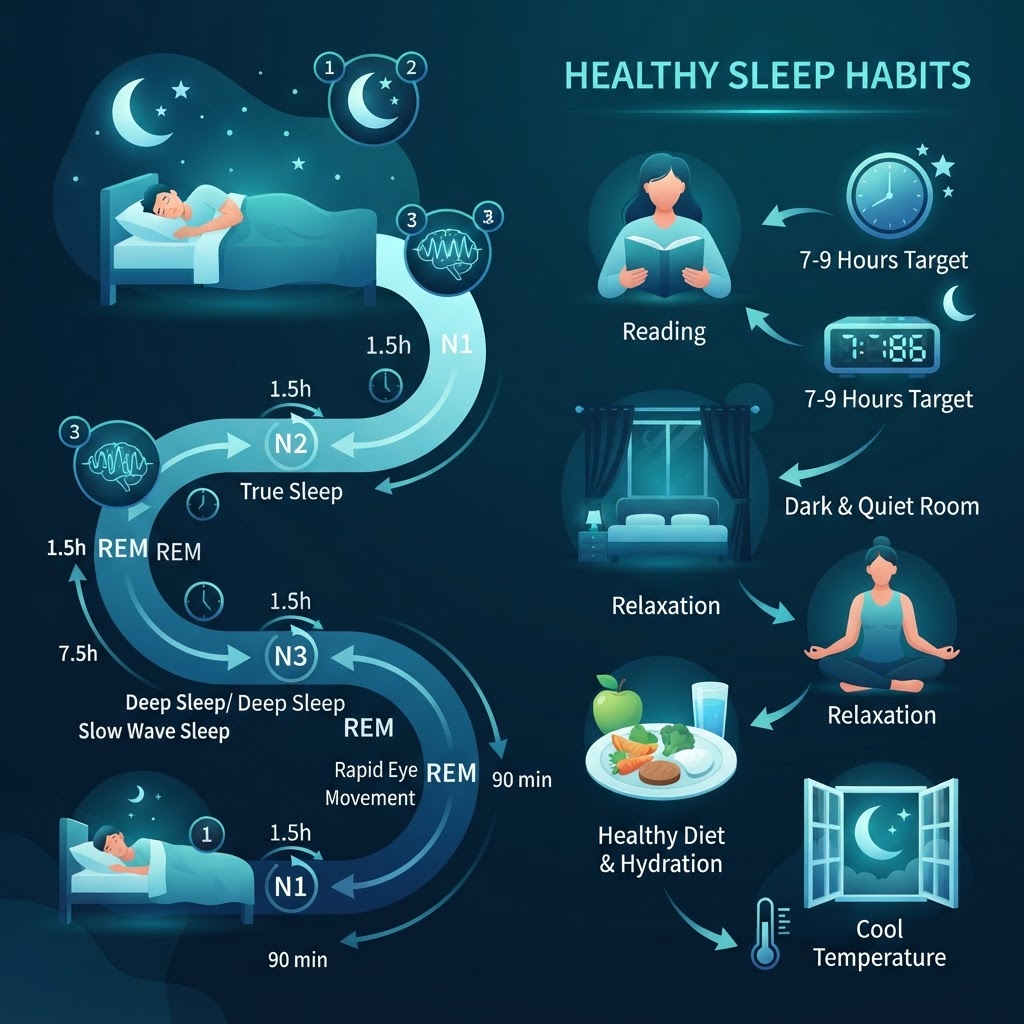
    Sleep apnea is a common sleep-related breathing disorder in which breathing repeatedly becomes reduced or stops during sleep. Because these events happen while a person is asleep, many people do not recognize them until a bed partner notices loud snoring, gasping, or pauses in breathing. Others first seek help because of persistent daytime fatigue, morning headaches, trouble concentrating, or mood changes.

    The condition is important, but it is also treatable. A diagnosis does not automatically mean that someone will need one particular device or treatment forever. The right plan depends on the type of sleep apnea, how often breathing events occur, symptoms, other health conditions, anatomy, sleep position, medications, and personal preferences. The first step is a proper evaluation rather than trying to diagnose the condition from snoring alone.

    Key Takeaways

    • Sleep apnea involves repeated reductions or pauses in breathing during sleep. Obstructive sleep apnea is the most common type, but central sleep apnea has a different mechanism.
    • Loud habitual snoring, witnessed pauses, gasping, morning headaches, dry mouth, daytime sleepiness, and concentration or mood changes are reasons to discuss symptoms with a clinician.
    • Diagnosis usually involves a sleep evaluation and, when appropriate, a home sleep apnea test or an overnight study in a sleep laboratory.
    • Treatment may include positive airway pressure, oral appliances, positional strategies, lifestyle changes, treatment of nasal problems, or selected procedures. The best option is individualized.
    • Untreated sleep apnea can affect alertness and quality of life and may be associated with other health problems. Do not drive when dangerously sleepy.

    What Is Sleep Apnea?

    During normal sleep, the body continues to regulate breathing automatically. In sleep apnea, breathing is interrupted or becomes too shallow often enough to disturb sleep and oxygen regulation. The person may briefly wake or move into a lighter stage of sleep to reopen the airway, sometimes without remembering the event the next morning. These repeated disruptions can prevent restorative sleep even when the total time in bed appears adequate.

    Sleep specialists use measures from a sleep study to describe breathing events. An apnea is a pause in airflow, while a hypopnea is a partial reduction in airflow accompanied by changes such as oxygen desaturation or an arousal, depending on the scoring rules used. The apnea-hypopnea index, or AHI, is one important measurement, but it is not the only factor that matters. Symptoms, oxygen patterns, sleep stage, body position, and the personโ€™s broader health all help clinicians interpret results.

    Snoring by itself does not prove that someone has sleep apnea, and a quiet sleeper can still have clinically important breathing events. This is one reason online symptom checklists are useful for recognizing a possible concern but cannot replace testing.

    The Main Types of Sleep Apnea

    Obstructive sleep apnea

    Obstructive sleep apnea occurs when the upper airway narrows or closes repeatedly during sleep. The muscles that help keep the throat open naturally relax during sleep. In some people, the tongue, soft tissues, jaw structure, nasal obstruction, or other anatomy leaves less room for airflow. The brain continues trying to breathe, but air movement is limited until the airway opens again. Snoring, choking sounds, and witnessed pauses are common clues, though not universal.

    Central sleep apnea

    Central sleep apnea occurs when the brainโ€™s breathing-control signals do not consistently activate the muscles responsible for breathing. It is different from an obstruction in the throat. Central events may be associated with certain medical conditions, high altitude, opioid medicines, or other factors. Because treatment can differ from treatment for obstructive sleep apnea, a formal assessment matters. A person should not assume that a device or strategy designed for obstruction is appropriate for every breathing pattern.

    Mixed or complex patterns

    Some people show both obstructive and central events. Breathing patterns can also change after treatment begins, which is why follow-up is important when symptoms persist or a device report suggests unresolved events. Sleep medicine teams can review the data and decide whether settings, equipment, or the diagnosis needs closer evaluation.

    Common Symptoms and Warning Signs

    Symptoms vary widely. Some people have obvious nighttime symptoms, while others mainly notice the consequences during the day. A bed partner, family member, or roommate may provide useful observations because the person affected may sleep through the breathing pauses.

    Possible nighttime clues Possible daytime clues Why it matters
    Loud or irregular snoring Sleepiness or unrefreshing sleep May suggest disrupted airflow or repeated arousals
    Gasping, choking, or witnessed pauses Morning headache or dry mouth Should prompt a clinical discussion
    Restless sleep or frequent awakenings Difficulty concentrating or irritability Can affect safety, work, and relationships
    Night sweats or repeated trips to the bathroom Low energy despite enough time in bed Have many possible causes and need context

    Daytime sleepiness deserves particular attention. People sometimes normalize dozing while reading, watching television, sitting quietly, or commuting. Falling asleep while driving or having near-misses is a safety warning, regardless of the cause. Until the problem is evaluated and controlled, avoid driving when drowsy and make a plan for safer transportation.

    Morning headaches can have many causes, including dehydration, migraine, teeth grinding, medication effects, and sleep disruption. Dry mouth may reflect mouth breathing or nasal obstruction. None of these symptoms is specific enough to diagnose sleep apnea alone, but a cluster of symptoms makes an appointment more worthwhile.

    Who Is More Likely to Develop It?

    Sleep apnea can affect adults of different ages, body sizes, and backgrounds. Risk may be higher with a family history, a narrower upper airway, certain jaw or facial structures, increasing age, menopause-related changes, nasal congestion, or conditions that affect muscle tone and breathing control. Higher body weight can increase risk for obstructive sleep apnea, but people in smaller bodies can also have it. Weight should never be used as the only screening factor.

    Children can develop sleep-disordered breathing as well. Enlarged tonsils or adenoids, nasal problems, craniofacial differences, and other factors may contribute. In children, clues can include restless sleep, mouth breathing, behavioral changes, difficulty paying attention, bedwetting, or growth concerns rather than obvious daytime sleepiness. Parents should discuss concerning patterns with a pediatric clinician rather than relying on adult symptom lists.

    Alcohol near bedtime and some sedating medicines can relax airway muscles or alter arousal responses. Opioid medicines can affect breathing control and deserve special discussion with the prescribing clinician. Never stop a prescribed medicine abruptly without medical guidance. A complete medication and substance history helps a sleep clinician interpret symptoms safely.

    Sleep Apnea vs. Ordinary Snoring

    Feature Snoring without confirmed apnea Possible sleep apnea
    Breathing Airflow continues, although noisy Pauses, shallow breathing, or repeated gasping may occur
    Sleep quality May be normal or mildly disrupted Often fragmented, sometimes with unrecognized arousals
    Daytime effects May be absent Sleepiness, headaches, poor concentration, or mood changes may occur
    Next step Discuss persistent or disruptive snoring Arrange clinical assessment and possible sleep testing

    The distinction cannot be made reliably by sound alone. A recording may show snoring, but it cannot determine the full breathing pattern or explain oxygen changes. If someone witnesses pauses followed by gasping, or if daytime sleepiness is significant, a clinician should evaluate the possibility of sleep apnea.

    How Sleep Apnea Is Diagnosed

    Evaluation begins with a medical and sleep history. A clinician may ask about bedtime, awakenings, snoring, witnessed events, naps, driving safety, medicines, alcohol, nasal symptoms, family history, and other health conditions. A physical examination may include the nose, mouth, throat, jaw, neck, heart, lungs, and signs of conditions that could affect breathing. Questionnaires can estimate risk, but they do not establish a diagnosis by themselves.

    A home sleep apnea test may be appropriate for some adults who have a high likelihood of uncomplicated obstructive sleep apnea. It generally records several signals overnight, such as airflow, breathing effort, oxygen saturation, and heart rate. Because it may not measure sleep directly and may miss some patterns, a negative or inconclusive result does not always end the evaluation when suspicion remains high.

    An in-laboratory polysomnogram records more signals and can be useful when symptoms are complex, another sleep disorder is possible, significant medical conditions are present, central events are suspected, or a home test does not answer the question. The clinician chooses the test based on the individual situation.

    Ask how the result will be interpreted and when follow-up will happen. Useful questions include: What type of breathing events were seen? How did oxygen levels behave? Did body position or sleep stage change the findings? What treatment options fit my symptoms and health history? How will we know whether treatment is working?

    Understanding Severity Without Fixating on One Number

    The AHI is commonly used to classify the frequency of apneas and hypopneas, but thresholds are not the entire story. Two people with a similar index can have different symptoms, oxygen patterns, blood-pressure concerns, sleep positions, or treatment needs. Some people feel very impaired with a lower event frequency, while others report fewer symptoms despite more frequent events.

    Result or observation What it can tell a clinician What it cannot tell by itself
    AHI or event frequency How often scored breathing events occurred The whole impact on a personโ€™s health or daily life
    Oxygen saturation pattern Whether drops or sustained changes occurred The cause of every oxygen change
    Sleep position Whether events are more common on the back Whether positional treatment will work for everyone
    Symptoms and function How sleep disruption affects daily life and safety The exact type of breathing disorder

    Treatment Options for Obstructive Sleep Apnea

    Positive airway pressure

    Positive airway pressure therapy uses a device and mask to help keep the airway open. Continuous positive airway pressure, commonly called CPAP, provides a steady pressure. Other modes may adjust pressure or support breathing in selected situations. The machine, mask, humidification, and settings should be matched and reviewed by a qualified team.

    Early comfort problems are common and often fixable. Mask leaks, dry nose, congestion, pressure marks, claustrophobia, and noise can improve with a different mask style, fit adjustment, heated humidification, nasal treatment, ramp settings, or coaching. Consistent use matters, and follow-up data can show whether events and leaks are controlled. Do not abandon treatment after one difficult night without asking for help.

    Oral appliance therapy

    A custom oral appliance can reposition the jaw or tongue to help maintain an open airway in appropriate adults. It may be considered when someone prefers an alternative to CPAP, cannot tolerate CPAP, or has a clinical profile in which it is suitable. A qualified dental professional working with a sleep clinician should fit and monitor the appliance. Jaw discomfort, bite changes, or tooth symptoms should be reported.

    Positional strategies

    Some people have substantially more events while sleeping on their back. Positional therapy may help when testing confirms a position-related pattern. Strategies range from behavioral reminders to specialized devices. The goal is not simply to force an uncomfortable position; it is to find a sustainable approach and confirm that breathing improves.

    Lifestyle and supportive measures

    Regular physical activity, a consistent sleep schedule, avoiding alcohol close to bedtime, addressing nasal obstruction, and gradual weight management when appropriate can support sleep health. These steps may improve symptoms or reduce risk, but they should not be presented as a guaranteed replacement for prescribed treatment. If weight changes are part of a plan, a clinician or registered dietitian can help make the approach safe and realistic.

    Procedures and surgery

    Selected procedures may be considered when anatomy, severity, and previous treatment attempts support them. Options can involve the nose, throat, jaw, or implanted stimulation systems in carefully selected cases. A specialist should explain expected benefits, limitations, recovery, and alternatives. Surgery is not a universal solution, and follow-up testing may still be needed.

    Treatment Comparison at a Glance

    Approach Potential advantages Important considerations
    Positive airway pressure Highly effective for many people when used correctly Requires regular use, mask fit, and follow-up
    Custom oral appliance Portable and less equipment-heavy for some adults Needs proper fitting and monitoring for jaw or bite effects
    Positional therapy May be simple for position-dependent obstruction Only appropriate when the pattern is confirmed and adherence is sustainable
    Lifestyle support Can improve overall sleep and health Usually works best as part of a broader plan, not a guaranteed cure
    Procedures May address selected anatomical or treatment barriers Benefits, risks, and candidacy vary substantially

    What About โ€œNaturalโ€ Remedies?

    People commonly search for exercises, supplements, essential oils, special pillows, mouth taping, or home remedies for sleep apnea. Some approaches may improve comfort or general sleep habits, but evidence and safety vary. A product marketed as a cure should be treated cautiously, especially when it promises to replace testing or proven treatment.

    Mouth taping deserves particular caution. It may be unsafe for people with nasal obstruction, vomiting risk, breathing disorders, or anxiety around restricted airflow, and it does not address every cause of sleep apnea. Supplements can interact with medicines and are not automatically safe because they are labeled natural. Discuss proposed remedies with a healthcare professional and do not delay evaluation for persistent symptoms.

    Sleep Apnea and Everyday Safety

    Sleepiness can slow reaction time, impair judgment, and increase the chance of errors. This matters at the wheel, at work, while caring for children, and when operating equipment. If you are struggling to stay awake while driving, stop in a safe place and arrange another way to travel. Caffeine may temporarily mask fatigue but does not reliably restore safe alertness.

    Partners can help by describing observed breathing pauses, gasps, movements, and timing. A short written sleep log can also record bedtime, awakenings, naps, headaches, and daytime sleepiness. These observations support a clinical conversation, but they should not be used to self-prescribe pressure settings or borrow someone elseโ€™s equipment.

    When to Seek Medical Advice Promptly

    Make a routine appointment if you have persistent loud snoring with daytime sleepiness, witnessed pauses, repeated gasping, morning headaches, or unrefreshing sleep. Seek advice sooner if symptoms affect driving, work, school, mood, or caregiving. People with heart or lung disease, neuromuscular conditions, opioid use, or other complex health issues should discuss concerning breathing symptoms with their medical team.

    Call emergency services for severe or sudden breathing difficulty, chest pain, fainting, confusion, blue or gray lips, or any other emergency warning sign. Sleep apnea is usually evaluated in a planned clinical setting, but an acute breathing emergency should never wait for a sleep appointment.

    Frequently Asked Questions

    Can you have sleep apnea without snoring?

    Yes. Snoring is common in obstructive sleep apnea but is not required. Some people have quiet breathing events, and others may sleep alone and never receive an observation from a partner. Daytime sleepiness, witnessed pauses, gasping, morning headaches, or unrefreshing sleep can still warrant evaluation.

    Is sleep apnea only caused by being overweight?

    No. Body weight is one possible risk factor, not a requirement. Airway anatomy, jaw structure, nasal obstruction, age-related changes, family history, hormones, medicines, and other health conditions can contribute. Weight stigma can delay diagnosis, so symptoms should be taken seriously in people of every body size.

    Can sleep apnea go away?

    It can change over time, and some people improve after addressing a contributing factor or receiving a procedure, but this should be confirmed rather than assumed. Stopping treatment without follow-up can allow symptoms to return. A clinician can decide whether repeat testing is appropriate after a major change in weight, anatomy, health, or treatment.

    Will I need CPAP forever?

    Some people use positive airway pressure long term, while others use a different treatment or later reassess after a meaningful change. The answer depends on the cause and response to treatment. It is safer to discuss changes with a sleep clinician than to stop because the machine feels inconvenient or symptoms seem better.

    Can a smartwatch diagnose sleep apnea?

    Consumer wearables may identify patterns that encourage someone to seek care, but they generally do not replace a validated sleep evaluation. Oxygen readings can be affected by movement, fit, skin contact, and device limitations. Bring relevant data to a clinician, but do not treat an app result as a diagnosis.

    What should I bring to a sleep appointment?

    Bring a list of medicines and supplements, information about alcohol or sedative use, a description of your sleep schedule, and observations from a bed partner if available. Note daytime sleepiness and any driving concerns. If you already have test or device reports, bring those as well.

    A Practical Next-Step Checklist

    1. Write down your main symptoms and when they occur.
    2. Ask a sleep partner or household member whether they have noticed pauses, gasping, or unusual movements.
    3. Schedule a healthcare appointment if symptoms persist or affect safety and daily function.
    4. Ask whether a home sleep test or laboratory study fits your situation.
    5. Use prescribed treatment consistently and report comfort problems rather than silently stopping.
    6. Review results and treatment data with the appropriate clinician.
    7. Protect sleep basics: a regular schedule, a comfortable environment, and caution with alcohol or sedating substances near bedtime.

    How to Prepare for Better Testing and Follow-Up

    A sleep study is more useful when the clinician understands what a typical night looks like. In the days before testing, keep your usual schedule as much as possible unless the sleep center gives different instructions. Avoid making an unusual effort to sleep perfectly, because the goal is to capture a representative pattern. Follow instructions about caffeine, alcohol, medicines, and equipment carefully, and ask before changing a prescribed medicine.

    Write down whether symptoms differ when you sleep on your back, side, or stomach. Note whether congestion, seasonal allergies, a recent illness, or travel changes your breathing. Also record whether a new medicine, sedative, pain medicine, or alcohol pattern began around the time symptoms appeared. These details do not diagnose sleep apnea, but they can help the clinician interpret a test and identify factors that may be modifiable.

    After testing, ask for an explanation in plain language. You can ask how many hours were recorded, whether the study captured enough sleep, whether events were obstructive or central, whether oxygen levels changed, and whether position or sleep stage influenced the result. If a home study is negative but symptoms remain convincing, ask whether another type of evaluation is appropriate. A single test should be interpreted in context.

    Making Treatment More Comfortable and Sustainable

    Adherence is not a character test. If a treatment is difficult to use, the solution is usually troubleshooting rather than blame. With positive airway pressure, the mask may be the wrong size or style, the pressure may need review, or the nose and mouth may need support. A clinician or equipment team can assess leaks, dryness, congestion, skin irritation, and pressure sensations. Small adjustments can make a major difference in whether treatment becomes part of a routine.

    Build a practical routine around the treatment. Keep supplies where you prepare for bed, clean equipment according to the manufacturerโ€™s instructions, and carry a backup plan when traveling. Do not use unapproved water, cleaning chemicals, or replacement parts that could damage equipment or affect health. Replace masks, filters, tubing, or other supplies according to the equipment providerโ€™s guidance and insurance rules, which vary by location.

    For an oral appliance, report jaw soreness, tooth movement, a changed bite, or difficulty opening the mouth. Follow-up can check whether the appliance remains effective and comfortable. For positional therapy, choose a method that you can use consistently and discuss persistent symptoms. For any treatment, improvement in how you feel is encouraging but does not prove that breathing events have resolved; objective follow-up may still matter.

    Related Health Factors to Discuss With a Clinician

    Sleep apnea often exists alongside other issues that influence sleep quality. Nasal allergies, chronic congestion, asthma, reflux, insomnia, restless legs, depression, anxiety, and irregular work schedules can coexist with breathing-related sleep disruption. Treating one problem may not resolve the others. A complete assessment avoids the trap of assuming every nighttime symptom has one cause.

    Blood pressure, heart rhythm concerns, diabetes, stroke history, and heart or lung disease may affect the urgency and type of evaluation. This does not mean that every person with sleep apnea will develop these conditions or that treating sleep apnea guarantees prevention. It means that sleep and overall health are connected enough to deserve coordinated care. Share relevant diagnoses and recent changes with the clinician arranging testing.

    Medication review is especially important. Opioids, sleep medicines, anti-anxiety medicines, antihistamines, and other sedating substances can affect alertness or breathing in different ways. Never stop a prescribed medicine suddenly or change the dose based on an online article. Ask the prescriber whether timing, alternatives, or additional monitoring should be considered.

    Common Misunderstandings About Sleep Apnea

    One misconception is that a person must wake up choking to have a meaningful problem. Many breathing events cause brief arousals that are not remembered. Another misconception is that a person who sleeps for eight hours cannot be sleep deprived. Repeated disruptions can reduce restorative sleep even when time in bed looks adequate.

    It is also a mistake to assume that a low oxygen reading from a consumer device proves sleep apnea. The reading may be inaccurate, and even an accurate change has several possible explanations. Conversely, a normal-looking consumer reading cannot reliably rule out sleep apnea. Clinical testing uses a broader set of signals and is interpreted with symptoms and medical history.

    Finally, treatment is not a competition between devices or a sign of personal failure. CPAP, oral appliances, positional approaches, lifestyle support, and procedures each have a place for selected people. The safest choice is the one supported by an appropriate evaluation and used consistently enough to help.

    Supporting a Household Member

    Sleep apnea affects more than the person having the breathing events. A partner may feel worried, lose sleep because of snoring, or be unsure how to help. A calm conversation can focus on shared goals: safer driving, better rest, and a respectful plan for medical evaluation. Avoid presenting observations as a diagnosis or using shame about snoring, weight, or treatment. If the person is dangerously sleepy, help arrange transportation and encourage prompt professional advice.

    Partners can also support practical treatment habits, such as protecting a consistent bedtime, keeping equipment supplies organized, and encouraging follow-up when symptoms or comfort problems continue. At the same time, treatment decisions belong to the patient and healthcare team. Support works best when it respects privacy, autonomy, and the fact that sleep disorders can be emotionally difficult to discuss.

    Keeping expectations realistic is helpful. Treatment may improve alertness gradually rather than overnight, especially when sleep debt, insomnia, medications, or another condition is also present. Tell the care team what improves and what does not. That feedback helps separate equipment problems from persistent disease and supports a safer, more individualized plan.

    Follow-up is part of care, not an optional extra. Symptoms, weight, nasal health, medicines, sleep position, and equipment use can change. Periodic review gives the clinician a chance to confirm benefit, address barriers, and decide whether additional testing is useful. Bring questions and honest information about how often treatment is used; accurate details lead to better decisions.

    Conclusion

    Sleep apnea is more than ordinary snoring. Repeated breathing disruptions can fragment sleep and contribute to daytime sleepiness, concentration problems, mood changes, and safety risks. Because symptoms overlap with many other conditions, the most useful path is a thoughtful clinical evaluation rather than a self-diagnosis based on one symptom or a consumer device.

    Effective options are available, and treatment can be adjusted when comfort or adherence is difficult. If you recognize the warning signs, especially witnessed pauses, gasping, dangerous sleepiness, or unrefreshing sleep, make a plan to discuss them with a qualified healthcare professional.

    Editorial note: HealthAuthorityLife Editorial Team articles are intended to support informed conversations with healthcare professionals. Medical information changes, and individual recommendations depend on personal history, examination, and testing.


  • Vitamin D Deficiency Symptoms: Signs, Causes, Testing, and Safe Treatment

    Vitamin D Deficiency Symptoms: Signs, Causes, Testing, and Safe Treatment

    ๐Ÿท๏ธ Category: Preventive Health

    Medical disclaimer: This article is for informational purposes only and does not constitute medical advice, diagnosis, or treatment. Vitamin D needs vary by person, and supplements can interact with medicines or be unsafe in some medical conditions. Talk with a qualified healthcare professional before starting a supplement, changing a medication, or treating suspected deficiency.

    Adult enjoying safe morning sunlight, representing vitamin D health

    Key Takeaways

    • Vitamin D supports bones, muscles, calcium absorption, and immune processes but is not a cure-all.
    • Low levels may cause no symptoms; aches and fatigue have many possible causes.
    • A 25-hydroxyvitamin D blood test is the appropriate diagnostic tool when indicated.
    • Food, fortified products, and clinician-guided supplements are safer than deliberate sunburn or tanning beds.
    • Excessive supplemental vitamin D can cause high calcium and kidney problems.
    • Risk factors include limited sun exposure, darker skin, older age, malabsorption, bariatric surgery, and certain medicines.

    What Is Vitamin D?

    Vitamin D deficiency is frequently discussed online, often through long symptom lists that make ordinary tiredness sound diagnostic. The reality is more useful and less dramatic: vitamin D supports bone mineralization, calcium absorption, muscle function, and several immune processes, but low levels may cause no symptoms and the same symptoms can come from many other conditions. A sensible approach combines risk factors, clinical history, appropriate testing, and a safe treatment plan.

    How Vitamin D Works in the Body

    Vitamin D is a fat-soluble nutrient that the body can make after ultraviolet B light reaches the skin. It also comes from a limited group of foods, fortified products, and supplements. The liver and kidneys convert it into active forms. Status therefore depends on season, latitude, skin pigmentation, age, clothing, sun protection, diet, digestion, liver function, kidney function, body composition, and medications. One sunny day or one supplement does not determine a personโ€™s health.

    Symptoms That May Be Linked to Deficiency

    Bone pain is one possible sign of significant deficiency, especially when the problem has affected mineralization for a long time. Adults may develop osteomalacia, which can cause diffuse aching or tenderness in the hips, pelvis, lower back, ribs, or legs. Yet pain is not specific to vitamin D. Arthritis, injury, osteoporosis-related fractures, infection, medication effects, and inflammatory disease can produce similar discomfort.Muscle weakness is another possible symptom. It may show up as difficulty climbing stairs, rising from a chair, carrying groceries, or maintaining balance. In older adults, weakness can contribute to falls. New, severe, or rapidly worsening weakness deserves medical assessment because neurological disease, thyroid problems, anemia, medication effects, and electrolyte disturbances are also possibilities.Fatigue is common among people with many health conditions, including sleep disorders, depression, anemia, thyroid disease, infection, chronic pain, medication side effects, and inadequate food intake. Some people with low vitamin D report fatigue, but fatigue by itself cannot diagnose deficiency. A clinician may consider a broader evaluation instead of assuming a supplement will solve the problem.Vitamin D participates in immune-system signaling, so researchers have studied whether low levels are associated with respiratory infections. Findings vary by population and study design. A supplement may help a person who is deficient, but it is not a guaranteed way to prevent colds, influenza, COVID-19, or other infections. Vaccination, sleep, hand hygiene, nutrition, and appropriate medical care remain important.Mood changes are sometimes included in online vitamin D checklists. Observational research has found associations between low levels and depression, but an association does not prove cause and effect. Vitamin D should not replace counseling, therapy, medication, crisis support, or evaluation for persistent sadness, loss of interest, hopelessness, anxiety, or thoughts of self-harm.Hair loss, slow wound healing, frequent illness, and weight gain are also commonly attributed to vitamin D online. These issues have broad differential diagnoses, including genetics, iron deficiency, thyroid disease, hormonal changes, autoimmune conditions, stress, and changes in appetite or activity. A vitamin D test may be reasonable in context, but symptoms alone are not proof.

    Severe Deficiency and Bone Disease

    In children, severe deficiency can cause rickets, which may affect bone growth and lead to bone pain, delayed growth, muscle weakness, or skeletal changes. In adults, severe deficiency can cause osteomalacia. These conditions need medical evaluation and a plan that may include vitamin D, calcium assessment, treatment of an underlying problem, and follow-up testing. They should not be managed with a random megadose.

    Testing and Diagnosis

    The standard blood test is serum 25-hydroxyvitamin D, written as 25(OH)D. It reflects vitamin D from sunlight, food, and supplements. Laboratories and organizations use somewhat different reference ranges. Many clinicians describe a result below about 20 ng/mL, or 50 nmol/L, as deficient, while interpretation around 20 to 30 ng/mL may depend on risk factors and the guideline used. Your clinician should interpret the result rather than an internet calculator.Routine testing is not necessary for every healthy adult. Testing may be useful when symptoms suggest bone disease, there is a substantial risk factor, a condition interferes with absorption, a person has a history of fractures, or a clinician needs to monitor treatment. The decision should consider what will change after the result. Testing without a plan can create confusion and unnecessary supplementation.

    Who Is at Higher Risk?

    People with limited sun exposure may be at higher risk, including those who work indoors, have mobility limitations, live through long winters, or wear clothing that covers most skin for cultural or medical reasons. Darker skin contains more melanin, which reduces vitamin D production from the same UVB exposure. Older adults may make less vitamin D in skin and may spend less time outdoors. Risk is not diagnosis; it is a reason to discuss prevention or testing.Fat-malabsorption conditions can interfere with vitamin D because it is fat-soluble. Examples include celiac disease, Crohnโ€™s disease, ulcerative colitis, pancreatic disorders, some liver diseases, and conditions after bariatric surgery. The treatment priority is both correcting the nutrient problem and managing the underlying digestive or metabolic condition. Follow the laboratory schedule from the relevant specialist or surgical team.Some medicines can affect vitamin D metabolism or absorption. Examples may include certain antiseizure medicines, glucocorticoids, and drugs that reduce fat absorption. Do not stop or alter a prescribed medicine because of an online article. Instead, provide a complete medication and supplement list to a pharmacist or clinician and ask whether monitoring is needed.

    Sunlight and Skin Safety

    Sunlight is not a predictable prescription. Production varies with latitude, season, cloud cover, pollution, time of day, skin type, age, clothing, and sunscreen use. There is no universal number of minutes that safely produces the right amount for everyone. Sunburn and intentional tanning increase skin-cancer risk. Tanning beds are not a safe vitamin D treatment.

    Foods That Provide Vitamin D

    Food is a practical way to support intake. Options may include salmon, sardines, trout, tuna, egg yolks, and some mushrooms exposed to ultraviolet light. Fortified milk, plant-based beverages, cereals, yogurt, and orange juice may contain vitamin D, but fortification varies by brand and country. Read the nutrition label. A dietitian can help people with allergies, vegan diets, kidney disease, or digestive conditions build a balanced plan.

    Supplements: D2, D3, and Dosing

    Supplements commonly contain vitamin D2, ergocalciferol, or vitamin D3, cholecalciferol. Both can raise blood levels. Some evidence suggests D3 may raise levels more effectively in certain settings, but the choice depends on the person, product, dietary preferences, availability, and treatment plan. Use one clearly labeled product and include combination supplements when calculating your total intake.For general adult intake, many guidelines cite 600 IU, or 15 micrograms, per day for adults through age 70 and 800 IU, or 20 micrograms, for adults over 70. Recommendations vary by country and situation. These are population-level intake references, not a personal prescription and not a treatment dose for documented deficiency. A clinician may prescribe a different short-term dose and arrange a repeat test.

    Risks of Too Much Vitamin D

    More is not always better. Vitamin D is stored in the body, and excessive supplemental intake can raise blood calcium. Possible toxicity symptoms include nausea, vomiting, constipation, thirst, frequent urination, dehydration, confusion, muscle weakness, kidney stones, and kidney injury. Toxicity generally comes from excessive supplements rather than ordinary sunlight. Seek medical help after a large accidental ingestion or concerning symptoms.

    Interactions and Precautions

    People with kidney disease, liver disease, kidney stones, high calcium, hyperparathyroidism, sarcoidosis, tuberculosis, lymphoma, or other calcium-metabolism problems should ask a clinician before supplementing. Extra care may be needed with thiazide diuretics, steroids, seizure medicines, digoxin, and medicines affecting fat absorption. This is not a complete interaction list, so a pharmacist is a useful safety check.

    Vitamin D and Bone Health

    Bone health is bigger than one vitamin. Adequate calcium, protein, resistance and weight-bearing activity, healthy hormones, not smoking, moderate alcohol use, vision care, balance training, and fall prevention all matter. Adults at fracture risk may need bone-density testing and a review of medicines. Correcting deficiency can support mineralization, but it does not reverse every form of osteoporosis.Vitamin D and calcium work together, but that does not mean everyone should take calcium pills. Many people can meet calcium needs through food, while unnecessary supplementation may be inappropriate for some individuals. Ask about dietary calcium, kidney history, fracture risk, and total intake before adding calcium to a vitamin D plan.

    Vitamin D, Weight, and Immune Health

    Weight and vitamin D are sometimes discussed as if one directly causes the other. People with obesity may have lower measured levels because vitamin D is distributed through a larger volume of body fat. Trials have not established vitamin D as a reliable weight-loss treatment. Sustainable nutrition, physical activity, sleep, behavioral support, and appropriate medical care are the evidence-based foundations of weight management.

    Pregnancy, Children, and Older Adults

    Pregnant and breastfeeding people should follow guidance from their obstetric or primary-care professional. Children need age-appropriate products and doses; adult high-dose capsules can be dangerous if accidentally swallowed. Keep supplements secured. After bariatric surgery, use the surgical teamโ€™s prescribed plan because routine over-the-counter dosing may not meet individual absorption needs.

    Preparing for a Healthcare Visit

    At an appointment, bring a symptom timeline, dietary restrictions, time spent outdoors, recent falls or fractures, family history of osteoporosis, and every medication and supplement. Ask whether testing is appropriate, whether calcium or other labs are needed, what dose is recommended, how long to use it, whether to take it with food, and when to repeat testing. Clear questions prevent accidental duplication.

    Myths Versus Evidence

    Common myth: everyone should take a high-dose supplement. In reality, people differ in baseline levels, absorption, metabolism, kidney function, and medication use. Common myth: symptoms prove deficiency. In reality, symptoms overlap with many conditions. Common myth: a sunburn is an efficient treatment. In reality, it is skin injury. Common myth: vitamin D replaces medical care. It does not.Common myth: vitamin D prevents every infection or cancer. Research is active, but supplements are not a universal prevention strategy. Use recommended screening, vaccines, and evidence-based treatment. Common myth: a normal result means bones are automatically healthy. Bone health also depends on calcium, activity, hormones, genetics, medications, and fall risk. A lab result is one piece of a larger assessment.

    Using Supplements Safely

    If treatment is recommended, follow the exact product and schedule. Do not add a second multivitamin, cod-liver-oil product, or calcium-plus-vitamin-D tablet without checking the combined amount. Store supplements away from children. Keep follow-up appointments, because a dose that is appropriate temporarily may not be appropriate indefinitely. If you miss a dose, follow the product instructions or ask a pharmacist rather than doubling automatically.

    When to Seek Prompt Care

    Persistent bone pain, a suspected fracture, inability to walk normally, severe weakness, confusion, repeated vomiting, or symptoms after taking a large supplement dose warrant prompt medical attention. Mental-health symptoms also deserve direct support rather than waiting for a vitamin test. A clinician can prioritize urgent problems while investigating nutritional or endocrine contributors.

    A Practical Long-Term Plan

    Vitamin D deficiency can often be corrected, but the reason matters. A person with seasonal low sun exposure may need a different plan from someone with malabsorption, kidney disease, or medication-related changes. Monitoring makes treatment safer. The goal is an appropriate level and better health outcomes, not the highest number possible.

    Practical checklist for suspected deficiency

    Start by writing down what prompted your concern. Note whether symptoms are new, persistent, worsening, or linked to activity. Record fractures, falls, digestive symptoms, dietary exclusions, and time outdoors. Then list medicines and supplements with labels. This information gives a clinician more value than a symptom score from social media.

    How to read a supplement label

    Check the serving size, vitamin D amount, units, and whether another ingredient already contains vitamin D. IU and micrograms are different units: 1 microgram equals 40 IU. Look for expiration information and reputable storage instructions. Avoid products that make guaranteed claims about curing disease, boosting immunity, or replacing treatment.

    Why follow-up matters

    A follow-up test may be used to see whether a prescribed plan worked, whether the level is now adequate, or whether another explanation needs attention. The timing depends on the starting result, dose, absorption, kidney function, and clinical condition. Do not repeat testing immediately and change doses repeatedly without guidance, because blood levels and treatment effects take time.

    Building a bone-friendly routine

    A realistic routine might combine a calcium-containing food, adequate protein, walking or another safe weight-bearing activity, two weekly strength sessions when appropriate, and a review of fall hazards at home. People with fractures, severe weakness, or major balance problems should receive individualized exercise advice before starting. Consistency matters more than a dramatic program.

    How clinicians weigh uncertainty

    Medical decisions rarely depend on a single number. A clinician considers symptoms, examination findings, risk factors, test reliability, kidney and liver status, other labs, medications, and what benefit treatment is likely to provide. This is why two people with the same vitamin D result may receive different recommendations. Individualized care is not inconsistency; it is risk-based decision-making.

    When a dietitian can help

    A dietitian can help someone meet vitamin D and calcium needs while managing lactose intolerance, vegan eating, food allergies, kidney disease, diabetes, or digestive symptoms. Food plans should be practical, culturally acceptable, and nutritionally balanced. Replacing meals with a supplement rarely addresses broader protein, fiber, and mineral needs.

    Seasonal planning

    People whose levels change with winter, indoor work, or travel can ask whether a seasonal plan makes sense. Do not automatically double a dose every winter. A clinician may recommend fortified foods, a standard maintenance amount, or testing based on risk. Safe outdoor activity can support overall health without deliberate sunburn or tanning.

    Protecting older adults

    For older adults, the most important outcome may be preventing falls and fractures. Review footwear, lighting, vision, balance, muscle strength, and medicines that cause dizziness or sedation. Vitamin D may be one part of a prevention plan, but it should not distract from home safety and strength training.

    A note about online certainty

    Search results often turn a possible association into a definite promise. Be cautious with claims that one nutrient cures fatigue, reverses autoimmune disease, melts fat, or guarantees infection prevention. Reliable health information explains limitations, identifies uncertainty, and encourages appropriate professional care. That standard protects readers from both neglecting a real deficiency and overdosing on supplements.

    What improvement should look like

    Improvement may mean a corrected blood level, fewer deficiency-related bone symptoms, better muscle function, or reduced risk in a documented condition. It may not mean every symptom disappears. If fatigue or pain persists after a vitamin D level improves, return to the clinician to look for other causes instead of escalating the supplement indefinitely.

    Comparison Table: Common Sources of Vitamin D

    Source Advantages Limitations
    Food Adds protein and other nutrients; no supplement toxicity from ordinary portions. Natural sources are limited; fortification varies.
    Safe outdoor activity Supports movement, mood, and general health. Vitamin D production is unpredictable; UV exposure carries skin risks.
    Standard supplement Convenient and measurable when appropriate. Dose errors, interactions, and duplication are possible.
    Clinician-supervised treatment Matches dose and monitoring to the individual. Requires assessment and follow-up.

    Frequently Asked Questions

    What are the first signs of vitamin D deficiency?

    There may be no symptoms. Possible symptoms include muscle weakness, fatigue, or bone and muscle aches, but testing is needed because these complaints are nonspecific.

    How long does correction take?

    It varies with the starting level, dose, absorption, cause, and consistency. Follow the prescribed schedule and repeat testing when advised.

    Can I take vitamin D every day?

    Many people can safely take an appropriate daily amount, but the right dose depends on health history, medications, diet, and other products.

    Should I take calcium with vitamin D?

    Not automatically. Ask a clinician to assess dietary calcium, fracture risk, kidney history, and total intake first.

    Does vitamin D prevent depression or cancer?

    Research is ongoing, but supplements should not be presented as guaranteed prevention or treatment. Use established screening and evidence-based care.

    Can children use adult vitamin D products?

    No. Children need age-appropriate products and doses. Keep all supplements secured to prevent accidental ingestion.

    Conclusion

    Vitamin D deficiency is important, treatable, and often misunderstood. Symptoms alone cannot confirm it, sunlight is not a precise prescription, and high-dose supplements are not automatically better. Consider risk factors, seek testing when it can guide care, use food and safe habits, and follow a clinician-guided plan when treatment is needed. Protect bone health with movement, adequate nutrition, fall prevention, and recommended screening. Vitamin D is one useful part of healthโ€”not a miracle solution.

    HealthAuthorityLife Editorial Team. Updated September 3, 2026. Guidance and reference ranges may vary by country and individual circumstances.

    Understanding Units and Reference Ranges

    Vitamin D results are commonly reported in either nanograms per milliliter or nanomoles per liter. To convert ng/mL to nmol/L, multiply by 2.5. Confusion can happen when a person compares a result from one laboratory with a result from another that uses different units or reference intervals. Always read the units printed beside your result and ask the ordering clinician what the result means in your situation. A number copied without its unit is incomplete information.

    Why Results Can Change

    Vitamin D levels can change with season, recent illness, weight change, supplement use, and differences between laboratory assays. A result is not a permanent label. If a test was taken while using a supplement, tell the clinician the product and dose. If a new result seems surprising, the next step may be a review of timing, adherence, laboratory method, and other health changes rather than immediately taking more.

    The Role of Calcium Balance

    The body tightly regulates calcium because nerves, muscles, the heart, and bones depend on it. Vitamin D helps the intestine absorb calcium, while parathyroid hormone and the kidneys help maintain balance. This explains why high-dose vitamin D can become dangerous: excessive absorption may raise calcium even if the person originally thought they were correcting a simple nutrient shortage. Calcium symptoms should be evaluated medically.

    Dietary Patterns That Support Bone Health

    A bone-supportive eating pattern can include vegetables and fruit, beans, whole grains, dairy or fortified alternatives, fish, eggs, nuts, seeds, and adequate protein. Variety matters because bones need more than vitamin D. People with kidney disease or other conditions may need limits on certain minerals, so a generic online diet should not override a renal or medical nutrition plan.

    Exercise Without Overdoing It

    Regular movement supports muscle strength, balance, and bone loading, but more is not always better. A sedentary person can begin with short walks and gradually increase duration. Strength exercises can use body weight, resistance bands, or supervised weights. Pain, dizziness, chest symptoms, or unusual shortness of breath are reasons to stop and seek advice. Training plans should reflect age, fitness, injuries, and medical conditions.

    Supplements and Quality Control

    Choose supplements from a reputable source and avoid products promising instant cures or extreme doses. Independent quality testing can provide additional confidence, but a quality seal does not make an excessive dose safe. Keep the original container so the ingredient list and lot information are available if a clinician needs to investigate a reaction. Report concerning adverse effects rather than silently continuing.

    What to Do With a Borderline Result

    A borderline result does not always require aggressive treatment. A clinician may review diet, sun exposure, medications, bone risk, symptoms, and seasonal timing, then recommend food changes, a modest maintenance amount, repeat testing, or no change. The appropriate response depends on expected benefit and potential harm. Treating a laboratory value without considering the person can lead to overtreatment.

    Family History and Prevention

    A family history of osteoporosis, hip fracture, or certain metabolic conditions can change the conversation about screening. Tell the clinician about fractures that occurred with minor falls, especially in parents or siblings. Prevention may include a bone-density scan, strength and balance work, smoking cessation, alcohol moderation, and medication review. Vitamin D is relevant, but it is not the entire prevention plan.

    Digestive Symptoms and Absorption

    Persistent diarrhea, oily stools, unexplained weight loss, bloating, or abdominal pain may point to a digestive condition that affects nutrient absorption. Do not mask those symptoms with supplements. A clinician can evaluate the underlying cause and decide whether additional testing is needed. People with diagnosed malabsorption may require different formulations or doses and more frequent monitoring.

    A Reasonable Maintenance Mindset

    After a documented deficiency is corrected, the goal often shifts from treatment to maintenance. Maintenance may involve food, a standard supplement, seasonal adjustment, or periodic monitoring. The plan should be written down so a temporary treatment dose is not accidentally continued forever. Recheck the plan whenever medications, pregnancy status, kidney function, diet, or major health conditions change.

    Reliable Questions to Ask Online

    When reading health information, ask whether the source distinguishes association from causation, cites mainstream clinical guidance, explains risks, identifies who should seek care, and avoids guaranteed outcomes. Be wary of testimonials, before-and-after claims, secret protocols, and products sold beside dramatic claims. Good information helps you make a safer next decision; it does not pretend to replace an examination.

    Putting the Plan Into Practice

    A simple plan might be: discuss risk factors at a routine appointment, test only if the result will guide care, review food sources, choose safe activity, use the recommended dose if supplementation is needed, record the product, and attend follow-up. This approach is less exciting than a megadose headline, but it is more likely to be safe, sustainable, and useful over time.

    Keeping a Health Record

    Keep a simple record of test dates, results with units, supplement names, doses, and relevant symptoms. This makes it easier to notice patterns and prevents duplicate products. Share the record at appointments, especially when seeing more than one clinician. A photograph of each label can be useful because formulations and serving sizes vary.

    Avoiding False Reassurance

    A normal vitamin D result does not rule out every cause of pain, tiredness, weakness, or mood change. Likewise, a low result may be one contributor rather than the whole explanation. Continue investigating persistent symptoms according to medical advice. Improvement should be judged by the complete clinical picture, not by the assumption that one nutrient explains everything.

    Safe Storage Matters

    Store vitamin D and multivitamins in their original containers, away from children and pets. Attractive gummy products can look like candy. If a child or adult takes an unknown amount, contact local poison-control or emergency services promptly and keep the container nearby. Do not wait for symptoms when a potentially toxic amount may have been swallowed.

    A Balanced Final Reminder

    The safest vitamin D advice is individualized and moderate. Use reliable food sources, protect your skin, avoid tanning beds, and discuss testing or supplements when risk factors make it worthwhile. A careful plan can support bones and muscles without turning a common nutrient into a source of unnecessary fear or false promises.

    Coordinating Care

    If several professionals are involved in your care, make sure each knows about the vitamin D plan. Primary-care clinicians, pharmacists, dietitians, specialists, and surgical teams may all see different parts of your history. Coordinating the plan reduces duplicate testing and accidental overlap between prescriptions, multivitamins, fortified drinks, and over-the-counter products. Bring an updated medication list to every appointment, and ask who will order follow-up testing and who should interpret the result. Clear ownership makes a good plan easier to follow and safer to maintain.

  • Anxiety Symptoms: Signs, Causes, and Evidence-Based Ways to Cope

    Anxiety Symptoms: Signs, Causes, and Evidence-Based Ways to Cope

    ๐Ÿท๏ธ Category: Mental Health

    HealthAuthorityLife Editorial Team | August 31, 2026

    Medical Disclaimer: This article is for informational purposes only and does not constitute medical advice, diagnosis, or treatment. Anxiety can be a serious health condition. Talk with a qualified healthcare professional about persistent, severe, or worsening symptoms. If you may hurt yourself or someone else, call emergency services. In the United States, call or text 988 for the Suicide & Crisis Lifeline.

    Person practicing calm breathing for anxiety and mental wellbeing

    Key Takeaways

    • Anxiety is a normal alarm response, but it may be an anxiety disorder when fear or worry is persistent, difficult to control, and interferes with daily life.
    • Symptoms can affect thoughts, emotions, behavior, sleep, digestion, breathing, muscles, and heart rate.
    • Helpful treatments include psychotherapy, lifestyle support, medication when appropriate, or a combination chosen with a clinician.
    • Slow breathing, regular movement, consistent sleep, reducing excess caffeine, and gradual exposure to avoided situations can support recovery.
    • Do not self-diagnose from an online checklist: medical conditions, medications, substances, and other mental-health conditions can look similar.
    • Urgent help is appropriate for chest pain, severe breathing difficulty, confusion, fainting, an immediate safety risk, or thoughts of suicide.

    What Is Anxiety?

    Anxiety is the mind and bodyโ€™s response to perceived danger, uncertainty, or threat. It can prepare you to act by increasing alertness, tightening muscles, and redirecting attention toward possible problems. Feeling nervous before an exam, medical appointment, presentation, flight, or difficult conversation is common. In many situations, anxiety fades after the event or once the uncertainty is resolved.

    Anxiety becomes more concerning when the alarm system activates frequently, stays switched on after the threat has passed, or begins to control a personโ€™s choices. Someone may spend hours anticipating bad outcomes, avoid ordinary activities, seek repeated reassurance, or struggle to sleep and concentrate. The issue is not that the person is weak or โ€œoverthinking.โ€ Anxiety involves interacting biological, psychological, social, and environmental factors, and it is treatable.

    There is no single anxiety experience. Some people feel a constant background of worry. Others notice sudden surges of fear, intense concern about social judgment, unwanted thoughts, or fear linked to a particular object or situation. A clinician looks at the pattern, duration, triggers, impairment, and possible physical causes before recommending treatment.

    Common Anxiety Symptoms

    Emotional and cognitive symptoms

    • Persistent worry that feels difficult to stop
    • Feeling on edge, restless, or unable to relax
    • Irritability or a shortened temper
    • Difficulty concentrating because attention keeps returning to threats
    • Expecting the worst even when evidence is limited
    • Feeling detached, unreal, or overwhelmed during intense anxiety
    • Repeatedly checking, seeking reassurance, or mentally reviewing conversations

    Worry is usually future-focused: โ€œWhat if something goes wrong?โ€ Anxiety can also create a strong urge to obtain certainty. Because absolute certainty is rarely possible, reassurance may provide temporary relief while strengthening the cycle over time. Effective treatment often helps people tolerate manageable uncertainty rather than trying to eliminate every uncomfortable thought.

    Physical symptoms

    • Racing or pounding heartbeat
    • Fast or shallow breathing
    • Chest tightness or a feeling of being unable to get a satisfying breath
    • Sweating, trembling, dizziness, or lightheadedness
    • Muscle tension, jaw clenching, headaches, or back pain
    • Nausea, stomach discomfort, diarrhea, or appetite changes
    • Fatigue, trouble sleeping, or waking during the night
    • Tingling, hot flashes, chills, or a feeling of weakness

    These symptoms are produced by the bodyโ€™s stress response and can feel frightening. They are not automatically proof that anxiety is the cause. New, severe, unusual, or persistent physical symptoms deserve medical evaluation, especially chest pain, fainting, severe shortness of breath, or symptoms that occur with exertion.

    When Does Anxiety Become an Anxiety Disorder?

    Clinicians generally consider whether anxiety is excessive relative to the situation, persistent, difficult to control, and impairing. โ€œImpairingโ€ can mean missing work or school, avoiding relationships, losing sleep, struggling with self-care, or spending substantial time managing fear. A person does not need to have every symptom on an internet list to deserve help.

    Diagnostic criteria are tools for trained professionals, not labels to apply independently. A primary-care clinician may ask about physical health, sleep, substances, medications, mood, trauma, and daily functioning. A mental-health professional may explore thought patterns, avoidance, panic, compulsions, and the situations in which symptoms appear.

    Pattern Typical focus When to seek help
    Everyday stress A specific challenge with recovery afterward If coping is not working or stress keeps accumulating
    Persistent worry Multiple areas of life and difficulty controlling worry When worry disrupts sleep, work, relationships, or health
    Panic-like episodes Sudden intense fear and physical alarm symptoms After a first episode or when fear of recurrence changes behavior
    Avoidance Situations, places, sensations, or social contact When avoidance limits ordinary activities or goals

    Types of Anxiety Conditions

    Generalized anxiety disorder

    Generalized anxiety disorder involves excessive worry about several areas of life, such as work, health, finances, family, or everyday responsibilities. The worry is often accompanied by restlessness, fatigue, tension, irritability, concentration problems, or sleep disruption. A clinician considers how long the pattern has been present and how much it interferes with functioning.

    Panic disorder

    Panic attacks are sudden periods of intense fear or discomfort that may include a racing heart, sweating, trembling, dizziness, nausea, or fear of losing control. A panic attack can occur with or without panic disorder. Panic disorder involves recurrent unexpected attacks and ongoing concern or behavior changes related to them. Medical evaluation is important because some physical conditions can produce similar symptoms.

    Social anxiety disorder

    Social anxiety disorder involves intense fear of being judged, embarrassed, rejected, or negatively evaluated in social or performance situations. People may avoid conversations, meetings, eating in front of others, dating, public speaking, or asking for help. It is more than ordinary shyness, and structured therapy can help people regain activities they have been avoiding.

    Phobias

    A specific phobia is a strong, persistent fear of a particular object or situation, such as heights, needles, animals, enclosed spaces, or flying. The fear can lead to significant avoidance. Carefully designed exposure therapy is commonly used; it is not the same as forcing someone into a frightening situation without support.

    Agoraphobia

    Agoraphobia involves fear or avoidance of situations where escape or help might feel difficult, such as public transportation, crowds, open spaces, enclosed spaces, or being outside alone. Some people develop it after panic-like experiences. Treatment often combines education, cognitive-behavioral strategies, and gradual supported exposure.

    Obsessive-compulsive disorder and trauma-related conditions

    Obsessions, compulsions, intrusive thoughts, flashbacks, and trauma reminders can involve anxiety, but they have distinct clinical features and treatments. Repetitive behaviors do not always indicate OCD, and not every intrusive thought represents a personโ€™s intentions or character. A clinician can distinguish these patterns and recommend appropriate care.

    What Can Cause or Worsen Anxiety?

    Anxiety rarely has one simple cause. Genetics can influence vulnerability, while brain chemistry, temperament, learned associations, stressful experiences, sleep disruption, chronic pain, and social conditions may all contribute. Financial insecurity, discrimination, caregiving demands, conflict, illness, isolation, and major transitions can keep the nervous system under pressure.

    Caffeine, nicotine, cannabis, alcohol, stimulants, decongestants, thyroid medicines, corticosteroids, and some other substances can change heart rate, sleep, or arousal. Alcohol may briefly dull anxious feelings but can worsen sleep and rebound anxiety as it leaves the body. Do not abruptly stop prescribed medication or heavy alcohol use without medical guidance.

    Medical conditions that can resemble or intensify anxiety include thyroid disorders, heart rhythm problems, respiratory disease, anemia, low blood sugar, hormonal changes, medication effects, and some neurological conditions. This does not mean anxiety symptoms are โ€œall in your head.โ€ It means a careful assessment protects you from missing a treatable physical contributor.

    How Anxiety Is Evaluated

    A good evaluation is a conversation, not just a score on a questionnaire. Bring a short record of symptoms: when they began, how often they occur, triggers, sleep, caffeine or substance use, medications and supplements, menstrual or hormonal changes if relevant, and what you avoid because of anxiety. Note whether symptoms happen at rest or with exertion and whether they are new or changing.

    Primary care may perform a physical examination and order tests when the history suggests a medical cause. Mental-health professionals may use validated screening tools to supportโ€”not replaceโ€”their assessment. Be honest about panic, alcohol or drug use, trauma, depression, self-harm thoughts, and functional impairment. These details help determine the safest treatment plan.

    Evidence-Based Treatment Options

    Psychotherapy

    Cognitive-behavioral therapy, often called CBT, is a well-studied treatment for several anxiety conditions. It can help a person identify unhelpful interpretations, test predictions, reduce avoidance, practice skills, and approach feared situations gradually. CBT is not forced positive thinking. It is a structured way to examine patterns and build more flexible responses.

    Exposure-based approaches are especially important for phobias, panic, social anxiety, and some obsessive-compulsive symptoms. Exposure is planned collaboratively, starts at a manageable level, and is repeated so the person can learn that anxiety can rise and fall without relying on avoidance or safety behaviors. Other therapies, including acceptance and commitment therapy, mindfulness-based approaches, interpersonal therapy, and trauma-focused treatments, may also be appropriate depending on the person and condition.

    Medication

    Medication decisions should be individualized with a qualified prescriber. Selective serotonin reuptake inhibitors and serotonin-norepinephrine reuptake inhibitors are commonly used for several anxiety disorders. They may take time to work and can cause side effects, so follow-up matters. Some people use other medicines depending on symptoms, medical history, interactions, pregnancy considerations, and treatment goals.

    Benzodiazepines can reduce acute anxiety quickly but carry risks including sedation, impaired coordination, tolerance, dependence, and withdrawal. They are not appropriate for everyone and should never be started, increased, or stopped without a prescriber. Avoid combining sedating medicines with alcohol or other substances unless a clinician specifically advises it.

    Combined treatment and follow-up

    Some people benefit from therapy, medication, or both. Treatment is not a contest between โ€œnaturalโ€ and โ€œmedicalโ€ approaches. The right plan balances effectiveness, safety, preference, access, cost, and coexisting conditions. If the first treatment is not helpful, tell the clinician. Adjusting the dose, changing the therapy approach, switching medicines, checking the diagnosis, or addressing sleep and substance use may improve results.

    Practical Strategies That Can Support Recovery

    Practice slow breathing

    When anxious, people often breathe quickly or shallowly, which can increase lightheadedness and sensations of panic. Try breathing gently rather than forcefully: relax your shoulders, inhale comfortably, and make the exhale a little longer than the inhale. Continue for one to three minutes. Stop if you feel worse, and seek medical advice for unexplained breathing symptoms.

    Move regularly

    Walking, cycling, swimming, strength training, yoga, and other enjoyable movement can support mood, sleep, and stress regulation. Start with a realistic amount, especially if you have been inactive. A short walk is still useful. Exercise is supportive care, not a replacement for evaluation or treatment when anxiety is severe.

    Protect sleep

    Keep a consistent wake time, dim bright screens before bed, use the bedroom mainly for sleep, and avoid using alcohol as a sleep aid. If worry starts at bedtime, write down concerns and one next step earlier in the evening. Persistent insomnia, loud snoring, gasping, or extreme daytime sleepiness deserves medical attention because sleep disorders can worsen anxiety.

    Review caffeine and other stimulants

    Caffeine can increase jitteriness, palpitations, and sleep problems in sensitive people. Track when you consume coffee, tea, energy drinks, pre-workout products, and certain medications. If you reduce caffeine, tapering may be more comfortable than stopping suddenly. Discuss nicotine, cannabis, alcohol, or stimulant use without judgment with a healthcare professional.

    Challenge avoidance gradually

    Avoidance reduces fear for a moment but can teach the brain that the situation was dangerous. With professional guidance, create a ladder from easier to harder steps. For social anxiety, that might progress from sending a message to making a short phone call to attending a small gathering. Repeat each step until it becomes more familiar, then move up. Do not use this approach to ignore genuine danger.

    Build predictable routines

    Regular meals, movement, medication timing, sleep, sunlight exposure, and social contact can reduce the chaos that feeds anxiety. Keep goals small enough to repeat. A routine should support life, not become another perfection rule.

    Limit reassurance loops and doomscrolling

    Repeated symptom searches, checking, news scrolling, and asking others for certainty can temporarily calm anxiety while reinforcing it later. Set specific times for checking reliable information, then return to an activity. If health anxiety is prominent, discuss the checking cycle with a therapist rather than trying to solve it through endless online research.

    Food, Supplements, and Anxiety

    No single food cures an anxiety disorder. A balanced eating pattern with adequate protein, fiber, fruits, vegetables, whole grains, and fluids supports general health and steadier energy. Skipping meals can produce sensations that resemble anxiety, such as shakiness or irritability, especially for people with certain medical conditions.

    Supplements deserve caution. Evidence for products marketed for anxiety is mixed, and โ€œnaturalโ€ does not mean risk-free. Herbal products can interact with prescriptions, affect the liver, change bleeding risk, or be contaminated. St. Johnโ€™s wort, for example, interacts with many medicines. Talk with a pharmacist or clinician before starting a supplement, particularly during pregnancy, breastfeeding, surgery planning, or treatment for another condition.

    Anxiety in Children, Teens, and Older Adults

    Children may show anxiety through stomachaches, headaches, irritability, clinginess, school refusal, nightmares, perfectionism, or repeated questions rather than saying โ€œI feel anxious.โ€ Teens may withdraw, avoid activities, have sleep changes, or use substances to cope. Listen calmly, avoid dismissing fears, and contact a pediatrician or qualified mental-health professional when symptoms persist or interfere with school, friendships, or family life.

    Older adults may experience anxiety alongside medical illness, pain, medication changes, grief, isolation, hearing loss, or sleep problems. New anxiety later in life deserves a medical review rather than being assumed to be โ€œjust aging.โ€ Treatment should account for fall risk, interactions, cognition, and other health conditions.

    Anxiety and Depression

    Anxiety and depression often occur together. Depression may involve persistent sadness, loss of interest, guilt, hopelessness, low energy, changes in sleep or appetite, or difficulty functioning. Anxiety can make depression feel more agitated, while depression can reduce the energy needed to face feared situations. Tell a clinician about both sets of symptoms because treatment planning may change.

    If you have thoughts of suicide, feel unable to stay safe, or have a plan or intent, seek immediate help. In the United States, call or text 988; elsewhere, contact your local crisis service or emergency number. If possible, stay with someone trustworthy and reduce access to means of harm while help is being arranged.

    Frequently Asked Questions

    Can anxiety go away on its own?

    Temporary anxiety often settles when a stressor passes. Persistent or impairing anxiety may continue without support, especially when avoidance, sleep loss, or substance use maintains the cycle. Early help can make recovery easier, and seeking care does not mean symptoms are permanent.

    What is the fastest way to calm anxiety?

    For a brief surge, move to a safer, quieter setting, relax tight muscles, breathe gently with a slightly longer exhale, name a few things you can see and feel, and contact someone supportive. If symptoms are new, severe, or medically concerning, do not assume they are anxietyโ€”seek urgent care.

    Can anxiety cause chest pain?

    Anxiety and panic can cause chest tightness or discomfort, but chest pain has many possible causes. Call emergency services for severe or new chest pain, pressure, fainting, difficulty breathing, sweating, or pain spreading to the arm, jaw, back, or neck. It is safer to be evaluated than to self-diagnose.

    Is anxiety a chemical imbalance?

    Anxiety is not explained by one simple chemical imbalance. Biology matters, but anxiety also reflects learning, stress, sleep, health, relationships, environment, and behavior. A complete explanation supports more complete treatment.

    Should I avoid everything that makes me anxious?

    Avoiding genuine danger is sensible. Avoiding ordinary, safe situations can make anxiety stronger over time. A therapist can help distinguish safety from anxiety-driven avoidance and plan gradual steps.

    Can exercise replace therapy or medication?

    Exercise can support anxiety recovery and overall health, but it may not be enough for moderate or severe symptoms, panic disorder, trauma-related symptoms, or major impairment. Use it as one part of a plan and discuss other options with a clinician.

    How long does anxiety treatment take?

    There is no single timeline. Some people notice early changes after learning skills; others need months of therapy, medication adjustments, or treatment for contributing conditions. Consistency, follow-up, and an accurate diagnosis matter more than a fixed deadline.

    Can I be anxious and still be healthy?

    Yes. Anxiety is a common human emotion and does not define your character or overall health. The important question is whether it is proportionate, manageable, and compatible with the life you want. Support is appropriate whenever anxiety is causing distress or limiting you.

    When to Get Professional Help

    Make an appointment if anxiety lasts for weeks, keeps returning, disrupts sleep, affects work or school, causes significant avoidance, leads to substance use, or makes relationships difficult. Seek prompt care for rapidly worsening symptoms, severe panic, inability to eat or sleep, or concerns about medication or withdrawal.

    Bring your symptom notes and a list of medicines, supplements, caffeine, nicotine, alcohol, and other substances. Ask what the likely diagnosis is, which treatments are recommended, how long they may take, what side effects to watch for, and when follow-up should happen. You are allowed to ask questions and seek a second opinion.

    The Bottom Line

    Anxiety is common, real, and treatable. It can show up as worry, avoidance, panic, tension, poor sleep, digestive symptoms, or an exhausted nervous system. The safest approach is not to label every uncomfortable sensation as anxiety, but also not to dismiss persistent symptoms as a personal failure. A healthcare professional can check for physical contributors, clarify the pattern, and help you choose evidence-based treatment.

    Start with one manageable step: schedule an appointment, tell someone you trust, take a short walk, reduce a stimulant, establish a steadier sleep routine, or practice a gentle breathing exercise. Recovery is usually built through repeated small actions and appropriate supportโ€”not through forcing yourself to feel calm all the time.

    HealthAuthorityLife Editorial Team. Reviewed for general health education on August 31, 2026. Medical guidance changes; consult a qualified healthcare professional for advice specific to you.

    A Simple Seven-Day Starting Plan

    If anxiety has been taking up more space than you want, a short starting plan can make the next step less abstract. This is not a cure or a substitute for care. It is a way to observe patterns and practice supportive habits without demanding perfection.

    Day Small action What to notice
    1 Write down symptoms, triggers, sleep, and caffeine Patterns rather than judgments
    2 Take a comfortable ten-minute walk Mood and body sensations before and after
    3 Practice gentle breathing for two minutes Whether the exhale feels comfortable
    4 Choose one avoided but safe, manageable task Anxiety before, during, and after
    5 Contact a healthcare professional or trusted person What support would make care easier
    6 Set a consistent wake time Energy and sleep pressure
    7 Review the week and choose two habits to continue What was realistic and useful

    Keep the plan flexible. A difficult day is information, not failure. If an exercise increases fear, dizziness, compulsive checking, or physical symptoms, pause and discuss it with a professional. People with heart, lung, neurological, or other medical conditions should ask their clinician how to approach exercise and breathing practices safely.

    How to Talk About Anxiety With Someone You Trust

    Many people delay help because they worry they will burden others or be misunderstood. A direct, specific conversation can be easier than explaining everything at once. You might say, โ€œI have been dealing with persistent worry and it is affecting my sleep. I do not need you to solve it, but I would appreciate help finding an appointment.โ€ You can also explain what is not helpful, such as being told to simply relax or being given alarming stories from the internet.

    If someone tells you they are anxious, listen without minimizing the experience. Ask whether they want practical help, company, or simply a chance to talk. Encourage professional support when symptoms are persistent or impairing. If they mention suicide, self-harm, or an inability to stay safe, take it seriously, stay with them if possible, and contact emergency or crisis services rather than promising secrecy.

    Questions to Ask at an Appointment

    • Could a medical condition, medication, supplement, or substance be contributing to these symptoms?
    • What anxiety pattern or diagnosis are you considering, and what else should be ruled out?
    • Which therapy approaches have the strongest evidence for my symptoms?
    • If medication is suggested, what benefits, side effects, interactions, and follow-up should I expect?
    • What should I do if symptoms suddenly worsen or I cannot sleep?
    • Are there local, telehealth, group, or lower-cost treatment options?
    • How will we measure progress beyond simply โ€œfeeling calmโ€?

    Good care is collaborative. You can discuss your preferences, cultural background, schedule, finances, previous treatment, and concerns about medication. If a plan is not helping, report that clearly and ask what should change. Finding an effective approach can take adjustment, but you do not have to navigate that process alone.

    Sources and Further Reading

    For reliable general information, consider resources from the National Institute of Mental Health, the National Alliance on Mental Illness, the American Psychological Association, the World Health Organization, and your countryโ€™s public-health service. These organizations provide educational material and pathways to care. Online information should complementโ€”not replaceโ€”a conversation with a qualified professional who knows your history.

    Be cautious with pages promising instant cures, guaranteed results, secret protocols, or expensive products presented as replacements for treatment. Anxiety can make certainty feel especially appealing, but responsible health information acknowledges limits, uncertainty, and individual differences.

    A Simple Seven-Day Starting Plan

    If anxiety has been taking up more space than you want, a short starting plan can make the next step less abstract. This is not a cure or a substitute for care. It is a way to observe patterns and practice supportive habits without demanding perfection.

    Day Small action What to notice
    1 Write down symptoms, triggers, sleep, and caffeine Patterns rather than judgments
    2 Take a comfortable ten-minute walk Mood and body sensations before and after
    3 Practice gentle breathing for two minutes Whether the exhale feels comfortable
    4 Choose one avoided but safe, manageable task Anxiety before, during, and after
    5 Contact a healthcare professional or trusted person What support would make care easier
    6 Set a consistent wake time Energy and sleep pressure
    7 Review the week and choose two habits to continue What was realistic and useful

    Keep the plan flexible. A difficult day is information, not failure. If an exercise increases fear, dizziness, compulsive checking, or physical symptoms, pause and discuss it with a professional. People with heart, lung, neurological, or other medical conditions should ask their clinician how to approach exercise and breathing practices safely.

    How to Talk About Anxiety With Someone You Trust

    Many people delay help because they worry they will burden others or be misunderstood. A direct, specific conversation can be easier than explaining everything at once. You might say, โ€œI have been dealing with persistent worry and it is affecting my sleep. I do not need you to solve it, but I would appreciate help finding an appointment.โ€ You can also explain what is not helpful, such as being told to simply relax or being given alarming stories from the internet.

    If someone tells you they are anxious, listen without minimizing the experience. Ask whether they want practical help, company, or simply a chance to talk. Encourage professional support when symptoms are persistent or impairing. If they mention suicide, self-harm, or an inability to stay safe, take it seriously, stay with them if possible, and contact emergency or crisis services rather than promising secrecy.

    Questions to Ask at an Appointment

    • Could a medical condition, medication, supplement, or substance be contributing to these symptoms?
    • What anxiety pattern or diagnosis are you considering, and what else should be ruled out?
    • Which therapy approaches have the strongest evidence for my symptoms?
    • If medication is suggested, what benefits, side effects, interactions, and follow-up should I expect?
    • What should I do if symptoms suddenly worsen or I cannot sleep?
    • Are there local, telehealth, group, or lower-cost treatment options?
    • How will we measure progress beyond simply โ€œfeeling calmโ€?

    Good care is collaborative. You can discuss your preferences, cultural background, schedule, finances, previous treatment, and concerns about medication. If a plan is not helping, report that clearly and ask what should change. Finding an effective approach can take adjustment, but you do not have to navigate that process alone.

    Sources and Further Reading

    For reliable general information, consider resources from the National Institute of Mental Health, the National Alliance on Mental Illness, the American Psychological Association, the World Health Organization, and your countryโ€™s public-health service. These organizations provide educational material and pathways to care. Online information should complementโ€”not replaceโ€”a conversation with a qualified professional who knows your history.

    Be cautious with pages promising instant cures, guaranteed results, secret protocols, or expensive products presented as replacements for treatment. Anxiety can make certainty feel especially appealing, but responsible health information acknowledges limits, uncertainty, and individual differences.

  • Cholesterol Levels Explained: What Your Numbers Mean and How to Improve Them

    Cholesterol Levels Explained: What Your Numbers Mean and How to Improve Them

    HealthAuthorityLife Editorial Team | August 2026

    Medical Disclaimer: This article is for informational purposes only and does not constitute medical advice. Always consult your healthcare provider before making changes to your diet, exercise, or treatment plan.

    Cholesterol levels and heart health

    Key Takeaways

    • Cholesterol is a waxy substance your body needs to build cells, but too much of the wrong type increases heart disease risk
    • A lipid panel measures four key numbers: total cholesterol, LDL, HDL, and triglycerides
    • LDL (“bad”) cholesterol should be below 100 mg/dL; HDL (“good”) should be above 40 for men and 50 for women
    • Diet, exercise, and lifestyle changes can improve cholesterol levels within 6-8 weeks
    • Statins and other medications are effective when lifestyle changes aren’t enough
    • Approximately 93 million American adults have cholesterol levels above healthy ranges
    • High cholesterol typically has no symptoms โ€” only a blood test can detect it

    What Is Cholesterol and Why Does It Matter?

    Cholesterol is a waxy, fat-like substance that travels through your bloodstream. Your body needs cholesterol to build cell membranes, produce hormones, and create vitamin D. Your liver produces about 80% of the cholesterol in your body, while the remaining 20% comes from your diet. When cholesterol levels are too high โ€” particularly the wrong type โ€” it builds up in your artery walls, forming plaque that narrows arteries and restricts blood flow. This process, called atherosclerosis, is the leading cause of heart attacks and strokes.

    According to the CDC, approximately 93 million American adults have total cholesterol levels above 200 mg/dL, which is the threshold for elevated risk. Despite these numbers, many people don’t know their cholesterol levels because high cholesterol produces no symptoms until it causes a serious cardiovascular event. A simple blood test โ€” called a lipid panel โ€” is the only way to know where you stand.

    The good news is that cholesterol is highly manageable. Diet, exercise, lifestyle changes, and medications can all effectively lower cholesterol and reduce cardiovascular risk. Understanding your cholesterol numbers is the first step toward protecting your heart health.

    The Four Numbers: Understanding Your Lipid Panel

    A standard lipid panel measures four components. Each tells a different part of the story about your cardiovascular health.

    1. Total Cholesterol

    Total cholesterol is the sum of all cholesterol in your blood. While it gives a general picture, it doesn’t tell you enough on its own because it includes both “good” and “bad” cholesterol. A healthy total cholesterol is below 200 mg/dL. Levels of 200-239 are borderline high, and 240+ is considered high.

    2. LDL Cholesterol (Low-Density Lipoprotein)

    LDL is often called “bad” cholesterol because it carries cholesterol to your arteries, where it can form plaque. The lower your LDL, the better. Optimal LDL is below 100 mg/dL. Near-optimal is 100-129. Borderline high is 130-159. High is 160-189. Very high is 190 or above. If you have existing heart disease or diabetes, your target may be below 70 mg/dL.

    3. HDL Cholesterol (High-Density Lipoprotein)

    HDL is called “good” cholesterol because it removes excess cholesterol from your bloodstream and carries it back to your liver for disposal. Higher HDL is better. For men, HDL should be 40 mg/dL or higher. For women, 50 or higher. HDL of 60 or above is considered protective against heart disease. Low HDL (below 40 for men, 50 for women) increases cardiovascular risk regardless of other numbers.

    4. Triglycerides

    Triglycerides are a type of fat in your blood, separate from cholesterol. High triglycerides often accompany low HDL and high LDL, creating a dangerous combination. Normal triglycerides are below 150 mg/dL. Borderline high is 150-199. High is 200-499. Very high is 500+. High triglycerides are strongly linked to obesity, diabetes, and metabolic syndrome.

    Lipid Optimal Borderline High
    Total Cholesterol Below 200 200-239 240+
    LDL (Bad) Below 100 130-159 160+
    HDL (Good) 60+ (protective) 40-59 Below 40 (men) / 50 (women)
    Triglycerides Below 150 150-199 200+

    What Causes High Cholesterol?

    Dietary Factors

    While dietary cholesterol has less impact on blood cholesterol than previously believed, saturated fats and trans fats significantly raise LDL levels. Saturated fats are found in red meat, full-fat dairy, butter, and tropical oils. Trans fats, found in some processed foods, are even worse โ€” they raise LDL while lowering HDL. The American Heart Association recommends limiting saturated fat to 6% of total daily calories.

    Genetics

    Genetic factors play a significant role. Familial hypercholesterolemia is an inherited condition that causes very high LDL levels from birth, affecting approximately 1 in 250 people. Even without this condition, your genetic makeup influences how your body processes cholesterol. If your parents had high cholesterol, you’re more likely to have it too.

    Lifestyle Factors

    A sedentary lifestyle lowers HDL and raises LDL. Smoking damages blood vessel walls, making them more susceptible to plaque buildup, and also lowers HDL. Excess weight, particularly abdominal fat, increases LDL and triglycerides while reducing HDL. Excessive alcohol consumption raises triglycerides.

    Medical Conditions

    Certain medical conditions can raise cholesterol: diabetes (high blood sugar damages artery linings and alters cholesterol metabolism), hypothyroidism, kidney disease, and liver disease. Some medications, including beta blockers, diuretics, and steroids, can also affect cholesterol levels.

    Age and Gender

    Cholesterol tends to rise with age as the liver’s ability to clear LDL decreases. Before menopause, women typically have lower LDL than men. After menopause, women’s LDL often rises, and their risk of heart disease increases. This makes post-menopausal cholesterol screening particularly important.

    How to Lower Cholesterol Naturally

    1. Eat More Soluble Fiber

    Soluble fiber binds to cholesterol in your digestive system and removes it from your body before it enters your bloodstream. Aim for 10-25 grams per day. Excellent sources include oats, barley, beans, lentils, apples, pears, berries, and Brussels sprouts. Studies show that adding 5-10 grams of soluble fiber daily can lower LDL by 5-11%.

    2. Choose Healthy Fats

    Replace saturated fats with unsaturated fats. Monounsaturated fats (olive oil, avocados, almonds, pecans) and polyunsaturated fats (walnuts, sunflower seeds, fatty fish) can lower LDL while maintaining HDL. Omega-3 fatty acids found in salmon, mackerel, sardines, and flaxseeds don’t lower LDL directly but reduce triglycerides and protect the heart.

    3. Add Plant Sterols and Stanols

    Plant sterols and stanols are compounds that block cholesterol absorption. Consuming 2 grams daily can lower LDL by 8-10%. They’re found in fortified foods (some margarines, orange juice, and yogurt) and as supplements. While fortified foods can help, getting sterols from whole plant foods is also beneficial.

    4. Exercise Regularly

    Regular exercise raises HDL while lowering LDL and triglycerides. Aim for at least 150 minutes of moderate aerobic exercise per week. Walking, cycling, swimming, and dancing all work. Resistance training twice weekly also improves cholesterol. Even a single exercise session can improve cholesterol levels for up to 24-48 hours.

    5. Lose Excess Weight

    Losing just 5-10% of body weight can significantly improve cholesterol. Weight loss reduces LDL by about 1 mg/dL for every kilogram (2.2 pounds) lost. It also raises HDL and lowers triglycerides. The combination of dietary changes and exercise is most effective for weight loss and cholesterol improvement.

    6. Quit Smoking

    Smoking lowers HDL and damages blood vessel walls. Quitting can raise HDL by up to 5 mg/dL within months and dramatically reduce cardiovascular risk. Within one year of quitting, your heart disease risk is half that of a smoker’s.

    7. Limit Alcohol

    While moderate alcohol (one drink for women, two for men) may slightly raise HDL, excessive drinking raises triglycerides and can damage the liver. If you don’t drink, don’t start for cholesterol purposes โ€” the risks outweigh the small potential benefit.

    Foods That Lower Cholesterol

    Food Key Benefit How Much
    Oats and barley Soluble fiber 1 cup daily
    Fatty fish (salmon) Omega-3s 2-3 servings/week
    Almonds and walnuts Healthy fats, sterols 1 oz (handful) daily
    Avocado Monounsaturated fat Half avocado daily
    Beans and lentils Soluble fiber, protein 3-4 servings/week
    Olive oil Monounsaturated fat 2 tbsp daily
    Dark chocolate (70%+) Flavanols 1 oz occasionally
    Green tea Catechins 2-3 cups daily
    Soy products Plant protein, sterols 2-3 servings/week

    Foods to Avoid or Limit

    • Red meat and processed meats โ€” high in saturated fat
    • Full-fat dairy โ€” butter, whole milk, cheese, cream
    • Tropical oils โ€” coconut oil and palm oil are high in saturated fat
    • Fried foods โ€” often contain trans fats and unhealthy cooking oils
    • Baked goods โ€” pastries, cookies, crackers often contain trans fats
    • Processed snacks โ€” chips, microwave popcorn with butter

    Medications for High Cholesterol

    When lifestyle changes aren’t sufficient, several medication classes can help:

    Statins

    Statins (atorvastatin, rosuvastatin, simvastatin) are the most prescribed cholesterol medication. They work by blocking an enzyme your liver uses to make cholesterol, reducing LDL by 30-50%. Statins also have anti-inflammatory effects that benefit heart health. They’re generally well-tolerated, though some people experience muscle aches. Rare side effects include liver enzyme elevation and diabetes risk.

    Bile Acid Sequestrants

    These medications bind to bile acids in your intestine, forcing your liver to use cholesterol to make more bile. They lower LDL by 15-30% but can cause constipation and bloating.

    Cholesterol Absorption Inhibitors

    Ezetimibe reduces cholesterol absorption from food, lowering LDL by 15-20%. It’s often combined with statins for a greater effect.

    PCSK9 Inhibitors

    These newer injectable medications dramatically lower LDL by 50-60%. They’re typically prescribed for people with genetic high cholesterol or those who can’t tolerate statins.

    Fibrates and Niacin

    These medications primarily target triglycerides and HDL rather than LDL. They may be added when triglycerides are very high or HDL is very low.

    How Often Should You Check Cholesterol?

    The American Heart Association recommends cholesterol screening starting at age 20, repeated every 4-6 years for healthy adults. More frequent screening is recommended for:

    • Men over 45 and women over 55
    • People with a family history of heart disease or high cholesterol
    • People who are overweight, have diabetes, or smoke
    • People already diagnosed with high cholesterol or heart disease
    • People taking cholesterol medications (to monitor effectiveness)

    Lifestyle Changes That Work Fast

    If you’ve just received high cholesterol results, here’s what you can do immediately:

    1. Start your day with oatmeal โ€” one bowl provides about 4 grams of soluble fiber
    2. Swap butter for olive oil โ€” every substitution helps
    3. Add a handful of nuts โ€” walnuts or almonds as a daily snack
    4. Walk 30 minutes daily โ€” start slow if needed, build gradually
    5. Replace red meat with fish twice weekly โ€” salmon or mackerel are best
    6. Add beans to your diet โ€” chili, salads, soups, or as a side dish
    7. Stop smoking โ€” benefits begin within weeks
    8. Limit alcohol โ€” stick to recommended guidelines

    Most people see improvements in their cholesterol within 6-8 weeks of consistent lifestyle changes. Recheck your levels after 3 months to assess progress.

    Frequently Asked Questions

    Can high cholesterol be reversed?

    Yes. Lifestyle changes can significantly reduce cholesterol levels within weeks. For some people, dietary and exercise changes alone are sufficient. Others may need medication. The key is consistent, sustainable changes rather than extreme diets.

    Is all cholesterol bad?

    No. Cholesterol is essential for life. It builds cell membranes, produces hormones, and helps create vitamin D. The problem is when LDL cholesterol is too high or HDL too low. The goal is balance, not elimination.

    Can children have high cholesterol?

    Yes. With rising childhood obesity, more children are being diagnosed with high cholesterol. The American Academy of Pediatrics recommends cholesterol screening for children with family history, overweight children, and those with other risk factors.

    Do eggs raise cholesterol?

    For most people, dietary cholesterol from eggs has minimal impact on blood cholesterol. One egg per day is safe for healthy adults. However, if you have diabetes or existing high cholesterol, limit eggs to 3-4 per week. The bigger concern is what you eat with eggs โ€” bacon, sausage, and buttered toast contribute more to cholesterol than the eggs themselves.

    How long does it take to lower cholesterol with diet?

    Most people see improvements within 6-8 weeks of consistent dietary changes. The DASH diet and Mediterranean diet have shown the best results. Combining diet with exercise accelerates improvement.

    Should I take cholesterol supplements?

    Some supplements show modest benefits: fish oil (lowers triglycerides), plant sterols (lower LDL), and garlic extract (small LDL reduction). However, supplements are not as effective as statins or comprehensive lifestyle changes. Always discuss supplements with your doctor.

    Can stress affect cholesterol?

    Chronic stress may raise cholesterol levels by increasing cortisol and promoting unhealthy behaviors like overeating, smoking, and skipping exercise. Stress management through meditation, exercise, and adequate sleep may help improve cholesterol.

    The Bottom Line

    Cholesterol management is one of the most effective ways to reduce your risk of heart disease and stroke. Know your numbers โ€” get a lipid panel, understand what they mean, and work with your healthcare provider to develop a plan. For most people, a combination of dietary changes, regular exercise, and healthy lifestyle habits can achieve significant improvements without medication. For those who need medication, today’s treatments are safe and effective.

    The most important step is getting tested. If you haven’t had a cholesterol test in the past year, schedule one today. High cholesterol is silent โ€” it doesn’t cause symptoms until it causes a heart attack or stroke. But when detected early, it’s one of the most manageable health conditions you can have.

    HealthAuthorityLife Editorial Team. This article reflects current medical consensus as of 2026. Always consult your physician for personalized medical advice.

    The Connection Between Cholesterol and Heart Disease

    Understanding how cholesterol leads to heart disease helps you appreciate why managing it matters. When LDL cholesterol levels are too high, the excess LDL particles penetrate the inner lining of your arteries (the endothelium). Once inside, they undergo oxidation โ€” a process similar to how butter turns rancid when exposed to air. Your immune system sees oxidized LDL as a threat and sends white blood cells to attack it.

    The white blood cells consume the oxidized LDL and become engorged with fat, transforming into “foam cells” that accumulate in the artery wall. This accumulation forms the beginning of plaque. Over years and decades, the plaque grows, narrowing the artery and reducing blood flow. If the plaque ruptures, a blood clot forms that can completely block the artery โ€” causing a heart attack if the blockage is in a coronary artery, or a stroke if it’s in an artery leading to the brain.

    This process takes decades, which is why high cholesterol in your 30s and 40s can cause heart attacks in your 50s and 60s. The earlier you manage cholesterol, the more you reduce your lifetime risk. Research shows that every 1% reduction in LDL cholesterol reduces heart disease risk by approximately 1-2%.

    The Mediterranean Diet for Cholesterol Management

    The Mediterranean diet is one of the most studied and effective dietary approaches for cholesterol management. It emphasizes: olive oil as the primary fat source, daily vegetables and fruits, whole grains, beans and legumes, nuts and seeds, fish 2-3 times per week, moderate dairy, limited red meat, and optional moderate red wine with meals.

    A landmark study called PREDIMED found that a Mediterranean diet reduced cardiovascular events by approximately 30% compared to a low-fat diet. For cholesterol specifically, the Mediterranean diet can lower LDL by 8-15% while raising HDL by 5-10% and reducing triglycerides by 10-20%. The diet works because it replaces saturated fats with unsaturated fats, increases fiber intake, and provides antioxidants that protect artery walls from inflammation.

    Adopting a Mediterranean diet doesn’t require moving to the Mediterranean. Simply shift your eating pattern: use olive oil instead of butter, eat fish twice a week instead of red meat, add beans and vegetables to your meals, snack on nuts instead of chips, and choose whole grains over refined. These small changes, sustained over time, significantly improve cholesterol and heart health.

    Understanding Cholesterol Ratios

    Beyond individual numbers, the ratio between them also matters. The most commonly used ratio is total cholesterol divided by HDL. A ratio below 3.5 is ideal; 3.5-5.0 is acceptable; above 5.0 indicates increased risk. Another important ratio is LDL to HDL, which should ideally be below 2.0 for people with heart disease risk factors.

    For example, if your total cholesterol is 180 and HDL is 60, your ratio is 3.0 โ€” excellent. But if your total cholesterol is 180 and HDL is 30, your ratio is 6.0 โ€” concerning, even though the total cholesterol looks fine. This is why looking at individual numbers alone can be misleading. Ask your doctor to interpret your full lipid panel, including ratios.

    Cholesterol and Other Health Conditions

    Diabetes

    People with diabetes often have a particularly dangerous cholesterol pattern called “diabetic dyslipidemia” โ€” high triglycerides, low HDL, and small dense LDL particles that are especially likely to form plaque. This is one reason diabetes dramatically increases heart disease risk. Managing blood sugar through diet, exercise, and medication also helps improve cholesterol patterns.

    Metabolic Syndrome

    Metabolic syndrome is a cluster of conditions โ€” high blood pressure, high blood sugar, excess abdominal fat, high triglycerides, and low HDL โ€” that together dramatically increase cardiovascular risk. If you have three or more of these, you have metabolic syndrome. Treatment involves comprehensive lifestyle changes addressing all components simultaneously.

    Kidney Disease

    Chronic kidney disease can alter cholesterol metabolism, leading to higher LDL and lower HDL. Conversely, high cholesterol can damage kidney blood vessels. Managing cholesterol is particularly important for people with kidney disease, who already face elevated cardiovascular risk.

    When to Consider Medication

    Lifestyle changes are the first line of treatment, but medication may be necessary when:
    Your LDL remains above 190 despite lifestyle changes
    You have existing heart disease or have had a heart attack or stroke
    You have diabetes and your LDL is above 70-100
    Your 10-year cardiovascular risk is calculated at 7.5% or higher
    You have familial hypercholesterolemia (genetic high cholesterol)

    If your doctor recommends statins, understand that they’re among the most studied and effective medications in history. Large clinical trials involving hundreds of thousands of patients show that statins reduce heart attacks by approximately 25-35% and strokes by 20-30%. For most people, statins are safe and well-tolerated. If you experience side effects, your doctor can adjust the dose or try a different medication.

    Never stop taking cholesterol medication without consulting your doctor. Stopping statins suddenly can cause a rebound increase in cholesterol and increase cardiovascular risk. If side effects bother you, discuss alternatives with your doctor rather than stopping on your own.

    Monitoring Progress: What to Expect

    After starting lifestyle changes or medication, your doctor will likely recheck your cholesterol in 6-12 weeks. This allows enough time for changes to take effect. If using medication, your doctor checks liver enzymes and cholesterol levels to ensure the medication is working and not causing side effects.

    Realistic expectations for lifestyle changes alone: LDL reduction of 10-20%, HDL increase of 5-15%, triglyceride reduction of 20-40%. With statin medication: LDL reduction of 30-50%. With combination therapy (statin plus ezetimibe): LDL reduction of 50-65%. With PCSK9 inhibitors: LDL reduction of 50-60% beyond statins.

    Remember that cholesterol management is lifelong. The changes you make now need to be sustained for decades to provide maximum benefit. Focus on building sustainable habits rather than pursuing extreme short-term interventions that you can’t maintain.

    Cholesterol Testing: What to Expect

    A lipid panel is a simple blood test. Your doctor may ask you to fast (avoid food and drink, except water) for 9-12 hours before the test, though some newer guidelines allow non-fasting tests. The blood draw takes just a few minutes and is done at a lab, hospital, or doctor’s office. Results are typically available within 1-3 days.

    In addition to the standard lipid panel, some doctors order advanced tests. These include: LDL particle size (small, dense particles are more dangerous), ApoB (a protein that carries LDL โ€” more predictive than LDL alone), Lp(a) (a genetic variant of LDL that’s particularly dangerous), and hs-CRP (high-sensitivity C-reactive protein, a marker of inflammation). These advanced tests can provide a more complete picture of cardiovascular risk, particularly for people with borderline standard results or family history of heart disease.

    Home cholesterol tests are available at pharmacies. These finger-prick tests provide results in minutes. While convenient, they’re generally less accurate than lab tests and may only measure total cholesterol. Use them for monitoring between lab tests, not as a replacement for professional testing.

    Cholesterol Myths vs Facts

    Myth: Eating eggs gives you high cholesterol

    Fact: For most people, dietary cholesterol from eggs has minimal impact on blood cholesterol. Your liver adjusts its own cholesterol production based on dietary intake. One egg per day is safe for healthy adults. The bigger concern is what accompanies eggs โ€” bacon, sausage, and buttered toast contribute more to cholesterol than eggs themselves.

    Myth: Only overweight people have high cholesterol

    Fact: Cholesterol is determined by genetics, diet, and lifestyle โ€” not just weight. Thin people can have high cholesterol due to genetic factors, while some overweight people have normal cholesterol. Don’t assume your cholesterol is fine based on your weight alone.

    Myth: If I exercise and eat well, I can’t have high cholesterol

    Fact: Even with excellent lifestyle habits, genetic factors can cause high cholesterol. Familial hypercholesterolemia affects 1 in 250 people and causes very high LDL regardless of lifestyle. If your cholesterol is high despite good habits, genetics may be the cause, and medication may be necessary.

    Myth: Statins are dangerous and should be avoided

    Fact: Statins are among the most studied medications in history, with decades of safety data from trials involving millions of patients. Side effects occur in a small percentage of users and are usually reversible. The cardiovascular benefits of statins far outweigh the risks for people who need them. If you experience side effects, your doctor can adjust the dose or switch medications โ€” don’t simply stop taking them.

    Myth: Coconut oil is healthy and doesn’t raise cholesterol

    Fact: Coconut oil is 82% saturated fat โ€” more than butter. It raises LDL cholesterol. Despite marketing claims, the American Heart Association recommends avoiding coconut oil. Use olive oil instead.

    Cholesterol and Diet: A Day-by-Day Approach

    Rather than trying to overhaul your entire diet at once, make one change per day. Here’s a one-week plan:

    Day Change Impact
    Monday Swap butter for olive oil Reduces saturated fat
    Tuesday Add oatmeal for breakfast 4g soluble fiber
    Wednesday Snack on almonds instead of chips Healthy fats, sterols
    Thursday Add a 30-minute walk Raises HDL
    Friday Eat fish for dinner Omega-3s reduce triglycerides
    Saturday Add beans to a meal More soluble fiber
    Sunday Replace red meat with chicken or fish Less saturated fat

    After one week, maintain these changes and add another set. Gradual changes are more sustainable than dramatic overhauls. After 6-8 weeks of consistent changes, recheck your cholesterol to measure progress.

    Special Populations and Cholesterol

    Children

    The American Academy of Pediatrics recommends cholesterol screening for all children between ages 9-11 and again at 17-21. Earlier screening is recommended for children with family history of high cholesterol, early heart disease, or who are overweight. If high cholesterol is detected in childhood, lifestyle changes are the first treatment, with medication reserved for severe cases.

    Pregnant Women

    Cholesterol naturally rises during pregnancy as the body needs it for fetal development. This is normal and doesn’t require treatment. However, if you have pre-existing high cholesterol, discuss management with your obstetrician, as some medications shouldn’t be taken during pregnancy.

    Older Adults

    For adults over 75, cholesterol management decisions should consider overall health, life expectancy, and medication tolerance. Some studies suggest that aggressive cholesterol lowering may have diminishing returns in very elderly patients, while others show continued benefit. Discuss your specific situation with your doctor.

    Final Thoughts on Cholesterol Management

    Managing cholesterol is a lifelong commitment, not a one-time fix. The habits you build today โ€” eating well, exercising regularly, not smoking, and getting regular checkups โ€” protect your heart for decades. The key is consistency, not perfection. An occasional dessert or missed workout won’t undo months of healthy habits. What matters is your overall pattern over time.

    Don’t let the complexity of cholesterol overwhelm you. Start with one change โ€” whether it’s switching to olive oil, adding a daily walk, or scheduling a cholesterol test. Every positive choice moves you toward better heart health. Your cholesterol numbers are not a verdict โ€” they’re information you can act on. Use that information to make changes that protect your heart and your future.

  • High Blood Pressure: Symptoms, Causes, and Natural Ways to Lower It

    High Blood Pressure: Symptoms, Causes, and Natural Ways to Lower It

    ๐Ÿท๏ธ Category: Heart Health

    Medical Disclaimer: This article is for informational purposes only and does not constitute medical advice. Always consult a qualified healthcare provider before making changes to your diet, exercise routine, or treatment plan.

    Key Takeaways

    • High blood pressure (hypertension) affects nearly half of all adults and often has no symptoms until it causes serious damage
    • Normal blood pressure is below 120/80 mmHg; anything above 130/80 is considered hypertension
    • Lifestyle changes including diet, exercise, and stress management can lower blood pressure naturally and effectively
    • The DASH diet has been clinically proven to reduce blood pressure within just two weeks
    • Medication may be necessary for some people โ€” always work with your doctor to find the right approach
    • Untreated hypertension increases risk of heart attack, stroke, kidney disease, and vision loss
    • Home blood pressure monitoring is one of the most effective ways to track and manage your condition
    Blood pressure monitoring and heart health

    What Is High Blood Pressure?

    High blood pressure, also known as hypertension, is a common condition in which the force of blood against your artery walls is consistently too high. Think of it like water running through a hose โ€” if the pressure is too high for too long, the hose can become damaged. In your body, this damage can affect your heart, brain, kidneys, and eyes.

    Blood pressure is measured in millimeters of mercury (mmHg) and recorded as two numbers. The first (top) number is systolic pressure, which measures the force when your heart beats. The second (bottom) number is diastolic pressure, which measures the force when your heart rests between beats. A reading of 120/80 mmHg means your systolic pressure is 120 and your diastolic pressure is 80.

    According to guidelines from major health organizations, normal blood pressure is below 120/80 mmHg. Elevated blood pressure ranges from 120-129 systolic with diastolic below 80. Stage 1 hypertension is 130-139 systolic or 80-89 diastolic. Stage 2 hypertension is 140 or higher systolic or 90 or higher diastolic. A hypertensive crisis โ€” requiring immediate medical attention โ€” is any reading above 180/120.

    Nearly half of all adults have high blood pressure, and many don’t even know it. That’s why hypertension is often called the “silent killer” โ€” it typically has no symptoms until it has already caused significant damage to your body. Regular blood pressure checks are the only reliable way to know where you stand.

    Blood Pressure Categories Explained

    CategorySystolic (mmHg)Diastolic (mmHg)What It Means
    NormalBelow 120Below 80Healthy range โ€” maintain current habits
    Elevated120-129Below 80Warning sign โ€” lifestyle changes needed
    Stage 1 Hypertension130-13980-89Requires monitoring and lifestyle changes
    Stage 2 Hypertension140+90+Requires medical evaluation and likely medication
    Hypertensive CrisisAbove 180Above 120Seek emergency medical care immediately

    What Causes High Blood Pressure?

    High blood pressure develops from a combination of genetic, environmental, and lifestyle factors. In about 90-95% of cases, the exact cause cannot be identified โ€” this is called primary or essential hypertension. In the remaining cases, an underlying condition causes the elevated pressure โ€” this is called secondary hypertension.

    Primary Hypertension Risk Factors

    Several factors increase your risk of developing primary hypertension. Age is a significant factor โ€” blood pressure tends to rise as arteries stiffen over time. Family history plays a strong role; if your parents had hypertension, you’re more likely to develop it. Race is also a factor, with research showing that people of African descent tend to develop hypertension earlier and with more severe complications.

    Diet is one of the most modifiable risk factors. High sodium intake is strongly linked to elevated blood pressure โ€” the recommended daily limit is 2,300 mg, but many adults consume 3,400 mg or more. Low potassium intake also contributes, as potassium helps balance sodium levels in your cells. Excessive alcohol consumption, smoking, and being overweight or obese all increase your risk significantly.

    Chronic stress can contribute to temporary spikes in blood pressure, and stress-related habits like overeating, smoking, or drinking alcohol can create sustained increases. A sedentary lifestyle is another major factor โ€” people who are physically inactive tend to have higher heart rates, which means the heart must work harder with each contraction, putting more force on artery walls.

    Secondary Hypertension Causes

    Secondary hypertension appears suddenly and causes higher blood pressure than primary hypertension. Common causes include obstructive sleep apnea, kidney disease, thyroid problems, and certain medications including birth control pills, decongestants, and over-the-counter pain relievers. If you’re diagnosed with secondary hypertension, treating the underlying condition often resolves the blood pressure issue.

    Symptoms of High Blood Pressure

    One of the most dangerous aspects of high blood pressure is that it typically produces no symptoms at all. Most people with hypertension feel completely fine โ€” they may have dangerously high readings without knowing it. This is why regular blood pressure screening is so critical, even if you feel healthy.

    When blood pressure reaches dangerously high levels โ€” typically above 180/120 mmHg โ€” some people may experience severe headaches, shortness of breath, nosebleeds, dizziness, chest pain, visual changes, or difficulty speaking. These symptoms constitute a hypertensive crisis and require immediate emergency medical attention. They can indicate that high blood pressure is causing damage to your organs right now.

    It’s important to understand that symptoms like headaches or dizziness are not reliable indicators of blood pressure. Many people with normal blood pressure experience headaches, and many people with severe hypertension have no headaches at all. The only way to know your blood pressure is to measure it.

    Health Risks of Untreated High Blood Pressure

    When left untreated, high blood pressure causes progressive damage throughout your body. The excessive force damages artery walls, making them more prone to plaque buildup (atherosclerosis), which narrows the arteries further and increases pressure even more โ€” a dangerous cycle.

    Heart Disease and Heart Attack

    High blood pressure forces your heart to work harder than normal, causing the heart muscle to thicken (left ventricular hypertrophy). Over time, the thickened muscle becomes stiff and less effective at pumping blood. This can lead to heart failure, where the heart can no longer pump enough blood to meet your body’s needs. Hypertension also accelerates coronary artery disease by damaging the inner lining of blood vessels, making them more susceptible to plaque buildup. When a plaque ruptures, it can block blood flow entirely, causing a heart attack.

    Stroke

    Hypertension is the leading risk factor for stroke. It can cause strokes in two ways: by damaging blood vessels in the brain, making them more likely to rupture (hemorrhagic stroke), or by promoting the formation of blood clots that travel to the brain (ischemic stroke). Even moderately elevated blood pressure increases stroke risk significantly. Research has shown that every 10 mmHg reduction in systolic blood pressure reduces stroke risk by approximately 30%.

    Kidney Damage

    Your kidneys filter waste from your blood through tiny blood vessel clusters called glomeruli. High blood pressure damages these delicate vessels, reducing kidney function over time. Eventually, this can lead to chronic kidney disease or kidney failure, requiring dialysis or a transplant. Conversely, kidney disease can also cause high blood pressure, creating a vicious cycle.

    Vision Loss

    The blood vessels in your eyes are extremely small and sensitive to pressure changes. Hypertension can damage these vessels, leading to a condition called hypertensive retinopathy. This can cause blurred vision or complete vision loss. In some cases, fluid buildup under the retina (choroidopathy) or optic nerve damage (optic neuropathy) can occur.

    Cognitive Decline

    Emerging research has linked high blood pressure to cognitive decline and dementia. The damage to blood vessels in the brain can reduce blood flow to brain tissue, causing small strokes that accumulate over time. This vascular dementia is the second most common form of dementia after Alzheimer’s disease. Studies suggest that controlling blood pressure in midlife may significantly reduce the risk of cognitive decline later in life.

    How to Lower Blood Pressure Naturally

    The good news is that lifestyle changes can have a powerful effect on blood pressure โ€” often as effective as medication. In some cases, lifestyle modifications alone can bring blood pressure back to the normal range without the need for drugs. Here are the most evidence-backed natural approaches.

    1. Follow the DASH Diet

    The Dietary Approaches to Stop Hypertension (DASH) diet is specifically designed to lower blood pressure. It emphasizes fruits, vegetables, whole grains, lean proteins, and low-fat dairy while limiting saturated fats, cholesterol, and sodium. Studies have shown the DASH diet can lower systolic blood pressure by 8-14 mmHg within just two weeks. The diet is rich in potassium, calcium, and magnesium โ€” minerals that help blood vessels relax and reduce pressure.

    A typical day on the DASH diet includes 6-8 servings of grains (preferably whole grains), 4-5 servings of vegetables, 4-5 servings of fruit, 2-3 servings of low-fat dairy, 6 or fewer ounces of lean meat or fish, 2-3 servings of fats and oils, and 4-5 servings per week of nuts, seeds, and legumes. Sweets should be limited to 5 or fewer servings per week.

    2. Reduce Sodium Intake

    Sodium is one of the most significant dietary factors affecting blood pressure. When you consume too much sodium, your body retains extra water to dilute it, increasing blood volume and therefore pressure. The American Heart Association recommends no more than 2,300 mg of sodium per day, with an ideal limit of 1,500 mg for most adults, especially those with high blood pressure.

    To reduce sodium, avoid processed and restaurant foods, which account for about 70% of the sodium in most diets. Read nutrition labels carefully โ€” anything with 400 mg or more of sodium per serving is considered high. Choose fresh or frozen vegetables over canned, use herbs and spices instead of salt for flavoring, and rinse canned foods to remove excess sodium.

    3. Increase Potassium-Rich Foods

    Potassium helps your body eliminate excess sodium and relaxes blood vessel walls, both of which lower blood pressure. The recommended daily intake is 3,500-4,700 mg. Excellent sources include bananas, sweet potatoes, spinach, avocado, white beans, yogurt, and tomatoes. However, if you have kidney disease, talk to your doctor before increasing potassium intake, as your kidneys may not be able to process it properly.

    4. Maintain a Healthy Weight

    Carrying excess weight forces your heart to work harder to pump blood through your body, increasing pressure on artery walls. Even a modest weight loss of 5-10% of your body weight can significantly reduce blood pressure. For every kilogram (2.2 pounds) of weight lost, systolic blood pressure typically drops by about 1 mmHg. The most effective approach combines dietary changes with regular physical activity.

    5. Exercise Regularly

    Regular physical activity strengthens your heart, allowing it to pump blood with less effort. This reduces the force on your arteries, lowering blood pressure. Aim for at least 150 minutes of moderate aerobic exercise per week โ€” about 30 minutes a day, five days a week. Activities like brisk walking, cycling, swimming, and dancing are all effective. Resistance training twice a week can also help. Studies show that regular exercise can lower blood pressure by 5-8 mmHg.

    Even a single exercise session can lower blood pressure for up to 22 hours afterward. This is called post-exercise hypotension. The key is consistency โ€” it’s better to walk for 20 minutes every day than to do an intense workout once a week. If you’re new to exercise, start slowly and gradually increase intensity and duration.

    6. Limit Alcohol Consumption

    While a small amount of alcohol may have a modest protective effect on heart health, excessive drinking raises blood pressure significantly. Heavy drinking โ€” defined as more than two drinks per day for men or one for women โ€” can increase systolic blood pressure by 5-10 mmHg. If you drink, limit consumption to no more than one drink per day for women and two for men. One drink equals 12 ounces of beer, 5 ounces of wine, or 1.5 ounces of spirits.

    7. Quit Smoking

    Each cigarette you smoke temporarily increases blood pressure for several minutes after you finish. Over time, the chemicals in tobacco smoke damage the lining of your blood vessels, causing inflammation and plaque buildup that permanently narrow arteries. Quitting smoking is one of the single most effective things you can do for your blood pressure and overall cardiovascular health. Within just one year of quitting, your heart disease risk drops by half.

    8. Manage Stress

    Chronic stress keeps your body in a constant fight-or-flight state, producing hormones like cortisol and adrenaline that constrict blood vessels and raise heart rate. While the direct link between stress and long-term hypertension is still being studied, stress clearly contributes to blood pressure spikes and unhealthy coping behaviors like overeating, smoking, and drinking.

    Effective stress management techniques include deep breathing exercises, meditation, yoga, progressive muscle relaxation, and spending time in nature. Even 10 minutes of deep breathing per day has been shown to lower blood pressure. Apps and online videos can guide you through these practices. The key is finding something you enjoy and can sustain long-term.

    9. Get Enough Sleep

    Your blood pressure naturally dips during sleep. People who sleep fewer than six hours per night tend to have higher average blood pressure than those who sleep seven to eight hours. Poor sleep quality, including sleep apnea, is particularly damaging. If you snore heavily or feel exhausted despite a full night’s sleep, talk to your doctor about sleep apnea screening โ€” treating it can dramatically lower blood pressure.

    10. Consider Natural Supplements

    Several natural supplements have shown promise for blood pressure management, though they should never replace prescribed medication without your doctor’s approval. Magnesium supplements (200-400 mg daily) may help relax blood vessels. Coenzyme Q10, garlic extract, fish oil (omega-3 fatty acids), and hibiscus tea have all shown modest blood pressure-lowering effects in studies. Always discuss supplements with your doctor, as some can interact with medications.

    Foods That Help Lower Blood Pressure

    FoodKey NutrientsHow It Helps
    Leafy greens (spinach, kale)Potassium, magnesiumHelps kidneys filter sodium; relaxes vessels
    BananasPotassiumCounteracts sodium effects; reduces pressure
    Berries (blueberries, strawberries)Antioxidants, flavonoidsReduces inflammation in blood vessels
    OatsSoluble fiber, beta-glucanImproves blood vessel function
    Salmon and fatty fishOmega-3 fatty acidsReduces inflammation; lowers blood pressure
    GarlicAllicinIncreases nitric oxide; relaxes vessels
    Dark chocolate (70%+ cacao)FlavanolsImproves blood vessel dilation
    BeetsNitratesConverted to nitric oxide; lowers pressure
    PistachiosHealthy fats, potassiumReduces vascular constriction
    PomegranateAntioxidants, polyphenolsProtects blood vessel lining
    Lentils and legumesProtein, fiber, potassiumSupports overall heart health
    Low-fat yogurtCalcium, probioticsLinked to lower blood pressure in studies

    Foods to Avoid with High Blood Pressure

    Just as some foods help lower blood pressure, others can raise it. Being mindful of what to limit or avoid is equally important for managing hypertension. The biggest culprit is sodium, which hides in many processed and restaurant foods.

    • Processed meats (bacon, sausage, deli meat) โ€” extremely high in sodium
    • Canned soups โ€” a single serving can contain 800+ mg of sodium
    • Frozen meals โ€” often contain 1,000+ mg of sodium per serving
    • Pickled foods โ€” pickling brine is essentially salt water
    • Salty snacks (chips, pretzels, crackers) โ€” obvious high-sodium offenders
    • Fast food โ€” combination of high sodium, trans fats, and refined carbs
    • Canned vegetables (unless labeled low-sodium or rinsed thoroughly)
    • Soy sauce and condiments โ€” just one tablespoon of soy sauce has 1,000+ mg sodium
    • Sugary drinks โ€” linked to higher blood pressure independent of sodium
    • Excessive caffeine โ€” can cause temporary blood pressure spikes

    How to Monitor Blood Pressure at Home

    Home blood pressure monitoring is one of the most effective tools for managing hypertension. It helps you track your progress, identify patterns, and provide valuable data to your doctor. Studies show that people who monitor at home have better blood pressure control than those who only get checked at the doctor’s office.

    To get accurate readings, use an upper-arm monitor rather than a wrist or finger device โ€” they’re less accurate. Measure at the same time each day, ideally morning and evening. Sit quietly for 5 minutes before measuring, with your feet flat on the floor and your arm supported at heart level. Don’t talk during the measurement. Take two readings one minute apart and record the average. Bring your log to doctor appointments.

    Avoid caffeine, exercise, and smoking for at least 30 minutes before measuring. Use the bathroom first โ€” a full bladder can raise blood pressure by up to 10 points. Make sure the cuff fits properly โ€” a too-small cuff will give falsely high readings. When in doubt, bring your monitor to your doctor’s office to compare readings and ensure accuracy.

    When to See a Doctor

    Every adult should have their blood pressure checked at least once a year, or more frequently if you have risk factors. If your readings consistently show 130/80 or higher, schedule an appointment with your healthcare provider. They may recommend lifestyle changes, medication, or further testing depending on your numbers and overall health.

    Seek immediate emergency medical care if your blood pressure reads 180/120 or higher AND you have symptoms such as chest pain, shortness of breath, severe headache, visual changes, difficulty speaking, or numbness. This could indicate a hypertensive emergency that requires immediate treatment to prevent organ damage.

    Even without symptoms, readings above 180/120 warrant contacting your doctor promptly. They may adjust medications or want to evaluate you for secondary causes of hypertension.

    Medications for High Blood Pressure

    When lifestyle changes aren’t enough to bring blood pressure into a healthy range, your doctor may prescribe medication. There are several classes of blood pressure medications, each working differently. It’s common to need two or more medications to achieve target blood pressure.

    Medication ClassHow It WorksCommon Examples
    DiureticsRemoves excess water and sodiumHydrochlorothiazide, furosemide
    ACE inhibitorsBlocks formation of vessel-narrowing hormoneLisinopril, enalapril
    ARBsBlocks action of vessel-narrowing hormoneLosartan, valsartan
    Calcium channel blockersPrevents calcium from entering heart/vesselsAmlodipine, diltiazem
    Beta blockersReduces heart rate and cardiac outputMetoprolol, atenolol
    Alpha blockersReduces nerve impulses to vesselsDoxazosin, prazosin
    Renin inhibitorsSlows production of renin enzymeAliskiren

    Never stop taking blood pressure medication without consulting your doctor, even if your readings improve. Suddenly stopping can cause a dangerous rebound spike. If you experience side effects like dizziness, fatigue, or dry cough, your doctor can adjust the dose or switch you to a different medication. Finding the right medication or combination often takes some trial and error.

    Creating a Blood Pressure Management Plan

    Successfully managing high blood pressure requires a comprehensive, long-term approach. Start by knowing your numbers โ€” measure regularly and keep a log. Work with your doctor to set a target blood pressure goal, which is typically below 130/80 for most adults, though your specific target may differ based on your health history.

    Next, identify which lifestyle changes will have the biggest impact for you. If your sodium intake is high, focus on reducing processed foods. If you’re inactive, start a walking program. If you’re stressed, learn relaxation techniques. Don’t try to change everything at once โ€” pick one or two areas to focus on, build those habits, then add more.

    If medication is prescribed, take it consistently and track your readings to see how well it’s working. Keep all follow-up appointments and be honest with your doctor about any challenges โ€” side effects, cost concerns, or difficulty remembering doses. There are many options available, and your doctor can work with you to find the right fit.

    Special Considerations

    Pregnancy and Blood Pressure

    Some women develop high blood pressure during pregnancy. Gestational hypertension develops after 20 weeks of pregnancy in women who previously had normal blood pressure. Preeclampsia is a more serious condition that includes high blood pressure plus signs of organ damage, typically affecting the liver or kidneys. Both conditions require careful medical monitoring. If you’re pregnant or planning pregnancy, discuss blood pressure management with your obstetrician.

    Older Adults

    Blood pressure tends to increase with age as blood vessels become stiffer. Isolated systolic hypertension โ€” where only the top number is elevated โ€” is common in older adults. Treatment is equally important in this population, as it significantly reduces the risk of stroke and heart attack. However, older adults may be more sensitive to blood pressure medications, so doses should be started low and increased gradually.

    Children and Teens

    While less common, high blood pressure can affect children and teenagers, particularly those who are overweight or have a family history of hypertension. Blood pressure should be checked annually starting at age 3. When hypertension is diagnosed in children, lifestyle changes are the first-line treatment, with medication reserved for severe cases or when lifestyle modifications fail.

    Frequently Asked Questions

    Can high blood pressure be cured?

    For most people, high blood pressure is a chronic condition that requires ongoing management rather than a cure. However, lifestyle changes can bring blood pressure into the normal range and reduce or eliminate the need for medication. In cases of secondary hypertension (caused by an underlying condition), treating the underlying cause may resolve the blood pressure issue entirely.

    How quickly can I lower my blood pressure?

    Some lifestyle changes can produce results within days to weeks. Reducing sodium intake can lower blood pressure within a week. The DASH diet has been shown to lower blood pressure within two weeks. Regular exercise can start showing effects within a few weeks, with maximum benefit after several months of consistent activity. Weight loss produces gradual improvements โ€” every kilogram lost can lower systolic pressure by about 1 mmHg.

    Is coffee bad for blood pressure?

    Caffeine can cause a short, sharp spike in blood pressure, but for most regular coffee drinkers, this effect diminishes over time as the body develops tolerance. Moderate coffee consumption (3-4 cups per day) is generally safe for most people with high blood pressure. However, if your blood pressure is uncontrolled or you’re sensitive to caffeine, you may want to limit intake. Check your blood pressure before and 30 minutes after caffeine to see how it affects you personally.

    Can stress alone cause high blood pressure?

    Stress causes temporary blood pressure spikes, but whether chronic stress causes persistent hypertension is still debated. However, stress leads to behaviors that definitely raise blood pressure โ€” overeating, poor sleep, smoking, drinking alcohol, and skipping exercise. Managing stress is an important part of a comprehensive blood pressure management plan, both for its direct effects and for its influence on other lifestyle factors.

    What’s the difference between systolic and diastolic pressure?

    Systolic pressure (the top number) measures the force when your heart beats and pumps blood. Diastolic pressure (the bottom number) measures the force when your heart rests between beats. Both numbers matter, but systolic pressure is generally considered the more important indicator of cardiovascular risk, especially in people over 50. Elevated systolic pressure is the most common form of high blood pressure in older adults.

    Should I buy a blood pressure monitor for home use?

    Yes, if you have high blood pressure, are at risk, or your doctor recommends it. Home monitoring provides more readings than occasional office visits, giving a more accurate picture of your typical blood pressure. Look for an upper-arm monitor validated by the American Heart Association or similar organization. Expect to spend $40-$100 for a quality device. Check with your insurance โ€” some plans cover home monitors.

    The Bottom Line

    High blood pressure is a serious but manageable condition. With regular monitoring, lifestyle changes, and appropriate medical care, most people can achieve and maintain healthy blood pressure levels. The most important step is knowing your numbers โ€” if you haven’t had your blood pressure checked recently, schedule a screening today. Early detection and consistent management can prevent the serious complications of hypertension and help you live a longer, healthier life.

    Remember that blood pressure management is a marathon, not a sprint. Small, sustainable changes add up over time. Whether it’s swapping processed foods for fresh vegetables, adding a daily walk to your routine, or learning to manage stress, every positive choice moves you closer to better health. Work with your healthcare team, stay consistent, and don’t get discouraged by occasional setbacks โ€” they’re a normal part of the process.

    HealthAuthorityLife Editorial Team is committed to providing evidence-based health information. This article reflects current medical consensus as of 2026. Always consult your physician for personalized medical advice.

  • Type 2 Diabetes Diet Guide: What to Eat and Avoid to Manage Blood Sugar

    Type 2 Diabetes Diet Guide: What to Eat and Avoid to Manage Blood Sugar

    HealthAuthorityLife Editorial Team | July 31, 2026

    Type 2 diabetes diet guide

    Disclaimer: This article is for informational purposes only and does not constitute medical advice. Always consult your healthcare provider before making dietary changes, especially if you have diabetes or other medical conditions.

    Key Takeaways

    1. Type 2 diabetes affects over 38 million Americans, and diet is one of the most powerful tools for managing blood sugar levels and preventing complications.
    2. Research shows that a low-glycemic-index diet can reduce HbA1c levels by 0.5% to 1%, which is comparable to the effect of some diabetes medications.
    3. Fiber is critical for blood sugar management, slowing glucose absorption and improving insulin sensitivity. Adults with diabetes should aim for 25-35 grams per day.
    4. The Mediterranean diet and DASH diet have the strongest evidence base for managing Type 2 diabetes through nutrition.
    5. Carbohydrate counting and portion control are practical skills that help diabetics manage blood sugar without eliminating entire food groups.
    6. Regular meal timing, staying hydrated, and pairing carbohydrates with protein and healthy fats all help stabilize blood sugar throughout the day.
    7. No single diet works for everyone with diabetes. Individualized nutrition plans developed with a registered dietitian produce the best outcomes.

    Why Diet Matters So Much for Type 2 Diabetes

    Type 2 diabetes is a condition where the body either does not produce enough insulin or does not use insulin effectively (insulin resistance). The result is elevated blood sugar levels that, over time, can damage blood vessels, nerves, organs, and tissues throughout the body. While medications play an important role in diabetes management, what you eat has a direct and immediate effect on your blood sugar levels, making diet one of the most powerful tools you have.

    According to the CDC, more than 38 million Americans have diabetes, and approximately 90 to 95 percent of cases are Type 2. An additional 98 million Americans have prediabetes, meaning their blood sugar is elevated but not yet in the diabetic range. For many of these people, dietary changes can prevent or delay the progression to Type 2 diabetes. The Diabetes Prevention Program study found that lifestyle changes, including diet and exercise, reduced the risk of developing Type 2 diabetes by 58 percent over three years.

    The goal of a Type 2 diabetes diet is not to eliminate all carbohydrates or follow an extreme eating plan. Rather, it is to choose foods that keep blood sugar stable, provide adequate nutrition, and support overall health. This guide provides evidence-based dietary recommendations that are practical, sustainable, and effective for managing Type 2 diabetes.

    Understanding How Food Affects Blood Sugar

    Every food you eat affects your blood sugar differently. Understanding these effects helps you make informed choices:

    Carbohydrates: The Primary Driver of Blood Sugar

    Carbohydrates have the most direct and significant impact on blood sugar because they are broken down into glucose during digestion. This does not mean carbohydrates are bad or should be eliminated. It means choosing the right types of carbohydrates and managing portions is essential.

    Carbohydrates are categorized as:

    • Simple carbohydrates: Sugars that are quickly absorbed, causing rapid blood sugar spikes. Examples: table sugar, honey, fruit juice, white bread, white rice, soda.
    • Complex carbohydrates: Starches that take longer to digest, causing more gradual blood sugar increases. Examples: whole grains, beans, lentils, vegetables, oats.
    • Fiber: A type of carbohydrate the body cannot digest. Fiber slows glucose absorption, improves satiety, and supports gut health. Found in vegetables, fruits, whole grains, beans, and nuts.

    The Glycemic Index and Glycemic Load

    The glycemic index (GI) ranks foods from 0 to 100 based on how quickly they raise blood sugar. Low GI foods (55 or below) cause gradual increases, while high GI foods (70 or above) cause rapid spikes. The glycemic load (GL) takes portion size into account, providing a more practical measure of a food real-world impact on blood sugar.

    Low GI foods include: most vegetables, beans, lentils, whole oats, barley, sweet potatoes, most fruits, nuts, and seeds. High GI foods include: white bread, white rice, potatoes, sugary drinks, most breakfast cereals, and processed snack foods.

    Research published in the American Journal of Clinical Nutrition found that low-GI diets reduced HbA1c levels by 0.5 percent on average, which is clinically meaningful for diabetes management.

    Protein and Fat: Blood Sugar Stabilizers

    Protein and fat have minimal direct impact on blood sugar. When eaten alongside carbohydrates, they slow digestion and reduce the glycemic response of the meal. This is why pairing an apple (carbohydrate) with peanut butter (protein and fat) produces a more stable blood sugar response than eating the apple alone.

    What to Eat: Foods That Support Blood Sugar Management

    Non-Starchy Vegetables

    Non-starchy vegetables are the foundation of a diabetes-friendly diet. They are low in calories, low in carbohydrates, high in fiber, and rich in vitamins, minerals, and antioxidants. Aim for at least 3 to 5 servings per day.

    Best choices: leafy greens (spinach, kale, collard greens, Swiss chard), broccoli, cauliflower, Brussels sprouts, green beans, asparagus, bell peppers, cucumbers, tomatoes, zucchini, mushrooms, onions, and cabbage.

    Whole Grains

    Whole grains retain the bran and germ, which contain fiber, vitamins, and minerals. They digest more slowly than refined grains, producing more gradual blood sugar increases. Replace refined grains with whole grains whenever possible.

    Best choices: steel-cut or rolled oats, quinoa, brown rice, wild rice, barley, buckwheat, bulgur, farro, and whole-grain bread (check the label for at least 3 grams of fiber per slice).

    Lean Protein

    Protein helps stabilize blood sugar, promotes satiety, and supports muscle maintenance. Include a source of protein at every meal.

    Best choices: skinless chicken and turkey, fish (especially fatty fish like salmon, mackerel, and sardines for omega-3 fatty acids), eggs, tofu, tempeh, beans, lentils, and low-fat dairy. Limit red meat to occasional servings and avoid processed meats (bacon, sausage, hot dogs) which are linked to increased diabetes risk.

    Healthy Fats

    Healthy fats improve insulin sensitivity and reduce inflammation. They also slow digestion when paired with carbohydrates, reducing blood sugar spikes.

    Best choices: extra virgin olive oil, avocados, nuts (almonds, walnuts, pistachios), seeds (chia, flax, hemp, pumpkin), and fatty fish. Limit saturated fats (butter, cheese, fatty meats) and avoid trans fats entirely.

    Beans and Legumes

    Beans and legumes are among the best foods for diabetes management. They are rich in fiber, protein, and complex carbohydrates, with a very low glycemic index. Studies show that regular consumption of beans and lentils can improve HbA1c levels and reduce cardiovascular risk factors.

    Best choices: black beans, kidney beans, pinto beans, chickpeas, lentils (all varieties), and split peas.

    Berries and Low-Sugar Fruits

    Fruits contain natural sugars but also fiber, vitamins, and antioxidants. Berries are particularly good choices because they are low in sugar and high in fiber and antioxidants. Other good options include apples, pears, peaches, plums, and citrus fruits. Limit tropical fruits (bananas, mangoes, pineapple) and avoid fruit juice entirely.

    Nuts and Seeds

    Nuts and seeds are rich in healthy fats, protein, fiber, and minerals. They have minimal impact on blood sugar and improve satiety. Studies show that regular nut consumption is associated with improved insulin sensitivity and reduced diabetes risk.

    Best choices: almonds, walnuts, pistachios, pecans, chia seeds, flaxseeds, hemp seeds, and pumpkin seeds. Avoid sweetened or salted varieties.

    What to Avoid or Limit: Foods That Spike Blood Sugar

    Sugary Drinks

    Sugary drinks are the single worst category of food for blood sugar management. They cause rapid blood sugar spikes, provide no nutritional value, and are linked to increased diabetes risk. This includes soda, fruit juice, sweetened tea, sports drinks, and energy drinks. Even 100 percent fruit juice causes blood sugar spikes because it lacks the fiber that slows sugar absorption in whole fruit.

    Instead: Drink water, unsweetened tea, black coffee, or sparkling water. If you need flavor, add lemon, lime, or cucumber slices.

    Refined Carbohydrates

    White bread, white rice, white pasta, and most breakfast cereals are made from refined grains that have been stripped of fiber and nutrients. They digest quickly, causing rapid blood sugar spikes. Replace with whole grain alternatives.

    Processed and Packaged Foods

    Processed foods often contain hidden sugars, refined carbohydrates, unhealthy fats, and excessive sodium. Read nutrition labels carefully and look for products with minimal added ingredients. Choose whole, unprocessed foods whenever possible.

    Fried Foods

    Fried foods are high in unhealthy fats and calories, contributing to weight gain and insulin resistance. They also often contain refined carbohydrates (breading). Choose baking, grilling, steaming, or sauteing instead of frying.

    Sweets and Desserts

    Cookies, cakes, candy, ice cream, and pastries are high in sugar and refined carbohydrates. They cause blood sugar spikes and contribute to weight gain. If you want something sweet, choose fresh berries with a small amount of dark chocolate (70% or higher cocoa).

    Alcohol

    Alcohol can cause unpredictable blood sugar changes. It can cause hypoglycemia (low blood sugar) when consumed on an empty stomach, particularly for people taking insulin or certain diabetes medications. If you drink, do so in moderation (one drink per day for women, two for men), never on an empty stomach, and monitor your blood sugar.

    The Best Diet Patterns for Type 2 Diabetes

    The Mediterranean Diet

    The Mediterranean diet has the strongest evidence base for Type 2 diabetes management. It emphasizes vegetables, fruits, whole grains, beans, nuts, seeds, olive oil, and fish, with limited poultry and dairy and minimal red meat and sweets.

    A major study published in the New England Journal of Medicine found that a Mediterranean diet reduced the incidence of Type 2 diabetes by 52 percent over four years compared to a low-fat diet. For people who already have diabetes, the Mediterranean diet improves HbA1c, reduces cardiovascular risk factors, and is sustainable long-term.

    The DASH Diet

    The DASH (Dietary Approaches to Stop Hypertension) diet was originally designed to lower blood pressure but has also been shown to improve insulin sensitivity and blood sugar control. It emphasizes vegetables, fruits, whole grains, lean protein, and low-fat dairy while limiting sodium, saturated fat, and added sugars.

    Low-Carbohydrate Diets

    Low-carbohydrate diets (typically 20 to 100 grams of carbs per day) can be effective for blood sugar management because they directly reduce the primary driver of blood sugar. Some studies show greater HbA1c reduction with low-carb diets compared to higher-carb approaches. However, very low-carb diets (keto) can be difficult to sustain and may not be appropriate for everyone. Work with your healthcare team to determine the right carbohydrate level for you.

    Plant-Based Diets

    Vegetarian and vegan diets, when well-planned, can improve insulin sensitivity and blood sugar control. A meta-analysis found that vegetarian diets improved HbA1c levels by 0.4 percent on average. The key is ensuring adequate protein, B12, iron, and other nutrients that can be lower in plant-based diets.

    Practical Meal Planning for Diabetes

    The Diabetes Plate Method

    The plate method is the simplest way to plan diabetes-friendly meals without counting or measuring:

    • Fill half your plate with non-starchy vegetables
    • Fill one quarter with lean protein
    • Fill one quarter with complex carbohydrates (whole grains, beans, or starchy vegetables)
    • Add a small serving of healthy fat (olive oil, avocado, nuts)
    • Include a glass of water or unsweetened beverage

    Sample Daily Meal Plan

    Breakfast: Steel-cut oats with chia seeds, walnuts, and berries. One hard-boiled egg on the side.

    Lunch: Large mixed green salad with grilled chicken, chickpeas, cucumber, tomatoes, olive oil dressing, and a slice of whole-grain bread.

    Snack: Apple slices with almond butter, or a handful of mixed nuts.

    Dinner: Baked salmon with roasted broccoli and quinoa. Side salad with olive oil dressing.

    Evening snack (if needed): Greek yogurt with a sprinkle of cinnamon.

    Carbohydrate Counting

    For more precise blood sugar management, carbohydrate counting involves tracking the grams of carbohydrates in each meal and snack. A registered dietitian can help you determine your individualized carbohydrate targets. Many people with diabetes aim for 45 to 60 grams of carbohydrate per meal and 15 to 20 grams per snack, though your needs may differ.

    Blood Sugar-Friendly Cooking Tips

    1. Cook with olive oil instead of butter: Olive oil improves insulin sensitivity and reduces inflammation.
    2. Add cinnamon: Some studies suggest cinnamon may improve insulin sensitivity. Add it to oatmeal, yogurt, or coffee.
    3. Use vinegar: Apple cider vinegar or other vinegars in salad dressings may reduce post-meal blood sugar spikes.
    4. Choose whole fruits over juice: The fiber in whole fruit slows sugar absorption dramatically.
    5. Pair carbs with protein or fat: Never eat carbohydrates alone. Always pair with protein or healthy fat to slow digestion.
    6. Cook and cool grains: Cooking and cooling rice, potatoes, and pasta creates resistant starch, which has a lower glycemic effect.
    7. Add ground flaxseed: Rich in fiber and omega-3s, flaxseed can be added to smoothies, oatmeal, or yogurt.

    How to Read Nutrition Labels for Diabetes

    Understanding nutrition labels is essential for managing diabetes through diet. Focus on these key elements:

    • Serving size: All nutrition information is based on the serving size. If you eat twice the serving size, you get twice the carbohydrates.
    • Total carbohydrates: This is the most important number for blood sugar management. It includes sugars, starches, and fiber.
    • Dietary fiber: Subtract half the fiber grams from total carbohydrates for a more accurate estimate of blood sugar impact (some dietitians suggest subtracting all fiber if it is 5g or more).
    • Added sugars: Aim for foods with minimal added sugars. The American Heart Association recommends no more than 25g (women) or 36g (men) of added sugar per day.
    • Ingredients list: Ingredients are listed in order of quantity. If sugar or a refined grain is the first ingredient, choose a different product.

    Dining Out with Diabetes: Strategies for Success

    Eating out does not have to derail your diabetes management. Use these strategies:

    • Research the menu in advance: Most restaurants post their menus online. Plan your order before arriving.
    • Ask for modifications: Request sauces and dressings on the side, substitute vegetables for fries, and ask for whole grain options.
    • Watch portion sizes: Restaurant portions are typically 2 to 3 times larger than standard servings. Consider sharing a meal or taking half home.
    • Choose grilled, baked, or steamed: Avoid fried, breaded, or creamy preparations.
    • Skip the bread basket: Ask the server not to bring it, or limit yourself to one piece with olive oil.
    • Order water: Avoid sugary drinks. Choose water, unsweetened tea, or black coffee.
    • Be mindful of dessert: If you want dessert, skip the appetizer or bread to balance your carbohydrate intake.

    The Connection Between Diabetes and Weight Management

    For many people with Type 2 diabetes, weight loss is one of the most effective interventions. The DiRECT trial published in The Lancet found that 46 percent of participants who achieved significant weight loss (10 to 15 kg) were able to put their diabetes into remission. Even modest weight loss of 5 to 10 percent of body weight can significantly improve blood sugar control and reduce the need for medication.

    The key to sustainable weight loss with diabetes is creating a moderate calorie deficit while maintaining stable blood sugar. This means choosing nutrient-dense, high-fiber, low-glycemic foods that provide satiety without causing blood sugar spikes. Combining dietary changes with regular physical activity produces the best results.

    Common Diabetes Diet Myths Debunked

    Myth: People with diabetes cannot eat fruit

    Fact: Whole fruits are healthy for people with diabetes. They contain fiber, vitamins, and antioxidants. The key is choosing low-glycemic fruits (berries, apples, pears) and watching portions. Avoid fruit juice, which causes rapid blood sugar spikes.

    Myth: You need to eat special diabetic foods

    Fact: There is no need for special diabetic foods or products. A healthy diabetes diet is simply a healthy, balanced diet that emphasizes whole foods. Many products marketed as diabetic or sugar-free are highly processed and may still affect blood sugar.

    Myth: Carbohydrates are the enemy

    Fact: Carbohydrates are an essential part of a healthy diet. The key is choosing the right types (complex, high-fiber) and managing portions. Eliminating all carbohydrates is unnecessary and may lead to nutrient deficiencies.

    Myth: Eating too much sugar causes diabetes

    Fact: Type 2 diabetes is caused by a combination of genetic, lifestyle, and environmental factors. While excessive sugar consumption contributes to weight gain and insulin resistance, sugar alone does not cause diabetes.

    Frequently Asked Questions

    What is the best breakfast for someone with Type 2 diabetes?

    A good diabetes breakfast includes protein, fiber, and complex carbohydrates. Examples: oatmeal with nuts and berries, eggs with whole-grain toast and avocado, or Greek yogurt with chia seeds and almonds. Avoid sugary cereals, pastries, and fruit juice.

    Can I reverse Type 2 diabetes with diet?

    Some people can achieve diabetes remission through significant weight loss and dietary changes. The DiRECT trial showed that 46 percent of participants achieved remission with weight loss of 10 to 15 kg. However, remission is not the same as a cure, and diabetes can return if weight is regained. Always work with your healthcare team.

    How many carbohydrates should I eat per day?

    There is no single answer. Individual needs vary based on activity level, medications, age, and other factors. Many people with diabetes aim for 130 to 180 grams of carbohydrate per day, distributed across meals. Work with a registered dietitian to determine your personalized target.

    Is intermittent fasting safe for people with diabetes?

    Some studies suggest intermittent fasting may improve insulin sensitivity and blood sugar control. However, it can increase the risk of hypoglycemia, especially for people taking insulin or certain medications. Never start fasting without consulting your healthcare provider.

    What drinks are safe for someone with diabetes?

    Water is the best choice. Other safe options include unsweetened tea, black coffee, sparkling water, and vegetable juice in moderation. Avoid soda, fruit juice, sweetened tea, and energy drinks. If you drink alcohol, do so in moderation and never on an empty stomach.

    Should I take supplements for diabetes?

    No supplement has been conclusively proven to improve blood sugar control. Some evidence suggests chromium, magnesium, and alpha-lipoic acid may have modest benefits, but more research is needed. Always discuss supplements with your healthcare provider, as some can interact with diabetes medications.

    How often should I check my blood sugar?

    The frequency of blood sugar monitoring depends on your treatment plan. People using insulin typically check more frequently. Your healthcare provider will recommend a monitoring schedule based on your individual needs. Continuous glucose monitors (CGMs) provide real-time data and are increasingly recommended.

    Conclusion

    Managing Type 2 diabetes through diet is one of the most powerful things you can do for your health. The evidence is clear: a diet rich in vegetables, whole grains, beans, lean protein, and healthy fats, with minimal processed foods and added sugars, improves blood sugar control, reduces cardiovascular risk, and supports overall health.

    The most effective approach is one you can sustain long-term. Rather than following a restrictive diet, focus on building healthy eating patterns that become a natural part of your lifestyle. Work with your healthcare team and a registered dietitian to develop an individualized plan that fits your needs, preferences, and lifestyle.

    Remember that diet is just one part of diabetes management. Regular physical activity, medication adherence, blood sugar monitoring, stress management, and adequate sleep all play essential roles. By addressing all of these areas, you can effectively manage Type 2 diabetes and reduce your risk of complications.

    This article was written by the HealthAuthorityLife Editorial Team and reflects current medical consensus. Last updated July 2026.

    The Role of Physical Activity in Diabetes Management

    While this guide focuses on diet, physical activity is inseparable from nutrition in diabetes management. Exercise improves insulin sensitivity, meaning your body uses insulin more effectively. Even a single session of moderate exercise can improve blood sugar control for up to 24 hours. The American Diabetes Association recommends at least 150 minutes of moderate-intensity aerobic exercise per week, plus 2-3 sessions of strength training.

    Exercise and diet work together. When you eat a carbohydrate-containing meal and then walk for 15 minutes, your blood sugar response is significantly lower than if you eat and remain sedentary. This is because your muscles use glucose for energy during exercise, directly reducing blood sugar levels. Even light post-meal walks can make a meaningful difference.

    Supplements and Herbs: What the Evidence Shows

    Many supplements are marketed for diabetes management. Here is what the research supports and what it does not:

    Cinnamon

    Some studies suggest cinnamon may modestly improve fasting blood sugar and HbA1c, but results are inconsistent. If you try it, use Ceylon cinnamon (not cassia, which contains coumarin that can harm the liver in large doses). Treat cinnamon as a potential supplement, not a replacement for medication or dietary management.

    Chromium

    Some evidence suggests chromium picolinate may improve insulin sensitivity, particularly in people with chromium deficiency. However, deficiency is rare, and the evidence for benefit in people with adequate intake is weak.

    Magnesium

    Low magnesium levels are associated with poorer blood sugar control. If you have a documented deficiency, supplementation may help. Magnesium-rich foods include spinach, almonds, pumpkin seeds, and dark chocolate.

    Berberine

    Berberine, a compound found in several plants, has shown blood sugar-lowering effects in some studies comparable to metformin. However, quality varies, and it can interact with other medications. Consult your doctor before use.

    Avoid

    Avoid supplements that make dramatic claims about reversing or curing diabetes. No supplement has been proven to cure diabetes, and some may interact dangerously with diabetes medications. Always discuss any supplement with your healthcare provider.

    Managing Diabetes During Special Occasions

    Holidays, celebrations, and social gatherings present challenges for diabetes management, but they do not require isolation or deprivation. Strategies for success include:

    • Eat a small, protein-rich snack before arriving so you are not starving
    • Survey all options before filling your plate
    • Fill half your plate with vegetables first
    • Choose one favorite treat rather than sampling everything
    • Eat slowly and mindfully, savoring each bite
    • Drink water between alcoholic drinks, if you drink
    • Check your blood sugar more frequently during special occasions
    • Do not skip meals to save up for a big dinner

    Building a Support System for Diabetes Management

    Managing diabetes is easier with support. Consider building a team that includes:

    • Your primary care physician or endocrinologist for medical management
    • A registered dietitian or certified diabetes educator for nutrition guidance
    • A pharmacist for medication management and interactions
    • A mental health professional if diabetes is affecting your emotional wellbeing
    • A support group, either in person or online, for peer experience and encouragement
    • Family and friends who understand and support your dietary choices

    Diabetes can feel isolating, but millions of people manage it successfully. Connecting with others who understand the challenges can provide motivation, practical tips, and emotional support.

    Long-Term Complications of Poor Blood Sugar Management

    Understanding the consequences of uncontrolled diabetes reinforces the importance of dietary management. Chronic high blood sugar damages blood vessels and nerves throughout the body, leading to:

    • Heart disease and stroke: Diabetes doubles the risk of heart disease. Managing blood sugar, blood pressure, and cholesterol reduces this risk significantly.
    • Kidney damage (nephropathy):strong> Diabetes is the leading cause of kidney failure. Good blood sugar control reduces risk by approximately 35 percent.
    • Eye damage (retinopathy): Diabetes is the leading cause of new blindness in adults. Regular eye exams and blood sugar control are essential.
    • Nerve damage (neuropathy): Causes pain, tingling, and loss of sensation, particularly in the feet. Can lead to infections and amputations.
    • Foot complications: Nerve damage and poor circulation increase the risk of foot ulcers and infections. Daily foot inspection is essential.
    • Skin conditions: Diabetes increases susceptibility to skin infections and slow-healing wounds.
    • Hearing impairment: Diabetes is associated with increased risk of hearing loss.
    • Alzheimer disease risk: Some researchers call Alzheimer disease “Type 3 diabetes” due to the connection between insulin resistance and cognitive decline.

    The good news is that all of these complications can be prevented or delayed through good blood sugar management, which starts with diet.

    Diabetes Management Technology in 2026

    Technology has transformed diabetes management, making it easier to monitor and control blood sugar:

    Continuous Glucose Monitors (CGMs)

    CGMs measure blood sugar continuously through a sensor placed on the skin, sending readings to a smartphone or receiver. They provide real-time data, trend arrows, and alerts for high or low blood sugar. CGMs have revolutionized diabetes management by replacing intermittent fingerstick testing with continuous monitoring.

    Insulin Pumps

    Insulin pumps deliver continuous insulin through a small device, replacing multiple daily injections. Modern pumps can integrate with CGMs to form closed-loop systems that automatically adjust insulin delivery based on blood sugar readings.

    Diabetes Apps

    Numerous apps help with carbohydrate counting, meal planning, blood sugar tracking, and medication reminders. Popular options include MyFitnessPal, Glucose Buddy, and the manufacturer apps that pair with CGMs and pumps.

    Frequently Asked Questions (Additional)

    Can I eat rice if I have diabetes?

    Yes, in moderation. Choose brown rice, wild rice, or parboiled rice, which have a lower glycemic index than white rice. Control portion size (1/2 to 3/4 cup cooked) and pair with protein and vegetables. Cooking and cooling rice creates resistant starch that further lowers its glycemic impact.

    Is coffee safe for people with diabetes?

    Yes, black coffee or coffee with a small amount of milk appears safe and may even have protective effects. Avoid sugary coffee drinks (lattes, Frappuccinos) which contain large amounts of sugar and carbohydrates.

    How does stress affect blood sugar?

    Stress hormones (cortisol, adrenaline) raise blood sugar levels by stimulating glucose production in the liver. Chronic stress can make blood sugar management more difficult. Stress management techniques like meditation, deep breathing, and regular exercise can help.

    Should I see a registered dietitian?

    Yes, if possible. A registered dietitian who specializes in diabetes can help you create a personalized meal plan, teach carbohydrate counting, and provide ongoing support. Many insurance plans cover diabetes nutrition counseling.

  • Hair Loss Causes and Treatments: A Complete Guide to Understanding Why Your Hair Is Thinning

    Hair Loss Causes and Treatments: A Complete Guide to Understanding Why Your Hair Is Thinning

    HealthAuthorityLife Editorial Team | July 31, 2026

    Hair loss guide

    Disclaimer: This article is for informational purposes only and does not constitute medical advice. Always consult a qualified healthcare provider for diagnosis and treatment of any medical condition.

    Key Takeaways

    1. Hair loss affects approximately 50 million men and 30 million women in the United States, making it one of the most common health concerns people search for online.
    2. There are multiple types of hair loss including androgenetic alopecia, telogen effluvium, alopecia areata, and traction alopecia, each with different causes and treatment approaches.
    3. Early intervention is critical. Most treatments work best when started early, before significant hair follicle damage occurs.
    4. FDA-approved treatments including minoxidil (Rogaine) and finasteride (Propecia) have decades of clinical research supporting their effectiveness.
    5. Natural approaches including nutrition optimization, stress management, and scalp care can complement medical treatments.
    6. Hair loss can be a symptom of underlying conditions like thyroid dysfunction, iron deficiency, autoimmune disease, or hormonal imbalances that require medical attention.

    Understanding Hair Loss: How Common Is It?

    Hair loss is one of the most frequently searched health topics on Google, and for good reason. According to the American Academy of Dermatology, approximately 80 million people in the United States experience hereditary hair loss alone. By age 50, about 85% of men have significantly thinning hair, and roughly 50% of women will experience noticeable hair loss during their lifetime.

    Despite how common it is, hair loss remains deeply personal and often emotionally distressing. Many people suffer in silence, unsure whether their hair loss is temporary or permanent, preventable or inevitable. The good news is that most forms of hair loss are treatable, especially when addressed early. Understanding the root cause is the first and most important step toward finding an effective solution.

    This comprehensive guide covers everything you need to know about the causes of hair loss, the different types you might encounter, the most effective treatments available, and when to seek professional medical help.

    The Hair Growth Cycle: Understanding How Hair Works

    To understand hair loss, it helps to first understand how hair grows. The human scalp contains approximately 100,000 hair follicles, and each one goes through a growth cycle consisting of three main phases:

    Anagen Phase (Growth Phase)

    This is the active growth phase, lasting between 2 to 7 years. During anagen, hair grows approximately 1 centimeter every 28 days. The length of this phase determines how long your hair can grow. About 85 to 90 percent of your hair is in the anagen phase at any given time. When this phase shortens due to genetics, stress, or medical conditions, hair becomes thinner and shorter over time.

    Catagen Phase (Transitional Phase)

    This is a brief transitional period lasting about 2 to 3 weeks. During catagen, the hair follicle shrinks and detaches from the blood supply. Only about 1 to 2 percent of your hair is in this phase at any time. The hair stops growing but does not yet fall out.

    Telogen Phase (Resting and Shedding Phase)

    This phase lasts about 3 to 4 months. The hair follicle rests while a new hair begins to form beneath it. At the end of telogen, the old hair falls out and the new hair pushes through the scalp. About 10 to 15 percent of your hair is in this phase normally. Losing 50 to 100 hairs per day is considered normal and is part of this natural cycle.

    Hair loss occurs when this cycle is disrupted, when the anagen phase shortens, when too many follicles enter telogen simultaneously, or when new hairs fail to grow after old ones fall out.

    Types of Hair Loss: Identifying What You Have

    1. Androgenetic Alopecia (Pattern Hair Loss)

    This is by far the most common type of hair loss, affecting both men and women. In men, it typically presents as a receding hairline and thinning at the crown, eventually forming a U-shaped pattern. In women, it usually manifests as diffuse thinning across the top of the scalp while the front hairline is generally preserved.

    Androgenetic alopecia is hereditary and is driven by the hormone dihydrotestosterone (DHT), a derivative of testosterone. DHT binds to hair follicle receptors, causing them to shrink over successive growth cycles. The follicles produce progressively thinner, shorter hairs until they stop producing hair altogether.

    This type of hair loss can begin as early as the late teens or early twenties in men who are genetically predisposed. In women, it often becomes more noticeable after menopause when estrogen levels decline.

    2. Telogen Effluvium

    This is a temporary form of hair loss that occurs when a large number of hair follicles enter the telogen (resting) phase simultaneously. This can be triggered by:

    • Severe stress or emotional trauma
    • Major surgery or illness
    • Significant weight loss or crash dieting
    • Childbirth (postpartum hair loss)
    • High fever or severe infection
    • Certain medications
    • Thyroid imbalances
    • Iron deficiency

    Telogen effluvium typically occurs 2 to 3 months after the triggering event and can cause dramatic shedding that alarms many people. However, it is usually self-limiting. Once the underlying trigger resolves, hair typically regrows within 6 to 9 months. In chronic cases lasting more than 6 months, medical evaluation is recommended.

    3. Alopecia Areata

    This is an autoimmune condition in which the immune system attacks hair follicles, causing hair to fall out in round patches. It can affect the scalp, beard, eyebrows, and other body hair. In rare cases, it can cause complete scalp hair loss (alopecia totalis) or complete body hair loss (alopecia universalis).

    Alopecia areata affects approximately 6.8 million people in the United States. It can occur at any age but most commonly begins before age 40. The condition is unpredictable. Hair may regrow on its own, fall out again, or persist long-term. Treatment options include corticosteroid injections, topical immunotherapy, and newer JAK inhibitor medications that have shown promising results in clinical trials.

    4. Traction Alopecia

    This type of hair loss is caused by repeated tension on the hair shafts from tight hairstyles such as braids, ponytails, extensions, and buns. Over time, the constant pulling damages the hair follicles and can lead to permanent hair loss along the hairline and temples.

    Traction alopecia is preventable and reversible in its early stages. Wearing looser hairstyles, taking breaks from extensions, and avoiding chemical relaxers can help prevent permanent damage. Once follicles are scarred and destroyed, however, the hair loss becomes permanent and may require hair transplant surgery.

    5. Cicatricial (Scarring) Alopecia

    This rare form of hair loss occurs when inflammation destroys hair follicles and replaces them with scar tissue. Once scarred, follicles cannot regrow hair. Types include lichen planopilaris and frontal fibrosing alopecia. Treatment focuses on stopping the inflammatory process to prevent further hair loss, though already-lost hair cannot be recovered without transplant.

    What Causes Hair Loss? Understanding the Root Factors

    Genetics and Family History

    Genetics is the single most significant factor in androgenetic alopecia. If your father, mother, or grandparents experienced hair loss, your risk is substantially higher. Genetic testing can identify susceptibility markers, though it is not yet standard clinical practice for diagnosis.

    Hormonal Changes

    Hormones play a major role in hair growth and loss. Key hormonal triggers include:

    • Thyroid dysfunction: Both hypothyroidism and hyperthyroidism can cause hair thinning
    • Pregnancy and postpartum: Hormonal shifts can trigger telogen effluvium
    • Menopause: Declining estrogen can unmask androgenetic pattern hair loss
    • Polycystic ovary syndrome (PCOS): Elevated androgens can cause thinning in women
    • Hormonal birth control: Starting or stopping certain contraceptives can trigger shedding

    Nutritional Deficiencies

    Several nutrient deficiencies are strongly linked to hair loss:

    • Iron: The most common nutritional deficiency linked to hair loss, especially in women
    • Vitamin D: Low levels are associated with both telogen effluvium and alopecia areata
    • Zinc: Essential for hair follicle function and tissue repair
    • B vitamins (especially biotin): Important for hair structure, though deficiency is rare
    • Protein: Hair is primarily made of protein (keratin), and insufficient intake can cause thinning
    • Selenium: Both deficiency and excess can trigger hair loss

    Stress

    Both acute and chronic stress can contribute to hair loss through multiple mechanisms. Severe stress can trigger telogen effluvium by pushing large numbers of follicles into the resting phase. Chronic stress also elevates cortisol, which can interfere with hair follicle cycling and contribute to inflammation.

    Medications

    Many medications can cause hair loss as a side effect, including:

    • Blood thinners (anticoagulants)
    • Beta-blockers and ACE inhibitors
    • Antidepressants and mood stabilizers
    • Retinoids (vitamin A derivatives)
    • Chemotherapy drugs
    • Non-steroidal anti-inflammatory drugs (NSAIDs) in high doses

    If you suspect a medication is causing hair loss, do not stop taking it without consulting your doctor. They may be able to switch you to an alternative.

    Medical Conditions

    Hair loss can be a symptom of underlying medical conditions including thyroid disease, lupus, diabetes, iron-deficiency anemia, and scalp infections like ringworm (tinea capitis). Identifying and treating the underlying condition often resolves the hair loss.

    FDA-Approved Medical Treatments for Hair Loss

    Minoxidil (Rogaine)

    Minoxidil is the most widely used FDA-approved treatment for both male and female pattern hair loss. Originally developed as an oral blood pressure medication, its hair growth side effect led to its reformulation as a topical solution or foam. It is available over the counter in 2% and 5% strengths.

    Minoxidil works by increasing blood flow to hair follicles and extending the anagen (growth) phase. It is most effective on the crown and top of the scalp. Results typically become visible after 3 to 6 months of consistent use. If treatment is stopped, any hair regrown will be lost within a few months.

    Side effects are generally mild and include scalp irritation, dryness, and unwanted facial hair growth. A less common but notable side effect is initial increased shedding during the first 2 to 8 weeks, which is temporary and actually a sign the medication is working.

    Finasteride (Propecia)

    Finasteride is an FDA-approved oral prescription medication for male pattern hair loss. It works by inhibiting the enzyme 5-alpha-reductase, which converts testosterone to DHT. By reducing DHT levels, finasteride slows hair loss and can promote regrowth in many men.

    Clinical studies show that finasteride stops hair loss in approximately 86% of men and produces visible regrowth in about 65% of men after two years of treatment. It is most effective when started early in the hair loss process.

    Side effects occur in approximately 1 to 2% of men and may include decreased libido, erectile dysfunction, and reduced ejaculate volume. These effects typically resolve after discontinuation. Women who are pregnant or may become pregnant should never handle crushed or broken finasteride tablets due to risk of birth defects.

    Dutasteride

    Though not specifically FDA-approved for hair loss (it is approved for enlarged prostate), dutasteride is similar to finasteride but blocks both types of 5-alpha-reductase. Some studies suggest it may be more effective than finasteride, though it is used off-label for hair loss.

    Low-Level Laser Therapy (LLLT)

    LLLT uses red light therapy to stimulate hair follicles. FDA-cleared devices include laser combs, caps, and helmets. Studies suggest it can improve hair density and thickness, particularly when used in combination with minoxidil or finasteride. It is painless, has no known side effects, and can be used at home.

    Emerging and Advanced Treatments

    Platelet-Rich Plasma (PRP) Therapy

    PRP therapy involves drawing your blood, separating the platelet-rich plasma, and injecting it into the scalp at areas of hair loss. Platelets contain growth factors that may stimulate hair follicle activity. Several studies have shown promising results, though more large-scale research is needed. Treatment typically requires multiple sessions spaced a month apart, with maintenance sessions every 6 months.

    Hair Transplant Surgery

    For permanent hair loss where follicles are no longer functional, hair transplant surgery can relocate healthy follicles from the back and sides of the scalp to thinning areas. Modern techniques include Follicular Unit Extraction (FUE) and Follicular Unit Transplantation (FUT). Results are permanent because the transplanted follicles are genetically resistant to DHT.

    JAK Inhibitors

    A newer class of medications called JAK inhibitors (such as baricitinib and ruxolitinib) has shown remarkable results for alopecia areata. The FDA approved baricitinib for severe alopecia areata in 2022, making it the first systemic treatment specifically approved for this condition.

    Natural and Lifestyle Approaches to Support Hair Health

    Nutrition for Healthy Hair

    A balanced diet rich in the following nutrients can support healthy hair growth:

    • Protein: Eggs, fish, lean meats, beans, and lentils provide the amino acids needed for keratin production
    • Iron: Red meat, spinach, lentils, and fortified cereals help prevent iron-deficiency-related hair loss
    • Vitamin C: Citrus fruits, bell peppers, and strawberries enhance iron absorption and support collagen production
    • Zinc: Oysters, pumpkin seeds, and chickpeas support follicle function
    • Vitamin D: Fatty fish, fortified dairy, and safe sun exposure
    • Biotin: Eggs, nuts, seeds, and sweet potatoes
    • Omega-3 fatty acids: Salmon, walnuts, and flaxseeds reduce inflammation

    Scalp Care

    A healthy scalp environment supports healthy hair growth. Regular gentle washing, avoiding harsh chemicals, and using a sulfate-free shampoo can help maintain scalp health. Scalp massage may increase blood circulation and has been shown in small studies to increase hair thickness.

    Stress Management

    Since stress is a known trigger for telogen effluvium, managing stress through regular exercise, meditation, adequate sleep, and relaxation techniques can support hair health. Reducing chronic stress may help prevent stress-related shedding and support overall hair regrowth.

    Avoid Damaging Practices

    Limit the use of heat styling tools, chemical treatments (perms, relaxers, bleaching), and tight hairstyles. These can damage the hair shaft and, in the case of traction alopecia, permanently damage follicles.

    Hair Loss in Women: Special Considerations

    Female hair loss often differs from male hair loss in pattern, causes, and treatment. Women are more likely to experience diffuse thinning rather than receding hairlines. Common causes in women include hormonal changes (pregnancy, menopause, PCOS), iron deficiency, thyroid dysfunction, and stress.

    Women should not use finasteride due to potential birth defects. Minoxidil 2% is FDA-approved for women, while the 5% formulation is also commonly prescribed. Birth control pills may help regulate hormones in women with PCOS-related hair loss. Spironolactone, an anti-androgen medication, is sometimes prescribed off-label for female pattern hair loss.

    Female hair loss can be particularly distressing due to societal expectations around hair and femininity. Support groups and counseling can be valuable resources for women experiencing significant hair loss.

    When to See a Doctor About Hair Loss

    While some hair loss is normal, certain signs warrant professional medical evaluation:

    1. Sudden or rapid hair loss that occurs over a few weeks
    2. Patchy hair loss with smooth, bare areas
    3. Hair loss accompanied by itching, burning, redness, scaling, or pain on the scalp
    4. Hair loss with other symptoms like fatigue, weight changes, or mood changes (possible thyroid or other systemic condition)
    5. Hair loss that persists beyond 6 months despite addressing obvious triggers
    6. Hair loss causing significant emotional distress
    7. Any signs of infection such as pus or open sores

    A dermatologist can diagnose the type of hair loss through physical examination, scalp biopsy, blood tests, or pull tests. Early diagnosis and treatment generally produces better outcomes.

    Frequently Asked Questions

    Can stress really cause hair loss?

    Yes. Severe or prolonged stress can trigger telogen effluvium, a condition where a large number of hair follicles enter the resting phase simultaneously. This typically causes noticeable shedding 2 to 3 months after the stressful event. Stress-related hair loss is usually temporary and resolves once the stress is managed.

    Does wearing a hat cause hair loss?

    No, wearing a hat does not cause hair loss. This is a common myth. Hair loss occurs at the follicle level beneath the scalp, and a hat cannot affect follicle function. However, very tight hats worn constantly could potentially cause mild traction, though this is rare.

    How long does it take for hair loss treatments to work?

    Most treatments require at least 3 to 6 months of consistent use before visible results appear. Hair grows slowly, about 1 centimeter per month, so patience is essential. Stopping treatment prematurely is the most common reason for perceived treatment failure.

    Is hair loss reversible?

    It depends on the cause. Telogen effluvium is usually fully reversible. Alopecia areata can be temporary or recurring. Androgenetic alopecia is progressive but can be slowed significantly with treatment. Scarring alopecias cause permanent loss. The earlier treatment begins, the better the outcome.

    Can diet alone reverse hair loss?

    If your hair loss is caused by a nutritional deficiency, correcting the deficiency through diet or supplements can restore hair growth. However, genetic and hormonal hair loss requires medical treatment. Diet supports hair health but cannot overcome genetic pattern hair loss on its own.

    Are hair loss supplements effective?

    Supplements can help if you have a specific deficiency. However, many marketed hair supplements contain ingredients that have limited evidence of effectiveness. Biotin supplements, for example, only help if you are actually deficient, which is rare. Consult a doctor before starting supplements.

    Does insurance cover hair loss treatment?

    Most insurance plans do not cover treatments for androgenetic alopecia, considering it cosmetic. However, if hair loss is caused by a medical condition like thyroid disease or lupus, treatment for the underlying condition is typically covered. PRP therapy and hair transplants are usually out-of-pocket expenses.

    Conclusion: Taking Action Against Hair Loss

    Hair loss is a common but treatable condition. The key is understanding the cause, seeking professional diagnosis early, and committing to a consistent treatment plan. Whether your hair loss is genetic, stress-related, nutritional, or medical, there are more treatment options available today than ever before.

    Remember that hair loss is a medical issue, not a vanity concern. If you are experiencing hair loss, consult a dermatologist or your healthcare provider. They can determine the cause and recommend the most appropriate treatment plan for your specific situation.

    This article was written by the HealthAuthorityLife Editorial Team and reviewed for medical accuracy. Last updated July 2026.

    Hair Loss Myths vs Facts: What the Science Actually Says

    Hair loss is surrounded by myths that can lead people to waste money on ineffective treatments or neglect actual medical issues. Understanding the difference between fact and fiction helps you make informed decisions about your hair health.

    Myth: Washing Your Hair Every Day Causes Hair Loss

    Fact: Washing your hair frequently does not cause hair loss. The hairs that fall out during washing were already in the telogen (shedding) phase and would have fallen out regardless. Using a gentle, sulfate-free shampoo can help maintain scalp health without causing damage.

    Myth: Brushing Your Hair 100 Strokes a Day Promotes Growth

    Fact: Excessive brushing can actually cause breakage and damage the hair shaft. While gentle brushing helps distribute natural oils through the hair, aggressive brushing does not stimulate growth and may cause more harm than good.

    Myth: Hair Loss Only Comes From Your Mothers Side

    Fact: The genetics of hair loss are complex and involve genes from both parents. While the androgen receptor gene is on the X chromosome (inherited from the mother), multiple other genes from both sides contribute to hair loss susceptibility. Blaming only your maternal grandfather oversimplifies the genetics.

    Myth: Stress Causes Permanent Hair Loss

    Fact: Stress-related hair loss (telogen effluvium) is typically temporary. Once the stressor is removed or managed, hair usually regrows within 6 to 9 months. However, chronic stress can exacerbate other forms of hair loss, so stress management remains important for overall hair health.

    Myth: Hair Loss Means You Have a Serious Health Problem

    Fact: The most common form of hair loss (androgenetic alopecia) is benign and not associated with any health problems. However, sudden or unusual hair loss can signal underlying conditions, which is why medical evaluation is recommended for new or rapidly progressing hair loss.

    The Psychological Impact of Hair Loss

    Hair loss is not just a cosmetic concern. Studies have shown that it can significantly impact mental health and quality of life. A study published in the Journal of the American Academy of Dermatology found that hair loss can lead to anxiety, depression, reduced self-esteem, and social withdrawal in both men and women.

    The psychological impact is often disproportionate to the physical severity. Some people with minor hair loss experience significant distress, while others with extensive loss are relatively unaffected. This variability highlights the importance of addressing the emotional aspects of hair loss alongside the physical treatment.

    If hair loss is affecting your mental health, consider speaking with a therapist or counselor. Support groups, both in-person and online, can also provide valuable emotional support from others experiencing similar challenges. Treating the psychological impact is just as important as treating the hair loss itself.

    Hair Loss Treatments on the Horizon: What Is Coming Next

    The field of hair loss treatment is rapidly advancing. Several promising approaches are in various stages of research and clinical trials:

    Stem Cell Therapy

    Researchers are exploring ways to use stem cells to regenerate hair follicles. Early studies have shown promise, with some patients seeing new hair growth from stem cell treatments. While not yet FDA-approved, clinical trials are ongoing and results are encouraging.

    Hair Cloning

    Hair cloning (or hair multiplication) involves taking a small number of hair follicle cells, multiplying them in a laboratory, and injecting them back into the scalp to create new follicles. This approach could potentially provide unlimited hair for transplantation. While still in experimental stages, it represents one of the most exciting possibilities in hair loss research.

    JAK Inhibitors for Androgenetic Alopecia

    While currently approved for alopecia areata, JAK inhibitors are being studied for their potential in treating androgenetic alopecia as well. Early research suggests they may help reactivate dormant follicles.

    Topical Anti-Androgens

    Researchers are developing topical treatments that block DHT locally at the scalp without systemic side effects. This could provide an alternative to oral finasteride for those concerned about side effects.

    3D-Printed Hair Follicles

    Scientists at Columbia University have successfully grown human hair follicles in 3D-printed molds. This technology, while years away from clinical use, could eventually provide a limitless source of hair follicles for transplantation.

    Hair Loss in Different Populations: Age, Gender, and Ethnicity Considerations

    Hair Loss in Young Adults

    Hair loss in people under 25 is more common than many realize. Approximately 25% of men with androgenetic alopecia begin seeing signs before age 21. For young adults, early intervention is especially important because treatments are more effective when started before significant follicle damage occurs. Young people experiencing hair loss should see a dermatologist promptly rather than waiting.

    Hair Loss in Older Adults

    Hair thinning accelerates with age as hair follicles naturally become less active and the anagen phase shortens. By age 70, nearly all people experience some degree of hair thinning. In older adults, it is important to distinguish between age-related changes and treatable conditions like thyroid dysfunction or medication side effects.

    Ethnic Differences in Hair Loss

    Hair loss patterns and prevalence vary across ethnic groups. Androgenetic alopecia is most common in Caucasian men, less common in Asian men, and least common in Native American men. Women of all ethnicities experience pattern hair loss, though the patterns and severity may differ. Traction alopecia is more common in populations where tight braiding and hair extensions are culturally prevalent. Understanding these differences helps ensure appropriate diagnosis and treatment for all patients.

    Building a Hair Care Routine That Supports Growth

    While no hair care routine can cure genetic hair loss, a healthy scalp environment supports the effectiveness of medical treatments. Here are evidence-based recommendations:

    1. Wash regularly: Clean scalp supports healthy follicles. Wash every 1-3 days depending on hair type and scalp oiliness.
    2. Use gentle products: Sulfate-free shampoos and silicone-free conditioners are gentler on hair and scalp.
    3. Avoid excessive heat: Limit blow drying, flat ironing, and curling to prevent damage to the hair shaft.
    4. Massage your scalp: A 2016 study found that 4 minutes of daily scalp massage increased hair thickness over 24 weeks.
    5. Protect from sun: UV damage affects scalp skin. Wear a hat in intense sun or use SPF on exposed scalp areas.
    6. Be patient: Hair grows slowly. Any treatment or routine needs 3-6 months minimum to show results.

    Hair Loss Supplements: What Works and What Is Marketing

    The supplement industry markets numerous products for hair loss, but evidence varies dramatically. Here is what the research supports:

    Supplements With Some Evidence

    • Iron: If you have a documented iron deficiency (confirmed by blood test), iron supplementation can restore hair growth. Do not supplement iron without testing, as excess iron can cause health problems.
    • Vitamin D: Low vitamin D levels are linked to hair loss. If you are deficient, supplementation may help. Most people can benefit from 1,000-2,000 IU daily, but confirm with your doctor.
    • Zinc: Zinc deficiency can cause hair loss. Supplementing helps if you are deficient, but excessive zinc can cause copper deficiency and other issues.

    Supplements With Limited Evidence

    • Biotin: Despite being in nearly every hair supplement, biotin only helps if you are actually deficient, which is rare. High-dose biotin can interfere with lab test results, including thyroid tests and cardiac markers.
    • Saw Palmetto: Some small studies suggest it may have mild DHT-blocking effects, but evidence is insufficient to recommend it as a treatment.
    • Marine collagen: Preliminary studies suggest possible benefits for hair thickness, but large-scale studies are lacking.

    Supplements to Avoid or Question

    • High-dose vitamin A: Excess vitamin A actually causes hair loss. Do not exceed recommended daily amounts.
    • Selenium in high doses: Both deficiency and excess of selenium can cause hair loss. More is not better.
    • Multi-ingredient hair formulas: Many contain sub-therapeutic doses of everything, making them expensive but potentially ineffective. Targeted supplementation based on your specific deficiency is more effective.

    Always consult your doctor before starting any supplement regimen. Blood tests can identify actual deficiencies, making targeted supplementation more effective and safer than taking a shotgun approach.

  • How to Fix Your Sleep Schedule: 20 Science-Backed Strategies for Better Sleep in 2026

    How to Fix Your Sleep Schedule: 20 Science-Backed Strategies for Better Sleep in 2026

    ๐Ÿท๏ธ Category: Sleep Health

    HealthAuthorityLife Editorial Team โ€” Last updated: July 2026. This article reflects mainstream medical consensus. Always consult your healthcare provider about sleep concerns.

    Sleep cycle stages and healthy sleep habits

    Key Takeaways

    • Sleep problems are the most common health concern searched on Google, with millions of Americans searching for sleep solutions every month according to Soliant’s 2026 health search data.
    • Adults need 7-9 hours of sleep per night, but approximately one-third of American adults consistently get less than the minimum recommended amount.
    • Your sleep schedule is controlled by your circadian rhythm โ€” an internal biological clock that can be reset through strategic light exposure, meal timing, and consistent sleep-wake routines.
    • Screen time before bed suppresses melatonin production by up to 50% in some studies, making it one of the most significant but easily fixable sleep disruptors.
    • Caffeine has a half-life of 5-6 hours, meaning a 3 PM coffee still has half its sleep-disrupting power at 9 PM.
    • Consistent sleep schedules โ€” even on weekends โ€” are more important for sleep quality than total time in bed.
    • Chronic sleep deprivation is linked to increased risk of heart disease, diabetes, obesity, depression, and weakened immune function.

    Why Your Sleep Schedule Matters More Than You Think

    Sleep is not a luxury โ€” it is a biological necessity that affects virtually every system in your body. When you sleep, your brain consolidates memories, clears metabolic waste products, and regulates hormones that control appetite, stress, and growth. Your body repairs tissues, strengthens the immune system, and regulates blood sugar. When sleep is disrupted, all of these processes suffer.

    According to Soliant’s 2026 analysis of the most popular medical questions Americans Google, sleep issues rank as the top health concern in multiple states. The CDC reports that approximately one-third of American adults do not get enough sleep on a regular basis. This chronic sleep deprivation has been called a “public health epidemic” by health authorities.

    Your sleep schedule โ€” the pattern of when you go to sleep and when you wake up โ€” is the foundation of sleep health. A consistent schedule keeps your circadian rhythm functioning properly, while an irregular schedule confuses your internal clock and makes it harder to both fall asleep and wake up at the right times.

    Understanding Your Circadian Rhythm

    Your circadian rhythm is your body’s internal 24-hour clock. It regulates not just sleep but also hormone production, body temperature, digestion, and heart rate. This clock is primarily set by light exposure โ€” when light hits your eyes in the morning, it signals your brain to stop producing melatonin (the sleep hormone) and start producing cortisol (the wakefulness hormone). As light decreases in the evening, melatonin production increases, preparing your body for sleep.

    This is why light exposure is the most powerful tool for resetting your sleep schedule. Getting bright light exposure within 30 minutes of waking helps anchor your circadian rhythm, while avoiding bright light (especially blue light from screens) in the hours before bed allows melatonin production to proceed naturally.

    Your circadian rhythm can be disrupted by:

    • Irregular sleep and wake times (including weekend sleep-ins)
    • Exposure to bright light late at night
    • Lack of morning light exposure
    • Shift work or frequent time zone changes
    • Late meals and late caffeine consumption
    • Stress and anxiety

    The 20 Science-Backed Strategies to Fix Your Sleep Schedule

    1. Set a Consistent Wake Time โ€” Even on Weekends

    The single most important step you can take is to wake up at the same time every day, including weekends. Your wake time anchors your circadian rhythm โ€” it tells your body when to start producing wakefulness hormones and when to stop producing melatonin. If you wake up at 6 AM on weekdays and 10 AM on weekends, you are essentially giving yourself jet lag every week. Aim for no more than a 30-minute variation between weekday and weekend wake times.

    2. Get Morning Light Exposure

    Within 30 minutes of waking up, get exposure to bright light โ€” ideally sunlight. This signals your brain that it is daytime and helps stop melatonin production. Even 10-15 minutes of outdoor light can be effective. If natural light is not available (or during winter months), a light therapy lamp (10,000 lux) can provide similar benefits. Morning light exposure is one of the most researched and effective sleep interventions.

    3. Gradually Adjust Your Schedule โ€” Do Not Force It

    If your sleep schedule is significantly off (for example, you are sleeping from 4 AM to noon), do not try to fix it all at once. Shift your sleep and wake times by 15-30 minutes per day until you reach your target schedule. This gradual approach allows your circadian rhythm to adjust without the stress of trying to force sleep when your body is not ready.

    4. Create a Wind-Down Routine

    Your brain needs time to transition from wakefulness to sleep. Create a 30-60 minute pre-sleep routine that signals to your body that sleep is coming. This might include dimming lights, reading a book, taking a warm shower, gentle stretching, or listening to calming music. The key is consistency โ€” doing the same activities in the same order every night creates a conditioned response that helps you fall asleep faster.

    5. Reduce Screen Time Before Bed

    Blue light from phones, tablets, computers, and TVs suppresses melatonin production. Studies suggest that screen time before bed can reduce melatonin production by up to 50% in some individuals. Aim to stop using screens at least 60 minutes before bed. If screen use is unavoidable, use blue-light-blocking glasses or enable night mode on your devices โ€” though these are not as effective as simply avoiding screens.

    6. Limit Caffeine After 2 PM

    Caffeine has a half-life of 5-6 hours, meaning that if you drink a coffee at 3 PM, approximately half the caffeine is still in your system at 9 PM. Caffeine blocks adenosine receptors in your brain โ€” adenosine is a chemical that builds up during the day and makes you sleepy. By blocking it, caffeine prevents your body’s natural sleep signal from working. If you are sensitive to caffeine, consider cutting it off earlier โ€” some people need to stop by noon.

    7. Be Strategic About Naps

    Short naps (15-20 minutes) in the early afternoon can be refreshing without disrupting nighttime sleep. However, long naps (over 30 minutes) or late naps (after 3 PM) can interfere with your ability to fall asleep at night. If you need to nap, set an alarm for 20 minutes and try to nap before 2 PM.

    8. Keep Your Bedroom Dark, Cool, and Quiet

    Your sleep environment significantly affects sleep quality. The ideal sleeping environment is:

    • Dark: Use blackout curtains or a sleep mask. Even small amounts of light can disrupt melatonin production.
    • Cool: The ideal sleeping temperature is approximately 65-68ยฐF (18-20ยฐC). Your body temperature naturally drops during sleep, and a cool room facilitates this process.
    • Quiet: Use earplugs, a white noise machine, or a fan to mask disruptive sounds. If you live in a noisy environment, consistent background noise can be better than intermittent silence broken by sudden sounds.

    9. Exercise Regularly โ€” But Not Too Late

    Regular exercise improves sleep quality, but the timing matters. Exercise raises your body temperature and heart rate, which can interfere with sleep if done too close to bedtime. Aim to finish moderate to vigorous exercise at least 3 hours before bed. Gentle exercise like yoga or stretching can be done closer to bedtime and may actually help with sleep.

    10. Watch Your Evening Meals

    Eating large meals close to bedtime can disrupt sleep. Digestion increases your body temperature and can cause discomfort, acid reflux, and other issues that make sleep difficult. Try to finish your last meal at least 3 hours before bed. If you need a snack, keep it small and avoid spicy, fatty, or acidic foods.

    11. Limit Alcohol Before Bed

    While alcohol may help you fall asleep faster, it significantly reduces sleep quality. Alcohol disrupts REM sleep (the stage associated with dreaming and memory consolidation) and can cause you to wake up during the night as it metabolizes. The net effect is that you sleep more poorly after drinking, even if you fall asleep quickly. If you drink, try to finish at least 3-4 hours before bed and drink water alongside alcohol.

    12. Use Your Bed Only for Sleep and Intimacy

    If you work, watch TV, or scroll your phone in bed, your brain associates your bed with wakefulness rather than sleep. By using your bed only for sleep, you strengthen the association between bed and sleepiness. If you cannot sleep after 20 minutes, get up and do a quiet, low-light activity in another room until you feel sleepy, then return to bed.

    13. Try the 4-7-8 Breathing Technique

    This simple breathing exercise can help calm your nervous system and prepare you for sleep: inhale through your nose for 4 seconds, hold your breath for 7 seconds, and exhale through your mouth for 8 seconds. Repeat 4 times. This technique activates the parasympathetic nervous system (the relaxation response) and can help reduce the racing thoughts that often interfere with falling asleep.

    14. Keep a Sleep Diary

    Tracking your sleep can help you identify patterns and triggers. Record your bedtime, wake time, how long it took to fall asleep, any nighttime awakenings, caffeine and alcohol consumption, exercise timing, and how you felt in the morning. After a few weeks, patterns will emerge that can help you identify what helps and what hurts your sleep.

    15. Consider Melatonin Supplements โ€” Carefully

    Melatonin supplements can help reset your sleep schedule, particularly for jet lag or shift work. However, they are not a long-term solution. Low doses (0.3-1 mg) taken 30-60 minutes before your target bedtime are typically more effective than higher doses. Higher doses can actually disrupt sleep architecture. Always consult your healthcare provider before starting any supplement.

    16. Avoid Clock-Watching

    Checking the time when you cannot sleep increases anxiety and makes it harder to fall asleep. Knowing that it is 3 AM and you have to wake up in 3 hours creates stress that further prevents sleep. Turn your clock around or put your phone out of reach. If you need an alarm, keep it across the room so you cannot easily check the time.

    17. Manage Stress and Anxiety

    Stress is one of the most common causes of sleep problems. If racing thoughts keep you awake, try keeping a worry journal โ€” write down your concerns before bed to get them out of your head. Cognitive behavioral therapy for insomnia (CBT-I) is a proven, non-medication treatment for chronic sleep problems that addresses the underlying thought patterns contributing to sleep difficulty.

    18. Get Morning Exercise

    Exercising in the morning, particularly outdoors, combines the benefits of physical activity and morning light exposure โ€” both of which help anchor your circadian rhythm. Even a 15-minute morning walk outside can help regulate your sleep schedule. Morning exercise also increases daytime alertness and can help you feel sleepier in the evening.

    19. Use the 20-Minute Rule

    If you have not fallen asleep within approximately 20 minutes, do not lie in bed getting frustrated. Get up and go to a different room. Do a quiet, relaxing activity in dim light โ€” read a book, listen to calm music, or do gentle stretching. Return to bed when you feel sleepy. This prevents your brain from associating your bed with the frustration of not sleeping.

    20. Seek Professional Help When Needed

    If you consistently have trouble falling asleep or staying asleep for more than 3 weeks despite trying these strategies, talk to your healthcare provider. You may have an underlying condition such as sleep apnea, restless legs syndrome, or chronic insomnia that requires medical treatment. Sleep disorders are medical conditions, not personal failings, and effective treatments are available.

    Sleep Stages: What Happens While You Sleep

    Understanding sleep stages can help you understand why sleep quality matters as much as sleep quantity:

    Stage What Happens Duration
    N1 (Light sleep) Transition from wake to sleep, easy to wake 1-5 minutes
    N2 (Deeper sleep) Body temperature drops, heart rate slows 10-25 minutes
    N3 (Deep sleep) Body repair, immune strengthening, growth hormone release 20-40 minutes
    REM (Dreaming) Memory consolidation, emotional processing, brain activity similar to waking 10-60 minutes

    You cycle through these stages every 90-120 minutes throughout the night, with REM periods getting longer in later cycles. This is why getting enough total sleep matters โ€” the later cycles contain the most REM sleep, which is critical for cognitive function and emotional regulation.

    Common Sleep Disorders

    Insomnia

    Difficulty falling asleep or staying asleep that lasts for more than 3 months is considered chronic insomnia. CBT-I (cognitive behavioral therapy for insomnia) is the first-line treatment recommended by sleep specialists, with better long-term results than sleep medication.

    Sleep Apnea

    Sleep apnea is a condition where breathing repeatedly stops and starts during sleep. The most common type, obstructive sleep apnea, occurs when throat muscles relax and block the airway. Symptoms include loud snoring, gasping or choking during sleep, morning headaches, and daytime sleepiness. Sleep apnea is a serious medical condition that requires diagnosis and treatment.

    Restless Legs Syndrome

    An irresistible urge to move the legs, often accompanied by uncomfortable sensations. Symptoms typically worsen in the evening and at night, making sleep difficult. Treatment options are available โ€” consult your healthcare provider if you experience these symptoms.

    Delayed Sleep Phase Syndrome

    A circadian rhythm disorder where your sleep schedule is significantly delayed โ€” for example, naturally falling asleep at 3 AM and waking at 11 AM. This is common in adolescents and young adults. Treatment involves gradually shifting the sleep schedule earlier and using morning light therapy.

    The Health Risks of Chronic Sleep Deprivation

    Chronic sleep deprivation is not just about feeling tired โ€” it has serious health consequences:

    • Cardiovascular disease: Chronic sleep deprivation is linked to increased risk of high blood pressure, heart attack, and stroke.
    • Metabolic disorders: Lack of sleep disrupts blood sugar regulation and increases the risk of Type 2 diabetes. It also increases appetite by affecting hunger hormones, contributing to weight gain.
    • Immune function: Sleep is essential for immune system function. Chronic sleep deprivation reduces your body’s ability to fight infections.
    • Mental health: Sleep deprivation is strongly linked to depression, anxiety, and mood disorders. The relationship is bidirectional โ€” poor sleep worsens mental health, and mental health problems worsen sleep.
    • Cognitive decline: Chronic sleep deprivation impairs attention, memory, and decision-making. Long-term sleep problems may increase the risk of cognitive decline and dementia.
    • Accident risk: Sleep deprivation impairs reaction time and judgment, significantly increasing the risk of motor vehicle accidents and workplace injuries.

    Building a Sustainable Sleep Schedule

    Fixing your sleep schedule is not a one-time event โ€” it is an ongoing practice. Here is how to build a sustainable approach:

    1. Start with wake time: Pick your target wake time and stick to it every day, no matter how you slept the night before.
    2. Add morning light: Get 10-15 minutes of bright light exposure every morning.
    3. Build a bedtime routine: Create a 30-60 minute pre-sleep routine and follow it consistently.
    4. Optimize your environment: Make your bedroom dark, cool, and quiet.
    5. Track your progress: Keep a sleep diary for 2-4 weeks to identify what works and what does not.
    6. Be patient: It can take 2-4 weeks for your circadian rhythm to fully adjust to a new schedule.
    7. Do not let one bad night derail you: Everyone has occasional poor sleep. Get back on schedule the next day rather than compensating with late sleep.

    Frequently Asked Questions

    How long does it take to fix a sleep schedule?
    It typically takes 2-4 weeks of consistency to fully reset your circadian rhythm. Some people may see improvements within a few days, but the full adjustment takes time. The key is consistency โ€” sticking to your wake time even on days when you did not sleep well.

    Is it true that you can catch up on lost sleep?
    You can partially recover from acute sleep debt by sleeping longer on weekends, but chronic sleep deprivation cannot be fully reversed. Regular recovery sleep also does not fully restore cognitive function. The best approach is to maintain consistent, adequate sleep every night rather than trying to catch up.

    What if I naturally prefer to stay up late and sleep late?
    Some people have a naturally later chronotype (night owls). If your schedule allows for a later sleep-wake pattern and it does not cause problems, it may not need fixing. However, if your lifestyle requires an earlier schedule, the strategies above can help shift it gradually.

    Do sleeping pills help fix a sleep schedule?
    Sleeping pills can provide short-term relief but do not address the underlying circadian rhythm issues. They also carry risks of dependence, side effects, and reduced sleep quality. CBT-I is a more effective long-term solution. Always consult your healthcare provider before using sleep medications.

    How does age affect sleep schedules?
    Sleep patterns change with age. Adolescents naturally tend toward later sleep times, while older adults may find themselves waking earlier. These changes are normal but can be managed with the strategies outlined above. If sleep problems are affecting your quality of life, talk to your doctor.

    Can supplements help with sleep?
    Some supplements, including melatonin, magnesium, and chamomile, may help with sleep for some people. However, supplements are not a substitute for good sleep hygiene. Always discuss supplements with your healthcare provider, as they can interact with medications and have side effects.

    Is it normal to wake up during the night?
    Brief awakenings during the night are normal โ€” most people wake up briefly several times per night between sleep cycles. However, if you have trouble falling back asleep or wake up for extended periods, this may indicate a sleep problem that warrants attention.

    How does shift work affect sleep schedules?
    Shift work disrupts the natural circadian rhythm, which can lead to chronic sleep problems. Shift workers should focus on consistent sleep times when possible, light management (bright light during shifts, darkness when sleeping during the day), and maintaining a sleep-conducive environment even during daytime sleep.

    The Bottom Line

    Your sleep schedule is the foundation of your sleep health, and sleep health is the foundation of your overall health. Fixing your sleep schedule is not complicated, but it requires consistency and patience. The two most powerful steps โ€” waking up at the same time every day and getting morning light exposure โ€” cost nothing and can transform your sleep within weeks.

    If you have been struggling with sleep for more than a few weeks, do not hesitate to seek professional help. Sleep disorders are medical conditions with effective treatments. And if you are simply in a bad sleep pattern, the 20 strategies in this guide can help you reset your circadian rhythm and get the restorative sleep your body needs.

    The Connection Between Sleep and Mental Health

    The relationship between sleep and mental health is one of the most well-documented connections in medical research. Poor sleep does not just make you feel tired โ€” it directly affects your emotional regulation, stress response, and cognitive function in ways that can significantly impact your mental wellbeing.

    Sleep and Depression

    Research has shown that insomnia significantly increases the risk of developing depression. One major study found that people with persistent insomnia were four times more likely to develop major depression within one year compared to those without sleep problems. The relationship is bidirectional โ€” depression can cause sleep problems, and sleep problems can worsen depression. This is why treating sleep issues is increasingly recognized as a key component of depression treatment.

    Sleep and Anxiety

    Anxiety and sleep have a similarly circular relationship. Anxiety can prevent sleep by causing racing thoughts and physical tension, while sleep deprivation increases the brain’s reactivity to stress and makes anxiety symptoms worse. A single night of poor sleep can increase anxiety levels by up to 30% according to some research, making it harder to cope with everyday stressors.

    Sleep and Emotional Regulation

    REM sleep plays a critical role in emotional processing. During REM sleep, your brain processes emotional experiences from the day, helping you integrate and respond appropriately to them. When REM sleep is disrupted โ€” through sleep deprivation, alcohol, or medications โ€” emotional memories are not properly processed, which can lead to increased emotional reactivity and difficulty managing stress.

    Sleep and Cognitive Behavioral Therapy

    Cognitive Behavioral Therapy for Insomnia (CBT-I) has emerged as the gold standard treatment for chronic sleep problems. Unlike sleeping pills, which provide temporary relief without addressing underlying causes, CBT-I targets the thought patterns and behaviors that maintain insomnia. Research shows that CBT-I is more effective than medication in the long term, with improvements lasting well beyond the treatment period. The American College of Physicians recommends CBT-I as the first-line treatment for chronic insomnia.

    How Technology Affects Your Sleep

    Technology has become one of the most significant disruptors of human sleep. Understanding how technology affects sleep can help you make informed decisions about your habits:

    Smartphone Use Before Bed

    Using a smartphone before bed affects sleep in multiple ways: the blue light suppresses melatonin production, the content (social media, news, games) can be emotionally stimulating, and the interactive nature of the device keeps your brain engaged when it should be winding down. Studies show that people who use their phones before bed take longer to fall asleep, have poorer sleep quality, and feel more tired the next day.

    The Two-Hour Rule

    For optimal sleep, aim to avoid all screens for at least 60 minutes before bed, and ideally two hours. If this seems impossible, start with 30 minutes and gradually increase. Replace screen time with relaxing activities โ€” reading a physical book, listening to music or a podcast, journaling, or gentle stretching. Many people who make this change report dramatic improvements in sleep quality within a week.

    Smartphone Alarm Placement

    If you use your phone as your alarm, buy a dedicated alarm clock and charge your phone in another room. This prevents late-night phone use and eliminates the temptation to check your phone if you wake up during the night. Having to physically get out of bed to turn off your alarm also helps you wake up more effectively.

    Sleep Tracking Technology

    Wearable sleep trackers and smartphone sleep apps can provide useful data about your sleep patterns, but they have limitations. Consumer sleep trackers are not as accurate as clinical sleep studies and can sometimes increase anxiety about sleep โ€” a phenomenon called “orthosomnia,” where people become so focused on achieving perfect sleep metrics that their anxiety actually worsens their sleep. Use sleep tracking as a general guide, not an obsession.

    Nutrition and Sleep: What You Eat Affects How You Sleep

    Your diet plays a significant role in your sleep quality. Certain foods promote sleep, while others can disrupt it:

    Sleep-Promoting Foods

    • Tart cherries: One of the few natural food sources of melatonin. Studies show tart cherry juice can modestly improve sleep duration and quality.
    • Kiwi: Research suggests eating kiwi before bed may improve sleep onset, duration, and efficiency, possibly due to its serotonin content.
    • Almonds and walnuts: Rich in magnesium, which promotes relaxation. A small handful as an evening snack may support better sleep.
    • Complex carbohydrates: Foods like oats, whole grain bread, and brown rice help your body produce serotonin, which is a precursor to melatonin.
    • Chamomile tea: Contains apigenin, an antioxidant that binds to receptors in your brain that promote sleepiness. A cup before bed is a time-tested sleep aid.

    Sleep-Disrupting Foods

    • Caffeine: Found in coffee, tea, energy drinks, chocolate, and some medications. Be especially careful with hidden caffeine sources in the afternoon and evening.
    • Spicy foods: Can cause acid reflux and raise body temperature, both of which interfere with sleep.
    • High-sugar foods:

      Cause blood sugar spikes and crashes that can wake you up during the night.

    • Heavy, fatty meals: Take longer to digest and can cause discomfort and reflux, especially when eaten close to bedtime.

    The Relationship Between Alcohol and Sleep

    While alcohol can help you fall asleep initially, it significantly disrupts sleep quality. Alcohol suppresses REM sleep, causes more frequent nighttime awakenings, and can worsen snoring and sleep apnea. As alcohol is metabolized during the night, it can cause a rebound effect that leads to early awakening. If you drink alcohol, try to stop at least 3-4 hours before bed and alternate with water.

    Creating Your Personal Sleep Plan

    Putting all these strategies together into a personal sleep plan increases your chances of success. Here is a template you can adapt:

    Wake Time: Choose a consistent wake time (for example, 6:30 AM) and commit to it every day.

    Light Exposure: Get 15 minutes of bright light within 30 minutes of waking. Go outside if possible.

    Caffeine Cutoff: Set a specific time (for example, 2 PM) after which you do not consume caffeine.

    Wind-Down Start: Set a specific time (for example, 9:30 PM) to begin your wind-down routine.

    Screens Off: Set a specific time (for example, 10 PM) to turn off all screens.

    Bedtime Target: Set a target bedtime (for example, 10:30 PM) that allows for 7-9 hours before your wake time.

    Bedroom Environment: Ensure your room is dark (blackout curtains or sleep mask), cool (65-68ยฐF), and quiet (white noise if needed).

    Tracking: Keep a sleep diary for 2-4 weeks, noting what helps and what does not, and adjust accordingly.

    Remember that consistency over time is more important than perfection on any given night. Even following 70% of this plan consistently will produce better results than following it 100% for a few days and then giving up.

    Disclaimer: This article is for informational purposes only and does not constitute medical advice. If you have persistent sleep problems, consult with a qualified healthcare provider. Sleep disorders are medical conditions that require proper diagnosis and treatment.

    Written by the HealthAuthorityLife Editorial Team. We provide evidence-based health information reflecting current scientific consensus.

  • GLP-1 Medications Explained: What You Need to Know About Ozempic, Wegovy, and Mounjaro in 2026

    GLP-1 Medications Explained: What You Need to Know About Ozempic, Wegovy, and Mounjaro in 2026

    ๐Ÿท๏ธ Category: Weight Loss

    HealthAuthorityLife Editorial Team โ€” Last updated: July 2026. This article reflects mainstream medical consensus. Always consult your healthcare provider before starting or changing any medication.

    Key Takeaways

    • GLP-1 receptor agonists (semaglutide, tirzepatide) are the most prescribed weight loss medications in history, with U.S. usage reaching new highs in 2026 according to Gallup tracking data.
    • Novo Nordisk cut U.S. Ozempic and Wegovy prices by up to 70% in 2026, significantly expanding access for millions of Americans.
    • Tirzepatide (Mounjaro, Zepbound) currently leads in prescription volume among GLP-1 receptor agonists, with clinical trials showing up to 20% body weight loss.
    • Approximately 56% of GLP-1 users discontinue treatment within one year โ€” side effects, cost, and supply issues are the primary reasons.
    • These medications work by mimicking naturally occurring hormones that regulate appetite, blood sugar, and digestion.
    • Common side effects include nausea, digestive issues, and potential muscle loss โ€” all manageable with proper medical supervision.
    • Maintaining muscle mass through protein intake and resistance training is critical while on GLP-1 therapy.

    What Are GLP-1 Medications?

    GLP-1 receptor agonists represent one of the most significant advances in metabolic medicine in decades. These medications mimic the action of glucagon-like peptide-1 (GLP-1), a naturally occurring hormone produced in your gut that regulates appetite, blood sugar levels, and digestion. When you eat, GLP-1 is released and signals your brain that you are full, slows the emptying of your stomach, and helps your pancreas release insulin in response to meals.

    The medications in this class work by binding to the same receptors that your natural GLP-1 hormones use, but they last much longer in your body. While natural GLP-1 is broken down within minutes by an enzyme called DPP-4, pharmaceutical GLP-1 agonists are engineered to resist this breakdown, allowing them to remain active for hours or even a full week after a single injection. This extended duration is what makes weekly dosing possible and effective.

    According to Gallup polling data from 2026, GLP-1 medication usage in the United States has reached an all-time high. The medications have moved from a niche treatment for Type 2 diabetes into mainstream consciousness as weight management tools, driven by visible results, expanding insurance coverage, and significant price reductions by manufacturers. The demographic profile of users has also shifted โ€” while early adopters were primarily older adults with diabetes, the user base now spans a wide age range and includes people whose primary goal is weight management.

    The Main GLP-1 Medications Available in 2026

    Semaglutide (Ozempic, Wegovy)

    Semaglutide was originally approved under the brand name Ozempic for the treatment of Type 2 diabetes. It was later approved at a higher dose as Wegovy specifically for weight management in adults with obesity or overweight conditions with related health complications. In 2026, Novo Nordisk dramatically reduced U.S. prices for both Ozempic and Wegovy โ€” cuts of up to 70% โ€” in response to competitive pressure, expanded Medicare coverage, and public scrutiny over medication costs.

    Semaglutide is administered as a once-weekly injection. Clinical trials demonstrated average weight loss of approximately 15% of body weight over 68 weeks when combined with lifestyle modifications. It works primarily through appetite suppression and slowed gastric emptying, helping patients feel full sooner and stay satisfied longer after meals. The medication is titrated gradually, starting at a low dose and increasing over several weeks to minimize side effects.

    Tirzepatide (Mounjaro, Zepbound)

    Tirzepatide represents a newer generation of these medications. While semaglutide targets only the GLP-1 receptor, tirzepatide is a dual agonist that targets both GLP-1 and GIP (glucose-dependent insulinotropic polypeptide) receptors. This dual action appears to produce greater weight loss results โ€” clinical trials showed average weight loss approaching 20% or more of body weight in some study populations.

    Marketed as Mounjaro for Type 2 diabetes and Zepbound for weight management, tirzepatide has become the most commonly prescribed GLP-1 receptor agonist as of 2026, according to prescribing trend data. Like semaglutide, it is administered as a once-weekly injection with a gradual dose escalation protocol.

    Liraglutide (Saxenda, Victoza)

    Liraglutide was one of the earlier GLP-1 medications to market. It requires daily rather than weekly injections, which has made it less popular as weekly options became available. However, it remains a valid option for patients who may not tolerate the longer-acting formulations or who prefer a shorter-acting medication that clears their system more quickly if side effects become problematic.

    Oral Semaglutide (Rybelsus)

    An oral formulation of semaglutide was developed for patients who prefer pills over injections. While convenient, the oral version has shown somewhat lower efficacy for weight loss compared to the injectable form, and it requires specific dosing instructions (taken on an empty stomach with a small amount of water, at least 30 minutes before the first food or drink of the day). Availability and insurance coverage for the oral form varies.

    How GLP-1 Medications Actually Work in Your Body

    To understand why GLP-1 medications are so effective, it helps to understand the multiple pathways through which they influence your body:

    Appetite Regulation Through the Brain

    GLP-1 receptors in your brain โ€” particularly in the hypothalamus โ€” help regulate hunger and satiety signals. By activating these receptors, GLP-1 medications help reduce appetite and increase feelings of fullness. Patients typically report eating smaller portions, feeling satisfied with less food, and experiencing fewer cravings, particularly for high-calorie foods. The effect on food preferences goes beyond simply eating less โ€” many patients report that the appeal of highly processed, high-sugar foods diminishes significantly while on treatment.

    Slowed Gastric Emptying

    These medications slow the rate at which food leaves your stomach and enters your small intestine. This delayed gastric emptying contributes to feelings of fullness and helps prevent rapid spikes in blood sugar after meals. The slower digestion also means nutrients are absorbed more gradually, which can improve blood sugar control in patients with diabetes. This effect is most pronounced when starting treatment and tends to moderate somewhat over time as the body adjusts.

    Insulin and Glucagon Regulation

    GLP-1 medications stimulate insulin release from your pancreas when blood sugar levels are elevated and suppress glucagon, a hormone that normally raises blood sugar. This dual action helps maintain more stable blood glucose levels, which is why these drugs were initially developed for diabetes treatment. Importantly, this insulin-stimulating effect is glucose-dependent โ€” it only occurs when blood sugar is elevated, which reduces the risk of hypoglycemia compared to some other diabetes medications.

    Effects on the Cardiovascular System

    Clinical studies have suggested potential cardiovascular benefits from GLP-1 receptor agonists, including reduced risk of major cardiovascular events in some patient populations. Research in this area is ongoing, and the American Heart Association has noted the promising signals while emphasizing that these medications should not be prescribed solely for cardiovascular protection without further evidence. Some studies have also shown improvements in blood pressure and lipid profiles in patients on GLP-1 therapy.

    Effects on the Liver

    Research has shown that GLP-1 medications may benefit patients with non-alcoholic fatty liver disease (NAFLD), a condition commonly associated with obesity and Type 2 diabetes. Some studies have demonstrated reductions in liver fat and improvements in liver enzyme levels in patients treated with GLP-1 receptor agonists. This represents an emerging area of research with potential implications for treatment of liver-related conditions.

    Who Should Consider GLP-1 Medications?

    GLP-1 medications are typically prescribed for two main groups of patients:

    For Type 2 Diabetes: GLP-1 receptor agonists are recommended by the American Diabetes Association as a treatment option for patients with Type 2 diabetes, particularly those who also need to lose weight or have cardiovascular risk factors. The medications help improve blood sugar control while supporting weight loss, which in turn can improve insulin sensitivity. The ADA’s Standards of Care include GLP-1 agonists as a recommended option for many patients with Type 2 diabetes, especially those with established or high risk for cardiovascular disease.

    For Weight Management: The FDA has approved semaglutide (Wegovy) and tirzepatide (Zepbound) for chronic weight management in adults with a body mass index (BMI) of 30 or higher, or a BMI of 27 or higher with at least one weight-related condition such as hypertension, high cholesterol, or sleep apnea. Your healthcare provider will evaluate your individual health profile to determine whether these medications are appropriate for you.

    It is essential to understand that these medications are not intended for cosmetic weight loss or for individuals at a healthy weight. They are designed for people with clinically significant weight-related health concerns. Taking GLP-1 medications without medical supervision or without a legitimate clinical indication can lead to serious health problems.

    The Discontinuation Problem: Why 56% Stop Within a Year

    One of the most significant findings in GLP-1 research is the high discontinuation rate. According to 2026 data, approximately 56% of GLP-1 users discontinue treatment within one year. Understanding why is critical for both patients and healthcare providers:

    Side Effects

    Nausea, particularly in the first weeks of treatment, is the most commonly reported reason for discontinuation. Other gastrointestinal side effects include vomiting, diarrhea, constipation, and abdominal pain. Most side effects diminish over time as the body adjusts, and starting at a low dose that is gradually increased (titration) helps minimize these effects. However, for some patients, side effects remain intolerable even with proper titration.

    Cost and Insurance Coverage

    Even with the 2026 price reductions, GLP-1 medications can be expensive, particularly for patients whose insurance does not cover weight management treatments. Medicare coverage has expanded, but many private insurance plans still vary in their coverage policies. Patients often face high out-of-pocket costs that make long-term treatment unsustainable. Prior authorization requirements and coverage restrictions can also create barriers to access.

    Supply and Availability

    While the severe shortages of 2023-2024 have largely been resolved for most dosages, periodic supply disruptions have still occurred. The FDA has expressed concerns about compounded versions of these medications, warning that some compounded GLP-1 drugs have arrived with inadequate temperature control, potentially affecting efficacy and safety. Patients sometimes discontinue treatment when they cannot reliably obtain their prescribed dose.

    Unrealistic Expectations

    Some patients discontinue treatment when weight loss slows or plateaus, not understanding that this is a normal part of the process. Others may not be combining the medication with necessary lifestyle changes โ€” diet modification and physical activity remain critical components of successful long-term weight management. Education about realistic expectations and the natural pattern of weight loss (rapid initial loss followed by slower, steadier loss) can help patients stay the course.

    Side Effects: What to Expect and How to Manage Them

    Understanding potential side effects and how to manage them can significantly improve the chances of long-term treatment success:

    Side Effect How Common Management Strategy
    Nausea Very common (up to 40%) Eat smaller meals, avoid fatty foods, stay hydrated, take with food
    Diarrhea or constipation Common (15-25%) Increase fiber intake, stay hydrated, maintain regular meal schedule
    Vomiting Moderate (10-15%) Contact your doctor if persistent โ€” dose adjustment may be needed
    Fatigue Moderate (10-15%) Ensure adequate calorie intake โ€” reduced appetite can lead to undereating
    Muscle loss Possible with rapid weight loss Maintain protein intake and engage in resistance training
    Hair thinning Reported in some patients Usually temporary โ€” ensure adequate nutrition and protein intake
    Injection site reactions Mild and common Rotate injection sites, use proper technique

    The Muscle Loss Concern: A Deeper Look

    A growing area of research focuses on the composition of weight lost during GLP-1 treatment. Studies suggest that a significant portion of weight loss may come from lean muscle mass rather than fat tissue, particularly during rapid weight loss. This is concerning because muscle mass plays a critical role in metabolism, strength, and overall health.

    The mechanism behind muscle loss relates to the dramatic reduction in calorie intake that many patients experience. When you eat significantly less, your body may break down muscle tissue for protein and energy, particularly if dietary protein intake is inadequate. The reduced appetite caused by GLP-1 medications can make it challenging to consume enough protein to maintain muscle mass.

    Healthcare providers increasingly recommend that patients on GLP-1 medications maintain adequate protein intake (generally 0.8-1.2 grams of protein per kilogram of body weight per day, depending on individual factors) and engage in regular resistance training to preserve muscle mass during treatment. The goal is to lose fat while maintaining as much lean tissue as possible, which supports long-term metabolic health and makes it easier to maintain weight loss after treatment.

    Some healthcare providers also recommend body composition monitoring during treatment, using methods like DEXA scans or bioelectrical impedance analysis to track not just total weight but the ratio of fat to lean mass being lost. This allows for timely adjustments to diet and exercise programs if excessive muscle loss is detected.

    What Happens When You Stop Taking GLP-1 Medications?

    One of the most important conversations patients should have with their healthcare providers is about the long-term nature of GLP-1 treatment. These medications do not cure obesity or diabetes โ€” they manage the conditions for as long as you take them. When treatment stops, the hormonal effects wear off, appetite typically returns to previous levels, and weight regain is common.

    Research indicates that many patients regain a significant portion of lost weight after discontinuing GLP-1 medications. This does not mean the treatment failed โ€” it means that the underlying metabolic condition being treated is chronic and requires ongoing management. For many patients, this means either continuing the medication long-term or developing robust lifestyle strategies to maintain results without pharmaceutical support.

    The best outcomes are seen in patients who use the time on GLP-1 medication to build sustainable habits โ€” healthier eating patterns, regular physical activity, improved sleep โ€” that can help maintain weight loss even if the medication is eventually discontinued or reduced. Some providers use a “bridge” approach, gradually reducing medication dose while intensively supporting lifestyle changes.

    Patients who stop treatment without a maintenance plan in place are at the highest risk of weight regain. This is why planning for what happens after the medication should begin before the medication is even started.

    Diet and Lifestyle While on GLP-1 Medications

    Taking GLP-1 medications does not eliminate the need for dietary and lifestyle changes. In fact, the medication makes it easier to adopt and maintain these changes by reducing appetite and cravings. Key recommendations include:

    Nutrition

    Focus on nutrient-dense, high-protein foods. Because the medication reduces appetite, it becomes especially important to ensure that the food you do eat provides adequate nutrition. Prioritize lean protein sources (chicken, fish, eggs, tofu, legumes), vegetables, whole grains, and healthy fats. Many healthcare providers recommend working with a registered dietitian to develop a meal plan that supports your treatment goals. Aim for balanced meals that include protein, fiber, and healthy fats to maximize satiety and nutrition.

    Hydration is also critical โ€” the digestive effects of GLP-1 medications can contribute to dehydration, particularly if vomiting or diarrhea occurs. Aim for at least 8 glasses of water per day, and more if you are physically active.

    Physical Activity

    Combine cardiovascular exercise with resistance training. Cardiovascular exercise supports heart health and calorie expenditure, while resistance training helps preserve muscle mass โ€” particularly important given the muscle loss concerns discussed above. Even moderate activity like daily walking can significantly support your treatment outcomes. Aim for at least 150 minutes of moderate aerobic activity per week, plus 2-3 sessions of strength training targeting major muscle groups.

    Sleep and Stress Management

    Poor sleep and chronic stress can undermine weight loss efforts by affecting hunger hormones, increasing cravings, and reducing motivation for physical activity. Aim for 7-9 hours of quality sleep and develop stress management practices that work for you โ€” whether that is meditation, yoga, journaling, or simply taking regular walks. Research has shown that sleep quality is directly linked to weight management success, and GLP-1 treatment may be more effective when combined with good sleep hygiene.

    Alcohol Considerations

    Alcohol can worsen GLP-1 side effects, particularly nausea and digestive issues. It also adds empty calories that can undermine weight loss efforts. Many patients find that their tolerance for alcohol decreases significantly while on GLP-1 medications. Discuss your specific situation with your healthcare provider.

    2026 Developments: Price Cuts, Coverage Changes, and New Formulations

    Several significant developments have shaped the GLP-1 landscape in 2026:

    Price Reductions: Novo Nordisk’s decision to cut U.S. prices on Ozempic and Wegovy by up to 70% represents a major shift in access. Despite the price cuts, analysts project semaglutide revenue could still reach approximately $36 billion in 2026 due to expanded Medicare coverage and continued volume growth. This suggests that the price reductions may actually increase overall revenue by making the medication accessible to far more patients.

    Medicare Expansion: Changes to Medicare coverage have made GLP-1 medications available to more beneficiaries, though specific coverage details vary by plan. Patients should check with their Medicare Part D plan for current coverage information and any prior authorization requirements.

    Direct-to-Consumer Programs: Some manufacturers have launched direct-to-consumer programs that allow patients to access medications at reduced prices, bypassing traditional insurance channels. These programs vary in eligibility requirements and cost structures.

    Compounded Medications: The FDA has issued warnings about compounded GLP-1 drugs, noting concerns about quality control, temperature stability during shipping, and the use of non-pharmaceutical-grade ingredients. Patients should discuss any compounded medications with their healthcare provider and understand the potential risks.

    Generic Competition: While the primary GLP-1 medications are still under patent protection, the competitive landscape is intensifying. Multiple pharmaceutical companies are developing next-generation GLP-1 agonists and combination therapies, which may further drive down prices and expand options in the coming years.

    GLP-1 Medications vs. Other Weight Loss Approaches

    Approach Average Weight Loss Pros Cons
    Tirzepatide (Zepbound) ~20% body weight Highest efficacy, weekly dosing Cost, side effects, requires injection
    Semaglutide (Wegovy) ~15% body weight Strong efficacy, weekly dosing Cost, side effects, requires injection
    Liraglutide (Saxenda) ~8% body weight Shorter-acting, clears system faster Daily injection, lower efficacy
    Diet and exercise alone ~5-8% body weight No side effects, no cost, sustainable Slower results, harder to maintain
    Bariatric surgery ~25-30% body weight Highest long-term efficacy Surgical risks, permanence, recovery time

    Natural Ways to Boost Your GLP-1 Levels

    For those who cannot or choose not to take GLP-1 medications, certain dietary and lifestyle strategies can modestly increase your body’s natural GLP-1 production:

    • High-fiber foods: Soluble fiber from oats, beans, vegetables, and fruits promotes GLP-1 secretion through fermentation in the gut. The short-chain fatty acids produced by gut bacteria fermenting fiber have been shown to stimulate GLP-1 release.
    • Protein-rich meals: Protein consumption stimulates GLP-1 release, contributing to the satiating effect of high-protein meals. This is one reason high-protein diets tend to be effective for weight management.
    • Probiotic and fermented foods: A healthy gut microbiome supports GLP-1 production. Yogurt, kefir, sauerkraut, and kimchi may help maintain beneficial gut bacteria that support hormone production.
    • Regular exercise: Physical activity has been shown to increase GLP-1 levels, particularly aerobic exercise. Even moderate exercise like brisk walking can have a beneficial effect.
    • Adequate sleep: Sleep deprivation has been linked to reduced GLP-1 levels and increased hunger. Prioritizing 7-9 hours of quality sleep supports your body’s natural appetite regulation.
    • Omega-3 fatty acids: Some research suggests that omega-3 fatty acids found in fish, flaxseed, and walnuts may support GLP-1 production.
    • While these natural approaches cannot match the potency of pharmaceutical GLP-1 agonists, they can contribute to appetite regulation and support overall metabolic health. For individuals with mild weight concerns or those looking to maintain results after GLP-1 treatment, these strategies are particularly valuable.

      Working With Your Healthcare Provider

      If you are considering GLP-1 treatment, finding the right healthcare provider is essential. Look for a provider who:

      • Takes a comprehensive approach to weight management, not just prescribing medication
      • Provides clear guidance on dosing, titration, and side effect management
      • Monitors your progress with regular check-ins and adjusts treatment as needed
      • Discusses long-term plans from the beginning, including what happens if you stop the medication
      • Coordinates with other healthcare providers (dietitians, exercise specialists) as part of your care team
      • Addresses insurance and cost issues proactively

      Your provider should also screen for contraindications before prescribing GLP-1 medications, including personal or family history of certain thyroid cancers, history of pancreatitis, or severe gastrointestinal disease.

      Frequently Asked Questions

      Are GLP-1 medications safe for long-term use?
      Current evidence supports long-term use under medical supervision. Clinical trials have tracked patients for several years with acceptable safety profiles. However, because these medications are relatively new, very long-term data (10+ years) is still being collected. Discuss your individual risk-benefit profile with your healthcare provider.

      Will I need to take GLP-1 medications forever?
      For many patients, GLP-1 treatment is a long-term or indefinite commitment. The conditions these medications treat โ€” obesity and Type 2 diabetes โ€” are chronic. Stopping the medication typically means the underlying condition returns. However, some patients successfully transition off the medication with sustained lifestyle changes, particularly if the initial condition was less severe.

      Can I drink alcohol while taking GLP-1 medications?
      Alcohol can worsen GLP-1 side effects, particularly nausea. Additionally, alcohol can interfere with blood sugar control. Most healthcare providers recommend limiting or avoiding alcohol, especially during the initial weeks of treatment when side effects are most pronounced.

      What if my insurance won’t cover GLP-1 medications?
      With the 2026 price reductions, out-of-pocket costs have decreased significantly. Manufacturers also offer patient assistance programs and savings cards. Some patients use direct-to-consumer programs offered by the manufacturers. Your healthcare provider may also be able to help with insurance appeals or alternative medication options.

      Are compounded GLP-1 medications safe?
      The FDA has raised concerns about compounded GLP-1 products, including issues with ingredient quality, temperature control during shipping, and dosing accuracy. If you are considering a compounded version, discuss the risks and benefits with your healthcare provider.

      Do GLP-1 medications cause cancer?
      Current clinical evidence has not established a causal link between GLP-1 medications and cancer in humans. Early animal studies raised concerns, but larger human trials have not confirmed these findings. Regulatory agencies continue to monitor this question.

      Can GLP-1 medications be used during pregnancy?
      GLP-1 medications are generally not recommended during pregnancy. Animal studies have raised concerns about potential effects on fetal development. Women of childbearing age should discuss family planning with their healthcare provider before starting treatment.

      How quickly will I see results?
      Most patients begin to see weight loss within the first 2-4 weeks of treatment, with the most significant results occurring during the first 6-12 months. Results vary significantly between individuals and depend on dose, adherence, and lifestyle factors.

      What is the difference between Ozempic and Wegovy?
      They are the same medication (semaglutide) at different doses. Ozempic is approved for Type 2 diabetes at lower doses, while Wegovy is approved for weight management at higher doses. Your healthcare provider will determine which is appropriate for your situation.

      What happens if I miss a dose?
      If you miss a weekly dose, take it as soon as you remember, as long as it is within 5 days of the scheduled dose. If more than 5 days have passed, skip the missed dose and take your next dose on the regular schedule. Do not double up on doses. Always follow your healthcare provider’s specific instructions.

      The Bottom Line

      GLP-1 receptor agonists represent a genuine breakthrough in the treatment of obesity and Type 2 diabetes. The 2026 price cuts have made them more accessible than ever, and growing evidence supports their effectiveness and safety when used under medical supervision. However, they are not magic solutions โ€” they are powerful tools that work best when combined with sustainable lifestyle changes and ongoing medical care.

      If you are considering GLP-1 treatment, the most important step is to have an honest conversation with your healthcare provider about your individual health situation, expectations, and long-term plan. These medications can be life-changing for the right patients, but they require commitment, monitoring, and a willingness to make lasting changes to your health habits.

      Disclaimer: This article is for informational purposes only and does not constitute medical advice. Always consult with a qualified healthcare provider before starting, stopping, or changing any medication. The information provided reflects current mainstream medical consensus as of July 2026 but may change as new research emerges.

      Written by the HealthAuthorityLife Editorial Team. We are committed to providing evidence-based health information that reflects the current scientific consensus. Our editorial process includes review of peer-reviewed research, clinical guidelines, and regulatory guidance.

  • Type 2 Diabetes Symptoms: Early Warning Signs Most People Miss

    Type 2 Diabetes Symptoms: Early Warning Signs Most People Miss

    ๐Ÿท๏ธ Category: Diabetes

    ๐Ÿ”‘ Key Takeaways
    1. Type 2 diabetes develops gradually and silently โ€” many people have it for years before diagnosis
    2. The classic triad of symptoms is increased thirst, frequent urination, and unexplained fatigue โ€” but symptoms are often mild enough to dismiss
    3. Skin changes, vision changes, slow wound healing, and recurrent infections are important early warning signs that are frequently overlooked
    4. Up to 98 million American adults have prediabetes โ€” a reversible state โ€” but 80% don’t know it
    5. Early detection is critical: every year of uncontrolled blood sugar produces cumulative organ damage that is difficult to reverse

    Type 2 diabetes is one of the most pervasive and preventable chronic diseases in the modern world, affecting approximately 38 million Americans and over 537 million people globally. Yet it is also one of the most frequently undiagnosed: the Centers for Disease Control and Prevention estimates that approximately 8.5 million American adults with diabetes do not know they have it. This happens because type 2 diabetes typically develops slowly over years, with symptoms that are mild, easy to rationalise, or mistaken for normal tiredness and aging. Understanding the full spectrum of early warning signs โ€” including those that rarely make the list โ€” is the first step toward catching this disease before it causes serious organ damage.

    This article is for general educational purposes only and does not constitute medical advice. If you are experiencing symptoms described here, or have risk factors for diabetes, consult your healthcare provider for evaluation and testing.

    How Type 2 Diabetes Develops

    Type 2 diabetes develops when the body becomes progressively less responsive to insulin โ€” a condition called insulin resistance โ€” and the pancreas can no longer compensate by producing enough extra insulin to maintain normal blood sugar. This process typically takes years, passing through a stage called prediabetes (blood sugar higher than normal but not yet in the diabetic range) before reaching the clinical threshold for type 2 diabetes. During the prediabetes and early diabetes stages, blood sugar is elevated but not dramatically so, which is why symptoms are often subtle or absent.

    The underlying driver is usually a combination of excess body fat (particularly visceral abdominal fat), physical inactivity, and genetic predisposition. Visceral fat actively secretes inflammatory compounds and fatty acids that impair insulin signalling in muscle and liver cells. As insulin resistance worsens, the pancreatic beta cells that produce insulin work harder and eventually begin to fail โ€” at which point blood sugar rises more dramatically and symptoms become more pronounced.

    The Classic Warning Signs

    Increased thirst (polydipsia): When blood sugar rises above the kidney’s reabsorption threshold (approximately 180 mg/dL), glucose spills into the urine, taking water with it through osmosis. This produces increased urine output, which in turn triggers thirst. The thirst can be mild at first โ€” easily dismissed as not drinking enough water โ€” but becomes more pronounced as blood sugar climbs. If you find yourself consistently thirstier than usual with no obvious explanation (hot weather, exercise, high sodium intake), it warrants investigation.

    Frequent urination (polyuria): The flip side of increased thirst, frequent urination results from the same mechanism โ€” excess glucose in the urine drawing water along with it. This is particularly noticeable at night (nocturia), when waking once or more to urinate becomes a pattern. For many people, this symptom is dismissed as a bladder issue or attributed to drinking too much fluid before bed, delaying the recognition that it may be diabetes-related.

    Unexplained fatigue: Fatigue in diabetes is mechanistically straightforward: cells cannot efficiently use glucose for energy when insulin signalling is impaired, leaving them effectively energy-starved despite high blood sugar levels. The result is persistent tiredness that is not explained by poor sleep or exertion. This fatigue is often described as “bone-deep” and is not relieved by rest in the way that normal tiredness is. It may be worse after meals โ€” when blood sugar spikes โ€” a pattern that is particularly telling.

    Blurred vision: High blood sugar causes osmotic swelling of the lens in the eye, temporarily changing its shape and focussing ability. This produces fluctuating blurry vision that can come and go with blood sugar levels. Many people attribute this to needing new glasses โ€” and while that may also be true, changing vision prescriptions every few months, or vision that varies throughout the day, can be an indicator of blood sugar instability. Over the longer term, uncontrolled diabetes causes diabetic retinopathy, a leading cause of adult blindness.

    Less Recognised Warning Signs

    Slow-healing cuts and wounds: Elevated blood sugar impairs wound healing through multiple mechanisms: it damages small blood vessels (reducing blood and oxygen delivery to the wound), impairs white blood cell function (reducing immune response to infection), and damages peripheral nerves (reducing sensation so wounds are not noticed promptly). A cut that takes weeks rather than days to heal, or any wound that shows signs of infection, warrants prompt medical attention and blood sugar evaluation.

    Recurrent infections: High blood sugar creates a nutrient-rich environment for bacteria and fungi to thrive, while simultaneously impairing the immune response that would normally control them. Common patterns include recurrent urinary tract infections, recurrent skin infections (boils, folliculitis), oral thrush, and in women, recurrent vaginal yeast infections. If you are experiencing repeated infections โ€” particularly in the same location โ€” diabetes screening is warranted.

    Darkening skin in folds (acanthosis nigricans): One of the most specific visible signs of insulin resistance is a condition called acanthosis nigricans โ€” a darkening and thickening of the skin in body folds and creases, most commonly the back of the neck, armpits, and groin. The skin looks darker, almost dirty, and has a velvety texture. It does not wash off. This change is caused by insulin stimulating skin cell growth and is a reliable indicator of significant insulin resistance, often predating the development of frank diabetes by years.

    Tingling or numbness in hands and feet: Peripheral neuropathy โ€” nerve damage from high blood sugar โ€” typically begins in the feet and progresses upward in a “stocking-glove” distribution. Early symptoms include tingling, burning, or a “pins and needles” sensation, particularly at night. Some people describe it as numbness or a feeling that their feet are always slightly asleep. This symptom indicates that elevated blood sugar has been present long enough to cause nerve damage โ€” making it a sign of more advanced disease rather than early detection, but still important to recognise.

    Increased hunger even after eating (polyphagia): When cells cannot effectively use glucose for energy due to insulin resistance, hunger signals continue even after eating. The body interprets the intracellular energy deficit as starvation and drives hunger accordingly. This paradox โ€” feeling hungry despite eating and having high blood sugar โ€” is a characteristic feature of poorly controlled diabetes. It often leads to weight gain, which further worsens insulin resistance, creating a vicious cycle.

    Unexplained weight loss: Paradoxically, while weight gain is a risk factor for type 2 diabetes, significant unexplained weight loss can be a symptom โ€” particularly when blood sugar is very high. When the body cannot use glucose, it begins breaking down muscle and fat for energy, leading to weight loss despite adequate or increased food intake. This is more common in type 1 diabetes and in uncontrolled type 2 diabetes but can occur in either.

    Dry, itchy skin: Diabetes impairs circulation and causes dehydration at the cellular level, both of which contribute to dry, itchy skin. Poor circulation is particularly notable in the legs and feet, where the skin may become extremely dry and prone to cracking. Skin that is unusually itchy without an obvious cause (not related to a rash or allergen exposure) can be a subtle indicator of metabolic disturbance.

    Symptoms That Are Different in Women vs Men

    While the core symptoms of type 2 diabetes are similar across genders, some manifestations present differently. Women are more likely to notice recurrent yeast infections and UTIs as early warning signs. They may also experience polycystic ovary syndrome (PCOS) โ€” which is strongly linked to insulin resistance โ€” as an early indicator of metabolic dysfunction years before diabetes develops. Women with PCOS have a 4โ€“7 times higher lifetime risk of developing type 2 diabetes than women without it.

    Men may be more likely to experience erectile dysfunction as an early cardiovascular and neurological complication of diabetes, often before other symptoms are recognised. Sexual dysfunction that is not explained by other causes is worth discussing with a doctor as part of a broader metabolic evaluation. Men also tend to develop complications at lower BMI levels than women, meaning that a man who is only modestly overweight can still be at significant diabetes risk.

    Symptom Underlying Mechanism When It Typically Appears
    Increased thirst Glucose in urine draws water out Blood sugar consistently above 180 mg/dL
    Frequent urination Same as thirst โ€” osmotic diuresis Blood sugar consistently above 180 mg/dL
    Fatigue Cells starved of energy despite high glucose Early โ€” even at prediabetes stage
    Blurred vision Lens swelling from osmotic effect Fluctuates with blood sugar changes
    Slow wound healing Impaired circulation and immune response After months-years of elevated blood sugar
    Acanthosis nigricans Insulin stimulating skin cell growth Often years before diabetes โ€” at prediabetes stage
    Foot tingling/numbness Nerve damage from sustained high glucose After months-years of elevated blood sugar
    Recurrent infections Impaired immunity + glucose-rich environment Can appear at prediabetes or early diabetes stage

    Risk Factors: Who Should Be Screened

    Because symptoms are often absent or subtle, the American Diabetes Association recommends that adults with risk factors be screened for diabetes and prediabetes even without symptoms. Key risk factors include being overweight or obese (BMI 25+; 23+ for Asian Americans), age 45 or older, first-degree relative with type 2 diabetes, history of gestational diabetes or delivering a baby over 9 pounds, PCOS, high blood pressure, high triglycerides or low HDL, and physical inactivity. Screening every 3 years is recommended for adults aged 35โ€“70 who are overweight or obese, or more frequently if risk factors are present.

    How Is Diabetes Diagnosed?

    Diabetes is diagnosed through blood tests, not symptoms. The main tests are fasting plasma glucose (FPG), the 2-hour oral glucose tolerance test (OGTT), haemoglobin A1c (HbA1c), and random plasma glucose in symptomatic individuals. A fasting glucose of 126 mg/dL or higher, A1c of 6.5% or higher, or 2-hour OGTT glucose of 200 mg/dL or higher โ€” confirmed on a second test โ€” establishes the diagnosis of diabetes. Prediabetes is defined as fasting glucose 100โ€“125 mg/dL, A1c 5.7โ€“6.4%, or 2-hour OGTT glucose 140โ€“199 mg/dL.

    The A1c test is the most practical for routine screening as it requires no fasting and reflects average blood sugar over approximately 3 months. However, it is less accurate in certain populations โ€” those with haemoglobin variants (sickle cell trait), certain anemias, or kidney disease โ€” where fasting glucose testing may be more reliable.

    What Happens If Diabetes Goes Undetected

    The long-term complications of undetected and untreated type 2 diabetes are severe and affect virtually every organ system. Cardiovascular disease โ€” heart attack and stroke โ€” accounts for approximately 50% of deaths in people with diabetes. Diabetic retinopathy damages the blood vessels of the retina and is the leading cause of new blindness in working-age adults. Diabetic nephropathy (kidney disease) is the leading cause of kidney failure requiring dialysis. Peripheral neuropathy causes pain, numbness, and eventually increases the risk of foot ulcers and amputation โ€” diabetes is responsible for over 100,000 amputations in the US annually.

    The critical insight is that most of this damage is cumulative and largely preventable with early detection and management. Studies like the UK Prospective Diabetes Study demonstrated that maintaining near-normal blood sugar significantly reduces the risk of microvascular complications (eye, kidney, nerve disease), and that the cardiovascular benefits of early control persist for decades. Every year of uncontrolled blood sugar adds to the cumulative damage burden โ€” which is why early detection, even of prediabetes, is so medically valuable.

    Prediabetes: The Reversible Window

    Prediabetes represents the most important intervention opportunity in the entire diabetes trajectory. At the prediabetes stage, blood sugar is elevated but organ damage is minimal and blood sugar normalisation is achievable through lifestyle changes alone. The landmark Diabetes Prevention Program (DPP) trial demonstrated that intensive lifestyle intervention โ€” 150 minutes of moderate exercise per week and 5โ€“7% weight loss โ€” reduced progression from prediabetes to diabetes by 58% over 3 years. This is more effective than metformin (a diabetes medication that reduced progression by 31% in the same trial).

    Yet 80% of Americans with prediabetes do not know they have it, because prediabetes causes no obvious symptoms. The only way to find it is testing. If you have risk factors โ€” particularly overweight/obesity, family history, or sedentary lifestyle โ€” asking your doctor to check your fasting glucose or A1c is a genuinely impactful action. Catching prediabetes and acting on it is one of the highest-value preventive health interventions available.

    Frequently Asked Questions

    Can you have type 2 diabetes with no symptoms?
    Yes โ€” many people do. Studies consistently show that a significant proportion of people diagnosed with type 2 diabetes had no recognised symptoms before diagnosis. This is why screening based on risk factors is important, not just symptom-driven testing.

    What does high blood sugar feel like?
    Mild to moderate blood sugar elevation (140โ€“250 mg/dL) may produce fatigue, thirst, and mild blurring of vision that is easy to dismiss. Significantly elevated blood sugar (300+ mg/dL) typically produces more pronounced thirst, frequent urination, extreme fatigue, and possibly nausea. Very high blood sugar (500+ mg/dL) is a medical emergency requiring urgent care.

    Is it possible to reverse type 2 diabetes?
    Significant weight loss โ€” typically 10โ€“15% of body weight โ€” can achieve remission of type 2 diabetes in people who have not had it for many years and have not yet experienced significant beta cell failure. Remission means blood sugar returns to normal without medication. This is most achievable in the earlier stages of the disease and with aggressive, sustained lifestyle change.

    What is the difference between type 1 and type 2 diabetes?
    Type 1 diabetes is an autoimmune condition where the immune system destroys insulin-producing beta cells, requiring lifelong insulin therapy. It typically develops in childhood or young adulthood and is not related to lifestyle. Type 2 diabetes involves insulin resistance and relative insulin deficiency and is strongly associated with obesity and sedentary lifestyle, though genetics also plays a significant role. Type 2 can often be managed with lifestyle change and oral medications, at least initially.

    Always consult a qualified healthcare provider for evaluation, diagnosis, and personalised treatment planning. This article provides general health information only and is not a substitute for professional medical advice.

    Living With Type 2 Diabetes: What Early Management Looks Like

    A newly diagnosed person with type 2 diabetes will typically work with their doctor on a management plan covering blood sugar monitoring, dietary changes, physical activity, and potentially medication. Initial management often starts with metformin โ€” a safe, well-tolerated, inexpensive oral medication that reduces the liver’s glucose output and improves insulin sensitivity. Depending on blood sugar level at diagnosis, some people are started on medication immediately while others are given 3 months to attempt lifestyle changes first.

    Home blood glucose monitoring or continuous glucose monitoring (CGM) is increasingly used to provide real-time feedback on how food, exercise, stress, and sleep affect blood sugar. This data is extraordinarily useful for behaviour change: seeing that a particular meal causes a blood sugar spike of 80 mg/dL motivates dietary adjustment far more effectively than abstract dietary advice. Many people with newly diagnosed type 2 diabetes find CGM data transformative for understanding their body’s specific responses.

    Dietary management focuses on reducing overall carbohydrate load โ€” particularly refined carbohydrates and sugars โ€” while maintaining nutritional adequacy. Both low-carbohydrate and Mediterranean dietary patterns have strong evidence for blood sugar management. Physical activity is among the most powerful blood sugar-lowering tools available: a 20โ€“30 minute walk after meals can significantly blunt post-meal blood sugar spikes through non-insulin-mediated glucose uptake by muscles.

    Monitoring for Complications

    Once diagnosed, regular monitoring for diabetes-related complications is a standard part of care. Annual dilated eye exams check for retinopathy. Annual urine albumin testing and kidney function tests monitor for nephropathy. Regular foot exams check for neuropathy and circulatory problems. Blood pressure and cholesterol monitoring are routine. A1c testing every 3 months (or every 6 months when stable) tracks overall glucose control. These monitoring activities exist because complications caught early are far more treatable than those discovered late โ€” and because many complications develop insidiously without symptoms until they are advanced.

    Dental health is an often-overlooked diabetes complication area. Elevated blood sugar impairs the immune response in the gums, making periodontitis (gum disease) both more common and more severe in people with diabetes. Conversely, periodontitis itself raises blood sugar and can worsen glycaemic control โ€” a bidirectional relationship. Regular dental care is a genuinely important component of diabetes management that is frequently omitted from patient education.

    The Mental Health Dimension

    A diabetes diagnosis carries a significant psychological weight that is often underappreciated in clinical settings. Depression is two to three times more common in people with diabetes than in the general population โ€” a relationship that is bidirectional: depression worsens glycaemic control through behavioural pathways (reduced self-care, poor diet, inactivity, medication non-adherence), while poor glycaemic control and the burden of managing a chronic disease contribute to depression. Diabetes distress โ€” a state of emotional burnout from the constant demands of diabetes management โ€” is distinct from clinical depression but equally impactful on outcomes.

    Recognising and addressing the mental health dimension of diabetes is not peripheral โ€” it is central to effective management. People who have adequate psychological support, diabetes education, and peer connection manage their condition more effectively and have better long-term outcomes. If you or a loved one has been diagnosed with diabetes and is struggling with the emotional weight of that diagnosis, discussing this with a healthcare provider and seeking referral to a diabetes educator or mental health professional is an important and valid part of care.

    When to See a Doctor Urgently

    While most diabetes symptoms develop gradually, some situations require urgent medical attention. Seek emergency care immediately for: blood sugar above 600 mg/dL (hyperglycaemic hyperosmolar state), blood sugar below 70 mg/dL with confusion or inability to treat yourself (severe hypoglycaemia), symptoms of diabetic ketoacidosis (nausea, vomiting, fruity-smelling breath, rapid breathing, confusion) โ€” though this is more common in type 1 diabetes, it can occur in type 2. Any foot wound that is not healing, showing signs of infection (redness, warmth, swelling, discharge, odour), or involves bone or tendon exposure requires same-day medical evaluation, not a wait-and-see approach.

    For non-emergency concerns โ€” new or worsening symptoms, questions about medication, blood sugar readings that are consistently outside your target range โ€” contact your healthcare provider promptly rather than waiting for a scheduled appointment. Proactive communication with your care team is one of the most impactful behaviours for good diabetes management outcomes.

    Taking Action: Your Next Steps After Reading This Guide

    If you have recognised symptoms or risk factors in yourself or a family member while reading this guide, the most important next step is straightforward: schedule an appointment with your primary care provider and ask for a diabetes screening test. Request a fasting plasma glucose test or HbA1c โ€” either is acceptable for screening purposes. If you are not yet due for a check-up, most providers will see you for a focused visit to discuss diabetes risk and order screening bloodwork without requiring a full annual exam. Knowing your numbers removes uncertainty and, in the case of prediabetes, creates an opportunity for intervention that can genuinely change your health trajectory.

    While waiting for your appointment, two things you can do immediately that have evidence behind them: increase your daily walking and reduce your consumption of sugary beverages and refined carbohydrates. These two changes alone, sustained over weeks, improve insulin sensitivity measurably. If you are already active and eating reasonably well, revisit portion sizes โ€” portion-controlled eating without complete dietary overhaul is a practical entry point for many people.

    For family members who are caring for a parent or older relative, consider proactively asking about their last blood sugar check at their next medical appointment. Older adults are particularly likely to have undiagnosed prediabetes or diabetes, to dismiss symptoms as “just getting older,” and to benefit significantly from early detection and appropriate management adjustments. Advocating for a routine A1c check is a simple, impactful act of preventive care.

    Finally, if you have been previously diagnosed with prediabetes and have not made the lifestyle changes your doctor recommended, it is not too late. The reversal window for prediabetes is real and remains open for years in many people. The Diabetes Prevention Program demonstrated that people in their 60s benefited just as much from intensive lifestyle intervention as younger participants โ€” age is not a barrier to meaningful risk reduction from diet and exercise. The most impactful time to act is always now, regardless of what opportunities have passed.

    The Difference Between Type 2 Diabetes and Other Forms

    Type 2 diabetes is the most common form, accounting for approximately 90โ€“95% of all diabetes cases. But it is not the only form. Type 1 diabetes, as discussed, is autoimmune and unrelated to lifestyle. Gestational diabetes occurs during pregnancy and resolves after delivery in most cases, though women who have had gestational diabetes carry a 50% lifetime risk of developing type 2 diabetes. MODY (Maturity-Onset Diabetes of the Young) is a rare genetic form that mimics type 2 diabetes but occurs in young, lean individuals without typical risk factors. LADA (Latent Autoimmune Diabetes in Adults) is a slowly progressing form of type 1 diabetes that is frequently misdiagnosed as type 2 diabetes in adults over 30.

    The relevance of distinguishing these forms is primarily in treatment: LADA, for example, will eventually require insulin regardless of lifestyle measures, and oral diabetes medications have limited effectiveness. If you have been diagnosed with type 2 diabetes but are lean, young, and not responding well to standard management, asking your doctor about antibody testing (to rule out LADA) and genetic testing (to rule out MODY) may be worthwhile.

    Secondary diabetes โ€” diabetes caused by another medical condition or medication โ€” is also a recognised category. Pancreatitis, pancreatic cancer, Cushing’s syndrome (excess cortisol), and certain medications (particularly corticosteroids and some antipsychotics) can all cause secondary diabetes. In these cases, treating the underlying condition or adjusting the causative medication may improve or resolve blood sugar abnormalities.

    Understanding which type of diabetes you have โ€” or whether your elevated blood sugar is truly diabetes or another condition โ€” is clinically important and worth a thorough diagnostic evaluation with your healthcare provider rather than assuming type 2 diabetes based on demographics alone.

    The bottom line on early warning signs: trust your instincts. If something feels off โ€” persistent unusual thirst, fatigue that doesn’t lift with rest, vision that fluctuates, a wound that won’t heal โ€” it is worth investigating rather than dismissing. Diabetes is common enough that it should be on the differential for these symptoms, and the screening test is simple, inexpensive, and widely available. The cost of catching it early is a blood test and a conversation with your doctor. The cost of catching it late is measured in organ function, quality of life, and years. Act on the signs.

    Community and peer support also play an underappreciated role in diabetes management outcomes. People who participate in diabetes education programmes, peer support groups, or structured community health initiatives demonstrate better medication adherence, more consistent lifestyle behaviours, and better glycaemic control than those managing in isolation. The American Diabetes Association offers numerous resources including a peer mentorship programme (Peer Support) and the diabetes food hub, which connects people with diabetes education and community resources based on location. Your healthcare provider can also refer you to a certified diabetes care and education specialist (CDCES) โ€” a trained professional who focuses specifically on the practical, day-to-day management of living with diabetes in a way that general practitioners may not have time to cover in a standard appointment. Using the full ecosystem of available support โ€” medical, nutritional, educational, and social โ€” produces meaningfully better outcomes than relying on your quarterly appointment alone.