🏷️ Category: Conditions & Diseases
By HealthAuthorityLife Editorial Team
Medical disclaimer: This article is for general education and is not a diagnosis or a substitute for individual medical advice. Sleep-related breathing symptoms can have several causes. If you are concerned about your symptoms, speak with a qualified healthcare professional. Seek urgent help for severe breathing difficulty, chest pain, fainting, blue lips, or a medical emergency.
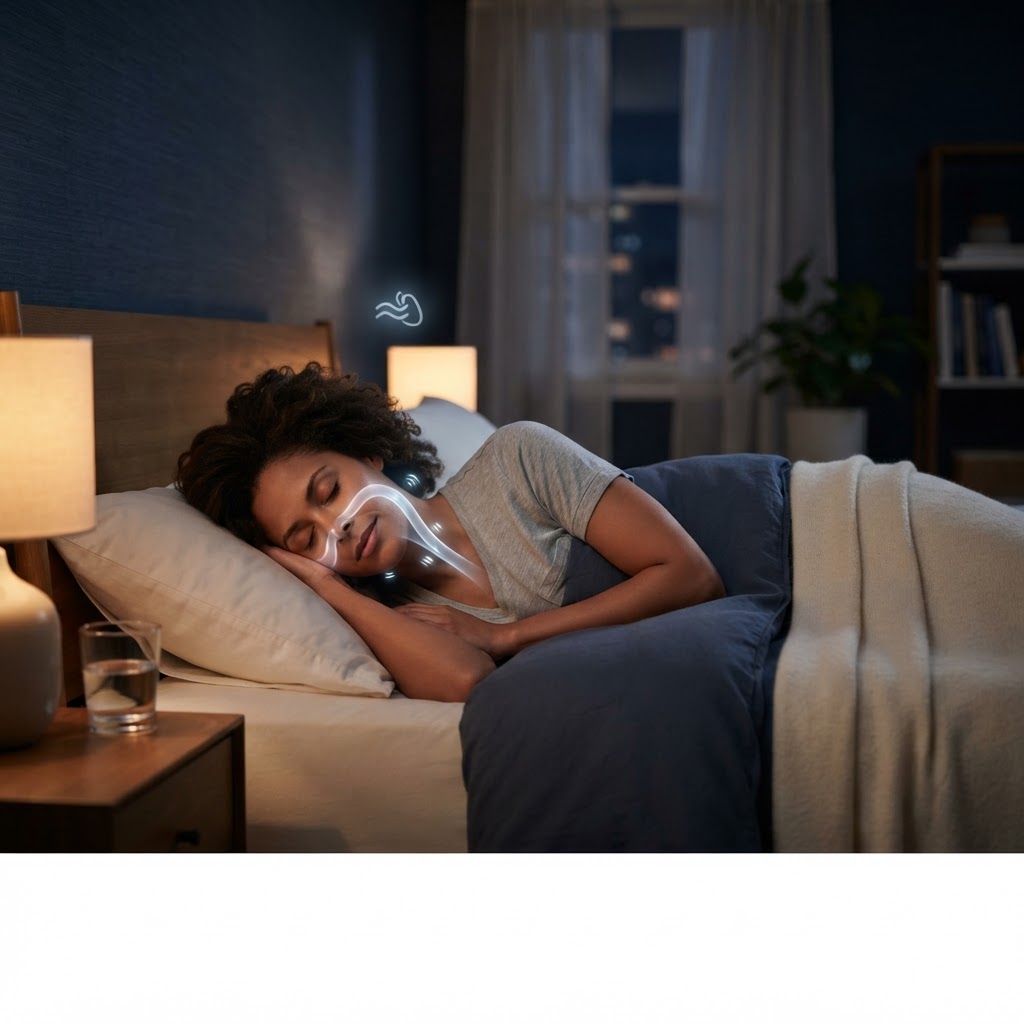
Sleep apnea is a common sleep-related breathing disorder in which breathing repeatedly becomes reduced or stops during sleep. Because these events happen while a person is asleep, many people do not recognize them until a bed partner notices loud snoring, gasping, or pauses in breathing. Others first seek help because of persistent daytime fatigue, morning headaches, trouble concentrating, or mood changes.
The condition is important, but it is also treatable. A diagnosis does not automatically mean that someone will need one particular device or treatment forever. The right plan depends on the type of sleep apnea, how often breathing events occur, symptoms, other health conditions, anatomy, sleep position, medications, and personal preferences. The first step is a proper evaluation rather than trying to diagnose the condition from snoring alone.
Key Takeaways
- Sleep apnea involves repeated reductions or pauses in breathing during sleep. Obstructive sleep apnea is the most common type, but central sleep apnea has a different mechanism.
- Loud habitual snoring, witnessed pauses, gasping, morning headaches, dry mouth, daytime sleepiness, and concentration or mood changes are reasons to discuss symptoms with a clinician.
- Diagnosis usually involves a sleep evaluation and, when appropriate, a home sleep apnea test or an overnight study in a sleep laboratory.
- Treatment may include positive airway pressure, oral appliances, positional strategies, lifestyle changes, treatment of nasal problems, or selected procedures. The best option is individualized.
- Untreated sleep apnea can affect alertness and quality of life and may be associated with other health problems. Do not drive when dangerously sleepy.
What Is Sleep Apnea?
During normal sleep, the body continues to regulate breathing automatically. In sleep apnea, breathing is interrupted or becomes too shallow often enough to disturb sleep and oxygen regulation. The person may briefly wake or move into a lighter stage of sleep to reopen the airway, sometimes without remembering the event the next morning. These repeated disruptions can prevent restorative sleep even when the total time in bed appears adequate.
Sleep specialists use measures from a sleep study to describe breathing events. An apnea is a pause in airflow, while a hypopnea is a partial reduction in airflow accompanied by changes such as oxygen desaturation or an arousal, depending on the scoring rules used. The apnea-hypopnea index, or AHI, is one important measurement, but it is not the only factor that matters. Symptoms, oxygen patterns, sleep stage, body position, and the person’s broader health all help clinicians interpret results.
Snoring by itself does not prove that someone has sleep apnea, and a quiet sleeper can still have clinically important breathing events. This is one reason online symptom checklists are useful for recognizing a possible concern but cannot replace testing.
The Main Types of Sleep Apnea
Obstructive sleep apnea
Obstructive sleep apnea occurs when the upper airway narrows or closes repeatedly during sleep. The muscles that help keep the throat open naturally relax during sleep. In some people, the tongue, soft tissues, jaw structure, nasal obstruction, or other anatomy leaves less room for airflow. The brain continues trying to breathe, but air movement is limited until the airway opens again. Snoring, choking sounds, and witnessed pauses are common clues, though not universal.
Central sleep apnea
Central sleep apnea occurs when the brain’s breathing-control signals do not consistently activate the muscles responsible for breathing. It is different from an obstruction in the throat. Central events may be associated with certain medical conditions, high altitude, opioid medicines, or other factors. Because treatment can differ from treatment for obstructive sleep apnea, a formal assessment matters. A person should not assume that a device or strategy designed for obstruction is appropriate for every breathing pattern.
Mixed or complex patterns
Some people show both obstructive and central events. Breathing patterns can also change after treatment begins, which is why follow-up is important when symptoms persist or a device report suggests unresolved events. Sleep medicine teams can review the data and decide whether settings, equipment, or the diagnosis needs closer evaluation.
Common Symptoms and Warning Signs
Symptoms vary widely. Some people have obvious nighttime symptoms, while others mainly notice the consequences during the day. A bed partner, family member, or roommate may provide useful observations because the person affected may sleep through the breathing pauses.
| Possible nighttime clues | Possible daytime clues | Why it matters |
|---|---|---|
| Loud or irregular snoring | Sleepiness or unrefreshing sleep | May suggest disrupted airflow or repeated arousals |
| Gasping, choking, or witnessed pauses | Morning headache or dry mouth | Should prompt a clinical discussion |
| Restless sleep or frequent awakenings | Difficulty concentrating or irritability | Can affect safety, work, and relationships |
| Night sweats or repeated trips to the bathroom | Low energy despite enough time in bed | Have many possible causes and need context |
Daytime sleepiness deserves particular attention. People sometimes normalize dozing while reading, watching television, sitting quietly, or commuting. Falling asleep while driving or having near-misses is a safety warning, regardless of the cause. Until the problem is evaluated and controlled, avoid driving when drowsy and make a plan for safer transportation.
Morning headaches can have many causes, including dehydration, migraine, teeth grinding, medication effects, and sleep disruption. Dry mouth may reflect mouth breathing or nasal obstruction. None of these symptoms is specific enough to diagnose sleep apnea alone, but a cluster of symptoms makes an appointment more worthwhile.
Who Is More Likely to Develop It?
Sleep apnea can affect adults of different ages, body sizes, and backgrounds. Risk may be higher with a family history, a narrower upper airway, certain jaw or facial structures, increasing age, menopause-related changes, nasal congestion, or conditions that affect muscle tone and breathing control. Higher body weight can increase risk for obstructive sleep apnea, but people in smaller bodies can also have it. Weight should never be used as the only screening factor.
Children can develop sleep-disordered breathing as well. Enlarged tonsils or adenoids, nasal problems, craniofacial differences, and other factors may contribute. In children, clues can include restless sleep, mouth breathing, behavioral changes, difficulty paying attention, bedwetting, or growth concerns rather than obvious daytime sleepiness. Parents should discuss concerning patterns with a pediatric clinician rather than relying on adult symptom lists.
Alcohol near bedtime and some sedating medicines can relax airway muscles or alter arousal responses. Opioid medicines can affect breathing control and deserve special discussion with the prescribing clinician. Never stop a prescribed medicine abruptly without medical guidance. A complete medication and substance history helps a sleep clinician interpret symptoms safely.
Sleep Apnea vs. Ordinary Snoring
| Feature | Snoring without confirmed apnea | Possible sleep apnea |
|---|---|---|
| Breathing | Airflow continues, although noisy | Pauses, shallow breathing, or repeated gasping may occur |
| Sleep quality | May be normal or mildly disrupted | Often fragmented, sometimes with unrecognized arousals |
| Daytime effects | May be absent | Sleepiness, headaches, poor concentration, or mood changes may occur |
| Next step | Discuss persistent or disruptive snoring | Arrange clinical assessment and possible sleep testing |
The distinction cannot be made reliably by sound alone. A recording may show snoring, but it cannot determine the full breathing pattern or explain oxygen changes. If someone witnesses pauses followed by gasping, or if daytime sleepiness is significant, a clinician should evaluate the possibility of sleep apnea.
How Sleep Apnea Is Diagnosed
Evaluation begins with a medical and sleep history. A clinician may ask about bedtime, awakenings, snoring, witnessed events, naps, driving safety, medicines, alcohol, nasal symptoms, family history, and other health conditions. A physical examination may include the nose, mouth, throat, jaw, neck, heart, lungs, and signs of conditions that could affect breathing. Questionnaires can estimate risk, but they do not establish a diagnosis by themselves.
A home sleep apnea test may be appropriate for some adults who have a high likelihood of uncomplicated obstructive sleep apnea. It generally records several signals overnight, such as airflow, breathing effort, oxygen saturation, and heart rate. Because it may not measure sleep directly and may miss some patterns, a negative or inconclusive result does not always end the evaluation when suspicion remains high.
An in-laboratory polysomnogram records more signals and can be useful when symptoms are complex, another sleep disorder is possible, significant medical conditions are present, central events are suspected, or a home test does not answer the question. The clinician chooses the test based on the individual situation.
Ask how the result will be interpreted and when follow-up will happen. Useful questions include: What type of breathing events were seen? How did oxygen levels behave? Did body position or sleep stage change the findings? What treatment options fit my symptoms and health history? How will we know whether treatment is working?
Understanding Severity Without Fixating on One Number
The AHI is commonly used to classify the frequency of apneas and hypopneas, but thresholds are not the entire story. Two people with a similar index can have different symptoms, oxygen patterns, blood-pressure concerns, sleep positions, or treatment needs. Some people feel very impaired with a lower event frequency, while others report fewer symptoms despite more frequent events.
| Result or observation | What it can tell a clinician | What it cannot tell by itself |
|---|---|---|
| AHI or event frequency | How often scored breathing events occurred | The whole impact on a person’s health or daily life |
| Oxygen saturation pattern | Whether drops or sustained changes occurred | The cause of every oxygen change |
| Sleep position | Whether events are more common on the back | Whether positional treatment will work for everyone |
| Symptoms and function | How sleep disruption affects daily life and safety | The exact type of breathing disorder |
Treatment Options for Obstructive Sleep Apnea
Positive airway pressure
Positive airway pressure therapy uses a device and mask to help keep the airway open. Continuous positive airway pressure, commonly called CPAP, provides a steady pressure. Other modes may adjust pressure or support breathing in selected situations. The machine, mask, humidification, and settings should be matched and reviewed by a qualified team.
Early comfort problems are common and often fixable. Mask leaks, dry nose, congestion, pressure marks, claustrophobia, and noise can improve with a different mask style, fit adjustment, heated humidification, nasal treatment, ramp settings, or coaching. Consistent use matters, and follow-up data can show whether events and leaks are controlled. Do not abandon treatment after one difficult night without asking for help.
Oral appliance therapy
A custom oral appliance can reposition the jaw or tongue to help maintain an open airway in appropriate adults. It may be considered when someone prefers an alternative to CPAP, cannot tolerate CPAP, or has a clinical profile in which it is suitable. A qualified dental professional working with a sleep clinician should fit and monitor the appliance. Jaw discomfort, bite changes, or tooth symptoms should be reported.
Positional strategies
Some people have substantially more events while sleeping on their back. Positional therapy may help when testing confirms a position-related pattern. Strategies range from behavioral reminders to specialized devices. The goal is not simply to force an uncomfortable position; it is to find a sustainable approach and confirm that breathing improves.
Lifestyle and supportive measures
Regular physical activity, a consistent sleep schedule, avoiding alcohol close to bedtime, addressing nasal obstruction, and gradual weight management when appropriate can support sleep health. These steps may improve symptoms or reduce risk, but they should not be presented as a guaranteed replacement for prescribed treatment. If weight changes are part of a plan, a clinician or registered dietitian can help make the approach safe and realistic.
Procedures and surgery
Selected procedures may be considered when anatomy, severity, and previous treatment attempts support them. Options can involve the nose, throat, jaw, or implanted stimulation systems in carefully selected cases. A specialist should explain expected benefits, limitations, recovery, and alternatives. Surgery is not a universal solution, and follow-up testing may still be needed.
Treatment Comparison at a Glance
| Approach | Potential advantages | Important considerations |
|---|---|---|
| Positive airway pressure | Highly effective for many people when used correctly | Requires regular use, mask fit, and follow-up |
| Custom oral appliance | Portable and less equipment-heavy for some adults | Needs proper fitting and monitoring for jaw or bite effects |
| Positional therapy | May be simple for position-dependent obstruction | Only appropriate when the pattern is confirmed and adherence is sustainable |
| Lifestyle support | Can improve overall sleep and health | Usually works best as part of a broader plan, not a guaranteed cure |
| Procedures | May address selected anatomical or treatment barriers | Benefits, risks, and candidacy vary substantially |
What About “Natural” Remedies?
People commonly search for exercises, supplements, essential oils, special pillows, mouth taping, or home remedies for sleep apnea. Some approaches may improve comfort or general sleep habits, but evidence and safety vary. A product marketed as a cure should be treated cautiously, especially when it promises to replace testing or proven treatment.
Mouth taping deserves particular caution. It may be unsafe for people with nasal obstruction, vomiting risk, breathing disorders, or anxiety around restricted airflow, and it does not address every cause of sleep apnea. Supplements can interact with medicines and are not automatically safe because they are labeled natural. Discuss proposed remedies with a healthcare professional and do not delay evaluation for persistent symptoms.
Sleep Apnea and Everyday Safety
Sleepiness can slow reaction time, impair judgment, and increase the chance of errors. This matters at the wheel, at work, while caring for children, and when operating equipment. If you are struggling to stay awake while driving, stop in a safe place and arrange another way to travel. Caffeine may temporarily mask fatigue but does not reliably restore safe alertness.
Partners can help by describing observed breathing pauses, gasps, movements, and timing. A short written sleep log can also record bedtime, awakenings, naps, headaches, and daytime sleepiness. These observations support a clinical conversation, but they should not be used to self-prescribe pressure settings or borrow someone else’s equipment.
When to Seek Medical Advice Promptly
Make a routine appointment if you have persistent loud snoring with daytime sleepiness, witnessed pauses, repeated gasping, morning headaches, or unrefreshing sleep. Seek advice sooner if symptoms affect driving, work, school, mood, or caregiving. People with heart or lung disease, neuromuscular conditions, opioid use, or other complex health issues should discuss concerning breathing symptoms with their medical team.
Call emergency services for severe or sudden breathing difficulty, chest pain, fainting, confusion, blue or gray lips, or any other emergency warning sign. Sleep apnea is usually evaluated in a planned clinical setting, but an acute breathing emergency should never wait for a sleep appointment.
Frequently Asked Questions
Can you have sleep apnea without snoring?
Yes. Snoring is common in obstructive sleep apnea but is not required. Some people have quiet breathing events, and others may sleep alone and never receive an observation from a partner. Daytime sleepiness, witnessed pauses, gasping, morning headaches, or unrefreshing sleep can still warrant evaluation.
Is sleep apnea only caused by being overweight?
No. Body weight is one possible risk factor, not a requirement. Airway anatomy, jaw structure, nasal obstruction, age-related changes, family history, hormones, medicines, and other health conditions can contribute. Weight stigma can delay diagnosis, so symptoms should be taken seriously in people of every body size.
Can sleep apnea go away?
It can change over time, and some people improve after addressing a contributing factor or receiving a procedure, but this should be confirmed rather than assumed. Stopping treatment without follow-up can allow symptoms to return. A clinician can decide whether repeat testing is appropriate after a major change in weight, anatomy, health, or treatment.
Will I need CPAP forever?
Some people use positive airway pressure long term, while others use a different treatment or later reassess after a meaningful change. The answer depends on the cause and response to treatment. It is safer to discuss changes with a sleep clinician than to stop because the machine feels inconvenient or symptoms seem better.
Can a smartwatch diagnose sleep apnea?
Consumer wearables may identify patterns that encourage someone to seek care, but they generally do not replace a validated sleep evaluation. Oxygen readings can be affected by movement, fit, skin contact, and device limitations. Bring relevant data to a clinician, but do not treat an app result as a diagnosis.
What should I bring to a sleep appointment?
Bring a list of medicines and supplements, information about alcohol or sedative use, a description of your sleep schedule, and observations from a bed partner if available. Note daytime sleepiness and any driving concerns. If you already have test or device reports, bring those as well.
A Practical Next-Step Checklist
- Write down your main symptoms and when they occur.
- Ask a sleep partner or household member whether they have noticed pauses, gasping, or unusual movements.
- Schedule a healthcare appointment if symptoms persist or affect safety and daily function.
- Ask whether a home sleep test or laboratory study fits your situation.
- Use prescribed treatment consistently and report comfort problems rather than silently stopping.
- Review results and treatment data with the appropriate clinician.
- Protect sleep basics: a regular schedule, a comfortable environment, and caution with alcohol or sedating substances near bedtime.
How to Prepare for Better Testing and Follow-Up
A sleep study is more useful when the clinician understands what a typical night looks like. In the days before testing, keep your usual schedule as much as possible unless the sleep center gives different instructions. Avoid making an unusual effort to sleep perfectly, because the goal is to capture a representative pattern. Follow instructions about caffeine, alcohol, medicines, and equipment carefully, and ask before changing a prescribed medicine.
Write down whether symptoms differ when you sleep on your back, side, or stomach. Note whether congestion, seasonal allergies, a recent illness, or travel changes your breathing. Also record whether a new medicine, sedative, pain medicine, or alcohol pattern began around the time symptoms appeared. These details do not diagnose sleep apnea, but they can help the clinician interpret a test and identify factors that may be modifiable.
After testing, ask for an explanation in plain language. You can ask how many hours were recorded, whether the study captured enough sleep, whether events were obstructive or central, whether oxygen levels changed, and whether position or sleep stage influenced the result. If a home study is negative but symptoms remain convincing, ask whether another type of evaluation is appropriate. A single test should be interpreted in context.
Making Treatment More Comfortable and Sustainable
Adherence is not a character test. If a treatment is difficult to use, the solution is usually troubleshooting rather than blame. With positive airway pressure, the mask may be the wrong size or style, the pressure may need review, or the nose and mouth may need support. A clinician or equipment team can assess leaks, dryness, congestion, skin irritation, and pressure sensations. Small adjustments can make a major difference in whether treatment becomes part of a routine.
Build a practical routine around the treatment. Keep supplies where you prepare for bed, clean equipment according to the manufacturer’s instructions, and carry a backup plan when traveling. Do not use unapproved water, cleaning chemicals, or replacement parts that could damage equipment or affect health. Replace masks, filters, tubing, or other supplies according to the equipment provider’s guidance and insurance rules, which vary by location.
For an oral appliance, report jaw soreness, tooth movement, a changed bite, or difficulty opening the mouth. Follow-up can check whether the appliance remains effective and comfortable. For positional therapy, choose a method that you can use consistently and discuss persistent symptoms. For any treatment, improvement in how you feel is encouraging but does not prove that breathing events have resolved; objective follow-up may still matter.
Related Health Factors to Discuss With a Clinician
Sleep apnea often exists alongside other issues that influence sleep quality. Nasal allergies, chronic congestion, asthma, reflux, insomnia, restless legs, depression, anxiety, and irregular work schedules can coexist with breathing-related sleep disruption. Treating one problem may not resolve the others. A complete assessment avoids the trap of assuming every nighttime symptom has one cause.
Blood pressure, heart rhythm concerns, diabetes, stroke history, and heart or lung disease may affect the urgency and type of evaluation. This does not mean that every person with sleep apnea will develop these conditions or that treating sleep apnea guarantees prevention. It means that sleep and overall health are connected enough to deserve coordinated care. Share relevant diagnoses and recent changes with the clinician arranging testing.
Medication review is especially important. Opioids, sleep medicines, anti-anxiety medicines, antihistamines, and other sedating substances can affect alertness or breathing in different ways. Never stop a prescribed medicine suddenly or change the dose based on an online article. Ask the prescriber whether timing, alternatives, or additional monitoring should be considered.
Common Misunderstandings About Sleep Apnea
One misconception is that a person must wake up choking to have a meaningful problem. Many breathing events cause brief arousals that are not remembered. Another misconception is that a person who sleeps for eight hours cannot be sleep deprived. Repeated disruptions can reduce restorative sleep even when time in bed looks adequate.
It is also a mistake to assume that a low oxygen reading from a consumer device proves sleep apnea. The reading may be inaccurate, and even an accurate change has several possible explanations. Conversely, a normal-looking consumer reading cannot reliably rule out sleep apnea. Clinical testing uses a broader set of signals and is interpreted with symptoms and medical history.
Finally, treatment is not a competition between devices or a sign of personal failure. CPAP, oral appliances, positional approaches, lifestyle support, and procedures each have a place for selected people. The safest choice is the one supported by an appropriate evaluation and used consistently enough to help.
Supporting a Household Member
Sleep apnea affects more than the person having the breathing events. A partner may feel worried, lose sleep because of snoring, or be unsure how to help. A calm conversation can focus on shared goals: safer driving, better rest, and a respectful plan for medical evaluation. Avoid presenting observations as a diagnosis or using shame about snoring, weight, or treatment. If the person is dangerously sleepy, help arrange transportation and encourage prompt professional advice.
Partners can also support practical treatment habits, such as protecting a consistent bedtime, keeping equipment supplies organized, and encouraging follow-up when symptoms or comfort problems continue. At the same time, treatment decisions belong to the patient and healthcare team. Support works best when it respects privacy, autonomy, and the fact that sleep disorders can be emotionally difficult to discuss.
Keeping expectations realistic is helpful. Treatment may improve alertness gradually rather than overnight, especially when sleep debt, insomnia, medications, or another condition is also present. Tell the care team what improves and what does not. That feedback helps separate equipment problems from persistent disease and supports a safer, more individualized plan.
Follow-up is part of care, not an optional extra. Symptoms, weight, nasal health, medicines, sleep position, and equipment use can change. Periodic review gives the clinician a chance to confirm benefit, address barriers, and decide whether additional testing is useful. Bring questions and honest information about how often treatment is used; accurate details lead to better decisions.
Conclusion
Sleep apnea is more than ordinary snoring. Repeated breathing disruptions can fragment sleep and contribute to daytime sleepiness, concentration problems, mood changes, and safety risks. Because symptoms overlap with many other conditions, the most useful path is a thoughtful clinical evaluation rather than a self-diagnosis based on one symptom or a consumer device.
Effective options are available, and treatment can be adjusted when comfort or adherence is difficult. If you recognize the warning signs, especially witnessed pauses, gasping, dangerous sleepiness, or unrefreshing sleep, make a plan to discuss them with a qualified healthcare professional.
Editorial note: HealthAuthorityLife Editorial Team articles are intended to support informed conversations with healthcare professionals. Medical information changes, and individual recommendations depend on personal history, examination, and testing.
Leave a Reply