
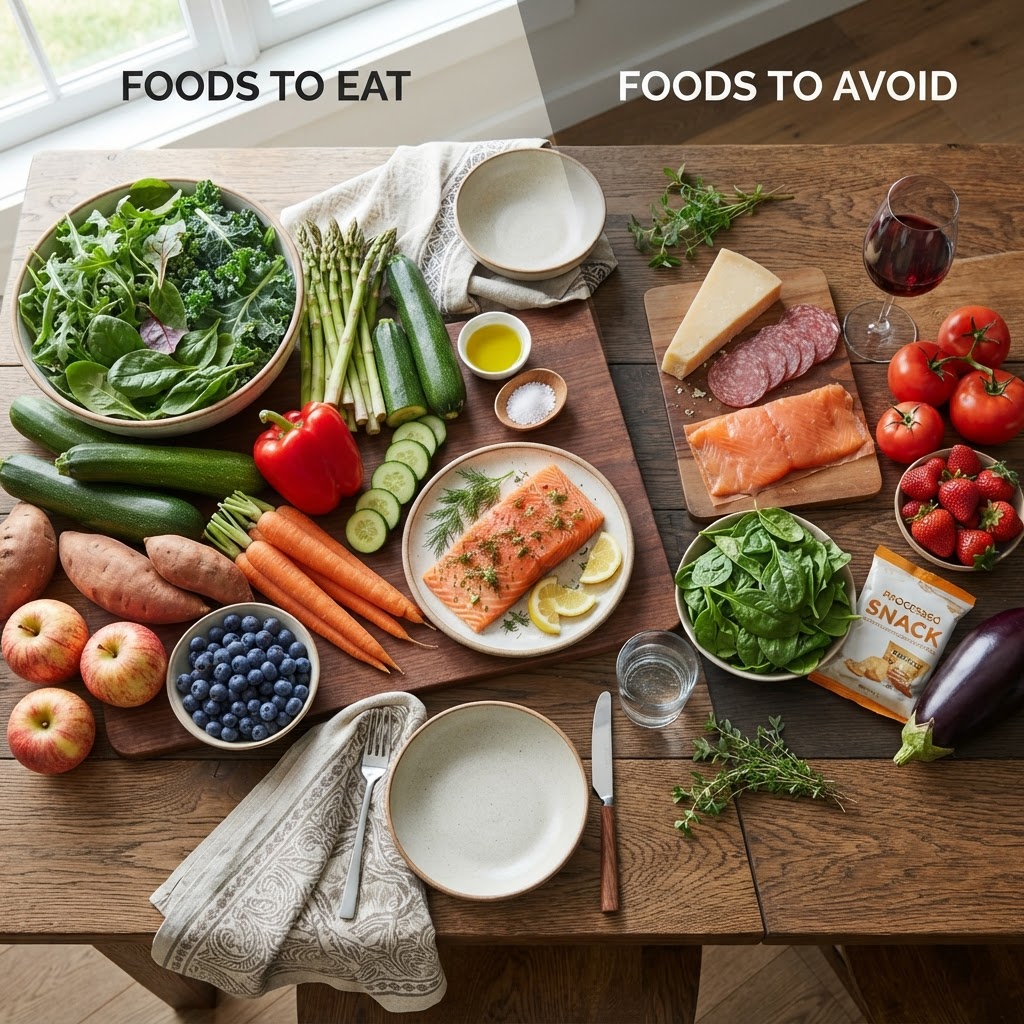
- Mast Cell Activation Syndrome (MCAS) involves mast cells that inappropriately release chemical mediators like histamine, often triggered by specific dietary inputs.
- Adopting a low-histamine diet can significantly reduce the total inflammatory load on the body, helping to stabilize mast cell reactivity.
- Histamine-rich foods, fermented products, and aged items are common culprits that can exacerbate symptoms for those with MCAS.
- Transitioning to an anti-inflammatory diet for MCAS focuses on the consumption of ultra-fresh, whole foods to minimize histamine accumulation.
- Personalization is critical; what acts as a trigger for one person may be well-tolerated by another, making an elimination diet essential for identifying individual sensitivities.
Navigating the complexities of Mast Cell Activation Syndrome (MCAS) often feels like solving a biological puzzle where the pieces are constantly shifting. For individuals living with this condition, the immune system’s mast cells—the body’s first responders—become hyper-vigilant, releasing an array of inflammatory mediators, including histamine, in response to seemingly benign stimuli. Diet, arguably the most significant daily environmental factor, plays a profound role in either exacerbating or calming these reactive cells. By understanding the intricate relationship between nutrition and mast cell behavior, those affected can often find a path toward greater stability and a significantly improved quality of life. This guide, prepared by the healthauthoritylife Editorial Team, explores the foundational principles of a mast cell diet and how strategic food choices can serve as a powerful tool in your wellness journey.
Understanding Mast Cell Activation Syndrome and Diet
Mast Cell Activation Syndrome is a multisystem condition characterized by the recurrent and excessive release of mast cell mediators. Mast cells are a type of white blood cell that resides in almost every tissue of the body, acting as a critical component of the immune system. In a healthy individual, these cells release specific chemicals—such as histamine, tryptase, and prostaglandins—only when necessary to defend against infection or heal injury. However, in those with MCAS, these cells can become inappropriately activated by a wide range of triggers, including stress, environmental allergens, medications, and, most frequently, dietary inputs.
The relationship between the MCAS diet and symptom management is rooted in the “bucket theory.” Imagine your body has a bucket that fills with inflammatory mediators like histamine throughout the day. When the bucket overflows, the spillover causes symptoms—ranging from skin rashes and digestive distress to brain fog and cardiovascular irregularities. Because dietary choices contribute significantly to how quickly this bucket fills, controlling your intake is one of the most effective ways to prevent overflow. An anti-inflammatory diet for MCAS is not merely about avoiding “bad” foods; it is about reducing the total inflammatory burden to keep the mast cells quiet and stable.
Experts generally agree that for those with MCAS, the goal of dietary intervention is to lower the histamine load and avoid known mast cell degranulators. Many patients find that their reactions are cumulative. A small amount of a histamine-releasing food might be manageable on its own, but when combined with environmental triggers or poor sleep, it may push the body over the edge. By focusing on nutrient-dense, freshly prepared foods, patients can often lower their baseline level of inflammation, effectively increasing their “threshold” before symptoms appear. This process requires a systematic approach, often involving an elimination and reintroduction phase, to identify which specific foods act as individual triggers. Understanding that this is a long-term strategy rather than a quick fix is the first step toward reclaiming control over your health.
How Histamine Affects Mast Cell Stability
Histamine is a biogenic amine that plays a vital role in regulating stomach acid, sleep-wake cycles, and immune responses. However, for those with MCAS, histamine is a double-edged sword. Not only do mast cells release histamine when they are activated, but the diet can also contribute a significant amount of exogenous histamine—histamine that comes from food rather than the body’s own stores. When the body’s capacity to break down histamine is overwhelmed, symptoms of histamine intolerance or MCAS flares become more pronounced.
The breakdown of histamine primarily relies on two enzymes: Diamine Oxidase (DAO) and Histamine N-methyltransferase (HNMT). DAO is mainly responsible for breaking down histamine found in the digestive tract, while HNMT works within the cells. If a person has a deficiency in these enzymes, or if they are consuming excessive amounts of histamine-rich foods, the levels in the bloodstream rise rapidly. This high concentration of histamine acts as a signaling molecule that can further encourage mast cells to degranulate, creating a vicious cycle of inflammation. Essentially, high levels of dietary histamine can “prime” the mast cells to be more reactive to other, less significant stressors.
Furthermore, some foods are classified as “histamine liberators,” meaning they don’t necessarily contain high levels of histamine themselves but stimulate the mast cells to release the histamine they are already storing. For a mast cell diet to be effective, it must address both the exogenous histamine intake and the consumption of foods that trigger the internal release mechanism. By reducing the intake of these substances, the body can better maintain homeostatic balance. Many practitioners emphasize that this isn’t just about limiting “histamine” as a single chemical; it is about creating an environment in the gut and the bloodstream where the mast cells are not constantly being signaled to release their inflammatory cargo. Over time, reducing this constant stimulation may lead to a decrease in the overall baseline reactivity of the mast cells, providing much-needed relief to the patient.
| Approach | Core Strategy | Best For |
|---|---|---|
| Low-Histamine Elimination | Strict removal of high-histamine and liberator foods for 2-4 weeks. | Identifying primary triggers and calming acute flares. |
| Freshness-First Strategy | Consuming only freshly cooked/picked food; avoiding leftovers. | Those with chronic sensitivity to bacterial aging in food. |
| Low-Inflammation Diet | Avoiding processed additives, dyes, and common inflammatory allergens. | Long-term maintenance and reducing overall immune burden. |
Common Dietary Triggers for MCAS Patients
Identifying triggers for MCAS is rarely straightforward, as individual responses vary wildly. However, certain categories of food are consistently identified by experts as common culprits that provoke mast cells. The most prominent of these are fermented and aged products. Fermentation is a process driven by bacteria and yeast, which naturally produce histamine as a byproduct. Consequently, items like aged cheeses, sauerkraut, kimchi, soy sauce, and kombucha are often high on the “avoid” list for those with histamine-related issues. Even seemingly healthy items like kefir or sourdough bread can be potent triggers for sensitive individuals.
Another major category of triggers includes leftovers. As soon as a food is cooked and sits in the refrigerator, bacterial growth begins. These bacteria produce histamine, and even if the food is reheated, the histamine remains, as it is heat-stable. For many with MCAS, consuming leftovers—even those from a “safe” meal—is a common source of unexpected symptoms. Freshness is the cornerstone of an effective mast cell diet. Buying food that has been freshly harvested and cooking it immediately is often necessary to minimize histamine buildup.
Beyond histamine content, there are specific foods known to act as histamine liberators or inflammatory agents. Citrus fruits, while nutrient-dense, are frequently cited by patients as causing an immediate release of mast cell mediators. Similarly, tomatoes—whether fresh, canned, or as part of a sauce—can be problematic due to their high histamine content and acidity. Processed foods, which are often laden with artificial colors, preservatives (such as benzoates and sulfites), and flavor enhancers like MSG, are also notorious for destabilizing mast cells. These additives can act as direct stimulants to the immune system. Finally, certain foods that contain dyes or preservatives can increase the overall chemical load, making it difficult for the body to manage its own internally produced histamine. Recognizing these patterns is the first step toward building a personalized list of safe foods and identifying the specific inputs that consistently undermine your stability.
The Benefits of a Low-Histamine Elimination Diet
The primary benefit of adopting a low-histamine elimination diet is the potential for rapid symptomatic relief. By removing the primary sources of exogenous histamine and common triggers, the body is given a chance to lower its total inflammatory baseline. Many patients report improvements in digestive issues, such as bloating and abdominal pain, within a few days to weeks of starting this restrictive phase. Furthermore, systemic symptoms like brain fog, fatigue, and skin flushing may also diminish as the total load on the immune system decreases. This “reset” is invaluable for establishing a new baseline from which to assess individual tolerance levels.
Beyond the immediate reduction in symptoms, the elimination diet serves as a diagnostic tool. MCAS is highly individualistic; some patients may react strongly to avocado but tolerate spinach perfectly well, while others experience the opposite. A structured elimination and slow reintroduction protocol allow for the mapping of an individual’s unique reactive profile. This prevents the unnecessary restriction of foods that are actually safe, ensuring that the patient maintains as much nutritional diversity as possible. Long-term nutritional health is crucial, and an unnecessarily restrictive diet can eventually lead to deficiencies, which can, in turn, compromise immune function.
The psychological benefits of an elimination diet should also not be underestimated. Living with an unpredictable condition like MCAS often causes significant anxiety, as patients fear that any given meal might trigger a severe reaction. By following a structured plan, individuals often regain a sense of agency and empowerment. They learn that they have control over their environment and their internal biochemistry. This shift from a state of passive suffering to active management is perhaps the most significant benefit of the process. It transforms food from a source of fear into a source of support, allowing the body the stability it needs to heal. Working with a clinical nutritionist or dietitian familiar with MCAS can provide the necessary guidance to ensure that this elimination process is performed safely, effectively, and with minimal disruption to overall quality of life.
Foods to Include for a Mast Cell-Friendly Diet
A mast cell-friendly diet is fundamentally a “whole foods” diet that prioritizes freshness above all else. When planning your meals, the focus should be on ingredients that are naturally low in histamine and free from the preservatives and additives that typically trigger mast cell degranulation. The core of this diet revolves around fresh proteins, select vegetables, and simple fats. Freshly caught fish and pasture-raised chicken or turkey (prepared immediately after cooking) are excellent staples. Since histamine levels in meat increase with age, buying high-quality, fresh cuts and freezing any portion that won’t be eaten within the next meal or two is a standard practice for many in the community.
When it comes to vegetables, those that are generally well-tolerated include zucchini, cucumbers, squash, carrots, and sweet potatoes. These vegetables tend to have low histamine levels and are less likely to trigger a mast cell response compared to fermented or nightshade-heavy options. Leafy greens like kale and bok choy are also often well-received, provided they are washed and used while fresh. For fruits, sticking to those lower on the acidity scale is a wise move. Apples, pears, blueberries, and mangoes are often safer alternatives to citrus and tropical fruits, which are more likely to cause issues.
For fats, extra virgin olive oil, coconut oil, and ghee (if dairy is tolerated) are excellent choices that provide stable energy without the inflammatory profiles of processed seed oils. Choosing organic options whenever possible helps minimize exposure to pesticides and herbicides, which can act as secondary triggers for sensitized individuals. Carbohydrates should come from simple, single-ingredient sources like white or brown rice, quinoa, and sweet potatoes. By keeping the ingredients list short, you reduce the risk of accidentally consuming a hidden trigger. Remember, the goal of the mast cell diet is not to eat a bland or limited set of foods forever, but to build a foundation of safety that allows you to assess the impact of different food groups as you move toward a more sustainable and varied long-term nutrition plan.
Hidden Food Additives That Provoke Mast Cells
For individuals navigating Mast Cell Activation Syndrome (MCAS), the battle is often won or lost in the ingredient label. Even when consuming naturally low-histamine, whole foods, commercially prepared items often contain chemical additives that act as potent mast cell degranulators. These “hidden” triggers can cause systemic inflammation and reactive symptoms even if the primary protein or vegetable is technically considered “safe” on a low-histamine list.
One of the most insidious culprits is the category of synthetic food dyes and preservatives. Ingredients such as Tartrazine (Yellow 5), Sunset Yellow (Yellow 6), and Sodium Benzoate have been implicated in anecdotal reports of mast cell instability. Because these additives are synthetic, the body may treat them as foreign invaders, prompting mast cells to release histamine, cytokines, and other chemical mediators in a defense response.
Furthermore, flavor enhancers like Monosodium Glutamate (MSG) and various artificial flavorings are notorious for causing “flare-ups” in sensitive populations. While not strictly histamine-rich, MSG acts as an excitotoxin, which can increase overall neurological stress and potentially lower the threshold for mast cell reactivity. Similarly, shelf-stable additives like sulfites—commonly found in dried fruits, wines, and processed sauces—are known histamine liberators. They disrupt the DAO (diamine oxidase) enzyme, which is responsible for breaking down histamine in the digestive tract, effectively creating a “histamine bottleneck” where even small amounts of dietary histamine become unmanageable.
It is also critical to be wary of “natural flavors” listed on packaging. Under current food labeling regulations, a wide variety of chemical extracts, solvents, and concentrated substances can be bundled under this vague umbrella term. For someone with MCAS, these concentrated extracts may contain hidden fermented ingredients or synthetic derivatives that are highly reactive. When possible, sticking to single-ingredient whole foods is the safest approach to avoiding these complex chemical triggers.
Tips for Meal Planning and Safe Food Preparation
Adopting an MCAS diet is a logistical challenge that requires a shift in mindset. Because leftover food rapidly accumulates histamine as bacteria break down amino acids, the traditional practice of “batch cooking” on Sunday for the rest of the week is often dangerous for those with histamine intolerance.
The golden rule for safe MCAS meal preparation is the “fresh-is-best” protocol. If you cannot eat a meal immediately after preparation, the next best option is flash-freezing. By cooling portions rapidly and storing them in an airtight freezer bag, you effectively “pause” the histamine accumulation process that occurs at room temperature or in the refrigerator. When you are ready to eat, move the portion directly from the freezer to the stove or steamer; avoid letting it sit in the refrigerator to thaw, as this transition window is prime time for bacterial growth.
Meal planning should prioritize low-histamine proteins such as freshly caught white fish or freshly prepared grass-fed chicken. To keep your kitchen efficient without risking health, consider these strategies:
- Portion Control: Divide your protein into single-serving containers before freezing. This prevents the need to thaw a large block of meat multiple times.
- Steam vs. Slow Cook: Steaming is generally better than slow-cooking. Slow cookers keep food in the “danger zone” (warm temperatures) for hours, which promotes the growth of histamine-producing bacteria.
- Stock Alternatives: Instead of long-simmered bone broths (which are very high in histamine), use quick-steeped vegetable broths or simple pan-drippings from fresh meat.
- Kitchen Cleanliness: Ensure your cutting boards and utensils are sanitized. Cross-contamination from high-histamine ingredients can trigger a reaction in highly sensitive individuals.
The following table provides a quick guide to selecting cooking methods and ingredients that prioritize stability for a mast cell-friendly diet.
| Food Category | Preparation Method | Risk Level | Best For |
|---|---|---|---|
| Proteins | Flash-frozen, quickly pan-seared | Low | Main course stability |
| Vegetables | Fresh or frozen, lightly steamed | Low | Nutrient density |
| Broths | Fresh vegetable infusion (short boil) | Low | Hydration without histamine |
| Leftovers | Refrigerated for 24+ hours | High | Avoid entirely |
Nutrient Deficiencies to Monitor on a Restrictive Diet
Because the MCAS diet often necessitates the exclusion of entire food groups—such as fermented foods, aged cheeses, many legumes, and certain citrus fruits—there is an inherent risk of nutritional gaps. Over a long duration, a highly restrictive diet can lead to deficiencies that paradoxically make mast cell symptoms worse by weakening the immune system and impairing the body’s detoxification pathways.
One common concern is a deficiency in B vitamins, particularly B6 and B12. Vitamin B6 is a crucial cofactor for the DAO enzyme. If you are deficient in B6, your body may struggle to process dietary histamine even if you are eating “safe” foods. Similarly, Vitamin C plays a role in stabilizing mast cells and acting as a natural antihistamine. However, many common sources of Vitamin C, such as citrus fruits or tomatoes, are high in histamine or are known mast cell triggers. Individuals on a restricted diet should look toward safer sources of these nutrients, such as bell peppers for Vitamin C or lean, fresh animal proteins for B vitamins.
Minerals such as magnesium and zinc are also frequently lacking. These minerals are vital for neurological health and inflammation regulation. Since many high-magnesium foods (like certain nuts and seeds) are common MCAS triggers, it is essential to work with a dietitian to identify tolerated magnesium-rich options, such as certain varieties of squash or pumpkin seeds, if approved by your medical professional. Always monitor for signs of fatigue, muscle weakness, or skin changes, which can be early indicators that your restrictive diet is beginning to impact your baseline nutrient status.
When to Consult a Professional About Your Diet
While self-guided dietary trials are common, managing MCAS through food is complex and often requires a multidisciplinary approach. You should seek the guidance of a registered dietitian (RD) who specializes in histamine intolerance or mast cell disorders, as well as a primary physician or an immunologist, under several circumstances.
First, if you are experiencing unintended weight loss or difficulty maintaining a healthy caloric intake, professional intervention is mandatory. A restrictive diet can inadvertently become an under-eating trap, leading to muscle wasting and increased systemic stress. Second, if you notice that your list of “safe” foods is constantly shrinking—a phenomenon sometimes called “fear-based eating”—a professional can help you objectively reintroduce foods to prevent psychological distress and nutritional instability.
Third, consult a professional if you suspect you have underlying comorbidities, such as SIBO (Small Intestinal Bacterial Overgrowth) or leaky gut. These conditions often overlap with MCAS and require specific medical treatments that go beyond dietary changes. Finally, if you are planning to add supplements to your regimen to cover nutrient gaps, a professional can screen for interactions with your existing medications. Mast cell stabilizers, antihistamines, and binders can interact with dietary changes in ways that are difficult to predict without clinical oversight.
Frequently Asked Questions
Is it possible to have an MCAS flare-up after eating only “low-histamine” foods?
Yes, it is possible. MCAS is not solely triggered by dietary histamine. Other factors such as stress, environmental toxins, temperature changes, perfumes, and even the physical act of digestion can trigger mast cells. Additionally, “low-histamine” is a relative term, and individual sensitivities vary significantly; a food that is safe for one person may still be a trigger for another.
Can I ever eat fermented foods again if I have MCAS?
Many individuals with MCAS find that fermented foods remain a permanent trigger due to their high histamine content and the presence of tyramine. While some may tolerate small amounts after achieving better systemic control through medical treatment, most experts advise caution and suggest focusing on other sources of gut health that do not involve fermentation.
Do I need to take DAO supplements with every meal?
DAO (diamine oxidase) supplements can be a helpful tool to aid in the breakdown of histamine in the digestive tract. However, they are not a “cure” for MCAS and should not be used to justify eating high-histamine foods regularly. They are intended as a bridge for social situations or accidental exposure, and you should discuss their use with your doctor.
Why does my skin itch after I eat even when I am on a strict diet?
If you are experiencing skin symptoms while strictly adhering to a low-histamine diet, it may indicate that your mast cells are reacting to non-dietary triggers, or that you are still consuming “hidden” triggers like food dyes, preservatives, or salicylate-rich foods. Keeping a detailed symptom and food diary is often the best way to identify these secondary patterns.
Are all gluten-free and dairy-free foods safe for MCAS?
Not necessarily. While many people with MCAS benefit from removing gluten and dairy, processed gluten-free or dairy-free alternatives often contain high levels of stabilizers, gums (like carrageenan or guar gum), and synthetic additives that can act as mast cell triggers. Whole-food options are always superior to processed “free-from” alternatives.
How long does it take to see improvements after starting an MCAS diet?
The timeline for feeling better varies from person to person. Some individuals report a reduction in symptoms within a few days of eliminating high-histamine foods, while others may require several weeks for their mast cells to “calm down” and for inflammation to subside. Consistency is the most important factor in seeing long-term results.
Conclusion
Managing Mast Cell Activation Syndrome is a journey that requires patience, observation, and a willingness to adapt. While the transition to a low-histamine diet can feel overwhelming, it is a powerful tool for regaining control over your health and reducing the frequency of systemic flares. By focusing on fresh, unprocessed foods, identifying your unique triggers, and working closely with healthcare professionals to monitor your nutritional status, you can create a sustainable lifestyle that supports your body’s complex needs.
Remember that food is only one piece of the puzzle. Healing often involves a combination of dietary adjustments, environmental modifications, and medical support. If you are ready to take the next step, start by tracking your symptoms alongside your meals to uncover the patterns unique to your system. Take control of your well-being today by prioritizing fresh ingredients and seeking the expert guidance you need to thrive.
By healthauthoritylife Editorial Team
This article is for informational purposes only and is not a substitute for professional medical advice. Always consult your doctor before making changes to your diet, exercise routine, or treatment plan.
Leave a Reply