
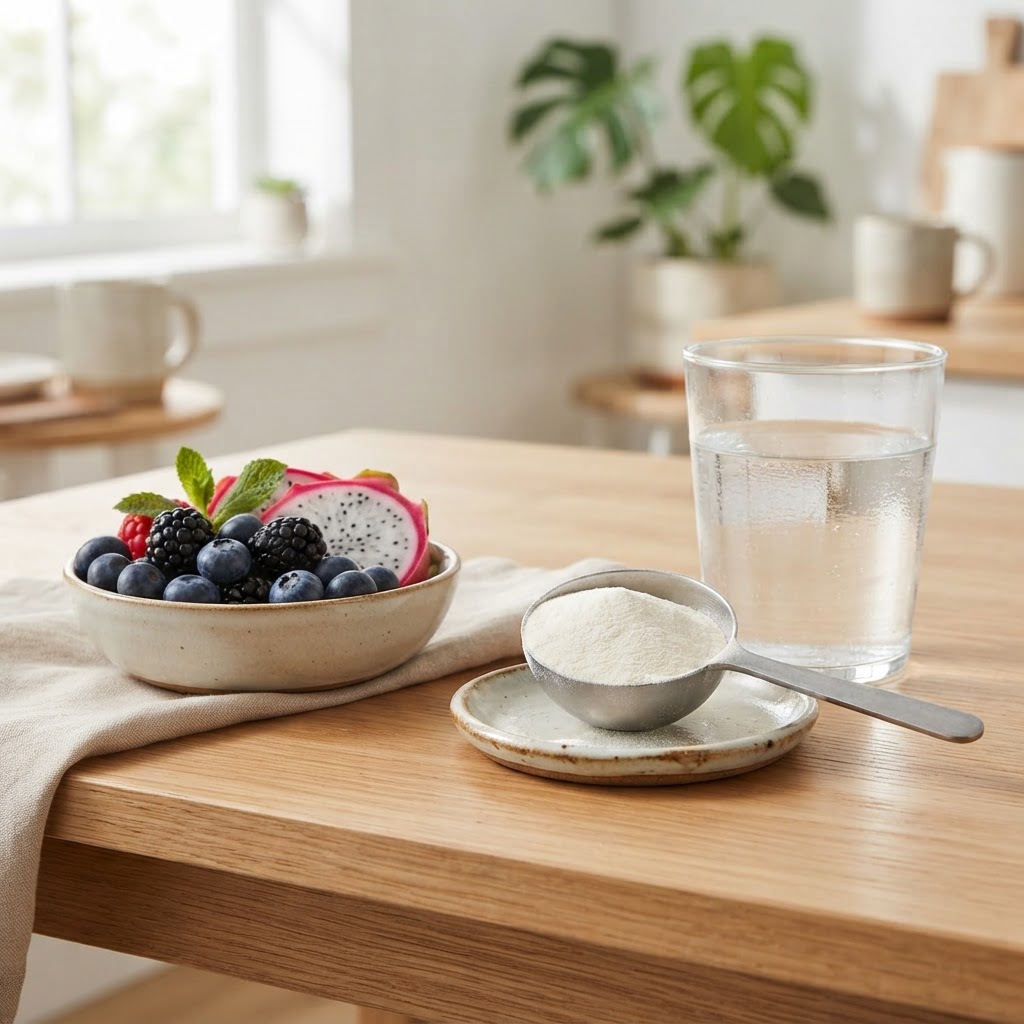
- Collagen is a foundational protein for tissue health, but its manufacturing process can impact histamine levels.
- Some individuals find collagen peptides and histamine release are linked due to fermentation or processing methods.
- High-quality, bovine-sourced collagen is often preferred by those seeking a histamine-safe collagen option.
- Testing for sensitivity by starting with a very small dosage is a recommended approach for those with mast cell activation or histamine issues.
- Purity and transparency in third-party testing are essential when selecting low-histamine protein supplements.
For those navigating the complexities of histamine intolerance, every addition to a diet or supplement routine requires careful scrutiny. Collagen has exploded in popularity as a staple for skin elasticity, joint integrity, and gut lining support, yet it remains a point of contention in the low-histamine community. Because collagen is derived from animal tissues, concerns often arise regarding the preservation of biological amines during processing. This article, prepared by the healthauthoritylife Editorial Team, explores the nuanced relationship between collagen peptides and histamine, helping you determine whether this popular supplement can fit into your health strategy without triggering unwanted side effects.
What is Collagen and Why Is It Popular?
Collagen is the most abundant structural protein in the human body, acting as the “glue” that holds our tissues together. It is a complex protein composed of amino acids—primarily glycine, proline, and hydroxyproline—which form a triple-helix structure. This unique molecular architecture provides tensile strength to our skin, tendons, ligaments, cartilage, and bone matrix. As we age, our natural production of collagen begins to decline, which is often clinically correlated with visible signs of aging, such as skin laxity, joint stiffness, and a thinning gut lining. This biological reality has fueled a massive industry dedicated to collagen supplementation.
The popularity of collagen is rooted in its versatility and systemic benefits. When ingested, collagen peptides—which are hydrolyzed or broken-down versions of the protein—are easily absorbed by the digestive tract. Many individuals seek out collagen for its potential to improve skin hydration and elasticity, bolster joint comfort after exercise, and support the integrity of the intestinal wall. In the context of gut health, collagen is frequently recommended to support the mucosal lining, which is particularly relevant for those dealing with digestive sensitivity. Because it is a protein supplement that is generally neutral in flavor and easy to dissolve in warm or cold liquids, it has become a convenient, high-protein addition to many daily routines.
However, the shift from whole-food sources like bone broth to processed collagen powders introduces variables that did not exist in traditional ancestral diets. While a long-simmered bone broth contains minerals, gelatin, and collagen, it is notoriously high in histamine if allowed to simmer for extended periods. This has led many to wonder if concentrated, shelf-stable collagen peptides offer a safer alternative. The widespread marketing of these products as “superfoods” often overlooks the intricacies of how they are processed, which is exactly where the issue of histamine compatibility enters the picture. For the general population, collagen is a benign and beneficial supplement, but for those whose bodies struggle to degrade amines, understanding the source and the processing method is not merely a preference—it is a physiological necessity.
The Connection Between Collagen and Histamine Levels
The relationship between collagen for histamine intolerance and the body’s overall amine load is primarily dictated by how the protein is sourced and extracted. Histamine is a biogenic amine produced through the breakdown of histidine, an amino acid naturally present in proteins. When animal products are stored, aged, or processed using fermentation, the bacteria present can convert histidine into histamine. Consequently, the length of time between the slaughter of the animal and the extraction of the collagen, as well as the cleanliness and efficiency of the processing facility, are the primary determinants of the final histamine content.
In the world of low-histamine protein supplements, collagen sits in a unique position. Unlike fermented proteins or aged meats, which are high-histamine offenders, pure collagen peptides are theoretically low in amine content. However, the manufacturing process matters significantly. If the hides or bones are not processed immediately after the animal is harvested, or if the drying process involves high-heat environments that encourage microbial growth, the resulting peptide powder may contain higher levels of histamine than the manufacturer realizes. For someone with severe histamine intolerance or Mast Cell Activation Syndrome (MCAS), even trace amounts of these compounds can act as a trigger for symptoms such as flushing, headaches, or gastrointestinal distress.
Another factor is the potential for collagen to act as a histamine liberator in sensitive individuals. Some research suggests that certain protein-rich foods can stimulate mast cells to release their stored histamine. While pure collagen is not typically classified as a direct liberator, the additives often found in commercial supplements—such as artificial sweeteners, Vitamin C sourced from corn, or natural flavors—can be problematic. The interaction between collagen peptides and histamine levels is therefore not just about the protein itself, but about the entire chemical profile of the supplement. It is common for individuals to assume that a flare-up caused by a “collagen” product is the fault of the collagen, when in reality, it may be the undisclosed ingredients or the lack of cold-chain processing that caused the reaction.
Is Collagen Safe for People with Histamine Intolerance?
The short answer is that collagen can be histamine safe, but it is not inherently guaranteed. The safety of a supplement depends on its purity and the manufacturing standard. Because there is no standardized “low-histamine” label currently regulated by health authorities, consumers must act as their own advocates. Many people with histamine intolerance successfully incorporate collagen into their diet, provided they prioritize high-quality, cold-processed sources. The key is to find a product that minimizes the time between animal harvest and the extraction of the collagen.
For those who have previously reacted to bone broth, it is important to distinguish between broth and peptides. Bone broth is the classic high-histamine food because it requires hours of boiling, which allows for maximum histamine accumulation. Collagen peptides, by contrast, are extracted through a more rapid, controlled, and often enzymatically processed method. This speed of processing is the primary reason why many with histamine intolerance can tolerate collagen peptides when they cannot tolerate bone broth. However, individual tolerance levels vary wildly. What one person tolerates perfectly, another might find reactive. This is often due to variations in their DAO (diamine oxidase) enzyme activity—the primary enzyme responsible for breaking down ingested histamine.
To safely test whether collagen is right for you, we recommend a gradual approach. Start with a very small amount—perhaps one-quarter or one-half of the suggested serving size—and observe for any reaction over the next 24 to 48 hours. Monitoring symptoms like skin irritation, heart rate changes, or digestive bloating is crucial during this phase. If you notice no adverse reactions, you may slowly increase the dosage. Below is a comparison of different collagen types to help you decide which might be the safest starting point.
| Supplement Type | Source | Histamine Profile | Best For |
|---|---|---|---|
| Bovine Collagen Peptides | Grass-fed hides | Generally low, if cold-processed | General tissue/joint support |
| Marine Collagen | Fish scales/skin | Variable; depends on freshness | Skin and hair focus |
| Chicken Collagen | Cartilage | Higher risk of contamination | Joint health |
| Bone Broth Powder | Simmered bones | Typically high histamine | Those with no histamine issues |
When selecting your supplement, prioritize brands that explicitly state their extraction methods. Look for companies that avoid the use of harsh chemicals or excessive heat, as these can denature the protein in ways that may increase its potential to trigger a histamine response. Ultimately, the safety of collagen for your body is a personal journey of trial and error, guided by the principle of starting slow and prioritizing product purity above all other marketing claims.
Potential Risks of Supplementing with Collagen
While the benefits of collagen are well-documented, it is important to address potential collagen side effects histamine users might face. Aside from the histamine content itself, there are several other risks or considerations that individuals with sensitive systems should keep in mind. One of the most common issues is the presence of heavy metals. Collagen, especially marine-derived collagen, can sometimes concentrate minerals from the environment. Because collagen is often consumed in large, daily doses, even low-level contaminants can accumulate over time if the supplement is not rigorously third-party tested.
Digestive upset is another concern. Even for those without histamine issues, large servings of supplemental protein can sometimes lead to bloating, changes in bowel habits, or a feeling of heaviness in the stomach. When you combine this with the systemic inflammation associated with histamine intolerance, the gut may become even more reactive. If your digestive tract is already struggling, adding a concentrated source of protein can sometimes irritate the lining further if your body is not accustomed to it. This is why the “start low” advice is so frequently echoed by those who have walked this path before.
Furthermore, we must address the “hidden ingredient” risk. Collagen is rarely sold as a single-ingredient powder. To make the taste more palatable, manufacturers often add natural flavors, citric acid (which can be derived from corn or fermented sources, both potential histamine triggers), and synthetic vitamins. Ascorbic acid, or Vitamin C, is often added to collagen supplements to aid in absorption. While Vitamin C is generally considered a mast cell stabilizer, many commercial forms are derived from corn—a common allergen—or are produced via fermentation processes that may result in residues. If you are extremely sensitive, look for “single-ingredient” labels that list nothing but hydrolyzed collagen peptides. By eliminating these common additives, you significantly lower the risk of an allergic or histamine-based reaction, allowing you to isolate whether the collagen protein itself is the source of your symptoms.
How to Choose a Low-Histamine Collagen Supplement
Choosing a low-histamine collagen supplement requires moving past flashy branding and investigating the technical details of the product. The most important step you can take is to verify the purity of the source. Look for a “COA” or Certificate of Analysis on the company’s website. A legitimate, trustworthy brand should be able to provide evidence that their product has been tested for heavy metals and that their manufacturing processes adhere to high food safety standards. If a company cannot provide this information, it is safer to look elsewhere. You want a product that is transparent about its supply chain, specifically identifying where the animal hides or bones are sourced and how quickly they are processed.
When reading labels, prioritize “hydrolyzed” bovine collagen from grass-fed, pasture-raised animals. Grass-fed sources are generally preferred because the animals are less likely to have been subjected to the industrial conditions that can lead to poor storage practices. Look for products that contain absolutely no “natural flavors” or “flavor enhancers.” Even if the manufacturer claims these are “clean,” they are often processed in ways that can be triggers for those with amine sensitivity. If you need to mask the taste, you are better off mixing the collagen into a freshly prepared, low-histamine smoothie or a cool herbal tea that you have verified as safe for your own unique constitution.
Another effective strategy is to purchase collagen in smaller quantities initially. Because histamine levels can potentially increase if a large tub of collagen is exposed to air, moisture, and heat over several months, keeping your supply fresh is vital. Store your collagen in a cool, dark, and dry place—or even in the refrigerator—to ensure it remains stable. By purchasing a smaller supply, you ensure that you are consuming the product within a reasonable timeframe, minimizing the risk of oxidation and degradation that can occur in the final weeks of a large container’s life. Remember, the goal is to provide your body with the building blocks for repair without adding unnecessary complexity to your dietary routine. Patience and precision are your best tools for finding a supplement that supports your wellness goals while respecting your biological limits.
The Role of Bone Broth in a Histamine-Restricted Diet
For those navigating the complexities of histamine intolerance, bone broth is often a polarizing subject. In the general wellness community, bone broth is lauded as the “gold standard” for gut healing and collagen intake. However, for the histamine-sensitive individual, it represents a significant metabolic minefield. To understand why, we must look at how bone broth is traditionally prepared.
The primary issue lies in the cooking time. Traditional bone broth is simmered for anywhere from 12 to 48 hours to extract minerals, marrow, and collagen from animal bones. During this prolonged heating process, the protein structures within the bones and connective tissues begin to break down. While this does effectively release amino acids, it also facilitates the degradation of histidine, a naturally occurring amino acid, into histamine. Because the broth is kept at a warm, nutrient-rich temperature for a long duration, the bacterial load can increase, and the chemical composition of the liquid changes, often resulting in a high-histamine concentration by the time it is served.
For someone with a low-histamine requirement, consuming a standard, slow-cooked bone broth can trigger immediate symptoms, including flushing, hives, digestive distress, or headaches. This creates a paradox: the individual may desperately need the gut-healing benefits of collagen and glycine found in bone broth, yet the process of creating it exacerbates their primary sensitivity.
If you are committed to finding a middle ground, some practitioners suggest a “quick-simmer” approach. By using a pressure cooker or Instant Pot, the extraction time is drastically reduced. While not all collagen may be fully rendered in the same way as an overnight simmer, the significantly shorter cooking time reduces the enzymatic and bacterial conversion of histidine to histamine. Additionally, once the broth is prepared, it should be cooled rapidly and frozen in small, individual portions. Never allow broth to sit in the refrigerator for multiple days, as histamine levels will continue to climb even at cold temperatures. For many with histamine intolerance, however, even a quick-simmered bone broth is too risky, leading them to look toward purified, medical-grade collagen peptides as a cleaner, more predictable alternative.
Signs That Your Collagen Supplement Is Triggering Symptoms
Identifying whether a specific collagen peptide supplement is the culprit behind your symptoms can be challenging, especially when managing multiple dietary triggers. Histamine intolerance is notorious for its “bucket effect,” where symptoms only manifest once your total histamine load exceeds your body’s ability to break it down. Because collagen is often consumed in the morning, it may be the first item in your bucket, or it could be the “final drop” that causes your symptoms to overflow.
The most immediate signs of a reaction typically occur within 30 minutes to two hours of ingestion. Watch for sudden “facial flushing” or a feeling of heat in the upper body. Unlike an allergic reaction, which might involve throat swelling or difficulty breathing, a histamine reaction to a supplement often feels like a systemic flare. Common indicators include:
- Dermal changes: Itchy skin, hives, or the worsening of pre-existing eczema or rosacea shortly after consumption.
- Gastrointestinal distress: Bloating, abdominal cramping, or urgent bowel movements. Many people mistake these for simple indigestion, but in the context of histamine sensitivity, they are often linked to the rapid transit time caused by histamine acting on the gut lining.
- Neurological symptoms: A “brain fog” or a sudden, dull headache, often centered behind the eyes or in the temples. Some individuals also report a rapid heart rate (tachycardia) or heart palpitations following the consumption of low-quality collagen.
- Respiratory symptoms: While less common than skin or gut issues, some people report a runny or congested nose (rhinitis) or excessive sneezing immediately after their daily collagen shake.
To determine if your supplement is the cause, experts suggest a strict “washout period.” Stop the supplement for at least five to seven days while maintaining your standard low-histamine diet. If your baseline symptoms decrease, reintroduce the collagen at a very low dose—perhaps one-quarter of the recommended serving—on an empty stomach. Monitor your reaction for 24 hours. If symptoms return, it is highly likely that either the source of the collagen or the processing method is not compatible with your histamine-sensitive system.
Alternative Protein Sources for Histamine Sensitivity
When collagen peptides are off the table, maintaining an adequate protein intake becomes a priority. High-quality protein is essential for maintaining muscle mass and supporting the liver’s detoxification pathways, both of which are critical for managing histamine levels. The goal is to choose proteins that are extremely fresh and minimally processed, as histamine accumulates in proteins as they age.
| Protein Source | Histamine Profile | Best For |
|---|---|---|
| Fresh-Frozen White Fish | Very Low | Post-workout recovery |
| Grass-Fed Beef (Fresh) | Low | Daily protein needs |
| Egg Yolks | Low | Cooking/Baking |
| Lentils (Pressure Cooked) | Moderate/Low | Plant-based fiber/protein |
| Pumpkin Seeds | Low | Snacking/Topping |
It is important to remember that the “freshness” of the protein is just as important as the source itself. For those with severe sensitivity, buying fish and immediately freezing it is standard practice. Avoid any cured, smoked, or fermented meats, as these are naturally high in histamine and will almost certainly trigger a reaction. When choosing plant-based proteins, legumes and seeds are generally safe, provided they are not canned or fermented. Always aim for whole, single-ingredient foods to ensure you are not accidentally consuming additives like MSG, artificial flavors, or food dyes, which can act as histamine liberators.
How to Safely Introduce Collagen into Your Wellness Routine
Safely introducing collagen requires a methodical, conservative approach. Do not treat collagen as a “staple” food that you jump into at full dosage. Instead, view it as a supplement that needs to earn its place in your routine.
- Source Verification: Start by purchasing a high-purity, bovine-derived collagen peptide that is free of additives, flavorings, and sweeteners. Avoid marine collagen initially, as some individuals with histamine issues find it more reactive.
- The Trial Phase: Begin with a “micro-dose.” If the recommended serving is 10 grams, start with 1 to 2 grams for the first three days. Use a digital scale if possible for accuracy.
- Combine with Antihistamine Support: Some individuals find that consuming a small amount of Vitamin C (often a natural antihistamine) alongside their collagen helps mitigate the potential for a minor reaction.
- Timing Matters: Try consuming your test dose away from other high-histamine meals. By isolating the supplement, you can clearly identify its effects without interference from other dietary variables.
- Documentation: Keep a simple food diary. Note the time of consumption, the dosage, and any physical sensations experienced over the following four hours. If you remain symptom-free for a week at your starting dose, you can slowly increase the amount by small increments.
The journey to finding a histamine-friendly collagen routine is highly personal. What works for one person may cause symptoms in another. By prioritizing purity, freshness, and a slow introduction, you maximize your chances of successfully incorporating this beneficial protein into your life.
Frequently Asked Questions
Is marine collagen better or worse for histamine intolerance?
Many individuals find bovine collagen to be more stable, but personal tolerance varies. Marine collagen is often produced in ways that involve more processing, which can increase the risk of histamine development. It is usually recommended to start with high-quality, grass-fed bovine collagen instead.
Can collagen cause a histamine reaction even if it is pure?
Yes. While purity is important, the very nature of collagen as a protein means it contains amino acids that can be precursors to histamine. Even in a pure supplement, the chemical structure might be recognized by your body as a trigger if your current “histamine bucket” is already full.
Does Vitamin C help with histamine-friendly collagen intake?
Vitamin C is a natural cofactor for collagen synthesis and also acts as a mild antihistamine. Many people find that taking Vitamin C alongside their supplement supports better tolerance and improves the body’s ability to utilize the collagen effectively.
Are there “histamine-free” collagen brands?
No brand can truly claim to be “histamine-free,” as histamine is a byproduct of amino acid degradation. However, brands that emphasize rapid processing, cold-chain logistics, and third-party testing for purity are significantly safer choices for those with sensitivities.
Why do I get headaches after taking collagen?
Headaches are a classic symptom of histamine intolerance. When you consume a supplement that exceeds your body’s ability to break down histamine, the resulting systemic spike can cause vasodilation, which is often perceived as a throbbing headache or pressure in the head.
Should I stop my collagen supplement during a histamine flare?
If you are experiencing a significant flare, it is generally recommended to pause all non-essential supplements, including collagen. Once your symptoms have subsided and you have returned to your baseline, you can cautiously reintroduce the supplement to see if it was indeed a contributing factor.
Conclusion
Navigating the relationship between collagen and histamine intolerance requires both patience and a discerning eye. While collagen offers undeniable benefits for skin, joint, and gut health, its potential to impact your histamine levels cannot be ignored. The key to success lies in choosing high-purity supplements, understanding your body’s unique “histamine bucket,” and never rushing the introduction of new products. By focusing on quality and monitoring your body’s feedback, you can often find a way to enjoy the systemic benefits of collagen without triggering unwanted reactions. Always prioritize fresh, whole-food protein sources and consult with your healthcare provider to tailor these strategies to your specific medical history. If you are struggling to manage your symptoms despite dietary adjustments, seek the guidance of a functional medicine practitioner or a dietitian specializing in mast cell or histamine disorders to create a personalized recovery plan.
By healthauthoritylife Editorial Team
This article is for informational purposes only and is not a substitute for professional medical advice. Always consult your doctor before making changes to your diet, exercise routine, or treatment plan.
Leave a Reply