
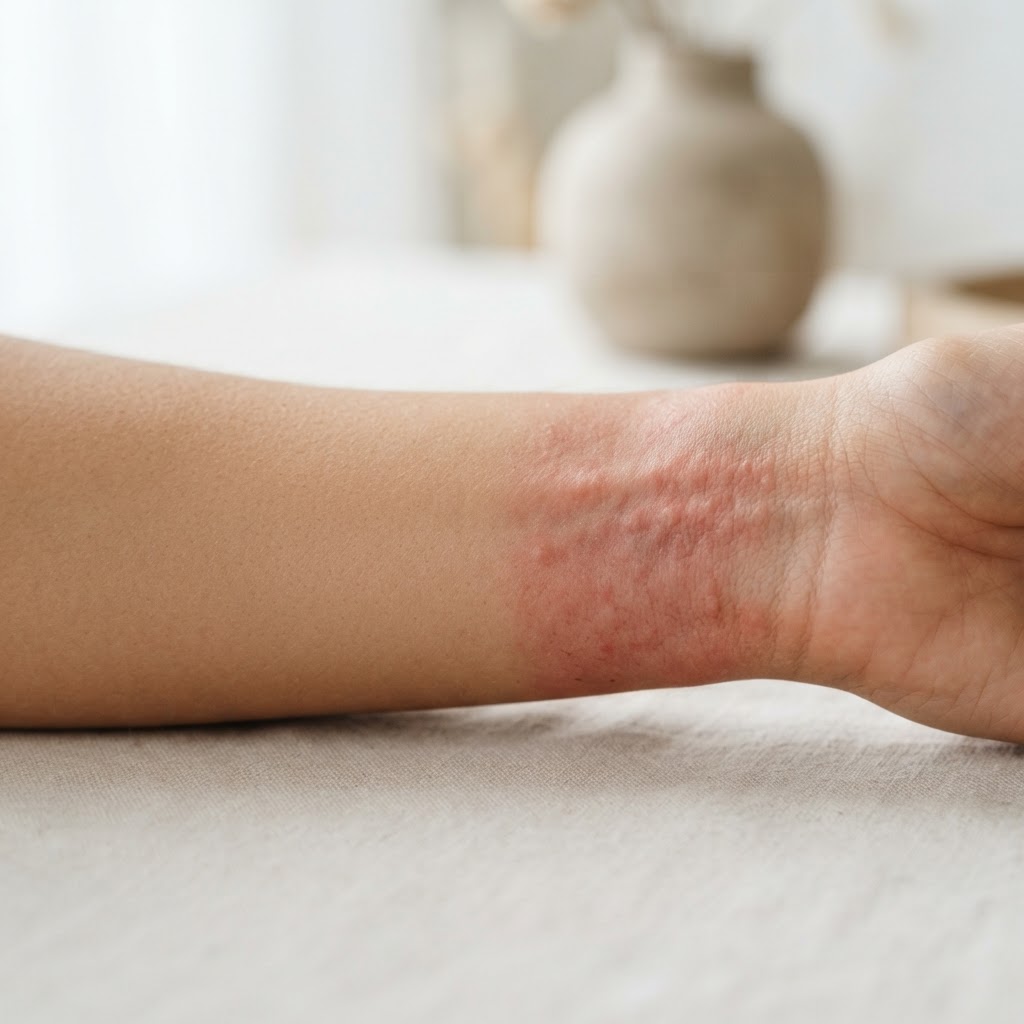
- Histamine intolerance occurs when the body struggles to break down histamine from foods, leading to systemic inflammation.
- Common skin symptoms often include hives, persistent redness, and intense itching that worsens after consuming high-histamine meals.
- DAO deficiency is a primary driver of skin-related histamine issues, hindering the body’s ability to neutralize histamine in the gut.
- The gut-skin axis plays a critical role in dermal health, as dysbiosis often exacerbates the immune response to histamine.
- Effective management usually requires a combination of dietary adjustments, identifying personal triggers, and professional guidance.
For many, the persistent mystery of unexplained skin irritation—the flushing, the sudden hives, or the relentless, crawling itch—is not a dermatological anomaly but a systemic signal from within. When the body becomes overwhelmed by histamine, a chemical messenger responsible for both essential bodily functions and intense inflammatory responses, the skin often bears the brunt of the imbalance. Understanding the intricate link between histamine intolerance and skin health is the first step toward reclaiming comfort. By examining the biological pathways that transform our dietary intake into visible dermal distress, we can begin to untangle the complex relationship between what we eat, how our gut processes it, and how our skin reacts.
What Is Histamine Intolerance and How Does It Affect Skin?
Histamine is a naturally occurring compound in the human body, serving vital roles in digestion, immune defense, and neurotransmission. Under normal circumstances, an enzyme called diamine oxidase (DAO) acts as a guardian, breaking down histamine derived from food within the intestinal tract. Histamine intolerance occurs when this regulatory system fails, typically due to a deficiency in DAO or an overabundance of histamine-rich foods. When the body cannot clear histamine efficiently, it accumulates in the bloodstream, triggering widespread reactions that often manifest as systemic discomfort.
The skin is a primary organ that reacts to these elevated systemic levels. Because the skin is highly vascular and densely populated with mast cells—specialized immune cells that store and release histamine—it acts as an early warning system for internal imbalances. When systemic histamine levels rise, these mast cells can become hyper-reactive, degranulating and releasing their contents into the surrounding skin tissue. This leads to the classic presentation of histamine intolerance skin symptoms, which often mimic allergic reactions despite the absence of a traditional IgE-mediated allergy.
Many individuals find that their skin flares are not isolated events but rather predictable outcomes of cumulative histamine exposure. For instance, consuming high-histamine foods such as aged cheeses, fermented vegetables, cured meats, or even leftovers that have been sitting in the refrigerator can cause a rapid increase in circulating histamine. Once this threshold is crossed, the skin may respond with localized warmth, redness, or generalized sensitivity. This phenomenon is often misdiagnosed as contact dermatitis or eczema, leaving many to search for topical solutions when the root cause is actually metabolic.
Furthermore, DAO deficiency skin manifestations are distinct in their timing and triggers. Unlike seasonal allergies that fluctuate with environmental pollen, histamine-related skin issues are often linked to dietary patterns. Over time, chronic exposure can lead to persistent inflammation, making the skin barrier more permeable and susceptible to environmental irritants. This creates a vicious cycle where the skin’s integrity is compromised, leading to further sensitivity. Understanding that the skin is a reflection of this internal metabolic pathway allows for a shift in perspective; rather than treating only the surface symptoms, individuals can begin to address the physiological burden on the digestive system.
Common Skin Symptoms of High Histamine Levels
When the body struggles to process histamine, the resulting symptoms can be both varied and frustratingly persistent. The most frequently reported manifestation is a histamine rash, which can range from faint, flat patches of redness to raised, itchy wheals similar to hives. These rashes often appear suddenly following a meal and may shift locations on the body, complicating the process of identifying a specific external irritant. Unlike chronic hives caused by autoimmune conditions, those linked to histamine intolerance often correlate directly with the consumption of fermented or processed foods.
Itchy skin—or pruritus—is another hallmark symptom that brings significant distress. This itching is rarely confined to a single area and can feel deep-seated, as if it originates from beneath the dermis. Many people describe a “creeping” or “burning” sensation that exacerbates in the evening or following physical exertion. Because histamine increases capillary permeability, the skin may also display persistent flushing, particularly across the cheeks, neck, and chest. This vasomotor response is often misinterpreted as rosacea, leading to treatments that provide only superficial relief while the underlying chemical imbalance persists.
The texture of the skin may also undergo changes when histamine levels are chronically high. Some individuals report a sensation of “tightness” or a fine, sandpaper-like texture that develops in areas of recurrent inflammation. Because histamine acts as a mediator for inflammation, it can also disrupt the skin’s natural moisture barrier, leading to dry, flaky patches that do not respond to traditional humectants or emollients. This dryness often exacerbates the itching, creating a cycle of scratching that further damages the skin barrier and potentially invites secondary infections.
Another overlooked symptom is the phenomenon of dermographism, where even light pressure on the skin—such as a scratch or the rub of a clothing tag—results in a raised, red welt. This indicates that mast cells in the skin are in a state of high readiness, releasing histamine in response to even the most minor mechanical stimulation. Recognizing these patterns is essential. When you start to view these skin changes not as independent dermatological disorders but as indicators of internal load, you gain the clarity needed to advocate for your health and refine your approach to symptom management.
| Approach | Mechanism | Best For |
|---|---|---|
| Low-Histamine Diet | Reduces dietary intake load | Identifying specific trigger foods |
| DAO Supplementation | Supports gut breakdown of histamine | Those with known DAO deficiency |
| Topical Barrier Creams | Soothes surface inflammation | Temporary itch relief/dryness |
| Stress Management | Lowers systemic mast cell activation | Reducing flare frequency |
Why Histamine Triggers Itching and Inflammation
To understand why histamine induces such intense skin reactions, one must look at the way it interacts with cellular receptors in the body. Histamine binds to four known types of receptors, designated H1 through H4. The H1 receptor is primarily responsible for the classic symptoms of itching and vasodilation in the skin. When histamine binds to these receptors on nerve endings, it triggers a cascade of signals that the brain interprets as a profound, localized itch. This itch-scratch cycle is one of the most difficult symptoms to manage, as scratching further irritates the skin and may cause surrounding mast cells to release even more histamine, amplifying the discomfort.
Beyond itching, histamine’s role in inflammation is multifaceted. It causes the small blood vessels in the dermis to dilate and become more permeable. This allows fluid, proteins, and immune cells to escape from the bloodstream into the surrounding tissues, leading to the swelling, warmth, and redness commonly seen during a flare. This inflammatory cascade is a protective mechanism meant to isolate and eliminate pathogens or toxins; however, in the case of histamine intolerance, the body is essentially “turning the alarm on” even when there is no actual intruder present. The skin becomes a battlefield for a false immune response.
Furthermore, histamine stimulates the production of pro-inflammatory cytokines, which serve as chemical messengers that recruit other immune cells to the site of irritation. This sustains the inflammatory process, making it difficult for the skin to heal even after the initial histamine exposure has passed. Chronic inflammation can also lead to the degradation of collagen and elastin fibers in the skin. Over the long term, this may affect skin elasticity and resilience, explaining why some individuals with long-standing histamine issues find that their skin feels thinner or more delicate than usual.
The intensity of these symptoms is often compounded by the body’s internal state. During times of stress, the body releases cortisol and other hormones that can further trigger mast cell degranulation. Consequently, a stressful day combined with a high-histamine lunch can result in a disproportionately severe skin reaction compared to either factor in isolation. Understanding the biological pathway—from the activation of H1 receptors to the sustained cytokine release—helps shift the focus from merely suppressing the itch to managing the systemic factors that keep the body in an over-reactive state.
The Connection Between Gut Health and Skin Rashes
The gut-skin axis is a well-documented phenomenon in modern wellness, but its relationship with histamine is particularly critical. The majority of histamine in our body is handled in the digestive tract. When gut health is compromised—whether through dysbiosis, “leaky gut” (increased intestinal permeability), or chronic inflammation—the body’s ability to manage histamine levels is severely inhibited. When the gut lining is inflamed, the production and activity of DAO enzymes can be negatively impacted, preventing the proper breakdown of histamine before it enters the systemic circulation.
Dysbiosis, or an imbalance of gut bacteria, can further complicate this picture. Certain strains of gut bacteria are capable of producing their own histamine, effectively increasing the “histamine load” within the intestines before food is even fully digested. If the intestinal barrier is permeable, these substances pass into the bloodstream more readily, quickly circulating to peripheral tissues like the skin. This explains why addressing digestive health is often the most effective strategy for lasting skin inflammation relief. A calm, healthy gut reduces the systemic burden, giving the skin the opportunity to recover from the constant cycle of irritation.
Inflammatory conditions of the gut, such as Small Intestinal Bacterial Overgrowth (SIBO) or general food sensitivities, can act as persistent drivers of histamine production. When the digestive system is under stress, the body may prioritize other immune functions, leaving fewer resources to handle the clearance of histamine. This systemic strain frequently shows up on the skin as rashes that fluctuate in intensity based on digestive health. Many individuals find that when they improve their gut microbiome through targeted nutrition and lifestyle changes, their skin becomes noticeably less reactive to food triggers.
Practical steps to support this connection often begin with identifying and removing inflammatory triggers that compromise the gut lining. For many, this involves adopting a gut-healing protocol that focuses on easily digestible, low-histamine foods. By reducing the work the digestive system must perform, you lower the metabolic demand on the body, which can decrease the overall amount of histamine produced and released. It is a holistic approach: by soothing the interior environment of the digestive tract, you provide the necessary foundation for the exterior surface—the skin—to repair its barrier and achieve a state of calm.
Identifying Your Unique Skin Histamine Triggers
Because histamine intolerance is highly individual, there is no single list of triggers that applies to everyone. One person might react strongly to fermented cabbage, while another may find that aged steak is their primary culprit. To identify your personal triggers, a systematic approach is necessary. Keeping a detailed symptom journal is perhaps the most powerful tool available. For at least two to four weeks, record everything you consume, the time of day, and any skin reactions that occur within a few hours to a full day after consumption. It is important to remember that reactions can sometimes be delayed, as the accumulation of histamine is cumulative rather than instantaneous.
Pay close attention to “high-histamine” categories during this tracking period. Common culprits include fermented products (sauerkraut, yogurt, kombucha), cured meats (salami, sausages), leftovers, certain fruits (citrus, strawberries), and tomatoes. However, it is equally important to notice triggers that are specific to your lifestyle. Do you notice flare-ups after a specific type of exercise? Does environmental heat trigger your symptoms? These factors can increase body temperature, which in turn can lead to mast cell degranulation, potentially lowering the threshold at which you react to dietary histamine.
Another layer of identification involves recognizing “histamine liberators” and DAO blockers. Histamine liberators are foods that don’t necessarily contain high amounts of histamine themselves but trigger the body’s own mast cells to release histamine. Common examples include egg whites and shellfish. Meanwhile, DAO blockers—like alcohol or certain medications—inhibit the enzyme that breaks down histamine, effectively making you more sensitive to the foods you eat. By observing how your skin responds to these categories, you can begin to see if your flares are due to direct intake or an impaired ability to process histamine.
Finally, consider working with a healthcare professional to rule out other conditions that might overlap with histamine intolerance. Because the symptoms—redness, itching, and inflammation—are generic, it is important to ensure you are not dealing with underlying nutritional deficiencies, autoimmune disorders, or genuine IgE-mediated allergies. Diagnostic testing, such as blood serum DAO levels or a physician-supervised elimination diet, can provide a scientific baseline for your investigation. With this data, you can build a personalized plan that honors your body’s specific needs, moving away from reactive management and toward a proactive, evidence-based approach to skin health.
Foods to Avoid for Histamine-Related Skin Flare-Ups
Managing histamine intolerance skin symptoms starts in the kitchen. When the body struggles with DAO deficiency, consuming high-histamine foods acts like pouring gasoline on an existing fire. The skin, being an eliminatory organ, often reflects internal systemic overload through hives, flushing, or persistent itching. Identifying and eliminating these triggers is the most effective way to lower your “histamine bucket” and allow your skin barrier to recover.
The primary offenders are foods that have undergone aging, fermentation, or bacterial spoilage, as these processes naturally increase histamine levels. Even seemingly healthy foods can become problematic if they are not stored correctly or if they are consumed after sitting in the refrigerator for several days.
Common High-Histamine Food Triggers:
- Fermented Products: Sauerkraut, kimchi, pickles, kombucha, and kefir are notorious for their high histamine content. While great for general gut health, they are often contraindicated for those with histamine intolerance.
- Aged and Processed Meats: Salami, pepperoni, bacon, sausages, and deli meats undergo curing processes that boost histamine levels significantly.
- Aged Cheeses: The longer a cheese is aged, the higher the histamine content. Parmesan, Roquefort, blue cheese, and sharp cheddar are among the most reactive.
- Leftovers: Histamine accumulates in food over time. Meat and fish that have been cooked and stored in the refrigerator for more than 24 hours can trigger skin inflammation.
- Canned and Smoked Fish: Mackerel, tuna, sardines, and anchovies are high in histamine, particularly if they are canned.
- Certain Fruits and Vegetables: While fresh produce is generally encouraged, some, like tomatoes, spinach, eggplant, and citrus fruits, either contain high levels of histamine or act as “histamine liberators,” triggering your own mast cells to dump more histamine into your bloodstream.
It is important to note that everyone has a different threshold. You may find that you can tolerate small amounts of aged cheddar, but a glass of red wine—another high-histamine offender—triggers an immediate histamine rash. Keeping a detailed food and skin symptom journal can help you identify your specific “tipping point.”
Natural Anti-Inflammatory Supplements for Skin Support
Beyond dietary restriction, supporting your body’s internal chemistry can help manage skin inflammation relief. While diet is the foundation, supplements can provide the additional support needed to stabilize mast cells and facilitate the breakdown of excess histamine.
| Supplement | Proposed Mechanism | Best For |
|---|---|---|
| Quercetin | Mast cell stabilizer | Reducing immediate histamine release and flushing |
| Vitamin C | Natural antihistamine | Lowering serum histamine levels and boosting collagen |
| DAO Enzymes | Exogenous degradation | Individuals with genetic DAO deficiency |
| Omega-3 Fatty Acids | Systemic anti-inflammatory | Calming chronic red, dry, or itchy skin |
| Magnesium | Nervous system regulation | Reducing stress-induced histamine flares |
Quercetin is perhaps the most widely cited natural intervention for histamine intolerance skin symptoms. As a flavonoid found in onions and apples, it acts as a mast cell stabilizer, potentially preventing the release of histamine in response to environmental triggers. When combined with Vitamin C, its bioavailability and effectiveness are often enhanced.
Vitamin C is essential because it aids in the breakdown of histamine via the diamine oxidase pathway and other metabolic routes. Low levels of Vitamin C have been observed in individuals who struggle with high systemic histamine. Furthermore, Omega-3 fatty acids, typically found in high-quality fish oil or algae-based supplements, provide the structural building blocks for healthy skin cell membranes, helping to lock in moisture and protect against external allergens that exacerbate itching.
Lifestyle Changes to Soothe Histamine-Reactive Skin
Skin health is not merely a product of what you eat or ingest; it is heavily influenced by your environment and daily habits. Stress, in particular, is a major, often overlooked trigger for histamine release. When the body enters a “fight or flight” state, the nervous system signals mast cells to release histamine, which can cause sudden, unexplained skin inflammation even in the absence of dietary triggers.
Practical Lifestyle Adjustments:
- Reduce Environmental Allergens: Dust mites, mold, and chemical fragrances in laundry detergents can worsen an existing histamine rash. Switch to fragrance-free, hypoallergenic detergents and use air purifiers to minimize inhalation triggers.
- Manage Stress Levels: Incorporating mindfulness practices such as yoga, deep-breathing exercises, or daily meditation can dampen the sympathetic nervous system’s response, thereby stabilizing mast cell activity.
- Optimize Sleep Hygiene: Sleep is when the body performs its deepest tissue repair. Aim for consistent sleep cycles, as circadian rhythm disruption can interfere with the body’s natural anti-inflammatory processes.
- Temperature Regulation: Hot showers and baths can cause vasodilation, which increases blood flow to the skin and often intensifies histamine-related itching. Opt for lukewarm water and follow up with a fragrance-free, ceramide-rich moisturizer to support the skin barrier.
- Gentle Skincare Routine: Over-exfoliating or using products with harsh preservatives can compromise the skin’s acid mantle, making it easier for histamines and external irritants to penetrate the deeper layers of the dermis.
When to See a Professional for Persistent Skin Issues
While dietary and lifestyle adjustments are powerful tools for managing histamine intolerance, they are not a replacement for medical diagnosis. Sometimes, what appears to be a histamine-related rash is actually a symptom of an underlying condition that requires professional oversight.
You should consult a healthcare professional if your skin symptoms are accompanied by systemic signs such as difficulty breathing, swelling of the tongue or throat, dizziness, or heart palpitations—these can be indicators of anaphylaxis or other severe allergic reactions and require immediate medical attention.
Additionally, seek professional advice if your skin issues persist despite strictly following a low-histamine diet for several weeks. Persistent rashes may point to other conditions such as mast cell activation syndrome (MCAS), autoimmune disorders, thyroid dysfunction, or chronic contact dermatitis. A doctor may perform blood tests to check for DAO deficiency, perform a skin biopsy, or refer you to an immunologist or dermatologist for patch testing to rule out other allergies. Managing these symptoms effectively often requires a multi-disciplinary approach, combining nutrition, dermatology, and immunology.
Frequently Asked Questions
Can stress really cause a histamine rash?
Yes. Stress activates the sympathetic nervous system, which triggers mast cells to degranulate. When these mast cells release their contents, including histamine, into the surrounding tissue, it can lead to localized inflammation, hives, or intense itching, even without the presence of food triggers.
How long does it take for skin to clear up after starting a low-histamine diet?
There is no universal timeline, as it depends on your individual toxic load and metabolic rate. Some people notice improvements in skin redness or itching within a few days, while others may require several weeks of strict dietary adherence to see a significant reduction in chronic skin inflammation.
Is DAO deficiency the same as a food allergy?
No. A food allergy involves an IgE-mediated immune response to specific proteins in food. A DAO deficiency is a metabolic inability to break down histamine efficiently. While the symptoms—such as hives or flushing—may overlap, the underlying biological mechanism is entirely different.
Can I ever eat high-histamine foods again?
Once you have stabilized your histamine levels and allowed your skin to heal, you may be able to slowly reintroduce certain foods in small amounts. Many people find they have a “tolerance bucket” that, when kept low, allows for occasional consumption of trigger foods without resulting in a severe skin reaction.
What is the best moisturizer for skin prone to histamine rashes?
The best moisturizers for reactive skin are generally fragrance-free, hypoallergenic, and contain ingredients like ceramides, hyaluronic acid, or colloidal oatmeal. These ingredients help repair the physical skin barrier, preventing external allergens from entering and reducing the urge to scratch.
Are antihistamines a permanent solution for skin inflammation?
Antihistamines act as a temporary “blocker” by preventing histamine from binding to receptors on the skin, but they do not address the root cause of the excess histamine production or the deficiency in degradation enzymes. Relying solely on them may mask symptoms while the underlying trigger remains unmanaged.
Conclusion
Navigating the relationship between histamine intolerance and skin health can be a daunting process, but it is entirely manageable with the right tools and information. By identifying your specific dietary triggers, supporting your body with the right nutrients, and making small but consistent lifestyle changes, you can effectively lower your systemic histamine load and restore the health and vitality of your skin. Remember that healing is a journey, not a race; be patient with your body as it recalibrates. If you find your symptoms are unmanageable or affecting your daily quality of life, reach out to a healthcare professional to explore a comprehensive, personalized treatment plan. Start your path to clearer, calmer skin today by auditing your pantry and prioritizing your internal wellness.
By healthauthoritylife Editorial Team
This article is for informational purposes only and is not a substitute for professional medical advice. Always consult your doctor before making changes to your diet, exercise routine, or treatment plan.
Leave a Reply