🏷️ Category: Weight Loss
Reviewed by our editorial team — Evidence sourced from the FDA, NHS, American Diabetes Association, New England Journal of Medicine, and peer-reviewed clinical trials.
🔑 Key Takeaways:
✅ Ozempic (semaglutide) is a GLP-1 receptor agonist — originally developed for Type 2 diabetes, now widely used for weight loss
✅ Clinical trials show Ozempic users lose an average of 15–20% of body weight over 68 weeks
✅ Ozempic works by mimicking the GLP-1 hormone — suppressing appetite, slowing digestion, and improving insulin sensitivity
✅ The most common side effects are nausea, vomiting, and diarrhea — usually temporary and manageable
✅ Ozempic is injected once weekly; Wegovy is the higher-dose version specifically approved for weight loss
Ozempic has become one of the most searched health topics on earth. The GLP-1 revolution has fundamentally changed how doctors and patients think about weight loss, diabetes, and metabolic health. But with all the headlines — and all the hype — it can be hard to separate fact from fiction. In this comprehensive guide, our editorial team walks you through everything you need to know about Ozempic and GLP-1 medications: how they work, who qualifies, what results to expect, the real side effects, and whether they are right for you.
What Is Ozempic? The GLP-1 Revolution Explained
Ozempic is the brand name for semaglutide, a medication developed by Novo Nordisk that mimics a naturally occurring hormone called GLP-1 (glucagon-like peptide-1). GLP-1 is released by your gut after eating and plays a critical role in regulating blood sugar, appetite, and digestion. Ozempic was originally FDA-approved in 2017 for the treatment of Type 2 diabetes. But when clinical trials showed dramatic weight loss results — far beyond what any previous medication had achieved — it triggered a global phenomenon. Today, semaglutide under the brand name Wegovy (a higher dose) is specifically FDA-approved for chronic weight management.
How Does Ozempic Work? The Science Behind GLP-1
GLP-1 receptor agonists like Ozempic work through several simultaneous mechanisms that make them uniquely powerful:
1. Appetite suppression: Ozempic acts on GLP-1 receptors in the brain — particularly in the hypothalamus — reducing hunger signals. Most users report a dramatic reduction in food cravings and appetite, often described as ‘food noise going quiet.’ 2. Slowing gastric emptying: It slows how quickly food moves from your stomach to your small intestine, keeping you feeling full for longer after meals. 3. Blood sugar regulation: It stimulates insulin release when blood sugar is high and suppresses glucagon (the hormone that raises blood sugar) — without causing hypoglycemia. 4. Liver glucose control: Reduces excess glucose production by the liver — a key driver of Type 2 diabetes. 5. Cardiovascular protection: Landmark trials show semaglutide reduces major cardiovascular events (heart attack, stroke) by 26% in high-risk patients.
Ozempic vs Wegovy vs Mounjaro: What’s the Difference?
Ozempic (semaglutide 0.5–2mg): FDA-approved for Type 2 diabetes. Widely prescribed off-label for weight loss. Weekly injection. Wegovy (semaglutide 2.4mg): Same drug as Ozempic at a higher dose. FDA-approved specifically for chronic weight management in adults with BMI ≥30 (or ≥27 with a weight-related condition). Rybelsus (semaglutide oral): Same drug in pill form. Lower bioavailability — less effective for weight loss. Mounjaro / Zepbound (tirzepatide): A dual GLP-1/GIP receptor agonist made by Eli Lilly. Clinical trials show even greater weight loss than semaglutide — up to 22.5% body weight reduction. Zepbound is FDA-approved for weight loss. Victoza / Saxenda (liraglutide): An older, daily-injection GLP-1. Less effective than semaglutide but still widely used.
Who Qualifies for Ozempic or Wegovy?
For Ozempic (diabetes indication): Adults with Type 2 diabetes who need better blood sugar control, especially those with cardiovascular disease risk. For Wegovy (weight loss indication): Adults with a BMI of 30+ (obese), OR adults with a BMI of 27+ (overweight) plus at least one weight-related health condition such as high blood pressure, Type 2 diabetes, or high cholesterol. Who should NOT take GLP-1 medications: People with a personal or family history of medullary thyroid cancer or MEN2 syndrome, those with a history of pancreatitis, pregnant or breastfeeding women, and people with severe gastrointestinal conditions.
Real Results: What Does the Clinical Evidence Show?
The evidence for semaglutide is genuinely landmark. Here is what the major trials found:
STEP 1 Trial (Wegovy, 2021): 1,961 adults with obesity. Average weight loss of 14.9% body weight (vs 2.4% placebo) over 68 weeks. 86% of participants lost at least 5% of body weight. SELECT Trial (Ozempic, 2023): 17,604 adults with cardiovascular disease and obesity. 26% reduction in major cardiovascular events. Average weight loss of 9.4% over 4 years. SURMOUNT-1 Trial (Mounjaro, 2022): Average weight loss of 22.5% body weight — the highest ever seen in a weight loss drug trial. This means a 220lb person could expect to lose approximately 49lbs on tirzepatide.
Ozempic Dosing Schedule: How Do You Take It?
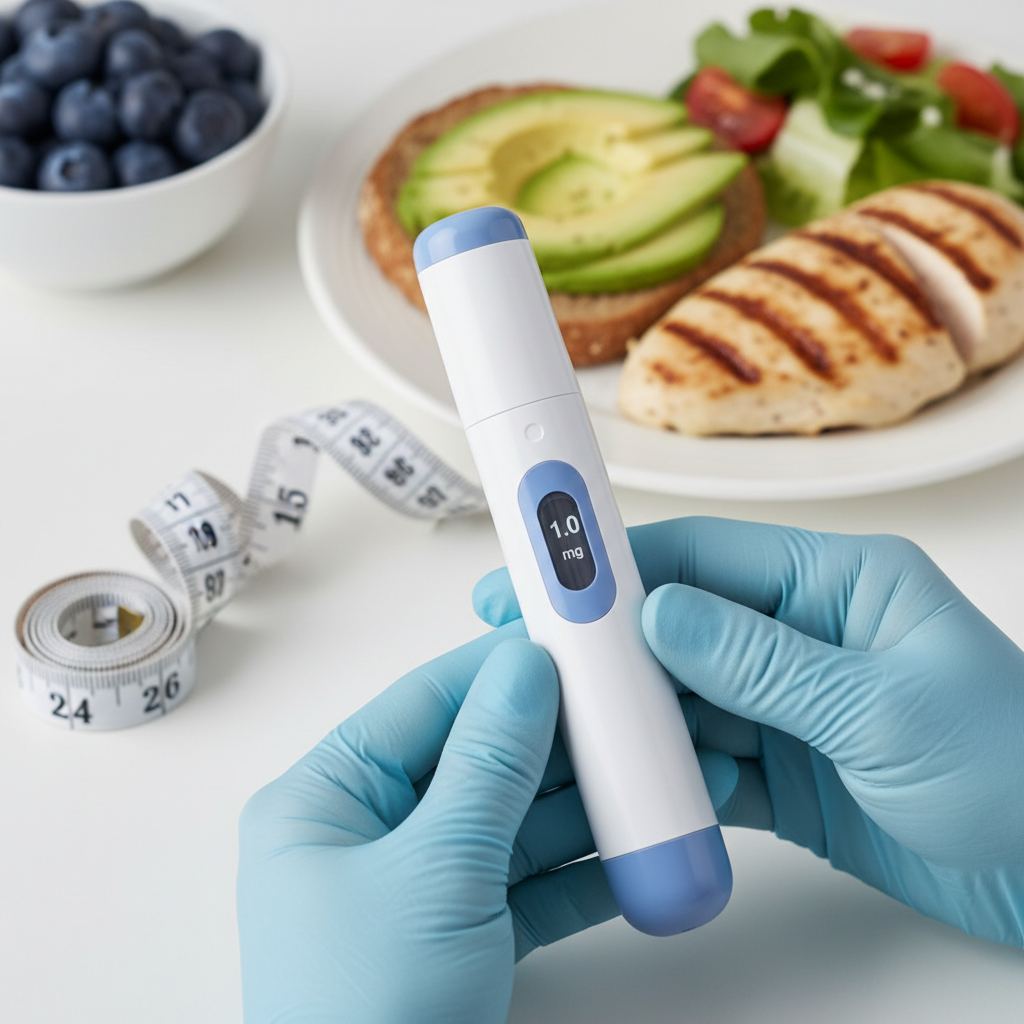
Ozempic and Wegovy are injected subcutaneously (under the skin) once per week — typically in the abdomen, thigh, or upper arm. The dose is gradually increased to minimise side effects: Weeks 1–4: 0.25mg weekly (starter dose, not therapeutic) | Weeks 5–8: 0.5mg weekly | Weeks 9–12: 1mg weekly | Week 13+: 2mg weekly (maximum Ozempic dose). For Wegovy: titration continues up to 2.4mg weekly over 16–20 weeks.
How Long Until You See Results on Ozempic?
Week 1–2: Most people notice reduced appetite almost immediately. Week 4–8: First measurable weight loss — typically 2–4% of body weight. Week 12–16: Significant results visible — 5–10% weight loss for most people. Week 52–68: Maximum effect — 15–20% weight loss in clinical trials. Important: Ozempic is not a quick fix. It works best combined with a reduced-calorie diet and increased physical activity. If you stop taking it, most people regain the weight — it is a long-term treatment, not a cure.
The Cost of Ozempic: Insurance, Coverage, and Alternatives
The list price of Ozempic in the United States is approximately $936 per month. Wegovy is around $1,349 per month. However, most people do not pay full price: Insurance: Many insurance plans cover Ozempic for Type 2 diabetes. Coverage for Wegovy (weight loss) varies significantly. Novo Nordisk savings card: Eligible commercially insured patients may pay as little as $25/month. Compounded semaglutide: During shortages, FDA-approved compounding pharmacies offered lower-cost alternatives — though quality controls vary. International pricing: The same drug costs significantly less in the UK (via NHS), Canada, and Europe.
Frequently Asked Questions
Is Ozempic safe long-term?
Long-term safety data is reassuring. The SELECT trial followed 17,604 patients for over 4 years and found semaglutide was safe and well-tolerated. The main long-term concern is thyroid C-cell tumours observed in rodents — not confirmed in humans, but a reason to avoid it in those with thyroid cancer history.
Do you regain weight after stopping Ozempic?
Yes — studies show most people regain approximately two-thirds of their lost weight within a year of stopping. This is because the medication is treating the underlying hormonal drivers of obesity, and stopping removes that treatment. Many doctors and patients view it as a lifelong medication, similar to blood pressure medication.
Can Ozempic cause muscle loss?
This is a key concern. Studies show roughly 40% of weight lost on GLP-1 medications can be lean muscle mass (vs 75% fat). Resistance training and adequate protein intake (1.2–1.6g per kg of body weight) are essential to preserve muscle while on Ozempic.
Is Ozempic available in the UK?
Yes. Semaglutide is available as Ozempic (for Type 2 diabetes) and Wegovy (for weight management) in the UK. Wegovy became available on NHS prescription in 2023 through specialist weight management services. Private prescriptions are also available through online clinics.
Conclusion
Ozempic and GLP-1 medications represent the most significant advance in obesity and metabolic health treatment in decades. The clinical evidence is genuinely impressive — 15–22% weight loss, cardiovascular protection, and profound metabolic benefits. But they are not magic bullets. They work best as part of a comprehensive approach including diet, exercise, and long-term medical management. If you think a GLP-1 medication may be right for you, speak with your GP or an endocrinologist to discuss your options.
📚 Medical Sources: FDA — Semaglutide Approval | NHS — Wegovy | NEJM — STEP 1 Trial | ADA — GLP-1 Medications
Medical Disclaimer: This article is for informational purposes only and does not constitute medical advice. Ozempic and Wegovy are prescription medications. Always consult a qualified doctor before starting any prescription medication for diabetes or weight management.
🔗 Complete GLP-1 & Ozempic Series
Read all articles in our comprehensive GLP-1 guide series:
Leave a Reply