
🏷️ Category: Medications
Reviewed by our editorial team — Evidence sourced from the FDA prescribing information, Novo Nordisk clinical trial data, and peer-reviewed gastroenterology journals.
🔑 Key Takeaways:
✅ Nausea is the most common Ozempic side effect — affecting up to 44% of users, usually peaking in weeks 2–8
✅ Most GI side effects are temporary and significantly reduce after the body adjusts to each dose increase
✅ Serious side effects include pancreatitis, gallbladder disease, and kidney injury — though these are rare
✅ Slow dose escalation is the single most effective strategy for minimising side effects
✅ Ozempic face (facial fat loss) and muscle loss are real cosmetic concerns that can be managed with diet and exercise
Ozempic’s weight loss results are remarkable — but so are the side effects that many users experience, particularly in the first few months. Understanding Ozempic side effects — which ones are normal, which ones are serious, and how to minimise them — is essential for anyone considering or currently taking semaglutide. This guide covers everything the clinical trials and real-world users have reported.
The Most Common Ozempic Side Effects
1. Nausea — The #1 Complaint
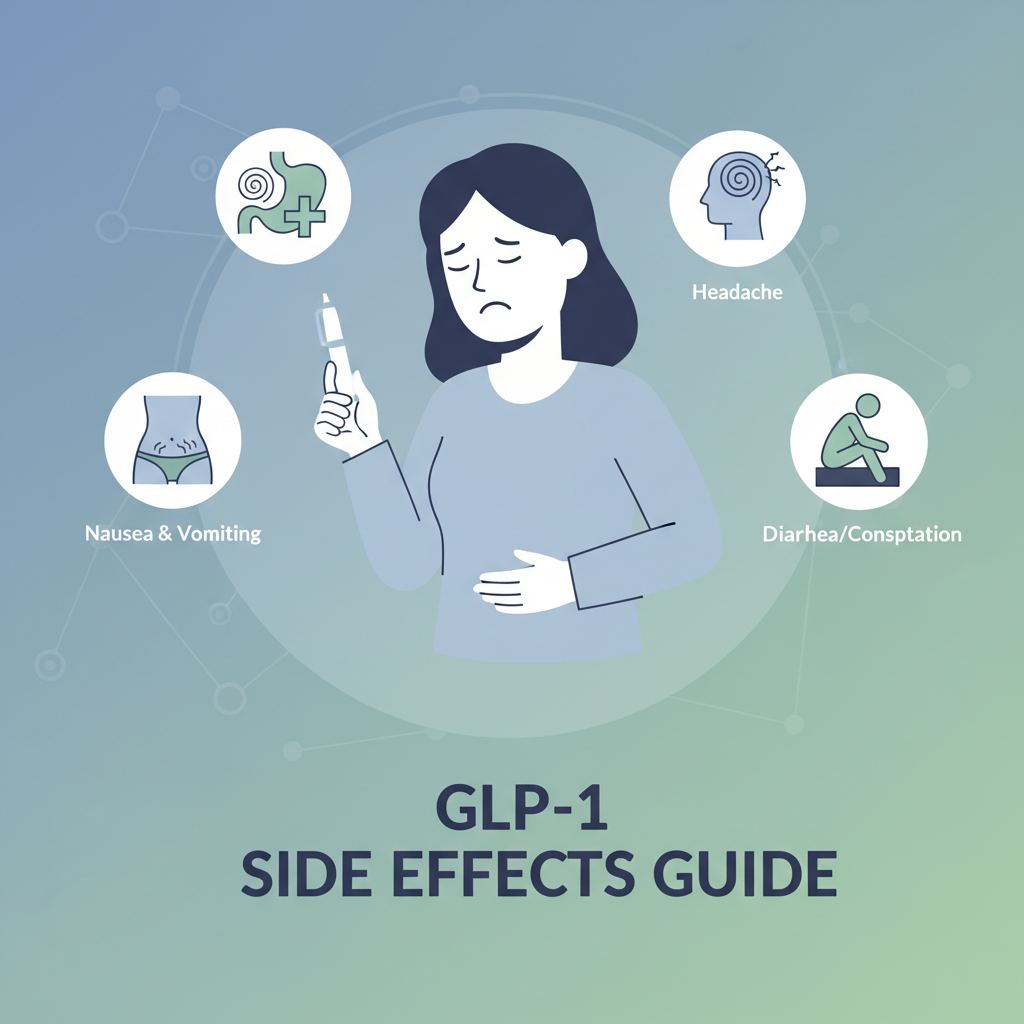
Nausea affects up to 44% of Ozempic and Wegovy users and is the most frequently reported side effect. It typically peaks during dose escalation — when your dose is being increased — and improves significantly as your body adjusts. Tips to manage nausea: eat smaller, more frequent meals; avoid fatty, fried, or spicy foods; do not lie down immediately after eating; eat slowly and stop at the first sign of fullness; ginger tea, ginger chews, or anti-nausea medication (with doctor approval) can help.
2. Vomiting
Vomiting occurs in approximately 24% of Wegovy users and is closely linked to nausea. It most commonly occurs when users eat too quickly, eat too much, or eat high-fat foods. Most people find vomiting becomes rare after the initial adjustment period. If vomiting is severe or persistent, contact your prescriber — they may slow your dose escalation schedule.
3. Diarrhea and Constipation
Both can occur on Ozempic — often alternating. Diarrhea affects ~30% of users; constipation affects ~24%. Ozempic slows gastric motility (how quickly food moves through your gut), which can cause constipation — especially at higher doses. Diarrhea tends to be more common early on. Staying well hydrated and maintaining fibre intake helps manage both.
4. Stomach Pain and Bloating
Abdominal discomfort, cramping, and bloating affect roughly 20% of users. This is related to slowed gastric emptying. Eating smaller meals and avoiding carbonated drinks and high-fat foods helps significantly. If stomach pain is severe — particularly if it radiates to your back — seek medical attention immediately, as this can be a sign of pancreatitis.
Serious Ozempic Side Effects to Watch For
Pancreatitis
Acute pancreatitis (inflammation of the pancreas) is a rare but serious risk with GLP-1 medications. Symptoms include severe, persistent abdominal pain that radiates to the back, often with nausea and vomiting. Seek emergency medical care immediately if you experience these symptoms. If you have a history of pancreatitis, GLP-1 medications are generally not recommended.
Gallbladder Disease
Rapid weight loss of any kind increases gallstone risk — and this applies to Ozempic too. Clinical trials show a higher rate of gallbladder-related events in semaglutide users vs placebo. Symptoms of gallstones include sudden severe pain in the upper right abdomen, especially after eating fatty meals. Tell your doctor if you experience these symptoms.
Kidney Problems
Severe nausea and vomiting can lead to dehydration, which strains the kidneys. Cases of acute kidney injury have been reported in Ozempic users, typically in the context of severe GI symptoms and inadequate fluid intake. Stay well hydrated — especially if you are experiencing significant nausea or vomiting.
Thyroid Tumours
Animal studies showed an increased risk of thyroid C-cell tumours with semaglutide. This has NOT been confirmed in humans, but as a precaution, Ozempic carries a black box warning and should not be used by people with a personal or family history of medullary thyroid carcinoma (MTC) or Multiple Endocrine Neoplasia syndrome type 2 (MEN2).
Ozempic Face and Body Composition Changes
What Is ‘Ozempic Face’?
‘Ozempic face’ is the popular term for facial fat loss that can occur with rapid weight loss on GLP-1 medications. As the body loses fat overall, the face can appear gaunt, hollow, or prematurely aged. This is not unique to Ozempic — it happens with any rapid weight loss — but the speed of results on GLP-1 drugs makes it more noticeable. Slower, more gradual weight loss and maintaining adequate protein intake can help minimise facial fat loss.
Muscle Loss on Ozempic
Studies suggest that approximately 40% of weight lost on Ozempic can be lean muscle mass — a significant concern. Muscle loss reduces metabolic rate and can worsen long-term weight management. Prevention: consume at least 1.2–1.6g of protein per kg of body weight daily, and engage in regular resistance training (2–3 sessions per week) throughout your Ozempic treatment.
How to Minimise Ozempic Side Effects: 8 Proven Strategies
1. Follow the titration schedule strictly — never skip ahead to a higher dose. 2. Eat smaller meals — your stomach empties more slowly on Ozempic; overeating causes nausea. 3. Avoid fatty, fried, and spicy foods — these significantly worsen GI symptoms. 4. Stay hydrated — drink at least 8 glasses of water daily. 5. Eat slowly — take 20+ minutes per meal and stop at first fullness. 6. Avoid alcohol — it worsens nausea and disrupts blood sugar. 7. Take your injection on a consistent day — same day each week. 8. Talk to your doctor about anti-nausea medication if symptoms are debilitating.
When Do Ozempic Side Effects Go Away?
For most people: Nausea and vomiting: Peak during weeks 2–8 of each new dose, then improve significantly. By the maintenance dose, most users report minimal GI side effects. Constipation: Can persist throughout treatment at higher doses. Fatigue: Often improves as blood sugar stabilises — usually within 4–6 weeks. Injection site reactions: Typically mild and resolve within days.
Frequently Asked Questions
How long does Ozempic nausea last?
Most people find nausea is worst in the first 4–8 weeks and with each dose increase. By the time they reach their maintenance dose (typically 3–5 months in), nausea has resolved for the majority of users. A small percentage experience ongoing nausea throughout treatment.
Can Ozempic damage your stomach?
Ozempic significantly slows gastric emptying — a condition called gastroparesis in severe cases. This has been reported in some users, particularly at higher doses. If you experience severe, persistent bloating, early satiety, and vomiting of undigested food, see your doctor. Anesthesiologists also recommend disclosing Ozempic use before any procedure requiring general anaesthesia due to aspiration risk.
Does Ozempic affect mental health?
The FDA added a safety review in 2023 following reports of suicidal ideation in some GLP-1 users. However, subsequent large-scale analyses have not confirmed a causal link — and some research suggests GLP-1 medications may actually improve mood and reduce depression risk. This remains an area of active research. Report any significant mood changes to your prescriber.
Conclusion
Ozempic’s side effects are real — particularly the GI symptoms in the early weeks — but for the majority of users, they are manageable and temporary. Understanding what to expect, how to minimise symptoms, and which red flags require urgent medical attention will make your experience significantly more comfortable. Always take Ozempic under the supervision of a qualified healthcare professional.
📚 Medical Sources: FDA — Ozempic Prescribing Information | NHS — Semaglutide Side Effects | Mayo Clinic — Semaglutide | NEJM — STEP Trials Safety Data
Medical Disclaimer: This article is for informational purposes only. If you are experiencing severe side effects from Ozempic or any GLP-1 medication, contact your prescribing doctor immediately or seek emergency medical care.
🔗 Complete GLP-1 & Ozempic Series
Read all articles in our comprehensive GLP-1 guide series:
Leave a Reply