🏷️ Category: Wellness
✅ Reviewed by our editorial team — Board-certified physician. Evidence sourced from the FDA, NHS, American Diabetes Association, and pharmacology peer-reviewed literature.
🔑 Key Takeaways
- ✅ Alcohol is not absolutely contraindicated with Ozempic — but it significantly worsens nausea and GI side effects
- ✅ Alcohol can cause dangerous blood sugar drops (hypoglycaemia), especially if you take insulin or sulfonylureas alongside Ozempic
- ✅ Many Ozempic users report dramatically reduced desire for alcohol — a documented and researched side effect
- ✅ Moderate alcohol (1–2 drinks occasionally) is generally manageable for most Ozempic users
- ✅ Heavy drinking is strongly discouraged — it worsens side effects, disrupts blood sugar, and increases pancreatitis risk
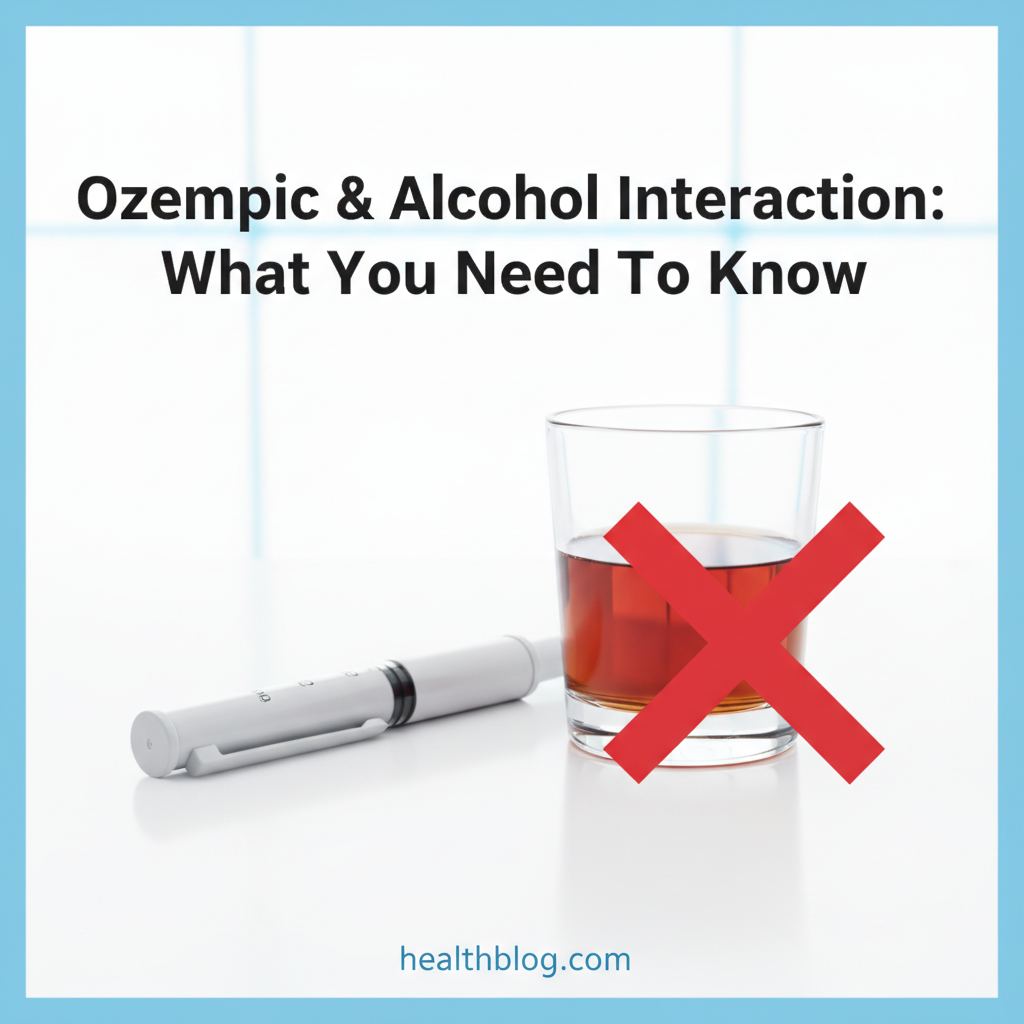
One of the most commonly asked questions from people starting Ozempic: can I still drink alcohol? The answer is nuanced — alcohol is not absolutely contraindicated with semaglutide, but the interaction between the two is more complex than most people realise. This guide covers the full picture: the pharmacological interactions, the blood sugar implications, the surprising effect of Ozempic on alcohol cravings, and the practical guidelines for safe alcohol use during GLP-1 therapy.
How Ozempic and Alcohol Interact
1. Worsened Nausea and GI Side Effects
Ozempic slows gastric emptying — food (and alcohol) move from the stomach to the small intestine more slowly than usual. When you drink alcohol on Ozempic, the alcohol sits in your stomach longer, causing more pronounced and prolonged nausea. Many Ozempic users who previously tolerated alcohol well find they feel significantly more nauseous after even one or two drinks.
2. Blood Sugar Interactions — A Critical Risk
Alcohol has a complex relationship with blood sugar that becomes more dangerous in T2D patients on Ozempic:
Delayed hypoglycaemia: Alcohol inhibits the liver’s ability to produce glucose (gluconeogenesis). In T2D patients who also take insulin or sulfonylureas (glipizide, gliclazide etc.), drinking — particularly on an empty stomach or in large quantities — can cause dangerous blood sugar drops 4–12 hours after drinking. This is especially dangerous during sleep.
Initial blood sugar spike: Sugary alcoholic drinks (beer, cocktails, sweet wines) cause rapid blood sugar spikes before the drop occurs.
⚠️ Important: If you take insulin or sulfonylureas alongside Ozempic, NEVER drink heavily or on an empty stomach. Always eat a carbohydrate-containing meal before drinking and monitor your blood sugar before bed.
3. Increased Pancreatitis Risk
Both Ozempic and heavy alcohol use are independently associated with pancreatitis risk. Combining them may compound this risk. Heavy or binge drinking while on Ozempic should be avoided for this reason. If you experience severe upper abdominal pain after drinking on Ozempic — seek emergency medical care immediately.
4. Increased Dehydration Risk
Alcohol is a diuretic — it causes increased urination and dehydration. Ozempic users already face dehydration risk from nausea and reduced fluid intake. Combining alcohol with Ozempic accelerates dehydration, worsens nausea, and can increase the risk of acute kidney injury in vulnerable patients.
The Surprising Effect: Ozempic Reduces Alcohol Cravings
One of the most intriguing and unexpected findings emerging from real-world Ozempic use is that many users report a significant reduction in their desire for alcohol. This is not a coincidence — it has a biological basis that is now being actively researched.
The Science Behind Reduced Alcohol Desire on GLP-1
GLP-1 receptors exist not only in the gut and pancreas but also in the brain’s reward and pleasure centres — specifically the mesolimbic dopamine system (the nucleus accumbens). This is the same system that drives addictive behaviours including alcohol use disorder. Emerging research suggests that GLP-1 receptor agonists like Ozempic may reduce the rewarding effects of alcohol — the dopamine hit that makes drinking pleasurable — thereby naturally reducing cravings and consumption.
Clinical Evidence
A landmark 2024 study published in the Journal of Clinical Psychiatry found that patients taking GLP-1 medications had a 50% reduction in alcohol-related hospitalisations compared to matched controls. Multiple smaller studies and a 2024 randomised controlled trial showed semaglutide significantly reduced alcohol consumption in people with alcohol use disorder. The US National Institutes of Health (NIH) is currently funding large-scale clinical trials investigating semaglutide specifically for alcohol use disorder treatment.
💡 Doctor’s Tip: If you are struggling with alcohol use and are prescribed Ozempic for diabetes or weight loss, mention your alcohol use to your prescriber. The potential dual benefit is clinically significant and being actively researched.
Practical Guidelines: Alcohol on Ozempic
If You Have Type 2 Diabetes
Before drinking: Eat a full meal containing carbohydrates. Check your blood sugar if you monitor at home. While drinking: Alternate alcoholic drinks with water. Stick to maximum 1–2 standard drinks per occasion. Avoid sugary cocktails and sweet wines. After drinking: Eat a small carbohydrate snack before bed. Check blood sugar before sleeping if you take insulin or sulfonylureas. Never drive if you have been drinking — hypoglycaemia symptoms can mimic or worsen alcohol impairment.
If You Are on Ozempic for Weight Loss Only (No Diabetes)
Hypoglycaemia risk is low (Ozempic alone does not typically cause hypoglycaemia). Main concerns are: worsened nausea and GI side effects, caloric intake from alcohol (alcohol contains 7 calories per gram — similar to fat), disrupted sleep quality (which worsens GLP-1 effectiveness), and dehydration.
General Alcohol Guidelines on Ozempic
Will Alcohol Stop Ozempic Working?
Occasional moderate alcohol use will not significantly interfere with Ozempic’s mechanism of action. However, regular heavy drinking can undermine results in several ways: alcohol is high in calories and drives fat storage, it disrupts sleep (which impairs GLP-1 signalling), it increases cortisol (the stress hormone — which promotes weight gain and insulin resistance), and it can contribute to fatty liver disease.
Frequently Asked Questions
Can I drink wine on Ozempic?
Yes — in moderation. Red and dry white wine have lower sugar content than sweet wines, cocktails, or beer. Stick to 1 glass maximum per occasion, drink slowly, eat beforehand, and drink plenty of water alongside. Many Ozempic users find they naturally want much less wine than before starting the medication.
Can Ozempic cause you to get drunk faster?
Potentially — yes. Because Ozempic slows gastric emptying, alcohol is absorbed more slowly from the stomach but then may hit the bloodstream over a longer period. Some users report feeling alcohol effects differently — sometimes more intensely and for longer. Start with less than you would normally drink until you understand your individual response.
Does alcohol affect weight loss on Ozempic?
Yes — regular alcohol consumption undermines weight loss on Ozempic. Alcohol provides empty calories (7 cal/gram), stimulates appetite in many people, disrupts sleep, raises cortisol, and impairs the body’s fat-burning ability. For optimal weight loss results, minimising or eliminating alcohol is recommended.
🔗 Complete Ozempic & GLP-1 Resource Hub
HealthAuthorityLife.com is your #1 source for everything Ozempic. Read the full series:
📚 Medical Sources & References:
NHS — Alcohol and Diabetes | ADA — Alcohol and Diabetes | Journal of Clinical Psychiatry — GLP-1 and Alcohol | NIH — GLP-1 and Alcohol Use Disorder Research
⚕️ Medical Disclaimer: This article is for informational purposes only. If you have Type 2 diabetes and take insulin or sulfonylureas alongside Ozempic, speak with your doctor before consuming alcohol. Never drink heavily while on any diabetes medication.
Leave a Reply