
- Regular coffee consumption is often associated with a reduced risk of symptomatic gallstone disease in several observational studies.
- Caffeine acts as a cholecystokinetic agent, meaning it encourages the gallbladder to contract and empty its stored bile.
- While coffee supports gallbladder motility, individuals with existing, acute gallbladder issues may find caffeine triggers discomfort.
- The polyphenols and antioxidants found in coffee may help lower systemic inflammation, which is beneficial for overall digestive health.
- Hydration is essential; coffee should not replace water, especially when focusing on optimal bile composition and gallbladder function.
For millions of people around the world, the morning cup of coffee is more than just a ritual—it is a foundational component of their daily productivity. However, for those concerned with digestive wellness, the relationship between this caffeinated beverage and the internal organs responsible for fat digestion is often a source of confusion. When considering the intricate connection between coffee and gallbladder health, it is natural to wonder whether your favorite brew is a friend or a foe. The gallbladder, a small pouch tucked beneath the liver, plays a vital role in emulsifying dietary fats, yet it is prone to issues like stone formation and inflammation. As we peel back the layers of current nutritional science, it becomes clear that for most individuals, coffee may actually offer protective properties rather than posing a significant threat. By examining how caffeine affects bile dynamics and how the unique chemical profile of coffee beans interacts with your digestive system, we can better understand how to integrate this beverage into a gallbladder-friendly lifestyle.
The Relationship Between Caffeine and Gallbladder Function
To understand the link between caffeine and the gallbladder, one must first appreciate the function of the gallbladder itself. This organ acts as a storage reservoir for bile, a fluid produced by the liver that contains bile salts, cholesterol, and bilirubin. When you consume a meal containing fats, the gallbladder is signaled to contract, squeezing bile into the small intestine to assist in digestion. Caffeine is known to act as a stimulant, and its effects extend well beyond the central nervous system; it also influences the smooth muscles of the digestive tract. In the context of digestive health and coffee, researchers have observed that caffeine consumption can trigger an increase in cholecystokinin (CCK), a hormone that plays a pivotal role in gallbladder contraction.
This biological interaction is significant because stagnant bile is a primary precursor to the formation of gallstones. If bile remains in the gallbladder for too long, it can become concentrated, leading to the crystallization of cholesterol. Because caffeine encourages the gallbladder to contract and empty, it may theoretically prevent the stasis that leads to these accumulations. However, the intensity of this response varies greatly from person to person. For an individual with a healthy gallbladder, this increased motility is generally seen as a positive, healthy process that keeps the biliary system “flushed.”
Conversely, for those asking is coffee bad for gallbladder health when underlying conditions already exist, the answer becomes more nuanced. If a person has a large, obstructive gallstone or existing inflammation (cholecystitis), a sudden, strong contraction prompted by caffeine might cause physical discomfort or pain. This is often misinterpreted as the coffee “causing” a problem, when in reality, the caffeine is simply inducing the organ to perform its natural job. Experts generally suggest that while the mechanics are beneficial for preventing stagnation, the individual’s current physiological status must be taken into account. If you have been diagnosed with gallbladder disease, consulting with a healthcare provider is essential before making changes to your coffee intake. In the absence of disease, however, the moderate stimulation provided by caffeine is widely viewed as a harmless—and perhaps even supportive—part of a regular digestive routine.
Does Coffee Consumption Increase the Risk of Gallstones?
One of the most persistent myths in the wellness community is the idea that does coffee cause gallstones. When analyzing epidemiological data and large-scale population studies, the evidence actually points in the opposite direction. Multiple observational studies have indicated that people who consume coffee regularly tend to have a lower prevalence of symptomatic gallstone disease compared to non-coffee drinkers. While correlation does not always equal causation, the consistent nature of these findings suggests that there may be a protective mechanism at play.
The primary concern regarding gallstone formation is cholesterol supersaturation. Bile must maintain a delicate balance of cholesterol and bile salts to stay liquid. When the concentration of cholesterol becomes too high, it begins to precipitate out of the liquid, eventually forming “sludge” or solid stones. Coffee appears to influence this balance in a favorable way. Some researchers suggest that the specific compounds in coffee may help lower the cholesterol saturation index of bile. By keeping the cholesterol in a dissolved state, the risk of crystallization is significantly reduced. This is a critical factor for long-term gallbladder health, as it addresses the chemical root cause of stone formation.
Furthermore, the habit of coffee consumption is often linked to other lifestyle factors that influence metabolic health. For instance, coffee can influence insulin sensitivity, and since insulin resistance is a known risk factor for gallstone formation, this secondary benefit likely contributes to the overall reduction in risk. It is important to note that the way coffee is prepared matters. Adding heavy cream, excessive sugar, or processed syrups can create a high-fat, high-sugar burden on the gallbladder that might negate the subtle protective benefits of the black coffee itself. When looking at the question of whether coffee and gallbladder health are compatible, the context of the entire diet is paramount. For someone eating a balanced, nutrient-dense diet, coffee acts as a dietary aid that supports the biliary system rather than a source of harm. The consensus among many researchers is that coffee consumption is not a risk factor for developing gallstones, and for many, it serves as a helpful component of a preventative health strategy.
| Beverage Type | Effect on Gallbladder | Best For |
|---|---|---|
| Black Coffee | Stimulates contraction; potential protective effect | Individuals seeking preventative support |
| Decaf Coffee | Provides antioxidants; less impact on motility | Those sensitive to caffeine jitteriness |
| Coffee w/ Heavy Cream | High fat triggers gallbladder stress | Not recommended for those with bile issues |
| Herbal/Ginger Tea | Soothes inflammation; supports flow | Active discomfort or recovery phases |
How Caffeine Stimulates Bile Flow and Contraction
The mechanics of how caffeine interacts with the biliary system are rooted in the physiology of the digestive tract. When you drink a cup of coffee, the caffeine is absorbed into the bloodstream, where it exerts its systemic effects. One of these effects is the stimulation of the vagus nerve, which helps regulate the “rest and digest” functions of the body. Simultaneously, caffeine encourages the release of cholecystokinin (CCK). CCK is a peptide hormone that travels to the gallbladder and signals the smooth muscle cells surrounding the gallbladder wall to contract.
This process of contraction is essential for maintaining a healthy biliary tract. Think of your gallbladder as a reservoir; if the water in that reservoir is never refreshed or circulated, it becomes stagnant. In the gallbladder, stagnant bile is the equivalent of a swampy environment where bacteria and mineral crystals can take hold. By promoting regular, rhythmic contractions, caffeine ensures that bile is consistently pushed into the duodenum to mix with food. This turnover of bile is arguably one of the most important factors in preventing the growth of small crystals into larger, problematic stones.
However, understanding the link between a gallbladder attack and caffeine is vital for those who are currently experiencing symptoms. If you have already developed stones, the stimulation provided by caffeine is a double-edged sword. While the contraction is intended to move bile, if a stone is present and attempts to move into the bile duct (the common bile duct), it can cause a blockage. This blockage leads to the sharp, intense pain associated with a gallbladder attack. Therefore, caffeine can act as a trigger for pain in patients who have pre-existing, symptomatic gallstones. It is crucial to distinguish between the preventative benefits of caffeine for a healthy gallbladder and the potential for discomfort in a diseased one. For someone with a healthy gallbladder, the stimulation is a benign and effective “exercise” for the organ. For someone with existing stones, even small amounts of caffeine could theoretically cause enough pressure to induce a painful event. It is a classic example of why health advice must be tailored to the individual’s specific clinical history rather than applied as a blanket statement for everyone.
The Role of Polyphenols and Antioxidants in Gallbladder Health
Beyond the direct mechanical effects of caffeine, coffee is a remarkably complex chemical beverage, rich in bioactive compounds known as polyphenols and antioxidants. These substances, particularly chlorogenic acids, play a significant role in coffee gallbladder benefits by mitigating oxidative stress and reducing systemic inflammation. Inflammation is a silent driver of many digestive diseases; when the gallbladder or the biliary ducts become chronically inflamed, their ability to function efficiently is compromised. By neutralizing free radicals, the antioxidants in coffee help protect the mucosal lining of the biliary system from damage.
Research into the anti-inflammatory properties of coffee suggests that these compounds may help modulate the immune response within the liver and the gallbladder. Chronic low-grade inflammation can lead to the formation of sludge and stones, as it alters the biochemical composition of bile, making it “thicker” and less efficient at processing fats. By promoting a less inflammatory environment, the regular intake of polyphenol-rich coffee may help keep the bile thin and free-flowing. This is an area of ongoing scientific interest, as the shift toward understanding the gut-liver-gallbladder axis has highlighted the importance of diet in maintaining the delicate balance of this organ system.
Moreover, the protective effect of these antioxidants extends to the liver, which is the “factory” that produces bile in the first place. A healthy liver produces high-quality bile that is less likely to result in gallstone formation. Because the liver and the gallbladder are so intimately connected, anything that protects liver health—such as the moderate consumption of coffee—tends to have a downstream positive effect on the gallbladder. Studies have shown that regular coffee drinkers often have better markers of liver function, which is intrinsically linked to the chemical balance of the bile being stored in the gallbladder. It is important to remember that these benefits are best achieved through high-quality, freshly brewed coffee rather than instant versions that may contain additives or lower antioxidant profiles. By focusing on whole, unprocessed coffee as part of a fiber-rich, balanced diet, individuals can leverage these powerful antioxidants to support their long-term digestive vitality. The holistic view of coffee and gallbladder health demonstrates that caffeine is merely one piece of the puzzle; the true benefit lies in the synergistic effect of the entire bean’s chemical profile working in harmony with your body’s natural digestive processes.
Can Drinking Coffee Trigger a Gallbladder Attack?
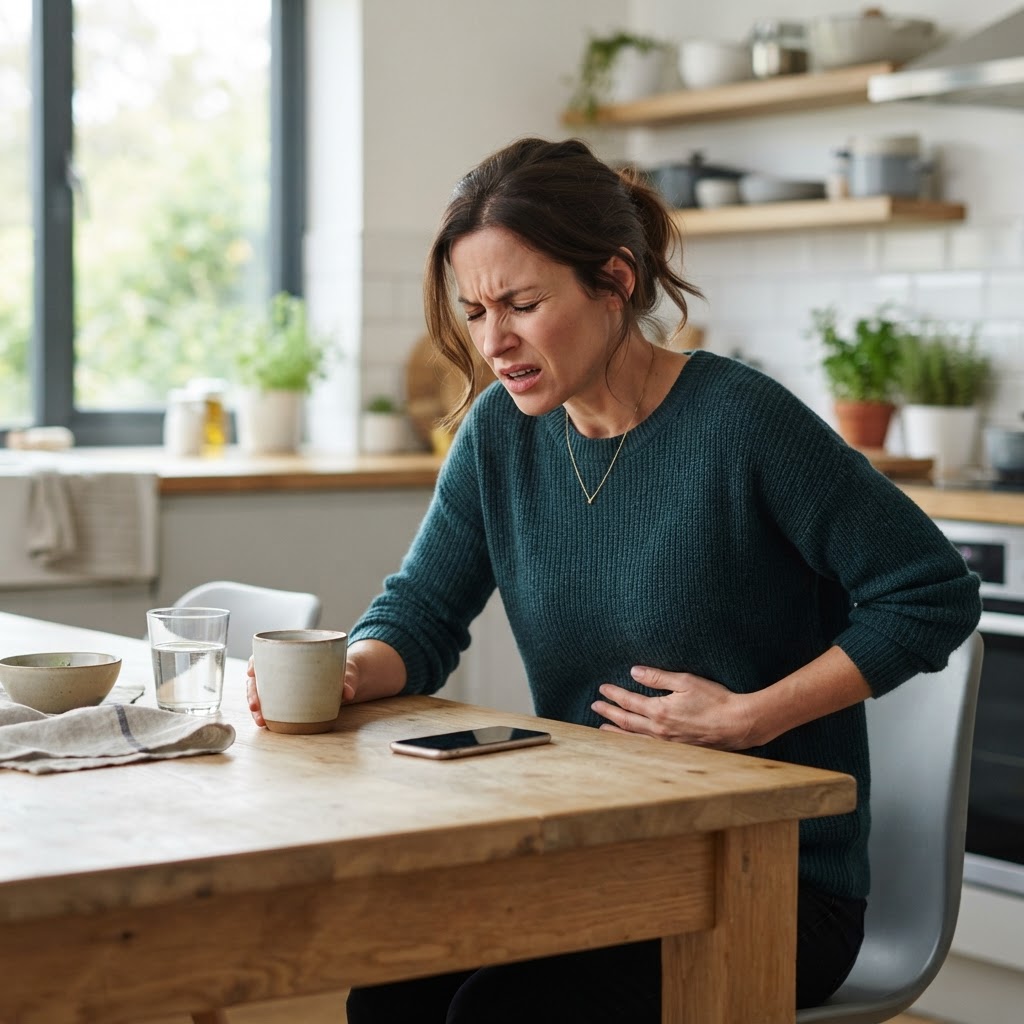
For individuals who have already been diagnosed with gallbladder sludge or gallstones, the question of whether coffee can precipitate an acute gallbladder attack is of paramount importance. A gallbladder attack—medically known as biliary colic—is characterized by intense, steady pain in the upper right quadrant of the abdomen, often radiating to the back or shoulder blade. While research suggests that coffee may help prevent gallstones in healthy populations, the physiological impact on a compromised gallbladder can be quite different.
The primary mechanism at play is cholecystokinin (CCK) secretion. When you consume coffee, particularly caffeinated varieties, it stimulates the release of hormones that signal the gallbladder to contract. In a healthy gallbladder, this is a normal digestive process. However, if you have existing gallstones, a forced contraction can move a stone into the cystic duct, causing a blockage. This obstruction leads to the excruciating pain associated with a gallbladder attack.
Furthermore, the acidity of coffee can be a secondary trigger. Many people report that the high acid content of coffee increases overall gastrointestinal distress. If your digestive system is already inflamed due to gallbladder issues, this acidity can exacerbate symptoms like bloating, nausea, and abdominal cramping, which may be misinterpreted as a primary gallbladder event. It is also worth noting that coffee is often consumed with additives like heavy cream, butter, or high-fat milk. The ingestion of fats is the most potent trigger for gallbladder contractions. Therefore, if you drink a latte made with full-fat milk, it is likely the dairy fat, rather than the coffee itself, that triggers the pain.
Coffee vs. Other Caffeinated Beverages: Which Is Better?
When evaluating coffee and gallbladder health, it is essential to compare how various caffeinated sources influence the digestive tract. Not all caffeinated beverages interact with the body in the same way, and the “delivery system” of the caffeine matters as much as the stimulant itself.
For instance, while coffee is a complex brew containing polyphenols and oils, energy drinks, black teas, and sodas offer different chemical profiles. Energy drinks often contain high levels of sugar or artificial sweeteners, both of which can lead to rapid blood sugar fluctuations and digestive stress. Black tea, by contrast, is rich in tannins and generally lower in acidity than coffee, which some individuals with sensitive stomachs find easier to tolerate. Below is a breakdown of how common caffeinated beverages compare regarding their potential impact on the digestive system.
| Beverage | Acidity Level | Digestive Impact | Best For |
|---|---|---|---|
| Black Coffee | High | Strong stimulant; promotes CCK release | Healthy individuals; pre-meal metabolism |
| Green Tea | Low | Contains catechins; mild stimulation | Sensitive stomachs; anti-inflammatory support |
| Black Tea | Moderate | Contains tannins; moderate caffeine | Those seeking sustained energy without acid spikes |
| Energy Drinks | High | Rapid stimulant; often high in artificial additives | Not recommended for digestive health |
| Cold Brew Coffee | Low | Lower acidity; moderate stimulation | Coffee lovers with acid reflux or sensitive guts |
Ultimately, green tea often emerges as the superior choice for those concerned about their gallbladder. It provides a smaller, more consistent dose of caffeine and contains EGCG (epigallocatechin gallate), a compound that may support overall liver and gallbladder health without the harsh, sudden contractions associated with high-octane espresso shots.
Potential Risks for Those With Pre-existing Gallbladder Issues
For those living with known gallbladder disease, cholecystitis, or chronic biliary issues, the risks associated with caffeine intake are amplified. The core issue is the unpredictability of gallbladder function when it is already under stress. If the gallbladder is struggling to concentrate bile or if stones have already formed, the “contractive” nature of coffee can be problematic.
One of the most significant risks is the potential for chronic inflammation. When the gallbladder is constantly stimulated to release bile, but the ducts are partially obstructed, the organ remains in a state of chronic irritation. Over time, this can lead to thickened gallbladder walls, a condition that may eventually necessitate surgical intervention. Additionally, caffeine is a diuretic. If you are not adequately hydrating, the dehydration caused by excessive coffee intake can lead to more concentrated bile. Concentrated bile is thicker and more prone to forming crystals, which are the precursor to new or larger gallstones.
Another often overlooked risk is the “caffeine crash” and its effect on diet. When individuals rely heavily on caffeine, they may experience appetite suppression followed by a period of intense hunger, leading them to binge on high-fat or processed foods. Because gallbladder health is so closely tied to dietary fat management, these unpredictable eating patterns pose a significant threat to those who need to maintain a steady, low-fat intake to keep their symptoms under control.
Best Practices for Including Coffee in a Gallbladder-Friendly Diet
If you have a healthy gallbladder and wish to continue enjoying your daily brew, or if you have mild digestive sensitivity and want to minimize risk, there are several “best practices” to follow. These habits ensure you maximize the benefits of coffee while minimizing the stress placed on your biliary system.
First, avoid drinking coffee on an empty stomach. An empty stomach makes the body more reactive to the stimulants in caffeine, leading to sharper, more aggressive contractions of the gallbladder. Instead, pair your coffee with a light, fiber-rich meal. Fiber is excellent for digestion and helps moderate the release of digestive hormones, which can soften the effect of the caffeine on your gallbladder.
Second, pay attention to what you add to your cup. If you are prone to gallbladder discomfort, eliminate heavy cream, half-and-half, and whipped toppings. These high-fat ingredients are the primary culprits in triggering gallbladder distress. Swap them for small amounts of almond milk, oat milk, or soy milk. If you must have sweetener, opt for natural alternatives in moderation, as excessive refined sugar can cause inflammation throughout the gut.
Third, consider the brewing method. Cold brew coffee is significantly less acidic than hot-brewed drip coffee. For individuals whose digestive systems are sensitive to acid, switching to cold brew can reduce the likelihood of heartburn and epigastric discomfort. Finally, maintain consistent hydration. Aim to drink a glass of water for every cup of coffee you consume. Proper hydration keeps bile fluid and helps move waste through the digestive tract more efficiently, reducing the risk of stagnation that leads to gallstone formation.
Frequently Asked Questions
Does decaf coffee affect the gallbladder differently than regular coffee?
While decaffeinated coffee contains significantly less caffeine, it still contains other compounds and acids that can stimulate the digestive system. However, since the primary gallbladder-contracting hormone, cholecystokinin, is often triggered by the presence of caffeine, many people find that decaf is less likely to cause a “gallbladder response.” That said, if your triggers are related to the acidity of the coffee rather than the stimulant, you may still experience discomfort with decaf.
Can drinking coffee help pass a gallstone?
No, there is no scientific evidence that coffee can “flush” or pass gallstones. In fact, if you have large stones, stimulating the gallbladder to contract—which coffee does—is dangerous, as it can cause a stone to become lodged in a duct, leading to a medical emergency. You should never attempt to “flush” stones without direct medical supervision.
Is it safe to drink coffee if I have had my gallbladder removed?
Generally, most people can return to moderate coffee consumption after recovering from a cholecystectomy (gallbladder removal). Without a gallbladder, bile is constantly trickling into the digestive tract rather than being stored and released in bursts. While you may still experience some digestive sensitivity to caffeine, you are no longer at risk of having a “gallbladder attack” because the organ is no longer present.
Does the temperature of the coffee matter for gallbladder health?
The temperature itself is less of a factor than the chemical composition. However, some individuals with sensitive digestive tracts find that very hot beverages can irritate the esophagus and stomach lining, which may be perceived as general upper abdominal distress. Lukewarm or room-temperature coffee may be easier for some, but the caffeine and acidity remain the primary physiological drivers.
How much coffee is considered “safe” for gallbladder health?
While there is no universal “safe limit,” experts often suggest that moderate consumption—typically defined as one to two cups per day—is unlikely to cause harm in healthy individuals. If you have a history of gallbladder issues, you should monitor your symptoms closely and discuss your intake limits with your physician. If you notice pain or bloating following your morning cup, it is a sign to reduce your intake.
Are coffee beans themselves harmful, or is it just the liquid?
The risks associated with coffee consumption are almost exclusively related to the brewed liquid and the additives placed within it. There is no evidence that the occasional consumption of whole coffee beans (such as in a chocolate-covered treat) provides enough volume to impact gallbladder function. The issues arise when a concentrated, liquid dose of caffeine and acids is ingested.
Conclusion
Navigating the relationship between coffee and gallbladder health requires a balanced perspective. For most healthy adults, the regular, moderate consumption of coffee—particularly when paired with a fiber-rich diet and low-fat milk alternatives—may actually offer protective benefits against the development of gallstones. The antioxidants and metabolic-boosting properties of coffee play a fascinating role in digestive function. However, for those already struggling with gallstones or biliary inflammation, the stimulant effect of caffeine can act as a catalyst for pain, turning a routine morning ritual into a digestive burden.
Understanding your own body’s response is the most critical step. If you experience persistent bloating, abdominal pain, or digestive discomfort after drinking coffee, listen to those signals. Consider swapping to lower-acid options like green tea or cold brew, or consult with a healthcare professional to assess your gallbladder health status. By making informed choices, you can maintain a lifestyle that supports both your love for coffee and your long-term digestive wellness.
Are you curious about how other dietary habits impact your gallbladder? Subscribe to our newsletter for more evidence-based guides on managing digestive health and building a sustainable, symptom-free lifestyle.
By healthauthoritylife Editorial Team
This article is for informational purposes only and is not a substitute for professional medical advice. Always consult your doctor before making changes to your diet, exercise routine, or treatment plan.