- The gallbladder serves as a critical storage reservoir for bile, which is essential for the emulsification and digestion of dietary fats.
- Common indicators of gallbladder distress include persistent abdominal discomfort after meals, bloating, and unexpected changes in bowel movements.
- Dietary choices heavily influence bile viscosity and flow, making fiber and healthy fats integral to gallbladder wellness.
- Specific nutrients, including magnesium, vitamin C, and taurine, play a foundational role in supporting healthy bile production.
- Lifestyle modifications such as stress management and consistent meal timing can significantly reduce the strain on your digestive system.
The gallbladder is often an overlooked organ until it begins to cause significant discomfort. While many people associate digestive wellness exclusively with the stomach or the gut microbiome, the gallbladder plays a silent but pivotal role in how your body processes nutrients. Whether you are seeking natural gallbladder support to improve your daily comfort or navigating the journey of gallbladder wellness, understanding the intricate relationship between your liver, bile production, and fat digestion is the first step toward lasting health. At healthauthoritylife, our editorial team believes that proactive digestive care is the cornerstone of overall vitality. This guide explores the mechanisms of gallbladder function and provides actionable, science-supported strategies to optimize your digestive health naturally.
Understanding the Role of Your Gallbladder in Digestion
To grasp the necessity of natural gallbladder support, one must first appreciate the gallbladder’s physiological purpose. Tucked neatly beneath the liver, this small, pear-shaped organ acts as a storage vessel for bile, a digestive fluid produced by the liver. Bile is a complex cocktail of cholesterol, bile salts, bilirubin, and water. While the liver is the constant manufacturer of this fluid, the gallbladder serves as the warehouse, concentrating and releasing bile into the small intestine specifically in response to the arrival of food—particularly fat—in the digestive tract.
Think of your gallbladder as a biological gatekeeper for fat digestion. When you consume a meal containing dietary fats, your body triggers a hormonal response that causes the gallbladder to contract, squirting bile into the duodenum. This bile acts like a biological detergent, emulsifying large fat globules into microscopic droplets. This process is essential because digestive enzymes, such as lipase, are water-soluble and struggle to penetrate large fat clusters. Without properly emulsified fats, your body cannot efficiently absorb fat-soluble vitamins, including A, D, E, and K, nor can it extract the essential fatty acids necessary for hormonal balance and cellular integrity.
The gallbladder also serves as a critical regulator of the biliary system. It maintains the internal pressure of the bile ducts and ensures that bile is available on demand, rather than dripping into the intestine constantly. When the gallbladder functions optimally, digestion remains smooth, nutrient absorption is high, and the intestinal environment stays balanced. However, when bile becomes too thick or sluggish—a condition often referred to as biliary stasis—the gallbladder may struggle to contract effectively. This is where digestive health tips become vital; by maintaining the quality of bile, we reduce the burden on the gallbladder, ensuring it remains an efficient partner in our digestive process rather than a source of distress.
Furthermore, the gallbladder contributes to the health of the entire digestive tract by neutralizing stomach acid. As chyme—the semi-digested food mixture from the stomach—enters the small intestine, it is highly acidic. Bile, being slightly alkaline, helps to create a more hospitable environment for intestinal enzymes and the delicate lining of the gut. When bile flow is compromised, this delicate pH balance can be shifted, potentially leading to discomfort, malabsorption, and an environment where pathogenic bacteria might thrive. Understanding this role underscores why supporting the biliary system is a cornerstone of comprehensive wellness.
Signs Your Gallbladder Needs Extra Support
Recognizing the subtle signals of a stressed gallbladder is essential for those committed to proactive wellness. The body often provides early warnings before a condition escalates, but these symptoms are frequently dismissed as mere “indigestion.” The most common indicator is persistent discomfort in the upper right quadrant of the abdomen, usually occurring shortly after consuming a meal high in fat or fried foods. This discomfort may sometimes radiate to the back, specifically near the right shoulder blade, which is a classic anatomical referral pattern linked to gallbladder tension.
Beyond physical pain, digestive health is often reflected in your bowel patterns. Because bile is responsible for the brown pigment in stool, sluggish bile flow can result in stools that appear lighter or clay-colored. Conversely, if bile is not properly reabsorbed or processed, it can act as an irritant to the intestinal lining, leading to frequent bouts of diarrhea, especially following a heavy meal. Bloating, gas, and a feeling of fullness that persists long after you have stopped eating are also frequent complaints for those whose gallbladder function is suboptimal.
Another area often overlooked in gallbladder wellness is your skin and hormonal health. Since the liver and gallbladder are tasked with processing toxins and managing lipid metabolism, poor biliary function can manifest externally. Some individuals may experience unexplained skin breakouts, itching, or even signs of vitamin deficiency despite a nutrient-dense diet. For instance, if you find your skin is chronically dry or you bruise easily, it could be a sign that your body is failing to absorb essential fat-soluble vitamins due to insufficient bile emulsification.
It is also important to pay attention to your “fat tolerance.” If you find yourself consistently avoiding avocado, nuts, or olive oil because they trigger digestive distress, it is a clear indicator that your gallbladder requires support. This aversion is the body’s natural attempt to avoid the pain of a gallbladder contraction it cannot comfortably facilitate. Rather than simply removing these healthy fats from your diet, a better approach is to investigate how to support gallbladder function through lifestyle and nutritional interventions. By addressing the quality of your bile and the health of your liver and gallbladder detox pathways, many individuals find they can reclaim their ability to enjoy a diverse, nutrient-rich diet without the accompanying dread of digestive consequences.
| Approach | Focus Area | Best For |
|---|---|---|
| Intermittent Eating | Gallbladder rest and contraction | Preventing biliary stasis |
| Fiber-Rich Nutrition | Binding and bile regulation | Optimizing bile consistency |
| Hydration Strategy | Maintaining fluid volume | Reducing bile sludge risk |
| Targeted Bitters | Stimulating natural secretion | Improving immediate digestion |
The Impact of Diet on Bile Production and Flow
The foods you put on your plate serve as the primary drivers of bile production and flow. When discussing natural gallbladder support, it is impossible to ignore the profound impact of dietary habits on the viscosity of bile. If bile becomes too concentrated or “sludgy,” it loses its ability to flow freely through the biliary ducts. This state of stasis is a frequent precursor to gallbladder irritation. To maintain a healthy biliary system, we must focus on both the frequency of meals and the quality of macronutrients we consume.
One of the most effective digestive health tips involves the consistent consumption of high-fiber foods. Soluble fiber, found in abundance in oats, apples, legumes, and seeds, acts as a sponge within the digestive tract. It binds to bile acids, which are then excreted from the body. This process forces the liver to produce fresh, high-quality bile to replace what was lost, effectively lowering cholesterol concentrations and preventing the formation of thick, stagnant bile. A high-fiber approach acts as a natural “flush” for your biliary system, ensuring that the stored bile remains thin and effective at emulsifying fats.
Conversely, the type of fat you consume is just as important as the amount. Refined vegetable oils and trans fats can contribute to systemic inflammation, which can affect the liver’s ability to produce healthy bile. Instead, prioritize high-quality monounsaturated and polyunsaturated fats, such as those found in olive oil, avocados, and fatty fish. These fats help stimulate a healthy contraction of the gallbladder without causing the level of strain associated with heavily processed or fried foods. By introducing these fats in moderate, consistent portions, you help the gallbladder “exercise” its contractility in a controlled and beneficial manner.
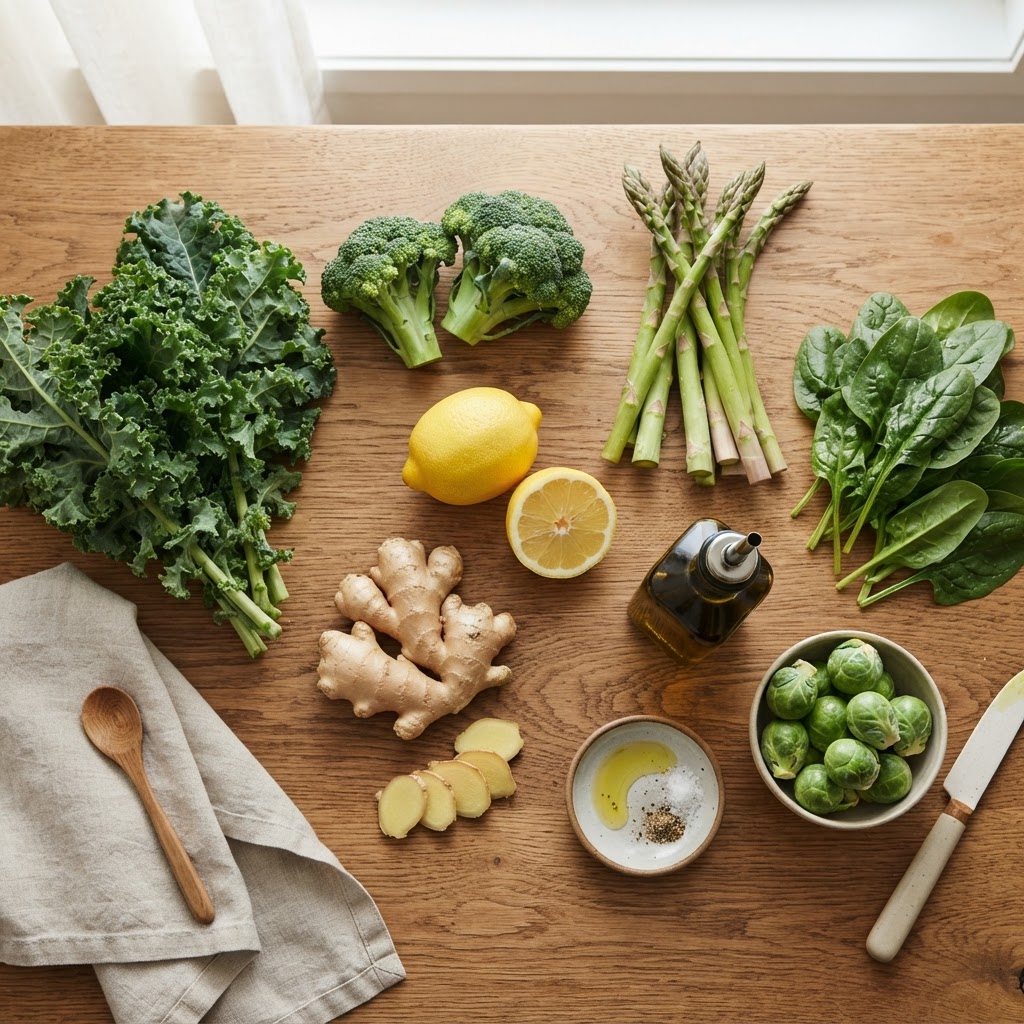
It is also worth noting the importance of avoiding extreme, restrictive diets. Gallbladder wellness often suffers when individuals engage in rapid, low-calorie weight loss programs. When you severely limit your caloric intake, the gallbladder does not receive the stimulus it needs to contract frequently. This leads to bile sitting in the gallbladder for extended periods, allowing it to concentrate to a point where it may become problematic. A balanced approach to nutrition that includes consistent, healthy meals will do far more for your gallbladder than extreme calorie cutting. For many, integrating bitter greens—such as dandelion, arugula, or kale—before a meal can act as an excellent natural stimulant for bile production, further assisting in the digestive process and preventing the buildup of waste products within the organ.
Essential Nutrients for Optimal Gallbladder Function
Beyond general diet, specific nutrients play a targeted role in supporting the biochemical pathways that govern bile production and gallbladder health. If you are exploring how to support gallbladder function, these nutrients act as the building blocks for healthy bile chemistry. First and foremost is magnesium. Often referred to as the “relaxation mineral,” magnesium is essential for the smooth muscle function of the gallbladder. When the gallbladder wall is relaxed and functioning properly, it can contract efficiently to eject bile. Magnesium deficiency can lead to spasms or incomplete emptying, both of which can compromise digestive efficiency.
Vitamin C is another powerhouse for the biliary system. Experts generally agree that adequate vitamin C status is crucial for the conversion of cholesterol into bile acids. Since cholesterol is a major component of bile, this conversion process is vital for maintaining the proper chemical balance of your bile fluid. Insufficient vitamin C can contribute to a chemical imbalance, making the bile more prone to becoming sluggish or forming solid particles. Incorporating citrus fruits, bell peppers, berries, and broccoli into your daily routine provides a natural and potent source of this essential antioxidant, which simultaneously protects the gallbladder from oxidative stress.
Taurine, an amino acid, is perhaps the most important building block specifically for bile salts. Taurine is required for the conjugation of bile acids, a process that makes them effective for fat digestion. Without adequate taurine, the bile salts produced by your liver are less effective at emulsifying dietary fats. You can find taurine naturally in lean meats, fish, and eggs. For those following plant-based diets, it is important to be mindful of taurine intake, as it is primarily found in animal products. Ensuring your body has the raw materials it needs to manufacture high-quality, effective bile is a foundational pillar of any liver and gallbladder detox or support strategy.
Finally, we must consider the role of lecithin and choline. Lecithin is a phospholipid that helps keep cholesterol dissolved within the bile, preventing it from precipitating out of the liquid solution. Choline is a precursor to lecithin and can be found in high concentrations in egg yolks and cruciferous vegetables. By ensuring your intake of these nutrients is sufficient, you are actively helping to maintain the fluidity of your bile. These micronutrients work in harmony to ensure that your digestive system is not just passing food through, but effectively breaking down, utilizing, and absorbing the fats necessary for systemic health.
Lifestyle Habits to Prevent Gallbladder Stress
Your lifestyle habits are the scaffolding upon which all nutritional interventions sit. If you are striving for long-term gallbladder wellness, consistency and stress management are non-negotiable. Chronic stress is an overlooked factor in gallbladder distress. When the body is in a state of “fight or flight,” the parasympathetic nervous system—the “rest and digest” mode—is inhibited. Since digestion is a parasympathetic activity, constant stress means the gallbladder is less likely to receive the signal to contract at the right time. This leads to impaired digestion and a stagnant biliary environment, regardless of how clean your diet is.
Physical movement plays a vital role in maintaining digestive flow. Sedentary behavior can lead to a sluggish metabolism, and the biliary system is no exception. Regular, moderate exercise helps improve circulation throughout the abdominal cavity, which can aid in the natural movement of bile through the ducts. Yoga, in particular, offers specific poses that can gently massage the internal organs, potentially assisting in the relief of abdominal tension. Even a short walk after a meal can be a simple, effective habit that aids digestion and supports the natural rhythm of your biliary system.
Meal timing and hydration are also key components of a gallbladder-friendly lifestyle. As mentioned previously, the gallbladder needs regular signals to contract and empty. Skipping meals leads to prolonged periods of bile storage, which increases the risk of the bile becoming overly concentrated. By maintaining a consistent schedule of nourishing meals, you provide your gallbladder with a rhythmic “workout.” Alongside this, proper hydration is absolutely critical. Bile is composed largely of water; if you are dehydrated, your body will conserve water by reabsorbing it from the bile, leading to thicker, more concentrated fluid. Staying adequately hydrated throughout the day ensures that your bile volume remains optimal.
Lastly, it is important to reconsider the use of processed additives and stimulants that can irritate the digestive tract. While we often think of these as affecting the stomach, their impact on the liver and gallbladder can be equally significant. Excess refined sugar can place a heavy load on the liver, which then produces lower-quality bile. By adopting a lifestyle that prioritizes hydration, consistent movement, stress management, and the avoidance of known inflammatory triggers, you create an internal environment where your gallbladder can thrive rather than struggle. This proactive mindset, focused on the sustainability of your digestive health, will provide the most significant long-term benefits for your overall wellness.
Herbs and Supplements That Promote Bile Health
When focusing on natural gallbladder support, the goal is often to optimize the production, flow, and chemical composition of bile. Bile, a digestive fluid produced by the liver and stored in the gallbladder, is essential for emulsifying fats. If this fluid becomes too thick or “sludgy,” it can lead to discomfort and poor nutrient absorption. Several traditional herbs and modern supplements have been identified for their potential to support bile health.
Bitter herbs are perhaps the most time-tested tools for digestive wellness. These include dandelion root, gentian, and globe artichoke. Bitters work by stimulating the gustatory nerves in the mouth, which signals the body to prepare for digestion. This physiological reflex encourages the gallbladder to contract, effectively flushing out stored bile and promoting a steady flow into the small intestine. Dandelion root, in particular, is often lauded as a mild cholagogue—a substance that promotes the discharge of bile from the system.
Another staple in the natural health toolkit is milk thistle. While it is primarily known for its liver-protecting properties, its active component, silymarin, is vital for overall biliary health. By supporting the liver’s detoxification pathways, milk thistle helps ensure that the bile produced is of high quality and free from excessive toxicity. When the liver is functioning optimally, the gallbladder is under less strain to store and concentrate problematic bile.
Lecithin, specifically sunflower or soy-derived, is often recommended by practitioners for those looking to maintain smooth bile consistency. Lecithin is an emulsifier that helps keep cholesterol—a major component of bile—in a liquid state. By supplementing with phospholipids, individuals may reduce the risk of bile becoming stagnant. Similarly, Taurine is an amino acid that plays a significant role in bile acid conjugation. Without adequate taurine, bile can become less effective at breaking down dietary fats, potentially leading to digestive sluggishness.
| Supplement | Mechanism of Action | Best For |
|---|---|---|
| Dandelion Root | Stimulates bile production and gallbladder contraction | General bile flow maintenance |
| Milk Thistle | Supports liver detoxification and cell repair | Liver and gallbladder synergy |
| Lecithin | Acts as an emulsifier for cholesterol in bile | Preventing bile thickening |
| Taurine | Essential for the formation of bile salts | Efficient fat digestion |
It is important to remember that introducing supplements into a wellness regimen should be done incrementally. While these agents offer support for digestive health tips, they are potent and interact with the body’s natural rhythms. Start with one supplement at a time to monitor how your digestive system reacts, and always prioritize high-quality, third-party tested products.
The Connection Between Liver Health and Gallbladder Function
The relationship between the liver and the gallbladder is one of the most critical symbiotic pairings in the human body. Think of the liver as the manufacturing facility and the gallbladder as the storage warehouse. The liver synthesizes bile, composed of water, cholesterol, bile salts, and bilirubin. This fluid is then channeled through the bile ducts into the gallbladder, where it is concentrated for later use during meals.
If the liver is overburdened by a poor diet, environmental toxins, or alcohol consumption, its ability to produce high-quality, free-flowing bile is compromised. When the “manufacturing” process is flawed, the gallbladder receives inferior material. For example, if the liver produces bile that is excessively saturated with cholesterol, it increases the likelihood of stone formation in the gallbladder. Conversely, if the liver is not producing enough bile salts, the bile becomes thick and sluggish, leading to poor fat digestion and discomfort after high-fat meals.
Supporting the liver through a gentle “liver and gallbladder detox” approach—which usually involves emphasizing cruciferous vegetables, hydration, and removing inflammatory triggers—is the best way to safeguard the gallbladder. Foods like beets and dandelion greens are traditional favorites for liver support, as they contain compounds that help thin the bile and encourage the flow through the bile ducts. When the liver is healthy, it filters the blood effectively, which in turn reduces the amount of waste that the gallbladder has to manage.
Foods to Limit for Better Gallbladder Performance
While many dietary modifications focus on what to add to your plate, equally important are the items that should be restricted to alleviate pressure on your biliary system. Gallbladder wellness is often defined by the avoidance of foods that cause the organ to over-contract or those that alter the chemical composition of bile in an unhealthy way.
High-fat, processed, and fried foods are the primary culprits. When you consume a heavy dose of saturated or trans fats, the gallbladder is triggered to contract strongly to release enough bile to emulsify that fat. If the organ is already sensitive or struggling with sluggish flow, these strong contractions can be painful and inefficient. Furthermore, many fried foods are prepared in unstable, highly processed vegetable oils, which can lead to increased inflammation in the digestive tract.
Refined sugars and processed carbohydrates are also detrimental to gallbladder health. Excessive sugar consumption is linked to metabolic imbalances that change the way the liver processes cholesterol, potentially making bile more “lithogenic” (stone-forming). Additionally, many people with gallbladder sensitivities find that dairy products—particularly high-fat dairy like heavy cream and certain aged cheeses—trigger symptoms. This may be due to the combination of high fat and the potential for lactose sensitivity, which adds an inflammatory component to the digestive process.
Finally, it is wise to be cautious with extreme “low-fat” dieting. While reducing unhealthy fats is beneficial, eliminating all fats can also be a mistake. The gallbladder needs a moderate amount of healthy fat to keep the bile moving; if it stops receiving a signal to empty, bile can sit in the gallbladder for too long, leading to crystallization. Balance is the operative word; aim for moderate portions of healthy fats like avocado, olive oil, and flaxseeds rather than heavy, greasy meals.
Hydration and Its Critical Role in Bile Consistency
One of the most overlooked aspects of digestive health is simple hydration. Bile is approximately 97 percent water. When the body is dehydrated, the liver may attempt to conserve water by producing a more concentrated, viscous form of bile. This thickened, “sludgy” bile is far less effective at breaking down fats and is significantly more likely to cause blockages within the gallbladder or the common bile duct.
Adequate water intake ensures that the liver can produce bile that has the correct fluidity to move through the ducts without difficulty. For individuals recovering from gallbladder issues or those managing their wellness, staying hydrated is a foundational requirement. Experts generally suggest that clear urine is a sign of sufficient hydration, but for those with specific digestive concerns, consistent water intake throughout the day is more effective than “chugging” large amounts at once.
Incorporating herbal teas, such as peppermint or ginger tea, can provide both hydration and the added benefit of digestive soothing. Peppermint is known to help relax the smooth muscles of the digestive tract, potentially reducing spasms that occur during the digestive process. Ginger acts as a mild prokinetic, supporting the movement of material through the gut. By keeping the body well-hydrated, you ensure that every part of the digestive system—from the stomach to the intestines—has the lubrication it needs to function correctly.
When to Consult a Specialist About Your Digestive Symptoms
While lifestyle adjustments and natural support can significantly improve gallbladder wellness, there are clear indicators that suggest you should stop self-managing and consult a healthcare professional. Digestive health is complex, and symptoms can often mimic more serious conditions that require medical intervention.
You should seek a consultation if you experience persistent pain in the upper right quadrant of your abdomen, especially if that pain radiates to your back or right shoulder blade. This type of referred pain is a classic sign of gallbladder distress. Additionally, if you notice significant changes in your stool—such as stools that are light or clay-colored—or if you experience jaundice (a yellowing of the skin or eyes), you must seek medical attention immediately. These are signs of a potential bile duct obstruction, which is a medical urgency.
Episodes of intense, sharp pain, often referred to as biliary colic, should never be ignored. If these attacks are becoming more frequent, more intense, or lasting longer than a few hours, it is a sign that your gallbladder is under significant stress. Even if your symptoms are mild but chronic—such as recurring nausea, excessive gas, or an inability to digest fats—speaking with a specialist can help you determine if you have underlying issues like gallstones or biliary dyskinesia. A professional can use diagnostic tools like ultrasound to see what is happening beneath the surface, providing clarity that lifestyle changes alone cannot offer.
Frequently Asked Questions
Can you live a normal life without a gallbladder?
Yes, many people lead completely normal lives after a gallbladder removal (cholecystectomy). Without the storage sac, bile flows directly from the liver into the small intestine. While some people experience temporary digestive adjustments, such as mild diarrhea after high-fat meals, the body typically adapts by slowing the flow of bile into the digestive tract over time.
Are there specific foods that “melt” gallstones?
While there is no scientifically validated diet that can dissolve large, calcified gallstones once they have formed, certain dietary habits can prevent further growth or alleviate symptoms. A diet high in fiber and low in saturated fat, combined with regular hydration, can help keep the biliary system functioning as smoothly as possible, but you should not expect to “melt” stones away with food alone.
How does weight loss affect gallbladder health?
Rapid weight loss is actually a known risk factor for developing gallstones. When you lose weight too quickly, your liver may release more cholesterol into the bile while the gallbladder contracts less frequently, creating the perfect environment for stone formation. It is always recommended to lose weight at a gradual, sustainable pace to protect your gallbladder.
What are the first signs of gallbladder issues?
Early signs often include a feeling of fullness or bloating after meals, particularly those containing fats. Many people also experience mild nausea, burping, or a dull ache in the upper right abdomen. These symptoms are often dismissed as simple indigestion, but if they occur regularly, they warrant closer observation.
Does coffee help or hurt the gallbladder?
Research suggests that moderate coffee consumption may be associated with a lower risk of gallstone formation. Coffee is thought to stimulate gallbladder contractions and decrease the cholesterol concentration in bile. However, for some individuals, the acidity of coffee can irritate the stomach lining or trigger reflux, so it is a personal decision based on your overall digestive sensitivity.
Is it possible to improve gallbladder health naturally?
Yes, you can support your gallbladder by maintaining a healthy weight, eating a high-fiber, plant-rich diet, staying hydrated, and engaging in regular physical activity. Managing your liver health and minimizing highly processed, inflammatory fats are also key components of a natural approach to gallbladder wellness.
Conclusion
The health of your gallbladder is intrinsically linked to your overall metabolic and digestive well-being. By viewing the gallbladder not as an isolated organ, but as part of a complex system involving the liver and the gastrointestinal tract, you can make more informed decisions about your diet and lifestyle. From incorporating bitter herbs that stimulate bile flow to understanding the importance of consistent hydration, every positive change you make contributes to a more efficient digestive process.
Prioritizing nutrient-dense, whole foods and moderating your intake of inflammatory fats will provide your gallbladder with the support it needs to function correctly. Remember that digestive health is a journey, not a destination. Listen to your body, recognize when it is asking for a change, and do not hesitate to seek expert medical guidance when symptoms persist. By taking these proactive steps today, you are investing in your long-term comfort and vitality. Start by auditing your current diet and incorporating one of the liver-supporting habits discussed here, and pay attention to how your body responds.
By healthauthoritylife Editorial Team
This article is for informational purposes only and is not a substitute for professional medical advice. Always consult your doctor before making changes to your diet, exercise routine, or treatment plan.
Leave a Reply