- Gallstones often form due to an imbalance in bile composition, specifically involving excess cholesterol or insufficient bile salts.
- Maintaining a consistent, healthy weight is one of the most effective strategies to prevent gallstone formation.
- A high-fiber diet aids in the efficient flow of bile and helps prevent the stagnation that leads to stone crystallization.
- Insulin resistance can disrupt gallbladder emptying, making blood sugar management a critical component of gallbladder health.
- Dietary fats should not be avoided entirely; rather, focusing on healthy, unsaturated sources supports proper gallbladder contraction.
The gallbladder is a small, pear-shaped organ often overlooked until it begins to cause significant discomfort. Tucked neatly beneath the liver, this tiny reservoir plays a vital role in digestion, acting as a storage vessel for bile—a digestive fluid produced by the liver. When the system functions optimally, you likely never give it a second thought. However, when the delicate balance of bile chemistry is disrupted, small, hardened deposits known as gallstones can develop, leading to intense pain and potentially serious complications. Learning how to prevent gallstones is not merely about avoiding a specific ailment; it is about cultivating a healthy lifestyle tip-driven approach to your entire digestive system. By understanding the underlying biological triggers, you can take proactive, natural ways to avoid gallstones, ensuring your body remains efficient, pain-free, and resilient.
Understanding How Gallstones Form in the Body
To grasp the necessity of preventative measures, one must first understand the mechanical process of stone formation. The gallbladder’s primary job is to collect and concentrate bile, a fluid composed of water, cholesterol, fats, bile salts, and bilirubin. This fluid is essential for breaking down fats in the small intestine. Under normal physiological conditions, these substances remain in a delicate state of liquid suspension. However, when the concentration of these elements shifts, the environment inside the gallbladder becomes a breeding ground for crystallization.
Many experts generally agree that the most common type of stone, the cholesterol gallstone, occurs when the liver secretes more cholesterol into the bile than the bile can physically dissolve. If the bile becomes oversaturated, cholesterol molecules begin to precipitate out of the liquid, forming microscopic crystals. Over time, these crystals act as a foundation, attracting more cholesterol and other substances, eventually growing into solid stones ranging in size from a grain of sand to a golf ball.
Another crucial factor in this process is the motility of the gallbladder itself. For gallbladder health, the organ must empty effectively whenever food enters the small intestine. If the gallbladder does not contract fully or frequently enough, bile becomes stagnant. This stasis allows the concentration of cholesterol and other substances to rise further, creating a cycle that favors stone growth. It is much like a river that slows to a trickle; debris that would normally be swept away begins to settle, layer by layer, on the riverbed.
Factors that impair this rhythmic emptying can include pregnancy, rapid weight loss, and certain hormonal changes. Furthermore, the chemical composition of the bile itself is heavily influenced by your dietary intake. A diet chronically high in refined sugars and saturated fats can alter the composition of bile, making it “lithogenic,” or stone-forming. By recognizing that gallstones are not simply a stroke of bad luck but often the result of long-term metabolic and chemical imbalances, you gain the agency to alter your habits. Focusing on liver and gallbladder health through consistent hydration and nutrient-dense eating helps maintain that vital liquid equilibrium, preventing the initial crystallization phase before it has the opportunity to progress into symptomatic stones.
The Role of Dietary Fat in Gallbladder Function
For decades, many people have operated under the misconception that preventing gallstones requires a strictly low-fat diet. In reality, a completely fat-free diet may actually be counterproductive to the health of your gallbladder. The gallbladder is triggered to contract and release bile specifically in response to the presence of fat in the diet. When you consume a meal containing healthy fats, your body signals the gallbladder to empty its contents into the small intestine to aid in digestion.
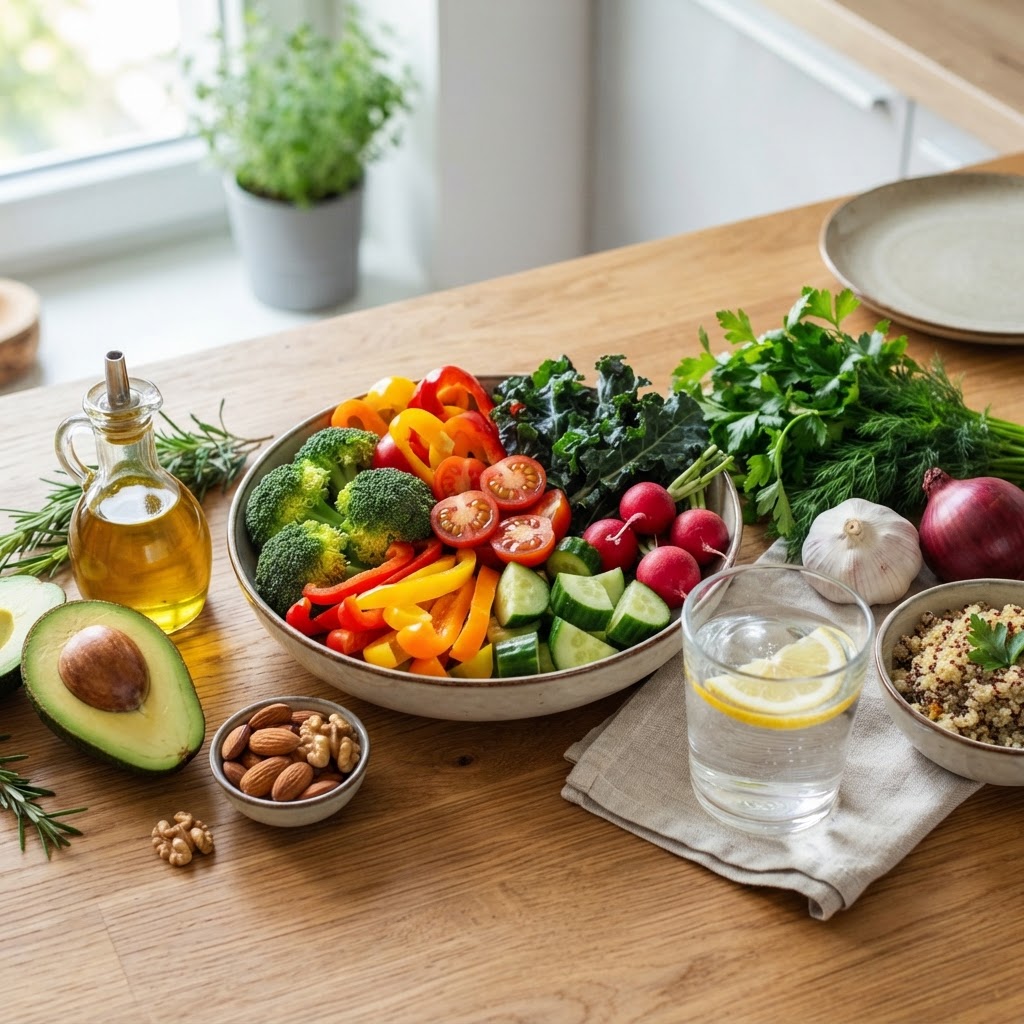
When you avoid fat for extended periods, the gallbladder remains idle, allowing bile to sit for hours or even days. This stagnation is a significant contributor to the buildup of sludge and stones. Therefore, the key is not eliminating fat, but choosing the right types and consuming them in measured, consistent amounts. Integrating healthy unsaturated fats—such as those found in avocados, olive oil, walnuts, and fatty fish like salmon—can help keep the gallbladder active and the bile moving regularly. This “flushing” mechanism is vital to prevent gallstone formation.
| Fat Source | Effect on Gallbladder | Best For |
|---|---|---|
| Monounsaturated Fats (Olive oil, Avocado) | Promotes gentle contraction and bile flow. | Daily cooking and salad dressings. |
| Omega-3 Fatty Acids (Fish, Flaxseed) | Supports lower cholesterol levels in bile. | Long-term maintenance of bile chemistry. |
| Trans Fats and Hydrogenated Oils | May increase inflammation and cholesterol concentration. | Avoiding entirely to protect function. |
| Excessive Saturated Animal Fats | Can overwork the system if consumed in excess. | Moderation; balance with fiber-rich foods. |
Practicing a gallbladder diet that includes moderate portions of these beneficial fats ensures that the organ performs its job regularly. Instead of eating large, fatty meals that might place too much sudden demand on the gallbladder, it is better to distribute healthy fats throughout your daily meals. This steady-state approach keeps the gallbladder functioning in its intended rhythmic pattern, preventing the long periods of inactivity that lead to the concentration of bile. By viewing fat as a functional tool for digestive health rather than an enemy, you can better manage your intake to support overall wellness.
Why High-Fiber Foods Are Essential for Bile Flow
Dietary fiber is one of the most powerful tools in your arsenal when looking for natural ways to avoid gallstones. Its role in the digestive tract goes far beyond simple bowel regularity; fiber acts as a metabolic regulator that helps manage the cholesterol circulating through your system. When you consume high-fiber foods, you are essentially creating an environment that favors smooth digestion and efficient bile turnover.
Soluble fiber, found abundantly in oats, beans, lentils, and many fruits and vegetables, binds to bile acids in the intestines and encourages their excretion. Because the body requires bile to digest fat, it must draw upon cholesterol from the bloodstream or liver to synthesize more bile acids to replace those that were lost. This process, in effect, helps to lower the overall cholesterol burden. By lowering the total amount of cholesterol available to be secreted into the gallbladder, a high-fiber diet directly reduces the risk of bile becoming oversaturated.
In addition to its chemical benefits, fiber promotes faster transit time through the gastrointestinal tract. This speed is important because slow digestion can result in the deconjugation of bile salts by gut bacteria, which can then be reabsorbed in a way that further promotes stone formation. A fiber-rich diet keeps the digestive system moving efficiently, ensuring that waste products are processed and eliminated in a timely manner. This, combined with the regular contraction of the gallbladder, creates an internal environment where stones struggle to find the time or the materials required to form.
Incorporating a variety of fiber sources—such as legumes, whole grains, and cruciferous vegetables—into your meals is a proactive strategy for maintaining gallbladder health. For many, simply transitioning from highly processed carbohydrates to whole, fiber-rich alternatives can drastically improve how the gallbladder functions. Whether it is adding a serving of beans to a salad or starting the day with steel-cut oats, these small changes collectively contribute to a robust digestive system. It is a foundational element of a healthy lifestyle tip that experts emphasize: when you feed your gut properly, your organs function with greater ease and longevity.
Managing Your Body Weight for Optimal Gallbladder Health
There is a well-documented correlation between body weight and the risk of developing gallstones. Excess body weight, particularly when centered around the midsection, is often associated with higher levels of cholesterol in the bile. When the body is carrying extra weight, the liver often works overtime to produce more cholesterol, which is then secreted into the gallbladder. This leads to the classic recipe for stone formation: a high concentration of cholesterol in the bile, which eventually crystallizes.
However, the manner in which you manage your weight is equally as critical as the weight itself. Rapid, drastic weight loss is perhaps one of the most significant, yet often overlooked, triggers for gallstone formation. When a person loses weight very quickly—often through extreme caloric restriction or “crash diets”—the liver releases extra cholesterol into the bile, while at the same time, the gallbladder’s ability to contract effectively is often diminished. This combination of increased cholesterol output and decreased emptying motility creates a “perfect storm” for the rapid formation of new stones. Many individuals who have successfully lost weight quickly find themselves dealing with gallstones as an unfortunate side effect.
Therefore, the goal for gallbladder health is sustainable, gradual weight management. Experts generally recommend a steady, slow weight loss of one to two pounds per week. This approach allows the liver to adjust its bile production gradually and ensures that the gallbladder maintains its necessary contractile strength. Focus on long-term healthy lifestyle tips such as consistent physical activity and balanced, whole-food nutrition rather than focusing on restrictive caloric intake alone. Regular movement, even if it is just consistent walking, helps regulate metabolic health and improves the muscle tone of the digestive tract, further assisting in the prevention of stagnation.
Ultimately, managing your weight is about creating metabolic stability. By focusing on nourishment and sustainable habits, you allow your body to operate at its peak potential. If you are planning a weight loss journey, it is wise to prioritize a gallbladder diet that includes adequate protein, healthy fats, and high-fiber carbohydrates, all of which keep the system balanced and functioning throughout the process. Taking this measured approach is a key preventative measure that honors the complexity of your digestive system while moving toward your personal wellness goals.
The Hidden Link Between Insulin Resistance and Gallstones
The relationship between blood sugar regulation and liver and gallbladder health is becoming an increasingly important area of study. Insulin resistance, a condition where the body’s cells do not respond effectively to insulin, is frequently associated with an elevated risk of stone formation. This is because insulin acts as a key regulator of many metabolic processes, including the way the liver processes lipids and cholesterol.
When a person is insulin resistant, the body often struggles to maintain stable blood sugar levels, leading to hyperinsulinemia (higher levels of insulin in the blood). High insulin levels have been shown to increase the activity of the enzyme HMG-CoA reductase in the liver. This enzyme is responsible for cholesterol synthesis. As insulin levels rise, the liver tends to produce more cholesterol, which is then pumped into the bile. This significantly increases the risk of stone formation by creating a cholesterol-heavy environment within the gallbladder.
Furthermore, insulin resistance is often accompanied by a state of chronic, low-grade inflammation throughout the body. This inflammation can impact the gallbladder lining, potentially altering its ability to empty correctly. When the gallbladder is less responsive to the hormones that signal it to contract, bile resides in the gallbladder for longer periods, providing the “stagnant” environment necessary for crystallization. It is a biological ripple effect: blood sugar instability leads to hormonal imbalances, which then alter bile chemistry and gallbladder function.
To combat this, managing insulin sensitivity is a primary pillar of how to prevent gallstones. This means shifting your diet toward foods with a lower glycemic index, such as non-starchy vegetables, berries, and high-quality proteins. Avoiding refined sugars and ultra-processed flours is essential, as these cause rapid spikes in blood glucose and subsequent insulin surges. Additionally, regular strength training and aerobic exercise are powerful ways to improve insulin sensitivity, as active muscle tissue uses glucose more effectively. By stabilizing your blood sugar, you are not just working toward general metabolic wellness; you are actively protecting your gallbladder from the indirect but devastating consequences of a poorly regulated glucose system. Understanding these hidden links empowers you to make dietary and lifestyle choices that support not just one organ, but the entire metabolic architecture of your body.
Hydration Habits That Support Liver and Gallbladder Function
Water is the fundamental medium through which the body processes nutrients, eliminates toxins, and maintains the fluidity of bile. When you are chronically dehydrated, your bile can become thick and concentrated, which significantly increases the risk of cholesterol particles clumping together to form stones. Maintaining optimal hydration is one of the most effective, low-cost strategies for gallbladder health.
Your liver produces bile, which is then stored and concentrated in the gallbladder. If the fluid balance in your body is off, this concentration process becomes inefficient. Think of bile like a sugar syrup; if there is too much water, the syrup flows easily, but if the water evaporates, it turns into a thick, sticky substance that is prone to crystallization. By ensuring you are adequately hydrated, you help keep the bile thin and free-flowing, allowing it to move smoothly through the bile ducts into the small intestine where it belongs.
To support your gallbladder, aim for consistent water intake throughout the day rather than “binge-drinking” large quantities at once. Drinking a large glass of warm water immediately upon waking can help stimulate digestive secretions and “wake up” your liver and gallbladder. Throughout the day, consider flavoring your water with a squeeze of fresh lemon; the citric acid may help support liver detoxification pathways and encourages the production of digestive enzymes. Avoid relying on caffeinated sodas or highly sweetened drinks for your fluid intake, as these can trigger digestive stress and contribute to the very metabolic imbalances that lead to gallstone formation.
Best Foods to Avoid to Prevent Gallstone Growth
To prevent gallstone formation, it is as important to understand what to remove from your diet as it is to know what to add. Certain foods place a heavy burden on your gallbladder by forcing it to contract excessively or by altering the cholesterol content of your bile. Avoiding these triggers is a cornerstone of any effective gallbladder diet.
| Food Category | Specific Examples to Limit | Best For |
|---|---|---|
| Refined Carbohydrates | White bread, pastries, sugary snacks | Reducing spikes in insulin and cholesterol |
| Trans and Saturated Fats | Fried foods, fast food, processed meats | Maintaining healthy bile consistency |
| Full-Fat Dairy | Heavy cream, butter, high-fat cheeses | Reducing digestive strain on the gallbladder |
| High-Sodium Foods | Canned soups, deli meats, frozen pizzas | Reducing inflammation and fluid retention |
Refined carbohydrates, particularly those made with white flour and added sugars, are notorious for contributing to the metabolic conditions that foster gallstone growth. When you consume high-glycemic foods, your body experiences rapid spikes in blood sugar and insulin. Elevated insulin levels are linked to increased cholesterol secretion into the bile, which is a primary ingredient in the formation of cholesterol-based stones. Swapping these for fiber-rich complex carbohydrates like oats, quinoa, and lentils helps stabilize blood sugar and ensures the gallbladder functions within a healthy range.
Furthermore, fried and greasy foods are perhaps the most common triggers for gallbladder distress. Because the gallbladder is responsible for releasing bile to digest fats, a heavy, deep-fried meal requires a massive, sudden release of bile. This can cause the gallbladder to contract forcefully, potentially leading to pain or the migration of existing stones. By choosing leaner proteins like poultry, beans, or white fish and opting for preparation methods like steaming, grilling, or baking, you alleviate this unnecessary pressure on your digestive system.
Natural Supplements and Herbs That Support Bile Production
In addition to dietary changes, certain herbs and nutritional supplements have been used traditionally to support bile flow and liver health. The goal of using these natural agents is to maintain the “choleresis” process—the stimulation of bile production by the liver—and to keep the gallbladder emptying efficiently.
Milk Thistle (Silybum marianum) is perhaps the most well-known herb for liver support. Its active compound, silymarin, acts as an antioxidant and may protect liver cells from oxidative stress. Since a healthy liver is the prerequisite for healthy bile, supporting the liver is an indirect but powerful way to protect the gallbladder. Dandelion root is another traditional favorite, often consumed as a tea. It is considered a bitter herb, and in many herbal traditions, bitter compounds are believed to stimulate the secretion of bile, thereby encouraging the gallbladder to empty and preventing stagnation.
Beetroot and artichoke extract are also frequently cited in the context of gallbladder health. Artichoke leaves contain cynarin, which has been studied for its potential to increase bile production and improve the flow of bile from the liver. Beetroot is rich in betaine, a compound that supports liver function and helps thin the bile. When considering supplements, always look for high-quality, reputable sources and be aware that supplements should complement—not replace—a nutrient-dense diet. Always speak with a healthcare professional before starting any herbal regimen, especially if you have known gallbladder issues, as some stimulants can exacerbate symptoms in individuals with existing blockages.
The Importance of Regular Physical Activity
Living a sedentary lifestyle is a known risk factor for various metabolic issues, and the gallbladder is no exception. Regular physical activity is a vital component of a healthy lifestyle that helps prevent the stagnation of bile. When you move your body, you stimulate your metabolism and help regulate the hormones that govern cholesterol levels in the blood and bile.
Exercise helps manage body weight, which is critical because rapid weight gain and obesity are strongly associated with a higher risk of developing gallstones. However, it is important to note that rapid weight *loss* can also be a risk factor, as it can cause the liver to secrete extra cholesterol into the bile. Therefore, the goal should be consistent, moderate physical activity that promotes steady, sustainable weight management rather than drastic changes.
Activities that engage the core—such as walking, swimming, yoga, and cycling—may have a dual benefit. These movements can gently massage the abdominal organs, which many believe helps encourage digestive motility and the natural flow of bile. Even a 30-minute brisk walk daily can help keep your digestion on track and reduce the systemic inflammation that contributes to poor gallbladder function. Consistency is more important than intensity; by making physical activity a non-negotiable part of your day, you provide your entire digestive system with the stimulation it needs to function optimally.
When to See a Doctor About Gallbladder Pain Symptoms
While preventative lifestyle changes can go a long way, it is vital to know when to stop relying on self-care and seek professional medical intervention. Gallbladder issues can sometimes escalate quickly, and failing to seek care when symptoms become severe can lead to complications such as infection or blockages.
If you experience sharp, sudden, or persistent pain in the upper right side of your abdomen, this is a clear sign that you should consult a doctor. This pain often occurs after a meal, especially one that is high in fat, and may radiate toward your right shoulder or back. Other red-flag symptoms include persistent nausea or vomiting, a high fever accompanied by chills, yellowing of the skin or eyes (jaundice), or light-colored stools. These symptoms may suggest that a stone has migrated into a bile duct, causing a blockage or inflammation of the gallbladder (cholecystitis).
Do not attempt to “wait out” severe or debilitating pain. If you feel like your symptoms are interfering with your ability to eat, sleep, or function normally, make an appointment with your primary care provider or a gastroenterologist. Diagnostic tools like abdominal ultrasounds are the gold standard for identifying the presence of gallstones and assessing the condition of your gallbladder. Early detection allows for a wider range of management options and can prevent the need for more invasive procedures down the line.
Frequently Asked Questions
Can you dissolve gallstones naturally without surgery?
While some small, cholesterol-based stones can theoretically be managed through medical intervention (such as oral medications that thin the bile over time), there is no evidence that dietary changes alone can fully dissolve stones that have already formed. Prevention is the most effective approach; once stones are present and causing symptoms, you must work with a medical professional to determine the safest course of action.
Is coffee good or bad for the gallbladder?
Some research suggests that moderate coffee consumption may be associated with a reduced risk of developing gallstones. The caffeine may help stimulate bile flow and gallbladder contraction. However, coffee should not be used as a treatment for existing symptoms, and adding excessive amounts of cream and sugar can counteract any potential digestive benefits.
How does rapid weight loss increase gallstone risk?
When you lose weight too quickly, your body breaks down fat stores at an accelerated rate. This causes the liver to release more cholesterol into the bile than it can effectively manage. As this high-cholesterol bile sits in the gallbladder, it becomes supersaturated and can quickly form stones. Gradual, steady weight loss of one to two pounds per week is considered the safest approach.
Do I need to stop eating all fats to prevent gallstones?
No, you do not need to eliminate fat entirely. In fact, a strictly fat-free diet can be harmful because it prevents the gallbladder from contracting to empty its contents. If the gallbladder does not empty, the bile becomes stagnant. The key is to consume healthy, unsaturated fats—such as those found in olive oil, avocados, and nuts—in controlled, moderate portions.
Can apple cider vinegar prevent gallstones?
There is no robust clinical evidence that apple cider vinegar dissolves gallstones or prevents their formation. While some people use it as a digestive aid, it should not be relied upon as a preventative measure for gallbladder disease. Always prioritize a balanced diet and hydration over isolated food trends or supplements.
What is the relationship between diabetes and gallstones?
Individuals with diabetes often have metabolic imbalances that increase the risk of gallstone formation. High blood sugar and high insulin levels can lead to changes in bile composition, while nerve damage associated with diabetes can lead to a gallbladder that does not empty properly. Managing blood glucose levels is a critical step in overall gallbladder health for those with diabetes.
Conclusion
Protecting your gallbladder is an ongoing commitment to your digestive health. By focusing on a high-fiber diet, staying adequately hydrated, engaging in regular physical activity, and avoiding the dietary triggers that cause gallbladder strain, you significantly lower your risk of stone formation. Remember, your liver and gallbladder work as a team; keeping your metabolic health in check is the best way to support both. Listen to your body, prioritize nutrient-dense, whole foods, and never hesitate to consult with a medical professional if you experience persistent pain or discomfort. Start making these healthy changes today to ensure your digestive system remains strong, vibrant, and efficient for years to come.
By healthauthoritylife Editorial Team
This article is for informational purposes only and is not a substitute for professional medical advice. Always consult your doctor before making changes to your diet, exercise routine, or treatment plan.
Leave a Reply