
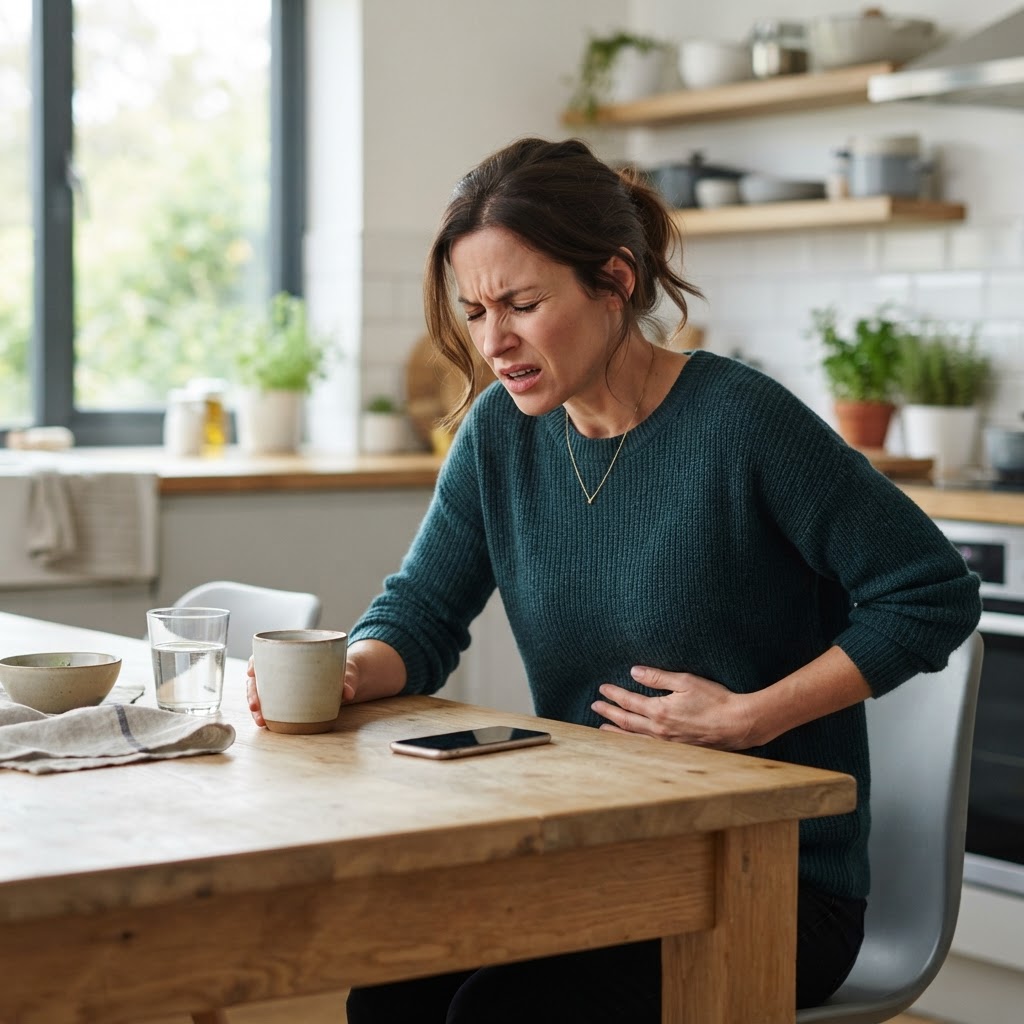
- A gallbladder attack typically manifests as sudden, intense pain in the upper right abdomen that may radiate to the back or shoulder.
- Gallstones are the most frequent cause of these episodes, occurring when substances in bile harden into stone-like formations.
- While mild gallbladder pain relief can sometimes be managed at home, severe or persistent pain requires immediate medical evaluation to rule out complications.
- Dietary adjustments, particularly reducing high-fat and processed food intake, are foundational to preventing recurrent gallbladder attack symptoms.
- Understanding the signs of gallstones is critical, as ignoring early warning signs can lead to severe inflammation or blockages.
Few experiences are as jarring and physically demanding as a sudden gallbladder attack. For those who have endured it, the sensation is often described as an unrelenting pressure or sharp, stabbing pain that seems to arrive without warning, often after a heavy meal. Understanding the mechanics behind this discomfort is the first step toward effective management. Whether you are navigating your first episode or seeking long-term strategies for gallbladder health, recognizing the specific signs of gallstones and knowing when to seek professional intervention is vital for your well-being. This guide, compiled by the healthauthoritylife Editorial Team, explores the physiology, symptoms, and actionable relief strategies necessary for managing gallbladder health with confidence.
What Exactly Is a Gallbladder Attack?
A gallbladder attack, clinically referred to as biliary colic, is a medical event characterized by a sudden onset of intense discomfort located in the upper abdomen. To understand why this happens, it is helpful to visualize the gallbladder’s role in the digestive system. This small, pear-shaped organ sits just beneath the liver and serves as a storage vessel for bile—a digestive fluid produced by the liver that helps the body break down dietary fats. When you eat, the gallbladder contracts, squeezing bile through the bile ducts and into the small intestine to assist in digestion.
An attack occurs when this process is physically obstructed. Most commonly, hardened deposits of digestive fluid, known as gallstones, become lodged in the gallbladder’s neck or within the bile ducts. When the gallbladder attempts to contract against this blockage, the internal pressure spikes, leading to the sharp, cramping pain associated with the condition. It is important to distinguish a routine gallbladder attack from other abdominal issues; unlike the diffuse ache of indigestion, the pain of a gallbladder attack is typically concentrated, intense, and often predictable in its onset.
The sensation is not merely a mild ache. For many, it presents as a sustained pressure that can last anywhere from thirty minutes to several hours. Because the gallbladder is connected to a complex network of nerves, the discomfort often radiates beyond the immediate abdominal area. It is not uncommon for individuals to feel this distress migrating toward the right shoulder blade or the back. This referred pain is a hallmark sign that the gallbladder is under significant stress.
It is worth noting that not everyone who has gallstones will experience an attack. Many individuals live with asymptomatic gallstones for years without realizing they exist. However, once the stones move or begin to obstruct the flow of bile, the resulting inflammation—a condition known as cholecystitis—can turn a manageable situation into an urgent one. Understanding that this is a mechanical blockage is essential; it explains why the pain tends to fluctuate based on digestive activity. When the gallbladder is at rest, the pain may subside, only to return with the next ingestion of fat-heavy food that triggers a new contraction.
In essence, a gallbladder attack is your body’s way of signaling that its drainage system is compromised. While the initial reaction might be panic, recognizing the specific nature of the pain—its location, its intensity, and its relationship to your recent dietary choices—is the first step toward effective gallbladder attack treatment and long-term symptom mitigation. By treating the episode as a clear signal from your digestive system, you can move away from reactive panic and toward a structured plan for restoring internal balance.
Common Symptoms of a Gallbladder Attack
Identifying the symptoms of a gallbladder attack early can be the difference between a rough night and a medical emergency. While every person’s experience varies, there is a distinct cluster of signs that often accompany these episodes. The pain is usually the primary indicator, typically felt in the upper right quadrant of the abdomen, just below the rib cage. This pain is often described as deep, steady, and increasingly severe, often reaching a peak intensity within an hour of onset.
A common mistake is confusing these symptoms with heartburn or acid reflux. However, unlike standard indigestion, gallbladder pain does not typically improve with antacids. Instead, it persists until the stone causing the blockage shifts or the gallbladder relaxes. Another key marker is the duration of the pain. It is rarely a “flash” of pain; it often lingers, creating a persistent, gnawing sensation that makes finding a comfortable position nearly impossible. Patients frequently report that changing positions—such as pacing or curling into a fetal position—provides no lasting relief.
Beyond the pain itself, there are several systemic signs of gallstones that individuals should monitor:
- Nausea and Vomiting: As the body struggles to process the blockage, the digestive tract often reacts with severe nausea. If you find yourself unable to keep liquids down, it may indicate that the obstruction is causing a secondary reaction in the digestive system.
- Referred Pain: Keep a close eye on discomfort that travels. If you feel a sharp, stabbing sensation between your shoulder blades or specifically in your right shoulder, this is a classic indicator that the nerves connected to the gallbladder are irritated.
- Changes in Stool or Urine: In some cases, if the common bile duct is blocked, you may notice that your stool appears lighter in color (clay-colored) or that your urine appears darker than usual. This is a significant sign that bile flow is being redirected or blocked entirely.
- Fever and Chills: These are critical warning signs. If an attack is accompanied by a fever, it may indicate that the gallbladder has become infected or that the blockage has caused inflammation in the surrounding tissues. This is a situation where you must seek medical care immediately.
- Jaundice: A yellowing of the skin or the whites of the eyes suggests that bile is building up in the bloodstream, a clear indicator that the bile duct is significantly obstructed.
Understanding these signs allows you to differentiate between a standard digestive upset and a condition that requires medical intervention. When considering how to stop gallbladder pain, recognizing the difference between “manageable” discomfort and “emergency” symptoms is vital. If the pain is accompanied by high fever, confusion, or severe jaundice, delaying a visit to a healthcare provider can increase the risk of complications. Always err on the side of caution when your body presents these more alarming markers, as they suggest the issue has progressed beyond a simple stone migration into a more complex systemic problem.
Why Do Gallbladder Attacks Happen?
The development of a gallbladder attack is rarely a single event; it is usually the culmination of a long-term process involving the delicate chemical balance of bile. To understand why these attacks occur, one must look at what bile is made of and how it interacts with the gallbladder environment. Bile is a fluid comprised of water, cholesterol, bile salts, and bilirubin. If the concentration of these substances becomes unbalanced, the fluid can harden, leading to the formation of gallstones.
One of the primary drivers of gallstone formation is an excess of cholesterol. If your liver secretes more cholesterol into the bile than can be dissolved by the bile salts, the excess cholesterol forms into crystals and eventually stones. These stones can range in size from as small as a grain of sand to as large as a golf ball. While smaller stones might pass through the bile ducts without issue—sometimes known as “biliary sludge”—larger stones are prone to getting stuck in the cystic duct, which connects the gallbladder to the main bile duct.
Another major factor is the gallbladder’s efficiency in emptying itself. If the organ does not empty completely or frequently enough, bile becomes concentrated, providing the perfect environment for stone formation. This is why rapid weight loss or long periods of fasting can sometimes trigger attacks; when the body does not consume fats for an extended period, the gallbladder ceases to contract, allowing bile to stagnate. The subsequent intake of a fatty meal forces the organ to attempt a vigorous contraction, potentially pushing a stagnant, stone-filled mass into a constricted duct.
Genetics and demographics also play a role in why these attacks happen to some people more frequently than others. Experts generally agree that certain individuals are predisposed to developing stones due to their biological makeup. Hormonal influences, particularly the presence of estrogen, can also affect bile composition, which is why women, especially those who are pregnant or on hormone replacement therapy, are statistically more likely to deal with gallstone-related issues.
Furthermore, metabolic conditions such as obesity or insulin resistance are strongly linked to the prevalence of gallstones. When the body struggles to manage blood sugar or fat metabolism, the liver’s bile production is often altered, creating an environment that favors crystallization. Even lifestyle factors, such as a diet high in refined carbohydrates and low in fiber, contribute to this chemical imbalance over time. When you consider the combination of diet, biology, and gallbladder function, it becomes clear that an attack is a systemic signal. It is the result of long-standing factors reaching a tipping point where the gallbladder can no longer perform its duty effectively. Recognizing these root causes can help shift your perspective from just seeking temporary relief to implementing strategies that address the underlying health of your biliary system.
Immediate Steps to Relieve Gallbladder Pain at Home
When you are in the midst of an attack, the priority is finding safe, effective ways to manage the discomfort until it passes. While “natural remedies” often populate internet searches, it is essential to approach home management with caution. If your pain is severe, constant, or accompanied by fever, you should skip the home remedies and head directly to a medical facility. However, for mild, intermittent episodes of biliary colic, there are several approaches that individuals often find helpful for immediate comfort.
The most important immediate step is to stop eating entirely. Because the gallbladder contracts in response to food—especially fat—to aid digestion, eating anything during an active attack only adds fuel to the fire. By allowing your digestive system to rest, you essentially tell the gallbladder that no further bile is needed, which may allow it to relax and the obstruction to shift. Stick to sips of water if necessary, but keep the digestive tract as quiet as possible until the pain begins to subside.
Applying heat to the area can be surprisingly effective for managing the muscular spasms that accompany an attack. A warm compress or a heating pad placed on the upper right side of your abdomen can help soothe the cramping sensation. Be careful not to use a heat source that is too intense, and avoid placing it directly on bare skin to prevent burns. The warmth can encourage the surrounding muscles to relax, potentially easing the acute pressure of the contraction.
While many turn to over-the-counter pain relievers, it is wise to be discerning. Some medications can irritate the stomach or add burden to the liver. Always consult with a healthcare professional before reaching for common painkillers during an attack to ensure they won’t interfere with your specific situation. Below is a comparison of common comfort strategies used by those navigating periodic, mild gallbladder discomfort:
| Approach | Mechanism | Best For |
|---|---|---|
| Fasting | Stops the hormonal trigger for gallbladder contraction. | Immediate cessation of active pain triggers. |
| Warm Compresses | Helps soothe tense abdominal muscles and reduces cramping. | Managing the sensation of “tightness” or spasm. |
| Hydration (Small Sips) | Maintains fluid balance without over-taxing the digestive system. | Avoiding dehydration during prolonged episodes. |
| Positioning | Relieving physical pressure on the right side of the abdomen. | Finding temporary comfort while waiting for pain to pass. |
Beyond these immediate physical actions, maintaining a calm environment is underrated. The body’s stress response can exacerbate pain sensations. Practicing deep, controlled breathing may help you navigate the intensity of the pain, as panic often causes physical tension that makes abdominal distress harder to manage. If the pain does not subside within a few hours, or if it progressively worsens, do not hesitate to contact a doctor. There is a fine line between an attack that can be managed at home and one that requires intervention to prevent complications like gallstone pancreatitis or severe gallbladder infection.
Dietary Changes to Prevent Future Attacks
Preventing a repeat gallbladder attack is primarily about managing the workload of your gallbladder through intelligent dietary choices. Since the organ’s primary job is to process fats, the most effective strategy is to reduce the intake of foods that trigger strong contractions. This does not mean you must eliminate all fat forever, but rather shift your approach to favor healthy, easily digestible fats and high-fiber alternatives that support overall digestive regularity.
The first rule of a gallbladder-friendly diet is to reduce the consumption of saturated and trans fats. Fried foods, processed snack foods, fatty cuts of red meat, and high-fat dairy products are the most frequent culprits behind attacks. When these items are digested, they require a significant amount of bile, forcing the gallbladder to work harder. By replacing these with leaner protein sources like chicken breast, fish, and plant-based proteins, you significantly lower the demand placed on your biliary system.
Fiber is your greatest ally in preventing the stagnation that leads to stone formation. A diet rich in fruits, vegetables, whole grains, and legumes acts like a broom for your digestive tract. High-fiber foods help keep your weight in a healthy range, which is critical since excess body weight is a known risk factor for gallstones. Furthermore, fiber binds with bile acids in the gut and promotes their excretion, which can help prevent the buildup of cholesterol-rich bile in the gallbladder. Adding soluble fiber—found in foods like oats, apples, and beans—can lead to more stable cholesterol levels, reducing the likelihood of new stone development.
It is also beneficial to shift toward smaller, more frequent meals rather than three large ones. Eating a large, calorie-dense meal forces the gallbladder to release a large volume of bile all at once. By eating smaller portions throughout the day, you provide a steady, lower-volume demand that is much easier for the organ to handle without triggering a blockage. This steady state helps keep the gallbladder contracting rhythmically rather than sporadically.
Finally, hydration is non-negotiable. Bile is mostly water, and when you are dehydrated, your bile becomes more concentrated and sludge-like, increasing the risk of crystallization. Aim to drink adequate water throughout the day. Some find that adding a squeeze of fresh lemon or other mild, hydrating fluids helps keep their system moving efficiently. By integrating these dietary habits—reducing heavy fats, boosting fiber intake, and eating small, regular meals—you create an internal environment that is much less hospitable to the development of new stones and much more supportive of long-term gallbladder function. These changes are not just for “attack prevention”; they are an investment in the long-term health of your entire digestive system.
When You Should Seek Emergency Medical Attention
While many individuals experience gallbladder pain that fluctuates in intensity, there are specific “red flag” symptoms that indicate a medical emergency. Ignoring these signs can lead to life-threatening complications, such as a perforated gallbladder, severe infection (sepsis), or acute pancreatitis. If you experience any of the following symptoms, seek immediate professional medical attention at an emergency department.
The most urgent sign is persistent, severe abdominal pain that lasts for more than five hours. While a typical gallbladder attack may resolve within a few hours as the stone shifts, pain that refuses to subside is often a symptom of an impacted stone causing significant inflammation or necrosis of the gallbladder wall.
Fever and chills are another critical warning sign. If your body temperature spikes while you are experiencing gallbladder pain, it may indicate that the gallbladder is infected or that the bile duct is blocked, leading to a condition known as cholangitis. This is a medical emergency that requires immediate intervention with intravenous antibiotics and, often, urgent surgical consultation.
Jaundice—characterized by a yellowish tint to the skin or the whites of the eyes—is a clear indicator that bile flow is being obstructed. If you notice jaundice, it suggests that a gallstone may be lodged in the common bile duct. This blockage prevents bile from reaching the digestive tract and can cause bile to back up into the liver, leading to liver damage and severe systemic infection.
Finally, if you experience confusion, rapid heartbeat, or signs of shock such as cold, clammy skin and dizziness, you must contact emergency services immediately. These signs suggest that an infection has spread into the bloodstream. Do not attempt to treat these symptoms at home with natural remedies; the window for safe, effective medical intervention is narrow in these scenarios.
Common Medical Treatments and Procedures
When gallbladder attacks become frequent or medically complicated, lifestyle adjustments may no longer be sufficient. Medical professionals typically recommend specific interventions based on the frequency of your attacks and the presence of complications. The gold standard for symptomatic gallstones remains the surgical removal of the gallbladder, a procedure known as a cholecystectomy.
A laparoscopic cholecystectomy is the most common approach. In this minimally invasive procedure, surgeons make several small incisions in the abdomen, using a camera and specialized instruments to remove the gallbladder. Because the incisions are small, recovery time is generally faster, and post-operative pain is typically minimized compared to open surgery.
In cases where the gallbladder is severely inflamed, scarred from previous infections, or if there is a concern about anatomical abnormalities, an open cholecystectomy may be required. This involves a larger incision that allows the surgeon direct access to the organ. While the recovery period for an open procedure is longer, it remains a highly safe and effective way to permanently resolve recurring gallbladder pain.
For those who cannot undergo surgery due to existing health conditions, doctors may explore alternative, though less definitive, treatments. These include oral dissolution therapy, where specific medications are used to dissolve cholesterol-based gallstones over several months or years. However, this is rarely the first line of defense, as stones often return after the medication is discontinued.
Endoscopic Retrograde Cholangiopancreatography (ERCP) is another vital procedure used specifically when stones have moved into the common bile duct. During an ERCP, a scope is passed through the mouth into the digestive tract, allowing the doctor to locate and extract the obstructing stone. This is often performed as a bridge to surgery or to relieve acute jaundice and ductal obstruction.
| Treatment Type | Procedure Description | Best For |
|---|---|---|
| Laparoscopic Cholecystectomy | Minimally invasive removal via small abdominal incisions. | Standard, recurring symptomatic gallstones. |
| Open Cholecystectomy | Traditional surgery requiring a larger abdominal incision. | Complex cases, scarring, or severe inflammation. |
| ERCP | Endoscopic extraction of stones from the bile duct. | Stones lodged in the common bile duct. |
| Oral Dissolution Therapy | Medication to break down cholesterol stones. | Patients ineligible for surgery with small stones. |
Lifestyle Habits to Support Long-Term Gallbladder Health
The health of your gallbladder is intrinsically linked to your dietary patterns and weight management. Because the gallbladder stores and concentrates bile used to break down fats, a diet heavy in processed, high-fat foods forces the organ to work overtime, which can precipitate stone formation. To support long-term health, focus on a “gallbladder-friendly” lifestyle.
Consistency is key. Eating smaller, more frequent meals throughout the day rather than two or three massive meals can help regulate the flow of bile. When you go for long periods without eating, the gallbladder stays full of bile for extended durations, which may increase the concentration of cholesterol and contribute to sludge or stone formation. By “exercising” the gallbladder through regular, moderate food intake, you encourage a steady emptying process.
Fiber is perhaps the most critical nutrient for gallbladder health. High-fiber foods—such as oats, lentils, beans, fruits, and vegetables—help lower cholesterol levels and speed up the transit time of food through the digestive tract. By improving digestion, fiber prevents the buildup of bile in the system. Aiming for a diverse range of plant-based fibers ensures that your liver can produce thinner, more fluid bile that is less likely to crystallize into stones.
Weight management is equally important, but caution is advised. While obesity is a known risk factor for gallstones, rapid weight loss—specifically through crash diets or very low-calorie regimens—can actually trigger stone formation. When you lose weight too quickly, your liver excretes more cholesterol into the bile, and the gallbladder does not empty effectively. If you are planning to lose weight, experts generally recommend a slow, steady approach of one to two pounds per week, supported by healthy fats like olive oil and omega-3s, which stimulate the gallbladder in a controlled way.
Finally, stay adequately hydrated. Bile is largely composed of water. Dehydration can cause the bile to become overly concentrated, creating an environment where stones are more likely to form. Drinking sufficient water throughout the day keeps the entire biliary system flushed and operational.
How to Distinguish Gallbladder Pain from Other Conditions
Gallbladder pain is frequently mistaken for other digestive or cardiac issues because the abdomen contains many overlapping systems. Understanding the characteristics of gallbladder pain helps in identifying when your discomfort requires specific biliary treatment versus when it might be a different issue entirely.
Heartburn and GERD (Gastroesophageal Reflux Disease) are the most common mimics. However, reflux pain typically feels like a burning sensation behind the breastbone and often occurs after lying down. Gallbladder pain is usually deeper, often felt in the upper right quadrant of the abdomen, and frequently radiates to the right shoulder blade or back. Furthermore, gallbladder pain is often triggered by dietary fat, whereas heartburn might be triggered by acidic foods, spicy dishes, or lying down post-meal.
Gas and indigestion can also feel similar, but these conditions are usually accompanied by bloating, flatulence, and general abdominal fullness that dissipates after passing gas. Gallbladder pain, by contrast, is more “colicky”—it comes in waves of intense pain followed by periods of dull ache. If your pain does not improve after taking antacids or passing gas, it is less likely to be simple indigestion.
Cardiac issues, specifically a heart attack, can occasionally manifest as upper abdominal pain, particularly in women or individuals with diabetes. A heart attack may cause pressure, squeezing, or a feeling of heaviness in the chest that radiates to the arm, neck, or jaw. If your “indigestion” is accompanied by shortness of breath, sweating, or lightheadedness, do not assume it is your gallbladder. Seek emergency care immediately, as it is always safer to rule out a cardiac event first.
Peptic ulcers can also cause upper abdominal pain. However, ulcer pain often improves temporarily after eating or taking acid-reducing medication, whereas gallbladder pain usually intensifies as the body attempts to digest fatty content. Paying close attention to the timing of the pain relative to your meals and the specific location of the discomfort can provide valuable clues to your healthcare provider during an evaluation.
Frequently Asked Questions
Can you live a normal life without a gallbladder?
Yes, many people lead perfectly healthy, active lives after a cholecystectomy. Because the gallbladder is a storage reservoir for bile rather than the organ that produces it, the liver continues to produce bile even after the gallbladder is removed. The bile simply drips directly into the small intestine rather than being concentrated and released in bursts. While some people experience temporary digestive changes, such as loose stools, most find these resolve as the body adjusts.
What are the first signs of gallstones?
The first signs often include mild, intermittent pain in the upper right abdomen or center of the stomach. Many people describe this as a feeling of fullness, bloating, or discomfort that seems related to eating heavy or fatty meals. Some individuals remain asymptomatic for years, discovering they have stones only during routine imaging for other health issues. When pain becomes recurring, it is referred to as “biliary colic.”
Does drinking coffee help prevent gallstones?
Several observational studies suggest that moderate coffee consumption may be associated with a lower risk of developing gallstones. Caffeine is thought to stimulate gallbladder contractions and decrease the cholesterol concentration in bile. While this is an interesting finding, it should not be considered a medical treatment for existing stones, and individuals should be mindful of other factors like sugar and dairy additives in coffee that might cause digestive distress.
How long does a gallbladder attack typically last?
A typical episode of biliary colic usually lasts between one and five hours. The pain generally builds to a peak within an hour and then gradually subsides as the gallstone moves away from the opening of the duct or the gallbladder relaxes. If pain persists beyond five hours, or if it is accompanied by fever, it is a sign that the gallbladder may be inflamed or infected, requiring urgent medical attention.
Can apple cider vinegar dissolve gallstones?
There is no rigorous clinical evidence to support the claim that apple cider vinegar or any other “natural flush” can dissolve gallstones. Gallstones are often composed of hardened cholesterol or pigments that are physically solid. Attempting to force them out through the bile duct using natural supplements can be dangerous, as it may cause a stone to become stuck, leading to a life-threatening blockage or acute pancreatitis.
What foods should I avoid to prevent a gallbladder attack?
To reduce the burden on your gallbladder, it is best to limit high-fat, greasy, and fried foods. This includes processed fast foods, fatty cuts of red meat, full-fat dairy products like heavy cream or high-fat cheeses, and pastries made with trans fats or lard. Replacing these with lean proteins, whole grains, and healthy monounsaturated fats like those found in avocados and olive oil can help prevent the gallbladder from over-contracting.
Conclusion
Navigating the discomfort of gallbladder issues can be an overwhelming experience, but understanding the triggers, symptoms, and medical options available is the first step toward reclaiming your quality of life. Whether you are managing mild symptoms through thoughtful dietary adjustments or discussing surgical options with your healthcare provider, taking a proactive approach to your biliary health is essential for long-term well-being. By recognizing the difference between manageable discomfort and signs of an emergency, you ensure that you can act quickly to protect your health.
Do not let fear or uncertainty prevent you from seeking help. If you have been experiencing recurring abdominal pain, schedule an appointment with a primary care physician or a gastroenterologist today to get an accurate diagnosis through ultrasound or other diagnostic imaging. Take control of your digestive health by choosing whole, fiber-rich foods and maintaining a balanced, consistent lifestyle. Your path to relief is a combination of informed choices and professional guidance.
By healthauthoritylife Editorial Team
This article is for informational purposes only and is not a substitute for professional medical advice. Always consult your doctor before making changes to your diet, exercise routine, or treatment plan.
Leave a Reply