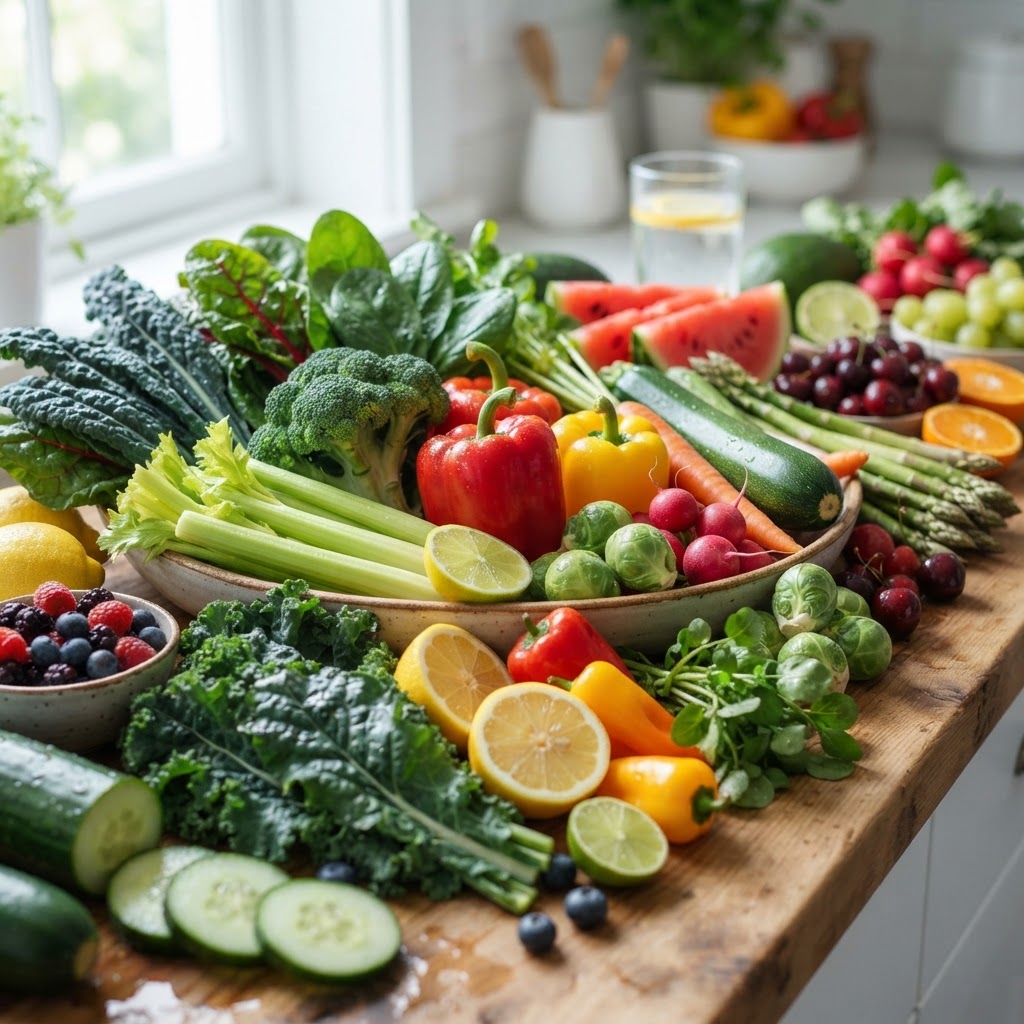
- A balanced gallbladder diet supports steady digestion and may lower common gallstone risk factors.
- Fiber-rich plants, whole grains, lean proteins, and moderate portions of healthy fats are useful gallbladder friendly foods.
- Large, greasy meals can trigger pain or nausea, particularly in people with existing gallbladder disease.
- Avoiding fat completely is not usually necessary; the type, amount, and distribution of fat matter more.
- Severe or persistent abdominal pain, fever, jaundice, or vomiting requires prompt medical attention.
Your gallbladder may be small, but it plays an important part in how your body handles dietary fat. When meals are consistently high in saturated fat, heavily fried, or low in fiber, digestion may become more difficult and certain gallstone risk factors can become more prominent. The right eating pattern cannot guarantee that gallstones will never develop, and diet alone cannot treat an obstructed bile duct. However, thoughtful food choices can support regular digestion, help maintain a healthy weight, and reduce the discomfort that some people experience after rich meals. This guide explains how the gallbladder works, why eating patterns matter, which foods to emphasize, what foods to avoid for gallbladder comfort, and how healthy fats fit into a balanced plan.
Understanding the Role of Your Gallbladder in Digestion
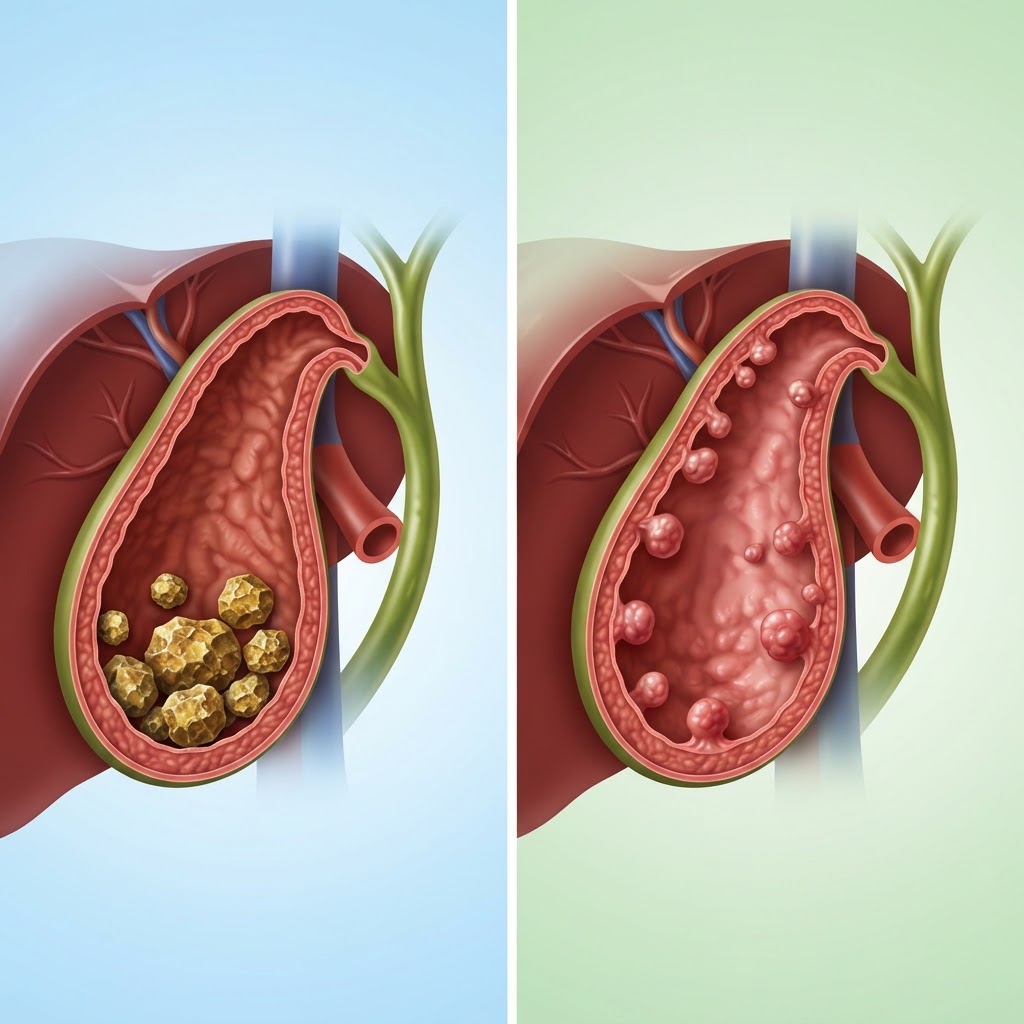
The gallbladder is a small, pear-shaped organ located beneath the liver in the upper-right portion of the abdomen. Its primary job is to store and concentrate bile, a fluid produced continuously by the liver. Bile contains substances that help break dietary fat into smaller droplets so digestive enzymes can process it more effectively. This process, called emulsification, does not chemically digest fat by itself, but it makes fat easier for the small intestine to handle and absorb.
Between meals, bile moves from the liver into the gallbladder, where some of its water is removed and the fluid becomes more concentrated. When a meal reaches the small intestine, especially when it contains fat, hormonal signals prompt the gallbladder to contract. Bile then travels through the bile ducts into the intestine. The gallbladder is therefore not responsible for producing bile; it acts more like a storage and release reservoir.
This distinction matters because people can live without a gallbladder. After gallbladder removal, the liver still makes bile, but bile flows more continuously into the intestine rather than being released in a larger, meal-timed amount. Some people digest normally afterward, while others temporarily notice looser stools, urgency, bloating, or difficulty tolerating especially fatty meals. Gradual reintroduction of richer foods and smaller portions may help, but individualized medical guidance is appropriate when symptoms persist.
Gallstones form when substances in bile, commonly cholesterol or pigment compounds, become concentrated and crystallize. Some stones remain silent. Others can block bile flow and cause biliary pain, often felt in the upper-right or upper-middle abdomen and sometimes extending to the back or right shoulder. Pain may follow a large or fatty meal, although gallstones themselves are not caused by one specific food eaten on one occasion.
A healthy gallbladder diet should therefore be viewed as supportive rather than curative. It aims to provide enough nutrition and moderate amounts of fat while avoiding the meal patterns that commonly provoke symptoms. It also supports conditions associated with gallstone risk, including excess body weight, rapid weight loss, and low dietary fiber. Genetics, age, pregnancy, certain medications, metabolic conditions, and previous intestinal surgery can also influence risk, so diet is only one part of gallbladder health.
It is important to distinguish ordinary meal-related discomfort from symptoms that require assessment. Sudden or severe abdominal pain, pain lasting for several hours, fever, chills, repeated vomiting, yellowing of the skin or eyes, dark urine, or unusually pale stools may signal inflammation or bile duct obstruction. These symptoms should not be managed solely with dietary changes.
Why Diet is Crucial for Managing Gallbladder Health
Diet influences gallbladder health in several connected ways. First, the amount and type of fat in a meal affect how strongly the gallbladder is asked to contract. A very large serving of fried food, cream sauce, sausage, or rich pastry can deliver a concentrated load of fat. For someone with gallstones or a sensitive gallbladder, that contraction may be followed by cramping, pressure, nausea, or upper-abdominal pain. The same meal may not cause symptoms in someone else, which is why personal tolerance matters.
Second, overall eating patterns affect body weight and the speed of weight change. Being above a healthy weight can increase the likelihood of gallstone formation in some people. However, losing weight very quickly, skipping meals for long periods, or following an extremely low-calorie diet can also disrupt normal bile chemistry and gallbladder emptying. A steady, sustainable approach is generally more supportive than cycles of severe restriction and overeating.
Third, fiber helps create a more balanced meal pattern. Beans, vegetables, fruit, oats, barley, and whole-grain foods provide fiber that supports bowel regularity and may help replace highly refined foods. Fiber-rich meals also tend to be more filling, which can make it easier to manage portions and maintain a stable weight. Increasing fiber gradually is important because a sudden increase may cause gas or bloating. Adequate fluid intake can make the transition more comfortable.
Meal timing may matter as well. Long fasting periods can reduce the frequency with which the gallbladder empties, while very large meals can place a heavy demand on digestion. Many people do better with consistent meals and modest portions rather than routinely skipping breakfast and compensating with a large dinner. This does not mean everyone needs a fixed schedule; work patterns, medications, cultural eating habits, and medical conditions should be considered.
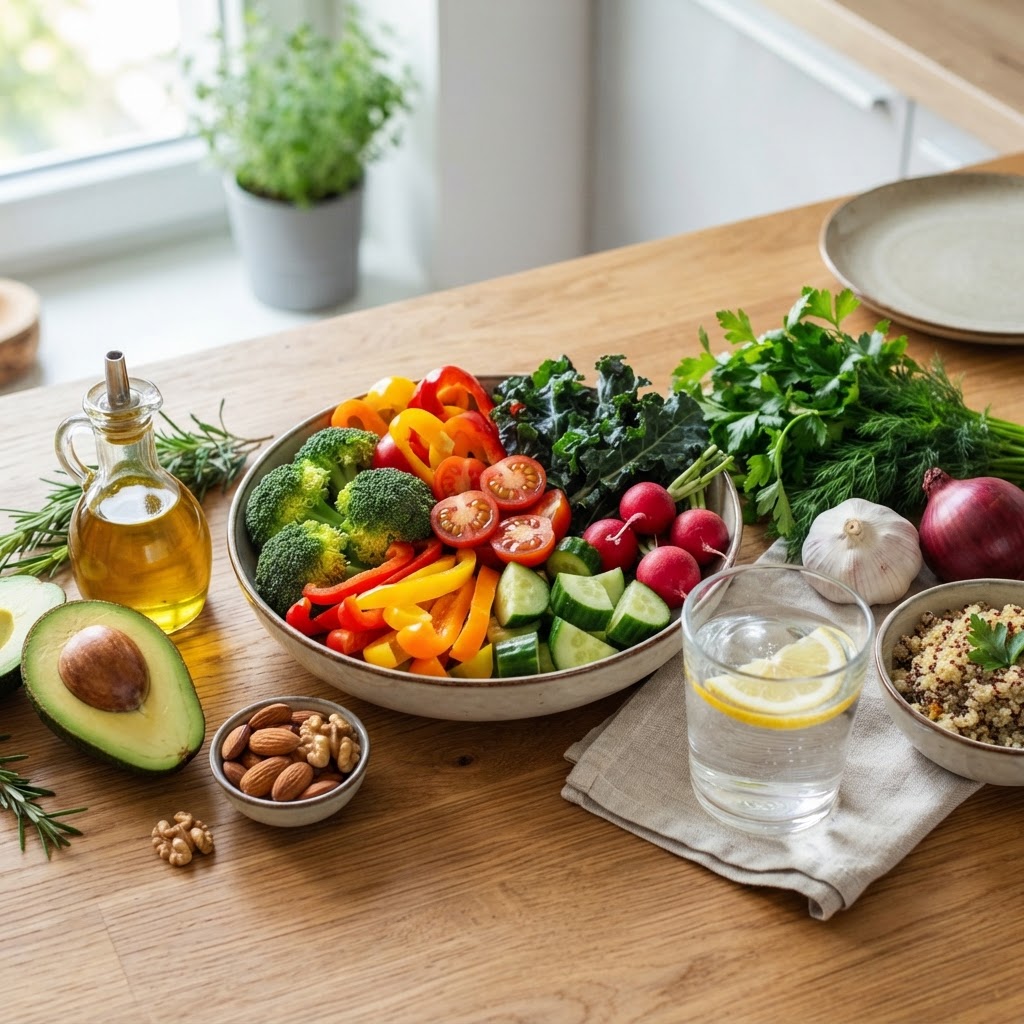
A practical gallbladder diet is not a fat-free diet. Some fat is needed to absorb vitamins A, D, E, and K and to make meals satisfying. Eliminating all fat can make a diet nutritionally unbalanced and difficult to maintain. Instead, focus on moderate portions of unsaturated fats, such as olive oil, avocado, nuts, seeds, and oily fish, while limiting deep-fried foods and large amounts of saturated fat.
Keeping a food and symptom diary can reveal useful patterns. Record the meal, approximate portion, preparation method, time of symptoms, and symptoms themselves. For example, a person may tolerate grilled chicken with rice and vegetables but react to the same chicken when breaded and fried. This information can support a conversation with a clinician or registered dietitian. It is better to identify specific triggers than to remove broad food groups without a clear reason.
Best Foods to Include in Your Gallbladder-Friendly Diet
The best gallbladder friendly foods are generally minimally processed, rich in fiber, and prepared with modest amounts of fat. Building meals around these foods can support steady energy, regular digestion, and weight management without making eating unnecessarily restrictive.
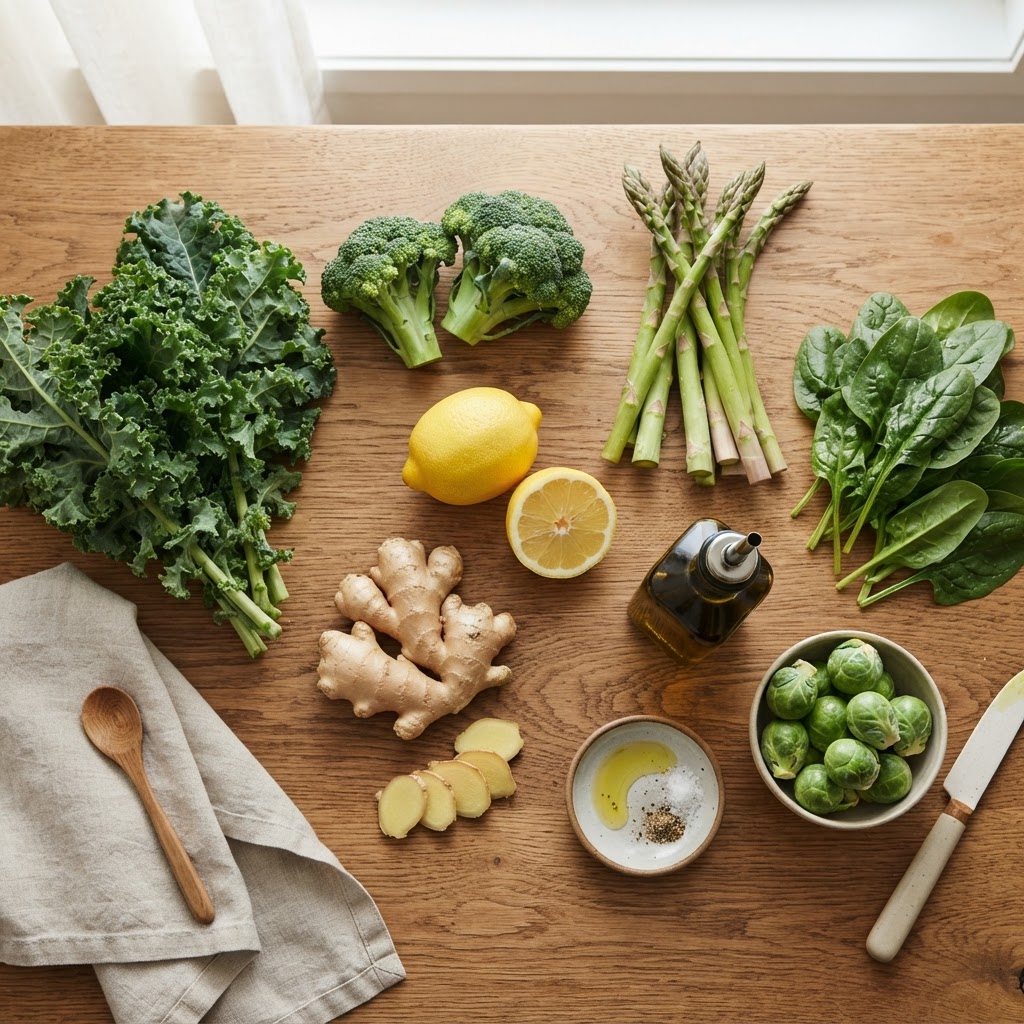
Start with vegetables. Leafy greens, carrots, zucchini, green beans, tomatoes, bell peppers, broccoli, cauliflower, and squash can provide fiber and valuable micronutrients. Steaming, roasting, grilling, or lightly sautéing vegetables is often easier on digestion than deep-frying them. If raw vegetables cause bloating, try cooked portions first and increase variety gradually.
Fruit can also fit well into a healthy gallbladder diet. Apples, pears, berries, oranges, melon, peaches, and bananas are convenient choices. Whole fruit is usually more filling than juice because it retains its fiber. If large amounts of fruit at one time cause discomfort, distribute servings throughout the day rather than removing fruit entirely.
Whole grains are useful foundations for meals. Oatmeal, barley, brown rice, quinoa, bulgur, whole-wheat pasta, and whole-grain bread provide more fiber than refined alternatives. A simple meal might combine barley with roasted vegetables and beans, or brown rice with grilled fish and a vegetable side. Portion size still matters: even nutritious foods can feel uncomfortable when eaten in very large quantities.
Beans, lentils, peas, and other legumes provide plant protein and fiber. Add them gradually if your usual diet is low in fiber. Rinsing canned beans can reduce some of the sodium and may make them easier to incorporate. Lentil soup, hummus in a modest portion, bean chili made without fatty meat, and chickpeas added to a grain bowl are practical examples.
Choose lean or lower-fat protein sources according to your preferences. Skinless poultry, fish, tofu, tempeh, eggs in individually tolerated portions, low-fat yogurt, and reduced-fat cottage cheese can all contribute protein. Fish such as salmon, sardines, trout, and mackerel also supplies unsaturated fats, although very oily preparations may still trigger symptoms in some people. Baked, poached, grilled, or steamed preparations are usually preferable to battered and fried versions.
Low-fat dairy products may be useful if dairy is tolerated. Milk, yogurt, and cheese vary considerably in fat content, so labels can help with portion planning. Unsweetened fortified plant beverages may be alternatives, but check the label for protein, calcium, vitamin D, and added sugar.
Use flavor-building techniques that do not depend on heavy sauces. Herbs, citrus, vinegar, garlic, ginger, paprika, and fresh spices can make meals satisfying. Broth-based soups, tomato-based sauces, and yogurt-based dressings may be lighter options than cream sauces or butter-rich gravies.
The following comparison can help with common substitutions:
| Common choice | Gallbladder-conscious option | Best for |
|---|---|---|
| Fried chicken | Skinless chicken baked with herbs | Lower-fat everyday protein |
| Cream-based pasta | Whole-grain pasta with vegetables and tomato sauce | Higher-fiber meals |
| Pastry or doughnut | Oatmeal topped with fruit | A more filling breakfast |
| Bacon cheeseburger | Grilled bean or lean-protein burger with vegetables | A lower-saturated-fat lunch |
Foods to Avoid That Trigger Gallbladder Distress
There is no universal list of foods that every person with gallbladder disease must permanently eliminate. Still, certain foods and preparation methods commonly cause trouble because they contain substantial fat, are eaten in large portions, or combine several digestive triggers at once. Identifying these patterns is more useful than assuming that every uncomfortable meal points to one ingredient.
Deep-fried foods are frequent culprits. French fries, fried chicken, onion rings, fried fish, and other battered foods can absorb considerable oil during cooking. The combination of a high-fat coating and a large portion may provoke symptoms more readily than the same food grilled or baked. Restaurant meals can be particularly difficult to judge because oil, butter, and creamy sauces may be added in amounts that are not obvious.
High-fat meats may also be challenging. Sausage, bacon, hot dogs, fatty cuts of beef or pork, poultry skin, and heavily marbled meats contain more saturated fat and total fat than leaner options. You do not necessarily need to avoid all meat, but trimming visible fat, removing poultry skin, choosing lean cuts, and using smaller portions can reduce the digestive load.
Full-fat dairy and rich desserts are another category to monitor. Heavy cream, ice cream, whole-milk cheeses, cheesecake, laminated pastries, and butter-rich baked goods may combine fat with sugar and large serving sizes. Consider lower-fat dairy, fruit-based desserts, or smaller portions when tolerated. A low-fat choice is not automatically nutritious if it is highly refined or loaded with added sugar, so the overall food pattern still matters.
Processed snack foods can be easy to overeat and may contain palm oil, butter, shortening, or other concentrated fats. Chips, cheese crackers, creamy dips, and packaged pastries may cause symptoms when eaten quickly or in large amounts. Read ingredient lists and nutrition labels, but focus on the practical question: does this food make it easier to eat a moderate portion, or does it encourage mindless grazing?
Some people report discomfort after very spicy foods, coffee, alcohol, carbonated beverages, or particular high-fiber foods. These are not universal gallbladder triggers, and they do not necessarily cause gallstones. If one of them repeatedly causes symptoms, temporarily reducing it and discussing the pattern with a healthcare professional may be reasonable. Avoid unnecessarily restricting foods based on internet lists or unverified “gallbladder cleanses.”
Portion size and preparation method often matter as much as the food itself. A small serving of avocado may be tolerated while a large serving of guacamole with fried chips is not. A modest amount of cheese in a meal may be manageable, while a cheese-heavy pizza with processed meat may cause distress. Eating slowly, stopping before feeling overly full, and choosing smaller meals can help identify your tolerance.
Avoid crash diets and prolonged fasting marketed as gallbladder cleanses. These approaches may lead to rapid weight change, dehydration, nutrient gaps, or symptom confusion. They cannot dissolve established gallstones safely. If pain is recurring, the priority should be proper diagnosis rather than progressively eliminating foods.
The Importance of Healthy Fats for Gallbladder Function
Healthy fats deserve a specific place in a gallbladder diet because “fat” is not one uniform category. Dietary fats differ in their chemical structure, food sources, and effects on overall health. Unsaturated fats from foods such as olive oil, avocado, nuts, seeds, and fish are generally preferred over large amounts of saturated fats from fatty meats, butter, cream, and many commercially fried foods.
A moderate amount of fat also gives the gallbladder a normal reason to contract and release bile. Avoiding fat completely may not be necessary and can make meals less satisfying. However, this does not mean that adding oil freely or eating high-fat meals is beneficial. The practical goal is a modest amount distributed across meals, adjusted to personal tolerance and medical advice.
Extra-virgin olive oil can be used in small amounts for salad dressing, roasting, or finishing a meal. Canola oil and other liquid vegetable oils may also be useful alternatives to butter or shortening. Avocado, walnuts, almonds, chia seeds, flaxseed, and pumpkin seeds provide unsaturated fats along with other nutrients. Because these foods are energy-dense, a small portion may be more appropriate than eating directly from a large bag or container.
Fish provides a further option, particularly varieties rich in omega-3 fatty acids. Baked, poached, or grilled salmon, trout, sardines, or mackerel can fit into a balanced pattern. If oily fish causes symptoms, choose a leaner fish and use a smaller portion rather than assuming all seafood must be avoided. The cooking method and added sauce can substantially change the meal’s total fat.
The way fat is combined with other foods matters. A meal containing a moderate amount of olive oil, vegetables, beans, and whole grains is different from a meal containing the same broad amount of fat in the form of fried batter, cream sauce, and processed meat. Fiber and protein can make meals more filling, while slow eating helps prevent accidental overconsumption.
People who have recently had gallbladder surgery may need a more gradual approach. Begin with smaller portions and spread fat across the day rather than consuming a single rich meal. Temporary loose stools or urgency can occur, but persistent symptoms should be discussed with the surgical or primary-care team. Certain medical conditions, medications, and digestive disorders may require advice that differs from general gallbladder guidance.
A useful method is to test one change at a time. For example, replace butter with a teaspoon-sized amount of olive oil, choose baked fish instead of fried fish, or use avocado in a modest portion. Record the response over the next several hours. If symptoms repeatedly follow even small amounts of fat, do not continue experimenting indefinitely; seek clinical evaluation.
Healthy fats support a balanced eating pattern, but they cannot treat an obstructed duct or remove established stones. Seek prompt care for severe or persistent pain, fever, vomiting, jaundice, or other signs of possible complications. The safest long-term approach combines moderate portions, minimally processed foods, gradual weight management, and professional evaluation when symptoms continue.
How Fiber Helps Prevent Gallstone Formation
Fiber is an important part of a healthy gallbladder diet because it supports regular digestion, helps manage cholesterol metabolism, and may reduce some of the dietary patterns associated with gallstone development. Gallstones can form when bile contains too much cholesterol, too much bilirubin, or not enough bile salts to keep its components dissolved. Diet alone cannot prevent every case, but consistently choosing high-fiber foods can support the digestive processes that influence bile and gallbladder health.
There are two main types of dietary fiber. Soluble fiber absorbs water and forms a soft, gel-like material in the digestive tract. It is found in foods such as oats, barley, beans, lentils, apples, citrus fruits, and some vegetables. Insoluble fiber adds bulk to stool and helps food move through the intestines. Whole-grain breads, brown rice, wheat-based cereals, vegetable skins, nuts, and seeds are common sources.
A fiber-rich eating pattern may be helpful for gallstone prevention in several ways:
- It supports regular bowel movements. Efficient elimination helps the body remove substances processed through the digestive system, including some cholesterol and bile-related compounds.
- It can replace less helpful foods. When beans, vegetables, fruit, and whole grains occupy more space on the plate, meals often contain fewer heavily fried foods, refined carbohydrates, and excess saturated fat.
- It supports a healthier weight-management pattern. High-fiber foods tend to be filling, which may make it easier to avoid overeating without relying on extreme restriction.
- It may help regulate blood sugar and blood lipids. This is relevant because metabolic conditions, including insulin resistance and abnormal blood cholesterol, can occur alongside increased gallstone risk.
Good fiber choices include lentils in soup, chickpeas in a salad, oatmeal topped with berries, barley in a vegetable stew, pears with the skin, roasted vegetables, and whole-grain brown rice. These foods are generally considered gallbladder friendly foods when prepared with modest amounts of oil and without rich, creamy sauces.
Increase fiber gradually rather than changing from a low-fiber diet to very large portions overnight. A sudden increase can cause gas, bloating, abdominal pressure, or changes in bowel habits. Add one higher-fiber serving every few days, and drink enough fluids to help fiber move through the digestive tract. For example, replace white toast with whole-grain toast at breakfast, add beans to lunch twice a week, and include a cooked vegetable at dinner.
Some people with active digestive symptoms tolerate cooked vegetables, peeled fruit, or finely ground grains better than large servings of raw produce. If fiber consistently triggers severe pain, diarrhea, constipation, or bloating, a clinician or registered dietitian can help identify whether the issue is portion size, a specific food, another digestive condition, or a complication requiring evaluation.
Fiber supplements are not automatically better than food. Products containing psyllium or other forms of fiber may be useful in selected situations, but they should be introduced with adequate fluid and separated from certain medicines when advised by a pharmacist or clinician. Supplements also do not replace a balanced gallbladder diet containing vegetables, whole grains, legumes, fruit, and appropriate protein sources.
Hydration Habits That Support Bile Flow and Digestion
Water does not dissolve existing gallstones or guarantee that a person will avoid them. However, adequate hydration supports normal digestion, helps maintain comfortable bowel movements, and may make a high-fiber eating pattern easier to tolerate. Fluids are involved in the movement and processing of food throughout the digestive tract, while the liver and gallbladder continue producing, storing, and releasing bile as part of normal digestion.
Rather than waiting until you feel very thirsty, spread fluids throughout the day. A glass of water with meals and regular drinks between meals can be a practical starting point. Your needs vary according to body size, physical activity, climate, illness, pregnancy, diet, and medications. People with heart failure, kidney disease, advanced liver disease, or another condition requiring fluid restriction should follow individualized medical advice instead of increasing fluids on their own.
Helpful hydration habits include:
- Carry a reusable water bottle. Having water available makes it easier to drink consistently, especially during work, travel, or errands.
- Pair fluids with fiber. When you add beans, whole grains, fruit, or vegetables, also pay attention to your fluid intake to reduce the likelihood of constipation.
- Choose water most often. Unsweetened tea, sparkling water, and water flavored with citrus or herbs can add variety without a large amount of sugar.
- Limit liquid calories. Sugary sodas, sweetened coffee drinks, energy drinks, and large portions of fruit juice can add substantial sugar without providing the same fullness as whole foods.
- Drink more thoughtfully during exercise or heat. Sweat loss increases fluid needs, although excessive intake is unnecessary and can also be harmful in certain medical circumstances.
Caffeine does not automatically need to be eliminated for gallbladder health. Many people tolerate moderate amounts of coffee or tea, but caffeine can worsen reflux, urgency, anxiety, or stomach discomfort in some individuals. Alcohol is another individual consideration. It does not treat gallstones, and heavy alcohol use can harm the liver and pancreas, organs closely connected to digestion. Anyone with liver disease, pancreatitis, medication interactions, or a history of alcohol-related problems should discuss alcohol use with a healthcare professional.
Very dark urine, infrequent urination, dry mouth, dizziness, or unusual fatigue can be signs of inadequate fluid intake, although these symptoms may have other causes. Persistent vomiting, inability to keep fluids down, confusion, or severe weakness requires prompt medical attention. Hydration is a supportive habit, not a substitute for evaluation when abdominal symptoms are significant.
There is also no reliable reason to use “gallbladder flushes,” olive-oil cleanses, or mixtures marketed as ways to force bile flow. These regimens may cause diarrhea, nausea, or abdominal pain, and material passed in the stool after a cleanse is not proof that gallstones were removed. Some products may interact with medicines or be unsafe for people with an obstructed bile duct. A healthy gallbladder diet should focus on steady nourishment and medically sound care rather than extreme detox routines.
Sample Meal Plan Ideas for a Healthy Gallbladder
A healthy gallbladder diet does not have to be bland, expensive, or limited to a short list of foods. The most useful approach is usually a balanced pattern that includes moderate portions, fiber-rich carbohydrates, lean or plant-based protein, vegetables, fruit, and small amounts of unsaturated fat. Individual tolerance matters, particularly after a gallbladder attack, surgery, or diagnosis of another digestive disorder.
| Meal idea | What it includes | Why it may be useful | Best for |
|---|---|---|---|
| Oatmeal breakfast | Cooked oats, blueberries or a sliced pear, cinnamon, and a small spoonful of ground flaxseed | Provides soluble fiber and fruit while keeping added fat modest | People who want a filling, gentle breakfast |
| Grain and bean lunch bowl | Brown rice or quinoa, black beans, cooked vegetables, leafy greens, salsa, and a small amount of avocado | Combines fiber, plant protein, and unsaturated fat in controllable portions | People seeking a vegetarian gallbladder-friendly meal |
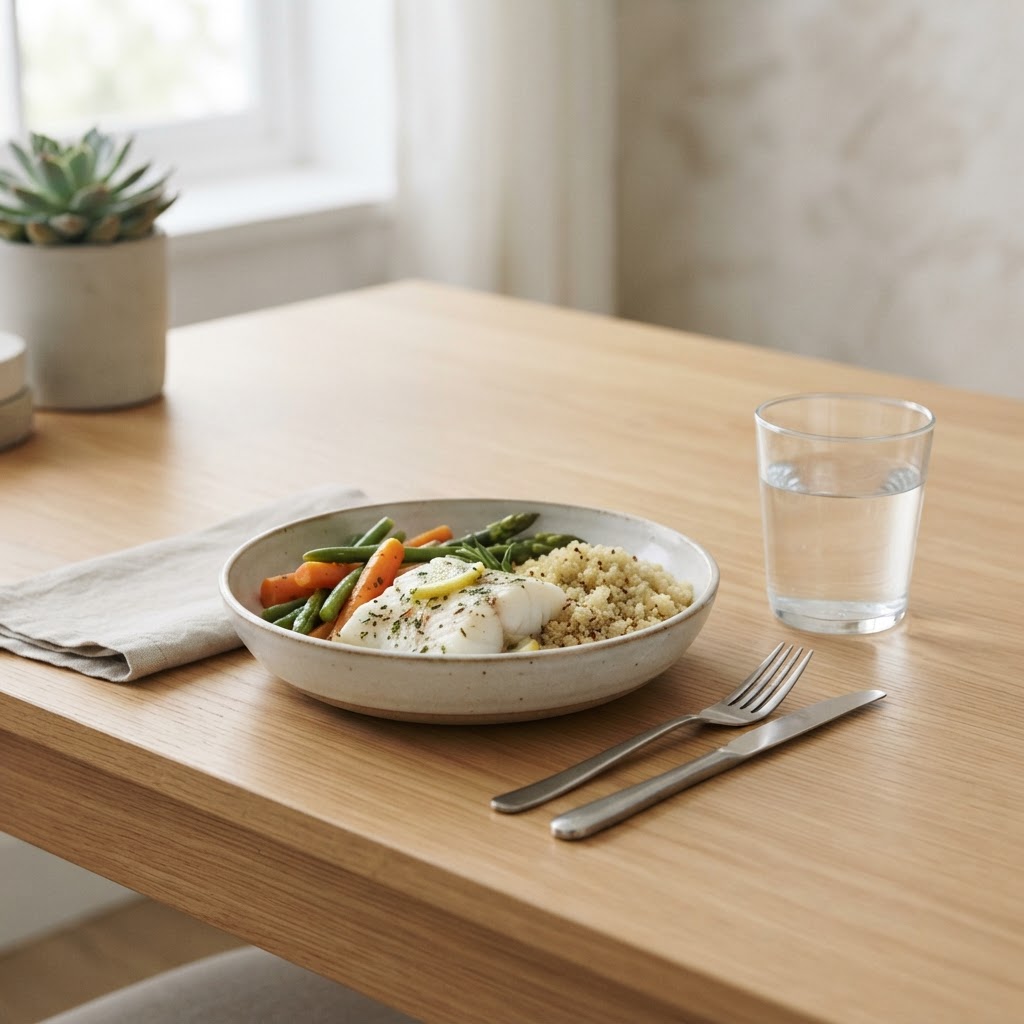
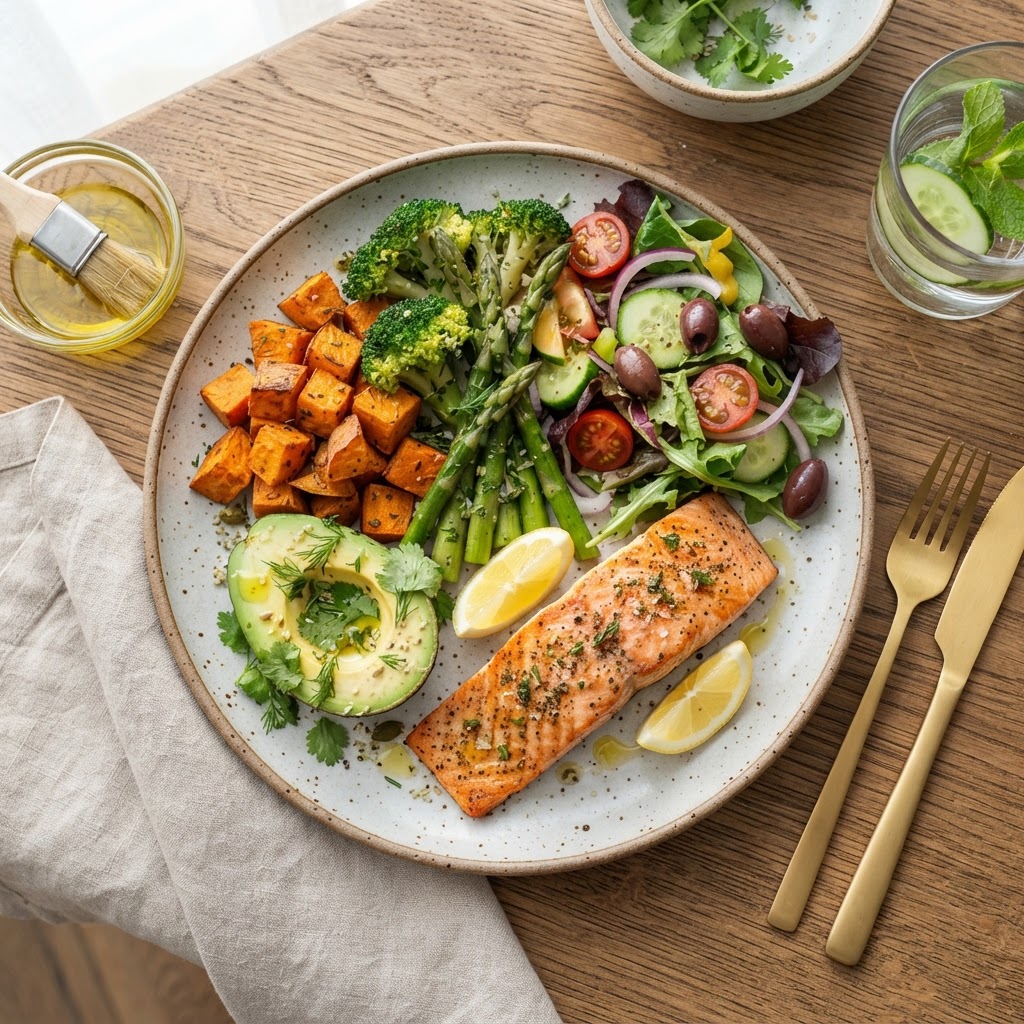
| Lean protein dinner | Baked fish or skinless poultry, roasted sweet potato, and steamed green beans | Offers protein and vegetables without deep-frying or a heavy cream sauce | People who tolerate moderate portions of lean animal protein |
| Simple snack | Low-fat yogurt with fruit, or whole-grain crackers with a small portion of hummus | Can prevent long gaps between meals and provide protein or fiber | People who notice symptoms after very large meals |
| Soup-based meal | Lentil and vegetable soup with whole-grain toast | Provides fluids, fiber, and plant protein in a warm, adaptable meal | People who prefer softer foods or batch cooking |
Breakfast combinations
For breakfast, consider oatmeal with berries and low-fat milk, whole-grain toast with a poached egg and sliced tomato, or plain yogurt with banana and a modest portion of oats. If eggs seem to trigger symptoms, try oatmeal, a tofu scramble prepared with minimal oil, or a smoothie containing fruit, low-fat yogurt, and oats. Smoothies are best consumed as part of a balanced plan rather than loaded with large amounts of juice, sweeteners, nut butter, and full-fat dairy.
Lunch combinations
Lunch can include a turkey and vegetable sandwich on whole-grain bread, a lentil soup with a side salad, or a baked potato topped with beans and plain yogurt. Use dressings and mayonnaise sparingly, since a meal that appears light can become high in fat when it includes a large amount of creamy dressing, cheese, or processed meat. Lemon juice, herbs, vinegar, salsa, and mustard can add flavor without relying on heavy sauces.
Dinner combinations
At dinner, build the plate around a lean protein or plant protein, a high-fiber carbohydrate, and vegetables. Examples include baked cod with barley and roasted carrots; tofu with brown rice and steamed broccoli; or skinless chicken with a small baked potato and sautéed spinach. “Sautéed” should not mean soaking the food in oil. A nonstick pan, a small measured amount of oil, broth, or water can help control the total fat content.
Snack and dessert ideas
Snack options include fruit, air-popped popcorn, low-fat cottage cheese, whole-grain crispbread, or a small portion of nuts if tolerated. For dessert, try baked apples, berries with plain yogurt, or a small serving of frozen fruit. These choices may be easier to fit into a gallbladder diet than pastries, ice cream, or large portions of chocolate, all of which can be high in fat and sugar.
Meal timing can matter as much as food selection for people with symptoms. Some individuals feel worse after skipping meals and then eating a very large dinner. Smaller, regular meals may be more comfortable, although constant grazing is not necessary. Keep a food-and-symptom record for one to two weeks if you are trying to identify patterns. Write down the food, approximate portion, time eaten, symptoms, and any relevant factors such as stress, exercise, or alcohol. A record can reveal whether the issue is a particular food, a high-fat preparation, a large portion, or an unrelated digestive condition.
Common Dietary Mistakes That Worsen Gallbladder Symptoms
People often search for foods to avoid for gallbladder problems, but symptoms are not always caused by one specific ingredient. Portion size, preparation method, meal timing, and overall dietary pattern can be equally important. The following mistakes commonly make digestion more difficult or complicate efforts to prevent gallstones with diet.
Eating very large or high-fat meals
Fried foods, fatty cuts of meat, sausage, bacon, full-fat cream sauces, rich desserts, and large amounts of cheese can provide a concentrated load of fat. Fat stimulates the digestive system and gallbladder to release bile. If gallstones interfere with bile movement, symptoms may follow. Even foods considered nutritious, such as nuts, avocado, olive oil, and nut butter, can cause problems when portions are unusually large. The goal is not necessarily to remove every gram of fat, but to distribute moderate amounts across meals and choose unsaturated fats more often.
Cutting out all fat without guidance
Severely restricting fat can make meals unsatisfying and may lead to inadequate intake of essential fatty acids and fat-soluble vitamins. It can also encourage a cycle of deprivation followed by overeating. A better approach is to reduce deep-fried foods and heavy sauces while retaining modest portions of foods such as fish, seeds, olive oil, or avocado if tolerated. Individual medical circumstances may require a more specific fat target.
Following crash diets or rapid weight-loss plans
Rapid weight loss and long periods without eating can increase the risk of gallstone formation in some people. Very-low-calorie diets, prolonged fasting, and repeated cycles of losing and regaining weight may be especially problematic. Sustainable weight management is generally safer than attempting to lose weight as quickly as possible. Anyone considering a medically supervised weight-loss program should discuss gallstone risk, symptoms, and prevention with the treating team.
Replacing meals with sweet drinks
Sodas, sweetened teas, large fruit drinks, and dessert-style coffee beverages may provide substantial sugar without fiber or meaningful fullness. A pattern high in refined sugar can make weight management more difficult and may displace foods that support digestive health. Choose whole fruit more often than juice, and use unsweetened beverages as the default.
Assuming “healthy” labels guarantee good tolerance
Foods labeled organic, natural, keto, gluten-free, or plant-based are not automatically suitable for every gallbladder concern. Plant-based fried foods can be high in fat, gluten-free desserts can contain substantial sugar and shortening, and keto meals may rely heavily on butter, cream, cheese, and fatty meats. Read the ingredient list and consider the preparation method, serving size, and your own symptoms.
Adding fiber too quickly
Beans, bran, raw vegetables, and large salads are valuable foods, but a sudden increase may cause gas and cramping. Start with smaller servings, choose cooked produce when needed, and increase gradually. If symptoms are severe or persistent, do not assume they are simply the result of “detoxing.” Medical assessment may be appropriate.
Ignoring personal triggers without restricting unnecessarily
Some people tolerate dairy, eggs, coffee, or spicy food without difficulty, while others notice symptoms after particular items. Avoiding every food on a broad internet list can create an unnecessarily narrow diet. Use a structured food-and-symptom record and reintroduce foods cautiously when appropriate. A clinician or dietitian can help distinguish likely triggers from foods that are being avoided without a clear reason.
Using cleanses, supplements, or bile-stimulating products
Herbal products marketed for liver or gallbladder cleansing may not be tested for purity, effectiveness, or interactions in the same way as regulated medicines. Some may affect the liver, blood clotting, blood pressure, or medication levels. Do not use a supplement to delay evaluation of right upper abdominal pain, jaundice, fever, or vomiting.
When to See a Doctor About Your Digestion Concerns
Dietary changes can support comfort and long-term health, but recurring or severe digestive symptoms deserve professional evaluation. Gallstones may cause no symptoms, or they may produce episodes of pain when a stone temporarily blocks bile flow. Similar symptoms can also come from acid reflux, ulcers, pancreatitis, liver disease, food intolerance, intestinal disorders, or other conditions. A symptom pattern cannot confirm the cause by itself.
Contact a healthcare professional to discuss symptoms such as repeated pain in the upper right or upper middle abdomen, discomfort after meals that keeps returning, nausea that interferes with eating, unexplained food avoidance, persistent bloating, or changes in stool color. It is especially important to seek assessment if symptoms are new, worsening, or affecting sleep, work, hydration, or weight.
Seek urgent medical care for severe or persistent abdominal pain, pain accompanied by fever or chills, yellowing of the skin or eyes, dark urine with unusually pale stools, repeated vomiting, fainting, confusion, chest pain, or a rigid or severely tender abdomen. These symptoms can indicate obstruction, infection, inflammation, or another urgent problem. Do not attempt to manage them with a gallbladder cleanse or by waiting for a dietary change to work.
A clinician may ask about the timing of pain, meals, bowel movements, medications, alcohol use, pregnancy status, previous abdominal surgery, and family history. Depending on the situation, evaluation may include a physical examination, blood tests, or abdominal imaging such as an ultrasound. If gallstones are causing repeated attacks or complications, dietary adjustments may not be enough, and treatment options may need to be discussed.
People who have had gallbladder removal may also need temporary dietary adjustments. Many can eventually return to a broad, balanced eating pattern, but large high-fat meals may be difficult during recovery because bile is no longer stored in the gallbladder in the same way. Persistent diarrhea, weight loss, or pain after surgery should be reported rather than managed indefinitely through increasingly restrictive eating.
Before making major changes, bring a list of current medications and supplements to the appointment. Some medicines can affect digestion or interact with herbal products. If you are pregnant, have diabetes, kidney disease, liver disease, inflammatory bowel disease, or a history of pancreatitis, ask for individualized advice. General gallbladder health tips are useful starting points, but they cannot replace care tailored to your medical history.
Frequently Asked Questions
What is the best diet to prevent gallstones?
The best overall pattern is usually a balanced, fiber-rich diet that includes vegetables, fruit, beans, lentils, whole grains, and moderate portions of lean or plant-based protein. Choose unsaturated fats in modest amounts and limit deep-fried foods, highly processed meats, excessive added sugar, and very large meals. Regular eating and gradual, sustainable weight management are generally preferable to fasting or crash dieting. No diet can prevent every gallstone, particularly when genetics, pregnancy, certain medical conditions, or medications contribute to risk.
What foods should I avoid if I have gallbladder symptoms?
Common foods to limit include fried foods, fatty meats, sausage, bacon, heavy cream sauces, rich pastries, large amounts of cheese, and meals prepared with substantial butter or oil. However, tolerance differs. Some people react to a large portion of an otherwise nutritious food, while others tolerate it in a smaller serving. Use a symptom record and focus first on preparation method, portion size, and total fat rather than eliminating an unnecessarily long list of foods.
Are eggs bad for the gallbladder?
Eggs are not automatically harmful for everyone with gallbladder concerns. They contain fat, particularly in the yolk, so some people notice symptoms after eating several eggs, fried eggs, or eggs served with bacon, butter, cheese, or sausage. Others tolerate a small portion of a boiled, poached, or lightly prepared egg. If eggs repeatedly trigger pain, discuss the pattern with a healthcare professional instead of assuming that all eggs must be permanently avoided.
Can drinking more water dissolve gallstones?
Water supports hydration, bowel regularity, and comfortable digestion, but it does not dissolve established gallstones. Drinking fluids is still a useful part of a healthy gallbladder diet, especially when increasing fiber. Avoid extreme water intake, and follow medical guidance if you have a condition that limits fluids. Persistent pain, jaundice, fever, or vomiting requires medical evaluation rather than a hydration remedy.
Is coffee safe for gallbladder health?
Many people tolerate moderate coffee intake, and coffee does not need to be removed automatically from a gallbladder diet. However, coffee can worsen reflux, stomach discomfort, urgency, or anxiety in some individuals. Sweetened coffee drinks made with cream, syrups, and whipped toppings may also be high in sugar and fat. If coffee appears linked to symptoms, try reducing the amount, avoiding rich additions, or discussing alternatives with a clinician.
Can a healthy diet get rid of gallstones without surgery?
A healthy diet may reduce symptom triggers and support general digestive health, but it usually cannot remove existing gallstones. Some silent gallstones never cause symptoms and may only require monitoring, while symptomatic or complicated gallstones may need medical treatment. Do not delay care because a cleanse, supplement, or restrictive diet claims to eliminate stones. A healthcare professional can determine whether observation, medication, a procedure, or surgery is appropriate.
Conclusion
A practical gallbladder diet is built on consistency rather than extreme restriction. Emphasize vegetables, fruit, beans, lentils, whole grains, lean or plant-based proteins, moderate portions, and adequate fluids. Limit deep-fried foods, heavily processed meats, oversized meals, excess added sugar, and rapid weight-loss plans. Increase fiber gradually, notice your personal triggers, and use simple preparation methods that keep added fat under control.
These habits can support digestion and may help reduce some dietary contributors to gallstone formation, but they are not a substitute for diagnosis or treatment. Recurrent upper abdominal pain, vomiting, fever, jaundice, dark urine, pale stools, or severe tenderness should be evaluated promptly. Start with one sustainable change this week, such as adding a fiber-rich breakfast, preparing one baked meal instead of a fried meal, or keeping a symptom and food record. For personalized guidance, speak with your doctor or a qualified dietitian.
By healthauthoritylife Editorial Team
This article is for informational purposes only and is not a substitute for professional medical advice. Always consult your doctor before making changes to your diet, exercise routine, or treatment plan.