
⚕️ Written by Dr. Sarah Mitchell, MD, MPH  •  📋 Evidence-Based Articles  •  🔍 Medically Reviewed

⚠️ Not a substitute for professional medical advice

Category: Children’s Health

Paediatric health, child nutrition, and family wellness articles.

  • 10 Best Gallbladder-Friendly Snacks for Healthy Weight Loss

    10 Best Gallbladder-Friendly Snacks for Healthy Weight Loss

    Key Takeaways

    • Small, frequent meals help prevent gallbladder distress by regulating bile flow.
    • Low-fat, fiber-rich snacks support weight management without triggering painful attacks.
    • Healthy fats should be introduced gradually to ensure they remain tolerable for digestion.
    • Hydration and fiber intake are cornerstones of maintaining gallbladder health post-surgery.
    • Avoiding processed trigger foods is essential for long-term digestive comfort and weight loss success.

    Managing your weight while navigating gallbladder concerns requires a delicate balance between nutrient density and digestive ease. For many, the gallbladder acts as a reservoir for bile, which is essential for breaking down fats; when this system is compromised, or after it has been surgically addressed, the body’s ability to process heavy meals changes significantly. By choosing the right gallbladder friendly snacks, you can keep your metabolism running efficiently, curb hunger pangs, and avoid the discomfort often associated with improper fat intake. This guide, compiled by the healthauthoritylife Editorial Team, explores the best nutritional strategies to maintain your weight loss goals while keeping your digestive tract happy, calm, and satisfied throughout the day.

    Why Snacking Matters When Managing Gallbladder Health

    When you are focused on weight loss with gallbladder issues, the traditional advice of three large meals per day often fails to serve your physiological needs. Digestion is a complex process that places a specific demand on the gallbladder. When you consume a large meal, the gallbladder must contract to release a concentrated dose of bile into the small intestine to break down dietary fats. If you have a sensitive gallbladder or are recovering from surgery, these large contractions can be painful or lead to significant digestive distress. This is where strategic snacking becomes a vital tool in your health arsenal.

    By shifting toward a pattern of smaller, more frequent meals and snacks, you effectively smooth out the workload placed on your digestive system. Think of it as “bile management”—by keeping intake light and consistent, you prevent the gallbladder from becoming overwhelmed or, in the case of those who have undergone a cholecystectomy, you prevent the biliary tree from being flooded with bile it cannot adequately handle at once. Snacks for gallbladder health are not just about hunger management; they are about maintaining a steady, manageable flow of bile that supports nutrient absorption without causing inflammatory reactions.

    Furthermore, snacking helps prevent the blood sugar spikes and subsequent crashes that often lead to poor food choices. When you are severely hungry, your body often craves high-fat, fried, or processed foods, which are notoriously difficult for someone with gallbladder sensitivities to digest. Having pre-planned, healthy snacks for gallbladder health readily available removes the temptation of grabbing a convenience store pastry or a greasy bag of chips. This stability in your eating pattern also stabilizes your energy levels, allowing you to maintain the physical activity levels necessary for effective weight management.

    From a metabolic perspective, frequent, low-fat snacking can help maintain a thermic effect of food—the energy your body spends on digestion—without overtaxing your system. For those pursuing weight loss, the goal is to maintain a slight calorie deficit while ensuring that you are not depriving your body of essential vitamins and minerals. Because fat restriction is often part of the protocol for gallbladder health, your snack choices must be nutrient-dense to compensate for the reduction in lipid-heavy calories. Fiber, lean proteins, and complex carbohydrates become your best friends, providing volume and satisfaction without the digestive load of saturated fats. Ultimately, understanding that snacking is a medicinal approach to your daily nutrition allows you to reframe your diet not as a list of restrictions, but as a roadmap to digestive comfort and sustained weight loss success.

    The Role of Healthy Fats in Gallbladder Function

    There is a common misconception that fat should be entirely eliminated from the diet when managing gallbladder health. However, fats are essential for the absorption of fat-soluble vitamins like A, D, E, and K, and they play a role in hormone regulation. The key is in the type of fat and the quantity consumed. For individuals seeking weight loss with gallbladder issues, the focus should shift away from heavy, saturated, or trans fats—which are known to trigger gallbladder pain and promote inflammation—toward smaller, measured portions of monounsaturated and polyunsaturated fats.

    When you consume fat, your gallbladder naturally responds by contracting. If you consume a high-fat snack, this contraction is forceful and can be uncomfortable. If you consume no fat at all, the gallbladder may become sluggish, potentially leading to the formation of bile sludge or stones. Therefore, the goal is to incorporate “digestible” healthy fats into your snacks in small amounts. Think of these as supportive fats that provide satiety without the digestive strain associated with fried foods or heavy dairy. For instance, a small handful of raw walnuts or a thin spread of avocado provides high-quality nutrients that support brain health and heart function while being much easier on the system than an equivalent amount of fat found in a processed snack.

    It is important to understand that your tolerance level is highly individual. Some people find that they can tolerate specific healthy fats, like extra virgin olive oil or cold-pressed flaxseed oil, better than others. When introducing these into your snack rotation, it is best to do so in gradual increments. You might start by adding a teaspoon of flax seeds to a bowl of oats or a small amount of avocado to a veggie snack. Monitoring your body’s reaction is essential. If you experience bloating, nausea, or discomfort after consuming a specific fat source, it is a signal to reduce the portion or pivot to a different, lighter option. This process of mindful experimentation is the safest way to find what works for your unique physiology.

    To help navigate these choices, consider the following comparison of common snack approaches. Note that individual tolerance varies, and it is wise to consult with your personal healthcare team regarding your specific digestive capacity.

    Snack Component Digestion Profile Best For
    Raw Vegetables with Hummus High fiber, low fat, easy to digest Mid-afternoon satiety and fiber intake
    Small Serving of Walnuts Moderate fat, high omega-3 content Brain health and curbing long-term hunger
    Steamed Edamame Plant-based protein, easy on the system Post-workout protein boost
    Oatmeal with Blueberries Soluble fiber, low fat, gentle energy Breakfast or pre-activity fuel

    Ultimately, by prioritizing these cleaner, lighter sources of healthy fats, you create a gallbladder-friendly diet that supports weight loss without sacrificing the nutrition your body requires. Keeping your fat intake consistent and moderate prevents the “feast and famine” cycle that often triggers gallbladder attacks, helping you maintain a stable metabolism while feeling satisfied throughout the day.

    Top Nutrient-Dense Snacks for Easy Digestion

    When you are managing digestive sensitivities, nutrient density is everything. You want snacks that provide maximum biological value—vitamins, minerals, and antioxidants—with the minimum amount of digestive effort. Low fat snacks for digestion are the gold standard here, as they avoid the common triggers that lead to pain while providing the fuel needed for sustained weight loss. The beauty of these snacks lies in their simplicity; often, the most effective gallbladder friendly snacks are those made of whole, single-ingredient foods that require little processing in the gut.

    A prime example of a nutrient-dense snack is steamed edamame. These young soybeans are packed with plant-based protein and fiber, yet they are remarkably gentle on the digestive system. Because they are boiled or steamed rather than fried or cooked in heavy oils, they provide an excellent source of satiety without the fat-induced stress on the biliary tract. A simple dusting of sea salt makes them a satisfying, savory snack that helps bridge the gap between lunch and dinner. Similarly, consider low-fat cottage cheese or Greek yogurt. When choosing these, it is critical to select plain, non-fat or low-fat varieties to avoid the concentrated fat content found in full-fat dairy, which can be difficult to digest for many individuals with gallbladder concerns.

    Another excellent option is the inclusion of lean, easily digestible proteins such as hard-boiled egg whites. While egg yolks contain cholesterol and fat that might be bothersome to some with severe gallbladder issues, the whites are pure protein and very easy to process. Pairing these with a light source of carbohydrates, like a small serving of brown rice cakes, provides a balanced snack that stabilizes blood sugar and prevents the metabolic slowdown that often accompanies overly restrictive diets. For those who prefer a bit of crunch, air-popped popcorn—lightly seasoned with herbs rather than butter—serves as a high-volume, low-fat snack that keeps you feeling full without overwhelming your gallbladder.

    When selecting these snacks, always keep an eye on ingredient labels for hidden fats. Many “healthy” granola bars or pre-packaged snacks are marketed as nutritious but are actually high in palm oil, coconut oil, or other saturated fats that can be problematic. Focus on whole-food options—fresh produce, legumes, and lean proteins—which are inherently gallbladder friendly. By focusing on these categories, you ensure that every calorie you consume contributes to your health goals rather than creating digestive distress. This focus on “simple nutrition” allows you to enjoy variety in your diet while maintaining the strict low-fat protocols often required for gallbladder health and successful weight management. Remember to chew your food thoroughly; as the first step of digestion, mastication significantly reduces the workload on your stomach and gallbladder, allowing for a more efficient breakdown of nutrients.

    Fruit-Based Snacks to Curb Sweet Cravings Safely

    Cravings for sugar can be one of the biggest hurdles during weight loss, especially when your dietary choices are otherwise quite restrictive. Fortunately, nature provides a plethora of fruit-based options that serve as excellent healthy snacks after gallbladder surgery or for those with ongoing gallbladder issues. Unlike processed sweets that are often loaded with unhealthy fats and refined sugars, fruit offers natural sweetness paired with fiber and water, making it much easier on the digestive system and highly effective for weight management.

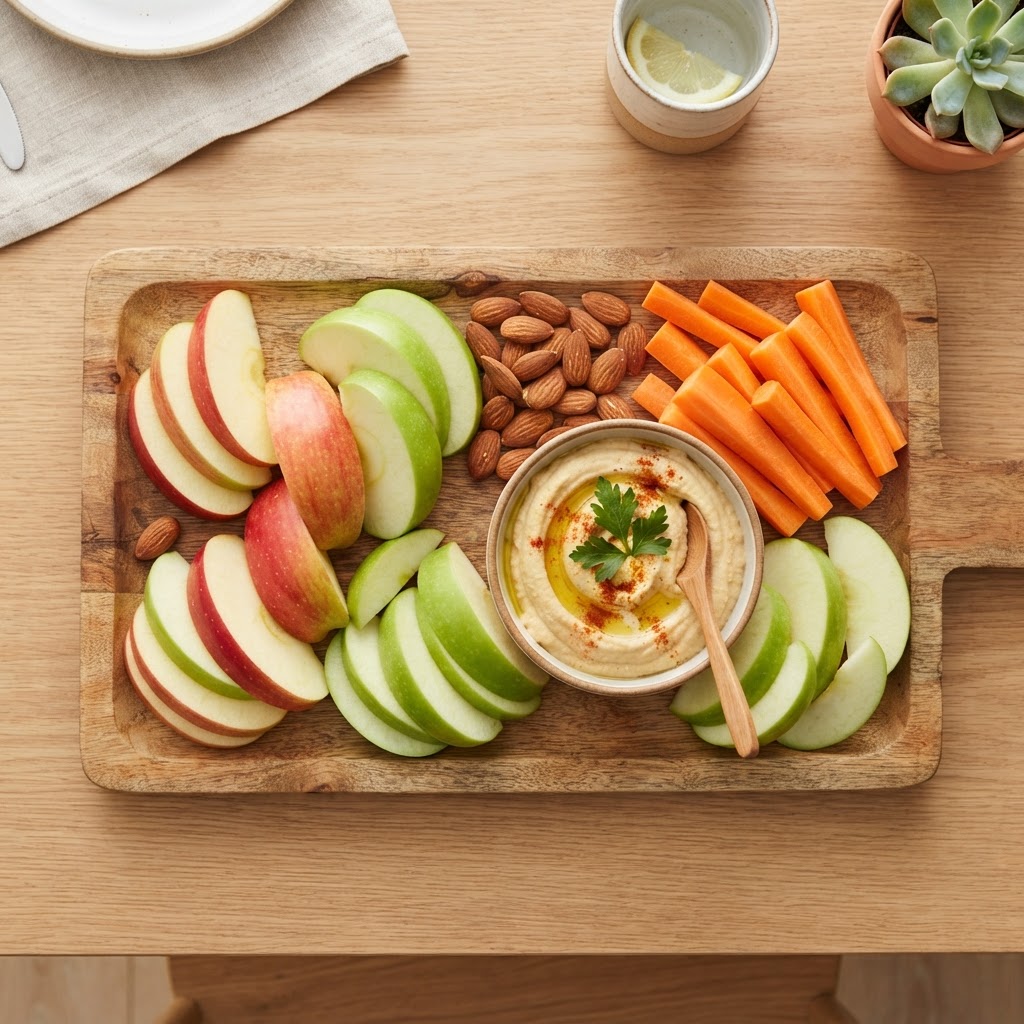
    Apples and pears are stellar choices, particularly when peeled if your digestion is currently very sensitive, as the skin can sometimes be harder to break down. These fruits are rich in pectin, a type of soluble fiber that can actually assist in digestion by regulating the transit of food through the intestinal tract. A sliced apple sprinkled with a touch of cinnamon is a satisfying way to address a craving for something sweet without adding heavy fats or processed additives. If you crave something a bit more tropical, papaya and pineapple contain natural enzymes—papain and bromelain, respectively—that are known to aid in protein digestion, potentially easing the overall load on your biliary system after a meal.

    Berries are another essential component of a gallbladder friendly snack rotation. Blueberries, raspberries, and strawberries are low in fat, high in antioxidants, and relatively gentle on the stomach. Because they are nutrient-dense yet low in caloric density, they are ideal for supporting weight loss. You can enjoy them fresh or frozen, and they pair beautifully with a small amount of non-fat yogurt or a sprinkle of flax seeds to create a more substantial snack. The key is to avoid heavily sweetened fruit cups or canned fruits packed in syrup, as the added sugar can lead to rapid blood glucose changes, which may indirectly influence your digestive comfort.

    It is also worth noting that the temperature and form of your fruit snacks can make a difference. For some, a chilled fruit salad is refreshing and light, while for others, lightly poached or stewed fruits are easier to digest. If you find raw fruit causes bloating or gas, try gently steaming your pears or apples; this softens the fiber and makes the fruit much more accessible to your digestive enzymes. Incorporating these natural sweets into your diet allows you to feel as though you are indulging while staying strictly within the parameters of your gallbladder health plan. By relying on whole fruits, you are providing your body with the hydration, vitamins, and minerals it needs to recover and thrive, all while curbing cravings for the calorie-dense, fat-heavy desserts that are best avoided when managing gallbladder issues.

    High-Fiber Vegetable Options to Keep You Full

    Fiber is a critical component for anyone focusing on weight loss, but for those with gallbladder concerns, the *type* of fiber and how it is prepared is paramount. High-fiber vegetable options are the foundation of many gallbladder diet snacks because they offer immense volume and satiety with virtually no fat. When you choose the right vegetables, you provide your body with the bulk necessary to maintain digestive regularity, which is essential for preventing the bile stagnation that can exacerbate gallbladder issues. The goal is to maximize the benefits of fiber while minimizing the potential for bloating, which can sometimes occur if you increase fiber intake too rapidly.

    Steamed or roasted cruciferous vegetables like broccoli and cauliflower are excellent choices, provided they are cooked until tender. While raw vegetables can sometimes be harsh on a sensitive digestive system, steaming breaks down the cellular structure, making the fiber easier to manage. Pair these with a light dressing of lemon juice and fresh herbs rather than oil-based dressings to ensure the snack remains gallbladder friendly. Similarly, carrots and zucchini are fantastic, versatile options. You can spiralize zucchini into “noodles” for a light snack or cut carrots into sticks for a crunchy, refreshing bite that satisfies the need for texture without the fat of processed crackers or chips.

    Leafy greens, such as spinach and kale, are another pillar of the gallbladder friendly diet. These greens are packed with vitamins and minerals and are incredibly low in fat. To turn them into a snack, try a simple salad with a light balsamic vinegar dressing, avoiding heavy oil-based vinaigrettes. If you enjoy a more substantial snack, you can blanch these greens and serve them with a dash of soy sauce or tamari for a savory, nutrient-rich option. Another often-overlooked vegetable is the sweet potato. When baked or steamed, sweet potatoes provide a slow-release source of complex carbohydrates that keep your energy levels stable and hunger at bay, making them a perfect snack for those busy afternoons when you need lasting fuel for your weight loss journey.

    To avoid digestive upset, experts generally agree that consistency is more important than quantity when it comes to fiber. If you are not used to a high-fiber intake, start slowly by incorporating one or two servings of these vegetables per day and gradually increase your intake as your body adjusts. Drink plenty of water along with your fiber intake; water is the vehicle that allows fiber to move through the digestive tract smoothly. This partnership between fiber and hydration is the secret to a comfortable, efficient digestive system. By prioritizing these high-fiber, low-fat vegetable snacks, you can effectively manage your weight, support your gallbladder health, and ensure that your body has the sustained energy it needs to function at its absolute best. These snacks represent the bridge between strict medical dietary necessity and a lifestyle that feels abundant, satisfying, and deeply nourishing.

    Protein-Rich Bites That Are Gentle on the Liver and Gallbladder

    When you are managing gallbladder issues, protein remains an essential macronutrient for maintaining muscle mass and promoting satiety, both of which are critical for sustainable weight loss. However, the source of that protein matters immensely. Many traditional high-protein snacks—such as beef jerky, marbled steaks, or heavy cheese sticks—are loaded with saturated fats that force the gallbladder to contract forcefully, potentially triggering pain or discomfort. The goal is to focus on lean, easily digestible protein sources that provide nourishment without overwhelming the biliary system.

    Egg whites are perhaps the gold standard for gallbladder-friendly protein. Unlike the yolk, which contains significant dietary cholesterol and fat, the white is almost pure protein and water. A simple snack of hard-boiled egg whites seasoned with a pinch of turmeric or smoked paprika is an excellent way to keep your metabolism firing without putting stress on your gallbladder. Another fantastic option is white-fleshed fish, such as cod or tilapia. While often considered a meal component, a small portion of cold, poached white fish can serve as an exceptionally low-fat, high-protein snack that is remarkably gentle on the liver and gallbladder.

    Legumes, such as chickpeas and lentils, are also stellar choices. When prepared without heavy oils or creams, these snacks provide a dual benefit: protein and fiber. High-fiber foods are known to help regulate blood sugar, which in turn prevents the sudden insulin spikes that can contribute to gallbladder-related inflammation. Roasted chickpeas, seasoned with nutritional yeast instead of olive oil, provide a satisfying crunch that mimics processed snack foods while staying well within the parameters of a gallbladder-friendly diet.

    For those who prefer a quicker option, non-fat Greek yogurt or cottage cheese can be integrated effectively. It is vital, however, to ensure the fat content is strictly zero or near-zero percent. By stripping away the dairy fat, you remove the primary trigger for digestive distress while retaining the beneficial casein and whey proteins. Adding a few fresh berries provides a touch of sweetness and additional fiber to keep the digestive system moving smoothly.

    Foods to Avoid: Common Snack Triggers for Gallbladder Pain

    Understanding which foods to avoid is just as important as knowing what to include when trying to lose weight with gallbladder issues. Certain foods act as “biliary irritants,” capable of inducing sharp pain, bloating, or nausea. Identifying these triggers requires a bit of vigilance, particularly when navigating the world of pre-packaged snacks.

    The primary offender is, unequivocally, dietary fat. Specifically, trans fats and high amounts of saturated fats force the gallbladder to work overtime. Common culprits include anything fried, such as potato chips, corn chips, or processed vegetable-oil-heavy snacks. Even if a product is labeled “vegetable-based,” the frying process renders it potentially problematic. Furthermore, baked goods—even those marketed as healthy—often contain butter, shortening, or coconut oil, all of which are dense in fats that can linger in the digestive tract and cause gallbladder strain.

    Creamy condiments and dressings are another area of concern. Ranch dips, heavy mayonnaise-based spreads, and cheese-based sauces are often hidden in snack packs. Even a small dip containing these ingredients can lead to significant post-snack discomfort. Additionally, be wary of “healthy” snacks that rely on nuts and seeds in large quantities. While nuts are nutrient-dense, they are also incredibly high in fat. If you are in a flare-up phase, even a handful of almonds or walnuts may be too much for your gallbladder to handle efficiently.

    Lastly, pay attention to refined sugars and processed flours. These ingredients can lead to rapid blood glucose fluctuations. When blood sugar is unstable, the body’s hormonal response can affect bile composition, potentially leading to the formation of sludge or stones over time. Avoiding highly processed sweets like cookies, pastries, and sugar-laden granola bars is essential for maintaining both your weight and your gallbladder health.

    Snack Item Fat Content Digestibility Best For
    Hard-boiled Egg Whites Very Low High Post-surgery recovery
    Roasted Chickpeas Low Medium-High Satiety and Fiber
    Non-Fat Greek Yogurt Zero High Protein maintenance
    Fresh Berries Zero Very High Anti-inflammatory support
    Potato Chips High Low Avoid entirely

    How to Balance Portion Sizes for Optimal Metabolism

    Weight loss with gallbladder issues requires a delicate balance: you must maintain a calorie deficit to lose weight while ensuring you eat small, frequent meals to prevent the gallbladder from becoming stagnant. When the gallbladder goes too long without releasing bile, the bile can become concentrated and viscous, increasing the likelihood of stones or inflammation. Conversely, large meals require a massive release of bile, which can cause intense cramping.

    The solution lies in “mini-meals” or calibrated snacking. A healthy portion for someone with gallbladder issues should typically be no larger than the size of your palm. By limiting the volume of food in a single sitting, you ensure that the amount of bile required for digestion is manageable. Aim for three small meals and two to three snacks per day, spaced roughly three to four hours apart. This steady, rhythmic intake keeps the metabolic rate consistent and prevents the “feast or famine” cycles that often sabotage both weight loss and gallbladder function.

    When portioning your snacks, use the “Rule of Three”: ensure your snack contains a lean protein, a complex carbohydrate (fiber), and a source of water-rich produce. For example, a snack of three egg whites, a half-cup of steamed lentils, and a small apple creates a balanced profile that is low in fat but high in satiety. By measuring your snacks in advance—using small bowls or pre-portioned bags—you eliminate the risk of mindless overeating. Consistency in portion sizes allows your digestive system to anticipate when it needs to produce bile, creating a more predictable and painless experience.

    Creating a Gallbladder-Friendly Snacking Routine

    Integrating these habits into a sustainable routine is the final piece of the puzzle. Most people fail in their weight loss journeys because they view snacking as a chaotic, impulsive act. To protect your gallbladder, you must approach snacking with the same discipline you would apply to your main meals.

    Start by “snack prepping.” On a Sunday evening, prepare containers of pre-cooked white proteins, wash and portion out fresh vegetables, and store them in the refrigerator. When you have healthy, gallbladder-friendly options ready to grab, you are far less likely to resort to the vending machine or the snack aisle. If you find yourself in a situation where you cannot prepare your own food, carry a “safe kit” with you. This could include items like individual pouches of unsweetened applesauce, a small container of dry-roasted legumes, or rice cakes.

    It is also crucial to practice mindful eating during your snack times. Even if you are eating something as simple as a pear or a serving of non-fat yogurt, take 10 minutes to sit down and chew thoroughly. Digestion begins in the mouth with the release of enzymes; the more thoroughly you break down your food mechanically, the less work your stomach and gallbladder have to do. Avoid snacking while watching television or working at your computer, as these distractions often lead to swallowing air (which causes bloating) and overeating.

    Reading Labels: Spotting Hidden Fats in Processed Snacks

    Navigating the grocery store can be a minefield for those concerned about gallbladder health. The front of a package might scream “All Natural” or “Low Calorie,” but the nutrition facts label often tells a much different story. To master weight loss while protecting your gallbladder, you must become an expert at reading the “fine print.”

    First, always check the “Total Fat” content. As a general rule of thumb, look for snacks that contain fewer than 3 grams of fat per serving. However, the *type* of fat matters just as much as the amount. Scan the ingredient list for hidden fats like palm oil, sunflower oil, partially hydrogenated oils, and butter fat. These are often used as texture enhancers in processed snacks, even those labeled as “healthy.”

    Second, keep an eye on “Serving Size.” Manufacturers often list the nutritional content for an unrealistic serving size to make the fat and calorie counts appear lower than they actually are. If a snack lists a serving size of only 10 chips, but you know you would likely eat 30, you must multiply the fat content by three. This simple math often reveals that a snack is far more “taxing” on your gallbladder than you initially assumed.

    Third, watch out for additives like emulsifiers and thickening agents. Ingredients like guar gum, carrageenan, or soy lecithin can sometimes cause digestive distress in sensitive individuals, exacerbating the bloating or discomfort that often accompanies gallbladder issues. If you see a long list of unpronounceable chemicals, it is generally safer to choose a whole-food alternative, such as a fresh piece of fruit or a vegetable stick.

    Frequently Asked Questions

    Can I still eat nuts if I have gallbladder issues?

    While nuts are healthy for many, they are very high in fat, which is the primary trigger for gallbladder pain. During an active flare-up, it is best to avoid them entirely. In long-term management, you may be able to incorporate small, measured portions of raw (not fried) nuts, but monitor your symptoms closely and prioritize leaner plant-based proteins first.

    Is it safe to eat fruit between meals for weight loss?

    Yes, fruit is an excellent gallbladder-friendly snack. It is naturally fat-free and provides fiber, which helps digestion. However, avoid eating fruit immediately after a heavy meal, as it can sometimes ferment in the stomach and cause bloating. Sticking to small portions of low-acid fruits like melons, pears, or berries as a standalone snack is generally well-tolerated.

    How does weight loss help gallbladder function?

    Rapid weight loss can actually be hard on the gallbladder, so it is vital to lose weight at a slow, steady pace. However, carrying excess weight, particularly around the midsection, puts pressure on the gallbladder and can lead to the formation of sludge or stones. By losing weight slowly and eating a low-fat, fiber-rich diet, you reduce the strain on your liver and gallbladder, helping to normalize bile flow.

    Are “low-fat” labeled processed snacks always safe?

    No. “Low-fat” or “fat-free” processed snacks are often highly refined and loaded with sugar, artificial sweeteners, or fillers to compensate for the lost flavor. These ingredients can cause blood sugar spikes and digestive issues. It is almost always better to choose a naturally low-fat whole food, such as a vegetable or a piece of fruit, rather than a processed “low-fat” packaged item.

    Will I ever be able to eat high-fat foods again after surgery?

    After a cholecystectomy (gallbladder removal), your body no longer has a storage vessel for bile. This means bile flows constantly into the small intestine. While most people can eventually return to a normal diet, you may need to introduce high-fat foods very slowly. It is common to experience digestive sensitivity for several months post-surgery, which is why a low-fat snacking approach remains beneficial during the recovery phase.

    What should I do if I feel pain after a snack?

    If you experience pain after eating, stop the snack immediately. Take note of what you ate, the total fat content, and how you prepared it. You may want to switch to a more liquid-based diet for a few hours, such as herbal tea or clear broth, to let your digestive system rest. If the pain is severe, persistent, or accompanied by fever or jaundice, you must contact a medical professional immediately.

    Conclusion

    Navigating the world of snacking while managing gallbladder health is entirely possible with a bit of strategy and the right information. By focusing on low-fat, high-fiber, and nutrient-dense options, you can effectively support your weight loss goals without triggering unnecessary discomfort. Remember that the journey to better health is about small, consistent choices—whether it’s swapping potato chips for roasted chickpeas or learning to scan labels for hidden fats. Your gallbladder, and your metabolism, will thank you for the extra care.

    Start today by reviewing your pantry and replacing one high-fat, processed snack with a gallbladder-friendly alternative. Your digestive system is a vital part of your overall wellness, and prioritizing its health is the ultimate form of self-care. Stay consistent, listen to your body, and enjoy the process of fueling your health the right way.

    By healthauthoritylife Editorial Team

    This article is for informational purposes only and is not a substitute for professional medical advice. Always consult your doctor before making changes to your diet, exercise routine, or treatment plan.

  • Kidney Stone Prevention: 8 Daily Habits to Avoid Future Stones

    Kidney Stone Prevention: 8 Daily Habits to Avoid Future Stones

    Key Takeaways

    • Kidney stones form when minerals and salts reach high concentrations in the urine, leading to crystallization.
    • Proper hydration is the single most effective tool for preventing new stones from developing.
    • Contrary to common myths, adequate dietary calcium is essential for binding oxalates and preventing stone formation.
    • Managing sodium intake is critical, as excess salt triggers the kidneys to excrete more calcium into the urine.
    • A balanced, kidney-friendly diet focuses on portion control and hydration rather than extreme restriction.

    For anyone who has experienced the sudden, intense pain of a kidney stone, the primary goal shifts immediately from treatment to long-term prevention. While the immediate focus is often on seeking natural kidney stone relief during an acute episode, the real victory lies in making sustainable changes to your daily habits. Kidney stones are not just a stroke of bad luck; they are often the result of complex physiological processes influenced by what you eat, how much you drink, and how your body processes minerals. By understanding the underlying mechanics of how these crystals form, you can take control of your renal health. This guide explores the science-backed strategies for kidney stone prevention, providing you with a roadmap to minimize your risk through a thoughtful kidney stone diet and lifestyle modifications.

    Understanding How Kidney Stones Form

    To master the art of how to prevent kidney stones, one must first demystify the biology behind their creation. Kidney stones are essentially solid, pebble-like accumulations of mineral and acid salts that settle in the urinary tract. While the process sounds simple—crystallization—the chemical environment required for a stone to grow is quite specific. Under normal circumstances, your urine contains chemicals that prevent these minerals from clumping together. However, when the concentration of certain substances like calcium, oxalate, and uric acid becomes too high relative to the amount of fluid available to dissolve them, the conditions become ripe for stone formation.

    The process typically begins in the kidneys, where blood is filtered to remove waste products. These waste products are then excreted through the urine. If the urine becomes overly concentrated, these waste particles start to stick to one another. Over time, microscopic crystals can attract more minerals, eventually growing large enough to cause discomfort. The type of stone formed depends largely on the specific chemical imbalance present in the system. For instance, calcium stones are the most common variety, often manifesting as either calcium oxalate or calcium phosphate. Understanding kidney stone causes involves looking at the entire systemic picture, including diet, hydration levels, and even metabolic factors that dictate how your kidneys process these minerals.

    Environment plays a significant role in stone development. For many, a combination of low fluid intake and a diet high in processed foods creates a “perfect storm” for crystal growth. When you are dehydrated, your urine becomes darker and more concentrated, leaving less water to act as a solvent for mineral salts. This increased concentration gives crystal-forming substances more opportunity to interact and bind. Furthermore, certain underlying conditions can affect how your kidneys filter these materials. It is important to note that what works for one individual might not be the complete solution for another, as genetic predispositions and individual metabolic profiles play a part in determining the frequency and type of stones one might develop. By recognizing that stone formation is a dynamic, ongoing process rather than a sudden event, you empower yourself to intercept that process through daily lifestyle choices.

    The Critical Role of Hydration in Stone Prevention

    When discussing hydration for kidney stones, experts generally agree that water is your most valuable asset. The logic is straightforward: by increasing the volume of fluid passing through your kidneys, you effectively dilute the concentration of minerals that lead to crystallization. Think of it as a river versus a stagnant pond. In a fast-moving, high-volume river, debris is swept away before it can settle and accumulate. In a stagnant pond, sediments gather at the bottom, eventually building up into solid structures. Consuming enough water ensures that your urine remains dilute, making it significantly harder for crystals to find each other and bond.

    Determining exactly how much water you need can be personalized based on your activity level and local climate. A helpful, practical metric is not just the total volume of water consumed, but the resulting output of urine. The goal is to produce enough urine to keep it light in color—a pale yellow or near-clear appearance is a good indicator of adequate hydration. If you find it difficult to track ounces, focusing on consistent, frequent intake throughout the day is a superior strategy compared to “chugging” large amounts at once. Spreading your water intake over the entire day and evening helps maintain a steady flow through the urinary system, preventing periods of high concentration during the night.

    While water is the gold standard, other fluids can also contribute to your overall hydration goals, though they should be chosen carefully. Some people find that adding a squeeze of fresh lemon to their water provides a pleasant taste and may even introduce citrate, a compound that can help inhibit stone formation in some individuals. Conversely, certain beverages like dark sodas, which often contain phosphoric acid, or excessive amounts of certain juices, might not be as beneficial. The key takeaway here is to prioritize plain water as your primary hydration source. By making water a constant companion throughout the day, you create a hostile environment for stone formation, effectively “flushing” your system before crystalline structures have a chance to take root.

    Hydration Approach Mechanism of Action Best For
    Consistent Water Intake Dilutes urine concentration General daily prevention
    Evening Hydration Prevents overnight concentration Those prone to morning stones
    Lemon-Infused Water Provides natural citrate Adding flavor + stone inhibition
    High-Sodium Beverages Increases calcium excretion Avoid entirely

    Calcium Intake: Why You Shouldn’t Cut It Out

    One of the most persistent misconceptions regarding the kidney stone diet is the idea that one must severely limit calcium intake to avoid calcium-based stones. This is entirely counterintuitive and, according to most researchers, potentially harmful. Calcium is a vital nutrient for bone health and systemic function, and cutting it out does not necessarily reduce the amount of calcium in your urine; in some cases, it can actually increase your risk of stone formation. The relationship between calcium and kidney stones is nuanced, revolving around how calcium interacts with other substances in the digestive tract.

    When you consume calcium-rich foods during a meal, that calcium binds with oxalate in the digestive tract before it ever reaches the kidneys. This binding process prevents the oxalate from being absorbed into the bloodstream and later excreted in the urine. If you avoid calcium, there is nothing in your gut to bind with the oxalate. Consequently, more oxalate is absorbed into the body, travels through the bloodstream, and eventually ends up in the kidneys where it can combine with calcium that your body is already processing. Thus, a low-calcium diet can paradoxically lead to higher levels of oxalate in the urine, creating a higher risk for calcium-oxalate stones.

    Rather than eliminating calcium, the goal is to distribute your calcium intake evenly throughout the day, pairing it with meals. Sources such as low-fat dairy, fortified plant-based milks, or calcium-rich vegetables are excellent additions to your diet. The strategy is not about consuming massive amounts of supplements, which may present different risks, but rather about ensuring your daily dietary intake is balanced and consistent. By including a source of calcium in your meals, you provide your body with the tools it needs to manage oxalates safely. Always consult with a healthcare professional before making drastic changes to your nutritional intake, especially if you have a history of complex mineral imbalances or metabolic conditions.

    Managing Oxalate-Rich Foods in Your Daily Diet

    Oxalate is a naturally occurring substance found in many plant-based foods, including leafy greens, nuts, seeds, and certain grains. While these foods are generally healthy, for those susceptible to stone formation, managing oxalate intake is a critical component of a comprehensive kidney stone diet. However, it is rarely necessary to completely eliminate these foods. A balanced approach focuses on moderation and the strategic pairing of these ingredients with calcium-rich foods to mitigate their effect on the kidneys.

    Many individuals find success by identifying their personal “high-oxalate” triggers. Some common foods that are high in oxalates include spinach, rhubarb, beets, and almonds. While these foods offer significant nutritional benefits, consuming them in excessive quantities—particularly in concentrated forms like green smoothies—can lead to a rapid spike in urinary oxalate levels. A more sustainable strategy is to enjoy these foods in reasonable portion sizes while ensuring you are well-hydrated. The combination of water intake and balanced calcium consumption helps neutralize the risk posed by dietary oxalates.

    Another technique involves mindful preparation. For example, some studies suggest that cooking certain high-oxalate vegetables can help reduce their available oxalate content compared to eating them raw. This is a practical, natural way to continue enjoying a wide variety of vegetables without overwhelming your system. Moreover, focusing on variety in your diet prevents the over-consumption of any single high-oxalate ingredient. By rotating your food choices throughout the week, you ensure you are getting a broad spectrum of nutrients while keeping your oxalate levels within a manageable range. Remember, the objective is to maintain a healthy lifestyle that is enjoyable and sustainable for the long term, rather than adhering to an overly restrictive regimen that may lead to other nutritional deficiencies.

    The Impact of Sodium on Kidney Stone Development

    Sodium is perhaps the most significant dietary “hidden” culprit in the development of kidney stones. Many modern diets are saturated with salt, not just from the shaker, but from processed foods, restaurant meals, and packaged snacks. When your sodium intake is high, your body works to get rid of the excess salt through the urine. Unfortunately, as your kidneys process this sodium, they also inadvertently flush out more calcium. This extra calcium in the urine significantly raises the likelihood that it will bind with other minerals to form stones.

    Reducing sodium intake is one of the most effective lifestyle changes for those concerned with kidney stone prevention. Start by becoming a diligent reader of nutrition labels. Even foods that do not “taste” salty can be loaded with sodium as a preservative or flavor enhancer. Items like canned soups, processed meats, condiments, and boxed cereals often contain surprising amounts of sodium per serving. By swapping out these high-sodium items for whole, fresh foods, you can significantly lower the burden on your kidneys and decrease the amount of calcium being excreted into your urine.

    Cooking at home is one of the best ways to control your sodium intake. Instead of relying on salt for flavor, experiment with fresh herbs, spices, citrus juices, vinegar, and aromatics like garlic and onions. These ingredients can make food vibrant and delicious without the negative side effects of high sodium. Over time, your palate will adjust to lower salt levels, and you may find that the natural flavors of food are more pronounced. In addition to protecting your kidneys, limiting sodium intake offers broad cardiovascular benefits, making it a cornerstone habit for overall health and wellness. By taking small, consistent steps to reduce your salt intake, you are actively decreasing the chemical pressure on your renal system and moving toward a healthier future.

    Why Animal Protein Can Increase Stone Risk

    When discussing the etiology of kidney stone formation, the role of dietary protein is often misunderstood. While protein is an essential macronutrient for muscle maintenance and metabolic health, excessive consumption of animal-based proteins—such as beef, pork, poultry, and certain organ meats—can significantly alter the chemical environment within your kidneys. For those asking how to prevent kidney stones, managing protein intake is often one of the first strategic adjustments recommended by nutritionists.

    The primary concern with high animal protein intake is its impact on urinary chemistry. Animal proteins are rich in sulfur-containing amino acids, which, when metabolized, increase the acid load in the body. To neutralize this acidity, the kidneys excrete more hydrogen ions, leading to a more acidic urine pH. A persistently low (acidic) urine pH is a welcoming environment for uric acid stones and calcium oxalate stones, as it promotes the crystallization of these minerals.

    Furthermore, animal protein consumption has been linked to hypercalciuria, a condition characterized by elevated levels of calcium in the urine. When you consume high amounts of protein, the kidneys increase the filtration of calcium. While calcium is a necessary mineral, having too much of it available in the urinary tract, combined with an acidic environment and potentially high levels of oxalate, creates the “perfect storm” for stone formation. Additionally, animal proteins are known to decrease the excretion of urinary citrate—a vital inhibitor that prevents stones from forming in the first place. By shifting the balance away from citrate and toward calcium and acid, you effectively remove the body’s natural “brakes” on stone growth.

    For individuals prone to stones, this does not mean eliminating protein entirely. Instead, the focus should be on moderation and diversification. Many health experts suggest replacing some portion of animal-based protein with plant-based sources like legumes, lentils, quinoa, and tofu. These sources do not carry the same acid-forming potential and often provide beneficial fiber, which can help regulate digestive transit and reduce the amount of oxalate absorbed in the gut.

    Citrate-Rich Foods and Their Protective Benefits

    If acid is the enemy of kidney health, citrate is one of its most powerful allies. Citrate is a naturally occurring compound found in many fruits and vegetables. In the context of kidney stone prevention, citrate functions as a stone inhibitor through two primary mechanisms: it binds to calcium in the urine, making it less likely to combine with oxalate or phosphate, and it helps maintain a more alkaline urine pH, which prevents the crystallization of certain stone-forming salts.

    Incorporating citrate-rich foods into your daily routine is a cornerstone of a proactive kidney stone diet. Citrus fruits are the most recognizable source. Lemons, limes, oranges, and grapefruits contain high concentrations of citrate. Many people find success by simply adding fresh-squeezed lemon juice to their daily water intake. This not only increases fluid volume—essential for dilution—but also provides a direct boost to urinary citrate levels.

    However, it is important to note that fruit juices, while rich in citrate, can also be high in sugar, which may offset some of their protective benefits. Whenever possible, opt for whole fruits or diluted juices. Other excellent, less acidic sources of citrate include melons (like cantaloupe and watermelon) and various vegetables. Adding these to your meals serves as a natural form of stone management that is both sustainable and delicious.

    Food Source Citrate Content/Benefits Best For
    Fresh Lemon/Lime Juice High concentrations of citric acid Daily hydration infusion
    Oranges & Tangerines Good balance of citrate and fiber Nutrient-dense snacking
    Melons (Cantaloupe/Honeydew) Hydrating with moderate citrate Hydration-focused meals
    Leafy Greens (Spinach/Kale) Minor citrate, high mineral content Balanced daily nutrition
    Non-Citrus Fruits (Berries) Low oxalate, mild citrate boost Low-sugar antioxidant support

    Lifestyle Adjustments to Maintain Healthy Urine pH

    Achieving a healthy urine pH—typically between 6.0 and 6.5—is vital for those who have experienced previous stone events. A shift too far in either direction (too acidic or too alkaline) can trigger different types of stone formation. Maintaining this “sweet spot” is often a matter of lifestyle, hydration, and mindful eating.

    Physical activity plays a surprisingly significant role in urine chemistry. During exercise, the body loses fluid through sweat, which can concentrate the urine. It is common to see stone formation spikes during hotter months or after intense workout sessions if hydration isn’t prioritized. However, regular, moderate exercise helps stabilize metabolic processes and improves systemic insulin sensitivity, which is linked to better kidney function. The goal should be to exercise consistently while ensuring that water intake is increased proportionally to the amount of sweat produced.

    Stress management also warrants mention. Chronic stress can alter breathing patterns, digestion, and even metabolic signaling, all of which may indirectly impact kidney health. While the direct link between stress and kidney stones is complex, those with recurrent stones often report that periods of high physical or mental fatigue correlate with their health challenges. Prioritizing sleep and stress reduction helps the body maintain homeostasis, allowing the renal system to function optimally without the interference of inflammatory signals triggered by a stressed nervous system.

    Finally, avoid “crash” dieting or extreme intermittent fasting unless supervised by a healthcare provider. Rapid weight loss, particularly through high-protein/low-carb plans, can cause a sudden influx of uric acid into the kidneys, potentially leading to stones. Slow, steady weight management combined with a high-water-intake routine is always the safer path.

    When to See a Specialist for Recurrent Stones

    For most, an initial kidney stone can be managed through basic lifestyle changes. However, when stones become a chronic issue, it is time to seek the guidance of a urologist or a nephrologist. Recurrent stone formers often have underlying metabolic conditions that cannot be “fixed” with diet alone. If you find yourself in the following categories, professional consultation is highly advised:

    • Multiple Episodes: If you have had more than two stone events in a few years, a specialist can perform a 24-hour urine collection test. This test is the gold standard for identifying exactly what is in your urine—be it too much calcium, too little citrate, or an imbalance of other salts—allowing for targeted therapy.
    • Chronic Health Issues: Individuals with conditions like hyperparathyroidism, inflammatory bowel disease (IBD), or chronic kidney disease (CKD) have specific physiological requirements that make self-diagnosis dangerous.
    • Persistent Pain or Obstruction: If you experience recurrent “colic” (sharp, stabbing pain) or signs of infection (fever, chills, cloudy/foul-smelling urine), these are not simply dietary issues and require immediate medical intervention to prevent potential kidney damage.
    • Family History of Genetic Stone Disease: Some individuals have a genetic predisposition to stones, such as cystinuria or primary hyperoxaluria. A specialist can provide diagnostic testing to determine if your stone formation is genetically driven, which requires a specialized medical management plan.

    When you consult with a specialist, bring a history of your past stone events, including any lab reports from previous stones (if they were analyzed). This data helps the specialist determine the stone’s composition, which is the most critical factor in crafting an effective, evidence-based treatment plan.

    Supplements and Herbs That May Support Kidney Health

    While food should always be the primary source of nutrition, certain supplements and herbs are often discussed in the context of natural kidney stone relief and prevention. However, the world of supplements is vast, and many products lack standardized quality control. If you choose to explore this route, it is crucial to focus on substances that have clinical support and to do so under the supervision of a healthcare provider.

    Magnesium is one supplement frequently recommended by nutritionists. Magnesium competes with calcium in the gut, which can reduce the amount of oxalate absorbed, and it may also bind with oxalate in the urine, preventing it from forming stones. It is often cited as a helpful addition for those who struggle to meet their daily intake requirements through leafy greens and nuts alone.

    Vitamin B6 is another supplement sometimes suggested for those who form calcium oxalate stones. Deficiency in B6 can lead to increased production of oxalate in the liver. By ensuring optimal levels of B6, you may help keep oxalate production within normal parameters. Additionally, herbs such as Chanca Piedra (also known as “stone breaker”) have been used in traditional medicine for centuries. While the scientific evidence is still evolving, some preliminary research suggests it may help support the passage of stones or inhibit their formation, though it should never replace conventional medical treatment for acute cases.

    Always proceed with caution regarding herbal preparations. Because the FDA does not regulate supplements with the same rigor as pharmaceuticals, potency and purity can vary wildly. Furthermore, some herbs can interact negatively with prescription medications. Always cross-reference any supplement with your current medical regimen before integrating it into your daily life.

    Frequently Asked Questions

    Can calcium supplements cause kidney stones?

    Paradoxically, while calcium is a component of the most common type of kidney stone, taking calcium supplements with meals can actually help prevent them. When calcium is consumed with oxalate-rich foods, it binds to the oxalate in the digestive tract, preventing it from traveling to the kidneys. However, taking calcium supplements without food may not offer this same protective benefit. Always discuss your specific calcium needs with a healthcare provider.

    Is it true that cranberry juice prevents kidney stones?

    Cranberry juice is famous for urinary tract health, but it is not typically recommended for kidney stone prevention. In fact, cranberry juice can contain high levels of oxalate, which may increase the risk for some individuals. While it is excellent for preventing certain types of bacterial infections, it does not have the same anti-crystallization properties as lemon or lime juice for stone prevention.

    How much water is “enough” to prevent stones?

    While there is no “one-size-fits-all” number, the gold standard for stone prevention is to produce at least 2 to 2.5 liters of urine per day. This usually requires consuming roughly 3 liters of total fluid daily. A simple way to track this is to check the color of your urine; it should be very pale, like lemonade. If it is dark yellow or amber, you are likely not drinking enough fluid to adequately dilute the minerals in your urine.

    Why do kidney stones hurt so much?

    The pain associated with kidney stones—often called renal colic—is primarily caused by the stretching of the ureter. The ureter is the narrow tube that carries urine from the kidney to the bladder. When a stone moves into this tube, it causes a blockage, preventing urine from flowing, which leads to intense, spasmodic pressure and inflammation in the kidney and the surrounding nerves. The nerves in the urinary tract are highly sensitive to this type of acute distention.

    Are “natural remedies” safer than medication for stones?

    “Natural” does not always mean “safer,” especially when it comes to kidney health. While dietary changes are the safest and most effective first step, some natural supplements can have potent biological effects or interact with other medications. If you have recurrent stones, natural methods should be used as a complement to, not a replacement for, professional medical advice, especially when high-risk factors are present.

    Can I ever eat high-oxalate foods again?

    Yes. You do not need to eliminate all high-oxalate foods, such as spinach, almonds, or beets. The key is balance. Instead of avoiding these foods entirely, consume them in moderation and always pair them with a source of dietary calcium during the same meal. This allows the calcium to bind to the oxalate in your stomach and intestines before it reaches your kidneys, effectively neutralizing its stone-forming potential.

    Conclusion

    Preventing kidney stones is not a single act but a commitment to a lifestyle of hydration, balanced nutrition, and metabolic mindfulness. By understanding the causes of stone formation—ranging from dietary imbalances and protein overload to the simple lack of sufficient fluid intake—you can take control of your renal health. Remember that small, daily adjustments like adding lemon to your water, monitoring your animal protein intake, and staying consistent with your fluid goals can have a profound impact over time. While the pain of a stone is a harsh reminder of our vulnerability, the proactive measures outlined here provide a robust framework for long-term health. Prioritize your kidneys today, stay consistent, and work closely with your healthcare provider to ensure that your specific needs are met with precision. Your path to a healthier, stone-free life begins with the choices you make at your very next meal.

    By healthauthoritylife Editorial Team

    This article is for informational purposes only and is not a substitute for professional medical advice. Always consult your doctor before making changes to your diet, exercise routine, or treatment plan.
  • Gallbladder Sludge vs Gallstones: Differences and Risks

    Gallbladder Sludge vs Gallstones: Differences and Risks

    Key Takeaways

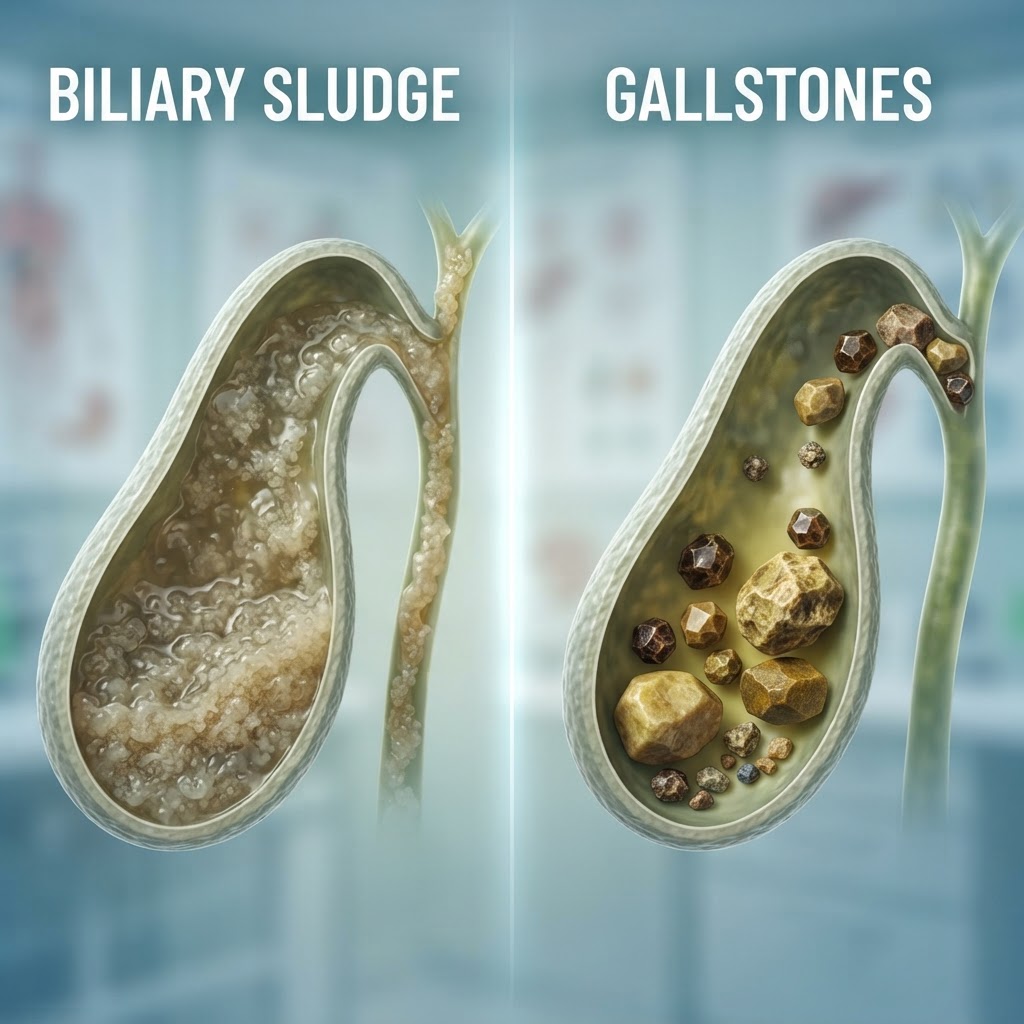
    • Biliary sludge is a precursor to gallstones, composed of a mixture of bile, mucus, and micro-crystals rather than solid, hardened masses.
    • While both conditions originate in the gallbladder, the primary difference between gallstones and sludge lies in their physical consistency and risk of obstructing bile ducts.
    • Common biliary sludge symptoms often mirror those of gallstones, including abdominal pain, nausea, and digestive discomfort after fatty meals.
    • Diagnosis typically relies on abdominal ultrasound technology, which allows clinicians to visualize the density and mobility of the contents within the gallbladder.
    • Early intervention focusing on lifestyle and dietary adjustments can often resolve sludge before it evolves into more problematic, calcified gallstones.

    The gallbladder is a small, pear-shaped organ that often goes unnoticed until it begins to cause discomfort. For many individuals experiencing upper abdominal pain, the mystery often centers on whether they are dealing with the amorphous accumulation known as biliary sludge or the more commonly discussed solid gallstones. Understanding the nuanced differences between these two conditions is essential for maintaining optimal gallbladder health. While they share a common environment and similar symptomatic expressions, their management, potential risks, and long-term implications for your digestive system vary significantly. In this comprehensive guide, the healthauthoritylife Editorial Team explores the intricacies of gallbladder health, helping you navigate the confusion surrounding gallbladder sludge vs gallstones so you can make informed decisions about your well-being.

    1. Defining Biliary Sludge: What Is It Exactly?

    Biliary sludge, frequently referred to in clinical settings as biliary microlithiasis, is a collection of microscopic particles that accumulate within the gallbladder. Unlike the solid, pebble-like formations associated with classic gallstones, sludge is essentially a thick, suspension-like substance. It is composed of a complex mixture of bile pigments, calcium salts, cholesterol crystals, and mucin—the mucus that lines the gallbladder walls. When this mixture becomes too dense, it fails to exit the gallbladder properly during the normal digestive cycle, leading to stasis.

    Experts generally agree that biliary sludge acts as a precursor to more formal gallbladder conditions. In a healthy system, the gallbladder serves as a storage tank for bile, a fluid produced by the liver that aids in the digestion of fats. During a meal, the gallbladder contracts, pushing bile into the common bile duct and eventually into the small intestine. When the composition of this bile changes—often due to diet, rapid weight loss, or metabolic factors—the ingredients do not remain in a fluid state. Instead, they begin to precipitate out of the solution. This is the moment sludge forms.

    The clinical significance of sludge is often underestimated. Because it lacks the hard edges of a stone, some may assume it is benign. However, this is a misconception. Because sludge is essentially a thick paste, it can travel into the bile ducts just as easily as a stone, potentially causing a blockage that leads to inflammation or even pancreatitis. The condition is often reversible, which is why identifying it early is so vital. If the underlying cause of the precipitation is corrected, the sludge may dissipate without ever hardening into a stone.

    Risk factors associated with the development of sludge are diverse. Prolonged fasting, total parenteral nutrition, and pregnancy are well-documented triggers that alter bile flow. Furthermore, individuals who experience rapid fluctuations in weight—often resulting from crash dieting—are at a heightened risk. Because the gallbladder is not being signaled to empty its contents at regular intervals, the bile remains stagnant, providing the perfect environment for these microscopic particles to settle and accumulate. For those wondering how to treat gallbladder sludge, the first step is usually addressing these lifestyle factors to improve gallbladder emptying kinetics and bile flow.

    2. Understanding Gallstones: Formation and Types

    Gallstones, or cholelithiasis, are the more recognizable “big brothers” of biliary sludge. While sludge is a thick, heterogeneous suspension, gallstones are solid, hardened masses that form when the components of bile—primarily cholesterol or bilirubin—crystallize and solidify. Over time, these crystals grow in size, ranging from the size of a grain of sand to the size of a golf ball. Unlike the fluid-like sludge, gallstones are structural entities that can cause significant physical obstruction if they migrate into the ducts.

    There are two primary types of gallstones that healthcare professionals encounter: cholesterol stones and pigment stones. Cholesterol stones are the most common in Western populations. They typically appear yellowish-green and are composed mainly of undissolved cholesterol. They form when the bile contains too much cholesterol for the available bile salts to keep it in solution. This is often linked to high-fat diets, sedentary lifestyles, or genetic predispositions that affect how the liver secretes cholesterol into the bile.

    Pigment stones, conversely, are typically darker—often brown or black—and are made primarily of bilirubin. These stones are more common in people with certain underlying conditions, such as cirrhosis, biliary tract infections, or hereditary blood disorders that cause the destruction of red blood cells (hemolysis). When the liver produces too much bilirubin, it precipitates out of the bile and forms these distinct, harder stones.

    The formation process is a result of a gradual breakdown in the delicate chemical balance of the gallbladder. When bile becomes “supersaturated” with either cholesterol or bilirubin, the excess material begins to nucleate. In this phase, tiny crystals act as a scaffold. More material attaches to these crystals over weeks, months, or even years, eventually resulting in the hardened objects known as gallstones. Once a stone has formed, it is generally considered permanent. While sludge can sometimes be flushed or dissolved through lifestyle changes, a mature gallstone is a structural reality that usually requires medical monitoring or intervention to manage the inherent risk of duct blockage.

    3. Key Differences in Composition and Consistency

    To truly grasp the difference between gallstones and sludge, one must visualize the gallbladder as a mixing bowl. In a healthy state, the contents are fluid and easily emptied. When bile chemistry shifts, the “ingredients” begin to separate. This is where the physical distinction becomes critical. Sludge is a soft, shifting material. If you were to tilt a container of sludge, it would move with the angle of the container. A gallstone, however, is a static, rigid object that holds its shape regardless of the gallbladder’s position.

    From a diagnostic and clinical perspective, this difference in consistency dictates the level of intervention required. Sludge represents a warning sign—a “dynamic” phase of gallbladder dysfunction. It is a sign that the bile is becoming lithogenic (stone-forming). Because it lacks the structural integrity of a stone, it has a high potential to be managed through non-invasive means. Gallstones, by contrast, are in a “static” phase. They are the end product of the process that began with sludge or chronic bile imbalance.

    Consider the comparison below to understand how these entities differ in their clinical presentation and management strategies:

    Feature Biliary Sludge Gallstones Best For
    Consistency Viscous, paste-like, mobile Hard, solid, static Differentiating texture
    Reversibility Often reversible with diet Rarely reversible Treatment planning
    Diagnostic Visual Low-level echoes on ultrasound Hyperechoic with shadowing Radiology identification
    Obstruction Risk Moderate; can plug ducts High; can cause blockage Assessing urgency

    The composition difference also explains why patients often wonder about dissolution. Because sludge is essentially concentrated bile, increasing hydration, modifying dietary fat intake, and using specific medications to thin the bile can often help the gallbladder return to its normal function. Gallstones, because they are composed of hardened crystals or pigment, are largely resistant to being “dissolved.” The hardened matrix of a gallstone is far too stable to be broken down by diet alone once it has reached a certain size. This makes the distinction between the two not just a matter of semantics, but a crucial factor in determining whether the condition can be managed conservatively or if it warrants more aggressive medical approaches.

    4. Common Symptoms of Sludge and Gallstones

    When discussing biliary sludge symptoms and gallstone symptoms, it is important to acknowledge that they often present identically. Because both conditions interfere with the normal flow of bile, the resulting clinical picture is almost indistinguishable to the patient. The most hallmark symptom is biliary colic—a sudden, intense pain in the upper right quadrant of the abdomen, usually just below the rib cage. This pain often occurs after consuming a heavy or high-fat meal, as the gallbladder attempts to contract to release bile, only to be hindered by the sludge or stones within.

    The sensation is often described as a cramping or aching that can radiate toward the right shoulder or back. Many people mistakenly believe they are having heart problems due to the discomfort under the chest. This pain is not always constant; it typically comes in waves, lasting anywhere from 30 minutes to several hours before subsiding as the gallbladder relaxes. However, if the sludge or a stone blocks the cystic duct for an extended period, the pain can become persistent and sharp, signaling an urgent need for medical evaluation.

    Beyond pain, digestive disturbances are a frequent complaint. Patients often report bloating, gas, nausea, and in some cases, vomiting after eating. Because the body is struggling to process fats efficiently, stools may also become lighter in color, or the patient may experience an increased frequency of diarrhea. These symptoms are collectively referred to as “dyspepsia.” While these issues are non-specific and can be caused by a variety of gastrointestinal ailments, when they occur in conjunction with upper abdominal pain, they strongly suggest that the gallbladder is the root cause.

    It is worth noting that a significant portion of people with biliary sludge remain completely asymptomatic. In these cases, the sludge is often an “incidental finding”—discovered during an ultrasound for an unrelated condition. Conversely, some individuals with only a small amount of sludge can experience severe symptoms, while others with large, calcified gallstones may remain pain-free for years. This variability is why the medical community emphasizes that the presence of the material itself is less important than the presence of symptoms and the risk of complications. If you notice persistent discomfort, particularly after eating fried or greasy foods, it is wise to investigate the state of your gallbladder health rather than waiting for the symptoms to escalate into a more severe episode of inflammation.

    5. How Doctors Diagnose Sludge Versus Stones

    Diagnosing the contents of the gallbladder has become a standard, highly accurate process thanks to modern medical imaging. The primary tool of choice is the transabdominal ultrasound. This non-invasive procedure uses sound waves to create a real-time image of the gallbladder. Because the gallbladder is a fluid-filled organ, it is the perfect candidate for ultrasound technology. The procedure is painless, requires no radiation, and provides immediate information about what is happening inside.

    When a sonographer or radiologist examines the gallbladder, they look for specific visual cues. For gallstones, they look for “acoustic shadowing.” Because gallstones are solid and dense, they reflect the sound waves, creating a bright white image on the screen followed by a dark shadow behind the stone. This “shadowing” is the definitive signature of a solid object like a gallstone. It confirms that the object is not just a dense fluid, but a hardened mass.

    Biliary sludge, on the other hand, presents differently. It appears as low-level echoes that settle in the dependent (lowest) part of the gallbladder. Crucially, sludge does not create a shadow because it is not dense enough to block all the sound waves. Another diagnostic trick involves moving the patient. Because sludge is a fluid, it will often move slowly when the patient changes position on the exam table—a phenomenon sometimes referred to as the “sludge ball” effect. This mobility is a clear indicator that the material is not a solid stone.

    In more complex cases, or when symptoms suggest complications like an obstruction in the common bile duct, doctors might utilize further imaging. An Endoscopic Ultrasound (EUS) is a more specialized, highly sensitive test where an endoscope with an ultrasound probe on the tip is passed into the stomach. This allows for a much closer look at the gallbladder and bile ducts, capable of detecting even the smallest amount of sludge or tiny “sand-like” stones that a standard abdominal ultrasound might miss. Additionally, blood tests are often ordered to check for markers of inflammation or bile duct obstruction, such as elevated levels of liver enzymes or bilirubin. By combining imaging data with laboratory results, healthcare providers can accurately differentiate between sludge and stones, ensuring that the treatment plan is tailored to the severity of the condition.

    Why Sludge Is Often a Precursor to Gallstones

    To understand the relationship between biliary sludge and gallstones, one must first look at the mechanics of the gallbladder. This small, pear-shaped organ stores bile—a digestive fluid produced by the liver that contains cholesterol, bilirubin, and bile salts. Under ideal conditions, these components remain in a delicate liquid balance. However, when the concentration of these substances becomes unbalanced, the gallbladder’s ability to clear its contents is compromised, leading to the formation of biliary sludge.

    Sludge is essentially a precursor because it acts as the “nidus” or the structural foundation upon which gallstones are built. When microscopic crystals—typically made of cholesterol monohydrate—begin to precipitate out of the bile, they do not always instantly solidify into large, hard stones. Instead, they form a thick, sediment-like suspension. If this suspension remains in the gallbladder for an extended period, it provides the perfect environment for the growth of gallstones.

    Think of it like a saturated sugar solution left to sit in a glass; eventually, crystals begin to grow around any impurity in the water. Similarly, as the gallbladder struggles to contract and empty its contents, the tiny crystals within the sludge cluster together. Over weeks or months, these clusters undergo a process of hardening. The mucus and protein content often found in biliary sludge acts as a biological “glue” that binds the crystals together, accelerating the transition from a thick, mobile sediment to a solid, obstructive gallstone.

    Clinicians often observe that patients who present with gallbladder sludge are at a significantly higher risk of developing symptomatic gallstones within a few years if the underlying bile stasis is not addressed. Because sludge is often asymptomatic, many people are unaware that this “pre-stone” phase is occurring. By the time a patient experiences the acute pain of a gallbladder attack, the sludge may have already evolved into fully formed, calcified, or cholesterol-hardened stones. Therefore, treating sludge early is a critical preventative strategy for long-term gallbladder health.

    Risk Factors for Developing Both Conditions

    The risk factors for biliary sludge and gallstones overlap significantly, as both conditions arise from the same fundamental issue: biliary stasis and an imbalance in the chemical makeup of bile. Experts generally agree that diet, genetics, and metabolic health play the most significant roles.

    • Rapid Weight Loss: Losing weight too quickly—often through extreme caloric restriction or bariatric surgery—is a leading cause of sludge. When the body rapidly breaks down fat stores, the liver dumps excess cholesterol into the bile, while the gallbladder itself becomes less efficient at contracting.
    • Pregnancy: Hormonal fluctuations, specifically elevated levels of estrogen, can increase cholesterol secretion into the bile and decrease gallbladder motility. This is why many women experience gallbladder issues during or shortly after pregnancy.
    • Dietary Habits: Diets high in refined carbohydrates and saturated fats, coupled with low fiber intake, contribute to the formation of sludge. Fiber is essential for binding bile acids and ensuring they are excreted rather than recirculated, which keeps the gallbladder “flushing” correctly.
    • Metabolic Syndrome: Insulin resistance and high blood sugar are strongly linked to gallbladder dysfunction. When the body struggles to process sugars and fats, the liver’s ability to maintain a healthy bile composition is disrupted.
    • Prolonged Fasting or Parenteral Nutrition: When the gallbladder is not triggered to contract by the arrival of food (specifically fats), bile remains stagnant. Long-term intravenous feeding or frequent, erratic fasting can lead to rapid sludge development.
    Risk Factor Impact on Gallbladder Best for
    High Refined Sugar Diet Increases cholesterol saturation Identification of dietary triggers
    Rapid Weight Loss Inhibits gallbladder emptying Monitoring high-risk weight loss
    Estrogen Exposure Alters bile chemical composition Hormonal health assessment
    Sedentary Lifestyle Reduces bile flow stimulation Lifestyle optimization

    Natural Strategies to Support Bile Flow

    Supporting bile health is often about encouraging consistent, efficient gallbladder contraction. When the gallbladder empties regularly, it prevents the stagnation that leads to sludge accumulation and stone formation. While severe cases require medical intervention, many people can support their gallbladder health through consistent lifestyle shifts.

    Optimize Dietary Fat Intake: Many people make the mistake of eliminating fats entirely when they experience gallbladder discomfort. However, the gallbladder requires dietary fat to signal it to empty. The key is to consume healthy, unsaturated fats—such as those found in avocados, extra virgin olive oil, and raw nuts—in moderate amounts throughout the day. This provides the necessary “trigger” for the gallbladder to release stored bile into the small intestine, preventing the bile from sitting and thickening.

    Increase Soluble Fiber: Soluble fiber, found in oats, beans, lentils, and flaxseeds, helps manage cholesterol levels and ensures that the biliary system is moving. Fiber acts as a broom, binding to excess bile acids in the digestive tract and carrying them out of the body, which encourages the liver to produce fresh, healthy bile.

    Hydration and Regular Movement: Bile is primarily composed of water. Chronic dehydration can increase the viscosity of bile, making it easier for sludge to form. Staying hydrated is essential for maintaining fluid bile. Additionally, physical activity has been shown to support gut motility, which indirectly aids in the regulation of the biliary tree.

    Bitter Herbs and Foods: In many traditions, bitter foods like dandelion greens, radicchio, arugula, and artichokes are used to support digestion. Some evidence suggests that bitter compounds can stimulate the production of bile by the liver and encourage gallbladder contraction. Including a small salad of bitter greens before a meal may help prime the digestive system for fat breakdown.

    When Medical Intervention Becomes Necessary

    While lifestyle changes are excellent for prevention and the management of mild, asymptomatic sludge, there are clear benchmarks where medical intervention is not just recommended, but vital. The presence of sludge or stones does not always necessitate surgery, but specific symptoms are “red flags” that the gallbladder may be damaged or obstructed.

    Persistent Biliary Colic: If an individual experiences frequent, intense pain in the upper right abdomen that radiates to the shoulder or back, this indicates that a stone or thick sludge is likely obstructing the common bile duct. This pain typically lasts for several hours and does not resolve with simple dietary changes.

    Signs of Infection or Inflammation: Symptoms such as fever, persistent nausea, vomiting, and a tender abdomen require immediate medical attention. These can be signs of cholecystitis (inflammation of the gallbladder) or cholangitis (infection of the bile ducts), which are serious complications that can lead to systemic illness.

    Jaundice: If the skin or the whites of the eyes turn yellow, it is a sign that a blockage is preventing bile from exiting the liver. This is a medical emergency that suggests the biliary duct system is compromised.

    Imaging Results: Sometimes, an ultrasound may reveal that the gallbladder wall has become thickened or that the gallbladder is no longer functioning effectively (low ejection fraction). In these instances, a physician may determine that the gallbladder is “non-functional” or “dead,” meaning it can no longer safely store or release bile. In these cases, the risk of developing future, more severe complications often outweighs the benefits of attempting to retain the organ, and a cholecystectomy (surgical removal) is typically recommended.

    Frequently Asked Questions

    Can gallbladder sludge be reversed?

    Yes, in many cases, biliary sludge is reversible, especially when it is in the early stages. By addressing the underlying causes such as diet, rapid weight loss, or metabolic issues, and encouraging consistent gallbladder emptying through healthy fats and hydration, the gallbladder may clear the sludge over time. Regular monitoring by a healthcare professional is essential to track progress.

    What does a gallbladder attack feel like?

    A gallbladder attack typically presents as a sudden, intense pain in the upper right or center of the abdomen. This pain can radiate to the back or under the right shoulder blade. Many describe it as a dull ache that grows into a sharp, cramping sensation, often triggered by a large or fatty meal, lasting anywhere from 30 minutes to several hours.

    Are there specific foods I should avoid if I have sludge?

    Experts often recommend limiting highly processed, high-sugar, and trans-fat-heavy foods. Foods like refined white flour, pastries, fried fast foods, and sugary sodas can worsen gallbladder function. While you shouldn’t cut out all fats, focusing on high-quality, plant-based fats is generally preferred over heavy, saturated animal fats during the management phase.

    How is gallbladder sludge diagnosed?

    The most common and effective method for diagnosing biliary sludge is an abdominal ultrasound. Because sludge is made of fine particles, it can be visualized as an echo-dense material within the gallbladder. Occasionally, other imaging tools like an endoscopic ultrasound or an HIDA scan may be used if the initial diagnosis remains unclear or if the gallbladder’s function needs to be assessed.

    Is it possible to have sludge without any symptoms?

    Yes, many people have biliary sludge and never experience a single symptom. It is frequently discovered incidentally during an ultrasound being performed for other digestive complaints. If it is asymptomatic, a doctor may recommend a “watch and wait” approach, focusing on dietary adjustments to prevent it from progressing into gallstones.

    What is the difference between biliary sludge and microlithiasis?

    Microlithiasis is essentially a more advanced form of sludge, consisting of very tiny, sand-like gallstones that are too small to be easily detected as individual stones. Both conditions are part of the same spectrum of biliary issues and are treated with similar approaches, as they share the same potential for causing blockages and inflammation in the gallbladder and bile ducts.

    Conclusion

    Understanding the difference between gallbladder sludge and gallstones is the first step toward reclaiming your digestive health. While sludge is the quiet precursor to the more painful and restrictive gallstones, it also serves as a warning sign—a chance to intervene before the condition becomes a medical emergency. By prioritizing a balanced diet, steady weight management, and healthy hydration habits, you can support your gallbladder’s natural function and reduce the risk of future complications. Remember, your gallbladder plays a vital role in fat digestion and nutrient absorption, and keeping it healthy is an essential part of your overall wellness journey. If you suspect you are dealing with gallbladder issues, prioritize a consultation with a healthcare professional to get an accurate diagnosis and a personalized care plan.

    By healthauthoritylife Editorial Team

    This article is for informational purposes only and is not a substitute for professional medical advice. Always consult your doctor before making changes to your diet, exercise routine, or treatment plan.

  • Intermittent Fasting With Gallbladder Issues: Is It Safe?

    Intermittent Fasting With Gallbladder Issues: Is It Safe?

    Key Takeaways

    • Intermittent fasting significantly alters bile secretion patterns, which can be problematic for those with existing gallbladder sensitivities.
    • Extended periods of fasting may increase the risk of bile stasis, potentially leading to the formation or growth of gallstones.
    • Gallbladder attacks during fasting often occur due to rapid weight loss or the sudden intake of high-fat meals after a long fast.
    • Gentle fasting windows, such as a 12:12 or 14:10 approach, are generally safer for individuals focusing on gallbladder health.
    • Prioritizing hydration and balanced, nutrient-dense meals is essential when attempting to manage gallbladder health while intermittent fasting.

    The popularity of intermittent fasting has soared due to its promising effects on metabolic health, weight management, and cellular repair. However, for those navigating gallbladder issues, the protocol is not always straightforward. When you change how often you eat, you change how your body processes fats and manages bile—the digestive fluid essential for breaking down lipids. If your gallbladder is already sensitive, sluggish, or prone to stone formation, the rhythm of your fasting window could either be a helpful tool or a catalyst for discomfort. Understanding the physiological nuances of how your digestive system reacts to periods of caloric abstinence is crucial for anyone exploring intermittent fasting with gallbladder issues safely and effectively.

    How Fasting Affects Bile Production and Gallbladder Function

    To understand the relationship between fasting and gallbladder function, we must first look at the role of the gallbladder itself. This small, pear-shaped organ acts as a reservoir for bile produced by the liver. Bile is a complex fluid composed of water, electrolytes, cholesterol, bile salts, and bilirubin. Its primary job is to emulsify dietary fats in the small intestine, making them accessible to digestive enzymes.

    Under normal eating conditions—meaning a standard pattern of regular meals—the gallbladder periodically contracts to release bile into the digestive tract. These contractions are triggered by the presence of food, specifically dietary fats, in the duodenum. This regular “flushing” mechanism is vital. It prevents bile from stagnating within the gallbladder. When bile sits in the gallbladder for too long, it becomes more concentrated, and its chemical composition can change. If the balance of cholesterol, bile salts, and phospholipids is disrupted, it creates an environment where solids can begin to precipitate out of the liquid, eventually forming “sludge” or stones.

    When you adopt an intermittent fasting lifestyle, you are effectively pausing this regular flushing rhythm for longer periods. During a fast, the gallbladder remains in a relatively dormant state because there is no food intake to trigger the hormonal signals, such as cholecystokinin (CCK), that prompt gallbladder contraction. While the liver continues to produce bile, the gallbladder is not instructed to empty it. This prolonged period of storage means that bile can become significantly more concentrated than it would be during a standard eating day. For someone with a healthy gallbladder, this is typically not an issue; the body is adept at managing these transitions. However, for those with existing bile flow concerns or biliary dyskinesia, this increased concentration can be problematic.

    Furthermore, the liver’s bile production rhythm is somewhat tied to the body’s circadian clock. Fasting can influence these metabolic pathways. Experts generally agree that while fasting encourages the body to clear out damaged cells (autophagy), the mechanical side of digestion relies on movement. Without the frequent stimulus of food, the gallbladder’s “muscular” tone may change. Some practitioners suggest that the lack of regular mechanical emptying during extended fasts can contribute to a feeling of sluggishness. Therefore, the goal for those interested in fasting for gallbladder health is to find a balance where the body benefits from the fasting state without allowing bile to become too stagnant, which could lead to complications.

    The Risk of Gallstone Formation During Extended Fasting

    The relationship between rapid weight loss and gallstones is well-documented in clinical literature, and this is a significant consideration for anyone using intermittent fasting to shed weight. When a person enters a state of caloric deficit, particularly through extended fasting windows or severe caloric restriction, the liver typically increases the secretion of cholesterol into the bile. This occurs because the body is mobilizing its own fat stores for energy.

    As the liver dumps this additional cholesterol into the gallbladder, the bile becomes supersaturated. Because the gallbladder is not contracting frequently to clear this bile, the excess cholesterol can begin to crystalize. These crystals are the precursors to gallstones. If the fasting duration is too long or the weight loss is too rapid, the risk of these crystals clumping together into larger stones increases. This is a common point of contention: intermittent fasting is often promoted for its metabolic benefits, yet the very process of rapid lipid mobilization that occurs during a fast can put a strain on the biliary system.

    It is important to distinguish between mild intermittent fasting and starvation-level protocols. While an 18:6 or 20:4 fasting window is common in the wellness community, extreme long-term fasts (such as those lasting several days) carry a notably higher risk for those with gallbladder sensitivity. During these longer fasts, the bile stored in the gallbladder can sit for days, potentially thickening into a sludge that makes it difficult for the gallbladder to empty properly once a meal is eventually consumed. When the fast is broken, the gallbladder may attempt to contract vigorously to clear out this thickened, sludge-filled bile, potentially causing significant pain or triggering a gallbladder attack if a stone blocks the cystic duct.

    Another factor involved is the loss of bile salts during weight loss. Bile salts are essential for keeping cholesterol in a liquid state. If the body does not have enough bile salts to account for the influx of mobilized cholesterol, the bile remains unstable. This is why some researchers advocate for a more gradual approach to weight loss rather than the aggressive deficits seen in restrictive fasting protocols. By maintaining a more moderate eating pattern, individuals can ensure that the gallbladder is triggered often enough to maintain proper flow. When discussing intermittent fasting with gallbladder issues, it is essential to emphasize that the *speed* of the fasting adaptation matters. Pushing the body into a deep state of fasting too quickly, or sustaining it for too long without adequate nutritional support, often creates the exact conditions the gallbladder is sensitive to.

    Why Some People Experience Gallbladder Attacks While Fasting

    For individuals with existing gallbladder issues, the sudden onset of pain during a fasting routine can be alarming. A gallbladder attack—medically known as biliary colic—is usually the result of a stone obstructing the bile duct. While it might seem counterintuitive that fasting (a period of rest) would cause this, the physiology of the digestive system offers a clear explanation: it is often the *transition* from fasting to feeding that causes the most distress.

    Consider the sequence of events: you have been fasting for 16 or 18 hours. During this time, your gallbladder has been acting as a storage vessel, and the bile inside has become highly concentrated. Then, you sit down to “break” your fast. If that first meal is high in fat—perhaps a large serving of avocado, nuts, or fatty meat—it sends a powerful signal to the gallbladder to contract immediately and release a large volume of bile to digest the fat. This sudden, forceful contraction of a gallbladder that contains concentrated, sluggish bile or small stones can be enough to dislodge a stone or force it into the narrow neck of the gallbladder or the cystic duct.

    Additionally, if a person has underlying issues like gallbladder sludge (which is essentially a precursor to stones), the transition can be equally difficult. The sludge, being thick and viscous, does not flow out of the gallbladder as easily as healthy, thin bile. When the gallbladder contracts to handle the incoming meal, the sludge can effectively “clog” the exit, leading to inflammation and pain. Many people report that the pain of a gallbladder attack is felt in the upper right quadrant of the abdomen, sometimes radiating to the back or shoulder, precisely because the organ is working against an obstruction.

    Furthermore, some individuals use fasting as a way to “cleanse” their system, but in the process, they may neglect the importance of bile acid support. If your bile production is already compromised, you may lack the necessary fluidity to keep the system moving during the refeeding phase. Eating a meal that is too large or too difficult to digest immediately after a long fast effectively creates a “traffic jam” in the biliary tree. Experts often suggest that for those with gallbladder concerns, the *composition* of the first meal after fasting is just as important as the fasting duration itself. Breaking a fast with a very heavy, high-fat meal is a common trigger for symptoms. Instead, starting with smaller, easy-to-digest, lower-fat meals allows the gallbladder to adjust to the influx of food without needing to perform a massive, high-pressure evacuation all at once.

    Is Intermittent Fasting Recommended for Gallbladder Health?

    The consensus regarding intermittent fasting and gallbladder health is nuanced. While intermittent fasting offers clear benefits for metabolic health, insulin sensitivity, and weight management, it is not a “one-size-fits-all” solution, particularly for those with a history of gallbladder disease. For the average person with a healthy, functioning gallbladder, short-term fasting is typically well-tolerated and may even have long-term benefits for digestive health by allowing the gut to rest. However, for those with a history of gallstones, bile stasis, or biliary pain, the risks must be weighed carefully against the benefits.

    When considering whether this lifestyle is appropriate for your specific health needs, it is helpful to look at the differences in how fasting styles interact with digestion. The following table provides a breakdown of different approaches:

    Fasting Approach Mechanism Best For
    12:12 Circadian Fasting Aligns with natural sleep cycles; limits eating to daylight hours. Beginners and those with mild gallbladder sensitivity.
    14:10 Time-Restricted Feeding Offers a slight caloric deficit while maintaining regular bile flow. Individuals seeking weight management without extreme restriction.
    16:8 Protocol Popular for weight loss; requires more careful meal planning. Experienced fasters with no history of biliary obstruction.
    Extended Fasting (24h+) Triggers deep autophagy but increases bile stagnation risks. Not recommended for anyone with gallbladder issues.

    For many, the benefits of intermittent fasting—specifically the reduction of insulin resistance—can actually improve gallbladder health in the long run. High insulin levels are often linked to a higher risk of gallstone formation. By stabilizing blood sugar, intermittent fasting can indirectly reduce the factors that promote stone growth. However, this is only true if the fasting is done in a way that avoids the negative side effects of rapid weight loss and prolonged bile stasis. The key is finding a “middle ground” that promotes metabolic flexibility while keeping the digestive tract moving.

    If you have had your gallbladder removed, the rules change entirely. Without a gallbladder, your liver releases bile directly into the small intestine in a continuous trickle. In this case, long fasting windows may lead to bile acid malabsorption, causing digestive distress, diarrhea, or discomfort. Individuals without a gallbladder often find that they fare better with frequent, smaller meals rather than long periods of fasting. If you retain your gallbladder but have a history of issues, the “recommended” approach is almost always a slow, steady introduction of time-restricted feeding, accompanied by careful observation of how your body reacts to the refeeding phase.

    Best Fasting Windows for Those With Gallbladder Sensitivity

    If you have determined that intermittent fasting is a goal you want to pursue despite your gallbladder sensitivity, selecting the right window is the most critical step. Rather than jumping into a 16:8 or 18:6 protocol, which many fitness enthusiasts advocate, it is often safer to begin with a more conservative approach. The goal here is to give your system the rest it needs while ensuring the gallbladder does not remain dormant for long enough to allow for significant bile sludge buildup.

    The 12:12 method is widely regarded as the safest starting point for those with digestive sensitivities. In this model, you fast for 12 hours and eat within a 12-hour window. For instance, if you finish your dinner by 7:00 PM, you would have breakfast at 7:00 AM. This protocol is remarkably effective at improving metabolic health because it syncs with the body’s natural circadian rhythm. It provides the liver and gallbladder with a predictable rest period at night while ensuring that they are “activated” in the morning. Because the fasting window is shorter, the risk of developing gallstones or experiencing severe bile stasis is significantly minimized.

    Once you are comfortable with a 12:12 rhythm, some individuals may choose to gently transition to a 14:10 window. This adds a few extra hours to the fast, which can provide a deeper level of metabolic repair without significantly increasing the risk of bile stagnation. The most important factor in these windows is the consistency of the eating schedule. A predictable schedule helps your digestive hormones, including cholecystokinin, to regulate properly. Irregular fasting, where you skip breakfast one day and dinner the next, can be harder on the gallbladder than a consistent, moderate-length fast.

    During these windows, the quality of your hydration and nutrient intake is paramount. Drinking plenty of water helps keep the bile thin and encourages flow. Some wellness practitioners also suggest incorporating bitter foods or herbal teas—such as dandelion root or peppermint—during your eating window. These “bitters” are traditionally used to stimulate bile production and support healthy gallbladder function. It is important to note that these are supportive measures; they do not replace the need for medical supervision if you have active gallbladder disease.

    Finally, avoid the temptation to “cram” your daily caloric needs into a very short window. If you are doing a 14:10 fast, distribute your food intake evenly throughout those 10 hours. Eating two or three smaller, balanced meals is much easier on the gallbladder than consuming one massive “feast” to meet your daily requirements. By keeping the volume of each meal moderate, you reduce the mechanical pressure on the gallbladder and prevent the sudden, high-pressure contractions that are typically responsible for biliary pain. Ultimately, when it comes to intermittent fasting with gallbladder issues, patience is your best tool. Slow, steady progress will allow you to realize the benefits of fasting while respecting the limitations of your digestive system.

    Essential Nutrition Tips for Your Eating Window

    When practicing intermittent fasting with gallbladder issues, the quality and composition of your meals during the eating window are significantly more important than the duration of the fast itself. Because the gallbladder is responsible for releasing stored bile to emulsify fats, erratic eating patterns can sometimes lead to bile stasis—a condition where bile becomes thick and sluggish. To mitigate the risk of gallbladder-friendly intermittent fasting complications, your nutrition strategy must focus on supporting healthy bile production and flow.

    The primary goal during your eating window is to avoid extreme dietary swings. Gorging on high-fat meals after a long fast can overwhelm the gallbladder, triggering contractions that may lead to discomfort or the movement of gallstones. Instead, prioritize balanced, nutrient-dense meals that provide steady support for your digestive system.

    Prioritize Bile-Supporting Foods

    Incorporate bitter greens into your meals, such as arugula, radicchio, dandelion greens, and kale. Bitter compounds stimulate the production of bile and digestive enzymes, helping to prepare the gallbladder for the arrival of food. Furthermore, cruciferous vegetables like broccoli, cauliflower, and Brussels sprouts contain fiber that binds to bile acids, assisting in the detoxification process and reducing the burden on the gallbladder.

    Optimal Fat Selection

    While fats are necessary for the absorption of fat-soluble vitamins (A, D, E, and K), they must be consumed in moderation. Choose fats that are easier to digest. Medium-chain triglycerides (MCTs), found in coconut oil, are absorbed directly into the portal vein and do not require the same degree of bile-heavy processing as long-chain fatty acids. Other gallbladder-friendly fats include avocados, extra virgin olive oil, and raw nuts or seeds. Avoid trans fats and heavily processed vegetable oils, which are known to cause inflammation and gallbladder stress.

    Hydration and Bile Consistency

    Bile is composed primarily of water, cholesterol, and bile salts. If you are chronically dehydrated, your bile can become concentrated and viscous, increasing the risk of sludge or stone formation. Ensure you are consuming adequate fluids throughout your eating window, and consider starting your day with warm water and a squeeze of fresh lemon, which many practitioners believe helps prime the liver and gallbladder.

    Strategic Fiber Intake

    Soluble fiber is a cornerstone of gallbladder health. It helps regulate cholesterol levels, which is vital since high cholesterol is a primary component of many gallstones. Psyllium husk, chia seeds, and ground flaxseeds can be integrated into your eating window to maintain digestive transit and prevent the sluggishness associated with long periods of fasting.

    Signs Your Gallbladder Is Struggling During a Fast

    Intermittent fasting should not cause pain. If you experience digestive distress, it is crucial to recognize these signals as potential warnings that your gallbladder is struggling to adapt to your new schedule. Recognizing these symptoms early can help you pivot your strategy before a minor irritation becomes a medical emergency.

    Common signs to monitor include:

    • Upper Right Quadrant Discomfort: A dull ache or sharp pain located just below the rib cage on the right side. This is often the most direct indication of gallbladder distress.
    • Post-Meal Nausea: If you feel consistently nauseated shortly after breaking your fast, it may indicate that your gallbladder is unable to release enough bile to process the fat content of your first meal.
    • Referred Pain: Many people experience pain that radiates to the right shoulder blade or the back, which is a classic clinical presentation of gallbladder irritation.
    • Changes in Stool Appearance: Stools that are pale, clay-colored, or excessively oily (steatorrhea) suggest that bile is not reaching the intestines in sufficient quantities to digest fat.
    • Bloating and Indigestion: While some bloating is normal with dietary changes, chronic, intense bloating immediately following an eating window may signal that the gallbladder is not emptying effectively.

    If these symptoms occur, it is often a sign that the fasting protocol is too aggressive or that the bile flow is being inhibited by dietary triggers. It is advisable to pause the fasting schedule, return to a more frequent, smaller-meal cadence, and observe if the symptoms resolve.

    Safe Alternatives to Prolonged Fasting for Digestive Wellness

    If you have a known history of gallbladder issues, jumping straight into a strict 16:8 or 20:4 fasting schedule may not be the most prudent path. There are several gentler, gallbladder-safe fasting alternatives that allow you to achieve metabolic health benefits without the risk of biliary stasis or bile stagnation.

    Fasting Protocol Description Best For
    Circadian Rhythm Fasting Aligning your eating window with daylight hours (e.g., 7 AM to 5 PM) and fasting during the night. Maintaining natural digestive rhythm and avoiding late-night snacking.
    12:12 Fasting A 12-hour fast followed by a 12-hour eating window. Beginners and those with sensitive gallbladders needing frequent bile stimulation.
    Time-Restricted Feeding Limiting eating to a 10-hour window rather than 8 hours. Individuals who experience bile sluggishness with shorter windows.
    Digestive Resting Allowing 3-4 hours between meals without snacking, rather than long-duration fasting. Those who experience pain with long fasts but want better metabolic regulation.

    By opting for a 12:12 schedule, you ensure that the gallbladder is regularly stimulated by the arrival of food. This prevents the gallbladder from sitting dormant for too long, which is a major factor in stone formation. Digestive resting—simply avoiding snacks between meals—is often enough to see significant improvements in insulin sensitivity and weight management without subjecting the gallbladder to prolonged periods of inactivity.

    When to Consult Your Doctor Before Changing Your Diet

    While many healthy adults practice intermittent fasting without incident, individuals with a pre-existing history of gallbladder disease must prioritize medical supervision. You should seek the guidance of a healthcare provider or a registered dietitian specialized in digestive health before altering your eating frequency if you meet any of the following criteria:

    1. History of Gallstones: If you have been diagnosed with stones, even if they are currently “silent” or asymptomatic, fasting can trigger a shift in bile chemistry that may cause a stone to block a duct.
    2. Gallbladder Removal Surgery (Cholecystectomy): Those without a gallbladder have different digestive needs, as they lack a reservoir for bile. Fasting patterns must be carefully managed to ensure bile flow matches food intake.
    3. Elevated Liver Enzymes: If blood work has shown anomalies in liver function, your gallbladder is likely already under stress. Fasting may complicate your recovery.
    4. Persistent Digestive Symptoms: If you frequently experience jaundice (yellowing of the skin or eyes), unexplained weight loss, or high fevers associated with abdominal pain, you must undergo medical evaluation before attempting any dietary restriction.
    5. Medication Usage: Some medications are highly sensitive to the presence of food and fat in the digestive tract. Changing your eating window can drastically alter the efficacy of your prescriptions.

    A doctor can provide an ultrasound or metabolic panel to assess the current state of your gallbladder and liver, ensuring that any lifestyle change you adopt is safe for your unique physiology.

    Frequently Asked Questions

    Can intermittent fasting cause gallstones in a healthy person?

    While intermittent fasting is not a direct cause of gallstones, rapid weight loss—which often accompanies strict fasting regimens—is a well-documented risk factor. When the body loses weight too quickly, the liver secretes extra cholesterol into the bile, which can lead to the formation of stones. Maintaining a slow, steady rate of weight loss is generally safer for your gallbladder.

    Is 16:8 fasting safe if I have had my gallbladder removed?

    Following a cholecystectomy, the body loses its concentrated storage of bile. Because bile now drips continuously from the liver into the small intestine, long periods of fasting can cause the bile to sit in the small intestine, leading to potential discomfort. Many people post-surgery find that smaller, more frequent meals are better tolerated than the extended windows of intermittent fasting.

    How does bile flow affect gallbladder health during a fast?

    The gallbladder relies on the presence of dietary fat to signal it to contract and release bile. When you fast for long periods, the gallbladder remains inactive, allowing bile to sit and thicken. This process, known as bile stasis, makes it easier for bile salts and cholesterol to crystalize, potentially forming sludge or stones. Regular, balanced intake helps keep bile moving efficiently.

    What should my first meal be after a fast to protect my gallbladder?

    Your first meal should be easy to digest and moderate in fat. Think of a combination of fiber, protein, and a small amount of healthy fats—such as a quinoa salad with steamed vegetables, grilled chicken, and a tablespoon of olive oil. Avoid deep-fried foods, heavy creams, or large, fatty cuts of meat, as these can cause an immediate and uncomfortable gallbladder contraction.

    Does drinking coffee during a fast affect the gallbladder?

    Coffee is often considered a “bitter” that stimulates gallbladder contraction. While it can help bile flow, drinking strong black coffee on an empty stomach during a fast may cause discomfort if your gallbladder is already sensitive or inflamed. If you experience cramping, it is best to wait until your eating window to consume caffeine.

    Are there supplements that help the gallbladder during fasting?

    Certain supplements, such as ox bile or digestive enzymes containing lipase, are sometimes used to support fat digestion. However, because these are potent, you should never start taking them while fasting without consulting a healthcare provider. They can interact with your natural bile production or mask the symptoms of an underlying gallbladder issue.

    Conclusion

    Intermittent fasting offers profound benefits for metabolic health, insulin regulation, and weight management, but when it comes to gallbladder health, the “one size fits all” approach can be dangerous. Your gallbladder is an essential part of your digestive system that thrives on consistency and moderate stimulation. By choosing gentler fasting protocols, prioritizing bile-friendly nutrients, and paying close attention to your body’s signals, you can likely enjoy the benefits of time-restricted eating without compromising your digestive wellness.

    If you are experiencing any gallbladder-related concerns, prioritize the longevity of your health over the speed of your results. Take the time to consult with your physician, monitor your body’s response, and don’t be afraid to adjust your window to a schedule that supports your unique needs. Your digestive system is a long-term investment; treat it with the care it deserves.

    Ready to take control of your digestive health? Schedule an appointment with your primary care provider this week to discuss a nutrition plan tailored to your gallbladder’s specific needs. For more expert-curated wellness guides, subscribe to our newsletter and stay informed on how to support your body naturally.

    By healthauthoritylife Editorial Team

    This article is for informational purposes only and is not a substitute for professional medical advice. Always consult your doctor before making changes to your diet, exercise routine, or treatment plan.
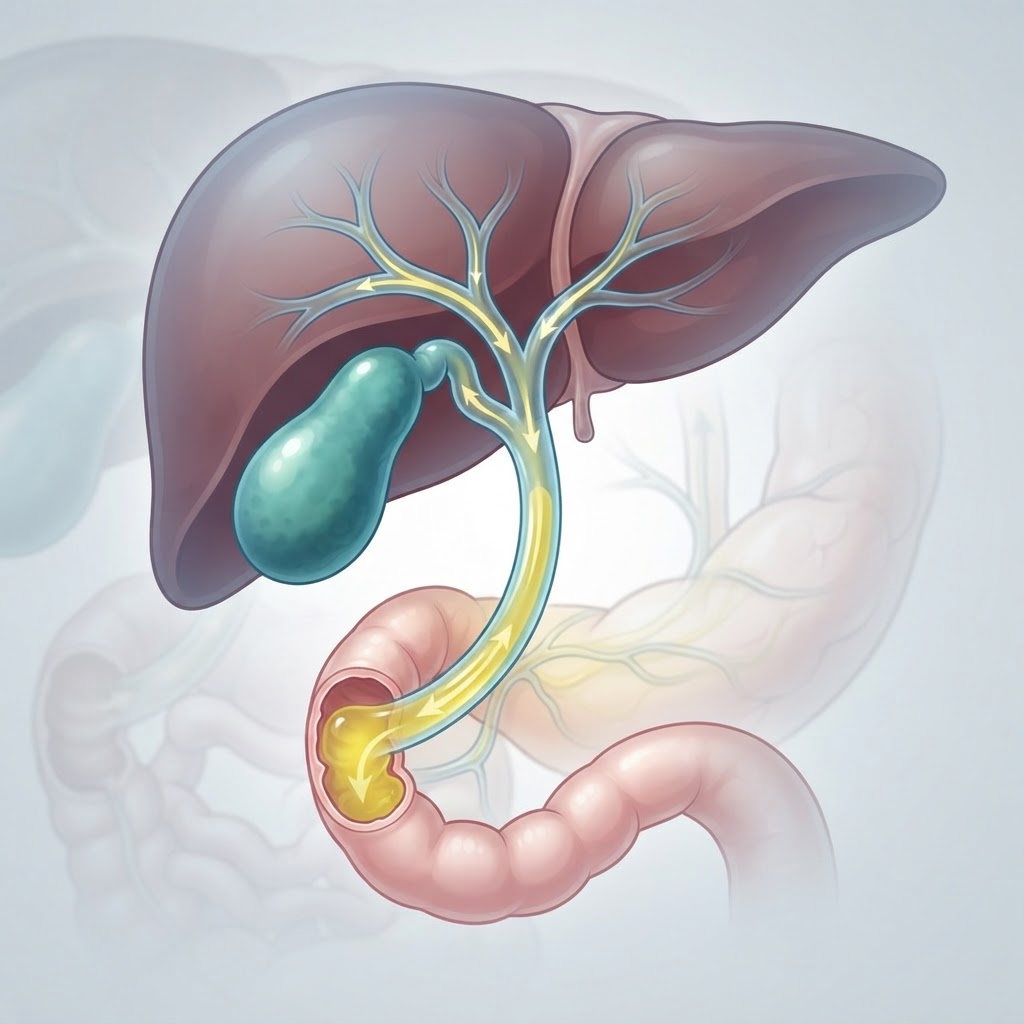
  • Chronic Hives: Common Triggers and How to Find Lasting Relief

    Chronic Hives: Common Triggers and How to Find Lasting Relief

    Key Takeaways

    • Chronic hives, or chronic urticaria, is defined by itchy welts lasting six weeks or longer, significantly impacting daily quality of life.
    • Identifying specific triggers often requires a systematic approach, such as keeping a detailed symptom diary to track environmental and dietary variables.
    • Effective management typically combines medical intervention, such as antihistamines for hives, with targeted lifestyle and dietary adjustments.
    • Managing histamine intake through a low-histamine diet may help reduce the frequency and severity of spontaneous flare-ups.
    • Finding lasting chronic urticaria relief is a journey that requires collaboration with healthcare providers to address both symptoms and underlying causes.

    Waking up to an unexpected outbreak of raised, itchy welts can be a disorienting and uncomfortable experience. While many people associate hives with a fleeting allergic reaction to a specific food or insect sting, for those living with chronic hives, these outbreaks are far from temporary. Characterized by persistent skin inflammation that lingers for six weeks or longer, this condition can feel like an unending cycle of frustration. However, understanding the mechanisms behind this condition is the first step toward reclaiming your skin health. By moving beyond simple symptom suppression and investigating the root drivers of your reactions, you can begin to navigate the path toward sustained comfort and control.

    What Exactly Is Chronic Urticaria?

    Chronic urticaria is a medical condition defined by the appearance of hives—raised, red, and often intensely pruritic (itchy) patches of skin—that persist for at least six weeks, often appearing daily or nearly daily. Unlike acute hives, which are typically triggered by a clear, one-time allergic event such as eating a shellfish or reacting to a specific medication, chronic hives are often more complex. The condition is fundamentally an inflammatory response originating from the skin’s mast cells. When these cells are activated, they release histamine and other chemical messengers into the surrounding tissue, leading to the characteristic swelling and itching that defines the condition.

    For many individuals, the process is classified as “spontaneous,” meaning the hives erupt without an obvious external cause. In other instances, the condition may be physical in nature, triggered by specific environmental factors like pressure, temperature changes, or exercise. The physical manifestation can vary significantly from person to person; some experience small, pinpoint welts, while others deal with large, confluent plaques that can cover significant portions of the body. In some cases, the condition may also be accompanied by angioedema—a deeper swelling under the skin that often affects the eyes, lips, and extremities.

    The impact of chronic urticaria extends far beyond the surface of the skin. Because the condition is often unpredictable, it can lead to significant psychological strain, including anxiety and sleep disturbances due to nocturnal itching. It is important to recognize that while the condition may seem mysterious, it is a recognized clinical presentation that requires a structured approach to management. Rather than viewing the skin as the enemy, it is more accurate to view it as a signaling system, communicating that the internal inflammatory environment is out of balance. By focusing on chronic urticaria relief, patients can work to stabilize these mast cells, effectively turning down the “volume” of the immune system’s overactive response. Understanding that this is a long-term condition allows for the implementation of consistent, sustainable strategies rather than searching for a “quick fix” that may not address the underlying inflammatory nature of the outbreaks.

    Common Triggers and Underlying Causes

    While the term “chronic hives” often implies that the cause is unknown, experts generally agree that there are often identifiable triggers or contributing factors. One of the most significant aspects of managing this condition is learning to recognize that triggers are rarely singular; they are often cumulative. This means that a person might be able to tolerate a certain level of histamine or stress, but once that threshold is breached, the skin responds with inflammation. Common chronic hives triggers include infections—even low-grade, silent infections—that keep the immune system in a state of hyper-vigilance. Viruses, bacterial overgrowth, or even dental issues can sometimes maintain this heightened state of immune activity.

    Another major category of triggers involves systemic stressors. High-stress periods can significantly exacerbate the frequency of outbreaks because the nervous system and the immune system are deeply intertwined. When the body is under chronic stress, the resulting hormonal shifts can lower the threshold at which mast cells degranulate. Additionally, certain medications, particularly non-steroidal anti-inflammatory drugs (NSAIDs), are well-known for aggravating hives in susceptible individuals. Even if you have taken these medications safely in the past, a shift in your body’s internal chemistry can lead to a new sensitivity.

    Environmental factors also play a substantial role. Many people find that physical triggers such as extreme heat, cold, or friction—a condition known as physical urticaria—act as direct catalysts. The constant irritation of tight clothing or the exposure to fluctuating temperatures can cause the skin to flare repeatedly. Furthermore, some individuals find that their hives are linked to internal systemic imbalances, such as thyroid dysfunction or other autoimmune processes. Because the body’s systems are so interconnected, investigating these potential underlying causes with a comprehensive diagnostic approach is often necessary. By identifying these triggers, you transition from being a passive recipient of your skin’s reactions to an active participant in your healing process. Recognizing the interplay between your environment, your lifestyle, and your immune system is essential for developing a management plan that actually provides results.

    Management Approach Primary Mechanism Best For
    Non-Sedating Antihistamines Blocks H1 receptors to inhibit histamine binding Initial daily control of generalized itching
    Elimination Diets Reduces overall systemic histamine load Identifying food-based inflammatory triggers
    Stress Management Techniques Regulates HPA axis and cortisol production Reducing frequency of stress-induced flare-ups
    Temperature Regulation Minimizes physical urticaria and skin barrier stress Physical triggers like heat or cold exposure

    How to Identify Your Unique Hive Triggers

    Identifying the specific factors that lead to your flare-ups is perhaps the most empowering step in seeking chronic urticaria relief. Because every person’s immune system is unique, there is no “one size fits all” trigger list. Instead, the most effective strategy is to implement a detective-style approach to your daily routine. Many health professionals recommend keeping a structured symptom diary for at least two to four weeks. This diary should record not just the severity and timing of your hives, but also potential contributing variables such as the foods you consumed, the medications you took, the level of physical activity you performed, the weather conditions, and even your emotional state or stress levels at the time of the outbreak.

    When tracking your symptoms, look for patterns rather than isolated incidents. For example, you may notice that hives consistently appear a few hours after consuming high-histamine foods, or perhaps they flare every time you have a high-pressure meeting at work. Pay close attention to the “latency period”—the time between being exposed to a potential trigger and the skin reaction. Sometimes this happens within minutes, while other times it can be delayed by several hours. By logging this data, you might discover that your hives are not the result of a single allergen, but rather a “sum of parts” issue where multiple minor triggers combine to cause a major flare.

    It is also helpful to consider external environmental inputs that are easily overlooked. Consider the laundry detergent you use, the materials of your clothing, or even the water quality in your home. Some people find that switching to fragrance-free, hypoallergenic products helps to reduce the baseline irritation of the skin, making it less likely to react when other internal triggers are present. If you suspect specific foods are involved, consult with a nutritionist or dietitian to guide you through an elimination protocol. Rather than cutting out entire food groups indiscriminately, which can lead to nutrient deficiencies, a professional can help you systematically remove and reintroduce potential triggers to see if your skin inflammation improves. Patience is key here; because chronic hives are, by nature, persistent, it takes time to differentiate between a random flare and a reaction to a specific change in your environment or diet.

    Lifestyle Changes to Soothe Inflamed Skin

    Beyond identifying triggers, cultivating a lifestyle that supports skin health and lowers systemic inflammation is vital for managing chronic hives. When your skin is actively inflamed, its natural barrier function is often compromised, making it more susceptible to external irritants. The goal of your lifestyle adjustments should be to create a calm, stable environment both internally and externally. For starters, focus on gentle skin care habits. During a flare-up, avoid hot showers or baths, as heat can dilate blood vessels and worsen the intensity of the itching. Opt for lukewarm water and, if necessary, use cool compresses on affected areas to help soothe the skin and reduce the sensation of burning.

    Choosing the right textiles is another simple but effective change. Loose-fitting, breathable fabrics like organic cotton or bamboo are generally much better than synthetic materials or wool, which can trap heat and provide a tactile irritation that triggers further scratching. While it may be difficult to resist the urge to scratch, doing so releases more histamine from damaged mast cells, creating a vicious cycle of itching and inflammation. Many find that keeping fingernails trimmed short or wearing soft gloves at night can prevent unconscious scratching, allowing the skin to heal more effectively.

    Beyond physical care, emotional and nervous system regulation is an often-underestimated tool in your toolkit. Because of the clear link between stress and mast cell activity, practices such as restorative yoga, guided meditation, or simple deep-breathing exercises can be incredibly beneficial. These activities help to shift the body from a sympathetic (“fight or flight”) state into a parasympathetic (“rest and digest”) state, which can help dampen the body’s inflammatory output. Additionally, prioritizing quality sleep is non-negotiable. Sleep is when the body performs its primary repair work; chronic sleep deprivation can heighten the immune system’s sensitivity, making you more prone to reactive skin episodes. Consider creating a bedtime ritual that emphasizes relaxation and temperature control, as sleep environments that are too warm can sometimes aggravate overnight hives.

    Dietary Adjustments for Managing Histamine Levels

    Diet is a powerful lever for many individuals seeking chronic urticaria relief. While hives are not always caused by food, a diet high in histamine-rich or histamine-releasing foods can raise your overall “histamine bucket” to a point where your body can no longer effectively break it down, leading to skin inflammation. A low-histamine diet focuses on consuming fresh, whole foods and avoiding those that have undergone significant aging, fermentation, or processing. Histamine levels generally increase as foods sit, which is why leftovers—a staple for many—can be particularly problematic for someone with high histamine sensitivity.

    To begin managing your histamine intake, prioritize eating “fresh” rather than “aged.” This means consuming proteins like chicken, turkey, or white fish shortly after they are purchased, rather than letting them sit in the refrigerator for several days. If you meal prep, cooling your food quickly and freezing portions rather than refrigerating them can significantly slow the development of histamines. Certain foods are known to be naturally high in histamine or are considered “histamine liberators,” meaning they cause your body to release its own stored histamine. These typically include fermented products like sauerkraut and aged cheeses, processed meats like salami or pepperoni, alcohol (especially red wine), and certain high-acid fruits like tomatoes, citrus, and strawberries.

    It is important to approach these dietary adjustments as a temporary experiment rather than a permanent lifestyle overhaul. Work closely with a professional to monitor your nutrient intake while you identify which foods contribute most to your symptoms. Many people notice that after a period of strict adherence to a low-histamine diet, their skin becomes less reactive, and they are eventually able to reintroduce many foods without issues. The objective is to stabilize the immune system and lower the total body burden of histamine so that your skin can move out of its hyper-reactive state. Keeping a food log alongside your symptom log remains the most accurate way to verify which specific dietary components may be impacting your skin inflammation, allowing you to tailor your diet to your body’s specific needs rather than adhering to rigid, generalized lists.

    Natural Anti-Inflammatory Supplements to Consider

    When seeking chronic urticaria relief, many patients look beyond conventional pharmaceuticals to support the body’s internal inflammatory pathways. While these natural interventions should be discussed with a healthcare provider to ensure there are no interactions with existing medications, several supplements have gained attention for their potential to stabilize mast cells—the immune cells responsible for releasing histamine during a flare-up.

    Quercetin is perhaps the most widely cited supplement in the context of hives. It is a plant-based flavonoid found in apples, onions, and capers that functions as a natural mast cell stabilizer. By inhibiting the release of inflammatory mediators, quercetin may help dampen the body’s overactive response to triggers. Similarly, Vitamin D is frequently investigated by practitioners. Low levels of this essential nutrient are often correlated with increased skin inflammation and compromised immune regulation. Supplementing to reach optimal levels can sometimes provide a more robust baseline for immune health, potentially reducing the frequency of outbreaks.

    Omega-3 fatty acids, typically sourced from high-quality fish oil or algae, are foundational for systemic inflammation reduction. By modulating the production of eicosanoids—signaling molecules that promote inflammation—omega-3s can help soothe the skin from the inside out. Furthermore, N-acetylcysteine (NAC) acts as a precursor to glutathione, the body’s primary antioxidant. By boosting glutathione levels, the body may become more resilient against oxidative stress, which is often a secondary driver of skin inflammation in patients with chronic hives.

    Below is a comparison of common supplemental approaches for managing urticaria symptoms:

    Supplement Primary Mechanism Best For
    Quercetin Mast cell stabilization Individuals with high histamine reactivity
    Vitamin D3 Immune modulation Those with documented deficiencies
    Omega-3 Fatty Acids Systemic anti-inflammatory Reducing overall body-wide inflammation
    Bromelain Proteolytic enzyme support Reducing swelling and enhancing absorption
    Probiotics Gut-immune axis balance Long-term immune system regulation

    When to Seek Medical Intervention for Hives

    While minor bouts of hives can often be managed with lifestyle adjustments and over-the-counter interventions, chronic urticaria is a complex condition that requires professional oversight. It is vital to recognize when the situation has escalated beyond a self-managed condition. One of the most critical red flags is the presence of angioedema, which is deep tissue swelling. Unlike superficial hives, angioedema often affects the eyelids, lips, or tongue. If you notice swelling that makes it difficult to breathe, swallow, or speak, this constitutes a medical emergency. You should seek immediate emergency care if your throat feels tight or if you experience lightheadedness, as these can be signs of anaphylaxis.

    Even in the absence of an immediate emergency, you should schedule a consultation with an allergist or immunologist if your hives persist for more than six weeks. A professional evaluation is necessary to rule out underlying systemic conditions, such as thyroid dysfunction, chronic infections, or autoimmune disorders, which can sometimes manifest as skin inflammation. Doctors can also assist in “step-up” therapy, where antihistamines for hives are prescribed in higher, medically supervised doses, or where biologic medications are introduced if traditional options fail to provide relief. Do not wait until your quality of life is severely diminished—consulting a specialist early can help you navigate the diagnostic process more efficiently.

    Stress Management Techniques to Reduce Flare-Ups

    There is a powerful bidirectional relationship between the nervous system and the immune system. When the body experiences chronic stress, it produces elevated levels of cortisol and adrenaline, which can directly trigger the release of histamine from mast cells. For many, managing stress is not just a mental health benefit, but a primary strategy for preventing hives. To minimize the impact of stress on your skin, you must adopt proactive, daily techniques to signal safety to your nervous system.

    Mindfulness-based stress reduction (MBSR) programs have shown promise in helping patients manage the physical sensations of chronic pain and inflammation. Techniques like progressive muscle relaxation, where you systematically tense and release different muscle groups, can help break the cycle of tension that often accompanies the pain of hives. Controlled diaphragmatic breathing is another essential tool; by intentionally lengthening your exhales, you stimulate the vagus nerve, which helps switch the body from a “fight or flight” sympathetic state to a “rest and digest” parasympathetic state.

    Furthermore, regular, gentle physical activity—such as restorative yoga, tai chi, or walking in nature—can lower systemic inflammation. The key is to avoid high-intensity exercise that causes significant overheating, as elevated body temperature can act as a physical trigger for some. By cultivating a routine that prioritizes emotional regulation, you are essentially reducing the “chemical noise” in your system, thereby raising your threshold for hive outbreaks.

    Managing Daily Itch and Discomfort

    The relentless itch of chronic hives is often more debilitating than the physical appearance of the welts themselves. When the skin barrier is compromised, it becomes hypersensitive to environmental factors like clothing friction, temperature shifts, and even the air itself. Effective daily management requires a multi-pronged approach that focuses on cooling the skin and maintaining the integrity of the skin barrier.

    Start by auditing your environment. Use loose-fitting, breathable natural fibers like cotton or bamboo. Avoid synthetic fabrics that trap heat and sweat against the skin. When bathing, use lukewarm water rather than hot, as hot water strips away natural oils and increases blood flow to the skin, which can worsen the itch. After showering, apply a fragrance-free, hypoallergenic emollient while the skin is still slightly damp. This locks in moisture and provides a protective layer that buffers against friction.

    Many individuals find relief through topical cooling agents. Menthol-based creams or calamine lotion can provide a sensory distraction from the itch by triggering cooling receptors on the skin, effectively “overwriting” the itch signals being sent to the brain. Keep these products in the refrigerator; the added temperature drop provides an immediate, albeit temporary, reprieve. Furthermore, avoid scratching at all costs, as it releases more histamine into the localized area, perpetuating the “itch-scratch cycle.” If the itch becomes unbearable at night, consider wearing thin cotton gloves to bed to prevent subconscious scratching.

    Building a Long-Term Skin Health Plan

    Achieving lasting relief from chronic urticaria requires shifting from a reactionary mindset—treating the hives only when they appear—to a proactive, long-term health plan. This starts with meticulous tracking. Keep a symptom diary that logs not just food and triggers, but also your sleep quality, stress levels, weather changes, and the effectiveness of your current regimen. Over time, patterns will emerge that may have been invisible in the moment.

    Your long-term plan should also integrate a hives diet that focuses on reducing histamine load. This is not necessarily about a restrictive, lifelong diet, but rather about identifying if your “bucket” of histamine is overflowing due to certain high-histamine or histamine-liberating foods like aged cheeses, processed meats, fermented items, and certain citrus fruits. Consider working with a registered dietitian to conduct a trial elimination phase to see if your symptom frequency decreases.

    Lastly, consistency with your baseline medication is often more effective than “as-needed” dosing. Many physicians recommend a daily, scheduled regimen of non-drowsy, second-generation antihistamines to maintain a steady concentration in the bloodstream. By keeping the histamine receptors consistently blocked, you are essentially preventing the hives from gaining a foothold before they even start. Combine this with regular sleep hygiene, hydration, and medical monitoring, and you will build a framework that minimizes the impact of your condition on your daily life.

    Frequently Asked Questions

    Can chronic hives ever go away completely?

    Yes, for a significant number of individuals, chronic hives are a self-limiting condition. Research indicates that many people experience a complete remission of symptoms within one to five years. While the journey can be frustrating and unpredictable, maintaining a consistent treatment plan with your doctor is the best way to support your body while it works through the underlying immune imbalance.

    Is there a specific “hives diet” that cures the condition?

    There is no universally accepted “cure” diet for chronic hives, but many patients find relief by following a low-histamine diet. This involves reducing intake of fermented foods, aged products, and certain leftovers that accumulate histamine over time. It is highly recommended to consult a nutritionist before starting such a diet to ensure you are not missing out on essential nutrients while identifying your specific trigger foods.

    Are over-the-counter antihistamines safe for long-term use?

    Generally, modern, non-drowsy antihistamines are considered safe for long-term use when supervised by a medical professional. Unlike older, first-generation antihistamines, newer versions do not typically cause significant drowsiness or cognitive impairment. However, you should always discuss your specific dosage and long-term goals with your healthcare provider, as they can monitor your liver and kidney function and adjust the regimen as needed.

    Can stress really cause physical hives?

    Yes, stress is a well-documented trigger for physical urticaria. The body’s stress response involves the release of chemicals like adrenaline and cortisol, which can directly stimulate mast cells to degranulate and release histamine. This is why stress management techniques, such as meditation, yoga, and adequate sleep, are often considered vital components of a comprehensive urticaria treatment plan.

    What is the difference between an allergic reaction and chronic hives?

    An acute allergic reaction is usually triggered by a specific allergen, such as a food, drug, or insect sting, and typically occurs shortly after exposure. Chronic hives, conversely, are rarely caused by a simple allergic reaction. Instead, they are usually driven by complex internal immune mechanisms, often occurring without any identifiable external trigger. If you suspect an allergic reaction, it is essential to seek professional testing to rule out life-threatening allergies.

    Should I avoid exercise if I have chronic hives?

    You do not necessarily need to avoid exercise, but you should be mindful of how your body reacts. For some people, “cholinergic urticaria”—hives triggered by a rise in body temperature—is a concern. If exercise triggers your hives, you may find that lower-intensity activities, such as swimming in cool water, walking in climate-controlled environments, or restorative yoga, are better tolerated than high-intensity, overheating workouts.

    Conclusion

    Navigating the unpredictable nature of chronic hives requires patience, persistence, and a strategic approach. While the condition can feel overwhelming, understanding that you have the power to manage your environment, your stress, and your nutritional intake is the first step toward reclaiming your skin health. By combining evidence-based medical interventions—such as proper antihistamines for hives—with natural anti-inflammatory support and lifestyle changes, you can significantly reduce the frequency and severity of your flare-ups.

    Remember that you are not alone in this process. Chronic urticaria is a well-studied condition, and there are many avenues of support available. Start by tracking your triggers, speaking with an allergist to develop a long-term plan, and prioritizing your overall wellness. With the right strategy, many people find that they can effectively manage their symptoms and return to a life of comfort and confidence. Your skin’s health is a reflection of your body’s internal balance; treat it with care, and stay consistent with your plan.

    Ready to take the next step? Start by keeping a daily symptom log this week to help identify your unique patterns and prepare for a productive conversation with your healthcare provider.

    By healthauthoritylife Editorial Team

    This article is for informational purposes only and is not a substitute for professional medical advice. Always consult your doctor before making changes to your diet, exercise routine, or treatment plan.

  • Gallbladder Dyskinesia: Symptoms, Causes, and Relief Strategies

    Gallbladder Dyskinesia: Symptoms, Causes, and Relief Strategies

    Key Takeaways

    • Gallbladder dyskinesia is a functional disorder where the gallbladder fails to empty bile effectively, despite the absence of gallstones.
    • Key biliary dyskinesia symptoms often mimic traditional gallbladder disease, including upper right quadrant pain and nausea after meals.
    • The gallbladder ejection fraction is the primary diagnostic metric used to determine how well the organ contracts during a HIDA scan.
    • Common biliary pain causes include chronic inflammation, sphincter of Oddi dysfunction, and metabolic imbalances that disrupt bile flow.
    • Diagnosis is complex and requires ruling out other digestive pathologies, often leading to a multidisciplinary approach to symptom management.

    When digestive distress strikes, it is easy to assume the culprit is simply a heavy meal or a temporary bout of indigestion. However, for many individuals experiencing chronic, stabbing pain in the upper abdomen, the root cause is far more persistent. Gallbladder dyskinesia represents a silent, functional challenge that frequently eludes traditional diagnostic imaging like standard ultrasounds. Because this condition involves a gallbladder that is structurally “normal”—lacking the tell-tale presence of stones—it is often misunderstood, misdiagnosed, or dismissed. Understanding the nuances of this biliary disorder is the first step toward reclaiming digestive comfort and addressing the underlying mechanics of your internal health.

    What Is Gallbladder Dyskinesia?

    To understand what is gallbladder dyskinesia, one must first view the gallbladder as more than just a storage pouch. It is a dynamic, muscular organ that plays a critical role in the digestive system. Located beneath the liver, its primary job is to store and concentrate bile—a fluid produced by the liver that is essential for emulsifying fats and aiding in the absorption of fat-soluble vitamins. Under healthy conditions, when we consume a meal containing fat, the brain signals the gallbladder to contract, pushing the bile through the cystic duct and into the small intestine to facilitate digestion.

    Gallbladder dyskinesia occurs when this precise muscular coordination fails. In the medical community, “dyskinesia” refers to abnormal or impaired movement. In this context, the gallbladder becomes sluggish or fails to contract with sufficient force to empty its contents effectively. Unlike cholelithiasis, where hard stones physically block the flow of bile, this condition is purely functional. The plumbing is technically clear, but the “pump” is not working as it should.

    Because the gallbladder is failing to empty properly, the bile can become stagnant or excessively concentrated. This stagnation can create a feedback loop of irritation within the organ walls. Over time, this chronic lack of efficiency can lead to the very biliary pain causes that plague patients daily. Many experts classify this as a motility disorder, similar in nature to functional dyspepsia or irritable bowel syndrome, but localized specifically to the biliary tree.

    The complexity of this condition lies in its invisibility. If a patient visits an urgent care clinic with abdominal pain, an initial ultrasound will likely show a stone-free gallbladder, leading clinicians to clear the patient of typical gallbladder disease. This leaves the patient in a state of diagnostic limbo. Understanding that this is a disorder of function rather than structure is vital for patients seeking answers. It confirms that the symptoms are not “all in their head,” but rather the result of a physiological system struggling to perform its basic duty. Recognizing the existence of this functional impairment is the pivot point where many patients finally move from recurring frustration to finding viable relief strategies, whether through lifestyle modification, medical intervention, or targeted nutritional support.

    Common Symptoms of Biliary Dyskinesia

    The hallmark of biliary dyskinesia symptoms is their predictability—or, more accurately, their correlation with the intake of dietary fats. Because the gallbladder is stimulated to empty specifically when fats enter the duodenum, patients often report that their discomfort reaches a peak shortly after consuming high-fat, fried, or rich foods. This pain is not random; it is a physiological response to a demand the gallbladder is unable to meet.

    The most frequently reported sensation is a sharp, aching, or cramping pain located in the right upper quadrant (RUQ) of the abdomen, just below the rib cage. However, biliary pain is notorious for being referred. It is common for this sensation to radiate to the back, particularly near the right shoulder blade or between the shoulder blades. Patients often describe a feeling of fullness, bloating, or a “heavy” sensation in the upper abdomen that can linger for several hours.

    Beyond localized pain, nausea is a frequent companion to biliary dyskinesia. This nausea may strike immediately after eating or persist as a low-level background sensation throughout the day. Some individuals experience significant digestive fragility, where even small amounts of fat or certain fibrous vegetables trigger a flare-up. Burping, gas, and a general feeling of intolerance to heavy meals are also staples of the clinical picture.

    It is important to note that these symptoms can vary significantly in intensity. Some people describe their episodes as “attacks” that are debilitating and require bed rest, while others live with a constant, nagging discomfort that impacts their quality of life over months or years. Because these symptoms overlap heavily with other conditions—such as gastritis, acid reflux, or even food sensitivities—keeping a detailed food and symptom diary is one of the most effective tools for patients. Noting exactly what was eaten, the time delay before symptoms appeared, and the nature of the pain can provide a healthcare provider with the necessary clues to suspect a gallbladder motility issue rather than a standard gastric problem.

    Furthermore, because the bile is not entering the intestines effectively, some individuals may experience subtle changes in stool color or consistency, reflecting the lack of adequate bile for proper lipid digestion. While this is less commonly the primary reason for a clinic visit, it remains a clinical marker of the body’s struggle to process fats. Ultimately, recognizing the pattern of these biliary dyskinesia symptoms is essential for moving toward an accurate diagnosis and avoiding years of unnecessary restrictive dieting or ineffective gastrointestinal treatments.

    Understanding the Role of the Gallbladder Ejection Fraction

    The diagnostic gold standard for identifying gallbladder dyskinesia is the HIDA scan, also known as a cholescintigraphy. This scan is unique because it assesses the function—not just the anatomy—of the organ. During the procedure, a radioactive tracer is injected, which travels to the liver and is subsequently excreted into the bile. A gamma camera tracks the flow of this tracer into the gallbladder and eventually into the small intestine.

    Once the gallbladder is filled with the tracer, a hormone called cholecystokinin (CCK) is typically administered. CCK acts as a natural signal to the gallbladder to contract and push the tracer out. The crucial metric measured during this phase is the gallbladder ejection fraction (GBEF). The GBEF is essentially the percentage of bile (represented by the tracer) that the gallbladder successfully ejects upon stimulation.

    While clinical standards can vary between institutions, a low GBEF is generally considered the primary marker for biliary dyskinesia. A common threshold for dysfunction is often cited as anything below 35% to 40%, though clinicians must interpret this in the context of the patient’s actual symptoms. A low ejection fraction indicates that the muscular walls of the gallbladder are too weak, or perhaps too stiff, to respond appropriately to the signal to evacuate.

    However, it is crucial to understand that the GBEF is not a perfect diagnostic indicator. There are cases where a patient may have a “low” ejection fraction but remain entirely asymptomatic, or conversely, a patient with a “normal” ejection fraction may still experience severe biliary-like pain. This highlights that biliary motility is a complex interplay of hormones, nervous system signaling, and structural integrity. The GBEF should be viewed as one piece of a larger diagnostic puzzle rather than an absolute rule.

    Patients should also be aware that the GBEK test is essentially a “stress test” for the gallbladder. By using a standardized agent to trigger contraction, doctors can artificially recreate the conditions that cause the patient’s pain. If the patient reports their characteristic abdominal pain during the GBEF measurement phase, it is a very strong clinical indicator that the gallbladder is indeed the source of the distress. This functional testing is the definitive way to bridge the gap between “I feel pain” and “We know why.” It moves the conversation away from speculation and toward a targeted therapeutic plan, whether that involves conservative management or surgical consultation.

    Diagnostic Approach Focus Best For
    Standard Ultrasound Visual Anatomy Detecting physical stones or wall thickening.
    HIDA Scan with GBEF Gallbladder Function Confirming dyskinesia and motility issues.
    Endoscopic Ultrasound Detailed Imaging Finding “sludge” or micro-stones that regular imaging misses.
    Symptom Tracking Patient History Identifying specific dietary triggers for biliary pain.

    Primary Causes and Triggers for Gallbladder Dysfunction

    Defining the specific biliary pain causes is an area of ongoing medical research, as “dyskinesia” is often a label for a wide spectrum of functional issues. Unlike gallstone disease, which has clear risk factors like obesity or rapid weight loss, the causes of gallbladder dyskinesia can be more elusive. Experts generally agree that a combination of factors—ranging from neurological imbalances to hormonal shifts—often plays a role in preventing the gallbladder from contracting correctly.

    One major contributor is chronic inflammation of the gallbladder wall, known as cholecystitis. Even without visible stones, long-term irritation from “biliary sludge”—a thick, mucus-like suspension of cholesterol crystals—can weaken the muscular wall of the gallbladder. Over time, this chronic low-grade inflammation alters the gallbladder’s ability to respond to hormonal cues. The nerve cells within the wall of the gallbladder, which are responsible for triggering contraction, may also become desensitized, essentially “tuning out” the signals from the digestive tract.

    Another significant factor is Sphincter of Oddi dysfunction. The sphincter is a small muscular valve that controls the flow of bile from the common bile duct into the small intestine. If this valve does not open fully or relaxes at the wrong time, it creates a “backup” effect. This back-pressure can hinder the gallbladder’s ability to empty effectively, leading to that characteristic feeling of fullness and pain. Because the gallbladder and the sphincter work in a coordinated, rhythmic dance, any lack of synchronization between them can result in clinical symptoms of dyskinesia.

    Metabolic and hormonal factors also cannot be overlooked. High levels of circulating estrogen, for example, have been linked to changes in bile composition, making it thicker and more difficult to move. Pregnancy, hormone replacement therapy, or fluctuations in gut health can all influence the delicate chemistry of bile. Furthermore, the gut-brain axis plays a substantial role. We know that stress and nervous system dysregulation can slow down motility throughout the entire digestive tract; it is highly probable that similar mechanisms apply to the biliary tree, where sympathetic nervous system dominance (the “fight or flight” response) can dampen the normal digestive movements that should be governed by the parasympathetic system.

    Finally, dietary habits are the most common trigger. A diet chronically lacking in healthy fats can lead to “lazy” gallbladder syndrome. Because the gallbladder is stimulated to empty primarily by fat, a persistent low-fat diet means the organ is rarely called upon to exercise its muscles. While this might seem protective, it can actually lead to the accumulation of stagnant bile, increasing the risk of sludge formation and eventual dyskinesia. Finding the balance—providing enough stimulation for the gallbladder to work, but avoiding excess fat that overwhelms a sensitive system—is the key to managing the triggers of biliary pain.

    How Doctors Diagnose Gallbladder Dyskinesia

    Diagnosing gallbladder dyskinesia is a process of elimination. Because symptoms overlap with everything from peptic ulcers to pancreatic issues and IBS, physicians must work systematically to rule out other pathologies before landing on a diagnosis of functional biliary disease. The process typically begins with a thorough clinical history. A provider will ask about the timing of pain relative to meals, the nature of the pain, and whether the patient has experienced associated symptoms like jaundice, fever, or weight loss, which would point toward more serious or infectious concerns.

    Physical examination is the next step, though in cases of dyskinesia, it is frequently unremarkable. The physician will check for “Murphy’s sign”—a technique where they press on the right upper quadrant and ask the patient to inhale deeply. If the patient stops their inhalation due to sudden pain, it suggests inflammation of the gallbladder. However, many people with dyskinesia do not have a positive Murphy’s sign, which again highlights the functional rather than acute inflammatory nature of the condition.

    Laboratory testing, including blood work, is used to rule out infection, liver enzyme abnormalities, or pancreatic inflammation. Elevated liver enzymes or bilirubin would typically suggest that bile is physically obstructed by a stone or other mass, rather than simply moving slowly due to poor motility. In the case of pure dyskinesia, blood results are usually, frustratingly, normal. This normal lab profile is often a source of relief for the patient but also a source of confusion, as it confirms there is no “emergency” while simultaneously failing to explain the intense pain.

    Imaging follows the lab work. A transabdominal ultrasound is the standard first-line diagnostic tool. It is excellent at detecting stones, polyps, or sludge. If the ultrasound is clear but symptoms persist, the physician will likely order a HIDA scan with cholecystokinin (CCK) stimulation. This remains the most valuable test for diagnosing the functional capacity of the gallbladder. By observing how much bile is ejected during the scan, doctors can calculate the gallbladder ejection fraction. A finding below the established institutional baseline, coupled with the reproduction of the patient’s familiar pain during the scan, is the strongest indicator of a diagnosis.

    It is important to emphasize that this is a diagnosis of exclusion. Doctors will often perform an endoscopy (EGD) to ensure the patient does not have an ulcer or gastritis, as these can mimic gallbladder pain perfectly. In some cases, a doctor might suggest a trial of medication or dietary changes to see if symptoms improve. If the diagnosis of gallbladder dyskinesia is confirmed, the conversation then shifts toward management strategies. This is a critical juncture where the focus moves from “What is wrong?” to “How do we make life manageable?” Whether that path involves exploring natural biliary support or, in some cases, surgical consultation, the process of diagnosis provides the roadmap for moving forward.

    Lifestyle Adjustments for Managing Biliary Pain

    Managing the discomfort associated with gallbladder dyskinesia often requires a holistic approach that extends beyond the kitchen. Because the gallbladder is a dynamic organ that responds to both hormonal shifts and physical movement, lifestyle modifications can play a pivotal role in reducing the frequency and intensity of biliary pain. One of the most effective strategies involves stress management. The gallbladder is intricately linked to the autonomic nervous system. When the body enters a state of chronic stress, the “fight or flight” response can inhibit proper digestive motility, including the contraction and relaxation cycles of the gallbladder. Incorporating daily mindfulness practices, such as deep-breathing exercises, meditation, or restorative yoga, can help keep the nervous system in a parasympathetic state, which is essential for optimal digestion.

    Physical activity is another cornerstone of biliary health. Moderate, consistent movement, such as walking or low-impact aerobics, helps stimulate overall gastrointestinal transit. When the body is sedentary, digestion can become sluggish, potentially leading to bile stagnation. However, it is vital to balance activity levels. Overexertion can sometimes trigger physical stress that worsens digestive symptoms. Aiming for gentle, rhythmic movement after meals can be particularly beneficial. Rather than engaging in high-intensity interval training immediately after eating, consider a light stroll. This gentle motion assists the gut in moving food through the system and encourages the gallbladder to empty bile in a regulated, rhythmic manner.

    Furthermore, maintaining a healthy weight through balanced lifestyle habits is critical. Rapid weight loss, often triggered by “crash diets,” is a known stressor for the gallbladder and can lead to the formation of biliary sludge or stones, complicating existing dyskinesia. If weight management is a goal, it should be approached with a sustainable, slow-and-steady mindset. Finally, prioritizing sleep hygiene is often overlooked but remains vital. Poor sleep quality is associated with systemic inflammation, which can affect the smooth muscle function of the biliary tract. Creating a consistent bedtime routine ensures that the body has the necessary recovery time to maintain digestive homeostasis.

    Dietary Changes to Reduce Gallbladder Stress

    When gallbladder dyskinesia is present, the organ struggles to eject bile efficiently in response to high-fat stimuli. Therefore, the primary objective of a dietary shift is to reduce the “biliary load”—the total amount of work the gallbladder must perform per meal. Rather than eliminating all fats, which are essential for nutrient absorption, the strategy should focus on the quality and distribution of fat intake.

    Fractional Feeding: Instead of consuming two or three large, heavy meals, transition to five or six smaller, nutrient-dense meals throughout the day. Smaller volumes of food are significantly easier for the biliary system to manage, as they require less intense bile secretion cycles. This approach prevents the gallbladder from being “overwhelmed” by a massive influx of fatty content at once.

    Fat Quality Matters: Not all fats are created equal regarding gallbladder stress. Highly processed oils, trans fats, and saturated animal fats can be particularly difficult to digest. Focus instead on anti-inflammatory, easily digestible fats such as those found in avocados, extra virgin olive oil, and raw nuts (in moderation). These fats are less likely to trigger the intense gallbladder contractions that cause pain compared to deep-fried foods or fatty cuts of red meat.

    Focus on Fiber: Soluble fiber, found in oats, beans, lentils, and certain fruits like apples, helps regulate digestive speed and binds to excess bile acids in the gut, which can ease the burden on the entire digestive system. A diet rich in whole, unprocessed plant foods provides the structural support needed for a smooth digestive process.

    Dietary Modification Mechanism of Relief Best For
    Smaller, Frequent Meals Prevents biliary over-contraction Acute symptom flare-ups
    Plant-Based Fats Lowers inflammatory gallbladder load Long-term bile maintenance
    High Soluble Fiber Assists in bile acid sequestration Preventing biliary sludge
    Warm Herbal Teas Promotes smooth muscle relaxation Immediate post-meal discomfort

    Natural Supplements That May Support Biliary Function

    While diet is the primary foundation, specific natural supplements may offer additional support for those navigating biliary challenges. The goal of these supplements is generally twofold: to improve bile fluidity and to provide gentle support for the liver and gallbladder tissues. It is essential to consult with a healthcare professional before adding these to your regimen, as individual responses vary.

    Ox Bile: For some individuals, the issue is not just the speed of the gallbladder, but the production or concentration of bile itself. Supplemental ox bile can provide temporary relief by assisting with the breakdown of fats during a meal, effectively “taking the load off” the gallbladder until it can be managed through other means. This is often used during a transition period while dietary habits are being refined.

    Digestive Enzymes: Broad-spectrum digestive enzymes, specifically those containing lipase, can assist the pancreas and gallbladder in breaking down lipids. By aiding the chemical breakdown of fats before they reach the duodenum, enzymes can reduce the “emergency signal” that triggers the gallbladder to contract forcefully, potentially reducing pain.

    Bitter Herbs: Traditional wellness practices have long utilized “bitters” (such as gentian root, dandelion, or milk thistle) to support digestive health. These substances stimulate the production of digestive juices, including bile. Milk thistle, in particular, is frequently cited for its role in supporting liver function, which is the precursor to healthy bile production. By maintaining a healthy liver, you ensure that the bile entering the gallbladder is of optimal consistency.

    Magnesium: Magnesium is a well-known muscle relaxant. Because the biliary tract relies on smooth muscle cells to regulate flow, ensuring adequate magnesium intake may help prevent excessive spasms in the bile ducts. Many individuals find that a magnesium glycinate supplement helps support a relaxed state, which can be beneficial for managing chronic, dull biliary pain.

    When Surgery Is Considered for Chronic Dyskinesia

    In cases where lifestyle modifications, dietary changes, and supportive therapies fail to provide adequate relief, or if symptoms progress to the point of significantly hindering daily life, medical professionals may discuss surgical intervention. The standard procedure for chronic gallbladder dysfunction is a cholecystectomy, or the surgical removal of the gallbladder.

    Surgery is typically considered when there is documented evidence of a low ejection fraction during a HIDA scan, coupled with persistent, classic biliary symptoms. It is rarely the first line of defense; most experts prefer to attempt conservative management for several months to see if the gallbladder can return to a functional state. However, if a patient is experiencing repeated episodes of biliary colic, has developed complications such as inflammation or infection of the bile ducts, or if the pain is severe enough to cause weight loss due to fear of eating, surgery becomes a viable pathway.

    It is important to understand the implications of life without a gallbladder. While the body is quite resilient and most people adapt well, the absence of the “storage tank” means that bile drips continuously into the small intestine rather than being released in concentrated bursts. This can necessitate long-term dietary adaptations, as the body may struggle to process large amounts of fat in a single sitting. The decision for surgery is a balance between the risk of continuing chronic pain and the adjustment period required post-procedure.

    Long-Term Outlook for Digestive Health and Wellness

    The long-term prognosis for individuals diagnosed with gallbladder dyskinesia is generally positive, provided that proactive measures are taken. Even for those who undergo surgery, the focus remains on supporting the liver’s production of bile and maintaining a healthy gut microbiome. Digestion is a highly adaptable process. By shifting toward an anti-inflammatory, whole-foods-based diet and managing internal stress, most people find that they can return to a high quality of life.

    Long-term wellness involves viewing the gallbladder not in isolation, but as part of an integrated digestive system. Ongoing communication with healthcare providers ensures that any new symptoms are addressed immediately, preventing minor issues from becoming chronic conditions. Whether through dietary vigilance or surgical recovery, the journey toward digestive balance is a process of learning the body’s specific requirements and honoring those needs with consistency and care.

    Frequently Asked Questions

    Can gallbladder dyskinesia heal on its own?

    Some individuals may find that their symptoms subside with significant lifestyle and dietary interventions that reduce the workload on the gallbladder. While the organ’s structure may not change, its functional performance can often be stabilized, leading to long periods without pain or discomfort.

    Is a HIDA scan the only way to diagnose this condition?

    While the HIDA scan with CCK stimulation is the gold standard for assessing gallbladder ejection fraction, it is not the only diagnostic tool. Doctors typically use ultrasounds to rule out gallstones first. The diagnosis is a clinical one, relying on a combination of specific symptoms, imaging results, and the exclusion of other digestive disorders.

    What does a biliary attack feel like?

    Biliary pain typically presents as a dull, steady ache or a sharp, cramping sensation in the upper right quadrant of the abdomen, just below the rib cage. The pain may radiate to the right shoulder or the area between the shoulder blades and often intensifies following a fatty meal.

    Should I avoid all fat if I have dyskinesia?

    No, avoiding all fat is generally not recommended. Your body requires healthy fats to absorb essential fat-soluble vitamins like A, D, E, and K. Instead of total elimination, the focus should be on small, frequent amounts of high-quality fats that are easier for the digestive system to process.

    Are there specific exercises that hurt the gallbladder?

    High-impact activities or those that involve intense abdominal twisting may exacerbate pain during a flare-up. If you are experiencing active discomfort, it is best to stick to gentle, low-impact movements like walking or restorative yoga until the inflammation subsides.

    How long after a meal do symptoms usually occur?

    Symptoms typically manifest within 30 minutes to two hours after eating. This delay corresponds to the time it takes for food to reach the small intestine, which triggers the hormonal signal for the gallbladder to contract and release bile.

    Conclusion

    Gallbladder dyskinesia is a complex and often misunderstood condition that requires a personalized approach to management. By understanding the functional nature of the gallbladder—its role as a bile reservoir and the importance of its rhythmic contraction—you can take actionable steps to reclaim your digestive health. From adjusting your dietary habits to incorporating mindfulness and targeted supplementation, there are many tools available to help mitigate biliary pain. Remember, patience is essential in this journey; the digestive system often responds slowly to change. By focusing on consistency and working closely with your healthcare providers, you can manage your symptoms effectively and foster long-term wellness. If you are experiencing persistent abdominal pain, do not wait—seek professional guidance today to create a strategy tailored to your unique health needs.

    By healthauthoritylife Editorial Team

    This article is for informational purposes only and is not a substitute for professional medical advice. Always consult your doctor before making changes to your diet, exercise routine, or treatment plan.
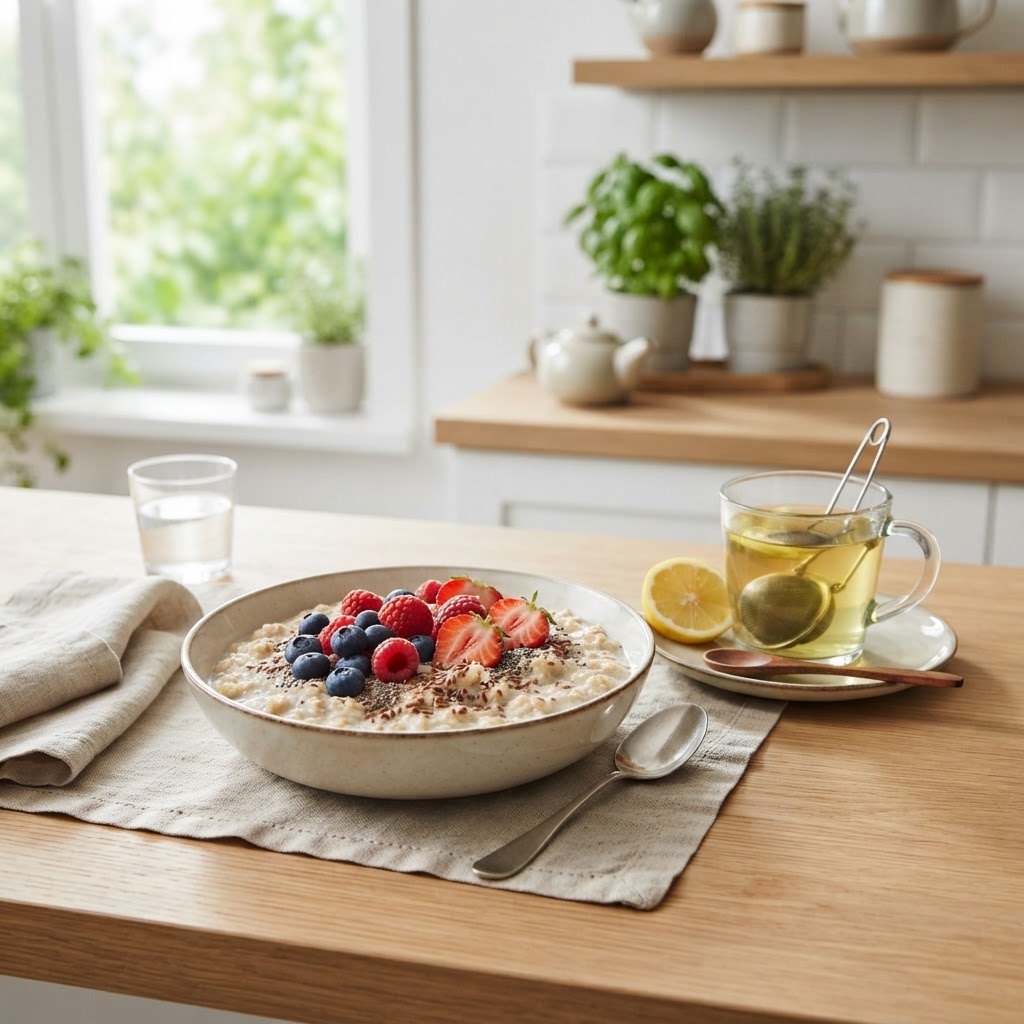
  • Chronic GERD: Symptoms, Causes, and Natural Relief Strategies

    Chronic GERD: Symptoms, Causes, and Natural Relief Strategies

    Key Takeaways

    • Chronic GERD is characterized by persistent, frequent acid reflux that can damage the esophageal lining if left unmanaged.
    • Symptoms of acid reflux extend beyond heartburn, including chronic coughing, hoarseness, and difficulty swallowing.
    • Identifying GERD causes requires a holistic look at diet, stress levels, structural issues, and stomach acid regulation.
    • Low stomach acid is a frequently overlooked factor that can exacerbate reflux by slowing digestion and increasing pressure.
    • Dietary interventions focus on balancing pH levels, reducing inflammation, and identifying personalized trigger foods.

    For millions of people, the occasional experience of a post-meal burn is a nuisance that is easily forgotten once a antacid is taken. However, for those navigating the daily reality of chronic GERD, that burning sensation is merely the tip of the iceberg. Gastroesophageal Reflux Disease (GERD) is not just an inconvenience; it is a systemic issue that impacts the quality of life, sleep patterns, and long-term esophageal health of those who suffer from it. Understanding the underlying mechanisms—from the biomechanics of the lower esophageal sphincter to the complexities of digestion—is the first step toward reclaiming comfort. By exploring natural GERD relief strategies and sustainable lifestyle changes, you can begin to transition from constant management to genuine recovery.

    What Is Chronic GERD and How Does It Differ From Occasional Heartburn?

    At its core, acid reflux is a physical event where the contents of the stomach—primarily acid and digestive enzymes—creep back up into the esophagus. While nearly everyone will experience this at some point, perhaps after a particularly large holiday meal or while reclining too quickly after eating, chronic GERD is defined by the frequency and severity of these episodes. Clinically, practitioners often distinguish between occasional heartburn and GERD based on a simple threshold: if you experience symptoms twice a week or more, it is no longer considered a random occurrence but rather a chronic condition that requires a dedicated approach to management.

    The esophagus is lined with a delicate mucous membrane that is not designed to withstand the corrosive, low-pH environment of the stomach. In occasional heartburn, the body’s natural defense mechanisms, such as saliva and esophageal motility, quickly clear the acid, preventing long-term damage. In chronic GERD, these defense mechanisms are overwhelmed. The lower esophageal sphincter (LES)—a circular muscle acting as a valve between the esophagus and the stomach—either relaxes too frequently or loses the strength to close tightly. This creates a chronic pathway for gastric juices to irritate the sensitive lining of the esophagus. Over time, this recurring inflammation can lead to complications, such as erosive esophagitis, strictures, or shifts in the cellular structure of the esophagus.

    The distinction between the two conditions is vital because the solutions differ. Occasional heartburn is typically reactive, treated with over-the-counter medications that neutralize acid on contact. Chronic GERD, however, is a systemic issue that demands a proactive, long-term strategy. It requires investigating the root causes of why the LES is failing or why stomach pressure is elevated. Focusing on esophageal health means looking at the frequency of the “burn,” the timing of the symptoms, and the underlying physiological imbalances that allow acid to persist where it does not belong. By shifting the perspective from merely masking symptoms to correcting the environment that allows them to flourish, individuals can move beyond temporary fixes toward lasting, natural relief.

    Common Symptoms of GERD Beyond the Typical Burning Sensation

    While the sensation of fire rising in the chest is the hallmark of acid reflux, many individuals suffer from “silent” or atypical GERD. This occurs when the acid reaching the esophagus does not trigger the nerve endings that cause pain, but instead causes irritation in adjacent structures. This is particularly common in the throat, larynx, and respiratory tract. Because these symptoms do not immediately scream “acid reflux,” many people remain misdiagnosed for years, attributing their discomfort to allergies, colds, or asthma.

    One of the most frequent atypical symptoms is a chronic, dry cough. This is often worse in the morning or when lying down, as acid makes its way into the throat during sleep. Similarly, chronic hoarseness or a “lump in the throat” sensation—clinically referred to as globus sensation—is a common complaint. Patients often describe feeling as though there is a coating of mucus in the throat that they simply cannot clear, no matter how hard they cough. This happens because the throat is even more sensitive to acid than the esophagus; it only takes a tiny amount of micro-aspiration to cause significant irritation to the vocal cords.

    Regurgitation, or the sensation of food or sour liquid coming back up into the mouth, is another clear indicator of more advanced reflux. Unlike heartburn, which is a localized burn, regurgitation suggests that the stomach contents have reached the upper esophagus, which can increase the risk of dental erosion, as the acid begins to dissolve the enamel on the back of the teeth. Other symptoms that might seem unrelated include a metallic taste in the mouth, difficulty swallowing (dysphagia), or even chest pain that mimics cardiac distress. It is essential to note that while these are common symptoms of GERD, any new or unexplained chest pain should always be evaluated by a healthcare professional to rule out more serious cardiovascular conditions. Recognizing these broader symptoms is the first step in identifying the true scope of your esophageal health issues.

    Symptom Category Common Manifestations Best For Identifying
    Classic Reflux Heartburn, acid regurgitation Standard Acid Management
    Laryngeal/Pharyngeal Hoarseness, chronic cough, globus Silent Reflux Detection
    Respiratory/Dental Asthma flares, tooth enamel decay Long-term Damage Assessment

    Identifying the Root Causes and Triggers of Acid Reflux

    To find natural GERD relief, you must act as a detective within your own body. GERD is rarely caused by a single factor; rather, it is usually the result of a “perfect storm” of triggers that elevate intragastric pressure or weaken the structural integrity of the lower esophageal sphincter. When we talk about GERD causes, we are looking at a combination of anatomical, lifestyle, and dietary factors that collectively prevent the stomach from functioning as a sealed chamber. Understanding these triggers is essential for anyone interested in how to stop acid reflux effectively.

    Structural triggers often relate to internal pressure. A common example is a hiatal hernia, where part of the stomach pushes upward through the diaphragm into the chest cavity. This anatomical shift can physically prevent the LES from closing correctly. Beyond structural issues, lifestyle habits play a massive role. Eating too close to bedtime is a primary culprit; when you lie down immediately after a meal, gravity is no longer assisting in keeping food in the stomach. Similarly, tight-fitting clothing, particularly around the waist, can compress the stomach, forcing its contents upward against the LES. Chronic stress also cannot be overlooked. The digestive system is controlled by the autonomic nervous system. When you are in a “fight or flight” state, digestion slows down, transit time increases, and the stomach remains distended for longer, creating the ideal environment for acid to escape.

    Dietary triggers are often highly individualized, but certain categories are universally recognized for their ability to aggravate the system. Caffeine, alcohol, chocolate, and peppermint are known to relax the LES, essentially opening the door for reflux. Fatty and fried foods are notoriously slow to digest, leading to prolonged gastric distension. Meanwhile, highly acidic foods like citrus and tomato can irritate the already inflamed lining of the esophagus. However, what is a major trigger for one person may be perfectly tolerable for another. This is why keeping a detailed food and symptom journal is one of the most powerful GERD lifestyle changes you can adopt. By recording not just what you eat, but the time of day, your activity level, and your stress levels, you can start to spot patterns that identify your unique personal triggers.

    The Role of Low Stomach Acid in GERD Development

    There is a pervasive myth that acid reflux is always caused by having “too much” stomach acid. While this seems logical—if acid is rising, surely there must be an excess of it—the clinical reality is often the exact opposite. Many experts now suggest that hypochlorhydria, or low stomach acid, is a major, yet often ignored, driver of chronic GERD. In the digestive process, stomach acid (hydrochloric acid) plays the role of a gatekeeper. When food enters the stomach, the presence of adequate acid sends a signal to the LES to tighten firmly and prevents the pyloric valve at the bottom of the stomach from staying open too long.

    When stomach acid is low, digestion becomes sluggish. Food sits in the stomach for an extended period, leading to fermentation and the production of gases. This gas buildup increases intra-abdominal pressure, which puts mechanical stress on the LES, pushing it open from the bottom up. Additionally, the lack of sufficient acid means the stomach is not emptying at the proper rate. This lingering food mass increases the probability of reflux. Because the stomach is not reaching the necessary pH level, the signaling mechanism that triggers the emptying of the stomach into the small intestine is delayed. This results in a “backup” that eventually overflows into the esophagus.

    Addressing low stomach acid requires a very different approach than the traditional “acid-blocking” method. While suppressants provide immediate comfort, they may paradoxically worsen the underlying low-acid issue over time by preventing the stomach from reaching the acidity required for proper protein digestion. Natural support for low stomach acid typically involves strategies to optimize digestive function, such as consuming bitter herbs or apple cider vinegar before meals to prime the stomach, ensuring adequate mineral levels (particularly zinc, which is a cofactor for acid production), and managing stress to ensure the parasympathetic nervous system—the “rest and digest” state—is active during mealtimes. By focusing on rebuilding proper digestive capacity rather than suppressing the stomach’s natural functions, many find a more sustainable path to esophageal health.

    Dietary Changes: Foods That Soothe and Foods That Trigger Reflux

    Diet is the cornerstone of GERD management. Because your food interacts directly with the delicate tissues of your esophagus and the digestive environment of your stomach, what you choose to put on your plate can either act as a catalyst for symptoms or a source of healing. Creating a GERD-friendly diet is not about deprivation, but about intentional selection. The goal is twofold: minimize the mechanical and chemical triggers that cause reflux, and incorporate foods that coat, soothe, and support the healing of the esophageal lining.

    To reduce the frequency of reflux, it is best to focus on foods that are easily digested and possess a neutral pH. Vegetables, with the exception of tomatoes, are generally excellent. Steaming or roasting vegetables like broccoli, carrots, and asparagus makes them easier for the body to break down, reducing the time they spend in the stomach. Lean proteins such as chicken breast, turkey, and white fish are less taxing on the digestive system compared to fatty red meats or fried items, which can trigger prolonged acid production. Incorporating healthy fats, such as those found in avocados or olive oil, in moderation is vital for nutrient absorption without the heavy inflammatory load that refined oils can cause.

    For immediate natural GERD relief, look for foods with high mucilage content or soothing properties. Ginger is widely regarded for its ability to reduce inflammation and accelerate gastric emptying, helping the stomach clear food more efficiently. Oatmeal and other fiber-rich whole grains act as a buffer, absorbing excess acid and moving through the digestive tract smoothly. Aloe vera juice, when consumed in small, food-grade quantities, can provide a cooling, protective layer to the esophagus. Conversely, you should aim to identify and eliminate your personal “danger foods.” For many, this list includes garlic, onions, spicy peppers, caffeine, and chocolate. It is helpful to conduct a “reset” period where these known irritants are removed for 14 to 21 days, followed by a slow reintroduction. This process helps you distinguish between foods that are generally difficult for everyone and foods that your specific system struggles to process. By viewing diet as an ongoing, iterative experiment rather than a static list of rules, you gain the agency to manage your symptoms through daily choices.

    Lifestyle Habits to Prevent Nocturnal Acid Regurgitation

    Nocturnal acid regurgitation is often the most disruptive facet of chronic GERD. When the body is in a horizontal position, the natural barrier provided by gravity is removed, allowing stomach acid to migrate more easily into the esophagus. Because saliva production—the body’s natural acid neutralizer—diminishes significantly during sleep, nighttime symptoms can lead to prolonged mucosal irritation and disrupted sleep cycles.

    The most immediate lifestyle adjustment involves the timing of your evening meal. Experts generally suggest a window of at least three hours between finishing your last meal and lying down for bed. This timeframe allows the stomach to complete the bulk of the digestion process, significantly reducing gastric volume and pressure before you reach a reclined position. Large, heavy meals late at night delay gastric emptying, which keeps the stomach distended and places unnecessary pressure on the lower esophageal sphincter (LES).

    In addition to timing, gravity-based interventions are highly effective. Using a wedge pillow—distinct from a standard stack of pillows—can elevate the upper torso by at least six to eight inches. Elevating only the head often leads to neck strain or causes the body to curl at the waist, which can inadvertently increase intra-abdominal pressure. A wedge pillow provides a gentle, gradual slope that helps keep acid contained within the stomach. Sleeping on your left side is another evidence-backed strategy. Due to the anatomical position of the stomach, lying on the left side keeps the LES higher than the level of the gastric acid, creating a functional trap that hinders reflux.

    Beyond position, consider the impact of late-night clothing choices. Tight waistbands, belts, or restrictive pajamas can exert external pressure on the abdomen, mirroring the effects of intra-abdominal obesity by pushing against the stomach. Prioritizing loose-fitting sleepwear and avoiding tight garments can alleviate this external pressure, providing the LES with a better chance to remain closed throughout the night.

    The Impact of Stress and Gut Microbiome Health on Esophageal Function

    The connection between the brain and the gut, often referred to as the gut-brain axis, plays a pivotal role in the severity of chronic GERD. The esophagus is highly sensitive to stress-induced signals. When the body enters a “fight or flight” mode, cortisol levels spike, and the autonomic nervous system shifts away from the “rest and digest” parasympathetic state. This shift can heighten visceral sensitivity, meaning that individuals with GERD may feel pain or discomfort from even minor amounts of acid that wouldn’t typically trigger symptoms in others.

    Chronic stress can also influence the physical motility of the esophagus. Anxiety is frequently associated with hyper-awareness of digestive sensations and may cause individuals to swallow air (aerophagia), which leads to bloating and increased gastric pressure. Managing this requires a multi-pronged approach, including mindfulness-based stress reduction, deep breathing exercises, or progressive muscle relaxation, which help recalibrate the nervous system to favor digestive efficiency over stress reactivity.

    Parallel to stress management is the health of the gut microbiome. The balance of beneficial bacteria in the gastrointestinal tract influences everything from inflammation levels to the speed of gastric emptying. An overgrowth of certain bacteria or a lack of diversity in the microbiome can lead to increased gas production and bloating, both of which are mechanical triggers for reflux. Supporting a robust microbiome involves the consumption of diverse, fiber-rich plant foods and, in some cases, the targeted use of probiotics. Reducing systemic inflammation through a microbiome-friendly diet can improve the integrity of the esophageal lining, making it more resilient against the occasional exposure to refluxate.

    Natural Supplements and Herbs for Supporting Digestive Health

    When lifestyle changes are integrated, certain herbs and supplements may provide additional support for esophageal health. However, it is essential to approach supplementation with a nuanced understanding of their mechanisms.

    Demulcent herbs, which contain mucilaginous compounds, are frequently utilized to soothe the irritated esophageal mucosa. Slippery elm and marshmallow root, for instance, form a protective film over the digestive tract, acting as a physical barrier against acid. Similarly, aloe vera juice—specifically the kind processed to remove anthraquinones—is often used for its cooling and anti-inflammatory properties.

    Digestive enzymes are another avenue for those whose GERD symptoms are linked to slow digestion or incomplete breakdown of food. If food sits in the stomach for too long, fermentation begins, producing gas and increasing the likelihood of reflux. Providing the body with supplemental lipase, protease, or amylase can assist in the efficient breakdown of macronutrients, thereby reducing the time spent with a full stomach.

    Supplement/Herb Primary Mechanism Best For
    Slippery Elm Coats and soothes mucosal tissue Reducing throat irritation
    Digestive Enzymes Breaks down food particles efficiently Slow gastric emptying
    Ginger Root Promotes motility and reduces nausea Post-meal fullness
    Deglycyrrhizinated Licorice (DGL) Enhances mucus production in the gut Protecting the esophageal lining

    Ginger has long been championed for its ability to stimulate gastric motility. By encouraging the stomach to empty its contents into the small intestine more promptly, ginger naturally limits the volume of material available to reflux upward. DGL, or deglycyrrhizinated licorice, is another traditional staple; unlike regular licorice, DGL has the blood-pressure-raising compound removed, making it safer for long-term use in supporting the health of the protective mucus barrier in the stomach and esophagus.

    When to Consult a Specialist for Chronic Digestive Issues

    While natural relief strategies can be transformative for many, chronic GERD must be managed under medical supervision if it becomes persistent or severe. There is a distinct difference between occasional heartburn and long-term reflux that causes structural changes to the tissue. If you find yourself relying on over-the-counter medications more than twice a week, or if you experience “alarm symptoms,” it is time to seek professional medical care.

    Alarm symptoms that warrant an immediate visit to a gastroenterologist include unexplained weight loss, difficulty swallowing (dysphagia), the sensation that food is stuck in the chest, persistent nausea, or symptoms of anemia such as fatigue and pale skin. These can indicate complications like esophageal strictures, ulcerations, or Barrett’s esophagus—a condition where the lining of the esophagus changes due to chronic acid exposure, which requires close monitoring.

    A specialist can perform diagnostic tests such as an endoscopy, pH monitoring, or manometry to assess the physical function of the LES and the integrity of the esophageal lining. Do not attempt to self-diagnose or mask worsening symptoms indefinitely. Medical intervention is necessary not only for symptom management but also for the long-term protection of your digestive system’s structural integrity.

    Frequently Asked Questions

    Can weight loss truly resolve chronic GERD?

    For many individuals, yes. Excess intra-abdominal fat exerts physical pressure on the stomach, which can force acid upward into the esophagus. Even a modest, sustainable reduction in body weight can significantly lower this pressure, often leading to a noticeable improvement in the frequency and intensity of acid reflux episodes.

    Is it safe to drink water while experiencing heartburn?

    Drinking small sips of alkaline water can help neutralize stomach acid in the esophagus and “wash down” any acid that has traveled upward. However, drinking a large volume of liquid all at once can overfill the stomach and increase pressure, potentially worsening reflux. Moderation is key.

    Does chewing gum help with acid reflux?

    Chewing gum stimulates saliva production. Saliva is naturally alkaline and contains bicarbonate, which helps to neutralize acid in the esophagus and improve esophageal clearance. It is best to choose a sugar-free, non-mint flavored gum, as peppermint can sometimes relax the LES and cause more reflux in sensitive individuals.

    Are all acidic foods bad for someone with GERD?

    Not necessarily. While highly acidic foods like citrus and tomatoes can exacerbate symptoms in some, the “trigger” is often highly individual. It is more about how the food affects your LES pressure and your overall digestion. Keeping a food diary is the most effective way to identify your specific personal triggers rather than strictly avoiding every acidic food on generic lists.

    Can chronic GERD eventually go away permanently?

    While some people may manage their symptoms so effectively through lifestyle changes that they become asymptomatic, GERD is often a chronic condition that requires ongoing management. Consistency is essential; if the underlying anatomical or lifestyle drivers return, the symptoms typically follow suit. Many people find that with sustained effort, they can reach a state of long-term remission.

    Why does my chest feel tight if it is just “acid reflux”?

    The esophagus shares nerve pathways with the heart. When the esophagus is inflamed or spasming due to acid, the pain signals can mimic those of cardiac distress, a phenomenon known as “esophageal chest pain.” However, because these symptoms are so similar to heart-related issues, any persistent, unexplained chest pain should always be evaluated by a healthcare professional to rule out cardiovascular causes.

    Conclusion

    Managing chronic GERD is rarely about finding a single “magic bullet” solution. Instead, it is an integrated process of understanding your unique physiological triggers and adopting a lifestyle that supports digestive harmony. By mastering your nighttime positioning, prioritizing stress reduction, and nurturing your gut microbiome, you create an environment where the esophagus can heal and function as it should. Remember that consistency with these habits is what yields long-term success. If your symptoms persist or if you develop concerning physical changes, lean on the expertise of a medical professional to ensure your digestive health remains a priority. Take the first step today by identifying one lifestyle habit—like eating dinner earlier—and committing to it for the next two weeks.

    By healthauthoritylife Editorial Team

    This article is for informational purposes only and is not a substitute for professional medical advice. Always consult your doctor before making changes to your diet, exercise routine, or treatment plan.

  • Gallbladder-Friendly Breakfast: 10 Best Foods for Digestion

    Gallbladder-Friendly Breakfast: 10 Best Foods for Digestion

    Key Takeaways

    • Selecting the right breakfast is critical for managing gallbladder discomfort and preventing flare-ups.
    • Prioritizing low-fat proteins and soluble fiber helps regulate bile production and digestion.
    • Eating smaller, balanced meals early in the day reduces the workload on your biliary system.
    • Anti-inflammatory fruits and vegetables provide essential antioxidants that support overall gallbladder function.
    • Maintaining a consistent eating schedule helps stabilize bile flow, minimizing the risk of post-meal distress.

    Waking up with gallbladder concerns often turns the most important meal of the day into a source of anxiety. If you have been navigating digestive challenges, you may have discovered that your previous morning routine—perhaps heavy in eggs, fatty bacon, or sugary pastries—is no longer serving your body. The good news is that transitioning to a gallbladder friendly breakfast does not mean sacrificing flavor or satiety. By understanding how your digestive system processes nutrients, you can curate a morning menu that minimizes discomfort while fueling your day. This guide explores the science behind biliary health and provides actionable strategies to help you craft the ideal breakfast recipes for gallbladder issues, allowing you to regain control over your morning and your long-term wellness.

    Why Your Breakfast Choice Matters for Gallbladder Health

    The gallbladder is a small, pear-shaped organ that plays an outsized role in the digestion process. Its primary function is to store and concentrate bile—a fluid produced by the liver that is essential for breaking down dietary fats. When you consume a meal, the gallbladder receives a hormonal signal to contract, releasing a concentrated dose of bile into the small intestine. For individuals with gallbladder issues, such as gallstones or inflammation, this contraction process can trigger significant pain, bloating, or nausea. Because the gallbladder has been “resting” overnight, your first meal of the day acts as a catalyst for a major digestive event, making your breakfast choices particularly impactful.

    When you start your day with a high-fat or processed meal, you are essentially asking an already stressed organ to perform its most taxing duty immediately. This can lead to biliary colic, a type of pain that occurs when the gallbladder struggles to contract against blockages or inflammation. Conversely, choosing a gallbladder diet breakfast that is gentle on the system allows for a smoother, more gradual release of bile. Experts generally agree that consistency is key; by eating smaller, balanced meals at regular intervals, you can prevent the gallbladder from becoming over-distended or stagnant. This is not just about avoiding “bad” foods; it is about providing the body with the right fuel to keep the digestive system moving efficiently without overworking the biliary ducts.

    A well-planned morning meal should focus on nutrient density rather than caloric overload. When you prioritize ingredients that are easy to digest, you reduce the overall burden on your GI tract. Many people find that by shifting their focus toward complex carbohydrates and lean proteins, they can avoid the mid-morning lethargy and post-prandial discomfort that often follows a heavy, greasy breakfast. Furthermore, creating a routine that emphasizes hydration and gentle fiber intake supports the entire digestive pathway, from the liver to the gallbladder and finally the intestines. Understanding that your breakfast sets the “tone” for your metabolic health allows you to view your food choices as a proactive tool for healing, rather than just a way to satisfy hunger. By adopting a mindset centered on digestive support, you can turn your morning meal into a powerful daily ritual for health restoration.

    Understanding the Role of Fat in Gallbladder Digestion

    To master the art of a gallbladder friendly breakfast, one must understand the relationship between dietary fat and bile secretion. Dietary fat is the primary trigger for gallbladder contraction. When fat enters the duodenum, it stimulates the release of a hormone called cholecystokinin (CCK). CCK tells the gallbladder to squeeze, pushing stored bile into the digestive tract to emulsify the fat so it can be absorbed. While this process is entirely natural and healthy in a fully functioning system, it becomes a point of contention when the gallbladder is compromised. If the organ contains stones or is experiencing chronic inflammation, a large influx of fat can cause the gallbladder to work harder than it is capable of, leading to discomfort.

    However, it is a common misconception that all fat must be eliminated entirely. While reducing the overall fat load is generally recommended for those with gallbladder surgery diet requirements or chronic issues, the body still requires a small amount of healthy fats for nutrient absorption and hormone regulation. The strategy lies in the quality and quantity of fat ingested at one time. Instead of heavy saturated fats found in butter, lard, or fatty cuts of meat—which require high concentrations of bile to process—focusing on moderate portions of easily digestible, plant-based fats can be more manageable. It is about balance; spread your fat intake throughout the day rather than concentrating it in a single, high-fat meal.

    Many individuals find success by swapping traditional breakfast fats for alternatives that are less taxing. For instance, incorporating a small amount of avocado or a sprinkle of flaxseeds can provide essential fatty acids without overwhelming the biliary system. When you look for foods for gallbladder health, think in terms of “fat-light.” This doesn’t mean eating flavorless food; it means choosing ingredients that allow the gallbladder to release bile in a controlled, steady stream rather than a sudden, painful flood. Managing your fat intake is the most direct way to influence your digestive comfort. By monitoring how you feel after different types of breakfast meals, you can begin to identify your personal threshold for fat intake, allowing you to build a breakfast menu that is both satisfying and safe.

    Breakfast Component Typical Option Best For
    Protein Source Egg Whites Reducing fat load while maintaining muscle protein
    Grain/Fiber Steel-cut Oats Stabilizing digestion and promoting bile flow
    Produce Steamed Spinach Anti-inflammatory benefits without harsh irritation
    Hydration Warm Herbal Tea Gentle digestive stimulation and gallbladder support

    Best Low-Fat Proteins to Start Your Morning

    Starting your day with an adequate amount of protein is essential for satiety and blood sugar regulation, but for those concerned about gallbladder health, the *source* of that protein makes all the difference. High-fat proteins like sausages, bacon, or even whole eggs can trigger the gallbladder into a state of distress. Fortunately, there are many low-fat, high-quality protein options that provide the necessary building blocks for your muscles and tissues without forcing the gallbladder to release a massive surge of bile. Prioritizing lean proteins ensures that you feel full and energized without the heavy digestive penalty.

    Egg whites are perhaps the most accessible and versatile option for a gallbladder friendly breakfast. Unlike the yolk, which contains most of the fat and cholesterol that can overstimulate the gallbladder, egg whites are almost entirely pure protein. They can be whipped into fluffy omelets with fresh herbs or scrambled with plenty of vegetables to create a voluminous, satisfying meal. If you prefer a plant-based approach, consider legumes or certain low-fat dairy products. Fat-free Greek yogurt or cottage cheese, for example, can be an excellent way to get a protein boost. These items are typically well-tolerated and can be easily paired with fruits or grains to create a balanced, nutrient-rich breakfast.

    When selecting your protein, focus on preparation methods that avoid adding unnecessary oils. Steaming, poaching, boiling, or baking are far superior to frying or sautéing in butter. If you are a fan of smoothies, adding a high-quality, low-fat plant-based protein powder—such as pea or rice protein—can be an excellent, easily digestible choice. Avoid whey or soy concentrates that may contain added fillers or fats. By experimenting with these leaner alternatives, you remove the common triggers that lead to morning discomfort. Remember, the goal is to provide your body with the fuel it needs to function optimally while keeping the digestive workload to a minimum. Incorporating these lean proteins consistently can stabilize your energy levels throughout the morning, preventing the cycle of crashing and snacking that often leads to poor dietary choices later in the day.

    Fiber-Rich Grains That Support Bile Flow

    Fiber is a cornerstone of any gallbladder diet breakfast, acting as a natural regulator for the digestive tract. Specifically, soluble fiber is your best friend when it comes to supporting bile flow and overall gallbladder health. When soluble fiber passes through your digestive system, it binds to bile acids and helps carry them out of the body through regular bowel movements. This process is beneficial because it prevents the reabsorption of stagnant, old bile, which can otherwise contribute to the formation of sludge or stones within the gallbladder. Furthermore, high-fiber grains help maintain stable blood sugar levels, preventing the hormonal fluctuations that can sometimes indirectly impact digestive function.

    Steel-cut oats are a standout choice for those looking to support their gallbladder. They are rich in beta-glucan, a type of soluble fiber that has been shown to improve satiety and heart health while being gentle on the stomach. Unlike instant oatmeal, which can be highly processed and rapidly digested, steel-cut oats require more time to break down, leading to a steady, controlled release of energy and a smoother digestive process. When preparing your morning oats, try cooking them with water or a low-fat plant milk, such as almond or oat milk, rather than full-fat dairy. You can enhance the flavor with cinnamon or a small amount of fresh fruit, which adds nutrients without adding unnecessary fats.

    Other grains like quinoa and buckwheat are also excellent additions to your routine. Quinoa, in particular, is a complete protein and naturally gluten-free, making it an easy-to-digest foundation for a breakfast bowl. Whether you serve it warm with a drizzle of honey and berries or chilled in a light, fruit-forward salad, quinoa provides a satisfying texture and reliable fiber content. Barley is another grain that offers a dense, chewy texture and impressive fiber levels, although it is worth noting that it contains gluten, so it may not be suitable for everyone. As you incorporate these grains into your morning, focus on gradual increases. A sudden, massive influx of fiber can sometimes cause bloating if your system is not used to it, so start with small portions and ensure adequate hydration throughout the day. By making these fiber-rich grains a regular part of your breakfast repertoire, you are proactively supporting your liver and gallbladder in their daily functions, paving the way for better digestion and long-term health.

    Anti-Inflammatory Fruits and Vegetables for Breakfast

    Integrating colorful fruits and vegetables into your first meal of the day is perhaps the easiest way to combat the inflammation that often accompanies chronic digestive issues. Many vegetables are naturally low in fat and packed with antioxidants, vitamins, and minerals that promote a healthy biliary environment. When you choose foods that actively reduce inflammation, you are essentially “soothing” the lining of your digestive tract and supporting the health of the tissues surrounding the liver and gallbladder. Breakfast is the perfect opportunity to hit your daily quota of these nutrient-dense foods early, giving your body the support it needs to manage its internal processes throughout the day.

    Leafy greens like spinach, kale, and Swiss chard are excellent choices. They are high in magnesium, a mineral that has been associated with better overall digestive function and may help in relaxing the smooth muscles of the bile ducts. To make these part of a breakfast, consider blending a handful of baby spinach into a fruit smoothie, or gently wilted greens as a side to your egg white scramble. Because these greens are low in fat, they do not trigger excessive bile release, making them an ideal component of any gallbladder friendly breakfast. Other vegetables like cucumbers, zucchini, and bell peppers can also be diced and added to omelets or eaten raw alongside a bowl of oatmeal to provide crunch and hydration.

    When it comes to fruit, low-acid options are generally the most comfortable for those with sensitive stomachs. Berries—such as blueberries, raspberries, and strawberries—are renowned for their high antioxidant content and are typically easy to digest. They can be added to yogurt, cereal, or blended into refreshing smoothies. Papaya and pineapple also deserve a special mention; they contain natural enzymes (papain and bromelain, respectively) that can assist in protein digestion, effectively taking some of the strain off your gallbladder and pancreas. Of course, individual sensitivities vary, so it is always wise to introduce new fruits slowly to monitor your personal response. By filling your plate with a variety of these vibrant, anti-inflammatory foods, you ensure that your breakfast is not just a way to stave off hunger, but a deliberate act of wellness. These foods provide the essential micronutrients needed for repair and maintenance, helping to mitigate the stress that gallbladder issues can place on your body.

    Foods to Avoid That Trigger Morning Gallbladder Pain

    When you are managing gallbladder issues, the morning meal can either be a soothing start or a painful trigger. Because the gallbladder is responsible for releasing stored bile to break down fats, flooding your system with high-fat, processed foods immediately upon waking can place an immense burden on the organ. Avoiding specific dietary landmines is just as important as choosing the right nutrients.

    The primary offenders are typically saturated and trans fats. Foods like bacon, breakfast sausage, full-fat cheeses, and buttery pastries are common culprits that can cause a sluggish gallbladder to spasm. When you consume high amounts of fat in one sitting, your gallbladder may work overtime, potentially leading to pain or discomfort in the upper right quadrant of your abdomen. Additionally, highly refined sugars—found in sugary cereals, fruit-flavored yogurts, and white bread—can cause rapid spikes in blood sugar and inflammation, which may indirectly exacerbate digestive distress.

    Dairy products, specifically those with high fat content, are another common trigger for many individuals. While fermented dairy like plain Greek yogurt might be tolerated, heavy creams, whole milk, and processed cheese spreads often result in post-breakfast bloating. Furthermore, ultra-processed morning convenience items like frozen breakfast burritos or fast-food hash browns often contain hydrogenated oils and preservatives that are notoriously difficult for a sensitive digestive system to process. Identifying and removing these triggers is the first step toward reclaiming your morning comfort.

    Hydration Habits to Support Digestive Function Early

    Hydration is the unsung hero of gallbladder health. Bile is primarily composed of water, and if you are dehydrated, your bile can become thick, sluggish, and more prone to forming sludge or stones. Establishing a hydration routine the moment you wake up ensures that your liver and gallbladder have the necessary fluid volume to maintain healthy bile flow throughout the day.

    Start your morning with a large glass of room-temperature water. Adding a squeeze of fresh lemon juice can act as a gentle stimulant for the digestive tract, encouraging the liver to produce bile. Avoid ice-cold water immediately upon waking, as some individuals find that extreme temperatures can shock the digestive system and cause cramping. Instead, sip water gradually while preparing your breakfast.

    Herbal teas are another excellent tool for morning hydration. Ginger tea, in particular, is highly regarded for its ability to reduce inflammation and ease nausea, which are common symptoms of gallbladder issues. Peppermint tea can also help relax the muscles of the gallbladder duct, allowing for smoother bile transit. By focusing on consistent hydration, you thin the bile, making it easier for the gallbladder to empty efficiently without the stress of concentrated, thick fluids.

    Healthy Fats to Include in Moderation

    While you should avoid saturated and trans fats, it is a common misconception that a gallbladder-friendly breakfast must be entirely fat-free. In fact, a moderate amount of high-quality, healthy fat can signal the gallbladder to contract gently and empty, which helps prevent bile stagnation. The key is in the *type* of fat and the *portion* size.

    Focus on monounsaturated and polyunsaturated fats. These are easier for the digestive system to emulsify than heavy, saturated alternatives. Incorporating small amounts of avocado, walnuts, or chia seeds into your breakfast provides essential fatty acids without the heavy burden of fried foods. When preparing your morning meal, consider drizzling a tiny amount of high-quality, cold-pressed olive oil over your vegetables or oatmeal. This provides healthy lipids that support gallbladder motility.

    Healthy Fat Source Serving Suggestion Best For
    Avocado 1/4 of a fruit Adding creaminess to smoothies or toast
    Chia Seeds 1 tablespoon Omega-3 boost in porridge or yogurt
    Walnuts 1 small handful Crunchy topping for fruit bowls
    Olive Oil 1 teaspoon Lightly sautéing breakfast spinach
    Flaxseed 1 tablespoon (ground) Fiber-rich digestive support

    Simple Meal Prep Ideas for a Stress-Free Morning

    Managing gallbladder health is much easier when you don’t have to scramble for food during a flare-up. Meal prepping allows you to maintain consistency in your diet, which is essential for stabilizing your digestion. By dedicating an hour on Sunday evening to prepare breakfast components, you ensure that you always have a gallbladder-safe option ready to go.

    Overnight oats are perhaps the most reliable staple for those with digestive concerns. Combine gluten-free rolled oats, almond milk, a tablespoon of chia seeds, and a handful of berries in a jar. Leave it in the refrigerator overnight. By morning, you have a high-fiber, easily digestible meal that provides sustained energy without the heavy fat content of a standard breakfast.

    Another excellent prep strategy is pre-chopping vegetables. If you enjoy a vegetable scramble, chop onions, bell peppers, and spinach ahead of time and store them in airtight containers. When you wake up, you can simply toss the mix into a pan with a splash of water or a tiny amount of olive oil. Having your ingredients ready reduces the morning stress that can sometimes lead to poor food choices, ensuring your gallbladder stays calm throughout the early hours.

    Adjusting Your Breakfast Routine After Gallbladder Removal

    Life after a cholecystectomy (gallbladder removal) requires a transition period. Without the gallbladder to act as a reservoir for bile, the bile instead drips continuously into your small intestine. Because you no longer have a concentrated “dump” of bile to handle a heavy influx of fats, your post-surgery breakfast must be carefully balanced.

    Immediately following surgery, many doctors recommend a low-fat diet to allow the body to adjust. As you recover, you can gradually reintroduce healthy fats, but it is wise to do so in very small, frequent portions. A large, fatty meal after surgery may lead to digestive discomfort or diarrhea, as the body is essentially learning how to manage bile flow in a new way.

    Prioritize soluble fiber in your post-surgery breakfast. Soluble fiber, found in oats, pears, and apples, helps to bind excess bile and regulates bowel movements, which can be irregular after the organ is removed. Focus on lean proteins—such as egg whites or plant-based protein powders—rather than fatty meats. Pay close attention to how your body reacts to different foods; keeping a simple food journal for the first few months post-surgery can help you identify which specific ingredients work best for your new digestive landscape.

    Frequently Asked Questions

    Can I drink coffee with breakfast if I have gallbladder issues?

    Many people with gallbladder issues find that coffee can trigger discomfort due to its acidity and the way it stimulates the digestive tract. If you choose to drink coffee, consider opting for a low-acid blend, drinking it alongside a small meal rather than on an empty stomach, and avoiding heavy creamers, which can trigger gallbladder pain.

    Is oatmeal the best breakfast for gallbladder health?

    Oatmeal is widely considered an excellent breakfast choice because it is high in soluble fiber, which helps regulate digestion and binds bile acids. It is easy to digest and gentle on the system. To keep it gallbladder-friendly, use water or unsweetened almond milk as a base and top it with fresh fruit instead of heavy butter or sugary syrups.

    How long should I wait to eat after waking up?

    Experts often recommend eating within an hour or two of waking to kickstart your metabolism and prevent bile from stagnating in the liver ducts. Eating a small, balanced meal shortly after waking helps maintain a consistent flow of bile throughout the day, preventing the sudden, intense release of bile that a larger, later meal might trigger.

    Are eggs safe to eat for breakfast?

    Eggs are a common point of contention. While they are a great source of protein, the yolk contains fat and cholesterol, which can trigger symptoms in some people. If you find eggs cause discomfort, try eating only the egg whites or limit yourself to one whole egg prepared without added butter or oil. Monitor your symptoms closely to see how your body reacts.

    Can intermittent fasting help with gallbladder issues?

    While intermittent fasting has benefits, it can sometimes be difficult for those with gallbladder issues. Long periods of fasting may cause bile to sit in the gallbladder for too long, potentially leading to sludge or stone formation. It is often recommended to eat regular, smaller meals to encourage consistent bile flow rather than abstaining from food for long stretches.

    What should I do if I have a gallbladder flare-up after breakfast?

    If you experience a flare-up, avoid further solid food for a few hours to allow your system to rest. Sipping on warm herbal tea like ginger or peppermint may help soothe the area. If the pain is severe, persistent, or accompanied by fever or jaundice, seek medical attention immediately, as this may indicate a blockage or more serious complication.

    Conclusion

    Navigating the morning with gallbladder concerns does not have to be a source of stress or sacrifice. By prioritizing fiber-rich whole grains, lean proteins, and hydration, and by being mindful of the fats you consume, you can create a breakfast routine that nourishes your body while keeping your digestive system calm and efficient. Remember that every body is unique; what works for one person may require slight adjustments for another. Start by incorporating one or two of the suggested changes above and observe how your body responds over the coming weeks. Your journey toward better digestive health is built one small, smart choice at a time. If you are ready to take control of your wellness, begin by swapping your current breakfast for one of our recommended fiber-rich recipes this week and notice the difference in your daily energy and comfort levels.

    By healthauthoritylife Editorial Team

    This article is for informational purposes only and is not a substitute for professional medical advice. Always consult your doctor before making changes to your diet, exercise routine, or treatment plan.

  • Chronic Lyme Disease: Symptoms, Diagnosis, and Healing Paths

    Chronic Lyme Disease: Symptoms, Diagnosis, and Healing Paths

    Key Takeaways

    • Chronic Lyme disease refers to persistent, long-term health issues following an initial tick-borne infection, often characterized by multisystem involvement.
    • Common symptoms are wide-ranging and frequently mimic other autoimmune or neurological conditions, leading to significant diagnostic delays.
    • Current lyme disease testing often relies on antibodies that may not be detectable in the later stages or in immunocompromised patients.
    • Many patients experience post-treatment lyme disease syndrome (PTLDS), where symptoms persist despite conventional antibiotic protocols.
    • Effective healing often requires a multifaceted approach that addresses inflammation, immune function, and systemic recovery.

    Navigating the complex landscape of tick-borne illnesses can feel like searching for a map in a dense, uncharted forest. For those who suspect they are living with the lingering, debilitating effects of a tick bite, the journey from initial exposure to finding lasting relief is rarely straightforward. Chronic Lyme disease represents one of the most polarizing and challenging topics in modern medicine, leaving thousands of individuals struggling to have their symptoms validated and their health restored. Whether you are dealing with unexplained neurological fatigue, persistent joint pain, or the cognitive fog that seems to have no origin, understanding the layers of this condition is the first step toward reclaiming your quality of life. In this comprehensive guide, the healthauthoritylife Editorial Team explores the intricacies of long-term infection, the frustrations surrounding current testing protocols, and the diverse paths toward healing that many patients are now pursuing.

    What Is Chronic Lyme Disease?

    Chronic Lyme disease is a term frequently used by patients and some medical practitioners to describe a cluster of persistent symptoms that continue long after an initial infection with the bacteria Borrelia burgdorferi. While mainstream medical organizations often prefer terms like post-treatment lyme disease syndrome (PTLDS) to categorize these ongoing struggles, the lived experience for the patient remains largely the same: a profound, systemic disruption of health that does not resolve with standard, short-term antibiotic interventions.

    To understand why this condition is so elusive, one must look at how the spirochete—the corkscrew-shaped bacteria responsible for Lyme—interacts with the human body. Unlike many other bacterial infections that remain localized or are easily cleared by the immune system, Borrelia is highly adaptive. It has the ability to burrow deep into tissues, such as cartilage, tendons, and the central nervous system, where antibiotics have a harder time reaching in adequate concentrations. Furthermore, the bacteria can undergo morphological changes, shifting into different forms that may be more resistant to standard treatment protocols.

    When we talk about the clinical reality of chronic Lyme, we are essentially looking at a state of chronic inflammation. The immune system, perhaps unable to fully eradicate the pathogen, remains in a state of high alert. This creates a cascade of systemic issues, ranging from dysregulated cytokine production to the reactivation of dormant viral loads. For many, this leads to a “multi-system” presentation. It is rarely just one body part affected; instead, patients describe a “whack-a-mole” experience where joint pain migrates to neurological numbness, which is then accompanied by debilitating cardiac palpitations or digestive paralysis.

    Experts often point out that the chronicity of the disease may also be tied to “persister cells.” These are sub-populations of the bacteria that enter a dormant or slow-growing state, effectively hiding from the mechanisms of traditional antibiotics that target active cellular division. When the antibiotics are stopped, these cells can “wake up” and begin the infection cycle anew. This biological trickery explains why a two-week course of medication, which might be sufficient for early-stage Lyme, frequently fails to address the needs of patients who have been struggling with the infection for months or years. Understanding this is vital for patients seeking treatment, as it highlights the necessity of looking beyond simple antimicrobial monotherapy and toward comprehensive strategies that support the body’s overall terrain.

    Common Symptoms Often Overlooked

    The hallmark of Lyme disease is famously known as the “Great Imitator” because its clinical presentation is remarkably broad. When the infection shifts into a chronic state, the symptoms can become even more insidious, frequently being dismissed as fibromyalgia, chronic fatigue syndrome, depression, or even early-onset neurological disorders. Because these symptoms are subjective—meaning they are felt by the patient but may not always show up on standard blood panels—they are often overlooked by conventional practitioners who are looking for clear-cut inflammatory markers.

    Neurological symptoms are among the most debilitating. Many patients report “brain fog,” a subjective but intensely real feeling of cognitive dissonance where focus, memory, and word retrieval become strenuous tasks. This can progress to more severe neuro-Lyme symptoms, including sharp shooting pains, tingling sensations (paresthesia) in the extremities, or sudden, inexplicable mood swings and anxiety. These psychological shifts often lead to incorrect psychiatric diagnoses, which can delay proper investigation into a tick-borne origin.

    Musculoskeletal pain is another primary complaint. However, unlike standard arthritis, Lyme-related pain often migrates. One week it may be a locked knee, and the next, a stiff neck or debilitating lower back pain. This migratory nature is a significant clinical clue that practitioners should look for. Alongside this, physical exhaustion is not merely “tiredness.” Patients often describe it as an all-encompassing, cellular-level fatigue that renders them unable to perform basic activities of daily living, even after a full night’s sleep. This level of exhaustion is often tied to the body’s massive energy expenditure in attempting to contain the infection.

    Digestive issues are also increasingly recognized as a key symptom of chronic infection. The gastrointestinal tract is deeply connected to immune function, and the disruption of the microbiome—either by the bacteria itself or by repeated cycles of antibiotics—can lead to symptoms like bloating, food sensitivities, and systemic inflammation. Additionally, patients often report autonomic nervous system dysfunction. This includes symptoms like orthostatic intolerance (feeling faint upon standing), night sweats, and sensitivity to light or sound. These are frequently signs that the body’s internal regulation systems are being overwhelmed by the persistent inflammatory load. Recognizing these patterns is crucial, as treating each symptom in isolation often leads to a cycle of over-medication without addressing the core, systemic issue that is driving the decline in health.

    Understanding the Challenges of Diagnosis

    The hurdle of reaching a formal lyme disease diagnosis is perhaps the most frustrating aspect of the entire patient journey. In the medical community, the diagnostic process is typically standardized according to rigid criteria. However, many chronic Lyme patients fall into a gap where these criteria fail to capture the reality of their health status. The standard approach, known as the two-tiered testing system, was originally designed for surveillance—identifying clear, acute cases for public health tracking—rather than for diagnosing complex, long-term clinical presentations.

    The primary challenge lies in the nature of antibody production. Standard tests look for the body’s immune response to the bacteria. If a person has been ill for a long time, or if their immune system is compromised or “exhausted” by the infection, they may not be mounting a robust enough antibody response to trigger a positive result. This creates a high risk of false negatives. Many patients spend years seeing a revolving door of specialists—rheumatologists, neurologists, and psychiatrists—only to be told that their blood work is “normal.” This label of normalcy, while intended to be reassuring, is often the most isolating experience a patient can face, as it invalidates their persistent, life-altering physical symptoms.

    Furthermore, there is the issue of “co-infections.” Ticks are rarely silent vectors carrying only one pathogen. They are often “dirty” needles, carrying a cocktail of organisms including Babesia, Bartonella, Ehrlichia, and others. Each of these pathogens has its own unique symptom profile and its own diagnostic difficulties. For instance, Babesia, a parasite that infects red blood cells, can mimic Lyme but presents with different physiological challenges, such as air hunger or night sweats. If a diagnostic approach only screens for Borrelia, the true culprit—or the combination of culprits—may remain hidden, leaving the patient stuck in a therapeutic dead-end.

    To overcome these challenges, many integrative practitioners have shifted toward a more clinical-based diagnosis. This means using laboratory tests as a supporting tool rather than the sole arbiter of truth. A detailed patient history, an analysis of symptom clusters, and even the “therapeutic trial”—where a physician evaluates how a patient responds to a specific intervention—are increasingly viewed as essential components of the diagnostic puzzle. It requires a high level of detective work, as the clinician must look at the patient’s history of exposure, their geographic travel, and the specific sequence in which their symptoms emerged. By prioritizing the patient’s narrative alongside laboratory evidence, the medical community can move toward a more accurate and compassionate understanding of persistent tick-borne illnesses.

    Diagnostic Approach Methodology Best For
    Standard Two-Tiered Testing Screening for specific IgM/IgG antibody responses Identifying early-stage acute infection
    Specialized Specialty Lab Panels Advanced culture/DNA testing (e.g., PCR or ELISpot) Deep investigation of persistent, low-level infection
    Clinical Symptom Assessment History mapping, co-infection screening, and physical exams Complex, multi-symptom, long-term chronic cases

    Testing Limitations: Why Results Can Be Inconclusive

    The reliance on lyme disease testing as a binary “yes or no” indicator is a significant source of contention. The two-tier testing protocol (an ELISA followed by a Western Blot) is sensitive to timing. If a patient is tested in the first few weeks after a tick bite, before their body has had time to develop antibodies, the test will almost certainly return a negative result. By the time the patient develops a chronic condition, the body’s immune system may have become so overwhelmed or dysregulated that it stops producing the high levels of antibodies the test is looking for. This is often described as immune fatigue.

    Additionally, current commercial testing lacks the ability to differentiate between an active, ongoing infection and a past exposure that the body has already successfully cleared. Antibodies can remain in the bloodstream for years, which can complicate the interpretation of results. Conversely, some strains of Borrelia exist in different parts of the world or are genetically distinct from the strains that these tests are optimized to detect. If a patient was bitten in a region where less common variants are present, the standard testing may miss them entirely.

    Another layer of complexity involves the nature of the pathogen itself. Because Borrelia is adept at biofilm formation, it creates a protective barrier around itself. This biofilm protects the bacteria from both the immune system and circulating antibiotics, making it harder to detect via standard blood-based methods. While advanced laboratories are developing newer diagnostic technologies, such as improved DNA-based PCR testing or T-cell activation tests (which measure the immune system’s cellular response rather than just antibody presence), these are not yet universally available or standardized in every clinical setting.

    Patients often find themselves caught in a loop of repeat testing, hoping that a positive result will validate their experience and unlock access to care. It is essential for patients to realize that testing is only one piece of a much larger, complex clinical picture. An inconclusive test does not mean the symptoms aren’t real, nor does it mean that there isn’t a physiological cause for the decline in health. The focus should always be on the patient’s functional status, the presence of systemic inflammation, and the historical likelihood of tick exposure. When a physician integrates these factors, they can often make a sound clinical decision even in the absence of a “gold standard” test result, ultimately providing a pathway forward when traditional diagnostics offer nothing but confusion.

    Standard Medical Treatments for Persistent Symptoms

    When approaching the treatment of chronic Lyme disease, the conventional medical establishment is often limited by a lack of consensus. For acute Lyme, the protocol is straightforward: a course of antibiotics, typically doxycycline, is highly effective. However, when the condition transitions into PTLDS or chronic Lyme, the path becomes much more debated. Standard practice often emphasizes symptom management, such as the use of non-steroidal anti-inflammatory drugs (NSAIDs) for pain, or SSRIs for the depression and anxiety that frequently accompany the illness. While these measures can provide temporary relief, they rarely address the underlying infectious or inflammatory processes.

    Some practitioners in the mainstream field do offer extended courses of antibiotics for patients whose symptoms persist beyond the initial recovery period. The reasoning is that because the spirochetes are slow-growing, longer durations of medication are required to ensure the bacteria are fully suppressed. However, this approach is controversial due to the risks associated with long-term antibiotic use, including the disruption of the gut microbiome, the potential for antibiotic resistance, and the stress placed on the liver and kidneys. Patients undergoing these protocols are usually monitored closely to mitigate these side effects, often with the addition of probiotics and specialized dietary support.

    Beyond antibiotics, standard care may involve physical therapy for mobility issues or neurological evaluations to address cognitive deficits. Pain clinics might be involved to manage chronic nerve pain through localized treatments or non-narcotic pain relief strategies. While these treatments address the “branches” of the disease—the specific symptoms—they often leave the “root” of the issue, which is the persistent infection and the body’s overactive inflammatory response, largely unaddressed.

    This is where the divide between standard medical treatment and functional, integrative care becomes most apparent. Many patients feel that standard protocols are too narrow, focusing only on the elimination of the pathogen while neglecting the recovery of the host. The reality is that the body of a chronic Lyme patient is often a complex environment of inflammation, immune dysfunction, and mitochondrial damage. Therefore, successful treatment—whether it involves standard antibiotics or other approaches—frequently requires a strategy that simultaneously supports the body’s natural defenses, calms the systemic inflammatory response, and repairs damaged tissue. By acknowledging the limitations of standard care, patients are often better equipped to advocate for themselves and seek out a more comprehensive, whole-body approach to recovery.

    Functional Medicine Approaches to Lyme Recovery

    When conventional treatment protocols fail to provide full relief, many individuals turn to functional medicine. Unlike traditional models that focus strictly on symptom suppression, functional medicine attempts to identify the root causes of dysfunction within the body’s interconnected systems. In the context of chronic Lyme disease, this approach views the persistent illness not just as a pathogen problem, but as an ecosystem imbalance where the immune system, endocrine function, and detoxification pathways have been compromised.

    Functional practitioners typically begin with a deep dive into the patient’s health history, looking for hidden triggers such as biotoxin exposure, heavy metal toxicity, or chronic viral reactivation. The goal is to create a “terrain” within the body that is inhospitable to persistent pathogens. This often involves a multi-pronged strategy that supports the gut microbiome, balances hormone levels—particularly the hypothalamic-pituitary-adrenal (HPA) axis—and reduces the overall toxic burden on the body. By strengthening the host rather than focusing solely on attacking the bacteria, the body often gains the resilience needed to manage the infection more effectively.

    A key focus in functional Lyme recovery is the health of the gastrointestinal tract. Because a significant portion of the immune system resides in the gut, practitioners emphasize the importance of intestinal barrier integrity. When the gut lining is compromised—often referred to as “leaky gut”—undigested food particles and toxins can enter the bloodstream, triggering systemic inflammation. Functional strategies often include therapeutic-grade probiotics, targeted nutritional support to heal the gut lining, and the removal of common dietary triggers to reduce systemic stress.

    The Role of Nutrition in Reducing Lyme Inflammation

    Nutrition serves as the foundation for recovery from chronic Lyme disease symptoms. Because Lyme and its associated co-infections are notoriously inflammatory, the primary goal of any nutritional strategy is to stabilize the immune system and minimize systemic “fire.” An anti-inflammatory diet is not a one-size-fits-all prescription, but rather a framework for removing reactive foods while flooding the body with essential phytonutrients.

    Many individuals with chronic Lyme find success by eliminating common pro-inflammatory triggers, such as refined sugars, processed seed oils, and gluten. Sugars, in particular, are often minimized to discourage the overgrowth of opportunistic yeasts and to prevent spikes in blood glucose that can exacerbate immune dysregulation. Conversely, an emphasis is placed on nutrient-dense, whole foods. Leafy greens, cruciferous vegetables, and colorful berries provide the antioxidants necessary to combat the oxidative stress generated by chronic infection.

    Healthy fats, such as those found in avocados, wild-caught fatty fish, and flaxseeds, play a vital role in cellular repair and brain health. Omega-3 fatty acids, in particular, are favored for their ability to naturally modulate inflammatory pathways. Furthermore, hydration is critical. Because detoxification is central to healing, drinking high-quality, filtered water helps the kidneys and liver process the debris left behind by neutralized pathogens. Some experts suggest intermittent fasting or time-restricted eating to give the digestive system a break and encourage autophagy—the body’s innate process of cleaning out damaged cells.

    Dietary Strategy Mechanism of Action Best For
    Anti-Inflammatory Protocol Reduces cytokine storm activity via nutrient-dense whole foods. Those with widespread pain and joint swelling.
    Low-Histamine Diet Limits triggers that increase mast cell activation and allergic-type responses. Patients experiencing brain fog and skin flushing.
    Gut-Healing/Restorative Diet Focuses on bone broths and fermented foods to repair intestinal permeability. Individuals with chronic digestive issues and nutrient deficiencies.

    Lifestyle Strategies to Support Immune Function

    Healing from chronic Lyme disease is as much about energy management as it is about clinical treatment. Patients often describe a “limited battery” sensation, where excessive exertion leads to severe post-exertional malaise. Consequently, pacing is the most essential lifestyle strategy. This involves learning to balance activity with rest, avoiding the “boom-and-bust” cycle where a person does too much on a “good” day, only to experience a debilitating crash the following day.

    Sleep hygiene is another non-negotiable pillar. Deep, restorative sleep is the period during which the body performs most of its repair work and detoxification. To improve sleep quality, experts often recommend creating a “sleep sanctuary”—a cool, dark, and electronics-free environment. Establishing a consistent sleep-wake cycle helps reset the circadian rhythm, which is frequently disrupted in those dealing with chronic illness.

    Mind-body practices such as meditation, deep breathing, and restorative yoga are also frequently recommended. Chronic illness triggers the sympathetic nervous system (fight-or-flight), keeping the body in a state of high cortisol. By intentionally engaging the parasympathetic nervous system through meditative practices, patients can lower their stress hormone levels, which allows the immune system to shift focus from defense to restoration. Moderate, gentle movement, such as walking or tai chi, is generally preferred over high-intensity exercise, as it promotes lymphatic drainage without overburdening the already taxed nervous system.

    Managing Co-infections Alongside Lyme Disease

    It is common for the tick responsible for transmitting Lyme disease to carry more than one pathogen. These are known as co-infections, and they can significantly complicate lyme disease diagnosis and treatment. Common co-infections include Babesia, Bartonella, Ehrlichia, and Anaplasma. These pathogens often mimic or amplify Lyme symptoms, creating a complex clinical picture that is difficult to resolve if only the primary Lyme bacteria are addressed.

    For instance, Bartonella is frequently associated with neurological symptoms and persistent, migrating pain, while Babesia may cause significant fatigue, night sweats, and air hunger. Because these organisms have different biological structures and life cycles, treating them often requires a more diversified approach. Some may require specific antimicrobial protocols, while others may respond better to supportive herbal therapies. Recognizing that the patient is dealing with a “mixed infection” scenario is crucial; failure to identify a co-infection is a leading reason why some treatment plans fail to produce expected results.

    Integration of care is vital here. A thorough clinical assessment—often including specialized labs that screen for a panel of tick-borne pathogens—allows the treatment team to prioritize. Some practitioners choose a sequential approach, addressing the most aggressive or symptomatic infection first, while others utilize broad-spectrum approaches that target multiple pathogens simultaneously. Regardless of the method, patient monitoring is essential to ensure that the treatment remains safe and effective as the burden of infection shifts.

    When to Seek Specialized Integrative Care

    Navigating the complexities of chronic Lyme requires a team-based approach. While primary care physicians are essential for overall health management, there are clear indicators that a patient may benefit from specialized integrative care. If an individual has undergone standard courses of antibiotics without significant or sustained improvement, or if their symptom list continues to grow despite standard interventions, it may be time to seek a practitioner who specializes in complex, multisystem illnesses.

    Integrative doctors often have access to a broader range of diagnostic tools, including specialized lyme disease testing, and may be more familiar with the nuances of treating post-treatment lyme disease syndrome (PTLDS). These specialists typically spend significantly more time with patients to understand the timeline of symptoms and the environmental triggers that may be hindering progress. They are also more likely to coordinate care between different specialists—such as neurologists, rheumatologists, and nutritionists—to ensure that all aspects of the disease are addressed.

    Furthermore, if a patient is experiencing severe cognitive decline, extreme sensitivity to environmental stimuli (like light or sound), or an inability to function in daily life, specialized care is recommended. These symptoms can indicate a high level of neuro-inflammation or immune system exhaustion that requires highly nuanced management. Seeking out a doctor who is willing to listen to the patient’s lived experience while combining evidence-based medicine with innovative, patient-centered strategies is often the turning point for those who have been stuck in the cycle of chronic illness.

    Frequently Asked Questions

    What is the difference between Lyme disease and Post-Treatment Lyme Disease Syndrome (PTLDS)?

    Lyme disease is the active infection caused by the bacteria Borrelia burgdorferi. PTLDS is a term used to describe lingering symptoms, such as fatigue, pain, and brain fog, that persist in some individuals even after completing a standard course of antibiotics. While the initial infection may be cleared, the systemic inflammation and residual tissue damage can continue to affect quality of life.

    Is it possible to treat Lyme disease naturally without any antibiotics?

    Some individuals choose to pursue natural or integrative approaches to treating Lyme disease, often utilizing herbal protocols and lifestyle modifications. However, because Lyme can have serious systemic consequences, it is highly recommended to consult with a medical professional. Many integrative physicians use a “blended” model, incorporating both pharmaceuticals and natural therapies to achieve the best possible outcomes.

    How reliable is lyme disease testing today?

    Lyme testing, typically involving two-tiered serology (ELISA and Western Blot), is highly effective at detecting late-stage disease but can sometimes yield false negatives during the early stages of infection. In chronic cases, the immune system may not be producing enough antibodies to trigger a positive result, which is why some practitioners look for clinical patterns and symptoms rather than relying exclusively on blood tests.

    Can chronic Lyme disease symptoms be mistaken for other conditions?

    Yes, chronic Lyme is often called “the great imitator.” Its symptoms—such as joint pain, fatigue, memory issues, and muscle weakness—frequently overlap with conditions like fibromyalgia, chronic fatigue syndrome, multiple sclerosis, and rheumatoid arthritis. This is why thorough testing and a comprehensive patient history are necessary to differentiate Lyme from other systemic illnesses.

    Are co-infections always present with Lyme disease?

    Co-infections are not always present, but they are common. Ticks can carry a variety of pathogens in addition to the Lyme bacteria. When co-infections are present, they can change the clinical presentation of the illness and may require different treatment protocols than Lyme alone. A doctor will typically assess for these if a patient is not responding to standard initial treatments.

    What is the most effective way to prevent Lyme disease?

    The most effective prevention involves avoiding tick-prone areas, especially in tall grass and wooded regions. When outdoors, wear long-sleeved clothing and pants tucked into socks, use EPA-approved insect repellents like DEET or Picaridin, and perform thorough tick checks immediately after coming inside. If a tick is found, removing it carefully with fine-tipped tweezers within the first 24 to 36 hours significantly reduces the risk of transmission.

    Conclusion

    Chronic Lyme disease is a challenging, multifaceted condition that touches every aspect of a person’s well-being. From the initial struggle to obtain an accurate diagnosis to the complex, ongoing work of managing systemic inflammation and persistent pathogens, the journey is rarely linear. However, by embracing a comprehensive view of health—one that balances clinical intervention with nutritional support, stress management, and a deep understanding of one’s own body—many individuals do find a path to improved quality of life and long-term recovery.

    Healing is rarely about finding a single “magic bullet.” Instead, it is about consistently supporting the body’s innate ability to repair, detoxify, and defend itself. If you or a loved one are struggling with unresolved symptoms, do not lose hope. Continue to advocate for your health, seek out practitioners who listen, and remain patient with your body’s recovery process. By taking small, consistent steps, you can regain control of your health and reclaim your life.

    If you are struggling with persistent symptoms, reach out to an integrative medicine specialist to discuss a personalized recovery plan that addresses your unique needs.

    By healthauthoritylife Editorial Team

    This article is for informational purposes only and is not a substitute for professional medical advice. Always consult your doctor before making changes to your diet, exercise routine, or treatment plan.

  • Does Coffee Help or Hurt Your Gallbladder? What Research Says

    Does Coffee Help or Hurt Your Gallbladder? What Research Says

    Key Takeaways

    • Regular coffee consumption is often associated with a reduced risk of symptomatic gallstone disease in several observational studies.
    • Caffeine acts as a cholecystokinetic agent, meaning it encourages the gallbladder to contract and empty its stored bile.
    • While coffee supports gallbladder motility, individuals with existing, acute gallbladder issues may find caffeine triggers discomfort.
    • The polyphenols and antioxidants found in coffee may help lower systemic inflammation, which is beneficial for overall digestive health.
    • Hydration is essential; coffee should not replace water, especially when focusing on optimal bile composition and gallbladder function.

    For millions of people around the world, the morning cup of coffee is more than just a ritual—it is a foundational component of their daily productivity. However, for those concerned with digestive wellness, the relationship between this caffeinated beverage and the internal organs responsible for fat digestion is often a source of confusion. When considering the intricate connection between coffee and gallbladder health, it is natural to wonder whether your favorite brew is a friend or a foe. The gallbladder, a small pouch tucked beneath the liver, plays a vital role in emulsifying dietary fats, yet it is prone to issues like stone formation and inflammation. As we peel back the layers of current nutritional science, it becomes clear that for most individuals, coffee may actually offer protective properties rather than posing a significant threat. By examining how caffeine affects bile dynamics and how the unique chemical profile of coffee beans interacts with your digestive system, we can better understand how to integrate this beverage into a gallbladder-friendly lifestyle.

    The Relationship Between Caffeine and Gallbladder Function

    To understand the link between caffeine and the gallbladder, one must first appreciate the function of the gallbladder itself. This organ acts as a storage reservoir for bile, a fluid produced by the liver that contains bile salts, cholesterol, and bilirubin. When you consume a meal containing fats, the gallbladder is signaled to contract, squeezing bile into the small intestine to assist in digestion. Caffeine is known to act as a stimulant, and its effects extend well beyond the central nervous system; it also influences the smooth muscles of the digestive tract. In the context of digestive health and coffee, researchers have observed that caffeine consumption can trigger an increase in cholecystokinin (CCK), a hormone that plays a pivotal role in gallbladder contraction.

    This biological interaction is significant because stagnant bile is a primary precursor to the formation of gallstones. If bile remains in the gallbladder for too long, it can become concentrated, leading to the crystallization of cholesterol. Because caffeine encourages the gallbladder to contract and empty, it may theoretically prevent the stasis that leads to these accumulations. However, the intensity of this response varies greatly from person to person. For an individual with a healthy gallbladder, this increased motility is generally seen as a positive, healthy process that keeps the biliary system “flushed.”

    Conversely, for those asking is coffee bad for gallbladder health when underlying conditions already exist, the answer becomes more nuanced. If a person has a large, obstructive gallstone or existing inflammation (cholecystitis), a sudden, strong contraction prompted by caffeine might cause physical discomfort or pain. This is often misinterpreted as the coffee “causing” a problem, when in reality, the caffeine is simply inducing the organ to perform its natural job. Experts generally suggest that while the mechanics are beneficial for preventing stagnation, the individual’s current physiological status must be taken into account. If you have been diagnosed with gallbladder disease, consulting with a healthcare provider is essential before making changes to your coffee intake. In the absence of disease, however, the moderate stimulation provided by caffeine is widely viewed as a harmless—and perhaps even supportive—part of a regular digestive routine.

    Does Coffee Consumption Increase the Risk of Gallstones?

    One of the most persistent myths in the wellness community is the idea that does coffee cause gallstones. When analyzing epidemiological data and large-scale population studies, the evidence actually points in the opposite direction. Multiple observational studies have indicated that people who consume coffee regularly tend to have a lower prevalence of symptomatic gallstone disease compared to non-coffee drinkers. While correlation does not always equal causation, the consistent nature of these findings suggests that there may be a protective mechanism at play.

    The primary concern regarding gallstone formation is cholesterol supersaturation. Bile must maintain a delicate balance of cholesterol and bile salts to stay liquid. When the concentration of cholesterol becomes too high, it begins to precipitate out of the liquid, eventually forming “sludge” or solid stones. Coffee appears to influence this balance in a favorable way. Some researchers suggest that the specific compounds in coffee may help lower the cholesterol saturation index of bile. By keeping the cholesterol in a dissolved state, the risk of crystallization is significantly reduced. This is a critical factor for long-term gallbladder health, as it addresses the chemical root cause of stone formation.

    Furthermore, the habit of coffee consumption is often linked to other lifestyle factors that influence metabolic health. For instance, coffee can influence insulin sensitivity, and since insulin resistance is a known risk factor for gallstone formation, this secondary benefit likely contributes to the overall reduction in risk. It is important to note that the way coffee is prepared matters. Adding heavy cream, excessive sugar, or processed syrups can create a high-fat, high-sugar burden on the gallbladder that might negate the subtle protective benefits of the black coffee itself. When looking at the question of whether coffee and gallbladder health are compatible, the context of the entire diet is paramount. For someone eating a balanced, nutrient-dense diet, coffee acts as a dietary aid that supports the biliary system rather than a source of harm. The consensus among many researchers is that coffee consumption is not a risk factor for developing gallstones, and for many, it serves as a helpful component of a preventative health strategy.

    Beverage Type Effect on Gallbladder Best For
    Black Coffee Stimulates contraction; potential protective effect Individuals seeking preventative support
    Decaf Coffee Provides antioxidants; less impact on motility Those sensitive to caffeine jitteriness
    Coffee w/ Heavy Cream High fat triggers gallbladder stress Not recommended for those with bile issues
    Herbal/Ginger Tea Soothes inflammation; supports flow Active discomfort or recovery phases

    How Caffeine Stimulates Bile Flow and Contraction

    The mechanics of how caffeine interacts with the biliary system are rooted in the physiology of the digestive tract. When you drink a cup of coffee, the caffeine is absorbed into the bloodstream, where it exerts its systemic effects. One of these effects is the stimulation of the vagus nerve, which helps regulate the “rest and digest” functions of the body. Simultaneously, caffeine encourages the release of cholecystokinin (CCK). CCK is a peptide hormone that travels to the gallbladder and signals the smooth muscle cells surrounding the gallbladder wall to contract.

    This process of contraction is essential for maintaining a healthy biliary tract. Think of your gallbladder as a reservoir; if the water in that reservoir is never refreshed or circulated, it becomes stagnant. In the gallbladder, stagnant bile is the equivalent of a swampy environment where bacteria and mineral crystals can take hold. By promoting regular, rhythmic contractions, caffeine ensures that bile is consistently pushed into the duodenum to mix with food. This turnover of bile is arguably one of the most important factors in preventing the growth of small crystals into larger, problematic stones.

    However, understanding the link between a gallbladder attack and caffeine is vital for those who are currently experiencing symptoms. If you have already developed stones, the stimulation provided by caffeine is a double-edged sword. While the contraction is intended to move bile, if a stone is present and attempts to move into the bile duct (the common bile duct), it can cause a blockage. This blockage leads to the sharp, intense pain associated with a gallbladder attack. Therefore, caffeine can act as a trigger for pain in patients who have pre-existing, symptomatic gallstones. It is crucial to distinguish between the preventative benefits of caffeine for a healthy gallbladder and the potential for discomfort in a diseased one. For someone with a healthy gallbladder, the stimulation is a benign and effective “exercise” for the organ. For someone with existing stones, even small amounts of caffeine could theoretically cause enough pressure to induce a painful event. It is a classic example of why health advice must be tailored to the individual’s specific clinical history rather than applied as a blanket statement for everyone.

    The Role of Polyphenols and Antioxidants in Gallbladder Health

    Beyond the direct mechanical effects of caffeine, coffee is a remarkably complex chemical beverage, rich in bioactive compounds known as polyphenols and antioxidants. These substances, particularly chlorogenic acids, play a significant role in coffee gallbladder benefits by mitigating oxidative stress and reducing systemic inflammation. Inflammation is a silent driver of many digestive diseases; when the gallbladder or the biliary ducts become chronically inflamed, their ability to function efficiently is compromised. By neutralizing free radicals, the antioxidants in coffee help protect the mucosal lining of the biliary system from damage.

    Research into the anti-inflammatory properties of coffee suggests that these compounds may help modulate the immune response within the liver and the gallbladder. Chronic low-grade inflammation can lead to the formation of sludge and stones, as it alters the biochemical composition of bile, making it “thicker” and less efficient at processing fats. By promoting a less inflammatory environment, the regular intake of polyphenol-rich coffee may help keep the bile thin and free-flowing. This is an area of ongoing scientific interest, as the shift toward understanding the gut-liver-gallbladder axis has highlighted the importance of diet in maintaining the delicate balance of this organ system.

    Moreover, the protective effect of these antioxidants extends to the liver, which is the “factory” that produces bile in the first place. A healthy liver produces high-quality bile that is less likely to result in gallstone formation. Because the liver and the gallbladder are so intimately connected, anything that protects liver health—such as the moderate consumption of coffee—tends to have a downstream positive effect on the gallbladder. Studies have shown that regular coffee drinkers often have better markers of liver function, which is intrinsically linked to the chemical balance of the bile being stored in the gallbladder. It is important to remember that these benefits are best achieved through high-quality, freshly brewed coffee rather than instant versions that may contain additives or lower antioxidant profiles. By focusing on whole, unprocessed coffee as part of a fiber-rich, balanced diet, individuals can leverage these powerful antioxidants to support their long-term digestive vitality. The holistic view of coffee and gallbladder health demonstrates that caffeine is merely one piece of the puzzle; the true benefit lies in the synergistic effect of the entire bean’s chemical profile working in harmony with your body’s natural digestive processes.

    Can Drinking Coffee Trigger a Gallbladder Attack?

    For individuals who have already been diagnosed with gallbladder sludge or gallstones, the question of whether coffee can precipitate an acute gallbladder attack is of paramount importance. A gallbladder attack—medically known as biliary colic—is characterized by intense, steady pain in the upper right quadrant of the abdomen, often radiating to the back or shoulder blade. While research suggests that coffee may help prevent gallstones in healthy populations, the physiological impact on a compromised gallbladder can be quite different.

    The primary mechanism at play is cholecystokinin (CCK) secretion. When you consume coffee, particularly caffeinated varieties, it stimulates the release of hormones that signal the gallbladder to contract. In a healthy gallbladder, this is a normal digestive process. However, if you have existing gallstones, a forced contraction can move a stone into the cystic duct, causing a blockage. This obstruction leads to the excruciating pain associated with a gallbladder attack.

    Furthermore, the acidity of coffee can be a secondary trigger. Many people report that the high acid content of coffee increases overall gastrointestinal distress. If your digestive system is already inflamed due to gallbladder issues, this acidity can exacerbate symptoms like bloating, nausea, and abdominal cramping, which may be misinterpreted as a primary gallbladder event. It is also worth noting that coffee is often consumed with additives like heavy cream, butter, or high-fat milk. The ingestion of fats is the most potent trigger for gallbladder contractions. Therefore, if you drink a latte made with full-fat milk, it is likely the dairy fat, rather than the coffee itself, that triggers the pain.

    Coffee vs. Other Caffeinated Beverages: Which Is Better?

    When evaluating coffee and gallbladder health, it is essential to compare how various caffeinated sources influence the digestive tract. Not all caffeinated beverages interact with the body in the same way, and the “delivery system” of the caffeine matters as much as the stimulant itself.

    For instance, while coffee is a complex brew containing polyphenols and oils, energy drinks, black teas, and sodas offer different chemical profiles. Energy drinks often contain high levels of sugar or artificial sweeteners, both of which can lead to rapid blood sugar fluctuations and digestive stress. Black tea, by contrast, is rich in tannins and generally lower in acidity than coffee, which some individuals with sensitive stomachs find easier to tolerate. Below is a breakdown of how common caffeinated beverages compare regarding their potential impact on the digestive system.

    Beverage Acidity Level Digestive Impact Best For
    Black Coffee High Strong stimulant; promotes CCK release Healthy individuals; pre-meal metabolism
    Green Tea Low Contains catechins; mild stimulation Sensitive stomachs; anti-inflammatory support
    Black Tea Moderate Contains tannins; moderate caffeine Those seeking sustained energy without acid spikes
    Energy Drinks High Rapid stimulant; often high in artificial additives Not recommended for digestive health
    Cold Brew Coffee Low Lower acidity; moderate stimulation Coffee lovers with acid reflux or sensitive guts

    Ultimately, green tea often emerges as the superior choice for those concerned about their gallbladder. It provides a smaller, more consistent dose of caffeine and contains EGCG (epigallocatechin gallate), a compound that may support overall liver and gallbladder health without the harsh, sudden contractions associated with high-octane espresso shots.

    Potential Risks for Those With Pre-existing Gallbladder Issues

    For those living with known gallbladder disease, cholecystitis, or chronic biliary issues, the risks associated with caffeine intake are amplified. The core issue is the unpredictability of gallbladder function when it is already under stress. If the gallbladder is struggling to concentrate bile or if stones have already formed, the “contractive” nature of coffee can be problematic.

    One of the most significant risks is the potential for chronic inflammation. When the gallbladder is constantly stimulated to release bile, but the ducts are partially obstructed, the organ remains in a state of chronic irritation. Over time, this can lead to thickened gallbladder walls, a condition that may eventually necessitate surgical intervention. Additionally, caffeine is a diuretic. If you are not adequately hydrating, the dehydration caused by excessive coffee intake can lead to more concentrated bile. Concentrated bile is thicker and more prone to forming crystals, which are the precursor to new or larger gallstones.

    Another often overlooked risk is the “caffeine crash” and its effect on diet. When individuals rely heavily on caffeine, they may experience appetite suppression followed by a period of intense hunger, leading them to binge on high-fat or processed foods. Because gallbladder health is so closely tied to dietary fat management, these unpredictable eating patterns pose a significant threat to those who need to maintain a steady, low-fat intake to keep their symptoms under control.

    Best Practices for Including Coffee in a Gallbladder-Friendly Diet

    If you have a healthy gallbladder and wish to continue enjoying your daily brew, or if you have mild digestive sensitivity and want to minimize risk, there are several “best practices” to follow. These habits ensure you maximize the benefits of coffee while minimizing the stress placed on your biliary system.

    First, avoid drinking coffee on an empty stomach. An empty stomach makes the body more reactive to the stimulants in caffeine, leading to sharper, more aggressive contractions of the gallbladder. Instead, pair your coffee with a light, fiber-rich meal. Fiber is excellent for digestion and helps moderate the release of digestive hormones, which can soften the effect of the caffeine on your gallbladder.

    Second, pay attention to what you add to your cup. If you are prone to gallbladder discomfort, eliminate heavy cream, half-and-half, and whipped toppings. These high-fat ingredients are the primary culprits in triggering gallbladder distress. Swap them for small amounts of almond milk, oat milk, or soy milk. If you must have sweetener, opt for natural alternatives in moderation, as excessive refined sugar can cause inflammation throughout the gut.

    Third, consider the brewing method. Cold brew coffee is significantly less acidic than hot-brewed drip coffee. For individuals whose digestive systems are sensitive to acid, switching to cold brew can reduce the likelihood of heartburn and epigastric discomfort. Finally, maintain consistent hydration. Aim to drink a glass of water for every cup of coffee you consume. Proper hydration keeps bile fluid and helps move waste through the digestive tract more efficiently, reducing the risk of stagnation that leads to gallstone formation.

    Frequently Asked Questions

    Does decaf coffee affect the gallbladder differently than regular coffee?

    While decaffeinated coffee contains significantly less caffeine, it still contains other compounds and acids that can stimulate the digestive system. However, since the primary gallbladder-contracting hormone, cholecystokinin, is often triggered by the presence of caffeine, many people find that decaf is less likely to cause a “gallbladder response.” That said, if your triggers are related to the acidity of the coffee rather than the stimulant, you may still experience discomfort with decaf.

    Can drinking coffee help pass a gallstone?

    No, there is no scientific evidence that coffee can “flush” or pass gallstones. In fact, if you have large stones, stimulating the gallbladder to contract—which coffee does—is dangerous, as it can cause a stone to become lodged in a duct, leading to a medical emergency. You should never attempt to “flush” stones without direct medical supervision.

    Is it safe to drink coffee if I have had my gallbladder removed?

    Generally, most people can return to moderate coffee consumption after recovering from a cholecystectomy (gallbladder removal). Without a gallbladder, bile is constantly trickling into the digestive tract rather than being stored and released in bursts. While you may still experience some digestive sensitivity to caffeine, you are no longer at risk of having a “gallbladder attack” because the organ is no longer present.

    Does the temperature of the coffee matter for gallbladder health?

    The temperature itself is less of a factor than the chemical composition. However, some individuals with sensitive digestive tracts find that very hot beverages can irritate the esophagus and stomach lining, which may be perceived as general upper abdominal distress. Lukewarm or room-temperature coffee may be easier for some, but the caffeine and acidity remain the primary physiological drivers.

    How much coffee is considered “safe” for gallbladder health?

    While there is no universal “safe limit,” experts often suggest that moderate consumption—typically defined as one to two cups per day—is unlikely to cause harm in healthy individuals. If you have a history of gallbladder issues, you should monitor your symptoms closely and discuss your intake limits with your physician. If you notice pain or bloating following your morning cup, it is a sign to reduce your intake.

    Are coffee beans themselves harmful, or is it just the liquid?

    The risks associated with coffee consumption are almost exclusively related to the brewed liquid and the additives placed within it. There is no evidence that the occasional consumption of whole coffee beans (such as in a chocolate-covered treat) provides enough volume to impact gallbladder function. The issues arise when a concentrated, liquid dose of caffeine and acids is ingested.

    Conclusion

    Navigating the relationship between coffee and gallbladder health requires a balanced perspective. For most healthy adults, the regular, moderate consumption of coffee—particularly when paired with a fiber-rich diet and low-fat milk alternatives—may actually offer protective benefits against the development of gallstones. The antioxidants and metabolic-boosting properties of coffee play a fascinating role in digestive function. However, for those already struggling with gallstones or biliary inflammation, the stimulant effect of caffeine can act as a catalyst for pain, turning a routine morning ritual into a digestive burden.

    Understanding your own body’s response is the most critical step. If you experience persistent bloating, abdominal pain, or digestive discomfort after drinking coffee, listen to those signals. Consider swapping to lower-acid options like green tea or cold brew, or consult with a healthcare professional to assess your gallbladder health status. By making informed choices, you can maintain a lifestyle that supports both your love for coffee and your long-term digestive wellness.

    Are you curious about how other dietary habits impact your gallbladder? Subscribe to our newsletter for more evidence-based guides on managing digestive health and building a sustainable, symptom-free lifestyle.

    By healthauthoritylife Editorial Team

    This article is for informational purposes only and is not a substitute for professional medical advice. Always consult your doctor before making changes to your diet, exercise routine, or treatment plan.