
⚕️ Written by Dr. Sarah Mitchell, MD, MPH  •  📋 Evidence-Based Articles  •  🔍 Medically Reviewed

⚠️ Not a substitute for professional medical advice

Category: Children’s Health

Paediatric health, child nutrition, and family wellness articles.

  • Leaky Gut Syndrome: Symptoms, Causes, and Natural Healing Tips

    Key Takeaways

    • Leaky gut syndrome occurs when the tight junctions in the intestinal lining weaken, allowing unwanted substances to enter the bloodstream.
    • Common leaky gut symptoms often extend beyond digestive distress, frequently manifesting as systemic inflammation, skin issues, and fatigue.
    • Chronic stress, poor dietary choices, and environmental toxins are primary leaky gut causes that compromise digestive health.
    • There is a well-documented link between intestinal permeability and various autoimmune conditions, as the immune system reacts to foreign particles crossing the gut barrier.
    • Healing the gut is a multifaceted process that involves identifying triggers, removing inflammatory foods, and supporting the microbiome with targeted nutrients.

    For many people, the path to vibrant health is often blocked by an invisible barrier—or, more accurately, the breakdown of one. When we talk about gut health, we are often referring to the complex environment within our digestive tract, where trillions of microbes live and work to sustain our immune system and nutrient absorption. However, when the integrity of the intestinal lining is compromised, a condition known as leaky gut syndrome—or medically recognized as increased intestinal permeability—can occur. This state allows bacteria, toxins, and undigested food particles to “leak” through the intestinal walls and into the bloodstream, triggering a cascade of inflammatory responses throughout the entire body. Understanding how to heal leaky gut requires a deep dive into the physiological mechanisms of the digestive tract and a commitment to addressing the root causes that disrupt this delicate biological balance.

    What Is Leaky Gut Syndrome and How Does It Develop?

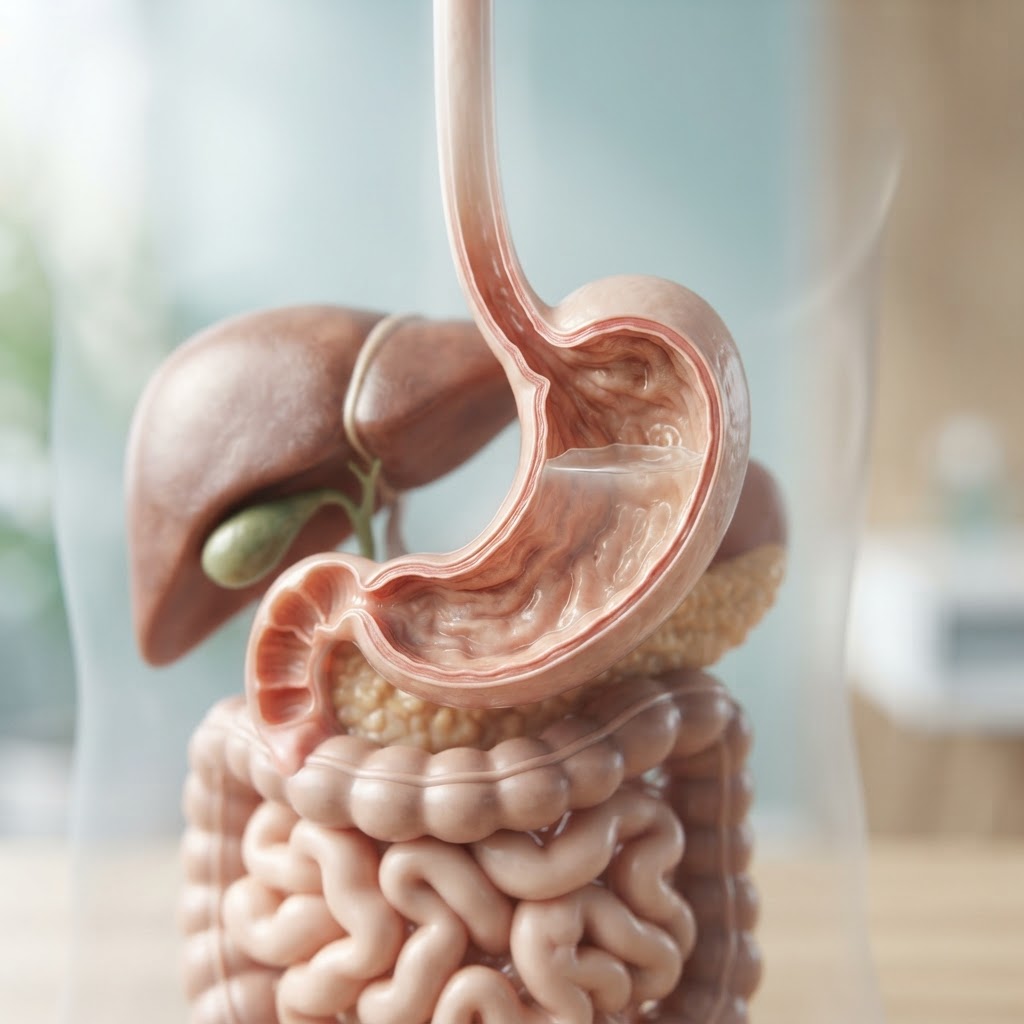
    To understand leaky gut syndrome, one must first visualize the digestive tract as more than just a tube for processing food. The small intestine is lined with a single layer of specialized cells, known as enterocytes, which act as a selective gatekeeper. These cells are joined together by protein structures called tight junctions. In a healthy gut, these junctions remain firmly closed, ensuring that only fully digested nutrients, water, and minerals can pass through into the bloodstream while keeping harmful pathogens, toxins, and large protein molecules safely inside the gut lumen where they can be excreted.

    Leaky gut develops when these tight junctions become “loose” or damaged. When the structural integrity of the intestinal barrier is breached, the body’s internal environment is suddenly exposed to foreign substances it is not equipped to handle. This phenomenon, referred to as increased intestinal permeability, essentially turns the “gatekeeper” into an open door. As these foreign particles—often referred to as antigens—enter the circulatory system, the immune system identifies them as threats and launches an inflammatory response to neutralize them. Because this process is happening systemically, the symptoms are rarely confined to the stomach or intestines.

    The development of this condition is typically a progressive process rather than an overnight occurrence. Initially, the gut lining may experience minor inflammation due to dietary choices or lifestyle stressors. Over time, if the irritants are not removed, the cells lining the intestine become fatigued and stressed. The protein filaments that maintain the tight junctions begin to break down, widening the gaps between the cells. Once this integrity is lost, the gut-associated lymphoid tissue (GALT), which constitutes a large portion of the body’s immune system, becomes chronically activated. This constant state of alert can lead to long-term digestive health challenges, as the body struggles to distinguish between harmless food particles and genuine pathogens.

    Furthermore, the health of the intestinal lining is heavily dependent on a diverse and balanced gut microbiome. Beneficial bacteria play a critical role in reinforcing the mucus layer and promoting the synthesis of proteins that keep tight junctions sealed. When dysbiosis—an imbalance in the microbial population—occurs, the protective mucus layer thins, leaving the enterocytes vulnerable to direct physical and chemical damage. The development of leaky gut is therefore not just a matter of “holes” in the lining, but a systemic failure involving the loss of beneficial bacteria, the breakdown of the mucus barrier, and the chronic activation of immune cells. Understanding this underlying mechanism is the first step in addressing the systemic consequences that so many individuals face when their gut health is compromised.

    Common Symptoms of Increased Intestinal Permeability

    Because the gut is inextricably linked to the immune system, the nervous system, and systemic metabolic function, leaky gut symptoms can be remarkably diverse and often misleading. Many individuals who suffer from increased intestinal permeability visit various specialists—from dermatologists to neurologists—without ever realizing that their root issue originated in the digestive tract. The primary hallmark of this condition is the “extra-intestinal” nature of the symptoms, meaning the issues are felt far beyond the abdomen.

    Digestive distress is, of course, the most common starting point. This may manifest as chronic bloating, persistent gas, abdominal pain, or irregular bowel movements. However, it is important to note that many people with leaky gut do not experience severe gastrointestinal pain, which often leads to the condition remaining undiagnosed for years. Instead, they may report feeling a sense of “heaviness” or fatigue immediately after eating certain foods. This sensitivity is often a sign that the body is struggling to manage the inflammation caused by substances entering the bloodstream through the compromised gut barrier.

    Beyond the gut, skin health is frequently compromised. Conditions such as acne, eczema, rosacea, and persistent hives are often linked to poor gut health. When the liver becomes overwhelmed by toxins filtering in from the gut, it often offloads these burdens onto the skin. Furthermore, systemic inflammation triggered by the immune response can manifest as joint pain and muscle aches that mimic arthritis. Many patients describe these as “migratory” pains that shift from one area of the body to another, often intensifying during periods of high stress or after consuming trigger foods.

    Neurological symptoms are also common and are sometimes referred to as “brain fog.” This includes difficulty concentrating, memory lapses, and a general feeling of mental cloudiness. This is believed to occur because the same inflammation that affects the gut lining can also trigger neuroinflammation. When the inflammatory cytokines produced in the gut reach the brain, they can disrupt cognitive function and mood, contributing to anxiety and irritability. Fatigue is another pervasive symptom; the body is using a massive amount of metabolic energy to manage the chronic immune activation, leaving the individual feeling perpetually drained regardless of how much sleep they obtain.

    Finally, food sensitivities are a classic symptom of a leaky gut. When the immune system is primed to react to large food particles entering the bloodstream, it develops antibodies against those specific foods. Over time, this creates a feedback loop: the more you eat a particular food, the more the immune system reacts, further inflaming the gut and worsening the permeability. Breaking this cycle is essential, but it requires recognizing that these sensitivities are often a symptom of the permeability itself, rather than a fixed allergy that will last forever. Identifying these symptoms requires a holistic look at one’s health history, noting that the most subtle markers, like chronic fatigue or minor skin rashes, are just as important as the more obvious digestive complaints.

    Approach Mechanism Best For
    Elimination Diet Removing inflammatory triggers like gluten and dairy. Identifying personal food sensitivities.
    Probiotic Support Reintroducing beneficial bacteria to balance the flora. Restoring microbiome diversity.
    L-Glutamine Supplementation Providing a primary fuel source for enterocytes. Repairing the intestinal lining integrity.
    Stress Management Lowering cortisol to prevent junction degradation. Preventing relapse in high-stress lifestyles.

    Primary Causes and Triggers of Leaky Gut

    Pinpointing the exact leaky gut causes in an individual is rarely a matter of identifying a single “villain.” Instead, it is usually a cumulative result of lifestyle, environmental, and dietary factors. Experts generally agree that chronic exposure to stressors—both physical and chemical—is what ultimately forces the intestinal tight junctions to fail. Among the most significant contributors are the modern Western diet, which is typically high in ultra-processed foods, refined sugars, and inflammatory fats. These food-like products are low in fiber, which the gut microbiome requires to produce short-chain fatty acids (SCFAs). SCFAs, such as butyrate, are essential for maintaining the health of the intestinal wall. Without them, the cells become malnourished and the structural integrity weakens.

    Beyond the quality of food, certain substances have been shown to directly irritate the gut lining. Gluten, a protein found in wheat, barley, and rye, is a well-known trigger for many people. It promotes the release of zonulin, a protein that regulates the size of the gaps between intestinal cells. When zonulin levels are chronically elevated, it effectively “unlocks” the tight junctions, regardless of whether an individual has a formal diagnosis of celiac disease. Similarly, dairy products can be problematic for those who lack the enzymes to digest them properly, leading to fermentation and inflammation within the gut lumen.

    Environmental toxins also play a significant role. Pesticides, particularly glyphosate, have been linked in various studies to the disruption of microbial balance and direct damage to the gut barrier. Additionally, the widespread use of certain over-the-counter medications can wreak havoc on the digestive system. Non-steroidal anti-inflammatory drugs (NSAIDs) are notorious for reducing the protective prostaglandins that maintain the gut lining, making it easier for erosion and permeability to develop over time. Antibiotic use, while life-saving in specific contexts, also acts as a “reset button” for the microbiome, often killing off beneficial strains that are crucial for maintaining a healthy barrier.

    Stress is perhaps the most overlooked factor in the development of intestinal permeability. The gut-brain axis is a two-way street; when the brain perceives stress, it triggers the release of cortisol and other catecholamines. Chronic elevation of these hormones significantly impairs digestive function, reduces blood flow to the gut, and interferes with the immune system’s ability to monitor the intestinal environment. Over time, the “fight or flight” state effectively causes the digestive system to be sidelined, preventing proper repair of the epithelial cells. This is why individuals often report that their digestive symptoms flare up during high-pressure times at work or during personal crises.

    Finally, infections and imbalances in the gut flora—such as Small Intestinal Bacterial Overgrowth (SIBO) or fungal overgrowth like Candida—create toxic byproducts that directly damage the cells. When these microbes proliferate, they create an environment of constant irritation. Addressing these triggers requires a methodical approach, often involving a comprehensive look at one’s diet, medication history, and lifestyle patterns. By removing these stressors, the body is given the best possible environment to begin the repair process and restore digestive health.

    The Connection Between Leaky Gut and Autoimmunity

    The relationship between the health of the intestinal barrier and the immune system is foundational to modern immunology. Because roughly 70 to 80 percent of the immune system resides in the gut, any breach in the barrier has immediate and significant implications for immune regulation. When the gut is intact, the immune system is “educated” to recognize harmless food proteins and beneficial bacteria. However, when the gut becomes leaky, this educational process is disrupted by the influx of foreign substances into the bloodstream.

    This process is often described using the concept of molecular mimicry. Many bacteria and food proteins have molecular structures that look remarkably similar to the body’s own tissues. When these foreign particles enter the bloodstream through a leaky gut, the immune system generates antibodies to attack them. If these antibodies are designed to target an antigen that resembles a human protein, the immune system may accidentally begin attacking the body’s own cells once the original foreign trigger is cleared. This is a primary theory behind how environmental factors might trigger the onset of autoimmune diseases in genetically predisposed individuals.

    Chronic inflammation, which is a hallmark of leaky gut, further exacerbates this issue. As the immune system remains in a heightened state of alert to deal with the constant stream of toxins, it becomes more prone to “friendly fire.” This systemic inflammation can settle into various tissues, whether it be the thyroid, the joints, or the nervous system, leading to the clinical symptoms of an autoimmune condition. It is a cycle of immune dysregulation: the gut barrier is compromised, the immune system is activated, systemic inflammation increases, and the body’s tissues become vulnerable to damage.

    This is why many functional health practitioners emphasize the importance of healing the gut as the primary step in managing autoimmune symptoms. Even if the gut is not the *only* cause, it is often a significant fuel source for the disease process. By sealing the gut, you are essentially reducing the “workload” of the immune system, allowing it to move out of a state of chronic, panicked defense and back into a state of homeostasis. While there is no simple cure for complex autoimmune diseases, supporting intestinal health is a vital strategy for improving overall quality of life and reducing the intensity of inflammatory flares.

    Diagnostic Testing: How Doctors Identify Gut Issues

    Identifying the presence of increased intestinal permeability can be challenging because there is no single, universally recognized “gold standard” test that fits every patient. Because the condition manifests in so many different ways, the diagnostic process is typically a combination of clinical assessment and specific functional tests that look for biomarkers of inflammation and permeability. When seeking to identify these issues, practitioners often look at a patient’s health history, paying close attention to dietary patterns, medication usage, and chronic stress levels.

    One of the most common diagnostic approaches is the intestinal permeability test, often involving the ingestion of two sugar molecules: lactulose and mannitol. Lactulose is a large molecule that typically cannot pass through a healthy gut lining, while mannitol is a smaller molecule that is easily absorbed. After ingestion, the urine is collected over several hours. If there is a high concentration of lactulose in the urine, it suggests that the gut barrier was too permeable, allowing the larger molecule to pass through. This test provides a functional look at how the gut is behaving in real-time.

    Another popular method is stool testing, which provides a wealth of information about the gut microbiome. While these tests do not always directly measure “leaks,” they reveal important clues such as markers of inflammation (like calprotectin or secretory IgA), the presence of dysbiosis, or the overgrowth of harmful bacteria and fungi. A healthy gut requires a diverse population of microorganisms; if a stool test reveals a severe lack of diversity or an overabundance of pathogens, it acts as a strong indicator that the gut barrier is likely under significant stress.

    Blood tests can also be used to identify systemic markers of the condition. While there isn’t a single “leaky gut blood test,” doctors may screen for elevated levels of lipopolysaccharides (LPS). LPS are structural components of certain bacteria that, when they leak into the bloodstream, trigger a strong inflammatory response. Detecting high levels of LPS antibodies in the blood is a strong suggestion that the gut barrier has been compromised and that the immune system is currently fighting off these bacterial fragments. Additionally, zonulin levels in the blood are sometimes measured, as this protein is directly involved in the opening and closing of tight junctions.

    It is important to remember that diagnostics in this area are still evolving. Many practitioners use these tests to gain a snapshot of a patient’s health, but they are most effective when interpreted alongside the patient’s actual symptoms and history. Because “leaky gut” is a functional term rather than a singular disease with a definitive medical code, the goal of testing is not just to reach a diagnosis, but to create a roadmap for recovery. By identifying specific triggers—whether they are microbial imbalances, food sensitivities, or elevated markers of inflammation—a personalized plan can be created to support the body’s natural healing capabilities. As with any medical investigation, it is essential to work with professionals who take a comprehensive approach, viewing the digestive system as the complex, interconnected hub that it truly is.

    The Best Foods to Eat for Intestinal Repair

    When addressing leaky gut syndrome, the primary objective of your diet is to reduce inflammation, provide the raw materials necessary for cellular regeneration of the intestinal lining, and support a diverse, resilient microbiome. A strategic gut health diet focuses on anti-inflammatory nutrients and foods that promote the production of short-chain fatty acids (SCFAs), such as butyrate, which are essential for fueling the colonocytes that form your intestinal barrier.

    Bone Broth: Often considered the gold standard for gut repair, bone broth is rich in amino acids like glutamine, proline, and glycine. Glutamine, in particular, acts as the primary fuel source for the cells of the small intestine. When the gut lining is compromised, these cells require a steady supply of nutrients to replicate and bridge the microscopic gaps—the hallmark of increased intestinal permeability—that allow pathogens and undigested food particles to enter the bloodstream.

    Fermented Vegetables and Probiotic-Rich Foods: Introducing beneficial bacteria is critical for outcompeting pathogenic strains that may have colonized the gut due to impaired barrier integrity. Foods such as sauerkraut, kimchi, kefir, and plain, unsweetened yogurt contain live cultures that help re-establish a balanced microbial landscape. These bacteria produce lactic acid, which helps lower the pH of the digestive tract, creating a hostile environment for opportunistic bacteria while fostering an ecosystem conducive to mucosal repair.

    Healthy Fats and Omega-3s: Inflammation is a major driver of intestinal permeability. Consuming anti-inflammatory fats, such as those found in wild-caught salmon, chia seeds, flaxseeds, and walnuts, provides the body with the necessary building blocks to reduce systemic inflammation. Avocados and extra virgin olive oil are also excellent additions, as they contain polyphenols that support the gut lining and facilitate the absorption of fat-soluble vitamins needed for tissue maintenance.

    Low-FODMAP, Nutrient-Dense Vegetables: For individuals with active gut irritation, some high-fiber foods may be difficult to digest. Steaming or roasting vegetables such as zucchini, carrots, bok choy, and spinach makes them easier to break down. These vegetables provide essential phytonutrients and antioxidants that protect the gut from oxidative stress. Incorporating cooked greens allows you to reap the fiber benefits without overtaxing a sensitive digestive system.

    Collagen-Rich Foods: Beyond bone broth, incorporating collagen peptides into smoothies or soups can provide the body with essential proteins that structuralize the gut wall. Collagen helps maintain the strength of the tight junction proteins, the specialized proteins that act as “gates” between your intestinal cells. When these junctions are reinforced, the gut becomes far more effective at its job as a selective barrier.

    Foods and Habits That Damage Your Gut Lining

    If the goal is to heal the gut, one must first remove the “triggers” that perpetuate the damage. Many common modern dietary staples are highly pro-inflammatory and can exacerbate leaky gut symptoms by irritating the delicate mucosal surface or triggering an immune response that leads to further barrier degradation.

    Highly Processed Sugars and Refined Carbohydrates: High-sugar diets facilitate the overgrowth of candida and pathogenic bacteria in the gut. These organisms thrive on simple sugars, and as they ferment these sugars, they release toxins that further irritate the intestinal wall. Furthermore, high glycemic foods cause rapid insulin spikes, which contribute to chronic inflammation throughout the body, including the digestive tract.

    Gluten and Lectins: For individuals with sensitivities, gluten contains a protein called zonulin, which is known to increase intestinal permeability by signaling the tight junctions in the gut wall to open. While not everyone is celiac, many people find that removing gluten and high-lectin grains (such as wheat, rye, and barley) significantly reduces their digestive distress and allows the gut lining time to recover.

    Alcohol and NSAIDs: Chronic alcohol consumption is a significant disruptor of gut health. Alcohol acts as a direct irritant to the lining of the stomach and intestines, stripping away the protective mucus layer. Similarly, the frequent use of non-steroidal anti-inflammatory drugs (NSAIDs) like ibuprofen or aspirin can damage the mucosal lining, hindering its ability to act as a proper filter.

    Chronic Stress and “Eating on the Run”: How you eat is just as important as what you eat. Digestion is a parasympathetic process—often called “rest and digest.” When you are stressed, your body enters a sympathetic state (fight or flight), which diverts blood flow away from the digestive tract. Eating while stressed or eating quickly prevents the proper secretion of stomach acid and digestive enzymes, leading to incomplete breakdown of food, which then causes fermentation and irritation in the lower intestine.

    Substance Impact on Gut Barrier Best for
    Processed Sugar Promotes dysbiosis and inflammation Elimination diet
    Gluten Stimulates zonulin production Sensitive individuals
    Bone Broth Provides amino acids for repair Daily gut support
    NSAIDs Reduces mucosal defense layers Limit usage
    Probiotics Restores microbiome balance Restoration phase

    Supplements That Support Gut Barrier Integrity

    While food is the foundation, targeted supplementation can accelerate the healing process by addressing specific nutritional gaps caused by leaky gut syndrome. Always prioritize high-quality, third-party tested supplements to ensure efficacy and purity.

    L-Glutamine: This is arguably the most recommended supplement for gut repair. It is the primary fuel source for enterocytes (intestinal cells). Supplementation can help restore the structural integrity of the gut lining, particularly after periods of high stress or illness.

    Zinc Carnosine: This specific form of zinc has been shown in various studies to support the stomach and intestinal lining. It helps stabilize the gut membrane and can be particularly beneficial for those experiencing gastritis or discomfort associated with increased permeability.

    Colostrum: Derived from the early milk of mammals, bovine colostrum contains immune-modulating factors like immunoglobulins and growth factors. These components help seal the gut lining and regulate the immune system, making it a powerful tool for those struggling with autoimmune responses triggered by gut issues.

    Digestive Enzymes: If you are experiencing bloating, gas, or undigested food in your stool, your body may not be producing enough enzymes to break down your meals. Supplementing with a broad-spectrum digestive enzyme that includes protease, lipase, and amylase can reduce the burden on your digestive tract, ensuring that food is broken down into small, absorbable particles before it moves into the small intestine.

    Quercetin: This plant-derived flavonoid acts as a mast cell stabilizer. Since the gut wall is packed with immune cells, including mast cells, quercetin can help dampen the inflammatory response and protect the tight junctions from being pulled apart by systemic inflammation.

    Lifestyle Strategies to Reduce Gut Inflammation

    Healing the gut is a holistic endeavor. If you are eating perfectly but living in a state of perpetual high stress and sedentary behavior, your progress will likely stall. Addressing the lifestyle factors that trigger systemic inflammation is essential for long-term digestive health.

    Prioritize Sleep Hygiene: Your body performs the vast majority of its repair work during deep sleep. Chronic sleep deprivation increases cortisol, which suppresses the immune system and increases inflammation in the gut lining. Aim for seven to nine hours of quality, uninterrupted sleep to allow your body to facilitate cellular repair.

    Incorporate Mindful Eating: Before each meal, take five deep, slow breaths. This simple act shifts your nervous system from “fight or flight” to “rest and digest,” ensuring your body is prepared to produce the necessary enzymes and stomach acid. Chew your food until it reaches a liquid consistency, which significantly reduces the mechanical workload of your stomach and intestines.

    Manage Chronic Stress: Whether through meditation, yoga, or time in nature, finding ways to manage stress is vital. High levels of adrenaline and cortisol change the composition of the gut microbiota and increase intestinal permeability. Finding a way to decouple your day from high-stress cycles is a non-negotiable part of the healing process.

    Regular, Gentle Movement: High-intensity exercise can sometimes exacerbate leaky gut in sensitive individuals by diverting blood away from the gut. Instead, focus on moderate movement like walking, swimming, or cycling. Physical activity helps improve transit time and supports the lymphatic system, which is crucial for removing waste products and inflammatory markers from the gut environment.

    Frequently Asked Questions

    How long does it take to heal a leaky gut?

    Healing timelines vary significantly depending on the individual, the severity of the damage, and adherence to lifestyle changes. While some may notice improvements in symptoms within a few weeks, true structural repair of the intestinal lining often takes anywhere from three to twelve months of consistent dietary and lifestyle management.

    Can stress really cause a leaky gut?

    Yes, stress is a major contributor to intestinal permeability. The gut and the brain are connected through the gut-brain axis. Chronic stress increases cortisol levels, which can lead to inflammation, alter the gut microbiome, and trigger the release of chemicals that weaken the tight junctions between intestinal cells.

    What are the most common early signs of leaky gut?

    Early symptoms often include chronic bloating, gas, frequent digestive discomfort after meals, and a change in bowel habits. Many people also report non-digestive symptoms like brain fog, fatigue, skin rashes, and unexplained joint pain as the body responds to systemic inflammation.

    Should I avoid all grains if I have a leaky gut?

    Not necessarily. While many people find relief by removing gluten, other grains like white rice or quinoa may be well-tolerated. It is often more important to eliminate highly refined, processed carbohydrates than to remove all grains, though a short-term elimination diet is often the best way to determine your personal tolerance levels.

    Can a leaky gut lead to autoimmune disease?

    Experts often describe leaky gut as a potential precursor to autoimmune conditions. When the gut barrier is compromised, the immune system is frequently exposed to foreign substances, leading to chronic inflammation. Over time, this may result in molecular mimicry, where the immune system begins to attack healthy tissue due to its confusion with the external pathogens it has been fighting.

    Is it possible to heal a leaky gut through diet alone?

    While diet is the most important pillar of healing, it is rarely enough on its own. A comprehensive approach that includes managing stress, improving sleep, ensuring adequate movement, and potentially using targeted supplements provides the highest chance of success in restoring intestinal barrier integrity.

    Conclusion

    Leaky gut syndrome, while not always formally recognized as a single diagnosis in all clinical circles, represents a very real and debilitating physiological reality for many. The symptoms—ranging from constant bloating and fatigue to joint pain and brain fog—are the body’s way of signaling that the primary protective barrier of your digestive system is under duress. The path to healing is not a quick fix or a single magic pill; it is a dedicated, consistent commitment to restoring your internal ecosystem.

    By removing inflammatory triggers, nourishing the gut wall with amino acid-rich foods, and adopting a lifestyle that prioritizes rest and stress management, you provide your body with the tools it needs to repair its delicate architecture. Be patient with your progress. Healing the gut is an evolution, not an event. Start small, stay consistent, and listen to the feedback your body provides as you move toward a more vibrant, balanced state of health.

    If you feel your symptoms are worsening or if you are experiencing severe weight loss or pain, please reach out to a healthcare professional to rule out more serious underlying conditions such as Crohn’s disease, celiac disease, or SIBO.

    By healthauthoritylife Editorial Team

    This article is for informational purposes only and is not a substitute for professional medical advice. Always consult your doctor before making changes to your diet, exercise routine, or treatment plan.

  • Low Stomach Acid: Symptoms, Causes, and Natural Support

    Low Stomach Acid: Symptoms, Causes, and Natural Support

    Key Takeaways

    • Hypochlorhydria, or low stomach acid, is an overlooked root cause of many chronic digestion issues.
    • Common indicators include bloating, acid reflux-like sensations, and undigested food in stools.
    • Stress, aging, and certain lifestyle habits are frequent contributors to reduced gastric acid production.
    • Home testing methods like the bicarbonate test serve as preliminary screenings rather than diagnostic tools.
    • Optimizing stomach acidity is essential for protein digestion and the absorption of vital minerals like B12 and iron.

    For decades, the health and wellness industry has hyper-focused on the idea that excessive stomach acid is the primary culprit behind digestive discomfort. However, as our understanding of gastrointestinal health evolves, we are discovering that the opposite—a state known as hypochlorhydria—may be a more common and debilitating issue than previously realized. When the stomach fails to produce enough hydrochloric acid (HCl), the body enters a cycle of digestive inefficiency that ripples outward, impacting everything from immune function to nutrient status. If you have been struggling with persistent bloating, fatigue, or the feeling that food is just “sitting there” for hours, it is time to look at the chemistry of your stomach. This guide explores the multifaceted world of low stomach acid, offering insights into why it happens and how you can naturally support your digestive foundation.

    Understanding Hypochlorhydria: What Is Low Stomach Acid?

    Hypochlorhydria refers to a condition where the stomach produces an insufficient amount of hydrochloric acid. To appreciate why this is a problem, one must first understand the stomach’s specialized role in digestion. The stomach is designed to be an incredibly acidic environment, typically functioning at a pH between 1.5 and 3.5. This high level of acidity is not merely a byproduct of the digestive process; it is a critical requirement for several essential functions.

    First and foremost, stomach acid is the body’s primary chemical defense against pathogens. The food and water we consume are rarely sterile. A highly acidic gastric environment effectively neutralizes bacteria, parasites, and fungi before they can reach the delicate ecosystem of the small intestine. When acid levels drop, this defensive barrier is compromised, which may lead to the overgrowth of unfavorable bacteria in the small intestine, a condition often associated with intense digestive distress.

    Beyond defense, HCl is the key that unlocks protein digestion. Proteins are complex, tightly coiled structures that the body cannot absorb in their raw state. Stomach acid acts as a denaturing agent, unfolding these protein strands so that digestive enzymes—specifically pepsin—can begin breaking them down into peptides and amino acids. If the stomach environment is not acidic enough, pepsin remains largely inactive. This leads to a scenario where protein-heavy meals pass into the intestines only partially broken down, leading to the fermentation of protein remnants, which can cause significant gas and bloating.

    Furthermore, an acidic stomach serves as the catalyst for the entire digestive cascade. The low pH of the chyme (the mixture of food and gastric juices) exiting the stomach signals the pancreas and gallbladder to release their respective enzymes and bile. Without this acidic trigger, the rest of the digestive tract may not receive the necessary chemical “marching orders,” leading to sluggish digestion throughout the entire system. Understanding hypochlorhydria is not just about the stomach; it is about recognizing that your stomach acid is the master switch for efficient nutrient assimilation and gut health.

    Common Symptoms of Low Stomach Acid You Should Not Ignore

    Identifying hypochlorhydria can be challenging because many of the symptoms mirror those of high stomach acid, or hyperchlorhydria. This confusion often leads individuals to rely on antacids or acid-blocking medications, which may exacerbate the underlying low-acid issue. Recognizing the nuances of how your body reacts to meals is key to distinguishing between these two states.

    One of the hallmark signs of low stomach acid is the feeling of fullness or “heaviness” immediately after eating. If you find that a meal stays in your stomach for hours, or you feel the need to unbutton your pants shortly after finishing dinner, it may indicate that your digestive process has stalled due to a lack of acidity. Related to this is the presence of undigested food particles in the stool. Since the stomach has not adequately broken down the structural components of your food, the small and large intestines cannot finish the job, resulting in identifiable food remnants in bowel movements.

    Gas and bloating are also frequent companions to low acid levels. When food remains in the stomach too long, it begins to ferment, producing gases that lead to distension. This pressure can push against the lower esophageal sphincter (LES), the muscle that acts as a valve between the stomach and the esophagus. When the LES relaxes inappropriately due to this pressure, small amounts of stomach contents can reflux upward. While this often feels like the “burning” associated with excess acid, it is frequently the result of poor digestion and lack of acid—a classic scenario of acid reflux occurring in a low-acid stomach.

    Other symptoms are more systemic. Because protein digestion is compromised, individuals may experience brittle nails, hair thinning, or chronic fatigue. These are often signs of nutrient malabsorption. Additionally, some people report a lack of appetite, particularly in the morning, as the digestive system still feels congested from the previous day’s meals. It is also common for people with hypochlorhydria to experience iron-deficiency anemia that does not respond well to standard supplementation, as an acidic environment is required to properly ionize minerals for absorption. If you notice these patterns, it is important to observe your symptoms objectively rather than assuming they are purely due to “too much acid.”

    Primary Causes of Reduced Gastric Acid Production

    The reduction of stomach acid is rarely the result of a single event; rather, it is often a cumulative process involving lifestyle, age, and systemic health. Experts generally agree that age is a major factor. As we move past middle age, the parietal cells in the stomach lining—the cells responsible for secreting hydrochloric acid—may gradually decrease in both number and efficiency. This natural decline means that digestive vigor often lessens as we get older, which is why indigestion is a frequent complaint in older demographics.

    Chronic stress is another major contributor. The digestive system is managed by the parasympathetic nervous system, commonly referred to as the “rest and digest” state. When we are under chronic stress, the body shifts into a sympathetic “fight or flight” mode. In this state, blood flow is diverted away from the stomach and toward the muscles and heart, and the secretion of gastric juices is down-regulated. Eating on the go, skipping meals, or eating while feeling anxious effectively “turns off” the stomach’s ability to produce adequate acid.

    Nutritional deficiencies also play a significant role. The production of HCl is an energy-intensive and nutrient-demanding process. Specifically, zinc, vitamin B1, and vitamin B6 are vital co-factors in the synthesis of stomach acid. A diet high in processed foods may be devoid of these essential micronutrients, creating a physiological environment where the stomach simply lacks the raw materials required to produce high-quality digestive acid.

    Furthermore, the presence of certain chronic infections, such as H. pylori, can alter the stomach’s environment. While this bacterium is often linked to ulcers, its presence can also suppress acid secretion as a survival strategy for the bacteria itself. Additionally, the long-term use of proton pump inhibitors (PPIs) and H2 blockers—medications designed to reduce stomach acid—can sometimes lead to a dependency where the stomach loses its natural ability to produce acid. Over time, these lifestyle and medical factors create a perfect storm, leading to persistent hypochlorhydria that requires a holistic approach to reverse.

    How to Safely Test Your Stomach Acid Levels at Home

    While definitive diagnosis of hypochlorhydria typically requires clinical testing (such as a Heidelberg stomach acid test administered by a practitioner), there are preliminary methods that many individuals use to gather more information. The most common at-home assessment is the baking soda test. This method is based on the idea that when baking soda (sodium bicarbonate) reacts with hydrochloric acid in the stomach, it creates carbon dioxide gas, which leads to burping.

    To perform this, you mix one-quarter teaspoon of baking soda in four to six ounces of cold water upon waking, before consuming any food or drink. After drinking the mixture, you time how long it takes for you to burp. A healthy stomach with adequate acid should produce a burp within two to three minutes. If you do not burp within five minutes, it may suggest low stomach acid production. While this test is not medically validated, it serves as a helpful, low-risk way to assess your own digestive patterns alongside your symptoms.

    Another approach involves a therapeutic trial using supplements like Betaine HCl. This involves taking a capsule of Betaine HCl with a protein-rich meal and monitoring the physical response. If you feel a “burning” sensation, it indicates that your stomach likely had sufficient acid to begin with, and the supplement was unnecessary. If you feel nothing, it may indicate a need for supplemental support.

    Approach Methodology Best For
    Baking Soda Test Mixing bicarb in water and timing burps. Initial screening for low acid.
    Betaine HCl Trial Supplementing during protein meals. Assessing digestive enzyme needs.
    Clinical Testing Professional pH monitoring tools. Confirming medical hypochlorhydria.

    It is crucial to emphasize that these methods are not substitutes for professional medical advice. If you suspect you have an ulcer, gastritis, or any other underlying condition, attempting to “acidify” your stomach through supplementation could be harmful. Always consult with a qualified health professional before beginning a regimen of Betaine HCl or other digestive aids. Furthermore, never perform these tests if you are currently taking prescription NSAIDs or corticosteroids, as these medications can irritate the stomach lining, making it sensitive even in the absence of high acid.

    The Link Between Low Stomach Acid and Nutrient Malabsorption

    The stomach’s failure to produce adequate HCl is not just a localized digestive inconvenience; it is a systemic metabolic bottleneck. Digestion is a process of extraction. When we consume food, our body relies on chemical breakdown to liberate vitamins, minerals, and amino acids from their food matrices. Without a sufficiently acidic environment, this extraction process is significantly hampered, leading to a state of “hidden hunger”—where a person consumes sufficient calories but remains malnourished.

    Mineral absorption is particularly sensitive to pH. Minerals like calcium, magnesium, iron, copper, and zinc require an acidic environment to be ionized, or broken down into a form the body can absorb through the intestinal wall. Iron, for instance, is notoriously difficult to absorb without adequate stomach acid. Many individuals who struggle with chronic iron-deficiency anemia find that even after consistent iron supplementation, their blood markers do not improve. In such cases, the root cause may be a digestive environment that cannot process the iron properly. By restoring healthy acid levels, many find that their ability to utilize minerals from food and supplements improves dramatically.

    Vitamin B12 is another critical nutrient that suffers under hypochlorhydria. In food, B12 is attached to proteins. To be absorbed, it must first be detached from these proteins by gastric acid and pepsin. Once free, it must bind to a substance called intrinsic factor—also secreted in the stomach—to be safely ushered to the small intestine for absorption. If the stomach cannot provide the initial acidic “cleave” to separate the B12 from the protein, the vitamin remains trapped and passes through the digestive tract unabsorbed. This explains why low stomach acid is a frequent precursor to B12 deficiency, which can manifest as fatigue, neurological symptoms, and cognitive fog.

    Beyond specific minerals and vitamins, there is the issue of amino acid utilization. Amino acids are the building blocks of every protein in the human body, from neurotransmitters to collagen. When stomach acid is low, the enzymatic breakdown of proteins is incomplete. The body is then forced to deal with large, improperly digested protein particles, which may trigger sensitivities or immune responses in the gut lining. Over the long term, this cycle of malabsorption can lead to reduced tissue repair, weakened immune defenses, and lower energy levels. Addressing your stomach acid is a fundamental step toward reclaiming your body’s ability to turn the food you eat into the building blocks you actually need to function at your best.

    Dietary Changes to Naturally Stimulate Hydrochloric Acid

    Reclaiming optimal digestive health often begins with what you place on your plate. If your stomach acid levels are suboptimal, your primary dietary goal is twofold: consume foods that naturally encourage the parietal cells to secrete hydrochloric acid (HCl) and avoid foods that neutralize the delicate pH balance of the stomach. By strategically altering your intake, you create an environment where digestion can flourish naturally.

    The first step in this dietary shift is the inclusion of bitter foods. Bitters have been used for centuries in various medicinal traditions to stimulate digestive secretions, including saliva, stomach acid, and bile. When the bitter receptors on the tongue are triggered, they send a signal via the vagus nerve to the stomach to prepare for incoming nutrients. Incorporating ingredients such as dandelion greens, arugula, radicchio, endive, and kale into your meals—particularly as a starter salad—can prime your digestive system effectively.

    Ginger is another potent tool in the digestive arsenal. Known for its ability to soothe the gastrointestinal tract, ginger also promotes the secretion of digestive enzymes and increases the production of gastric acid. Sipping on fresh ginger tea or incorporating minced ginger into your stir-fries provides a two-fold benefit: it helps move food through the stomach more efficiently (improving motility) and ensures the chemical breakdown of proteins is supported.

    Zinc-rich foods are non-negotiable for those struggling with hypochlorhydria symptoms. Zinc is a critical structural component of the carbonic anhydrase enzyme, which is essential for the production of hydrochloric acid within the stomach lining. Without adequate zinc, the body literally lacks the raw materials required to synthesize stomach acid. Foods like pumpkin seeds, oysters, beef, and lentils should be staples in the diet of anyone looking to normalize their gastric pH.

    It is equally important to discuss what to avoid. Highly processed foods, refined sugars, and excessive amounts of cold beverages during a meal can significantly dampen your digestive fires. Cold liquids, in particular, may reduce the temperature of the stomach, potentially slowing down the enzymatic activity required for proper breakdown. Prioritize room-temperature water away from meal times to ensure your stomach acidity remains concentrated and effective.

    The Role of Betaine HCL in Supplementing Digestive Health

    When dietary adjustments and lifestyle changes are insufficient to address significant hypochlorhydria, many people turn to supplemental support. Betaine HCL (hydrochloride) is widely regarded as the gold standard for supplementing stomach acid. Derived from beets or other plant sources, it acts as a synthetic version of the stomach’s natural acid, helping to lower the pH of the gastric environment to the levels necessary for the digestion of proteins and the absorption of micronutrients.

    The primary function of Betaine HCL is to provide the “acid push” that a weak stomach lacks. When taken alongside a protein-rich meal, it mimics the body’s natural secretion, effectively breaking down amino acid chains and neutralizing pathogens that might have otherwise survived the journey into the intestines. This is particularly vital for the elderly or those with chronic inflammation, as the ability to produce adequate stomach acid naturally declines with age.

    However, supplementation requires a cautious approach. Taking Betaine HCL without guidance can be uncomfortable if the stomach is not actually deficient, or if there is pre-existing irritation of the stomach lining. Typically, those who supplement start with a single capsule containing a specific dose of Betaine HCL alongside a meal, gradually increasing the dose until they feel a sense of warmth or mild burning in the chest, at which point they dial it back. This is often referred to as the “dosage titration” method.

    It is vital to note that Betaine HCL should not be used by individuals who are currently taking Non-Steroidal Anti-Inflammatory Drugs (NSAIDs), corticosteroids, or those who have active stomach ulcers or gastritis. These medications can thin the protective lining of the stomach, and adding supplemental acid could exacerbate tissue damage.

    Supplement Type Primary Function Best For
    Betaine HCL with Pepsin Mimics natural HCl production Significant protein digestion issues
    Apple Cider Vinegar Gentle natural acidification Mild indigestion and bloating
    Digestive Enzyme Blends Assists in enzymatic breakdown General malabsorption and gas
    Bitter Herbs (Gentian/Dandelion) Triggers native acid release Chronic sluggish digestion

    Lifestyle Habits to Improve Stomach Acid and Digestion

    Digestion is a parasympathetic process—often called the “rest and digest” state. If you are eating while stressed, distracted, or in a rush, your body is operating in a sympathetic (fight-or-flight) state, which effectively shuts down digestive secretions. The most effective way to improve your stomach acid levels is to fundamentally change how you approach the act of eating.

    Start by implementing the “mindful meal” practice. This means removing screens, putting down your work, and sitting down in a calm environment for every meal. Taking five deep, slow breaths before your first bite can physically shift your nervous system into the parasympathetic mode, signaling to your stomach that it is time to release enzymes and acid. Research suggests that chewing food thoroughly is just as important as the acid itself. Digestion begins in the mouth; by breaking food into smaller particles, you reduce the workload on your stomach, allowing your natural (or supplemented) acid to coat and break down the food more effectively.

    Hydration timing is another often overlooked factor. Drinking large quantities of water during a meal can dilute the gastric juices, making it harder for the stomach to maintain an acidic environment. Experts generally recommend finishing your water intake 20 to 30 minutes before a meal and waiting until an hour or more after you finish eating to consume large glasses of liquid. If you feel you need a digestive boost during the meal, a small amount of apple cider vinegar in a tablespoon of water can act as a natural stomach acid primer without causing the dilution associated with large glasses of water.

    Finally, consider the role of daily movement. Moderate exercise, such as walking after a meal, helps stimulate gut motility. When the digestive tract is moving properly, it prevents the stagnation of food that can lead to bacterial overgrowth and further inhibit the body’s natural hunger cues and acid production. Consistent, gentle physical activity helps keep the entire gastrointestinal tract toned and responsive to the needs of the body.

    When to See a Doctor for Persistent Digestive Issues

    While many digestion issues can be managed through dietary and lifestyle shifts, there are red flags that warrant immediate medical evaluation. If your digestive complaints are persistent, chronic, or worsening despite your best efforts to support your stomach health, do not attempt to self-manage further.

    You should consult a healthcare professional if you experience symptoms such as unexplained weight loss, blood in the stool (which may appear dark or tarry), persistent vomiting, or difficulty swallowing. These can be indicators of more serious conditions, such as gastrointestinal ulcers, celiac disease, or even malignancy, which cannot be treated with simple acid supplementation or diet changes.

    Additionally, if you have chronic heartburn that does not respond to natural interventions, or if you feel pain that wakes you up at night, it is essential to seek a professional diagnosis. A doctor can order specific tests, such as a urea breath test to rule out H. pylori infection, or an endoscopy to visualize the stomach lining directly. Never assume that “low stomach acid” is the sole cause of your symptoms; digestive health is complex, and an accurate diagnosis is the safest path forward.

    Frequently Asked Questions

    Can apple cider vinegar really help with low stomach acid?

    Yes, apple cider vinegar is widely used as a gentle way to acidify the stomach. The acetic acid in the vinegar can help lower the pH of the stomach contents, which may facilitate the breakdown of food. It is best taken diluted in a small amount of water about 15 minutes before a meal. However, it is significantly less potent than concentrated Betaine HCL and may not be sufficient for severe cases of hypochlorhydria.

    What is the most accurate low stomach acid test?

    There is no single “gold standard” test that is universally accessible. The Heidelberg Stomach Acid Test, which involves swallowing a capsule that measures pH, is considered the most accurate, but it is rarely available in standard clinical settings. Many practitioners rely on a combination of symptom analysis, medical history, and sometimes a “Betaine HCL challenge” (conducted under supervision) to determine if acid support is necessary.

    Why does stomach acid decrease as we age?

    The secretion of hydrochloric acid relies on the health of the parietal cells in the stomach lining. As we age, these cells may become less efficient, a process often associated with the thinning of the stomach lining (atrophic gastritis). Additionally, age-related changes in the immune system and the accumulation of long-term inflammation can reduce the body’s natural ability to produce the intense acidity required for optimal digestion.

    Can low stomach acid cause SIBO?

    Yes, there is a strong link between hypochlorhydria and Small Intestinal Bacterial Overgrowth (SIBO). Stomach acid acts as a primary barrier against the entry of bacteria from the outside world. When acid levels are too low, this barrier is compromised, allowing bacteria that should remain in the lower digestive tract—or should have been killed by stomach acid—to colonize the small intestine, leading to gas, bloating, and malabsorption.

    Is it safe to take Betaine HCL with other medications?

    It depends entirely on the medication. Betaine HCL is generally contraindicated for anyone taking NSAIDs (like ibuprofen or aspirin), corticosteroids (like prednisone), or other drugs that can irritate the stomach lining or increase the risk of ulceration. Always review your current medication list with your doctor or pharmacist before introducing any digestive supplements to ensure there are no interactions.

    What are the common symptoms of low stomach acid?

    The most common symptoms include feeling overly full or “stuffed” after small meals, frequent bloating, excessive belching after eating, undigested food in the stool, brittle nails, and hair loss. Many people also experience chronic fatigue, as the body struggles to extract the necessary nutrients, such as iron, B12, and calcium, from the food they consume due to the lack of sufficient acid for absorption.

    Conclusion

    Understanding the role of hydrochloric acid is a pivotal step in regaining control over your digestive health. While the symptoms of hypochlorhydria—bloating, fatigue, and nutrient deficiencies—can be disruptive and discouraging, they are often signals that your body requires targeted support rather than suppressive therapy. By incorporating bitter herbs, prioritizing zinc-rich foods, and refining your eating habits, you can encourage your body to restore its natural digestive rhythm. For those who need more significant assistance, tools like Betaine HCL, when used safely and under proper guidance, can bridge the gap toward better absorption and vitality. Remember that digestive health is a journey, not a quick fix. Listen to your body, remain consistent with your healthy habits, and seek professional guidance whenever your symptoms persist. Your digestive system is the gateway to your overall wellness, and it deserves your focused attention and care.

    By healthauthoritylife Editorial Team

    This article is for informational purposes only and is not a substitute for professional medical advice. Always consult your doctor before making changes to your diet, exercise routine, or treatment plan.

  • NASH Symptoms, Causes, and Natural Management Strategies

    NASH Symptoms, Causes, and Natural Management Strategies

    Key Takeaways

    • NASH is a progressive form of fatty liver disease characterized by significant liver inflammation and cellular damage.
    • Unlike simple fatty liver, NASH involves fat accumulation accompanied by inflammation, which can lead to scarring or cirrhosis.
    • While early-stage NASH often presents without noticeable symptoms, fatigue and mild abdominal discomfort are common reported experiences.
    • Metabolic syndrome, insulin resistance, and dietary habits are among the primary non-alcoholic steatohepatitis causes.
    • Early intervention through lifestyle modification remains the gold standard for managing the disease and preventing further liver deterioration.

    The modern lifestyle, characterized by convenience, sedentary habits, and processed food, has inadvertently created a silent epidemic within our bodies: the health of our liver. Among the various conditions affecting this vital organ, Non-Alcoholic Steatohepatitis (NASH) stands out as a critical concern for public health. Often described as a “silent” condition because it can progress for years without alerting the person affected, NASH represents a significant escalation from simple fatty liver disease. Understanding this condition is the first step toward reclaiming metabolic health and ensuring the longevity of one of the body’s most important processing centers. By exploring the underlying mechanisms, recognizing the early warning signs, and integrating evidence-based lifestyle changes, many individuals can manage the progression of this disease and improve their overall quality of life.

    Understanding NASH: What Is Non-Alcoholic Steatohepatitis?

    Non-Alcoholic Steatohepatitis, commonly abbreviated as NASH, is a serious form of non-alcoholic fatty liver disease (NAFLD). To understand NASH, one must first understand the liver’s role in processing fat. In a healthy state, the liver handles small amounts of fat without issue. However, in the context of metabolic dysfunction, the liver begins to accumulate excess fat in its cells. When this fat accumulation is accompanied by active inflammation and injury to the liver cells, the condition is classified as NASH.

    The term itself breaks down into descriptive components: “non-alcoholic” specifies that the condition occurs in people who consume little to no alcohol; “steato” refers to fat; and “hepatitis” denotes inflammation of the liver tissue. It is this combination of fat and inflammation that makes NASH liver disease significantly more dangerous than simple fatty liver. The ongoing inflammation creates a hostile environment for the liver’s functional cells, known as hepatocytes.

    Over time, this cycle of inflammation can trigger the liver’s repair mechanism, which involves the deposition of fibrous tissue. If the inflammation remains unaddressed, this fibrosis can become widespread, eventually leading to cirrhosis—a state of permanent scarring where the liver can no longer function effectively. Because the liver has a remarkable capacity to regenerate, early detection is essential. When individuals adopt targeted NASH lifestyle changes, they provide the liver with the breathing room it needs to heal, potentially preventing the progression to advanced disease.

    Experts generally agree that NASH is driven by a complex interplay of systemic issues, primarily metabolic syndrome. This includes factors like excess body weight, insulin resistance, and elevated triglycerides. Because the liver is the primary metabolic engine of the body, it acts as a canary in the coal mine for systemic health. When the body is overwhelmed by surplus energy intake and physical inactivity, the liver stores the excess as fat, leading to the inflammatory response that characterizes NASH. By viewing the liver not as an isolated organ, but as an integral part of your metabolic system, you can better appreciate why holistic health interventions are so effective at addressing the root cause of this condition.

    NASH vs. NAFLD: Identifying the Key Differences

    It is common for the terms NAFLD and NASH to be used interchangeably, but there is a profound clinical difference between the two. NAFLD—or, as it is now increasingly being termed by experts, Metabolic Dysfunction-Associated Steatotic Liver Disease (MASLD)—is a broad spectrum. At the beginning of this spectrum is “simple fatty liver” (steatosis). In this state, there is excess fat in the liver, but little to no significant inflammation or damage to the liver cells. For many people, simple fatty liver remains stable and does not necessarily lead to severe complications.

    NASH represents the more aggressive end of the NAFLD spectrum. The key distinguishing factor is the presence of cellular damage and inflammation. While simple fatty liver might be seen as a sign that the liver is overloaded, NASH indicates that the liver is currently under attack. This inflammatory process is what sets the stage for the progressive scarring that characterizes advanced liver disease.

    To help distinguish between the different ways individuals manage these stages of liver health, consider the following approaches:

    Approach Primary Focus Best For
    General Dietary Optimization Reducing caloric surplus and refined sugars Simple fatty liver prevention
    Metabolic-Focused Intervention Improving insulin sensitivity and exercise Active NASH management
    Clinical Monitoring Regular fibrosis scans and blood work Monitoring progression or scarring

    The progression from NAFLD to NASH is not always linear, but the risk remains higher in individuals with specific metabolic profiles. Distinguishing between them typically requires diagnostic testing, as a person with NASH may feel as healthy as a person with simple fatty liver. This is precisely why regular screening is recommended for those with known risk factors like type 2 diabetes or high blood pressure. By identifying whether an individual is experiencing simple steatosis or the inflammatory damage of NASH, healthcare providers can offer more precise guidance on whether simple lifestyle shifts or a more structured, intensive medical approach is necessary. Ultimately, both conditions require a proactive commitment to reducing liver fat, but NASH demands a more rigorous adherence to anti-inflammatory protocols to halt the trajectory toward permanent liver damage.

    Common Symptoms and Early Warning Signs of NASH

    One of the most challenging aspects of living with NASH is its often asymptomatic nature. During the initial phases, the liver does not have nerve endings that signal pain, which means that active inflammation can be occurring without any physical sensation of discomfort. Many individuals are surprised to learn they have the condition only after a routine blood test reveals elevated liver enzymes or an imaging scan for an unrelated issue detects fat in the liver.

    However, as the inflammation persists and begins to affect systemic energy levels, some people do report vague, non-specific NASH symptoms. Fatigue is perhaps the most commonly cited complaint. It is often described as a persistent, low-level exhaustion that does not resolve with a standard night of sleep. This fatigue likely stems from the liver’s inability to efficiently manage glucose and nutrient distribution, leaving the body’s energy systems feeling sluggish and inefficient.

    Another common report is a dull, aching sensation in the upper right quadrant of the abdomen, right below the rib cage. This is where the liver is situated. While not everyone experiences this, some individuals describe a feeling of fullness or mild discomfort, particularly after eating a large or high-fat meal. This may be attributed to the liver being slightly enlarged due to fat accumulation and inflammation, causing it to press against the surrounding structures.

    As the condition progresses, if it reaches more advanced stages, signs become more pronounced. These can include unexplained weight loss, loss of appetite, or general weakness. In advanced cases involving significant scarring, a person might notice yellowing of the skin or eyes (jaundice), swelling in the legs or abdomen, or easy bruising. It is critical to emphasize that these advanced symptoms are not early warning signs; they represent more significant liver dysfunction. Because the earliest signs of NASH are so subtle, many health professionals suggest that people with risk factors—such as obesity or metabolic syndrome—should remain vigilant about their liver health even in the absence of obvious symptoms. Listening to your body, particularly when you notice changes in energy or digestive comfort, is an essential part of an early intervention strategy.

    Primary Causes and Risk Factors for Liver Inflammation

    To understand the primary non-alcoholic steatohepatitis causes, it is helpful to look at the body’s metabolic pathways. NASH is rarely caused by a single isolated event; rather, it is usually the result of a long-term “energy mismatch.” When we consume more energy than our body can efficiently use or store safely in adipose tissue, the liver becomes the secondary storage site. This process of ectopic fat deposition is the foundational cause of the condition.

    Insulin resistance is arguably the most significant driver. When cells in the body stop responding properly to insulin, the pancreas compensates by producing more. This high level of circulating insulin encourages the liver to synthesize more fat and prevents it from properly exporting that fat. This creates a feedback loop where the liver becomes increasingly fatty and inflamed. For this reason, individuals with type 2 diabetes or pre-diabetes are at a significantly higher risk for developing NASH.

    Dietary habits play a foundational role in this inflammatory process. High intake of refined carbohydrates, particularly fructose and high-fructose corn syrup, has been heavily scrutinized. Unlike glucose, which can be used by almost every cell in the body for energy, fructose is metabolized almost exclusively by the liver. When consumed in excess, it places a heavy burden on liver cells, promoting lipogenesis (the creation of fat) and oxidative stress, which triggers the inflammation characteristic of NASH.

    Beyond diet, the role of the gut microbiome is an emerging area of intense scientific interest. Emerging evidence suggests that the “gut-liver axis” plays a role in disease progression. An imbalance in gut bacteria—often caused by poor diet, lack of fiber, or chronic stress—can lead to increased intestinal permeability, sometimes called “leaky gut.” This allows bacterial toxins to enter the bloodstream and travel directly to the liver via the portal vein, where they can ignite an inflammatory response. Other risk factors include a sedentary lifestyle, high blood pressure, and elevated levels of LDL cholesterol or triglycerides. Age and genetic predisposition also contribute to the overall risk profile. Recognizing these factors is not about placing blame, but about identifying the levers that you can influence through targeted NASH lifestyle changes to lower inflammation and support the liver’s natural recovery processes.

    How NASH Is Diagnosed: Tests Your Doctor May Run

    Diagnosing NASH requires a careful, multi-step approach because there is no single “magic bullet” test that can definitively pinpoint the condition in every patient. The process typically begins with a review of medical history and a physical examination. A clinician will look for physical signs of liver issues, such as an enlarged liver or evidence of metabolic syndrome, while also discussing your diet, lifestyle, and history of alcohol consumption to rule out alcohol-related liver disease.

    Blood tests are the first line of defense in screening. Healthcare providers typically check for elevated levels of liver enzymes, such as ALT (alanine aminotransferase) and AST (aspartate aminotransferase). While these enzymes are not specific to NASH, their consistent elevation is a primary signal that liver inflammation may be present. Beyond enzymes, doctors often look at markers of metabolic health, such as lipid panels to check for high triglycerides and fasting blood glucose or HbA1c to assess for insulin resistance or diabetes.

    If blood work indicates potential issues, imaging studies are used to visualize the liver. An ultrasound is often the first step; it is non-invasive and can easily detect the presence of excess fat in the liver, which appears brighter on the scan than healthy tissue. However, while an ultrasound is excellent at identifying simple fatty liver, it is less effective at differentiating between simple steatosis and the active inflammation of NASH. For this, more advanced imaging is often required.

    Transient elastography, commonly known by brand names like FibroScan, is a specialized ultrasound technique that measures the stiffness of the liver. Because the liver becomes stiffer as it develops fibrous tissue (scarring), this test provides a non-invasive way to assess the level of damage without needing a biopsy. This has revolutionized the way we monitor NASH reversal tips and disease progression. In some cases, if the diagnosis remains unclear or if the doctor needs to determine the exact stage of fibrosis, a liver biopsy may be recommended. During this procedure, a tiny sample of liver tissue is removed and examined under a microscope. While it remains the “gold standard” for assessing inflammation and scarring, it is an invasive procedure and is typically reserved for cases where other diagnostic methods do not provide a clear picture. By combining these various tools—blood analysis, stiffness testing, and clinical assessment—doctors can create a comprehensive roadmap for managing your liver health.

    The Role of Diet in Managing and Reversing NASH

    When addressing Non-Alcoholic Steatohepatitis (NASH), the foundation of recovery is arguably found on the dinner plate. Because the liver serves as the body’s primary metabolic hub, it is acutely sensitive to the composition of our macronutrient intake. In cases of fatty liver inflammation, the goal of dietary intervention is not merely weight loss, but specifically the reduction of intrahepatic fat and the systemic lowering of insulin resistance.

    The most widely supported dietary framework for those managing NASH is the Mediterranean-style diet. This approach is rich in monounsaturated fats, fiber, and antioxidant-dense vegetables, which collectively work to reduce oxidative stress—a major contributor to liver damage. By prioritizing whole, unprocessed foods, you minimize the intake of pro-inflammatory compounds that typically trigger the progression from simple steatosis to severe fibrosis.

    A critical component of this dietary shift is the strict management of refined sugars, specifically high-fructose corn syrup. When consumed in excess, fructose is metabolized almost exclusively in the liver, where it is converted into triglycerides. This process, known as de novo lipogenesis, directly fuels the accumulation of fat droplets within liver cells, exacerbating fatty liver inflammation. Reducing your intake of sweetened beverages, processed snacks, and hidden sugars in sauces can have a profound impact on reducing liver fat accumulation.

    Furthermore, fiber intake plays a crucial role in managing metabolic health. Soluble fiber found in legumes, oats, and certain fruits helps regulate blood glucose levels and improves insulin sensitivity. By moderating the insulin response, you indirectly reduce the demand on the liver to process excess glucose, allowing it the necessary biological bandwidth to focus on repairing cellular damage rather than storing excess lipids.

    Essential Lifestyle Habits for Reducing Liver Fat

    Managing NASH requires a holistic commitment beyond just caloric restriction. The liver is significantly impacted by your body’s circadian rhythms, sleep quality, and stress levels. Chronic stress, for instance, triggers the release of cortisol, a hormone that promotes fat storage, particularly in the abdominal area and the liver. Adopting mindfulness practices, such as structured breathing exercises or meditation, can help regulate the nervous system and decrease the hormonal triggers that drive visceral fat accumulation.

    Sleep hygiene is another often-overlooked pillar of NASH natural treatment. Research suggests that chronic sleep deprivation or poor-quality sleep disrupts metabolic pathways, leading to increased hunger signals and worsened insulin resistance. Aiming for seven to nine hours of restorative sleep allows the body’s inflammatory markers to subside, facilitating the liver’s natural detoxification and repair cycles.

    Hydration is equally essential. While water is the most beneficial choice, some studies have indicated that moderate, consistent coffee consumption may offer protective benefits for the liver. Coffee contains polyphenols and antioxidants that may help lower the risk of liver fibrosis in individuals with NASH. However, these benefits are negated if the coffee is consumed with large amounts of sugar or heavy creams. The focus should remain on water, herbal teas, and black coffee as primary hydration sources to keep metabolic pathways clear and efficient.

    Evidence-Based Supplements for Liver Support

    While no supplement acts as a “magic bullet” for reversing NASH, several compounds show promise in supporting liver function when combined with comprehensive lifestyle changes. It is vital to approach supplementation with a strategic mindset, ensuring that the additions to your routine are supported by quality research rather than marketing hype.

    Supplement Mechanism of Action Best For
    Omega-3 Fatty Acids Reduces triglyceride levels and systemic inflammation. Lowering liver fat accumulation.
    Vitamin E Potent antioxidant that neutralizes oxidative stress. Reducing inflammation in non-diabetic NASH patients.
    Silymarin (Milk Thistle) Supports hepatocyte regeneration and stabilization. General liver cell protection.
    Berberine Improves insulin sensitivity and metabolic markers. Managing blood sugar-related liver strain.

    Omega-3 supplementation, particularly those rich in EPA and DHA, is often recommended by experts for patients with NASH due to its potent anti-inflammatory properties. These fatty acids help modulate the lipid profile, potentially reducing the amount of fat the liver needs to process. Meanwhile, Vitamin E has long been studied for its ability to reduce inflammation within the liver; however, it should only be used under medical supervision, as long-term high-dose usage carries specific safety considerations.

    It is important to remember that supplements are intended to fill nutritional gaps, not to replace the essential work of a balanced diet and regular movement. Always prioritize whole-food sources of these nutrients whenever possible, and ensure your healthcare provider reviews any supplement to check for interactions with existing medications.

    Physical Activity Guidelines for NASH Patients

    Exercise acts as a natural medication for NASH. It works by increasing the expression of proteins that burn fatty acids and by enhancing insulin sensitivity in skeletal muscle, which in turn takes the metabolic burden off the liver. For those looking to implement NASH lifestyle changes, a dual approach of aerobic and resistance training is typically considered the most effective strategy.

    Aerobic exercise, such as brisk walking, cycling, or swimming, is excellent for improving cardiovascular health and increasing the utilization of fatty acids as fuel. Experts generally suggest aiming for 150 minutes of moderate-intensity aerobic activity per week. This intensity level should be enough to raise your heart rate and cause mild sweating, but you should still be able to maintain a conversation.

    Equally important is resistance training. Building muscle mass changes your body’s metabolic profile, as muscle tissue is more metabolically active than adipose tissue. Lifting weights or engaging in bodyweight exercises two to three times per week helps stabilize blood sugar levels throughout the day. When the muscles are primed for glucose utilization, the liver is less likely to undergo de novo lipogenesis, directly hindering the progression of fatty liver inflammation.

    Consistency is more important than intensity. Even small, ten-minute bouts of activity spread throughout the day can improve metabolic markers over time. The goal is to move more and sit less, making movement an integral part of your daily rhythm rather than an isolated, dreaded task.

    Monitoring Your Progress: When to Consult a Hepatologist

    Tracking the success of your NASH reversal tips involves more than just stepping on a scale. While weight loss is a positive sign, the internal healing of the liver requires clinical monitoring. Regular check-ups with a healthcare professional are essential to ensure that your lifestyle changes are translating into actual biological improvement.

    Typically, a hepatologist or gastroenterologist will monitor your progress through a combination of blood tests—such as liver enzyme panels (ALT, AST)—and, if necessary, non-invasive imaging like FibroScan or specialized ultrasound. These tools measure liver stiffness, which serves as a proxy for fibrosis levels. If your enzymes are trending downward and imaging shows a reduction in fat density, it is a strong indicator that your lifestyle interventions are working.

    However, you should seek immediate consultation if you experience warning signs such as unexplained jaundice, persistent abdominal swelling, intense fatigue that does not resolve with rest, or dark-colored urine. These may indicate that the condition is progressing and requires a more aggressive clinical intervention. Managing NASH is a long-term partnership with your medical team, where your proactive home efforts are validated and guided by expert clinical observation.

    Frequently Asked Questions

    Can NASH be completely reversed through diet alone?

    While diet is a cornerstone of recovery, “reversal” usually requires a multifaceted approach including physical activity, sleep management, and potentially medical supervision. Many individuals experience significant improvements in liver health and a reduction in fat accumulation through consistent, long-term lifestyle changes, effectively “reversing” the progression of the disease in its earlier stages.

    What are the primary NASH symptoms that indicate I should see a doctor?

    Early-stage NASH is often asymptomatic. However, as the disease progresses, individuals may notice fatigue, mild pain or discomfort in the upper right quadrant of the abdomen, and subtle weakness. If you notice signs such as yellowing of the skin or eyes (jaundice), swelling in the legs, or persistent cognitive “fogginess,” it is critical to seek medical evaluation immediately.

    How does weight loss specifically impact fatty liver inflammation?

    Weight loss—specifically the loss of visceral fat—dramatically reduces the amount of free fatty acids circulating in the blood. Since the liver is responsible for processing these fats, a reduction in the total body fat burden directly allows the liver to recover, reduces the inflammatory signaling that causes fibrosis, and helps restore normal liver enzyme levels.

    Are there specific foods I should strictly avoid with NASH?

    To support liver recovery, it is generally recommended to strictly limit or eliminate high-fructose corn syrup, sugary sodas, refined carbohydrates (like white bread and pastries), and alcohol. These substances place excessive stress on the liver’s metabolic capacity and are known drivers of fat storage and liver inflammation.

    Is it possible to have NASH without being overweight?

    Yes. While obesity is a primary risk factor, “lean NASH” occurs in individuals who maintain a normal body mass index but may still have underlying metabolic dysfunctions, such as insulin resistance, genetic predispositions, or poor dietary patterns. These individuals often require the same focus on dietary quality and physical activity as those who are overweight.

    How long does it take to see improvements in liver health?

    The liver is remarkably resilient, but healing takes time. Many people start to see improvements in blood markers and a reduction in liver fat within three to six months of committing to consistent lifestyle changes. However, addressing deeper issues like fibrosis requires sustained effort over months or even years. Patience and consistency are your most important tools.

    Conclusion

    Managing and potentially reversing NASH is an empowering journey that places your long-term health directly in your own hands. By understanding the core drivers of fatty liver inflammation—ranging from diet and insulin resistance to systemic oxidative stress—you can implement targeted, evidence-based lifestyle changes that foster genuine healing. It is not about a quick fix or a fad diet; it is about building a sustainable, health-promoting lifestyle that honors your body’s metabolic needs.

    Start small, stay consistent, and rely on the guidance of healthcare professionals to track your internal progress. Whether you are adjusting your macro balance, increasing your daily movement, or optimizing your sleep hygiene, every positive decision contributes to a stronger, healthier liver. Take the first step today by scheduling a consultation with your primary care provider to discuss your liver health goals.

    By healthauthoritylife Editorial Team

    This article is for informational purposes only and is not a substitute for professional medical advice. Always consult your doctor before making changes to your diet, exercise routine, or treatment plan.

  • Adult Scoliosis: Symptoms, Causes, and Natural Relief Strategies

    Adult Scoliosis: Symptoms, Causes, and Natural Relief Strategies

    Key Takeaways

    • Adult scoliosis is often the result of degenerative changes in the spine rather than childhood conditions.
    • Early identification of physical changes, such as uneven shoulders or persistent back pain, is essential for proactive management.
    • Distinguishing between idiopathic and degenerative types helps tailor your approach to long-term spinal health.
    • Maintaining core stability through targeted exercises is one of the most effective ways to slow progression and reduce discomfort.
    • Non-surgical intervention and postural awareness play a critical role in preserving mobility and daily quality of life.

    When most people think of spinal curvature, they envision the bracing or surgical correction of adolescents. However, the reality of adult scoliosis is far more nuanced, often manifesting later in life as a consequence of the natural aging process or pre-existing conditions that were never fully addressed. Discovering a spinal curvature as an adult can be an unsettling experience, often marked by the onset of nagging discomfort or a subtle shift in posture. Whether you are navigating a new diagnosis or trying to find effective scoliosis back pain relief, understanding how this condition behaves is the first step toward reclaiming your physical comfort. In this guide, the healthauthoritylife Editorial Team explores the intricacies of managing adult scoliosis, providing evidence-based insights into how you can support your spine and maintain your independence through natural, non-surgical means.

    What Is Adult-Onset Scoliosis and How Does It Develop

    Adult-onset scoliosis, often referred to by experts as adult-deformity or spinal imbalance, occurs when the spine develops an abnormal side-to-side curvature in individuals who have reached skeletal maturity. While some adults live with scoliosis that began during their adolescent years—a condition known as adult idiopathic scoliosis—many others develop the condition later in life due to degenerative processes. The spine is a complex structure designed to distribute weight evenly; however, as the years pass, the intervertebral discs and facet joints that facilitate motion begin to experience natural wear and tear.

    The development of this curvature is rarely an overnight occurrence. Instead, it is typically a gradual process that mirrors the aging of the musculoskeletal system. As intervertebral discs lose hydration and height, they become thinner and less capable of cushioning the vertebrae. When this wear occurs unevenly across the spine, one side of the disc may collapse faster than the other, causing the spine to list or tilt in a particular direction. To compensate for this shift and to keep the eyes level with the horizon, the body’s musculoskeletal system often recruits secondary muscles to stabilize the frame, leading to the characteristic “S” or “C” shape associated with an adult spinal curvature.

    Furthermore, structural changes in the spinal ligaments and tendons can contribute to this progression. Ligaments, which are meant to hold the vertebrae in proper alignment, can weaken or become lax over time. When combined with the progressive thinning of bone density, the spine loses its inherent rigid support. This environment makes it significantly easier for a mild, asymptomatic curvature to evolve into a pronounced deformity. It is important to note that adult scoliosis is not always a localized issue; it often impacts the entire kinetic chain. Because the spine is the central pillar of the body, a deviation in the lumbar (lower back) region often creates a compensatory tilt in the thoracic (mid-back) region or even an imbalance in the pelvis, which then alters how you bear weight through your hips and legs.

    Understanding these mechanisms is vital for managing adult scoliosis effectively. Unlike adolescent scoliosis, which is often driven by rapid growth spurts, the adult version is a mechanical problem tied to the integrity of spinal tissues. Therefore, the goal of intervention is not necessarily to “straighten” the spine in the way a growth-focused brace might, but rather to stabilize the supporting musculature, improve structural balance, and mitigate the rate of further degenerative collapse. By recognizing the mechanical nature of this development, you can move away from passive observation and toward active, protective strategies that prioritize long-term spinal function.

    Common Symptoms and Physical Changes to Watch For

    Identifying the signs of scoliosis in adults can be challenging because the symptoms often mimic common age-related stiffness or garden-variety muscle fatigue. Many individuals initially dismiss their symptoms as a consequence of “sleeping wrong” or working at a desk for too long. However, there are distinct physical markers that signal a spinal deviation may be at play. The most common presentation is persistent back pain, which typically settles in the lower back but can radiate toward the hips or up into the shoulder blades. Unlike muscular tension that resolves with a day or two of rest, scoliosis-related pain is often chronic and may worsen as the day progresses.

    Beyond pain, visual physical changes are major indicators. If you find that your clothing no longer fits as it once did—perhaps one pant leg seems longer than the other, or a shirt hem appears perpetually uneven—this is a classic symptom of a lateral shift in the pelvis or spine. When looking in a mirror, pay close attention to your shoulder levels. If one shoulder appears higher than the other, or if there is a noticeable disparity in the space between your arms and your torso, these are significant red flags. Furthermore, as the curvature progresses, the ribs may become asymmetrical, leading to a “rib hump” on one side, which is most visible when bending forward at the waist.

    Another subtle but important symptom is a change in gait or balance. Because the spine acts as the anchor for the entire body, a curvature shifts your center of gravity. You might notice that you lean to one side while walking or that one hip seems to carry more weight than the other. This can eventually lead to hip or knee pain, as the lower body attempts to compensate for the imbalance in the upper body. In some cases, adults report a sensation of “heaviness” or fatigue in the legs, which can sometimes be attributed to the curvature putting pressure on the nerves exiting the spine, a condition often referred to as spinal stenosis.

    Lastly, pay attention to your height. It is common for adults to lose a small amount of height as they age due to disc compression, but a sudden or more pronounced loss of height is often associated with the progression of spinal curvature. If you find yourself consistently needing to shift your weight while standing in line or if sitting for extended periods becomes increasingly intolerable, these are signs that your spinal column is struggling to support your body weight efficiently. Keeping a journal of these physical shifts can be incredibly helpful when discussing your concerns with a healthcare provider, as it allows for a clearer picture of how the condition is evolving over time.

    Management Approach Primary Focus Best For
    Core Stabilization Training Strengthening deep abdominal and back muscles Long-term spinal support and pain prevention
    Postural Retraining Correcting alignment in daily activities Reducing daily pressure on degenerating discs
    Physical Therapy Personalized manual therapy and movement Individuals with limited mobility or acute pain
    Ergonomic Adjustments Environmental support for the spine Office workers and sedentary daily routines

    Distinguishing Between Idiopathic and Degenerative Scoliosis

    While the visual appearance of a curved spine may look similar regardless of the underlying cause, the distinction between idiopathic and degenerative scoliosis is critical for determining the most effective management strategy. Adult idiopathic scoliosis typically refers to cases where the curvature originated in adolescence but went undetected or untreated. These spines often have a “stiffer” quality and may have been curved for decades, meaning the body has spent years developing compensatory patterns to live with the deformity. The focus for these individuals is often on maintaining the range of motion they currently possess and managing the cumulative fatigue that a non-symmetrical spine experiences over a lifetime.

    In contrast, degenerative scoliosis, also known as adult-onset or de novo scoliosis, is a condition that arises after the age of 50. It is directly tied to the degradation of spinal components. In these patients, the spine was largely straight for most of their lives, and the curvature is a symptom of failing discs, facet joint arthritis, and the loss of supporting muscle mass. Because this process is ongoing, the progression of degenerative scoliosis can be more dynamic. The vertebrae may shift more frequently as the discs continue to lose volume, which often correlates with more intense nerve-related pain, such as sciatica or radiating sensations in the legs, as the narrowing spinal canal compresses surrounding structures.

    The management goals differ significantly between these two types. For those with idiopathic cases, the spine often has a more “fixed” curvature, meaning physical therapy is usually centered on “bracing” the core muscles to prevent further imbalance. With degenerative cases, the priority is frequently stabilization to mitigate the impact of arthritis and disc space narrowing. Experts generally suggest that understanding which type you have—through imaging and physical assessment—allows for a more targeted approach. For instance, someone with degenerative changes might benefit significantly from anti-inflammatory lifestyle changes and specific motion-based physical therapy, whereas someone with a long-standing idiopathic curve might find more relief through dedicated postural realignment and endurance-focused stabilization training.

    Differentiating these types also helps in setting realistic expectations. Degenerative scoliosis, while often more painful due to the associated arthritic components, can sometimes respond well to interventions that restore stability to the joints. Idiopathic scoliosis, while often less associated with “crushing” pain, requires consistent, lifelong attention to movement patterns to ensure that the muscles supporting the spine do not grow overly fatigued or imbalanced. Regardless of the type, the spine remains a dynamic structure capable of positive adaptation, provided that the strategies employed are consistent with the biological reality of the aging vertebral column.

    How Scoliosis Affects Your Daily Mobility and Quality of Life

    The impact of adult scoliosis extends far beyond the physical sensation of back pain. It fundamentally changes how you interact with your environment. Mobility is a complex symphony of bone, joint, and muscle coordination; when the foundation of that system—the spine—is curved, the brain has to constantly recalculate how to maintain balance. This constant subconscious correction leads to increased muscular demand. Muscles that were never intended to hold the body upright for long periods are recruited to provide support, leading to chronic muscle tightness, “knots,” and a pervasive sense of exhaustion that can make simple tasks feel like significant efforts.

    Activities of daily living, such as grocery shopping, walking the dog, or even standing at a kitchen counter, can become sources of discomfort. Many adults find that they reach a “threshold” of activity—perhaps after 20 minutes of standing—where the pain forces them to sit or lean against a surface. This can lead to a cycle of avoidance, where you subconsciously steer clear of activities that trigger pain. While understandable, this withdrawal can result in further deconditioning. When we stop moving, the muscles that support our spine grow weaker, which in turn makes the spine less stable, creating a self-perpetuating cycle of further deformity and pain.

    Quality of life is also affected by the psychological toll of chronic discomfort. Living with an unseen condition that changes your posture or limits your stamina can be isolating. You may find that your social or professional life is restricted by your physical needs. Moreover, the fear of “making it worse” can cause anxiety that leads to unnecessary physical guarding, where you hold your body rigidly in an attempt to protect the spine. This rigidity is counter-intuitive; by keeping the spine and its supporting muscles too tense, you actually reduce the nutrient-rich blood flow to the discs and soft tissues, potentially accelerating the degenerative processes associated with scoliosis.

    However, it is vital to remember that a diagnosis of adult scoliosis is not a definitive sentence to a sedentary life. Many individuals manage their condition successfully by making proactive, small-scale adjustments to their routine. This might mean using a lumbar support cushion in the car to maintain natural spinal curves, breaking up long periods of sitting with “micro-movements,” or investing in supportive footwear that reduces the impact transmitted to the spine. By shifting the focus from “fixing” the spine to “managing” its environment, many people find that they can reclaim their mobility and maintain an active, fulfilling life, even with a detectable spinal curvature.

    Effective Exercises and Physical Therapy for Spinal Support

    Physical therapy is considered one of the cornerstones of non-surgical scoliosis treatment. The objective of an exercise program for scoliosis is not to force the spine back into a perfectly straight line, which is generally not achievable through exercise alone in an adult, but rather to create a “muscular brace” around the spine. By strengthening the deep stabilizers—the muscles that sit closest to the vertebrae—you provide the support necessary to reduce the load on the discs and facet joints. This helps prevent the rapid progression of the curvature and provides substantial scoliosis back pain relief.

    A well-rounded program often begins with core stability exercises, such as the modified plank or bird-dog, performed with a focus on pelvic neutral alignment. These exercises help train the body to maintain a stable, centered core even when the spine naturally leans toward its curved side. For those with scoliosis, it is often beneficial to work with a physical therapist who specializes in scoliosis-specific exercise protocols. These specialists can identify the specific “direction” of your curve and assign movements that encourage you to elongate the spine and gently shift your weight away from the collapsing side, effectively “unwinding” some of the tension caused by the curvature.

    Another crucial component is postural awareness training. Many of us are unaware of our subtle habits, such as leaning heavily on one arm while working at a desk or carrying a heavy bag consistently on one shoulder. Simple daily adjustments, like switching the side you carry your groceries on or ensuring your monitor is perfectly centered, can significantly reduce the cumulative stress on an asymmetrical spine. Additionally, gentle stretching routines focused on the hip flexors and chest muscles are essential. When the spine is curved, the muscles on one side of the torso can become tight and shortened, while the others become overstretched and weak. Stretching the tight areas helps restore a sense of balance, which can alleviate the pulling sensation often felt in the mid-back.

    Finally, low-impact, rhythmic movement—such as swimming, walking, or gentle yoga—can be incredibly beneficial. Swimming, in particular, is often recommended because the buoyancy of the water takes the gravitational load off the spine while allowing the core muscles to engage to maintain balance. As you progress, the goal is to incorporate these movements into your daily life so that they become second nature. By consistently engaging the muscles that support your spine, you essentially build a proactive barrier against pain, ensuring that your mobility is preserved and your quality of life remains high despite the presence of a spinal curve.

    Ergonomic Adjustments to Reduce Daily Back Strain

    Managing adult scoliosis effectively requires a holistic approach to your immediate environment. Because the spine is already under asymmetrical load, small daily habits can either exacerbate the curvature or provide the necessary support to mitigate discomfort. Ergonomics is not just about having an expensive chair; it is about aligning your body’s mechanics with the tools you use every day.

    The first step in ergonomic optimization is evaluating your workstation. If you work at a computer, your monitor should be positioned at eye level. Looking down at a laptop screen forces the cervical spine into a forward-flexed position, which triggers a chain reaction of muscular compensation down the thoracic and lumbar regions. By elevating your monitor, you maintain a neutral spine, which reduces the effort your back muscles expend just to hold your head upright.

    Secondly, consider the chair you use for extended periods. A supportive chair should offer lumbar support that fills the natural inward curve of the lower back. For individuals with scoliosis back pain, avoid chairs that force you into a static posture for hours on end. Instead, incorporate a sit-stand desk. Changing your position frequently—moving from sitting to standing—allows different muscle groups to activate and share the load, preventing the fatigue that often sets in when a spinal curve is held in one position for too long.

    Finally, address your sleeping surface. A mattress that is too soft will cause the spine to sag, while one that is excessively firm may create pressure points on the prominent side of your spinal curve. A medium-firm mattress is generally recommended for those managing adult spinal curvature. If you sleep on your side, placing a pillow between your knees helps align the hips, which in turn reduces torque on the lumbar spine. If you sleep on your back, a small bolster under your knees can neutralize the pelvis and alleviate tension in the lower back.

    The Role of Posture Correction in Managing Spinal Curves

    Posture is not merely about “standing up straight”—for someone with scoliosis, it is about learning how to balance the body against the pull of gravity. In an adult spinal curvature, the body has likely developed “learned patterns” of movement to compensate for the scoliosis. While these compensations helped you move in the past, they often contribute to long-term pain by overworking specific muscle groups while leaving others dormant.

    Posture correction begins with body awareness, or proprioception. Many adults are unaware that they are chronically leaning to one side or unevenly distributing their weight. A helpful exercise is to practice “neutral alignment” in front of a full-length mirror. Focus on grounding your weight evenly through both feet. Imagine a string pulling the crown of your head toward the ceiling, lengthening the spine. By intentionally correcting these small imbalances throughout the day, you begin to retrain the nervous system.

    However, posture correction is not about forcing the spine into a straight line; it is about finding the “path of least resistance.” Forcing an unnatural position can actually increase muscle fatigue. Instead, focus on engaging your core—the muscles of your abdomen, back, and pelvic floor—to provide a natural corset of support. When the core is stable, the spine receives the protection it needs to maintain its integrity despite the existing curvature. Professional physical therapy sessions focusing on “Schroth Method” principles can provide personalized cues on how to breathe and move in a way that encourages a more symmetrical posture.

    When to See a Specialist for Your Spinal Curvature

    While many cases of adult scoliosis can be managed through conservative measures and non-surgical scoliosis treatment, there are specific “red flags” that indicate the need for a consultation with an orthopedic spine specialist or a neurosurgeon. Early intervention by a professional can often prevent the progression of a curve that might otherwise lead to debilitating symptoms.

    You should prioritize a clinical evaluation if you experience the following:

    • Neurological symptoms: Numbness, tingling, or “pins and needles” sensations in the legs, feet, or arms. This suggests that the spinal curve may be causing nerve impingement or spinal stenosis.
    • Progressive weakness: If you notice difficulty walking, frequent tripping, or a sudden loss of muscle strength in your legs, this is a sign that the spinal cord or nerve roots are under significant pressure.
    • Changes in bladder or bowel function: This is a rare but serious symptom requiring immediate medical attention, as it may indicate severe spinal nerve compromise.
    • Rapid change in spinal appearance: If you notice a sudden, visible increase in the rib hump or an unevenness in your shoulders that has appeared over a short period, professional imaging is necessary to rule out rapid progression.
    • Intractable pain: If pain is no longer responding to natural anti-inflammatory approaches, gentle movement, or physical therapy, and begins to interfere with your ability to perform activities of daily living.

    Specialists typically use diagnostic imaging, such as X-rays or MRIs, to measure the Cobb angle (the degree of the curvature). Understanding the severity of your curve allows a professional to determine whether physical therapy, bracing, or, in severe cases, surgical stabilization is the appropriate route for managing adult scoliosis.

    Natural Anti-Inflammatory Approaches for Scoliosis Pain

    Chronic back pain associated with scoliosis is often exacerbated by systemic inflammation. When muscles surrounding a curved spine remain chronically tight, they produce inflammatory cytokines, leading to soreness and stiffness. Managing this inflammation through natural means can significantly improve your quality of life.

    Dietary adjustments are a foundational approach. Focus on an anti-inflammatory diet rich in Omega-3 fatty acids, which can be found in cold-water fish like salmon, flaxseeds, and walnuts. These fats help dampen the body’s inflammatory response. Conversely, try to minimize processed sugars, trans fats, and excessive refined carbohydrates, as these are known to promote systemic inflammation.

    Herbal and supplement support can also play a role. Turmeric, specifically the compound curcumin, is widely studied for its potential to reduce joint and muscle inflammation. Ginger is another potent anti-inflammatory root that can be incorporated into teas or smoothies. Magnesium supplementation—often used in the form of magnesium glycinate or topical magnesium oil—can help soothe muscle spasms and reduce the “tightness” associated with scoliosis.

    Topical treatments, such as arnica montana or essential oils like peppermint or eucalyptus, can provide immediate, localized relief. When massaged into the areas of muscular tension, these natural agents increase blood flow to the area, promoting faster recovery and soothing the nerve endings that are sending pain signals to the brain.

    Treatment Method Mechanism of Action Best For
    Curcumin (Turmeric) Systemic anti-inflammatory Chronic stiffness and deep-tissue soreness
    Magnesium Glycinate Muscle relaxation Nocturnal spasms and tense back muscles
    Omega-3 Fatty Acids Reduces prostaglandin production Long-term inflammation management
    Topical Arnica Increases localized blood flow Acute localized pain after physical activity

    Lifestyle Habits to Maintain Long-Term Spinal Health

    Maintaining spinal health in the presence of scoliosis is a lifelong commitment, not a temporary fix. The key is to cultivate habits that prioritize spinal mobility and muscular endurance over short-lived shortcuts. The following pillars of lifestyle health can help you keep your condition stable for years to come.

    Consistent Hydration: The spinal discs are largely composed of water. Dehydration can lead to disc compression and decreased shock absorption, which is particularly detrimental when the spine is already subject to asymmetrical forces. Drinking enough water throughout the day ensures that your intervertebral discs remain hydrated and resilient.

    Low-Impact Movement: While high-impact sports might be jarring for a curved spine, low-impact activities are highly beneficial. Swimming, for example, is often cited as the “gold standard” exercise for scoliosis because water provides buoyancy, decompressing the spine while offering resistance that builds the core muscles responsible for support. Walking, especially on flat surfaces with supportive footwear, helps maintain joint lubrication and cardiovascular health without putting unnecessary stress on the spine.

    Stress Management: The connection between the mind and the body is profound. Emotional stress causes the body to adopt a “fight or flight” posture—shoulders tense up, the jaw clenches, and the spine often curls forward. This bracing pattern can exacerbate the discomfort caused by scoliosis. Practices such as deep breathing, mindfulness meditation, or yoga nidra can help you consciously release the muscular tension held in your back, effectively reducing pain through nervous system regulation.

    Weight Management: Carrying extra weight, particularly in the abdominal region, shifts the center of gravity forward. This increases the load on the lumbar spine, forcing the muscles of the lower back to work significantly harder to maintain an upright position. Maintaining a healthy weight through balanced nutrition reduces this mechanical stress, providing a reprieve for your spinal muscles.

    Frequently Asked Questions

    Can adult scoliosis be corrected without surgery?

    In most cases, the structural curvature of adult scoliosis cannot be “corrected” or fully reversed to a perfectly straight spine without surgery. However, the goal of non-surgical treatment is not necessarily to straighten the spine but to manage the symptoms, improve function, and stop the progression of the curve. Through physical therapy, targeted exercises for scoliosis, and lifestyle changes, many individuals successfully manage their condition and live pain-free lives.

    Is it safe to do yoga or pilates with adult scoliosis?

    Generally, yes, but with careful modifications. Yoga and Pilates are excellent for core stability and flexibility, but certain poses can put too much pressure on a curved spine. It is essential to work with an instructor who understands scoliosis or to modify poses to avoid excessive twisting or extreme spinal loading. Always focus on elongation rather than deep bending, and listen to your body’s signals.

    Does scoliosis always get worse as you age?

    Not necessarily. While some curves may progress over time, many adults with scoliosis experience stability for decades. Progression is more common in larger curves (typically those exceeding 40-50 degrees). Regular monitoring by a healthcare professional is the best way to track your spinal health and intervene if signs of progression occur.

    What kind of exercise is best for scoliosis back pain relief?

    The best exercises are those that emphasize core stabilization and muscular balance. Exercises for scoliosis often include planks, bird-dog variations, and breathing techniques like those found in the Schroth method, which encourage spinal elongation. These movements strengthen the muscles that support the spine, helping to offset the mechanical disadvantage caused by the curvature.

    Can wearing a back brace help an adult with scoliosis?

    Bracing for adults is different than it is for adolescents. In children, braces are used to guide the spine as it grows. In adults, braces are typically used for pain management rather than for correcting the curvature. A doctor might prescribe a soft or rigid brace for short-term use during strenuous activities or flare-ups, but they are generally not recommended for 24/7 wear, as this can lead to muscle atrophy.

    Are there specific sleeping positions to avoid?

    Avoid sleeping on your stomach, as this forces the head to turn to one side and causes the lower back to sag, putting significant strain on the spine. If you must sleep on your side, ensure you have a pillow between your knees to keep your hips level. Side sleeping can be beneficial if you place your “concave” side (the side that “caves in”) down, or you can use small pillows to support the “convex” gaps to keep the spine as neutral as possible.

    Conclusion

    Living with adult scoliosis is a journey that requires patience, self-awareness, and a proactive attitude toward your physical health. While a diagnosis of spinal curvature may feel daunting, it is not a sentence to a life of pain or inactivity. By understanding the mechanical reality of your spine and implementing the natural strategies discussed—from ergonomic workstations and posture training to anti-inflammatory habits and targeted exercises—you can build a sustainable, pain-free foundation for your future. Remember that your spine is resilient and capable of adaptation. By taking ownership of your daily habits and knowing when to seek professional guidance, you can navigate life with scoliosis while maintaining your strength, mobility, and overall quality of life. Take that first step today: evaluate your daily environment and commit to one new, supportive movement practice.

    By healthauthoritylife Editorial Team

    This article is for informational purposes only and is not a substitute for professional medical advice. Always consult your doctor before making changes to your diet, exercise routine, or treatment plan.

  • Chronic Low-Grade Inflammation: Causes and How to Reduce It

    Chronic Low-Grade Inflammation: Causes and How to Reduce It

    Key Takeaways

    • Low-grade inflammation acts as a silent biological stressor that can persist for years without obvious physical pain.
    • Elevated inflammatory markers often serve as the first internal warning signs before clinical diagnosis.
    • Chronic systemic inflammation is a major catalyst for the molecular mimicry that triggers autoimmune activation.
    • Dietary choices are the most significant daily lever for modulating your immune system’s baseline reactivity.
    • Reducing systemic inflammation requires a multi-faceted approach, balancing nutrition, stress management, and environmental awareness.

    For many, the concept of inflammation evokes the image of a swollen ankle or a red, painful sunburn. This acute response is the body’s essential, short-term defense mechanism, designed to heal injuries and ward off pathogens. However, there is a far more insidious counterpart: chronic low-grade inflammation. Unlike its acute cousin, this persistent, simmering state of immune activation does not typically announce itself with localized pain or obvious redness. Instead, it operates beneath the surface, continuously taxing the immune system, wearing down cellular integrity, and potentially paving the way for complex health challenges, including the activation of dormant autoimmune conditions. Understanding how to identify, monitor, and mitigate this silent threat is one of the most proactive steps you can take to preserve long-term vitality.

    What Is Chronic Low-Grade Inflammation?

    Chronic low-grade inflammation, often referred to by experts as meta-inflammation or systemic inflammation, represents a state of persistent, low-level immune activation. In a healthy state, your immune system is binary: it turns “on” to address a specific threat and “off” once the danger has passed. Low-grade inflammation occurs when the “off” switch fails to engage fully. The immune system remains in a state of high alert, circulating pro-inflammatory cytokines—the chemical messengers of the immune response—throughout the bloodstream. This is not the robust defense you see during a fever; it is more akin to a constant, background static that interferes with the body’s natural regulatory processes.

    This state is characterized by a subtle but significant elevation of inflammatory markers in the blood. Because these markers remain slightly above the physiological norm for extended periods, they cause “collateral damage” to healthy tissues. Over time, this cumulative stress can interfere with insulin sensitivity, disrupt hormonal balance, and fatigue the mitochondria—the energy powerhouses of your cells. It is important to distinguish this from localized inflammation. If you have a cut on your finger, that is a localized, functional response. Chronic low-grade inflammation, by contrast, is systemic. It is not confined to one area; it impacts the liver, the gut, the cardiovascular system, and the neurological pathways simultaneously.

    Many individuals exist in this state of “inflammaging” for decades, often dismissing the symptoms as a natural, albeit frustrating, consequence of aging or a fast-paced lifestyle. However, emerging perspectives in immunology suggest that this is not an inevitable byproduct of existence, but rather a reaction to modern stressors. Factors such as processed food consumption, sedentary behavior, chronic psychological stress, and exposure to environmental toxins all act as fuel for this low-grade fire. When the immune system is perpetually engaged, it loses its precision. It becomes less capable of distinguishing between legitimate threats and benign environmental proteins, which eventually creates a fertile ground for the immune system to misidentify the body’s own tissues as “non-self.” This loss of self-tolerance is the fundamental bridge between chronic inflammation and the onset of systemic illness.

    Common Symptoms of Persistent Systemic Inflammation

    Because chronic low-grade inflammation is systemic, its symptoms are notoriously vague and “non-specific,” meaning they rarely point to a single cause. This is why many people struggle for years to find answers; they feel fundamentally “off,” yet conventional check-ups often return results that fall within the broad range of “normal.” Recognizing the early signs requires a high degree of body literacy—the ability to notice subtle shifts in your baseline energy, mood, and physical sensation.

    One of the most frequent indicators is pervasive fatigue that is not improved by sleep. While normal tiredness dissipates with rest, inflammation-driven fatigue feels heavy and persistent, often accompanied by “brain fog.” This cognitive fuzziness occurs because inflammatory cytokines can cross the blood-brain barrier, altering the neurochemistry that governs focus, memory, and mental clarity. You may find that tasks which were once effortless now require significant cognitive energy to complete.

    Digestive disturbances are another hallmark. The gut is the largest interface between your internal biology and the external world, housing a massive portion of your immune cells. When the body is in an inflamed state, the mucosal lining of the gut can become compromised, leading to issues like bloating, intermittent constipation or diarrhea, and food sensitivities that seem to emerge out of nowhere. Furthermore, skin health often mirrors systemic health. Conditions such as adult acne, unexplained rashes, eczema flare-ups, or skin that appears dull and “puffy” are frequently external expressions of an internal inflammatory burden.

    Physical sensations of stiffness or “achy joints,” particularly upon waking in the morning, should also be viewed as a signal. While many attribute this to “getting older,” persistent joint stiffness often indicates that the body is struggling to manage inflammation effectively. Another common symptom is unexplained weight retention, particularly around the midsection. Chronic inflammation alters the way the body processes nutrients, often promoting fat storage as a protective response. Mood fluctuations, including increased irritability, anxiety, or symptoms of low mood, are also frequently linked to systemic inflammation, as the immune system and the endocrine system are inextricably linked. When you see a constellation of these symptoms—rather than one isolated issue—it is a strong indicator that the system as a whole is under duress.

    Approach Focus Area Best For
    Anti-Inflammatory Diet Gut health & insulin stabilization Long-term systemic baseline maintenance
    Targeted Fasting Cellular autophagy & metabolic reset Clearing out accumulated cellular debris
    Stress Modulation Cortisol & HPA-axis regulation Reducing inflammation triggered by nervous system tension
    Environmental Detox Reducing chemical load (EMFs, toxins) Addressing external triggers of immune reactivity

    How Chronic Inflammation Triggers Autoimmune Responses

    The progression from chronic low-grade inflammation to an autoimmune response is one of the most critical transitions in modern human health. It is helpful to visualize the immune system as a precision-guided defense network. Under optimal conditions, this network uses highly specific “keys” to identify unique “locks” on foreign pathogens. Autoimmunity occurs when the immune system becomes “confused,” losing its ability to distinguish between its own proteins and the protein structures of foreign invaders. This process of confusion is often facilitated by a phenomenon known as molecular mimicry.

    Molecular mimicry happens when a foreign protein—perhaps from a pathogen, a food antigen, or a chemical pollutant—bears a structural resemblance to a protein in your own body, such as those found in your thyroid, joints, or nervous tissue. When you have chronic low-grade inflammation, your immune system is already hyper-vigilant and constantly active. It is effectively “trigger-happy.” If it detects these foreign proteins while in this heightened state, it may launch an attack. Because the foreign protein looks so similar to your own cells, the immune system—having already started the fight—mistakenly targets your own healthy tissues as well. In this way, inflammation acts as the “match” that lights the fire of autoimmunity.

    Beyond molecular mimicry, chronic inflammation also damages the barriers that keep the body’s internal environment separate from the outside world. This is most frequently discussed in the context of the “leaky gut” theory, or increased intestinal permeability. The gut lining is supposed to be a tight gatekeeper, allowing only properly digested nutrients to pass into the bloodstream. Inflammation can cause these gates to loosen. When this happens, undigested food particles, toxins, and bacterial fragments (like lipopolysaccharides) leak into the systemic circulation. This “leaky” barrier acts as a constant, massive alarm signal to the immune system. The constant influx of these foreign substances forces the immune system to stay in a state of high-intensity warfare. Over time, the constant bombardment of the immune system leads to a degradation of regulatory T-cells, which are responsible for telling the immune response to stop. When these regulatory mechanisms fail, the immune system no longer has a “stop” signal, and it begins to engage in self-directed damage that persists long after the initial inflammatory stimulus has been addressed.

    Primary Causes of Elevated Inflammatory Markers

    Elevated inflammatory markers are not typically the result of one single mistake, but rather the cumulative effect of several lifestyle and environmental factors. When we discuss “inflammatory markers,” we are usually referring to substances measured in blood work, such as C-reactive protein (CRP), high-sensitivity CRP (hs-CRP), or fibrinogen. While these markers are useful snapshots, the underlying drivers are multifaceted and deeply woven into our daily routines.

    Dietary patterns are perhaps the most pervasive cause. Diets high in ultra-processed foods, refined sugars, and unstable industrial seed oils (like soy, corn, and canola oils) create a metabolic environment that is inherently pro-inflammatory. These foods often lack the necessary phytonutrients and antioxidants needed to neutralize the free radicals generated during digestion. When a person consumes a high volume of these foods, they are effectively placing their immune system under constant oxidative stress, which in turn spikes the production of inflammatory cytokines.

    Physical inactivity, or even “sedentary-but-active” behavior—where one exercises for an hour but sits for the remaining fifteen—is another primary cause. Muscle tissue is an endocrine organ; it secretes “myokines” during movement that help regulate systemic inflammation. When muscles are largely dormant, the body loses this essential anti-inflammatory “hormonal shower,” leading to an accumulation of inflammatory signals. Furthermore, visceral fat—the fat stored deep in the abdomen around the organs—is not biologically inert. It is an active tissue that produces its own pro-inflammatory chemicals. This is why individuals with higher levels of abdominal adiposity often show higher levels of systemic inflammatory markers, regardless of their other health habits.

    Psychological stress is a factor that is often overlooked but profoundly impactful. The “fight or flight” response is designed for short-term survival; it floods the body with cortisol, a hormone that suppresses inflammation in the short term. However, when stress is chronic, the body develops “cortisol resistance.” The immune cells stop responding to the anti-inflammatory signals of cortisol. Consequently, the inflammation that the hormone was meant to suppress continues to climb. Finally, chronic exposure to environmental toxins—ranging from heavy metals and mold to synthetic chemicals found in personal care products and household cleaners—acts as a constant, low-level irritant to the immune system. Each of these factors works in tandem, creating a “perfect storm” that keeps the body’s inflammatory markers persistently elevated.

    The Role of Diet in Managing Systemic Inflammation

    The “inflammation diet” is less of a rigid prescription and more of a philosophy centered on nourishing the body with foods that provide the necessary molecular building blocks for cellular repair. Because the immune system is sensitive to the quality of the nutrients it consumes, your grocery choices serve as the most consistent influence on your systemic inflammatory baseline. The primary goal is to shift from a pro-inflammatory state—driven by rapid glucose spikes and oxidative stress—to an anti-inflammatory state, driven by nutrient density and metabolic stability.

    One of the most effective strategies is prioritizing whole, unprocessed foods. This means focusing on the “perimeter” of the grocery store: fresh vegetables, high-quality proteins, healthy fats, and low-glycemic fruits. Vegetables, particularly cruciferous varieties like broccoli, kale, and cauliflower, are packed with sulforaphane and other sulfur-containing compounds that help the liver detoxify systemic waste products. Simultaneously, focusing on healthy fats—such as omega-3 fatty acids found in wild-caught fatty fish (sardines, mackerel, salmon), walnuts, and flaxseeds—is crucial. Omega-3s are the structural precursors to specialized pro-resolving mediators (SPMs), which are the essential molecules your body uses to actively “turn off” the inflammatory response. Most modern diets are heavily skewed toward omega-6 fatty acids, which can be pro-inflammatory when consumed in excess relative to omega-3s. Rebalancing this ratio is a fundamental step in cooling systemic inflammation.

    The role of blood sugar regulation cannot be overstated. Frequent spikes in insulin are strongly associated with increased inflammatory cytokine production. By choosing low-glycemic, fiber-rich carbohydrates over refined grains and added sugars, you prevent the metabolic volatility that keeps the immune system on edge. Fiber is particularly important, as it serves as fuel for the beneficial bacteria in the gut microbiome. A thriving, diverse microbiome produces short-chain fatty acids like butyrate, which are potent anti-inflammatory agents that help maintain the integrity of the gut lining and keep the immune system functioning in a balanced, regulated manner. By viewing every meal as an opportunity to supply your body with the tools it needs to repair and protect itself, you transform your diet from a source of stress into your most reliable foundation for long-term health.

    Lifestyle Habits That Quiet Your Immune System

    When your body exists in a state of chronic low-grade inflammation, your immune system is essentially operating in a state of perpetual “fight or flight.” Quietening this internal noise requires more than just dietary adjustments; it necessitates a foundational shift in how you interact with your environment and your own biology. The goal is to move the nervous system from a sympathetic, stress-dominant state into a parasympathetic, restorative state where tissue repair and immune regulation can occur.

    Circadian rhythm alignment is perhaps the most overlooked pillar of immune health. Your immune cells possess their own internal clocks, known as molecular oscillators. When you disrupt your sleep-wake cycle—by staying up late under artificial blue light or eating irregular meals—these clocks become desynchronized. Research suggests that when the biological clock is misaligned, the body often struggles to regulate cytokine production, which can perpetuate systemic inflammation. Prioritizing consistent sleep schedules, ensuring complete darkness in the bedroom, and limiting screens at least sixty minutes before bed helps restore the hormonal balance necessary to bring the immune system back to homeostasis.

    Movement, specifically low-to-moderate intensity activity, serves as a powerful modulator of immune signaling. While extreme, over-exertion (like marathon running for an untrained individual) can spike inflammatory markers, consistent daily movement helps clear systemic waste and improves lymphatic drainage. Walking, restorative yoga, and swimming are particularly effective because they minimize cortisol spikes while encouraging blood flow. The rhythmic nature of these activities also sends a safety signal to the nervous system, signaling to the body that it is no longer under immediate threat, which helps dampen the production of inflammatory prostaglandins.

    Equally important is the practice of intentional recovery. We live in a culture that valorizes “grinding,” but for an immune-compromised individual, rest is a medical necessity. Incorporating “micro-breaks” throughout the day—where you step away from screens, focus on diaphragmatic breathing for three minutes, or practice grounding by standing barefoot on grass—can prevent the cumulative buildup of stress hormones. These small windows of stillness prevent the “allostatic load” (the wear and tear on the body) from becoming too heavy, effectively “cooling” the inflammatory fire before it can ignite into a full-blown autoimmune flare.

    Essential Blood Tests to Identify Hidden Inflammation

    Identifying hidden inflammation requires looking beyond standard wellness checks. Routine panels often focus on basic cholesterol or blood glucose levels, which may not capture the subtle, smoldering fire of low-grade systemic inflammation. If you suspect your immune system is overreacting, it is helpful to discuss a more comprehensive metabolic and inflammatory panel with a healthcare provider. These markers can act as a baseline, allowing you to track the effectiveness of your lifestyle interventions over time.

    Marker What It Measures Best For
    High-Sensitivity C-Reactive Protein (hs-CRP) Liver-produced protein released in response to inflammation. Detecting subtle, systemic cardiovascular and general inflammation.
    Erythrocyte Sedimentation Rate (ESR) The rate at which red blood cells settle in a test tube. Identifying general inflammatory processes or underlying autoimmune activity.
    Ferritin A protein that stores iron; it is also an acute-phase reactant. Identifying chronic inflammation, as levels rise when the body is stressed.
    Fasting Insulin The amount of insulin in your blood when you haven’t eaten. Detecting insulin resistance, a major driver of metabolic-linked inflammation.
    Homocysteine An amino acid involved in methylation pathways. Identifying nutrient deficiencies that prevent proper cellular repair.

    It is vital to understand that a single elevated result does not always indicate a specific disease; rather, it indicates that the body is working harder than it should to maintain balance. For instance, hs-CRP is often used to assess heart health, but it is equally reflective of inflammation stemming from poor gut health, chronic infections, or autoimmune triggers. When evaluating these markers, look for trends over several months rather than reacting to a one-time snapshot. Consistency in testing, often done at the same time of day and under similar fasting conditions, provides the most actionable data for your health journey.

    Environmental Toxins That Keep Your Body on High Alert

    We often focus on what we ingest through our mouths, but the body is also in a constant state of exposure to external triggers through the skin, lungs, and environment. These environmental stressors act as hidden “immune agitators.” When your body detects synthetic compounds it doesn’t recognize as biological nutrients, it may categorize them as threats, launching a low-level inflammatory response to neutralize the perceived invader. Reducing this chemical burden is one of the most effective ways to lower your total inflammatory load.

    Endocrine-disrupting chemicals (EDCs), commonly found in plastics (like BPA and phthalates), mimic or block natural hormones. Because your immune system and your endocrine system are inextricably linked, these disruptions can send confusing signals to immune cells. By switching to glass, stainless steel, or ceramic containers for food and water storage, you drastically reduce your intake of these immune-challenging compounds. Similarly, household cleaning products and personal care items frequently contain volatile organic compounds (VOCs) and synthetic fragrances. These chemicals are inhaled or absorbed through the skin, forcing the liver—the body’s primary detoxification organ—to work overtime. When the liver is burdened by clearing common household toxins, its ability to regulate systemic inflammation is significantly diminished.

    Air quality is another often-ignored factor. Fine particulate matter (PM2.5) from traffic, industrial pollution, or even poor indoor air circulation from lack of ventilation can cross into the bloodstream through the lungs. These particles are pro-inflammatory by nature. Investing in a high-quality HEPA air purifier, especially for the bedroom where you spend roughly a third of your day, can provide your immune system with the “breathing room” it needs to recover. By minimizing exposure to these invisible toxins, you reduce the baseline stress on your immune system, allowing it to transition from a state of reactive defense to a state of calm maintenance.

    Stress Management Techniques for Long-Term Healing

    Chronic stress is perhaps the most potent architect of systemic inflammation. When the brain perceives a threat—whether it is a deadline, a relationship conflict, or financial anxiety—it triggers the HPA (hypothalamic-pituitary-adrenal) axis. This results in the release of cortisol and adrenaline. While these hormones are beneficial in short bursts, their chronic elevation causes the immune system to become desensitized. Over time, the immune system loses its ability to “shut off” the inflammatory signal, leading to the low-grade, persistent inflammation that characterizes many autoimmune conditions.

    To combat this, we must adopt techniques that actively stimulate the vagus nerve, which serves as the primary component of the parasympathetic “rest and digest” nervous system. Deep, slow, diaphragmatic breathing is the fastest way to engage this nerve. By extending the exhale to be longer than the inhale, you physically signal to your brain that the environment is safe, which immediately lowers the production of pro-inflammatory cytokines. This is not just a relaxation trick; it is a physiological intervention that counteracts the chemical cascade of chronic stress.

    Another powerful tool is the practice of “cognitive reframing.” Often, the inflammation we experience is linked not just to external stress, but to our perception of it. Developing a habit of gratitude or mindfulness can alter the neural pathways in the brain, reducing the frequency with which the amygdala triggers the stress response. Furthermore, social connection serves as a profound biological regulator. Loneliness is strongly linked to higher markers of inflammation, while deep, authentic social bonds have been shown to buffer the body against the inflammatory effects of stress. By nurturing your community and prioritizing restorative practices, you create a biological environment where your immune system feels safe enough to stand down.

    Frequently Asked Questions

    What is the most common sign of low-grade inflammation?

    Low-grade inflammation is often called the “silent killer” because it rarely presents with the heat or redness of acute inflammation. The most common signs are generalized, persistent feelings like unexplained brain fog, lingering fatigue despite adequate sleep, muscle or joint aches without injury, and difficulty losing weight. Because these symptoms are often vague, they are frequently dismissed, which is why tracking your internal sensations and working with a provider for blood work is so important.

    Can diet truly stop an autoimmune flare?

    While diet is not a replacement for medical treatments for autoimmune disease, it is a crucial management tool. By focusing on an anti-inflammatory diet—rich in phytonutrients, healthy fats like omega-3s, and high-quality proteins while eliminating inflammatory triggers like refined sugars and processed seed oils—you can significantly reduce the “fire” in your system. This reduces the overall load on your immune system, which can help prevent flares and improve the effectiveness of medical interventions.

    How long does it take to reduce systemic inflammation?

    The timeline for reducing inflammation varies from person to person based on their current health status and the duration of their symptoms. Many people begin to notice changes in energy levels and mental clarity within two to four weeks of implementing significant lifestyle and dietary changes. However, addressing deep-seated systemic inflammation often requires several months of consistency to see shifts in inflammatory markers on blood panels, as the body requires time to repair damaged cellular pathways.

    Are all inflammatory markers bad?

    No, inflammation is a critical, life-saving biological process. We need inflammatory markers to help us heal from physical injuries, fight off acute infections, and protect us from pathogens. The problem arises when inflammation becomes “low-grade” and chronic, meaning it stays active long after the threat is gone. The goal is not to eliminate inflammation entirely, but to regulate it so that the body returns to a state of balance once the work of repair is done.

    Does exercise increase or decrease inflammation?

    It depends on the intensity and duration. Acute, moderate exercise generally decreases systemic inflammation by improving metabolic health and immune function. Conversely, over-training or high-intensity exercise performed without adequate recovery time can spike inflammatory markers and stress hormones. If you are struggling with chronic inflammation, focus on movement that feels restorative, like walking or gentle strength training, rather than intense cardiovascular sessions that may overtax your system.

    Can supplements help lower inflammatory markers?

    Certain supplements are widely recognized for their potential to help modulate the immune system and support a reduction in inflammatory markers. Ingredients like turmeric (curcumin), omega-3 fatty acids from high-quality fish oil, magnesium, and vitamin D are commonly used to assist in this process. However, because supplements can interact with medications or underlying health conditions, it is essential to discuss any new regimen with your healthcare provider to ensure it is appropriate for your specific needs.

    Conclusion

    Chronic low-grade inflammation is a subtle but pervasive condition that affects virtually every system in the body. By understanding that your immune system is not your enemy—but rather a system that has become confused by chronic exposure to dietary triggers, environmental toxins, and unmanaged stress—you can begin to take back control of your health. Healing is rarely a linear path, but by systematically removing the agitators and providing your body with the nutrients and rest it requires, you can quiet the internal noise and create an environment where true repair can occur.

    The journey toward lower inflammation starts with small, daily decisions. Whether it is choosing a whole-food meal over a processed one, opting for a walk in nature instead of scrolling through screens, or simply getting to bed an hour earlier, every choice you make is a signal to your immune system. Stay consistent, remain patient with your body, and continue to seek out the data you need to make informed decisions. Your health is your most valuable asset, and it is never too late to begin the process of cooling the flames and restoring your vitality.

    Are you ready to take the first step in calming your immune system? Start today by identifying one environmental toxin in your home or one dietary habit that may be contributing to your inflammatory load, and replace it with a healthier alternative. Your body will thank you.

    By healthauthoritylife Editorial Team

    This article is for informational purposes only and is not a substitute for professional medical advice. Always consult your doctor before making changes to your diet, exercise routine, or treatment plan.

  • Candida Overgrowth: Symptoms, Causes, and Natural Healing Tips

    Candida Overgrowth: Symptoms, Causes, and Natural Healing Tips

    Key Takeaways

    • Candida overgrowth occurs when the fungus Candida albicans proliferates beyond healthy levels, often due to imbalances in the gut microbiome.
    • Recognizing the subtle symptoms of candida is essential for early intervention and restoration of wellness.
    • Addressing root causes like stress, poor diet, and medication use is vital for sustainable healing.
    • A targeted candida diet focused on low-sugar and anti-inflammatory foods acts as the foundation for recovery.
    • Restoring gut health requires a holistic approach that combines dietary adjustments with intentional lifestyle modifications.

    For many individuals, chronic fatigue, brain fog, and digestive discomfort are constant companions that often defy conventional medical explanation. While these issues might seem disconnected, they frequently share a single, stealthy root: an imbalance in the microscopic life within your digestive tract. When the natural harmony of your internal ecosystem is disrupted, a common yeast known as Candida albicans can seize the opportunity to multiply, leading to what many experts refer to as candida overgrowth. Understanding this fungal bloom is the first step toward reclaiming your vitality. In this guide, our healthauthoritylife Editorial Team explores the intricacies of yeast imbalance, providing a roadmap for those seeking a natural candida treatment to restore internal balance and long-term health.

    What Is Candida Overgrowth and Why Does It Happen?

    At its core, Candida albicans is a type of yeast that is a normal, healthy part of the human gut microbiome. In a balanced system, this fungus exists in small, manageable amounts, living in harmony with trillions of beneficial bacteria. However, when the delicate environment of your digestive tract is compromised, the conditions that typically keep candida in check begin to fail. This is when candida overgrowth occurs, shifting the yeast from a commensal organism—one that lives alongside you without harm—into a pathogen that competes for space and resources.

    The transition from a healthy balance to an overgrowth typically happens due to a decline in beneficial bacteria. Your gut microbiome is a complex landscape; when the “good” bacteria that provide defensive barriers and produce inhibitory substances are reduced, candida is essentially given the “green light” to colonize. This often happens because the fungus can form structures called biofilms, which are dense, sticky mats of organisms that shield the yeast from your immune system and make it resistant to standard antifungal interventions.

    Many factors contribute to this microbial shift. The most common trigger is the frequent or prolonged use of antibiotics, which are non-specific—they kill the bad bacteria causing an infection but often wipe out a significant portion of the beneficial flora as well. Once that protective layer of good bacteria is thinned, the yeast is free to proliferate. Another primary driver is a diet high in refined sugars and carbohydrates. Candida thrives on glucose; by consistently feeding your system high-glycemic foods, you are inadvertently providing the fuel source the fungus needs to grow and spread beyond the gut lining.

    Furthermore, internal physiological changes can facilitate this growth. Chronic stress, for instance, triggers the release of cortisol, a hormone that can weaken the immune system and elevate blood sugar levels, both of which favor fungal expansion. Additionally, hormonal fluctuations—such as those experienced during pregnancy or due to the use of hormonal contraceptives—can change the pH levels of the body, creating an environment that is more hospitable to yeast. By understanding that candida overgrowth is not an “infection” in the acute sense, but rather a consequence of a compromised internal ecology, you can shift your focus from simply attacking the fungus to creating an environment where it can no longer thrive. Healing, therefore, is a process of restoration, not just elimination.

    Common Symptoms of Candida Overgrowth to Watch For

    Identifying the symptoms of candida can be notoriously difficult because the signs are often vague, systemic, and easily attributed to other conditions. Because the gut is connected to virtually every other organ system in the body, an overgrowth of yeast can manifest in surprising ways, ranging from localized skin issues to complex neurological sensations. Recognizing these patterns is a vital step in deciding whether your health concerns warrant a shift toward an anti-candida protocol.

    Digestive distress is perhaps the most obvious marker. If you frequently deal with gas, bloating, constipation, or diarrhea that does not seem tied to specific food allergies, your gut flora may be in disarray. This is often the result of the yeast producing metabolic byproducts like acetaldehyde, which can irritate the delicate lining of the gastrointestinal tract and lead to inflammation. This systemic inflammation is frequently at the heart of the “brain fog” many people describe—a feeling of mental sluggishness, difficulty concentrating, or poor memory. Many people who clear their yeast overgrowth report a significant “lifting” of this fog, suggesting a strong connection between the gut and cognitive clarity.

    Skin and nail health can also be significant indicators. Chronic skin conditions like rashes, eczema, psoriasis, or even persistent acne can be reflective of an internal fungal imbalance. Because your skin is an organ of elimination, when your gut is struggling to manage a high load of yeast byproducts, the skin often tries to compensate, leading to inflammation or increased sensitivity. Additionally, recurring fungal infections in the nails or skin are common indicators that the immune system is preoccupied with managing a higher-than-normal fungal load elsewhere in the body.

    Fatigue is another pervasive symptom. While everyone gets tired, “candida fatigue” is often characterized by a profound, heavy feeling that is not resolved by a night of sleep. This happens because the chronic, low-grade immune activation required to keep the yeast in check places a heavy tax on your body’s energy reserves. You may also notice cravings for sweets, bread, or alcohol; this is a classic feedback loop where the yeast demands the very substances it needs to replicate. In addition to these, many people experience mood swings, anxiety, or persistent seasonal allergies, all of which point to a hyper-reactive, inflamed immune system struggling to find balance. Paying attention to these clues allows you to take action before the overgrowth becomes deeply entrenched.

    Identifying the Root Causes of Fungal Imbalance

    If you suspect an overgrowth, it is not enough to simply suppress the yeast; you must investigate why your internal defense systems failed in the first place. Addressing the root causes ensures that once you clear the excess fungus, it does not immediately return. The most common driver is the modern Western lifestyle, which puts excessive pressure on the gut microbiome while simultaneously starving it of the nutrients required for defense. Modern medicine has done wonders, but the overuse of common medications—particularly antibiotics, steroids, and acid-blocking drugs—has had a profound, often overlooked effect on our internal fungal ecology.

    The gut microbiome is highly sensitive to the pH levels of the digestive tract. Medications that reduce stomach acid, while useful for symptom management of heartburn, can inadvertently create a higher pH environment that is more conducive to the growth of Candida albicans, which prefers a less acidic environment to thrive. Similarly, environmental toxins and heavy metals may play a role in inhibiting the growth of beneficial bacteria, effectively giving the fungus a competitive advantage. Identifying these hidden stressors is part of a comprehensive strategy for long-term health.

    Lifestyle choices, particularly surrounding diet and stress management, act as the final pillars in this equation. We live in an era of “chronic, low-grade stress.” While our ancestors dealt with acute threats, we deal with the constant, grinding pressure of work, technology, and social demands. This keeps the body in a state of fight-or-flight, which suppresses digestive function and redirects energy away from maintaining the gut lining. Over time, this leads to a state of gut permeability—often called “leaky gut”—where the barrier between the digestive tract and the bloodstream becomes compromised, allowing toxins and metabolic byproducts, including those from yeast, to circulate systemically.

    Potential Trigger Mechanism of Action Best For
    Antibiotic Overuse Eliminates protective commensal bacteria Immediate re-inoculation with probiotics
    Refined Carbohydrates Provides direct fuel for yeast fermentation Strict avoidance during initial phases
    High Cortisol Levels Suppresses mucosal immunity in the gut Stress-reduction and adaptogenic support
    Acid-Suppressing Meds Raises gastric pH, enabling yeast survival Working with a professional to taper safely

    Ultimately, identify your specific “weak links.” For some, it might be the aftermath of a round of antibiotics taken years ago that never quite resulted in a return to full health. For others, it is a decade of high-sugar intake and poor sleep. By mapping out your history and identifying these specific stressors, you can create a personalized approach to healing that is much more effective than a generic “one-size-fits-all” protocol. Recovery is about understanding the narrative of your own health journey and systematically removing the obstacles to your body’s inherent capacity to self-regulate.

    The Role of Diet in Managing Yeast Overgrowth

    When it comes to addressing candida overgrowth, the diet is not just a tool; it is the foundation of the entire healing process. Because yeast feeds on glucose and simple sugars, the most immediate and impactful change you can make is to starve the fungus of its favorite food sources. A dedicated candida diet is designed to be low-glycemic, anti-inflammatory, and nutrient-dense, aiming to stabilize blood sugar levels and deprive the yeast of the fuel it needs to continue its aggressive expansion.

    A successful approach involves the systematic removal of refined sugars, including high-fructose corn syrup, white sugar, and even natural sweeteners like honey or agave in the initial stages. Beyond sugar, you must also limit simple carbohydrates that break down quickly into glucose. This includes white flour products, pasta, bread, and even certain high-sugar fruits. By minimizing these inputs, you create an environment where the yeast struggle to maintain their population levels, while simultaneously reducing the systemic inflammation that makes you feel fatigued and foggy.

    However, the candida diet is not about deprivation; it is about replacing “fuel” foods with “healing” foods. Focus on non-starchy vegetables, which provide essential fiber that helps clear the digestive tract while providing the vitamins and minerals your body needs to repair its tissues. Incorporate healthy fats like coconut oil, olive oil, and avocado; these provide high-quality energy that doesn’t feed the yeast and, in the case of coconut oil, contains caprylic acid, which has been shown in various settings to help disrupt the fungal cell walls. High-quality proteins like wild-caught fish, organic poultry, and grass-fed meats are also essential, as they support the liver and immune system in the detoxification process.

    Another critical aspect of the diet is the inclusion of fermented foods. While this may seem counterintuitive—as yeast is a fungus—fermented foods like sauerkraut, kimchi, and kefir contain beneficial bacteria that compete directly with the yeast. These “probiotic” foods act as the soldiers in your battle for gut health, helping to re-colonize the digestive tract with the good flora needed to keep the candida population in its rightful place. It is important to start slowly with these, however; if your system is highly sensitive, the rapid introduction of fermented foods can sometimes lead to a “die-off” reaction, which is essentially the physical response to the rapid death of the fungus and the subsequent release of toxins into your system.

    Transitioning to this way of eating requires preparation. Focus on batch cooking your vegetables, keeping healthy fats readily available, and staying hydrated. Proper hydration is essential for flushing out the byproducts of fungal die-off. While the diet can feel restrictive at first, many people find that as their cravings for sugar subside—which usually happens within the first two weeks—their energy levels skyrocket and their clarity of thought returns. This is the most powerful feedback you will receive that your body is moving back into a state of healthy, regulated balance.

    Lifestyle Changes to Restore Your Gut Microbiome

    Dietary changes are only the beginning of a truly holistic recovery. To create a lasting shift in your gut microbiome, you must address the lifestyle habits that impact the environment of your digestive system. Your gut is not a closed system; it is in constant communication with your nervous system, your hormones, and your environment. If you want to keep candida at bay for the long term, you must create a life that supports a resilient internal terrain rather than one that invites opportunistic invaders.

    Sleep is arguably the most underrated component of gut health. During deep sleep, the body performs a massive amount of restorative work, including tissue repair and the regulation of the immune system. When you are sleep-deprived, your body produces higher levels of stress hormones, which disrupts the delicate balance of your gut bacteria and makes the gut lining more permeable. Prioritize a consistent sleep schedule that allows for seven to nine hours of quality rest. Creating a “digital sunset”—turning off screens an hour before bed—can significantly improve the quality of your sleep and lower your overall stress load, both of which are critical for gut integrity.

    Stress management is equally paramount. Because the brain and the gut are physically connected via the vagus nerve, chronic stress translates directly into changes in the gut environment. Practices like deep breathing, meditation, or gentle exercise like yoga can help shift your nervous system out of the high-stress “fight-or-flight” mode and into the “rest-and-digest” state. This state is essential for optimal digestion and immune function. Even something as simple as taking five minutes to practice deep, rhythmic breathing before a meal can prime your digestive system to process nutrients more efficiently and reduce the burden on your microbiome.

    Physical activity plays a dual role in this process. Moderate exercise improves circulation, which helps carry nutrients to the gut and assists in the elimination of waste products. It also helps manage blood sugar levels, which is vital for keeping yeast in check. However, be cautious with over-training. Intense, exhausting workouts can put as much stress on the body as chronic life stress, potentially leading to increased inflammation. The goal is consistent, moderate movement—think walking, swimming, or cycling—that feels energizing rather than draining. This type of movement helps keep your metabolism efficient without overwhelming your system’s ability to recover.

    Finally, consider your physical environment. Many people are surprised to learn that mold exposure in their homes or workspaces can be a contributing factor to persistent fungal issues. If you have done everything right—diet, supplements, stress management—but still struggle with symptoms, it may be time to assess your living space for water damage or persistent mold growth. Reducing your overall “toxic load”—by using natural cleaning products, minimizing exposure to heavy metals, and filtering your water—can take the pressure off your liver, which is the organ responsible for filtering the byproducts of a fungal imbalance. By tending to your life with the same care that you tend to your diet, you create an internal environment that is inhospitable to overgrowth and perfectly suited for vitality.

    Natural Antifungal Foods to Include in Your Diet

    When addressing candida overgrowth through dietary modification, the goal is to create an environment in the gut that is hostile to fungal proliferation while simultaneously nourishing beneficial probiotic bacteria. Incorporating specific antifungal foods into your daily regimen is a powerful way to naturally reduce yeast populations without the need for harsh chemicals. These foods contain potent compounds that disrupt the cell walls of Candida albicans, effectively limiting its ability to colonize the intestinal lining.

    Coconut Oil: Perhaps the most widely recognized antifungal, organic virgin coconut oil contains medium-chain triglycerides (MCTs), specifically caprylic acid, capric acid, and lauric acid. These fatty acids are well-known for their ability to penetrate the protective coating of yeast cells. Integrating a tablespoon of coconut oil into your morning smoothie or using it for light sautéing can provide a steady supply of these antimicrobial lipids to your digestive tract.

    Garlic: Beyond its role as a flavor enhancer, raw garlic contains allicin, a sulfur-based compound that is released when the clove is crushed or chewed. Allicin has demonstrated significant inhibitory effects against various yeast strains. For maximum potency, let your crushed garlic sit for about ten minutes before cooking or adding it to your meals; this allows the enzymes necessary to create allicin to fully activate.

    Ginger: Gingerol, the primary bioactive compound in fresh ginger, supports gut motility and possesses anti-inflammatory properties that help calm the digestive system, which is often irritated during an overgrowth. By promoting efficient digestion, ginger helps ensure that food does not linger in the gut, which can otherwise act as a fuel source for unwanted yeast.

    Apple Cider Vinegar (ACV): Raw, unfiltered apple cider vinegar, particularly varieties containing “the mother,” provides acetic acid and enzymes that can help balance the pH levels of the gut. While some may worry about vinegar being a fermented product, most individuals find that the acidity of raw ACV helps discourage yeast growth rather than promoting it, provided they avoid versions with added sugars.

    Cruciferous Vegetables: Broccoli, cauliflower, Brussels sprouts, and kale contain isothiocyanates, which are potent sulfur-containing compounds. These vegetables not only provide necessary fiber to support the elimination of toxins—an essential part of any anti-candida protocol—but also create an internal environment that supports the growth of beneficial bacteria, which naturally compete with yeast for space and resources.

    Pumpkin Seeds: Rich in zinc and essential fatty acids, pumpkin seeds provide a nutritional foundation that supports immune function. A strong immune system is essential for managing the gut microbiome and preventing yeast from transitioning from a commensal organism into a pathogenic one.

    Supplements That May Help Support Candida Balance

    While food is the foundation, targeted supplementation can accelerate your progress by providing concentrated doses of antifungal compounds and gut-supporting nutrients. It is crucial to introduce these gradually, as “die-off” (the Herxheimer reaction) can occur when yeast cells are eliminated too rapidly, releasing toxins into the system.

    Supplement Primary Mechanism Best For
    Caprylic Acid Disrupts yeast cell membranes Those with active, acute overgrowth symptoms
    Probiotics (L. acidophilus/B. bifidum) Re-colonizes the gut with healthy flora Long-term maintenance and microbiome restoration
    Berberine Acts as a potent botanical antimicrobial Addressing persistent yeast and metabolic support
    Digestive Enzymes Breaks down protective biofilm coatings Individuals with chronic bloating and gas
    Oregano Oil Contains carvacrol, a natural fungicide Short-term, targeted “reset” protocols

    Probiotics: The cornerstone of long-term gut health is the re-introduction of “good” bacteria. Strains like Lactobacillus acidophilus and Bifidobacterium bifidum are vital because they produce lactic acid, which lowers the pH of the intestinal tract, making it less hospitable for candida. Look for high-quality, refrigerated supplements with a wide variety of strains and a high CFU (colony-forming unit) count.

    Biofilm Disruptors: Candida often shields itself behind a “biofilm”—a slimy, protective matrix that makes it resistant to both the immune system and natural antifungals. Digestive enzymes that contain cellulase, hemicellulase, and protease can help break down these biofilms, exposing the yeast to your immune system and your dietary interventions. These are best taken on an empty stomach to ensure the enzymes focus on the gut lining rather than the food in your stomach.

    Berberine: Found in plants like Oregon grape root and goldenseal, berberine is a versatile botanical known for its ability to balance gut bacteria and support blood sugar regulation. Since candida feeds on sugar, stabilizing your blood glucose levels with berberine effectively cuts off the yeast’s primary fuel source.

    Common Mistakes to Avoid During Your Healing Protocol

    Healing the gut is a marathon, not a sprint. Many individuals experience frustration because they make common errors that inadvertently feed the yeast or stress the digestive system. Avoiding these pitfalls can significantly improve the efficacy of your efforts.

    1. Relying on “Sugar-Free” Artificial Sweeteners: While it is vital to cut out refined sugar, replacing it with artificial sweeteners like aspartame or sucralose can be counterproductive. Many of these chemicals negatively alter the gut microbiome and can cause digestive distress, mimicking the symptoms of overgrowth. Stick to natural, non-caloric sweeteners like stevia or monk fruit if you must have a sweet fix, but be mindful that even these can trigger sweet cravings.

    2. Ignoring Food Sensitivities: During an anti-candida protocol, your gut lining is likely inflamed. Consuming common allergens like gluten, dairy, or soy can keep the gut in a state of chronic inflammation, making it impossible for the microbiome to rebalance. It is often recommended to perform an elimination diet to identify and remove any foods that trigger systemic inflammation.

    3. Using Antifungals Without Fiber: When candida dies, it releases toxins. If you are not consuming adequate fiber (through leafy greens, chia seeds, or flaxseeds), those toxins may be reabsorbed into your bloodstream rather than being eliminated through waste. High fiber intake acts like a broom for the intestines, ensuring that dying yeast cells are efficiently moved out of the body.

    4. Inconsistency: A “half-in, half-out” approach rarely yields results. Because candida can reproduce rapidly, “cheating” on your diet frequently allows the yeast population to recover faster than you can suppress it. Consistency in your food choices and supplement schedule is the primary driver of success.

    5. Over-reliance on “Die-Off” Symptoms: It is normal to feel slightly under the weather when beginning a protocol, but severe fatigue or brain fog that lasts for weeks may indicate that you are moving too fast. If your symptoms are intense, scale back your supplements and increase your intake of water and electrolytes to help your body flush out toxins.

    How to Know When Your Gut Health Is Improving

    Recovery is rarely a linear process, but there are clear indicators that your gut health is moving in the right direction. Because candida overgrowth affects the entire body, signs of improvement often manifest in multiple systems.

    Improved Digestion: Perhaps the most immediate sign is a reduction in bloating, gas, and indigestion. If you find that your stomach stays relatively flat throughout the day, even after meals, it suggests that the fermentation caused by yeast is subsiding. Additionally, a return to regular, healthy bowel movements is a strong indicator of a balanced microbiome.

    Energy Stability: Candida often thrives when there is blood sugar instability. As your gut health improves and your systemic inflammation decreases, you will likely notice that the “afternoon slump”—that sharp drop in energy after a meal—becomes less frequent or disappears entirely. You may find that your energy levels remain consistent throughout the day without the need for constant caffeine or sugar.

    Skin and Mood Clarity: Since the gut and the skin are intrinsically linked, many people notice their skin clearing up as their internal environment improves. Reduced acne, less frequent rashes, and a decrease in skin sensitivity are common markers of reduced systemic inflammation. Furthermore, as the gut-brain axis stabilizes, many report a reduction in brain fog, better focus, and improved mood, as the gut is responsible for producing many of the neurotransmitters that regulate your mental state.

    Reduced Cravings: When yeast populations in the gut are high, they can influence your brain to crave sugar and refined carbohydrates. As these populations decrease, you will likely find that your intense, uncontrollable cravings for sweets and breads begin to wane. This is a physiological sign that your gut flora is shifting away from being sugar-dependent.

    Frequently Asked Questions

    Can I ever eat fruit again while following an anti-candida protocol?

    In the initial, strict phase of a candida diet, it is generally recommended to avoid almost all fruit due to their fructose content, which can feed yeast. However, once you have stabilized your health and symptoms have subsided, you can typically reintroduce low-sugar fruits like green apples, berries, and lemons in moderation. It is best to avoid dried fruits or fruit juices, which are highly concentrated in sugar.

    How long does it take to see results from an anti-candida diet?

    The timeline varies significantly depending on the severity of your symptoms and your adherence to the protocol. Many people begin to notice a shift in digestion and energy levels within two to four weeks. However, complete resolution of systemic symptoms often takes three to six months. Patience is essential, as the goal is to permanently rebalance the microbiome rather than provide a temporary fix.

    Is a yeast infection the same thing as systemic candida overgrowth?

    While a localized yeast infection is caused by the same organism (Candida albicans), they are technically different in scope. A yeast infection is typically a localized issue affecting the skin, mouth, or vaginal area. Systemic candida overgrowth refers to a state where the yeast has proliferated throughout the gastrointestinal tract and may be impacting other body systems, including digestion, immunity, and mental clarity.

    Can stress contribute to candida overgrowth?

    Yes, stress is a significant factor in gut health. When you are under chronic stress, your body produces cortisol, which can raise blood sugar levels—providing a steady supply of fuel for yeast. Additionally, stress can weaken the immune system and slow down digestion, both of which allow candida to proliferate unchecked. Managing stress through practices like meditation or deep breathing is an essential, often overlooked part of any healing protocol.

    Do I need to take probiotics forever?

    While you may not need high-dose therapeutic probiotics indefinitely, most experts suggest that a daily maintenance probiotic is a wise investment for long-term health. Once your gut is balanced, you can often switch to a lower-dose supplement or focus on obtaining probiotics through fermented foods like sauerkraut, kimchi, or kefir, which offer a broader diversity of beneficial bacteria.

    Why do I feel worse after starting the candida diet?

    This experience is commonly known as a “die-off” or Herxheimer reaction. When you effectively starve the yeast or use antifungals to kill it, the fungi release toxins into your bloodstream as they die. This can lead to temporary symptoms like fatigue, headaches, or irritability. It is a sign that the treatment is working, but it means you may need to slow down your approach to allow your body’s detoxification pathways to keep up.

    Conclusion

    Healing from candida overgrowth is a journey of restoring balance to your body’s most complex ecosystem: the gut microbiome. By intentionally removing sugar and refined carbohydrates, incorporating potent antifungal foods like garlic and coconut oil, and supporting your recovery with targeted probiotics and enzymes, you provide your body with the tools it needs to regulate yeast populations naturally. While the path may involve initial challenges such as dietary adjustments and die-off symptoms, the reward is a vibrant, energized, and more resilient state of health. Remember that sustainable change does not happen overnight. Focus on consistency, listen to your body’s signals, and prioritize long-term lifestyle habits over quick fixes. Your gut health is the foundation of your overall well-being—investing in it today is one of the most effective ways to secure your health for the future. Start by making one small change to your diet this week, and monitor how your body responds; your path to a balanced, thriving internal environment begins with that first intentional step.

    By healthauthoritylife Editorial Team

    This article is for informational purposes only and is not a substitute for professional medical advice. Always consult your doctor before making changes to your diet, exercise routine, or treatment plan.

  • High Triglycerides: 10 Natural Ways to Lower Levels Fast

    High Triglycerides: 10 Natural Ways to Lower Levels Fast

    Key Takeaways

    • Triglycerides are a form of fat in the blood that, when elevated, can pose risks to long-term heart health.
    • Dietary choices, particularly the intake of refined sugars and processed carbohydrates, are primary drivers of high triglyceride levels.
    • Integrating healthy fats like omega-3 fatty acids can help improve your lipid profile naturally.
    • Consistent physical activity is one of the most effective tools for metabolizing excess blood fats.
    • Adopting a holistic lifestyle approach is often more effective than relying on single interventions for lasting health.

    When you receive your latest blood work results, seeing a red flag next to your triglyceride levels can feel alarming. Many people spend their lives focused on cholesterol, yet triglycerides often hold the key to understanding your metabolic health and cardiovascular resilience. Elevated levels, clinically referred to as hypertriglyceridemia, act as a subtle indicator of how your body processes the energy you consume. While the prospect of managing these lipids might seem daunting, the good news is that your blood chemistry is highly responsive to lifestyle adjustments. By understanding the underlying mechanics of how your body stores and utilizes fat, you can implement targeted changes that not only lower your triglycerides but also enhance your overall vitality. In this guide, the healthauthoritylife Editorial Team explores evidence-based, natural strategies to bring your levels back into a healthy range, helping you take control of your heart health journey.

    Understanding Triglycerides: What They Are and Why They Matter

    To effectively lower your triglycerides, it is essential to first understand exactly what they are. Triglycerides are the most common type of fat found in your body. When you consume calories that your body does not immediately need for energy, it converts those calories into triglycerides. These molecules are then stored in your fat cells for later use. During periods when you are not eating, your body releases these triglycerides back into the bloodstream to provide the fuel necessary for your muscles and organs to function. In moderation, triglycerides are a vital component of a healthy metabolic system. However, the problem arises when the supply of energy consistently exceeds the body’s demand, leading to an accumulation of these lipids in the blood.

    High triglyceride levels are often associated with other metabolic imbalances, forming a constellation of factors that can complicate heart health. When triglycerides remain elevated for an extended period, they can contribute to the hardening of the arteries, or the thickening of the arterial walls, which increases the risk of cardiovascular events. Furthermore, triglycerides are a key component of your lipid profile, which typically includes LDL (low-density lipoprotein) cholesterol, HDL (high-density lipoprotein) cholesterol, and total cholesterol. Experts generally observe that high triglycerides often coincide with low levels of “good” HDL cholesterol and an increase in small, dense LDL particles, which are particularly prone to oxidation and plaque formation.

    While high triglyceride symptoms are rarely overt, the condition is often uncovered during routine blood screenings. Most individuals do not experience physical signs until their levels reach extremely high territory, at which point they might notice localized skin changes or signs of underlying metabolic syndrome. Because this condition is largely “silent,” regular monitoring is the best way to catch elevations before they manifest as chronic health issues. Understanding that your body is simply trying to store excess fuel allows you to shift your perspective from feeling like your body is failing you to realizing that it is reacting to the inputs it receives. By mastering your intake and energy expenditure, you can naturally influence your lipid profile and foster a more favorable cardiovascular environment.

    Common Causes Behind Elevated Triglyceride Levels

    Identifying the root cause of your elevated triglycerides is the first step toward successful natural triglyceride treatment. While genetics can play a role in how your liver processes fats, the vast majority of cases are driven by lifestyle factors that can be modified. The most common driver is the consumption of more calories than you burn, particularly in the form of refined carbohydrates, sugary beverages, and alcohol. When the liver is flooded with more fuel than it can package or utilize immediately, it ramps up the production of VLDL (very-low-density lipoprotein), the primary carrier of triglycerides in the blood.

    Physical inactivity acts as a significant catalyst for high levels. Sedentary behavior prevents your muscles from burning off the fatty acids circulating in your bloodstream, forcing the liver to reclaim them and repackage them into triglycerides. Conversely, active muscles are “greedy” for fuel, and when you move your body, you effectively pull triglycerides out of circulation to serve as energy. Furthermore, certain medical conditions and medications can influence your levels. For instance, poorly managed diabetes, hypothyroidism, and kidney issues can all disrupt lipid metabolism. It is important to review your current medications with a professional, as certain drugs—including some blood pressure medications, diuretics, and hormonal treatments—can inadvertently raise your triglyceride readings.

    Weight gain, particularly excess adipose tissue stored around the abdominal area, is another primary culprit. Visceral fat is metabolically active and releases fatty acids directly into the portal circulation, which leads straight to the liver. This can create a feedback loop where the liver produces more triglycerides, which then get stored back as visceral fat, making weight management a central pillar of heart health tips. Alcohol consumption is also a major, often overlooked factor. Even moderate amounts of alcohol can cause a rapid spike in triglyceride production in the liver. By identifying which of these factors are most prevalent in your daily life, you can prioritize your efforts and focus on the lifestyle changes that will yield the most significant results for your specific health profile.

    The Role of Refined Carbohydrates and Sugar in Lipid Health

    If you are looking to lower your triglycerides, examining your intake of sugar and refined carbohydrates is perhaps the most impactful dietary change you can make. When you eat refined sugars—such as those found in sodas, pastries, candy, and white bread—your blood glucose spikes rapidly. To manage this influx, your body secretes insulin. While insulin is necessary for life, chronically high levels of insulin signal the liver to synthesize more triglycerides and store them as fat. This process, known as de novo lipogenesis, is the body’s way of clearing excess sugar from the blood, but it creates a lipid profile that is detrimental to long-term health.

    Fructose, a specific type of sugar found in high-fructose corn syrup and added to many processed foods, is particularly concerning. Unlike glucose, which can be used by almost every cell in the body, fructose is metabolized almost exclusively in the liver. When the liver is overwhelmed with fructose, it converts the surplus directly into triglycerides. This is why a diet for high triglycerides emphasizes the elimination of ultra-processed snacks and sweetened beverages in favor of whole, fiber-rich foods. Fiber is your ally here; it acts as a buffer that slows down the absorption of sugar, preventing the drastic insulin spikes that trigger excessive triglyceride production.

    Consider the following comparison of dietary approaches to managing lipid production:

    Approach Key Focus Best For
    Low-Glycemic Diet Whole grains, legumes, non-starchy veggies Long-term insulin regulation
    Ketogenic-Style Eating Very low sugar, high healthy fats Rapid reduction of blood glucose
    Whole Food Plant-Based Fiber, antioxidants, no processed sugar Improving overall metabolic efficiency

    Shifting away from refined starches—like white rice, white pasta, and crackers—toward complex carbohydrates like oats, quinoa, and sweet potatoes allows your body to process energy more steadily. This stability is the key to preventing the liver from resorting to the “emergency” storage of fat. By swapping out your mid-afternoon sugary snack for a handful of nuts or a piece of whole fruit, you aren’t just cutting calories; you are fundamentally changing the chemical instructions your body receives throughout the day, guiding it toward a more stable and healthy state.

    Best Healthy Fats to Include for Lowering Triglycerides

    It sounds counterintuitive, but eating fat is one of the best ways to lower the fat in your blood. The key is in the type of fats you choose. While trans fats and excessive saturated fats from processed meats are linked to poor heart health, unsaturated fats—particularly omega-3 fatty acids—can help lower triglyceride levels. Omega-3s work by signaling the liver to reduce the production of VLDL and by increasing the clearance of triglycerides from the bloodstream. They also possess anti-inflammatory properties that support the lining of your blood vessels, making them an essential component of any heart health regimen.

    Fatty fish are the most famous sources of omega-3s. Varieties like wild-caught salmon, sardines, mackerel, anchovies, and herring are packed with EPA and DHA, the active forms of omega-3s that have the most potent effect on lipid profiles. Experts often suggest aiming for at least two servings of these fish per week. If you do not eat fish, you can still obtain these benefits through plant-based sources like flaxseeds, chia seeds, and walnuts, which contain ALA, a precursor to omega-3s. While the body is less efficient at converting ALA into EPA and DHA, these foods are still highly beneficial due to their additional content of fiber and antioxidants.

    In addition to omega-3s, monounsaturated fats are excellent choices for lipid management. Extra virgin olive oil is the gold standard here, as it contains heart-healthy polyphenols that protect your lipids from oxidation. Replacing butter or hydrogenated oils with olive oil in your cooking can make a noticeable difference over time. Avocado is another nutrient-dense option, providing healthy fats alongside potassium and fiber, both of which support healthy blood pressure and vascular function. By choosing these fats, you are essentially “crowding out” the harmful fats that contribute to inflammation. The goal isn’t to be fat-phobic, but to be fat-selective, ensuring that the fats you consume are actively contributing to the health of your arteries and the efficiency of your liver’s metabolic processes.

    How Physical Activity Influences Your Blood Lipid Profile

    Physical activity is perhaps the most effective “drug” you can use to treat your triglycerides naturally. Exercise operates on several fronts simultaneously to optimize your lipid profile. During aerobic exercise, your heart rate increases, which boosts blood flow and helps your body burn fatty acids for fuel. When your muscles contract during exercise, they become highly efficient at taking up circulating triglycerides and utilizing them as energy. This effectively clears the “traffic jam” of lipids in your bloodstream, preventing them from being recycled into more stubborn forms of fat.

    The intensity and consistency of your movement matter. While any activity is better than none, studies often suggest that regular, moderate-intensity aerobic exercise is highly effective. Activities like brisk walking, cycling, swimming, or rowing for 30 minutes, five days a week, can lead to substantial improvements in triglyceride numbers. If your schedule is tight, don’t underestimate the power of short bursts; even two 15-minute sessions can help maintain metabolic momentum throughout the day. The goal is to avoid prolonged periods of sitting, as inactivity essentially shuts down the enzymes required for efficient fat metabolism.

    Strength training also plays a surprising role in managing triglycerides. By building lean muscle mass, you increase your basal metabolic rate. Muscles are metabolically expensive tissue, meaning they require more energy even while you are resting. Having more muscle allows your body to better handle the carbohydrates and fats you consume, reducing the likelihood that excess energy will be stored as triglycerides. A combination of consistent cardio and resistance training is often cited by experts as the “gold standard” for metabolic health. As you become more active, you will likely notice that your energy levels stabilize and your body composition shifts, both of which are strong indicators that your internal chemistry is moving in a healthier direction.

    The Impact of Alcohol Consumption on Triglyceride Levels

    When investigating how to lower triglycerides, many individuals overlook the significant role of liquid calories, particularly those derived from alcohol. Alcohol consumption is a well-documented contributor to elevated triglyceride levels, even in people who otherwise adhere to a balanced diet for high triglycerides. When the body metabolizes alcohol, the liver diverts its attention from processing fats, causing an accumulation of fatty acids in the bloodstream. This metabolic shift can lead to a rapid spike in triglycerides, especially after an evening of social drinking.

    The relationship between alcohol and heart health tips is complex. Ethanol increases the production of triglycerides in the liver and slows down the body’s ability to clear them from the blood. For those with borderline or high triglyceride levels, even moderate alcohol intake can exacerbate the condition. Furthermore, many alcoholic beverages—such as sweet wines, craft beers, and mixed cocktails—are laden with added sugars or refined carbohydrates. These ingredients provide an additional stimulus for the liver to convert excess fuel into triglycerides, doubling the negative impact on your lipid profile.

    Reducing alcohol intake is often one of the most effective natural triglyceride treatments available. For many, taking a temporary break from alcohol—often referred to as a “dry month”—can lead to noticeable improvements in blood work. If you choose to consume alcohol, experts generally suggest limiting intake to low-sugar, non-mixed options and ensuring it is done in strict moderation. For those struggling with high triglyceride symptoms, clinical evidence often points to total abstinence as the most reliable way to stabilize lipid levels quickly.

    Targeted Supplements That May Support Healthy Lipid Levels

    While a whole-food diet is the foundation of heart health, certain supplements may provide additional support for those looking to manage their triglycerides more effectively. It is vital to remember that supplements should work in tandem with lifestyle changes, not as a replacement for them. The following table highlights some of the most commonly researched natural interventions used in support of cardiovascular wellness.

    Supplement Proposed Mechanism Best For
    Omega-3 Fatty Acids Helps reduce the liver’s production of VLDL (very-low-density lipoprotein). General lipid balance and inflammation control.
    Niacin (Vitamin B3) May inhibit the breakdown of fats in adipose tissue. Patients requiring a multi-faceted approach to cholesterol and triglycerides.
    Fiber Supplements (Psyllium) Slows the absorption of fats and sugars in the small intestine. Managing spikes after meals.
    Garlic Extract Supports vascular function and lipid metabolism. Those seeking botanical, non-pharmacological support.

    Omega-3 fatty acids, typically derived from high-quality fish oil, remain the gold standard in supplement research for heart health. These essential fats appear to influence the gene expression involved in lipid metabolism, essentially instructing the liver to burn more fat rather than store it. However, the quality and purity of the source are paramount. When selecting a supplement, prioritize products that have third-party testing certifications to ensure the absence of heavy metals and high concentrations of active EPA and DHA.

    Niacin is another supplement often discussed, but it requires caution. While it can positively influence lipid panels, it may also lead to side effects like flushing or liver strain. Always approach supplement use with the guidance of a healthcare provider. What works for one person may not be suitable for another, particularly if there are underlying high triglycerides causes related to specific genetic markers or medical conditions.

    Why Weight Management is Crucial for Heart Health

    Weight management is perhaps the most significant natural triglyceride treatment because body fat—particularly visceral fat around the abdomen—is metabolically active. This type of fat acts as a storage depot and a source of inflammatory markers that signal the body to produce more triglycerides. As fat cells expand, they become resistant to insulin, which further complicates how the body manages sugars and fats in the blood.

    Losing even a modest percentage of your total body weight can lead to a disproportionate improvement in your lipid profile. When you lose weight, the body begins to mobilize those stored fatty acids to be used as energy, effectively “clearing out” the excess triglycerides circulating in your bloodstream. This process is reinforced by a consistent diet for high triglycerides that emphasizes lean proteins, fiber-rich vegetables, and healthy fats, while restricting processed carbohydrates.

    Exercise plays a dual role here. Beyond the calorie burn, physical activity increases the expression of lipoprotein lipase, an enzyme that helps break down triglycerides in the blood. Aerobic activities, such as brisk walking, swimming, or cycling, increase the rate at which your muscles “soak up” triglycerides for fuel. Consistency is key; intermittent, high-intensity bouts are beneficial, but sustained, daily movement typically yields more stable and long-term results for cardiovascular health.

    The Connection Between Thyroid Function and Triglycerides

    One of the most frequently overlooked high triglycerides causes is an underactive thyroid, medically known as hypothyroidism. The thyroid gland acts as the body’s master regulator of metabolism. When the thyroid does not produce enough hormone, the entire metabolic rate slows down, including the processes responsible for clearing lipids from the blood. This leads to an accumulation of cholesterol and triglycerides, often despite a person’s best efforts to eat well and exercise.

    In cases where a patient maintains a heart-healthy diet but still faces stubbornly high triglycerides, a comprehensive thyroid panel is often the next step in investigation. The thyroid hormones T3 and T4 are directly involved in the synthesis and degradation of cholesterol and triglycerides. When these levels are off, the liver may become sluggish in processing dietary fats, leading to elevated numbers on your blood work.

    If hypothyroidism is identified, treating the underlying condition often results in a secondary improvement in lipid levels. For some, standardizing thyroid medication leads to a significant decrease in triglycerides without needing additional lipid-lowering drugs. If you are experiencing other high triglyceride symptoms like fatigue, unexplained weight gain, cold sensitivity, or thinning hair, discussing a thyroid check with your doctor is a prudent health heart tip that could solve the root of the problem.

    When to See a Doctor: Monitoring and Lab Testing Tips

    Regular monitoring is the only way to determine if your efforts are truly working. Triglyceride levels can fluctuate based on recent meals, stress, and physical activity, so understanding how to read your lab results is essential. Typically, your doctor will request a “fasting lipid panel.” It is crucial to follow the fasting protocol—usually 8 to 12 hours without food—because eating beforehand can artificially inflate your numbers, making it impossible to get an accurate baseline.

    You should schedule an appointment if your home monitoring or routine checkups show consistent numbers above the normal range. While high triglycerides often present no immediate symptoms, they can lead to complications such as pancreatitis or cardiovascular disease over time. A doctor can help distinguish between primary hypertriglyceridemia (which may have a genetic component) and secondary causes related to lifestyle or other health issues.

    When you meet with your provider, bring a log of your diet, exercise, and supplement intake. This data allows the doctor to see the relationship between your lifestyle and your lipid results. Ask for specific goals based on your age and health history, and inquire about how often you should re-test. Typically, after initiating a new strategy, a follow-up test after three months is a standard practice to gauge efficacy and ensure your numbers are moving in the right direction.

    Frequently Asked Questions

    Can stress alone cause high triglyceride levels?

    While stress itself is not a direct “ingredient” for triglycerides, it triggers the release of cortisol and other hormones that cause the body to release stored fat into the bloodstream for energy. If this stress is chronic and the energy isn’t used through physical activity, it can contribute to elevated triglyceride levels over time.

    Are high triglycerides reversible without medication?

    For many individuals, yes. By addressing lifestyle factors such as weight, alcohol intake, refined sugar consumption, and sedentary habits, many people successfully lower their triglycerides into the normal range. However, some individuals with genetic conditions may require medical support alongside lifestyle changes.

    What is the difference between LDL cholesterol and triglycerides?

    Triglycerides are the main form of fat in the body used for energy, while LDL cholesterol is a waxy substance used by the body to build cells and produce hormones. High levels of both are markers of poor heart health, but they react to different lifestyle triggers and are often managed with slightly different dietary strategies.

    Does eating fruit increase my triglyceride levels?

    Whole fruits, while containing natural sugars (fructose), also contain fiber, water, and antioxidants, which help mitigate the sugar’s impact. Eating whole fruit in moderation is generally heart-healthy. However, fruit juices or excessive intake of very high-glycemic fruits can contribute to spikes in triglycerides, so focus on berries and fibrous fruits instead of juices.

    Is it safe to eat eggs if I have high triglycerides?

    Eggs are a high-quality source of protein and essential nutrients like choline. Current nutritional research suggests that for most people, the dietary cholesterol in eggs has a much smaller impact on blood lipids than saturated fats and refined sugars. If you have high triglycerides, focusing on how you prepare the eggs—avoiding frying them in butter or eating them with processed meats—is more important than avoiding the eggs themselves.

    How quickly can I expect my levels to drop after changing my diet?

    Triglycerides are highly responsive to dietary changes. Many people notice a significant improvement in their blood lipid markers within two to four weeks of strictly adhering to a low-sugar, low-refined-carbohydrate, and high-fiber diet combined with regular aerobic exercise.

    Conclusion

    Managing high triglycerides is a highly achievable goal that empowers you to take control of your long-term cardiovascular health. By prioritizing a whole-food diet, reducing refined sugars and alcohol, moving your body daily, and investigating underlying causes like thyroid health, you can drastically shift your lipid profile in a positive direction. Remember that cardiovascular health is not built overnight; it is the result of consistent, daily choices that add up to a stronger, healthier heart. Start by choosing one small habit to change this week—perhaps replacing your afternoon snack with a fiber-rich alternative or adding a fifteen-minute walk to your daily routine. Your heart will thank you for the effort. If you are ready to make a change, start by scheduling your next fasting lipid panel today to establish your baseline and begin your journey toward better health.

    By healthauthoritylife Editorial Team

    This article is for informational purposes only and is not a substitute for professional medical advice. Always consult your doctor before making changes to your diet, exercise routine, or treatment plan.

  • Best Exercises for Fatty Liver: How to Reverse NAFLD Naturally

    Key Takeaways

    • Regular physical activity is one of the most effective methods for reversing fatty liver by reducing hepatic fat content.
    • Combining aerobic activity with resistance training creates a synergistic effect that improves metabolic health.
    • Consistency is more important than intensity; aiming for moderate activity is a sustainable way to achieve long-term liver health.
    • Exercise helps regulate insulin sensitivity, which is a primary driver in the accumulation of liver fat.
    • High-intensity interval training (HIIT) can provide significant metabolic benefits in shorter sessions for those with limited time.

    Non-alcoholic fatty liver disease (NAFLD) has become an increasingly common health challenge, yet it is also one of the most responsive conditions to lifestyle modifications. When the liver accumulates excess fat, it can lead to inflammation and metabolic disruption, potentially impacting systemic health. Fortunately, reversing fatty liver is entirely possible for many individuals through a strategic combination of dietary adjustments and consistent movement. Exercise serves as a potent tool, functioning not merely as a way to burn calories, but as a biological intervention that improves how the body processes energy and manages fat storage. By understanding the specific mechanisms through which movement aids the liver, you can design a routine that targets fat reduction and promotes long-term metabolic vitality.

    How Exercise Helps Reduce Liver Fat

    The relationship between physical activity and liver health is grounded in the body’s metabolic pathways. When you lead a sedentary lifestyle, the liver often becomes the primary storage site for excess energy in the form of triglycerides. These fatty deposits disrupt normal cellular function and trigger inflammatory responses. Exercise acts as a physiological counterweight to this process by shifting the body’s metabolic demand.

    During physical activity, the muscles require significant amounts of fuel. Initially, the body draws upon circulating glucose, but as exercise continues, it begins to oxidize stored fat. This process does not exclusively pull from subcutaneous fat—the fat you can see—but also encourages the liver to mobilize its internal stores to fuel the working muscles. By creating a consistent demand for energy, you are effectively teaching your body to prioritize fat burning over fat storage.

    Furthermore, one of the most critical mechanisms by which exercise aids in reversing fatty liver is the improvement of insulin sensitivity. Insulin resistance is a hallmark of NAFLD, where the body fails to respond properly to the hormone, leading to higher blood sugar levels and increased fat synthesis in the liver. Exercise, particularly muscle contraction, increases the translocation of glucose transporters (GLUT4) to the surface of muscle cells. This allows cells to take up glucose from the bloodstream more efficiently, reducing the burden on the liver to synthesize excess fat. As your muscles become more insulin-sensitive, the liver is “given permission” to stop producing so much fat and begin the repair process.

    Beyond the direct metabolic effects, exercise also influences systemic inflammation. Adipose tissue, especially visceral fat surrounding the organs, is often biologically active, releasing inflammatory proteins that can exacerbate liver damage. Consistent movement helps reduce these inflammatory markers, creating a cellular environment that is conducive to healing rather than damage. While the process of reversing fatty liver requires time and dedication, the initial adaptations—such as improved glucose uptake and enhanced lipid oxidation—begin almost immediately after the start of a regular exercise program. It is not just about losing weight on a scale; it is about fundamentally altering the metabolic dialogue between your organs, specifically shifting your liver from a storage organ into a processing engine.

    Aerobic Activities for Optimal Liver Function

    Aerobic exercise, often referred to as cardiovascular activity, is the cornerstone of any NAFLD exercise guide. These activities increase your heart rate and breathing, which in turn elevates the body’s consumption of oxygen and energy substrates. For those looking to reverse fatty liver naturally, aerobic exercise is particularly effective because it can be sustained for longer durations, which promotes the sustained oxidation of fatty acids.

    When selecting the best aerobic exercises for fatty liver, the focus should be on activities that are enjoyable enough to become a permanent part of your life. Brisk walking, for example, is perhaps the most accessible and underestimated tool for liver health. It places minimal stress on the joints while allowing for the steady-state aerobic exertion required to influence liver lipid content. Other highly effective options include swimming, which provides full-body engagement; cycling, which offers a low-impact way to maintain elevated heart rates; and low-impact dance or aerobic classes.

    The goal of aerobic training is to achieve a level of exertion where you can talk, but perhaps not sing—a state often called the “talk test.” This intensity typically places you in an optimal zone for burning fat as a primary fuel source. If you are just beginning, start with shorter sessions of 15 to 20 minutes and gradually increase the duration. Research suggests that the cumulative effect of aerobic exercise over weeks and months is what leads to the reduction of intrahepatic fat.

    Exercise Type Effort Level Best For
    Brisk Walking Low to Moderate Beginners and consistent, daily activity.
    Swimming Moderate to High Individuals with joint issues or high body weight.
    Stationary Cycling Moderate Tracking progress and interval-based training.
    Group Aerobics Moderate to High Motivation and social accountability.

    It is important to remember that the liver benefits from the consistency of these activities. Engaging in 30 minutes of brisk walking five days a week is often more beneficial for liver health than a single, exhaustive bout of exercise once a week. By maintaining a regular cadence, you keep the metabolic pathways active and prevent the body from reverting to a fat-storing state. Furthermore, aerobic activity can assist in reducing visceral fat—the dangerous, deep-seated fat that contributes most significantly to liver stress. As you build your aerobic capacity, you will likely find that your energy levels increase and your metabolic markers, such as fasting glucose and triglyceride levels, begin to trend in a more positive direction.

    The Role of Resistance Training in Liver Health

    While aerobic activity is excellent for fat oxidation, resistance training—or strength training—is essential for addressing the underlying metabolic dysfunction associated with NAFLD. Resistance training focuses on building or maintaining lean muscle mass, which acts as a “metabolic sink.” Because muscle tissue is more metabolically active than fat tissue, increasing your muscle mass raises your resting metabolic rate, meaning your body burns more energy throughout the day, even while you are at rest.

    For those looking to reverse fatty liver, resistance training offers a unique advantage: it improves whole-body insulin sensitivity more significantly than almost any other form of exercise. When you perform strength movements, you deplete the glycogen stores in your muscles. This creates a powerful demand for replenishment, prompting the body to pull glucose from the bloodstream efficiently. This process significantly lowers the amount of sugar available for the liver to convert into triglycerides, effectively slowing down the rate of new fat deposition in the liver.

    You do not need a commercial gym membership or heavy machinery to engage in effective resistance training. Bodyweight exercises are highly efficient for beginners. Movements such as squats, lunges, push-ups, and planks use your own body mass to provide the necessary tension to stimulate muscle growth. As you become more proficient, you can introduce resistance bands, kettlebells, or dumbbells to continue challenging your muscles. The key is to focus on progressive overload—gradually increasing the difficulty of your exercises over time, either by adding more repetitions, increasing the weight, or shortening the rest periods between sets.

    A typical resistance training session should target major muscle groups: legs, back, chest, shoulders, and core. Experts generally suggest performing resistance exercises at least two to three days per week, allowing for recovery days in between. This recovery period is vital, as it is when the muscle fibers repair and grow stronger. Beyond the direct impact on insulin sensitivity, resistance training can lead to improved physical self-esteem and mobility, which encourages adherence to a healthy lifestyle. When you feel stronger and more capable, you are more likely to stay consistent with your movement plan, which is the most critical factor in achieving long-term liver health. By building a foundation of muscle, you are creating a biological barrier against the recurrence of fatty liver, ensuring your body is better equipped to handle metabolic stress in the future.

    How Much Exercise Do You Need Each Week?

    The question of “how much” is perhaps the most common query when discussing liver health tips. While there is no single “magic number” that guarantees results for everyone, professional health organizations generally provide guidelines that serve as an excellent starting point for reversing fatty liver. The current standard recommendation is to accumulate at least 150 minutes of moderate-intensity aerobic exercise per week, combined with at least two sessions of resistance training.

    However, when dealing with NAFLD, the “threshold of benefit” often leans toward more rather than less. If you are starting from a sedentary position, 150 minutes may feel daunting. It is perfectly acceptable to break this down into smaller, manageable chunks. For example, 30 minutes of brisk walking five days a week fits easily into most schedules. Once you are comfortable with that baseline, consider exploring ways to increase that time to 200 or 250 minutes, as some evidence suggests that greater volumes of activity provide increased protection against liver fat accumulation.

    It is also helpful to view exercise as a cumulative endeavor. If you cannot find a 30-minute block for a workout, three 10-minute bouts of activity throughout the day—perhaps a brisk walk before work, a quick stroll at lunch, and some light movement in the evening—can offer similar benefits to a single, longer session. The objective is to reduce the amount of time spent in a sedentary state. Prolonged sitting has been shown to dampen metabolic function, so incorporating “movement snacks” or simply standing and moving every hour can significantly contribute to your daily activity totals.

    Tracking your progress can also be a powerful motivator. Using a pedometer or a wearable device to count steps can provide a tangible goal to reach. Many individuals find that aiming for 7,000 to 10,000 steps per day provides a solid, daily baseline for metabolic health. Remember that progress in reversing fatty liver is rarely linear. There will be weeks where you meet your goals easily and weeks where life intervenes. The “best” exercise routine is the one you can stick to consistently over the long term. If you find yourself struggling to reach the recommended minutes, focus on simple habit formation. Start by walking more, then integrate bodyweight exercises, and finally, look to intensify your efforts as your fitness level improves. Consistency, more than intensity, is the true engine of liver regeneration.

    High-Intensity Interval Training (HIIT) Benefits

    High-Intensity Interval Training (HIIT) has gained significant attention in the fitness community, and for good reason: it offers a time-efficient way to achieve substantial improvements in metabolic health. HIIT involves alternating between short bursts of intense activity—where your heart rate is pushed to a high percentage of your maximum—and periods of lower-intensity recovery. This approach can be particularly beneficial for those with busy schedules who still want to optimize their liver health.

    The primary advantage of HIIT for NAFLD is the efficiency with which it depletes glycogen stores and improves insulin sensitivity. Because the intensity is so high, the body’s metabolic demand skyrockets, forcing the liver to become more efficient at releasing energy and burning fat. Furthermore, HIIT has been shown to improve mitochondrial function—the “power plants” of your cells—which can enhance the body’s overall ability to process energy. A more efficient mitochondrial network means your cells are better at utilizing fat for fuel, which directly reduces the lipid load on the liver.

    However, it is important to approach HIIT with caution, especially if you have been sedentary for a long period. HIIT is physically taxing and requires a base level of fitness to be performed safely. If you are just starting, do not jump into advanced HIIT classes immediately. Begin by incorporating “intervals” into your existing aerobic routine. For example, if you are walking, try walking at a normal pace for three minutes, then pick up the pace to a near-sprint for 30 seconds, then return to your normal walk. Repeat this cycle for your workout.

    As you build your stamina, you can increase the intensity and duration of the work intervals. The goal is not to perform HIIT every day; in fact, the intensity is so high that your body requires sufficient recovery time. Experts generally suggest that one or two HIIT sessions per week, combined with moderate-intensity aerobic work and resistance training, is an excellent balance. This variety not only prevents boredom but also challenges your body in different ways, ensuring a comprehensive approach to reversing fatty liver. Always listen to your body, and if you feel persistent fatigue or discomfort, dial back the intensity. The goal is to stimulate, not to exhaust, as persistent, sustainable effort will always win over intermittent, high-stress bursts when it comes to long-term liver health.

    Exercises to Avoid When Managing Liver Issues

    While the goal of reversing fatty liver is to increase physical activity, it is equally important to understand which activities might be counterproductive or even dangerous depending on the current stage of your liver health. NAFLD often coexists with other metabolic conditions, meaning your body may be under extra stress. Pushing too hard, too fast, or engaging in certain high-impact activities can lead to inflammation or injury, which may further tax your body’s recovery mechanisms.

    First, avoid “weekend warrior” syndrome—intense, sporadic bouts of exercise that leave you overly fatigued or sore for days. When the liver is struggling to process metabolic waste, excessive muscle breakdown from sudden, extreme exertion can place additional strain on your system. Consistency is the primary driver of liver health, not intensity.

    Second, if you are experiencing significant liver inflammation or have been diagnosed with advanced fibrosis, you should avoid heavy contact sports or activities with a high risk of abdominal trauma. An enlarged liver can be more susceptible to injury. Furthermore, if you are managing NAFLD alongside uncontrolled blood pressure, avoid isometric exercises that involve heavy straining or breath-holding (the Valsalva maneuver), as these can cause dangerous spikes in blood pressure.

    Finally, be cautious with “detox” exercise programs that promise rapid weight loss. Rapid weight loss—often defined as losing more than 1–2 pounds per week—can paradoxically worsen fatty liver by mobilizing fat too quickly from adipose tissue to the liver, leading to increased oxidative stress. Focus on sustainable, moderate movement rather than extreme “fat-burning” challenges that suggest dietary restriction combined with extreme HIIT workouts.

    Integrating Movement into a Busy Lifestyle

    The greatest barrier to reversing fatty liver is not a lack of interest, but the perception that exercise must look like a formal hour-long gym session. In reality, the liver responds to cumulative movement throughout the day. If you struggle to find large blocks of time, focus on “exercise snacking”—short, frequent bursts of activity that add up to significant metabolic benefits.

    For office workers, the primary goal is to interrupt prolonged sedentary time, which is known to contribute to insulin resistance. Set a timer to stand up and walk for three to five minutes every hour. During this time, perform bodyweight squats or calf raises. These small movements stimulate glucose uptake in the muscles, preventing blood sugar spikes that the liver would otherwise convert into fat.

    Consider the “commuter workout.” If you take public transit, get off one stop early and walk the remaining distance. If you drive, park at the far end of the parking lot. These seemingly minor choices increase your daily step count without requiring a change of clothes or a shower. Over a week, these incidental steps can drastically improve your overall metabolic rate, assisting in the fat-burning process necessary for liver recovery.

    Table: Incorporating Movement for Liver Health

    Method Activity Description Best For
    Exercise Snacking 3 rounds of 2 minutes of brisk walking or stair climbing. Busy professionals with limited time.
    Commuter Fitness Walking/cycling to work or parking further away. Adding incidental steps without extra gym time.
    Household Calisthenics Doing bodyweight squats while waiting for the kettle. Building consistent habits in a home environment.
    Active Commuting Standing desk or frequent postural shifts. Reducing prolonged sitting markers.

    Tracking Your Progress: Markers of Liver Improvement

    Reversing fatty liver is a marathon, not a sprint. Because you cannot “feel” your liver improving directly, you need reliable markers to gauge your success. While blood tests ordered by your physician are the gold standard, there are other ways to track your journey toward better metabolic health.

    Start by tracking non-scale victories. Are you finding it easier to breathe during your daily brisk walk? Do you feel less lethargic in the afternoons? These are signs that your insulin sensitivity is improving, which is a precursor to liver fat reduction. Use a simple journal to record the duration, intensity, and your perceived exertion level during your workouts. Consistency in effort is a more reliable predictor of liver health improvement than weight loss alone.

    Keep a close eye on your waist circumference. Visceral fat—the fat stored around your organs—is closely linked to the fat stored inside your liver. Even if the number on the scale fluctuates due to water weight or muscle gain, a decreasing waist-to-hip ratio is a highly positive indicator that your body is burning off the dangerous fat surrounding your internal organs.

    Finally, monitor your recovery. As your liver function improves, your body becomes more efficient at clearing metabolic byproducts. If you notice that you are less sore after exercise and that your energy levels remain stable throughout the day rather than crashing, your metabolic health is likely trending in the right direction.

    Combining Exercise with Liver-Friendly Nutrition

    Exercise is only half of the equation; nutritional habits provide the fuel that makes the movement effective. To reverse fatty liver, you must pair your aerobic and resistance training with a diet that reduces the workload on the liver. The goal is to minimize the intake of substances that the liver is forced to convert into triglycerides.

    Prioritize whole, plant-based foods that are high in fiber. Fiber is essential because it helps bind to bile acids in the digestive tract, forcing the liver to use more cholesterol to produce new bile. Furthermore, fiber regulates blood glucose, preventing the insulin spikes that trigger de novo lipogenesis (the creation of fat in the liver).

    Hydration is the unsung hero of liver health. The liver requires water to effectively metabolize fats and toxins. Ensure you are drinking enough water throughout the day, especially before and after your workouts. Avoid sweetened beverages, which are primarily high in fructose. Fructose is processed almost entirely by the liver; when consumed in excess, it is the primary culprit behind the buildup of intrahepatic fat.

    Incorporate anti-inflammatory foods such as fatty fish rich in omega-3s, walnuts, and cruciferous vegetables. These foods support the liver’s natural detoxification pathways and reduce the systemic inflammation that often accompanies NAFLD.

    When to Consult a Specialist Before Starting

    While physical activity is beneficial for most people, there are specific scenarios where you must seek medical clearance from a physician or a hepatologist. If you have been diagnosed with advanced cirrhosis or have experienced complications like ascites (fluid buildup in the abdomen) or esophageal varices, traditional exercise routines may be risky.

    Consult a specialist if you experience symptoms such as unexplained fatigue, persistent abdominal pain, swelling in your legs or ankles, or jaundice (yellowing of the eyes or skin). These are signs that your liver may be under significant stress and requires a managed clinical approach rather than self-directed exercise. Furthermore, if you are currently taking prescription medications for other conditions, your doctor may need to adjust your dosages as your body composition and metabolic rate change due to exercise.

    Always err on the side of caution. An expert can provide a stress test, check your baseline blood markers, and help you determine a “target heart rate zone” that is safe and effective for your current physical status. Engaging a professional early in your journey ensures that your exercise plan is tailored to your unique physiology.

    Frequently Asked Questions

    Can exercise alone reverse fatty liver without diet changes?

    While exercise is crucial for improving insulin sensitivity and burning visceral fat, it is extremely difficult to reverse fatty liver if your diet is still high in refined sugars and processed fats. Nutrition and exercise work synergistically; exercise helps your body process nutrients more efficiently, while a liver-friendly diet prevents the continued influx of excess fats and sugars that the liver must manage.

    How long does it take to see improvements in liver fat?

    Metabolic improvements often begin within a few weeks of consistent activity. However, significant reductions in liver fat—observable via imaging—typically require months of dedicated lifestyle changes. Patience is key, as the liver is a resilient organ that can heal, but it requires sustained, consistent effort over a period of at least 3 to 6 months to demonstrate measurable change.

    Is weight loss necessary to reverse NAFLD?

    Weight loss is generally recommended, as even a reduction of 5% to 10% of total body weight has been shown to significantly reduce liver inflammation and fat content. However, the composition of that weight loss matters. Focus on losing body fat while maintaining muscle mass through resistance training; this is far more effective for metabolic health than losing weight through extreme calorie restriction, which can cause muscle wasting.

    Are there specific times of day that are better for exercising with NAFLD?

    Research suggests that exercising in the afternoon or early evening may be slightly more effective for glycemic control, which is vital for liver health. However, the “best” time to exercise is the time you are most likely to stick to consistently. The benefits of daily, sustained activity far outweigh the minor metabolic differences between morning and evening workouts.

    Should I stop exercising if I feel pain in my upper right abdomen?

    Yes. If you experience pain in the upper right quadrant of your abdomen—where the liver is located—you should stop the activity immediately and consult your healthcare provider. While this pain is not always indicative of a medical emergency, it could signal that the liver is under stress or that there is an underlying complication that requires medical evaluation before you continue with high-intensity movement.

    Can yoga and stretching help with a fatty liver?

    Absolutely. While aerobic exercise is essential for fat burning, yoga and stretching contribute to stress reduction. Chronic stress releases cortisol, which can increase blood sugar and promote fat storage in the liver. Low-impact practices like yoga help manage these stress hormones, improve circulation, and promote overall metabolic balance, making them an excellent complement to your primary exercise routine.

    Conclusion

    Reversing NAFLD is a powerful demonstration of the body’s ability to heal itself when given the right tools. By combining targeted aerobic and resistance exercises with a nutrient-dense, liver-friendly diet, you can take control of your metabolic health and significantly reduce the fat burden on your liver. Remember that your journey does not require perfection—it requires consistency, patience, and a commitment to movement that honors your body’s needs. Start small, track your markers, and stay the course. Your liver health is an investment in your long-term vitality. Consult with your healthcare provider today to create a personalized plan and take the first step toward a healthier, more vibrant life.

    By healthauthoritylife Editorial Team

    This article is for informational purposes only and is not a substitute for professional medical advice. Always consult your doctor before making changes to your diet, exercise routine, or treatment plan.

  • High Homocysteine: Causes, Symptoms, and How to Lower It

    High Homocysteine: Causes, Symptoms, and How to Lower It

    Key Takeaways

    • Homocysteine is a common amino acid in your blood that, when elevated, acts as a marker for potential cardiovascular and neurological stress.
    • Genetic variations, particularly the MTHFR mutation, can significantly impair your body’s ability to process homocysteine efficiently.
    • A deficiency in key B vitamins—specifically B12, B6, and folate—is one of the most frequent drivers of high homocysteine levels.
    • Managing these levels is often achievable through dietary adjustments, targeted supplementation, and lifestyle modifications aimed at methylation support.
    • Understanding your homocysteine levels is a proactive step toward protecting long-term cardiovascular health and cognitive function.

    When you undergo a standard blood panel, you might see a variety of markers, but one that often flies under the radar until it reaches problematic levels is homocysteine. While your body naturally produces this amino acid during the breakdown of proteins, it is designed to be quickly converted into other essential substances. When this cycle is disrupted, high homocysteine can accumulate, potentially acting as an irritant to your blood vessels and nervous system. By understanding the mechanisms behind this elevation—ranging from genetic predispositions to simple nutritional gaps—you can take actionable steps to lower homocysteine naturally and restore your body’s internal balance. This guide, provided by the healthauthoritylife Editorial Team, explores the science, the risks, and the practical paths toward better wellness.

    1. What Is Homocysteine and Why It Matters for Your Health

    At its core, homocysteine is a non-proteinogenic amino acid—meaning it is not used to build proteins but is instead an intermediate product of protein metabolism. Under healthy physiological conditions, your body processes homocysteine through a process called methylation or transsulfuration. These pathways convert homocysteine back into methionine (an essential amino acid) or into cysteine (a precursor to glutathione, your body’s master antioxidant). Ideally, this turnover happens rapidly, keeping homocysteine levels within a very narrow, healthy range. When this process stalls, homocysteine builds up in the bloodstream, a state known as hyperhomocysteinemia.

    Why does this matter? Research and clinical observations have consistently linked elevated homocysteine levels to various aspects of cardiovascular health. When homocysteine levels are high, they may damage the delicate lining of your arteries, known as the endothelium. This damage can make it easier for plaque to accumulate, potentially narrowing the arteries and increasing the workload on your heart. Beyond the cardiovascular system, homocysteine is also a subject of intense study in neurological health. Some experts suggest that the neurotoxic nature of excess homocysteine may contribute to cognitive decline and mood disorders, as it can interfere with neurotransmitter synthesis and overall brain cell health.

    Maintaining optimal homocysteine levels is not just about avoiding immediate illness; it is about supporting the long-term integrity of your vascular and nervous systems. Many people are unaware that their homocysteine levels are elevated because, in the early stages, the body may compensate for the inefficiency. However, over time, the persistent presence of this amino acid can contribute to chronic inflammation and oxidative stress. By keeping these levels in check, you are essentially ensuring that your “biochemical plumbing” remains clear and functional. This maintenance is largely dictated by your intake of essential nutrients and your unique genetic blueprint, both of which determine how efficiently your cells can “recycle” homocysteine into beneficial compounds. For those looking to support their longevity, monitoring these levels is a foundational step in preventative healthcare.

    2. Understanding the Symptoms of Elevated Homocysteine

    One of the most challenging aspects of dealing with high homocysteine is that it is often a “silent” marker. In many cases, you will not experience any specific pain or outward physical changes that scream “high homocysteine.” Instead, the symptoms are frequently non-specific and can easily be attributed to other common issues like stress, fatigue, or poor sleep. This is precisely why regular blood work is the only reliable way to know your status. That said, clinicians have observed that individuals with chronically high homocysteine often report clusters of symptoms that reflect the systemic stress caused by this metabolic bottleneck.

    Fatigue is perhaps the most common reported symptom. Because the metabolism of homocysteine is deeply intertwined with energy production and the creation of neurotransmitters like serotonin and dopamine, a breakdown in this cycle often leaves people feeling mentally sluggish, unmotivated, or physically exhausted. You might also notice symptoms related to cognitive function, sometimes referred to as “brain fog.” If your body is struggling to manage homocysteine, it may also be struggling to produce the brain chemicals necessary for focus, clarity, and mood regulation. Some individuals may notice increased feelings of anxiety or irritability, which can stem from the downstream effects of impaired methylation on the nervous system.

    Physical signs can sometimes be subtle clues. Because homocysteine elevation is often tied to vitamin B12 or folate deficiency, you may experience symptoms common to those deficiencies, such as tingling or numbness in the hands and feet (peripheral neuropathy). Additionally, since high homocysteine can affect blood vessel elasticity, some people may experience cold hands and feet, or other minor circulation-related discomforts. It is important to note that these symptoms are not diagnostic on their own. Instead, they serve as red flags that prompt further investigation. If you find yourself consistently feeling “off,” regardless of how much sleep you get, it is worth asking a healthcare professional to check your homocysteine levels alongside a standard metabolic panel. Recognizing these subtle shifts is an essential part of listening to your body before a minor imbalance evolves into a more significant health concern.

    3. Common Causes and Risk Factors for High Homocysteine

    High homocysteine rarely occurs in a vacuum; it is almost always the result of a “perfect storm” involving lifestyle, genetics, and environment. The most common driver is nutritional deficiency. Your body requires a specific “suite” of B vitamins—namely B12 (cobalamin), B6 (pyridoxine), and B9 (folate)—to act as cofactors in the recycling process. If your diet is low in leafy greens, legumes, organ meats, or fortified foods, your body lacks the essential “mechanics” to break down homocysteine. This is particularly prevalent in populations following restrictive diets or those with malabsorption issues, such as gastrointestinal conditions that prevent the proper uptake of these critical nutrients.

    Lifestyle factors play an equally significant role. Habits that are generally considered harmful to cardiovascular health, such as smoking and chronic alcohol consumption, have been shown to elevate homocysteine levels. Alcohol, in particular, can interfere with the absorption of folate and place additional stress on the liver, which is the primary site of homocysteine metabolism. Additionally, physical inactivity and high levels of stress can contribute to the accumulation of homocysteine by increasing systemic inflammation, which shifts the body’s metabolic priorities away from efficient nutrient recycling. Age is another factor; as we get older, our digestive systems may become less efficient at absorbing vitamins, and our metabolic pathways may naturally slow down, making it easier for levels to creep upward over time.

    Medications can also be a surprising culprit. Certain drugs used to treat chronic conditions can deplete the body’s store of B vitamins or interfere with the enzymes required for homocysteine metabolism. If you are on long-term medication, it is a good idea to discuss the potential impact on your vitamin levels with your provider. Furthermore, kidney function is a major determinant of your homocysteine status. The kidneys play a critical role in clearing various compounds from the blood; if they are not functioning at peak capacity, homocysteine can accumulate. Below is a comparison of common factors that drive these levels and how they are typically addressed.

    Cause/Risk Factor Impact Mechanism Best For
    Low Folate/B-Vitamins Lacks necessary cofactors for processing Dietary changes & supplementation
    MTHFR Mutation Reduces enzyme activity efficiency Methylated B-vitamin support
    Chronic Alcohol Use Inhibits B-vitamin absorption Lifestyle and intake reduction
    Reduced Kidney Function Inefficient clearance from blood Medical monitoring and hydration

    4. The Role of B Vitamins in Homocysteine Metabolism

    To understand why B vitamins are the “holy trinity” of homocysteine management, you have to visualize your metabolism as an assembly line. Homocysteine is a piece of material that must be converted into something useful, like methionine, so the body can build new proteins. For this conversion to happen, the body relies on a specialized machine, and that machine is powered by B vitamins. Specifically, B12 and folate (B9) are the two primary drivers of this re-methylation cycle. If you are low in either of these vitamins, the process stops, the machinery jams, and homocysteine begins to pile up, much like a factory floor overflowing with unfinished parts.

    Vitamin B6 (pyridoxine) plays a slightly different but equally vital role. It is responsible for the “transsulfuration” pathway—an alternative route that converts homocysteine into cysteine. This is particularly important because cysteine is needed to produce glutathione, the body’s most powerful internal antioxidant. Therefore, a deficiency in B6 does not just lead to high homocysteine; it also limits your body’s ability to protect itself from oxidative damage. This is a double-edged sword: you are stuck with high levels of a potentially harmful amino acid, while simultaneously losing your ability to buffer the damage that this amino acid causes.

    Many experts emphasize that the form of the vitamin matters as much as the quantity. For instance, synthetic folic acid (the form found in many common multivitamins) may not be as readily used by the body as natural folate, especially in individuals with genetic variations. Furthermore, vitamin B12 deficiency is frequently overlooked in older adults because the stomach produces less hydrochloric acid as we age, which is necessary to extract B12 from food. Supplementing with “methylated” versions of these vitamins—such as methylcobalamin for B12 and 5-methyltetrahydrofolate for folate—is often the preferred approach for those struggling to lower homocysteine levels naturally. By providing the body with the vitamins in their most bioavailable forms, you bypass common metabolic roadblocks and give your cells the tools they need to operate at full efficiency.

    5. How MTHFR Gene Mutations Affect Your Levels

    In recent years, the MTHFR gene has become a household term, and for good reason. MTHFR stands for methylenetetrahydrofolate reductase, an enzyme responsible for a crucial step in the methylation cycle: converting dietary folate into its active form, 5-MTHF. This active form is the “master key” that unlocks the process of recycling homocysteine into methionine. If you have a mutation in the MTHFR gene, your body may produce an enzyme that is structurally less efficient or slower than usual. This means that, even if you eat a diet rich in leafy greens, your body may struggle to “activate” that folate, leading to a functional deficiency and, inevitably, higher homocysteine levels.

    It is important to approach the concept of an MTHFR mutation with a balanced perspective. It is not an “illness” in the traditional sense, but rather a genetic variation that affects approximately a significant portion of the global population to varying degrees. The severity of the impact depends on whether you have one copy of the mutation (heterozygous) or two (homozygous). Many people go their entire lives without knowing they have an MTHFR variant and lead perfectly healthy lives, provided their diet is sufficient in nutrients. However, when the modern diet—often high in processed, folate-depleted foods—meets this genetic variation, the risk for elevated homocysteine rises considerably.

    Managing homocysteine in the presence of an MTHFR mutation is about “compensating” for the genetic inefficiency. Since your body struggles to convert dietary folate into its active form, the most effective strategy is to provide the body with the active form directly. This is why many functional health practitioners recommend using supplements containing methyl-folate rather than generic folic acid. By bypassing the faulty MTHFR enzyme, you allow the cycle to continue regardless of your genetic predisposition. Furthermore, supporting the other branches of the methylation cycle with B12, B2, and B6 can help pick up the slack. Understanding your genetic status can be an empowering piece of information, as it allows you to personalize your approach to nutrition and supplementation, rather than relying on a “one size fits all” strategy that may not be sufficient for your unique metabolic needs.

    Natural Dietary Changes to Support Healthy Homocysteine

    The foundation of managing homocysteine levels begins on your plate. Because homocysteine metabolism relies heavily on the methylation cycle—a biochemical process that requires specific B-vitamins—your diet must be rich in folate (Vitamin B9), B6, and B12. When these nutrients are abundant, the body can efficiently convert homocysteine into methionine or cysteine, preventing it from accumulating in the bloodstream and damaging your cardiovascular health.

    Focusing on a whole-food, plant-forward diet is generally considered the most effective way to ensure a steady intake of these cofactors. Leafy greens are perhaps the most vital component of a homocysteine-lowering diet. Spinach, kale, Swiss chard, and collard greens are naturally high in folate. To maximize their benefits, consider lightly steaming them or consuming them raw in salads, as prolonged boiling can cause these water-soluble vitamins to leach into the cooking water.

    For those struggling with vitamin B12 deficiency, which is a major contributor to high homocysteine, animal products are the most reliable natural sources. Wild-caught salmon, sardines, grass-fed beef, and pasture-raised eggs provide highly bioavailable forms of B12. If you follow a plant-based diet, you must be particularly vigilant. Relying solely on plant sources for B12 can be risky; therefore, integrating fortified nutritional yeast or high-quality fermented foods like tempeh may help, though supplementation is often required for strict vegans.

    Furthermore, consider your intake of methionine-rich foods. While methionine is an essential amino acid, excessive consumption, particularly from processed red meats, can sometimes contribute to homocysteine production if your body lacks the necessary B-vitamin cofactors to cycle it correctly. Balancing protein intake with plenty of sulfur-rich vegetables, such as broccoli, garlic, and onions, helps support the overall detoxification pathways that manage homocysteine levels.

    Another crucial dietary adjustment involves reducing substances that deplete these essential B-vitamins. High alcohol consumption, excessive caffeine intake, and a diet heavy in ultra-processed sugars have been shown to interfere with the absorption and utilization of B-vitamins. By cutting back on these “vitamin thieves,” you effectively create a more favorable environment for your body to regulate homocysteine naturally.

    Essential Supplements for Regulating Homocysteine

    While food should always be the primary source of nutrients, those with genetically driven elevations—such as the MTHFR mutation—or significant deficiencies may find it challenging to lower homocysteine naturally through diet alone. In these cases, targeted supplementation can act as a crucial bridge to cardiovascular wellness.

    When selecting supplements, the form of the vitamin matters significantly. For individuals with the MTHFR gene mutation, standard folic acid is often poorly processed by the body. Experts generally recommend using “methylated” forms, such as 5-methyltetrahydrofolate (5-MTHF), which bypasses the impaired metabolic pathway. Similarly, look for methylcobalamin instead of the commonly found cyanocobalamin when choosing a B12 supplement; methylcobalamin is the active, coenzyme form that the body can use immediately.

    Vitamin B6, typically taken as pyridoxal-5-phosphate (P5P), is another key player. B6 is a rate-limiting cofactor in the transsulfuration pathway, which breaks down homocysteine. Combining these B-vitamins into a high-quality “B-complex” supplement is often recommended to ensure that you are getting the synergistic benefits of all three nutrients.

    Additionally, trimethylglycine (TMG), also known as betaine, is a potent methyl donor that can help convert homocysteine back into methionine. TMG is frequently used in clinical settings to assist in rapid lowering of elevated levels. Magnesium and zinc are also essential, as they serve as cofactors for the enzymes involved in the methylation cycle.

    Supplement Mechanism of Action Best For
    Methylated Folate (5-MTHF) Supports methylation cycle directly MTHFR mutation carriers
    Methylcobalamin (B12) Converts homocysteine to methionine Vegans and elderly populations
    P5P (Vitamin B6) Supports transsulfuration pathway General homocysteine maintenance
    TMG (Betaine) Provides direct methyl groups Refractory high homocysteine

    Always ensure that you are sourcing your supplements from reputable manufacturers who perform third-party testing. Because supplements can interact with prescription medications, particularly those for blood pressure or clotting, it is vital to discuss your specific regimen with a healthcare professional before adding these to your daily routine.

    Lifestyle Habits That Impact Your Cardiovascular Biomarkers

    Managing homocysteine levels is not merely a matter of pills and produce; it is a holistic endeavor. Certain lifestyle habits exert a profound influence on your vascular health and the efficiency of your methylation pathways. Physical activity, for instance, has been linked to better cardiovascular outcomes and improved metabolic function.

    Regular, moderate-intensity aerobic exercise, such as brisk walking, swimming, or cycling, enhances blood circulation and supports endothelial function—the health of the lining of your blood vessels. When the endothelium is healthy, it is better equipped to handle the oxidative stress that often accompanies high homocysteine levels. Furthermore, exercise has been shown to improve the body’s ability to process nutrients, potentially increasing the efficiency of the methylation cycle.

    Stress management is another overlooked pillar. Chronic stress induces a “fight or flight” response that depletes B-vitamins and raises cortisol levels. Prolonged elevation of cortisol can place an additional burden on your cardiovascular system, potentially exacerbating the effects of high homocysteine. Incorporating practices such as meditation, deep-breathing exercises, or yoga can help dampen this stress response, conserving your body’s precious store of B-vitamins for the task of regulating homocysteine.

    Sleep hygiene also plays a role. The body performs a massive amount of metabolic “housekeeping” during deep sleep. A lack of restorative sleep can impair metabolic pathways and increase systemic inflammation, which is closely linked to elevated inflammatory markers like homocysteine. Aiming for seven to nine hours of quality, uninterrupted sleep is a foundational step in any heart-health protocol.

    Finally, environmental factors should not be ignored. Exposure to heavy metals, such as mercury or lead, can interfere with enzyme function, including those that regulate homocysteine. Limiting exposure to pollutants and opting for filtered water and organic produce where possible reduces the toxic burden on your liver—the primary organ responsible for methylation—thereby allowing it to focus on keeping your homocysteine levels in the optimal range.

    When to See a Doctor for Homocysteine Testing

    While many individuals manage their health through lifestyle changes, there are specific scenarios where professional medical testing for homocysteine is non-negotiable. If you have a family history of premature heart disease, blood clots, or strokes, a homocysteine test is a valuable diagnostic tool that can help your physician assess your risk profile more accurately than a standard cholesterol panel alone.

    You should consider requesting a test if you are experiencing unexplained symptoms such as persistent fatigue, neurological tingling, or difficulty concentrating, as these can be signs of both high homocysteine and the underlying vitamin B12 deficiency. Additionally, if you have been diagnosed with an autoimmune condition or a digestive disorder like celiac disease or Crohn’s—which often cause malabsorption of essential B-vitamins—regular screening is recommended.

    Furthermore, if you are planning to become pregnant, checking your homocysteine levels is advisable. High levels have been linked to an increased risk of complications. A physician can help interpret your results within the context of your overall health, lifestyle, and genetic predispositions, such as the MTHFR mutation. Never attempt to diagnose “homocystinuria” or other related disorders based on symptoms alone; these require precise laboratory measurement of plasma homocysteine concentrations and, occasionally, genetic testing.

    Once you receive your results, do not panic if they are slightly elevated. Work with your healthcare team to establish a baseline and determine whether a “natural-first” approach is sufficient or if prescription-strength supplementation is necessary. A collaborative approach between you and your provider ensures that you are treating the root cause rather than just the number on the lab report.

    Frequently Asked Questions

    Is high homocysteine the same as high cholesterol?

    No, they are distinct biomarkers. Cholesterol is a waxy substance used by the body to build cells, whereas homocysteine is an amino acid produced when the body breaks down proteins. While both are related to cardiovascular health, high cholesterol is primarily a marker of fat metabolism, while high homocysteine is often a marker of issues with the methylation cycle and B-vitamin status.

    Can I lower my homocysteine levels in a week?

    While some people may see a drop in levels within a few weeks of starting aggressive B-vitamin supplementation, it is generally a gradual process. Sustainable changes usually take three to six months to manifest fully in blood tests. Consistency in diet and supplementation is key to achieving and maintaining healthy levels.

    Are there any foods I should strictly avoid?

    There are no specific foods that “cause” high homocysteine in everyone, but it is wise to limit heavily processed, high-methionine foods if your levels are already high. Additionally, limiting alcohol and excessive caffeine is recommended, as these can deplete the B-vitamins your body needs to process homocysteine effectively.

    Does the MTHFR mutation mean I will always have high homocysteine?

    Having the MTHFR mutation means your body may be less efficient at converting folate into its active form. It does not guarantee high homocysteine, but it makes you more susceptible to it. By supplementing with the correct, pre-methylated forms of vitamins, many individuals with this mutation can maintain perfectly healthy levels.

    Can pregnancy affect my homocysteine levels?

    Yes. Pregnancy naturally increases the demand for folate and B-vitamins to support fetal development. During this time, it is vital to ensure adequate intake, as low levels of folate and high levels of homocysteine can impact pregnancy health. Always consult your obstetrician before starting any new supplement regimen during pregnancy.

    Is it possible to have homocysteine levels that are too low?

    While the focus is usually on high levels, extremely low homocysteine is rare and generally not considered a health risk. In some contexts, very low levels might suggest a deficiency in protein intake or an overactive methylation cycle, but most clinicians are concerned only when levels rise above the optimal range, which is typically considered to be below 10-12 micromoles per liter.

    Conclusion

    Taking control of your homocysteine levels is one of the most proactive steps you can take for your long-term cardiovascular health. By understanding the intricate relationship between your genetics, your nutrition, and your daily lifestyle choices, you move from a reactive stance to an empowered one. Whether you are addressing an MTHFR mutation, correcting a B12 deficiency, or simply fine-tuning your wellness routine, the principles of methylation support remain consistent: prioritize nutrient-dense whole foods, choose high-quality methylated supplements when necessary, and cultivate habits that reduce oxidative stress.

    Remember that health is a journey, not a destination. Regular monitoring of your biomarkers and open communication with your healthcare provider will ensure that your plan remains effective and personalized to your unique needs. Start by making one or two of the dietary shifts discussed in this guide today—your heart will thank you for it in the years to come.

    By healthauthoritylife Editorial Team

    This article is for informational purposes only and is not a substitute for professional medical advice. Always consult your doctor before making changes to your diet, exercise routine, or treatment plan.

  • Chronic Tinnitus Relief: 10 Proven Natural Ways to Quiet Ringing

    Chronic Tinnitus Relief: 10 Proven Natural Ways to Quiet Ringing

    Key Takeaways

    • Chronic tinnitus is often linked to underlying auditory or neurological sensitivities rather than being a standalone disease.
    • Identifying environmental and dietary triggers is the first step toward effective tinnitus management.
    • Systemic inflammation plays a documented role in auditory nerve health and symptom severity.
    • Targeted nutritional support can help protect delicate nerve structures within the inner ear.
    • Sound therapy provides an essential bridge for the brain to habituate to ringing, effectively reducing the perception of the sound.

    The persistent, phantom sound of buzzing, hissing, or ringing in ears is a challenge that millions face globally, yet finding genuine chronic tinnitus relief remains an elusive goal for many. Because tinnitus is a symptom rather than a primary condition, the path to quieter days often requires a multidimensional approach that addresses both the physical auditory pathways and the brain’s perception of sound. By exploring natural remedies for tinnitus and integrating holistic tinnitus help into your daily routine, you can take proactive steps to lower the volume of your symptoms. In this guide, the healthauthoritylife Editorial Team explores the mechanics, triggers, and evidence-informed management strategies to help you navigate your journey toward auditory peace.

    Understanding the Mechanics of Chronic Tinnitus

    To achieve successful tinnitus management, one must first demystify what is actually occurring within the auditory system. Tinnitus is generally classified as either objective—where an external observer can hear the sound—or subjective, which is far more common. In subjective cases, the sensation of ringing in ears is not caused by an external sound wave but is instead a “ghost” signal generated by the brain or the auditory system itself. This phenomenon is often described by researchers as the brain’s attempt to compensate for a lack of external sensory input.

    When the delicate hair cells in the cochlea—the spiral-shaped cavity of the inner ear—become damaged or lose their sensitivity, they transmit fewer signals to the auditory cortex in the brain. In a fascinating but frustrating neurological feedback loop, the brain compensates for this “quiet” by increasing its sensitivity to input. Essentially, the brain turns up its internal gain. When it turns the gain up too high, it begins to pick up and amplify background neural noise. This perceived noise is what we experience as the constant ringing, whistling, or buzzing that characterizes chronic tinnitus.

    Understanding this “gain-tuning” mechanism is empowering because it shifts the perspective from seeing tinnitus as an incurable ailment to viewing it as a manageable neurological state. The brain is remarkably plastic, meaning it has the ability to reorganize itself. If the brain can “learn” to amplify noise, it can also, with the right interventions, learn to filter that noise out. This process is known as habituation. The goal of many natural remedies for tinnitus is not necessarily to silence the ringing instantly—though that is the hope—but to reduce the intensity and, more importantly, to reduce the brain’s emotional reaction to the sound.

    Furthermore, it is helpful to distinguish between the various types of auditory feedback. Some individuals experience pulsatile tinnitus, which sounds like a heartbeat, often linked to vascular changes or blood flow issues. Others may experience high-pitched tonal tinnitus, often linked to hearing loss or nerve damage. Recognizing your specific “sound signature” can help you identify which holistic strategies might be most effective. By understanding that your brain is attempting to be “helpful” by amplifying signals, you can begin to use techniques that provide the brain with the missing information it craves, ultimately allowing it to turn down the internal volume.

    Identifying Common Triggers for Ear Ringing

    Once you recognize the underlying mechanism of tinnitus, the next step in your management plan is to act as a detective regarding your own life. Many people struggling with chronic tinnitus find that their symptoms are not static; they fluctuate in intensity based on lifestyle, environment, and external exposures. Identifying these triggers is a cornerstone of holistic tinnitus help. While triggers are highly individual, there are several common culprits that consistently exacerbate the perception of ear ringing.

    Dietary factors often play a surprising role. Many individuals report that stimulants like caffeine or nicotine can cause a temporary spike in the intensity of their tinnitus. These substances impact blood flow and blood pressure, both of which can alter the delicate hemodynamics of the inner ear. Similarly, high levels of sodium intake can lead to fluid retention and increased pressure within the cochlea, which may heighten the awareness of internal noise. Even artificial sweeteners or common food additives are frequently cited by users as triggers that seem to worsen their specific auditory discomfort.

    Environmental triggers are equally significant. Consistent exposure to loud noise, even if it is not at a damaging level, can fatigue an already sensitized auditory system. This is why many experts recommend the use of high-fidelity earplugs in social settings or near traffic to prevent “tinnitus spikes.” Additionally, high levels of psychological stress and physical tension are perhaps the most pervasive triggers. When we are stressed, our nervous system enters a “fight or flight” state, which increases muscle tension in the jaw, neck, and shoulders. This tension can compress the structures around the ear, often worsening the perceived ringing.

    To help categorize and manage these influences, the following table compares various lifestyle approaches to mitigating environmental and physiological triggers:

    Trigger Category Common Mitigation Best For
    Dietary Stimulants Caffeine & Alcohol reduction Sensitivity to blood pressure
    Jaw & Neck Tension Physical therapy & massage Somatic-linked tinnitus
    High-Noise Exposure High-fidelity ear protection Preventing symptom spikes
    Stress Response Mindfulness & breathing Overall nervous system calm

    By keeping a “tinnitus diary,” you can start to spot patterns. Note what you ate, how much you slept, your stress levels, and your noise exposure on days when the ringing is particularly loud. Often, you will find that a combination of factors—such as poor sleep combined with high caffeine intake—is the true culprit. By eliminating or minimizing these triggers, you aren’t just treating the ear; you are creating a healthier internal environment that supports the brain’s ability to move toward silence.

    The Role of Inflammation in Auditory Health

    In recent years, the scientific community has turned a spotlight toward the systemic nature of auditory health, specifically looking at how chronic inflammation may contribute to the persistence of ringing in ears. While traditional views often focused exclusively on mechanical damage to the ear, current holistic perspectives suggest that systemic inflammation acts as an accelerant for auditory nerve distress. If your body is in a state of constant, low-grade inflammation—often driven by poor diet, environmental toxins, or autoimmune responses—it can affect the micro-circulation that feeds the inner ear.

    The cochlea is a highly metabolic organ that requires a constant supply of oxygen and nutrients to function correctly. Inflammation can restrict these supply lines by affecting blood vessel health or by increasing the presence of oxidative stress markers in the ear’s fluids. When the hair cells and the auditory nerve are starved of proper nutrients or are forced to exist in an environment saturated with inflammatory cytokines, their ability to function correctly is compromised. This dysfunction, as we discussed previously, can lead to the brain “turning up the gain” to hear better, thereby initiating or worsening the symptoms of chronic tinnitus.

    Addressing inflammation is a foundational step in holistic tinnitus help. This is not about a quick fix but about systemic health. Many practitioners emphasize the importance of an anti-inflammatory diet rich in omega-3 fatty acids, antioxidants, and anti-inflammatory spices like turmeric and ginger. By reducing the overall inflammatory load on your body, you may be able to improve the micro-circulation in the ear. This can provide the necessary environment for nerve cells to repair or at least maintain their health, which is a vital component in preventing the progression of tinnitus.

    Furthermore, lifestyle habits that regulate the body’s inflammatory response—such as consistent exercise, quality sleep, and avoiding processed sugars—have profound downstream effects on auditory health. Sleep, in particular, is the body’s primary period for clearing metabolic waste and repairing neurological tissues. Those with chronic tinnitus often report that their symptoms are louder following a night of poor sleep, which suggests that the restorative processes occurring during sleep are essential for stabilizing the auditory system. By focusing on lowering systemic inflammation, you are essentially “cleaning the terrain” of your body, providing your auditory nerves with the best possible chance to return to a baseline of relative quiet.

    Nutritional Supplements That Support Nerve Function

    When considering natural remedies for tinnitus, nutritional supplementation is often sought after for its ability to support nerve health and improve blood flow. While no single pill acts as a magic cure for every case of ringing in ears, certain nutrients have been studied for their potential to support the delicate neural architecture of the inner ear. The strategy here is twofold: providing neuroprotective support and enhancing circulation to the cochlea.

    One of the most frequently discussed supplements in the tinnitus community is Magnesium. Magnesium plays a critical role in nerve conduction and protecting the ear against noise-induced damage. It acts as a natural calcium channel blocker, which helps prevent the over-excitation of nerve cells. Since tinnitus can be a result of over-excited auditory neurons, ensuring adequate magnesium levels is a sensible approach. Similarly, Zinc deficiency has been observed in a subset of the population with tinnitus. Zinc is vital for the health of hair cells and general immune function; for those who are truly deficient, supplementation can sometimes lead to a noticeable reduction in symptom severity over several months.

    Another popular avenue for support is the use of Ginkgo Biloba extract. Known primarily for its ability to improve peripheral circulation, Ginkgo is thought to help increase blood flow to the head and neck, potentially nourishing the structures of the inner ear. By improving the delivery of oxygenated blood to the cochlea, Ginkgo may help mitigate some of the effects of oxidative stress that contribute to chronic tinnitus. However, it is essential to source high-quality extracts and consult with a healthcare professional, as herbal supplements can interact with other medications, particularly blood thinners.

    B-vitamins, especially B12, are also essential for maintaining the myelin sheaths that protect the auditory nerve. Nerve health is heavily dependent on these vitamins, and deficiencies can lead to neurological disturbances that manifest as tinnitus. Some people find that a high-quality B-complex supplement provides them with better overall energy levels and a more stable nervous system, which in turn helps them manage the emotional burden of their tinnitus. Always remember that supplements are meant to be exactly that—a supplement to a balanced diet—not a total replacement for the foundational work of nutrition, stress management, and physical health.

    Sound Therapy Techniques to Mask Persistent Ringing

    Perhaps the most immediate and effective way to achieve tinnitus management is through sound therapy. If the brain is “searching” for sound and amplifying silence, the most intuitive solution is to give the brain exactly what it is looking for: a neutral, non-threatening sound. Sound therapy does not aim to cure the ringing in ears, but it aims to provide the auditory system with an external reference point. This allows the brain to shift its focus away from the phantom internal noise, effectively “quieting” the ringing through the process of habituation.

    There are several ways to apply sound therapy, ranging from simple home remedies to more sophisticated clinical options. At the most basic level, white noise machines or fans can be used to create a consistent soundscape in a room. This is particularly helpful for individuals who struggle with tinnitus at night when the environment is otherwise silent. By adding a low-level background sound, you bridge the gap between the internal ringing and the silence, making the tinnitus feel less intrusive. Many people prefer “pink noise” or “brown noise” over white noise, as these have lower-frequency components that some find more soothing and less harsh to the ears.

    For a more targeted approach, notch therapy has gained popularity. This technique involves playing music or soundscapes where the frequency of your specific tinnitus has been removed or “notched out.” By listening to these soundscapes regularly, the brain is exposed to the frequencies surrounding the tinnitus without the irritating tone itself. This can help re-train the auditory cortex, encouraging it to stop focusing on that specific frequency. There are various apps and software programs available today that allow users to map their own tinnitus frequency and customize these soundscapes.

    Finally, it is important to emphasize that sound therapy is a long-term commitment to brain re-training. You are essentially teaching your brain to deprioritize the tinnitus signal, moving it from the conscious foreground to the subconscious background, similar to how you stop noticing the hum of a refrigerator or the sound of your own clothing after a few minutes. By using sound therapy consistently—not just when you are frustrated, but as a part of your daily auditory hygiene—you can help your brain become less reactive. This reduction in emotional reactivity is often the key to moving from a state of suffering to a state where tinnitus is merely an occasional, manageable background noise.

    How Stress Management Impacts Tinnitus Intensity

    The relationship between the autonomic nervous system and chronic tinnitus relief is profound. When the body enters a state of heightened arousal—often referred to as the “fight-or-flight” response—the brain’s auditory centers can become hyper-sensitized. For individuals dealing with persistent ringing in ears, stress acts as an amplifier. When cortisol and adrenaline levels rise, the nervous system becomes hyper-vigilant, scanning the internal environment for threats. In this state, the brain is less likely to filter out the phantom sounds associated with tinnitus, effectively turning up the volume of the noise.

    Managing the physiological response to stress is a cornerstone of effective tinnitus management. When you are chronically stressed, the neural pathways that process sound become more reactive. By practicing techniques that signal safety to the nervous system, such as deep diaphragmatic breathing or progressive muscle relaxation, you can effectively lower your overall internal “noise floor.”

    Consider the impact of somatic tension. Chronic stress often leads to subconscious clenching of the neck, shoulders, and jaw. This physical manifestation of anxiety can exacerbate the symptoms of tinnitus by tightening the muscles and tendons surrounding the auditory structures. Implementing a daily routine of gentle stretching and nervous system regulation is not just a form of relaxation; it is a direct intervention in how your brain perceives auditory inputs. Many find that as they cultivate a calmer internal state, the perceived intensity of the tinnitus begins to recede, moving from the foreground of their awareness to the background.

    The Connection Between Jaw Tension and Ear Noise

    A frequently overlooked factor in the quest for holistic tinnitus help is the temporomandibular joint (TMJ). The TMJ connects your jawbone to your skull, located mere millimeters from the inner ear. Because the nerves and muscles in the jaw are intricately linked to those that control middle ear function, dysfunction in this joint is a common contributor to tinnitus causes.

    When the jaw is tight—whether due to nighttime grinding (bruxism), excessive gum chewing, or stress-induced clenching—it can create a sensation of pressure or actual ringing in the ears. This is often referred to as somatic tinnitus. Addressing this tension can provide significant relief for those who have linked their symptoms to jaw discomfort.

    Technique Mechanism of Action Best for
    Intra-oral Massage Releases trigger points in the masseter muscles Chronic jaw clenchers
    Night Guards Prevents tooth grinding during sleep cycles Nocturnal ear ringing
    Heat Therapy Increases blood flow to tighten muscle fibers Acute muscle-related tension
    Jaw Stretching Improves joint range of motion General TMJ stiffness

    If you suspect your ear noise is linked to your jaw, start by observing your habits during the day. Do you catch yourself biting your teeth together while working or driving? A simple way to quiet ear ringing in these instances is to practice “resting position”—tongue on the roof of the mouth, lips closed, but teeth slightly apart. Small adjustments to jaw alignment and nightly protective measures can often reduce the auditory feedback loop associated with TMJ issues.

    Dietary Adjustments to Reduce Auditory Sensitivity

    Your dietary choices play a surprisingly significant role in your systemic inflammation levels, which can directly influence auditory sensitivity. While there is no single “tinnitus diet,” many sufferers find relief by moderating substances that affect blood pressure, blood flow, and the nervous system’s excitability.

    Caffeine and nicotine are stimulants that can constrict blood vessels, potentially reducing healthy circulation to the delicate structures of the inner ear. For some, reducing or eliminating these stimulants leads to a noticeable decrease in the perceived volume of ringing. Similarly, high sodium intake can lead to fluid retention throughout the body, including the inner ear, which may increase pressure and exacerbate the feeling of fullness or ringing.

    Focusing on an anti-inflammatory diet rich in antioxidants—such as leafy greens, berries, and omega-3 fatty acids from walnuts or seeds—can help lower overall systemic inflammation. Furthermore, some find that stabilizing blood sugar levels through consistent, balanced meals helps prevent the “crashes” that can leave the nervous system feeling depleted and more reactive. Keeping a food journal can be a powerful tool; by tracking what you eat alongside the intensity of your symptoms, you can identify personal triggers that may be specific to your biology.

    Mindfulness-Based Stress Reduction for Tinnitus Sufferers

    Mindfulness-Based Stress Reduction (MBSR) has emerged as a gold-standard approach for chronic health conditions, including tinnitus management. The goal of MBSR is not necessarily to eliminate the sound—which may be caused by permanent auditory changes—but to change your relationship with the sound so that it no longer triggers a distress response.

    When you focus on the tinnitus, you create a feedback loop: you hear the sound, you feel distressed, the distress causes you to focus more on the sound, and the sound becomes louder. Mindfulness breaks this cycle. By practicing non-judgmental awareness, you learn to observe the ringing in the ears as a neutral sensation rather than a threat.

    Begin with short, guided sessions. During these sessions, instead of trying to block the noise, acknowledge its presence, label it, and then gently return your focus to your breath or a neutral sensation in your body. Over time, this practice retrains the brain to categorize the sound as irrelevant, similar to how we stop noticing the hum of a refrigerator in our home. This process of habituation is one of the most effective natural ways to quiet ear ringing over the long term.

    When to Seek Professional Consultation for Auditory Symptoms

    While many natural remedies for tinnitus provide excellent support, it is essential to recognize when a professional consultation is required. Tinnitus is often a symptom of an underlying condition rather than a disease itself. If your tinnitus is accompanied by any of the following, you should prioritize a visit to a healthcare provider:

    • Pulsatile Tinnitus: A rhythm that matches your heartbeat, which may indicate vascular or blood flow issues.
    • Sudden Onset: Tinnitus that appears abruptly, particularly if it is accompanied by hearing loss in one or both ears.
    • Asymmetry: If the noise is significantly louder in one ear compared to the other.
    • Dizziness or Vertigo: If the ringing is accompanied by a sense of loss of balance or spinning.
    • Impact on Daily Life: If the sound prevents you from sleeping, working, or socializing, it is time to seek structured support.

    Medical professionals can conduct a thorough examination to rule out earwax impaction, middle ear infections, auditory nerve issues, or medication side effects. Even when seeking natural, holistic tinnitus help, having a clinical baseline ensures you are not overlooking a condition that requires specific medical intervention.

    Frequently Asked Questions

    Can noise-canceling headphones help with chronic tinnitus?

    For some, noise-canceling headphones can actually make tinnitus feel worse because the silence highlights the internal ringing. Most people find more relief using “sound therapy” or ambient white noise, which provides a gentle background layer that masks the ringing without creating a stark vacuum of sound.

    Is there a permanent cure for chronic tinnitus?

    While there is no one-size-fits-all “cure” that works for everyone, the goal of management is habituation. Habituation is the process where your brain effectively stops categorizing the tinnitus as a threat, leading to a state where you rarely notice the sound, even if it is technically still present.

    Can certain medications cause ringing in the ears?

    Yes, several medications—including some antibiotics, high-dose aspirin, and certain diuretics—are known to have ototoxic effects. If you suspect your tinnitus began after starting a new prescription, consult your doctor about potential alternatives or dosage adjustments.

    Should I avoid all loud noises if I have tinnitus?

    While it is wise to protect your ears from extremely loud or damaging environments, living in total silence is generally discouraged. Living in a world that is completely devoid of sound can make the brain more desperate to find input, which may increase the perception of the phantom noise. Aim for a healthy, moderate sound environment.

    How long does it take to see results from natural remedies?

    Natural approaches, such as stress management, dietary changes, and mindfulness, are generally cumulative. Most people notice a shift in their symptom intensity after several weeks of consistent practice. It requires patience and a commitment to integrating these habits into your daily lifestyle.

    Are herbal supplements effective for ringing in the ears?

    Some people utilize supplements like Ginkgo Biloba, zinc, or magnesium to support auditory health. However, clinical evidence regarding their effectiveness for tinnitus is mixed. Always consult a healthcare provider before adding supplements to your routine, especially as they can interact with other medications.

    Conclusion

    Finding relief from chronic tinnitus is a deeply personal journey that requires a multi-faceted approach. By understanding the intricate links between your nervous system, your physical posture, your dietary habits, and your psychological response to stress, you can reclaim your peace of mind. While the ringing in your ears may feel overwhelming today, implementing these natural strategies can help you shift your perspective and reduce the intensity of your symptoms over time.

    Remember that you do not have to navigate this process alone. Start by making small, consistent changes—perhaps by dedicating ten minutes a day to mindfulness or identifying potential jaw tension—and observe how your body responds. By prioritizing your holistic well-being, you are taking the most important step toward quieting the noise and improving your quality of life. Start your journey toward quieter days today by choosing one technique from this guide and committing to it for the next week.

    By healthauthoritylife Editorial Team

    This article is for informational purposes only and is not a substitute for professional medical advice. Always consult your doctor before making changes to your diet, exercise routine, or treatment plan.