
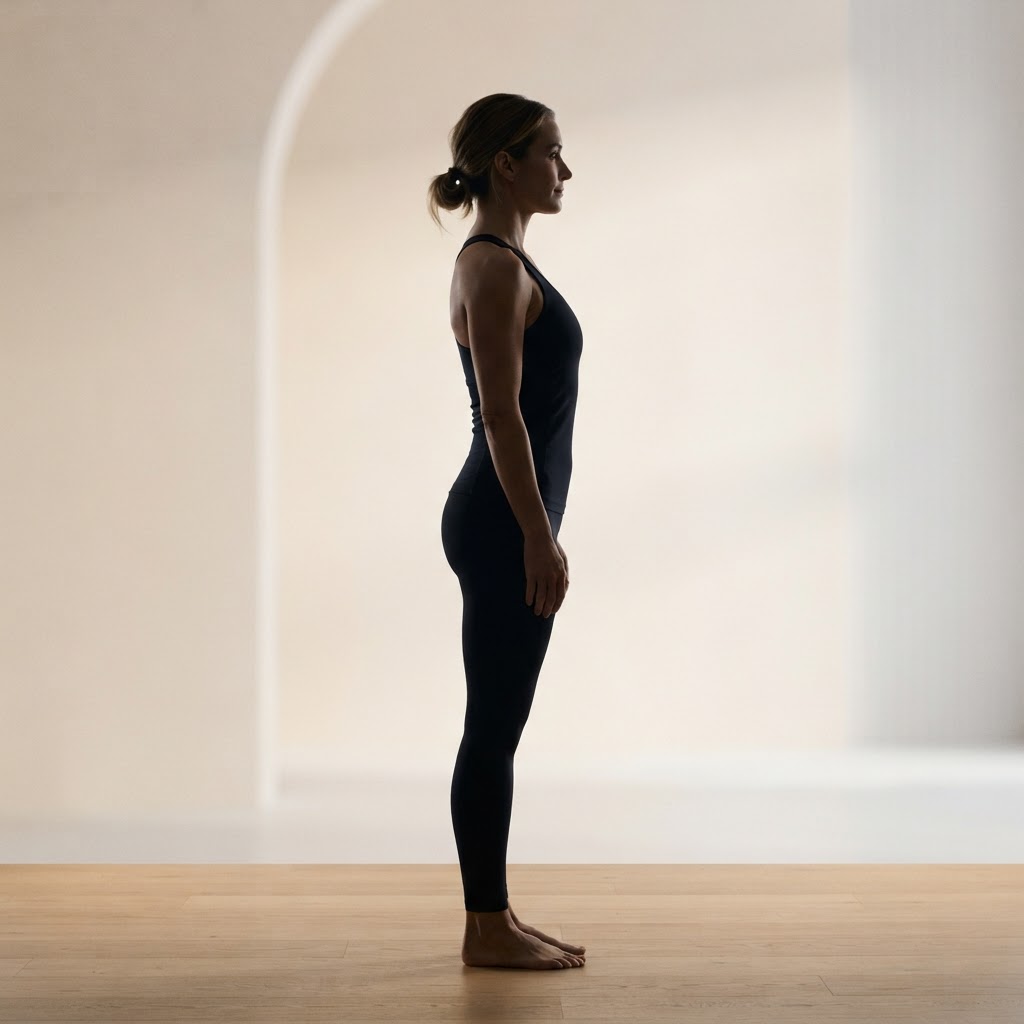
- Adult scoliosis is often the result of degenerative changes in the spine rather than childhood conditions.
- Early identification of physical changes, such as uneven shoulders or persistent back pain, is essential for proactive management.
- Distinguishing between idiopathic and degenerative types helps tailor your approach to long-term spinal health.
- Maintaining core stability through targeted exercises is one of the most effective ways to slow progression and reduce discomfort.
- Non-surgical intervention and postural awareness play a critical role in preserving mobility and daily quality of life.
When most people think of spinal curvature, they envision the bracing or surgical correction of adolescents. However, the reality of adult scoliosis is far more nuanced, often manifesting later in life as a consequence of the natural aging process or pre-existing conditions that were never fully addressed. Discovering a spinal curvature as an adult can be an unsettling experience, often marked by the onset of nagging discomfort or a subtle shift in posture. Whether you are navigating a new diagnosis or trying to find effective scoliosis back pain relief, understanding how this condition behaves is the first step toward reclaiming your physical comfort. In this guide, the healthauthoritylife Editorial Team explores the intricacies of managing adult scoliosis, providing evidence-based insights into how you can support your spine and maintain your independence through natural, non-surgical means.
What Is Adult-Onset Scoliosis and How Does It Develop
Adult-onset scoliosis, often referred to by experts as adult-deformity or spinal imbalance, occurs when the spine develops an abnormal side-to-side curvature in individuals who have reached skeletal maturity. While some adults live with scoliosis that began during their adolescent years—a condition known as adult idiopathic scoliosis—many others develop the condition later in life due to degenerative processes. The spine is a complex structure designed to distribute weight evenly; however, as the years pass, the intervertebral discs and facet joints that facilitate motion begin to experience natural wear and tear.
The development of this curvature is rarely an overnight occurrence. Instead, it is typically a gradual process that mirrors the aging of the musculoskeletal system. As intervertebral discs lose hydration and height, they become thinner and less capable of cushioning the vertebrae. When this wear occurs unevenly across the spine, one side of the disc may collapse faster than the other, causing the spine to list or tilt in a particular direction. To compensate for this shift and to keep the eyes level with the horizon, the body’s musculoskeletal system often recruits secondary muscles to stabilize the frame, leading to the characteristic “S” or “C” shape associated with an adult spinal curvature.
Furthermore, structural changes in the spinal ligaments and tendons can contribute to this progression. Ligaments, which are meant to hold the vertebrae in proper alignment, can weaken or become lax over time. When combined with the progressive thinning of bone density, the spine loses its inherent rigid support. This environment makes it significantly easier for a mild, asymptomatic curvature to evolve into a pronounced deformity. It is important to note that adult scoliosis is not always a localized issue; it often impacts the entire kinetic chain. Because the spine is the central pillar of the body, a deviation in the lumbar (lower back) region often creates a compensatory tilt in the thoracic (mid-back) region or even an imbalance in the pelvis, which then alters how you bear weight through your hips and legs.
Understanding these mechanisms is vital for managing adult scoliosis effectively. Unlike adolescent scoliosis, which is often driven by rapid growth spurts, the adult version is a mechanical problem tied to the integrity of spinal tissues. Therefore, the goal of intervention is not necessarily to “straighten” the spine in the way a growth-focused brace might, but rather to stabilize the supporting musculature, improve structural balance, and mitigate the rate of further degenerative collapse. By recognizing the mechanical nature of this development, you can move away from passive observation and toward active, protective strategies that prioritize long-term spinal function.
Common Symptoms and Physical Changes to Watch For
Identifying the signs of scoliosis in adults can be challenging because the symptoms often mimic common age-related stiffness or garden-variety muscle fatigue. Many individuals initially dismiss their symptoms as a consequence of “sleeping wrong” or working at a desk for too long. However, there are distinct physical markers that signal a spinal deviation may be at play. The most common presentation is persistent back pain, which typically settles in the lower back but can radiate toward the hips or up into the shoulder blades. Unlike muscular tension that resolves with a day or two of rest, scoliosis-related pain is often chronic and may worsen as the day progresses.
Beyond pain, visual physical changes are major indicators. If you find that your clothing no longer fits as it once did—perhaps one pant leg seems longer than the other, or a shirt hem appears perpetually uneven—this is a classic symptom of a lateral shift in the pelvis or spine. When looking in a mirror, pay close attention to your shoulder levels. If one shoulder appears higher than the other, or if there is a noticeable disparity in the space between your arms and your torso, these are significant red flags. Furthermore, as the curvature progresses, the ribs may become asymmetrical, leading to a “rib hump” on one side, which is most visible when bending forward at the waist.
Another subtle but important symptom is a change in gait or balance. Because the spine acts as the anchor for the entire body, a curvature shifts your center of gravity. You might notice that you lean to one side while walking or that one hip seems to carry more weight than the other. This can eventually lead to hip or knee pain, as the lower body attempts to compensate for the imbalance in the upper body. In some cases, adults report a sensation of “heaviness” or fatigue in the legs, which can sometimes be attributed to the curvature putting pressure on the nerves exiting the spine, a condition often referred to as spinal stenosis.
Lastly, pay attention to your height. It is common for adults to lose a small amount of height as they age due to disc compression, but a sudden or more pronounced loss of height is often associated with the progression of spinal curvature. If you find yourself consistently needing to shift your weight while standing in line or if sitting for extended periods becomes increasingly intolerable, these are signs that your spinal column is struggling to support your body weight efficiently. Keeping a journal of these physical shifts can be incredibly helpful when discussing your concerns with a healthcare provider, as it allows for a clearer picture of how the condition is evolving over time.
| Management Approach | Primary Focus | Best For |
|---|---|---|
| Core Stabilization Training | Strengthening deep abdominal and back muscles | Long-term spinal support and pain prevention |
| Postural Retraining | Correcting alignment in daily activities | Reducing daily pressure on degenerating discs |
| Physical Therapy | Personalized manual therapy and movement | Individuals with limited mobility or acute pain |
| Ergonomic Adjustments | Environmental support for the spine | Office workers and sedentary daily routines |
Distinguishing Between Idiopathic and Degenerative Scoliosis
While the visual appearance of a curved spine may look similar regardless of the underlying cause, the distinction between idiopathic and degenerative scoliosis is critical for determining the most effective management strategy. Adult idiopathic scoliosis typically refers to cases where the curvature originated in adolescence but went undetected or untreated. These spines often have a “stiffer” quality and may have been curved for decades, meaning the body has spent years developing compensatory patterns to live with the deformity. The focus for these individuals is often on maintaining the range of motion they currently possess and managing the cumulative fatigue that a non-symmetrical spine experiences over a lifetime.
In contrast, degenerative scoliosis, also known as adult-onset or de novo scoliosis, is a condition that arises after the age of 50. It is directly tied to the degradation of spinal components. In these patients, the spine was largely straight for most of their lives, and the curvature is a symptom of failing discs, facet joint arthritis, and the loss of supporting muscle mass. Because this process is ongoing, the progression of degenerative scoliosis can be more dynamic. The vertebrae may shift more frequently as the discs continue to lose volume, which often correlates with more intense nerve-related pain, such as sciatica or radiating sensations in the legs, as the narrowing spinal canal compresses surrounding structures.
The management goals differ significantly between these two types. For those with idiopathic cases, the spine often has a more “fixed” curvature, meaning physical therapy is usually centered on “bracing” the core muscles to prevent further imbalance. With degenerative cases, the priority is frequently stabilization to mitigate the impact of arthritis and disc space narrowing. Experts generally suggest that understanding which type you have—through imaging and physical assessment—allows for a more targeted approach. For instance, someone with degenerative changes might benefit significantly from anti-inflammatory lifestyle changes and specific motion-based physical therapy, whereas someone with a long-standing idiopathic curve might find more relief through dedicated postural realignment and endurance-focused stabilization training.
Differentiating these types also helps in setting realistic expectations. Degenerative scoliosis, while often more painful due to the associated arthritic components, can sometimes respond well to interventions that restore stability to the joints. Idiopathic scoliosis, while often less associated with “crushing” pain, requires consistent, lifelong attention to movement patterns to ensure that the muscles supporting the spine do not grow overly fatigued or imbalanced. Regardless of the type, the spine remains a dynamic structure capable of positive adaptation, provided that the strategies employed are consistent with the biological reality of the aging vertebral column.
How Scoliosis Affects Your Daily Mobility and Quality of Life
The impact of adult scoliosis extends far beyond the physical sensation of back pain. It fundamentally changes how you interact with your environment. Mobility is a complex symphony of bone, joint, and muscle coordination; when the foundation of that system—the spine—is curved, the brain has to constantly recalculate how to maintain balance. This constant subconscious correction leads to increased muscular demand. Muscles that were never intended to hold the body upright for long periods are recruited to provide support, leading to chronic muscle tightness, “knots,” and a pervasive sense of exhaustion that can make simple tasks feel like significant efforts.
Activities of daily living, such as grocery shopping, walking the dog, or even standing at a kitchen counter, can become sources of discomfort. Many adults find that they reach a “threshold” of activity—perhaps after 20 minutes of standing—where the pain forces them to sit or lean against a surface. This can lead to a cycle of avoidance, where you subconsciously steer clear of activities that trigger pain. While understandable, this withdrawal can result in further deconditioning. When we stop moving, the muscles that support our spine grow weaker, which in turn makes the spine less stable, creating a self-perpetuating cycle of further deformity and pain.
Quality of life is also affected by the psychological toll of chronic discomfort. Living with an unseen condition that changes your posture or limits your stamina can be isolating. You may find that your social or professional life is restricted by your physical needs. Moreover, the fear of “making it worse” can cause anxiety that leads to unnecessary physical guarding, where you hold your body rigidly in an attempt to protect the spine. This rigidity is counter-intuitive; by keeping the spine and its supporting muscles too tense, you actually reduce the nutrient-rich blood flow to the discs and soft tissues, potentially accelerating the degenerative processes associated with scoliosis.
However, it is vital to remember that a diagnosis of adult scoliosis is not a definitive sentence to a sedentary life. Many individuals manage their condition successfully by making proactive, small-scale adjustments to their routine. This might mean using a lumbar support cushion in the car to maintain natural spinal curves, breaking up long periods of sitting with “micro-movements,” or investing in supportive footwear that reduces the impact transmitted to the spine. By shifting the focus from “fixing” the spine to “managing” its environment, many people find that they can reclaim their mobility and maintain an active, fulfilling life, even with a detectable spinal curvature.
Effective Exercises and Physical Therapy for Spinal Support
Physical therapy is considered one of the cornerstones of non-surgical scoliosis treatment. The objective of an exercise program for scoliosis is not to force the spine back into a perfectly straight line, which is generally not achievable through exercise alone in an adult, but rather to create a “muscular brace” around the spine. By strengthening the deep stabilizers—the muscles that sit closest to the vertebrae—you provide the support necessary to reduce the load on the discs and facet joints. This helps prevent the rapid progression of the curvature and provides substantial scoliosis back pain relief.
A well-rounded program often begins with core stability exercises, such as the modified plank or bird-dog, performed with a focus on pelvic neutral alignment. These exercises help train the body to maintain a stable, centered core even when the spine naturally leans toward its curved side. For those with scoliosis, it is often beneficial to work with a physical therapist who specializes in scoliosis-specific exercise protocols. These specialists can identify the specific “direction” of your curve and assign movements that encourage you to elongate the spine and gently shift your weight away from the collapsing side, effectively “unwinding” some of the tension caused by the curvature.
Another crucial component is postural awareness training. Many of us are unaware of our subtle habits, such as leaning heavily on one arm while working at a desk or carrying a heavy bag consistently on one shoulder. Simple daily adjustments, like switching the side you carry your groceries on or ensuring your monitor is perfectly centered, can significantly reduce the cumulative stress on an asymmetrical spine. Additionally, gentle stretching routines focused on the hip flexors and chest muscles are essential. When the spine is curved, the muscles on one side of the torso can become tight and shortened, while the others become overstretched and weak. Stretching the tight areas helps restore a sense of balance, which can alleviate the pulling sensation often felt in the mid-back.
Finally, low-impact, rhythmic movement—such as swimming, walking, or gentle yoga—can be incredibly beneficial. Swimming, in particular, is often recommended because the buoyancy of the water takes the gravitational load off the spine while allowing the core muscles to engage to maintain balance. As you progress, the goal is to incorporate these movements into your daily life so that they become second nature. By consistently engaging the muscles that support your spine, you essentially build a proactive barrier against pain, ensuring that your mobility is preserved and your quality of life remains high despite the presence of a spinal curve.
Ergonomic Adjustments to Reduce Daily Back Strain
Managing adult scoliosis effectively requires a holistic approach to your immediate environment. Because the spine is already under asymmetrical load, small daily habits can either exacerbate the curvature or provide the necessary support to mitigate discomfort. Ergonomics is not just about having an expensive chair; it is about aligning your body’s mechanics with the tools you use every day.
The first step in ergonomic optimization is evaluating your workstation. If you work at a computer, your monitor should be positioned at eye level. Looking down at a laptop screen forces the cervical spine into a forward-flexed position, which triggers a chain reaction of muscular compensation down the thoracic and lumbar regions. By elevating your monitor, you maintain a neutral spine, which reduces the effort your back muscles expend just to hold your head upright.
Secondly, consider the chair you use for extended periods. A supportive chair should offer lumbar support that fills the natural inward curve of the lower back. For individuals with scoliosis back pain, avoid chairs that force you into a static posture for hours on end. Instead, incorporate a sit-stand desk. Changing your position frequently—moving from sitting to standing—allows different muscle groups to activate and share the load, preventing the fatigue that often sets in when a spinal curve is held in one position for too long.
Finally, address your sleeping surface. A mattress that is too soft will cause the spine to sag, while one that is excessively firm may create pressure points on the prominent side of your spinal curve. A medium-firm mattress is generally recommended for those managing adult spinal curvature. If you sleep on your side, placing a pillow between your knees helps align the hips, which in turn reduces torque on the lumbar spine. If you sleep on your back, a small bolster under your knees can neutralize the pelvis and alleviate tension in the lower back.
The Role of Posture Correction in Managing Spinal Curves
Posture is not merely about “standing up straight”—for someone with scoliosis, it is about learning how to balance the body against the pull of gravity. In an adult spinal curvature, the body has likely developed “learned patterns” of movement to compensate for the scoliosis. While these compensations helped you move in the past, they often contribute to long-term pain by overworking specific muscle groups while leaving others dormant.
Posture correction begins with body awareness, or proprioception. Many adults are unaware that they are chronically leaning to one side or unevenly distributing their weight. A helpful exercise is to practice “neutral alignment” in front of a full-length mirror. Focus on grounding your weight evenly through both feet. Imagine a string pulling the crown of your head toward the ceiling, lengthening the spine. By intentionally correcting these small imbalances throughout the day, you begin to retrain the nervous system.
However, posture correction is not about forcing the spine into a straight line; it is about finding the “path of least resistance.” Forcing an unnatural position can actually increase muscle fatigue. Instead, focus on engaging your core—the muscles of your abdomen, back, and pelvic floor—to provide a natural corset of support. When the core is stable, the spine receives the protection it needs to maintain its integrity despite the existing curvature. Professional physical therapy sessions focusing on “Schroth Method” principles can provide personalized cues on how to breathe and move in a way that encourages a more symmetrical posture.
When to See a Specialist for Your Spinal Curvature
While many cases of adult scoliosis can be managed through conservative measures and non-surgical scoliosis treatment, there are specific “red flags” that indicate the need for a consultation with an orthopedic spine specialist or a neurosurgeon. Early intervention by a professional can often prevent the progression of a curve that might otherwise lead to debilitating symptoms.
You should prioritize a clinical evaluation if you experience the following:
- Neurological symptoms: Numbness, tingling, or “pins and needles” sensations in the legs, feet, or arms. This suggests that the spinal curve may be causing nerve impingement or spinal stenosis.
- Progressive weakness: If you notice difficulty walking, frequent tripping, or a sudden loss of muscle strength in your legs, this is a sign that the spinal cord or nerve roots are under significant pressure.
- Changes in bladder or bowel function: This is a rare but serious symptom requiring immediate medical attention, as it may indicate severe spinal nerve compromise.
- Rapid change in spinal appearance: If you notice a sudden, visible increase in the rib hump or an unevenness in your shoulders that has appeared over a short period, professional imaging is necessary to rule out rapid progression.
- Intractable pain: If pain is no longer responding to natural anti-inflammatory approaches, gentle movement, or physical therapy, and begins to interfere with your ability to perform activities of daily living.
Specialists typically use diagnostic imaging, such as X-rays or MRIs, to measure the Cobb angle (the degree of the curvature). Understanding the severity of your curve allows a professional to determine whether physical therapy, bracing, or, in severe cases, surgical stabilization is the appropriate route for managing adult scoliosis.
Natural Anti-Inflammatory Approaches for Scoliosis Pain
Chronic back pain associated with scoliosis is often exacerbated by systemic inflammation. When muscles surrounding a curved spine remain chronically tight, they produce inflammatory cytokines, leading to soreness and stiffness. Managing this inflammation through natural means can significantly improve your quality of life.
Dietary adjustments are a foundational approach. Focus on an anti-inflammatory diet rich in Omega-3 fatty acids, which can be found in cold-water fish like salmon, flaxseeds, and walnuts. These fats help dampen the body’s inflammatory response. Conversely, try to minimize processed sugars, trans fats, and excessive refined carbohydrates, as these are known to promote systemic inflammation.
Herbal and supplement support can also play a role. Turmeric, specifically the compound curcumin, is widely studied for its potential to reduce joint and muscle inflammation. Ginger is another potent anti-inflammatory root that can be incorporated into teas or smoothies. Magnesium supplementation—often used in the form of magnesium glycinate or topical magnesium oil—can help soothe muscle spasms and reduce the “tightness” associated with scoliosis.
Topical treatments, such as arnica montana or essential oils like peppermint or eucalyptus, can provide immediate, localized relief. When massaged into the areas of muscular tension, these natural agents increase blood flow to the area, promoting faster recovery and soothing the nerve endings that are sending pain signals to the brain.
| Treatment Method | Mechanism of Action | Best For |
|---|---|---|
| Curcumin (Turmeric) | Systemic anti-inflammatory | Chronic stiffness and deep-tissue soreness |
| Magnesium Glycinate | Muscle relaxation | Nocturnal spasms and tense back muscles |
| Omega-3 Fatty Acids | Reduces prostaglandin production | Long-term inflammation management |
| Topical Arnica | Increases localized blood flow | Acute localized pain after physical activity |
Lifestyle Habits to Maintain Long-Term Spinal Health
Maintaining spinal health in the presence of scoliosis is a lifelong commitment, not a temporary fix. The key is to cultivate habits that prioritize spinal mobility and muscular endurance over short-lived shortcuts. The following pillars of lifestyle health can help you keep your condition stable for years to come.
Consistent Hydration: The spinal discs are largely composed of water. Dehydration can lead to disc compression and decreased shock absorption, which is particularly detrimental when the spine is already subject to asymmetrical forces. Drinking enough water throughout the day ensures that your intervertebral discs remain hydrated and resilient.
Low-Impact Movement: While high-impact sports might be jarring for a curved spine, low-impact activities are highly beneficial. Swimming, for example, is often cited as the “gold standard” exercise for scoliosis because water provides buoyancy, decompressing the spine while offering resistance that builds the core muscles responsible for support. Walking, especially on flat surfaces with supportive footwear, helps maintain joint lubrication and cardiovascular health without putting unnecessary stress on the spine.
Stress Management: The connection between the mind and the body is profound. Emotional stress causes the body to adopt a “fight or flight” posture—shoulders tense up, the jaw clenches, and the spine often curls forward. This bracing pattern can exacerbate the discomfort caused by scoliosis. Practices such as deep breathing, mindfulness meditation, or yoga nidra can help you consciously release the muscular tension held in your back, effectively reducing pain through nervous system regulation.
Weight Management: Carrying extra weight, particularly in the abdominal region, shifts the center of gravity forward. This increases the load on the lumbar spine, forcing the muscles of the lower back to work significantly harder to maintain an upright position. Maintaining a healthy weight through balanced nutrition reduces this mechanical stress, providing a reprieve for your spinal muscles.
Frequently Asked Questions
Can adult scoliosis be corrected without surgery?
In most cases, the structural curvature of adult scoliosis cannot be “corrected” or fully reversed to a perfectly straight spine without surgery. However, the goal of non-surgical treatment is not necessarily to straighten the spine but to manage the symptoms, improve function, and stop the progression of the curve. Through physical therapy, targeted exercises for scoliosis, and lifestyle changes, many individuals successfully manage their condition and live pain-free lives.
Is it safe to do yoga or pilates with adult scoliosis?
Generally, yes, but with careful modifications. Yoga and Pilates are excellent for core stability and flexibility, but certain poses can put too much pressure on a curved spine. It is essential to work with an instructor who understands scoliosis or to modify poses to avoid excessive twisting or extreme spinal loading. Always focus on elongation rather than deep bending, and listen to your body’s signals.
Does scoliosis always get worse as you age?
Not necessarily. While some curves may progress over time, many adults with scoliosis experience stability for decades. Progression is more common in larger curves (typically those exceeding 40-50 degrees). Regular monitoring by a healthcare professional is the best way to track your spinal health and intervene if signs of progression occur.
What kind of exercise is best for scoliosis back pain relief?
The best exercises are those that emphasize core stabilization and muscular balance. Exercises for scoliosis often include planks, bird-dog variations, and breathing techniques like those found in the Schroth method, which encourage spinal elongation. These movements strengthen the muscles that support the spine, helping to offset the mechanical disadvantage caused by the curvature.
Can wearing a back brace help an adult with scoliosis?
Bracing for adults is different than it is for adolescents. In children, braces are used to guide the spine as it grows. In adults, braces are typically used for pain management rather than for correcting the curvature. A doctor might prescribe a soft or rigid brace for short-term use during strenuous activities or flare-ups, but they are generally not recommended for 24/7 wear, as this can lead to muscle atrophy.
Are there specific sleeping positions to avoid?
Avoid sleeping on your stomach, as this forces the head to turn to one side and causes the lower back to sag, putting significant strain on the spine. If you must sleep on your side, ensure you have a pillow between your knees to keep your hips level. Side sleeping can be beneficial if you place your “concave” side (the side that “caves in”) down, or you can use small pillows to support the “convex” gaps to keep the spine as neutral as possible.
Conclusion
Living with adult scoliosis is a journey that requires patience, self-awareness, and a proactive attitude toward your physical health. While a diagnosis of spinal curvature may feel daunting, it is not a sentence to a life of pain or inactivity. By understanding the mechanical reality of your spine and implementing the natural strategies discussed—from ergonomic workstations and posture training to anti-inflammatory habits and targeted exercises—you can build a sustainable, pain-free foundation for your future. Remember that your spine is resilient and capable of adaptation. By taking ownership of your daily habits and knowing when to seek professional guidance, you can navigate life with scoliosis while maintaining your strength, mobility, and overall quality of life. Take that first step today: evaluate your daily environment and commit to one new, supportive movement practice.
By healthauthoritylife Editorial Team
This article is for informational purposes only and is not a substitute for professional medical advice. Always consult your doctor before making changes to your diet, exercise routine, or treatment plan.
Leave a Reply