
🔑 Key Takeaways — Strength Training
- ✅ Strength training 2–3 times per week increases muscle mass and boosts resting metabolism
- ✅ Compound movements (squats, deadlifts, bench press) give the most benefit per workout
- ✅ Progressive overload — gradually increasing weight — is the key principle for gains
- ✅ Muscle protein synthesis peaks 24–48 hours after training — rest days are essential
- ✅ Strength training reduces all-cause mortality risk by 23% independent of cardio
🏷️ Category: Fitness
Reviewed by our Editorial Team — Based on guidelines from the American College of Sports Medicine and peer-reviewed exercise science research.
Strength training is not just for bodybuilders. It is arguably the single most important form of exercise for long-term health, longevity, and quality of life — and it is essential for both men and women at every age. Research from the American College of Sports Medicine shows that regular resistance training reduces all-cause mortality by 23%, lowers risk of cardiovascular disease by 17%, reduces type 2 diabetes risk by 34%, and is the most effective intervention against sarcopenia (age-related muscle loss). This complete guide gives you everything you need to start and progress safely.
Why Strength Training Is Essential for Everyone
After the age of 30, adults lose approximately 3–8% of muscle mass per decade without resistance training — a rate that accelerates significantly after 60. This muscle loss (sarcopenia) is a leading cause of falls, fractures, disability, and loss of independence in older age. Strength training is the only intervention proven to effectively reverse sarcopenia at any age. Beyond muscle, it strengthens bones (reducing osteoporosis risk by up to 40%), improves insulin sensitivity, boosts resting metabolism, reduces visceral fat, improves posture, and dramatically enhances mental health through endorphin release and improved body composition.
The 7 Best Compound Exercises for Full-Body Strength
1. Squat
The king of lower-body exercises. Works quadriceps, hamstrings, glutes, core, and lower back simultaneously. Begin with bodyweight squats, progress to goblet squats, then barbell back squats. Focus on: feet shoulder-width apart, toes slightly out, knees tracking over toes, chest tall, squat to at least parallel.
2. Deadlift
The most complete full-body strength movement. Works posterior chain (hamstrings, glutes, lower back), lats, traps, and core. Begin with Romanian deadlifts or trap bar deadlifts before conventional barbell deadlifts. Keep the bar close to your body, hinge at the hip, and maintain a neutral spine throughout.
3. Push-Up / Bench Press
The fundamental upper-body pushing movement. Push-ups are an excellent starting point requiring no equipment — progress from incline push-ups to standard push-ups to weighted push-ups or barbell bench press. Works chest, anterior deltoid, and triceps.
4. Pull-Up / Dumbbell Row
The most important upper-body pulling movement. Works lats, biceps, rear deltoids, and improves posture by countering the forward-rounded shoulders of desk work. Begin with band-assisted pull-ups or dumbbell rows; progress to full pull-ups and weighted variations.
5. Overhead Press
Pressing weight directly overhead builds shoulder strength, stability, and posture. Use dumbbells before a barbell to allow independent arm movement and reduce injury risk. Works deltoids, triceps, upper chest, and core stability.
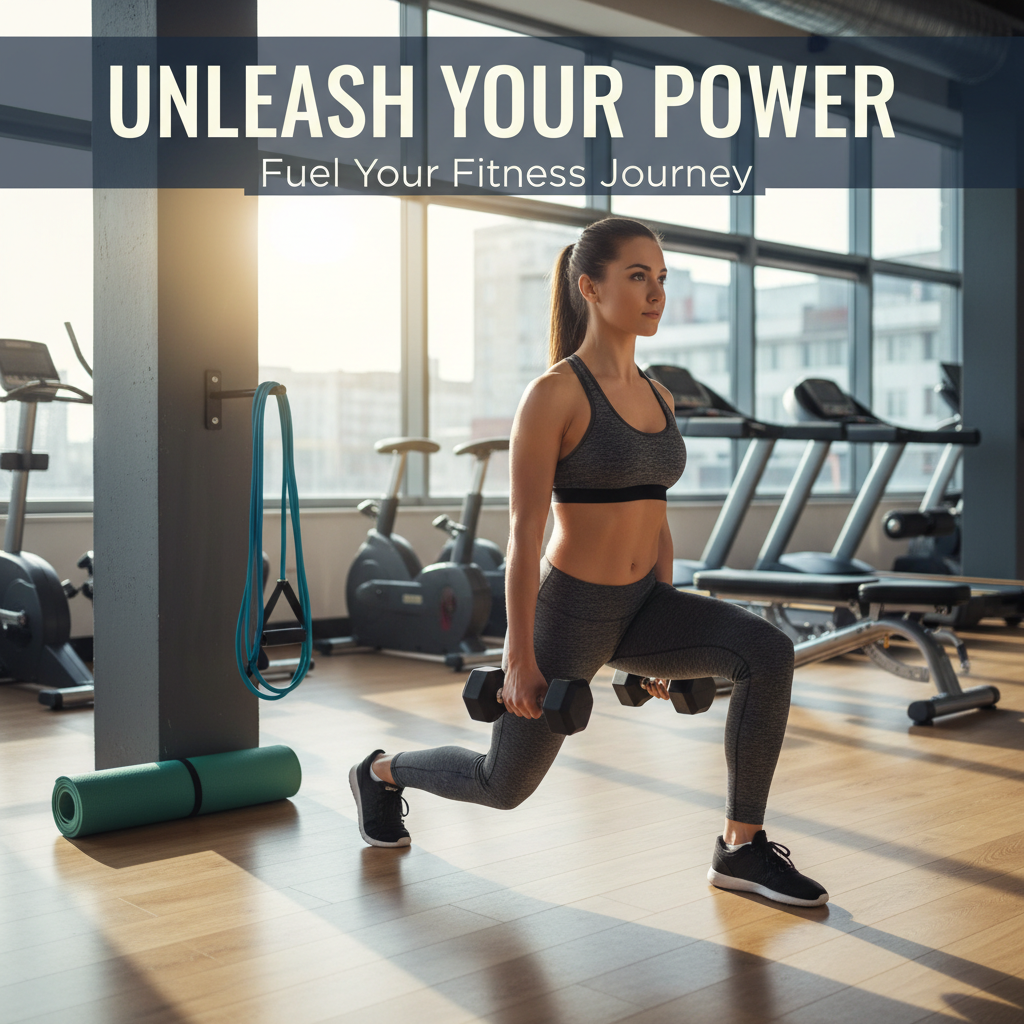
6. Lunge / Split Squat
Unilateral (single-leg) exercises correct left-right imbalances, improve balance and coordination, and challenge the core. The Bulgarian split squat is one of the most effective and underutilised lower-body exercises for building glute and quad strength.
7. Plank Variations
Core stability is the foundation of every other movement. Planks build deep stabilising muscles that protect the spine, improve posture, and enhance performance in all other lifts. Progress from standard planks to side planks, plank with leg raises, and anti-rotation variations.
Beginner Strength Training Programme (3 Days/Week)
| Day | Exercise | Sets | Reps | Rest |
|---|---|---|---|---|
| Day A | Squat | 3 | 8–10 | 90 sec |
| Push-up / Bench Press | 3 | 8–12 | 90 sec | |
| Dumbbell Row | 3 | 10–12 | 90 sec | |
| Plank | 3 | 30–45 sec | 60 sec | |
| Day B | Romanian Deadlift | 3 | 8–10 | 90 sec |
| Overhead Press | 3 | 8–10 | 90 sec | |
| Split Squat | 3 | 10 each leg | 90 sec | |
| Dead Bug | 3 | 8 each side | 60 sec |
Progressive Overload: The Key to Continuous Results
Progressive overload is the principle of gradually increasing the stress placed on your muscles over time — without it, your body adapts and stops improving. Methods include: adding weight (most common), adding reps or sets, reducing rest periods, improving range of motion, or slowing the eccentric (lowering) phase. Aim to add a small amount of weight or one additional rep every 1–2 weeks.
Common Beginner Mistakes to Avoid
- Skipping warm-up: 5–10 minutes of dynamic movement prepares joints and reduces injury risk
- Ego lifting: Using too much weight with poor form is the fastest route to injury — master technique first
- Inconsistency: 3 sessions per week for a year beats 6 sessions per week for a month
- Neglecting recovery: Muscles grow during rest, not during training — get 7–9 hours sleep and eat enough protein
- Ignoring nutrition: Without adequate protein (1.6g/kg/day), strength gains are significantly blunted
Frequently Asked Questions
How long before I see strength training results?
Neurological strength gains (learning to recruit muscles efficiently) appear within 2–3 weeks. Visible muscle changes typically become noticeable after 6–8 weeks of consistent training with adequate protein. Significant body composition changes take 12–16 weeks.
Can women do strength training without getting bulky?
Yes — absolutely. Women have 15–20x less testosterone than men, making significant muscle bulk physiologically very difficult. Strength training for women produces a toned, defined appearance with improved strength and bone density, not bulk.
Is strength training safe for older adults?
Yes — and it is strongly recommended. Research consistently shows strength training improves balance, reduces fall risk, maintains bone density, preserves independence, and improves quality of life in adults over 60 and 70. Start light and progress gradually.
Conclusion
Strength training is the most powerful single investment you can make in your long-term health. It builds muscle, strengthens bones, boosts metabolism, reduces disease risk, and improves mental health. You don’t need a fancy gym or expensive equipment to start — three sessions per week with the compound movements in this guide will transform your body and health within months. Start today.
Medical Disclaimer: Consult a doctor before beginning a new exercise programme, especially if you have existing health conditions or injuries.
📚 Medical Sources & References
This article is based on evidence from the following authoritative medical sources:
Leave a Reply