🏷️ Category: Heart Health
- The DASH diet can lower systolic blood pressure by 8–14 mmHg — equivalent to some medications
- Potassium-rich foods counteract sodium’s blood pressure-raising effects
- Leafy greens, beets, and berries show the strongest clinical evidence for BP reduction
- Reducing sodium to under 1,500 mg/day can lower systolic BP by up to 5–6 mmHg
- Diet changes work best when combined with regular exercise and stress management
- Results from dietary changes typically appear within 2–4 weeks of consistent adherence
Hypertension — high blood pressure — affects nearly 1 in 3 American adults and is the leading modifiable risk factor for heart disease, stroke, and kidney failure. While medications are often necessary, dietary intervention is one of the most powerful, evidence-based strategies for both preventing and managing high blood pressure.
The right foods can lower your systolic blood pressure by 8–14 points — a reduction comparable to a single antihypertensive medication. This isn’t alternative medicine; it’s established cardiovascular science backed by decades of clinical research, including the landmark DASH (Dietary Approaches to Stop Hypertension) trial funded by the National Heart, Lung, and Blood Institute.
In this comprehensive guide, our editorial team reviews the 15 most clinically supported foods for blood pressure reduction, explains the mechanisms behind each, and provides practical strategies for incorporating them into your daily meals.
Understanding Blood Pressure and Diet: The Science
Blood pressure is measured in millimeters of mercury (mmHg) and recorded as two numbers: systolic (pressure when your heart beats) over diastolic (pressure between beats). Normal blood pressure is below 120/80 mmHg. Stage 1 hypertension begins at 130/80 mmHg.
Several dietary components directly influence blood pressure:
- Sodium causes fluid retention, increasing blood volume and vascular pressure
- Potassium helps kidneys excrete sodium and relaxes blood vessel walls
- Magnesium regulates vascular tone and calcium channels in vessel walls
- Nitrates convert to nitric oxide, which dilates blood vessels
- Flavonoids and polyphenols improve endothelial function and reduce arterial stiffness
- Omega-3 fatty acids reduce inflammation and lower triglycerides
The 15 Best Foods to Lower Blood Pressure
1. Leafy Greens (Spinach, Kale, Swiss Chard)
Leafy greens are among the richest dietary sources of potassium and nitrates — two of the most important blood pressure-lowering nutrients. A single cup of cooked spinach provides 839 mg of potassium (nearly 18% of the daily value), while its high nitrate content boosts nitric oxide production.
A 2023 meta-analysis in the Journal of Nutrition found that consuming 1–2 cups of leafy greens daily was associated with a 4.3 mmHg reduction in systolic blood pressure over 12 weeks.
How to use: Add raw spinach to smoothies, sauté kale with garlic as a side dish, or incorporate Swiss chard into soups and stews.
2. Beets and Beet Juice
Beets are exceptionally high in dietary nitrates — with studies showing that drinking 250ml of beet juice can lower systolic blood pressure by 4–10 mmHg within hours. This effect is mediated by nitrate conversion to nitric oxide in the body, causing vasodilation.
A randomized controlled trial published in Hypertension found that daily beet juice consumption over 4 weeks reduced systolic BP by 7.7 mmHg in patients with hypertension.
How to use: Drink 250ml of cold-pressed beet juice daily, roast beets as a side dish, or add beet powder to smoothies.
3. Berries (Blueberries, Strawberries, Raspberries)
Berries are loaded with flavonoids — specifically anthocyanins — which give them their deep red, purple, and blue colors. These compounds improve endothelial function, reduce arterial stiffness, and have been shown to lower blood pressure independently of other dietary factors.
The Harvard-based Nurses’ Health Study found that women who ate the most blueberries and strawberries (3+ servings per week) had a 32% lower risk of developing hypertension over 14 years of follow-up.
How to use: Eat 1 cup of mixed berries daily as a snack, add to oatmeal, or blend into smoothies.
4. Bananas
Bananas are one of the most accessible potassium-rich foods, providing about 422 mg per medium banana. Potassium lowers blood pressure by counteracting the effects of sodium and easing tension in blood vessel walls through its role in the sodium-potassium pump.
The WHO recommends adults consume at least 3,510 mg of potassium per day to reduce blood pressure and cardiovascular risk.
How to use: Eat a banana with breakfast, use frozen bananas as a smoothie base, or slice onto oatmeal.
5. Oats and Oatmeal
Oats contain beta-glucan, a type of soluble fiber that has been shown in multiple clinical trials to reduce both systolic and diastolic blood pressure. Beta-glucan works by reducing cholesterol absorption and improving the gut microbiome, which in turn influences vascular function.
A meta-analysis of 28 trials published in the American Journal of Clinical Nutrition found that 3–4g of beta-glucan daily (from approximately 1.5 cups of cooked oats) reduced systolic BP by 2.7 mmHg and diastolic BP by 1.5 mmHg.
How to use: Eat steel-cut or rolled oats for breakfast, add oat bran to smoothies, or use oat flour in baking.
6. Fatty Fish (Salmon, Mackerel, Sardines)
Fatty fish are the richest dietary source of omega-3 fatty acids (EPA and DHA), which lower blood pressure through multiple mechanisms: reducing inflammation, decreasing vascular resistance, and improving arterial elasticity.
A 2022 meta-analysis of 71 randomized trials found that consuming 2–3g of omega-3s daily (from food or supplements) reduced systolic BP by 2.2 mmHg and diastolic BP by 1.6 mmHg, with stronger effects in people with hypertension.
How to use: Aim for 2–3 servings of fatty fish per week. Salmon, sardines, and mackerel are the most cost-effective options.
7. Garlic
Garlic contains allicin, a sulfur compound that relaxes smooth muscle in blood vessel walls and inhibits ACE (angiotensin-converting enzyme) — the same mechanism targeted by a major class of blood pressure medications.
A 2020 Cochrane-style meta-analysis of 12 trials found that garlic supplementation reduced systolic BP by 8.6 mmHg and diastolic BP by 6.1 mmHg compared to placebo — effects comparable to first-line antihypertensive drugs.
How to use: Use 2–4 raw or lightly cooked garlic cloves daily. Crushing or chopping garlic activates allicin; cooking for more than 10 minutes destroys it.
8. Dark Chocolate (70%+ Cacao)
Dark chocolate (minimum 70% cacao) contains cocoa flavanols, particularly epicatechin, which stimulate nitric oxide production and reduce arterial stiffness. It also provides small amounts of magnesium and potassium.
A meta-analysis in the BMJ found that 1.4–105g of dark chocolate daily reduced systolic BP by 2.77 mmHg and diastolic BP by 2.20 mmHg over 2–18 weeks.
How to use: Eat 1 small square (10–20g) of 70%+ dark chocolate daily. Avoid milk chocolate, which contains minimal flavanols and excess sugar.
9. Olive Oil
Extra virgin olive oil is rich in oleic acid and polyphenols, particularly oleuropein and hydroxytyrosol. These compounds reduce oxidative stress, improve endothelial function, and lower systolic blood pressure independently of other DASH diet components.
The PREDIMED trial — one of the largest cardiovascular nutrition studies ever conducted — found that the Mediterranean diet supplemented with olive oil reduced the incidence of major cardiovascular events by 30% compared to a low-fat diet.
How to use: Use 2–4 tablespoons of extra virgin olive oil daily for cooking and dressings. Choose cold-pressed varieties for maximum polyphenol content.
10. Pomegranate
Pomegranates contain the highest concentration of punicalagins — antioxidants that are three times more potent than red wine polyphenols. These compounds reduce ACE activity, lower LDL oxidation, and improve arterial compliance.
A randomized trial found that drinking 150ml of pomegranate juice daily for 2 weeks reduced systolic BP by 5 mmHg and diastolic BP by 2 mmHg in patients with hypertension.
How to use: Drink 150–240ml of 100% pomegranate juice daily, or eat the seeds (arils) as a snack or salad topper.
11. Pistachios
Pistachios are uniquely effective among nuts for blood pressure reduction. They contain arginine (a nitric oxide precursor), potassium, magnesium, and phytosterols that collectively reduce vascular resistance.
A Penn State clinical trial found that eating one serving (1.5 oz) of pistachios daily reduced systolic BP by 4.8 mmHg and diastolic BP by 1.8 mmHg — significantly more than other nut varieties tested.
How to use: Eat a small handful (28g/1oz) of unsalted pistachios as a daily snack.
12. Low-Fat Dairy (Greek Yogurt, Skim Milk)
Low-fat dairy provides an optimal combination of calcium, potassium, and magnesium — three minerals that work synergistically to lower blood pressure. The DASH diet specifically emphasizes 2–3 servings of low-fat dairy per day.
Studies show that dairy consumption is associated with a 13% lower risk of hypertension, and that the blood pressure benefits come from the complete nutrient package rather than any single mineral.
How to use: Include 1 cup of plain Greek yogurt, 1 cup of skim milk, or 1.5 oz of low-fat cheese daily.
13. Celery
Celery contains phthalides — compounds that relax arterial walls and reduce the production of stress hormones that can cause blood vessels to constrict. It also provides significant potassium and is very low in sodium.
Traditional Chinese medicine has used celery for blood pressure for centuries, and modern research has confirmed the mechanism: phthalides act similarly to calcium channel blockers.
How to use: Eat 4 stalks of celery daily, add to salads, or drink celery juice as part of a morning routine.
14. Lentils and Legumes
Lentils, chickpeas, black beans, and other legumes are rich in protein, fiber, potassium, and magnesium — a nutrient combination that lowers blood pressure through multiple pathways including improved gut microbiome diversity, reduced sodium retention, and enhanced vascular function.
A 2014 Canadian trial found that eating one serving of legumes daily (as a replacement for other proteins) reduced systolic BP by 2.25 mmHg over 10 weeks — with the effect being largest in people with the highest baseline blood pressure.
How to use: Include ½ cup of cooked legumes in at least one meal daily. Canned varieties are equally nutritious if rinsed to reduce sodium.
15. Herbs and Spices (Hibiscus, Cinnamon, Basil)
Several herbs have demonstrated meaningful blood pressure-lowering effects in clinical trials:
- Hibiscus tea: A meta-analysis found 3 cups/day reduced systolic BP by 7.2 mmHg — comparable to some medications
- Cinnamon: 500mg–2g/day reduced systolic BP by 5.4 mmHg in a 2020 meta-analysis
- Fresh basil: Contains eugenol, which blocks calcium channels and lowers blood pressure
The DASH Diet: The Gold Standard for Blood Pressure
The DASH (Dietary Approaches to Stop Hypertension) diet incorporates all 15 foods above into a structured eating plan. Developed specifically to lower blood pressure without medication, DASH has been ranked the #1 healthiest overall diet by U.S. News & World Report for multiple consecutive years.
| Food Group | Daily Servings | Key BP Nutrients | Example Foods |
|---|---|---|---|
| Vegetables | 4–5 | Potassium, Magnesium, Nitrates | Spinach, Beets, Broccoli |
| Fruits | 4–5 | Potassium, Flavonoids | Berries, Bananas, Pomegranate |
| Whole Grains | 6–8 | Fiber, Magnesium | Oats, Brown Rice, Quinoa |
| Low-Fat Dairy | 2–3 | Calcium, Potassium | Greek Yogurt, Skim Milk |
| Lean Protein | 6 or less | Omega-3, Arginine | Salmon, Chicken, Legumes |
| Nuts & Seeds | 4–5/week | Magnesium, Potassium | Pistachios, Almonds, Flaxseed |
| Sodium | <1,500 mg/day | — | Avoid processed/packaged foods |
Foods to Avoid with High Blood Pressure
Equally important as what you eat is what you limit. The following foods can significantly raise blood pressure:
- High-sodium foods: Processed meats, canned soups, fast food, pickled foods — even 1 extra gram of sodium raises systolic BP by 2 mmHg
- Alcohol: More than 1–2 drinks per day raises blood pressure and blunts the effect of medications
- Caffeine: Can cause acute spikes of 5–10 mmHg in people sensitive to it
- Added sugars: Particularly fructose — linked to elevated uric acid and endothelial dysfunction
- Saturated and trans fats: Increase arterial stiffness and LDL cholesterol
How Quickly Does Diet Lower Blood Pressure?
Dietary changes work faster than many patients expect. Clinical timeline:
- Within hours: Beet juice, garlic, and celery can produce acute vasodilation
- 1–2 weeks: Sodium reduction shows measurable BP decreases
- 2–4 weeks: Full DASH diet adherence produces significant sustained reductions
- 8–12 weeks: Maximum effect from comprehensive dietary and lifestyle changes
The DASH diet alone lowers systolic BP by 8–14 mmHg in people with hypertension — enough to potentially eliminate the need for medication in Stage 1 hypertension (130–139/80–89 mmHg) when combined with weight loss and exercise.
Practical Meal Plan: 3-Day DASH Sample
Day 1:
- Breakfast: Oatmeal with blueberries, sliced banana, and a sprinkle of cinnamon
- Lunch: Spinach salad with salmon, beets, pistachios, and olive oil dressing
- Dinner: Garlic-roasted chicken with lentils and steamed broccoli
- Snack: Greek yogurt with pomegranate seeds + 1 square dark chocolate
Day 2:
- Breakfast: Greek yogurt parfait with strawberries and oat granola
- Lunch: Lentil soup with a side of celery sticks and hummus
- Dinner: Baked mackerel with Swiss chard and quinoa
- Snack: Banana with a small handful of unsalted pistachios
Day 3:
- Breakfast: Smoothie with spinach, frozen berries, banana, and almond milk
- Lunch: Chickpea and kale salad with lemon-olive oil dressing
- Dinner: Salmon with roasted beets, garlic green beans, and brown rice
- Snack: Hibiscus tea + 2 squares of dark chocolate
Frequently Asked Questions
Q: Can diet alone lower blood pressure without medication?
A: Yes — for Stage 1 hypertension (130–139/80–89 mmHg), comprehensive dietary changes (particularly the DASH diet) combined with exercise and weight loss can normalize blood pressure without medication in many people. For Stage 2 hypertension (≥140/90 mmHg), diet is critical but usually works alongside medication.
Q: How much potassium should I consume daily to lower blood pressure?
A: The WHO recommends 3,510 mg/day minimum. Most Americans consume only 2,500 mg/day. Focus on whole food sources — bananas, spinach, lentils, and sweet potatoes — rather than supplements, which carry risks at high doses.
Q: Is the DASH diet safe for people with kidney disease?
A: The DASH diet’s high potassium content can be problematic for people with advanced kidney disease (CKD stage 3b or higher), who may need to limit potassium. Always consult your nephrologist or dietitian before starting DASH if you have kidney disease.
Q: How much sodium is safe with high blood pressure?
A: The American Heart Association recommends no more than 2,300 mg/day for general adults, with an ideal goal of under 1,500 mg/day for those with hypertension. The average American consumes 3,400 mg/day — more than double the ideal target.
Q: Does drinking water lower blood pressure?
A: Staying well-hydrated helps maintain blood volume and kidney function, but drinking more water beyond normal hydration doesn’t directly lower blood pressure. Focus on what you replace — substituting water for sugary drinks or alcohol does reduce BP indirectly.
Q: Are blood pressure supplements effective?
A: Some supplements have evidence behind them — including magnesium, CoQ10, and hibiscus extract — but they should complement, not replace, dietary changes and medication. Always discuss supplements with your doctor, as some interact with antihypertensive medications.
Written by the HealthAuthorityLife Editorial Team — our writers research and fact-check every article using peer-reviewed studies and guidance from established medical organizations. This content is for informational purposes only and is not a substitute for professional medical advice.
Beyond Food: Lifestyle Factors That Amplify Diet Results
While diet plays a central role in blood pressure management, it works synergistically with other lifestyle factors rather than in isolation. Reducing sodium intake and increasing potassium-rich foods delivers the greatest benefit when combined with regular physical activity, since exercise helps blood vessels remain flexible and responsive, amplifying the vascular benefits of a heart-healthy diet. Aim for at least 150 minutes of moderate aerobic activity weekly, such as brisk walking, swimming, or cycling, which studies show can lower systolic blood pressure by 5 to 8 mmHg on its own.
Weight management also interacts powerfully with dietary changes. Losing even five to ten pounds can produce measurable blood pressure reductions, and this effect compounds when combined with the DASH-style eating pattern, since weight loss and improved diet quality both reduce the workload on your cardiovascular system through overlapping but distinct mechanisms. Alcohol moderation matters too: limiting intake to no more than one drink daily for women and two for men helps preserve the blood pressure benefits gained through dietary changes, since excess alcohol directly raises blood pressure and can counteract careful dietary efforts.
Building a Realistic Meal Plan
Rather than attempting to overhaul your entire diet overnight, focus on making one or two sustainable swaps each week. Start by replacing processed snacks with a handful of unsalted nuts or a piece of fruit, then gradually shift toward incorporating more of the specific blood-pressure-lowering foods covered in this guide, such as leafy greens, berries, and fatty fish, into your regular rotation. This gradual approach tends to produce more lasting change than an aggressive diet overhaul that is difficult to sustain beyond a few weeks.
Meal prepping on weekends can make weekday adherence significantly easier. Preparing a large batch of roasted vegetables, cooking beans or lentils in bulk, and having healthy proteins like grilled chicken or baked fish ready in the refrigerator removes the friction that often leads to reaching for convenient but sodium-laden processed foods during busy weeknights. Reading nutrition labels for sodium content, aiming to keep individual meals under 600mg when possible, is one of the single most impactful habits for anyone managing blood pressure through diet.
Sample Day of Blood-Pressure-Friendly Eating
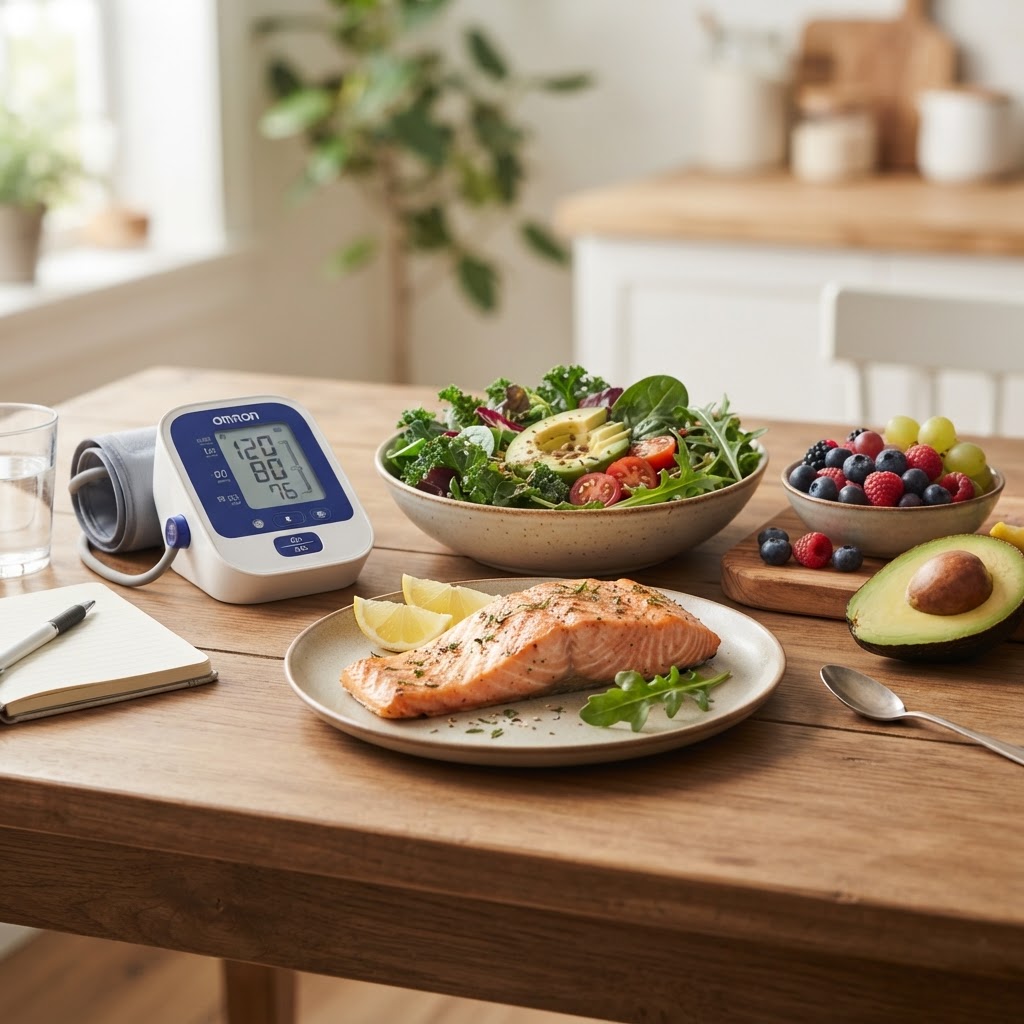
To make these recommendations concrete, consider what a full day of blood-pressure-friendly eating might look like. Breakfast could include steel-cut oats topped with berries and a tablespoon of ground flaxseed, paired with a small glass of low-sodium vegetable juice or a piece of whole fruit. This combination delivers soluble fibre, potassium, and antioxidants while keeping sodium minimal, a stark contrast to typical breakfast options like bacon, processed cereal, or fast-food breakfast sandwiches that can contain over 1,000mg of sodium in a single meal.
Lunch might feature a large salad with mixed leafy greens, grilled salmon, avocado, and a homemade olive oil and lemon dressing rather than store-bought dressings, which are often surprisingly high in sodium. A side of roasted sweet potato provides additional potassium alongside complex carbohydrates for sustained energy. Dinner could centre on a lean protein like grilled chicken or baked cod, paired with steamed broccoli or Brussels sprouts and a serving of quinoa or brown rice, seasoned with herbs, garlic, and lemon rather than salt.
Snacks throughout the day might include a handful of unsalted almonds, sliced cucumber with hummus, or a banana, all of which provide potassium and fibre without excess sodium. This kind of eating pattern, followed consistently over weeks and months, is what produces the meaningful blood pressure reductions documented in clinical research, rather than any single meal or food working in isolation.
Navigating Restaurants and Social Situations
Eating out presents unique challenges for blood pressure management, since restaurant meals are notoriously high in sodium, often exceeding an entire day’s recommended intake in a single dish. When dining out, ask for sauces and dressings on the side, request no added salt during preparation when possible, and choose grilled, baked, or steamed preparations over fried or heavily sauced options. Sharing an entree or taking half home can also help manage both sodium and calorie intake simultaneously.
Social gatherings and holidays often centre around foods that can challenge blood pressure goals, but this doesn’t mean avoiding social occasions entirely. Focus on filling your plate primarily with vegetables and lean proteins first, practice mindful portions of higher-sodium favourites, and consider bringing a blood-pressure-friendly dish to share, ensuring you have at least one option that aligns with your goals at any gathering.
Reading Labels and Avoiding Hidden Sodium
Nearly 70 percent of the sodium in the average diet comes from processed and restaurant foods rather than the salt shaker at home, making label reading an essential skill for anyone managing blood pressure through diet. Bread, deli meats, canned soups, condiments, and even foods that don’t taste particularly salty, like breakfast cereals and baked goods, can contain surprisingly high sodium content. Look for products labeled ‘low sodium’ (140mg or less per serving) or ‘no salt added,’ and compare similar products since sodium content can vary dramatically between brands of the same food type.
Pay particular attention to canned vegetables and beans, which often contain significant added sodium for preservation purposes. Rinsing canned beans and vegetables under running water for a full minute can reduce their sodium content by up to 40 percent, making this a simple, nearly effortless habit that meaningfully reduces overall sodium intake. Similarly, choosing fresh or frozen vegetables without sauce over canned versions eliminates this hidden sodium source entirely while often improving nutritional quality.
Tracking Progress and Staying Motivated
Blood pressure improvements from dietary changes typically become measurable within two to four weeks of consistent adherence, though some people notice changes even sooner. Keeping a simple log of your home blood pressure readings alongside notes about your dietary changes can help you identify which specific modifications are producing the most benefit for your individual physiology, since responses to sodium restriction versus potassium increase versus specific food additions can vary between individuals.
Remember that dietary changes work best as part of a comprehensive approach that also includes regular physical activity, stress management, adequate sleep, and limiting alcohol intake. Rather than viewing dietary change as a temporary fix, approach it as a permanent shift in how you eat, since the cardiovascular benefits of a heart-healthy diet extend well beyond blood pressure control to include reduced risk of heart attack, stroke, and overall mortality over the long term.
Potassium-rich foods deserve special emphasis in this discussion, since potassium helps your kidneys excrete more sodium through urine while also helping blood vessels relax, both mechanisms that directly lower blood pressure. Bananas, oranges, potatoes with the skin on, spinach, and beans are all excellent potassium sources that can be easily incorporated into daily meals. Most adults following a Western diet consume far less potassium than recommended while consuming far more sodium than recommended, making this an important area of focus alongside simply reducing salt intake.
Finally, remember that consistency matters more than perfection when it comes to dietary changes for blood pressure. An occasional higher-sodium meal at a celebration or restaurant will not undo weeks of consistent healthy eating, so avoid an all-or-nothing mindset that leads to giving up after a single setback. Focus on your overall pattern of eating over weeks and months, and trust that the cumulative effect of consistently choosing blood-pressure-friendly foods will produce meaningful, measurable improvements over time.
If you have been diagnosed with hypertension or are simply looking to reduce your risk, talk to your doctor or a registered dietitian about building a personalised eating plan that accounts for your other health conditions, food preferences, and lifestyle. What works well for one person may need adjustment for another, particularly if you also manage diabetes, kidney disease, or other conditions that affect dietary recommendations.
Small, consistent changes to how you eat, sustained over months and years, remain one of the most powerful tools available for protecting your cardiovascular health and reducing your dependence on medication over time. Start today with one simple swap, and build momentum from there.
Herbs and spices offer a flavourful way to reduce reliance on salt without sacrificing taste. Garlic, in particular, has been studied for its modest blood-pressure-lowering effects, likely due to compounds that support nitric oxide production and help blood vessels relax. Fresh herbs like basil, rosemary, and thyme, along with spices like cumin and paprika, can make vegetables and lean proteins genuinely flavourful without a single grain of added salt, helping the transition to a lower-sodium diet feel like an upgrade rather than a sacrifice.
These foods work best as part of a comprehensive, sustainable dietary pattern rather than isolated additions to an otherwise unchanged diet.
Leave a Reply