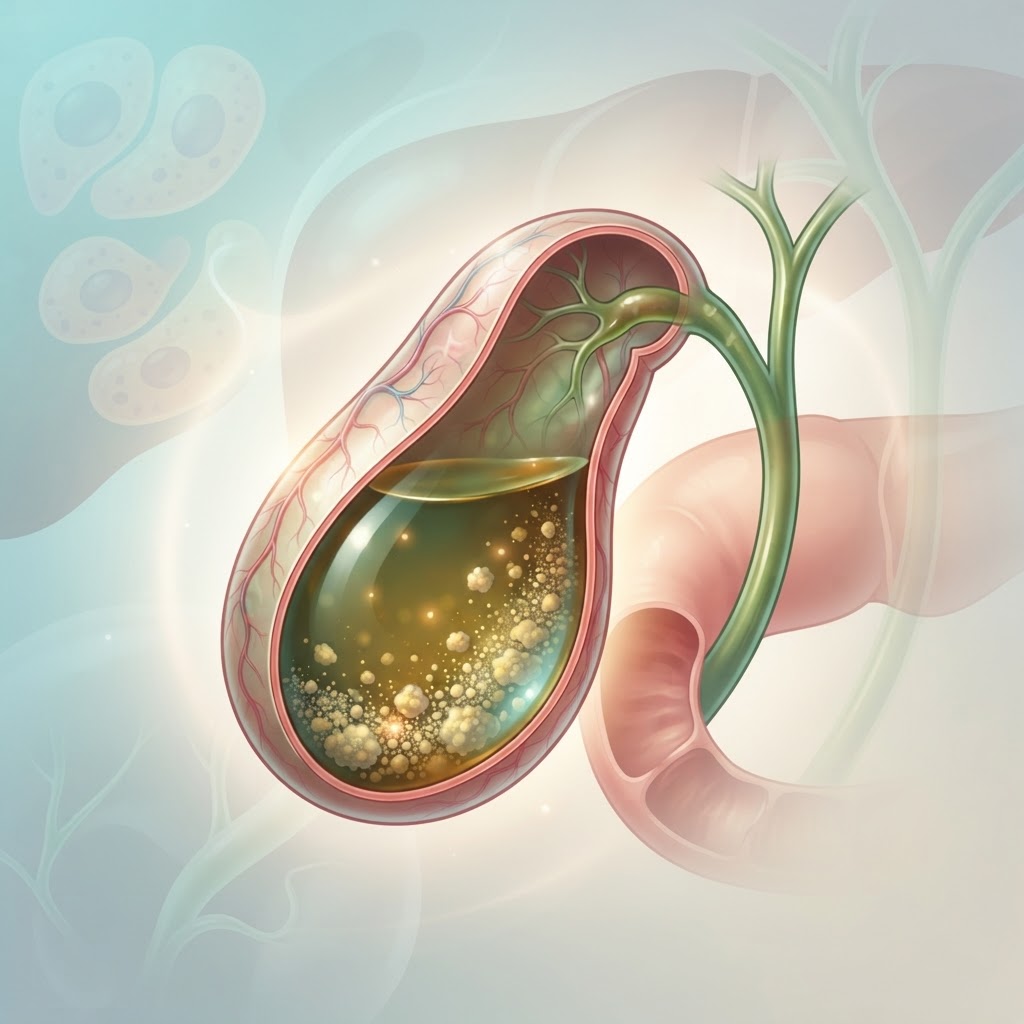
- Gallbladder sludge is a precursor to gallstones, consisting of a mix of microscopic particles like cholesterol crystals and calcium salts.
- Common biliary sludge symptoms often mimic indigestion, including upper abdominal pain, nausea, and bloating after heavy meals.
- Rapid weight loss, hormonal imbalances, and dietary habits are leading causes of gallbladder sludge accumulation.
- Diagnosis typically involves ultrasound imaging to detect the movement and layering of particulate matter within the gallbladder.
- Optimizing bile flow is essential for gallbladder health, as sluggish bile creates a stagnant environment where sediment can settle and solidify.
The gallbladder is a small, pear-shaped organ that often goes unnoticed until it begins to protest. While many people are familiar with the pain of gallstones, fewer are aware of a more common, stealthy condition known as gallbladder sludge. This collection of microscopic particles can be just as disruptive to your quality of life, acting as a warning sign from your body that your digestive system requires attention. Understanding the nuances of this condition is the first step toward reclaiming your digestive comfort. In this comprehensive guide, the healthauthoritylife Editorial Team explores the intricacies of biliary sludge, why it forms, and how you can support your gallbladder health before more serious complications arise.
What Is Gallbladder Sludge and Why Does It Form?
Gallbladder sludge, medically referred to as biliary sludge, is essentially a mixture of particulate matter that has settled into the gallbladder. Unlike solid gallstones, which are distinct, hard masses, sludge is a viscous, thick, and syrupy collection of bile that contains microscopic cholesterol crystals, calcium bilirubinate, and other proteins. Think of it like sediment settling at the bottom of a bottle of juice that has been left undisturbed for too long; in the gallbladder, this “sediment” interferes with the organ’s ability to contract and empty properly.
The primary reason sludge forms is a disruption in the delicate balance of bile chemistry. Bile is produced by the liver and stored in the gallbladder, where it is concentrated until needed for the digestion of fats. Under normal conditions, bile remains a fluid, clear liquid. However, when the concentration of cholesterol or other minerals becomes too high, or when the gallbladder fails to empty frequently enough, the bile becomes stagnant. This stasis is the perfect breeding ground for particles to clump together. Once these particles reach a certain density, they begin to layer at the bottom of the gallbladder, appearing on medical imaging as a thick, echogenic layer that moves with the body’s position.
Several factors contribute to this formation. Often, it begins with an imbalance in the bile salts, lecithin, and cholesterol ratio. When the liver secretes too much cholesterol, the bile becomes supersaturated, and the gallbladder—struggling to keep this cholesterol in a soluble state—eventually allows crystals to fall out of suspension. Furthermore, the gallbladder relies on the hormone cholecystokinin (CCK) to trigger contractions after a meal. If hormonal signaling is sluggish, or if the gallbladder muscle itself loses its rhythmic efficiency, bile lingers for too long. Over time, this retained bile loses its fluid nature, turning into the thickening, sludge-like substance that characterizes the condition.
It is important to note that gallbladder sludge is often considered a reversible condition, unlike fully formed calcified gallstones. Because it is a precursor state, individuals who identify the problem early have a significant advantage. By addressing the underlying factors—such as dietary patterns, liver function, and motility—many people can prevent the progression from simple sludge to painful, inflammatory, or obstructive gallstone disease. Recognizing that your bile has become “sludgy” is not just a diagnosis; it is an actionable insight into your body’s metabolic health.
Common Symptoms of Biliary Sludge You Should Know
Identifying biliary sludge symptoms can be challenging because the signs are frequently non-specific and easily mistaken for common digestive complaints like acid reflux, gastritis, or simple overeating. Because the sludge often causes intermittent blockages in the ducts leading out of the gallbladder, symptoms tend to come and go in waves, often triggered by specific types of meals.
The most hallmark sensation associated with sludge is biliary colic—a dull, aching pain or a feeling of pressure in the upper right quadrant of the abdomen, just beneath the rib cage. This pain may sometimes radiate to the center of the upper abdomen or even travel toward the right shoulder blade or back. Unlike the sharp, stabbing pain of a complete obstruction, sludge-related discomfort is often described as a deep, gnawing pressure that can last anywhere from thirty minutes to several hours. It frequently occurs after consuming a high-fat or greasy meal, as the gallbladder tries to contract to release bile to help digest the fats, only to be obstructed by the thick sludge.
Beyond pain, digestive distress is a major red flag. Many people report persistent bloating, excessive gas, and a feeling of fullness that begins shortly after eating. Nausea is also quite common; some individuals feel a sense of malaise or a “queasy” stomach whenever they consume protein or fat. In some instances, stool changes may occur, such as pale-colored or clay-colored bowel movements. This happens because bilirubin, the substance that gives stool its brown color, is not being excreted into the intestine effectively due to the thickened, sludgy bile blocking the pathway.
It is vital to listen to these subtle cues. Many people experience “silent” sludge, where they have no symptoms at all, and the condition is only discovered during a routine scan for other issues. However, for those who are symptomatic, the pattern is usually clear: pain or discomfort following the ingestion of heavier foods. If these symptoms are accompanied by a fever, chills, or persistent yellowing of the skin and eyes (jaundice), it suggests that the sludge may have caused an obstruction or inflammation of the gallbladder (cholecystitis), which requires immediate medical attention. Keeping a food diary can be a powerful tool for those trying to correlate their symptoms with dietary triggers.
Primary Causes and Risk Factors for Sludge Accumulation
The development of biliary sludge is rarely the result of a single event; instead, it is typically the culmination of several physiological and lifestyle factors that create a “perfect storm” for bile stasis. Understanding these causes of gallbladder sludge is essential for those looking to implement long-term preventive strategies.
One of the most significant risk factors is rapid weight loss. While shedding excess weight is beneficial for overall health, losing pounds too quickly—often through extreme caloric restriction or crash diets—forces the body to mobilize large amounts of cholesterol. As the liver processes this fat, it secretes excess cholesterol into the bile, which quickly becomes supersaturated. Furthermore, during periods of very low-fat intake, the gallbladder does not receive the signal to contract regularly, leading to further stasis. This is why many medical professionals emphasize gradual, sustainable weight loss rather than rapid fluctuations.
Hormonal factors also play a massive role. Estrogen is known to increase the cholesterol content of bile while simultaneously slowing down the emptying of the gallbladder. This explains why women, particularly those who are pregnant, on hormone replacement therapy, or taking birth control pills, have a higher statistical likelihood of developing biliary sludge. These hormonal shifts create an environment where the bile is naturally more prone to crystallization and stagnation.
Dietary choices are equally influential. A diet high in refined carbohydrates and sugars can lead to insulin resistance, which has been linked to altered bile composition. When insulin levels are consistently elevated, it can disrupt the liver’s ability to maintain healthy bile flow. Additionally, insufficient fiber intake is a major culprit. Dietary fiber helps bind to bile acids in the intestine and encourages their excretion; without enough fiber, the enterohepatic circulation (the recycling of bile between the liver and intestines) becomes disrupted, leading to a buildup of secondary bile acids that are more likely to encourage sludge formation.
| Approach | Methodology | Best For |
|---|---|---|
| Dietary Modification | Increase soluble fiber and healthy fats. | Preventing initial accumulation. |
| Lifestyle Management | Gradual weight loss and regular activity. | Addressing hormonal imbalances. |
| Hydration Strategies | Maintaining high water intake throughout the day. | Maintaining bile fluidity. |
| Nutritional Support | Targeted bile-thinning supplements and bitter herbs. | Supporting sluggish gallbladder function. |
Other systemic issues, such as diabetes and prolonged fasting or parenteral nutrition (feeding through an IV), can also contribute. When the body is not receiving food through the digestive tract, the gallbladder enters a “resting” state for too long. If you are experiencing recurring issues, it is important to look at your daily rhythms—are you skipping meals? Are you relying on ultra-processed foods? Are you sedentary for long periods? Often, the solution involves restoring the natural, rhythmic contractions of the gallbladder through consistent, nutrient-dense eating habits.
How Doctors Diagnose Gallbladder Sludge
Diagnosing gallbladder sludge requires a combination of clinical assessment and diagnostic imaging. Because the symptoms of biliary sludge are so similar to other gastrointestinal issues, a healthcare professional will typically start by taking a thorough medical history, asking about your diet, family history of gallbladder issues, and the specific nature of your abdominal discomfort. They may also perform a physical exam to check for tenderness in the upper right abdomen, a sign often referred to as Murphy’s sign if inflammation is present.
The primary tool for confirming the presence of sludge is an abdominal ultrasound. Ultrasound is the gold standard for this condition because it is non-invasive, does not involve radiation, and is highly effective at visualizing the contents of the gallbladder. During the procedure, the sonographer will ask you to change positions—moving from lying on your back to lying on your side. This is a critical step because true sludge, unlike a gallstone, is gravity-dependent. As you move, the sludge will slowly shift and layer along the bottom of the gallbladder wall, a phenomenon known as “layering.”
In addition to ultrasound, your provider might suggest blood work to assess liver function and pancreatic enzymes. While there is no specific “sludge test” in blood work, elevated liver enzymes, bilirubin, or alkaline phosphatase levels can indicate that the bile ducts are under stress or that there is an obstruction preventing normal flow. These markers help the doctor determine if the sludge is causing significant bile duct interference or if it is currently asymptomatic.
In more complex cases where ultrasound results are unclear or when there is a suspicion of an obstruction in the bile ducts that the ultrasound cannot fully resolve, other imaging modalities might be used. An endoscopic ultrasound (EUS) is a more specialized procedure where an endoscope with an ultrasound probe on the tip is passed down the esophagus into the stomach. This allows for a very high-resolution view of the gallbladder and the surrounding bile ducts. Magnetic resonance cholangiopancreatography (MRCP) may also be used to get a detailed map of the biliary tree. These advanced diagnostic tools are typically reserved for patients who have persistent symptoms, recurrent pain, or evidence of complications like pancreatitis, ensuring that the treatment plan is based on an accurate understanding of the severity of the bile duct involvement.
The Connection Between Bile Flow and Digestion
To understand why gallbladder sludge is so problematic, one must appreciate the vital role that bile plays in digestion. Bile is a complex fluid composed of bile salts, cholesterol, bilirubin, and phospholipids. Its primary job is to emulsify fats—breaking large fat globules into tiny droplets that can be easily digested by enzymes like lipase. Without efficient bile flow, your body struggles to break down dietary fats, leading not only to the classic symptoms of indigestion but also to deficiencies in fat-soluble vitamins such as A, D, E, and K.
When the gallbladder is working correctly, it serves as a storage tank and a pump. During a meal, the presence of fat in the small intestine triggers the release of the hormone cholecystokinin. This hormone signals the gallbladder to contract, squirting a concentrated burst of bile into the common bile duct, which then meets the digestive juices coming from the pancreas. This synchronization is crucial for the efficient breakdown of nutrients. If you have sludge, the “pump” is essentially clogged. The gallbladder may be unable to empty completely, leaving behind a residue of old bile that becomes thicker and more prone to forming stones.
Furthermore, the flow of bile is a detoxification pathway. The liver uses bile to dump metabolic waste, excess cholesterol, and certain environmental toxins out of the body and into the intestines, where they are eventually eliminated in stool. When bile flow is impaired, this detoxification process is hindered. The bile that is stored can become toxic, and the body may be forced to reabsorb substances that it was trying to excrete. This is why many people who suffer from chronic biliary sludge report feelings of systemic fatigue or sluggishness; their body is literally struggling to “take out the trash” through the proper digestive channels.
Supporting this flow is central to most natural approaches for managing gallbladder health. The goal is to keep the bile thin, fluid, and moving. This is why consistency in meal timing is so important; the gallbladder is a muscle, and like any other muscle, it requires regular “exercise”—in this case, the rhythmic contraction prompted by regular, balanced meals. When we practice intermittent fasting or extremely restrictive low-fat diets for too long, we keep the gallbladder in a dormant state for extended periods, which actually encourages the bile to settle and turn into sludge. Balance is key; by providing the right nutrients to stimulate healthy bile production and ensuring the gallbladder empties frequently, we can create an environment where sludge is less likely to accumulate, ultimately improving both our digestive comfort and our long-term wellness.
Dietary Changes to Prevent and Reduce Sludge
The gallbladder acts as a reservoir for bile, a digestive fluid produced by the liver that helps emulsify fats. When bile remains stagnant or becomes overly concentrated, it begins to form biliary sludge—a mixture of cholesterol crystals, calcium salts, and mucus. Dietary intervention is often the primary strategy for managing this condition because what you eat directly dictates how frequently your gallbladder contracts and how much cholesterol your bile contains.
The cornerstone of dietary management is the implementation of a low-saturated-fat, high-fiber eating pattern. Consuming large amounts of refined carbohydrates and unhealthy fats forces the gallbladder to work overtime to produce enough bile to digest those meals, which can lead to inflammation. Conversely, eating smaller, frequent meals helps ensure the gallbladder empties regularly, preventing the bile from “settling” and turning into sludge.
Fiber is perhaps the most critical nutrient for gallbladder health. Soluble fiber, found in oats, beans, lentils, and fruits, binds to bile acids in the digestive tract and encourages their excretion. By forcing the body to produce new bile, fiber helps keep the bile pool fresh and prevents the crystallization process. Aiming for 25 to 30 grams of fiber per day is a standard recommendation for those looking to improve their digestion.
Furthermore, hydration plays an often-overlooked role. Bile is mostly composed of water; if you are chronically dehydrated, your bile becomes more viscous and prone to clumping. Drinking adequate water throughout the day ensures that the gallbladder can effectively transport bile through the bile ducts. Additionally, focusing on anti-inflammatory foods such as leafy greens, cruciferous vegetables (like broccoli and kale), and omega-3-rich sources like flaxseeds or walnuts can reduce the internal pressure on the biliary system.
Natural Supplements That May Support Bile Production
While food should always be the foundation of your health, certain natural supplements may assist in thinning bile and supporting gallbladder function. These substances generally work by promoting “choleresis”—the production of bile—or by protecting the liver cells that manufacture it. Before adding these to your regimen, it is vital to understand their mechanisms and consult with a healthcare provider, as some supplements can trigger gallbladder contractions that may be painful if you have existing stones.
Commonly discussed supplements for gallbladder health include:
- Milk Thistle (Silymarin): Known primarily for liver support, this herb helps maintain the integrity of liver cell membranes. By keeping the liver functioning optimally, it ensures that the composition of the bile produced is balanced and less likely to sludge.
- Beetroot Extract: Beets are rich in betaine, a compound that supports the thinning of bile and helps the liver process toxins more effectively.
- Ox Bile Salts: For individuals whose bodies struggle to produce enough bile or who have undergone gallbladder removal, supplemental bile salts can aid in the digestion of fats and reduce the workload on the biliary system.
- Dandelion Root: Traditionally used in herbal medicine as a bitter tonic, dandelion root is believed to stimulate bile flow, effectively “flushing” the biliary tract.
The following table outlines common supplements and their primary benefits for those managing biliary sludge:
| Supplement | Primary Benefit | Best For |
|---|---|---|
| Milk Thistle | Liver detoxification support | General liver and bile health |
| Ox Bile | Fat digestion aid | Those with low bile production |
| Beetroot Extract | Bile thinning | Reducing bile viscosity |
| Dandelion Root | Stimulating bile flow | Promoting natural biliary flushing |
Lifestyle Habits to Protect Your Gallbladder Health
Beyond diet and supplementation, your daily lifestyle choices serve as a major determinant in whether or not your gallbladder remains healthy. The most significant lifestyle factor is weight management. Rapid weight loss—often induced by “crash dieting”—is a well-documented trigger for gallbladder sludge and stones. When you lose weight too quickly, your liver secretes extra cholesterol into the bile, and the gallbladder doesn’t empty frequently enough, creating the perfect environment for sludge to form.
Aiming for slow, steady weight loss (typically 1 to 2 pounds per week) is the safest approach. This pace allows the gallbladder to adjust to the changing metabolic environment without becoming overwhelmed by the sudden influx of cholesterol. Regular, moderate physical activity is also essential. Exercise helps regulate body weight and improves insulin sensitivity, both of which are indirectly linked to the chemical composition of bile.
Stress management is another hidden factor. Chronic stress can alter digestive transit times and impact hormone levels that govern the biliary system. Practices such as mindfulness, yoga, or simple breathwork can reduce the sympathetic nervous system’s “fight or flight” response, which often causes the digestive system to slow down. Furthermore, avoiding smoking and minimizing alcohol intake can reduce the toxic burden on the liver, allowing it to produce healthier, more fluid bile.
Finally, consistency is key. Establishing a regular sleep-wake cycle and ensuring you don’t skip meals keeps your digestive system on a rhythm. When you skip breakfast, your gallbladder remains full for a prolonged period, which increases the likelihood of bile crystallization. A simple habit like eating a small, healthy breakfast every morning can act as a natural “reset” for your gallbladder.
When to See a Doctor About Gallbladder Pain
While dietary and lifestyle adjustments can help manage minor sludge, certain signs indicate a more serious medical issue. Gallbladder sludge can progress to gallstones, or the sludge itself can move into the bile duct, causing a blockage. This is a medical emergency that requires immediate professional attention.
You should seek urgent medical care if you experience any of the following:
- Severe, persistent pain: This is often felt in the upper right quadrant of the abdomen or between the shoulder blades. If it does not go away after several hours or is getting worse, seek help immediately.
- Fever and chills: These are classic signs of an infection (cholecystitis) or an obstruction in the bile ducts.
- Jaundice: Yellowing of the skin or the whites of the eyes suggests that bile is blocked from reaching the intestines and is backing up into the bloodstream.
- Clay-colored stools or dark urine: These indicate that bilirubin is not being properly excreted, which is a hallmark sign of a biliary obstruction.
- Nausea and vomiting that prevents keeping fluids down: Persistent vomiting can lead to rapid dehydration and electrolyte imbalances.
Even if your symptoms are mild, such as intermittent bloating or discomfort after a fatty meal, it is prudent to discuss them with a doctor. They may recommend an ultrasound, which is the gold standard for diagnosing gallbladder sludge. An early diagnosis allows you to intervene before the sludge develops into painful or obstructive gallstones.
Potential Complications of Untreated Gallbladder Sludge
Ignoring biliary sludge is a risky gamble. While some people may live with “asymptomatic sludge” for years, others find that it serves as a precursor to more severe health crises. The primary concern is that the sludge acts as a nidus—or a starting point—for the formation of gallstones. Once these crystals grow large enough to become stones, they are much harder for the body to break down naturally.
Another common complication is biliary colic. This occurs when a small amount of sludge or a stone temporarily blocks the cystic duct. The gallbladder, in an attempt to push the bile through, contracts forcefully against the obstruction, leading to intense, cramping pain. This pain can be debilitating and often mimics a heart attack, leading to unnecessary anxiety.
More dangerously, sludge can move into the common bile duct, causing a blockage that prevents bile from reaching the small intestine. This can lead to acute cholecystitis (inflammation of the gallbladder) or even acute pancreatitis. Pancreatitis is a life-threatening condition where the pancreatic enzymes become trapped and begin to digest the pancreas itself, causing massive inflammation and pain. Because of these risks, it is essential to monitor digestive changes and treat gallbladder issues proactively under the guidance of a medical professional.
Frequently Asked Questions
Can gallbladder sludge be reversed naturally?
Many individuals find success in reducing or eliminating biliary sludge through consistent dietary changes, such as increasing fiber intake, staying hydrated, and avoiding trigger foods. While it is possible to “clear” sludge naturally, it requires time and a committed approach to long-term health. However, if the sludge has already hardened into significant stones, professional medical intervention may be necessary.
What foods should I avoid if I have gallbladder sludge?
To give your gallbladder a break, it is best to limit saturated and trans fats, which are found in fried foods, processed snacks, fatty cuts of red meat, and full-fat dairy products. Additionally, many people find that highly refined sugars and white flour contribute to digestive discomfort and sluggish bile flow, so replacing these with whole grains and complex carbohydrates is recommended.
How long does it take for gallbladder sludge to clear?
There is no fixed timeline, as it depends on the severity of the sludge, your overall health, and how strictly you adhere to dietary and lifestyle changes. Some people notice improvements in digestive comfort within a few weeks of shifting their diet, while others may require several months of consistent habit changes to see a change on a follow-up ultrasound.
Is coffee good or bad for the gallbladder?
Moderate coffee consumption has been linked in several observational studies to a reduced risk of gallbladder issues. Caffeine is thought to stimulate gallbladder contractions and promote bile flow, which may prevent the stagnation that leads to sludge. However, if coffee causes you acid reflux or other digestive issues, it is best to listen to your body and moderate your intake accordingly.
Can stress really cause gallbladder issues?
While stress is not a direct cause of “sludge,” it significantly impacts digestive function. When the body is under stress, it prioritizes the heart and muscles over the digestive system, which can slow down gallbladder emptying. Chronic, low-level stress can lead to bile stasis, which is the perfect environment for sludge to accumulate.
Will I need surgery if I have gallbladder sludge?
Surgery (cholecystectomy) is generally reserved for cases where sludge has progressed to painful gallstones, is causing frequent infections, or is blocking the bile ducts. If your sludge is asymptomatic and not causing complications, doctors often opt for a “watchful waiting” approach combined with lifestyle recommendations to prevent further progression.
Conclusion
Gallbladder sludge is a quiet warning from your body that your digestive system is struggling to maintain balance. By recognizing the biliary sludge symptoms early—such as persistent bloating, mild abdominal discomfort, or indigestion—you can take proactive steps to restore your health before the condition progresses to painful stones or dangerous complications. Through a foundation of fiber-rich nutrition, smart supplementation, and steady, sustainable lifestyle habits, you can support your liver and gallbladder in producing clear, free-flowing bile.
The path to gallbladder wellness is not about quick fixes; it is about respecting the rhythm of your digestive system and providing it with the tools it needs to thrive. If you are experiencing symptoms, do not hesitate to reach out to a healthcare professional to get an accurate diagnosis via ultrasound. Taking control today can save you from more invasive procedures down the road.
Are you ready to prioritize your digestive health? Start by auditing your daily fat intake and adding a serving of high-fiber vegetables to every meal starting today. Small changes are the building blocks of lasting wellness.
By healthauthoritylife Editorial Team
This article is for informational purposes only and is not a substitute for professional medical advice. Always consult your doctor before making changes to your diet, exercise routine, or treatment plan.
Leave a Reply