
⚕️ Written by Dr. Sarah Mitchell, MD, MPH  •  📋 Evidence-Based Articles  •  🔍 Medically Reviewed

⚠️ Not a substitute for professional medical advice

Category: Children’s Health

Paediatric health, child nutrition, and family wellness articles.

  • Spleen Congestion: Symptoms, Causes, and Natural Relief Tips

    Key Takeaways

    • Spleen congestion occurs when the organ struggles to filter blood and manage immune cell production efficiently.
    • Common signs include upper-left abdominal discomfort, recurring infections, and unexplained fatigue.
    • Systemic issues like chronic inflammation and poor lymphatic drainage are leading drivers of spleen stress.
    • Supporting spleen health requires a holistic approach, focusing on hydration, lymphatic movement, and anti-inflammatory habits.
    • Understanding the spleen’s role as an immune hub is critical for proactive lymphatic system health.

    Often overlooked in favor of more prominent organs like the liver or kidneys, the spleen is a vital component of your body’s internal filtration and defense architecture. Located tucked away under your rib cage on the upper left side of your abdomen, this fist-sized organ works tirelessly to recycle old red blood cells, store platelets, and act as a first-line responder for blood-borne pathogens. However, modern lifestyles—often characterized by high stress, processed diets, and sedentary habits—can place an outsized burden on this delicate organ. When the spleen becomes overburdened, it enters a state of sluggishness often referred to as spleen congestion. Recognizing the early signs and understanding how to nourish this unsung hero is essential for anyone looking to optimize their long-term vitality. In this comprehensive guide, the healthauthoritylife Editorial Team explores the intricacies of spleen health, the triggers for congestion, and the evidence-based strategies you can use to restore balance.

    What Is Spleen Congestion and Why Does It Happen?

    At its core, spleen congestion is a functional bottleneck. While medical literature typically refers to severe cases as splenomegaly, or an enlarged spleen, congestion is often the sub-clinical, preliminary state that precedes structural change. The spleen is a highly vascular organ, meaning it is densely packed with blood vessels and sinusoids designed to filter blood continuously. When the system is working optimally, the spleen filters out damaged or aging red blood cells and clears away cellular debris. It acts as a massive reservoir for immune cells, specifically lymphocytes, which are deployed when the body detects a threat.

    Congestion happens when the “inflow” of debris, toxins, or immune threats exceeds the spleen’s “outflow” capacity. Think of it like a clogged filter in a complex plumbing system. When the spleen is constantly bombarded with systemic inflammation—whether from a poor diet, environmental toxins, or chronic infections—the tissues become engorged and stressed. This state is frequently linked to broader lymphatic system health, as the spleen is technically the largest lymphoid organ in the body. If your lymph nodes are sluggish or your blood viscosity is high, the spleen has to work significantly harder to perform its duties. Over time, this chronic overexertion can lead to a loss of efficiency, where the organ struggles to filter properly, potentially leading to symptoms of an enlarged spleen that may be picked up during routine physical exams.

    Another major reason for this congestion is the sheer volume of metabolic waste generated by modern living. A diet high in inflammatory fats, refined sugars, and additives creates a steady stream of inflammatory cytokines that the spleen must process. When these pathways are clogged, the spleen can begin to feel “heavy” or tender. Furthermore, hormonal imbalances, particularly those involving cortisol and stress, can constrict micro-vessels, further hindering the spleen’s ability to move fluid and cells through its complex internal structure. Understanding that the spleen is a dynamic organ—not a static filter—is the first step in learning how to detox your spleen through lifestyle interventions.

    Common Symptoms of a Congested Spleen

    Identifying symptoms of a congested spleen requires an attentive approach to your body’s subtle cues. Because the spleen is tucked behind the ribs, it does not always present with localized pain immediately. Instead, many people report a vague, dull ache or a sensation of fullness in the upper left quadrant of the abdomen, especially after eating or during physical exertion. This feeling of “heaviness” is a classic hallmark, often described as if there is a weight pressing against the lower rib cage. While not always painful, this discomfort serves as a primary signal that the organ may be struggling with blood flow or filtration volume.

    Beyond localized sensation, signs of spleen issues often manifest as systemic immune fatigue. Because the spleen is a major immune hub, congestion can lead to a weakened defense against seasonal bugs. If you find yourself catching every cold that circulates or taking longer than usual to recover from minor illnesses, your spleen might be operating at reduced capacity. Unexplained fatigue is another major symptom; when the spleen is congested, it may fail to effectively recycle red blood cells, potentially leading to a feeling of sluggishness or low-grade anemia. Some individuals may also notice skin changes, such as easy bruising, as the spleen’s role in managing blood platelets becomes compromised.

    It is important to differentiate between transient discomfort and persistent symptoms. Occasionally, after a strenuous workout or a bout of illness, the spleen may naturally feel enlarged as it works to clear the system. However, if these symptoms are consistent, they warrant attention. Some individuals also note digestive sensitivities, such as bloating or a feeling of satiety after only a few bites of food, as the congested spleen can press against the stomach. By maintaining a health journal, you can better track these signs of spleen issues, observing if they correlate with dietary choices or stress spikes. Always remember that while natural support is effective for functional congestion, any persistent, sharp pain or rapidly progressing swelling requires professional medical evaluation to rule out acute structural conditions.

    Approach Primary Focus Best For
    Anti-Inflammatory Nutrition Reducing systemic cytokines and inflammatory load Daily maintenance and long-term vitality
    Lymphatic Drainage Massage Mechanical movement of stagnant interstitial fluids Reducing physical feelings of heaviness/congestion
    Hydration & Electrolyte Balance Thinning blood viscosity for easier filtration Immediate support during mild stress or fatigue

    Primary Causes of Spleen Stress and Enlargement

    To implement effective spleen health tips, one must first address the root causes of dysfunction. The spleen is remarkably resilient, yet it is highly sensitive to the internal environment of the blood it filters. One of the most common, yet often overlooked, causes of spleen stress is chronic viral or bacterial load. Even low-level, persistent infections—such as those associated with Epstein-Barr or lingering respiratory issues—can force the spleen to stay in a state of high alert. This constant activation leads to the proliferation of immune cells, causing the organ to expand and effectively become congested with its own immune byproduct.

    Dietary habits play a foundational role in this equation. The modern diet, laden with ultra-processed foods, unstable vegetable oils, and excessive sugar, creates a constant state of low-grade metabolic inflammation. When your body consumes these substances, the resulting inflammatory response requires filtration by the liver and the spleen. Furthermore, blood viscosity is heavily influenced by hydration levels and blood sugar control. When blood is “thick”—a state often caused by chronic dehydration and high glucose levels—the spleen must work harder to push that fluid through its delicate microscopic filters. This mechanical strain is a direct contributor to congestion.

    Stress is another silent driver. The sympathetic nervous system—our “fight or flight” mechanism—directly impacts blood flow distribution. Under chronic stress, blood is shunted away from the digestive and lymphatic systems and toward the extremities and heart. This shunting can lead to poor perfusion of the spleen, slowing down the filtration process and allowing waste products to linger in the splenic tissues. Environmental toxins, including heavy metals or persistent organic pollutants, also collect in the lymph and blood, requiring the spleen to work overtime to sequester and neutralize these compounds. By acknowledging these primary stressors—infection, diet, viscosity, and stress—we can begin to see why spleen congestion is so prevalent in our modern era, and why simple, consistent interventions are often the most successful.

    The Connection Between the Spleen and Lymphatic System

    To understand the spleen, one must view it not as an isolated organ, but as the crowning jewel of the lymphatic system. The lymphatic system acts as the body’s secondary circulatory network, tasked with removing cellular waste, excess fluids, and toxins from the tissues. If the lymphatic system is the body’s “sewer system,” the spleen is the primary treatment plant. It is densely populated with lymphocytes, and it serves as the ultimate clearinghouse where lymph fluid, having been filtered by regional lymph nodes, is essentially vetted before it re-enters the general bloodstream. Therefore, you cannot have optimal lymphatic system health without a functional, non-congested spleen.

    When lymphatic flow becomes sluggish—a condition often referred to as lymphatic stagnation—the burden on the spleen increases exponentially. Lymphatic stagnation often occurs due to lack of movement, as the lymphatic system relies on muscle contractions rather than a heart-like pump to move fluid. If you are sedentary, lymph fluid pools, and the quality of the “input” reaching the spleen degrades. The spleen then becomes congested not necessarily because it is sick, but because the upstream flow is sluggish and full of unprocessed debris. This is why those interested in how to detox your spleen are often encouraged to prioritize lymphatic movement above all else.

    The synergy between these two systems is vital for immune surveillance. The spleen effectively “samples” the blood for pathogens and triggers the production of antibodies. If the lymphatic system is backed up, the spleen may experience “information overload,” struggling to distinguish between benign cellular debris and actual pathogenic threats. This results in unnecessary immune activation, which further taxes the spleen. By focusing on lymphatic health—through movement, dry brushing, and hydration—you take the pressure off the spleen, allowing it to perform its duties with greater efficiency. Maintaining this connection is key; when the spleen and the lymphatic system are in sync, the body’s internal environment remains clean, fluid, and highly resilient.

    How Chronic Inflammation Impacts Spleen Function

    Chronic inflammation is perhaps the greatest thief of spleen function. In an acute emergency, inflammation is a heroic response; it brings immune cells to a site of injury or infection. However, in our modern world, many individuals exist in a state of systemic, low-grade inflammation (often called “inflammaging”). Because the spleen’s primary job is to filter the blood and manage immune cells, it is constantly exposed to these inflammatory markers, such as C-reactive protein and various cytokines. When these markers are elevated for weeks, months, or years, the spleen remains in a state of constant, unproductive activation.

    This prolonged state of high activity has a physical impact on the organ. The tissue of the spleen is highly adaptive, but constant recruitment of immune cells causes a measurable increase in mass. Over time, the spleen loses its pliability and becomes rigid or “congested.” This rigidness impairs the filtration capacity, meaning the spleen is no longer able to effectively clear out damaged red blood cells or store platelets as it should. The result is a cycle where the inflammation causes congestion, and the congested spleen—which is now struggling to regulate the immune response—fails to dampen the inflammation, leading to more immune activation. It is a feedback loop that requires targeted intervention to break.

    Beyond the direct impact on cellular mass, chronic inflammation damages the vascular integrity of the spleen. The tiny vessels within the organ, known as the splenic cords, are sensitive to oxidative stress. Inflammation produces free radicals that can damage the endothelial lining of these vessels, leading to restricted blood flow and further stagnation. Addressing this requires a commitment to anti-inflammatory living, which goes far beyond just dietary changes. It involves mitigating stress, ensuring adequate restorative sleep, and supporting the body’s innate antioxidant systems. When you lower the systemic inflammatory threshold, you provide the spleen with the “breathing room” it needs to repair, decongest, and return to its vital role as a defender of your health. By managing inflammation, you aren’t just protecting one organ; you are preserving the integrity of your entire systemic immune and circulatory infrastructure.

    Dietary Changes to Support Spleen Health

    The spleen is deeply connected to your digestive fire and the overall health of your blood. In many holistic traditions, the spleen is considered the “transformer” of nutrients, responsible for extracting essence from the food you eat and distributing it throughout the body. When the spleen becomes congested, it often struggles to process heavy, cold, or damp foods, leading to a sluggish lymphatic system and persistent fatigue. Shifting your dietary focus toward spleen-supportive foods is one of the most effective ways to reduce congestion and restore vitality.

    The primary goal of a spleen-friendly diet is to reduce the intake of “damp-producing” foods. In holistic nutrition, dampness is viewed as a form of internal congestion that slows down the lymphatic flow. Foods like dairy, refined sugars, excessive cold or raw foods, and highly processed flour can contribute to this state. Instead, focus on warming, easily digestible, and nutrient-dense options that help the spleen perform its filtration duties without undue stress.

    Focus on Root Vegetables: Root vegetables are naturally grounding and strengthening for the spleen. Foods like carrots, sweet potatoes, parsnips, and beets are excellent choices. These should ideally be cooked until tender—steaming, roasting, or slow-cooking in stews makes them much easier for the spleen to metabolize compared to raw preparations. Cooked vegetables provide the warmth necessary to keep digestive enzymes functioning at their peak.

    Incorporate Mildly Bitter Greens: The liver and spleen often work in tandem; therefore, supporting the liver through bitter greens like arugula, dandelion greens, and kale can indirectly relieve the workload on the spleen. These greens help promote bile flow and improve detoxification, which prevents the buildup of toxins that the spleen would otherwise have to filter out.

    Healthy Fats and Proteins: While the spleen thrives on simplicity, it requires essential fatty acids to function correctly. Incorporate moderate amounts of healthy fats such as those found in avocados, olive oil, and flaxseeds. For proteins, emphasize lean, clean sources like wild-caught fish or lentils. Legumes, specifically adzuki beans, are traditionally associated with spleen support and are an excellent addition to soups.

    Limit Cold and Iced Beverages: Consuming iced drinks with meals is a common habit that can suppress digestive function. Because the spleen prefers warmth, ice-cold water or soda can “shock” the digestive system, leading to temporary stagnation. Transitioning to room-temperature water, herbal teas, or warm broths helps maintain the internal environment the spleen needs to function optimally.

    Natural Herbs and Supplements for Spleen Detox

    While food is your primary fuel, certain herbs and supplements can provide the targeted support needed to help your spleen move congestion and improve lymphatic drainage. These should be viewed as supplemental aids to a clean lifestyle rather than “magic bullets.” Many experts recommend a gentle, consistent approach rather than harsh detoxes, as the spleen is a delicate organ that responds best to steady, supportive nourishment.

    Astragalus Root: Often referred to as one of the most powerful tonics for spleen-related energy, Astragalus is prized for its ability to strengthen the body’s innate defense systems. It is often used to help “lift” the energy of the digestive system, which can be beneficial if you are experiencing the sluggishness associated with spleen congestion.

    Red Root: Known in herbalism as a primary lymphatic stimulant, Red Root is specifically recommended for those dealing with enlarged or congested lymph nodes and spleen issues. It helps move interstitial fluids, making it easier for the spleen to clear its backlog of waste products. It is typically consumed as a tincture or tea.

    Ginger and Turmeric: These two rhizomes are superstars for inflammatory reduction. Ginger helps warm the digestive tract and promote blood flow, while turmeric (especially when combined with black pepper) helps reduce systemic inflammation. By calming the inflammatory response, these herbs allow the spleen to focus on its primary immunological tasks rather than reacting to chronic low-level inflammation.

    Dandelion Root: While known primarily for its liver-cleansing properties, dandelion root is also a mild diuretic and stimulant for the entire digestive tract. By improving the efficiency of the liver-spleen axis, it reduces the overall toxic load the body must process.

    Supplement/Herb Primary Benefit Best For
    Astragalus Root Immune system regulation Weakened immunity and fatigue
    Red Root Lymphatic flow promotion Feeling “stagnant” or puffy
    Ginger Digestive warmth/blood flow Cold limbs and slow digestion
    Dandelion Root Detoxification support General liver/spleen filtration

    Lifestyle Habits to Improve Blood and Lymph Flow

    The spleen does not have its own pump, unlike the heart. Its efficiency is heavily dependent on the movement of the rest of your body. If you lead a sedentary lifestyle, the fluid surrounding your spleen and lymph nodes can become thick and sluggish, contributing to the symptoms of an enlarged spleen and overall poor immunity. Incorporating movement is not just about fitness—it is a critical mechanical necessity for internal health.

    Rebounding and Gentle Bouncing: Rebounding on a small exercise trampoline is one of the most effective ways to stimulate the lymphatic system. The vertical motion forces the lymph to move through the valves, which helps drain fluid from the spleen and surrounding tissues. Even five to ten minutes a day can make a significant difference in how “heavy” you feel in your torso.

    Diaphragmatic Breathing: Most people are shallow chest breathers. Deep, diaphragmatic breathing creates a pressure gradient in the abdomen that acts as a natural pump for the lymphatic system. When the diaphragm descends, it compresses the organs, including the spleen, pushing stale fluid out and allowing fresh, oxygenated blood to take its place. Practice “belly breathing” by placing your hand on your stomach and ensuring it rises with every inhale.

    Dry Brushing: Skin is the largest organ of elimination. Using a dry brush before your shower helps stimulate the superficial lymph vessels just beneath the skin. Always brush toward the heart to encourage fluid return. While this doesn’t directly touch the spleen, it clears the “drainage pathways” of the body, allowing the spleen to clear its congestion more effectively.

    Avoiding Prolonged Sitting: Sitting for eight to ten hours a day puts physical pressure on your abdomen and restricts flow. If your job requires you to sit, set a timer for every hour to stand up, stretch, and walk for two minutes. This simple habit keeps your abdominal muscles active and prevents the stagnant pooling of blood in your midsection.

    When to See a Doctor About Spleen Issues

    While many cases of spleen congestion can be managed through dietary and lifestyle changes, there are instances where professional medical intervention is non-negotiable. The spleen is a vital organ, and because it is protected by the rib cage, symptoms of significant enlargement (splenomegaly) can be difficult to detect until they become severe.

    You should seek a medical evaluation if you experience persistent pain in the upper left quadrant of your abdomen. This pain may feel like a dull ache or a sharp, sudden sensation, particularly after eating. If the pain is severe or accompanied by a feeling of fullness in the stomach after eating only a small amount, it could indicate that an enlarged spleen is pressing against your stomach.

    Be highly vigilant for symptoms of systemic infection or blood issues. Frequent infections, unexplained bruising, pale skin, or easy bleeding are red flags that the spleen may be over-filtering the blood, leading to a shortage of platelets or red blood cells. If you feel extreme fatigue that does not improve with rest, or if you notice unexplained weight loss, do not attempt to “self-treat” with natural remedies alone. Blood tests, ultrasound imaging, and physical exams by a physician are necessary to rule out serious conditions such as lymphoma, leukemia, or advanced liver disease.

    Always keep in mind that “natural support” is designed to optimize healthy systems or assist in recovery—it is not a replacement for diagnostics when your body is signaling a significant problem. If you feel a lump or swelling beneath your left rib cage during a self-exam, schedule an appointment with your primary care provider immediately.

    Frequently Asked Questions

    What are the first signs of spleen congestion?

    Early signs often include a feeling of fullness or bloating in the upper left abdomen, especially after meals. Many people also report persistent fatigue, a feeling of “heaviness” in the limbs, poor appetite, and sometimes a pale complexion or a tendency to bruise easily due to the spleen’s role in blood cell regulation.

    Can spleen congestion cause weight gain?

    Yes, indirectly. Because the spleen is central to metabolic function and digestion, a congested or sluggish spleen can lead to a state of “dampness” or fluid retention in the body. This often manifests as stubborn water weight, bloating, and difficulty losing fat despite efforts to diet and exercise, as the body struggles to process nutrients effectively.

    How does the spleen affect the immune system?

    The spleen acts as the primary blood filter for the immune system. It detects pathogens, produces white blood cells, and recycles old or damaged red blood cells. When the spleen is congested, it becomes less efficient at these tasks, which can lead to a lowered resistance to common infections and a sluggish immune response.

    Is it possible to “cleanse” the spleen?

    While the word “cleanse” is often used in marketing, the spleen does not need a “shock” detox. Instead, it thrives on a consistent, supportive lifestyle. You can effectively “cleanse” the spleen by removing heavy, processed, and cold foods from your diet, staying hydrated, and engaging in movement that stimulates lymphatic circulation, allowing the organ to clear its own accumulation of waste naturally.

    Are there specific exercises that help spleen health?

    Exercises that promote lymphatic flow are best. Rebounding (mini-trampoline), swimming, and brisk walking are excellent because they create the physical movement necessary to move fluid through the lymphatic system. Additionally, yoga poses that involve twisting the torso or inversion poses can help stimulate the abdominal organs and encourage healthy blood flow to the spleen area.

    How long does it take to notice an improvement in spleen health?

    Consistency is key, and most people notice a shift in their energy levels and digestion within two to four weeks of implementing dietary and lifestyle changes. However, chronic congestion can take longer to resolve. If you do not see significant improvements in your energy or abdominal comfort within a month, it is recommended to seek professional medical advice to ensure there are no underlying health issues at play.

    Conclusion

    Your spleen is a silent, hardworking guardian of your vitality, constantly balancing your immune health, blood quality, and digestive efficiency. When you ignore the signs of spleen congestion—the fatigue, the bloating, and the sluggish lymph flow—you essentially handicap your body’s primary filtration system. By adopting a diet rich in warming, nutrient-dense foods, incorporating lymphatic-supporting herbs, and moving your body with intention, you can clear the stagnation that keeps you feeling heavy and unwell.

    The journey to better spleen health is not about finding a quick fix; it is about restoring the natural rhythm of your internal organs. Start by making one or two changes this week, such as cutting out cold drinks with meals or adding a five-minute rebounding session to your morning routine. Listen to your body, nourish your digestive fire, and allow your spleen the support it needs to keep you thriving. If you suspect your symptoms are more than just minor congestion, never hesitate to reach out to a healthcare professional for a thorough check-up.

    By healthauthoritylife Editorial Team

    This article is for informational purposes only and is not a substitute for professional medical advice. Always consult your doctor before making changes to your diet, exercise routine, or treatment plan.
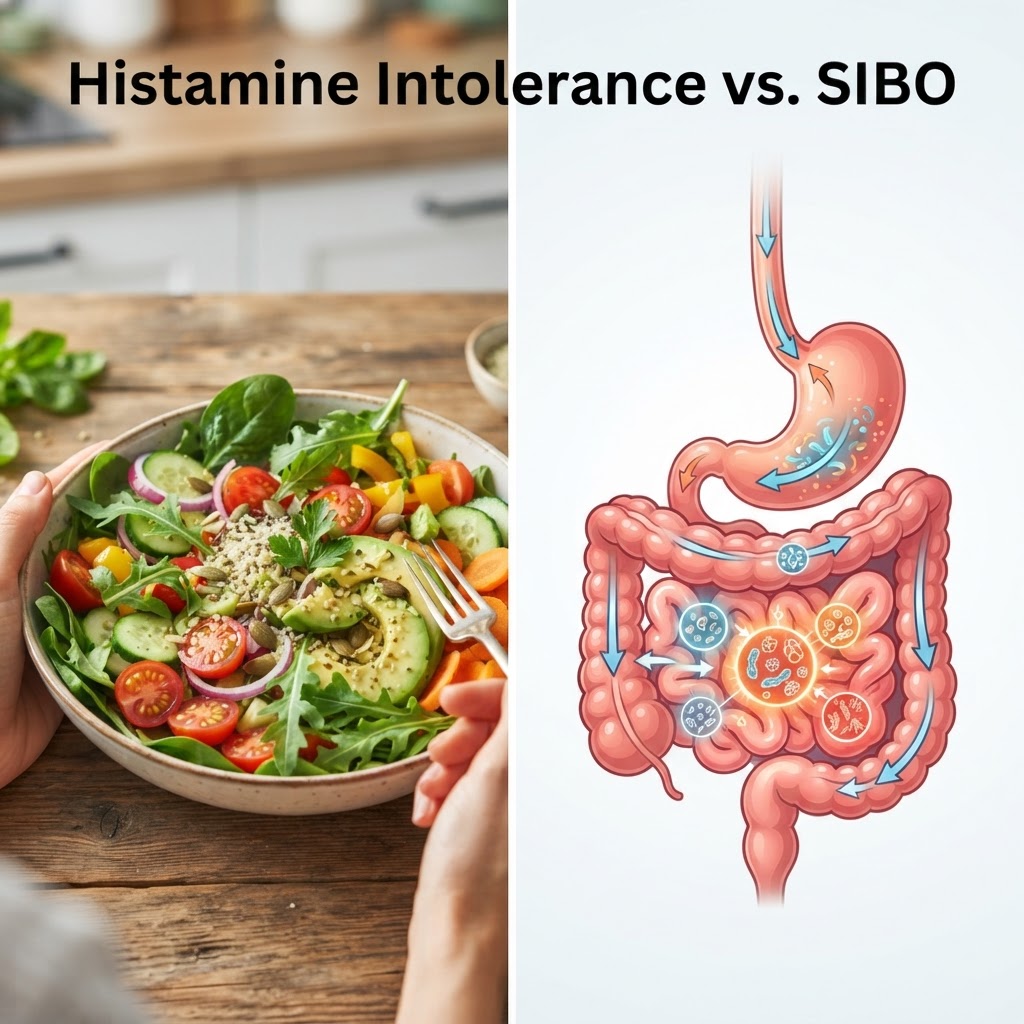

  • Histamine Intolerance vs. SIBO: Which Is Causing Your Bloating?

    Histamine Intolerance vs. SIBO: Which Is Causing Your Bloating?

    Key Takeaways

    • SIBO and histamine intolerance are distinct conditions that frequently present with nearly identical digestive distress symptoms.
    • Small intestinal bacterial overgrowth often acts as a root cause for secondary histamine intolerance by damaging the intestinal lining.
    • Bloating can stem from either bacterial gas production in the small intestine or an overabundance of mast cells reacting to dietary histamine.
    • Distinguishing between the two requires identifying whether symptoms correlate strictly with food intake or fluctuate based on bacterial fermentation patterns.
    • A functional approach often involves addressing bacterial imbalances before attempting to manage chronic histamine overload.

    For many individuals navigating the complexities of digestive health, the struggle to identify the root cause of chronic bloating feels like a never-ending investigation. You might find yourself meticulously logging every morsel you eat, only to experience unpredictable flare-ups that leave you feeling distended, fatigued, and frustrated. Two of the most common, yet frequently misunderstood, culprits behind these persistent issues are small intestinal bacterial overgrowth (SIBO) and histamine intolerance. While these conditions can exist independently, they often share a complex, overlapping relationship that makes self-diagnosis incredibly difficult. Understanding the nuance of histamine intolerance vs. SIBO is not just an academic exercise; it is the vital first step toward restoring your quality of life. This guide, prepared by the healthauthoritylife Editorial Team, will explore the physiological mechanisms, symptom clusters, and strategic diagnostic steps required to tease apart these two pervasive gut health challenges.

    Understanding the Gut-Histamine Connection

    To grasp why your gut often feels like a battlefield, we must first understand the fundamental role of histamine. Histamine is a biogenic amine—a signaling molecule that acts as a neurotransmitter and a mediator of inflammation. While many people associate histamine solely with seasonal allergies and runny noses, it plays a critical role in digestion. In a healthy gut, histamine stimulates the secretion of gastric acid, which is necessary for the proper breakdown of proteins. It also regulates intestinal motility, ensuring that waste moves through your system at an appropriate pace.

    The problem arises when the concentration of histamine exceeds the body’s ability to break it down. Under normal circumstances, an enzyme known as diamine oxidase (DAO) is produced in the small intestine to neutralize histamine derived from food. When the system is functioning optimally, DAO acts as a gatekeeper, preventing exogenous histamine—the kind found in aged cheeses, fermented foods, wine, and cured meats—from entering the bloodstream in harmful quantities. However, when the lining of the small intestine is compromised or the microbial balance is disrupted, DAO production can plummet.

    This creates a vulnerability that links digestive health directly to systemic symptoms. When the gut barrier is inflamed, the cells responsible for producing DAO may be impaired, leading to a condition known as DAO enzyme deficiency. Consequently, even a moderate intake of histamine-rich or histamine-liberating foods can trigger a cascade of symptoms that extend far beyond the digestive tract. You might experience brain fog, headaches, skin rashes, or tachycardia, all because your gut could not neutralize the incoming histamine load. This is the crux of the gut-histamine connection: the gut is not just a tube for food; it is an endocrine and immunological control center. If the environment within the small intestine is hostile—whether due to bacterial shifts or inflammatory damage—the processing of histamines breaks down, leaving you symptomatic after meals that you previously tolerated without issue. Identifying this connection is essential because it suggests that treating the symptom requires looking at the integrity of the intestinal lining itself, rather than simply avoiding high-histamine foods indefinitely.

    What Is SIBO and Why Does It Cause Bloating?

    Small intestinal bacterial overgrowth, or SIBO, occurs when there is an abnormal increase in the overall bacterial population in the small intestine, or specifically, the presence of bacteria that typically belong in the large intestine. Under normal physiological conditions, the small intestine should have a relatively low concentration of bacteria compared to the colon. It is primarily a site for nutrient absorption, not heavy-duty fermentation. However, when the transit time of food through the small intestine slows down—often due to issues with the migrating motor complex (MMC) or structural abnormalities—bacteria from the colon can migrate upward or simply proliferate where they do not belong.

    The primary mechanism behind the hallmark SIBO symptom of chronic bloating is the premature fermentation of carbohydrates. When bacteria inhabit the small intestine in high numbers, they immediately get to work on the carbohydrates you consume before your body has a chance to absorb them. This bacterial fermentation process releases gases, primarily hydrogen and methane, as byproducts. Unlike the large intestine, which is accustomed to managing gas, the small intestine is a tighter, narrower space. The rapid accumulation of these gases causes the abdomen to distend, often appearing suddenly after a meal, which is a classic marker of SIBO symptoms.

    Furthermore, SIBO is not just about gas; it is about inflammation. These bacteria can damage the microvilli, which are the tiny, hair-like projections in the small intestine responsible for nutrient absorption. This damage leads to malabsorption, which can trigger a variety of systemic issues, including nutrient deficiencies. The persistent distension is often accompanied by discomfort, altered bowel habits like constipation or diarrhea, and a general feeling of heaviness. Experts generally agree that SIBO is often secondary to other issues, such as low stomach acid, previous food poisoning, or chronic stress, which suppresses the MMC. Addressing SIBO requires more than just eliminating high-fermentation foods; it requires a systematic approach to normalizing gut motility and recalibrating the internal microbial population, which is why it is often confused with other digestive sensitivities.

    Approach Primary Focus Best For
    Low-Histamine Diet Reducing exogenous histamine intake Immediate relief of systemic reactions
    Low-FODMAP Protocol Reducing fermentable carbohydrate load Managing acute SIBO-related distension
    Prokinetic Support Enhancing gut motility (MMC) Preventing relapse of bacterial overgrowth
    DAO Supplementation Aiding histamine breakdown Supporting digestion of histamine-rich foods

    How Histamine Intolerance Develops in the Gut

    The development of histamine intolerance is rarely a singular event; it is usually the result of a “bucket effect.” Imagine your body has a certain capacity to process histamine, and your internal “bucket” is only so large. When you fill that bucket with histamine-rich foods, environmental allergens, and stress-induced mast cell activation, it eventually overflows, leading to a wide array of symptoms. In the context of the gut, this intolerance often develops through chronic inflammation, which wears down the body’s enzymatic defenses.

    As mentioned previously, DAO is the primary enzyme responsible for degrading extracellular histamine in the digestive tract. When gut health is compromised, the enterocytes—the cells lining the small intestine—are unable to secrete sufficient amounts of DAO. This is often a consequence of chronic gut inflammation caused by pathogens, parasites, or, quite frequently, the very presence of SIBO. When SIBO persists, the inflammation caused by bacterial overgrowth essentially poisons the environment where DAO is produced. Thus, you are caught in a feedback loop: the bacterial overgrowth causes inflammation, which depletes DAO, which leads to histamine intolerance, which further inflames the gut lining.

    Another significant factor is the role of the gut microbiome in histamine production. While we consume histamine in food, certain species of bacteria within the gut can actually synthesize histamine from the amino acid histidine. If you have an overgrowth of these “histamine-producing” bacteria, your gut is essentially acting as an internal factory for histamine. This is a critical distinction to make when considering histamine intolerance vs. SIBO. In a typical case of histamine intolerance, the problem is an inability to clear external histamine. In the context of a dysfunctional microbiome, the problem is endogenous production. Many patients find that even when they strictly follow a low-histamine diet, they still experience symptoms because their own microbial community is providing a steady stream of histamine directly into their system. This is why testing for microbiome imbalances, rather than just treating food triggers, is such a high priority for those struggling with chronic, unresolved digestive and systemic issues. Recognizing the development of this intolerance as an environmental issue within the gut, rather than just an allergy, allows for more targeted and effective interventions.

    Key Symptom Overlap Between SIBO and Histamine Intolerance

    When comparing histamine intolerance symptoms and SIBO symptoms, it becomes immediately apparent why patients often feel they are chasing their tails. Because both conditions influence the inflammatory state of the gut and the systemic nervous system, the clinical presentation often appears identical. The most common shared complaint is, unsurprisingly, chronic bloating. Whether the gas is produced by bacteria fermenting carbohydrates (SIBO) or by mast cells releasing inflammatory mediators in response to dietary histamine, the end result is a visible distension of the abdomen that occurs shortly after eating.

    Beyond bloating, both conditions frequently involve bowel movement irregularities. Patients often oscillate between bouts of diarrhea, caused by the inflammatory response in the gut, and constipation, which may be a root cause of the bacterial overgrowth in the first place. The neurological impact is another area of major overlap. Many people report significant “brain fog,” anxiety, and fatigue after meals. In SIBO, this is often attributed to the systemic absorption of bacterial toxins and the depletion of essential nutrients, such as B12, which are often stolen by the overgrowing bacteria. In histamine intolerance, these neurological symptoms are a direct result of histamine acting as a potent neurotransmitter in the brain, where it can stimulate excess nerve activity and disrupt sleep patterns.

    Skin issues also provide a confusing point of intersection. Histamine is well known for causing hives, itching, and rashes—the classic signs of allergic-type reactions. However, people with SIBO also frequently report skin conditions like rosacea or eczema. It is hypothesized that the chronic gut inflammation and the subsequent rise in systemic inflammatory markers lead to skin barrier dysfunction. When you have both conditions present, as is common, distinguishing the “why” behind an itchy patch or a persistent headache becomes nearly impossible without professional testing. The overlap isn’t just coincidental; it is systemic. Because the gut is the largest immune organ in the body, any disruption there—be it bacterial or histamine-driven—will send ripple effects through the immune system, often resulting in this identical symptom profile. The key takeaway for those suffering is that if you have tried treating one condition and experienced limited success, it is highly probable that the other is either complicating the picture or acting as a hidden driver of your discomfort.

    Distinguishing Triggers: Food vs. Bacterial Fermentation

    Navigating the diagnostic process between histamine intolerance vs. SIBO requires becoming a detective of your own biological responses. The most effective way to begin distinguishing these two triggers is by tracking your symptoms against specific food categories. While both conditions involve digestive distress, the triggers for that distress often reside in different food groups, and the timing of your symptoms can offer clues as to the source.

    Histamine intolerance is generally triggered by high-histamine foods. These include fermented items like sauerkraut, kimchi, and aged cheeses, as well as cured meats, bone broth, avocado, eggplant, and certain leftovers that have sat for long periods. If you notice a consistent pattern where you feel fine eating fresh, simple foods, but react poorly after consuming a fermented product or a glass of red wine, histamine is a likely candidate. In these cases, the symptoms—which might include flushing, heart palpitations, or headaches—often appear very rapidly, sometimes within 30 to 60 minutes, as the body struggles to neutralize the sudden influx of histamine.

    Conversely, SIBO symptoms are typically triggered by fermentable carbohydrates, categorized broadly under the FODMAP umbrella. This includes many healthy foods like onions, garlic, beans, certain fruits, and dairy products containing lactose. If your bloating is more closely linked to the consumption of these carbohydrates, and less to the fermentation status of the food, SIBO is more likely. In SIBO, the reaction time can be slightly delayed compared to a histamine surge, as the food must reach the small intestine where the bacteria are waiting to ferment it. This often results in a “food baby” effect that worsens as the day goes on, rather than the more systemic, inflammatory reactions typical of histamine issues.

    It is important to note that many people have “fermentation potential” in their diet that feeds both conditions. For example, many high-histamine foods are also high in fermentable compounds, which muddies the water further. A useful strategy is to utilize a period of diagnostic elimination. Some experts suggest a brief, strictly controlled protocol that targets one variable at a time. By isolating your intake to foods that are both low-histamine and low-FODMAP—such as plain white rice, boiled chicken, and steamed zucchini—you can establish a “baseline.” From there, reintroducing foods systematically will help you see if you are reacting to the histamine load or the fermentation load. However, always remember that symptoms can be delayed, so keeping a journal is non-negotiable. By paying close attention to whether the reaction is predominantly digestive (bloating/gas) versus systemic (flushing/headache), you begin to gain the clarity needed to formulate an effective, long-term healing plan.

    Diagnostic Testing: What You Need to Know

    Navigating the diagnostic landscape for chronic bloating can be overwhelming, especially when differentiating between SIBO and histamine intolerance. Because these conditions often overlap, obtaining objective data is the most reliable way to create a focused intervention strategy. Relying on symptom tracking alone can be misleading, as the physiological triggers for both conditions frequently mask one another.

    For small intestinal bacterial overgrowth (SIBO), the gold standard remains breath testing. This non-invasive procedure measures the levels of hydrogen and methane gases produced by bacteria in the small intestine after the ingestion of a specific substrate, typically lactulose or glucose. A sharp rise in these gases within a short timeframe suggests that bacteria, which should primarily reside in the large intestine, have migrated into the small intestine. It is vital to prepare for these tests exactly as directed by your laboratory, as dietary fiber intake or antibiotic use in the weeks prior can influence the accuracy of the results.

    Diagnosing histamine intolerance is inherently more complex. Currently, there is no single, universally accepted diagnostic blood test that perfectly captures histamine levels in the tissue. Instead, practitioners often focus on assessing Diamine Oxidase (DAO) activity levels in the blood. Low serum DAO activity levels may provide a strong indicator that your body is struggling to break down ingested histamine. However, normal DAO levels do not definitively rule out histamine intolerance, as local tissue-based deficiency can still occur without systemic depletion.

    Many clinical practitioners use an elimination-reintroduction framework as a functional diagnostic tool. By strictly adhering to a low-histamine diet for a set period—typically two to four weeks—you can observe whether systemic symptoms, such as hives, headaches, or flushing, subside. If they do, the subsequent reintroduction of high-histamine foods acts as a “provocation test.” If symptoms return upon reintroduction, it serves as a strong functional marker for histamine sensitivity, regardless of blood test results.

    Test Type What It Measures Best For
    Hydrogen/Methane Breath Test Gas production via microbial fermentation Identifying SIBO and bacterial imbalances
    Serum DAO Activity Test Concentration of the histamine-degrading enzyme Screening for genetic or acquired DAO deficiency
    Comprehensive Stool Analysis Microbiome diversity and inflammatory markers Identifying general gut inflammation and dysbiosis
    Elimination-Reintroduction Diet Symptom response to dietary triggers Confirming personal food intolerances

    The Role of DAO Enzymes in Gut Health

    Diamine Oxidase (DAO) is the primary enzyme responsible for breaking down extracellular histamine ingested through food. Within the healthy human gut, DAO is synthesized and stored in the mucosa of the small intestine. When you consume a meal rich in fermented foods, aged cheeses, or smoked meats, your intestinal lining releases DAO into the gut lumen to neutralize the incoming histamine load before it can enter the bloodstream.

    When the gut barrier is compromised, as is often the case with chronic SIBO or systemic inflammation, the production and secretion of DAO are significantly impaired. This creates a vicious cycle: the bacterial overgrowth or inflammation damages the lining of the small intestine (where DAO is produced), which leads to lower DAO levels, which in turn causes the body to accumulate excess histamine. This excess histamine then further irritates the gut lining, potentially increasing intestinal permeability, often referred to as “leaky gut.”

    Supporting DAO enzyme production is a cornerstone of managing histamine-related symptoms. While synthetic DAO supplements exist, internal regulation is preferred. Maintaining gut health, reducing systemic inflammation, and consuming a nutrient-dense diet that provides the necessary cofactors for DAO—such as Vitamin B6, Copper, and Vitamin C—can assist your body in its natural degradation process. It is important to note that DAO is strictly an intestinal enzyme; it does not clear histamine produced inside your cells. Therefore, if your histamine burden is high due to mast cell instability rather than food intake, DAO supplementation may offer limited benefits.

    Treatment Approaches: Eradication vs. Dietary Management

    Treating these conditions requires two distinct philosophies: eradication and management. SIBO is an “overgrowth” condition, meaning the primary goal is to shift the bacterial population back to its rightful home in the large intestine. This is typically achieved through antimicrobial therapy, which may include targeted pharmaceutical antibiotics or botanical herbal antimicrobials. The eradication phase is time-sensitive and requires careful monitoring to ensure that the bacteria are reduced without causing collateral damage to the commensal, beneficial flora.

    In contrast, histamine intolerance is usually managed through strict dietary control and the support of metabolic pathways. Histamine does not “live” in the gut in the same way bacteria do; rather, it is a chemical messenger that accumulates when the intake exceeds the body’s capacity to break it down. Managing this involves an identification of high-histamine “trigger” foods and the careful curation of a diet that remains anti-inflammatory while providing adequate nutrition.

    The conflict often arises when an individual attempts to treat SIBO while ignoring histamine. Many of the dietary recommendations for SIBO involve fermented foods (like sauerkraut or kimchi) or bone broths, both of which are extremely high in histamine. For someone with both conditions, these “gut-healing” foods can trigger severe, immediate symptoms. Therefore, the approach must be dual-pronged: addressing the bacterial imbalance while simultaneously monitoring the inflammatory histamine load of the foods used to facilitate that repair.

    Can You Have Both SIBO and Histamine Intolerance?

    It is not only possible but quite common for an individual to experience both SIBO and histamine intolerance simultaneously. In many clinical presentations, they function as two sides of the same coin. An overgrowth of bacteria in the small intestine can produce massive amounts of histamine as a byproduct of their metabolic processes. Consequently, the SIBO itself generates the histamine that the gut’s compromised DAO enzyme levels cannot process. In this scenario, the histamine intolerance is secondary to the SIBO.

    When both conditions are present, the clinical presentation often involves a “moving target” of symptoms. You might feel improvements in your bloating after an antimicrobial course, only to experience a resurgence of skin rashes or headaches because your gut lining remains too damaged to regulate histamine effectively. Recognizing this connection is essential for long-term recovery. If you treat only the bacteria but fail to address the histamine-degrading pathways, or if you lower your histamine intake but leave the bacterial overgrowth to continue fermenting food in the wrong place, neither condition will fully resolve.

    Steps to Rebuild Your Gut Microbiome Safely

    Rebuilding the microbiome after the inflammation of SIBO and the chaos of histamine intolerance requires a slow, methodical approach. The focus should be on “repopulation” through diversity, but only once the gut environment is stable enough to accept new microbial arrivals.

    1. Restore the Mucosal Lining: Focus on gentle, non-histamine-liberating nutrients that help repair the intestinal barrier. This may include L-glutamine, zinc carnosine, or soothing teas like chamomile, which have natural anti-inflammatory properties without contributing to a high histamine burden.
    2. Introduce Low-Histamine Prebiotics: Once the SIBO is under control, the gut needs fuel. Avoid high-fiber “mega-doses” that can cause fermentation distress. Start with small amounts of low-histamine prebiotic sources, such as cooked, cooled root vegetables or specifically identified non-fermenting fibers.
    3. Targeted Probiotic Support: Most commercial probiotics are high in histamine-producing strains, such as Lactobacillus casei or Lactobacillus bulgaricus. Seek out strains known to be histamine-neutral or histamine-degrading, such as Bifidobacterium infantis or Bifidobacterium longum. Always introduce these in minute, “micro-doses” to gauge your tolerance.
    4. Prioritize Vagal Tone: Your gut motility is governed by the vagus nerve. If your nervous system is in a constant state of “fight or flight,” your gut transit time slows down, allowing bacteria to linger and ferment, leading back to SIBO. Implement daily practices like deep diaphragmatic breathing, meditation, or gentle yoga to encourage healthy, consistent motility.

    Frequently Asked Questions

    Can SIBO cause histamine intolerance?

    Yes, SIBO is a frequent contributor to histamine intolerance. Bacterial overgrowth in the small intestine can lead to increased histamine production via fermentation and may also cause inflammation that damages the intestinal lining, thereby reducing the body’s natural production of the DAO enzyme needed to break down histamine.

    Is it possible to cure histamine intolerance completely?

    While histamine intolerance is often considered a chronic management condition, many individuals find that their symptoms resolve or significantly diminish once the underlying root cause—such as SIBO, SIFO (small intestinal fungal overgrowth), or gut inflammation—is effectively treated and the intestinal barrier is restored.

    What are the safest foods if I have both conditions?

    The safest foods are those that are low in fermentable carbohydrates (to avoid feeding SIBO) and low in histamines. This typically includes fresh proteins like wild-caught white fish or chicken, non-starchy vegetables like zucchini and cucumbers, and specific fats like olive oil. Always ensure foods are freshly cooked and avoid leftovers, as histamine levels rise significantly in refrigerated cooked proteins.

    Do I need to stop all fermented foods forever?

    Not necessarily. Fermented foods are high in histamine and can exacerbate symptoms during an active flare-up of histamine intolerance or SIBO. However, once your gut health is optimized and your histamine sensitivity is under control, many people find they can slowly reintroduce small amounts of fermented foods into their diet.

    Why do my symptoms get worse after eating “healthy” foods?

    This is a common frustration. Many “healthy” foods, such as spinach, avocado, bone broth, and fermented products, are naturally high in histamine or histamine-liberators. If your DAO enzyme levels are low, your body cannot process these foods, leading to immediate symptoms like bloating, flushing, or tachycardia, even though the food is inherently nutritious.

    Should I take antihistamines to manage gut bloating?

    Over-the-counter antihistamines are generally used for systemic allergic reactions (hives, sneezing, seasonal allergies). While they may reduce histamine-related gut inflammation in some cases, they are not a treatment for the root causes of SIBO or chronic bloating. You should discuss the use of any medication with your healthcare provider to ensure it does not interfere with your gut motility or overall treatment plan.

    Conclusion

    The journey to uncovering the truth behind your chronic bloating is rarely a straight line. By understanding the distinct roles of SIBO and histamine intolerance, you gain the clarity needed to stop chasing symptoms and start addressing root causes. Whether your bloating is driven by bacterial overgrowth in the small intestine or an overwhelmed DAO system, the path to healing lies in the synthesis of testing, dietary refinement, and gentle gut restoration. Do not be discouraged by the complexity of these conditions; every step you take toward reducing your internal inflammatory burden is a step toward improved digestion, better energy, and a higher quality of life. Start by tracking your meals against your symptoms, consult with a qualified professional to order the necessary diagnostic tests, and prioritize the healing of your gut lining before introducing aggressive treatments. Your digestive comfort is worth the effort.

    By healthauthoritylife Editorial Team

    This article is for informational purposes only and is not a substitute for professional medical advice. Always consult your doctor before making changes to your diet, exercise routine, or treatment plan.
  • Can You Drink Alcohol With Histamine Intolerance? Risks Explained

    Can You Drink Alcohol With Histamine Intolerance? Risks Explained

    Key Takeaways

    • Alcohol consumption can significantly exacerbate histamine intolerance by introducing exogenous histamines and inhibiting the enzymes responsible for breaking them down.
    • Fermented beverages like wine and beer are primary histamine triggers, often containing high levels of biogenic amines produced during the aging process.
    • Alcohol is a known inhibitor of diamine oxidase (DAO), the primary enzyme required to neutralize histamine in the digestive tract.
    • Common alcohol intolerance symptoms such as flushing, headaches, and hives often overlap with, or are exacerbated by, underlying histamine sensitivity.
    • While no alcohol is truly histamine-free, opting for clear spirits in moderation is sometimes tolerated better than aged, dark, or fermented varieties.

    For individuals navigating the complexities of a low histamine diet, the question of whether or not to indulge in a glass of wine or a celebratory cocktail is far more than a simple lifestyle choice—it is a significant physiological calculation. When you live with histamine intolerance, your body struggles to process the naturally occurring amines found in many common foods and drinks. Because alcohol acts as both a source of histamine and a disruptor of the body’s natural waste-clearing mechanisms, the relationship between histamine intolerance and alcohol is one of the most common sources of discomfort for those with chemical sensitivities. Understanding exactly how these beverages interact with your immune system is the first step toward managing your health and determining if, or how, you can enjoy a drink without triggering a cascade of inflammatory symptoms.

    Why Alcohol Triggers Histamine Intolerance Symptoms

    To understand why alcohol often results in a flare-up of symptoms, one must first view histamine not just as an allergen-response chemical, but as a compound that is ubiquitously present in the environment and our diets. In a healthy body, the enzyme diamine oxidase (DAO) acts as a security guard, breaking down dietary histamine in the gut before it enters the bloodstream. When someone has histamine intolerance, this internal security system is either under-resourced or overwhelmed. Alcohol serves as a “double threat” in this context: it adds to the total histamine load while simultaneously compromising the body’s ability to defend itself.

    When you consume alcohol, you are typically ingesting a substance that contains varying levels of histamine and other biogenic amines. These amines are produced as byproducts of the fermentation process, which is necessary to create ethanol. By drinking alcohol, you are essentially pouring fuel onto a fire that your body is already struggling to contain. Even if an individual has a baseline level of histamine tolerance, the sheer volume of these amines in specific alcoholic beverages can surpass the capacity of the DAO enzyme, leading to a systemic spike in histamine levels. This phenomenon is why even those who do not consider themselves “allergic” to alcohol may experience immediate, uncomfortable reactions after just one serving of a trigger beverage.

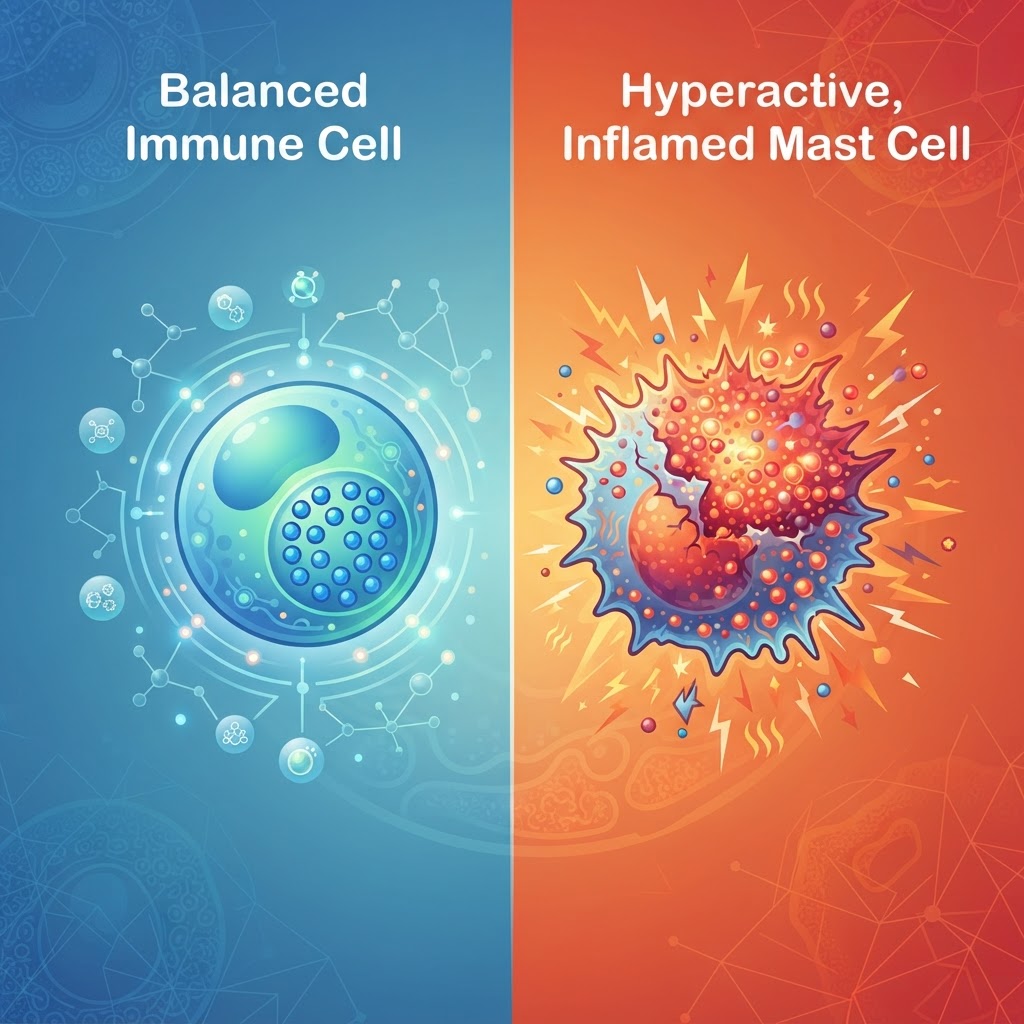
    Furthermore, the chemical nature of alcohol promotes the release of histamine already stored within the body’s mast cells. Mast cells are immune cells that contain “packets” of histamine. When these cells are stimulated—a process that alcohol often facilitates—they degranulate, dumping stored histamine into the surrounding tissues. This creates a dual-layered effect: you are consuming external histamine from the glass, and you are triggering your body to release its own internal stores. This internal release explains why symptoms can sometimes persist long after the drink has been metabolized. Many people find that their tolerance fluctuates; on days when the body is already stressed, dehydrated, or inflamed, the threshold for alcohol-induced symptoms becomes significantly lower, making even “safe” drinks problematic.

    It is also important to consider the gut-barrier effect. Alcohol is a known irritant to the lining of the gastrointestinal tract. By increasing intestinal permeability—often referred to in popular health circles as “leaky gut”—alcohol allows undigested food particles and larger compounds, including more histamine, to pass through the intestinal wall and into the bloodstream. Once in the blood, these compounds travel throughout the body, triggering symptoms in the skin, the nervous system, and the respiratory tract. For the person with histamine intolerance, alcohol is not just a dietary choice; it is an agent that alters the integrity of their physiological defenses, turning a manageable condition into a systemic inflammatory event.

    The Role of Fermentation in High-Histamine Beverages

    The core issue with most alcoholic beverages in the context of histamine intolerance is the very process that creates them: fermentation. During the production of wine, beer, and certain spirits, microorganisms such as yeast and bacteria are utilized to convert sugars into alcohol. While this process is essential for flavor and preservation, it is also the primary driver for the creation of biogenic amines. Histamine is one of these amines, created when the amino acid histidine, which is naturally present in the raw materials of the drink, is broken down by the enzymes produced by the microorganisms involved in fermentation.

    The duration and conditions of the fermentation process are critical variables in how much histamine will end up in the final product. Generally speaking, the longer a beverage is aged or fermented, the higher its concentration of histamine. This is why aged cheeses and cured meats are strictly avoided on a low histamine diet, and why aged wines or complex, barrel-aged beers are considered the most significant histamine triggers. The fermentation process is not a standardized event; it can be influenced by the quality of the raw ingredients, the specific strain of yeast used, the temperature of the storage, and the length of time the liquid remains in contact with organic material like grape skins or grains.

    Many people incorrectly assume that all wine or all beer carries the same risk, but the nuance lies in the production cycle. In red wine, for example, the skin of the grape is left in contact with the juice for an extended period, and the wine is often put through a secondary process called malolactic fermentation. This specific type of fermentation is notorious for creating high levels of biogenic amines, including histamine and tyramine. Conversely, some white wines or rosés might undergo less contact time, though they are certainly not histamine-free. The complexity of the flavor profile, often achieved through long-term aging or secondary fermentation, is a direct correlate to the histamine load.

    Beer poses a similar, if not more complex, set of challenges. It relies heavily on grains, which are frequently processed in ways that can encourage microbial activity. Craft beers that are unfiltered and unpasteurized tend to have higher concentrations of yeast and bacterial remnants, which may continue to produce histamine even after the beer has been bottled. These beverages are essentially “living” products until consumed. For those sensitive to histamine, the “freshness” of the alcohol does not necessarily mean it is safe; rather, the biological activity occurring within the liquid is the concern. Understanding that fermentation is inherently a chemical transformation of raw plant material into an amine-rich solution helps individuals identify why even top-shelf products may cause significant distress.

    Beverage Type Fermentation Level Best For
    Aged Red Wine High (Extended) Occasional, highly monitored intake only
    Craft/Unfiltered Beer High (Continuous) Avoiding during flare-ups
    Distilled Clear Spirits Low (Processed/Filtered) Lower-histamine alternative (in moderation)
    Hard Cider Moderate Experimental, check for additives

    Why Wine and Beer Are Common Culprits

    When discussing histamine intolerance alcohol triggers, wine and beer consistently sit at the top of the list for good reason. It is not just about the fermentation—it is about the specific compounds that these two classes of alcohol introduce to the system. Red wine, for instance, contains not just histamine, but also a variety of other phenolic compounds that can act as histamine liberators. These compounds can inhibit the enzyme DAO even further, creating a synergistic effect that makes the wine more problematic than the sum of its parts. Many individuals find that they can tolerate a small amount of a low-histamine white wine but react violently to a standard glass of Cabernet Sauvignon.

    The problem with beer is multifaceted. Beyond the fermentation of grains, beer often contains brewer’s yeast, which is a known high-histamine food component. For many people with histamine intolerance, yeast—even in non-alcoholic forms—can trigger significant inflammation. When combined with the alcohol content of beer, the yeast creates an environment that is particularly harsh on the digestive system. Additionally, many beers are brewed with flavor additives, hops, and various adjuncts that can independently trigger mast cell activity. The carbonation in beer and sparkling wines can also increase gastric acid secretion, which may further irritate the gut lining and hasten the absorption of any histamines present in the drink.

    The “culprit” status of these drinks is often validated by the timing of symptoms. Wine and beer drinkers with intolerance frequently report “wine headaches,” which are distinct from the typical dehydration-related hangover. These headaches often appear within minutes of consumption, indicating that the histamine is absorbed rapidly into the bloodstream. This is a tell-tale sign that the body is struggling to manage a sudden influx of exogenous amines. Because wine and beer are often consumed in larger quantities than spirits, the total histamine load can quickly become massive, surpassing the “bucket” capacity of the body to process and eliminate these substances.

    Furthermore, the culture surrounding wine and beer consumption encourages slow sipping, which means the digestive system is exposed to the histamine load over a prolonged period. While this might seem less intense than a “shot” of alcohol, it actually keeps the histamine levels in the gut elevated for longer, providing a sustained window for systemic absorption. Some individuals find that they have a “threshold” where they can handle one glass of a particular beer, but the second glass pushes them into a full-blown reaction. This demonstrates that for wine and beer, the quantity is just as relevant as the quality. Recognizing these as high-risk beverages is essential for anyone attempting to map out their own personal tolerance levels, as these will almost always be the most consistent sources of dietary histamine in an adult diet.

    The Impact of Alcohol on DAO Enzyme Function

    To truly grasp why alcohol is so damaging for those with histamine intolerance, one must look at the specific biochemical inhibition that occurs in the liver and the gut. Diamine oxidase (DAO) is the primary enzyme responsible for breaking down histamine in the small intestine. This enzyme is highly sensitive to external influences, and alcohol acts as a direct inhibitor of DAO activity. When alcohol is present, the body prioritizes the metabolism of ethanol. The metabolic pathways involved in processing alcohol can effectively “distract” the body, downregulating the production and efficiency of the enzymes needed for histamine cleanup.

    Think of DAO as a worker on an assembly line designed to dismantle histamines as they arrive. Alcohol is not just an extra set of items on that assembly line; it is a toxin that forces the workers to stop what they are doing to address the primary emergency of ethanol processing. In the meantime, the histamines continue to pile up. This enzymatic “sabotage” means that even if you were drinking a beverage that contained very little histamine, the alcohol itself is preventing your body from handling the histamine already present in your gut from other foods you may have eaten earlier in the day.

    The inhibition is not localized solely to the gut. The liver, which is responsible for the systemic breakdown of histamine using a different enzyme called histamine N-methyltransferase (HNMT), is also heavily taxed by alcohol. As the liver focuses on filtering out alcohol—a priority for the body due to its potential toxicity—its capacity to manage circulating histamine levels is reduced. This explains why symptoms of histamine intolerance often linger for hours or even days after drinking. It is not just about the histamine in the drink; it is about the sustained period during which your body’s entire “clean-up crew” is preoccupied with managing alcohol toxicity, leaving systemic histamine levels to rise unchecked.

    This biochemical bottleneck is a significant reason why many experts recommend complete avoidance of alcohol for those currently in the “elimination phase” of a low histamine diet. If the goal is to stabilize mast cell activity and lower systemic inflammation, providing the body with a substance that actively inhibits its own defense mechanisms is counterproductive. By removing alcohol, you remove the inhibitor, allowing DAO and HNMT to work at their optimal capacity. For many, this simple change is the “missing link” that allows them to finally stop the cycle of recurring symptoms, proving that the problem is not just what the alcohol contains, but how it fundamentally changes your body’s ability to protect itself.

    Symptoms to Watch For After Drinking Alcohol

    Because histamine is a chemical messenger involved in many physiological processes, the symptoms of alcohol-induced histamine intolerance can be broad, mimicking everything from an allergic reaction to a common hangover. However, there are specific signs that set a histamine-driven reaction apart from simple alcohol intoxication. The most common immediate symptom is facial flushing—the skin becomes red, warm, and sometimes itchy, particularly around the face, neck, and chest. This “flush” is a classic sign of histamine release and systemic vasodilation, which occurs as histamine levels rise rapidly in the blood.

    Headaches are another major indicator. While many people attribute alcohol headaches to dehydration, a histamine-induced headache often feels more like a pressure-heavy migraine that begins shortly after drinking. This is due to the vasodilation effects of histamine in the cranial blood vessels. Along with the headache, many people report a feeling of rapid heart rate, or palpitations. Histamine is a stimulant for the cardiovascular system, and an overload can lead to an increased heart rate, which some might mistakenly identify as anxiety or the direct effect of the alcohol itself.

    Digestive disturbances are also extremely prevalent. Because the highest concentration of histamine receptors is found in the gut, any spike in histamine levels can trigger rapid-onset symptoms like bloating, abdominal cramps, and diarrhea. This is often misinterpreted as a “sensitive stomach,” but in the context of histamine intolerance, it is a direct consequence of the body attempting to purge the high levels of histamines it cannot effectively break down. Skin reactions often go beyond just flushing; some individuals develop hives (urticaria) or experience an intense flare-up of pre-existing skin conditions like eczema or rosacea after consuming alcoholic beverages.

    Finally, there is the neurological aspect. Histamine plays a role in wakefulness and cognitive function. When levels are dysregulated, many people experience what is commonly described as “brain fog,” irritability, or an inability to focus. This can feel like a “hangover” that persists despite adequate hydration. If you notice that you experience these symptoms consistently after specific types of alcohol, but not others—or that they are significantly worse when combined with high-histamine meals—it is a strong signal that your body is struggling with histamine processing. Monitoring these symptoms requires keeping a careful diary of what you consume; for many, this tracking process is the final confirmation that alcohol is a primary driver of their intolerance symptoms, necessitating a significant shift in their drinking habits.

    Common Alcohol-Related Histamine Triggers to Avoid

    Navigating the world of spirits and fermented beverages when you have histamine intolerance requires a keen eye for ingredients and production methods. Not all alcoholic drinks are created equal, and some act as potent “histamine liberators,” meaning they trigger your body to release its own stored histamine, compounding the problem significantly.

    The primary offenders are almost always products of long fermentation or aging processes. Fermentation is essentially the breakdown of proteins by microorganisms, a process that naturally creates high levels of histamines as a byproduct.

    Red Wines and Aged Varieties

    Red wine is widely considered the most significant offender. During the winemaking process, red grapes undergo extended contact with skins and seeds, followed by a secondary malolactic fermentation. This process, while responsible for the complex flavor profiles wine lovers cherish, also generates exceptionally high concentrations of histamine. Furthermore, the presence of sulfites—often added to prevent spoilage—can exacerbate sensitivities in people who struggle with enzyme deficiency.

    Craft Beers and Heavy Ales

    While mass-produced lagers can occasionally be tolerated in small quantities by some individuals, craft beers—particularly heavy ales, stouts, and unfiltered wheat beers—are frequently packed with histamine. Yeast, which is essential to the brewing process, is a major trigger. Unfiltered beers retain high amounts of yeast sediment in the bottle, ensuring that every glass is a high-histamine cocktail.

    Aged Spirits and Flavored Liqueurs

    Many assume that distilled spirits are “clean,” but aging changes everything. Whiskey, bourbon, and dark rum are typically aged in oak barrels for years. During this time, the spirit interacts with the wood, picking up organic compounds that contribute to higher histamine levels compared to clear, unaged spirits. Furthermore, flavored liqueurs often contain artificial dyes, preservatives, and botanical extracts that can trigger inflammatory responses or histamine release in sensitive individuals.

    The Problem with Mixers

    It is not just the alcohol itself that poses a risk. The modern bar environment is filled with hidden triggers. Syrups, juices, and concentrates often contain high amounts of artificial additives, colors, and shelf-stable preservatives like benzoates, which are known to be histamine liberators. Using a pre-made cocktail mix is often as dangerous for a sensitive individual as drinking the alcohol itself.

    Are There Any Low-Histamine Alcohol Alternatives?

    While no alcohol can be strictly labeled “histamine-free,” some options are significantly lower in these compounds due to their lack of fermentation or shorter production times. If you choose to drink, these alternatives are generally better tolerated by those following a low histamine diet, provided they are consumed in moderation.

    Alcoholic Option Histamine Potential Best For
    Clear Vodka Very Low Those sensitive to yeast and aged proteins.
    Clear Gin Low Occasional drinks mixed with fresh water.
    Young White Wines Moderate Occasional consumption for those with mild sensitivity.
    Light/Filtered Lagers Moderate/High Rare social settings where other options aren’t available.
    Aged Red Wine Very High Should be strictly avoided.

    When selecting your beverage, the rule of thumb is “the clearer, the better.” Clear distilled spirits, such as vodka or gin, generally do not undergo the same aging or fermentation processes that make red wine or craft beer so hazardous for histamine-intolerant individuals. However, even with these “safer” options, your mixers matter. Opting for a splash of plain sparkling water or fresh, non-citrus juices is essential to keep the total inflammatory load of your drink as low as possible.

    How to Minimize Histamine Reactions When Drinking

    If you have decided to consume alcohol, preparation is key. While you cannot completely remove the risk of a reaction, you can implement strategies to support your body’s ability to handle the incoming histamine load. These methods focus on slowing absorption and supporting your internal DAO (diamine oxidase) enzymes.

    1. Prioritize hydration. Alcohol is a dehydrator, and dehydration slows down your metabolic processes, including the clearance of toxins and histamines. Drink a large glass of water before your first drink and maintain a one-to-one ratio of water to alcohol throughout the night.

    2. Take DAO supplements. If your doctor approves, there are over-the-counter diamine oxidase (DAO) supplements designed to supplement the enzyme your body uses to break down dietary histamine. Taking these shortly before your first sip can provide a buffer, though they are not a “cure-all” and may not be effective against high-histamine beverages like red wine.

    3. Never drink on an empty stomach. Alcohol is absorbed much faster when the stomach is empty, which creates a sudden, massive spike in histamine levels. Ensure you have a meal rich in low-histamine, whole foods before drinking. This slows the absorption rate and helps your body process the intake more gradually.

    4. Listen to your body’s “early warning” system. Many people experience flushing, nasal congestion, or a mild headache long before a full-blown reaction sets in. If you notice even a slight change in your skin temperature or respiratory ease, stop immediately. Pushing through these minor symptoms is a recipe for a severe inflammatory episode the following day.

    When to Consult a Professional About Alcohol Intolerance

    It is important to distinguish between a simple sensitivity and a more serious underlying health issue. Alcohol intolerance symptoms—such as intense flushing, rapid heart rate, severe abdominal pain, or hives—should never be dismissed as a mere nuisance. If you find that your reaction to alcohol is becoming increasingly severe or if you experience these symptoms even after consuming small amounts of food, it is time to consult a healthcare provider.

    You should specifically seek professional guidance if your symptoms include:

    • Difficulty breathing or wheezing after drinking.
    • Unexplained skin rashes or hives that persist for hours.
    • Digestive distress that interferes with your daily life.
    • Anxiety or heart palpitations that occur consistently after moderate alcohol consumption.

    A doctor can help rule out other conditions that mimic histamine intolerance, such as mast cell activation syndrome (MCAS), salicylate sensitivity, or sulfite allergies. They may also perform blood tests to check your DAO levels or assess your liver function, ensuring that your body is physically capable of processing the metabolic waste associated with alcohol consumption.

    Building a Sustainable Lifestyle Without Histamine Triggers

    Moving toward a low-histamine lifestyle does not mean you have to embrace a life of deprivation. Many people find that once they remove the “noise” of constant histamine-induced inflammation, they actually feel more vibrant and energetic. A sustainable lifestyle is one that focuses on high-quality, fresh ingredients and shifts the focus away from alcohol as the centerpiece of social gatherings.

    Consider exploring the world of “mocktails.” Many high-end bars and restaurants now offer complex, flavorful non-alcoholic beverages made with fresh herbs, muddled berries, and botanical infusions. By focusing on the ritual of the drink rather than the alcohol content, you can maintain your social lifestyle without compromising your health.

    Furthermore, emphasize a diet rich in fresh, anti-inflammatory foods. Since your body’s “histamine bucket” is easily filled, keeping your daily intake of other high-histamine foods (like aged cheeses, fermented soy, and leftovers that have been sitting in the fridge) low will give you more buffer room for the occasional social treat. When you treat your body with consistent, low-inflammatory care, you become more resilient, and the symptoms of your intolerance become much easier to manage over the long term.

    Frequently Asked Questions

    Does cooking alcohol remove the histamine content?

    Unfortunately, no. While cooking can evaporate the alcohol itself, histamine is a heat-stable amine. Boiling, baking, or simmering a sauce made with red wine will not destroy the histamines present in the liquid. If a dish is cooked with high-histamine ingredients, it remains a high-histamine dish even after the alcohol has been “burned off.”

    Can antihistamines prevent a reaction to alcohol?

    While some people take H1 or H2 blockers before consuming alcohol, this is not a recommended long-term strategy and can be dangerous. Antihistamines may mask the symptoms, which could lead you to consume more than your body can safely handle. Always consult with a healthcare provider before using medication to “pre-game” for potential allergic or intolerant reactions.

    Why do I get a headache immediately after one glass of wine?

    The “red wine headache” is a well-documented phenomenon often linked to the combination of high histamine, tyramine, and sulfites. Because your body may lack sufficient DAO enzymes to break down these compounds quickly, they enter your bloodstream and trigger vasodilation (the widening of blood vessels), which results in a rapid-onset, throbbing headache.

    Are organic wines lower in histamine?

    Not necessarily. While organic wines avoid certain pesticides and may have lower sulfite levels, the histamine content is primarily determined by the length of fermentation and the aging process. A red wine—even if it is strictly organic and biodynamic—will still typically contain higher levels of histamine than a clear, unaged spirit due to the inherent nature of the winemaking process.

    Is it possible to develop histamine intolerance over time?

    Yes. Histamine intolerance is often a cumulative issue. Factors such as chronic stress, gut dysbiosis (an imbalance of bacteria), nutrient deficiencies (specifically Vitamin B6, Copper, and Vitamin C), or the regular use of certain medications can impair your DAO production over time. You may have been able to tolerate alcohol in your youth, but as your internal enzyme stores deplete, your threshold for histamine drops.

    Can I ever drink alcohol again if I have this intolerance?

    For many, the goal is not total abstinence but “symptom-free management.” By understanding your personal triggers, choosing lower-histamine options, and keeping your overall dietary histamine load low, you can often enjoy an occasional drink. The key is to treat alcohol as a rare indulgence rather than a daily staple, and to always prioritize your health over social pressure.

    Conclusion

    Living with histamine intolerance requires a proactive approach to your health. By understanding the complex relationship between the fermentation process and histamine levels, you can make informed decisions that protect your body from unnecessary inflammation. While alcohol acts as a significant trigger for many, it doesn’t have to dictate your social life or your overall well-being. By prioritizing fresh, whole foods, supporting your body’s natural enzyme production, and being mindful of your specific limits, you can successfully navigate the challenges of this condition.

    Your health is a lifelong journey, and every choice you make is an opportunity to cultivate a more vibrant, symptom-free life. If you suspect your symptoms are related to histamine, start by keeping a detailed food and drink diary, and do not hesitate to reach out to a healthcare professional for guidance. Start making adjustments today, and take control of your wellness.

    By healthauthoritylife Editorial Team

    This article is for informational purposes only and is not a substitute for professional medical advice. Always consult your doctor before making changes to your diet, exercise routine, or treatment plan.

  • Histamine Intolerance vs. MCAS: Differences and Relief Tips

    Histamine Intolerance vs. MCAS: Differences and Relief Tips

    Key Takeaways

    • Histamine Intolerance is primarily a digestive or enzymatic issue, whereas MCAS is a systemic immune system disorder.
    • Both conditions share overlapping clinical presentations, often leading to delayed diagnoses and frustration for patients.
    • Mast cells release hundreds of mediators beyond just histamine, which is why MCAS often feels more complex than histamine intolerance.
    • Genetic predispositions, such as DAO or HNMT enzyme deficiencies, can significantly impact how your body handles dietary histamine.
    • Effective management requires identifying individual triggers and supporting the body’s innate ability to modulate chronic inflammation.

    If you have spent months or years navigating a complex labyrinth of digestive issues, skin rashes, brain fog, and unexplained fatigue, you are certainly not alone. Many individuals find themselves searching for answers when their body seems to overreact to the world around them. Two of the most frequently discussed, yet often misunderstood, conditions in modern integrative health are Histamine Intolerance and Mast Cell Activation Syndrome (MCAS). While they are often grouped together due to their shared reliance on histamine as a primary chemical culprit, the underlying mechanisms, clinical implications, and paths toward resolution are distinct. Understanding the difference between histamine intolerance and MCAS is the essential first step toward reclaiming your health and finding relief from the cycles of chronic inflammation that often accompany these conditions. In this comprehensive guide, the healthauthoritylife Editorial Team explores the intricate relationship between these two conditions, how they impact your cellular health, and how to begin navigating the journey toward stability.

    Defining Histamine Intolerance and MCAS

    To understand the difference between histamine intolerance and MCAS, we must first define how each manifests within the human body. Histamine Intolerance is fundamentally a condition of “overflow.” Imagine a rain barrel; your body has a certain capacity to break down histamine, which it receives from foods, bacteria, and the environment. When the intake of histamine exceeds the body’s ability to neutralize it—typically due to a deficiency in enzymes like Diamine Oxidase (DAO) or Histamine N-Methyltransferase (HNMT)—the levels rise in the blood. This creates a state of toxic accumulation that triggers symptoms in various systems. It is, at its core, a metabolic bottleneck where the body struggles to keep up with the chemical “trash” of histamine.

    Mast Cell Activation Syndrome (MCAS), however, is a much more aggressive and systemic dysregulation of the immune system. Mast cells are your body’s first responders. They are white blood cells that live in connective tissues throughout the body, including the skin, gut, lungs, and brain. In a healthy individual, these cells release specific chemicals—like histamine, heparin, and cytokines—only when there is a genuine threat, such as an allergen or a parasite. In a person with MCAS, these mast cells become hypersensitive and hyperactive. They release their entire chemical arsenal (degranulate) at the slightest provocation, often in response to triggers that are not true allergens, such as temperature changes, emotional stress, or vibrations.

    While histamine intolerance is a problem of capacity and digestion, MCAS is a problem of cellular behavior. In histamine intolerance, the mast cells themselves may be functioning correctly, but the body is overwhelmed by the chemical load. In MCAS, the mast cells themselves are the source of the problem, malfunctioning and firing prematurely or excessively. Because the symptoms are so similar—ranging from racing heart rates and anxiety to bloating and flushing—many people struggle to distinguish the two. However, recognizing that MCAS is an immune-mediated cellular disorder while histamine intolerance is an enzymatic-metabolic issue is vital for tailoring your approach to wellness.

    Factor Histamine Intolerance MCAS Best For
    Primary Root Enzyme deficiency (DAO/HNMT) Immune system dysregulation Initial triage & testing
    Trigger Type Primarily dietary histamine Environmental, internal, stress, food Identifying patient profile
    Mediator Release Passive accumulation Active, inappropriate degranulation Understanding pathology
    Management Goal Enzyme support & diet restriction Mast cell stabilization Long-term protocol design

    How Mast Cells Function in the Body

    To truly grasp the nuance of mast cell activation syndrome symptoms and how they relate to the body’s overall health, one must look at the biology of the mast cell itself. These cells are distributed throughout your tissues in a pattern that serves as a protective grid. Because they are situated in areas where the body meets the external environment—your skin, your gut lining, and your respiratory tract—they act as the gatekeepers of your immune system. Within each mast cell are specialized storage compartments called granules. These granules house a complex, potent mixture of mediators, including histamine, prostaglandins, leukotrienes, tryptase, and various interleukins.

    When a mast cell is “activated,” it undergoes a process known as degranulation. The outer membrane of the granule fuses with the outer membrane of the cell, and the chemical contents are dumped into the surrounding tissue. In a healthy state, this is a tightly regulated event. For instance, if you are stung by a bee, mast cells in that localized area degranulate to draw immune cells to the site, causing the redness and swelling we recognize as an inflammatory response. This is a survival mechanism.

    However, the difference between histamine intolerance and MCAS becomes clearer when you realize that mast cells are capable of more than just a simple release. Some researchers point out that mast cells can also perform a “piecemeal” release, where they selectively leak specific mediators without completely emptying the granule. This is highly relevant to those dealing with chronic inflammation support, as it explains why one person might suffer primarily from digestive issues while another deals with neurological fog or cardiac irregularities. The mast cells are signaling differently based on the environment they are in.

    Furthermore, mast cells are not just reactive; they are interactive. They communicate with the nervous system, the endocrine system, and the microbiome. They have receptors for neurotransmitters like serotonin and norepinephrine, meaning that stress and emotional states can directly influence their behavior. When we talk about managing these conditions, we aren’t just talking about avoiding high-histamine foods like aged cheeses or fermented vegetables. We are talking about calming an entire cellular network that has become hyper-vigilant. In MCAS, the threshold for activation is lowered, meaning the cells treat everyday stimuli—like the smell of a cleaning product or a slight increase in ambient temperature—as a dangerous intrusion, leading to a constant, low-grade inflammatory fire that refuses to go out.

    Key Symptoms Overlap: Why It Is Hard to Diagnose

    If you have spent time in online forums or reading health articles, you have likely noticed that the symptoms of histamine intolerance and MCAS look remarkably similar on paper. This is the primary reason why these conditions are notoriously difficult to diagnose and why patients often spend years in clinical limbo. Because histamine receptors (H1, H2, H3, and H4) are distributed throughout almost every organ system, an excess of histamine—whether caused by poor degradation or cellular over-secretion—manifests in a “multisystem” fashion.

    Many individuals report a constellation of symptoms including chronic hives or skin flushing, gastrointestinal distress such as diarrhea or cramping, cardiovascular issues like tachycardia (racing heart) or hypotension, and respiratory symptoms like wheezing or congestion. The neurological impact is perhaps the most distressing, often manifesting as “brain fog,” severe headaches, or sudden shifts in mood. When a patient presents with this variety of issues, a general practitioner might refer them to a dermatologist for the skin, a gastroenterologist for the gut, and a neurologist for the brain. Rarely do these specialists connect the dots between the disparate systems.

    The confusion is compounded by the “trigger overlap.” In both histamine intolerance and MCAS, common foods—such as spinach, tomatoes, avocado, and processed meats—can cause an immediate reaction. However, in MCAS, a patient might also react to factors that contain zero histamine, such as intense exercise, changes in barometric pressure, or even localized vibration. The lack of a simple, universal biomarker for both conditions further complicates the clinical picture. While certain lab tests for tryptase or DAO levels can provide clues, they are often insufficient on their own. A patient might test “normal” for DAO but still be experiencing massive systemic inflammation due to MCAS.

    This diagnostic hurdle is why many health-conscious individuals choose to track their triggers using a rigorous food and environmental diary. Understanding whether your reaction is tied strictly to the histamine content of a meal or if it occurs randomly throughout the day is a critical data point. For instance, if you feel a reaction after eating a meal that is low in histamine but high in potential mast cell triggers—like synthetic food dyes or preservatives—it may lean the clinical suspicion more toward MCAS. Conversely, if your symptoms are consistently worse after meals like fermented foods or bone broth, it points more directly toward an enzymatic deficiency. Recognizing this overlap is not meant to be discouraging; rather, it is intended to help you understand that the journey to clarity is one of patience, observation, and careful elimination.

    Core Differences Between Histamine Intolerance and MCAS

    While the symptom profiles often mirror one another, the underlying pathology reveals the critical difference between histamine intolerance and MCAS. To best navigate your path to recovery, you must be able to distinguish between an accumulation problem and an activation problem. Histamine intolerance is largely a “bottom-up” issue. It is often fueled by factors that impact the gut, such as SIBO (Small Intestinal Bacterial Overgrowth), intestinal permeability (leaky gut), or the ingestion of histamine-rich foods. In this scenario, the body’s “histamine bucket” is full because the enzymes (DAO) meant to clear it out are simply not working fast enough. If you were to stop the intake of histamine, the symptoms would, in many cases, begin to subside because the source of the overwhelm has been removed.

    In contrast, MCAS is a “top-down” issue of systemic dysregulation. It is not necessarily about the amount of histamine you consume, but about how your immune system decides to behave. A person with MCAS may have a perfectly healthy gut and consume a low-histamine diet, yet still experience massive mast cell degranulation due to an external stimulus like sunlight or even psychological stress. This occurs because the mast cells themselves are inherently unstable. They have lowered their “set point” for activation, effectively putting the entire body into a state of high alert. This is why mast cell stabilization—rather than just histamine restriction—is the primary focus for those with MCAS.

    Another fundamental difference lies in the breadth of the chemical release. In histamine intolerance, you are primarily dealing with the effects of excess histamine. In MCAS, you are dealing with a cocktail of inflammatory mediators. When mast cells degranulate in an MCAS patient, they aren’t just releasing histamine; they are dumping tryptase, leukotrienes, cytokines, and heparin into the bloodstream. This creates a much more complex inflammatory environment. This is often why MCAS patients describe their condition as feeling “systemically toxic” compared to the localized symptoms often reported in histamine intolerance.

    Furthermore, the chronicity of these conditions varies. Histamine intolerance can be viewed as an acute or sub-acute problem that is highly reactive to dietary intervention. If you fix the gut microbiome or increase the intake of DAO-supporting nutrients, the condition can often be managed or even resolved. MCAS, however, is frequently a chronic, persistent condition that requires a more holistic approach to immune modulation. It involves looking at the entire environment of the cell—addressing potential infections, toxicity, and nervous system health. By identifying the core nature of your challenge, you can transition from simply chasing symptoms to addressing the root cause, whether that involves cleaning up your dietary intake or employing strategies to stabilize your immune system’s cellular response.

    The Role of Genetic Mutations in Histamine Processing

    The deeper we dive into the differences between these conditions, the more we realize that biology is not a level playing field. For many people, the reason they struggle with histamine management—and the reason they may be more susceptible to the development of MCAS—is written into their genetic code. Genetic predispositions play a significant role in how efficiently your body breaks down histamine and maintains cellular stability, and understanding these mutations can provide a roadmap for your personalized health journey.

    The two primary enzymes responsible for clearing histamine are Diamine Oxidase (DAO) and Histamine N-Methyltransferase (HNMT). DAO is primarily responsible for breaking down histamine that enters the body through the digestive tract. If you have variations in the genes that code for DAO, your baseline capacity to handle histamine-rich foods is lower than that of the average person. HNMT, on the other hand, operates inside the cells to break down histamine. If you possess genetic variants that affect the efficiency of HNMT, you may be prone to a higher intracellular buildup of histamine, which can lead to cognitive symptoms like brain fog and anxiety, as well as an increased sensitivity to environmental triggers.

    When these enzymes are not operating at peak efficiency, the body is forced to rely on secondary pathways to manage histamine. This places an additional burden on the immune system, which can, over time, lead to mast cell instability. In other words, a genetic bottleneck in histamine processing can act as a catalyst for developing MCAS. If your mast cells are constantly surrounded by high levels of unresolved histamine, they may eventually become “exhausted” or hyper-reactive, leading to the erratic behavior characteristic of MCAS.

    Beyond the DAO and HNMT pathways, other genetic factors—such as those involved in methylation—can influence how your body handles inflammation and cellular stress. Methylation is a complex biochemical process that governs everything from DNA repair to the regulation of neurotransmitters. If your methylation cycle is impaired, your ability to manage inflammation is compromised, which often worsens the inflammatory response associated with mast cell disorders. While genetics are not necessarily destiny, knowing your predispositions can be incredibly empowering. It moves the conversation away from “Why is my body failing me?” to “How can I support my unique biological requirements?” Supporting these pathways often involves nutritional supplementation, specific dietary adjustments, and a focus on lowering the overall inflammatory load on the body. By understanding the genetic architecture of your histamine processing, you can tailor your wellness protocol with much higher precision than those who ignore the biological foundations of their health.

    Diagnostic Testing and When to See a Specialist

    Navigating the diagnostic landscape for histamine-related conditions can be complex because both Histamine Intolerance (HIT) and Mast Cell Activation Syndrome (MCAS) mimic various other chronic health issues. Because there is no single “gold standard” test that captures the nuances of these conditions, specialists often rely on a process of elimination alongside specific biomarkers.

    When seeking a diagnosis, you should ideally consult an immunologist, allergist, or a functional medicine practitioner who has specific experience with mast cell disorders. Primary care physicians may not be familiar with the latest research on MCAS, as it is a relatively recently recognized systemic condition.

    Diagnostic Pathways for Histamine Intolerance:

    Diagnosis for HIT is primarily clinical. Because it is essentially a digestive or metabolic issue—often caused by a deficiency in the DAO (diamine oxidase) enzyme—testing usually involves:

    • Serum DAO Levels: Measuring the activity of DAO in the blood can indicate a diminished capacity to break down dietary histamine. However, normal levels do not always rule out localized gut-based intolerance.
    • Dietary Elimination and Reintroduction: This remains the most reliable diagnostic tool. By following a strictly low-histamine diet for several weeks and then systematically reintroducing high-histamine foods, patients can observe whether their symptoms flare, providing strong evidence of intolerance.
    • Eliminating Alternatives: Doctors will typically rule out celiac disease, inflammatory bowel disease (IBD), and small intestinal bacterial overgrowth (SIBO) before confirming HIT.

    Diagnostic Pathways for MCAS:

    MCAS diagnosis is more rigorous because it involves systemic mast cell involvement rather than just a metabolic inability to process histamine. The “Consensus Criteria” often used by specialists include:

    • Symptom Manifestation: A patient must exhibit recurrent symptoms in at least two different organ systems (e.g., skin and GI tract, or respiratory and cardiovascular).
    • Biomarker Elevation: During a symptomatic flare, tests may check for elevated levels of tryptase, N-methylhistamine, or prostaglandin D2 in blood or urine. The difficulty lies in capturing these markers, as they have a very short half-life in the body.
    • Response to Treatment: A positive response to mast cell stabilizers and H1/H2 blockers is often considered part of the clinical diagnostic picture.

    When to See a Specialist:

    You should prioritize finding a specialist if you experience “anaphylactoid” reactions—where you feel your throat tightening, your heart racing, or you develop sudden, unexplained hives—even without a known allergen exposure. Additionally, if your symptoms are chronic, affecting your quality of life, or preventing you from maintaining a healthy weight, seeking specialized care is essential to prevent complications such as nutrient malabsorption or persistent chronic inflammation.

    Diagnostic Approach Primary Focus Best For
    Elimination Diet Identifying specific food triggers Those with clear GI symptoms
    Serum DAO Activity Test Measuring enzyme capacity Confirming digestive histamine issues
    24-Hour Urine Tryptase/N-methylhistamine Systemic mediator release Suspected MCAS or severe systemic reactions
    Endoscopic Biopsy Checking mast cell count in tissues Rule-out of mastocytosis or chronic colitis

    Dietary Strategies to Reduce Mast Cell Triggers

    Managing the “histamine bucket” is the foundational step in addressing both HIT and MCAS. The theory of the histamine bucket suggests that your body can tolerate a certain amount of histamine, but once that bucket overflows, symptoms manifest. By reducing your intake of high-histamine foods and foods that trigger the release of stored histamine, you can lower the load on your system.

    Foods to Minimize or Avoid:

    • Fermented Foods: Sauerkraut, kimchi, kombucha, and aged cheeses are often high in bacteria that produce histamine as a byproduct of fermentation.
    • Cured and Smoked Meats: Deli meats, sausages, salami, and bacon frequently contain high histamine levels due to processing and age.
    • Alcoholic Beverages: Wine, beer, and champagne are significant triggers, not just for their histamine content, but because alcohol itself inhibits the DAO enzyme, preventing your body from breaking down existing histamine.
    • Leftovers: Histamine accumulates in food the longer it sits. Freezing meals immediately after cooking is a vital strategy for sensitive individuals.
    • Specific Produce: Spinach, eggplant, and tomatoes are known “histamine liberators” that can cause mast cells to degranulate even if they aren’t inherently high in histamine.

    Anti-Inflammatory, Low-Histamine Alternatives:

    Focus your diet on “freshness.” The closer a food is to its natural state, the lower its histamine content. Freshly caught white fish (if not frozen for long periods), freshly prepared meats, non-citrus fruits like apples and pears, and vegetables like zucchini, asparagus, and leafy greens (excluding spinach) are generally well-tolerated.

    Hydration and Mineral Support:

    Proper hydration is essential for flushing metabolic waste. However, be wary of tap water if it contains impurities that trigger inflammation. Filtered water is generally preferred. Furthermore, increasing magnesium intake through magnesium-rich foods (like pumpkin seeds or almonds, provided they are not triggers) can support the nervous system, as emotional and physical stress are major triggers for mast cell activation.

    Lifestyle Habits to Stabilize Mast Cell Activity

    Dietary changes are only one piece of the puzzle. Mast cells are incredibly sensitive to environmental stimuli, including stress, temperature, and chemical exposure. A comprehensive strategy for managing MCAS naturally involves calming the nervous system to prevent the “fight or flight” response, which is a known trigger for mast cell degranulation.

    1. Regulation of the Autonomic Nervous System:

    The vagus nerve, which runs from the brain to the gut, plays a significant role in mast cell activity. Techniques that stimulate the vagus nerve—such as deep, diaphragmatic breathing, cold exposure (gradual), and humming or chanting—can help shift the body into a “rest and digest” state. Consistent meditation or mindfulness practice can lower cortisol levels, which in turn reduces systemic inflammation and mast cell reactivity.

    2. Reducing Chemical and Environmental Loads:

    Many individuals with MCAS find that synthetic fragrances, cleaning products, and air fresheners act as potent triggers for respiratory and skin symptoms. Transitioning to fragrance-free, hypoallergenic home and personal care products can significantly decrease your daily total toxic load. Using high-quality HEPA air purifiers in the bedroom can also reduce exposure to dust mites and mold, which are known environmental mast cell triggers.

    3. Gentle Movement and Sleep Hygiene:

    While strenuous exercise can sometimes lead to a “histamine dump” due to body temperature increases and physical stress, sedentary behavior is also detrimental. Focus on low-impact movement like walking, restorative yoga, or swimming in cool water. Sleep is equally critical; your body performs most of its repair work at night. Establishing a dark, cool sleeping environment helps regulate the circadian rhythm, which is closely linked to histamine levels.

    Natural Supplements to Support Histamine Breakdown

    When dietary changes are not enough, certain natural compounds can assist the body in managing histamine levels and stabilizing mast cell membranes. It is important to approach supplementation with caution, as individuals with MCAS may have paradoxical reactions to new substances.

    • Diamine Oxidase (DAO) Enzymes: Taking a supplemental DAO enzyme before meals can help break down dietary histamine in the gut. This is perhaps the most direct intervention for those with primary Histamine Intolerance.
    • Quercetin: This plant-derived flavonoid is well-regarded for its natural mast cell stabilizing properties. It acts by inhibiting the release of histamine from mast cells and can help mitigate seasonal allergy symptoms.
    • Vitamin C: Vitamin C is a natural antihistamine. It helps boost the production of DAO and supports the enzymatic breakdown of histamine. High doses, however, can sometimes irritate the gut, so it should be introduced gradually.
    • Magnesium: As mentioned previously, magnesium helps stabilize mast cell membranes and supports the relaxation of the smooth muscles, which can be affected during a systemic histamine flare.
    • B-Complex Vitamins (Particularly B6): Vitamin B6 is a crucial cofactor for the DAO enzyme. Ensuring adequate intake of bioavailable B-vitamins can support the body’s metabolic machinery for processing histamine effectively.

    Before adding any of these to your regimen, work with a practitioner to test for potential sensitivities. Because supplements are not regulated as strictly as pharmaceuticals, choosing third-party tested, high-quality brands is vital to avoid fillers or additives that might inadvertently trigger a mast cell response.

    Frequently Asked Questions

    Can Histamine Intolerance be cured?

    While there is no “cure” in the sense of a permanent change to your genetics or physiology, many people find that by addressing the root causes—such as gut health, SIBO, or nutrient deficiencies—they can significantly improve their tolerance and live symptom-free lives. For some, it is a manageable condition that requires long-term dietary awareness.

    Is MCAS a lifelong condition?

    For many, MCAS is a chronic condition that requires ongoing management. However, with the right combination of environmental adjustments, dietary modifications, and sometimes pharmaceutical support, the frequency and severity of flares can be dramatically reduced, allowing for a normal quality of life.

    How do I know if my symptoms are due to food or something else?

    The best way to differentiate is by keeping a detailed journal. Record what you eat, the time you eat, and your stress levels. If symptoms consistently occur within 30 minutes to a few hours after specific high-histamine foods, food is a likely trigger. If symptoms occur randomly without a clear link to diet, it may point toward systemic MCAS.

    Can stress really trigger histamine release?

    Yes, absolutely. When you are stressed, your body releases hormones like cortisol and adrenaline. These hormones can signal mast cells to degranulate, releasing histamine and other inflammatory mediators. This is why emotional health is as important as diet when dealing with these conditions.

    Are antihistamines enough to treat MCAS?

    Antihistamines are often used as a first-line treatment for MCAS to manage symptoms like itching or hives, but they do not stop the mast cells from releasing other inflammatory substances like prostaglandins or leukotrienes. Comprehensive treatment usually involves a combination of H1 and H2 blockers, mast cell stabilizers, and lifestyle management.

    Should I avoid all histamine-rich foods forever?

    Not necessarily. Once you have stabilized your mast cell activity and improved your gut health, many people find they can slowly reintroduce small amounts of certain high-histamine foods. The goal is to reach a place of balance, rather than living in a state of permanent deprivation.

    Conclusion

    Distinguishing between Histamine Intolerance and Mast Cell Activation Syndrome is the first step toward reclaiming your health. While both conditions involve the body’s inability to effectively manage histamine, their root causes and clinical requirements differ significantly. Histamine Intolerance is largely a localized issue of enzymatic deficiency, whereas MCAS is a systemic, multi-organ disorder of the immune system. By combining diligent dietary choices, low-stress lifestyle habits, and targeted supplementation, you can lower your inflammatory load and quiet the overactive mast cells that are driving your symptoms.

    Do not be discouraged by the complexity of these conditions. Many individuals who once struggled with chronic fatigue, digestive distress, and unexplained rashes have found profound relief by systematically addressing their “histamine bucket.” If you are feeling overwhelmed, start small. Begin with a simple food journal, focus on eating fresh whole foods, and consult with a knowledgeable healthcare professional to build a plan that is personalized to your specific triggers. You have the power to influence your internal environment—start your journey toward symptom stability today.

    By healthauthoritylife Editorial Team

    This article is for informational purposes only and is not a substitute for professional medical advice. Always consult your doctor before making changes to your diet, exercise routine, or treatment plan.

  • DAO Deficiency: Symptoms, Causes, and How to Boost Your Histamine Enzymes

    DAO Deficiency: Symptoms, Causes, and How to Boost Your Histamine Enzymes

    Key Takeaways

    • Diamine Oxidase (DAO) is the primary enzyme responsible for breaking down ingested histamine in the digestive tract.
    • DAO deficiency leads to an accumulation of histamine, triggering a wide range of inflammatory symptoms known as histamine intolerance.
    • Genetic factors, gastrointestinal disorders, and certain medications are primary contributors to impaired DAO enzyme activity.
    • A low histamine diet can alleviate immediate symptoms, while targeted supplementation may help support metabolic balance.
    • Gut health serves as the foundation for enzyme production, making microbiome management essential for long-term histamine regulation.

    Have you ever experienced a sudden, unexplained headache, a racing heart, or hives after enjoying a delicious meal? While we often blame these reactions on food allergies, the culprit might be far more subtle: your body’s inability to process histamine. For many, the challenge isn’t a true allergy, but a silent metabolic struggle known as DAO deficiency. When the enzyme diamine oxidase fails to keep pace with the histamine entering your system, the result is a systemic inflammatory response that can feel chaotic and unpredictable. Understanding the intricate balance between histamine degradation and enzyme production is the first step toward reclaiming your digestive comfort and overall well-being. In this guide, the healthauthoritylife Editorial Team explores the mechanics of this deficiency and the practical strategies available to help you restore balance.

    Understanding the Role of DAO in Histamine Metabolism

    To understand why DAO deficiency symptoms occur, one must first appreciate the role of histamine in the human body. Histamine is a biogenic amine, a compound that serves as both a vital neurotransmitter and a key player in our immune response. It helps regulate stomach acid secretion, communicates signals between nerves, and initiates the inflammatory response necessary to wall off injury or infection. Under normal physiological conditions, histamine is kept under strict control through two primary pathways: the histamine N-methyltransferase (HNMT) pathway, which operates inside the cells, and the diamine oxidase (DAO) pathway, which primarily breaks down extracellular histamine in the digestive tract.

    Think of DAO as your body’s primary “clean-up crew” for the food you eat. When you consume foods—especially those that are fermented, aged, or processed—they naturally contain varying levels of histamine. In a healthy individual, the DAO enzyme is produced in the epithelial lining of the small intestine. As the food travels through your gut, DAO molecules systematically break down these histamine compounds, rendering them harmless before they can enter the bloodstream and cause systemic effects. This metabolic process, known as histamine degradation, is the cornerstone of digestive health.

    When the system works efficiently, the histamine you ingest is rapidly neutralized. However, if the DAO production line slows down or the enzymatic activity is inhibited, histamine levels can rise rapidly within the gut lumen. Once this concentration exceeds what the remaining DAO can handle, the excess histamine is absorbed into the circulatory system. This is where the trouble begins. Because histamine is a potent vasodilator and stimulant, having it circulate freely throughout the body can lead to a cascade of physical discomforts. The process is a matter of supply and demand; when the demand for histamine degradation exceeds the supply of functional DAO enzymes, the body enters a state of metabolic overload. Recognizing that DAO is not just a supplement or a concept, but a living, biological necessity for processing the environment we interact with through our diets, allows us to take a more proactive approach toward managing histamine intolerance.

    What is DAO Deficiency and Why Does It Happen?

    DAO deficiency is a condition characterized by a reduced capacity to metabolize ingested histamine, leading to an imbalance where histamine levels overwhelm the body’s clearance mechanisms. It is important to distinguish this from an allergy; in a typical food allergy, your immune system mounts an IgE-mediated response to a protein. In DAO deficiency, the issue is purely metabolic—your body is effectively failing to “take out the trash.” This happens when the total histamine load from your diet, coupled with endogenous histamine released by immune cells, exceeds the limited degradation capacity of the available DAO enzymes.

    The deficiency itself often stems from a combination of structural, genetic, and environmental factors. From a structural perspective, DAO is synthesized in the microvilli of the small intestine. If the integrity of the intestinal lining is compromised—due to conditions like inflammatory bowel disease, celiac disease, or chronic dysbiosis—the physical capacity to produce the enzyme is diminished. Simply put, if the intestinal cells are damaged or inflamed, they cannot manufacture enough DAO to meet the metabolic requirements of a typical daily diet.

    Genetic variations also play a significant role. Some individuals carry variations in the AOC1 gene, which provides the instructions for building the DAO enzyme. These individuals may naturally produce less DAO or produce enzymes that are less efficient than those of the general population. While genetics set the baseline, environmental triggers act as the catalyst that turns a mild deficit into a symptomatic condition. For many people, the onset of symptoms is gradual, often following a period of high stress, a round of antibiotics, or a shift in eating habits that increases the intake of high-histamine foods. When we talk about histamine intolerance causes, we are looking at a complex web of inputs. Understanding that DAO deficiency is often a dynamic state—rather than a static, unchangeable diagnosis—is empowering. It means that through dietary adjustments and gut-healing protocols, many individuals find that they can stabilize their enzyme levels or at least manage their environment to prevent the symptomatic “overflow” that defines the condition.

    Approach Mechanism Best For
    Low Histamine Diet Reduces the total influx of exogenous histamine to prevent overwhelm. Initial symptom management and identification of personal triggers.
    DAO Supplementation Provides exogenous enzymes to break down histamine in the gut. Occasional relief when consuming meals with unknown or higher histamine content.
    Gut Restoration Protocol Focuses on healing the mucosal lining to boost endogenous production. Long-term resolution and addressing the root cause of the deficiency.

    Common Symptoms of Low DAO Levels

    Because histamine receptors are located throughout the entire human body—from the skin and digestive tract to the cardiovascular and central nervous systems—the symptoms of DAO deficiency are famously wide-ranging and often misattributed to other conditions. This “systemic” nature of histamine is why individuals with DAO deficiency often feel as though they are suffering from multiple, unrelated health issues simultaneously. The symptoms typically emerge shortly after consuming high-histamine foods, though they can sometimes have a delayed onset, making them difficult to track without careful observation.

    Digestive distress is among the most commonly reported symptoms. This often includes abdominal bloating, cramping, chronic diarrhea, or persistent nausea. Because histamine stimulates gastric acid secretion, many individuals also experience symptoms that mimic acid reflux or gastritis. Outside of the gut, the cardiovascular system is highly sensitive to histamine levels. A “histamine flush,” characterized by rapid heart rate (tachycardia) or sudden drops in blood pressure, can leave an individual feeling lightheaded or palpitations. These cardiovascular episodes can be alarming, often leading people to seek emergency care, only to be told that their heart is physically healthy.

    Dermatological responses are another hallmark of histamine intolerance. Skin conditions such as hives (urticaria), persistent itching (pruritus), or unexplained flushing of the face and neck are common indicators that histamine levels are circulating too freely. Neurological symptoms are perhaps the most debilitating, including severe migraines, brain fog, and “histamine-induced insomnia.” Because histamine acts as an excitatory neurotransmitter, elevated levels can prevent the brain from entering deep, restorative sleep, creating a cycle of exhaustion that further impacts the body’s ability to repair itself. Additionally, many people report fluctuating body temperatures, feeling suddenly hot or cold, and even symptoms resembling seasonal allergies, such as a runny nose or congestion, even when no external allergens are present. The sheer variety of these symptoms often causes “diagnostic fatigue,” where patients feel bounced between specialists. Understanding that these disparate issues may all stem from a single metabolic bottleneck can be a profound realization for those who have spent years searching for answers.

    Underlying Triggers and Causes of DAO Impairment

    While some are born with a predisposition to lower enzyme levels, many others acquire DAO impairment over time due to external triggers. To effectively manage histamine intolerance, one must look at the “histamine load” versus the “enzymatic clearance” equation. If your lifestyle or medical history involves factors that consistently inhibit DAO, you will inevitably experience symptoms, regardless of your baseline genetic potential. One of the most common inhibitors is the use of certain pharmaceutical medications. Various drugs, including some antidepressants, non-steroidal anti-inflammatory drugs (NSAIDs), and even certain types of blood pressure medication, are known to interfere with the body’s ability to produce or utilize the DAO enzyme.

    Alcohol is another major player in DAO impairment. Specifically, red wine and certain spirits are high in histamine, but alcohol also acts as a potent DAO inhibitor. When you consume alcohol, you are simultaneously increasing the histamine load while blocking the very enzyme responsible for cleaning it up—a “double whammy” for the digestive system. Beyond pharmaceuticals and alcohol, chronic inflammation serves as a significant hurdle. When the gut is inflamed, the delicate microvilli responsible for DAO production are damaged. This inflammation can be triggered by food sensitivities, such as gluten or dairy, or by chronic infections and microbial imbalances.

    Furthermore, stress is a critical, yet often overlooked, trigger. The stress response causes the release of endogenous histamine from mast cells, which are part of your immune system. If your mast cells are frequently “degranulating” due to psychological stress, you are constantly dumping internal histamine into your system. When you add this endogenous load to the histamine you are getting from your diet, the body’s DAO production simply cannot keep up. This cycle is a classic example of physiological strain—where the body is forced to use its resources for immediate survival rather than maintaining the enzymatic pathways required for day-to-day metabolic health. Identifying which of these triggers are present in your life is essential. Often, reducing the “inhibitors” is just as effective as trying to boost the enzymes themselves. By removing the factors that block DAO, you allow your body the breathing room it needs to resume normal histamine degradation.

    The Connection Between Gut Health and Enzyme Production

    Your gut is the manufacturing plant for DAO, and like any factory, its output is entirely dependent on the quality of the environment. The health of your intestinal mucosa—the lining of your small intestine—is directly linked to how effectively you can produce and secrete DAO. When we talk about gut health in the context of histamine intolerance, we are really talking about the integrity of the barrier and the diversity of the microbiome. A healthy gut lining is tightly knit, allowing nutrients to pass through while keeping pathogens and toxins out. However, if the gut lining becomes “leaky” or chronically inflamed, the cells responsible for DAO production suffer from impaired functionality.

    Microbial dysbiosis—an imbalance of bacteria in the gut—also plays a central role. Certain strains of gut bacteria actually produce histamine as a byproduct of their own metabolism. If your microbiome is overgrown with these histamine-producing bacteria, your body is essentially being bombarded with histamine from the inside out, constantly putting your DAO production under extreme pressure. Conversely, a diverse and balanced microbiome supports a healthy mucosal environment, which in turn encourages the optimal production of enzymes. Many experts suggest that restoring this balance is the key to long-term relief from histamine intolerance.

    Healing the gut to boost enzyme production involves a multipronged approach. It starts with removing irritants—foods that trigger inflammation—and moving toward a diet that nourishes the lining of the intestine. Foods rich in omega-3 fatty acids, glutamine, and bone broth are often recommended for their role in repairing the mucosal barrier. Furthermore, supporting the gut with gentle, low-histamine probiotics may help shift the microbiome away from histamine-producing strains and toward a more balanced ecosystem. It is also worth noting that the process of repairing the gut is not an overnight fix. It requires consistency, patience, and a willingness to monitor how your body responds to different foods and interventions. By prioritizing the health of the intestinal cells, you are essentially investing in the “infrastructure” of your enzyme production. When the gut is happy, the body is much better equipped to handle the metabolic demands of histamine degradation, leading to a significant reduction in symptoms and a noticeable improvement in your overall vitality.

    Diagnostic Testing: How to Know if You Have a DAO Deficiency

    Pinpointing a DAO deficiency can be a complex diagnostic process because the symptoms of histamine intolerance often mimic common conditions like seasonal allergies, irritable bowel syndrome (IBS), or generalized anxiety. Because there is no single “gold standard” test that is universally available, healthcare practitioners often utilize a combination of clinical assessment and laboratory markers to arrive at a diagnosis.

    The first step typically involves a serum DAO activity test. This blood test measures the concentration and functional activity of the diamine oxidase enzyme in your bloodstream. While low levels of serum DAO are strongly suggestive of a deficiency, it is important to understand that enzyme activity in the blood does not always perfectly correlate with enzyme levels in the gut lining—where the majority of histamine degradation occurs. Therefore, even if your results fall within a “normal” range, a skilled practitioner may still recommend an elimination trial based on your reported symptoms.

    Another approach used by many clinics is the histamine challenge or an elimination diet combined with a food-symptom journal. By strictly removing high-histamine foods for two to four weeks and observing the resolution of symptoms, you can identify if your body’s histamine threshold has been exceeded. If symptoms return upon reintroducing specific foods, this serves as strong evidence that your DAO enzymes may be overwhelmed.

    Genetic testing is also gaining traction in the functional medicine space. Variations in the AOC1 gene, which provides the instructions for creating the DAO enzyme, can lead to lower enzyme production or reduced efficiency. While having a genetic predisposition does not guarantee you will suffer from histamine intolerance, it helps explain why some individuals are more susceptible to high-histamine intake than others.

    Foods to Avoid When You Have Low DAO Activity

    Managing histamine levels through dietary intervention is the cornerstone of handling DAO deficiency. When your internal “waste management” system is under-resourced, flooding the body with histamine-rich or histamine-liberating foods acts like pouring water into a glass that is already overflowing. The goal is to keep your total intake low enough that your limited DAO enzymes can keep pace.

    Histamine is a biogenic amine that develops as proteins break down. Consequently, the longer a food has been stored, fermented, or aged, the higher its histamine content will be. Below is a breakdown of categories to monitor closely.

    Food Category Common Culprits Best For
    Aged & Fermented Sauerkraut, kimchi, aged cheeses, vinegar, soy sauce Strict elimination phases
    Processed Meats Salami, pepperoni, hot dogs, bacon, smoked fish Reducing immediate triggers
    Leftovers Any protein left in the fridge for over 24 hours Long-term maintenance
    Specific Produce Spinach, tomatoes, eggplant, avocado Reducing histamine liberators

    Beyond histamine-rich foods, there is also the category of “histamine liberators.” These foods do not necessarily contain high levels of histamine themselves, but they signal the body’s mast cells to release the histamine stored within your own tissues. Common liberators include citrus fruits, pineapple, papaya, and egg whites. Furthermore, alcohol—particularly red wine and champagne—is a triple-threat: it is rich in histamine, it blocks the DAO enzyme directly, and it acts as a liberator. For those with significant deficiency, alcohol is often the first thing to be removed from the diet.

    How to Naturally Support and Increase Your DAO Levels

    While you cannot necessarily “grow” more DAO in the traditional sense, you can support your body’s internal production and activity through targeted nutrient intake and by removing inhibitors. DAO is a copper-dependent enzyme, meaning that systemic copper deficiency can directly impair your ability to produce the enzyme. Incorporating copper-rich foods—such as cashews, sunflower seeds, and chickpeas—in moderation can be a helpful, albeit subtle, support strategy.

    Vitamin B6 and Vitamin C are also critical cofactors. Vitamin B6 is essential for the enzymatic pathways that break down various amines, and Vitamin C is known for its role in supporting the degradation of histamine in the digestive tract. By ensuring your diet is rich in these micronutrients—via fresh, non-fermented vegetables and balanced protein sources—you provide your body with the biological “fuel” it needs to maximize its existing DAO capacity.

    Equally important is protecting the gut lining, where DAO is produced. Chronic inflammation of the intestinal mucosa, often caused by conditions like Small Intestinal Bacterial Overgrowth (SIBO) or leaky gut, can destroy the cells responsible for secreting DAO. Healing the gut through an anti-inflammatory, whole-foods diet helps preserve these delicate tissues, allowing them to function at their full potential. Avoiding substances that inhibit DAO, such as certain medications (including many NSAIDs and some antidepressants), is also a necessary conversation to have with your healthcare provider.

    When to Consider DAO Enzyme Supplementation

    Sometimes, even a strictly controlled diet is not enough. Social obligations, travel, or the occasional accidental ingestion of high-histamine foods can lead to significant discomfort. In these instances, exogenous DAO enzyme supplementation can act as a bridge, providing the body with the supplemental capacity to break down histamine before it crosses from the gut into the bloodstream.

    DAO supplements are typically derived from porcine kidney extract, as this source is structurally similar to human DAO. These are designed to be taken immediately before a meal. They are not intended to be a “cure-all” that allows for a poor diet, but rather a tool for those who are proactively managing their histamine bucket. For example, if you know you are attending a dinner party where food preparation methods are out of your control, taking a high-quality DAO supplement can significantly reduce the severity of a post-meal flare-up.

    It is important to note that these supplements work in the digestive tract, not the bloodstream. They must be present at the same time the food is being digested to be effective. For individuals who struggle with immediate post-prandial symptoms like flushing, heart palpitations, or bloating, supplementation is often a game-changer. However, they should always be integrated under the guidance of a professional to ensure they are the right fit for your specific health profile.

    Lifestyle Habits to Reduce Your Overall Histamine Load

    Managing DAO deficiency is about more than just food; it is about managing your “total histamine load.” Everything you encounter—from environmental allergens to emotional stress—contributes to this bucket. Stress, in particular, is a major contributor. When the body enters a state of high stress, the sympathetic nervous system triggers the release of histamine from mast cells. Therefore, mindfulness practices, restorative sleep, and nervous system regulation are as much a part of the “low histamine” lifestyle as avoiding aged cheese.

    Environmental factors also play a massive role. Indoor mold, dust mites, and heavy fragrance exposure can trigger mast cell degranulation. By keeping your living space clean, utilizing HEPA air filters, and choosing unscented household products, you reduce the baseline amount of histamine your immune system has to deal with on a daily basis. This creates more “room” in your bucket for dietary histamine, potentially increasing your tolerance level over time.

    Finally, movement is key, but intensity matters. High-intensity interval training or extreme endurance exercise can sometimes spike histamine levels due to the physical stress and inflammation they cause in the body. If you are in a flare, focusing on lower-impact activities like walking, restorative yoga, or swimming can provide the benefits of exercise without the high histamine cost, allowing your body the recovery time it needs to stabilize.

    Frequently Asked Questions

    Can DAO deficiency be cured permanently?

    DAO deficiency is often a symptom of an underlying issue, such as gut dysbiosis, nutrient deficiencies, or inflammation. While you may not be able to “cure” a genetic predisposition, many individuals find that by addressing the root cause—such as healing the gut lining or correcting a copper deficiency—their tolerance for histamine improves significantly over time, allowing for a much more varied diet.

    How long does it take for a low-histamine diet to show results?

    Most individuals notice a reduction in symptoms within one to two weeks of adhering to a strict low-histamine diet. However, because histamine levels can linger in the tissues, it may take up to a month for the full, cumulative effect of the dietary changes to be realized. Consistency is vital during this period to allow the body to reach a baseline.

    Are DAO supplements safe for long-term use?

    Generally, DAO supplements are considered safe for daily use as they are enzymes that mimic the body’s own natural process. They do not typically interact with medications in the same way as herbs or pharmaceuticals, but because they are derived from animal products, individuals with specific protein allergies should exercise caution. Always check with your doctor to ensure they are appropriate for your specific health needs.

    Is DAO deficiency the same as a food allergy?

    No, they are distinct conditions. A food allergy involves an IgE-mediated immune response where the body attacks specific proteins in food, which can be life-threatening. DAO deficiency is a metabolic intolerance; it is a “capacity” issue where your body cannot break down histamine fast enough. While the symptoms like rashes or digestive distress can look similar, the underlying mechanisms are entirely different.

    Can stress trigger a histamine reaction if I have low DAO?

    Yes, significantly. Stress hormones signal mast cells to release histamine into the system. For someone already struggling with low DAO activity, this endogenous histamine release can push them over their threshold, even if they have strictly followed a low-histamine diet that day. Managing stress is an essential component of an effective histamine-control strategy.

    Will taking antihistamines help with DAO deficiency?

    H1 and H2 blockers (common over-the-counter antihistamines) can help manage the symptoms caused by the histamine already circulating in your body. However, they do not resolve the issue of *why* the histamine is there in the first place, nor do they help your body break down histamine more effectively. They are best used as a temporary aid rather than a long-term solution for enzyme deficiency.

    Conclusion

    Navigating life with a DAO deficiency can be a frustrating journey, often leaving those affected feeling as though they must sacrifice their quality of life to avoid painful symptoms. However, by understanding the delicate balance between histamine intake and your body’s enzymatic degradation capacity, you can reclaim control. Through intentional dietary choices, targeted supplementation, and a commitment to reducing your overall stress and environmental load, it is entirely possible to move from a state of constant reaction to a state of sustained wellness.

    Remember that your path to relief is highly individual. What works for one person may not be the perfect solution for another, and that is why listening to your body’s signals is the most important skill you can develop. Take it one step at a time, start with the foundational lifestyle changes mentioned above, and consult with a knowledgeable healthcare professional to build a roadmap that supports your unique physiology. You have the power to lower your histamine load and thrive.

    Ready to take the next step in your health journey? Subscribe to our newsletter for weekly tips on managing histamine intolerance and holistic wellness.

    By healthauthoritylife Editorial Team

    This article is for informational purposes only and is not a substitute for professional medical advice. Always consult your doctor before making changes to your diet, exercise routine, or treatment plan.

  • Histamine Intolerance: Symptoms, Causes, and Natural Relief

    Histamine Intolerance: Symptoms, Causes, and Natural Relief

    Key Takeaways

    • Histamine intolerance is often mistaken for a standard allergy because it stems from an inability to break down histamine rather than an immune reaction.
    • The DAO enzyme is the primary tool your body uses to neutralize histamine found in food.
    • Common symptoms of histamine intolerance include digestive distress, skin rashes, headaches, and fluctuating heart rates.
    • Managing the condition often requires adopting a low histamine diet while addressing underlying triggers like gut health or mast cell activation.
    • Natural histamine relief focuses on stabilizing mast cells and supporting the body’s digestive and metabolic pathways.

    For millions of people, the simple act of eating a meal can trigger a complex cascade of physical distress that defies easy explanation. You might feel perfectly fine after a meal of fresh poultry, yet suffer from a pounding headache, itchy skin, or digestive bloating after consuming leftovers, aged cheese, or a glass of red wine. This puzzling, inconsistent reaction is the hallmark of histamine intolerance, a physiological condition that occurs when the body struggles to process and clear histamine effectively. Unlike a true food allergy, where the immune system attacks a protein, histamine intolerance is essentially an “overflow” problem. When your internal capacity to break down histamine is outpaced by the amount of histamine consumed or produced within your body, the chemical spills over into your bloodstream, wreaking havoc on various organ systems. Understanding this condition is the first step toward reclaiming your health and finding genuine, natural relief from the chronic discomfort that can otherwise feel like a lifelong mystery.

    What is Histamine Intolerance?

    At its core, histamine intolerance is a metabolic disorder rather than an immunological one. Histamine is a biogenic amine, a naturally occurring chemical messenger essential for several bodily functions. It plays a critical role in the inflammatory response, acts as a neurotransmitter for brain function, and helps regulate gastric acid secretion in the stomach. Under normal circumstances, the body manages histamine levels with surgical precision. When you ingest histamine from food, your small intestine produces a specific enzyme, diamine oxidase (DAO), which degrades the histamine before it ever reaches your systemic circulation. However, in individuals with histamine intolerance, this regulatory system is compromised.

    When the breakdown process fails, histamine accumulates in the body. Because histamine receptors are located throughout the entire human body—from the gut and the skin to the respiratory tract and the cardiovascular system—the resulting symptoms can be incredibly diverse and systemic. This is why many people who struggle with this condition are often misdiagnosed; their symptoms do not stay localized to one organ. One day it might be an intense migraine, and the next it might be an episode of rapid heartbeat or irritable bowel symptoms.

    The accumulation threshold is unique to every person. Think of your body as a bucket that is being filled with histamine. Some histamine comes from your own cells (specifically from mast cells, which release histamine during stress or immune responses), and some comes from the food you eat. If your “bucket” is already nearly full due to chronic gut inflammation or high-stress levels, eating a high-histamine food like aged salami might cause the bucket to overflow. This “overflow” is what we identify as the clinical symptoms of histamine intolerance. Recognizing that this is a systemic imbalance rather than a simple food sensitivity is vital. It shifts the focus from avoiding a single “bad” food to understanding the total histamine load your body is handling at any given time. Addressing this requires a multi-pronged approach, focusing on enzyme support, dietary modifications, and stabilizing the internal environments—such as the gut—that produce excess histamine in the first place.

    Common Symptoms of Histamine Excess

    The symptoms of histamine intolerance are notoriously wide-ranging, which is a primary reason why this condition is frequently overlooked by conventional diagnostic methods. Because histamine is found in almost every tissue in the body, an excess can manifest in nearly any system. Often, patients report that their symptoms seem to strike without a clear pattern, making it difficult to pinpoint the exact culprit. However, when viewed through the lens of a systemic chemical overflow, the connection becomes clear.

    In the digestive system, histamine excess is a common culprit for chronic bloating, abdominal pain, diarrhea, and nausea. Because histamine stimulates the production of stomach acid, an excess can lead to persistent acid reflux or a feeling of burning in the upper abdomen. These symptoms are often misattributed to simple food intolerances or general digestive sensitivity, leading people to rotate through diets that never quite solve the underlying issue.

    The skin is perhaps the most sensitive indicator of histamine buildup. Many individuals report unexplained hives, flushing, itching, or even the worsening of pre-existing skin conditions like eczema or dermatitis after consuming histamine-rich foods. This happens because histamine is a potent vasodilator; it causes the tiny blood vessels under the skin to widen, leading to redness and warmth.

    Neurological symptoms are equally common and often debilitating. Migraines and cluster headaches are frequently linked to histamine, as high levels can cause the dilation of blood vessels in the brain. Beyond headaches, many people with this condition report “brain fog,” difficulty concentrating, irritability, and anxiety. This is because histamine influences neurotransmitter pathways; when levels are too high, it can disrupt the delicate chemical balance required for cognitive clarity and emotional stability.

    Finally, the cardiovascular and respiratory systems are frequently impacted. Rapid or irregular heartbeat (tachycardia) after eating is a frequent complaint. Respiratory symptoms may mirror seasonal allergies, including a runny nose, nasal congestion, or difficulty breathing, even when no external allergens are present. These symptoms occur because the body is reacting to an internal chemical surge, not an environmental pollen or dander. Recognizing these symptoms as a collective “histamine load” rather than isolated issues is the key to identifying the root of the problem. If you notice that your heart rate, skin temperature, or digestive comfort consistently shifts following a specific meal or during periods of high stress, you are likely witnessing the effects of systemic histamine overload.

    The Role of DAO Enzymes in Histamine Breakdown

    To effectively manage histamine levels, one must understand the unsung hero of the digestive process: the diamine oxidase (DAO) enzyme. DAO is the primary enzyme responsible for breaking down histamine consumed through the diet. Think of DAO as the body’s internal security guard, standing at the gates of the small intestine to ensure that the histamine molecules coming from your dinner are neutralized before they enter the bloodstream to interact with receptors in your organs.

    When the production or activity of DAO is insufficient, a condition known as DAO enzyme deficiency arises. This deficiency acts as the bottleneck for your entire histamine clearance system. If your DAO levels are low, even a moderate intake of histamine-containing foods can result in an overwhelming surge that your system simply cannot handle. Several factors can interfere with your body’s DAO production. Some people have a genetic predisposition that naturally limits the amount of DAO they produce. Others may develop low DAO activity due to gut health issues, such as Small Intestinal Bacterial Overgrowth (SIBO), leaky gut, or chronic inflammation. When the cells lining the small intestine are damaged, they cannot produce the DAO enzyme as efficiently as they should.

    Beyond natural deficiency, there are also “DAO blockers”—substances that inhibit the enzyme’s ability to work. Alcohol is the most well-known culprit; it not only contains histamine but also actively blocks the DAO enzyme, preventing your body from breaking down both the alcohol-derived histamine and any other histamine you consumed alongside your drink. Certain medications, including some anti-inflammatories and antidepressants, can also interfere with DAO function, further exacerbating the intolerance.

    Supporting your DAO levels is one of the most effective strategies for natural histamine relief. This can be approached through dietary changes that prioritize foods which do not stress the enzyme, as well as lifestyle adjustments that promote overall intestinal health. In some cases, clinical supplementation with exogenous DAO enzymes—taken immediately before a meal—has become a popular way to “top off” the body’s enzyme levels, allowing people to enjoy a wider variety of foods without triggering the classic symptoms of histamine intolerance. However, supplementation should always be viewed as a temporary crutch while you work to identify and repair the underlying reasons why your DAO levels are low in the first place.

    Approach Mechanism of Action Best For
    Low Histamine Diet Reduces the total intake of histamine-rich foods to prevent overflow. Initial symptom stabilization and identifying triggers.
    DAO Supplementation Provides exogenous enzymes to assist in gut-level breakdown. Managing occasional high-histamine meals during travel or dining out.
    Gut Repair Protocols Heals the intestinal lining to restore natural endogenous DAO production. Long-term resolution of chronic histamine intolerance.
    Mast Cell Stabilizers Reduces the amount of internal histamine released by the immune system. Individuals experiencing symptoms even when eating a low-histamine diet.

    Primary Causes of Histamine Intolerance

    Histamine intolerance rarely exists in a vacuum. It is typically a secondary effect of an underlying health condition that has disrupted the body’s internal balance. Identifying the root cause is the difference between managing symptoms for a lifetime and finding a path toward healing. The most frequent driver of this condition is gastrointestinal dysfunction. Because the intestine is the site of both DAO production and the absorption of histamine, any condition that irritates or damages the gut lining will inherently reduce your capacity to manage histamine.

    Small Intestinal Bacterial Overgrowth (SIBO) is a major contributor to histamine intolerance. In a healthy gut, bacteria are concentrated in the large intestine. When these bacteria migrate into the small intestine, they can produce massive amounts of histamine as a byproduct of their metabolism, essentially flooding your system from the inside out before you have even taken a bite of food. Similarly, “leaky gut” (intestinal permeability) allows undigested food particles and bacterial toxins to enter the bloodstream, which triggers an immune response that forces mast cells to release even more histamine.

    Another major cause is mast cell activation. Mast cells are the body’s “first responders,” containing high concentrations of histamine. When they become hyper-sensitive or overactive due to chronic stress, infections, or environmental toxins, they release histamine in response to triggers that shouldn’t typically provoke such a strong reaction. When the body is already dealing with a high “basal” level of histamine due to mast cell instability, the addition of dietary histamine creates an immediate and noticeable symptomatic response.

    Nutritional deficiencies also play a significant role. The DAO enzyme requires specific cofactors to function optimally, including Vitamin B6, Vitamin C, copper, and magnesium. If your diet is chronically low in these essential nutrients, your body’s ability to synthesize and utilize DAO is impaired. Finally, we cannot ignore the impact of chronic stress. During periods of prolonged emotional or physical stress, the body releases cortisol and other hormones that can further dysregulate the gut-brain axis, impairing digestion and directly stimulating mast cells to dump histamine. For many, this creates a vicious cycle: stress increases histamine, which causes inflammation, which creates more stress, leading to further histamine release. Breaking this cycle requires a holistic approach that includes addressing digestive health, nutrient status, and nervous system regulation, rather than simply avoiding foods on a list.

    High Histamine Foods to Identify and Avoid

    Understanding which foods to avoid is the cornerstone of managing histamine intolerance. It is important to note that the histamine content of a food is not static; it changes significantly based on the age, processing, and freshness of the item. Histamine is essentially a byproduct of microbial fermentation. Therefore, the general rule of thumb is that the older, more processed, or more fermented a food is, the higher its histamine content will be. When a protein-rich food starts to break down or age, bacteria begin to convert an amino acid called histidine into histamine.

    Aged and fermented foods are the most common offenders. This includes all aged cheeses (such as Parmesan, cheddar, and Roquefort), fermented vegetables (like sauerkraut, kimchi, and pickles), and processed meats (salami, sausages, bacon, and ham). These items are essentially “histamine bombs” because the fermentation process explicitly creates the very chemical your body is struggling to process. Wine, beer, and other fermented alcoholic beverages are also major triggers, not only for their histamine content but for their ability to block DAO production.

    Many people are surprised to learn that certain common, healthy foods can also trigger a reaction due to their high histamine content or their ability to liberate histamine from your own mast cells. These are known as “histamine liberators.” Citrus fruits, such as oranges, lemons, and grapefruits, are classic examples. While they aren’t necessarily packed with histamine themselves, they can trigger your mast cells to release stored histamine into your system. Tomatoes and spinach are two other frequent triggers. These are nutrient-dense vegetables, but in a person with a compromised histamine clearance system, they can be problematic, particularly if they are canned or stored for long periods, which allows their natural histamine content to climb.

    Canned and processed fish is another primary category to avoid. Because fish begins to produce histamine the moment it is caught, the quality and freshness of your protein sources are critical. Freshly caught fish that is immediately frozen can be acceptable for some, but canned tuna, sardines, or mackerel, which have been sitting in a tin for months, are typically very high in histamine. Developing a “fresh-is-best” philosophy is essential. When you shop, aim for whole, unprocessed foods and prepare them as soon as possible after purchase. By rotating your diet to focus on low-histamine staples like fresh grass-fed meats, non-citrus fruits, and certain vegetables, you can significantly reduce the internal burden on your system while you work on repairing your gut health and enzyme function.

    The Connection Between Gut Health and Histamine

    The human gastrointestinal tract serves as the primary battleground for histamine regulation. While dietary histamine is ingested through food, the gut is also where the enzyme diamine oxidase (DAO) is produced. When gut health is compromised, the body’s ability to process and degrade histamine is significantly diminished, leading to a systemic backup of histamine that triggers the common symptoms of histamine intolerance.

    Leaky gut syndrome, or increased intestinal permeability, is perhaps the most significant factor in this process. When the tight junctions between the cells lining the small intestine become damaged, toxins, undigested food particles, and excess histamine can cross into the bloodstream more easily. Furthermore, if the mucosal lining is inflamed or compromised, the production of DAO—which is primarily located in the brush border of the small intestine—can be severely hampered. Without sufficient DAO activity, even a modest intake of histamine-rich foods can trigger an inflammatory response.

    Beyond physical damage, the gut microbiome plays a pivotal role. Certain strains of bacteria in the gut are “histamine-producers,” meaning they have the biochemical capability to decarboxylate histidine into histamine within the digestive tract. If an individual has an overgrowth of these bacteria—often associated with Small Intestinal Bacterial Overgrowth (SIBO)—the internal histamine load can become overwhelming. Conversely, a healthy, diverse microbiome helps maintain an environment where histamine is properly degraded rather than accumulated.

    Chronic inflammation in the gut, whether caused by pathogens, food sensitivities like gluten or dairy, or autoimmune conditions, keeps the mast cells residing in the gut lining on high alert. These mast cells, when triggered by persistent inflammation, degranulate and release even more histamine, creating a vicious cycle. Addressing the root of gut dysfunction—whether it is an infection, an imbalance of flora, or chronic irritation—is often the most critical step for those seeking long-term relief from histamine sensitivity.

    How to Follow a Low-Histamine Elimination Diet

    Embarking on a low-histamine diet requires a systematic approach. The goal is not to eliminate histamine forever, but to find your personal “histamine bucket” threshold. By removing high-histamine triggers for a period of 14 to 30 days, you allow your systemic histamine levels to drop and your body to recalibrate.

    Phase 1: The Strict Elimination Period. During this time, you must strictly avoid high-histamine foods. This includes aged cheeses, cured meats (salami, pepperoni, bacon), fermented foods (sauerkraut, kimchi, kombucha, soy sauce), alcoholic beverages (especially wine and beer), and leftover proteins that have been sitting in the refrigerator for more than 24 hours. Even fresh leftovers can accumulate histamine as bacteria break down the proteins, so the “cook once, eat fresh” rule is essential.

    Phase 2: The Reintroduction Phase. After your symptoms have subsided, you begin reintroducing foods one at a time. It is vital to keep a food and symptom journal during this phase. Introduce a potential trigger food in a small amount and wait 48 hours. If no symptoms appear, you can classify that food as safe for your current threshold. If symptoms return, you have identified a trigger that needs to remain off your plate for a longer period while your gut heals.

    Practical Guidelines for Success:

    • Freshness is King: Buy fresh produce and fresh proteins. If you buy meat, freeze it immediately upon returning from the store to halt bacterial enzyme activity that creates histamine.
    • Limit Fermentation: Avoid vinegars (except for distilled white vinegar), yeast extracts, and anything that has undergone a long aging process.
    • Cook from Scratch: Processed foods are the primary source of hidden histamines. Preservatives, colorants, and flavor enhancers often mask high histamine content.
    • Hydration: Stick to water or herbal teas that are not fermented. Avoid black and green teas, which can sometimes interfere with DAO activity.

    Natural Supplements and Lifestyle Support Strategies

    When dietary changes aren’t enough, targeted supplementation can provide the necessary support to assist the body’s natural histamine-clearing processes. The most common supplement strategy involves exogenous DAO supplementation. These enzymes are taken alongside meals that may contain moderate levels of histamine, effectively acting as an external “cleanup crew” to help break down histamine before it is absorbed into the bloodstream.

    Other nutrients may also play a supportive role in stabilizing mast cells and reducing systemic inflammation. Quercetin, a potent plant flavonoid, is often cited by practitioners for its ability to act as a natural mast cell stabilizer. Vitamin B6, Vitamin C, and copper are essential cofactors for the DAO enzyme; if your body is deficient in these, your endogenous DAO production will naturally suffer.

    Supplement Category Mechanism of Action Best For
    DAO Enzymes Direct breakdown of histamine Dine-out meals or high-histamine intake
    Quercetin Mast cell stabilization Reducing acute allergic-type responses
    Vitamin B6 DAO cofactor Supporting baseline enzyme production
    Magnesium Nervous system regulation Reducing stress-related mast cell activation
    Probiotics (Low-Histamine) Restoring gut flora balance Long-term gut health repair

    Lifestyle support is equally critical. Histamine intolerance is heavily influenced by the nervous system. When the body is under chronic stress, the “fight or flight” response triggers the release of histamine. Incorporating vagus nerve stimulation techniques—such as deep breathing, cold water face splashes, or gentle yoga—can help shift the body into a “rest and digest” state, which may decrease the unnecessary degranulation of mast cells.

    Differentiating Histamine Intolerance from Mast Cell Activation

    One of the most complex aspects of managing histamine-related issues is distinguishing between Histamine Intolerance (HIT) and Mast Cell Activation Syndrome (MCAS). While they share many symptoms, their underlying mechanisms are quite different.

    Histamine Intolerance is primarily a problem of metabolic processing. The body has too much histamine circulating because it cannot break it down fast enough, typically due to low DAO activity or an overload of dietary histamine. It is often a “quantitative” issue—if you reduce the load, the symptoms go away.

    Mast Cell Activation Syndrome (MCAS) is a more complex immunological condition. In MCAS, the mast cells themselves are hyper-responsive. They do not just release histamine; they release a “cocktail” of various inflammatory mediators (like prostaglandins, leukotrienes, and tryptase) in response to triggers that are often very mild, such as changes in temperature, strong odors, or emotional stress. While HIT is a local or enzymatic issue, MCAS is often viewed as a systemic, immune-mediated pathology.

    If you find that your symptoms are triggered by things entirely unrelated to food—such as sunlight, synthetic fabrics, or even the smell of a perfume—it is more likely that your issue involves mast cell dysregulation rather than a simple enzyme deficiency. Understanding this distinction is vital because while a low-histamine diet helps both conditions, MCAS often requires more aggressive medical oversight to stabilize the immune system.

    When to Consult a Professional for Testing

    While many individuals successfully manage histamine issues through diet and lifestyle, there are red flags that warrant a visit to a doctor or a specialist, such as a gastroenterologist, immunologist, or an allergist. You should seek professional guidance if you experience unintentional weight loss, chronic digestive pain, persistent fatigue that interferes with daily living, or if your symptoms include frequent hives, throat tightness, or blood pressure fluctuations.

    Testing for histamine intolerance is not always straightforward. Some doctors measure blood DAO levels to check for deficiency, while others look at serum histamine or methylhistamine in a 24-hour urine collection. However, these tests can sometimes be unreliable because histamine levels fluctuate rapidly. Often, the “gold standard” remains the clinical diagnosis: a combination of a comprehensive medical history, a successful trial of a low-histamine diet, and the observation of symptomatic improvement.

    If you suspect MCAS, a specialist may look for markers such as elevated serum tryptase or specific urinary mediators, though it is important to note that these tests must be performed exactly when you are in the midst of a reaction to be accurate. Always be prepared to advocate for yourself, documenting your symptoms, triggers, and your response to dietary changes, as this data is invaluable for a practitioner attempting to build a clinical picture.

    Frequently Asked Questions

    Can histamine intolerance go away completely?

    For many people, histamine intolerance is secondary to an underlying issue like SIBO, leaky gut, or nutrient deficiency. If the root cause is successfully treated, the body’s DAO production can normalize, and the ability to process histamine may return to a pre-intolerance state.

    Is wine the biggest trigger for histamine symptoms?

    Alcoholic beverages, especially red wine, are notorious triggers because they contain both histamine and substances that inhibit the DAO enzyme. For individuals with low DAO, even a small glass can cause an immediate and intense reaction, making it one of the most common foods to eliminate first.

    What are the first signs that I am having a histamine reaction?

    Common early signs often manifest as “flushing”—redness or warmth in the face and neck. Other frequent initial signals include a sudden headache, nasal congestion, sneezing, or a feeling of “brain fog” shortly after finishing a meal containing trigger foods.

    Should I avoid all aged foods while on a low-histamine diet?

    Yes, aged foods—including long-aged cheeses, dry-cured meats, and fermented vegetables—are the most concentrated sources of histamine. As food ages, bacterial enzymes break down proteins into histamine, which accumulates over time. Avoiding these is the quickest way to lower your systemic histamine load.

    Can stress trigger a histamine reaction without eating any food?

    Absolutely. Your mast cells have receptors for stress hormones like cortisol and adrenaline. When you are under intense emotional or physical stress, these hormones can signal your mast cells to degranulate and release histamine directly into your tissues, even if your stomach is completely empty.

    Is it possible to be allergic to histamine?

    Technically, no. Histamine is a naturally occurring chemical messenger essential for human life. You cannot be allergic to it, but you can be “intolerant” to it. An allergy is an immune system response (IgE-mediated), while intolerance is an inability to metabolize a substance, leading to an accumulation that causes symptoms.

    Conclusion

    Navigating the complexities of histamine intolerance requires patience, vigilance, and a willingness to listen to your body’s unique signals. While the symptoms can be debilitating, understanding that your body is likely struggling with a breakdown in regulation rather than a permanent condition is the first step toward recovery. By prioritizing gut health, meticulously refining your diet, and utilizing natural support strategies, you can significantly reduce your histamine burden and reclaim your quality of life. Whether you are dealing with persistent digestive issues or inexplicable skin reactions, remember that systemic health is built on the foundation of a balanced, non-inflamed internal environment. Take the steps to stabilize your system today, and if your symptoms persist, consult with a qualified healthcare provider to rule out underlying immune conditions.

    By healthauthoritylife Editorial Team

    This article is for informational purposes only and is not a substitute for professional medical advice. Always consult your doctor before making changes to your diet, exercise routine, or treatment plan.
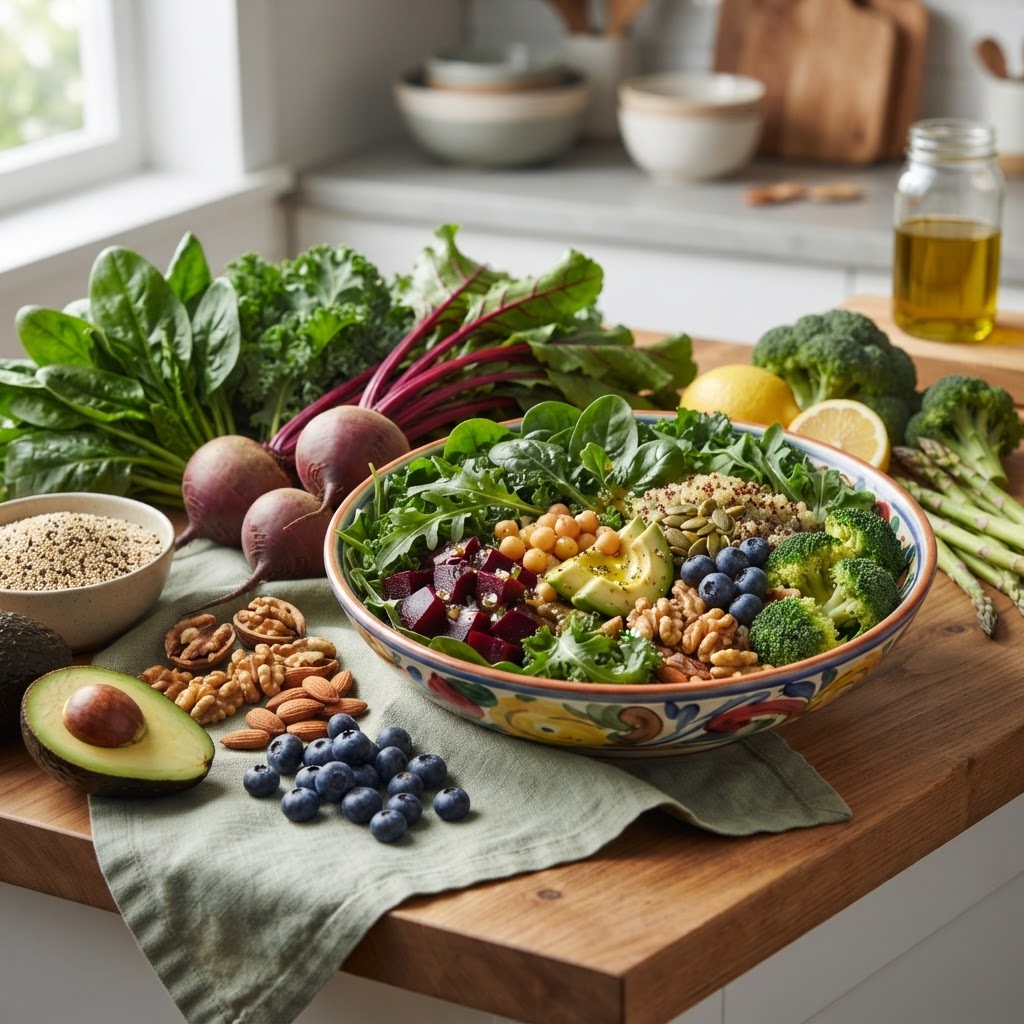
  • MSM for Joint Pain: Is It Effective for Inflammation?

    MSM for Joint Pain: Is It Effective for Inflammation?

    Key Takeaways

    • MSM is a sulfur-containing compound that plays a critical role in maintaining healthy connective tissue and joint flexibility.
    • Clinical research suggests MSM for inflammation can effectively decrease markers like C-reactive protein in some individuals.
    • When seeking natural joint supplements, MSM is frequently paired with glucosamine for a synergistic effect on cartilage repair.
    • MSM dosage for arthritis and joint comfort typically ranges between 1,500 mg and 6,000 mg daily, depending on individual needs.
    • While generally well-tolerated, potential MSM side effects may include mild gastrointestinal discomfort, emphasizing the importance of starting with a lower dose.

    For millions of people living with chronic discomfort, the search for natural joint supplements is a constant priority. While many turn to traditional pharmaceutical options, a growing number of wellness enthusiasts and clinical researchers are shifting their focus toward organic sulfur compounds. Methylsulfonylmethane, commonly referred to as MSM, has emerged as a cornerstone in the management of joint health. Found naturally in a variety of fruits, vegetables, and grains, this compound provides the bioavailable sulfur necessary for the structural integrity of your body’s connective tissues. But does it truly live up to the hype when it comes to long-term joint pain relief? As we explore the science behind MSM for inflammation, it becomes clear that its role extends far beyond simple symptom management, offering a deeper, cellular approach to bodily repair and recovery. In this guide, the healthauthoritylife Editorial Team examines how you can potentially reduce joint pain by integrating this powerhouse nutrient into your daily wellness regimen.

    What Is MSM and How Does It Support Joint Health?

    Methylsulfonylmethane, or MSM, is an organosulfur compound that has become increasingly popular in the world of integrative health. At its most basic chemical level, MSM is a form of dietary sulfur, an essential mineral that is the third most abundant element found in the human body. While the name might sound like an industrial chemical, it is a naturally occurring substance found in small amounts in various fresh plants, raw milk, and even within the tissues of humans and other animals. In the context of joint health, sulfur is not just a passive mineral; it is a critical building block.

    The primary reason MSM is so highly regarded for joint maintenance is its involvement in the formation of collagen and keratin. Your joints are essentially complex structures held together by connective tissues, tendons, and cartilage—all of which rely heavily on collagen. Sulfur plays a vital role in creating cross-links within collagen fibers, which provides these tissues with their structural strength and elasticity. Without adequate bioavailable sulfur, these tissues may lose their resilience, leading to the stiffness and degradation often associated with aging or repetitive mechanical stress.

    Furthermore, MSM serves as a foundational component in the production of glycosaminoglycans (GAGs). These are complex carbohydrates that form the structural matrix of cartilage, helping to keep it hydrated and cushioned. When you experience joint pain, it is often a result of the thinning or degradation of this protective cartilage lining. By ensuring the body has a steady supply of sulfur, MSM helps support the body’s innate ability to maintain and repair this essential matrix. Many people find that by using MSM as a daily supplement, they experience a noticeable improvement in joint fluidity and a decrease in the “creaky” feeling often described by those with early-stage joint issues.

    Beyond its structural benefits, MSM acts as a facilitator for other nutrients. It is believed to improve the permeability of cell membranes, which allows for better absorption of essential nutrients while simultaneously ensuring that metabolic waste products are cleared more efficiently from the cells. In the complex landscape of how to reduce joint pain, this detoxification effect is often overlooked, yet it is vital for maintaining healthy cellular environments. When your cells are adequately nourished and effectively cleared of waste, inflammation is less likely to become chronic. This dual-action approach—providing structural building blocks for cartilage while supporting cellular health—is precisely why MSM has become a staple in many natural wellness routines. By choosing to supplement, users are essentially providing their joints with the raw materials they need to withstand the daily wear and tear of movement, potentially delaying the onset of more serious degenerative conditions.

    How MSM Works to Reduce Inflammation and Oxidative Stress

    The efficacy of MSM in managing physical discomfort is largely attributed to its potent anti-inflammatory and antioxidant properties. Inflammation is a natural, necessary response to injury, but when it becomes chronic, it acts as a silent destroyer of joint tissue. MSM functions as a modulator of this inflammatory pathway, helping to keep the body’s internal thermostat balanced. Research suggests that MSM influences the production of various pro-inflammatory cytokines—the chemical messengers that signal your immune system to launch an inflammatory attack. By blunting the excessive release of these cytokines, MSM helps calm the immune response, providing significant joint pain relief for those struggling with conditions characterized by redness, swelling, and heat.

    Oxidative stress represents the other side of the coin. Every day, your body produces free radicals—unstable molecules that damage healthy cells and accelerate tissue aging. In the joints, oxidative stress is particularly destructive because it can lead to the breakdown of hyaluronic acid and collagen. MSM acts as a scavenger of these free radicals, neutralizing them before they can inflict damage. It also appears to support the activity of your body’s own antioxidant defense systems, such as glutathione. By increasing the presence of these protective enzymes, MSM creates a robust barrier against the oxidative degradation that often follows intense exercise or long-term joint use.

    Furthermore, the sulfur found in MSM is instrumental in the synthesis of methionine and cysteine, two sulfur-containing amino acids. These amino acids are essential for maintaining the structural integrity of proteins throughout the body. When your body is under stress, these stores are often depleted, leaving joints vulnerable to damage. By replenishing these sulfur sources, MSM provides the biological support needed to repair damaged tissue more effectively. This is particularly relevant for those seeking to reduce joint pain caused by physical overexertion or environmental toxins.

    Interestingly, the impact of MSM on inflammation is not limited to the joints alone. Many users report a decrease in systemic inflammation, which often manifests as reduced stiffness in the morning or improved range of motion in the spine. Because it is a small, organic molecule, MSM is highly bioavailable and easily absorbed into the bloodstream. Once absorbed, it distributes throughout the body, targeting areas of highest metabolic activity and inflammation. This systemic nature makes it a comprehensive tool in a holistic wellness kit. Rather than acting as a simple “painkiller,” MSM works at the physiological level to shift the internal environment from a state of breakdown to a state of maintenance. While it may take several weeks of consistent use to notice the full benefits, the cumulative effect of reduced cytokine activity and lowered oxidative stress makes it a foundational therapy for anyone serious about long-term musculoskeletal health. Consistent supplementation with high-quality MSM ensures that your body has the protective support it needs to manage inflammation naturally, minimizing the need for harsher chemical interventions that may carry a wider array of unwanted side effects.

    Evidence-Based Benefits of MSM for Osteoarthritis

    Osteoarthritis (OA) is a common, often painful condition characterized by the gradual wearing down of cartilage at the ends of bones. For those navigating this diagnosis, the goal is typically to manage symptoms while slowing the progression of the condition. MSM has been the subject of numerous investigations regarding its potential to improve physical function in patients with knee and hip osteoarthritis. In various studies, participants who incorporated MSM into their daily regimen reported significant improvements in joint comfort and physical functioning compared to those who received a placebo.

    The primary clinical observation in these studies is the reduction in joint stiffness. Morning stiffness is a telltale sign of osteoarthritis, and many individuals find that it hampers their ability to engage in normal morning activities. By reducing inflammation within the joint capsule, MSM helps decrease the resistance felt when initiating movement. While MSM is not a cure for structural cartilage loss, it is highly effective at managing the secondary symptoms that make life with osteoarthritis so challenging. Many experts agree that the synergy between the sulfur compounds in MSM and the joint’s natural lubricants leads to a smoother, less painful gliding motion of the bones within the socket.

    Regarding MSM dosage for arthritis, the research indicates a wide range of effective intakes, typically starting at 1,500 mg and going up to 6,000 mg daily, usually divided into two or three smaller doses throughout the day. Starting slow allows the body to adjust, minimizing any potential MSM side effects, such as mild stomach upset or changes in bowel habits. Because osteoarthritis is a chronic condition, many practitioners recommend a long-term approach, suggesting that the benefits of MSM are most profound after the first four to six weeks of daily use. This slow-build effect highlights the fact that MSM is working on systemic pathways rather than providing temporary, superficial relief.

    Another benefit observed in the context of osteoarthritis is the potential to reduce the reliance on non-steroidal anti-inflammatory drugs (NSAIDs). While NSAIDs are effective at lowering pain, they are well-known for causing gastric damage, increased blood pressure, and potential cardiovascular concerns when used for extended periods. By using MSM as a natural alternative or as part of a tiered treatment plan, many patients can lower their dependency on these stronger medications. This shift represents a significant win for long-term health, as it spares the gut lining and liver from the chronic stress associated with pharmaceutical pain management. Ultimately, while individual results may vary, the consensus among researchers is that MSM provides a meaningful contribution to the quality of life for those with mild to moderate osteoarthritis. When combined with gentle movement, physical therapy, and a balanced diet, MSM becomes an integral component of a comprehensive strategy for maintaining joint longevity.

    MSM vs Glucosamine and Chondroitin: Which Is Best for Joints?

    When curating a supplement routine, consumers are often presented with a triad of popular joint health ingredients: MSM, Glucosamine, and Chondroitin. While all three are frequently sold in combination products, they serve distinct biological functions. Understanding these differences is key to choosing the right tool for your specific needs. The table below outlines how these ingredients compare in their primary roles and strengths.

    Supplement Primary Function Best For
    MSM Sulfur delivery and anti-inflammatory support Reducing systemic inflammation and stiffness
    Glucosamine Cartilage maintenance and repair Structural joint support and slowing degradation
    Chondroitin Hydration and elasticity of cartilage Improving shock absorption within the joints

    Glucosamine is a natural compound found in healthy cartilage, specifically in the fluid around our joints. It acts as a precursor for glycosaminoglycans, which are the building blocks of cartilage tissue. If your goal is to support the structural health of your joints—essentially “feeding” the cartilage—glucosamine is a classic choice. Chondroitin, on the other hand, is a complex carbohydrate that helps cartilage retain water. This water retention is what gives cartilage its “sponge-like” properties, allowing it to act as a shock absorber during impact. Without sufficient chondroitin, joints lose their ability to cushion the stress of movement, which leads to bone-on-bone friction.

    MSM acts as the perfect companion to these two. While glucosamine and chondroitin focus on the physical structure and lubrication of the cartilage, MSM focuses on the surrounding soft tissues and the inflammatory environment. Many clinical trials have looked at the combination of these three to see if they offer synergistic benefits. The results often suggest that when taken together, the trio provides a more comprehensive approach than any single supplement alone. The MSM helps quiet the inflammatory noise, allowing the glucosamine and chondroitin to perform their work of maintaining and repairing the joint architecture without constant interruption from immune-driven damage.

    Deciding which is “best” depends entirely on your current stage of joint health. If your primary complaint is chronic swelling and pain, MSM for inflammation is likely to be your most effective starting point. If you have been diagnosed with early-stage structural changes or wear and tear, adding glucosamine and chondroitin to your MSM regimen is highly advisable. Because MSM is highly bioavailable and generally safe, it often serves as a “base” supplement that can be layered with other nutrients. Some people may experience sensitivities to glucosamine (which is often derived from shellfish), making MSM a preferred choice for individuals with specific allergies or those looking for a vegan-friendly option. By viewing these not as competing interests but as complementary tools, you can create a customized strategy that addresses both the structural integrity and the comfort of your joints. Remember to consult with a healthcare professional when starting a new protocol, especially if you are currently taking prescription medication, as some supplements can interact with blood-thinning agents or other common daily drugs.

    Can MSM Help With Recovery After Intense Exercise?

    For athletes and weekend warriors alike, the struggle of post-exercise soreness is a recurring hurdle. Delayed Onset Muscle Soreness (DOMS) can sideline even the most dedicated fitness enthusiasts, keeping them from maintaining a consistent training schedule. MSM has gained significant traction in the sports nutrition community as a natural tool to shorten recovery time and enhance performance. The mechanism here is twofold: it addresses both the mechanical micro-trauma of muscles and the systemic oxidative stress produced during high-intensity training.

    When you exercise, especially through resistance training or long-distance running, you create microscopic tears in your muscle fibers. This triggers an inflammatory response as the body works to repair and strengthen the tissue. While this is how muscles grow stronger, the associated pain and inflammation can lead to prolonged downtime. MSM helps manage this response by reducing the levels of inflammatory biomarkers that surge after exercise. By curbing this initial spike in inflammation, individuals often report feeling less “heavy” or sore in the days following a grueling workout, allowing them to return to the gym with higher energy levels.

    Beyond the muscles, exercise places significant stress on the joints, particularly in high-impact sports like basketball or cross-training. The sulfur in MSM provides the necessary resources to reinforce connective tissue, which can help prevent the overuse injuries that often plague athletes. Regular supplementation can assist in maintaining the elasticity of tendons and ligaments, making them more resilient to the repetitive stress of sport. This is why many active individuals choose to incorporate MSM into their pre- or post-workout routine, viewing it as a preventative measure rather than just a reactive one.

    Another fascinating aspect of MSM in sports recovery is its role in mitochondrial function. During intense exertion, mitochondria produce free radicals, which can impair muscle efficiency if not properly neutralized. By supporting the body’s antioxidant defenses, MSM ensures that these free radicals are cleared effectively, which may lead to improved endurance over time. While it isn’t a performance-enhancing drug in the traditional sense, it acts as a recovery-enhancing nutrient that allows the body to handle higher training loads without the usual toll on joints and tissues.

    For those looking to integrate MSM for recovery, timing can play a role, though consistency remains the most important factor. Many athletes take their dose split across two meals to maintain stable levels in their system throughout the day. It is common to see dosage variations depending on the intensity of the training cycle; during heavy training weeks, individuals might scale up, while during recovery weeks, they might return to a baseline maintenance level. If you are specifically using MSM to reduce joint pain caused by sports activity, pairing it with adequate hydration is vital, as sulfur metabolism is closely linked to cellular fluid balance. As always, listening to your body’s signals is essential—if you experience any side effects, such as gastrointestinal distress, it is a sign to either reduce your intake or adjust the timing of your dose to better suit your digestion. With a well-structured approach, MSM can be a game-changer for maintaining a high level of physical activity well into your later years.

    Recommended Dosage and How to Take MSM Safely

    Determining the appropriate intake of Methylsulfonylmethane (MSM) is a critical step in managing joint discomfort. Because MSM is a naturally occurring organic sulfur compound, it is generally well-tolerated by the human body. However, as with any natural joint supplement, consistency is far more important than intensity when starting a new regimen. Experts generally suggest that individuals looking to address chronic inflammation should approach their dosage strategy with a “start low and go slow” methodology to gauge individual tolerance.

    Most clinical observations suggest that effective dosages for joint health typically fall within a range of 1,500 mg to 6,000 mg per day. It is common practice for users to split their total daily dose into two or three smaller administrations. For example, taking 1,000 mg with breakfast, lunch, and dinner can help maintain stable levels of sulfur in the bloodstream throughout the day. Starting at a lower dose—perhaps 500 mg to 1,000 mg daily—allows the digestive system to acclimate to the supplemental sulfur, significantly reducing the likelihood of gastrointestinal discomfort.

    How you take MSM matters just as much as how much you take. Because MSM is highly water-soluble, it is often recommended to consume it alongside a meal that contains some healthy fats. This can aid in absorption and minimize the chance of minor stomach upset, which can sometimes occur when taking concentrated powders on an empty stomach. If you are using an MSM powder rather than a capsule, it is best to mix it into a glass of water, juice, or a smoothie. While pure MSM has a slightly bitter, earthy taste, it dissolves rapidly in liquid, making it easy to incorporate into a morning routine.

    It is also essential to manage expectations regarding the timeline of results. MSM is not a rapid-acting analgesic in the way that over-the-counter anti-inflammatory drugs might be. Instead, it acts as a cumulative support agent for connective tissue health. Many users report that it takes anywhere from two to four weeks of daily, consistent usage before they notice a meaningful reduction in stiffness or a significant improvement in joint mobility. Therefore, consistency is the ultimate driver of efficacy.

    Potential Side Effects and Who Should Avoid MSM

    While MSM is widely considered safe for the majority of the population when taken in recommended amounts, no supplement is entirely free of potential side effects. The most frequently reported issues are typically mild and gastrointestinal in nature. These can include feelings of bloating, abdominal discomfort, diarrhea, or nausea. These symptoms are almost always dose-dependent; if they occur, reducing the dosage or ensuring that the supplement is taken with a larger meal usually resolves the problem quickly.

    Beyond digestive sensitivities, some individuals report skin reactions or minor headaches when first introducing MSM to their system. Because MSM assists the body in detoxification processes, some functional health experts suggest that these minor symptoms may represent the body processing the increase in sulfur. However, if any adverse reaction persists, it is vital to discontinue use and speak with a qualified healthcare provider.

    It is equally important to identify who should avoid MSM supplementation. Certain groups require additional caution:

    • Individuals on blood-thinning medications: MSM may possess mild blood-thinning properties. If you are currently prescribed anticoagulants or antiplatelet drugs, you must consult your physician before adding MSM to your regimen to prevent the risk of excessive bleeding or bruising.
    • Pregnant or breastfeeding individuals: Due to a lack of large-scale, long-term safety studies regarding the effects of high-dose MSM on fetal development or lactation, experts generally advise against its use during these periods unless explicitly directed by an OB/GYN.
    • Those with specific sulfur sensitivities: While most people who are allergic to sulfa drugs (like certain antibiotics) can safely take MSM, as it is a different form of sulfur, anyone with a history of severe allergic reactions to sulfur compounds should proceed with extreme caution and seek medical clearance.

    How to Choose High-Quality MSM Supplements

    The market for natural joint supplements is vast, but not all MSM products are created equal. Because the supplement industry is loosely regulated in many regions, the responsibility falls on the consumer to verify the quality and purity of the product. The most critical factor when selecting an MSM supplement is the manufacturing process, specifically the purification method. Look for products that utilize distillation rather than crystallization. Distillation is widely considered the gold standard for achieving high purity and removing heavy metals or other unwanted contaminants.

    Below is a comparison table designed to help you understand the different forms of MSM supplementation and which might best suit your specific health needs.

    Form of MSM Pros Best For
    MSM Powder Cost-effective, highly customizable dosage, no fillers or binders. Those who want the best value and control over their daily intake.
    MSM Capsules Convenient, travel-friendly, eliminates the bitter taste of powder. Individuals with a busy, on-the-go lifestyle who dislike mixing liquids.
    MSM Cream/Topical Targeted relief, bypasses the digestive system, soothing on contact. People focusing on localized pain, like knees or knuckles.
    MSM + Glucosamine Complex Synergistic effects for cartilage health and joint lubrication. Those seeking comprehensive support for long-term cartilage repair.

    When shopping, always examine the label for “third-party testing” or “Certificate of Analysis” (COA). Reputable brands will frequently provide these documents to show that their product has been tested for potency and purity by an independent laboratory. Avoid products that contain long lists of artificial additives, magnesium stearate, or proprietary blends where the specific amount of MSM is hidden. Transparency is the hallmark of a high-quality manufacturer. If the manufacturer does not disclose the amount of MSM per serving, it is best to avoid that brand entirely.

    Lifestyle Habits to Combine With MSM for Lasting Relief

    Taking MSM is an excellent step toward managing inflammation, but it is not a “magic bullet” that works in a vacuum. The most successful outcomes in joint pain management are found when supplementation is paired with a comprehensive lifestyle approach that addresses the root causes of inflammation. If you are serious about reducing joint pain, you must consider the interplay between your diet, movement, and recovery.

    The Anti-Inflammatory Diet: Inflammation is often fueled by high sugar intake, processed oils, and refined carbohydrates. By switching to a diet rich in whole foods, specifically leafy greens, fatty fish (rich in Omega-3 fatty acids), berries, and turmeric, you provide your body with the building blocks it needs to repair cartilage. MSM works better when the body is not constantly fighting the inflammation caused by a poor diet. Increasing your hydration is also essential, as water helps transport the sulfur from the MSM to the joints, where it is utilized for structural repair.

    Low-Impact Movement: One of the most common mistakes individuals with joint pain make is becoming sedentary. While it is natural to want to protect a painful joint, total inactivity leads to muscle atrophy, which puts even more stress on the joint capsule. Incorporating low-impact movement—such as swimming, walking, or gentle yoga—helps to lubricate the joint surfaces, increase blood flow to the connective tissue, and strengthen the muscles that support the joint. These activities should be performed within a pain-free range of motion to maximize long-term mobility.

    Stress Management and Sleep: Chronic stress elevates cortisol levels, which, when sustained, can exacerbate systemic inflammation throughout the body. Techniques such as mindfulness meditation, diaphragmatic breathing, and ensuring you get seven to nine hours of quality sleep per night are critical for allowing the body to enter a state of repair. MSM helps the structural integrity of your joints, but it is during deep sleep that the actual biological repair work occurs. Think of your lifestyle as the foundation and MSM as the reinforcing steel; both are required for a structure to remain sturdy over time.

    Frequently Asked Questions

    Can I take MSM daily for a long period?

    Yes, many people take MSM as a long-term daily supplement to support joint health. Because it is a form of organic sulfur, which is a necessary mineral for the body, it is generally considered safe for extended use. However, it is always wise to cycle off supplements occasionally or review your progress with a healthcare professional to ensure it is still meeting your needs.

    Does MSM interact with other medications?

    MSM may have mild blood-thinning properties and could potentially interact with anticoagulant or antiplatelet medications. If you are taking any prescription medication, especially those for cardiovascular conditions, you should consult your doctor to confirm that adding MSM is appropriate for your specific health situation.

    Is MSM the same thing as sulfur or sulfa drugs?

    No, they are quite different. MSM is an organic, dietary form of sulfur, whereas sulfa drugs are a class of synthetic antibiotics. Most people who are allergic to sulfa drugs can safely take MSM, but those with known severe sulfur sensitivities should consult an allergy specialist before beginning supplementation.

    How long does it take for MSM to start working?

    Unlike fast-acting pain relievers, MSM acts on the connective tissue and reduces inflammation over time. Most users report feeling a noticeable difference in their joint stiffness and range of motion after two to four weeks of consistent, daily supplementation.

    Should I take MSM with food?

    Taking MSM with a meal is generally recommended to maximize absorption and minimize the risk of minor stomach upset. If you are using a powder, mixing it into a smoothie or a glass of water during a meal can make it easier on your digestive system compared to taking it on an empty stomach.

    Can MSM help with skin and hair health?

    Yes, many people use MSM for more than just joint pain. Because sulfur is a vital component of keratin and collagen—the proteins that make up your hair, skin, and nails—some users report improvements in skin elasticity, nail strength, and hair growth after consistent use of MSM.

    Conclusion

    Managing joint pain and systemic inflammation is rarely a simple task, but incorporating Methylsulfonylmethane (MSM) provides a powerful, natural tool to support your body’s structural integrity. By assisting in the reduction of inflammation, supporting the health of cartilage, and facilitating a faster recovery, MSM offers a comprehensive approach to joint care that goes beyond simple symptom masking. When paired with an anti-inflammatory diet, regular low-impact exercise, and mindful lifestyle habits, MSM can be a game-changer for those seeking to regain their mobility and live a more comfortable life.

    Remember, the path to health is a marathon, not a sprint. Start with a high-quality product, be consistent with your dosage, and listen to your body’s signals as you transition toward a healthier, more mobile version of yourself. If you are ready to take control of your joint health, evaluate your current wellness regimen today and consider how MSM might fit into your journey toward lasting relief.

    By healthauthoritylife Editorial Team

    This article is for informational purposes only and is not a substitute for professional medical advice. Always consult your doctor before making changes to your diet, exercise routine, or treatment plan.
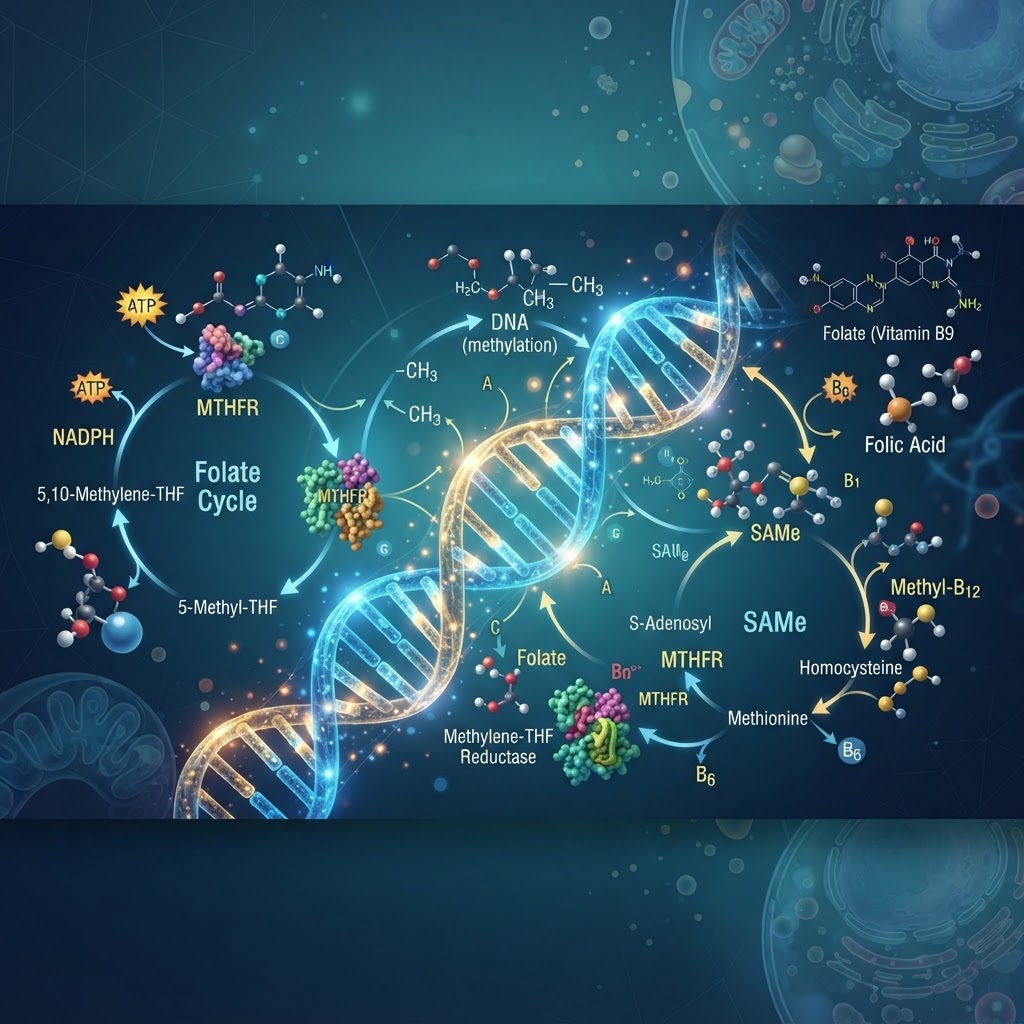
  • Methylation Deficiency: Signs, Causes, and How to Support It

    Methylation Deficiency: Signs, Causes, and How to Support It

    Key Takeaways

    • Methylation is a foundational biochemical process that influences everything from DNA repair to neurotransmitter synthesis.
    • Genetic variations like MTHFR can inhibit the body’s ability to efficiently process methyl groups, leading to systemic health challenges.
    • Signs of poor methylation are often non-specific, ranging from chronic fatigue and anxiety to recurring digestive issues.
    • Lifestyle factors, including high stress and nutrient deficiencies, act as significant “methyl robbers” that deplete your body’s reserves.
    • Proactive methylation support often involves a combination of dietary adjustments, targeted supplementation, and toxin reduction.

    When you hear the word “methylation,” it might sound like a complex, abstract biological term reserved for medical textbooks. In reality, it is a silent, constant process happening in every single cell of your body, every second of your life. Imagine a fleet of molecular mechanics working around the clock to keep your genetic machinery running smoothly, your mood balanced, and your detoxification systems in gear. When this process functions correctly, you likely feel vibrant, clear-headed, and resilient. However, when a methylation deficiency occurs, these “mechanics” essentially go on strike, leading to a cascade of downstream health issues that can manifest in confusing, seemingly unrelated ways. Understanding how to optimize this pathway is no longer just a niche topic for biohackers; it is becoming a cornerstone of modern functional wellness. By addressing the root causes of impaired methylation, you can reclaim your energy and support your long-term cellular health.

    What Is Methylation and Why It Matters for Health

    At its core, methylation is a simple chemical reaction: the transfer of a methyl group—a carbon atom attached to three hydrogen atoms—from one molecule to another. Think of it as a biochemical “on/off switch” or a biological “copy-paste” function. While the reaction itself is simple, its implications are massive. Every time your body creates energy, synthesizes neurotransmitters like serotonin and dopamine, processes hormones, or repairs damaged DNA, it requires a supply of methyl groups. This process, technically known as the folate-methionine cycle, is essential for life itself.

    One of the most critical roles of this process is DNA methylation. This is how your body regulates gene expression. By attaching a methyl group to a specific stretch of DNA, your body can effectively “silence” genes that shouldn’t be active or “turn up” the expression of genes that are vital for protection and repair. Without adequate methylation, your genetic code becomes less stable, which can lead to increased vulnerability to environmental toxins and chronic illness. This is why researchers often refer to methylation as the master regulator of health; if the master regulator is compromised, every system under its command eventually starts to drift.

    Furthermore, methylation is the engine behind your body’s detoxification pathways. It is specifically required to process heavy metals, clear out excess histamine, and break down neurotransmitters after they have been used. If your body cannot perform this process efficiently, you might experience a buildup of toxins and neuroactive compounds that result in systemic distress. Many people don’t realize that their struggle with “brain fog” or hormone imbalances is actually a downstream consequence of a clogged methyl cycle. Maintaining optimal levels of methyl donors—compounds like folate, B12, and betaine—is essential to keep this cycle spinning. Without the right building blocks, the body cannot supply the necessary methyl groups, forcing it to prioritize survival over optimal function. Understanding that methylation is the bridge between your genetic blueprint and your daily physical reality is the first step in moving from a state of deficiency to a state of systemic wellness.

    Common Symptoms of a Methylation Deficiency

    Because methylation is involved in nearly every biological system, the signs of poor methylation are notoriously broad. There isn’t a single “methyl deficiency test” that captures the full clinical picture, which is why many individuals spend years chasing symptoms without finding a clear root cause. Clinically, practitioners often look for clusters of symptoms that suggest the body is struggling to keep up with metabolic demands.

    One of the most common indicators is persistent, unexplained fatigue. Because methylation is vital for the production of CoQ10 and creatine—both essential for cellular energy production—those with deficiencies often report a “tired but wired” sensation. They may feel exhausted at the cellular level yet experience nervous system agitation or anxiety. This paradox is a hallmark of an imbalanced methyl cycle. When the body cannot efficiently methylate neurotransmitters, it can lead to erratic mood swings, depressive tendencies, or heightened levels of chronic stress.

    Digestive health is another frequent casualty of impaired methylation. The gut lining requires rapid cell turnover, which is dependent on DNA methylation and folate metabolism. Individuals with poor methylation often report recurring gastrointestinal issues, including sensitivities to specific foods or an inability to tolerate sulfur-containing vegetables. Additionally, histamine intolerance is a major red flag. Because the enzyme DAO (diamine oxidase) requires methylation to function properly, a deficiency often results in an accumulation of histamine, leading to symptoms like hives, headaches, congestion, and flushing after eating certain foods.

    Physical signs may also appear on the skin or in hormonal cycles. Hormones like estrogen must be methylated to be safely eliminated; when this pathway is sluggish, it can result in estrogen dominance, leading to difficult menstrual cycles or other hormonal imbalances. Below is a breakdown of how different approaches to symptom management compare in their ability to provide relief.

    Approach Methodology Best For
    Nutrient Repletion Using bioactive B vitamins and methyl donors. Correcting metabolic gaps.
    Lifestyle Optimization Reducing stressors and toxic exposures. Reducing demand on the cycle.
    Dietary Modification Increasing dietary folate and choline. Long-term, sustainable support.
    Targeted Supplements Using natural methylation supplements. Immediate, intensive intervention.

    It is important to remember that these symptoms are not diagnostic in isolation. However, if you find that you struggle with a combination of low energy, mood instability, and sensitivity to common substances, it may be time to investigate your methylation status more closely with a qualified health professional.

    Genetic Factors: How MTHFR and Other Genes Play a Role

    The modern conversation regarding cellular health is dominated by the acronym MTHFR methylation. The MTHFR gene provides the instructions for making the enzyme methylenetetrahydrofolate reductase. This specific enzyme is the “engine” that converts inactive folate into its active form, 5-methyltetrahydrofolate (5-MTHF). This active form is the primary methyl donor for the entire body. When a person has a variant—often called a mutation or polymorphism—in this gene, the engine doesn’t run as efficiently. Consequently, the conversion of folate becomes sluggish, which immediately puts a brake on every methylation-dependent process.

    It is crucial to clarify that having an MTHFR variant is not a “disease.” It is a genetic variation that affects biochemical efficiency. Many people carry these variants without ever experiencing significant health issues, provided their environment and diet support their unique needs. The trouble begins when a genetic predisposition meets an environment that demands extra methylation resources. For example, if you have an MTHFR variant and you consume a diet high in synthetic folic acid—which can actually block the receptors for active folate—you are essentially forcing your body to work harder to do a job it is already genetically predisposed to struggle with.

    Beyond MTHFR, other genes also play a role. Genes like COMT, which is responsible for breaking down neurotransmitters like dopamine and adrenaline, rely heavily on methylation. If your COMT gene is “slow,” you may be more sensitive to stress and caffeine. If you also have a methylation impairment, you might find it difficult to clear stress hormones from your system, leading to a state of chronic sympathetic nervous system dominance. Another gene, MTR/MTRR, is involved in recycling homocysteine back into methionine. If this cycle is interrupted, homocysteine levels can rise. High homocysteine is a well-documented marker that the methylation cycle is failing to recycle effectively, which is why practitioners often monitor this marker as a proxy for methylation efficiency.

    Understanding your genetic profile through testing can be incredibly empowering, but it should be viewed as a map, not a final verdict. Your genes represent your tendencies, but your epigenetics—how your environment influences those genes—are where you have the power to make changes. By recognizing your genetic predispositions, you can tailor your approach to methylation support, choosing forms of B vitamins that are already “pre-methylated” and avoiding environmental triggers that compete for your body’s limited methyl resources. This proactive, gene-informed strategy transforms methylation from a source of anxiety into a manageable aspect of your overall wellness profile.

    Lifestyle and Environmental Triggers of Impaired Methylation

    While genetics provide the baseline for your methylation capacity, your lifestyle acts as the primary driver of whether that capacity is sufficient for your daily needs. The “methyl budget” is finite. Every day, your body uses methyl groups to handle stress, process environmental toxins, and repair cell damage. When the demand for these resources exceeds your supply, you effectively run a deficit. This is often described as “burning through your methyls,” and it is the most common reason why otherwise healthy individuals suddenly find themselves dealing with impaired methylation.

    Chronic stress is arguably the most significant “methyl robber.” When you are stressed, your body produces excess adrenaline. The enzymatic pathway used to break down adrenaline requires a significant amount of the body’s methyl groups. If you live in a constant state of “fight or flight,” you are diverting these precious resources away from DNA repair and detoxification to handle your stress hormones. Over time, this shifts the body into a state of depletion. This is why meditation, nervous system regulation, and sleep are not just “nice to have” lifestyle choices—they are essential tools for preserving your methylation budget.

    Environmental toxins also play a heavy hand. Chemicals like bisphenol-A (BPA), phthalates, and heavy metals like mercury must be processed and eliminated by the body. This detoxification process relies heavily on the methylation cycle. If your body is constantly fighting off an influx of endocrine disruptors from household plastics or heavy metals in the environment, your methylation pathways are forced to prioritize detoxification at the expense of other vital functions. This creates a vicious cycle: the more toxins you are exposed to, the more methylation capacity you need to clear them, which leaves fewer resources for mood regulation and energy metabolism.

    Dietary choices further influence this dynamic. Consuming a diet high in processed foods that are fortified with synthetic folic acid is problematic for those with methylation issues. Synthetic folic acid competes with active folate in the gut and liver, effectively blocking the body’s access to the nutrient it needs most. Additionally, alcohol consumption is a major culprit. Alcohol requires significant methylation to process and clear, essentially acting as a sponge that soaks up your body’s methyl donors. By becoming aware of these “methyl robbers” and consciously reducing your exposure, you can immediately decrease the burden on your body, allowing it to recover and focus its energy on the critical tasks of repair and regeneration.

    The Link Between Methylation and Chronic Inflammation

    The relationship between methylation and inflammation is bidirectional and deeply interconnected. Methylation is required for the production of glutathione, the body’s primary antioxidant. When methylation is efficient, the body can produce adequate amounts of glutathione to neutralize free radicals and quell the “fire” of inflammation. However, if the methylation cycle is sluggish, glutathione production drops. Without this essential antioxidant, oxidative stress builds up in the tissues, which triggers the immune system to initiate an inflammatory response. In this way, a methylation deficiency directly fuels chronic inflammation.

    Conversely, chronic inflammation creates a biological environment that hinders the enzymes responsible for methylation. When the immune system is activated, it releases cytokines—signaling molecules that coordinate the inflammatory response. High levels of these cytokines have been shown to interfere with the activity of methyltransferase enzymes. This means that if you are experiencing systemic inflammation from an autoimmune condition, a chronic infection, or gut permeability, your body is biologically struggling to maintain its methylation capacity. It is a self-perpetuating cycle where inflammation slows down methylation, and slow methylation leads to more inflammation.

    This link is particularly evident in the context of cardiovascular health. High levels of homocysteine—a byproduct of a stalled methylation cycle—are strongly correlated with inflammation in the lining of the blood vessels. This damage, in turn, invites plaque buildup and further immune system activation. By optimizing the methylation cycle, we are not just supporting energy or mood; we are actively reducing the oxidative pressure on the body. This is why many clinicians prioritize methylation support when addressing conditions ranging from rheumatoid arthritis to neurological decline.

    Ultimately, supporting the methylation cycle is one of the most effective ways to lower the “inflammatory load” on your body. By providing the right methyl donors, reducing environmental stressors, and managing the intake of inflammatory dietary triggers, you provide the tools your cells need to return to homeostasis. When the inflammation subsides, the methylation pathways often begin to function more fluidly, allowing the body to return to its natural state of balance. The healthauthoritylife Editorial Team consistently emphasizes that viewing methylation as an anti-inflammatory tool is essential for anyone seeking long-term vitality, as it addresses the underlying metabolic friction that prevents true wellness.

    How Methylation Impacts Your Brain and Mental Health

    The relationship between methylation and mental health is one of the most critical aspects of neurobiology. Because methylation is responsible for the synthesis, metabolism, and regulation of neurotransmitters, any disruption in the methylation cycle can cascade into profound shifts in cognitive function and emotional stability. When the body cannot adequately methylate, the synthesis of dopamine, serotonin, norepinephrine, and melatonin may become compromised.

    Dopamine, the neurotransmitter associated with reward and focus, relies heavily on the methylation cycle for its degradation. If methylation is inefficient, neurotransmitters may not be processed correctly, leading to either an excess or a deficiency of these chemicals in the synaptic cleft. This imbalance is frequently linked to symptoms such as brain fog, difficulty concentrating, irritability, and a lack of motivation. Furthermore, the synthesis of serotonin—the body’s “feel-good” hormone—requires a steady supply of methyl groups. Low levels of active methyl donors can lead to decreased serotonin production, which is commonly observed in those struggling with persistent low moods or anxiety.

    Beyond neurotransmitter production, DNA methylation plays a protective role in the brain by managing gene expression related to stress response. Chronic stress itself can deplete the body’s methyl reserves, creating a vicious cycle where a person becomes less able to handle external stressors because their biological machinery for emotional regulation is chemically taxed. Furthermore, proper methylation is essential for the detoxification of neurotoxic byproducts. When the brain cannot effectively clear out homocysteine—a toxic amino acid that can damage neurons—the risk of neuroinflammation increases, potentially worsening symptoms of cognitive decline or mood instability.

    Essential Nutrients and Cofactors for Optimal Methylation

    Supporting the methylation cycle is not simply about adding one supplement; it requires a complex ecosystem of nutrients that act as “cogs” in the biological machine. If any of these cofactors are missing, the entire cycle can grind to a halt, regardless of how many methyl donors you consume.

    The “B-vitamin team” is the most prominent player here. Specifically, Vitamin B12 (cobalamin) and Folate (B9) are the primary drivers of the remethylation of homocysteine into methionine. However, it is vital to distinguish between synthetic forms and their bioavailable counterparts. Many people with MTHFR methylation variants struggle to process synthetic folic acid, which can actually block receptors and exacerbate a deficiency. Instead, looking for methylcobalamin and 5-methyltetrahydrofolate (5-MTHF) is standard practice for effective support.

    Magnesium acts as a vital cofactor for many enzymes within the cycle, particularly those involved in the conversion of vitamins into their active forms. Without sufficient magnesium, the enzymes responsible for methylation lack the structural support to function efficiently. Additionally, Vitamin B6 (pyridoxine) is essential for the transsulfuration pathway, which is the “exit ramp” for the methylation cycle where homocysteine is converted into glutathione, the body’s master antioxidant.

    Betaine, or trimethylglycine (TMG), serves as an alternative methyl donor, acting as a backup system when the folate-dependent pathway is sluggish. By providing a direct source of methyl groups, betaine helps maintain healthy homocysteine levels and supports the overall speed of the methylation process.

    Nutrient/Cofactor Primary Role in Methylation Best For
    5-MTHF (Folate) Donates a methyl group for DNA and neurotransmitter synthesis. Those with MTHFR variants needing active B9.
    Methylcobalamin (B12) Acts as a cofactor for methionine synthase. Energy production and neurological health.
    Trimethylglycine (TMG) Alternative methyl donor for homocysteine recycling. People with chronically high homocysteine levels.
    Magnesium Glycinate Supports enzyme activation and stress management. General enzyme support and nervous system health.
    P5P (Active B6) Facilitates the conversion of homocysteine to cysteine. Maintaining clear metabolic pathways.

    Foods to Include for Better Methylation Support

    While natural methylation supplements can be helpful, the most sustainable way to support your body is through the inclusion of methylation-friendly whole foods. The diet should be rich in methyl donors and cofactors that occur naturally in a bioactive state.

    Leafy greens are the quintessential “methylation foods.” Spinach, kale, swiss chard, and collard greens are packed with folate. It is often recommended to consume these lightly steamed rather than raw to increase the bioavailability of the nutrients and reduce oxalates, which can sometimes interfere with mineral absorption. Cruciferous vegetables, such as broccoli, Brussels sprouts, and cauliflower, are also essential because they contain sulfur compounds that support the liver’s detoxification pathways, which rely on methylation to function.

    Organ meats, particularly beef liver, are perhaps the most nutrient-dense sources of natural folate and B12 on the planet. For those who do not consume organ meats, wild-caught fatty fish (such as salmon, sardines, and mackerel) provide a high concentration of choline, a critical methyl donor. Choline is often overlooked in methylation discussions, but it is actually one of the most vital nutrients for the PEMT pathway, which is responsible for creating phosphatidylcholine, a component of every cell membrane in your body.

    Legumes, such as chickpeas, lentils, and black beans, provide a plant-based source of folate and fiber. Ensuring adequate fiber intake is crucial because the gut microbiome plays a role in synthesizing B-vitamins. If your gut health is compromised, your body may be missing out on “free” vitamins produced by healthy bacteria. Incorporating fermented foods like sauerkraut or kimchi can further support the gut environment, ensuring that the nutrients you consume are properly absorbed and utilized.

    Common Mistakes to Avoid When Supporting Methylation

    Because methylation is such a powerful biological process, it is easy to “overdo it” or approach the cycle with the wrong philosophy. One of the most common mistakes is “blind supplementation.” Many people begin taking high doses of methyl donors like methylated B-vitamins without first assessing their baseline status. Taking too much 5-MTHF or methyl-B12 can lead to “over-methylation” symptoms, which often manifest as anxiety, insomnia, palpitations, and restlessness.

    Another frequent error is failing to address the cofactors. If you supplement heavily with folate but ignore magnesium, zinc, or B2 (riboflavin), you may hit a bottleneck where your methylation cycle cannot complete its work. It is also common to ignore the “drain” on your methyl groups. Alcohol, tobacco, and certain medications are known to deplete methylation reserves. Attempting to “fix” your methylation with pills while continuing to introduce high-stress chemical burdens is a common pitfall that undermines results.

    Furthermore, relying on synthetic folic acid found in fortified grain products is a significant barrier to progress for those with MTHFR variants. Folic acid is a synthetic version of folate that can saturate the MTHFR enzyme and prevent the absorption of natural, dietary folate. Reading labels and removing folic-acid-fortified “enriched” white flours and cereals from your diet is often the first step in unlocking your body’s natural potential.

    When to Consult a Functional Medicine Practitioner

    While dietary changes and basic lifestyle support are generally safe for everyone, there are instances where professional guidance is essential. If you have been struggling with long-term, unexplained fatigue, chronic mood concerns, or fertility challenges, you may be dealing with a systemic methylation imbalance that requires a more nuanced approach than a generic vitamin regimen.

    A functional medicine practitioner can help you look beyond the surface level. They often utilize specific laboratory tests—such as serum homocysteine, RBC folate, or organic acid testing—to determine exactly where your cycle is stalling. Understanding whether you have high or low homocysteine, for example, changes the entire treatment strategy. A practitioner can also evaluate your genetics if you choose, helping you understand your specific MTHFR or COMT variants, which dictate how you respond to different forms of supplements.

    Furthermore, if you are currently taking prescription medications, it is vital to consult with a professional. Methylation support can change how your liver processes drugs, potentially altering their effectiveness or side-effect profile. A professional can help you create a roadmap that integrates necessary medical care with functional nutrition, ensuring you are moving toward wellness safely and systematically.

    Frequently Asked Questions

    What is the link between MTHFR and methylation deficiency?

    MTHFR is a gene that provides instructions for making an enzyme responsible for converting folate into its active form, 5-MTHF. When someone has an MTHFR variant, their body may be less efficient at this conversion process, which can lead to signs of poor methylation because the “raw materials” are not being processed into the active state required by the cells.

    Can methylation deficiency be cured?

    Methylation is a biological process rather than a disease, so it is not “cured” in the traditional sense. However, through diet, lifestyle modifications, and targeted supplementation, you can effectively support your body’s methylation cycle to optimize your health, clear homocysteine, and improve neurotransmitter balance, significantly reducing the symptoms associated with deficiency.

    How do I know if I am over-methylating?

    Over-methylation typically occurs when someone takes too many methyl donors (like methylated B-vitamins) without a balanced need for them. Symptoms often include irritability, anxiety, racing thoughts, insomnia, or physical restlessness. If these occur, experts typically suggest pausing the supplements and consulting a professional to recalibrate your approach.

    Should I test for MTHFR genetic mutations?

    Genetic testing for MTHFR variants can be useful for those who want to understand their unique metabolic blueprint, but it is not strictly necessary for everyone. Functional medicine practitioners often prioritize treating the clinical symptoms—such as fatigue or high homocysteine levels—rather than focusing solely on the genetic code, as lifestyle and nutrition can significantly influence gene expression.

    Does stress really affect methylation?

    Yes, stress has a profound impact on the methylation cycle. The body uses methyl groups to synthesize stress hormones like epinephrine and norepinephrine. Chronic, prolonged stress requires the body to constantly expend methyl groups, which can deplete your reserves and leave you with less available for other critical functions like DNA repair and detoxification.

    What is the role of homocysteine in methylation health?

    Homocysteine is an amino acid that acts as a primary marker for the health of the methylation cycle. If your methylation cycle is running smoothly, your body recycles homocysteine back into methionine or converts it into glutathione. When homocysteine levels are high, it is a clear clinical indicator that the “recycling” phase of the methylation cycle is blocked, which can lead to inflammation and vascular damage.

    Conclusion

    Understanding methylation deficiency is a journey into the very foundation of your cellular health. From the regulation of your mood and cognitive focus to the intricate processes of detoxification and DNA repair, the methylation cycle governs the quality of your biological life. By recognizing the signs of poor methylation, identifying your dietary blind spots, and avoiding common pitfalls, you can take control of your metabolic destiny.

    However, supporting this cycle is not about a quick fix or a single magic pill. It is about fostering an environment—through nutrient-dense foods, manageable stress, and thoughtful supplementation—that allows your body to perform its natural duties without interference. Whether you are dealing with MTHFR variants or simply trying to optimize your long-term wellness, small, consistent changes yield the greatest impact. If you feel stuck, reach out to a functional medicine practitioner to gain deeper clarity on your unique needs.

    Take the first step today: Review your pantry and swap out folic-acid-fortified processed foods for whole, nutrient-dense alternatives rich in natural folates and B-vitamins.

    By healthauthoritylife Editorial Team

    This article is for informational purposes only and is not a substitute for professional medical advice. Always consult your doctor before making changes to your diet, exercise routine, or treatment plan.

  • MTHFR Gene Mutation: Symptoms, Causes, and How to Support It

    MTHFR Gene Mutation: Symptoms, Causes, and How to Support It

    Key Takeaways

    • The MTHFR mutation affects the body’s ability to convert dietary folate into its active, usable form.
    • Methylation is a fundamental biochemical process necessary for DNA repair, detoxification, and hormone balance.
    • Symptoms associated with this genetic variant are wide-ranging, often including fatigue, mood imbalances, and digestive issues.
    • Individuals with MTHFR variations can often thrive by focusing on nutrient-dense foods and avoiding synthetic folic acid.
    • Supporting your methylation pathway is a personalized process that prioritizes systemic wellness over quick fixes.

    In recent years, the conversation surrounding genetics and personal health has shifted from distant academic curiosity to actionable daily wellness. At the center of this movement is the MTHFR gene. For many, discovering they have an MTHFR mutation acts as a missing piece of the health puzzle, explaining long-standing struggles with energy, mood, and detoxification. While the scientific community is still uncovering the full complexity of these genetic variants, understanding how they influence your internal biochemistry can empower you to make informed decisions about your nutrition, supplementation, and lifestyle. The healthauthoritylife Editorial Team has compiled this comprehensive guide to help you navigate the nuances of the methylation pathway and reclaim your vitality.

    What Is the MTHFR Gene Mutation?

    The MTHFR gene—technically known as methylenetetrahydrofolate reductase—is a critical piece of your genetic blueprint. Its primary job is to provide the instructions for creating an enzyme that shares its name. This enzyme is the master key that unlocks a vital chemical reaction in your body: the conversion of dietary folate (Vitamin B9) into its active form, 5-methyltetrahydrofolate (5-MTHF). This active form of folate is not merely a vitamin; it is a fundamental fuel source that drives essential cellular functions throughout your entire system.

    When someone is referred to as having an “MTHFR mutation,” they are describing a variation or polymorphism in the genetic sequence. These variations occur when a single nucleotide—the building blocks of DNA—is swapped for another, which can alter how efficiently the MTHFR enzyme functions. It is important to clarify that having a variation is not a disease. In many cases, it is a common genetic trait that billions of people carry. These variations are often categorized by where they occur on the gene, with the most commonly discussed variants being C677T and A1298C. Depending on whether you inherited a variation from one parent (heterozygous) or both (homozygous), the efficiency of your enzyme may be reduced by varying degrees.

    The MTHFR gene does not work in isolation. It operates as part of a complex “methylation pathway,” a series of biochemical hand-offs that happen billions of times every second within your cells. When the MTHFR enzyme is less efficient, the downstream effects can ripple throughout the body. Think of it like a bottleneck in a manufacturing plant; if the primary raw material—active folate—is not being processed quickly enough, the entire assembly line slows down. This does not mean the assembly line stops, but it may require more resources, better quality inputs, and more strategic support to function at peak performance. By understanding this, we move away from viewing the mutation as a “defect” and toward seeing it as a unique biochemical requirement that necessitates a more intentional approach to daily health and nutrition.

    Understanding the Methylation Cycle and Why It Matters

    To truly support your health, you must view the methylation cycle as your body’s internal administrative system. At its core, methylation is the addition of a methyl group—a small chemical structure consisting of one carbon and three hydrogen atoms—to various molecules. It sounds simple, but this “carbon-sharing” process is the engine behind nearly every biological function. From repairing damaged DNA to managing how your body handles environmental toxins, methylation is the process that keeps your physiology organized and resilient.

    The methylation cycle is responsible for several high-stakes tasks. First, it regulates gene expression. By “tagging” certain parts of your DNA, it tells your cells which genes should be turned on or off. Second, it is essential for the production of neurotransmitters like serotonin, dopamine, and norepinephrine. If your methylation cycle is sluggish, you may experience fluctuations in mood or cognitive clarity because the body is not effectively synthesizing the chemical messengers required for emotional regulation. Third, it is vital for detoxification. Methylation helps the liver process toxins, heavy metals, and excess hormones, converting them into substances that can be safely excreted from the body.

    When the methylation pathway is compromised, often due to an MTHFR variant, the body may struggle to recycle homocysteine—an amino acid that, in high amounts, can be hard on the cardiovascular system. Healthy methylation ensures that homocysteine is converted back into methionine, an essential amino acid. Without efficient methylation support, this recycling process falters, potentially leading to systemic stress. This is why individuals with methylation challenges are often advised to look at their total health picture, rather than focusing on a single vitamin. It is about supporting a cycle that is constantly spinning. When you provide your body with the necessary “co-factors”—such as methylated B vitamins, magnesium, and specific amino acids—you are essentially lubricating the gears of this cycle, allowing it to move with greater ease regardless of the genetic baseline you were born with.

    Common Symptoms of MTHFR Gene Variations

    Because the MTHFR gene influences processes that occur in every cell of the body, the symptoms associated with methylation imbalances are notoriously non-specific. This is why it often takes years for individuals to connect their physical complaints back to their genetics. However, when we look at the patterns across the population, several consistent themes emerge. Many people with MTHFR mutations report an underlying sense of being “tired but wired.” This describes a state of chronic fatigue that exists alongside an inability to mentally relax, often stemming from an imbalance in the neurotransmitters mentioned earlier.

    Digestive issues are another frequently cited concern. The gut lining requires rapid cell turnover and repair, a process that is heavily dependent on methylation. When this cycle is suboptimal, the gut may struggle to maintain its integrity, leading to sensitivities or general discomfort. Furthermore, because methylation is crucial for detoxification, people with these variants often report increased sensitivity to environmental triggers, such as household chemicals, perfumes, or even certain medications. The body’s inability to efficiently “tag” and eliminate these substances can lead to a sense of being overwhelmed or having a lower threshold for physical stress.

    Mood-related symptoms are perhaps the most discussed aspect of MTHFR. Many report frequent brain fog, irritability, or difficulty with focus. Since methylation is required to process and clear neurotransmitters, a backup in the system can mean that chemicals like dopamine hang around too long or aren’t produced in sufficient quantities, leading to a roller coaster of mental states. While it is essential to emphasize that these symptoms are not diagnostic, they act as “yellow flags.” If you find yourself struggling with a combination of persistent fatigue, digestive distress, and difficulty maintaining a balanced mood, it may be time to investigate your methylation pathway. Below is a comparison of different approaches to managing these types of systemic symptoms.

    Approach Primary Focus Best For
    Nutrient-Dense Diet Whole food folate (leafy greens, legumes) Foundational daily support
    Methylated Supplementation B12 (methylcobalamin) and B9 (5-MTHF) Targeted support for known variants
    Lifestyle Stress Management Reducing environmental toxin exposure Reducing overall demand on the system

    How MTHFR Impacts Your Ability to Process Folate

    The primary role of the MTHFR enzyme is to act as a bridge. It converts dietary folate (B9) from its inactive state, which we consume in vegetables and grains, into its active, “ready-to-use” form known as 5-MTHF. In a person without an MTHFR variant, this conversion happens smoothly and efficiently. However, if you possess an MTHFR mutation, the “bridge” is effectively narrowed. The enzyme works more slowly, which leads to a decrease in the amount of active folate available for the body’s essential tasks.

    This is where the distinction between “folate” and “folic acid” becomes critical. Folic acid is a synthetic, oxidized form of Vitamin B9. It is not the same as the natural folate found in leafy greens. For someone with an MTHFR mutation, consuming folic acid can actually be counterproductive. Because the MTHFR enzyme is already struggling to process natural folate, it hits a roadblock when forced to handle the synthetic form. Folic acid can build up in the bloodstream, occupying the receptor sites and effectively blocking the uptake of the natural folate that the body actually needs. This “unmetabolized folic acid” is widely considered by experts to be a potential driver of health issues, as it interferes with natural metabolic processes.

    When you have an MTHFR mutation, the priority shifts to bypassing this bottleneck. This is achieved by ensuring that your body receives folate in a pre-methylated form—essentially, providing the “end product” so the MTHFR enzyme doesn’t have to work as hard to create it. This is why many practitioners recommend choosing foods rich in natural folate, such as spinach, asparagus, and lentils, over processed foods that are “fortified” with synthetic folic acid. By choosing high-quality, biologically active forms of B vitamins, you remove the burden from your genetics, allowing your body to focus its energy on cellular repair and mood regulation rather than the tedious labor of chemical conversion. It is a subtle shift, but for those with genetic variants, it is often the single most impactful change one can make to improve overall systemic function.

    The Link Between MTHFR and Chronic Inflammation

    Inflammation is the body’s natural response to stress, injury, or perceived threats. While acute inflammation is helpful—it is what heals a cut or fights off a virus—chronic, low-grade inflammation is a different story. It is a slow, smoldering fire that can damage tissues and organs over time. Emerging research suggests that the MTHFR mutation may be a silent contributor to this inflammatory state. The connection lies, once again, in the methylation pathway’s ability to maintain homeostasis.

    When methylation is impaired, the body’s ability to detoxify and regulate itself is diminished. This can lead to an accumulation of oxidative stress. Oxidative stress occurs when there is an imbalance between free radicals (unstable molecules that damage cells) and antioxidants (the body’s defense against them). Because methylation is responsible for creating glutathione—the body’s “master antioxidant”—a slowdown in this cycle means fewer resources are available to neutralize free radicals. Consequently, these free radicals accumulate, triggering an inflammatory response from the immune system.

    Furthermore, the aforementioned buildup of homocysteine also plays a role in inflammation. High levels of homocysteine are known to irritate the lining of blood vessels, which the body interprets as an inflammatory signal. Over years, this consistent irritation can lead to systemic health challenges. It is not that an MTHFR mutation “causes” inflammation directly; rather, it creates a biochemical environment where the body is less equipped to put out the small, everyday fires of life. This is why, when discussing MTHFR, we often focus on the importance of an anti-inflammatory lifestyle. This includes consuming antioxidant-rich berries, managing stress to lower cortisol levels (which can further deplete B vitamins), and creating a living environment with fewer synthetic chemicals. By lowering the total inflammatory load on your system, you essentially “free up” your compromised methylation pathway to focus on the essential tasks of cellular maintenance, rather than constantly struggling to manage excess systemic stress.

    Essential Tests to Identify Methylation Issues

    Identifying whether your body is struggling with methylation is rarely achieved through a single test. Because the methylation pathway is a complex, interconnected biochemical cycle, clinicians often look at a combination of genetic markers and functional metabolic indicators. Understanding your internal environment requires looking at both your genetic predisposition—the blueprint—and how your body is actually functioning in real-time.

    The first step for many is genetic screening. Genetic testing for the MTHFR gene mutation involves a simple swab or blood sample that identifies variants at specific positions, most commonly C677T and A1298C. It is important to remember that having a genetic variant does not automatically mean you have a clinical health issue; it simply indicates that your enzyme activity might be reduced. Genetic testing provides the “why” behind potential struggles, but it does not measure the current efficiency of your methylation cycle.

    To understand current function, functional medicine practitioners often look toward blood chemistry. Key biomarkers include serum folate, red blood cell (RBC) folate, and Vitamin B12 levels. While standard laboratory ranges are often broad, many functional health experts look for the “optimal” range rather than just the “normal” range. For instance, low-normal levels of B12 or folate may be insufficient for an individual with an MTHFR mutation who requires higher systemic levels to maintain equilibrium.

    Perhaps the most revealing test is serum homocysteine. Homocysteine is an amino acid that should be converted into methionine or cysteine through the methylation pathway. When methylation is sluggish, homocysteine levels often rise. Elevated homocysteine is frequently considered a red flag by cardiologists and integrative health specialists alike, as it suggests the “gears” of the methylation cycle are not turning effectively. Furthermore, testing for Methylmalonic Acid (MMA) can help distinguish between a functional B12 deficiency and a simple low-intake issue. By layering genetic data with these metabolic markers, you gain a high-definition view of how your body processes nutrients and manages toxic load.

    Best Dietary Choices for MTHFR Support

    When supporting the methylation pathway, the goal of your diet is to reduce the burden on your system while providing the necessary cofactors for enzymatic reactions. The MTHFR diet is fundamentally about bioavailable nutrition. Because individuals with methylation challenges struggle to process synthetic folic acid, the most critical dietary shift is the elimination of “enriched” or “fortified” flour products. These contain folic acid, which can saturate the folate receptors and potentially block the uptake of natural folates, worsening MTHFR symptoms.

    Instead, focus on whole foods that provide natural, active forms of folate, known as 5-methyltetrahydrofolate. Dark, leafy greens are the gold standard. Spinach, kale, Swiss chard, and arugula should be staples in your daily meal planning. Aim to consume these lightly steamed or raw to preserve their nutrient profiles. Cruciferous vegetables such as broccoli, Brussels sprouts, and cauliflower are also essential, as they support the liver’s detoxification pathways, which rely heavily on healthy methylation.

    Protein quality also matters significantly. Methylation requires amino acids like methionine, glycine, and betaine. While high-quality grass-fed beef and wild-caught fish are excellent sources of these nutrients, balance is key. If you are struggling with high homocysteine levels, you may need to moderate your intake of methionine-heavy foods and increase your intake of plant-based sources like lentils, beans, and chickpeas, which offer folate and fiber to assist in the detoxification process.

    Fermented foods such as sauerkraut, kimchi, and kefir can be beneficial because they support gut microbiome health. A healthy gut is essential for the absorption of B vitamins and the synthesis of folate by your internal bacterial flora. Reducing intake of processed sugars and alcohol is equally vital, as both substances drain your body’s B-vitamin stores, leaving you with even fewer resources to support the methylation pathway.

    Nutrient Source Key Methylation Benefit Best For
    Dark Leafy Greens Provides natural food-state folate Daily baseline support
    Beets/Beet Greens Rich in TMG (Betaine) Reducing homocysteine levels
    Cruciferous Veggies Sulfur donors for detox Supporting liver methylation
    Wild-Caught Salmon Source of B12 and Choline Cognitive and nervous system health
    Legumes Plant-based folate Gentle, fiber-rich nutrient intake

    Key Nutrients and Supplements for Better Methylation

    Supplements should be viewed as tools to assist a deficient system rather than a permanent replacement for a nutrient-dense diet. For those with MTHFR mutations, the “golden rule” of supplementation is avoiding synthetic folic acid. Always look for methylated vitamins on the label. This means seeking out methylfolate (5-MTHF) rather than folic acid, and methylcobalamin instead of cyanocobalamin.

    The primary nutrients that drive the methylation cycle include B2 (riboflavin), B6 (pyridoxine), B12 (cobalamin), and folate. Riboflavin, in particular, acts as a crucial cofactor for the MTHFR enzyme; without enough B2, the entire pathway can stall, regardless of how much folate you consume. B6 is required for the conversion of homocysteine into cysteine in the transsulfuration pathway, which is a secondary route for detoxification when the primary methylation cycle is blocked.

    Trimethylglycine (TMG), also known as betaine, is another heavy hitter for methylation support. TMG acts as a methyl donor, essentially providing the chemical “currency” the body needs to proceed with methylation when the MTHFR enzyme is underperforming. It is often used to help lower elevated homocysteine levels safely. However, TMG should be introduced carefully, as some individuals find that high doses of methyl donors can lead to over-methylation symptoms, such as irritability or anxiety.

    Magnesium is the unsung hero of this process. It is a cofactor for hundreds of enzymatic reactions, including those involving B vitamins. Many people are deficient in magnesium due to soil depletion and stress, which further impairs their ability to process nutrients effectively. Magnesium glycinate is often recommended for its high bioavailability and gentle impact on the digestive system. Finally, choline is essential, as it feeds into the methylation cycle and supports cellular membrane integrity and brain health. Always start with lower doses of any new supplement to monitor how your body responds, as bio-individuality dictates that no two people will react the same way to the same regimen.

    Lifestyle Habits That Affect the Methylation Pathway

    Lifestyle is a major determinant of how effectively your genes express themselves. Methylation is a highly sensitive process that is easily disrupted by external stressors. The first and most critical habit to address is sleep hygiene. During deep sleep, the body performs significant cellular repair and detoxification. When you are chronically sleep-deprived, the body prioritizes survival over the complex, energy-demanding task of methylation, leading to a buildup of metabolic waste products.

    Stress management is equally paramount. The “fight or flight” response triggers the release of adrenaline and cortisol. The synthesis and degradation of these stress hormones consume significant amounts of methyl groups. In a chronically stressed state, your body essentially “steals” the methyl groups meant for DNA repair and neurotransmitter balancing to produce stress hormones. Practices such as mindfulness meditation, deep diaphragmatic breathing, and gentle yoga can help shift the nervous system into a parasympathetic state, conserving your body’s precious methylation resources.

    Environmental toxins also represent a massive, often overlooked burden. Exposure to heavy metals (like mercury, lead, or arsenic), plastics, pesticides, and air pollution forces the body to prioritize detoxification at the expense of other methylation tasks. Reducing your toxic load—by filtering your water, choosing organic produce, and using non-toxic household cleaning supplies—directly lightens the load on your liver, freeing up the methylation cycle to focus on essential tasks like neurotransmitter production and cellular energy metabolism.

    Finally, movement is a double-edged sword. While moderate, consistent exercise improves circulation and nutrient delivery, extreme overtraining can spike cortisol and generate oxidative stress, both of which deplete methylation markers. Aim for moderate-intensity activities like brisk walking, swimming, or strength training, which provide health benefits without overwhelming your physiological reserves. By viewing your lifestyle as a series of inputs for your biochemistry, you can create an environment where your genes have the best chance to function optimally.

    When to Consult a Professional About Genetic Testing

    Navigating the world of genetic testing can be overwhelming, and it is not always necessary for everyone. You should consider consulting a healthcare professional—specifically someone trained in functional medicine or nutrigenomics—if you have a strong family history of methylation-related issues. This includes a history of cardiovascular disease, unexplained recurrent pregnancy loss, or chronic neurological conditions. If you have been diagnosed with conditions that have failed to respond to conventional treatments, such as treatment-resistant depression, chronic fatigue, or autoimmune flare-ups, exploring your genetic status may provide a missing piece of the puzzle.

    It is also advisable to speak with a professional if you suspect you have an MTHFR mutation and you are planning for pregnancy. Proper methylation is critical for fetal development, particularly in the formation of the neural tube. A practitioner can help you determine the right type and dosage of prenatal vitamins to ensure optimal levels of folate and B12 without overloading your system with synthetic forms.

    Before ordering a commercial genetic test, consult with a professional to understand what the data will actually tell you. Many people fall into the trap of “analysis paralysis,” where they get a genetic report, become anxious about every red mark, and start taking dozens of supplements without a clear strategy. A professional can help you interpret your results in the context of your specific health symptoms. They will look at the “big picture” rather than just isolated genes, helping you prioritize the most impactful changes to your diet and lifestyle first. This ensures that your approach to health is grounded in clinical observation rather than fear-based, reactive supplementation.

    Frequently Asked Questions

    Can I cure my MTHFR gene mutation?

    No, you cannot “cure” a genetic mutation because it is part of your unique biological blueprint. The MTHFR gene is a permanent instruction set within your DNA. However, you can absolutely optimize its function. Through proper nutrition, stress reduction, and targeted supplementation, you can bypass the bottleneck the mutation creates and support your body in achieving healthy methylation levels.

    What is the most important vitamin to take if I have MTHFR?

    While everyone is different, most experts emphasize the importance of high-quality, methylated B-vitamins—specifically methylfolate (5-MTHF) and methylcobalamin (B12). These forms are already in a state the body can use immediately, skipping the need for the MTHFR enzyme to convert them. Riboflavin (B2) is also frequently cited as a critical cofactor that should not be overlooked.

    Do I have to avoid all foods with folate?

    Absolutely not. In fact, you should increase your intake of natural folates found in whole foods like dark leafy greens and legumes. The confusion typically stems from “folic acid,” which is the synthetic, oxidized form found in processed and enriched flour products. Your body struggles to convert synthetic folic acid, but it thrives on the natural folate found in whole, unprocessed plant foods.

    Is MTHFR the reason for my anxiety and depression?

    Methylation plays a major role in the production of neurotransmitters like serotonin, dopamine, and norepinephrine. When methylation is impaired, your brain’s ability to produce and break down these mood-regulating chemicals can be affected. While an MTHFR mutation can contribute to mood struggles, it is rarely the sole cause; mood disorders are typically multifactorial, involving lifestyle, gut health, and environmental factors.

    Will a standard doctor test for MTHFR?

    Most standard medical practitioners do not routinely test for MTHFR mutations unless there is a specific clinical reason, such as repeated pregnancy loss or high blood homocysteine levels. If you are interested in testing, you may need to seek out a practitioner who specializes in functional or integrative medicine, as they are generally more focused on nutrigenomics and preventative metabolic health.

    What are the signs of “over-methylation”?

    Over-methylation can occur if you take high doses of methyl donors (like TMG, methylfolate, or B12) without needing them. Common signs include irritability, anxiety, insomnia, racing thoughts, or muscle tension. If you notice these symptoms after starting a new supplement regimen, it is important to pause the supplement and consult your healthcare provider to adjust your dosage.

    Conclusion

    Understanding the MTHFR gene mutation and the intricacies of the methylation pathway is a powerful step toward taking control of your long-term health. While the prospect of genetic variants can feel daunting, it is important to remember that genes are not your destiny. They are merely the tendencies your body leans toward under specific conditions. By focusing on whole, nutrient-dense foods, managing your environment, reducing stress, and working with knowledgeable professionals, you can effectively support your methylation cycle and create a robust foundation for wellness.

    The journey to better health through methylation support is not a sprint; it is a cumulative process of small, consistent changes. Start by cleaning up your diet, prioritizing sleep, and listening to your body’s signals. If you are struggling with unexplained health hurdles, use the information provided here as a map to guide your conversations with your healthcare provider. You have the power to influence your gene expression and live a vibrant, balanced life.

    By healthauthoritylife Editorial Team

    This article is for informational purposes only and is not a substitute for professional medical advice. Always consult your doctor before making changes to your diet, exercise routine, or treatment plan.

  • Chronic Ear Pressure: Causes, Symptoms, and Natural Relief Tips

    Chronic Ear Pressure: Causes, Symptoms, and Natural Relief Tips

    Key Takeaways

    • Chronic ear pressure is rarely an isolated issue and is most frequently linked to dysfunction in the Eustachian tubes or surrounding sinus cavities.
    • Eustachian tube dysfunction (ETD) remains the primary culprit for a persistent blocked ear sensation, often exacerbated by pressure changes or inflammatory triggers.
    • Allergies and chronic sinus inflammation create a cyclical environment where fluid buildup leads to sustained ear congestion symptoms.
    • TMJ disorders are a frequently overlooked cause of ear fullness due to the anatomical proximity of the jaw joint to the ear canal.
    • Identifying the root cause—whether structural, inflammatory, or mechanical—is essential for finding effective, long-term natural ear relief.

    The sensation of having one or both ears permanently “plugged” is more than a minor annoyance; it is a persistent disruption that can impact your balance, hearing clarity, and overall quality of life. Chronic ear pressure often manifests as a dull ache, a popping sound during swallowing, or the feeling that you are underwater, yet many people find themselves struggling to articulate the sensation to healthcare providers. Because the inner ear, middle ear, and sinuses share a complex, interconnected anatomy, identifying the specific driver of this discomfort requires looking beyond the ear itself. Whether you are dealing with seasonal spikes in congestion or a year-round feeling of fullness, understanding the underlying mechanics—such as the role of the Eustachian tubes or jaw alignment—is the first step toward reclaiming your comfort. This guide, compiled by the healthauthoritylife Editorial Team, explores the multifaceted nature of ear pressure and provides evidence-based insights into managing these symptoms naturally.

    Understanding Chronic Ear Pressure: Why Your Ears Feel Clogged

    Chronic ear pressure is defined by a lingering, uncomfortable sensation of fullness or “stoppage” within the ear, which persists despite attempts to clear it through traditional methods like yawning or swallowing. Unlike a temporary blockage caused by a sudden change in altitude or a quick head cold, this condition is typically defined by its longevity—lasting weeks or even months. To understand why this happens, we must first examine the middle ear’s role as a pressure-regulating chamber. The middle ear is essentially an air-filled space located behind the eardrum, which must maintain a pressure balance with the external environment to function correctly. This balance is managed by the Eustachian tube, a narrow canal that links the middle ear to the back of the nose and the upper throat.

    When the Eustachian tube functions properly, it opens periodically—usually when we swallow, yawn, or chew—to equalize pressure and drain any small amounts of fluid that accumulate. However, when this tube becomes blocked or fails to open effectively, a vacuum or positive pressure buildup occurs, leading to the hallmark blocked ear sensation. Many individuals suffering from chronic ear pressure experience a variety of secondary ear congestion symptoms, including a sensation of hearing through a thick barrier, periodic ringing (tinnitus), or a slight dull ache that fluctuates throughout the day. It is important to differentiate this from acute ear infections, which typically present with sharp, escalating pain and often a fever. In contrast, chronic pressure is frequently non-infectious, rooted instead in structural, inflammatory, or neurological issues that prevent the ear from “breathing.”

    Experts often categorize the causes of this pressure into three distinct tiers: obstructive, inflammatory, and mechanical. Obstructive causes are often physical in nature, where external or internal swelling prevents the tube from clearing. Inflammatory causes are the most common, stemming from allergic reactions or chronic sinus issues that keep the lining of the ear and nose swollen and irritated. Mechanical causes, such as TMJ dysfunction, involve the muscles and bones adjacent to the ear canal, which can indirectly compress or irritate the delicate structures of the inner ear. Because these mechanisms are so varied, “how to relieve ear pressure” is not a one-size-fits-all question. For some, the solution may involve environmental changes, while others may require targeted exercises or dietary adjustments to manage systemic inflammation. Recognizing that this sensation is a symptom of a deeper physiological imbalance is key to finding the right path toward relief.

    Common Causes of Eustachian Tube Dysfunction

    Eustachian tube dysfunction (ETD) is the umbrella term for the inability of the Eustachian tube to regulate the pressure inside the middle ear. When this small canal becomes inflamed or clogged, the air that should be circulating through the middle ear is trapped, or worse, negative pressure causes the eardrum to be pulled inward. This creates the persistent feeling of fullness that characterizes most cases of chronic ear pressure. The causes of ETD are varied, ranging from simple biological responses to external stressors that affect the delicate mucous membranes of the head and neck.

    One primary contributor to ETD is the accumulation of mucus. When the lining of the Eustachian tube becomes irritated, it produces excess mucus, which then blocks the tiny, narrow channel. This irritation is frequently triggered by upper respiratory infections or persistent post-nasal drip. If you have recently recovered from a cold but the “clogged” feeling remains, it is highly probable that the Eustachian tube lining is still swollen, even if your other symptoms have resolved. Furthermore, rapid changes in atmospheric pressure—such as frequent air travel, scuba diving, or living in mountainous regions—can place significant stress on the tube’s ability to equalize pressure. Over time, these repetitive stress events can lead to chronic inflammation of the tissues, making them less responsive to natural equalization techniques.

    Another major factor is the narrowing of the Eustachian tube due to anatomical or developmental reasons. Some people have naturally narrower tubes, which makes them more prone to blockages during minor bouts of inflammation. Additionally, external pressure from enlarged adenoids or nasal polyps can physically compress the opening of the tube, creating a persistent, mechanical blockade that is difficult to clear without addressing the underlying growth. The following table summarizes common approaches for managing these varied causes of pressure.

    Approach Mechanism Best For
    Saline Nasal Irrigation Flushes irritants and mucus from nasal passages Allergy-related congestion
    Valsalva Maneuver Manual pressure equalization High-altitude, temporary blockages
    Steam Inhalation Moisturizes and loosens dried nasal secretions Dry, lingering post-viral pressure
    Jaw Stretching/Massage Relieves tension in facial muscles TMJ-related ear fullness

    Managing ETD requires a focus on reducing inflammation and promoting the natural drainage of the ear. This often involves a combination of environmental management—such as using a humidifier in dry climates—and physical strategies to stimulate the opening of the Eustachian tube. It is important to note that if you notice sudden hearing loss, vertigo, or discharge from the ear, these symptoms warrant prompt professional evaluation, as they may indicate issues beyond simple dysfunction.

    The Link Between Chronic Sinus Issues and Ear Fullness

    The sinuses and the ears are deeply connected through a network of passages that allow for the exchange of air and fluid. When someone suffers from chronic sinus issues, this interconnectedness becomes a liability. Sinusitis, or chronic inflammation of the sinuses, often involves the swelling of the nasal mucosa, which lines the very openings where the Eustachian tubes connect to the nasal cavity. When these tissues swell, they effectively “choke off” the Eustachian tubes, preventing them from performing their vital duty of pressure equalization. This is why many people who struggle with sinus pressure also report that their ears feel perpetually clogged.

    Chronic sinus ear pressure is rarely an isolated incident. Instead, it is usually a manifestation of the sinus cavity’s inability to drain properly. When the sinuses are blocked, fluid becomes trapped. This fluid not only creates a sensation of weight and fullness in the face and forehead but also creates a breeding ground for bacteria or simply puts sustained, dull pressure on the surrounding ear structures. The inflammation may be caused by chronic bacterial or fungal colonization, or it may be triggered by environmental irritants like dust, smoke, or pollution. In many cases, the persistent nature of this condition leads to a cycle: the ears feel blocked, the person tries to clear them through forceful blowing or other methods, which in turn irritates the nasal passages further, leading to more swelling and even less airflow.

    To break this cycle, individuals often look for natural ear relief that targets the sinus source. This includes focusing on anti-inflammatory dietary habits and hydration. Staying well-hydrated is essential because it keeps the mucus in the sinuses thin and easier to drain. Thick, sticky mucus is a major barrier to clear Eustachian tube function. Additionally, many find that managing humidity levels is critical; while dry air can irritate the nose, overly damp air can sometimes trigger sensitivity in those with chronic sinus issues. Creating a neutral, stable environment in your home, particularly in your bedroom, can significantly reduce the overnight inflammation that often leads to “ear-full” mornings. By treating the sinus congestion, the Eustachian tube is allowed to return to its natural, open state, providing relief from the ear pressure symptoms.

    How Allergies Contribute to Persistent Ear Congestion

    Allergies are among the most common, yet frequently underestimated, contributors to chronic ear pressure. When your body identifies an allergen—such as pollen, pet dander, or dust mites—it releases histamines as a protective, albeit overzealous, response. These histamines cause the blood vessels in your nasal passages and Eustachian tubes to dilate and the surrounding tissues to swell. This inflammation is a primary driver of ear congestion symptoms, as it narrows the pathways intended for air, essentially locking the ear into a state of negative pressure.

    For individuals with perennial allergies—those that persist year-round—this creates a chronic state of ear fullness. Unlike the acute, seasonal pressure one might feel during the spring, perennial allergy sufferers deal with constant low-grade inflammation. This means that even without a “cold,” the ears are constantly struggling to equalize pressure. The constant presence of inflammatory mediators keeps the Eustachian tube in a state of partial closure, which can eventually lead to fluid buildup, a condition known as otitis media with effusion. While this is often painless, the “muffled” hearing sensation can be significant, leading many to feel as though they are perpetually fatigued or disconnected from their environment.

    Managing allergy-induced ear pressure requires a dual-pronged approach: avoidance and reduction of the systemic inflammatory response. Identifying specific allergens through testing can help, but for those managing symptoms independently, the goal is to minimize total allergen load. This includes using HEPA filters in living spaces, frequently washing bedding to remove dust mites, and showering before bed to remove pollen tracked into the house. Furthermore, implementing natural remedies such as quercetin, a natural flavonoid found in foods like onions and apples, may help modulate the body’s histamine response. By reducing the frequency and intensity of allergic reactions, the body is given the time it needs to heal the delicate tissues of the inner ear and restore proper function, finally providing the relief that many allergy sufferers seek.

    TMJ Disorders and Their Impact on Ear Pressure

    The Temporomandibular Joint (TMJ) is the hinge that connects your jawbone to your skull. Located just inches from your ear canal, this joint is intricately connected to the ears through nerves, ligaments, and muscle groups. When the TMJ is dysfunctional—a condition often caused by clenching, grinding, or misalignment—it can create a radiating sensation of pressure that many people incorrectly identify as a primary ear problem. This is a classic example of “referred sensation,” where the brain interprets pain or tension from one part of the body as occurring in another, neighboring part.

    The connection between TMJ and ear pressure is largely mechanical. The muscles that control the jaw are attached near the Eustachian tube. When these muscles are chronically tight due to bruxism (teeth grinding) or stress, they can influence the opening and closing of the Eustachian tube. Furthermore, the inflammation of the jaw joint itself can cause swelling in the surrounding tissues of the ear canal. This results in a feeling of fullness, popping, or even tinnitus. Many patients report that their ear symptoms fluctuate in severity throughout the day, often peaking after periods of stress or after waking up, which is a significant clue that the issue is related to jaw tension rather than sinus or ear infection.

    Recognizing the signs of TMJ-related ear pressure is essential. If you notice symptoms like jaw clicking, difficulty opening your mouth fully, facial tenderness, or headaches upon waking, it is worth exploring the jaw as the root cause. Natural ear relief in this context centers on muscle relaxation and tension management. Techniques such as gentle jaw massage, applying moist heat to the jaw joint, and practicing intentional mindfulness to prevent jaw clenching throughout the day can significantly alleviate the secondary ear pressure. Additionally, posture plays a large role; slouching, which is common in desk work, forces the head forward and increases tension on the jaw and neck muscles, further complicating the issue. By addressing the physical tension in the jaw and neck, many people find that their chronic ear fullness begins to dissipate, demonstrating the profound link between the health of our musculoskeletal system and the comfort of our ears.

    The Role of Neck Tension and Posture in Ear Health

    Many individuals dealing with chronic ear pressure overlook the significant connection between the cervical spine and auditory comfort. The neck, shoulders, and jaw are interconnected through a complex web of muscles, nerves, and vascular structures that directly influence the Eustachian tubes. When posture suffers—a common occurrence in our screen-centric society—it creates a ripple effect that often manifests as a persistent blocked ear sensation.

    Forward head posture, colloquially known as “tech neck,” places immense strain on the suboccipital muscles at the base of the skull. Chronic tension in this area can restrict lymphatic drainage in the head and neck. Because the inner ear relies on efficient fluid drainage to regulate pressure, any blockage in the surrounding soft tissue can lead to a backup of fluid, manifesting as a feeling of fullness. Furthermore, the masseter muscles—the primary muscles used for chewing—are situated inches from the ear canal. If you clench your jaw due to stress or poor neck alignment, the resulting inflammation can radiate into the ear, mimicking the symptoms of sinus ear pressure.

    Improving neck health requires a two-pronged approach: daily mobilization and environmental optimization. Adjusting your computer monitor to eye level is a critical first step. When the head is held in a neutral position, the muscles supporting the cervical spine remain relaxed, allowing for optimal circulation. Gentle, frequent stretching—specifically chin tucks and side-to-side neck rotations—can release the tightness that prevents the Eustachian tubes from functioning properly. Over time, reducing this physical tension can lead to a noticeable decrease in ear congestion symptoms.

    Natural Methods to Relieve Eustachian Tube Pressure

    Relieving Eustachian tube dysfunction (ETD) often involves mechanical techniques that encourage the tubes to open and equalize pressure. These natural ear relief methods should be performed with caution, as aggressive maneuvers can sometimes irritate delicate tissues.

    The Valsalva maneuver is perhaps the most well-known technique. To perform this, close your mouth, pinch your nostrils shut, and gently try to blow air out through your nose. The goal is to feel a very slight “pop” in the ears, which indicates that the Eustachian tube has opened to equalize pressure. It is vital to perform this gently; excessive force can potentially damage the eardrum. If you have active congestion or an infection, skip this method, as it can force pathogens into the middle ear.

    Steam inhalation remains a gold-standard natural remedy. The warm, moist air helps to loosen mucus and reduce inflammation within the nasal passages and the openings of the Eustachian tubes. Adding a drop of eucalyptus oil can provide additional cooling relief to the nasal mucosa. Similarly, warm compresses placed over the ear—not inside it—can help soothe the surrounding musculature and improve local circulation.

    Hydration also plays a foundational role in pressure regulation. By drinking ample water throughout the day, you help thin the mucus that may be clogging the passages. Chewing gum or frequent swallowing acts as a mechanical pump for the Eustachian tubes; the action of the tensor veli palatini muscle helps to pull the tubes open, allowing for natural drainage.

    Method Primary Mechanism Best For
    Warm Compress Vasodilation and muscle relaxation Tension-related fullness
    Steam Inhalation Mucus thinning and inflammation reduction Sinus-related congestion
    Gentle Swallowing Mechanical stimulation of the Eustachian tube Pressure changes (flying/altitude)
    Cervical Stretching Lymphatic drainage and muscle tension relief Chronic structural pressure

    When to See a Doctor for Persistent Ear Fullness

    While many cases of ear pressure respond well to home care, certain warning signs indicate that you should seek a professional medical evaluation. Chronic ear pressure is sometimes a symptom of an underlying condition that cannot be resolved through lifestyle adjustments alone.

    You should prioritize a visit to a healthcare provider if your ear fullness is accompanied by sudden hearing loss, as this can be a medical emergency requiring swift intervention. Similarly, if you experience dizziness, vertigo, or ringing in the ears (tinnitus) that does not subside, these may point toward issues involving the vestibular system or inner ear pressure imbalances like Meniere’s disease.

    Other red flags include the presence of fluid or blood draining from the ear canal, fever, or intense pain. If the sensation of a blocked ear persists for more than two to three weeks despite your best efforts to manage sinus health and neck tension, it is time to consult an ear, nose, and throat (ENT) specialist. They can perform an otoscopic exam to look for signs of fluid behind the eardrum, inspect the nasal passages for polyps or chronic swelling, and conduct hearing tests to ensure that the Eustachian tube is functioning correctly. Early diagnosis of chronic issues like deviated septums or recurring infections can prevent potential long-term damage to your hearing.

    Lifestyle Habits to Prevent Chronic Ear Congestion

    Preventative care is the most effective way to avoid the discomfort of chronic ear pressure. Many of these habits involve managing the environmental and systemic factors that irritate the respiratory system.

    Managing allergens is at the top of the list for most people. Dust mites, pollen, and pet dander can keep the nasal lining in a constant state of inflammation, which invariably impacts the ears. Using an air purifier in your bedroom, washing bedding in hot water weekly, and keeping windows closed during peak pollen counts can significantly lower your inflammatory load. If you live in an area with poor air quality, wearing a mask during high-pollution days can protect your sinuses from irritants.

    Smoking and secondhand smoke exposure are major contributors to Eustachian tube inflammation. Smoke paralyzes the cilia in your respiratory tract, preventing them from effectively clearing mucus. By eliminating exposure to smoke, you allow these delicate structures to recover. Furthermore, managing stress levels through practices like deep breathing or meditation can prevent the involuntary jaw clenching that, as previously noted, contributes to ear pressure. Finally, keeping the head slightly elevated while sleeping—using an extra pillow—can assist in natural gravitational drainage of the sinuses throughout the night, often resulting in less congestion upon waking.

    Effective Herbal and Dietary Supports for Inner Ear Health

    A proactive approach to diet and supplementation can provide the body with the tools it needs to fight inflammation and support fluid balance. While no specific “ear supplement” cures all congestion, a nutrient-dense approach is vital.

    Omega-3 fatty acids, found in fatty fish, walnuts, and flaxseeds, are well-regarded for their potent anti-inflammatory properties. By reducing systemic inflammation, you may find that your sinus and Eustachian tube tissues react less aggressively to environmental triggers. Quercetin, a flavonoid found in onions, apples, and berries, acts as a natural antihistamine and stabilizer for mast cells, which can help manage allergy-related congestion.

    Herbal support often focuses on thinning mucus or boosting immune resilience. Mullein leaf and Nettle leaf teas are traditional remedies favored for their ability to soothe mucous membranes. Bromelain, an enzyme found in pineapple, has been studied for its ability to reduce swelling in the nasal and sinus passages. Incorporating ginger—which is warming and anti-inflammatory—into your daily routine can help improve circulation throughout the head and neck. As with all dietary changes, focus on consistency rather than short-term fixes; the goal is to create an internal environment where inflammation is minimized, allowing the auditory system to function without the constant stress of congestion.

    Frequently Asked Questions

    Why does my ear feel full but I don’t have an infection?

    Ear fullness without pain or fever is often related to Eustachian tube dysfunction (ETD). This occurs when the tubes that connect your middle ear to the back of your throat do not open properly, creating a pressure imbalance. This can be caused by allergies, nasal congestion, or even muscle tension in the neck and jaw, rather than an active bacterial or viral infection.

    Can stress really cause ear pressure?

    Yes, stress is a significant contributor to ear discomfort. When you are stressed, you are more likely to unconsciously clench your jaw (bruxism) or hold your neck muscles in a rigid, forward-leaning position. This physical tension can compress the structures around the ear and restrict the flow of lymph and blood, leading to a persistent sensation of blockage or pressure.

    What is the fastest way to relieve ear pressure at home?

    The fastest relief often comes from gentle mechanical maneuvers such as the Valsalva maneuver (blowing gently while pinching the nose) or the Toynbee maneuver (swallowing while pinching the nose). However, for long-term relief, steam inhalation or applying a warm, damp compress to the area around the ear is often more effective at treating the underlying inflammation.

    Does drinking more water help with ear congestion?

    Absolutely. Hydration is essential for thinning out the mucus that lines your respiratory and Eustachian passages. When you are dehydrated, your mucus becomes thick and sticky, making it much harder for your body to drain it naturally. Staying well-hydrated ensures that your secretions remain thin and easier for your system to clear.

    How do I know if my ear pressure is from allergies?

    If your ear fullness is accompanied by other common allergy symptoms—such as itchy eyes, sneezing, a runny nose, or a post-nasal drip—it is very likely allergy-related. Allergies cause the tissues of the nose and Eustachian tubes to become inflamed, which traps fluid behind the eardrum. If your symptoms fluctuate with the seasons or in response to specific environments, that is a strong indicator of an allergic trigger.

    When should I worry about ringing in my ears along with the pressure?

    While some ringing (tinnitus) is common when you have a cold or pressure, you should consult a doctor if the ringing is loud, constant, or associated with hearing loss, dizziness, or a feeling of imbalance. If these symptoms are persistent or occur suddenly, they require a professional evaluation to rule out inner ear conditions that necessitate specific medical treatment.

    Conclusion

    Chronic ear pressure is more than just an annoyance; it is a signal from your body that there is an imbalance in your drainage, inflammatory response, or musculoskeletal alignment. While the symptoms can be persistent, understanding the interplay between your sinuses, neck health, and Eustachian tube function empowers you to take control. By adopting proactive lifestyle habits, managing your environmental triggers, and utilizing gentle, natural relief techniques, you can significantly reduce the frequency and intensity of that uncomfortable blocked-ear sensation.

    Remember that your ears are sensitive organs that require care and patience. Listen to what your body is telling you—if symptoms become severe or do not improve with these self-care strategies, do not hesitate to reach out to a healthcare professional. You deserve to live with clear, comfortable hearing and the peace of mind that comes with a balanced auditory system. Start by making one small change today—whether it’s adjusting your posture or increasing your water intake—and observe how your body responds to that newfound support.

    By healthauthoritylife Editorial Team

    This article is for informational purposes only and is not a substitute for professional medical advice. Always consult your doctor before making changes to your diet, exercise routine, or treatment plan.