- Gallbladder dyskinesia occurs when the gallbladder fails to empty bile effectively, often without the presence of stones.
- Common biliary dyskinesia symptoms mirror those of traditional gallstones, including upper abdominal pain and digestive distress.
- A HIDA scan is the diagnostic gold standard for identifying a low ejection fraction in the gallbladder.
- Natural gallbladder support focuses on improving bile flow through dietary adjustments and lifestyle modifications.
- Chronic inflammation and poor gut health are primary drivers of biliary dysfunction.
When you experience persistent abdominal pain after a meal, it is natural to assume the issue lies with your stomach or perhaps a stubborn case of indigestion. However, if these symptoms are recurring and leave you feeling sluggish or nauseated, the culprit may reside deeper within your digestive system. Gallbladder dyskinesia is a frequently overlooked condition characterized by a gallbladder that simply refuses to do its job correctly. Unlike cases involving large gallstones, which are easily spotted on standard imaging, this functional disorder often leaves patients feeling frustrated and unheard because their diagnostic tests appear “normal” at first glance. Understanding how this small organ influences your entire metabolic process is the first step toward reclaiming your health and finding lasting relief.
What Is Gallbladder Dyskinesia?
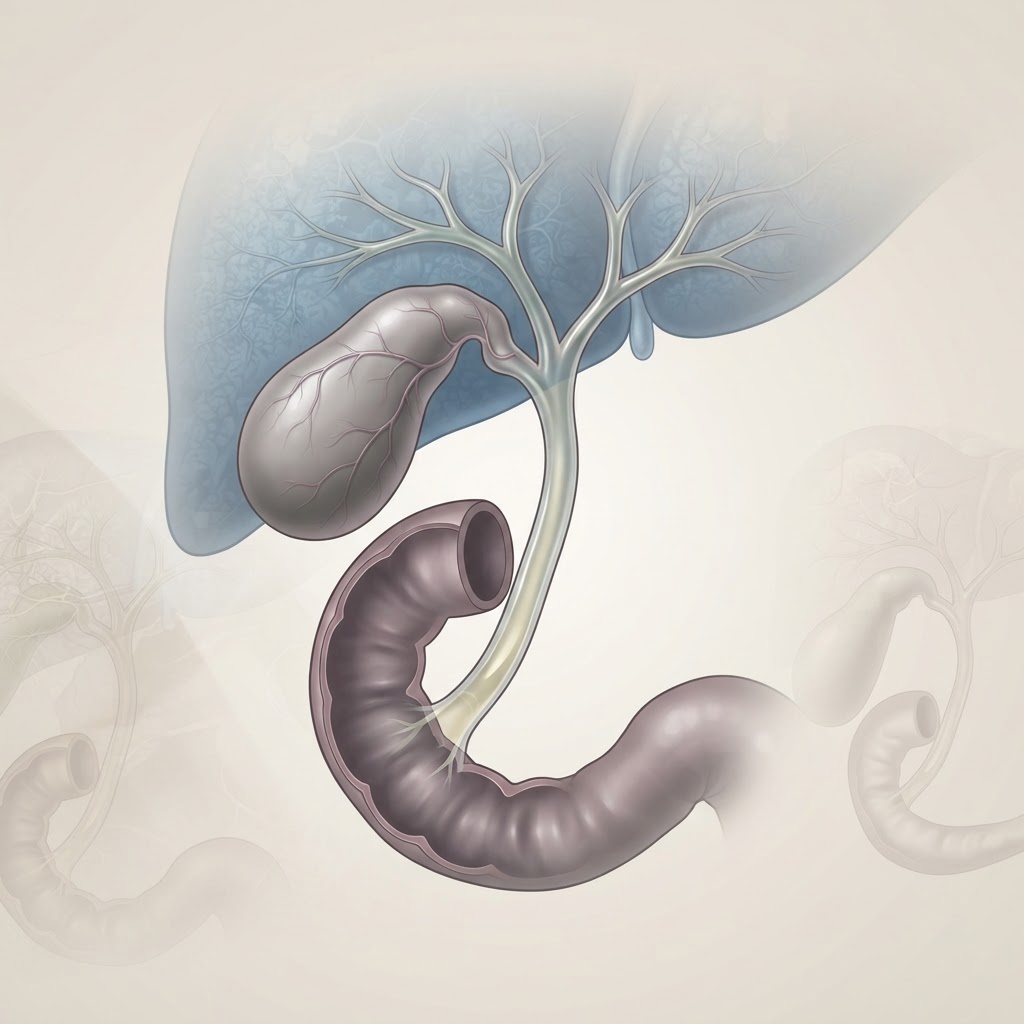
At its core, gallbladder dyskinesia is a functional disorder of the biliary tract. To understand this condition, one must first look at the mechanics of the gallbladder. This pear-shaped organ acts as a reservoir for bile, a digestive fluid produced by the liver that is essential for breaking down dietary fats. When you consume a meal, the gallbladder receives a hormonal signal—typically from cholecystokinin—to contract and squeeze that concentrated bile into the small intestine. In a healthy system, this happens efficiently and without significant discomfort. In individuals with gallbladder dyskinesia, the motility or rhythmic contractions of the gallbladder are impaired, leading to incomplete emptying or disorganized movement of bile.
The term “dyskinesia” literally translates to “abnormal movement,” and in this context, it refers to the biliary tree’s inability to coordinate with the sphincter of Oddi, the valve that controls the flow of bile into the intestine. When the gallbladder cannot contract with enough force or frequency, bile becomes stagnant. This stagnation does not just hinder digestion; it can lead to a buildup of pressure, discomfort, and irritation of the gallbladder wall. Because this condition is functional rather than structural, it is often missed by routine ultrasounds, which are excellent at detecting physical obstructions like stones or polyps but are blind to the gallbladder’s internal muscular performance.
This dysfunction is frequently associated with a low ejection fraction, a metric used to quantify how much bile the gallbladder releases during a stimulated event. When this fraction drops below a certain threshold—often considered by clinicians to be lower than 35-40%—the gallbladder is effectively labeled as “hypokinetic.” It is not broken in the traditional, mechanical sense, but it is underperforming significantly enough to impact the quality of life. For the patient, this means the body struggles to emulsify fats, which leads to a cascade of downstream issues, including nutrient malabsorption and chronic digestive distress. Recognizing this as a dynamic, muscular issue rather than a static hardware problem is vital for shifting toward more effective management strategies.
Common Symptoms of Biliary Dysfunction
The symptoms of biliary dysfunction are notoriously non-specific, which is why many individuals spend months or even years visiting various specialists before landing on the correct diagnosis. The most hallmark sign of gallbladder dyskinesia is biliary colic, which manifests as a sharp, cramping, or aching pain in the right upper quadrant of the abdomen, just below the ribs. This pain is often episodic and triggered by the ingestion of fatty or fried foods, which force the gallbladder to contract. Because the organ is malfunctioning, the effort to squeeze results in a painful spasming sensation rather than a smooth release of bile.
However, the clinical picture is rarely limited to pain alone. Many people report a range of systemic digestive issues that occur shortly after eating. Nausea is extremely common, often accompanied by a feeling of fullness or bloating that lingers long after a meal has ended. Some individuals describe a “gnawing” sensation in the center of their chest or upper abdomen, which they may mistakenly attribute to heartburn or acid reflux. When the gallbladder fails to deliver sufficient bile, the fat-digesting process is compromised, leading to symptoms like light-colored or “floating” stools, gas, and excessive belching.
It is important to note that these symptoms can sometimes radiate to other parts of the body. A classic sign of biliary issues is referred pain, which is typically felt in the right shoulder blade or the space between the shoulder blades. This happens because the gallbladder shares nerve pathways with other structures in the upper torso. Furthermore, the chronic stress of poor fat digestion can lead to fatigue, skin issues, or a general sense of malaise. Because the body is struggling to absorb fat-soluble vitamins like A, D, E, and K, long-term dysfunction may even show up as brittle nails, dry skin, or weakened immune responses. Understanding these biliary dyskinesia symptoms as a collective pattern, rather than isolated events, helps in identifying the root cause of the discomfort.
| Management Approach | Focus Area | Best For |
|---|---|---|
| Dietary Modification | Reducing fat load | Immediate symptom mitigation |
| Natural Bile Support | Enhancing liver-gallbladder flow | Long-term functional improvement |
| Surgical Intervention | Removal of the gallbladder | Cases of severe, chronic tissue damage |
| Stress Management | Vagus nerve regulation | Patients with tension-related triggers |
Understanding the Role of the HIDA Scan
When standard ultrasound and blood panels return normal results, the HIDA scan, or cholescintigraphy, serves as the investigative gold standard. This specialized nuclear medicine test is designed to evaluate the functional health of your biliary system. During the procedure, a technician injects a safe, radioactive tracer into the bloodstream. This tracer is taken up by the liver and excreted into the bile ducts, which then leads it into the gallbladder. By using a specialized camera, the medical team can track the flow of this tracer in real-time, observing how quickly it fills the gallbladder and, more importantly, how effectively it empties.
The most critical part of the HIDA scan is the administration of a synthetic hormone called cholecystokinin (CCK). After the gallbladder has filled with the tracer, CCK is introduced to simulate the physiological response to a fatty meal. In a healthy gallbladder, this hormone triggers a robust contraction, flushing the tracer into the small intestine. In cases of gallbladder dyskinesia, the scan will often reveal a failure to empty the tracer properly. This is quantified as the Gallbladder Ejection Fraction (GBEF). If the GBEF is low, it provides objective evidence that the gallbladder is not performing its mechanical duties, validating the patient’s reports of pain and discomfort.
It is worth noting that while the HIDA scan is powerful, it is not without nuance. A “low ejection fraction” result is a strong indicator of dyskinesia, but clinicians generally view it alongside the patient’s full clinical profile. There is a debate in the medical community regarding exactly what the “cutoff” for a normal ejection fraction should be, as individual biology can vary significantly. Some people may have a lower-than-average ejection fraction but experience zero pain, while others may have slightly better numbers but suffer significantly. Consequently, a HIDA scan should be viewed as one piece of a puzzle rather than a final verdict. It is an tool for measuring function, not for defining the entirety of the patient’s experience, and it is most effective when interpreted by a specialist who understands the broader context of digestive motility.
Primary Causes and Potential Triggers
Identifying the exact origin of gallbladder dyskinesia is often difficult, as it is rarely the result of a single event. Instead, it is usually the culmination of chronic stressors that interfere with the gallbladder’s ability to contract. Inflammation is perhaps the most significant contributor. When the gallbladder wall is subjected to chronic, low-grade inflammation—sometimes due to systemic oxidative stress or imbalances in the gut microbiome—it becomes “boggy” and less responsive to the hormonal signals that should trigger contraction. This inflammation can be driven by a poor diet, specifically one high in processed inflammatory fats and refined sugars, which places a heavy, constant demand on the biliary system.
Another major factor is the composition of the bile itself. Bile is a complex mixture of cholesterol, bile salts, and bilirubin. If this ratio becomes imbalanced—often referred to as “biliary sludge”—the bile becomes thicker and more viscous. While this is not yet a stone, the thick sludge is physically more difficult to move through the narrow cystic duct. As the gallbladder works harder to push this thick, sludgy bile, the muscular wall begins to tire, eventually leading to a reduction in its ejection fraction. Factors like rapid weight loss, hormonal fluctuations (especially regarding estrogen levels), and certain medications can all alter the consistency of bile, making it more prone to stagnation.
Neurological triggers also play an under-recognized role. The gallbladder is governed by the autonomic nervous system, specifically the vagus nerve, which manages the “rest and digest” state. When we are chronically stressed, our bodies remain in a sympathetic “fight or flight” mode, which actively inhibits digestive processes, including gallbladder contraction. Furthermore, dysbiosis—an imbalance of bacteria in the small intestine—can interfere with the signaling pathways that tell the gallbladder when to release its contents. If the gut environment is unhealthy, the complex signaling loop between the duodenum and the gallbladder may be interrupted. By identifying these triggers, whether they are dietary, hormonal, or neurological, individuals can begin to address the root causes rather than simply managing the downstream symptoms.
The Connection Between Bile Flow and Digestion
Bile is far more than just a waste product; it is a critical digestive enzyme booster. Without a consistent and efficient flow of bile, the entire process of nutrient assimilation is compromised. Think of bile as a natural detergent. When you eat fat, your body needs to emulsify that fat—breaking large lipid droplets into tiny particles—so that pancreatic enzymes have enough surface area to work on them. If the gallbladder is not contracting well, the amount of bile entering the small intestine is insufficient. This leaves large fat globules undigested, which pass into the lower intestine, where they can cause gas, bloating, and diarrhea. This is the mechanism behind the classic “post-meal distress” associated with biliary dysfunction.
Furthermore, bile plays a crucial role in maintaining a healthy environment in the small intestine. Bile salts have mild antimicrobial properties, acting as a natural regulator of bacterial populations. When bile flow is sluggish, the small intestine may experience an overgrowth of bacteria, a condition known as SIBO (Small Intestinal Bacterial Overgrowth). This overgrowth can further complicate digestion by fermenting food prematurely, producing gas and toxins that irritate the gut lining. This creates a vicious cycle: the poor bile flow leads to bacterial imbalance, and the resulting inflammation from that imbalance makes it even harder for the biliary system to function correctly.
The health of your gallbladder also impacts your ability to absorb fat-soluble vitamins A, D, E, and K. These vitamins are essential for everything from hormone production and skin health to bone density and immune function. If you are chronically low in these nutrients despite a healthy diet, your biliary health may be the missing link. Additionally, bile is the body’s primary mechanism for excreting excess cholesterol and toxins that the liver has processed. When bile flow is impaired, the body’s detoxification pathways are essentially backed up, which can put a significant burden on the liver. By optimizing bile flow through a proper biliary dyskinesia diet and lifestyle changes, you aren’t just fixing a “digestive pain” issue; you are supporting your liver, improving your nutrient status, and reducing the toxic load on your entire system. This interconnectedness is why addressing gallbladder function is often the missing key in holistic wellness journeys.
Dietary Changes to Manage Gallbladder Pain
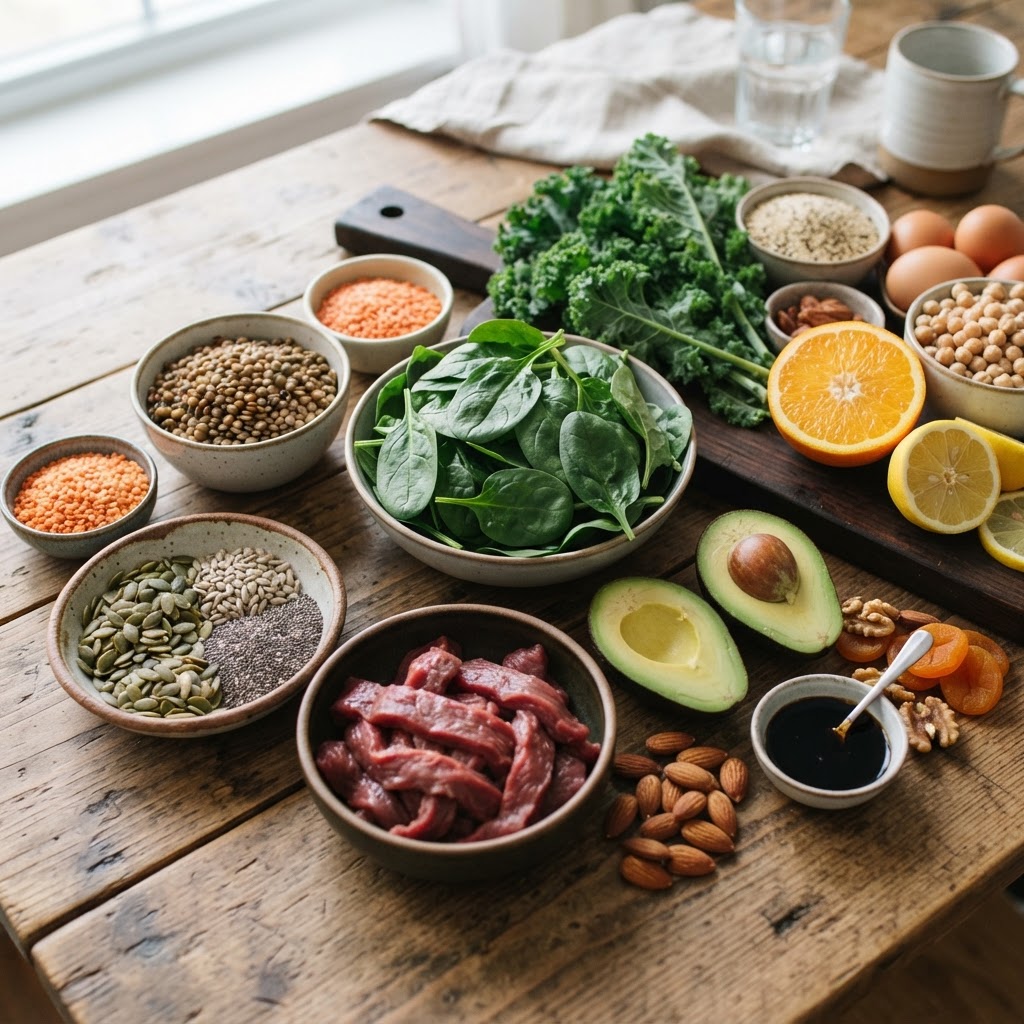
When dealing with gallbladder dyskinesia, the primary goal of your dietary strategy is to reduce the workload on your gallbladder. Since your organ is struggling to contract efficiently, high-fat meals act as a major trigger, forcing the gallbladder to work harder than it is capable of, which often leads to the sharp, cramping pain associated with biliary dyskinesia symptoms. By shifting toward a gallbladder-friendly diet, many individuals notice a significant decrease in the frequency and intensity of their episodes.
The cornerstone of a biliary dyskinesia diet is portion control and fat management. Instead of eating three large meals, many experts recommend moving to five or six smaller, nutrient-dense meals throughout the day. This approach prevents the gallbladder from having to release a massive bolus of bile at once, which is often when dysfunction causes the most distress. Focus on increasing your intake of fiber-rich foods like vegetables, legumes, and whole grains. Fiber helps bind bile acids and promotes healthy digestion, ensuring that your bowels move regularly, which prevents the stagnation of bile.
Avoid highly processed foods, trans fats, and hydrogenated oils, as these are notoriously difficult for the liver and gallbladder to process. Even “healthy” fats can be problematic if consumed in large quantities. For example, while avocado and olive oil are generally considered heart-healthy, consuming them in high concentrations may trigger gallbladder pain if the gallbladder is already inflamed or weak. Opt for steaming, poaching, or baking your foods rather than frying, as high-heat frying can create inflammatory compounds that further stress the biliary system.
Hydration is another frequently overlooked component of dietary management. Bile is composed largely of water; if you are dehydrated, your bile can become thick and viscous, making it harder for a poorly functioning gallbladder to eject it. Aim for consistent water intake throughout the day, perhaps flavored with a squeeze of fresh lemon, which some traditional wellness practices believe can help stimulate the flow of digestive juices.
Natural Supplements to Support Gallbladder Function
While diet is the foundation, natural gallbladder support can provide an extra layer of assistance for those dealing with a low ejection fraction gallbladder. Supplements are generally used to thin the bile, soothe inflammation, or support the liver’s ability to process fats more effectively. It is vital to approach supplementation cautiously, as some herbs that stimulate bile flow (choleretics) could theoretically cause discomfort if your biliary ducts are obstructed.
Commonly discussed supplements include ox bile, which provides the gallbladder with a “rest” by supplying the enzymes necessary for fat digestion exogenously. Many people with gallbladder dysfunction report better comfort during meals when supplementing with digestive enzymes that include lipase. Another popular option is milk thistle, known for its liver-protective properties. Because the liver produces the bile that the gallbladder stores, maintaining liver health is inherently tied to gallbladder performance.
Peppermint oil is also highly regarded for its antispasmodic properties, which can help relax the smooth muscle of the gallbladder and bile ducts, potentially reducing the sensation of cramping. Turmeric, specifically the compound curcumin, is frequently utilized for its powerful anti-inflammatory benefits, which may help mitigate the localized irritation caused by poor gallbladder function.
| Supplement | Mechanism of Action | Best For |
|---|---|---|
| Ox Bile | Provides supplemental bile salts | Those with low fat digestion capability |
| Milk Thistle | Promotes liver detoxification | Overall liver and biliary health |
| Peppermint Oil | Antispasmodic effect on smooth muscle | Relieving cramping and bloating |
| Lipase Enzymes | Breaks down dietary fats | Immediate mealtime relief |
Lifestyle Habits for Better Bile Production
Managing gallbladder dysfunction goes beyond what you put on your plate. Your nervous system plays a massive role in digestion; specifically, the vagus nerve coordinates the release of bile. When you are chronically stressed, your body enters a “fight or flight” state, which effectively shuts down digestive processes like bile secretion. Incorporating stress-reduction techniques—such as deep breathing exercises, meditation, or gentle yoga—can help shift your body into a “rest and digest” state, which is the physiological environment where the gallbladder functions best.
Physical movement is also crucial. The gallbladder is not an autonomous pump; it relies on the movement of the diaphragm and the abdominal muscles to help assist in the healthy flow of bile. Sedentary behavior can lead to bile stagnation. Regular, low-to-moderate intensity exercise, such as brisk walking, swimming, or cycling, encourages abdominal circulation and promotes systemic digestive health. However, avoid high-intensity maneuvers that place excessive stress on the upper right quadrant of the abdomen if you are currently experiencing a flare-up.
Sleep hygiene also correlates with biliary health. Many traditional health systems suggest that the liver and gallbladder perform their most intense “cleansing” and processing work during the night. By prioritizing a consistent sleep schedule and ensuring you are not eating heavy meals right before bed, you allow your body the necessary resources to manage bile metabolism overnight. Furthermore, managing your weight is essential. Obesity is a well-known risk factor for biliary issues, as it increases the saturation of cholesterol in the bile, which can exacerbate the symptoms of an already poorly functioning gallbladder.
When Is Surgical Intervention Necessary?
While many individuals successfully manage biliary dyskinesia symptoms through dietary and lifestyle modifications, there are instances where surgical intervention, typically a cholecystectomy (gallbladder removal), becomes the necessary path forward. Medical experts generally consider surgery when the quality of life is severely impacted by chronic, recurring pain that does not respond to conservative management.
If your gallbladder dysfunction is causing frequent hospitalizations, systemic infection (such as cholangitis), or if testing confirms that your gallbladder is essentially non-functional (a very low ejection fraction), your medical team may advise removal. The gallbladder is a storage organ; the body can adapt to its absence by secreting bile directly from the liver into the small intestine. While most people recover well, the transition period often involves a heightened need for the dietary changes mentioned earlier, as the constant drip of bile into the digestive tract requires a more consistent, moderate intake of healthy fats.
Ultimately, the decision for surgery is a personal one, usually made in consultation with a gastroenterologist or surgeon. If you are experiencing symptoms like jaundice, fever, or intense, radiating pain, these are considered “red flags” that require immediate medical evaluation rather than home-based natural support. In these cases, the gallbladder may be at risk of rupture or blockage, and prompt medical intervention is vital to prevent serious complications.
Frequently Asked Questions
Can biliary dyskinesia cause pain in the back or shoulder?
Yes, it is very common for gallbladder-related pain to be “referred.” The gallbladder shares nerve pathways with other structures, meaning that inflammation or dysfunction in the gallbladder can often be felt as sharp, stabbing pain between the shoulder blades or even in the right shoulder area.
Is it possible to improve a low ejection fraction gallbladder naturally?
While some people report symptomatic improvement by optimizing their diet, reducing stress, and using supportive supplements to thin their bile, the physical ejection fraction percentage is a structural measurement. Whether this number can be permanently increased is debated, but many individuals find they can manage the condition effectively without surgery if they remain disciplined with their lifestyle.
How long should I follow a low-fat diet for gallbladder issues?
There is no set time frame. Most people find that they need to maintain a gallbladder-friendly, moderate-fat diet long-term to keep their symptoms at bay. If you reintroduce high amounts of saturated fats too quickly, the gallbladder will be forced to overwork again, which often leads to the return of biliary symptoms.
Does gallbladder dysfunction always lead to gallstones?
Not necessarily. While they are related, gallbladder dyskinesia (functional disorder) is distinct from cholelithiasis (stones). However, a sluggish gallbladder that does not empty bile efficiently may create an environment where the bile becomes supersaturated, which can increase the risk of stone formation over time.
Are there specific drinks that help with gallbladder pain?
Staying well-hydrated with plain water is the most important factor. Some people find relief with warm water mixed with lemon juice or diluted apple cider vinegar, as these may help stimulate digestive secretions. Avoid sugary sodas, alcohol, and excessive caffeine, as these can irritate the digestive tract or contribute to inflammation.
What does a “biliary attack” feel like?
A biliary attack, or gallbladder attack, is typically characterized by a sudden onset of intense pain in the upper right quadrant of the abdomen, just below the rib cage. The pain may last from thirty minutes to several hours, is often described as a “cramping” or “boring” sensation, and may be accompanied by nausea, vomiting, or bloating.
Conclusion
Navigating gallbladder dyskinesia requires patience, self-awareness, and a proactive approach to your daily habits. By understanding that your gallbladder is struggling to perform its storage and ejection duties, you can make the necessary adjustments to your diet, stress management, and lifestyle to minimize discomfort. While the path to relief often involves strict dietary discipline and the use of targeted natural support, many people successfully lead full, symptom-free lives by honoring their body’s limitations and choosing supportive, whole-food-based habits.
Remember that your digestive health is deeply interconnected. Taking care of your gallbladder through consistent meal timing, stress reduction, and healthy fats is an investment in your long-term vitality. Listen to your body, monitor your triggers, and maintain regular communication with your healthcare provider to ensure you are on the right track for your unique needs. If you are ready to take control, start today by evaluating your next meal and reducing the burden on your biliary system—your body will thank you for the extra support.
By healthauthoritylife Editorial Team
This article is for informational purposes only and is not a substitute for professional medical advice. Always consult your doctor before making changes to your diet, exercise routine, or treatment plan.