
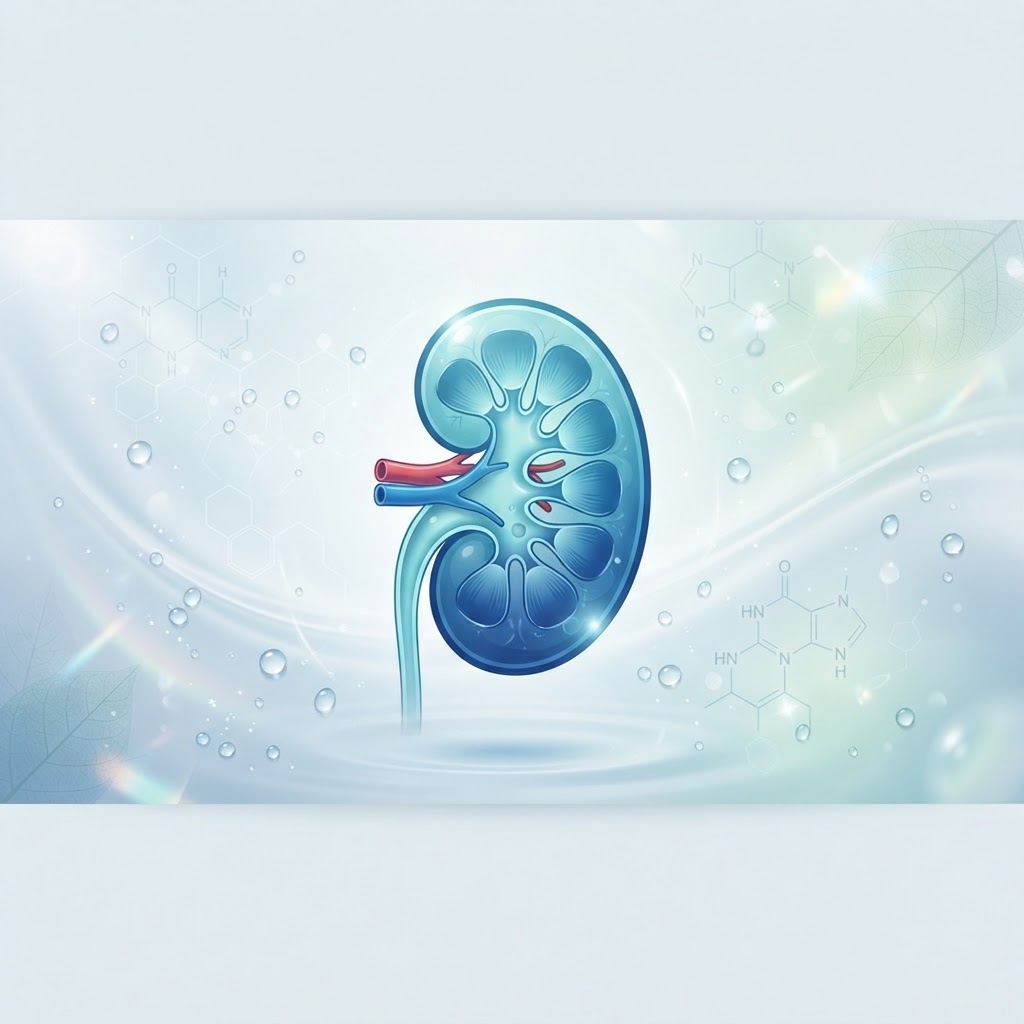
- Uric acid stones form when urine becomes overly acidic, preventing the proper dissolution of waste products.
- Common kidney stones symptoms include intense flank pain, blood in the urine, and persistent nausea.
- Dietary choices, specifically high intake of purine-rich animal proteins, are primary causes of uric acid stones.
- Chronic dehydration significantly reduces urine volume, creating a concentrated environment where crystals easily bond.
- Natural relief for kidney stones focuses on long-term lifestyle modifications, including pH balance and hydration strategies.
Experiencing the sudden, sharp agony of a kidney stone is a moment many patients never forget. Among the various types of stones that can develop within the urinary tract, uric acid stones represent a unique challenge because they are heavily influenced by the internal chemical environment of your body. Unlike calcium-based stones that often get the most attention in medical literature, uric acid stones thrive in acidic conditions, making them a direct reflection of metabolic health and dietary habits. Understanding how these jagged deposits form is the first essential step in regaining control over your renal wellness and preventing the recurring cycles of discomfort that characterize this condition. In this guide, the healthauthoritylife Editorial Team explores the mechanics of stone formation, the warning signs that indicate a problem, and the foundational lifestyle shifts required to support optimal kidney health.
What Are Uric Acid Stones and Why Do They Form
To understand uric acid stones, one must first look at the body’s metabolic waste management system. Uric acid is a byproduct of the breakdown of purines, which are chemical compounds found in many foods and produced naturally by our cells. Under normal physiological conditions, this waste product travels through the bloodstream, is processed by the kidneys, and is eventually excreted in the urine. However, when the delicate pH balance of the urine shifts toward the acidic side, uric acid ceases to remain in a dissolved, liquid state. Instead, it begins to precipitate out of the solution, forming tiny, microscopic crystals that can gradually grow into larger, obstructive stones.
The transition from dissolved waste to solid stone is a process known as crystallization. When urine is consistently too acidic—often defined by a pH level below 5.5—the kidneys struggle to keep uric acid soluble. This is not merely a matter of having “too much” uric acid in the system, but rather a failure of the urine environment to keep that acid in suspension. When these crystals remain in the kidney, they can bond with other waste particles or other crystals, slowly accumulating mass over months or even years. This is why many people are unaware they have a problem until a stone shifts into the ureter, the narrow tube connecting the kidney to the bladder, causing a blockage.
Several physiological factors influence this acidification. For many individuals, metabolic syndrome or insulin resistance can lower the amount of ammonia excreted by the kidneys, which normally helps buffer the urine’s acidity. When this buffer system is compromised, the urine stays acidic, favoring the environment required for uric acid stones. Furthermore, certain genetic predispositions and underlying health conditions can influence how the body handles waste, making some individuals significantly more prone to stone development than others. It is important to view the formation of these stones not as an isolated incident, but as a chronic manifestation of an internal environment that is currently out of balance.
For those seeking to prevent these stones, the focus must shift from simply treating the pain to modifying the urinary chemistry. By understanding that these stones are a chemical reaction to an acidic environment, one can better appreciate why interventions such as dietary adjustments and hydration are not just “suggestions” but foundational requirements for long-term health. The goal is to keep the urine closer to a neutral pH, creating a “solubility zone” where uric acid can exit the body safely before it ever has a chance to coalesce into a painful, solid mass.
Common Symptoms of Uric Acid Kidney Stones
Recognizing the early warning signs of kidney stones is vital, as early detection can often prevent the development of a full-blown obstruction. While the experience of a stone passing through the urinary tract is famously agonizing, the process often begins with subtle symptoms that are easy to overlook. The most characteristic indicator of uric acid stones is a deep, dull ache in the flank—the area on either side of the spine between the ribs and the hip. This pain is caused by the stone causing a buildup of pressure within the kidney, often fluctuating in intensity as the stone shifts positions.
As a stone begins to move into the ureter, the pain typically transforms into a sharp, spasmodic sensation known as renal colic. This is often described as some of the most intense pain a person can experience. It typically comes in waves, lasting for several minutes to an hour, and then subsiding before returning with increased ferocity. This pain is not localized solely to the back; it frequently radiates downward toward the groin, the lower abdomen, or the inner thigh. The shifting location of the pain often correlates with the movement of the stone along the ureter, providing a physical map of the blockage as it progresses.
Beyond pain, there are several systemic signs that point toward the presence of crystals or stones. Changes in urination habits are among the most common. You may experience a frequent, persistent urge to urinate, even when your bladder contains very little fluid. When you do urinate, the stream may be intermittent or painful, accompanied by a burning sensation. It is also quite common to notice visible blood in the urine, a condition known as hematuria. This occurs because the jagged edges of the uric acid stone scrape the delicate lining of the urinary tract, causing minor lacerations as they travel.
Other symptoms are systemic, reflecting how the body reacts to the stress of an obstruction. Many people report significant nausea and vomiting, which are common autonomic responses to the severe pain of renal colic. You may also experience a general feeling of malaise, chills, or a low-grade fever if the stone is causing a localized infection or significant inflammation. If these symptoms are accompanied by a high fever or an inability to pass any urine at all, this is considered a medical priority that requires immediate clinical evaluation to ensure there is no damage to the renal function or severe systemic infection.
| Approach | Mechanism | Best For |
|---|---|---|
| Hydration Strategy | Dilutes concentration of minerals | General stone prevention |
| Alkalinizing Diet | Raises urine pH to dissolve uric acid | Chronic uric acid stones |
| Purine Restriction | Lowers total uric acid load | High-protein consumers |
Primary Causes and Risk Factors for Crystal Formation
The formation of uric acid stones is rarely the result of a single factor; rather, it is usually a “perfect storm” of biological and environmental contributors. Understanding these risk factors is essential for anyone interested in kidney health support, as it allows for a targeted approach to risk reduction. One of the primary drivers is the composition of the urine itself. If your body consistently produces urine with a low pH, the chemical stability of uric acid is compromised. This acidic environment is often tied to metabolic health, including conditions like obesity, type 2 diabetes, and metabolic syndrome. In these states, the kidney’s ability to secrete substances that would otherwise neutralize the urine is impaired, leading to a chronically acidic environment.
Dietary habits play a massive role, perhaps more so for uric acid stones than for any other type of kidney stone. The ingestion of high quantities of animal-based proteins—such as beef, pork, poultry, and certain types of shellfish—increases the metabolic load of uric acid. When you digest these proteins, your body produces uric acid as a waste product. If you consume these foods in excess, your kidneys must work harder to process the surplus. If your body is already predisposed to a lower urine pH, this excess uric acid will quickly reach the saturation point, initiating the process of crystallization.
Genetics also contribute to the risk profile. Some individuals have a hereditary predisposition that affects how their kidneys process purines or manage pH levels. If you have a family history of kidney stones, your likelihood of developing them increases. Furthermore, certain medications can exacerbate the problem. For example, some diuretics used to treat hypertension can sometimes alter the urinary environment in ways that favor crystal formation. Additionally, those who suffer from conditions like gout—where uric acid crystals form in the joints—are inherently more likely to see similar crystals form in the kidneys. These conditions are linked by the same underlying metabolic struggle: an excess of uric acid in the system that the body cannot effectively clear.
Environmental factors cannot be ignored. Climate and lifestyle also influence risk. People living in hot, dry climates who are physically active are at a higher risk of developing stones simply because they lose more fluid through perspiration, resulting in lower urine volume. When combined with a diet high in processed foods or proteins, the risk compounds. By identifying which of these risk factors apply to you—whether it is an underlying metabolic condition, a dietary pattern, or a lifestyle factor like dehydration—you can create a more effective, personalized strategy for long-term stone prevention.
The Role of Purine-Rich Foods in Stone Development
Purines are natural compounds that exist in every cell of the human body and in virtually all foods. When the body breaks down these compounds, it generates uric acid. In a healthy system, this is a routine part of metabolism. However, for those susceptible to uric acid stones, the volume of purine intake is a critical lever that can be adjusted to prevent stone recurrence. Not all purines are created equal, and understanding the difference between high-purine and low-purine foods is a cornerstone of the uric acid diet.
Animal organs, such as liver, kidney, and sweetbreads, are among the most concentrated sources of purines. Regular consumption of these items significantly elevates the internal production of uric acid, placing a heavy burden on the kidneys. Similarly, certain types of game meats and red meats contribute significantly more to the uric acid pool than plant-based protein sources. It is not necessarily about eliminating protein entirely—which would be dangerous—but about shifting the *source* of that protein. Experts generally agree that replacing a portion of animal-derived protein with plant-based alternatives like legumes, nuts, and soy products can effectively reduce the purine load, thereby lowering the risk of crystal formation.
Furthermore, it is important to look at the role of alcohol and certain types of sugar. Beer, specifically, is a double-threat for those prone to uric acid stones. It is high in purines and can also inhibit the excretion of uric acid by the kidneys, effectively “trapping” the waste in the body. Similarly, the consumption of high-fructose corn syrup, frequently found in sodas and processed snacks, has been linked to increased uric acid production in the liver. These dietary triggers can act as a catalyst, rapidly shifting the chemical balance of your urine and creating an environment where crystals can bond and grow.
For those looking for natural relief for kidney stones or prevention strategies, adopting a modified diet is usually the most impactful first step. This does not mean you must immediately switch to a restrictive regimen, but rather that you should aim for a “purine-aware” diet. This involves limiting high-purine foods, opting for leaner cuts of meat in smaller portions, and prioritizing hydration. By monitoring your intake of these triggers and focusing on a diet rich in vegetables, fruits, and whole grains, you help maintain a more neutral, balanced urine pH. This approach provides the kidneys with the environment they need to function efficiently without being overwhelmed by excess metabolic waste.
How Dehydration Contributes to Kidney Stone Growth
Dehydration is arguably the most common and easily corrected factor in the development of kidney stones. When you do not consume enough fluids throughout the day, your kidneys must conserve water to maintain blood volume and cellular health. This means the urine produced is highly concentrated, containing a high density of waste products in a very small volume of liquid. In this “supersaturated” environment, the chemicals that are usually dissolved—like uric acid—have nowhere to go. They begin to clump together, forming the microscopic crystals that eventually become stones.
Hydration acts as a natural solvent. When you drink adequate water, you increase the total volume of urine, which physically dilutes the concentration of uric acid and other stone-forming minerals. Think of it like adding water to a cup of tea with too much sugar; if the water is insufficient, the sugar settles at the bottom. By increasing your fluid intake, you ensure that the waste products have enough volume to remain in a liquid state as they travel through the kidneys, ureters, and bladder. This is the simplest and most effective form of natural relief for kidney stones, and it is a practice that should be maintained daily, not just when symptoms appear.
It is important to note that not all fluids have the same effect. While water is the ideal choice, other beverages contribute differently to your renal health. Caffeinated drinks and alcohol can sometimes act as diuretics, leading to further fluid loss and potential dehydration. Conversely, water infused with a squeeze of fresh lemon or lime can be beneficial; the citrate in these fruits may actually help inhibit crystal formation in some individuals. Staying well-hydrated throughout the entire 24-hour cycle is essential, as many people experience a dangerous dip in hydration during the night, which is when the body is most likely to produce highly concentrated, acidic urine.
The practical application of this knowledge is simple: prioritize consistent water intake. Many experts suggest aiming for a urine output that is pale and clear, which typically requires drinking enough water to produce roughly two liters of urine per day. This might mean keeping a water bottle nearby at all times or setting reminders. For those who struggle to drink enough plain water, incorporating hydrating, water-rich foods like cucumbers, watermelon, and celery can also contribute to your total daily intake. By consistently preventing the concentration of your urine, you provide your kidneys with the best possible defense against the formation of new crystals, supporting long-term kidney health throughout every season of life.
The Connection Between Metabolic Health and Acidic Urine
The formation of uric acid stones is rarely an isolated event; it is frequently a secondary symptom of broader metabolic dysfunction. To understand why your kidneys begin to struggle with uric acid clearance, one must look at the body’s overall acid-base balance. Metabolic syndrome, characterized by insulin resistance, elevated blood pressure, and abdominal obesity, is a primary driver of chronically acidic urine. When cells become resistant to insulin, the kidneys’ ability to transport ammonia—a key buffer that helps neutralize urine acidity—is compromised. Consequently, the pH of the urine drops, creating a highly acidic environment that serves as the perfect incubator for uric acid crystals to precipitate.
Furthermore, chronic inflammation often seen in metabolic disorders can impair renal filtration. When the body remains in a state of low-grade systemic inflammation, the chemical composition of urine shifts. This shift means that even if a person consumes a moderate amount of purine-rich foods, their body may be incapable of processing the resulting uric acid effectively because the “alkalization” mechanisms of the kidney are suppressed. Addressing kidney health support requires more than just avoiding red meat; it necessitates a comprehensive look at improving insulin sensitivity, which in turn helps the kidneys perform their essential task of pH regulation.
Natural Dietary Strategies to Lower Uric Acid Levels
A successful uric acid diet is not merely about restriction; it is about strategic inclusion. While the traditional advice involves avoiding organ meats and excessive shellfish, the modern approach focuses on creating an alkaline-forming environment within the body. Plants are your greatest allies here. Dark, leafy greens, root vegetables, and most fruits—despite being acidic in their raw state—leave an alkaline ash in the body after metabolism. This helps push urine pH toward a more neutral or slightly alkaline range, which is essential for keeping uric acid soluble and preventing it from solidifying into stones.
Hydration is the cornerstone of dietary strategy. It is not enough to drink water; you must drink enough to ensure your urine remains pale and dilute throughout the entire 24-hour cycle. Incorporating citrus-infused water, particularly lemon or lime, can be beneficial. These fruits contain citrates, which bind to calcium and interfere with crystal aggregation, while also helping to neutralize acidity. Additionally, limiting fructose is vital. High-fructose corn syrup, found in many processed snacks and sodas, is uniquely linked to increased uric acid production in the liver, making it a “double threat” for those predisposed to stone formation.
| Dietary Strategy | Primary Mechanism | Best For |
|---|---|---|
| Alkaline-Rich Vegetables | Raises urinary pH to increase uric acid solubility | Long-term prevention |
| Lemon/Citrus Infusion | Provides natural citrates to inhibit crystal growth | Acute flushing support |
| Low-Fructose Intake | Reduces liver-based uric acid synthesis | Metabolic-driven stones |
| High Fluid Volume | Mechanically reduces concentration of solutes | Immediate stone passing |
Lifestyle Habits to Support Kidney Function and Flush Crystals
Lifestyle habits act as the foundation upon which your diet rests. If you are eating a clean diet but remain sedentary, your circulation and lymphatic drainage may be sluggish, impacting how efficiently the kidneys filter blood. Regular, moderate physical activity encourages proper systemic circulation, which ensures that minerals and waste products are transported to the kidneys for excretion rather than settling in the urinary tract. However, it is vital to avoid extreme dehydration during exercise. Always replace electrolytes lost through sweat, as chronic dehydration is the single greatest risk factor for the recurrence of kidney stones.
Sleep hygiene also plays an underrated role in kidney health. During sleep, the body performs a “maintenance mode” on the renal system. Disruptions in sleep cycles or chronic stress can elevate cortisol, which has been linked to metabolic shifts that may negatively impact urine pH. Practicing stress management techniques—such as deep breathing or meditative walks—helps maintain the autonomic nervous system balance, which keeps the body’s detoxification pathways running smoothly. Consistency is the secret; the kidneys prefer a predictable rhythm of hydration and rest over sporadic health efforts.
Essential Supplements to Prevent Uric Acid Accumulation
While food should always be the priority, targeted supplementation can provide the extra support needed to manage uric acid levels. When looking for kidney health support, it is important to choose supplements that work with your body’s natural chemistry rather than against it. Vitamin C, in moderate amounts, has been shown in some studies to help lower uric acid levels by increasing the rate at which the kidneys excrete them. However, caution is advised, as excessive doses can sometimes have the opposite effect or contribute to different types of stones, so moderation is key.
Magnesium is another vital mineral. Many individuals are deficient in magnesium, and this deficiency can lead to increased calcium and uric acid retention in the kidneys. Magnesium helps relax the smooth muscles of the urinary tract, which may assist in the passage of smaller, gravel-like deposits. Additionally, botanical extracts like Tart Cherry have gained popularity for their ability to support the body’s inflammatory response, which is crucial for those experiencing recurring discomfort related to uric acid levels. Always remember that supplements should never replace a balanced diet, and their efficacy is maximized when combined with adequate hydration and metabolic management.
When to Seek Medical Attention for Kidney Pain
Understanding kidney stones symptoms is essential for knowing when to transition from natural relief to clinical intervention. While many small stones pass on their own with increased hydration, there are specific “red flag” symptoms that necessitate immediate medical evaluation. If you experience intense, unbearable pain that radiates into the groin or back, you should seek professional assessment immediately. This pain is often described as cyclical, coming in waves that can be incapacitating.
Furthermore, if you notice blood in your urine (hematuria), it is a clear sign that a stone may be damaging the lining of the ureter. Perhaps most critically, any symptoms of systemic infection must be treated as a medical emergency. If you develop a high fever, chills, persistent nausea, or vomiting alongside kidney pain, this may indicate that the obstruction is preventing the kidney from draining properly, leading to a dangerous backup of toxins and potential infection (uropathy). Never ignore signs of urinary retention; if you feel the urge to urinate but cannot produce anything, head to an emergency department promptly.
Frequently Asked Questions
What are the first signs that I might have uric acid stones?
Common kidney stones symptoms often begin as a dull ache in the flank area or lower back. As the stone moves, this pain can escalate into sharp, severe cramping that radiates toward the abdomen or groin. Other frequent indicators include blood in the urine, cloudy or foul-smelling urine, a persistent urge to urinate, and burning sensations during urination.
Can I dissolve uric acid stones naturally?
While some smaller uric acid crystals can be successfully passed through lifestyle changes, hydration, and alkalizing diets, larger stones typically require medical intervention. Natural strategies focus on preventing the formation of new stones and flushing out smaller gravel, rather than dissolving large, mature stones that may be stuck in the ureter.
How does a uric acid diet differ from other stone-prevention diets?
Unlike calcium oxalate stones, which require limiting oxalates, a uric acid diet focuses heavily on reducing animal-based purines, limiting fructose, and increasing the consumption of alkaline-forming vegetables. The primary goal is to change the pH of the urine from acidic to neutral or slightly alkaline to prevent uric acid from settling.
Is coffee or tea bad for people with uric acid stones?
Generally, moderate consumption of coffee and tea is not considered problematic and, in some cases, may even offer a protective effect due to their diuretic properties. However, it is essential to ensure these drinks do not replace plain water, as the goal is to keep the urine as dilute as possible throughout the day.
Do genetics play a role in developing chronic uric acid stones?
Yes, genetics can influence how your body metabolizes purines and how your kidneys regulate pH levels. If you have a strong family history of kidney stones, you may be genetically predisposed to producing more acidic urine. While you cannot change your genes, you can significantly mitigate these risks through proactive lifestyle and dietary management.
How long does it take for natural relief strategies to show results?
The timeline for results varies depending on the severity of the condition and your overall metabolic health. While hydration can offer immediate support for flushing the system, long-term shifts in urine pH and uric acid levels usually require several weeks to months of consistent dietary and lifestyle changes to become measurable and effective.
Conclusion
Managing uric acid stones is a journey toward restoring metabolic balance and supporting your body’s natural detoxification pathways. By understanding the causes of uric acid stones and adopting a proactive approach that includes an alkaline-rich diet, consistent hydration, and stress management, you can significantly reduce the likelihood of recurrence. Remember that kidney health support is a long-term commitment, not a short-term fix. Prioritize your fluid intake, watch your intake of processed sugars, and keep a close eye on your body’s signals. Taking control of your health today will pay dividends in your comfort and vitality for years to come. If you have ongoing concerns, prioritize a conversation with your healthcare provider to create a personalized, safe, and effective management plan.
By healthauthoritylife Editorial Team
This article is for informational purposes only and is not a substitute for professional medical advice. Always consult your doctor before making changes to your diet, exercise routine, or treatment plan.
Leave a Reply