- Pregnancy significantly increases your body’s demand for iron to support both maternal blood volume expansion and fetal development.
- Recognizing anemia in pregnancy symptoms early, such as persistent fatigue and dizziness, is critical for timely intervention.
- Beyond dietary intake, factors like short intervals between pregnancies and malabsorption issues can contribute to low iron levels pregnancy.
- Left unaddressed, iron deficiency can impact birth weight and increase the risk of postpartum recovery challenges.
- Integrating iron-rich whole foods with vitamin C-rich pairings is a foundational approach to natural pregnancy anemia relief.
The journey toward motherhood is a physical feat like no other, placing unprecedented demands on your body’s internal resources. Among the most critical of these is the physiological requirement for iron, a mineral essential for crafting the hemoglobin that carries oxygen to every cell in your body—and to your growing baby. While feeling somewhat tired is often expected during the trimesters, persistent exhaustion, shortness of breath, and pale skin may be indicators that your body is struggling to keep pace with these elevated needs. Addressing iron deficiency during pregnancy requires a nuanced understanding of why your requirements shift, how to spot the warning signs, and how to utilize diet and support strategies to maintain optimal levels. In this guide, the healthauthoritylife Editorial Team explores the landscape of iron health during gestation, offering evidence-based insights into managing your levels safely and effectively.
Why Iron Needs Increase During Pregnancy
To understand why iron deficiency during pregnancy is so prevalent, one must first look at the extraordinary physiological overhaul the maternal body undergoes. During gestation, your body significantly expands its total blood volume—sometimes by as much as fifty percent. This expansion is necessary to support the perfusion of the placenta, provide adequate blood flow to the uterus, and ensure the fetus receives a constant supply of oxygenated blood. Because iron is the central component of hemoglobin, the protein in red blood cells that transports oxygen, the body needs a substantial influx of this mineral to create the sheer volume of new red blood cells required for this expansion.
Beyond the needs of the maternal circulatory system, the developing fetus acts as an incredibly efficient “iron sink.” As the baby grows, they begin to build their own stores of iron, which will be essential for their survival and neurological development during the first six months of life after birth. This transfer of iron from mother to fetus is non-negotiable from a biological perspective; the placenta will prioritize the needs of the fetus, often leaving the mother’s own stores depleted if intake does not keep up. This “priority access” is why many expectant mothers find their ferritin levels—the protein that stores iron in the body—steadily declining as they move into the second and third trimesters.
Furthermore, the physical changes of pregnancy also involve an increase in heart rate and cardiac output. The heart must pump more blood to distribute these nutrients, and an iron-deficient state forces the heart to work even harder to deliver the same amount of oxygen to the tissues. This increased cardiac workload, combined with the normal, steady decline in hemoglobin concentration that naturally occurs as plasma volume increases faster than red cell mass, creates a “dilutional” effect. While this is a normal part of the physiological adjustment, if it crosses into the territory of true deficiency, it can jeopardize the mother’s energy levels and resilience.
Experts often point out that the daily requirement for iron can nearly double during the later stages of pregnancy compared to pre-pregnancy levels. Most women enter pregnancy with modest iron stores, and without a deliberate strategy to replenish these through consistent dietary intake or high-quality prenatal iron support, the cumulative effect of these demands can quickly outstrip the body’s reserves. It is a biological balancing act: the body is essentially building an entirely new organ—the placenta—while simultaneously supporting the rapid growth of a human being and managing a massive expansion of its own liquid tissue. Recognizing that this process is taxing is the first step toward proactive management.
Common Symptoms of Anemia in Expectant Mothers
Identifying anemia in pregnancy symptoms can be challenging, largely because many of the signs of iron deficiency overlap significantly with the general, expected discomforts of pregnancy. It is very common for a pregnant person to feel tired, experience a racing heart, or feel slightly short of breath simply because they are carrying extra weight and navigating hormonal shifts. However, when these symptoms become persistent, intense, or interfere with daily functioning, they warrant a closer look by your prenatal healthcare provider.
Fatigue is undoubtedly the hallmark symptom. While most expectant mothers report feeling “wiped out” during the first trimester due to progesterone increases, iron-deficiency fatigue often feels different. It is frequently described as a bone-deep exhaustion that does not resolve after a full night of sleep. If you find yourself struggling to perform even basic daily tasks, or if you notice your energy crashing significantly by mid-afternoon, it may be a sign that your cells are not getting the oxygen they need to produce energy efficiently.
Another classic indicator is the presence of physical pale skin, specifically noting the inside of the lower eyelids, the nail beds, and the palms of the hands. Hemoglobin is responsible for the rosy, pinkish hue of our skin. When hemoglobin levels drop, the skin can appear notably paler or even yellowish. This is often accompanied by dizziness or a feeling of lightheadedness, particularly when standing up quickly. This happens because the brain may not be receiving a sufficient supply of oxygenated blood, causing a brief “drop” in blood pressure that leads to that familiar, fleeting wave of wooziness.
Shortness of breath is another common symptom that warrants careful observation. While it is normal for the expanding uterus to push against the diaphragm in the third trimester, if you feel winded while doing something as simple as walking to the mailbox or even at rest, your blood’s oxygen-carrying capacity may be compromised. Heart palpitations or a feeling of a “thumping” heart are also frequently reported. Because the heart is trying to compensate for fewer red blood cells by beating faster or more forcefully, you might feel a fluttering sensation in your chest.
Finally, some women experience more peculiar symptoms, such as pica—an intense craving for non-food items like ice, starch, or even dirt. While the exact physiological mechanism behind pica remains a subject of debate, it has long been associated with severe iron deficiency. Additionally, some women notice brittle nails, hair thinning, or recurring headaches that do not respond to standard hydration efforts. Because these symptoms are subjective, it is vital to keep a record of how often they occur and share these patterns with your provider, rather than assuming they are just “part of being pregnant.”
Root Causes of Iron Deficiency Beyond Diet
While a lack of sufficient dietary iron is the most common reason for low iron levels pregnancy, it is certainly not the only one. Many factors can influence how well your body absorbs, stores, and utilizes iron. Understanding these root causes can help you and your provider determine whether simple dietary adjustments will be enough, or if a more targeted therapeutic approach is necessary to restore your balance.
One major factor is the interval between pregnancies. If a woman conceives again shortly after a previous birth—often defined as less than 18 months apart—the body has had very little time to recover the iron stores depleted by the previous pregnancy and the blood loss associated with delivery. Each pregnancy and birth experience is a significant “withdrawal” from the body’s iron bank. When the body is forced to start a new pregnancy before it has had a chance to restock those reserves, it begins from a deficit, making it much harder to maintain healthy levels throughout the subsequent trimesters.
Malabsorption issues also play a significant role. Even if you are eating a diet rich in iron, your body may struggle to actually pull that iron into the bloodstream. This can occur due to underlying gastrointestinal sensitivities, such as celiac disease or inflammatory bowel conditions, which can alter the lining of the small intestine where iron is absorbed. Furthermore, the use of certain medications or supplements can interfere with iron absorption. For instance, calcium-rich foods, dairy products, and certain antacids taken at the same time as an iron-rich meal or supplement can drastically reduce the amount of iron your body successfully extracts.
Another often-overlooked factor is the presence of heavy menstrual bleeding prior to conception. Women who struggle with chronic, heavy periods often enter pregnancy already teetering on the edge of iron deficiency. Because they begin their pregnancy with an “overdrawn” account, even a healthy, iron-rich diet may not be enough to bridge the gap as the physiological demands of the fetus escalate. In these cases, prenatal iron support is frequently required earlier than the second trimester to ensure the mother’s stores are sufficient.
Finally, chronic stress and inflammation can impact how the body manages iron. When the body is under stress, it produces a hormone called hepcidin, which acts as the “gatekeeper” of iron metabolism. High levels of hepcidin can effectively block the absorption of iron from the digestive tract and trap iron inside the cells, preventing it from being utilized to make new red blood cells. By identifying these non-dietary root causes, you can take a more holistic approach to managing your health, addressing the blockers that might be standing between you and optimal vitality.
How Low Iron Affects Maternal and Fetal Health
The implications of persistent low iron levels pregnancy extend far beyond the mother’s own comfort. While pregnancy is a resilient state, it is also a period where the margin for error is narrower. When iron stores remain chronically low, the body struggles to maintain the homeostasis required for optimal fetal growth and maternal recovery. Addressing these issues early is a cornerstone of prenatal care for a reason.
For the mother, the most immediate impact of unaddressed iron deficiency is a significantly increased risk of postpartum depression and anxiety. Emerging research suggests that the brain is highly sensitive to iron levels, and the exhaustion that accompanies anemia can make the transition to motherhood—already a period of profound sleep deprivation—much more physically and emotionally taxing. When you are operating in a state of chronic oxygen deprivation due to low hemoglobin, your ability to recover from the physical trauma of childbirth, such as blood loss during delivery, is also hindered. Women with lower iron levels are often more prone to excessive bleeding during and after birth, creating a cycle that can delay healing in the weeks following delivery.
The impact on the fetus is equally significant, as the baby depends entirely on maternal iron stores for the development of their own red blood cells and for vital neurological processes. Iron is a key nutrient involved in the development of the fetal brain, particularly in the areas responsible for memory and motor function. While the body does its best to prioritize the baby, severe or prolonged deficiency can eventually result in lower iron stores in the newborn. This can manifest as increased risks of low birth weight or, in more serious instances, preterm birth.
These outcomes are not intended to induce fear, but rather to highlight the biological imperative of iron status during these nine months. The goal is to maintain a “steady state” where both the mother’s cardiovascular health and the infant’s developmental environment are supported. When mothers prioritize their iron status, they are effectively building a reserve that will help them navigate the immediate postpartum period with greater energy and resilience. Ensuring that you are regularly screened for anemia during your routine prenatal visits allows your healthcare team to intervene before these potential complications have the chance to manifest, providing peace of mind and protecting the long-term well-being of both mother and child.
| Approach | Focus | Best For |
|---|---|---|
| Iron-Rich Whole Foods | Bioavailability and nutrient synergy | Early pregnancy maintenance and baseline support |
| Liquid Iron Supplements | Digestive comfort and rapid absorption | Mothers sensitive to traditional iron pills |
| Vitamin C Pairing | Chemical enhancement of absorption | Maximizing iron intake from plant-based sources |
| Prescription Support | High-dose intervention | Documented, symptomatic iron-deficiency anemia |
Best Dietary Sources of Iron for Pregnancy
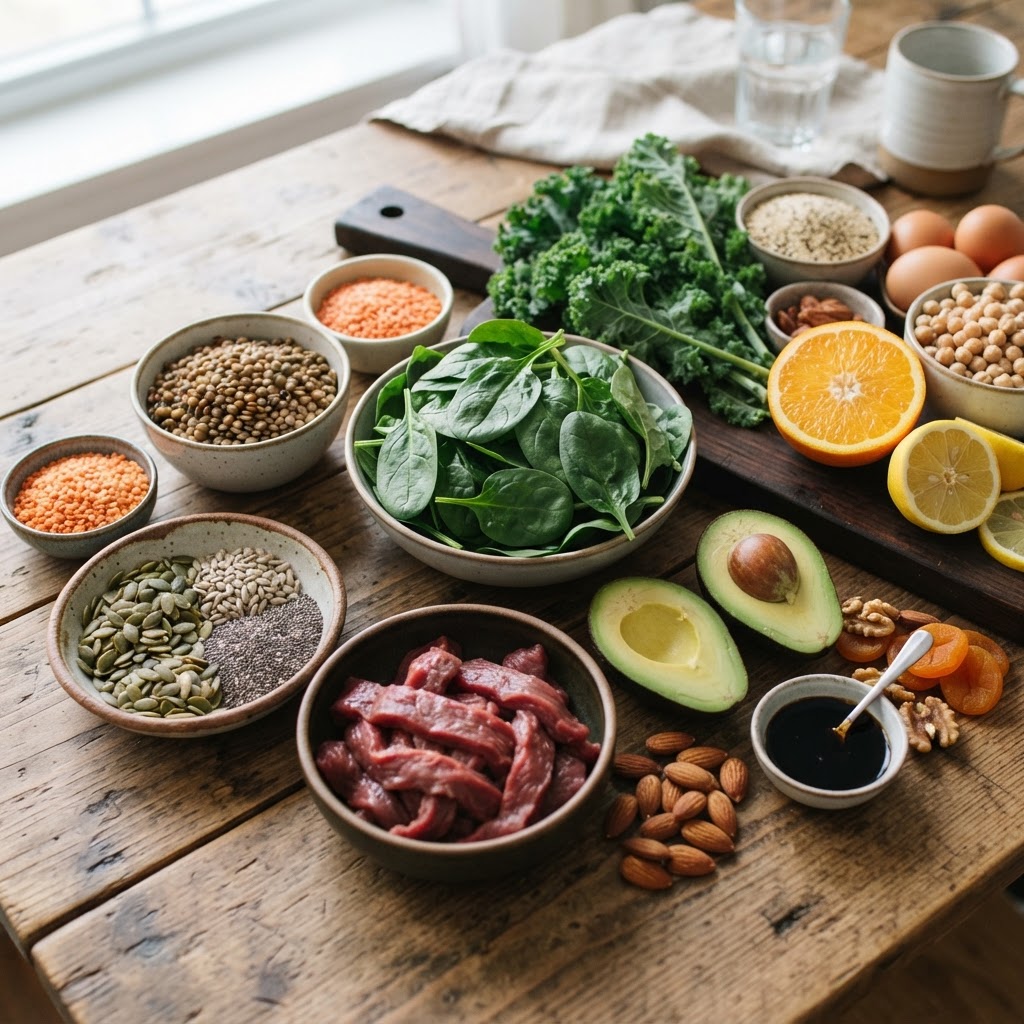
When searching for pregnancy anemia natural relief, the plate is your most powerful tool. However, it is important to understand the two forms of dietary iron: heme and non-heme. Heme iron, found in animal products, is significantly more bioavailable, meaning your body can absorb and utilize it with much greater efficiency. Non-heme iron is found in plant-based sources, and while it is an excellent way to boost your intake, it requires a little extra “help” to be absorbed effectively. For an optimal pregnancy diet, a blend of both sources is generally recommended to ensure a consistent supply of this vital mineral.
Heme iron sources include lean red meats, poultry, and fish. Beef, in particular, is one of the richest sources of heme iron. For those who enjoy seafood, small amounts of cooked, low-mercury fish like salmon or sardines can provide both iron and the essential omega-3 fatty acids that support fetal brain development. If you are incorporating animal proteins, try to choose high-quality, pasture-raised options whenever possible to maximize the nutrient density of your meals.
Plant-based, or non-heme, sources are plentiful and provide a wealth of other phytonutrients that support general pregnancy health. Lentils, chickpeas, black beans, and kidney beans are all nutritional powerhouses. A single serving of cooked lentils can provide a significant portion of your daily recommended intake. Dark, leafy greens like spinach, kale, and Swiss chard are also excellent, though they contain compounds that can slightly inhibit absorption, so they are best served cooked and paired with other enhancers. Other notable sources include pumpkin seeds, sunflower seeds, quinoa, and fortified cereals or grains.
The secret to mastering non-heme iron is the “vitamin C bridge.” Consuming vitamin C alongside your plant-based iron sources can dramatically increase the rate of absorption. For example, squeeze fresh lemon juice over your lentil salad, toss some bell peppers into your spinach scramble, or enjoy a side of strawberries or orange slices with your iron-fortified oatmeal. The vitamin C helps convert the non-heme iron into a form that is more easily processed by the digestive tract, effectively “unlocking” the nutrients in your food.
Equally important is knowing what to avoid during iron-rich meals. As mentioned previously, calcium and tannins can act as inhibitors. Try to space your consumption of dairy (milk, cheese, yogurt) or tea and coffee at least two hours away from your iron-rich meals or any iron supplements you might be taking. By strategically timing your meals to include absorption enhancers and avoiding inhibitors, you can naturally optimize your iron levels, providing your body with the sustained support it needs to thrive throughout your pregnancy journey.
The Role of Vitamin C in Enhancing Iron Absorption
While consuming an iron-rich diet for pregnancy is a foundational step, the bioavailability of the iron you consume matters just as much as the quantity. Non-heme iron—the type found in plant-based sources like lentils, spinach, and fortified cereals—is naturally more difficult for the human body to absorb than heme iron found in animal products. Fortunately, nature provides a powerful facilitator: Vitamin C (ascorbic acid).
When you consume Vitamin C alongside non-heme iron sources, it acts as a chemical bridge. It helps convert the iron into a more soluble form that the gut lining can easily recognize and transport into the bloodstream. This process is essential for women experiencing low iron levels in pregnancy who may be relying heavily on plant-based dietary shifts to boost their stores.
To maximize this synergy, aim to pair your iron sources with high-Vitamin C foods in the same meal. For example, add sliced bell peppers to a black bean salad, squeeze fresh lemon juice over steamed broccoli, or include a side of strawberries with your morning oatmeal. Even small additions, such as a tablespoon of tomato sauce or a handful of citrus, can significantly increase the percentage of iron absorbed from a plant-based meal. It is a simple yet profoundly effective adjustment that requires no extra cost or complex preparation, making it an ideal strategy for busy, expecting mothers.
Foods and Habits That Inhibit Iron Uptake
Just as certain nutrients help, others actively work against your body’s ability to pull iron from food. Being aware of these “iron blockers” is critical when managing anemia in pregnancy symptoms. The most common culprits are tannins and polyphenols, compounds found in beverages that many people consume daily.
Coffee and tea (both black and green) are the most significant inhibitors. When consumed during or immediately after a meal, the tannins bind to iron in the digestive tract, creating a complex that the body cannot absorb. Calcium-rich foods and supplements also pose a challenge. Calcium and iron compete for the same absorption pathways in the gut; if you take your prenatal vitamin with a glass of milk or a calcium-rich yogurt, you may inadvertently reduce the iron uptake by a notable margin.
Common Inhibitors and How to Manage Them:
- Coffee and Tea: Try to wait at least one to two hours before or after an iron-rich meal to enjoy your favorite brew.
- Calcium-Rich Foods: If you are focusing on iron intake, consider eating calcium-rich foods at separate meal times rather than pairing them with your primary iron source.
- Antacids: Medications used to manage the common pregnancy symptom of heartburn can lower stomach acidity, which is necessary for breaking down and absorbing iron. Consult your healthcare provider about timing these medications if you are also taking iron supplements.
| Food/Substance | Impact on Iron | Best For |
|---|---|---|
| Black/Green Tea | High Inhibition | Consuming between meals only |
| Coffee | High Inhibition | Morning consumption, separate from iron-rich meals |
| Dairy/Calcium Supplements | Moderate Competition | Snacking, separate from iron-dense meals |
| Citrus/Vitamin C | High Enhancement | Pairing with every plant-based iron meal |
When to Consult Your Doctor About Iron Supplements
Dietary adjustments are always the first line of defense, but there are instances where food alone is insufficient to address low iron levels during pregnancy. If your blood tests reveal that your ferritin or hemoglobin markers have dropped below the safety thresholds established by your healthcare provider, they will likely recommend a targeted prenatal iron support plan.
It is important to contact your doctor if you experience persistent symptoms despite following a nutrient-dense diet. Warning signs include extreme shortness of breath upon minimal exertion, heart palpitations, or severe dizziness that interferes with daily life. Additionally, some women find that standard prenatal vitamins contain forms of iron that are difficult on the digestive system, causing constipation or nausea. Do not simply stop taking your supplement if these side effects occur. Instead, consult your midwife or OB-GYN; they can often switch you to a different formulation, such as a chelated iron supplement, which is frequently gentler on the stomach, or adjust the dosage to be more manageable.
Always have a professional oversee your supplementation. Taking iron without a confirmed deficiency can lead to iron overload, which carries its own set of risks during gestation. Your doctor will determine the exact dosage based on your lab results and medical history.
Natural Lifestyle Strategies to Manage Fatigue
Pregnancy anemia natural relief goes beyond the plate. Fatigue is one of the most common complaints during pregnancy, and while low iron is a major contributor, it is rarely the only factor. Managing your overall energy expenditure is key to maintaining your health and wellbeing.
Prioritize “active rest.” If you are feeling depleted, avoid the temptation to push through. Even 15 minutes of lying down with your feet elevated can help circulate blood flow and reduce the strain on your cardiovascular system. Gentle, restorative movement—such as prenatal yoga or slow walking—can improve circulation and boost oxygen delivery to your tissues, which may help mitigate that “heavy” feeling associated with anemia.
Furthermore, focus on blood sugar stability. Frequent, smaller meals help prevent the glucose dips that can exacerbate feelings of weakness. Hydration is equally vital; dehydration reduces blood volume, which can make anemia symptoms feel significantly more intense. Staying hydrated ensures your heart does not have to work harder than necessary to circulate blood to the placenta.
Monitoring Your Iron Levels Throughout Trimesters
Iron needs are not static throughout pregnancy. In the first trimester, your body is undergoing massive hormonal changes, and while your blood volume begins to expand, the demand for iron is relatively manageable. However, as you move into the second and third trimesters, your body experiences a significant increase in red blood cell production to support the growing fetus. This “dilutional effect” can often cause a natural dip in hemoglobin, even if your actual iron stores are sufficient.
Experts generally agree that routine screening at specific intervals is the gold standard for care. Most practitioners conduct a baseline blood count during your initial prenatal visit to identify any existing deficiency before the high-demand stages of pregnancy begin. A follow-up test, typically occurring between 24 and 28 weeks, is crucial, as this is often when the physiological expansion of blood volume is at its peak. If you have a history of anemia or are carrying multiples, your doctor may suggest more frequent testing. Do not hesitate to ask for a copy of your lab results and inquire about the trend. Understanding your own numbers empowers you to make informed decisions about your dietary habits and lifestyle, ensuring that you and your baby remain adequately supported throughout the entire journey.
Frequently Asked Questions
Can I get enough iron during pregnancy by eating only plant-based foods?
Yes, it is possible, but it requires careful planning. Because plant-based (non-heme) iron is less easily absorbed than animal-based iron, you must focus on consuming a higher total volume of iron-rich plants—such as lentils, beans, dark leafy greens, and fortified grains—while consistently pairing these with Vitamin C to boost absorption. It is best to track your intake and work closely with a healthcare provider to ensure your blood levels remain in the healthy range.
What are the first signs of iron deficiency to look out for?
The earliest signs are often subtle and easily mistaken for standard pregnancy fatigue. You might notice an unusual level of exhaustion, pale skin (especially in the nail beds or inner eyelids), frequent headaches, or a general feeling of being “run down.” Some women also experience cold hands and feet or a rapid heartbeat after mild physical exertion.
Is it safe to take iron supplements if I am not diagnosed with anemia?
It is generally not recommended to take iron supplements unless a blood test confirms you have a deficiency or your doctor specifically advises it as a preventative measure. Excess iron can cause digestive distress and may lead to complications. Always rely on diagnostic testing rather than self-diagnosis when considering supplementation.
How long does it take for iron levels to improve once I start a supplement?
Individual results vary significantly depending on the severity of the deficiency and the type of supplement prescribed. Many women begin to feel a boost in energy levels within two to four weeks of consistent supplementation, though your doctor will typically wait several months before re-testing your blood levels to ensure the iron is being effectively stored in your system.
Do pregnancy symptoms like heartburn interfere with iron absorption?
Yes, they can. Frequent use of antacids or H2 blockers for heartburn reduces the acidity in your stomach. Iron absorption is highly dependent on stomach acid, which helps break down the iron into a form the body can absorb. If you rely heavily on antacids, talk to your doctor about the timing of your iron supplements to ensure they are not being neutralized.
Why do iron supplements often cause constipation during pregnancy?
Iron supplements, particularly those that are not chelated or time-released, can be difficult for the digestive system to process. The excess iron that is not absorbed remains in the intestines, which can disrupt the natural balance of your gut bacteria and slow down digestive transit. Staying well-hydrated, increasing dietary fiber, and asking your doctor for a “gentle” or chelated iron form can often resolve these issues.
Conclusion
Maintaining optimal iron levels is a cornerstone of a healthy pregnancy, directly impacting your energy levels, your cardiovascular health, and the wellbeing of your developing baby. By understanding the critical role of heme and non-heme iron, mastering the art of food pairings, and staying vigilant about monitoring your blood work, you can take an active, confident role in your health journey. Remember that your body is performing an incredible feat of biological engineering, and small, consistent habits—like reaching for that extra serving of spinach with a squeeze of lemon or strategically spacing your tea and your supplements—can yield substantial long-term benefits.
Do not be discouraged if you find yourself struggling with anemia symptoms; it is a common condition that, with the right guidance, is highly manageable. Empower yourself by communicating openly with your healthcare team, advocating for the testing you need, and prioritizing nutrient-dense, whole-food nourishment. Start today by reviewing your daily meals and identifying where you can naturally boost your iron intake, and ensure your next prenatal check-up includes a conversation about your current iron status. You have the tools to support a vibrant, healthy pregnancy.
By healthauthoritylife Editorial Team
This article is for informational purposes only and is not a substitute for professional medical advice. Always consult your doctor before making changes to your diet, exercise routine, or treatment plan.
Leave a Reply