- Bile acid malabsorption occurs when the intestines cannot properly reabsorb bile acids, leading to digestive disruption.
- Bile acid diarrhea is a hallmark sign, often misdiagnosed as irritable bowel syndrome.
- Structural changes in the gut, such as gallbladder removal or inflammatory conditions, are primary drivers of BAM.
- Bile acids act as natural laxatives in the colon, which explains why malabsorption causes frequent, watery stools.
- Managing symptoms often requires a multifaceted approach involving dietary modifications, lifestyle shifts, and targeted gut support.
If you have spent months—or even years—dealing with unpredictable, chronic diarrhea, you know that the impact on your quality of life is profound. Many people struggling with these persistent digestive issues eventually receive a diagnosis of bile acid malabsorption (BAM). While the name may sound complex, the mechanism is relatively straightforward: your body is struggling to recycle the essential digestive fluids needed to break down fats. When this cycle is interrupted, the result is an uncomfortable and often embarrassing gastrointestinal cascade. Understanding BAM is the first step toward reclaiming your digestive health, as many people find that identifying the root cause allows them to implement effective, natural strategies for relief. In this guide, the healthauthoritylife Editorial Team explores the intricacies of this condition, from the underlying physiological causes to practical, holistic approaches for daily management.
What Is Bile Acid Malabsorption (BAM)?
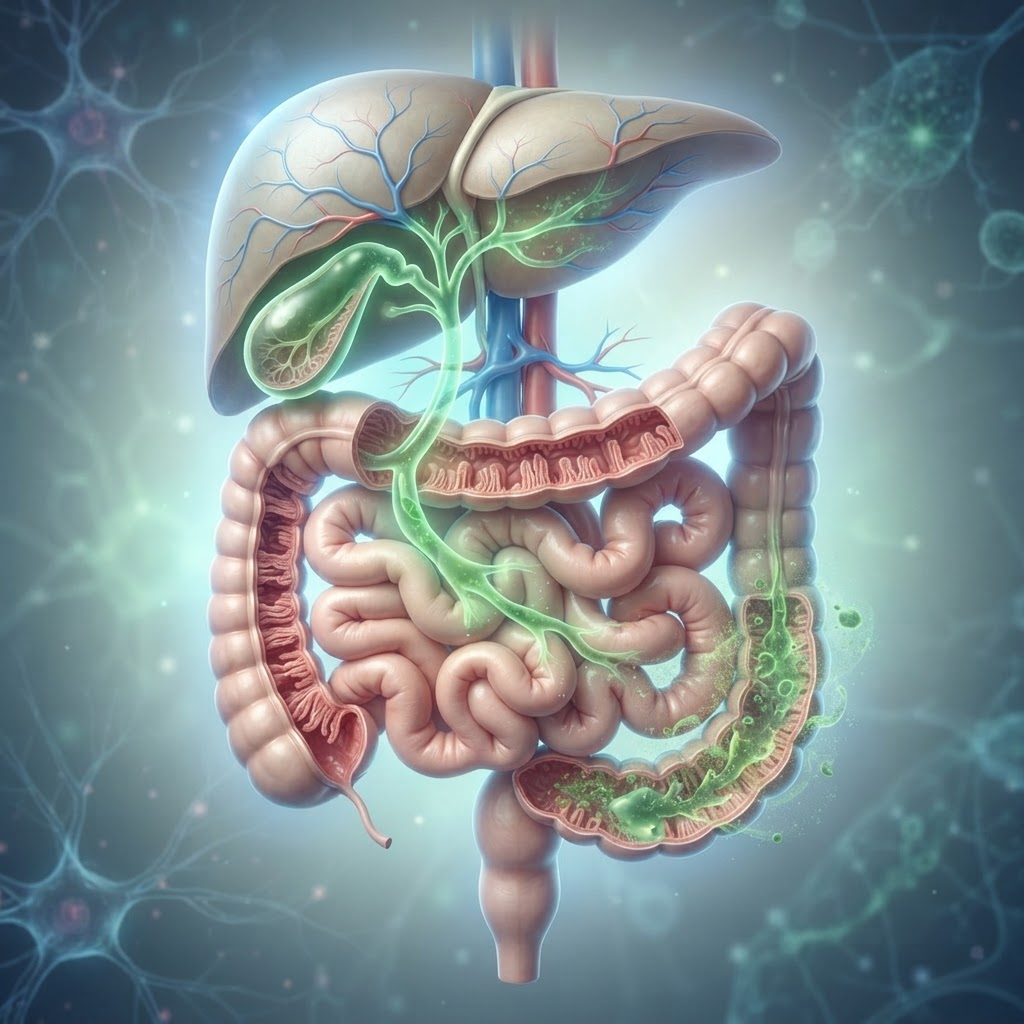
Bile acid malabsorption, frequently referred to in medical literature as BAM, is a clinical condition where the distal ileum—the final segment of the small intestine—fails to absorb bile acids effectively. Under normal physiological circumstances, bile acids are produced by the liver, stored in the gallbladder, and released into the small intestine to emulsify dietary fats. This emulsification process is vital for the absorption of fat-soluble vitamins and fatty acids. Once the digestive process is complete in the small intestine, approximately 95% of these bile acids are reabsorbed in the terminal ileum, returned to the liver via the portal vein, and recycled. This intricate “enterohepatic circulation” is highly efficient.
When BAM occurs, this recycling system breaks down. Instead of being reabsorbed back into the body, the excess bile acids continue their journey into the large intestine (the colon). Because bile acids are inherently irritating to the lining of the colon and act as potent stimulants for fluid secretion, their presence in the large bowel leads to rapid transit time and significant fluid accumulation. This process is the primary physiological driver behind bile acid diarrhea.
For many individuals, BAM remains an “invisible” condition. It is frequently misdiagnosed as irritable bowel syndrome with diarrhea (IBS-D) because the symptoms are nearly identical to the naked eye. However, distinguishing between the two is critical because the management strategies differ significantly. While IBS-D is often managed through stress reduction and dietary avoidance, BAM specifically requires addressing the transit of bile through the gut. Chronic bile acid malabsorption can be categorized into three types: Type 1, which results from structural damage to the terminal ileum (often due to Crohn’s disease or surgical resection); Type 2, which is idiopathic, meaning it occurs without an identifiable underlying condition; and Type 3, which arises from other gastrointestinal disorders, such as gallbladder removal, celiac disease, or small intestinal bacterial overgrowth (SIBO). Understanding the specific type and mechanism of your BAM is the foundation of navigating long-term digestive health and finding sustainable relief.
Common Symptoms of Bile Acid Malabsorption
The hallmark of bile acid malabsorption is undoubtedly diarrhea, but the clinical presentation often goes beyond simple frequency. BAM symptoms are typically characterized by their urgency, unpredictability, and, in many cases, a watery consistency that feels impossible to control. Because bile acids are chemically aggressive substances, they draw water into the colon, leading to stools that are often described as explosive or “urgent.”
Many patients report that these symptoms occur regardless of whether they have consumed a large meal. However, high-fat meals tend to trigger more severe episodes because they stimulate the release of higher volumes of bile from the gallbladder. This leads to a classic pattern: symptoms are often at their worst following a heavy meal, or occasionally, early in the morning when the digestive system begins its daily cycle. Unlike some other forms of digestive distress that may cause periodic bloating or constipation, the diarrhea associated with BAM is remarkably persistent and chronic.
Beyond the diarrhea itself, individuals often report significant secondary symptoms related to the constant irritation of the intestinal lining. These include:
- Abdominal cramping: Sharp, localized pain that often precedes a bowel movement.
- Fecal urgency: A sudden, intense need to find a restroom, often causing significant anxiety in social or professional settings.
- Bloating and gas: As the balance of the gut microbiome is disrupted by the high volume of bile acids, many experience uncomfortable distension.
- Fatigue: Chronic diarrhea leads to poor nutrient absorption, particularly of fat-soluble vitamins (A, D, E, and K). Over time, this nutrient deficiency can manifest as persistent tiredness, skin issues, or weakened immune resilience.
The psychological toll of these BAM symptoms is significant. The unpredictability often leads to a restrictive diet or avoidance of travel, exercise, and social gatherings. It is important to note that because the symptoms of BAM overlap with many other conditions, keeping a detailed digestive diary can be a powerful tool. Recording not only what you eat but also the timing, frequency, and consistency of your stools helps you identify patterns. If your diarrhea persists for more than four weeks or is accompanied by “red flag” symptoms—such as unexplained weight loss, blood in the stool, or fevers—it is essential to consult with a healthcare professional to rule out more severe underlying pathologies like inflammatory bowel disease or colorectal cancer before focusing on natural relief strategies.
Primary Causes and Risk Factors
The causes of bile acid malabsorption are as diverse as the patients they affect, but they generally fall into the categories of structural damage, metabolic dysfunction, or secondary effects of other illnesses. When looking for the root cause, clinicians look at the anatomical path the food takes through the gastrointestinal tract. If the “docking station” for bile reabsorption—the terminal ileum—is compromised, the system fails.
Structural damage is one of the most common causes of bile acid malabsorption. This is frequently seen in patients who have undergone surgical procedures, such as an ileal resection (the removal of a portion of the small intestine). In these cases, the body literally loses the physical tissue required to grab and return the bile acids to the liver. Crohn’s disease is another major contributor; the inflammation that occurs in the ileum during an active flare can physically scar the tissue, rendering it unable to perform its absorption duties. Even when the Crohn’s is in remission, the damage left behind can cause long-term BAM.
However, many people experience these symptoms without a history of surgery or IBD. This brings us to secondary causes, where another condition creates an environment that triggers BAM. For example, gallbladder removal (cholecystectomy) is a classic risk factor. Without a gallbladder to store and meter out bile, the liver dumps bile directly into the small intestine in a constant, uncontrolled drip. This can easily overwhelm the reabsorption capacity of the ileum, especially after a meal. Similarly, conditions like SIBO (Small Intestinal Bacterial Overgrowth) can complicate the picture. Bacteria in the small intestine can deconjugate bile acids, changing their chemical structure and making them more difficult for the body to reclaim. Other factors include:
- Celiac disease: Chronic inflammation of the intestinal lining can interfere with normal bile absorption.
- Radiation therapy: Patients who have received abdominal or pelvic radiation may experience lasting damage to the ileal mucosa.
- Type 2 Diabetes: Some research suggests that metabolic changes associated with diabetes can alter bile acid signaling and movement.
- Idiopathic BAM: In a surprising number of cases, testing reveals no identifiable structural cause. This suggests that there may be a genetic component or a functional disconnect in the bile acid feedback loop that is not yet fully understood by modern medicine.
Identifying your specific risk factor is not just an academic exercise; it dictates the success of your management plan. For instance, if your BAM is caused by SIBO, you must treat the bacterial overgrowth to see improvement. If it is caused by gallbladder removal, you may need to focus on bile-binding agents or specific dietary modifications that reduce the workload on your system. By understanding the “why” behind your symptoms, you can avoid trial-and-error approaches that may not offer the relief you deserve.
How Bile Acids Affect Your Digestion
To truly grasp how to support your body, one must appreciate the incredible chemical power of bile. Bile is a complex mixture of bile salts, cholesterol, bilirubin, and phospholipids. Its primary job is to act as a natural detergent. When you eat fat, your gallbladder squeezes bile into the duodenum (the beginning of the small intestine). This bile breaks down large fat globules into tiny droplets called micelles. These micelles can then be absorbed across the intestinal wall and into the bloodstream, where they are used for energy, hormone production, and cellular health.
However, bile is also a potent signaling molecule. It tells the gut when to move, when to absorb, and when to flush. When the cycle is working perfectly, bile acids help lubricate the intestines and support a healthy microbiome. But when bile acid malabsorption occurs, the balance is tipped. When these substances reach the colon in high concentrations, they irritate the colonic mucosa. This irritation triggers the secretion of electrolytes and water into the bowel lumen. In response, the colon muscles begin to contract more rapidly to push the “irritant” out. This is the physiological trigger for the sudden, watery stools characteristic of chronic diarrhea.
This disruption has a cascade effect on other aspects of digestive health. Because your body is losing these bile acids, it has to work much harder to synthesize new ones from cholesterol in the liver. This constant drain on the liver’s resources can affect overall energy metabolism. Furthermore, because fats are not being properly broken down or absorbed, you may find that you are not effectively absorbing fat-soluble nutrients. This is why individuals with chronic BAM often report feeling “depleted” even when they eat a nutrient-dense diet. Over time, the inability to manage bile acids can also alter the composition of the gut bacteria, potentially leading to a decrease in beneficial probiotic species and an increase in opportunistic ones, which further aggravates digestive discomfort.
| Management Approach | Mechanism | Best For |
|---|---|---|
| Dietary Fat Restriction | Reduces the stimulation of bile release | Managing acute flare-ups |
| Soluble Fiber Supplementation | Helps bulk stool and bind excess moisture | Long-term stool consistency |
| Bile Acid Sequestrants | Chemically binds bile in the intestines | Severe, clinically diagnosed BAM |
| Targeted Microbiome Support | Restores gut lining integrity | Addressing root dysbiosis |
Recognizing the dual role of bile as a digestive aid and a potential colonic irritant is essential. It changes the way you view your diet. Instead of just avoiding “bad foods,” you learn to work with your body’s specific limitations, potentially using smaller, more frequent meals that contain controlled amounts of healthy fats, rather than large, taxing meals that trigger massive bile dumps. By managing the volume of bile entering the system at any one time, you can often “pacify” the colon and significantly reduce the frequency of digestive distress.
The Connection Between Gallbladder Health and BAM
The gallbladder is a silent hero in digestion, but for many, it is the primary culprit in the development of BAM symptoms. To understand the connection, think of the gallbladder as a reservoir. Its presence allows for a controlled, demand-based release of bile. When you eat a meal containing healthy fats, the gallbladder contracts, releasing exactly the amount of bile needed to process those fats. This delicate dance is perfectly tuned to the absorption capabilities of the terminal ileum.
When the gallbladder is removed, this “reservoir” function is lost. The liver continues to produce bile, but it now drips steadily and constantly into the small intestine, regardless of whether or not you are eating. This creates a state of chronic exposure for the intestines. During the night, when digestion is meant to slow down, this trickle continues. By morning, the accumulation of bile in the intestines is often quite high, which explains why so many individuals who have had a cholecystectomy experience “early morning diarrhea.”
Even for those who still have their gallbladder, dysfunction can occur. Gallbladder sludge or mild biliary dyskinesia—where the gallbladder is sluggish and does not empty fully or efficiently—can create a disrupted bile flow. If the gallbladder is slow to empty during a meal, you might experience poor fat digestion, bloating, and discomfort. If it empties erratically, it can flood the system at the wrong time. This creates an unpredictable environment in the gut that mimics the symptoms of BAM.
It is worth noting that for individuals living without a gallbladder, dietary adjustments are not just optional—they are a prerequisite for digestive comfort. The goal is to mimic the “reservoir” function that your body is no longer performing. This means prioritizing a consistent eating schedule so that bile is not sitting in the intestines for too long, as well as being mindful of fat intake. While it is tempting to go “fat-free” after gallbladder removal, your body still requires essential fatty acids for hormonal health and nerve function. The key is in the distribution of those fats. By spreading your fat intake evenly throughout the day, you ensure that bile is consistently used to break down food, rather than pooling in the intestines and causing irritation. Incorporating specific types of fiber, particularly those that are gentle on the lining, can also help capture excess bile before it has a chance to reach the colon in a way that causes distress. Taking these steps acknowledges that your digestive physiology has changed, but it does not mean your digestive health cannot be restored to a state of balance and comfort.
Diagnostic Tests to Identify BAM
Diagnosing bile acid malabsorption (BAM) is notoriously difficult because its primary presentation—chronic, watery diarrhea—is a symptom shared by a multitude of gastrointestinal disorders. Because there is no single “gold standard” test universally available in every clinical setting, gastroenterologists often rely on a combination of patient history, exclusion of other conditions, and specialized diagnostic markers.
The most specific diagnostic tool for identifying BAM is the 75-selenium-homotaurocholic acid (SeHCAT) test. During this procedure, a patient ingests a capsule containing a synthetic, radio-labeled bile acid. A gamma camera then measures how much of this substance remains in the body after one week. If a significant portion of the radio-labeled bile acid is excreted rather than reabsorbed by the terminal ileum, it indicates malabsorption. While highly accurate, the SeHCAT test is not available in all countries, including certain regions where alternative methods are prioritized.
In regions where the SeHCAT scan is unavailable, clinicians often utilize the 48-hour or 72-hour fecal bile acid excretion test. This requires the collection of stool samples over several days to measure the total concentration of bile acids. Elevated levels of bile acids in the stool provide direct evidence of malabsorptive processes. However, this test is often considered cumbersome for patients and can be subject to processing delays in laboratory settings.
Another common approach is the “therapeutic trial” method. Because BAM is frequently underdiagnosed, a doctor might prescribe a bile acid sequestrant (such as cholestyramine) for a short duration. If the patient experiences a marked reduction in BAM symptoms, such as a decrease in the frequency and urgency of bile acid diarrhea, it serves as a strong clinical indicator that bile acids were indeed the primary driver of the gastrointestinal distress.
Finally, blood testing for 7-alpha-hydroxy-4-cholesten-3-one (C4) has emerged as a promising, less invasive diagnostic marker. C4 is a precursor in the synthesis of bile acids. When bile acid reabsorption is impaired, the body attempts to compensate by increasing production, which results in elevated serum levels of C4. Measuring this marker through a standard blood draw is becoming more prevalent, offering a convenient alternative to stool collection or radioactive scanning.
Dietary Adjustments to Manage Bile Acid Issues
Dietary modification is a cornerstone of managing chronic bile acid malabsorption. Since bile is produced by the liver to emulsify fats, the presence of excess fat in the diet can trigger a higher release of bile acids from the gallbladder. If the terminal ileum cannot reabsorb these acids effectively, they spill into the colon, causing the intense, osmotic-driven diarrhea associated with the condition.
The primary dietary strategy involves a significant reduction in dietary fat intake. Many individuals find success by limiting fat to approximately 30 to 40 grams per day. This doesn’t mean eliminating fat entirely—which is dangerous for nutrient absorption—but rather selecting high-quality fats and spacing them out evenly across several small meals. By reducing the total fat load, the gallbladder is not prompted to secrete large quantities of bile, thereby lowering the concentration of bile acids entering the colon.
Medium-chain triglycerides (MCTs) are often recommended as an alternative to long-chain fats. Unlike long-chain fatty acids, which require bile for emulsification and absorption, MCTs can be absorbed directly through the portal vein without the need for bile salts. Incorporating modest amounts of MCT oil into meals can help patients meet their caloric needs without exacerbating bile acid diarrhea.
Fiber intake is also a critical variable. While high-fiber diets are typically championed for digestive health, they can sometimes be a double-edged sword for those with BAM. Soluble fiber can bind to bile acids, which may be helpful in small amounts, but insoluble fiber—often found in skins, seeds, and raw cruciferous vegetables—can irritate an already hyper-motile gut. Patients are generally advised to prioritize soluble fiber sources, such as peeled potatoes, oats, and cooked carrots, while limiting raw, fibrous roughage during flare-ups.
Hydration cannot be overlooked. Chronic diarrhea leads to significant losses of water and electrolytes. It is essential to maintain consistent hydration with mineral-rich fluids. Avoiding common triggers, such as caffeine, alcohol, artificial sweeteners (especially sorbitol and xylitol), and highly spicy foods, can significantly improve symptom management by reducing the overall “osmotic load” on the intestines.
| Dietary Strategy | Primary Benefit | Best For |
|---|---|---|
| Low-Fat Diet (30-40g/day) | Prevents gallbladder stimulation | Patients with frequent post-meal diarrhea |
| MCT Oil Supplementation | Bypasses need for bile emulsification | Weight maintenance without triggering BAM |
| Soluble Fiber Focus | Binds excess bile acids in the gut | Regulating stool consistency |
| Small, Frequent Meals | Prevents massive bile releases | Managing digestion through the day |
Natural Supplements and Lifestyle Support
Beyond dietary adjustments, various natural supplements and lifestyle interventions can provide additional support for managing bile acid malabsorption. The goal is to bind excess bile, calm intestinal inflammation, and support the overall mucosal lining of the gastrointestinal tract.
Psyllium husk is perhaps the most widely recognized natural supplement for BAM. As a dense source of soluble fiber, psyllium acts as a bulking agent. When taken with meals, it creates a gel-like consistency in the gut that can effectively trap excess bile acids, preventing them from irritating the colon mucosa. Many patients start with a small amount—a half-teaspoon mixed with water—and gradually increase the dose to avoid gas and bloating.
Calcium supplements are also a popular area of interest for those seeking natural support. Calcium carbonate has been shown in some observational contexts to bind with bile acids, forming insoluble calcium-bile complexes that are less irritating to the colon. Because calcium also helps slow down intestinal transit, it serves a dual purpose for those struggling with rapid, urgent bowel movements.
Gut-soothing herbs such as slippery elm and marshmallow root can be beneficial for protecting the gut lining. These mucilaginous herbs provide a coating effect that may reduce the inflammatory response caused by the chemical irritation of bile acids. Ginger tea, while not a binder of bile acids, is excellent for reducing general digestive nausea and calming gut spasms that often accompany chronic diarrheal states.
Lifestyle support is equally vital. Chronic digestive distress is inherently linked to the enteric nervous system. Stress management techniques such as diaphragmatic breathing, yoga, and meditation can help modulate the “gut-brain axis.” High levels of cortisol can increase gut permeability and transit time, making the symptoms of BAM much more pronounced. By calming the nervous system, patients often report that their digestive urgency becomes more manageable.
Finally, vitamin supplementation is necessary for those with long-term malabsorption. The terminal ileum is the site of Vitamin B12 and fat-soluble vitamin (A, D, E, and K) absorption. If BAM is affecting this area, the body may become deficient in these essential nutrients. Regular blood panels are essential to ensure that lifestyle and dietary changes are not resulting in secondary nutritional deficiencies.
BAM vs. Irritable Bowel Syndrome (IBS)
The clinical overlap between BAM and Irritable Bowel Syndrome (IBS-D, the diarrhea-predominant subtype) is significant. In fact, many individuals who are initially diagnosed with IBS-D actually have underlying, undiagnosed BAM. Distinguishing between the two is crucial because the treatments are fundamentally different.
IBS-D is considered a functional disorder of the gut-brain interaction. It is characterized by abdominal pain, bloating, and diarrhea, but without evidence of organic damage or structural abnormalities in the intestine. Symptoms of IBS are often highly influenced by stress, specific food triggers like FODMAPs, and gut dysbiosis. The management of IBS typically involves the Low FODMAP diet, stress management, and sometimes antispasmodic medication.
BAM, on the other hand, is an organic condition involving a specific metabolic failure: the inability of the ileum to reabsorb bile salts. While both conditions cause diarrhea, BAM-induced diarrhea is often described as “explosive” and may occur overnight or immediately upon waking, which is less common in typical IBS cases. Furthermore, BAM symptoms are directly linked to the fat content of the previous meal, whereas IBS symptoms can be triggered by a wider, more unpredictable variety of food types.
While IBS patients may feel relief from dietary modifications like eliminating wheat or lactose, patients with BAM often find those changes ineffective if they do not also control their fat intake. Furthermore, bile acid sequestrants provide little to no benefit for traditional IBS-D, but they are transformative for patients with true bile acid malabsorption. If you have been diagnosed with IBS-D but haven’t seen improvement after following appropriate protocols, it is highly recommended to revisit the conversation with your healthcare provider to discuss potential screening for bile acid issues.
Frequently Asked Questions
Can bile acid malabsorption go away on its own?
BAM is often secondary to an underlying structural issue or surgery (such as gallbladder removal or Crohn’s disease). If the underlying cause is a reversible inflammatory condition, treating that condition may improve or resolve the malabsorption. However, in cases of permanent anatomical changes, BAM is generally considered a chronic condition that requires ongoing management.
Is bile acid malabsorption the same as having no gallbladder?
No, they are not the same, though they are related. Removing the gallbladder changes how bile is delivered to the digestive tract (making it a continuous “drip” rather than a release triggered by food). While some people develop BAM after a cholecystectomy (gallbladder removal) because of this constant flow, others adapt to the change without developing malabsorption.
Can I ever eat high-fat foods again if I have BAM?
Most individuals with BAM find they must permanently moderate their fat intake to maintain digestive comfort. However, once you understand your personal “fat threshold”—the amount of fat your system can handle before triggering symptoms—you can incorporate small amounts of healthy fats into your diet. Working with a registered dietitian can help you map out these limits safely.
Does stress make bile acid diarrhea worse?
Absolutely. The digestive system and the nervous system are intimately connected. Stress increases intestinal motility, which means the contents of your gut move through the colon faster. If bile acids are already present, increased speed gives your colon even less time to process them, which can significantly intensify the urgency and frequency of bowel movements.
What is the difference between primary and secondary BAM?
Primary BAM occurs due to an overproduction of bile acids or a genetic deficiency in the reabsorption pathway. Secondary BAM is much more common and occurs as a consequence of another condition, such as Crohn’s disease, celiac disease, radiation therapy to the abdomen, or surgery involving the terminal ileum.
Are there medications that help with BAM besides binders?
Beyond bile acid sequestrants, some doctors may prescribe medications to slow down gut motility or treat the underlying inflammatory conditions causing the malabsorption. In some cases, addressing bacterial overgrowth (SIBO), which can deconjugate bile acids and hinder their reabsorption, can also be a vital part of the medical treatment plan.
Conclusion
Managing bile acid malabsorption requires a shift in how you view your digestive health. By recognizing the specific patterns of BAM—such as the link between high-fat intake and urgent, watery stools—you can begin to take control of your symptoms through informed dietary choices, natural binders like psyllium, and medical intervention when necessary. While living with this condition presents daily challenges, it is absolutely possible to reclaim your quality of life and achieve consistent digestive comfort. Understanding that you are not merely dealing with “sensitive digestion,” but a specific, manageable metabolic issue, is the first step toward effective relief.
Are you ready to take charge of your gut health? Start by tracking your fat intake for a week alongside your symptoms to identify your personal triggers. If you suspect BAM is the root cause of your chronic diarrhea, consult with a gastroenterologist to discuss diagnostic options like the SeHCAT scan or a trial of bile acid sequestrants. Your path to a calmer, more predictable digestive system starts today.
By healthauthoritylife Editorial Team
This article is for informational purposes only and is not a substitute for professional medical advice. Always consult your doctor before making changes to your diet, exercise routine, or treatment plan.
Leave a Reply