
🔑 Key Takeaways — Yoga Benefits
- ✅ Regular yoga practice reduces cortisol (stress hormone) levels by up to 33%
- ✅ Yoga improves flexibility, balance, and strength simultaneously
- ✅ Studies show yoga reduces anxiety symptoms as effectively as CBT in some patients
- ✅ Hot yoga (Bikram) burns 330–460 calories per 90-minute session
- ✅ Even 10 minutes of yoga daily improves mood and reduces fatigue significantly
🏷️ Category: Fitness
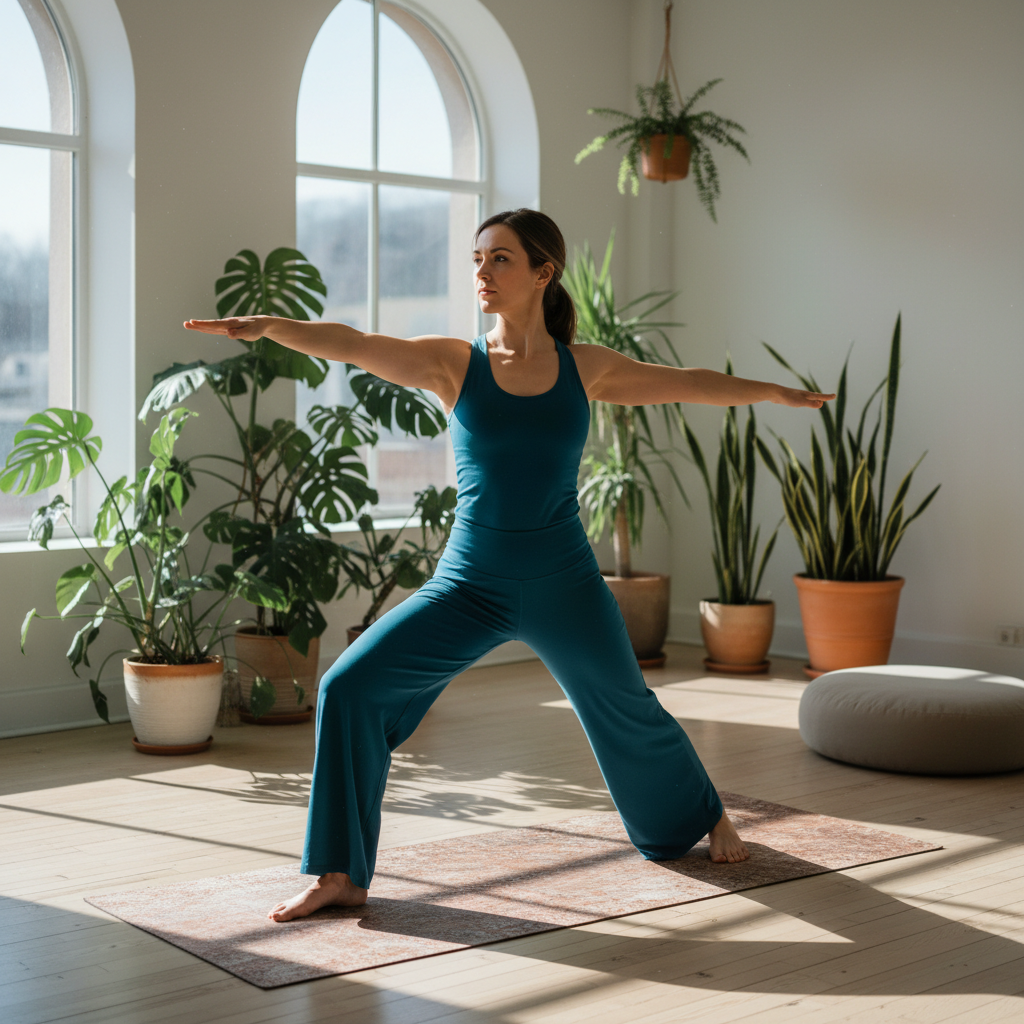
Reviewed by our Editorial Team — Based on evidence from Johns Hopkins Medicine, Harvard Health, and yoga research published in peer-reviewed journals.
Yoga is now practised by over 300 million people worldwide — and what began as an ancient spiritual practice has become one of the most well-researched therapeutic interventions in modern medicine. Johns Hopkins Medicine states that yoga is one of the most effective non-pharmacological interventions for chronic pain, anxiety, depression, hypertension, and insomnia. This complete guide covers the scientifically proven benefits of yoga and flexibility training, the best styles for different health goals, and a beginner programme you can start today.
10 Science-Backed Health Benefits of Yoga
1. Reduces Chronic Pain
A 2017 JAMA study found yoga is as effective as physical therapy for chronic low back pain — the world’s leading cause of disability. Regular yoga practice reduces pain intensity, improves mobility, and decreases reliance on pain medications. It is particularly effective for fibromyalgia, arthritis, and neck pain.
2. Dramatically Reduces Stress and Anxiety
Yoga activates the parasympathetic nervous system (rest-and-digest), counteracting chronic activation of the stress response. Studies consistently show yoga reduces cortisol levels, lowers anxiety scores, and produces measurable reductions in the physical symptoms of stress including elevated heart rate, shallow breathing, and muscle tension.
3. Lowers Blood Pressure
A meta-analysis of 49 clinical trials found regular yoga practice reduced systolic blood pressure by an average of 5 mmHg — comparable to the effect of some blood pressure medications, with no side effects.
4. Improves Sleep Quality
Multiple RCTs demonstrate that yoga — particularly restorative yoga and yoga nidra — significantly improves sleep quality, reduces time to fall asleep, and increases total sleep time. Evening yoga is one of the best evidence-based sleep interventions available.
5. Boosts Flexibility, Balance, and Mobility
Even a single session of yoga improves short-term flexibility. With consistent practice over 8 weeks, most beginners see 35–50% improvements in hamstring flexibility and significant improvements in overall mobility and balance — both critical for injury prevention and healthy ageing.
6. Builds Functional Strength
Many yoga poses require supporting your body weight through full range of motion — building genuine functional strength in the core, shoulders, hips, and legs. Regular yoga practitioners show significantly better muscular endurance and body composition than sedentary individuals.
7. Improves Mood and Fights Depression
Yoga increases GABA (gamma-aminobutyric acid) levels in the brain — the primary inhibitory neurotransmitter that reduces anxiety and depression. A 2010 study at Boston University found that 12 weeks of yoga increased GABA levels by 27%, comparable to the effect of anti-anxiety medication.
8. Supports Weight Management
While not primarily a calorie-burning exercise, yoga reduces cortisol (which drives abdominal fat storage), improves mindful eating behaviours, and builds the body awareness that helps people make healthier food choices. Research links regular yoga practice to lower BMI and reduced emotional eating.
9. Reduces Inflammation
Multiple studies show that consistent yoga practice significantly reduces blood markers of inflammation including IL-6 and CRP — potentially reducing risk of chronic inflammatory diseases including heart disease, diabetes, and autoimmune conditions.
10. Improves Respiratory Function
Pranayama (yogic breathing) significantly strengthens respiratory muscles, increases lung capacity, and improves breath control. This has documented benefits for asthma management, COPD, and general respiratory health.
Best Yoga Styles for Different Goals
| Style | Intensity | Best For |
|---|---|---|
| Hatha | Low–Medium | Beginners, flexibility, stress relief |
| Vinyasa / Flow | Medium–High | Cardio, strength, weight management |
| Yin Yoga | Very Low | Deep flexibility, joint health, stress relief |
| Restorative | Very Low | Recovery, sleep, anxiety, chronic illness |
| Ashtanga | High | Strength, discipline, advanced practitioners |
| Bikram / Hot | High | Detox, flexibility, cardiovascular fitness |
30-Day Beginner Yoga Plan
Start with just 20 minutes daily. Focus on these foundational poses:
- Week 1: Mountain Pose, Child’s Pose, Cat-Cow, Downward Dog, Seated Forward Fold
- Week 2: Add Warrior I, Warrior II, Triangle Pose, Bridge Pose
- Week 3: Add Crescent Lunge, Half Pigeon, Boat Pose, Supine Twist
- Week 4: Combine all poses into a 30-minute flowing sequence
Frequently Asked Questions
Do I need to be flexible to start yoga?
Absolutely not. Inflexibility is a reason to start yoga, not a reason to avoid it. All poses can be modified with props (blocks, straps, bolsters) to accommodate any level of flexibility.
How often should I practise yoga?
Even 2–3 sessions per week produces significant, measurable health benefits. Daily practice is ideal for maximum gains in flexibility, stress reduction, and mental wellbeing.
Can yoga replace the gym?
Yoga provides excellent flexibility, balance, and functional strength — but for bone density and muscle hypertrophy, it is best combined with resistance training. They complement each other perfectly.
Conclusion
Yoga is one of the most versatile and evidence-backed health practices available. Whether your goal is reducing back pain, managing stress, improving sleep, or building functional strength, there is a yoga style perfectly suited to you. Start with 20 minutes of Hatha yoga three times per week — within a month, you will feel the difference.
Medical Disclaimer: Consult your doctor before starting yoga if you have injuries, joint problems, or serious health conditions.
📚 Medical Sources & References
This article is based on evidence from the following authoritative medical sources:
Leave a Reply