🔑 Key Takeaways — Gut Health
- ✅ The gut microbiome contains 100 trillion bacteria — outnumbering human cells 10 to 1
- ✅ Eating 30 different plant foods per week dramatically increases microbiome diversity
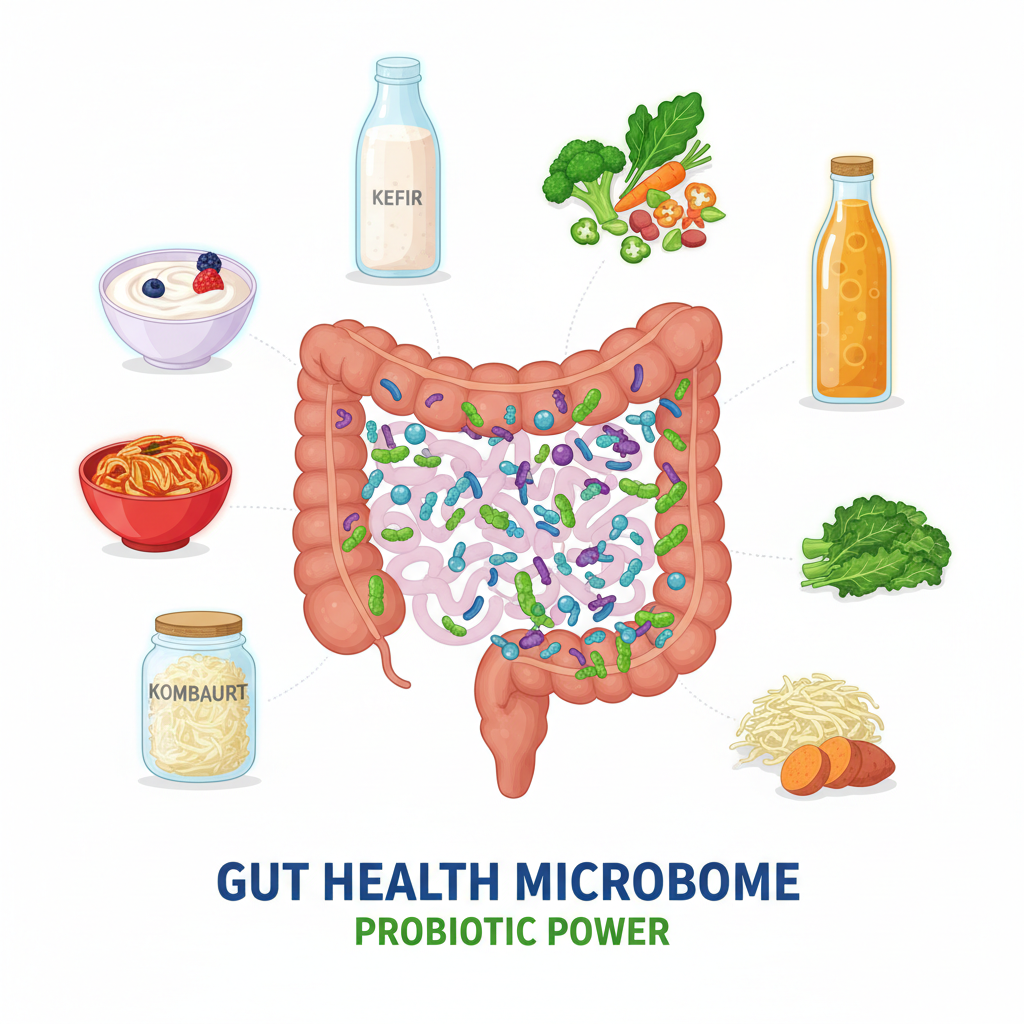
- ✅ Fermented foods like yogurt and kimchi introduce beneficial live bacteria
- ✅ Antibiotics can wipe out up to 90% of gut bacteria — probiotics help restore balance
- ✅ The gut-brain axis means gut health directly affects mood, anxiety, and cognitive function
🏷️ Category: Gut Health
Reviewed by our Editorial Team — Evidence sourced from Nature journal microbiome research, Harvard Medical School, and the Human Microbiome Project.
Your gut contains approximately 100 trillion microorganisms — bacteria, viruses, fungi, and other microbes — that collectively weigh about 2 kg. This community, called the gut microbiome, is now recognised as one of the most important determinants of your overall health. Research published in Nature has linked the gut microbiome to immune function, mental health, weight regulation, heart disease risk, autoimmune conditions, and even cancer. This guide explains what your gut microbiome is, why it matters, the signs of an unhealthy gut, and the most effective evidence-based strategies to improve it.
What Is the Gut Microbiome?
The gut microbiome refers to the vast community of microorganisms living primarily in your large intestine (colon). Far from being passive passengers, these microbes are metabolically active — they produce vitamins (B12, K2, folate), short-chain fatty acids (SCFAs) that fuel colon cells and reduce inflammation, neurotransmitters including 95% of the body’s serotonin, and hundreds of other bioactive compounds. They also train and regulate your immune system — 70% of your immune cells reside in your gut.
Signs Your Gut Microbiome May Be Unhealthy
- Frequent bloating, gas, or abdominal discomfort
- Irregular bowel movements (constipation, diarrhoea, or alternating)
- Frequent colds and infections (compromised immunity)
- Persistent fatigue and low energy
- Skin problems including eczema, acne, or rosacea
- Mood issues — anxiety, depression, brain fog
- Food intolerances that weren’t present before
- Unexplained weight gain despite no dietary changes
- Autoimmune flare-ups
What Damages Your Gut Microbiome?
- Antibiotics: The single biggest threat — they indiscriminately kill beneficial bacteria. A single course can alter gut microbiome composition for up to a year
- Ultra-processed foods: Emulsifiers, artificial sweeteners, and preservatives disrupt microbiome diversity
- Low-fibre diet: Gut bacteria need fibre to survive — without it, they literally starve and die
- Chronic stress: Activates pathways that alter gut motility and microbiome composition
- Alcohol: Disrupts the gut barrier and feeds harmful bacteria
- Proton pump inhibitors (PPIs): Long-term use significantly alters gut microbiome
- C-section birth and lack of breastfeeding: Affects microbiome seeding in infants
10 Proven Ways to Improve Your Gut Health
1. Eat 30 Different Plants Per Week
The American Gut Project — the largest citizen science study of the gut microbiome — found that people who ate 30 or more different plant foods per week had significantly more diverse microbiomes than those who ate fewer than 10. Diversity is the key metric of gut health. Every different plant feeds a different species of gut bacteria. This includes vegetables, fruits, whole grains, legumes, nuts, seeds, herbs, and spices.
2. Prioritise Prebiotic Foods
Prebiotics are specific types of fibre that selectively feed beneficial gut bacteria. The best prebiotic foods include: garlic, onions, leeks, asparagus, Jerusalem artichokes, bananas (slightly unripe), oats, apples, flaxseeds, and chicory root. Aim for at least 5–8g of prebiotic fibre daily.
3. Eat Fermented Foods Daily
A landmark 2021 Stanford study published in Cell found that a high-fermented food diet (yoghurt, kefir, kimchi, sauerkraut, kombucha, miso) for 10 weeks increased microbiome diversity and significantly reduced inflammatory markers in healthy adults. Aim for at least 1–2 servings of fermented food daily.
4. Increase Total Dietary Fibre
Most people eat 15g of fibre per day — the recommended minimum is 30g. Fibre feeds bacteria that produce SCFAs including butyrate — the primary fuel for colonocytes (colon lining cells) and a powerful anti-inflammatory compound. Good sources: lentils, chickpeas, oats, apples, pears, broccoli, and wholegrains.
5. Reduce Ultra-Processed Foods
Emulsifiers like carrageenan, polysorbate-80, and carboxymethylcellulose (found in most processed foods) have been shown in multiple studies to disrupt the gut mucus layer, increase intestinal permeability, and alter microbiome composition — even at doses approved by food safety authorities.
6. Manage Stress
The gut-brain axis is bidirectional — your brain affects your gut and your gut affects your brain. Chronic psychological stress alters gut motility, increases intestinal permeability (“leaky gut”), and reduces microbiome diversity. Mindfulness, exercise, and adequate sleep are all evidence-based gut health interventions.
7. Exercise Regularly
Exercise independently improves gut microbiome diversity — separate from dietary effects. A 2022 review found that even 6 weeks of moderate aerobic exercise increased beneficial Bifidobacterium and Lactobacillus species and improved short-chain fatty acid production.
8. Get Adequate Sleep
Gut microbiome composition follows a circadian rhythm. Poor sleep disrupts these microbial rhythms, reducing diversity and increasing populations of bacteria associated with obesity and inflammation. 7–9 hours of quality sleep nightly is as important for gut health as diet.
9. Avoid Unnecessary Antibiotics
When antibiotics are necessary (bacterial infections), take them as prescribed and support gut recovery afterward with probiotics and prebiotic foods. Avoid demanding antibiotics from doctors for viral infections (colds, flu) — they are ineffective and devastate your microbiome.
10. Consider a Quality Probiotic Supplement
Probiotic supplements can be useful for specific conditions including post-antibiotic recovery, IBS, and traveller’s diarrhoea. Look for multi-strain products with at least 10 billion CFUs of well-researched strains including Lactobacillus acidophilus, L. rhamnosus GG, and Bifidobacterium longum. Note: dietary sources are generally more effective than supplements for general microbiome health.
Frequently Asked Questions
How long does it take to improve gut health?
Dietary changes can alter gut microbiome composition within 24–48 hours. Sustained improvements in diversity take 4–8 weeks of consistent high-fibre, high-fermented food intake. Post-antibiotic recovery can take 6–12 months.
Does gut health affect mental health?
Yes — powerfully. The gut produces 95% of the body’s serotonin. Multiple studies link gut microbiome composition to anxiety, depression, and cognitive function through the gut-brain axis. Improving gut health is increasingly recognised as a legitimate mental health intervention.
Are all probiotic supplements worth taking?
Quality varies enormously. Most probiotics don’t survive stomach acid to reach the colon. Choose enteric-coated formulas, store according to instructions (many need refrigeration), and select products with clinically studied strains. Whole food sources (yoghurt, kefir) often outperform supplements.
Conclusion
Your gut microbiome is arguably your most important but most neglected health asset. The good news is that it responds rapidly and dramatically to positive dietary changes. Start by adding one fermented food daily, aiming for 30 plant foods per week, and replacing processed foods with whole foods. Your gut — and your overall health — will transform within weeks.
Medical Disclaimer: This article is for informational purposes only. Consult a gastroenterologist if you are experiencing persistent gut symptoms.
📚 Medical Sources & References
This article is based on evidence from the following authoritative medical sources:
Leave a Reply