
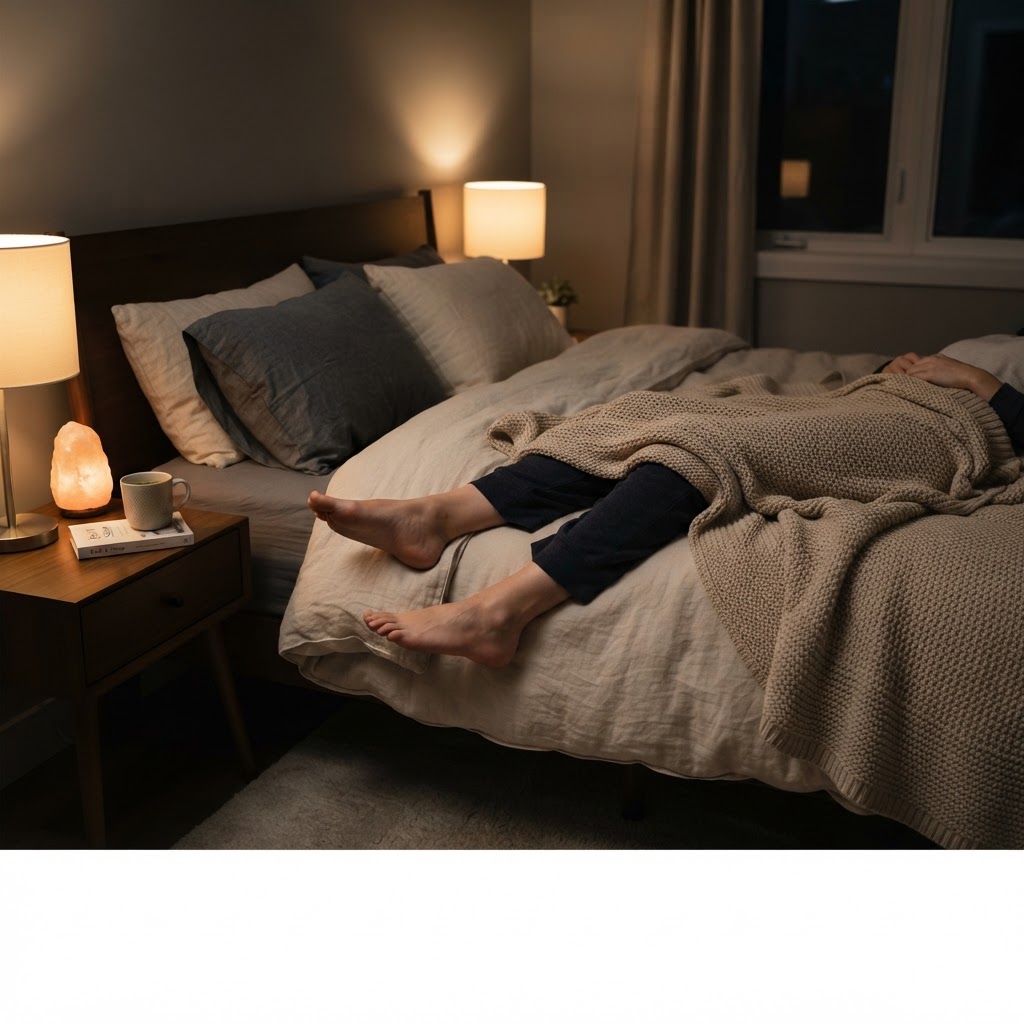
- Restless leg syndrome is a neurological sensory disorder characterized by an uncontrollable urge to move the legs, especially during periods of inactivity.
- Common underlying factors include iron deficiency, magnesium imbalances, and disruptions in dopamine signaling within the brain.
- Symptoms are often most severe in the evening and nighttime, leading to significant sleep deprivation and decreased quality of life.
- Natural remedies for RLS often focus on optimizing nutritional status, improving sleep hygiene, and incorporating gentle movement or compression.
- Addressing chronic RLS frequently requires a multi-faceted approach that balances medical supervision with lifestyle modifications.
For those who struggle to find peace at the end of a long day, the sensation often begins as a subtle, creeping irritation. It is not quite pain, yet it is impossible to ignore—a deep, rhythmic ache or a “crawling” feeling that demands movement. This is the reality for millions living with restless leg syndrome, a condition that transforms the simple act of resting into a nightly battle. While the medical community continues to explore the complexities of this neurological disorder, the path to reclaiming restful sleep often begins with understanding the intersection of internal physiology and external triggers. As we navigate the nuances of this condition, it becomes clear that relief is rarely found in a single solution, but rather through a comprehensive understanding of the body’s internal signals and the evidence-based strategies that provide sustainable comfort.
Understanding Restless Leg Syndrome (RLS)
Restless leg syndrome, or Willis-Ekbom disease, is classified as a neurological sensory disorder that significantly impacts the ability to rest. At its core, the condition is defined by an irresistible urge to move the limbs, which typically happens when an individual is sedentary, such as when sitting for a long commute, attending a movie, or attempting to fall asleep. The sensation is often described as deep, internal, and uniquely bothersome—patients frequently report feelings of pulling, itching, burning, or even a sensation described as “ants crawling under the skin.”
What makes this condition particularly challenging is its cyclical nature. The sensations almost universally subside or vanish entirely when the individual engages in physical movement, such as walking or stretching. However, the relief is usually temporary. Once the movement ceases, the symptoms return, often with increased intensity if the person has become overtired. This phenomenon creates a vicious cycle where the inability to find comfort leads to profound sleep fragmentation.
Experts generally agree that RLS is not merely a “behavioral” issue or a simple case of nerves. It is deeply rooted in the central nervous system. While the exact neurological mechanisms are still being mapped, current research points toward a complex interplay involving the brain’s basal ganglia—the area responsible for controlling movement—and the neurotransmitter dopamine. Dopamine acts as the body’s primary messenger for smooth, controlled muscle activity. When dopamine pathways are disrupted, the body’s ability to “turn off” the urge to move during rest is compromised, resulting in the characteristic restlessness.
Furthermore, RLS is often categorized into two types: primary and secondary. Primary RLS is considered idiopathic, meaning it appears to have a genetic component and often manifests earlier in life. Many people with primary RLS report a strong family history, suggesting that certain genetic predispositions make some individuals more susceptible to these neural signals. Conversely, secondary RLS typically develops later in life and is often linked to underlying health conditions, medication side effects, or nutritional deficiencies. Understanding which category one falls into is the first step toward effective management. Because the symptoms are subjective, diagnosis often relies on a clinical interview rather than a single blood test or scan, highlighting the importance of clear communication with healthcare providers about the specific nature, timing, and frequency of these symptoms. By observing when the sensations occur and what triggers them, those suffering can begin to differentiate between occasional discomfort and the chronic nature of RLS.
Common Symptoms and Daily Impact
The symptoms of restless leg syndrome extend far beyond simple “twitching.” While the urge to move is the hallmark, the daily impact of this disorder ripples through every facet of a person’s existence. Symptoms typically peak during the evening and night hours, creating a direct conflict with the body’s natural need for recovery. The physical sensations are frequently accompanied by periodic limb movements in sleep (PLMS), which are involuntary jerks or kicks that occur throughout the night. Even if the person remains asleep, these movements can prevent the body from entering the restorative, deep stages of sleep, leaving them exhausted upon waking.
The emotional and cognitive toll of chronic sleep deprivation is substantial. Individuals often describe a “brain fog” that persists throughout the day, manifesting as difficulty concentrating, irritability, and a diminished capacity to handle stress. Because the symptoms are invisible to others, friends, family, and coworkers may struggle to grasp the severity of the condition. This can lead to feelings of isolation, anxiety about upcoming travel, or dread as the evening hours approach. The anticipation of the “nightly crawl” often creates a hyper-vigilance that makes falling asleep even more difficult, establishing a psychological component to the physiological problem.
Living with chronic RLS often necessitates significant lifestyle adjustments. Social activities that require long periods of sitting—such as long-haul flights, theater performances, or extended dinners—can become sources of extreme stress. Many people find they must pace the aisles of an airplane or stand during events to mitigate the symptoms, which can be both physically exhausting and socially draining. The lack of control over one’s own body during these vulnerable times can erode confidence and lead to a retreat from the activities that once brought joy.
| Approach | Mechanism | Best For |
|---|---|---|
| Compression Therapy | Increases circulation and provides proprioceptive feedback | Reducing nocturnal leg sensations |
| Magnesium Supplementation | Supports muscle relaxation and neurotransmitter balance | Relieving muscle twitching and tension |
| Warm/Cold Therapy | Modulates nerve signaling through thermal stimulation | Immediate, short-term symptom relief |
| Sleep Hygiene Audit | Stabilizes circadian rhythms and lowers cortisol | Preventing RLS flare-ups at bedtime |
Ultimately, the daily impact of RLS is characterized by a persistent feeling of being “on edge.” The body is constantly signaling that something is wrong, even when one is trying to relax. Recognizing these symptoms early—and acknowledging that they are not just “part of getting older” or a temporary phase—is crucial. When symptoms are managed through a combination of consistent routines and targeted natural remedies for RLS, many individuals find that they can reclaim their nights and restore their daytime energy, effectively breaking the cycle of fatigue and frustration.
Underlying Causes and Risk Factors
While the exact origins of restless leg syndrome remain a subject of ongoing investigation, researchers have identified a variety of potential drivers that contribute to the manifestation of symptoms. It is rarely the case that a single cause is responsible for the entirety of an individual’s struggle; rather, RLS often emerges from a “perfect storm” of biological, chemical, and environmental factors. By examining these risks, individuals can better navigate their health path, moving from a position of confusion to one of informed management.
One of the most frequently discussed factors is the role of genetics. As mentioned, primary RLS often displays a clear familial pattern, with symptoms surfacing in early adulthood or even childhood. In these cases, researchers suspect that variations in specific genes related to the regulation of dopamine might be involved. When these genetic markers are present, the nervous system may be inherently more sensitive to subtle fluctuations in neurotransmitters, leading to the sensory irritation that characterizes the condition. Knowing that there is a genetic component can be both validating and helpful, as it emphasizes that the condition is a physiological reality rather than a product of poor lifestyle choices.
Beyond genetics, secondary RLS introduces a different layer of causality. Several chronic health conditions are strongly correlated with the onset of symptoms. Renal failure, for example, is a well-documented risk factor. The metabolic changes that occur in the kidneys, particularly regarding waste product accumulation, can irritate nerves and exacerbate RLS sensations. Similarly, individuals with peripheral neuropathy—a condition involving damage to the nerves in the feet and hands—often report an overlap with RLS symptoms. In these instances, treating the underlying condition is often the primary strategy for managing the restlessness.
Environmental and lifestyle factors also play a substantial role. Substance use is a common trigger; alcohol, nicotine, and caffeine are known to disrupt sleep architecture and, in many people, significantly worsen RLS symptoms. Medications, particularly certain antidepressants, antihistamines, and anti-nausea drugs, can also antagonize the dopamine receptors in the brain, thereby acting as triggers for those who are already susceptible. It is for this reason that a medication audit is often a recommended step for those seeking RLS relief.
Finally, pregnancy is a notable, albeit temporary, risk factor for RLS. The physiological demands placed on the body during pregnancy, including changes in blood volume, potential iron depletion, and hormonal shifts, often trigger transient RLS symptoms in women who have no prior history of the condition. While these symptoms typically resolve shortly after delivery, they highlight how sensitive the neurological system is to systemic metabolic changes. By evaluating these various causes—genetic, systemic, and environmental—one can begin to isolate the specific “triggers” that are unique to their own physiology, which is essential for creating an effective, personalized plan for natural relief.
The Connection Between Iron Levels and RLS
If there is one physiological factor that dominates the conversation regarding RLS, it is the status of iron in the body. The link between iron deficiency and RLS is so robust that many medical professionals view it as the most critical point of investigation for anyone presenting with these symptoms. Iron is not merely essential for hemoglobin and oxygen transport; it is a vital cofactor in the synthesis of dopamine. Without sufficient iron, the brain’s ability to produce and regulate this neurotransmitter is compromised, which directly impacts the neural pathways that signal the body to stop moving.
Crucially, one can have systemic iron levels that appear “normal” on standard blood tests—such as hemoglobin levels—yet still suffer from a brain-based iron deficiency. This is why testing for serum ferritin, which measures the body’s stored iron, is considered the gold standard for RLS assessment. Experts generally suggest that when ferritin levels drop below a certain threshold, the brain’s dopamine receptors become less effective, and the hallmark restlessness begins. Even for individuals who do not meet the clinical definition of anemia, “low-normal” ferritin stores can be enough to trigger or sustain RLS symptoms.
The relationship is further complicated by the body’s inability to easily transport iron across the blood-brain barrier. Even when a person takes iron supplements, it can take significant time for those levels to reach the brain in the concentrations required to restore normal dopamine signaling. This is why immediate, overnight relief is rarely achieved through iron supplementation alone. It requires patience and consistent monitoring, usually under the guidance of a professional, to ensure that iron levels are brought into an optimal range without causing the issues associated with iron overload.
Beyond simply checking levels, it is important to consider how the body absorbs iron. Dietary choices, gut health, and even the timing of supplement intake can dictate how much iron actually makes it into the bloodstream. For example, consuming caffeine or calcium-rich foods alongside iron sources can inhibit absorption, while Vitamin C acts as a catalyst for better uptake. For those attempting to improve their iron status as part of their strategy for natural remedies for RLS, it is essential to focus on high-bioavailability sources—such as lean meats or specifically formulated iron supplements if recommended by a practitioner—while avoiding the inhibitors that can render those efforts ineffective. When managed correctly, addressing iron deficiency is often the single most impactful step in reducing the frequency and intensity of RLS symptoms.
How Magnesium Deficiency Triggers Leg Twitching
While iron is the engine of dopamine production, magnesium acts as the system’s “governor” or regulator. Magnesium is an essential mineral involved in over three hundred biochemical reactions in the human body, but its role in neuromuscular function is particularly relevant for those dealing with restless leg syndrome. Magnesium is known as the body’s natural muscle relaxant; it helps to regulate muscle contractions and nerve signaling, ensuring that the body moves fluidly rather than sporadically.
When the body is deficient in magnesium, the nervous system becomes hyper-excitable. Without enough magnesium to antagonize calcium—which promotes muscle contraction—the muscles and the nerves governing them may begin to fire spontaneously. This manifests as the twitching, cramping, and “creepy-crawly” sensations that define RLS. Magnesium for RLS is a popular area of exploration because the mineral is relatively safe and plays a foundational role in maintaining the balance between the sympathetic and parasympathetic nervous systems—the “fight or flight” and “rest and digest” branches, respectively.
The modern diet, which is often high in processed foods and low in nutrient-dense greens, beans, and seeds, frequently fails to provide the recommended intake of magnesium. Furthermore, stress is a notorious magnesium-depleting factor. When the body is under chronic stress, it burns through its magnesium stores at an accelerated rate, leaving it vulnerable to the very muscle tension and neurological instability that contribute to RLS. For this reason, many people find that symptoms are significantly worse during periods of high life stress or poor dietary adherence.
Incorporating magnesium for RLS can take several forms, each with different absorption profiles. Oral supplements, such as magnesium glycinate or magnesium citrate, are often used to increase systemic levels. However, many people find topical applications—such as magnesium oil or soaking in Epsom salt baths before bed—to be especially effective for localized symptom relief. The transdermal route allows the mineral to be absorbed directly into the tissues, potentially providing a more immediate calming effect on the lower extremities before the nighttime “symptoms window” opens. While it is not a standalone “cure” for everyone, improving magnesium status is a cornerstone of natural remedies for RLS. By stabilizing the nerve signaling in the legs and promoting overall systemic relaxation, magnesium can provide the physical support necessary to move past the threshold of irritation and into a state of genuine, restful comfort.
Identifying Common Dietary and Lifestyle Triggers
Managing chronic restless leg syndrome often begins with a detective-like approach to your daily routine. Because RLS symptoms are notoriously reactive, what you consume and how you spend your waking hours can have a profound impact on the severity of your nighttime sensations. While iron deficiency and genetics remain primary RLS causes, environmental triggers frequently exacerbate the frequency and intensity of the “creepy-crawly” sensations associated with the condition.
Caffeine is perhaps the most well-documented dietary trigger. Because it acts as a stimulant, caffeine can overexcite the nervous system, making the involuntary motor movements associated with RLS more pronounced. Many individuals find that even a morning cup of coffee can impact their nighttime comfort, as the stimulant properties may linger throughout the day. Alcohol consumption is another significant factor; while it may initially act as a sedative to help you fall asleep, it often causes “rebound” RLS symptoms as the body metabolizes it, leading to fragmented sleep and increased leg restlessness in the middle of the night.
Beyond stimulants, certain medications can inadvertently worsen symptoms. Commonly used antihistamines, anti-nausea medications, and certain types of antidepressants are known to interfere with dopamine pathways, which can provoke RLS flare-ups. If you are experiencing worsening symptoms, reviewing your medicine cabinet with a healthcare provider to check for these triggers is a crucial step toward finding genuine RLS relief.
Lifestyle habits also play a role. Prolonged periods of inactivity, such as sitting for long hours during a commute or at a desk, can lead to a buildup of tension in the lower extremities. While physical activity is encouraged, intense exercise performed too close to bedtime can have the opposite effect, overstimulating the muscles and leading to increased restlessness when you finally attempt to settle into bed.
The Role of Dopamine in Restless Leg Syndrome
To understand the physiological mechanisms behind restless leg syndrome, one must look at the role of dopamine in the brain. Dopamine is a vital neurotransmitter, acting as a chemical messenger that facilitates communication between nerve cells. It is particularly essential for the regulation of muscle movement and the coordination of motor control. In the context of RLS, experts generally agree that a dysfunction in the dopaminergic system—the network of neurons that produce and transport dopamine—is a central factor.
In a healthy nervous system, dopamine helps to inhibit excessive motor activity, allowing the limbs to remain still and relaxed during rest. However, in individuals with chronic RLS, the dopaminergic pathways appear to function inefficiently, particularly during the evening and nighttime hours. This cyclical dip in dopamine activity coincides precisely with the timeframe when most individuals report their symptoms are at their worst.
This biological “clock” is why symptoms are rarely a problem in the morning but become nearly impossible to ignore by the time the sun goes down. Because iron is a necessary cofactor for the brain to produce dopamine, the connection between iron deficiency and RLS becomes clear; without adequate iron stores, the brain’s ability to synthesize this critical neurotransmitter is compromised, directly impacting the regulation of limb movement. Understanding this link is fundamental to managing the condition, as many medical strategies for RLS aim to either support iron levels or modulate dopamine activity to prevent the “urge to move” that defines the condition.
Natural Supplements to Support Nervous System Calm
For those seeking natural remedies for RLS, the goal is often to provide the nervous system with the essential minerals and nutrients required to maintain stable function. Magnesium for RLS is one of the most frequently recommended natural interventions, and for good reason. Magnesium acts as a natural muscle relaxant and plays a vital role in nerve signal transmission. Many people with chronic RLS report that magnesium deficiencies contribute to muscle cramping and twitching, and replenishing these levels can help induce a state of physiological calm.
In addition to magnesium, certain herbal approaches may offer support for the nervous system. Valerian root and chamomile have long been utilized for their mild sedative properties, helping to lower the “arousal” level of the brain as you prepare for sleep. Furthermore, maintaining adequate levels of Vitamin D and B12 is essential, as deficiencies in these vitamins are frequently observed in individuals struggling with nerve-related symptoms. Because supplements can interact with other health conditions or medications, it is important to choose high-quality sources and introduce them one at a time to monitor your body’s response.
| Supplement | Mechanism of Action | Best For |
|---|---|---|
| Magnesium Glycinate | Supports muscle relaxation and nerve signal health. | Chronic muscle tension and twitching. |
| Iron Bisglycinate | Replenishes low iron stores to support dopamine production. | Individuals with low ferritin or documented iron deficiency. |
| Valerian Root | Promotes relaxation via GABA receptor pathways. | Falling asleep despite the urge to move. |
| Vitamin B12 | Supports myelin health and nervous system efficiency. | Nerve-related tingling or sensory disturbances. |
Lifestyle Habits to Improve Sleep Quality with RLS
Achieving restful sleep with RLS requires a dedicated “sleep hygiene” protocol that minimizes sensory triggers. Establishing a consistent schedule is the first priority; going to bed and waking up at the same time every day helps regulate the body’s circadian rhythm, which can have a stabilizing effect on the dopaminergic system.
Temperature control is also surprisingly effective. Many individuals find that a warm bath before bed, combined with a cool bedroom environment, helps soothe the nerves and signals to the body that it is time to transition into sleep. Conversely, keeping the legs warm—perhaps by wearing soft socks—can prevent the cold-triggered sensory discomfort that often leads to RLS flare-ups.
Incorporating mindful movement, such as gentle stretching, yoga, or a brief walk, can help discharge the restless energy in the legs before they hit the mattress. It is equally important to manage the “mental” side of sleep. When the urge to move strikes, instead of ruminating on the frustration, try engaging in a distracting cognitive task like reading, solving a puzzle, or listening to calming audio. This helps prevent the anxiety of not sleeping from becoming an additional stressor that worsens the physical sensation of the RLS itself.
When to See a Professional for Persistent Symptoms
While many individuals successfully manage their symptoms through lifestyle adjustments and natural support, there are instances where professional medical guidance is necessary. If your symptoms are frequent enough to cause significant sleep deprivation, or if the “urge to move” is impacting your work, mood, or relationships, it is time to schedule a consultation with a healthcare provider.
A doctor can conduct blood panels to specifically measure your ferritin (iron) levels, which is the most definitive way to determine if iron deficiency and RLS are connected in your specific case. Furthermore, if you are experiencing symptoms that are atypical, such as severe pain, weakness, or localized numbness, professional evaluation is required to rule out other neurological conditions or peripheral neuropathy. A specialist may discuss pharmacological options if natural methods are insufficient, helping you weigh the risks and benefits of various treatments aimed at regulating dopamine activity in the brain.
Frequently Asked Questions
Can dehydration cause restless leg syndrome symptoms?
While dehydration itself is not listed as a primary cause of RLS, it can certainly exacerbate muscle irritability and cramping. When the body lacks sufficient fluids and electrolytes, the nerves may become more sensitive, potentially worsening the sensations of discomfort in the legs at night.
Is restless leg syndrome hereditary?
Evidence suggests that RLS often has a genetic component. Many people who suffer from chronic RLS report that one or more close family members also deal with the condition, particularly when the symptoms begin at a younger age. However, genetics are only one piece of the puzzle, as environmental and nutritional factors also heavily influence the severity of the condition.
What is the fastest way to stop an RLS flare-up at night?
There is no universal “off switch,” but many people find immediate, temporary relief through movement. Getting out of bed to pace, performing deep calf stretches, or using a heating pad or ice pack on the affected area can often disrupt the sensation cycle long enough to allow you to return to sleep.
Does magnesium for RLS really work for everyone?
Magnesium is highly effective for some because it helps relax muscles and supports the nervous system, but it is not a “cure-all.” Its efficacy depends largely on whether the individual has an underlying magnesium deficiency. It is most effective as part of a comprehensive approach to sleep health rather than as a standalone solution.
Could my medications be causing my RLS?
Yes, several common classes of medications can trigger or intensify RLS. These include certain antidepressants, anti-nausea drugs, and over-the-counter antihistamines. If you suspect your medication is a trigger, it is essential to consult your doctor before discontinuing any prescribed treatment to find safer alternatives.
Is it possible to have RLS symptoms in the arms as well?
While RLS is primarily defined by symptoms in the legs, it is possible for the “urge to move” to manifest in the arms and, in rare cases, even the torso. As the condition progresses, the sensory disturbances may spread, though the primary focus remains the lower extremities in the vast majority of cases.
Conclusion
Managing chronic restless leg syndrome is rarely about finding a single “magic bullet.” Instead, it is about cultivating a holistic understanding of your body’s unique needs. By addressing potential iron deficiencies, moderating stimulants like caffeine and alcohol, and supporting your nervous system with targeted nutrients like magnesium, you can significantly lower the intensity and frequency of your symptoms. The journey to RLS relief requires patience, consistency, and a commitment to observing how your daily choices influence your nighttime comfort. If you find your symptoms are persistent or limiting your quality of life, reach out to a healthcare professional to explore a customized management plan. Take the first step today by auditing your evening routine and assessing your nutritional status; your path to more restful nights begins with these small, intentional changes.
By healthauthoritylife Editorial Team
This article is for informational purposes only and is not a substitute for professional medical advice. Always consult your doctor before making changes to your diet, exercise routine, or treatment plan.
Leave a Reply