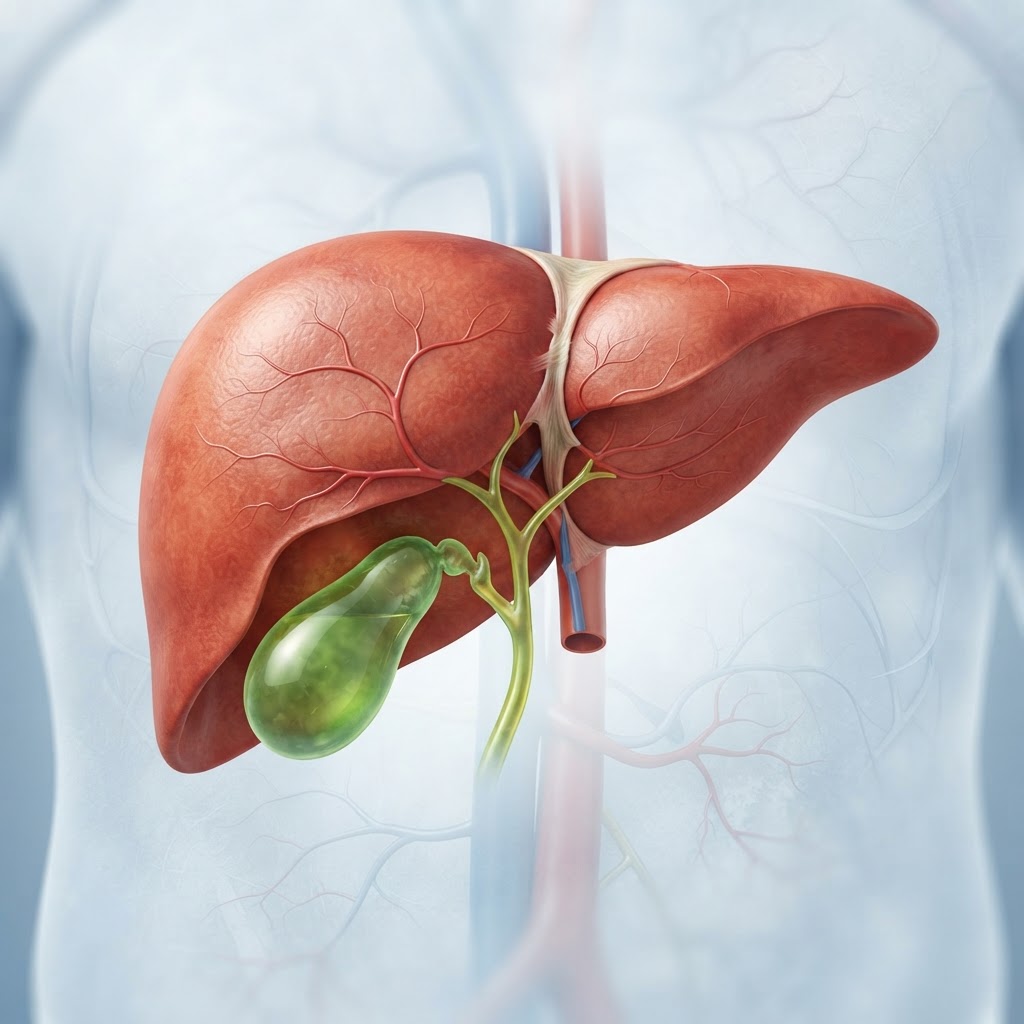
- Gallbladder sludge is a precursor to gallstones, consisting of a mixture of bile pigments, cholesterol crystals, and calcium salts.
- Common biliary sludge symptoms often mimic indigestion, including upper abdominal pain, nausea, and bloating after fatty meals.
- Sludge accumulation is frequently driven by stasis in the gallbladder, often caused by rapid weight loss, pregnancy, or dietary imbalances.
- Improving bile flow support is essential for preventing the hardening of sludge into solid, painful gallstones.
- Natural treatment for sludge primarily focuses on hydration, dietary adjustments, and supporting healthy liver and gallbladder function.
If you have ever experienced an unexplained, dull ache in your upper right abdomen or a recurring sense of bloating after a meal, your gallbladder might be trying to tell you something. While many people are familiar with gallstones, far fewer understand the silent precursor known as gallbladder sludge. This “pre-stone” condition acts as a warning sign that your digestive system is struggling to process fats effectively and that your internal filtration system—your bile—has become stagnant. Understanding the nuances of this condition is the first step toward reclaiming your digestive comfort and supporting long-term gallbladder health.
What Is Gallbladder Sludge and Why Does It Form?
At its core, gallbladder sludge is a collection of microscopic particles that accumulate within the gallbladder. Imagine your bile—the digestive fluid produced by the liver—as a complex, fluid mixture of water, cholesterol, bile salts, and bilirubin. Under healthy conditions, this mixture remains fluid, flowing easily from the liver through the gallbladder and into the small intestine to aid in the digestion of fats. However, when the concentration of these substances becomes unbalanced, the fluid begins to thicken, much like the difference between water and a dense smoothie.
The sludge itself is primarily composed of cholesterol crystals, calcium salts, and other bile pigments that have settled out of the liquid suspension. When this thick, sediment-like material lingers in the gallbladder instead of being emptied into the digestive tract, it is referred to as biliary sludge. Think of it as a form of “stasis.” Because the gallbladder is a muscular sac, it relies on timely contractions to push bile out during digestion. If the gallbladder does not contract fully or if the bile becomes too viscous, this sludge begins to layer at the bottom of the organ.
Why does this form in the first place? It is largely a matter of chemistry and kinetics. If the gallbladder stays inactive for too long—perhaps due to a very low-fat diet or long periods of fasting—the bile remains inside the sac, losing its water content and becoming hyper-concentrated. Over time, these concentrated solutes begin to precipitate. Once the process of sludge formation begins, it often creates a vicious cycle; the sludge itself can irritate the gallbladder lining, leading to inflammation, which in turn makes it even more difficult for the gallbladder to contract and empty properly. Many experts generally agree that if this sludge is ignored, it can eventually provide a foundation for the development of solid, calcified gallstones, which are significantly more difficult to manage.
From an anatomical perspective, the gallbladder serves as a storage tank. When you consume fat, the body releases a hormone called cholecystokinin (CCK), which signals the gallbladder to squeeze. If your diet lacks healthy fats, that signal may be weak, causing the gallbladder to remain dormant. This dormancy is the primary culprit in why so many individuals begin to develop sediment. By maintaining a consistent, healthy flow of bile through a balanced diet, you effectively keep your gallbladder “flushed,” preventing the tiny crystals from ever finding a place to settle and grow into a larger, more problematic mass.
Common Symptoms of Biliary Sludge to Watch For
Recognizing the biliary sludge symptoms can be challenging because they often masquerade as garden-variety indigestion, heartburn, or general GI distress. Because the symptoms are non-specific, many individuals live with them for months or even years before ever realizing their gallbladder is the source of the trouble. The most classic presentation is a sensation of discomfort in the upper right quadrant of the abdomen, specifically situated just below the rib cage. This pain may radiate toward the back or even up toward the right shoulder blade, which is a common pattern for gallbladder-related issues.
This discomfort often intensifies significantly after consuming a meal high in fat. When you eat a fatty meal, your gallbladder is commanded to empty its contents into the small intestine. If the gallbladder is filled with thick, viscous sludge rather than healthy, free-flowing bile, the act of contracting becomes strained and painful. This is frequently accompanied by feelings of extreme bloating or a sensation of “fullness” that seems disproportionate to the amount of food you actually consumed. Some report a “tight” feeling in the abdomen that persists long after the meal is over, creating a heavy, uncomfortable physical state.
Nausea is another hallmark symptom. It may not always manifest as full-blown vomiting, but rather a persistent, low-level queasiness, particularly when you first wake up in the morning or immediately following lunch. You might also notice shifts in your bowel habits. Because bile is essential for breaking down fats, insufficient bile flow—or bile that is sluggish—can lead to light-colored or “clay-colored” stools. Furthermore, because fats are not being properly emulsified, they may pass through the digestive tract undigested, potentially leading to greasy or floating stools, a condition known as steatorrhea.
It is important to note that these symptoms can be intermittent. You might have days where you feel completely fine, followed by a flare-up after a particularly rich meal. This fluctuating nature often leads people to dismiss the warning signs as simple “food sensitivity.” However, if you find that you are regularly reaching for antacids, digestive enzymes, or peppermint tea to manage your post-meal comfort, it is likely that your body is signaling that its bile quality is compromised. Paying attention to these subtle cues is a critical part of supporting long-term gallbladder health before the sludge develops into something more acute, such as biliary colic or cholecystitis.
Primary Causes and Risk Factors for Sludge Accumulation
The causes of gallbladder sludge are diverse, though most paths lead back to the same result: impaired bile concentration and reduced gallbladder motility. One of the most significant risk factors is rapid weight loss. While shedding excess weight is generally beneficial for health, the speed at which it occurs matters. When you lose weight too quickly, especially through crash dieting or very-low-calorie intake, the body mobilizes large amounts of cholesterol from fat stores. This cholesterol is then processed by the liver and secreted into the bile, creating a “supersaturated” environment that is a perfect breeding ground for crystals and sludge.
Pregnancy is another major factor often cited in health literature. Hormonal changes—specifically elevated levels of estrogen—can decrease the contractility of the gallbladder and increase the concentration of cholesterol in the bile. During pregnancy, the gallbladder often does not empty as effectively as it does under non-pregnant conditions, which contributes to the formation of sediment. Fortunately, in many cases, this sludge may resolve on its own after delivery, but it remains a notable risk factor for developing more permanent issues later in life.
| Factor | Mechanism of Action | Best For |
|---|---|---|
| Rapid Weight Loss | Increases cholesterol secretion into bile | Understanding weight management risks |
| Low-Fat Diets | Reduces gallbladder stimulation/emptying | Dietary planning and adjustments |
| Hormonal Imbalance | Decreases gallbladder muscle tone | Addressing root systemic causes |
| Medication Side Effects | Interferes with normal biliary function | Medical review and safety |
Dietary habits play perhaps the most controllable role. In our modern food environment, there is a tendency to oscillate between high-processed, high-sugar diets and overly restrictive “clean” diets that are nearly devoid of healthy fats. Both extremes are problematic. A diet high in refined carbohydrates and sugar can contribute to liver fat accumulation, which alters bile composition. Conversely, the “low-fat” craze of past decades has caused many people to neglect the very nutrients required to trigger gallbladder contraction. Without adequate healthy fats (like those from avocados, olive oil, or nuts), the gallbladder remains dormant, allowing bile to thicken and sludge to accumulate.
Certain medical conditions and medications also contribute to the risk. Diabetes, which affects lipid metabolism, is frequently associated with gallbladder dysfunction. Furthermore, certain medications, particularly those that affect the liver or are used for cholesterol management, can alter the chemical makeup of bile. Genetics also play an undeniable role; some individuals naturally produce bile that is more prone to crystallization. While you cannot change your genetic predisposition, understanding these risk factors allows for a proactive, rather than reactive, approach to your daily wellness routine.
The Critical Link Between Bile Quality and Digestion
Many people view digestion as starting in the stomach, but true, efficient digestion is a team effort that relies heavily on the liver-gallbladder-intestine axis. Bile is the unsung hero of this process. It functions essentially as a biological detergent. When you consume fat, your body cannot simply dissolve it in the water-based environment of the small intestine. It needs to be emulsified—broken down into tiny droplets—so that enzymes like lipase can get to work and extract the nutrients your body needs, including essential fat-soluble vitamins like A, D, E, and K.
When your bile is thin and healthy, it performs this emulsification with ease. However, when you have gallbladder sludge, the bile becomes thick and sluggish. This prevents it from effectively breaking down fats. As a result, those fats sit in the digestive tract, where they can be fermented by gut bacteria, leading to gas, bloating, and discomfort. But the problem goes beyond just digestive discomfort; it affects your entire nutritional profile. If your bile quality is compromised, you may find yourself suffering from vitamin deficiencies even if you are eating a nutrient-dense diet, simply because your body is unable to absorb the fat-soluble components of your food.
Supporting healthy bile flow is a form of foundational health. When bile moves freely, it also acts as a natural “sweep” for the intestines. Bile contains waste products and toxins that the liver has processed and sent out of the body; if this bile flows correctly, it carries those toxins out via your bowel movements. When flow is stagnant, these waste products can be reabsorbed or cause irritation within the biliary tree. This is why biliary sludge is not just a localized gallbladder issue—it is a systemic concern that impacts your energy, your skin health, and your metabolic efficiency.
To improve bile quality, one must look at both hydration and nutrient intake. Bile is composed largely of water; dehydration causes the bile to become concentrated and viscous. Staying adequately hydrated is one of the simplest yet most overlooked steps in ensuring the liver can produce high-quality, fluid bile. Furthermore, supporting the liver—the “factory” that produces bile—is vital. Foods that support phase two detoxification in the liver, such as cruciferous vegetables (broccoli, cauliflower, kale), provide the sulfur-containing compounds necessary to keep bile flowing optimally. By focusing on bile quality, you aren’t just treating the sludge; you are optimizing the entire metabolic engine that keeps your digestive system humming.
Diagnostic Methods for Identifying Gallbladder Sludge
Because biliary sludge is often asymptomatic or mild in its initial stages, diagnosing it requires specific imaging techniques. You cannot typically identify sludge through blood tests alone, although certain liver function panels might hint at an issue if the bile ducts are obstructed. When a health professional suspects sludge, the gold standard for identification is usually a transabdominal ultrasound. This non-invasive, painless procedure uses sound waves to create a real-time image of the gallbladder. During the exam, a technician will look for “echoes” within the gallbladder that do not cast a shadow (which is a defining feature of hard, solid gallstones).
In many cases, the sludge may appear as a shifting, gravity-dependent layer of sediment that moves as the patient changes positions. This is a very clear marker of the condition. However, there are times when ultrasound may miss very small amounts of sludge. If a person continues to experience classic symptoms despite a negative initial ultrasound, a doctor might consider more advanced diagnostic tools, such as an endoscopic ultrasound. This procedure involves passing a small camera on the end of a flexible tube down the throat into the stomach and duodenum, providing a much higher-resolution view of the gallbladder and the surrounding bile ducts.
Another, more specialized test involves the examination of bile under a microscope. This is known as bile microscopy or “bile aspiration.” In this procedure, a sample of bile is extracted—usually during an endoscopic procedure—and tested for the presence of microscopic cholesterol crystals. While this is rarely done as a first-line diagnostic due to its invasive nature, it is considered the most accurate method for confirming the presence of microscopic sludge that other imaging might miss. It is essentially the “final word” in diagnosis when clinical symptoms are severe but imaging remains inconclusive.
Finally, health professionals will often correlate imaging results with a detailed clinical history. If an ultrasound shows a sludge-filled gallbladder, but the patient is entirely asymptomatic, the approach may simply be “watchful waiting” or preventative lifestyle shifts. Conversely, if the ultrasound shows sludge and the patient is suffering from chronic pain and digestive distress, it creates a much stronger mandate for intervention. Regardless of the diagnostic path taken, the ultimate goal is to define the extent of the accumulation so that a personalized strategy for gallbladder detox and bile flow support can be implemented. Understanding what is happening inside the gallbladder empowers you to take actionable steps toward better health, moving away from confusion and toward a clear, symptom-free future.
Lifestyle Changes to Improve Your Gallbladder Function
Supporting your gallbladder health requires a holistic approach that moves beyond temporary fixes. Since the gallbladder acts as a reservoir for bile, the goal of lifestyle modification is to ensure that bile remains thin, fluid, and capable of being released efficiently during digestion. When bile becomes stagnant, it thickens into sludge. By addressing sedentary habits and stress levels, you can directly influence the motility of your biliary system.
Regular physical activity is one of the most effective ways to encourage bile flow. The mechanical action of moving your body helps stimulate peristalsis, the wave-like muscle contractions that move food and bile through the digestive tract. Even moderate, low-impact exercise like brisk walking, yoga, or swimming can help prevent the “sluggish” feeling associated with biliary stasis. Furthermore, maintaining a stable and healthy weight is vital. Rapid weight loss or extreme fluctuations can ironically trigger the formation of gallbladder sludge, so slow, steady, and sustainable lifestyle habits are always preferred over crash dieting.
Stress management also plays an often-overlooked role in digestive health. Chronic stress activates the sympathetic nervous system—the “fight or flight” mode—which effectively puts the brakes on the parasympathetic nervous system, the “rest and digest” state. When your body is under stress, digestive processes, including gallbladder contraction, are deprioritized. Integrating techniques like deep diaphragmatic breathing, meditation, or consistent sleep hygiene can shift your body into a restorative state, allowing your gallbladder to function without the interference of stress-related chemical signaling.
Lastly, hydration is a foundational requirement for bile consistency. Bile is composed primarily of water, cholesterol, bile salts, and bilirubin. When the body is dehydrated, the concentration of these substances shifts, making bile more prone to becoming viscous. Aiming for consistent water intake throughout the day, rather than large amounts at once, ensures that your liver has the necessary fluid volume to produce healthy, free-flowing bile.
Dietary Adjustments for Reducing Biliary Stasis
Dietary choices are perhaps the most direct lever you can pull to manage gallbladder sludge. Because the gallbladder is stimulated to contract when you consume dietary fats, your intake must be balanced—neither too low nor too high. If you consume too little fat, the gallbladder may not receive the signal to empty, leading to accumulation. If you consume highly processed or inflammatory fats, you may put excessive strain on your liver and gallbladder.
The “Goldilocks” approach involves consuming moderate amounts of healthy, easily digestible fats throughout the day. Focus on fats that support healthy cell membranes and do not require excessive bile for breakdown, such as those found in avocados, raw nuts, and cold-pressed extra virgin olive oil. High-fiber foods are equally essential. Soluble fiber, found in oats, chia seeds, flaxseeds, and legumes, helps bind to excess cholesterol in the digestive tract. By preventing this cholesterol from being reabsorbed back into the liver, you reduce the overall burden on the bile and decrease the likelihood of sludge formation.
Additionally, incorporating bitter-tasting foods into your meals can act as a natural stimulant for bile production. Traditional diets frequently included bitter herbs and vegetables like arugula, dandelion greens, radicchio, and artichokes. These foods are known as “bitters,” and they work by stimulating taste receptors that signal the digestive system to ramp up enzyme and bile secretion. Reducing the intake of refined carbohydrates and high-glycemic sugars is also critical, as high insulin levels have been linked to an increased risk of cholesterol crystallization in the bile.
| Dietary Category | Examples | Best for |
|---|---|---|
| Bitter Vegetables | Arugula, Radicchio, Dandelion Greens | Stimulating natural bile secretion |
| Soluble Fiber | Chia seeds, Flaxseeds, Oats | Binding to cholesterol in bile |
| Healthy Fats | Extra virgin olive oil, Avocado | Gentle gallbladder contraction |
| Hydration Boosters | Cucumber, Celery, Lemon water | Maintaining thin, liquid bile |
Herbs and Supplements That Support Bile Production
When dietary adjustments are not enough, certain botanical interventions and supplements can provide targeted support for bile flow. These agents are often referred to as “cholagogues,” which are substances that promote the flow of bile from the gallbladder into the intestines, and “choleretics,” which increase the production of bile by the liver.
Milk thistle is perhaps the most well-known herb for liver support. Its active compound, silymarin, helps protect liver cells from oxidative stress and may assist in the overall efficiency of liver detoxification pathways, which in turn improves the quality of bile produced. Another excellent option is artichoke leaf extract. Clinical interest in artichoke extract often centers on its ability to increase bile output, making it a staple in many digestive support protocols. Turmeric, specifically the compound curcumin, also offers anti-inflammatory benefits and has been shown to support the solubility of bile, potentially helping to prevent the hardening of sludge into stones.
For those looking to improve bile flow directly, taurine is an amino acid that acts as a primary building block of bile salts. Taurine deficiency can lead to poor bile acid conjugation, resulting in thicker, more stagnant bile. Supplementing with taurine, under appropriate guidance, may help “thin out” the sludge by ensuring the chemical components of bile are balanced. Similarly, digestive enzymes containing lipase can help take the workload off the gallbladder by ensuring fats are broken down efficiently even when bile flow is suboptimal. Always ensure that any supplement chosen is sourced from a reputable manufacturer to ensure purity and potency.
When to Consult a Specialist About Your Gallbladder Health
While lifestyle and natural remedies are powerful tools for managing minor sludge, there is a clear threshold where professional medical intervention becomes necessary. The gallbladder is a critical organ, and complications such as cholecystitis (inflammation), choledocholithiasis (stone in the common bile duct), or pancreatitis can arise if sludge transitions into full-blown gallstones or leads to a blockage.
You should consult a gastroenterologist or a surgeon if you experience persistent or intensifying upper-right abdominal pain, especially after high-fat meals. This pain may radiate to the right shoulder blade or back. Other warning signs include jaundice (a yellowing of the skin or the whites of the eyes), which indicates that bile is backing up into the bloodstream; unexplained clay-colored stools; or dark-colored urine. These are red flags that the biliary tree may be obstructed.
Furthermore, if you experience sudden, sharp, and unrelenting pain accompanied by a fever or chills, this could indicate an infection. In these scenarios, natural remedies are not appropriate, and emergency care may be required. A doctor can use imaging tools like abdominal ultrasounds to visualize the gallbladder and determine the exact amount of sludge present and whether there is any evidence of inflammation or tissue damage. Never ignore persistent digestive discomfort; getting a clear diagnosis is the safest way to determine if you can manage the situation with lifestyle changes or if you require medical intervention to prevent long-term damage.
Frequently Asked Questions
Can gallbladder sludge eventually turn into gallstones?
Yes, gallbladder sludge is often considered a precursor to gallstones. If the sludge remains in the gallbladder for an extended period, the cholesterol and other substances within it can begin to crystallize and aggregate, eventually forming solid stones. Regular management of bile flow is key to preventing this transition.
Is it possible to completely clear sludge from the gallbladder naturally?
Many individuals find success in reducing or eliminating gallbladder sludge through a combination of a low-inflammatory diet, regular movement, and targeted bile-supporting supplements. However, results vary significantly based on the severity of the condition and individual health history. It is essential to monitor your progress with your healthcare provider.
What does “biliary colic” feel like in relation to sludge?
Biliary colic is a sharp, cramping pain in the upper right quadrant of the abdomen that occurs when the gallbladder contracts against a temporary blockage, such as sludge or a stone. While it often subsides once the contraction stops, it is a significant signal that the gallbladder is struggling to empty efficiently.
Should I avoid all fats if I have gallbladder sludge?
No, avoiding all fats is generally counterproductive. Fats are the primary stimulus for gallbladder contraction. If you stop eating fat entirely, your gallbladder may stop contracting, which actually promotes more stagnation and sludge buildup. The goal is to consume small, moderate amounts of healthy fats to keep the system moving.
Are there certain foods that definitely trigger sludge accumulation?
Foods high in refined sugars, processed carbohydrates, and trans fats are frequently associated with increased risk. These foods can cause blood sugar spikes and liver stress, both of which affect the composition of bile and the liver’s ability to process cholesterol effectively, leading to a higher concentration of sludge.
How long does it take to improve bile flow through diet?
There is no fixed timeline, as everyone responds differently. Generally, people notice improvements in digestive comfort within a few weeks of consistent dietary changes. However, clearing long-standing sludge is a gradual process that may take several months of dedicated lifestyle support.
Conclusion
Gallbladder sludge is more than just a minor digestive annoyance; it is a clear signal from your body that your biliary system is in need of support. By understanding the causes—such as poor diet, lack of movement, and internal imbalances—you can take actionable steps to restore proper bile flow. Integrating bitter greens, supporting your liver with the right herbs, and managing your stress levels are not just “wellness trends”; they are foundational practices that protect one of your body’s most vital detoxification organs.
If you have been feeling the symptoms of biliary stasis, start small. Begin by hydrating more effectively, incorporating one bitter vegetable into your daily routine, and speaking with a medical professional to ensure your digestive health is on the right track. Remember, the journey to a healthier gallbladder is built on consistency and informed choices. Start prioritizing your digestive flow today to experience the relief and vitality your body deserves.
By healthauthoritylife Editorial Team
This article is for informational purposes only and is not a substitute for professional medical advice. Always consult your doctor before making changes to your diet, exercise routine, or treatment plan.
Leave a Reply