
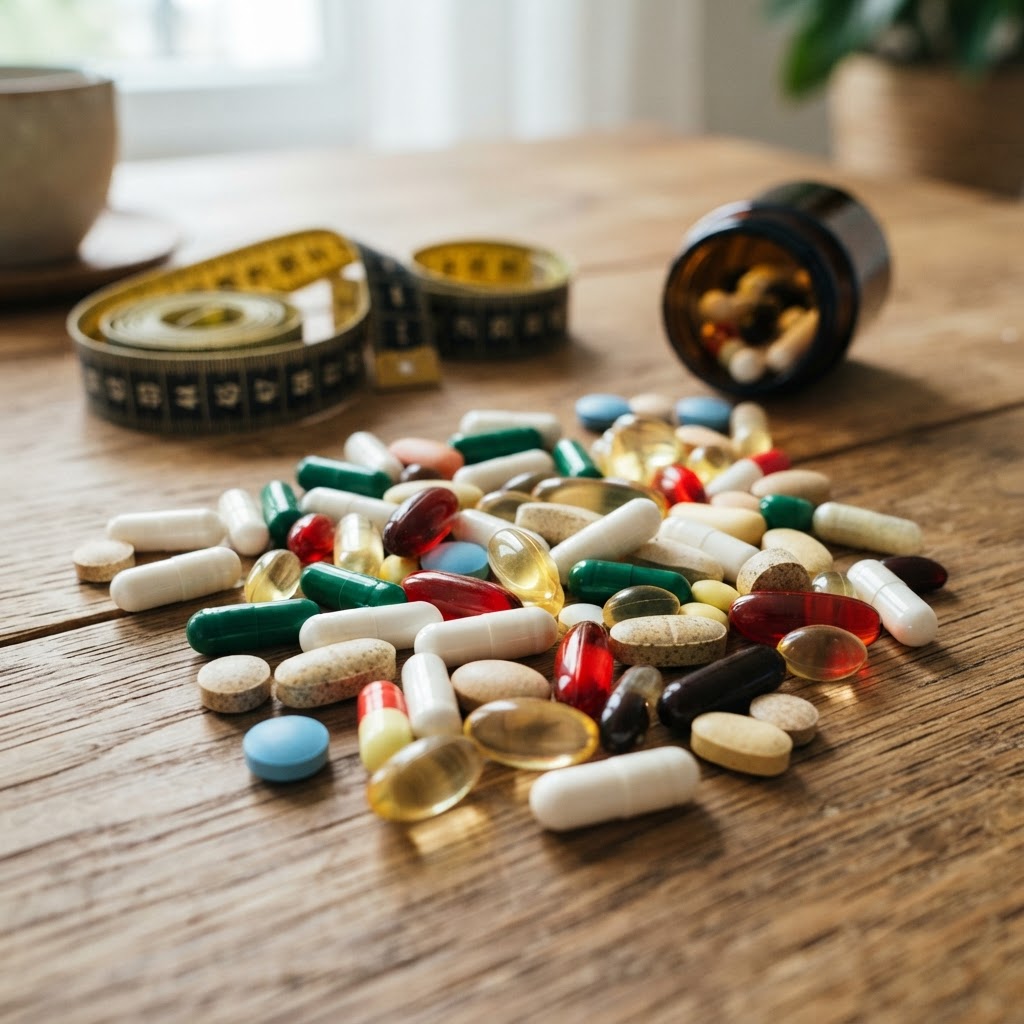
- Weight loss supplement safety is often compromised by manufacturers adding hidden pharmaceutical ingredients to products marketed as natural.
- Dangerous diet pills frequently contain substances like sibutramine, which was removed from the market due to significant cardiovascular risks.
- The regulatory framework for supplements is far less stringent than that for prescription medications, placing the burden of due diligence on the consumer.
- Recognizing warning signs—such as rapid weight loss claims or undisclosed proprietary blends—is essential for identifying high-risk products.
- Prioritizing evidence-based lifestyle changes over miracle pills is the safest approach to long-term weight management.
In an era where the pursuit of rapid physical transformation has become a cultural obsession, the market for weight loss aids has exploded into a multi-billion dollar industry. Consumers are bombarded daily with advertisements promising effortless fat loss, suppressed appetites, and metabolic miracles, all conveniently packaged in a pill. However, beneath the polished marketing campaigns and glowing online testimonials, a concerning reality persists: many of these products are not the benign herbal remedies they claim to be. As the healthauthoritylife Editorial Team investigates the murky landscape of weight loss supplement safety, it becomes clear that the allure of a quick fix often obscures serious health consequences. Understanding the distinction between legitimate health support and dangerous diet pills is no longer just a matter of consumer preference—it is a critical necessity for protecting your long-term health.
1. The Growing Popularity of Weight Loss Supplements
The global surge in demand for weight loss solutions is driven by a complex interplay of social media influence, sedentary lifestyle patterns, and a genuine desire to overcome health challenges associated with excess weight. Many individuals turn to the supplement aisle as a first line of defense, hoping to bypass the arduous journey of diet and exercise. This desperation for results creates a lucrative vacuum that companies are eager to fill. The marketing strategies used by these firms are sophisticated; they utilize buzzwords like “thermogenic,” “metabolism booster,” and “natural weight loss aids” to create a veneer of scientific credibility. Often, these supplements are presented as the missing piece in a person’s health puzzle, targeting the psychological frustration of plateauing progress.
For many, the appeal lies in the convenience of a pill. We live in a society that prioritizes efficiency, and the idea that a simple morning supplement can mimic the effects of hours in the gym is undeniably attractive. However, the popularity of these products has outpaced the general public’s understanding of what actually goes into them. When a consumer picks up a bottle off a store shelf or orders one from an unverified online vendor, they are often making a gamble with their internal biology. The rise of influencer marketing has further blurred the lines between genuine health advice and paid promotions for potentially harmful substances. Consumers are increasingly led to believe that if a product is widely available or frequently discussed on social media, it must inherently be safe.
This widespread adoption of supplements creates a cycle where the demand for faster results drives manufacturers to push the boundaries of safety. When a standard herbal blend fails to yield the promised weight reduction, the market often rewards companies that introduce stronger, albeit illegal, ingredients to produce visible changes in body composition. This dangerous cycle has led to the proliferation of products that are effectively “wolf in sheep’s clothing” scenarios. People seek out what they perceive as natural support but end up ingesting potent, unlisted chemicals that were originally designed for clinical or industrial purposes. As we examine the industry, it is vital to acknowledge that while not every supplement is harmful, the category as a whole suffers from an alarming lack of transparency that places the average user at risk of unexpected physiological stress, ranging from heart rate palpitations to long-term systemic damage.
2. How the Supplement Industry Is Regulated
Navigating the regulatory landscape of the supplement industry is often a source of deep confusion for the average consumer. A common misconception is that the FDA treats supplements exactly like prescription medications. In reality, the regulatory frameworks are fundamentally different. Under current law, the FDA does not approve dietary supplements for safety or effectiveness before they are marketed. Manufacturers are responsible for ensuring that their products are safe and that their claims are truthful and not misleading. This “post-market” approach means that a product only typically comes under heavy regulatory scrutiny after reports of adverse events surface, or after a government agency conducts testing and identifies illegal adulterants.
This lack of “pre-market” oversight is the primary reason why dangerous diet pills continue to flood the market. Because the FDA is not required to verify the ingredients of every supplement, a product can be manufactured and distributed with very little oversight regarding the purity of its contents. While companies are prohibited from marketing their products as cures for diseases, they often walk a fine line by using structure/function claims that imply significant physiological shifts. For the consumer, this creates an environment where they must become their own health detective. You cannot rely on a “seal of approval” or an assumption of safety simply because a product is available at a local pharmacy or a well-known retail website.
Furthermore, the FDA banned supplements category is a list that grows annually, yet the sheer volume of new products hitting the digital marketplace often makes it impossible for regulators to keep up. When a substance like sibutramine is identified and banned, some manufacturers simply pivot to a chemical analog—a slightly modified version of the banned substance that technically bypasses current legal definitions until it, too, is studied and flagged. This game of “regulatory whack-a-mole” leaves the consumer exposed to substances that have not undergone the rigorous, multi-year clinical testing processes required for actual weight loss medication. Understanding this gap is essential; it explains why legitimate, evidence-based tools for weight management are regulated with extreme caution, while “fat burners” found in a bright bottle can often bypass the very standards that protect public health.
| Approach/Category | Regulation Level | Best For |
|---|---|---|
| Prescription Medication | Strict (Pre-Market FDA Approval) | Patients under medical supervision for clinical obesity |
| Verified Supplements | Moderate (Third-Party Tested/GMP) | Healthy individuals seeking minor nutritional support |
| Generic “Fat Burners” | Low (Self-Regulated) | Not recommended due to unpredictable ingredient profiles |
3. Common Hidden Ingredients in Weight Loss Pills
The most alarming aspect of weight loss supplement safety involves the intentional inclusion of undeclared pharmaceutical ingredients. These “hidden” additives are what effectively turn a harmless-looking herbal tea or capsule into a potent, potentially life-threatening drug. The most notorious of these is sibutramine. Once a FDA-approved medication used for weight management, sibutramine was withdrawn from the global market because it significantly increased the risk of heart attack and stroke. Despite this, it—and its derivatives—frequently appears in “natural” weight loss products seized by authorities during routine checks. Manufacturers include it because it is highly effective at suppressing appetite, providing the user with immediate, albeit artificial, results that encourage repeat purchases.
Sibutramine is not the only culprit. Other commonly detected hidden ingredients include laxatives like phenolphthalein, which was once used as a common laxative but later withdrawn due to concerns over its carcinogenic potential. It is often added to supplements to promote “debloating,” leading users to believe they are losing fat when they are simply shedding water weight through bowel distress. Additionally, diuretics are frequently found in products marketed for “slimming.” These substances force the body to excrete water, leading to rapid changes on the scale that can cause severe dehydration and electrolyte imbalances, which in turn can lead to dangerous cardiac arrhythmias.
Even more concerning is the presence of stimulants, such as high doses of caffeine, yohimbine, or even synthetic analogs of amphetamines. In some cases, labs have identified ingredients like fluoxetine (an antidepressant) in supplements marketed for appetite suppression. The presence of these substances is rarely disclosed on the label, which often cites “proprietary blends” to shield the exact composition from the consumer. This lack of transparency is a deliberate strategy to prevent competitors from copying the formula, but it simultaneously hides the fact that the product is essentially a cocktail of prescription-grade chemicals. When you consume a pill with a “proprietary blend,” you are effectively participating in an unmonitored human trial, where the dosage of these dangerous compounds could vary significantly from one bottle—or even one pill—to the next.
4. Recognizing the Warning Signs of Dangerous Supplements
Protecting yourself from dangerous diet pills requires a heightened sense of skepticism and the ability to spot common red flags. The primary warning sign is a claim that seems too good to be true. If a product promises significant weight loss without any change to diet or exercise, it is a significant indicator of potential fraud or, worse, the presence of harmful chemical adulterants. Legitimate, evidence-based weight management is a slow, gradual process; any product claiming to “melt fat” or “block carbs” overnight is often relying on mechanisms that the human body isn’t designed to handle without serious repercussions. If a product claims to target specific body areas, like “thigh fat” or “belly fat,” it is scientifically inaccurate, as spot-reduction is not a physiological reality.
Another major warning sign is the use of the term “proprietary blend.” While this is a legal labeling practice, it is frequently used to obscure the dosage of individual ingredients. If a label lists a dozen potent-sounding herbs but does not quantify how much of each is included, you have no way of knowing if you are consuming a negligible amount or a dangerous, toxic dose. You should also be wary of labels that are missing crucial information, such as the contact details of the manufacturer, a physical address, or a batch number. Legitimate supplement companies are proud of their quality control processes; they provide clear information, third-party testing results, and transparent sourcing for their ingredients.
Pay attention to where you are purchasing your supplements. Products sold on massive, third-party global marketplaces or through social media direct-to-consumer ads often bypass the quality-control filters found at established brick-and-mortar health food retailers. If the website is filled with aggressive pop-ups, countdown timers, and “before and after” photos that appear heavily edited, it is best to avoid the product entirely. Finally, listen to your body. If you experience unexpected side effects—such as rapid heart rate, insomnia, jitteriness, extreme dry mouth, or sudden mood changes—stop taking the supplement immediately. These are not signs that the “metabolism booster” is working; they are warning signs that your body is reacting to a stimulant or an unlisted pharmacological agent that is placing your system under unnecessary stress.
5. Potential Side Effects of Unregulated Fat Burners
The human body is an incredibly sensitive machine, and when you introduce unregulated fat burners, you are essentially “hacking” its natural metabolic and neurological processes. The side effects of these pills are rarely limited to just one system, as many of the undeclared ingredients affect the entire central nervous system and cardiovascular network. A frequent initial complaint from users is severe tachycardia, or an abnormally fast heart rate. This occurs because many unregulated supplements are heavily loaded with stimulants or sibutramine-like compounds that force the heart to beat faster than it would under normal conditions. Over time, this places excessive strain on the cardiac muscle, potentially leading to long-term heart health issues, including increased blood pressure and irregular heart rhythms.
Neurological effects are also common and equally concerning. Many users report significant disruptions to their sleep-wake cycles, characterized by chronic insomnia or fragmented, poor-quality rest. Because these pills often contain potent stimulants, they can keep the nervous system in a state of high alert, preventing the body from entering deep, restorative sleep. This lack of sleep is paradoxical, as it often increases cortisol levels, which can lead to weight gain—the exact opposite of the product’s intended goal. Additionally, many people report feelings of intense anxiety, panic attacks, and jitteriness. In some documented cases, exposure to these unregulated stimulants has triggered severe mood disorders or exacerbated existing ones, demonstrating that the health risk is not just physical, but psychological as well.
Gastrointestinal distress is another hallmark of the “fat burner” experience. Beyond the laxative effects mentioned earlier, these products often disrupt the gut microbiome and the natural balance of digestive enzymes. Frequent symptoms include nausea, stomach cramps, and chronic diarrhea. Furthermore, the liver and kidneys, which act as the body’s primary filtration system, are often forced to work overtime to process these unlisted chemicals. In severe cases, there have been medical reports of acute liver toxicity linked to supplements containing unknown botanical or synthetic compounds. It is crucial to remember that weight loss medication risks are significant even under the care of a physician; when you bypass that care, you are assuming the entire burden of these potential complications yourself, with no medical oversight to monitor your biomarkers or catch warning signs of internal organ distress before they become irreversible.
Why Herbal Does Not Always Mean Safe
The marketing of weight loss supplements often relies heavily on the “natural” label, implying that if an ingredient is derived from a plant, it is inherently benign. However, this is a dangerous misconception that has led many consumers into compromised health. Nature produces some of the most potent chemical compounds known to man, including toxins, allergens, and powerful stimulants. Calling something “herbal” describes its origin, not its safety profile or its physiological effect on your body.
Many plant-based compounds exert a profound effect on the central nervous system or cardiovascular system. For example, certain botanical extracts can increase heart rate, elevate blood pressure, or interact negatively with prescription medications. When manufacturers concentrate these herbal ingredients into high-dose capsules, they are effectively turning them into unregulated pharmaceuticals. These concentrated botanical compounds may not undergo the same level of rigorous clinical scrutiny as pharmaceutical drugs, yet they possess similar, if not higher, risks of toxicity.
Furthermore, the supply chain for herbal ingredients is often poorly regulated. Contamination with heavy metals, pesticides, or even undeclared synthetic substances is a documented concern within the dietary supplement industry. A product labeled as a “natural fat burner” might actually contain trace amounts of dangerous substances like sibutramine, which was banned by health authorities for its link to cardiovascular events. The “natural” label creates a false sense of security that blinds consumers to the reality that herbal weight loss aids can be just as dangerous as chemical diet pills if misused or contaminated.
Understanding the Difference Between Supplements and Medication
To navigate the weight loss market, one must understand the distinct regulatory gap between supplements and medication. In many countries, including the United States, dietary supplements are regulated as food, not as drugs. This means that unlike medication, which must prove both safety and efficacy to regulatory bodies like the FDA before it hits the shelf, supplements do not require pre-market approval. The burden of proof for safety and quality is shifted away from the manufacturer and often falls on the regulatory agency to prove a product is dangerous *after* it has already reached the public.
Medications undergo years of controlled clinical trials, monitoring for side effects, drug interactions, and dosage accuracy. When a physician prescribes a weight loss medication, they are using a product with a known chemical profile and a standardized production process. In contrast, supplement manufacturers are responsible for ensuring their labels are accurate and their products are not adulterated, but they are not mandated to perform large-scale human trials to confirm their claims.
| Feature | Pharmaceutical Weight Loss Drugs | Dietary Weight Loss Supplements | Best For |
|---|---|---|---|
| Pre-market Approval | Required (Strict FDA review) | Not required | Determining product safety |
| Standardization | High (Strict GMP compliance) | Variable | Consistent dosing |
| Efficacy Evidence | Rigorous clinical trials | Often based on folklore/theory | Proven health outcomes |
| Adverse Event Reporting | Mandatory monitoring | Voluntary or limited reporting | Tracking long-term risks |
Science-Backed Ways to Boost Metabolism Safely
Rather than seeking a “magic pill,” sustainable weight management is best achieved by optimizing biological processes through evidence-based habits. A healthy metabolism is not a fixed state but a dynamic system that responds to your lifestyle choices. By focusing on these pillars, you can support metabolic function without resorting to risky fat burners.
Prioritize Protein Intake: Consuming adequate protein has a high thermic effect, meaning your body burns more calories digesting protein compared to fats or carbohydrates. Additionally, protein is essential for muscle maintenance. Muscle tissue is metabolically active, meaning that even at rest, individuals with more muscle mass generally burn more calories than those with less.
Engage in Resistance Training: While cardiovascular exercise is excellent for heart health, resistance training builds the muscle density required to elevate your resting metabolic rate. Consistent strength training creates a metabolic demand that persists long after the workout is finished, a phenomenon often referred to as “afterburn.”
Optimize Sleep Hygiene: Sleep deprivation is a major, often overlooked, metabolic disruptor. Lack of sleep is linked to fluctuations in hunger hormones, specifically increasing ghrelin (the hunger hormone) and decreasing leptin (the satiety hormone). When you are sleep-deprived, your body often slows its metabolic rate and cravings for calorie-dense foods skyrocket.
Hydration and Movement: Staying well-hydrated is critical for metabolic efficiency, as enzymes involved in fat metabolism require water to function properly. Furthermore, breaking up sedentary periods with “non-exercise activity thermogenesis” (NEAT)—such as walking, taking stairs, or standing while working—can significantly contribute to total daily energy expenditure without the need for supplements.
When to Consult a Doctor Before Taking Weight Loss Aids
Consulting a healthcare professional is non-negotiable for certain individuals. If you are considering adding a weight loss aid to your regimen, you must speak with your primary care physician, especially if you fall into any of the following categories:
- Pre-existing Heart Conditions: Supplements that claim to “burn fat” often do so by stimulating the sympathetic nervous system. This can be catastrophic for those with hypertension, arrhythmias, or a history of heart disease.
- Existing Prescription Medications: Many weight loss aids, even “natural” ones, can interact with blood thinners, antidepressants, birth control, or insulin. These interactions can either render your medication ineffective or amplify side effects to dangerous levels.
- Pregnancy or Breastfeeding: The metabolic changes during pregnancy and the transfer of substances through breast milk mean that almost all weight loss supplements are considered unsafe during these periods.
- Underlying Metabolic or Hormonal Disorders: If you are struggling with weight, it may be due to thyroid issues, PCOS, or insulin resistance. Treating the supplement symptom rather than the underlying cause can delay necessary medical intervention.
Always bring the product label to your appointment. Many doctors may not be familiar with every supplement brand, but they can review the ingredients list for potential red flags and contraindications.
How to Research the Safety of Your Supplements
If you decide to proceed with a supplement, you must act as your own investigator. Do not trust marketing claims on the box. Instead, follow these steps to vet the product:
- Check Third-Party Certifications: Look for seals from reputable independent organizations such as USP (United States Pharmacopeia), NSF International, or ConsumerLab. These organizations test products to ensure they actually contain what the label claims and that they are free from contaminants like heavy metals.
- Search the FDA Tainted Supplement Database: The FDA maintains a public list of products that have been found to contain hidden, undeclared pharmaceutical ingredients. Search this database using the product name before making a purchase.
- Analyze the Ingredient List: Be wary of “proprietary blends.” This term allows companies to hide the exact dosages of individual ingredients under the guise of protecting their secret formula. If a product does not clearly state the amount of each ingredient, it is difficult to determine if the dose is safe.
- Review Clinical Data: Look for independent studies on the specific ingredients in the product, not just the brand itself. Are the dosages in the studies comparable to what is in the supplement? Often, supplements contain only a fraction of the dose used in clinical trials, rendering them ineffective, or conversely, doses that are far higher than anything tested for human safety.
Frequently Asked Questions
Can natural weight loss aids still cause heart palpitations?
Yes. Many natural supplements contain caffeine, green tea extract, or other stimulants like bitter orange (synephrine). These substances act as stimulants, which can increase heart rate, elevate blood pressure, and lead to palpitations or jitteriness in sensitive individuals or when consumed in high amounts.
Are “FDA approved” weight loss supplements a real thing?
No. The FDA does not “approve” dietary supplements for safety or effectiveness before they are marketed. If you see a product labeled “FDA Approved,” it is likely a fraudulent marketing tactic or a misunderstanding of what the FDA’s role actually is. The FDA only regulates supplements after they reach the market, usually in response to reported safety issues.
What is a “proprietary blend” and why is it concerning?
A proprietary blend is a mix of ingredients where the total weight is listed, but the specific amounts of each individual ingredient are hidden. This is concerning because it prevents consumers from knowing if they are getting a therapeutic dose of a beneficial ingredient, or a potentially dangerous dose of a stimulant.
Why do some weight loss pills get banned by the FDA?
Supplements are typically banned by the FDA when they are found to contain hidden pharmaceutical substances—such as sibutramine or stimulants not listed on the label—that pose serious health risks. These substances are often added illegally by manufacturers to make the product appear more effective than it truly is.
Is it safe to stack multiple weight loss supplements?
Stacking supplements is generally discouraged and can be dangerous. Taking multiple products simultaneously increases your risk of accidental overdose, especially if those products share common ingredients like caffeine or herbal stimulants. This creates an unpredictable burden on your liver and cardiovascular system.
How do I know if a weight loss supplement is causing side effects?
If you experience unexpected symptoms—such as dizziness, insomnia, rapid heart rate, digestive distress, or headaches—after starting a new supplement, stop taking it immediately. Keep a log of your symptoms and share this information with your doctor, as these are often indicators that the supplement is negatively affecting your body’s homeostasis.
Conclusion
The pursuit of weight loss is a deeply personal journey, but it should never come at the expense of your long-term health. As we have explored, the supplement market is a complex landscape that requires caution, skepticism, and a commitment to evidence-based health practices. While the allure of a “quick fix” is undeniable, there is no substitute for the foundational work of nutrition, consistent movement, and metabolic support. By prioritizing your safety, consulting with healthcare professionals, and conducting rigorous research into any product you consider, you protect your body from the hidden risks of unregulated pills. True health is built over time through choices that honor your biology rather than trying to force it into submission. Take charge of your wellness by focusing on what is proven to work, and always err on the side of caution when considering any supplement.
Ready to build a sustainable, science-backed approach to your health? Start by focusing on nutrition and activity today, and speak with your healthcare provider to develop a personalized, safe plan tailored to your body’s unique needs.
By healthauthoritylife Editorial Team
This article is for informational purposes only and is not a substitute for professional medical advice. Always consult your doctor before making changes to your diet, exercise routine, or treatment plan.
Leave a Reply