
- Sorbitol intolerance occurs when the small intestine fails to absorb this sugar alcohol effectively, leading to bacterial fermentation in the colon.
- Common symptoms of sorbitol malabsorption include significant abdominal bloating, gas, cramping, and osmotic diarrhea.
- Sorbitol is frequently hidden in “sugar-free” processed products, often labeled as sweeteners or humectants.
- Managing gut health often requires identifying and strictly limiting high-sorbitol fruits like apples, pears, and stone fruits.
- Adopting a low sorbitol diet is a primary strategy for those seeking relief from chronic digestive discomfort.
For many individuals, the journey toward better digestive health begins with understanding how specific carbohydrates interact with the gut microbiome. While fiber and natural sugars are often touted as healthy staples, certain compounds—specifically sugar alcohols—can become significant barriers to comfort for those with a sensitive digestive system. Sorbitol, a polyol commonly found in both nature and synthetic sweeteners, is a primary offender in this category. For those living with sorbitol intolerance, even small amounts of this sugar alcohol can trigger a cascade of internal distress, turning a seemingly healthy snack into a source of painful bloating and irritability. In this guide, the healthauthoritylife Editorial Team explores the mechanics of sorbitol malabsorption, how to navigate the grocery aisles to identify hidden triggers, and the essential steps toward reclaiming your digestive well-being through intentional dietary management.
What Is Sorbitol and Why Does It Cause Digestive Distress?
Sorbitol is a type of sugar alcohol, scientifically classified as a polyol. It occurs naturally in a variety of fruits and vegetables, and it is also manufactured industrially for use as a food additive. In the food industry, sorbitol is prized for its ability to retain moisture, prevent crystallization in sugary confections, and provide a sweet taste without the caloric impact of table sugar. Because of these versatile properties, it appears as a common ingredient in everything from chewing gum and protein bars to sugar-free chocolates and pharmaceutical syrups.
The core of the problem lies in the human body’s capacity to process this compound. In a healthy digestive tract, sorbitol is meant to be absorbed in the small intestine through a process of diffusion. However, the mechanism of this absorption is notably inefficient compared to other sugars like glucose or fructose. For the average person, consuming small amounts of sorbitol may pass through the gut with minimal disruption. But for those with sorbitol intolerance, the small intestine simply lacks the necessary efficiency to move these molecules into the bloodstream at a sufficient rate.
When sorbitol remains unabsorbed in the small intestine, it travels further down the gastrointestinal tract, eventually reaching the large intestine, or colon. This is where the biological conflict intensifies. The colon is densely populated with trillions of bacteria that constitute our gut microbiome. These bacteria view undigested carbohydrates, such as sorbitol, as a readily available fuel source. Through a process known as fermentation, the bacteria begin to break down the sorbitol. This process is a natural part of gut ecology, but when an excessive amount of undigested sugar alcohol is present, the fermentation happens too rapidly and in too high a volume.
The metabolic byproduct of this bacterial fermentation is the production of gases, specifically hydrogen, carbon dioxide, and occasionally methane. Furthermore, sorbitol is osmotic, meaning it acts like a magnet for water. It draws fluid into the intestinal lumen, which can lead to significant changes in stool consistency and frequency. This combination—rapid gas production and an increase in fluid volume—creates a “perfect storm” for digestive distress. Understanding that this is a mechanical and chemical process, rather than an allergy in the traditional immunological sense, is the first step toward effective gut health management. By recognizing that your body is effectively saying “no” to this specific molecule, you can begin the process of adjusting your intake to prioritize comfort and long-term digestive stability.
Common Symptoms of Sorbitol Malabsorption
Symptoms of sorbitol intolerance are often delayed, appearing anywhere from thirty minutes to several hours after consumption. Because these symptoms mirror those of other conditions like irritable bowel syndrome (IBS) or food sensitivities, individuals often struggle to connect their diet to their discomfort. However, there is a distinct clinical profile associated with sorbitol malabsorption that the healthauthoritylife Editorial Team suggests keeping a close eye on.
Abdominal bloating is arguably the most frequently reported symptom. Many people describe it as a feeling of fullness or “tightness” in the midsection, often worsening throughout the day as more fermentable substances are processed. This bloating is the direct physical result of gas buildup pressing against the intestinal walls. Alongside this, sharp, localized abdominal cramping is common. These cramps occur as the intestines stretch and contract in an effort to move gas bubbles and fluid through the system. For many, these pains are intense enough to cause significant distraction and distress, often leading to a cycle of anxiety regarding future meals.
Increased flatulence is another telltale sign. Because the fermentation process in the colon produces a high volume of gas, individuals with intolerance often experience chronic, excessive gas that may be accompanied by unpleasant odors. While gas is a normal byproduct of digestion, a consistent, uncomfortable increase that correlates with specific food choices—like consuming sugar-free candy or certain fruits—is a strong indicator of malabsorption.
In addition to gas and pain, sorbitol’s osmotic properties often trigger digestive urgency or diarrhea. Because the unabsorbed sorbitol pulls water into the colon, the resulting stool is typically soft, loose, or even liquid. This can be particularly jarring for those who are accustomed to normal digestive function. Some individuals also report a sense of incomplete evacuation, where the digestive system feels “sluggish” despite the watery nature of the stool. It is important to note that the severity of these symptoms is highly dose-dependent. A small amount might cause minor rumbling, while a large serving of a sorbitol-heavy protein bar might result in acute, debilitating discomfort. Keeping a detailed food diary can help you identify your personal threshold, as some people can tolerate trace amounts, while others may find themselves highly reactive to even minute quantities of sugar alcohols.
| Symptom Type | Physical Manifestation | Best For |
|---|---|---|
| Osmotic Reaction | Loose, frequent stools and urgency | Immediate hydration management |
| Fermentation Build-up | Sharp, lingering bloating and distension | Long-term dietary elimination |
| Enteric Nervous Response | Cramping and abdominal tenderness | Lifestyle and stress reduction |
How Sorbitol Triggers Bloating and Gas in the Gut
To understand why sugar alcohols and bloating go hand-in-hand, one must look at the specific physical environment of the human gut. The gastrointestinal tract relies on a delicate balance of fluid dynamics and bacterial activity to maintain homeostasis. When you ingest a normal carbohydrate—such as starches from rice or glucose from fruit—your body uses specialized enzymes and transporters to absorb these nutrients into the bloodstream before they ever reach the colon. The system is designed to be highly efficient, leaving only minimal remnants for the colonic flora to process.
Sorbitol disrupts this efficiency. Because humans lack a specific transporter that handles polyols with high speed and capacity, a significant portion of the sorbitol you ingest remains in the lumen of the small intestine. As this sugar alcohol makes its way toward the large intestine, it brings its chemical properties with it. First, there is the osmotic effect. Water, which is usually reabsorbed in the intestines, is held back or pulled into the tract to dilute the concentration of sorbitol. This creates a more liquid environment in the colon, which inherently alters the transit time of waste.
Once the sorbitol enters the colon, the bacteria encounter a high-energy substrate. The microbiome is essentially an ecosystem of diverse microorganisms, many of which thrive on these types of sugars. They utilize the sorbitol for energy, but this metabolic process releases gases as a byproduct. In a healthy gut, this gas is absorbed into the bloodstream or passed through the digestive system at a rate that is mostly unnoticeable. However, because sorbitol fermentation can be quite rapid, the volume of gas produced often overwhelms the body’s ability to move it along. This creates trapped pockets of air, which cause the walls of the intestines to expand—this is the physical sensation of bloating.
Furthermore, the increased distension caused by the gas can trigger the gut’s nervous system. The intestines are lined with an intricate network of nerves known as the enteric nervous system, often referred to as the “second brain.” When the gut wall is stretched, these nerves send signals of discomfort or pain to the brain. In individuals with heightened visceral sensitivity, this physical stretching is perceived as much more painful than it might be for others. This is why sorbitol intolerance is a frequent subject in the discussion of functional gut health management; the substance acts as both a chemical irritant and a mechanical trigger for pain. Recognizing this dual nature is vital, as it emphasizes that the goal of a low sorbitol diet is not just to reduce the frequency of gas, but to protect the integrity and comfort of the entire digestive system.
Identifying Hidden Sorbitol in Processed Foods
Navigating the grocery store for someone with sorbitol intolerance can feel like a minefield. While fresh produce is easy to track, processed foods often contain sorbitol under a variety of names or as part of a complex ingredient list. Manufacturers frequently use sorbitol not just for sweetness, but as a humectant—a substance that keeps food moist and prevents it from drying out. This makes it an incredibly popular additive in products that rely on shelf stability, such as baked goods, nutrition bars, and even some chewing gums and mints.
The first step in identifying these triggers is to become a dedicated label reader. Look for the word “sorbitol” explicitly, but also be aware that it may appear as “E420” in international markets or on certain imported goods. Furthermore, sorbitol is often found in products labeled as “sugar-free,” “diabetic-friendly,” or “keto-friendly.” If a package boasts that it is “reduced sugar,” check the ingredients list to see what replaced the sugar. If you see sugar alcohols listed, there is a high likelihood that sorbitol is among them, or that another polyol like xylitol or mannitol is present, which may also cause issues for those with sensitive guts.
It is not just sweet treats you need to watch out for. Sorbitol and other sugar alcohols are common in many “health-conscious” products. Protein bars are a major culprit; the texture of these bars often requires humectants to remain chewy and appealing. Additionally, check the labels of liquid medications, cough syrups, and mouthwashes. Many of these products use sorbitol to improve the flavor and mouthfeel of the liquid. Even some brands of toothpaste or specialized dietary supplements may contain trace amounts that, when combined throughout a single day, can cross the threshold of what your gut can handle.
To master the art of the low sorbitol diet, create a “blacklist” of common food categories that frequently harbor these ingredients. Sugar-free chewing gum is arguably the most common source of concentrated exposure. Because people often chew gum throughout the day, the cumulative dose of sorbitol can lead to chronic, low-grade digestive issues that seem impossible to pin down. When shopping, prioritize whole, single-ingredient foods whenever possible. By shifting your reliance away from ultra-processed snacks and towards items prepared from scratch, you significantly reduce the risk of accidental exposure to hidden sweeteners. If you must buy a packaged product, look for items that use natural sugar alternatives like stevia or monk fruit, which are typically easier on the gut, though it is always wise to assess your own tolerance even with these alternatives.
Which Natural Fruits and Vegetables Are High in Sorbitol?
While processed foods are the most common source of extreme sorbitol intake, it is equally important for those managing their gut health to understand the natural sources of this compound. Many fruits and vegetables contain sorbitol as a naturally occurring sugar. For someone with significant sorbitol malabsorption, eating a large portion of a high-sorbitol fruit can trigger the same symptoms as eating a handful of sugar-free mints. Understanding the hierarchy of sorbitol content in whole foods is essential for building a diet that supports rather than hinders your digestion.
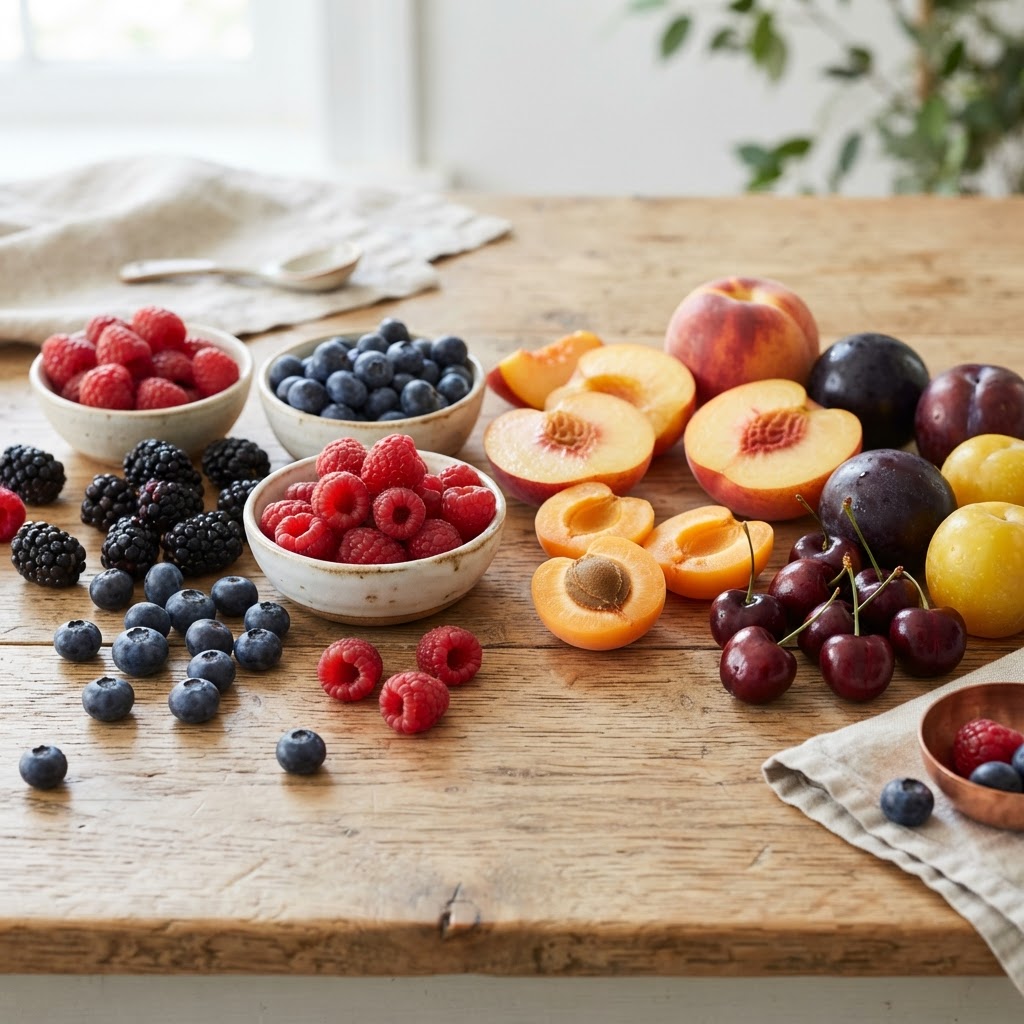
Fruits in the Rosaceae family are the most notorious offenders. This group includes apples, pears, peaches, nectarines, apricots, and plums. These fruits are high in sorbitol, and many also contain high levels of fructose, which can further complicate digestive issues for those who struggle with sugar absorption in general. When you eat a fresh pear or a crisp apple, you are getting a concentrated dose of sorbitol. For some individuals, eating just one of these fruits is enough to trigger a bloating response. Dried fruits, such as prunes, dates, and dried apricots, are even more concentrated; since the water has been removed, the density of the sugar alcohol per bite is significantly higher than that of the fresh counterpart.
Berries generally have a lower sorbitol content, which is why they are often recommended as better alternatives. Strawberries, blueberries, and raspberries tend to be much more tolerable for those with sensitivity. However, this is not a universal rule, and individual tolerance can vary. Some people may be able to handle moderate portions of blackberries, while others may still feel the effects of the minor amount of polyols present. The key is to test your own limits through a systematic process, starting with smaller portions and observing how your body responds over a 24-hour period.
Vegetables are generally safer than fruits, but there are still notable exceptions. Mushrooms, while technically a fungus, are often grouped with vegetables in culinary contexts and are surprisingly high in polyols, including mannitol, which behaves similarly to sorbitol in the gut. Asparagus, cauliflower, and sweet potatoes may also cause mild issues for those who are particularly sensitive to fermentable carbohydrates. If you are struggling with chronic bloating, try a temporary elimination of these high-sorbitol fruits and vegetables, replacing them with lower-polyol options like leafy greens, cucumber, zucchini, or citrus fruits like oranges and lemons. By identifying these natural triggers, you can curate a meal plan that provides the nutrients you need without the digestive distress that accompanies the fermentation of high-sorbitol plant matter. Always remember that nutritional needs are individual, and what triggers one person may be perfectly acceptable for another; monitoring your symptoms with a diary remains the most reliable tool in your gut health arsenal.
Diagnosing Sorbitol Intolerance: Testing and Elimination
Identifying whether your digestive distress stems from sorbitol malabsorption requires a methodical approach. Because the symptoms of sorbitol intolerance—such as bloating, flatulence, and diarrhea—are common to many gastrointestinal disorders, it is essential to distinguish them from conditions like Celiac disease, lactose intolerance, or Irritable Bowel Syndrome (IBS). The diagnostic process typically begins with a thorough medical history, followed by specialized testing or a supervised elimination strategy.
The gold standard for identifying carbohydrate malabsorption is the hydrogen breath test. During this procedure, you consume a measured dose of sorbitol after fasting. If your small intestine fails to adequately absorb the sugar alcohol, it passes into the large intestine, where gut bacteria ferment it. This fermentation process releases hydrogen gas, which is absorbed into the bloodstream and eventually exhaled through the lungs. A clinical technician monitors your breath samples at specific intervals; a significant rise in hydrogen levels confirms that the sorbitol is not being processed correctly in the upper digestive tract.
If clinical testing is unavailable or inconclusive, an elimination and reintroduction diet serves as a practical alternative for gut health management. This involves removing all high-sorbitol foods from your diet for two to four weeks. During this period, you must become an expert at reading ingredient labels, as sorbitol is a frequent additive in “sugar-free” products. Once your symptoms subside, you systematically reintroduce sorbitol in controlled amounts to determine your individual threshold. Maintaining a detailed food diary during this phase is crucial, as it allows you to correlate specific intake levels with the severity of your digestive response.
The Connection Between Sorbitol and SIBO
There is a significant intersection between sorbitol malabsorption and Small Intestinal Bacterial Overgrowth (SIBO). In a healthy digestive system, the majority of bacterial activity is concentrated in the large intestine. In SIBO, however, an excessive amount of bacteria migrates into the small intestine. When you consume foods containing sorbitol—which is normally intended to be absorbed before reaching the colon—these bacteria “get to it first.”
Because these bacteria are present in the wrong location, their fermentation of sorbitol occurs much earlier in the digestive process. This leads to immediate and often intense symptoms, including rapid-onset bloating, distention, and abdominal pain. For those suffering from chronic digestive health issues, sorbitol acts as a fuel source that exacerbates the overgrowth. If you find that your sensitivity to sugar alcohols has increased suddenly, it is worth discussing the possibility of SIBO with a gastroenterologist. Managing sorbitol intolerance in the context of SIBO often requires a dual approach: treating the bacterial overgrowth while simultaneously restricting fermentable carbohydrates to provide symptomatic relief.
| Dietary Approach | Mechanism of Action | Best for |
|---|---|---|
| Strict Elimination | Removes all sorbitol triggers to allow gut inflammation to subside. | Initial diagnosis and severe symptom flares. |
| Low-FODMAP Diet | Limits a broad range of fermentable sugars, including sorbitol. | Long-term management of IBS and general bloating. |
| Sorbitol Threshold Testing | Systematic reintroduction to identify safe serving sizes. | Those aiming to diversify their diet after initial healing. |
| SIBO-Specific Protocol | Combines anti-bacterial support with carbohydrate restriction. | Individuals with confirmed small intestinal overgrowth. |
Low-Sorbitol Diet Strategies for Long-Term Relief
Achieving long-term relief from sorbitol intolerance is less about total deprivation and more about building a sustainable, personalized eating pattern. The goal is to minimize the osmotic load on your bowels while maintaining a nutrient-dense diet. Many people find success by categorizing foods based on their sorbitol content and prioritizing “safe” alternatives.
When shopping, prioritize whole, unprocessed foods. Fresh vegetables such as spinach, kale, and carrots, and proteins like lean meat, fish, and eggs are naturally free of sorbitol and pose little risk to your digestive tract. When it comes to fruits, focus on varieties with low sorbitol concentrations, such as bananas, blueberries, and citrus fruits. It is equally important to avoid processed “diet” foods, which frequently contain hidden sorbitol used as a bulk sweetener. Look for alternative labels like “xylitol-free” or “sucralose-free” if you find that sugar alcohols in general trigger your system, though always check the full ingredient list.
Implementing a “low-sorbitol” strategy also involves mindful preparation. If you are dining out, inquire about sugar-free sauces, dressings, or chewing gums that may contain artificial sweeteners. Over time, you will learn to spot “red flag” ingredients like hydrogenated starch hydrolysates or sorbitol syrups, which are commonly hidden in protein bars and electrolyte supplements. By gradually diversifying your nutrient intake while avoiding these specific triggers, you provide your gut with the stability it needs to function optimally.
Lifestyle Habits to Support Sensitive Digestion
Beyond dietary choices, lifestyle factors play a major role in how your body handles fermentable carbohydrates. Chronic stress, for instance, can alter gut motility. When your digestive system is “sluggish” due to stress, food sits longer in the gut, providing more time for fermentation to occur, which makes even small amounts of sorbitol feel more problematic. Integrating stress-reduction techniques such as diaphragmatic breathing, yoga, or consistent sleep schedules can improve overall gut motility and symptom tolerance.
Physical activity is another pillar of gut health management. Moderate exercise, such as walking after meals, encourages rhythmic contractions of the digestive tract. This helps prevent gas from becoming trapped and reduces the sensation of bloating. Additionally, hydration is key; drinking adequate water supports the digestion process and helps maintain the health of the mucosal lining in your intestines. Avoiding late-night snacking is also beneficial, as it allows your digestive system a period of “rest and repair” during sleep, ensuring that the next day’s meals are processed efficiently.
Finally, consider the pace of your eating. Digestion begins in the mouth, and failing to chew food thoroughly forces the stomach and intestines to work significantly harder. By eating slowly and mindfully, you reduce the amount of air swallowed (which reduces gas) and prime your enzymes to break down nutrients more effectively. Small lifestyle adjustments often compound, creating an environment where your digestive system is more resilient and less prone to reacting violently to minor dietary indiscretions.
Frequently Asked Questions
Is sorbitol intolerance the same as an allergy?
No, they are distinct. An allergy involves an immune system reaction to a protein, whereas sorbitol intolerance is a digestive inability to absorb a specific carbohydrate. The symptoms may overlap in terms of abdominal pain, but they occur through entirely different biological pathways.
Can I ever eat sugar-free products again if I have sorbitol intolerance?
Many people find that they can tolerate small amounts of sorbitol after their gut health has stabilized. However, it is vital to test your personal threshold gradually. Some individuals discover that other sugar alcohols, like stevia or erythritol, are much better tolerated than sorbitol.
Do symptoms of sorbitol malabsorption always happen immediately?
Symptoms typically appear within a few hours of consumption, as the undigested sugar alcohol reaches the large intestine. However, the exact timing depends on your individual transit time and what else you consumed during the meal, which can buffer or accelerate the process.
Are there natural sources of sorbitol I should be worried about?
Yes, sorbitol occurs naturally in certain fruits, such as stone fruits (peaches, plums, cherries) and apples. While these are healthy, they can be triggers for those with significant malabsorption. You do not necessarily need to avoid them entirely, but keeping serving sizes small is recommended.
Could my sorbitol intolerance be a sign of a larger health issue?
While often a primary digestive issue, chronic malabsorption can sometimes be a symptom of conditions like SIBO, Celiac disease, or inflammatory bowel conditions. If you experience unintentional weight loss, anemia, or blood in your stool, you should seek professional medical evaluation immediately.
Does drinking more water help with sorbitol-induced bloating?
Staying hydrated is generally beneficial for gut transit. However, simply increasing water intake will not neutralize the fermentation process happening in your colon. Water helps maintain normal bowel function, but the primary way to manage symptoms remains identifying and reducing your intake of sorbitol-heavy foods.
Conclusion
Navigating sorbitol intolerance requires a transition from reactive symptom management to a proactive, informed lifestyle. By understanding how your digestive tract processes sugar alcohols, recognizing the common triggers, and applying the dietary strategies outlined here, you can regain control over your gut health. Remember that your body is unique; the key to long-term relief lies in patience, observation, and the willingness to adjust your habits based on your personal response. Do not settle for persistent discomfort; start by tracking your intake today, consult with a healthcare professional to rule out underlying conditions, and move toward a digestive experience that feels stable and comfortable. Take the first step toward better gut health by keeping a detailed food diary for the next seven days to identify your own specific triggers.
By healthauthoritylife Editorial Team
This article is for informational purposes only and is not a substitute for professional medical advice. Always consult your doctor before making changes to your diet, exercise routine, or treatment plan.
Leave a Reply