
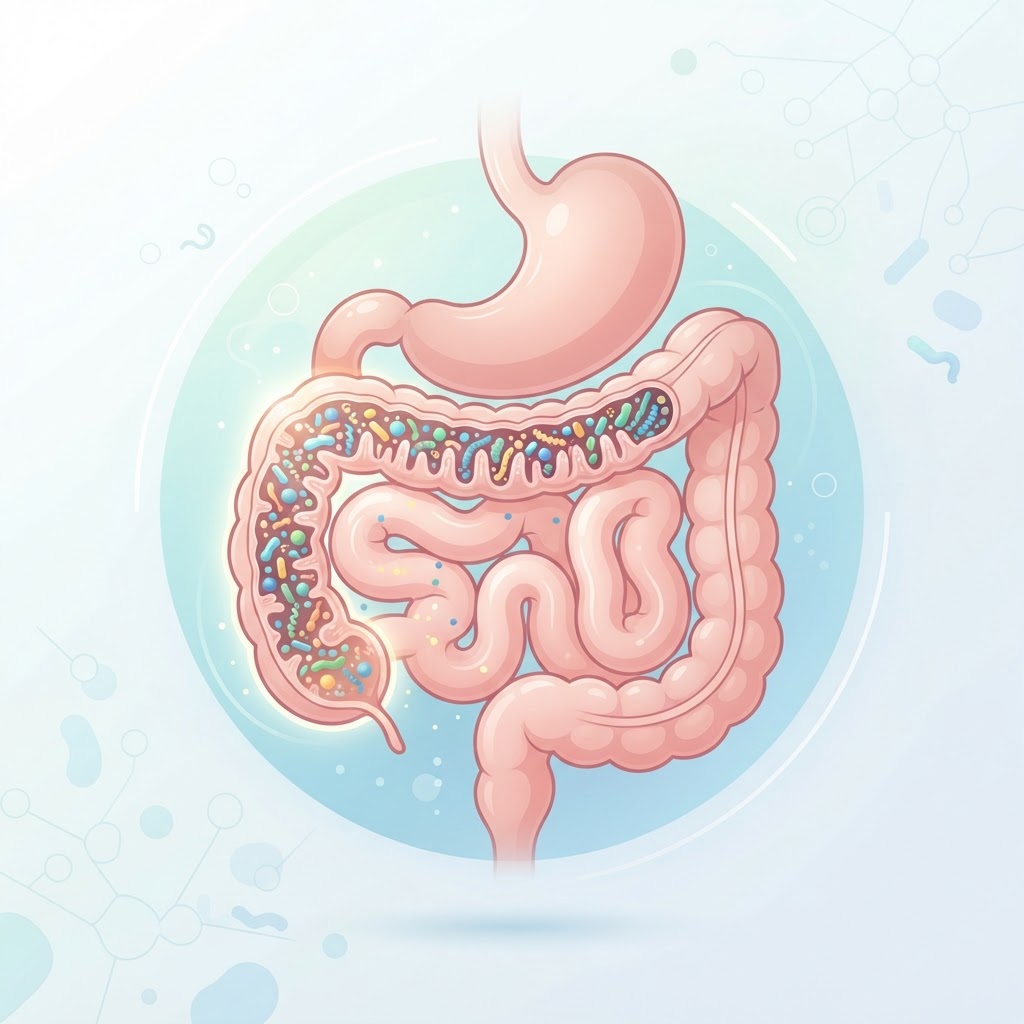
- Small Intestinal Bacterial Overgrowth (SIBO) occurs when bacteria that belong in the large intestine migrate into the small intestine, causing digestive distress.
- Common SIBO symptoms include chronic bloating, gas, diarrhea, and constipation, often fluctuating after meals.
- Root causes often involve impaired gut motility or anatomical issues that prevent the “cleaning waves” of the digestive tract.
- The SIBO breath test is the current clinical standard for diagnosis, measuring hydrogen and methane gases produced by bacteria.
- Healing requires a multi-faceted approach, focusing on dietary modifications, motility support, and addressing underlying triggers.
For millions of people, the quest for digestive wellness feels like an endless journey through restrictive diets and confusing medical appointments. If you find yourself frequently bloated, especially after eating fiber-rich foods or complex carbohydrates, you might be dealing with an issue that is far more common than many realize. Small intestinal bacterial overgrowth, known as SIBO, is a condition where an excessive population of bacteria occupies the small intestine—a section of the digestive tract that should ideally remain relatively low in bacterial density. When these microorganisms move in and start fermenting the food you eat before your body has had the chance to absorb it, the result is a cascade of uncomfortable symptoms that can profoundly impact your quality of life. The healthauthoritylife Editorial Team has compiled this guide to help you navigate the complexities of SIBO, understand the underlying triggers, and explore evidence-based strategies for restoring balance to your gut microbiome.
What Is SIBO and Why Does It Happen?
To understand small intestinal bacterial overgrowth, one must first appreciate the delicate anatomy of the human digestive system. In a healthy state, the stomach and the small intestine—where the vast majority of nutrient absorption takes place—contain a relatively small number of bacteria compared to the large intestine (the colon). This low-count environment is maintained by several protective mechanisms, including stomach acid, digestive enzymes, bile, and the Migrating Motor Complex (MMC). The MMC acts as a “housekeeping” wave, a series of muscular contractions that sweep undigested food particles and excess bacteria from the small intestine into the colon.
SIBO occurs when these protective barriers break down. When the MMC is sluggish, or when stomach acid levels are suboptimal, bacteria from the large intestine can travel backward into the small intestine or proliferate in place. Once these bacteria settle in the small intestine, they thrive on the nutrients that were intended for you. Specifically, they ferment carbohydrates, fiber, and sugars, producing various gases as byproducts. This fermentation process is the engine behind the intense bloating, distension, and altered bowel habits associated with the condition.
It is important to emphasize that not all bacteria are “bad.” However, even beneficial strains become problematic when they reside in the wrong location. The small intestine is not equipped to handle high levels of bacterial fermentation, and the mucosal lining there can become irritated, leading to issues with nutrient malabsorption and increased intestinal permeability. The condition is often classified based on the type of gas the bacteria produce—typically hydrogen, methane, or sometimes hydrogen sulfide. Understanding the specific type of overgrowth you may be dealing with is a crucial step in tailoring your approach to gut health, as each gas-producing bacteria responds differently to various dietary and therapeutic interventions. By recognizing that SIBO is fundamentally a problem of bacterial location and gut motility, we can move away from simply masking symptoms and toward addressing the structural and functional failures that allow these imbalances to persist.
Common Symptoms of Small Intestinal Bacterial Overgrowth
The clinical presentation of SIBO is highly variable, which is a major reason why it often goes undiagnosed for years. Patients frequently consult with numerous specialists, only to be told their tests come back normal because standard screenings focus on inflammatory diseases like Crohn’s or Celiac, rather than the bacterial imbalance of SIBO. The most hallmark sign is abdominal bloating that tends to worsen as the day progresses. Many people report looking “pregnant” by the evening, even if their stomach was flat when they woke up. This specific pattern suggests that as you ingest food throughout the day, the bacteria in the small intestine have more material to ferment, leading to significant gas accumulation.
Beyond bloating, the symptoms are broadly categorized based on the dominant gas being produced. Patients with hydrogen-dominant SIBO are more likely to experience loose stools or chronic diarrhea. The hydrogen gas can accelerate bowel transit time, leading to frequent bathroom trips. Conversely, methane-dominant SIBO, often referred to as intestinal methanogen overgrowth (IMO), is strongly associated with chronic constipation. Methanogens produce methane gas, which acts as a neurotoxin to the gut, slowing down the rhythmic contractions of the intestines and trapping waste for longer periods. This can create a vicious cycle, as the stagnant waste provides more fuel for the bacteria, perpetuating the constipation.
Abdominal pain and cramping are also frequently reported. This pain often occurs one to two hours after eating, which corresponds to the time it takes for food to reach the middle sections of the small intestine. Other systemic symptoms are increasingly being linked to SIBO, including brain fog, fatigue, joint pain, and skin issues like rosacea or acne. These symptoms arise because the overgrowth can lead to systemic inflammation and deficiencies in essential nutrients, such as B12, iron, and fat-soluble vitamins (A, D, E, and K), which the overgrowing bacteria may consume before you can absorb them. Keeping a detailed symptom journal is a powerful tool to share with a practitioner, as documenting exactly what you eat, when you experience bloating, and the nature of your bowel movements can provide clear clues that point toward a SIBO diagnosis.
Understanding the Primary Root Causes of SIBO
SIBO is almost never a primary condition; it is a secondary consequence of something else going wrong in the digestive tract. To achieve lasting healing, one must identify the “why” behind the overgrowth. If you kill the bacteria but do not address the root cause, they will almost inevitably return. One of the most significant triggers is impaired gut motility. If the Migrating Motor Complex—that vital cleaning mechanism—is damaged, debris and bacteria linger in the small intestine rather than being swept into the colon. This damage is frequently caused by post-infectious events, such as a severe bout of food poisoning, which can create antibodies that mistakenly attack the nerves responsible for gut movement.
Anatomical abnormalities also play a significant role. Surgeries, especially those involving the stomach or intestines, can create “blind loops” or adhesions—areas where the intestine is kinked or scarred, causing food to pool. These structural hurdles provide the perfect sanctuary for bacteria to colonize. Additionally, low stomach acid (hypochlorhydria) is a common, often overlooked factor. Stomach acid acts as a primary chemical barrier; if it is not acidic enough to sterilize the food you swallow, more bacteria pass through into the small intestine, where they find an environment ripe for colonization.
Chronic use of certain medications, particularly proton pump inhibitors (PPIs) used for heartburn, can inadvertently facilitate SIBO by suppressing that necessary acidity. Furthermore, hormonal imbalances, such as those seen in hypothyroidism or uncontrolled diabetes, can slow down the entire digestive transit. When transit is slow, the “gastro-colic reflex” is sluggish, and the gut environment becomes hospitable to those opportunistic bacterial strains. Understanding these triggers is empowering, as it shifts the focus from “what can I take to kill the bacteria” to “how can I support my body’s natural ability to keep the gut clean and moving efficiently.”
| Root Cause Category | Primary Mechanism of Action | Best For |
|---|---|---|
| Motility Issues | Failure of the Migrating Motor Complex (MMC) to clear debris | Identifying post-infectious or nerve-related triggers |
| Anatomical Obstructions | Physical structures like strictures or adhesions trapping food | Patients with a history of abdominal surgeries |
| Hypochlorhydria | Insufficient stomach acid allowing bacterial survival | Chronic users of acid-suppressing medications (PPIs) |
| Metabolic/Hormonal | Systemic slowdown (e.g., hypothyroidism) affecting gut rhythm | Addressing full-body issues influencing digestive speed |
How to Get Diagnosed: The SIBO Breath Test Explained
The diagnostic landscape for SIBO has evolved significantly over the past decade, moving away from invasive procedures like small bowel aspirates and cultures toward the more accessible SIBO breath test. This non-invasive diagnostic tool relies on the physiological reality that human cells do not produce hydrogen or methane gas—only bacteria do. By measuring the levels of these gases in your breath after consuming a specific sugar substrate, clinicians can determine whether bacteria are fermenting that sugar in the small intestine, where they shouldn’t be, rather than waiting until the sugar reaches the large intestine.
During the test, you will typically be asked to follow a strict “prep diet” for 24 hours to ensure you have a clean slate. This diet usually limits fiber and slow-digesting carbohydrates, which prevents interference from previous meals. In the clinic or at home, you will ingest a solution—usually lactulose or glucose—and then provide a series of breath samples at regular intervals over a two-to-three-hour period. If the bacteria are present in the small intestine, they will begin fermenting the substrate almost immediately, leading to a spike in hydrogen or methane gas that shows up in the breath samples.
It is important to discuss the substrate choice with your healthcare provider. Glucose is often preferred because it is rapidly absorbed in the upper part of the small intestine, making it highly specific, whereas lactulose travels through the entire length of the small intestine, making it more sensitive but sometimes harder to interpret. Interpreting these results is not as simple as looking at a single number; it requires evaluating the timeline of the gas rise. A clinician will look for a distinct “early rise” in gas levels. While no test is perfect, the breath test remains the gold standard for clinical decision-making. If your symptoms are severe but your breath test comes back negative, your provider might consider other factors, such as carbohydrate malabsorption (like FODMAP sensitivity) or imbalances in other parts of the microbiome that aren’t captured by a breath test. Remember, diagnostic tests are only one piece of the puzzle; they must be interpreted in the context of your specific clinical history and symptoms.
The Connection Between SIBO and Chronic Digestive Issues
When SIBO becomes a chronic presence, it rarely remains isolated to the small intestine. Its influence often ripples outward, creating secondary digestive issues that can be just as debilitating as the primary overgrowth. For instance, many people with SIBO find themselves caught in a cycle of worsening food intolerances. Because the small intestine is the site of enzyme production for carbohydrate digestion, chronic inflammation from SIBO can lead to a temporary deficiency in enzymes like lactase or sucrase. This manifests as a newfound inability to digest dairy or fruit, which can be misidentified as a permanent allergy, when in reality, it is a symptom of an inflamed, overwhelmed digestive tract.
Another major connection is the relationship between SIBO and Irritable Bowel Syndrome (IBS). Many experts generally agree that a significant portion of patients who have been diagnosed with IBS-D or IBS-C are actually harboring an undiagnosed case of small intestinal bacterial overgrowth. This realization has been a game-changer for many, as it offers a clear path toward potential resolution rather than just “managing symptoms” for a lifetime. When SIBO persists, it can also lead to systemic inflammation that disrupts the brain-gut axis, potentially affecting mood, anxiety, and sleep patterns. The digestive tract is home to a massive portion of our nervous system and immune cells; when this environment is in turmoil, it is no surprise that the body reacts on a systemic level.
Furthermore, SIBO can impact the health of the colon. When undigested food is not processed correctly in the small intestine, it can arrive in the large intestine in a state that alters the colonic microbiota. This can lead to dysbiosis, where even the “good” bacteria in the colon are thrown off balance. By treating the SIBO, you are not just clearing out the small intestine; you are often taking the first step toward reclaiming the health of your entire gastrointestinal tract. Recognizing these connections helps to destigmatize the condition, showing that your digestive issues are not “all in your head” or just a sign of “getting older,” but rather a predictable physiological response to a systemic imbalance that can be identified and targeted with a structured approach to gut health.
Dietary Approaches to Manage SIBO Symptoms
Managing Small Intestinal Bacterial Overgrowth (SIBO) through diet is not about lifelong restriction, but rather about creating an environment in the small intestine where bacteria cannot thrive. The primary objective of a SIBO-friendly diet is to reduce the substrate—specifically fermentable carbohydrates—that bacteria feed on, thereby minimizing gas production, bloating, and discomfort while the gut lining heals.
The Low-FODMAP diet is often the first line of nutritional intervention. FODMAP stands for Fermentable Oligosaccharides, Disaccharides, Monosaccharides, and Polyols. These are short-chain carbohydrates that are poorly absorbed in the small intestine and highly fermentable by gut bacteria. By limiting these, individuals often see a rapid reduction in symptoms. However, it is crucial to understand that a low-FODMAP diet does not “treat” the overgrowth itself; it merely starves the bacteria of their preferred fuel, providing the body space to recover.
Another popular framework is the Bi-Phasic Diet. This approach is structured into two distinct phases. The first phase focuses on significantly reducing the bacterial load by eliminating almost all fermentable carbohydrates. The second phase involves a gradual reintroduction of specific food groups to determine personal tolerance levels. This systematic reintroduction is vital because many people with SIBO become unnecessarily fearful of food, leading to malnutrition or disordered eating patterns.
For those struggling with significant carbohydrate sensitivity, the Specific Carbohydrate Diet (SCD) or the SIBO-Specific Diet (a blend of SCD and low-FODMAP principles) may be more effective. These diets prioritize monosaccharides—which are absorbed directly into the bloodstream—and eliminate complex starches and disaccharides that require more intensive digestion. When selecting foods, prioritize high-quality proteins, healthy fats, and low-starch vegetables. Keeping a detailed food journal is an essential practice during this period to identify specific triggers, as everyone’s gut microbiome composition varies significantly.
Evidence-Based Supplements for Bacterial Balance
While dietary changes control the “fuel” for bacterial growth, targeted supplementation is often required to address the microbial imbalance directly. Integrative protocols typically incorporate both botanical antimicrobials and supportive digestive aids. Botanical antimicrobials, such as oil of oregano, berberine, allicin (derived from garlic), and neem, are frequently used to reduce the overgrowth. These compounds possess broad-spectrum activity against various bacterial strains and are often preferred for their ability to combat biofilm, the protective barrier that bacteria construct to shield themselves from eradication.
Prokinetics are another cornerstone of SIBO management. Since SIBO is often a motility issue, prokinetics help to stimulate the Migrating Motor Complex (MMC)—the gut’s “housekeeping” mechanism that sweeps debris and excess bacteria from the small intestine into the colon. Common natural prokinetics include ginger root and 5-HTP, which may help improve the frequency of these cleansing waves, particularly in the hours between meals and during sleep.
It is important to proceed with caution regarding probiotics. While beneficial for many, standard probiotics can sometimes exacerbate SIBO symptoms by adding more bacteria to an already crowded small intestine. Some practitioners suggest “soil-based” organisms or specific strains that do not colonize the small intestine, but this should always be approached under professional guidance. Enzyme supplementation, such as digestive enzymes or bile salts, can also be helpful by ensuring that food is thoroughly broken down before it reaches the site of the overgrowth, leaving less material for the bacteria to consume.
| Supplement Category | Primary Function | Best For |
|---|---|---|
| Botanical Antimicrobials | Reducing bacterial overgrowth | Active treatment of SIBO symptoms |
| Prokinetics | Stimulating gut motility | Preventing relapse post-treatment |
| Digestive Enzymes | Optimizing nutrient breakdown | Those with poor digestion/malabsorption |
| Biofilm Disruptors | Breaking down bacterial shields | Chronic or resistant SIBO cases |
Lifestyle Shifts to Support Gut Motility and Digestion
Healing SIBO is rarely accomplished through pills or diet alone; it requires a holistic approach that includes lifestyle modifications. The nervous system plays a direct role in how the gut functions. When the body is in a state of chronic stress, the sympathetic nervous system—the “fight or flight” response—is activated, which effectively shuts down digestion. Engaging in deep, diaphragmatic breathing or meditation before meals can help shift the body into a “rest and digest” parasympathetic state, ensuring that the digestive system is adequately prepared to process food.
Meal spacing is perhaps the most underrated lifestyle intervention for SIBO. The Migrating Motor Complex (MMC) is inhibited every time we consume calories. By leaving a window of at least four to five hours between meals and avoiding late-night snacking, you allow the MMC to complete its vital cleaning cycles. This “fasting window” is essentially a natural flushing mechanism for the small intestine.
Physical movement also plays a critical role. Gentle exercise, such as walking or yoga, encourages blood flow to the digestive organs and can stimulate peristalsis. However, avoid high-intensity exercise if you are currently in a state of severe digestive distress, as this can further divert blood away from the gut. Additionally, hydration is paramount. Adequate water intake supports the natural viscosity of digestive juices, facilitating the smooth transit of food through the intestinal tract. For many, integrating these rhythmic lifestyle habits is the key to transitioning from a state of constant flare-ups to long-term gut equilibrium.
Working With a Practitioner for SIBO Recovery
Navigating SIBO recovery can be complex, and attempting to self-diagnose or treat the condition without professional oversight often leads to frustration or unnecessary dietary restrictions. A qualified practitioner—whether a functional medicine doctor, a registered dietitian specializing in gut health, or a gastroenterologist—provides the expertise required to interpret complex test results and tailor a treatment plan to your unique metabolic profile.
Your practitioner acts as a navigator. They help distinguish between SIBO and other conditions that mimic its symptoms, such as Irritable Bowel Syndrome (IBS), Small Intestinal Fungal Overgrowth (SIFO), or Histamine Intolerance. When it comes to testing, a practitioner ensures the SIBO breath test is conducted with appropriate preparation, such as avoiding high-fiber foods and certain antibiotics in the days leading up to the test, which is critical for accuracy.
Beyond the initial diagnosis, they monitor your progress and adjust protocols based on your response. If a certain antimicrobial is not working or is causing side effects, they can pivot the plan rather than forcing a protocol that isn’t serving your specific needs. They also look at “the big picture,” investigating underlying causes—such as low stomach acid, structural abnormalities, or underlying metabolic issues—that might be making you susceptible to recurring SIBO. Building a partnership with a health professional allows you to offload the mental burden of “figuring it out” and creates a structured, safe pathway to recovery.
Preventing SIBO Recurrence After Successful Treatment
The unfortunate reality for many is that SIBO can be a recurrent condition. Successfully clearing the overgrowth is only the first chapter; the second chapter is focused on preventing the environment from becoming hospitable to bacterial proliferation again. Maintenance strategies are essential for those who have a history of slow motility or underlying structural issues.
The most important pillar of prevention is the consistent use of prokinetics. Once the active phase of antimicrobial treatment is complete, many practitioners recommend a maintenance dose of a prokinetic agent to keep the Migrating Motor Complex firing properly. This is especially vital during the first few months post-treatment, which is the period when relapse is statistically most likely to occur.
Beyond supplements, managing underlying root causes is non-negotiable. If you have had abdominal surgery, you may need to manage adhesions with visceral manipulation therapy. If your SIBO was caused by a period of chronic high stress, you must maintain a consistent nervous system regulation practice to keep digestion functioning optimally. Furthermore, gradually expanding your diet is essential. Staying on an extremely restricted, low-FODMAP diet long-term can actually diminish the diversity of your beneficial gut microbiome. Once your symptoms have subsided, slowly reintroducing a variety of fiber-rich foods helps foster a healthy, resilient ecosystem that is more capable of resisting future bacterial overgrowth.
Frequently Asked Questions
Can SIBO go away on its own without treatment?
While some people may experience temporary relief from symptom fluctuations, SIBO is unlikely to resolve on its own. Because it is often linked to underlying dysfunction—such as impaired motility or structural issues—the conditions that allowed the bacteria to overgrow in the first place must be addressed to achieve long-term resolution.
How long does the average SIBO treatment take?
The duration of treatment varies greatly depending on the severity of the overgrowth and the chosen protocol. Typically, a round of antimicrobial or antibiotic treatment lasts between two to six weeks. However, the total process, including gut healing and the transition to a maintenance phase, often takes several months.
Is it safe to eat fruit if I have SIBO?
Many fruits contain fructose, a fermentable sugar that can aggravate SIBO symptoms. However, not all fruits are equal. Lower-fructose options like blueberries, raspberries, and kiwi are often tolerated in moderate portions by many individuals, while high-fructose fruits like apples or pears are typically restricted during the active treatment phase.
Can stress really cause SIBO?
While stress may not be the primary “cause” of SIBO, it is a significant contributing factor. Chronic stress triggers the sympathetic nervous system, which reduces blood flow to the digestive tract and slows gut motility. A sluggish digestive system creates the perfect environment for bacteria to linger and multiply in the small intestine.
What is the biggest mistake people make when treating SIBO?
The most common mistake is failing to address the root cause, such as poor motility or anatomical issues. Treating the symptoms with diets or antimicrobials without fixing the underlying mechanism that allowed the overgrowth to happen almost always leads to a recurrence of symptoms shortly after treatment ends.
Are there any tests besides the breath test for SIBO?
The breath test is the standard non-invasive tool. In some cases, practitioners may consider a small intestinal aspirate and culture, which is considered the gold standard for diagnosis but is invasive, expensive, and rarely performed outside of research settings. Most clinicians rely on a combination of breath testing, symptom history, and clinical response to treatment.
Conclusion
Small Intestinal Bacterial Overgrowth is a complex, often misunderstood condition that can significantly diminish your quality of life. By understanding the core mechanisms behind SIBO symptoms, prioritizing accurate testing, and implementing a comprehensive approach that includes dietary adjustments, antimicrobial support, and lifestyle shifts, you can reclaim your digestive health. Remember that healing is a non-linear journey; there will be setbacks and successes, but with patience and the right support, gut balance is achievable.
If you suspect you are dealing with SIBO, do not wait for the symptoms to become debilitating. Reach out to a qualified healthcare provider today to discuss testing options and develop a personalized plan. Your digestive system is a vital foundation for your overall wellbeing—take the first step toward restoring that foundation today.
By healthauthoritylife Editorial Team
This article is for informational purposes only and is not a substitute for professional medical advice. Always consult your doctor before making changes to your diet, exercise routine, or treatment plan.
Leave a Reply