
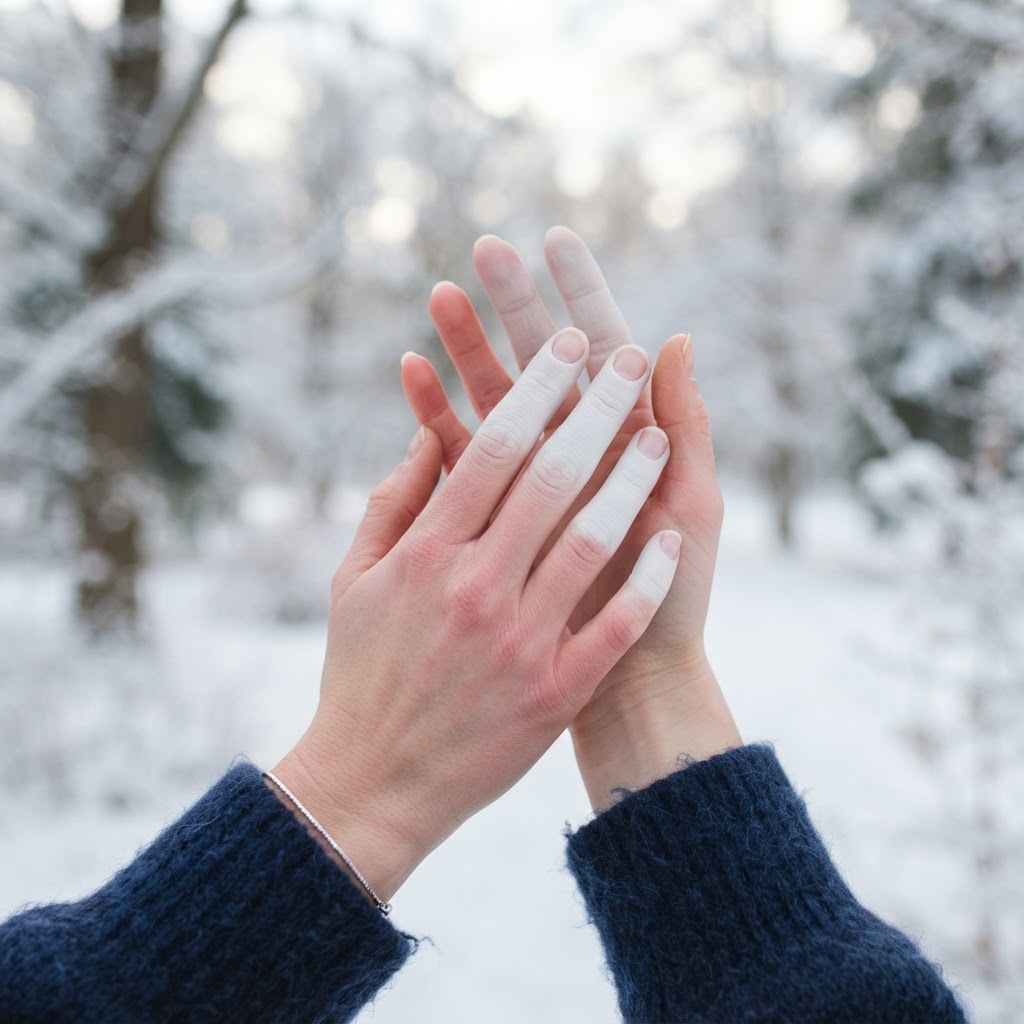
- Raynaud’s phenomenon involves exaggerated vasospasm in response to cold or stress, primarily affecting the extremities.
- Distinguishing between primary and secondary forms is critical for understanding underlying health risks.
- Early Raynaud’s disease symptoms often manifest as sudden color changes in fingers, ranging from white to blue or red.
- Vasospasm is the fundamental physiological mechanism that temporarily restricts blood flow to peripheral tissues.
- Effective Raynaud’s syndrome management centers on proactive trigger avoidance and lifestyle adjustments to improve blood flow naturally.
Have you ever stepped into a chilly grocery store aisle or experienced a moment of intense stress, only to find your fingers turning stark white, feeling numb, or pulsing with an uncomfortable, throbbing heat? While many people simply dismiss these sensations as an extreme reaction to cold, they may actually be early indicators of a vascular condition known as Raynaud’s. For those living with this sensitivity, the world feels like a constant battle against temperature drops and emotional triggers. Understanding the nuances of this condition is the first step toward reclaiming your comfort and taking control of your circulatory health. In this comprehensive guide, the healthauthoritylife Editorial Team explores the intricacies of Raynaud’s, from the initial warning signs to practical, science-backed strategies for natural relief.
What Is Raynaud’s Phenomenon?
Raynaud’s phenomenon is a vascular condition characterized by the narrowing of small blood vessels in response to cold temperatures or emotional stress. When these vessels undergo what is known as a vasospasm, blood flow to the fingers, toes, and occasionally the ears, nose, or lips is severely restricted. This isn’t just “feeling cold”—it is a distinct physiological reaction that causes the affected areas to undergo dramatic color changes. These episodes can last anywhere from a few minutes to several hours, and the physical discomfort—ranging from a cold, numb sensation to an aching, tingling pain—can significantly disrupt daily activities.
At its core, the condition is a hyper-reactive state of the sympathetic nervous system. In a typical person, when the body detects cold, the blood vessels in the extremities constrict slightly to preserve core body temperature and protect vital organs. For individuals with Raynaud’s, this response is vastly exaggerated. The body essentially overreacts, “shutting off” the supply to the fingers and toes far more aggressively than necessary. This constriction leads to the characteristic color changes often described as the “triphasic response”: first, the area turns white (pallor) as blood flow is cut off; second, it may turn blue (cyanosis) as the tissues lose oxygen; and finally, as the vessel relaxes and blood rushes back in, the area turns bright red (hyperemia) and often feels warm, throbbing, or painful.
Understanding the physiological mechanism behind this phenomenon is essential for effective Raynaud’s syndrome management. It is not necessarily a sign of a failing heart or systemic circulatory disease in every case; rather, it represents a localized sensitivity of the peripheral vasculature. Many people find that their symptoms remain mild and manageable throughout their lives, often seeing improvement through lifestyle changes designed to improve blood flow naturally. However, because these symptoms can mimic or overlap with other connective tissue disorders, awareness is key. By recognizing that these episodes are rooted in the way your nervous system perceives external environmental stimuli, you can begin to anticipate attacks and adopt habits—such as heat retention techniques and stress reduction—that keep the vessels relaxed and blood circulating more freely.
Primary vs. Secondary Raynaud’s: What You Need to Know
Clinicians and researchers generally categorize this condition into two distinct types: Primary and Secondary. Understanding the difference between the two is perhaps the most important step in assessing your health. Primary Raynaud’s, also called Raynaud’s disease, is the most common form. It occurs on its own and is not associated with any other underlying medical condition. It typically develops in late adolescence or early adulthood, and it is often considered a “nuisance” condition because, while uncomfortable, it rarely causes permanent damage to the tissues of the fingers or toes. Those with primary symptoms often find that the episodes are symmetrical, meaning both hands are affected similarly, and they respond quite well to lifestyle modifications.
Secondary Raynaud’s, or Raynaud’s phenomenon, is a more serious iteration. It is caused by an underlying health issue, such as an autoimmune disease, structural vascular problems, or occupational trauma. For example, conditions like scleroderma, lupus, rheumatoid arthritis, or Sjogren’s syndrome are frequently linked to secondary Raynaud’s. Unlike the primary form, secondary Raynaud’s often presents later in life and can be more severe. The restricted blood flow may be intense enough to cause skin sores, ulcers, or, in rare and extreme cases, tissue death (gangrene) if not managed properly. This is why professionals emphasize that anyone experiencing new or worsening symptoms should seek a medical evaluation to rule out secondary causes.
To help distinguish between the two approaches, the following table outlines the general characteristics of how these conditions are managed and observed.
| Approach/Feature | Primary Raynaud’s | Secondary Raynaud’s | Best For |
|---|---|---|---|
| Lifestyle Management | Highly effective, focus on warmth | Supplemental to medical therapy | Daily symptom prevention |
| Clinical Monitoring | Rarely needed beyond exams | Frequent, required for underlying disease | Long-term health safety |
| Targeted Relief | Warmth, gloves, movement | Medication + specialized protection | Immediate comfort during flare-ups |
| Risk Profile | Low risk of tissue damage | Potential for digital ulcers/damage | Determining urgency of care |
If you suspect you have Raynaud’s, observe the symmetry of your symptoms. If your episodes involve only one hand, or if you notice skin breakdown and non-healing sores, it is imperative to move beyond simple lifestyle hacks and consult a specialist. Distinguishing the primary from the secondary form allows you to determine whether your goal is purely symptomatic relief or if you need a comprehensive plan to manage an overarching, systemic health concern.
Common Early Symptoms and Warning Signs
Recognizing the early warning signs of Raynaud’s disease symptoms can feel like learning to read a subtle language your body is speaking. Many individuals ignore the initial bouts, attributing the numbness or coldness to a drafty room or being naturally “cold-blooded.” However, early detection can significantly enhance your quality of life. The earliest symptom is usually an intense, localized sensitivity to cold. While everyone’s hands get cold in the winter, the person with Raynaud’s will notice their fingers becoming painful or turning colors while others in the same environment remain perfectly comfortable. This disproportionate response is a hallmark sign.
The sequence of color changes is arguably the most recognizable indicator. Initially, you might notice that a finger—or even just the tip of a finger—turns completely white. This happens because the artery in that specific area has constricted so tightly that the blood flow is cut off entirely. The sensation accompanying this is often a dull ache or complete numbness; the finger may feel like a wooden appendage that doesn’t belong to you. As the spasm continues, the finger might transition to a bluish, purplish hue. This is the stage where the tissue is being deprived of oxygenated blood. It can be visually alarming, particularly if you have not experienced it before.
As the episode ends and the blood vessels finally begin to relax, the “reperfusion” phase occurs. This is often the most painful part of the experience. As the blood rushes back into the narrow vessels, the finger turns bright, beet red. This is frequently accompanied by a burning, tingling, or throbbing sensation, which many describe as a “pins and needles” feeling similar to when a limb “falls asleep.” While these episodes usually occur in the hands, they can also affect the toes, and some people report experiencing these sensations in their ears, nose, or lips. If you find yourself frequently checking your hands for color changes after moving from a heated car into the cold air, or even after grabbing a cold soda from the refrigerator, you are likely witnessing the onset of Raynaud’s phenomenon.
It is important to track how often these episodes occur and what seems to trigger them. Some people experience these symptoms only once or twice a year, while others deal with them daily during the winter months. Keeping a simple log of your symptoms—noting the time, the environment, and your emotional state—can provide valuable data that helps you recognize patterns. Early intervention often involves basic behavioral changes, such as layering clothing, using hand warmers, or practicing stress-management techniques before a potential trigger even occurs. By paying attention to these early physical cues, you can stay ahead of the curve, minimizing the severity and frequency of the spasms.
The Role of Vasospasm in Raynaud’s Episodes
To truly understand how to manage Raynaud’s, we must demystify the physiological process known as vasospasm. Vasospasm is the sudden, involuntary constriction of blood vessels. Under normal physiological conditions, your body uses vasospasm as a protective tool. If you cut your finger, your vessels constrict to slow down bleeding. If you walk into a snowstorm, your vessels constrict in your extremities to force blood toward your vital organs—your heart, lungs, and brain—to maintain your core temperature. This is a survival mechanism that serves us well in extreme circumstances. However, in the context of Raynaud’s, the body’s “thermostat” is essentially broken or overly sensitive, triggering this survival reaction in completely safe or moderate environments.
The “spasm” refers to the contraction of the smooth muscles that line the walls of the tiny arteries—the arterioles—in your fingers and toes. When these muscles tighten, the diameter of the vessel shrinks, leaving little to no room for blood to pass through. This is why the skin goes pale; there is literally no blood being delivered to the capillaries at the surface of the skin. Once the trigger—be it cold or stress—is removed, the smooth muscle relaxes, the vessel opens, and blood flows back in. This rapid transition from empty to full is exactly what creates that intense, throbbing sensation of heat and pain. It is essentially a localized flood of blood returning to tissue that had been momentarily “starved.”
Research suggests that in those with Raynaud’s, the nerves that control these blood vessels are hypersensitive to stimuli. While the cold is the most common trigger, the hormonal response to stress (specifically the release of adrenaline and norepinephrine) can also cause the vessels to narrow. This is why you might find that you experience a flare-up during a high-pressure meeting or a stressful argument, even if you are in a comfortably warm room. The chemical signals being sent to your blood vessels to “prepare for danger” are being misinterpreted, resulting in the same constriction that occurs in the cold. Understanding this link between the nervous system and vascular tone is vital because it moves the focus of treatment away from just “getting warm” and toward “calming the nervous system.”
For those seeking to improve blood flow naturally, the goal is to stabilize the vascular system. Because vasospasms are triggered by a range of internal and external signals, your management strategy should be multifaceted. This includes everything from dietary adjustments that promote vasodilation (the widening of blood vessels) to techniques that lower your baseline stress level. By consistently working to keep the nervous system in a “rest and digest” state, you can effectively raise the threshold required to trigger a vasospasm, potentially leading to fewer, shorter, and less intense episodes. The physiology of the vasospasm reminds us that our circulation is deeply connected to our environment and our internal well-being; treating the phenomenon requires a holistic look at how we navigate both.
Identifying Common Triggers for Cold Sensitivity
Identifying your specific triggers is the cornerstone of successful Raynaud’s syndrome management. Because the condition is a reaction to stimuli, the more you can control your exposure to those stimuli, the more freedom you will have. Most people are quick to blame the cold, but that is rarely the whole story. Cold sensitivity can manifest in unexpected ways. For instance, the transition between temperature zones—like stepping out of a house maintained at 72 degrees into 40-degree weather—is often a more potent trigger than simply spending time in the cold itself. The shock of the rapid temperature shift causes the nervous system to react much more aggressively than a gradual exposure would.
Beyond the obvious weather-related triggers, there are several “stealth” triggers that many people overlook. High levels of emotional stress or anxiety are top-tier offenders. When you are stressed, your body diverts blood flow away from the extremities to the large muscles, a vestige of our ancestral “fight or flight” response. If you have Raynaud’s, your vessels are already prone to constriction, and the added pressure of adrenaline can tip you over the edge into a full-blown episode. Practicing mindfulness, deep breathing exercises, or gentle movement can help modulate this reaction. Recognizing that a stressful phone call might lead to white, painful fingers allows you to preemptively warm your hands or move your body to encourage circulation.
Certain dietary habits can also act as triggers. For example, nicotine is a potent vasoconstrictor, meaning it causes blood vessels to narrow. For anyone with circulation issues, nicotine use is universally discouraged by experts as it significantly exacerbates the frequency and severity of episodes. Caffeine is another substance that can have a variable effect; while it may increase alertness, it can also cause blood vessels to tighten for some individuals. Monitoring your intake of coffee, tea, and caffeinated sodas can help you determine if they are contributing to your sensitivity. Instead, many find that incorporating herbal infusions or staying strictly hydrated with room-temperature water supports better overall flow.
Finally, consider the environmental factors in your home or workplace. Are you sitting with your wrists resting on a cold desk? Is there an air conditioning vent blowing directly onto your hands? These small, constant environmental stressors can keep your body in a state of high alert. Simple fixes, like a desk mat to insulate your wrists, wearing fingerless gloves while typing, or keeping a small space heater nearby, can make a profound difference. By viewing your daily routine through the lens of a “trigger audit,” you can identify the subtle ways your environment is working against your circulation. Managing Raynaud’s isn’t about avoiding the world; it’s about curating your interaction with it to keep your blood flowing smoothly and your body at ease.
Natural Strategies to Improve Peripheral Circulation
Improving peripheral circulation is the cornerstone of managing Raynaud’s phenomenon. Because the condition is characterized by an exaggerated response of the blood vessels to cold or emotional stress, the primary goal is to keep the vascular system primed and responsive. By focusing on systemic blood flow, you can often reduce the frequency and intensity of vasospastic episodes.
One of the most effective natural strategies is the implementation of targeted movement. When you are sedentary, the blood has to work harder to return from the extremities to the heart. Incorporating “vasodilatory” exercise, such as brisk walking, swimming, or stationary cycling, helps maintain cardiovascular flexibility. Specifically, rhythmic arm swinging or “windmilling” can use centrifugal force to encourage blood flow into the fingers during a cold snap.
Temperature contrast therapy, often referred to as hydrotherapy, can also train your blood vessels to remain resilient. By alternating between warm and cool water immersion—or simply using warm and cool compresses—you challenge the muscular walls of your arteries to constrict and dilate. This “exercise” for your blood vessels can lead to improved baseline circulation over time. Always ensure the water is not extreme in temperature to avoid triggering a flare-up or damaging the skin.
Breathwork is another often overlooked tool. Deep, diaphragmatic breathing activates the parasympathetic nervous system, which helps counteract the “fight-or-flight” response that often triggers Raynaud’s attacks. When you breathe deeply, you lower the overall stress levels in your body, which prevents the sympathetic nervous system from causing unnecessary vasoconstriction in the hands and feet.
Nutritional Supplements and Herbs for Vascular Health
Supporting vascular health through nutrition requires a focus on vasodilation—the widening of blood vessels. Many individuals look toward natural supplements that encourage the production of nitric oxide, a molecule that helps the inner lining of blood vessels (the endothelium) relax. While it is essential to consult with a healthcare professional before starting any regimen, several supplements are frequently discussed in the context of vascular support.
Magnesium is widely considered a key player in circulatory health. It acts as a natural muscle relaxant and can prevent the involuntary spasms in blood vessels that lead to the color changes associated with Raynaud’s. Magnesium glycinate or citrate are common forms, often taken to support both cardiovascular function and nervous system stability.
Ginkgo biloba is a traditional herb recognized for its potential to improve blood flow to the extremities. It is believed to help thin the blood slightly and improve the elasticity of the vessel walls. Similarly, Omega-3 fatty acids, found in high-quality fish oils, are renowned for their anti-inflammatory properties. By reducing inflammation within the blood vessel walls, Omega-3s may help maintain smooth, uninterrupted blood flow.
Another popular botanical is ginger. Known for its thermogenic properties, ginger can create a warming effect within the body, which helps to naturally stimulate peripheral circulation. Whether consumed as a tea or taken in concentrated supplement form, ginger is often used as a preventative measure during the colder months.
| Supplement/Herb | Primary Mechanism | Best For |
|---|---|---|
| Magnesium | Muscle relaxation/Vascular tone | Preventing vessel spasms |
| Ginkgo Biloba | Improved blood rheology | Enhancing peripheral microcirculation |
| Omega-3 Fatty Acids | Anti-inflammatory support | Vascular wall health |
| Ginger Extract | Thermogenic stimulation | Warming the body internally |
Lifestyle Habits to Prevent Raynaud’s Flare-Ups
Managing Raynaud’s syndrome requires a proactive lifestyle approach. Preventing a flare-up is far easier than trying to warm up fingers that have already turned white or blue. The most critical habit is the “layering” principle. It is not just about wearing a thick coat; it is about protecting the core. If the body’s core temperature drops, the brain automatically restricts blood flow to the extremities to preserve internal heat. By keeping your torso, neck, and head warm, you signal to your body that it is safe to maintain circulation to your hands and feet.
Hand protection should be treated as a year-round priority for those with severe symptoms. This means keeping gloves or mittens easily accessible, even in grocery store freezer aisles or air-conditioned offices. Opt for high-quality, moisture-wicking fabrics rather than simple cotton, which can trap sweat and lead to a cooling effect when moisture evaporates.
Another vital lifestyle habit is the management of stimulants. Nicotine is a potent vasoconstrictor, meaning it causes blood vessels to narrow significantly. For individuals with Raynaud’s, smoking—or even exposure to secondhand smoke—is a major trigger for episodes. Additionally, heavy caffeine consumption can affect the vascular system; while it might provide an initial energy boost, its impact on heart rate and blood pressure can sometimes be counterproductive for those prone to vasospasm.
Stress management routines must become non-negotiable. Because emotional stress triggers the same vascular response as cold, finding a way to decompress is essential. Practices like yoga, meditation, or even simple daily journaling can help manage the body’s sympathetic nervous system response, creating a more balanced internal environment that is less likely to overreact to environmental stressors.
When to See a Doctor for Persistent Circulation Issues
While primary Raynaud’s is often manageable through lifestyle changes, secondary Raynaud’s can be an indicator of underlying health concerns. It is crucial to monitor your symptoms closely. You should seek medical evaluation if you notice that your Raynaud’s symptoms appear suddenly after the age of 30, or if the episodes become increasingly asymmetric—for example, if only one hand is affected while the other remains warm.
Furthermore, if you experience painful sores, ulcers, or areas of thickened, scarred skin on your fingertips, you must schedule an appointment with a professional. These signs can indicate prolonged, severe tissue ischemia (lack of oxygenated blood), which requires clinical intervention to prevent permanent damage. Similarly, if your circulation issues are accompanied by joint pain, unexplained rashes, fever, or persistent fatigue, these could be symptoms of autoimmune conditions such as lupus, scleroderma, or rheumatoid arthritis.
A doctor can perform specific diagnostic tests, such as a nailfold capillaroscopy—a simple, non-invasive exam where a microscope is used to look at the tiny blood vessels at the base of your fingernail. This can help differentiate between benign primary Raynaud’s and secondary forms that require more specialized treatment plans, such as prescription calcium channel blockers or other vasodilatory medications.
Frequently Asked Questions
Is Raynaud’s disease considered a lifelong condition?
For many, primary Raynaud’s is a chronic condition, but it is often manageable. Symptoms may fluctuate throughout a person’s life, sometimes improving during warmer months or as one makes consistent lifestyle adjustments. Secondary Raynaud’s, however, depends on the management of the underlying condition causing it.
Can stress really trigger a Raynaud’s attack even if it is warm?
Yes. Because Raynaud’s is driven by the autonomic nervous system, emotional distress can trigger the same “fight-or-flight” response as cold temperatures. This causes the blood vessels to constrict, leading to an attack regardless of the ambient temperature.
Are there certain foods I should avoid to help my circulation?
While no single food causes an attack, highly processed foods, excess sodium, and excessive sugar can contribute to inflammation and poor vascular health. Many people find that reducing stimulants like caffeine and avoiding nicotine has a positive impact on their symptom frequency.
Do I need to live in a warm climate to manage Raynaud’s?
Moving to a warm climate can certainly reduce the number of environmental triggers, but it is not a requirement for management. Many individuals successfully manage the condition in cold climates by using smart layering, portable hand warmers, and focusing on internal circulatory health.
Are women more likely to develop Raynaud’s?
Statistical data consistently shows that Raynaud’s occurs more frequently in women than in men. While the exact reasons are not fully understood, hormonal factors and differences in the baseline vascular response to cold are often cited as potential contributing elements.
Can natural remedies replace medical treatment for Raynaud’s?
Natural remedies are generally considered complementary. While they can significantly reduce the frequency and severity of episodes for many, they should not replace a doctor’s guidance, especially if you have secondary Raynaud’s or are experiencing tissue damage.
Conclusion
Raynaud’s phenomenon is a complex condition that sits at the intersection of environmental sensitivity and vascular resilience. While the sudden changes in finger color and the resulting discomfort can be alarming, understanding the underlying mechanisms is the first step toward reclaiming control. By integrating consistent physical movement, nutrient-dense vascular support, and mindful lifestyle adjustments, you can significantly diminish the impact that cold and stress have on your daily life. Remember that your body is a dynamic system—by nourishing your blood vessels and managing your triggers, you can foster better circulation and improve your overall well-being. If you find your symptoms worsening or notice physical changes in your skin, do not hesitate to reach out to a healthcare professional for personalized guidance.
Are you ready to take charge of your vascular health? Start by identifying your specific triggers today and incorporating one of our suggested circulation-boosting habits into your morning routine.
By healthauthoritylife Editorial Team
This article is for informational purposes only and is not a substitute for professional medical advice. Always consult your doctor before making changes to your diet, exercise routine, or treatment plan.
Leave a Reply