- PCOS is a complex endocrine disorder that affects the entire body, not just the reproductive system.
- Recognizing early PCOS symptoms can lead to earlier intervention and better long-term health outcomes.
- Insulin resistance is a primary driver for many, making blood sugar management a cornerstone of healing.
- Chronic inflammation and hormonal imbalances often feed into each other, creating a cycle that requires a holistic approach.
- Embracing a tailored PCOS diet plan and lifestyle changes can significantly improve daily quality of life.
Navigating the complex landscape of hormonal health can feel overwhelming, especially when faced with a diagnosis that seems to touch every aspect of your well-being. For millions of individuals, Polycystic Ovary Syndrome (PCOS) is not just a label but a daily reality characterized by a constellation of shifting symptoms. While the name suggests a singular focus on the ovaries, this condition is far more pervasive, rooted in metabolic, endocrine, and inflammatory pathways. By moving beyond a narrow medical definition and understanding the systemic nature of this imbalance, you can begin to regain control over your health. Whether you are looking to manage stubborn weight, clear your skin, or restore hormonal harmony, exploring natural PCOS treatment paths offers a path toward sustainable relief and improved vitality.
What Is Polycystic Ovary Syndrome?
At its core, Polycystic Ovary Syndrome is a multisystem endocrine disorder. Many people mistakenly believe that the “polycystic” part of the name refers to actual cysts, but in reality, these are typically small, immature follicles that have failed to release an egg during the ovulation process. When these follicles accumulate on the ovaries, they can disrupt the delicate hormonal signals required for a regular menstrual cycle.
However, focusing solely on the ovaries is a clinical oversimplification. Health experts generally view PCOS as a state of metabolic and endocrine dysfunction. It is a condition where the body’s internal signaling systems—specifically those involving insulin, androgens, and inflammatory markers—fall out of their optimal range. This hormonal imbalance can have a “domino effect,” influencing how the body stores fat, how the skin behaves, and even how the brain regulates mood and energy levels. Because it is a syndrome rather than a single disease, it manifests differently in every person, which is why there is no “one-size-fits-all” experience.
Many individuals are diagnosed after years of searching for answers to persistent issues like irregular periods, difficulty losing weight, or sudden changes in hair growth. The diagnostic criteria often involve a combination of clinical findings, such as irregular ovulation, elevated levels of androgens (often called “male” hormones), or the presence of follicles on an ultrasound. Yet, the diagnostic process is evolving; more practitioners are recognizing that you do not necessarily need every clinical marker to be struggling with the underlying metabolic and hormonal patterns typical of the syndrome.
Healing PCOS naturally requires viewing the condition as a systemic imbalance. By addressing the root causes—such as blood sugar fluctuations, gut health, and stress response—you aren’t just masking symptoms; you are supporting the body’s innate ability to recalibrate. Understanding that your body is not “broken” but rather signaling that its internal environment needs support is the first step in your healing journey. Throughout this guide, we will explore how this syndrome functions, why it triggers specific physical responses, and how you can take actionable steps to restore your health.
Common Early Signs and PCOS Symptoms
The early warning signs of PCOS are frequently subtle, often appearing in the late teens or early twenties. Because these symptoms are often dismissed as “normal” fluctuations of youth or dismissed by medical providers as benign, many people spend years without a clear understanding of what their body is experiencing. Recognizing these signs early is crucial, as early intervention can mitigate the long-term impact of hormonal imbalance on cardiovascular and metabolic health.
One of the most frequent indicators is menstrual irregularity. This does not always mean a complete absence of periods; it often manifests as cycles that are consistently long (more than 35 days), unpredictable, or exceptionally heavy. Because the ovaries aren’t releasing an egg consistently, the uterine lining may build up unevenly, leading to erratic patterns. If you find that your cycle is rarely predictable, it is often a sign that ovulation—the primary “vital sign” of the female endocrine system—is being suppressed.
Physical markers related to androgen excess are another common hallmark. This includes hirsutism, which is the growth of coarse, dark hair in areas where men typically grow hair, such as the chin, upper lip, chest, or abdomen. Conversely, some individuals may experience androgenic alopecia, or thinning hair on the scalp. Skin changes are also frequent; adult-onset acne, particularly along the jawline and chin, often proves resistant to standard over-the-counter treatments. This is typically because the acne is driven from within by hormonal surges rather than external surface bacteria.
Weight management challenges are also frequently reported. Many people with PCOS notice a sudden, unexplained shift in how their body carries weight, specifically accumulating it in the midsection or abdominal area. This is not necessarily due to “overeating” but rather a physiological change in how the body processes insulin, making it easier to store fat and much harder to mobilize it for energy. Fatigue is another major, often overlooked symptom. The metabolic strain of managing blood sugar leads to a “crash-and-burn” cycle throughout the day, leaving many feeling exhausted even after a full night’s sleep.
| Symptom Type | Typical Presentation | Best For |
|---|---|---|
| Menstrual | Irregular, missing, or heavy cycles | Tracking with cycle apps |
| Dermatological | Jawline acne, oily skin, hair thinning | Internal hormonal support |
| Metabolic | Abdominal weight, intense cravings | Insulin-sensitizing diets |
It is important to remember that you may not have all of these symptoms to qualify as someone who would benefit from a natural healing approach. PCOS is a spectrum. Some individuals lean more toward the “lean PCOS” phenotype, where symptoms are primarily hormonal and inflammatory, while others experience more pronounced insulin resistance. Listening to your body’s specific signals—the cravings, the mood swings, the energy dips—will guide you toward the most effective natural PCOS treatment for your unique constitution.
Understanding the Role of Insulin Resistance
If you research the mechanisms behind PCOS, you will frequently encounter the term “insulin resistance.” For many individuals, this is the engine that drives the entire syndrome. To understand why this happens, it helps to look at the role insulin plays in your body. Insulin is a hormone produced by the pancreas that acts as a key, unlocking your cells so that glucose (sugar) from the food you eat can enter and be used for energy. When you are insulin resistant, your cells stop responding efficiently to that key. As a result, the pancreas works overtime, pumping out more insulin to force the cells to respond.
The problem for those with PCOS is that the ovaries are often particularly sensitive to this excess insulin. When insulin levels are chronically high in the bloodstream, the ovaries are stimulated to produce more androgens, such as testosterone. This creates a vicious cycle: the high insulin triggers the androgen production, which in turn worsens the symptoms of acne, hair growth, and irregular periods. This is why a well-structured PCOS diet plan is rarely just about “losing weight”—it is fundamentally about blood sugar regulation and insulin sensitivity.
When your body is constantly dealing with high insulin levels, it also shifts your metabolism into a state of fat storage rather than fat burning. This explains why standard “calories in, calories out” advice often fails for those with this condition. If your insulin is high, your body is effectively locked in a metabolic mode that promotes storage. This is why many people find that low-glycemic, whole-food-based approaches to eating—focusing on fiber, healthy fats, and protein—are so effective. By reducing the glucose “spikes” after a meal, you reduce the demand for insulin, allowing your hormones the space to return to a more balanced baseline.
It is also worth noting that insulin resistance is not just about what you eat; it is also affected by sleep quality, physical activity, and stress. Chronic lack of sleep, for instance, can increase your body’s resistance to insulin the following day. Similarly, intense, high-stress environments can trigger cortisol, which raises blood sugar, subsequently triggering more insulin. Healing PCOS naturally involves recognizing that your blood sugar health is a holistic endeavor. By focusing on stabilizing your glucose levels through consistent meal timing, stress management, and movement, you are addressing the “master” hormone that dictates much of your endocrine function.
Hormonal Imbalances Behind the Condition
While insulin resistance is a major driver, the hormonal environment of someone with PCOS is typically characterized by a multi-hormone disruption. It is rarely just one hormone that is “off”; rather, it is a complex web of interactions that prevents the body from achieving a state of reproductive homeostasis. The primary actors in this play are androgens, luteinizing hormone (LH), follicle-stimulating hormone (FSH), and sometimes even thyroid or adrenal hormones.
In a healthy cycle, there is a rhythmic “dance” between the brain and the ovaries. The brain sends a signal (FSH) to the ovaries to mature an egg, and once it is ready, a surge of LH triggers ovulation. In PCOS, this signaling is often disjointed. Many individuals show an elevated LH-to-FSH ratio, which means the brain is constantly sending the signal to “start” the process, but the ovaries aren’t receiving the right instructions to complete it. This leads to the buildup of those immature follicles we mentioned earlier.
The androgen excess—the “male” hormones—is often the most visible symptom of these imbalances. While everyone produces androgens, in PCOS, the overproduction is a response to the inflammatory and insulin-related signals described previously. These androgens disrupt the follicular maturation process, essentially trapping the ovaries in a state of stasis. Furthermore, hormonal imbalance in PCOS often involves “shuttling.” For example, some individuals may have issues with how their body clears out used hormones (like estrogen), leading to a state of estrogen dominance, which can contribute to mood swings, heavy periods, and breast tenderness.
We must also look at the adrenal glands. Some individuals have “adrenal PCOS,” where the primary source of androgen elevation is stress-induced rather than purely metabolic. The adrenal glands produce androgens as a byproduct of the stress response. If you are constantly in “fight or flight” mode, your adrenals may be overproducing androgens, which mimics the classic PCOS profile. This is why the “healing PCOS naturally” philosophy places such a heavy emphasis on nervous system regulation. You cannot heal your hormones if you are constantly in a state of biological alarm. By nourishing the endocrine system with micronutrients like magnesium, zinc, and B vitamins, you can help support the adrenal glands and improve the body’s resilience to stress, thereby lowering the baseline of androgenic activity.
How Chronic Inflammation Affects PCOS
If insulin resistance is the engine of PCOS, chronic inflammation is the fuel that keeps it running. When we talk about inflammation in the context of health and wellness, we are referring to a state of low-grade, systemic immune activation. It is not the kind of inflammation you see when you cut your finger; it is invisible, quiet, and pervasive. For many, this inflammation is triggered by environmental toxins, food sensitivities, gut dysbiosis, and chronic stress, all of which keep the body in a heightened state of defense.
Inflammation directly impacts the ovaries. Research suggests that high levels of inflammatory markers, such as C-reactive protein (CRP), can actually stimulate the ovaries to produce even more androgens, further entrenching the hormonal imbalances. Furthermore, inflammation exacerbates insulin resistance. When your immune system is occupied by fighting “invisible fires,” your cells become less sensitive to insulin, creating a cycle that reinforces itself. This is why you might find that even when you are eating a clean diet, your symptoms don’t resolve if your gut health is compromised or if you are constantly exposed to pro-inflammatory lifestyle factors.
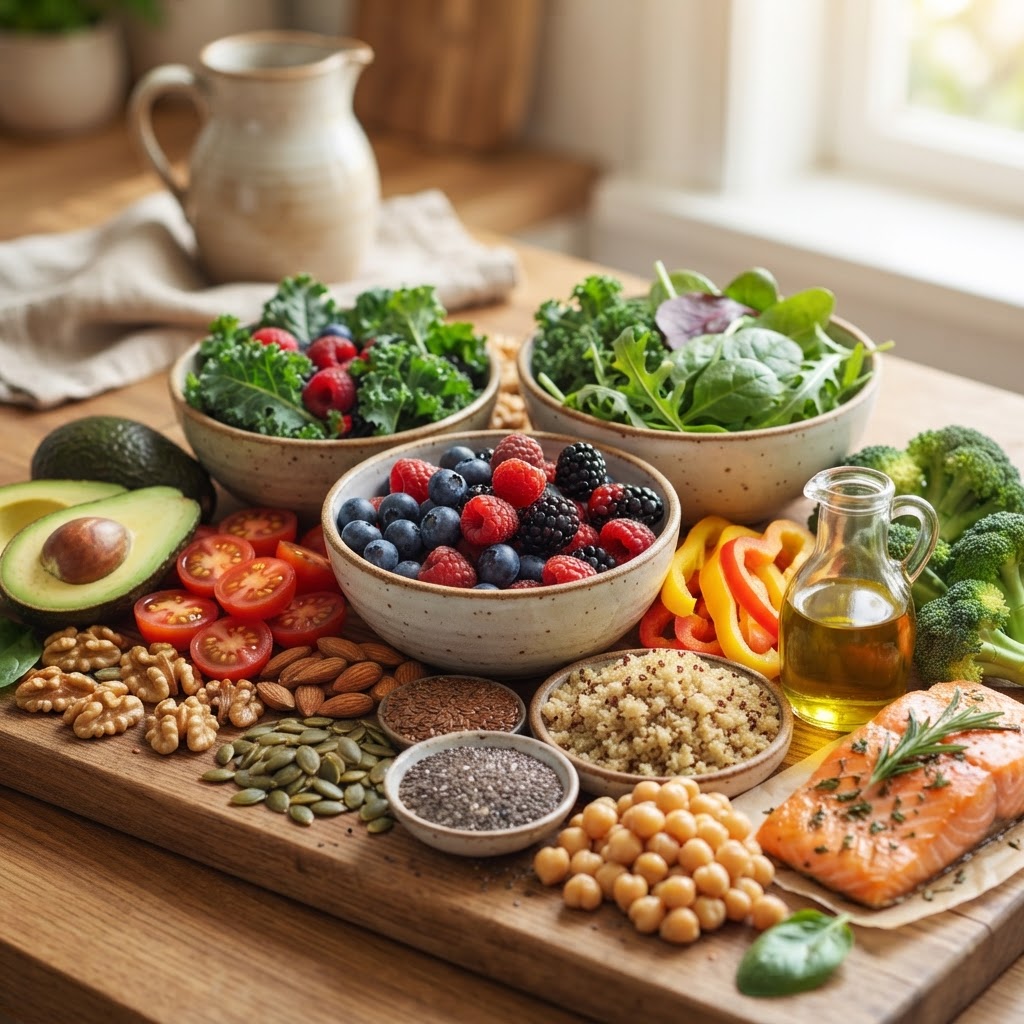
Gut health is a primary battleground for inflammation. Many with PCOS deal with sub-clinical digestive issues—bloating, sensitivities, or irregular bowel movements. A healthy gut lining acts as a barrier, but when that barrier is compromised (sometimes called “leaky gut”), particles pass into the bloodstream that shouldn’t be there, triggering a systemic immune response. By shifting the focus toward anti-inflammatory foods—such as leafy greens, omega-3 rich fatty acids, berries, and turmeric—you can begin to dampen this fire. A focus on healing the gut is often the “missing link” for many people who have tried other PCOS diet plans without seeing lasting success.
Ultimately, addressing inflammation requires a radical look at your daily environment. This means being mindful of the endocrine-disrupting chemicals in your home, such as those found in certain plastics, household cleaners, and personal care products. These chemicals mimic hormones in the body and can contribute to the internal “noise” that disrupts your natural cycles. Reducing your toxic load is an essential pillar of natural PCOS treatment. By choosing to support your body’s detoxification pathways, improving your gut integrity, and reducing stress, you are effectively “cooling” the inflammation that drives your symptoms. When the fire of inflammation dies down, the body often finds its way back to a more balanced, harmonious state on its own.
Top Dietary Changes for Hormone Balance
Managing Polycystic Ovary Syndrome (PCOS) through nutrition is not about restriction or deprivation; it is about choosing foods that stabilize blood sugar and lower systemic inflammation. Because insulin resistance is a core driver of PCOS, the primary goal of any effective PCOS diet plan is to minimize insulin spikes. When your body is forced to produce excess insulin, your ovaries are often stimulated to create more androgens, which exacerbates classic PCOS symptoms like acne, hirsutism, and cycle irregularities.
The most effective strategy involves prioritizing the glycemic index of your meals. Focus on high-fiber, complex carbohydrates that release glucose into the bloodstream slowly. Swap refined white grains for quinoa, steel-cut oats, and legumes. These sources provide the sustained energy your body needs without triggering the hormonal chaos associated with refined sugars and processed snacks.
Protein is equally critical. Including a source of high-quality protein—such as wild-caught fish, organic poultry, grass-fed beef, or plant-based options like tempeh—at every meal helps to blunt the insulin response of accompanying carbohydrates. Furthermore, fats should be viewed as an essential component of hormone production. Healthy fats, particularly Omega-3 fatty acids found in walnuts, flaxseeds, chia seeds, and fatty fish, are instrumental in reducing inflammation and improving cell membrane sensitivity to insulin.
Eliminating ultra-processed foods is the next logical step in natural PCOS treatment. These foods are frequently loaded with hidden sugars, industrial seed oils, and artificial additives that can disrupt endocrine function. Instead, embrace an “anti-inflammatory” plate model: fill half your plate with leafy greens and colorful non-starchy vegetables, one-quarter with lean protein, and the remaining quarter with high-fiber carbohydrates or healthy fats.
Essential Supplements for PCOS Management
While food is the foundation of health, targeted supplementation can address the nutritional gaps often created by hormonal imbalance. Supplements should be used to support metabolic pathways, improve insulin sensitivity, and mitigate the oxidative stress associated with PCOS.
Many individuals find success with inositol, particularly a combination of myo-inositol and d-chiro-inositol. This supplement is widely studied for its ability to mimic insulin-signaling molecules, which can help improve ovulation and lower androgen levels. Similarly, magnesium is often deficient in those with insulin resistance; supplementation can assist in better blood sugar management and help manage the stress response, which is crucial since cortisol fluctuations can worsen PCOS symptoms.
Zinc is another essential micronutrient for the reproductive system. It plays a role in skin health, which is vital for those battling hormonal acne, and it supports the immune system. Vitamin D3 is also frequently recommended, as many people with PCOS display low levels of this hormone-like vitamin. Vitamin D is essential for follicular development and overall metabolic health.
To help you compare the primary roles of these supplements, refer to the table below:
| Supplement | Primary Function in PCOS | Best For |
|---|---|---|
| Myo-Inositol | Improves insulin sensitivity | Regulating ovulation and cycle length |
| Magnesium Glycinate | Relaxes nervous system/glucose control | Reducing anxiety and insulin resistance |
| Zinc Picolinate | Anti-inflammatory/Androgen control | Managing hormonal acne and hair thinning |
| Omega-3 (Fish Oil) | Reduces systemic inflammation | Improving cardiovascular markers and mood |
| Vitamin D3 | Endocrine support | Immune health and hormonal regulation |
Lifestyle Habits to Support Ovarian Health
Healing PCOS naturally requires a holistic look at how your daily habits influence your internal environment. Beyond diet and supplements, your sleep quality, stress management techniques, and movement patterns are significant pillars of hormonal health.
Sleep hygiene is often overlooked in PCOS management. Poor or insufficient sleep elevates cortisol levels, which in turn spikes insulin and interferes with the delicate balance of progesterone and estrogen. Aim for seven to nine hours of quality sleep in a dark, cool environment. Establishing a bedtime routine that removes screen time an hour before bed can significantly improve your circadian rhythm, which is tied to metabolic function.
Movement is medicine, but it must be applied strategically. While intense, high-impact exercise can be beneficial for some, it can sometimes elevate cortisol to levels that are counterproductive for someone already struggling with hormonal imbalance. Instead, favor low-impact, sustainable activity such as brisk walking, pilates, or strength training. Strength training is particularly beneficial for PCOS; building muscle mass increases your metabolic rate and improves your body’s ability to clear glucose from the bloodstream, directly fighting insulin resistance.
Stress management is not a luxury; it is a necessity for ovarian health. Chronic stress triggers the adrenal glands to produce androgens alongside cortisol. Practices such as breathwork, meditation, or restorative yoga can help shift the body from a “fight or flight” state to a “rest and digest” state. Consistent, gentle stress-reduction techniques help keep androgen levels in check and foster an environment where hormonal signaling can stabilize.
When to See a Healthcare Professional
While many women successfully manage PCOS through diet and lifestyle, medical oversight is crucial for proper diagnosis and long-term monitoring. You should consult a healthcare provider if you experience persistent menstrual irregularities, such as fewer than eight periods per year or cycles that vary significantly in length. Early intervention can prevent long-term complications such as endometrial hyperplasia, which occurs when the uterine lining builds up without regular shedding.
Additionally, seek professional care if you notice sudden, severe weight gain, excessive hair growth on the face or chest, or significant hair thinning on the scalp. These symptoms indicate that androgen levels may be significantly elevated and require blood work to assess. A professional can also screen for associated metabolic conditions, such as high cholesterol, pre-diabetes, or fatty liver disease, which often accompany PCOS.
Do not attempt to manage severe symptoms entirely on your own if you are trying to conceive. Navigating fertility with PCOS often requires specialized guidance to track ovulation and hormone levels accurately. A doctor can help determine if pharmaceutical support, combined with your natural healing efforts, is the most effective path toward your health goals.
Frequently Asked Questions
Can PCOS be completely cured?
There is currently no medical “cure” that makes PCOS disappear forever, as it is a complex metabolic and endocrine condition. However, it can be managed so effectively that symptoms disappear entirely. By implementing consistent dietary and lifestyle changes, many individuals successfully restore their hormonal balance and live symptom-free lives.
What is the best way to lose weight with PCOS?
Weight loss with PCOS is uniquely challenging because of insulin resistance. Rather than focusing on calorie restriction, focus on blood sugar stabilization. Prioritizing high-protein, high-fiber, and healthy-fat meals while engaging in consistent strength training is generally more effective than traditional “dieting” methods that rely on extreme calorie deficits.
Does PCOS lead to infertility?
PCOS is a leading cause of ovulatory infertility because hormonal imbalances can prevent the ovaries from releasing eggs regularly. However, having PCOS does not mean you are permanently infertile. Many people with the syndrome conceive naturally after addressing their underlying insulin resistance and hormonal imbalances through diet, lifestyle, and medical guidance.
Are there certain foods I should avoid entirely?
While total restriction can sometimes lead to unhealthy relationships with food, experts generally recommend minimizing ultra-processed foods, refined white sugars, and industrial vegetable oils. These items are the primary triggers for insulin spikes and systemic inflammation, both of which are the enemies of PCOS management.
How does stress affect my PCOS symptoms?
Stress triggers the production of cortisol, a hormone that can directly impact your insulin levels. When cortisol is chronically high, your body struggles to maintain blood sugar balance, which signals your ovaries to produce more androgens. This can lead to increased acne, unwanted hair growth, and further menstrual cycle disruption.
Is it necessary to take medication for PCOS?
Whether medication is “necessary” depends on the severity of your symptoms and your personal health goals. Many find success with natural interventions alone, while others may require a combination of natural therapies and medical treatments to manage specific symptoms like severe insulin resistance or fertility challenges. Always work with your healthcare team to determine what is right for your unique case.
Conclusion
Managing Polycystic Ovary Syndrome is an empowering journey of understanding your body’s unique needs. By acknowledging the root causes—specifically the interplay between insulin resistance and hormonal imbalance—you can take actionable steps to regain your health. Whether it is through refining your PCOS diet plan, incorporating targeted supplements, or prioritizing rest and moderate movement, every positive change you make contributes to the healing of your endocrine system.
Healing PCOS naturally is not an overnight process; it requires patience, consistency, and a commitment to your long-term well-being. Start by integrating one or two of the strategies mentioned above and observe how your body responds. You have the power to take control of your symptoms and move toward a future of renewed energy and hormonal harmony. Start your path to wellness today by scheduling an appointment with your healthcare provider to discuss your specific symptoms and creating a personalized plan that integrates both professional support and lifestyle shifts.
By healthauthoritylife Editorial Team
This article is for informational purposes only and is not a substitute for professional medical advice. Always consult your doctor before making changes to your diet, exercise routine, or treatment plan.
Leave a Reply