
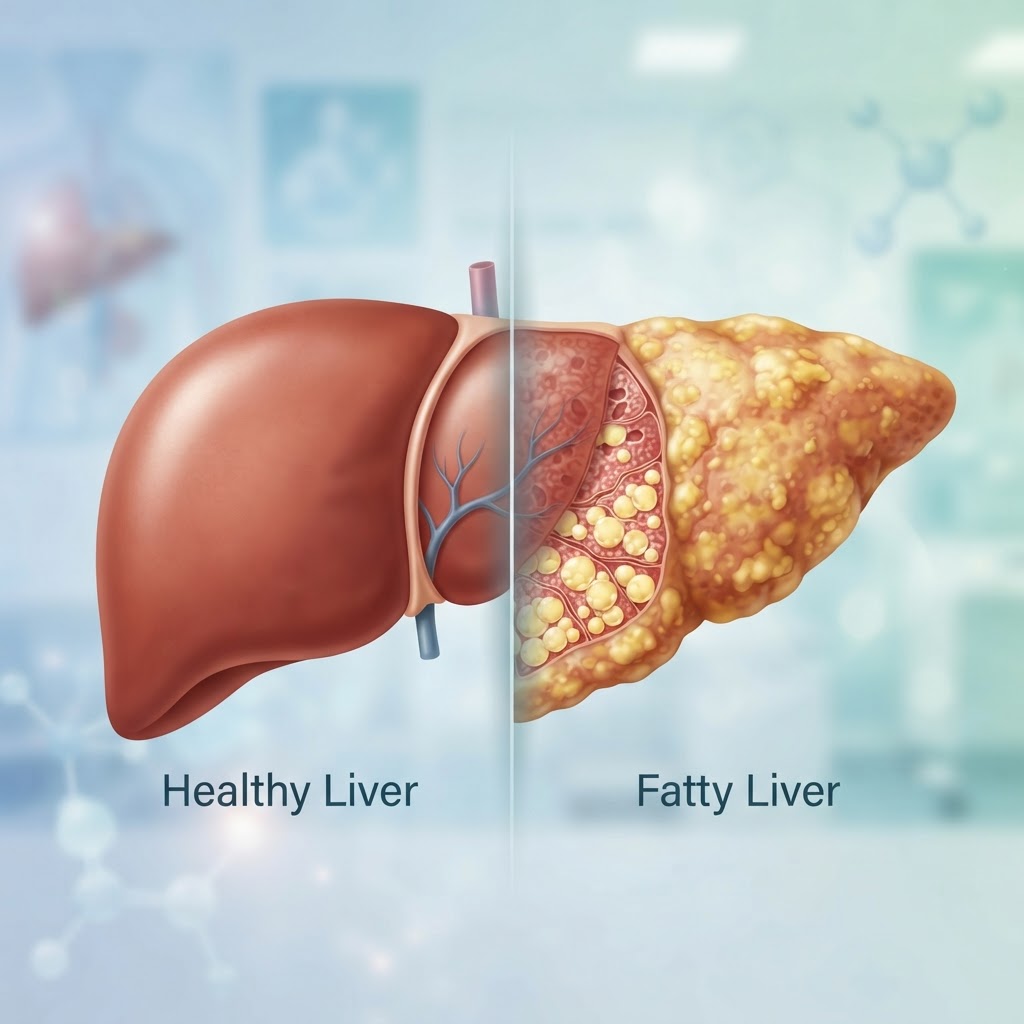
- NAFLD is a metabolic condition where excess fat accumulates in liver cells, often without initial symptoms.
- Early detection of NAFLD symptoms is crucial for preventing progression to serious liver damage.
- Insulin resistance, obesity, and dietary habits are the primary drivers of fatty liver accumulation.
- Transitioning from NAFLD to NASH involves chronic inflammation, which can lead to permanent scarring or fibrosis.
- Reversing fatty liver is primarily achieved through sustainable dietary changes and metabolic support rather than quick-fix supplements.
The human liver serves as the body’s ultimate filtration system, working tirelessly to process nutrients, metabolize fats, and detoxify the bloodstream. However, in our modern environment—characterized by sedentary habits and highly processed food intake—this vital organ is increasingly under siege. Non-alcoholic fatty liver disease (NAFLD) has emerged as one of the most common metabolic conditions globally, often referred to as a “silent epidemic” because it frequently develops quietly over many years. Understanding the intersection of liver health and metabolic function is no longer just a concern for those with pre-existing conditions; it is a necessity for anyone looking to optimize their long-term vitality. By recognizing the early signals your body provides and understanding the root causes of fat buildup, you can take proactive, evidence-based steps to protect your health and potentially reverse the course of liver disease before it leads to irreversible damage.
What is Non-Alcoholic Fatty Liver Disease (NAFLD)?
At its core, non-alcoholic fatty liver disease (NAFLD) is an umbrella term used to describe a spectrum of conditions where excessive fat builds up in the liver cells of individuals who consume little to no alcohol. While the term “fatty” might sound like a simple description of weight, in medical terms, it denotes a significant shift in how the organ functions. Under normal circumstances, the liver does store small amounts of fat; however, when that fat content exceeds a certain threshold—typically identified as five percent or more of the liver’s weight—the organ begins to struggle with its standard metabolic duties.
The progression of NAFLD is closely tied to metabolic health. Many experts view the condition as the hepatic manifestation of metabolic syndrome, which includes a cluster of conditions such as high blood pressure, high blood sugar, excess body fat around the waist, and abnormal cholesterol levels. When the body becomes insulin resistant—meaning your cells stop responding efficiently to the hormone insulin—the liver begins to convert excess energy from the diet into triglycerides. These triglycerides then accumulate within the liver cells, a process known as hepatic steatosis.
It is important to differentiate NAFLD from other forms of liver disease. Because the “non-alcoholic” component is central to the diagnosis, it distinguishes this condition from liver damage caused by chronic, heavy alcohol consumption. Despite the difference in origin, the physiological burden on the liver can be remarkably similar. NAFLD exists on a spectrum; it begins as simple steatosis, which is the accumulation of fat without significant inflammation or cellular damage. In this stage, the condition is often considered reversible if lifestyle interventions are implemented promptly. The danger lies in the lack of overt symptoms during these early phases, which often leads people to overlook their liver health until more significant metabolic disruptions occur.
Because the liver is a resilient organ, it often manages to maintain “normal” blood work markers for years even while undergoing internal changes. This is why many clinicians emphasize that metabolic health should be monitored holistically. By focusing on systemic inflammation and insulin sensitivity, you are indirectly supporting your liver. Understanding that NAFLD is essentially a “storage error” within the body’s metabolic machinery helps clarify why dietary and lifestyle choices are the most powerful tools in your arsenal. Unlike many other chronic diseases, NAFLD provides a clear window of opportunity for correction, provided one understands the underlying mechanism of fat sequestration and its relationship to our daily nutritional habits.
Early Symptoms and Warning Signs You Should Not Ignore
One of the most challenging aspects of NAFLD is that it is frequently asymptomatic in its early stages. Many individuals live with a fatty liver for years, completely unaware that their metabolic health is declining. Because the liver does not contain pain receptors in its parenchyma—the functional tissue of the organ—you will not typically experience “liver pain” early on. However, the body often sends subtle, systemic signals that indicate the liver is struggling to process the metabolic load it is being asked to handle.
One of the most common, albeit vague, indicators of liver stress is persistent fatigue or an overall feeling of malaise. When the liver is burdened by excess fat, its ability to efficiently convert stored energy into glucose or regulate the blood sugar levels needed for consistent daily energy is compromised. This can manifest as an afternoon “crash,” difficulty waking up in the morning, or a general lack of stamina during physical activities that previously felt manageable. While fatigue is a symptom of many health conditions, when accompanied by metabolic markers like a rising waist-to-hip ratio, it warrants closer investigation by a healthcare professional.
Another subtle sign involves changes in the skin or overall body composition. Some people report unexplained dark patches of skin, particularly around the neck or in the armpits—a condition clinically known as acanthosis nigricans. This is often a visual marker of significant insulin resistance, which is the primary engine behind NAFLD. Additionally, many individuals with early-stage liver fat accumulation notice difficulty losing stubborn belly fat. Even when caloric intake is restricted, the liver’s inability to metabolize fats effectively can keep the body in a state of fat storage rather than fat mobilization.
Digestive discomfort is another sign that should not be dismissed. While often misattributed to acid reflux or general indigestion, persistent bloating or feelings of fullness, particularly in the upper right quadrant of the abdomen, can occur if the liver becomes enlarged due to fat infiltration. Because the liver is located just under the ribcage on the right side, an enlarged organ may cause a dull, aching sensation, especially after a heavy or high-fat meal. This is not necessarily intense pain, but rather a sensation of pressure or “fullness” that signals the organ is working under strain.
Finally, blood work can provide the earliest objective warnings, even before physical symptoms appear. While standard liver function tests (LFTs) might appear normal in the early stages, clinicians often look at secondary markers. Elevated levels of liver enzymes like ALT (alanine aminotransferase) and AST (aspartate aminotransferase) can act as red flags. However, because these levels can fluctuate, experts often recommend looking at the bigger picture, including triglycerides, HDL cholesterol, and fasting glucose levels. If these markers are trending in the wrong direction, it is a sign that your liver health is being impacted by your metabolic environment. Recognizing these signs early is the primary defense against the progression toward more permanent damage.
Primary Causes and Risk Factors Behind Liver Fat Accumulation
To effectively manage and reverse fatty liver, one must look at the “why” behind the accumulation. It is a misconception to think that dietary fat is the sole culprit of NAFLD. In reality, the liver creates fat through a process called *de novo lipogenesis*, which is heavily driven by the overconsumption of refined carbohydrates and fructose. When the body takes in more sugar than it can use for immediate energy, the liver is tasked with converting that excess into triglycerides for storage. This is why a high-sugar, high-processed-food diet is the most significant driver of NAFLD.
Insulin resistance stands as the most critical risk factor. When your muscles and fat cells stop responding to insulin, the pancreas compensates by secreting more of it. High circulating levels of insulin tell the liver to prioritize fat storage over fat burning. This explains why obesity, particularly visceral obesity (fat stored around the abdominal organs), is so tightly correlated with NAFLD. Even “skinny-fat” individuals—those who may appear thin but have high amounts of internal, visceral fat—are at significant risk because the liver is the first place where that metabolic imbalance manifests.
| Approach | Focus | Best For |
|---|---|---|
| Whole Food Diet | Removing processed sugars and grains | Long-term insulin sensitivity |
| Intermittent Fasting | Restricting the feeding window | Reducing hepatic fat storage |
| Strength Training | Building lean muscle mass | Improving glucose uptake |
| Cardiovascular Exercise | Improving aerobic capacity | Overall metabolic efficiency |
Beyond diet, genetics play an undeniable role. Certain genetic variations can make individuals more susceptible to fat storage in the liver. However, genetics are rarely the sole cause; they typically act as a “loaded gun,” while environmental factors like diet and inactivity “pull the trigger.” Sedentary behavior is a massive contributor. Physical movement—especially muscle contraction—is the body’s most effective way of “emptying” the glucose from the bloodstream, thereby reducing the workload on the liver. Without this mechanical stimulus, the liver remains in a state of high-alert, constantly processing excess blood sugar and converting it into liver fat.
Certain medical conditions also exacerbate the risk. Type 2 diabetes is perhaps the most significant comorbid condition. Because diabetes is essentially a state of chronic hyperglycemia and insulin resistance, the liver is under constant stress. Other factors include high blood pressure and abnormal cholesterol profiles, particularly low levels of HDL (the “good” cholesterol) and high levels of triglycerides. These markers are not just symptoms; they are indicators of a metabolic environment that is highly conducive to fat storage in the liver. Medications, particularly those that impact metabolism or are processed by the liver, can also play a role, though this should always be discussed with your healthcare provider.
Ultimately, the primary cause of NAFLD is a mismatch between the energy we ingest and the energy we expend, combined with a metabolic system that has lost its flexibility. When we eat ultra-processed foods that spike our blood sugar, we are effectively hitting the “on” switch for liver fat creation. By understanding that this is a manageable metabolic problem rather than a static genetic defect, we regain agency over our health. The goal is to lower systemic insulin levels and provide the liver with the breathing room it needs to perform its primary function: cleaning, filtering, and repairing the body.
How NAFLD Progresses to NASH and Liver Fibrosis
When NAFLD persists, it is not merely a static “extra fat” issue. For many people, the continued presence of fat in the liver cells triggers a second hit: chronic inflammation. This stage of the disease is known as Non-Alcoholic Steatohepatitis, or NASH. In NASH, the liver cells are not only fatty but also inflamed and damaged. This inflammation acts as a signal for the liver to initiate a repair process, which involves the deposition of collagen fibers in an attempt to protect the tissue. This scarring process is known as fibrosis.
The progression from simple fatty liver (NAFLD) to NASH can happen silently. Because the liver has such a massive capacity for regeneration, it can continue to function while slowly accumulating these fibrous, scar-like tissues. However, if the underlying inflammatory stimulus—typically poor diet and insulin resistance—is not removed, this fibrosis can progress through several stages. Over many years, the accumulation of scar tissue replaces healthy, functional liver cells. This is a critical threshold; once significant fibrosis has occurred, the structural integrity of the liver is permanently altered, which can severely impact its ability to perform its filtration and metabolic functions.
If the scarring becomes extensive and widespread, the condition may reach the stage of cirrhosis. In cirrhosis, the liver becomes hard and shrunken, and its ability to filter toxins from the blood is severely compromised. This is the stage where serious systemic complications arise, such as fluid buildup in the abdomen, jaundice, or cognitive issues resulting from the liver’s inability to clear toxins. Understanding this path—from simple fat storage to inflammation, then to scarring—highlights exactly why early intervention is non-negotiable. Reversing fat accumulation is relatively straightforward, but repairing damaged, fibrotic tissue is significantly more difficult, if not impossible, in the late stages.
The transition from NAFLD to NASH is driven by oxidative stress. When the liver is overloaded with fat, it produces molecules called free radicals as a byproduct of metabolism. These free radicals damage the liver cells’ membranes and DNA, triggering an immune response that leads to inflammation. This is why antioxidant-rich diets and minimizing sources of inflammation are so frequently recommended as part of a strategy for liver health. By reducing the metabolic load, you decrease the production of these damaging molecules, effectively halting the cascade that leads to fibrosis.
Most importantly, the progression is not linear. Many people hover in the early stages of NAFLD for decades without ever progressing to NASH. The key difference between those who progress and those who stay in the early stage is often the intensity and duration of metabolic dysfunction. By actively managing blood sugar levels and reducing inflammation through diet and movement, you are essentially preventing the “second hit” that turns simple fat storage into a more serious, inflammatory liver condition. The power lies in your ability to control the inputs into your system, thereby preventing the oxidative stress that drives this harmful progression.
Effective Dietary Changes to Support Liver Health
When it comes to reversing fatty liver, the dietary strategy is not about starvation or extreme caloric restriction; it is about metabolic efficiency. The objective is to stabilize blood sugar, improve insulin sensitivity, and give the liver the nutrient density it needs to heal. The most effective liver health tips center on removing the primary sources of liver stress—namely, refined sugars, processed carbohydrates, and industrial seed oils—and replacing them with whole, anti-inflammatory foods.
The cornerstone of a fatty liver diet is the dramatic reduction of added sugars, particularly high-fructose corn syrup. Fructose is metabolized exclusively by the liver, and in high amounts, it is almost exclusively converted into fat. By eliminating sodas, juices, sweetened snacks, and sugary baked goods, you remove the primary substrate the liver uses to create new fat. Simultaneously, focusing on high-fiber vegetables is vital. Fiber slows the absorption of glucose, which prevents the sharp spikes in insulin that drive fat storage. Leafy greens, cruciferous vegetables like broccoli and cauliflower, and fibrous legumes provide the fuel and support needed for the liver’s detoxification pathways.
Healthy fats, surprisingly, are a necessary part of the recovery process. The goal is not a “low-fat” diet, but rather a “right-fat” diet. Substituting processed vegetable oils (like soybean, corn, or canola oil) with heart-healthy monounsaturated fats like olive oil and avocado can significantly improve liver inflammation. Omega-3 fatty acids, found in fatty fish like salmon, sardines, and mackerel, are particularly beneficial because they have been shown to help reduce liver fat content and systemic inflammation. These healthy fats help improve satiety, reducing the need for the refined carbohydrates that trigger insulin spikes.
Protein quality also matters. Lean proteins like pasture-raised chicken, eggs, and wild-caught fish provide the essential amino acids required for the liver to repair itself. Protein also has a higher thermic effect than carbohydrates, meaning it requires more energy to digest, which can assist in overall metabolic management. For those following plant-based diets, incorporating high-quality sources like lentils, chickpeas, and fermented soy can provide similar benefits. The key is to avoid processed meats, which are often packed with additives and nitrates that may add an unnecessary burden to the liver’s filtration systems.
Finally, the timing of meals is as important as the content. Many people find that intermittent fasting or narrowing their eating window—giving the body 12 to 16 hours of rest from digestion—can be a game-changer for liver health. During these fasting periods, insulin levels drop, allowing the liver to shift from “fat storage mode” to “fat burning mode.” By limiting the number of times you trigger insulin release throughout the day, you provide the liver with a consistent, reliable period to focus on maintenance and repair. Combining this timing strategy with a whole-food, high-fiber, and high-protein intake is the most proven, sustainable approach to reclaiming your metabolic health and reversing the effects of NAFLD.
The Role of Exercise in Reducing Liver Fat
When discussing how to reverse fatty liver, exercise is often cited as the most powerful non-pharmacological intervention available. While dietary adjustments provide the building blocks for recovery, physical activity acts as the metabolic engine that burns off excess triglycerides stored within hepatocytes (liver cells). The primary mechanism by which exercise benefits liver health is through the improvement of insulin sensitivity. As muscles become more active, they require more glucose for energy, which prevents the liver from having to convert excess blood sugar into fat stores.
Research into metabolic health consistently indicates that a combination of aerobic exercise and resistance training yields the most significant improvements in hepatic fat fraction. Aerobic exercise—such as brisk walking, cycling, or swimming—promotes lipid oxidation. When you sustain a moderate heart rate, your body shifts from relying solely on glycogen to utilizing fatty acids as a primary fuel source, effectively “clearing out” stored fat from the liver.
Resistance training, however, provides a different set of advantages. By increasing lean muscle mass, you effectively increase your resting metabolic rate. Muscle tissue is metabolically expensive to maintain, meaning a body with more muscle mass will burn more energy even during sedentary periods. Furthermore, muscle tissue acts as a “glucose sink,” soaking up excess blood sugar and keeping systemic insulin levels low—a critical factor in stopping the progression of non-alcoholic fatty liver disease.
For those just starting, consistency outweighs intensity. Experts generally suggest aiming for at least 150 minutes of moderate-intensity aerobic activity per week, complemented by two sessions of full-body resistance training. It is important to note that you do not need to train like an athlete to see results; even small increases in daily movement, such as walking for ten minutes after each meal, can help manage post-prandial blood glucose spikes, thereby reducing the stress placed on the liver.
Essential Supplements and Nutrients for Liver Support
While no supplement can replace the foundational impact of a fatty liver diet and consistent movement, certain nutrients play a supportive role in reducing inflammation and promoting hepatic cellular repair. When selecting supplements, focus on those that support detoxification pathways and antioxidant status.
The following table outlines common supportive nutrients often considered by those seeking to optimize their liver health.
| Supplement/Nutrient | Mechanism of Action | Best For |
|---|---|---|
| Milk Thistle (Silymarin) | Promotes protein synthesis and acts as an antioxidant | Overall liver cell protection |
| Omega-3 Fatty Acids | Reduces systemic inflammation and lowers triglycerides | Reducing hepatic fat accumulation |
| N-Acetyl Cysteine (NAC) | Precursor to glutathione, the body’s master antioxidant | Enhancing liver detoxification pathways |
| Vitamin E | Protects cell membranes from oxidative stress | Managing inflammation in non-diabetic individuals |
| Choline | Essential for lipid transport and fat metabolism | Preventing fat buildup in the liver |
Milk thistle, specifically the extract known as silymarin, has been used for centuries to support liver function. It works primarily by inhibiting the entry of toxins into liver cells and stimulating the production of new liver tissue. Meanwhile, Omega-3 fatty acids, found in high-quality fish oils, are vital because they help regulate the genes involved in fat oxidation. By lowering the concentration of triglycerides in the blood, Omega-3s prevent the liver from being overwhelmed by circulating fats.
Vitamin E is another potent nutrient that acts as a fat-soluble antioxidant. Because non-alcoholic fatty liver disease is often characterized by oxidative stress, Vitamin E helps neutralize the free radicals that can lead to further liver damage. However, it is essential to source these nutrients through high-quality whole foods whenever possible. Fatty fish, walnuts, flaxseeds, leafy greens, and cruciferous vegetables like broccoli and Brussels sprouts naturally contain many of these compounds, offering the added benefit of fiber and phytonutrients that work synergistically.
Common Lifestyle Mistakes That Worsen Liver Health
In the journey toward reclaiming metabolic health, the “what you do” is often just as important as the “what you don’t do.” Many individuals unknowingly engage in habits that put unnecessary strain on the liver, hindering even the best efforts to reverse fatty liver.
The most pervasive mistake is the reliance on “hidden” sugars. Many processed foods marketed as “healthy” or “low fat” are often loaded with high-fructose corn syrup or refined sweeteners to improve palatability. Fructose is particularly taxing on the liver because it is processed almost exclusively in the liver cells. When consumed in excess, it is directly converted into fat, leading to a condition sometimes described as metabolic overload.
Another frequent oversight is the assumption that the liver can handle any level of environmental toxicity if one is “eating clean.” Chronic exposure to endocrine-disrupting chemicals found in plastics, pesticides, and certain household cleaning products can place an added burden on the liver’s detoxification systems. While the liver is resilient, it can become sluggish when forced to process an overwhelming cocktail of synthetic chemicals alongside poor dietary choices.
Finally, chronic stress is a major, often ignored factor. When the body is under persistent stress, it releases cortisol. Prolonged elevation of cortisol promotes the storage of visceral fat—the deep belly fat that is metabolically linked to fatty liver. Many people attempt to “diet away” their liver fat while remaining in a state of chronic sympathetic nervous system activation. Incorporating stress-management techniques such as deep breathing, quality sleep hygiene, and mindfulness is not just a mental health practice; it is a physiological necessity for managing liver-related metabolic inflammation.
When to Consult a Specialist for Liver Function Testing
Recognizing the early signs of liver damage is paramount, but knowing when to seek professional intervention is the bridge between proactive wellness and reactive medicine. If you are experiencing persistent fatigue, abdominal discomfort, or unexplained weight gain, it is prudent to move beyond general health optimization and consult with a healthcare professional, such as a gastroenterologist or hepatologist.
Standard liver function tests (LFTs) primarily look at enzymes like ALT and AST, which indicate whether liver cells are inflamed or damaged. However, it is important to understand that these markers can sometimes remain within a “normal” range even if the liver is accumulating fat. If you have risk factors such as type 2 diabetes, obesity, or a family history of liver disease, a simple blood test might not tell the whole story.
Specialists may recommend more advanced diagnostics if they suspect that simple steatosis (fatty liver) is progressing into non-alcoholic steatohepatitis (NASH). These may include specialized imaging, such as a FibroScan, which measures the stiffness of the liver. Liver stiffness is a key indicator of fibrosis, or scarring, which occurs when the liver attempts to repair chronic damage. The earlier these tests are conducted, the more effective lifestyle interventions will be, as early-stage liver damage is often reversible through rigorous diet and lifestyle changes. Do not wait for symptoms to become acute; if you have concerns regarding your metabolic markers, schedule a consultation to establish a baseline and monitor your progress over time.
Frequently Asked Questions
Is fatty liver disease reversible?
Yes, for many individuals, fatty liver is reversible, especially in the early stages. Through consistent changes to diet, regular exercise, and weight management, the liver can reduce fat accumulation and heal itself. The key is sustained, long-term lifestyle adjustment rather than short-term “detox” trends.
What should I avoid eating if I have fatty liver?
You should aim to limit or eliminate refined carbohydrates, high-fructose corn syrup, sugary beverages, alcohol, and excessive saturated or trans fats. These foods contribute directly to insulin resistance and fat buildup within the liver cells.
Are there any symptoms of fatty liver to look out for?
Early stages of fatty liver are often asymptomatic. As the condition progresses, you might notice persistent fatigue, a dull ache in the upper right quadrant of the abdomen, or unexplained weight gain. Because these signs are non-specific, regular check-ups are essential.
How long does it take to reverse fatty liver?
The timeline varies significantly based on the severity of the fat buildup and an individual’s commitment to lifestyle changes. Some people see improvements in blood markers within a few months, while others may require a year or more of dedicated health habits to see significant physiological changes.
Does water help with fatty liver?
Yes, staying well-hydrated is essential. Water supports general metabolic health, helps the kidneys flush out toxins, and aids in digestion. Replacing sugary sodas, juices, and alcohol with water is one of the easiest and most effective ways to lower your daily caloric and sugar intake, which benefits the liver directly.
Can a fatty liver diet be healthy for the rest of the body?
Absolutely. A diet designed to reverse fatty liver is typically high in fiber, rich in antioxidants, and composed of whole, unprocessed foods. This approach naturally supports cardiovascular health, stabilizes blood sugar levels, and promotes healthy weight management, benefiting the entire body.
Conclusion
Non-alcoholic fatty liver disease is a silent indicator of your body’s overall metabolic health. While the prospect of a liver diagnosis can be concerning, it is important to remember that the liver is remarkably resilient and capable of repair when given the right environment. By shifting away from processed, sugar-laden diets, incorporating consistent movement, and supporting your system with the right nutrients, you are not just targeting the liver—you are revitalizing your entire metabolic framework. Take the first step today by auditing your pantry, scheduling a walk, or booking an appointment with your healthcare provider to discuss your metabolic markers. Your liver health is the cornerstone of your longevity; prioritize it with the consistency it deserves.
By healthauthoritylife Editorial Team
This article is for informational purposes only and is not a substitute for professional medical advice. Always consult your doctor before making changes to your diet, exercise routine, or treatment plan.
Leave a Reply