
🔑 Key Takeaways — Mediterranean Diet
- ✅ The Mediterranean diet reduces heart disease risk by up to 30% in high-risk individuals
- ✅ Olive oil is the primary fat — rich in oleocanthal which has anti-inflammatory effects
- ✅ Red meat is limited to a few times per month on a true Mediterranean diet
- ✅ Studies show it reduces risk of Type 2 diabetes by 52% in at-risk populations
- ✅ Ranked #1 diet for overall health by US News & World Report for 6 consecutive years
🏷️ Category: Nutrition
Medically Reviewed: Based on evidence from the PREDIMED trial, Harvard Medical School, and WHO dietary guidelines.
The Mediterranean diet has been ranked the world’s healthiest diet for seven consecutive years — and for very good reason. It is the most extensively studied dietary pattern in the world, with thousands of clinical trials demonstrating benefits for heart health, brain function, weight management, longevity, and cancer prevention. Unlike fad diets, it is not about restriction — it is a celebration of real, whole foods that happen to be extraordinarily good for you.
What Is the Mediterranean Diet?
The Mediterranean diet is inspired by the traditional eating patterns of countries bordering the Mediterranean Sea — particularly Greece, Italy, and Spain. It is characterised by abundant plant foods, olive oil as the primary fat, moderate fish, low red meat consumption, and shared meals with family.
The Science: What Research Shows
The landmark PREDIMED trial followed 7,447 people for five years. Those on a Mediterranean diet had a 30% reduction in major cardiovascular events. Research also confirms: 23% lower risk of type 2 diabetes, slowed cognitive decline, 33% reduction in depression risk, and improved fertility. It is the most evidence-backed dietary pattern ever studied.
What to Eat Daily
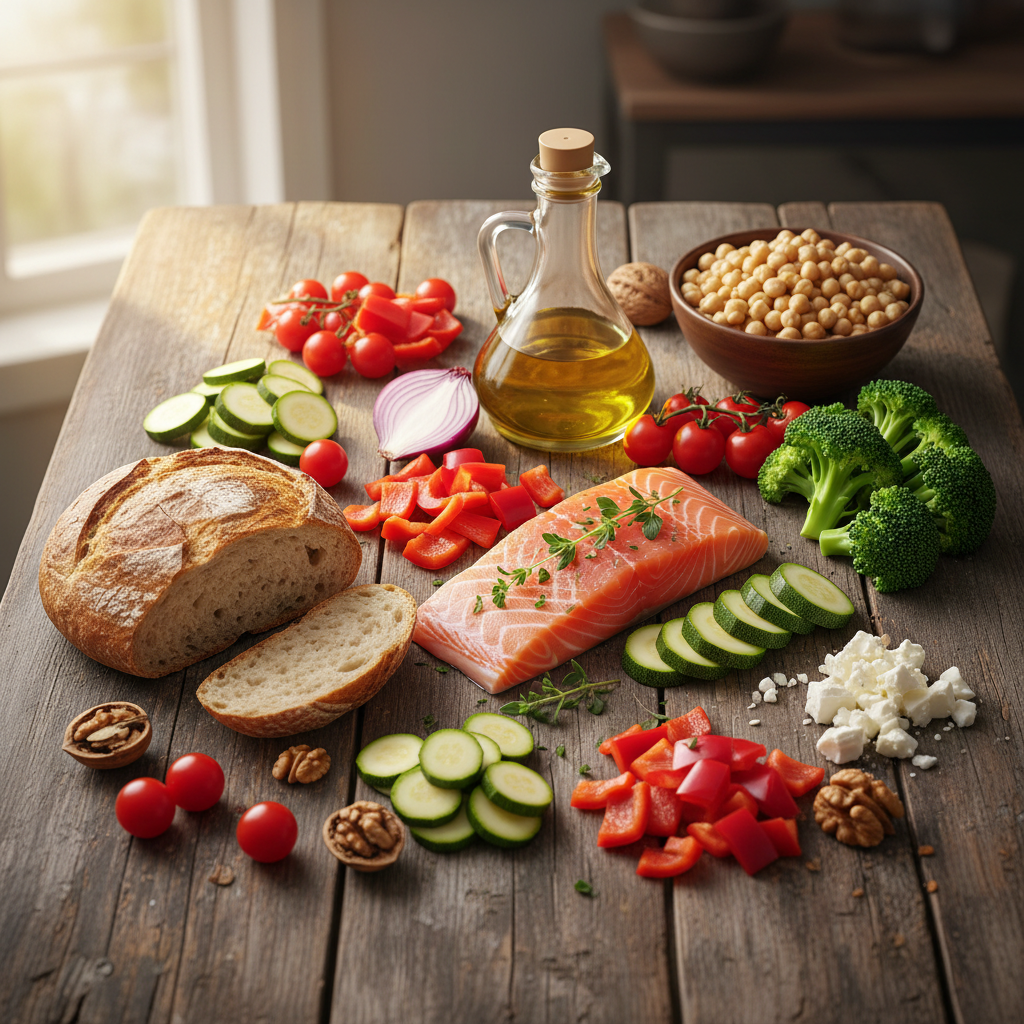
- Vegetables: Every meal — tomatoes, peppers, courgettes, leafy greens, artichokes
- Fruits: Figs, citrus, berries, pomegranates, grapes
- Whole grains: Wholegrain bread, whole wheat pasta, barley, farro, oats
- Legumes: Lentils, chickpeas, cannellini beans — 3x per week minimum
- Nuts and seeds: Almonds, walnuts, pistachios, pine nuts
- Extra virgin olive oil: Primary fat for cooking and dressing — use generously
What to Eat Weekly
- Fish and seafood: Sardines, salmon, mackerel, anchovies — at least twice per week
- Poultry: Chicken and turkey in moderate portions
- Eggs: 3–4 per week
- Dairy: Greek yoghurt, feta, parmesan — moderate amounts
What to Limit or Avoid
- Red meat — maximum 1–2 times per week in small portions
- Processed and deli meats — rarely or never
- Refined grains (white bread, white pasta, pastries)
- Added sugars — reserved for special occasions
- Ultra-processed foods of any kind
5 Benefits Backed by Clinical Research
1. Dramatically Protects the Heart
The combination of olive oil polyphenols, omega-3s from fish, fibre from legumes, and antioxidants from vegetables collectively reduce LDL oxidation, inflammation, blood pressure, and arterial stiffness — the four main drivers of heart disease.
2. Protects Against Type 2 Diabetes
The diet’s emphasis on low-glycaemic foods, fibre, healthy fats, and polyphenols improves insulin sensitivity and reduces post-meal blood sugar spikes. Regular legume consumption specifically reduces fasting glucose.
3. Supports Brain Health and Reduces Dementia Risk
The MIND diet — a Mediterranean hybrid specifically designed for brain health — has been shown to reduce Alzheimer’s risk by up to 53% in those who follow it strictly. Omega-3s, polyphenols, and B vitamins are particularly critical for cognitive preservation.
4. Helps with Weight Management
Unlike calorie-restricted diets that are hard to sustain, the Mediterranean diet naturally controls weight through high fibre, protein, and healthy fat content that promotes satiety and reduces cravings without hunger.
5. Reduces Cancer Risk
High intake of antioxidants, fibre, and anti-inflammatory compounds is associated with significantly lower rates of colorectal, breast, and prostate cancer in Mediterranean populations compared to Western diet populations.
Frequently Asked Questions
Can I lose weight on the Mediterranean diet?
Yes — multiple clinical trials show it produces comparable or better long-term weight loss than low-fat diets. Because it is filling and delicious, adherence is much higher than most diets.
Is it expensive to follow?
Not necessarily. The staples — lentils, chickpeas, oats, eggs, seasonal vegetables, canned sardines, olive oil — are very affordable. Prioritise these over expensive supplements or exotic ingredients.
How quickly will I see health improvements?
Most people notice improved energy and digestion within 2–3 weeks. Blood markers (cholesterol, blood sugar) typically improve within 6–12 weeks of consistent adherence.
Conclusion
The Mediterranean diet is the gold standard of healthy eating — not because it restricts, but because it prioritises real, nutritious, flavourful food. Start today: swap butter for olive oil, add vegetables to every meal, eat fish twice this week, and enjoy a handful of nuts daily. These simple changes can add years to your life.
Medical Disclaimer: For personalised dietary advice, consult a registered dietitian.
📚 Medical Sources & References
This article is based on evidence from the following authoritative medical sources:
Leave a Reply