
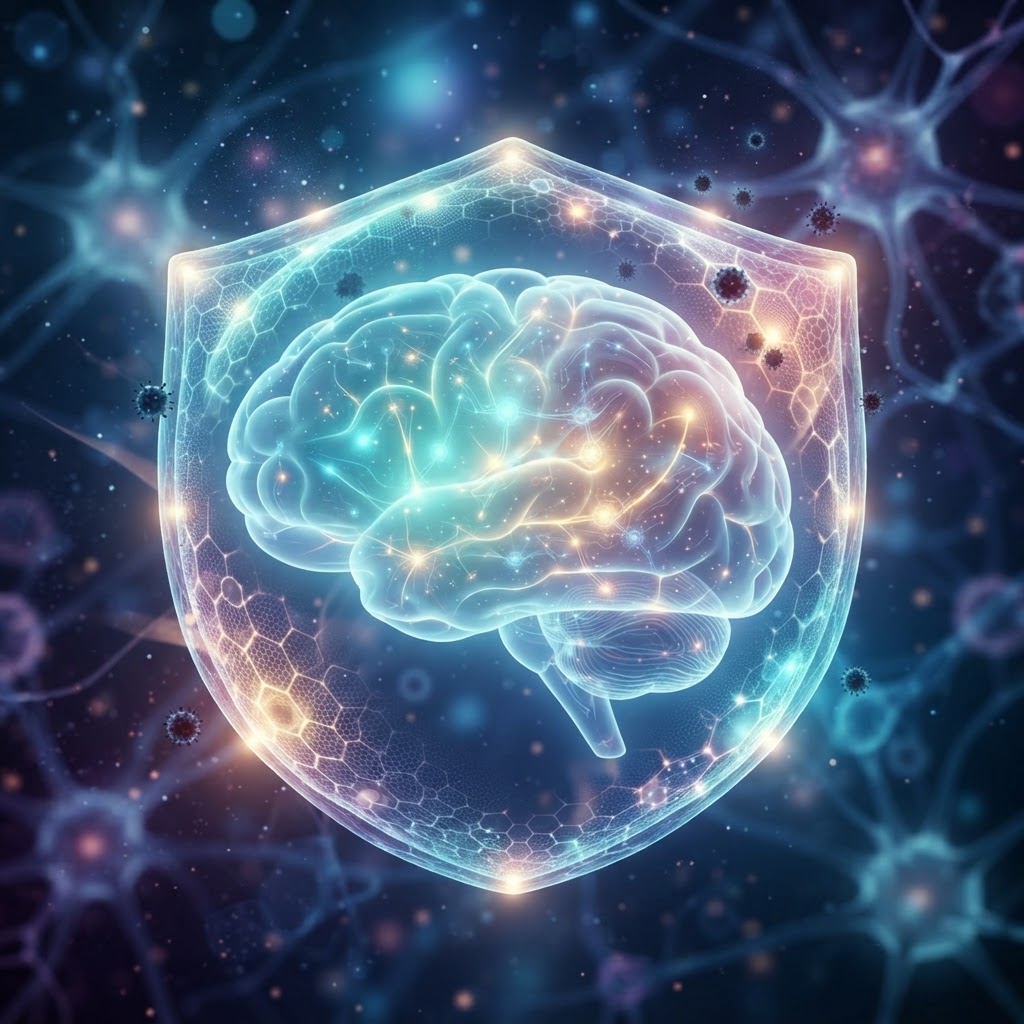
- Leaky brain occurs when the blood-brain barrier becomes permeable, allowing harmful substances to infiltrate central nervous system tissue.
- Neuroinflammation is a protective response that, when chronic, degrades cognitive function and mental clarity.
- Common leaky brain symptoms often manifest as brain fog, persistent fatigue, and unexplained mood shifts.
- The gut-brain axis plays a critical role in brain health; chronic gut issues frequently precede or exacerbate neuroinflammation.
- Restoring barrier integrity requires a multifaceted approach involving diet, stress management, and targeted lifestyle modifications.
Modern life presents a unique set of challenges to our cognitive well-being. While many of us focus on exercise and nutrition to fuel our bodies, we often neglect the silent, internal mechanisms that protect our most valuable asset: the brain. Increasingly, health researchers are turning their attention to a phenomenon known as “leaky brain,” a state where the body’s highly selective internal gatekeeper—the blood-brain barrier—begins to lose its structural integrity. When this happens, substances that should remain outside the brain are allowed entry, triggering a cascade of inflammation that can derail focus, memory, and emotional stability. Understanding this process is the first step toward reclaiming mental sharpness and long-term neurological vitality.
What Is Leaky Brain and How Does It Affect Cognitive Health?
To understand what is commonly referred to as “leaky brain,” one must first visualize the blood-brain barrier (BBB). This is a highly sophisticated, semi-permeable border of cells that lines the blood vessels in the brain. Its primary function is to act as a security checkpoint, allowing essential nutrients like glucose and amino acids to pass through while blocking toxins, pathogens, and inflammatory molecules from the bloodstream. When we discuss leaky brain, we are describing a state of increased permeability where these “tight junctions” between cells become compromised. Once these junctions loosen, the brain’s delicate environment is exposed to systemic threats.
The core issue here is neuroinflammation. In a healthy state, the brain’s immune cells, known as microglia, remain in a “resting” or monitoring state. However, when foreign substances breach the BBB, these microglia shift into an activated, inflammatory state. While this is an appropriate short-term defense mechanism, persistent activation is detrimental. Chronic neuroinflammation creates a hostile environment for neurons, hindering their ability to communicate effectively. Over time, this degradation manifests as significant cognitive decline. The brain becomes overwhelmed by the effort to combat these intruders, leaving less metabolic energy available for higher-level thinking, executive function, and emotional regulation.
The impact on cognitive health is rarely subtle. Individuals experiencing these breaches often report a loss of “mental bandwidth.” Decisions that were once automatic become taxing. Complex tasks feel insurmountable, and memory recall may become sluggish. This isn’t merely “getting older” or having a busy day; it is a fundamental shift in how the brain processes information. Because the brain governs every aspect of our physiological function, a leaky brain can also influence hormone regulation and sleep cycles, creating a self-perpetuating cycle of health challenges. Addressing the root causes of this barrier permeability is essential for anyone looking to optimize their mental performance and protect their brain against the long-term effects of inflammation.
Common Symptoms of Neuroinflammation and Brain Fog
Identifying the symptoms of neuroinflammation can be difficult because they often mimic other health conditions. Unlike a physical injury, the signs of a leaky brain are internal and subjective. Most people describe the sensation as “brain fog,” a blanket term for the persistent lack of mental clarity that makes the world feel distant or muffled. However, clinical patterns suggest that leaky brain symptoms go far beyond simple distraction. Common indicators often include morning fatigue, where you wake up feeling as though you haven’t slept, regardless of the hours logged. This suggests that the brain’s restorative processes—which occur during deep sleep—were hindered by ongoing inflammatory processes.
Another frequently reported symptom is the inability to transition between tasks. If you find that your attention is constantly fragmented or that you feel overwhelmed by basic daily responsibilities, this may point toward underlying neuroinflammation. This is frequently accompanied by “cognitive slowness,” where finding the right word during a conversation becomes difficult, or processing auditory information requires extra effort. Emotionally, many people report an increase in irritability, anxiety, or low mood. This is because the same pathways that regulate inflammation also play a massive role in neurotransmitter production, particularly serotonin and dopamine.
Physically, some people note sensory sensitivities. If bright lights, loud noises, or strong scents that didn’t bother you before suddenly feel overstimulating, your nervous system may be in a state of heightened sensitivity due to inflammation. Headaches or a persistent sensation of “fullness” in the head, while less common, are also sometimes associated with the brain’s inflammatory state. It is important to note that these symptoms are not isolated; they often arrive in clusters. When you combine memory lapses with mood swings and physical exhaustion, you are likely looking at a systemic response rather than a momentary lack of focus. Recognizing these signs early allows for proactive measures to reduce brain inflammation before more severe cognitive impairments develop.
| Approach | Mechanism | Best For |
|---|---|---|
| Anti-Inflammatory Nutrition | Suppresses systemic cytokine production. | Long-term maintenance and prevention. |
| Circadian Rhythm Optimization | Regulates glymphatic drainage efficiency. | Improving sleep-related brain recovery. |
| Stress Reduction Techniques | Lowers cortisol-induced barrier degradation. | Managing acute flare-ups and burnout. |
How the Blood-Brain Barrier Functions and Why It Breaks Down
The blood-brain barrier is a masterpiece of biological engineering, consisting of a complex network of endothelial cells, astrocytes, and pericytes. These components form what are known as tight junctions, which are essentially molecular welds that prevent the passage of unwanted substances from the blood into the brain’s parenchyma. Under normal circumstances, this barrier is incredibly selective. It utilizes specific transport proteins to move nutrients inside while keeping harmful pathogens, large molecules, and toxic substances at bay. This protects the brain’s sensitive electrical environment, allowing neurons to fire without interference from the chaotic fluctuations that occur in the rest of the body.
However, this barrier is not invincible. Its integrity depends on a delicate balance of chemical signals and structural support. When this balance is disturbed, the barrier begins to leak. This often happens due to chronic exposure to inflammatory triggers. For example, when high levels of circulating cytokines—the chemical messengers of the immune system—are present in the blood for long periods, they can start to dissolve the tight junction proteins. Once these junctions weaken, the “leaks” appear. This allows large, harmful proteins and immune cells from the periphery to enter the brain, where they act like an irritant, causing the brain’s resident immune cells to launch a full-scale inflammatory attack.
Several factors can accelerate this breakdown. Oxidative stress is perhaps the most significant culprit. When free radicals outnumber the brain’s antioxidant defenses, they cause damage to the lipids and proteins that make up the barrier. Furthermore, high blood sugar and insulin resistance have been shown to directly damage the endothelial cells that form the wall of the barrier. If the barrier is exposed to constant systemic inflammation—stemming from a poor diet, chronic infections, or environmental toxins—the repair mechanisms cannot keep up. The result is a weakened fortress that is no longer able to keep the brain’s internal environment safe, leading to the cognitive decline and brain fog that characterize modern neuro-health struggles.
Primary Causes of Leaky Brain: From Diet to Chronic Stress
Understanding the causes of leaky brain requires looking at the lifestyle factors that put persistent pressure on our physiological systems. One of the most prominent drivers is a diet high in ultra-processed foods. These items are often laden with refined sugars, hydrogenated oils, and artificial additives, all of which are known to trigger systemic inflammation. Sugar, in particular, contributes to the formation of advanced glycation end-products (AGEs), which can damage blood vessel walls throughout the body, including the delicate vessels within the brain. When we eat for convenience rather than nutrition, we are essentially providing the building blocks for inflammatory processes that eventually reach the brain.
Chronic stress is another major player. When the body enters a prolonged state of “fight or flight,” it produces an abundance of cortisol. While cortisol is useful in short bursts, chronic elevation increases the permeability of the blood-brain barrier. It literally pushes the boundaries of the cells apart, allowing substances that should be excluded to penetrate the brain’s defenses. This is why many people report that their brain fog is at its absolute worst during periods of high life stress. The emotional load manifests physically, stripping the brain of its protective shield and leaving it vulnerable to the inflammatory environment created by the stress response itself.
Environmental toxins also play a quiet but significant role. From heavy metals in our water supply to plastics and pesticides in our food and homes, we are exposed to a myriad of compounds that the body perceives as foreign. These substances can accumulate in fatty tissues, including those in the brain, and disrupt the tight junctions mentioned earlier. Additionally, chronic infections—such as lingering viral or bacterial issues that the immune system never fully cleared—can keep the immune system in a state of high alert. This constant surveillance consumes resources and generates inflammatory byproducts that wear down the barrier over time. By identifying these specific causes, we move closer to a strategy for healing, shifting the focus from simply suppressing symptoms to actively strengthening the barrier.
The Connection Between Gut Health and Brain Inflammation
In the world of integrative health, the “gut-brain axis” is no longer just a theory; it is a foundational pillar of understanding human biology. The gut and the brain are physically and chemically linked through the vagus nerve and the enteric nervous system, which is often referred to as the “second brain.” Crucially, the health of the intestinal lining and the health of the blood-brain barrier are tightly correlated. In fact, many experts believe that a “leaky gut” is a major precursor to a “leaky brain.” When the gut lining is inflamed, it becomes permeable, allowing undigested food particles, toxins, and bacterial components—such as lipopolysaccharides (LPS)—to enter the bloodstream.
These substances, once in the blood, create a state of systemic inflammation. Because the blood-brain barrier is designed to protect the brain from such threats, it must work overtime to filter out these circulating toxins. However, if the gut barrier remains chronically compromised, the sheer volume of inflammatory signals can overwhelm the blood-brain barrier’s defenses. The resulting inflammation in the brain is often just an extension of the inflammation that started in the digestive tract. This is why individuals with chronic digestive issues, such as bloating, sensitivities, or imbalances in the microbiome, frequently report neurological symptoms like brain fog, memory loss, and mood instability.
Furthermore, the microbiome itself plays a role in producing neurotransmitters and anti-inflammatory compounds that reach the brain. A diverse, healthy gut flora helps to regulate the immune system, keeping it from overreacting. Conversely, a dysregulated microbiome can produce toxic metabolites that promote neuroinflammation. By focusing on healing the gut—through fiber-rich whole foods, fermented items, and identifying specific food sensitivities—we indirectly support the integrity of the blood-brain barrier. You cannot effectively reduce brain inflammation while leaving the primary source of that inflammation, the digestive system, in a state of disarray. Healing the gut is an essential, non-negotiable step in the process of protecting and restoring cognitive function.
Hidden Environmental Triggers That Affect Brain Function
While diet and stress are often the first factors we examine, our modern environment is saturated with subtle, invisible irritants that can compromise the blood-brain barrier (BBB). Neuroinflammation is frequently fueled by environmental toxins that pass through the body’s primary barriers, eventually reaching the brain. These triggers are cumulative, meaning they build up in the system over time, potentially leading to persistent brain fog and cognitive decline.
One of the most significant culprits is air quality—specifically, fine particulate matter (PM2.5). These microscopic particles are small enough to be inhaled and can enter the bloodstream or even migrate directly through the olfactory bulb into the brain. Urban living, proximity to high-traffic highways, and indoor air pollution from gas stoves or poor ventilation are major contributors to this systemic burden. Improving indoor air quality through HEPA filtration is a critical, yet often overlooked, step in protecting neurological integrity.
Another major category of environmental triggers involves endocrine-disrupting chemicals (EDCs). Substances such as bisphenol-A (BPA) found in certain plastics, phthalates in personal care products, and synthetic fragrances can alter hormonal signaling. Because the brain is highly sensitive to endocrine shifts, these chemicals can induce inflammatory responses in the microglia—the brain’s resident immune cells. Minimizing exposure involves switching to glass or stainless steel storage containers, opting for fragrance-free household products, and filtering tap water to remove traces of industrial runoff and heavy metals like lead and mercury, which are known neurotoxins.
Electromagnetic field (EMF) sensitivity is also gaining recognition in functional health circles. While more research is required to understand the full mechanism, some studies suggest that high-frequency electromagnetic radiation may influence the permeability of the blood-brain barrier. Creating a “sleep sanctuary” by keeping electronics out of the bedroom and minimizing screen time before bed is a practical way to reduce the overall sensory and electromagnetic load on the nervous system, allowing the brain’s glymphatic system to perform its crucial nightly “cleanse.”
Dietary Strategies to Support a Strong Blood-Brain Barrier
Supporting the blood-brain barrier is not just about what you remove from your diet, but what you provide to your cells to maintain structural integrity. The BBB is essentially a complex web of tight-junction proteins and lipid membranes. If the fats in your diet are rancid or oxidized, the barrier weakens. Conversely, consuming high-quality fats and antioxidants provides the building blocks for resilient barrier function.
The primary dietary strategy involves an anti-inflammatory approach centered on polyphenols and omega-3 fatty acids. Polyphenols, found in colorful berries, dark leafy greens, and cruciferous vegetables, act as signaling molecules that can dampen the activation of inflammatory cytokines. Similarly, omega-3 fatty acids—specifically EPA and DHA found in fatty fish, walnuts, and flaxseeds—are essential for the fluidity of the cell membranes that comprise the blood-brain barrier.
Reducing glycemic volatility is equally important. High sugar intake leads to “glycation,” where sugar molecules bond to proteins, forming Advanced Glycation End-products (AGEs). AGEs are notorious for damaging the delicate endothelial cells of the BBB. By prioritizing fiber-rich, low-glycemic foods, you prevent the insulin spikes that drive systemic inflammation, thereby protecting the brain from the “leaky” phenomenon.
| Nutrient/Food Category | Primary Benefit for the Brain | Best for |
|---|---|---|
| Omega-3 Fatty Acids | Maintains neuronal membrane fluidity | Those with chronic brain fog |
| Sulforaphane (Broccoli Sprouts) | Activates Nrf2 pathway (detoxification) | Reducing environmental toxin damage |
| Curcumin (Turmeric) | Strong anti-inflammatory antioxidant | Acute neuro-irritation |
| Magnesium-rich foods | Supports neurotransmitter regulation | Reducing stress-induced inflammation |
| Fermented Vegetables | Supports gut-brain axis integrity | Long-term gut barrier protection |
Lifestyle Habits That Reduce Neuroinflammation Naturally
Lifestyle choices serve as the foundation upon which diet and supplements operate. If your lifestyle is inherently inflammatory, even the best diet will struggle to mitigate the damage. The most effective habit for reducing brain inflammation is arguably the optimization of circadian rhythms. The brain has its own internal clock, and when this is disrupted by late-night blue light exposure, it struggles to initiate the glymphatic drainage process—the “brain washing” mechanism that clears away cellular waste products like amyloid-beta.
Physical movement is another non-negotiable factor. Exercise increases the production of Brain-Derived Neurotrophic Factor (BDNF), a protein that acts like “fertilizer” for your brain. BDNF promotes the survival of existing neurons and encourages the growth of new ones. Even moderate activities, such as brisk walking, swimming, or yoga, have been shown to modulate the inflammatory response by reducing the production of pro-inflammatory cytokines in the peripheral blood.
Stress management is perhaps the most difficult, yet most vital, component. Chronic stress triggers the HPA axis (hypothalamus-pituitary-adrenal), leading to prolonged elevations of cortisol. High levels of cortisol can physically shrink the hippocampus—the area of the brain responsible for memory—and increase the permeability of the blood-brain barrier. Mindfulness practices, deep breathing techniques, and time spent in nature have been shown to physically lower cortisol levels and shift the nervous system from a sympathetic “fight-or-flight” state to a parasympathetic “rest-and-digest” state, which is the only state in which the brain can truly heal.
Essential Nutrients and Supplements for Brain Protection
When the brain is under siege from inflammation, it often requires a targeted nutritional approach to restore balance. Supplements should never replace a nutrient-dense diet, but they can bridge the gap caused by soil depletion, high-stress demands, or genetic predispositions. When choosing supplements to reduce neuroinflammation, the focus should be on compounds that can cross the blood-brain barrier effectively.
Magnesium L-Threonate: Unlike other forms of magnesium, this specific form has been shown in some studies to cross the blood-brain barrier efficiently, increasing magnesium concentration in the brain. It is highly valued for supporting synaptic density and cognitive function.
Omega-3 Fish Oil (High DHA): DHA is the primary structural fat in the brain. Supplementing with high-quality, cold-pressed fish oil provides the raw materials needed to repair the integrity of cell membranes and suppress inflammatory pathways.
N-Acetylcysteine (NAC): This is a precursor to glutathione, the body’s “master antioxidant.” Glutathione is essential for detoxifying the brain from reactive oxygen species. By boosting your internal glutathione levels, you provide your brain with a potent defense mechanism against oxidative stress.
Lion’s Mane Mushroom: This medicinal fungus has been studied for its ability to stimulate Nerve Growth Factor (NGF) synthesis. It is often utilized by those looking to support memory, focus, and overall neural repair after periods of cognitive fatigue.
When to See a Specialist for Persistent Cognitive Issues
While lifestyle changes can make a profound difference, there are moments when professional intervention is not just recommended—it is essential. If you experience a sudden onset of confusion, severe memory gaps, speech difficulty, or personality changes, you should seek medical attention immediately. These can be signs of acute neurological events that require diagnostic imaging and specialized care.
Additionally, if you have meticulously implemented anti-inflammatory lifestyle changes for several months without seeing any improvement in your brain fog or mental clarity, it is time to look deeper. A functional medicine practitioner or a neurologist can perform specific blood work, such as testing for autoimmune markers, chronic viral loads (like Epstein-Barr or Lyme disease), or heavy metal toxicity, which could be the root cause of your inflammation.
Often, chronic neuroinflammation is a symptom of underlying gut dysbiosis (like SIBO) or systemic immune dysfunction. A specialist can help you navigate the complex relationship between your immune system and your brain, ensuring that you aren’t just “treating the symptoms” while an underlying infection or metabolic condition remains unaddressed.
Frequently Asked Questions
Can leaky brain be reversed?
Many experts believe that because the brain possesses a degree of neuroplasticity, it is possible to support the healing of the blood-brain barrier. By removing inflammatory triggers, nourishing the body with specific nutrients, and managing stress, many individuals report a significant reduction in brain fog and improved mental clarity over time.
What is the most common cause of brain inflammation?
While causes are multifactorial, the most frequent drivers are chronic systemic inflammation stemming from poor gut health, persistent exposure to environmental toxins, uncontrolled blood sugar, and chronic psychological stress. These factors collectively push the immune system to remain in a constant state of high alert.
How does the gut-brain axis relate to leaky brain?
The gut-brain axis is a bidirectional communication network. When the gut lining becomes permeable (leaky gut), toxins and undigested food particles can enter the bloodstream. This triggers a systemic immune response that can cross into the brain, directly influencing microglial activation and inducing neuroinflammation.
Are there specific tests to diagnose neuroinflammation?
Currently, there is no single “standard” blood test for neuroinflammation. However, practitioners often look at inflammatory markers like high-sensitivity C-reactive protein (hs-CRP), cytokine profiles, and tests for gut permeability or food sensitivities to infer the level of inflammatory load on the brain.
How long does it take to reduce brain inflammation?
The timeline varies significantly depending on the individual. Some people notice a reduction in brain fog within a few weeks of eliminating inflammatory foods and improving sleep. For others with chronic or deeper-seated issues, significant recovery may take several months of consistent adherence to an anti-inflammatory protocol.
Can caffeine worsen brain inflammation?
Caffeine is a double-edged sword. While it can improve short-term focus, excessive consumption can raise cortisol levels and disrupt sleep architecture. Poor sleep prevents the brain from clearing metabolic waste, which can eventually contribute to a higher inflammatory burden in the brain for some individuals.
Conclusion
Neuroinflammation is more than just a temporary feeling of sluggishness; it is a complex biological signal that your brain’s protective barriers are under stress. By understanding the causes of brain fog—ranging from environmental pollutants to the state of your gut microbiome—you gain the power to make informed decisions that restore your cognitive vitality. The journey to healing the blood-brain barrier is rarely an overnight success; it is a cumulative process of choosing anti-inflammatory foods, minimizing exposure to modern toxins, and prioritizing the nervous system’s need for deep, restorative rest.
Take the first step today by auditing your environment, simplifying your diet, and committing to one habit that supports your brain’s natural detoxification pathways. Your brain is resilient, and with the right support, you can clear the fog and regain the mental clarity you deserve. For personalized guidance and to rule out underlying medical conditions, please reach out to a qualified healthcare provider.
By healthauthoritylife Editorial Team
This article is for informational purposes only and is not a substitute for professional medical advice. Always consult your doctor before making changes to your diet, exercise routine, or treatment plan.
Leave a Reply