- Iron deficiency anemia occurs when the body lacks sufficient iron to produce adequate hemoglobin, the protein responsible for oxygen transport.
- Recognizing early signs of low iron is crucial, as fatigue and cognitive fog are often mistaken for general stress or lack of sleep.
- Understanding the primary anemia causes—such as blood loss, poor absorption, or dietary insufficiency—is the first step toward effective management.
- Accurate diagnosis requires looking beyond standard hemoglobin tests to check ferritin levels, which measure the body’s stored iron reserves.
- Combining iron-rich foods with Vitamin C significantly optimizes natural iron absorption, making dietary adjustments a powerful tool for recovery.
Feeling perpetually exhausted, breathless during simple activities, or noticing that your hair seems thinner than usual can often be dismissed as the byproduct of a busy, modern lifestyle. However, these may be far more than just signs of fatigue; they could be your body signaling a fundamental deficit in its ability to transport life-sustaining oxygen. Iron deficiency anemia is one of the most common nutritional disorders globally, affecting millions who often struggle to connect their diverse array of symptoms to a single, treatable cause. Whether it stems from dietary gaps, underlying physiological shifts, or issues with how your gut absorbs nutrients, understanding the mechanics of iron metabolism is the key to restoring your vitality. In this comprehensive guide, the healthauthoritylife Editorial Team explores the intricacies of iron levels, how to identify the subtle warning signs, and the evidence-based strategies to support your body’s natural recovery process.
What Is Iron Deficiency Anemia and Why It Happens
To understand iron deficiency anemia, one must first appreciate the role of iron within the human body. Iron is the essential mineral component of hemoglobin, a complex protein found within red blood cells. Hemoglobin acts as a biological ferry, picking up oxygen in the lungs and transporting it to every cell, tissue, and organ that requires it to perform metabolic functions. When your body experiences an iron deficiency, it lacks the raw material needed to manufacture sufficient hemoglobin. Without enough healthy hemoglobin, the blood cannot carry enough oxygen, leading to the clinical state known as anemia. This is not merely a lack of iron in the diet; it is a systemic shortage that forces the body to prioritize essential organ function over non-essential tasks, which explains why you may feel so run down.
The development of anemia is rarely an overnight process. It typically begins with a gradual depletion of iron stores—the body’s “savings account” of iron. The body holds a specific amount of iron in reserve, primarily in the liver and spleen, in the form of ferritin. As dietary intake fails to keep pace with demand or as losses increase, the body dips into these reserves. Only when the stores are nearly empty does the production of red blood cells begin to falter. This is why individuals may have normal hemoglobin levels for an extended period while their stored iron is plummeting. Understanding this progression is vital for early intervention.
There are several physiological pathways that lead to this state. In some cases, the body is not receiving enough iron through food, a situation common among those following restrictive diets or individuals with increased iron needs, such as growing children or pregnant people. In other instances, the intake might be sufficient, but the “gatekeeper” of the system—the gut—fails to absorb it properly. Conditions that impact the lining of the small intestine, such as inflammatory digestive disorders, can prevent the mineral from crossing the barrier into the bloodstream. Furthermore, chronic blood loss, even in small, barely detectable amounts, acts as a constant drain on the body’s iron reserves. Whether the loss is due to heavy menstrual cycles, gastrointestinal micro-bleeding, or other underlying clinical factors, the common denominator is that the body is losing or consuming iron faster than it can replace it. This depletion impacts cellular energy, immune system strength, and even thermal regulation, essentially slowing down the body’s metabolic engine until the deficiency is addressed through diet, supplementation, or medical intervention.
Common Symptoms of Low Iron Levels You Should Not Ignore
The signs of low iron are often subtle, developing slowly enough that many individuals subconsciously adapt to their “new normal” of reduced energy. Because the brain and muscles are the highest consumers of oxygen, they are typically the first to suffer when hemoglobin levels drop. The most classic iron deficiency symptoms include a persistent, heavy fatigue that does not resolve with a full night’s sleep. This is not simply feeling tired after a long day; it is a profound lack of stamina that can make climbing a flight of stairs feel like an athletic feat. This exhaustion often presents alongside shortness of breath, as the heart works overtime to pump a lower volume of oxygenated blood throughout the body.
Beyond physical fatigue, cognitive symptoms are frequently reported. Many people struggling with iron deficiency describe a “brain fog”—a sense of mental sluggishness, difficulty concentrating, or a noticeable decline in memory retention. Since the brain requires a constant, steady supply of oxygen to manage cognitive processes, even a mild dip in hemoglobin can impair mental clarity. You might also notice an unusual pale appearance in your complexion, particularly in the inner lining of the lower eyelids, the gums, or the nail beds. This occurs because the red color of our blood is largely determined by the hemoglobin content; when hemoglobin is low, the skin’s rosy hue fades.
There are also several unusual, yet highly specific, signs of low iron that are often overlooked. Some individuals experience “pica,” a strange craving for non-nutritive substances like ice, dirt, or starch. While the exact scientific explanation for pica remains a topic of investigation, it is a well-documented clinical sign of iron deficiency. Others may experience cold hands and feet, restless leg syndrome—a twitchy, uncomfortable sensation in the legs that worsens at night—or brittle, spoon-shaped nails that look concave rather than curved. Hair thinning is another common complaint, as the body redirects iron toward vital organs like the heart and brain, leaving hair follicles undernourished. Because these symptoms can mimic those of other health issues, it is essential to avoid self-diagnosis. If you find yourself consistently battling a combination of these signs, it is a clear indicator that your body is struggling and requires a formal assessment by a professional.
Primary Causes of Iron Deficiency in Adults
Identifying the root cause of iron deficiency is just as important as treating the symptoms themselves. If the underlying cause is not addressed, iron deficiency anemia will likely return even after treatment. Among adults, one of the most common anemia causes is chronic blood loss. For many women of reproductive age, heavy menstrual bleeding is the primary culprit. When menstrual flow is significant, the iron lost in the shed blood can exceed the amount of iron the body can absorb from daily food intake, creating a negative balance that compounds over time.
However, blood loss is not exclusive to menstruation. In both men and postmenopausal women, hidden gastrointestinal (GI) blood loss is a major concern. This can occur due to conditions like ulcers, polyps, or certain inflammatory digestive diseases. Because this bleeding is often microscopic and invisible to the naked eye, it can go on for years without the person realizing they are losing blood. It is a critical reason why medical practitioners often order tests for occult blood in the stool when investigating unexplained iron deficiency.
Dietary insufficiency is another common factor. Iron exists in two primary forms: heme iron, which is found in animal products and is highly bioavailable, and non-heme iron, found in plant-based sources, which is more difficult for the body to absorb. Individuals who follow strictly plant-based diets must be particularly mindful of their intake, as they rely entirely on non-heme sources. If the diet lacks sufficient variety or relies heavily on processed foods that are not fortified, iron levels will inevitably dwindle. Furthermore, malabsorption plays a significant role. Even with a diet rich in leafy greens and lean proteins, if a person has underlying issues like Celiac disease, Crohn’s disease, or even chronically low stomach acid, their body may fail to extract the iron during the digestive process. Chronic use of antacids or proton pump inhibitors can also interfere with the acidic environment needed to optimize iron absorption in the gut. By isolating which of these factors is at play, you can move away from general wellness advice and toward a targeted strategy that effectively restores your iron stores.
How to Properly Test for Iron and Ferritin Levels
Testing for iron levels is not as simple as checking a single number. Most standard blood panels include a “complete blood count” (CBC), which measures hemoglobin levels. While a low hemoglobin count is the diagnostic hallmark of anemia, it is essentially a “late” indicator. By the time your hemoglobin drops, you have likely been suffering from low iron for months or even years. To get a true picture of your health, you must look at your iron reserves, which requires a specific set of tests known as an “iron panel” or “iron studies.”
The most important marker in this panel is serum ferritin. Ferritin is a protein that stores iron within your cells. Think of it as a mirror for your body’s iron reserves; if your ferritin levels are low, your body is operating on empty, even if your current hemoglobin levels are still technically within the “normal” range. Medical professionals typically look at the ferritin concentration to determine if you have depleted stores before you even reach the stage of full-blown anemia. This is the difference between diagnosing a crisis and preventing one.
Alongside ferritin, your doctor may check your serum iron (the iron circulating in your blood), total iron-binding capacity (TIBC), and transferrin saturation. TIBC measures how much capacity your blood has to transport iron, while transferrin is the protein responsible for moving iron around the body. If your TIBC is high but your serum iron is low, it suggests your body is “hungry” for iron and is increasing the number of transport proteins to catch any available mineral. A low transferrin saturation indicates that there is insufficient iron to fill these transport vehicles.
To ensure your results are accurate, consider the timing of your tests. Iron levels can fluctuate based on the time of day, your recent dietary intake, or even underlying inflammation, which can artificially boost ferritin levels. It is generally recommended to fast before an iron panel to obtain the most reliable baseline. Always communicate any supplements you are currently taking with your healthcare provider, as even a daily multivitamin can skew the results. By requesting a comprehensive panel rather than a simple CBC, you take the guesswork out of your health journey, allowing for a precise plan of action that targets your specific deficiency level.
| Testing Method | What It Measures | Best For |
|---|---|---|
| Complete Blood Count (CBC) | Hemoglobin and red blood cell count | Confirming current anemia status |
| Serum Ferritin Test | Total iron stored in the body | Early detection of low reserves |
| Iron Panel/Iron Studies | Circulating iron, TIBC, and transferrin | Diagnosing the cause of deficiency |
The Role of Vitamin C in Enhancing Iron Absorption
If you have identified that your iron intake is suboptimal, simply increasing your consumption of iron-rich foods might not be enough. The secret to restoring your levels effectively lies in how you combine your nutrients. The biological process of iron absorption is notoriously picky. As mentioned previously, non-heme iron—the type found in beans, lentils, spinach, and fortified cereals—is far less efficiently absorbed than the heme iron found in meats. This is where Vitamin C becomes an indispensable ally. Vitamin C, or ascorbic acid, acts as a chemical catalyst in the gut, helping to convert non-heme iron into a more soluble form that the body finds easier to assimilate.
When you pair a high-Vitamin C food with an iron-rich plant source, you can significantly improve the amount of iron your body successfully extracts. For example, squeezing fresh lemon juice over a bed of sautéed spinach, or serving a side of bell peppers with a lentil salad, creates a synergistic effect that boosts absorption potential. This is a simple, culinary-based approach to natural iron absorption that requires no extra cost or complex scheduling, yet it yields measurable results over time.
Conversely, it is equally important to understand what inhibits this process. Certain compounds, such as tannins found in tea and coffee, or calcium in dairy products, can actively block iron absorption when consumed during the same meal. Experts generally suggest that if you are working to boost your iron levels, you should aim to drink your coffee or tea at least an hour before or after your iron-rich meals. This separation ensures that the inhibitors do not compete with the mineral for absorption pathways in the small intestine.
For those who rely on iron-rich foods as their primary source of recovery, this “food pairing” strategy is the foundation of long-term success. It is not just about what you eat, but how you compose your plate. By ensuring that every iron-dense meal is accompanied by a Vitamin C source—such as strawberries, oranges, citrus, or cruciferous vegetables—you optimize your digestive efficiency. This strategy is particularly vital for those managing chronic deficiency, as it maximizes the biological return on every bite of food consumed. When coupled with the removal of “blockers” like excessive caffeine during meals, this method transforms your diet from a passive intake of nutrients into an active recovery protocol, helping to stabilize your iron stores and eventually support healthier hemoglobin production.
Best Iron-Rich Foods to Include in Your Daily Diet
Optimizing your nutrition is the cornerstone of addressing iron deficiency. When structuring your diet, it is essential to distinguish between the two primary forms of dietary iron: heme and non-heme. Heme iron is derived from animal products and is generally absorbed by the human body with much higher efficiency. Non-heme iron, which is found in plant-based sources, is essential for vegetarians and vegans but requires specific strategies to maximize its bioavailability.
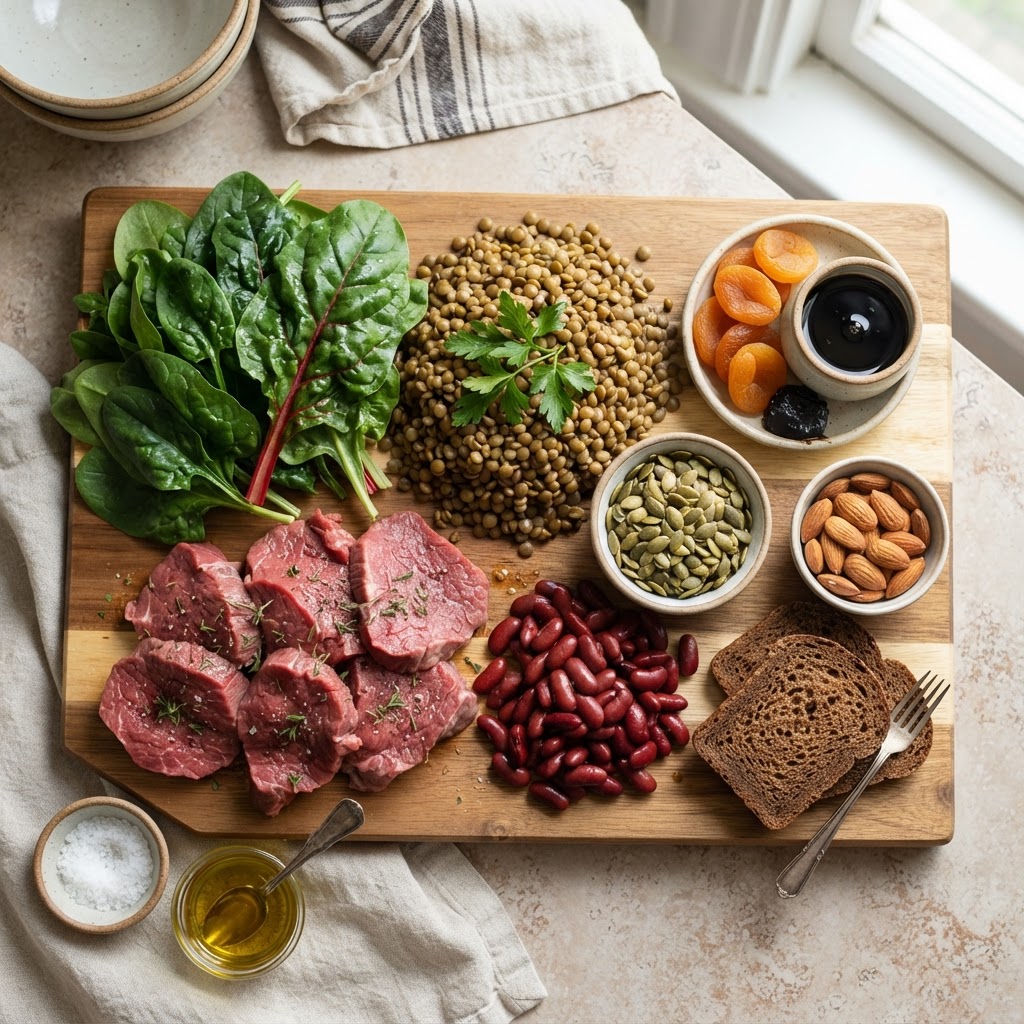
To effectively manage your iron levels, aim to incorporate a diverse array of these nutrient-dense foods into your weekly meal planning. Below are the most potent sources of iron:
- Shellfish: Clams, oysters, and mussels are incredibly rich in heme iron. A small serving can often provide a substantial portion of your daily recommended intake.
- Organ Meats: While they have fallen out of favor in modern diets, liver—particularly beef or chicken liver—remains one of the most concentrated sources of iron available.
- Red Meat: Beef and lamb provide high-quality heme iron that is easily assimilated by the digestive system.
- Legumes: Lentils, chickpeas, black beans, and kidney beans are the powerhouses of non-heme iron. They also provide fiber, which supports overall gut health.
- Spinach and Leafy Greens: Dark, leafy greens like Swiss chard and spinach offer significant iron content. Lightly cooking these greens can reduce oxalates, which may otherwise hinder absorption.
- Pumpkin Seeds: An excellent snack option, pumpkin seeds are surprisingly high in iron and can be easily sprinkled over salads or yogurt.
- Fortified Cereals: Many whole-grain or oat-based cereals are fortified with iron. Always check the label to ensure they are low in added sugars.
For those relying heavily on plant-based iron, the secret lies in “iron pairing.” By consuming non-heme iron sources alongside foods rich in Vitamin C—such as bell peppers, citrus fruits, strawberries, or tomatoes—you can significantly increase the absorption rate of the iron. This simple culinary habit can be as effective as some minor supplementation strategies when maintained over time.
| Food Source | Type of Iron | Best For |
|---|---|---|
| Clams & Oysters | Heme | Rapidly increasing serum ferritin |
| Lentils | Non-Heme | Budget-friendly, high-fiber iron intake |
| Beef Liver | Heme | Dense nutrient profile for recovery |
| Pumpkin Seeds | Non-Heme | On-the-go snacking and mineral balancing |
| Spinach (Cooked) | Non-Heme | Versatile meal accompaniment |
Foods and Habits That Block Iron Absorption
It is not enough to simply eat more iron; you must also be mindful of what you consume alongside those iron-rich foods. Certain compounds, known as “anti-nutrients,” can bind to iron in the digestive tract, forming insoluble complexes that the body cannot absorb. Understanding these inhibitors is just as important as knowing which foods to eat.
The most common inhibitors include:
- Tannins and Polyphenols: Found abundantly in black tea, green tea, and coffee. Drinking these beverages during or immediately after an iron-rich meal is a leading cause of poor iron assimilation. If you enjoy a morning coffee, try to time it at least an hour before or after your breakfast.
- Calcium: While essential for bone health, calcium competes with iron for absorption. This is why many experts advise against taking iron supplements with calcium-fortified orange juice or consuming dairy products during your primary iron-rich meal.
- Phytates: Found in whole grains, legumes, and nuts, phytates can bind to iron. You can mitigate this by soaking, sprouting, or fermenting your grains and legumes before cooking, which naturally reduces their phytate content.
- Oxalates: Commonly found in spinach, kale, and beets. While these foods are healthy, pairing them with a Vitamin C source helps counteract the inhibitory effects of oxalates.
Beyond dietary choices, certain lifestyle habits can interfere with iron levels. For example, high-intensity exercise can sometimes lead to iron loss through sweat or gastrointestinal stress. Furthermore, persistent inflammation or chronic digestive issues, such as celiac disease or low stomach acid, can impair the intestinal lining’s ability to absorb iron, regardless of how much you consume.
Safe and Effective Natural Ways to Boost Iron Stores
Building your iron stores is a marathon, not a sprint. Because the body regulates iron very strictly, recovery from deficiency requires patience and consistency. Aside from food choices, you can utilize several practical habits to naturally enhance your body’s ability to hold onto iron.
Optimize Gut Health: Your gut microbiome plays a vital role in nutrient absorption. If your digestive tract is inflamed, iron uptake will be compromised. Incorporating fermented foods like kimchi, sauerkraut, or kefir can support a healthy gut lining. If you suspect your digestive system is not functioning at its peak, address those concerns first.
Manage Your Vitamin C Intake: Make it a habit to add a squeeze of lemon juice to your cooked greens or consume a small orange with your lentil soup. Vitamin C is the most potent natural enhancer of iron absorption. It helps convert non-heme iron into a form that the body can more easily recognize and utilize.
Cast-Iron Cookware: A classic, time-tested strategy is using cast-iron skillets for meal preparation. Acidic foods, such as tomato sauce or chili, can leach small, safe amounts of iron from the pan into your food. This is an excellent way to provide a subtle, consistent boost of iron to your diet without needing clinical intervention.
Space Out Inhibitors: Create a “buffer zone” of two hours around your iron-rich meals. During this time, avoid coffee, tea, and calcium-heavy supplements. This window allows your body to maximize the uptake of iron from the food you have just consumed without competition.
When to Consider Supplementation for Iron Deficiency
While food is always the first line of defense, there are instances where dietary changes alone are insufficient. If you have been diagnosed with clinically significant anemia or if your ferritin levels remain stubbornly low despite a nutritious diet, your healthcare provider may suggest iron supplementation. Supplementation is typically reserved for those who have specific absorption issues, heavy menstrual bleeding, or a severe, diagnosed deficiency.
It is important to understand that iron supplements can cause side effects, including nausea, constipation, and abdominal discomfort. To mitigate these, many people prefer “slow-release” or lower-dose options recommended by their doctor. Never start an iron supplement regimen without first getting a blood test to confirm your current levels, as iron overload (hemochromatosis) can be dangerous and toxic to the liver and heart.
Always follow your provider’s guidance regarding the type of iron, the dosage, and the frequency of intake. Some individuals find that taking iron supplements every other day is just as effective as taking them daily, with fewer gastrointestinal side effects. Always prioritize professional oversight to monitor your response and ensure your ferritin levels are trending upward safely.
Frequently Asked Questions
How long does it typically take to recover from iron deficiency?
Recovery time varies based on the severity of the deficiency. While energy levels may improve within a few weeks of consistent dietary changes or supplementation, rebuilding iron stores (ferritin) often takes three to six months of dedicated adherence to a treatment plan.
Can coffee really prevent me from getting enough iron?
Yes, the polyphenols and tannins in coffee can significantly inhibit the absorption of non-heme iron. If you consume coffee, try to drink it between meals rather than with your meals to ensure your iron absorption is not compromised.
Are iron supplements safe to take without a doctor’s recommendation?
It is generally not recommended to take iron supplements without a blood test. High levels of iron can build up in the body and become toxic. Always consult a healthcare professional to determine if you actually have a deficiency before starting any high-dose supplementation.
What is the difference between anemia and just having low iron?
Iron deficiency is the precursor to anemia. You can have low iron stores (low ferritin) without being clinically anemic. Anemia occurs when those low stores cause your hemoglobin levels to drop below the threshold required to carry sufficient oxygen through your body.
Is it possible to get too much iron from food?
For most healthy individuals, it is very difficult to achieve toxic levels of iron through food alone. The body has a complex regulatory mechanism for iron absorption from food. Toxicity is almost exclusively associated with taking high-dose supplements or having a genetic condition like hemochromatosis.
Do vegetarians and vegans struggle more with iron deficiency?
While vegetarians and vegans consume plenty of iron, it is in the non-heme form, which is harder for the body to absorb than heme iron. Therefore, they must be more intentional about pairing iron-rich foods with Vitamin C and avoiding inhibitors during meal times to maintain optimal levels.
Conclusion
Iron deficiency is a widespread condition, but it is also highly manageable with the right approach. By understanding your symptoms, identifying the root causes, and intentionally choosing iron-rich foods while minimizing inhibitors, you can reclaim your vitality and improve your overall well-being. Whether you are adjusting your cooking habits to include cast-iron cookware or simply pairing your greens with a squeeze of lemon, small, consistent changes lead to significant long-term results. Remember that your health journey is personal; take the time to listen to your body and work closely with your healthcare team to monitor your ferritin and hemoglobin levels. Start your path to recovery today by incorporating one new iron-rich meal into your routine this week.
By healthauthoritylife Editorial Team
This article is for informational purposes only and is not a substitute for professional medical advice. Always consult your doctor before making changes to your diet, exercise routine, or treatment plan.
Leave a Reply