📚 Medical Sources & References
This article is based on evidence from the following authoritative medical sources:
🏷️ Category: Heart Health
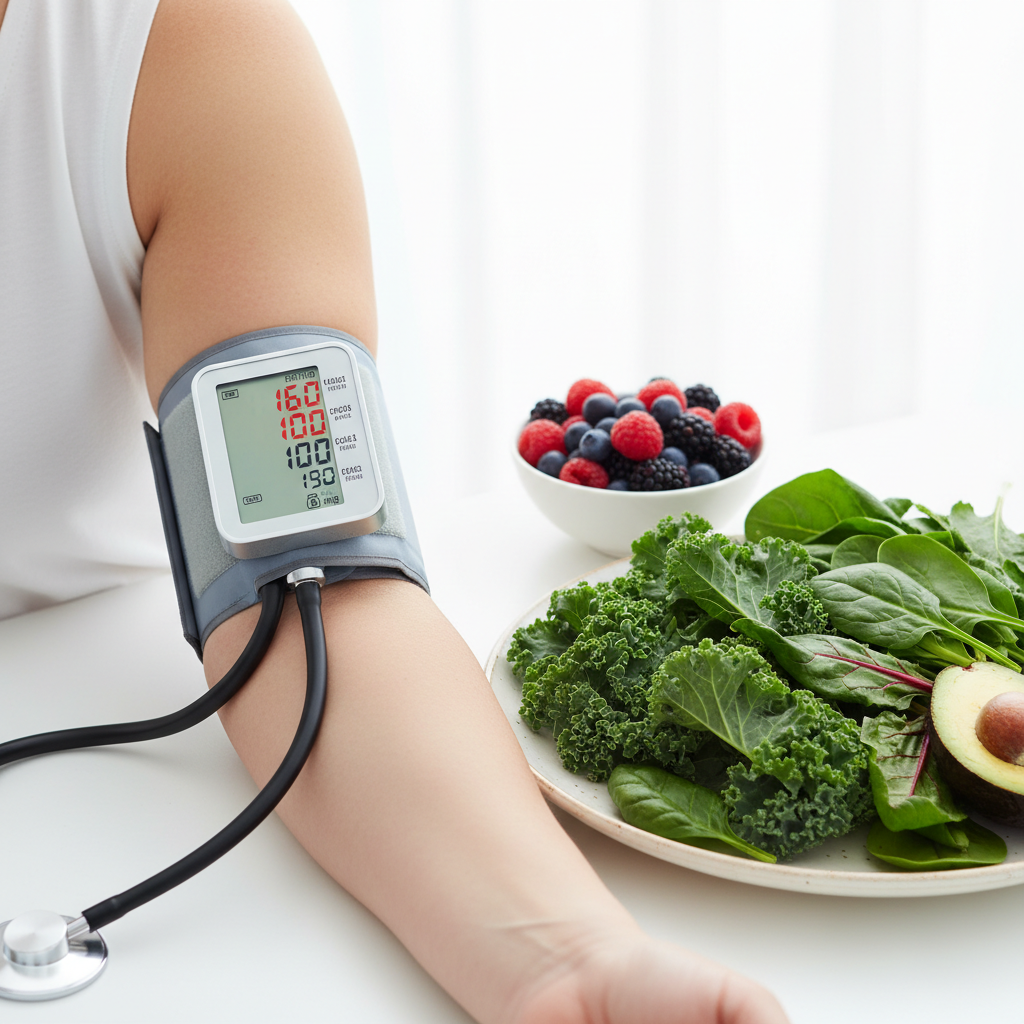
High Blood Pressure is one of the most important health topics today. Medically Reviewed: This article is based on evidence from the American Heart Association, WHO, and peer-reviewed journals on hypertension management.
High blood pressure — also known as hypertension — is often called “the silent killer.” It has no obvious symptoms, yet it quietly damages your heart, brain, kidneys, and arteries every single day it goes uncontrolled. According to the World Health Organization, 1.28 billion adults worldwide have hypertension, making it the leading risk factor for heart disease and stroke globally. The most alarming fact? Nearly half of all people with hypertension don’t even know they have it.
In this comprehensive guide, we cover everything you need to know about high blood pressure — from understanding what the numbers mean, to the causes and risk factors, to the most effective evidence-based strategies for lowering your blood pressure naturally and with medical treatment.
Table of Contents
🔑 Key Takeaways — High Blood Pressure
- ✅ High blood pressure affects 1.28 billion adults globally and is called the ‘silent killer’
- ✅ Reducing sodium intake to under 2,300mg/day can lower BP by 5–6 mmHg
- ✅ Regular aerobic exercise lowers systolic blood pressure by 4–9 mmHg on average
- ✅ The DASH diet is proven to reduce blood pressure within 2 weeks
- ✅ Home blood pressure monitoring leads to better BP control than clinic-only readings
What Is Hypertension?
Blood pressure is the force of blood pushing against the walls of your arteries as your heart pumps it around your body. It is measured using two numbers — systolic (pressure when your heart beats) over diastolic (pressure when your heart rests between beats). Hypertension occurs when this pressure remains consistently too high, putting excessive strain on the heart and blood vessels.
Unlike many health conditions, hypertension rarely causes noticeable symptoms until it has already caused significant damage. This is precisely why regular blood pressure monitoring is so critical — especially after the age of 30.
Understanding Your Blood Pressure Numbers
Blood pressure is measured in millimetres of mercury (mmHg) and recorded as two numbers. Here is how the American Heart Association classifies blood pressure readings:
| Category | Systolic (mmHg) | Diastolic (mmHg) | Action Required |
|---|---|---|---|
| Normal | Less than 120 | Less than 80 | Maintain healthy habits |
| Elevated | 120–129 | Less than 80 | Lifestyle changes advised |
| High BP Stage 1 | 130–139 | 80–89 | Lifestyle + possibly medication |
| High BP Stage 2 | 140 or higher | 90 or higher | Medication + lifestyle changes |
| Hypertensive Crisis | Over 180 | Over 120 | Seek emergency care NOW |
Causes and Risk Factors of High Blood Pressure
There are two types of hypertension. Primary (essential) hypertension has no single identifiable cause and develops gradually over many years — accounting for 90–95% of all cases. Secondary hypertension is caused by an underlying condition such as kidney disease, thyroid disorders, or certain medications.
Key risk factors for developing hypertension include:
Lifestyle Factors
- High sodium (salt) diet
- Physical inactivity
- Obesity or overweight
- Excessive alcohol consumption
- Smoking and tobacco use
- Chronic stress
- Poor sleep quality
Non-Modifiable Factors
- Age (risk increases over 40)
- Family history of hypertension
- Race (higher in Black adults)
- Chronic kidney disease
- Diabetes mellitus
- Sleep apnea
- Certain medications (NSAIDs, birth control)
Serious Complications of Untreated Hypertension
Leaving high blood pressure untreated is one of the most dangerous decisions a person can make. Over time, the constant excess pressure damages arteries and organs throughout the body, leading to potentially life-threatening conditions:
- Heart attack and coronary artery disease — hypertension is the #1 cause of heart attacks worldwide
- Stroke — high blood pressure is the single most important risk factor for both ischaemic and haemorrhagic stroke
- Heart failure — the heart becomes enlarged and weakened from years of overwork
- Kidney damage and kidney failure — damaged kidney arteries impair the kidneys’ ability to filter blood
- Vision loss — hypertensive retinopathy can cause permanent blindness
- Vascular dementia — reduced blood flow to the brain accelerates cognitive decline
- Peripheral artery disease — narrowed arteries in the legs causing pain and poor circulation
- Aortic aneurysm — dangerous bulging of the body’s main artery that can rupture fatally
12 Proven Natural Ways to Lower Blood Pressure
The good news: blood pressure is highly responsive to lifestyle changes. For many people with Stage 1 hypertension, these changes alone can bring blood pressure into a healthy range without medication. Even for those on medication, lifestyle improvements can reduce the doses needed.
1. Reduce Sodium Intake
Sodium causes the body to retain water, increasing blood volume and therefore blood pressure. The WHO recommends consuming less than 2,000 mg of sodium per day (about 5g of salt). The average person consumes nearly double this. Major sources of hidden sodium include: processed meats, canned soups, bread, cheese, fast food, and restaurant meals. Read food labels carefully and cook at home more often using herbs and spices instead of salt.
2. Increase Potassium-Rich Foods
Potassium counteracts the blood-pressure-raising effect of sodium by helping kidneys excrete more sodium in urine and relaxing blood vessel walls. The best potassium-rich foods include: bananas, avocados, sweet potatoes, spinach, beans, lentils, yoghurt, and salmon. Aim for 3,500–5,000 mg of potassium per day, as recommended by the British Heart Foundation.
3. Exercise Regularly
Regular aerobic exercise is one of the most powerful blood pressure-lowering interventions available. Studies show that consistent moderate-intensity exercise can reduce systolic blood pressure by 5–8 mmHg — as much as some medications. Aim for at least 150 minutes per week of brisk walking, cycling, swimming, or jogging. Resistance training (weights) also provides significant BP-lowering benefits when done 2–3 times per week.
4. Lose Excess Weight
Blood pressure and body weight are closely linked. For every 1 kg (2.2 lbs) of weight lost, blood pressure drops by approximately 1 mmHg. Waist circumference is particularly important — abdominal fat is more metabolically active and contributes more to hypertension than fat elsewhere. Aim to keep your waist under 94 cm for men and 80 cm for women.
5. Limit Alcohol
Drinking more than moderate amounts of alcohol raises blood pressure. Even having more than 2–3 drinks on a single occasion can temporarily spike your blood pressure. Over time, heavy drinking leads to sustained hypertension and reduces the effectiveness of blood pressure medications. If you drink, limit to no more than 1 standard drink per day for women and 2 for men.
6. Quit Smoking
Each cigarette causes a temporary spike in blood pressure for several minutes. Chemicals in tobacco damage artery walls, causing inflammation and narrowing that drives long-term hypertension. Quitting smoking is one of the fastest ways to improve cardiovascular health — blood pressure begins improving within hours of your last cigarette.
7. Manage Stress Effectively
Chronic stress activates the sympathetic nervous system, releasing adrenaline and cortisol that raise heart rate and constrict blood vessels. Over time this contributes to sustained hypertension. Evidence-based stress reduction techniques include: mindfulness meditation (which has been shown in clinical trials to lower systolic BP by 4–5 mmHg), slow deep breathing exercises, yoga, progressive muscle relaxation, and regular time in nature.
8. Prioritise Sleep
Blood pressure naturally dips during sleep. People who sleep fewer than 6 hours per night consistently show higher blood pressure readings. Sleep apnea — a condition causing repeated breathing interruptions during sleep — is a major secondary cause of hypertension. If you snore loudly or wake feeling unrefreshed, speak to your doctor about a sleep study.
9. Try Dark Chocolate (in Moderation)
Dark chocolate (70%+ cacao) contains flavanols that stimulate the production of nitric oxide, which relaxes and dilates blood vessels. A 2010 Cochrane review found that cocoa-rich products reduced systolic blood pressure by an average of 2–3 mmHg. Enjoy a small square (10–15g) of dark chocolate daily as part of a heart-healthy diet.
10. Drink Hibiscus Tea
Hibiscus tea is one of the most well-studied natural remedies for hypertension. A 2010 study published in the Journal of Nutrition found that drinking 3 cups of hibiscus tea daily reduced systolic blood pressure by 7 mmHg in people with mildly elevated blood pressure. It acts similarly to ACE inhibitors, relaxing blood vessels.
11. Increase Magnesium Intake
Magnesium plays a critical role in regulating blood pressure by helping blood vessels relax. Magnesium deficiency is surprisingly common and contributes to hypertension. Good dietary sources include: pumpkin seeds, spinach, almonds, dark chocolate, avocado, whole grains, and legumes. Speak to your doctor before supplementing with magnesium.
12. Cut Back on Caffeine
Caffeine causes a short-term spike in blood pressure, particularly in people who don’t consume it regularly. For habitual coffee drinkers, the effect is less pronounced, but limiting caffeine to 2–3 cups of coffee per day is a sensible strategy for those managing hypertension. Switch to green tea in the afternoon, which contains less caffeine plus beneficial L-theanine.
The DASH Diet: The Gold Standard for Blood Pressure
The Dietary Approaches to Stop Hypertension (DASH) diet was specifically developed to lower blood pressure and is backed by decades of clinical research. Studies show the DASH diet can lower systolic blood pressure by 8–14 mmHg — comparable to taking a blood pressure medication.
The DASH Diet in Practice
Eat Plenty Of:
- Vegetables (especially leafy greens)
- Fruits (especially berries)
- Whole grains (oats, brown rice, quinoa)
- Low-fat dairy products
- Lean poultry and fish
- Nuts, seeds, and legumes
Strictly Limit:
- Salt and high-sodium foods
- Red and processed meats
- Full-fat dairy (cheese, butter)
- Sweets and sugary drinks
- Refined grains (white bread, white rice)
- Saturated and trans fats
Exercise and Blood Pressure: What the Science Says
A 2019 meta-analysis published in the British Journal of Sports Medicine analysed 391 randomised controlled trials and concluded that exercise is as effective as most common blood pressure medications for people with hypertension. The most effective types of exercise for lowering blood pressure include:
- Aerobic exercise (walking, running, cycling, swimming) — most studied and effective
- Isometric exercise (wall sits, handgrip exercises) — surprisingly powerful, with some studies showing 10+ mmHg reductions
- Resistance/strength training — improves arterial stiffness and reduces resting BP
- Yoga and Tai Chi — particularly effective for stress-related hypertension
Blood Pressure Medications: An Overview
When lifestyle changes alone are insufficient, medication is an important and often life-saving tool. Your doctor will choose medication based on your BP stage, other health conditions, age, and ethnicity. Common classes of blood pressure medications include:
- ACE Inhibitors (e.g. lisinopril, ramipril) — relax blood vessels by blocking angiotensin
- ARBs (e.g. losartan, valsartan) — similar to ACE inhibitors with fewer side effects
- Calcium Channel Blockers (e.g. amlodipine) — relax and widen blood vessels
- Diuretics / Water Pills (e.g. hydrochlorothiazide) — help kidneys remove excess salt and water
- Beta-Blockers (e.g. atenolol, metoprolol) — slow heart rate and reduce force of contraction
Never stop taking prescribed blood pressure medication without consulting your doctor, even if your blood pressure appears normal — it is likely normal because of the medication.
How to Monitor Blood Pressure at Home
Home blood pressure monitoring is an essential tool for managing hypertension. It gives your doctor a much more accurate picture of your typical blood pressure than occasional clinic readings. Here is how to do it correctly:
- Use a validated upper-arm cuff monitor (wrist monitors are less accurate)
- Sit quietly for 5 minutes before measuring
- Sit in a chair with your back supported, feet flat on the floor
- Rest your arm at heart level on a table
- Avoid caffeine, exercise, and smoking for 30 minutes before measuring
- Take 2 readings, 1 minute apart, and record the average
- Measure at the same time each day — morning before medication, and evening
Frequently Asked Questions
Can high blood pressure be cured permanently?
Primary hypertension cannot be “cured” but it can be very effectively controlled through lifestyle changes and, when necessary, medication. Some people with early-stage hypertension achieve normal readings through lifestyle changes alone and may not need medication long-term.
What is considered dangerously high blood pressure?
A reading above 180/120 mmHg is a hypertensive crisis. If you get this reading, rest for 5 minutes and recheck. If still that high — especially with symptoms like chest pain, severe headache, or vision changes — seek emergency medical care immediately.
How quickly can lifestyle changes lower blood pressure?
Some changes — like significantly reducing sodium — can lower blood pressure within days. Most lifestyle interventions show meaningful results within 2–4 weeks of consistent application. The full effect of diet and exercise changes typically manifests over 3–6 months.
Is 130/85 high blood pressure?
Yes — 130/85 falls into the Stage 1 Hypertension category according to the American Heart Association. This warrants a conversation with your doctor and proactive lifestyle changes, even if medication isn’t immediately required.
Conclusion: Take Control of Your Blood Pressure Today
High blood pressure is serious — but it is also highly manageable. The combination of a heart-healthy diet, regular exercise, stress management, limiting alcohol, quitting smoking, and adequate sleep can make a dramatic difference. If you are prescribed medication, take it consistently while also implementing these lifestyle strategies. Regular monitoring is key — because when it comes to hypertension, knowledge is literally life-saving.
Medical Disclaimer: This article is for informational purposes only and is not a substitute for professional medical advice. If you have or suspect you have high blood pressure, please consult a qualified healthcare provider.
Leave a Reply