
- Chronic cholecystitis is a long-term condition characterized by repeated bouts of gallbladder inflammation, often linked to gallstones.
- Common gallbladder inflammation symptoms include recurring abdominal pain, digestive discomfort, and systemic fatigue.
- Identifying specific dietary triggers and understanding the role of bile flow are essential components of natural gallbladder support.
- Lifestyle modifications, such as maintaining a healthy weight and staying hydrated, are primary strategies for managing chronic gallbladder pain relief.
- Chronic inflammation can lead to structural changes in the gallbladder wall, necessitating a proactive approach to digestive health.
The gallbladder is often an overlooked organ until it begins to signal its distress through persistent, aching pain or digestive disruption. When this small, pear-shaped pouch beneath the liver undergoes repeated, low-grade irritation rather than a single acute event, it is classified as chronic cholecystitis. For many individuals, this condition creates a cycle of discomfort that influences every meal and impacts overall quality of life. Understanding the nuances of this condition—from the root triggers to the potential for natural gallbladder support—is the first step toward reclaiming digestive comfort. In this comprehensive guide, the healthauthoritylife Editorial Team explores the mechanics of this chronic inflammation and provides evidence-based insights on how to manage and potentially soothe your gallbladder naturally.
What Is Chronic Cholecystitis and Why It Develops
Chronic cholecystitis represents a persistent, long-term state of gallbladder wall inflammation. Unlike acute cholecystitis, which often manifests as a sudden, medical emergency characterized by intense, unbearable pain, fever, and nausea, the chronic iteration tends to present in a more subtle, recurring fashion. It is frequently the result of repeated episodes of mild inflammation, which are almost always associated with the presence of gallstones, or cholelithiasis. Over time, these stones can cause mechanical irritation to the gallbladder mucosa, leading to thickening and scarring of the gallbladder wall.
The development of chronic cholecystitis is a gradual process. When gallstones are present, they may periodically obstruct the cystic duct—the narrow tube that allows bile to flow from the gallbladder into the small intestine. Even if the blockage is transient and not severe enough to cause the medical crisis of an acute attack, it creates a “backup” of bile. This trapped bile, combined with the physical rubbing of stones against the gallbladder lining, causes the tissues to become irritated. As this cycle repeats over months or even years, the gallbladder wall loses its elasticity and becomes fibrous. This fibrotic change impairs the organ’s ability to contract effectively and store or release bile, which is essential for the proper digestion of dietary fats.
Experts often describe this as a self-perpetuating loop. The scarred gallbladder wall cannot empty as effectively as a healthy one, which means bile stays in the organ for longer periods. Stagnant bile is more prone to forming further sludge or stones, which in turn leads to more irritation and inflammation. This is why many people who suffer from chronic cholecystitis find that their symptoms fluctuate; there may be weeks of relative stability followed by days of increased sensitivity. Furthermore, the body’s inflammatory response to this irritation can sometimes trigger systemic symptoms, making the individual feel generally unwell, fatigued, or bloated long after the physical pain of a specific episode has subsided.
Understanding why this develops is crucial for long-term management. While the presence of stones is the primary mechanical culprit, the biochemical environment—your overall metabolic health, dietary intake, and hydration levels—plays a massive role. When the composition of bile becomes “lithogenic,” or stone-forming, due to high cholesterol levels or a lack of certain bile salts, the gallbladder is put under unnecessary stress. By addressing these root causes, rather than just waiting for the next “flare,” individuals can work toward a more sustainable, stable digestive environment. Chronic cholecystitis is not merely a localized issue; it is a signal from the body that the delicate balance of your biliary system has been disrupted, and it requires consistent, long-term attention to stabilize.
Common Symptoms of Chronic Gallbladder Inflammation
Identifying the symptoms of chronic cholecystitis can be challenging because they often mimic other digestive complaints, such as irritable bowel syndrome (IBS), acid reflux, or gastritis. The “signature” pain of the gallbladder is often referred to as biliary colic, but in a chronic setting, this pain may be less about acute, sharp spikes and more about a dull, persistent ache in the upper right quadrant of the abdomen, just below the ribs. This discomfort may radiate toward the right shoulder or the area between the shoulder blades, a phenomenon known as referred pain.
One of the hallmark gallbladder inflammation symptoms is a clear relationship between the intake of high-fat meals and the onset of distress. Because the gallbladder is stimulated to contract when you consume fat, a compromised gallbladder often struggles to keep up with a heavy, greasy, or fried meal. Within 30 to 90 minutes after eating, you might experience a sense of fullness, sharp localized pain, or a feeling of “heaviness” in the upper abdomen. This is the gallbladder attempting to force bile through a partially blocked or sluggish system. Chronic sufferers often learn to avoid specific foods, but even with dietary adjustments, the underlying inflammation can cause symptoms to surface unexpectedly.
Beyond the typical pain profile, digestive disturbances are incredibly common. Chronic gallbladder issues frequently manifest as chronic bloating, excessive gas, and changes in bowel habits. Because bile is essential for breaking down fats and absorbing fat-soluble vitamins, an inadequate flow of bile can result in stools that are light in color, greasy, or float (steatorrhea). Furthermore, many individuals report an persistent feeling of nausea or a sour, bitter taste in the mouth, particularly in the mornings. This is often linked to poor biliary output and the subsequent backup of digestive juices.
Systemic symptoms should not be ignored either. Persistent inflammation, even at a low level, demands energy from the immune system. Many people living with chronic cholecystitis report a vague sense of fatigue or brain fog. They may feel “run down” without a clear explanation. While it is easy to attribute these feelings to stress or lack of sleep, when they occur in tandem with digestive complaints, they are often part of the broader symptom cluster associated with chronic biliary inflammation. Paying close attention to the timing of these symptoms—specifically how they correlate with food intake and physical movement—is a vital exercise in self-awareness for anyone seeking chronic gallbladder pain relief.
Below is a comparison of common management approaches for those dealing with persistent gallbladder sensitivity:
| Approach | Focus | Best For |
|---|---|---|
| Low-Fat Diet | Reducing biliary demand | Immediate symptom management |
| Gentle Hydration | Thinning bile consistency | Prevention of sludge formation |
| Digestive Enzymes | Supporting fat breakdown | Improving nutrient absorption |
| Stress Reduction | Calming nervous system | Reducing spasm-related pain |
Primary Causes and Risk Factors for Gallbladder Issues
To understand chronic cholecystitis, one must look at the multifactorial causes that lead to gallbladder inflammation. At the center of these causes is the formation of gallstones. Gallstones are hardened deposits of digestive fluid that form within the gallbladder. They range in size from as small as a grain of sand to as large as a golf ball. While not everyone with gallstones experiences chronic inflammation, the presence of these stones is the most significant risk factor for developing the condition. When these stones move or irritate the lining of the gallbladder, the resulting inflammatory response is the primary mechanism of injury.
Biological and genetic factors play a significant role. Statistically, individuals with a family history of gallbladder disease are at a higher risk. Certain metabolic conditions also exacerbate the problem. For instance, high cholesterol levels significantly alter the composition of bile, making it more saturated and, consequently, more likely to crystallize into stones. This is why maintaining metabolic health—specifically managing healthy blood sugar and lipid levels—is an integral part of long-term gallbladder health. The interplay between blood sugar fluctuations and gallbladder contraction is well-documented; when insulin levels are poorly managed, it can affect the overall motility of the gallbladder, leading to bile stasis.
Dietary habits are another major variable. A diet chronically high in refined carbohydrates, processed vegetable oils, and low in fiber is often linked to the development of gallbladder issues. Fiber, in particular, is essential because it binds to bile acids in the digestive tract and helps eliminate them, prompting the liver to produce fresh, healthy bile. When fiber intake is low, bile acids are recycled excessively, which can lead to a more “sludgy” and stagnant bile. Additionally, rapid weight loss or extreme “yo-yo” dieting can trigger the formation of gallstones. When the body loses weight too quickly, the liver secretes extra cholesterol into the bile, and the gallbladder doesn’t empty as often, creating a perfect environment for stone growth.
Hormonal influences, particularly regarding estrogen, also appear to be a major factor for many. Elevated estrogen levels, whether endogenous or through hormone replacement therapies, are known to increase cholesterol secretion into bile and decrease gallbladder motility. This explains why gallbladder issues are statistically more common in women, particularly those who are pregnant or have reached middle age. By understanding these risk factors, individuals can move beyond the “bad luck” narrative and identify the specific lifestyle levers they can adjust. Whether it is stabilizing hormones, improving fiber intake, or managing blood sugar, identifying the root causes is the first step toward effective, long-term natural gallbladder support.
How Chronic Inflammation Affects Your Digestive System
The digestive system is a sophisticated, interconnected machine, and when one component—like the gallbladder—is chronically inflamed, the entire process of nutrient assimilation is disrupted. Chronic cholecystitis fundamentally alters the efficiency of fat digestion. Bile is the primary emulsifier in the body; it breaks down large fat globules into smaller, manageable particles so that lipase, an enzyme from the pancreas, can effectively process them. When the gallbladder is inflamed, the timing, concentration, and volume of bile release are often compromised. This leads to a situation where fats are poorly digested and pass through the small intestine largely intact.
When fat is not properly emulsified, it acts as an irritant to the lining of the intestines. This leads to common complaints such as loose stools, diarrhea, or urgent bowel movements after meals. Furthermore, the malabsorption of fats means that the body is also losing out on essential fat-soluble vitamins, specifically vitamins A, D, E, and K. Over time, a chronic deficiency in these micronutrients can lead to a host of other health issues, including compromised skin integrity, weakened immunity, and bone health concerns. The body struggles to derive the full nutritional value from the food consumed, leading to a “starvation in the midst of plenty” scenario where you might be eating enough calories but remain nutritionally deficient.
The inflammation also impacts the gut microbiome. Bile acids have natural antimicrobial properties, which help keep the bacterial population in the small intestine balanced. If the gallbladder is not releasing bile effectively or at the right times, the delicate balance of the small intestine’s flora can shift. This often leads to Small Intestinal Bacterial Overgrowth (SIBO). Bacteria that would normally be kept in check by the acidity and bile flow can colonize the small intestine, leading to excessive fermentation of food, which manifests as severe bloating, gas, and abdominal pain shortly after eating. This secondary issue often confuses the diagnosis, as the symptoms of SIBO and chronic gallbladder inflammation are strikingly similar.
Finally, the chronic stress on the digestive system impacts the nervous system. The “gut-brain axis” is a bidirectional highway, and constant inflammatory signals from the gallbladder can keep the nervous system in a state of “fight or flight.” This can lead to increased muscle tension in the abdomen and a lowered threshold for pain. People with chronic cholecystitis often find that their digestion becomes even more sensitive during periods of high emotional stress, illustrating that the health of the gallbladder is deeply woven into the overall state of the body’s internal environment. Managing the physical inflammation is therefore not just about soothing the gallbladder—it is about calming the entire digestive tract and resetting the gut-brain connection.
The Role of Bile Flow in Managing Gallbladder Pain
Bile flow is the cornerstone of biliary health. Think of the gallbladder as a reservoir and the bile ducts as the plumbing; for the system to remain healthy, the fluid must move efficiently, remain free-flowing, and avoid stagnation. In the context of chronic cholecystitis, the primary goal for many natural approaches is to ensure that bile remains thin and moves consistently. When bile is thick, sluggish, or “sludgy,” it is far more likely to cause blockages and initiate the pain signals associated with gallbladder inflammation. Optimizing this flow is a fundamental strategy for achieving chronic gallbladder pain relief.
Hydration is the most overlooked aspect of bile viscosity. Bile is composed primarily of water, cholesterol, bile salts, and bilirubin. When the body is dehydrated, the liver produces more concentrated, viscous bile. Staying adequately hydrated throughout the day helps maintain the proper fluidity of bile, making it easier for the gallbladder to eject it during meals. Many wellness experts recommend starting the day with warm water and perhaps a splash of lemon, which may help stimulate the liver and prepare the digestive system for the intake of fats later in the day. While this seems like a simple step, consistent hydration is the foundation upon which all other natural gallbladder support strategies are built.
The timing and composition of meals also dictate bile flow. The gallbladder is designed to contract in response to a meal containing fat. If you eat a very low-fat diet for an extended period, the gallbladder may become dormant and “atrophy,” leading to an accumulation of bile that becomes increasingly sludgy. However, for those with chronic cholecystitis, the key is not “zero fat” but “managed fat.” Incorporating small, consistent amounts of high-quality, easily digestible fats (like those found in avocado or small portions of olive oil) can act as a gentle signal to the gallbladder to contract and empty regularly. This prevents the “storage and stagnation” cycle that characterizes chronic inflammation.
Bitter herbs and foods play an ancient, time-honored role in supporting biliary function. Many traditional healing systems utilize “bitters”—such as dandelion root, burdock, artichoke, and milk thistle—to support the liver and bile flow. These substances stimulate the production of bile in the liver (acting as choleretics) and encourage the gallbladder to contract (acting as cholagogues). By incorporating these bitter flavors into your routine—perhaps through a tea or as a salad base—you can encourage a more robust and efficient flow of bile. This natural stimulation helps keep the “plumbing” clear, reducing the likelihood that stones or sludge will cause the obstruction and pain associated with chronic cholecystitis.
Essential Dietary Changes to Calm a Chronic Gallbladder
The management of chronic cholecystitis is deeply rooted in how you nourish your body. Because the gallbladder’s primary job is to store and concentrate bile—a substance required to break down fats—chronic inflammation essentially creates a digestive bottleneck. When the organ is inflamed, the standard high-fat Western diet becomes a significant stressor, often triggering those familiar waves of discomfort. Adapting your dietary approach is not merely about restriction; it is about gallbladder management through strategic nutrient timing and composition.
The cornerstone of a gallbladder-friendly diet is the reduction of saturated and trans fats. When you ingest heavy fats, your gallbladder is commanded to contract forcefully to release bile. If the organ is chronically inflamed or struggling with sluggish flow, these forceful contractions lead to intense pressure and pain. Instead of heavy animal fats, prioritize small, frequent meals. Large meals act as a major trigger for gallbladder inflammation symptoms, as they require a larger “bile dump” all at once. By eating four to five smaller meals throughout the day, you provide a steady, manageable trickle of bile rather than a flood.
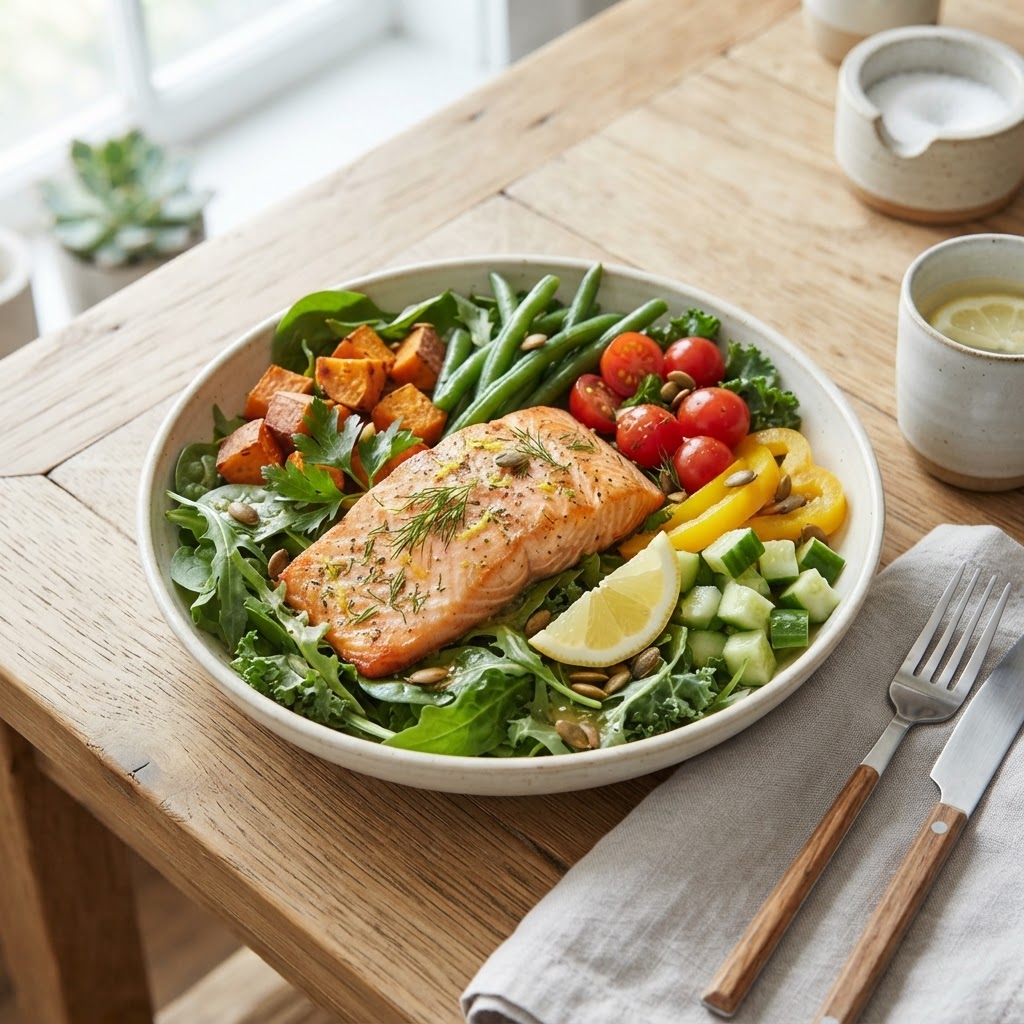
Focusing on anti-inflammatory whole foods is critical for long-term chronic gallbladder pain relief. This means increasing your intake of soluble fiber, which is found in abundance in oats, apples, carrots, and legumes. Soluble fiber binds to bile acids in the digestive tract and helps move them through the system, which can take the pressure off a congested gallbladder. Additionally, integrating lean proteins like lentils, chickpeas, or white fish ensures you meet your protein requirements without taxing the gallbladder with the heavy fats often found in red meat or processed dairy.
Hydration acts as the silent partner in bile flow. Bile is primarily composed of water. If you are chronically dehydrated, your bile becomes thick, viscous, and “sludge-like,” which increases the likelihood of stone formation and further inflammation. Aim for consistent water intake throughout the day, perhaps enhanced with a squeeze of fresh lemon, which many practitioners associate with stimulating digestive enzymes. Finally, prioritize bitter greens. Arugula, radicchio, dandelion greens, and kale are traditional foods used to stimulate bile production naturally and support the liver-gallbladder axis.
| Food Category | Examples to Prioritize | Best for |
|---|---|---|
| Soluble Fiber | Oats, Pears, Lentils, Chia Seeds | Regulating bile cholesterol levels |
| Anti-Inflammatory Fats | Flaxseed oil, Hemp seeds, Avocado (small portions) | Providing energy without bile overload |
| Bitter Vegetables | Dandelion greens, Arugula, Radicchio | Naturally stimulating bile flow |
| Lean Proteins | White fish, Tofu, Turkey breast | Minimizing gallbladder contraction stress |
Natural Herbs and Supplements for Gallbladder Health
Beyond dietary shifts, natural gallbladder support can be found in a variety of herbs and nutrients that have been used traditionally for centuries to address sluggish digestion. It is vital to understand that supplements are meant to complement, not replace, a balanced lifestyle. When dealing with chronic gallbladder inflammation, the goal is twofold: thinning the bile for better flow and reducing the systemic inflammatory response in the gallbladder wall.
Milk thistle is perhaps the most well-regarded herb for liver and gallbladder health. Its active component, silymarin, is recognized for its ability to protect hepatic cells and potentially improve the composition of bile. By supporting the liver’s detoxification processes, milk thistle indirectly eases the burden on the gallbladder. Similarly, dandelion root tea is a classic “bitter” tonic. Bitters work on the tongue and the digestive tract to trigger a physiological reflex that signals the gallbladder to empty rhythmically rather than spasmically.
Turmeric, specifically its active compound curcumin, is a potent anti-inflammatory agent. Many individuals dealing with chronic gallbladder pain relief find that regular supplementation with high-quality, bioavailable curcumin helps reduce the frequency and intensity of flare-ups. Because chronic cholecystitis is inherently an inflammatory condition, calming the body’s internal immune response can have downstream benefits for the organ.
Magnesium is another critical nutrient for those experiencing gallbladder symptoms. Many people are deficient in magnesium, and this mineral plays a significant role in muscle relaxation—including the smooth muscles of the bile ducts. Ensuring adequate magnesium levels may help prevent the biliary spasms that often characterize a gallbladder attack. Lastly, artichoke leaf extract is frequently used to support bile production. Artichoke contains cynarin, which has been shown in various observations to aid in fat digestion and increase the bile output, helping to “flush” the system and prevent the stagnation that often leads to chronic inflammation.
Lifestyle Habits to Prevent Gallbladder Flare-ups
Lifestyle factors are the unsung heroes of gallbladder wellness. While many people focus exclusively on what they put on their plate, how you move your body and manage your internal stress levels can be equally influential in preventing future flare-ups. The gallbladder does not operate in a vacuum; it is highly responsive to the body’s stress hormones, particularly cortisol.
Physical activity is a primary defense against gallbladder stagnation. Sedentary lifestyles often coincide with sluggish digestive motility. Regular, low-to-moderate intensity exercise—such as brisk walking, swimming, or restorative yoga—helps stimulate digestive transit and keeps the bile flowing through the biliary tree. Avoid high-intensity, jarring movements if you are currently experiencing a flare-up, as the physical jostling can sometimes exacerbate abdominal tenderness. Instead, focus on consistent, daily movement that keeps the metabolism steady.
Weight management is another critical component. While crash dieting is extremely dangerous for the gallbladder—as rapid weight loss often causes bile to become highly concentrated with cholesterol, leading to stone formation—gradual, sustainable weight loss is beneficial for reducing gallbladder stress. Aiming for a steady pace of one to two pounds per week ensures that the liver does not release excessive cholesterol into the bile, which is a common precursor to gallbladder inflammation causes.
Stress management is arguably the most overlooked factor in gallbladder health. The “rest and digest” parasympathetic nervous system is responsible for optimal digestion. When you are in a chronic state of “fight or flight,” blood flow is diverted away from the digestive organs and toward your muscles. Practices like deep diaphragmatic breathing, meditation, or progressive muscle relaxation can help shift your body into a parasympathetic state, which encourages the smooth functioning of the gallbladder and bile ducts. Creating a ritual around mealtimes, where you eat slowly in a calm environment rather than “on the go,” can make a profound difference in your digestive comfort.
When to See a Doctor for Gallbladder Complications
While natural approaches offer excellent support for chronic management, there are clear clinical red flags that necessitate immediate medical intervention. Chronic cholecystitis can occasionally evolve into acute episodes, or lead to complications such as infection, organ perforation, or the blockage of common bile ducts. Ignoring these symptoms can lead to life-threatening conditions like sepsis or severe biliary pancreatitis.
Seek urgent medical attention if you experience the “triple threat” of acute gallbladder symptoms: fever, chills, and intense, unremitting abdominal pain. A fever indicates that your body is fighting a potential infection within the gallbladder or bile ducts, which requires antibiotic intervention and clinical assessment. Similarly, if you notice jaundice—a yellowing of the skin or the whites of the eyes—this suggests that bile is blocked from entering the intestines and is backing up into the bloodstream. This is a medical emergency.
Furthermore, if you find that your pain becomes constant rather than intermittent, or if you develop severe nausea and vomiting that prevents you from keeping down fluids, do not wait for the symptoms to subside on their own. Recurring pain that radiates sharply toward your right shoulder blade, or pain that is accompanied by a rigid, board-like abdomen, are signs that the gallbladder may be severely inflamed or infected. Always keep an open line of communication with your primary care provider or a gastroenterologist. If you have been diagnosed with chronic cholecystitis, having an “action plan” in place—knowing exactly which symptoms warrant an emergency room visit—can provide peace of mind and ensure your safety.
Frequently Asked Questions
Can chronic cholecystitis ever be reversed naturally?
While the underlying anatomical damage of a chronically inflamed gallbladder cannot typically be “undone,” many individuals successfully manage symptoms and prevent progression through rigorous dietary changes and lifestyle modifications. By reducing the workload on the gallbladder, you can often achieve long-term comfort and avoid surgical intervention, though this requires consistent, lifelong commitment to these habits.
Why does fat trigger gallbladder pain?
The gallbladder’s primary function is to store bile produced by the liver and release it into the small intestine when fat is consumed. In a compromised gallbladder, the organ’s ability to contract effectively is hindered. When you consume fat, the body signals the gallbladder to empty; if the organ is inflamed or obstructed by sludge, this contraction causes significant pressure, spasms, and pain.
Is intermittent fasting safe for someone with gallbladder issues?
Intermittent fasting can be a “double-edged sword” for gallbladder health. While it gives the digestive system a break, very long fasting windows can lead to bile stagnation, as the gallbladder may not empty for extended periods, potentially encouraging the formation of sludge or stones. Many experts suggest sticking to smaller, balanced meals at regular intervals rather than extreme fasting.
What are the early warning signs of a gallbladder attack?
Early warning signs often include a feeling of fullness or bloating after fatty meals, mild indigestion, or a dull ache in the upper right quadrant of the abdomen. Some people also report increased gas, burping, or a sensation of discomfort just beneath the ribs on the right side. If these symptoms become regular, it is a signal to evaluate your diet and consult a healthcare provider.
Are gallstones always present with chronic cholecystitis?
No, not always. While gallstones are the most common cause of chronic cholecystitis, a condition known as “acalculous cholecystitis” can occur without stones. This is often related to issues with bile flow, sludge buildup, or systemic inflammation that prevents the gallbladder from emptying correctly. Regardless of the presence of stones, the management strategies for reducing inflammation remain similar.
Can coffee affect my gallbladder inflammation?
Coffee is a complex topic for gallbladder health. Some research suggests that moderate coffee consumption may stimulate gallbladder contraction and help bile flow, potentially reducing the risk of stone formation. However, for some individuals with existing inflammation, the acidity of coffee can be a digestive irritant. It is recommended to test your individual tolerance and prioritize decaffeinated or lower-acidity options if you find that coffee causes discomfort.
Conclusion
Living with chronic cholecystitis requires a proactive and informed approach to your health. By understanding the causes of gallbladder inflammation—from the dietary triggers that force the organ into overdrive to the lifestyle habits that impact bile flow—you can regain a sense of control over your body. While the journey toward relief involves significant dietary shifts and the potential integration of supportive herbs and nutrients, the payoff is a improved quality of life and a significant reduction in the frequency of painful flare-ups.
Remember that your gallbladder is an essential part of your digestive system, and respecting its limitations is the first step toward healing. Focus on smaller, nutrient-dense meals, stay well-hydrated, and prioritize the stress-reducing activities that keep your digestive system in a state of rest and repair. Above all, listen to your body’s signals and maintain a close partnership with your healthcare providers to ensure you are managing your condition safely and effectively. You do not have to live in fear of your next meal—start making these foundational changes today to support your long-term digestive wellness.
By healthauthoritylife Editorial Team
This article is for informational purposes only and is not a substitute for professional medical advice. Always consult your doctor before making changes to your diet, exercise routine, or treatment plan.
Leave a Reply