

⚕️ Written by Dr. Sarah Mitchell, MD, MPH  •  📋 Evidence-Based Articles  •  🔍 Medically Reviewed

⚠️ Not a substitute for professional medical advice

Category: Children’s Health

Paediatric health, child nutrition, and family wellness articles.

  • Chronic Dehydration: Symptoms, Causes, and How to Hydrate Fast

    Chronic Dehydration: Symptoms, Causes, and How to Hydrate Fast

    Key Takeaways

    • Chronic dehydration often occurs insidiously, where daily water intake consistently fails to meet physiological demands.
    • Physical signs, including persistent fatigue and skin elasticity changes, are primary indicators of long-term fluid imbalance.
    • Cognitive function, particularly memory and focus, is highly sensitive to even mild shifts in hydration status.
    • Maintaining electrolyte balance is as critical as the volume of water consumed for effective cellular absorption.
    • Many common beverages, such as highly caffeinated coffee or sugary sodas, can exacerbate dehydration rather than alleviating it.

    Most of us treat hydration as an afterthought, reaching for a glass of water only when the sensation of thirst becomes impossible to ignore. However, thirst is a lagging indicator—a signal that the body has already entered a state of deficit. For many, this leads to a state of chronic dehydration, a quiet, pervasive condition that undermines everything from physical energy levels to mental clarity. Because it does not always manifest with the urgency of acute heat exhaustion, it is easy to dismiss. Yet, over weeks and months, the failure to meet daily water intake needs can cause cumulative stress on the kidneys, the cardiovascular system, and the brain. Understanding the nuanced signs of chronic dehydration and knowing how to stay hydrated proactively is essential for long-term health and vitality.

    What Is Chronic Dehydration and Why Does It Happen

    Chronic dehydration is defined by a persistent state of fluid deficit occurring over a long period. Unlike acute dehydration, which might happen rapidly during an intense workout or a day spent under the hot sun, the chronic form builds slowly. It occurs when an individual habitually consumes less fluid than their body requires to maintain essential functions. The human body is approximately 60 percent water, and it relies on this medium to regulate temperature, lubricate joints, flush waste through the kidneys, and transport nutrients to cells. When the supply is consistently restricted, the body must prioritize fluid for vital organs, effectively “robbing” other systems of the resources they need to operate optimally.

    The primary reason chronic dehydration occurs is a lack of awareness regarding personal water needs. A common misconception is that all adults require the same “eight glasses” of water daily. In reality, daily water intake needs are highly individualistic, fluctuating based on age, activity level, environmental climate, and even certain dietary habits. Someone working in a climate-controlled office may have entirely different requirements than an individual performing manual labor in a humid environment. Furthermore, as people age, the sensation of thirst often becomes less acute. This diminished thirst mechanism means that older adults may not feel the urge to drink until they are already significantly dehydrated, making conscious monitoring a necessity rather than an optional habit.

    Lifestyle factors also play a substantial role in why this condition persists. Many people rely on convenience beverages that do not contribute to hydration in the same way pure water does. The fast-paced nature of modern life often leads to the displacement of water breaks for caffeine-heavy routines. When you add in the effects of ambient dry air from heating and cooling systems, or the sweat lost during daily movement, it becomes clear why so many individuals fall into a deficit. The cumulative effect is a “low-grade” dehydration that masquerades as other health issues. Individuals might attribute their persistent tiredness or dull headaches to stress or poor sleep, failing to realize that their cellular environment is simply parched. Breaking this cycle requires a shift in mindset: moving from reactive drinking to proactive, consistent hydration throughout the day.

    Physical Symptoms of Dehydration You Should Not Ignore

    Recognizing the physical symptoms of dehydration in adults is the first step toward correcting a long-term fluid imbalance. While we often think of dry mouth as the primary indicator, the body has a wide array of signals that suggest it is struggling to maintain homeostasis. One of the most common, yet frequently overlooked, symptoms is persistent fatigue. When the blood volume drops due to lack of water, the heart must work significantly harder to circulate oxygen and nutrients to the tissues. This increased cardiovascular strain can make you feel drained, heavy, and lethargic, even after a full night’s sleep. If you find yourself hitting a consistent “afternoon wall,” your fluid intake may be the culprit.

    Skin elasticity is another vital, observable indicator. Water is essential for maintaining the structure and suppleness of the skin. When the body is dehydrated, it pulls moisture away from the skin to support internal organs. You can test this by gently pinching the skin on the back of your hand or abdomen; if it does not snap back into place immediately, it may indicate a lack of adequate hydration. Additionally, those suffering from long-term fluid deficits often notice dry, itchy skin, cracked lips, or a complexion that looks dull or sunken. While skincare products are often used to address these issues, they can only do so much if the dehydration is occurring from the inside out.

    Digestion and waste removal are also heavily dependent on water. Chronic dehydration frequently manifests as digestive discomfort, including persistent constipation. The colon absorbs water from stool to maintain the body’s fluid levels; when the body is already dehydrated, it extracts too much moisture, leading to hard, difficult-to-pass stool. Furthermore, urine color and frequency are the most reliable indicators of hydration status. If your urine is consistently dark yellow or amber, or if you find that you rarely need to use the restroom, your kidneys are likely conserving water. In cases of severe dehydration, symptoms may escalate to dizziness upon standing, rapid heart rate, or muscle cramps, which are clear signs that the body has moved beyond mild insufficiency and requires immediate medical intervention. Ignoring these physical signs can lead to the formation of kidney stones or recurrent urinary tract infections, as the body struggles to flush out toxins effectively without sufficient fluid volume.

    Hydration Approach Description Best For
    Plain Filtered Water The standard baseline for daily intake. General maintenance and healthy baseline habits.
    Electrolyte-Infused Water Water containing sodium, potassium, and magnesium. High-intensity exercise or hot, humid climates.
    Hydration-Rich Foods Whole fruits and vegetables like cucumber and melon. Supplementing intake for those who dislike plain water.
    Caffeinated Beverages Coffee or tea consumed in moderation. Short-term alertness (requires offsetting with water).

    Cognitive Effects: How Dehydration Impacts Brain Function

    The brain is perhaps the most sensitive organ in the body when it comes to fluid balance. Composed of approximately 75 percent water, brain tissue relies on precise hydration levels to facilitate electrical impulses between neurons. Even mild dehydration—defined as a loss of just a few percentage points of total body water—can trigger noticeable disruptions in cognitive performance. When we talk about how to stay hydrated for mental sharpness, we are essentially discussing the preservation of cognitive speed, attention span, and mood regulation. If the brain is not receiving enough water, the physical volume of brain tissue can shift slightly, which may contribute to the classic “brain fog” many people describe.

    Attention and memory are the first cognitive domains to suffer under dehydrating conditions. Research suggests that individuals who are mildly dehydrated often demonstrate decreased vigilance, struggle to concentrate on complex tasks, and experience a decline in short-term memory recall. If you find that you are frequently reading the same sentence multiple times or struggling to find the right words during a conversation, these could be signs of cognitive dehydration. The brain attempts to compensate for this deficit by increasing its effort to complete standard tasks, which leads to mental exhaustion. By the end of the day, a person who has been chronically dehydrated will often feel much more “mentally burnt out” than they would have had they remained optimally hydrated.

    Beyond focus, mood is surprisingly tied to fluid levels. Many experts suggest that irritability, anxiety, and feelings of tension are linked to dehydration. Because the body is in a state of mild stress due to the lack of necessary fluids, it can trigger the release of stress hormones like cortisol. This puts the nervous system in a state of heightened agitation. Many people find that their general sense of well-being improves significantly simply by increasing their water intake. Furthermore, headaches are one of the most common neurological manifestations of dehydration. As the brain loses moisture, it can pull away from the skull, causing pain receptors to trigger a tension-type headache. Before reaching for a pain reliever, it is often a wise strategy to drink a large glass of water and wait twenty minutes, as this is a frequent, low-cost remedy for recurring mild headaches.

    The Role of Electrolytes in Cellular Hydration

    It is a common misconception that simply drinking gallons of plain water is enough to achieve optimal hydration. While water is the foundation, it is effectively useless if it cannot move into the cells where it is actually needed. This is where electrolyte balance becomes paramount. Electrolytes are essential minerals—most notably sodium, potassium, magnesium, and calcium—that carry an electric charge. They work in tandem with water to regulate the movement of fluids across cell membranes through a process known as osmosis. When you drink water, these minerals help pull the fluid out of the bloodstream and into the cells, keeping them plump and functional.

    When the body is depleted of electrolytes, a phenomenon occurs where you may drink plenty of water but still feel dehydrated. This is because the water remains in the extracellular space (the blood or the tissue fluid surrounding cells) rather than being absorbed by the cells themselves. This is why many people find that, despite “chugging” water, they feel bloated and frequently need to use the restroom without ever feeling truly satisfied or energized. Achieving a proper balance is particularly important for active individuals. When you sweat, you lose more than just water; you lose critical sodium and potassium. Replacing only the water without replacing these lost minerals can dilute the blood’s electrolyte concentration, a condition that can actually worsen fatigue and increase the risk of muscle cramping.

    You do not need to rely on highly processed sports drinks to maintain this balance. In fact, many commercial electrolyte drinks are loaded with excess sugar, which can interfere with absorption. A more effective way to manage electrolyte balance is through a balanced, whole-food diet. Foods like bananas, avocados, leafy greens, and nuts provide a rich supply of magnesium and potassium. Furthermore, a small pinch of high-quality sea salt in a large glass of water, or adding a slice of lemon and a tiny bit of honey, can provide the necessary mineral trace elements to help the body “hold onto” the water you consume. This strategy is essential for anyone interested in how to stay hydrated effectively over the long term, as it ensures that every ounce of fluid you consume is actually supporting cellular health rather than simply passing through your system.

    Hidden Culprits: Beverages That Actually Dehydrate You

    In our search for hydration, we often unknowingly sabotage our efforts by consuming beverages that are counterproductive. Understanding which drinks contribute to your daily water intake needs and which actually exacerbate dehydration is a critical skill for any health-conscious individual. The most common culprit is excessive caffeine consumption. While a cup of coffee or tea does provide a significant amount of water, caffeine is a mild diuretic, meaning it stimulates the kidneys to release more water through urine. For habitual coffee drinkers, the body often builds a tolerance to these diuretic effects, but for those who consume multiple large, highly caffeinated energy drinks or concentrated shots of espresso, the net result can be a loss of more fluid than was consumed.

    Another significant, yet often ignored, factor is high sugar consumption. Many sodas, sweetened iced teas, and “juice” drinks contain high concentrations of sugar. When you consume a high-sugar liquid, the body must draw fluid from its own reserves to properly process that sugar in the bloodstream. This process can lead to a temporary spike in blood glucose levels, which then signals the kidneys to flush the excess sugar through urine, carrying precious water along with it. This is a primary reason why sugary beverages leave you feeling thirsty again shortly after consumption. They do not offer the sustaining hydration that the body requires; instead, they create a cycle of craving and fluid loss.

    Alcohol is perhaps the most potent dehydrating agent most people consume regularly. It acts as a powerful diuretic, suppressing the body’s antidiuretic hormone (ADH). When ADH is inhibited, the kidneys are unable to reabsorb water back into the blood, leading to rapid and significant fluid loss through the bladder. This is the primary driver behind the physical symptoms associated with a hangover. Even moderate alcohol intake requires that you increase your water intake significantly to compensate. Additionally, many people rely on “enhanced” waters or flavored waters that contain artificial sweeteners or high sodium levels. While these can be hydrating in some contexts, the chemical additives can sometimes cause digestive distress or inflammation, which can further impact how the body manages fluid levels. The goal of a healthy hydration strategy should be to prioritize water, herbal teas, and nutrient-dense, water-rich foods, while being mindful that every cup of coffee or alcoholic drink consumed is essentially a “dehydration penalty” that must be paid back with an extra glass of plain water.

    Calculating Your Ideal Daily Water Intake

    Determining exactly how much water you need is rarely as simple as the “eight glasses a day” rule often cited in mainstream media. Because every individual operates under different environmental conditions, activity levels, and metabolic rates, your hydration requirements are highly fluid. Rather than relying on a static number, it is more effective to use a baseline calculation adjusted for your unique lifestyle.

    A common starting point for many health professionals is the body-weight formula. A frequent general guideline is to consume between 0.5 and 1 ounce of water for each pound you weigh. For example, a person weighing 150 pounds might target between 75 and 150 ounces of fluid daily, depending on their activity level and climate. However, this is only a starting point. Your personal “thirst signal” is an internal biological mechanism that should not be ignored, though it often becomes dulled in cases of chronic dehydration.

    Consider these factors when calculating your specific needs:

    • Activity Intensity: If you engage in high-intensity exercise, your body loses significant fluids through sweat. You should aim to replace these losses by drinking 12 to 20 ounces of fluid for every hour of vigorous movement, in addition to your baseline intake.
    • Climate and Altitude: Living in dry, hot climates or at high altitudes increases insensible water loss—the moisture you lose through breathing and skin evaporation without even realizing it. In these conditions, you should proactively increase your intake before you feel thirsty.
    • Overall Health Status: Individuals with certain conditions, such as kidney stones or recurrent urinary tract infections, may have higher fluid requirements as recommended by their healthcare providers. Conversely, those with specific heart or kidney conditions may need to monitor their intake closely to avoid fluid overload.

    To determine your personal baseline, track your fluid intake and output for one week. Monitor the color of your urine—a pale, straw-like color usually indicates adequate hydration, while dark yellow or amber hues suggest you need to increase your intake. If you find yourself frequently hitting these goals and still feeling fatigued or experiencing headaches, you may need to reconsider not just the volume of water, but the quality of your electrolyte intake.

    How to Improve Your Hydration Strategy Without Constant Trips to the Bathroom

    Many people avoid proper hydration because they fear the inconvenience of frequent trips to the restroom. While it is natural for your kidneys to process fluids more regularly as you increase your intake, there are strategic ways to hydrate that minimize disruption and maximize absorption.

    The secret lies in “slow-sipping” rather than “gulp-loading.” When you consume a large volume of water in a single sitting, your kidneys are triggered to process the excess rapidly, leading to immediate bathroom urgency. By spreading your intake throughout the day in smaller, consistent amounts, you allow your tissues to absorb the fluid more effectively. Aim to drink approximately four to six ounces every thirty to sixty minutes instead of chugging a 16-ounce bottle at once.

    Another common mistake is failing to pair water with sodium or other electrolytes. Pure, distilled, or highly filtered water often lacks the minerals necessary to help cells hold onto moisture. Adding a tiny pinch of high-quality sea salt or consuming electrolyte-rich foods alongside your water can improve your cellular hydration status. When your cells are properly mineralized, they retain water more efficiently, reducing the need for constant excretion.

    Furthermore, avoid drinking large quantities of fluid right before bed. To maintain a restful sleep cycle, try to consume the majority of your daily fluids before 7:00 PM. This gives your body time to process the intake during waking hours, preventing unnecessary nighttime disturbances.

    Hydration Method Primary Benefit Best For
    Structured Sipping Maintains steady blood volume Daily desk work and sedentary tasks
    Electrolyte Pairing Enhances cellular water retention Post-exercise recovery and hot climates
    Hydrating Foods Slow-release fluid absorption People sensitive to frequent urination
    Morning Priming Replenishes overnight fluid loss Jumpstarting metabolism upon waking

    Recognizing the Difference Between Mild and Severe Dehydration

    Understanding the spectrum of dehydration is vital for timely intervention. Mild dehydration often presents as a subtle warning sign, whereas severe dehydration can become a life-threatening medical emergency. Recognizing the escalation is the first step in self-protection.

    Mild dehydration typically manifests as physiological discomfort. You may notice dry or sticky mouth sensations, reduced urine output, or urine that appears darker than usual. Fatigue, mild headaches, and feelings of general listlessness are also common. At this stage, the body is still compensating, but it is signaling that your fluid balance is dipping into a deficit. Often, oral rehydration with water or electrolyte solutions at home is sufficient to correct this state.

    Severe dehydration, by contrast, is characterized by systemic dysfunction. When fluid loss exceeds a certain threshold, the cardiovascular system struggles to maintain blood pressure, and cognitive function may become noticeably impaired.

    Warning signs of severe dehydration include:

    • Confusion or Lethargy: A feeling of extreme disorientation or an inability to focus.
    • Absent Urine Output: Not urinating for eight hours or more, or producing very little, highly concentrated urine.
    • Rapid Heart Rate: A pulse that feels racing or pounding even while resting.
    • Sunken Eyes or Turgor Issues: If you pinch the skin on the back of your hand and it stays “tented” instead of snapping back into place, this is a classic sign of significant fluid loss.
    • Fainting or Dizziness: Experiencing lightheadedness upon standing (orthostatic hypotension) is a clear indication that blood volume is critically low.

    If these severe symptoms arise, immediate medical attention is necessary. Attempting to force large amounts of water in a severely dehydrated person can sometimes lead to complications; medical professionals typically use intravenous fluids or controlled oral rehydration protocols to restore stability safely.

    Best Nutrient-Dense Foods to Boost Your Hydration Levels

    Hydration is not strictly a function of liquid intake. In nature, many of the most hydrating sources of fluid are found in whole, nutrient-dense foods. These foods come pre-packaged with structured water, electrolytes, and essential vitamins, which make them more “bioavailable”—meaning your body can utilize them more effectively than plain, demineralized water.

    Incorporating water-rich produce into your meals provides a sustained release of fluids throughout the day. Consider adding the following items to your diet:

    • Cucumber and Zucchini: These vegetables are composed of over 90% water and provide a crisp, cooling effect. They are excellent sources of silica and potassium.
    • Watermelon and Cantaloupe: Beyond their high water content, these fruits provide natural sugars and magnesium, which help support muscle function and electrolyte balance.
    • Citrus Fruits: Oranges, grapefruits, and lemons contain significant amounts of potassium and vitamin C. Adding a squeeze of lemon to your water can also encourage you to drink more due to the improved flavor profile.
    • Celery: Often overlooked, celery is remarkably hydrating and provides a subtle, natural dose of sodium, which is essential for maintaining fluid balance in the bloodstream.
    • Broth-Based Soups: Bone broth or vegetable soups are some of the most effective ways to rehydrate. They contain a balance of sodium, potassium, and magnesium that mimics the body’s natural extracellular fluid, allowing for rapid rehydration.

    By shifting your diet to include more of these raw or minimally processed foods, you create a “food-based” reservoir of water that the body can access slowly, preventing the peaks and valleys associated with drinking only plain water.

    When to See a Doctor for Persistent Dehydration Symptoms

    While minor cases of dehydration are often manageable with rest and increased fluid intake, persistent dehydration may point to underlying health issues that require a clinical evaluation. If you find that despite your best efforts to hydrate—using electrolytes, sipping steadily, and eating hydrating foods—you are still experiencing symptoms, you should schedule an appointment with a healthcare professional.

    You should consult a doctor if you experience the following:

    • Chronic Fatigue: If you feel consistently drained, even after adequate sleep and nutrition, your hydration levels may be a symptom of a larger metabolic or endocrine issue.
    • Frequent Urination Combined with Thirst: While this seems counterintuitive, extreme thirst paired with excessive urination is a classic clinical indicator of elevated blood sugar or potential diabetes, both of which require professional diagnostic testing.
    • Persistent Headaches: If you suffer from frequent, lingering headaches that do not respond to water or electrolytes, they may be related to blood pressure issues or other neurological causes.
    • Use of New Medications: Certain medications, particularly diuretics for blood pressure or even some over-the-counter supplements, can change your body’s fluid retention profile. If you have recently started a new regimen and feel dehydrated, discuss this with your prescribing provider.
    • Inability to Keep Fluids Down: If you are experiencing vomiting or diarrhea that prevents you from keeping fluids in your system, this is an urgent situation that necessitates professional medical care to prevent rapid decline.

    Do not wait for symptoms to become debilitating. Early intervention is key to preventing long-term impacts on kidney function and overall metabolic health.

    Frequently Asked Questions

    Is it possible to drink too much water?

    Yes, overhydration—or hyponatremia—can occur when you consume water so rapidly that your kidneys cannot process it, leading to an imbalance of sodium in the blood. This is rare in the general population but can happen to athletes who consume massive quantities of plain water without replenishing electrolytes. Always balance your water intake with mineral-rich foods or electrolyte supplements.

    Does coffee or tea count toward my daily water intake?

    While caffeinated beverages have a mild diuretic effect, research suggests that for regular coffee and tea drinkers, these fluids do contribute to your total hydration. If you are well-accustomed to caffeine, your body has developed a tolerance. However, they should not be your primary source of hydration, as plain water remains the most neutral and effective choice.

    Can dehydration cause skin issues?

    Absolutely. When the body is chronically dehydrated, it prioritizes essential organ functions, often resulting in reduced blood flow and moisture to the skin. This can lead to a dull complexion, increased visibility of fine lines, and a loss of skin elasticity. Proper hydration is a fundamental pillar of long-term dermatological health.

    How long does it take to recover from dehydration?

    The timeline for recovery depends on the severity of the dehydration. Mild cases can often be resolved within a few hours by sipping electrolyte-enhanced fluids. Severe dehydration, however, may require medical intervention, and the recovery process can take 24 to 48 hours to fully restore physiological stability and tissue hydration levels.

    Are sports drinks necessary for staying hydrated?

    For the average person sitting at a desk or engaging in light activity, sports drinks are generally unnecessary and often contain excessive amounts of added sugar. They are designed specifically for endurance athletes who lose significant electrolytes through intense, long-duration sweat. For daily use, water, herbal tea, or electrolyte powders without sugar are superior alternatives.

    How does age affect hydration needs?

    As we age, our natural thirst sensation tends to diminish, meaning older adults are at a higher risk of chronic dehydration. Additionally, body composition changes, and certain medications become more common, both of which impact fluid retention. It is recommended that older adults be more proactive and intentional about their fluid intake rather than relying solely on the feeling of thirst.

    Conclusion

    Mastering your hydration is one of the most effective, accessible, and transformative steps you can take for your long-term health. By moving beyond the generic advice and understanding how your body processes water, electrolytes, and nutrient-dense foods, you can shift from a state of chronic deficit to one of vibrant, sustained energy. Hydration is not just about avoiding symptoms; it is about providing the fluid environment your cells need to thrive, repair, and function at their peak. Start by tracking your habits, listening to your body’s subtle cues, and integrating the strategies outlined here. Your path to better health begins with the very next glass of water you choose to drink.

    Ready to transform your health? Start by monitoring your daily water intake and electrolyte balance for the next seven days to see how your energy levels improve.

    By healthauthoritylife Editorial Team

    This article is for informational purposes only and is not a substitute for professional medical advice. Always consult your doctor before making changes to your diet, exercise routine, or treatment plan.


  • Adrenal Fatigue Symptoms: Causes, Signs, and How to Recover

    Adrenal Fatigue Symptoms: Causes, Signs, and How to Recover

    Key Takeaways

    • Adrenal fatigue is a term often used to describe HPA axis dysfunction, where the body struggles to maintain hormonal balance after prolonged stress.
    • Common signs include chronic morning fatigue, brain fog, difficulty handling stress, and a craving for salty or sugary snacks.
    • The HPA axis—involving the hypothalamus, pituitary, and adrenal glands—regulates cortisol, which becomes dysregulated during periods of burnout.
    • Recovery from adrenal burnout is not an overnight process but relies on consistent lifestyle shifts, nutritional support, and stress management.
    • Addressing the root causes, such as chronic inflammation, sleep deprivation, and lifestyle triggers, is essential for long-term health.

    In our fast-paced modern world, the sensation of being “tired but wired” has become an all-too-common experience. You wake up feeling unrefreshed, rely on multiple cups of coffee to function, and find yourself hitting an afternoon wall that leaves you struggling to complete simple tasks. While many people brush these feelings off as standard consequences of a busy life, they may be meaningful signals from your body that your internal systems are struggling to keep up. This complex state, frequently referred to as adrenal fatigue, represents a significant breakdown in how your body manages energy and responds to the demands of your environment. Understanding the nuances of this condition—and the underlying mechanisms of HPA axis dysfunction—is the first step toward reclaiming your energy, mental clarity, and long-term vitality.

    What Is Adrenal Fatigue and HPA Axis Dysfunction?

    To understand the phenomenon often called adrenal fatigue, it is necessary to look at the sophisticated internal communications network known as the hypothalamic-pituitary-adrenal (HPA) axis. This system functions as the body’s primary command center for managing stress. When you encounter a challenge—whether it is an impending work deadline, a physical illness, or emotional trauma—the hypothalamus sends a signal to the pituitary gland, which in turn alerts the adrenal glands to release specific hormones, most notably cortisol and adrenaline. Under ideal circumstances, this system activates during a threat and returns to a baseline state once the threat passes.

    The term “adrenal fatigue” is used by many in the wellness community to describe a state where the HPA axis becomes dysregulated due to chronic, unrelenting stress. While traditional clinical medicine often uses the more formal diagnosis of “HPA axis dysfunction” to describe this breakdown, the lived experience remains the same: the glands are no longer producing hormones in the rhythm or quantities required for optimal physiological function. Instead of a quick response followed by recovery, the body remains stuck in a loop of high alert or, conversely, a state of profound exhaustion where the production of cortisol flatlines.

    Experts generally agree that this condition is not typically a failure of the adrenal glands themselves—they rarely stop functioning entirely—but rather a failure of the complex feedback loop that regulates them. When this feedback loop is impaired, your body loses its ability to manage its “internal thermostat.” You may find that your cortisol levels peak at the wrong times, such as keeping you wide awake at 2:00 AM while leaving you lethargic at 10:00 AM. This imbalance affects far more than just energy; it influences immune function, metabolic rate, blood sugar regulation, and even your mood. Recognizing this dysfunction is not about pathologizing every moment of tiredness, but about identifying when your internal resources have been depleted beyond your capacity to recover without intentional intervention.

    The healthauthoritylife Editorial Team emphasizes that understanding this process is empowering. By moving away from the idea that the adrenal glands are “broken” and viewing the situation as a communication breakdown within the HPA axis, you can begin to see how lifestyle changes, dietary support, and stress management techniques work together to retrain your body to respond to life’s challenges in a more balanced, sustainable way.

    Common Symptoms of Adrenal Fatigue You Should Know

    Identifying adrenal fatigue can be challenging because its symptoms are often vague and can overlap with other health concerns. However, there is a distinct constellation of signs that many individuals report when they are navigating this stage of depletion. The most hallmark sign is, perhaps unsurprisingly, significant fatigue. This is rarely a simple tiredness that is cured by a good night’s sleep; it is a persistent, heavy exhaustion that often feels as though you are operating with an empty fuel tank, regardless of how much rest you think you have received.

    Morning struggle is another frequent indicator. Individuals often describe feeling most lethargic upon waking, requiring substantial stimulation—such as high doses of caffeine or intense sugar consumption—to reach a functional level of alertness. This pattern suggests that the natural cortisol rise that should occur in the morning to wake you up is either blunted or delayed. Conversely, many people report a “second wind” late in the evening, around 10:00 PM or 11:00 PM, where they finally feel alert or creative, only to be frustrated by the knowledge that they need to sleep. This is a classic indicator of a reversed or dysregulated diurnal cortisol curve.

    Other signs of adrenal exhaustion include difficulty handling emotional stressors that you might have previously managed with ease. You may find yourself feeling easily overwhelmed, irritable, or prone to anxiety. Physical changes are also common; these can manifest as cravings for salty or sweet foods, as the body seeks quick energy or tries to manage electrolyte imbalances. Additionally, many people report brain fog—a persistent lack of mental clarity, difficulty concentrating, or trouble finding the right words during conversation. In more advanced stages, you might notice lightheadedness when standing up quickly, often caused by a drop in blood pressure that the body is too depleted to correct promptly.

    It is important to note that these symptoms rarely appear in isolation. They often manifest as a domino effect, where poor sleep leads to reliance on caffeine, which then blunts your natural energy cycles and increases irritability. Below is a comparison of different approaches to monitoring and managing these symptoms, helping you categorize which strategies might be the most effective for your current state of recovery.

    Approach Core Focus Best For
    Nutritional Balancing Stabilizing blood sugar and minerals Reducing physical stress on the body
    Circadian Optimization Aligning activity with natural light Correcting sleep and wake cycles
    Mindfulness Practices Downregulating the nervous system Managing emotional triggers and anxiety
    Adaptogenic Support Herbal modulation of HPA axis Building resilience to ongoing stress

    How Chronic Stress Impacts Your Adrenal Glands

    The impact of chronic stress on the adrenal glands is best understood as a process of “allostatic load.” Allostasis is the body’s way of maintaining stability through change. While this is helpful in short bursts—allowing you to jump out of the way of a car or prepare for a presentation—it becomes destructive when the stress signal is never turned off. Your body does not distinguish between a life-threatening predator and the persistent, low-grade stress of a demanding job, financial worries, or a toxic relationship. The physiological response remains largely the same: your adrenals are signaled to remain in “fight or flight” mode.

    When the stressor is constant, the HPA axis is subjected to repeated, high-intensity demands. Initially, the adrenal glands respond by pumping out high levels of cortisol. While this gives you the “energy” to cope with your daily tasks, it comes at a steep price. High cortisol diverts resources away from vital, non-essential functions like digestion, reproduction, and immune system maintenance. You might find that during these high-stress phases, you catch colds more easily, your digestion becomes sluggish, or your libido drops. This is your body’s way of prioritizing survival over long-term wellness.

    Over time, this relentless output begins to take its toll. The HPA axis may lose its sensitivity, leading to a state where the signal to release cortisol becomes garbled. Some experts describe this as the “down-regulation” of receptors. Essentially, your body tries to protect itself from the damaging effects of too much cortisol by turning down the sensitivity of the entire system. This can lead to the “adrenal burnout” phase, where cortisol levels, once excessively high, begin to drop below what is considered a healthy baseline. In this depleted state, you lack the energy to meet daily demands, and you may find that even minor stressors cause a disproportionate physical or emotional reaction.

    Furthermore, the cumulative damage of this process creates a vicious cycle. Because you are exhausted, your body feels less equipped to handle stress, which makes even small challenges feel monumental. This leads to more perceived stress, which further burdens the adrenals. Breaking this cycle requires more than just “powering through”; it requires a strategic, multi-pronged effort to lower the inflammatory load on the body, nourish the systems that support hormone production, and intentionally create periods of “rest and digest” where your parasympathetic nervous system can take the lead.

    The Connection Between Cortisol and Adrenal Exhaustion

    Cortisol is frequently painted as the villain of the wellness world, but it is actually a vital hormone that plays a crucial role in human survival. It regulates blood sugar levels, reduces inflammation, and keeps us alert throughout the day. The issue is not the presence of cortisol, but the rhythm of it. In a healthy, functioning HPA axis, cortisol levels follow a circadian rhythm: they should be highest in the early morning to help you wake up and tackle the day, and they should gradually decline throughout the afternoon and evening, reaching their lowest point while you sleep.

    Adrenal exhaustion occurs when this rhythm becomes severely disrupted. One of the most common signs of this dysregulation is the “flat” cortisol curve. In this scenario, your body fails to produce the morning spike needed to energize you. You wake up feeling like you haven’t slept, and your cortisol levels remain stagnant or low throughout the day. This is the physiological basis for that heavy, mid-afternoon “crash” that so many people experience. Without the natural cortisol boost, your body struggles to mobilize glucose for energy, leaving you feeling mentally foggy and physically weak.

    Conversely, some individuals experience a “nighttime spike,” where cortisol rises just as they are trying to wind down for bed. This often happens because the body has been so depleted during the day that it essentially “panics” when the sun goes down, releasing a burst of cortisol to keep you moving. This is a primary driver of the “tired but wired” feeling. You are exhausted, yet your brain is racing, and you find it impossible to fall into a deep, restorative sleep. This lack of sleep, in turn, makes the HPA axis even more vulnerable for the following day, as sleep is the primary window during which the body attempts to repair its hormonal and neurological systems.

    Managing this connection is the core of effective recovery. You cannot simply use stimulants to override the lack of cortisol, as this puts even more demand on your already tired system. Instead, the focus must shift to stabilizing your biology. This involves eating consistent, nutrient-dense meals to avoid the blood sugar drops that trigger further cortisol release, prioritizing light exposure early in the day to help anchor your circadian rhythm, and incorporating calming techniques in the evening to signal to your body that it is safe to down-regulate and enter a restorative sleep state.

    Lifestyle Triggers That Lead to Adrenal Burnout

    The path to adrenal burnout is rarely paved by a single event; rather, it is usually a cumulative result of multiple lifestyle triggers that slowly drain your internal reserves. While individual stressors vary, there are common denominators that, when experienced in combination, significantly heighten the risk of HPA axis dysfunction. One of the most pervasive, yet often overlooked, triggers is the modern obsession with constant productivity and the blurring of boundaries between work and rest. When we are always “on”—checking emails before bed, skipping lunch to finish projects, or sacrificing sleep for extra hours—we are essentially telling our nervous system that there is no safe time to stop.

    Nutritional status is another major player. Your adrenal glands require significant amounts of specific vitamins and minerals, particularly Vitamin C, B-vitamins, and magnesium, to synthesize cortisol and other hormones. When you consume a diet high in processed foods, sugar, and caffeine, you are not only failing to provide these essential building blocks, but you are also actively depleting the ones you have. Caffeine, in particular, acts as a crutch that stimulates the adrenals to release more cortisol, forcing a “loan” of energy from the future. The more you rely on that loan, the deeper your energy deficit becomes.

    Chronic inflammation, often stemming from food sensitivities, environmental toxins, or underlying gut health issues, acts as a persistent stressor on the HPA axis. Every time your immune system is triggered by an inflammatory agent, it demands a hormonal response to manage that inflammation. If your body is constantly fighting low-level inflammation—perhaps from poor gut health or undiagnosed food allergies—the HPA axis is constantly active, eventually leading to the same type of exhaustion that emotional or physical stress causes. It is a form of “hidden stress” that many people are not aware of, yet it is a primary contributor to why many feel worn down despite taking time off.

    Finally, we cannot ignore the role of social and emotional stressors. Loneliness, the pressure of caretaking for family members, and the constant input of negative media can keep the nervous system in a state of high alert. Building a lifestyle that promotes recovery is, therefore, a radical act of reclaiming your energy. It involves identifying these hidden triggers—whether they are on your plate, in your schedule, or in your social environment—and systematically removing or minimizing them. Recovery is not merely about resting; it is about creating a life that no longer requires your adrenals to operate at a state of emergency.

    Diagnostic Challenges: Why Adrenal Fatigue Is Often Misunderstood

    The concept of adrenal fatigue, while widely recognized in holistic wellness circles, often faces skepticism within conventional medical frameworks. This friction primarily exists because the term “adrenal fatigue” is not an official diagnostic code in the International Classification of Diseases (ICD). Instead, many conventional practitioners refer to the symptoms as HPA axis dysfunction or, in more severe cases, Addison’s disease—a rare, life-threatening condition where the adrenal glands physically fail to produce enough cortisol.

    The fundamental diagnostic challenge lies in the overlap of symptoms. The signs of adrenal exhaustion—chronic lethargy, brain fog, difficulty waking, and immune system volatility—are non-specific. They are clinical chameleons, frequently mirroring thyroid disorders, anemia, vitamin D deficiency, chronic fatigue syndrome, depression, or sleep apnea. Because blood tests for hormones often look for “in-range” values, individuals suffering from suboptimal cortisol output may be told their labs are “normal,” despite feeling significantly depleted. This gaslighting effect often leaves patients feeling frustrated and unheard.

    Furthermore, the HPA axis is a delicate feedback loop. Measuring a single point in time (like a morning serum cortisol test) often fails to capture the dynamic rhythm of the body. Throughout a healthy day, cortisol should follow a distinct diurnal curve: high upon waking to provide energy, and gradually tapering off by evening to allow for sleep. A conventional snapshot test cannot identify a flattened or reversed curve, which is often where the real insight into HPA axis dysfunction resides. To navigate this, many integrative practitioners utilize saliva or urine testing that measures cortisol output across four different times in a single day, providing a much clearer picture of how the body manages stress on a hormonal level.

    Nutritional Strategies to Support Adrenal Health

    Dietary intervention is the bedrock of adrenal burnout recovery. When the body is trapped in a state of high stress, it prioritizes immediate survival over long-term repair, often burning through nutrients at an accelerated rate. To stabilize blood sugar and lower the burden on your cortisol production, you must adopt a nutrient-dense approach to eating.

    The primary goal is to prevent blood sugar “crashes.” When blood sugar drops, the body sends an emergency signal to the adrenals to release cortisol to trigger glucose production in the liver. By maintaining stable levels, you reduce the need for this constant hormonal intervention. This means prioritizing protein and healthy fats in every single meal. Starting your day with a high-protein breakfast, rather than a carbohydrate-heavy one like cereal or toast, is a foundational step in stabilizing the HPA axis.

    Mineral replenishment is equally critical. During periods of chronic stress, the body excretes essential minerals like magnesium, potassium, and sodium more rapidly. Incorporating sea salt into your water (often called “adrenal cocktails”) can provide the electrolytes necessary for proper cellular function. Additionally, focusing on whole, unprocessed foods—such as dark leafy greens, avocado, wild-caught salmon, and seeds—provides the essential B vitamins and antioxidants required for adrenal tissue repair.

    Strategy Mechanism Best For
    Blood Sugar Balancing Prevents cortisol spikes triggered by hypoglycemia. Those with “afternoon crashes” or brain fog.
    Magnesium Supplementation Downregulates HPA axis activity and calms the nervous system. Those with sleep issues and muscle tension.
    Healthy Fat Loading Provides raw materials for hormone synthesis. Those with low hormone production or cycle issues.
    Vitamin C Infusion Highest concentration of C is in the adrenals; supports output. Those with weakened immunity during stress.

    Lifestyle Habits to Lower Stress and Restore Energy

    You cannot supplement your way out of a stressful lifestyle. Healing the HPA axis requires a fundamental shift in how you manage your nervous system. For many, the road to recovery starts with acknowledging the necessity of “restorative” versus “recreational” downtime. Scrolling through a phone or watching high-intensity dramas are often stimulating to the brain, which keeps the HPA axis engaged. True restorative rest—meditation, restorative yoga, or spending time in nature—actively signals to the body that it is safe, allowing the parasympathetic nervous system to take the lead.

    Sleep hygiene is perhaps the most difficult, yet most important, pillar of recovery. Because cortisol levels should reach their lowest point at night, light exposure after sunset can be disastrous for someone with adrenal issues. Implementing a “digital sunset” where you power down screens two hours before bed can help your body naturally shift into its nocturnal rhythm. Furthermore, circadian rhythm entrainment—getting natural sunlight in your eyes within 30 minutes of waking—is one of the most powerful tools available to reset your internal clock.

    Exercise intensity must also be adjusted. While high-intensity interval training (HIIT) and endurance running have their place in athletic performance, they are potent stressors that spike cortisol. During the acute phases of adrenal exhaustion, these forms of exercise can exacerbate the problem. Replacing them with low-impact movement—brisk walking, swimming, or Pilates—allows for physical activity without triggering a massive hormonal emergency response.

    When to See a Doctor for Persistent Fatigue

    While lifestyle changes are powerful, they are not a replacement for necessary medical evaluation. It is vital to rule out pathologies that mimic adrenal dysfunction but require medical intervention. If you experience sudden, unexplained weight loss, salt cravings that become overwhelming, lightheadedness upon standing (postural hypotension), or dark patches on your skin, you should seek professional evaluation immediately. These can sometimes be signs of Addison’s disease, which requires a specific medical diagnosis and hormone replacement therapy.

    Additionally, if you have implemented dietary and lifestyle shifts for three to six months without any change in your energy levels or quality of life, it is time to look deeper. You may be dealing with secondary issues, such as thyroid dysfunction or gut health imbalances (like SIBO or chronic inflammation), that are keeping your body in a state of stress. A functional medicine practitioner or an integrative doctor can help you order comprehensive panels, such as full thyroid, iron, vitamin B12, and hormone panels, to identify what exactly is preventing your recovery.

    Supplements and Herbs Often Used for Adrenal Support

    In the realm of adrenal fatigue treatment, adaptogenic herbs are the gold standard. Adaptogens are unique botanical substances that help the body “adapt” to stress, regardless of the source. They work by modulating the HPA axis, helping to bring cortisol levels into a balanced state whether they are too high (hyper-secretion) or too low (hypo-secretion).

    Commonly used supplements include:

    • Ashwagandha: Widely regarded for its ability to lower cortisol and improve resilience to physical and emotional stress.
    • Rhodiola Rosea: Often recommended for those who struggle with mental fatigue and need a gentle, non-stimulatory boost to their cognitive function.
    • Licorice Root: Useful for those with consistently low cortisol levels, as it can help sustain cortisol in the blood for longer, though it should be used cautiously as it can increase blood pressure.
    • Holy Basil (Tulsi): Known for its soothing effects on the nervous system, making it an excellent option for those who feel “wired but tired” at night.
    • Phosphatidylserine: A phospholipid that can help blunt the cortisol response to physical stress, often taken by those who have trouble winding down in the evening.

    It is important to remember that herbs and supplements have potent physiological effects and can interact with prescription medications. Always work with a qualified practitioner to develop a protocol tailored to your specific hormone profile.

    Frequently Asked Questions

    Can you fully recover from adrenal fatigue?

    Yes, many people see significant improvements in their energy and quality of life by making consistent lifestyle, nutritional, and stress-management changes. The body is highly resilient, and once the constant stress signal is removed and the HPA axis is supported through rest and nutrition, the body is typically capable of restoring hormonal balance over time.

    How long does it take to see results from an adrenal support protocol?

    Recovery is rarely a linear process. For some, small adjustments to sleep and blood sugar lead to noticeable improvements within a few weeks. However, for chronic exhaustion, the recovery process can take anywhere from six months to two years, as the body requires significant time to repair cellular pathways and re-regulate hormonal production.

    Is coffee bad for adrenal fatigue?

    Caffeine is a stimulant that forces the adrenals to produce more cortisol and adrenaline. While it may provide a temporary boost, it often contributes to the “crash” cycle that characterizes adrenal fatigue. Many experts recommend switching to herbal teas or lower-caffeine alternatives to reduce the stress load on the glands while you are in the recovery phase.

    What does “wired and tired” mean?

    “Wired and tired” refers to a state where an individual feels mentally exhausted throughout the day but experiences a sudden burst of energy or anxiety late at night. This is a common sign of a disrupted circadian rhythm, where cortisol levels are too low in the morning and inappropriately elevated in the evening.

    Does exercise make adrenal fatigue worse?

    High-intensity exercise can certainly make the condition worse if your body is not currently equipped to handle the metabolic and hormonal demands. During the initial phases of recovery, excessive cardio and heavy lifting often worsen the fatigue. Transitioning to restorative movement like walking, stretching, or light yoga is generally recommended until energy levels begin to stabilize.

    Can adrenal fatigue affect my weight?

    Yes, chronic stress and high cortisol levels are closely linked to weight gain, particularly around the midsection. Sustained high cortisol can increase cravings for sugar and refined carbohydrates, promote fat storage, and break down muscle tissue, which collectively shift your body composition even if your caloric intake remains stable.

    Conclusion

    Adrenal fatigue is a complex, multi-faceted experience that signals your body is pushing past its biological limits. Whether you feel “wired and tired,” suffer from chronic afternoon crashes, or simply feel that your stress resilience has hit an all-time low, understanding the connection between your lifestyle and your HPA axis is the first step toward reclaiming your vitality. By focusing on blood sugar stabilization, nourishing your body with mineral-rich foods, and prioritizing deep, restorative rest, you can provide the environment necessary for your body to heal.

    Remember that recovery is not about forcing your body to work harder; it is about listening to the signals it is sending and providing the support it needs to recalibrate. Start small today: prioritize one extra hour of sleep, swap your high-intensity workout for a walk, or focus on a high-protein, nourishing breakfast. Your health is a long-term investment, and the process of restoring your adrenal health is the ultimate commitment to your future well-being.

    By healthauthoritylife Editorial Team

    This article is for informational purposes only and is not a substitute for professional medical advice. Always consult your doctor before making changes to your diet, exercise routine, or treatment plan.

  • How to Lower Blood Sugar Naturally: 10 Evidence-Based Habits

    How to Lower Blood Sugar Naturally: 10 Evidence-Based Habits

    Key Takeaways

    • Blood sugar regulation is a dynamic process driven by insulin sensitivity and consistent dietary choices.
    • Prioritizing complex carbohydrates and high-fiber foods prevents the sharp glucose spikes associated with refined sugars.
    • Building lean muscle mass through resistance training significantly enhances the body’s ability to clear glucose from the bloodstream.
    • Adequate hydration is a foundational yet often overlooked component of blood sugar control and concentration management.
    • Natural blood sugar management requires a holistic lifestyle approach rather than relying on a single “quick fix.”

    Maintaining optimal glucose levels is one of the most vital components of long-term health, acting as a barometer for how efficiently your body converts food into usable energy. When blood sugar levels remain chronically elevated, the body struggles to maintain equilibrium, potentially leading to metabolic fatigue, inflammation, and a host of systemic issues. While modern medicine offers various pharmacological interventions, many individuals are increasingly seeking to lower blood sugar naturally by optimizing their daily habits. By understanding the biological mechanics of glucose regulation, you can take proactive steps to stabilize your energy levels, reduce insulin resistance, and support your metabolic health through sustainable, evidence-based lifestyle changes.

    Understanding the Mechanics of Blood Sugar Regulation

    At its core, blood sugar regulation is an elegant, highly orchestrated dance between your digestive system, your pancreas, and your cellular machinery. When you consume food, your body breaks down carbohydrates into glucose, which enters the bloodstream. This rise in blood glucose signals the pancreas to release insulin—a hormone that functions essentially as a cellular key. Insulin travels through the bloodstream, unlocking the gates of your muscle, fat, and liver cells so that glucose can enter and be used for immediate energy or stored for later use.

    In an ideal metabolic state, this system functions with precision. However, many people today experience a condition where their cells become less responsive to insulin, a state known as insulin resistance. When cells stop responding effectively to the “key,” glucose remains trapped in the bloodstream. Consequently, the pancreas works harder, pumping out more insulin to try and force the cells to accept the sugar. Over time, this cycle can lead to chronic elevations in glucose levels, which often manifest as afternoon energy crashes, intense sugar cravings, and difficulty maintaining a healthy weight. Understanding this mechanism is the first step in learning how to lower blood sugar naturally, as it highlights that the goal is not merely to eliminate sugar, but to improve your body’s cellular sensitivity to insulin.

    Various factors influence how efficiently your body manages this process, including physical activity levels, stress management, and nutrient density. Chronic stress, for instance, releases cortisol, a hormone that signals the liver to dump stored glucose into the blood—even when you haven’t eaten. This is a vestigial survival mechanism intended to help you flee from danger, but in the modern world, it often leads to persistent high blood sugar without a corresponding need for physical exertion. To stabilize glucose levels, one must look at the body as a holistic system where sleep, movement, and nutrition interact. By reducing the load on your pancreas and increasing your cellular sensitivity, you create a metabolic environment where blood sugar remains stable, helping you avoid the peaks and valleys that characterize poor metabolic health. This approach to blood sugar management is less about restriction and more about creating a physiological environment that supports efficient fuel utilization.

    The Role of Complex Carbohydrates in Glucose Control

    The impact of carbohydrates on your blood glucose is largely determined by their molecular structure and how quickly they are converted into sugar during digestion. Simple carbohydrates—found in white bread, sugary snacks, and fruit juices—are processed rapidly, causing a sharp, immediate spike in blood glucose. Conversely, complex carbohydrates consist of longer chains of sugar molecules that take significantly longer for the digestive enzymes to break down. This slower, sustained release of glucose into the bloodstream prevents the aggressive insulin response that leads to subsequent crashes and increased fat storage.

    Adopting a strategy focused on complex carbohydrates is a pillar of effective blood sugar control tips. Choosing whole grains like quinoa, buckwheat, or steel-cut oats over refined counterparts provides the body with a steady stream of energy. These foods are accompanied by the natural scaffolding of the grain—its bran and germ—which contain essential minerals and vitamins that aid in metabolic function. Furthermore, when you prioritize these dense nutrient sources, you naturally reduce your intake of processed foods that are engineered to trigger rapid glucose absorption. Incorporating these foods into your diet is not about cutting out fuel, but choosing the right type of fuel for a high-performance metabolic engine.

    It is important to note that even complex carbohydrates should be consumed in reasonable portions. The goal is to provide enough energy to sustain your daily activities while avoiding an “overload” on your digestive system. Many people find success by pairing complex carbohydrates with healthy fats or proteins, which further slows the rate of gastric emptying. This “food pairing” technique is a practical strategy for those looking to lower blood sugar naturally, as it turns a glucose-heavy meal into a balanced experience for your body. By shifting your dietary focus toward slow-burning energy sources, you support consistent insulin levels throughout the day, effectively lowering the risk of metabolic spikes and promoting sustained vitality.

    Carbohydrate Source Metabolic Impact Best For
    Refined Grains (White Bread/Pasta) Rapid spike, short-lived energy Emergency glycogen replenishment
    Whole Grains (Quinoa/Buckwheat) Sustained release, stable insulin Long-term blood sugar stability
    Legumes & Lentils High fiber, minimal glucose impact Satiety and insulin sensitivity
    Starchy Vegetables (Sweet Potato) Moderate impact, nutrient dense Post-exercise recovery

    Why Fiber Intake is Non-Negotiable for Blood Sugar

    Fiber is often called the “hidden hero” of metabolic health, yet it remains one of the most neglected nutrients in the modern diet. There are two primary types of fiber: soluble and insoluble. Both play unique roles in how your body handles glucose, making them essential components of any plan to reduce insulin resistance and maintain long-term balance. Soluble fiber, found in foods like chia seeds, flaxseeds, beans, and lentils, dissolves in water to form a gel-like substance in the gut. This gel slows down the speed at which food leaves your stomach, which in turn slows the absorption of glucose into the bloodstream. By essentially “dampening” the impact of a meal, soluble fiber prevents the roller-coaster effect of blood sugar spikes and crashes.

    Beyond its impact on speed, fiber also plays a significant role in gut microbiome health, which is increasingly linked to metabolic efficiency. The beneficial bacteria in your digestive tract feed on fiber, producing short-chain fatty acids (SCFAs) as a byproduct. These SCFAs have been shown to improve insulin sensitivity and reduce systemic inflammation. When your microbiome is thriving, your body’s ability to regulate blood sugar improves; when it is deprived of fiber, the metabolic system often struggles to maintain the delicate balance required for steady glucose readings. For those aiming to lower blood sugar naturally, increasing fiber intake is perhaps the most effective dietary adjustment one can make, as it provides a protective cushion for the metabolism.

    To implement this, start by gradually increasing your fiber intake from whole-food sources rather than processed supplements. Incorporating a handful of berries, a serving of legumes, or a few tablespoons of ground flaxseeds into your daily routine can provide a significant boost. It is essential to increase your water intake simultaneously, as fiber absorbs water to perform its function; without proper hydration, high fiber intake can lead to digestive discomfort. By focusing on volume-rich, fiber-dense vegetables and whole plants, you not only improve your glycemic response but also experience increased satiety, which helps in managing weight—a secondary but equally important factor in long-term blood sugar control.

    Strength Training and Its Impact on Insulin Sensitivity

    While most people equate exercise with burning calories, the impact of physical activity on metabolic health goes far deeper than energy expenditure. Resistance training, in particular, acts as a potent tool to lower blood sugar naturally by altering the body’s physical capacity to store and utilize glucose. When you engage in strength training, you are using your muscles to perform work against resistance, which triggers a biological demand for energy. During and after this exertion, muscle cells become significantly more “hungry” for glucose, allowing them to pull sugar from the bloodstream more efficiently, often independent of insulin.

    Furthermore, building lean muscle mass creates a larger “sink” for glucose storage. Muscle is a metabolic powerhouse; it contains the highest concentration of glucose transporters, known as GLUT4 receptors. The more muscle tissue you have, the more surface area is available to clear glucose from the bloodstream after a meal. This effectively lowers your baseline insulin requirements and makes the entire system more resilient. Many individuals find that even moderate, consistent strength training programs—performed just a few times a week—lead to measurable improvements in their glucose profiles, as the body adapts to become a more efficient burner of fuel.

    The beauty of resistance training for blood sugar management is that it is a habit that provides long-term, compounding benefits. Unlike the transient effects of cardiovascular exercise, which primarily lowers blood sugar during the activity, the muscle built through resistance training continues to work for you even while you are resting. By focusing on compound movements that recruit multiple muscle groups—such as squats, lunges, presses, and rows—you can maximize the metabolic demand and optimize your glucose uptake. For those just beginning, bodyweight exercises or light resistance bands are excellent starting points. The consistency of the practice is far more important than the intensity of a single session. Over time, as your body composition shifts toward a higher muscle-to-fat ratio, you will likely find that your energy levels become more stable and your body’s glucose handling becomes naturally more robust.

    How Hydration Affects Blood Glucose Concentrations

    Hydration is frequently overlooked in conversations about blood sugar management, yet it is a critical factor in how your body handles circulating glucose. When you become dehydrated, your blood volume decreases, which leads to a higher concentration of glucose in the bloodstream. Think of it like a solution of salt and water: if you remove the water, the salt concentration becomes more intense. Similarly, when the body lacks sufficient fluid, the sugar already present in your blood becomes more “concentrated,” which can lead to higher glucose readings even if you haven’t consumed a large amount of sugar.

    Beyond the simple physics of concentration, proper hydration is essential for the kidneys, which play a major role in glucose regulation. When blood sugar levels are high, the kidneys work to filter excess glucose out of the blood and excrete it through urine. This process requires significant amounts of water. If you are chronically dehydrated, this filtration process becomes less efficient, putting added strain on the kidneys and potentially trapping excess glucose in the system for longer than necessary. By ensuring you are adequately hydrated, you are effectively supporting your body’s primary exit strategy for removing excess sugar, thereby assisting your overall blood sugar control tips.

    Furthermore, thirst is often mistaken for hunger in the brain’s signaling centers. Many individuals reach for a snack when they are actually mildly dehydrated, leading to unnecessary caloric intake and potential blood sugar spikes. Maintaining consistent hydration throughout the day—ideally through water, herbal teas, or electrolyte-balanced fluids—can help dampen these false hunger signals and maintain a more stable internal environment. While there is no “one-size-fits-all” number for how much water an individual needs, monitoring the color of your urine and checking for signs of thirst is a reliable way to gauge your status. Making water the primary beverage in your day is one of the simplest, lowest-cost, and most effective habits you can adopt to lower blood sugar naturally and support metabolic function across every organ system.

    The Importance of Consistent Meal Timing and Frequency

    For those focused on how to lower blood sugar, the “when” of eating is often just as critical as the “what.” The human body operates on a circadian rhythm—a biological internal clock that regulates metabolic processes, including how cells respond to insulin. When we eat sporadically or consume large meals at irregular times, we disrupt this delicate metabolic harmony, often leading to wider swings in glucose levels throughout the day.

    Consistency serves as an anchor for blood sugar management. When you eat your meals at approximately the same time each day, your body learns to anticipate nutrient intake. This predictability allows your endocrine system to prepare the necessary insulin release, effectively smoothing out the post-meal glucose curve. Conversely, skipping meals—particularly breakfast—can lead to “reactive hypoglycemia” followed by a compensatory spike, as the liver dumps stored glucose into the bloodstream to make up for the perceived fuel shortage.

    Frequency also plays a significant role in stabilizing glucose levels. While the “grazing” method was once popular, modern research suggests that for many individuals struggling to reduce insulin resistance, two or three well-balanced, nutrient-dense meals are superior to frequent snacking. Constant snacking keeps insulin levels perpetually elevated, which can desensitize your cells over time. By incorporating longer periods of fasting between meals—often referred to as intermittent fasting or time-restricted feeding—you provide your body with the necessary downtime to clear insulin from the blood and access stored energy.

    To implement this, aim for a consistent eating window. If you decide that an eight-hour window (e.g., 10:00 AM to 6:00 PM) works for your lifestyle, try to maintain that rhythm daily. Even if you don’t practice strict fasting, simply ensuring there are at least four to five hours between meals allows the glucose in your bloodstream to return to a baseline state before the next influx of carbohydrates, which is one of the most effective blood sugar control tips available.

    Stress Management Techniques to Combat Cortisol Spikes

    Many individuals are surprised to learn that blood sugar management is not solely about dietary changes for blood sugar; it is also profoundly influenced by the endocrine system’s response to stress. When you experience high levels of physical or emotional stress, the body releases cortisol and adrenaline. These “fight-or-flight” hormones are designed to prepare the body for survival by flooding the bloodstream with stored energy in the form of glucose. In a modern context, where the “threat” is often an impending deadline or traffic, this surge of sugar serves no practical purpose and instead leads to unwanted hyperglycemia.

    Chronic elevation of cortisol is a primary driver of insulin resistance. It forces the pancreas to work overtime, and over time, this repeated stress-induced spiking can exhaust the insulin-producing cells. To effectively lower blood sugar naturally, one must treat stress management as a pillar of metabolic health rather than a luxury.

    Effective techniques include:

    • Box Breathing: By slowing your breath and inhaling, holding, and exhaling for four-second counts, you manually signal your nervous system to switch from the sympathetic (fight-or-flight) to the parasympathetic (rest-and-digest) state, effectively blunting the cortisol spike.
    • Progressive Muscle Relaxation (PMR): This involves tensing and then consciously releasing each muscle group in the body. PMR is excellent for identifying and shedding the physical tension that keeps cortisol levels unnecessarily high.
    • Nature Exposure: Often called “forest bathing,” spending time in natural environments has been shown to reduce blood pressure and cortisol levels, which helps stabilize glucose levels by calming the nervous system.
    • Mindful Movement: Activities like restorative yoga, tai chi, or gentle walking help channel the adrenaline generated by stress into physical output, ensuring that the released glucose is used by the muscles rather than remaining in the bloodstream.

    The Best Herbal Supplements for Glucose Support

    While no supplement can replace the foundational necessity of a balanced diet and regular movement, certain herbs and minerals have garnered attention for their potential to support insulin sensitivity and glucose metabolism. When exploring these options, it is essential to prioritize quality and consult with a healthcare professional, as some supplements can interact with existing medications or underlying health conditions.

    Supplement Primary Mechanism Best For
    Berberine Activates AMPK enzyme to improve glucose uptake Those seeking a “metabolic switch”
    Cinnamon (Ceylon) Enhances insulin sensitivity at the cell level Adding flavor and metabolic support to meals
    Chromium Picolinate Supports insulin-receptor function Reducing carbohydrate cravings
    Fenugreek Slows carbohydrate absorption in the gut Managing post-meal glucose spikes

    Berberine, in particular, is often highlighted for its ability to mimic the effects of certain common glucose-lowering pharmaceuticals by activating an enzyme that regulates metabolism. Ceylon cinnamon, distinct from the common Cassia variety, is frequently recommended for its milder profile and high concentration of polyphenols, which can help cells respond more efficiently to insulin. Chromium picolinate is another frequent recommendation, as it is a trace mineral that plays a vital role in the metabolism of carbohydrates and fats. Always prioritize supplements from reputable third-party tested brands to ensure purity and potency.

    Tracking Your Progress with Continuous Glucose Monitoring

    The most accurate way to understand how your body responds to various foods and lifestyle shifts is through data. Continuous Glucose Monitoring (CGM) has revolutionized the way individuals approach blood sugar management. Originally designed for clinical use, these small, wearable devices provide real-time feedback on how your glucose levels fluctuate 24 hours a day.

    By using a CGM, you can move away from guesswork. Instead of relying on a single “fasting glucose” number—which only tells you a small part of the story—a CGM reveals the “area under the curve.” You might discover, for instance, that while a certain food item is marketed as “healthy,” your body reacts to it with a sharp, sustained spike. This immediate feedback loop allows you to personalize your approach to dietary changes for blood sugar.

    When tracking your progress, look for patterns rather than isolated spikes. Note how your levels look after a walk compared to sitting sedentary after a meal. Observe how your glucose responds to sleep quality or high-stress days. This information empowers you to make informed, data-driven decisions. For those who do not have access to a CGM, traditional finger-prick testing performed at consistent intervals (e.g., one hour and two hours after a meal) can offer similar, albeit less comprehensive, insights into how specific foods affect your metabolic response.

    Common Lifestyle Mistakes That Trigger Blood Sugar Spikes

    Even when individuals are trying their best, certain subtle habits can inadvertently derail their blood sugar control tips. Recognizing these “silent” triggers is a vital step toward long-term stabilization.

    1. The “Healthy” Hidden Sugar Trap: Many products labeled as “low fat” or “gluten-free” compensate for flavor loss by adding significant amounts of processed sugar or refined starches. Always read the ingredient label, not just the front-of-package marketing.
    2. Poor Sleep Hygiene: Sleep deprivation is a powerful metabolic stressor. Just one night of inadequate sleep can significantly increase insulin resistance the following day, making it harder to process even healthy meals.
    3. Sedentary Intervals: Prolonged sitting after a meal prevents the muscles from “soaking up” the glucose released during digestion. Even a ten-minute stroll after lunch can significantly blunt a post-meal spike.
    4. Liquid Calories: Even if they contain no added sugar, drinking smoothies or fruit juices removes the fiber content found in whole fruits. Without fiber to slow down digestion, fructose and glucose hit the bloodstream almost instantly.
    5. Dehydration: When you are dehydrated, your blood becomes more concentrated, which can lead to higher relative blood sugar readings. Furthermore, mild dehydration can trigger the release of stress hormones, which further elevates glucose levels.

    Frequently Asked Questions

    What is considered a “normal” blood sugar reading throughout the day?

    For most healthy adults without diabetes, blood sugar typically stays within a range of 70 to 140 mg/dL. Fasting levels are generally expected to be below 100 mg/dL, and levels one to two hours after a meal usually stay below 140 mg/dL. Individual targets can vary significantly, however, depending on health history and activity levels.

    Can drinking water actually help lower blood sugar levels?

    Yes, staying adequately hydrated is an essential part of blood sugar control. When your body is hydrated, your kidneys are better able to flush out excess glucose through urine. Furthermore, water prevents the blood from becoming too concentrated, which helps prevent the temporary, artificial spikes in blood glucose readings.

    Does caffeine negatively affect blood sugar?

    The effect of caffeine on blood sugar is highly individual. Some people find that caffeine causes a temporary spike in cortisol, which subsequently raises blood sugar levels, especially when consumed on an empty stomach. Others may find that they have no issues. It is best to test your own response using a monitor to see how your morning coffee affects your specific metabolic profile.

    Is it better to exercise before or after a meal?

    Both have benefits, but exercising after a meal is particularly effective for blood sugar management. When you engage in physical activity shortly after eating, your muscles utilize the glucose currently circulating in your bloodstream for energy, which significantly reduces the post-meal spike that often occurs after consuming carbohydrates.

    Are artificial sweeteners a safe way to avoid glucose spikes?

    While artificial sweeteners do not contain sugar and therefore do not cause an immediate spike in blood glucose, research into their long-term effects on insulin sensitivity and gut health is ongoing. Some studies suggest that intense sweetness—even without calories—can trigger a “cephalic phase” insulin response in some people, so they are best used in moderation as a transition tool rather than a dietary staple.

    How long does it take to see improvements after changing my habits?

    Many individuals report noticing changes in their energy levels and glucose readings within a few weeks of consistent lifestyle adjustments. However, significantly reducing long-term insulin resistance is a marathon, not a sprint. It typically takes several months of sustained habits for the body to show measurable shifts in markers like HbA1c, which represents your average blood sugar over approximately three months.

    Conclusion

    Taking control of your metabolic health is an empowering journey that rewards consistency, patience, and attention to detail. By implementing these evidence-based habits—from refining your meal timing and managing cortisol levels to utilizing modern monitoring tools and choosing the right supplements—you can significantly improve your ability to lower blood sugar naturally. Remember that no single change is a “silver bullet”; rather, it is the cumulative effect of these small, daily adjustments that leads to a more stable, energetic, and resilient body.

    Start today by picking just two of the habits discussed in this article and applying them to your routine for the next 14 days. Once those become second nature, introduce another, and watch how your body responds. You have the power to influence your internal chemistry and build a foundation for lifelong wellness.

    By healthauthoritylife Editorial Team

    This article is for informational purposes only and is not a substitute for professional medical advice. Always consult your doctor before making changes to your diet, exercise routine, or treatment plan.
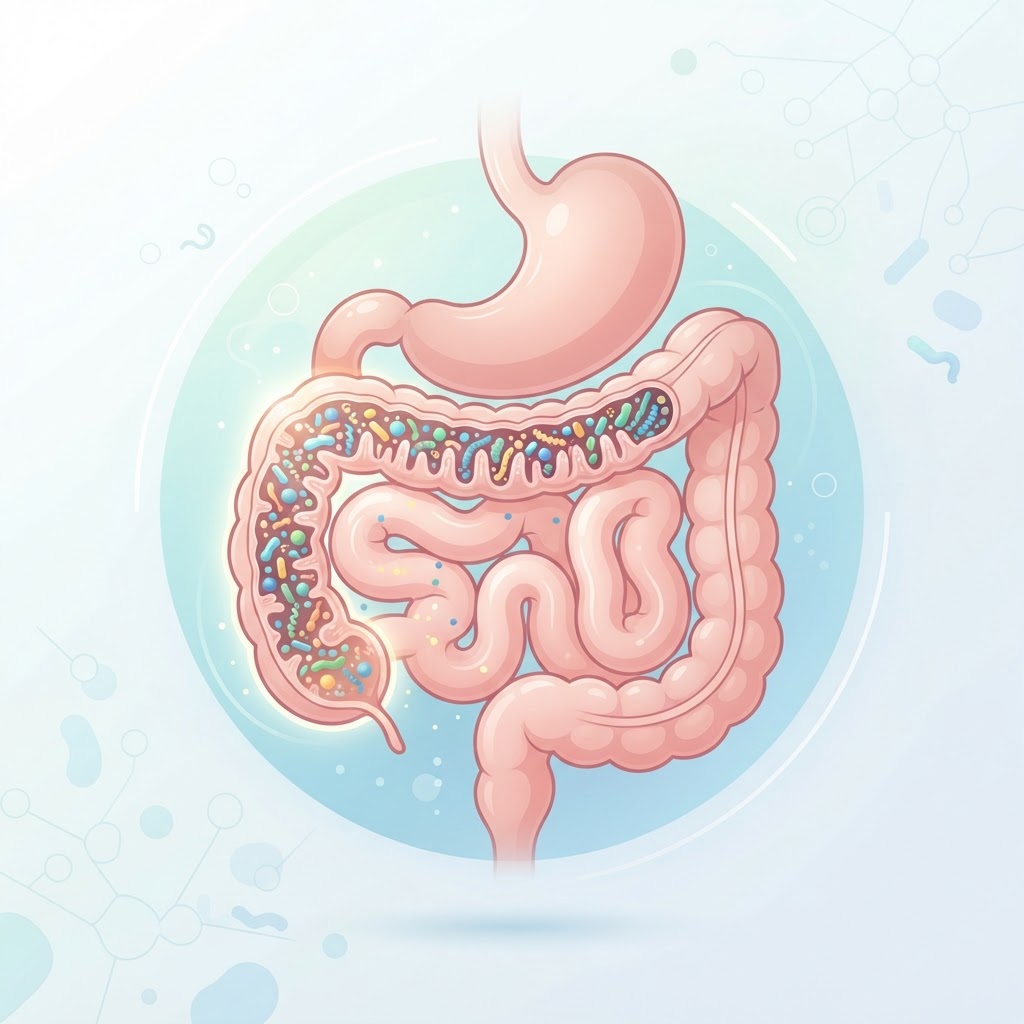
  • Adult Food Allergies: Symptoms, Common Triggers, and Management

    Adult Food Allergies: Symptoms, Common Triggers, and Management

    Key Takeaways

    • Adult food allergies can develop unexpectedly at any stage of life, even if you have safely consumed a food for years.
    • Understanding the difference between food intolerance and food allergy is crucial for accurate self-monitoring and medical diagnosis.
    • Common symptoms range from mild hives to life-threatening anaphylaxis, requiring immediate awareness and preparation.
    • If you suspect an allergy, seeking formal allergy testing with a specialist is the gold standard for long-term health management.
    • Strategic management, including label reading and carrying emergency medication, allows adults with allergies to maintain a high quality of life.

    For many people, food is a source of comfort, culture, and connection. However, for a growing number of people, the simple act of eating can become a source of significant anxiety. While we often associate allergies with childhood, the reality is that adult food allergies are becoming increasingly prevalent. Whether you have dealt with mild sensitivities for years or are suddenly experiencing a severe reaction to a favorite meal, navigating the world of nutrition with an immune system that is on high alert can feel overwhelming. At the healthauthoritylife Editorial Team, our goal is to provide you with the clarity you need to distinguish between fleeting sensitivities and genuine medical concerns, ensuring you can manage your health with confidence and precision.

    Why Do Food Allergies Develop in Adulthood?

    The sudden emergence of adult onset allergies can feel baffling, particularly when the foods in question—such as shellfish or nuts—have been staples in your diet for decades. Unlike childhood allergies, which are often outgrown, adult allergies are frequently permanent and can manifest with little warning. Experts generally suggest that there is not a single trigger, but rather a complex interplay between environmental factors, lifestyle changes, and the way our immune system communicates with our digestive tract over time.

    One primary theory behind adult onset allergies is the “hygiene hypothesis,” which suggests that our modern, highly sanitized environments may alter how our immune systems develop. When the body is not exposed to a wide variety of microbes in early life, the immune system may become hyper-reactive to harmless environmental proteins later on. Additionally, significant life events that disrupt the gut microbiome—such as a course of antibiotics, major stress, or even a sudden change in geographic location—can alter the internal landscape of the digestive system. Because the gut houses a significant portion of our immune cells, changes in bacterial balance can occasionally lower the threshold for how the body perceives food proteins, leading to an immune system “misfire” where it begins to label certain foods as dangerous invaders.

    Another factor involves “cross-reactivity.” This occurs when the immune system becomes sensitized to a pollen—like birch or ragweed—and then confuses the protein structure of a food with that pollen. This is often referred to as Oral Allergy Syndrome. An individual who has developed a seasonal allergy as an adult might find that their mouth or throat itches after eating raw fruits or vegetables. This is not necessarily a “true” food allergy in the sense of a systemic reaction, but it is a perfect example of why the adult immune system is constantly evolving and adapting to environmental triggers.

    Biological shifts, such as hormonal fluctuations during menopause or pregnancy, are also recognized as potential windows of vulnerability. The immune system is deeply connected to our endocrine system; when hormone levels shift, the way we produce antibodies can change. Some adults may have had a low-level, sub-clinical sensitivity to a food that remained undetected until a physiological change finally triggered a full-blown immune response. It is also important to consider the “cumulative effect.” Some research suggests that our immune system has a threshold for certain proteins; after years of exposure, the body may reach a tipping point where it finally decides to launch a defensive attack against the food. By understanding that these reactions are not “all in your head” and are often the result of complex physiological shifts, you can begin the process of diagnostic exploration with a sense of perspective and proactive curiosity.

    Common Food Allergens in Adults vs Children

    While children are most frequently sensitized to milk, eggs, wheat, and soy, adult food allergies tend to favor a different profile. As we age, the foods that trigger immune responses often shift toward those that we consume as adults. While a child might eventually grow out of a dairy allergy, an adult who develops an allergy to shellfish, for instance, will likely live with that condition for the rest of their life. Recognizing these patterns is a vital part of identifying potential triggers.

    Shellfish, including shrimp, crab, and lobster, stands out as one of the most common triggers for adults. Unlike childhood allergies, which often manifest in infancy, shellfish allergies frequently appear in the second or third decade of life. Similarly, tree nuts—such as almonds, walnuts, and cashews—and peanuts are notorious for causing persistent and severe reactions in adults. The danger with these specific triggers is that they are often hidden in processed foods, restaurant sauces, and baked goods, making strict avoidance a demanding task.

    Fish, such as cod or salmon, can also cause adult-onset reactions. Unlike some other allergens where the reaction may be mild, fish allergies can be unpredictable and are frequently associated with more severe systemic responses. It is also worth noting that fruit and vegetable allergies in adults are very common, though these are often milder and associated with the aforementioned cross-reactivity with seasonal pollens. For example, if you are allergic to birch pollen, you might notice your tongue tingling when you eat an apple or a carrot. While these are technically food allergies, they often present differently than the “Big Eight” allergens.

    To help you navigate which issues might require immediate attention versus those that warrant a long-term monitoring strategy, we have prepared the following table comparing common approaches to identifying and categorizing these triggers.

    Trigger Category Key Characteristics Best For
    Shellfish & Fish Usually permanent, high risk of severe systemic reaction. Strict, permanent exclusion from diet.
    Tree Nuts & Peanuts Potent allergens; hidden in many processed foods. Vigilant label reading and emergency planning.
    Pollen-Related Fruits Often localized (oral itching); linked to seasonal hay fever. Cooking raw foods to neutralize proteins.
    General Sensitivities Variable symptoms; often dose-dependent. Identifying thresholds via food diaries.

    Understanding these categories helps shift your perspective from feeling like the victim of a mystery ailment to becoming a strategic manager of your health. By identifying whether your reaction fits the profile of a severe, life-long allergy or a secondary sensitivity, you can work more effectively with your healthcare provider to develop a lifestyle plan that keeps you safe without unnecessary restriction.

    Recognizing the Symptoms of an Allergic Reaction

    The signs of food allergy can be deceivingly subtle or alarmingly swift. Because the immune system is vast and interconnected, the physical manifestations of a reaction can occur in various body systems, including the skin, the gastrointestinal tract, the respiratory system, and the cardiovascular system. Being able to recognize these signs early—and distinguishing them from simple indigestion or stress—is a life-saving skill.

    The most common symptoms typically manifest on the skin. You may notice hives, which are itchy, raised red welts, or general flushing of the skin. Eczema or contact dermatitis can also flare up after exposure to an allergen. These skin reactions are often the first “alarm bells” the body sends out. If you notice persistent itching in the mouth, on the tongue, or even in the ears, this should never be ignored; it is frequently the body’s way of signaling that an allergen has been ingested. These localized reactions are often referred to as oral allergy symptoms and can sometimes precede a more generalized reaction.

    Gastrointestinal symptoms are another frequent indicator. Nausea, abdominal cramping, vomiting, and diarrhea often follow the consumption of an allergen within minutes to a couple of hours. While these symptoms are uncomfortable and often mimic food poisoning or a stomach virus, they should be evaluated in the context of what you ate. If you notice a pattern—where your stomach consistently hurts after eating a specific type of legume or grain—it is time to stop viewing it as a “sensitive stomach” and start investigating it as a potential allergy.

    Respiratory and cardiovascular symptoms are the most severe and require immediate medical intervention. These include wheezing, a persistent cough, shortness of breath, or a feeling of throat tightness. You may also experience a drop in blood pressure, leading to dizziness, lightheadedness, or fainting. This systemic reaction, known as anaphylaxis, is a medical emergency. Anaphylaxis happens when the immune system releases a massive flood of chemicals into the body, causing the airway to constrict and blood pressure to plummet. It is important to remember that not every allergic reaction results in anaphylaxis, but an individual who has had a mild reaction once could potentially have a severe reaction during the next exposure. Never assume that because a previous reaction was mild, the next one will be the same.

    Additionally, pay attention to the “silent” signs. Some adults report a general feeling of impending doom or intense anxiety during a reaction, which is often a subconscious psychological response to the body experiencing rapid physiological shifts. If you are ever unsure, it is far safer to err on the side of caution. If you suspect an allergic reaction is occurring, keep a detailed log of the food consumed, the time elapsed until symptoms started, and the specific nature of the symptoms. This information is invaluable to an allergist during your diagnostic consultation. Your goal should always be to identify these signs early enough to prevent a progression into more dangerous territory, ensuring that you have your prescribed emergency management tools—like an epinephrine auto-injector—readily available if your specialist determines you are at risk for severe reactions.

    Food Allergy vs Food Intolerance: How to Tell the Difference

    One of the most frequent points of confusion in the world of wellness is the distinction between a food allergy and a food intolerance. While both can cause significant discomfort and interfere with your daily life, they operate through completely different biological mechanisms. Confusing the two can lead to unnecessary dietary restriction or, more dangerously, an underestimation of a life-threatening risk.

    A food allergy is an immune-mediated response. When you are allergic to a food, your body mistakenly identifies a protein in that food as a harmful invader. In response, your immune system produces specific antibodies, known as Immunoglobulin E (IgE), to fight the “threat.” Even a microscopic amount of the offending food can trigger the release of histamine and other chemicals, leading to the rapid, systemic symptoms we discussed earlier. Because this is an immune response, it can escalate to anaphylaxis, and it typically occurs shortly after ingestion, sometimes within seconds or minutes.

    Conversely, a food intolerance is a digestive issue rather than an immune one. It usually occurs when your body lacks the specific enzyme necessary to digest a certain food component. The classic example is lactose intolerance, where the body does not produce enough lactase to break down the sugar found in milk. Because the food cannot be properly digested, it sits in the intestinal tract where it may ferment, causing gas, bloating, stomach cramps, and diarrhea. Unlike an allergy, an intolerance is generally dose-dependent. A person with lactose intolerance might be able to handle a small splash of milk in their coffee without consequence, but may experience severe discomfort after consuming a large bowl of ice cream. An allergy, by contrast, rarely allows for this kind of “threshold” flexibility; even a tiny crumb can trigger a major response.

    Another way to tell the difference is the systemic impact. An allergy is a whole-body event—your skin, lungs, and heart can be involved. An intolerance is almost exclusively limited to the digestive system. You would not typically see hives, wheezing, or a drop in blood pressure resulting from a food intolerance. While the pain associated with an intolerance can be intense and persistent, it is rarely life-threatening. However, this does not mean it should be ignored. Chronic digestive distress can lead to long-term issues like nutrient malabsorption, inflammation, and reduced quality of life.

    To differentiate them, consider your pattern of symptoms. Ask yourself: Do my symptoms occur every time I eat the food? Is the severity of the reaction linked to the amount I consumed? If the answer is yes, you are likely dealing with an intolerance. If you find that your reactions are unpredictable, occur even with trace amounts, or involve non-digestive symptoms like itching, hives, or breathing changes, you are likely dealing with an allergy. If you are struggling to draw a clear line, an elimination diet can be a helpful, albeit temporary, diagnostic tool. By systematically removing suspected foods and reintroducing them one by one under the guidance of a professional, you can identify patterns that distinguish between a true immune reaction and a digestive struggle. Always consult with a healthcare professional before making major dietary changes to ensure you are not accidentally creating nutrient deficiencies.

    When to See an Allergist: Diagnostic Testing Explained

    When you have moved past the initial suspicion and suspect that a true allergy is at play, self-diagnosis is no longer sufficient. The internet is filled with home testing kits, hair analysis, and unconventional diagnostic methods that lack scientific rigor and can lead to dangerous conclusions. When it comes to managing your health, there is no substitute for the precision and expertise provided by a board-certified allergist. Seeking professional testing is the gold standard, providing the clarity you need to navigate your diet safely.

    An allergist will start with a comprehensive clinical history. They will ask detailed questions about the foods you eat, the timing of your symptoms, and any potential environmental factors. This history is often just as important as the testing itself, as it helps the specialist create a “map” of your immune system’s activity. Once they have a clear history, they will likely recommend one or more validated diagnostic tests.

    Skin prick testing is the most common diagnostic tool. During this procedure, the allergist places a small drop of a concentrated food extract onto your skin and makes a tiny, superficial scratch or prick. If you are sensitized to that specific allergen, your skin will respond with a small, localized hive, usually within fifteen to twenty minutes. It is a quick, relatively painless way to identify IgE-mediated allergies. Because this test is highly sensitive, it provides immediate feedback, allowing the specialist to cross-reference your results with the foods you identified in your history.

    If skin prick testing is not feasible—for instance, if you have widespread eczema that makes it difficult to find clear skin for the test, or if you are taking medications like antihistamines that could interfere with the results—your allergist may suggest blood testing. A blood test, such as the ImmunoCAP test, measures the level of IgE antibodies in your blood that are specific to a particular food protein. While this is less direct than the skin prick test, it is highly reliable and provides a quantitative value that can help the allergist understand the severity of your sensitivity.

    In some cases, the “gold standard” remains the oral food challenge. This is only ever performed under strict medical supervision in a clinical setting. During this test, you are given gradually increasing amounts of the suspected allergen while the medical team monitors you for any signs of a reaction. This is the definitive way to confirm or rule out an allergy when skin and blood tests provide ambiguous or contradictory results. It is essentially the “final judge” in the diagnostic process.

    It is important to remember that these tests are not standalone answers; they must be interpreted by a professional who can synthesize the results with your clinical history. A positive test result does not always mean you will have a clinical reaction every time you eat the food, and a negative test can sometimes miss an allergy if the specific protein being tested is not the one causing your reaction. By engaging in this formal diagnostic process, you are not just getting a list of foods to avoid—you are getting a roadmap for your future, ensuring that you can maintain your health while navigating the risks of adult onset allergies with science-backed confidence.

    The Role of Cross-Reactivity and Oral Allergy Syndrome

    One of the most confusing aspects of adult-onset allergies is the phenomenon of cross-reactivity, frequently manifesting as Oral Allergy Syndrome (OAS). Unlike a systemic food allergy that triggers an immediate IgE-mediated response throughout the body, OAS is characterized by localized itching, tingling, or mild swelling of the lips, tongue, and throat immediately after consuming certain raw fruits, vegetables, or nuts.

    OAS occurs because the immune system recognizes structural similarities between the proteins found in pollen (such as birch, ragweed, or grass) and those found in raw produce. Because your immune system is already sensitized to the pollen, it mistakenly identifies the proteins in the food as the pollen itself. For example, a person with a birch pollen allergy might experience OAS when eating apples, cherries, or carrots. Because these proteins are often heat-sensitive, many individuals with OAS find they can consume the same foods without symptoms if they are cooked, canned, or baked, as the heat breaks down the molecular structure of the protein.

    It is crucial to distinguish OAS from a severe food allergy. While OAS is generally confined to the oral cavity, it can occasionally progress to more significant reactions. If you experience systemic symptoms like hives, wheezing, or gastrointestinal distress after eating these foods, it is likely not OAS, but a traditional food allergy that requires clinical evaluation. Always monitor your body’s response closely when introducing new plant-based foods, especially if you have a known history of seasonal allergies.

    Managing Your Diet: How to Read Labels and Avoid Triggers

    Mastering the art of label reading is the single most important skill for someone navigating adult food allergies. Relying on front-of-package marketing claims like “natural” or “healthy” is insufficient; you must become proficient at deciphering the ingredient list on the back of every product, every single time you shop.

    Under many regulatory frameworks, the top common food allergens must be clearly declared on labels, typically in bold or in a “Contains” statement below the ingredient list. However, be wary of “may contain” or “processed in a facility with” labels. While these are often voluntary, they indicate a high risk of cross-contact during manufacturing. For those with severe allergies, these precautionary labels should be treated with the same level of caution as an explicit ingredient, as even trace amounts can trigger a reaction.

    Beyond the bolded allergens, you must watch for hidden ingredients that may be derived from your triggers. For instance, hydrolyzed vegetable protein can be a source of hidden soy, and casein or whey are indicators of dairy presence. Maintaining a digital or physical “safe list” of brands that you have vetted for their manufacturing practices can simplify your shopping trips significantly.

    Allergen Management Tool Purpose Best For
    Food Allergy Journal Tracking symptoms and specific intake Identifying unknown or “stealth” triggers
    Ingredient Scanning Apps Instant cross-referencing of databases Quick grocery store decision-making
    Medical ID Bracelet Alerting first responders to severity Individuals at risk for anaphylaxis
    Cooking at Home Total control over preparation Avoiding cross-contamination risks

    Creating an Emergency Action Plan for Anaphylaxis

    Anaphylaxis is a severe, life-threatening systemic reaction that can occur within minutes of exposure to an allergen. If you have been diagnosed with an allergy that carries a risk of anaphylaxis, having a written emergency action plan—and sharing it with friends, family, and coworkers—is non-negotiable.

    Your action plan should be a simple, one-page document that outlines your specific allergens, the common symptoms you exhibit, and the precise steps to take if you ingest a trigger. This includes the immediate administration of an epinephrine auto-injector. Epinephrine is the only medication capable of reversing the most severe symptoms of anaphylaxis, such as airway constriction and plummeting blood pressure. Once the epinephrine is administered, the plan must clearly state to call emergency services immediately, as a second wave of symptoms, known as a biphasic reaction, can occur even after the initial dose of epinephrine.

    Ensure that your auto-injectors are never locked away and are easily accessible at all times. Check expiration dates monthly and replace them before they expire. Consider keeping a secondary device in your office or car, and ensure those closest to you know exactly how to use the device. Training simulators are often available from manufacturers and are excellent tools for teaching loved ones how to help you in a crisis.

    Lifestyle Adjustments for Eating Out Safely

    Dining out with a food allergy can feel like an insurmountable challenge, but with proper communication and planning, it can be a manageable experience. The key is to shift your mindset from “ordering food” to “communicating needs.”

    First, research the restaurant beforehand. Many modern restaurants post their menus online and are increasingly transparent about allergen information. If a menu is unclear, call the restaurant during off-peak hours—never during the dinner rush—to speak with a manager or chef about their kitchen practices. Ask specific questions: Do they use dedicated fryers to prevent cross-contamination? How do they handle ingredient swaps in the kitchen? If you do not feel confident in their understanding of cross-contact, choose another establishment.

    When you arrive, identify yourself to your server immediately as having a food allergy. Do not simply ask “is there milk in this?” Instead, explain the severity of your allergy. Ask the server to personally notify the chef. When the food arrives, take a moment to inspect the dish before taking a bite. If you suspect an error has been made, do not risk it; send it back. Finally, always carry your emergency medication with you—even if you are just going out for coffee.

    Long-Term Management and Emerging Treatment Options

    Living with adult food allergies is a lifelong process of adaptation. While avoidance has been the historical standard of care, the landscape of management is evolving. Regular consultations with an allergist are vital for re-evaluating your risk profile, as sensitivities can sometimes change or diminish over time, though this is not guaranteed.

    Emerging treatments, such as oral immunotherapy (OIT), have gained attention in recent years. OIT involves the controlled, physician-supervised ingestion of increasing amounts of an allergen to gradually desensitize the immune system. While this is not a “cure,” for some, it provides a crucial safety net that can protect against reactions caused by accidental ingestion. These treatments are intensive, require significant time commitments, and are not appropriate for everyone. Discussing whether you are a candidate for current clinical trials or newer therapies with your healthcare provider is a proactive step toward a better quality of life.

    Beyond medical interventions, psychological well-being is a major factor. The constant vigilance required for allergy management can lead to significant anxiety. Joining support groups or seeking counseling from professionals who specialize in chronic health conditions can provide the emotional support necessary to navigate these challenges without feeling overwhelmed.

    Frequently Asked Questions

    Can food allergies develop suddenly in adulthood?

    Yes, adult-onset allergies are a documented phenomenon. While many people associate food allergies with childhood, the immune system can become sensitized to a new protein at any point in life, even to foods you have eaten safely for years.

    What is the difference between an allergy and an intolerance?

    A food allergy involves the immune system and can cause severe, systemic reactions. A food intolerance, such as lactose intolerance, typically involves the digestive system and results in discomfort like bloating or gas but does not threaten your life.

    How can I tell if I need an allergy test?

    If you experience consistent, reproducible symptoms after eating specific foods, you should seek testing. A qualified professional can conduct skin prick tests or blood tests to identify the specific antibodies responsible for your reactions.

    Can I outgrow an adult food allergy?

    While children often outgrow common allergies, it is significantly less common for adults to do so. Some individuals may experience a reduction in sensitivity over many years, but it is never safe to assume an allergy has disappeared without clinical verification.

    Is it safe to rely on antihistamines for an allergy?

    Antihistamines are useful for mild symptoms like hives or itching, but they cannot stop the progress of anaphylaxis. If you have been prescribed an epinephrine auto-injector, that must be your first line of defense for any systemic reaction.

    Should I cut out all potential allergens just in case?

    No. You should never eliminate food groups from your diet without a confirmed diagnosis. Unnecessary dietary restriction can lead to nutritional deficiencies. Always work with a healthcare professional to identify your specific triggers before changing your diet.

    Conclusion

    Navigating life with an adult food allergy requires a blend of constant vigilance, education, and proactive communication. While the initial diagnosis can be disruptive and stressful, it is entirely possible to maintain a vibrant, healthy, and fulfilling social life while effectively managing your triggers. By understanding the mechanics of your reactions, honing your label-reading skills, and maintaining a robust emergency plan, you reclaim the power over your health.

    Remember that you are not alone in this journey. As research into immunology and treatment options continues to expand, the tools available for managing these conditions are becoming more sophisticated. Take the first step today by scheduling a consultation with an allergy specialist to develop a comprehensive plan tailored to your body’s specific needs. Your health is your most valuable asset—protect it with the right information and professional guidance.

    By healthauthoritylife Editorial Team

    This article is for informational purposes only and is not a substitute for professional medical advice. Always consult your doctor before making changes to your diet, exercise routine, or treatment plan.

  • SIBO Symptoms: Causes, Testing, and Natural Healing Strategies

    SIBO Symptoms: Causes, Testing, and Natural Healing Strategies

    Key Takeaways

    • Small Intestinal Bacterial Overgrowth (SIBO) occurs when bacteria that belong in the large intestine migrate into the small intestine, causing digestive distress.
    • Common SIBO symptoms include chronic bloating, gas, diarrhea, and constipation, often fluctuating after meals.
    • Root causes often involve impaired gut motility or anatomical issues that prevent the “cleaning waves” of the digestive tract.
    • The SIBO breath test is the current clinical standard for diagnosis, measuring hydrogen and methane gases produced by bacteria.
    • Healing requires a multi-faceted approach, focusing on dietary modifications, motility support, and addressing underlying triggers.

    For millions of people, the quest for digestive wellness feels like an endless journey through restrictive diets and confusing medical appointments. If you find yourself frequently bloated, especially after eating fiber-rich foods or complex carbohydrates, you might be dealing with an issue that is far more common than many realize. Small intestinal bacterial overgrowth, known as SIBO, is a condition where an excessive population of bacteria occupies the small intestine—a section of the digestive tract that should ideally remain relatively low in bacterial density. When these microorganisms move in and start fermenting the food you eat before your body has had the chance to absorb it, the result is a cascade of uncomfortable symptoms that can profoundly impact your quality of life. The healthauthoritylife Editorial Team has compiled this guide to help you navigate the complexities of SIBO, understand the underlying triggers, and explore evidence-based strategies for restoring balance to your gut microbiome.

    What Is SIBO and Why Does It Happen?

    To understand small intestinal bacterial overgrowth, one must first appreciate the delicate anatomy of the human digestive system. In a healthy state, the stomach and the small intestine—where the vast majority of nutrient absorption takes place—contain a relatively small number of bacteria compared to the large intestine (the colon). This low-count environment is maintained by several protective mechanisms, including stomach acid, digestive enzymes, bile, and the Migrating Motor Complex (MMC). The MMC acts as a “housekeeping” wave, a series of muscular contractions that sweep undigested food particles and excess bacteria from the small intestine into the colon.

    SIBO occurs when these protective barriers break down. When the MMC is sluggish, or when stomach acid levels are suboptimal, bacteria from the large intestine can travel backward into the small intestine or proliferate in place. Once these bacteria settle in the small intestine, they thrive on the nutrients that were intended for you. Specifically, they ferment carbohydrates, fiber, and sugars, producing various gases as byproducts. This fermentation process is the engine behind the intense bloating, distension, and altered bowel habits associated with the condition.

    It is important to emphasize that not all bacteria are “bad.” However, even beneficial strains become problematic when they reside in the wrong location. The small intestine is not equipped to handle high levels of bacterial fermentation, and the mucosal lining there can become irritated, leading to issues with nutrient malabsorption and increased intestinal permeability. The condition is often classified based on the type of gas the bacteria produce—typically hydrogen, methane, or sometimes hydrogen sulfide. Understanding the specific type of overgrowth you may be dealing with is a crucial step in tailoring your approach to gut health, as each gas-producing bacteria responds differently to various dietary and therapeutic interventions. By recognizing that SIBO is fundamentally a problem of bacterial location and gut motility, we can move away from simply masking symptoms and toward addressing the structural and functional failures that allow these imbalances to persist.

    Common Symptoms of Small Intestinal Bacterial Overgrowth

    The clinical presentation of SIBO is highly variable, which is a major reason why it often goes undiagnosed for years. Patients frequently consult with numerous specialists, only to be told their tests come back normal because standard screenings focus on inflammatory diseases like Crohn’s or Celiac, rather than the bacterial imbalance of SIBO. The most hallmark sign is abdominal bloating that tends to worsen as the day progresses. Many people report looking “pregnant” by the evening, even if their stomach was flat when they woke up. This specific pattern suggests that as you ingest food throughout the day, the bacteria in the small intestine have more material to ferment, leading to significant gas accumulation.

    Beyond bloating, the symptoms are broadly categorized based on the dominant gas being produced. Patients with hydrogen-dominant SIBO are more likely to experience loose stools or chronic diarrhea. The hydrogen gas can accelerate bowel transit time, leading to frequent bathroom trips. Conversely, methane-dominant SIBO, often referred to as intestinal methanogen overgrowth (IMO), is strongly associated with chronic constipation. Methanogens produce methane gas, which acts as a neurotoxin to the gut, slowing down the rhythmic contractions of the intestines and trapping waste for longer periods. This can create a vicious cycle, as the stagnant waste provides more fuel for the bacteria, perpetuating the constipation.

    Abdominal pain and cramping are also frequently reported. This pain often occurs one to two hours after eating, which corresponds to the time it takes for food to reach the middle sections of the small intestine. Other systemic symptoms are increasingly being linked to SIBO, including brain fog, fatigue, joint pain, and skin issues like rosacea or acne. These symptoms arise because the overgrowth can lead to systemic inflammation and deficiencies in essential nutrients, such as B12, iron, and fat-soluble vitamins (A, D, E, and K), which the overgrowing bacteria may consume before you can absorb them. Keeping a detailed symptom journal is a powerful tool to share with a practitioner, as documenting exactly what you eat, when you experience bloating, and the nature of your bowel movements can provide clear clues that point toward a SIBO diagnosis.

    Understanding the Primary Root Causes of SIBO

    SIBO is almost never a primary condition; it is a secondary consequence of something else going wrong in the digestive tract. To achieve lasting healing, one must identify the “why” behind the overgrowth. If you kill the bacteria but do not address the root cause, they will almost inevitably return. One of the most significant triggers is impaired gut motility. If the Migrating Motor Complex—that vital cleaning mechanism—is damaged, debris and bacteria linger in the small intestine rather than being swept into the colon. This damage is frequently caused by post-infectious events, such as a severe bout of food poisoning, which can create antibodies that mistakenly attack the nerves responsible for gut movement.

    Anatomical abnormalities also play a significant role. Surgeries, especially those involving the stomach or intestines, can create “blind loops” or adhesions—areas where the intestine is kinked or scarred, causing food to pool. These structural hurdles provide the perfect sanctuary for bacteria to colonize. Additionally, low stomach acid (hypochlorhydria) is a common, often overlooked factor. Stomach acid acts as a primary chemical barrier; if it is not acidic enough to sterilize the food you swallow, more bacteria pass through into the small intestine, where they find an environment ripe for colonization.

    Chronic use of certain medications, particularly proton pump inhibitors (PPIs) used for heartburn, can inadvertently facilitate SIBO by suppressing that necessary acidity. Furthermore, hormonal imbalances, such as those seen in hypothyroidism or uncontrolled diabetes, can slow down the entire digestive transit. When transit is slow, the “gastro-colic reflex” is sluggish, and the gut environment becomes hospitable to those opportunistic bacterial strains. Understanding these triggers is empowering, as it shifts the focus from “what can I take to kill the bacteria” to “how can I support my body’s natural ability to keep the gut clean and moving efficiently.”

    Root Cause Category Primary Mechanism of Action Best For
    Motility Issues Failure of the Migrating Motor Complex (MMC) to clear debris Identifying post-infectious or nerve-related triggers
    Anatomical Obstructions Physical structures like strictures or adhesions trapping food Patients with a history of abdominal surgeries
    Hypochlorhydria Insufficient stomach acid allowing bacterial survival Chronic users of acid-suppressing medications (PPIs)
    Metabolic/Hormonal Systemic slowdown (e.g., hypothyroidism) affecting gut rhythm Addressing full-body issues influencing digestive speed

    How to Get Diagnosed: The SIBO Breath Test Explained

    The diagnostic landscape for SIBO has evolved significantly over the past decade, moving away from invasive procedures like small bowel aspirates and cultures toward the more accessible SIBO breath test. This non-invasive diagnostic tool relies on the physiological reality that human cells do not produce hydrogen or methane gas—only bacteria do. By measuring the levels of these gases in your breath after consuming a specific sugar substrate, clinicians can determine whether bacteria are fermenting that sugar in the small intestine, where they shouldn’t be, rather than waiting until the sugar reaches the large intestine.

    During the test, you will typically be asked to follow a strict “prep diet” for 24 hours to ensure you have a clean slate. This diet usually limits fiber and slow-digesting carbohydrates, which prevents interference from previous meals. In the clinic or at home, you will ingest a solution—usually lactulose or glucose—and then provide a series of breath samples at regular intervals over a two-to-three-hour period. If the bacteria are present in the small intestine, they will begin fermenting the substrate almost immediately, leading to a spike in hydrogen or methane gas that shows up in the breath samples.

    It is important to discuss the substrate choice with your healthcare provider. Glucose is often preferred because it is rapidly absorbed in the upper part of the small intestine, making it highly specific, whereas lactulose travels through the entire length of the small intestine, making it more sensitive but sometimes harder to interpret. Interpreting these results is not as simple as looking at a single number; it requires evaluating the timeline of the gas rise. A clinician will look for a distinct “early rise” in gas levels. While no test is perfect, the breath test remains the gold standard for clinical decision-making. If your symptoms are severe but your breath test comes back negative, your provider might consider other factors, such as carbohydrate malabsorption (like FODMAP sensitivity) or imbalances in other parts of the microbiome that aren’t captured by a breath test. Remember, diagnostic tests are only one piece of the puzzle; they must be interpreted in the context of your specific clinical history and symptoms.

    The Connection Between SIBO and Chronic Digestive Issues

    When SIBO becomes a chronic presence, it rarely remains isolated to the small intestine. Its influence often ripples outward, creating secondary digestive issues that can be just as debilitating as the primary overgrowth. For instance, many people with SIBO find themselves caught in a cycle of worsening food intolerances. Because the small intestine is the site of enzyme production for carbohydrate digestion, chronic inflammation from SIBO can lead to a temporary deficiency in enzymes like lactase or sucrase. This manifests as a newfound inability to digest dairy or fruit, which can be misidentified as a permanent allergy, when in reality, it is a symptom of an inflamed, overwhelmed digestive tract.

    Another major connection is the relationship between SIBO and Irritable Bowel Syndrome (IBS). Many experts generally agree that a significant portion of patients who have been diagnosed with IBS-D or IBS-C are actually harboring an undiagnosed case of small intestinal bacterial overgrowth. This realization has been a game-changer for many, as it offers a clear path toward potential resolution rather than just “managing symptoms” for a lifetime. When SIBO persists, it can also lead to systemic inflammation that disrupts the brain-gut axis, potentially affecting mood, anxiety, and sleep patterns. The digestive tract is home to a massive portion of our nervous system and immune cells; when this environment is in turmoil, it is no surprise that the body reacts on a systemic level.

    Furthermore, SIBO can impact the health of the colon. When undigested food is not processed correctly in the small intestine, it can arrive in the large intestine in a state that alters the colonic microbiota. This can lead to dysbiosis, where even the “good” bacteria in the colon are thrown off balance. By treating the SIBO, you are not just clearing out the small intestine; you are often taking the first step toward reclaiming the health of your entire gastrointestinal tract. Recognizing these connections helps to destigmatize the condition, showing that your digestive issues are not “all in your head” or just a sign of “getting older,” but rather a predictable physiological response to a systemic imbalance that can be identified and targeted with a structured approach to gut health.

    Dietary Approaches to Manage SIBO Symptoms

    Managing Small Intestinal Bacterial Overgrowth (SIBO) through diet is not about lifelong restriction, but rather about creating an environment in the small intestine where bacteria cannot thrive. The primary objective of a SIBO-friendly diet is to reduce the substrate—specifically fermentable carbohydrates—that bacteria feed on, thereby minimizing gas production, bloating, and discomfort while the gut lining heals.

    The Low-FODMAP diet is often the first line of nutritional intervention. FODMAP stands for Fermentable Oligosaccharides, Disaccharides, Monosaccharides, and Polyols. These are short-chain carbohydrates that are poorly absorbed in the small intestine and highly fermentable by gut bacteria. By limiting these, individuals often see a rapid reduction in symptoms. However, it is crucial to understand that a low-FODMAP diet does not “treat” the overgrowth itself; it merely starves the bacteria of their preferred fuel, providing the body space to recover.

    Another popular framework is the Bi-Phasic Diet. This approach is structured into two distinct phases. The first phase focuses on significantly reducing the bacterial load by eliminating almost all fermentable carbohydrates. The second phase involves a gradual reintroduction of specific food groups to determine personal tolerance levels. This systematic reintroduction is vital because many people with SIBO become unnecessarily fearful of food, leading to malnutrition or disordered eating patterns.

    For those struggling with significant carbohydrate sensitivity, the Specific Carbohydrate Diet (SCD) or the SIBO-Specific Diet (a blend of SCD and low-FODMAP principles) may be more effective. These diets prioritize monosaccharides—which are absorbed directly into the bloodstream—and eliminate complex starches and disaccharides that require more intensive digestion. When selecting foods, prioritize high-quality proteins, healthy fats, and low-starch vegetables. Keeping a detailed food journal is an essential practice during this period to identify specific triggers, as everyone’s gut microbiome composition varies significantly.

    Evidence-Based Supplements for Bacterial Balance

    While dietary changes control the “fuel” for bacterial growth, targeted supplementation is often required to address the microbial imbalance directly. Integrative protocols typically incorporate both botanical antimicrobials and supportive digestive aids. Botanical antimicrobials, such as oil of oregano, berberine, allicin (derived from garlic), and neem, are frequently used to reduce the overgrowth. These compounds possess broad-spectrum activity against various bacterial strains and are often preferred for their ability to combat biofilm, the protective barrier that bacteria construct to shield themselves from eradication.

    Prokinetics are another cornerstone of SIBO management. Since SIBO is often a motility issue, prokinetics help to stimulate the Migrating Motor Complex (MMC)—the gut’s “housekeeping” mechanism that sweeps debris and excess bacteria from the small intestine into the colon. Common natural prokinetics include ginger root and 5-HTP, which may help improve the frequency of these cleansing waves, particularly in the hours between meals and during sleep.

    It is important to proceed with caution regarding probiotics. While beneficial for many, standard probiotics can sometimes exacerbate SIBO symptoms by adding more bacteria to an already crowded small intestine. Some practitioners suggest “soil-based” organisms or specific strains that do not colonize the small intestine, but this should always be approached under professional guidance. Enzyme supplementation, such as digestive enzymes or bile salts, can also be helpful by ensuring that food is thoroughly broken down before it reaches the site of the overgrowth, leaving less material for the bacteria to consume.

    Supplement Category Primary Function Best For
    Botanical Antimicrobials Reducing bacterial overgrowth Active treatment of SIBO symptoms
    Prokinetics Stimulating gut motility Preventing relapse post-treatment
    Digestive Enzymes Optimizing nutrient breakdown Those with poor digestion/malabsorption
    Biofilm Disruptors Breaking down bacterial shields Chronic or resistant SIBO cases

    Lifestyle Shifts to Support Gut Motility and Digestion

    Healing SIBO is rarely accomplished through pills or diet alone; it requires a holistic approach that includes lifestyle modifications. The nervous system plays a direct role in how the gut functions. When the body is in a state of chronic stress, the sympathetic nervous system—the “fight or flight” response—is activated, which effectively shuts down digestion. Engaging in deep, diaphragmatic breathing or meditation before meals can help shift the body into a “rest and digest” parasympathetic state, ensuring that the digestive system is adequately prepared to process food.

    Meal spacing is perhaps the most underrated lifestyle intervention for SIBO. The Migrating Motor Complex (MMC) is inhibited every time we consume calories. By leaving a window of at least four to five hours between meals and avoiding late-night snacking, you allow the MMC to complete its vital cleaning cycles. This “fasting window” is essentially a natural flushing mechanism for the small intestine.

    Physical movement also plays a critical role. Gentle exercise, such as walking or yoga, encourages blood flow to the digestive organs and can stimulate peristalsis. However, avoid high-intensity exercise if you are currently in a state of severe digestive distress, as this can further divert blood away from the gut. Additionally, hydration is paramount. Adequate water intake supports the natural viscosity of digestive juices, facilitating the smooth transit of food through the intestinal tract. For many, integrating these rhythmic lifestyle habits is the key to transitioning from a state of constant flare-ups to long-term gut equilibrium.

    Working With a Practitioner for SIBO Recovery

    Navigating SIBO recovery can be complex, and attempting to self-diagnose or treat the condition without professional oversight often leads to frustration or unnecessary dietary restrictions. A qualified practitioner—whether a functional medicine doctor, a registered dietitian specializing in gut health, or a gastroenterologist—provides the expertise required to interpret complex test results and tailor a treatment plan to your unique metabolic profile.

    Your practitioner acts as a navigator. They help distinguish between SIBO and other conditions that mimic its symptoms, such as Irritable Bowel Syndrome (IBS), Small Intestinal Fungal Overgrowth (SIFO), or Histamine Intolerance. When it comes to testing, a practitioner ensures the SIBO breath test is conducted with appropriate preparation, such as avoiding high-fiber foods and certain antibiotics in the days leading up to the test, which is critical for accuracy.

    Beyond the initial diagnosis, they monitor your progress and adjust protocols based on your response. If a certain antimicrobial is not working or is causing side effects, they can pivot the plan rather than forcing a protocol that isn’t serving your specific needs. They also look at “the big picture,” investigating underlying causes—such as low stomach acid, structural abnormalities, or underlying metabolic issues—that might be making you susceptible to recurring SIBO. Building a partnership with a health professional allows you to offload the mental burden of “figuring it out” and creates a structured, safe pathway to recovery.

    Preventing SIBO Recurrence After Successful Treatment

    The unfortunate reality for many is that SIBO can be a recurrent condition. Successfully clearing the overgrowth is only the first chapter; the second chapter is focused on preventing the environment from becoming hospitable to bacterial proliferation again. Maintenance strategies are essential for those who have a history of slow motility or underlying structural issues.

    The most important pillar of prevention is the consistent use of prokinetics. Once the active phase of antimicrobial treatment is complete, many practitioners recommend a maintenance dose of a prokinetic agent to keep the Migrating Motor Complex firing properly. This is especially vital during the first few months post-treatment, which is the period when relapse is statistically most likely to occur.

    Beyond supplements, managing underlying root causes is non-negotiable. If you have had abdominal surgery, you may need to manage adhesions with visceral manipulation therapy. If your SIBO was caused by a period of chronic high stress, you must maintain a consistent nervous system regulation practice to keep digestion functioning optimally. Furthermore, gradually expanding your diet is essential. Staying on an extremely restricted, low-FODMAP diet long-term can actually diminish the diversity of your beneficial gut microbiome. Once your symptoms have subsided, slowly reintroducing a variety of fiber-rich foods helps foster a healthy, resilient ecosystem that is more capable of resisting future bacterial overgrowth.

    Frequently Asked Questions

    Can SIBO go away on its own without treatment?

    While some people may experience temporary relief from symptom fluctuations, SIBO is unlikely to resolve on its own. Because it is often linked to underlying dysfunction—such as impaired motility or structural issues—the conditions that allowed the bacteria to overgrow in the first place must be addressed to achieve long-term resolution.

    How long does the average SIBO treatment take?

    The duration of treatment varies greatly depending on the severity of the overgrowth and the chosen protocol. Typically, a round of antimicrobial or antibiotic treatment lasts between two to six weeks. However, the total process, including gut healing and the transition to a maintenance phase, often takes several months.

    Is it safe to eat fruit if I have SIBO?

    Many fruits contain fructose, a fermentable sugar that can aggravate SIBO symptoms. However, not all fruits are equal. Lower-fructose options like blueberries, raspberries, and kiwi are often tolerated in moderate portions by many individuals, while high-fructose fruits like apples or pears are typically restricted during the active treatment phase.

    Can stress really cause SIBO?

    While stress may not be the primary “cause” of SIBO, it is a significant contributing factor. Chronic stress triggers the sympathetic nervous system, which reduces blood flow to the digestive tract and slows gut motility. A sluggish digestive system creates the perfect environment for bacteria to linger and multiply in the small intestine.

    What is the biggest mistake people make when treating SIBO?

    The most common mistake is failing to address the root cause, such as poor motility or anatomical issues. Treating the symptoms with diets or antimicrobials without fixing the underlying mechanism that allowed the overgrowth to happen almost always leads to a recurrence of symptoms shortly after treatment ends.

    Are there any tests besides the breath test for SIBO?

    The breath test is the standard non-invasive tool. In some cases, practitioners may consider a small intestinal aspirate and culture, which is considered the gold standard for diagnosis but is invasive, expensive, and rarely performed outside of research settings. Most clinicians rely on a combination of breath testing, symptom history, and clinical response to treatment.

    Conclusion

    Small Intestinal Bacterial Overgrowth is a complex, often misunderstood condition that can significantly diminish your quality of life. By understanding the core mechanisms behind SIBO symptoms, prioritizing accurate testing, and implementing a comprehensive approach that includes dietary adjustments, antimicrobial support, and lifestyle shifts, you can reclaim your digestive health. Remember that healing is a non-linear journey; there will be setbacks and successes, but with patience and the right support, gut balance is achievable.

    If you suspect you are dealing with SIBO, do not wait for the symptoms to become debilitating. Reach out to a qualified healthcare provider today to discuss testing options and develop a personalized plan. Your digestive system is a vital foundation for your overall wellbeing—take the first step toward restoring that foundation today.

    By healthauthoritylife Editorial Team

    This article is for informational purposes only and is not a substitute for professional medical advice. Always consult your doctor before making changes to your diet, exercise routine, or treatment plan.

  • Gout Symptoms: Early Warning Signs and Natural Management

    Gout Symptoms: Early Warning Signs and Natural Management

    Key Takeaways

    • Gout is a complex form of inflammatory arthritis caused by the accumulation of uric acid crystals in the joints.
    • Recognizing early gout symptoms, such as subtle joint stiffness or mild warmth, can help in implementing rapid intervention strategies.
    • The foundation of managing chronic gout pain often lies in identifying and eliminating dietary triggers like high-fructose corn syrup and purine-rich meats.
    • Successfully learning how to lower uric acid levels involves a combination of hydration, lifestyle adjustments, and targeted dietary changes.
    • Natural remedies for gout provide supportive relief, but they should be viewed as part of a holistic, long-term health management plan.

    For many, the experience of a gout flare-up is unforgettable—a sudden, intense, and often debilitating episode of joint pain that can arrive without warning in the middle of the night. Often misunderstood as a relic of history, this form of inflammatory arthritis remains a pervasive health challenge in the modern era. While the pain is localized, the systemic origins of gout reflect the delicate balance of our metabolic health. By understanding the intricate dance between our dietary choices, our genetic predispositions, and our body’s filtration systems, we can move beyond simply reacting to pain and start proactively managing our long-term wellness. In this guide, the healthauthoritylife Editorial Team explores the foundational mechanics of gout, the subtle warnings your body may send, and the evidence-based strategies you can use to regain control of your joint health.

    What Is Gout and Why Does It Occur?

    Gout is a metabolic condition classified as a form of inflammatory arthritis. Unlike osteoarthritis, which is primarily driven by the mechanical wear and tear of cartilage, gout is biochemical in nature. It occurs when a substance called uric acid reaches such high concentrations in the bloodstream that it can no longer remain dissolved. This condition, medically known as hyperuricemia, serves as the prerequisite for gout. However, it is important to note that not everyone with elevated uric acid levels will necessarily develop gout; the body must also possess a sensitivity to the precipitation of these crystals within the synovial fluid of the joints.

    The primary driver behind this process is the metabolism of purines. Purines are nitrogen-containing compounds found in almost every cell of the human body and in many of the foods we consume. When the body breaks down these purines, a byproduct is produced: uric acid. Under normal physiological circumstances, this uric acid travels through the bloodstream, is processed by the kidneys, and is subsequently excreted through urine. The problem arises when there is either an overproduction of uric acid—often linked to a diet high in specific proteins—or an under-excretion, where the kidneys struggle to filter the waste efficiently.

    When uric acid levels spike, the substance begins to form microscopic, needle-like monosodium urate crystals. These crystals gravitate toward the joints, most notably the big toe, but also the ankles, knees, wrists, and elbows. Once these crystals settle into the joint space, the immune system identifies them as foreign invaders. The body’s defensive white blood cells rush to the area to engulf and neutralize these crystals, triggering an intense, rapid inflammatory response. This response is what manifests as the redness, swelling, and agonizing tenderness that characterizes a flare-up.

    Experts often point out that genetics play a significant role in how efficiently an individual handles purines and uric acid. Some people are born with a biological tendency toward hyperuricemia, making them more susceptible to gout regardless of their lifestyle choices. Additionally, hormonal changes, certain medications (such as diuretics), and underlying health conditions like metabolic syndrome can impact how the body manages these waste products. Understanding that gout is not simply a matter of “bad diet” but rather a complex interaction of genetics, metabolic function, and environmental triggers is the first step toward effective management. By addressing the root cause—the concentration of uric acid—rather than just the resulting inflammation, you can build a sustainable approach to joint health that minimizes the risk of future attacks.

    Early Symptoms of a Gout Flare-Up

    Many people assume that a gout attack begins with an explosion of white-hot pain, but the body often provides subtle “pre-flare” warnings before the full-blown agony sets in. Recognizing these early gout symptoms is crucial for those hoping to mitigate the duration and severity of an attack. These early signs are often referred to by those with chronic gout as “prodromal” symptoms. They can occur hours or even a day before the acute inflammation reaches its peak, providing a narrow window of opportunity to implement natural remedies and hydration strategies.

    The most common early sensation is a subtle, localized feeling of “heaviness” or stiffness in the affected joint, most frequently the metatarsophalangeal joint at the base of the big toe. You might notice that your joint feels slightly less mobile than usual, or perhaps you experience a dull, nagging ache that feels distinct from general muscle fatigue. Some individuals report a slight tingling or “pins and needles” sensation, similar to when a limb has fallen asleep, but confined strictly to the joint area. This sensation is caused by the initial deposition of tiny urate crystals as they begin to irritate the soft tissues lining the joint capsule.

    Another frequently reported early warning sign is localized warmth. If you touch the skin around the joint, it may feel noticeably warmer than the surrounding tissue. This is a direct signal that the immune system has begun its initial recruitment of white blood cells to the area. Furthermore, the skin may appear slightly pink or shiny. This slight change in skin texture or color is an indicator that mild edema—fluid retention—is starting to occur as a result of the inflammatory process. While the pain may remain manageable at this stage, the joint is already entering a state of high alert.

    It is vital to distinguish these early warnings from other conditions. If you are prone to gout, you should develop a keen sense of your body’s baseline. If you notice a persistent itchiness or a strange “throbbing” in your toe after a meal or a period of dehydration, do not wait for the stabbing pain to begin. Because chronic gout pain is notoriously difficult to soothe once inflammation is fully established, identifying these symptoms early is the best defense. Taking immediate action—such as increasing water intake, adjusting your immediate diet, and resting the joint—can often help the body clear the excess uric acid more effectively before it settles into a full crystalline mass. Awareness is your most powerful tool in the fight against recurring flares.

    Understanding the Role of Uric Acid Crystals

    To truly understand why the body reacts so violently to gout, we must look closer at the physics of uric acid crystals. Uric acid is naturally present in our blood, but it exists in a state of delicate equilibrium. When the concentration of this acid rises above a specific threshold, it loses its solubility, transitioning from a dissolved state into solid, needle-like crystals. This process of crystallization is not unlike sugar forming crystals at the bottom of an over-saturated cup of tea.

    These crystals are chemically similar to a very sharp, microscopic glass shard. Because they are not inherently “soft” or “organic” in the way body tissue is, their physical structure is abrasive. As they collect within the synovial fluid—the lubricating fluid inside your joints—they begin to physically scrape against the cartilage and the synovial membrane. The body, being highly protective of its joints, views these shards as a significant threat to structural integrity.

    The immune system responds by releasing cytokines and other signaling proteins to initiate an attack. The irony of the situation is that the immune response itself is what causes the majority of the pain. The arrival of neutrophils—the “first responders” of the immune system—leads to the release of enzymes intended to break down foreign debris. These enzymes, however, also cause local tissue destruction and intense inflammation. The more crystals present, the more intense the recruitment of immune cells, and the more severe the gout flare-up relief will be needed. This is why gout is often described as an autoimmune-like reaction, even though it is triggered by metabolic waste.

    Long-term, the repeated presence of these crystals can lead to chronic gout pain and the development of tophi. Tophi are visible, firm lumps of urate crystals that form under the skin, often around the fingers, toes, and ears. These deposits are evidence that the body is failing to keep uric acid levels in check over a prolonged period. The objective in any management plan is to interrupt this cycle of crystal formation and clearance. By keeping uric acid levels low enough to remain in a dissolved, harmless state, you prevent the crystals from ever forming, effectively silencing the inflammatory response before it can begin. This requires a shift in how we view internal chemistry—from a focus on “symptom management” to a commitment to “solubility management.”

    Common Dietary Triggers to Avoid

    When considering what triggers a gout attack, the focus must shift to the concept of purine load and insulin resistance. While many people think of “gout-friendly” diets in terms of avoiding all protein, the reality is much more nuanced. The body is most stressed by specific types of purines and compounds that hinder the kidney’s ability to excrete uric acid. Managing your diet is arguably the most impactful change you can make to lower uric acid levels naturally.

    The first major offender is high-fructose corn syrup (HFCS). Unlike glucose, fructose requires a unique metabolic pathway in the liver, which directly generates uric acid as a byproduct. Even if you aren’t eating high-purine meats, consuming beverages or processed snacks loaded with HFCS can trigger a massive spike in your uric acid levels. This is why many experts emphasize that a gout diet plan is just as much about what you *remove* (added sugars) as it is about the protein sources you select.

    Red meat and organ meats are the traditional, yet still accurate, targets. Foods like liver, kidney, sweetbreads, and game meats are exceptionally high in purines. When the body breaks these down, the sheer volume of uric acid produced can overwhelm the kidneys. Additionally, shellfish—particularly shrimp and lobster—contain high purine levels that can be problematic for those with a low threshold for gout. Alcohol, particularly beer, is a triple threat: it is high in purines, it increases the body’s production of uric acid, and it induces dehydration, which concentrates the uric acid in your blood.

    Trigger Category Example Items Best For
    High-Purine Proteins Organ meats, anchovies, sardines Complete elimination during flares
    Sugary Additives HFCS, soda, processed baked goods Strict long-term avoidance
    Alcoholic Beverages Beer, distilled spirits Strict moderation or avoidance
    High-Purine Vegetables Asparagus, spinach, cauliflower Portion control (usually safe)

    Interestingly, some plant-based purines, such as those found in spinach, cauliflower, and mushrooms, do not appear to have the same impact as animal-derived purines. Studies have indicated that the body handles these differently, likely because of the accompanying fiber and phytonutrients. Therefore, a restrictive gout diet plan should not mean a life without vegetables. Instead, it should be a balanced approach that favors complex carbohydrates, hydration, and lean protein sources. By prioritizing whole foods and eliminating the “hidden” triggers like fructose, you can significantly reduce the pressure on your kidneys, allowing them to function at their best in maintaining a healthy internal environment.

    How to Lower Uric Acid Levels Naturally

    Learning how to lower uric acid levels is not just about avoiding bad foods; it is about actively supporting your metabolic filtration systems. The kidneys are your primary defense against gout, and everything from your hydration levels to your overall weight impacts their efficiency. When you are properly hydrated, your kidneys can flush out waste products with ease. Conversely, chronic mild dehydration causes the blood to become more concentrated, making it significantly harder for the kidneys to filter uric acid effectively, which promotes the crystallization we discussed earlier.

    Water should be your primary beverage. Many health experts suggest aiming for consistent, steady intake throughout the day rather than “gulping” large amounts at once. This constant flow helps maintain a steady state of filtration. Beyond water, some research points to the benefits of specific natural compounds. For instance, vitamin C is often discussed in the context of gout management. While it is not a cure-all, some studies suggest that vitamin C may help the kidneys excrete more uric acid. However, it is always recommended to prioritize whole-food sources of vitamin C, such as citrus fruits or bell peppers, rather than relying solely on high-dose supplements, as the body often processes nutrients more efficiently when they are accompanied by other plant compounds.

    Another powerful strategy involves the use of cherries and cherry extracts. Cherries have long been recognized in wellness communities for their potential to support healthy uric acid levels. They contain compounds called anthocyanins, which possess natural anti-inflammatory properties and may help inhibit the inflammatory pathways triggered by urate crystals. While cherries should not replace standard medical care for acute attacks, incorporating them into a daily diet can be a proactive way to support your body’s natural inflammatory response.

    Finally, maintaining a healthy body weight is critical. Excess adipose tissue, particularly around the midsection, is linked to systemic inflammation and can decrease the efficiency of the kidneys. However, it is important to avoid “crash” dieting or rapid weight loss. Drastic caloric restriction can actually lead to a temporary increase in uric acid production as the body breaks down its own tissues for energy. A sustainable, gradual approach—focusing on anti-inflammatory whole foods and consistent, low-impact exercise—is the gold standard. By lowering your overall inflammatory load through consistent lifestyle habits, you create a “terrain” where it is much harder for crystals to form and thrive. This holistic focus on metabolic health is the cornerstone of preventing chronic gout pain and ensuring that you aren’t just surviving your symptoms, but actively thriving despite them.

    Lifestyle Changes to Prevent Future Attacks

    Preventing a gout flare-up requires a holistic transition from reactive treatment to proactive lifestyle management. While dietary adjustments are foundational, systemic lifestyle modifications play an equally critical role in modulating uric acid levels and reducing joint inflammation. The primary objective is to create an internal environment that favors the solubility of uric acid, preventing it from crystallizing within the synovial fluid of your joints.

    Weight management is perhaps the most significant lifestyle lever. Excess adipose tissue, particularly visceral fat, can stimulate the body to produce more uric acid while simultaneously impairing the kidneys’ ability to excrete it effectively. Gradual weight loss—aiming for a steady, modest pace rather than rapid, restrictive dieting—is essential. Rapid weight loss or crash dieting can actually trigger a surge in uric acid as muscle tissue breaks down, potentially causing an acute gout attack. Focus on sustainable, nutrient-dense eating patterns that favor satiety without excessive caloric density.

    Stress management and quality sleep are often overlooked contributors to gout. High levels of chronic stress trigger the release of cortisol, which can disrupt metabolic balance and increase inflammation throughout the body. When the body is under stress, it may struggle to regulate systemic inflammatory responses, making it more susceptible to flare-ups. Prioritizing restorative sleep allows the body to perform essential detoxification and repair functions. Sleep apnea, in particular, has been associated with higher uric acid levels, likely due to the oxygen deprivation and metabolic strain it places on the system.

    Physical activity is vital for joint health, but it must be approached with mindfulness during flare-prone periods. Low-impact exercises, such as swimming, cycling, or restorative yoga, help maintain joint mobility and improve circulation without placing excessive mechanical stress on inflamed areas. Movement also supports healthy lymphatic drainage, which aids the body in processing metabolic waste products. Avoid high-impact, dehydrating activities during periods of elevated uric acid, as mechanical trauma to a joint can serve as a nucleus for crystal formation.

    The Connection Between Hydration and Gout

    Hydration is the simplest yet arguably the most powerful natural tool for managing gout. Uric acid is a byproduct that must be dissolved in the blood and filtered out through the kidneys. When the body is dehydrated, the concentration of uric acid in the blood increases, significantly raising the risk of crystals precipitating in the joints. Think of your kidneys as a filter; if there is not enough water to dilute the solutes, the filter becomes clogged and inefficient.

    Experts generally recommend maintaining consistent fluid intake throughout the day rather than chugging large amounts of water in sporadic intervals. This keeps the urine dilute and encourages the kidneys to maintain a steady flow rate, which is necessary for uric acid excretion. Water is the gold standard, but it can be supplemented with mineral-rich broths or herbal infusions that do not contain added sugars or caffeine. Caffeine and alcohol, in contrast, act as diuretics, which can lead to cellular dehydration and an unintentional concentration of metabolic waste products in the bloodstream.

    Monitoring your urine color is a practical way to track your hydration status. Ideally, your urine should be a pale straw color. If it becomes concentrated or dark, it is an early indicator that your system may be struggling to process waste effectively. Beyond water consumption, the environment plays a role; individuals living in hotter climates or those who exercise vigorously must increase their fluid intake proportionally to compensate for losses through perspiration. By maintaining optimal hydration, you are essentially providing your kidneys with the “solvent” they need to successfully clear uric acid from your system, serving as a first line of defense against crystal accumulation.

    Supplements and Herbs That Support Joint Health

    While food remains the primary source of nutrients, certain supplements and herbs are widely utilized to support systemic health and modulate the inflammatory responses associated with chronic gout pain. It is important to approach these additions with caution and prioritize high-quality, bioavailable sources.

    Supplement/Herb Primary Mechanism of Action Best For
    Tart Cherry Extract Contains anthocyanins that may reduce oxidative stress and inflammation. Acute flare-up support and consistent management.
    Vitamin C May support renal function and increase uric acid excretion. Long-term reduction of systemic uric acid levels.
    Omega-3 Fatty Acids Potent anti-inflammatory properties that help calm systemic irritation. Managing chronic joint stiffness and inflammation.
    Turmeric (Curcumin) Inhibits inflammatory enzymes; supports cartilage health. Ongoing joint mobility and pain modulation.
    Celery Seed Extract Acts as a gentle diuretic to assist in fluid balance. Supporting natural detoxification of waste products.

    Tart cherry extract has gained significant attention in the wellness community. The deep-red pigments found in cherries, known as anthocyanins, have shown promise in experimental settings for their ability to soothe tissues and potentially lower inflammatory markers. When selecting a supplement, look for standardized extracts that offer transparency regarding the sourcing and potency of the active ingredients.

    Vitamin C is another valuable supplement for many dealing with joint health challenges. Research suggests that consistent, moderate doses may help the kidneys excrete uric acid more efficiently. However, it is vital to consult with a healthcare provider regarding dosages, as excessive amounts can sometimes cause digestive distress or other complications in susceptible individuals. Always ensure that the supplements you choose are free from hidden fillers, synthetic dyes, or unnecessary additives that could counteract their intended health benefits.

    When to See a Doctor for Chronic Gout

    While natural management strategies are highly effective for many, there are specific scenarios where professional medical intervention is non-negotiable. Chronic gout, if left unmanaged, can lead to permanent joint damage, bone erosion, and the development of tophi—visible, hard deposits of uric acid crystals under the skin. If you find that your flare-ups are increasing in frequency, intensity, or duration, it is time to seek a comprehensive evaluation.

    You should consult a healthcare provider immediately if you experience fever, chills, or malaise during a gout attack. These symptoms can be indicators of septic arthritis—a serious infection within the joint that requires urgent treatment. Furthermore, if you notice visible deformities in your joints or persistent pain that does not respond to standard natural remedies, professional imaging and blood work are necessary to assess the extent of the internal damage.

    A doctor can provide a definitive diagnosis through synovial fluid analysis or specialized blood tests to measure the exact concentration of urate. They can also screen for underlying conditions that often co-exist with gout, such as hypertension, kidney dysfunction, or metabolic syndrome. If you have been attempting natural lifestyle changes for several months without seeing a reduction in the severity or frequency of your gout symptoms, a professional can help determine if pharmaceutical intervention—such as xanthine oxidase inhibitors—is required to safely lower your uric acid levels and prevent long-term complications.

    Frequently Asked Questions

    Can gout go away permanently if I change my diet?

    While gout cannot be “cured” in the sense of eliminating your genetic predisposition, many individuals successfully manage the condition to the point where they remain symptom-free for years. By maintaining a low-purine diet, staying hydrated, and managing weight, you can significantly lower uric acid levels and prevent the conditions that lead to crystal formation.

    Is it safe to exercise while experiencing a gout flare-up?

    It is generally advised to rest the affected joint during an acute flare-up. Mechanical stress or pressure on an inflamed, sensitive joint can increase pain and may exacerbate the internal inflammatory response. Once the acute pain subsides, gentle range-of-motion exercises can help prevent stiffness, but avoid high-impact activities until you are fully recovered.

    Do all gout sufferers need medication?

    Not every person with gout requires long-term medication. Many people successfully manage gout through diet, lifestyle changes, and natural supplements. However, those with chronic gout, those who develop tophi, or those with significant kidney concerns may require medication to bring uric acid levels into a safe, sustainable range to prevent permanent joint damage.

    Why does gout often affect the big toe first?

    Uric acid crystallization is highly temperature-dependent. The big toe is the coldest part of the body, located furthest from the heart. Because uric acid crystallizes more readily in cooler environments, the fluid-filled space of the big toe joint becomes a frequent target for crystal deposition during a flare-up.

    Can stress trigger a gout attack?

    Yes, emotional and physical stress can be indirect triggers. Stress causes the body to release hormones like cortisol, which can impact metabolic processes. Furthermore, people under high stress may neglect their hydration, skip healthy meals, or consume inflammatory “comfort foods,” all of which can increase the risk of a sudden rise in uric acid levels.

    How long does a typical gout flare-up last?

    An untreated gout flare-up typically lasts anywhere from a few days to two weeks. The intensity usually peaks within the first 24 to 48 hours. With prompt intervention—including rest, hydration, and anti-inflammatory support—many people find that the duration and intensity of the flare-up can be significantly shortened.

    Conclusion

    Managing gout is a marathon, not a sprint. It requires a commitment to understanding your body’s unique triggers and responding with consistent, health-supportive habits. By focusing on hydration, adopting a nutrient-rich, low-purine lifestyle, and incorporating smart supplementation, you can effectively manage uric acid levels and reclaim your quality of life. The path to relief is built on the foundation of small, daily choices that collectively minimize the risk of painful crystal formation.

    Do not wait for the next flare-up to take action. Start today by increasing your water intake, reviewing your dietary habits, and speaking with your healthcare team to create a personalized, proactive plan for long-term joint health. Your comfort and mobility are worth the effort.

    By healthauthoritylife Editorial Team

    This article is for informational purposes only and is not a substitute for professional medical advice. Always consult your doctor before making changes to your diet, exercise routine, or treatment plan.

  • Natural Metabolism Boosters vs. Prescription Weight Loss Pills

    Natural Metabolism Boosters vs. Prescription Weight Loss Pills

    Key Takeaways

    • Metabolism is a complex physiological process influenced by genetics, age, muscle mass, and hormonal balance.
    • Prescription weight loss pills often manipulate neurotransmitters or absorption rates, which can carry significant health risks.
    • Sibutramine, once a common pharmaceutical, was withdrawn from many markets due to cardiovascular safety concerns.
    • Natural metabolism boosters generally focus on supporting cellular energy production and blood sugar regulation rather than artificial suppression.
    • Choosing between medication and natural supplements requires a careful evaluation of your health history and long-term wellness goals.

    The quest for weight management has led many individuals to a crossroads: should they pursue the rapid, medically-monitored results promised by pharmaceutical interventions, or should they invest in the gradual, holistic benefits of natural metabolism boosters? As interest in metabolic health grows, understanding the fundamental differences between these two approaches has never been more critical. Whether you are exploring stimulant-free fat burners or navigating the complex landscape of weight loss prescriptions, the goal remains the same—achieving a sustainable, healthy body. In this guide, the healthauthoritylife Editorial Team breaks down the science, safety profiles, and efficacy of various metabolic strategies to help you make an informed decision for your personal health journey.

    1. Understanding Your Metabolic Rate and Weight Loss

    Metabolism is often misunderstood as a simple “on” or “off” switch that dictates how quickly we burn calories. In reality, it is a sophisticated, multi-layered physiological process that governs how your body converts food and drink into energy. To understand metabolic health, we must first recognize the three primary components that constitute your Total Daily Energy Expenditure (TDEE). The largest portion is your Basal Metabolic Rate (BMR), the energy your body requires just to keep your heart beating, lungs pumping, and cells repairing themselves at rest. Secondly, there is the Thermic Effect of Food (TEF), which accounts for the energy utilized to digest, absorb, and store the nutrients you consume. Finally, there is physical activity, which includes both planned exercise and non-exercise activity thermogenesis (NEAT)—the calories burned through daily movements like standing, fidgeting, or walking.

    Weight loss occurs when there is a persistent disparity between energy intake and energy expenditure. However, the body is highly adaptive and often attempts to preserve energy when it senses a caloric deficit. This biological pushback, frequently referred to as “metabolic adaptation,” is why weight loss often plateaus after several weeks. Many people mistakenly believe that their metabolism is “broken” because they aren’t seeing immediate changes on the scale, but usually, it is the body responding to changing hormonal signals like ghrelin and leptin. These hormones communicate hunger and fullness, and when weight drops rapidly—often prompted by extreme caloric restriction or aggressive pharmacological intervention—the body may increase ghrelin and lower leptin, driving a profound increase in hunger.

    Improving metabolic health is less about “speeding up” the engine and more about optimizing the efficiency with which your body utilizes fuel. Muscle tissue is metabolically active, meaning individuals with a higher lean muscle mass generally burn more calories at rest than those with higher body fat percentages. This is why many experts suggest that resistance training is a cornerstone of sustainable weight management. Furthermore, cellular health plays a vital role. Mitochondria, the powerhouses of your cells, are responsible for energy production. When these are supported through nutrient-dense foods and adequate rest, your body becomes better at partitioning energy rather than storing it as adipose tissue. While natural metabolism boosters may assist in this process by providing specific cofactors, they are most effective when paired with a foundational lifestyle that prioritizes protein intake, adequate hydration, and metabolic flexibility—the ability to switch easily between burning glucose and burning stored fats.

    2. How Prescription Weight Loss Medications Work

    Prescription weight loss pills operate on fundamentally different pathways than dietary supplements. Whereas natural interventions typically aim to support bodily functions, pharmaceutical drugs are designed to alter them. These medications generally fall into two categories: those that suppress appetite by signaling to the brain, and those that inhibit the absorption of dietary fats. By interacting with the central nervous system, many of these medications target neurotransmitters like serotonin, norepinephrine, or dopamine. By modulating these chemicals, the brain receives a persistent signal of satiety, effectively reducing the drive to consume calories.

    One historical example frequently discussed in medical literature is Sibutramine. Originally approved for weight management, Sibutramine functioned as a serotonin-norepinephrine reuptake inhibitor (SNRI). By increasing the levels of these neurotransmitters in the brain, it effectively curbed appetite and created a mild thermogenic effect. However, the mechanism that made it effective also created significant cardiovascular risks, including increased heart rate and blood pressure. Because of these systemic effects, Sibutramine was eventually withdrawn from many global markets. This serves as a cautionary tale: when a medication forces the body to override its natural hunger signals, it often does so at the expense of other vital physiological processes.

    Modern pharmaceutical options have evolved, often focusing on GLP-1 receptor agonists. These drugs mimic a hormone naturally produced in the gut that regulates blood sugar and slows down gastric emptying. By keeping food in the stomach for longer, these medications help patients feel fuller for extended periods and lower the overall urge to snack. While highly effective for many, they still represent a top-down approach to weight management. They do not necessarily “fix” the underlying metabolic habits but rather create an environment where adherence to a lower-calorie diet is more manageable. Patients prescribed these medications are typically expected to undergo rigorous monitoring to ensure their heart health, liver function, and nutrient absorption remain stable. The distinction here is crucial: prescription options are considered medical treatments for chronic conditions, whereas natural supplements are intended to function as adjuncts to a healthy lifestyle.

    3. Risks and Side Effects of Pharmaceutical Fat Burners

    The decision to utilize pharmaceutical-grade weight loss aids is one that carries significant weight. Because these drugs often influence systemic hormonal or neurological pathways, the risk of side effects is naturally higher compared to lifestyle-based interventions. Common complaints associated with various weight loss medications include gastrointestinal distress—such as bloating, diarrhea, or oily stools—particularly with medications that prevent fat absorption. These side effects are often the direct result of the drug’s mechanism of action, as undigested fats must be processed and expelled by the body in ways it is not evolutionarily adapted to handle.

    Beyond gastrointestinal issues, the neurological impact of appetite suppressants is a major area of concern. As these drugs alter neurotransmitter levels, some users report mood changes, insomnia, anxiety, or jitteriness. This is common when stimulants or compounds that mimic sympathetic nervous system responses are introduced. Furthermore, there is the risk of “rebound weight gain” upon cessation. When a person relies entirely on a medication to suppress their appetite without addressing the underlying behavioral or dietary habits that contributed to weight gain, the body often struggles to regulate hunger once the medication is removed. This can lead to a cycle of weight fluctuations that may be more damaging to metabolic health than the initial weight gain itself.

    Finally, there is the issue of cardiovascular strain. Many older fat burners and even some modern weight loss aids can cause the heart to work harder, leading to palpitations or sustained hypertension. This is why many clinicians refuse to prescribe weight loss pills to patients with pre-existing heart conditions. The following table summarizes the differences between pharmacological approaches and natural methods to help you visualize the trade-offs involved.

    Approach Primary Mechanism Main Benefit Best For
    Prescription Pills Systemic appetite suppression or nutrient absorption inhibition Rapid, noticeable reduction in caloric intake Individuals with clinically diagnosed obesity or related health risks
    Stimulant-Free Boosters Cellular energy optimization and blood sugar support Enhanced metabolic efficiency without jitteriness Those seeking steady, sustainable progress without artificial interference
    Traditional Stimulants Increased heart rate and sympathetic nervous system activation Immediate (though short-term) boost in energy and focus Athletes or short-term users monitored for cardiovascular health

    When considering any pharmacological path, it is imperative to have an honest discussion with a healthcare provider who can screen for contraindications. It is also important to note that many supplements marketed as “natural weight loss pills” have occasionally been found to contain undeclared pharmaceutical ingredients. This is a significant issue in supplement safety, and consumers should be hyper-vigilant about the quality and testing standards of the brands they choose to purchase.

    4. The Science Behind Natural Metabolism Boosters

    Natural metabolism boosters represent a different philosophy in weight management. Instead of forcing the body to suppress appetite or block nutrient uptake, these supplements are designed to provide the body with the raw materials needed for optimal metabolic function. Much of the science behind these agents is focused on “metabolic flexibility”—the ability of the body to switch efficiently between fuels. In an age of high-processed sugar intake, many people lose the ability to tap into stored fat, instead remaining locked in a cycle of constant glucose reliance. Natural boosters aim to support the pathways that unlock fat burning while maintaining steady blood sugar levels.

    One major area of focus is thermogenesis. Unlike synthetic stimulants, natural thermogenics often utilize polyphenols and catechins, which are compounds found in plants that have been shown to help modulate cellular energy metabolism. When you introduce these compounds, they don’t necessarily spike your heart rate in the way an amphetamine-like substance would. Instead, they encourage the body to increase its expenditure through more subtle pathways, such as supporting the function of uncoupling proteins within the mitochondria. These proteins help dissipate energy as heat rather than storing it, providing a gentle nudge to the system.

    Another critical element of natural supplements is their focus on blood sugar stabilization. When blood sugar spikes and crashes, the body typically responds by releasing insulin, a storage hormone that makes it difficult to access fat for energy. Many herbal extracts work by increasing insulin sensitivity, which helps the body handle glucose more effectively. When insulin levels are kept low and stable, the body is naturally more inclined to mobilize fat stores for energy. This creates a physiological environment where losing weight feels less like a battle against your own biology and more like a return to natural efficiency. By reducing the metabolic “noise” caused by inflammatory, high-sugar diets, these supplements allow the body to return to its natural homeostatic set point.

    5. Key Ingredients to Look For in Natural Supplements

    Navigating the supplement aisle can be overwhelming, but understanding which ingredients have a strong foundation of research can simplify your search. When looking for high-quality natural metabolism boosters, prioritize transparency and bio-availability. One of the most researched ingredients is Green Tea Extract, specifically standardized for EGCG (epigallocatechin gallate). EGCG is a potent antioxidant that has been associated with an increased capacity for fat oxidation, particularly during physical exercise. Unlike synthetic fat burners that cause jitters, green tea extracts typically provide a gentle, sustained energy boost that doesn’t put undue stress on the cardiovascular system.

    Another popular and effective ingredient is Berberine. Often cited in nutritional studies for its ability to mimic the effects of certain glucose-regulating medications, Berberine is a compound found in several plants that helps activate an enzyme called AMPK (adenosine monophosphate-activated protein kinase). Often referred to as the “metabolic master switch,” AMPK plays a central role in regulating metabolism; when it is activated, the body is signaled to burn fat and increase energy production. While it is not a “magic pill,” it is highly effective at supporting healthy blood sugar levels, which is a major factor in weight management.

    Chromium Picolinate is another staple in the world of metabolic support. This mineral is essential for the metabolism of carbohydrates and fats, and it is known for helping to curb sugar cravings and maintain balanced blood sugar levels. For those who struggle with evening hunger or intense cravings for refined carbohydrates, chromium can act as a subtle buffer, preventing the blood sugar spikes that lead to overeating. Furthermore, look for ingredients like L-Carnitine, an amino acid that plays a vital role in shuttling fatty acids into your mitochondria to be burned as fuel. When combined with regular movement, L-Carnitine can enhance the body’s natural ability to utilize fat during exertion. Always ensure that the products you choose are third-party tested, as this is the only way to verify that the supplement contains exactly what is listed on the label and is free from the contaminants that have plagued the weight loss industry in the past.

    Stimulant-Free Options for Long-Term Weight Management

    For individuals who find the side effects of traditional thermogenics—such as jitters, heart palpitations, or sleep disruption—unbearable, stimulant-free metabolic boosters offer a sustainable pathway toward body composition goals. While stimulant-based supplements rely on caffeine or synephrine to force an increase in heart rate and body temperature, stimulant-free alternatives focus on supporting the body’s endogenous metabolic processes, such as insulin sensitivity, nutrient partitioning, and hormonal balance.

    One of the primary categories within this space includes ingredients that support blood glucose management. When blood sugar levels remain stable, the body is less prone to insulin spikes, which are known to promote fat storage. Supplements like berberine, chromium picolinate, and alpha-lipoic acid are frequently utilized by those seeking to manage weight through better glucose utilization. By helping the cells respond more effectively to insulin, these substances can potentially reduce the frequency of fat-storage signals sent to the adipose tissue.

    Another crucial mechanism for stimulant-free weight management involves the support of thyroid function and mitochondrial efficiency. Ingredients such as ashwagandha, an adaptogen, are often associated with the regulation of cortisol levels. Since chronic stress and elevated cortisol are notorious for stalling weight loss and contributing to abdominal fat accumulation, mitigating stress through adaptogenic support can be a indirect yet highly effective way to encourage a healthier metabolic rate. Furthermore, nutrients like L-carnitine, which plays a vital role in shuttling fatty acids into the mitochondria to be burned for energy, provide a biological “fuel injector” approach rather than a “fire-starter” approach, making it an ideal choice for those focused on long-term sustainability rather than acute, short-term energy spikes.

    Comparing Efficacy: Natural Methods vs. Medical Interventions

    When weighing the efficacy of natural metabolic boosters against pharmaceutical weight loss interventions, the distinction lies largely in the timeline and the nature of the metabolic “tug-of-war.” Prescription medications are designed for immediate, potent, and systemic intervention. They often work by manipulating neurotransmitters in the brain to suppress appetite or by physically inhibiting the absorption of fat in the digestive tract. These methods typically yield more rapid results, but they come with a higher barrier to entry in terms of clinical oversight and potential adverse reactions.

    Natural supplements, conversely, function more like building blocks. Their efficacy is often cumulative, relying on consistent supplementation to shift the body’s internal environment. While they rarely produce the drastic, rapid weight loss reported with certain medications, they are generally less disruptive to the body’s homeostasis. The primary risk of natural supplements is often the lack of standardized testing and the potential for contaminants, whereas the primary risk of prescription pills is their profound impact on physiological and psychological systems.

    Intervention Type Primary Mechanism Speed of Result Best for
    Prescription Medications Appetite Suppression/Fat Blocking Rapid/Systemic Clinically obese individuals under medical supervision
    Stimulant-Free Boosters Glucose Control/Hormonal Support Gradual/Sustainable Those seeking long-term, low-side-effect management
    Thermogenic Supplements Heart Rate/Body Temp Elevation Moderate/Acute Athletes needing short-term performance/energy

    Who Should Avoid Certain Metabolic Supplements

    Metabolic supplements are not a “one size fits all” solution, and for specific populations, they can pose genuine health risks. Individuals with pre-existing cardiovascular conditions must be particularly cautious. Stimulants, even those considered “natural,” can elevate blood pressure and heart rate to levels that may be dangerous for those with hypertension, arrhythmias, or a history of cardiovascular events. For these individuals, stimulants of any kind—including those found in many “fat-burning” supplements—are often contraindicated.

    Those with endocrine disorders, particularly thyroid issues, should also approach metabolic boosters with extreme caution. The thyroid is a delicate regulatory organ; supplements that claim to “supercharge” the metabolism can interfere with prescribed medication dosages or exacerbate symptoms of hyperthyroidism. Furthermore, individuals with a history of disordered eating should avoid the use of any supplements that suppress appetite, as these can easily become crutches that prevent the development of a healthy, intuitive relationship with food. Pregnant or nursing mothers should also avoid nearly all metabolic-boosting supplements, as the ingredients may cross into the placenta or breast milk, potentially impacting the development of the child in ways that remain under-researched.

    Lifestyle Foundations: The Role of Diet and Exercise

    No supplement, regardless of its potency, can override the fundamental laws of thermodynamics and biology. The most effective “metabolic booster” is, and has always been, the combination of resistance training and nutrient-dense eating. Resistance training, in particular, is the ultimate tool for metabolic health. By increasing lean muscle mass, an individual naturally increases their basal metabolic rate (BMR). Muscle tissue is metabolically expensive; it requires more energy to maintain than adipose tissue, meaning that someone with a higher muscle-to-fat ratio burns more calories even while at rest.

    Dietary quality is equally paramount. High-protein intake is perhaps the most overlooked metabolic booster. Protein possesses a high thermic effect of food (TEF), meaning the body expends more energy digesting protein compared to fats or carbohydrates. Additionally, protein is essential for muscle protein synthesis, which supports the muscle-building goals mentioned above. Fiber-rich, whole-food diets also regulate the gut microbiome, which recent research suggests is deeply intertwined with metabolic efficiency. When you prioritize sleep hygiene, hydration, and consistent movement, you create an environment where your body can optimize its own metabolism naturally, making supplements a genuine “addition” rather than a desperate attempt to fix a broken foundation.

    When to Consult Your Doctor About Weight Loss Aids

    Consulting a healthcare provider is not just a safety precaution; it is a vital step in ensuring that your weight management efforts are actually working toward your specific health needs. You should schedule a consultation if you have been struggling to lose weight despite a rigorous caloric deficit and consistent exercise, as there may be an underlying hormonal imbalance, such as insulin resistance, PCOS, or hypothyroidism, that requires medical intervention.

    Furthermore, if you are currently taking any other prescription medications—for anxiety, blood pressure, or diabetes—you must seek professional guidance. Many supplements, even herbal ones, interact poorly with common medications. For example, some herbs can alter how the liver processes drugs, leading to either toxic levels of the medication in your blood or a complete loss of the medication’s therapeutic effect. Your doctor can provide a baseline blood panel to determine your current metabolic health, ensuring that any supplement you choose to incorporate is both necessary and safe for your unique biochemistry.

    Frequently Asked Questions

    Are natural metabolism boosters actually effective?

    While many natural ingredients can support metabolic processes like glucose regulation and fat oxidation, their effects are typically mild compared to medical interventions. They are most effective when used as tools to support a healthy lifestyle rather than as standalone solutions for significant weight loss.

    Can I take stimulants and stimulant-free burners together?

    Combining multiple metabolic boosters is generally discouraged. Doing so increases the risk of unpredictable side effects and may place undue stress on your cardiovascular and central nervous systems. It is safer to focus on one comprehensive, evidence-backed strategy.

    How long should I stay on a metabolic supplement?

    The duration depends on the specific supplement. Many experts recommend “cycling” stimulants to prevent tolerance, while nutrient-based supplements that support long-term metabolic health are often used for longer periods, provided they are monitored by a healthcare professional.

    Why do I feel dizzy when taking some weight loss supplements?

    Dizziness can be a sign that a supplement is lowering your blood sugar too rapidly, elevating your blood pressure, or causing dehydration. If you experience dizziness, stop use immediately and consult a healthcare provider to ensure you are not experiencing a dangerous physiological reaction.

    Are prescription weight loss pills safer than supplements?

    Prescription pills undergo rigorous clinical trials and are subject to strict regulatory oversight, which means their safety profile and side effects are well-documented. Supplements are less strictly regulated, meaning you must be more vigilant about the quality and testing of the products you choose.

    Is muscle gain more important than fat loss for metabolism?

    From a long-term metabolic health perspective, yes. Muscle tissue increases your basal metabolic rate, allowing your body to burn more calories consistently throughout the day, whereas focusing solely on fat loss without resistance training can sometimes lead to a slower metabolism over time.

    Conclusion

    Navigating the complex landscape of weight management requires a clear understanding of the tools at your disposal. While the allure of a “magic pill” for metabolic speed is powerful, the reality of health is built upon the pillars of consistent nutrition, intelligent movement, and understanding your own unique physiology. Whether you are considering prescription aids or exploring the world of stimulant-free natural boosters, the ultimate goal should always be sustainable, long-term health rather than a quick fix on the scale.

    We encourage you to take charge of your wellness by prioritizing evidence-based habits. Start by auditing your current lifestyle—look at your protein intake, your sleep quality, and your activity levels. If you feel you have optimized your foundation and are still hitting a plateau, speak with your healthcare provider about whether a targeted, safe, and science-backed supplement could be the right next step for you. Your journey to metabolic health is a marathon, not a sprint.

    By healthauthoritylife Editorial Team

    This article is for informational purposes only and is not a substitute for professional medical advice. Always consult your doctor before making changes to your diet, exercise routine, or treatment plan.

  • Memory Loss Prevention: 9 Proven Ways to Keep Your Brain Sharp

    Memory Loss Prevention: 9 Proven Ways to Keep Your Brain Sharp

    Key Takeaways

    • Cognitive aging is not an inevitable decline but a process influenced by lifestyle choices and environmental factors.
    • High-quality sleep is foundational, as it acts as a nightly “cleansing” phase for brain toxins that contribute to memory loss.
    • The Mediterranean diet, rich in omega-3s and antioxidants, remains the gold standard for long-term neuroprotection.
    • Aerobic exercise promotes neuroplasticity by increasing blood flow and stimulating the release of brain-derived neurotrophic factor (BDNF).
    • Chronic stress creates a cycle of cortisol elevation that can physically shrink the hippocampus, the area of the brain responsible for memory.

    The human brain is perhaps the most complex structure in the known universe, capable of storing vast libraries of information and navigating intricate emotional landscapes. Yet, as we age, many people begin to notice “brain fog” or the occasional lapse in memory, leading to concerns about the future of their cognitive vitality. While the biological clock does influence neurological processes, the idea that memory loss is an unavoidable byproduct of aging is a misconception. Through intentional lifestyle modifications, it is entirely possible to cultivate a resilient mind. By understanding how to improve memory and embracing science-backed strategies for cognitive function improvement, you can take proactive steps to safeguard your mental clarity for decades to come.

    The Science of Cognitive Aging: Why Memory Fades

    To understand how to prevent cognitive decline, one must first demystify the biological architecture of the aging brain. As we transition through middle age into our senior years, the brain undergoes a series of structural and chemical changes. Historically, science once believed that the brain reached a fixed state after adolescence, but modern research has revealed the incredible phenomenon of neuroplasticity—the brain’s ability to reorganize itself by forming new neural connections throughout life. However, this capacity for change can be hampered by oxidative stress, chronic inflammation, and the gradual reduction in blood flow that often accompanies sedentary behavior.

    Memory loss prevention begins with recognizing the role of the hippocampus. This small, seahorse-shaped region located in the temporal lobe acts as the brain’s primary filing cabinet for new memories. Over time, factors such as high blood pressure, metabolic dysregulation, and exposure to environmental toxins can lead to a decrease in the volume of the hippocampus. When this area becomes vulnerable, the transfer of information from short-term to long-term memory becomes less efficient, resulting in those frustrating “tip-of-the-tongue” moments.

    Furthermore, cognitive function improvement is largely dependent on the integrity of white matter—the “cabling” of the brain that allows different regions to communicate. As we age, these cables can experience wear and tear, leading to slower processing speeds. Think of it like a fiber-optic network: if the insulation around the cables degrades, the signal becomes weak and intermittent. Fortunately, we are not passive observers of this process. Brain health tips often center on the concept of “cognitive reserve,” which is the brain’s resilience to neuropathological damage. By engaging in lifelong learning, maintaining social connections, and controlling cardiovascular health markers, you can build a cognitive reserve that allows your brain to function optimally even if minor structural changes occur. This proactive approach ensures that the brain remains a dynamic, adaptable organ rather than a stagnant one.

    Prioritizing Quality Sleep for Memory Consolidation

    Sleep is far from a passive state of rest; it is an active, metabolic powerhouse event. During the deepest stages of sleep, the brain enters a period of intense cleanup. The glymphatic system—a waste-clearance network—activates to flush out metabolic byproducts that accumulate throughout the day. If this process is interrupted by poor sleep quality or insufficient duration, these “cellular leftovers” remain, potentially interfering with neural communication. For anyone interested in natural ways to boost memory, optimizing the sleep-wake cycle is arguably the most critical intervention available.

    Memory consolidation is the specific mechanism by which the brain stabilizes a memory trace after initial acquisition. This process largely happens during rapid eye movement (REM) and slow-wave sleep. It is during these hours that the brain “replays” the experiences of the day, moving information from the temporary storage of the hippocampus to the long-term storage of the cortex. Without adequate time in these sleep stages, the ability to store new information is severely compromised. This is why sleep deprivation often results in immediate cognitive deficits, such as difficulty focusing or an inability to recall simple names or tasks.

    To master the art of sleep for brain health, consistency is paramount. Experts generally advise a regular bedtime and wake-up time, even on weekends, to regulate the internal circadian rhythm. Creating a “sleep sanctuary” involves keeping the room dark, quiet, and cool, which signals to the body that it is time to downshift into restorative mode. Additionally, limiting exposure to blue light from screens an hour before bed is a practical brain health tip that prevents the suppression of melatonin, the hormone responsible for initiating sleep. By protecting your sleep, you are essentially protecting the structural integrity of your brain’s memory systems, ensuring that every night acts as a reset button for your cognitive faculties.

    Approach Mechanism Best for
    Cognitive Training Games Targets specific neural pathways Maintaining focus and processing speed
    Mediterranean Diet Reduces neuro-inflammation Long-term structural brain health
    Aerobic Exercise Stimulates neurogenesis/BDNF Expanding hippocampal volume
    Sleep Hygiene Optimization Clears neurotoxic waste products Daily memory consolidation and clarity

    Brain-Boosting Nutrition: Foods That Protect Cognitive Health

    The adage “you are what you eat” is nowhere more literal than in the context of the brain. Because the brain is the most energy-demanding organ in the body—consuming roughly 20 percent of our daily caloric intake—it requires a steady stream of high-quality fuel. Preventing cognitive decline through nutrition is not about following fad diets, but about consistently providing the raw materials necessary for neural maintenance. A diet focused on brain health is typically rich in antioxidants, healthy fats, and polyphenols, all of which work in harmony to combat the oxidative stress that contributes to cognitive decline.

    Omega-3 fatty acids, particularly DHA and EPA, are foundational to brain health. These fats are essential structural components of the cell membranes in our neurons. When we consume adequate amounts of omega-3s, we support the fluidity and flexibility of these membranes, which facilitates faster signal transmission. Many people find success by incorporating wild-caught fatty fish like salmon, sardines, and mackerel into their weekly routines. For those who do not eat fish, walnuts, chia seeds, and flaxseeds offer excellent plant-based alternatives that support cognitive function improvement.

    Beyond healthy fats, colorful vegetables and berries are the unsung heroes of memory preservation. The dark pigments in blueberries, strawberries, and blackberries contain flavonoids—compounds that have been associated with improved communication between brain cells and increased plasticity. Furthermore, the inclusion of leafy greens such as spinach and kale provides vital nutrients like folate, vitamin K, and lutein, which have been linked to slower rates of cognitive decline in older populations. Hydration also plays a silent but significant role; even mild dehydration can impair concentration and executive function. Making nutrition a priority means viewing every meal as an opportunity to reduce inflammation and supply the brain with the antioxidants it needs to remain sharp, focused, and resilient against the stressors of modern life.

    The Role of Regular Aerobic Exercise in Neuroplasticity

    If there were a singular “magic pill” for the brain, it would be aerobic exercise. For decades, the focus of physical activity was limited to cardiovascular health and weight management, but we now recognize that the heart-brain connection is undeniable. When you move your body, you are not just burning calories; you are facilitating a cascade of chemical changes that actively build brain tissue. This is one of the most effective natural ways to boost memory and protect against cognitive aging.

    The primary mechanism by which exercise enhances cognitive function is through the production of Brain-Derived Neurotrophic Factor (BDNF). Often described as “fertilizer for the brain,” BDNF is a protein that encourages the survival of existing neurons and promotes the growth of new ones, particularly in the hippocampus. When you engage in aerobic exercise—such as brisk walking, swimming, or cycling—you increase blood flow to the brain, which delivers more oxygen and glucose. This surge in circulation is accompanied by the release of BDNF, which essentially helps to rejuvenate the areas of the brain most responsible for learning and memory.

    Consistency is more important than intensity when it comes to memory loss prevention. You do not need to be an elite athlete to see these benefits. Simple, sustainable habits, such as taking a 30-minute walk every day, can yield profound results for your long-term mental acuity. The goal is to elevate your heart rate just enough to stimulate that oxygen-rich blood flow to the brain. By making movement a non-negotiable part of your daily routine, you are reinforcing your neural architecture, making the brain more resistant to the stressors of aging. Over time, this physical engagement acts as a preventative measure, ensuring that the brain remains a vibrant, evolving landscape capable of retaining new information and navigating life’s challenges with agility.

    Managing Chronic Stress to Prevent Hippocampal Damage

    We often think of stress as a psychological nuisance, but it is a biological event that has real, measurable impacts on the brain. When we are exposed to chronic stress, the body remains in a persistent state of “fight or flight,” triggering the consistent release of cortisol, a primary stress hormone. While cortisol is necessary for survival in acute, life-threatening situations, long-term elevation of this hormone is toxic to the very centers of the brain that we rely on for cognitive function improvement. Most notably, chronic stress is associated with the atrophy—or shrinking—of the hippocampus.

    The hippocampus is uniquely dense with receptors for stress hormones. When these receptors are bombarded with cortisol over months or years, the cells in the hippocampus can lose their ability to communicate effectively. This leads to the classic symptoms of stress-related cognitive decline: difficulty concentrating, memory gaps, and a reduced capacity for complex problem-solving. Understanding how to manage this stress is a critical component of memory loss prevention. It is not about eliminating stress entirely, as that is impossible, but about cultivating a nervous system that can regulate itself after a stressful event.

    Mindfulness practices, such as meditation and deep-breathing exercises, have been shown to physically alter the brain’s stress response. By regularly engaging in these practices, you can effectively “train” your brain to downshift more easily, preventing the chronic buildup of cortisol. Furthermore, social engagement and hobbies serve as natural buffers against stress. When you prioritize activities that bring you joy or connect you with others, you signal to your nervous system that you are in a safe environment, which in turn lowers cortisol levels. Incorporating these brain health tips into your weekly schedule—even just 10 minutes of meditation or a phone call with a friend—can significantly mitigate the impact of external pressures, protecting your hippocampus from the damaging effects of the modern, high-stress lifestyle.

    Cognitive Training: The Best Mental Exercises for Memory

    The brain is not a static organ; it is characterized by neuroplasticity, the remarkable ability to reorganize itself by forming new neural connections throughout life. To prevent cognitive decline, we must treat the brain like any other muscle in the body—it requires consistent, challenging, and diverse resistance training. Passive activities, like watching television or mindless scrolling, provide little stimulus for brain growth. To actively improve memory, you must engage in tasks that force your brain to learn new patterns or solve novel problems.

    One of the most effective methods for cognitive function improvement is “cognitive reserve” building. This involves engaging in complex activities that require intense focus and mental effort. For instance, learning a new language is perhaps the gold standard for brain training. It forces the brain to store new vocabulary, understand complex grammatical structures, and switch between linguistic systems, all of which strengthen the prefrontal cortex.

    Memory games, such as the “n-back” task or spatial recall exercises, are designed to challenge working memory. By practicing these consistently, you may notice improvements in your ability to retain temporary information, such as directions or complex instructions. However, the key is novelty. Once a game becomes easy and routine, its ability to stimulate neuroplasticity diminishes. To keep your brain sharp, you should rotate your mental hobbies. If you have mastered crosswords, move on to playing a musical instrument, which engages multiple areas of the brain—motor, auditory, and visual—simultaneously.

    Another powerful strategy is the use of mnemonic devices and visualization. Rather than relying on technology to store every piece of information, practice memorizing lists, phone numbers, or the names of people you meet at a social event. Utilizing the “method of loci,” or memory palace, allows you to associate pieces of information with specific physical locations in a mental map of your home. This technique leverages the brain’s strong spatial memory to store non-spatial data, effectively boosting your retrieval speed.

    The Impact of Social Engagement on Longevity and Focus

    Human beings are inherently social creatures, and social isolation is consistently identified as a significant risk factor for cognitive decline. When you engage with others, your brain is working harder than you might realize. You are decoding facial expressions, interpreting tone of voice, formulating responses, and managing the emotional nuances of the interaction. This high-level processing serves as a comprehensive workout for the brain.

    Social engagement also fosters emotional regulation. Chronic loneliness has been linked to higher levels of cortisol, the body’s primary stress hormone. Over time, elevated cortisol can be toxic to the hippocampus, the brain’s primary memory center. By maintaining a robust social circle, you create a buffer against the harmful physiological effects of stress, which in turn helps protect your neurological health.

    Furthermore, social groups often encourage healthy behaviors. Research often suggests that people who are socially active are more likely to stay physically active, eat nutrient-dense meals, and remain intellectually curious. Whether it is joining a book club, volunteering, or simply hosting weekly dinners with friends, these interactions keep the brain alert and focused. The unpredictability of conversation forces the brain to stay “in the moment,” preventing the cognitive stagnation that can occur during long periods of solitude.

    Supplements and Herbs That Support Brain Function

    While a balanced diet should always be the foundation of brain health, certain supplements and herbs are widely recognized for their potential to support cognitive function. It is important to note that supplements are intended to fill gaps in nutrition, not replace healthy lifestyle habits. Below is a comparison of some common supplements often associated with cognitive support.

    Supplement/Herb Primary Mechanism Best For
    Omega-3 Fatty Acids Supports structural integrity of brain cell membranes. Long-term cognitive maintenance.
    Bacopa Monnieri Supports synaptic communication and nerve impulse transmission. Memory recall and focus.
    Curcumin (Turmeric) Reduces systemic and neuro-inflammation. Overall brain protection and clarity.
    Ginkgo Biloba Promotes healthy blood flow to the brain. Vascular-related memory support.
    Magnesium L-Threonate Boosts magnesium levels in the brain to support synapses. Sleep quality and learning capacity.

    Omega-3 fatty acids, particularly DHA and EPA, are essential for maintaining the integrity of neurons. Since the brain is largely composed of fat, ensuring a consistent intake—either through fatty fish or high-quality supplements—is a foundational step in memory loss prevention. Curcumin, the active compound in turmeric, has gained attention for its anti-inflammatory properties, which may help mitigate the low-grade chronic inflammation that is often associated with cognitive aging.

    Bacopa monnieri, a traditional herb used for centuries, is frequently cited for its potential to help with memory formation. Some users find that it supports a sense of calm focus, which is essential for encoding information effectively. When considering any of these additions to your wellness routine, look for third-party testing to ensure the quality and purity of the ingredients. Always monitor how you feel after introducing a new supplement, as everyone’s metabolic response is unique.

    When to See a Doctor: Distinguishing Normal Aging from Memory Disorders

    It is natural for the brain to undergo subtle changes as we age. Forgetting the occasional name, misplacing keys, or needing a moment to find a word is typically a standard part of the aging process and does not necessarily indicate a memory disorder. However, understanding the difference between “normal” forgetfulness and early signs of cognitive decline is crucial for timely intervention.

    The primary indicator that you should schedule an appointment with a healthcare professional is when memory loss begins to interfere with your daily life. If you find yourself consistently unable to perform routine tasks—such as managing personal finances, following a familiar recipe, or navigating to well-known locations—this is a red flag. Additionally, if you find that you are repeating questions in the same conversation or struggling with “executive function,” such as the ability to plan and execute complex projects, these are signs that deserve a clinical evaluation.

    Changes in personality or mood can also be early indicators of cognitive issues. If someone who is usually outgoing becomes uncharacteristically withdrawn, or if there is a sudden onset of confusion, anxiety, or paranoia, these symptoms should be addressed promptly. Modern diagnostics, including blood tests to check for vitamin deficiencies or thyroid issues, as well as neurological assessments, can help rule out treatable conditions that may mimic more serious memory disorders. Early detection allows for the implementation of lifestyle modifications and, if necessary, medical support that can significantly improve quality of life.

    Frequently Asked Questions

    Can stress really cause permanent memory loss?

    While occasional stress is a normal part of life, chronic stress can have a detrimental effect on the brain. Prolonged exposure to high levels of cortisol can impair the hippocampus, the area responsible for memory formation. While these effects are often reversible through lifestyle changes and stress management, chronic, unmanaged stress is generally considered a significant risk factor for long-term cognitive health.

    Is it ever too late to start a brain-healthy lifestyle?

    No, it is never too late to begin. Neuroplasticity is a lifelong property of the brain. Even in later life, the brain retains the ability to create new connections and pathways through learning, physical activity, and social engagement. Starting at any age can help bolster your cognitive reserve and potentially slow the progression of age-related decline.

    How much physical exercise is required to see brain benefits?

    Most experts suggest at least 150 minutes of moderate-intensity aerobic exercise per week. Activities that raise your heart rate and increase oxygen flow to the brain are most beneficial. The goal is to make physical activity a consistent habit rather than a sporadic effort, as steady blood flow and the release of brain-derived neurotrophic factor (BDNF) are essential for maintaining cognitive sharpness.

    Do vitamins actually help improve memory?

    Vitamins are essential for overall brain health, particularly B vitamins like B12, B6, and folate. Deficiencies in these vitamins are often linked to cognitive impairment. If your diet is nutrient-dense, you may be getting enough, but for those with specific dietary restrictions or malabsorption issues, supplementation can be vital in preventing brain fog and supporting memory.

    Are puzzles like Sudoku enough to prevent cognitive decline?

    Puzzles are excellent for short-term engagement, but they are most effective when they involve novelty. If you do the same type of puzzle every day, your brain eventually learns the pattern and requires less mental effort to complete it. To maximize benefits, try to engage in a wide variety of activities—such as learning a language, playing an instrument, or mastering a new hobby—to keep your brain constantly challenged.

    How does sleep hygiene influence memory?

    Sleep is when the brain undergoes critical “housekeeping.” During deep sleep, the brain clears out metabolic waste products and consolidates the memories formed during the day. Consistent sleep deprivation disrupts these processes, leading to immediate memory lapses and potentially contributing to long-term cognitive issues. Aiming for 7 to 9 hours of quality sleep each night is one of the most impactful things you can do for your brain.

    Conclusion

    Preserving your memory and protecting your cognitive health is a lifelong endeavor that starts with the small, daily choices you make today. From nourishing your brain with the right nutrients to challenging it with new experiences and fostering deep, meaningful connections, each step you take builds a more resilient mind. While genetics play a role in our health, your lifestyle remains the most powerful tool you have to prevent cognitive decline and keep your brain sharp for years to come.

    Do not wait for symptoms to arise before prioritizing your neurological well-being. Start by implementing just one or two of the strategies mentioned in this article, such as increasing your daily movement or starting a new mentally stimulating hobby. Your brain is an incredible asset, and by investing in its health now, you are ensuring a sharper, more vibrant future. Stay curious, stay active, and stay connected.

    By healthauthoritylife Editorial Team

    This article is for informational purposes only and is not a substitute for professional medical advice. Always consult your doctor before making changes to your diet, exercise routine, or treatment plan.

  • Electrolyte Imbalance: Symptoms, Causes, and How to Restore Balance

    Electrolyte Imbalance: Symptoms, Causes, and How to Restore Balance

    Key Takeaways

    • Electrolytes are essential minerals like sodium, potassium, and magnesium that conduct electrical impulses throughout the body.
    • Recognizing common electrolyte imbalance symptoms early can help prevent severe complications like cardiac arrhythmias or muscle seizures.
    • Dehydration is a leading trigger for mineral depletion, often occurring through sweat loss, illness, or inadequate fluid intake.
    • Restoring balance requires a targeted approach, prioritizing natural food sources and clean hydration rather than sugar-heavy sports drinks.
    • Persistent fatigue or unexplained muscle cramping may indicate a deeper mineral deficiency that requires clinical evaluation and blood testing.

    Your body is a complex biological engine, constantly regulating a precise chemical environment to keep your heart beating, your muscles contracting, and your brain firing correctly. At the center of this physiological stability lie electrolytes—minerals that carry an electrical charge and govern the movement of water throughout your systems. When these minerals fall out of their optimal range, the results can range from mild fatigue to life-threatening emergencies. Understanding the nuances of electrolyte health is not just for athletes or those living in extreme climates; it is a fundamental aspect of daily vitality. Whether you are struggling with unexplained brain fog, persistent cramps, or the lingering effects of illness, learning how to identify the signs of depletion and how to restore electrolyte balance is a cornerstone of proactive self-care. In this comprehensive guide, the healthauthoritylife Editorial Team explores the intricacies of mineral metabolism, the triggers that disrupt homeostasis, and the science-backed methods to help your body regain its internal equilibrium.

    What Are Electrolytes and Why Do You Need Them

    Electrolytes are inorganic minerals—primarily sodium, potassium, calcium, magnesium, chloride, phosphate, and bicarbonate—that dissolve in bodily fluids to create ions. These ions are essentially charged particles that facilitate the flow of electricity through your cells. Think of your body as a massive circuit board: your nervous system sends signals via these electrical impulses, and electrolytes act as the essential conductors. Without them, the “wiring” of your human frame would experience a total communication breakdown.

    Sodium is perhaps the most well-known electrolyte, playing a vital role in maintaining blood pressure and fluid balance outside of your cells. It works in a delicate “pump” mechanism with potassium, which resides primarily inside your cells. This sodium-potassium pump is fundamental to nerve transmission and muscle contraction. When you flex your bicep or take a breath, it is this flow of minerals that tells your muscle fibers to contract. Magnesium serves as a critical cofactor in hundreds of enzymatic reactions, regulating everything from protein synthesis to glucose control and blood pressure regulation. Calcium, while famous for bone health, is equally crucial for muscular signaling and hormonal secretion.

    When we discuss the necessity of these minerals, we must look at cellular homeostasis. Your body requires a consistent pH level and fluid volume to function. Electrolytes act as the guards of this border. For example, if your sodium levels drop too low—a condition known as hyponatremia—water can flood into your cells, causing them to swell. In the brain, this can cause significant pressure. Conversely, if your magnesium or potassium levels are depleted, you may notice issues with heart rhythm or persistent muscle irritability.

    You need a constant supply of these minerals because your body is continuously losing them. Every time you exhale, sweat, or visit the restroom, you are shedding electrolytes. While a healthy, nutrient-dense diet usually provides enough of these minerals to maintain baseline function, certain lifestyle factors, health conditions, and physical stressors can deplete them faster than they can be replenished. Understanding that these are not merely “supplements” to be taken for performance, but fundamental requirements for survival, is the first step in managing your overall wellness. When you experience a mineral deficiency, you aren’t just feeling “tired”; you are witnessing a systemic loss of efficiency that affects every organ in your body, from your kidneys to your cardiac tissue. Maintaining this balance is not a one-time fix but an ongoing process of nourishment and hydration awareness.

    Common Symptoms of an Electrolyte Imbalance

    The signs of an imbalance are rarely uniform, which makes identifying them a challenge for many individuals. Because electrolytes influence multiple organ systems, the symptoms often manifest in seemingly unrelated ways. However, by paying attention to your body’s subtle shifts, you can often catch an imbalance before it escalates. The classic electrolyte imbalance symptoms typically start with mild discomfort, such as brain fog, headaches, or a general sense of sluggishness that refuses to dissipate even after a full night of sleep.

    Muscle-related symptoms are among the most common indicators of a mineral shift. If you frequently experience involuntary twitching, numbness in the extremities, or painful nocturnal leg cramps, your body may be signaling a deficiency in magnesium or potassium. These minerals are responsible for “turning off” the electrical signal that tells a muscle to contract. When levels are low, that signal becomes stuck, leading to hyper-excitability in the muscle tissue. In more severe cases, this can progress to full-blown spasms or significant weakness that makes simple tasks feel strenuous.

    Cardiac sensations are another area where imbalances make themselves known. You might feel as though your heart is skipping a beat, pounding, or fluttering—often referred to as palpitations. Since the heart is essentially a massive muscle relying on electrical conduction, any fluctuation in serum electrolytes like potassium or calcium can disrupt the heart’s natural rhythm. While not every heart sensation indicates a life-threatening crisis, persistent changes in your heart rate or rhythm should always be taken seriously and discussed with a professional.

    Neurological and psychological symptoms can also arise. Because the brain operates entirely on electrical impulses, a drop in electrolytes can impair cognitive function. You might struggle to focus, experience irritability, or feel a sense of confusion that is atypical for you. In severe cases of imbalance, this can manifest as dizziness, lightheadedness, or even fainting. These signs of low electrolytes are often mistaken for stress or fatigue, leading many people to overlook the root cause: the need for better mineral replenishment. Finally, digestive issues—such as nausea, vomiting, or constipation—can both cause an imbalance and serve as a symptom. When the muscles of the digestive tract lose their ability to contract in a coordinated fashion, the result is often severe discomfort and an inability to process nutrients efficiently. Monitoring these shifts requires a high degree of “body literacy,” where you learn to correlate your dietary and activity habits with your physical feedback loop.

    Approach/Method Primary Mechanism Best For
    Whole Food Nutrition Provides minerals in bioavailable, complex matrices. Long-term maintenance and daily health.
    Electrolyte Powders Rapid, targeted delivery of sodium, potassium, and magnesium. Post-exercise recovery or heat exposure.
    Oral Rehydration Solutions Glucose-coupled sodium transport for extreme fluid loss. Recovery from acute illness or severe dehydration.
    Mineral-Rich Water Passive intake of trace minerals throughout the day. Chronic hydration support.

    Primary Causes of Electrolyte Depletion

    To effectively manage mineral levels, one must understand what causes electrolyte imbalance in the first place. The most common driver is an imbalance between input and output. We consume minerals through our diet, and we lose them through natural excretion processes. When these processes become dysregulated, the body struggles to maintain the necessary concentrations in the bloodstream. One of the most frequent culprits is excessive fluid loss, which carries away vital electrolytes along with water. This can occur through intense physical exertion, especially in hot or humid environments, where sweat becomes the primary vehicle for electrolyte depletion.

    Beyond lifestyle factors, medical conditions play a significant role. Gastrointestinal issues are perhaps the most common non-exercise cause. Conditions that lead to chronic diarrhea, vomiting, or malabsorption prevent the body from properly processing and retaining the minerals consumed through food. Because the digestive tract is where these minerals are initially absorbed into the bloodstream, any disruption here has a cascading effect on systemic levels. Similarly, kidney function is central to electrolyte regulation. Your kidneys act as a sophisticated filtration system; they determine what stays in your blood and what is excreted through urine. If kidney function is compromised, or if you are taking medications—such as diuretics—that force the kidneys to excrete more water and minerals, your levels can drop precipitously.

    Dietary habits also weigh heavily on your mineral status. Modern diets, often characterized by highly processed foods, tend to be disproportionately high in sodium while being severely deficient in magnesium and potassium. This lopsided intake creates a “sodium-heavy” internal environment, which can confuse the body’s regulatory mechanisms. Furthermore, refined sugars and excessive alcohol consumption are known to act as diuretics, stimulating the body to dump electrolytes more rapidly. Alcohol, in particular, inhibits the hormone that helps the body retain water, leading to the well-known depletion associated with a hangover.

    Hormonal imbalances also contribute to the equation. Your endocrine system, including the adrenal and thyroid glands, helps manage how your body handles electrolytes. For instance, aldosterone, a hormone produced by the adrenal glands, signals the kidneys to hold onto sodium. If there is any disruption in the production or sensitivity of these hormones, the body may fail to maintain proper mineral balance, even if you are eating a healthy diet. Finally, chronic stress should not be underestimated. When your body is in a perpetual “fight or flight” state, it burns through nutrients at an accelerated rate, particularly magnesium, which is often called the “anti-stress mineral.” By understanding these underlying stressors, you can better tailor your strategy for replenishment and protection.

    How Dehydration Affects Your Mineral Levels

    Dehydration is frequently misunderstood as simply “not drinking enough water,” but in the context of physiology, it is much more complex. When you lose water, you are essentially concentrating your blood. If you have lost water through sweat or illness without adequately replacing the minerals that were lost with that water, your electrolyte balance becomes skewed. This is why simply drinking “plain” water can sometimes be counterproductive if you are severely dehydrated. If you ingest large volumes of water without sufficient electrolytes, you further dilute the mineral concentration in your blood, which can lead to a condition known as water intoxication or dilutional hyponatremia.

    The dehydration symptoms that often signal this mineral disturbance include a dry, sticky mouth, sunken eyes, skin that loses its elasticity, and a feeling of dizziness when standing up. These signs are essentially the body’s way of saying it has lost the “osmotic pressure” needed to hold onto fluid. Electrolytes, particularly sodium, are the primary drivers of osmosis—they pull water into the cells and keep it there. Without adequate electrolytes, your body cannot effectively hydrate your tissues. You might feel as though you are drinking plenty of water, but if it passes through you without being absorbed or retained, you remain functionally dehydrated.

    Consider the mechanism of perspiration. When you sweat, your body pushes water and salt to the skin’s surface to cool you down. If you only replace the water, you are not fixing the mineral ratio. Over time, this leads to a state where your blood volume drops, your heart has to work harder to circulate blood, and your muscles become more prone to cramping. This is why those working in high-heat environments or training for endurance events are taught to prioritize electrolyte replenishment. It is not just about fluid volume; it is about fluid quality and balance.

    Moreover, dehydration affects the efficiency of your organs. When your body enters a dehydrated state, it prioritizes essential functions over others. The skin and muscles receive less blood flow, while the brain and heart try to maintain homeostasis. This redistribution creates localized imbalances in mineral availability. You might notice your concentration slipping long before you feel thirsty, as the brain is incredibly sensitive to fluid and electrolyte shifts. Chronic, low-level dehydration is a silent inhibitor of vitality, making you feel sluggish and prone to headaches. By learning to recognize the relationship between your fluid intake and your mineral status, you can move from a state of reactive drinking to a proactive approach, ensuring that every glass of water you consume is actually helping to hydrate your cells effectively.

    Testing for Electrolyte Deficiencies

    Determining whether you have a genuine mineral deficiency is best achieved through objective data. While it is tempting to self-diagnose based on symptoms, the subjective nature of fatigue or muscle cramps means these symptoms can overlap with various other health conditions. Testing for electrolyte deficiencies typically starts with a standard metabolic panel, which is a blood test commonly requested during physical exams. This test provides a snapshot of your serum levels for sodium, potassium, chloride, and bicarbonate, as well as kidney function markers like creatinine and glucose.

    It is important to note, however, that serum levels—the amount of minerals circulating in your blood—do not always represent the total amount of minerals in your tissues. For example, the vast majority of your body’s magnesium is stored inside your cells and in your bones, not in your bloodstream. Therefore, you could theoretically have a “normal” blood result for magnesium while still being clinically deficient at the cellular level. This is why experienced health practitioners look at the complete clinical picture, including your symptoms, diet, and lifestyle, rather than relying solely on a single lab number.

    If you suspect an imbalance, begin by tracking your intake and your symptoms. Keep a log for one week: note when you feel fatigued, when you cramp, and what your hydration and mineral intake looks like throughout those days. This data is invaluable when speaking with a professional. If you have chronic issues that don’t respond to basic dietary adjustments, blood tests can help rule out underlying issues like kidney dysfunction or endocrine problems.

    In addition to blood tests, some practitioners may suggest urine analysis, which can sometimes reveal how much of certain minerals your body is losing through excretion. This can be particularly helpful for athletes or individuals with chronic digestive issues. For specific minerals like magnesium, specialized tests beyond a basic metabolic panel exist, such as a red blood cell (RBC) magnesium test, which offers a much more accurate reflection of your long-term stores compared to a standard serum test. Remember that mineral deficiency is often a result of systemic factors rather than an isolated lack of intake. When seeking testing, be prepared to discuss your entire history, including medications, supplements, and stress levels. By combining objective lab results with a clear understanding of your daily habits, you can take the guesswork out of your health and develop a targeted plan for long-term mineral optimization.

    Natural Foods High in Essential Electrolytes

    Restoring your internal mineral balance is most effectively achieved through a nutrient-dense diet. Whole foods provide not only the electrolytes themselves but also the co-factors, such as vitamins and fibers, that facilitate their absorption and utilization within the body. Relying on whole food sources ensures that you are receiving a bioavailable spectrum of minerals that work synergistically to maintain cellular function.

    Potassium-Rich Staples: Potassium is vital for nerve signaling and muscle contractions. Leafy greens like spinach and Swiss chard are legendary for their potassium content. Additionally, legumes—specifically white beans, lentils, and chickpeas—provide a substantial boost. Sweet potatoes and avocado are also considered powerhouses, often providing more potassium per serving than the classic banana.

    Magnesium Sources: Often referred to as the “relaxation mineral,” magnesium is frequently deficient in modern diets. To bolster your levels, incorporate pumpkin seeds, almonds, and Brazil nuts into your daily routine. Dark chocolate (with high cocoa content) and quinoa are also excellent, palate-pleasing ways to increase magnesium intake while supporting nervous system regulation.

    Calcium for Electrolyte Stability: While many associate calcium solely with bone density, it is an essential electrolyte required for cardiac function and blood clotting. Beyond dairy products like yogurt and kefir, calcium can be obtained through sardines (with bones), fortified plant-based milks, and cruciferous vegetables like kale and bok choy.

    Sodium and Chloride: While often demonized in excess, sodium is an essential electrolyte that must be present for fluid balance. Rather than relying on highly processed, refined table salt, look to sea salt or pink Himalayan salt, which may contain trace amounts of other minerals. Fermented foods like kimchi, sauerkraut, and miso provide natural sodium alongside gut-healthy probiotics, making them an ideal way to replenish fluids after moderate physical activity.

    When to Use Electrolyte Supplements vs Whole Foods

    Deciding whether to reach for a supplemental powder or a bowl of nutrient-dense food depends largely on your immediate physiological needs, activity level, and underlying health status. While whole foods are the foundation of long-term health, there are specific scenarios where precision replenishment is required.

    Whole foods are superior for maintaining baseline electrolyte homeostasis. They offer a slow, steady release of minerals that minimizes sudden spikes in blood chemistry. However, during periods of extreme exertion—such as endurance athletics, intense heat exposure, or recovery from gastrointestinal illness—your body may lose minerals at a rate that food cannot compensate for quickly enough.

    Replenishment Method Mechanism of Action Best For
    Whole Food Sources Slow absorption; nutrient synergy Daily maintenance, preventing chronic deficiency
    Electrolyte Powders/Tabs Rapid delivery; concentrated doses Post-workout recovery, hot climate activity
    Hydration Solutions (ORS) Glucose-facilitated transport Illness recovery, acute dehydration

    Electrolyte supplements are highly useful during “acute deficit” windows. If you are training for over 90 minutes or performing physical work in high temperatures, your sweat rate may deplete sodium and chloride levels significantly. In these instances, a targeted electrolyte drink provides the necessary balance to prevent muscle cramping and mental fatigue. Conversely, if you are not engaging in strenuous activity, relying on supplements can lead to an overabundance of certain minerals, which the kidneys must then work to filter and excrete.

    The Role of Sodium and Potassium Balance in Heart Health

    The relationship between sodium and potassium is often described by experts as a metabolic “tug-of-war” that significantly influences cardiovascular health. These two electrolytes work in tandem via the sodium-potassium pump, a cellular mechanism that regulates blood pressure, nerve impulse transmission, and heart rhythm.

    When the diet is heavily skewed toward processed foods—which are typically high in sodium and notoriously low in potassium—the resulting imbalance can place undue stress on the vascular system. Sodium acts to retain water in the blood vessels, which can increase the overall volume of fluid the heart must pump. Potassium, conversely, acts as a vasodilator, helping to relax the walls of the blood vessels, which supports healthier blood pressure levels.

    Maintaining a favorable ratio is not just about reducing salt intake; it is equally about increasing potassium intake. By consuming more potassium-dense fruits and vegetables, you help counteract the hypertensive effects of excess dietary sodium. When this balance is disrupted, individuals may experience irregular heartbeats, dizziness, or fluid retention. Long-term neglect of this balance can lead to persistent strain on the heart muscle, highlighting why a diet rich in whole-food potassium is a cornerstone of cardiovascular wellness.

    Risk Factors for Chronic Electrolyte Imbalance

    Chronic electrolyte imbalance often develops silently over time, resulting from systemic issues rather than a single event. Recognizing these risk factors is essential for proactive health management.

    Medication Use: Diuretics, often prescribed for hypertension, are a common cause of electrolyte depletion. By design, these medications encourage the kidneys to excrete water and sodium, but they often carry the side effect of flushing out potassium and magnesium as well. Chronic use of laxatives or certain antacids can also interfere with the absorption of essential minerals.

    Gastrointestinal Disorders: Conditions that cause chronic malabsorption, such as celiac disease, inflammatory bowel disease (IBD), or frequent bouts of diarrhea and vomiting, prevent the body from properly extracting minerals from food. Even if an individual eats a nutrient-rich diet, if their gut lining is compromised, the necessary electrolytes may never reach the bloodstream.

    Hormonal Imbalances: The endocrine system acts as a thermostat for electrolyte levels. Disorders affecting the adrenal glands or the thyroid can disrupt the body’s ability to retain or release minerals. For instance, aldosterone, a hormone produced by the adrenal glands, is directly responsible for managing sodium and potassium levels. When this system is dysregulated, chronic imbalances frequently occur.

    Age-Related Kidney Function: As the body ages, the kidneys’ ability to filter and maintain precise electrolyte concentrations can become less efficient. Older adults may be more susceptible to dehydration due to a diminished thirst response, making them a higher-risk demographic for sudden fluctuations in electrolyte status.

    Frequently Asked Questions

    How do I know if I have an electrolyte imbalance?

    Symptoms are often subtle and can include muscle cramps, persistent headaches, fatigue, brain fog, and heart palpitations. If you experience these regularly, it is important to consult a professional to rule out other conditions and perform the necessary blood tests to check your serum mineral levels.

    Can drinking too much water cause an electrolyte imbalance?

    Yes, this is known as hyponatremia. If you consume large amounts of water in a short period without replacing lost sodium, you can effectively “dilute” the electrolyte concentration in your blood. This is most common among endurance athletes who drink excessive plain water during events.

    What is the fastest way to restore electrolyte balance?

    For immediate concerns, consuming a balanced electrolyte solution (often containing sodium, potassium, and a small amount of glucose) is the fastest way to hydrate cells. For non-emergency situations, eating a meal rich in potassium (like avocado) and adding a pinch of high-quality sea salt to your water can help restore levels naturally.

    Do I need an electrolyte supplement every day?

    Most individuals who consume a balanced diet do not need daily electrolyte supplements. Supplements are generally intended for athletes, those working in extreme heat, or individuals with specific medical conditions. Over-supplementation can potentially tax your kidneys and lead to mineral toxicity.

    How does magnesium affect electrolyte balance?

    Magnesium is essential for the active transport of other electrolytes like sodium, potassium, and calcium across cell membranes. If your magnesium levels are low, it becomes biologically difficult for your body to move other electrolytes into the cells where they are needed, regardless of how much potassium or sodium you consume.

    Why do I get muscle cramps even when I drink water?

    Water alone is often insufficient for preventing cramps because it does not replace the minerals lost through sweat. Muscle contractions require an electrical signal that depends on a specific ratio of sodium, magnesium, and potassium. If you are well-hydrated but still cramping, you are likely missing the mineral components required for proper muscle function.

    Conclusion

    Electrolyte balance is the silent conductor of your body’s internal symphony. Every heartbeat, every neural impulse, and every muscle contraction relies on the precise concentration of minerals like sodium, potassium, magnesium, and calcium. While our bodies are remarkably resilient, the modern lifestyle—marked by processed foods, environmental stressors, and high-intensity demands—often pushes our systems toward the brink of depletion. By prioritizing whole-food nutrition, listening to your body’s signals, and understanding when to utilize targeted replenishment, you can maintain the stability required for optimal health. Remember, balance is not a destination but a continuous process of adjustment and nourishment. Start by evaluating your daily intake of leafy greens and minerals, and consult with a healthcare professional to establish a baseline that works for your unique physiology.

    By healthauthoritylife Editorial Team

    This article is for informational purposes only and is not a substitute for professional medical advice. Always consult your doctor before making changes to your diet, exercise routine, or treatment plan.

  • Copper Deficiency Symptoms: Causes, Testing, and Treatment

    Copper Deficiency Symptoms: Causes, Testing, and Treatment

    Key Takeaways

    • Copper is an essential trace mineral required for energy production, nervous system health, and iron absorption.
    • Common copper deficiency symptoms include persistent fatigue, unexplained anemia, and neurological issues like numbness or weakness.
    • Excessive zinc intake is a leading cause of low copper levels because zinc interferes with copper absorption in the intestines.
    • Diagnosis typically involves a combination of serum copper blood tests and ceruloplasmin levels to confirm a deficiency.
    • Addressing deficiency requires a targeted approach, often involving dietary changes or supervised supplementation under professional guidance.

    While many individuals focus on popular nutrients like Vitamin D, magnesium, or iron, there is a quiet, essential player in human physiology that often goes overlooked until levels drop significantly: copper. Copper is a vital trace mineral that facilitates hundreds of chemical reactions within the human body, from powering our cellular “batteries” to maintaining the structural integrity of our skin and blood vessels. When the body struggles to maintain adequate stores of this mineral, the resulting imbalance can manifest in subtle, systemic ways that are frequently misdiagnosed as other chronic conditions. Understanding the mechanisms behind copper metabolism and the early warning signs of insufficiency is essential for maintaining long-term vitality. In this guide, the healthauthoritylife Editorial Team explores the intricacies of copper homeostasis, helping you navigate the complexities of identifying and addressing deficiencies before they impact your quality of life.

    What Is Copper and Why Does Your Body Need It?

    Copper is a fundamental trace mineral that the human body requires in small, precise amounts to function optimally. Unlike macronutrients, which are needed in gram quantities, copper serves as a catalytic powerhouse, acting as a cofactor for enzymes that manage critical biological processes. Experts generally agree that copper is indispensable for energy production. It works within the mitochondria—the powerhouse of the cell—to facilitate the electron transport chain, which generates adenosine triphosphate (ATP), the primary energy currency of your cells. Without sufficient copper, cellular respiration falters, often leading to a persistent sense of lethargy that does not resolve with rest alone.

    Beyond energy metabolism, copper is essential for hematopoiesis, the process of blood cell formation. It is a key component of enzymes like hephaestin and ceruloplasmin, which help the body mobilize iron from storage sites and transport it to the bone marrow where red blood cells are synthesized. This explains why one of the most recognizable indicators of low copper levels is secondary anemia; if your body cannot effectively use iron, it cannot create the hemoglobin necessary to carry oxygen throughout your system. Even when iron levels appear adequate on a standard lab panel, a lack of copper can create a functional bottleneck that mimics iron-deficiency anemia.

    The role of copper extends deep into the structural and neurological systems as well. It is a critical participant in the synthesis of collagen and elastin, the primary proteins that provide strength and elasticity to skin, tendons, and blood vessels. Furthermore, copper is necessary for the production of myelin, the protective sheath that insulates nerve fibers. Proper myelination is the difference between seamless nerve conduction and the stuttering signals often associated with sensory or motor deficits. Finally, copper acts as an antioxidant cofactor, working with superoxide dismutase to neutralize free radicals and protect cells from oxidative stress. Because the body cannot synthesize copper, we must obtain it through a varied, nutrient-dense diet or, in specific cases of medically supervised need, through targeted supplementation.

    Common Symptoms of Copper Deficiency

    The signs of copper deficiency are often broad and non-specific, which is why they are frequently attributed to stress, lack of sleep, or other common nutritional gaps. One of the primary symptoms observed by clinicians is persistent fatigue. Because copper is essential for ATP production, a deficiency often feels like a deep, cellular exhaustion that persists regardless of lifestyle adjustments. When this fatigue is paired with pale skin or shortness of breath during mild exertion, it often hints at the hematological impact of the deficiency—specifically, anemia that remains resistant to iron therapy.

    Neurological changes are another hallmark of low copper levels. Because copper is needed for the integrity of the myelin sheath, individuals with chronic deficiency may experience sensations of numbness, tingling, or “pins and needles” in the extremities. Over time, these sensory issues can progress to difficulty with balance and coordination, sometimes referred to as gait disturbances. In more severe cases, individuals may notice a loss of vibratory sensation or muscle weakness, symptoms that warrant immediate investigation. It is critical to note that while these symptoms are concerning, they can be shared by other conditions, such as B12 deficiency; therefore, diagnostic testing is essential to rule out copper-specific issues.

    In addition to systemic symptoms, there are outward physical signs of copper deficiency. Copper is required for the activity of tyrosinase, an enzyme that produces melanin, the pigment responsible for skin and hair color. A noticeable change in hair texture, premature graying, or skin depigmentation can sometimes correlate with long-term low copper levels. Furthermore, individuals may find they are more susceptible to frequent illnesses. Copper plays a role in the maturation and function of white blood cells, particularly neutrophils. When copper is low, neutrophil counts may drop, potentially leaving the immune system less resilient against common pathogens. While not every individual with low copper levels will experience all these symptoms, the clustering of fatigue, anemia, and neurological sensory shifts should be treated as a strong signal to examine your nutritional status.

    Primary Causes of Copper Deficiency

    Understanding the causes of copper deficiency is a matter of looking at both intake and absorption. While the standard Western diet often contains trace amounts of copper through seeds, nuts, shellfish, and organ meats, external factors can severely limit the body’s ability to utilize these dietary sources. One of the most common causes of low copper levels is chronic gastrointestinal malabsorption. Conditions like Celiac disease, Crohn’s disease, or even past bariatric surgeries can significantly impair the intestinal lining’s ability to absorb essential minerals, including copper. If the gut is compromised, even a diet rich in copper-rich foods might not be sufficient to maintain blood levels within a healthy range.

    Another major contributor is the unintended consequence of long-term, high-dose zinc supplementation. Zinc and copper compete for the same absorption pathways in the small intestine. When zinc levels are consistently high, it induces the production of metallothionein, a protein that binds to both zinc and copper. However, metallothionein has a higher affinity for copper, trapping it within the intestinal mucosal cells, which are then sloughed off and excreted in the stool. Over time, this leads to a “zinc-induced copper deficiency,” a phenomenon that is surprisingly common in individuals who take high-dose zinc to support immune health without providing a balanced copper intake.

    Medical interventions also play a role. Certain medications, particularly high-dose antacids or proton-pump inhibitors (PPIs), can alter the pH of the digestive tract, potentially hindering the absorption of trace minerals. Additionally, excessive alcohol consumption can interfere with the liver’s ability to regulate and store copper, leading to depletion. Finally, there are rare genetic conditions, such as Menkes disease, which involve a profound inability to transport copper out of the intestinal cells. While these genetic factors are rare, they highlight just how tightly regulated our copper levels are and why environmental or dietary stressors can tip the balance so easily toward a clinical deficiency.

    Intervention/Approach Mechanism of Action Best For
    Dietary Diversification Provides bioavailable copper via food sources like oysters, shiitake mushrooms, and dark chocolate. General maintenance and preventing mild insufficiency.
    Zinc-Copper Ratio Management Balancing mineral intake to prevent zinc from blocking copper uptake. Individuals taking daily zinc supplements or immune support formulas.
    Professional Supplementation Delivers high-dose elemental copper under clinical supervision to correct verified deficiency. Those with diagnosed clinical deficiency or severe malabsorption.

    How to Diagnose Copper Deficiency Through Testing

    Diagnosis of copper deficiency is rarely done through a single snapshot test. Instead, healthcare providers typically look at a constellation of markers to determine if the body’s copper status is truly compromised. The most common primary screening tool is a serum copper blood test, which measures the concentration of copper circulating in the blood. However, serum copper levels can be misleading because they fluctuate based on inflammation, hormone levels (such as estrogen), and pregnancy. Because the liver produces ceruloplasmin—a protein that carries 95% of the copper in the blood—most practitioners will order a ceruloplasmin test alongside a serum copper panel. If ceruloplasmin is low, it strongly suggests that the total body copper stores are indeed depleted.

    When clinicians suspect a deficiency based on neurological or hematological symptoms, they may also perform a Complete Blood Count (CBC) to check for anemia, specifically looking for macrocytosis (enlarged red blood cells) or neutropenia (low white blood cell counts). These findings are classic indicators of copper-deficiency anemia, even if they sometimes overlap with B12 or folate deficiency symptoms. In complex cases, where malabsorption is suspected, additional testing of the gastrointestinal system or further metabolic assessments may be necessary to identify the root cause of the deficiency.

    It is worth noting that copper is primarily stored in the liver, meaning blood tests may not always reflect the absolute intracellular or liver-stored levels of the mineral. For this reason, clinical diagnosis focuses heavily on the patient’s history. Has the patient been taking high doses of zinc? Do they have a history of gastric surgery? Are they exhibiting the hallmark neurological signs? These details are as important as the lab results. Before starting any therapeutic intervention, it is vital to have these levels confirmed by a professional. Supplementing with copper when one is not actually deficient can be as dangerous as the deficiency itself, given that copper toxicity is a serious health concern that can cause liver stress and neurological impairment in its own right.

    The Link Between Zinc Supplementation and Copper Loss

    The relationship between zinc and copper is one of the most classic examples of mineral antagonism in nutrition. While both are essential trace minerals, they are constantly engaged in a physiological tug-of-war. The primary site of this competition is the intestinal mucosa. Zinc and copper share similar pathways for absorption into the bloodstream, and the presence of excess zinc significantly downregulates the body’s ability to pick up copper. This is not an accidental biological flaw; it is a regulatory system designed to maintain mineral homeostasis. However, when we introduce high-dose zinc supplementation into the equation, we effectively override this balance.

    When high levels of zinc are ingested, the body responds by synthesizing a protein called metallothionein within the cells of the small intestine. Metallothionein has a much stronger binding affinity for copper than it does for zinc. Consequently, it effectively “grabs” the copper atoms in the intestinal lining and holds onto them, preventing them from entering the circulatory system. As the intestinal cells are naturally shed over time, the trapped copper is excreted in the stool, leading to a net loss of systemic copper. This is why long-term zinc supplementation—often used for immune support or acne management—can inadvertently lead to symptoms of copper deficiency over a period of weeks or months.

    The severity of this issue is largely dependent on the dosage of zinc used and the duration of use. Many modern supplement protocols include zinc doses that far exceed the recommended daily intake. Without an accompanying copper supplement to balance this intake, the risk of developing a secondary deficiency rises significantly. Experts generally recommend that if an individual must take therapeutic doses of zinc for an extended time, they should work with a professional to monitor their serum copper and ceruloplasmin levels regularly. Often, a ratio of 10:1 or 15:1 (zinc to copper) is used as a rule of thumb for supplements to ensure that the body retains enough copper to fulfill its essential biological functions. Being mindful of this interaction is one of the most practical steps you can take to protect your health while using mineral-based supplements.

    Best Dietary Sources to Boost Your Copper Intake

    Optimizing your dietary intake is the safest and most effective primary strategy for addressing low copper levels. Because the body cannot synthesize copper, it must be obtained through consistent daily consumption. Fortunately, many nutrient-dense foods contain sufficient quantities to meet standard daily requirements, provided that the overall diet remains balanced and varied.

    The most concentrated sources of dietary copper often come from organ meats, particularly liver. Beef or calf liver is exceptionally high in bioavailable copper. However, because organ meats are not a staple for many individuals, it is important to incorporate a wide range of plant-based and other animal-based alternatives to ensure steady levels throughout the week.

    Shellfish, such as oysters, are perhaps the most potent source of copper available. Just a small serving of cooked oysters can often provide significantly more than the daily recommended amount. Other crustaceans and mollusks, including crab and lobster, also contribute meaningful amounts. For those who do not consume shellfish, seeds and nuts serve as excellent, shelf-stable options for consistent intake. Sesame seeds, cashews, sunflower seeds, and almonds are particularly reliable choices for incorporating copper into snacks, salads, or main courses.

    Whole grains and legumes also play a vital role. Chickpeas, lentils, and kidney beans are staples for many, and they offer a double benefit of dietary fiber and essential minerals. When consuming plant-based sources, keep in mind that the bioavailability of minerals can sometimes be affected by factors like phytates found in grains and legumes, which may inhibit absorption. Cooking these foods thoroughly and soaking beans overnight can help mitigate these effects, making the minerals more accessible to your digestive system.

    Lastly, do not overlook dark chocolate and cocoa powder. These ingredients are surprisingly rich in copper. While they should be consumed in moderation due to sugar and calorie content, high-quality, dark chocolate with a high cocoa percentage can act as a delicious supplemental source for maintaining adequate levels.

    Food Source Category Best For
    Beef Liver Organ Meat Maximum copper density per serving
    Oysters Shellfish Fast replenishment of low levels
    Cashews Nuts Portable, heart-healthy snacking
    Lentils Legumes Plant-based, fiber-rich diets
    Dark Chocolate Treats Satisfying cravings while boosting intake

    When to Consider Copper Supplements

    While a food-first approach is universally recommended by health professionals, there are specific circumstances where dietary intake alone may prove insufficient. When diagnostic testing confirms a clinical deficiency, or when a patient suffers from malabsorption issues that prevent the body from processing copper from food, supplementation may be necessary.

    One primary scenario for considering supplementation involves individuals who have undergone gastrointestinal surgeries, such as gastric bypass or other bariatric procedures. These operations can fundamentally alter the way the digestive tract processes and absorbs micronutrients. Because the sections of the bowel responsible for mineral absorption are bypassed or altered, these patients often require structured, physician-monitored supplementation to avoid the rapid onset of copper deficiency symptoms.

    Chronic conditions that cause malabsorption, such as Celiac disease, Crohn’s disease, or chronic diarrhea, also create an environment where dietary copper is insufficient. In these cases, even a well-rounded diet may not provide enough usable copper because the intestinal lining is unable to move the mineral into the bloodstream efficiently. Under these conditions, doctors may suggest specific supplements that bypass typical absorption barriers.

    Furthermore, individuals who consume high levels of zinc over an extended period—often through excessive supplementation or specific dietary choices—are at high risk for secondary copper deficiency. Zinc and copper compete for absorption sites in the intestines. When zinc levels are disproportionately high, the body preferentially absorbs zinc while blocking copper. If you are taking high-dose zinc for immune support or skin health, it is standard practice to monitor your copper status and consider a copper supplement to maintain homeostasis.

    Risks and Safety Precautions of Copper Supplementation

    Copper is an essential trace element, but it is also a substance that can reach toxic levels if mismanaged. Because of this, copper supplementation should never be a “guesswork” endeavor. Unlike some water-soluble vitamins that the body can easily excrete when taken in excess, copper can accumulate in organs, particularly the liver and brain, leading to severe health complications.

    The most significant risk of improper copper supplementation is toxicity. Chronic exposure to excess copper can lead to symptoms such as nausea, vomiting, abdominal pain, and, in severe cases, liver or kidney damage. For this reason, supplemental doses are usually kept quite low, often focusing on corrective amounts rather than high-potency “megadosing.”

    Interaction with other medications is another vital safety consideration. Copper supplements can interact with oral contraceptives, hormone replacement therapy, and certain non-steroidal anti-inflammatory drugs (NSAIDs). These interactions can potentially alter the metabolism of both the supplement and the medication. Always provide a full list of your current prescriptions to a healthcare provider before initiating any new mineral protocol.

    Another layer of safety involves genetic conditions like Wilson’s Disease. Individuals with this rare genetic disorder have a reduced ability to excrete copper, leading to dangerous accumulation in the body. For these people, even standard copper supplements could be life-threatening. This reinforces the necessity of diagnostic blood work—testing serum copper and ceruloplasmin levels—before beginning any supplementation program. By confirming your status through a laboratory test, you ensure that you are treating a deficiency rather than masking a potential underlying metabolic or genetic issue.

    How Long It Takes to Recover from Deficiency

    Recovery from copper deficiency is not an overnight process; it requires patience, consistency, and ongoing medical supervision. The duration of treatment depends entirely on the severity of the depletion and the underlying cause of the deficiency.

    For individuals with mild, diet-related deficiency, improvements in energy levels and skin health may be noticed within a few weeks of adjusting the diet and beginning a modest supplement regimen. However, correcting hematological markers, such as low white blood cell counts or anemia, usually takes significantly longer—often between three to six months. Red blood cells, for instance, have a lifespan of approximately 120 days, meaning that the blood profile will only reflect a full recovery after several months of consistent supplementation.

    Neurological symptoms, which are often the most concerning signs of chronic deficiency, can be the slowest to resolve. In some cases, if the deficiency has been long-standing, neurological damage may be permanent or only partially reversible. This underscores the critical importance of early detection and intervention. Do not wait for symptoms to become severe before seeking medical evaluation.

    During the recovery phase, physicians will typically order periodic blood tests every four to eight weeks. These tests allow the medical team to monitor progress and adjust the dosage accordingly. Once the serum copper and ceruloplasmin levels have stabilized within the normal range, your doctor may transition you to a maintenance dose or rely solely on dietary sources to sustain your levels long-term.

    Frequently Asked Questions

    Can copper deficiency cause hair loss?

    Yes, because copper is essential for the production of melanin and the synthesis of collagen, a deficiency can impact hair health. It may lead to hair thinning, loss of pigment (premature graying), or overall brittle hair texture. However, hair loss is a non-specific symptom, meaning it can be caused by many factors, so it should be evaluated alongside other clinical indicators.

    Is it possible to get too much copper from water?

    In certain regions, water that sits in copper piping for long periods can pick up higher levels of the metal, especially if the water is acidic. While municipal water supplies are generally monitored, those with private wells should have their water tested periodically to ensure the copper levels remain within safety guidelines.

    Does copper deficiency affect the immune system?

    Absolutely. Copper plays a key role in the production and function of neutrophils, which are white blood cells that defend the body against infection. Low copper levels are strongly associated with neutropenia, a condition characterized by an abnormally low count of these infection-fighting cells, which leaves the body susceptible to frequent illnesses.

    Can I just take a multivitamin to fix my copper levels?

    Many high-quality multivitamins do contain a baseline amount of copper, often enough to maintain levels in a healthy individual. However, if a blood test has confirmed a clinical deficiency, a standard multivitamin may not contain a high enough dosage to correct the issue within a reasonable timeframe. Always consult your doctor to determine if you need a specific, higher-dose supplement.

    Why is my doctor checking ceruloplasmin along with serum copper?

    Ceruloplasmin is a protein produced in the liver that transports the vast majority of copper in the bloodstream. Because serum copper levels can fluctuate based on inflammation or stress, measuring ceruloplasmin provides a more accurate picture of the body’s actual copper-carrying capacity and helps clinicians confirm whether a deficiency is truly present.

    Are there any early warning signs I should look for?

    Early signs are often subtle and can be easily dismissed as general fatigue. These include persistent tiredness, unusual sensitivity to cold, and slow recovery from minor infections. If you notice these symptoms in combination with a diet lacking in nutrient-dense foods, it is worth discussing a blood panel with your healthcare provider to rule out mineral deficiencies.

    Conclusion

    Maintaining optimal copper levels is a fundamental, yet often overlooked, component of overall health. From supporting your neurological pathways and skeletal strength to ensuring your immune system remains resilient, copper acts as a silent engine behind many vital bodily processes. While the dangers of deficiency are real, the condition is highly manageable through informed dietary choices and, when necessary, targeted supplementation under professional guidance.

    Do not leave your health to chance. If you suspect your levels may be low—especially if you have a history of digestive issues, high zinc intake, or unexplained fatigue—prioritize a conversation with your healthcare provider. Begin by evaluating your current diet, incorporating more copper-rich foods like seeds, shellfish, and legumes, and always seek objective data through blood testing before adding new supplements to your routine.

    By healthauthoritylife Editorial Team

    This article is for informational purposes only and is not a substitute for professional medical advice. Always consult your doctor before making changes to your diet, exercise routine, or treatment plan.