
🔑 Key Takeaways — Superfoods
- ✅ Blueberries contain some of the highest antioxidant levels of any common food
- ✅ Leafy greens like spinach and kale are rich in vitamin K, folate, and lutein
- ✅ Salmon provides omega-3 fatty acids EPA and DHA linked to brain and heart health
- ✅ Legumes are among the best plant-based protein sources with proven longevity benefits
- ✅ No single food is a magic bullet — dietary patterns matter more than individual superfoods
🏷️ Category: Nutrition
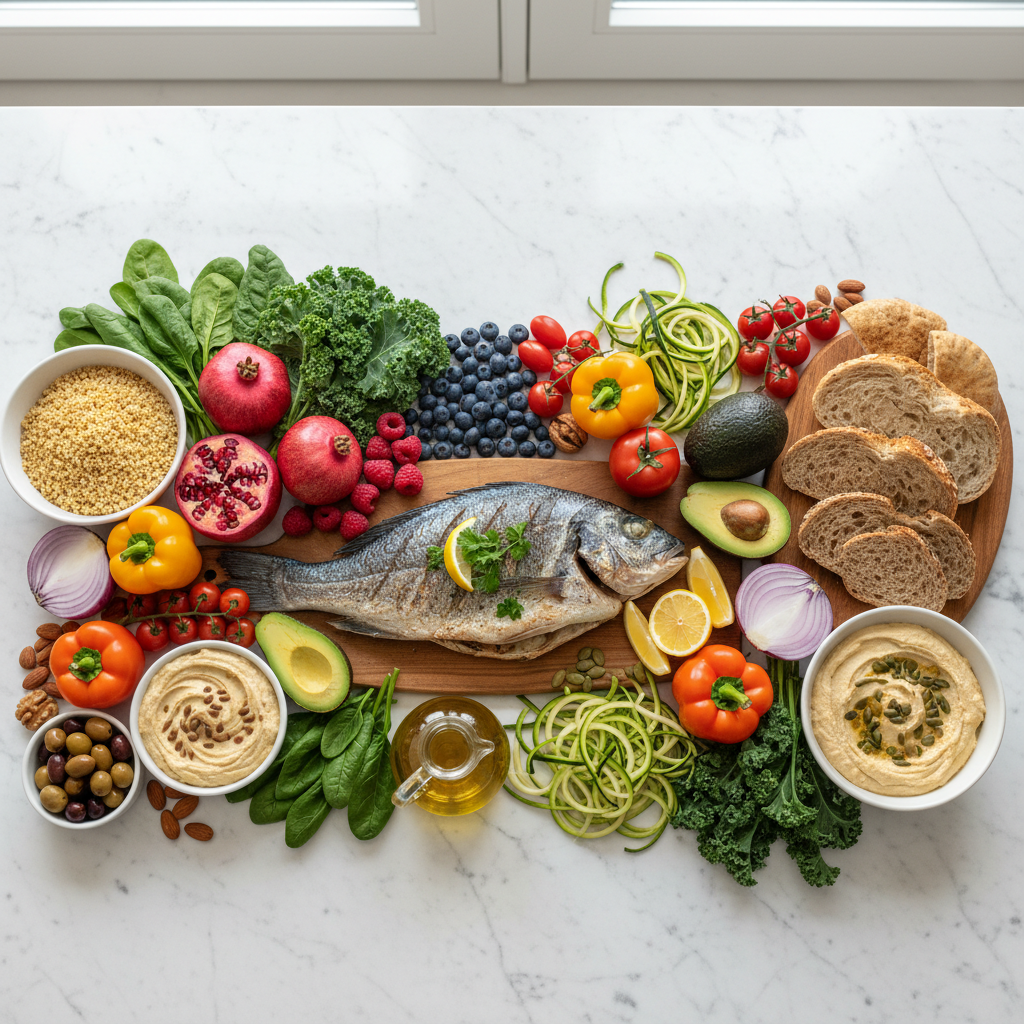
Reviewed by our Editorial Team — Evidence sourced from Harvard T.H. Chan School of Public Health and peer-reviewed nutrition journals.
The word “superfood” is everywhere — on packaging, in headlines, in social media posts — but what does it actually mean, and do these foods genuinely live up to the hype? The good news: many so-called superfoods are backed by robust scientific evidence. These are nutrient-dense foods that deliver outsized health benefits relative to their calorie content. This guide ranks the top 15 superfoods by scientific evidence, tells you exactly why each one works, and shows you how to incorporate them into your daily diet without expensive supplements or complicated recipes.
Table of Contents
What Makes a Food a “Superfood”?
A superfood is not a scientific classification — it is a marketing term that has evolved to describe foods that are exceptionally rich in vitamins, minerals, antioxidants, fibre, healthy fats, or other compounds with proven health benefits. The best superfoods share three traits: they are nutrient-dense (maximum nutrition per calorie), antioxidant-rich (fighting oxidative stress that causes ageing and disease), and anti-inflammatory (reducing chronic inflammation that drives most modern diseases).
Top 15 Superfoods Ranked by Scientific Evidence
1. Blueberries
Blueberries are arguably the most well-studied superfood. They are extraordinarily rich in anthocyanins — powerful antioxidants that give berries their blue-purple colour. Research from Harvard shows that people who eat blueberries regularly have a 23% lower risk of type 2 diabetes, significantly better memory and cognitive function, and reduced blood pressure. A 2022 study in the American Journal of Clinical Nutrition found that eating just 150g of blueberries daily improved vascular function and reduced LDL oxidation in overweight adults. Frozen blueberries retain nearly identical nutritional value to fresh.
2. Salmon (Wild-Caught)
Wild-caught salmon is one of the richest sources of omega-3 fatty acids (EPA and DHA) on the planet. These essential fats reduce inflammation, protect the heart, support brain development, ease depression and anxiety, and have been shown to reduce the risk of heart disease by up to 36%. A single 100g serving of salmon provides a full week’s optimal omega-3 intake for most adults. It is also an excellent source of high-quality protein, vitamin D (crucial for immune function), B12, selenium, and astaxanthin — a potent carotenoid antioxidant.
3. Kale
Kale may be the most nutrient-dense food on Earth. A single 100g serving provides over 200% of your daily vitamin K needs, 134% of vitamin C, significant amounts of vitamin A, B6, manganese, calcium, copper, and potassium — all for just 49 calories. Kale contains powerful antioxidants including quercetin and kaempferol, which have been shown to lower blood pressure, reduce inflammation, and have anti-cancer properties in laboratory studies. It also contains glucosinolates, which the body converts to compounds that may protect against certain cancers.
4. Avocado
Avocados are unique in the fruit kingdom — they are loaded with heart-healthy monounsaturated fats (primarily oleic acid, the same fat that makes olive oil so beneficial) rather than sugar. They are exceptionally rich in potassium (more than bananas), folate, vitamins K, C, B5, and B6. The healthy fats in avocado dramatically improve the absorption of fat-soluble nutrients (vitamins A, D, E, K and carotenoids) from other foods eaten at the same meal. Adding avocado to a salad can increase antioxidant absorption by 2–15 fold.
5. Walnuts
Among all nuts, walnuts stand out for their exceptionally high content of alpha-linolenic acid (ALA) — the plant-based omega-3 fatty acid. A 2020 study in the journal Nutrients found that people who ate walnuts daily had significantly better gut microbiome diversity, lower inflammation, and improved cardiovascular risk markers. Walnuts also contain ellagic acid — an antioxidant that inhibits cancer cell proliferation — and melatonin, which may improve sleep quality.
6. Sweet Potatoes
Sweet potatoes are one of nature’s best sources of beta-carotene, which the body converts to vitamin A — essential for vision, immune function, and skin health. One medium sweet potato provides over 400% of the daily recommended vitamin A. Despite their sweetness, they have a moderate glycaemic index (especially when boiled) and are rich in fibre, potassium, and vitamin C. They are also particularly high in antioxidants that reduce oxidative stress.
7. Turmeric
Turmeric contains curcumin — one of the most studied anti-inflammatory compounds in nature. Curcumin is as effective as some anti-inflammatory drugs in reducing inflammation, without the side effects. It has demonstrated potential benefits in reducing arthritis pain, improving brain function (by increasing BDNF), protecting against heart disease, and even showing anti-cancer properties. However, curcumin is poorly absorbed alone — absorption increases dramatically when taken with black pepper (piperine) and healthy fat.
8. Greek Yoghurt
Plain Greek yoghurt is one of the most nutritionally complete foods available. It is extraordinarily high in protein (twice as much as regular yoghurt), rich in probiotics that nourish gut bacteria, an excellent source of calcium, and contains significant iodine (critical for thyroid function) and B12. The live cultures (Lactobacillus and Bifidobacterium species) in Greek yoghurt have been shown in clinical trials to reduce IBS symptoms, improve immune function, and enhance mental wellbeing through the gut-brain axis.
9. Lentils
Lentils are one of the most underrated superfoods. They are an exceptional source of plant-based protein and fibre, while being very low in fat and calories. A single cup of cooked lentils provides 18g protein, 16g fibre, significant folate, iron, manganese, and phosphorus. The combination of protein and fibre makes them extraordinarily satiating — reducing subsequent calorie intake significantly. Multiple large studies link regular legume consumption with significantly reduced risk of heart disease, type 2 diabetes, and colorectal cancer.
10. Green Tea
Green tea is the most antioxidant-rich beverage on Earth. The key active compound is EGCG (epigallocatechin gallate), which has been shown to boost metabolism, reduce inflammation, improve brain function, and lower the risk of several types of cancer. Japanese studies tracking over 40,000 people found that those who drank 5+ cups of green tea daily had significantly lower rates of cardiovascular disease and cancer mortality. The L-theanine content also promotes calm focus without the jitteriness of coffee.
11. Dark Chocolate (70%+ Cacao)
Dark chocolate is one of the richest sources of flavanols — antioxidants that improve blood flow, lower blood pressure, increase nitric oxide production, and protect the heart. A landmark Harvard meta-analysis found that regular dark chocolate consumption is associated with a 37% reduction in cardiovascular disease risk. It is also rich in iron, magnesium, copper, and manganese. The key is choosing chocolate with at least 70% cacao content — lower percentages contain too much sugar and insufficient flavanols.
12. Broccoli
Broccoli contains sulforaphane — one of the most researched anti-cancer compounds ever discovered. Sulforaphane activates the body’s own antioxidant defence enzymes and has shown remarkable results in clinical trials for reducing cancer risk, particularly prostate, breast, and colon cancer. Broccoli is also rich in vitamin C, K, folate, and fibre. Crucially, sulforaphane is maximised when broccoli is lightly steamed (not boiled) or eaten raw — overcooking destroys the enzyme needed to form sulforaphane.
13. Olive Oil (Extra Virgin)
Extra virgin olive oil (EVOO) is the cornerstone of the Mediterranean diet and one of the most studied foods in preventive medicine. It is exceptionally rich in oleocanthal — a compound with anti-inflammatory properties similar to ibuprofen — and oleic acid, which protects LDL cholesterol from oxidation. The landmark PREDIMED trial showed that adding EVOO to the diet reduced major cardiovascular events by 30%. Use it liberally on salads, drizzled over vegetables, and for light cooking at moderate temperatures.
14. Eggs
Eggs are one of nature’s most nutritionally complete foods — sometimes called “nature’s multivitamin.” They contain every essential amino acid in ideal proportions, are rich in choline (critical for brain health and often deficient in modern diets), lutein and zeaxanthin (protecting vision), and contain meaningful amounts of vitamins D, B12, B2, and selenium. Despite decades of controversy about cholesterol, current evidence clearly shows that dietary cholesterol from eggs does not significantly raise cardiovascular risk in healthy people.
15. Garlic
Garlic has been used medicinally for over 5,000 years — and modern science confirms its remarkable properties. The key compound allicin (released when garlic is chopped or crushed) has potent antibacterial, antiviral, and antifungal properties. Clinical trials show garlic supplementation reduces blood pressure by an average of 8–10 mmHg in people with hypertension, lowers LDL cholesterol, and significantly enhances immune function. For maximum benefit, let chopped garlic rest for 10 minutes before cooking to maximise allicin formation.
How to Eat More Superfoods Every Day
You don’t need to overhaul your entire diet overnight. Start with these practical daily habits:
- Breakfast: Greek yoghurt with blueberries and walnuts
- Lunch: Large salad with kale, avocado, lentils, and olive oil dressing
- Dinner: Wild salmon with steamed broccoli and sweet potato
- Snacks: A small square of dark chocolate, green tea, or a handful of walnuts
- Cooking: Use turmeric with black pepper in soups and curries; add garlic generously to everything
Frequently Asked Questions
Do I need to eat organic superfoods?
Not necessarily. While some foods are worth buying organic (the “dirty dozen” like strawberries and spinach have higher pesticide residues), many superfoods — including avocados, salmon, sweet potatoes, and broccoli — retain their nutritional benefits whether organic or conventionally grown.
Are superfood powders as effective as whole foods?
Generally, no. Processing degrades many heat-sensitive and oxygen-sensitive nutrients, and the synergistic effect of whole food compounds is often lost. Whole foods also provide fibre, water, and other structural compounds not captured in powders. Save your money and eat the real thing.
How quickly will I notice results from eating superfoods?
Some benefits are immediate — improved energy and satiety. Measurable changes in blood markers (cholesterol, blood sugar, inflammation) typically take 4–8 weeks of consistent dietary changes. Long-term disease prevention benefits accrue over years of consistent healthy eating.
Conclusion
Superfoods are not a miracle cure — but they are genuinely powerful tools in your health toolkit. Focus on variety, consistency, and whole foods over supplements. The 15 foods above are scientifically proven to reduce inflammation, protect the heart, support brain function, and reduce the risk of chronic disease. Start by adding 2–3 of these foods to your regular diet this week.
Medical Disclaimer: This article is for informational purposes only. Consult a registered dietitian or healthcare provider for personalised nutrition advice.
📚 Medical Sources & References
This article is based on evidence from the following authoritative medical sources:
Leave a Reply