
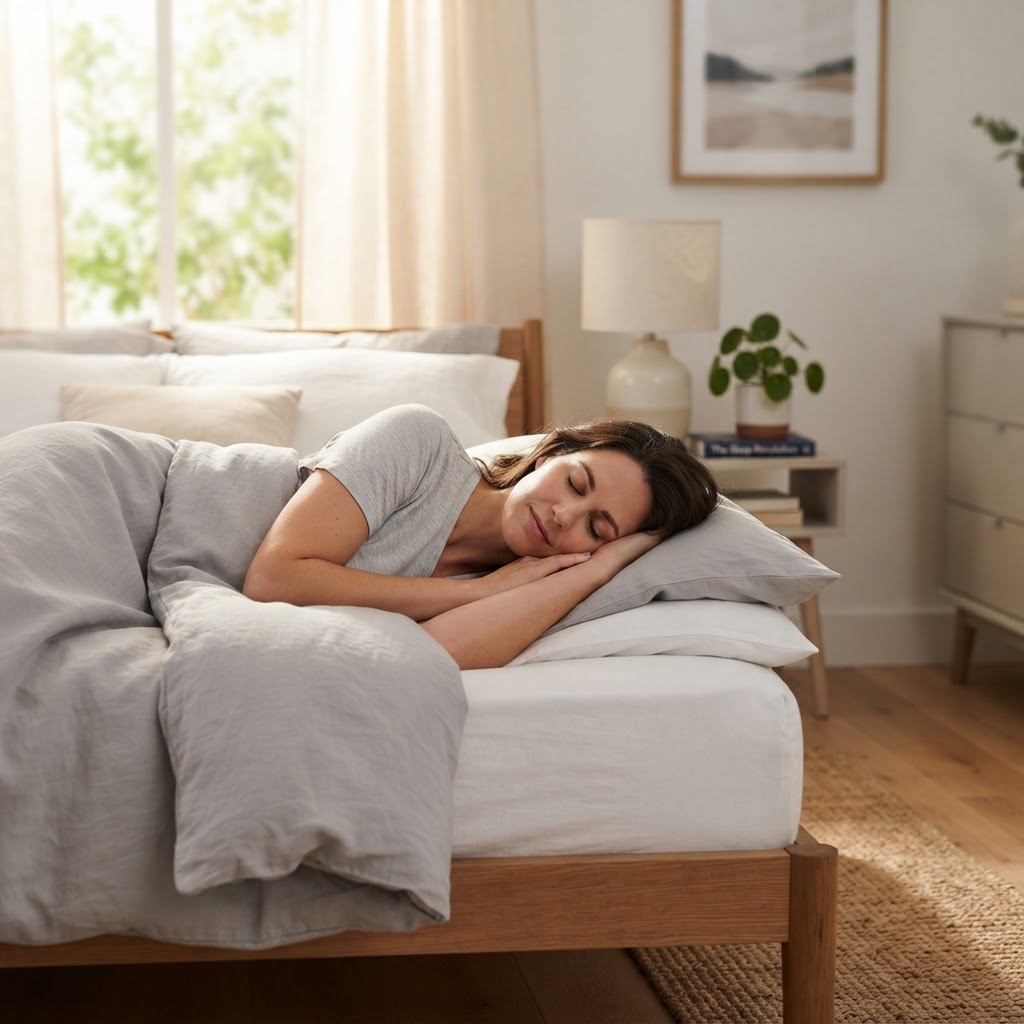
- Sleep apnea is a serious medical condition characterized by repeated breathing pauses that can severely impact cardiovascular health.
- Recognizing the difference between simple snoring and chronic sleep apnea is crucial for early intervention.
- Weight management and structural factors are primary causes of sleep apnea in adults.
- Chronic fatigue is often a secondary symptom of fragmented sleep, leading to reduced productivity and cognitive decline.
- Positional therapy and lifestyle modifications serve as accessible starting points for those seeking to improve sleep apnea naturally.
Waking up feeling as though you never slept at all is a frustration shared by millions, yet for many, the culprit is far more complex than a mere lack of hours in bed. If your nights are punctuated by restlessness, gasping, or a partner’s complaints about your loud snoring, you may be navigating the silent, exhausting world of adult sleep apnea. While often dismissed as a social nuisance, this condition represents a significant disruption to your body’s ability to repair itself during the night. Understanding the underlying mechanisms of sleep apnea is the first step toward reclaiming your energy, improving your long-term health, and exploring effective natural sleep apnea remedies that can supplement traditional treatments. In this comprehensive guide, the healthauthoritylife Editorial Team explores the intricacies of this condition, from the physiological triggers to actionable, natural strategies for nightly restoration.
Understanding Adult Sleep Apnea and Its Health Impact
At its core, sleep apnea is a sleep disorder where breathing repeatedly stops and starts throughout the night. The most common form, obstructive sleep apnea (OSA), occurs when the muscles in the back of the throat fail to keep the airway open during sleep. When you breathe, air travels through the nose and mouth into the throat. If the structures in your throat—such as the tongue, tonsils, or soft palate—collapse or become too relaxed, the airway narrows or closes completely. This collapse prevents oxygen from reaching your lungs, triggering the brain to send an urgent wake-up signal. This cycle can happen dozens, sometimes hundreds, of times in a single night.
The health impact of these recurring pauses is profound. Because the body is deprived of consistent oxygen flow, it undergoes a systemic stress response. Each time a breathing pause occurs, the heart rate fluctuates and blood pressure may spike, forcing the cardiovascular system to work overtime while it should be at rest. Over time, this constant state of physiological alert can contribute to an increased risk of hypertension, irregular heart rhythms, and other cardiovascular challenges. Experts generally agree that untreated sleep apnea places a significant burden on the body, acting as a catalyst for systemic inflammation.
Furthermore, the cumulative effect of these micro-arousals—the moments when your brain forces you out of deep sleep to restore breathing—prevents you from achieving the restorative cycles of REM and deep sleep. These stages are vital for memory consolidation, hormonal regulation, and cellular repair. When these cycles are broken, the body fails to flush out waste products in the brain efficiently, which may explain why individuals with sleep apnea often report “brain fog” and difficulty concentrating. The impact extends beyond physical wellness, influencing emotional stability and mood regulation. By viewing sleep apnea as a systemic health issue rather than just a nightly inconvenience, you can begin to prioritize the structural and lifestyle changes necessary for long-term health. Whether you are currently using a CPAP machine or are just beginning to investigate why you feel constantly drained, understanding the mechanics of your airway is the foundation of recovery.
Common Symptoms of Sleep Apnea You Should Not Ignore
Identifying the symptoms of this condition can be challenging because many occur while you are unconscious. However, the signs are often evident to those around you or manifest as persistent patterns during your waking hours. The most frequently reported indicator is chronic, loud snoring. It is important to distinguish between social snoring and clinical sleep apnea. While standard snoring is often caused by nasal congestion or the vibration of soft tissues due to mouth breathing, snoring linked to sleep apnea is typically louder, more rhythmic, and often punctuated by silence followed by a sharp gasp or choking sound. If your snoring sounds like a struggle for air, it is a significant red flag.
Beyond audible cues, daytime sleepiness is perhaps the most reliable indicator of a compromised night. If you find yourself drifting off during quiet meetings, while driving, or while watching television, your sleep quality is likely severely degraded. This is not the same as standard tiredness; it is a pervasive, heavy fog that persists regardless of how many hours you “spent” in bed. Morning headaches are another common symptom. These occur because the drop in oxygen levels throughout the night can cause blood vessels in the brain to dilate, leading to a dull, throbbing pain upon waking that usually subsides within a few hours of rising.
Mood changes, including irritability, anxiety, and depressive symptoms, are frequently overlooked. When your brain is starved of oxygen and deprived of deep sleep cycles, it struggles to manage stress and regulate emotions. You might notice that your patience is thin, your short-term memory is failing, or that you have lost interest in activities you once enjoyed. Physical indicators also include a dry mouth or sore throat upon waking, as the mouth-breathing associated with airway obstruction leads to rapid dehydration of the oral tissues. To help you differentiate between common issues and potential apnea, consider the following comparisons:
| Symptom/Behavior | Occasional Snoring | Sleep Apnea | Best For |
|---|---|---|---|
| Sound Quality | Steady, rhythmic vibration | Erratic, gasping, choking | Distinguishing the severity |
| Daytime Alertness | Generally alert | Excessive, uncontrollable sleepiness | Assessing functional impact |
| Morning Status | Clear-headed | Headache, dry mouth, irritability | Identifying physical aftermath |
| Breathing Pattern | Uninterrupted | Apneic pauses/gasping | Clinical diagnosis indicators |
Ignoring these symptoms can lead to a long-term decline in metabolic and cardiovascular health. If you recognize these patterns in yourself or a loved one, it is time to move beyond self-observation and seek guidance to explore potential treatments, including various CPAP alternatives or lifestyle-driven solutions.
Primary Causes and Risk Factors for Obstructive Sleep Apnea
The causes of sleep apnea in adults are rarely tied to a single factor; rather, they usually stem from a combination of anatomical, genetic, and lifestyle elements. Understanding these drivers is essential, as many of these factors can be managed or modified to improve the quality of your airway function. Anatomically, many individuals have a narrow throat or a tongue that is relatively large compared to their oral cavity. If your tonsils or adenoids are enlarged, or if you have a recessed jaw, these structural characteristics can physically crowd the airway, making a collapse much more likely when the muscles relax during sleep.
Weight is perhaps the most widely recognized risk factor, yet it is often misunderstood. Excess weight, particularly around the neck area, can add significant pressure to the airway. When you lie down, the weight of the neck tissues can cause the airway to collapse more easily. However, it is a mistake to assume only those who are overweight suffer from this condition. Many individuals with a healthy body mass index (BMI) still experience sleep apnea due to genetics—specifically, the shape and size of their throat and facial structure. Furthermore, fat distribution plays a role; individuals who carry weight around the upper body or neck are statistically more prone to airway obstruction than those who carry weight elsewhere.
Age and gender also contribute significantly. As we age, the throat muscles naturally lose some of their tone, which can increase the likelihood of obstruction. Men are generally considered to be at a higher risk than women, although the risk for women increases significantly post-menopause, likely due to hormonal shifts that affect muscle tension and soft tissue support. Lifestyle choices such as alcohol consumption and smoking are major contributors as well. Alcohol acts as a muscle relaxant; if you consume it close to bedtime, your throat muscles are significantly more likely to collapse. Smoking causes inflammation and fluid retention in the upper airway, which restricts the amount of space available for air to pass through during the night.
Lastly, nasal congestion and chronic allergies can exacerbate the issue. If you are forced to breathe through your mouth because your nasal passages are blocked, you are inherently altering the mechanics of your airway. This shift makes it easier for the tongue to fall back and block the throat. By addressing these primary causes—such as managing allergies, reducing alcohol intake, and maintaining a healthy weight—you are not just treating a symptom; you are addressing the foundational issues that contribute to the severity of sleep apnea. Recognizing these risk factors is the first step in deciding which strategies, from medical interventions to natural lifestyle shifts, will provide the most effective relief for your unique situation.
The Connection Between Sleep Apnea and Chronic Fatigue
Chronic fatigue is often dismissed as a byproduct of a busy modern lifestyle, but for the person suffering from sleep apnea, it is a constant, debilitating reality. The fatigue associated with this condition is not simply being “tired.” It is a state of deep, systemic exhaustion that affects every facet of life. Because the body is forced into a state of semi-arousal hundreds of times per night, the individual never reaches the deepest, most restorative stages of sleep. This cycle of fragmented sleep is the primary driver behind the cognitive and physical weariness that marks the day.
When sleep is fragmented, the brain is deprived of the neurochemical “reset” it requires. Research suggests that during deep sleep, the glymphatic system—a waste clearance system in the brain—is highly active. It flushes out metabolic byproducts that accumulate during the day. In an individual with untreated sleep apnea, this process is frequently interrupted. Consequently, these waste products linger, leading to the hallmark “brain fog” that makes complex decision-making, memory recall, and focus incredibly difficult. This is why individuals with sleep apnea often feel like they are working harder than their peers, yet achieving less, simply because their cognitive engine is running on a depleted battery.
Physically, the fatigue is compounded by the body’s attempt to survive. Each time you stop breathing, your sympathetic nervous system—the “fight or flight” system—is activated. This releases a surge of adrenaline and cortisol, hormones that are designed to deal with immediate physical threats. Having these hormones flooding your system all night is exhausting. By the time you wake up, your body has effectively been through a marathon, despite having spent eight hours in bed. This hormonal imbalance also impacts your metabolism. Elevated cortisol levels are linked to insulin resistance and weight gain, creating a vicious cycle: the fatigue makes you crave energy-dense foods, while the hormonal fallout makes it harder to maintain a healthy weight, which in turn worsens the sleep apnea.
Improving this exhaustion requires more than just trying to sleep longer; it requires improving the quality of the sleep you do get. Strategies to manage this fatigue often involve a multi-pronged approach. While you might be looking for how to improve sleep apnea naturally, it is vital to understand that patience is required. Restoring energy levels takes time as the body recovers from months or years of chronic sleep deprivation. By addressing the apnea, you allow your nervous system to return to a parasympathetic, or “rest and digest,” state. This transition is crucial for healing the body, reducing inflammation, and finally breaking the cycle of persistent daytime weariness.
How Positional Therapy Can Improve Your Nightly Rest
For many individuals, the severity of sleep apnea is dictated by the position in which they sleep. This is known as positional sleep apnea, where the airway obstruction is significantly worse when lying on the back (supine position) compared to the side (lateral position). When you sleep on your back, gravity encourages the tongue and soft tissues in the throat to collapse backward toward the pharynx, which can block the airway and trigger the apneic events mentioned earlier. Positional therapy is a highly effective, non-invasive method that aims to prevent you from rolling onto your back during sleep, effectively reducing the frequency and duration of airway obstruction.
The logic behind positional therapy is simple: when you sleep on your side, the forces of gravity are redistributed. Instead of the tongue falling directly into the throat, it tends to fall to the side of the mouth, keeping the primary airway passage clearer. For those with mild to moderate sleep apnea, this can lead to a dramatic reduction in snoring and a significant increase in oxygen saturation levels throughout the night. Many people report that simply training themselves to stay in a side-lying position results in fewer middle-of-the-night awakenings and a more refreshed feeling upon waking.
There are several ways to implement positional therapy. Traditionally, some have used a “tennis ball technique,” where a ball is sewn into a pocket on the back of a pajama top to discourage rolling onto the back. While effective for some, modern solutions are often more comfortable and sophisticated. Today, there are specialized pillows designed to support the head and neck while promoting a side-sleeping position, as well as electronic vibrating sensors that you wear on your chest or neck. These devices are programmed to emit a gentle vibration if they detect that you have transitioned into a supine position, nudging you to shift back to your side without fully waking you up.
It is important to note that while positional therapy is one of the most accessible natural sleep apnea remedies, it may not be a complete cure for everyone, especially those with severe anatomical obstructions. However, it can serve as a vital component of a broader strategy, potentially allowing for a lower pressure setting if you use a CPAP machine or serving as a helpful habit to pair with other lifestyle adjustments. When combined with throat exercises, weight management, and healthy sleep hygiene, positional therapy empowers you to take an active role in managing your own rest. By changing your relationship with your sleeping environment, you remove the physical leverage that gravity holds over your breathing, allowing your body to settle into the uninterrupted cycles it needs to thrive.
Dietary Changes and Weight Management for Airway Health
The relationship between body composition and airway patency is one of the most critical factors in managing sleep apnea naturally. Excess weight, particularly fat deposits around the neck and throat area, can exert significant pressure on the upper airway during sleep. This structural crowding makes the tissues more prone to collapsing when muscles relax at night. Addressing these physical factors is often the first step in reducing the frequency of apneic events.
Adopting an anti-inflammatory diet is a cornerstone of this process. Chronic inflammation can cause the tissues of the throat and nasal passages to swell, further narrowing the airway. By shifting toward whole, nutrient-dense foods—such as leafy greens, fatty fish rich in omega-3 fatty acids, berries, and nuts—individuals may reduce systemic inflammation. Limiting processed sugars, refined carbohydrates, and heavy late-night meals is equally essential. Eating large meals shortly before bedtime can trigger acid reflux, which is known to cause airway inflammation and increase the likelihood of choking sensations or disruptions in breathing during sleep.
Weight management should not be viewed as a crash-diet solution but as a lifestyle shift. Even modest, gradual reductions in total body mass have been associated with improvements in airway stability. Engaging in consistent physical activity, such as brisk walking, swimming, or resistance training, supports metabolic health and helps maintain muscle tone throughout the body. While weight loss is a powerful tool, it is important to remember that airway anatomy is complex. Some individuals have “thin” obstructive sleep apnea due to narrow jaw structures or tonsillar hypertrophy, meaning that weight management alone may not be a total cure, but it remains a vital component of holistic airway health.
Hydration also plays a subtle yet significant role. Keeping the mucous membranes of the nose and throat properly hydrated helps prevent the stickiness and inflammation that can exacerbate snoring and blockages. Avoiding alcohol is perhaps the most critical dietary modification for sleep apnea patients. Alcohol is a potent muscle relaxant; it significantly decreases the tone of the muscles that keep the airway open, leading to longer and more frequent pauses in breathing. For those looking to improve their sleep quality, eliminating alcohol intake for several hours before bed is one of the most effective natural interventions.
The Role of Oral Myofunctional Therapy in Airway Strengthening
Many people are surprised to learn that the muscles of the mouth, tongue, and throat can be trained just like any other muscle group in the body. Oral Myofunctional Therapy (OMT) is a specialized series of exercises designed to correct “orofacial myofunctional disorders”—basically, improper patterns of muscle function in the face and neck. If the tongue has poor resting posture or the muscles of the soft palate are weak, the airway is much more likely to collapse during sleep.
In a healthy state, the tongue should rest against the roof of the mouth, not the floor, and the lips should be sealed. OMT helps patients retrain these habits. Exercises might include specific tongue-pushing drills against the hard palate, stretching the frenulum, or performing rhythmic movements with the soft palate to increase its stiffness and reduce its tendency to vibrate or sag. These exercises are often performed under the guidance of a trained myofunctional therapist, but they can be integrated into daily routines once the techniques are learned.
The goal of OMT is to transform the airway from a “passive” tube that collapses easily into an “active” structure that maintains its shape even when the brain is in deep REM sleep. While it requires time and consistency—often several months of dedicated daily practice—the long-term benefits include improved breathing patterns, reduced snoring, and better success rates for individuals using other CPAP alternatives. It is particularly effective for those with mild to moderate obstructive sleep apnea who are looking for ways to strengthen their physiology rather than just relying on mechanical devices.
Supplements and Herbs That May Support Better Sleep Hygiene
While no supplement is a direct replacement for medical treatment, certain natural compounds may support the biological systems involved in sleep quality and respiratory health. When considering supplements, the focus should be on substances that reduce inflammation, promote nasal patency, or assist in muscle relaxation without causing excessive lethargy.
Magnesium is frequently cited as a foundational mineral for sleep. Because it helps regulate the nervous system and encourages muscle relaxation, it can assist in creating a state of physical readiness for rest. Many people find that magnesium glycinate is the most easily absorbed form. Additionally, anti-inflammatory herbs like turmeric (specifically when combined with black pepper for bioavailability) may help manage the general inflammation of the upper respiratory tract. Quercetin, a flavonoid found in various plants, is often used by those who suffer from nasal congestion to help stabilize cells that release histamine, potentially making it easier to breathe through the nose during the night.
It is important to approach herbal remedies with caution. Some natural sleep aids, such as valerian root or high doses of melatonin, can be sedating. For a person with sleep apnea, over-sedation is a risk factor because it can further depress the respiratory drive and reduce muscle tone. Always consult with a healthcare professional to ensure that any supplement does not conflict with existing health conditions or medications.
| Natural Strategy | Primary Mechanism | Best For |
|---|---|---|
| Oral Myofunctional Therapy | Muscle tone improvement | Strengthening the tongue and throat |
| Anti-inflammatory Diet | Reducing tissue swelling | Long-term airway health |
| Nasal Strips/Dilators | Physical airway opening | Reducing nasal resistance |
| Magnesium Supplementation | Nervous system relaxation | General sleep hygiene and muscle health |
When to See a Specialist for Sleep Apnea Testing
While natural interventions are excellent for preventative care and managing mild symptoms, sleep apnea is a medical condition that can have serious systemic consequences if left unmanaged. It is vital to recognize when the situation has progressed beyond the point of self-care. If you experience excessive daytime sleepiness that impacts your ability to drive or perform job duties, you should prioritize a medical consultation.
Other “red flags” include waking up gasping for air, suffering from chronic morning headaches, noticing a significant decline in memory or focus, or experiencing mood swings and irritability. If a bed partner reports that you have long pauses in breathing or loud, disruptive snoring that ceases only to start again with a gasp, this is a clear indication that a professional sleep study is necessary. A sleep study, whether conducted in a clinical facility or via a home-testing kit, provides a formal diagnosis and an “apnea-hypopnea index” (AHI) score. This score quantifies the severity of the condition, allowing you and your doctor to determine if natural methods are sufficient or if medical intervention, such as oral appliances or specialized therapy, is required for your safety.
Frequently Asked Questions
Can you cure sleep apnea completely with natural remedies?
For many, particularly those with mild obstructive sleep apnea caused by lifestyle factors, natural remedies can significantly reduce symptoms and, in some cases, bring AHI levels into a normal range. However, for those with anatomical obstructions—such as large tonsils, a deviated septum, or specific jaw structures—natural remedies may be insufficient as a standalone cure, and they should be used as part of a comprehensive management plan under medical supervision.
Is snoring the same thing as sleep apnea?
No, snoring is a symptom, but it is not synonymous with sleep apnea. Snoring occurs when tissues in the throat vibrate as air passes through a narrow space. While almost everyone with obstructive sleep apnea snores, not everyone who snores has sleep apnea. Sleep apnea is specifically defined by the cessation of breathing for 10 seconds or longer, which is not required for simple snoring.
Do mouth guards really stop sleep apnea?
Custom-made oral appliances, often referred to as mandibular advancement devices, are effective for many people. They work by slightly shifting the lower jaw forward, which prevents the tongue from collapsing backward and obstructing the airway. They are generally considered an excellent alternative to CPAP for those with mild to moderate cases, though they must be fitted by a qualified dentist to avoid jaw pain.
How does sleeping on your side help with sleep apnea?
When you sleep on your back, gravity causes the tongue and soft tissues in the throat to fall backward, narrowing the airway. Sleeping on your side uses gravity to pull these tissues away from the airway, often resulting in significantly reduced obstruction and quieter, more consistent breathing patterns.
Can childhood sleep apnea carry over into adulthood?
Yes, if the underlying structural issues—such as narrow dental arches or enlarged tonsils—are not addressed in childhood, the breathing patterns established during those developmental years can persist. However, many children outgrow their symptoms as their airways grow larger and their facial structures mature.
What is the most common sign of sleep apnea that people ignore?
The most commonly ignored sign is “chronic fatigue.” Many people mistakenly attribute their exhaustion to a busy lifestyle, aging, or stress, failing to realize that their sleep quality is being fragmented by hundreds of micro-arousals throughout the night. If you feel tired regardless of how many hours you “spend” in bed, it is often a sign of poor sleep quality rather than sleep quantity.
Conclusion
Managing sleep apnea is a journey that requires a proactive approach to your health. By understanding the causes of sleep apnea in adults and recognizing the early sleep apnea symptoms, you are already taking a significant step toward reclaiming your vitality. Whether through dietary changes, weight management, or the dedicated practice of myofunctional therapy, there are many tools available to improve your airway health and the quality of your rest.
Remember that your sleep quality dictates your life quality. If you suspect you are struggling with sleep-disordered breathing, do not wait for the situation to worsen. Schedule a consultation with a healthcare professional to discuss your concerns, consider a sleep study, and explore the best path forward for your specific needs. Your journey to deeper, more restorative sleep starts with a commitment to addressing the root causes of your symptoms.
By healthauthoritylife Editorial Team
This article is for informational purposes only and is not a substitute for professional medical advice. Always consult your doctor before making changes to your diet, exercise routine, or treatment plan.
Leave a Reply