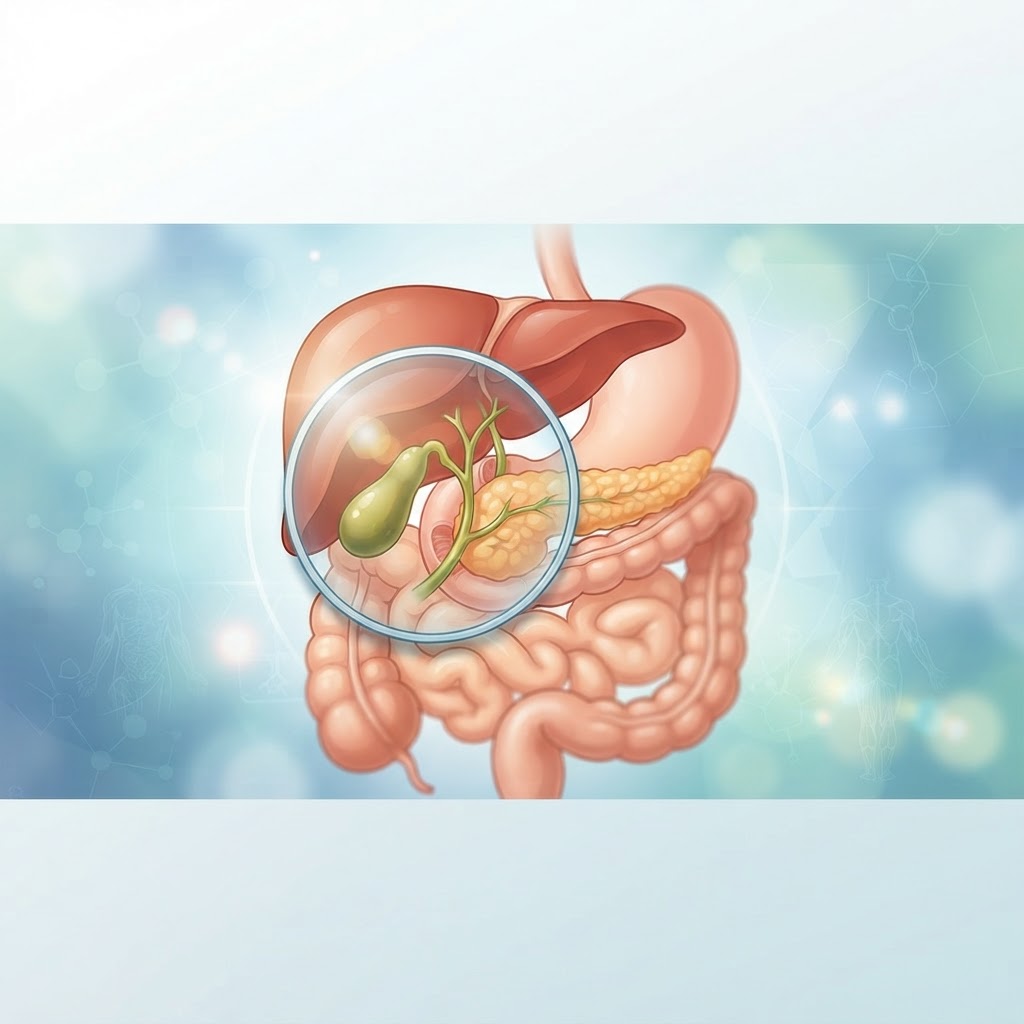
- Gallstones are hardened deposits of digestive fluid that form within the gallbladder, often causing significant pain and discomfort.
- Understanding the root causes of gallstones—such as dietary imbalances and bile composition—is the first step toward effective management.
- Common gallstone symptoms often manifest as sharp pain in the upper abdomen, frequently triggered after consuming fatty or greasy meals.
- Maintaining optimal gallbladder health relies on consistent bile flow, which can be supported through hydration, fiber, and healthy fat intake.
- Natural gallstone treatment strategies focus on preventative lifestyle changes rather than quick fixes, aiming to restore digestive function holistically.
The gallbladder is a small, pear-shaped organ that often goes unnoticed until it begins to cause trouble. For many, the onset of sharp abdominal pain serves as a jarring introduction to the world of gallstone health. Whether you are experiencing mild discomfort or debilitating attacks, understanding the underlying mechanics of your digestive system is essential for long-term wellness. From the dietary triggers that tax your gallbladder to the subtle lifestyle adjustments that promote healthy bile flow, taking a proactive approach can make a significant difference. In this comprehensive guide, the healthauthoritylife Editorial Team explores the intricacies of gallbladder function, the common signs of trouble, and evidence-based natural strategies to help you manage your health effectively.
What Are Gallstones and How Do They Form?
Gallstones are small, hardened deposits that develop within the gallbladder, a digestive organ situated just beneath the liver. To understand what they are, one must first understand their primary job: storing bile. Bile is a greenish-yellow digestive fluid produced by the liver that helps the body break down fats during digestion. When you consume a meal containing fats, your gallbladder contracts, pushing this stored bile into the small intestine through a series of ducts.
Gallstones essentially represent a chemical imbalance within this fluid. When bile becomes over-saturated with certain components—most commonly cholesterol or bilirubin—it can no longer maintain its liquid state. Over time, these excess substances crystallize and harden into pebble-like structures. These stones can range in size from a grain of sand to a large golf ball, and their composition dictates their appearance and behavior.
The most common type of stone is the cholesterol stone. These typically appear yellow or green and are composed primarily of undissolved cholesterol. They form when the liver excretes more cholesterol than the bile can keep in solution. The second type, pigment stones, are generally darker and smaller, formed from an excess of bilirubin. Bilirubin is a byproduct created when the body breaks down old red blood cells. While less common, these pigment stones are often associated with underlying liver conditions or blood disorders.
The formation process is rarely instantaneous. It is a progressive journey that begins with “biliary sludge.” This is a thicker, more viscous version of bile that contains microscopic crystals. If the gallbladder does not empty effectively or if the bile chemistry remains imbalanced for a prolonged period, these crystals eventually clump together. Once they aggregate, they become stones. Because these stones are located in a confined space, they can migrate into the bile ducts, causing blockages that trigger severe pain and complications. Understanding that these stones are essentially a localized “clog” in your digestive plumbing helps clarify why dietary interventions and movement are so frequently recommended as a foundational aspect of gallbladder health.
Common Symptoms of Gallstones to Watch For
Recognizing gallstone symptoms early can prevent significant distress. It is important to note that many individuals carry gallstones without ever experiencing symptoms—a state often referred to as “silent stones.” However, when a stone moves or blocks a duct, the body responds with distinct warning signals that are difficult to ignore.
The hallmark symptom is sudden, rapidly intensifying pain in the upper right quadrant of the abdomen. This sensation is often colloquially described as a gallbladder attack. The pain typically radiates to the back, specifically between the shoulder blades or directly toward the right shoulder. Because this pain can be sharp and stabbing or a dull, constant ache, it is frequently mistaken for heart-related issues or severe indigestion.
Another classic indicator is the timing of the discomfort. Gallbladder pain often flares up shortly after eating, particularly after consuming meals high in fat or processed oils. Because the gallbladder is responsible for releasing bile to emulsify these fats, a meal high in grease demands a forceful contraction. If a stone is obstructing the outlet, that contraction causes pressure to build up rapidly, resulting in the characteristic pain.
Beyond acute pain, there are several systemic signs that suggest your gallbladder is struggling. Nausea and vomiting are common during an active episode. In more persistent cases, individuals may notice changes in bowel movements, such as clay-colored or pale stools, which indicate that bile is not reaching the intestines correctly. Furthermore, persistent jaundice—a yellowing of the skin or the whites of the eyes—is a significant red flag. Jaundice suggests that a stone has potentially lodged in the common bile duct, preventing the normal drainage of bilirubin and forcing it back into the bloodstream.
Finally, some people experience “silent” symptoms that manifest as chronic, low-level digestive issues. This includes frequent bloating, excessive gas, or an intolerance to fatty foods that causes an overall feeling of heaviness in the stomach. While these symptoms can also be attributed to other digestive conditions like GERD or IBS, they should be investigated if they occur consistently after fatty meals. If you find yourself frequently reaching for antacids or avoiding entire food groups to prevent discomfort, it is highly advisable to consult with a healthcare professional to rule out gallbladder involvement.
| Approach | Primary Focus | Best For |
|---|---|---|
| Low-Fat Diet | Reducing gallbladder demand | Immediate pain management |
| Hydration Strategy | Thinning bile consistency | Long-term sludge prevention |
| Fiber Supplementation | Managing cholesterol levels | Regulating bile chemistry |
| Regular Movement | Physical gallbladder stimulation | Maintaining consistent flow |
Root Causes and Risk Factors for Gallstone Development
What causes gallstones is rarely a single, isolated event. Instead, it is typically the result of a combination of genetic predispositions, dietary patterns, and metabolic health. While some risk factors remain outside of our control—such as age, gender, and family history—many others are deeply tied to lifestyle choices that can be modified to reduce overall risk.
One of the most prominent risk factors is diet. High consumption of refined carbohydrates and added sugars has been linked to increased stone formation. These types of foods trigger spikes in insulin, which can alter cholesterol metabolism in the liver. When the liver is overloaded with metabolic work, it often excretes excess cholesterol into the bile. Additionally, rapid weight loss is a well-documented contributor. When a person sheds weight too quickly through extreme calorie restriction, the body releases large amounts of cholesterol into the bile while simultaneously causing the gallbladder to contract less frequently. This “stagnation” creates the perfect environment for crystals to settle and grow.
Gender and hormonal factors play a significant role as well. Women are significantly more likely to develop gallstones than men. This is largely attributed to the hormone estrogen. High levels of estrogen, whether natural, from pregnancy, or through hormone replacement therapy, are known to increase the concentration of cholesterol in the bile while slowing gallbladder motility. This hormonal influence explains why many women experience their first symptoms during or shortly after pregnancy.
Metabolic conditions like insulin resistance and obesity also create a high-risk environment. Obesity often involves a diet high in calories and fat, which keeps the gallbladder in a constant state of overwork. Meanwhile, insulin resistance interferes with the healthy processing of fats in the liver. Over time, these systemic issues lead to bile that is “lithogenic,” meaning it is prone to stone formation. Age is another factor, as the risk of gallstone development increases as we grow older; the gallbladder’s ability to empty completely can diminish with time, leading to the accumulation of older, thicker bile.
Finally, it is important to consider the role of chronic inflammation in the body. If the digestive system is under constant stress from food sensitivities or an unbalanced microbiome, the resulting inflammation can affect liver function. Since the liver is the “gatekeeper” of bile quality, anything that compromises its efficiency—such as alcohol consumption, certain medications, or environmental toxins—will inevitably impact the composition of your bile. By understanding these root causes, it becomes clear that preventing gallstones is less about “avoiding fat” and more about optimizing metabolic and liver health through a balanced, nutrient-dense lifestyle.
How Gallbladder Sludge Transitions Into Hard Stones
The progression from healthy, free-flowing bile to a solid gallstone is a fascinating yet problematic biological process. This transition is not always linear; it often happens in stages, characterized by what clinicians call “biliary sludge.” When we discuss gallbladder health, we often focus on the hard stones that show up on imaging, but the sludge that precedes them is arguably more important for those interested in prevention and natural relief.
Biliary sludge is a suspension of tiny crystals, mucus, and calcium salts. It is essentially the “sediment” at the bottom of the bile reservoir. Under normal, healthy conditions, the gallbladder empties completely during digestion, flushing out any microscopic debris. However, if the gallbladder lacks the proper signal to contract, or if the bile is too thick to move through the narrow cystic duct, this debris stays behind. Over time, the watery portion of the bile is reabsorbed by the gallbladder wall, leaving behind a concentrated, pasty substance that is even more difficult to eject.
As this sludge sits, it creates a hospitable environment for chemical binding. Cholesterol molecules, which are hydrophobic, begin to nestle together to avoid the aqueous environment of the bile. As they cluster, they provide a scaffold for other substances like bilirubin and calcium. This is the nucleation phase. Once the microscopic crystals reach a certain size, they are no longer just floating in the sludge; they become solid entities. Once these entities are formed, they act as magnets, attracting more cholesterol and other components to build layer upon layer.
The speed at which this transition happens varies from person to person. For some, the environment remains in the sludge phase for years, causing only intermittent digestive symptoms. For others, a single trigger—perhaps a period of extreme stress, a change in diet, or a medication-induced slowdown of gallbladder motility—can catalyze the hardening process into mature stones. This is why many people report that their symptoms seemed to appear “out of nowhere.” In reality, the physical conditions for stone formation had been slowly building for a significant amount of time.
Addressing this transition is the core focus of many natural gallstone treatment strategies. The goal is to improve the “lithogenicity index” of your bile—essentially, making it more soluble and less likely to crystallize. By incorporating foods that encourage gallbladder contraction and staying adequately hydrated, you can discourage the accumulation of sludge. Preventing that first layer of crystal formation is much easier than trying to break down a hard, mature stone. Consequently, viewing your gallbladder as a dynamic organ that requires regular “flushing” through consistent, healthy eating patterns is a powerful mental shift for anyone looking to support their digestive health.
The Role of Bile Flow in Preventing Gallstone Formation
If there is one “secret” to maintaining gallbladder health, it is the importance of consistent, robust bile flow. Bile is designed to be a liquid, but in the modern sedentary, processed-food environment, it often becomes stagnant. Ensuring that bile moves regularly from the liver, through the gallbladder, and into the small intestine is the single most effective way to prevent the formation of gallstones and the accumulation of sludge.
Bile flow is stimulated primarily by the presence of fats in the diet. When you eat a meal with a healthy portion of fats—such as avocados, olive oil, or nuts—the small intestine releases a hormone called cholecystokinin (CCK). CCK travels through the bloodstream and signals the gallbladder to contract. This contraction acts like a reset button, squeezing out the stored bile and preventing it from sitting long enough to become concentrated and crystalline. Problems arise when people go on ultra-low-fat diets, thinking they are helping their gallbladder. By eliminating fat, they effectively stop the signal for the gallbladder to empty. The bile sits in the gallbladder, loses water, becomes sludgy, and the likelihood of stone formation increases drastically.
Beyond dietary fat, physical movement is a secondary, yet powerful, pump for the gallbladder. The physical pressure of abdominal muscles during movement, particularly exercises like walking, swimming, or yoga, can physically assist in the contraction of the gallbladder. When we remain stationary for long periods, the lymphatic and digestive systems slow down, leading to a sluggishness that extends to the bile ducts. Integrating regular, moderate activity is a simple but highly effective gallbladder health tip.
Fiber intake also plays a critical, often overlooked, role. Soluble fiber, found in foods like oats, legumes, and certain fruits, binds to bile acids in the intestines and encourages their excretion. This forces the liver to produce fresh, high-quality bile using available cholesterol from the bloodstream. By constantly cycling through this process, your body maintains a healthier cholesterol profile within the bile itself. It’s a self-regulating loop: healthy fiber intake leads to healthier bile, which prevents the stagnation that causes stones.
Finally, we must consider hydration. Bile is mostly water. If you are chronically dehydrated, the liver may struggle to produce bile with the appropriate viscosity. Think of it like a river: when the water levels are high, the current is strong and carries debris downstream. When the water level is low, the current becomes weak, and mud and debris settle on the riverbed. Drinking plenty of water throughout the day ensures that your bile remains fluid and easy to transport. By combining these three elements—healthy fats to signal contraction, fiber to manage chemistry, and water for flow—you create an environment that is naturally resistant to the conditions that allow gallstones to form. Maintaining this flow is the hallmark of a gallbladder-friendly lifestyle.
Dietary Changes to Support Healthy Gallbladder Function
The gallbladder acts as a reservoir for bile, a digestive fluid produced by the liver that is essential for breaking down dietary fats. When the gallbladder becomes sluggish or congested, the bile can crystallize, leading to the formation of gallstones. Consequently, the cornerstone of gallbladder health lies in your daily plate. A gallstone diet focuses on reducing the workload on your gallbladder while ensuring bile flow remains consistent and thin.
One of the primary dietary shifts recommended for those seeking gallbladder pain relief is the transition to a high-fiber, plant-forward eating pattern. Fiber, particularly soluble fiber found in oats, beans, lentils, and apples, helps to bind to bile acids in the digestive tract, encouraging the liver to pull more cholesterol from the blood to produce new bile. This process can help maintain a healthier balance within the gallbladder.
Equally important is the quality of fats consumed. While severe fat restriction can actually cause the gallbladder to stop contracting—which ironically leads to stone formation—choosing the right fats is critical. Focus on healthy, unsaturated fats such as those found in avocados, raw walnuts, and extra virgin olive oil. Avoid trans fats and heavily processed vegetable oils like soybean or corn oil, which can trigger inflammatory responses in the digestive system.
Incorporating bitter foods into your meals can serve as a natural gallbladder stimulant. Bitter greens such as arugula, radicchio, dandelion greens, and kale signal the digestive system to ramp up bile production. Many traditional wellness practices advocate for consuming these bitters 15 to 20 minutes before a main meal to prime the gallbladder for the digestive process.
Staying adequately hydrated is another non-negotiable dietary habit. Bile is largely composed of water, and when the body is dehydrated, bile becomes more viscous and prone to sludge formation. Aiming for consistent water intake throughout the day, rather than large amounts at once, ensures that your liver has the necessary fluid volume to maintain healthy bile consistency.
| Food Category | Examples | Impact on Gallbladder | Best For |
|---|---|---|---|
| Soluble Fiber | Oats, Apples, Flaxseeds | Reduces cholesterol levels in bile | Long-term prevention |
| Bitter Greens | Dandelion, Arugula | Stimulates natural bile flow | Improving digestion |
| Healthy Fats | Avocado, Olive Oil | Promotes healthy gallbladder contraction | Preventing sludge |
| Anti-Inflammatory Herbs | Turmeric, Ginger | Reduces biliary tract inflammation | Pain management |
Natural Supplements That May Help Improve Bile Quality
While food is the foundation, specific nutrients can offer targeted support for individuals looking into natural gallstone treatment options. These supplements are often used to thin the bile, improve liver detoxification pathways, or reduce the localized inflammation that causes discomfort during a gallbladder attack.
Magnesium is frequently cited for its role in muscle relaxation, including the smooth muscles of the bile ducts. When the bile ducts are relaxed, bile flow is less obstructed, which may reduce the intensity of biliary colic. Many people find that a magnesium glycinate supplement taken before bed helps support general digestive comfort and calm the autonomic nervous system.
Taurine is an amino acid that plays a vital role in the conjugation of bile acids. Essentially, taurine makes bile more water-soluble, which prevents it from becoming thick or “sludgy.” By ensuring the bile remains fluid, taurine may help prevent the stagnation that allows crystals to grow into larger, more problematic stones.
Lecithin is another supplement often discussed in the context of gallbladder health. Sunflower-derived lecithin is a rich source of phospholipids, which are natural emulsifiers. By emulsifying fats in the bile, lecithin helps keep cholesterol dissolved, theoretically making it more difficult for cholesterol-based stones to form or grow. It is often used by those looking to support bile composition.
Herbal extracts such as milk thistle and artichoke leaf extract are also highly regarded. Milk thistle contains silymarin, which supports overall liver function, the factory where bile is produced. If the liver is functioning optimally and producing high-quality bile, the gallbladder is under significantly less stress. Artichoke leaf is a classic choleretic, meaning it promotes the flow of bile from the gallbladder into the small intestine, acting as a gentle physical cleaner for the biliary tree.
Lifestyle Habits to Reduce Gallbladder Inflammation
Addressing gallstone symptoms requires more than just dietary changes; it requires a holistic look at how your lifestyle affects systemic inflammation. High levels of chronic inflammation can exacerbate gallbladder pain and slow down the body’s natural healing processes.
Weight management is perhaps the most significant lifestyle factor. Rapid weight loss, often triggered by “crash diets” or extreme caloric restriction, is a known trigger for gallstone formation. When you lose weight too quickly, the liver secretes extra cholesterol into the bile, while the gallbladder empties less frequently. A slow, steady approach to weight loss is much safer for gallbladder health. Aim for lifestyle changes that support gradual progress rather than aggressive, short-term fixes.
Stress management is often overlooked in digestive health. The gallbladder is intimately connected to the parasympathetic nervous system—the “rest and digest” state. When we are chronically stressed, our bodies operate in “fight or flight” mode, which inhibits digestive processes, including gallbladder contraction. Incorporating mindfulness practices, such as deep diaphragmatic breathing or gentle yoga, can help transition the body into a digestive state where bile can be released effectively.
Regular, low-to-moderate intensity physical activity also plays a part. Exercise helps regulate metabolic health and improves insulin sensitivity. Since insulin resistance is often associated with higher concentrations of cholesterol in the bile, keeping blood sugar stable through consistent movement is an effective way to protect the gallbladder over the long term.
Finally, avoid the common habit of late-night snacking. Giving your digestive system a long break overnight—often called intermittent fasting or time-restricted eating—allows the gallbladder to rest and fully reset its bile storage levels. A 12-hour overnight fast is a common recommendation to allow the digestive organs the downtime they need to prevent congestion.
When to Seek Medical Attention for Gallbladder Pain
While natural strategies are powerful tools for maintenance and support, it is critical to recognize when gallbladder issues have moved beyond the realm of self-care. Gallbladder attacks can be severe, and in some cases, can lead to complications such as infection, pancreatitis, or ductal blockage that require emergency intervention.
You should seek immediate medical evaluation if you experience severe, persistent abdominal pain in the upper right quadrant that lasts for more than a few hours. Pain that radiates to the back or the right shoulder blade is a hallmark of gallbladder distress. If this pain is accompanied by a fever or chills, it may indicate an infection, which is a medical emergency.
Jaundice—the yellowing of the skin or the whites of the eyes—is a red flag that a stone may have slipped into the common bile duct and is causing an obstruction. This is a serious condition that requires prompt diagnosis. Additionally, if your stool becomes unusually pale or clay-colored, or if your urine becomes dark, these are physical signals that bile flow is being blocked, necessitating a trip to the physician.
Even if pain is intermittent, it is wise to consult a healthcare provider for an ultrasound to confirm the presence of stones. Understanding the size, location, and composition of your stones can help you determine whether your condition can be managed through lifestyle changes or if you are at high risk for complications that require more direct medical intervention.
Frequently Asked Questions
Can gallstones be completely dissolved through natural methods?
While some small, cholesterol-based gallstones may occasionally dissolve through specific dietary changes and bile-supporting supplements, there is no guarantee. Most large or calcified stones are unlikely to dissolve completely. Natural strategies are generally most effective for preventing new stones from forming and managing discomfort rather than removing existing large stones.
What does a typical gallbladder attack feel like?
A gallbladder attack typically presents as intense, steady pain in the upper right abdomen, just below the ribs. This pain often comes on suddenly, particularly after eating a high-fat meal, and may last from 30 minutes to several hours. Many people describe it as a feeling of pressure or cramping that can radiate to the back or shoulder.
Is coffee good or bad for the gallbladder?
Some research suggests that moderate coffee consumption may be protective for the gallbladder. Caffeine can stimulate gallbladder contraction and improve bile flow. However, for some individuals, coffee can be an irritant. It is best to monitor your own symptoms; if coffee triggers pain, it is best to avoid it regardless of potential benefits.
Should I avoid all fats if I have gallstones?
No, avoiding all fats is actually counterproductive. The gallbladder needs the signal of dietary fat to contract and empty its contents. If you stop eating fat entirely, the gallbladder becomes stagnant, which can increase the risk of more stones forming. Instead, focus on small, consistent portions of healthy, plant-based fats.
Can stress really cause a gallbladder attack?
Stress impacts the autonomic nervous system, which controls digestion. When the body is in a state of high stress, digestive motility slows down. This can lead to bile stasis, where bile sits in the gallbladder too long, becoming thick and sludge-like, which may trigger or worsen an existing gallbladder issue.
How long does it take for dietary changes to show results?
Digestive health is a gradual process. While some people may notice a reduction in mild bloating or discomfort within a few weeks of improving their diet, significant changes to bile quality and gallbladder function typically take several months of consistent habit changes to manifest. Patience and consistency are key.
Conclusion
Navigating gallbladder health requires a balance of informed lifestyle choices, a deep understanding of your body’s signals, and a commitment to long-term dietary wellness. By focusing on bile-thinning foods, stress reduction, and maintaining a healthy pace of life, you can significantly support your gallbladder function and minimize the impact of gallstone symptoms. Remember that your digestive system thrives on consistency and quality nourishment.
If you have found these strategies helpful, start by making one small change this week—such as incorporating a bitter green into your daily meal or increasing your water intake. For those currently managing discomfort, keep a food journal to identify your personal triggers and work toward a sustainable, pain-free lifestyle. Take control of your digestive health today by prioritizing the organ that does so much work behind the scenes to keep you feeling your best.
By healthauthoritylife Editorial Team
This article is for informational purposes only and is not a substitute for professional medical advice. Always consult your doctor before making changes to your diet, exercise routine, or treatment plan.
Leave a Reply