
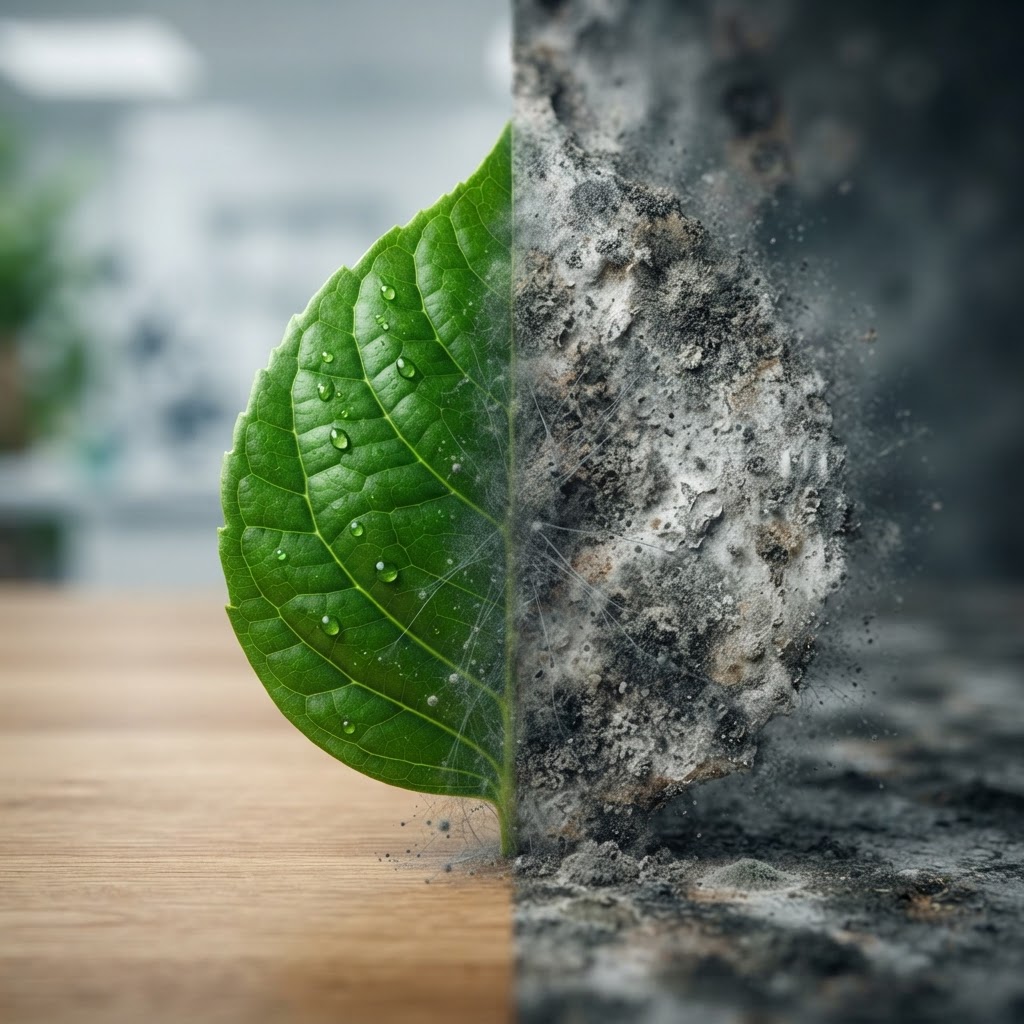
- Mold exposure can directly degrade the integrity of the intestinal lining, leading to systemic inflammation.
- Mycotoxins often create a dysbiotic environment in the gut, favoring opportunistic pathogens over beneficial bacteria.
- Traditional gut protocols may fail if the root cause—environmental mold toxicity—is not removed from the patient’s living or working space.
- Symptoms of mold-induced gut issues often overlap with autoimmune and neurological conditions, requiring a nuanced diagnostic approach.
- Successful recovery requires a two-pronged strategy: sequestering environmental toxins while simultaneously repairing the intestinal mucosa.
When most people think of environmental illness, they picture respiratory issues, wheezing, or sinus congestion. However, functional health practitioners are increasingly uncovering a quieter, more pervasive consequence of mold exposure: the internal breakdown of the digestive system. For many individuals struggling with persistent bloating, food sensitivities, and unexplained fatigue, the root cause may not be found in their pantry, but rather in their environment. The link between mold toxicity symptoms and intestinal hyperpermeability—commonly known as leaky gut—is a critical piece of the puzzle for those navigating chronic health challenges. As we explore the mechanisms by which mycotoxins compromise gut barrier function, it becomes clear that true recovery requires addressing the toxicity within your walls before you can effectively heal the toxicity within your gut.
How Mold Exposure Triggers Intestinal Hyperpermeability
The human gastrointestinal tract is lined with a sophisticated, single layer of epithelial cells joined by tight junctions. These junctions act as a biological gatekeeper, allowing essential nutrients to pass into the bloodstream while blocking undigested food particles, toxins, and pathogens. When an individual suffers from chronic mold exposure, this barrier is often the first line of defense to be compromised. Mycotoxins—the secondary metabolites produced by various fungi—are potent biological toxins that can interact directly with the intestinal epithelium.
Research suggests that once mycotoxins are ingested or enter the systemic circulation after respiratory inhalation, they can induce oxidative stress within the epithelial cells. This oxidative stress weakens the structural proteins that make up tight junctions, such as occludin and zonulin. When these structural proteins lose their integrity, the “gate” swings open, allowing large molecules—which would otherwise be expelled—to leak into the bloodstream. This process is the clinical hallmark of leaky gut. Once these foreign substances cross into the systemic circulation, the immune system launches an inflammatory response, which is why mold toxicity symptoms often manifest as systemic fatigue or skin issues rather than localized digestive pain.
Furthermore, mold exposure often triggers the release of inflammatory cytokines, which further degrade the gut lining. It creates a feedback loop: the mold damages the gut, the damaged gut allows more toxins and food proteins into the bloodstream, and the resulting inflammation further weakens the intestinal barrier. This is why individuals often report that their food sensitivities seem to multiply overnight. Foods they once tolerated perfectly well suddenly cause bloating or brain fog, not because the food has changed, but because the intestinal landscape has been fundamentally altered by the pervasive presence of mycotoxins.
Addressing this requires more than just high-quality probiotics or bone broth. It requires a fundamental shift in how the body handles environmental stressors. If the source of mold exposure remains active—whether in your home, office, or vehicle—the epithelial cells will continue to face a constant barrage of oxidative damage, making the repair process an uphill battle. Understanding this mechanism is the first step in moving beyond symptom management and toward a protocol that actually supports the restoration of gut barrier function.
The Role of Mycotoxins in Gut Microbiome Imbalance
The gut microbiome is a complex, diverse ecosystem that relies on a delicate balance of bacteria, fungi, and viruses. When you encounter mold, you are not just breathing in spores; you are often introducing potent antimicrobial substances into your digestive tract. Many mycotoxins, such as trichothecenes and ochratoxins, possess inherent antibiotic properties. While this sounds positive in theory—after all, antibiotics kill bacteria—the reality in the human gut is detrimental. These toxins do not discriminate between harmful pathogens and beneficial, commensal bacteria.
When mycotoxins disrupt the microbiome, they often kill off the sensitive, beneficial bacteria that are responsible for producing short-chain fatty acids like butyrate. Butyrate is essential for the health of the colonocytes, the cells that line the large intestine. Without adequate butyrate, the intestinal lining becomes energy-starved and prone to atrophy. Concurrently, the reduction in beneficial bacterial populations creates a “niche” or open space in the ecosystem. This vacuum is frequently filled by opportunistic pathogens, such as Candida albicans or harmful strains of Clostridium, which are often more resistant to the toxic effects of mold than our beneficial flora.
This dysbiosis—an imbalance in the microbial population—exacerbates the effects of environmental illness. As the microbiome shifts toward a more inflammatory state, the digestive system loses its ability to properly break down and assimilate nutrients. This can lead to nutritional deficiencies, such as low B12, magnesium, or zinc, which are common findings in those suffering from mold-related illness. These deficiencies then impair the body’s detoxification pathways, including the liver’s ability to process and eliminate the very mycotoxins that caused the problem in the first place.
To restore balance, one must look at the gut not just as a digestive organ, but as a biological sanctuary that is currently under siege. Simply adding more bacteria via a probiotic may not be enough if the environmental pressure remains. Many experts suggest a phased approach: first, remove the source of mold; second, use gentle binders to sequester toxins in the digestive tract before they are reabsorbed; and finally, focus on prebiotic fiber and specific strains of probiotics that can withstand an inflammatory environment to slowly rebuild the diverse microbial community. Healing the microbiome is a slow, methodical process that requires patience and a deep understanding of how environmental factors dictate the microbial hierarchy within our own bodies.
Common Symptoms of Mold-Induced Gut Inflammation
Because the gut is the largest immune organ in the body, its inflammation rarely stays localized. When mold exposure compromises gut barrier function, the symptoms can mimic a wide array of other conditions, leading to frequent misdiagnoses. Patients often describe a constellation of symptoms that seem unrelated, yet they all share a common thread of inflammation and malabsorption. It is helpful to categorize these symptoms to better understand how they arise from a gut-originating issue.
First, there are the “classic” digestive complaints: chronic bloating, particularly after meals; erratic bowel movements, ranging from diarrhea to constipation; and persistent abdominal discomfort. These are often the result of both the physical structural breakdown of the gut and the resulting microbial dysbiosis mentioned earlier. When the gut barrier is compromised, the body struggles to break down complex carbohydrates, leading to fermentation by bacteria and the subsequent production of gas.
However, the more concerning symptoms are often systemic. Brain fog, often described as a “cloudy” or detached feeling, is a frequent complaint. This is likely due to the “gut-brain axis,” where the inflammatory response in the gut triggers neuro-inflammation. Similarly, many patients experience worsening skin conditions, such as unexplained rashes, hives, or recalcitrant acne. The skin is often referred to as the “third kidney,” and when the gut cannot properly filter and process substances, the body may attempt to expel toxins through the skin.
Fatigue is another major component. When the gut is inflamed, the body diverts a significant amount of metabolic energy to the immune system. This constant, low-grade immune activation leaves the individual feeling perpetually drained, regardless of how much sleep they obtain. Additionally, the development of new food sensitivities—especially to gluten, dairy, or histamine-rich foods—is a hallmark sign that the intestinal barrier is no longer functioning as an effective filter. If you find yourself needing to eliminate more and more foods to keep your symptoms at bay, it is a strong indicator that the underlying issue of gut permeability has not yet been resolved.
It is important to track these symptoms in a journal to observe patterns. Are your digestive symptoms worse when you are in a specific room in your home? Do your cognitive symptoms flare up after eating specific foods that usually cause bloating? By connecting these dots, you move from feeling like your body is failing you to understanding that your body is responding to an environmental insult. Recognizing these patterns is the first step toward reclaiming your health.
| Approach | Mechanism | Best For |
|---|---|---|
| Binding Agents (Charcoal/Clay) | Adsorption of mycotoxins in the gut lumen | Acute exposure & reducing reabsorption |
| Digestive Enzymes | Enhancing nutrient breakdown under stress | Bloating & malabsorption symptoms |
| Gut Lining Support (L-Glutamine/Zinc) | Providing building blocks for tight junctions | Long-term mucosal integrity repair |
| Environmental Remediation | Removing the source of persistent toxin intake | Foundational recovery success |
Why Traditional Gut Healing Protocols Often Fail for Mold Patients
There is a standard “gut healing” playbook used by many practitioners: remove inflammatory foods, kill off overgrowths with herbal antimicrobials, and add in probiotics and gut-healing supplements like L-glutamine. While this approach works wonders for those dealing with simple IBS or post-antibiotic dysbiosis, it frequently falls flat for patients dealing with mold toxicity. The primary reason is that this protocol assumes the gut is an isolated system. In the case of mold exposure, the gut is merely a victim of a much larger, systemic problem.
When you use standard antimicrobials—even herbal ones—to kill off gut bugs in a mold-toxic patient, you may inadvertently cause a “die-off” reaction that mimics the severity of the original toxicity symptoms. The body, already burdened with the processing of inhaled mycotoxins, is often unable to handle the sudden influx of debris from dying gut bacteria. Furthermore, if the patient is still being exposed to mold in their living environment, they are essentially trying to patch a hole in a boat while the boat is still being actively punctured by a drill.
Another common failure point is the misuse of supplements. L-glutamine, for instance, is the gold standard for healing the gut lining. However, in an environment saturated with inflammatory cytokines caused by mold, the body’s priority is not necessarily building new tissue; it is managing acute immune threats. If the systemic inflammatory load is too high, the body may not utilize these building blocks efficiently. In some cases, the inflammation is so severe that it prevents the proper absorption of these supplements, leading the patient to believe the protocol is “not working” when, in reality, the dosage or the timing is simply mismatched with their body’s current physiological state.
Finally, traditional protocols often overlook the importance of sequestration. In environmental illness, mycotoxins often cycle through the enterohepatic circulation—the liver dumps toxins into the bile, the bile enters the gut, and the gut reabsorbs the toxins. If you are not actively using binders to “catch” these toxins as they enter the digestive tract, you will continue to re-poison your own system with every meal. Without incorporating binders, traditional gut-healing supplements are like trying to fill a bucket that has a hole in the bottom. You must address the cycle of reabsorption to see meaningful progress.
Diagnostic Signs: Linking Environmental Illness to Digestive Distress
Identifying that your gut issues are linked to environmental illness requires looking for clues that extend beyond the digestive tract. Conventional medicine often uses the “Rome Criteria” or standard endoscopy to diagnose digestive disorders, but these tools are often inadequate for detecting the subtle, systemic inflammation characteristic of mold exposure. To effectively link environmental illness to your symptoms, you must look for the “fingerprints” of mold toxicity in your overall health presentation.
One diagnostic indicator is the phenomenon of “the moving target.” Many mold patients report that their gut issues migrate or change based on their location. If you notice your bloating and pain subside when you spend a week away from home or your office, and return shortly after you come back, this is a massive red flag. This environmental correlation is one of the most reliable diagnostic signs you can observe. Additionally, the presence of specific co-symptoms can be highly telling. Do you also suffer from unexplained sensitivity to light and sound? Is your cognitive performance inconsistent, with “good days” and “bad days” appearing for no clear reason? These neuro-inflammatory symptoms are frequently comorbid with mold-induced gut distress.
Laboratory markers, while not always definitive, can provide valuable data. While there is no single test for “leaky gut,” markers of systemic inflammation—such as elevated C-reactive protein or abnormal white blood cell counts—can hint at an immune system under fire. Some practitioners also use tests to measure the presence of specific mycotoxins in the urine or look for inflammatory markers related to mucosal damage. However, these tests should be viewed as part of a larger clinical picture rather than the sole diagnostic factor.
It is also worth considering the timing of your symptom onset. Did your gut issues begin after a move to a new home, a water leak in your apartment, or a change in your workplace? Sometimes, we dismiss these events as unrelated, but they are often the inciting incidents that our bodies were unable to recover from. When you sit down with a healthcare provider, be sure to provide a thorough timeline. The more accurately you can map your digestive decline to your environmental history, the easier it will be to build a case for mold exposure as the primary driver of your health struggles. Moving from a reactive state—simply treating symptoms—to a proactive state of environmental investigation is the hallmark of the successful recovery path.
The Connection Between Mold Toxicity and Chronic Systemic Inflammation
When mycotoxins—the volatile organic compounds released by toxic molds—enter the body, they do not simply sit in the gut. While intestinal permeability is often the “front line” of damage, these toxins are systemic actors. Once they breach the compromised gut barrier, they enter the bloodstream, triggering a widespread immune response that characterizes chronic mold toxicity symptoms. The relationship between mold exposure and systemic inflammation is cyclical and self-perpetuating, creating a state of biological distress that can be difficult to break without a multi-pronged approach.
At the heart of this inflammation is the immune system’s reaction to mycotoxins as foreign invaders. The body’s mast cells, which are frontline defenders located throughout the gut lining and connective tissues, often become hyper-reactive. In individuals with chronic mold exposure, these mast cells can enter a state of chronic degranulation, releasing massive amounts of histamine and inflammatory cytokines into the bloodstream. This surge doesn’t just cause localized bloating or digestive discomfort; it manifests as “brain fog,” persistent fatigue, joint pain, and skin rashes.
Furthermore, mycotoxins are known to inhibit the body’s natural antioxidant defenses, particularly the glutathione pathways. Glutathione is the body’s master antioxidant, responsible for neutralizing reactive oxygen species. When mycotoxin exposure depletes these stores, the body enters a state of oxidative stress. This oxidative damage targets the mitochondrial membranes, which are crucial for cellular energy production. When mitochondria are damaged by systemic inflammation, the entire metabolic engine slows down, leading to the crushing fatigue often described by those suffering from environmental illness.
The neurological component of this inflammation is equally significant. The gut-brain axis becomes disrupted as inflammatory markers cross the blood-brain barrier, triggering neuroinflammation. This is why many people dealing with mold-induced leaky gut report anxiety, depression, and cognitive deficits. The inflammation is not isolated to the intestines; it is a whole-body manifestation of the immune system attempting to fight an invisible, persistent enemy. Managing this requires more than just gut healing; it requires a systemic reduction of the inflammatory load, beginning with the removal of the toxic source and the support of the body’s own biochemical cleanup mechanisms.
Natural Strategies to Support Detoxification Pathways
To recover from mold toxicity, one must effectively escort mycotoxins out of the body. Because mycotoxins are fat-soluble, they are often processed by the liver and excreted through bile into the intestines. However, if the gut is unhealthy or if there is underlying constipation, these toxins can be reabsorbed back into the bloodstream through the damaged gut lining—a process known as enterohepatic recirculation. Supporting detoxification is therefore a matter of both optimizing liver phase I and II pathways and ensuring proper elimination.
Natural binders are essential tools in this process. Binders are non-absorbable substances that “grab” mycotoxins in the gastrointestinal tract, preventing them from being reabsorbed and ensuring they are excreted via stool. Common natural agents include activated charcoal, bentonite clay, and modified citrus pectin. While these are potent, they should be used strategically—often away from food and medications—to avoid interfering with nutrient absorption.
Supporting the liver through targeted phytonutrients can also enhance the processing of toxins. Ingredients like milk thistle, N-acetylcysteine (NAC), and sulforaphane (found in broccoli sprouts) help bolster glutathione production and support the liver’s ability to conjugate toxins for safe excretion. Additionally, sweating is a vital, non-invasive method for releasing toxins. Infrared saunas are frequently recommended in environmental medicine because they reach deeper into tissues than traditional saunas, promoting the excretion of fat-soluble toxins through the skin.
| Detox Strategy | Mechanism of Action | Best For |
|---|---|---|
| Modified Citrus Pectin | Binds to toxins and lectins in the gut | Reducing overall toxic load and gut repair |
| Activated Charcoal | High-surface area adsorption of mycotoxins | Acute toxin clearing and gas/bloating relief |
| NAC (N-Acetylcysteine) | Precursor to the body’s master antioxidant | Replenishing glutathione and liver support |
| Infrared Sauna | Promotes deep-tissue mobilization of toxins | Systemic detoxification and inflammatory relief |
Nutritional Support for Repairing the Intestinal Barrier
Healing a “leaky” gut compromised by mold exposure requires a shift from an inflammatory diet to a restorative, nutrient-dense protocol. When the gut barrier is damaged, the goal is to provide the building blocks necessary for enterocyte (intestinal cell) repair while simultaneously reducing the presence of gut irritants that further tax the immune system.
The foundation of this dietary approach is the removal of pro-inflammatory foods. Sugar, processed oils, and refined grains often feed the opportunistic pathogens—such as Candida or imbalanced bacteria—that thrive in a mold-weakened gut. Many experts suggest a transition to a whole-foods-based diet that emphasizes easily digestible proteins, such as bone broth, which contains collagen, gelatin, and glutamine. These amino acids are foundational for sealing the tight junctions between intestinal cells.
L-glutamine is often cited as a critical supplement for gut barrier function. It acts as the primary fuel source for the cells lining the small intestine. When the body is under stress from mycotoxins, these cells turn over rapidly, and supplemental glutamine can provide the energy needed to facilitate repair. Furthermore, the inclusion of anti-inflammatory fats, such as those found in avocados, wild-caught fish (rich in Omega-3 fatty acids), and coconut oil, can help soothe the intestinal mucosa and reduce the systemic inflammatory response.
Probiotics and fermented foods may also be beneficial, but caution is advised. In a severely compromised gut, some individuals may react poorly to high-dose probiotics, particularly those that produce d-lactate. Introducing soil-based organisms or spore-forming probiotics can often be a gentler approach to rebalancing the microbiome without triggering histamine responses. Furthermore, zinc carnosine is a specialized form of zinc that has been studied for its ability to stabilize the gut mucosal lining and promote the healing of ulcers and barrier gaps, making it an excellent addition to a gut-recovery toolkit.
Lifestyle Adjustments to Minimize Ongoing Mold Exposure
Even the most rigorous nutritional protocol will fall short if the individual remains in an environment contaminated by mold. Minimizing ongoing exposure is not just an aesthetic or housekeeping goal; it is a fundamental pillar of medical recovery. If the source of the mycotoxin remains, the body’s detoxification and healing systems will remain overwhelmed.
The first step in lifestyle adjustment is a professional assessment of the living and working environment. This often involves more than just a visual inspection. Professional mold remediation experts typically utilize specialized testing methods, including ERMI (Environmental Relative Moldiness Index) testing or air quality sampling, to detect spores that are not visible to the naked eye. If mold is identified, professional remediation is usually required; attempting to scrub high-toxicity mold areas personally can often lead to further spore dispersion and symptom flares.
Improving indoor air quality is the next logical step. The use of high-efficiency particulate air (HEPA) filters is mandatory. A true medical-grade HEPA filter captures particles as small as 0.3 microns, which includes most mold spores and many airborne mycotoxin carriers. Ensuring low indoor humidity—typically keeping levels below 50 percent—is the best preventative measure, as mold requires moisture to grow. Utilizing dehumidifiers in basement areas, bathrooms, and laundry rooms can create an inhospitable environment for fungal proliferation.
Finally, lifestyle adjustments must extend to personal items. Mycotoxins are sticky; they adhere to clothing, books, and soft furniture. In severe cases of mold toxicity, it may be necessary to discard porous items that have been contaminated. Developing a “clean home” routine—which includes daily vacuuming with a HEPA vacuum, regular dusting with wet cloths (rather than dry dusting, which spreads spores), and the use of natural, non-toxic cleaners—will help maintain an environment that supports, rather than hinders, the body’s ongoing repair.
Frequently Asked Questions
Can leaky gut caused by mold exposure be completely reversed?
While healing is often a gradual process, many people find significant relief by removing the mold source and following a structured gut-healing protocol. Recovery speed depends on the duration of exposure, the severity of the intestinal damage, and individual genetic factors. With consistent lifestyle changes, nutrition, and environmental control, the gut barrier can be effectively supported and restored.
What are the first signs of mold exposure I should look for?
Early signs often include unexplained fatigue, headaches, nasal congestion, and sudden digestive issues like bloating or diarrhea. Because these symptoms mirror many other health conditions, individuals often overlook the environment as a cause. If you notice your symptoms improve when you leave your home or office for an extended period, it is a strong indicator that the environment may be a factor.
Do I need to see a doctor to treat mold-induced gut issues?
Yes, it is highly recommended to work with a healthcare professional, particularly one familiar with environmental medicine or functional medicine. Because mold toxicity can lead to systemic complications like hormonal imbalances or nutrient deficiencies, professional oversight ensures that you are safely managing your detoxification and not inadvertently causing more stress to your body.
How do mycotoxins specifically break down the gut lining?
Mycotoxins cause damage primarily by inducing oxidative stress on the enterocytes, which are the cells that make up your intestinal wall. This oxidative damage weakens the proteins responsible for keeping the tight junctions of the gut closed. Once these junctions loosen, toxins, undigested food particles, and bacteria can “leak” into the bloodstream, prompting an inflammatory cascade.
Are there specific foods I should avoid while recovering from mold exposure?
Most experts recommend avoiding high-sugar foods, processed carbohydrates, and common allergens like gluten and dairy during the initial recovery phase. These foods can feed opportunistic fungal growth in the gut and exacerbate inflammation. Additionally, some people find it helpful to limit high-histamine foods if they are experiencing significant mast cell activation.
How long does it take for the gut to heal from mold toxicity?
There is no fixed timeline, as it varies from person to person. Some individuals feel initial relief within a few weeks of environmental remediation and dietary adjustments, while deep tissue healing and gut restoration can take several months. The key is to remain patient and consistent with the protocol, prioritizing the removal of the toxic stressor above all else.
Conclusion
Understanding the link between mold exposure and leaky gut is the first vital step toward reclaiming your health. Environmental illness is complex, but it is not insurmountable. By recognizing the symptoms of systemic inflammation, supporting your body’s natural detoxification pathways, focusing on nutrient-dense gut repair, and strictly controlling your indoor air quality, you can halt the cycle of damage and foster a terrain where healing is possible.
If you suspect that your home or workplace environment is compromising your wellness, do not wait for symptoms to worsen. Take action by testing your space, consulting with a qualified health professional, and beginning a supportive dietary protocol today. Your health is a long-term investment, and by taking these proactive steps, you are choosing to prioritize your vitality and long-term resilience.
By healthauthoritylife Editorial Team
This article is for informational purposes only and is not a substitute for professional medical advice. Always consult your doctor before making changes to your diet, exercise routine, or treatment plan.
Leave a Reply